User login
New Insights Into Thyroid Disease
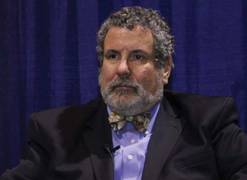
A panel of experts discusses two major clinical studies on hypothyroidism and hyperthyroidism, in addition to treatment options for thyroid nodular disease. The panel met during the 21st annual American Association of Clinical Endocrinologists meeting in Philadelphia. CORRECTION: Dr. Gharib's affiliation is incorrect in the video. He is with Mayo Clinic in Rochester, Minn.
A panel of experts discusses two major clinical studies on hypothyroidism and hyperthyroidism, in addition to treatment options for thyroid nodular disease. The panel met during the 21st annual American Association of Clinical Endocrinologists meeting in Philadelphia. CORRECTION: Dr. Gharib's affiliation is incorrect in the video. He is with Mayo Clinic in Rochester, Minn.
A panel of experts discusses two major clinical studies on hypothyroidism and hyperthyroidism, in addition to treatment options for thyroid nodular disease. The panel met during the 21st annual American Association of Clinical Endocrinologists meeting in Philadelphia. CORRECTION: Dr. Gharib's affiliation is incorrect in the video. He is with Mayo Clinic in Rochester, Minn.
2012 AACE Annual Meeting Kicks Off
This year's AACE annual meeting, held in Philadelphia, is the largest one yet. There is representation from more than 40 countries, and more abstracts, poster, and original research than previous years. As program chair this year, Dr. George Grunberger said he the challenge was including something for everyone, whether they are young endocrinologists or well-known figures in the field.
This year's AACE annual meeting, held in Philadelphia, is the largest one yet. There is representation from more than 40 countries, and more abstracts, poster, and original research than previous years. As program chair this year, Dr. George Grunberger said he the challenge was including something for everyone, whether they are young endocrinologists or well-known figures in the field.
This year's AACE annual meeting, held in Philadelphia, is the largest one yet. There is representation from more than 40 countries, and more abstracts, poster, and original research than previous years. As program chair this year, Dr. George Grunberger said he the challenge was including something for everyone, whether they are young endocrinologists or well-known figures in the field.
Obesity Linked to More Advanced and More Aggressive Thyroid Cancer
Patients who are obese are more likely than are normal-weight patients to present with advanced papillary thyroid cancer and to have an aggressive subtype of the malignancy, according to a report published online May 21 in the Archives of Surgery.
The reasons for these adverse findings are not yet certain, but the findings are enough to warrant more careful screening for thyroid cancer among obese patients, said Dr. Avital Harari of the section of endocrine surgery, University of California, Los Angeles, and her associates.
Increased body mass index has been linked to an increased incidence of thyroid cancer in several study populations. Higher BMI also has been associated with a more advanced stage of disease at diagnosis in several other types of cancer, including breast and prostate cancers.
To assess a possible relationship between obesity and thyroid cancer, Dr. Harari and her colleagues reviewed the medical records of 443 adults who underwent total thyroidectomy as first-line treatment for papillary thyroid cancer and its variants at their institution during 2004-2011.
The study subjects were categorized as normal weight (18.5-24.9 kg/m2), overweight (25-29.9 kg), obese (30-39.9 kg), or morbidly obese (at least 40 kg). The age range was 18-93 years, with a mean age of 48 years.
Obese and morbidly obese patients were significantly more likely than were thinner patients to have stage III or IV disease at diagnosis. In addition, for the study cohort as a whole, higher BMI was a significant predictor of presenting with stage III or IV disease, with an odds ratio (OR) of 1.94 for overweight subjects, an OR of 2.11 for obese subjects, and an OR of 3.67 for morbidly obese patients, compared with normal-weight patients.
Subgroup analysis showed that the percentages of the most-aggressive subtypes of papillary thyroid cancer were higher among patients in the obese and morbidly obese categories than they were among those in the normal-weight and overweight categories, the investigators said (Arch. Surg. 2012 [doi:10.1001/archsurg.2012.713]).
It was noteworthy that patients with higher BMI did not have higher complication rates than did thinner patients. Rates of wound infection, excessive bleeding, hypocalcemia, respiratory problems, and reintubations were similar across all BMI categories. "However, the number of patients was underpowered to detect a less than 3% complication rate," Dr. Harari and her associates noted.
Obese and morbidly obese patients were significantly more likely to have laryngeal nerve dysfunction after thyroidectomy – a rate of 12%, compared with a 2.6% rate in overweight patients and a 2.0% rate in normal-weight patients. But that was because the obese and morbidly obese patients already had vocal cord dysfunction at presentation, concordant with their more advanced local disease.
"We believe that the cause of [the] increase in aggressive papillary thyroid cancer in the overweight and obese population could be multifactorial," the researchers said.
One such factor may be that diagnosis is delayed in patients with higher BMI because it is more difficult to palpate thyroid nodules in the obese neck, so tumors are more advanced when they are finally detected. Another possibility is that certain biomarkers common in obesity, such as high leptin levels, are associated with cancer development and progression.
It is also likely that obesity and thyroid cancer are both linked to third biological factor, such as diabetes. A recent study of diet and health in older Americans found an increased risk of papillary thyroid cancer among women with diabetes, Dr. Harari and her colleagues said.
"Given our findings, we believe that obese patients are at a higher risk of developing aggressive thyroid cancers and thus should be screened ... by sonography, which has been shown to be more sensitive in detecting thyroid cancer than physical examination alone," they said.
No potential financial conflicts of interest were reported.
The researchers propose that one reason obesity is associated with more advanced thyroid cancer is that it interferes with a thorough physical examination, causing a delay in diagnosis. They thus recommend routine sonographic screening of the thyroid in obese patients, said Dr. Quan-Yang Duh.
But this reasoning is contradicted by the finding that a higher proportion of obese patients than normal-weight patients had micropapillary cancer, with 20%-30% of obese patients having tumors smaller than 1 cm, compared with only 5% of normal-weight patients. "Thus, delay in diagnosis is likely not the answer, or at least not the only answer," he said.
Dr. Duh is chief of the section of endocrine surgery at the University of California, San Francisco. He reported no financial conflicts of interest. These remarks were taken from Dr. Duh’s invited critique of Dr. Harari’s report (Arch. Surg. 2012 [doi:10.1001/archsurg.2012.911]).
Increased body mass index, increased incidence of thyroid cancer, breast cancer, prostate cancer, thyroidectomy, papillary thyroid cancer,
The researchers propose that one reason obesity is associated with more advanced thyroid cancer is that it interferes with a thorough physical examination, causing a delay in diagnosis. They thus recommend routine sonographic screening of the thyroid in obese patients, said Dr. Quan-Yang Duh.
But this reasoning is contradicted by the finding that a higher proportion of obese patients than normal-weight patients had micropapillary cancer, with 20%-30% of obese patients having tumors smaller than 1 cm, compared with only 5% of normal-weight patients. "Thus, delay in diagnosis is likely not the answer, or at least not the only answer," he said.
Dr. Duh is chief of the section of endocrine surgery at the University of California, San Francisco. He reported no financial conflicts of interest. These remarks were taken from Dr. Duh’s invited critique of Dr. Harari’s report (Arch. Surg. 2012 [doi:10.1001/archsurg.2012.911]).
The researchers propose that one reason obesity is associated with more advanced thyroid cancer is that it interferes with a thorough physical examination, causing a delay in diagnosis. They thus recommend routine sonographic screening of the thyroid in obese patients, said Dr. Quan-Yang Duh.
But this reasoning is contradicted by the finding that a higher proportion of obese patients than normal-weight patients had micropapillary cancer, with 20%-30% of obese patients having tumors smaller than 1 cm, compared with only 5% of normal-weight patients. "Thus, delay in diagnosis is likely not the answer, or at least not the only answer," he said.
Dr. Duh is chief of the section of endocrine surgery at the University of California, San Francisco. He reported no financial conflicts of interest. These remarks were taken from Dr. Duh’s invited critique of Dr. Harari’s report (Arch. Surg. 2012 [doi:10.1001/archsurg.2012.911]).
Patients who are obese are more likely than are normal-weight patients to present with advanced papillary thyroid cancer and to have an aggressive subtype of the malignancy, according to a report published online May 21 in the Archives of Surgery.
The reasons for these adverse findings are not yet certain, but the findings are enough to warrant more careful screening for thyroid cancer among obese patients, said Dr. Avital Harari of the section of endocrine surgery, University of California, Los Angeles, and her associates.
Increased body mass index has been linked to an increased incidence of thyroid cancer in several study populations. Higher BMI also has been associated with a more advanced stage of disease at diagnosis in several other types of cancer, including breast and prostate cancers.
To assess a possible relationship between obesity and thyroid cancer, Dr. Harari and her colleagues reviewed the medical records of 443 adults who underwent total thyroidectomy as first-line treatment for papillary thyroid cancer and its variants at their institution during 2004-2011.
The study subjects were categorized as normal weight (18.5-24.9 kg/m2), overweight (25-29.9 kg), obese (30-39.9 kg), or morbidly obese (at least 40 kg). The age range was 18-93 years, with a mean age of 48 years.
Obese and morbidly obese patients were significantly more likely than were thinner patients to have stage III or IV disease at diagnosis. In addition, for the study cohort as a whole, higher BMI was a significant predictor of presenting with stage III or IV disease, with an odds ratio (OR) of 1.94 for overweight subjects, an OR of 2.11 for obese subjects, and an OR of 3.67 for morbidly obese patients, compared with normal-weight patients.
Subgroup analysis showed that the percentages of the most-aggressive subtypes of papillary thyroid cancer were higher among patients in the obese and morbidly obese categories than they were among those in the normal-weight and overweight categories, the investigators said (Arch. Surg. 2012 [doi:10.1001/archsurg.2012.713]).
It was noteworthy that patients with higher BMI did not have higher complication rates than did thinner patients. Rates of wound infection, excessive bleeding, hypocalcemia, respiratory problems, and reintubations were similar across all BMI categories. "However, the number of patients was underpowered to detect a less than 3% complication rate," Dr. Harari and her associates noted.
Obese and morbidly obese patients were significantly more likely to have laryngeal nerve dysfunction after thyroidectomy – a rate of 12%, compared with a 2.6% rate in overweight patients and a 2.0% rate in normal-weight patients. But that was because the obese and morbidly obese patients already had vocal cord dysfunction at presentation, concordant with their more advanced local disease.
"We believe that the cause of [the] increase in aggressive papillary thyroid cancer in the overweight and obese population could be multifactorial," the researchers said.
One such factor may be that diagnosis is delayed in patients with higher BMI because it is more difficult to palpate thyroid nodules in the obese neck, so tumors are more advanced when they are finally detected. Another possibility is that certain biomarkers common in obesity, such as high leptin levels, are associated with cancer development and progression.
It is also likely that obesity and thyroid cancer are both linked to third biological factor, such as diabetes. A recent study of diet and health in older Americans found an increased risk of papillary thyroid cancer among women with diabetes, Dr. Harari and her colleagues said.
"Given our findings, we believe that obese patients are at a higher risk of developing aggressive thyroid cancers and thus should be screened ... by sonography, which has been shown to be more sensitive in detecting thyroid cancer than physical examination alone," they said.
No potential financial conflicts of interest were reported.
Patients who are obese are more likely than are normal-weight patients to present with advanced papillary thyroid cancer and to have an aggressive subtype of the malignancy, according to a report published online May 21 in the Archives of Surgery.
The reasons for these adverse findings are not yet certain, but the findings are enough to warrant more careful screening for thyroid cancer among obese patients, said Dr. Avital Harari of the section of endocrine surgery, University of California, Los Angeles, and her associates.
Increased body mass index has been linked to an increased incidence of thyroid cancer in several study populations. Higher BMI also has been associated with a more advanced stage of disease at diagnosis in several other types of cancer, including breast and prostate cancers.
To assess a possible relationship between obesity and thyroid cancer, Dr. Harari and her colleagues reviewed the medical records of 443 adults who underwent total thyroidectomy as first-line treatment for papillary thyroid cancer and its variants at their institution during 2004-2011.
The study subjects were categorized as normal weight (18.5-24.9 kg/m2), overweight (25-29.9 kg), obese (30-39.9 kg), or morbidly obese (at least 40 kg). The age range was 18-93 years, with a mean age of 48 years.
Obese and morbidly obese patients were significantly more likely than were thinner patients to have stage III or IV disease at diagnosis. In addition, for the study cohort as a whole, higher BMI was a significant predictor of presenting with stage III or IV disease, with an odds ratio (OR) of 1.94 for overweight subjects, an OR of 2.11 for obese subjects, and an OR of 3.67 for morbidly obese patients, compared with normal-weight patients.
Subgroup analysis showed that the percentages of the most-aggressive subtypes of papillary thyroid cancer were higher among patients in the obese and morbidly obese categories than they were among those in the normal-weight and overweight categories, the investigators said (Arch. Surg. 2012 [doi:10.1001/archsurg.2012.713]).
It was noteworthy that patients with higher BMI did not have higher complication rates than did thinner patients. Rates of wound infection, excessive bleeding, hypocalcemia, respiratory problems, and reintubations were similar across all BMI categories. "However, the number of patients was underpowered to detect a less than 3% complication rate," Dr. Harari and her associates noted.
Obese and morbidly obese patients were significantly more likely to have laryngeal nerve dysfunction after thyroidectomy – a rate of 12%, compared with a 2.6% rate in overweight patients and a 2.0% rate in normal-weight patients. But that was because the obese and morbidly obese patients already had vocal cord dysfunction at presentation, concordant with their more advanced local disease.
"We believe that the cause of [the] increase in aggressive papillary thyroid cancer in the overweight and obese population could be multifactorial," the researchers said.
One such factor may be that diagnosis is delayed in patients with higher BMI because it is more difficult to palpate thyroid nodules in the obese neck, so tumors are more advanced when they are finally detected. Another possibility is that certain biomarkers common in obesity, such as high leptin levels, are associated with cancer development and progression.
It is also likely that obesity and thyroid cancer are both linked to third biological factor, such as diabetes. A recent study of diet and health in older Americans found an increased risk of papillary thyroid cancer among women with diabetes, Dr. Harari and her colleagues said.
"Given our findings, we believe that obese patients are at a higher risk of developing aggressive thyroid cancers and thus should be screened ... by sonography, which has been shown to be more sensitive in detecting thyroid cancer than physical examination alone," they said.
No potential financial conflicts of interest were reported.
Increased body mass index, increased incidence of thyroid cancer, breast cancer, prostate cancer, thyroidectomy, papillary thyroid cancer,
Increased body mass index, increased incidence of thyroid cancer, breast cancer, prostate cancer, thyroidectomy, papillary thyroid cancer,
FROM THE ARCHIVES OF SURGERY
Major Finding: Obese and morbidly obese patients were significantly more likely than were thinner patients to have stage III or IV thyroid cancer at diagnosis, and higher BMI was a significant predictor of presenting with stage III or IV disease, with an OR of 1.94 for overweight subjects, an OR of 2.11 for obese subjects, and an OR of 3.67 for morbidly obese patients, compared with normal-weight patients.
Data Source: A retrospective review of the medical records of 443 adults with papillary thyroid cancer who were treated at a single medical center in 2004-2011.
Disclosures: No potential financial conflicts of interest were reported.
Subclinical Hyperthyroidism Raised CHD Mortality, AF Risks
Endogenous subclinical hyperthyroidism increased the risks of coronary heart disease mortality, total mortality, and atrial fibrillation, a study published online April 23 in the Archives of Internal Medicine has shown.
The excess risk was most pronounced in patients who had the lowest thyrotropin levels – below 0.10 mIU/L – said Dr. Tinh-Hai Collet of the department of ambulatory care and community medicine, University of Lausanne (Switzerland), and associates (Arch. Intern. Med. 2012 April 23 [doi:10.1001/archinternmed.2012.402]).
Researchers have long suspected an association between subclinical hyperthyroidism and adverse cardiovascular effects, but prospective cohort studies and study-level meta-analyses alike have reached conflicting conclusions about such a link.
Dr. Collet and colleagues conducted a patient-level meta-analysis of the issue, reasoning that examining individual participant data from large cohort studies might resolve the question.
The researchers included all 10 prospective longitudinal cohorts in the literature that reported baseline thyrotropin and free thyroxine levels, included euthyroid control groups, and specifically tracked coronary heart disease (CHD) and mortality outcomes. They excluded studies that used first-generation thyrotropin assays, because those tests are not sensitive enough to detect subclinical hyperthyroidism reliably.
The 10 cohorts comprised 52,674 patients with a median age of 59 years. The median follow-up was 8.8 years, and the total follow-up was 501,922 person-years. A total of 2,188 (4.2%) of those patients had endogenous subclinical hyperthyroidism.
Overall, 8,527 patients died during follow-up. There were 1,896 CHD deaths, 3,653 CHD events, and 785 cases of incident atrial fibrillation (AF).
For patients with subclinical hyperthyroidism, the overall hazard ratio compared with euthyroid control patients for all-cause mortality was 1.24, for CHD mortality was 1.29, for CHD events was 1.21, and for incident AF was 1.68.
Both CHD mortality and AF rates – but not the other outcomes – were significantly higher among patients with the very lowest thyrotropin levels, the investigators said.
Those increased risks did not change materially when the data were analyzed according to patient age or the presence of preexisting cardiovascular disease. The results also remained the same in sensitivity analyses, even after the data were adjusted to account for body mass index and the use of lipid-lowering or antihypertensive medication.
In contrast, cancer mortality and stroke mortality were no higher in patients with subclinical hyperthyroidism than in control patients.
"Our results, based on individual participant data, demonstrate that there is indeed an increased risk of total and CHD mortality associated with subclinical hyperthyroidism," Dr. Collet and associates said.
Their findings support recent guidelines stating that the treatment of subclinical hyperthyroidism "should be strongly considered" in all patients aged 65 and older whose thyrotropin level is lower than 0.10 mIU/L.
The study could not address whether such therapy decreases the elevated risk of death, CHD events, or AF, the authors said, and no large randomized controlled trial has yet attempted to do so. Such a trial would be "challenging" to perform because of the low prevalence of subclinical hyperthyroidism in the general population, they added.
The Swiss National Science Foundation supported the study. The investigators reported no relevant financial conflicts of interest.
Endogenous subclinical hyperthyroidism increased the risks of coronary heart disease mortality, total mortality, and atrial fibrillation, a study published online April 23 in the Archives of Internal Medicine has shown.
The excess risk was most pronounced in patients who had the lowest thyrotropin levels – below 0.10 mIU/L – said Dr. Tinh-Hai Collet of the department of ambulatory care and community medicine, University of Lausanne (Switzerland), and associates (Arch. Intern. Med. 2012 April 23 [doi:10.1001/archinternmed.2012.402]).
Researchers have long suspected an association between subclinical hyperthyroidism and adverse cardiovascular effects, but prospective cohort studies and study-level meta-analyses alike have reached conflicting conclusions about such a link.
Dr. Collet and colleagues conducted a patient-level meta-analysis of the issue, reasoning that examining individual participant data from large cohort studies might resolve the question.
The researchers included all 10 prospective longitudinal cohorts in the literature that reported baseline thyrotropin and free thyroxine levels, included euthyroid control groups, and specifically tracked coronary heart disease (CHD) and mortality outcomes. They excluded studies that used first-generation thyrotropin assays, because those tests are not sensitive enough to detect subclinical hyperthyroidism reliably.
The 10 cohorts comprised 52,674 patients with a median age of 59 years. The median follow-up was 8.8 years, and the total follow-up was 501,922 person-years. A total of 2,188 (4.2%) of those patients had endogenous subclinical hyperthyroidism.
Overall, 8,527 patients died during follow-up. There were 1,896 CHD deaths, 3,653 CHD events, and 785 cases of incident atrial fibrillation (AF).
For patients with subclinical hyperthyroidism, the overall hazard ratio compared with euthyroid control patients for all-cause mortality was 1.24, for CHD mortality was 1.29, for CHD events was 1.21, and for incident AF was 1.68.
Both CHD mortality and AF rates – but not the other outcomes – were significantly higher among patients with the very lowest thyrotropin levels, the investigators said.
Those increased risks did not change materially when the data were analyzed according to patient age or the presence of preexisting cardiovascular disease. The results also remained the same in sensitivity analyses, even after the data were adjusted to account for body mass index and the use of lipid-lowering or antihypertensive medication.
In contrast, cancer mortality and stroke mortality were no higher in patients with subclinical hyperthyroidism than in control patients.
"Our results, based on individual participant data, demonstrate that there is indeed an increased risk of total and CHD mortality associated with subclinical hyperthyroidism," Dr. Collet and associates said.
Their findings support recent guidelines stating that the treatment of subclinical hyperthyroidism "should be strongly considered" in all patients aged 65 and older whose thyrotropin level is lower than 0.10 mIU/L.
The study could not address whether such therapy decreases the elevated risk of death, CHD events, or AF, the authors said, and no large randomized controlled trial has yet attempted to do so. Such a trial would be "challenging" to perform because of the low prevalence of subclinical hyperthyroidism in the general population, they added.
The Swiss National Science Foundation supported the study. The investigators reported no relevant financial conflicts of interest.
Endogenous subclinical hyperthyroidism increased the risks of coronary heart disease mortality, total mortality, and atrial fibrillation, a study published online April 23 in the Archives of Internal Medicine has shown.
The excess risk was most pronounced in patients who had the lowest thyrotropin levels – below 0.10 mIU/L – said Dr. Tinh-Hai Collet of the department of ambulatory care and community medicine, University of Lausanne (Switzerland), and associates (Arch. Intern. Med. 2012 April 23 [doi:10.1001/archinternmed.2012.402]).
Researchers have long suspected an association between subclinical hyperthyroidism and adverse cardiovascular effects, but prospective cohort studies and study-level meta-analyses alike have reached conflicting conclusions about such a link.
Dr. Collet and colleagues conducted a patient-level meta-analysis of the issue, reasoning that examining individual participant data from large cohort studies might resolve the question.
The researchers included all 10 prospective longitudinal cohorts in the literature that reported baseline thyrotropin and free thyroxine levels, included euthyroid control groups, and specifically tracked coronary heart disease (CHD) and mortality outcomes. They excluded studies that used first-generation thyrotropin assays, because those tests are not sensitive enough to detect subclinical hyperthyroidism reliably.
The 10 cohorts comprised 52,674 patients with a median age of 59 years. The median follow-up was 8.8 years, and the total follow-up was 501,922 person-years. A total of 2,188 (4.2%) of those patients had endogenous subclinical hyperthyroidism.
Overall, 8,527 patients died during follow-up. There were 1,896 CHD deaths, 3,653 CHD events, and 785 cases of incident atrial fibrillation (AF).
For patients with subclinical hyperthyroidism, the overall hazard ratio compared with euthyroid control patients for all-cause mortality was 1.24, for CHD mortality was 1.29, for CHD events was 1.21, and for incident AF was 1.68.
Both CHD mortality and AF rates – but not the other outcomes – were significantly higher among patients with the very lowest thyrotropin levels, the investigators said.
Those increased risks did not change materially when the data were analyzed according to patient age or the presence of preexisting cardiovascular disease. The results also remained the same in sensitivity analyses, even after the data were adjusted to account for body mass index and the use of lipid-lowering or antihypertensive medication.
In contrast, cancer mortality and stroke mortality were no higher in patients with subclinical hyperthyroidism than in control patients.
"Our results, based on individual participant data, demonstrate that there is indeed an increased risk of total and CHD mortality associated with subclinical hyperthyroidism," Dr. Collet and associates said.
Their findings support recent guidelines stating that the treatment of subclinical hyperthyroidism "should be strongly considered" in all patients aged 65 and older whose thyrotropin level is lower than 0.10 mIU/L.
The study could not address whether such therapy decreases the elevated risk of death, CHD events, or AF, the authors said, and no large randomized controlled trial has yet attempted to do so. Such a trial would be "challenging" to perform because of the low prevalence of subclinical hyperthyroidism in the general population, they added.
The Swiss National Science Foundation supported the study. The investigators reported no relevant financial conflicts of interest.
FROM ARCHIVES OF INTERNAL MEDICINE
Major Finding: Compared with euthyroid study patients, those with endogenous subclinical hyperthyroidism were at greater risk for coronary heart disease mortality (HR, 1.29), all-cause mortality (HR, 1.24), CHD events (HR, 1.21), and incident atrial fibrillation (HR, 1.68).
Data Source: A patient-level meta-analysis of data on 52,674 participants in 10 prospective cohort studies who were followed for a median of 8.8 years for CHD and mortality outcomes.
Disclosures: The Swiss National Science Foundation supported the study. No financial conflicts of interest were reported.
Subclinical Hypothyroidism Treatment Cuts IHD in Younger Patients
Treating subclinical hypothyroidism with levothyroxine was found to decrease the rate of ischemic heart disease in patients aged 40-70 years, the first evidence ever to be published regarding the benefit of treatment on "hard" clinical outcomes, according to a report published online April 23 in Archives of Internal Medicine
In a review of the medical records of 4,735 patients across the United Kingdom, levothyroxine therapy reduced all-cause mortality and the number of ischemic heart disease events in adults up to 70 years of age, but did not benefit those older than 70, said Dr. Salman Razvi of the Institutes of Human Genetics, Newcastle (U.K.) University, and his associates.
Subclinical hypothyroidism has been believed to predispose patients to cardiovascular disease for decades, but no adequately powered randomized controlled intervention trials have been performed to determine whether treatment of the condition actually improves the risk for ischemic heart disease. Nevertheless, many patients with subclinical hypothyroidism are treated with levothyroxine for symptoms of the condition as well as for the perceived amelioration of CV risk factors such as dyslipidemia, the investigators said.
They examined the issue using data from the General Practitioner Research Database, which contains the longitudinal medical records of a representative sample of more than 10 million British patients (about 16% of the U.K. population). The researchers identified 4,735 adults diagnosed as having subclinical hypothyroidism in 2001 and tracked their records for a median of 8 years for the development of cardiovascular morbidity and mortality.
The study cohort was divided into younger and older groups, with 3,093 subjects aged 40-70 years and 1,642 subjects aged over 70 years. Previous studies have established that subclinical hypothyroidism does not have the same adverse cardiovascular effects in elderly patients as in younger patients, and may even be cardioprotective, Dr. Razvi and his colleagues noted.
During follow-up, both fatal and nonfatal ischemic heart disease events occurred in 165 patients in the younger group (5.3%) and 192 in the older group (11.7%).
In the younger group, the number of such events was 39% lower among patients taking levothyroxine than in untreated patients, a significant difference. All-cause mortality also was lower in the treated younger patients, by 64% (Arch. Int. Med. 2012 April 23 [doi:10.1001/archinternmed.2012.1159].
However, in the older patients, there were no significant differences between treated and untreated patients in the rate of ischemic heart disease events or all-cause mortality.
In addition, the incidence of atrial fibrillation showed no association with treatment of subclinical hypothyroidism in either study group.
"Our data suggest that physicians can be reassured that levothyroxine treatment of subclinical hypothyroidism in patients aged 40-70 years is not harmful and may be associated with modestly improved medium-term health outcomes," the investigators said.
They added that their findings "may provide the best evidence about the management of subclinical hypotension for some time," given that no prospective randomized controlled trials of the issue have yet begun.
This study was funded in part by the Medical Research Council. One of Dr. Razvi’s associates reported receiving speakers’ fees from Merck Serono, and no other financial conflicts of interest were reported.
Treating subclinical hypothyroidism with levothyroxine was found to decrease the rate of ischemic heart disease in patients aged 40-70 years, the first evidence ever to be published regarding the benefit of treatment on "hard" clinical outcomes, according to a report published online April 23 in Archives of Internal Medicine
In a review of the medical records of 4,735 patients across the United Kingdom, levothyroxine therapy reduced all-cause mortality and the number of ischemic heart disease events in adults up to 70 years of age, but did not benefit those older than 70, said Dr. Salman Razvi of the Institutes of Human Genetics, Newcastle (U.K.) University, and his associates.
Subclinical hypothyroidism has been believed to predispose patients to cardiovascular disease for decades, but no adequately powered randomized controlled intervention trials have been performed to determine whether treatment of the condition actually improves the risk for ischemic heart disease. Nevertheless, many patients with subclinical hypothyroidism are treated with levothyroxine for symptoms of the condition as well as for the perceived amelioration of CV risk factors such as dyslipidemia, the investigators said.
They examined the issue using data from the General Practitioner Research Database, which contains the longitudinal medical records of a representative sample of more than 10 million British patients (about 16% of the U.K. population). The researchers identified 4,735 adults diagnosed as having subclinical hypothyroidism in 2001 and tracked their records for a median of 8 years for the development of cardiovascular morbidity and mortality.
The study cohort was divided into younger and older groups, with 3,093 subjects aged 40-70 years and 1,642 subjects aged over 70 years. Previous studies have established that subclinical hypothyroidism does not have the same adverse cardiovascular effects in elderly patients as in younger patients, and may even be cardioprotective, Dr. Razvi and his colleagues noted.
During follow-up, both fatal and nonfatal ischemic heart disease events occurred in 165 patients in the younger group (5.3%) and 192 in the older group (11.7%).
In the younger group, the number of such events was 39% lower among patients taking levothyroxine than in untreated patients, a significant difference. All-cause mortality also was lower in the treated younger patients, by 64% (Arch. Int. Med. 2012 April 23 [doi:10.1001/archinternmed.2012.1159].
However, in the older patients, there were no significant differences between treated and untreated patients in the rate of ischemic heart disease events or all-cause mortality.
In addition, the incidence of atrial fibrillation showed no association with treatment of subclinical hypothyroidism in either study group.
"Our data suggest that physicians can be reassured that levothyroxine treatment of subclinical hypothyroidism in patients aged 40-70 years is not harmful and may be associated with modestly improved medium-term health outcomes," the investigators said.
They added that their findings "may provide the best evidence about the management of subclinical hypotension for some time," given that no prospective randomized controlled trials of the issue have yet begun.
This study was funded in part by the Medical Research Council. One of Dr. Razvi’s associates reported receiving speakers’ fees from Merck Serono, and no other financial conflicts of interest were reported.
Treating subclinical hypothyroidism with levothyroxine was found to decrease the rate of ischemic heart disease in patients aged 40-70 years, the first evidence ever to be published regarding the benefit of treatment on "hard" clinical outcomes, according to a report published online April 23 in Archives of Internal Medicine
In a review of the medical records of 4,735 patients across the United Kingdom, levothyroxine therapy reduced all-cause mortality and the number of ischemic heart disease events in adults up to 70 years of age, but did not benefit those older than 70, said Dr. Salman Razvi of the Institutes of Human Genetics, Newcastle (U.K.) University, and his associates.
Subclinical hypothyroidism has been believed to predispose patients to cardiovascular disease for decades, but no adequately powered randomized controlled intervention trials have been performed to determine whether treatment of the condition actually improves the risk for ischemic heart disease. Nevertheless, many patients with subclinical hypothyroidism are treated with levothyroxine for symptoms of the condition as well as for the perceived amelioration of CV risk factors such as dyslipidemia, the investigators said.
They examined the issue using data from the General Practitioner Research Database, which contains the longitudinal medical records of a representative sample of more than 10 million British patients (about 16% of the U.K. population). The researchers identified 4,735 adults diagnosed as having subclinical hypothyroidism in 2001 and tracked their records for a median of 8 years for the development of cardiovascular morbidity and mortality.
The study cohort was divided into younger and older groups, with 3,093 subjects aged 40-70 years and 1,642 subjects aged over 70 years. Previous studies have established that subclinical hypothyroidism does not have the same adverse cardiovascular effects in elderly patients as in younger patients, and may even be cardioprotective, Dr. Razvi and his colleagues noted.
During follow-up, both fatal and nonfatal ischemic heart disease events occurred in 165 patients in the younger group (5.3%) and 192 in the older group (11.7%).
In the younger group, the number of such events was 39% lower among patients taking levothyroxine than in untreated patients, a significant difference. All-cause mortality also was lower in the treated younger patients, by 64% (Arch. Int. Med. 2012 April 23 [doi:10.1001/archinternmed.2012.1159].
However, in the older patients, there were no significant differences between treated and untreated patients in the rate of ischemic heart disease events or all-cause mortality.
In addition, the incidence of atrial fibrillation showed no association with treatment of subclinical hypothyroidism in either study group.
"Our data suggest that physicians can be reassured that levothyroxine treatment of subclinical hypothyroidism in patients aged 40-70 years is not harmful and may be associated with modestly improved medium-term health outcomes," the investigators said.
They added that their findings "may provide the best evidence about the management of subclinical hypotension for some time," given that no prospective randomized controlled trials of the issue have yet begun.
This study was funded in part by the Medical Research Council. One of Dr. Razvi’s associates reported receiving speakers’ fees from Merck Serono, and no other financial conflicts of interest were reported.
FROM ARCHIVES OF INTERNAL MEDICINE
Major Finding: The number of ischemic heart disease events was 39% lower in patients aged 40-70 years whose subclinical hypothyroidism was treated with levothyroxine than in untreated patients, but treatment had no cardioprotective effect in patients older than 70. All-cause mortality was lower by 64% in the treated patients in the younger age group.
Data Source: This was a review of the medical records of 4,735 adults diagnosed as having subclinical hypothyroidism in 2001 and followed for about 8 years for cardiovascular morbidity and mortality.
Disclosures: This study was funded in part by the Medical Research Council. One of Dr. Razvi’s associates reported receiving speakers’ fees from Merck Serono, and no other financial conflicts of interest were reported.
Renal Denervation Outcomes for Resistant Hypertension Persist at 3 Years
CHICAGO – Selective renal denervation for the treatment of resistant hypertension continues to rack up impressively large and durable blood pressure reductions and a solid safety profile 3 years post-procedure, according to the latest update from the Symplicity HTN-1 study, an open-label, uncontrolled investigation.
At baseline the 153 participants in the study conducted in Australia, the United States, and Europe had a mean office blood pressure of 175/98 mm Hg, despite being on an average of 5.1 antihypertensive medications. At 36 months post-denervation they maintained an average in-office blood pressure reduction of -33/-19 mm Hg, according to Dr. Paul A. Sobotka, professor of medicine at Ohio State University, Columbus.
The response rate rose over time. One month post-denervation, 31% of HTN-1 participants were nonresponders as defined by failure to reduce their office systolic blood pressure by at least 10 mm Hg compared to baseline. By 1 year follow-up, the nonresponder rate had fallen to 21%. At 2 years, it was 10%. And at 36 months it was zero.
In other words, the response rate climbed from 69% at 1 month to 100% at 3 years. Thus, it would be premature to repeat renal denervation or switch to alternative therapy because of blood pressure nonresponse at 6 months, the cardiologist said.
"The assumption had been that nonresponse represented inadequate treatment related either to the device or to the operator. That would not appear to be the case at this time. I assume that the nonresponder rate is primarily related to a patient-based characteristic. But so far, we can identify no patient characteristic or drug characteristic that predicts early nonresponse and later response. It’s a wonderful area to look into further," he continued.
The blood pressure reduction was similar regardless of patient age, diabetes status, or baseline renal function.
"What’s particularly gratifying to me is that elderly patients seem to have a significant reduction in systolic blood pressure and narrowing of pulse pressure. To the extent that [elevations of these parameters] are risk factors for the development of cerebrovascular disease, this therapy may have particular value in the elderly population," Dr. Sobotka noted.
With regard to long-term safety, there have been no hypotensive events requiring hospitalization and no change over time in mean electrolyte levels or estimated glomerular filtration rate.

"The absence of a significant reduction in eGFR in the presence of a 30 mm Hg decrease in systolic blood pressure is virtually unheralded in hypertension therapy. One would have expected that the reduction in blood pressure should have been accompanied by a significant reduction in eGFR, which was not seen. The eGFR looks to be stable over 3 years," Dr. Sobotka observed.
Bilateral selective renal denervation is a minimally invasive endovascular procedure targeting the sympathetic nerves running to and from the kidney. It is made possible by the fact that the renal afferent and efferent sympathetic nerves are located in the adventitia of the renal artery wall, well within reach of radiofrequency energy delivered by a special catheter.
Chronic activation of renal sympathetic outflow is a prominent feature in untreated essential hypertension. Animal studies have demonstrated that severing the renal sympathetic nerves reverses or prevents hypertension.
An estimated 15%-20% of patients diagnosed with hypertension are classified as having treatment-resistant hypertension as defined by a systolic blood pressure of at least 160 mm Hg despite three or more antihypertensive drugs.
The mean procedure time was 38 minutes, with an average of four radiofrequency ablations per artery delivered by the proprietary Medtronic Symplicity renal denervation system. Intravenous narcotics and sedatives were used for pain during ablation. Minor complications occurred in 4 of 153 patients. These consisted of three minor access site complications and one renal artery dissection that occurred prior to ablation and was stented with no further consequences.
In response to audience questions about the possibility of nerve sprouting eventually limiting the effectiveness of renal denervation, Dr. Sobotka said that studies in kidney transplant recipients indicate that while there is some regrowth of efferent fibers with partial neurologic activity, the outbound afferent fibers have little or no ability to reconnect.
"We haven’t reexamined neurologic function of the kidneys post-denervation. That needs to be looked at. But to give a pedestrian response, I’d say the blood pressure response is so significant that it’s hard to imagine that something at a neurologic level has regrown that has any clinical importance," the cardiologist explained.
The Symplicity HTN-1 study was an open-label and uncontrolled. In contrast, the Simplicity HTN-2 study features a randomized prospective crossover design. The 6-month results of HTN-2 have been published (Lancet 2010;376:1903-9). At the Chicago ACC meeting, HTN-2 chief investigator Dr. Murray Esler presented the 1-year findings, focusing on the 35 control subjects who crossed over to renal denervation after 6 months of usual care.
The control subjects had a baseline blood pressure of 178/98 mm Hg despite being on an average of five antihypertensive drugs. After 6 months of usual care, their blood pressure had increased to 190/100 mm Hg. But 6 months after undergoing the ablation procedure, their average office blood pressure was 166/92 mm Hg.
One patient was hospitalized for post-procedure hypotension. This individual was treated with intravenous fluids and a reduction in antihypertensive medication and was discharged without further incident. Such occurrences have been quite rare among the roughly 4,000 patients treated worldwide to date, according to Dr. Esler, associated director of the Baker IDI Heart and Diabetes Institute, Melbourne.
Two patients in the control arm had a total of three hypertensive episodes requiring hospitalization during the 6-month usual care phase prior to crossover to renal denervation.
"These patients, of course, ended up as very good treatment responders," he said.
These severe hypertensive episodes while on usual care, along with the natural tendency of blood pressure to rise from baseline to crossover in the control group despite medication, underscore the potential costs in delaying renal denervation, Dr. Esler commented.
A pivotal Phase-3 Symplicity HTN-3 trial is underway in the United States, where renal denervation remains investigational. The study, led by Dr. George Bakris, president of the American Society of Hypertension and professor of medicine at the University of Chicago, involves more than 500 patients with resistant hypertension. It features a blinded crossover study design. The Symplicity system is commercially available in Australia, Europe, and Asia.
Dr. Sobotka is a paid advisor to Medtronic. Dr. Esler has received research grants from and is a paid consultant to Medtronic and Ardian.
CHICAGO – Selective renal denervation for the treatment of resistant hypertension continues to rack up impressively large and durable blood pressure reductions and a solid safety profile 3 years post-procedure, according to the latest update from the Symplicity HTN-1 study, an open-label, uncontrolled investigation.
At baseline the 153 participants in the study conducted in Australia, the United States, and Europe had a mean office blood pressure of 175/98 mm Hg, despite being on an average of 5.1 antihypertensive medications. At 36 months post-denervation they maintained an average in-office blood pressure reduction of -33/-19 mm Hg, according to Dr. Paul A. Sobotka, professor of medicine at Ohio State University, Columbus.
The response rate rose over time. One month post-denervation, 31% of HTN-1 participants were nonresponders as defined by failure to reduce their office systolic blood pressure by at least 10 mm Hg compared to baseline. By 1 year follow-up, the nonresponder rate had fallen to 21%. At 2 years, it was 10%. And at 36 months it was zero.
In other words, the response rate climbed from 69% at 1 month to 100% at 3 years. Thus, it would be premature to repeat renal denervation or switch to alternative therapy because of blood pressure nonresponse at 6 months, the cardiologist said.
"The assumption had been that nonresponse represented inadequate treatment related either to the device or to the operator. That would not appear to be the case at this time. I assume that the nonresponder rate is primarily related to a patient-based characteristic. But so far, we can identify no patient characteristic or drug characteristic that predicts early nonresponse and later response. It’s a wonderful area to look into further," he continued.
The blood pressure reduction was similar regardless of patient age, diabetes status, or baseline renal function.
"What’s particularly gratifying to me is that elderly patients seem to have a significant reduction in systolic blood pressure and narrowing of pulse pressure. To the extent that [elevations of these parameters] are risk factors for the development of cerebrovascular disease, this therapy may have particular value in the elderly population," Dr. Sobotka noted.
With regard to long-term safety, there have been no hypotensive events requiring hospitalization and no change over time in mean electrolyte levels or estimated glomerular filtration rate.
"The absence of a significant reduction in eGFR in the presence of a 30 mm Hg decrease in systolic blood pressure is virtually unheralded in hypertension therapy. One would have expected that the reduction in blood pressure should have been accompanied by a significant reduction in eGFR, which was not seen. The eGFR looks to be stable over 3 years," Dr. Sobotka observed.
Bilateral selective renal denervation is a minimally invasive endovascular procedure targeting the sympathetic nerves running to and from the kidney. It is made possible by the fact that the renal afferent and efferent sympathetic nerves are located in the adventitia of the renal artery wall, well within reach of radiofrequency energy delivered by a special catheter.
Chronic activation of renal sympathetic outflow is a prominent feature in untreated essential hypertension. Animal studies have demonstrated that severing the renal sympathetic nerves reverses or prevents hypertension.
An estimated 15%-20% of patients diagnosed with hypertension are classified as having treatment-resistant hypertension as defined by a systolic blood pressure of at least 160 mm Hg despite three or more antihypertensive drugs.
The mean procedure time was 38 minutes, with an average of four radiofrequency ablations per artery delivered by the proprietary Medtronic Symplicity renal denervation system. Intravenous narcotics and sedatives were used for pain during ablation. Minor complications occurred in 4 of 153 patients. These consisted of three minor access site complications and one renal artery dissection that occurred prior to ablation and was stented with no further consequences.
In response to audience questions about the possibility of nerve sprouting eventually limiting the effectiveness of renal denervation, Dr. Sobotka said that studies in kidney transplant recipients indicate that while there is some regrowth of efferent fibers with partial neurologic activity, the outbound afferent fibers have little or no ability to reconnect.
"We haven’t reexamined neurologic function of the kidneys post-denervation. That needs to be looked at. But to give a pedestrian response, I’d say the blood pressure response is so significant that it’s hard to imagine that something at a neurologic level has regrown that has any clinical importance," the cardiologist explained.
The Symplicity HTN-1 study was an open-label and uncontrolled. In contrast, the Simplicity HTN-2 study features a randomized prospective crossover design. The 6-month results of HTN-2 have been published (Lancet 2010;376:1903-9). At the Chicago ACC meeting, HTN-2 chief investigator Dr. Murray Esler presented the 1-year findings, focusing on the 35 control subjects who crossed over to renal denervation after 6 months of usual care.
The control subjects had a baseline blood pressure of 178/98 mm Hg despite being on an average of five antihypertensive drugs. After 6 months of usual care, their blood pressure had increased to 190/100 mm Hg. But 6 months after undergoing the ablation procedure, their average office blood pressure was 166/92 mm Hg.
One patient was hospitalized for post-procedure hypotension. This individual was treated with intravenous fluids and a reduction in antihypertensive medication and was discharged without further incident. Such occurrences have been quite rare among the roughly 4,000 patients treated worldwide to date, according to Dr. Esler, associated director of the Baker IDI Heart and Diabetes Institute, Melbourne.
Two patients in the control arm had a total of three hypertensive episodes requiring hospitalization during the 6-month usual care phase prior to crossover to renal denervation.
"These patients, of course, ended up as very good treatment responders," he said.
These severe hypertensive episodes while on usual care, along with the natural tendency of blood pressure to rise from baseline to crossover in the control group despite medication, underscore the potential costs in delaying renal denervation, Dr. Esler commented.
A pivotal Phase-3 Symplicity HTN-3 trial is underway in the United States, where renal denervation remains investigational. The study, led by Dr. George Bakris, president of the American Society of Hypertension and professor of medicine at the University of Chicago, involves more than 500 patients with resistant hypertension. It features a blinded crossover study design. The Symplicity system is commercially available in Australia, Europe, and Asia.
Dr. Sobotka is a paid advisor to Medtronic. Dr. Esler has received research grants from and is a paid consultant to Medtronic and Ardian.
CHICAGO – Selective renal denervation for the treatment of resistant hypertension continues to rack up impressively large and durable blood pressure reductions and a solid safety profile 3 years post-procedure, according to the latest update from the Symplicity HTN-1 study, an open-label, uncontrolled investigation.
At baseline the 153 participants in the study conducted in Australia, the United States, and Europe had a mean office blood pressure of 175/98 mm Hg, despite being on an average of 5.1 antihypertensive medications. At 36 months post-denervation they maintained an average in-office blood pressure reduction of -33/-19 mm Hg, according to Dr. Paul A. Sobotka, professor of medicine at Ohio State University, Columbus.
The response rate rose over time. One month post-denervation, 31% of HTN-1 participants were nonresponders as defined by failure to reduce their office systolic blood pressure by at least 10 mm Hg compared to baseline. By 1 year follow-up, the nonresponder rate had fallen to 21%. At 2 years, it was 10%. And at 36 months it was zero.
In other words, the response rate climbed from 69% at 1 month to 100% at 3 years. Thus, it would be premature to repeat renal denervation or switch to alternative therapy because of blood pressure nonresponse at 6 months, the cardiologist said.
"The assumption had been that nonresponse represented inadequate treatment related either to the device or to the operator. That would not appear to be the case at this time. I assume that the nonresponder rate is primarily related to a patient-based characteristic. But so far, we can identify no patient characteristic or drug characteristic that predicts early nonresponse and later response. It’s a wonderful area to look into further," he continued.
The blood pressure reduction was similar regardless of patient age, diabetes status, or baseline renal function.
"What’s particularly gratifying to me is that elderly patients seem to have a significant reduction in systolic blood pressure and narrowing of pulse pressure. To the extent that [elevations of these parameters] are risk factors for the development of cerebrovascular disease, this therapy may have particular value in the elderly population," Dr. Sobotka noted.
With regard to long-term safety, there have been no hypotensive events requiring hospitalization and no change over time in mean electrolyte levels or estimated glomerular filtration rate.
"The absence of a significant reduction in eGFR in the presence of a 30 mm Hg decrease in systolic blood pressure is virtually unheralded in hypertension therapy. One would have expected that the reduction in blood pressure should have been accompanied by a significant reduction in eGFR, which was not seen. The eGFR looks to be stable over 3 years," Dr. Sobotka observed.
Bilateral selective renal denervation is a minimally invasive endovascular procedure targeting the sympathetic nerves running to and from the kidney. It is made possible by the fact that the renal afferent and efferent sympathetic nerves are located in the adventitia of the renal artery wall, well within reach of radiofrequency energy delivered by a special catheter.
Chronic activation of renal sympathetic outflow is a prominent feature in untreated essential hypertension. Animal studies have demonstrated that severing the renal sympathetic nerves reverses or prevents hypertension.
An estimated 15%-20% of patients diagnosed with hypertension are classified as having treatment-resistant hypertension as defined by a systolic blood pressure of at least 160 mm Hg despite three or more antihypertensive drugs.
The mean procedure time was 38 minutes, with an average of four radiofrequency ablations per artery delivered by the proprietary Medtronic Symplicity renal denervation system. Intravenous narcotics and sedatives were used for pain during ablation. Minor complications occurred in 4 of 153 patients. These consisted of three minor access site complications and one renal artery dissection that occurred prior to ablation and was stented with no further consequences.
In response to audience questions about the possibility of nerve sprouting eventually limiting the effectiveness of renal denervation, Dr. Sobotka said that studies in kidney transplant recipients indicate that while there is some regrowth of efferent fibers with partial neurologic activity, the outbound afferent fibers have little or no ability to reconnect.
"We haven’t reexamined neurologic function of the kidneys post-denervation. That needs to be looked at. But to give a pedestrian response, I’d say the blood pressure response is so significant that it’s hard to imagine that something at a neurologic level has regrown that has any clinical importance," the cardiologist explained.
The Symplicity HTN-1 study was an open-label and uncontrolled. In contrast, the Simplicity HTN-2 study features a randomized prospective crossover design. The 6-month results of HTN-2 have been published (Lancet 2010;376:1903-9). At the Chicago ACC meeting, HTN-2 chief investigator Dr. Murray Esler presented the 1-year findings, focusing on the 35 control subjects who crossed over to renal denervation after 6 months of usual care.
The control subjects had a baseline blood pressure of 178/98 mm Hg despite being on an average of five antihypertensive drugs. After 6 months of usual care, their blood pressure had increased to 190/100 mm Hg. But 6 months after undergoing the ablation procedure, their average office blood pressure was 166/92 mm Hg.
One patient was hospitalized for post-procedure hypotension. This individual was treated with intravenous fluids and a reduction in antihypertensive medication and was discharged without further incident. Such occurrences have been quite rare among the roughly 4,000 patients treated worldwide to date, according to Dr. Esler, associated director of the Baker IDI Heart and Diabetes Institute, Melbourne.
Two patients in the control arm had a total of three hypertensive episodes requiring hospitalization during the 6-month usual care phase prior to crossover to renal denervation.
"These patients, of course, ended up as very good treatment responders," he said.
These severe hypertensive episodes while on usual care, along with the natural tendency of blood pressure to rise from baseline to crossover in the control group despite medication, underscore the potential costs in delaying renal denervation, Dr. Esler commented.
A pivotal Phase-3 Symplicity HTN-3 trial is underway in the United States, where renal denervation remains investigational. The study, led by Dr. George Bakris, president of the American Society of Hypertension and professor of medicine at the University of Chicago, involves more than 500 patients with resistant hypertension. It features a blinded crossover study design. The Symplicity system is commercially available in Australia, Europe, and Asia.
Dr. Sobotka is a paid advisor to Medtronic. Dr. Esler has received research grants from and is a paid consultant to Medtronic and Ardian.
FROM THE ANNUAL SCIENTIFIC SESSION OF THE AMERICAN COLLEGE OF CARDIOLOGY
Major Finding: At baseline the 153 participants had a mean office blood pressure of 175/98 mm Hg despite being on an average of 5.1 antihypertensive medications. At 36 months post-denervation they maintained an average in-office blood pressure reduction of -33/-19 mm Hg.
Data Source: Findings from Symplicity HTN-1 are based on an open-label, uncontrolled study. One-year data from a controlled, crossover study were also reported.
Disclosures: Dr. Sobotka is a paid advisor to Medtronic. Dr. Esler has received research grants from and is a paid consultant to Medtronic and Ardian.
Smoking Not Associated With Hypothyroidism
WASHINGTON — Smoking was associated with an increased risk of subclinical hypothyroidism but no increase in clinical disease in unpublished data from the Danish Investigation of Iodine Intake and Thyroid Disease.
Dr. Peter Laurberg, a professor of endocrinology at Aarhus University Hospital in Denmark, reported on 140 subjects with spontaneous hypothyroidism, 42 were current smokers, 47 were previous smokers, and 51 were nonsmokers. Of 559 healthy control subjects, 193 were current smokers, 147 were previous smokers, and 219 were nonsmokers.
The study followed a cohort of individuals prior to mandatory iodine supplementation in Denmark in 2000 and involves a prospective registry of hyper- and hypothyroid patients. In an examination of smoking and subclinical disease, 1,619 smokers had a nonsignificant odds ratio of 1.15 for having subclinical hyperthyroidism compared with 2,800 nonsmokers. Alternatively, smokers had an odds ratio of 0.47 for subclinical hypothyroidism.
One proposed mechanism for this observation is that smoking produces cyanide, which is detoxified in the liver and results in thiocyanate. A competitive inhibitor like thiocyanate reduces iodide transport into the cell in a manner similar to decreasing iodine intake.
Due to autoregulation, the thyroid cells compensate by attempting to pump more iodide into the cell. However, the upregulation of these processes produces peroxide. “So if you are deficient over a long period without being severely deficient … you get a thyroid with irregular growth and function and necrosis,” said Dr. Laurberg.
Smoking also might protect against autoimmunity, he said. Smokers have been found to have lower levels of thyroid autoantibodies than nonsmokers.
WASHINGTON — Smoking was associated with an increased risk of subclinical hypothyroidism but no increase in clinical disease in unpublished data from the Danish Investigation of Iodine Intake and Thyroid Disease.
Dr. Peter Laurberg, a professor of endocrinology at Aarhus University Hospital in Denmark, reported on 140 subjects with spontaneous hypothyroidism, 42 were current smokers, 47 were previous smokers, and 51 were nonsmokers. Of 559 healthy control subjects, 193 were current smokers, 147 were previous smokers, and 219 were nonsmokers.
The study followed a cohort of individuals prior to mandatory iodine supplementation in Denmark in 2000 and involves a prospective registry of hyper- and hypothyroid patients. In an examination of smoking and subclinical disease, 1,619 smokers had a nonsignificant odds ratio of 1.15 for having subclinical hyperthyroidism compared with 2,800 nonsmokers. Alternatively, smokers had an odds ratio of 0.47 for subclinical hypothyroidism.
One proposed mechanism for this observation is that smoking produces cyanide, which is detoxified in the liver and results in thiocyanate. A competitive inhibitor like thiocyanate reduces iodide transport into the cell in a manner similar to decreasing iodine intake.
Due to autoregulation, the thyroid cells compensate by attempting to pump more iodide into the cell. However, the upregulation of these processes produces peroxide. “So if you are deficient over a long period without being severely deficient … you get a thyroid with irregular growth and function and necrosis,” said Dr. Laurberg.
Smoking also might protect against autoimmunity, he said. Smokers have been found to have lower levels of thyroid autoantibodies than nonsmokers.
WASHINGTON — Smoking was associated with an increased risk of subclinical hypothyroidism but no increase in clinical disease in unpublished data from the Danish Investigation of Iodine Intake and Thyroid Disease.
Dr. Peter Laurberg, a professor of endocrinology at Aarhus University Hospital in Denmark, reported on 140 subjects with spontaneous hypothyroidism, 42 were current smokers, 47 were previous smokers, and 51 were nonsmokers. Of 559 healthy control subjects, 193 were current smokers, 147 were previous smokers, and 219 were nonsmokers.
The study followed a cohort of individuals prior to mandatory iodine supplementation in Denmark in 2000 and involves a prospective registry of hyper- and hypothyroid patients. In an examination of smoking and subclinical disease, 1,619 smokers had a nonsignificant odds ratio of 1.15 for having subclinical hyperthyroidism compared with 2,800 nonsmokers. Alternatively, smokers had an odds ratio of 0.47 for subclinical hypothyroidism.
One proposed mechanism for this observation is that smoking produces cyanide, which is detoxified in the liver and results in thiocyanate. A competitive inhibitor like thiocyanate reduces iodide transport into the cell in a manner similar to decreasing iodine intake.
Due to autoregulation, the thyroid cells compensate by attempting to pump more iodide into the cell. However, the upregulation of these processes produces peroxide. “So if you are deficient over a long period without being severely deficient … you get a thyroid with irregular growth and function and necrosis,” said Dr. Laurberg.
Smoking also might protect against autoimmunity, he said. Smokers have been found to have lower levels of thyroid autoantibodies than nonsmokers.
Gastritis Patient Needs Increased Thyroxine Dose
Patients with multinodular goiter required a thyroxine dosage increase of 22%–34% if they had impaired secretion of stomach acids, results from a large controlled study demonstrated.
The finding suggests that “normal gastric acid secretion is important for the subsequent intestinal absorption of thyroxine,” wrote the researchers, who were led by Dr. Marco Centanni, of the department of experimental medicine and pathology at La Sapienza University, Rome.
“Although the clinical importance of these findings is fairly clear, the mechanism by which intestinal absorption of thyroxine is impaired in patients with hypochlorhydria is unknown. We may only speculate that oral thyroxine is administered as sodium salt that is less lipophilic than the native hormone, which enters target cells both through passive diffusion and in a carrier-mediated, inhibitable way. In this respect, achlorhydria due to atrophic gastritis, the production of ammonia, or both, which are characteristic of [Helicobacter] pylori infection, may alter the ionization status and the conformational characteristics of the thyroxine molecule and thus the efficiency of intestinal absorption of the hormone.”
Dr. Centanni and his associates studied 248 patients with nontoxic multinodular goiter who were seen at a referral center between 1999 and 2004. Of the 248 patients, 53 also had H. pylori-related gastritis and 60 had atrophic gastritis of the body of the stomach (31 with evidence of H. pylori infection and 29 without such evidence). The remaining 135 patients had no gastric disorders and served as the reference group (N. Engl. J. Med. 2006;354:1787–95).
All patients received an initial thyroxine dose of 50 mcg/day and were followed for at least 30 months. The researchers evaluated the thyroid-pituitary axis every 4 months and, if needed, increased the thyroxine dose until a low serum thyrotropin level was achieved on at least two consecutive measurements. The serum thyrotropin level was considered low if it was between 0.05 and 0.20 mU/L.
The researchers also studied the levels of serum thyrotropin in 11 women diagnosed with H. pylori infection 4–19 months after the study began, and in 10 women diagnosed with gastroesophageal reflux disease. These 10 women were given omeprazole along with thyroxine. Serum thyrotropin levels continued to be measured after treatment with omeprazole began.
Compared with patients in the reference group, all patients who had impaired secretion of gastric acid required statistically significant increases in their daily doses of thyroxine in order to achieve low levels of serum thyrotropin. The median thyroxine dose required of the 53 patients with H. pylori-related gastritis was 125 mcg/day, which was a 22% median increase from that of the referent group.
The median thyroxine dose required of the 60 patients with atrophic gastritis of the body of the stomach also was 125 mcg/day, which was a 27% median increase from that of the referent group. (Those with evidence of H. pylori infection required a median thyroxine dose of 150 mcg/day, a median increase of 34% from that of the referent group, while those without such evidence required a median thyroxine dose of 125 mcg/day, a median increase of 24% from that of the referent group.)
Serum thyrotropin levels rose variably in the cohort of 11 women with newly diagnosed H. pylori infection.
“In some patients, a slightly higher dose of thyroxine was needed to restore thyrotropin suppression,” the researchers wrote. “Likewise, the increase in the level of serum thyrotropin was variable in patients treated with omeprazole, although the suppressive effect of thyroxine on thyrotropin disappeared in all patients and was restored only at a substantially higher dose of thyroxine.”
The authors noted that the reversible effect of omeprazole “further supports the hypothesis that normal gastric acid secretion is necessary for effective intestinal absorption of thyroxine.”
Patients with multinodular goiter required a thyroxine dosage increase of 22%–34% if they had impaired secretion of stomach acids, results from a large controlled study demonstrated.
The finding suggests that “normal gastric acid secretion is important for the subsequent intestinal absorption of thyroxine,” wrote the researchers, who were led by Dr. Marco Centanni, of the department of experimental medicine and pathology at La Sapienza University, Rome.
“Although the clinical importance of these findings is fairly clear, the mechanism by which intestinal absorption of thyroxine is impaired in patients with hypochlorhydria is unknown. We may only speculate that oral thyroxine is administered as sodium salt that is less lipophilic than the native hormone, which enters target cells both through passive diffusion and in a carrier-mediated, inhibitable way. In this respect, achlorhydria due to atrophic gastritis, the production of ammonia, or both, which are characteristic of [Helicobacter] pylori infection, may alter the ionization status and the conformational characteristics of the thyroxine molecule and thus the efficiency of intestinal absorption of the hormone.”
Dr. Centanni and his associates studied 248 patients with nontoxic multinodular goiter who were seen at a referral center between 1999 and 2004. Of the 248 patients, 53 also had H. pylori-related gastritis and 60 had atrophic gastritis of the body of the stomach (31 with evidence of H. pylori infection and 29 without such evidence). The remaining 135 patients had no gastric disorders and served as the reference group (N. Engl. J. Med. 2006;354:1787–95).
All patients received an initial thyroxine dose of 50 mcg/day and were followed for at least 30 months. The researchers evaluated the thyroid-pituitary axis every 4 months and, if needed, increased the thyroxine dose until a low serum thyrotropin level was achieved on at least two consecutive measurements. The serum thyrotropin level was considered low if it was between 0.05 and 0.20 mU/L.
The researchers also studied the levels of serum thyrotropin in 11 women diagnosed with H. pylori infection 4–19 months after the study began, and in 10 women diagnosed with gastroesophageal reflux disease. These 10 women were given omeprazole along with thyroxine. Serum thyrotropin levels continued to be measured after treatment with omeprazole began.
Compared with patients in the reference group, all patients who had impaired secretion of gastric acid required statistically significant increases in their daily doses of thyroxine in order to achieve low levels of serum thyrotropin. The median thyroxine dose required of the 53 patients with H. pylori-related gastritis was 125 mcg/day, which was a 22% median increase from that of the referent group.
The median thyroxine dose required of the 60 patients with atrophic gastritis of the body of the stomach also was 125 mcg/day, which was a 27% median increase from that of the referent group. (Those with evidence of H. pylori infection required a median thyroxine dose of 150 mcg/day, a median increase of 34% from that of the referent group, while those without such evidence required a median thyroxine dose of 125 mcg/day, a median increase of 24% from that of the referent group.)
Serum thyrotropin levels rose variably in the cohort of 11 women with newly diagnosed H. pylori infection.
“In some patients, a slightly higher dose of thyroxine was needed to restore thyrotropin suppression,” the researchers wrote. “Likewise, the increase in the level of serum thyrotropin was variable in patients treated with omeprazole, although the suppressive effect of thyroxine on thyrotropin disappeared in all patients and was restored only at a substantially higher dose of thyroxine.”
The authors noted that the reversible effect of omeprazole “further supports the hypothesis that normal gastric acid secretion is necessary for effective intestinal absorption of thyroxine.”
Patients with multinodular goiter required a thyroxine dosage increase of 22%–34% if they had impaired secretion of stomach acids, results from a large controlled study demonstrated.
The finding suggests that “normal gastric acid secretion is important for the subsequent intestinal absorption of thyroxine,” wrote the researchers, who were led by Dr. Marco Centanni, of the department of experimental medicine and pathology at La Sapienza University, Rome.
“Although the clinical importance of these findings is fairly clear, the mechanism by which intestinal absorption of thyroxine is impaired in patients with hypochlorhydria is unknown. We may only speculate that oral thyroxine is administered as sodium salt that is less lipophilic than the native hormone, which enters target cells both through passive diffusion and in a carrier-mediated, inhibitable way. In this respect, achlorhydria due to atrophic gastritis, the production of ammonia, or both, which are characteristic of [Helicobacter] pylori infection, may alter the ionization status and the conformational characteristics of the thyroxine molecule and thus the efficiency of intestinal absorption of the hormone.”
Dr. Centanni and his associates studied 248 patients with nontoxic multinodular goiter who were seen at a referral center between 1999 and 2004. Of the 248 patients, 53 also had H. pylori-related gastritis and 60 had atrophic gastritis of the body of the stomach (31 with evidence of H. pylori infection and 29 without such evidence). The remaining 135 patients had no gastric disorders and served as the reference group (N. Engl. J. Med. 2006;354:1787–95).
All patients received an initial thyroxine dose of 50 mcg/day and were followed for at least 30 months. The researchers evaluated the thyroid-pituitary axis every 4 months and, if needed, increased the thyroxine dose until a low serum thyrotropin level was achieved on at least two consecutive measurements. The serum thyrotropin level was considered low if it was between 0.05 and 0.20 mU/L.
The researchers also studied the levels of serum thyrotropin in 11 women diagnosed with H. pylori infection 4–19 months after the study began, and in 10 women diagnosed with gastroesophageal reflux disease. These 10 women were given omeprazole along with thyroxine. Serum thyrotropin levels continued to be measured after treatment with omeprazole began.
Compared with patients in the reference group, all patients who had impaired secretion of gastric acid required statistically significant increases in their daily doses of thyroxine in order to achieve low levels of serum thyrotropin. The median thyroxine dose required of the 53 patients with H. pylori-related gastritis was 125 mcg/day, which was a 22% median increase from that of the referent group.
The median thyroxine dose required of the 60 patients with atrophic gastritis of the body of the stomach also was 125 mcg/day, which was a 27% median increase from that of the referent group. (Those with evidence of H. pylori infection required a median thyroxine dose of 150 mcg/day, a median increase of 34% from that of the referent group, while those without such evidence required a median thyroxine dose of 125 mcg/day, a median increase of 24% from that of the referent group.)
Serum thyrotropin levels rose variably in the cohort of 11 women with newly diagnosed H. pylori infection.
“In some patients, a slightly higher dose of thyroxine was needed to restore thyrotropin suppression,” the researchers wrote. “Likewise, the increase in the level of serum thyrotropin was variable in patients treated with omeprazole, although the suppressive effect of thyroxine on thyrotropin disappeared in all patients and was restored only at a substantially higher dose of thyroxine.”
The authors noted that the reversible effect of omeprazole “further supports the hypothesis that normal gastric acid secretion is necessary for effective intestinal absorption of thyroxine.”
Local Anesthesia Simplifies Outpatient Thyroidectomies
Outpatient thyroidectomies performed with local anesthesia on eligible patients can achieve clinical results and patient satisfaction comparable with those done under general anesthesia, according to results of a prospective, randomized clinical trial.
Researchers at Texas A&M University in Temple, Tex., monitored 58 patients at Scott & White Memorial Hospital in Temple who underwent thyroidectomies between January 2000 and July 2001 (Arch. Surg. 2006;141:167–73). The patients' ages ranged from 19 to 80 years; 53 of the patients (91%) were women.
The patients were randomized into two groups of 29, and thyroidectomies were performed under general anesthesia in one group and under local anesthesia with monitored anesthesia care in the other. The same surgeon treated all patients.
Researchers found statistically significant differences in the amount of time patients in the two groups spent in postsurgical care, which included time spent in postanesthesia care and the combined time spent in postanesthesia care and the hospital's day surgery unit.
On average, patients who received local anesthesia spent 4 minutes in the postanesthesia care unit, compared with 80 minutes for those treated under general anesthesia. The combined time spent in the postanesthesia care unit and the day surgery unit for those treated under local anesthesia was 165 minutes, compared with 229 minutes for those under general anesthesia.
As a result of the earlier discharge, researchers estimated the per-patient savings at $315 for those treated with local anesthesia.
The researchers found no statistically significant differences in the number of patients undergoing either procedure who were admitted to the hospital after surgery or in the 30 days after initial discharge, the number of complications, or the overall satisfaction with their surgery or anesthesia management.
The researchers also noted a statistically significant difference in physician practice before and after the study. They compared a group of 58 consecutive thyroidectomy patients treated before the study with a group of 58 consecutive patients treated afterward. The share of outpatient procedures performed with local anesthesia and monitored anesthesia care rose from 21% to 50%, and the share of outpatient procedures performed with general anesthesia dropped from 79% to 50%.
Outpatient thyroidectomies performed with local anesthesia on eligible patients can achieve clinical results and patient satisfaction comparable with those done under general anesthesia, according to results of a prospective, randomized clinical trial.
Researchers at Texas A&M University in Temple, Tex., monitored 58 patients at Scott & White Memorial Hospital in Temple who underwent thyroidectomies between January 2000 and July 2001 (Arch. Surg. 2006;141:167–73). The patients' ages ranged from 19 to 80 years; 53 of the patients (91%) were women.
The patients were randomized into two groups of 29, and thyroidectomies were performed under general anesthesia in one group and under local anesthesia with monitored anesthesia care in the other. The same surgeon treated all patients.
Researchers found statistically significant differences in the amount of time patients in the two groups spent in postsurgical care, which included time spent in postanesthesia care and the combined time spent in postanesthesia care and the hospital's day surgery unit.
On average, patients who received local anesthesia spent 4 minutes in the postanesthesia care unit, compared with 80 minutes for those treated under general anesthesia. The combined time spent in the postanesthesia care unit and the day surgery unit for those treated under local anesthesia was 165 minutes, compared with 229 minutes for those under general anesthesia.
As a result of the earlier discharge, researchers estimated the per-patient savings at $315 for those treated with local anesthesia.
The researchers found no statistically significant differences in the number of patients undergoing either procedure who were admitted to the hospital after surgery or in the 30 days after initial discharge, the number of complications, or the overall satisfaction with their surgery or anesthesia management.
The researchers also noted a statistically significant difference in physician practice before and after the study. They compared a group of 58 consecutive thyroidectomy patients treated before the study with a group of 58 consecutive patients treated afterward. The share of outpatient procedures performed with local anesthesia and monitored anesthesia care rose from 21% to 50%, and the share of outpatient procedures performed with general anesthesia dropped from 79% to 50%.
Outpatient thyroidectomies performed with local anesthesia on eligible patients can achieve clinical results and patient satisfaction comparable with those done under general anesthesia, according to results of a prospective, randomized clinical trial.
Researchers at Texas A&M University in Temple, Tex., monitored 58 patients at Scott & White Memorial Hospital in Temple who underwent thyroidectomies between January 2000 and July 2001 (Arch. Surg. 2006;141:167–73). The patients' ages ranged from 19 to 80 years; 53 of the patients (91%) were women.
The patients were randomized into two groups of 29, and thyroidectomies were performed under general anesthesia in one group and under local anesthesia with monitored anesthesia care in the other. The same surgeon treated all patients.
Researchers found statistically significant differences in the amount of time patients in the two groups spent in postsurgical care, which included time spent in postanesthesia care and the combined time spent in postanesthesia care and the hospital's day surgery unit.
On average, patients who received local anesthesia spent 4 minutes in the postanesthesia care unit, compared with 80 minutes for those treated under general anesthesia. The combined time spent in the postanesthesia care unit and the day surgery unit for those treated under local anesthesia was 165 minutes, compared with 229 minutes for those under general anesthesia.
As a result of the earlier discharge, researchers estimated the per-patient savings at $315 for those treated with local anesthesia.
The researchers found no statistically significant differences in the number of patients undergoing either procedure who were admitted to the hospital after surgery or in the 30 days after initial discharge, the number of complications, or the overall satisfaction with their surgery or anesthesia management.
The researchers also noted a statistically significant difference in physician practice before and after the study. They compared a group of 58 consecutive thyroidectomy patients treated before the study with a group of 58 consecutive patients treated afterward. The share of outpatient procedures performed with local anesthesia and monitored anesthesia care rose from 21% to 50%, and the share of outpatient procedures performed with general anesthesia dropped from 79% to 50%.
Thyroidectomy Safe, Durable Fix for Grave's
Total thyroidectomy can be performed more safely than many clinicians realize, and offers more durable results for people with Grave's disease than do antithyroid drugs or radioiodine, according to Dr. Kaare J. Weber of Mount Sinai School of Medicine, New York, and his associates.
The researchers reviewed the records of all 48 patients who underwent total thyroidectomy for Grave's disease at their hospital between 1993 and 2005. All but 7 of the patients were women, and the mean age was 40 years. All had typical symptoms including palpitations, eye disturbances, anxiety, weight loss, heat intolerance, and tremor.
Of this group, 24 patients had failed on medical therapy with or without radioiodine. Another 12 had refused radioiodine because of concerns about radiation exposure. The remaining 12 chose surgery for assessment of thyroid nodules that were presumed to be related to their disease.
After thyroidectomy and a mean of 40 months of follow-up, there were no recurrences of hyperthyroidism. In contrast, relapse rates of 20%–75% are cited in the literature for medical therapy, Dr. Weber and his associates said (Am. J. Surg. 2006;191:400–5).
Of the 20 patients who had mild or severe ophthalmopathy before surgery, 11 showed marked improvement or resolution of eye disorders and the remaining 9 showed either improvement or stabilization. In contrast, radioiodine treatment has been associated with the onset or exacerbation of ophthalmopathy, they said.
Eight patients (17%) were found to have papillary cancer of the thyroid at surgery. “These patients would not have received appropriate treatment for their coexisting cancer if they were treated only with antithyroid drugs and/or radioiodine,” the investigators noted.
No patients suffered permanent laryngeal nerve injury from the procedure. Complications included three cases of transient hypocalcemia and one case of temporary right vocal cord paralysis. Only one patient developed permanent hypoparathyroidism, and that case “followed a previous failed [thyroid] exploration at another institution,” they said.
“Despite today's methods for a safe thyroidectomy, concern over permanent recurrent laryngeal nerve injury and permanent hypoparathyroidism as a result of the hypervascularity of the thyroid gland prevents some physicians from recommending surgical therapy for Grave's disease,” Dr. Weber and his associates said.
These results demonstrate that total thyroidectomy now can be performed safely, with little of the morbidity and mortality that occurred when the procedure was first developed years ago. In addition, thyroidectomy addresses potentially cancerous nodules, as medical and radioiodine therapies do not, they said.
Total thyroidectomy can be performed more safely than many clinicians realize, and offers more durable results for people with Grave's disease than do antithyroid drugs or radioiodine, according to Dr. Kaare J. Weber of Mount Sinai School of Medicine, New York, and his associates.
The researchers reviewed the records of all 48 patients who underwent total thyroidectomy for Grave's disease at their hospital between 1993 and 2005. All but 7 of the patients were women, and the mean age was 40 years. All had typical symptoms including palpitations, eye disturbances, anxiety, weight loss, heat intolerance, and tremor.
Of this group, 24 patients had failed on medical therapy with or without radioiodine. Another 12 had refused radioiodine because of concerns about radiation exposure. The remaining 12 chose surgery for assessment of thyroid nodules that were presumed to be related to their disease.
After thyroidectomy and a mean of 40 months of follow-up, there were no recurrences of hyperthyroidism. In contrast, relapse rates of 20%–75% are cited in the literature for medical therapy, Dr. Weber and his associates said (Am. J. Surg. 2006;191:400–5).
Of the 20 patients who had mild or severe ophthalmopathy before surgery, 11 showed marked improvement or resolution of eye disorders and the remaining 9 showed either improvement or stabilization. In contrast, radioiodine treatment has been associated with the onset or exacerbation of ophthalmopathy, they said.
Eight patients (17%) were found to have papillary cancer of the thyroid at surgery. “These patients would not have received appropriate treatment for their coexisting cancer if they were treated only with antithyroid drugs and/or radioiodine,” the investigators noted.
No patients suffered permanent laryngeal nerve injury from the procedure. Complications included three cases of transient hypocalcemia and one case of temporary right vocal cord paralysis. Only one patient developed permanent hypoparathyroidism, and that case “followed a previous failed [thyroid] exploration at another institution,” they said.
“Despite today's methods for a safe thyroidectomy, concern over permanent recurrent laryngeal nerve injury and permanent hypoparathyroidism as a result of the hypervascularity of the thyroid gland prevents some physicians from recommending surgical therapy for Grave's disease,” Dr. Weber and his associates said.
These results demonstrate that total thyroidectomy now can be performed safely, with little of the morbidity and mortality that occurred when the procedure was first developed years ago. In addition, thyroidectomy addresses potentially cancerous nodules, as medical and radioiodine therapies do not, they said.
Total thyroidectomy can be performed more safely than many clinicians realize, and offers more durable results for people with Grave's disease than do antithyroid drugs or radioiodine, according to Dr. Kaare J. Weber of Mount Sinai School of Medicine, New York, and his associates.
The researchers reviewed the records of all 48 patients who underwent total thyroidectomy for Grave's disease at their hospital between 1993 and 2005. All but 7 of the patients were women, and the mean age was 40 years. All had typical symptoms including palpitations, eye disturbances, anxiety, weight loss, heat intolerance, and tremor.
Of this group, 24 patients had failed on medical therapy with or without radioiodine. Another 12 had refused radioiodine because of concerns about radiation exposure. The remaining 12 chose surgery for assessment of thyroid nodules that were presumed to be related to their disease.
After thyroidectomy and a mean of 40 months of follow-up, there were no recurrences of hyperthyroidism. In contrast, relapse rates of 20%–75% are cited in the literature for medical therapy, Dr. Weber and his associates said (Am. J. Surg. 2006;191:400–5).
Of the 20 patients who had mild or severe ophthalmopathy before surgery, 11 showed marked improvement or resolution of eye disorders and the remaining 9 showed either improvement or stabilization. In contrast, radioiodine treatment has been associated with the onset or exacerbation of ophthalmopathy, they said.
Eight patients (17%) were found to have papillary cancer of the thyroid at surgery. “These patients would not have received appropriate treatment for their coexisting cancer if they were treated only with antithyroid drugs and/or radioiodine,” the investigators noted.
No patients suffered permanent laryngeal nerve injury from the procedure. Complications included three cases of transient hypocalcemia and one case of temporary right vocal cord paralysis. Only one patient developed permanent hypoparathyroidism, and that case “followed a previous failed [thyroid] exploration at another institution,” they said.
“Despite today's methods for a safe thyroidectomy, concern over permanent recurrent laryngeal nerve injury and permanent hypoparathyroidism as a result of the hypervascularity of the thyroid gland prevents some physicians from recommending surgical therapy for Grave's disease,” Dr. Weber and his associates said.
These results demonstrate that total thyroidectomy now can be performed safely, with little of the morbidity and mortality that occurred when the procedure was first developed years ago. In addition, thyroidectomy addresses potentially cancerous nodules, as medical and radioiodine therapies do not, they said.