User login
The overall risks and benefits of hormone therapy
RELATED ARTICLE: Update on Menopause Andrew M. Kaunitz, MD (May 2011)

Andrew M. Kaunitz, MD, is Professor and Associate Chairman, Department of Obstetrics and Gynecology, University of Florida College of Medicine–Jacksonville. He serves on the OBG MANAGEMENT Board of Editors.
Andrew M. Kaunitz, MD, is Professor and Associate Chairman, Department of Obstetrics and Gynecology, University of Florida College of Medicine–Jacksonville. He serves on the OBG MANAGEMENT Board of Editors.
Andrew M. Kaunitz, MD, is Professor and Associate Chairman, Department of Obstetrics and Gynecology, University of Florida College of Medicine–Jacksonville. He serves on the OBG MANAGEMENT Board of Editors.
RELATED ARTICLE: Update on Menopause Andrew M. Kaunitz, MD (May 2011)
RELATED ARTICLE: Update on Menopause Andrew M. Kaunitz, MD (May 2011)
Is hormone therapy still a valid option? 12 ObGyns address this question
- Update on menopause
Andrew M. Kaunitz, MD (May 2011)
When the Women’s Health Initiative (WHI) published follow-up data on the association between estrogen-progestin hormone therapy (HT) and breast cancer last fall, it seemed, for a time, like another death knell had sounded for hormonal management of menopausal symptoms.1 The data showed that breast cancers in women who have used oral estrogen-progestin therapy are more likely to be node-positive and carry a higher death rate than breast cancers in nonusers.
Since then, a new WHI analysis from the estrogen-alone arm has found a protective effect against breast cancer among hysterectomized users of unopposed conjugated equine estrogens (CEE).2
So what are clinicians to make of all the data? And how should you counsel your menopausal patients who report bothersome vasomotor symptoms? We put these questions to members of the OBG Management Virtual Board of Editors, and they responded with a not-so-surprising diversity of opinion. Presented here are excerpts of their reflections on the role of HT in clinical practice today.
For a closer look at data from the WHI and other studies, see the Update on Menopause, by Andrew M. Kaunitz, MD, on the facing page.
Hormone therapy is alive and kicking

San Mateo, Calif
To borrow from Mark Twain: Rumors of the death of HT have been greatly exaggerated. With every new spinoff report from the WHI, the tide of panic rises again.
In my private practice in gynecology, I see many patients who seek my care because another physician (usually another gynecologist) has declined to prescribe HT. Sometimes the HT is refused because the patient has reached 5 years of therapy, and the doctor is simply not comfortable continuing.
What is the guiding principle here? Beneficence? Paternalism (or maternalism)? Risk-aversion? All pharmaceutical therapies have risks. Penicillin can cause anaphylaxis; should we advise patients to avoid antibiotics?
When I counsel women about treatment of vasomotor symptoms, I review herbal and botanical remedies and neurotransmitter modulators as well as estrogen and progestin HT options. I believe that these are all valid options, and I take time to give the patient realistic expectations of efficacy and risks for each one, so that she can make a well-informed decision. But which is the most effective for relief of vasomotor symptoms?
Yes, it’s still HT.
In 2011, we have reached an age of enlightenment with regard to HT. We are using lower dosages of estrogen than ever to address menopausal symptoms. We are preferentially prescribing non-oral HT to reduce thromboembolic complications. To prevent endometrial hyperplasia, we are looking to native (dare I say “bioidentical”?) progesterone, as it appears that different progestins carry different levels of breast cancer risk.3
An enlightened approach means addressing the patient’s symptoms while minimizing the risk of adverse effects. Let’s not regress back to the age of panic.
Dr. Spencer reports no relevant financial relationships.

Cleveland, Ohio
As a staff physician in Specialized Women’s Health at the Cleveland Clinic, I manage menopausal women on a regular basis. I find that many of these patients—and their physicians—are poorly informed about the actual risks and benefits of HT. They are unaware of the difference between a prevention trial and a risk trial. And they grossly overestimate the risk of an adverse effect. For example, women who used combination estrogen-progestin in the WHI experienced an increase of 8 cases of breast cancer for every 10,000 woman-years of use. In contrast, women who do not exercise regularly suffer an increase of 35 cases of breast cancer for every 10,000 woman-years of use. In short, the use of HT in the average woman poses far less risk of breast cancer than a poor lifestyle does.
Furthermore, women are not aware that we have a great deal of evidence that early initiation of HT minimizes cardiovascular risk. They are unaware that this early initiation of therapy may well confer a decrease in overall mortality as high as 30%. Patients do not realize that the WHI studied only oral HT and that the use of lower-dose transdermal estrogen most likely minimizes the risks of blood clots, stroke, and hypertension.
I believe that we have allowed the sensationalized coverage of the WHI to cloud the actual data showing that the risks of HT are small. There appears to be some gender bias involved. We allow men to have a drug marketed to them that carries a risk of blindness, heart attack, hypertension, and 4-hour erections—we simply conclude that the benefit is worth the risk. Why don’t we look at HT in the same risk-benefit light? Perhaps it’s because we do not believe that treating a woman’s disabling vasomotor symptoms; her silent, progressive bone loss; or her painful vaginal dryness is worthy of our medical attention.
When we approach the problem of hypertension, we do not prescribe the same dosage of the same medication for all patients. Nor do we assume that any medical path is risk-free. My approach to the menopausal patient is the same: I treat her symptoms as I would any other medical condition that I manage. I conduct an individualized risk-benefit assessment, taking into account the patient’s family history, cardiovascular and lipid status, and risks of breast cancer and osteoporosis. Each patient is prescribed a unique dosage individualized for her symptomatology. And I reevaluate the patient routinely and make any necessary adjustment in the drug or dosage, or both.
As clinicians, we are charged with guiding our patients through the media frenzy to help them differentiate reality and hype. Our patients deserve evidence-based management of their real menopausal symptoms.
Dr. Volkar reports no relevant financial relationships.
Some patients demand HT

Fernandina Beach, Fla
HT still plays a significant role in my practice. At every annual visit, I review and document the updated risks and benefits of HT for the patient, as well as the alternatives. In recent years, there has been a decline in patient interest in hormones, but it hasn’t been as significant as I expected: My patients tend to be more interested in quality of life than the research I quote to them on the complications of HT.
Patients who have new-onset vasomotor instability seldom request HT as first-line therapy. Usually, they request guidance and recommendations for over-the-counter remedies out of concern about and fear of HT. The only patients who specifically request HT are symptomatic patients who have not responded to nonprescription treatment and established patients doing well on HT.
As expected, I have observed a significant increase in symptomatic urogenital atrophy in patients who are not taking systemic HT, so I am prescribing more local vaginal estrogen than ever before.
Despite my annual review of the HT warnings, most of my established patients demand to continue using HT, often commenting, “Doc, are you trying to ruin my marriage?” or “Doc, I need my hormones or I might kill somebody.” These particular patients are not fearful of HT—they are fearful of life without it.
As long as HT is FDA-approved and available for use, I will continue to prescribe it for patients when it is appropriate. However, as more potential adverse effects come to light, I am giving strong consideration to having the patient sign a consent form each time I start or renew HT, for obvious liability concerns.
Dr. McGrath reports no relevant financial relationships.
Hormones pose a real legal risk

Bethpage, NY
I have not prescribed HT since 2002. The reason is simple: No woman is going to sue me for not prescribing hormones for menopausal symptoms. She may not be happy. She may switch to another ObGyn. But she will not sue.
Forget about medical literature and scientific data. Every 6 months, it seems, some new article comes out with new recommendations. We ObGyns are like puppets dangling at the end of a string, swinging from one side to another, depending on which way the medical winds blow. Unfortunately, in this day and age, we no longer work for the patients, but for the lawyers.
So heed the following recommendation, and you may get some unhappy patients, but you won’t get sued: Do not prescribe hormones for menopausal symptoms. No woman has died from lack of hormones, but all you need is one case of breast cancer, or a fatal heart attack, stroke, or pulmonary embolism, for some lawyer to link the catastrophe to HT, and there goes your practice.
It’s just not worth it.
Dr. Zandieh reports no relevant financial relationships.
Many women turn to alternative therapies

Boca Raton, Fla
Many of my patients pursue alternative interventions that do not involve formal estrogen supplementation. These options include both lifestyle changes and phytoestrogens (plant-based supplements with estrogen-like properties). Phytoestrogen products often include black cohosh or soy isoflavones such as genistein that claim SERM-like activity (selective estrogen receptor modulator) to manage hot flashes, night sweats, vaginal dryness, and other menopausal symptoms.
Despite research showing a lack of effectiveness for most phytoestrogen-based products, a surprisingly large percentage of patients utilize these products, often without the knowledge of their provider. It is important to ask about these products because they can interfere with other medications and, in the case of black cohosh, may be contraindicated in patients who have liver disorders.
Although data have been lacking with respect to the use of phytoestrogen-based products, some of these formulations may provide a level of effectiveness for a variety of patients.
Despite the botanical nature of these products, I counsel my patients that there is a potential for estrogen-like activity. Therefore, these products may carry some of the same risks as the estrogen they seek to avoid.
Dr. Bernick reports that he is a consultant for vitaWebMD.
New data make it easier to tailor HT

Camp Hill, Pa
I completed my ObGyn residency during the mid-1990s, at a time when it was common to begin almost every menopausal woman on HT. As data from the WHI trial and Heart and Estrogen/progestin Replacement Study (HERS) exploded in the media, a small percentage of my patients stopped taking their hormones immediately.4,5 The majority of my patients turned to me for interpretation of the studies and guidance on how they applied to their particular clinical scenario.
I believe that my patients are better served by having an extensive discussion of their general health and behavioral habits as a means of addressing their menopausal symptoms. I must admit, before the WHI and HERS trials, I gave this kind of counseling short shrift. Now, when I talk with patients, I find it easiest to discuss HT from a risk-benefit standpoint in light of the data to date. Before the WHI and HERS trials, I did not treat hysterectomized women any differently than those who had an intact uterus. Nor did I think in terms of initiating treatment in early versus late menopause or pay much attention to risk factors for breast cancer or heart disease. Now, we have data on these considerations that enable me to more accurately determine a woman’s unique risk-benefit profile as she contemplates HT. ACOG’s analysis and perspective have also helped.6
Once beyond this first level of discussion, if the patient elects to initiate HT, the focus shifts to “What dosage and for how long?” At her annual visit, we revisit “the numbers” and discuss how they apply to her case. Most important, I assess how HT is affecting her quality of life. I explain to my patients that the concept of the lowest dosage for the shortest duration is one we should embrace not only with HT but with all of their medications on a yearly basis.
Today, my patients run the spectrum of HT use. I have 80-year-old hysterectomized patients with a 30-year history of HT use who look at me pointedly and say, “You’re not gonna stop my hormones, are you?” And I have 52-year-old patients who proudly inform me that their symptoms are manageable without HT now that they have started yoga.
Dr. delRosario reports no relevant financial relationships.
More patients are declining HT

Kansas City, Mo
I routinely advise my patients about the increased risk of breast cancer and positive nodes when I prescribe estrogen-progestin HT, based on the recent publication from the WHI study.1 I tell them straight up that it is a defined risk, but short-term usage of HT for vasomotor symptoms may be acceptable, along with yearly mammograms. They are comfortable knowing the risks and are declining, in increasing numbers, to start or maintain HT.
Alternatives that I recommend are multivitamins and supplemental vitamin D and daily calcium for osteopenia prevention. I suggest using a serotonin reuptake inhibitor for vasomotor symptom control.
Dr. Schnee reports no relevant financial relationships.
Individualizing therapy is a priority

Long Branch, NJ
I doubt that any gynecologist in active practice has forgotten the day in July 2002 when the startling news about the WHI study broke. I remember clearly that I was inundated with questions from anxious women—as well as my residents—wondering about the immediate implications. Suddenly, what had been a panacea for menopausal vasomotor symptoms had become a deadly poison, and women wanted to know with certainty whether they would develop breast cancer.
Since that time, as small aliquots of new information have been published periodically, we have learned to look at HT in a new light. Not all the news is positive, and not all of it is negative—and we are certainly far from the last word on this controversy.
My practice with a Federally Qualified Health Care Center brings patients of different ethnic and racial groups to my office. Most of them (~55%) have Spanish as their primary language, and a significant minority (~30%) are English-speaking. My patients are generally not forthcoming about symptoms that they consider a “normal” part of menopause. I therefore question perimenopausal and menopausal women specifically about vasomotor symptoms and vaginal dryness and dyspareunia. The options I offer them depend on the most troubling symptoms.
Besides estrogen, I offer fluoxetine and desvenlafaxine for vasomotor symptoms. For vaginal dryness and dyspareunia, I offer short-term local conjugated estrogen cream. My patients tend to be more accepting of the estrogen cream than the antidepressants. For perimenopausal women who also need contraception, I offer the low-dose oral contraceptive. Of course, I also suggest lifestyle adjustments such as avoidance of caffeine and increased physical activity.
Numerous reports have noted that over-weight and obese women experience more hot flushes and vasomotor symptoms than their counterparts of normal weight, but I find that thin Caucasian women complain of hot flushes most often. These patients are generally aware of HT but reluctant to use it. Many of these women are taking St. John’s wort or black cohosh as self-medication but do not necessarily report this use. Now I specifically ask about these remedies.
In short, I listen actively, take a thorough history, try to be culturally sensitive, and individualize my advice and pharmacotherapy to suit each patient’s needs.
Dr. Joshi reports no relevant financial relationships.
Transdermal and vaginal estrogen are mainstays

Winchester, Mass
Denying a woman HT when she is suffering from vasomotor symptoms is heartless. I typically recommend vaginal administration of estrogen and progesterone. Reports from the WHI suggest that it is best to avoid a first pass through the liver, and oral medroxyprogesterone acetate is implicated in unwanted heart and breast effects of HT, so I generally prescribe transdermal estrogen, the vaginal ring, or estrogen cream to relieve symptoms. A Prometrium capsule inserted vaginally twice a week protects the endometrium nicely. In my practice, an endometrial sample verified benign endometrium in every case of breakthrough bleeding with this program.
If a patient cannot take estrogen because of breast cancer or concerns about it, I typically offer oral gabapentin for vasomotor symptoms and local tamoxifen (one tablet, ground up, with KY jelly, inserted vaginally twice weekly) for symptoms in the pudendal region. This local tamoxifen improves clinical appearance, vaginal pH, and the cytologic cornification index.
Dr. Shirley reports no relevant financial relationships.
A turn away from hormones

Wichita, Kan
Very few of my patients accept hormonal therapy for their menopausal symptoms these days. A couple of patients have asked for bioidentical hormones, and a few others have been candidates for a low-dose oral contraceptive. Some patients ask about blood tests to determine their menopausal status, but they usually agree with me after I explain why these tests are not helpful.
In my practice, the most common menopausal symptom is vaginal dryness—but I usually have to ask about it before the patient acknowledges the problem. I recommend vaginal lubricants more often than local estrogen, and I try to keep a good supply of lubricants on hand.
Overall, patients are fearful of hormones. I try to counsel them that the benefits and risks of hormones vary according to age and route of administration. I rarely prescribe combination estrogen-progestin HT anymore. And I prefer the transdermal route rather than oral administration. In women who have a uterus, I prescribe quarterly progesterone (Prometrium). Otherwise, I recommend unopposed estrogen.
Dr. Goyle reports no relevant financial relationships.
Stress the benefits of HT!

Lewisville, Tex
You only get one shot! One shot to sell symptomatic menopausal women on the benefits and use of estrogen. If you drop the ball by not anticipating and explaining the side effects, your patient will quit and buy the junk over the counter, which is usually worse than useless! If you are a firm believer in the four “S”s of HT—sleep, sex, skin, and sanity—you must be positive and stress them to your patient.
Sleep is obviously better when the patient doesn’t wake up drenched in sweat. Sex is better because it doesn’t hurt. (Ask your patient whether she would like a plum or a prune for a vagina! She will instantly grasp the physiologic concept!) Skin is better because of the slowdown in collagen loss. Sanity is improved because of the increase in well being, improved thought processes, and enjoyment of life.
For heaven’s sakes, don’t stop HT after 5 or 6 years! Keep it going with gels, patches, or intravaginal cream forever. After all, women spend more than one third of their life in the postmenopausal phase—make it a wonderful life! Your patients will be appreciative. More important, they will reward you by coming back to see you year after year and singing your praises.
Dr. Franklin reports no relevant financial relationships.
Scare headlines grab attention
Saul R. Berg, MD
Pittsburgh, Pa
I believe that the tide will turn in regard to HT in the not-too-distant future. It takes time for the real truth to get out. In the meantime, scare headlines tend to grab attention.
I hope that, in the near future, we will be able to genetically identify women who should not use HT. Until then, I discuss the risks and benefits of HT with my patients and honor their decision. Transdermal estrogen and bimonthly or quarterly progestin—I typically use Prometrium—are my preference.
At present, there don’t seem to be any outstanding alternatives to hormonal therapy.
Dr. Berg reports no relevant financial relationships.
INSTANT POLL
How do you counsel and treat your menopausal patients who report bothersome vasomotor symptoms?
To enter your response, click here.
We want to hear from you! Tell us what you think.
1. `Chlebowski RT, Anderson GL, Gass M, et al; WHI Investigators. Estrogen plus progestin and breast cancer incidence and mortality in postmenopausal women. JAMA. 2010;304(15):1684-1692.
2. LaCroix AZ, Chlebowski RT, Manson JE, et al; WHI Investigators. Health outcomes after stopping conjugated equine estrogens among postmenopausal women with prior hysterectomy: a randomized controlled trial. JAMA. 2011;305(13):1305-1314.
3. Fournier A, Berrino F, Clavel-Chapelon F. Unequal risks for breast cancer associated with different hormone replacement therapies: results from the E3N cohort study. Breast Cancer Res Treat. 2008;107(1):103-111.
4. Rossouw JE, Anderson GL, Prentice RL, et al. Writing Group for the Women’s Health Initiative Investigators. Risks and benefits of estrogen plus progestin in healthy postmenopausal women: principal results from the Women’s Health Initiative randomized trial. JAMA. 2002;288(3):321-333.
5. Hlatky MA, Boothroyd D, Vittinghoff D, Sharp P, Whooley MA. Heart and Estrogen/Progestin Replacement Study (HERS) Research Group. Quality-of-life and depressive symptoms in postmenopausal women after receiving hormone therapy. Results from the Heart and Estrogen/ Progestin Replacement Study (HERS) trial. JAMA. 2002;287(5):591-597.
6. American College of Obstetricians and Gynecologists Committee on Gynecologic Practice. ACOG Committee Opinion No. 420: Hormone therapy and heart disease. Obstet Gynecol. 2008;112(5):1189-1192.
- Update on menopause
Andrew M. Kaunitz, MD (May 2011)
When the Women’s Health Initiative (WHI) published follow-up data on the association between estrogen-progestin hormone therapy (HT) and breast cancer last fall, it seemed, for a time, like another death knell had sounded for hormonal management of menopausal symptoms.1 The data showed that breast cancers in women who have used oral estrogen-progestin therapy are more likely to be node-positive and carry a higher death rate than breast cancers in nonusers.
Since then, a new WHI analysis from the estrogen-alone arm has found a protective effect against breast cancer among hysterectomized users of unopposed conjugated equine estrogens (CEE).2
So what are clinicians to make of all the data? And how should you counsel your menopausal patients who report bothersome vasomotor symptoms? We put these questions to members of the OBG Management Virtual Board of Editors, and they responded with a not-so-surprising diversity of opinion. Presented here are excerpts of their reflections on the role of HT in clinical practice today.
For a closer look at data from the WHI and other studies, see the Update on Menopause, by Andrew M. Kaunitz, MD, on the facing page.
Hormone therapy is alive and kicking
San Mateo, Calif
To borrow from Mark Twain: Rumors of the death of HT have been greatly exaggerated. With every new spinoff report from the WHI, the tide of panic rises again.
In my private practice in gynecology, I see many patients who seek my care because another physician (usually another gynecologist) has declined to prescribe HT. Sometimes the HT is refused because the patient has reached 5 years of therapy, and the doctor is simply not comfortable continuing.
What is the guiding principle here? Beneficence? Paternalism (or maternalism)? Risk-aversion? All pharmaceutical therapies have risks. Penicillin can cause anaphylaxis; should we advise patients to avoid antibiotics?
When I counsel women about treatment of vasomotor symptoms, I review herbal and botanical remedies and neurotransmitter modulators as well as estrogen and progestin HT options. I believe that these are all valid options, and I take time to give the patient realistic expectations of efficacy and risks for each one, so that she can make a well-informed decision. But which is the most effective for relief of vasomotor symptoms?
Yes, it’s still HT.
In 2011, we have reached an age of enlightenment with regard to HT. We are using lower dosages of estrogen than ever to address menopausal symptoms. We are preferentially prescribing non-oral HT to reduce thromboembolic complications. To prevent endometrial hyperplasia, we are looking to native (dare I say “bioidentical”?) progesterone, as it appears that different progestins carry different levels of breast cancer risk.3
An enlightened approach means addressing the patient’s symptoms while minimizing the risk of adverse effects. Let’s not regress back to the age of panic.
Dr. Spencer reports no relevant financial relationships.
Cleveland, Ohio
As a staff physician in Specialized Women’s Health at the Cleveland Clinic, I manage menopausal women on a regular basis. I find that many of these patients—and their physicians—are poorly informed about the actual risks and benefits of HT. They are unaware of the difference between a prevention trial and a risk trial. And they grossly overestimate the risk of an adverse effect. For example, women who used combination estrogen-progestin in the WHI experienced an increase of 8 cases of breast cancer for every 10,000 woman-years of use. In contrast, women who do not exercise regularly suffer an increase of 35 cases of breast cancer for every 10,000 woman-years of use. In short, the use of HT in the average woman poses far less risk of breast cancer than a poor lifestyle does.
Furthermore, women are not aware that we have a great deal of evidence that early initiation of HT minimizes cardiovascular risk. They are unaware that this early initiation of therapy may well confer a decrease in overall mortality as high as 30%. Patients do not realize that the WHI studied only oral HT and that the use of lower-dose transdermal estrogen most likely minimizes the risks of blood clots, stroke, and hypertension.
I believe that we have allowed the sensationalized coverage of the WHI to cloud the actual data showing that the risks of HT are small. There appears to be some gender bias involved. We allow men to have a drug marketed to them that carries a risk of blindness, heart attack, hypertension, and 4-hour erections—we simply conclude that the benefit is worth the risk. Why don’t we look at HT in the same risk-benefit light? Perhaps it’s because we do not believe that treating a woman’s disabling vasomotor symptoms; her silent, progressive bone loss; or her painful vaginal dryness is worthy of our medical attention.
When we approach the problem of hypertension, we do not prescribe the same dosage of the same medication for all patients. Nor do we assume that any medical path is risk-free. My approach to the menopausal patient is the same: I treat her symptoms as I would any other medical condition that I manage. I conduct an individualized risk-benefit assessment, taking into account the patient’s family history, cardiovascular and lipid status, and risks of breast cancer and osteoporosis. Each patient is prescribed a unique dosage individualized for her symptomatology. And I reevaluate the patient routinely and make any necessary adjustment in the drug or dosage, or both.
As clinicians, we are charged with guiding our patients through the media frenzy to help them differentiate reality and hype. Our patients deserve evidence-based management of their real menopausal symptoms.
Dr. Volkar reports no relevant financial relationships.
Some patients demand HT
Fernandina Beach, Fla
HT still plays a significant role in my practice. At every annual visit, I review and document the updated risks and benefits of HT for the patient, as well as the alternatives. In recent years, there has been a decline in patient interest in hormones, but it hasn’t been as significant as I expected: My patients tend to be more interested in quality of life than the research I quote to them on the complications of HT.
Patients who have new-onset vasomotor instability seldom request HT as first-line therapy. Usually, they request guidance and recommendations for over-the-counter remedies out of concern about and fear of HT. The only patients who specifically request HT are symptomatic patients who have not responded to nonprescription treatment and established patients doing well on HT.
As expected, I have observed a significant increase in symptomatic urogenital atrophy in patients who are not taking systemic HT, so I am prescribing more local vaginal estrogen than ever before.
Despite my annual review of the HT warnings, most of my established patients demand to continue using HT, often commenting, “Doc, are you trying to ruin my marriage?” or “Doc, I need my hormones or I might kill somebody.” These particular patients are not fearful of HT—they are fearful of life without it.
As long as HT is FDA-approved and available for use, I will continue to prescribe it for patients when it is appropriate. However, as more potential adverse effects come to light, I am giving strong consideration to having the patient sign a consent form each time I start or renew HT, for obvious liability concerns.
Dr. McGrath reports no relevant financial relationships.
Hormones pose a real legal risk
Bethpage, NY
I have not prescribed HT since 2002. The reason is simple: No woman is going to sue me for not prescribing hormones for menopausal symptoms. She may not be happy. She may switch to another ObGyn. But she will not sue.
Forget about medical literature and scientific data. Every 6 months, it seems, some new article comes out with new recommendations. We ObGyns are like puppets dangling at the end of a string, swinging from one side to another, depending on which way the medical winds blow. Unfortunately, in this day and age, we no longer work for the patients, but for the lawyers.
So heed the following recommendation, and you may get some unhappy patients, but you won’t get sued: Do not prescribe hormones for menopausal symptoms. No woman has died from lack of hormones, but all you need is one case of breast cancer, or a fatal heart attack, stroke, or pulmonary embolism, for some lawyer to link the catastrophe to HT, and there goes your practice.
It’s just not worth it.
Dr. Zandieh reports no relevant financial relationships.
Many women turn to alternative therapies
Boca Raton, Fla
Many of my patients pursue alternative interventions that do not involve formal estrogen supplementation. These options include both lifestyle changes and phytoestrogens (plant-based supplements with estrogen-like properties). Phytoestrogen products often include black cohosh or soy isoflavones such as genistein that claim SERM-like activity (selective estrogen receptor modulator) to manage hot flashes, night sweats, vaginal dryness, and other menopausal symptoms.
Despite research showing a lack of effectiveness for most phytoestrogen-based products, a surprisingly large percentage of patients utilize these products, often without the knowledge of their provider. It is important to ask about these products because they can interfere with other medications and, in the case of black cohosh, may be contraindicated in patients who have liver disorders.
Although data have been lacking with respect to the use of phytoestrogen-based products, some of these formulations may provide a level of effectiveness for a variety of patients.
Despite the botanical nature of these products, I counsel my patients that there is a potential for estrogen-like activity. Therefore, these products may carry some of the same risks as the estrogen they seek to avoid.
Dr. Bernick reports that he is a consultant for vitaWebMD.
New data make it easier to tailor HT
Camp Hill, Pa
I completed my ObGyn residency during the mid-1990s, at a time when it was common to begin almost every menopausal woman on HT. As data from the WHI trial and Heart and Estrogen/progestin Replacement Study (HERS) exploded in the media, a small percentage of my patients stopped taking their hormones immediately.4,5 The majority of my patients turned to me for interpretation of the studies and guidance on how they applied to their particular clinical scenario.
I believe that my patients are better served by having an extensive discussion of their general health and behavioral habits as a means of addressing their menopausal symptoms. I must admit, before the WHI and HERS trials, I gave this kind of counseling short shrift. Now, when I talk with patients, I find it easiest to discuss HT from a risk-benefit standpoint in light of the data to date. Before the WHI and HERS trials, I did not treat hysterectomized women any differently than those who had an intact uterus. Nor did I think in terms of initiating treatment in early versus late menopause or pay much attention to risk factors for breast cancer or heart disease. Now, we have data on these considerations that enable me to more accurately determine a woman’s unique risk-benefit profile as she contemplates HT. ACOG’s analysis and perspective have also helped.6
Once beyond this first level of discussion, if the patient elects to initiate HT, the focus shifts to “What dosage and for how long?” At her annual visit, we revisit “the numbers” and discuss how they apply to her case. Most important, I assess how HT is affecting her quality of life. I explain to my patients that the concept of the lowest dosage for the shortest duration is one we should embrace not only with HT but with all of their medications on a yearly basis.
Today, my patients run the spectrum of HT use. I have 80-year-old hysterectomized patients with a 30-year history of HT use who look at me pointedly and say, “You’re not gonna stop my hormones, are you?” And I have 52-year-old patients who proudly inform me that their symptoms are manageable without HT now that they have started yoga.
Dr. delRosario reports no relevant financial relationships.
More patients are declining HT
Kansas City, Mo
I routinely advise my patients about the increased risk of breast cancer and positive nodes when I prescribe estrogen-progestin HT, based on the recent publication from the WHI study.1 I tell them straight up that it is a defined risk, but short-term usage of HT for vasomotor symptoms may be acceptable, along with yearly mammograms. They are comfortable knowing the risks and are declining, in increasing numbers, to start or maintain HT.
Alternatives that I recommend are multivitamins and supplemental vitamin D and daily calcium for osteopenia prevention. I suggest using a serotonin reuptake inhibitor for vasomotor symptom control.
Dr. Schnee reports no relevant financial relationships.
Individualizing therapy is a priority
Long Branch, NJ
I doubt that any gynecologist in active practice has forgotten the day in July 2002 when the startling news about the WHI study broke. I remember clearly that I was inundated with questions from anxious women—as well as my residents—wondering about the immediate implications. Suddenly, what had been a panacea for menopausal vasomotor symptoms had become a deadly poison, and women wanted to know with certainty whether they would develop breast cancer.
Since that time, as small aliquots of new information have been published periodically, we have learned to look at HT in a new light. Not all the news is positive, and not all of it is negative—and we are certainly far from the last word on this controversy.
My practice with a Federally Qualified Health Care Center brings patients of different ethnic and racial groups to my office. Most of them (~55%) have Spanish as their primary language, and a significant minority (~30%) are English-speaking. My patients are generally not forthcoming about symptoms that they consider a “normal” part of menopause. I therefore question perimenopausal and menopausal women specifically about vasomotor symptoms and vaginal dryness and dyspareunia. The options I offer them depend on the most troubling symptoms.
Besides estrogen, I offer fluoxetine and desvenlafaxine for vasomotor symptoms. For vaginal dryness and dyspareunia, I offer short-term local conjugated estrogen cream. My patients tend to be more accepting of the estrogen cream than the antidepressants. For perimenopausal women who also need contraception, I offer the low-dose oral contraceptive. Of course, I also suggest lifestyle adjustments such as avoidance of caffeine and increased physical activity.
Numerous reports have noted that over-weight and obese women experience more hot flushes and vasomotor symptoms than their counterparts of normal weight, but I find that thin Caucasian women complain of hot flushes most often. These patients are generally aware of HT but reluctant to use it. Many of these women are taking St. John’s wort or black cohosh as self-medication but do not necessarily report this use. Now I specifically ask about these remedies.
In short, I listen actively, take a thorough history, try to be culturally sensitive, and individualize my advice and pharmacotherapy to suit each patient’s needs.
Dr. Joshi reports no relevant financial relationships.
Transdermal and vaginal estrogen are mainstays
Winchester, Mass
Denying a woman HT when she is suffering from vasomotor symptoms is heartless. I typically recommend vaginal administration of estrogen and progesterone. Reports from the WHI suggest that it is best to avoid a first pass through the liver, and oral medroxyprogesterone acetate is implicated in unwanted heart and breast effects of HT, so I generally prescribe transdermal estrogen, the vaginal ring, or estrogen cream to relieve symptoms. A Prometrium capsule inserted vaginally twice a week protects the endometrium nicely. In my practice, an endometrial sample verified benign endometrium in every case of breakthrough bleeding with this program.
If a patient cannot take estrogen because of breast cancer or concerns about it, I typically offer oral gabapentin for vasomotor symptoms and local tamoxifen (one tablet, ground up, with KY jelly, inserted vaginally twice weekly) for symptoms in the pudendal region. This local tamoxifen improves clinical appearance, vaginal pH, and the cytologic cornification index.
Dr. Shirley reports no relevant financial relationships.
A turn away from hormones
Wichita, Kan
Very few of my patients accept hormonal therapy for their menopausal symptoms these days. A couple of patients have asked for bioidentical hormones, and a few others have been candidates for a low-dose oral contraceptive. Some patients ask about blood tests to determine their menopausal status, but they usually agree with me after I explain why these tests are not helpful.
In my practice, the most common menopausal symptom is vaginal dryness—but I usually have to ask about it before the patient acknowledges the problem. I recommend vaginal lubricants more often than local estrogen, and I try to keep a good supply of lubricants on hand.
Overall, patients are fearful of hormones. I try to counsel them that the benefits and risks of hormones vary according to age and route of administration. I rarely prescribe combination estrogen-progestin HT anymore. And I prefer the transdermal route rather than oral administration. In women who have a uterus, I prescribe quarterly progesterone (Prometrium). Otherwise, I recommend unopposed estrogen.
Dr. Goyle reports no relevant financial relationships.
Stress the benefits of HT!
Lewisville, Tex
You only get one shot! One shot to sell symptomatic menopausal women on the benefits and use of estrogen. If you drop the ball by not anticipating and explaining the side effects, your patient will quit and buy the junk over the counter, which is usually worse than useless! If you are a firm believer in the four “S”s of HT—sleep, sex, skin, and sanity—you must be positive and stress them to your patient.
Sleep is obviously better when the patient doesn’t wake up drenched in sweat. Sex is better because it doesn’t hurt. (Ask your patient whether she would like a plum or a prune for a vagina! She will instantly grasp the physiologic concept!) Skin is better because of the slowdown in collagen loss. Sanity is improved because of the increase in well being, improved thought processes, and enjoyment of life.
For heaven’s sakes, don’t stop HT after 5 or 6 years! Keep it going with gels, patches, or intravaginal cream forever. After all, women spend more than one third of their life in the postmenopausal phase—make it a wonderful life! Your patients will be appreciative. More important, they will reward you by coming back to see you year after year and singing your praises.
Dr. Franklin reports no relevant financial relationships.
Scare headlines grab attention
Saul R. Berg, MD
Pittsburgh, Pa
I believe that the tide will turn in regard to HT in the not-too-distant future. It takes time for the real truth to get out. In the meantime, scare headlines tend to grab attention.
I hope that, in the near future, we will be able to genetically identify women who should not use HT. Until then, I discuss the risks and benefits of HT with my patients and honor their decision. Transdermal estrogen and bimonthly or quarterly progestin—I typically use Prometrium—are my preference.
At present, there don’t seem to be any outstanding alternatives to hormonal therapy.
Dr. Berg reports no relevant financial relationships.
INSTANT POLL
How do you counsel and treat your menopausal patients who report bothersome vasomotor symptoms?
To enter your response, click here.
We want to hear from you! Tell us what you think.
- Update on menopause
Andrew M. Kaunitz, MD (May 2011)
When the Women’s Health Initiative (WHI) published follow-up data on the association between estrogen-progestin hormone therapy (HT) and breast cancer last fall, it seemed, for a time, like another death knell had sounded for hormonal management of menopausal symptoms.1 The data showed that breast cancers in women who have used oral estrogen-progestin therapy are more likely to be node-positive and carry a higher death rate than breast cancers in nonusers.
Since then, a new WHI analysis from the estrogen-alone arm has found a protective effect against breast cancer among hysterectomized users of unopposed conjugated equine estrogens (CEE).2
So what are clinicians to make of all the data? And how should you counsel your menopausal patients who report bothersome vasomotor symptoms? We put these questions to members of the OBG Management Virtual Board of Editors, and they responded with a not-so-surprising diversity of opinion. Presented here are excerpts of their reflections on the role of HT in clinical practice today.
For a closer look at data from the WHI and other studies, see the Update on Menopause, by Andrew M. Kaunitz, MD, on the facing page.
Hormone therapy is alive and kicking
San Mateo, Calif
To borrow from Mark Twain: Rumors of the death of HT have been greatly exaggerated. With every new spinoff report from the WHI, the tide of panic rises again.
In my private practice in gynecology, I see many patients who seek my care because another physician (usually another gynecologist) has declined to prescribe HT. Sometimes the HT is refused because the patient has reached 5 years of therapy, and the doctor is simply not comfortable continuing.
What is the guiding principle here? Beneficence? Paternalism (or maternalism)? Risk-aversion? All pharmaceutical therapies have risks. Penicillin can cause anaphylaxis; should we advise patients to avoid antibiotics?
When I counsel women about treatment of vasomotor symptoms, I review herbal and botanical remedies and neurotransmitter modulators as well as estrogen and progestin HT options. I believe that these are all valid options, and I take time to give the patient realistic expectations of efficacy and risks for each one, so that she can make a well-informed decision. But which is the most effective for relief of vasomotor symptoms?
Yes, it’s still HT.
In 2011, we have reached an age of enlightenment with regard to HT. We are using lower dosages of estrogen than ever to address menopausal symptoms. We are preferentially prescribing non-oral HT to reduce thromboembolic complications. To prevent endometrial hyperplasia, we are looking to native (dare I say “bioidentical”?) progesterone, as it appears that different progestins carry different levels of breast cancer risk.3
An enlightened approach means addressing the patient’s symptoms while minimizing the risk of adverse effects. Let’s not regress back to the age of panic.
Dr. Spencer reports no relevant financial relationships.
Cleveland, Ohio
As a staff physician in Specialized Women’s Health at the Cleveland Clinic, I manage menopausal women on a regular basis. I find that many of these patients—and their physicians—are poorly informed about the actual risks and benefits of HT. They are unaware of the difference between a prevention trial and a risk trial. And they grossly overestimate the risk of an adverse effect. For example, women who used combination estrogen-progestin in the WHI experienced an increase of 8 cases of breast cancer for every 10,000 woman-years of use. In contrast, women who do not exercise regularly suffer an increase of 35 cases of breast cancer for every 10,000 woman-years of use. In short, the use of HT in the average woman poses far less risk of breast cancer than a poor lifestyle does.
Furthermore, women are not aware that we have a great deal of evidence that early initiation of HT minimizes cardiovascular risk. They are unaware that this early initiation of therapy may well confer a decrease in overall mortality as high as 30%. Patients do not realize that the WHI studied only oral HT and that the use of lower-dose transdermal estrogen most likely minimizes the risks of blood clots, stroke, and hypertension.
I believe that we have allowed the sensationalized coverage of the WHI to cloud the actual data showing that the risks of HT are small. There appears to be some gender bias involved. We allow men to have a drug marketed to them that carries a risk of blindness, heart attack, hypertension, and 4-hour erections—we simply conclude that the benefit is worth the risk. Why don’t we look at HT in the same risk-benefit light? Perhaps it’s because we do not believe that treating a woman’s disabling vasomotor symptoms; her silent, progressive bone loss; or her painful vaginal dryness is worthy of our medical attention.
When we approach the problem of hypertension, we do not prescribe the same dosage of the same medication for all patients. Nor do we assume that any medical path is risk-free. My approach to the menopausal patient is the same: I treat her symptoms as I would any other medical condition that I manage. I conduct an individualized risk-benefit assessment, taking into account the patient’s family history, cardiovascular and lipid status, and risks of breast cancer and osteoporosis. Each patient is prescribed a unique dosage individualized for her symptomatology. And I reevaluate the patient routinely and make any necessary adjustment in the drug or dosage, or both.
As clinicians, we are charged with guiding our patients through the media frenzy to help them differentiate reality and hype. Our patients deserve evidence-based management of their real menopausal symptoms.
Dr. Volkar reports no relevant financial relationships.
Some patients demand HT
Fernandina Beach, Fla
HT still plays a significant role in my practice. At every annual visit, I review and document the updated risks and benefits of HT for the patient, as well as the alternatives. In recent years, there has been a decline in patient interest in hormones, but it hasn’t been as significant as I expected: My patients tend to be more interested in quality of life than the research I quote to them on the complications of HT.
Patients who have new-onset vasomotor instability seldom request HT as first-line therapy. Usually, they request guidance and recommendations for over-the-counter remedies out of concern about and fear of HT. The only patients who specifically request HT are symptomatic patients who have not responded to nonprescription treatment and established patients doing well on HT.
As expected, I have observed a significant increase in symptomatic urogenital atrophy in patients who are not taking systemic HT, so I am prescribing more local vaginal estrogen than ever before.
Despite my annual review of the HT warnings, most of my established patients demand to continue using HT, often commenting, “Doc, are you trying to ruin my marriage?” or “Doc, I need my hormones or I might kill somebody.” These particular patients are not fearful of HT—they are fearful of life without it.
As long as HT is FDA-approved and available for use, I will continue to prescribe it for patients when it is appropriate. However, as more potential adverse effects come to light, I am giving strong consideration to having the patient sign a consent form each time I start or renew HT, for obvious liability concerns.
Dr. McGrath reports no relevant financial relationships.
Hormones pose a real legal risk
Bethpage, NY
I have not prescribed HT since 2002. The reason is simple: No woman is going to sue me for not prescribing hormones for menopausal symptoms. She may not be happy. She may switch to another ObGyn. But she will not sue.
Forget about medical literature and scientific data. Every 6 months, it seems, some new article comes out with new recommendations. We ObGyns are like puppets dangling at the end of a string, swinging from one side to another, depending on which way the medical winds blow. Unfortunately, in this day and age, we no longer work for the patients, but for the lawyers.
So heed the following recommendation, and you may get some unhappy patients, but you won’t get sued: Do not prescribe hormones for menopausal symptoms. No woman has died from lack of hormones, but all you need is one case of breast cancer, or a fatal heart attack, stroke, or pulmonary embolism, for some lawyer to link the catastrophe to HT, and there goes your practice.
It’s just not worth it.
Dr. Zandieh reports no relevant financial relationships.
Many women turn to alternative therapies
Boca Raton, Fla
Many of my patients pursue alternative interventions that do not involve formal estrogen supplementation. These options include both lifestyle changes and phytoestrogens (plant-based supplements with estrogen-like properties). Phytoestrogen products often include black cohosh or soy isoflavones such as genistein that claim SERM-like activity (selective estrogen receptor modulator) to manage hot flashes, night sweats, vaginal dryness, and other menopausal symptoms.
Despite research showing a lack of effectiveness for most phytoestrogen-based products, a surprisingly large percentage of patients utilize these products, often without the knowledge of their provider. It is important to ask about these products because they can interfere with other medications and, in the case of black cohosh, may be contraindicated in patients who have liver disorders.
Although data have been lacking with respect to the use of phytoestrogen-based products, some of these formulations may provide a level of effectiveness for a variety of patients.
Despite the botanical nature of these products, I counsel my patients that there is a potential for estrogen-like activity. Therefore, these products may carry some of the same risks as the estrogen they seek to avoid.
Dr. Bernick reports that he is a consultant for vitaWebMD.
New data make it easier to tailor HT
Camp Hill, Pa
I completed my ObGyn residency during the mid-1990s, at a time when it was common to begin almost every menopausal woman on HT. As data from the WHI trial and Heart and Estrogen/progestin Replacement Study (HERS) exploded in the media, a small percentage of my patients stopped taking their hormones immediately.4,5 The majority of my patients turned to me for interpretation of the studies and guidance on how they applied to their particular clinical scenario.
I believe that my patients are better served by having an extensive discussion of their general health and behavioral habits as a means of addressing their menopausal symptoms. I must admit, before the WHI and HERS trials, I gave this kind of counseling short shrift. Now, when I talk with patients, I find it easiest to discuss HT from a risk-benefit standpoint in light of the data to date. Before the WHI and HERS trials, I did not treat hysterectomized women any differently than those who had an intact uterus. Nor did I think in terms of initiating treatment in early versus late menopause or pay much attention to risk factors for breast cancer or heart disease. Now, we have data on these considerations that enable me to more accurately determine a woman’s unique risk-benefit profile as she contemplates HT. ACOG’s analysis and perspective have also helped.6
Once beyond this first level of discussion, if the patient elects to initiate HT, the focus shifts to “What dosage and for how long?” At her annual visit, we revisit “the numbers” and discuss how they apply to her case. Most important, I assess how HT is affecting her quality of life. I explain to my patients that the concept of the lowest dosage for the shortest duration is one we should embrace not only with HT but with all of their medications on a yearly basis.
Today, my patients run the spectrum of HT use. I have 80-year-old hysterectomized patients with a 30-year history of HT use who look at me pointedly and say, “You’re not gonna stop my hormones, are you?” And I have 52-year-old patients who proudly inform me that their symptoms are manageable without HT now that they have started yoga.
Dr. delRosario reports no relevant financial relationships.
More patients are declining HT
Kansas City, Mo
I routinely advise my patients about the increased risk of breast cancer and positive nodes when I prescribe estrogen-progestin HT, based on the recent publication from the WHI study.1 I tell them straight up that it is a defined risk, but short-term usage of HT for vasomotor symptoms may be acceptable, along with yearly mammograms. They are comfortable knowing the risks and are declining, in increasing numbers, to start or maintain HT.
Alternatives that I recommend are multivitamins and supplemental vitamin D and daily calcium for osteopenia prevention. I suggest using a serotonin reuptake inhibitor for vasomotor symptom control.
Dr. Schnee reports no relevant financial relationships.
Individualizing therapy is a priority
Long Branch, NJ
I doubt that any gynecologist in active practice has forgotten the day in July 2002 when the startling news about the WHI study broke. I remember clearly that I was inundated with questions from anxious women—as well as my residents—wondering about the immediate implications. Suddenly, what had been a panacea for menopausal vasomotor symptoms had become a deadly poison, and women wanted to know with certainty whether they would develop breast cancer.
Since that time, as small aliquots of new information have been published periodically, we have learned to look at HT in a new light. Not all the news is positive, and not all of it is negative—and we are certainly far from the last word on this controversy.
My practice with a Federally Qualified Health Care Center brings patients of different ethnic and racial groups to my office. Most of them (~55%) have Spanish as their primary language, and a significant minority (~30%) are English-speaking. My patients are generally not forthcoming about symptoms that they consider a “normal” part of menopause. I therefore question perimenopausal and menopausal women specifically about vasomotor symptoms and vaginal dryness and dyspareunia. The options I offer them depend on the most troubling symptoms.
Besides estrogen, I offer fluoxetine and desvenlafaxine for vasomotor symptoms. For vaginal dryness and dyspareunia, I offer short-term local conjugated estrogen cream. My patients tend to be more accepting of the estrogen cream than the antidepressants. For perimenopausal women who also need contraception, I offer the low-dose oral contraceptive. Of course, I also suggest lifestyle adjustments such as avoidance of caffeine and increased physical activity.
Numerous reports have noted that over-weight and obese women experience more hot flushes and vasomotor symptoms than their counterparts of normal weight, but I find that thin Caucasian women complain of hot flushes most often. These patients are generally aware of HT but reluctant to use it. Many of these women are taking St. John’s wort or black cohosh as self-medication but do not necessarily report this use. Now I specifically ask about these remedies.
In short, I listen actively, take a thorough history, try to be culturally sensitive, and individualize my advice and pharmacotherapy to suit each patient’s needs.
Dr. Joshi reports no relevant financial relationships.
Transdermal and vaginal estrogen are mainstays
Winchester, Mass
Denying a woman HT when she is suffering from vasomotor symptoms is heartless. I typically recommend vaginal administration of estrogen and progesterone. Reports from the WHI suggest that it is best to avoid a first pass through the liver, and oral medroxyprogesterone acetate is implicated in unwanted heart and breast effects of HT, so I generally prescribe transdermal estrogen, the vaginal ring, or estrogen cream to relieve symptoms. A Prometrium capsule inserted vaginally twice a week protects the endometrium nicely. In my practice, an endometrial sample verified benign endometrium in every case of breakthrough bleeding with this program.
If a patient cannot take estrogen because of breast cancer or concerns about it, I typically offer oral gabapentin for vasomotor symptoms and local tamoxifen (one tablet, ground up, with KY jelly, inserted vaginally twice weekly) for symptoms in the pudendal region. This local tamoxifen improves clinical appearance, vaginal pH, and the cytologic cornification index.
Dr. Shirley reports no relevant financial relationships.
A turn away from hormones
Wichita, Kan
Very few of my patients accept hormonal therapy for their menopausal symptoms these days. A couple of patients have asked for bioidentical hormones, and a few others have been candidates for a low-dose oral contraceptive. Some patients ask about blood tests to determine their menopausal status, but they usually agree with me after I explain why these tests are not helpful.
In my practice, the most common menopausal symptom is vaginal dryness—but I usually have to ask about it before the patient acknowledges the problem. I recommend vaginal lubricants more often than local estrogen, and I try to keep a good supply of lubricants on hand.
Overall, patients are fearful of hormones. I try to counsel them that the benefits and risks of hormones vary according to age and route of administration. I rarely prescribe combination estrogen-progestin HT anymore. And I prefer the transdermal route rather than oral administration. In women who have a uterus, I prescribe quarterly progesterone (Prometrium). Otherwise, I recommend unopposed estrogen.
Dr. Goyle reports no relevant financial relationships.
Stress the benefits of HT!
Lewisville, Tex
You only get one shot! One shot to sell symptomatic menopausal women on the benefits and use of estrogen. If you drop the ball by not anticipating and explaining the side effects, your patient will quit and buy the junk over the counter, which is usually worse than useless! If you are a firm believer in the four “S”s of HT—sleep, sex, skin, and sanity—you must be positive and stress them to your patient.
Sleep is obviously better when the patient doesn’t wake up drenched in sweat. Sex is better because it doesn’t hurt. (Ask your patient whether she would like a plum or a prune for a vagina! She will instantly grasp the physiologic concept!) Skin is better because of the slowdown in collagen loss. Sanity is improved because of the increase in well being, improved thought processes, and enjoyment of life.
For heaven’s sakes, don’t stop HT after 5 or 6 years! Keep it going with gels, patches, or intravaginal cream forever. After all, women spend more than one third of their life in the postmenopausal phase—make it a wonderful life! Your patients will be appreciative. More important, they will reward you by coming back to see you year after year and singing your praises.
Dr. Franklin reports no relevant financial relationships.
Scare headlines grab attention
Saul R. Berg, MD
Pittsburgh, Pa
I believe that the tide will turn in regard to HT in the not-too-distant future. It takes time for the real truth to get out. In the meantime, scare headlines tend to grab attention.
I hope that, in the near future, we will be able to genetically identify women who should not use HT. Until then, I discuss the risks and benefits of HT with my patients and honor their decision. Transdermal estrogen and bimonthly or quarterly progestin—I typically use Prometrium—are my preference.
At present, there don’t seem to be any outstanding alternatives to hormonal therapy.
Dr. Berg reports no relevant financial relationships.
INSTANT POLL
How do you counsel and treat your menopausal patients who report bothersome vasomotor symptoms?
To enter your response, click here.
We want to hear from you! Tell us what you think.
1. `Chlebowski RT, Anderson GL, Gass M, et al; WHI Investigators. Estrogen plus progestin and breast cancer incidence and mortality in postmenopausal women. JAMA. 2010;304(15):1684-1692.
2. LaCroix AZ, Chlebowski RT, Manson JE, et al; WHI Investigators. Health outcomes after stopping conjugated equine estrogens among postmenopausal women with prior hysterectomy: a randomized controlled trial. JAMA. 2011;305(13):1305-1314.
3. Fournier A, Berrino F, Clavel-Chapelon F. Unequal risks for breast cancer associated with different hormone replacement therapies: results from the E3N cohort study. Breast Cancer Res Treat. 2008;107(1):103-111.
4. Rossouw JE, Anderson GL, Prentice RL, et al. Writing Group for the Women’s Health Initiative Investigators. Risks and benefits of estrogen plus progestin in healthy postmenopausal women: principal results from the Women’s Health Initiative randomized trial. JAMA. 2002;288(3):321-333.
5. Hlatky MA, Boothroyd D, Vittinghoff D, Sharp P, Whooley MA. Heart and Estrogen/Progestin Replacement Study (HERS) Research Group. Quality-of-life and depressive symptoms in postmenopausal women after receiving hormone therapy. Results from the Heart and Estrogen/ Progestin Replacement Study (HERS) trial. JAMA. 2002;287(5):591-597.
6. American College of Obstetricians and Gynecologists Committee on Gynecologic Practice. ACOG Committee Opinion No. 420: Hormone therapy and heart disease. Obstet Gynecol. 2008;112(5):1189-1192.
1. `Chlebowski RT, Anderson GL, Gass M, et al; WHI Investigators. Estrogen plus progestin and breast cancer incidence and mortality in postmenopausal women. JAMA. 2010;304(15):1684-1692.
2. LaCroix AZ, Chlebowski RT, Manson JE, et al; WHI Investigators. Health outcomes after stopping conjugated equine estrogens among postmenopausal women with prior hysterectomy: a randomized controlled trial. JAMA. 2011;305(13):1305-1314.
3. Fournier A, Berrino F, Clavel-Chapelon F. Unequal risks for breast cancer associated with different hormone replacement therapies: results from the E3N cohort study. Breast Cancer Res Treat. 2008;107(1):103-111.
4. Rossouw JE, Anderson GL, Prentice RL, et al. Writing Group for the Women’s Health Initiative Investigators. Risks and benefits of estrogen plus progestin in healthy postmenopausal women: principal results from the Women’s Health Initiative randomized trial. JAMA. 2002;288(3):321-333.
5. Hlatky MA, Boothroyd D, Vittinghoff D, Sharp P, Whooley MA. Heart and Estrogen/Progestin Replacement Study (HERS) Research Group. Quality-of-life and depressive symptoms in postmenopausal women after receiving hormone therapy. Results from the Heart and Estrogen/ Progestin Replacement Study (HERS) trial. JAMA. 2002;287(5):591-597.
6. American College of Obstetricians and Gynecologists Committee on Gynecologic Practice. ACOG Committee Opinion No. 420: Hormone therapy and heart disease. Obstet Gynecol. 2008;112(5):1189-1192.
UPDATE ON MENOPAUSE
- Is hormone therapy still a valid option? 12 ObGyns address this question
Members of the OBG MANAGEMENT Virtual Board of Editors and Janelle Yates, Senior Editor (May 2011)
Dr. Kaunitz receives grant or research support from Bayer, Agile, Noven, Teva, and Medical Diagnostic Laboratories, is a consultant to Bayer, Merck, and Teva, and owns stock in Becton Dickinson.
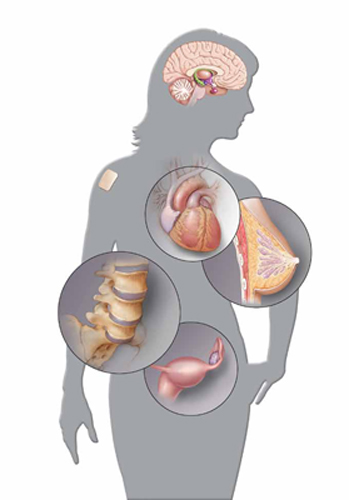
Among the developments of the past year in the care of menopausal women are:
- updated guidelines from the Institute of Medicine regarding vitamin D requirements—suggesting that fewer women are deficient in this nutrient than experts had believed
- new data from Europe on hormone therapy (HT) that highlight the safety of transdermal estrogen in comparison with oral administration
- a recent analysis from the Women’s Health Initiative (WHI), confirming a small elevated risk of breast cancer mortality with use of combination estrogen-progestin HT
- confirmation that age at initiation of HT determines its effect on cardiovascular health
- clarification of the association between HT and dementia
- new data demonstrating modest improvement in hot flushes when the serotonin reuptake inhibitor (SRI) escitalopram is used
- a brand new report from the WHI estrogen-alone arm that shows a protective effect against breast cancer.
The new data on HT suggest that we still have much to learn about its benefits and risks. We also are reaching an understanding that, for many young, symptomatic, menopausal patients, HT can represent a safe choice, with much depending on the timing and duration of therapy.
For more on how your colleagues are managing menopausal patients with and without hormone therapy, see “Is hormone therapy still a valid option? 12 ObGyns address this question,” on the facing page.
Menopausal women need less vitamin D than we thought
Institute of Medicine. Dietary reference intakes for calcium and vitamin D. Washington, DC: IOM; December 2010. http://www.iom.edu/~/media/Files/Report%20Files/2010/Dietary-Reference-Intakes-for-Calcium-and-Vitamin-D/Vitamin%20D%20and%20Calcium%202010%20Report%20Brief.pdf. Accessed March 24, 2011.
In the 2010 Update on Menopause, I summarized recent findings on vitamin D requirements, including recommendations that menopausal women should take at least 800 IU of vitamin D daily. I also described the prevailing expert opinion that many North American women are deficient in this nutrient.
What a difference a year can make! In late November, the Institute of Medicine (IOM) released a comprehensive report on vitamin D. Here are some of its conclusions:
- Vitamin D plays an important role in skeletal health but its role in other areas, including cardiovascular disease and cancer, is uncertain
- An intake of 600 IU of vitamin D daily is appropriate for girls and for women as old as 70 years; an in-take of 800 IU daily is appropriate for women older than 70 years
- A serum level of 25-hydroxy vitamin D of 20 ng/mL is consistent with adequate vitamin D status; this is lower than the threshold many have recommended
- With few exceptions, all people who live in North America—including those who have minimal or no exposure to sunlight—are receiving adequate calcium and vitamin D
- Ingestion of more than 4,000 IU of vitamin D daily can cause renal damage and injure other tissues.
The IOM report will likely prompt multivitamin manufacturers to increase the amount of vitamin D contained in their supplements to 600 IU daily. In addition, the report will probably discourage the common practice of checking serum 25-hydroxy vitamin D levels and prescribing a high dosage of vitamin D supplementation when the level is below 30 ng/mL.
I continue to recommend multivitamin supplements that include calcium and vitamin D (but no iron) to my menopausal patients. However, I no longer routinely recommend that they take additional calcium and vitamin D or undergo assessment of serum vitamin D levels.
Is transdermal estrogen safer than oral administration?
Canonico M, Fournier A, Carcaillon L, et al. Postmenopausal hormone therapy and risk of idiopathic venous thromboembolism: results from the E3N cohort study. Arterioscler Thromb Vasc Biol. 2010;30(2):340–345.
Renoux C, Dell’aniello S, Garbe E, Suissa S. Transdermal and oral hormone replacement therapy and the risk of stroke: a nested case-control study. BMJ. 2010;340:c2519. doi: 10.1136/bmj.c2519.
In the WHI, the combination of oral conjugated equine estrogen and medroxyprogesterone acetate more than doubled the risk of deep venous thrombosis and pulmonary embolism and modestly increased the risk of stroke, compared with nonuse.1
A year after publication of the initial findings of the WHI estrogen-progestin arm, the Estrogen and THromboEmbolism Risk Study Group (ESTHER) case-control study from France provided evidence that transdermal estrogen does not increase the risk of venous thrombosis.2 In France, many menopausal women use HT, and the transdermal route of administration is common.
In 2010, the E3N cohort study from France also assessed the risk of thrombosis associated with oral and transdermal HT. Investigators followed more than 80,000 postmenopausal women and found that, unlike oral HT, the transdermal route did not increase the risk of venous thrombosis.
More recent evidence also suggests a safety advantage for transdermal HT. The newest data come from the United Kingdom General Practice Research Database, which includes information on more than 870,000 women who were 50 to 70 years old from 1987 to 2006. Investigators identified more than 15,000 women who were given a diagnosis of stroke during this period and compared the use of HT in these women with that of almost 60,000 women in a control group. The risk of stroke associated with current use of transdermal HT was similar to the risk associated with nonuse of HT. Women who used a patch containing 0.05 mg of estradiol or less had a risk of stroke 19% lower than women who did not use HT.
In contrast, the risk of stroke in users of patches that contained a higher dosage of estradiol was almost twice the risk in nonusers of HT. Current users of oral HT had a risk of stroke 28% higher than that of nonusers of HT.
The WHI assessed the risks and benefits of oral HT only. Although no randomized, clinical trial has compared cardiovascular risks among users of oral and transdermal HT, I believe that a preponderance of evidence points to a superior safety profile for the transdermal route, particularly at a dosage of 0.05 mg of estradiol or less.
I encourage my patients who are initiating HT to consider the transdermal route—particularly women who have an elevated risk of cardiovascular disease, including those who are overweight, smoke cigarettes, or who have hypertension or diabetes. I suggest the transdermal route despite its higher cost (oral micronized estradiol can be purchased for as little as $4 for a month’s supply at a chain pharmacy).
When a patient prefers to avoid a patch (because of local irritation), I offer her estradiol gel or spray or the vaginal ring. (Femring is systemic estradiol, whereas Estring is local.) These formulations should provide the same safety benefits as the patch.
Estrogen-progestin HT raises the risk of death from breast cancer
Chlebowski RT, Anderson GL, Gass M, et al. Estrogen plus progestin and breast cancer incidence and mortality in postmenopausal women. JAMA. 2010;304(15):1684–1692.
Toh S, Hernandez-Diaz S, Logan R, Rossouw JE, Hernan MA. Coronary heart disease in postmenopausal recipients of estrogen plus progestin: does the increased risk ever disappear? Ann Intern Med. 2010;152(4):211–217.
In the estrogen-progestin arm of the WHI, initially published in 2002, the risk of invasive breast cancer was modestly elevated (hazard ratio [HR], 1.26) among women who had used HT longer than 5 years.3
In 2010, investigators reported on breast cancer mortality in WHI participants at a mean follow-up of 11 years. They found that combination HT users had breast cancer histology similar to that of nonusers. However, the tumors were more likely to be node-positive in combination HT users (23.7% vs 16.2%). In addition, breast cancer mortality was slightly higher among users of HT (2.6 vs 1.3 deaths in every 10,000 woman-years) (HR, 1.96; 95% confidence interval, 1.00–4.04).
Earlier observational studies had suggested that the death rate from breast cancer is lower in users of combination HT than in nonusers. Consistent with the UK Million Women Study, however, a 2010 report from the WHI found a higher mortality rate among women who have used HT.4
These new WHI findings reinforce the importance of assessing whether micronized progesterone combined with estrogen might lower the risk of death from breast cancer—a possibility suggested by findings of the French E3N cohort study.5
In addition, given the possibility that HT may be cardioprotective when it is initiated within 10 years after the onset of menopause, a WHI report that addresses long-term all-cause mortality would allow us to better counsel our menopausal patients who are trying to decide whether to start or continue HT. See, for example, the data from the California Teachers Study (below) and the estrogen-alone arm of the WHI (page 46).
The findings of this important WHI publication have strengthened the resolve of some clinicians to stop prescribing HT for menopausal women. I continue to prescribe HT to patients who have bothersome vasomotor and related symptoms, however. I also counsel women about the other benefits of HT, which include alleviation of genital atrophy and prevention of osteoporotic fractures. For patients considering or using estrogen-progestin HT, I include discussion of the small increase in their risk of developing, and dying from, breast cancer.
Age at initiation of HT determines its effect on CHD
Stram DO, Liu Y, Henderson KD, et al. Age-specific effects of hormone therapy use on overall mortality and ischemic heart disease mortality among women in the California Teachers Study. Menopause 2011;18(3):253-261.
Allison MA, Manson JE. Age, hormone therapy use, coronary heart disease, and mortality [editorial]. Menopause. 2011;18(3):243-245.
The initial findings of the WHI estrogen-progestin arm suggested that menopausal HT increases the risk of CHD. Since then, however, further analyses from the WHI and other HT trials, as well as reports from the observational Nurses’ Health Study, have suggested that the timing of initiation of HT determines its effect on cardiovascular health.
In this study from the California Teachers Study (CTS), investigators explored the effect of age at initiation of HT on cardiovascular and overall mortality. The CTS is a prospective study of more than 133,000 current and retired female teachers and administrators who returned an initial questionnaire in 1995 and 1996. Participants were then followed until late 2004, or death, whichever came first. More than 71,000 participants were eligible for analysis.
Current HT users were leaner, less likely to smoke, and more likely to exercise and consume alcohol than nonusers were. The analysis was adjusted for a variety of potential cardiovascular and other confounders.
Youngest HT users had the lowest risk of death
During follow-up, 18.3% of never-users of HT died, compared with 17.9% of former users. In contrast, 6.9% of women taking HT at the time of the baseline questionnaire died during follow-up.
Overall, current HT use was associated with a reduced risk of death from CHD (hazard ratio [HR], 0.84; 95% confidence interval, 0.74–0.95). This risk reduction was most notable (HR, 0.38) in the youngest HT users (36 to 59 years old). The risk of death from CHD gradually increased with the age of current HT users, reaching a hazard ratio of approximately 0.9 in current users who were 70 years and older. However, the CHD mortality hazard ratio did not reach or exceed the referent hazard ratio (1.0) assigned to never users of HT of any age.
The overall mortality rate was lowest for the youngest HT users (HR, 0.54) and approached 1.0 in the oldest current HT users.
The associations between overall and CHD mortality were similar among users of estrogen-only and estrogen-progestin HT.
As Allison and Manson point out in an editorial accompanying this study, the findings from the CTS are congruent with an extensive body of evidence from women and nonhuman primates. These data provide robust reassurance that HT does not increase the risk of death from CHD when it is used by recently menopausal women who have bothersome vasomotor symptoms.
Hormone therapy and dementia: Earlier use is better
Whitmer RA, Quesenberry CP, Zhou J, Yaffe K. Timing of hormone therapy and dementia: the critical window theory revisited. Ann Neurol. 2011;69(1):163–169.
Alzheimer’s disease is more common among women than men. In addition, caregivers to those who have dementia are more likely to be women. Therefore, it’s no surprise that women are especially concerned about their risk of dementia. Menopausal patients in my practice often ask whether use of HT might alter this risk.
Because vasomotor symptoms usually arise in late perimenopause or early menopause, women in observational studies (which reflect clinical practice) tend to begin HT when they are in their late 40s or early 50s. Overall, observational studies have suggested that HT is associated with a reduced risk of dementia. In contrast, the WHI clinical trial, in which the mean age of women who were randomized to HT or placebo was 63 years, found that the initiation of HT later in life increased the risk of dementia.
These observations led to the “critical window” theory regarding HT and dementia: Estrogen protects against dementia when it is taken by perimenopausal or early menopausal women, whereas it is not protective and may even accelerate cognitive decline when it is started many years after the onset of menopause.
In this recent study from the California Kaiser Permanente health maintenance organization, investigators assessed the long-term risk of dementia by timing of HT. From 1964 through 1973, menopausal “midlife” women who were 40 to 55 years old and free of dementia reported whether or not they used HT. Twenty-five to 30 years later, participants were reassessed for “late life” HT use.
Women who used HT in midlife only had the lowest prevalence of dementia, whereas those who used HT only in late life had the highest prevalence. Women who used HT at both time points had a prevalence of dementia similar to that of women who had never used HT.
Given these important findings, I believe it is now reasonable to counsel women in late perimenopause and early menopause that the use of HT may lower their risk of dementia. How long we should continue to prescribe HT depends on individual variables, including the presence of vasomotor symptoms, the risk of osteoporosis, and concerns about breast cancer.
I encourage women to taper their dosage of HT over time, aiming at complete discontinuation or a low maintenance dosage.
Are SRIs an effective alternative to HT for hot flushes?
Freeman EW, Guthrie K, Caan B, et al. Efficacy of escitalopram for hot flashes in healthy menopausal women: a randomized controlled trial. JAMA. 2011;305(3):267–274.
Interest in nonhormonal management of menopausal vasomotor symptoms continues to run high, although only hormonal therapy has FDA approval for this indication. Many trials of serotonin reuptake inhibitors (SRIs) for the treatment of vasomotor symptoms have focused on breast cancer survivors, many of whom use anti-estrogen agents that increase the prevalence of these symptoms. In contrast, this well-conducted multicenter trial, funded by the National Institutes of Health, enrolled healthy, symptomatic, menopausal women.
In the trial, 205 perimenopausal or postmenopausal women 40 to 62 years old who had at least 28 bothersome or severe episodes of hot flushes and night sweats a week were randomized to 10 mg daily of the SRI escitalopram (Lexapro) or placebo for 8 weeks. Women who did not report a reduction in hot flushes and night sweats of at least 50% at 4 weeks, or a decrease in the severity of these symptoms, were increased to a dosage of 20 mg daily of escitalopram or placebo. The mean baseline frequency of vasomotor symptoms was 9.79.
Within 1 week, women taking the SRI experienced significantly greater improvement than those taking placebo. By 8 weeks, the daily frequency of vasomotor symptoms had diminished by 4.6 hot flushes among women taking the SRI, compared with 3.20 among women taking placebo (P < .01).
Overall, adverse effects were reported by approximately 58% of participants. The pattern of these side effects was similar in the active and placebo treatment arms. No adverse events serious enough to require withdrawal from the study were reported in either arm.
Patient satisfaction with treatment was 70% in the SRI group, compared with 43% among women taking placebo (P < .001).
Although Freeman and colleagues convincingly demonstrate that escitalopram is more effective than placebo, the drug is less effective than HT. I agree with Nelson and coworkers, who, in a meta-analysis of nonhormonal treatments for vasomotor symptoms, concluded: “These therapies may be most useful for highly symptomatic women who cannot take estrogen but are not optimal choices for most women.”6
Unopposed estrogen appears to protect against breast cancer
LaCroix AZ, Chlebowski RT, Manson JE, et al; WHI Investigators. Health outcomes after stopping conjugated equine estrogens among postmenopausal women with prior hysterectomy. A randomized controlled trial. JAMA. 2011;305(13):1305–1314.
The WHI continues to surprise with its findings almost a decade after publication of initial data. In this brand new report from the estrogen-alone arm, postmenopausal, hysterectomized women who were followed for a mean of 10.7 years experienced a reduced risk of breast cancer after a mean of 5.9 years of use of conjugated equine estrogens (CEE).
They experienced no increased or diminished risk of coronary heart disease (CHD), deep venous thrombosis, stroke, hip fracture, colorectal cancer, or total mortality after post-intervention follow-up.
Keep in mind that the women in this arm were instructed to discontinue the study medication at the time the intervention phase was halted because of an increased risk of stroke among CEE users. The elevated risk of stroke attenuated with the longer follow-up.
All ages experienced a reduced risk of breast cancer
Some subgroup analyses from the WHI have found differential effects of HT by age of the user, with younger women experiencing fewer risks and more benefits than those who are more than 10 years past the menopausal transition. In this analysis, all three age groups (50–59 years, 60–69 years, and 70–79 years) of women who used CEE had a reduced risk of breast cancer, compared with placebo users.
Other risks did appear to differ by age. For example, the overall hazard ratio for CHD was 0.59 among CEE users 50 to 59 years old, but it approached unity among the older women.
As new and seemingly conflicting data are published, many clinicians and their menopausal patients may feel confused and frustrated. My perspective: It is becoming clear that age during HT use matters with respect to CHD and dementia, and that estrogen-only HT has a different impact on breast cancer risk than does combination estrogen-progestin HT. When this new information from the WHI is considered in aggregate with earlier WHI reports, as well as with data from the Nurses Health Study, the California Teachers Study, and Kaiser Permanente, we can, with growing confidence, advise our patients that menopausal HT does not increase the risk of fatal CHD and may reduce the risk of dementia when used by younger menopausal women with bothersome symptoms. I would define “younger” here as an age younger than 60 years or within 10 years of the onset of menopause.
In regard to breast cancer, it is now clear that, although estrogen-only HT lowers risk, use of combination estrogen-progestin therapy for more than approximately 5 years modestly elevates risk. Each menopausal woman may use this information to make an individual decision regarding use of HT.
In sum, current evidence allows me to feel comfortable counseling most young menopausal women who have bothersome symptoms that the initiation of HT for symptom relief is a safe and reasonable option.
We want to hear from you! Tell us what you think.
1. Rossouw JE, Anderson GL, Prentice RL, et al. Writing Group for the Women’s Health Initiative Investigators. Risks and benefits of estrogen plus progestin in healthy postmenopausal women. Principal results from the Women’s Health Initiative Randomized Controlled Trial. JAMA. 2002;288(3):321-333.
2. Scarabin PY, Oger E, Plu-Bureau G. Estrogen and THromboembolism Risk (ESTHER) Study Group. Differential association of oral and transdermal oestrogen-replacement therapy with venous thromboembolism risk. Lancet. 2003;362(9382):428-432.
3. Anderson GL, Chlebowski RT, Rossouw JE, et al. Prior hormone therapy and breast cancer risk in the Women’s Health Initiative randomized trial of estrogen and progestin. Maturitas. 2006;55(2):103-115.
4. Million Women Study Collaborators. Breast cancer and hormone-replacement therapy in the Million Women Study. Lancet. 2003;362(9382):419-427.
5. Fournier A, Fabre A, Misrine S, et al. Use of different postmenopausal hormone therapies and risk of histology- and hormone receptor-defined invasive breast cancer. J Clin Oncol. 2008;26(8):1260-1268.
6. Nelson HD, Vesco KK, Haney E, et al. Nonhormonal therapies for menopausal hot flashes: systematic review and meta-analysis. JAMA. 2006;295(17):2057-2071.

| Hear Dr. Kaunitz discuss the overall risks and benefits of hormone therapy |

Andrew M. Kaunitz, MD
Dr. Kaunitz is Professor and Associate Chairman, Department of Obstetrics and Gynecology, University of Florida College of Medicine–Jacksonville. He serves on the OBG MANAGEMENT Board of Editors.
|
| Hear Dr. Kaunitz discuss the overall risks and benefits of hormone therapy |
Andrew M. Kaunitz, MD
Dr. Kaunitz is Professor and Associate Chairman, Department of Obstetrics and Gynecology, University of Florida College of Medicine–Jacksonville. He serves on the OBG MANAGEMENT Board of Editors.
|
| Hear Dr. Kaunitz discuss the overall risks and benefits of hormone therapy |
Andrew M. Kaunitz, MD
Dr. Kaunitz is Professor and Associate Chairman, Department of Obstetrics and Gynecology, University of Florida College of Medicine–Jacksonville. He serves on the OBG MANAGEMENT Board of Editors.
- Is hormone therapy still a valid option? 12 ObGyns address this question
Members of the OBG MANAGEMENT Virtual Board of Editors and Janelle Yates, Senior Editor (May 2011)
Dr. Kaunitz receives grant or research support from Bayer, Agile, Noven, Teva, and Medical Diagnostic Laboratories, is a consultant to Bayer, Merck, and Teva, and owns stock in Becton Dickinson.
Among the developments of the past year in the care of menopausal women are:
- updated guidelines from the Institute of Medicine regarding vitamin D requirements—suggesting that fewer women are deficient in this nutrient than experts had believed
- new data from Europe on hormone therapy (HT) that highlight the safety of transdermal estrogen in comparison with oral administration
- a recent analysis from the Women’s Health Initiative (WHI), confirming a small elevated risk of breast cancer mortality with use of combination estrogen-progestin HT
- confirmation that age at initiation of HT determines its effect on cardiovascular health
- clarification of the association between HT and dementia
- new data demonstrating modest improvement in hot flushes when the serotonin reuptake inhibitor (SRI) escitalopram is used
- a brand new report from the WHI estrogen-alone arm that shows a protective effect against breast cancer.
The new data on HT suggest that we still have much to learn about its benefits and risks. We also are reaching an understanding that, for many young, symptomatic, menopausal patients, HT can represent a safe choice, with much depending on the timing and duration of therapy.
For more on how your colleagues are managing menopausal patients with and without hormone therapy, see “Is hormone therapy still a valid option? 12 ObGyns address this question,” on the facing page.
Menopausal women need less vitamin D than we thought
Institute of Medicine. Dietary reference intakes for calcium and vitamin D. Washington, DC: IOM; December 2010. http://www.iom.edu/~/media/Files/Report%20Files/2010/Dietary-Reference-Intakes-for-Calcium-and-Vitamin-D/Vitamin%20D%20and%20Calcium%202010%20Report%20Brief.pdf. Accessed March 24, 2011.
In the 2010 Update on Menopause, I summarized recent findings on vitamin D requirements, including recommendations that menopausal women should take at least 800 IU of vitamin D daily. I also described the prevailing expert opinion that many North American women are deficient in this nutrient.
What a difference a year can make! In late November, the Institute of Medicine (IOM) released a comprehensive report on vitamin D. Here are some of its conclusions:
- Vitamin D plays an important role in skeletal health but its role in other areas, including cardiovascular disease and cancer, is uncertain
- An intake of 600 IU of vitamin D daily is appropriate for girls and for women as old as 70 years; an in-take of 800 IU daily is appropriate for women older than 70 years
- A serum level of 25-hydroxy vitamin D of 20 ng/mL is consistent with adequate vitamin D status; this is lower than the threshold many have recommended
- With few exceptions, all people who live in North America—including those who have minimal or no exposure to sunlight—are receiving adequate calcium and vitamin D
- Ingestion of more than 4,000 IU of vitamin D daily can cause renal damage and injure other tissues.
The IOM report will likely prompt multivitamin manufacturers to increase the amount of vitamin D contained in their supplements to 600 IU daily. In addition, the report will probably discourage the common practice of checking serum 25-hydroxy vitamin D levels and prescribing a high dosage of vitamin D supplementation when the level is below 30 ng/mL.
I continue to recommend multivitamin supplements that include calcium and vitamin D (but no iron) to my menopausal patients. However, I no longer routinely recommend that they take additional calcium and vitamin D or undergo assessment of serum vitamin D levels.
Is transdermal estrogen safer than oral administration?
Canonico M, Fournier A, Carcaillon L, et al. Postmenopausal hormone therapy and risk of idiopathic venous thromboembolism: results from the E3N cohort study. Arterioscler Thromb Vasc Biol. 2010;30(2):340–345.
Renoux C, Dell’aniello S, Garbe E, Suissa S. Transdermal and oral hormone replacement therapy and the risk of stroke: a nested case-control study. BMJ. 2010;340:c2519. doi: 10.1136/bmj.c2519.
In the WHI, the combination of oral conjugated equine estrogen and medroxyprogesterone acetate more than doubled the risk of deep venous thrombosis and pulmonary embolism and modestly increased the risk of stroke, compared with nonuse.1
A year after publication of the initial findings of the WHI estrogen-progestin arm, the Estrogen and THromboEmbolism Risk Study Group (ESTHER) case-control study from France provided evidence that transdermal estrogen does not increase the risk of venous thrombosis.2 In France, many menopausal women use HT, and the transdermal route of administration is common.
In 2010, the E3N cohort study from France also assessed the risk of thrombosis associated with oral and transdermal HT. Investigators followed more than 80,000 postmenopausal women and found that, unlike oral HT, the transdermal route did not increase the risk of venous thrombosis.
More recent evidence also suggests a safety advantage for transdermal HT. The newest data come from the United Kingdom General Practice Research Database, which includes information on more than 870,000 women who were 50 to 70 years old from 1987 to 2006. Investigators identified more than 15,000 women who were given a diagnosis of stroke during this period and compared the use of HT in these women with that of almost 60,000 women in a control group. The risk of stroke associated with current use of transdermal HT was similar to the risk associated with nonuse of HT. Women who used a patch containing 0.05 mg of estradiol or less had a risk of stroke 19% lower than women who did not use HT.
In contrast, the risk of stroke in users of patches that contained a higher dosage of estradiol was almost twice the risk in nonusers of HT. Current users of oral HT had a risk of stroke 28% higher than that of nonusers of HT.
The WHI assessed the risks and benefits of oral HT only. Although no randomized, clinical trial has compared cardiovascular risks among users of oral and transdermal HT, I believe that a preponderance of evidence points to a superior safety profile for the transdermal route, particularly at a dosage of 0.05 mg of estradiol or less.
I encourage my patients who are initiating HT to consider the transdermal route—particularly women who have an elevated risk of cardiovascular disease, including those who are overweight, smoke cigarettes, or who have hypertension or diabetes. I suggest the transdermal route despite its higher cost (oral micronized estradiol can be purchased for as little as $4 for a month’s supply at a chain pharmacy).
When a patient prefers to avoid a patch (because of local irritation), I offer her estradiol gel or spray or the vaginal ring. (Femring is systemic estradiol, whereas Estring is local.) These formulations should provide the same safety benefits as the patch.
Estrogen-progestin HT raises the risk of death from breast cancer
Chlebowski RT, Anderson GL, Gass M, et al. Estrogen plus progestin and breast cancer incidence and mortality in postmenopausal women. JAMA. 2010;304(15):1684–1692.
Toh S, Hernandez-Diaz S, Logan R, Rossouw JE, Hernan MA. Coronary heart disease in postmenopausal recipients of estrogen plus progestin: does the increased risk ever disappear? Ann Intern Med. 2010;152(4):211–217.
In the estrogen-progestin arm of the WHI, initially published in 2002, the risk of invasive breast cancer was modestly elevated (hazard ratio [HR], 1.26) among women who had used HT longer than 5 years.3
In 2010, investigators reported on breast cancer mortality in WHI participants at a mean follow-up of 11 years. They found that combination HT users had breast cancer histology similar to that of nonusers. However, the tumors were more likely to be node-positive in combination HT users (23.7% vs 16.2%). In addition, breast cancer mortality was slightly higher among users of HT (2.6 vs 1.3 deaths in every 10,000 woman-years) (HR, 1.96; 95% confidence interval, 1.00–4.04).
Earlier observational studies had suggested that the death rate from breast cancer is lower in users of combination HT than in nonusers. Consistent with the UK Million Women Study, however, a 2010 report from the WHI found a higher mortality rate among women who have used HT.4
These new WHI findings reinforce the importance of assessing whether micronized progesterone combined with estrogen might lower the risk of death from breast cancer—a possibility suggested by findings of the French E3N cohort study.5
In addition, given the possibility that HT may be cardioprotective when it is initiated within 10 years after the onset of menopause, a WHI report that addresses long-term all-cause mortality would allow us to better counsel our menopausal patients who are trying to decide whether to start or continue HT. See, for example, the data from the California Teachers Study (below) and the estrogen-alone arm of the WHI (page 46).
The findings of this important WHI publication have strengthened the resolve of some clinicians to stop prescribing HT for menopausal women. I continue to prescribe HT to patients who have bothersome vasomotor and related symptoms, however. I also counsel women about the other benefits of HT, which include alleviation of genital atrophy and prevention of osteoporotic fractures. For patients considering or using estrogen-progestin HT, I include discussion of the small increase in their risk of developing, and dying from, breast cancer.
Age at initiation of HT determines its effect on CHD
Stram DO, Liu Y, Henderson KD, et al. Age-specific effects of hormone therapy use on overall mortality and ischemic heart disease mortality among women in the California Teachers Study. Menopause 2011;18(3):253-261.
Allison MA, Manson JE. Age, hormone therapy use, coronary heart disease, and mortality [editorial]. Menopause. 2011;18(3):243-245.
The initial findings of the WHI estrogen-progestin arm suggested that menopausal HT increases the risk of CHD. Since then, however, further analyses from the WHI and other HT trials, as well as reports from the observational Nurses’ Health Study, have suggested that the timing of initiation of HT determines its effect on cardiovascular health.
In this study from the California Teachers Study (CTS), investigators explored the effect of age at initiation of HT on cardiovascular and overall mortality. The CTS is a prospective study of more than 133,000 current and retired female teachers and administrators who returned an initial questionnaire in 1995 and 1996. Participants were then followed until late 2004, or death, whichever came first. More than 71,000 participants were eligible for analysis.
Current HT users were leaner, less likely to smoke, and more likely to exercise and consume alcohol than nonusers were. The analysis was adjusted for a variety of potential cardiovascular and other confounders.
Youngest HT users had the lowest risk of death
During follow-up, 18.3% of never-users of HT died, compared with 17.9% of former users. In contrast, 6.9% of women taking HT at the time of the baseline questionnaire died during follow-up.
Overall, current HT use was associated with a reduced risk of death from CHD (hazard ratio [HR], 0.84; 95% confidence interval, 0.74–0.95). This risk reduction was most notable (HR, 0.38) in the youngest HT users (36 to 59 years old). The risk of death from CHD gradually increased with the age of current HT users, reaching a hazard ratio of approximately 0.9 in current users who were 70 years and older. However, the CHD mortality hazard ratio did not reach or exceed the referent hazard ratio (1.0) assigned to never users of HT of any age.
The overall mortality rate was lowest for the youngest HT users (HR, 0.54) and approached 1.0 in the oldest current HT users.
The associations between overall and CHD mortality were similar among users of estrogen-only and estrogen-progestin HT.
As Allison and Manson point out in an editorial accompanying this study, the findings from the CTS are congruent with an extensive body of evidence from women and nonhuman primates. These data provide robust reassurance that HT does not increase the risk of death from CHD when it is used by recently menopausal women who have bothersome vasomotor symptoms.
Hormone therapy and dementia: Earlier use is better
Whitmer RA, Quesenberry CP, Zhou J, Yaffe K. Timing of hormone therapy and dementia: the critical window theory revisited. Ann Neurol. 2011;69(1):163–169.
Alzheimer’s disease is more common among women than men. In addition, caregivers to those who have dementia are more likely to be women. Therefore, it’s no surprise that women are especially concerned about their risk of dementia. Menopausal patients in my practice often ask whether use of HT might alter this risk.
Because vasomotor symptoms usually arise in late perimenopause or early menopause, women in observational studies (which reflect clinical practice) tend to begin HT when they are in their late 40s or early 50s. Overall, observational studies have suggested that HT is associated with a reduced risk of dementia. In contrast, the WHI clinical trial, in which the mean age of women who were randomized to HT or placebo was 63 years, found that the initiation of HT later in life increased the risk of dementia.
These observations led to the “critical window” theory regarding HT and dementia: Estrogen protects against dementia when it is taken by perimenopausal or early menopausal women, whereas it is not protective and may even accelerate cognitive decline when it is started many years after the onset of menopause.
In this recent study from the California Kaiser Permanente health maintenance organization, investigators assessed the long-term risk of dementia by timing of HT. From 1964 through 1973, menopausal “midlife” women who were 40 to 55 years old and free of dementia reported whether or not they used HT. Twenty-five to 30 years later, participants were reassessed for “late life” HT use.
Women who used HT in midlife only had the lowest prevalence of dementia, whereas those who used HT only in late life had the highest prevalence. Women who used HT at both time points had a prevalence of dementia similar to that of women who had never used HT.
Given these important findings, I believe it is now reasonable to counsel women in late perimenopause and early menopause that the use of HT may lower their risk of dementia. How long we should continue to prescribe HT depends on individual variables, including the presence of vasomotor symptoms, the risk of osteoporosis, and concerns about breast cancer.
I encourage women to taper their dosage of HT over time, aiming at complete discontinuation or a low maintenance dosage.
Are SRIs an effective alternative to HT for hot flushes?
Freeman EW, Guthrie K, Caan B, et al. Efficacy of escitalopram for hot flashes in healthy menopausal women: a randomized controlled trial. JAMA. 2011;305(3):267–274.
Interest in nonhormonal management of menopausal vasomotor symptoms continues to run high, although only hormonal therapy has FDA approval for this indication. Many trials of serotonin reuptake inhibitors (SRIs) for the treatment of vasomotor symptoms have focused on breast cancer survivors, many of whom use anti-estrogen agents that increase the prevalence of these symptoms. In contrast, this well-conducted multicenter trial, funded by the National Institutes of Health, enrolled healthy, symptomatic, menopausal women.
In the trial, 205 perimenopausal or postmenopausal women 40 to 62 years old who had at least 28 bothersome or severe episodes of hot flushes and night sweats a week were randomized to 10 mg daily of the SRI escitalopram (Lexapro) or placebo for 8 weeks. Women who did not report a reduction in hot flushes and night sweats of at least 50% at 4 weeks, or a decrease in the severity of these symptoms, were increased to a dosage of 20 mg daily of escitalopram or placebo. The mean baseline frequency of vasomotor symptoms was 9.79.
Within 1 week, women taking the SRI experienced significantly greater improvement than those taking placebo. By 8 weeks, the daily frequency of vasomotor symptoms had diminished by 4.6 hot flushes among women taking the SRI, compared with 3.20 among women taking placebo (P < .01).
Overall, adverse effects were reported by approximately 58% of participants. The pattern of these side effects was similar in the active and placebo treatment arms. No adverse events serious enough to require withdrawal from the study were reported in either arm.
Patient satisfaction with treatment was 70% in the SRI group, compared with 43% among women taking placebo (P < .001).
Although Freeman and colleagues convincingly demonstrate that escitalopram is more effective than placebo, the drug is less effective than HT. I agree with Nelson and coworkers, who, in a meta-analysis of nonhormonal treatments for vasomotor symptoms, concluded: “These therapies may be most useful for highly symptomatic women who cannot take estrogen but are not optimal choices for most women.”6
Unopposed estrogen appears to protect against breast cancer
LaCroix AZ, Chlebowski RT, Manson JE, et al; WHI Investigators. Health outcomes after stopping conjugated equine estrogens among postmenopausal women with prior hysterectomy. A randomized controlled trial. JAMA. 2011;305(13):1305–1314.
The WHI continues to surprise with its findings almost a decade after publication of initial data. In this brand new report from the estrogen-alone arm, postmenopausal, hysterectomized women who were followed for a mean of 10.7 years experienced a reduced risk of breast cancer after a mean of 5.9 years of use of conjugated equine estrogens (CEE).
They experienced no increased or diminished risk of coronary heart disease (CHD), deep venous thrombosis, stroke, hip fracture, colorectal cancer, or total mortality after post-intervention follow-up.
Keep in mind that the women in this arm were instructed to discontinue the study medication at the time the intervention phase was halted because of an increased risk of stroke among CEE users. The elevated risk of stroke attenuated with the longer follow-up.
All ages experienced a reduced risk of breast cancer
Some subgroup analyses from the WHI have found differential effects of HT by age of the user, with younger women experiencing fewer risks and more benefits than those who are more than 10 years past the menopausal transition. In this analysis, all three age groups (50–59 years, 60–69 years, and 70–79 years) of women who used CEE had a reduced risk of breast cancer, compared with placebo users.
Other risks did appear to differ by age. For example, the overall hazard ratio for CHD was 0.59 among CEE users 50 to 59 years old, but it approached unity among the older women.
As new and seemingly conflicting data are published, many clinicians and their menopausal patients may feel confused and frustrated. My perspective: It is becoming clear that age during HT use matters with respect to CHD and dementia, and that estrogen-only HT has a different impact on breast cancer risk than does combination estrogen-progestin HT. When this new information from the WHI is considered in aggregate with earlier WHI reports, as well as with data from the Nurses Health Study, the California Teachers Study, and Kaiser Permanente, we can, with growing confidence, advise our patients that menopausal HT does not increase the risk of fatal CHD and may reduce the risk of dementia when used by younger menopausal women with bothersome symptoms. I would define “younger” here as an age younger than 60 years or within 10 years of the onset of menopause.
In regard to breast cancer, it is now clear that, although estrogen-only HT lowers risk, use of combination estrogen-progestin therapy for more than approximately 5 years modestly elevates risk. Each menopausal woman may use this information to make an individual decision regarding use of HT.
In sum, current evidence allows me to feel comfortable counseling most young menopausal women who have bothersome symptoms that the initiation of HT for symptom relief is a safe and reasonable option.
We want to hear from you! Tell us what you think.
- Is hormone therapy still a valid option? 12 ObGyns address this question
Members of the OBG MANAGEMENT Virtual Board of Editors and Janelle Yates, Senior Editor (May 2011)
Dr. Kaunitz receives grant or research support from Bayer, Agile, Noven, Teva, and Medical Diagnostic Laboratories, is a consultant to Bayer, Merck, and Teva, and owns stock in Becton Dickinson.
Among the developments of the past year in the care of menopausal women are:
- updated guidelines from the Institute of Medicine regarding vitamin D requirements—suggesting that fewer women are deficient in this nutrient than experts had believed
- new data from Europe on hormone therapy (HT) that highlight the safety of transdermal estrogen in comparison with oral administration
- a recent analysis from the Women’s Health Initiative (WHI), confirming a small elevated risk of breast cancer mortality with use of combination estrogen-progestin HT
- confirmation that age at initiation of HT determines its effect on cardiovascular health
- clarification of the association between HT and dementia
- new data demonstrating modest improvement in hot flushes when the serotonin reuptake inhibitor (SRI) escitalopram is used
- a brand new report from the WHI estrogen-alone arm that shows a protective effect against breast cancer.
The new data on HT suggest that we still have much to learn about its benefits and risks. We also are reaching an understanding that, for many young, symptomatic, menopausal patients, HT can represent a safe choice, with much depending on the timing and duration of therapy.
For more on how your colleagues are managing menopausal patients with and without hormone therapy, see “Is hormone therapy still a valid option? 12 ObGyns address this question,” on the facing page.
Menopausal women need less vitamin D than we thought
Institute of Medicine. Dietary reference intakes for calcium and vitamin D. Washington, DC: IOM; December 2010. http://www.iom.edu/~/media/Files/Report%20Files/2010/Dietary-Reference-Intakes-for-Calcium-and-Vitamin-D/Vitamin%20D%20and%20Calcium%202010%20Report%20Brief.pdf. Accessed March 24, 2011.
In the 2010 Update on Menopause, I summarized recent findings on vitamin D requirements, including recommendations that menopausal women should take at least 800 IU of vitamin D daily. I also described the prevailing expert opinion that many North American women are deficient in this nutrient.
What a difference a year can make! In late November, the Institute of Medicine (IOM) released a comprehensive report on vitamin D. Here are some of its conclusions:
- Vitamin D plays an important role in skeletal health but its role in other areas, including cardiovascular disease and cancer, is uncertain
- An intake of 600 IU of vitamin D daily is appropriate for girls and for women as old as 70 years; an in-take of 800 IU daily is appropriate for women older than 70 years
- A serum level of 25-hydroxy vitamin D of 20 ng/mL is consistent with adequate vitamin D status; this is lower than the threshold many have recommended
- With few exceptions, all people who live in North America—including those who have minimal or no exposure to sunlight—are receiving adequate calcium and vitamin D
- Ingestion of more than 4,000 IU of vitamin D daily can cause renal damage and injure other tissues.
The IOM report will likely prompt multivitamin manufacturers to increase the amount of vitamin D contained in their supplements to 600 IU daily. In addition, the report will probably discourage the common practice of checking serum 25-hydroxy vitamin D levels and prescribing a high dosage of vitamin D supplementation when the level is below 30 ng/mL.
I continue to recommend multivitamin supplements that include calcium and vitamin D (but no iron) to my menopausal patients. However, I no longer routinely recommend that they take additional calcium and vitamin D or undergo assessment of serum vitamin D levels.
Is transdermal estrogen safer than oral administration?
Canonico M, Fournier A, Carcaillon L, et al. Postmenopausal hormone therapy and risk of idiopathic venous thromboembolism: results from the E3N cohort study. Arterioscler Thromb Vasc Biol. 2010;30(2):340–345.
Renoux C, Dell’aniello S, Garbe E, Suissa S. Transdermal and oral hormone replacement therapy and the risk of stroke: a nested case-control study. BMJ. 2010;340:c2519. doi: 10.1136/bmj.c2519.
In the WHI, the combination of oral conjugated equine estrogen and medroxyprogesterone acetate more than doubled the risk of deep venous thrombosis and pulmonary embolism and modestly increased the risk of stroke, compared with nonuse.1
A year after publication of the initial findings of the WHI estrogen-progestin arm, the Estrogen and THromboEmbolism Risk Study Group (ESTHER) case-control study from France provided evidence that transdermal estrogen does not increase the risk of venous thrombosis.2 In France, many menopausal women use HT, and the transdermal route of administration is common.
In 2010, the E3N cohort study from France also assessed the risk of thrombosis associated with oral and transdermal HT. Investigators followed more than 80,000 postmenopausal women and found that, unlike oral HT, the transdermal route did not increase the risk of venous thrombosis.
More recent evidence also suggests a safety advantage for transdermal HT. The newest data come from the United Kingdom General Practice Research Database, which includes information on more than 870,000 women who were 50 to 70 years old from 1987 to 2006. Investigators identified more than 15,000 women who were given a diagnosis of stroke during this period and compared the use of HT in these women with that of almost 60,000 women in a control group. The risk of stroke associated with current use of transdermal HT was similar to the risk associated with nonuse of HT. Women who used a patch containing 0.05 mg of estradiol or less had a risk of stroke 19% lower than women who did not use HT.
In contrast, the risk of stroke in users of patches that contained a higher dosage of estradiol was almost twice the risk in nonusers of HT. Current users of oral HT had a risk of stroke 28% higher than that of nonusers of HT.
The WHI assessed the risks and benefits of oral HT only. Although no randomized, clinical trial has compared cardiovascular risks among users of oral and transdermal HT, I believe that a preponderance of evidence points to a superior safety profile for the transdermal route, particularly at a dosage of 0.05 mg of estradiol or less.
I encourage my patients who are initiating HT to consider the transdermal route—particularly women who have an elevated risk of cardiovascular disease, including those who are overweight, smoke cigarettes, or who have hypertension or diabetes. I suggest the transdermal route despite its higher cost (oral micronized estradiol can be purchased for as little as $4 for a month’s supply at a chain pharmacy).
When a patient prefers to avoid a patch (because of local irritation), I offer her estradiol gel or spray or the vaginal ring. (Femring is systemic estradiol, whereas Estring is local.) These formulations should provide the same safety benefits as the patch.
Estrogen-progestin HT raises the risk of death from breast cancer
Chlebowski RT, Anderson GL, Gass M, et al. Estrogen plus progestin and breast cancer incidence and mortality in postmenopausal women. JAMA. 2010;304(15):1684–1692.
Toh S, Hernandez-Diaz S, Logan R, Rossouw JE, Hernan MA. Coronary heart disease in postmenopausal recipients of estrogen plus progestin: does the increased risk ever disappear? Ann Intern Med. 2010;152(4):211–217.
In the estrogen-progestin arm of the WHI, initially published in 2002, the risk of invasive breast cancer was modestly elevated (hazard ratio [HR], 1.26) among women who had used HT longer than 5 years.3
In 2010, investigators reported on breast cancer mortality in WHI participants at a mean follow-up of 11 years. They found that combination HT users had breast cancer histology similar to that of nonusers. However, the tumors were more likely to be node-positive in combination HT users (23.7% vs 16.2%). In addition, breast cancer mortality was slightly higher among users of HT (2.6 vs 1.3 deaths in every 10,000 woman-years) (HR, 1.96; 95% confidence interval, 1.00–4.04).
Earlier observational studies had suggested that the death rate from breast cancer is lower in users of combination HT than in nonusers. Consistent with the UK Million Women Study, however, a 2010 report from the WHI found a higher mortality rate among women who have used HT.4
These new WHI findings reinforce the importance of assessing whether micronized progesterone combined with estrogen might lower the risk of death from breast cancer—a possibility suggested by findings of the French E3N cohort study.5
In addition, given the possibility that HT may be cardioprotective when it is initiated within 10 years after the onset of menopause, a WHI report that addresses long-term all-cause mortality would allow us to better counsel our menopausal patients who are trying to decide whether to start or continue HT. See, for example, the data from the California Teachers Study (below) and the estrogen-alone arm of the WHI (page 46).
The findings of this important WHI publication have strengthened the resolve of some clinicians to stop prescribing HT for menopausal women. I continue to prescribe HT to patients who have bothersome vasomotor and related symptoms, however. I also counsel women about the other benefits of HT, which include alleviation of genital atrophy and prevention of osteoporotic fractures. For patients considering or using estrogen-progestin HT, I include discussion of the small increase in their risk of developing, and dying from, breast cancer.
Age at initiation of HT determines its effect on CHD
Stram DO, Liu Y, Henderson KD, et al. Age-specific effects of hormone therapy use on overall mortality and ischemic heart disease mortality among women in the California Teachers Study. Menopause 2011;18(3):253-261.
Allison MA, Manson JE. Age, hormone therapy use, coronary heart disease, and mortality [editorial]. Menopause. 2011;18(3):243-245.
The initial findings of the WHI estrogen-progestin arm suggested that menopausal HT increases the risk of CHD. Since then, however, further analyses from the WHI and other HT trials, as well as reports from the observational Nurses’ Health Study, have suggested that the timing of initiation of HT determines its effect on cardiovascular health.
In this study from the California Teachers Study (CTS), investigators explored the effect of age at initiation of HT on cardiovascular and overall mortality. The CTS is a prospective study of more than 133,000 current and retired female teachers and administrators who returned an initial questionnaire in 1995 and 1996. Participants were then followed until late 2004, or death, whichever came first. More than 71,000 participants were eligible for analysis.
Current HT users were leaner, less likely to smoke, and more likely to exercise and consume alcohol than nonusers were. The analysis was adjusted for a variety of potential cardiovascular and other confounders.
Youngest HT users had the lowest risk of death
During follow-up, 18.3% of never-users of HT died, compared with 17.9% of former users. In contrast, 6.9% of women taking HT at the time of the baseline questionnaire died during follow-up.
Overall, current HT use was associated with a reduced risk of death from CHD (hazard ratio [HR], 0.84; 95% confidence interval, 0.74–0.95). This risk reduction was most notable (HR, 0.38) in the youngest HT users (36 to 59 years old). The risk of death from CHD gradually increased with the age of current HT users, reaching a hazard ratio of approximately 0.9 in current users who were 70 years and older. However, the CHD mortality hazard ratio did not reach or exceed the referent hazard ratio (1.0) assigned to never users of HT of any age.
The overall mortality rate was lowest for the youngest HT users (HR, 0.54) and approached 1.0 in the oldest current HT users.
The associations between overall and CHD mortality were similar among users of estrogen-only and estrogen-progestin HT.
As Allison and Manson point out in an editorial accompanying this study, the findings from the CTS are congruent with an extensive body of evidence from women and nonhuman primates. These data provide robust reassurance that HT does not increase the risk of death from CHD when it is used by recently menopausal women who have bothersome vasomotor symptoms.
Hormone therapy and dementia: Earlier use is better
Whitmer RA, Quesenberry CP, Zhou J, Yaffe K. Timing of hormone therapy and dementia: the critical window theory revisited. Ann Neurol. 2011;69(1):163–169.
Alzheimer’s disease is more common among women than men. In addition, caregivers to those who have dementia are more likely to be women. Therefore, it’s no surprise that women are especially concerned about their risk of dementia. Menopausal patients in my practice often ask whether use of HT might alter this risk.
Because vasomotor symptoms usually arise in late perimenopause or early menopause, women in observational studies (which reflect clinical practice) tend to begin HT when they are in their late 40s or early 50s. Overall, observational studies have suggested that HT is associated with a reduced risk of dementia. In contrast, the WHI clinical trial, in which the mean age of women who were randomized to HT or placebo was 63 years, found that the initiation of HT later in life increased the risk of dementia.
These observations led to the “critical window” theory regarding HT and dementia: Estrogen protects against dementia when it is taken by perimenopausal or early menopausal women, whereas it is not protective and may even accelerate cognitive decline when it is started many years after the onset of menopause.
In this recent study from the California Kaiser Permanente health maintenance organization, investigators assessed the long-term risk of dementia by timing of HT. From 1964 through 1973, menopausal “midlife” women who were 40 to 55 years old and free of dementia reported whether or not they used HT. Twenty-five to 30 years later, participants were reassessed for “late life” HT use.
Women who used HT in midlife only had the lowest prevalence of dementia, whereas those who used HT only in late life had the highest prevalence. Women who used HT at both time points had a prevalence of dementia similar to that of women who had never used HT.
Given these important findings, I believe it is now reasonable to counsel women in late perimenopause and early menopause that the use of HT may lower their risk of dementia. How long we should continue to prescribe HT depends on individual variables, including the presence of vasomotor symptoms, the risk of osteoporosis, and concerns about breast cancer.
I encourage women to taper their dosage of HT over time, aiming at complete discontinuation or a low maintenance dosage.
Are SRIs an effective alternative to HT for hot flushes?
Freeman EW, Guthrie K, Caan B, et al. Efficacy of escitalopram for hot flashes in healthy menopausal women: a randomized controlled trial. JAMA. 2011;305(3):267–274.
Interest in nonhormonal management of menopausal vasomotor symptoms continues to run high, although only hormonal therapy has FDA approval for this indication. Many trials of serotonin reuptake inhibitors (SRIs) for the treatment of vasomotor symptoms have focused on breast cancer survivors, many of whom use anti-estrogen agents that increase the prevalence of these symptoms. In contrast, this well-conducted multicenter trial, funded by the National Institutes of Health, enrolled healthy, symptomatic, menopausal women.
In the trial, 205 perimenopausal or postmenopausal women 40 to 62 years old who had at least 28 bothersome or severe episodes of hot flushes and night sweats a week were randomized to 10 mg daily of the SRI escitalopram (Lexapro) or placebo for 8 weeks. Women who did not report a reduction in hot flushes and night sweats of at least 50% at 4 weeks, or a decrease in the severity of these symptoms, were increased to a dosage of 20 mg daily of escitalopram or placebo. The mean baseline frequency of vasomotor symptoms was 9.79.
Within 1 week, women taking the SRI experienced significantly greater improvement than those taking placebo. By 8 weeks, the daily frequency of vasomotor symptoms had diminished by 4.6 hot flushes among women taking the SRI, compared with 3.20 among women taking placebo (P < .01).
Overall, adverse effects were reported by approximately 58% of participants. The pattern of these side effects was similar in the active and placebo treatment arms. No adverse events serious enough to require withdrawal from the study were reported in either arm.
Patient satisfaction with treatment was 70% in the SRI group, compared with 43% among women taking placebo (P < .001).
Although Freeman and colleagues convincingly demonstrate that escitalopram is more effective than placebo, the drug is less effective than HT. I agree with Nelson and coworkers, who, in a meta-analysis of nonhormonal treatments for vasomotor symptoms, concluded: “These therapies may be most useful for highly symptomatic women who cannot take estrogen but are not optimal choices for most women.”6
Unopposed estrogen appears to protect against breast cancer
LaCroix AZ, Chlebowski RT, Manson JE, et al; WHI Investigators. Health outcomes after stopping conjugated equine estrogens among postmenopausal women with prior hysterectomy. A randomized controlled trial. JAMA. 2011;305(13):1305–1314.
The WHI continues to surprise with its findings almost a decade after publication of initial data. In this brand new report from the estrogen-alone arm, postmenopausal, hysterectomized women who were followed for a mean of 10.7 years experienced a reduced risk of breast cancer after a mean of 5.9 years of use of conjugated equine estrogens (CEE).
They experienced no increased or diminished risk of coronary heart disease (CHD), deep venous thrombosis, stroke, hip fracture, colorectal cancer, or total mortality after post-intervention follow-up.
Keep in mind that the women in this arm were instructed to discontinue the study medication at the time the intervention phase was halted because of an increased risk of stroke among CEE users. The elevated risk of stroke attenuated with the longer follow-up.
All ages experienced a reduced risk of breast cancer
Some subgroup analyses from the WHI have found differential effects of HT by age of the user, with younger women experiencing fewer risks and more benefits than those who are more than 10 years past the menopausal transition. In this analysis, all three age groups (50–59 years, 60–69 years, and 70–79 years) of women who used CEE had a reduced risk of breast cancer, compared with placebo users.
Other risks did appear to differ by age. For example, the overall hazard ratio for CHD was 0.59 among CEE users 50 to 59 years old, but it approached unity among the older women.
As new and seemingly conflicting data are published, many clinicians and their menopausal patients may feel confused and frustrated. My perspective: It is becoming clear that age during HT use matters with respect to CHD and dementia, and that estrogen-only HT has a different impact on breast cancer risk than does combination estrogen-progestin HT. When this new information from the WHI is considered in aggregate with earlier WHI reports, as well as with data from the Nurses Health Study, the California Teachers Study, and Kaiser Permanente, we can, with growing confidence, advise our patients that menopausal HT does not increase the risk of fatal CHD and may reduce the risk of dementia when used by younger menopausal women with bothersome symptoms. I would define “younger” here as an age younger than 60 years or within 10 years of the onset of menopause.
In regard to breast cancer, it is now clear that, although estrogen-only HT lowers risk, use of combination estrogen-progestin therapy for more than approximately 5 years modestly elevates risk. Each menopausal woman may use this information to make an individual decision regarding use of HT.
In sum, current evidence allows me to feel comfortable counseling most young menopausal women who have bothersome symptoms that the initiation of HT for symptom relief is a safe and reasonable option.
We want to hear from you! Tell us what you think.
1. Rossouw JE, Anderson GL, Prentice RL, et al. Writing Group for the Women’s Health Initiative Investigators. Risks and benefits of estrogen plus progestin in healthy postmenopausal women. Principal results from the Women’s Health Initiative Randomized Controlled Trial. JAMA. 2002;288(3):321-333.
2. Scarabin PY, Oger E, Plu-Bureau G. Estrogen and THromboembolism Risk (ESTHER) Study Group. Differential association of oral and transdermal oestrogen-replacement therapy with venous thromboembolism risk. Lancet. 2003;362(9382):428-432.
3. Anderson GL, Chlebowski RT, Rossouw JE, et al. Prior hormone therapy and breast cancer risk in the Women’s Health Initiative randomized trial of estrogen and progestin. Maturitas. 2006;55(2):103-115.
4. Million Women Study Collaborators. Breast cancer and hormone-replacement therapy in the Million Women Study. Lancet. 2003;362(9382):419-427.
5. Fournier A, Fabre A, Misrine S, et al. Use of different postmenopausal hormone therapies and risk of histology- and hormone receptor-defined invasive breast cancer. J Clin Oncol. 2008;26(8):1260-1268.
6. Nelson HD, Vesco KK, Haney E, et al. Nonhormonal therapies for menopausal hot flashes: systematic review and meta-analysis. JAMA. 2006;295(17):2057-2071.
1. Rossouw JE, Anderson GL, Prentice RL, et al. Writing Group for the Women’s Health Initiative Investigators. Risks and benefits of estrogen plus progestin in healthy postmenopausal women. Principal results from the Women’s Health Initiative Randomized Controlled Trial. JAMA. 2002;288(3):321-333.
2. Scarabin PY, Oger E, Plu-Bureau G. Estrogen and THromboembolism Risk (ESTHER) Study Group. Differential association of oral and transdermal oestrogen-replacement therapy with venous thromboembolism risk. Lancet. 2003;362(9382):428-432.
3. Anderson GL, Chlebowski RT, Rossouw JE, et al. Prior hormone therapy and breast cancer risk in the Women’s Health Initiative randomized trial of estrogen and progestin. Maturitas. 2006;55(2):103-115.
4. Million Women Study Collaborators. Breast cancer and hormone-replacement therapy in the Million Women Study. Lancet. 2003;362(9382):419-427.
5. Fournier A, Fabre A, Misrine S, et al. Use of different postmenopausal hormone therapies and risk of histology- and hormone receptor-defined invasive breast cancer. J Clin Oncol. 2008;26(8):1260-1268.
6. Nelson HD, Vesco KK, Haney E, et al. Nonhormonal therapies for menopausal hot flashes: systematic review and meta-analysis. JAMA. 2006;295(17):2057-2071.
Women on Denosumab Maintain Bone Benefits After 5 Years
SAN DIEGO – Bone density and fracture risk continued to improve from baseline in postmenopausal women taking denosumab for osteoporosis, according to data from a 2-year extension of the FREEDOM study in more than 4,000 women.
The original FREEDOM study (Fracture Reduction Evaluation of Denosumab in Osteoporosis Every 6 Months) enrolled 7,808 postmenopausal women aged 60–80 years with osteoporosis to receive either a subcutaneous injection of denosumab (60 mg) or placebo along with daily calcium and vitamin D supplements every 6 months.
All subjects had bone mineral density (BMD) T scores of less than −2.5 but not less than −4.0 at the lumbar spine or total hip. At 36 months, denosumab was associated with reductions of 68% in vertebral fracture and 40% in hip fracture (N. Engl. J. Med. 2009;361:756–65).
The FREEDOM results were the basis of the Food and Drug Administration's approval of denosumab in June 2010. In the extension study, 2,343 patients from the original treatment group and 2,207 patients in the control group received the denosumab treatment for 2 years (as well as calcium and vitamin D), yielding follow-up data for up to 5 years of drug exposure, said Dr. Cesar Libanati at the meeting.
Women in the long-term group who received denosumab for 5 years showed significant BMD improvements from baseline, of 13.7% in the lumbar spine and 7.0% in the total hip. Women in crossover group showed significant BMD improvements from the start of the extension study, of 7.9% in the lumbar spine and 4.1% in the total hip.
Patients in the crossover group showed significant increased in BMD from the extension study baseline similar to those seen in the long-term patients during their first 2 years of denosumab use, noted Dr. Libanati, clinical research medical director at Amgen Pharmaceuticals, maker of denosumab (Prolia), in Newbury Park, Calif.
During years 4 and 5, the annualized yearly incidence of new vertebral fractures in the long-term patients was steady at 1.4%, compared with 1.1% at the end of the 3-year FREEDOM study.
The yearly incidence in the crossover treatment group was 0.9% for their first 2 years of denosumab exposure, compared with 2.5% in the first 2 years of the FREEDOM study.
The yearly incidence of nonvertebral fractures in the long-term patients was 1.4% after 4 years and 1.1% after 5 years.
Nonvertebral fracture data for the crossover patients were not presented.
Denosumab remained well tolerated during the extension study. The adverse event profile was “similar in years 4 and 5 to that observed in the 3 years of the placebo-controlled FREEDOM study,” Dr. Libanati said.
Long-term patients also maintained the reductions in bone turnover seen during the original FREEDOM study, he added.
Dr. Libanati is employed by Amgen.
SAN DIEGO – Bone density and fracture risk continued to improve from baseline in postmenopausal women taking denosumab for osteoporosis, according to data from a 2-year extension of the FREEDOM study in more than 4,000 women.
The original FREEDOM study (Fracture Reduction Evaluation of Denosumab in Osteoporosis Every 6 Months) enrolled 7,808 postmenopausal women aged 60–80 years with osteoporosis to receive either a subcutaneous injection of denosumab (60 mg) or placebo along with daily calcium and vitamin D supplements every 6 months.
All subjects had bone mineral density (BMD) T scores of less than −2.5 but not less than −4.0 at the lumbar spine or total hip. At 36 months, denosumab was associated with reductions of 68% in vertebral fracture and 40% in hip fracture (N. Engl. J. Med. 2009;361:756–65).
The FREEDOM results were the basis of the Food and Drug Administration's approval of denosumab in June 2010. In the extension study, 2,343 patients from the original treatment group and 2,207 patients in the control group received the denosumab treatment for 2 years (as well as calcium and vitamin D), yielding follow-up data for up to 5 years of drug exposure, said Dr. Cesar Libanati at the meeting.
Women in the long-term group who received denosumab for 5 years showed significant BMD improvements from baseline, of 13.7% in the lumbar spine and 7.0% in the total hip. Women in crossover group showed significant BMD improvements from the start of the extension study, of 7.9% in the lumbar spine and 4.1% in the total hip.
Patients in the crossover group showed significant increased in BMD from the extension study baseline similar to those seen in the long-term patients during their first 2 years of denosumab use, noted Dr. Libanati, clinical research medical director at Amgen Pharmaceuticals, maker of denosumab (Prolia), in Newbury Park, Calif.
During years 4 and 5, the annualized yearly incidence of new vertebral fractures in the long-term patients was steady at 1.4%, compared with 1.1% at the end of the 3-year FREEDOM study.
The yearly incidence in the crossover treatment group was 0.9% for their first 2 years of denosumab exposure, compared with 2.5% in the first 2 years of the FREEDOM study.
The yearly incidence of nonvertebral fractures in the long-term patients was 1.4% after 4 years and 1.1% after 5 years.
Nonvertebral fracture data for the crossover patients were not presented.
Denosumab remained well tolerated during the extension study. The adverse event profile was “similar in years 4 and 5 to that observed in the 3 years of the placebo-controlled FREEDOM study,” Dr. Libanati said.
Long-term patients also maintained the reductions in bone turnover seen during the original FREEDOM study, he added.
Dr. Libanati is employed by Amgen.
SAN DIEGO – Bone density and fracture risk continued to improve from baseline in postmenopausal women taking denosumab for osteoporosis, according to data from a 2-year extension of the FREEDOM study in more than 4,000 women.
The original FREEDOM study (Fracture Reduction Evaluation of Denosumab in Osteoporosis Every 6 Months) enrolled 7,808 postmenopausal women aged 60–80 years with osteoporosis to receive either a subcutaneous injection of denosumab (60 mg) or placebo along with daily calcium and vitamin D supplements every 6 months.
All subjects had bone mineral density (BMD) T scores of less than −2.5 but not less than −4.0 at the lumbar spine or total hip. At 36 months, denosumab was associated with reductions of 68% in vertebral fracture and 40% in hip fracture (N. Engl. J. Med. 2009;361:756–65).
The FREEDOM results were the basis of the Food and Drug Administration's approval of denosumab in June 2010. In the extension study, 2,343 patients from the original treatment group and 2,207 patients in the control group received the denosumab treatment for 2 years (as well as calcium and vitamin D), yielding follow-up data for up to 5 years of drug exposure, said Dr. Cesar Libanati at the meeting.
Women in the long-term group who received denosumab for 5 years showed significant BMD improvements from baseline, of 13.7% in the lumbar spine and 7.0% in the total hip. Women in crossover group showed significant BMD improvements from the start of the extension study, of 7.9% in the lumbar spine and 4.1% in the total hip.
Patients in the crossover group showed significant increased in BMD from the extension study baseline similar to those seen in the long-term patients during their first 2 years of denosumab use, noted Dr. Libanati, clinical research medical director at Amgen Pharmaceuticals, maker of denosumab (Prolia), in Newbury Park, Calif.
During years 4 and 5, the annualized yearly incidence of new vertebral fractures in the long-term patients was steady at 1.4%, compared with 1.1% at the end of the 3-year FREEDOM study.
The yearly incidence in the crossover treatment group was 0.9% for their first 2 years of denosumab exposure, compared with 2.5% in the first 2 years of the FREEDOM study.
The yearly incidence of nonvertebral fractures in the long-term patients was 1.4% after 4 years and 1.1% after 5 years.
Nonvertebral fracture data for the crossover patients were not presented.
Denosumab remained well tolerated during the extension study. The adverse event profile was “similar in years 4 and 5 to that observed in the 3 years of the placebo-controlled FREEDOM study,” Dr. Libanati said.
Long-term patients also maintained the reductions in bone turnover seen during the original FREEDOM study, he added.
Dr. Libanati is employed by Amgen.
From the Annual Meeting of the American Association of Clinical Endocrinologists
Can nonhormonal treatments relieve hot flushes in breast Ca survivors?
A frequent challenge facing clinicians who manage breast cancer survivors is identifying treatment options to attenuate hot flushes and night sweats without resorting to estrogen, which is contraindicated because it can induce cancer growth.
Variables associated with a high prevalence of hot flushes in this population:
- age at diagnosis (>50 years)
- abrupt discontinuation of estrogen therapy at diagnosis
- induction of premature menopause by therapy (i.e., chemotherapy and surgical or medical ovarian ablation)
- induction of estrogen deficiency symptoms by chemotherapy (e.g., tamoxifen or an aromatase inhibitor).
There are no FDA-approved nonhormonal pharmaceutical options to alleviate bothersome hot flushes that accompany breast cancer treatment and the menopausal transition, whether spontaneous or induced. Moreover, meaningful guidance from published trials is limited by the small number of enrolled subjects and short duration of study (i.e., ≤12 weeks).
How hot flushes happen
According to Freedman, body temperature is regulated over a range called the thermo-neutral zone.1,2 Reduced or fluctuating ovarian hormones are believed to narrow the thermoregulatory zone such that variations in core body temperature trigger heat loss mechanisms. A narrowed thermoregulatory zone has been associated with increased norepinephrine.
Clonidine, an α-2 adrenergic agonist, decreases norepinephrine and has been found to reduce hot flushes. Other nonhormonal agents that have been found to be at least partially effective in reducing hot flushes include SSRI and SNRI antidepressants, which enhance central serotonin and norepinephrine activity. Gabapentin has also proved to be effective.
Potential adverse events or negative side effects, such as insomnia, weight gain, drowsiness, and sedation, need to be taken into account when evaluating the benefits of pharmaceutical options.
There are no FDA-approved nonhormonal therapies for hot-flush reduction in breast cancer survivors.
Potentially effective drug therapies include clonidine, SSRIs, SNRIs, and gabapentin. Benefits need to be weighed carefully against side effects, because the reduction in absolute hot flushes is only mild to moderate.
Nonpharmaceutical therapies that are not beneficial include homeopathy, magnet therapy, and acupuncture. However, more recent RCT data suggest that, in breast cancer patients, traditional acupuncture (and, in some studies, sham acupuncture) may, in fact, significantly reduce frequency of hot flushes, with a prolonged reduction at 3 to 6 months.3,4 Relaxation therapy has a modest benefit.
When a patient reports bothersome hot flushes, I recommend that she avoid overheating, use cooling techniques, and try relaxation therapy or acupuncture.
For medical therapy, I usually recommend venlafaxine or gabapentin, both of which have an effect on hot flushes within 2 weeks and both of which are associated with side effects. I start with 37.5 mg of venlafaxine, increasing to 75 mg after 2 weeks, if needed. If using gabapentin, I start with 300 mg, increasing to 600 mg at night and adding 300 mg in the morning or afternoon, if needed, aiming for 900 to 1,800 mg per day.
For vaginal dryness, I recommend vaginal moisturizers (used twice weekly) and lubricants (as needed) for sexual activity. The use of vaginal dilators or topical estrogen therapy is individualized.—JOANN V. PINKERTON, MD
We want to hear from you! Tell us what you think.
1. Freedman RR, Krell W. Reduced thermoregulatory null zone in postmenopausal women with hot flashes. Am J Obstet Gynecol. 1999;181(1):66-70.
2. Freedman RR. Core body temperature variation in symptomatic and asymptomatic postmenopausal women: brief report. Menopause. 2002;9(6):399-401.
3. Hervik J, Mialand O. Acupuncture for the treatment of hot flashes in breast cancer patients: a randomized, controlled trial. Breast Cancer Res Treat. 2009;116(2):311-316.
4. de Valois BA, Young TE, Robinson N, McCourt C, Maher EJ. Using traditional acupuncture for breast cancer-related hot flashes and night sweats. J Altern Complement Med. 2010;16(10):1047-1057.
A frequent challenge facing clinicians who manage breast cancer survivors is identifying treatment options to attenuate hot flushes and night sweats without resorting to estrogen, which is contraindicated because it can induce cancer growth.
Variables associated with a high prevalence of hot flushes in this population:
- age at diagnosis (>50 years)
- abrupt discontinuation of estrogen therapy at diagnosis
- induction of premature menopause by therapy (i.e., chemotherapy and surgical or medical ovarian ablation)
- induction of estrogen deficiency symptoms by chemotherapy (e.g., tamoxifen or an aromatase inhibitor).
There are no FDA-approved nonhormonal pharmaceutical options to alleviate bothersome hot flushes that accompany breast cancer treatment and the menopausal transition, whether spontaneous or induced. Moreover, meaningful guidance from published trials is limited by the small number of enrolled subjects and short duration of study (i.e., ≤12 weeks).
How hot flushes happen
According to Freedman, body temperature is regulated over a range called the thermo-neutral zone.1,2 Reduced or fluctuating ovarian hormones are believed to narrow the thermoregulatory zone such that variations in core body temperature trigger heat loss mechanisms. A narrowed thermoregulatory zone has been associated with increased norepinephrine.
Clonidine, an α-2 adrenergic agonist, decreases norepinephrine and has been found to reduce hot flushes. Other nonhormonal agents that have been found to be at least partially effective in reducing hot flushes include SSRI and SNRI antidepressants, which enhance central serotonin and norepinephrine activity. Gabapentin has also proved to be effective.
Potential adverse events or negative side effects, such as insomnia, weight gain, drowsiness, and sedation, need to be taken into account when evaluating the benefits of pharmaceutical options.
There are no FDA-approved nonhormonal therapies for hot-flush reduction in breast cancer survivors.
Potentially effective drug therapies include clonidine, SSRIs, SNRIs, and gabapentin. Benefits need to be weighed carefully against side effects, because the reduction in absolute hot flushes is only mild to moderate.
Nonpharmaceutical therapies that are not beneficial include homeopathy, magnet therapy, and acupuncture. However, more recent RCT data suggest that, in breast cancer patients, traditional acupuncture (and, in some studies, sham acupuncture) may, in fact, significantly reduce frequency of hot flushes, with a prolonged reduction at 3 to 6 months.3,4 Relaxation therapy has a modest benefit.
When a patient reports bothersome hot flushes, I recommend that she avoid overheating, use cooling techniques, and try relaxation therapy or acupuncture.
For medical therapy, I usually recommend venlafaxine or gabapentin, both of which have an effect on hot flushes within 2 weeks and both of which are associated with side effects. I start with 37.5 mg of venlafaxine, increasing to 75 mg after 2 weeks, if needed. If using gabapentin, I start with 300 mg, increasing to 600 mg at night and adding 300 mg in the morning or afternoon, if needed, aiming for 900 to 1,800 mg per day.
For vaginal dryness, I recommend vaginal moisturizers (used twice weekly) and lubricants (as needed) for sexual activity. The use of vaginal dilators or topical estrogen therapy is individualized.—JOANN V. PINKERTON, MD
We want to hear from you! Tell us what you think.
A frequent challenge facing clinicians who manage breast cancer survivors is identifying treatment options to attenuate hot flushes and night sweats without resorting to estrogen, which is contraindicated because it can induce cancer growth.
Variables associated with a high prevalence of hot flushes in this population:
- age at diagnosis (>50 years)
- abrupt discontinuation of estrogen therapy at diagnosis
- induction of premature menopause by therapy (i.e., chemotherapy and surgical or medical ovarian ablation)
- induction of estrogen deficiency symptoms by chemotherapy (e.g., tamoxifen or an aromatase inhibitor).
There are no FDA-approved nonhormonal pharmaceutical options to alleviate bothersome hot flushes that accompany breast cancer treatment and the menopausal transition, whether spontaneous or induced. Moreover, meaningful guidance from published trials is limited by the small number of enrolled subjects and short duration of study (i.e., ≤12 weeks).
How hot flushes happen
According to Freedman, body temperature is regulated over a range called the thermo-neutral zone.1,2 Reduced or fluctuating ovarian hormones are believed to narrow the thermoregulatory zone such that variations in core body temperature trigger heat loss mechanisms. A narrowed thermoregulatory zone has been associated with increased norepinephrine.
Clonidine, an α-2 adrenergic agonist, decreases norepinephrine and has been found to reduce hot flushes. Other nonhormonal agents that have been found to be at least partially effective in reducing hot flushes include SSRI and SNRI antidepressants, which enhance central serotonin and norepinephrine activity. Gabapentin has also proved to be effective.
Potential adverse events or negative side effects, such as insomnia, weight gain, drowsiness, and sedation, need to be taken into account when evaluating the benefits of pharmaceutical options.
There are no FDA-approved nonhormonal therapies for hot-flush reduction in breast cancer survivors.
Potentially effective drug therapies include clonidine, SSRIs, SNRIs, and gabapentin. Benefits need to be weighed carefully against side effects, because the reduction in absolute hot flushes is only mild to moderate.
Nonpharmaceutical therapies that are not beneficial include homeopathy, magnet therapy, and acupuncture. However, more recent RCT data suggest that, in breast cancer patients, traditional acupuncture (and, in some studies, sham acupuncture) may, in fact, significantly reduce frequency of hot flushes, with a prolonged reduction at 3 to 6 months.3,4 Relaxation therapy has a modest benefit.
When a patient reports bothersome hot flushes, I recommend that she avoid overheating, use cooling techniques, and try relaxation therapy or acupuncture.
For medical therapy, I usually recommend venlafaxine or gabapentin, both of which have an effect on hot flushes within 2 weeks and both of which are associated with side effects. I start with 37.5 mg of venlafaxine, increasing to 75 mg after 2 weeks, if needed. If using gabapentin, I start with 300 mg, increasing to 600 mg at night and adding 300 mg in the morning or afternoon, if needed, aiming for 900 to 1,800 mg per day.
For vaginal dryness, I recommend vaginal moisturizers (used twice weekly) and lubricants (as needed) for sexual activity. The use of vaginal dilators or topical estrogen therapy is individualized.—JOANN V. PINKERTON, MD
We want to hear from you! Tell us what you think.
1. Freedman RR, Krell W. Reduced thermoregulatory null zone in postmenopausal women with hot flashes. Am J Obstet Gynecol. 1999;181(1):66-70.
2. Freedman RR. Core body temperature variation in symptomatic and asymptomatic postmenopausal women: brief report. Menopause. 2002;9(6):399-401.
3. Hervik J, Mialand O. Acupuncture for the treatment of hot flashes in breast cancer patients: a randomized, controlled trial. Breast Cancer Res Treat. 2009;116(2):311-316.
4. de Valois BA, Young TE, Robinson N, McCourt C, Maher EJ. Using traditional acupuncture for breast cancer-related hot flashes and night sweats. J Altern Complement Med. 2010;16(10):1047-1057.
1. Freedman RR, Krell W. Reduced thermoregulatory null zone in postmenopausal women with hot flashes. Am J Obstet Gynecol. 1999;181(1):66-70.
2. Freedman RR. Core body temperature variation in symptomatic and asymptomatic postmenopausal women: brief report. Menopause. 2002;9(6):399-401.
3. Hervik J, Mialand O. Acupuncture for the treatment of hot flashes in breast cancer patients: a randomized, controlled trial. Breast Cancer Res Treat. 2009;116(2):311-316.
4. de Valois BA, Young TE, Robinson N, McCourt C, Maher EJ. Using traditional acupuncture for breast cancer-related hot flashes and night sweats. J Altern Complement Med. 2010;16(10):1047-1057.
Consider denosumab for postmenopausal osteoporosis
CASE: Bone loss and fracture in a cancer survivor
“Ms. Clark” is a 61-year-old breast cancer and thyroid cancer survivor who has osteoporosis.
As part of her breast cancer care, she completed 5 years of hormone therapy, including 3 years of tamoxifen and 2 years of an aromatase inhibitor. The care she received for thyroid cancer included suppressive therapy with thyroxine, which has yielded a thyroid-stimulating hormone (TSH) level of 0.03 mIU/L (normal range, 0.5–5.7 mIU/L).
Before starting treatment with an aromatase inhibitor, Ms. Clark’s bone density T-score at the hip was –2.6. She was given a diagnosis of osteoporosis and started on alendronate, 70 mg weekly.
Follow-up bone density study, 1 year after she completed aromatase inhibitor therapy, revealed a T-score at the hip of –2.8. Evaluation for a secondary cause of osteoporosis was unremarkable. Ms. Clark reported that she was adherent with the alendro-nate, vitamin D, and calcium regimens for osteoporosis.
Given the bone loss, a thyroid specialist recommended annual intravenous zoledronic acid (Reclast). Alternatively, her ObGyn recommended subcutaneous injection of denosumab (Prolia) every 6 months.
While Ms. Clark awaited her health insurer’s authorization of either of these two agents, she suffered a low-impact wrist fracture that necessitated reparative wrist surgery.
At this point, which one of these two alternative therapies would you recommend for Ms. Clark?
Osteoporosis manifests as low bone mass and microarchitectural disruption and fragility, with an associated increased risk of low-impact fracture. The World Health Organization defines osteoporosis as a bone mineral density (BMD) T-score ≤–2.5 (2.5 or more standard deviations below the young-adult, gender-matched reference mean).
Most authorities recommend an ounce of prevention for postmenopausal women who have osteoporosis: namely, that they be offered treatment to reduce their risk of fracture.
In Ms. Clark’s case, she was at risk of this skeletal disorder because she had been treated with an aromatase inhibitor for breast cancer and was taking a suppressive dose of thyroxine to treat thyroid cancer. In addition to exercise, calcium, and vitamin D, her initial treatment for osteoporosis was an oral bisphosphonate—an appropriate first-line agent.
Unfortunately, Ms. Clark experienced a slight decline in her BMD with this regimen. Two physicians proposed that she consider an alternative agent for the osteoporosis. One of them recommended IV zoledronic acid; the other, denosumab (TABLE).
Side by side: Denosumab and zoledronic acid for osteoporosis
| Agent | By what route is the drug given? | Are there precautions to take when administering the drug? | Have acute reactions been reported? | Does the drug increase the rate of infection? | Does it present a risk of osteonecrosis? | What is the drug’s approximate annual cost?* |
|---|---|---|---|---|---|---|
| Denosumab | Subcutaneous | No | No | Yes | Yes | $1,600 |
| Zoledronic acid | Intravenous | Yes: The medication must be infused no faster than over 15 min. The patient needs to be properly hydrated before infusion begins | Yes: Approximately 40% of patients experience an acute reaction that may include arthralgias, fever, flu-like symptoms, and myalgias | No | Yes | $1,200 |
| *To the patient, before any reimbursement by health insurance. | ||||||
Searching for secondary causes of osteoporosis
In most women who have established osteoporosis and who have not responded adequately to an oral bisphosphonate, evaluation for secondary causes of osteoporosis is warranted. The workup includes:
History identifies problems such as smoking, excessive alcohol consumption, use of a glucocorticoid, eating disorders, and bowel dysfunction that impairs vitamin D and calcium absorption, such as celiac or inflammatory bowel disease.
Physical exam focuses on assessing for low body mass index and endocrine disorders.
Laboratory evaluation includes measurement of serum chemical constituents, including calcium, phosphorus, albumin, alkaline phosphatase, and endocrine analytes, including parathyroid hormone (PTH), 25-hydroxyvitamin D, and TSH.
If a secondary cause of osteoporosis is identified, it can be treated. For example, if hyperparathyroidism is identified, removal of a parathyroid adenoma (or more than one) would likely improve bone health.
CASE CONTINUED: Evaluation comes up empty
Except for TSH, which has been suppressed as part of Ms. Clark’s thyroid cancer treatment, no abnormal findings were noted that might point to a secondary cause of osteoporosis.
CASE CONTINUED: Guided by patient preference
Ms. Clark did not want daily subcutaneous injections. If an IV medication was warranted, she preferred annual over every-3-month infusion. On her physicians’ recommendations, therefore, she focused on the pros and cons of denosumab and IV zoledronic acid.
Denosumab
Osteoclasts are the major cell type that dissolve bone mineral and resorb bone matrix. Nuclear factor kappaβ ligand (RANKL) is a circulating stimulator of osteoclast formation and, thus, osteoclast activity and bone resorption.
Denosumab, approved by the FDA in 2010 for the treatment of osteoporosis, is a human monoclonal antibody against RANKL. The drug:
- blocks the action of RANKL
- reduces osteoclast formation and activity
- reduces bone resorption.
Denosumab is administered as a 60-mg subcutaneous injection every 6 months.
Randomized trial #1. Denosumab led to greater increases in bone density than oral alendronate. In a comparison of denosumab and alendronate, 1,189 postmenopausal women who had osteoporosis were randomized to treatment with subcutaneous denosumab, 60 mg every 6 months, or oral alendronate 70 mg a week for 1 year.
After 1 year of treatment, denosumab produced a significantly greater increase in bone density than alendronate did (at the lumbar spine, 5.3% compared to 4.2%, respectively; at the hip, 3.5% and 2.6%).1
Randomized trial #2. Directly relevant to the case of Ms. Clark, denosumab has been demonstrated to be effective for treating postmenopausal women treated previously with alendronate. Five hundred postmenopausal women taking alendronate, 70 mg weekly, were randomized to 1) stop alendronate and start denosumab or 2) continue alendronate therapy.
After 12 months of treatment, BMD increases were significantly greater in the women receiving denosumab than in those receiving alendronate at the hip (1.9% compared to 1.0%, respectively) and lumbar spine (3.0% and 1.8%).2
Last, in addition to improving BMD, denosumab, in comparison to placebo, has been demonstrated to reduce the rate of fractures of the hip (by 40%) and lumbar spine (by 68%) and of nonvertebral fractures (by 20%), such as the wrist.3
Zoledronic acid
At a dosage of 5 mg annually by IV infusion, zoledronic acid improves BMD and decreases the risk of fracture.
Randomized trial. 7,765 postmenopausal women who had osteoporosis were randomized to annual IV infusion of 5 mg of zoledronic acid or placebo for 3 years. Over 3 years of treatment, zoledronic acid, compared with placebo, was associated with a reduced rate of vertebral (3.3% compared with 10%, respectively) and hip fractures (2.5% and 1.4%).5
Practical matters
Zoledronic acid must be administered as an IV infusion over at least 15 minutes; rapid administration can damage renal glomeruli and result in renal dysfunction. Renal damage can be avoided by 1) infusing zoledronic acid slowly and 2) ensuring that the patient is hydrated before beginning.
ObGyn practices do not routinely administer “prolonged” IV infusion of medications, however. Committing resources to develop an infusion service may therefore not be an optimal use of limited resources in an ObGyn practice.
An alternative to IV infusion of zoledronic acid is subcutaneous administration of denosumab. Given that drug’s ease of use, it appears singly suited for use in an ObGyn generalist’s practice.
CASE: Plan put in action
Ms. Clark underwent reconstructive wrist surgery. She also started denosumab treatment as an every-6-month subcutaneous injection. Her physicians await the results of the next bone density test.
We want to hear from you! Tell us what you think.
1. Brown JP, Prince RL, Deal C, et al. Comparison of the effect of denosumab and alendronate on bone mineral density and biochemical markers of bone turnover in postmenopausal women with low bone mass. A randomized blinded phase 3 trial. J Bone Miner Res. 2009;24(1):153-161.
2. Kendler DL, Roux C, Benhamou CL, et al. Effects of denosumab on bone mineral density and bone turnover in postmenopausal women transitioning from alendronate therapy. J Bone Miner Res 2010;25(1):72-81.
3. Cummings SR, San Martin J, McClung MR, et al. Denosumab for prevention of fractures in postmenopausal women with osteoporosis. N Engl J Med. 2009;361(8):756-765.
4. Stopeck AT, Lipton A, Body JJ, et al. Densoumab compared with zoledronic acid for the treatment of bone metastases in patients with advanced breast cancer. A randomized, double-blind study. J Clin Oncol. 2010;28(35):5132-5139.
5. Black DM, Delmas PD, Eastell R, et al. Once-yearly zoledronic acid for treatment of postmenopausal osteoporosis. N Engl J Med. 2007;356(18):1809-1822.

Robert L. Barbieri, MD
Editor in Chief
[email protected]
Robert L. Barbieri, MD
Editor in Chief
[email protected]
Robert L. Barbieri, MD
Editor in Chief
[email protected]
CASE: Bone loss and fracture in a cancer survivor
“Ms. Clark” is a 61-year-old breast cancer and thyroid cancer survivor who has osteoporosis.
As part of her breast cancer care, she completed 5 years of hormone therapy, including 3 years of tamoxifen and 2 years of an aromatase inhibitor. The care she received for thyroid cancer included suppressive therapy with thyroxine, which has yielded a thyroid-stimulating hormone (TSH) level of 0.03 mIU/L (normal range, 0.5–5.7 mIU/L).
Before starting treatment with an aromatase inhibitor, Ms. Clark’s bone density T-score at the hip was –2.6. She was given a diagnosis of osteoporosis and started on alendronate, 70 mg weekly.
Follow-up bone density study, 1 year after she completed aromatase inhibitor therapy, revealed a T-score at the hip of –2.8. Evaluation for a secondary cause of osteoporosis was unremarkable. Ms. Clark reported that she was adherent with the alendro-nate, vitamin D, and calcium regimens for osteoporosis.
Given the bone loss, a thyroid specialist recommended annual intravenous zoledronic acid (Reclast). Alternatively, her ObGyn recommended subcutaneous injection of denosumab (Prolia) every 6 months.
While Ms. Clark awaited her health insurer’s authorization of either of these two agents, she suffered a low-impact wrist fracture that necessitated reparative wrist surgery.
At this point, which one of these two alternative therapies would you recommend for Ms. Clark?
Osteoporosis manifests as low bone mass and microarchitectural disruption and fragility, with an associated increased risk of low-impact fracture. The World Health Organization defines osteoporosis as a bone mineral density (BMD) T-score ≤–2.5 (2.5 or more standard deviations below the young-adult, gender-matched reference mean).
Most authorities recommend an ounce of prevention for postmenopausal women who have osteoporosis: namely, that they be offered treatment to reduce their risk of fracture.
In Ms. Clark’s case, she was at risk of this skeletal disorder because she had been treated with an aromatase inhibitor for breast cancer and was taking a suppressive dose of thyroxine to treat thyroid cancer. In addition to exercise, calcium, and vitamin D, her initial treatment for osteoporosis was an oral bisphosphonate—an appropriate first-line agent.
Unfortunately, Ms. Clark experienced a slight decline in her BMD with this regimen. Two physicians proposed that she consider an alternative agent for the osteoporosis. One of them recommended IV zoledronic acid; the other, denosumab (TABLE).
Side by side: Denosumab and zoledronic acid for osteoporosis
| Agent | By what route is the drug given? | Are there precautions to take when administering the drug? | Have acute reactions been reported? | Does the drug increase the rate of infection? | Does it present a risk of osteonecrosis? | What is the drug’s approximate annual cost?* |
|---|---|---|---|---|---|---|
| Denosumab | Subcutaneous | No | No | Yes | Yes | $1,600 |
| Zoledronic acid | Intravenous | Yes: The medication must be infused no faster than over 15 min. The patient needs to be properly hydrated before infusion begins | Yes: Approximately 40% of patients experience an acute reaction that may include arthralgias, fever, flu-like symptoms, and myalgias | No | Yes | $1,200 |
| *To the patient, before any reimbursement by health insurance. | ||||||
Searching for secondary causes of osteoporosis
In most women who have established osteoporosis and who have not responded adequately to an oral bisphosphonate, evaluation for secondary causes of osteoporosis is warranted. The workup includes:
History identifies problems such as smoking, excessive alcohol consumption, use of a glucocorticoid, eating disorders, and bowel dysfunction that impairs vitamin D and calcium absorption, such as celiac or inflammatory bowel disease.
Physical exam focuses on assessing for low body mass index and endocrine disorders.
Laboratory evaluation includes measurement of serum chemical constituents, including calcium, phosphorus, albumin, alkaline phosphatase, and endocrine analytes, including parathyroid hormone (PTH), 25-hydroxyvitamin D, and TSH.
If a secondary cause of osteoporosis is identified, it can be treated. For example, if hyperparathyroidism is identified, removal of a parathyroid adenoma (or more than one) would likely improve bone health.
CASE CONTINUED: Evaluation comes up empty
Except for TSH, which has been suppressed as part of Ms. Clark’s thyroid cancer treatment, no abnormal findings were noted that might point to a secondary cause of osteoporosis.
CASE CONTINUED: Guided by patient preference
Ms. Clark did not want daily subcutaneous injections. If an IV medication was warranted, she preferred annual over every-3-month infusion. On her physicians’ recommendations, therefore, she focused on the pros and cons of denosumab and IV zoledronic acid.
Denosumab
Osteoclasts are the major cell type that dissolve bone mineral and resorb bone matrix. Nuclear factor kappaβ ligand (RANKL) is a circulating stimulator of osteoclast formation and, thus, osteoclast activity and bone resorption.
Denosumab, approved by the FDA in 2010 for the treatment of osteoporosis, is a human monoclonal antibody against RANKL. The drug:
- blocks the action of RANKL
- reduces osteoclast formation and activity
- reduces bone resorption.
Denosumab is administered as a 60-mg subcutaneous injection every 6 months.
Randomized trial #1. Denosumab led to greater increases in bone density than oral alendronate. In a comparison of denosumab and alendronate, 1,189 postmenopausal women who had osteoporosis were randomized to treatment with subcutaneous denosumab, 60 mg every 6 months, or oral alendronate 70 mg a week for 1 year.
After 1 year of treatment, denosumab produced a significantly greater increase in bone density than alendronate did (at the lumbar spine, 5.3% compared to 4.2%, respectively; at the hip, 3.5% and 2.6%).1
Randomized trial #2. Directly relevant to the case of Ms. Clark, denosumab has been demonstrated to be effective for treating postmenopausal women treated previously with alendronate. Five hundred postmenopausal women taking alendronate, 70 mg weekly, were randomized to 1) stop alendronate and start denosumab or 2) continue alendronate therapy.
After 12 months of treatment, BMD increases were significantly greater in the women receiving denosumab than in those receiving alendronate at the hip (1.9% compared to 1.0%, respectively) and lumbar spine (3.0% and 1.8%).2
Last, in addition to improving BMD, denosumab, in comparison to placebo, has been demonstrated to reduce the rate of fractures of the hip (by 40%) and lumbar spine (by 68%) and of nonvertebral fractures (by 20%), such as the wrist.3
Zoledronic acid
At a dosage of 5 mg annually by IV infusion, zoledronic acid improves BMD and decreases the risk of fracture.
Randomized trial. 7,765 postmenopausal women who had osteoporosis were randomized to annual IV infusion of 5 mg of zoledronic acid or placebo for 3 years. Over 3 years of treatment, zoledronic acid, compared with placebo, was associated with a reduced rate of vertebral (3.3% compared with 10%, respectively) and hip fractures (2.5% and 1.4%).5
Practical matters
Zoledronic acid must be administered as an IV infusion over at least 15 minutes; rapid administration can damage renal glomeruli and result in renal dysfunction. Renal damage can be avoided by 1) infusing zoledronic acid slowly and 2) ensuring that the patient is hydrated before beginning.
ObGyn practices do not routinely administer “prolonged” IV infusion of medications, however. Committing resources to develop an infusion service may therefore not be an optimal use of limited resources in an ObGyn practice.
An alternative to IV infusion of zoledronic acid is subcutaneous administration of denosumab. Given that drug’s ease of use, it appears singly suited for use in an ObGyn generalist’s practice.
CASE: Plan put in action
Ms. Clark underwent reconstructive wrist surgery. She also started denosumab treatment as an every-6-month subcutaneous injection. Her physicians await the results of the next bone density test.
We want to hear from you! Tell us what you think.
CASE: Bone loss and fracture in a cancer survivor
“Ms. Clark” is a 61-year-old breast cancer and thyroid cancer survivor who has osteoporosis.
As part of her breast cancer care, she completed 5 years of hormone therapy, including 3 years of tamoxifen and 2 years of an aromatase inhibitor. The care she received for thyroid cancer included suppressive therapy with thyroxine, which has yielded a thyroid-stimulating hormone (TSH) level of 0.03 mIU/L (normal range, 0.5–5.7 mIU/L).
Before starting treatment with an aromatase inhibitor, Ms. Clark’s bone density T-score at the hip was –2.6. She was given a diagnosis of osteoporosis and started on alendronate, 70 mg weekly.
Follow-up bone density study, 1 year after she completed aromatase inhibitor therapy, revealed a T-score at the hip of –2.8. Evaluation for a secondary cause of osteoporosis was unremarkable. Ms. Clark reported that she was adherent with the alendro-nate, vitamin D, and calcium regimens for osteoporosis.
Given the bone loss, a thyroid specialist recommended annual intravenous zoledronic acid (Reclast). Alternatively, her ObGyn recommended subcutaneous injection of denosumab (Prolia) every 6 months.
While Ms. Clark awaited her health insurer’s authorization of either of these two agents, she suffered a low-impact wrist fracture that necessitated reparative wrist surgery.
At this point, which one of these two alternative therapies would you recommend for Ms. Clark?
Osteoporosis manifests as low bone mass and microarchitectural disruption and fragility, with an associated increased risk of low-impact fracture. The World Health Organization defines osteoporosis as a bone mineral density (BMD) T-score ≤–2.5 (2.5 or more standard deviations below the young-adult, gender-matched reference mean).
Most authorities recommend an ounce of prevention for postmenopausal women who have osteoporosis: namely, that they be offered treatment to reduce their risk of fracture.
In Ms. Clark’s case, she was at risk of this skeletal disorder because she had been treated with an aromatase inhibitor for breast cancer and was taking a suppressive dose of thyroxine to treat thyroid cancer. In addition to exercise, calcium, and vitamin D, her initial treatment for osteoporosis was an oral bisphosphonate—an appropriate first-line agent.
Unfortunately, Ms. Clark experienced a slight decline in her BMD with this regimen. Two physicians proposed that she consider an alternative agent for the osteoporosis. One of them recommended IV zoledronic acid; the other, denosumab (TABLE).
Side by side: Denosumab and zoledronic acid for osteoporosis
| Agent | By what route is the drug given? | Are there precautions to take when administering the drug? | Have acute reactions been reported? | Does the drug increase the rate of infection? | Does it present a risk of osteonecrosis? | What is the drug’s approximate annual cost?* |
|---|---|---|---|---|---|---|
| Denosumab | Subcutaneous | No | No | Yes | Yes | $1,600 |
| Zoledronic acid | Intravenous | Yes: The medication must be infused no faster than over 15 min. The patient needs to be properly hydrated before infusion begins | Yes: Approximately 40% of patients experience an acute reaction that may include arthralgias, fever, flu-like symptoms, and myalgias | No | Yes | $1,200 |
| *To the patient, before any reimbursement by health insurance. | ||||||
Searching for secondary causes of osteoporosis
In most women who have established osteoporosis and who have not responded adequately to an oral bisphosphonate, evaluation for secondary causes of osteoporosis is warranted. The workup includes:
History identifies problems such as smoking, excessive alcohol consumption, use of a glucocorticoid, eating disorders, and bowel dysfunction that impairs vitamin D and calcium absorption, such as celiac or inflammatory bowel disease.
Physical exam focuses on assessing for low body mass index and endocrine disorders.
Laboratory evaluation includes measurement of serum chemical constituents, including calcium, phosphorus, albumin, alkaline phosphatase, and endocrine analytes, including parathyroid hormone (PTH), 25-hydroxyvitamin D, and TSH.
If a secondary cause of osteoporosis is identified, it can be treated. For example, if hyperparathyroidism is identified, removal of a parathyroid adenoma (or more than one) would likely improve bone health.
CASE CONTINUED: Evaluation comes up empty
Except for TSH, which has been suppressed as part of Ms. Clark’s thyroid cancer treatment, no abnormal findings were noted that might point to a secondary cause of osteoporosis.
CASE CONTINUED: Guided by patient preference
Ms. Clark did not want daily subcutaneous injections. If an IV medication was warranted, she preferred annual over every-3-month infusion. On her physicians’ recommendations, therefore, she focused on the pros and cons of denosumab and IV zoledronic acid.
Denosumab
Osteoclasts are the major cell type that dissolve bone mineral and resorb bone matrix. Nuclear factor kappaβ ligand (RANKL) is a circulating stimulator of osteoclast formation and, thus, osteoclast activity and bone resorption.
Denosumab, approved by the FDA in 2010 for the treatment of osteoporosis, is a human monoclonal antibody against RANKL. The drug:
- blocks the action of RANKL
- reduces osteoclast formation and activity
- reduces bone resorption.
Denosumab is administered as a 60-mg subcutaneous injection every 6 months.
Randomized trial #1. Denosumab led to greater increases in bone density than oral alendronate. In a comparison of denosumab and alendronate, 1,189 postmenopausal women who had osteoporosis were randomized to treatment with subcutaneous denosumab, 60 mg every 6 months, or oral alendronate 70 mg a week for 1 year.
After 1 year of treatment, denosumab produced a significantly greater increase in bone density than alendronate did (at the lumbar spine, 5.3% compared to 4.2%, respectively; at the hip, 3.5% and 2.6%).1
Randomized trial #2. Directly relevant to the case of Ms. Clark, denosumab has been demonstrated to be effective for treating postmenopausal women treated previously with alendronate. Five hundred postmenopausal women taking alendronate, 70 mg weekly, were randomized to 1) stop alendronate and start denosumab or 2) continue alendronate therapy.
After 12 months of treatment, BMD increases were significantly greater in the women receiving denosumab than in those receiving alendronate at the hip (1.9% compared to 1.0%, respectively) and lumbar spine (3.0% and 1.8%).2
Last, in addition to improving BMD, denosumab, in comparison to placebo, has been demonstrated to reduce the rate of fractures of the hip (by 40%) and lumbar spine (by 68%) and of nonvertebral fractures (by 20%), such as the wrist.3
Zoledronic acid
At a dosage of 5 mg annually by IV infusion, zoledronic acid improves BMD and decreases the risk of fracture.
Randomized trial. 7,765 postmenopausal women who had osteoporosis were randomized to annual IV infusion of 5 mg of zoledronic acid or placebo for 3 years. Over 3 years of treatment, zoledronic acid, compared with placebo, was associated with a reduced rate of vertebral (3.3% compared with 10%, respectively) and hip fractures (2.5% and 1.4%).5
Practical matters
Zoledronic acid must be administered as an IV infusion over at least 15 minutes; rapid administration can damage renal glomeruli and result in renal dysfunction. Renal damage can be avoided by 1) infusing zoledronic acid slowly and 2) ensuring that the patient is hydrated before beginning.
ObGyn practices do not routinely administer “prolonged” IV infusion of medications, however. Committing resources to develop an infusion service may therefore not be an optimal use of limited resources in an ObGyn practice.
An alternative to IV infusion of zoledronic acid is subcutaneous administration of denosumab. Given that drug’s ease of use, it appears singly suited for use in an ObGyn generalist’s practice.
CASE: Plan put in action
Ms. Clark underwent reconstructive wrist surgery. She also started denosumab treatment as an every-6-month subcutaneous injection. Her physicians await the results of the next bone density test.
We want to hear from you! Tell us what you think.
1. Brown JP, Prince RL, Deal C, et al. Comparison of the effect of denosumab and alendronate on bone mineral density and biochemical markers of bone turnover in postmenopausal women with low bone mass. A randomized blinded phase 3 trial. J Bone Miner Res. 2009;24(1):153-161.
2. Kendler DL, Roux C, Benhamou CL, et al. Effects of denosumab on bone mineral density and bone turnover in postmenopausal women transitioning from alendronate therapy. J Bone Miner Res 2010;25(1):72-81.
3. Cummings SR, San Martin J, McClung MR, et al. Denosumab for prevention of fractures in postmenopausal women with osteoporosis. N Engl J Med. 2009;361(8):756-765.
4. Stopeck AT, Lipton A, Body JJ, et al. Densoumab compared with zoledronic acid for the treatment of bone metastases in patients with advanced breast cancer. A randomized, double-blind study. J Clin Oncol. 2010;28(35):5132-5139.
5. Black DM, Delmas PD, Eastell R, et al. Once-yearly zoledronic acid for treatment of postmenopausal osteoporosis. N Engl J Med. 2007;356(18):1809-1822.
1. Brown JP, Prince RL, Deal C, et al. Comparison of the effect of denosumab and alendronate on bone mineral density and biochemical markers of bone turnover in postmenopausal women with low bone mass. A randomized blinded phase 3 trial. J Bone Miner Res. 2009;24(1):153-161.
2. Kendler DL, Roux C, Benhamou CL, et al. Effects of denosumab on bone mineral density and bone turnover in postmenopausal women transitioning from alendronate therapy. J Bone Miner Res 2010;25(1):72-81.
3. Cummings SR, San Martin J, McClung MR, et al. Denosumab for prevention of fractures in postmenopausal women with osteoporosis. N Engl J Med. 2009;361(8):756-765.
4. Stopeck AT, Lipton A, Body JJ, et al. Densoumab compared with zoledronic acid for the treatment of bone metastases in patients with advanced breast cancer. A randomized, double-blind study. J Clin Oncol. 2010;28(35):5132-5139.
5. Black DM, Delmas PD, Eastell R, et al. Once-yearly zoledronic acid for treatment of postmenopausal osteoporosis. N Engl J Med. 2007;356(18):1809-1822.
New study reveals a link between estrogen-progestin HRT and advanced breast cancer
“In the aftermath of the WHI, consider estrogen patient by patient”
Janelle Yates, Senior Editor
June 2010
Women who participated in the estrogen-progestin arm of the WHI and who were followed for approximately 11 years had an increased incidence of breast cancer—and those cancers were more likely to be advanced, with a higher risk of death. That is the finding of a new study led by Rowan T. Chlebowski, MD, PhD, of Los Angeles Biomedical Research Institute at Harbor-UCLA Medical Center in Torrance, Calif. The study was published in the October 20 issue of JAMA.
Chlebowski and colleagues analyzed data and report updated information on breast cancer incidence. For the first time, they also make information available on breast cancer mortality related to the use of combined hormone therapy in the WHI trial.
A total of 16,608 postmenopausal women 50 to 79 years old who had no history of hysterectomy were randomized, in 40 US clinical centers, to combined conjugated equine estrogens, 0.625 mg/d, plus medroxyprogesterone acetate, 2.5 mg/d, or placebo. After the original trial completion date (March 31, 2005), repeat consent was required for continued follow-up for breast cancer incidence and was obtained from 12,788 (83%) of the surviving participants.
In intention-to-treat analyses including all randomized participants (except for those who failed to consent to additional follow-up), researchers found that estrogen plus progestin increased the incidence of invasive breast cancer to a greater extent than placebo did (385 cases [0.42% per year] vs. 293 cases [0.34% per year], respectively). A significantly larger percentage of women in the combined hormone therapy group had breast cancers with positive lymph nodes, compared with women in the placebo group (81 [23.7%] vs. 43 [16.2%], respectively).
“More women died of breast cancer in the combined hormone therapy group compared with the placebo group (25 deaths [0.03% per year] vs. 12 deaths [0.01% per year]), representing 2.6 vs. 1.3 deaths per 10,000 women per year, respectively,” the investigators write. “Consideration of all-cause mortality after breast cancer diagnosis provided similar results; among women in the combined hormone therapy group, there were 51 deaths (0.05% per year) compared with 31 deaths (0.03% per year) among women in the placebo group, representing 5.3 vs. 3.4 deaths per 10,000 women per year, respectively.
“With some exceptions, the preponderance of observational studies have associated combined hormone therapy use with an increase in breast cancers that have favorable characteristics, lower stage, and longer survival compared with breast cancers diagnosed in nonusers of hormone therapy,” Chlebowski and colleagues write. However, in the WHI randomized trial, combined hormone therapy increased breast cancer risk and interfered with breast cancer detection, leading to cancers being diagnosed at more advanced stages.
“Now, with longer follow-up results available, there remains a cumulative, statistically significant increase in breast cancers in the combined hormone therapy group, and the cancers more commonly had lymph node involvement. The observed adverse influence on breast cancer mortality of combined hormone therapy can reasonably be explained by the influence on breast cancer incidence and stage.
“Following the initial report of results from the WHI trial,” the researchers note, “a substantial decrease in breast cancer incidence occurred in the United States, which was attributed to the marked decrease in postmenopausal hormone therapy use that occurred after publication of the trial results. The adverse influence of estrogen plus progestin on breast cancer mortality suggests that a future reduction in breast cancer mortality in the United States may be anticipated as well.”
We want to hear from you! Tell us what you think.
“In the aftermath of the WHI, consider estrogen patient by patient”
Janelle Yates, Senior Editor
June 2010
Women who participated in the estrogen-progestin arm of the WHI and who were followed for approximately 11 years had an increased incidence of breast cancer—and those cancers were more likely to be advanced, with a higher risk of death. That is the finding of a new study led by Rowan T. Chlebowski, MD, PhD, of Los Angeles Biomedical Research Institute at Harbor-UCLA Medical Center in Torrance, Calif. The study was published in the October 20 issue of JAMA.
Chlebowski and colleagues analyzed data and report updated information on breast cancer incidence. For the first time, they also make information available on breast cancer mortality related to the use of combined hormone therapy in the WHI trial.
A total of 16,608 postmenopausal women 50 to 79 years old who had no history of hysterectomy were randomized, in 40 US clinical centers, to combined conjugated equine estrogens, 0.625 mg/d, plus medroxyprogesterone acetate, 2.5 mg/d, or placebo. After the original trial completion date (March 31, 2005), repeat consent was required for continued follow-up for breast cancer incidence and was obtained from 12,788 (83%) of the surviving participants.
In intention-to-treat analyses including all randomized participants (except for those who failed to consent to additional follow-up), researchers found that estrogen plus progestin increased the incidence of invasive breast cancer to a greater extent than placebo did (385 cases [0.42% per year] vs. 293 cases [0.34% per year], respectively). A significantly larger percentage of women in the combined hormone therapy group had breast cancers with positive lymph nodes, compared with women in the placebo group (81 [23.7%] vs. 43 [16.2%], respectively).
“More women died of breast cancer in the combined hormone therapy group compared with the placebo group (25 deaths [0.03% per year] vs. 12 deaths [0.01% per year]), representing 2.6 vs. 1.3 deaths per 10,000 women per year, respectively,” the investigators write. “Consideration of all-cause mortality after breast cancer diagnosis provided similar results; among women in the combined hormone therapy group, there were 51 deaths (0.05% per year) compared with 31 deaths (0.03% per year) among women in the placebo group, representing 5.3 vs. 3.4 deaths per 10,000 women per year, respectively.
“With some exceptions, the preponderance of observational studies have associated combined hormone therapy use with an increase in breast cancers that have favorable characteristics, lower stage, and longer survival compared with breast cancers diagnosed in nonusers of hormone therapy,” Chlebowski and colleagues write. However, in the WHI randomized trial, combined hormone therapy increased breast cancer risk and interfered with breast cancer detection, leading to cancers being diagnosed at more advanced stages.
“Now, with longer follow-up results available, there remains a cumulative, statistically significant increase in breast cancers in the combined hormone therapy group, and the cancers more commonly had lymph node involvement. The observed adverse influence on breast cancer mortality of combined hormone therapy can reasonably be explained by the influence on breast cancer incidence and stage.
“Following the initial report of results from the WHI trial,” the researchers note, “a substantial decrease in breast cancer incidence occurred in the United States, which was attributed to the marked decrease in postmenopausal hormone therapy use that occurred after publication of the trial results. The adverse influence of estrogen plus progestin on breast cancer mortality suggests that a future reduction in breast cancer mortality in the United States may be anticipated as well.”
We want to hear from you! Tell us what you think.
“In the aftermath of the WHI, consider estrogen patient by patient”
Janelle Yates, Senior Editor
June 2010
Women who participated in the estrogen-progestin arm of the WHI and who were followed for approximately 11 years had an increased incidence of breast cancer—and those cancers were more likely to be advanced, with a higher risk of death. That is the finding of a new study led by Rowan T. Chlebowski, MD, PhD, of Los Angeles Biomedical Research Institute at Harbor-UCLA Medical Center in Torrance, Calif. The study was published in the October 20 issue of JAMA.
Chlebowski and colleagues analyzed data and report updated information on breast cancer incidence. For the first time, they also make information available on breast cancer mortality related to the use of combined hormone therapy in the WHI trial.
A total of 16,608 postmenopausal women 50 to 79 years old who had no history of hysterectomy were randomized, in 40 US clinical centers, to combined conjugated equine estrogens, 0.625 mg/d, plus medroxyprogesterone acetate, 2.5 mg/d, or placebo. After the original trial completion date (March 31, 2005), repeat consent was required for continued follow-up for breast cancer incidence and was obtained from 12,788 (83%) of the surviving participants.
In intention-to-treat analyses including all randomized participants (except for those who failed to consent to additional follow-up), researchers found that estrogen plus progestin increased the incidence of invasive breast cancer to a greater extent than placebo did (385 cases [0.42% per year] vs. 293 cases [0.34% per year], respectively). A significantly larger percentage of women in the combined hormone therapy group had breast cancers with positive lymph nodes, compared with women in the placebo group (81 [23.7%] vs. 43 [16.2%], respectively).
“More women died of breast cancer in the combined hormone therapy group compared with the placebo group (25 deaths [0.03% per year] vs. 12 deaths [0.01% per year]), representing 2.6 vs. 1.3 deaths per 10,000 women per year, respectively,” the investigators write. “Consideration of all-cause mortality after breast cancer diagnosis provided similar results; among women in the combined hormone therapy group, there were 51 deaths (0.05% per year) compared with 31 deaths (0.03% per year) among women in the placebo group, representing 5.3 vs. 3.4 deaths per 10,000 women per year, respectively.
“With some exceptions, the preponderance of observational studies have associated combined hormone therapy use with an increase in breast cancers that have favorable characteristics, lower stage, and longer survival compared with breast cancers diagnosed in nonusers of hormone therapy,” Chlebowski and colleagues write. However, in the WHI randomized trial, combined hormone therapy increased breast cancer risk and interfered with breast cancer detection, leading to cancers being diagnosed at more advanced stages.
“Now, with longer follow-up results available, there remains a cumulative, statistically significant increase in breast cancers in the combined hormone therapy group, and the cancers more commonly had lymph node involvement. The observed adverse influence on breast cancer mortality of combined hormone therapy can reasonably be explained by the influence on breast cancer incidence and stage.
“Following the initial report of results from the WHI trial,” the researchers note, “a substantial decrease in breast cancer incidence occurred in the United States, which was attributed to the marked decrease in postmenopausal hormone therapy use that occurred after publication of the trial results. The adverse influence of estrogen plus progestin on breast cancer mortality suggests that a future reduction in breast cancer mortality in the United States may be anticipated as well.”
We want to hear from you! Tell us what you think.
At what thickness is the endometrial stripe cause for concern in a woman who has postmenopausal bleeding?
Since transvaginal ultrasonography (TVS) was introduced in the 1980s, it has been increasingly utilized to evaluate postmenopausal vaginal bleeding. In August 2009, ACOG reissued a Committee Opinion on the use of TVS in this setting.1 Based on the very high negative predictive value of TVS, ACOG recommended a cutoff of 4 mm for endometrial thickness: That is, endometrial stripes 4 mm or thinner require no endometrial sampling; only those thicker than 4 mm require a biopsy.2
How can we interpret this study, which recommends changing that cutoff to 3 mm?
Meta-analysis focused on individual patient data
Timmermans and coworkers employed an unusual statistical approach in their meta-analysis: Rather than use entire datasets from each study included in their analysis, they attempted to obtain individual patient data. They identified 74 investigations that reported endometrial thickness and endometrial carcinoma rates in women who experienced postmenopausal bleeding. They obtained individual data from 13 of these studies, representing 2,896 women. Using a sophisticated receiver operator characteristic (ROC) curve analysis, they calculated summary estimates of the sensitivity and specificity of TVS in diagnosing endometrial cancer in this population. They found the diagnostic accuracy of TVS to be lower than the accuracy demonstrated in the most frequently cited meta-analysis in the literature.3
TVS accurately predicted the presence of endometrial cancer in women who had postmenopausal bleeding with different rates of sensitivity and specificity, depending on the cutoff used:
- 5 mm—sensitivity, 90.3% (95% confidence interval [CI], 80.0%–95.5%); specificity, 54% (95% CI, 46.7%–61.2%)
- 4 mm—sensitivity, 94.8% (95% CI, 86.1%–98.2%); specificity, 46.7% (95% CI, 38.3%–55.2%)
- 3 mm—sensitivity, 97.9% (95% CI, 90.1%–99.6%); specificity, 35.4% (95% CI, 29.3%–41.9%).
Sensitivity and specificity are integrally related; we increase sensitivity at the expense of specificity. Are we willing to increase our detection of true positive test results by also increasing the false-positive rate? The authors suggest that in the setting of a potential cancer diagnosis, clinicians should aim for 100% sensitivity—and they push for a 3-mm cutoff for that reason. However, if we shift to a 3-mm cutoff, considerably more women who do not have endometrial cancer will undergo biopsy. We must also be mindful of the false-negative rate of endometrial sampling and of the fact that not all women can be sampled, because of cervical stenosis or technical difficulties.
The preponderance of data supports the continued use of 4 mm as a cutoff for endometrial sampling: That is, only women who have postmenopausal bleeding and an endometrial stripe thicker than 4 mm need to undergo endometrial biopsy.
It is important to take other variables into account to improve our diagnostic accuracy without increasing the rate of unnecessary endometrial sampling. These variables include consideration of:
- the patient’s history and other characteristics5
- the persistence of postmenopausal bleeding4
- cervical cytology.6
—LINDA R. DUSKA, MD
Strengths and weaknesses of the study
One strength of this analysis is that the investigators used the exact endometrial thickness for each patient rather than pooled data. Because of this requirement, however, only 13 of 74 studies of endometrial thickness and the endometrial cancer rate were able to provide data. Had all 74 publications provided data, many more patients would have been represented in the meta-analysis. Instead, bias was introduced because the small subset of patients whose individual data was available may not represent the entire population. The 95% confidence intervals for sensitivity and specificity reflect the small sample size.
This study also has a number of minor limitations. For example, it fails to address the fact that not all TVS studies are optimal studies. It can be difficult to measure the endometrial stripe when fibroids are present, when the patient has a history of uterine surgery, or when she is obese. Uterine position also can affect imaging.
In addition, the technology of TVS has improved significantly over the past two decades, making comparison of older studies (as early as 1995) to more modern studies (as recent as 2008) difficult to justify.
Timmermans and colleagues fail to provide information on the adequacy of TVS in assessing the endometrial stripe. Nor do they provide details on the histologic type of cancer in women who had thin endometrial stripes. The latter data would have been interesting because patients who have rare “type 2” endometrial cancers are more likely to exhibit endometrial stripes thinner than 4 mm.4
UPDATE: ENDOMETRIAL CANCER
Are lymphadenectomy and external-beam radiotherapy valuable in women who have an endometrial malignancy?
By David G. Mutch, MD, and B. J. Rimel, MD
We want to hear from you! Tell us what you think.
1. ACOG Committee Opinion#440: The role of transvaginal ultrasound in the evaluation of postmenopausal bleeding. Obstet Gynecol. 2009;114(2 Pt 1):409-411.
2. Karlsson B, Granberg S, Wikland M, et al. Transvaginal ultrasonography of the endometrium in women with postmenopausal bleeding—a Nordic multicenter study. Am J Obstet Gynecol. 1995;172(5):1488-1494.
3. Smith-Bindman R, Kerlikowske K, Feldstein VA, et al. Endovaginal ultrasound to exclude endometrial cancer and other endometrial abnormalities. JAMA. 1998;280(17):1510-1517.
4. Wang J, Wieslander C, Hansen G, Cass I, Vasilev S, Holschneider C. Thin endometrial echo complex on ultrasound does not reliably exclude type 2 endometrial cancers. Gynecol Oncol. 2006;101(1):120-125.
5. Opmeer BC, van Doorn HC, Heintz APM, Burger CW, Bossuyt PNM, Mol BW. Improving the existing diagnostic strategy by accounting for characteristics of the women in the diagnostic workup for postmenopausal bleeding. BJOG. 2007;114(1):51-58.
6. Van Doom HC, Opmeer BC, Kooi GS, Ewing-Graham PC, Kruitwagen RF, Mol BW. Value of cervical cytology in diagnosing endometrial carcinoma in women with postmenopausal bleeding. Acta Cytol. 2009;53(3):277-282.
Since transvaginal ultrasonography (TVS) was introduced in the 1980s, it has been increasingly utilized to evaluate postmenopausal vaginal bleeding. In August 2009, ACOG reissued a Committee Opinion on the use of TVS in this setting.1 Based on the very high negative predictive value of TVS, ACOG recommended a cutoff of 4 mm for endometrial thickness: That is, endometrial stripes 4 mm or thinner require no endometrial sampling; only those thicker than 4 mm require a biopsy.2
How can we interpret this study, which recommends changing that cutoff to 3 mm?
Meta-analysis focused on individual patient data
Timmermans and coworkers employed an unusual statistical approach in their meta-analysis: Rather than use entire datasets from each study included in their analysis, they attempted to obtain individual patient data. They identified 74 investigations that reported endometrial thickness and endometrial carcinoma rates in women who experienced postmenopausal bleeding. They obtained individual data from 13 of these studies, representing 2,896 women. Using a sophisticated receiver operator characteristic (ROC) curve analysis, they calculated summary estimates of the sensitivity and specificity of TVS in diagnosing endometrial cancer in this population. They found the diagnostic accuracy of TVS to be lower than the accuracy demonstrated in the most frequently cited meta-analysis in the literature.3
TVS accurately predicted the presence of endometrial cancer in women who had postmenopausal bleeding with different rates of sensitivity and specificity, depending on the cutoff used:
- 5 mm—sensitivity, 90.3% (95% confidence interval [CI], 80.0%–95.5%); specificity, 54% (95% CI, 46.7%–61.2%)
- 4 mm—sensitivity, 94.8% (95% CI, 86.1%–98.2%); specificity, 46.7% (95% CI, 38.3%–55.2%)
- 3 mm—sensitivity, 97.9% (95% CI, 90.1%–99.6%); specificity, 35.4% (95% CI, 29.3%–41.9%).
Sensitivity and specificity are integrally related; we increase sensitivity at the expense of specificity. Are we willing to increase our detection of true positive test results by also increasing the false-positive rate? The authors suggest that in the setting of a potential cancer diagnosis, clinicians should aim for 100% sensitivity—and they push for a 3-mm cutoff for that reason. However, if we shift to a 3-mm cutoff, considerably more women who do not have endometrial cancer will undergo biopsy. We must also be mindful of the false-negative rate of endometrial sampling and of the fact that not all women can be sampled, because of cervical stenosis or technical difficulties.
The preponderance of data supports the continued use of 4 mm as a cutoff for endometrial sampling: That is, only women who have postmenopausal bleeding and an endometrial stripe thicker than 4 mm need to undergo endometrial biopsy.
It is important to take other variables into account to improve our diagnostic accuracy without increasing the rate of unnecessary endometrial sampling. These variables include consideration of:
- the patient’s history and other characteristics5
- the persistence of postmenopausal bleeding4
- cervical cytology.6
—LINDA R. DUSKA, MD
Strengths and weaknesses of the study
One strength of this analysis is that the investigators used the exact endometrial thickness for each patient rather than pooled data. Because of this requirement, however, only 13 of 74 studies of endometrial thickness and the endometrial cancer rate were able to provide data. Had all 74 publications provided data, many more patients would have been represented in the meta-analysis. Instead, bias was introduced because the small subset of patients whose individual data was available may not represent the entire population. The 95% confidence intervals for sensitivity and specificity reflect the small sample size.
This study also has a number of minor limitations. For example, it fails to address the fact that not all TVS studies are optimal studies. It can be difficult to measure the endometrial stripe when fibroids are present, when the patient has a history of uterine surgery, or when she is obese. Uterine position also can affect imaging.
In addition, the technology of TVS has improved significantly over the past two decades, making comparison of older studies (as early as 1995) to more modern studies (as recent as 2008) difficult to justify.
Timmermans and colleagues fail to provide information on the adequacy of TVS in assessing the endometrial stripe. Nor do they provide details on the histologic type of cancer in women who had thin endometrial stripes. The latter data would have been interesting because patients who have rare “type 2” endometrial cancers are more likely to exhibit endometrial stripes thinner than 4 mm.4
UPDATE: ENDOMETRIAL CANCER
Are lymphadenectomy and external-beam radiotherapy valuable in women who have an endometrial malignancy?
By David G. Mutch, MD, and B. J. Rimel, MD
We want to hear from you! Tell us what you think.
Since transvaginal ultrasonography (TVS) was introduced in the 1980s, it has been increasingly utilized to evaluate postmenopausal vaginal bleeding. In August 2009, ACOG reissued a Committee Opinion on the use of TVS in this setting.1 Based on the very high negative predictive value of TVS, ACOG recommended a cutoff of 4 mm for endometrial thickness: That is, endometrial stripes 4 mm or thinner require no endometrial sampling; only those thicker than 4 mm require a biopsy.2
How can we interpret this study, which recommends changing that cutoff to 3 mm?
Meta-analysis focused on individual patient data
Timmermans and coworkers employed an unusual statistical approach in their meta-analysis: Rather than use entire datasets from each study included in their analysis, they attempted to obtain individual patient data. They identified 74 investigations that reported endometrial thickness and endometrial carcinoma rates in women who experienced postmenopausal bleeding. They obtained individual data from 13 of these studies, representing 2,896 women. Using a sophisticated receiver operator characteristic (ROC) curve analysis, they calculated summary estimates of the sensitivity and specificity of TVS in diagnosing endometrial cancer in this population. They found the diagnostic accuracy of TVS to be lower than the accuracy demonstrated in the most frequently cited meta-analysis in the literature.3
TVS accurately predicted the presence of endometrial cancer in women who had postmenopausal bleeding with different rates of sensitivity and specificity, depending on the cutoff used:
- 5 mm—sensitivity, 90.3% (95% confidence interval [CI], 80.0%–95.5%); specificity, 54% (95% CI, 46.7%–61.2%)
- 4 mm—sensitivity, 94.8% (95% CI, 86.1%–98.2%); specificity, 46.7% (95% CI, 38.3%–55.2%)
- 3 mm—sensitivity, 97.9% (95% CI, 90.1%–99.6%); specificity, 35.4% (95% CI, 29.3%–41.9%).
Sensitivity and specificity are integrally related; we increase sensitivity at the expense of specificity. Are we willing to increase our detection of true positive test results by also increasing the false-positive rate? The authors suggest that in the setting of a potential cancer diagnosis, clinicians should aim for 100% sensitivity—and they push for a 3-mm cutoff for that reason. However, if we shift to a 3-mm cutoff, considerably more women who do not have endometrial cancer will undergo biopsy. We must also be mindful of the false-negative rate of endometrial sampling and of the fact that not all women can be sampled, because of cervical stenosis or technical difficulties.
The preponderance of data supports the continued use of 4 mm as a cutoff for endometrial sampling: That is, only women who have postmenopausal bleeding and an endometrial stripe thicker than 4 mm need to undergo endometrial biopsy.
It is important to take other variables into account to improve our diagnostic accuracy without increasing the rate of unnecessary endometrial sampling. These variables include consideration of:
- the patient’s history and other characteristics5
- the persistence of postmenopausal bleeding4
- cervical cytology.6
—LINDA R. DUSKA, MD
Strengths and weaknesses of the study
One strength of this analysis is that the investigators used the exact endometrial thickness for each patient rather than pooled data. Because of this requirement, however, only 13 of 74 studies of endometrial thickness and the endometrial cancer rate were able to provide data. Had all 74 publications provided data, many more patients would have been represented in the meta-analysis. Instead, bias was introduced because the small subset of patients whose individual data was available may not represent the entire population. The 95% confidence intervals for sensitivity and specificity reflect the small sample size.
This study also has a number of minor limitations. For example, it fails to address the fact that not all TVS studies are optimal studies. It can be difficult to measure the endometrial stripe when fibroids are present, when the patient has a history of uterine surgery, or when she is obese. Uterine position also can affect imaging.
In addition, the technology of TVS has improved significantly over the past two decades, making comparison of older studies (as early as 1995) to more modern studies (as recent as 2008) difficult to justify.
Timmermans and colleagues fail to provide information on the adequacy of TVS in assessing the endometrial stripe. Nor do they provide details on the histologic type of cancer in women who had thin endometrial stripes. The latter data would have been interesting because patients who have rare “type 2” endometrial cancers are more likely to exhibit endometrial stripes thinner than 4 mm.4
UPDATE: ENDOMETRIAL CANCER
Are lymphadenectomy and external-beam radiotherapy valuable in women who have an endometrial malignancy?
By David G. Mutch, MD, and B. J. Rimel, MD
We want to hear from you! Tell us what you think.
1. ACOG Committee Opinion#440: The role of transvaginal ultrasound in the evaluation of postmenopausal bleeding. Obstet Gynecol. 2009;114(2 Pt 1):409-411.
2. Karlsson B, Granberg S, Wikland M, et al. Transvaginal ultrasonography of the endometrium in women with postmenopausal bleeding—a Nordic multicenter study. Am J Obstet Gynecol. 1995;172(5):1488-1494.
3. Smith-Bindman R, Kerlikowske K, Feldstein VA, et al. Endovaginal ultrasound to exclude endometrial cancer and other endometrial abnormalities. JAMA. 1998;280(17):1510-1517.
4. Wang J, Wieslander C, Hansen G, Cass I, Vasilev S, Holschneider C. Thin endometrial echo complex on ultrasound does not reliably exclude type 2 endometrial cancers. Gynecol Oncol. 2006;101(1):120-125.
5. Opmeer BC, van Doorn HC, Heintz APM, Burger CW, Bossuyt PNM, Mol BW. Improving the existing diagnostic strategy by accounting for characteristics of the women in the diagnostic workup for postmenopausal bleeding. BJOG. 2007;114(1):51-58.
6. Van Doom HC, Opmeer BC, Kooi GS, Ewing-Graham PC, Kruitwagen RF, Mol BW. Value of cervical cytology in diagnosing endometrial carcinoma in women with postmenopausal bleeding. Acta Cytol. 2009;53(3):277-282.
1. ACOG Committee Opinion#440: The role of transvaginal ultrasound in the evaluation of postmenopausal bleeding. Obstet Gynecol. 2009;114(2 Pt 1):409-411.
2. Karlsson B, Granberg S, Wikland M, et al. Transvaginal ultrasonography of the endometrium in women with postmenopausal bleeding—a Nordic multicenter study. Am J Obstet Gynecol. 1995;172(5):1488-1494.
3. Smith-Bindman R, Kerlikowske K, Feldstein VA, et al. Endovaginal ultrasound to exclude endometrial cancer and other endometrial abnormalities. JAMA. 1998;280(17):1510-1517.
4. Wang J, Wieslander C, Hansen G, Cass I, Vasilev S, Holschneider C. Thin endometrial echo complex on ultrasound does not reliably exclude type 2 endometrial cancers. Gynecol Oncol. 2006;101(1):120-125.
5. Opmeer BC, van Doorn HC, Heintz APM, Burger CW, Bossuyt PNM, Mol BW. Improving the existing diagnostic strategy by accounting for characteristics of the women in the diagnostic workup for postmenopausal bleeding. BJOG. 2007;114(1):51-58.
6. Van Doom HC, Opmeer BC, Kooi GS, Ewing-Graham PC, Kruitwagen RF, Mol BW. Value of cervical cytology in diagnosing endometrial carcinoma in women with postmenopausal bleeding. Acta Cytol. 2009;53(3):277-282.
Breast cancer prevention and Tx: An evidence-based guide
• Offer screening magnetic resonance imaging (MRI) to patients with a known BRCA 1 or 2 mutation, a strong family history of breast cancer, or a lifetime risk of breast cancer >20% to 25%. B
• For early-stage breast cancer, lumpectomy and sentinel node mapping with excision is the preferred method for staging. A
• Monitor patients receiving tamoxifen for signs and symptoms of venous thromboembolism, cataracts, and uterine malignancy, and patients on aromatase inhibitors for the development of osteoporosis. A
Strength of recommendation (SOR)
A Good-quality patient-oriented evidence
B Inconsistent or limited-quality patient-oriented evidence
C Consensus, usual practice, opinion, disease-oriented evidence, case series
Late last year, the US Preventive Services Task Force (USPSTF) sparked a nationwide controversy when it announced that it was recommending against routine screening mammography for women younger than age 50.1 Indeed, that’s a recommendation that many other organizations, including the American Cancer Society (ACS),2 the American College of Obstetricians and Gynecologists (ACOG),3 and the National Comprehensive Cancer Network (NCCN),4 disagree with. But the age at which women should begin routine mammography isn’t the only controversial question. Experts disagree on the benefits of breast self-examination, the optimal frequency of clinical breast exams, and the use of digital mammography—among other issues. This evidence-based review can help you cut through the confusion.
CASE Carrie, a 39-year-old woman who has never been pregnant, comes in for an annual Pap smear and gynecologic exam. She has a negative past medical history, but a positive family history for breast cancer—both her mother and 1 of her sisters had the disease. How would you assess Carrie’s risk of breast cancer, and what preventive measures would you recommend?
Use this predictive model to pinpoint your patient’s risk
When making decisions regarding primary prevention of and screening for breast cancer, an accurate assessment of risk is critical. Many predictive models have been developed with that in mind. The most widely studied, the Gail model, incorporates a number of important risk factors (TABLE 1), including age; race; family history; reproductive factors such as age of menarche, menopause, and first childbirth; and previous history of breast biopsy and atypical findings, to calculate a woman’s 5-year risk.5
A risk calculator (the Breast Cancer Risk Assessment Tool) based on the Gail model is available on the National Cancer Institute’s Web site, at http://www.cancer.gov/bcrisktool. Generally, a score ≥1.66%,5 which indicates that a patient has at least a 1.66% chance of developing breast cancer over the next 5 years, is considered high risk.6,7
CASE Carrie’s 2 first-degree relatives affected by breast cancer and her nulliparous status place her at increased risk. Further questioning reveals a particularly strong family history, as both relatives were diagnosed before the age of 50 (her mom at 45 years of age and her sister, at 39). Carrie’s 5-year risk is 1.8%.
TABLE 1
Risk factors for breast cancer5,29
|
| *African American and Caucasian women are at higher risk compared with Asian, Hispanic, and Native American women. |
| †1 drink/day results in minimal increase in risk; 2-5 drinks/day result in 1.5 increased risk compared with nondrinkers. |
| HRT, hormone replacement therapy; LCIS, lobular carcinoma in situ. |
All women can benefit from these preventive measures
As primary care physicians, we have a responsibility to stress lifestyle modification as the mainstay of breast cancer prevention. Whether or not a woman is at high risk, advise her that maintaining a normal weight, exercising vigorously, limiting alcohol consumption, and breastfeeding are evidence-based methods of primary prevention. Diets low in fat and high in fiber may be associated with a lower risk of invasive breast cancer, but there is no conclusive evidence to support specific dietary interventions to reduce the risk.8-11 Nor has a link between active or passive smoking, antioxidants, or fruit and vegetable intake been firmly established.12
There is a clear association between prolonged estrogen exposure and breast cancer, however. Many reproductive factors, such as early menarche, late menopause, later age at time of first full-term pregnancy, and nulliparity, increase a woman’s exposure to endogenous estrogen—and her risk of developing breast cancer.12,13
Exposure to exogenous estrogen is also linked to the development of breast cancer. In 2002, the Women’s Health Initiative (WHI) was stopped early after a report was released stating that the risks of hormone replacement therapy (HRT)—a higher incidence of cardiovascular events, stroke, and venous thromboembolism, as well as breast cancer—outweighed the benefits.14 Subsequent analyses have found a relationship between the declining incidence of breast cancer and the marked decrease in HRT use prompted by the WHI report. While causality has not been firmly established, multiple studies strongly suggest it.15,16
The association between oral contraceptives (OCs) and breast cancer is more controversial. Some studies have found an increased breast cancer risk among OC users, but both the relative risk and absolute risk were found to be very small and to dissipate 10 years after stopping OC use. More recent studies with newer formulations containing lower doses of estrogen have failed to show an increased risk.8
Breast cancer screening: The parameters have changed
Various organizations have published guidelines for breast cancer screening (TABLE 2), and all are somewhat different. Here’s what you need to know.
Breast self-examination (BSE), which women were previously advised to perform monthly, has not been shown to improve mortality in any age group, and is no longer routinely recommended.17 While both the USPSTF and the Canadian Task Force on Preventive Health Care recommend against teaching women BSE, the ACS, ACOG, and NCCN encourage self-examination—particularly among women older than 40 years.1-4,17,18
Clinical breast examination has an average sensitivity of 50% and detects approximately 5% of mammographically occult cancers.19 It is still not clear whether clinical breast exams save lives, however—a finding that is reflected in the USPSTF’s “I” (insufficient evidence to assess the benefits and harms) recommendation.1 Other consensus guidelines still recommend clinical breast examination, albeit at varying frequencies.
Screening mammography decreases mortality rates by anywhere from 28% to 65%, depending on the statistical model used.20 The benefit is greatest in women between the ages of 50 and 69 years, however, and most groups agree that mammography every 1 to 2 years is advisable for this age group. (There is limited data on the value of mammography for women 70 years of age and older, and no consensus on the age at which to stop screening.1,21) But because the mortality benefit from screening mammography is lower for women aged 40 to 49, guidelines for this age group are more controversial.
Mammography’s sensitivity is affected by a variety of factors, including age and menopausal status, prior breast surgery or radiation, breast density, and the experience of the radiologist. Women in their 40s have denser breast tissue than older women, making mammography less sensitive for this age group. Because of that, and because the overall incidence of breast cancer is lower for women younger than 50, some argue that screening mammography for women between the ages of 40 and 49 years leads to unacceptably high false-positive rates (9.8% annually22) and that the harm associated with mammography may outweigh the benefit. Others counter that tumors in younger women tend to be more aggressive and faster growing, making early detection even more critical than for older women.
What should you advise women in this age group? You might point out that the USPSTF recommends against routine screening, but indicates that the decision to begin (or defer) routine mammography before age 50 should be individualized, based on the needs and values of each patient.1
Digital mammography. A recent study of more than 43,000 women demonstrated that digital mammography is more accurate than film—but only for certain groups: These include women <50 years of age, women with dense breasts, and pre- and perimenopausal women. 23 Because it is still not clear whether the increased accuracy will translate into a mortality benefit, more research is needed before digital mammography is widely adopted. The USPSTF maintains that there is insufficient evidence to assess the benefits and harms of using either digital mammography or magnetic resonance imaging (MRI) rather than film mammography to screen for breast cancer.1
MRI. In 2007, the ACS published guidelines on the use of MRI as an adjunct to mammography for breast cancer screening in high-risk women.24 According to ACS guidelines, screening MRI should be offered to patients with a known BRCA 1 or 2 mutation (5%-10% of all breast cancers are associated with a mutation in the BRCA 1 or BRCA 2 gene, which is transmitted in an autosomal dominant pattern6). It also should be offered to those with a strong family history, or a lifetime risk of developing breast cancer that is >20% to 25%. And finally, MRI should be offered to women who had chest wall radiation when they were between the ages of 10 and 30 years—another significant risk factor for breast cancer—and those with other genetic syndromes that increase their lifetime risk of breast cancer.24
Evidence is insufficient for or against MRI screening for women with a personal history of breast cancer, atypical hyperplasia, or lobular carcinoma in situ, however, and neither breast ultrasound (which is generally used diagnostically, not for screening purposes) nor MRI has been shown to be helpful as a screening tool in women with <15% lifetime risk of developing breast cancer.24,25
TABLE 2
Guidelines for breast cancer screening for women with average risk
| Organization | Age (years) | Breast self-exam | Clinical breast exam | Mammography |
|---|---|---|---|---|
| American Cancer Society2 | 20-40 | Optional | Every 3 y | NA |
| >40 | Encourages | Annually | Annually | |
| American College of Obstetricians and Gynecologists3 | 40-49 | Encourages | Annually | 1-2 y |
| 50-69 | Encourages | Annually | Annually | |
| Canadian Task force on Preventive Health Care18 | 40-49 | Recommends against teaching | Insufficient evidence | Insufficient evidence |
| 50-69 | Recommends against teaching | 1-2 y | 1-2 y | |
| National Comprehensive Cancer Network4 | 20-40 | Encourages | 1-3 y | NA |
| >40 | Encourages | Annually | Annually | |
| US Preventive Services Task Force1 | 40-49 | Recommends against teaching | Insufficient evidence | Not routinely recommended |
| 50-74 | Recommends against teaching | Insufficient evidence | Every 2 y | |
| NA, not addressed. | ||||
When to consider chemoprevention
For women like Carrie, who are at high risk of developing breast cancer, selective estrogen receptor modulator (SERM) therapy and surgical interventions may be options to consider. The Breast Cancer Prevention Trial demonstrated the efficacy of tamoxifen as a preventive agent. This landmark trial showed that for high-risk women older than 35, 5 years of tamoxifen therapy can reduce the incidence of invasive breast cancer by nearly 50%.26
Women with the BRCA 1 or 2 mutation—all of whom should be offered genetic counseling—were included in the study. Tamoxifen reduced the incidence of breast cancer in BRCA 2 carriers by 62%, the researchers found, but did not reduce risk in carriers of the BRCA 1 gene. This is likely due to the high prevalence of estrogen receptor-negative breast cancers among BRCA 1 carriers.26
More recently, the Study of Tamoxifen and Raloxifene (STAR) trial compared the efficacy of tamoxifen and raloxifene, a second-generation SERM, in high-risk postmenopausal women ages 35 and older. The drugs were found to be equally effective in reducing the risk of invasive breast cancer, but raloxifene had a better side effect profile, with a lower incidence of thromboembolism and cataracts. 27
What the guidelines call for. In 2003, the USPSTF recommended that clinicians discuss chemoprevention with women at high risk for breast cancer and low risk for adverse effects of SERMs.28
The most recent update to the NCCN breast cancer risk reduction guidelines recommends that clinicians offer tamoxifen to premenopausal women with a 5-year projected breast cancer risk ≥1.7% and offer tamoxifen or raloxifene to high-risk postmenopausal women.29 It is worth noting, however, that SERMs can have significant adverse effects, including venous thromboembolism, stroke, cataracts, uterine malignancy, and hot flashes, while lifestyle modifications and the avoidance of HRT have few, if any, negative effects.
CASE After consultation with a genetic counselor, Carrie underwent testing for both the BRCA 1 and BRCA 2 mutations. She tested negative for both. She declined chemoprevention and prophylactic surgery, opting for enhanced screening with yearly mammography and MRI and lifestyle modification instead.
When a mass is found
For women ages 30 or older with palpable masses or solid masses ≥2 cm found on imaging, core needle biopsy is recommended.30,31 Biopsy is indicated for women younger than 30 as well, if the mass is >2 cm or imaging is suspicious. In general, a needle biopsy read as benign is considered adequate for diagnostic purposes only if the lesion appeared benign on imaging.
For lesions shown to be cystic on imaging, recommendations for follow-up or additional testing are based on the characteristics of the cyst. For simple cysts, 2- to 4-month follow up for stability, followed by routine screening, is adequate.21 Additional evaluation of complex cysts is indicated, including aspiration for complicated cysts and biopsy for complex cysts. After aspiration, surgical excision of bloody aspirates or persistent masses is recommended.30,31
Staging using the TNM system
The TNM (tumor, node, metastases) classification system is used for the staging of breast cancer:
- T refers to the tumor type, size, and extent of local involvement
- N describes regional lymph node involvement
- M refers to distant metastases.
The TNM classifications are also grouped by stage (I through IV).,
Lumpectomy and sentinel node mapping with excision is the preferred method for staging of early-stage breast cancer without palpable lymphadenopathy—provided that the surgical team has documented experience with sentinel node biopsy.32 Sentinel node biopsy is preferred because of its safety, low (<10%) false negative rate, and decreased morbidity compared with full axillary dissection, although dissection is recommended for patients with more advanced cancer or a positive sentinel node.32 The comparative effects of sentinel node biopsy vs axillary node dissection on tumor recurrence and patient survival are not known.33
Testing for tumor markers such as estrogen and progesterone receptors and human epidermal growth factor receptor 2 (HER2) expression status in biopsy-proven breast cancer is now the standard of care. Seventy percent of breast cancers are estrogen receptor-positive, with increasing frequency associated with older age.34 Estrogen/progesterone receptor positivity is associated with a more favorable outcome, and multiple hormonal therapies can be aimed at these receptors.34 While HER2 overexpression—which occurs in 15% to 30% of newly diagnosed breast cancers35—is associated with more aggressive tumors, women with this type of tumor cell can benefit from trastuzumab, an anti-HER2 drug.36
Key factors that affect prognosis
Important factors affecting prognosis and treatment of localized breast cancer are tumor size, age and menopausal status, tumor expression of hormone receptors and/ or the HER2 protein, as well as the status of the draining axillary nodes. Factors that predict a greater chance of recurrence include the spread of disease to axillary nodes, larger tumor size, invasive histology, inflammatory pathology, lack of estrogen/progesterone receptors, and age <50 years or premenopausal status.
Treatment options include surgical resection, radiation, and systemic adjuvant therapy in the form of chemotherapy, endocrine therapy, or anti-HER2 monoclonal antibodies.37 (For more on treatment, see “Surgery, radiation, and systemic therapy: Making the most of what’s in our arsenal” at jfponline.com.)
Don’t overlook quality-of-life issues
Follow-up of breast cancer patients should go beyond treatment and work-up for recurrence and metastatic disease to focus on health and lifestyle issues, such as stress reduction, mood, smoking cessation, diet and exercise, treatment of hot flashes, sexual dysfunction, and bone health. A recent study found both reduced recurrence and increased survival in women receiving psychological interventions to improve quality-of-life measures after an 11-year follow-up.38
Refer women to targeted Web sites such as the National Breast Cancer Awareness Month organization (http://www.nbcam.org/), the National Breast Cancer Foundation (http://community.nationalbreastcancer.org/), and the Susan G. Komen Breast Cancer Foundation (http://ww5.komen.org/). Offer treatment for bothersome symptoms. Hot flashes and depression, for example, often related to endocrine therapy, can be treated with selective serotonin reuptake inhibitors (SSRIs). That said, some SSRIs decrease the active metabolite of tamoxifen by inhibiting CYP2D6 enzyme and must, therefore, be used with caution. However, venlafaxine and citalopram are less likely to alter tamoxifen metabolism than other SSRIs.39
CASE When Carrie was 47, she had an abnormal MRI of the left breast. Core needle biopsy and pathology of the lesion revealed an estrogen and progesterone receptor-positive tumor that was negative for HER2 overexpression. She underwent lumpectomy, which revealed a 1.5 cm tumor, followed by a negative sentinel node biopsy, and was diagnosed with stage I (T1N0M0) breast cancer. Carrie had radiation after surgery; she did not require chemotherapy, but was told to take tamoxifen for 5 years. This adjuvant endocrine therapy led to hot flashes and depression, both of which were successfully treated with venlafaxine. Carrie is currently cancer-free and participates in a breast cancer survivor program that includes regular visits with her primary physician and her oncologist.
CORRESPONDENCE Denise Sur, MD, 1920 Colorado Avenue, Santa Monica, CA 90404; [email protected]
Surgery, radiation, and systemic therapy: Making the most of what’s in our arsenal
Breast cancer surgery has changed dramatically over the years. Multiple studies have shown that breast-conserving therapy (lumpectomy followed by radiation) for carefully selected women is comparable to mastectomy for local recurrence and survival. While there has been much interest in determining whether a subset of patients could forego radiation after lumpectomy, a meta-analysis by the Early Breast Cancer Trialists Collaborative Group demonstrated that radiation after lumpectomy provides an absolute local recurrence risk reduction of 19%, and a 5.4% absolute reduction in 15-year breast cancer mortality rates compared with lumpectomy without radiation.1 Thus, radiation after lumpectomy remains the standard of care for all women undergoing breast-conserving therapy, regardless of tumor characteristics.
In certain women with a high risk of recurrence (≥4 positive nodes), radiation is also recommended after mastectomy. Women undergoing mastectomy have numerous options for immediate or delayed breast reconstruction. Consultation with a multidisciplinary team, including a plastic surgeon, prior to any surgical intervention is advised.2
Multiple systemic chemotherapy regimens have been shown to be beneficial in carefully selected patients with breast cancer. Systematic reviews have demonstrated that an anthracycline-based regimen can decrease annual breast cancer mortality by 38% in women <50 years old and by 20% in women ages 50 to 69 years.1 in more recent randomized controlled trials, the addition of taxanes to anthracycline-based regimens has produced promising results.3
Numerous hormonal therapies benefit women with estrogen or progesterone receptor-positive breast cancer. Tamoxifen blocks the activity of estrogen on receptors located in breast cancer tissue, for example; aromatase inhibitors block the conversion of androgens to estrogen; and gonadotropin-releasing hormone (GnRH) analogs such as leuprolide and goserelin suppress ovarian production of estrogen.
For postmenopausal women, options include an aromatase inhibitor alone or tamoxifen followed by an aromatase inhibitor.
In premenopausal women, aromatase inhibitors are not very effective, as decreasing peripheral estrogen stimulates the ovaries to produce more estrogen. Thus, for these patients, adjuvant endocrine therapy consists of tamoxifen, with ovarian ablation (via surgery or radiation) or ovarian suppression with a GnRH analog. If the patient goes through menopause as a result of this therapy, she may benefit from aromatase inhibitors at that time.4,5
Women with breast cancer that overexpresses the HER2 gene benefit from adjuvant treatment with trastuzumab, an anti-HER2 antibody.6 While current guidelines advise treatment for 1 year, multiple studies are evaluating dosing schedules and optimal duration of treatment. for now, patients should be monitored for signs of cardiotoxicity at baseline and every 3 months thereafter until completion of therapy.4
References
1. Early Breast Caner Trialists’ Collaborative Group (EBCTCG). Effects of chemotherapy and hormonal therapy for early breast cancer on recurrence and 15-year survival: an overview of the randomised trials. Lancet. 2005;265:1687-1717.
2. Codeiro P. Breast reconstruction after surgery for breast cancer. N Engl J Med. 2008;359:1590-1601.
3. DeLaurentiis M, Cancello G, D’Agostino D, et al. Taxane-based combinations as adjuvant chemotherapy of early breast cancer: a meta-analysis of randomized trials. J Clin Oncol. 2008;26:44-53.
4. National Comprehensive Cancer Network. Breast cancer risk reduction clinical practice guidelines in oncology. J Natl Compr Canc Netw. 2003;1:280-296.
5. Baum M, Budzar AU, Cuzick J, et al. Anastrozole alone or in combination with tamoxifen versus tamoxifen alone for adjuvant treatment of postmenopausal women with early breast cancer: first results of the ATAC randomised trial. Lancet. 2002;359:2131-2139.
6. Piccart-Gebhart MJ, Procter M, Leyland-Jones B, et al. Herceptin adjuvant (HERA) Trial Study Team. Trastuzumab after adjuvant chemotherapy in HER2-positive breast cancer. N Engl J Med. 2005;353:1659-1672.
1. US Preventive Services Task Force Screening for breast cancer. Available at: http://www.uspreventiveservicestaskforce.org/uspstf/uspsbrca.htm. Accessed September 2, 2010.
2. American Cancer Society. American Cancer Society guidelines for the early detection of cancer. Available at: http://www.cancer.org/Healthy/FindCancerEarly/CancerScreeningGuidelines/american-cancer-society-guidelines-for-the-early-detection-of-cancer. Accessed September 2, 2010.
3. American College of Obstetricians and Gynecologists. Response of the American College of Obstetricians and Gynecologists to the new breast cancer screening recommendations from the US Preventive Services Task Force. Available at: http://www.acog.org/from_home/misc/uspstfresponse.cfm. Accessed September 2, 2010.
4. National Comprehensive Cancer Network. Breast cancer screening and diagnosis. Clinical Practice Guidelines in Oncology-V.1.2010. Fort Washington, Pa: National Comprehensive Cancer Network: November 3, 2009. Available at: http://www.nccn.org/professionals/physician_gls/f_guidelines.asp. Accessed September 17 , 2010.
5. National Cancer Institute. Breast cancer risk assessment tool. Available at: http://www.cancer.gov/bcrisktool/. Accessed September 2, 2010
6. Robson M, Offit K. Clinical practice. Management of an inherited predisposition to breast cancer. N Engl J Med. 2007;357:154-162.
7. Fisher B, Costantino JP, Wickerham DL, et al. Tamoxifen for prevention of breast cancer: report of the National Surgical Adjuvant Breast and Bowel Project P-1 Study. J Natl Cancer Inst. 1998;90:1371-1388.
8. Cummings SR, Tice JA, Bauer S, et al. Prevention of breast cancer in postmenopausal women: approaches to estimating and reducing risk. J Natl Cancer Inst. 2009;18:101,-384-398.
9. Prentice RL, Caan B, Chlebowski RT, et al. Low-fat dietary pattern and risk of invasive breast cancer: the Women’s Health Initiative Randomized Controlled Dietary Modification Trial. JAMA. 2006;295:629-642.
10. Pierce JP, Natarajan L, Caan BJ, et al. Influence of a diet very high in vegetables, fruit, and fiber and low in fat on prognosis following treatment for breast cancer: the Women’s Healthy Eating and Living (WHEL) randomized trial. JAMA. 2007;298:289-298.
11. Chlebowski RT, Blackburn GL, Thomson CA, et al. Dietary fat reduction and breast cancer outcome: interim efficacy results from the Women’s Intervention Nutrition Study (WINS). J Natl Cancer Inst. 2006;98:1767-1776.
12. PDQ Cancer Information Summary. Breast Cancer Prevention (PRQ) – Health Professional. Date last modified April 30, 2009. Available at: http://www.cancer.gov/cancertopics/pdq/prevention/breast/healthprofessional. Accessed May 12, 2009.
13. Hulka BS, Moorman PG. Breast cancer: hormones and other risk factors. Maturitas. 2001;38:103-113.
14. Rossouw JE, Anderson GL, Prentice RL, et al. Risks and benefits of estrogen plus progestin in healthy postmenopausal women: principal results From the Women’s Health Initiative randomized controlled trial. JAMA. 2002;288:321-333.
15. Ravdin PM, Cronin KA, Howlader N, et al. The decrease in breast-cancer incidence in 2003 in the United States. N Engl J Med. 2007;356:1670-1674.
16. Chlebowski RT, Kuller LH, Prentice RL, et al. WHI Investigators. Breast cancer after use of estrogen plus progestin in postmenopausal women. N Engl J Med. 2009;360:573-587.
17. Kosters JP, Gotzsche PC. Regular self-examination or clinical examination for early detection of breast cancer. Cochrane Database Syst Rev. 2003;(2):CD003373.-
18. Canadian Task Force on the Periodic Health Examination Ottawa, Canada: Health Canada; 1994:788-795 (reaffirmed by the Canadian Task Force on the Periodic Health Examination 1999, 2001).Available at: http://www.ctfphc.org/index/html. Accessed August 12, 2009.
19. Green BB, Taplin SH. Breast cancer screening controversies. J Am Board Fam Pract. 2003;16:233-241.
20. Berry DA, Cronin KA, Plevritis SK, et al. Effect of screening and adjuvant therapy on mortality from breast cancer. N Engl J Med. 2005;353:1784-1792.
21. Tice JA, Kerlikowske K. Screening and prevention of breast cancer in primary care. Prim Care. 2009;36:533-558.
22. US Preventive Services Task Force. Screening for breast cancer. Systematic evidence review update for the US Preventive Services Task Force. Available at: http://www.ncbi.nlm.nih.gov/bookshelf/br.fcgi?book=es74. Accessed September 2, 2010.
23. Pisano ED, Gatsonis C, Hendrick E, et al. Digital Mammographic Imaging Screening Trial (DMIST) Investigators Group. Diagnostic performance of digital versus film mammography for breast-cancer screening. N Engl J Med. 2005;353:1773-1783.
24. Saslow D, Boetes C, Burke W, et al. American Cancer Society Breast Cancer Advisory Group. American Cancer Society guidelines for breast screening with MRI as an adjunct to mammography. CA Cancer J Clin. 2007;57:75-89.
25. Berg W, Blume J, Cormack J, et al. Combined screening with ultrasound and mammography vs mammography alone in women at elevated risk of breast cancer. JAMA. 2008;299:2151-2163.
26. King M, Wieand S, Hale K, et al. Tamoxifen and breast cancer incidence among women with inherited mutations in BRCA1 and BRCA2: National Surgical Adjuvant Breast and Bowel Project (NSABP-P1) Breast Cancer Prevention Trial. JAMA. 2001;286:2251-2256.
27. Vogel VG, Costantino JP, Wickerham DL, et al. Effects of tamoxifen vs raloxifene on the risk of developing invasive breast cancer and other disease outcomes: the NSABP Study of Tamoxifen and Raloxifene (STAR) P-2 trial. JAMA. 2006;295:2727-2741.
28. Berg AO. US Preventive Services Task Force. Chemoprevention of breast cancer: recommendations and rationale. Am J Nurs. 2003;103:107-113.
29. National Comprehensive Cancer Network. Breast cancer risk reduction. Clinical Practice Guidelines in Oncology-V.2.2010. Fort Washington, Pa: National Comprehensive Cancer Network; August 7, 2010. Available at: http://www.nccn.org/professionals/physician_gls/f_guidelines.asp. Accessed September 17, 2010.
30. Sickles EA, Filly RA, Cllen PW. Benign breast lesions: ultrasound detection and diagnosis. Radiology. 1984;151:467.-
31. Beavers TB, Anderson BO, Bonaccio E, et al. NCCN clinical practice guidelines in oncology: breast cancer screening and diagnosis. J Natl Compr Canc Netw. 2009;7:1060-1096.
32. Mansel RE, Fallowfield L, Kissin M, et al. Randomized multicenter trial of sentinel node biopsy versus standard axillary treatment in operable breast cancer: the ALMANAC trial. J Natl Canc Inst. 2006;98:599-609
33. Lyman GH, Guiliano AE, Somerfield MR, et al. American Society of Clinical Oncology guideline recommendations for sentinel lymph node biopsy in early- stage breast cancer. J Clin Oncol. 2005;23:7703-7720.
34. Turner N, Jones A. Management of breast cancer-Part II. BMJ. 2008;337:a540.-
35. Harris L, Fritsche H, Mennel R, et al:. American Society of Clinical Oncology 2007 update of recommendations for the use of tumor markers in breast cancer J Clin Oncol. 2007;25:5287-5312.
36. Piccart-Gebhart MJ, Procter M, Leyland-Jones B, et al. Herceptin adjuvant (HERA) Trial Study Team. Trastuzumab after adjuvant chemotherapy in HER2-positive breast cancer. N Engl J Med. 2005;353:1659-1672.
37. PDQ Cancer Information Summary Breast cancer treatment– health professional. Available at: http://www.cancer.gov/cancertopics/pdq/treatment/breast/HealthProfessional. Accessed May 12, 2009.
38. Anderson BL, Yang HC, Farrar WB, et al. Psychologic intervention improves survival for breast cancer patients: a randomized clinical trial. Cancer. 2008;113:3450-3458.
39. Jin Y, Desta Z, Stearns V, et al. CYP2D6 genotype, antidepressant use, and tamoxifen metabolism during adjuvant breast cancer treatment. J Natl Cancer Inst. 2005;97:30-39.
• Offer screening magnetic resonance imaging (MRI) to patients with a known BRCA 1 or 2 mutation, a strong family history of breast cancer, or a lifetime risk of breast cancer >20% to 25%. B
• For early-stage breast cancer, lumpectomy and sentinel node mapping with excision is the preferred method for staging. A
• Monitor patients receiving tamoxifen for signs and symptoms of venous thromboembolism, cataracts, and uterine malignancy, and patients on aromatase inhibitors for the development of osteoporosis. A
Strength of recommendation (SOR)
A Good-quality patient-oriented evidence
B Inconsistent or limited-quality patient-oriented evidence
C Consensus, usual practice, opinion, disease-oriented evidence, case series
Late last year, the US Preventive Services Task Force (USPSTF) sparked a nationwide controversy when it announced that it was recommending against routine screening mammography for women younger than age 50.1 Indeed, that’s a recommendation that many other organizations, including the American Cancer Society (ACS),2 the American College of Obstetricians and Gynecologists (ACOG),3 and the National Comprehensive Cancer Network (NCCN),4 disagree with. But the age at which women should begin routine mammography isn’t the only controversial question. Experts disagree on the benefits of breast self-examination, the optimal frequency of clinical breast exams, and the use of digital mammography—among other issues. This evidence-based review can help you cut through the confusion.
CASE Carrie, a 39-year-old woman who has never been pregnant, comes in for an annual Pap smear and gynecologic exam. She has a negative past medical history, but a positive family history for breast cancer—both her mother and 1 of her sisters had the disease. How would you assess Carrie’s risk of breast cancer, and what preventive measures would you recommend?
Use this predictive model to pinpoint your patient’s risk
When making decisions regarding primary prevention of and screening for breast cancer, an accurate assessment of risk is critical. Many predictive models have been developed with that in mind. The most widely studied, the Gail model, incorporates a number of important risk factors (TABLE 1), including age; race; family history; reproductive factors such as age of menarche, menopause, and first childbirth; and previous history of breast biopsy and atypical findings, to calculate a woman’s 5-year risk.5
A risk calculator (the Breast Cancer Risk Assessment Tool) based on the Gail model is available on the National Cancer Institute’s Web site, at http://www.cancer.gov/bcrisktool. Generally, a score ≥1.66%,5 which indicates that a patient has at least a 1.66% chance of developing breast cancer over the next 5 years, is considered high risk.6,7
CASE Carrie’s 2 first-degree relatives affected by breast cancer and her nulliparous status place her at increased risk. Further questioning reveals a particularly strong family history, as both relatives were diagnosed before the age of 50 (her mom at 45 years of age and her sister, at 39). Carrie’s 5-year risk is 1.8%.
TABLE 1
Risk factors for breast cancer5,29
|
| *African American and Caucasian women are at higher risk compared with Asian, Hispanic, and Native American women. |
| †1 drink/day results in minimal increase in risk; 2-5 drinks/day result in 1.5 increased risk compared with nondrinkers. |
| HRT, hormone replacement therapy; LCIS, lobular carcinoma in situ. |
All women can benefit from these preventive measures
As primary care physicians, we have a responsibility to stress lifestyle modification as the mainstay of breast cancer prevention. Whether or not a woman is at high risk, advise her that maintaining a normal weight, exercising vigorously, limiting alcohol consumption, and breastfeeding are evidence-based methods of primary prevention. Diets low in fat and high in fiber may be associated with a lower risk of invasive breast cancer, but there is no conclusive evidence to support specific dietary interventions to reduce the risk.8-11 Nor has a link between active or passive smoking, antioxidants, or fruit and vegetable intake been firmly established.12
There is a clear association between prolonged estrogen exposure and breast cancer, however. Many reproductive factors, such as early menarche, late menopause, later age at time of first full-term pregnancy, and nulliparity, increase a woman’s exposure to endogenous estrogen—and her risk of developing breast cancer.12,13
Exposure to exogenous estrogen is also linked to the development of breast cancer. In 2002, the Women’s Health Initiative (WHI) was stopped early after a report was released stating that the risks of hormone replacement therapy (HRT)—a higher incidence of cardiovascular events, stroke, and venous thromboembolism, as well as breast cancer—outweighed the benefits.14 Subsequent analyses have found a relationship between the declining incidence of breast cancer and the marked decrease in HRT use prompted by the WHI report. While causality has not been firmly established, multiple studies strongly suggest it.15,16
The association between oral contraceptives (OCs) and breast cancer is more controversial. Some studies have found an increased breast cancer risk among OC users, but both the relative risk and absolute risk were found to be very small and to dissipate 10 years after stopping OC use. More recent studies with newer formulations containing lower doses of estrogen have failed to show an increased risk.8
Breast cancer screening: The parameters have changed
Various organizations have published guidelines for breast cancer screening (TABLE 2), and all are somewhat different. Here’s what you need to know.
Breast self-examination (BSE), which women were previously advised to perform monthly, has not been shown to improve mortality in any age group, and is no longer routinely recommended.17 While both the USPSTF and the Canadian Task Force on Preventive Health Care recommend against teaching women BSE, the ACS, ACOG, and NCCN encourage self-examination—particularly among women older than 40 years.1-4,17,18
Clinical breast examination has an average sensitivity of 50% and detects approximately 5% of mammographically occult cancers.19 It is still not clear whether clinical breast exams save lives, however—a finding that is reflected in the USPSTF’s “I” (insufficient evidence to assess the benefits and harms) recommendation.1 Other consensus guidelines still recommend clinical breast examination, albeit at varying frequencies.
Screening mammography decreases mortality rates by anywhere from 28% to 65%, depending on the statistical model used.20 The benefit is greatest in women between the ages of 50 and 69 years, however, and most groups agree that mammography every 1 to 2 years is advisable for this age group. (There is limited data on the value of mammography for women 70 years of age and older, and no consensus on the age at which to stop screening.1,21) But because the mortality benefit from screening mammography is lower for women aged 40 to 49, guidelines for this age group are more controversial.
Mammography’s sensitivity is affected by a variety of factors, including age and menopausal status, prior breast surgery or radiation, breast density, and the experience of the radiologist. Women in their 40s have denser breast tissue than older women, making mammography less sensitive for this age group. Because of that, and because the overall incidence of breast cancer is lower for women younger than 50, some argue that screening mammography for women between the ages of 40 and 49 years leads to unacceptably high false-positive rates (9.8% annually22) and that the harm associated with mammography may outweigh the benefit. Others counter that tumors in younger women tend to be more aggressive and faster growing, making early detection even more critical than for older women.
What should you advise women in this age group? You might point out that the USPSTF recommends against routine screening, but indicates that the decision to begin (or defer) routine mammography before age 50 should be individualized, based on the needs and values of each patient.1
Digital mammography. A recent study of more than 43,000 women demonstrated that digital mammography is more accurate than film—but only for certain groups: These include women <50 years of age, women with dense breasts, and pre- and perimenopausal women. 23 Because it is still not clear whether the increased accuracy will translate into a mortality benefit, more research is needed before digital mammography is widely adopted. The USPSTF maintains that there is insufficient evidence to assess the benefits and harms of using either digital mammography or magnetic resonance imaging (MRI) rather than film mammography to screen for breast cancer.1
MRI. In 2007, the ACS published guidelines on the use of MRI as an adjunct to mammography for breast cancer screening in high-risk women.24 According to ACS guidelines, screening MRI should be offered to patients with a known BRCA 1 or 2 mutation (5%-10% of all breast cancers are associated with a mutation in the BRCA 1 or BRCA 2 gene, which is transmitted in an autosomal dominant pattern6). It also should be offered to those with a strong family history, or a lifetime risk of developing breast cancer that is >20% to 25%. And finally, MRI should be offered to women who had chest wall radiation when they were between the ages of 10 and 30 years—another significant risk factor for breast cancer—and those with other genetic syndromes that increase their lifetime risk of breast cancer.24
Evidence is insufficient for or against MRI screening for women with a personal history of breast cancer, atypical hyperplasia, or lobular carcinoma in situ, however, and neither breast ultrasound (which is generally used diagnostically, not for screening purposes) nor MRI has been shown to be helpful as a screening tool in women with <15% lifetime risk of developing breast cancer.24,25
TABLE 2
Guidelines for breast cancer screening for women with average risk
| Organization | Age (years) | Breast self-exam | Clinical breast exam | Mammography |
|---|---|---|---|---|
| American Cancer Society2 | 20-40 | Optional | Every 3 y | NA |
| >40 | Encourages | Annually | Annually | |
| American College of Obstetricians and Gynecologists3 | 40-49 | Encourages | Annually | 1-2 y |
| 50-69 | Encourages | Annually | Annually | |
| Canadian Task force on Preventive Health Care18 | 40-49 | Recommends against teaching | Insufficient evidence | Insufficient evidence |
| 50-69 | Recommends against teaching | 1-2 y | 1-2 y | |
| National Comprehensive Cancer Network4 | 20-40 | Encourages | 1-3 y | NA |
| >40 | Encourages | Annually | Annually | |
| US Preventive Services Task Force1 | 40-49 | Recommends against teaching | Insufficient evidence | Not routinely recommended |
| 50-74 | Recommends against teaching | Insufficient evidence | Every 2 y | |
| NA, not addressed. | ||||
When to consider chemoprevention
For women like Carrie, who are at high risk of developing breast cancer, selective estrogen receptor modulator (SERM) therapy and surgical interventions may be options to consider. The Breast Cancer Prevention Trial demonstrated the efficacy of tamoxifen as a preventive agent. This landmark trial showed that for high-risk women older than 35, 5 years of tamoxifen therapy can reduce the incidence of invasive breast cancer by nearly 50%.26
Women with the BRCA 1 or 2 mutation—all of whom should be offered genetic counseling—were included in the study. Tamoxifen reduced the incidence of breast cancer in BRCA 2 carriers by 62%, the researchers found, but did not reduce risk in carriers of the BRCA 1 gene. This is likely due to the high prevalence of estrogen receptor-negative breast cancers among BRCA 1 carriers.26
More recently, the Study of Tamoxifen and Raloxifene (STAR) trial compared the efficacy of tamoxifen and raloxifene, a second-generation SERM, in high-risk postmenopausal women ages 35 and older. The drugs were found to be equally effective in reducing the risk of invasive breast cancer, but raloxifene had a better side effect profile, with a lower incidence of thromboembolism and cataracts. 27
What the guidelines call for. In 2003, the USPSTF recommended that clinicians discuss chemoprevention with women at high risk for breast cancer and low risk for adverse effects of SERMs.28
The most recent update to the NCCN breast cancer risk reduction guidelines recommends that clinicians offer tamoxifen to premenopausal women with a 5-year projected breast cancer risk ≥1.7% and offer tamoxifen or raloxifene to high-risk postmenopausal women.29 It is worth noting, however, that SERMs can have significant adverse effects, including venous thromboembolism, stroke, cataracts, uterine malignancy, and hot flashes, while lifestyle modifications and the avoidance of HRT have few, if any, negative effects.
CASE After consultation with a genetic counselor, Carrie underwent testing for both the BRCA 1 and BRCA 2 mutations. She tested negative for both. She declined chemoprevention and prophylactic surgery, opting for enhanced screening with yearly mammography and MRI and lifestyle modification instead.
When a mass is found
For women ages 30 or older with palpable masses or solid masses ≥2 cm found on imaging, core needle biopsy is recommended.30,31 Biopsy is indicated for women younger than 30 as well, if the mass is >2 cm or imaging is suspicious. In general, a needle biopsy read as benign is considered adequate for diagnostic purposes only if the lesion appeared benign on imaging.
For lesions shown to be cystic on imaging, recommendations for follow-up or additional testing are based on the characteristics of the cyst. For simple cysts, 2- to 4-month follow up for stability, followed by routine screening, is adequate.21 Additional evaluation of complex cysts is indicated, including aspiration for complicated cysts and biopsy for complex cysts. After aspiration, surgical excision of bloody aspirates or persistent masses is recommended.30,31
Staging using the TNM system
The TNM (tumor, node, metastases) classification system is used for the staging of breast cancer:
- T refers to the tumor type, size, and extent of local involvement
- N describes regional lymph node involvement
- M refers to distant metastases.
The TNM classifications are also grouped by stage (I through IV).,
Lumpectomy and sentinel node mapping with excision is the preferred method for staging of early-stage breast cancer without palpable lymphadenopathy—provided that the surgical team has documented experience with sentinel node biopsy.32 Sentinel node biopsy is preferred because of its safety, low (<10%) false negative rate, and decreased morbidity compared with full axillary dissection, although dissection is recommended for patients with more advanced cancer or a positive sentinel node.32 The comparative effects of sentinel node biopsy vs axillary node dissection on tumor recurrence and patient survival are not known.33
Testing for tumor markers such as estrogen and progesterone receptors and human epidermal growth factor receptor 2 (HER2) expression status in biopsy-proven breast cancer is now the standard of care. Seventy percent of breast cancers are estrogen receptor-positive, with increasing frequency associated with older age.34 Estrogen/progesterone receptor positivity is associated with a more favorable outcome, and multiple hormonal therapies can be aimed at these receptors.34 While HER2 overexpression—which occurs in 15% to 30% of newly diagnosed breast cancers35—is associated with more aggressive tumors, women with this type of tumor cell can benefit from trastuzumab, an anti-HER2 drug.36
Key factors that affect prognosis
Important factors affecting prognosis and treatment of localized breast cancer are tumor size, age and menopausal status, tumor expression of hormone receptors and/ or the HER2 protein, as well as the status of the draining axillary nodes. Factors that predict a greater chance of recurrence include the spread of disease to axillary nodes, larger tumor size, invasive histology, inflammatory pathology, lack of estrogen/progesterone receptors, and age <50 years or premenopausal status.
Treatment options include surgical resection, radiation, and systemic adjuvant therapy in the form of chemotherapy, endocrine therapy, or anti-HER2 monoclonal antibodies.37 (For more on treatment, see “Surgery, radiation, and systemic therapy: Making the most of what’s in our arsenal” at jfponline.com.)
Don’t overlook quality-of-life issues
Follow-up of breast cancer patients should go beyond treatment and work-up for recurrence and metastatic disease to focus on health and lifestyle issues, such as stress reduction, mood, smoking cessation, diet and exercise, treatment of hot flashes, sexual dysfunction, and bone health. A recent study found both reduced recurrence and increased survival in women receiving psychological interventions to improve quality-of-life measures after an 11-year follow-up.38
Refer women to targeted Web sites such as the National Breast Cancer Awareness Month organization (http://www.nbcam.org/), the National Breast Cancer Foundation (http://community.nationalbreastcancer.org/), and the Susan G. Komen Breast Cancer Foundation (http://ww5.komen.org/). Offer treatment for bothersome symptoms. Hot flashes and depression, for example, often related to endocrine therapy, can be treated with selective serotonin reuptake inhibitors (SSRIs). That said, some SSRIs decrease the active metabolite of tamoxifen by inhibiting CYP2D6 enzyme and must, therefore, be used with caution. However, venlafaxine and citalopram are less likely to alter tamoxifen metabolism than other SSRIs.39
CASE When Carrie was 47, she had an abnormal MRI of the left breast. Core needle biopsy and pathology of the lesion revealed an estrogen and progesterone receptor-positive tumor that was negative for HER2 overexpression. She underwent lumpectomy, which revealed a 1.5 cm tumor, followed by a negative sentinel node biopsy, and was diagnosed with stage I (T1N0M0) breast cancer. Carrie had radiation after surgery; she did not require chemotherapy, but was told to take tamoxifen for 5 years. This adjuvant endocrine therapy led to hot flashes and depression, both of which were successfully treated with venlafaxine. Carrie is currently cancer-free and participates in a breast cancer survivor program that includes regular visits with her primary physician and her oncologist.
CORRESPONDENCE Denise Sur, MD, 1920 Colorado Avenue, Santa Monica, CA 90404; [email protected]
Surgery, radiation, and systemic therapy: Making the most of what’s in our arsenal
Breast cancer surgery has changed dramatically over the years. Multiple studies have shown that breast-conserving therapy (lumpectomy followed by radiation) for carefully selected women is comparable to mastectomy for local recurrence and survival. While there has been much interest in determining whether a subset of patients could forego radiation after lumpectomy, a meta-analysis by the Early Breast Cancer Trialists Collaborative Group demonstrated that radiation after lumpectomy provides an absolute local recurrence risk reduction of 19%, and a 5.4% absolute reduction in 15-year breast cancer mortality rates compared with lumpectomy without radiation.1 Thus, radiation after lumpectomy remains the standard of care for all women undergoing breast-conserving therapy, regardless of tumor characteristics.
In certain women with a high risk of recurrence (≥4 positive nodes), radiation is also recommended after mastectomy. Women undergoing mastectomy have numerous options for immediate or delayed breast reconstruction. Consultation with a multidisciplinary team, including a plastic surgeon, prior to any surgical intervention is advised.2
Multiple systemic chemotherapy regimens have been shown to be beneficial in carefully selected patients with breast cancer. Systematic reviews have demonstrated that an anthracycline-based regimen can decrease annual breast cancer mortality by 38% in women <50 years old and by 20% in women ages 50 to 69 years.1 in more recent randomized controlled trials, the addition of taxanes to anthracycline-based regimens has produced promising results.3
Numerous hormonal therapies benefit women with estrogen or progesterone receptor-positive breast cancer. Tamoxifen blocks the activity of estrogen on receptors located in breast cancer tissue, for example; aromatase inhibitors block the conversion of androgens to estrogen; and gonadotropin-releasing hormone (GnRH) analogs such as leuprolide and goserelin suppress ovarian production of estrogen.
For postmenopausal women, options include an aromatase inhibitor alone or tamoxifen followed by an aromatase inhibitor.
In premenopausal women, aromatase inhibitors are not very effective, as decreasing peripheral estrogen stimulates the ovaries to produce more estrogen. Thus, for these patients, adjuvant endocrine therapy consists of tamoxifen, with ovarian ablation (via surgery or radiation) or ovarian suppression with a GnRH analog. If the patient goes through menopause as a result of this therapy, she may benefit from aromatase inhibitors at that time.4,5
Women with breast cancer that overexpresses the HER2 gene benefit from adjuvant treatment with trastuzumab, an anti-HER2 antibody.6 While current guidelines advise treatment for 1 year, multiple studies are evaluating dosing schedules and optimal duration of treatment. for now, patients should be monitored for signs of cardiotoxicity at baseline and every 3 months thereafter until completion of therapy.4
References
1. Early Breast Caner Trialists’ Collaborative Group (EBCTCG). Effects of chemotherapy and hormonal therapy for early breast cancer on recurrence and 15-year survival: an overview of the randomised trials. Lancet. 2005;265:1687-1717.
2. Codeiro P. Breast reconstruction after surgery for breast cancer. N Engl J Med. 2008;359:1590-1601.
3. DeLaurentiis M, Cancello G, D’Agostino D, et al. Taxane-based combinations as adjuvant chemotherapy of early breast cancer: a meta-analysis of randomized trials. J Clin Oncol. 2008;26:44-53.
4. National Comprehensive Cancer Network. Breast cancer risk reduction clinical practice guidelines in oncology. J Natl Compr Canc Netw. 2003;1:280-296.
5. Baum M, Budzar AU, Cuzick J, et al. Anastrozole alone or in combination with tamoxifen versus tamoxifen alone for adjuvant treatment of postmenopausal women with early breast cancer: first results of the ATAC randomised trial. Lancet. 2002;359:2131-2139.
6. Piccart-Gebhart MJ, Procter M, Leyland-Jones B, et al. Herceptin adjuvant (HERA) Trial Study Team. Trastuzumab after adjuvant chemotherapy in HER2-positive breast cancer. N Engl J Med. 2005;353:1659-1672.
• Offer screening magnetic resonance imaging (MRI) to patients with a known BRCA 1 or 2 mutation, a strong family history of breast cancer, or a lifetime risk of breast cancer >20% to 25%. B
• For early-stage breast cancer, lumpectomy and sentinel node mapping with excision is the preferred method for staging. A
• Monitor patients receiving tamoxifen for signs and symptoms of venous thromboembolism, cataracts, and uterine malignancy, and patients on aromatase inhibitors for the development of osteoporosis. A
Strength of recommendation (SOR)
A Good-quality patient-oriented evidence
B Inconsistent or limited-quality patient-oriented evidence
C Consensus, usual practice, opinion, disease-oriented evidence, case series
Late last year, the US Preventive Services Task Force (USPSTF) sparked a nationwide controversy when it announced that it was recommending against routine screening mammography for women younger than age 50.1 Indeed, that’s a recommendation that many other organizations, including the American Cancer Society (ACS),2 the American College of Obstetricians and Gynecologists (ACOG),3 and the National Comprehensive Cancer Network (NCCN),4 disagree with. But the age at which women should begin routine mammography isn’t the only controversial question. Experts disagree on the benefits of breast self-examination, the optimal frequency of clinical breast exams, and the use of digital mammography—among other issues. This evidence-based review can help you cut through the confusion.
CASE Carrie, a 39-year-old woman who has never been pregnant, comes in for an annual Pap smear and gynecologic exam. She has a negative past medical history, but a positive family history for breast cancer—both her mother and 1 of her sisters had the disease. How would you assess Carrie’s risk of breast cancer, and what preventive measures would you recommend?
Use this predictive model to pinpoint your patient’s risk
When making decisions regarding primary prevention of and screening for breast cancer, an accurate assessment of risk is critical. Many predictive models have been developed with that in mind. The most widely studied, the Gail model, incorporates a number of important risk factors (TABLE 1), including age; race; family history; reproductive factors such as age of menarche, menopause, and first childbirth; and previous history of breast biopsy and atypical findings, to calculate a woman’s 5-year risk.5
A risk calculator (the Breast Cancer Risk Assessment Tool) based on the Gail model is available on the National Cancer Institute’s Web site, at http://www.cancer.gov/bcrisktool. Generally, a score ≥1.66%,5 which indicates that a patient has at least a 1.66% chance of developing breast cancer over the next 5 years, is considered high risk.6,7
CASE Carrie’s 2 first-degree relatives affected by breast cancer and her nulliparous status place her at increased risk. Further questioning reveals a particularly strong family history, as both relatives were diagnosed before the age of 50 (her mom at 45 years of age and her sister, at 39). Carrie’s 5-year risk is 1.8%.
TABLE 1
Risk factors for breast cancer5,29
|
| *African American and Caucasian women are at higher risk compared with Asian, Hispanic, and Native American women. |
| †1 drink/day results in minimal increase in risk; 2-5 drinks/day result in 1.5 increased risk compared with nondrinkers. |
| HRT, hormone replacement therapy; LCIS, lobular carcinoma in situ. |
All women can benefit from these preventive measures
As primary care physicians, we have a responsibility to stress lifestyle modification as the mainstay of breast cancer prevention. Whether or not a woman is at high risk, advise her that maintaining a normal weight, exercising vigorously, limiting alcohol consumption, and breastfeeding are evidence-based methods of primary prevention. Diets low in fat and high in fiber may be associated with a lower risk of invasive breast cancer, but there is no conclusive evidence to support specific dietary interventions to reduce the risk.8-11 Nor has a link between active or passive smoking, antioxidants, or fruit and vegetable intake been firmly established.12
There is a clear association between prolonged estrogen exposure and breast cancer, however. Many reproductive factors, such as early menarche, late menopause, later age at time of first full-term pregnancy, and nulliparity, increase a woman’s exposure to endogenous estrogen—and her risk of developing breast cancer.12,13
Exposure to exogenous estrogen is also linked to the development of breast cancer. In 2002, the Women’s Health Initiative (WHI) was stopped early after a report was released stating that the risks of hormone replacement therapy (HRT)—a higher incidence of cardiovascular events, stroke, and venous thromboembolism, as well as breast cancer—outweighed the benefits.14 Subsequent analyses have found a relationship between the declining incidence of breast cancer and the marked decrease in HRT use prompted by the WHI report. While causality has not been firmly established, multiple studies strongly suggest it.15,16
The association between oral contraceptives (OCs) and breast cancer is more controversial. Some studies have found an increased breast cancer risk among OC users, but both the relative risk and absolute risk were found to be very small and to dissipate 10 years after stopping OC use. More recent studies with newer formulations containing lower doses of estrogen have failed to show an increased risk.8
Breast cancer screening: The parameters have changed
Various organizations have published guidelines for breast cancer screening (TABLE 2), and all are somewhat different. Here’s what you need to know.
Breast self-examination (BSE), which women were previously advised to perform monthly, has not been shown to improve mortality in any age group, and is no longer routinely recommended.17 While both the USPSTF and the Canadian Task Force on Preventive Health Care recommend against teaching women BSE, the ACS, ACOG, and NCCN encourage self-examination—particularly among women older than 40 years.1-4,17,18
Clinical breast examination has an average sensitivity of 50% and detects approximately 5% of mammographically occult cancers.19 It is still not clear whether clinical breast exams save lives, however—a finding that is reflected in the USPSTF’s “I” (insufficient evidence to assess the benefits and harms) recommendation.1 Other consensus guidelines still recommend clinical breast examination, albeit at varying frequencies.
Screening mammography decreases mortality rates by anywhere from 28% to 65%, depending on the statistical model used.20 The benefit is greatest in women between the ages of 50 and 69 years, however, and most groups agree that mammography every 1 to 2 years is advisable for this age group. (There is limited data on the value of mammography for women 70 years of age and older, and no consensus on the age at which to stop screening.1,21) But because the mortality benefit from screening mammography is lower for women aged 40 to 49, guidelines for this age group are more controversial.
Mammography’s sensitivity is affected by a variety of factors, including age and menopausal status, prior breast surgery or radiation, breast density, and the experience of the radiologist. Women in their 40s have denser breast tissue than older women, making mammography less sensitive for this age group. Because of that, and because the overall incidence of breast cancer is lower for women younger than 50, some argue that screening mammography for women between the ages of 40 and 49 years leads to unacceptably high false-positive rates (9.8% annually22) and that the harm associated with mammography may outweigh the benefit. Others counter that tumors in younger women tend to be more aggressive and faster growing, making early detection even more critical than for older women.
What should you advise women in this age group? You might point out that the USPSTF recommends against routine screening, but indicates that the decision to begin (or defer) routine mammography before age 50 should be individualized, based on the needs and values of each patient.1
Digital mammography. A recent study of more than 43,000 women demonstrated that digital mammography is more accurate than film—but only for certain groups: These include women <50 years of age, women with dense breasts, and pre- and perimenopausal women. 23 Because it is still not clear whether the increased accuracy will translate into a mortality benefit, more research is needed before digital mammography is widely adopted. The USPSTF maintains that there is insufficient evidence to assess the benefits and harms of using either digital mammography or magnetic resonance imaging (MRI) rather than film mammography to screen for breast cancer.1
MRI. In 2007, the ACS published guidelines on the use of MRI as an adjunct to mammography for breast cancer screening in high-risk women.24 According to ACS guidelines, screening MRI should be offered to patients with a known BRCA 1 or 2 mutation (5%-10% of all breast cancers are associated with a mutation in the BRCA 1 or BRCA 2 gene, which is transmitted in an autosomal dominant pattern6). It also should be offered to those with a strong family history, or a lifetime risk of developing breast cancer that is >20% to 25%. And finally, MRI should be offered to women who had chest wall radiation when they were between the ages of 10 and 30 years—another significant risk factor for breast cancer—and those with other genetic syndromes that increase their lifetime risk of breast cancer.24
Evidence is insufficient for or against MRI screening for women with a personal history of breast cancer, atypical hyperplasia, or lobular carcinoma in situ, however, and neither breast ultrasound (which is generally used diagnostically, not for screening purposes) nor MRI has been shown to be helpful as a screening tool in women with <15% lifetime risk of developing breast cancer.24,25
TABLE 2
Guidelines for breast cancer screening for women with average risk
| Organization | Age (years) | Breast self-exam | Clinical breast exam | Mammography |
|---|---|---|---|---|
| American Cancer Society2 | 20-40 | Optional | Every 3 y | NA |
| >40 | Encourages | Annually | Annually | |
| American College of Obstetricians and Gynecologists3 | 40-49 | Encourages | Annually | 1-2 y |
| 50-69 | Encourages | Annually | Annually | |
| Canadian Task force on Preventive Health Care18 | 40-49 | Recommends against teaching | Insufficient evidence | Insufficient evidence |
| 50-69 | Recommends against teaching | 1-2 y | 1-2 y | |
| National Comprehensive Cancer Network4 | 20-40 | Encourages | 1-3 y | NA |
| >40 | Encourages | Annually | Annually | |
| US Preventive Services Task Force1 | 40-49 | Recommends against teaching | Insufficient evidence | Not routinely recommended |
| 50-74 | Recommends against teaching | Insufficient evidence | Every 2 y | |
| NA, not addressed. | ||||
When to consider chemoprevention
For women like Carrie, who are at high risk of developing breast cancer, selective estrogen receptor modulator (SERM) therapy and surgical interventions may be options to consider. The Breast Cancer Prevention Trial demonstrated the efficacy of tamoxifen as a preventive agent. This landmark trial showed that for high-risk women older than 35, 5 years of tamoxifen therapy can reduce the incidence of invasive breast cancer by nearly 50%.26
Women with the BRCA 1 or 2 mutation—all of whom should be offered genetic counseling—were included in the study. Tamoxifen reduced the incidence of breast cancer in BRCA 2 carriers by 62%, the researchers found, but did not reduce risk in carriers of the BRCA 1 gene. This is likely due to the high prevalence of estrogen receptor-negative breast cancers among BRCA 1 carriers.26
More recently, the Study of Tamoxifen and Raloxifene (STAR) trial compared the efficacy of tamoxifen and raloxifene, a second-generation SERM, in high-risk postmenopausal women ages 35 and older. The drugs were found to be equally effective in reducing the risk of invasive breast cancer, but raloxifene had a better side effect profile, with a lower incidence of thromboembolism and cataracts. 27
What the guidelines call for. In 2003, the USPSTF recommended that clinicians discuss chemoprevention with women at high risk for breast cancer and low risk for adverse effects of SERMs.28
The most recent update to the NCCN breast cancer risk reduction guidelines recommends that clinicians offer tamoxifen to premenopausal women with a 5-year projected breast cancer risk ≥1.7% and offer tamoxifen or raloxifene to high-risk postmenopausal women.29 It is worth noting, however, that SERMs can have significant adverse effects, including venous thromboembolism, stroke, cataracts, uterine malignancy, and hot flashes, while lifestyle modifications and the avoidance of HRT have few, if any, negative effects.
CASE After consultation with a genetic counselor, Carrie underwent testing for both the BRCA 1 and BRCA 2 mutations. She tested negative for both. She declined chemoprevention and prophylactic surgery, opting for enhanced screening with yearly mammography and MRI and lifestyle modification instead.
When a mass is found
For women ages 30 or older with palpable masses or solid masses ≥2 cm found on imaging, core needle biopsy is recommended.30,31 Biopsy is indicated for women younger than 30 as well, if the mass is >2 cm or imaging is suspicious. In general, a needle biopsy read as benign is considered adequate for diagnostic purposes only if the lesion appeared benign on imaging.
For lesions shown to be cystic on imaging, recommendations for follow-up or additional testing are based on the characteristics of the cyst. For simple cysts, 2- to 4-month follow up for stability, followed by routine screening, is adequate.21 Additional evaluation of complex cysts is indicated, including aspiration for complicated cysts and biopsy for complex cysts. After aspiration, surgical excision of bloody aspirates or persistent masses is recommended.30,31
Staging using the TNM system
The TNM (tumor, node, metastases) classification system is used for the staging of breast cancer:
- T refers to the tumor type, size, and extent of local involvement
- N describes regional lymph node involvement
- M refers to distant metastases.
The TNM classifications are also grouped by stage (I through IV).,
Lumpectomy and sentinel node mapping with excision is the preferred method for staging of early-stage breast cancer without palpable lymphadenopathy—provided that the surgical team has documented experience with sentinel node biopsy.32 Sentinel node biopsy is preferred because of its safety, low (<10%) false negative rate, and decreased morbidity compared with full axillary dissection, although dissection is recommended for patients with more advanced cancer or a positive sentinel node.32 The comparative effects of sentinel node biopsy vs axillary node dissection on tumor recurrence and patient survival are not known.33
Testing for tumor markers such as estrogen and progesterone receptors and human epidermal growth factor receptor 2 (HER2) expression status in biopsy-proven breast cancer is now the standard of care. Seventy percent of breast cancers are estrogen receptor-positive, with increasing frequency associated with older age.34 Estrogen/progesterone receptor positivity is associated with a more favorable outcome, and multiple hormonal therapies can be aimed at these receptors.34 While HER2 overexpression—which occurs in 15% to 30% of newly diagnosed breast cancers35—is associated with more aggressive tumors, women with this type of tumor cell can benefit from trastuzumab, an anti-HER2 drug.36
Key factors that affect prognosis
Important factors affecting prognosis and treatment of localized breast cancer are tumor size, age and menopausal status, tumor expression of hormone receptors and/ or the HER2 protein, as well as the status of the draining axillary nodes. Factors that predict a greater chance of recurrence include the spread of disease to axillary nodes, larger tumor size, invasive histology, inflammatory pathology, lack of estrogen/progesterone receptors, and age <50 years or premenopausal status.
Treatment options include surgical resection, radiation, and systemic adjuvant therapy in the form of chemotherapy, endocrine therapy, or anti-HER2 monoclonal antibodies.37 (For more on treatment, see “Surgery, radiation, and systemic therapy: Making the most of what’s in our arsenal” at jfponline.com.)
Don’t overlook quality-of-life issues
Follow-up of breast cancer patients should go beyond treatment and work-up for recurrence and metastatic disease to focus on health and lifestyle issues, such as stress reduction, mood, smoking cessation, diet and exercise, treatment of hot flashes, sexual dysfunction, and bone health. A recent study found both reduced recurrence and increased survival in women receiving psychological interventions to improve quality-of-life measures after an 11-year follow-up.38
Refer women to targeted Web sites such as the National Breast Cancer Awareness Month organization (http://www.nbcam.org/), the National Breast Cancer Foundation (http://community.nationalbreastcancer.org/), and the Susan G. Komen Breast Cancer Foundation (http://ww5.komen.org/). Offer treatment for bothersome symptoms. Hot flashes and depression, for example, often related to endocrine therapy, can be treated with selective serotonin reuptake inhibitors (SSRIs). That said, some SSRIs decrease the active metabolite of tamoxifen by inhibiting CYP2D6 enzyme and must, therefore, be used with caution. However, venlafaxine and citalopram are less likely to alter tamoxifen metabolism than other SSRIs.39
CASE When Carrie was 47, she had an abnormal MRI of the left breast. Core needle biopsy and pathology of the lesion revealed an estrogen and progesterone receptor-positive tumor that was negative for HER2 overexpression. She underwent lumpectomy, which revealed a 1.5 cm tumor, followed by a negative sentinel node biopsy, and was diagnosed with stage I (T1N0M0) breast cancer. Carrie had radiation after surgery; she did not require chemotherapy, but was told to take tamoxifen for 5 years. This adjuvant endocrine therapy led to hot flashes and depression, both of which were successfully treated with venlafaxine. Carrie is currently cancer-free and participates in a breast cancer survivor program that includes regular visits with her primary physician and her oncologist.
CORRESPONDENCE Denise Sur, MD, 1920 Colorado Avenue, Santa Monica, CA 90404; [email protected]
Surgery, radiation, and systemic therapy: Making the most of what’s in our arsenal
Breast cancer surgery has changed dramatically over the years. Multiple studies have shown that breast-conserving therapy (lumpectomy followed by radiation) for carefully selected women is comparable to mastectomy for local recurrence and survival. While there has been much interest in determining whether a subset of patients could forego radiation after lumpectomy, a meta-analysis by the Early Breast Cancer Trialists Collaborative Group demonstrated that radiation after lumpectomy provides an absolute local recurrence risk reduction of 19%, and a 5.4% absolute reduction in 15-year breast cancer mortality rates compared with lumpectomy without radiation.1 Thus, radiation after lumpectomy remains the standard of care for all women undergoing breast-conserving therapy, regardless of tumor characteristics.
In certain women with a high risk of recurrence (≥4 positive nodes), radiation is also recommended after mastectomy. Women undergoing mastectomy have numerous options for immediate or delayed breast reconstruction. Consultation with a multidisciplinary team, including a plastic surgeon, prior to any surgical intervention is advised.2
Multiple systemic chemotherapy regimens have been shown to be beneficial in carefully selected patients with breast cancer. Systematic reviews have demonstrated that an anthracycline-based regimen can decrease annual breast cancer mortality by 38% in women <50 years old and by 20% in women ages 50 to 69 years.1 in more recent randomized controlled trials, the addition of taxanes to anthracycline-based regimens has produced promising results.3
Numerous hormonal therapies benefit women with estrogen or progesterone receptor-positive breast cancer. Tamoxifen blocks the activity of estrogen on receptors located in breast cancer tissue, for example; aromatase inhibitors block the conversion of androgens to estrogen; and gonadotropin-releasing hormone (GnRH) analogs such as leuprolide and goserelin suppress ovarian production of estrogen.
For postmenopausal women, options include an aromatase inhibitor alone or tamoxifen followed by an aromatase inhibitor.
In premenopausal women, aromatase inhibitors are not very effective, as decreasing peripheral estrogen stimulates the ovaries to produce more estrogen. Thus, for these patients, adjuvant endocrine therapy consists of tamoxifen, with ovarian ablation (via surgery or radiation) or ovarian suppression with a GnRH analog. If the patient goes through menopause as a result of this therapy, she may benefit from aromatase inhibitors at that time.4,5
Women with breast cancer that overexpresses the HER2 gene benefit from adjuvant treatment with trastuzumab, an anti-HER2 antibody.6 While current guidelines advise treatment for 1 year, multiple studies are evaluating dosing schedules and optimal duration of treatment. for now, patients should be monitored for signs of cardiotoxicity at baseline and every 3 months thereafter until completion of therapy.4
References
1. Early Breast Caner Trialists’ Collaborative Group (EBCTCG). Effects of chemotherapy and hormonal therapy for early breast cancer on recurrence and 15-year survival: an overview of the randomised trials. Lancet. 2005;265:1687-1717.
2. Codeiro P. Breast reconstruction after surgery for breast cancer. N Engl J Med. 2008;359:1590-1601.
3. DeLaurentiis M, Cancello G, D’Agostino D, et al. Taxane-based combinations as adjuvant chemotherapy of early breast cancer: a meta-analysis of randomized trials. J Clin Oncol. 2008;26:44-53.
4. National Comprehensive Cancer Network. Breast cancer risk reduction clinical practice guidelines in oncology. J Natl Compr Canc Netw. 2003;1:280-296.
5. Baum M, Budzar AU, Cuzick J, et al. Anastrozole alone or in combination with tamoxifen versus tamoxifen alone for adjuvant treatment of postmenopausal women with early breast cancer: first results of the ATAC randomised trial. Lancet. 2002;359:2131-2139.
6. Piccart-Gebhart MJ, Procter M, Leyland-Jones B, et al. Herceptin adjuvant (HERA) Trial Study Team. Trastuzumab after adjuvant chemotherapy in HER2-positive breast cancer. N Engl J Med. 2005;353:1659-1672.
1. US Preventive Services Task Force Screening for breast cancer. Available at: http://www.uspreventiveservicestaskforce.org/uspstf/uspsbrca.htm. Accessed September 2, 2010.
2. American Cancer Society. American Cancer Society guidelines for the early detection of cancer. Available at: http://www.cancer.org/Healthy/FindCancerEarly/CancerScreeningGuidelines/american-cancer-society-guidelines-for-the-early-detection-of-cancer. Accessed September 2, 2010.
3. American College of Obstetricians and Gynecologists. Response of the American College of Obstetricians and Gynecologists to the new breast cancer screening recommendations from the US Preventive Services Task Force. Available at: http://www.acog.org/from_home/misc/uspstfresponse.cfm. Accessed September 2, 2010.
4. National Comprehensive Cancer Network. Breast cancer screening and diagnosis. Clinical Practice Guidelines in Oncology-V.1.2010. Fort Washington, Pa: National Comprehensive Cancer Network: November 3, 2009. Available at: http://www.nccn.org/professionals/physician_gls/f_guidelines.asp. Accessed September 17 , 2010.
5. National Cancer Institute. Breast cancer risk assessment tool. Available at: http://www.cancer.gov/bcrisktool/. Accessed September 2, 2010
6. Robson M, Offit K. Clinical practice. Management of an inherited predisposition to breast cancer. N Engl J Med. 2007;357:154-162.
7. Fisher B, Costantino JP, Wickerham DL, et al. Tamoxifen for prevention of breast cancer: report of the National Surgical Adjuvant Breast and Bowel Project P-1 Study. J Natl Cancer Inst. 1998;90:1371-1388.
8. Cummings SR, Tice JA, Bauer S, et al. Prevention of breast cancer in postmenopausal women: approaches to estimating and reducing risk. J Natl Cancer Inst. 2009;18:101,-384-398.
9. Prentice RL, Caan B, Chlebowski RT, et al. Low-fat dietary pattern and risk of invasive breast cancer: the Women’s Health Initiative Randomized Controlled Dietary Modification Trial. JAMA. 2006;295:629-642.
10. Pierce JP, Natarajan L, Caan BJ, et al. Influence of a diet very high in vegetables, fruit, and fiber and low in fat on prognosis following treatment for breast cancer: the Women’s Healthy Eating and Living (WHEL) randomized trial. JAMA. 2007;298:289-298.
11. Chlebowski RT, Blackburn GL, Thomson CA, et al. Dietary fat reduction and breast cancer outcome: interim efficacy results from the Women’s Intervention Nutrition Study (WINS). J Natl Cancer Inst. 2006;98:1767-1776.
12. PDQ Cancer Information Summary. Breast Cancer Prevention (PRQ) – Health Professional. Date last modified April 30, 2009. Available at: http://www.cancer.gov/cancertopics/pdq/prevention/breast/healthprofessional. Accessed May 12, 2009.
13. Hulka BS, Moorman PG. Breast cancer: hormones and other risk factors. Maturitas. 2001;38:103-113.
14. Rossouw JE, Anderson GL, Prentice RL, et al. Risks and benefits of estrogen plus progestin in healthy postmenopausal women: principal results From the Women’s Health Initiative randomized controlled trial. JAMA. 2002;288:321-333.
15. Ravdin PM, Cronin KA, Howlader N, et al. The decrease in breast-cancer incidence in 2003 in the United States. N Engl J Med. 2007;356:1670-1674.
16. Chlebowski RT, Kuller LH, Prentice RL, et al. WHI Investigators. Breast cancer after use of estrogen plus progestin in postmenopausal women. N Engl J Med. 2009;360:573-587.
17. Kosters JP, Gotzsche PC. Regular self-examination or clinical examination for early detection of breast cancer. Cochrane Database Syst Rev. 2003;(2):CD003373.-
18. Canadian Task Force on the Periodic Health Examination Ottawa, Canada: Health Canada; 1994:788-795 (reaffirmed by the Canadian Task Force on the Periodic Health Examination 1999, 2001).Available at: http://www.ctfphc.org/index/html. Accessed August 12, 2009.
19. Green BB, Taplin SH. Breast cancer screening controversies. J Am Board Fam Pract. 2003;16:233-241.
20. Berry DA, Cronin KA, Plevritis SK, et al. Effect of screening and adjuvant therapy on mortality from breast cancer. N Engl J Med. 2005;353:1784-1792.
21. Tice JA, Kerlikowske K. Screening and prevention of breast cancer in primary care. Prim Care. 2009;36:533-558.
22. US Preventive Services Task Force. Screening for breast cancer. Systematic evidence review update for the US Preventive Services Task Force. Available at: http://www.ncbi.nlm.nih.gov/bookshelf/br.fcgi?book=es74. Accessed September 2, 2010.
23. Pisano ED, Gatsonis C, Hendrick E, et al. Digital Mammographic Imaging Screening Trial (DMIST) Investigators Group. Diagnostic performance of digital versus film mammography for breast-cancer screening. N Engl J Med. 2005;353:1773-1783.
24. Saslow D, Boetes C, Burke W, et al. American Cancer Society Breast Cancer Advisory Group. American Cancer Society guidelines for breast screening with MRI as an adjunct to mammography. CA Cancer J Clin. 2007;57:75-89.
25. Berg W, Blume J, Cormack J, et al. Combined screening with ultrasound and mammography vs mammography alone in women at elevated risk of breast cancer. JAMA. 2008;299:2151-2163.
26. King M, Wieand S, Hale K, et al. Tamoxifen and breast cancer incidence among women with inherited mutations in BRCA1 and BRCA2: National Surgical Adjuvant Breast and Bowel Project (NSABP-P1) Breast Cancer Prevention Trial. JAMA. 2001;286:2251-2256.
27. Vogel VG, Costantino JP, Wickerham DL, et al. Effects of tamoxifen vs raloxifene on the risk of developing invasive breast cancer and other disease outcomes: the NSABP Study of Tamoxifen and Raloxifene (STAR) P-2 trial. JAMA. 2006;295:2727-2741.
28. Berg AO. US Preventive Services Task Force. Chemoprevention of breast cancer: recommendations and rationale. Am J Nurs. 2003;103:107-113.
29. National Comprehensive Cancer Network. Breast cancer risk reduction. Clinical Practice Guidelines in Oncology-V.2.2010. Fort Washington, Pa: National Comprehensive Cancer Network; August 7, 2010. Available at: http://www.nccn.org/professionals/physician_gls/f_guidelines.asp. Accessed September 17, 2010.
30. Sickles EA, Filly RA, Cllen PW. Benign breast lesions: ultrasound detection and diagnosis. Radiology. 1984;151:467.-
31. Beavers TB, Anderson BO, Bonaccio E, et al. NCCN clinical practice guidelines in oncology: breast cancer screening and diagnosis. J Natl Compr Canc Netw. 2009;7:1060-1096.
32. Mansel RE, Fallowfield L, Kissin M, et al. Randomized multicenter trial of sentinel node biopsy versus standard axillary treatment in operable breast cancer: the ALMANAC trial. J Natl Canc Inst. 2006;98:599-609
33. Lyman GH, Guiliano AE, Somerfield MR, et al. American Society of Clinical Oncology guideline recommendations for sentinel lymph node biopsy in early- stage breast cancer. J Clin Oncol. 2005;23:7703-7720.
34. Turner N, Jones A. Management of breast cancer-Part II. BMJ. 2008;337:a540.-
35. Harris L, Fritsche H, Mennel R, et al:. American Society of Clinical Oncology 2007 update of recommendations for the use of tumor markers in breast cancer J Clin Oncol. 2007;25:5287-5312.
36. Piccart-Gebhart MJ, Procter M, Leyland-Jones B, et al. Herceptin adjuvant (HERA) Trial Study Team. Trastuzumab after adjuvant chemotherapy in HER2-positive breast cancer. N Engl J Med. 2005;353:1659-1672.
37. PDQ Cancer Information Summary Breast cancer treatment– health professional. Available at: http://www.cancer.gov/cancertopics/pdq/treatment/breast/HealthProfessional. Accessed May 12, 2009.
38. Anderson BL, Yang HC, Farrar WB, et al. Psychologic intervention improves survival for breast cancer patients: a randomized clinical trial. Cancer. 2008;113:3450-3458.
39. Jin Y, Desta Z, Stearns V, et al. CYP2D6 genotype, antidepressant use, and tamoxifen metabolism during adjuvant breast cancer treatment. J Natl Cancer Inst. 2005;97:30-39.
1. US Preventive Services Task Force Screening for breast cancer. Available at: http://www.uspreventiveservicestaskforce.org/uspstf/uspsbrca.htm. Accessed September 2, 2010.
2. American Cancer Society. American Cancer Society guidelines for the early detection of cancer. Available at: http://www.cancer.org/Healthy/FindCancerEarly/CancerScreeningGuidelines/american-cancer-society-guidelines-for-the-early-detection-of-cancer. Accessed September 2, 2010.
3. American College of Obstetricians and Gynecologists. Response of the American College of Obstetricians and Gynecologists to the new breast cancer screening recommendations from the US Preventive Services Task Force. Available at: http://www.acog.org/from_home/misc/uspstfresponse.cfm. Accessed September 2, 2010.
4. National Comprehensive Cancer Network. Breast cancer screening and diagnosis. Clinical Practice Guidelines in Oncology-V.1.2010. Fort Washington, Pa: National Comprehensive Cancer Network: November 3, 2009. Available at: http://www.nccn.org/professionals/physician_gls/f_guidelines.asp. Accessed September 17 , 2010.
5. National Cancer Institute. Breast cancer risk assessment tool. Available at: http://www.cancer.gov/bcrisktool/. Accessed September 2, 2010
6. Robson M, Offit K. Clinical practice. Management of an inherited predisposition to breast cancer. N Engl J Med. 2007;357:154-162.
7. Fisher B, Costantino JP, Wickerham DL, et al. Tamoxifen for prevention of breast cancer: report of the National Surgical Adjuvant Breast and Bowel Project P-1 Study. J Natl Cancer Inst. 1998;90:1371-1388.
8. Cummings SR, Tice JA, Bauer S, et al. Prevention of breast cancer in postmenopausal women: approaches to estimating and reducing risk. J Natl Cancer Inst. 2009;18:101,-384-398.
9. Prentice RL, Caan B, Chlebowski RT, et al. Low-fat dietary pattern and risk of invasive breast cancer: the Women’s Health Initiative Randomized Controlled Dietary Modification Trial. JAMA. 2006;295:629-642.
10. Pierce JP, Natarajan L, Caan BJ, et al. Influence of a diet very high in vegetables, fruit, and fiber and low in fat on prognosis following treatment for breast cancer: the Women’s Healthy Eating and Living (WHEL) randomized trial. JAMA. 2007;298:289-298.
11. Chlebowski RT, Blackburn GL, Thomson CA, et al. Dietary fat reduction and breast cancer outcome: interim efficacy results from the Women’s Intervention Nutrition Study (WINS). J Natl Cancer Inst. 2006;98:1767-1776.
12. PDQ Cancer Information Summary. Breast Cancer Prevention (PRQ) – Health Professional. Date last modified April 30, 2009. Available at: http://www.cancer.gov/cancertopics/pdq/prevention/breast/healthprofessional. Accessed May 12, 2009.
13. Hulka BS, Moorman PG. Breast cancer: hormones and other risk factors. Maturitas. 2001;38:103-113.
14. Rossouw JE, Anderson GL, Prentice RL, et al. Risks and benefits of estrogen plus progestin in healthy postmenopausal women: principal results From the Women’s Health Initiative randomized controlled trial. JAMA. 2002;288:321-333.
15. Ravdin PM, Cronin KA, Howlader N, et al. The decrease in breast-cancer incidence in 2003 in the United States. N Engl J Med. 2007;356:1670-1674.
16. Chlebowski RT, Kuller LH, Prentice RL, et al. WHI Investigators. Breast cancer after use of estrogen plus progestin in postmenopausal women. N Engl J Med. 2009;360:573-587.
17. Kosters JP, Gotzsche PC. Regular self-examination or clinical examination for early detection of breast cancer. Cochrane Database Syst Rev. 2003;(2):CD003373.-
18. Canadian Task Force on the Periodic Health Examination Ottawa, Canada: Health Canada; 1994:788-795 (reaffirmed by the Canadian Task Force on the Periodic Health Examination 1999, 2001).Available at: http://www.ctfphc.org/index/html. Accessed August 12, 2009.
19. Green BB, Taplin SH. Breast cancer screening controversies. J Am Board Fam Pract. 2003;16:233-241.
20. Berry DA, Cronin KA, Plevritis SK, et al. Effect of screening and adjuvant therapy on mortality from breast cancer. N Engl J Med. 2005;353:1784-1792.
21. Tice JA, Kerlikowske K. Screening and prevention of breast cancer in primary care. Prim Care. 2009;36:533-558.
22. US Preventive Services Task Force. Screening for breast cancer. Systematic evidence review update for the US Preventive Services Task Force. Available at: http://www.ncbi.nlm.nih.gov/bookshelf/br.fcgi?book=es74. Accessed September 2, 2010.
23. Pisano ED, Gatsonis C, Hendrick E, et al. Digital Mammographic Imaging Screening Trial (DMIST) Investigators Group. Diagnostic performance of digital versus film mammography for breast-cancer screening. N Engl J Med. 2005;353:1773-1783.
24. Saslow D, Boetes C, Burke W, et al. American Cancer Society Breast Cancer Advisory Group. American Cancer Society guidelines for breast screening with MRI as an adjunct to mammography. CA Cancer J Clin. 2007;57:75-89.
25. Berg W, Blume J, Cormack J, et al. Combined screening with ultrasound and mammography vs mammography alone in women at elevated risk of breast cancer. JAMA. 2008;299:2151-2163.
26. King M, Wieand S, Hale K, et al. Tamoxifen and breast cancer incidence among women with inherited mutations in BRCA1 and BRCA2: National Surgical Adjuvant Breast and Bowel Project (NSABP-P1) Breast Cancer Prevention Trial. JAMA. 2001;286:2251-2256.
27. Vogel VG, Costantino JP, Wickerham DL, et al. Effects of tamoxifen vs raloxifene on the risk of developing invasive breast cancer and other disease outcomes: the NSABP Study of Tamoxifen and Raloxifene (STAR) P-2 trial. JAMA. 2006;295:2727-2741.
28. Berg AO. US Preventive Services Task Force. Chemoprevention of breast cancer: recommendations and rationale. Am J Nurs. 2003;103:107-113.
29. National Comprehensive Cancer Network. Breast cancer risk reduction. Clinical Practice Guidelines in Oncology-V.2.2010. Fort Washington, Pa: National Comprehensive Cancer Network; August 7, 2010. Available at: http://www.nccn.org/professionals/physician_gls/f_guidelines.asp. Accessed September 17, 2010.
30. Sickles EA, Filly RA, Cllen PW. Benign breast lesions: ultrasound detection and diagnosis. Radiology. 1984;151:467.-
31. Beavers TB, Anderson BO, Bonaccio E, et al. NCCN clinical practice guidelines in oncology: breast cancer screening and diagnosis. J Natl Compr Canc Netw. 2009;7:1060-1096.
32. Mansel RE, Fallowfield L, Kissin M, et al. Randomized multicenter trial of sentinel node biopsy versus standard axillary treatment in operable breast cancer: the ALMANAC trial. J Natl Canc Inst. 2006;98:599-609
33. Lyman GH, Guiliano AE, Somerfield MR, et al. American Society of Clinical Oncology guideline recommendations for sentinel lymph node biopsy in early- stage breast cancer. J Clin Oncol. 2005;23:7703-7720.
34. Turner N, Jones A. Management of breast cancer-Part II. BMJ. 2008;337:a540.-
35. Harris L, Fritsche H, Mennel R, et al:. American Society of Clinical Oncology 2007 update of recommendations for the use of tumor markers in breast cancer J Clin Oncol. 2007;25:5287-5312.
36. Piccart-Gebhart MJ, Procter M, Leyland-Jones B, et al. Herceptin adjuvant (HERA) Trial Study Team. Trastuzumab after adjuvant chemotherapy in HER2-positive breast cancer. N Engl J Med. 2005;353:1659-1672.
37. PDQ Cancer Information Summary Breast cancer treatment– health professional. Available at: http://www.cancer.gov/cancertopics/pdq/treatment/breast/HealthProfessional. Accessed May 12, 2009.
38. Anderson BL, Yang HC, Farrar WB, et al. Psychologic intervention improves survival for breast cancer patients: a randomized clinical trial. Cancer. 2008;113:3450-3458.
39. Jin Y, Desta Z, Stearns V, et al. CYP2D6 genotype, antidepressant use, and tamoxifen metabolism during adjuvant breast cancer treatment. J Natl Cancer Inst. 2005;97:30-39.
In the aftermath of the WHI, consider estrogen patient by patient
CASE: Vasomotor symptoms and a request for relief
A 54-year-old woman with a family history of osteoporosis visits your office complaining of mild vasomotor symptoms. She reports that it has been 3 years since her last menstrual period. She also points out that she has type 2 diabetes.
Is she a good candidate for estrogen therapy?
How would you manage her vasomotor symptoms?
In the 8 years since initial publication of the Women’s Health Initiative (WHI), ideas about when to use estrogen—and whom to treat—have evolved considerably. Today, we know that hormone therapy remains an appropriate and effective option in properly selected cases, said Isaac Schiff, MD, one of two experts selected to deliver the Morton and Diane Stenchever Lecture at the ACOG Annual Clinical Meeting last month in San Francisco. Along with JoAnn E. Manson, MD, DrPH, Dr. Schiff spoke on “Hormone therapy in the post-WHI era.”
Dr. Schiff is chief of the Vincent Obstetrics and Gynecology Service at Massachusetts General Hospital in Boston and the Joe Vincent Meigs Professor of Gynecology at Harvard Medical School.
Symptoms are the main requisite for estrogen
Estrogen remains the most effective therapy for vasomotor flushes and vaginal atrophy, Dr. Schiff said.
The most important requirement for its use?
The patient must have bothersome symptoms.
Menopausal status is also key—estrogen is appropriate only in recently menopausal women. In a woman who has never used estrogen and who is more than 10 years past the menopausal transition, vasomotor flushes are not very common. If vaginal atrophy is a problem, however, local estrogen therapy may be an option.
Estrogen is not recommended for prevention of cardiovascular events or osteoporosis, but it is appropriate for the patient who is bothered by moderate or severe vasomotor flushes or urogenital symptoms—provided it is prescribed at the lowest effective dosage and for a short duration.
Indication #1: Alleviating the vasomotor flush
Among the nonhormonal options many women use for relief of vasomotor flushes are complementary and alternative preparations such as black cohosh, dong quai, red clover, and ginseng, but research into these therapies has revealed that they yield mixed results, with herbal remedies usually having an effect similar to that of placebo, Dr. Schiff said.
“But if it works, so be it,” he added.
Selective serotonin reuptake inhibitors (SSRIs) and other antidepressants have been somewhat effective, he noted. In particular, paroxetine (Paxil) and venlafaxine (Effexor) have outperformed placebo—though paroxetine should be avoided in women who are taking tamoxifen because it diminishes the efficacy of tamoxifen.1,2 Paroxetine and venlafaxine are not FDA-approved for hot flashes, he noted.
The gold standard for relief of vasomotor flushes is estrogen, said Dr. Schiff. Although the efficacy of estrogen in regard to vasomotor flushes appears to increase with the dosage, progestin has an additive effect. Therefore, when both estrogen and a progestin are prescribed, the estrogen dosage can be kept at a lower range, Dr. Schiff said.
Among the options are transdermal estrogen gel, cream, and a patch; and oral estrogen. Because observational studies have shown that venous thromboembolic events are four times more likely when oral estrogen is used, compared with transdermal formulations, the latter could be considered, said Dr. Schiff.3
There is no evidence that compounded bioidentical formulations of estrogen are any safer than their manufactured counterparts, he noted.
Indication #2: Urogenital atrophy
Research has demonstrated that local estrogen therapy thickens the vaginal wall and stimulates glycogen formation, thereby increasing lactic acid and lowering the pH level, which may reduce vaginal infections.4
Because vaginal atrophy can significantly impair a woman’s quality of life, estrogen therapy may be warranted, said Dr. Schiff. The good news is that local estrogen appears to be amply effective and lacks many of the risks inherent in oral administration.
More good news: Regular sexual activity has a positive effect on vaginal lubrication and elasticity and promotes natural maintenance of urogenital health. For that reason, any woman being treated with estrogen for urogenital issues should have the dosage reassessed once therapy has allowed her to resume or increase sexual activity, Dr. Schiff noted.
If a patient wants to avoid hormonal therapy for urogenital atrophy, a number of other options are available, such as the polycarbophil-based vaginal moisturizer Replens, which has been shown to increase vaginal moisture and fluid volume and lower the vaginal pH level. It is not quite as effective as estrogen, Dr. Schiff noted, but does provide some relief.5,6
Estrogen is not first-line therapy for osteoporosis
One of the principal findings of the WHI is that estrogen reduces the risk of fracture. Dr. Schiff noted, however, that estrogen should not be prescribed for that indication, as a host of other medications are available that lack the risks of estrogen therapy. Those medications include alendronate and the other bisphosphonates; raloxifene; and zoledronic acid.
What’s the bottom line?
There is no single “right” answer to the question of when estrogen therapy is appropriate. Each case should be individualized, Dr. Schiff said. If a patient is healthy, recently menopausal, and bothered by moderate or severe vasomotor flushes or urogenital symptoms, then estrogen is one option that should be presented, along with its benefits and risks. Ultimately, it is the patient, in partnership with her physician, who must decide for or against estrogen therapy.
CASE: Resolved
This patient may not require estrogen, although it is certainly an option. Although she is young, symptomatic, and recently menopausal, her vasomotor symptoms are mild. Because her symptoms are not severe, time alone may be sufficient “treatment,” or she may want to try a simple lifestyle adjustment such as the wearing of layers of clothing that can be removed when a vasomotor flush occurs.
If vaginal atrophy is a problem, local estrogen or a topical vaginal agent such as Replens may provide relief.
1. Soares CN, Joffe H, Viguera AC, et al. Paroxetine versus placebo for women in midlife after hormone therapy discontinuation. Am J Med. 2008;121(2):159-162.e1.
2. Cheema D, Coomarasamy A, El-Toukhy T. Nonhormonal therapy of postmenopausal vasomotor symptoms: a structured evidence-based review. Arch Gynecol Obstet. 2007;276(5):463-469.
3. Canonico M, Plu-Bureau G, Lowe GDO, Scarabin PY. Hormone replacement therapy and risk of venous thromboembolism in postmenopausal women: systematic review and meta-analysis. BMJ. 2008;336(7655):1227-1231.
4. Archer DF. Efficacy and tolerability of local estrogen therapy for urogenital atrophy. Menopause. 2010;17(1):194-203.
5. Bygdeman M, Swahn ML. Replens versus dienoestrol cream in the symptomatic treatment of vaginal atrophy in postmenopausal women. Maturitas. 1996;23(3):259-263.
6. Nachtigall LE. Comparative study: Replens versus local estrogen in menopausal women. Fertil Steril. 1994;61(1):178-180.
CASE: Vasomotor symptoms and a request for relief
A 54-year-old woman with a family history of osteoporosis visits your office complaining of mild vasomotor symptoms. She reports that it has been 3 years since her last menstrual period. She also points out that she has type 2 diabetes.
Is she a good candidate for estrogen therapy?
How would you manage her vasomotor symptoms?
In the 8 years since initial publication of the Women’s Health Initiative (WHI), ideas about when to use estrogen—and whom to treat—have evolved considerably. Today, we know that hormone therapy remains an appropriate and effective option in properly selected cases, said Isaac Schiff, MD, one of two experts selected to deliver the Morton and Diane Stenchever Lecture at the ACOG Annual Clinical Meeting last month in San Francisco. Along with JoAnn E. Manson, MD, DrPH, Dr. Schiff spoke on “Hormone therapy in the post-WHI era.”
Dr. Schiff is chief of the Vincent Obstetrics and Gynecology Service at Massachusetts General Hospital in Boston and the Joe Vincent Meigs Professor of Gynecology at Harvard Medical School.
Symptoms are the main requisite for estrogen
Estrogen remains the most effective therapy for vasomotor flushes and vaginal atrophy, Dr. Schiff said.
The most important requirement for its use?
The patient must have bothersome symptoms.
Menopausal status is also key—estrogen is appropriate only in recently menopausal women. In a woman who has never used estrogen and who is more than 10 years past the menopausal transition, vasomotor flushes are not very common. If vaginal atrophy is a problem, however, local estrogen therapy may be an option.
Estrogen is not recommended for prevention of cardiovascular events or osteoporosis, but it is appropriate for the patient who is bothered by moderate or severe vasomotor flushes or urogenital symptoms—provided it is prescribed at the lowest effective dosage and for a short duration.
Indication #1: Alleviating the vasomotor flush
Among the nonhormonal options many women use for relief of vasomotor flushes are complementary and alternative preparations such as black cohosh, dong quai, red clover, and ginseng, but research into these therapies has revealed that they yield mixed results, with herbal remedies usually having an effect similar to that of placebo, Dr. Schiff said.
“But if it works, so be it,” he added.
Selective serotonin reuptake inhibitors (SSRIs) and other antidepressants have been somewhat effective, he noted. In particular, paroxetine (Paxil) and venlafaxine (Effexor) have outperformed placebo—though paroxetine should be avoided in women who are taking tamoxifen because it diminishes the efficacy of tamoxifen.1,2 Paroxetine and venlafaxine are not FDA-approved for hot flashes, he noted.
The gold standard for relief of vasomotor flushes is estrogen, said Dr. Schiff. Although the efficacy of estrogen in regard to vasomotor flushes appears to increase with the dosage, progestin has an additive effect. Therefore, when both estrogen and a progestin are prescribed, the estrogen dosage can be kept at a lower range, Dr. Schiff said.
Among the options are transdermal estrogen gel, cream, and a patch; and oral estrogen. Because observational studies have shown that venous thromboembolic events are four times more likely when oral estrogen is used, compared with transdermal formulations, the latter could be considered, said Dr. Schiff.3
There is no evidence that compounded bioidentical formulations of estrogen are any safer than their manufactured counterparts, he noted.
Indication #2: Urogenital atrophy
Research has demonstrated that local estrogen therapy thickens the vaginal wall and stimulates glycogen formation, thereby increasing lactic acid and lowering the pH level, which may reduce vaginal infections.4
Because vaginal atrophy can significantly impair a woman’s quality of life, estrogen therapy may be warranted, said Dr. Schiff. The good news is that local estrogen appears to be amply effective and lacks many of the risks inherent in oral administration.
More good news: Regular sexual activity has a positive effect on vaginal lubrication and elasticity and promotes natural maintenance of urogenital health. For that reason, any woman being treated with estrogen for urogenital issues should have the dosage reassessed once therapy has allowed her to resume or increase sexual activity, Dr. Schiff noted.
If a patient wants to avoid hormonal therapy for urogenital atrophy, a number of other options are available, such as the polycarbophil-based vaginal moisturizer Replens, which has been shown to increase vaginal moisture and fluid volume and lower the vaginal pH level. It is not quite as effective as estrogen, Dr. Schiff noted, but does provide some relief.5,6
Estrogen is not first-line therapy for osteoporosis
One of the principal findings of the WHI is that estrogen reduces the risk of fracture. Dr. Schiff noted, however, that estrogen should not be prescribed for that indication, as a host of other medications are available that lack the risks of estrogen therapy. Those medications include alendronate and the other bisphosphonates; raloxifene; and zoledronic acid.
What’s the bottom line?
There is no single “right” answer to the question of when estrogen therapy is appropriate. Each case should be individualized, Dr. Schiff said. If a patient is healthy, recently menopausal, and bothered by moderate or severe vasomotor flushes or urogenital symptoms, then estrogen is one option that should be presented, along with its benefits and risks. Ultimately, it is the patient, in partnership with her physician, who must decide for or against estrogen therapy.
CASE: Resolved
This patient may not require estrogen, although it is certainly an option. Although she is young, symptomatic, and recently menopausal, her vasomotor symptoms are mild. Because her symptoms are not severe, time alone may be sufficient “treatment,” or she may want to try a simple lifestyle adjustment such as the wearing of layers of clothing that can be removed when a vasomotor flush occurs.
If vaginal atrophy is a problem, local estrogen or a topical vaginal agent such as Replens may provide relief.
CASE: Vasomotor symptoms and a request for relief
A 54-year-old woman with a family history of osteoporosis visits your office complaining of mild vasomotor symptoms. She reports that it has been 3 years since her last menstrual period. She also points out that she has type 2 diabetes.
Is she a good candidate for estrogen therapy?
How would you manage her vasomotor symptoms?
In the 8 years since initial publication of the Women’s Health Initiative (WHI), ideas about when to use estrogen—and whom to treat—have evolved considerably. Today, we know that hormone therapy remains an appropriate and effective option in properly selected cases, said Isaac Schiff, MD, one of two experts selected to deliver the Morton and Diane Stenchever Lecture at the ACOG Annual Clinical Meeting last month in San Francisco. Along with JoAnn E. Manson, MD, DrPH, Dr. Schiff spoke on “Hormone therapy in the post-WHI era.”
Dr. Schiff is chief of the Vincent Obstetrics and Gynecology Service at Massachusetts General Hospital in Boston and the Joe Vincent Meigs Professor of Gynecology at Harvard Medical School.
Symptoms are the main requisite for estrogen
Estrogen remains the most effective therapy for vasomotor flushes and vaginal atrophy, Dr. Schiff said.
The most important requirement for its use?
The patient must have bothersome symptoms.
Menopausal status is also key—estrogen is appropriate only in recently menopausal women. In a woman who has never used estrogen and who is more than 10 years past the menopausal transition, vasomotor flushes are not very common. If vaginal atrophy is a problem, however, local estrogen therapy may be an option.
Estrogen is not recommended for prevention of cardiovascular events or osteoporosis, but it is appropriate for the patient who is bothered by moderate or severe vasomotor flushes or urogenital symptoms—provided it is prescribed at the lowest effective dosage and for a short duration.
Indication #1: Alleviating the vasomotor flush
Among the nonhormonal options many women use for relief of vasomotor flushes are complementary and alternative preparations such as black cohosh, dong quai, red clover, and ginseng, but research into these therapies has revealed that they yield mixed results, with herbal remedies usually having an effect similar to that of placebo, Dr. Schiff said.
“But if it works, so be it,” he added.
Selective serotonin reuptake inhibitors (SSRIs) and other antidepressants have been somewhat effective, he noted. In particular, paroxetine (Paxil) and venlafaxine (Effexor) have outperformed placebo—though paroxetine should be avoided in women who are taking tamoxifen because it diminishes the efficacy of tamoxifen.1,2 Paroxetine and venlafaxine are not FDA-approved for hot flashes, he noted.
The gold standard for relief of vasomotor flushes is estrogen, said Dr. Schiff. Although the efficacy of estrogen in regard to vasomotor flushes appears to increase with the dosage, progestin has an additive effect. Therefore, when both estrogen and a progestin are prescribed, the estrogen dosage can be kept at a lower range, Dr. Schiff said.
Among the options are transdermal estrogen gel, cream, and a patch; and oral estrogen. Because observational studies have shown that venous thromboembolic events are four times more likely when oral estrogen is used, compared with transdermal formulations, the latter could be considered, said Dr. Schiff.3
There is no evidence that compounded bioidentical formulations of estrogen are any safer than their manufactured counterparts, he noted.
Indication #2: Urogenital atrophy
Research has demonstrated that local estrogen therapy thickens the vaginal wall and stimulates glycogen formation, thereby increasing lactic acid and lowering the pH level, which may reduce vaginal infections.4
Because vaginal atrophy can significantly impair a woman’s quality of life, estrogen therapy may be warranted, said Dr. Schiff. The good news is that local estrogen appears to be amply effective and lacks many of the risks inherent in oral administration.
More good news: Regular sexual activity has a positive effect on vaginal lubrication and elasticity and promotes natural maintenance of urogenital health. For that reason, any woman being treated with estrogen for urogenital issues should have the dosage reassessed once therapy has allowed her to resume or increase sexual activity, Dr. Schiff noted.
If a patient wants to avoid hormonal therapy for urogenital atrophy, a number of other options are available, such as the polycarbophil-based vaginal moisturizer Replens, which has been shown to increase vaginal moisture and fluid volume and lower the vaginal pH level. It is not quite as effective as estrogen, Dr. Schiff noted, but does provide some relief.5,6
Estrogen is not first-line therapy for osteoporosis
One of the principal findings of the WHI is that estrogen reduces the risk of fracture. Dr. Schiff noted, however, that estrogen should not be prescribed for that indication, as a host of other medications are available that lack the risks of estrogen therapy. Those medications include alendronate and the other bisphosphonates; raloxifene; and zoledronic acid.
What’s the bottom line?
There is no single “right” answer to the question of when estrogen therapy is appropriate. Each case should be individualized, Dr. Schiff said. If a patient is healthy, recently menopausal, and bothered by moderate or severe vasomotor flushes or urogenital symptoms, then estrogen is one option that should be presented, along with its benefits and risks. Ultimately, it is the patient, in partnership with her physician, who must decide for or against estrogen therapy.
CASE: Resolved
This patient may not require estrogen, although it is certainly an option. Although she is young, symptomatic, and recently menopausal, her vasomotor symptoms are mild. Because her symptoms are not severe, time alone may be sufficient “treatment,” or she may want to try a simple lifestyle adjustment such as the wearing of layers of clothing that can be removed when a vasomotor flush occurs.
If vaginal atrophy is a problem, local estrogen or a topical vaginal agent such as Replens may provide relief.
1. Soares CN, Joffe H, Viguera AC, et al. Paroxetine versus placebo for women in midlife after hormone therapy discontinuation. Am J Med. 2008;121(2):159-162.e1.
2. Cheema D, Coomarasamy A, El-Toukhy T. Nonhormonal therapy of postmenopausal vasomotor symptoms: a structured evidence-based review. Arch Gynecol Obstet. 2007;276(5):463-469.
3. Canonico M, Plu-Bureau G, Lowe GDO, Scarabin PY. Hormone replacement therapy and risk of venous thromboembolism in postmenopausal women: systematic review and meta-analysis. BMJ. 2008;336(7655):1227-1231.
4. Archer DF. Efficacy and tolerability of local estrogen therapy for urogenital atrophy. Menopause. 2010;17(1):194-203.
5. Bygdeman M, Swahn ML. Replens versus dienoestrol cream in the symptomatic treatment of vaginal atrophy in postmenopausal women. Maturitas. 1996;23(3):259-263.
6. Nachtigall LE. Comparative study: Replens versus local estrogen in menopausal women. Fertil Steril. 1994;61(1):178-180.
1. Soares CN, Joffe H, Viguera AC, et al. Paroxetine versus placebo for women in midlife after hormone therapy discontinuation. Am J Med. 2008;121(2):159-162.e1.
2. Cheema D, Coomarasamy A, El-Toukhy T. Nonhormonal therapy of postmenopausal vasomotor symptoms: a structured evidence-based review. Arch Gynecol Obstet. 2007;276(5):463-469.
3. Canonico M, Plu-Bureau G, Lowe GDO, Scarabin PY. Hormone replacement therapy and risk of venous thromboembolism in postmenopausal women: systematic review and meta-analysis. BMJ. 2008;336(7655):1227-1231.
4. Archer DF. Efficacy and tolerability of local estrogen therapy for urogenital atrophy. Menopause. 2010;17(1):194-203.
5. Bygdeman M, Swahn ML. Replens versus dienoestrol cream in the symptomatic treatment of vaginal atrophy in postmenopausal women. Maturitas. 1996;23(3):259-263.
6. Nachtigall LE. Comparative study: Replens versus local estrogen in menopausal women. Fertil Steril. 1994;61(1):178-180.
IN THIS ARTICLE