User login
Proposal to cap Part B pay on some drugs draws opposition
An influential panel proposed capping Medicare Part B pay for some drugs, arguing this would remove financial incentives to use more costly medicines when there are less expensive equivalents.
Medical groups have objected to both this recommendation from the Medicare Payment Advisory Commission (MedPAC) and the panel’s underlying premise. MedPAC said financial as well as clinical factors can come into play in clinicians’ choices of drugs for patients.
In an interview, Christina Downey, MD, chair of the Government Affairs Committee of the American College of Rheumatology, said physicians in her field cannot switch patients’ medicines to try to make a profit.
“Patients only respond to the drugs that they respond to,” Dr. Downey said. “It’s frankly very insulting to say that physicians just force patients to go on medicines that are going to make them a bunch of money.”
In a June report to Congress, MedPAC recommended reducing the add-on payment for many drugs given in hospitals and clinics, which are thus covered by Part B, as part of a package of suggestions for addressing rising costs. Part B drug spending grew about 9% annually between 2009 and 2021, rising from $15.4 billion to $42.9 billion, MedPAC said.
Medicare’s current Part B drug pricing model starts with the reported average sales price (ASP) and then adds about 4.3% or 6%, depending on current budget-sequester law, to the cost of medicines.
MedPAC members voted 17-0 in April in favor of a general recommendation to revise the Part B payment approach. In the June report, MedPAC fleshes out this idea. It mentions a model in which the add-on Part B payment would be the lesser of either 6% of the ASP, 3% plus $24, or $220.
The majority of Part B drug administrations are for very low-priced drugs, MedPAC said. But for some of the more costly ones, annual prices can be more than $400,000 per patient, and future launch prices may be even higher for certain types of products, such as gene therapies, MedPAC said.
“There is no evidence that the costs of a drug’s administration are proportionate to the price of the drug,” MedPAC said.
Concerns about how well Medicare covers the cost of drug administration should be addressed through other pathways, such as the American Medical
Association’s Specialty Society Relative Value Scale Update Committee (RUC), MedPAC said. AMA’s RUC advises the Centers for Medicare & Medicaid Services on the physician fee schedule.
Congress is not obliged to act on or to even consider MedPAC’s work. In general, lawmakers and CMS often pay heed to the panel’s recommendations, sometimes incorporating them into new policy.
But this new MedPAC Part B recommendation has drawn strong opposition, similar to the response to a 2016 CMS plan to cut the Part B add-on payment. That plan, which CMS later abandoned, would have cut the markup on Part B drugs to 2.5% and added a flat fee to cover administration costs.
Why not focus on PBMs instead?
The timing of the MedPAC recommendation is poor, given that CMS already is trying to implement the Inflation Reduction Act and create a new system of direct Medicare drug price negotiations, as ordered by Congress, said Madelaine A. Feldman, MD, a rheumatologist based in New Orleans.

A better approach for lowering drug prices would be to focus more on the operations of pharmacy benefit managers (PBMs), said Dr. Feldman, who also is vice president for advocacy and government affairs for the Coalition of State Rheumatology Organizations. A pending bipartisan Senate bill, for example, would prohibit PBM compensation based on the price of a drug as a condition of entering into a contract with a Medicare Part D plan.
Congress needs to take steps to unlink the profits of PBMs from higher drug prices, Dr. Feldman said.
“Until that happens, we can put all the lipstick we want on this big pig, but it’s not going to really fix the problem,” she said.
Reduced pay for drugs acquired through 340B program?
In an interview about the new MedPAC proposal, Ted Okon, executive director of the Community Oncology Alliance, urged renewed attention to what he sees as unintended consequences of the 340B discount drug program.
Under this program, certain hospitals can acquire drugs at steeply reduced prices, but they are not obliged to share those discounts with patients. Hospitals that participate in the 340B program can gain funds when patients and their insurers, including Medicare, pay more for the medicines hospitals and other organizations acquired with the 340B discount. Hospitals say they use the money from the 340B program to expand resources in their communities.
But rapid growth of the program in recent years has led to questions, especially about the role of contract pharmacies that manage the program. Congress created the 340B program in 1992 as a workaround to then new rules on Medicaid drug coverage.
In 2021, participating hospitals and clinics and organizations purchased about $44 billion worth of medicines through the 340B drug program. This was an increase of 16% from the previous year, according to a report from the nonprofit Commonwealth Fund. The number of sites, including hospitals and pharmacies, enrolled in the 340B program rose from 8,100 in 2000 to 50,000 by 2020, the report said.
MedPAC in 2016 urged CMS to reduce the amount Medicare pays for drugs acquired through the 340B program. CMS did so during the Trump administration, a policy later defended by the Biden administration.
But the U.S. Supreme Court last year said Medicare erred in its approach to making this cut, as earlier reported. Federal law required that the Department of Health and Human Services conduct a survey to support such a step, and HHS did not do this, the court said. CMS thus was ordered to return Medicare to the ASP+6% payment model for drugs purchased through the 340B discount program.
In the June report, though, MedPAC stuck by its 2016 recommendation that Medicare reduce its payments for drugs purchased through the 340B discount program despite this setback.
“We continue to believe that this approach is appropriate, and the specific level of payment reduction could be considered further as newer data become available,” MedPAC said.
Hospital, PhRMA split
Hospitals would certainly contest any renewed bid by CMS to drop Medicare’s pay for drugs purchased through the 340B program. The American Hospital Association objected to the MedPAC proposal regarding the add-on payment in Part B drug pricing.
MedPAC commissioners discussed this idea at a January meeting, prompting a February letter from the AHA to the panel. Like Dr. Feldman, AHA said it would be “premature” to launch into a revision of Part B drug pricing while the impact of the IRA on drug prices was still unclear.
AHA also noted that a reduction in Part B drug reimbursement would “shift the responsibility for the rapid increase in drug prices away from drug manufacturers, and instead places the burden on hospitals and patients.”
But the AHA gave a much warmer reception to another proposal MedPAC considered this year and that it included in its June report, which is a plan to address the high cost of certain drugs of as yet unconfirmed clinical benefit.
In April, the AHA said it supports a move toward a “value-based approach” in certain cases in which first-in-class medicines are sold under U.S. Food and Drug Administration’s accelerated approvals. Medicare could then cap payment for such drugs that have excessively high launch prices and uncertain clinical benefit, AHA said.
In the June report, MedPAC recommended that Medicare be able to place such a limit on Part B payments in certain cases, including ones in which companies do not meet FDA deadlines for postmarketing confirmatory trials.
The Pharmaceutical Research and Manufacturers of America (PhRMA) objected to this proposed change. The trade group for drugmakers said the FDA often revises and extends enrollment milestones for pending confirmatory trials when companies hit snags, such as challenges in enrolling patients, PhRMA said.
Reducing Part B payment for drugs for which confirmatory trials have been delayed would have a “disproportionate impact” on smaller and rural communities, where independent practices struggle to keep their doors open as it is, PhRMA spokeswoman Nicole Longo wrote in a blog post.
“If physicians can’t afford to administer a medicine, then they won’t and that means their patients won’t have access to them either,” Ms. Longo wrote.
A version of this article first appeared on Medscape.com.
An influential panel proposed capping Medicare Part B pay for some drugs, arguing this would remove financial incentives to use more costly medicines when there are less expensive equivalents.
Medical groups have objected to both this recommendation from the Medicare Payment Advisory Commission (MedPAC) and the panel’s underlying premise. MedPAC said financial as well as clinical factors can come into play in clinicians’ choices of drugs for patients.
In an interview, Christina Downey, MD, chair of the Government Affairs Committee of the American College of Rheumatology, said physicians in her field cannot switch patients’ medicines to try to make a profit.
“Patients only respond to the drugs that they respond to,” Dr. Downey said. “It’s frankly very insulting to say that physicians just force patients to go on medicines that are going to make them a bunch of money.”
In a June report to Congress, MedPAC recommended reducing the add-on payment for many drugs given in hospitals and clinics, which are thus covered by Part B, as part of a package of suggestions for addressing rising costs. Part B drug spending grew about 9% annually between 2009 and 2021, rising from $15.4 billion to $42.9 billion, MedPAC said.
Medicare’s current Part B drug pricing model starts with the reported average sales price (ASP) and then adds about 4.3% or 6%, depending on current budget-sequester law, to the cost of medicines.
MedPAC members voted 17-0 in April in favor of a general recommendation to revise the Part B payment approach. In the June report, MedPAC fleshes out this idea. It mentions a model in which the add-on Part B payment would be the lesser of either 6% of the ASP, 3% plus $24, or $220.
The majority of Part B drug administrations are for very low-priced drugs, MedPAC said. But for some of the more costly ones, annual prices can be more than $400,000 per patient, and future launch prices may be even higher for certain types of products, such as gene therapies, MedPAC said.
“There is no evidence that the costs of a drug’s administration are proportionate to the price of the drug,” MedPAC said.
Concerns about how well Medicare covers the cost of drug administration should be addressed through other pathways, such as the American Medical
Association’s Specialty Society Relative Value Scale Update Committee (RUC), MedPAC said. AMA’s RUC advises the Centers for Medicare & Medicaid Services on the physician fee schedule.
Congress is not obliged to act on or to even consider MedPAC’s work. In general, lawmakers and CMS often pay heed to the panel’s recommendations, sometimes incorporating them into new policy.
But this new MedPAC Part B recommendation has drawn strong opposition, similar to the response to a 2016 CMS plan to cut the Part B add-on payment. That plan, which CMS later abandoned, would have cut the markup on Part B drugs to 2.5% and added a flat fee to cover administration costs.
Why not focus on PBMs instead?
The timing of the MedPAC recommendation is poor, given that CMS already is trying to implement the Inflation Reduction Act and create a new system of direct Medicare drug price negotiations, as ordered by Congress, said Madelaine A. Feldman, MD, a rheumatologist based in New Orleans.
A better approach for lowering drug prices would be to focus more on the operations of pharmacy benefit managers (PBMs), said Dr. Feldman, who also is vice president for advocacy and government affairs for the Coalition of State Rheumatology Organizations. A pending bipartisan Senate bill, for example, would prohibit PBM compensation based on the price of a drug as a condition of entering into a contract with a Medicare Part D plan.
Congress needs to take steps to unlink the profits of PBMs from higher drug prices, Dr. Feldman said.
“Until that happens, we can put all the lipstick we want on this big pig, but it’s not going to really fix the problem,” she said.
Reduced pay for drugs acquired through 340B program?
In an interview about the new MedPAC proposal, Ted Okon, executive director of the Community Oncology Alliance, urged renewed attention to what he sees as unintended consequences of the 340B discount drug program.
Under this program, certain hospitals can acquire drugs at steeply reduced prices, but they are not obliged to share those discounts with patients. Hospitals that participate in the 340B program can gain funds when patients and their insurers, including Medicare, pay more for the medicines hospitals and other organizations acquired with the 340B discount. Hospitals say they use the money from the 340B program to expand resources in their communities.
But rapid growth of the program in recent years has led to questions, especially about the role of contract pharmacies that manage the program. Congress created the 340B program in 1992 as a workaround to then new rules on Medicaid drug coverage.
In 2021, participating hospitals and clinics and organizations purchased about $44 billion worth of medicines through the 340B drug program. This was an increase of 16% from the previous year, according to a report from the nonprofit Commonwealth Fund. The number of sites, including hospitals and pharmacies, enrolled in the 340B program rose from 8,100 in 2000 to 50,000 by 2020, the report said.
MedPAC in 2016 urged CMS to reduce the amount Medicare pays for drugs acquired through the 340B program. CMS did so during the Trump administration, a policy later defended by the Biden administration.
But the U.S. Supreme Court last year said Medicare erred in its approach to making this cut, as earlier reported. Federal law required that the Department of Health and Human Services conduct a survey to support such a step, and HHS did not do this, the court said. CMS thus was ordered to return Medicare to the ASP+6% payment model for drugs purchased through the 340B discount program.
In the June report, though, MedPAC stuck by its 2016 recommendation that Medicare reduce its payments for drugs purchased through the 340B discount program despite this setback.
“We continue to believe that this approach is appropriate, and the specific level of payment reduction could be considered further as newer data become available,” MedPAC said.
Hospital, PhRMA split
Hospitals would certainly contest any renewed bid by CMS to drop Medicare’s pay for drugs purchased through the 340B program. The American Hospital Association objected to the MedPAC proposal regarding the add-on payment in Part B drug pricing.
MedPAC commissioners discussed this idea at a January meeting, prompting a February letter from the AHA to the panel. Like Dr. Feldman, AHA said it would be “premature” to launch into a revision of Part B drug pricing while the impact of the IRA on drug prices was still unclear.
AHA also noted that a reduction in Part B drug reimbursement would “shift the responsibility for the rapid increase in drug prices away from drug manufacturers, and instead places the burden on hospitals and patients.”
But the AHA gave a much warmer reception to another proposal MedPAC considered this year and that it included in its June report, which is a plan to address the high cost of certain drugs of as yet unconfirmed clinical benefit.
In April, the AHA said it supports a move toward a “value-based approach” in certain cases in which first-in-class medicines are sold under U.S. Food and Drug Administration’s accelerated approvals. Medicare could then cap payment for such drugs that have excessively high launch prices and uncertain clinical benefit, AHA said.
In the June report, MedPAC recommended that Medicare be able to place such a limit on Part B payments in certain cases, including ones in which companies do not meet FDA deadlines for postmarketing confirmatory trials.
The Pharmaceutical Research and Manufacturers of America (PhRMA) objected to this proposed change. The trade group for drugmakers said the FDA often revises and extends enrollment milestones for pending confirmatory trials when companies hit snags, such as challenges in enrolling patients, PhRMA said.
Reducing Part B payment for drugs for which confirmatory trials have been delayed would have a “disproportionate impact” on smaller and rural communities, where independent practices struggle to keep their doors open as it is, PhRMA spokeswoman Nicole Longo wrote in a blog post.
“If physicians can’t afford to administer a medicine, then they won’t and that means their patients won’t have access to them either,” Ms. Longo wrote.
A version of this article first appeared on Medscape.com.
An influential panel proposed capping Medicare Part B pay for some drugs, arguing this would remove financial incentives to use more costly medicines when there are less expensive equivalents.
Medical groups have objected to both this recommendation from the Medicare Payment Advisory Commission (MedPAC) and the panel’s underlying premise. MedPAC said financial as well as clinical factors can come into play in clinicians’ choices of drugs for patients.
In an interview, Christina Downey, MD, chair of the Government Affairs Committee of the American College of Rheumatology, said physicians in her field cannot switch patients’ medicines to try to make a profit.
“Patients only respond to the drugs that they respond to,” Dr. Downey said. “It’s frankly very insulting to say that physicians just force patients to go on medicines that are going to make them a bunch of money.”
In a June report to Congress, MedPAC recommended reducing the add-on payment for many drugs given in hospitals and clinics, which are thus covered by Part B, as part of a package of suggestions for addressing rising costs. Part B drug spending grew about 9% annually between 2009 and 2021, rising from $15.4 billion to $42.9 billion, MedPAC said.
Medicare’s current Part B drug pricing model starts with the reported average sales price (ASP) and then adds about 4.3% or 6%, depending on current budget-sequester law, to the cost of medicines.
MedPAC members voted 17-0 in April in favor of a general recommendation to revise the Part B payment approach. In the June report, MedPAC fleshes out this idea. It mentions a model in which the add-on Part B payment would be the lesser of either 6% of the ASP, 3% plus $24, or $220.
The majority of Part B drug administrations are for very low-priced drugs, MedPAC said. But for some of the more costly ones, annual prices can be more than $400,000 per patient, and future launch prices may be even higher for certain types of products, such as gene therapies, MedPAC said.
“There is no evidence that the costs of a drug’s administration are proportionate to the price of the drug,” MedPAC said.
Concerns about how well Medicare covers the cost of drug administration should be addressed through other pathways, such as the American Medical
Association’s Specialty Society Relative Value Scale Update Committee (RUC), MedPAC said. AMA’s RUC advises the Centers for Medicare & Medicaid Services on the physician fee schedule.
Congress is not obliged to act on or to even consider MedPAC’s work. In general, lawmakers and CMS often pay heed to the panel’s recommendations, sometimes incorporating them into new policy.
But this new MedPAC Part B recommendation has drawn strong opposition, similar to the response to a 2016 CMS plan to cut the Part B add-on payment. That plan, which CMS later abandoned, would have cut the markup on Part B drugs to 2.5% and added a flat fee to cover administration costs.
Why not focus on PBMs instead?
The timing of the MedPAC recommendation is poor, given that CMS already is trying to implement the Inflation Reduction Act and create a new system of direct Medicare drug price negotiations, as ordered by Congress, said Madelaine A. Feldman, MD, a rheumatologist based in New Orleans.
A better approach for lowering drug prices would be to focus more on the operations of pharmacy benefit managers (PBMs), said Dr. Feldman, who also is vice president for advocacy and government affairs for the Coalition of State Rheumatology Organizations. A pending bipartisan Senate bill, for example, would prohibit PBM compensation based on the price of a drug as a condition of entering into a contract with a Medicare Part D plan.
Congress needs to take steps to unlink the profits of PBMs from higher drug prices, Dr. Feldman said.
“Until that happens, we can put all the lipstick we want on this big pig, but it’s not going to really fix the problem,” she said.
Reduced pay for drugs acquired through 340B program?
In an interview about the new MedPAC proposal, Ted Okon, executive director of the Community Oncology Alliance, urged renewed attention to what he sees as unintended consequences of the 340B discount drug program.
Under this program, certain hospitals can acquire drugs at steeply reduced prices, but they are not obliged to share those discounts with patients. Hospitals that participate in the 340B program can gain funds when patients and their insurers, including Medicare, pay more for the medicines hospitals and other organizations acquired with the 340B discount. Hospitals say they use the money from the 340B program to expand resources in their communities.
But rapid growth of the program in recent years has led to questions, especially about the role of contract pharmacies that manage the program. Congress created the 340B program in 1992 as a workaround to then new rules on Medicaid drug coverage.
In 2021, participating hospitals and clinics and organizations purchased about $44 billion worth of medicines through the 340B drug program. This was an increase of 16% from the previous year, according to a report from the nonprofit Commonwealth Fund. The number of sites, including hospitals and pharmacies, enrolled in the 340B program rose from 8,100 in 2000 to 50,000 by 2020, the report said.
MedPAC in 2016 urged CMS to reduce the amount Medicare pays for drugs acquired through the 340B program. CMS did so during the Trump administration, a policy later defended by the Biden administration.
But the U.S. Supreme Court last year said Medicare erred in its approach to making this cut, as earlier reported. Federal law required that the Department of Health and Human Services conduct a survey to support such a step, and HHS did not do this, the court said. CMS thus was ordered to return Medicare to the ASP+6% payment model for drugs purchased through the 340B discount program.
In the June report, though, MedPAC stuck by its 2016 recommendation that Medicare reduce its payments for drugs purchased through the 340B discount program despite this setback.
“We continue to believe that this approach is appropriate, and the specific level of payment reduction could be considered further as newer data become available,” MedPAC said.
Hospital, PhRMA split
Hospitals would certainly contest any renewed bid by CMS to drop Medicare’s pay for drugs purchased through the 340B program. The American Hospital Association objected to the MedPAC proposal regarding the add-on payment in Part B drug pricing.
MedPAC commissioners discussed this idea at a January meeting, prompting a February letter from the AHA to the panel. Like Dr. Feldman, AHA said it would be “premature” to launch into a revision of Part B drug pricing while the impact of the IRA on drug prices was still unclear.
AHA also noted that a reduction in Part B drug reimbursement would “shift the responsibility for the rapid increase in drug prices away from drug manufacturers, and instead places the burden on hospitals and patients.”
But the AHA gave a much warmer reception to another proposal MedPAC considered this year and that it included in its June report, which is a plan to address the high cost of certain drugs of as yet unconfirmed clinical benefit.
In April, the AHA said it supports a move toward a “value-based approach” in certain cases in which first-in-class medicines are sold under U.S. Food and Drug Administration’s accelerated approvals. Medicare could then cap payment for such drugs that have excessively high launch prices and uncertain clinical benefit, AHA said.
In the June report, MedPAC recommended that Medicare be able to place such a limit on Part B payments in certain cases, including ones in which companies do not meet FDA deadlines for postmarketing confirmatory trials.
The Pharmaceutical Research and Manufacturers of America (PhRMA) objected to this proposed change. The trade group for drugmakers said the FDA often revises and extends enrollment milestones for pending confirmatory trials when companies hit snags, such as challenges in enrolling patients, PhRMA said.
Reducing Part B payment for drugs for which confirmatory trials have been delayed would have a “disproportionate impact” on smaller and rural communities, where independent practices struggle to keep their doors open as it is, PhRMA spokeswoman Nicole Longo wrote in a blog post.
“If physicians can’t afford to administer a medicine, then they won’t and that means their patients won’t have access to them either,” Ms. Longo wrote.
A version of this article first appeared on Medscape.com.
New AGA CPU focuses on gastric peroral endoscopic myotomy for gastroparesis
Authored by Mouen A. Khashab, MD, director of therapeutic endoscopy at Johns Hopkins Medicine, Baltimore; Andrew Y. Wang, MD, AGAF, chief of interventional endoscopy, University of Virginia, Charlottesville; and, Qiang Cai, MD, PhD, chief of gastroenterology, Ochsner LSU Health Shreveport (La.), the update covers patient selection, procedural considerations, adverse events (AEs), and other topics.
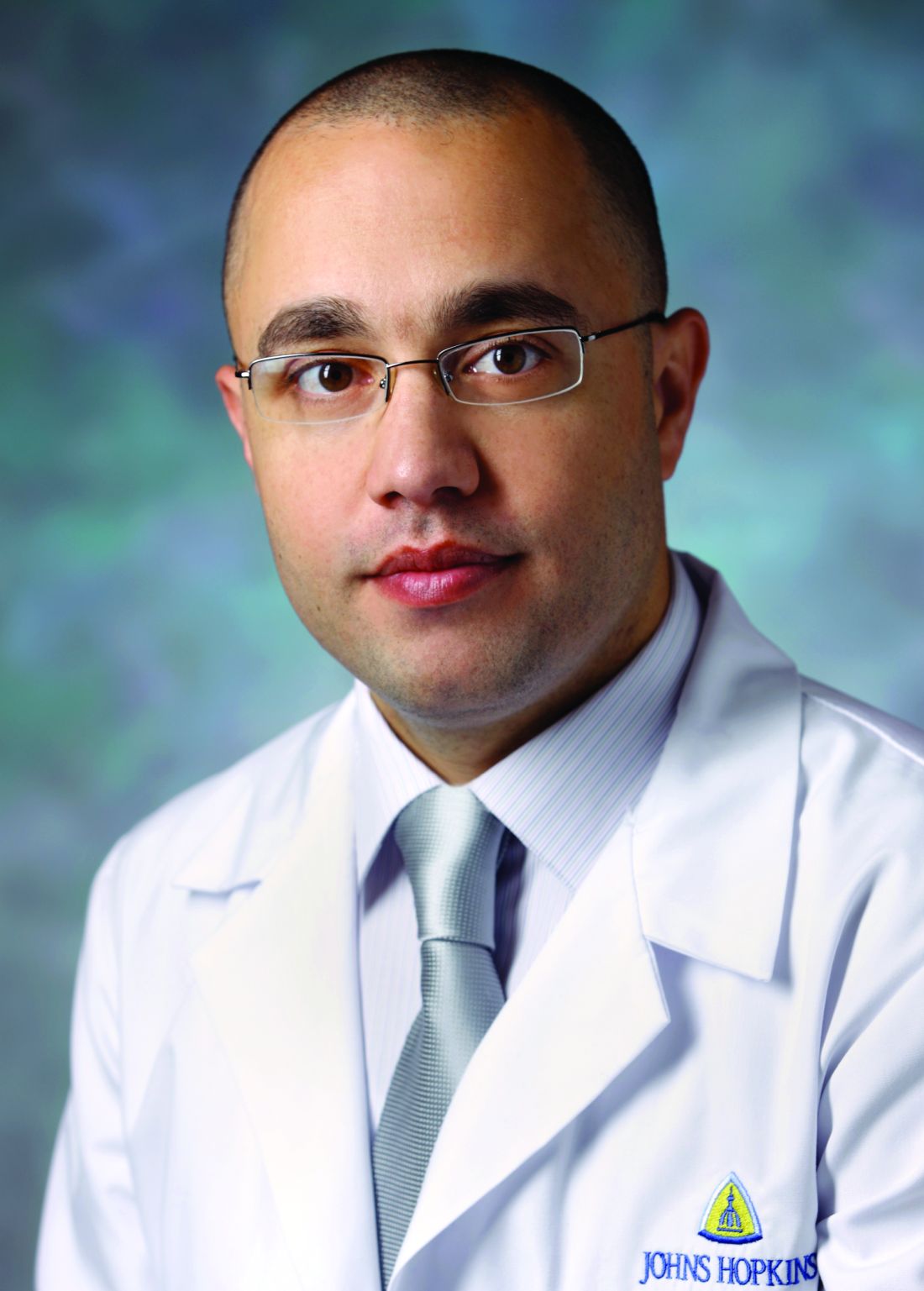
“G-POEM is being performed worldwide to treat patients with refractory gastroparesis,” the investigators wrote in Gastroenterology). “G-POEM is an overall safe procedure with high technical success rates, particularly when performed by an endoscopist experienced in third-space endoscopy. Even if the durable clinical success of G-POEM is in the 50% to 60% range, this represents a huge clinical benefit to patients with refractory gastroparesis, which is a disease associated with substantial morbidity, poor quality of life, and a paucity of safe and effective treatments.”
The authors listed treatment alternatives, noting how associated clinical data have fallen short.
“Although endoscopic pyloric balloon dilation, intrapyloric botulinum toxin injection, gastric electrical stimulation, and transpyloric stenting have been used in patients [with gastroparesis] who have not responded to medical therapy, published studies concerning these therapies have been inconsistent, shown no benefit, or lacked methodologic rigor,” they wrote.
Patient selection
G-POEM should be considered in patients with medically refractory gastroparesis due to diabetes, prior surgery, or idiopathic causes. Candidates should undergo endoscopy to confirm no mechanical obstruction, as well as a solid-phase gastric emptying scan to confirm delayed emptying, with ideal candidates showing at least 20% retention at 4 hours, as this threshold has been linked with better clinical outcomes.
G-POEM is most beneficial when moderate to severe symptoms are present, the investigators wrote, particularly vomiting and nausea. The Gastroparesis Cardinal Symptom Index (GCSI) can be used to determine severity, with a score greater than 2 indicating moderate to severe presentation.
Procedural considerations
The CPU offers detailed procedural considerations, including preparation and equipment, technical guidance, and postprocedural strategy.
“G-POEM should only be performed by interventional endoscopists with expertise or training in third-space endoscopy,” Dr. Khashab and colleagues wrote. “Although experience in endoscopic submucosal dissection (ESD) is not mandatory before performing G-POEM, it likely shortens the learning curve.”
Equipment minimums are also described, including “a high-definition gastroscope, with a waterjet, affixed with a clear distal cap” and “a modern electrosurgical generator capable of modulating power based on tissue resistance and circuit impedance.”
While G-POEM is typically performed via a greater-curvature approach, similar outcomes have been documented for a lesser-curvature approach, Dr. Khashab and colleagues wrote. This alternative technique may increase difficulty of pyloromyotomy, they added.
Postprocedural care may involve an overnight stay, according to the update, with an upper GI study on the subsequent day to ensure no contrast leakage, though this is not mandatory.
Adverse events
“G-POEM is generally safe when performed by trained and/or experienced endoscopists, and AEs are uncommon,” the investigators wrote. “However, serious AEs can occur and have been reported.”
Reported AEs include capnoperitoneum, inadvertent mucosotomy, thermal-mucosal injury, abdominal pain, bleeding, gastric ulceration, and dumping syndrome.
Insurance companies called to action
After reviewing emerging data, the authors suggested the time has come to consider G-POEM as a routine, evidence-based procedure that deserves appropriate reimbursement by financial stakeholders.
“Many insurers still consider G-POEM investigational and refuse to cover this procedure for patients with medically refractory gastroparesis,” they wrote. “As the safety and clinical effectiveness of G-POEM is now well supported, insurance companies and payors should cover G-POEM for patients with significant gastroparesis.”
The clinical practice update was commissioned and approved by the American Gastroenterological Association. The investigators disclosed relationships with Boston Scientific, Medtronic, and Olympus, among others.
Authored by Mouen A. Khashab, MD, director of therapeutic endoscopy at Johns Hopkins Medicine, Baltimore; Andrew Y. Wang, MD, AGAF, chief of interventional endoscopy, University of Virginia, Charlottesville; and, Qiang Cai, MD, PhD, chief of gastroenterology, Ochsner LSU Health Shreveport (La.), the update covers patient selection, procedural considerations, adverse events (AEs), and other topics.
“G-POEM is being performed worldwide to treat patients with refractory gastroparesis,” the investigators wrote in Gastroenterology). “G-POEM is an overall safe procedure with high technical success rates, particularly when performed by an endoscopist experienced in third-space endoscopy. Even if the durable clinical success of G-POEM is in the 50% to 60% range, this represents a huge clinical benefit to patients with refractory gastroparesis, which is a disease associated with substantial morbidity, poor quality of life, and a paucity of safe and effective treatments.”
The authors listed treatment alternatives, noting how associated clinical data have fallen short.
“Although endoscopic pyloric balloon dilation, intrapyloric botulinum toxin injection, gastric electrical stimulation, and transpyloric stenting have been used in patients [with gastroparesis] who have not responded to medical therapy, published studies concerning these therapies have been inconsistent, shown no benefit, or lacked methodologic rigor,” they wrote.
Patient selection
G-POEM should be considered in patients with medically refractory gastroparesis due to diabetes, prior surgery, or idiopathic causes. Candidates should undergo endoscopy to confirm no mechanical obstruction, as well as a solid-phase gastric emptying scan to confirm delayed emptying, with ideal candidates showing at least 20% retention at 4 hours, as this threshold has been linked with better clinical outcomes.
G-POEM is most beneficial when moderate to severe symptoms are present, the investigators wrote, particularly vomiting and nausea. The Gastroparesis Cardinal Symptom Index (GCSI) can be used to determine severity, with a score greater than 2 indicating moderate to severe presentation.
Procedural considerations
The CPU offers detailed procedural considerations, including preparation and equipment, technical guidance, and postprocedural strategy.
“G-POEM should only be performed by interventional endoscopists with expertise or training in third-space endoscopy,” Dr. Khashab and colleagues wrote. “Although experience in endoscopic submucosal dissection (ESD) is not mandatory before performing G-POEM, it likely shortens the learning curve.”
Equipment minimums are also described, including “a high-definition gastroscope, with a waterjet, affixed with a clear distal cap” and “a modern electrosurgical generator capable of modulating power based on tissue resistance and circuit impedance.”
While G-POEM is typically performed via a greater-curvature approach, similar outcomes have been documented for a lesser-curvature approach, Dr. Khashab and colleagues wrote. This alternative technique may increase difficulty of pyloromyotomy, they added.
Postprocedural care may involve an overnight stay, according to the update, with an upper GI study on the subsequent day to ensure no contrast leakage, though this is not mandatory.
Adverse events
“G-POEM is generally safe when performed by trained and/or experienced endoscopists, and AEs are uncommon,” the investigators wrote. “However, serious AEs can occur and have been reported.”
Reported AEs include capnoperitoneum, inadvertent mucosotomy, thermal-mucosal injury, abdominal pain, bleeding, gastric ulceration, and dumping syndrome.
Insurance companies called to action
After reviewing emerging data, the authors suggested the time has come to consider G-POEM as a routine, evidence-based procedure that deserves appropriate reimbursement by financial stakeholders.
“Many insurers still consider G-POEM investigational and refuse to cover this procedure for patients with medically refractory gastroparesis,” they wrote. “As the safety and clinical effectiveness of G-POEM is now well supported, insurance companies and payors should cover G-POEM for patients with significant gastroparesis.”
The clinical practice update was commissioned and approved by the American Gastroenterological Association. The investigators disclosed relationships with Boston Scientific, Medtronic, and Olympus, among others.
Authored by Mouen A. Khashab, MD, director of therapeutic endoscopy at Johns Hopkins Medicine, Baltimore; Andrew Y. Wang, MD, AGAF, chief of interventional endoscopy, University of Virginia, Charlottesville; and, Qiang Cai, MD, PhD, chief of gastroenterology, Ochsner LSU Health Shreveport (La.), the update covers patient selection, procedural considerations, adverse events (AEs), and other topics.
“G-POEM is being performed worldwide to treat patients with refractory gastroparesis,” the investigators wrote in Gastroenterology). “G-POEM is an overall safe procedure with high technical success rates, particularly when performed by an endoscopist experienced in third-space endoscopy. Even if the durable clinical success of G-POEM is in the 50% to 60% range, this represents a huge clinical benefit to patients with refractory gastroparesis, which is a disease associated with substantial morbidity, poor quality of life, and a paucity of safe and effective treatments.”
The authors listed treatment alternatives, noting how associated clinical data have fallen short.
“Although endoscopic pyloric balloon dilation, intrapyloric botulinum toxin injection, gastric electrical stimulation, and transpyloric stenting have been used in patients [with gastroparesis] who have not responded to medical therapy, published studies concerning these therapies have been inconsistent, shown no benefit, or lacked methodologic rigor,” they wrote.
Patient selection
G-POEM should be considered in patients with medically refractory gastroparesis due to diabetes, prior surgery, or idiopathic causes. Candidates should undergo endoscopy to confirm no mechanical obstruction, as well as a solid-phase gastric emptying scan to confirm delayed emptying, with ideal candidates showing at least 20% retention at 4 hours, as this threshold has been linked with better clinical outcomes.
G-POEM is most beneficial when moderate to severe symptoms are present, the investigators wrote, particularly vomiting and nausea. The Gastroparesis Cardinal Symptom Index (GCSI) can be used to determine severity, with a score greater than 2 indicating moderate to severe presentation.
Procedural considerations
The CPU offers detailed procedural considerations, including preparation and equipment, technical guidance, and postprocedural strategy.
“G-POEM should only be performed by interventional endoscopists with expertise or training in third-space endoscopy,” Dr. Khashab and colleagues wrote. “Although experience in endoscopic submucosal dissection (ESD) is not mandatory before performing G-POEM, it likely shortens the learning curve.”
Equipment minimums are also described, including “a high-definition gastroscope, with a waterjet, affixed with a clear distal cap” and “a modern electrosurgical generator capable of modulating power based on tissue resistance and circuit impedance.”
While G-POEM is typically performed via a greater-curvature approach, similar outcomes have been documented for a lesser-curvature approach, Dr. Khashab and colleagues wrote. This alternative technique may increase difficulty of pyloromyotomy, they added.
Postprocedural care may involve an overnight stay, according to the update, with an upper GI study on the subsequent day to ensure no contrast leakage, though this is not mandatory.
Adverse events
“G-POEM is generally safe when performed by trained and/or experienced endoscopists, and AEs are uncommon,” the investigators wrote. “However, serious AEs can occur and have been reported.”
Reported AEs include capnoperitoneum, inadvertent mucosotomy, thermal-mucosal injury, abdominal pain, bleeding, gastric ulceration, and dumping syndrome.
Insurance companies called to action
After reviewing emerging data, the authors suggested the time has come to consider G-POEM as a routine, evidence-based procedure that deserves appropriate reimbursement by financial stakeholders.
“Many insurers still consider G-POEM investigational and refuse to cover this procedure for patients with medically refractory gastroparesis,” they wrote. “As the safety and clinical effectiveness of G-POEM is now well supported, insurance companies and payors should cover G-POEM for patients with significant gastroparesis.”
The clinical practice update was commissioned and approved by the American Gastroenterological Association. The investigators disclosed relationships with Boston Scientific, Medtronic, and Olympus, among others.
FROM GASTROENTEROLOGY
Systemic JIA and AOSD are the same disease, EULAR says
Systemic juvenile idiopathic arthritis (sJIA) and adult-onset Still’s disease (AOSD) should be grouped into one disease, Still’s disease, according to new diagnosis and treatment recommendations presented at the annual European Congress of Rheumatology.
The recommendations, made in collaboration with EULAR and the Pediatric Rheumatology European Society, emphasized that the ultimate treatment target for Still’s disease should be drug-free remission in all patients and that macrophage activation syndrome (MAS) should be identified and treated as soon as possible.
The task force focused on MAS because despite effective, innovative therapies, “we continued to see MAS,” said presenter Bruno Fautrel, MD, Pitié-Salpêtrière University Hospital, Paris. “We have to be very concerned about this potential complication.”
Dr. Fautrel copresented the recommendations with Fabrizio De Benedetti, MD, PhD, head of the division of rheumatology, Bambino Gesù Hospital, Rome.
Diagnosis
Dr. Fautrel noted that the cutoff age of 16 that differentiates sJIA and AOSD is “arbitrary.” There are some differences in age: The frequency of the disease is higher in young children, but it plateaus in young adults. Children under 18 months old are also far more likely to develop MAS.
To diagnose and treat Still’s disease, the recommendations state that clinicians should consider four criteria:
- A fever spiking at or above 39° C (102.2° F) for at least 7 days.
- A transient rash, preferentially on the trunk, that coincides with fever spikes, rash is typically erythematous but other rashes, like urticaria, can be consistent with the diagnosis.
- Some musculoskeletal involvement is common, involving arthralgia/myalgia.
- High levels of inflammation identified by neutrophilic leukocytosis, increased serum C-reactive protein (CRP), and ferritin.
Dr. Fautrel noted that, while arthritis can be present, it is not necessary to make a diagnosis. In pediatrics, “arthritis is likely to happen after a few weeks of the evolution of the disease,” and waiting for arthritis to develop can lead to diagnostic delay, “which is a problem.”
For individuals with suspected Still’s disease, NSAIDs can be used as a “bridging therapy” before the diagnosis is confirmed.
Treatment
The recommendations emphasized that treatment and therapeutic strategy “should be based on shared decision-making between the parents/patients and the treating team,” with the ultimate goal of drug-free remission.
To achieve this goal, the document outlines time-based targets for clinically inactive disease (CID). At 4 weeks, patients should have no fever, reduction of active or swollen joint count by more than 50%, a normal CRP level, and a rating of less than 20 on a visual analog scale of 0-100. At 3 months, patients should maintain clinically inactive disease with a glucocorticoid dose of less than 0.1 or 0.2 mg/kg per day. At 6 months, CID should be maintained without glucocorticoids.
While the authors of the recommendations noted that glucocorticoids are efficacious, their long-term use should be avoided because of safety issues. An interleukin-1 or IL-6 inhibitor should be prioritized and initiated as soon as possible after diagnosis.
Patients should maintain CID between 3 and 6 months before tapering off biologics.
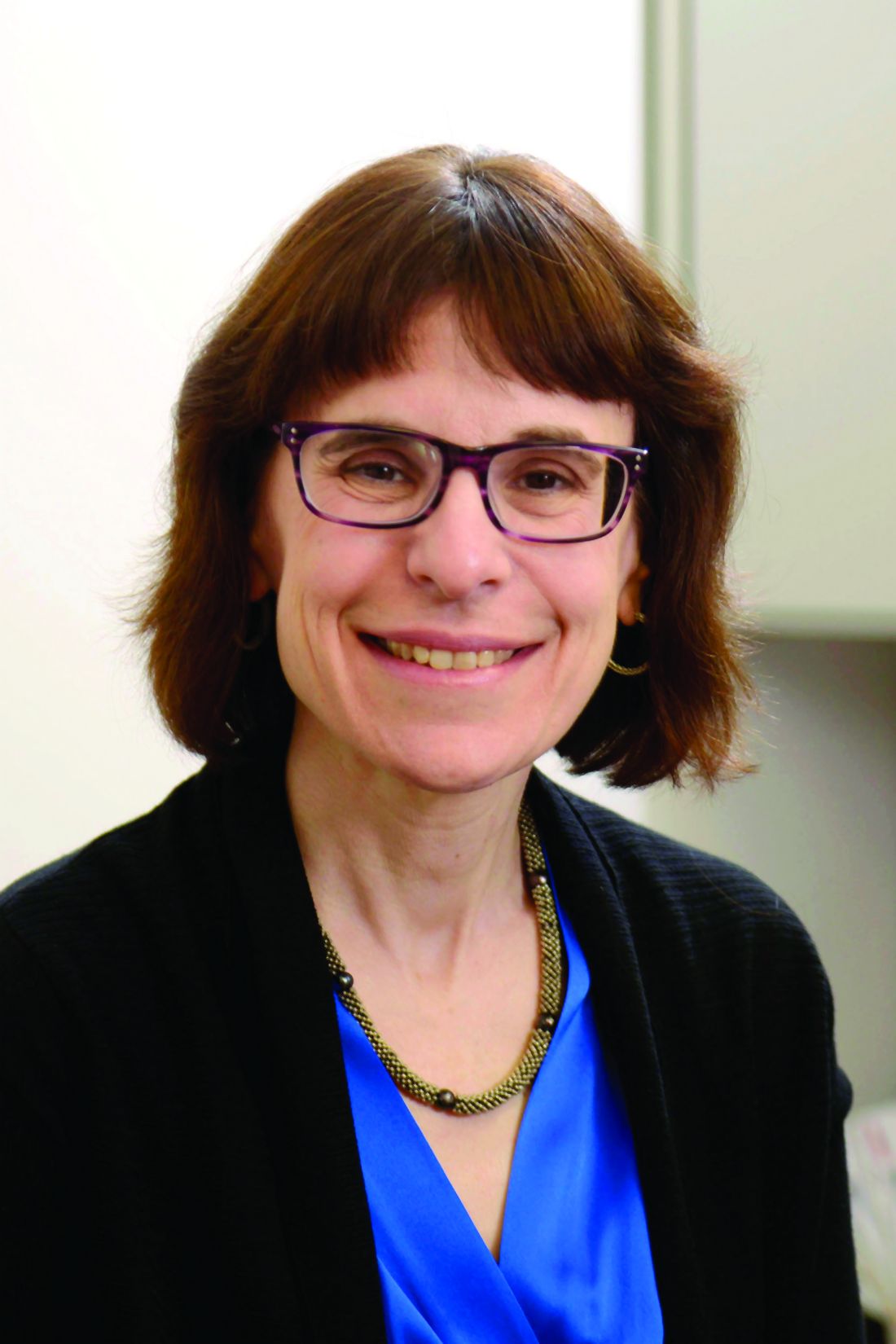
The recommendations are congruent with the 2021 American College of Rheumatology’s guidelines for sJIA, noted Karen Onel, MD, pediatric rheumatologist, Hospital for Special Surgery, New York, and the principle investigator for the ACR guidelines. One main difference is that the EULAR recommendations included time lines for treatment targets, while the ACR’s did not.
“It’s great to have these time lines in there,” she said in an interview, though there are still some unknowns. “We don’t actually know what the tapering frequency should be,” she said, “but these are definitely goals that we need to explore and see how they evolve.”
MAS and lung complications
The EULAR recommendations also touched on two concerning complications, particularly in children: MAS and lung disease. According to the document, MAS should be considered in patients with Still’s disease with these symptoms: fever, splenomegaly, elevated serum ferritin, low cell counts, abnormal liver function tests, elevated serum triglycerides, and intravascular activation of coagulation. The MAS 2016 criteria can also be used to facilitate diagnosis.
“MAS treatment must include high-dose glucocorticoids,” the document states. “In addition, treatments including anakinra, ciclosporin, and/or interferon-gamma inhibitors should be considered as a part of initial therapy.”
The recommendations also addressed the risk for lung disease, “which is an emerging issue, particularly in children, that the physician should be very well aware of,” Dr. De Benedetti said. This complication can arise at any time point of the disease, he added.
The document advised actively screening for lung disease by searching for clinical symptoms such as digital clubbing, persistent cough, and shortness of breath. Pulmonary function tests like pulse oximetry and diffusing capacity of the lungs for carbon monoxide may also be used, but these standard lung function tests are very difficult to do in children under 6 years old, Dr. De Benedetti noted. The recommendations advise performing high-resolution CT in “any patients with clinical concerns.”
“We have lowered the threshold for CT scan because of the emerging features of this lung disease that may actually be lethal and therefore require prompt attention,” Dr. De Benedetti noted.
The recommendations for lung disease are “broad,” as there is still much to learn about the risk for lung disease in a small portion of sJIA patients, Dr. Onel said.
“There’s a lot that we are trying to work out about this; exactly how to screen, who to screen, what to do, who to treat, and how to treat really remains unclear,” she said. “We absolutely agree that this is a major, major issue that we need to come to some sort of agreement upon, but we’re just not there yet.”
Dr. De Benedetti, Dr. Fautrel, and Dr. Onel disclosed no relevant financial relationships.
A version of this article first appeared on Medscape.com.
Systemic juvenile idiopathic arthritis (sJIA) and adult-onset Still’s disease (AOSD) should be grouped into one disease, Still’s disease, according to new diagnosis and treatment recommendations presented at the annual European Congress of Rheumatology.
The recommendations, made in collaboration with EULAR and the Pediatric Rheumatology European Society, emphasized that the ultimate treatment target for Still’s disease should be drug-free remission in all patients and that macrophage activation syndrome (MAS) should be identified and treated as soon as possible.
The task force focused on MAS because despite effective, innovative therapies, “we continued to see MAS,” said presenter Bruno Fautrel, MD, Pitié-Salpêtrière University Hospital, Paris. “We have to be very concerned about this potential complication.”
Dr. Fautrel copresented the recommendations with Fabrizio De Benedetti, MD, PhD, head of the division of rheumatology, Bambino Gesù Hospital, Rome.
Diagnosis
Dr. Fautrel noted that the cutoff age of 16 that differentiates sJIA and AOSD is “arbitrary.” There are some differences in age: The frequency of the disease is higher in young children, but it plateaus in young adults. Children under 18 months old are also far more likely to develop MAS.
To diagnose and treat Still’s disease, the recommendations state that clinicians should consider four criteria:
- A fever spiking at or above 39° C (102.2° F) for at least 7 days.
- A transient rash, preferentially on the trunk, that coincides with fever spikes, rash is typically erythematous but other rashes, like urticaria, can be consistent with the diagnosis.
- Some musculoskeletal involvement is common, involving arthralgia/myalgia.
- High levels of inflammation identified by neutrophilic leukocytosis, increased serum C-reactive protein (CRP), and ferritin.
Dr. Fautrel noted that, while arthritis can be present, it is not necessary to make a diagnosis. In pediatrics, “arthritis is likely to happen after a few weeks of the evolution of the disease,” and waiting for arthritis to develop can lead to diagnostic delay, “which is a problem.”
For individuals with suspected Still’s disease, NSAIDs can be used as a “bridging therapy” before the diagnosis is confirmed.
Treatment
The recommendations emphasized that treatment and therapeutic strategy “should be based on shared decision-making between the parents/patients and the treating team,” with the ultimate goal of drug-free remission.
To achieve this goal, the document outlines time-based targets for clinically inactive disease (CID). At 4 weeks, patients should have no fever, reduction of active or swollen joint count by more than 50%, a normal CRP level, and a rating of less than 20 on a visual analog scale of 0-100. At 3 months, patients should maintain clinically inactive disease with a glucocorticoid dose of less than 0.1 or 0.2 mg/kg per day. At 6 months, CID should be maintained without glucocorticoids.
While the authors of the recommendations noted that glucocorticoids are efficacious, their long-term use should be avoided because of safety issues. An interleukin-1 or IL-6 inhibitor should be prioritized and initiated as soon as possible after diagnosis.
Patients should maintain CID between 3 and 6 months before tapering off biologics.
The recommendations are congruent with the 2021 American College of Rheumatology’s guidelines for sJIA, noted Karen Onel, MD, pediatric rheumatologist, Hospital for Special Surgery, New York, and the principle investigator for the ACR guidelines. One main difference is that the EULAR recommendations included time lines for treatment targets, while the ACR’s did not.
“It’s great to have these time lines in there,” she said in an interview, though there are still some unknowns. “We don’t actually know what the tapering frequency should be,” she said, “but these are definitely goals that we need to explore and see how they evolve.”
MAS and lung complications
The EULAR recommendations also touched on two concerning complications, particularly in children: MAS and lung disease. According to the document, MAS should be considered in patients with Still’s disease with these symptoms: fever, splenomegaly, elevated serum ferritin, low cell counts, abnormal liver function tests, elevated serum triglycerides, and intravascular activation of coagulation. The MAS 2016 criteria can also be used to facilitate diagnosis.
“MAS treatment must include high-dose glucocorticoids,” the document states. “In addition, treatments including anakinra, ciclosporin, and/or interferon-gamma inhibitors should be considered as a part of initial therapy.”
The recommendations also addressed the risk for lung disease, “which is an emerging issue, particularly in children, that the physician should be very well aware of,” Dr. De Benedetti said. This complication can arise at any time point of the disease, he added.
The document advised actively screening for lung disease by searching for clinical symptoms such as digital clubbing, persistent cough, and shortness of breath. Pulmonary function tests like pulse oximetry and diffusing capacity of the lungs for carbon monoxide may also be used, but these standard lung function tests are very difficult to do in children under 6 years old, Dr. De Benedetti noted. The recommendations advise performing high-resolution CT in “any patients with clinical concerns.”
“We have lowered the threshold for CT scan because of the emerging features of this lung disease that may actually be lethal and therefore require prompt attention,” Dr. De Benedetti noted.
The recommendations for lung disease are “broad,” as there is still much to learn about the risk for lung disease in a small portion of sJIA patients, Dr. Onel said.
“There’s a lot that we are trying to work out about this; exactly how to screen, who to screen, what to do, who to treat, and how to treat really remains unclear,” she said. “We absolutely agree that this is a major, major issue that we need to come to some sort of agreement upon, but we’re just not there yet.”
Dr. De Benedetti, Dr. Fautrel, and Dr. Onel disclosed no relevant financial relationships.
A version of this article first appeared on Medscape.com.
Systemic juvenile idiopathic arthritis (sJIA) and adult-onset Still’s disease (AOSD) should be grouped into one disease, Still’s disease, according to new diagnosis and treatment recommendations presented at the annual European Congress of Rheumatology.
The recommendations, made in collaboration with EULAR and the Pediatric Rheumatology European Society, emphasized that the ultimate treatment target for Still’s disease should be drug-free remission in all patients and that macrophage activation syndrome (MAS) should be identified and treated as soon as possible.
The task force focused on MAS because despite effective, innovative therapies, “we continued to see MAS,” said presenter Bruno Fautrel, MD, Pitié-Salpêtrière University Hospital, Paris. “We have to be very concerned about this potential complication.”
Dr. Fautrel copresented the recommendations with Fabrizio De Benedetti, MD, PhD, head of the division of rheumatology, Bambino Gesù Hospital, Rome.
Diagnosis
Dr. Fautrel noted that the cutoff age of 16 that differentiates sJIA and AOSD is “arbitrary.” There are some differences in age: The frequency of the disease is higher in young children, but it plateaus in young adults. Children under 18 months old are also far more likely to develop MAS.
To diagnose and treat Still’s disease, the recommendations state that clinicians should consider four criteria:
- A fever spiking at or above 39° C (102.2° F) for at least 7 days.
- A transient rash, preferentially on the trunk, that coincides with fever spikes, rash is typically erythematous but other rashes, like urticaria, can be consistent with the diagnosis.
- Some musculoskeletal involvement is common, involving arthralgia/myalgia.
- High levels of inflammation identified by neutrophilic leukocytosis, increased serum C-reactive protein (CRP), and ferritin.
Dr. Fautrel noted that, while arthritis can be present, it is not necessary to make a diagnosis. In pediatrics, “arthritis is likely to happen after a few weeks of the evolution of the disease,” and waiting for arthritis to develop can lead to diagnostic delay, “which is a problem.”
For individuals with suspected Still’s disease, NSAIDs can be used as a “bridging therapy” before the diagnosis is confirmed.
Treatment
The recommendations emphasized that treatment and therapeutic strategy “should be based on shared decision-making between the parents/patients and the treating team,” with the ultimate goal of drug-free remission.
To achieve this goal, the document outlines time-based targets for clinically inactive disease (CID). At 4 weeks, patients should have no fever, reduction of active or swollen joint count by more than 50%, a normal CRP level, and a rating of less than 20 on a visual analog scale of 0-100. At 3 months, patients should maintain clinically inactive disease with a glucocorticoid dose of less than 0.1 or 0.2 mg/kg per day. At 6 months, CID should be maintained without glucocorticoids.
While the authors of the recommendations noted that glucocorticoids are efficacious, their long-term use should be avoided because of safety issues. An interleukin-1 or IL-6 inhibitor should be prioritized and initiated as soon as possible after diagnosis.
Patients should maintain CID between 3 and 6 months before tapering off biologics.
The recommendations are congruent with the 2021 American College of Rheumatology’s guidelines for sJIA, noted Karen Onel, MD, pediatric rheumatologist, Hospital for Special Surgery, New York, and the principle investigator for the ACR guidelines. One main difference is that the EULAR recommendations included time lines for treatment targets, while the ACR’s did not.
“It’s great to have these time lines in there,” she said in an interview, though there are still some unknowns. “We don’t actually know what the tapering frequency should be,” she said, “but these are definitely goals that we need to explore and see how they evolve.”
MAS and lung complications
The EULAR recommendations also touched on two concerning complications, particularly in children: MAS and lung disease. According to the document, MAS should be considered in patients with Still’s disease with these symptoms: fever, splenomegaly, elevated serum ferritin, low cell counts, abnormal liver function tests, elevated serum triglycerides, and intravascular activation of coagulation. The MAS 2016 criteria can also be used to facilitate diagnosis.
“MAS treatment must include high-dose glucocorticoids,” the document states. “In addition, treatments including anakinra, ciclosporin, and/or interferon-gamma inhibitors should be considered as a part of initial therapy.”
The recommendations also addressed the risk for lung disease, “which is an emerging issue, particularly in children, that the physician should be very well aware of,” Dr. De Benedetti said. This complication can arise at any time point of the disease, he added.
The document advised actively screening for lung disease by searching for clinical symptoms such as digital clubbing, persistent cough, and shortness of breath. Pulmonary function tests like pulse oximetry and diffusing capacity of the lungs for carbon monoxide may also be used, but these standard lung function tests are very difficult to do in children under 6 years old, Dr. De Benedetti noted. The recommendations advise performing high-resolution CT in “any patients with clinical concerns.”
“We have lowered the threshold for CT scan because of the emerging features of this lung disease that may actually be lethal and therefore require prompt attention,” Dr. De Benedetti noted.
The recommendations for lung disease are “broad,” as there is still much to learn about the risk for lung disease in a small portion of sJIA patients, Dr. Onel said.
“There’s a lot that we are trying to work out about this; exactly how to screen, who to screen, what to do, who to treat, and how to treat really remains unclear,” she said. “We absolutely agree that this is a major, major issue that we need to come to some sort of agreement upon, but we’re just not there yet.”
Dr. De Benedetti, Dr. Fautrel, and Dr. Onel disclosed no relevant financial relationships.
A version of this article first appeared on Medscape.com.
FROM EULAR 2023
EULAR issues imaging recommendations for crystal-induced arthropathies
A European Alliance of Associations for Rheumatology task force has released new guidance on imaging of crystal-induced arthropathies (CiA). The document provides recommendations for using imaging for diagnosis and monitoring of these types of diseases.
“These are the first-ever EULAR recommendations on imaging in this group of diseases. In fact, we are not aware of any similar international recommendations which provide guidance on which imaging technique, when, and how [they] should be used for crystal-induced arthropathies,” lead author Peter Mandl, MD, PhD, of the division of rheumatology at the Medical University of Vienna, told this news organization. Dr. Mandl presented the new recommendations at the annual European Congress of Rheumatology.

While some rheumatologists very familiar with crystal-induced arthropathies already regularly use imaging with these patients, these formal recommendations could highlight to wider audiences that “these imaging modalities can be very sensitive and specific for CiA,” said Sara K. Tedeschi, MD, MPH, assistant professor of medicine at Harvard Medical School and head of crystal-induced arthritis diseases at Brigham and Women’s Hospital in Boston. She was not involved with the work.

The document included general recommendations for imaging in CiA as well as specific recommendations for gout, basic calcium phosphate deposition disease (BCPD), and calcium pyrophosphate deposition disease (CPPD). Across all disease types, performing imaging on symptomatic areas as well as disease-specific target sites should be considered, the recommendations state. This includes the first metatarsophalangeal joint in gout, the wrist and knee in CPPD, and the shoulder in BCPD.
Both ultrasound (US) and dual-energy CT (DECT) are the recommended imaging modalities in gout. If imaging reveals characteristic features of monosodium urate (MSU) crystal deposition, synovial fluid analysis is not necessary to confirm a gout diagnosis. The volume of MSU crystals on imaging can also be used to predict future disease flares.
Showing imaging and explaining imaging findings may help patients understand their condition and adhere to treatment regimens, the recommendations state. “I think it’s a very powerful way to counsel patients,” Dr. Tedeschi said in an interview.
Imaging is necessary in the diagnosis of BCPD, and clinicians should use either conventional radiography or US. These imagining modalities are recommended for CPPD, and clinicians can use CT if they suspect axial involvement. The document does not recommend serial imaging for either BCPD or CPPD unless there has been an “unsuspected change in clinical characteristics.”
These recommendations highlight how imaging can have a “powerful impact on patient counseling and diagnosis,” said Dr. Tedeschi. She emphasized the importance of US training in rheumatology fellowship programs.
During his presentation at EULAR 2023, Dr. Mandl also highlighted a robust research agenda to further investigate how imaging can aid in the diagnosis and treatment of CiA. “It would be great to have an imaging modality someday that would help us differentiate between various types of calcium crystal,” he said.
Dr. Mandl has financial relationships with AbbVie, Bristol-Myers Squibb, Celgene, Eli Lilly, Janssen, Merck Sharp & Dohme, Novartis, Roche, and UCB. Dr. Tedeschi has worked as a consultant for Novartis.
A version of this article first appeared on Medscape.com.
A European Alliance of Associations for Rheumatology task force has released new guidance on imaging of crystal-induced arthropathies (CiA). The document provides recommendations for using imaging for diagnosis and monitoring of these types of diseases.
“These are the first-ever EULAR recommendations on imaging in this group of diseases. In fact, we are not aware of any similar international recommendations which provide guidance on which imaging technique, when, and how [they] should be used for crystal-induced arthropathies,” lead author Peter Mandl, MD, PhD, of the division of rheumatology at the Medical University of Vienna, told this news organization. Dr. Mandl presented the new recommendations at the annual European Congress of Rheumatology.
While some rheumatologists very familiar with crystal-induced arthropathies already regularly use imaging with these patients, these formal recommendations could highlight to wider audiences that “these imaging modalities can be very sensitive and specific for CiA,” said Sara K. Tedeschi, MD, MPH, assistant professor of medicine at Harvard Medical School and head of crystal-induced arthritis diseases at Brigham and Women’s Hospital in Boston. She was not involved with the work.
The document included general recommendations for imaging in CiA as well as specific recommendations for gout, basic calcium phosphate deposition disease (BCPD), and calcium pyrophosphate deposition disease (CPPD). Across all disease types, performing imaging on symptomatic areas as well as disease-specific target sites should be considered, the recommendations state. This includes the first metatarsophalangeal joint in gout, the wrist and knee in CPPD, and the shoulder in BCPD.
Both ultrasound (US) and dual-energy CT (DECT) are the recommended imaging modalities in gout. If imaging reveals characteristic features of monosodium urate (MSU) crystal deposition, synovial fluid analysis is not necessary to confirm a gout diagnosis. The volume of MSU crystals on imaging can also be used to predict future disease flares.
Showing imaging and explaining imaging findings may help patients understand their condition and adhere to treatment regimens, the recommendations state. “I think it’s a very powerful way to counsel patients,” Dr. Tedeschi said in an interview.
Imaging is necessary in the diagnosis of BCPD, and clinicians should use either conventional radiography or US. These imagining modalities are recommended for CPPD, and clinicians can use CT if they suspect axial involvement. The document does not recommend serial imaging for either BCPD or CPPD unless there has been an “unsuspected change in clinical characteristics.”
These recommendations highlight how imaging can have a “powerful impact on patient counseling and diagnosis,” said Dr. Tedeschi. She emphasized the importance of US training in rheumatology fellowship programs.
During his presentation at EULAR 2023, Dr. Mandl also highlighted a robust research agenda to further investigate how imaging can aid in the diagnosis and treatment of CiA. “It would be great to have an imaging modality someday that would help us differentiate between various types of calcium crystal,” he said.
Dr. Mandl has financial relationships with AbbVie, Bristol-Myers Squibb, Celgene, Eli Lilly, Janssen, Merck Sharp & Dohme, Novartis, Roche, and UCB. Dr. Tedeschi has worked as a consultant for Novartis.
A version of this article first appeared on Medscape.com.
A European Alliance of Associations for Rheumatology task force has released new guidance on imaging of crystal-induced arthropathies (CiA). The document provides recommendations for using imaging for diagnosis and monitoring of these types of diseases.
“These are the first-ever EULAR recommendations on imaging in this group of diseases. In fact, we are not aware of any similar international recommendations which provide guidance on which imaging technique, when, and how [they] should be used for crystal-induced arthropathies,” lead author Peter Mandl, MD, PhD, of the division of rheumatology at the Medical University of Vienna, told this news organization. Dr. Mandl presented the new recommendations at the annual European Congress of Rheumatology.
While some rheumatologists very familiar with crystal-induced arthropathies already regularly use imaging with these patients, these formal recommendations could highlight to wider audiences that “these imaging modalities can be very sensitive and specific for CiA,” said Sara K. Tedeschi, MD, MPH, assistant professor of medicine at Harvard Medical School and head of crystal-induced arthritis diseases at Brigham and Women’s Hospital in Boston. She was not involved with the work.
The document included general recommendations for imaging in CiA as well as specific recommendations for gout, basic calcium phosphate deposition disease (BCPD), and calcium pyrophosphate deposition disease (CPPD). Across all disease types, performing imaging on symptomatic areas as well as disease-specific target sites should be considered, the recommendations state. This includes the first metatarsophalangeal joint in gout, the wrist and knee in CPPD, and the shoulder in BCPD.
Both ultrasound (US) and dual-energy CT (DECT) are the recommended imaging modalities in gout. If imaging reveals characteristic features of monosodium urate (MSU) crystal deposition, synovial fluid analysis is not necessary to confirm a gout diagnosis. The volume of MSU crystals on imaging can also be used to predict future disease flares.
Showing imaging and explaining imaging findings may help patients understand their condition and adhere to treatment regimens, the recommendations state. “I think it’s a very powerful way to counsel patients,” Dr. Tedeschi said in an interview.
Imaging is necessary in the diagnosis of BCPD, and clinicians should use either conventional radiography or US. These imagining modalities are recommended for CPPD, and clinicians can use CT if they suspect axial involvement. The document does not recommend serial imaging for either BCPD or CPPD unless there has been an “unsuspected change in clinical characteristics.”
These recommendations highlight how imaging can have a “powerful impact on patient counseling and diagnosis,” said Dr. Tedeschi. She emphasized the importance of US training in rheumatology fellowship programs.
During his presentation at EULAR 2023, Dr. Mandl also highlighted a robust research agenda to further investigate how imaging can aid in the diagnosis and treatment of CiA. “It would be great to have an imaging modality someday that would help us differentiate between various types of calcium crystal,” he said.
Dr. Mandl has financial relationships with AbbVie, Bristol-Myers Squibb, Celgene, Eli Lilly, Janssen, Merck Sharp & Dohme, Novartis, Roche, and UCB. Dr. Tedeschi has worked as a consultant for Novartis.
A version of this article first appeared on Medscape.com.
FROM EULAR 2023
Migraine clusters emerge from machine-learning analysis
AUSTIN, TEX. – The findings could point to new therapeutic strategies, according to study author Ali Ezzati, MD.
“A lot of diagnostic criteria that we have in the migraine world come from consensus groups of experts, and based on their experience and available data. They classify different types of headache and then on top of that different types of migraine. Unfortunately, this type of classification does not necessarily lead to having very homogeneous groups,” said Dr. Ezzati, who presented the study at the annual meeting of the American Headache Society.
Migraines are generally categorized as episodic (0-14 headache days per month) or chronic (15 or more per month), or as with or without aura. But these broad categories fail to capture the true diversity of migraine, according to Dr. Ezzati, and this may contribute to the fact that response to migraine therapy hovers around 60%. “We feel that the key to improving therapeutic efficacy is to identify individuals who are more homogeneous, more similar to each other, so that when we give a treatment, it is specifically targeting the underlying pathophysiology that those people have,” said Dr. Ezzati, who is an associate professor of neurology and director of the neuroinformatics program at University of California, Irvine.
The analysis revealed some clinically interesting results, said Dr. Ezzati. “For example, allodynia is a symptom that is not particularly used for classification of different types of migraine. There was a specific group that was very high in allodynia, and they were not very responsive to treatments, so that might be a [group] that people have to focus on. Also, we talk a lot about comorbidities in migraine, but we don’t talk about how these comorbidities affect the therapeutic strategies and treatment response to specific medications. We showed that people who have depression are actually less responsive than other groups to treatments, especially prescription medications,” he said.
Machine learning reveals clusters
The researchers analyzed data from 4,423 patients drawn from the American Migraine Prevalence and Prevention Study, which was conducted every year between 2005 and 2009. They included adult patients who filled out surveys in both 2006 and 2007. The study population was 83.7% female and had a mean age of 46.8 years, and 6.4% had chronic migraine. The researchers then used a machine-learning based self-organizing map to group patients into similar clusters.
The algorithm produced five such groups: Cluster 1 had the lowest symptom severity, and 0.6% had chronic migraine. Cluster 2 had mild symptom severity with no chronic migraine. Cluster 3 had moderate symptom severity and a high prevalence of allodynia (88.5%, vs. 63.4% overall, P < .001) and no chronic migraine. Cluster 4 had a high frequency of depressive symptoms (63.1% vs. 19.8% overall, P < .001) and 5.2% had chronic migraine. Cluster 5 had frequent and severe migraines, and most (83.0%) had chronic migraine (P < .001).
There were some other broader trends. Triptans were more commonly used in clusters 2 (25.6%), 3 (27.9%), and 5 (28.0%), but less so in cluster 4 (17.1%; P < .001). Pain freedom at 2 hours was most common in cluster 1 (53.1%), followed by cluster 2 (46.4%), but was significantly less frequent in clusters 3 (32.2%), 4 (32.2%), and 5 (34.7%; P < .001).
Therapeutic implications
Dr. Ezzati believes that machine learning and data analysis could point the way to a future of more tailored migraine therapies. “I think we have to in general go down the path of using more evidence and more data to inform us about individualized planning for patients. For that we need larger clinical studies and larger epidemiological studies to help us identify more homogeneous subtypes of patients that we can eventually target in clinical trials,” he said.
Catherine Chong, MD, who chaired the session where the research was presented, praised the study in an interview. “Episodic migraine and chronic migraine have been developed [as categories] by headache frequency per month, and it was basically based on consensus in committee. They made basically a determination that 15 and under migraine days would be episodic migraine and over would be chronic migraine. So they dichotomized migraine, in a way, based on what people thought in the field. Looking at the data freely, and letting the algorithm determine the different subtypes, and putting everybody with migraine in it, and having these groups naturally appear from the data, I think is fascinating,” Dr. Chong said.
She echoed Dr. Ezzati’s call for further research that could create even more subgroups. “Is it really truly the case that somebody with less than 15 migraine days [per month], that 14 migraines days would be so different than somebody with 15 or over, or 8? I think we need to look at it further to see whether there are additional subgroups within that data. I think there are probably more [groups identifiable] from different data that we have out there,” said Dr. Chong.
Dr. Ezzati has consulted for or been a reviewer or advisory board member for Corium, Eisai, GlaxoSmithKline, Mint Research, and Health Care Horizon Scanning System. He has received research funding from Amgen. Dr. Chong has no relevant financial disclosures.
AUSTIN, TEX. – The findings could point to new therapeutic strategies, according to study author Ali Ezzati, MD.
“A lot of diagnostic criteria that we have in the migraine world come from consensus groups of experts, and based on their experience and available data. They classify different types of headache and then on top of that different types of migraine. Unfortunately, this type of classification does not necessarily lead to having very homogeneous groups,” said Dr. Ezzati, who presented the study at the annual meeting of the American Headache Society.
Migraines are generally categorized as episodic (0-14 headache days per month) or chronic (15 or more per month), or as with or without aura. But these broad categories fail to capture the true diversity of migraine, according to Dr. Ezzati, and this may contribute to the fact that response to migraine therapy hovers around 60%. “We feel that the key to improving therapeutic efficacy is to identify individuals who are more homogeneous, more similar to each other, so that when we give a treatment, it is specifically targeting the underlying pathophysiology that those people have,” said Dr. Ezzati, who is an associate professor of neurology and director of the neuroinformatics program at University of California, Irvine.
The analysis revealed some clinically interesting results, said Dr. Ezzati. “For example, allodynia is a symptom that is not particularly used for classification of different types of migraine. There was a specific group that was very high in allodynia, and they were not very responsive to treatments, so that might be a [group] that people have to focus on. Also, we talk a lot about comorbidities in migraine, but we don’t talk about how these comorbidities affect the therapeutic strategies and treatment response to specific medications. We showed that people who have depression are actually less responsive than other groups to treatments, especially prescription medications,” he said.
Machine learning reveals clusters
The researchers analyzed data from 4,423 patients drawn from the American Migraine Prevalence and Prevention Study, which was conducted every year between 2005 and 2009. They included adult patients who filled out surveys in both 2006 and 2007. The study population was 83.7% female and had a mean age of 46.8 years, and 6.4% had chronic migraine. The researchers then used a machine-learning based self-organizing map to group patients into similar clusters.
The algorithm produced five such groups: Cluster 1 had the lowest symptom severity, and 0.6% had chronic migraine. Cluster 2 had mild symptom severity with no chronic migraine. Cluster 3 had moderate symptom severity and a high prevalence of allodynia (88.5%, vs. 63.4% overall, P < .001) and no chronic migraine. Cluster 4 had a high frequency of depressive symptoms (63.1% vs. 19.8% overall, P < .001) and 5.2% had chronic migraine. Cluster 5 had frequent and severe migraines, and most (83.0%) had chronic migraine (P < .001).
There were some other broader trends. Triptans were more commonly used in clusters 2 (25.6%), 3 (27.9%), and 5 (28.0%), but less so in cluster 4 (17.1%; P < .001). Pain freedom at 2 hours was most common in cluster 1 (53.1%), followed by cluster 2 (46.4%), but was significantly less frequent in clusters 3 (32.2%), 4 (32.2%), and 5 (34.7%; P < .001).
Therapeutic implications
Dr. Ezzati believes that machine learning and data analysis could point the way to a future of more tailored migraine therapies. “I think we have to in general go down the path of using more evidence and more data to inform us about individualized planning for patients. For that we need larger clinical studies and larger epidemiological studies to help us identify more homogeneous subtypes of patients that we can eventually target in clinical trials,” he said.
Catherine Chong, MD, who chaired the session where the research was presented, praised the study in an interview. “Episodic migraine and chronic migraine have been developed [as categories] by headache frequency per month, and it was basically based on consensus in committee. They made basically a determination that 15 and under migraine days would be episodic migraine and over would be chronic migraine. So they dichotomized migraine, in a way, based on what people thought in the field. Looking at the data freely, and letting the algorithm determine the different subtypes, and putting everybody with migraine in it, and having these groups naturally appear from the data, I think is fascinating,” Dr. Chong said.
She echoed Dr. Ezzati’s call for further research that could create even more subgroups. “Is it really truly the case that somebody with less than 15 migraine days [per month], that 14 migraines days would be so different than somebody with 15 or over, or 8? I think we need to look at it further to see whether there are additional subgroups within that data. I think there are probably more [groups identifiable] from different data that we have out there,” said Dr. Chong.
Dr. Ezzati has consulted for or been a reviewer or advisory board member for Corium, Eisai, GlaxoSmithKline, Mint Research, and Health Care Horizon Scanning System. He has received research funding from Amgen. Dr. Chong has no relevant financial disclosures.
AUSTIN, TEX. – The findings could point to new therapeutic strategies, according to study author Ali Ezzati, MD.
“A lot of diagnostic criteria that we have in the migraine world come from consensus groups of experts, and based on their experience and available data. They classify different types of headache and then on top of that different types of migraine. Unfortunately, this type of classification does not necessarily lead to having very homogeneous groups,” said Dr. Ezzati, who presented the study at the annual meeting of the American Headache Society.
Migraines are generally categorized as episodic (0-14 headache days per month) or chronic (15 or more per month), or as with or without aura. But these broad categories fail to capture the true diversity of migraine, according to Dr. Ezzati, and this may contribute to the fact that response to migraine therapy hovers around 60%. “We feel that the key to improving therapeutic efficacy is to identify individuals who are more homogeneous, more similar to each other, so that when we give a treatment, it is specifically targeting the underlying pathophysiology that those people have,” said Dr. Ezzati, who is an associate professor of neurology and director of the neuroinformatics program at University of California, Irvine.
The analysis revealed some clinically interesting results, said Dr. Ezzati. “For example, allodynia is a symptom that is not particularly used for classification of different types of migraine. There was a specific group that was very high in allodynia, and they were not very responsive to treatments, so that might be a [group] that people have to focus on. Also, we talk a lot about comorbidities in migraine, but we don’t talk about how these comorbidities affect the therapeutic strategies and treatment response to specific medications. We showed that people who have depression are actually less responsive than other groups to treatments, especially prescription medications,” he said.
Machine learning reveals clusters
The researchers analyzed data from 4,423 patients drawn from the American Migraine Prevalence and Prevention Study, which was conducted every year between 2005 and 2009. They included adult patients who filled out surveys in both 2006 and 2007. The study population was 83.7% female and had a mean age of 46.8 years, and 6.4% had chronic migraine. The researchers then used a machine-learning based self-organizing map to group patients into similar clusters.
The algorithm produced five such groups: Cluster 1 had the lowest symptom severity, and 0.6% had chronic migraine. Cluster 2 had mild symptom severity with no chronic migraine. Cluster 3 had moderate symptom severity and a high prevalence of allodynia (88.5%, vs. 63.4% overall, P < .001) and no chronic migraine. Cluster 4 had a high frequency of depressive symptoms (63.1% vs. 19.8% overall, P < .001) and 5.2% had chronic migraine. Cluster 5 had frequent and severe migraines, and most (83.0%) had chronic migraine (P < .001).
There were some other broader trends. Triptans were more commonly used in clusters 2 (25.6%), 3 (27.9%), and 5 (28.0%), but less so in cluster 4 (17.1%; P < .001). Pain freedom at 2 hours was most common in cluster 1 (53.1%), followed by cluster 2 (46.4%), but was significantly less frequent in clusters 3 (32.2%), 4 (32.2%), and 5 (34.7%; P < .001).
Therapeutic implications
Dr. Ezzati believes that machine learning and data analysis could point the way to a future of more tailored migraine therapies. “I think we have to in general go down the path of using more evidence and more data to inform us about individualized planning for patients. For that we need larger clinical studies and larger epidemiological studies to help us identify more homogeneous subtypes of patients that we can eventually target in clinical trials,” he said.
Catherine Chong, MD, who chaired the session where the research was presented, praised the study in an interview. “Episodic migraine and chronic migraine have been developed [as categories] by headache frequency per month, and it was basically based on consensus in committee. They made basically a determination that 15 and under migraine days would be episodic migraine and over would be chronic migraine. So they dichotomized migraine, in a way, based on what people thought in the field. Looking at the data freely, and letting the algorithm determine the different subtypes, and putting everybody with migraine in it, and having these groups naturally appear from the data, I think is fascinating,” Dr. Chong said.
She echoed Dr. Ezzati’s call for further research that could create even more subgroups. “Is it really truly the case that somebody with less than 15 migraine days [per month], that 14 migraines days would be so different than somebody with 15 or over, or 8? I think we need to look at it further to see whether there are additional subgroups within that data. I think there are probably more [groups identifiable] from different data that we have out there,” said Dr. Chong.
Dr. Ezzati has consulted for or been a reviewer or advisory board member for Corium, Eisai, GlaxoSmithKline, Mint Research, and Health Care Horizon Scanning System. He has received research funding from Amgen. Dr. Chong has no relevant financial disclosures.
FROM AHS 2023
Methotrexate does not impair sperm quality, small study finds
TOPLINE:
Methotrexate (MTX) is not associated with testicular toxicity, so therapy can be safety started in men pursuing parenthood, a small study finds.
METHODOLOGY:
- Lack of evidence regarding MTX’s effect on sperm quality has resulted in inconsistent recommendations for men actively pursuing parenthood.
- Researchers enrolled 20 men aged 18 years or older with an immune-mediated inflammatory disease (IMID) who were about to begin MTX therapy and 25 healthy men as controls.
- Participants provided semen samples prior to beginning MTX therapy and 13 weeks after beginning therapy.
- Researchers tested samples in both groups for markers of testicular toxicity.
- Also evaluated whether MTX polyglutamates could be detected in sperm of seminal fluid, as a secondary outcome.
TAKEAWAY:
- Found no significant differences in conventional semen parameters, sperm DNA damage, or male reproductive endocrine axis between the MTX group and controls.
- The concentration of MTX polyglutamates is low in both sperm and seminal fluid and is particularly low in sperm.
IN PRACTICE:
“Therapy with MTX can be safely started or continued in men diagnosed with an IMID and with an active wish to become a father,” the authors write.
STUDY DETAILS:
Luis Fernando Perez-Garcia, MD, Erasmus Medical Center, Rotterdam, the Netherlands, led the research. The study was published online in Annals of the Rheumatic Diseases on June 1, 2023.
LIMITATIONS:
The small number of participants and that the study included only MTX starters and not those who have taken MTX longer term.
DISCLOSURES:
Grants from the Dutch Arthritis Foundation, The Netherlands Organization for Health Research and Development, and Consejo Nacional de Ciencia y Tecnologia funded the project. Researchers disclosed financial relationships with Galapagos NV and UCB.
A version of this article first appeared on Medscape.com.
TOPLINE:
Methotrexate (MTX) is not associated with testicular toxicity, so therapy can be safety started in men pursuing parenthood, a small study finds.
METHODOLOGY:
- Lack of evidence regarding MTX’s effect on sperm quality has resulted in inconsistent recommendations for men actively pursuing parenthood.
- Researchers enrolled 20 men aged 18 years or older with an immune-mediated inflammatory disease (IMID) who were about to begin MTX therapy and 25 healthy men as controls.
- Participants provided semen samples prior to beginning MTX therapy and 13 weeks after beginning therapy.
- Researchers tested samples in both groups for markers of testicular toxicity.
- Also evaluated whether MTX polyglutamates could be detected in sperm of seminal fluid, as a secondary outcome.
TAKEAWAY:
- Found no significant differences in conventional semen parameters, sperm DNA damage, or male reproductive endocrine axis between the MTX group and controls.
- The concentration of MTX polyglutamates is low in both sperm and seminal fluid and is particularly low in sperm.
IN PRACTICE:
“Therapy with MTX can be safely started or continued in men diagnosed with an IMID and with an active wish to become a father,” the authors write.
STUDY DETAILS:
Luis Fernando Perez-Garcia, MD, Erasmus Medical Center, Rotterdam, the Netherlands, led the research. The study was published online in Annals of the Rheumatic Diseases on June 1, 2023.
LIMITATIONS:
The small number of participants and that the study included only MTX starters and not those who have taken MTX longer term.
DISCLOSURES:
Grants from the Dutch Arthritis Foundation, The Netherlands Organization for Health Research and Development, and Consejo Nacional de Ciencia y Tecnologia funded the project. Researchers disclosed financial relationships with Galapagos NV and UCB.
A version of this article first appeared on Medscape.com.
TOPLINE:
Methotrexate (MTX) is not associated with testicular toxicity, so therapy can be safety started in men pursuing parenthood, a small study finds.
METHODOLOGY:
- Lack of evidence regarding MTX’s effect on sperm quality has resulted in inconsistent recommendations for men actively pursuing parenthood.
- Researchers enrolled 20 men aged 18 years or older with an immune-mediated inflammatory disease (IMID) who were about to begin MTX therapy and 25 healthy men as controls.
- Participants provided semen samples prior to beginning MTX therapy and 13 weeks after beginning therapy.
- Researchers tested samples in both groups for markers of testicular toxicity.
- Also evaluated whether MTX polyglutamates could be detected in sperm of seminal fluid, as a secondary outcome.
TAKEAWAY:
- Found no significant differences in conventional semen parameters, sperm DNA damage, or male reproductive endocrine axis between the MTX group and controls.
- The concentration of MTX polyglutamates is low in both sperm and seminal fluid and is particularly low in sperm.
IN PRACTICE:
“Therapy with MTX can be safely started or continued in men diagnosed with an IMID and with an active wish to become a father,” the authors write.
STUDY DETAILS:
Luis Fernando Perez-Garcia, MD, Erasmus Medical Center, Rotterdam, the Netherlands, led the research. The study was published online in Annals of the Rheumatic Diseases on June 1, 2023.
LIMITATIONS:
The small number of participants and that the study included only MTX starters and not those who have taken MTX longer term.
DISCLOSURES:
Grants from the Dutch Arthritis Foundation, The Netherlands Organization for Health Research and Development, and Consejo Nacional de Ciencia y Tecnologia funded the project. Researchers disclosed financial relationships with Galapagos NV and UCB.
A version of this article first appeared on Medscape.com.
New tool uses nanotechnology to speed up diagnostic testing of infectious disease
A new tool promises to expedite detection of infectious disease, according to researchers from McGill University, Montreal.
The diagnostic platform, called The device was tested for several respiratory viruses and bacteria, including the H1N1 influenza virus and SARS-CoV-2. It achieved 95% accuracy at identifying COVID-19 and its variants in 48 human saliva samples.
“COVID was something that opened our eyes, and now we have to think more seriously about point-of-care diagnostics,” Sara Mahshid, PhD, assistant professor of biomedical engineering and Canada Research Chair in Nano-Biosensing Devices at McGill University, said in an interview. The technology could become important for a range of medical applications, especially in low-resource areas.
The development was detailed in an article in Nature Nanotechnology.
Nonclinical setting
The COVID-19 pandemic has demonstrated the need for fast and accurate testing that can be used outside of a clinical setting. The gold-standard diagnostic method is PCR testing, but its accuracy comes with a trade-off. PCR testing involves a lengthy protocol and requires a centralized testing facility.
With QolorEX, the investigators aimed to develop a new test that achieves the accuracy of PCR in an automated tool that can be used outside of a testing facility or hospital setting. Dr. Mahshid noted a particular need for a tool that could be used in congregate settings, such as airports, schools, or restaurants.
The device is compact enough to sit on a tabletop or bench and can be used easily in group settings, according to Dr. Mahshid. In the future, she hopes to further miniaturize the device to make it more scalable for widespread use.
Requiring only a saliva sample, the tool is easy to use. Unlike current COVID-19 rapid tests, which involve several steps, the system is automated and does not require manually mixing reagents. After collecting a sample, a user taps a button in a smartphone or computer application. The device handles the rest.
“We’re not chemists who understand how to mix these solutions,” Dr. Mahshid said. Avoiding those extra steps may reduce the false positives and false negatives caused by user error.
Fast results
QolorEX can return results in 13 minutes, like a rapid antigen test does. Like a PCR test, the device uses nucleic acid amplification. But PCR tests typically take much longer. The sample analysis alone takes 1.5-2 hours.
The new test accelerates the reaction by injecting light-excited “hot” electrons from the surface of a nanoplasmonic sensor. The device then uses imaging and a machine learning algorithm to quantify a color transformation that occurs when a pathogen is present.
The fast, reliable results make the system potentially appropriate for use in places such as airports. Previously, passengers had to wait 24 hours for a negative COVID test before boarding a plane. A device such as QolorEX would allow screening on site.
The ability of the tool to distinguish between bacterial and viral infections so quickly is “an application that is both important and extremely difficult to achieve,” according to Nikhil Bhalla, PhD, in a research briefing. Dr. Bhalla is a lecturer in electronic engineering at Ulster University, Belfast, Ireland.
The researchers hope that by delivering results quickly, the device will help reduce the spread of respiratory diseases and possibly save lives.
‘Sensitive and specific’
The primary benefit of the tool is its ability to return results quickly while having low false positive and false negative rates, according to Leyla Soleymani, PhD, of McMaster University, Hamilton, Ont. “It is hard to come by rapid tests that are both sensitive and specific, compared to PCR,” Dr. Soleymani told this news organization.
Although QolorEX was developed to detect COVID-19 and other infectious diseases, the uses of the device are not limited to the pathogens tested. The tool can be applied to a range of tests that currently use PCR technology. Dr. Mahshid and her team are considering several other applications of the technology, such as analyzing therapeutics for antimicrobial-resistant pathogens prioritized by the World Health Organization. The technology may also have potential for detecting cancer and bacterial infections, Dr. Mahshid said in an interview.
But to Dr. Soleymani, the most exciting application remains its use in diagnosing infectious diseases. She noted, however, that it’s unclear whether the price of the device will be too high for widespread home use. It may be more practical for family physician clinics and other facilities.
Before the device becomes commercially available, more testing is needed to validate the results, which are based on a limited number of samples that were available in a research setting.
The study was supported by the MI4 Emergency COVID-19 Research Funding, Natural Sciences and Engineering Research Council of Canada, Canadian Institutes of Health Research, Canada Foundation for Innovation, and McGill University. Dr. Mahshid and Dr. Soleymani reported no relevant financial relationships.
A version of this article originally appeared on Medscape.com.
A new tool promises to expedite detection of infectious disease, according to researchers from McGill University, Montreal.
The diagnostic platform, called The device was tested for several respiratory viruses and bacteria, including the H1N1 influenza virus and SARS-CoV-2. It achieved 95% accuracy at identifying COVID-19 and its variants in 48 human saliva samples.
“COVID was something that opened our eyes, and now we have to think more seriously about point-of-care diagnostics,” Sara Mahshid, PhD, assistant professor of biomedical engineering and Canada Research Chair in Nano-Biosensing Devices at McGill University, said in an interview. The technology could become important for a range of medical applications, especially in low-resource areas.
The development was detailed in an article in Nature Nanotechnology.
Nonclinical setting
The COVID-19 pandemic has demonstrated the need for fast and accurate testing that can be used outside of a clinical setting. The gold-standard diagnostic method is PCR testing, but its accuracy comes with a trade-off. PCR testing involves a lengthy protocol and requires a centralized testing facility.
With QolorEX, the investigators aimed to develop a new test that achieves the accuracy of PCR in an automated tool that can be used outside of a testing facility or hospital setting. Dr. Mahshid noted a particular need for a tool that could be used in congregate settings, such as airports, schools, or restaurants.
The device is compact enough to sit on a tabletop or bench and can be used easily in group settings, according to Dr. Mahshid. In the future, she hopes to further miniaturize the device to make it more scalable for widespread use.
Requiring only a saliva sample, the tool is easy to use. Unlike current COVID-19 rapid tests, which involve several steps, the system is automated and does not require manually mixing reagents. After collecting a sample, a user taps a button in a smartphone or computer application. The device handles the rest.
“We’re not chemists who understand how to mix these solutions,” Dr. Mahshid said. Avoiding those extra steps may reduce the false positives and false negatives caused by user error.
Fast results
QolorEX can return results in 13 minutes, like a rapid antigen test does. Like a PCR test, the device uses nucleic acid amplification. But PCR tests typically take much longer. The sample analysis alone takes 1.5-2 hours.
The new test accelerates the reaction by injecting light-excited “hot” electrons from the surface of a nanoplasmonic sensor. The device then uses imaging and a machine learning algorithm to quantify a color transformation that occurs when a pathogen is present.
The fast, reliable results make the system potentially appropriate for use in places such as airports. Previously, passengers had to wait 24 hours for a negative COVID test before boarding a plane. A device such as QolorEX would allow screening on site.
The ability of the tool to distinguish between bacterial and viral infections so quickly is “an application that is both important and extremely difficult to achieve,” according to Nikhil Bhalla, PhD, in a research briefing. Dr. Bhalla is a lecturer in electronic engineering at Ulster University, Belfast, Ireland.
The researchers hope that by delivering results quickly, the device will help reduce the spread of respiratory diseases and possibly save lives.
‘Sensitive and specific’
The primary benefit of the tool is its ability to return results quickly while having low false positive and false negative rates, according to Leyla Soleymani, PhD, of McMaster University, Hamilton, Ont. “It is hard to come by rapid tests that are both sensitive and specific, compared to PCR,” Dr. Soleymani told this news organization.
Although QolorEX was developed to detect COVID-19 and other infectious diseases, the uses of the device are not limited to the pathogens tested. The tool can be applied to a range of tests that currently use PCR technology. Dr. Mahshid and her team are considering several other applications of the technology, such as analyzing therapeutics for antimicrobial-resistant pathogens prioritized by the World Health Organization. The technology may also have potential for detecting cancer and bacterial infections, Dr. Mahshid said in an interview.
But to Dr. Soleymani, the most exciting application remains its use in diagnosing infectious diseases. She noted, however, that it’s unclear whether the price of the device will be too high for widespread home use. It may be more practical for family physician clinics and other facilities.
Before the device becomes commercially available, more testing is needed to validate the results, which are based on a limited number of samples that were available in a research setting.
The study was supported by the MI4 Emergency COVID-19 Research Funding, Natural Sciences and Engineering Research Council of Canada, Canadian Institutes of Health Research, Canada Foundation for Innovation, and McGill University. Dr. Mahshid and Dr. Soleymani reported no relevant financial relationships.
A version of this article originally appeared on Medscape.com.
A new tool promises to expedite detection of infectious disease, according to researchers from McGill University, Montreal.
The diagnostic platform, called The device was tested for several respiratory viruses and bacteria, including the H1N1 influenza virus and SARS-CoV-2. It achieved 95% accuracy at identifying COVID-19 and its variants in 48 human saliva samples.
“COVID was something that opened our eyes, and now we have to think more seriously about point-of-care diagnostics,” Sara Mahshid, PhD, assistant professor of biomedical engineering and Canada Research Chair in Nano-Biosensing Devices at McGill University, said in an interview. The technology could become important for a range of medical applications, especially in low-resource areas.
The development was detailed in an article in Nature Nanotechnology.
Nonclinical setting
The COVID-19 pandemic has demonstrated the need for fast and accurate testing that can be used outside of a clinical setting. The gold-standard diagnostic method is PCR testing, but its accuracy comes with a trade-off. PCR testing involves a lengthy protocol and requires a centralized testing facility.
With QolorEX, the investigators aimed to develop a new test that achieves the accuracy of PCR in an automated tool that can be used outside of a testing facility or hospital setting. Dr. Mahshid noted a particular need for a tool that could be used in congregate settings, such as airports, schools, or restaurants.
The device is compact enough to sit on a tabletop or bench and can be used easily in group settings, according to Dr. Mahshid. In the future, she hopes to further miniaturize the device to make it more scalable for widespread use.
Requiring only a saliva sample, the tool is easy to use. Unlike current COVID-19 rapid tests, which involve several steps, the system is automated and does not require manually mixing reagents. After collecting a sample, a user taps a button in a smartphone or computer application. The device handles the rest.
“We’re not chemists who understand how to mix these solutions,” Dr. Mahshid said. Avoiding those extra steps may reduce the false positives and false negatives caused by user error.
Fast results
QolorEX can return results in 13 minutes, like a rapid antigen test does. Like a PCR test, the device uses nucleic acid amplification. But PCR tests typically take much longer. The sample analysis alone takes 1.5-2 hours.
The new test accelerates the reaction by injecting light-excited “hot” electrons from the surface of a nanoplasmonic sensor. The device then uses imaging and a machine learning algorithm to quantify a color transformation that occurs when a pathogen is present.
The fast, reliable results make the system potentially appropriate for use in places such as airports. Previously, passengers had to wait 24 hours for a negative COVID test before boarding a plane. A device such as QolorEX would allow screening on site.
The ability of the tool to distinguish between bacterial and viral infections so quickly is “an application that is both important and extremely difficult to achieve,” according to Nikhil Bhalla, PhD, in a research briefing. Dr. Bhalla is a lecturer in electronic engineering at Ulster University, Belfast, Ireland.
The researchers hope that by delivering results quickly, the device will help reduce the spread of respiratory diseases and possibly save lives.
‘Sensitive and specific’
The primary benefit of the tool is its ability to return results quickly while having low false positive and false negative rates, according to Leyla Soleymani, PhD, of McMaster University, Hamilton, Ont. “It is hard to come by rapid tests that are both sensitive and specific, compared to PCR,” Dr. Soleymani told this news organization.
Although QolorEX was developed to detect COVID-19 and other infectious diseases, the uses of the device are not limited to the pathogens tested. The tool can be applied to a range of tests that currently use PCR technology. Dr. Mahshid and her team are considering several other applications of the technology, such as analyzing therapeutics for antimicrobial-resistant pathogens prioritized by the World Health Organization. The technology may also have potential for detecting cancer and bacterial infections, Dr. Mahshid said in an interview.
But to Dr. Soleymani, the most exciting application remains its use in diagnosing infectious diseases. She noted, however, that it’s unclear whether the price of the device will be too high for widespread home use. It may be more practical for family physician clinics and other facilities.
Before the device becomes commercially available, more testing is needed to validate the results, which are based on a limited number of samples that were available in a research setting.
The study was supported by the MI4 Emergency COVID-19 Research Funding, Natural Sciences and Engineering Research Council of Canada, Canadian Institutes of Health Research, Canada Foundation for Innovation, and McGill University. Dr. Mahshid and Dr. Soleymani reported no relevant financial relationships.
A version of this article originally appeared on Medscape.com.
FROM NATURE NANOTECHNOLOGY
Is education or screening better for type 1 diabetes?
After 100 years of insulin therapy, teplizumab, an immunotherapy for early-stage type 1 diabetes, has been approved for the first time in the United States and has been shown to delay the manifestation of clinical diabetes by 3 years on average. at the Diabetes Congress in Berlin.
Anette-Gabriele Ziegler, MD, PhD, director of the Institute for Diabetes Research in Helmholtz Munich, argued that voluntary screening for type 1 diabetes should be included in standard care. “The first immunotherapy that delays type 1 diabetes has been approved in the U.S. for early stage 2. And this early stage can only be identified through prior screening, since no symptoms have manifested by this stage,” she said. This is the only way in which as many people as possible, particularly children, will benefit from the disease-delaying therapy, she added.
Two autoantibodies
One biomarker for the early diagnosis of type 1 diabetes is evidence of at least two positive islet cell antibodies. In one study of more than 13,000 children who were observed for 20 years, the specificity of these antibodies was 100%. “Every single child with a positive autoantibody test developed type 1 diabetes later on in their life,” Dr. Ziegler said. “Based on the results of this study, the early stages of type 1 diabetes were added to multiple guidelines.”
The early stage of type 1 diabetes is divided into the following three phases, depending on autoantibody detection and the level of glucose metabolism:
- Early stage 1: Two or more islet autoantibodies and normoglycemia.
- Early stage 2: Two or more islet autoantibodies and dysglycemia.
- Early stage 3: Symptoms, hyperglycemia, insulin therapy.
The aim of the ongoing FR1DA study is to ascertain whether the general population could also be screened for type 1 diabetes using this autoantibody. “Since 2015, children of kindergarten and school age have undergone screening, and to date, more than 170,000 have been tested,” said Dr. Ziegler. “At least two autoantibodies were detected in 0.3% of those screened.”
Education and care
The families of the children in whom early-stage type 1 diabetes was diagnosed were invited to take an oral glucose tolerance test (OGTT), to undergo measurement of hemoglobin A1c, and to take part in training and monitoring. “Education and competent, ongoing care are crucial for the efficacy of the screening,” Dr. Ziegler emphasized.
The OGTT revealed that 85% of the FR1DA children were still in early stage 1, another 11% were in early stage 2, and the remaining 4% were in early stage 3.
“Unfortunately, the 4% could no longer benefit from teplizumab, since the medication is not approved for manifest diabetes,” said Dr. Ziegler. “However, the 11% could receive teplizumab immediately, and then later on, the 85%, when they developed stage 2. Therefore, further observation of the children is also important.”
The speed at which the disease progresses from early stage 1 to early stage 2 can be stratified using IA2 antibodies, the 90-minute OGTT glucose value, and the HbA1c value. With regard to progression to clinical type 1 diabetes (stage 3), it was observed that the progression risk for the FR1DA children was similar to that of international birth cohorts with increased genetic risk. “Of course, there is still no 20-year follow-up like for BABYDIAB, DIPP, and DAISY, but as of yet, the progression rate is practically identical,” said Dr. Ziegler.
Dubious benefits?
The advantages of screening for type 1 diabetes would not be limited to potential access to preventive therapies and a smooth transition to insulin therapy at the correct point in time, according to Dr. Ziegler. Participation in the FR1DA study dramatically reduced the risk of diabetic ketoacidosis (DKA). Between 2015 and 2023, the overall rate of ketoacidosis associated with the manifestation of clinical type 1 diabetes was 4.3%. In contrast, the general DKA rate in Germany has remained largely unchanged for the last 2 decades at between 20% and 25%.
In addition, the FR1DA children exhibited better beta cell function and better metabolic function at clinical diagnosis of type 1 diabetes. This finding was observed in a comparison with children with a spontaneous diabetes diagnosis from the DiMelli study. “It is important that there is a lot of data that shows how, in the long term, this is associated with a better morbidity and mortality,” said Dr. Ziegler.
Despite the impressive data from the FR1DA study, not all diabetes experts are convinced that a general screening for type 1 diabetes would be beneficial. Beate Karges, MD, PhD, of the Clinic for Pediatric and Adolescent Medicine of the Bethlehem Hospital Stolberg (Germany) and the endocrinology and diabetology department at the University Hospital Aachen (Germany), stressed, “Screening makes sense if the disease is curable in the preclinical phase or if there is a significantly better prognosis in the event of early diagnosis and treatment.”
Severe side effects
Even with an early-stage diagnosis, curing type 1 diabetes is impossible. The new anti-CD3 antibody teplizumab merely delays the manifestation of symptoms for 3 years. However, this delay has its price. The summary of product characteristics for teplizumab contains warnings of severe lymphopenia lasting many weeks, cytokine release syndrome, severe infections, and hypersensitivity reactions. Furthermore, vaccinations may not be administered during teplizumab treatment and therefore must be completed in advance.
“Preventing type 1 diabetes is still not possible, we can only delay it, and the long-term efficacy and safety of this immunotherapy are not clear,” said Dr. Karges. She added that a significant reduction in the DKA rate – as observed in the FR1DA study – may be possible even without screening. This possibility was demonstrated by a model project in Stuttgart, Germany, in which the DKA rate was significantly reduced through education alone.
Education reduces ketoacidosis
“The families were given information about the early signs of type 1 diabetes during the education investigation. Through this [education], a reduction in the ketoacidosis rate from 28% to 16% was achieved,” said Dr. Karges. It is also known from studies of familial type 1 diabetes that secondary sufferers in the family only exhibit a DKA rate of 7%. “Through education within the family and awareness campaigns, the DKA rate can be reduced by 40%-65%,” said Dr. Karges.
Dr. Karges also doubts whether starting insulin therapy earlier “at the correct point in time” elicits long-term advantages. Secondary sufferers with familial type 1 diabetes have better HbA1c values in the first few years after diagnosis. “But as they progress beyond 2, towards 10 years, the difference in HbA1c values diminishes,” said Dr. Karges.
Whether the patient has DKA at type 1 diabetes diagnosis also seems to make little difference in the long term. “There is also no difference in the HbA1c value in the 2-10 years after diagnosis,” said Dr. Karges. “Glycemic control is not permanently improved in the event that treatment is started early,” she concluded.
“Type 1 diabetes can be delayed with an immune intervention, but to do so, we must also accept possible severe side effects in an otherwise healthy child,” she said. On the other hand, type 1 diabetes can be treated well. “With pumps and continuous glucose monitoring, insulin therapy in children and adolescents has become significantly safer and more effective,” she said.
New therapeutic options
Whether voluntary screening for type 1 diabetes eventually finds its way into standard care depends on the further development of preventive medications. Dr. Ziegler stressed that future preventive therapy does not need to be limited to the anti-CD3 antibody teplizumab.
For example, strategies such as high-dose oral insulin therapy are being investigated. Verapamil, which is used to treat hypertension, is also promising, since with it, beta cells were retained in early stage 3, and it improved their function. The fusion protein abatacept fell short of statistical significance in a recently published study. For Dr. Ziegler, one thing remains true. “The therapy of type 1 diabetes is about to undergo a renaissance.”
This article was translated from the Medscape German Edition. A version of this article appeared on Medscape.com.
After 100 years of insulin therapy, teplizumab, an immunotherapy for early-stage type 1 diabetes, has been approved for the first time in the United States and has been shown to delay the manifestation of clinical diabetes by 3 years on average. at the Diabetes Congress in Berlin.
Anette-Gabriele Ziegler, MD, PhD, director of the Institute for Diabetes Research in Helmholtz Munich, argued that voluntary screening for type 1 diabetes should be included in standard care. “The first immunotherapy that delays type 1 diabetes has been approved in the U.S. for early stage 2. And this early stage can only be identified through prior screening, since no symptoms have manifested by this stage,” she said. This is the only way in which as many people as possible, particularly children, will benefit from the disease-delaying therapy, she added.
Two autoantibodies
One biomarker for the early diagnosis of type 1 diabetes is evidence of at least two positive islet cell antibodies. In one study of more than 13,000 children who were observed for 20 years, the specificity of these antibodies was 100%. “Every single child with a positive autoantibody test developed type 1 diabetes later on in their life,” Dr. Ziegler said. “Based on the results of this study, the early stages of type 1 diabetes were added to multiple guidelines.”
The early stage of type 1 diabetes is divided into the following three phases, depending on autoantibody detection and the level of glucose metabolism:
- Early stage 1: Two or more islet autoantibodies and normoglycemia.
- Early stage 2: Two or more islet autoantibodies and dysglycemia.
- Early stage 3: Symptoms, hyperglycemia, insulin therapy.
The aim of the ongoing FR1DA study is to ascertain whether the general population could also be screened for type 1 diabetes using this autoantibody. “Since 2015, children of kindergarten and school age have undergone screening, and to date, more than 170,000 have been tested,” said Dr. Ziegler. “At least two autoantibodies were detected in 0.3% of those screened.”
Education and care
The families of the children in whom early-stage type 1 diabetes was diagnosed were invited to take an oral glucose tolerance test (OGTT), to undergo measurement of hemoglobin A1c, and to take part in training and monitoring. “Education and competent, ongoing care are crucial for the efficacy of the screening,” Dr. Ziegler emphasized.
The OGTT revealed that 85% of the FR1DA children were still in early stage 1, another 11% were in early stage 2, and the remaining 4% were in early stage 3.
“Unfortunately, the 4% could no longer benefit from teplizumab, since the medication is not approved for manifest diabetes,” said Dr. Ziegler. “However, the 11% could receive teplizumab immediately, and then later on, the 85%, when they developed stage 2. Therefore, further observation of the children is also important.”
The speed at which the disease progresses from early stage 1 to early stage 2 can be stratified using IA2 antibodies, the 90-minute OGTT glucose value, and the HbA1c value. With regard to progression to clinical type 1 diabetes (stage 3), it was observed that the progression risk for the FR1DA children was similar to that of international birth cohorts with increased genetic risk. “Of course, there is still no 20-year follow-up like for BABYDIAB, DIPP, and DAISY, but as of yet, the progression rate is practically identical,” said Dr. Ziegler.
Dubious benefits?
The advantages of screening for type 1 diabetes would not be limited to potential access to preventive therapies and a smooth transition to insulin therapy at the correct point in time, according to Dr. Ziegler. Participation in the FR1DA study dramatically reduced the risk of diabetic ketoacidosis (DKA). Between 2015 and 2023, the overall rate of ketoacidosis associated with the manifestation of clinical type 1 diabetes was 4.3%. In contrast, the general DKA rate in Germany has remained largely unchanged for the last 2 decades at between 20% and 25%.
In addition, the FR1DA children exhibited better beta cell function and better metabolic function at clinical diagnosis of type 1 diabetes. This finding was observed in a comparison with children with a spontaneous diabetes diagnosis from the DiMelli study. “It is important that there is a lot of data that shows how, in the long term, this is associated with a better morbidity and mortality,” said Dr. Ziegler.
Despite the impressive data from the FR1DA study, not all diabetes experts are convinced that a general screening for type 1 diabetes would be beneficial. Beate Karges, MD, PhD, of the Clinic for Pediatric and Adolescent Medicine of the Bethlehem Hospital Stolberg (Germany) and the endocrinology and diabetology department at the University Hospital Aachen (Germany), stressed, “Screening makes sense if the disease is curable in the preclinical phase or if there is a significantly better prognosis in the event of early diagnosis and treatment.”
Severe side effects
Even with an early-stage diagnosis, curing type 1 diabetes is impossible. The new anti-CD3 antibody teplizumab merely delays the manifestation of symptoms for 3 years. However, this delay has its price. The summary of product characteristics for teplizumab contains warnings of severe lymphopenia lasting many weeks, cytokine release syndrome, severe infections, and hypersensitivity reactions. Furthermore, vaccinations may not be administered during teplizumab treatment and therefore must be completed in advance.
“Preventing type 1 diabetes is still not possible, we can only delay it, and the long-term efficacy and safety of this immunotherapy are not clear,” said Dr. Karges. She added that a significant reduction in the DKA rate – as observed in the FR1DA study – may be possible even without screening. This possibility was demonstrated by a model project in Stuttgart, Germany, in which the DKA rate was significantly reduced through education alone.
Education reduces ketoacidosis
“The families were given information about the early signs of type 1 diabetes during the education investigation. Through this [education], a reduction in the ketoacidosis rate from 28% to 16% was achieved,” said Dr. Karges. It is also known from studies of familial type 1 diabetes that secondary sufferers in the family only exhibit a DKA rate of 7%. “Through education within the family and awareness campaigns, the DKA rate can be reduced by 40%-65%,” said Dr. Karges.
Dr. Karges also doubts whether starting insulin therapy earlier “at the correct point in time” elicits long-term advantages. Secondary sufferers with familial type 1 diabetes have better HbA1c values in the first few years after diagnosis. “But as they progress beyond 2, towards 10 years, the difference in HbA1c values diminishes,” said Dr. Karges.
Whether the patient has DKA at type 1 diabetes diagnosis also seems to make little difference in the long term. “There is also no difference in the HbA1c value in the 2-10 years after diagnosis,” said Dr. Karges. “Glycemic control is not permanently improved in the event that treatment is started early,” she concluded.
“Type 1 diabetes can be delayed with an immune intervention, but to do so, we must also accept possible severe side effects in an otherwise healthy child,” she said. On the other hand, type 1 diabetes can be treated well. “With pumps and continuous glucose monitoring, insulin therapy in children and adolescents has become significantly safer and more effective,” she said.
New therapeutic options
Whether voluntary screening for type 1 diabetes eventually finds its way into standard care depends on the further development of preventive medications. Dr. Ziegler stressed that future preventive therapy does not need to be limited to the anti-CD3 antibody teplizumab.
For example, strategies such as high-dose oral insulin therapy are being investigated. Verapamil, which is used to treat hypertension, is also promising, since with it, beta cells were retained in early stage 3, and it improved their function. The fusion protein abatacept fell short of statistical significance in a recently published study. For Dr. Ziegler, one thing remains true. “The therapy of type 1 diabetes is about to undergo a renaissance.”
This article was translated from the Medscape German Edition. A version of this article appeared on Medscape.com.
After 100 years of insulin therapy, teplizumab, an immunotherapy for early-stage type 1 diabetes, has been approved for the first time in the United States and has been shown to delay the manifestation of clinical diabetes by 3 years on average. at the Diabetes Congress in Berlin.
Anette-Gabriele Ziegler, MD, PhD, director of the Institute for Diabetes Research in Helmholtz Munich, argued that voluntary screening for type 1 diabetes should be included in standard care. “The first immunotherapy that delays type 1 diabetes has been approved in the U.S. for early stage 2. And this early stage can only be identified through prior screening, since no symptoms have manifested by this stage,” she said. This is the only way in which as many people as possible, particularly children, will benefit from the disease-delaying therapy, she added.
Two autoantibodies
One biomarker for the early diagnosis of type 1 diabetes is evidence of at least two positive islet cell antibodies. In one study of more than 13,000 children who were observed for 20 years, the specificity of these antibodies was 100%. “Every single child with a positive autoantibody test developed type 1 diabetes later on in their life,” Dr. Ziegler said. “Based on the results of this study, the early stages of type 1 diabetes were added to multiple guidelines.”
The early stage of type 1 diabetes is divided into the following three phases, depending on autoantibody detection and the level of glucose metabolism:
- Early stage 1: Two or more islet autoantibodies and normoglycemia.
- Early stage 2: Two or more islet autoantibodies and dysglycemia.
- Early stage 3: Symptoms, hyperglycemia, insulin therapy.
The aim of the ongoing FR1DA study is to ascertain whether the general population could also be screened for type 1 diabetes using this autoantibody. “Since 2015, children of kindergarten and school age have undergone screening, and to date, more than 170,000 have been tested,” said Dr. Ziegler. “At least two autoantibodies were detected in 0.3% of those screened.”
Education and care
The families of the children in whom early-stage type 1 diabetes was diagnosed were invited to take an oral glucose tolerance test (OGTT), to undergo measurement of hemoglobin A1c, and to take part in training and monitoring. “Education and competent, ongoing care are crucial for the efficacy of the screening,” Dr. Ziegler emphasized.
The OGTT revealed that 85% of the FR1DA children were still in early stage 1, another 11% were in early stage 2, and the remaining 4% were in early stage 3.
“Unfortunately, the 4% could no longer benefit from teplizumab, since the medication is not approved for manifest diabetes,” said Dr. Ziegler. “However, the 11% could receive teplizumab immediately, and then later on, the 85%, when they developed stage 2. Therefore, further observation of the children is also important.”
The speed at which the disease progresses from early stage 1 to early stage 2 can be stratified using IA2 antibodies, the 90-minute OGTT glucose value, and the HbA1c value. With regard to progression to clinical type 1 diabetes (stage 3), it was observed that the progression risk for the FR1DA children was similar to that of international birth cohorts with increased genetic risk. “Of course, there is still no 20-year follow-up like for BABYDIAB, DIPP, and DAISY, but as of yet, the progression rate is practically identical,” said Dr. Ziegler.
Dubious benefits?
The advantages of screening for type 1 diabetes would not be limited to potential access to preventive therapies and a smooth transition to insulin therapy at the correct point in time, according to Dr. Ziegler. Participation in the FR1DA study dramatically reduced the risk of diabetic ketoacidosis (DKA). Between 2015 and 2023, the overall rate of ketoacidosis associated with the manifestation of clinical type 1 diabetes was 4.3%. In contrast, the general DKA rate in Germany has remained largely unchanged for the last 2 decades at between 20% and 25%.
In addition, the FR1DA children exhibited better beta cell function and better metabolic function at clinical diagnosis of type 1 diabetes. This finding was observed in a comparison with children with a spontaneous diabetes diagnosis from the DiMelli study. “It is important that there is a lot of data that shows how, in the long term, this is associated with a better morbidity and mortality,” said Dr. Ziegler.
Despite the impressive data from the FR1DA study, not all diabetes experts are convinced that a general screening for type 1 diabetes would be beneficial. Beate Karges, MD, PhD, of the Clinic for Pediatric and Adolescent Medicine of the Bethlehem Hospital Stolberg (Germany) and the endocrinology and diabetology department at the University Hospital Aachen (Germany), stressed, “Screening makes sense if the disease is curable in the preclinical phase or if there is a significantly better prognosis in the event of early diagnosis and treatment.”
Severe side effects
Even with an early-stage diagnosis, curing type 1 diabetes is impossible. The new anti-CD3 antibody teplizumab merely delays the manifestation of symptoms for 3 years. However, this delay has its price. The summary of product characteristics for teplizumab contains warnings of severe lymphopenia lasting many weeks, cytokine release syndrome, severe infections, and hypersensitivity reactions. Furthermore, vaccinations may not be administered during teplizumab treatment and therefore must be completed in advance.
“Preventing type 1 diabetes is still not possible, we can only delay it, and the long-term efficacy and safety of this immunotherapy are not clear,” said Dr. Karges. She added that a significant reduction in the DKA rate – as observed in the FR1DA study – may be possible even without screening. This possibility was demonstrated by a model project in Stuttgart, Germany, in which the DKA rate was significantly reduced through education alone.
Education reduces ketoacidosis
“The families were given information about the early signs of type 1 diabetes during the education investigation. Through this [education], a reduction in the ketoacidosis rate from 28% to 16% was achieved,” said Dr. Karges. It is also known from studies of familial type 1 diabetes that secondary sufferers in the family only exhibit a DKA rate of 7%. “Through education within the family and awareness campaigns, the DKA rate can be reduced by 40%-65%,” said Dr. Karges.
Dr. Karges also doubts whether starting insulin therapy earlier “at the correct point in time” elicits long-term advantages. Secondary sufferers with familial type 1 diabetes have better HbA1c values in the first few years after diagnosis. “But as they progress beyond 2, towards 10 years, the difference in HbA1c values diminishes,” said Dr. Karges.
Whether the patient has DKA at type 1 diabetes diagnosis also seems to make little difference in the long term. “There is also no difference in the HbA1c value in the 2-10 years after diagnosis,” said Dr. Karges. “Glycemic control is not permanently improved in the event that treatment is started early,” she concluded.
“Type 1 diabetes can be delayed with an immune intervention, but to do so, we must also accept possible severe side effects in an otherwise healthy child,” she said. On the other hand, type 1 diabetes can be treated well. “With pumps and continuous glucose monitoring, insulin therapy in children and adolescents has become significantly safer and more effective,” she said.
New therapeutic options
Whether voluntary screening for type 1 diabetes eventually finds its way into standard care depends on the further development of preventive medications. Dr. Ziegler stressed that future preventive therapy does not need to be limited to the anti-CD3 antibody teplizumab.
For example, strategies such as high-dose oral insulin therapy are being investigated. Verapamil, which is used to treat hypertension, is also promising, since with it, beta cells were retained in early stage 3, and it improved their function. The fusion protein abatacept fell short of statistical significance in a recently published study. For Dr. Ziegler, one thing remains true. “The therapy of type 1 diabetes is about to undergo a renaissance.”
This article was translated from the Medscape German Edition. A version of this article appeared on Medscape.com.
A glimmer of an answer to long COVID
Although we continue to hear a chorus of cautions from the wise folks in the public health community, most of us and our political leaders have allowed the SARS-CoV-2 pandemic to slip quietly into the dark recesses of our been-there-done-that pile. Obviously, this failure to continue learning from our mistakes is an oversight for which we will pay dearly the next time a public health crisis requiring a coordinated effort on a national and international scale raises its ugly head.
However, there is a significant portion of the population for whom the pandemic is fresh in their minds because they are experiencing the symptoms of what they have been told is long COVID. In January 2023 the Kaiser Family Foundation reported that 15% of the U.S. population feels that at some point they have experienced the symptoms of long COVID. And 6% report that they believe they currently have long COVID.

As long ago as February of 2021, Congress gave the National Institutes of Health $1.5 billion to fund a 4-year study of the prolonged health consequence of SARS-CoV-2. Sadly, 2 years into the study we aren’t too much further along in our search for answers. The Post Acute Sequelae of SARS-CoV-2 has earned an acronym, PASC, but it continues to be little more than a laundry list of vague symptoms including shortness of breath, fatigue, fever, headaches, “brain fog,” and a variety of other neurologic problems. We seem to have slipped into the same trap we find ourselves in with conditions such as chronic Lyme disease and chronic fatigue syndrome that lack workable diagnostic criteria.
However, I have just stumbled across a study in the JAMA Network Open that hints at a partial answer. Using data collected from a prospective study of nurses, investigators based at the T.H. Chan School of Public Health at Harvard found that , their chosen acronym for long COVID.
After taking into account a long list of covariants, the investigators found that women with consistently healthy sleep before and after their infection had the lowest risk of PCC when compared with women with consistently unhealthy sleep.
This finding seems to be telling us is that we shouldn’t be surprised to learn that folks who were relatively less healthy prior to contracting COVID are more likely to report feeling unhealthy after the acute phase of the illness has passed. It is unclear whether this observation is because their suboptimal health prior to the infection made them more vulnerable to its aftereffects or whether this is a return to their baseline for which we have labeled long COVID.
The results of this study are particularly important because it highlights our continued failure to acknowledge the critical role of sleep in the entire wellness picture. The broader message is of equal importance and that is when we are trying to discover what is making our patients sick, we must adhere to our traditional practice of taking a good and thorough history. When a patient asks the surgeon whether he will be able to play the violin after surgery, the prudent physician will always ask whether the patient has ever played the instrument.
As with any good study, it leaves more questions than it answers. While this study addresses the vague and neurologically based symptoms of long COVID, many of which are known symptoms associated with sleep deprivation, it doesn’t address the patients with more organically based symptoms such as those who have pulmonary or renal damage acquired during the acute phase of the illness. Many of these unfortunate individuals may have entered the pandemic with already damaged or vulnerable organ systems.
Finally, it leaves a very interesting question unanswered: Can we help the long COVID patients suffering with primarily neurologic symptoms by aggressively managing their preexisting unhealthy sleep habits? Or, has the damage already been done? I suspect and certainly hope it is the former.
Dr. Wilkoff practiced primary care pediatrics in Brunswick, Maine, for nearly 40 years. He has authored several books on behavioral pediatrics, including “How to Say No to Your Toddler.” Other than a Littman stethoscope he accepted as a first-year medical student in 1966, Dr. Wilkoff reports having nothing to disclose. Email him at [email protected].
Although we continue to hear a chorus of cautions from the wise folks in the public health community, most of us and our political leaders have allowed the SARS-CoV-2 pandemic to slip quietly into the dark recesses of our been-there-done-that pile. Obviously, this failure to continue learning from our mistakes is an oversight for which we will pay dearly the next time a public health crisis requiring a coordinated effort on a national and international scale raises its ugly head.
However, there is a significant portion of the population for whom the pandemic is fresh in their minds because they are experiencing the symptoms of what they have been told is long COVID. In January 2023 the Kaiser Family Foundation reported that 15% of the U.S. population feels that at some point they have experienced the symptoms of long COVID. And 6% report that they believe they currently have long COVID.
As long ago as February of 2021, Congress gave the National Institutes of Health $1.5 billion to fund a 4-year study of the prolonged health consequence of SARS-CoV-2. Sadly, 2 years into the study we aren’t too much further along in our search for answers. The Post Acute Sequelae of SARS-CoV-2 has earned an acronym, PASC, but it continues to be little more than a laundry list of vague symptoms including shortness of breath, fatigue, fever, headaches, “brain fog,” and a variety of other neurologic problems. We seem to have slipped into the same trap we find ourselves in with conditions such as chronic Lyme disease and chronic fatigue syndrome that lack workable diagnostic criteria.
However, I have just stumbled across a study in the JAMA Network Open that hints at a partial answer. Using data collected from a prospective study of nurses, investigators based at the T.H. Chan School of Public Health at Harvard found that , their chosen acronym for long COVID.
After taking into account a long list of covariants, the investigators found that women with consistently healthy sleep before and after their infection had the lowest risk of PCC when compared with women with consistently unhealthy sleep.
This finding seems to be telling us is that we shouldn’t be surprised to learn that folks who were relatively less healthy prior to contracting COVID are more likely to report feeling unhealthy after the acute phase of the illness has passed. It is unclear whether this observation is because their suboptimal health prior to the infection made them more vulnerable to its aftereffects or whether this is a return to their baseline for which we have labeled long COVID.
The results of this study are particularly important because it highlights our continued failure to acknowledge the critical role of sleep in the entire wellness picture. The broader message is of equal importance and that is when we are trying to discover what is making our patients sick, we must adhere to our traditional practice of taking a good and thorough history. When a patient asks the surgeon whether he will be able to play the violin after surgery, the prudent physician will always ask whether the patient has ever played the instrument.
As with any good study, it leaves more questions than it answers. While this study addresses the vague and neurologically based symptoms of long COVID, many of which are known symptoms associated with sleep deprivation, it doesn’t address the patients with more organically based symptoms such as those who have pulmonary or renal damage acquired during the acute phase of the illness. Many of these unfortunate individuals may have entered the pandemic with already damaged or vulnerable organ systems.
Finally, it leaves a very interesting question unanswered: Can we help the long COVID patients suffering with primarily neurologic symptoms by aggressively managing their preexisting unhealthy sleep habits? Or, has the damage already been done? I suspect and certainly hope it is the former.
Dr. Wilkoff practiced primary care pediatrics in Brunswick, Maine, for nearly 40 years. He has authored several books on behavioral pediatrics, including “How to Say No to Your Toddler.” Other than a Littman stethoscope he accepted as a first-year medical student in 1966, Dr. Wilkoff reports having nothing to disclose. Email him at [email protected].
Although we continue to hear a chorus of cautions from the wise folks in the public health community, most of us and our political leaders have allowed the SARS-CoV-2 pandemic to slip quietly into the dark recesses of our been-there-done-that pile. Obviously, this failure to continue learning from our mistakes is an oversight for which we will pay dearly the next time a public health crisis requiring a coordinated effort on a national and international scale raises its ugly head.
However, there is a significant portion of the population for whom the pandemic is fresh in their minds because they are experiencing the symptoms of what they have been told is long COVID. In January 2023 the Kaiser Family Foundation reported that 15% of the U.S. population feels that at some point they have experienced the symptoms of long COVID. And 6% report that they believe they currently have long COVID.
As long ago as February of 2021, Congress gave the National Institutes of Health $1.5 billion to fund a 4-year study of the prolonged health consequence of SARS-CoV-2. Sadly, 2 years into the study we aren’t too much further along in our search for answers. The Post Acute Sequelae of SARS-CoV-2 has earned an acronym, PASC, but it continues to be little more than a laundry list of vague symptoms including shortness of breath, fatigue, fever, headaches, “brain fog,” and a variety of other neurologic problems. We seem to have slipped into the same trap we find ourselves in with conditions such as chronic Lyme disease and chronic fatigue syndrome that lack workable diagnostic criteria.
However, I have just stumbled across a study in the JAMA Network Open that hints at a partial answer. Using data collected from a prospective study of nurses, investigators based at the T.H. Chan School of Public Health at Harvard found that , their chosen acronym for long COVID.
After taking into account a long list of covariants, the investigators found that women with consistently healthy sleep before and after their infection had the lowest risk of PCC when compared with women with consistently unhealthy sleep.
This finding seems to be telling us is that we shouldn’t be surprised to learn that folks who were relatively less healthy prior to contracting COVID are more likely to report feeling unhealthy after the acute phase of the illness has passed. It is unclear whether this observation is because their suboptimal health prior to the infection made them more vulnerable to its aftereffects or whether this is a return to their baseline for which we have labeled long COVID.
The results of this study are particularly important because it highlights our continued failure to acknowledge the critical role of sleep in the entire wellness picture. The broader message is of equal importance and that is when we are trying to discover what is making our patients sick, we must adhere to our traditional practice of taking a good and thorough history. When a patient asks the surgeon whether he will be able to play the violin after surgery, the prudent physician will always ask whether the patient has ever played the instrument.
As with any good study, it leaves more questions than it answers. While this study addresses the vague and neurologically based symptoms of long COVID, many of which are known symptoms associated with sleep deprivation, it doesn’t address the patients with more organically based symptoms such as those who have pulmonary or renal damage acquired during the acute phase of the illness. Many of these unfortunate individuals may have entered the pandemic with already damaged or vulnerable organ systems.
Finally, it leaves a very interesting question unanswered: Can we help the long COVID patients suffering with primarily neurologic symptoms by aggressively managing their preexisting unhealthy sleep habits? Or, has the damage already been done? I suspect and certainly hope it is the former.
Dr. Wilkoff practiced primary care pediatrics in Brunswick, Maine, for nearly 40 years. He has authored several books on behavioral pediatrics, including “How to Say No to Your Toddler.” Other than a Littman stethoscope he accepted as a first-year medical student in 1966, Dr. Wilkoff reports having nothing to disclose. Email him at [email protected].
How physician-inventors create new, life-saving products
WakeMed emergency department physician and medical director, Graham Snyder, MD, has seen his fair share of deaths: an average of one or two per day. That’s part of the job. Some of the deaths were the result of risky behavior, ongoing health problems, and other natural causes.
But what he didn’t find acceptable was losing a 6-year-old girl in a backyard pool drowning at what was meant to be a celebratory birthday party and family reunion.
“There were aunts and uncles and brothers and sisters and cousins, and the pool was packed, and they’re having a great time. One of the parents looked over and saw that she was swimming around underneath but acting weird. A relative pulled her up by the arm, and she was dead,” he said. “What nobody could tell me, and what they’ll live with the rest of their life, is how long was she under water?”
So Dr. Snyder invented a solution. The catch: The goal: Improving systemic and “unsolvable” issues that harm society.
The cool part: Any MD with an idea can get in on the game.
Keeping little heads above water
Drowning is the leading cause of death in young children ages 1-4 years, and the second leading cause for children ages 5-14 years. The issue, Dr. Snyder explained, is not that rescuers couldn’t get to these children in time. “It’s that nobody knew to start looking.”
Dr. Snyder created a collar that alerts those around the swimmer that they are in trouble. The SEAL SwimSafe drowning prevention technology sets off an alarm system if a child is under water for too long. The necklace has been used to protect more than 10,000 children, including at larger swim facilities, such as the YMCA.
When Dr. Snyder first started pursuing his invention, he asked himself two key questions: “Has someone already tried this? And if they did, why did they not succeed?” These questions help counteract the potential arrogance, he says, with imagining that you are the first person to have a certain idea. And using whatever reason others didn’t succeed as your “secret sauce” helps lead to more success. He also had to consider obstacles. People might resist wearing a collar or necklace while swimming or putting one on their child, like the reluctance around wearing bicycle helmets when they gained popularity in the 1980s. He concluded that the collars would work best at larger facilities, where they were mandated.
Another obstacle was false alarms. “It was possible to trigger a false alarm, and that could really scare people,” Dr. Snyder said. He is still considering systems to prevent the collars from being stolen or from “13-year-old boys hiding them in the water drain and making everyone really scared when an alarm is going off.”
The demand is real, however, and is based on alarming data. Safe Kids has reported that 66% of natural water drownings and around half of pool drownings happened with an adult supervising. They added, however, that supervision is often lacking or insufficient, such as a parent not being within arm’s reach of a young kid. As Dr. Snyder told reporters in a 2018 story, even the most well-intentioned parents still “miss something” sometimes, and this technology is for that moment.
“This is a completely solvable problem, but not a flip-a-switch, one and done,” he said, pointing to his product as a part of a more comprehensive approach, such as in Europe, where mandated public school swimming lessons are helping to decrease drowning deaths.
The pandemic slowed progress for the SEAL SwimSafe collar, which is currently waiting on a new funder or investor to take the reins. But the concept is alive and well with competitors pursuing related ideas. Dr. Snyder is holding out hope that entrepreneurs, scientists, public health workers, researchers, and others will be interested in continuing this work.
Eliminating the stigma of incontinence
Ever had an accident before making it to the bathroom? So have two-thirds of adult women, and almost one-third of older men. Incontinence is linked to a wide variety of conditions, from pelvic-floor trauma to neurological issues to diabetes, and others. Urologist Jessica Lubahn, MD, in Portland, Ore., saw one too many patients feeling this type of shame, unaware that the condition was so common. In addition, she personally experienced childbirth-related incontinence, and helped a relative who was having incontinence after prostate cancer surgery.
“He had a great result, but he had confided in me ... it was one of the only times in his life that he’s been truly depressed,” Dr. Lubahn said. “It’s not even the amount of leakage, but the smell, the stigma is so embarrassing, that not only is it an inconvenience, but [it affects] your entire psyche.” She thought there had to be a better solution than the “demeaning” act of wearing adult diapers.
Noting the explosion of the period panty industry in the past decade, Dr. Lubahn wanted to “destigmatize” incontinence in the same way menstruation education and products have been. She created ONDR incontinence underwear, specifically meant for urine, to ease the mental and physical burden on her patients and many others.
Dr. Lubahn said a process happens when you decide to start talking about the product you want to make rather than trying to find answers on your own. “A lot of people are so afraid to talk about their ideas because they’re afraid it’s going to get stolen or scooped, or it might fail,” she said. “I just openly discussed it, kind of like cocktail party conversation – ‘Wouldn’t it be funny if you just pee into your underwear?’ ” She noticed each connection led to finding more people to help her along her journey.
Dr. Lubahn studied the apparel industry, learning that overseas manufacturers were more helpful and cost-effective. She navigated issues such as a special stitch that prevented leakage and other details. She was also intent on using eco-friendly products that offset the environmental impact of pads, liners, and diapers. She said there’s a strong entrepreneurship community that can help other physician-inventors get grants, be part of accelerator programs, and receive support.
Six years after the original idea, Dr. Lubahn’s product was released in 2020. She now sells eight types of underwear for women and men’s boxer briefs. She wears them herself daily.
Deterring carjackers, saving lives
In 2022, carjackings tripled in Chicago and Memphis. The areas have the highest rates in 30 cities that the Council on Criminal Justice analyzed in a report on pandemic crime rates. According to the report, nearly 40% of offenders used a firearm, more than a quarter of victims were injured, and only around half of the vehicles taken were recovered. In addition, vehicles are sometimes used in secondary crimes, such as drive-by shootings. William Yates, MD, former trauma surgeon, now turned hair restoration surgeon in Chicago, saw the evidence of those crimes daily.
“I was perplexed by carjacking because there wasn’t any answer, and it just kept getting worse and worse. A lot of innocent people were being affected,” he said. “I was seeing deaths – needless. If you give them any push back at all, they will shoot you.”
As a deterrent to counter this “easy crime,” he invented the Yates Device, an alarm system designed to prevent or interrupt carjacking. The driver can activate a switch located beneath the foot pedal or an app on the phone to trigger a programmed high-decibel alarm. Critically, it allows the carjacker to drive a safe distance away from the victim before it starts going off.
The alarm “turns your car into a very noisy Christmas tree on a time delay,” Dr. Yates explained. An external siren blares “stolen vehicle” repeatedly. A camera records everything in the car. Lights flash. Only the original driver can turn off the system. Later, once the car is abandoned, the police can help recover the vehicle.
In Dr. Yates’ experience, the invention process takes longer than you think. He worked through earlier iterations with strobe lights, but these could lead to bystanders getting hurt if the carjacker couldn’t see, for example. Developing the final product and applying for patents was a two-part process.
“The first is part is a pending patent phase, which secures your place in line,” he said. “After 1 year, we filed the utility patent as the final documentation that the invention is truly unique. That has been in process for a year now and the attorneys say we should receive approval soon.”
The product has initially been tested in seven cars for about 1 year. Dr. Yates is measuring how the system performs in all types of weather, including Chicago’s below-zero temperatures. The product is not available to the public for purchase yet because Dr. Yates is still seeking funding to have it mass produced, but it is currently being evaluated by Korean automakers for their car manufacturers.
“Everybody was saying ‘Let’s do something about this,’ but I didn’t see anybody doing anything yet,” Dr. Yates recalled. In the surgeon’s lounge, everybody has ideas. “You go around the room, and every doctor would have five ideas that would make them the richest doctor, but nobody takes it beyond that stage – talk. You have to synthesize that into a plan, to take action.”
Dr. Yates said that many doctors have the intellect to invent, but they aren’t in a network like entrepreneurs to bring their ideas to life.
For Dr. Yates, it takes a curious mindset to solve these daunting problems. “I’m always curious, always looking for how to improve something, to get better outcomes you have to be asking questions and just never let it go.”
A version of this article originally appeared on Medscape.com.
WakeMed emergency department physician and medical director, Graham Snyder, MD, has seen his fair share of deaths: an average of one or two per day. That’s part of the job. Some of the deaths were the result of risky behavior, ongoing health problems, and other natural causes.
But what he didn’t find acceptable was losing a 6-year-old girl in a backyard pool drowning at what was meant to be a celebratory birthday party and family reunion.
“There were aunts and uncles and brothers and sisters and cousins, and the pool was packed, and they’re having a great time. One of the parents looked over and saw that she was swimming around underneath but acting weird. A relative pulled her up by the arm, and she was dead,” he said. “What nobody could tell me, and what they’ll live with the rest of their life, is how long was she under water?”
So Dr. Snyder invented a solution. The catch: The goal: Improving systemic and “unsolvable” issues that harm society.
The cool part: Any MD with an idea can get in on the game.
Keeping little heads above water
Drowning is the leading cause of death in young children ages 1-4 years, and the second leading cause for children ages 5-14 years. The issue, Dr. Snyder explained, is not that rescuers couldn’t get to these children in time. “It’s that nobody knew to start looking.”
Dr. Snyder created a collar that alerts those around the swimmer that they are in trouble. The SEAL SwimSafe drowning prevention technology sets off an alarm system if a child is under water for too long. The necklace has been used to protect more than 10,000 children, including at larger swim facilities, such as the YMCA.
When Dr. Snyder first started pursuing his invention, he asked himself two key questions: “Has someone already tried this? And if they did, why did they not succeed?” These questions help counteract the potential arrogance, he says, with imagining that you are the first person to have a certain idea. And using whatever reason others didn’t succeed as your “secret sauce” helps lead to more success. He also had to consider obstacles. People might resist wearing a collar or necklace while swimming or putting one on their child, like the reluctance around wearing bicycle helmets when they gained popularity in the 1980s. He concluded that the collars would work best at larger facilities, where they were mandated.
Another obstacle was false alarms. “It was possible to trigger a false alarm, and that could really scare people,” Dr. Snyder said. He is still considering systems to prevent the collars from being stolen or from “13-year-old boys hiding them in the water drain and making everyone really scared when an alarm is going off.”
The demand is real, however, and is based on alarming data. Safe Kids has reported that 66% of natural water drownings and around half of pool drownings happened with an adult supervising. They added, however, that supervision is often lacking or insufficient, such as a parent not being within arm’s reach of a young kid. As Dr. Snyder told reporters in a 2018 story, even the most well-intentioned parents still “miss something” sometimes, and this technology is for that moment.
“This is a completely solvable problem, but not a flip-a-switch, one and done,” he said, pointing to his product as a part of a more comprehensive approach, such as in Europe, where mandated public school swimming lessons are helping to decrease drowning deaths.
The pandemic slowed progress for the SEAL SwimSafe collar, which is currently waiting on a new funder or investor to take the reins. But the concept is alive and well with competitors pursuing related ideas. Dr. Snyder is holding out hope that entrepreneurs, scientists, public health workers, researchers, and others will be interested in continuing this work.
Eliminating the stigma of incontinence
Ever had an accident before making it to the bathroom? So have two-thirds of adult women, and almost one-third of older men. Incontinence is linked to a wide variety of conditions, from pelvic-floor trauma to neurological issues to diabetes, and others. Urologist Jessica Lubahn, MD, in Portland, Ore., saw one too many patients feeling this type of shame, unaware that the condition was so common. In addition, she personally experienced childbirth-related incontinence, and helped a relative who was having incontinence after prostate cancer surgery.
“He had a great result, but he had confided in me ... it was one of the only times in his life that he’s been truly depressed,” Dr. Lubahn said. “It’s not even the amount of leakage, but the smell, the stigma is so embarrassing, that not only is it an inconvenience, but [it affects] your entire psyche.” She thought there had to be a better solution than the “demeaning” act of wearing adult diapers.
Noting the explosion of the period panty industry in the past decade, Dr. Lubahn wanted to “destigmatize” incontinence in the same way menstruation education and products have been. She created ONDR incontinence underwear, specifically meant for urine, to ease the mental and physical burden on her patients and many others.
Dr. Lubahn said a process happens when you decide to start talking about the product you want to make rather than trying to find answers on your own. “A lot of people are so afraid to talk about their ideas because they’re afraid it’s going to get stolen or scooped, or it might fail,” she said. “I just openly discussed it, kind of like cocktail party conversation – ‘Wouldn’t it be funny if you just pee into your underwear?’ ” She noticed each connection led to finding more people to help her along her journey.
Dr. Lubahn studied the apparel industry, learning that overseas manufacturers were more helpful and cost-effective. She navigated issues such as a special stitch that prevented leakage and other details. She was also intent on using eco-friendly products that offset the environmental impact of pads, liners, and diapers. She said there’s a strong entrepreneurship community that can help other physician-inventors get grants, be part of accelerator programs, and receive support.
Six years after the original idea, Dr. Lubahn’s product was released in 2020. She now sells eight types of underwear for women and men’s boxer briefs. She wears them herself daily.
Deterring carjackers, saving lives
In 2022, carjackings tripled in Chicago and Memphis. The areas have the highest rates in 30 cities that the Council on Criminal Justice analyzed in a report on pandemic crime rates. According to the report, nearly 40% of offenders used a firearm, more than a quarter of victims were injured, and only around half of the vehicles taken were recovered. In addition, vehicles are sometimes used in secondary crimes, such as drive-by shootings. William Yates, MD, former trauma surgeon, now turned hair restoration surgeon in Chicago, saw the evidence of those crimes daily.
“I was perplexed by carjacking because there wasn’t any answer, and it just kept getting worse and worse. A lot of innocent people were being affected,” he said. “I was seeing deaths – needless. If you give them any push back at all, they will shoot you.”
As a deterrent to counter this “easy crime,” he invented the Yates Device, an alarm system designed to prevent or interrupt carjacking. The driver can activate a switch located beneath the foot pedal or an app on the phone to trigger a programmed high-decibel alarm. Critically, it allows the carjacker to drive a safe distance away from the victim before it starts going off.
The alarm “turns your car into a very noisy Christmas tree on a time delay,” Dr. Yates explained. An external siren blares “stolen vehicle” repeatedly. A camera records everything in the car. Lights flash. Only the original driver can turn off the system. Later, once the car is abandoned, the police can help recover the vehicle.
In Dr. Yates’ experience, the invention process takes longer than you think. He worked through earlier iterations with strobe lights, but these could lead to bystanders getting hurt if the carjacker couldn’t see, for example. Developing the final product and applying for patents was a two-part process.
“The first is part is a pending patent phase, which secures your place in line,” he said. “After 1 year, we filed the utility patent as the final documentation that the invention is truly unique. That has been in process for a year now and the attorneys say we should receive approval soon.”
The product has initially been tested in seven cars for about 1 year. Dr. Yates is measuring how the system performs in all types of weather, including Chicago’s below-zero temperatures. The product is not available to the public for purchase yet because Dr. Yates is still seeking funding to have it mass produced, but it is currently being evaluated by Korean automakers for their car manufacturers.
“Everybody was saying ‘Let’s do something about this,’ but I didn’t see anybody doing anything yet,” Dr. Yates recalled. In the surgeon’s lounge, everybody has ideas. “You go around the room, and every doctor would have five ideas that would make them the richest doctor, but nobody takes it beyond that stage – talk. You have to synthesize that into a plan, to take action.”
Dr. Yates said that many doctors have the intellect to invent, but they aren’t in a network like entrepreneurs to bring their ideas to life.
For Dr. Yates, it takes a curious mindset to solve these daunting problems. “I’m always curious, always looking for how to improve something, to get better outcomes you have to be asking questions and just never let it go.”
A version of this article originally appeared on Medscape.com.
WakeMed emergency department physician and medical director, Graham Snyder, MD, has seen his fair share of deaths: an average of one or two per day. That’s part of the job. Some of the deaths were the result of risky behavior, ongoing health problems, and other natural causes.
But what he didn’t find acceptable was losing a 6-year-old girl in a backyard pool drowning at what was meant to be a celebratory birthday party and family reunion.
“There were aunts and uncles and brothers and sisters and cousins, and the pool was packed, and they’re having a great time. One of the parents looked over and saw that she was swimming around underneath but acting weird. A relative pulled her up by the arm, and she was dead,” he said. “What nobody could tell me, and what they’ll live with the rest of their life, is how long was she under water?”
So Dr. Snyder invented a solution. The catch: The goal: Improving systemic and “unsolvable” issues that harm society.
The cool part: Any MD with an idea can get in on the game.
Keeping little heads above water
Drowning is the leading cause of death in young children ages 1-4 years, and the second leading cause for children ages 5-14 years. The issue, Dr. Snyder explained, is not that rescuers couldn’t get to these children in time. “It’s that nobody knew to start looking.”
Dr. Snyder created a collar that alerts those around the swimmer that they are in trouble. The SEAL SwimSafe drowning prevention technology sets off an alarm system if a child is under water for too long. The necklace has been used to protect more than 10,000 children, including at larger swim facilities, such as the YMCA.
When Dr. Snyder first started pursuing his invention, he asked himself two key questions: “Has someone already tried this? And if they did, why did they not succeed?” These questions help counteract the potential arrogance, he says, with imagining that you are the first person to have a certain idea. And using whatever reason others didn’t succeed as your “secret sauce” helps lead to more success. He also had to consider obstacles. People might resist wearing a collar or necklace while swimming or putting one on their child, like the reluctance around wearing bicycle helmets when they gained popularity in the 1980s. He concluded that the collars would work best at larger facilities, where they were mandated.
Another obstacle was false alarms. “It was possible to trigger a false alarm, and that could really scare people,” Dr. Snyder said. He is still considering systems to prevent the collars from being stolen or from “13-year-old boys hiding them in the water drain and making everyone really scared when an alarm is going off.”
The demand is real, however, and is based on alarming data. Safe Kids has reported that 66% of natural water drownings and around half of pool drownings happened with an adult supervising. They added, however, that supervision is often lacking or insufficient, such as a parent not being within arm’s reach of a young kid. As Dr. Snyder told reporters in a 2018 story, even the most well-intentioned parents still “miss something” sometimes, and this technology is for that moment.
“This is a completely solvable problem, but not a flip-a-switch, one and done,” he said, pointing to his product as a part of a more comprehensive approach, such as in Europe, where mandated public school swimming lessons are helping to decrease drowning deaths.
The pandemic slowed progress for the SEAL SwimSafe collar, which is currently waiting on a new funder or investor to take the reins. But the concept is alive and well with competitors pursuing related ideas. Dr. Snyder is holding out hope that entrepreneurs, scientists, public health workers, researchers, and others will be interested in continuing this work.
Eliminating the stigma of incontinence
Ever had an accident before making it to the bathroom? So have two-thirds of adult women, and almost one-third of older men. Incontinence is linked to a wide variety of conditions, from pelvic-floor trauma to neurological issues to diabetes, and others. Urologist Jessica Lubahn, MD, in Portland, Ore., saw one too many patients feeling this type of shame, unaware that the condition was so common. In addition, she personally experienced childbirth-related incontinence, and helped a relative who was having incontinence after prostate cancer surgery.
“He had a great result, but he had confided in me ... it was one of the only times in his life that he’s been truly depressed,” Dr. Lubahn said. “It’s not even the amount of leakage, but the smell, the stigma is so embarrassing, that not only is it an inconvenience, but [it affects] your entire psyche.” She thought there had to be a better solution than the “demeaning” act of wearing adult diapers.
Noting the explosion of the period panty industry in the past decade, Dr. Lubahn wanted to “destigmatize” incontinence in the same way menstruation education and products have been. She created ONDR incontinence underwear, specifically meant for urine, to ease the mental and physical burden on her patients and many others.
Dr. Lubahn said a process happens when you decide to start talking about the product you want to make rather than trying to find answers on your own. “A lot of people are so afraid to talk about their ideas because they’re afraid it’s going to get stolen or scooped, or it might fail,” she said. “I just openly discussed it, kind of like cocktail party conversation – ‘Wouldn’t it be funny if you just pee into your underwear?’ ” She noticed each connection led to finding more people to help her along her journey.
Dr. Lubahn studied the apparel industry, learning that overseas manufacturers were more helpful and cost-effective. She navigated issues such as a special stitch that prevented leakage and other details. She was also intent on using eco-friendly products that offset the environmental impact of pads, liners, and diapers. She said there’s a strong entrepreneurship community that can help other physician-inventors get grants, be part of accelerator programs, and receive support.
Six years after the original idea, Dr. Lubahn’s product was released in 2020. She now sells eight types of underwear for women and men’s boxer briefs. She wears them herself daily.
Deterring carjackers, saving lives
In 2022, carjackings tripled in Chicago and Memphis. The areas have the highest rates in 30 cities that the Council on Criminal Justice analyzed in a report on pandemic crime rates. According to the report, nearly 40% of offenders used a firearm, more than a quarter of victims were injured, and only around half of the vehicles taken were recovered. In addition, vehicles are sometimes used in secondary crimes, such as drive-by shootings. William Yates, MD, former trauma surgeon, now turned hair restoration surgeon in Chicago, saw the evidence of those crimes daily.
“I was perplexed by carjacking because there wasn’t any answer, and it just kept getting worse and worse. A lot of innocent people were being affected,” he said. “I was seeing deaths – needless. If you give them any push back at all, they will shoot you.”
As a deterrent to counter this “easy crime,” he invented the Yates Device, an alarm system designed to prevent or interrupt carjacking. The driver can activate a switch located beneath the foot pedal or an app on the phone to trigger a programmed high-decibel alarm. Critically, it allows the carjacker to drive a safe distance away from the victim before it starts going off.
The alarm “turns your car into a very noisy Christmas tree on a time delay,” Dr. Yates explained. An external siren blares “stolen vehicle” repeatedly. A camera records everything in the car. Lights flash. Only the original driver can turn off the system. Later, once the car is abandoned, the police can help recover the vehicle.
In Dr. Yates’ experience, the invention process takes longer than you think. He worked through earlier iterations with strobe lights, but these could lead to bystanders getting hurt if the carjacker couldn’t see, for example. Developing the final product and applying for patents was a two-part process.
“The first is part is a pending patent phase, which secures your place in line,” he said. “After 1 year, we filed the utility patent as the final documentation that the invention is truly unique. That has been in process for a year now and the attorneys say we should receive approval soon.”
The product has initially been tested in seven cars for about 1 year. Dr. Yates is measuring how the system performs in all types of weather, including Chicago’s below-zero temperatures. The product is not available to the public for purchase yet because Dr. Yates is still seeking funding to have it mass produced, but it is currently being evaluated by Korean automakers for their car manufacturers.
“Everybody was saying ‘Let’s do something about this,’ but I didn’t see anybody doing anything yet,” Dr. Yates recalled. In the surgeon’s lounge, everybody has ideas. “You go around the room, and every doctor would have five ideas that would make them the richest doctor, but nobody takes it beyond that stage – talk. You have to synthesize that into a plan, to take action.”
Dr. Yates said that many doctors have the intellect to invent, but they aren’t in a network like entrepreneurs to bring their ideas to life.
For Dr. Yates, it takes a curious mindset to solve these daunting problems. “I’m always curious, always looking for how to improve something, to get better outcomes you have to be asking questions and just never let it go.”
A version of this article originally appeared on Medscape.com.