User login
Women with cycle disorders across their life span may be at increased risk of cardiovascular disease
This finding is demonstrated in a new analysis of the Nurses’ Health Study II.
“To date, several studies have reported increased risks of cardiovascular risk factors or cardiovascular disease in connection with cycle disorders,” Yi-Xin Wang, MD, PhD, a research fellow in nutrition, and associates from the Harvard School of Public Health, Boston, wrote in an article published in JAMA Network Open.
Ute Seeland, MD, speaker of the Gender Medicine in Cardiology Working Group of the German Cardiology Society, said in an interview“We know that women who have indicated in their medical history that they have irregular menstrual cycles, invariably in connection with polycystic ovary syndrome (PCOS), more commonly develop diabetes and other metabolic disorders, as well as cardiovascular diseases.”
Cycle disorders’ role
However, the role that irregular or especially long cycles play at different points of a woman’s reproductive life span was unclear. Therefore, the research group investigated the associations in the Nurses’ Health Study II between cycle irregularity and cycle length in women of different age groups who later experienced cardiovascular events.
At the end of this study in 1989, the participants also provided information regarding the length and irregularity of their menstrual cycle from ages 14 to 17 years and again from ages 18 to 22 years. The information was updated in 1993 when the participants were aged 29-46 years. The data from 2019 to 2022 were analyzed.
“This kind of long-term cohort study is extremely rare and therefore something special,” said Dr. Seeland, who conducts research at the Institute for Social Medicine, Epidemiology, and Health Economics at the Charité – University Hospital Berlin.
The investigators used the following cycle classifications: very regular (no more than 3 or 4 days before or after the expected date), regular (within 5-7 days), usually irregular, always irregular, or no periods.
The cycle lengths were divided into the following categories: less than 21 days, 21-25 days, 26-31 days, 32-39 days, 40-50 days, more than 50 days, and too irregular to estimate the length.
The onset of cardiovascular diseases was determined using information from the participants and was confirmed by reviewing the medical files. Relevant to the study were lethal and nonlethal coronary heart diseases (such as myocardial infarction or coronary artery revascularization), as well as strokes.
Significant in adulthood
The data from 80,630 study participants were included in the analysis. At study inclusion, the average age of the participants was 37.7 years, and the average body mass index (BMI) was 25.1. “Since it was predominantly White nurses who took part in the study, the data are not transferable to other, more diverse populations,” said Dr. Seeland.
Over 24 years, 1,816 women (2.4%) had a cardiovascular event. “We observed an increased rate of cardiovascular events in women with an irregular cycle and longer cycle, both in early an in mid-adulthood,” wrote Dr. Wang and associates. “Similar trends were also observed for cycle disorders when younger, but this association was weaker than in adulthood.”
Compared with women with very regular cycles, women with irregular cycles or without periods who were aged 14-17 years, 18-22 years, or 29-49 years exhibited a 15%, 36%, and 40% higher risk of a cardiovascular event, respectively.
Similarly, women aged 18-22 years or 29-46 years with long cycles of 40 days or more had a 44% or 30% higher risk of cardiovascular disease, respectively, compared with women with cycle lengths of 26-31 days.
“The coronary heart diseases were decisive for the increase, and less so, the strokes,” wrote the researchers.
Classic risk factors?
Dr. Seeland praised the fact that the study authors tried to determine the role that classic cardiovascular risk factors played. “Compared with women with a regular cycle, women with an irregular cycle had a higher BMI, more frequently increased cholesterol levels, and an elevated blood pressure,” she said. Women with a long cycle displayed a similar pattern.
It can be assumed from this that over a woman’s life span, BMI affects the risk of cardiovascular disease. Therefore, Dr. Wang and coauthors adjusted the results on the basis of BMI, which varies over time.
Regarding other classic risk factors that may have played a role, “hypercholesterolemia, chronic high blood pressure, and type 2 diabetes were only responsible in 5.4%-13.5% of the associations,” wrote the researchers.
“Our results suggest that certain characteristics of the menstrual cycle across a woman’s reproductive lifespan may constitute additional risk markers for cardiovascular disease,” according to the authors.
The highest rates of cardiovascular disease were among women with permanently irregular or long cycles in early to mid adulthood, as well as women who had regular cycles when younger but had irregular cycles in mid adulthood. “This indicates that the change from one cycle phenotype to another could be a surrogate marker for metabolic changes, which in turn contribute to the formation of cardiovascular diseases,” wrote the authors.
The study was observational and so conclusions cannot be drawn regarding causal relationships. But Dr. Wang and associates indicate that the most common cause of an irregular menstrual cycle may be PCOS. “Roughly 90% of women with cycle disorders or oligomenorrhea have signs of PCOS. And it was shown that women with PCOS have an increased risk of cardiovascular disease.”
They concluded that “the associations observed between irregular and long cycles in early to mid-adulthood and cardiovascular diseases are likely attributable to underlying PCOS.”
For Dr. Seeland, however, this conclusion is “too monocausal. At no point in time did there seem to be any direct information regarding the frequency of PCOS during the data collection by the respondents.”
For now, we can only speculate about the mechanisms. “The association between a very irregular and long cycle and the increased risk of cardiovascular diseases has now only been described. More research should be done on the causes,” said Dr. Seeland.
This article was translated from the Medscape German edition. A version of this article first appeared on Medscape.com.
This finding is demonstrated in a new analysis of the Nurses’ Health Study II.
“To date, several studies have reported increased risks of cardiovascular risk factors or cardiovascular disease in connection with cycle disorders,” Yi-Xin Wang, MD, PhD, a research fellow in nutrition, and associates from the Harvard School of Public Health, Boston, wrote in an article published in JAMA Network Open.
Ute Seeland, MD, speaker of the Gender Medicine in Cardiology Working Group of the German Cardiology Society, said in an interview“We know that women who have indicated in their medical history that they have irregular menstrual cycles, invariably in connection with polycystic ovary syndrome (PCOS), more commonly develop diabetes and other metabolic disorders, as well as cardiovascular diseases.”
Cycle disorders’ role
However, the role that irregular or especially long cycles play at different points of a woman’s reproductive life span was unclear. Therefore, the research group investigated the associations in the Nurses’ Health Study II between cycle irregularity and cycle length in women of different age groups who later experienced cardiovascular events.
At the end of this study in 1989, the participants also provided information regarding the length and irregularity of their menstrual cycle from ages 14 to 17 years and again from ages 18 to 22 years. The information was updated in 1993 when the participants were aged 29-46 years. The data from 2019 to 2022 were analyzed.
“This kind of long-term cohort study is extremely rare and therefore something special,” said Dr. Seeland, who conducts research at the Institute for Social Medicine, Epidemiology, and Health Economics at the Charité – University Hospital Berlin.
The investigators used the following cycle classifications: very regular (no more than 3 or 4 days before or after the expected date), regular (within 5-7 days), usually irregular, always irregular, or no periods.
The cycle lengths were divided into the following categories: less than 21 days, 21-25 days, 26-31 days, 32-39 days, 40-50 days, more than 50 days, and too irregular to estimate the length.
The onset of cardiovascular diseases was determined using information from the participants and was confirmed by reviewing the medical files. Relevant to the study were lethal and nonlethal coronary heart diseases (such as myocardial infarction or coronary artery revascularization), as well as strokes.
Significant in adulthood
The data from 80,630 study participants were included in the analysis. At study inclusion, the average age of the participants was 37.7 years, and the average body mass index (BMI) was 25.1. “Since it was predominantly White nurses who took part in the study, the data are not transferable to other, more diverse populations,” said Dr. Seeland.
Over 24 years, 1,816 women (2.4%) had a cardiovascular event. “We observed an increased rate of cardiovascular events in women with an irregular cycle and longer cycle, both in early an in mid-adulthood,” wrote Dr. Wang and associates. “Similar trends were also observed for cycle disorders when younger, but this association was weaker than in adulthood.”
Compared with women with very regular cycles, women with irregular cycles or without periods who were aged 14-17 years, 18-22 years, or 29-49 years exhibited a 15%, 36%, and 40% higher risk of a cardiovascular event, respectively.
Similarly, women aged 18-22 years or 29-46 years with long cycles of 40 days or more had a 44% or 30% higher risk of cardiovascular disease, respectively, compared with women with cycle lengths of 26-31 days.
“The coronary heart diseases were decisive for the increase, and less so, the strokes,” wrote the researchers.
Classic risk factors?
Dr. Seeland praised the fact that the study authors tried to determine the role that classic cardiovascular risk factors played. “Compared with women with a regular cycle, women with an irregular cycle had a higher BMI, more frequently increased cholesterol levels, and an elevated blood pressure,” she said. Women with a long cycle displayed a similar pattern.
It can be assumed from this that over a woman’s life span, BMI affects the risk of cardiovascular disease. Therefore, Dr. Wang and coauthors adjusted the results on the basis of BMI, which varies over time.
Regarding other classic risk factors that may have played a role, “hypercholesterolemia, chronic high blood pressure, and type 2 diabetes were only responsible in 5.4%-13.5% of the associations,” wrote the researchers.
“Our results suggest that certain characteristics of the menstrual cycle across a woman’s reproductive lifespan may constitute additional risk markers for cardiovascular disease,” according to the authors.
The highest rates of cardiovascular disease were among women with permanently irregular or long cycles in early to mid adulthood, as well as women who had regular cycles when younger but had irregular cycles in mid adulthood. “This indicates that the change from one cycle phenotype to another could be a surrogate marker for metabolic changes, which in turn contribute to the formation of cardiovascular diseases,” wrote the authors.
The study was observational and so conclusions cannot be drawn regarding causal relationships. But Dr. Wang and associates indicate that the most common cause of an irregular menstrual cycle may be PCOS. “Roughly 90% of women with cycle disorders or oligomenorrhea have signs of PCOS. And it was shown that women with PCOS have an increased risk of cardiovascular disease.”
They concluded that “the associations observed between irregular and long cycles in early to mid-adulthood and cardiovascular diseases are likely attributable to underlying PCOS.”
For Dr. Seeland, however, this conclusion is “too monocausal. At no point in time did there seem to be any direct information regarding the frequency of PCOS during the data collection by the respondents.”
For now, we can only speculate about the mechanisms. “The association between a very irregular and long cycle and the increased risk of cardiovascular diseases has now only been described. More research should be done on the causes,” said Dr. Seeland.
This article was translated from the Medscape German edition. A version of this article first appeared on Medscape.com.
This finding is demonstrated in a new analysis of the Nurses’ Health Study II.
“To date, several studies have reported increased risks of cardiovascular risk factors or cardiovascular disease in connection with cycle disorders,” Yi-Xin Wang, MD, PhD, a research fellow in nutrition, and associates from the Harvard School of Public Health, Boston, wrote in an article published in JAMA Network Open.
Ute Seeland, MD, speaker of the Gender Medicine in Cardiology Working Group of the German Cardiology Society, said in an interview“We know that women who have indicated in their medical history that they have irregular menstrual cycles, invariably in connection with polycystic ovary syndrome (PCOS), more commonly develop diabetes and other metabolic disorders, as well as cardiovascular diseases.”
Cycle disorders’ role
However, the role that irregular or especially long cycles play at different points of a woman’s reproductive life span was unclear. Therefore, the research group investigated the associations in the Nurses’ Health Study II between cycle irregularity and cycle length in women of different age groups who later experienced cardiovascular events.
At the end of this study in 1989, the participants also provided information regarding the length and irregularity of their menstrual cycle from ages 14 to 17 years and again from ages 18 to 22 years. The information was updated in 1993 when the participants were aged 29-46 years. The data from 2019 to 2022 were analyzed.
“This kind of long-term cohort study is extremely rare and therefore something special,” said Dr. Seeland, who conducts research at the Institute for Social Medicine, Epidemiology, and Health Economics at the Charité – University Hospital Berlin.
The investigators used the following cycle classifications: very regular (no more than 3 or 4 days before or after the expected date), regular (within 5-7 days), usually irregular, always irregular, or no periods.
The cycle lengths were divided into the following categories: less than 21 days, 21-25 days, 26-31 days, 32-39 days, 40-50 days, more than 50 days, and too irregular to estimate the length.
The onset of cardiovascular diseases was determined using information from the participants and was confirmed by reviewing the medical files. Relevant to the study were lethal and nonlethal coronary heart diseases (such as myocardial infarction or coronary artery revascularization), as well as strokes.
Significant in adulthood
The data from 80,630 study participants were included in the analysis. At study inclusion, the average age of the participants was 37.7 years, and the average body mass index (BMI) was 25.1. “Since it was predominantly White nurses who took part in the study, the data are not transferable to other, more diverse populations,” said Dr. Seeland.
Over 24 years, 1,816 women (2.4%) had a cardiovascular event. “We observed an increased rate of cardiovascular events in women with an irregular cycle and longer cycle, both in early an in mid-adulthood,” wrote Dr. Wang and associates. “Similar trends were also observed for cycle disorders when younger, but this association was weaker than in adulthood.”
Compared with women with very regular cycles, women with irregular cycles or without periods who were aged 14-17 years, 18-22 years, or 29-49 years exhibited a 15%, 36%, and 40% higher risk of a cardiovascular event, respectively.
Similarly, women aged 18-22 years or 29-46 years with long cycles of 40 days or more had a 44% or 30% higher risk of cardiovascular disease, respectively, compared with women with cycle lengths of 26-31 days.
“The coronary heart diseases were decisive for the increase, and less so, the strokes,” wrote the researchers.
Classic risk factors?
Dr. Seeland praised the fact that the study authors tried to determine the role that classic cardiovascular risk factors played. “Compared with women with a regular cycle, women with an irregular cycle had a higher BMI, more frequently increased cholesterol levels, and an elevated blood pressure,” she said. Women with a long cycle displayed a similar pattern.
It can be assumed from this that over a woman’s life span, BMI affects the risk of cardiovascular disease. Therefore, Dr. Wang and coauthors adjusted the results on the basis of BMI, which varies over time.
Regarding other classic risk factors that may have played a role, “hypercholesterolemia, chronic high blood pressure, and type 2 diabetes were only responsible in 5.4%-13.5% of the associations,” wrote the researchers.
“Our results suggest that certain characteristics of the menstrual cycle across a woman’s reproductive lifespan may constitute additional risk markers for cardiovascular disease,” according to the authors.
The highest rates of cardiovascular disease were among women with permanently irregular or long cycles in early to mid adulthood, as well as women who had regular cycles when younger but had irregular cycles in mid adulthood. “This indicates that the change from one cycle phenotype to another could be a surrogate marker for metabolic changes, which in turn contribute to the formation of cardiovascular diseases,” wrote the authors.
The study was observational and so conclusions cannot be drawn regarding causal relationships. But Dr. Wang and associates indicate that the most common cause of an irregular menstrual cycle may be PCOS. “Roughly 90% of women with cycle disorders or oligomenorrhea have signs of PCOS. And it was shown that women with PCOS have an increased risk of cardiovascular disease.”
They concluded that “the associations observed between irregular and long cycles in early to mid-adulthood and cardiovascular diseases are likely attributable to underlying PCOS.”
For Dr. Seeland, however, this conclusion is “too monocausal. At no point in time did there seem to be any direct information regarding the frequency of PCOS during the data collection by the respondents.”
For now, we can only speculate about the mechanisms. “The association between a very irregular and long cycle and the increased risk of cardiovascular diseases has now only been described. More research should be done on the causes,” said Dr. Seeland.
This article was translated from the Medscape German edition. A version of this article first appeared on Medscape.com.
FROM JAMA NETWORK OPEN
Study of beliefs about what causes cancer sparks debate
The study, entitled, “Everything Causes Cancer? Beliefs and Attitudes Towards Cancer Prevention Among Anti-Vaxxers, Flat Earthers, and Reptilian Conspiracists: Online Cross Sectional Survey,” was published in the Christmas 2022 issue of The British Medical Journal (BMJ).
The authors explain that they set out to evaluate “the patterns of beliefs about cancer among people who believed in conspiracies, rejected the COVID-19 vaccine, or preferred alternative medicine.”
They sought such people on social media and online chat platforms and asked them questions about real and mythical causes of cancer.
Almost half of survey participants agreed with the statement, “It seems like everything causes cancer.”
Overall, among all participants, awareness of the actual causes of cancer was greater than awareness of the mythical causes of cancer, the authors report. However, awareness of the actual causes of cancer was lower among the unvaccinated and members of conspiracy groups than among their counterparts.
The authors are concerned that their findings suggest “a direct connection between digital misinformation and consequent potential erroneous health decisions, which may represent a further preventable fraction of cancer.”
Backlash and criticism
The study “highlights the difficulty society encounters in distinguishing the actual causes of cancer from mythical causes,” The BMJ commented on Twitter.
However, both the study and the journal received some backlash.
This is a “horrible article seeking to smear people with concerns about COVID vaccines,” commented Clare Craig, a British consultant pathologist who specializes in cancer diagnostics.
The study and its methodology were also harshly criticized on Twitter by Normal Fenton, professor of risk information management at the Queen Mary University of London.
The senior author of the study, Laura Costas, a medical epidemiologist with the Catalan Institute of Oncology, Barcelona, told this news organization that the naysayers on social media, many of whom focused their comments on the COVID-19 vaccine, prove the purpose of the study – that misinformation spreads widely on the internet.
“Most comments focused on spreading COVID-19 myths, which were not the direct subject of the study, and questioned the motivations of BMJ authors and the scientific community, assuming they had a common malevolent hidden agenda,” Ms. Costas said.
“They stated the need of having critical thinking, a trait in common with the scientific method, but dogmatically dismissed any information that comes from official sources,” she added.
Ms. Costas commented that “society encounters difficulty in differentiating actual from mythical causes of cancer owing to mass information. We therefore planned this study with a certain satire, which is in line with the essence of The BMJ Christmas issue.”
The BMJ has a long history of publishing a lighthearted Christmas edition full of original, satirical, and nontraditional studies. Previous years have seen studies that explored potential harms from holly and ivy, survival time of chocolates on hospital wards, and the question, “Were James Bond’s drinks shaken because of alcohol induced tremor?”
Study details
Ms. Costas and colleagues sought participants for their survey from online forums that included 4chan and Reddit, which are known for their controversial content posted by anonymous users. Data were also collected from ForoCoches and HispaChan, well-known Spanish online forums. These online sites were intentionally chosen because researchers thought “conspiracy beliefs would be more prevalent,” according to Ms. Costas.
Across the multiple forums, there were 1,494 participants. Of these, 209 participants were unvaccinated against COVID-19, 112 preferred alternatives rather than conventional medicine, and 62 reported that they believed the earth was flat or believed that humanoids take reptilian forms to manipulate human societies.
The team then sought to assess beliefs about actual and mythical (nonestablished) causes of cancer by presenting the participants with the closed risk factor questions on two validated scales – the Cancer Awareness Measure (CAM) and CAM–Mythical Causes Scale (CAM-MYCS).
Responses to both were recorded on a five-point scale; answers ranged from “strongly disagree” to “strongly agree.”
The CAM assesses cancer risk perceptions of 11 established risk factors for cancer: smoking actively or passively, consuming alcohol, low levels of physical activity, consuming red or processed meat, getting sunburnt as a child, family history of cancer, human papillomavirus infection, being overweight, age greater than or equal to 70 years, and low vegetable and fruit consumption.
The CAM-MYCS measure includes 12 questions on risk perceptions of mythical causes of cancer – nonestablished causes that are commonly believed to cause cancer but for which there is no supporting scientific evidence, the authors explain. These items include drinking from plastic bottles; eating food containing artificial sweeteners or additives and genetically modified food; using microwave ovens, aerosol containers, mobile phones, and cleaning products; living near power lines; feeling stressed; experiencing physical trauma; and being exposed to electromagnetic frequencies/non-ionizing radiation, such as wi-fi networks, radio, and television.
The most endorsed mythical causes of cancer were eating food containing additives (63.9%) or sweeteners (50.7%), feeling stressed (59.7%), and eating genetically modified foods (38.4%).
A version of this article first appeared on Medscape.com.
The study, entitled, “Everything Causes Cancer? Beliefs and Attitudes Towards Cancer Prevention Among Anti-Vaxxers, Flat Earthers, and Reptilian Conspiracists: Online Cross Sectional Survey,” was published in the Christmas 2022 issue of The British Medical Journal (BMJ).
The authors explain that they set out to evaluate “the patterns of beliefs about cancer among people who believed in conspiracies, rejected the COVID-19 vaccine, or preferred alternative medicine.”
They sought such people on social media and online chat platforms and asked them questions about real and mythical causes of cancer.
Almost half of survey participants agreed with the statement, “It seems like everything causes cancer.”
Overall, among all participants, awareness of the actual causes of cancer was greater than awareness of the mythical causes of cancer, the authors report. However, awareness of the actual causes of cancer was lower among the unvaccinated and members of conspiracy groups than among their counterparts.
The authors are concerned that their findings suggest “a direct connection between digital misinformation and consequent potential erroneous health decisions, which may represent a further preventable fraction of cancer.”
Backlash and criticism
The study “highlights the difficulty society encounters in distinguishing the actual causes of cancer from mythical causes,” The BMJ commented on Twitter.
However, both the study and the journal received some backlash.
This is a “horrible article seeking to smear people with concerns about COVID vaccines,” commented Clare Craig, a British consultant pathologist who specializes in cancer diagnostics.
The study and its methodology were also harshly criticized on Twitter by Normal Fenton, professor of risk information management at the Queen Mary University of London.
The senior author of the study, Laura Costas, a medical epidemiologist with the Catalan Institute of Oncology, Barcelona, told this news organization that the naysayers on social media, many of whom focused their comments on the COVID-19 vaccine, prove the purpose of the study – that misinformation spreads widely on the internet.
“Most comments focused on spreading COVID-19 myths, which were not the direct subject of the study, and questioned the motivations of BMJ authors and the scientific community, assuming they had a common malevolent hidden agenda,” Ms. Costas said.
“They stated the need of having critical thinking, a trait in common with the scientific method, but dogmatically dismissed any information that comes from official sources,” she added.
Ms. Costas commented that “society encounters difficulty in differentiating actual from mythical causes of cancer owing to mass information. We therefore planned this study with a certain satire, which is in line with the essence of The BMJ Christmas issue.”
The BMJ has a long history of publishing a lighthearted Christmas edition full of original, satirical, and nontraditional studies. Previous years have seen studies that explored potential harms from holly and ivy, survival time of chocolates on hospital wards, and the question, “Were James Bond’s drinks shaken because of alcohol induced tremor?”
Study details
Ms. Costas and colleagues sought participants for their survey from online forums that included 4chan and Reddit, which are known for their controversial content posted by anonymous users. Data were also collected from ForoCoches and HispaChan, well-known Spanish online forums. These online sites were intentionally chosen because researchers thought “conspiracy beliefs would be more prevalent,” according to Ms. Costas.
Across the multiple forums, there were 1,494 participants. Of these, 209 participants were unvaccinated against COVID-19, 112 preferred alternatives rather than conventional medicine, and 62 reported that they believed the earth was flat or believed that humanoids take reptilian forms to manipulate human societies.
The team then sought to assess beliefs about actual and mythical (nonestablished) causes of cancer by presenting the participants with the closed risk factor questions on two validated scales – the Cancer Awareness Measure (CAM) and CAM–Mythical Causes Scale (CAM-MYCS).
Responses to both were recorded on a five-point scale; answers ranged from “strongly disagree” to “strongly agree.”
The CAM assesses cancer risk perceptions of 11 established risk factors for cancer: smoking actively or passively, consuming alcohol, low levels of physical activity, consuming red or processed meat, getting sunburnt as a child, family history of cancer, human papillomavirus infection, being overweight, age greater than or equal to 70 years, and low vegetable and fruit consumption.
The CAM-MYCS measure includes 12 questions on risk perceptions of mythical causes of cancer – nonestablished causes that are commonly believed to cause cancer but for which there is no supporting scientific evidence, the authors explain. These items include drinking from plastic bottles; eating food containing artificial sweeteners or additives and genetically modified food; using microwave ovens, aerosol containers, mobile phones, and cleaning products; living near power lines; feeling stressed; experiencing physical trauma; and being exposed to electromagnetic frequencies/non-ionizing radiation, such as wi-fi networks, radio, and television.
The most endorsed mythical causes of cancer were eating food containing additives (63.9%) or sweeteners (50.7%), feeling stressed (59.7%), and eating genetically modified foods (38.4%).
A version of this article first appeared on Medscape.com.
The study, entitled, “Everything Causes Cancer? Beliefs and Attitudes Towards Cancer Prevention Among Anti-Vaxxers, Flat Earthers, and Reptilian Conspiracists: Online Cross Sectional Survey,” was published in the Christmas 2022 issue of The British Medical Journal (BMJ).
The authors explain that they set out to evaluate “the patterns of beliefs about cancer among people who believed in conspiracies, rejected the COVID-19 vaccine, or preferred alternative medicine.”
They sought such people on social media and online chat platforms and asked them questions about real and mythical causes of cancer.
Almost half of survey participants agreed with the statement, “It seems like everything causes cancer.”
Overall, among all participants, awareness of the actual causes of cancer was greater than awareness of the mythical causes of cancer, the authors report. However, awareness of the actual causes of cancer was lower among the unvaccinated and members of conspiracy groups than among their counterparts.
The authors are concerned that their findings suggest “a direct connection between digital misinformation and consequent potential erroneous health decisions, which may represent a further preventable fraction of cancer.”
Backlash and criticism
The study “highlights the difficulty society encounters in distinguishing the actual causes of cancer from mythical causes,” The BMJ commented on Twitter.
However, both the study and the journal received some backlash.
This is a “horrible article seeking to smear people with concerns about COVID vaccines,” commented Clare Craig, a British consultant pathologist who specializes in cancer diagnostics.
The study and its methodology were also harshly criticized on Twitter by Normal Fenton, professor of risk information management at the Queen Mary University of London.
The senior author of the study, Laura Costas, a medical epidemiologist with the Catalan Institute of Oncology, Barcelona, told this news organization that the naysayers on social media, many of whom focused their comments on the COVID-19 vaccine, prove the purpose of the study – that misinformation spreads widely on the internet.
“Most comments focused on spreading COVID-19 myths, which were not the direct subject of the study, and questioned the motivations of BMJ authors and the scientific community, assuming they had a common malevolent hidden agenda,” Ms. Costas said.
“They stated the need of having critical thinking, a trait in common with the scientific method, but dogmatically dismissed any information that comes from official sources,” she added.
Ms. Costas commented that “society encounters difficulty in differentiating actual from mythical causes of cancer owing to mass information. We therefore planned this study with a certain satire, which is in line with the essence of The BMJ Christmas issue.”
The BMJ has a long history of publishing a lighthearted Christmas edition full of original, satirical, and nontraditional studies. Previous years have seen studies that explored potential harms from holly and ivy, survival time of chocolates on hospital wards, and the question, “Were James Bond’s drinks shaken because of alcohol induced tremor?”
Study details
Ms. Costas and colleagues sought participants for their survey from online forums that included 4chan and Reddit, which are known for their controversial content posted by anonymous users. Data were also collected from ForoCoches and HispaChan, well-known Spanish online forums. These online sites were intentionally chosen because researchers thought “conspiracy beliefs would be more prevalent,” according to Ms. Costas.
Across the multiple forums, there were 1,494 participants. Of these, 209 participants were unvaccinated against COVID-19, 112 preferred alternatives rather than conventional medicine, and 62 reported that they believed the earth was flat or believed that humanoids take reptilian forms to manipulate human societies.
The team then sought to assess beliefs about actual and mythical (nonestablished) causes of cancer by presenting the participants with the closed risk factor questions on two validated scales – the Cancer Awareness Measure (CAM) and CAM–Mythical Causes Scale (CAM-MYCS).
Responses to both were recorded on a five-point scale; answers ranged from “strongly disagree” to “strongly agree.”
The CAM assesses cancer risk perceptions of 11 established risk factors for cancer: smoking actively or passively, consuming alcohol, low levels of physical activity, consuming red or processed meat, getting sunburnt as a child, family history of cancer, human papillomavirus infection, being overweight, age greater than or equal to 70 years, and low vegetable and fruit consumption.
The CAM-MYCS measure includes 12 questions on risk perceptions of mythical causes of cancer – nonestablished causes that are commonly believed to cause cancer but for which there is no supporting scientific evidence, the authors explain. These items include drinking from plastic bottles; eating food containing artificial sweeteners or additives and genetically modified food; using microwave ovens, aerosol containers, mobile phones, and cleaning products; living near power lines; feeling stressed; experiencing physical trauma; and being exposed to electromagnetic frequencies/non-ionizing radiation, such as wi-fi networks, radio, and television.
The most endorsed mythical causes of cancer were eating food containing additives (63.9%) or sweeteners (50.7%), feeling stressed (59.7%), and eating genetically modified foods (38.4%).
A version of this article first appeared on Medscape.com.
ED docs need a clearer path to outpatient primary care
It was 2 p.m. on a sunny and humid day, 1 hour before my 8-hour shift was over in the emergency department at the community hospital that I was rotating through. It was part of my fourth-year emergency medicine (EM) clerkship. Not that I would have noticed the weather, save for the few seconds the sliding door to the ED would open periodically, as if on its own cadence, with the sounds of stomping boots and a rolling gurney making its way through.
We were busy. At this particular hospital, I was told, EM volume is already up 35% this year compared with the previous year, and bed holds had been hitting new highs each week.
One more hour until my shift is over and a poor soul will take over my computer, seat, and the chaos.
I took a glance at the electronic health record again, seeing whether there was anything I could do to discharge any of the patients to relieve some of the strain. Knee pain, toe pain, headache/migraine, shoulder pain, elevated blood pressure. Although it’s true that any of these listed complaints could have emergent etiologies, the truth was that all of these patients were here owing to exacerbations of chronic issues. And yet most, if not all, of these patients had been here for nearly 8 hours, some even longer, waiting for treatment and exacerbating an already busy ED.
“I don’t understand. Couldn’t these patients have sought care outpatient with their PCP [primary care physician]? It would have been a lot cheaper and faster.” I asked. A seasoned ED physician, bald, graying, and whom I had just met today and hadn’t spoken to much until this very moment, turned to me and said: “We have become the dumping ground for primary care complaints.”
‘Go to the ED’
“PCPs are already too busy,” the physician continued. “It’s just easier to say: ‘Go to the ED. They’ll take care of it.’ ”
He continued: “In my 30 years of practicing, emergency medicine has changed so much. When I first started in the 1980s, I was only seeing emergencies, and it was fun. Now, 80% of my patients are primary care complaints. These days, I am more of a primary care physician than an emergency physician.”
Hmmm, I thought. Was this physician burned out and jaded? Quite possibly. Was this change the physician experienced throughout his career more likely attributed to a capitalist-run, profit-driven health care system and its cohort of underinsured and noninsured citizens? Certainly. I’m only a fourth-year medical student, so my view of the situation is no doubt limited.
But something he said definitely rang my bell: I’m more of a primary care physician than an emergency physician. That is an argument I can consider. Whether it is caused by poorly designed reimbursement schedules or the state of America’s profit-driven health care system, which effectively makes these physicians double as PCPs on a daily basis.
I let this thought ruminate on my drive home, along with how there’s a such a huge demand for PCPs, resulting in it taking up to 3 months to get an appointment with one. That’s crazy, and I understand the need to come to the ED where you’ll (hopefully) be seen the same day.
I also ruminated on how emergency physicians have the highest rate of burnout among all the specialties, with no career recourse afterward. Either you’re part of the hospital machine complex, or you’re out. Practicing EM for nearly 30 years is apparently a rarity these days. Most emergency physicians last 5 years, 10 years tops, and then are so burned out that they retire to pursue a life outside of medicine (real estate seems to be popular). But this is a shame.
Emergency docs exiting medicine
Emergency physicians have seen a ton of wildly different pathologies and have treated a variety of different conditions, including conditions usually reserved for primary care. To let knowledgeable, experienced emergency physicians just exit medicine, with no recourse to further contribute to this country’s health system outside of the hospital machine, is a travesty in its own right.
I ruminated further on the 2021 American College of Emergency Physicians 2021 report on the EM physician workforce, which stated that there is projected to be an oversupply of emergency physicians by 2030, leaving thousands of them out of work. No doubt that report has left an impact on the volume of residency applications into EM in 2021. No one wants to go through residency and be unemployed at the end of it.
And finally, I ruminated on the sheer volume of patients visiting EDs across the country. Patient volumes are up, wait times in general are up, wait times in the ED are up, and bed holds to get admitted are hitting highs across the country each week. The deluge of patients visiting the ED is not getting better, and it’s only likely to get worse as the population ages.
It’s time to offer emergency physicians a path to outpatient primary care.
Now before I get hung for this suggestion (“I went into EM precisely not to do outpatient care!”), hear me out: Such a path should be offered via a 1-year accelerated fellowship and will allow emergency physicians to practice outpatient primary care medicine independently. And although working in urgent care centers is already an option, the opportunity to own and operate their own primary care practice should also exist.
In my humble opinion, by offering such a path, the following objectives could be accomplished:
Alleviate the pressure on primary care medicine in the United States. It’s no secret that the United States needs more primary care physicians. Allowing emergency physicians who got burnt out by hospital life an alternative way to serve their community and country via outpatient primary care would greatly alleviate the pressure on the need for PCPs today.
Provide an alternative career path for emergency physicians. We would be doing a disservice if we don’t offer emergency physicians a way to revive their burnout and utilize their skill set in a post-ED life. Outpatient primary care is the perfect way to do this, and it’s a win-win-win on several fronts: We need more outpatient physicians, they need an opportunity to flex their knowledge in an alternative setting.
Solve the “ACEP” problem. The ACEP report scared medical students away from applying to residency in EM. Who wants to go through 3 years of residency only to be unemployed at the end of it? By offering a path to outpatient primary care, we can offer an important and viable path for those emergency physicians who would be unemployed to continue to practice medicine and serve the community, thereby alleviating concern about an oversupply.
For better or for worse, because of the state of health care today, ED physicians have been exposed to a myriad of primary care concerns, all of which have prepared them for a career as an outpatient PCP. By offering such a path, we can provide more flexibility for an emergency physician’s career, help alleviate the primary care shortage affecting the United States, and serve our community and country in new and helpful ways.
Dr. Gogna is a fourth-year medical student at Philadelphia College of Osteopathic Medicine Georgia, Suwanee. He reported no relevant conflicts of interest.
A version of this article first appeared on Medscape.com.
It was 2 p.m. on a sunny and humid day, 1 hour before my 8-hour shift was over in the emergency department at the community hospital that I was rotating through. It was part of my fourth-year emergency medicine (EM) clerkship. Not that I would have noticed the weather, save for the few seconds the sliding door to the ED would open periodically, as if on its own cadence, with the sounds of stomping boots and a rolling gurney making its way through.
We were busy. At this particular hospital, I was told, EM volume is already up 35% this year compared with the previous year, and bed holds had been hitting new highs each week.
One more hour until my shift is over and a poor soul will take over my computer, seat, and the chaos.
I took a glance at the electronic health record again, seeing whether there was anything I could do to discharge any of the patients to relieve some of the strain. Knee pain, toe pain, headache/migraine, shoulder pain, elevated blood pressure. Although it’s true that any of these listed complaints could have emergent etiologies, the truth was that all of these patients were here owing to exacerbations of chronic issues. And yet most, if not all, of these patients had been here for nearly 8 hours, some even longer, waiting for treatment and exacerbating an already busy ED.
“I don’t understand. Couldn’t these patients have sought care outpatient with their PCP [primary care physician]? It would have been a lot cheaper and faster.” I asked. A seasoned ED physician, bald, graying, and whom I had just met today and hadn’t spoken to much until this very moment, turned to me and said: “We have become the dumping ground for primary care complaints.”
‘Go to the ED’
“PCPs are already too busy,” the physician continued. “It’s just easier to say: ‘Go to the ED. They’ll take care of it.’ ”
He continued: “In my 30 years of practicing, emergency medicine has changed so much. When I first started in the 1980s, I was only seeing emergencies, and it was fun. Now, 80% of my patients are primary care complaints. These days, I am more of a primary care physician than an emergency physician.”
Hmmm, I thought. Was this physician burned out and jaded? Quite possibly. Was this change the physician experienced throughout his career more likely attributed to a capitalist-run, profit-driven health care system and its cohort of underinsured and noninsured citizens? Certainly. I’m only a fourth-year medical student, so my view of the situation is no doubt limited.
But something he said definitely rang my bell: I’m more of a primary care physician than an emergency physician. That is an argument I can consider. Whether it is caused by poorly designed reimbursement schedules or the state of America’s profit-driven health care system, which effectively makes these physicians double as PCPs on a daily basis.
I let this thought ruminate on my drive home, along with how there’s a such a huge demand for PCPs, resulting in it taking up to 3 months to get an appointment with one. That’s crazy, and I understand the need to come to the ED where you’ll (hopefully) be seen the same day.
I also ruminated on how emergency physicians have the highest rate of burnout among all the specialties, with no career recourse afterward. Either you’re part of the hospital machine complex, or you’re out. Practicing EM for nearly 30 years is apparently a rarity these days. Most emergency physicians last 5 years, 10 years tops, and then are so burned out that they retire to pursue a life outside of medicine (real estate seems to be popular). But this is a shame.
Emergency docs exiting medicine
Emergency physicians have seen a ton of wildly different pathologies and have treated a variety of different conditions, including conditions usually reserved for primary care. To let knowledgeable, experienced emergency physicians just exit medicine, with no recourse to further contribute to this country’s health system outside of the hospital machine, is a travesty in its own right.
I ruminated further on the 2021 American College of Emergency Physicians 2021 report on the EM physician workforce, which stated that there is projected to be an oversupply of emergency physicians by 2030, leaving thousands of them out of work. No doubt that report has left an impact on the volume of residency applications into EM in 2021. No one wants to go through residency and be unemployed at the end of it.
And finally, I ruminated on the sheer volume of patients visiting EDs across the country. Patient volumes are up, wait times in general are up, wait times in the ED are up, and bed holds to get admitted are hitting highs across the country each week. The deluge of patients visiting the ED is not getting better, and it’s only likely to get worse as the population ages.
It’s time to offer emergency physicians a path to outpatient primary care.
Now before I get hung for this suggestion (“I went into EM precisely not to do outpatient care!”), hear me out: Such a path should be offered via a 1-year accelerated fellowship and will allow emergency physicians to practice outpatient primary care medicine independently. And although working in urgent care centers is already an option, the opportunity to own and operate their own primary care practice should also exist.
In my humble opinion, by offering such a path, the following objectives could be accomplished:
Alleviate the pressure on primary care medicine in the United States. It’s no secret that the United States needs more primary care physicians. Allowing emergency physicians who got burnt out by hospital life an alternative way to serve their community and country via outpatient primary care would greatly alleviate the pressure on the need for PCPs today.
Provide an alternative career path for emergency physicians. We would be doing a disservice if we don’t offer emergency physicians a way to revive their burnout and utilize their skill set in a post-ED life. Outpatient primary care is the perfect way to do this, and it’s a win-win-win on several fronts: We need more outpatient physicians, they need an opportunity to flex their knowledge in an alternative setting.
Solve the “ACEP” problem. The ACEP report scared medical students away from applying to residency in EM. Who wants to go through 3 years of residency only to be unemployed at the end of it? By offering a path to outpatient primary care, we can offer an important and viable path for those emergency physicians who would be unemployed to continue to practice medicine and serve the community, thereby alleviating concern about an oversupply.
For better or for worse, because of the state of health care today, ED physicians have been exposed to a myriad of primary care concerns, all of which have prepared them for a career as an outpatient PCP. By offering such a path, we can provide more flexibility for an emergency physician’s career, help alleviate the primary care shortage affecting the United States, and serve our community and country in new and helpful ways.
Dr. Gogna is a fourth-year medical student at Philadelphia College of Osteopathic Medicine Georgia, Suwanee. He reported no relevant conflicts of interest.
A version of this article first appeared on Medscape.com.
It was 2 p.m. on a sunny and humid day, 1 hour before my 8-hour shift was over in the emergency department at the community hospital that I was rotating through. It was part of my fourth-year emergency medicine (EM) clerkship. Not that I would have noticed the weather, save for the few seconds the sliding door to the ED would open periodically, as if on its own cadence, with the sounds of stomping boots and a rolling gurney making its way through.
We were busy. At this particular hospital, I was told, EM volume is already up 35% this year compared with the previous year, and bed holds had been hitting new highs each week.
One more hour until my shift is over and a poor soul will take over my computer, seat, and the chaos.
I took a glance at the electronic health record again, seeing whether there was anything I could do to discharge any of the patients to relieve some of the strain. Knee pain, toe pain, headache/migraine, shoulder pain, elevated blood pressure. Although it’s true that any of these listed complaints could have emergent etiologies, the truth was that all of these patients were here owing to exacerbations of chronic issues. And yet most, if not all, of these patients had been here for nearly 8 hours, some even longer, waiting for treatment and exacerbating an already busy ED.
“I don’t understand. Couldn’t these patients have sought care outpatient with their PCP [primary care physician]? It would have been a lot cheaper and faster.” I asked. A seasoned ED physician, bald, graying, and whom I had just met today and hadn’t spoken to much until this very moment, turned to me and said: “We have become the dumping ground for primary care complaints.”
‘Go to the ED’
“PCPs are already too busy,” the physician continued. “It’s just easier to say: ‘Go to the ED. They’ll take care of it.’ ”
He continued: “In my 30 years of practicing, emergency medicine has changed so much. When I first started in the 1980s, I was only seeing emergencies, and it was fun. Now, 80% of my patients are primary care complaints. These days, I am more of a primary care physician than an emergency physician.”
Hmmm, I thought. Was this physician burned out and jaded? Quite possibly. Was this change the physician experienced throughout his career more likely attributed to a capitalist-run, profit-driven health care system and its cohort of underinsured and noninsured citizens? Certainly. I’m only a fourth-year medical student, so my view of the situation is no doubt limited.
But something he said definitely rang my bell: I’m more of a primary care physician than an emergency physician. That is an argument I can consider. Whether it is caused by poorly designed reimbursement schedules or the state of America’s profit-driven health care system, which effectively makes these physicians double as PCPs on a daily basis.
I let this thought ruminate on my drive home, along with how there’s a such a huge demand for PCPs, resulting in it taking up to 3 months to get an appointment with one. That’s crazy, and I understand the need to come to the ED where you’ll (hopefully) be seen the same day.
I also ruminated on how emergency physicians have the highest rate of burnout among all the specialties, with no career recourse afterward. Either you’re part of the hospital machine complex, or you’re out. Practicing EM for nearly 30 years is apparently a rarity these days. Most emergency physicians last 5 years, 10 years tops, and then are so burned out that they retire to pursue a life outside of medicine (real estate seems to be popular). But this is a shame.
Emergency docs exiting medicine
Emergency physicians have seen a ton of wildly different pathologies and have treated a variety of different conditions, including conditions usually reserved for primary care. To let knowledgeable, experienced emergency physicians just exit medicine, with no recourse to further contribute to this country’s health system outside of the hospital machine, is a travesty in its own right.
I ruminated further on the 2021 American College of Emergency Physicians 2021 report on the EM physician workforce, which stated that there is projected to be an oversupply of emergency physicians by 2030, leaving thousands of them out of work. No doubt that report has left an impact on the volume of residency applications into EM in 2021. No one wants to go through residency and be unemployed at the end of it.
And finally, I ruminated on the sheer volume of patients visiting EDs across the country. Patient volumes are up, wait times in general are up, wait times in the ED are up, and bed holds to get admitted are hitting highs across the country each week. The deluge of patients visiting the ED is not getting better, and it’s only likely to get worse as the population ages.
It’s time to offer emergency physicians a path to outpatient primary care.
Now before I get hung for this suggestion (“I went into EM precisely not to do outpatient care!”), hear me out: Such a path should be offered via a 1-year accelerated fellowship and will allow emergency physicians to practice outpatient primary care medicine independently. And although working in urgent care centers is already an option, the opportunity to own and operate their own primary care practice should also exist.
In my humble opinion, by offering such a path, the following objectives could be accomplished:
Alleviate the pressure on primary care medicine in the United States. It’s no secret that the United States needs more primary care physicians. Allowing emergency physicians who got burnt out by hospital life an alternative way to serve their community and country via outpatient primary care would greatly alleviate the pressure on the need for PCPs today.
Provide an alternative career path for emergency physicians. We would be doing a disservice if we don’t offer emergency physicians a way to revive their burnout and utilize their skill set in a post-ED life. Outpatient primary care is the perfect way to do this, and it’s a win-win-win on several fronts: We need more outpatient physicians, they need an opportunity to flex their knowledge in an alternative setting.
Solve the “ACEP” problem. The ACEP report scared medical students away from applying to residency in EM. Who wants to go through 3 years of residency only to be unemployed at the end of it? By offering a path to outpatient primary care, we can offer an important and viable path for those emergency physicians who would be unemployed to continue to practice medicine and serve the community, thereby alleviating concern about an oversupply.
For better or for worse, because of the state of health care today, ED physicians have been exposed to a myriad of primary care concerns, all of which have prepared them for a career as an outpatient PCP. By offering such a path, we can provide more flexibility for an emergency physician’s career, help alleviate the primary care shortage affecting the United States, and serve our community and country in new and helpful ways.
Dr. Gogna is a fourth-year medical student at Philadelphia College of Osteopathic Medicine Georgia, Suwanee. He reported no relevant conflicts of interest.
A version of this article first appeared on Medscape.com.
Nursing exam failure rates spark review of test results
Nursing oversight groups in the United States and Canada are holding the line on testing standards as more would-be nurses fail entry exams. As a result, pressure is growing to make tests easier to pass given widespread nursing shortages, and some critics wonder whether the exams accurately assess students’ true abilities.
When it comes to training more nurses to keep up with growing demand, the U.S. organization that oversees the main licensing exams for nurses decided earlier this month not to change the passing standards for entry-level tests. Meanwhile,
A similar scenario also is unfolding in Quebec, where the agency overseeing nurse licensing exams announced last month it is holding the line on its passing rates despite an outcry from nurses after more than half of those taking the exam in September failed. Quebec’s commissioner for professional admissions is investigating dozens of complaints from nurses about the failure rate. Nurses who failed the test can sign up to retake it in March.
Joseph Oujeil, DESS, DEF, has been teaching in Canada for 4 years, now at two Quebec nursing schools. “This is surprising and very shocking to our students as well as nurses from outside Quebec who were [completing] an integration program to adjust their practice to Quebec guidelines,” Mr. Oujeil told this news organization. Students from outside the province failed the licensing exam at a higher rate than their Quebec-native peers, he explained.
Quebec’s professional Order of Nurses of Quebec (OIIQ) responded to the nurses’ outcry in a press release last month, saying that the pandemic may be partly to blame for the lower passing rate because it made it more difficult to access internships, labs, and face-to-face teaching. Some students weren’t able to demonstrate their ability to practice during the exam as in previous years, OIIQ reported.
Mr. Oujeil agreed. “I’m sure the pandemic has an impact on the situation as well as some students did less training in hospitals” because of restrictions caused by the pandemic, he said. But students also told Mr. Oujeil some questions seemed ambiguous.
OIIQ stated in its release that it doesn’t want to lower the standard. The goal is to protect the public “by and with nurses,” to “ensure the competence and integrity of nurses in Quebec,” and “promote quality nursing practice,” the release noted.
Similarly in the United States, the National Council of State Boards of Nursing (NCSBN) announced Dec. 8 that it would uphold the current passing standards for its entry-level NCLEX tests for registered nurses and practical nurses. NCSBN analyzes the passing standard every 3 years “to keep the test plan and passing standard current,” a press release explains.
NCLEX pass rates have dropped from about 73% for all candidates and 88% for first-time U.S.-educated candidates to 69% and 82% respectively in 2021, the last full year for which results are available, NCSBN spokesperson Dawn Kappel told this news organization.
Over the past 3 years, including during the pandemic, the board decided “that the current passing standard is appropriate as a measure of safe and effective entry-level nurse practice,” after reviewing national nurse surveys and the findings of panels of nurses representing NCSBN’s geographic areas in the United States and Canada, board president Jay Douglas, MSM, RN, CSAC, said in a press release.
Still, NCSBN is not blind to the larger issues facing nursing, Ms. Kappel told this news organization. “There is a huge nursing shortage in the U.S. and Canada. We want as many nurses in the workforce as possible, but we want to ensure safe practice,” she said.
“Everyone has access to the same test, regardless of which state, province, or country they take it in,” she said. Some international students may not perform as well as U.S.-educated students because of their command of English and the nursing education standards in their home countries, Ms. Kappel added.
“Obviously COVID and the challenge of education in general” affected the results, she said.
Mr. Oujeil, the nursing school professor, said he is frustrated by the test results because the majority of students who failed maintained good grades and passed all of their trainings. Yet they scored just below the passing rate of 55%. He said students are proposing the passing rate be lowered to 50%. The current test doesn’t reflect what students are learning in the classroom or during clinical trainings, Mr. Oujeil added. “I don’t know of any students who scored more than 60%.”
He said he understands that the mission of the OIIQ is protecting the population, but he doesn’t believe lowering the passing rate to 50% will put the population at risk – and it will help offset the staffing shortage.
“I’m especially frustrated by those who were doing integration programs – mothers and fathers with children with family lives and financial responsibilities. Many of them are good, hard workers and were shocked they should have to pass the exam another time.”
Since 2018, the pass rate on the first attempt at the Quebec test has generally been between 71% and 96%, compared with 51.4% during the exam in September, according to the OIIQ press release. Meanwhile, graduates from 30 of the 55 schools and universities in Quebec teaching nurses performed above the average on the recent professional exam, OIIQ reported.
The professional licensing organization pointed out that nursing candidates have three attempts to pass their exam. “In order to better prepare for their next attempt, all those who failed received an individual response detailing the difficulties encountered. The OIIQ offers all the tools necessary to pass the exam; a detailed guide and preparatory workshops are available online.
“In the run up to the next exams, we will continue to support students by working with educational institutions to provide the optimal conditions for passing the exam. This exam is usually successful and we are convinced that the return to face-to-face teaching, as well as support for students, will be factors of success,” OIIQ President Luc Mathieu said in a press release.
Nursing candidates “who have not passed the exam will be put to work in the network, with the possibility of practicing under the supervision of a nurse. ... In addition, we will contact health establishments in order to support them in their supervision activities” of the candidates, he said.
A version of this article first appeared on Medscape.com.
Nursing oversight groups in the United States and Canada are holding the line on testing standards as more would-be nurses fail entry exams. As a result, pressure is growing to make tests easier to pass given widespread nursing shortages, and some critics wonder whether the exams accurately assess students’ true abilities.
When it comes to training more nurses to keep up with growing demand, the U.S. organization that oversees the main licensing exams for nurses decided earlier this month not to change the passing standards for entry-level tests. Meanwhile,
A similar scenario also is unfolding in Quebec, where the agency overseeing nurse licensing exams announced last month it is holding the line on its passing rates despite an outcry from nurses after more than half of those taking the exam in September failed. Quebec’s commissioner for professional admissions is investigating dozens of complaints from nurses about the failure rate. Nurses who failed the test can sign up to retake it in March.
Joseph Oujeil, DESS, DEF, has been teaching in Canada for 4 years, now at two Quebec nursing schools. “This is surprising and very shocking to our students as well as nurses from outside Quebec who were [completing] an integration program to adjust their practice to Quebec guidelines,” Mr. Oujeil told this news organization. Students from outside the province failed the licensing exam at a higher rate than their Quebec-native peers, he explained.
Quebec’s professional Order of Nurses of Quebec (OIIQ) responded to the nurses’ outcry in a press release last month, saying that the pandemic may be partly to blame for the lower passing rate because it made it more difficult to access internships, labs, and face-to-face teaching. Some students weren’t able to demonstrate their ability to practice during the exam as in previous years, OIIQ reported.
Mr. Oujeil agreed. “I’m sure the pandemic has an impact on the situation as well as some students did less training in hospitals” because of restrictions caused by the pandemic, he said. But students also told Mr. Oujeil some questions seemed ambiguous.
OIIQ stated in its release that it doesn’t want to lower the standard. The goal is to protect the public “by and with nurses,” to “ensure the competence and integrity of nurses in Quebec,” and “promote quality nursing practice,” the release noted.
Similarly in the United States, the National Council of State Boards of Nursing (NCSBN) announced Dec. 8 that it would uphold the current passing standards for its entry-level NCLEX tests for registered nurses and practical nurses. NCSBN analyzes the passing standard every 3 years “to keep the test plan and passing standard current,” a press release explains.
NCLEX pass rates have dropped from about 73% for all candidates and 88% for first-time U.S.-educated candidates to 69% and 82% respectively in 2021, the last full year for which results are available, NCSBN spokesperson Dawn Kappel told this news organization.
Over the past 3 years, including during the pandemic, the board decided “that the current passing standard is appropriate as a measure of safe and effective entry-level nurse practice,” after reviewing national nurse surveys and the findings of panels of nurses representing NCSBN’s geographic areas in the United States and Canada, board president Jay Douglas, MSM, RN, CSAC, said in a press release.
Still, NCSBN is not blind to the larger issues facing nursing, Ms. Kappel told this news organization. “There is a huge nursing shortage in the U.S. and Canada. We want as many nurses in the workforce as possible, but we want to ensure safe practice,” she said.
“Everyone has access to the same test, regardless of which state, province, or country they take it in,” she said. Some international students may not perform as well as U.S.-educated students because of their command of English and the nursing education standards in their home countries, Ms. Kappel added.
“Obviously COVID and the challenge of education in general” affected the results, she said.
Mr. Oujeil, the nursing school professor, said he is frustrated by the test results because the majority of students who failed maintained good grades and passed all of their trainings. Yet they scored just below the passing rate of 55%. He said students are proposing the passing rate be lowered to 50%. The current test doesn’t reflect what students are learning in the classroom or during clinical trainings, Mr. Oujeil added. “I don’t know of any students who scored more than 60%.”
He said he understands that the mission of the OIIQ is protecting the population, but he doesn’t believe lowering the passing rate to 50% will put the population at risk – and it will help offset the staffing shortage.
“I’m especially frustrated by those who were doing integration programs – mothers and fathers with children with family lives and financial responsibilities. Many of them are good, hard workers and were shocked they should have to pass the exam another time.”
Since 2018, the pass rate on the first attempt at the Quebec test has generally been between 71% and 96%, compared with 51.4% during the exam in September, according to the OIIQ press release. Meanwhile, graduates from 30 of the 55 schools and universities in Quebec teaching nurses performed above the average on the recent professional exam, OIIQ reported.
The professional licensing organization pointed out that nursing candidates have three attempts to pass their exam. “In order to better prepare for their next attempt, all those who failed received an individual response detailing the difficulties encountered. The OIIQ offers all the tools necessary to pass the exam; a detailed guide and preparatory workshops are available online.
“In the run up to the next exams, we will continue to support students by working with educational institutions to provide the optimal conditions for passing the exam. This exam is usually successful and we are convinced that the return to face-to-face teaching, as well as support for students, will be factors of success,” OIIQ President Luc Mathieu said in a press release.
Nursing candidates “who have not passed the exam will be put to work in the network, with the possibility of practicing under the supervision of a nurse. ... In addition, we will contact health establishments in order to support them in their supervision activities” of the candidates, he said.
A version of this article first appeared on Medscape.com.
Nursing oversight groups in the United States and Canada are holding the line on testing standards as more would-be nurses fail entry exams. As a result, pressure is growing to make tests easier to pass given widespread nursing shortages, and some critics wonder whether the exams accurately assess students’ true abilities.
When it comes to training more nurses to keep up with growing demand, the U.S. organization that oversees the main licensing exams for nurses decided earlier this month not to change the passing standards for entry-level tests. Meanwhile,
A similar scenario also is unfolding in Quebec, where the agency overseeing nurse licensing exams announced last month it is holding the line on its passing rates despite an outcry from nurses after more than half of those taking the exam in September failed. Quebec’s commissioner for professional admissions is investigating dozens of complaints from nurses about the failure rate. Nurses who failed the test can sign up to retake it in March.
Joseph Oujeil, DESS, DEF, has been teaching in Canada for 4 years, now at two Quebec nursing schools. “This is surprising and very shocking to our students as well as nurses from outside Quebec who were [completing] an integration program to adjust their practice to Quebec guidelines,” Mr. Oujeil told this news organization. Students from outside the province failed the licensing exam at a higher rate than their Quebec-native peers, he explained.
Quebec’s professional Order of Nurses of Quebec (OIIQ) responded to the nurses’ outcry in a press release last month, saying that the pandemic may be partly to blame for the lower passing rate because it made it more difficult to access internships, labs, and face-to-face teaching. Some students weren’t able to demonstrate their ability to practice during the exam as in previous years, OIIQ reported.
Mr. Oujeil agreed. “I’m sure the pandemic has an impact on the situation as well as some students did less training in hospitals” because of restrictions caused by the pandemic, he said. But students also told Mr. Oujeil some questions seemed ambiguous.
OIIQ stated in its release that it doesn’t want to lower the standard. The goal is to protect the public “by and with nurses,” to “ensure the competence and integrity of nurses in Quebec,” and “promote quality nursing practice,” the release noted.
Similarly in the United States, the National Council of State Boards of Nursing (NCSBN) announced Dec. 8 that it would uphold the current passing standards for its entry-level NCLEX tests for registered nurses and practical nurses. NCSBN analyzes the passing standard every 3 years “to keep the test plan and passing standard current,” a press release explains.
NCLEX pass rates have dropped from about 73% for all candidates and 88% for first-time U.S.-educated candidates to 69% and 82% respectively in 2021, the last full year for which results are available, NCSBN spokesperson Dawn Kappel told this news organization.
Over the past 3 years, including during the pandemic, the board decided “that the current passing standard is appropriate as a measure of safe and effective entry-level nurse practice,” after reviewing national nurse surveys and the findings of panels of nurses representing NCSBN’s geographic areas in the United States and Canada, board president Jay Douglas, MSM, RN, CSAC, said in a press release.
Still, NCSBN is not blind to the larger issues facing nursing, Ms. Kappel told this news organization. “There is a huge nursing shortage in the U.S. and Canada. We want as many nurses in the workforce as possible, but we want to ensure safe practice,” she said.
“Everyone has access to the same test, regardless of which state, province, or country they take it in,” she said. Some international students may not perform as well as U.S.-educated students because of their command of English and the nursing education standards in their home countries, Ms. Kappel added.
“Obviously COVID and the challenge of education in general” affected the results, she said.
Mr. Oujeil, the nursing school professor, said he is frustrated by the test results because the majority of students who failed maintained good grades and passed all of their trainings. Yet they scored just below the passing rate of 55%. He said students are proposing the passing rate be lowered to 50%. The current test doesn’t reflect what students are learning in the classroom or during clinical trainings, Mr. Oujeil added. “I don’t know of any students who scored more than 60%.”
He said he understands that the mission of the OIIQ is protecting the population, but he doesn’t believe lowering the passing rate to 50% will put the population at risk – and it will help offset the staffing shortage.
“I’m especially frustrated by those who were doing integration programs – mothers and fathers with children with family lives and financial responsibilities. Many of them are good, hard workers and were shocked they should have to pass the exam another time.”
Since 2018, the pass rate on the first attempt at the Quebec test has generally been between 71% and 96%, compared with 51.4% during the exam in September, according to the OIIQ press release. Meanwhile, graduates from 30 of the 55 schools and universities in Quebec teaching nurses performed above the average on the recent professional exam, OIIQ reported.
The professional licensing organization pointed out that nursing candidates have three attempts to pass their exam. “In order to better prepare for their next attempt, all those who failed received an individual response detailing the difficulties encountered. The OIIQ offers all the tools necessary to pass the exam; a detailed guide and preparatory workshops are available online.
“In the run up to the next exams, we will continue to support students by working with educational institutions to provide the optimal conditions for passing the exam. This exam is usually successful and we are convinced that the return to face-to-face teaching, as well as support for students, will be factors of success,” OIIQ President Luc Mathieu said in a press release.
Nursing candidates “who have not passed the exam will be put to work in the network, with the possibility of practicing under the supervision of a nurse. ... In addition, we will contact health establishments in order to support them in their supervision activities” of the candidates, he said.
A version of this article first appeared on Medscape.com.
Sexual assault allegations lead to arrest of Ohio gastroenterologist
According to Cleveland Municipal Court records, Omar Massoud, MD, PhD, of Westlake, Ohio, has been charged with three counts of kidnapping, all first-degree felonies, and three counts of gross sexual imposition, all third-degree felonies.
The assaults are alleged to have happened during liver examinations on March 25, Nov. 11, and Nov. 28, 2022 at Cleveland Clinic’s main campus located at 9500 Euclid Avenue.
No further details were provided.
Dr. Massoud is the former chief of hepatology at the Cleveland Clinic.
In a statement, the Cleveland Clinic said it “immediately reported the accusations to the appropriate law enforcement agencies and are fully cooperating with the investigations.”
“Following a thorough internal investigation,” Dr. Massoud was fired, the Cleveland Clinic said.
“Cleveland Clinic is strongly committed to protecting the rights and safety of our patients, visitors, and caregivers from any type of inappropriate behavior. We care deeply about patient safety and any form of misconduct is not tolerated,” the statement said.
A version of this article first appeared on Medscape.com.
According to Cleveland Municipal Court records, Omar Massoud, MD, PhD, of Westlake, Ohio, has been charged with three counts of kidnapping, all first-degree felonies, and three counts of gross sexual imposition, all third-degree felonies.
The assaults are alleged to have happened during liver examinations on March 25, Nov. 11, and Nov. 28, 2022 at Cleveland Clinic’s main campus located at 9500 Euclid Avenue.
No further details were provided.
Dr. Massoud is the former chief of hepatology at the Cleveland Clinic.
In a statement, the Cleveland Clinic said it “immediately reported the accusations to the appropriate law enforcement agencies and are fully cooperating with the investigations.”
“Following a thorough internal investigation,” Dr. Massoud was fired, the Cleveland Clinic said.
“Cleveland Clinic is strongly committed to protecting the rights and safety of our patients, visitors, and caregivers from any type of inappropriate behavior. We care deeply about patient safety and any form of misconduct is not tolerated,” the statement said.
A version of this article first appeared on Medscape.com.
According to Cleveland Municipal Court records, Omar Massoud, MD, PhD, of Westlake, Ohio, has been charged with three counts of kidnapping, all first-degree felonies, and three counts of gross sexual imposition, all third-degree felonies.
The assaults are alleged to have happened during liver examinations on March 25, Nov. 11, and Nov. 28, 2022 at Cleveland Clinic’s main campus located at 9500 Euclid Avenue.
No further details were provided.
Dr. Massoud is the former chief of hepatology at the Cleveland Clinic.
In a statement, the Cleveland Clinic said it “immediately reported the accusations to the appropriate law enforcement agencies and are fully cooperating with the investigations.”
“Following a thorough internal investigation,” Dr. Massoud was fired, the Cleveland Clinic said.
“Cleveland Clinic is strongly committed to protecting the rights and safety of our patients, visitors, and caregivers from any type of inappropriate behavior. We care deeply about patient safety and any form of misconduct is not tolerated,” the statement said.
A version of this article first appeared on Medscape.com.
Bad breath? Mouthwash is out. Yogurt is in.
Leave the mouthwash. Take the yogurt
Most of us have experienced some sort of bad breath. It’s common in the morning right after waking up, but it also may be a sign for underlying medical issues like dental problems or acid reflux. Wherever it comes from, we always want to get rid of it. A recent meta-analysis in BMJ Open may have found the answer in some common foods.

For those with halitosis, the basic problem is that the bacteria in their mouths are not happy about where they are. The researchers looked at 130 studies and found seven that suggested fermented food has some effect in combating bad breath.
Now when we say fermented food, we’re not talking about that science project waiting to happen in the back of the refrigerator. Think yogurt, sourdough bread, or miso soup. Anything that contains probiotic bacteria.
Matthew J. Messina, DDS, assistant professor of dentistry at Ohio State University, who was not involved with the study, told Healthline that “the whole idea behind probiotics is [bacteria replacement]. Supplant the ‘bad guys’ with the ‘good guys,’ then we’ll end up with a better result.” Essentially balancing the scales in your mouth.
It may not be a long-term solution, Dr. Messina said, but the short-term data are positive. So if you experience bad breath from time to time, try a little bowl of yogurt instead of chewing gum. If nothing else, the bacteria in your mouth will thank you.
You can talk the silly talk, but can you walk the silly walk?
The Ministry of Silly Walks sketch from Monty Python is an enduring comedy classic, and one of surprising relevance for doctors. After all, this isn’t the first time a study has analyzed the unusual strides of Mr. Putey and Mr. Teabag.
The BMJ Christmas edition truly is the gift that keeps on giving. For this plunge into the Flying Circus, the study authors recruited a small group of fairly average adults and had them walk normally around a track for 5 minutes, monitoring their oxygen intake and energy expenditure. After that, the study participants imitated Mr. Putey’s walk and then Mr. Teabag’s.
In the sketch, Mr. Teabag notes that Mr. Putey’s walk is “not particularly silly,” which is borne out in the research. When imitating Mr. Putey’s walk, oxygen intake and energy expenditure were barely higher than a normal walk, not enough to achieve a meaningful difference. Hopefully he’ll get that government grant to further develop his silly walk, because right now Mr. Putey’s walk simply doesn’t cut it.
Mr. Teabag’s walk is a different story and the very image of inefficiency. Oxygen intake was 2.5 times higher than during the normal walk, and energy expenditure was noticeably higher (8 kcal in men and 5.2 kcal in women). In fact, the walk was so inefficient and its effect so drastic it actually reached the level of vigorous exercise. Thanks to this, the study authors noted that just 11 minutes a day of walking like Mr. Teabag would be enough to reach the general goal of 75 minutes of vigorous exercise per week. Boosting that to 12-19 minutes would increase daily energy expenditure by 100 kcal.
The study authors wrote, “Had an initiative to promote inefficient movement been adopted in the early 1970s, we might now be living among a healthier society. Efforts to promote higher energy – and perhaps more joyful – walking should ensure inclusivity and inefficiency for all.” We think they just advocated for a real-life Ministry of Silly Walks. Well, there have been worse ideas. Just look at Twitter.
When efficient gut microbes go bad
With the latest news from the Ministry of Silly Walks, is it time for humans to embrace all things inefficient? Maybe.
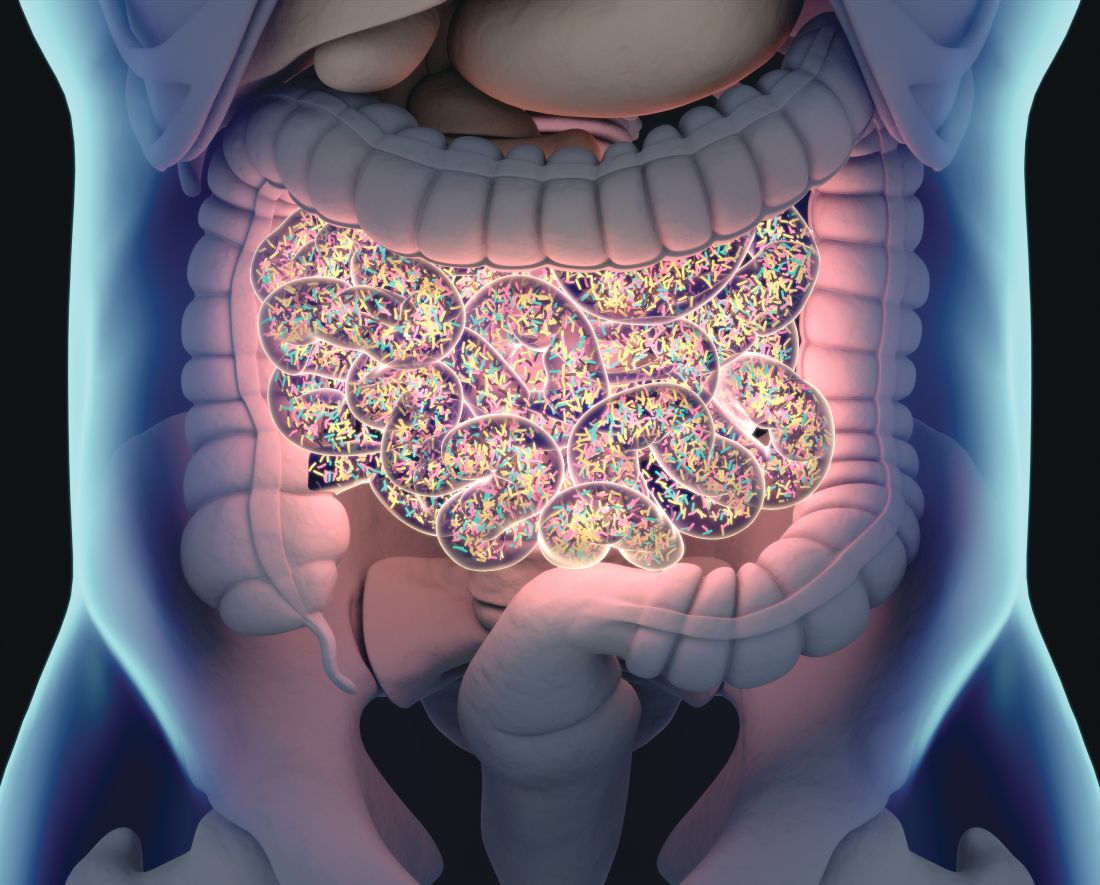
Turns out that individuals with more efficient digestive systems – those that extract more energy from the fuel supplied to them by the busy mouths above – tend to gain more weight than those with less efficient guts, even when they eat the same food, according to a recent study published in Microbiome.
The researchers took a look at the composition of gut microbes in a group of 85 volunteers and found that about 40% had microbiomes dominated by Bacteroides bacteria, which are more effective at extracting nutrients from food. That group also weighed 10% more on average, amounting to an extra 9 kg.
In a rather blatant demonstration of efficiency, the investigators also measured the speed of the participants’ digestion, as they had hypothesized that those with the longest digestive travel times would be the ones who harvested the most nutrition from their food. That was not the case.
The study subjects with the most efficient gut bacteria “also have the fastest passage through the gastrointestinal system, which has given us something to think about,” senior author Henrik Roager of the University of Copenhagen said in a written statement.
You know what gives us something to think about? Stool energy density and intestinal transit time and faecal bacterial cell counts, that’s what. Ick. Sometimes science is gross.
Here’s another thought, though: Seeing faecal instead of fecal is kind of funny to our American eyes, but adding that extra letter is also inefficient, which could mean that it’s good. So, in the spirit of embracing the inefficient as a new year begins, we’re resolving to wrap our editorial arms around faecal and the faeces it represents. Well, not literally, of course. More like we’re embracing the spirit of faeces.
Leave the mouthwash. Take the yogurt
Most of us have experienced some sort of bad breath. It’s common in the morning right after waking up, but it also may be a sign for underlying medical issues like dental problems or acid reflux. Wherever it comes from, we always want to get rid of it. A recent meta-analysis in BMJ Open may have found the answer in some common foods.
For those with halitosis, the basic problem is that the bacteria in their mouths are not happy about where they are. The researchers looked at 130 studies and found seven that suggested fermented food has some effect in combating bad breath.
Now when we say fermented food, we’re not talking about that science project waiting to happen in the back of the refrigerator. Think yogurt, sourdough bread, or miso soup. Anything that contains probiotic bacteria.
Matthew J. Messina, DDS, assistant professor of dentistry at Ohio State University, who was not involved with the study, told Healthline that “the whole idea behind probiotics is [bacteria replacement]. Supplant the ‘bad guys’ with the ‘good guys,’ then we’ll end up with a better result.” Essentially balancing the scales in your mouth.
It may not be a long-term solution, Dr. Messina said, but the short-term data are positive. So if you experience bad breath from time to time, try a little bowl of yogurt instead of chewing gum. If nothing else, the bacteria in your mouth will thank you.
You can talk the silly talk, but can you walk the silly walk?
The Ministry of Silly Walks sketch from Monty Python is an enduring comedy classic, and one of surprising relevance for doctors. After all, this isn’t the first time a study has analyzed the unusual strides of Mr. Putey and Mr. Teabag.
The BMJ Christmas edition truly is the gift that keeps on giving. For this plunge into the Flying Circus, the study authors recruited a small group of fairly average adults and had them walk normally around a track for 5 minutes, monitoring their oxygen intake and energy expenditure. After that, the study participants imitated Mr. Putey’s walk and then Mr. Teabag’s.
In the sketch, Mr. Teabag notes that Mr. Putey’s walk is “not particularly silly,” which is borne out in the research. When imitating Mr. Putey’s walk, oxygen intake and energy expenditure were barely higher than a normal walk, not enough to achieve a meaningful difference. Hopefully he’ll get that government grant to further develop his silly walk, because right now Mr. Putey’s walk simply doesn’t cut it.
Mr. Teabag’s walk is a different story and the very image of inefficiency. Oxygen intake was 2.5 times higher than during the normal walk, and energy expenditure was noticeably higher (8 kcal in men and 5.2 kcal in women). In fact, the walk was so inefficient and its effect so drastic it actually reached the level of vigorous exercise. Thanks to this, the study authors noted that just 11 minutes a day of walking like Mr. Teabag would be enough to reach the general goal of 75 minutes of vigorous exercise per week. Boosting that to 12-19 minutes would increase daily energy expenditure by 100 kcal.
The study authors wrote, “Had an initiative to promote inefficient movement been adopted in the early 1970s, we might now be living among a healthier society. Efforts to promote higher energy – and perhaps more joyful – walking should ensure inclusivity and inefficiency for all.” We think they just advocated for a real-life Ministry of Silly Walks. Well, there have been worse ideas. Just look at Twitter.
When efficient gut microbes go bad
With the latest news from the Ministry of Silly Walks, is it time for humans to embrace all things inefficient? Maybe.
Turns out that individuals with more efficient digestive systems – those that extract more energy from the fuel supplied to them by the busy mouths above – tend to gain more weight than those with less efficient guts, even when they eat the same food, according to a recent study published in Microbiome.
The researchers took a look at the composition of gut microbes in a group of 85 volunteers and found that about 40% had microbiomes dominated by Bacteroides bacteria, which are more effective at extracting nutrients from food. That group also weighed 10% more on average, amounting to an extra 9 kg.
In a rather blatant demonstration of efficiency, the investigators also measured the speed of the participants’ digestion, as they had hypothesized that those with the longest digestive travel times would be the ones who harvested the most nutrition from their food. That was not the case.
The study subjects with the most efficient gut bacteria “also have the fastest passage through the gastrointestinal system, which has given us something to think about,” senior author Henrik Roager of the University of Copenhagen said in a written statement.
You know what gives us something to think about? Stool energy density and intestinal transit time and faecal bacterial cell counts, that’s what. Ick. Sometimes science is gross.
Here’s another thought, though: Seeing faecal instead of fecal is kind of funny to our American eyes, but adding that extra letter is also inefficient, which could mean that it’s good. So, in the spirit of embracing the inefficient as a new year begins, we’re resolving to wrap our editorial arms around faecal and the faeces it represents. Well, not literally, of course. More like we’re embracing the spirit of faeces.
Leave the mouthwash. Take the yogurt
Most of us have experienced some sort of bad breath. It’s common in the morning right after waking up, but it also may be a sign for underlying medical issues like dental problems or acid reflux. Wherever it comes from, we always want to get rid of it. A recent meta-analysis in BMJ Open may have found the answer in some common foods.
For those with halitosis, the basic problem is that the bacteria in their mouths are not happy about where they are. The researchers looked at 130 studies and found seven that suggested fermented food has some effect in combating bad breath.
Now when we say fermented food, we’re not talking about that science project waiting to happen in the back of the refrigerator. Think yogurt, sourdough bread, or miso soup. Anything that contains probiotic bacteria.
Matthew J. Messina, DDS, assistant professor of dentistry at Ohio State University, who was not involved with the study, told Healthline that “the whole idea behind probiotics is [bacteria replacement]. Supplant the ‘bad guys’ with the ‘good guys,’ then we’ll end up with a better result.” Essentially balancing the scales in your mouth.
It may not be a long-term solution, Dr. Messina said, but the short-term data are positive. So if you experience bad breath from time to time, try a little bowl of yogurt instead of chewing gum. If nothing else, the bacteria in your mouth will thank you.
You can talk the silly talk, but can you walk the silly walk?
The Ministry of Silly Walks sketch from Monty Python is an enduring comedy classic, and one of surprising relevance for doctors. After all, this isn’t the first time a study has analyzed the unusual strides of Mr. Putey and Mr. Teabag.
The BMJ Christmas edition truly is the gift that keeps on giving. For this plunge into the Flying Circus, the study authors recruited a small group of fairly average adults and had them walk normally around a track for 5 minutes, monitoring their oxygen intake and energy expenditure. After that, the study participants imitated Mr. Putey’s walk and then Mr. Teabag’s.
In the sketch, Mr. Teabag notes that Mr. Putey’s walk is “not particularly silly,” which is borne out in the research. When imitating Mr. Putey’s walk, oxygen intake and energy expenditure were barely higher than a normal walk, not enough to achieve a meaningful difference. Hopefully he’ll get that government grant to further develop his silly walk, because right now Mr. Putey’s walk simply doesn’t cut it.
Mr. Teabag’s walk is a different story and the very image of inefficiency. Oxygen intake was 2.5 times higher than during the normal walk, and energy expenditure was noticeably higher (8 kcal in men and 5.2 kcal in women). In fact, the walk was so inefficient and its effect so drastic it actually reached the level of vigorous exercise. Thanks to this, the study authors noted that just 11 minutes a day of walking like Mr. Teabag would be enough to reach the general goal of 75 minutes of vigorous exercise per week. Boosting that to 12-19 minutes would increase daily energy expenditure by 100 kcal.
The study authors wrote, “Had an initiative to promote inefficient movement been adopted in the early 1970s, we might now be living among a healthier society. Efforts to promote higher energy – and perhaps more joyful – walking should ensure inclusivity and inefficiency for all.” We think they just advocated for a real-life Ministry of Silly Walks. Well, there have been worse ideas. Just look at Twitter.
When efficient gut microbes go bad
With the latest news from the Ministry of Silly Walks, is it time for humans to embrace all things inefficient? Maybe.
Turns out that individuals with more efficient digestive systems – those that extract more energy from the fuel supplied to them by the busy mouths above – tend to gain more weight than those with less efficient guts, even when they eat the same food, according to a recent study published in Microbiome.
The researchers took a look at the composition of gut microbes in a group of 85 volunteers and found that about 40% had microbiomes dominated by Bacteroides bacteria, which are more effective at extracting nutrients from food. That group also weighed 10% more on average, amounting to an extra 9 kg.
In a rather blatant demonstration of efficiency, the investigators also measured the speed of the participants’ digestion, as they had hypothesized that those with the longest digestive travel times would be the ones who harvested the most nutrition from their food. That was not the case.
The study subjects with the most efficient gut bacteria “also have the fastest passage through the gastrointestinal system, which has given us something to think about,” senior author Henrik Roager of the University of Copenhagen said in a written statement.
You know what gives us something to think about? Stool energy density and intestinal transit time and faecal bacterial cell counts, that’s what. Ick. Sometimes science is gross.
Here’s another thought, though: Seeing faecal instead of fecal is kind of funny to our American eyes, but adding that extra letter is also inefficient, which could mean that it’s good. So, in the spirit of embracing the inefficient as a new year begins, we’re resolving to wrap our editorial arms around faecal and the faeces it represents. Well, not literally, of course. More like we’re embracing the spirit of faeces.
Medicare pay cuts partly averted in massive budget bill
Congress averted bigger reductions in Medicare’s future payments for clinicians in its massive, year-end spending bill, but physicians will still see a 2% cut in a key payment variable in 2023.
The bill also authorizes new policies regarding accelerated drug approvals and substance use disorder treatment.
The House voted 225-201 to clear a wide-ranging legislative package, known as an omnibus, for President Joe Biden’s signature. The Senate voted 68-29 to approve the measure.
Clinicians had been facing as much as 8.5% in cuts to certain factors that set their Medicare payment. The American Medical Association credited an advocacy campaign it joined with more than 150 organizations with fending off the much-feared reimbursement cuts. The 2% trim for 2023 will decline to 1.25% for 2024.
These reductions will hit as many clinicians face the toll on rising costs for running their practices, as , the AMA said.
“Congress must immediately begin the work of long-overdue Medicare physician payment reform that will lead to the program stability that beneficiaries and physicians need,” AMA President Jack Resneck, MD, said in a statement.
While the omnibus bill blocks 6.5% of Medicare payment cuts originally slated to take effect in 2023, it still puts “untenable strain” on primary care clinicians, said Tochi Iroku-Malize, MD, MPH, president of the American Academy of Family Physicians, in a statement.
“However, we’re pleased to see several provisions that will improve access to care, including bolstering mental health services, extending telehealth, and expanding Medicaid and CHIP coverage,” Dr. Iroku-Malize added.
New health care policies in omnibus
Lawmakers adopted many health care policy changes in the omnibus package, which contained 12 overdue spending bills for fiscal year 2023. (Much of the federal government has been funded through stop-gap measures since this budget year began on Oct. 1.) The final measure runs to more than 4,100 pages in PDF form.
House Energy and Commerce Chairman Frank Pallone Jr. (D-NJ) said the health care provisions will:
- Expand patient access to opioid addiction treatment by making it easier for clinicians to dispense buprenorphine for opioid use disorder maintenance or detoxification treatment
- Require health care providers to complete a training requirement on identifying and treating patients with substance use disorders
- Guarantee 12 months of continuous Medicaid coverage for 40 million children
- Provide 2 years of additional Children’s Health Insurance Program (CHIP) funding
- Permanently extend the option for states to offer 12 months of Medicaid coverage to new mothers
- Continue Medicare’s expanded access to telehealth by extending COVID-19 telehealth flexibilities through Dec. 31, 2024.
FDA’s accelerated approval
The omnibus also will shorten the period of uncertainty patients and clinicians face with medicines cleared under the accelerated approval pathway.
The Food and Drug Administration uses accelerated approvals to give conditional clearances to medicines for fatal and serious conditions based on limited evidence signaling a potential benefit. Companies are expected to continue research needed to prove whether promising signals, such as stemming tumor growth, benefits patients.
Concerns have mounted when companies delay confirmatory trials or try to maintain accelerated approvals for drugs that fail those trials.
Mr. Pallone said the omnibus contains provisions that:
- Require the FDA to specify conditions for required post-approval studies
- Authorize the FDA to require post-approval studies to be underway at the time of approval or within a specified time period following approval.
- Clarify and streamline current FDA authority to withdraw approvals when sponsors fail to conduct studies with due diligence.
Reshma Ramachandran, MD, MPP, MHS, who serves as the chair of the Doctors for America’s FDA Task Force, told this news organization that she was pleased to see these provisions pass. She had been disappointed they were not included earlier this year in the latest Prescription Drug User Fee Act reauthorization.
The provisions in the omnibus make “clear what steps the FDA can take to remove an unproven drug off the market should manufacturers fail to complete these studies or demonstrate meaningful clinical benefit,” Dr. Ramachandran wrote in an email.
Dr. Ramachandran said she hopes lawmakers build on these steps in the future. She suggested Congress add a mandate to require drug labels to clearly state when the FDA is still waiting for evidence needed to confirm benefits of medicines cleared by accelerated approval.
“Nevertheless, Congress in including and, hopefully, passing these reforms has made it clear that drug companies need to provide meaningful evidence that their accelerated approval drugs work in patients and FDA can take action to protect patients should this not occur,” Dr. Ramachandran wrote.
A version of this article first appeared on Medscape.com.
Congress averted bigger reductions in Medicare’s future payments for clinicians in its massive, year-end spending bill, but physicians will still see a 2% cut in a key payment variable in 2023.
The bill also authorizes new policies regarding accelerated drug approvals and substance use disorder treatment.
The House voted 225-201 to clear a wide-ranging legislative package, known as an omnibus, for President Joe Biden’s signature. The Senate voted 68-29 to approve the measure.
Clinicians had been facing as much as 8.5% in cuts to certain factors that set their Medicare payment. The American Medical Association credited an advocacy campaign it joined with more than 150 organizations with fending off the much-feared reimbursement cuts. The 2% trim for 2023 will decline to 1.25% for 2024.
These reductions will hit as many clinicians face the toll on rising costs for running their practices, as , the AMA said.
“Congress must immediately begin the work of long-overdue Medicare physician payment reform that will lead to the program stability that beneficiaries and physicians need,” AMA President Jack Resneck, MD, said in a statement.
While the omnibus bill blocks 6.5% of Medicare payment cuts originally slated to take effect in 2023, it still puts “untenable strain” on primary care clinicians, said Tochi Iroku-Malize, MD, MPH, president of the American Academy of Family Physicians, in a statement.
“However, we’re pleased to see several provisions that will improve access to care, including bolstering mental health services, extending telehealth, and expanding Medicaid and CHIP coverage,” Dr. Iroku-Malize added.
New health care policies in omnibus
Lawmakers adopted many health care policy changes in the omnibus package, which contained 12 overdue spending bills for fiscal year 2023. (Much of the federal government has been funded through stop-gap measures since this budget year began on Oct. 1.) The final measure runs to more than 4,100 pages in PDF form.
House Energy and Commerce Chairman Frank Pallone Jr. (D-NJ) said the health care provisions will:
- Expand patient access to opioid addiction treatment by making it easier for clinicians to dispense buprenorphine for opioid use disorder maintenance or detoxification treatment
- Require health care providers to complete a training requirement on identifying and treating patients with substance use disorders
- Guarantee 12 months of continuous Medicaid coverage for 40 million children
- Provide 2 years of additional Children’s Health Insurance Program (CHIP) funding
- Permanently extend the option for states to offer 12 months of Medicaid coverage to new mothers
- Continue Medicare’s expanded access to telehealth by extending COVID-19 telehealth flexibilities through Dec. 31, 2024.
FDA’s accelerated approval
The omnibus also will shorten the period of uncertainty patients and clinicians face with medicines cleared under the accelerated approval pathway.
The Food and Drug Administration uses accelerated approvals to give conditional clearances to medicines for fatal and serious conditions based on limited evidence signaling a potential benefit. Companies are expected to continue research needed to prove whether promising signals, such as stemming tumor growth, benefits patients.
Concerns have mounted when companies delay confirmatory trials or try to maintain accelerated approvals for drugs that fail those trials.
Mr. Pallone said the omnibus contains provisions that:
- Require the FDA to specify conditions for required post-approval studies
- Authorize the FDA to require post-approval studies to be underway at the time of approval or within a specified time period following approval.
- Clarify and streamline current FDA authority to withdraw approvals when sponsors fail to conduct studies with due diligence.
Reshma Ramachandran, MD, MPP, MHS, who serves as the chair of the Doctors for America’s FDA Task Force, told this news organization that she was pleased to see these provisions pass. She had been disappointed they were not included earlier this year in the latest Prescription Drug User Fee Act reauthorization.
The provisions in the omnibus make “clear what steps the FDA can take to remove an unproven drug off the market should manufacturers fail to complete these studies or demonstrate meaningful clinical benefit,” Dr. Ramachandran wrote in an email.
Dr. Ramachandran said she hopes lawmakers build on these steps in the future. She suggested Congress add a mandate to require drug labels to clearly state when the FDA is still waiting for evidence needed to confirm benefits of medicines cleared by accelerated approval.
“Nevertheless, Congress in including and, hopefully, passing these reforms has made it clear that drug companies need to provide meaningful evidence that their accelerated approval drugs work in patients and FDA can take action to protect patients should this not occur,” Dr. Ramachandran wrote.
A version of this article first appeared on Medscape.com.
Congress averted bigger reductions in Medicare’s future payments for clinicians in its massive, year-end spending bill, but physicians will still see a 2% cut in a key payment variable in 2023.
The bill also authorizes new policies regarding accelerated drug approvals and substance use disorder treatment.
The House voted 225-201 to clear a wide-ranging legislative package, known as an omnibus, for President Joe Biden’s signature. The Senate voted 68-29 to approve the measure.
Clinicians had been facing as much as 8.5% in cuts to certain factors that set their Medicare payment. The American Medical Association credited an advocacy campaign it joined with more than 150 organizations with fending off the much-feared reimbursement cuts. The 2% trim for 2023 will decline to 1.25% for 2024.
These reductions will hit as many clinicians face the toll on rising costs for running their practices, as , the AMA said.
“Congress must immediately begin the work of long-overdue Medicare physician payment reform that will lead to the program stability that beneficiaries and physicians need,” AMA President Jack Resneck, MD, said in a statement.
While the omnibus bill blocks 6.5% of Medicare payment cuts originally slated to take effect in 2023, it still puts “untenable strain” on primary care clinicians, said Tochi Iroku-Malize, MD, MPH, president of the American Academy of Family Physicians, in a statement.
“However, we’re pleased to see several provisions that will improve access to care, including bolstering mental health services, extending telehealth, and expanding Medicaid and CHIP coverage,” Dr. Iroku-Malize added.
New health care policies in omnibus
Lawmakers adopted many health care policy changes in the omnibus package, which contained 12 overdue spending bills for fiscal year 2023. (Much of the federal government has been funded through stop-gap measures since this budget year began on Oct. 1.) The final measure runs to more than 4,100 pages in PDF form.
House Energy and Commerce Chairman Frank Pallone Jr. (D-NJ) said the health care provisions will:
- Expand patient access to opioid addiction treatment by making it easier for clinicians to dispense buprenorphine for opioid use disorder maintenance or detoxification treatment
- Require health care providers to complete a training requirement on identifying and treating patients with substance use disorders
- Guarantee 12 months of continuous Medicaid coverage for 40 million children
- Provide 2 years of additional Children’s Health Insurance Program (CHIP) funding
- Permanently extend the option for states to offer 12 months of Medicaid coverage to new mothers
- Continue Medicare’s expanded access to telehealth by extending COVID-19 telehealth flexibilities through Dec. 31, 2024.
FDA’s accelerated approval
The omnibus also will shorten the period of uncertainty patients and clinicians face with medicines cleared under the accelerated approval pathway.
The Food and Drug Administration uses accelerated approvals to give conditional clearances to medicines for fatal and serious conditions based on limited evidence signaling a potential benefit. Companies are expected to continue research needed to prove whether promising signals, such as stemming tumor growth, benefits patients.
Concerns have mounted when companies delay confirmatory trials or try to maintain accelerated approvals for drugs that fail those trials.
Mr. Pallone said the omnibus contains provisions that:
- Require the FDA to specify conditions for required post-approval studies
- Authorize the FDA to require post-approval studies to be underway at the time of approval or within a specified time period following approval.
- Clarify and streamline current FDA authority to withdraw approvals when sponsors fail to conduct studies with due diligence.
Reshma Ramachandran, MD, MPP, MHS, who serves as the chair of the Doctors for America’s FDA Task Force, told this news organization that she was pleased to see these provisions pass. She had been disappointed they were not included earlier this year in the latest Prescription Drug User Fee Act reauthorization.
The provisions in the omnibus make “clear what steps the FDA can take to remove an unproven drug off the market should manufacturers fail to complete these studies or demonstrate meaningful clinical benefit,” Dr. Ramachandran wrote in an email.
Dr. Ramachandran said she hopes lawmakers build on these steps in the future. She suggested Congress add a mandate to require drug labels to clearly state when the FDA is still waiting for evidence needed to confirm benefits of medicines cleared by accelerated approval.
“Nevertheless, Congress in including and, hopefully, passing these reforms has made it clear that drug companies need to provide meaningful evidence that their accelerated approval drugs work in patients and FDA can take action to protect patients should this not occur,” Dr. Ramachandran wrote.
A version of this article first appeared on Medscape.com.
MD-researcher keeps her eyes on the prize
As a toddler undergoing treatment at McMaster Children’s Hospital in Hamilton, Ont., Caroline Diorio, MD, couldn’t grasp what the nice doctors scurrying in and out of her room were doing. She just knew they were taking care of her.
Dr. Diorio had pediatric immune thrombocytopenia (ITP), a type of platelet disorder in which the immune system attacks blood platelets for usually unknown reasons.
“I remember very much how worried my parents were,” recalled Dr. Diorio, now a hematologist-oncologist at Children’s Hospital of Philadelphia. “And I remember how the tone of the doctor’s voice and the way the doctors communicated provided so much reassurance to my parents.”
Dr. Diorio’s ITP resolved within a few years, but her experience left a lasting impression.
“From that moment on, I don’t remember a time that I didn’t want to be a doctor,” she said. “I had these really formative experiences with doctors who were so lovely, and I thought, ‘I want to do that.’ ”
Though she considered other specialties in medical school at the University of Toronto, Dr. Diorio kept feeling drawn back to pediatric oncology and hematology.
“I have always loved the commitment that parents have to their kids and the team approach that exists,” she said. “Hematology/oncology allowed me to take care of really sick kids but also have this long-term relationship with them and their parents, which I really value and love.”
Dr. Diorio even completed her residency at McMaster alongside one of the same physicians who had cared for her as a child, Ronald Duncan Barr, MD. “It sort of all came full circle,” she said.
For B-cell ALL and several other blood cancers, an effective option is CAR T-cell therapy, in which physicians collect T-cells from the patient, re-engineer the T cells in the lab so they recognize the proteins expressed on the surface of cancerous cells – called blasts – and then introduce the modified T-cells back into the patient. Once infused, the re-engineered T-cells attack the blasts with the tell-tale proteins.
But with T-ALL, T-cells themselves are infected with cancer, so autologous CAR T-cell therapy is not currently an option, and no allogeneic CAR T-cell therapies have been approved. Dr. Diorio is part of a cutting-edge research team led by David T. Teachey, MD, striving for breakthroughs. “She’s a brilliant clinician, extremely smart and hard-working, exceptional work ethic, great interaction with patients and families with a great bedside manner,” Dr. Teachey said of Dr. Diorio. “She’s just a superstar all around.”
Dr. Teachey first piqued Dr. Diorio’s interest in researching innovative T-ALL therapies when she arrived at CHOP as a hematology/oncology fellow in 2018 and pursued a master of science degree in translational research under his tutelage at the University of Pennsylvania. Then, for a time, the COVID-19 pandemic shut down most research.
“Caroline pivoted and was at the front line, collecting samples and helping with research on SARS-CoV-2 very early in the pandemic,” Dr. Teachey said. “She was able to then pivot back, taking the skills she learned from that work in the pandemic and applying it to what she was doing in the CAR T-cell space and T-ALL.”
Extraordinary gains in pediatric cancer over the past several decades mean that more than 80% of children diagnosed with cancer today will become long-term survivors. “The 20% of the time that we don’t get the result we want is obviously devastating,” Dr. Diorio said. “However, that’s incredibly motivating to try to make better treatments.”
Her current focus is finding a way to use CAR T-cell therapy in children with T-ALL. About 85% of children with T-ALL do well with standard first-line treatments of chemotherapy, but the 15% who relapse or have chemo-refractory disease have a far lower survival rate – less than 30%, Dr. Diorio said.
The problem with autologous CAR T-cell therapy in T-ALL is twofold: It’s difficult to sort out healthy T cells from the cancerous T cells, and the target current re-engineered T-cells go after is on healthy cells, too.
“What happens is a problem called fratricide – basically the CAR T-cells are killing their brothers,” she said. So Dr. Diorio and her colleagues are trying to modify CAR T-cell strategies to target different markers. One target they’re investigating is CD7, but using CRISPR to gene-edit out CD7 from healthy cells requires making two cuts in the DNA.
“Any time you break DNA, you have to repair it, and any time you repair it, there’s a chance of making a mistake,” Dr. Diorio said. So she used a different technique, cytosine-based editing, which requires only one cut. “You put in what you want, and it’s much more precise and less error-prone.” Cytosine-based editing also preserves T cells’ vitality; too many cuts impair T-cell growth, but that doesn’t happen with cytosine-based editing. In August of 2022, Dr. Diorio published a study demonstrating this technique while the team has continued looking for other targets that show up on cancer cells but not on healthy T-cells.
“I’m not invested in one particular strategy,” Dr. Diorio said. “I’m invested in finding a strategy that works for the maximum number of patients.”
That pragmatic approach may be why Dr. Teachey describes her as an out-of-the-box thinker.
“She brings novel ideas to the table, and not everybody who’s a physician-scientist has that ability to really think about taking things in the bench to the bedside and then back again,” Dr. Teachey said. “It’s knowing what questions are important to ask for our patients and how to study those and the research base, so that you can improve treatments for kids with leukemia.”
Their research looks promising so far. Clinical trials are in development for the CD7-targeted CAR T, and they’re collaborating with others on clinical trials for CAR-T targeting another protein, CD38. In the midst of it all, Dr. Diorio remains focused on her patients.
“It’s really a privilege to see the incredible grace people have in these very difficult circumstances,” Dr. Diorio said. “I find it really motivating to try to make things easier for people, and I try to spend every day looking for better treatments so people don’t have to go through that.”
Dr. Diorio has no disclosures. Dr. Teachey has served on the advisory boards of BEAM, Jazz, Janssen, and Sobi and has received research funding from BEAM, Jazz, Servier, and Neoimmune Tech. He has multiple patents pending on CAR-T therapy.
As a toddler undergoing treatment at McMaster Children’s Hospital in Hamilton, Ont., Caroline Diorio, MD, couldn’t grasp what the nice doctors scurrying in and out of her room were doing. She just knew they were taking care of her.
Dr. Diorio had pediatric immune thrombocytopenia (ITP), a type of platelet disorder in which the immune system attacks blood platelets for usually unknown reasons.
“I remember very much how worried my parents were,” recalled Dr. Diorio, now a hematologist-oncologist at Children’s Hospital of Philadelphia. “And I remember how the tone of the doctor’s voice and the way the doctors communicated provided so much reassurance to my parents.”
Dr. Diorio’s ITP resolved within a few years, but her experience left a lasting impression.
“From that moment on, I don’t remember a time that I didn’t want to be a doctor,” she said. “I had these really formative experiences with doctors who were so lovely, and I thought, ‘I want to do that.’ ”
Though she considered other specialties in medical school at the University of Toronto, Dr. Diorio kept feeling drawn back to pediatric oncology and hematology.
“I have always loved the commitment that parents have to their kids and the team approach that exists,” she said. “Hematology/oncology allowed me to take care of really sick kids but also have this long-term relationship with them and their parents, which I really value and love.”
Dr. Diorio even completed her residency at McMaster alongside one of the same physicians who had cared for her as a child, Ronald Duncan Barr, MD. “It sort of all came full circle,” she said.
For B-cell ALL and several other blood cancers, an effective option is CAR T-cell therapy, in which physicians collect T-cells from the patient, re-engineer the T cells in the lab so they recognize the proteins expressed on the surface of cancerous cells – called blasts – and then introduce the modified T-cells back into the patient. Once infused, the re-engineered T-cells attack the blasts with the tell-tale proteins.
But with T-ALL, T-cells themselves are infected with cancer, so autologous CAR T-cell therapy is not currently an option, and no allogeneic CAR T-cell therapies have been approved. Dr. Diorio is part of a cutting-edge research team led by David T. Teachey, MD, striving for breakthroughs. “She’s a brilliant clinician, extremely smart and hard-working, exceptional work ethic, great interaction with patients and families with a great bedside manner,” Dr. Teachey said of Dr. Diorio. “She’s just a superstar all around.”
Dr. Teachey first piqued Dr. Diorio’s interest in researching innovative T-ALL therapies when she arrived at CHOP as a hematology/oncology fellow in 2018 and pursued a master of science degree in translational research under his tutelage at the University of Pennsylvania. Then, for a time, the COVID-19 pandemic shut down most research.
“Caroline pivoted and was at the front line, collecting samples and helping with research on SARS-CoV-2 very early in the pandemic,” Dr. Teachey said. “She was able to then pivot back, taking the skills she learned from that work in the pandemic and applying it to what she was doing in the CAR T-cell space and T-ALL.”
Extraordinary gains in pediatric cancer over the past several decades mean that more than 80% of children diagnosed with cancer today will become long-term survivors. “The 20% of the time that we don’t get the result we want is obviously devastating,” Dr. Diorio said. “However, that’s incredibly motivating to try to make better treatments.”
Her current focus is finding a way to use CAR T-cell therapy in children with T-ALL. About 85% of children with T-ALL do well with standard first-line treatments of chemotherapy, but the 15% who relapse or have chemo-refractory disease have a far lower survival rate – less than 30%, Dr. Diorio said.
The problem with autologous CAR T-cell therapy in T-ALL is twofold: It’s difficult to sort out healthy T cells from the cancerous T cells, and the target current re-engineered T-cells go after is on healthy cells, too.
“What happens is a problem called fratricide – basically the CAR T-cells are killing their brothers,” she said. So Dr. Diorio and her colleagues are trying to modify CAR T-cell strategies to target different markers. One target they’re investigating is CD7, but using CRISPR to gene-edit out CD7 from healthy cells requires making two cuts in the DNA.
“Any time you break DNA, you have to repair it, and any time you repair it, there’s a chance of making a mistake,” Dr. Diorio said. So she used a different technique, cytosine-based editing, which requires only one cut. “You put in what you want, and it’s much more precise and less error-prone.” Cytosine-based editing also preserves T cells’ vitality; too many cuts impair T-cell growth, but that doesn’t happen with cytosine-based editing. In August of 2022, Dr. Diorio published a study demonstrating this technique while the team has continued looking for other targets that show up on cancer cells but not on healthy T-cells.
“I’m not invested in one particular strategy,” Dr. Diorio said. “I’m invested in finding a strategy that works for the maximum number of patients.”
That pragmatic approach may be why Dr. Teachey describes her as an out-of-the-box thinker.
“She brings novel ideas to the table, and not everybody who’s a physician-scientist has that ability to really think about taking things in the bench to the bedside and then back again,” Dr. Teachey said. “It’s knowing what questions are important to ask for our patients and how to study those and the research base, so that you can improve treatments for kids with leukemia.”
Their research looks promising so far. Clinical trials are in development for the CD7-targeted CAR T, and they’re collaborating with others on clinical trials for CAR-T targeting another protein, CD38. In the midst of it all, Dr. Diorio remains focused on her patients.
“It’s really a privilege to see the incredible grace people have in these very difficult circumstances,” Dr. Diorio said. “I find it really motivating to try to make things easier for people, and I try to spend every day looking for better treatments so people don’t have to go through that.”
Dr. Diorio has no disclosures. Dr. Teachey has served on the advisory boards of BEAM, Jazz, Janssen, and Sobi and has received research funding from BEAM, Jazz, Servier, and Neoimmune Tech. He has multiple patents pending on CAR-T therapy.
As a toddler undergoing treatment at McMaster Children’s Hospital in Hamilton, Ont., Caroline Diorio, MD, couldn’t grasp what the nice doctors scurrying in and out of her room were doing. She just knew they were taking care of her.
Dr. Diorio had pediatric immune thrombocytopenia (ITP), a type of platelet disorder in which the immune system attacks blood platelets for usually unknown reasons.
“I remember very much how worried my parents were,” recalled Dr. Diorio, now a hematologist-oncologist at Children’s Hospital of Philadelphia. “And I remember how the tone of the doctor’s voice and the way the doctors communicated provided so much reassurance to my parents.”
Dr. Diorio’s ITP resolved within a few years, but her experience left a lasting impression.
“From that moment on, I don’t remember a time that I didn’t want to be a doctor,” she said. “I had these really formative experiences with doctors who were so lovely, and I thought, ‘I want to do that.’ ”
Though she considered other specialties in medical school at the University of Toronto, Dr. Diorio kept feeling drawn back to pediatric oncology and hematology.
“I have always loved the commitment that parents have to their kids and the team approach that exists,” she said. “Hematology/oncology allowed me to take care of really sick kids but also have this long-term relationship with them and their parents, which I really value and love.”
Dr. Diorio even completed her residency at McMaster alongside one of the same physicians who had cared for her as a child, Ronald Duncan Barr, MD. “It sort of all came full circle,” she said.
For B-cell ALL and several other blood cancers, an effective option is CAR T-cell therapy, in which physicians collect T-cells from the patient, re-engineer the T cells in the lab so they recognize the proteins expressed on the surface of cancerous cells – called blasts – and then introduce the modified T-cells back into the patient. Once infused, the re-engineered T-cells attack the blasts with the tell-tale proteins.
But with T-ALL, T-cells themselves are infected with cancer, so autologous CAR T-cell therapy is not currently an option, and no allogeneic CAR T-cell therapies have been approved. Dr. Diorio is part of a cutting-edge research team led by David T. Teachey, MD, striving for breakthroughs. “She’s a brilliant clinician, extremely smart and hard-working, exceptional work ethic, great interaction with patients and families with a great bedside manner,” Dr. Teachey said of Dr. Diorio. “She’s just a superstar all around.”
Dr. Teachey first piqued Dr. Diorio’s interest in researching innovative T-ALL therapies when she arrived at CHOP as a hematology/oncology fellow in 2018 and pursued a master of science degree in translational research under his tutelage at the University of Pennsylvania. Then, for a time, the COVID-19 pandemic shut down most research.
“Caroline pivoted and was at the front line, collecting samples and helping with research on SARS-CoV-2 very early in the pandemic,” Dr. Teachey said. “She was able to then pivot back, taking the skills she learned from that work in the pandemic and applying it to what she was doing in the CAR T-cell space and T-ALL.”
Extraordinary gains in pediatric cancer over the past several decades mean that more than 80% of children diagnosed with cancer today will become long-term survivors. “The 20% of the time that we don’t get the result we want is obviously devastating,” Dr. Diorio said. “However, that’s incredibly motivating to try to make better treatments.”
Her current focus is finding a way to use CAR T-cell therapy in children with T-ALL. About 85% of children with T-ALL do well with standard first-line treatments of chemotherapy, but the 15% who relapse or have chemo-refractory disease have a far lower survival rate – less than 30%, Dr. Diorio said.
The problem with autologous CAR T-cell therapy in T-ALL is twofold: It’s difficult to sort out healthy T cells from the cancerous T cells, and the target current re-engineered T-cells go after is on healthy cells, too.
“What happens is a problem called fratricide – basically the CAR T-cells are killing their brothers,” she said. So Dr. Diorio and her colleagues are trying to modify CAR T-cell strategies to target different markers. One target they’re investigating is CD7, but using CRISPR to gene-edit out CD7 from healthy cells requires making two cuts in the DNA.
“Any time you break DNA, you have to repair it, and any time you repair it, there’s a chance of making a mistake,” Dr. Diorio said. So she used a different technique, cytosine-based editing, which requires only one cut. “You put in what you want, and it’s much more precise and less error-prone.” Cytosine-based editing also preserves T cells’ vitality; too many cuts impair T-cell growth, but that doesn’t happen with cytosine-based editing. In August of 2022, Dr. Diorio published a study demonstrating this technique while the team has continued looking for other targets that show up on cancer cells but not on healthy T-cells.
“I’m not invested in one particular strategy,” Dr. Diorio said. “I’m invested in finding a strategy that works for the maximum number of patients.”
That pragmatic approach may be why Dr. Teachey describes her as an out-of-the-box thinker.
“She brings novel ideas to the table, and not everybody who’s a physician-scientist has that ability to really think about taking things in the bench to the bedside and then back again,” Dr. Teachey said. “It’s knowing what questions are important to ask for our patients and how to study those and the research base, so that you can improve treatments for kids with leukemia.”
Their research looks promising so far. Clinical trials are in development for the CD7-targeted CAR T, and they’re collaborating with others on clinical trials for CAR-T targeting another protein, CD38. In the midst of it all, Dr. Diorio remains focused on her patients.
“It’s really a privilege to see the incredible grace people have in these very difficult circumstances,” Dr. Diorio said. “I find it really motivating to try to make things easier for people, and I try to spend every day looking for better treatments so people don’t have to go through that.”
Dr. Diorio has no disclosures. Dr. Teachey has served on the advisory boards of BEAM, Jazz, Janssen, and Sobi and has received research funding from BEAM, Jazz, Servier, and Neoimmune Tech. He has multiple patents pending on CAR-T therapy.
COVID isolated people. Long COVID makes it worse
A year ago in December, mapping specialist Whitney Tyshynski, 35, was working out 5 days a week with a personal trainer near her home in Alberta, Canada, doing 5k trail runs, lifting heavy weights, and feeling good. Then, in January she got COVID-19. The symptoms never went away.
Nowadays, Ms. Tyshynski needs a walker to retrieve her mail, a half-block trip she can’t make without fear of fainting. Because she gets dizzy when she drives, she rarely goes anywhere in her car. Going for a dog walk with a friend means sitting in a car and watching the friend and the dogs in an open field. And since fainting at Costco during the summer, she’s afraid to shop by herself.
Because she lives alone and her closest relatives are an hour and a half away, Ms. Tyshynski is dependent on friends. But she’s reluctant to lean on them because they already have trouble understanding how debilitating her lingering symptoms can be.
“I’ve had people pretty much insinuate that I’m lazy,” she says.
There’s no question that COVID-19 cut people off from one another. But for those like Ms. Tyshynski who have long COVID, that disconnect has never ended. that the condition is real.
At worst, as Ms. Tyshynski has discovered, people don’t take it seriously and accuse those who have it of exaggerating their health woes. In that way, long COVID can be as isolating as the original illness.
“Isolation in long COVID comes in various forms and it’s not primarily just that physical isolation,” says Yochai Re’em, MD, a psychiatrist in private practice in New York who has experienced long COVID and blogs about the condition for Psychology Today. “A different yet equally challenging type of isolation is the emotional isolation, where you need more emotional support, connection with other people who can appreciate what it is you are going through without putting their own needs and desires onto you – and that can be hard to find.”
It’s hard to find in part because of what Dr. Re’em sees as a collective belief that anyone who feels bad should be able to get better by exercising, researching, or going to a doctor.
“Society thinks you need to take some kind of action and usually that’s a physical action,” he says. “And that attitude is tremendously problematic in this illness because of the postexertional malaise that people experience: When people exert themselves, their symptoms get worse. And so the action that people take can’t be that traditional action that we’re used to taking in our society.”
Long COVID patients often have their feelings invalidated not just by friends, loved ones, and extended family, but by health care providers. That can heighten feelings of isolation, particularly for people who live alone, says Jordan Anderson, DO, a neuropsychiatrist and assistant professor of psychiatry at Oregon Health & Science University in Portland.
The first patients Dr. Anderson saw as part of OHSU’s long COVID program contracted the virus in February 2020. Because the program addresses both the physical and mental health components of the condition, Dr. Anderson has seen a lot of people whose emotional challenges are similar to those Ms. Tyshynski faces.
“I think there’s a lack of understanding that leads to people just not necessarily taking it seriously,” he says. “Plus, the symptoms of long COVID do wax and wane. They’re not static. So people can be feeling pretty good one day and be feeling terrible the next. There’s some predictability to it, but it’s not absolutely predictable. It can be difficult for people to understand.”
Both Dr. Anderson and Dr. Re’em stress that long COVID patients need to prioritize their own energy regardless of what they’re being told by those who don’t understand the illness. Dr. Anderson offers to speak to his patients’ spouses to educate them about the realities of the condition because, he says, “any kind of lack of awareness or understanding in a family member or close support could potentially isolate the person struggling with long COVID.”
Depending on how open-minded and motivated a friend or relative is, they might develop more empathy with time and education, Dr. Re’em says. But for others, dealing with a confusing, unfamiliar chronic illness can be overwhelming and provoke anxiety.
“The hopelessness is too much for them to sit with, so instead they say things like ‘just push through it,’ or ‘just do X, Y, and Z,’ because psychologically it’s too much for them to take on that burden,” he says.
The good news is that there are plenty of web-based support groups for people with long COVID, including Body Politic (which Dr. Re’em is affiliated with), Survivor Corps, and on Facebook. “The patient community with this illness is tremendous, absolutely tremendous,” Dr. Re’em says. “Those people can be found and they can support each other.”
Some long COVID clinics run groups, as do individual practitioners such as Dr. Re’em, although those can be challenging to join. For instance, Dr. Re’em’s are only for New York state residents.
The key to finding a group is to be patient, because finding the right one takes time and energy.
“There are support groups that exist, but they are not as prevalent as I would like them to be,” Dr. Anderson says.
OHSU had an educational support group run by a social worker affiliated with the long COVID hub, but when the social worker left the program, the program was put on hold.
There’s a psychotherapy group operating out of the psychiatry department, but the patients are recruited exclusively from Dr. Anderson’s clinic and access is limited.
“The services exist, but I think that generally they’re sparse and pretty geographically dependent,” Dr. Anderson says. “I think you’d probably more likely be able to find something like this in a city or an area that has an academic institution or a place with a lot of resources rather than out in a rural community.”
Ms. Tyshynski opted not to join a group for fear it would increase the depression and anxiety that she had even before developing long COVID. When she and her family joined a cancer support group when her father was ill, she found it more depressing than helpful. Where she has found support is from the cofounder of the animal rescue society where she volunteers, a woman who has had long COVID for more than 2 years and has been a source of comfort and advice.
It’s one of the rare reminders Ms. Tyshynski has that even though she may live alone, she’s not completely alone. “Other people are going through this, too,” she says. “It helps to remember that.”
A version of this article first appeared on WebMD.com.
A year ago in December, mapping specialist Whitney Tyshynski, 35, was working out 5 days a week with a personal trainer near her home in Alberta, Canada, doing 5k trail runs, lifting heavy weights, and feeling good. Then, in January she got COVID-19. The symptoms never went away.
Nowadays, Ms. Tyshynski needs a walker to retrieve her mail, a half-block trip she can’t make without fear of fainting. Because she gets dizzy when she drives, she rarely goes anywhere in her car. Going for a dog walk with a friend means sitting in a car and watching the friend and the dogs in an open field. And since fainting at Costco during the summer, she’s afraid to shop by herself.
Because she lives alone and her closest relatives are an hour and a half away, Ms. Tyshynski is dependent on friends. But she’s reluctant to lean on them because they already have trouble understanding how debilitating her lingering symptoms can be.
“I’ve had people pretty much insinuate that I’m lazy,” she says.
There’s no question that COVID-19 cut people off from one another. But for those like Ms. Tyshynski who have long COVID, that disconnect has never ended. that the condition is real.
At worst, as Ms. Tyshynski has discovered, people don’t take it seriously and accuse those who have it of exaggerating their health woes. In that way, long COVID can be as isolating as the original illness.
“Isolation in long COVID comes in various forms and it’s not primarily just that physical isolation,” says Yochai Re’em, MD, a psychiatrist in private practice in New York who has experienced long COVID and blogs about the condition for Psychology Today. “A different yet equally challenging type of isolation is the emotional isolation, where you need more emotional support, connection with other people who can appreciate what it is you are going through without putting their own needs and desires onto you – and that can be hard to find.”
It’s hard to find in part because of what Dr. Re’em sees as a collective belief that anyone who feels bad should be able to get better by exercising, researching, or going to a doctor.
“Society thinks you need to take some kind of action and usually that’s a physical action,” he says. “And that attitude is tremendously problematic in this illness because of the postexertional malaise that people experience: When people exert themselves, their symptoms get worse. And so the action that people take can’t be that traditional action that we’re used to taking in our society.”
Long COVID patients often have their feelings invalidated not just by friends, loved ones, and extended family, but by health care providers. That can heighten feelings of isolation, particularly for people who live alone, says Jordan Anderson, DO, a neuropsychiatrist and assistant professor of psychiatry at Oregon Health & Science University in Portland.
The first patients Dr. Anderson saw as part of OHSU’s long COVID program contracted the virus in February 2020. Because the program addresses both the physical and mental health components of the condition, Dr. Anderson has seen a lot of people whose emotional challenges are similar to those Ms. Tyshynski faces.
“I think there’s a lack of understanding that leads to people just not necessarily taking it seriously,” he says. “Plus, the symptoms of long COVID do wax and wane. They’re not static. So people can be feeling pretty good one day and be feeling terrible the next. There’s some predictability to it, but it’s not absolutely predictable. It can be difficult for people to understand.”
Both Dr. Anderson and Dr. Re’em stress that long COVID patients need to prioritize their own energy regardless of what they’re being told by those who don’t understand the illness. Dr. Anderson offers to speak to his patients’ spouses to educate them about the realities of the condition because, he says, “any kind of lack of awareness or understanding in a family member or close support could potentially isolate the person struggling with long COVID.”
Depending on how open-minded and motivated a friend or relative is, they might develop more empathy with time and education, Dr. Re’em says. But for others, dealing with a confusing, unfamiliar chronic illness can be overwhelming and provoke anxiety.
“The hopelessness is too much for them to sit with, so instead they say things like ‘just push through it,’ or ‘just do X, Y, and Z,’ because psychologically it’s too much for them to take on that burden,” he says.
The good news is that there are plenty of web-based support groups for people with long COVID, including Body Politic (which Dr. Re’em is affiliated with), Survivor Corps, and on Facebook. “The patient community with this illness is tremendous, absolutely tremendous,” Dr. Re’em says. “Those people can be found and they can support each other.”
Some long COVID clinics run groups, as do individual practitioners such as Dr. Re’em, although those can be challenging to join. For instance, Dr. Re’em’s are only for New York state residents.
The key to finding a group is to be patient, because finding the right one takes time and energy.
“There are support groups that exist, but they are not as prevalent as I would like them to be,” Dr. Anderson says.
OHSU had an educational support group run by a social worker affiliated with the long COVID hub, but when the social worker left the program, the program was put on hold.
There’s a psychotherapy group operating out of the psychiatry department, but the patients are recruited exclusively from Dr. Anderson’s clinic and access is limited.
“The services exist, but I think that generally they’re sparse and pretty geographically dependent,” Dr. Anderson says. “I think you’d probably more likely be able to find something like this in a city or an area that has an academic institution or a place with a lot of resources rather than out in a rural community.”
Ms. Tyshynski opted not to join a group for fear it would increase the depression and anxiety that she had even before developing long COVID. When she and her family joined a cancer support group when her father was ill, she found it more depressing than helpful. Where she has found support is from the cofounder of the animal rescue society where she volunteers, a woman who has had long COVID for more than 2 years and has been a source of comfort and advice.
It’s one of the rare reminders Ms. Tyshynski has that even though she may live alone, she’s not completely alone. “Other people are going through this, too,” she says. “It helps to remember that.”
A version of this article first appeared on WebMD.com.
A year ago in December, mapping specialist Whitney Tyshynski, 35, was working out 5 days a week with a personal trainer near her home in Alberta, Canada, doing 5k trail runs, lifting heavy weights, and feeling good. Then, in January she got COVID-19. The symptoms never went away.
Nowadays, Ms. Tyshynski needs a walker to retrieve her mail, a half-block trip she can’t make without fear of fainting. Because she gets dizzy when she drives, she rarely goes anywhere in her car. Going for a dog walk with a friend means sitting in a car and watching the friend and the dogs in an open field. And since fainting at Costco during the summer, she’s afraid to shop by herself.
Because she lives alone and her closest relatives are an hour and a half away, Ms. Tyshynski is dependent on friends. But she’s reluctant to lean on them because they already have trouble understanding how debilitating her lingering symptoms can be.
“I’ve had people pretty much insinuate that I’m lazy,” she says.
There’s no question that COVID-19 cut people off from one another. But for those like Ms. Tyshynski who have long COVID, that disconnect has never ended. that the condition is real.
At worst, as Ms. Tyshynski has discovered, people don’t take it seriously and accuse those who have it of exaggerating their health woes. In that way, long COVID can be as isolating as the original illness.
“Isolation in long COVID comes in various forms and it’s not primarily just that physical isolation,” says Yochai Re’em, MD, a psychiatrist in private practice in New York who has experienced long COVID and blogs about the condition for Psychology Today. “A different yet equally challenging type of isolation is the emotional isolation, where you need more emotional support, connection with other people who can appreciate what it is you are going through without putting their own needs and desires onto you – and that can be hard to find.”
It’s hard to find in part because of what Dr. Re’em sees as a collective belief that anyone who feels bad should be able to get better by exercising, researching, or going to a doctor.
“Society thinks you need to take some kind of action and usually that’s a physical action,” he says. “And that attitude is tremendously problematic in this illness because of the postexertional malaise that people experience: When people exert themselves, their symptoms get worse. And so the action that people take can’t be that traditional action that we’re used to taking in our society.”
Long COVID patients often have their feelings invalidated not just by friends, loved ones, and extended family, but by health care providers. That can heighten feelings of isolation, particularly for people who live alone, says Jordan Anderson, DO, a neuropsychiatrist and assistant professor of psychiatry at Oregon Health & Science University in Portland.
The first patients Dr. Anderson saw as part of OHSU’s long COVID program contracted the virus in February 2020. Because the program addresses both the physical and mental health components of the condition, Dr. Anderson has seen a lot of people whose emotional challenges are similar to those Ms. Tyshynski faces.
“I think there’s a lack of understanding that leads to people just not necessarily taking it seriously,” he says. “Plus, the symptoms of long COVID do wax and wane. They’re not static. So people can be feeling pretty good one day and be feeling terrible the next. There’s some predictability to it, but it’s not absolutely predictable. It can be difficult for people to understand.”
Both Dr. Anderson and Dr. Re’em stress that long COVID patients need to prioritize their own energy regardless of what they’re being told by those who don’t understand the illness. Dr. Anderson offers to speak to his patients’ spouses to educate them about the realities of the condition because, he says, “any kind of lack of awareness or understanding in a family member or close support could potentially isolate the person struggling with long COVID.”
Depending on how open-minded and motivated a friend or relative is, they might develop more empathy with time and education, Dr. Re’em says. But for others, dealing with a confusing, unfamiliar chronic illness can be overwhelming and provoke anxiety.
“The hopelessness is too much for them to sit with, so instead they say things like ‘just push through it,’ or ‘just do X, Y, and Z,’ because psychologically it’s too much for them to take on that burden,” he says.
The good news is that there are plenty of web-based support groups for people with long COVID, including Body Politic (which Dr. Re’em is affiliated with), Survivor Corps, and on Facebook. “The patient community with this illness is tremendous, absolutely tremendous,” Dr. Re’em says. “Those people can be found and they can support each other.”
Some long COVID clinics run groups, as do individual practitioners such as Dr. Re’em, although those can be challenging to join. For instance, Dr. Re’em’s are only for New York state residents.
The key to finding a group is to be patient, because finding the right one takes time and energy.
“There are support groups that exist, but they are not as prevalent as I would like them to be,” Dr. Anderson says.
OHSU had an educational support group run by a social worker affiliated with the long COVID hub, but when the social worker left the program, the program was put on hold.
There’s a psychotherapy group operating out of the psychiatry department, but the patients are recruited exclusively from Dr. Anderson’s clinic and access is limited.
“The services exist, but I think that generally they’re sparse and pretty geographically dependent,” Dr. Anderson says. “I think you’d probably more likely be able to find something like this in a city or an area that has an academic institution or a place with a lot of resources rather than out in a rural community.”
Ms. Tyshynski opted not to join a group for fear it would increase the depression and anxiety that she had even before developing long COVID. When she and her family joined a cancer support group when her father was ill, she found it more depressing than helpful. Where she has found support is from the cofounder of the animal rescue society where she volunteers, a woman who has had long COVID for more than 2 years and has been a source of comfort and advice.
It’s one of the rare reminders Ms. Tyshynski has that even though she may live alone, she’s not completely alone. “Other people are going through this, too,” she says. “It helps to remember that.”
A version of this article first appeared on WebMD.com.
Problematic alcohol use on the rise among physicians?
However, good data on exactly how common this is and on salient risk factors are lacking.
In a systematic literature review, investigators found the prevalence of self-reported problematic alcohol use varied widely, but could affect up to one third of physicians.
However, all studies were survey-based and self-reported, and definitions of problematic alcohol use were mixed, with inconsistent reporting on differences across sex, age, physician specialty, and career stage.
“Key epidemiologic information of the prevalence of problematic alcohol use in physicians and associated risk factors are unknown, hampering the ability to identify high-risk individuals for targeted interventions,” Manish Sood, MD, University of Ottawa, and colleagues wrote.
The findings were published online in JAMA Network Open.
Serious concern
The researchers noted that physicians are at a higher risk for burnout and mental health conditions, including depression and anxiety, than the general population, which could contribute to problematic drinking.
Problematic drinking among physicians poses a “serious concern” to their health and ability to provide care, the investigators wrote. Understanding the extent and characteristics of the issue is important to guide interventions.
To better characterize problematic drinking among physicians, the investigators reviewed 31 studies from 2006 to 2020 involving 51,680 residents, fellows, or staff physicians in 17 countries.
In the studies, problematic alcohol use was measured by a validated tool: the Alcohol Use Disorders Identification Test, AUDIT Version C (AUDIT-C), or the Cut down, Annoyed, Guilty, and Eye-opener (CAGE) questionnaire.
“Problematic alcohol use” included hazardous, potentially hazardous, risky, at-risk, harmful, problematic, or heavy drinking or alcohol use, as well as alcohol misuse, alcohol dependence, and alcohol use more than low-risk guidelines and alcohol use disorder.
Results showed problematic alcohol use “varied widely” regardless of measurement method used. The rate was 0%-34% with AUDIT, 9%-35% with AUDIT-C, and 4%-22% with CAGE.
The data also showed an increase in reported problematic alcohol use over time, rising from 16.3% between 2006 and 2010 to 26.8% between 2017 and 2020.
True prevalence unknown
“It remains unknown whether this increase is indeed accurate or whether it is due to increased transparency by physicians in self-reporting problematic alcohol use because of a changing culture of medicine,” the investigators wrote.
The data suggest that problematic alcohol use is more common in male than female physicians; but no firm conclusions can be drawn from the data on how problematic alcohol use varies based on physician age, sex, specialty, and career stage, the researchers noted.
True prevalence of problematic alcohol use among physicians remains unknown – and identifying this type of behavior is difficult, they pointed out.
They added that physicians with problematic use may be “high functioning,” making identifying potential impairment a challenge. Also, societal stigma and fear of reprisal from professional colleges for reporting or seeking care for problematic alcohol use may encourage physicians with alcohol problems to keep their problems hidden.
The researchers noted that future population-based studies with longitudinal designs or using health administrative data could help identify the prevalence of and salient risk factors for problematic alcohol use in physicians.
The study was supported by the Canadian Medical Association. The authors reported no relevant disclosures.
A version of this article first appeared on Medscape.com.
However, good data on exactly how common this is and on salient risk factors are lacking.
In a systematic literature review, investigators found the prevalence of self-reported problematic alcohol use varied widely, but could affect up to one third of physicians.
However, all studies were survey-based and self-reported, and definitions of problematic alcohol use were mixed, with inconsistent reporting on differences across sex, age, physician specialty, and career stage.
“Key epidemiologic information of the prevalence of problematic alcohol use in physicians and associated risk factors are unknown, hampering the ability to identify high-risk individuals for targeted interventions,” Manish Sood, MD, University of Ottawa, and colleagues wrote.
The findings were published online in JAMA Network Open.
Serious concern
The researchers noted that physicians are at a higher risk for burnout and mental health conditions, including depression and anxiety, than the general population, which could contribute to problematic drinking.
Problematic drinking among physicians poses a “serious concern” to their health and ability to provide care, the investigators wrote. Understanding the extent and characteristics of the issue is important to guide interventions.
To better characterize problematic drinking among physicians, the investigators reviewed 31 studies from 2006 to 2020 involving 51,680 residents, fellows, or staff physicians in 17 countries.
In the studies, problematic alcohol use was measured by a validated tool: the Alcohol Use Disorders Identification Test, AUDIT Version C (AUDIT-C), or the Cut down, Annoyed, Guilty, and Eye-opener (CAGE) questionnaire.
“Problematic alcohol use” included hazardous, potentially hazardous, risky, at-risk, harmful, problematic, or heavy drinking or alcohol use, as well as alcohol misuse, alcohol dependence, and alcohol use more than low-risk guidelines and alcohol use disorder.
Results showed problematic alcohol use “varied widely” regardless of measurement method used. The rate was 0%-34% with AUDIT, 9%-35% with AUDIT-C, and 4%-22% with CAGE.
The data also showed an increase in reported problematic alcohol use over time, rising from 16.3% between 2006 and 2010 to 26.8% between 2017 and 2020.
True prevalence unknown
“It remains unknown whether this increase is indeed accurate or whether it is due to increased transparency by physicians in self-reporting problematic alcohol use because of a changing culture of medicine,” the investigators wrote.
The data suggest that problematic alcohol use is more common in male than female physicians; but no firm conclusions can be drawn from the data on how problematic alcohol use varies based on physician age, sex, specialty, and career stage, the researchers noted.
True prevalence of problematic alcohol use among physicians remains unknown – and identifying this type of behavior is difficult, they pointed out.
They added that physicians with problematic use may be “high functioning,” making identifying potential impairment a challenge. Also, societal stigma and fear of reprisal from professional colleges for reporting or seeking care for problematic alcohol use may encourage physicians with alcohol problems to keep their problems hidden.
The researchers noted that future population-based studies with longitudinal designs or using health administrative data could help identify the prevalence of and salient risk factors for problematic alcohol use in physicians.
The study was supported by the Canadian Medical Association. The authors reported no relevant disclosures.
A version of this article first appeared on Medscape.com.
However, good data on exactly how common this is and on salient risk factors are lacking.
In a systematic literature review, investigators found the prevalence of self-reported problematic alcohol use varied widely, but could affect up to one third of physicians.
However, all studies were survey-based and self-reported, and definitions of problematic alcohol use were mixed, with inconsistent reporting on differences across sex, age, physician specialty, and career stage.
“Key epidemiologic information of the prevalence of problematic alcohol use in physicians and associated risk factors are unknown, hampering the ability to identify high-risk individuals for targeted interventions,” Manish Sood, MD, University of Ottawa, and colleagues wrote.
The findings were published online in JAMA Network Open.
Serious concern
The researchers noted that physicians are at a higher risk for burnout and mental health conditions, including depression and anxiety, than the general population, which could contribute to problematic drinking.
Problematic drinking among physicians poses a “serious concern” to their health and ability to provide care, the investigators wrote. Understanding the extent and characteristics of the issue is important to guide interventions.
To better characterize problematic drinking among physicians, the investigators reviewed 31 studies from 2006 to 2020 involving 51,680 residents, fellows, or staff physicians in 17 countries.
In the studies, problematic alcohol use was measured by a validated tool: the Alcohol Use Disorders Identification Test, AUDIT Version C (AUDIT-C), or the Cut down, Annoyed, Guilty, and Eye-opener (CAGE) questionnaire.
“Problematic alcohol use” included hazardous, potentially hazardous, risky, at-risk, harmful, problematic, or heavy drinking or alcohol use, as well as alcohol misuse, alcohol dependence, and alcohol use more than low-risk guidelines and alcohol use disorder.
Results showed problematic alcohol use “varied widely” regardless of measurement method used. The rate was 0%-34% with AUDIT, 9%-35% with AUDIT-C, and 4%-22% with CAGE.
The data also showed an increase in reported problematic alcohol use over time, rising from 16.3% between 2006 and 2010 to 26.8% between 2017 and 2020.
True prevalence unknown
“It remains unknown whether this increase is indeed accurate or whether it is due to increased transparency by physicians in self-reporting problematic alcohol use because of a changing culture of medicine,” the investigators wrote.
The data suggest that problematic alcohol use is more common in male than female physicians; but no firm conclusions can be drawn from the data on how problematic alcohol use varies based on physician age, sex, specialty, and career stage, the researchers noted.
True prevalence of problematic alcohol use among physicians remains unknown – and identifying this type of behavior is difficult, they pointed out.
They added that physicians with problematic use may be “high functioning,” making identifying potential impairment a challenge. Also, societal stigma and fear of reprisal from professional colleges for reporting or seeking care for problematic alcohol use may encourage physicians with alcohol problems to keep their problems hidden.
The researchers noted that future population-based studies with longitudinal designs or using health administrative data could help identify the prevalence of and salient risk factors for problematic alcohol use in physicians.
The study was supported by the Canadian Medical Association. The authors reported no relevant disclosures.
A version of this article first appeared on Medscape.com.
FROM JAMA NETWORK OPEN