User login
Bringing you the latest news, research and reviews, exclusive interviews, podcasts, quizzes, and more.
div[contains(@class, 'header__large-screen')]
div[contains(@class, 'read-next-article')]
div[contains(@class, 'main-prefix')]
div[contains(@class, 'nav-primary')]
nav[contains(@class, 'nav-primary')]
section[contains(@class, 'footer-nav-section-wrapper')]
footer[@id='footer']
section[contains(@class, 'nav-hidden')]
div[contains(@class, 'ce-card-content')]
nav[contains(@class, 'nav-ce-stack')]
div[contains(@class, 'view-medstat-quiz-listing-panes')]
div[contains(@class, 'pane-article-sidebar-latest-news')]
div[contains(@class, 'medstat-accordion-set article-series')]
SGLT2 inhibitors with metformin do not influence fracture risk
Key clinical point: Sodium-glucose transporter-2 inhibitors (SGLT2is) combined with metformin therapy did not influence fracture risk in patients with type 2 diabetes mellitus (T2DM).
Major finding: SGLT2is and metformin combination therapy did not increase the risk of fracture vs. metformin monotherapy or other comparators in patients with T2DM (odds ratio, 0.97; 95% confidence interval, 0.71-1.32).
Study details: A meta-analysis of 25 randomized controlled trials including 19,500 participants with T2DM.
Disclosures: No study sponsor was identified. The authors declared no conflicts of interest.
Source: Qian BB et al. Osteoporos Int. 2020 Aug 11. doi: 10.1007/s00198-020-05590-y.
Key clinical point: Sodium-glucose transporter-2 inhibitors (SGLT2is) combined with metformin therapy did not influence fracture risk in patients with type 2 diabetes mellitus (T2DM).
Major finding: SGLT2is and metformin combination therapy did not increase the risk of fracture vs. metformin monotherapy or other comparators in patients with T2DM (odds ratio, 0.97; 95% confidence interval, 0.71-1.32).
Study details: A meta-analysis of 25 randomized controlled trials including 19,500 participants with T2DM.
Disclosures: No study sponsor was identified. The authors declared no conflicts of interest.
Source: Qian BB et al. Osteoporos Int. 2020 Aug 11. doi: 10.1007/s00198-020-05590-y.
Key clinical point: Sodium-glucose transporter-2 inhibitors (SGLT2is) combined with metformin therapy did not influence fracture risk in patients with type 2 diabetes mellitus (T2DM).
Major finding: SGLT2is and metformin combination therapy did not increase the risk of fracture vs. metformin monotherapy or other comparators in patients with T2DM (odds ratio, 0.97; 95% confidence interval, 0.71-1.32).
Study details: A meta-analysis of 25 randomized controlled trials including 19,500 participants with T2DM.
Disclosures: No study sponsor was identified. The authors declared no conflicts of interest.
Source: Qian BB et al. Osteoporos Int. 2020 Aug 11. doi: 10.1007/s00198-020-05590-y.
Sepsis and osteoporosis: What’s the link?
Key clinical point: Adults younger than 65 years with sepsis are at an increased risk of developing osteoporosis.
Major finding: The risk for osteoporosis was significantly higher in the sepsis vs. nonsepsis group (adjusted hazard ratio [aHR], 1.17; 95% confidence interval [CI], 1.04-1.31). The risk for osteoporosis in the sepsis vs. nonsepsis group was significantly higher for young patients aged 20-49 years (aHR, 1.93; 95% CI, 1.08-3.44) and patients aged 50-64 years (aHR, 2.01; 95% CI, 1.52-2.65).
Study details: This Taiwanese population-based study included 13,178 patients diagnosed with sepsis and 13,178 propensity-score matched individuals without sepsis using data from the insurance claims database.
Disclosures: No study sponsor was identified. The authors declared no conflicts of interest.
Source: Lee YF et al. Osteoporos Int. 2020 Aug 22. doi: 10.1007/s00198-020-05599-3.
Key clinical point: Adults younger than 65 years with sepsis are at an increased risk of developing osteoporosis.
Major finding: The risk for osteoporosis was significantly higher in the sepsis vs. nonsepsis group (adjusted hazard ratio [aHR], 1.17; 95% confidence interval [CI], 1.04-1.31). The risk for osteoporosis in the sepsis vs. nonsepsis group was significantly higher for young patients aged 20-49 years (aHR, 1.93; 95% CI, 1.08-3.44) and patients aged 50-64 years (aHR, 2.01; 95% CI, 1.52-2.65).
Study details: This Taiwanese population-based study included 13,178 patients diagnosed with sepsis and 13,178 propensity-score matched individuals without sepsis using data from the insurance claims database.
Disclosures: No study sponsor was identified. The authors declared no conflicts of interest.
Source: Lee YF et al. Osteoporos Int. 2020 Aug 22. doi: 10.1007/s00198-020-05599-3.
Key clinical point: Adults younger than 65 years with sepsis are at an increased risk of developing osteoporosis.
Major finding: The risk for osteoporosis was significantly higher in the sepsis vs. nonsepsis group (adjusted hazard ratio [aHR], 1.17; 95% confidence interval [CI], 1.04-1.31). The risk for osteoporosis in the sepsis vs. nonsepsis group was significantly higher for young patients aged 20-49 years (aHR, 1.93; 95% CI, 1.08-3.44) and patients aged 50-64 years (aHR, 2.01; 95% CI, 1.52-2.65).
Study details: This Taiwanese population-based study included 13,178 patients diagnosed with sepsis and 13,178 propensity-score matched individuals without sepsis using data from the insurance claims database.
Disclosures: No study sponsor was identified. The authors declared no conflicts of interest.
Source: Lee YF et al. Osteoporos Int. 2020 Aug 22. doi: 10.1007/s00198-020-05599-3.
Osteoporosis increases likelihood of revision surgery after long spinal fusion for adult spinal deformity
Key clinical point: The presence of osteoporosis correlates with a higher likelihood for revision surgery within 2 years following a long spinal fusion for adult spinal deformity (ASD).
Major finding: The rate of revision surgery was significantly higher in ASD patients with osteoporosis vs. those without osteoporosis (40.5% vs. 28.0%; P = .01). The incidence of multiple revision surgeries was similar in both groups (8.4% vs. 8.6%; P = .95). Age and sex were not statistically correlated with the incidence of revision surgery.
Study details: A retrospective comparative study of 399 patients with ASD (40 years or older) who underwent long spinal fusion surgery (osteoporotic group, n=131; nonosteoporotic group, n=268).
Disclosures: The study did not receive any funding.
Source: Gupta A et al. Spine J. 2020 Aug 10. doi: 10.1016/j.spinee.2020.08.002.
Key clinical point: The presence of osteoporosis correlates with a higher likelihood for revision surgery within 2 years following a long spinal fusion for adult spinal deformity (ASD).
Major finding: The rate of revision surgery was significantly higher in ASD patients with osteoporosis vs. those without osteoporosis (40.5% vs. 28.0%; P = .01). The incidence of multiple revision surgeries was similar in both groups (8.4% vs. 8.6%; P = .95). Age and sex were not statistically correlated with the incidence of revision surgery.
Study details: A retrospective comparative study of 399 patients with ASD (40 years or older) who underwent long spinal fusion surgery (osteoporotic group, n=131; nonosteoporotic group, n=268).
Disclosures: The study did not receive any funding.
Source: Gupta A et al. Spine J. 2020 Aug 10. doi: 10.1016/j.spinee.2020.08.002.
Key clinical point: The presence of osteoporosis correlates with a higher likelihood for revision surgery within 2 years following a long spinal fusion for adult spinal deformity (ASD).
Major finding: The rate of revision surgery was significantly higher in ASD patients with osteoporosis vs. those without osteoporosis (40.5% vs. 28.0%; P = .01). The incidence of multiple revision surgeries was similar in both groups (8.4% vs. 8.6%; P = .95). Age and sex were not statistically correlated with the incidence of revision surgery.
Study details: A retrospective comparative study of 399 patients with ASD (40 years or older) who underwent long spinal fusion surgery (osteoporotic group, n=131; nonosteoporotic group, n=268).
Disclosures: The study did not receive any funding.
Source: Gupta A et al. Spine J. 2020 Aug 10. doi: 10.1016/j.spinee.2020.08.002.
Osteoporosis: Predictors of vertebral fracture risk in patients receiving denosumab
Key clinical point: Both total hip bone mineral density (BMD) change and T-score can serve as surrogates for predicting vertebral fracture risk in patients with osteoporosis receiving denosumab treatment.
Major finding: Total hip BMD change and T-score were strong predictors of subsequent vertebral fracture risk, with total hip BMD change accounting for 73% and T-score accounting for 23% of the treatment effect.
Study details: Post hoc analysis of the DIRECT trial involving 1,011 Japanese postmenopausal women and men who were randomly assigned (2:2:1) to receive denosumab, placebo, or alendronate.
Disclosures: The study was funded by Daiichi Sankyo Co., Ltd., Tokyo, Japan. N Okubo, T Osakabe, K Watanabe, and H Takami were Daiichi Sankyo employees. Other authors reported relationships with various pharmaceutical companies, including Daiichi Sankyo.
Source: Okubo N et al. Calcif Tissue Int. 2020 Aug 25. doi: 10.1007/s00223-020-00750-y.
Key clinical point: Both total hip bone mineral density (BMD) change and T-score can serve as surrogates for predicting vertebral fracture risk in patients with osteoporosis receiving denosumab treatment.
Major finding: Total hip BMD change and T-score were strong predictors of subsequent vertebral fracture risk, with total hip BMD change accounting for 73% and T-score accounting for 23% of the treatment effect.
Study details: Post hoc analysis of the DIRECT trial involving 1,011 Japanese postmenopausal women and men who were randomly assigned (2:2:1) to receive denosumab, placebo, or alendronate.
Disclosures: The study was funded by Daiichi Sankyo Co., Ltd., Tokyo, Japan. N Okubo, T Osakabe, K Watanabe, and H Takami were Daiichi Sankyo employees. Other authors reported relationships with various pharmaceutical companies, including Daiichi Sankyo.
Source: Okubo N et al. Calcif Tissue Int. 2020 Aug 25. doi: 10.1007/s00223-020-00750-y.
Key clinical point: Both total hip bone mineral density (BMD) change and T-score can serve as surrogates for predicting vertebral fracture risk in patients with osteoporosis receiving denosumab treatment.
Major finding: Total hip BMD change and T-score were strong predictors of subsequent vertebral fracture risk, with total hip BMD change accounting for 73% and T-score accounting for 23% of the treatment effect.
Study details: Post hoc analysis of the DIRECT trial involving 1,011 Japanese postmenopausal women and men who were randomly assigned (2:2:1) to receive denosumab, placebo, or alendronate.
Disclosures: The study was funded by Daiichi Sankyo Co., Ltd., Tokyo, Japan. N Okubo, T Osakabe, K Watanabe, and H Takami were Daiichi Sankyo employees. Other authors reported relationships with various pharmaceutical companies, including Daiichi Sankyo.
Source: Okubo N et al. Calcif Tissue Int. 2020 Aug 25. doi: 10.1007/s00223-020-00750-y.
Metformin may attenuate osteoporosis risk in diabetic patients with carcinoma in situ
Key clinical point: Diabetic patients with carcinoma in situ (CIS) under metformin therapy presented a lower osteoporosis rate vs. those who were not receiving metformin.
Major finding: The risk of osteoporosis was lower in diabetic patients with CIS who were receiving metformin therapy vs. those who were not receiving metformin (adjusted hazard ratio, 0.82; P = .022).
Study details: This retrospective matched-cohort study included 7,827 diabetic patients with CIS treated with metformin and 23,481 matched controls with no metformin therapy.
Disclosures: The study was funded by the Tri-Service General Hospital Research Foundation, the National Defense Medical Center, Ministry of National Defense-Medical Affairs Bureau, and the Teh-Tzer Study Group for Human Medical Research Foundation. The authors declared no conflicts of interest.
Source: Lu CH et al. J Clin Med. 2020 Sep 2. doi: 10.3390/jcm9092839.
Key clinical point: Diabetic patients with carcinoma in situ (CIS) under metformin therapy presented a lower osteoporosis rate vs. those who were not receiving metformin.
Major finding: The risk of osteoporosis was lower in diabetic patients with CIS who were receiving metformin therapy vs. those who were not receiving metformin (adjusted hazard ratio, 0.82; P = .022).
Study details: This retrospective matched-cohort study included 7,827 diabetic patients with CIS treated with metformin and 23,481 matched controls with no metformin therapy.
Disclosures: The study was funded by the Tri-Service General Hospital Research Foundation, the National Defense Medical Center, Ministry of National Defense-Medical Affairs Bureau, and the Teh-Tzer Study Group for Human Medical Research Foundation. The authors declared no conflicts of interest.
Source: Lu CH et al. J Clin Med. 2020 Sep 2. doi: 10.3390/jcm9092839.
Key clinical point: Diabetic patients with carcinoma in situ (CIS) under metformin therapy presented a lower osteoporosis rate vs. those who were not receiving metformin.
Major finding: The risk of osteoporosis was lower in diabetic patients with CIS who were receiving metformin therapy vs. those who were not receiving metformin (adjusted hazard ratio, 0.82; P = .022).
Study details: This retrospective matched-cohort study included 7,827 diabetic patients with CIS treated with metformin and 23,481 matched controls with no metformin therapy.
Disclosures: The study was funded by the Tri-Service General Hospital Research Foundation, the National Defense Medical Center, Ministry of National Defense-Medical Affairs Bureau, and the Teh-Tzer Study Group for Human Medical Research Foundation. The authors declared no conflicts of interest.
Source: Lu CH et al. J Clin Med. 2020 Sep 2. doi: 10.3390/jcm9092839.
Teriparatide can be considered in premenopausal women with idiopathic osteoporosis
Key clinical point: Teriparatide improves bone formation rate (BFR), bone turnover markers, and spine and hip bone density in premenopausal women with idiopathic osteoporosis (IOP).
Major finding: At 6 months, teriparatide significantly increased lumbar spine (LS) areal bone mineral density (aBMD) vs placebo (percentage change: 5.51% vs. 1.55%; P = .007). At 24 months, teriparatide significantly increased aBMD of LS, total hip, and femoral neck (percentage change: 13.2%, 5.2%, and 5.0%, respectively; P ≤. 001 for all). Cancellous and intracortical BFR increased 3.3-fold (P ≤. 001) and 1.9-fold (P ≤. 001), respectively, in the teriparatide group with no change in placebo group. Serum N-terminal propeptides of procollagen type 1, osteocalcin, and C-telopeptide increased significantly by 3 months with teriparatide treatment.
Study details: The data come from a phase 2 trial of 41 premenopausal women with IOP who were randomly assigned to either teriparatide 20 mcg (n = 28) or placebo (n = 13). After 6 months, placebo group was switched to teriparatide for 24 months, and the teriparatide group continued the drug for 18 months.
Disclosures: The study was supported by the United States Food and Drug Administration Orphan Products Clinical Trials Grants Program. A Cohen, E Shane, RR Recker, and JM Lappe received research support from Amgen and Eli Lilly. DW Dempster received research support and consulting fees from Amgen, Eli Lilly, and Radius Health.
Source: Cohen A et al. J Clin Endocrinol Metab. 2020 Sep 2. doi: 10.1210/clinem/dgaa489.
Key clinical point: Teriparatide improves bone formation rate (BFR), bone turnover markers, and spine and hip bone density in premenopausal women with idiopathic osteoporosis (IOP).
Major finding: At 6 months, teriparatide significantly increased lumbar spine (LS) areal bone mineral density (aBMD) vs placebo (percentage change: 5.51% vs. 1.55%; P = .007). At 24 months, teriparatide significantly increased aBMD of LS, total hip, and femoral neck (percentage change: 13.2%, 5.2%, and 5.0%, respectively; P ≤. 001 for all). Cancellous and intracortical BFR increased 3.3-fold (P ≤. 001) and 1.9-fold (P ≤. 001), respectively, in the teriparatide group with no change in placebo group. Serum N-terminal propeptides of procollagen type 1, osteocalcin, and C-telopeptide increased significantly by 3 months with teriparatide treatment.
Study details: The data come from a phase 2 trial of 41 premenopausal women with IOP who were randomly assigned to either teriparatide 20 mcg (n = 28) or placebo (n = 13). After 6 months, placebo group was switched to teriparatide for 24 months, and the teriparatide group continued the drug for 18 months.
Disclosures: The study was supported by the United States Food and Drug Administration Orphan Products Clinical Trials Grants Program. A Cohen, E Shane, RR Recker, and JM Lappe received research support from Amgen and Eli Lilly. DW Dempster received research support and consulting fees from Amgen, Eli Lilly, and Radius Health.
Source: Cohen A et al. J Clin Endocrinol Metab. 2020 Sep 2. doi: 10.1210/clinem/dgaa489.
Key clinical point: Teriparatide improves bone formation rate (BFR), bone turnover markers, and spine and hip bone density in premenopausal women with idiopathic osteoporosis (IOP).
Major finding: At 6 months, teriparatide significantly increased lumbar spine (LS) areal bone mineral density (aBMD) vs placebo (percentage change: 5.51% vs. 1.55%; P = .007). At 24 months, teriparatide significantly increased aBMD of LS, total hip, and femoral neck (percentage change: 13.2%, 5.2%, and 5.0%, respectively; P ≤. 001 for all). Cancellous and intracortical BFR increased 3.3-fold (P ≤. 001) and 1.9-fold (P ≤. 001), respectively, in the teriparatide group with no change in placebo group. Serum N-terminal propeptides of procollagen type 1, osteocalcin, and C-telopeptide increased significantly by 3 months with teriparatide treatment.
Study details: The data come from a phase 2 trial of 41 premenopausal women with IOP who were randomly assigned to either teriparatide 20 mcg (n = 28) or placebo (n = 13). After 6 months, placebo group was switched to teriparatide for 24 months, and the teriparatide group continued the drug for 18 months.
Disclosures: The study was supported by the United States Food and Drug Administration Orphan Products Clinical Trials Grants Program. A Cohen, E Shane, RR Recker, and JM Lappe received research support from Amgen and Eli Lilly. DW Dempster received research support and consulting fees from Amgen, Eli Lilly, and Radius Health.
Source: Cohen A et al. J Clin Endocrinol Metab. 2020 Sep 2. doi: 10.1210/clinem/dgaa489.
Denosumab safe and effective in chronic liver disease patients with osteoporosis
Key clinical point: Denosumab treatment was safe and increased bone mineral density (BMD), suppressed bone turnover, and improved bone quality marker levels in chronic liver disease (CLD) patients with osteoporosis.
Major finding: At 12 months, denosumab significantly improved BMD at the lumbar spine, femoral neck, and total hip regardless of age, gender, and presence/absence of liver cirrhosis (+4.44%, +3.71%, and +4.03%, respectively; P less than .001 for all). Denosumab significantly decreased serum levels of tartrate-resistant acid phosphatase-5b and procollagen type I N-terminal propeptide (P less than .001 for both) and also plasma pentosidine level (P = .010). No patients experienced fractures and moderate-to-severe adverse events, except for transient hypocalcemia.
Study details: The data come from a retrospective study of 60 CLD patients with osteoporosis who were subcutaneously administered denosumab once every 6 months.
Disclosures: No study sponsor was identified. The authors declared no conflicts of interest.
Source: Saeki C et al. World J Gastroenterol. 2020 Sep 7. doi: 10.3748/wjg.v26.i33.4960.
Key clinical point: Denosumab treatment was safe and increased bone mineral density (BMD), suppressed bone turnover, and improved bone quality marker levels in chronic liver disease (CLD) patients with osteoporosis.
Major finding: At 12 months, denosumab significantly improved BMD at the lumbar spine, femoral neck, and total hip regardless of age, gender, and presence/absence of liver cirrhosis (+4.44%, +3.71%, and +4.03%, respectively; P less than .001 for all). Denosumab significantly decreased serum levels of tartrate-resistant acid phosphatase-5b and procollagen type I N-terminal propeptide (P less than .001 for both) and also plasma pentosidine level (P = .010). No patients experienced fractures and moderate-to-severe adverse events, except for transient hypocalcemia.
Study details: The data come from a retrospective study of 60 CLD patients with osteoporosis who were subcutaneously administered denosumab once every 6 months.
Disclosures: No study sponsor was identified. The authors declared no conflicts of interest.
Source: Saeki C et al. World J Gastroenterol. 2020 Sep 7. doi: 10.3748/wjg.v26.i33.4960.
Key clinical point: Denosumab treatment was safe and increased bone mineral density (BMD), suppressed bone turnover, and improved bone quality marker levels in chronic liver disease (CLD) patients with osteoporosis.
Major finding: At 12 months, denosumab significantly improved BMD at the lumbar spine, femoral neck, and total hip regardless of age, gender, and presence/absence of liver cirrhosis (+4.44%, +3.71%, and +4.03%, respectively; P less than .001 for all). Denosumab significantly decreased serum levels of tartrate-resistant acid phosphatase-5b and procollagen type I N-terminal propeptide (P less than .001 for both) and also plasma pentosidine level (P = .010). No patients experienced fractures and moderate-to-severe adverse events, except for transient hypocalcemia.
Study details: The data come from a retrospective study of 60 CLD patients with osteoporosis who were subcutaneously administered denosumab once every 6 months.
Disclosures: No study sponsor was identified. The authors declared no conflicts of interest.
Source: Saeki C et al. World J Gastroenterol. 2020 Sep 7. doi: 10.3748/wjg.v26.i33.4960.
CDER chief reflects on advances in rare diseases
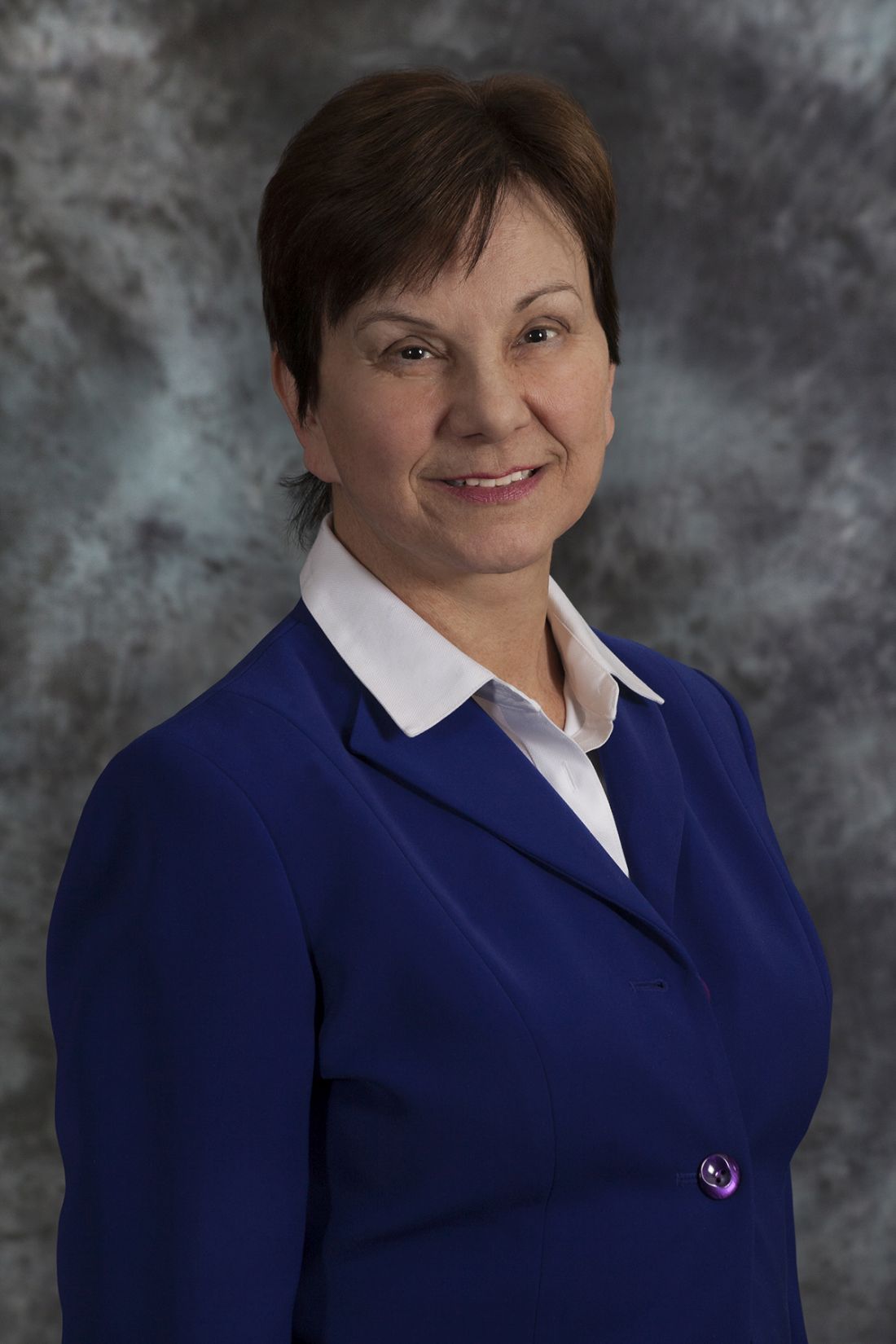
, from helping to usher the approval of the first treatments for cystic fibrosis and multiple sclerosis during her tenure as director of the Office of Therapeutics Research and Review, to introducing the concept of risk management in the agency’s analysis of drug safety during her role as acting director of the Center for Drug Evaluation and Research (CDER).
During an online event on Oct. 9, Dr. Woodcock, who became CDER’s director in 2008, will receive a lifetime achievement award from the National Organization for Rare Disorders*. In this interview, she reflects on the CDER’s accomplishments in the field of rare diseases, from which she draws inspiration, and what it’s like to be overseeing the therapeutics component of Operation Warp Speed amid the COVID-19 pandemic.
Q: What does this lifetime achievement award from the National Organization for Rare Disorders mean to you at this stage in your career?
Dr. Woodcock: According to NORD, there are more than 7,000 rare diseases that affect an estimated 25 million Americans. More than half of those affected are children. Many of these diseases are very serious, so there is a great deal of suffering that goes on, sometimes for a lifetime. I’ve always felt that people suffering like this don’t really have a voice. I’ve always tried to push the regulatory science, the science behind evaluation, and all of the efforts we can make to help those who are trying to develop products for people suffering from these rare diseases. The science is really picking up. We’re seeing more drug approvals every year for rare disorders. Hopefully, the lives of people with rare disorders will improve and we will continue to see a trajectory of better outcomes for people.
Q: Who inspired you most early in your career as a physician? What was it about that person (or persons) that made a difference to you?
Dr. Woodcock: During my training I had the privilege to be exposed to a wide range of stellar diagnosticians and people who were good clinicians who cared about their patients. That experience modeled for me what I would like to be as a doctor.
Q: In 2017, the National Consumers League described you as “a passionate advocate for American patients and consumers, an ally to patient advocacy groups, and a fearless leader at the FDA.” In your own words, how do you describe your leadership style?
Dr. Woodcock: People always call me fearless, but I feel like I just state the facts. I care about getting technical input from everyone, but I’m not terribly concerned about people’s disapproval of my actions. I’m a leader who tries to do the right thing, the thing that will benefit patients. I try to keep them at the center of what we’re doing, who we’re regulating for. We work for the American public. As far as CDER, it’s the people who take medicine, people who administer medicine, and people who need treatments.
Q: Since joining CDER as director in 2008, what are some accomplishments you are most proud of as it relates to treatments for patients with rare diseases?
Dr. Woodcock: I undertook a transformation and modernization of the New Drugs Regulatory Program, which created offices that align interrelated disease areas, and divisions with clearer and more focused areas of expertise. These changes will bring efficiency and effectiveness. We also set up an Office of Translational Sciences. All of these actions are important. In developing drugs for rare disorders, we need more flexibility. We have a lot of critics who say, “Rare disease trials are too small.” If you look at a cardiovascular trial of 25,000 people, for example, the investigators might only have .1% of the affected population enrolled. On the other hand, a rare disease trial of 100 people might represent half of the entire population with that disease. We often get criticism because it’s more difficult to define endpoints. The diseases aren’t that well understood, and you’re going to have smaller trials because there aren’t that many people with the disease. We need to figure out how to appropriately exercise that flexibility in regulation and make sure people have access, but have a high probability of getting products that work and have been adequately tested for safely. We also started a Rare Disease Cures Accelerator, which is enrolling people online in natural history studies to see what happens to them so we can better plan studies. We have Patient-Focused Drug Development meetings as a way to gather patients’ perspectives on their conditions and available therapies to treat those conditions. That is eye-opening, because what the doctor thinks about the disease may not be what the patient thinks about the disease. The patients are the ones taking the medicine, so we need to collect their opinions. Such approaches make it easier to study rare diseases and get new treatments.
Q: How do the challenges of drug research and development in the field of rare diseases differ from those associated with more prevalent diseases?
Dr. Woodcock: There is one advantage today for people with rare diseases. That is, when there is a known genetic mutation causing a disease, RNA interference and other gene therapy approaches can be used. There are challenges, though. Patients with rare disorders often don’t have a uniform disease course. They often have a multisystem impact, so they might have things wrong with their GI tract and/or skin, so it’s difficult to know what to measure. We’re trying to remedy this by gathering better natural history information on what happens to people. That is empowering for patients as well.
Q: In what practical ways can physicians become advocates for patients and their families who are navigating life with a rare disease?
Dr. Woodcock: I advise people to get involved in the association or advocacy group for their rare disease. It’s empowering. They can share stories and information with others who have been suffering from the disease. Also, they would get information about what trials might be available. As for physicians themselves, they have a bewildering variety of jobs they’re supposed to do, so it’s hard to be good in any one of them. People with rare disease often suffer terribly because they don’t get diagnosed for 10 years even though they have classic symptoms of a particular disorder. If physicians have never seen it or never heard of it, they may not know how to treat it. It’s a huge problem.
Q: Who inspires you most in your work today?
Dr. Woodcock: The dedication of the staff at the FDA is unbelievable. When you look at responses to the Federal Employee Viewpoint Survey administered by the Office of Personnel Management, FDA workers consistently express a strong sense of mission and dedication. It’s out of the park, really. They have worked night and day during this pandemic. I’m inspired by everyone who works at the FDA and their incredible dedication to their work.
Q: In what ways do you cope with the pressure that comes with your line of work? Do you have a favorite hobby or that activity that helps keep you grounded?
Dr. Woodcock: I’m an avid gardener, so I have a garden with vegetables, fruits, and flowers, including a large orchid collection. I’m also a hiker and a physical fitness buff, so I feel like there isn’t enough time in the day for all of my hobbies. Formal hiking trails near me are very crowded now, so I’ve been hiking around my neighborhood, taking long walks and going up and down hills quickly. Last November, I went hiking in New Zealand with my daughter. We hiked the Milford Track, which is about 33 miles long. It goes from an inland lake, over a mountain pass, and to the Pacific Ocean. It was fun, with unbelievable scenery.
Q: What novel treatment developments in rare disorders are you most excited about in the next 5 years?
Dr. Woodcock: I think gene therapy will come into its own. I think that could be a game-changer for people with genetic mutations causing rare diseases, and even cancer. We’ll see. It takes the technology a long time to mature. There are also gene-directed therapies such as RNA inhibition. We’ve already approved a couple of products like that for rare diseases, including treatments for the cardiomyopathy and neuropathy associated with ATTR amyloidosis. As our knowledge of biology continues to grow, I think more of these diseases will be amenable to interventions.
Q: In May of 2020 you were asked to temporarily step aside from your post as director of CDER to work on Operation Warp Speed. Please describe what your role is in this effort to accelerate COVID-19 treatments.
Dr. Woodcock: I’m the lead on therapeutics. Operation Warp Speed is mainly focused on developing vaccines for COVID-19. In the meantime, people who don’t respond to vaccines are going to need therapeutics, such as the elderly, or those who refuse to take vaccines, or those who are immunosuppressed and can’t mount a response to a vaccine. If we can develop those therapeutics now, that would be good to get that populous vaccinated. The team identified what we thought were the five highest priority agents to work on, and we’re testing them. We have identified many more in a priority list. We have five master protocols running for different times in the disease, such as when you’re an outpatient, when you’re an inpatient, or when you’re in the ICU. The work is stressful, because we need these treatments as soon as possible, but we have a great team working on this. I feel like I’m making a contribution in this role, because I know people in industry and in the National Institutes of Health. I try to bring everyone together and get things done.
*Correction, 10/22/20: An earlier version of this article misstated the name of the National Organization for Rare Disorders.
, from helping to usher the approval of the first treatments for cystic fibrosis and multiple sclerosis during her tenure as director of the Office of Therapeutics Research and Review, to introducing the concept of risk management in the agency’s analysis of drug safety during her role as acting director of the Center for Drug Evaluation and Research (CDER).
During an online event on Oct. 9, Dr. Woodcock, who became CDER’s director in 2008, will receive a lifetime achievement award from the National Organization for Rare Disorders*. In this interview, she reflects on the CDER’s accomplishments in the field of rare diseases, from which she draws inspiration, and what it’s like to be overseeing the therapeutics component of Operation Warp Speed amid the COVID-19 pandemic.
Q: What does this lifetime achievement award from the National Organization for Rare Disorders mean to you at this stage in your career?
Dr. Woodcock: According to NORD, there are more than 7,000 rare diseases that affect an estimated 25 million Americans. More than half of those affected are children. Many of these diseases are very serious, so there is a great deal of suffering that goes on, sometimes for a lifetime. I’ve always felt that people suffering like this don’t really have a voice. I’ve always tried to push the regulatory science, the science behind evaluation, and all of the efforts we can make to help those who are trying to develop products for people suffering from these rare diseases. The science is really picking up. We’re seeing more drug approvals every year for rare disorders. Hopefully, the lives of people with rare disorders will improve and we will continue to see a trajectory of better outcomes for people.
Q: Who inspired you most early in your career as a physician? What was it about that person (or persons) that made a difference to you?
Dr. Woodcock: During my training I had the privilege to be exposed to a wide range of stellar diagnosticians and people who were good clinicians who cared about their patients. That experience modeled for me what I would like to be as a doctor.
Q: In 2017, the National Consumers League described you as “a passionate advocate for American patients and consumers, an ally to patient advocacy groups, and a fearless leader at the FDA.” In your own words, how do you describe your leadership style?
Dr. Woodcock: People always call me fearless, but I feel like I just state the facts. I care about getting technical input from everyone, but I’m not terribly concerned about people’s disapproval of my actions. I’m a leader who tries to do the right thing, the thing that will benefit patients. I try to keep them at the center of what we’re doing, who we’re regulating for. We work for the American public. As far as CDER, it’s the people who take medicine, people who administer medicine, and people who need treatments.
Q: Since joining CDER as director in 2008, what are some accomplishments you are most proud of as it relates to treatments for patients with rare diseases?
Dr. Woodcock: I undertook a transformation and modernization of the New Drugs Regulatory Program, which created offices that align interrelated disease areas, and divisions with clearer and more focused areas of expertise. These changes will bring efficiency and effectiveness. We also set up an Office of Translational Sciences. All of these actions are important. In developing drugs for rare disorders, we need more flexibility. We have a lot of critics who say, “Rare disease trials are too small.” If you look at a cardiovascular trial of 25,000 people, for example, the investigators might only have .1% of the affected population enrolled. On the other hand, a rare disease trial of 100 people might represent half of the entire population with that disease. We often get criticism because it’s more difficult to define endpoints. The diseases aren’t that well understood, and you’re going to have smaller trials because there aren’t that many people with the disease. We need to figure out how to appropriately exercise that flexibility in regulation and make sure people have access, but have a high probability of getting products that work and have been adequately tested for safely. We also started a Rare Disease Cures Accelerator, which is enrolling people online in natural history studies to see what happens to them so we can better plan studies. We have Patient-Focused Drug Development meetings as a way to gather patients’ perspectives on their conditions and available therapies to treat those conditions. That is eye-opening, because what the doctor thinks about the disease may not be what the patient thinks about the disease. The patients are the ones taking the medicine, so we need to collect their opinions. Such approaches make it easier to study rare diseases and get new treatments.
Q: How do the challenges of drug research and development in the field of rare diseases differ from those associated with more prevalent diseases?
Dr. Woodcock: There is one advantage today for people with rare diseases. That is, when there is a known genetic mutation causing a disease, RNA interference and other gene therapy approaches can be used. There are challenges, though. Patients with rare disorders often don’t have a uniform disease course. They often have a multisystem impact, so they might have things wrong with their GI tract and/or skin, so it’s difficult to know what to measure. We’re trying to remedy this by gathering better natural history information on what happens to people. That is empowering for patients as well.
Q: In what practical ways can physicians become advocates for patients and their families who are navigating life with a rare disease?
Dr. Woodcock: I advise people to get involved in the association or advocacy group for their rare disease. It’s empowering. They can share stories and information with others who have been suffering from the disease. Also, they would get information about what trials might be available. As for physicians themselves, they have a bewildering variety of jobs they’re supposed to do, so it’s hard to be good in any one of them. People with rare disease often suffer terribly because they don’t get diagnosed for 10 years even though they have classic symptoms of a particular disorder. If physicians have never seen it or never heard of it, they may not know how to treat it. It’s a huge problem.
Q: Who inspires you most in your work today?
Dr. Woodcock: The dedication of the staff at the FDA is unbelievable. When you look at responses to the Federal Employee Viewpoint Survey administered by the Office of Personnel Management, FDA workers consistently express a strong sense of mission and dedication. It’s out of the park, really. They have worked night and day during this pandemic. I’m inspired by everyone who works at the FDA and their incredible dedication to their work.
Q: In what ways do you cope with the pressure that comes with your line of work? Do you have a favorite hobby or that activity that helps keep you grounded?
Dr. Woodcock: I’m an avid gardener, so I have a garden with vegetables, fruits, and flowers, including a large orchid collection. I’m also a hiker and a physical fitness buff, so I feel like there isn’t enough time in the day for all of my hobbies. Formal hiking trails near me are very crowded now, so I’ve been hiking around my neighborhood, taking long walks and going up and down hills quickly. Last November, I went hiking in New Zealand with my daughter. We hiked the Milford Track, which is about 33 miles long. It goes from an inland lake, over a mountain pass, and to the Pacific Ocean. It was fun, with unbelievable scenery.
Q: What novel treatment developments in rare disorders are you most excited about in the next 5 years?
Dr. Woodcock: I think gene therapy will come into its own. I think that could be a game-changer for people with genetic mutations causing rare diseases, and even cancer. We’ll see. It takes the technology a long time to mature. There are also gene-directed therapies such as RNA inhibition. We’ve already approved a couple of products like that for rare diseases, including treatments for the cardiomyopathy and neuropathy associated with ATTR amyloidosis. As our knowledge of biology continues to grow, I think more of these diseases will be amenable to interventions.
Q: In May of 2020 you were asked to temporarily step aside from your post as director of CDER to work on Operation Warp Speed. Please describe what your role is in this effort to accelerate COVID-19 treatments.
Dr. Woodcock: I’m the lead on therapeutics. Operation Warp Speed is mainly focused on developing vaccines for COVID-19. In the meantime, people who don’t respond to vaccines are going to need therapeutics, such as the elderly, or those who refuse to take vaccines, or those who are immunosuppressed and can’t mount a response to a vaccine. If we can develop those therapeutics now, that would be good to get that populous vaccinated. The team identified what we thought were the five highest priority agents to work on, and we’re testing them. We have identified many more in a priority list. We have five master protocols running for different times in the disease, such as when you’re an outpatient, when you’re an inpatient, or when you’re in the ICU. The work is stressful, because we need these treatments as soon as possible, but we have a great team working on this. I feel like I’m making a contribution in this role, because I know people in industry and in the National Institutes of Health. I try to bring everyone together and get things done.
*Correction, 10/22/20: An earlier version of this article misstated the name of the National Organization for Rare Disorders.
, from helping to usher the approval of the first treatments for cystic fibrosis and multiple sclerosis during her tenure as director of the Office of Therapeutics Research and Review, to introducing the concept of risk management in the agency’s analysis of drug safety during her role as acting director of the Center for Drug Evaluation and Research (CDER).
During an online event on Oct. 9, Dr. Woodcock, who became CDER’s director in 2008, will receive a lifetime achievement award from the National Organization for Rare Disorders*. In this interview, she reflects on the CDER’s accomplishments in the field of rare diseases, from which she draws inspiration, and what it’s like to be overseeing the therapeutics component of Operation Warp Speed amid the COVID-19 pandemic.
Q: What does this lifetime achievement award from the National Organization for Rare Disorders mean to you at this stage in your career?
Dr. Woodcock: According to NORD, there are more than 7,000 rare diseases that affect an estimated 25 million Americans. More than half of those affected are children. Many of these diseases are very serious, so there is a great deal of suffering that goes on, sometimes for a lifetime. I’ve always felt that people suffering like this don’t really have a voice. I’ve always tried to push the regulatory science, the science behind evaluation, and all of the efforts we can make to help those who are trying to develop products for people suffering from these rare diseases. The science is really picking up. We’re seeing more drug approvals every year for rare disorders. Hopefully, the lives of people with rare disorders will improve and we will continue to see a trajectory of better outcomes for people.
Q: Who inspired you most early in your career as a physician? What was it about that person (or persons) that made a difference to you?
Dr. Woodcock: During my training I had the privilege to be exposed to a wide range of stellar diagnosticians and people who were good clinicians who cared about their patients. That experience modeled for me what I would like to be as a doctor.
Q: In 2017, the National Consumers League described you as “a passionate advocate for American patients and consumers, an ally to patient advocacy groups, and a fearless leader at the FDA.” In your own words, how do you describe your leadership style?
Dr. Woodcock: People always call me fearless, but I feel like I just state the facts. I care about getting technical input from everyone, but I’m not terribly concerned about people’s disapproval of my actions. I’m a leader who tries to do the right thing, the thing that will benefit patients. I try to keep them at the center of what we’re doing, who we’re regulating for. We work for the American public. As far as CDER, it’s the people who take medicine, people who administer medicine, and people who need treatments.
Q: Since joining CDER as director in 2008, what are some accomplishments you are most proud of as it relates to treatments for patients with rare diseases?
Dr. Woodcock: I undertook a transformation and modernization of the New Drugs Regulatory Program, which created offices that align interrelated disease areas, and divisions with clearer and more focused areas of expertise. These changes will bring efficiency and effectiveness. We also set up an Office of Translational Sciences. All of these actions are important. In developing drugs for rare disorders, we need more flexibility. We have a lot of critics who say, “Rare disease trials are too small.” If you look at a cardiovascular trial of 25,000 people, for example, the investigators might only have .1% of the affected population enrolled. On the other hand, a rare disease trial of 100 people might represent half of the entire population with that disease. We often get criticism because it’s more difficult to define endpoints. The diseases aren’t that well understood, and you’re going to have smaller trials because there aren’t that many people with the disease. We need to figure out how to appropriately exercise that flexibility in regulation and make sure people have access, but have a high probability of getting products that work and have been adequately tested for safely. We also started a Rare Disease Cures Accelerator, which is enrolling people online in natural history studies to see what happens to them so we can better plan studies. We have Patient-Focused Drug Development meetings as a way to gather patients’ perspectives on their conditions and available therapies to treat those conditions. That is eye-opening, because what the doctor thinks about the disease may not be what the patient thinks about the disease. The patients are the ones taking the medicine, so we need to collect their opinions. Such approaches make it easier to study rare diseases and get new treatments.
Q: How do the challenges of drug research and development in the field of rare diseases differ from those associated with more prevalent diseases?
Dr. Woodcock: There is one advantage today for people with rare diseases. That is, when there is a known genetic mutation causing a disease, RNA interference and other gene therapy approaches can be used. There are challenges, though. Patients with rare disorders often don’t have a uniform disease course. They often have a multisystem impact, so they might have things wrong with their GI tract and/or skin, so it’s difficult to know what to measure. We’re trying to remedy this by gathering better natural history information on what happens to people. That is empowering for patients as well.
Q: In what practical ways can physicians become advocates for patients and their families who are navigating life with a rare disease?
Dr. Woodcock: I advise people to get involved in the association or advocacy group for their rare disease. It’s empowering. They can share stories and information with others who have been suffering from the disease. Also, they would get information about what trials might be available. As for physicians themselves, they have a bewildering variety of jobs they’re supposed to do, so it’s hard to be good in any one of them. People with rare disease often suffer terribly because they don’t get diagnosed for 10 years even though they have classic symptoms of a particular disorder. If physicians have never seen it or never heard of it, they may not know how to treat it. It’s a huge problem.
Q: Who inspires you most in your work today?
Dr. Woodcock: The dedication of the staff at the FDA is unbelievable. When you look at responses to the Federal Employee Viewpoint Survey administered by the Office of Personnel Management, FDA workers consistently express a strong sense of mission and dedication. It’s out of the park, really. They have worked night and day during this pandemic. I’m inspired by everyone who works at the FDA and their incredible dedication to their work.
Q: In what ways do you cope with the pressure that comes with your line of work? Do you have a favorite hobby or that activity that helps keep you grounded?
Dr. Woodcock: I’m an avid gardener, so I have a garden with vegetables, fruits, and flowers, including a large orchid collection. I’m also a hiker and a physical fitness buff, so I feel like there isn’t enough time in the day for all of my hobbies. Formal hiking trails near me are very crowded now, so I’ve been hiking around my neighborhood, taking long walks and going up and down hills quickly. Last November, I went hiking in New Zealand with my daughter. We hiked the Milford Track, which is about 33 miles long. It goes from an inland lake, over a mountain pass, and to the Pacific Ocean. It was fun, with unbelievable scenery.
Q: What novel treatment developments in rare disorders are you most excited about in the next 5 years?
Dr. Woodcock: I think gene therapy will come into its own. I think that could be a game-changer for people with genetic mutations causing rare diseases, and even cancer. We’ll see. It takes the technology a long time to mature. There are also gene-directed therapies such as RNA inhibition. We’ve already approved a couple of products like that for rare diseases, including treatments for the cardiomyopathy and neuropathy associated with ATTR amyloidosis. As our knowledge of biology continues to grow, I think more of these diseases will be amenable to interventions.
Q: In May of 2020 you were asked to temporarily step aside from your post as director of CDER to work on Operation Warp Speed. Please describe what your role is in this effort to accelerate COVID-19 treatments.
Dr. Woodcock: I’m the lead on therapeutics. Operation Warp Speed is mainly focused on developing vaccines for COVID-19. In the meantime, people who don’t respond to vaccines are going to need therapeutics, such as the elderly, or those who refuse to take vaccines, or those who are immunosuppressed and can’t mount a response to a vaccine. If we can develop those therapeutics now, that would be good to get that populous vaccinated. The team identified what we thought were the five highest priority agents to work on, and we’re testing them. We have identified many more in a priority list. We have five master protocols running for different times in the disease, such as when you’re an outpatient, when you’re an inpatient, or when you’re in the ICU. The work is stressful, because we need these treatments as soon as possible, but we have a great team working on this. I feel like I’m making a contribution in this role, because I know people in industry and in the National Institutes of Health. I try to bring everyone together and get things done.
*Correction, 10/22/20: An earlier version of this article misstated the name of the National Organization for Rare Disorders.
Full-time, part-time, FTE: Know the differences
The wholesale to them. While rules vary from state to state, some generalizations can be made.

Even the definitions of full-time and part-time vary. For instance, under the Affordable Care Act (ACA), full time means working at least 30 hours per week. Under the Families First Coronavirus Response Act (FFCRA), it is 40 hours.
Full-time equivalent (FTE) is a concept designed to document a part-time workforce in terms of full-time employment, by taking the total hours worked by all part-time employees and dividing by the full-time schedule. Of course, the ACA and the Paycheck Protection Program (PPP) calculate that number differently: The ACA requires you to total all the hours worked by part-time employees per month, and divide by 120. For the PPP, you divide the total part-time hours per week by 40, and round to the nearest tenth. (You can also use a simplified method that assigns a 1.0 for employees who work 40 hours or more per week and 0.5 for those who work fewer; whichever method you choose, you must apply it consistently on all PPP forms.)
FTEs are important for the purposes of the ACA because employers with 50 or more full-timers plus FTEs must offer health coverage to their full-timers and dependents. But most private practitioners need an accurate FTE total to deal with the PPP: If staffing levels weren’t maintained after you received a PPP loan, your loan forgiveness amount may be reduced. Staffing levels are determined by comparing the average number of full-timers plus FTEs during the “covered period” to either the period from Feb. 15 through June 30, 2019, or Jan. 1 through Feb. 28, 2020.
The PPP aside, FTEs have created confusion over when an employee is entitled to overtime pay. Under federal law, overtime is due whenever an employee works more than 40 hours per week; up to 40 hours, the regular wage is paid. (There are exemptions, and a few states use a daily number.) For example, if a part-timer receiving $900 per week for a 30-hour workweek works more than 30 hours, the hours from 30 to 40 would be compensated at their normal wage of $30 per hour ($900 ÷ 30). If the employee worked more than 40 hours, you would pay overtime (in this case $45 per hour, $30 x 1.5) for the hours in excess of 40.
To address a few other employment questions that I am frequently asked:
Under the FFCRA, you must provide both full- and part-time employees with emergency paid sick leave (EPSL) if they’re unable to work from your office or their home because of illness attributable to COVID-19, quarantine, or caring for a sick family member or child whose school is closed. Full-time employees are entitled to up to 80 hours of EPSL, and part-timers an average of what they work every 2 weeks. Some states have their own laws independent from the FFCRA. Check your state or local laws.
- Some states require you to provide meal and rest breaks to both full- and part-time employees. In California, for example, employers must provide a 30-minute meal break after no more than 5 hours of work, unless the total workday is less than 6 hours and both employers and employees consent to waive breaks. California also requires rest breaks after every 4 hours worked. Check the laws in your state.
- You must include part-time employees in a 401(k) retirement plan if they work at least 1,000 hours in a year, which is about 20 hours per week. That rule is changing in 2021 to 500 hours for employees older than 21. There are state-run retirement programs in California, Connecticut, New Jersey, Washington, and Oregon, among other states. Check your state law for details.
- If you offer paid vacations to full-time employees, you do not have to do the same for part-timers. (In fact, there is no requirement in most states to offer vacation time at all.) My office does offer it to part-time employees on a pro rata basis, as do many others in my area. Again, check your state law.
As always, consult with your attorney if it’s not clear which rules apply in your specific situation.
Dr. Eastern practices dermatology and dermatologic surgery in Belleville, N.J. He is the author of numerous articles and textbook chapters, and is a longtime monthly columnist for Dermatology News. He has no relevant disclosures related to the topic of this column. Write to him at [email protected].
The wholesale to them. While rules vary from state to state, some generalizations can be made.
Even the definitions of full-time and part-time vary. For instance, under the Affordable Care Act (ACA), full time means working at least 30 hours per week. Under the Families First Coronavirus Response Act (FFCRA), it is 40 hours.
Full-time equivalent (FTE) is a concept designed to document a part-time workforce in terms of full-time employment, by taking the total hours worked by all part-time employees and dividing by the full-time schedule. Of course, the ACA and the Paycheck Protection Program (PPP) calculate that number differently: The ACA requires you to total all the hours worked by part-time employees per month, and divide by 120. For the PPP, you divide the total part-time hours per week by 40, and round to the nearest tenth. (You can also use a simplified method that assigns a 1.0 for employees who work 40 hours or more per week and 0.5 for those who work fewer; whichever method you choose, you must apply it consistently on all PPP forms.)
FTEs are important for the purposes of the ACA because employers with 50 or more full-timers plus FTEs must offer health coverage to their full-timers and dependents. But most private practitioners need an accurate FTE total to deal with the PPP: If staffing levels weren’t maintained after you received a PPP loan, your loan forgiveness amount may be reduced. Staffing levels are determined by comparing the average number of full-timers plus FTEs during the “covered period” to either the period from Feb. 15 through June 30, 2019, or Jan. 1 through Feb. 28, 2020.
The PPP aside, FTEs have created confusion over when an employee is entitled to overtime pay. Under federal law, overtime is due whenever an employee works more than 40 hours per week; up to 40 hours, the regular wage is paid. (There are exemptions, and a few states use a daily number.) For example, if a part-timer receiving $900 per week for a 30-hour workweek works more than 30 hours, the hours from 30 to 40 would be compensated at their normal wage of $30 per hour ($900 ÷ 30). If the employee worked more than 40 hours, you would pay overtime (in this case $45 per hour, $30 x 1.5) for the hours in excess of 40.
To address a few other employment questions that I am frequently asked:
Under the FFCRA, you must provide both full- and part-time employees with emergency paid sick leave (EPSL) if they’re unable to work from your office or their home because of illness attributable to COVID-19, quarantine, or caring for a sick family member or child whose school is closed. Full-time employees are entitled to up to 80 hours of EPSL, and part-timers an average of what they work every 2 weeks. Some states have their own laws independent from the FFCRA. Check your state or local laws.
- Some states require you to provide meal and rest breaks to both full- and part-time employees. In California, for example, employers must provide a 30-minute meal break after no more than 5 hours of work, unless the total workday is less than 6 hours and both employers and employees consent to waive breaks. California also requires rest breaks after every 4 hours worked. Check the laws in your state.
- You must include part-time employees in a 401(k) retirement plan if they work at least 1,000 hours in a year, which is about 20 hours per week. That rule is changing in 2021 to 500 hours for employees older than 21. There are state-run retirement programs in California, Connecticut, New Jersey, Washington, and Oregon, among other states. Check your state law for details.
- If you offer paid vacations to full-time employees, you do not have to do the same for part-timers. (In fact, there is no requirement in most states to offer vacation time at all.) My office does offer it to part-time employees on a pro rata basis, as do many others in my area. Again, check your state law.
As always, consult with your attorney if it’s not clear which rules apply in your specific situation.
Dr. Eastern practices dermatology and dermatologic surgery in Belleville, N.J. He is the author of numerous articles and textbook chapters, and is a longtime monthly columnist for Dermatology News. He has no relevant disclosures related to the topic of this column. Write to him at [email protected].
The wholesale to them. While rules vary from state to state, some generalizations can be made.
Even the definitions of full-time and part-time vary. For instance, under the Affordable Care Act (ACA), full time means working at least 30 hours per week. Under the Families First Coronavirus Response Act (FFCRA), it is 40 hours.
Full-time equivalent (FTE) is a concept designed to document a part-time workforce in terms of full-time employment, by taking the total hours worked by all part-time employees and dividing by the full-time schedule. Of course, the ACA and the Paycheck Protection Program (PPP) calculate that number differently: The ACA requires you to total all the hours worked by part-time employees per month, and divide by 120. For the PPP, you divide the total part-time hours per week by 40, and round to the nearest tenth. (You can also use a simplified method that assigns a 1.0 for employees who work 40 hours or more per week and 0.5 for those who work fewer; whichever method you choose, you must apply it consistently on all PPP forms.)
FTEs are important for the purposes of the ACA because employers with 50 or more full-timers plus FTEs must offer health coverage to their full-timers and dependents. But most private practitioners need an accurate FTE total to deal with the PPP: If staffing levels weren’t maintained after you received a PPP loan, your loan forgiveness amount may be reduced. Staffing levels are determined by comparing the average number of full-timers plus FTEs during the “covered period” to either the period from Feb. 15 through June 30, 2019, or Jan. 1 through Feb. 28, 2020.
The PPP aside, FTEs have created confusion over when an employee is entitled to overtime pay. Under federal law, overtime is due whenever an employee works more than 40 hours per week; up to 40 hours, the regular wage is paid. (There are exemptions, and a few states use a daily number.) For example, if a part-timer receiving $900 per week for a 30-hour workweek works more than 30 hours, the hours from 30 to 40 would be compensated at their normal wage of $30 per hour ($900 ÷ 30). If the employee worked more than 40 hours, you would pay overtime (in this case $45 per hour, $30 x 1.5) for the hours in excess of 40.
To address a few other employment questions that I am frequently asked:
Under the FFCRA, you must provide both full- and part-time employees with emergency paid sick leave (EPSL) if they’re unable to work from your office or their home because of illness attributable to COVID-19, quarantine, or caring for a sick family member or child whose school is closed. Full-time employees are entitled to up to 80 hours of EPSL, and part-timers an average of what they work every 2 weeks. Some states have their own laws independent from the FFCRA. Check your state or local laws.
- Some states require you to provide meal and rest breaks to both full- and part-time employees. In California, for example, employers must provide a 30-minute meal break after no more than 5 hours of work, unless the total workday is less than 6 hours and both employers and employees consent to waive breaks. California also requires rest breaks after every 4 hours worked. Check the laws in your state.
- You must include part-time employees in a 401(k) retirement plan if they work at least 1,000 hours in a year, which is about 20 hours per week. That rule is changing in 2021 to 500 hours for employees older than 21. There are state-run retirement programs in California, Connecticut, New Jersey, Washington, and Oregon, among other states. Check your state law for details.
- If you offer paid vacations to full-time employees, you do not have to do the same for part-timers. (In fact, there is no requirement in most states to offer vacation time at all.) My office does offer it to part-time employees on a pro rata basis, as do many others in my area. Again, check your state law.
As always, consult with your attorney if it’s not clear which rules apply in your specific situation.
Dr. Eastern practices dermatology and dermatologic surgery in Belleville, N.J. He is the author of numerous articles and textbook chapters, and is a longtime monthly columnist for Dermatology News. He has no relevant disclosures related to the topic of this column. Write to him at [email protected].
COVID-19 vaccine hesitancy ‘somewhat understandable,’ expert says
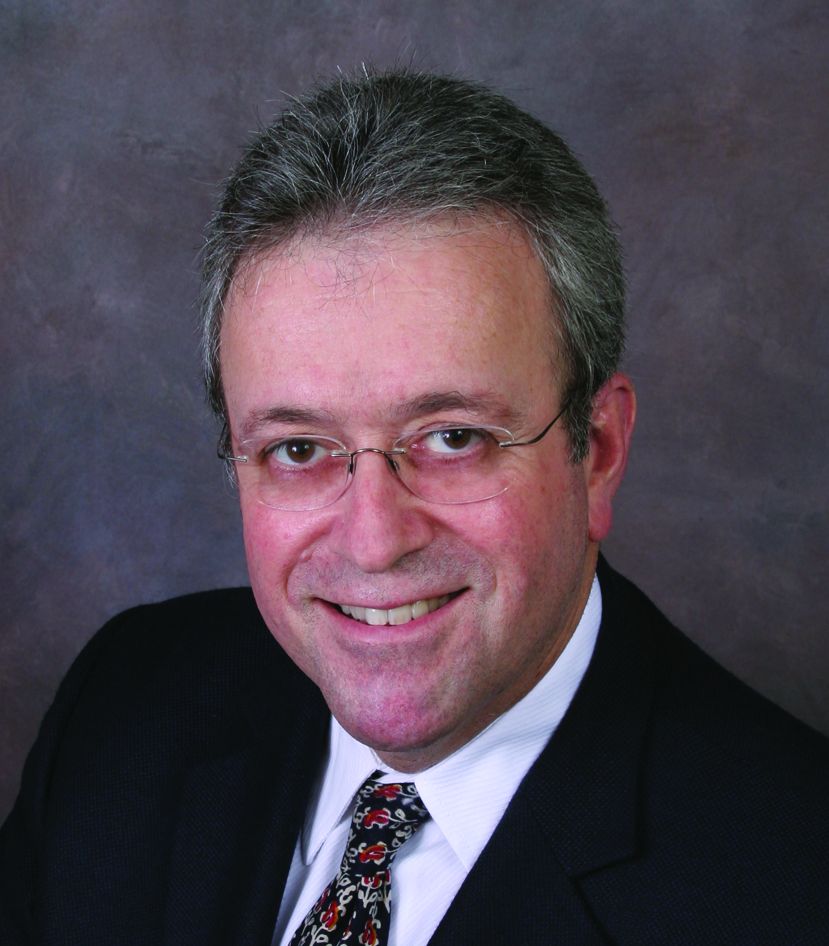
“I worry that vaccines are going to be sold like magic powder that we sprinkle across the land and make the virus go away,” Paul Offit, MD, said at the virtual American Academy of Pediatrics (AAP) 2020 National Conference. “That’s not true.”
according to Dr. Offit, director of the Vaccine Education Center and an attending physician in the Division of Infectious Diseases at Children’s Hospital of Philadelphia.
“I think we can get a vaccine that’s 75%-80% effective at preventing mild to moderate disease, but that means one of every four people can still get moderate to severe disease,” Dr. Offit continued.
And that’s if there is high uptake of the vaccine, which may not be the case. Recent polls have suggested there is considerable concern about the pending vaccines.
“It’s somewhat understandable,” Dr. Offitt acknowledged, especially given the “frightening” language used to describe vaccine development. Terms such as “warp speed” may suggest that haste might trump safety considerations. Before COVID-19, the fastest vaccine ever developed was for mumps, he said, with the virus isolated in 1963 and a commercial product available in 1967.
Addressing hesitancy in clinics
In a wide-ranging livestream plenary presentation, Dr. Offit, coinventor of a rotavirus vaccine, shed light on SARS-CoV-2 vaccine development and his impressions of vaccine hesitancy among patients and families. He also offered advice for how to reassure those skeptical of the safety and efficacy of any SARS-COV-2 vaccine, given the accelerated development process.
With more than 180 different vaccines in various stages of investigation, Dr. Offit called the effort to develop COVID-19 vaccines “unprecedented.” Part of that is a result of governments relieving pharmaceutical companies of much of the typical financial risk – which often climbs to hundreds of millions of dollars – by underwriting the costs of vaccine development to battle the pandemic-inducing virus, he said.
But this very swiftness is also stoking antivaccine sentiment. Dr. Offit, part of vaccine advisory groups for the National Institutes of Health and U.S. Food and Drug Administration, cited recent research reporting nearly half of American adults definitely or probably would not get a COVID-19 vaccine if it were available today.
“One way you convince skeptics is with data presented in a clear, compassionate, and compelling way,” he said.
“The other group is vaccine cynics, who are basically conspiracy theorists who believe pharmaceutical companies control the world, the government, the medical establishment. I think there’s no talking them down from this.”
Numerous strategies are being used in COVID-19 vaccine development, he noted, including messenger RNA, DNA, viral vectors, purified protein, and whole killed virus. Dr. Offit believes any candidates approved for distribution will likely be in the range of 75% effective at preventing mild to moderate symptoms.
But clinicians should be ready to face immediate questions of safety. “Even if this vaccination is given to 20,000 [trial participants] safely, that’s not 20 million,” Dr. Offit said. “Anyone could reasonably ask questions about if it causes rare, serious side effects.
“The good news is, there are systems in place,” such as adverse event reporting systems, to identify rare events, even those that occur in one in a million vaccine recipients. Reminding patients of that continued surveillance can be reassuring.
Another reassuring point is that COVID-19 vaccine trial participants have included people from many diverse populations, he said. But children, notably absent so far, should be added to trials immediately, Dr. Offit contends.
“This is going to be important when you consider strategies to get children universally back into school,” he said, which is a “critical issue” from both learning and wellness standpoints. “It breaks my heart that we’ve been unable to do this when other countries have.”
Transparency will be paramount
While presenting data transparently to patients is key in helping them accept COVID-19 vaccination, Dr. Offit said, he also believes “telling stories” can be just as effective, if not more so. When the varicella vaccine was approved in 1995, he said, the “uptake the first few years was pretty miserable” until public service messaging emphasized that some children die from chickenpox.
“Fear works,” he said. “You always worry about pushback of something being oversold, but hopefully we’re scared enough about this virus” to convince people that vaccination is wise. “I do think personal stories carry weight on both sides,” Dr. Offit said.
Mark Sawyer, MD, of University of California San Diego School of Medicine and Rady Children’s Hospital in San Diego, California, said Offit’s presentation offered important takeaways for clinicians about how to broach the topic of COVID-19 vaccination with patients and families.
“We need to communicate clearly and transparently to patients about what we do and don’t know” about the vaccines, Dr. Sawyer said in an interview. “We will know if they have common side effects, but we will not know about very rare side effects until we have used the vaccines for a while.
“We will know how well the vaccine works over the short-term, but we won’t know over the long term,” added Dr. Sawyer, a member of the AAP Committee on Infectious Diseases.
“We can reassure the community that SARS-CoV-2 vaccines are being evaluated in trials in the same way and with the same thoroughness as other vaccines have been,” he said. “That should give people confidence that shortcuts are not being taken with regard to safety and effectiveness evaluations.”
Dr. Offit and Dr. Sawyer have disclosed no relevant financial relationships.
A version of this article originally appeared on Medscape.com.
“I worry that vaccines are going to be sold like magic powder that we sprinkle across the land and make the virus go away,” Paul Offit, MD, said at the virtual American Academy of Pediatrics (AAP) 2020 National Conference. “That’s not true.”
according to Dr. Offit, director of the Vaccine Education Center and an attending physician in the Division of Infectious Diseases at Children’s Hospital of Philadelphia.
“I think we can get a vaccine that’s 75%-80% effective at preventing mild to moderate disease, but that means one of every four people can still get moderate to severe disease,” Dr. Offit continued.
And that’s if there is high uptake of the vaccine, which may not be the case. Recent polls have suggested there is considerable concern about the pending vaccines.
“It’s somewhat understandable,” Dr. Offitt acknowledged, especially given the “frightening” language used to describe vaccine development. Terms such as “warp speed” may suggest that haste might trump safety considerations. Before COVID-19, the fastest vaccine ever developed was for mumps, he said, with the virus isolated in 1963 and a commercial product available in 1967.
Addressing hesitancy in clinics
In a wide-ranging livestream plenary presentation, Dr. Offit, coinventor of a rotavirus vaccine, shed light on SARS-CoV-2 vaccine development and his impressions of vaccine hesitancy among patients and families. He also offered advice for how to reassure those skeptical of the safety and efficacy of any SARS-COV-2 vaccine, given the accelerated development process.
With more than 180 different vaccines in various stages of investigation, Dr. Offit called the effort to develop COVID-19 vaccines “unprecedented.” Part of that is a result of governments relieving pharmaceutical companies of much of the typical financial risk – which often climbs to hundreds of millions of dollars – by underwriting the costs of vaccine development to battle the pandemic-inducing virus, he said.
But this very swiftness is also stoking antivaccine sentiment. Dr. Offit, part of vaccine advisory groups for the National Institutes of Health and U.S. Food and Drug Administration, cited recent research reporting nearly half of American adults definitely or probably would not get a COVID-19 vaccine if it were available today.
“One way you convince skeptics is with data presented in a clear, compassionate, and compelling way,” he said.
“The other group is vaccine cynics, who are basically conspiracy theorists who believe pharmaceutical companies control the world, the government, the medical establishment. I think there’s no talking them down from this.”
Numerous strategies are being used in COVID-19 vaccine development, he noted, including messenger RNA, DNA, viral vectors, purified protein, and whole killed virus. Dr. Offit believes any candidates approved for distribution will likely be in the range of 75% effective at preventing mild to moderate symptoms.
But clinicians should be ready to face immediate questions of safety. “Even if this vaccination is given to 20,000 [trial participants] safely, that’s not 20 million,” Dr. Offit said. “Anyone could reasonably ask questions about if it causes rare, serious side effects.
“The good news is, there are systems in place,” such as adverse event reporting systems, to identify rare events, even those that occur in one in a million vaccine recipients. Reminding patients of that continued surveillance can be reassuring.
Another reassuring point is that COVID-19 vaccine trial participants have included people from many diverse populations, he said. But children, notably absent so far, should be added to trials immediately, Dr. Offit contends.
“This is going to be important when you consider strategies to get children universally back into school,” he said, which is a “critical issue” from both learning and wellness standpoints. “It breaks my heart that we’ve been unable to do this when other countries have.”
Transparency will be paramount
While presenting data transparently to patients is key in helping them accept COVID-19 vaccination, Dr. Offit said, he also believes “telling stories” can be just as effective, if not more so. When the varicella vaccine was approved in 1995, he said, the “uptake the first few years was pretty miserable” until public service messaging emphasized that some children die from chickenpox.
“Fear works,” he said. “You always worry about pushback of something being oversold, but hopefully we’re scared enough about this virus” to convince people that vaccination is wise. “I do think personal stories carry weight on both sides,” Dr. Offit said.
Mark Sawyer, MD, of University of California San Diego School of Medicine and Rady Children’s Hospital in San Diego, California, said Offit’s presentation offered important takeaways for clinicians about how to broach the topic of COVID-19 vaccination with patients and families.
“We need to communicate clearly and transparently to patients about what we do and don’t know” about the vaccines, Dr. Sawyer said in an interview. “We will know if they have common side effects, but we will not know about very rare side effects until we have used the vaccines for a while.
“We will know how well the vaccine works over the short-term, but we won’t know over the long term,” added Dr. Sawyer, a member of the AAP Committee on Infectious Diseases.
“We can reassure the community that SARS-CoV-2 vaccines are being evaluated in trials in the same way and with the same thoroughness as other vaccines have been,” he said. “That should give people confidence that shortcuts are not being taken with regard to safety and effectiveness evaluations.”
Dr. Offit and Dr. Sawyer have disclosed no relevant financial relationships.
A version of this article originally appeared on Medscape.com.
“I worry that vaccines are going to be sold like magic powder that we sprinkle across the land and make the virus go away,” Paul Offit, MD, said at the virtual American Academy of Pediatrics (AAP) 2020 National Conference. “That’s not true.”
according to Dr. Offit, director of the Vaccine Education Center and an attending physician in the Division of Infectious Diseases at Children’s Hospital of Philadelphia.
“I think we can get a vaccine that’s 75%-80% effective at preventing mild to moderate disease, but that means one of every four people can still get moderate to severe disease,” Dr. Offit continued.
And that’s if there is high uptake of the vaccine, which may not be the case. Recent polls have suggested there is considerable concern about the pending vaccines.
“It’s somewhat understandable,” Dr. Offitt acknowledged, especially given the “frightening” language used to describe vaccine development. Terms such as “warp speed” may suggest that haste might trump safety considerations. Before COVID-19, the fastest vaccine ever developed was for mumps, he said, with the virus isolated in 1963 and a commercial product available in 1967.
Addressing hesitancy in clinics
In a wide-ranging livestream plenary presentation, Dr. Offit, coinventor of a rotavirus vaccine, shed light on SARS-CoV-2 vaccine development and his impressions of vaccine hesitancy among patients and families. He also offered advice for how to reassure those skeptical of the safety and efficacy of any SARS-COV-2 vaccine, given the accelerated development process.
With more than 180 different vaccines in various stages of investigation, Dr. Offit called the effort to develop COVID-19 vaccines “unprecedented.” Part of that is a result of governments relieving pharmaceutical companies of much of the typical financial risk – which often climbs to hundreds of millions of dollars – by underwriting the costs of vaccine development to battle the pandemic-inducing virus, he said.
But this very swiftness is also stoking antivaccine sentiment. Dr. Offit, part of vaccine advisory groups for the National Institutes of Health and U.S. Food and Drug Administration, cited recent research reporting nearly half of American adults definitely or probably would not get a COVID-19 vaccine if it were available today.
“One way you convince skeptics is with data presented in a clear, compassionate, and compelling way,” he said.
“The other group is vaccine cynics, who are basically conspiracy theorists who believe pharmaceutical companies control the world, the government, the medical establishment. I think there’s no talking them down from this.”
Numerous strategies are being used in COVID-19 vaccine development, he noted, including messenger RNA, DNA, viral vectors, purified protein, and whole killed virus. Dr. Offit believes any candidates approved for distribution will likely be in the range of 75% effective at preventing mild to moderate symptoms.
But clinicians should be ready to face immediate questions of safety. “Even if this vaccination is given to 20,000 [trial participants] safely, that’s not 20 million,” Dr. Offit said. “Anyone could reasonably ask questions about if it causes rare, serious side effects.
“The good news is, there are systems in place,” such as adverse event reporting systems, to identify rare events, even those that occur in one in a million vaccine recipients. Reminding patients of that continued surveillance can be reassuring.
Another reassuring point is that COVID-19 vaccine trial participants have included people from many diverse populations, he said. But children, notably absent so far, should be added to trials immediately, Dr. Offit contends.
“This is going to be important when you consider strategies to get children universally back into school,” he said, which is a “critical issue” from both learning and wellness standpoints. “It breaks my heart that we’ve been unable to do this when other countries have.”
Transparency will be paramount
While presenting data transparently to patients is key in helping them accept COVID-19 vaccination, Dr. Offit said, he also believes “telling stories” can be just as effective, if not more so. When the varicella vaccine was approved in 1995, he said, the “uptake the first few years was pretty miserable” until public service messaging emphasized that some children die from chickenpox.
“Fear works,” he said. “You always worry about pushback of something being oversold, but hopefully we’re scared enough about this virus” to convince people that vaccination is wise. “I do think personal stories carry weight on both sides,” Dr. Offit said.
Mark Sawyer, MD, of University of California San Diego School of Medicine and Rady Children’s Hospital in San Diego, California, said Offit’s presentation offered important takeaways for clinicians about how to broach the topic of COVID-19 vaccination with patients and families.
“We need to communicate clearly and transparently to patients about what we do and don’t know” about the vaccines, Dr. Sawyer said in an interview. “We will know if they have common side effects, but we will not know about very rare side effects until we have used the vaccines for a while.
“We will know how well the vaccine works over the short-term, but we won’t know over the long term,” added Dr. Sawyer, a member of the AAP Committee on Infectious Diseases.
“We can reassure the community that SARS-CoV-2 vaccines are being evaluated in trials in the same way and with the same thoroughness as other vaccines have been,” he said. “That should give people confidence that shortcuts are not being taken with regard to safety and effectiveness evaluations.”
Dr. Offit and Dr. Sawyer have disclosed no relevant financial relationships.
A version of this article originally appeared on Medscape.com.