User login
News and Views that Matter to Pediatricians
The leading independent newspaper covering news and commentary in pediatrics.
Dangerous grandparents
Many decades ago I wrote a book I brazenly titled: “The Good Grandmother Handbook.” I had been a parent for a scant 7 or 8 years but based on my experiences in the office I felt I had accumulated enough wisdom to suggest to women in their fifth to seventh decades how they might conduct themselves around their grandchildren. Luckily, the book never got further than several hundred pages of crudely typed manuscript. This was before word processing programs had settled into the home computer industry, which was still in its infancy.
But I continue find the subject of grandparents interesting. Now, with grandchildren of my own (the oldest has just graduated from high school) and scores of peers knee deep in their own grandparenting adventures, I hope that my perspective now has a bit less of a holier-than-thou aroma.
My most recent muse-prodding event came when I stumbled across an article about the epidemiology of unintentional pediatric firearm fatalities. Looking at 10 years of data from the National Violent Death Reporting System, the investigators found that in 80% of the cases the firearm owner was a relative of the victim; in slightly more than 60% of the cases the event occurred in the victim’s home.
The data set was not granular enough to define the exact relationship between the child and relative who owned the gun. I suspect that most often the relative was a parent or an uncle or aunt. However, viewed through my septuagenarian prism, this paper prompted me to wonder in how many of these fatalities the firearm owner was a grandparent.
I have only anecdotal observations, but I can easily recall situations here in Maine in which a child has been injured by his or her grandfather’s gun. The data from the study show that pediatric fatalities are bimodal, with the majority occurring in the 1- to 5-year age group and a second peak in adolescence. The grandparent-involved cases I can recall were in the younger demographic.
Unfortunately, firearms aren’t the only threat that other grandparents and I pose to the health and safety of our grandchildren. I can remember before the development of, and the widespread use of, tamper-proof pill bottles, “grandma’s purse” overdoses were an unfortunately common occurrence.
More recently, at least here in Maine, we have been hearing more about motorized vehicle–related injuries and fatalities – grandparents backing over their grandchildren in the driveway or, more often, grandfathers (usually) taking their young grandchildren for rides on their snowmobiles, ATVs, lawn tractors, (fill in the blank). Whenever one of these events occurs, my mind quickly jumps beyond the tragic loss of life to imagining what terrible and long-lasting emotional chaos these incidents have spawned in those families.
During the pandemic, many parents and grandparents became aware of the threat that viral-spewing young children pose to the older and more vulnerable generation. On the other hand, many parents have been told that having a grandparent around can present a risk to the health and safety of their grandchildren. It can be a touchy subject in families, and grandparents may bristle at “being treated like a child” when they are reminded that children aren’t small adults and that their own behavior may be setting a bad example or putting their grandchildren at risk.
My generation had to learn how to buckle infants and toddlers into car seats because it was something that wasn’t done for our children. Fortunately, most new grandparents now already have those buckle-and-click skills and mindset. But,
Dr. Wilkoff practiced primary care pediatrics in Brunswick, Maine, for nearly 40 years. He has authored several books on behavioral pediatrics, including “How to Say No to Your Toddler.” Other than a Littman stethoscope he accepted as a first-year medical student in 1966, Dr. Wilkoff reports having nothing to disclose. Email him at [email protected].
Many decades ago I wrote a book I brazenly titled: “The Good Grandmother Handbook.” I had been a parent for a scant 7 or 8 years but based on my experiences in the office I felt I had accumulated enough wisdom to suggest to women in their fifth to seventh decades how they might conduct themselves around their grandchildren. Luckily, the book never got further than several hundred pages of crudely typed manuscript. This was before word processing programs had settled into the home computer industry, which was still in its infancy.
But I continue find the subject of grandparents interesting. Now, with grandchildren of my own (the oldest has just graduated from high school) and scores of peers knee deep in their own grandparenting adventures, I hope that my perspective now has a bit less of a holier-than-thou aroma.
My most recent muse-prodding event came when I stumbled across an article about the epidemiology of unintentional pediatric firearm fatalities. Looking at 10 years of data from the National Violent Death Reporting System, the investigators found that in 80% of the cases the firearm owner was a relative of the victim; in slightly more than 60% of the cases the event occurred in the victim’s home.
The data set was not granular enough to define the exact relationship between the child and relative who owned the gun. I suspect that most often the relative was a parent or an uncle or aunt. However, viewed through my septuagenarian prism, this paper prompted me to wonder in how many of these fatalities the firearm owner was a grandparent.
I have only anecdotal observations, but I can easily recall situations here in Maine in which a child has been injured by his or her grandfather’s gun. The data from the study show that pediatric fatalities are bimodal, with the majority occurring in the 1- to 5-year age group and a second peak in adolescence. The grandparent-involved cases I can recall were in the younger demographic.
Unfortunately, firearms aren’t the only threat that other grandparents and I pose to the health and safety of our grandchildren. I can remember before the development of, and the widespread use of, tamper-proof pill bottles, “grandma’s purse” overdoses were an unfortunately common occurrence.
More recently, at least here in Maine, we have been hearing more about motorized vehicle–related injuries and fatalities – grandparents backing over their grandchildren in the driveway or, more often, grandfathers (usually) taking their young grandchildren for rides on their snowmobiles, ATVs, lawn tractors, (fill in the blank). Whenever one of these events occurs, my mind quickly jumps beyond the tragic loss of life to imagining what terrible and long-lasting emotional chaos these incidents have spawned in those families.
During the pandemic, many parents and grandparents became aware of the threat that viral-spewing young children pose to the older and more vulnerable generation. On the other hand, many parents have been told that having a grandparent around can present a risk to the health and safety of their grandchildren. It can be a touchy subject in families, and grandparents may bristle at “being treated like a child” when they are reminded that children aren’t small adults and that their own behavior may be setting a bad example or putting their grandchildren at risk.
My generation had to learn how to buckle infants and toddlers into car seats because it was something that wasn’t done for our children. Fortunately, most new grandparents now already have those buckle-and-click skills and mindset. But,
Dr. Wilkoff practiced primary care pediatrics in Brunswick, Maine, for nearly 40 years. He has authored several books on behavioral pediatrics, including “How to Say No to Your Toddler.” Other than a Littman stethoscope he accepted as a first-year medical student in 1966, Dr. Wilkoff reports having nothing to disclose. Email him at [email protected].
Many decades ago I wrote a book I brazenly titled: “The Good Grandmother Handbook.” I had been a parent for a scant 7 or 8 years but based on my experiences in the office I felt I had accumulated enough wisdom to suggest to women in their fifth to seventh decades how they might conduct themselves around their grandchildren. Luckily, the book never got further than several hundred pages of crudely typed manuscript. This was before word processing programs had settled into the home computer industry, which was still in its infancy.
But I continue find the subject of grandparents interesting. Now, with grandchildren of my own (the oldest has just graduated from high school) and scores of peers knee deep in their own grandparenting adventures, I hope that my perspective now has a bit less of a holier-than-thou aroma.
My most recent muse-prodding event came when I stumbled across an article about the epidemiology of unintentional pediatric firearm fatalities. Looking at 10 years of data from the National Violent Death Reporting System, the investigators found that in 80% of the cases the firearm owner was a relative of the victim; in slightly more than 60% of the cases the event occurred in the victim’s home.
The data set was not granular enough to define the exact relationship between the child and relative who owned the gun. I suspect that most often the relative was a parent or an uncle or aunt. However, viewed through my septuagenarian prism, this paper prompted me to wonder in how many of these fatalities the firearm owner was a grandparent.
I have only anecdotal observations, but I can easily recall situations here in Maine in which a child has been injured by his or her grandfather’s gun. The data from the study show that pediatric fatalities are bimodal, with the majority occurring in the 1- to 5-year age group and a second peak in adolescence. The grandparent-involved cases I can recall were in the younger demographic.
Unfortunately, firearms aren’t the only threat that other grandparents and I pose to the health and safety of our grandchildren. I can remember before the development of, and the widespread use of, tamper-proof pill bottles, “grandma’s purse” overdoses were an unfortunately common occurrence.
More recently, at least here in Maine, we have been hearing more about motorized vehicle–related injuries and fatalities – grandparents backing over their grandchildren in the driveway or, more often, grandfathers (usually) taking their young grandchildren for rides on their snowmobiles, ATVs, lawn tractors, (fill in the blank). Whenever one of these events occurs, my mind quickly jumps beyond the tragic loss of life to imagining what terrible and long-lasting emotional chaos these incidents have spawned in those families.
During the pandemic, many parents and grandparents became aware of the threat that viral-spewing young children pose to the older and more vulnerable generation. On the other hand, many parents have been told that having a grandparent around can present a risk to the health and safety of their grandchildren. It can be a touchy subject in families, and grandparents may bristle at “being treated like a child” when they are reminded that children aren’t small adults and that their own behavior may be setting a bad example or putting their grandchildren at risk.
My generation had to learn how to buckle infants and toddlers into car seats because it was something that wasn’t done for our children. Fortunately, most new grandparents now already have those buckle-and-click skills and mindset. But,
Dr. Wilkoff practiced primary care pediatrics in Brunswick, Maine, for nearly 40 years. He has authored several books on behavioral pediatrics, including “How to Say No to Your Toddler.” Other than a Littman stethoscope he accepted as a first-year medical student in 1966, Dr. Wilkoff reports having nothing to disclose. Email him at [email protected].
New guidelines for MTX use in pediatric inflammatory skin disease unveiled
While the typical dose of methotrexate (MTX) for inflammatory disease in pediatric patients varies in published studies, the maximum dose is considered to be 1 mg/kg and not to exceed 25 mg/week. In addition, test doses are not necessary for pediatric patients starting low dose (1 mg/kg or less) MTX for inflammatory skin disease, and the onset of efficacy with MTX may take 8-16 weeks.
and published online in Pediatric Dermatology.
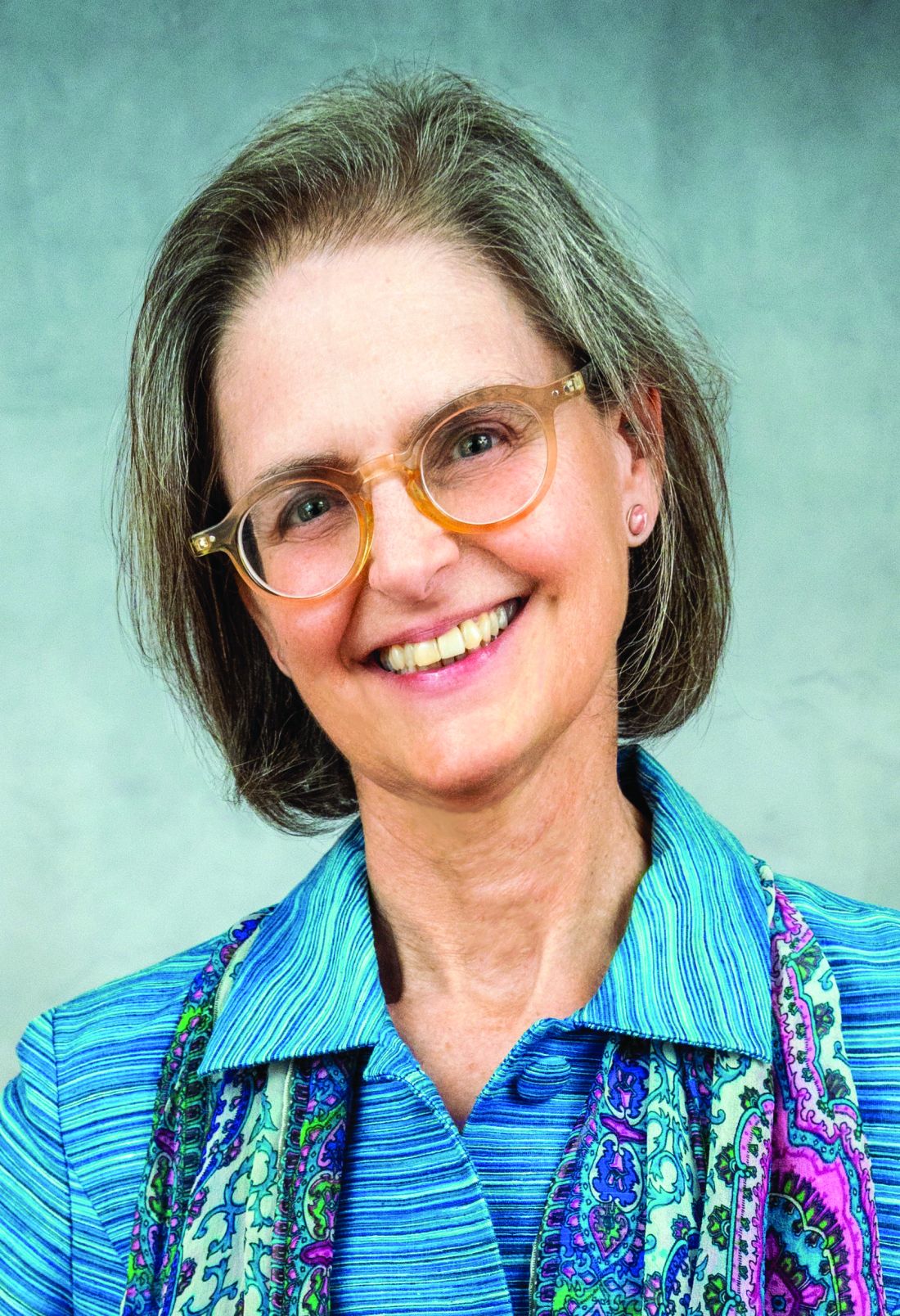
“Methotrexate is a cost-effective, readily accessible, well-tolerated, useful, and time-honored option for children with a spectrum of inflammatory skin diseases,” project cochair Elaine C. Siegfried, MD, professor of pediatrics and dermatology at Saint Louis University, told this news organization. “Although considered an ‘immune suppressant’ by some, it is more accurately classified as an immune modulator and has been widely used for more than 50 years, and remains the standard of care when administered at very high doses and intrathecally in children with acute lymphoblastic leukemia – a practice that supports safety. But many details that support optimized treatment are not widely appreciated.”
In their guidelines document, Dr. Siegfried and her 22 coauthors noted that Food and Drug Administration labeling does not include approved indications for the use of MTX for many inflammatory skin diseases in pediatric patients, including morphea, psoriasis, atopic dermatitis, and alopecia areata. “Furthermore, some clinicians may be unfamiliar or uncomfortable prescribing medications off label for pediatric patients, causing delayed initiation, premature drug discontinuation, or use of less advantageous alternatives,” they wrote.
To address this unmet need, Dr. Siegfried and the other committee members used a modified Delphi process to reach agreement on recommendations related to five key topic areas: indications and contraindications, dosing, interactions with immunizations and medications, potential for and management of adverse effects, and monitoring needs. Consensus was predefined as at least 70% of participants rating a statement as 7-9 on the Likert scale. The effort to develop 46 recommendations has been a work in progress for almost 5 years, “somewhat delayed by the pandemic,” Dr. Siegfried, past president and director of the American Board of Dermatology, said in an interview. “But it remains relevant, despite the emergence of biologics and JAK inhibitors for treating inflammatory skin conditions in children. Although the mechanism-of-action of low-dose MTX is not clear, it may overlap with the newer small molecules.”
The guidelines contain several pearls to guide optimal dosing, including the following key points:
- MTX can be discontinued abruptly without adverse effects, other than the risk of disease worsening.
- Folic acid supplementation (starting at 1 mg/day, regardless of weight) is an effective approach to minimizing associated gastrointestinal adverse effects.
- Concomitant use of MTX and antibiotics (including trimethoprim-sulfamethoxazole) and NSAIDS are not contraindicated for most pediatric patients treated for inflammatory skin disease.
- Live virus vaccine boosters such as varicella-zoster virus (VZV) and measles, mumps, and rubella (MMR) are not contraindicated in patients taking MTX; there are insufficient data to make recommendations for or against primary immunization with MMR vaccine in patients taking MTX; inactivated vaccines should be given to patients taking MTX.
- Routine surveillance laboratory monitoring (i.e., CBC with differential, alanine transaminase, aspartate aminotransferase, creatinine) is recommended at baseline, after 1 month of treatment, and every 3-4 months thereafter.
- Transient transaminase elevation (≤ 3 upper limit normal for < 3 months) is not uncommon with low-dose MTX and does not usually require interruption of MTX. The most likely causes are concomitant viral infection, MTX dosing within 24 hours prior to phlebotomy, recent administration of other medications (such as acetaminophen), and/or recent alcohol consumption.
- Liver biopsy is not indicated for routine monitoring of pediatric patients taking low-dose MTX.
According to Dr. Siegfried, consensus of the committee members was lowest on the need for a test dose of MTX.
Overall, she said in the interview, helping to craft the guidelines caused her to reflect on how her approach to using MTX has evolved over the past 35 years, after treating “many hundreds” of patients. “I was gratified to confirm similar practice patterns among my colleagues,” she added.
The project’s other cochair was Heather Brandling-Bennett, MD, a dermatologist at Seattle Children’s Hospital. This work was supported by a grant from the Pediatric Dermatology Research Alliance (PeDRA), with additional funding from the National Eczema Association and the National Psoriasis Foundation. Dr. Siegfried disclosed ties with AbbVie, Boehringer Ingelheim, Incyte, LEO Pharma, Novan, Novartis, Pierre Fabre, Pfizer, Regeneron, Sanofi Genzyme, UCB, and Verrica. She has participated in contracted research for AI Therapeutics, and has served as principal investigator for Janssen. Many of the guideline coauthors disclosed having received grant support and other funding from pharmaceutical companies.
While the typical dose of methotrexate (MTX) for inflammatory disease in pediatric patients varies in published studies, the maximum dose is considered to be 1 mg/kg and not to exceed 25 mg/week. In addition, test doses are not necessary for pediatric patients starting low dose (1 mg/kg or less) MTX for inflammatory skin disease, and the onset of efficacy with MTX may take 8-16 weeks.
and published online in Pediatric Dermatology.
“Methotrexate is a cost-effective, readily accessible, well-tolerated, useful, and time-honored option for children with a spectrum of inflammatory skin diseases,” project cochair Elaine C. Siegfried, MD, professor of pediatrics and dermatology at Saint Louis University, told this news organization. “Although considered an ‘immune suppressant’ by some, it is more accurately classified as an immune modulator and has been widely used for more than 50 years, and remains the standard of care when administered at very high doses and intrathecally in children with acute lymphoblastic leukemia – a practice that supports safety. But many details that support optimized treatment are not widely appreciated.”
In their guidelines document, Dr. Siegfried and her 22 coauthors noted that Food and Drug Administration labeling does not include approved indications for the use of MTX for many inflammatory skin diseases in pediatric patients, including morphea, psoriasis, atopic dermatitis, and alopecia areata. “Furthermore, some clinicians may be unfamiliar or uncomfortable prescribing medications off label for pediatric patients, causing delayed initiation, premature drug discontinuation, or use of less advantageous alternatives,” they wrote.
To address this unmet need, Dr. Siegfried and the other committee members used a modified Delphi process to reach agreement on recommendations related to five key topic areas: indications and contraindications, dosing, interactions with immunizations and medications, potential for and management of adverse effects, and monitoring needs. Consensus was predefined as at least 70% of participants rating a statement as 7-9 on the Likert scale. The effort to develop 46 recommendations has been a work in progress for almost 5 years, “somewhat delayed by the pandemic,” Dr. Siegfried, past president and director of the American Board of Dermatology, said in an interview. “But it remains relevant, despite the emergence of biologics and JAK inhibitors for treating inflammatory skin conditions in children. Although the mechanism-of-action of low-dose MTX is not clear, it may overlap with the newer small molecules.”
The guidelines contain several pearls to guide optimal dosing, including the following key points:
- MTX can be discontinued abruptly without adverse effects, other than the risk of disease worsening.
- Folic acid supplementation (starting at 1 mg/day, regardless of weight) is an effective approach to minimizing associated gastrointestinal adverse effects.
- Concomitant use of MTX and antibiotics (including trimethoprim-sulfamethoxazole) and NSAIDS are not contraindicated for most pediatric patients treated for inflammatory skin disease.
- Live virus vaccine boosters such as varicella-zoster virus (VZV) and measles, mumps, and rubella (MMR) are not contraindicated in patients taking MTX; there are insufficient data to make recommendations for or against primary immunization with MMR vaccine in patients taking MTX; inactivated vaccines should be given to patients taking MTX.
- Routine surveillance laboratory monitoring (i.e., CBC with differential, alanine transaminase, aspartate aminotransferase, creatinine) is recommended at baseline, after 1 month of treatment, and every 3-4 months thereafter.
- Transient transaminase elevation (≤ 3 upper limit normal for < 3 months) is not uncommon with low-dose MTX and does not usually require interruption of MTX. The most likely causes are concomitant viral infection, MTX dosing within 24 hours prior to phlebotomy, recent administration of other medications (such as acetaminophen), and/or recent alcohol consumption.
- Liver biopsy is not indicated for routine monitoring of pediatric patients taking low-dose MTX.
According to Dr. Siegfried, consensus of the committee members was lowest on the need for a test dose of MTX.
Overall, she said in the interview, helping to craft the guidelines caused her to reflect on how her approach to using MTX has evolved over the past 35 years, after treating “many hundreds” of patients. “I was gratified to confirm similar practice patterns among my colleagues,” she added.
The project’s other cochair was Heather Brandling-Bennett, MD, a dermatologist at Seattle Children’s Hospital. This work was supported by a grant from the Pediatric Dermatology Research Alliance (PeDRA), with additional funding from the National Eczema Association and the National Psoriasis Foundation. Dr. Siegfried disclosed ties with AbbVie, Boehringer Ingelheim, Incyte, LEO Pharma, Novan, Novartis, Pierre Fabre, Pfizer, Regeneron, Sanofi Genzyme, UCB, and Verrica. She has participated in contracted research for AI Therapeutics, and has served as principal investigator for Janssen. Many of the guideline coauthors disclosed having received grant support and other funding from pharmaceutical companies.
While the typical dose of methotrexate (MTX) for inflammatory disease in pediatric patients varies in published studies, the maximum dose is considered to be 1 mg/kg and not to exceed 25 mg/week. In addition, test doses are not necessary for pediatric patients starting low dose (1 mg/kg or less) MTX for inflammatory skin disease, and the onset of efficacy with MTX may take 8-16 weeks.
and published online in Pediatric Dermatology.
“Methotrexate is a cost-effective, readily accessible, well-tolerated, useful, and time-honored option for children with a spectrum of inflammatory skin diseases,” project cochair Elaine C. Siegfried, MD, professor of pediatrics and dermatology at Saint Louis University, told this news organization. “Although considered an ‘immune suppressant’ by some, it is more accurately classified as an immune modulator and has been widely used for more than 50 years, and remains the standard of care when administered at very high doses and intrathecally in children with acute lymphoblastic leukemia – a practice that supports safety. But many details that support optimized treatment are not widely appreciated.”
In their guidelines document, Dr. Siegfried and her 22 coauthors noted that Food and Drug Administration labeling does not include approved indications for the use of MTX for many inflammatory skin diseases in pediatric patients, including morphea, psoriasis, atopic dermatitis, and alopecia areata. “Furthermore, some clinicians may be unfamiliar or uncomfortable prescribing medications off label for pediatric patients, causing delayed initiation, premature drug discontinuation, or use of less advantageous alternatives,” they wrote.
To address this unmet need, Dr. Siegfried and the other committee members used a modified Delphi process to reach agreement on recommendations related to five key topic areas: indications and contraindications, dosing, interactions with immunizations and medications, potential for and management of adverse effects, and monitoring needs. Consensus was predefined as at least 70% of participants rating a statement as 7-9 on the Likert scale. The effort to develop 46 recommendations has been a work in progress for almost 5 years, “somewhat delayed by the pandemic,” Dr. Siegfried, past president and director of the American Board of Dermatology, said in an interview. “But it remains relevant, despite the emergence of biologics and JAK inhibitors for treating inflammatory skin conditions in children. Although the mechanism-of-action of low-dose MTX is not clear, it may overlap with the newer small molecules.”
The guidelines contain several pearls to guide optimal dosing, including the following key points:
- MTX can be discontinued abruptly without adverse effects, other than the risk of disease worsening.
- Folic acid supplementation (starting at 1 mg/day, regardless of weight) is an effective approach to minimizing associated gastrointestinal adverse effects.
- Concomitant use of MTX and antibiotics (including trimethoprim-sulfamethoxazole) and NSAIDS are not contraindicated for most pediatric patients treated for inflammatory skin disease.
- Live virus vaccine boosters such as varicella-zoster virus (VZV) and measles, mumps, and rubella (MMR) are not contraindicated in patients taking MTX; there are insufficient data to make recommendations for or against primary immunization with MMR vaccine in patients taking MTX; inactivated vaccines should be given to patients taking MTX.
- Routine surveillance laboratory monitoring (i.e., CBC with differential, alanine transaminase, aspartate aminotransferase, creatinine) is recommended at baseline, after 1 month of treatment, and every 3-4 months thereafter.
- Transient transaminase elevation (≤ 3 upper limit normal for < 3 months) is not uncommon with low-dose MTX and does not usually require interruption of MTX. The most likely causes are concomitant viral infection, MTX dosing within 24 hours prior to phlebotomy, recent administration of other medications (such as acetaminophen), and/or recent alcohol consumption.
- Liver biopsy is not indicated for routine monitoring of pediatric patients taking low-dose MTX.
According to Dr. Siegfried, consensus of the committee members was lowest on the need for a test dose of MTX.
Overall, she said in the interview, helping to craft the guidelines caused her to reflect on how her approach to using MTX has evolved over the past 35 years, after treating “many hundreds” of patients. “I was gratified to confirm similar practice patterns among my colleagues,” she added.
The project’s other cochair was Heather Brandling-Bennett, MD, a dermatologist at Seattle Children’s Hospital. This work was supported by a grant from the Pediatric Dermatology Research Alliance (PeDRA), with additional funding from the National Eczema Association and the National Psoriasis Foundation. Dr. Siegfried disclosed ties with AbbVie, Boehringer Ingelheim, Incyte, LEO Pharma, Novan, Novartis, Pierre Fabre, Pfizer, Regeneron, Sanofi Genzyme, UCB, and Verrica. She has participated in contracted research for AI Therapeutics, and has served as principal investigator for Janssen. Many of the guideline coauthors disclosed having received grant support and other funding from pharmaceutical companies.
FROM PEDIATRIC DERMATOLOGY
Med students, doctor groups react to SCOTUS affirmative action ban
The U.S. Supreme Court ruled on June 29 that using race as a factor in college admissions is unconstitutional, rolling back more than 40 years of affirmative action standards and changing how medical schools evaluate applicants to attract students from diverse backgrounds.
Jesse M. Ehrenfeld, MD, MPH, president of the American Medical Association, said in a prepared statement that the Supreme Court ruling will result in a less diverse physician workforce, which is “bad for health care, bad for medicine, and undermines the health of our nation.” He cited the AMA’s recent adoption of a policy advising medical schools to increase enrollment of people from racial and ethnic groups traditionally underrepresented in medicine – even if that means considering race as a factor in admissions criteria.
“Supporting racial and ethnic diversity in the health professions – spanning classrooms, labs, and clinical settings – enriches the educational experiences of all medical and health professions students and the teaching experiences of faculty, and it is essential to improving the overall health of our nation,” the Association of American Medical Colleges (AAMC) said in a prepared statement.
The American Medical Student Association also denounced the Supreme Court decision. “As future physicians committed to justice and equality, we are profoundly outraged ... We strongly support increased representation of minority students in all levels of education, including colleges and medical schools. By fostering diversity and inclusion, institutions have the power to create more empathetic and inclusive learning environments,” the organization said in a press release.
“Diversity in the health care workforce not only benefits underserved patients but improves care for all patients” by increasing understanding and empathy for people of various cultures, Omar T. Atiq, MD, president of the American College of Physicians, said in a press release.
The Supreme Court ruling stems from a lawsuit by the Students for Fair Admissions against Harvard University and the University of North Carolina. The lawsuit alleges that considering race in the college admission process constitutes discrimination and violates the Equal Protection Clause.
Chief Justice John Roberts, who delivered the court’s decision, stated that an applicant’s personal experiences should carry the most weight in admission decisions and that historically, universities have “wrongly concluded that the touchstone of an individual’s identity is not challenges bested, skills built, or lessons learned, but the color of their skin. Our constitutional history does not tolerate that choice.”
Still, Justice Roberts said the opinion does not prohibit universities from considering how race has affected an applicant’s life, “be it through discrimination, inspiration, or otherwise.”
Diversity in medical schools increased last year, with more Black, Hispanic, and female students applying and enrolling. But continued diversity efforts were expected to prove challenging with affirmative action off the table, according to an amicus brief filed last year by the AMA, the AAMC, and dozens of other professional health care organizations.
The brief supported continued use of race in college admissions, stating that eliminating that factor could slow efforts to achieve greater health equity because fewer doctors would be training and working with colleagues from diverse backgrounds.
Several universities with medical programs, such as Yale and Johns Hopkins universities, filed a separate brief citing similar concerns. After the June 29 decision, Harvard and the University of North Carolina released statements stating they would comply with the ruling.
A version of this article first appeared on Medscape.com.
The U.S. Supreme Court ruled on June 29 that using race as a factor in college admissions is unconstitutional, rolling back more than 40 years of affirmative action standards and changing how medical schools evaluate applicants to attract students from diverse backgrounds.
Jesse M. Ehrenfeld, MD, MPH, president of the American Medical Association, said in a prepared statement that the Supreme Court ruling will result in a less diverse physician workforce, which is “bad for health care, bad for medicine, and undermines the health of our nation.” He cited the AMA’s recent adoption of a policy advising medical schools to increase enrollment of people from racial and ethnic groups traditionally underrepresented in medicine – even if that means considering race as a factor in admissions criteria.
“Supporting racial and ethnic diversity in the health professions – spanning classrooms, labs, and clinical settings – enriches the educational experiences of all medical and health professions students and the teaching experiences of faculty, and it is essential to improving the overall health of our nation,” the Association of American Medical Colleges (AAMC) said in a prepared statement.
The American Medical Student Association also denounced the Supreme Court decision. “As future physicians committed to justice and equality, we are profoundly outraged ... We strongly support increased representation of minority students in all levels of education, including colleges and medical schools. By fostering diversity and inclusion, institutions have the power to create more empathetic and inclusive learning environments,” the organization said in a press release.
“Diversity in the health care workforce not only benefits underserved patients but improves care for all patients” by increasing understanding and empathy for people of various cultures, Omar T. Atiq, MD, president of the American College of Physicians, said in a press release.
The Supreme Court ruling stems from a lawsuit by the Students for Fair Admissions against Harvard University and the University of North Carolina. The lawsuit alleges that considering race in the college admission process constitutes discrimination and violates the Equal Protection Clause.
Chief Justice John Roberts, who delivered the court’s decision, stated that an applicant’s personal experiences should carry the most weight in admission decisions and that historically, universities have “wrongly concluded that the touchstone of an individual’s identity is not challenges bested, skills built, or lessons learned, but the color of their skin. Our constitutional history does not tolerate that choice.”
Still, Justice Roberts said the opinion does not prohibit universities from considering how race has affected an applicant’s life, “be it through discrimination, inspiration, or otherwise.”
Diversity in medical schools increased last year, with more Black, Hispanic, and female students applying and enrolling. But continued diversity efforts were expected to prove challenging with affirmative action off the table, according to an amicus brief filed last year by the AMA, the AAMC, and dozens of other professional health care organizations.
The brief supported continued use of race in college admissions, stating that eliminating that factor could slow efforts to achieve greater health equity because fewer doctors would be training and working with colleagues from diverse backgrounds.
Several universities with medical programs, such as Yale and Johns Hopkins universities, filed a separate brief citing similar concerns. After the June 29 decision, Harvard and the University of North Carolina released statements stating they would comply with the ruling.
A version of this article first appeared on Medscape.com.
The U.S. Supreme Court ruled on June 29 that using race as a factor in college admissions is unconstitutional, rolling back more than 40 years of affirmative action standards and changing how medical schools evaluate applicants to attract students from diverse backgrounds.
Jesse M. Ehrenfeld, MD, MPH, president of the American Medical Association, said in a prepared statement that the Supreme Court ruling will result in a less diverse physician workforce, which is “bad for health care, bad for medicine, and undermines the health of our nation.” He cited the AMA’s recent adoption of a policy advising medical schools to increase enrollment of people from racial and ethnic groups traditionally underrepresented in medicine – even if that means considering race as a factor in admissions criteria.
“Supporting racial and ethnic diversity in the health professions – spanning classrooms, labs, and clinical settings – enriches the educational experiences of all medical and health professions students and the teaching experiences of faculty, and it is essential to improving the overall health of our nation,” the Association of American Medical Colleges (AAMC) said in a prepared statement.
The American Medical Student Association also denounced the Supreme Court decision. “As future physicians committed to justice and equality, we are profoundly outraged ... We strongly support increased representation of minority students in all levels of education, including colleges and medical schools. By fostering diversity and inclusion, institutions have the power to create more empathetic and inclusive learning environments,” the organization said in a press release.
“Diversity in the health care workforce not only benefits underserved patients but improves care for all patients” by increasing understanding and empathy for people of various cultures, Omar T. Atiq, MD, president of the American College of Physicians, said in a press release.
The Supreme Court ruling stems from a lawsuit by the Students for Fair Admissions against Harvard University and the University of North Carolina. The lawsuit alleges that considering race in the college admission process constitutes discrimination and violates the Equal Protection Clause.
Chief Justice John Roberts, who delivered the court’s decision, stated that an applicant’s personal experiences should carry the most weight in admission decisions and that historically, universities have “wrongly concluded that the touchstone of an individual’s identity is not challenges bested, skills built, or lessons learned, but the color of their skin. Our constitutional history does not tolerate that choice.”
Still, Justice Roberts said the opinion does not prohibit universities from considering how race has affected an applicant’s life, “be it through discrimination, inspiration, or otherwise.”
Diversity in medical schools increased last year, with more Black, Hispanic, and female students applying and enrolling. But continued diversity efforts were expected to prove challenging with affirmative action off the table, according to an amicus brief filed last year by the AMA, the AAMC, and dozens of other professional health care organizations.
The brief supported continued use of race in college admissions, stating that eliminating that factor could slow efforts to achieve greater health equity because fewer doctors would be training and working with colleagues from diverse backgrounds.
Several universities with medical programs, such as Yale and Johns Hopkins universities, filed a separate brief citing similar concerns. After the June 29 decision, Harvard and the University of North Carolina released statements stating they would comply with the ruling.
A version of this article first appeared on Medscape.com.
For psoriasis, review finds several biosimilars as safe and effective as biologics
The effectiveness and safety of biosimilars for psoriasis appear to be similar to the originator biologics, reported the authors of a review of studies comparing the two.
“This systematic review found that there was no clinically or statistically significant difference in the efficacy and safety between biosimilars and originators of adalimumab, etanercept, infliximab, and ustekinumab for the treatment of psoriasis,” senior study author and clinical lecturer Zenas Z. N. Yiu, MBChB, PhD, and his colleagues at the University of Manchester, England, wrote in JAMA Dermatology.“The biosimilars evaluated in this study could be considered alongside originators for biologic-naive patients to improve the accessibility of biological treatments,” they added. “Switching patients currently on originators to biosimilars could be considered where clinically appropriate to reduce treatment costs.”
Biologics versus biosimilars
In contrast to most chemically synthesized drugs, biologics are created from living organisms, and they have complex structures that can vary slightly from batch to batch, Luigi Naldi, MD, director of the department of dermatology of Ospedale San Bortolo, Vicenza, Italy, and Antonio Addis, PharmD, researcher in the department of epidemiology, Regione Lazio, in Rome, wrote in an accompanying editorial.
Once the patent on the “originator” biologic expires, U.S. and European regulators allow other manufacturers to develop similar molecules – biosimilars – through an abbreviated approval process. If the results of a limited number of equivalence or noninferiority clinical trials are acceptable, registration for all the indications of the originator is allowed for its biosimilars. Referring to the expense of biologics, Dr. Naldi and Dr. Addis noted that in the United States, “biologics comprise less than 3% of the volume of drugs on the market, but account for more than one-third of all drug spending.”
Systematic review
Dr. Yiu and his colleagues queried standard medical research databases in August 2022, and included 14 randomized clinical trials (10 adalimumab, 2 etanercept, 1 infliximab, and 1 ustekinumab) and 3 cohort studies (1 adalimumab, 1 etanercept, 1 infliximab and etanercept) in their review.
Twelve trials compared biosimilars vs. originators in originator-naive patients, and 11 trials compared switching from originators to biosimilars vs. continuous treatment with the originator.
The researchers found the following:
At week 16, mean PASI75 (Psoriasis Area and Severity Index) response rates ranges from 60.7% to 90.6% for adalimumab biosimilars, vs. 61.5% to 91.7% for the originator. Mean PASI75 responses for the two etanercept biosimilars were 56.1% and 76.7% vs. 55.5% and 73.4% for the originator. In the ustekinumab study, mean PASI75 responses were 86.1% for the biosimilar vs. 84.0% for the originator.
At week 52, mean PASI75 responses were between 86.3% and 92.8% for adalimumab biosimilars vs. 84.9% and 93.9% for the originator. In the one comparison of an etanercept biosimilar, mean PAS175 responses were 80.9% for the biosimilar vs. 82.9% for the originator.
In studies involving patients switching from the originator to a biosimilar vs. continuing treatment with the originator, 32-week response rates ranged from 87.0% to 91.3% for adalimumab biosimilars and from 88.2% to 93.2% for the originator. In the one ustekinumab study, the 32-week mean PASI75 response was 92.6% after switching from the originator to a biosimilar vs. 92.9% with continuous treatment with the originator.
At week 52, mean PASI75 responses to adalimumab were between 84.2% and 94.8% for patients who switched to biosimilars and between 88.1% and 93.9% for those who stayed on the originator.
At week 52, in all the randomized trials, the incidence of adverse events and serious adverse events among those who switched to the biosimilar and those who continued with the originator were similar. Two cohort studies showed similar safety outcomes between originators and biosimilars, but one reported more adverse events in patients who switched to adalimumab biosimilars (P = .04).
Three clinical trials showed low risk for bias, 11 had moderate risk, and all cohort studies had moderate to high risk for bias.
Experts weigh in
Asked to comment on the study, Steven R. Feldman, MD, PhD, professor of dermatology at Wake Forest University, Winston-Salem, N.C., told this news organization that he expects that the results will affect patient care.
However, he added, “I believe the decision of whether to use a biosimilar instead of the originator biologic may be more in the hands of the insurers than in the hands of physicians and patients.
“Biologics for psoriasis are so complicated that even the originator products vary from batch to batch. A biosimilar is basically like another batch of the innovative product,” explained Dr. Feldman, who was not involved in the study. “If we’re comfortable with patients being on different batches of the innovator product, we probably should be comfortable with them being on a biosimilar, as we have more evidence for the similarity of the biosimilar than we do for the current batch of the originator product.”
Aída Lugo-Somolinos, MD, professor of dermatology and director of the Contact Dermatitis Clinic at the University of North Carolina, Chapel Hill, said that “biologics have become the treatment of choice for moderate to severe psoriasis, and the use of biosimilars may be an alternative to reduce psoriasis treatment costs.
“Unfortunately, this study included a comparison of the existing biosimilars, which are drugs that are not the first line of treatment for psoriasis any longer,” added Dr. Lugo-Somolinos, who was not involved in the study.
Neil J. Korman, MD, PhD, professor of dermatology and codirector of the Skin Study Center at Case Western Reserve University, Cleveland, said the study was an important systematic review.
“This is a very timely publication because in the United States, several biosimilars are reaching the market in 2023,” he said. “The costs of the originator biologics are extraordinarily high, and the promise of biosimilars is that their costs will be significantly lower.”
Because all the studies were short term, Dr. Korman, who was not involved in the study, joins the study authors in recommending further related research into the long-term safety and efficacy of these agents.
Dr. Feldman, as well as one study author and one editorial author, reported relevant relationships with various pharmaceutical companies, including those that develop biosimilars. The remaining study authors, as well as Dr. Lugo-Somolinos and Dr. Korman, reported no relevant relationships. The study was funded by the Psoriasis Association and supported by the NIHR (National Institute for Health and Care Research) Manchester Biomedical Research Centre. All outside experts commented by email.
The effectiveness and safety of biosimilars for psoriasis appear to be similar to the originator biologics, reported the authors of a review of studies comparing the two.
“This systematic review found that there was no clinically or statistically significant difference in the efficacy and safety between biosimilars and originators of adalimumab, etanercept, infliximab, and ustekinumab for the treatment of psoriasis,” senior study author and clinical lecturer Zenas Z. N. Yiu, MBChB, PhD, and his colleagues at the University of Manchester, England, wrote in JAMA Dermatology.“The biosimilars evaluated in this study could be considered alongside originators for biologic-naive patients to improve the accessibility of biological treatments,” they added. “Switching patients currently on originators to biosimilars could be considered where clinically appropriate to reduce treatment costs.”
Biologics versus biosimilars
In contrast to most chemically synthesized drugs, biologics are created from living organisms, and they have complex structures that can vary slightly from batch to batch, Luigi Naldi, MD, director of the department of dermatology of Ospedale San Bortolo, Vicenza, Italy, and Antonio Addis, PharmD, researcher in the department of epidemiology, Regione Lazio, in Rome, wrote in an accompanying editorial.
Once the patent on the “originator” biologic expires, U.S. and European regulators allow other manufacturers to develop similar molecules – biosimilars – through an abbreviated approval process. If the results of a limited number of equivalence or noninferiority clinical trials are acceptable, registration for all the indications of the originator is allowed for its biosimilars. Referring to the expense of biologics, Dr. Naldi and Dr. Addis noted that in the United States, “biologics comprise less than 3% of the volume of drugs on the market, but account for more than one-third of all drug spending.”
Systematic review
Dr. Yiu and his colleagues queried standard medical research databases in August 2022, and included 14 randomized clinical trials (10 adalimumab, 2 etanercept, 1 infliximab, and 1 ustekinumab) and 3 cohort studies (1 adalimumab, 1 etanercept, 1 infliximab and etanercept) in their review.
Twelve trials compared biosimilars vs. originators in originator-naive patients, and 11 trials compared switching from originators to biosimilars vs. continuous treatment with the originator.
The researchers found the following:
At week 16, mean PASI75 (Psoriasis Area and Severity Index) response rates ranges from 60.7% to 90.6% for adalimumab biosimilars, vs. 61.5% to 91.7% for the originator. Mean PASI75 responses for the two etanercept biosimilars were 56.1% and 76.7% vs. 55.5% and 73.4% for the originator. In the ustekinumab study, mean PASI75 responses were 86.1% for the biosimilar vs. 84.0% for the originator.
At week 52, mean PASI75 responses were between 86.3% and 92.8% for adalimumab biosimilars vs. 84.9% and 93.9% for the originator. In the one comparison of an etanercept biosimilar, mean PAS175 responses were 80.9% for the biosimilar vs. 82.9% for the originator.
In studies involving patients switching from the originator to a biosimilar vs. continuing treatment with the originator, 32-week response rates ranged from 87.0% to 91.3% for adalimumab biosimilars and from 88.2% to 93.2% for the originator. In the one ustekinumab study, the 32-week mean PASI75 response was 92.6% after switching from the originator to a biosimilar vs. 92.9% with continuous treatment with the originator.
At week 52, mean PASI75 responses to adalimumab were between 84.2% and 94.8% for patients who switched to biosimilars and between 88.1% and 93.9% for those who stayed on the originator.
At week 52, in all the randomized trials, the incidence of adverse events and serious adverse events among those who switched to the biosimilar and those who continued with the originator were similar. Two cohort studies showed similar safety outcomes between originators and biosimilars, but one reported more adverse events in patients who switched to adalimumab biosimilars (P = .04).
Three clinical trials showed low risk for bias, 11 had moderate risk, and all cohort studies had moderate to high risk for bias.
Experts weigh in
Asked to comment on the study, Steven R. Feldman, MD, PhD, professor of dermatology at Wake Forest University, Winston-Salem, N.C., told this news organization that he expects that the results will affect patient care.
However, he added, “I believe the decision of whether to use a biosimilar instead of the originator biologic may be more in the hands of the insurers than in the hands of physicians and patients.
“Biologics for psoriasis are so complicated that even the originator products vary from batch to batch. A biosimilar is basically like another batch of the innovative product,” explained Dr. Feldman, who was not involved in the study. “If we’re comfortable with patients being on different batches of the innovator product, we probably should be comfortable with them being on a biosimilar, as we have more evidence for the similarity of the biosimilar than we do for the current batch of the originator product.”
Aída Lugo-Somolinos, MD, professor of dermatology and director of the Contact Dermatitis Clinic at the University of North Carolina, Chapel Hill, said that “biologics have become the treatment of choice for moderate to severe psoriasis, and the use of biosimilars may be an alternative to reduce psoriasis treatment costs.
“Unfortunately, this study included a comparison of the existing biosimilars, which are drugs that are not the first line of treatment for psoriasis any longer,” added Dr. Lugo-Somolinos, who was not involved in the study.
Neil J. Korman, MD, PhD, professor of dermatology and codirector of the Skin Study Center at Case Western Reserve University, Cleveland, said the study was an important systematic review.
“This is a very timely publication because in the United States, several biosimilars are reaching the market in 2023,” he said. “The costs of the originator biologics are extraordinarily high, and the promise of biosimilars is that their costs will be significantly lower.”
Because all the studies were short term, Dr. Korman, who was not involved in the study, joins the study authors in recommending further related research into the long-term safety and efficacy of these agents.
Dr. Feldman, as well as one study author and one editorial author, reported relevant relationships with various pharmaceutical companies, including those that develop biosimilars. The remaining study authors, as well as Dr. Lugo-Somolinos and Dr. Korman, reported no relevant relationships. The study was funded by the Psoriasis Association and supported by the NIHR (National Institute for Health and Care Research) Manchester Biomedical Research Centre. All outside experts commented by email.
The effectiveness and safety of biosimilars for psoriasis appear to be similar to the originator biologics, reported the authors of a review of studies comparing the two.
“This systematic review found that there was no clinically or statistically significant difference in the efficacy and safety between biosimilars and originators of adalimumab, etanercept, infliximab, and ustekinumab for the treatment of psoriasis,” senior study author and clinical lecturer Zenas Z. N. Yiu, MBChB, PhD, and his colleagues at the University of Manchester, England, wrote in JAMA Dermatology.“The biosimilars evaluated in this study could be considered alongside originators for biologic-naive patients to improve the accessibility of biological treatments,” they added. “Switching patients currently on originators to biosimilars could be considered where clinically appropriate to reduce treatment costs.”
Biologics versus biosimilars
In contrast to most chemically synthesized drugs, biologics are created from living organisms, and they have complex structures that can vary slightly from batch to batch, Luigi Naldi, MD, director of the department of dermatology of Ospedale San Bortolo, Vicenza, Italy, and Antonio Addis, PharmD, researcher in the department of epidemiology, Regione Lazio, in Rome, wrote in an accompanying editorial.
Once the patent on the “originator” biologic expires, U.S. and European regulators allow other manufacturers to develop similar molecules – biosimilars – through an abbreviated approval process. If the results of a limited number of equivalence or noninferiority clinical trials are acceptable, registration for all the indications of the originator is allowed for its biosimilars. Referring to the expense of biologics, Dr. Naldi and Dr. Addis noted that in the United States, “biologics comprise less than 3% of the volume of drugs on the market, but account for more than one-third of all drug spending.”
Systematic review
Dr. Yiu and his colleagues queried standard medical research databases in August 2022, and included 14 randomized clinical trials (10 adalimumab, 2 etanercept, 1 infliximab, and 1 ustekinumab) and 3 cohort studies (1 adalimumab, 1 etanercept, 1 infliximab and etanercept) in their review.
Twelve trials compared biosimilars vs. originators in originator-naive patients, and 11 trials compared switching from originators to biosimilars vs. continuous treatment with the originator.
The researchers found the following:
At week 16, mean PASI75 (Psoriasis Area and Severity Index) response rates ranges from 60.7% to 90.6% for adalimumab biosimilars, vs. 61.5% to 91.7% for the originator. Mean PASI75 responses for the two etanercept biosimilars were 56.1% and 76.7% vs. 55.5% and 73.4% for the originator. In the ustekinumab study, mean PASI75 responses were 86.1% for the biosimilar vs. 84.0% for the originator.
At week 52, mean PASI75 responses were between 86.3% and 92.8% for adalimumab biosimilars vs. 84.9% and 93.9% for the originator. In the one comparison of an etanercept biosimilar, mean PAS175 responses were 80.9% for the biosimilar vs. 82.9% for the originator.
In studies involving patients switching from the originator to a biosimilar vs. continuing treatment with the originator, 32-week response rates ranged from 87.0% to 91.3% for adalimumab biosimilars and from 88.2% to 93.2% for the originator. In the one ustekinumab study, the 32-week mean PASI75 response was 92.6% after switching from the originator to a biosimilar vs. 92.9% with continuous treatment with the originator.
At week 52, mean PASI75 responses to adalimumab were between 84.2% and 94.8% for patients who switched to biosimilars and between 88.1% and 93.9% for those who stayed on the originator.
At week 52, in all the randomized trials, the incidence of adverse events and serious adverse events among those who switched to the biosimilar and those who continued with the originator were similar. Two cohort studies showed similar safety outcomes between originators and biosimilars, but one reported more adverse events in patients who switched to adalimumab biosimilars (P = .04).
Three clinical trials showed low risk for bias, 11 had moderate risk, and all cohort studies had moderate to high risk for bias.
Experts weigh in
Asked to comment on the study, Steven R. Feldman, MD, PhD, professor of dermatology at Wake Forest University, Winston-Salem, N.C., told this news organization that he expects that the results will affect patient care.
However, he added, “I believe the decision of whether to use a biosimilar instead of the originator biologic may be more in the hands of the insurers than in the hands of physicians and patients.
“Biologics for psoriasis are so complicated that even the originator products vary from batch to batch. A biosimilar is basically like another batch of the innovative product,” explained Dr. Feldman, who was not involved in the study. “If we’re comfortable with patients being on different batches of the innovator product, we probably should be comfortable with them being on a biosimilar, as we have more evidence for the similarity of the biosimilar than we do for the current batch of the originator product.”
Aída Lugo-Somolinos, MD, professor of dermatology and director of the Contact Dermatitis Clinic at the University of North Carolina, Chapel Hill, said that “biologics have become the treatment of choice for moderate to severe psoriasis, and the use of biosimilars may be an alternative to reduce psoriasis treatment costs.
“Unfortunately, this study included a comparison of the existing biosimilars, which are drugs that are not the first line of treatment for psoriasis any longer,” added Dr. Lugo-Somolinos, who was not involved in the study.
Neil J. Korman, MD, PhD, professor of dermatology and codirector of the Skin Study Center at Case Western Reserve University, Cleveland, said the study was an important systematic review.
“This is a very timely publication because in the United States, several biosimilars are reaching the market in 2023,” he said. “The costs of the originator biologics are extraordinarily high, and the promise of biosimilars is that their costs will be significantly lower.”
Because all the studies were short term, Dr. Korman, who was not involved in the study, joins the study authors in recommending further related research into the long-term safety and efficacy of these agents.
Dr. Feldman, as well as one study author and one editorial author, reported relevant relationships with various pharmaceutical companies, including those that develop biosimilars. The remaining study authors, as well as Dr. Lugo-Somolinos and Dr. Korman, reported no relevant relationships. The study was funded by the Psoriasis Association and supported by the NIHR (National Institute for Health and Care Research) Manchester Biomedical Research Centre. All outside experts commented by email.
FROM JAMA DERMATOLOGY
Residency match process under scrutiny again, this time by AMA
The American Medical Association is considering whether to study alternatives to the current residency matching program in an effort to improve residents’ compensation and other job-related issues. A recent call-to-action resolution by the AMA’s House of Delegates is the latest in a long string of debates about whether to change the annual process that matches future doctors with compatible residency programs.
AMA’s Resident and Fellow Section introduced the resolution in March, and the delegates approved it earlier in June at AMA’s annual meeting. The resolution states that the match process of the National Resident Matching Program (NRMP) “poses significant anticompetition concerns.” Those include preventing residents from negotiating for higher wages, better benefits, and improved working conditions, according to the approved resolution.
The full AMA board still has to consider the resolution and hasn’t set a date for that review, though it’s expected to be in the next few months, according to Jennifer Sellers, AMA’s public information officer. She said in an interview that the organization declined to comment, wanting to hold off until the board decides how to proceed.
The NRMP, which oversees the matching process, told this news organization that the AMA doesn’t play a role in the Match.
The organization doesn’t believe studying alternative placement methods benefits applicants and residents, and returning to a pre-Match environment, would harm applicants and programs, according to Donna Lamb, DHSc, MBA, BSN, president and CEO.
“The NRMP has no role in determining, publishing, or setting resident salaries nor does the NRMP have a role in the contracting or employment of residents, and it never has.”
Dr. Lamb said changing the Match would “subject applicants to undue pressure and coercion to accept an offer of training. This will exacerbate disparities in candidate selection already evident in medical education and potentially result in salary reductions in more competitive specialties and in more desirable geographic locations.”
The latest push to reform the match process dates back two decades to a 2002 class action antitrust lawsuit by residents and doctors against the NRMP and other organizations involved in the Match.
The residents argued at that time that by restraining competition among teaching hospitals, the matching system allowed hospitals to keep residents’ wages artificially low. The defendants, which included large teaching hospitals, successfully lobbied Congress for an exemption to the antitrust laws, and the case was subsequently dismissed.
The AMA was one of the defendants, so if it moves forward to review the match process, it likely would pit the organization against the NRMP.
Sherman Marek, the attorney who represented the residents, said in an interview that he was not surprised by the latest AMA resolution. “Maybe the AMA leadership has come around to the idea that it’s better for young physicians to not have the match in place,” he says. “I would applaud that sort of evolution.”
Tyler Ramsey, DO, an internal medicine resident and AMA member, said he believes the group’s current president, Jesse Ehrenfeld, MD, MPH, empathizes with doctors in training. “I think he understands [our] views and is more progressive.”
The NRMP also has considered ways to improve the match process to make it easier and more equitable for applicants. In its latest effort, the organization is studying whether programs should certify their rank order list in advance of applicants. This change would give applicants more flexibility to visit residency locations before the programs consider changing their rankings, Dr. Lamb explained. The NRMP also is mulling the possibilities of a two-phase match after deciding in 2022 not to move forward with a previous version of the proposal.
The recent House of Delegates resolution states that “residents are using other means to obtain fair wages, safe working conditions, and other benefits that are unable to be negotiated within the current system.”
Dr. Ramsey, who trains in North Carolina, said the “other means” may include negotiating through a union. “The AMA realizes that there is a problem and that people are unionizing,” he said. “Obviously, as an organization, we’re not doing something correctly, to the point where people are feeling the need to get their rights a different way.”
The Committee of Interns and Residents, which represents 30,000 members, reported a rise in medical trainee unions across the country in 2022.
Not everyone believes that ditching the Match would benefit applicants and residents. Sam Payabvash, MD, assistant professor of radiology at Yale, New Haven, Conn., School of Medicine, tweeted about the resolution as part of a larger Twitter discussion that alternatives are likely to be “more onerous and expensive for applicants.”
An advantage of the match program, Dr. Lamb argued, is that it “improves the reach of applicants into medically underserved communities through widespread program participation.”
Dr. Ramsey agreed that the match program has benefits and drawbacks, but he believes it favors programs over residents. “It comes as no surprise that numerous residents suffer from depression and our suicide rates are the highest amongst all professions due to the lack of control or negotiation of fair salary and working conditions. Overall, the way things are now, residents just do not have a lot of rights.”
A version of this article originally appeared on Medscape.com.
The American Medical Association is considering whether to study alternatives to the current residency matching program in an effort to improve residents’ compensation and other job-related issues. A recent call-to-action resolution by the AMA’s House of Delegates is the latest in a long string of debates about whether to change the annual process that matches future doctors with compatible residency programs.
AMA’s Resident and Fellow Section introduced the resolution in March, and the delegates approved it earlier in June at AMA’s annual meeting. The resolution states that the match process of the National Resident Matching Program (NRMP) “poses significant anticompetition concerns.” Those include preventing residents from negotiating for higher wages, better benefits, and improved working conditions, according to the approved resolution.
The full AMA board still has to consider the resolution and hasn’t set a date for that review, though it’s expected to be in the next few months, according to Jennifer Sellers, AMA’s public information officer. She said in an interview that the organization declined to comment, wanting to hold off until the board decides how to proceed.
The NRMP, which oversees the matching process, told this news organization that the AMA doesn’t play a role in the Match.
The organization doesn’t believe studying alternative placement methods benefits applicants and residents, and returning to a pre-Match environment, would harm applicants and programs, according to Donna Lamb, DHSc, MBA, BSN, president and CEO.
“The NRMP has no role in determining, publishing, or setting resident salaries nor does the NRMP have a role in the contracting or employment of residents, and it never has.”
Dr. Lamb said changing the Match would “subject applicants to undue pressure and coercion to accept an offer of training. This will exacerbate disparities in candidate selection already evident in medical education and potentially result in salary reductions in more competitive specialties and in more desirable geographic locations.”
The latest push to reform the match process dates back two decades to a 2002 class action antitrust lawsuit by residents and doctors against the NRMP and other organizations involved in the Match.
The residents argued at that time that by restraining competition among teaching hospitals, the matching system allowed hospitals to keep residents’ wages artificially low. The defendants, which included large teaching hospitals, successfully lobbied Congress for an exemption to the antitrust laws, and the case was subsequently dismissed.
The AMA was one of the defendants, so if it moves forward to review the match process, it likely would pit the organization against the NRMP.
Sherman Marek, the attorney who represented the residents, said in an interview that he was not surprised by the latest AMA resolution. “Maybe the AMA leadership has come around to the idea that it’s better for young physicians to not have the match in place,” he says. “I would applaud that sort of evolution.”
Tyler Ramsey, DO, an internal medicine resident and AMA member, said he believes the group’s current president, Jesse Ehrenfeld, MD, MPH, empathizes with doctors in training. “I think he understands [our] views and is more progressive.”
The NRMP also has considered ways to improve the match process to make it easier and more equitable for applicants. In its latest effort, the organization is studying whether programs should certify their rank order list in advance of applicants. This change would give applicants more flexibility to visit residency locations before the programs consider changing their rankings, Dr. Lamb explained. The NRMP also is mulling the possibilities of a two-phase match after deciding in 2022 not to move forward with a previous version of the proposal.
The recent House of Delegates resolution states that “residents are using other means to obtain fair wages, safe working conditions, and other benefits that are unable to be negotiated within the current system.”
Dr. Ramsey, who trains in North Carolina, said the “other means” may include negotiating through a union. “The AMA realizes that there is a problem and that people are unionizing,” he said. “Obviously, as an organization, we’re not doing something correctly, to the point where people are feeling the need to get their rights a different way.”
The Committee of Interns and Residents, which represents 30,000 members, reported a rise in medical trainee unions across the country in 2022.
Not everyone believes that ditching the Match would benefit applicants and residents. Sam Payabvash, MD, assistant professor of radiology at Yale, New Haven, Conn., School of Medicine, tweeted about the resolution as part of a larger Twitter discussion that alternatives are likely to be “more onerous and expensive for applicants.”
An advantage of the match program, Dr. Lamb argued, is that it “improves the reach of applicants into medically underserved communities through widespread program participation.”
Dr. Ramsey agreed that the match program has benefits and drawbacks, but he believes it favors programs over residents. “It comes as no surprise that numerous residents suffer from depression and our suicide rates are the highest amongst all professions due to the lack of control or negotiation of fair salary and working conditions. Overall, the way things are now, residents just do not have a lot of rights.”
A version of this article originally appeared on Medscape.com.
The American Medical Association is considering whether to study alternatives to the current residency matching program in an effort to improve residents’ compensation and other job-related issues. A recent call-to-action resolution by the AMA’s House of Delegates is the latest in a long string of debates about whether to change the annual process that matches future doctors with compatible residency programs.
AMA’s Resident and Fellow Section introduced the resolution in March, and the delegates approved it earlier in June at AMA’s annual meeting. The resolution states that the match process of the National Resident Matching Program (NRMP) “poses significant anticompetition concerns.” Those include preventing residents from negotiating for higher wages, better benefits, and improved working conditions, according to the approved resolution.
The full AMA board still has to consider the resolution and hasn’t set a date for that review, though it’s expected to be in the next few months, according to Jennifer Sellers, AMA’s public information officer. She said in an interview that the organization declined to comment, wanting to hold off until the board decides how to proceed.
The NRMP, which oversees the matching process, told this news organization that the AMA doesn’t play a role in the Match.
The organization doesn’t believe studying alternative placement methods benefits applicants and residents, and returning to a pre-Match environment, would harm applicants and programs, according to Donna Lamb, DHSc, MBA, BSN, president and CEO.
“The NRMP has no role in determining, publishing, or setting resident salaries nor does the NRMP have a role in the contracting or employment of residents, and it never has.”
Dr. Lamb said changing the Match would “subject applicants to undue pressure and coercion to accept an offer of training. This will exacerbate disparities in candidate selection already evident in medical education and potentially result in salary reductions in more competitive specialties and in more desirable geographic locations.”
The latest push to reform the match process dates back two decades to a 2002 class action antitrust lawsuit by residents and doctors against the NRMP and other organizations involved in the Match.
The residents argued at that time that by restraining competition among teaching hospitals, the matching system allowed hospitals to keep residents’ wages artificially low. The defendants, which included large teaching hospitals, successfully lobbied Congress for an exemption to the antitrust laws, and the case was subsequently dismissed.
The AMA was one of the defendants, so if it moves forward to review the match process, it likely would pit the organization against the NRMP.
Sherman Marek, the attorney who represented the residents, said in an interview that he was not surprised by the latest AMA resolution. “Maybe the AMA leadership has come around to the idea that it’s better for young physicians to not have the match in place,” he says. “I would applaud that sort of evolution.”
Tyler Ramsey, DO, an internal medicine resident and AMA member, said he believes the group’s current president, Jesse Ehrenfeld, MD, MPH, empathizes with doctors in training. “I think he understands [our] views and is more progressive.”
The NRMP also has considered ways to improve the match process to make it easier and more equitable for applicants. In its latest effort, the organization is studying whether programs should certify their rank order list in advance of applicants. This change would give applicants more flexibility to visit residency locations before the programs consider changing their rankings, Dr. Lamb explained. The NRMP also is mulling the possibilities of a two-phase match after deciding in 2022 not to move forward with a previous version of the proposal.
The recent House of Delegates resolution states that “residents are using other means to obtain fair wages, safe working conditions, and other benefits that are unable to be negotiated within the current system.”
Dr. Ramsey, who trains in North Carolina, said the “other means” may include negotiating through a union. “The AMA realizes that there is a problem and that people are unionizing,” he said. “Obviously, as an organization, we’re not doing something correctly, to the point where people are feeling the need to get their rights a different way.”
The Committee of Interns and Residents, which represents 30,000 members, reported a rise in medical trainee unions across the country in 2022.
Not everyone believes that ditching the Match would benefit applicants and residents. Sam Payabvash, MD, assistant professor of radiology at Yale, New Haven, Conn., School of Medicine, tweeted about the resolution as part of a larger Twitter discussion that alternatives are likely to be “more onerous and expensive for applicants.”
An advantage of the match program, Dr. Lamb argued, is that it “improves the reach of applicants into medically underserved communities through widespread program participation.”
Dr. Ramsey agreed that the match program has benefits and drawbacks, but he believes it favors programs over residents. “It comes as no surprise that numerous residents suffer from depression and our suicide rates are the highest amongst all professions due to the lack of control or negotiation of fair salary and working conditions. Overall, the way things are now, residents just do not have a lot of rights.”
A version of this article originally appeared on Medscape.com.
What’s new in the new jaundice guidelines?
More than 15 years in the making, the revised AAP Clinical Practice Guideline Revision: Management of Hyperbilirubinemia in the Newborn Infant 35 or More Weeks of Gestation was released in 2022. A key driving force for this revision was the expanded evidence base regarding monitoring and treatment of newborns 35 or more weeks’ gestation to prevent bilirubin encephalopathy and kernicterus.
Here, we summarize the highlights of the new guidelines and point out practical ways to incorporate these guidelines into daily practice.
What has changed?
If you are familiar with the previous guidelines (2004 or the 2009 update) for the management of newborn jaundice, you’ll note that the treatment graphs for phototherapy and exchange transfusion have been updated with new, slightly higher thresholds.
Bilirubin thresholds for starting phototherapy are about 2 mg/dL higher overall than indicated in previous iterations of the guidelines.
This change reflects new evidence that infants don’t typically develop bilirubin neurotoxicity until the total serum bilirubin (TSB) reaches levels well above the previous exchange transfusion threshold, justifying a narrow increase in the bilirubin level for starting phototherapy. Also, phototherapy treatment thresholds are now risk-adjusted, with separate curves for each gestational age from 35 weeks to > 38 weeks.
To find the applicable phototherapy threshold, use the infant’s gestational age (rounding down) and determine whether the infant has even a single neurotoxicity risk factor other than prematurity. Neurotoxicity risk factors include a low albumin level, isoimmune hemolytic disease, glucose-6-phosphate dehydrogenase (G6PD) deficiency, or other hemolytic conditions; sepsis; or any significant clinical instability in the previous 24 hours.
For example, a 384/7 weeks’ gestation newborn has a TSB of 12 mg/dL at 48 hours of age but no neurotoxicity risk factors. Using the graph Phototherapy Thresholds: No Hyperbilirubinemia Neurotoxicity Risk Factors, should the infant be placed under phototherapy at this time? (Answer: No. The threshold for starting phototherapy on this infant is approximately 16 mg/dL.)
When hyperbilirubinemia becomes a medical emergency
A new term, “escalation of care,” has been adopted to describe actions to take when the newborn’s TSB climbs to within 2 mg/dL of the exchange transfusion threshold – a medical emergency. Instructions on how to ensure intensive phototherapy, and when to initiate an urgent exchange transfusion, are given, including the critical need to maintain intensive phototherapy continuously during infant transport and admission to another facility.
Transcutaneous vs. serum bilirubin
Either a serum TSB or a transcutaneous bilirubin (TcB) should be measured in all infants between 24 and 48 hours after birth or before discharge if that occurs earlier. TcB measurements are valid and reliable when used as a screening test to identify infants who require a TSB measurement. Although the two tests are generally correlated, they are not identical, and treatment decisions should be based on TSB levels. A TSB should be obtained if the TcB exceeds or is within 3 mg/dL of the phototherapy treatment threshold, or if the TcB is ≥ 15 mg/dL.
Following up: When to check another bilirubin level
Prior to these new guidelines, the question of when to get the next bilirubin level was based on Vinod Bhutani, MD’s risk nomogram, which classified newborn bilirubin levels within high-, intermediate-, or low-risk zones for needing phototherapy. A bilirubin level in the high-risk zone indicated the need for earlier follow-up. These risk zones have been replaced with a more specific table that provides recommended postdischarge follow-up based on how close the newborn’s bilirubin level is to the hour-specific threshold for treatment. The closer the latest TSB or TcB level is to the newborn’s risk-based phototherapy threshold, the sooner the follow-up to check another bilirubin level will need to be.
Most infants discharged before 72 hours of age will need follow-up within 2 days. Newborns with TSB levels nearing the level for phototherapy (within 2 mg/dL or less) should remain in the hospital.
Five tips for using the new guidelines
Bilitool.org, a popular and useful app, has already been updated to reflect the changes in the new guidelines, making it easy to apply the new thresholds and create a follow-up plan for each patient.
The guidelines provide recommendations for when to check rebound bilirubin levels after stopping phototherapy (hint: babies with neurotoxic risk factors). A TcB device should not be used while the infant is being treated with phototherapy. However, a TcB can be measured once the baby has been off phototherapy for at least 24 hours.
If you have at least two bilirubin measurements, you can calculate the “rate of rise” in bilirubin level. A rapid rate of rise, which serves as a clinical indicator of hemolysis, is defined as ≥ 0.3 mg/dL per hour in the first 24 hours or ≥ 0.2 mg/dL per hour after the first 24 hours of life. This is especially helpful when hemolysis is suspected even if the newborn’s direct antibody test (DAT) is negative. In this scenario, the infant is considered to have a neurotoxic risk factor.
When you initiate phototherapy, be aware of the infant’s bilirubin level threshold for stopping phototherapy (2 mg/dL below the starting phototherapy threshold), as well as the threshold for escalation of care (2 mg/dL below the exchange transfusion threshold).
Because the thresholds for starting phototherapy and initiating exchange transfusion are slightly higher and specific to gestational age, clinicians can more confidently use less phototherapy.
Other guideline highlights
The neurotoxic risk factors and corresponding thresholds are important. If the newborn has one or more neurotoxic risk factors other than prematurity, the neurotoxic risk threshold graph should be used when assessing the need for treatment. Neurotoxic risk thresholds should also be used for newborns whose bilirubin levels continue rising on phototherapy.
The guidelines emphasize that G6PD is one of the most important causes of hazardous hyperbilirubinemia leading to kernicterus in the United States and worldwide. Overall, 13% of African American males and about 4% of African American females have G6PD deficiency.
Finally, the guidelines remind clinicians that an important way to reduce the chances that phototherapy will be needed is to encourage early and frequent feeding (8-12 times in 24 hours).
The AAP Clinical Practice Guideline Revision: Management of Hyperbilirubinemia in the Newborn Infant 35 or More Weeks of Gestation contains a great deal more information, but these basic principles should allow practitioners to begin to incorporate these guidelines into daily practice.
Dr. Amaya is associate professor, department of pediatrics, Medical University of South Carolina, Charleston, and medical director, level 1 nursery, department of pediatrics, MUSC general academic pediatrics. She disclosed ties with Medical University of South Carolina. Dr. Balog is clinical associate professor of pediatrics, Medical University of South Carolina, Charleston. She has no relevant financial relationships. Dr. Basco is professor, department of pediatrics, Medical University of South Carolina, Charleston; director, division of general pediatrics, department of pediatrics, MUSC Children’s Hospital. He has disclosed no relevant financial relationships.
A version of this article originally appeared on Medscape.com.
More than 15 years in the making, the revised AAP Clinical Practice Guideline Revision: Management of Hyperbilirubinemia in the Newborn Infant 35 or More Weeks of Gestation was released in 2022. A key driving force for this revision was the expanded evidence base regarding monitoring and treatment of newborns 35 or more weeks’ gestation to prevent bilirubin encephalopathy and kernicterus.
Here, we summarize the highlights of the new guidelines and point out practical ways to incorporate these guidelines into daily practice.
What has changed?
If you are familiar with the previous guidelines (2004 or the 2009 update) for the management of newborn jaundice, you’ll note that the treatment graphs for phototherapy and exchange transfusion have been updated with new, slightly higher thresholds.
Bilirubin thresholds for starting phototherapy are about 2 mg/dL higher overall than indicated in previous iterations of the guidelines.
This change reflects new evidence that infants don’t typically develop bilirubin neurotoxicity until the total serum bilirubin (TSB) reaches levels well above the previous exchange transfusion threshold, justifying a narrow increase in the bilirubin level for starting phototherapy. Also, phototherapy treatment thresholds are now risk-adjusted, with separate curves for each gestational age from 35 weeks to > 38 weeks.
To find the applicable phototherapy threshold, use the infant’s gestational age (rounding down) and determine whether the infant has even a single neurotoxicity risk factor other than prematurity. Neurotoxicity risk factors include a low albumin level, isoimmune hemolytic disease, glucose-6-phosphate dehydrogenase (G6PD) deficiency, or other hemolytic conditions; sepsis; or any significant clinical instability in the previous 24 hours.
For example, a 384/7 weeks’ gestation newborn has a TSB of 12 mg/dL at 48 hours of age but no neurotoxicity risk factors. Using the graph Phototherapy Thresholds: No Hyperbilirubinemia Neurotoxicity Risk Factors, should the infant be placed under phototherapy at this time? (Answer: No. The threshold for starting phototherapy on this infant is approximately 16 mg/dL.)
When hyperbilirubinemia becomes a medical emergency
A new term, “escalation of care,” has been adopted to describe actions to take when the newborn’s TSB climbs to within 2 mg/dL of the exchange transfusion threshold – a medical emergency. Instructions on how to ensure intensive phototherapy, and when to initiate an urgent exchange transfusion, are given, including the critical need to maintain intensive phototherapy continuously during infant transport and admission to another facility.
Transcutaneous vs. serum bilirubin
Either a serum TSB or a transcutaneous bilirubin (TcB) should be measured in all infants between 24 and 48 hours after birth or before discharge if that occurs earlier. TcB measurements are valid and reliable when used as a screening test to identify infants who require a TSB measurement. Although the two tests are generally correlated, they are not identical, and treatment decisions should be based on TSB levels. A TSB should be obtained if the TcB exceeds or is within 3 mg/dL of the phototherapy treatment threshold, or if the TcB is ≥ 15 mg/dL.
Following up: When to check another bilirubin level
Prior to these new guidelines, the question of when to get the next bilirubin level was based on Vinod Bhutani, MD’s risk nomogram, which classified newborn bilirubin levels within high-, intermediate-, or low-risk zones for needing phototherapy. A bilirubin level in the high-risk zone indicated the need for earlier follow-up. These risk zones have been replaced with a more specific table that provides recommended postdischarge follow-up based on how close the newborn’s bilirubin level is to the hour-specific threshold for treatment. The closer the latest TSB or TcB level is to the newborn’s risk-based phototherapy threshold, the sooner the follow-up to check another bilirubin level will need to be.
Most infants discharged before 72 hours of age will need follow-up within 2 days. Newborns with TSB levels nearing the level for phototherapy (within 2 mg/dL or less) should remain in the hospital.
Five tips for using the new guidelines
Bilitool.org, a popular and useful app, has already been updated to reflect the changes in the new guidelines, making it easy to apply the new thresholds and create a follow-up plan for each patient.
The guidelines provide recommendations for when to check rebound bilirubin levels after stopping phototherapy (hint: babies with neurotoxic risk factors). A TcB device should not be used while the infant is being treated with phototherapy. However, a TcB can be measured once the baby has been off phototherapy for at least 24 hours.
If you have at least two bilirubin measurements, you can calculate the “rate of rise” in bilirubin level. A rapid rate of rise, which serves as a clinical indicator of hemolysis, is defined as ≥ 0.3 mg/dL per hour in the first 24 hours or ≥ 0.2 mg/dL per hour after the first 24 hours of life. This is especially helpful when hemolysis is suspected even if the newborn’s direct antibody test (DAT) is negative. In this scenario, the infant is considered to have a neurotoxic risk factor.
When you initiate phototherapy, be aware of the infant’s bilirubin level threshold for stopping phototherapy (2 mg/dL below the starting phototherapy threshold), as well as the threshold for escalation of care (2 mg/dL below the exchange transfusion threshold).
Because the thresholds for starting phototherapy and initiating exchange transfusion are slightly higher and specific to gestational age, clinicians can more confidently use less phototherapy.
Other guideline highlights
The neurotoxic risk factors and corresponding thresholds are important. If the newborn has one or more neurotoxic risk factors other than prematurity, the neurotoxic risk threshold graph should be used when assessing the need for treatment. Neurotoxic risk thresholds should also be used for newborns whose bilirubin levels continue rising on phototherapy.
The guidelines emphasize that G6PD is one of the most important causes of hazardous hyperbilirubinemia leading to kernicterus in the United States and worldwide. Overall, 13% of African American males and about 4% of African American females have G6PD deficiency.
Finally, the guidelines remind clinicians that an important way to reduce the chances that phototherapy will be needed is to encourage early and frequent feeding (8-12 times in 24 hours).
The AAP Clinical Practice Guideline Revision: Management of Hyperbilirubinemia in the Newborn Infant 35 or More Weeks of Gestation contains a great deal more information, but these basic principles should allow practitioners to begin to incorporate these guidelines into daily practice.
Dr. Amaya is associate professor, department of pediatrics, Medical University of South Carolina, Charleston, and medical director, level 1 nursery, department of pediatrics, MUSC general academic pediatrics. She disclosed ties with Medical University of South Carolina. Dr. Balog is clinical associate professor of pediatrics, Medical University of South Carolina, Charleston. She has no relevant financial relationships. Dr. Basco is professor, department of pediatrics, Medical University of South Carolina, Charleston; director, division of general pediatrics, department of pediatrics, MUSC Children’s Hospital. He has disclosed no relevant financial relationships.
A version of this article originally appeared on Medscape.com.
More than 15 years in the making, the revised AAP Clinical Practice Guideline Revision: Management of Hyperbilirubinemia in the Newborn Infant 35 or More Weeks of Gestation was released in 2022. A key driving force for this revision was the expanded evidence base regarding monitoring and treatment of newborns 35 or more weeks’ gestation to prevent bilirubin encephalopathy and kernicterus.
Here, we summarize the highlights of the new guidelines and point out practical ways to incorporate these guidelines into daily practice.
What has changed?
If you are familiar with the previous guidelines (2004 or the 2009 update) for the management of newborn jaundice, you’ll note that the treatment graphs for phototherapy and exchange transfusion have been updated with new, slightly higher thresholds.
Bilirubin thresholds for starting phototherapy are about 2 mg/dL higher overall than indicated in previous iterations of the guidelines.
This change reflects new evidence that infants don’t typically develop bilirubin neurotoxicity until the total serum bilirubin (TSB) reaches levels well above the previous exchange transfusion threshold, justifying a narrow increase in the bilirubin level for starting phototherapy. Also, phototherapy treatment thresholds are now risk-adjusted, with separate curves for each gestational age from 35 weeks to > 38 weeks.
To find the applicable phototherapy threshold, use the infant’s gestational age (rounding down) and determine whether the infant has even a single neurotoxicity risk factor other than prematurity. Neurotoxicity risk factors include a low albumin level, isoimmune hemolytic disease, glucose-6-phosphate dehydrogenase (G6PD) deficiency, or other hemolytic conditions; sepsis; or any significant clinical instability in the previous 24 hours.
For example, a 384/7 weeks’ gestation newborn has a TSB of 12 mg/dL at 48 hours of age but no neurotoxicity risk factors. Using the graph Phototherapy Thresholds: No Hyperbilirubinemia Neurotoxicity Risk Factors, should the infant be placed under phototherapy at this time? (Answer: No. The threshold for starting phototherapy on this infant is approximately 16 mg/dL.)
When hyperbilirubinemia becomes a medical emergency
A new term, “escalation of care,” has been adopted to describe actions to take when the newborn’s TSB climbs to within 2 mg/dL of the exchange transfusion threshold – a medical emergency. Instructions on how to ensure intensive phototherapy, and when to initiate an urgent exchange transfusion, are given, including the critical need to maintain intensive phototherapy continuously during infant transport and admission to another facility.
Transcutaneous vs. serum bilirubin
Either a serum TSB or a transcutaneous bilirubin (TcB) should be measured in all infants between 24 and 48 hours after birth or before discharge if that occurs earlier. TcB measurements are valid and reliable when used as a screening test to identify infants who require a TSB measurement. Although the two tests are generally correlated, they are not identical, and treatment decisions should be based on TSB levels. A TSB should be obtained if the TcB exceeds or is within 3 mg/dL of the phototherapy treatment threshold, or if the TcB is ≥ 15 mg/dL.
Following up: When to check another bilirubin level
Prior to these new guidelines, the question of when to get the next bilirubin level was based on Vinod Bhutani, MD’s risk nomogram, which classified newborn bilirubin levels within high-, intermediate-, or low-risk zones for needing phototherapy. A bilirubin level in the high-risk zone indicated the need for earlier follow-up. These risk zones have been replaced with a more specific table that provides recommended postdischarge follow-up based on how close the newborn’s bilirubin level is to the hour-specific threshold for treatment. The closer the latest TSB or TcB level is to the newborn’s risk-based phototherapy threshold, the sooner the follow-up to check another bilirubin level will need to be.
Most infants discharged before 72 hours of age will need follow-up within 2 days. Newborns with TSB levels nearing the level for phototherapy (within 2 mg/dL or less) should remain in the hospital.
Five tips for using the new guidelines
Bilitool.org, a popular and useful app, has already been updated to reflect the changes in the new guidelines, making it easy to apply the new thresholds and create a follow-up plan for each patient.
The guidelines provide recommendations for when to check rebound bilirubin levels after stopping phototherapy (hint: babies with neurotoxic risk factors). A TcB device should not be used while the infant is being treated with phototherapy. However, a TcB can be measured once the baby has been off phototherapy for at least 24 hours.
If you have at least two bilirubin measurements, you can calculate the “rate of rise” in bilirubin level. A rapid rate of rise, which serves as a clinical indicator of hemolysis, is defined as ≥ 0.3 mg/dL per hour in the first 24 hours or ≥ 0.2 mg/dL per hour after the first 24 hours of life. This is especially helpful when hemolysis is suspected even if the newborn’s direct antibody test (DAT) is negative. In this scenario, the infant is considered to have a neurotoxic risk factor.
When you initiate phototherapy, be aware of the infant’s bilirubin level threshold for stopping phototherapy (2 mg/dL below the starting phototherapy threshold), as well as the threshold for escalation of care (2 mg/dL below the exchange transfusion threshold).
Because the thresholds for starting phototherapy and initiating exchange transfusion are slightly higher and specific to gestational age, clinicians can more confidently use less phototherapy.
Other guideline highlights
The neurotoxic risk factors and corresponding thresholds are important. If the newborn has one or more neurotoxic risk factors other than prematurity, the neurotoxic risk threshold graph should be used when assessing the need for treatment. Neurotoxic risk thresholds should also be used for newborns whose bilirubin levels continue rising on phototherapy.
The guidelines emphasize that G6PD is one of the most important causes of hazardous hyperbilirubinemia leading to kernicterus in the United States and worldwide. Overall, 13% of African American males and about 4% of African American females have G6PD deficiency.
Finally, the guidelines remind clinicians that an important way to reduce the chances that phototherapy will be needed is to encourage early and frequent feeding (8-12 times in 24 hours).
The AAP Clinical Practice Guideline Revision: Management of Hyperbilirubinemia in the Newborn Infant 35 or More Weeks of Gestation contains a great deal more information, but these basic principles should allow practitioners to begin to incorporate these guidelines into daily practice.
Dr. Amaya is associate professor, department of pediatrics, Medical University of South Carolina, Charleston, and medical director, level 1 nursery, department of pediatrics, MUSC general academic pediatrics. She disclosed ties with Medical University of South Carolina. Dr. Balog is clinical associate professor of pediatrics, Medical University of South Carolina, Charleston. She has no relevant financial relationships. Dr. Basco is professor, department of pediatrics, Medical University of South Carolina, Charleston; director, division of general pediatrics, department of pediatrics, MUSC Children’s Hospital. He has disclosed no relevant financial relationships.
A version of this article originally appeared on Medscape.com.
CGM alarm fatigue in youth?
Teenagers with diabetes who use a continuous glucose monitor (CGM) employ a wide variety of alarm settings to alert them when their blood sugar may be too high or too low. But sometimes those thresholds generate too many alarms – which in turn might lead patients to ignore the devices, according to a study presented at the 2023 annual meeting of the Endocrine Society.
“These alarms alert people with diabetes and their caregivers of pending glycemic changes. However, little work has been done studying CGM alarm settings in pediatric clinical populations,” said Victoria Ochs, BS, a medical student at the Indiana University, Indianapolis, who helped conduct the study.
Ms. Ochs and colleagues analyzed 2 weeks of real-time CGM alarm settings from 150 children with diabetes treated at Indiana. Their average age was 14 years; 47% were female, 89% of were White, 9.5% were Black, and 1.5% were Asian. Approximately half the patients used insulin pumps (51%) in addition to the monitoring devices.
For both alarms that indicated blood sugar was too low or too high, settings among the children often varied widely from thresholds recommended by the University of Colorado’s Barbara Davis Center for Diabetes, Aurora. Those thresholds are 70 mg/dL of glucose for low and 180 mg/dL for high glucose. At Indiana, the median alert level for low was set to 74 mg/dL (range: 60-100), while the median for high was 242 mg/dL (range: 120-400).
“If we have it set at 100, what exactly is the purpose of that? Is it just to make you more anxious that you’re going to drop low at some point?” asked Cari Berget, MPH, RN, CDE, who specializes in pediatric diabetes at the University of Colorado, speaking of the low blood sugar alarm. Setting this alarm at 70 md/dL instead could lead to concrete action when it does go off – such as consuming carbohydrates to boost blood sugar, she said.
“Alarms should result in action most of the time,” said Ms. Berget, associate director of Colorado’s PANTHER program, which established the alarm thresholds used in the Indiana study. Alarm setting is not one-size-fits-all, Ms. Berget noted: Some people might want 70 mg/dL to warn of low blood sugar, whereas others prefer 75 or 80 mg/dL.
As for alerts about hyperglycemia, Ms. Berget said patients often exceed the high range of 180 mg/dL immediately after a meal. Ideally these sugars will subside on their own within 3 hours, a process aided by insulin shots or pumps. Setting a threshold for high blood sugar too low, such as 120 mg/dL, could result in ceaseless alarms even if the person is not at risk for harm.
“If you receive an alarm and there’s no action for you to take, then we need to change how we’re setting these alarms,” Ms. Berget said. She advised parents and children to be thoughtful about setting their CGM alarm thresholds to be most useful to them.
Ms. Ochs said in some cases families have CGM devices shipped directly to their homes and never consult with anyone about optimal alarm settings.
“It would be useful to talk to families about what baseline information they had,” Ms. Ochs told this news organization. “It would be nice to talk to diabetes educators, and I think it would be nice to talk to physicians.”
Ms. Ochs reports no relevant financial relationships. Ms. Berget has consulted for Dexcom and Insulet.
A version of this article originally appeared on Medscape.com.
Teenagers with diabetes who use a continuous glucose monitor (CGM) employ a wide variety of alarm settings to alert them when their blood sugar may be too high or too low. But sometimes those thresholds generate too many alarms – which in turn might lead patients to ignore the devices, according to a study presented at the 2023 annual meeting of the Endocrine Society.
“These alarms alert people with diabetes and their caregivers of pending glycemic changes. However, little work has been done studying CGM alarm settings in pediatric clinical populations,” said Victoria Ochs, BS, a medical student at the Indiana University, Indianapolis, who helped conduct the study.
Ms. Ochs and colleagues analyzed 2 weeks of real-time CGM alarm settings from 150 children with diabetes treated at Indiana. Their average age was 14 years; 47% were female, 89% of were White, 9.5% were Black, and 1.5% were Asian. Approximately half the patients used insulin pumps (51%) in addition to the monitoring devices.
For both alarms that indicated blood sugar was too low or too high, settings among the children often varied widely from thresholds recommended by the University of Colorado’s Barbara Davis Center for Diabetes, Aurora. Those thresholds are 70 mg/dL of glucose for low and 180 mg/dL for high glucose. At Indiana, the median alert level for low was set to 74 mg/dL (range: 60-100), while the median for high was 242 mg/dL (range: 120-400).
“If we have it set at 100, what exactly is the purpose of that? Is it just to make you more anxious that you’re going to drop low at some point?” asked Cari Berget, MPH, RN, CDE, who specializes in pediatric diabetes at the University of Colorado, speaking of the low blood sugar alarm. Setting this alarm at 70 md/dL instead could lead to concrete action when it does go off – such as consuming carbohydrates to boost blood sugar, she said.
“Alarms should result in action most of the time,” said Ms. Berget, associate director of Colorado’s PANTHER program, which established the alarm thresholds used in the Indiana study. Alarm setting is not one-size-fits-all, Ms. Berget noted: Some people might want 70 mg/dL to warn of low blood sugar, whereas others prefer 75 or 80 mg/dL.
As for alerts about hyperglycemia, Ms. Berget said patients often exceed the high range of 180 mg/dL immediately after a meal. Ideally these sugars will subside on their own within 3 hours, a process aided by insulin shots or pumps. Setting a threshold for high blood sugar too low, such as 120 mg/dL, could result in ceaseless alarms even if the person is not at risk for harm.
“If you receive an alarm and there’s no action for you to take, then we need to change how we’re setting these alarms,” Ms. Berget said. She advised parents and children to be thoughtful about setting their CGM alarm thresholds to be most useful to them.
Ms. Ochs said in some cases families have CGM devices shipped directly to their homes and never consult with anyone about optimal alarm settings.
“It would be useful to talk to families about what baseline information they had,” Ms. Ochs told this news organization. “It would be nice to talk to diabetes educators, and I think it would be nice to talk to physicians.”
Ms. Ochs reports no relevant financial relationships. Ms. Berget has consulted for Dexcom and Insulet.
A version of this article originally appeared on Medscape.com.
Teenagers with diabetes who use a continuous glucose monitor (CGM) employ a wide variety of alarm settings to alert them when their blood sugar may be too high or too low. But sometimes those thresholds generate too many alarms – which in turn might lead patients to ignore the devices, according to a study presented at the 2023 annual meeting of the Endocrine Society.
“These alarms alert people with diabetes and their caregivers of pending glycemic changes. However, little work has been done studying CGM alarm settings in pediatric clinical populations,” said Victoria Ochs, BS, a medical student at the Indiana University, Indianapolis, who helped conduct the study.
Ms. Ochs and colleagues analyzed 2 weeks of real-time CGM alarm settings from 150 children with diabetes treated at Indiana. Their average age was 14 years; 47% were female, 89% of were White, 9.5% were Black, and 1.5% were Asian. Approximately half the patients used insulin pumps (51%) in addition to the monitoring devices.
For both alarms that indicated blood sugar was too low or too high, settings among the children often varied widely from thresholds recommended by the University of Colorado’s Barbara Davis Center for Diabetes, Aurora. Those thresholds are 70 mg/dL of glucose for low and 180 mg/dL for high glucose. At Indiana, the median alert level for low was set to 74 mg/dL (range: 60-100), while the median for high was 242 mg/dL (range: 120-400).
“If we have it set at 100, what exactly is the purpose of that? Is it just to make you more anxious that you’re going to drop low at some point?” asked Cari Berget, MPH, RN, CDE, who specializes in pediatric diabetes at the University of Colorado, speaking of the low blood sugar alarm. Setting this alarm at 70 md/dL instead could lead to concrete action when it does go off – such as consuming carbohydrates to boost blood sugar, she said.
“Alarms should result in action most of the time,” said Ms. Berget, associate director of Colorado’s PANTHER program, which established the alarm thresholds used in the Indiana study. Alarm setting is not one-size-fits-all, Ms. Berget noted: Some people might want 70 mg/dL to warn of low blood sugar, whereas others prefer 75 or 80 mg/dL.
As for alerts about hyperglycemia, Ms. Berget said patients often exceed the high range of 180 mg/dL immediately after a meal. Ideally these sugars will subside on their own within 3 hours, a process aided by insulin shots or pumps. Setting a threshold for high blood sugar too low, such as 120 mg/dL, could result in ceaseless alarms even if the person is not at risk for harm.
“If you receive an alarm and there’s no action for you to take, then we need to change how we’re setting these alarms,” Ms. Berget said. She advised parents and children to be thoughtful about setting their CGM alarm thresholds to be most useful to them.
Ms. Ochs said in some cases families have CGM devices shipped directly to their homes and never consult with anyone about optimal alarm settings.
“It would be useful to talk to families about what baseline information they had,” Ms. Ochs told this news organization. “It would be nice to talk to diabetes educators, and I think it would be nice to talk to physicians.”
Ms. Ochs reports no relevant financial relationships. Ms. Berget has consulted for Dexcom and Insulet.
A version of this article originally appeared on Medscape.com.
Will the doctor see you now? The health system’s changing landscape
Lucia Agajanian, a 25-year-old freelance film producer in Chicago, doesn’t have a specific primary care doctor, preferring the convenience of visiting a local clinic for flu shots or going online for video visits. “You say what you need, and there’s a 15-minute wait time,” she said, explaining how her appointments usually work. “I really liked that.”
But Olga Lucia Torres, a 52-year-old who teaches narrative medicine classes at Columbia University in New York, misses her longtime primary care doctor, who kept tabs for two decades on her conditions, including lupus and rheumatoid arthritis, and made sure she was up to date on vaccines and screening tests. Two years ago, Torres received a letter informing her that he was changing to a “boutique practice” and would charge a retainer fee of $10,000 for her to stay on as a patient.
“I felt really sad and abandoned,” Ms. Torres said. “This was my PCP. I was like, ‘Dude, I thought we were in this together!’ ”
The two women reflect an ongoing reality: The primary care landscape is changing in ways that could shape patients’ access and quality of care now and for decades to come. A solid and enduring relationship with a primary care doctor – who knows a patient’s history and can monitor new problems – has long been regarded as the bedrock of a quality health care system. But investment in primary care in the U.S. lags behind that of other high-income countries, and America has a smaller share of primary care physicians than most of its European counterparts.
An estimated one-third of all physicians in the U.S. are primary care doctors – who include family medicine physicians, general internists, and pediatricians – according to the Robert Graham Center, a research and analysis organization that studies primary care. Other researchers say the numbers are lower, with the Peterson-KFF Health System Tracker reporting only 12% of U.S. doctors are generalists, compared with 23% in Germany and as many as 45% in the Netherlands.
That means it’s often hard to find a doctor and make an appointment that’s not weeks or months away.
“This is a problem that has been simmering and now beginning to erupt in some communities at a boil. It’s hard to find that front door of the health system,” said Ann Greiner, president and CEO of the Primary Care Collaborative, a nonprofit membership organization.
Today, a smaller percentage of physicians are entering the field than are practicing, suggesting that shortages will worsen over time.
Interest has waned partly because, in the U.S., primary care yields lower salaries than other medical and surgical specialties.
Some doctors now in practice also say they are burned out, facing cumbersome electronic health record systems and limits on appointment times, making it harder to get to know a patient and establish a relationship.
Others are retiring or selling their practices. Hospitals, insurers like Aetna-CVS Health, and other corporate entities like Amazon are on a buying spree, snapping up primary care practices, furthering a move away from the “Marcus Welby, M.D.”-style neighborhood doctor. About 48% of primary care physicians currently work in practices they do not own. Two-thirds of those doctors don’t work for other physicians but are employed by private equity investors or other corporate entities, according to data in the “Primary Care Chartbook,” which is collected and published by the Graham Center.
Patients who seek care at these offices may not be seen by the same doctor at every visit. Indeed, they may not be seen by a doctor at all but by a paraprofessional – a nurse practitioner or a physician assistant, for instance – who works under the doctor’s license. That trend has been accelerated by new state laws – as well as changes in Medicare policy – that loosen the requirements for physician supervisors and billing. And these jobs are expected to be among the decade’s fastest-growing in the health sector.
Overall, demand for primary care is up, spurred partly by record enrollment in Affordable Care Act plans. All those new patients, combined with the low supply of doctors, are contributing to a years-long downward trend in the number of people reporting they have a usual source of care, be it an individual doctor or a specific clinic or practice.
Researchers say that raises questions, including whether people can’t find a primary care doctor, can’t afford one, or simply no longer want an established relationship.
“Is it poor access or problems with the supply of providers? Does it reflect a societal disconnection, a go-it-alone phenomenon?” asked Christopher F. Koller, president of the Milbank Memorial Fund, a foundation whose nonpartisan analyses focus on state health policy.
For patients, frustrating wait times are one result. A recent survey by a physician staffing firm found it now takes an average of 21 days just to get in to see a doctor of family medicine, defined as a subgroup of primary care, which includes general internists and pediatricians. Those physicians are many patients’ first stop for health care. That runs counter to the trend in other countries, where patients complain of months- or years-long waits for elective procedures like hip replacements but generally experience short waits for primary care visits.
Another complication: All these factors are adding urgency to ongoing concerns about attracting new primary care physicians to the specialty.
When she was in medical school, Natalie A. Cameron, MD, specifically chose primary care because she enjoyed forming relationships with patients and because “I’m specifically interested in prevention and women’s health, and you do a lot of that in primary care.” The 33-year-old is currently an instructor of medicine at Northwestern University, Chicago, where she also sees patients at a primary care practice.
Still, she understands why many of her colleagues chose something else. For some, it’s the pay differential. For others, it’s because of primary care’s reputation for involving “a lot of care and paperwork and coordinating a lot of issues that may not just be medical,” Dr. Cameron said.
The million-dollar question, then, is how much does having a usual source of care influence medical outcomes and cost? And for which kinds of patients is having a close relationship with a doctor important? While studies show that many young people value the convenience of visiting urgent care – especially when it takes so long to see a primary care doctor – will their long-term health suffer because of that strategy?
Many patients – particularly the young and generally healthy ones – shrug at the new normal, embracing alternatives that require less waiting. These options are particularly attractive to millennials, who tell focus groups that the convenience of a one-off video call or visit to a big-box store clinic trumps a long-standing relationship with a doctor, especially if they have to wait days, weeks, or longer for a traditional appointment.
“The doctor I have is a family friend, but definitely I would take access and ease over a relationship,” said Matt Degn, 24, who says it can take two to three months to book a routine appointment in Salt Lake City, where he lives.
Patients are increasingly turning to what are dubbed “retail clinics,” such as CVS’ Minute Clinics, which tout “in-person and virtual care 7 days a week.” CVS Health’s more than 1,000 clinics inside stores across the U.S. treated more than 5 million people last year, Creagh Milford, a physician and the company’s senior vice president of retail health, said in a written statement. He cited a recent study by a data products firm showing the use of retail clinics has grown 200% over the past five years.
Health policy experts say increased access to alternatives can be good, but forgoing an ongoing relationship to a regular provider is not, especially as people get older and are more likely to develop chronic conditions or other medical problems.
“There’s a lot of data that show communities with a lot of primary care have better health,” said Mr. Koller.
People with a regular primary care doctor or practice are more likely to get preventive care, such as cancer screenings or flu shots, studies show, and are less likely to die if they do suffer a heart attack.
Physicians who see patients regularly are better able to spot patterns of seemingly minor concerns that could add up to a serious health issue.
“What happens when you go to four different providers on four platforms for urinary tract infections because, well, they are just UTIs,” posed Yalda Jabbarpour, MD, a family physician practicing in Washington, and the director of the Robert Graham Center for Policy Studies. “But actually, you have a large kidney stone that’s causing your UTI or have some sort of immune deficiency like diabetes that’s causing frequent UTIs. But no one tested you.”
Most experts agree that figuring out how to coordinate care amid this changing landscape and make it more accessible without undermining quality – even when different doctors, locations, health systems, and electronic health records are involved – will be as complex as the pressures causing long waits and less interest in today’s primary care market.
And experiences sometimes lead patients to change their minds.
There’s something to be said for establishing a relationship, said Ms. Agajanian, in Chicago. She’s rethinking her decision to cobble together care, rather than have a specific primary care doctor or clinic, following an injury at work last year that led to shoulder surgery.
“As I’m getting older, even though I’m still young,” she said, “I have all these problems with my body, and it would be nice to have a consistent person who knows all my problems to talk with.”
KFF Health News’ Colleen DeGuzman contributed to this report.
KFF Health News is a national newsroom that produces in-depth journalism about health issues and is one of the core operating programs at KFF – an independent source of health policy research, polling, and journalism. Learn more about KFF.
Lucia Agajanian, a 25-year-old freelance film producer in Chicago, doesn’t have a specific primary care doctor, preferring the convenience of visiting a local clinic for flu shots or going online for video visits. “You say what you need, and there’s a 15-minute wait time,” she said, explaining how her appointments usually work. “I really liked that.”
But Olga Lucia Torres, a 52-year-old who teaches narrative medicine classes at Columbia University in New York, misses her longtime primary care doctor, who kept tabs for two decades on her conditions, including lupus and rheumatoid arthritis, and made sure she was up to date on vaccines and screening tests. Two years ago, Torres received a letter informing her that he was changing to a “boutique practice” and would charge a retainer fee of $10,000 for her to stay on as a patient.
“I felt really sad and abandoned,” Ms. Torres said. “This was my PCP. I was like, ‘Dude, I thought we were in this together!’ ”
The two women reflect an ongoing reality: The primary care landscape is changing in ways that could shape patients’ access and quality of care now and for decades to come. A solid and enduring relationship with a primary care doctor – who knows a patient’s history and can monitor new problems – has long been regarded as the bedrock of a quality health care system. But investment in primary care in the U.S. lags behind that of other high-income countries, and America has a smaller share of primary care physicians than most of its European counterparts.
An estimated one-third of all physicians in the U.S. are primary care doctors – who include family medicine physicians, general internists, and pediatricians – according to the Robert Graham Center, a research and analysis organization that studies primary care. Other researchers say the numbers are lower, with the Peterson-KFF Health System Tracker reporting only 12% of U.S. doctors are generalists, compared with 23% in Germany and as many as 45% in the Netherlands.
That means it’s often hard to find a doctor and make an appointment that’s not weeks or months away.
“This is a problem that has been simmering and now beginning to erupt in some communities at a boil. It’s hard to find that front door of the health system,” said Ann Greiner, president and CEO of the Primary Care Collaborative, a nonprofit membership organization.
Today, a smaller percentage of physicians are entering the field than are practicing, suggesting that shortages will worsen over time.
Interest has waned partly because, in the U.S., primary care yields lower salaries than other medical and surgical specialties.
Some doctors now in practice also say they are burned out, facing cumbersome electronic health record systems and limits on appointment times, making it harder to get to know a patient and establish a relationship.
Others are retiring or selling their practices. Hospitals, insurers like Aetna-CVS Health, and other corporate entities like Amazon are on a buying spree, snapping up primary care practices, furthering a move away from the “Marcus Welby, M.D.”-style neighborhood doctor. About 48% of primary care physicians currently work in practices they do not own. Two-thirds of those doctors don’t work for other physicians but are employed by private equity investors or other corporate entities, according to data in the “Primary Care Chartbook,” which is collected and published by the Graham Center.
Patients who seek care at these offices may not be seen by the same doctor at every visit. Indeed, they may not be seen by a doctor at all but by a paraprofessional – a nurse practitioner or a physician assistant, for instance – who works under the doctor’s license. That trend has been accelerated by new state laws – as well as changes in Medicare policy – that loosen the requirements for physician supervisors and billing. And these jobs are expected to be among the decade’s fastest-growing in the health sector.
Overall, demand for primary care is up, spurred partly by record enrollment in Affordable Care Act plans. All those new patients, combined with the low supply of doctors, are contributing to a years-long downward trend in the number of people reporting they have a usual source of care, be it an individual doctor or a specific clinic or practice.
Researchers say that raises questions, including whether people can’t find a primary care doctor, can’t afford one, or simply no longer want an established relationship.
“Is it poor access or problems with the supply of providers? Does it reflect a societal disconnection, a go-it-alone phenomenon?” asked Christopher F. Koller, president of the Milbank Memorial Fund, a foundation whose nonpartisan analyses focus on state health policy.
For patients, frustrating wait times are one result. A recent survey by a physician staffing firm found it now takes an average of 21 days just to get in to see a doctor of family medicine, defined as a subgroup of primary care, which includes general internists and pediatricians. Those physicians are many patients’ first stop for health care. That runs counter to the trend in other countries, where patients complain of months- or years-long waits for elective procedures like hip replacements but generally experience short waits for primary care visits.
Another complication: All these factors are adding urgency to ongoing concerns about attracting new primary care physicians to the specialty.
When she was in medical school, Natalie A. Cameron, MD, specifically chose primary care because she enjoyed forming relationships with patients and because “I’m specifically interested in prevention and women’s health, and you do a lot of that in primary care.” The 33-year-old is currently an instructor of medicine at Northwestern University, Chicago, where she also sees patients at a primary care practice.
Still, she understands why many of her colleagues chose something else. For some, it’s the pay differential. For others, it’s because of primary care’s reputation for involving “a lot of care and paperwork and coordinating a lot of issues that may not just be medical,” Dr. Cameron said.
The million-dollar question, then, is how much does having a usual source of care influence medical outcomes and cost? And for which kinds of patients is having a close relationship with a doctor important? While studies show that many young people value the convenience of visiting urgent care – especially when it takes so long to see a primary care doctor – will their long-term health suffer because of that strategy?
Many patients – particularly the young and generally healthy ones – shrug at the new normal, embracing alternatives that require less waiting. These options are particularly attractive to millennials, who tell focus groups that the convenience of a one-off video call or visit to a big-box store clinic trumps a long-standing relationship with a doctor, especially if they have to wait days, weeks, or longer for a traditional appointment.
“The doctor I have is a family friend, but definitely I would take access and ease over a relationship,” said Matt Degn, 24, who says it can take two to three months to book a routine appointment in Salt Lake City, where he lives.
Patients are increasingly turning to what are dubbed “retail clinics,” such as CVS’ Minute Clinics, which tout “in-person and virtual care 7 days a week.” CVS Health’s more than 1,000 clinics inside stores across the U.S. treated more than 5 million people last year, Creagh Milford, a physician and the company’s senior vice president of retail health, said in a written statement. He cited a recent study by a data products firm showing the use of retail clinics has grown 200% over the past five years.
Health policy experts say increased access to alternatives can be good, but forgoing an ongoing relationship to a regular provider is not, especially as people get older and are more likely to develop chronic conditions or other medical problems.
“There’s a lot of data that show communities with a lot of primary care have better health,” said Mr. Koller.
People with a regular primary care doctor or practice are more likely to get preventive care, such as cancer screenings or flu shots, studies show, and are less likely to die if they do suffer a heart attack.
Physicians who see patients regularly are better able to spot patterns of seemingly minor concerns that could add up to a serious health issue.
“What happens when you go to four different providers on four platforms for urinary tract infections because, well, they are just UTIs,” posed Yalda Jabbarpour, MD, a family physician practicing in Washington, and the director of the Robert Graham Center for Policy Studies. “But actually, you have a large kidney stone that’s causing your UTI or have some sort of immune deficiency like diabetes that’s causing frequent UTIs. But no one tested you.”
Most experts agree that figuring out how to coordinate care amid this changing landscape and make it more accessible without undermining quality – even when different doctors, locations, health systems, and electronic health records are involved – will be as complex as the pressures causing long waits and less interest in today’s primary care market.
And experiences sometimes lead patients to change their minds.
There’s something to be said for establishing a relationship, said Ms. Agajanian, in Chicago. She’s rethinking her decision to cobble together care, rather than have a specific primary care doctor or clinic, following an injury at work last year that led to shoulder surgery.
“As I’m getting older, even though I’m still young,” she said, “I have all these problems with my body, and it would be nice to have a consistent person who knows all my problems to talk with.”
KFF Health News’ Colleen DeGuzman contributed to this report.
KFF Health News is a national newsroom that produces in-depth journalism about health issues and is one of the core operating programs at KFF – an independent source of health policy research, polling, and journalism. Learn more about KFF.
Lucia Agajanian, a 25-year-old freelance film producer in Chicago, doesn’t have a specific primary care doctor, preferring the convenience of visiting a local clinic for flu shots or going online for video visits. “You say what you need, and there’s a 15-minute wait time,” she said, explaining how her appointments usually work. “I really liked that.”
But Olga Lucia Torres, a 52-year-old who teaches narrative medicine classes at Columbia University in New York, misses her longtime primary care doctor, who kept tabs for two decades on her conditions, including lupus and rheumatoid arthritis, and made sure she was up to date on vaccines and screening tests. Two years ago, Torres received a letter informing her that he was changing to a “boutique practice” and would charge a retainer fee of $10,000 for her to stay on as a patient.
“I felt really sad and abandoned,” Ms. Torres said. “This was my PCP. I was like, ‘Dude, I thought we were in this together!’ ”
The two women reflect an ongoing reality: The primary care landscape is changing in ways that could shape patients’ access and quality of care now and for decades to come. A solid and enduring relationship with a primary care doctor – who knows a patient’s history and can monitor new problems – has long been regarded as the bedrock of a quality health care system. But investment in primary care in the U.S. lags behind that of other high-income countries, and America has a smaller share of primary care physicians than most of its European counterparts.
An estimated one-third of all physicians in the U.S. are primary care doctors – who include family medicine physicians, general internists, and pediatricians – according to the Robert Graham Center, a research and analysis organization that studies primary care. Other researchers say the numbers are lower, with the Peterson-KFF Health System Tracker reporting only 12% of U.S. doctors are generalists, compared with 23% in Germany and as many as 45% in the Netherlands.
That means it’s often hard to find a doctor and make an appointment that’s not weeks or months away.
“This is a problem that has been simmering and now beginning to erupt in some communities at a boil. It’s hard to find that front door of the health system,” said Ann Greiner, president and CEO of the Primary Care Collaborative, a nonprofit membership organization.
Today, a smaller percentage of physicians are entering the field than are practicing, suggesting that shortages will worsen over time.
Interest has waned partly because, in the U.S., primary care yields lower salaries than other medical and surgical specialties.
Some doctors now in practice also say they are burned out, facing cumbersome electronic health record systems and limits on appointment times, making it harder to get to know a patient and establish a relationship.
Others are retiring or selling their practices. Hospitals, insurers like Aetna-CVS Health, and other corporate entities like Amazon are on a buying spree, snapping up primary care practices, furthering a move away from the “Marcus Welby, M.D.”-style neighborhood doctor. About 48% of primary care physicians currently work in practices they do not own. Two-thirds of those doctors don’t work for other physicians but are employed by private equity investors or other corporate entities, according to data in the “Primary Care Chartbook,” which is collected and published by the Graham Center.
Patients who seek care at these offices may not be seen by the same doctor at every visit. Indeed, they may not be seen by a doctor at all but by a paraprofessional – a nurse practitioner or a physician assistant, for instance – who works under the doctor’s license. That trend has been accelerated by new state laws – as well as changes in Medicare policy – that loosen the requirements for physician supervisors and billing. And these jobs are expected to be among the decade’s fastest-growing in the health sector.
Overall, demand for primary care is up, spurred partly by record enrollment in Affordable Care Act plans. All those new patients, combined with the low supply of doctors, are contributing to a years-long downward trend in the number of people reporting they have a usual source of care, be it an individual doctor or a specific clinic or practice.
Researchers say that raises questions, including whether people can’t find a primary care doctor, can’t afford one, or simply no longer want an established relationship.
“Is it poor access or problems with the supply of providers? Does it reflect a societal disconnection, a go-it-alone phenomenon?” asked Christopher F. Koller, president of the Milbank Memorial Fund, a foundation whose nonpartisan analyses focus on state health policy.
For patients, frustrating wait times are one result. A recent survey by a physician staffing firm found it now takes an average of 21 days just to get in to see a doctor of family medicine, defined as a subgroup of primary care, which includes general internists and pediatricians. Those physicians are many patients’ first stop for health care. That runs counter to the trend in other countries, where patients complain of months- or years-long waits for elective procedures like hip replacements but generally experience short waits for primary care visits.
Another complication: All these factors are adding urgency to ongoing concerns about attracting new primary care physicians to the specialty.
When she was in medical school, Natalie A. Cameron, MD, specifically chose primary care because she enjoyed forming relationships with patients and because “I’m specifically interested in prevention and women’s health, and you do a lot of that in primary care.” The 33-year-old is currently an instructor of medicine at Northwestern University, Chicago, where she also sees patients at a primary care practice.
Still, she understands why many of her colleagues chose something else. For some, it’s the pay differential. For others, it’s because of primary care’s reputation for involving “a lot of care and paperwork and coordinating a lot of issues that may not just be medical,” Dr. Cameron said.
The million-dollar question, then, is how much does having a usual source of care influence medical outcomes and cost? And for which kinds of patients is having a close relationship with a doctor important? While studies show that many young people value the convenience of visiting urgent care – especially when it takes so long to see a primary care doctor – will their long-term health suffer because of that strategy?
Many patients – particularly the young and generally healthy ones – shrug at the new normal, embracing alternatives that require less waiting. These options are particularly attractive to millennials, who tell focus groups that the convenience of a one-off video call or visit to a big-box store clinic trumps a long-standing relationship with a doctor, especially if they have to wait days, weeks, or longer for a traditional appointment.
“The doctor I have is a family friend, but definitely I would take access and ease over a relationship,” said Matt Degn, 24, who says it can take two to three months to book a routine appointment in Salt Lake City, where he lives.
Patients are increasingly turning to what are dubbed “retail clinics,” such as CVS’ Minute Clinics, which tout “in-person and virtual care 7 days a week.” CVS Health’s more than 1,000 clinics inside stores across the U.S. treated more than 5 million people last year, Creagh Milford, a physician and the company’s senior vice president of retail health, said in a written statement. He cited a recent study by a data products firm showing the use of retail clinics has grown 200% over the past five years.
Health policy experts say increased access to alternatives can be good, but forgoing an ongoing relationship to a regular provider is not, especially as people get older and are more likely to develop chronic conditions or other medical problems.
“There’s a lot of data that show communities with a lot of primary care have better health,” said Mr. Koller.
People with a regular primary care doctor or practice are more likely to get preventive care, such as cancer screenings or flu shots, studies show, and are less likely to die if they do suffer a heart attack.
Physicians who see patients regularly are better able to spot patterns of seemingly minor concerns that could add up to a serious health issue.
“What happens when you go to four different providers on four platforms for urinary tract infections because, well, they are just UTIs,” posed Yalda Jabbarpour, MD, a family physician practicing in Washington, and the director of the Robert Graham Center for Policy Studies. “But actually, you have a large kidney stone that’s causing your UTI or have some sort of immune deficiency like diabetes that’s causing frequent UTIs. But no one tested you.”
Most experts agree that figuring out how to coordinate care amid this changing landscape and make it more accessible without undermining quality – even when different doctors, locations, health systems, and electronic health records are involved – will be as complex as the pressures causing long waits and less interest in today’s primary care market.
And experiences sometimes lead patients to change their minds.
There’s something to be said for establishing a relationship, said Ms. Agajanian, in Chicago. She’s rethinking her decision to cobble together care, rather than have a specific primary care doctor or clinic, following an injury at work last year that led to shoulder surgery.
“As I’m getting older, even though I’m still young,” she said, “I have all these problems with my body, and it would be nice to have a consistent person who knows all my problems to talk with.”
KFF Health News’ Colleen DeGuzman contributed to this report.
KFF Health News is a national newsroom that produces in-depth journalism about health issues and is one of the core operating programs at KFF – an independent source of health policy research, polling, and journalism. Learn more about KFF.
Young girls, women are at high risk of iron deficiency: Study
, which can lead to fatigue and increase the risk of many health problems, according to a new study.
Researchers also found that 6 in every 100 of the girls and young women had extremely low iron levels, known as iron-deficiency anemia, which impacts the blood’s ability to carry oxygen throughout the body.
The findings suggest that current screening guidelines for iron levels in girls and women may be flawed, resulting in missed chances to get a simple blood test that can diagnose the easy-to-treat condition. Iron supplements are often prescribed as a treatment.
The study was published in JAMA and included 12 years of data for a total of nearly 3,500 girls and women aged 12-21 years.
In addition to shortness of breath and fatigue, other symptoms of iron deficiency anemia are:
- Pale skin
- Cold hands and feet
- Feeling dizzy or lightheaded
- Unusual cravings for nonfood items such as ice, dirt, or paper.
The Cleveland Clinic says the most common causes of iron-deficiency anemia are those that involve blood loss, including heavy menstrual periods. The body gets iron from food, and not getting enough iron from food, as can happen from eating a vegan or vegetarian diet, can also lead to deficiency.
In this latest study, researchers found that young women and girls’ likelihood to have iron deficiency or iron-deficiency anemia were significantly linked to race and ethnicity, poverty status, access to sufficient or quality food (also called food insecurity), and body mass index. Black and Hispanic girls and women were more likely to have iron level problems, compared with White girls and women. Black girls and women were four times more likely to have iron-deficiency anemia, compared with White girls and women.
The authors did not discuss potential causes and suggested further study is needed to identify risk factors of iron deficiency in girls and young women.
A version of this article originally appeared on WebMD.com.
, which can lead to fatigue and increase the risk of many health problems, according to a new study.
Researchers also found that 6 in every 100 of the girls and young women had extremely low iron levels, known as iron-deficiency anemia, which impacts the blood’s ability to carry oxygen throughout the body.
The findings suggest that current screening guidelines for iron levels in girls and women may be flawed, resulting in missed chances to get a simple blood test that can diagnose the easy-to-treat condition. Iron supplements are often prescribed as a treatment.
The study was published in JAMA and included 12 years of data for a total of nearly 3,500 girls and women aged 12-21 years.
In addition to shortness of breath and fatigue, other symptoms of iron deficiency anemia are:
- Pale skin
- Cold hands and feet
- Feeling dizzy or lightheaded
- Unusual cravings for nonfood items such as ice, dirt, or paper.
The Cleveland Clinic says the most common causes of iron-deficiency anemia are those that involve blood loss, including heavy menstrual periods. The body gets iron from food, and not getting enough iron from food, as can happen from eating a vegan or vegetarian diet, can also lead to deficiency.
In this latest study, researchers found that young women and girls’ likelihood to have iron deficiency or iron-deficiency anemia were significantly linked to race and ethnicity, poverty status, access to sufficient or quality food (also called food insecurity), and body mass index. Black and Hispanic girls and women were more likely to have iron level problems, compared with White girls and women. Black girls and women were four times more likely to have iron-deficiency anemia, compared with White girls and women.
The authors did not discuss potential causes and suggested further study is needed to identify risk factors of iron deficiency in girls and young women.
A version of this article originally appeared on WebMD.com.
, which can lead to fatigue and increase the risk of many health problems, according to a new study.
Researchers also found that 6 in every 100 of the girls and young women had extremely low iron levels, known as iron-deficiency anemia, which impacts the blood’s ability to carry oxygen throughout the body.
The findings suggest that current screening guidelines for iron levels in girls and women may be flawed, resulting in missed chances to get a simple blood test that can diagnose the easy-to-treat condition. Iron supplements are often prescribed as a treatment.
The study was published in JAMA and included 12 years of data for a total of nearly 3,500 girls and women aged 12-21 years.
In addition to shortness of breath and fatigue, other symptoms of iron deficiency anemia are:
- Pale skin
- Cold hands and feet
- Feeling dizzy or lightheaded
- Unusual cravings for nonfood items such as ice, dirt, or paper.
The Cleveland Clinic says the most common causes of iron-deficiency anemia are those that involve blood loss, including heavy menstrual periods. The body gets iron from food, and not getting enough iron from food, as can happen from eating a vegan or vegetarian diet, can also lead to deficiency.
In this latest study, researchers found that young women and girls’ likelihood to have iron deficiency or iron-deficiency anemia were significantly linked to race and ethnicity, poverty status, access to sufficient or quality food (also called food insecurity), and body mass index. Black and Hispanic girls and women were more likely to have iron level problems, compared with White girls and women. Black girls and women were four times more likely to have iron-deficiency anemia, compared with White girls and women.
The authors did not discuss potential causes and suggested further study is needed to identify risk factors of iron deficiency in girls and young women.
A version of this article originally appeared on WebMD.com.
FROM JAMA
Home management of belly pain
Much has been written about how we clinicians should respond when one of these patients presents in our office. Obviously, we start with a good history and physical exam and then progress to whatever laboratory or imaging tests we believe will yield the most accurate diagnosis in the shortest amount of time and with the minimum risk to the patient.
However, the number of children complaining of abdominal pain who arrive at clinicians’ offices is but a mere fraction of the youngsters who have shared the complaint with their parents or caregivers. Little has been written about what is going on beneath the surface of this monstrous iceberg of pediatric abdominal pain.

A recent poll commissioned by C.S. Mott Children’s Hospital at the University of Michigan attempts to determine how Doctor Moms and Dads are handling their children’s belly pain complaints on what is truly the frontline of health care. Using a national panel of more than 2,000 parents, the investigators reviewed the responses of more than 1,000 individuals who had at least one child age 3-10.
Seventeen percent of the parents reported that their children complained of abdominal pain at least once a month. Only a bit more than 50% of these parents say they have discussed this frequent pain with their children’s providers. Less than a third of parents reported their children complain of abdominal pain only a few times a year and half the parents responded that their children rarely or never complained of a bellyache.
The survey drilled a little deeper and discovered that for the most part, parents took a thoughtful history and did a reasonably focused physical exam. More than a third of respondents felt “very confident” in their ability to recognize a serious problem. A third of parents reported that they would treat the symptoms with an over-the-counter product.
About a quarter of the parents attributed their children’s complaints to anxiety or to gain attention. In these situations, more than half of the parents said they would talk to the child about his/her concerns and/or suggest relaxation techniques or employ distraction. Only a few would allow the child to stay home from school or miss other activities. In general, it feels like Dr. Moms and Dads in the trenches are doing a pretty good job evaluating, triaging, and managing most children with abdominal pain. At least in my experience, unfortunate outcomes of pediatric abdominal pain as the result of home mismanagement are rare.
This is a nice little survey, but I don’t think it tells us much we haven’t already suspected. What we really want to know more about are those exceedingly rare but avoidable situations when parents have not managed their children’s belly pain well and the results have been tragic. Why did they wait so long to call the physician? What signs did they miss? What symptoms did they ignore or discount? Are there patterns we can better address with education?
Just as in cases of Sudden Unexplained Infant Death, investigating with sensitivity can be extremely difficult. Interviewing parents who are still processing the unexpected death of their child is something that must be done without the slightest hint of assessing blame. Sometimes that is just plain impossible. Fortunately, these cases are rare.
If we are considering launching the study that I have proposed, we must also embark on a parallel study that asks what are the systemic conditions that may have led to the tragic mismanagement of pediatric abdominal pain? When parents have been alert to children’s complaints and appearance and attempted to seek medical care, what impediments did they encounter? Was there a triage nurse or on call physician who didn’t listen, or failed to ask the right questions? Was the emergency room just too busy to allow a proper evaluation? Was there a communication problem? And, of course, there is always the money. Did the parents’ concern about paying for the evaluation blind them to their instinct to call? These are not easy questions to ask ourselves but they must be asked if we wish to bring our failure rate closer to zero and retain the trust of our patients.
Dr. Wilkoff practiced primary care pediatrics in Brunswick, Maine, for nearly 40 years. He has authored several books on behavioral pediatrics, including “How to Say No to Your Toddler.” Other than a Littman stethoscope he accepted as a first-year medical student in 1966, Dr. Wilkoff reports having nothing to disclose. Email him at [email protected].
Much has been written about how we clinicians should respond when one of these patients presents in our office. Obviously, we start with a good history and physical exam and then progress to whatever laboratory or imaging tests we believe will yield the most accurate diagnosis in the shortest amount of time and with the minimum risk to the patient.
However, the number of children complaining of abdominal pain who arrive at clinicians’ offices is but a mere fraction of the youngsters who have shared the complaint with their parents or caregivers. Little has been written about what is going on beneath the surface of this monstrous iceberg of pediatric abdominal pain.
A recent poll commissioned by C.S. Mott Children’s Hospital at the University of Michigan attempts to determine how Doctor Moms and Dads are handling their children’s belly pain complaints on what is truly the frontline of health care. Using a national panel of more than 2,000 parents, the investigators reviewed the responses of more than 1,000 individuals who had at least one child age 3-10.
Seventeen percent of the parents reported that their children complained of abdominal pain at least once a month. Only a bit more than 50% of these parents say they have discussed this frequent pain with their children’s providers. Less than a third of parents reported their children complain of abdominal pain only a few times a year and half the parents responded that their children rarely or never complained of a bellyache.
The survey drilled a little deeper and discovered that for the most part, parents took a thoughtful history and did a reasonably focused physical exam. More than a third of respondents felt “very confident” in their ability to recognize a serious problem. A third of parents reported that they would treat the symptoms with an over-the-counter product.
About a quarter of the parents attributed their children’s complaints to anxiety or to gain attention. In these situations, more than half of the parents said they would talk to the child about his/her concerns and/or suggest relaxation techniques or employ distraction. Only a few would allow the child to stay home from school or miss other activities. In general, it feels like Dr. Moms and Dads in the trenches are doing a pretty good job evaluating, triaging, and managing most children with abdominal pain. At least in my experience, unfortunate outcomes of pediatric abdominal pain as the result of home mismanagement are rare.
This is a nice little survey, but I don’t think it tells us much we haven’t already suspected. What we really want to know more about are those exceedingly rare but avoidable situations when parents have not managed their children’s belly pain well and the results have been tragic. Why did they wait so long to call the physician? What signs did they miss? What symptoms did they ignore or discount? Are there patterns we can better address with education?
Just as in cases of Sudden Unexplained Infant Death, investigating with sensitivity can be extremely difficult. Interviewing parents who are still processing the unexpected death of their child is something that must be done without the slightest hint of assessing blame. Sometimes that is just plain impossible. Fortunately, these cases are rare.
If we are considering launching the study that I have proposed, we must also embark on a parallel study that asks what are the systemic conditions that may have led to the tragic mismanagement of pediatric abdominal pain? When parents have been alert to children’s complaints and appearance and attempted to seek medical care, what impediments did they encounter? Was there a triage nurse or on call physician who didn’t listen, or failed to ask the right questions? Was the emergency room just too busy to allow a proper evaluation? Was there a communication problem? And, of course, there is always the money. Did the parents’ concern about paying for the evaluation blind them to their instinct to call? These are not easy questions to ask ourselves but they must be asked if we wish to bring our failure rate closer to zero and retain the trust of our patients.
Dr. Wilkoff practiced primary care pediatrics in Brunswick, Maine, for nearly 40 years. He has authored several books on behavioral pediatrics, including “How to Say No to Your Toddler.” Other than a Littman stethoscope he accepted as a first-year medical student in 1966, Dr. Wilkoff reports having nothing to disclose. Email him at [email protected].
Much has been written about how we clinicians should respond when one of these patients presents in our office. Obviously, we start with a good history and physical exam and then progress to whatever laboratory or imaging tests we believe will yield the most accurate diagnosis in the shortest amount of time and with the minimum risk to the patient.
However, the number of children complaining of abdominal pain who arrive at clinicians’ offices is but a mere fraction of the youngsters who have shared the complaint with their parents or caregivers. Little has been written about what is going on beneath the surface of this monstrous iceberg of pediatric abdominal pain.
A recent poll commissioned by C.S. Mott Children’s Hospital at the University of Michigan attempts to determine how Doctor Moms and Dads are handling their children’s belly pain complaints on what is truly the frontline of health care. Using a national panel of more than 2,000 parents, the investigators reviewed the responses of more than 1,000 individuals who had at least one child age 3-10.
Seventeen percent of the parents reported that their children complained of abdominal pain at least once a month. Only a bit more than 50% of these parents say they have discussed this frequent pain with their children’s providers. Less than a third of parents reported their children complain of abdominal pain only a few times a year and half the parents responded that their children rarely or never complained of a bellyache.
The survey drilled a little deeper and discovered that for the most part, parents took a thoughtful history and did a reasonably focused physical exam. More than a third of respondents felt “very confident” in their ability to recognize a serious problem. A third of parents reported that they would treat the symptoms with an over-the-counter product.
About a quarter of the parents attributed their children’s complaints to anxiety or to gain attention. In these situations, more than half of the parents said they would talk to the child about his/her concerns and/or suggest relaxation techniques or employ distraction. Only a few would allow the child to stay home from school or miss other activities. In general, it feels like Dr. Moms and Dads in the trenches are doing a pretty good job evaluating, triaging, and managing most children with abdominal pain. At least in my experience, unfortunate outcomes of pediatric abdominal pain as the result of home mismanagement are rare.
This is a nice little survey, but I don’t think it tells us much we haven’t already suspected. What we really want to know more about are those exceedingly rare but avoidable situations when parents have not managed their children’s belly pain well and the results have been tragic. Why did they wait so long to call the physician? What signs did they miss? What symptoms did they ignore or discount? Are there patterns we can better address with education?
Just as in cases of Sudden Unexplained Infant Death, investigating with sensitivity can be extremely difficult. Interviewing parents who are still processing the unexpected death of their child is something that must be done without the slightest hint of assessing blame. Sometimes that is just plain impossible. Fortunately, these cases are rare.
If we are considering launching the study that I have proposed, we must also embark on a parallel study that asks what are the systemic conditions that may have led to the tragic mismanagement of pediatric abdominal pain? When parents have been alert to children’s complaints and appearance and attempted to seek medical care, what impediments did they encounter? Was there a triage nurse or on call physician who didn’t listen, or failed to ask the right questions? Was the emergency room just too busy to allow a proper evaluation? Was there a communication problem? And, of course, there is always the money. Did the parents’ concern about paying for the evaluation blind them to their instinct to call? These are not easy questions to ask ourselves but they must be asked if we wish to bring our failure rate closer to zero and retain the trust of our patients.
Dr. Wilkoff practiced primary care pediatrics in Brunswick, Maine, for nearly 40 years. He has authored several books on behavioral pediatrics, including “How to Say No to Your Toddler.” Other than a Littman stethoscope he accepted as a first-year medical student in 1966, Dr. Wilkoff reports having nothing to disclose. Email him at [email protected].