User login
VIDEO: Project ECHO would cost-effectively expand HCV treatment
Training community health providers to treat chronic hepatitis C virus infection is a cost-effective way to expand treatment access and reduce the national burden of this prevalent condition, according to research published in the December issue of Gastroenterology (doi: 10.1053/j.gastro.2017.10.016).
The model, dubbed Project ECHO, “is the best way, to our knowledge, to cost-effectively find and treat HCV patients at scale,” wrote Thilo Rattay, MPH, of the University of Michigan School of Public Health, Ann Arbor, and his associates. “Our analysis demonstrates that fundamentally changing the care delivery model for HCV enables unparalleled reach, in contrast to simply using ever more cost-effective drugs in an inefficient system. Project ECHO can quickly reduce the burden of disease from HCV and accelerate the impact of the new generation of highly effective medications.”
Project ECHO (echo.unm.edu) links multidisciplinary teams of specialists (hubs) to physicians and nurse practitioners in community practice (spokes). Each hub, which is usually based at an academic medical center, holds video conferences to mentor and teach providers about best practices for managing conditions ranging from autism to Zika virus infection. Initial reports suggest that Project ECHO can improve health care quality and access as well as job satisfaction among primary care providers, the researchers noted.
Project ECHO has 127 hubs globally, including 77 in the United States, and receives support from foundations, state legislatures, and government agencies. Because patients with chronic HCV vastly outnumber gastroenterologists in the United States, Mr. Rattay and his coinvestigators used Markov models to evaluate Project ECHO’s cost-effectiveness in the HCV setting. To do so, they created a decision tree and Markov models with Microsoft Excel, PrecisionTree, and @RISK by using data from the U.S. Census Bureau, MarketScan, and an extensive literature review
SOURCE: AMERICAN GASTROENTEROLOGICAL ASSOCIATION
The models yielded an incremental cost-effectiveness ratio of $10,351 per quality-adjusted life year when compared with the status quo, said the researchers. Commonly cited willingness-to-pay thresholds are $50,000 and $100,000, indicating that Project ECHO is a cost-effective way to expand HCV treatment, they added. However, insurers would pay substantially more during the first 5 years of rollout – about $708 million versus $368 million with the status quo. During the first year, ECHO would cost payers about $350.5 million more than would the status quo, but 4,446 more patients would be treated, drastically reducing prevalence in the insurance pool. Consequently, subsequent costs would drop by nearly $11 million over the first 5 years of ECHO. Nonetheless, the “high budgetary costs suggest that incremental rollout of [Project] ECHO may be best,” the investigators wrote.
They were unable to determine whether increased treatment under ECHO relates to expanded screening, treatment adherence, or access, but sensitivity analyses suggested that “results are largely independent of the cause,” the researchers wrote. “Importantly, most of the financial benefits of treating HCV are not immediate, while a majority of the costs are upfront,” they stressed. Stakeholders therefore need to adopt a long-term view and consider population-based health care models and reimbursement strategies that “capture the full benefit of this type of ecosystem.”
The investigators had no external funding sources and no conflicts of interest.
Training community health providers to treat chronic hepatitis C virus infection is a cost-effective way to expand treatment access and reduce the national burden of this prevalent condition, according to research published in the December issue of Gastroenterology (doi: 10.1053/j.gastro.2017.10.016).
The model, dubbed Project ECHO, “is the best way, to our knowledge, to cost-effectively find and treat HCV patients at scale,” wrote Thilo Rattay, MPH, of the University of Michigan School of Public Health, Ann Arbor, and his associates. “Our analysis demonstrates that fundamentally changing the care delivery model for HCV enables unparalleled reach, in contrast to simply using ever more cost-effective drugs in an inefficient system. Project ECHO can quickly reduce the burden of disease from HCV and accelerate the impact of the new generation of highly effective medications.”
Project ECHO (echo.unm.edu) links multidisciplinary teams of specialists (hubs) to physicians and nurse practitioners in community practice (spokes). Each hub, which is usually based at an academic medical center, holds video conferences to mentor and teach providers about best practices for managing conditions ranging from autism to Zika virus infection. Initial reports suggest that Project ECHO can improve health care quality and access as well as job satisfaction among primary care providers, the researchers noted.
Project ECHO has 127 hubs globally, including 77 in the United States, and receives support from foundations, state legislatures, and government agencies. Because patients with chronic HCV vastly outnumber gastroenterologists in the United States, Mr. Rattay and his coinvestigators used Markov models to evaluate Project ECHO’s cost-effectiveness in the HCV setting. To do so, they created a decision tree and Markov models with Microsoft Excel, PrecisionTree, and @RISK by using data from the U.S. Census Bureau, MarketScan, and an extensive literature review
SOURCE: AMERICAN GASTROENTEROLOGICAL ASSOCIATION
The models yielded an incremental cost-effectiveness ratio of $10,351 per quality-adjusted life year when compared with the status quo, said the researchers. Commonly cited willingness-to-pay thresholds are $50,000 and $100,000, indicating that Project ECHO is a cost-effective way to expand HCV treatment, they added. However, insurers would pay substantially more during the first 5 years of rollout – about $708 million versus $368 million with the status quo. During the first year, ECHO would cost payers about $350.5 million more than would the status quo, but 4,446 more patients would be treated, drastically reducing prevalence in the insurance pool. Consequently, subsequent costs would drop by nearly $11 million over the first 5 years of ECHO. Nonetheless, the “high budgetary costs suggest that incremental rollout of [Project] ECHO may be best,” the investigators wrote.
They were unable to determine whether increased treatment under ECHO relates to expanded screening, treatment adherence, or access, but sensitivity analyses suggested that “results are largely independent of the cause,” the researchers wrote. “Importantly, most of the financial benefits of treating HCV are not immediate, while a majority of the costs are upfront,” they stressed. Stakeholders therefore need to adopt a long-term view and consider population-based health care models and reimbursement strategies that “capture the full benefit of this type of ecosystem.”
The investigators had no external funding sources and no conflicts of interest.
Training community health providers to treat chronic hepatitis C virus infection is a cost-effective way to expand treatment access and reduce the national burden of this prevalent condition, according to research published in the December issue of Gastroenterology (doi: 10.1053/j.gastro.2017.10.016).
The model, dubbed Project ECHO, “is the best way, to our knowledge, to cost-effectively find and treat HCV patients at scale,” wrote Thilo Rattay, MPH, of the University of Michigan School of Public Health, Ann Arbor, and his associates. “Our analysis demonstrates that fundamentally changing the care delivery model for HCV enables unparalleled reach, in contrast to simply using ever more cost-effective drugs in an inefficient system. Project ECHO can quickly reduce the burden of disease from HCV and accelerate the impact of the new generation of highly effective medications.”
Project ECHO (echo.unm.edu) links multidisciplinary teams of specialists (hubs) to physicians and nurse practitioners in community practice (spokes). Each hub, which is usually based at an academic medical center, holds video conferences to mentor and teach providers about best practices for managing conditions ranging from autism to Zika virus infection. Initial reports suggest that Project ECHO can improve health care quality and access as well as job satisfaction among primary care providers, the researchers noted.
Project ECHO has 127 hubs globally, including 77 in the United States, and receives support from foundations, state legislatures, and government agencies. Because patients with chronic HCV vastly outnumber gastroenterologists in the United States, Mr. Rattay and his coinvestigators used Markov models to evaluate Project ECHO’s cost-effectiveness in the HCV setting. To do so, they created a decision tree and Markov models with Microsoft Excel, PrecisionTree, and @RISK by using data from the U.S. Census Bureau, MarketScan, and an extensive literature review
SOURCE: AMERICAN GASTROENTEROLOGICAL ASSOCIATION
The models yielded an incremental cost-effectiveness ratio of $10,351 per quality-adjusted life year when compared with the status quo, said the researchers. Commonly cited willingness-to-pay thresholds are $50,000 and $100,000, indicating that Project ECHO is a cost-effective way to expand HCV treatment, they added. However, insurers would pay substantially more during the first 5 years of rollout – about $708 million versus $368 million with the status quo. During the first year, ECHO would cost payers about $350.5 million more than would the status quo, but 4,446 more patients would be treated, drastically reducing prevalence in the insurance pool. Consequently, subsequent costs would drop by nearly $11 million over the first 5 years of ECHO. Nonetheless, the “high budgetary costs suggest that incremental rollout of [Project] ECHO may be best,” the investigators wrote.
They were unable to determine whether increased treatment under ECHO relates to expanded screening, treatment adherence, or access, but sensitivity analyses suggested that “results are largely independent of the cause,” the researchers wrote. “Importantly, most of the financial benefits of treating HCV are not immediate, while a majority of the costs are upfront,” they stressed. Stakeholders therefore need to adopt a long-term view and consider population-based health care models and reimbursement strategies that “capture the full benefit of this type of ecosystem.”
The investigators had no external funding sources and no conflicts of interest.
FROM GASTROENTEROLOGY
Key clinical point: A teletraining model called Project ECHO is a cost-effective way to expand access to treatment for chronic hepatitis C virus infection.
Major finding: The incremental cost-effectiveness ratio was $10,351 per quality-adjusted life year, compared with the status quo. Commonly cited willingness-to-pay thresholds are $50,000 and $100,000.
Data source: A decision tree and Markov models created with Microsoft Excel, PrecisionTree, and @RISK using data from the U.S. Census Bureau, MarketScan, and an extensive literature review.
Disclosures: The investigators had no external funding sources and no conflicts of interest.
Antidepressant therapy is too often tardy
PARIS – Forty percent of patients with major depressive disorder who receive a selective serotonin reuptake inhibitor or serotonin norepinephrine reuptake inhibitor (SNRI) as their initial pharmacotherapy do not achieve the minimum therapeutic dose within 4 weeks of diagnosis, according to a real-world study of U.S. practice patterns.
This finding from a retrospective analysis of more than 60,000 adults diagnosed with major depressive disorder (MDD) during 2010-2015 and newly treated with an SSRI or SNRI as their first-line medication highlights an area where improved treatment delivery could lead to better outcomes, Rita Prieto, MD, PhD, said at the annual congress of the European College of Neuropsychopharmacology.
It’s noteworthy that, in this study of 60,433 adult outpatients with MDD – 15% of whom also had a diagnosis of an anxiety disorder – those who reached the minimum therapeutic dose (MTD) of their SSRI or SNRI within 4 weeks of diagnosis had significantly better medication adherence than those who arrived at the MTD later. Eighty percent of the early achievers filled their prescriptions regularly enough that it could reasonably be inferred they were taking their medication more than 80% of the time, as was the case for only 71% of the late achievers, she continued.
The mean time to reach the MTD was 1.5 weeks in the early achievers and 23.1 weeks in the later achievers. More than 80% of the study group as a whole had achieved the MTD for their SSRI or SNRI by 3 months after diagnosis of MDD. However, by the end of 6 months, 12% of patients still were not there.
Time to initiation of first-line SSRI or SNRI therapy left something to be desired as well: 60% of patients were on medication within 2 weeks after diagnosis. An additional 22% initiated pharmacotherapy during weeks 3-12. After 6 months, however, 10% of the patients who eventually went on medication still had not started pharmacotherapy.
Early treatment initiators exhibited better treatment adherence: 80% of them took their daily medication more than 80% of the time, compared with 68% of the late initiators.
It’s possible that the early treatment initiators and MTD achievers were more severely ill. That’s suggested by the fact that 23% of the early MTD achievers received combination therapy with an additional antidepressant or antipsychotic agent for more than 30 days, compared with only 17% of the late achievers.
This study used claims data obtained from the Truven Health Analytics MarketScan Commercial and Medicare Supplement database. Dr. Prieto noted that an important study limitation was that the database did not yield information on remission rates and other clinical outcomes.
The study was funded by Pfizer.
PARIS – Forty percent of patients with major depressive disorder who receive a selective serotonin reuptake inhibitor or serotonin norepinephrine reuptake inhibitor (SNRI) as their initial pharmacotherapy do not achieve the minimum therapeutic dose within 4 weeks of diagnosis, according to a real-world study of U.S. practice patterns.
This finding from a retrospective analysis of more than 60,000 adults diagnosed with major depressive disorder (MDD) during 2010-2015 and newly treated with an SSRI or SNRI as their first-line medication highlights an area where improved treatment delivery could lead to better outcomes, Rita Prieto, MD, PhD, said at the annual congress of the European College of Neuropsychopharmacology.
It’s noteworthy that, in this study of 60,433 adult outpatients with MDD – 15% of whom also had a diagnosis of an anxiety disorder – those who reached the minimum therapeutic dose (MTD) of their SSRI or SNRI within 4 weeks of diagnosis had significantly better medication adherence than those who arrived at the MTD later. Eighty percent of the early achievers filled their prescriptions regularly enough that it could reasonably be inferred they were taking their medication more than 80% of the time, as was the case for only 71% of the late achievers, she continued.
The mean time to reach the MTD was 1.5 weeks in the early achievers and 23.1 weeks in the later achievers. More than 80% of the study group as a whole had achieved the MTD for their SSRI or SNRI by 3 months after diagnosis of MDD. However, by the end of 6 months, 12% of patients still were not there.
Time to initiation of first-line SSRI or SNRI therapy left something to be desired as well: 60% of patients were on medication within 2 weeks after diagnosis. An additional 22% initiated pharmacotherapy during weeks 3-12. After 6 months, however, 10% of the patients who eventually went on medication still had not started pharmacotherapy.
Early treatment initiators exhibited better treatment adherence: 80% of them took their daily medication more than 80% of the time, compared with 68% of the late initiators.
It’s possible that the early treatment initiators and MTD achievers were more severely ill. That’s suggested by the fact that 23% of the early MTD achievers received combination therapy with an additional antidepressant or antipsychotic agent for more than 30 days, compared with only 17% of the late achievers.
This study used claims data obtained from the Truven Health Analytics MarketScan Commercial and Medicare Supplement database. Dr. Prieto noted that an important study limitation was that the database did not yield information on remission rates and other clinical outcomes.
The study was funded by Pfizer.
PARIS – Forty percent of patients with major depressive disorder who receive a selective serotonin reuptake inhibitor or serotonin norepinephrine reuptake inhibitor (SNRI) as their initial pharmacotherapy do not achieve the minimum therapeutic dose within 4 weeks of diagnosis, according to a real-world study of U.S. practice patterns.
This finding from a retrospective analysis of more than 60,000 adults diagnosed with major depressive disorder (MDD) during 2010-2015 and newly treated with an SSRI or SNRI as their first-line medication highlights an area where improved treatment delivery could lead to better outcomes, Rita Prieto, MD, PhD, said at the annual congress of the European College of Neuropsychopharmacology.
It’s noteworthy that, in this study of 60,433 adult outpatients with MDD – 15% of whom also had a diagnosis of an anxiety disorder – those who reached the minimum therapeutic dose (MTD) of their SSRI or SNRI within 4 weeks of diagnosis had significantly better medication adherence than those who arrived at the MTD later. Eighty percent of the early achievers filled their prescriptions regularly enough that it could reasonably be inferred they were taking their medication more than 80% of the time, as was the case for only 71% of the late achievers, she continued.
The mean time to reach the MTD was 1.5 weeks in the early achievers and 23.1 weeks in the later achievers. More than 80% of the study group as a whole had achieved the MTD for their SSRI or SNRI by 3 months after diagnosis of MDD. However, by the end of 6 months, 12% of patients still were not there.
Time to initiation of first-line SSRI or SNRI therapy left something to be desired as well: 60% of patients were on medication within 2 weeks after diagnosis. An additional 22% initiated pharmacotherapy during weeks 3-12. After 6 months, however, 10% of the patients who eventually went on medication still had not started pharmacotherapy.
Early treatment initiators exhibited better treatment adherence: 80% of them took their daily medication more than 80% of the time, compared with 68% of the late initiators.
It’s possible that the early treatment initiators and MTD achievers were more severely ill. That’s suggested by the fact that 23% of the early MTD achievers received combination therapy with an additional antidepressant or antipsychotic agent for more than 30 days, compared with only 17% of the late achievers.
This study used claims data obtained from the Truven Health Analytics MarketScan Commercial and Medicare Supplement database. Dr. Prieto noted that an important study limitation was that the database did not yield information on remission rates and other clinical outcomes.
The study was funded by Pfizer.
AT THE ECNP CONGRESS
Key clinical point:
Major finding: Forty percent of U.S. adults diagnosed with major depressive disorder who received an SSRI or an SNRI as initial pharmacotherapy weren’t on the minimum therapeutic dose within 4 weeks of diagnosis.
Data source: A retrospective real-world analysis of claims data on 60,433 U.S. adult outpatients diagnosed with major depressive disorder.
Disclosures: The study was funded by Pfizer and presented by a company employee.
AGA’s investment in the future of GI
What will the practice of gastroenterology look like in 20 years? It is our hope that physicians will have an abundance of new tools and treatments to care for their patients suffering from digestive disorders.
How will we get there? New treatments and devices are the result of years of research.
A snapshot of the foundation’s impact this year is highlighted in the chart below. The AGA Research Foundation sincerely thanks all of its donors – without your gifts, this work wouldn’t be possible. Please join us in advancing GI research with a tax-deductible gift to the AGA Research Foundation at www.gastro.org/about/aga-research-foundation.
What will the practice of gastroenterology look like in 20 years? It is our hope that physicians will have an abundance of new tools and treatments to care for their patients suffering from digestive disorders.
How will we get there? New treatments and devices are the result of years of research.
A snapshot of the foundation’s impact this year is highlighted in the chart below. The AGA Research Foundation sincerely thanks all of its donors – without your gifts, this work wouldn’t be possible. Please join us in advancing GI research with a tax-deductible gift to the AGA Research Foundation at www.gastro.org/about/aga-research-foundation.
What will the practice of gastroenterology look like in 20 years? It is our hope that physicians will have an abundance of new tools and treatments to care for their patients suffering from digestive disorders.
How will we get there? New treatments and devices are the result of years of research.
A snapshot of the foundation’s impact this year is highlighted in the chart below. The AGA Research Foundation sincerely thanks all of its donors – without your gifts, this work wouldn’t be possible. Please join us in advancing GI research with a tax-deductible gift to the AGA Research Foundation at www.gastro.org/about/aga-research-foundation.
Longstanding neck growths

After palpating the soft growths and noting more than 5 café au lait macules and axillary freckling, the FP made a diagnosis of neurofibromatosis type 1. Neurofibromatosis type 1 is an autosomal dominant genetic condition that leads to the development of tumors along the nerves in the skin, brain, and other parts of the body. The FP explained to the patient that these were neurofibromas—not skin tags—and that there can be serious health issues associated with neurofibromatosis, including tumors of the eye (optic gliomas) and nervous system. The patient was willing to see an ophthalmologist, but still wanted some of the growths removed.
The FP scheduled an appointment to remove some of the neurofibromas. He explained to the patient that he would not have time to remove them all but could take care of the ones that bothered her the most. At the patient’s next scheduled appointment, the FP removed the largest neurofibroma on the anterior neck using an elliptical excision at the base of the neurofibroma and sutured it closed using 4-0 nylon as a running suture. The FP sent the first excision to Pathology. (See a video on how to perform an elliptical excision here.)
One week later, the patient returned to have the sutures removed. The pathology report had come back and it confirmed the diagnosis of neurofibromas. The FP planned to remove some of the small neurofibromas using punch excision in the future. At follow-up one month later, the patient was happy with how her skin had healed. Her ophthalmology evaluation did not show any serious tumors.
Photos and text for Photo Rounds Friday courtesy of Richard P. Usatine, MD. This case was adapted from: Smith AM. Skin tags. In: Usatine R, Smith M, Mayeaux EJ, et al, eds. Color Atlas of Family Medicine. 2nd ed. New York, NY: McGraw-Hill; 2013: 922-925.
To learn more about the Color Atlas of Family Medicine, see: www.amazon.com/Color-Family-Medicine-Richard-Usatine/dp/0071769641/
You can now get the second edition of the Color Atlas of Family Medicine as an app by clicking on this link: usatinemedia.com
After palpating the soft growths and noting more than 5 café au lait macules and axillary freckling, the FP made a diagnosis of neurofibromatosis type 1. Neurofibromatosis type 1 is an autosomal dominant genetic condition that leads to the development of tumors along the nerves in the skin, brain, and other parts of the body. The FP explained to the patient that these were neurofibromas—not skin tags—and that there can be serious health issues associated with neurofibromatosis, including tumors of the eye (optic gliomas) and nervous system. The patient was willing to see an ophthalmologist, but still wanted some of the growths removed.
The FP scheduled an appointment to remove some of the neurofibromas. He explained to the patient that he would not have time to remove them all but could take care of the ones that bothered her the most. At the patient’s next scheduled appointment, the FP removed the largest neurofibroma on the anterior neck using an elliptical excision at the base of the neurofibroma and sutured it closed using 4-0 nylon as a running suture. The FP sent the first excision to Pathology. (See a video on how to perform an elliptical excision here.)
One week later, the patient returned to have the sutures removed. The pathology report had come back and it confirmed the diagnosis of neurofibromas. The FP planned to remove some of the small neurofibromas using punch excision in the future. At follow-up one month later, the patient was happy with how her skin had healed. Her ophthalmology evaluation did not show any serious tumors.
Photos and text for Photo Rounds Friday courtesy of Richard P. Usatine, MD. This case was adapted from: Smith AM. Skin tags. In: Usatine R, Smith M, Mayeaux EJ, et al, eds. Color Atlas of Family Medicine. 2nd ed. New York, NY: McGraw-Hill; 2013: 922-925.
To learn more about the Color Atlas of Family Medicine, see: www.amazon.com/Color-Family-Medicine-Richard-Usatine/dp/0071769641/
You can now get the second edition of the Color Atlas of Family Medicine as an app by clicking on this link: usatinemedia.com
After palpating the soft growths and noting more than 5 café au lait macules and axillary freckling, the FP made a diagnosis of neurofibromatosis type 1. Neurofibromatosis type 1 is an autosomal dominant genetic condition that leads to the development of tumors along the nerves in the skin, brain, and other parts of the body. The FP explained to the patient that these were neurofibromas—not skin tags—and that there can be serious health issues associated with neurofibromatosis, including tumors of the eye (optic gliomas) and nervous system. The patient was willing to see an ophthalmologist, but still wanted some of the growths removed.
The FP scheduled an appointment to remove some of the neurofibromas. He explained to the patient that he would not have time to remove them all but could take care of the ones that bothered her the most. At the patient’s next scheduled appointment, the FP removed the largest neurofibroma on the anterior neck using an elliptical excision at the base of the neurofibroma and sutured it closed using 4-0 nylon as a running suture. The FP sent the first excision to Pathology. (See a video on how to perform an elliptical excision here.)
One week later, the patient returned to have the sutures removed. The pathology report had come back and it confirmed the diagnosis of neurofibromas. The FP planned to remove some of the small neurofibromas using punch excision in the future. At follow-up one month later, the patient was happy with how her skin had healed. Her ophthalmology evaluation did not show any serious tumors.
Photos and text for Photo Rounds Friday courtesy of Richard P. Usatine, MD. This case was adapted from: Smith AM. Skin tags. In: Usatine R, Smith M, Mayeaux EJ, et al, eds. Color Atlas of Family Medicine. 2nd ed. New York, NY: McGraw-Hill; 2013: 922-925.
To learn more about the Color Atlas of Family Medicine, see: www.amazon.com/Color-Family-Medicine-Richard-Usatine/dp/0071769641/
You can now get the second edition of the Color Atlas of Family Medicine as an app by clicking on this link: usatinemedia.com

Modern Day Laboring
Click here to read the supplement
Modern Day Laboring

Induction of Labor for Low-Risk Women: Is 39 the New 41?
Rohan D’Souza, MD, MSc, MRCOG; Errol R. Norwitz, MD, PhD, MBA
Cervical Ripening in Alternative Settings: Balancing Logistics and Patient Care
Julian N. Robinson, MD; Sarah E. Little, MD
Click here to read the supplement
Modern Day Laboring
Induction of Labor for Low-Risk Women: Is 39 the New 41?
Rohan D’Souza, MD, MSc, MRCOG; Errol R. Norwitz, MD, PhD, MBA
Cervical Ripening in Alternative Settings: Balancing Logistics and Patient Care
Julian N. Robinson, MD; Sarah E. Little, MD
Click here to read the supplement
Modern Day Laboring
Induction of Labor for Low-Risk Women: Is 39 the New 41?
Rohan D’Souza, MD, MSc, MRCOG; Errol R. Norwitz, MD, PhD, MBA
Cervical Ripening in Alternative Settings: Balancing Logistics and Patient Care
Julian N. Robinson, MD; Sarah E. Little, MD
SABCS 2017: Top picks from Dr. Hope S. Rugo
Oncology Practice Associate Editor Hope S. Rugo, MD, reveals several anticipated studies from the 40th annual San Antonio Breast Cancer Symposium, set to begin on Wednesday, Dec. 6:
• GS4-02. Randomized comparison of adjuvant aromatase inhibitor exemestane (E) plus ovarian function suppression (OFS) vs. tamoxifen (T) plus OFS in premenopausal women with hormone receptor positive (HR+) early breast cancer (BC): Update of the combined TEXT and SOFT trials.
• GS2-07. MANTA – A randomized phase 2 study of fulvestrant in combination with the dual mTOR inhibitor AZD2014 or everolimus or fulvestrant alone in estrogen receptor-positive advanced or metastatic breast cancer.
• GS3-01. A prospective randomized multicenter phase 3 trial of additional 2 versus additional 5 years of anastrozole after initial 5 years of adjuvant endocrine therapy – results from 3,484 postmenopausal women in the ABCSG-16 trial.
• GS4-07. Results from a randomized placebo-controlled phase 2 trial evaluating exemestane ± enzalutamide in patients with hormone receptor–positive breast cancer.
• GS6-07. EMBRACA: A phase 3 trial comparing talazoparib, an oral PARP inhibitor, to physician’s choice of therapy in patients with advanced breast cancer and a germline BRCA mutation.
• GS6-03. Circulating tumor cells (CTCs) 5 years after diagnosis are prognostic for late recurrence in operable stage II-III breast cancer.
• GS3-08. Pathological complete response predicts event-free and distant disease-free survival in the I-SPY2 TRIAL.
• P5-21-25. Efficacy and safety of palbociclib (PAL) + letrozole (LET) as first-line therapy in estrogen receptor positive (ER+)/human epidermal growth factor receptor 2 negative (HER2) advanced breast cancer (ABC): Findings by geographic region from PALOMA-2.
Dr. Rugo is professor of medicine, University of California, San Francisco, and director, breast oncology and clinical trials education, UCSF Helen Diller Family Comprehensive Cancer Center.
Oncology Practice Associate Editor Hope S. Rugo, MD, reveals several anticipated studies from the 40th annual San Antonio Breast Cancer Symposium, set to begin on Wednesday, Dec. 6:
• GS4-02. Randomized comparison of adjuvant aromatase inhibitor exemestane (E) plus ovarian function suppression (OFS) vs. tamoxifen (T) plus OFS in premenopausal women with hormone receptor positive (HR+) early breast cancer (BC): Update of the combined TEXT and SOFT trials.
• GS2-07. MANTA – A randomized phase 2 study of fulvestrant in combination with the dual mTOR inhibitor AZD2014 or everolimus or fulvestrant alone in estrogen receptor-positive advanced or metastatic breast cancer.
• GS3-01. A prospective randomized multicenter phase 3 trial of additional 2 versus additional 5 years of anastrozole after initial 5 years of adjuvant endocrine therapy – results from 3,484 postmenopausal women in the ABCSG-16 trial.
• GS4-07. Results from a randomized placebo-controlled phase 2 trial evaluating exemestane ± enzalutamide in patients with hormone receptor–positive breast cancer.
• GS6-07. EMBRACA: A phase 3 trial comparing talazoparib, an oral PARP inhibitor, to physician’s choice of therapy in patients with advanced breast cancer and a germline BRCA mutation.
• GS6-03. Circulating tumor cells (CTCs) 5 years after diagnosis are prognostic for late recurrence in operable stage II-III breast cancer.
• GS3-08. Pathological complete response predicts event-free and distant disease-free survival in the I-SPY2 TRIAL.
• P5-21-25. Efficacy and safety of palbociclib (PAL) + letrozole (LET) as first-line therapy in estrogen receptor positive (ER+)/human epidermal growth factor receptor 2 negative (HER2) advanced breast cancer (ABC): Findings by geographic region from PALOMA-2.
Dr. Rugo is professor of medicine, University of California, San Francisco, and director, breast oncology and clinical trials education, UCSF Helen Diller Family Comprehensive Cancer Center.
Oncology Practice Associate Editor Hope S. Rugo, MD, reveals several anticipated studies from the 40th annual San Antonio Breast Cancer Symposium, set to begin on Wednesday, Dec. 6:
• GS4-02. Randomized comparison of adjuvant aromatase inhibitor exemestane (E) plus ovarian function suppression (OFS) vs. tamoxifen (T) plus OFS in premenopausal women with hormone receptor positive (HR+) early breast cancer (BC): Update of the combined TEXT and SOFT trials.
• GS2-07. MANTA – A randomized phase 2 study of fulvestrant in combination with the dual mTOR inhibitor AZD2014 or everolimus or fulvestrant alone in estrogen receptor-positive advanced or metastatic breast cancer.
• GS3-01. A prospective randomized multicenter phase 3 trial of additional 2 versus additional 5 years of anastrozole after initial 5 years of adjuvant endocrine therapy – results from 3,484 postmenopausal women in the ABCSG-16 trial.
• GS4-07. Results from a randomized placebo-controlled phase 2 trial evaluating exemestane ± enzalutamide in patients with hormone receptor–positive breast cancer.
• GS6-07. EMBRACA: A phase 3 trial comparing talazoparib, an oral PARP inhibitor, to physician’s choice of therapy in patients with advanced breast cancer and a germline BRCA mutation.
• GS6-03. Circulating tumor cells (CTCs) 5 years after diagnosis are prognostic for late recurrence in operable stage II-III breast cancer.
• GS3-08. Pathological complete response predicts event-free and distant disease-free survival in the I-SPY2 TRIAL.
• P5-21-25. Efficacy and safety of palbociclib (PAL) + letrozole (LET) as first-line therapy in estrogen receptor positive (ER+)/human epidermal growth factor receptor 2 negative (HER2) advanced breast cancer (ABC): Findings by geographic region from PALOMA-2.
Dr. Rugo is professor of medicine, University of California, San Francisco, and director, breast oncology and clinical trials education, UCSF Helen Diller Family Comprehensive Cancer Center.
FROM SABCS 2017
Times change, but children still come first
After decades of pediatric practice, Thomas K. McInerny, MD, still accentuates the positive. “I decided to become a pediatrician in my third year of medical school after my pediatrics rotation. I loved working with the children and their families so full of joy and hope,” he said. “I still feel that pediatrics is the greatest profession despite some frustrations with rules, regulations, and computer work.”
Many childhood diseases, including birth defects and forms of cancer that were fatal 50 years ago, now can be treated successfully, he noted. “However, there are more children with emotional, behavioral, and school problems, which pediatricians are now treating as there is a great shortage of mental health professionals for children.”
Although the dedication of pediatricians to their specialty has remained strong over the past 50 years, their work environment has evolved in many ways.
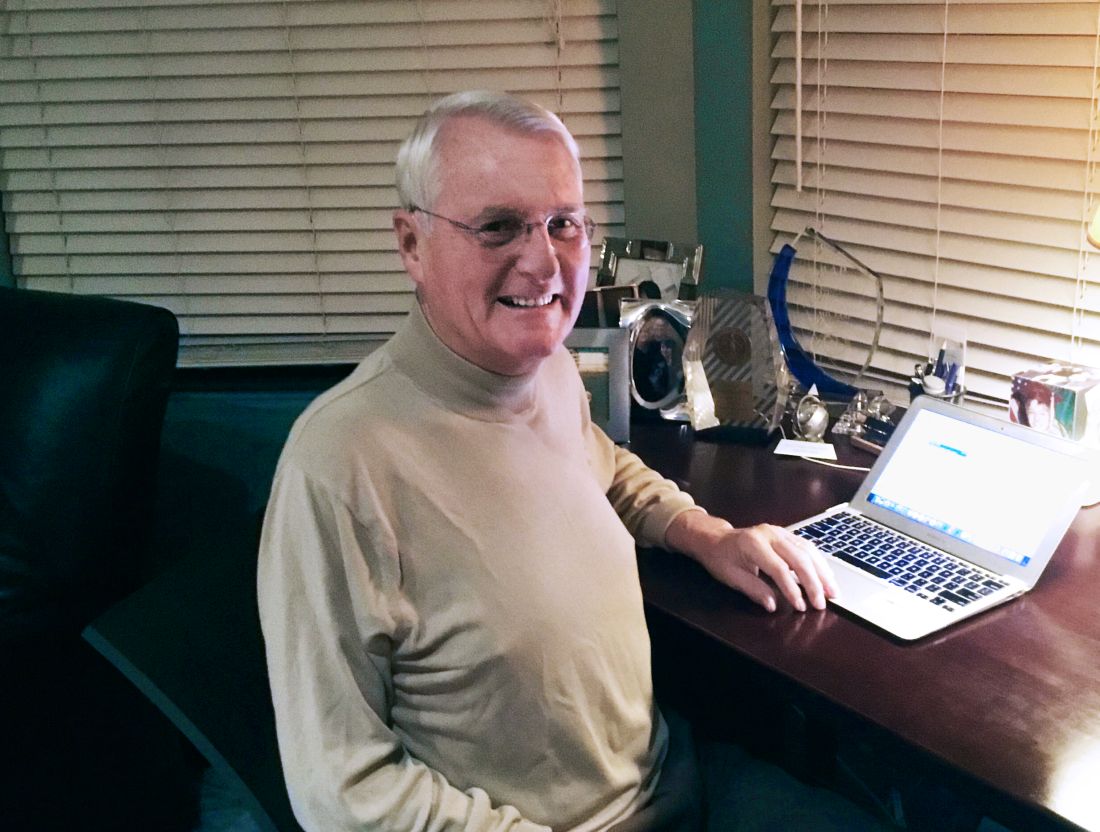
David T. Tayloe Jr., MD, also a past president of the AAP, currently practices in Goldsboro, N.C. When he established a solo community practice in 1977, he was one of a few pediatricians in the area, and he was busy. “I was the only pediatrician who could take care of really sick newborns and hospital patients, so I basically was available 24-7 for those first 2 years; there were two older pediatricians in town, and they took routine night call with me, giving me some time with my family,” he said. “With 1,500 deliveries a year at our hospital, there were always sick babies who needed my services. My office hours were 9 a.m. until 5 p.m. but often, in the cooler months, we saw patients until 8 p.m.” These days, Dr. Tayloe said he works 3-4 days in the office, and “my practice is largely behavioral health, school problems, obesity, asthma, and well-baby/child care.”
“In the last 20 years, my typical work day has changed in many ways,” said Julia Richerson, MD, who practices at the Family Health Center Iroquois office in South Louisville, Ky.
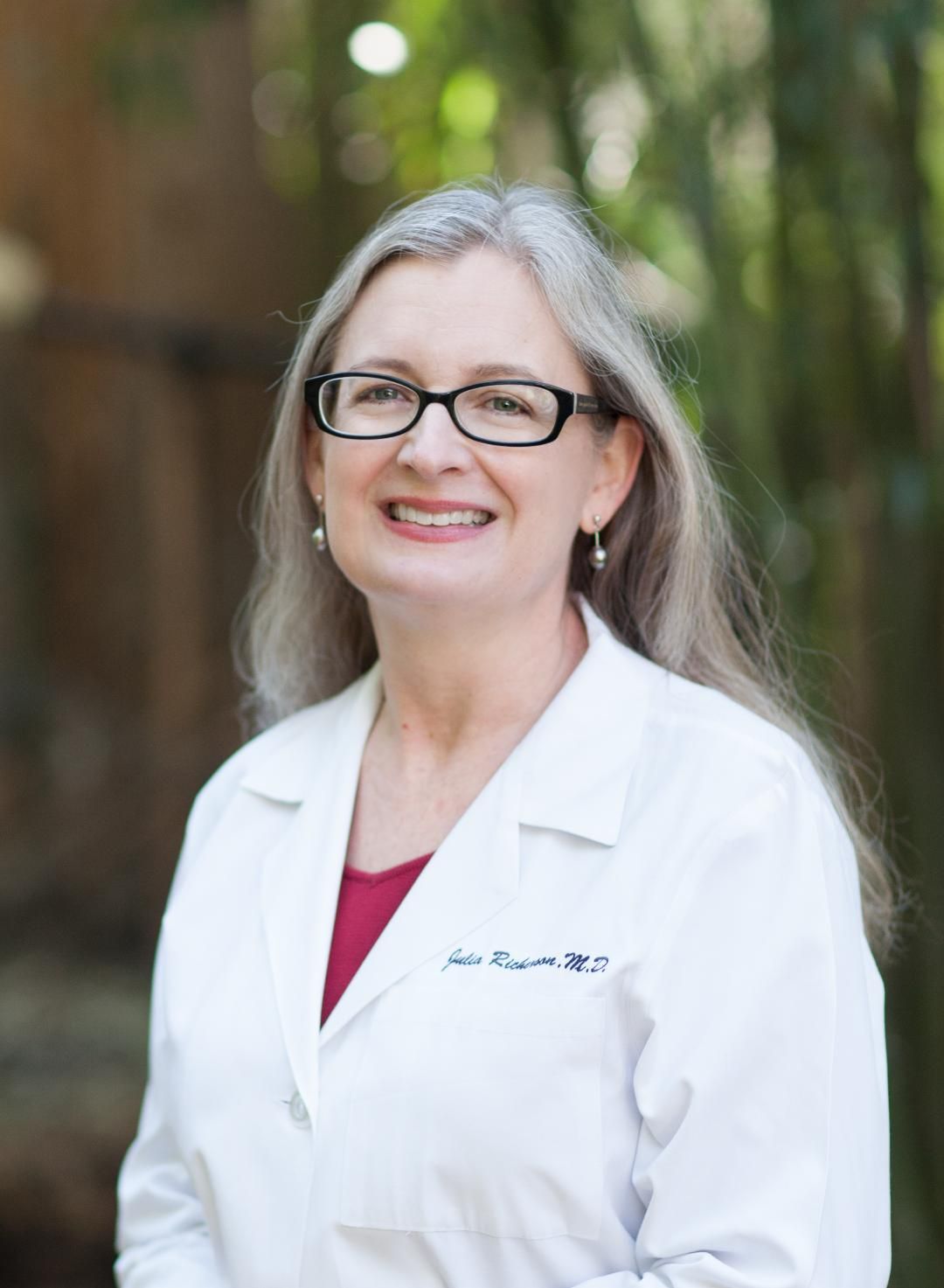
“I use electronic resources to find patient education, to look up current treatments, and research complicated diagnosis,” she noted.
“I feel that having the computer in the room isn’t a barrier to communication with my patients and families. Using the EHR doesn’t take me more time to see a patient,” she said. “However, the review of consult and ER records is harder and takes longer to complete. Consult, ER, and other outside records are much larger with the key clinical data more disorganized and harder to find among the pages and pages of nonrelevant content. This makes the workday much longer.”
The conditions that take up most of a pediatric office visit have changed as well, and include more complex medical, behavioral, and social issues, Dr. Richerson observed. “Obesity, ADHD, autism, complications of prematurity, behavioral health issues, developmental delays, and asthma are commonly seen in practice now. One in five children nationally have a chronic illness or special health care need. And we strive to help ease the challenges for families struggling with economic insecurity, and children growing up experiencing significant adversities.”
The office and the EHR
EHRs are a fact of life in all specialties today, but should not get in the way of interacting with patients, Dr. McInerny said. Many pediatricians complete their medical records after hours at home because they don’t have time to complete them in the office.
“I would advise the younger pediatricians to be sure to look at and interact with their families as much as possible while working on the computer, and showing the families entries and graphs from the computer. We were able to interact with families much more easily when writing out notes with pen and paper,” he said.
In his early years of practice, Dr. Tayloe recalled, “I spent less time with each patient; my focus was infectious disease, and I treated many patients with what today are vaccine-preventable diseases. I could see patients much faster with paper charts, but my documentation left much to be desired,” he said. “With the electronic record, I spend more time with each patient, but I type really fast and finish my charts in the exam rooms with the patients.”
“EHRs have made daily practice easier and more complicated for pediatricians,” said Dr. Richerson. “In the moment-to-moment use of EHRs while seeing patients, we can fairly quickly document the information we need to for patient care.” However, she said, “It takes some additional time to document all the data points required for quality- and value-based reimbursement programs, and it takes a significant amount of additional time in most EHRs to retrieve relevant information because you cannot query the system for clinical content on a patient. Also, reviewing incoming records is difficult because the information is voluminous and poorly organized,” she noted. “There are so many opportunities for improvement, and hopefully 20 years from now we will have EHRs that significantly improve quality and safety of patient care.”
Money and malpractice
The Vaccines for Children program led to an increase in incomes for pediatricians in the United States after 1994, according to Dr. Tayloe. “We began to be paid by insurance companies for most of what we do during the mid-90s and that boosted revenues,” he said. However, “On the flip side, we are now at the mercy of private payers, and must participate in all their very burdensome quality improvement/assurance programs if we are to be paid fairly. Our incomes were pretty flat over the last 5-10 years, especially for practices that participate fully in Medicaid/CHIP.”
Over the past 50 years, malpractice claims against pediatricians have remained consistently among the lowest for any medical specialty, according to Paul Greve, JD, a registered professional liability underwriter and executive vice president and senior consultant at Willis Towers Watson Health Care Practice.
The impact of EHRs on pediatric practice from a legal standpoint depends on the format of the EHR itself, Mr. Greve said. “Many of the EHRs that are designed for physicians, particularly the ones used in acute care settings, don’t allow the doctor to really highlight their thinking as they work through the diagnostic process, and that is very important in the defense of a malpractice case against a pediatrician,” he said.
“The pediatrician doesn’t have to be correct all the time, but it is important for the lawyers defending the case to see what the pediatrician’s thought process was. If the EHR allows for capturing the doctor’s thought process, that’s a well-designed EHR, and that’s critical,” he emphasized.
Diagnostic error is one of the most entrenched problems in medical malpractice, said Mr. Greve. Failure to diagnose and delay in diagnosis remain the most common allegations against pediatricians, he noted. Also, being aware of the environment is important to risk management in the office.
“The American Academy of Pediatrics has excellent publications on safety and risk management that all pediatricians should be aware of,” he said.
Inspiration and intangibles
“I think the changes that we are starting to see will continue to evolve over the next 50 years,” said Dr. Richerson. “Increased medical and social complexity of patients, changes in health technology, EHRs, personal health data monitoring, and continued changes in value based payment methods will be key.
“I hope that we gain, as a health delivery system, an appreciation of the impact of child health on adult health. Long-term adult health outcomes depend on improved child health outcomes. Investing in diseases like childhood obesity, mental health, and developmental issues, to name a few, will have a bigger impact on adult disease than any adult interventions,” she said. And really dealing with the impact of childhood adversity in health care and in the community and nationally in general is critical. This requires grassroots interventions to support families as well as local, state, and national policy. It also requires payment for health care services for the needed interventions in the office and hospital. Providing comprehensive medical care and addressing the medical and social complexities of child health in an effective, compassionate, and family-centered way takes time. It’s not easy, but it’s not impossible. But it requires more resources than are currently given to child health care. Adult medicine is accustomed to paying for disease managers for diabetes or care coordinators for heart failure. This is not the current state of delivery for children’s care and it should be. These are some of the major issues confronting pediatricians.
What has remained the same in pediatrics is the love the doctors have for their work, and the reflections of veteran clinicians on the intangible rewards of the practice may inspire the next generation.
Dr. Tayloe said that he chose pediatrics because “I was really intrigued by the skills necessary to care for sick newborns, including premature babies. I wanted to practice in a remote location where I could use all the skills I developed during residency, and be of significant value to the community.” Two of his four adult children were similarly inspired and followed in his footsteps.
“For pediatricians, helping families raise healthy children is a real privilege and very satisfying,” Dr. McInerny said.
After decades of pediatric practice, Thomas K. McInerny, MD, still accentuates the positive. “I decided to become a pediatrician in my third year of medical school after my pediatrics rotation. I loved working with the children and their families so full of joy and hope,” he said. “I still feel that pediatrics is the greatest profession despite some frustrations with rules, regulations, and computer work.”
Many childhood diseases, including birth defects and forms of cancer that were fatal 50 years ago, now can be treated successfully, he noted. “However, there are more children with emotional, behavioral, and school problems, which pediatricians are now treating as there is a great shortage of mental health professionals for children.”
Although the dedication of pediatricians to their specialty has remained strong over the past 50 years, their work environment has evolved in many ways.
David T. Tayloe Jr., MD, also a past president of the AAP, currently practices in Goldsboro, N.C. When he established a solo community practice in 1977, he was one of a few pediatricians in the area, and he was busy. “I was the only pediatrician who could take care of really sick newborns and hospital patients, so I basically was available 24-7 for those first 2 years; there were two older pediatricians in town, and they took routine night call with me, giving me some time with my family,” he said. “With 1,500 deliveries a year at our hospital, there were always sick babies who needed my services. My office hours were 9 a.m. until 5 p.m. but often, in the cooler months, we saw patients until 8 p.m.” These days, Dr. Tayloe said he works 3-4 days in the office, and “my practice is largely behavioral health, school problems, obesity, asthma, and well-baby/child care.”
“In the last 20 years, my typical work day has changed in many ways,” said Julia Richerson, MD, who practices at the Family Health Center Iroquois office in South Louisville, Ky.
“I use electronic resources to find patient education, to look up current treatments, and research complicated diagnosis,” she noted.
“I feel that having the computer in the room isn’t a barrier to communication with my patients and families. Using the EHR doesn’t take me more time to see a patient,” she said. “However, the review of consult and ER records is harder and takes longer to complete. Consult, ER, and other outside records are much larger with the key clinical data more disorganized and harder to find among the pages and pages of nonrelevant content. This makes the workday much longer.”
The conditions that take up most of a pediatric office visit have changed as well, and include more complex medical, behavioral, and social issues, Dr. Richerson observed. “Obesity, ADHD, autism, complications of prematurity, behavioral health issues, developmental delays, and asthma are commonly seen in practice now. One in five children nationally have a chronic illness or special health care need. And we strive to help ease the challenges for families struggling with economic insecurity, and children growing up experiencing significant adversities.”
The office and the EHR
EHRs are a fact of life in all specialties today, but should not get in the way of interacting with patients, Dr. McInerny said. Many pediatricians complete their medical records after hours at home because they don’t have time to complete them in the office.
“I would advise the younger pediatricians to be sure to look at and interact with their families as much as possible while working on the computer, and showing the families entries and graphs from the computer. We were able to interact with families much more easily when writing out notes with pen and paper,” he said.
In his early years of practice, Dr. Tayloe recalled, “I spent less time with each patient; my focus was infectious disease, and I treated many patients with what today are vaccine-preventable diseases. I could see patients much faster with paper charts, but my documentation left much to be desired,” he said. “With the electronic record, I spend more time with each patient, but I type really fast and finish my charts in the exam rooms with the patients.”
“EHRs have made daily practice easier and more complicated for pediatricians,” said Dr. Richerson. “In the moment-to-moment use of EHRs while seeing patients, we can fairly quickly document the information we need to for patient care.” However, she said, “It takes some additional time to document all the data points required for quality- and value-based reimbursement programs, and it takes a significant amount of additional time in most EHRs to retrieve relevant information because you cannot query the system for clinical content on a patient. Also, reviewing incoming records is difficult because the information is voluminous and poorly organized,” she noted. “There are so many opportunities for improvement, and hopefully 20 years from now we will have EHRs that significantly improve quality and safety of patient care.”
Money and malpractice
The Vaccines for Children program led to an increase in incomes for pediatricians in the United States after 1994, according to Dr. Tayloe. “We began to be paid by insurance companies for most of what we do during the mid-90s and that boosted revenues,” he said. However, “On the flip side, we are now at the mercy of private payers, and must participate in all their very burdensome quality improvement/assurance programs if we are to be paid fairly. Our incomes were pretty flat over the last 5-10 years, especially for practices that participate fully in Medicaid/CHIP.”
Over the past 50 years, malpractice claims against pediatricians have remained consistently among the lowest for any medical specialty, according to Paul Greve, JD, a registered professional liability underwriter and executive vice president and senior consultant at Willis Towers Watson Health Care Practice.
The impact of EHRs on pediatric practice from a legal standpoint depends on the format of the EHR itself, Mr. Greve said. “Many of the EHRs that are designed for physicians, particularly the ones used in acute care settings, don’t allow the doctor to really highlight their thinking as they work through the diagnostic process, and that is very important in the defense of a malpractice case against a pediatrician,” he said.
“The pediatrician doesn’t have to be correct all the time, but it is important for the lawyers defending the case to see what the pediatrician’s thought process was. If the EHR allows for capturing the doctor’s thought process, that’s a well-designed EHR, and that’s critical,” he emphasized.
Diagnostic error is one of the most entrenched problems in medical malpractice, said Mr. Greve. Failure to diagnose and delay in diagnosis remain the most common allegations against pediatricians, he noted. Also, being aware of the environment is important to risk management in the office.
“The American Academy of Pediatrics has excellent publications on safety and risk management that all pediatricians should be aware of,” he said.
Inspiration and intangibles
“I think the changes that we are starting to see will continue to evolve over the next 50 years,” said Dr. Richerson. “Increased medical and social complexity of patients, changes in health technology, EHRs, personal health data monitoring, and continued changes in value based payment methods will be key.
“I hope that we gain, as a health delivery system, an appreciation of the impact of child health on adult health. Long-term adult health outcomes depend on improved child health outcomes. Investing in diseases like childhood obesity, mental health, and developmental issues, to name a few, will have a bigger impact on adult disease than any adult interventions,” she said. And really dealing with the impact of childhood adversity in health care and in the community and nationally in general is critical. This requires grassroots interventions to support families as well as local, state, and national policy. It also requires payment for health care services for the needed interventions in the office and hospital. Providing comprehensive medical care and addressing the medical and social complexities of child health in an effective, compassionate, and family-centered way takes time. It’s not easy, but it’s not impossible. But it requires more resources than are currently given to child health care. Adult medicine is accustomed to paying for disease managers for diabetes or care coordinators for heart failure. This is not the current state of delivery for children’s care and it should be. These are some of the major issues confronting pediatricians.
What has remained the same in pediatrics is the love the doctors have for their work, and the reflections of veteran clinicians on the intangible rewards of the practice may inspire the next generation.
Dr. Tayloe said that he chose pediatrics because “I was really intrigued by the skills necessary to care for sick newborns, including premature babies. I wanted to practice in a remote location where I could use all the skills I developed during residency, and be of significant value to the community.” Two of his four adult children were similarly inspired and followed in his footsteps.
“For pediatricians, helping families raise healthy children is a real privilege and very satisfying,” Dr. McInerny said.
After decades of pediatric practice, Thomas K. McInerny, MD, still accentuates the positive. “I decided to become a pediatrician in my third year of medical school after my pediatrics rotation. I loved working with the children and their families so full of joy and hope,” he said. “I still feel that pediatrics is the greatest profession despite some frustrations with rules, regulations, and computer work.”
Many childhood diseases, including birth defects and forms of cancer that were fatal 50 years ago, now can be treated successfully, he noted. “However, there are more children with emotional, behavioral, and school problems, which pediatricians are now treating as there is a great shortage of mental health professionals for children.”
Although the dedication of pediatricians to their specialty has remained strong over the past 50 years, their work environment has evolved in many ways.
David T. Tayloe Jr., MD, also a past president of the AAP, currently practices in Goldsboro, N.C. When he established a solo community practice in 1977, he was one of a few pediatricians in the area, and he was busy. “I was the only pediatrician who could take care of really sick newborns and hospital patients, so I basically was available 24-7 for those first 2 years; there were two older pediatricians in town, and they took routine night call with me, giving me some time with my family,” he said. “With 1,500 deliveries a year at our hospital, there were always sick babies who needed my services. My office hours were 9 a.m. until 5 p.m. but often, in the cooler months, we saw patients until 8 p.m.” These days, Dr. Tayloe said he works 3-4 days in the office, and “my practice is largely behavioral health, school problems, obesity, asthma, and well-baby/child care.”
“In the last 20 years, my typical work day has changed in many ways,” said Julia Richerson, MD, who practices at the Family Health Center Iroquois office in South Louisville, Ky.
“I use electronic resources to find patient education, to look up current treatments, and research complicated diagnosis,” she noted.
“I feel that having the computer in the room isn’t a barrier to communication with my patients and families. Using the EHR doesn’t take me more time to see a patient,” she said. “However, the review of consult and ER records is harder and takes longer to complete. Consult, ER, and other outside records are much larger with the key clinical data more disorganized and harder to find among the pages and pages of nonrelevant content. This makes the workday much longer.”
The conditions that take up most of a pediatric office visit have changed as well, and include more complex medical, behavioral, and social issues, Dr. Richerson observed. “Obesity, ADHD, autism, complications of prematurity, behavioral health issues, developmental delays, and asthma are commonly seen in practice now. One in five children nationally have a chronic illness or special health care need. And we strive to help ease the challenges for families struggling with economic insecurity, and children growing up experiencing significant adversities.”
The office and the EHR
EHRs are a fact of life in all specialties today, but should not get in the way of interacting with patients, Dr. McInerny said. Many pediatricians complete their medical records after hours at home because they don’t have time to complete them in the office.
“I would advise the younger pediatricians to be sure to look at and interact with their families as much as possible while working on the computer, and showing the families entries and graphs from the computer. We were able to interact with families much more easily when writing out notes with pen and paper,” he said.
In his early years of practice, Dr. Tayloe recalled, “I spent less time with each patient; my focus was infectious disease, and I treated many patients with what today are vaccine-preventable diseases. I could see patients much faster with paper charts, but my documentation left much to be desired,” he said. “With the electronic record, I spend more time with each patient, but I type really fast and finish my charts in the exam rooms with the patients.”
“EHRs have made daily practice easier and more complicated for pediatricians,” said Dr. Richerson. “In the moment-to-moment use of EHRs while seeing patients, we can fairly quickly document the information we need to for patient care.” However, she said, “It takes some additional time to document all the data points required for quality- and value-based reimbursement programs, and it takes a significant amount of additional time in most EHRs to retrieve relevant information because you cannot query the system for clinical content on a patient. Also, reviewing incoming records is difficult because the information is voluminous and poorly organized,” she noted. “There are so many opportunities for improvement, and hopefully 20 years from now we will have EHRs that significantly improve quality and safety of patient care.”
Money and malpractice
The Vaccines for Children program led to an increase in incomes for pediatricians in the United States after 1994, according to Dr. Tayloe. “We began to be paid by insurance companies for most of what we do during the mid-90s and that boosted revenues,” he said. However, “On the flip side, we are now at the mercy of private payers, and must participate in all their very burdensome quality improvement/assurance programs if we are to be paid fairly. Our incomes were pretty flat over the last 5-10 years, especially for practices that participate fully in Medicaid/CHIP.”
Over the past 50 years, malpractice claims against pediatricians have remained consistently among the lowest for any medical specialty, according to Paul Greve, JD, a registered professional liability underwriter and executive vice president and senior consultant at Willis Towers Watson Health Care Practice.
The impact of EHRs on pediatric practice from a legal standpoint depends on the format of the EHR itself, Mr. Greve said. “Many of the EHRs that are designed for physicians, particularly the ones used in acute care settings, don’t allow the doctor to really highlight their thinking as they work through the diagnostic process, and that is very important in the defense of a malpractice case against a pediatrician,” he said.
“The pediatrician doesn’t have to be correct all the time, but it is important for the lawyers defending the case to see what the pediatrician’s thought process was. If the EHR allows for capturing the doctor’s thought process, that’s a well-designed EHR, and that’s critical,” he emphasized.
Diagnostic error is one of the most entrenched problems in medical malpractice, said Mr. Greve. Failure to diagnose and delay in diagnosis remain the most common allegations against pediatricians, he noted. Also, being aware of the environment is important to risk management in the office.
“The American Academy of Pediatrics has excellent publications on safety and risk management that all pediatricians should be aware of,” he said.
Inspiration and intangibles
“I think the changes that we are starting to see will continue to evolve over the next 50 years,” said Dr. Richerson. “Increased medical and social complexity of patients, changes in health technology, EHRs, personal health data monitoring, and continued changes in value based payment methods will be key.
“I hope that we gain, as a health delivery system, an appreciation of the impact of child health on adult health. Long-term adult health outcomes depend on improved child health outcomes. Investing in diseases like childhood obesity, mental health, and developmental issues, to name a few, will have a bigger impact on adult disease than any adult interventions,” she said. And really dealing with the impact of childhood adversity in health care and in the community and nationally in general is critical. This requires grassroots interventions to support families as well as local, state, and national policy. It also requires payment for health care services for the needed interventions in the office and hospital. Providing comprehensive medical care and addressing the medical and social complexities of child health in an effective, compassionate, and family-centered way takes time. It’s not easy, but it’s not impossible. But it requires more resources than are currently given to child health care. Adult medicine is accustomed to paying for disease managers for diabetes or care coordinators for heart failure. This is not the current state of delivery for children’s care and it should be. These are some of the major issues confronting pediatricians.
What has remained the same in pediatrics is the love the doctors have for their work, and the reflections of veteran clinicians on the intangible rewards of the practice may inspire the next generation.
Dr. Tayloe said that he chose pediatrics because “I was really intrigued by the skills necessary to care for sick newborns, including premature babies. I wanted to practice in a remote location where I could use all the skills I developed during residency, and be of significant value to the community.” Two of his four adult children were similarly inspired and followed in his footsteps.
“For pediatricians, helping families raise healthy children is a real privilege and very satisfying,” Dr. McInerny said.
Expert discusses risks of biosimilars in rheumatology
SAN DIEGO – If you perceive that the use of biosimilars for rheumatic diseases hasn’t gained the traction one would expect, you’re not alone. In the opinion of J. Eugene Huffstutter, MD, the expected risks of biosimilar products have clinicians concerned, especially when it comes to immunologic characteristics.
“We’ve all had patients on biologics for years: Everything’s fine, but then the patient has an infusion reaction,” Dr. Huffstutter said at the annual meeting of the American College of Rheumatology. “I’ve had it happen with the first infusion of a biologic and I’ve had it with the 20th infusion of that same biologic product. It’s impossible to predict.”

Other unforeseen risks of biosimilars include the impact on pharmacovigilance, manufacturing, and politics. “What if our government says we want to use this agent or that agent? Or, what if it advises everyone to use the bio-originator? Then there are coverage challenges,” he said. “How are the insurance companies going to look at this? Then there are corporate impacts. The companies that make biosimilars have invested a tremendous amount of resources to bring these to market. We have a huge market in the U.S., but the uptake has been very slow. So are they going to say, ‘We’re going to take our resources and do something else?’ ”
Practice protocols for using biosimilars vary depending on your practice environment. For example, if biosimilars are administered by a freestanding practice, “you have to depend a lot on your state laws in terms of what the pharmacist is able to do,” said Dr. Huffstutter, who is also the past president of the Tennessee Rheumatology Society. “What are the patient support programs available for that biosimilar compared with bio-originator? What do the insurance contracts say in terms of can you get this filled or not? What’s the formulary status? How well do physicians in your community accept biosimilars? More importantly, how do your patients feel about biosimilars? I think they’ve been left out of this whole discussion.”
Dr. Huffstutter disclosed that he has received research support from GlaxoSmithKline, Pfizer, and UCB. He is also a member of the speakers bureau and/or is an adviser to Janssen, Lilly, Pfizer, Genentech, Novartis, Regeneron, and UCB.
SAN DIEGO – If you perceive that the use of biosimilars for rheumatic diseases hasn’t gained the traction one would expect, you’re not alone. In the opinion of J. Eugene Huffstutter, MD, the expected risks of biosimilar products have clinicians concerned, especially when it comes to immunologic characteristics.
“We’ve all had patients on biologics for years: Everything’s fine, but then the patient has an infusion reaction,” Dr. Huffstutter said at the annual meeting of the American College of Rheumatology. “I’ve had it happen with the first infusion of a biologic and I’ve had it with the 20th infusion of that same biologic product. It’s impossible to predict.”
Other unforeseen risks of biosimilars include the impact on pharmacovigilance, manufacturing, and politics. “What if our government says we want to use this agent or that agent? Or, what if it advises everyone to use the bio-originator? Then there are coverage challenges,” he said. “How are the insurance companies going to look at this? Then there are corporate impacts. The companies that make biosimilars have invested a tremendous amount of resources to bring these to market. We have a huge market in the U.S., but the uptake has been very slow. So are they going to say, ‘We’re going to take our resources and do something else?’ ”
Practice protocols for using biosimilars vary depending on your practice environment. For example, if biosimilars are administered by a freestanding practice, “you have to depend a lot on your state laws in terms of what the pharmacist is able to do,” said Dr. Huffstutter, who is also the past president of the Tennessee Rheumatology Society. “What are the patient support programs available for that biosimilar compared with bio-originator? What do the insurance contracts say in terms of can you get this filled or not? What’s the formulary status? How well do physicians in your community accept biosimilars? More importantly, how do your patients feel about biosimilars? I think they’ve been left out of this whole discussion.”
Dr. Huffstutter disclosed that he has received research support from GlaxoSmithKline, Pfizer, and UCB. He is also a member of the speakers bureau and/or is an adviser to Janssen, Lilly, Pfizer, Genentech, Novartis, Regeneron, and UCB.
SAN DIEGO – If you perceive that the use of biosimilars for rheumatic diseases hasn’t gained the traction one would expect, you’re not alone. In the opinion of J. Eugene Huffstutter, MD, the expected risks of biosimilar products have clinicians concerned, especially when it comes to immunologic characteristics.
“We’ve all had patients on biologics for years: Everything’s fine, but then the patient has an infusion reaction,” Dr. Huffstutter said at the annual meeting of the American College of Rheumatology. “I’ve had it happen with the first infusion of a biologic and I’ve had it with the 20th infusion of that same biologic product. It’s impossible to predict.”
Other unforeseen risks of biosimilars include the impact on pharmacovigilance, manufacturing, and politics. “What if our government says we want to use this agent or that agent? Or, what if it advises everyone to use the bio-originator? Then there are coverage challenges,” he said. “How are the insurance companies going to look at this? Then there are corporate impacts. The companies that make biosimilars have invested a tremendous amount of resources to bring these to market. We have a huge market in the U.S., but the uptake has been very slow. So are they going to say, ‘We’re going to take our resources and do something else?’ ”
Practice protocols for using biosimilars vary depending on your practice environment. For example, if biosimilars are administered by a freestanding practice, “you have to depend a lot on your state laws in terms of what the pharmacist is able to do,” said Dr. Huffstutter, who is also the past president of the Tennessee Rheumatology Society. “What are the patient support programs available for that biosimilar compared with bio-originator? What do the insurance contracts say in terms of can you get this filled or not? What’s the formulary status? How well do physicians in your community accept biosimilars? More importantly, how do your patients feel about biosimilars? I think they’ve been left out of this whole discussion.”
Dr. Huffstutter disclosed that he has received research support from GlaxoSmithKline, Pfizer, and UCB. He is also a member of the speakers bureau and/or is an adviser to Janssen, Lilly, Pfizer, Genentech, Novartis, Regeneron, and UCB.
EXPERT ANALYSIS FROM ACR 2017
VA, Kaiser lauded for hypertension control
At a time when the Department of Veterans Affairs is criticized for the care it delivers, and when some also see it threatened by privatization, it was refreshing to hear the VA praised for the quality of its hypertension care, a model for success in a new era of reduced blood pressure treatment targets and revised hypertension guidelines that classify millions more Americans as having hypertension.
“In systems of care, like the VA and Kaiser Permanente Northern California, we are doing much better with hypertension control, reaching control rates greater than 90%,” Paul Whelton, MD, said in November during a talk at the American Heart Association scientific sessions in Anaheim, Calif. In a separate report at the same meeting, Dr. Whelton, a professor of public health at Tulane University in New Orleans, first presented the new hypertension diagnosis and management guidelines, produced by the American College of Cardiology/American Heart Association panel that he chaired (J Am Coll Cardiol. 2017 Nov 13. doi: 10.1016/j.jacc.2017.11.006).
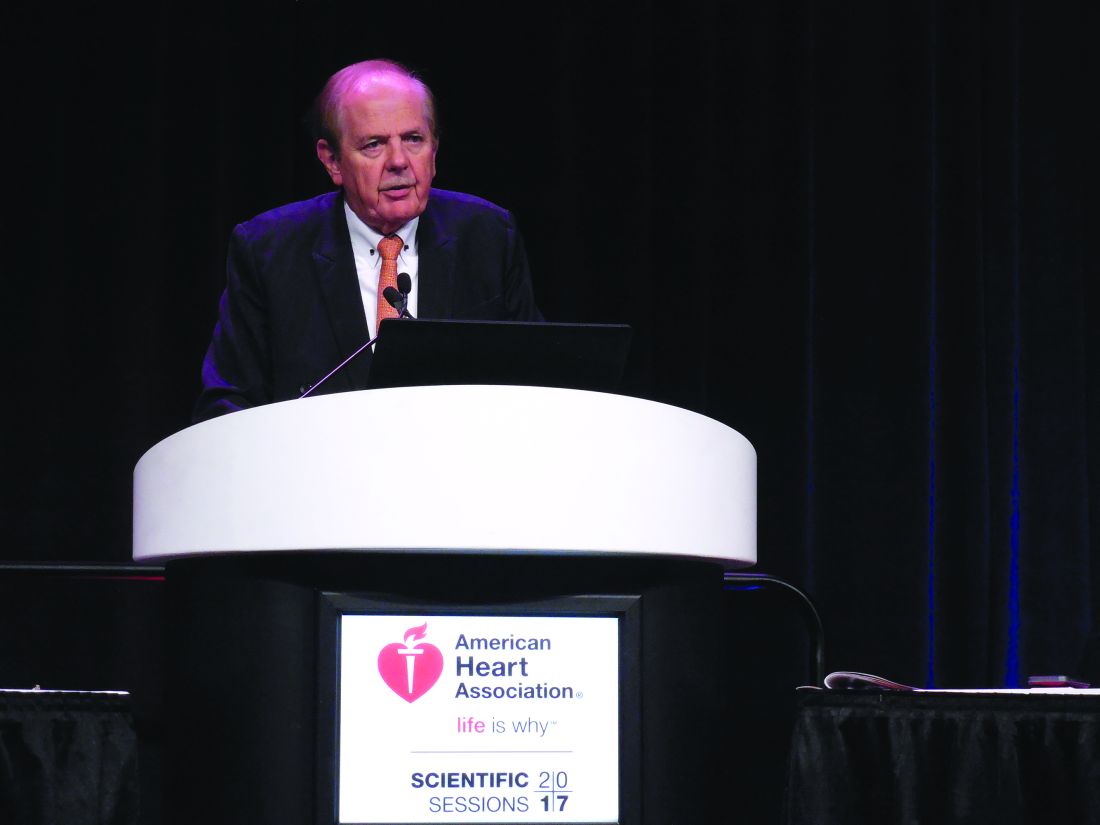
He again stressed that the VA and Kaiser are doing “remarkably well” when it came to controlling hypertension in the vast majority of their patients.
That assessment seems especially appropriate for Kaiser Permanente Northern California, Oakland, Calif. Data from an audit of Kaiser’s hypertension registry showed that during 2000-2013 the percentage of patients with hypertension at their goal blood pressure rose from 44% in 2000 to 90% in 2013 (J Clin Hypertension. 2016 April;18[4]:260-1). The two Kaiser researchers who reported these findings attributed the rise in control rates to a hypertension treatment program that Kaiser Permanente Northern California put into practice starting in 2000.
Current success in the VA Health System is harder to pin down and put in the Kaiser ballpark. The most up-to-date audit I could find was a 2012 report from a team of VA researchers who reviewed control rates of more than half a million hypertensive veterans at 15 VA medical centers during 2000-2010. They found that, during that 11-year period, the percentage of hypertensive patients with their blood pressure controlled to their target level had risen from 46% in 2000 to 76% in 2010 (Circulation. 2012 May 22;125[20]:2462-68).
While this 76% rate of control in 2010 is short of the 90% rate in Kaiser in 2013, it’s still not shabby. To put the 76% control rate in perspective, consider data reported at the AHA meeting from TargetBP, a national program begun in late 2015 to aid all U.S. health care programs in improving their hypertension control rates: This data showed that, among 310 participating programs that filed 2016 control-rate data with TargetBP, the average control rate was 66%. Specifically, of those 310 reporting programs, 191 (62%) had control rates that exceeded 70%, with an average control rate among these more successful programs of 76%.
As-yet-unpublished data collected by the VA show that other centers in the system beyond those 15 included in the study discussed above have also recently reached a similar control level of about 75%, said Vasilios Papademetriou, MD, a professor of medicine at Georgetown University and the director of the Interventional Hypertension and Vascular Medicine Program at the VA Medical Center in Washington. Plus, certain VA centers are now up to an 85% control rate, he added in an interview. “Blood pressure control rates have been exceptionally good in the VA medical system,” he declared. Dr. Papademetriou attributed the rising control rates to a concerted hypertension program the VA instituted starting in the early 2000s.
“The VA has had some physicians who have championed this issue, and they have built computer-based systems to identify patients with uncontrolled hypertension, and then they plug these patients into their care algorithms,” commented Donald M. Lloyd-Jones, MD, a professor and chairman of preventive medicine at Northwestern University in Chicago. “Often, when there are champions, things change,” he noted.
William C. Cushman, MD, a hypertension specialist who is chief of preventive medicine for the VA Medical Center in Memphis and professor of preventive medicine at the University of Tennessee, also in Memphis, highlighted several steps the VA took that have helped fuel the program’s success in controlling blood pressure.
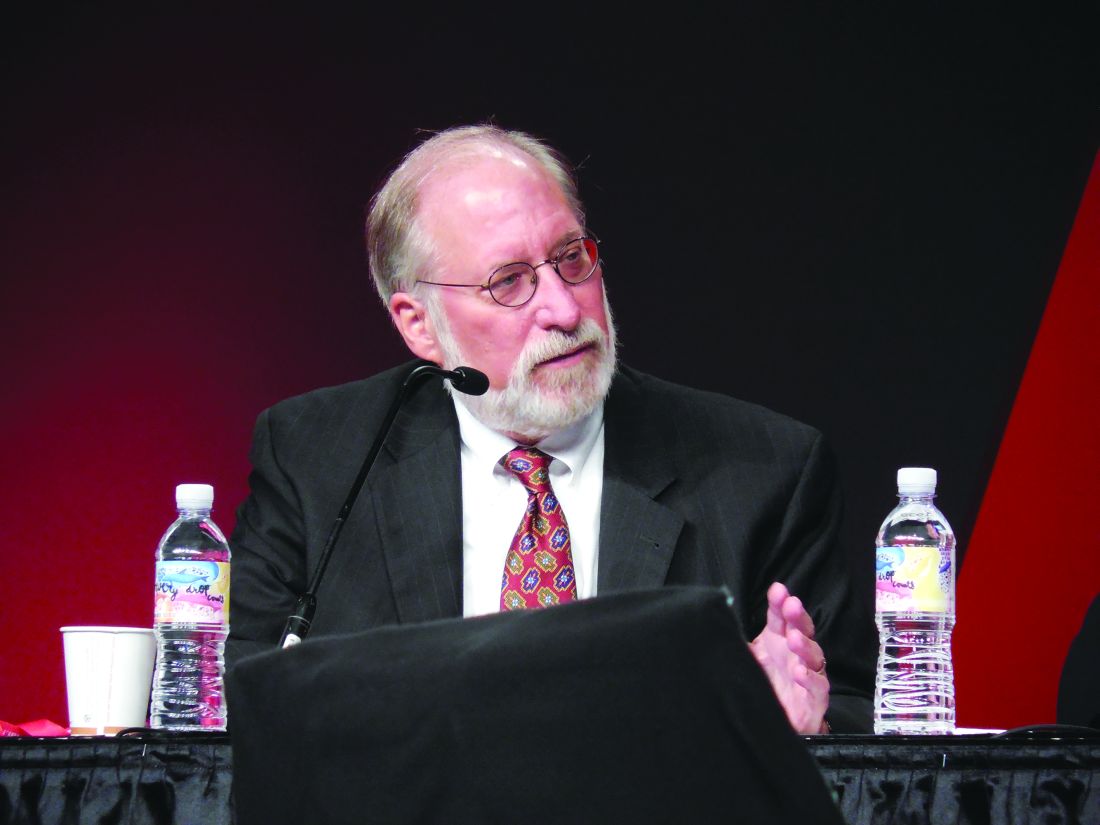
Dr. Cushman couldn’t resist adding that this successful approach to hypertension management is now threatened by potential changes to the VA system that could take some patients out of the existing program and move them to privatized medical care. “If that happens, patients will not get the same comprehensive care” that until now has produced such high rates of hypertension control, he warned.
[email protected]
On Twitter @mitchelzoler
At a time when the Department of Veterans Affairs is criticized for the care it delivers, and when some also see it threatened by privatization, it was refreshing to hear the VA praised for the quality of its hypertension care, a model for success in a new era of reduced blood pressure treatment targets and revised hypertension guidelines that classify millions more Americans as having hypertension.
“In systems of care, like the VA and Kaiser Permanente Northern California, we are doing much better with hypertension control, reaching control rates greater than 90%,” Paul Whelton, MD, said in November during a talk at the American Heart Association scientific sessions in Anaheim, Calif. In a separate report at the same meeting, Dr. Whelton, a professor of public health at Tulane University in New Orleans, first presented the new hypertension diagnosis and management guidelines, produced by the American College of Cardiology/American Heart Association panel that he chaired (J Am Coll Cardiol. 2017 Nov 13. doi: 10.1016/j.jacc.2017.11.006).
He again stressed that the VA and Kaiser are doing “remarkably well” when it came to controlling hypertension in the vast majority of their patients.
That assessment seems especially appropriate for Kaiser Permanente Northern California, Oakland, Calif. Data from an audit of Kaiser’s hypertension registry showed that during 2000-2013 the percentage of patients with hypertension at their goal blood pressure rose from 44% in 2000 to 90% in 2013 (J Clin Hypertension. 2016 April;18[4]:260-1). The two Kaiser researchers who reported these findings attributed the rise in control rates to a hypertension treatment program that Kaiser Permanente Northern California put into practice starting in 2000.
Current success in the VA Health System is harder to pin down and put in the Kaiser ballpark. The most up-to-date audit I could find was a 2012 report from a team of VA researchers who reviewed control rates of more than half a million hypertensive veterans at 15 VA medical centers during 2000-2010. They found that, during that 11-year period, the percentage of hypertensive patients with their blood pressure controlled to their target level had risen from 46% in 2000 to 76% in 2010 (Circulation. 2012 May 22;125[20]:2462-68).
While this 76% rate of control in 2010 is short of the 90% rate in Kaiser in 2013, it’s still not shabby. To put the 76% control rate in perspective, consider data reported at the AHA meeting from TargetBP, a national program begun in late 2015 to aid all U.S. health care programs in improving their hypertension control rates: This data showed that, among 310 participating programs that filed 2016 control-rate data with TargetBP, the average control rate was 66%. Specifically, of those 310 reporting programs, 191 (62%) had control rates that exceeded 70%, with an average control rate among these more successful programs of 76%.
As-yet-unpublished data collected by the VA show that other centers in the system beyond those 15 included in the study discussed above have also recently reached a similar control level of about 75%, said Vasilios Papademetriou, MD, a professor of medicine at Georgetown University and the director of the Interventional Hypertension and Vascular Medicine Program at the VA Medical Center in Washington. Plus, certain VA centers are now up to an 85% control rate, he added in an interview. “Blood pressure control rates have been exceptionally good in the VA medical system,” he declared. Dr. Papademetriou attributed the rising control rates to a concerted hypertension program the VA instituted starting in the early 2000s.
“The VA has had some physicians who have championed this issue, and they have built computer-based systems to identify patients with uncontrolled hypertension, and then they plug these patients into their care algorithms,” commented Donald M. Lloyd-Jones, MD, a professor and chairman of preventive medicine at Northwestern University in Chicago. “Often, when there are champions, things change,” he noted.
William C. Cushman, MD, a hypertension specialist who is chief of preventive medicine for the VA Medical Center in Memphis and professor of preventive medicine at the University of Tennessee, also in Memphis, highlighted several steps the VA took that have helped fuel the program’s success in controlling blood pressure.
Dr. Cushman couldn’t resist adding that this successful approach to hypertension management is now threatened by potential changes to the VA system that could take some patients out of the existing program and move them to privatized medical care. “If that happens, patients will not get the same comprehensive care” that until now has produced such high rates of hypertension control, he warned.
[email protected]
On Twitter @mitchelzoler
At a time when the Department of Veterans Affairs is criticized for the care it delivers, and when some also see it threatened by privatization, it was refreshing to hear the VA praised for the quality of its hypertension care, a model for success in a new era of reduced blood pressure treatment targets and revised hypertension guidelines that classify millions more Americans as having hypertension.
“In systems of care, like the VA and Kaiser Permanente Northern California, we are doing much better with hypertension control, reaching control rates greater than 90%,” Paul Whelton, MD, said in November during a talk at the American Heart Association scientific sessions in Anaheim, Calif. In a separate report at the same meeting, Dr. Whelton, a professor of public health at Tulane University in New Orleans, first presented the new hypertension diagnosis and management guidelines, produced by the American College of Cardiology/American Heart Association panel that he chaired (J Am Coll Cardiol. 2017 Nov 13. doi: 10.1016/j.jacc.2017.11.006).
He again stressed that the VA and Kaiser are doing “remarkably well” when it came to controlling hypertension in the vast majority of their patients.
That assessment seems especially appropriate for Kaiser Permanente Northern California, Oakland, Calif. Data from an audit of Kaiser’s hypertension registry showed that during 2000-2013 the percentage of patients with hypertension at their goal blood pressure rose from 44% in 2000 to 90% in 2013 (J Clin Hypertension. 2016 April;18[4]:260-1). The two Kaiser researchers who reported these findings attributed the rise in control rates to a hypertension treatment program that Kaiser Permanente Northern California put into practice starting in 2000.
Current success in the VA Health System is harder to pin down and put in the Kaiser ballpark. The most up-to-date audit I could find was a 2012 report from a team of VA researchers who reviewed control rates of more than half a million hypertensive veterans at 15 VA medical centers during 2000-2010. They found that, during that 11-year period, the percentage of hypertensive patients with their blood pressure controlled to their target level had risen from 46% in 2000 to 76% in 2010 (Circulation. 2012 May 22;125[20]:2462-68).
While this 76% rate of control in 2010 is short of the 90% rate in Kaiser in 2013, it’s still not shabby. To put the 76% control rate in perspective, consider data reported at the AHA meeting from TargetBP, a national program begun in late 2015 to aid all U.S. health care programs in improving their hypertension control rates: This data showed that, among 310 participating programs that filed 2016 control-rate data with TargetBP, the average control rate was 66%. Specifically, of those 310 reporting programs, 191 (62%) had control rates that exceeded 70%, with an average control rate among these more successful programs of 76%.
As-yet-unpublished data collected by the VA show that other centers in the system beyond those 15 included in the study discussed above have also recently reached a similar control level of about 75%, said Vasilios Papademetriou, MD, a professor of medicine at Georgetown University and the director of the Interventional Hypertension and Vascular Medicine Program at the VA Medical Center in Washington. Plus, certain VA centers are now up to an 85% control rate, he added in an interview. “Blood pressure control rates have been exceptionally good in the VA medical system,” he declared. Dr. Papademetriou attributed the rising control rates to a concerted hypertension program the VA instituted starting in the early 2000s.
“The VA has had some physicians who have championed this issue, and they have built computer-based systems to identify patients with uncontrolled hypertension, and then they plug these patients into their care algorithms,” commented Donald M. Lloyd-Jones, MD, a professor and chairman of preventive medicine at Northwestern University in Chicago. “Often, when there are champions, things change,” he noted.
William C. Cushman, MD, a hypertension specialist who is chief of preventive medicine for the VA Medical Center in Memphis and professor of preventive medicine at the University of Tennessee, also in Memphis, highlighted several steps the VA took that have helped fuel the program’s success in controlling blood pressure.
Dr. Cushman couldn’t resist adding that this successful approach to hypertension management is now threatened by potential changes to the VA system that could take some patients out of the existing program and move them to privatized medical care. “If that happens, patients will not get the same comprehensive care” that until now has produced such high rates of hypertension control, he warned.
[email protected]
On Twitter @mitchelzoler
ADHD and insomnia appear intertwined
PARIS – Converging evidence suggests that attention-deficit/hyperactivity disorder and sleep difficulties share a common underlying etiology involving circadian rhythm disturbance, J.J. Sandra Kooij, MD, PhD, declared at the annual congress of the European College of Neuropsychopharmacology.
“If you review the evidence, it looks more and more like ADHD and sleeplessness are two sides of the same physiological and mental coin,” said Dr. Kooij, a psychiatrist at VU University Medical Center, Amsterdam, and chair of the European Network Adult ADHD.
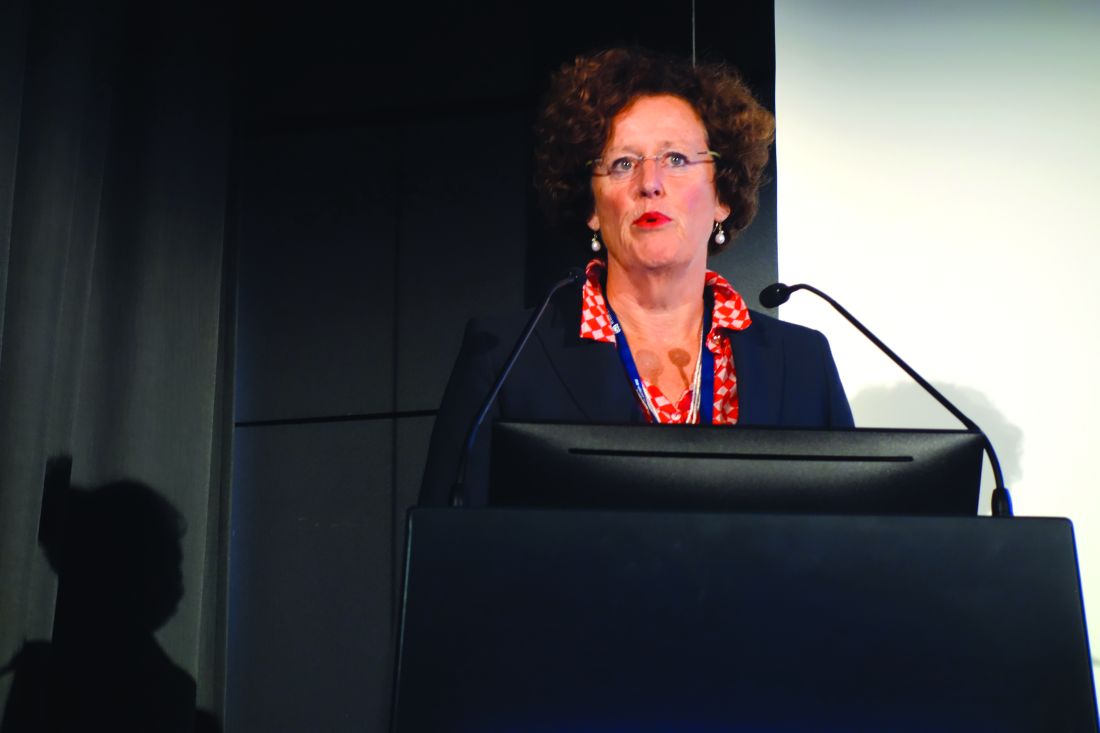
Since this study remains ongoing, Dr. Kooij focused instead on the evidence suggesting that ADHD and sleep problems have a shared etiology.
Multiple studies have shown that roughly 75% of children and adults with ADHD have sleep-onset insomnia. It takes them longer to fall asleep, and they have a shorter than normal sleep duration because they have to get up in the morning for school or work. Dr. Kooij and her colleagues have shown that in adult ADHD patients with delayed sleep onset syndrome, their evening dim light melatonin onset, change in core body temperature, and other physiologic harbingers of sleep are delayed by an average of 1.5 hours (J Sleep Res. 2013 Dec;22[6]:607-16).
“My ADHD patients sleep a mean of 5-6 hours per night on a chronic basis, versus 7-8 hours in normal individuals. It leads to daytime sleepiness and dysfunction due to inattentiveness and social problems,” the psychiatrist said.
Other investigators have demonstrated that the prevalence of ADHD varies across the United States and that geographic differences in solar intensity explain 34%-57% of this variance in ADHD rates. The investigators postulated that the ADHD-preventive effect of high solar irradiation might be tied to improvement in circadian clock disturbances (Biol Psychiatry. 2013 Oct 15;74[8]:585-90).
In a study of 2,090 adult participants in The Netherlands Study of Depression and Anxiety, Dr. Kooij and her colleagues showed that ADHD, depression, anxiety, and circadian rhythm sleep problems are fellow travelers.
The prevalence of sleep duration of fewer than 6 hours per night was 15% in subjects with high ADHD symptoms and a lifetime history of an anxiety and/or depression diagnosis, 5% in those with lifetime anxiety/depression but no ADHD, and 4% in healthy controls. Delayed sleep phase syndrome was present in 16% of individuals with ADHD and a history of depression and/or anxiety, 8% in those with a lifetime history of anxiety/depression without ADHD, and 5% of healthy controls. The take-home message: Circadian rhythm sleep disorders in patients with ADHD are not necessarily attributable to comorbid anxiety and/or depression (J Affect Disord. 2016 Aug;200:74-81).
Seasonal affective disorder is commonly comorbid with ADHD. In another analysis from The Netherlands Study of Depression and Anxiety, Dr. Kooij and her colleagues determined that the prevalence of probable seasonal affective disorder using the Seasonal Pattern Assessment Questionnaire was 9.9% in participants with clinically significant ADHD symptoms, compared with 3.3% in the non-ADHD subjects. Self-reported delayed sleep onset was extremely common in participants with ADHD as well as in those with probable seasonal affective disorder (J Psychiat Res. 2016 Oct;81:87-94).
Patients with ADHD have an increased prevalence of obesity. Their chronic short sleep pushes them toward an unstable eating pattern in which they skip breakfast, then engage in binge eating later in the day. The hope is that treating the circadian rhythm disruption associated with ADHD will prevent obesity in this population (J Psychosom Res. 2015 Nov;79[5]:443-50).
“If you mess up sleep, you mess up the body: bowel movements, blood pressure, body temperature, the leptin/ghrelin ratio, reaction time, coordination. That’s why I call my patients chronically jet-lagged,” Dr. Kooij said.
She reported having no financial conflicts regarding her presentation.
PARIS – Converging evidence suggests that attention-deficit/hyperactivity disorder and sleep difficulties share a common underlying etiology involving circadian rhythm disturbance, J.J. Sandra Kooij, MD, PhD, declared at the annual congress of the European College of Neuropsychopharmacology.
“If you review the evidence, it looks more and more like ADHD and sleeplessness are two sides of the same physiological and mental coin,” said Dr. Kooij, a psychiatrist at VU University Medical Center, Amsterdam, and chair of the European Network Adult ADHD.
Since this study remains ongoing, Dr. Kooij focused instead on the evidence suggesting that ADHD and sleep problems have a shared etiology.
Multiple studies have shown that roughly 75% of children and adults with ADHD have sleep-onset insomnia. It takes them longer to fall asleep, and they have a shorter than normal sleep duration because they have to get up in the morning for school or work. Dr. Kooij and her colleagues have shown that in adult ADHD patients with delayed sleep onset syndrome, their evening dim light melatonin onset, change in core body temperature, and other physiologic harbingers of sleep are delayed by an average of 1.5 hours (J Sleep Res. 2013 Dec;22[6]:607-16).
“My ADHD patients sleep a mean of 5-6 hours per night on a chronic basis, versus 7-8 hours in normal individuals. It leads to daytime sleepiness and dysfunction due to inattentiveness and social problems,” the psychiatrist said.
Other investigators have demonstrated that the prevalence of ADHD varies across the United States and that geographic differences in solar intensity explain 34%-57% of this variance in ADHD rates. The investigators postulated that the ADHD-preventive effect of high solar irradiation might be tied to improvement in circadian clock disturbances (Biol Psychiatry. 2013 Oct 15;74[8]:585-90).
In a study of 2,090 adult participants in The Netherlands Study of Depression and Anxiety, Dr. Kooij and her colleagues showed that ADHD, depression, anxiety, and circadian rhythm sleep problems are fellow travelers.
The prevalence of sleep duration of fewer than 6 hours per night was 15% in subjects with high ADHD symptoms and a lifetime history of an anxiety and/or depression diagnosis, 5% in those with lifetime anxiety/depression but no ADHD, and 4% in healthy controls. Delayed sleep phase syndrome was present in 16% of individuals with ADHD and a history of depression and/or anxiety, 8% in those with a lifetime history of anxiety/depression without ADHD, and 5% of healthy controls. The take-home message: Circadian rhythm sleep disorders in patients with ADHD are not necessarily attributable to comorbid anxiety and/or depression (J Affect Disord. 2016 Aug;200:74-81).
Seasonal affective disorder is commonly comorbid with ADHD. In another analysis from The Netherlands Study of Depression and Anxiety, Dr. Kooij and her colleagues determined that the prevalence of probable seasonal affective disorder using the Seasonal Pattern Assessment Questionnaire was 9.9% in participants with clinically significant ADHD symptoms, compared with 3.3% in the non-ADHD subjects. Self-reported delayed sleep onset was extremely common in participants with ADHD as well as in those with probable seasonal affective disorder (J Psychiat Res. 2016 Oct;81:87-94).
Patients with ADHD have an increased prevalence of obesity. Their chronic short sleep pushes them toward an unstable eating pattern in which they skip breakfast, then engage in binge eating later in the day. The hope is that treating the circadian rhythm disruption associated with ADHD will prevent obesity in this population (J Psychosom Res. 2015 Nov;79[5]:443-50).
“If you mess up sleep, you mess up the body: bowel movements, blood pressure, body temperature, the leptin/ghrelin ratio, reaction time, coordination. That’s why I call my patients chronically jet-lagged,” Dr. Kooij said.
She reported having no financial conflicts regarding her presentation.
PARIS – Converging evidence suggests that attention-deficit/hyperactivity disorder and sleep difficulties share a common underlying etiology involving circadian rhythm disturbance, J.J. Sandra Kooij, MD, PhD, declared at the annual congress of the European College of Neuropsychopharmacology.
“If you review the evidence, it looks more and more like ADHD and sleeplessness are two sides of the same physiological and mental coin,” said Dr. Kooij, a psychiatrist at VU University Medical Center, Amsterdam, and chair of the European Network Adult ADHD.
Since this study remains ongoing, Dr. Kooij focused instead on the evidence suggesting that ADHD and sleep problems have a shared etiology.
Multiple studies have shown that roughly 75% of children and adults with ADHD have sleep-onset insomnia. It takes them longer to fall asleep, and they have a shorter than normal sleep duration because they have to get up in the morning for school or work. Dr. Kooij and her colleagues have shown that in adult ADHD patients with delayed sleep onset syndrome, their evening dim light melatonin onset, change in core body temperature, and other physiologic harbingers of sleep are delayed by an average of 1.5 hours (J Sleep Res. 2013 Dec;22[6]:607-16).
“My ADHD patients sleep a mean of 5-6 hours per night on a chronic basis, versus 7-8 hours in normal individuals. It leads to daytime sleepiness and dysfunction due to inattentiveness and social problems,” the psychiatrist said.
Other investigators have demonstrated that the prevalence of ADHD varies across the United States and that geographic differences in solar intensity explain 34%-57% of this variance in ADHD rates. The investigators postulated that the ADHD-preventive effect of high solar irradiation might be tied to improvement in circadian clock disturbances (Biol Psychiatry. 2013 Oct 15;74[8]:585-90).
In a study of 2,090 adult participants in The Netherlands Study of Depression and Anxiety, Dr. Kooij and her colleagues showed that ADHD, depression, anxiety, and circadian rhythm sleep problems are fellow travelers.
The prevalence of sleep duration of fewer than 6 hours per night was 15% in subjects with high ADHD symptoms and a lifetime history of an anxiety and/or depression diagnosis, 5% in those with lifetime anxiety/depression but no ADHD, and 4% in healthy controls. Delayed sleep phase syndrome was present in 16% of individuals with ADHD and a history of depression and/or anxiety, 8% in those with a lifetime history of anxiety/depression without ADHD, and 5% of healthy controls. The take-home message: Circadian rhythm sleep disorders in patients with ADHD are not necessarily attributable to comorbid anxiety and/or depression (J Affect Disord. 2016 Aug;200:74-81).
Seasonal affective disorder is commonly comorbid with ADHD. In another analysis from The Netherlands Study of Depression and Anxiety, Dr. Kooij and her colleagues determined that the prevalence of probable seasonal affective disorder using the Seasonal Pattern Assessment Questionnaire was 9.9% in participants with clinically significant ADHD symptoms, compared with 3.3% in the non-ADHD subjects. Self-reported delayed sleep onset was extremely common in participants with ADHD as well as in those with probable seasonal affective disorder (J Psychiat Res. 2016 Oct;81:87-94).
Patients with ADHD have an increased prevalence of obesity. Their chronic short sleep pushes them toward an unstable eating pattern in which they skip breakfast, then engage in binge eating later in the day. The hope is that treating the circadian rhythm disruption associated with ADHD will prevent obesity in this population (J Psychosom Res. 2015 Nov;79[5]:443-50).
“If you mess up sleep, you mess up the body: bowel movements, blood pressure, body temperature, the leptin/ghrelin ratio, reaction time, coordination. That’s why I call my patients chronically jet-lagged,” Dr. Kooij said.
She reported having no financial conflicts regarding her presentation.
EXPERT ANALYSIS FROM THE ECNP CONGRESS