User login
The Official Newspaper of the American Association for Thoracic Surgery
Interatrial shunt benefits sustained for 1 year in HFpEF patients
NEW ORLEANS – An interatrial septal shunt device continued to provide “sustained and meaningful clinical benefit” at 1-year follow-up for 64 patients who had heart failure with preserved ejection fraction (HFpEF), David M. Kaye, MD, PhD, reported at the American Heart Association scientific sessions.
The device is implanted via cardiac catheterization and is intended to reduce elevated left atrial pressure, particularly that associated with exertion, by allowing a small amount but not excessive left-to-right shunting. Patients showed improvements in 6-minute walk distance, New York Heart Association class, and HF-related quality of life scores at 6 months, and those effects persisted at the most recent (12-month) follow-up, he said in a presentation that was simultaneously published online in Circulation (2016 Nov 16).

Overall survival at 1 year was 95%. Three patients died (one from combined pneumonia and renal failure, one from a fatal stroke, and one from an undetermined cause) and one was lost to follow-up. Thirteen patients required 17 hospitalizations for heart failure.
Six-minute walk distance improved from 331 meters at baseline to 363 meters. NYHA classification improved dramatically, as did quality of life scores as assessed by the Minnesota Living with HF questionnaire.
All 48 devices that were evaluable on echocardiographic imaging remained patent, showing continued left-to-right shunting. Left ventricular ejection fraction remained unchanged while right ventricular ejection fraction was significantly elevated over baseline levels. “In conjunction, there were modest but stable reductions in LV end-diastolic volume index with a concomitant rise in RV end-diastolic index,” he said.
A subset of 18 study participants underwent heart catheterization during both rest and exercise so that hemodynamics could be assessed. Exercise time increased significantly, from 8.2 minutes at baseline to 9.7 minutes at 6 months and to 10.4 minutes at 1 year. Similarly, peak work capacity during supine cycling increased from 48 watts at baseline to 60 watts at 6 months and 55 watts at 1 year. These benefits occurred without any increase in pulmonary capillary wedge pressure.
Systemic blood pressure did not change over time, either at rest or during exercise. Left and right atrial volumes also remained unchanged.
Perhaps most importantly, Dr. Kaye said, right-sided cardiac output increased significantly, while left-sided cardiac output remained unchanged. There was no evidence of increased pulmonary pressure or pulmonary vascular resistance. This meant that patients could do more physical activity for a given level of left atrial pressure, he said.
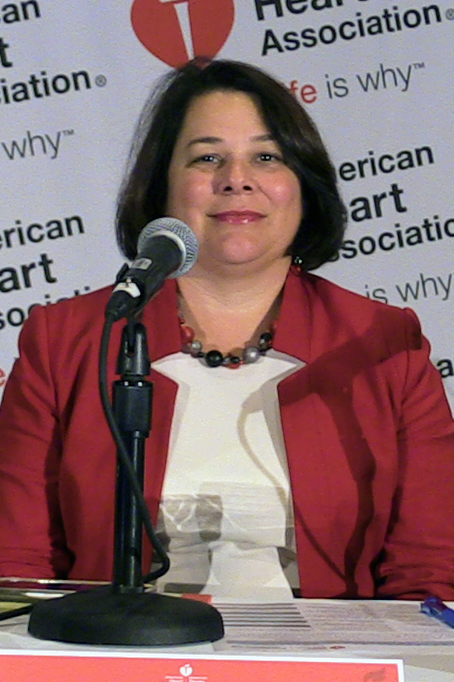
Furthermore, 1-year mortality was lower in this trial, at 4.6%, than in the placebo groups of the I-PRESERVE trial in irbesartan (5.2%) and the U.S. group of the TOPCAT trial in spironolactone (7.7%), said Dr. Kaye, professor and chief of cardiology at the University of Arizona, Tuscon.
Device therapy could have an enormous impact in carefully selected patients with HFpEF, for whom there are no medical treatments, despite the nonrandomized nature of the trial.
REDUCE LAP-HF was funded by Corvia Medical, maker of the shunt device. Dr. Kaye is an unpaid member of Corvia’s scientific advisory group. Dr. Sweitzer is an investigator in the ongoing randomized trial of the interatrial shunt.
NEW ORLEANS – An interatrial septal shunt device continued to provide “sustained and meaningful clinical benefit” at 1-year follow-up for 64 patients who had heart failure with preserved ejection fraction (HFpEF), David M. Kaye, MD, PhD, reported at the American Heart Association scientific sessions.
The device is implanted via cardiac catheterization and is intended to reduce elevated left atrial pressure, particularly that associated with exertion, by allowing a small amount but not excessive left-to-right shunting. Patients showed improvements in 6-minute walk distance, New York Heart Association class, and HF-related quality of life scores at 6 months, and those effects persisted at the most recent (12-month) follow-up, he said in a presentation that was simultaneously published online in Circulation (2016 Nov 16).
Overall survival at 1 year was 95%. Three patients died (one from combined pneumonia and renal failure, one from a fatal stroke, and one from an undetermined cause) and one was lost to follow-up. Thirteen patients required 17 hospitalizations for heart failure.
Six-minute walk distance improved from 331 meters at baseline to 363 meters. NYHA classification improved dramatically, as did quality of life scores as assessed by the Minnesota Living with HF questionnaire.
All 48 devices that were evaluable on echocardiographic imaging remained patent, showing continued left-to-right shunting. Left ventricular ejection fraction remained unchanged while right ventricular ejection fraction was significantly elevated over baseline levels. “In conjunction, there were modest but stable reductions in LV end-diastolic volume index with a concomitant rise in RV end-diastolic index,” he said.
A subset of 18 study participants underwent heart catheterization during both rest and exercise so that hemodynamics could be assessed. Exercise time increased significantly, from 8.2 minutes at baseline to 9.7 minutes at 6 months and to 10.4 minutes at 1 year. Similarly, peak work capacity during supine cycling increased from 48 watts at baseline to 60 watts at 6 months and 55 watts at 1 year. These benefits occurred without any increase in pulmonary capillary wedge pressure.
Systemic blood pressure did not change over time, either at rest or during exercise. Left and right atrial volumes also remained unchanged.
Perhaps most importantly, Dr. Kaye said, right-sided cardiac output increased significantly, while left-sided cardiac output remained unchanged. There was no evidence of increased pulmonary pressure or pulmonary vascular resistance. This meant that patients could do more physical activity for a given level of left atrial pressure, he said.
Furthermore, 1-year mortality was lower in this trial, at 4.6%, than in the placebo groups of the I-PRESERVE trial in irbesartan (5.2%) and the U.S. group of the TOPCAT trial in spironolactone (7.7%), said Dr. Kaye, professor and chief of cardiology at the University of Arizona, Tuscon.
Device therapy could have an enormous impact in carefully selected patients with HFpEF, for whom there are no medical treatments, despite the nonrandomized nature of the trial.
REDUCE LAP-HF was funded by Corvia Medical, maker of the shunt device. Dr. Kaye is an unpaid member of Corvia’s scientific advisory group. Dr. Sweitzer is an investigator in the ongoing randomized trial of the interatrial shunt.
NEW ORLEANS – An interatrial septal shunt device continued to provide “sustained and meaningful clinical benefit” at 1-year follow-up for 64 patients who had heart failure with preserved ejection fraction (HFpEF), David M. Kaye, MD, PhD, reported at the American Heart Association scientific sessions.
The device is implanted via cardiac catheterization and is intended to reduce elevated left atrial pressure, particularly that associated with exertion, by allowing a small amount but not excessive left-to-right shunting. Patients showed improvements in 6-minute walk distance, New York Heart Association class, and HF-related quality of life scores at 6 months, and those effects persisted at the most recent (12-month) follow-up, he said in a presentation that was simultaneously published online in Circulation (2016 Nov 16).
Overall survival at 1 year was 95%. Three patients died (one from combined pneumonia and renal failure, one from a fatal stroke, and one from an undetermined cause) and one was lost to follow-up. Thirteen patients required 17 hospitalizations for heart failure.
Six-minute walk distance improved from 331 meters at baseline to 363 meters. NYHA classification improved dramatically, as did quality of life scores as assessed by the Minnesota Living with HF questionnaire.
All 48 devices that were evaluable on echocardiographic imaging remained patent, showing continued left-to-right shunting. Left ventricular ejection fraction remained unchanged while right ventricular ejection fraction was significantly elevated over baseline levels. “In conjunction, there were modest but stable reductions in LV end-diastolic volume index with a concomitant rise in RV end-diastolic index,” he said.
A subset of 18 study participants underwent heart catheterization during both rest and exercise so that hemodynamics could be assessed. Exercise time increased significantly, from 8.2 minutes at baseline to 9.7 minutes at 6 months and to 10.4 minutes at 1 year. Similarly, peak work capacity during supine cycling increased from 48 watts at baseline to 60 watts at 6 months and 55 watts at 1 year. These benefits occurred without any increase in pulmonary capillary wedge pressure.
Systemic blood pressure did not change over time, either at rest or during exercise. Left and right atrial volumes also remained unchanged.
Perhaps most importantly, Dr. Kaye said, right-sided cardiac output increased significantly, while left-sided cardiac output remained unchanged. There was no evidence of increased pulmonary pressure or pulmonary vascular resistance. This meant that patients could do more physical activity for a given level of left atrial pressure, he said.
Furthermore, 1-year mortality was lower in this trial, at 4.6%, than in the placebo groups of the I-PRESERVE trial in irbesartan (5.2%) and the U.S. group of the TOPCAT trial in spironolactone (7.7%), said Dr. Kaye, professor and chief of cardiology at the University of Arizona, Tuscon.
Device therapy could have an enormous impact in carefully selected patients with HFpEF, for whom there are no medical treatments, despite the nonrandomized nature of the trial.
REDUCE LAP-HF was funded by Corvia Medical, maker of the shunt device. Dr. Kaye is an unpaid member of Corvia’s scientific advisory group. Dr. Sweitzer is an investigator in the ongoing randomized trial of the interatrial shunt.
AT THE AHA SCIENTIFIC SESSIONS 2016
Key clinical point: An interatrial septal shunt device continued to provide sustained and meaningful clinical benefit at 1-year follow-up for 64 patients who had heart failure with preserved ejection fraction.
Major finding: Six-minute walk distance improved from 331 meters at baseline to 363 meters at 1 year, NYHA classification improved dramatically, and HF-related quality of life scores also improved.
Data source: REDUCE LAP-HF, a multicenter, prospective, open-label study involving 64 patients followed for 1 year after transcatheter implantation of a shunt device.
Disclosures: REDUCE LAP-HF was funded by Corvia Medical, maker of the shunt device. Dr. Kaye is an unpaid member of Corvia’s scientific advisory group.
CSL112 enhances cholesterol efflux capacity after acute MI
CSL112, a plasma-derived apolipoprotein A-1 (apoA-1) that enhances cholesterol efflux capacity, was found safe for use after acute MI in a manufacturer-sponsored phase IIb trial, Michael Gibson, MD, reported at the American Heart Association scientific sessions.
Cholesterol efflux capacity is a measure of HDL cholesterol’s ability to remove excess cholesterol from atherosclerotic plaque for transport to the liver. Drugs that improve this capacity rather than simply raising HDL cholesterol are expected to reduce plaque burden and stabilize vulnerable plaque immediately following acute MI, when cholesterol efflux is significantly impaired. But they have not been tested in this patient population until now, said Dr. Gibson of Beth Israel Deaconess Medical Center and Harvard, both in Boston.
An earlier prototype formulation of CSL112 was discontinued because of concerns about transient elevations in liver enzymes and the potential for renal toxicity due to the agent’s high sucrose content. Dr. Gibson and his associates in the AEGIS-1 trial (ApoA-1 Event Reducing in Ischemic Syndromes 1) now report their findings for the current formulation of CSL112, which contains lower phosphatidylcholine and lower sucrose levels, in 1,258 patients who had MI during the preceding week and who had normal or only mildly impaired renal function. These results were reported at the meeting and simultaneously published online in Circulation (2016, Nov 15. doi: 10.1161/CIRCULATION AHA.116.025687).
The study participants were enrolled in 16 countries during an 11-month period. They were randomly assigned to receive low-dose (2 g) CSL112 (419 patients), high-dose (6 g) CSL112 (421 patients), or a matching placebo (418 patients) via IV infusion every week for 4 consecutive weeks. The median duration of follow-up at the time of this report was 7.5 months.
The two primary safety end points – the rate of hepatic impairment and the rate of renal impairment during treatment – were not significantly different across the three study groups. Hepatic impairment developed in 1.0% of the low-dose group, 0.5% of the high-dose group, and 0.0% of the placebo group. Renal impairment developed in 0.0% of the low-dose group, 0.7% of the high-dose group, and 0.2% of the placebo group.
Similarly, rates of major adverse cardiovascular events were comparable across the three study groups, as were rates of any grade of bleeding, rates of serious and life-threatening adverse events, and rates of adverse events leading to drug discontinuation.
This study focused on safety and tolerability and was not designed or powered to assess efficacy. Nevertheless, CSL112 caused a substantial and dose-dependent increase in both apoA-1 and cholesterol efflux capacity. The low-dose drug raised total cholesterol efflux capacity by 1.87-fold, and the high-dose drug raised it 2.45-fold.
As the first study to establish the safety and feasibility of adding CSL112 to standard care for acute MI, this trial demonstrates that an adequately powered, multicenter, phase III trial is warranted, Dr. Gibson said.
The current formulation of CSL112 didn’t provoke hepatic toxicity, and even though it was given shortly after contrast studies in MI patients, it also didn’t provoke renal toxicity. “This demonstrates the feasibility of administering CSL112 to patients with MI who have normal renal function or mild renal impairment shortly after angiography. A study in MI patients who have moderate renal impairment is now under way,” he noted.
This study was sponsored by CSL Behring, maker of CSL112. Dr. Gibson and his associates reported financial ties to Behring and numerous other industry sources.
CSL112, a plasma-derived apolipoprotein A-1 (apoA-1) that enhances cholesterol efflux capacity, was found safe for use after acute MI in a manufacturer-sponsored phase IIb trial, Michael Gibson, MD, reported at the American Heart Association scientific sessions.
Cholesterol efflux capacity is a measure of HDL cholesterol’s ability to remove excess cholesterol from atherosclerotic plaque for transport to the liver. Drugs that improve this capacity rather than simply raising HDL cholesterol are expected to reduce plaque burden and stabilize vulnerable plaque immediately following acute MI, when cholesterol efflux is significantly impaired. But they have not been tested in this patient population until now, said Dr. Gibson of Beth Israel Deaconess Medical Center and Harvard, both in Boston.
An earlier prototype formulation of CSL112 was discontinued because of concerns about transient elevations in liver enzymes and the potential for renal toxicity due to the agent’s high sucrose content. Dr. Gibson and his associates in the AEGIS-1 trial (ApoA-1 Event Reducing in Ischemic Syndromes 1) now report their findings for the current formulation of CSL112, which contains lower phosphatidylcholine and lower sucrose levels, in 1,258 patients who had MI during the preceding week and who had normal or only mildly impaired renal function. These results were reported at the meeting and simultaneously published online in Circulation (2016, Nov 15. doi: 10.1161/CIRCULATION AHA.116.025687).
The study participants were enrolled in 16 countries during an 11-month period. They were randomly assigned to receive low-dose (2 g) CSL112 (419 patients), high-dose (6 g) CSL112 (421 patients), or a matching placebo (418 patients) via IV infusion every week for 4 consecutive weeks. The median duration of follow-up at the time of this report was 7.5 months.
The two primary safety end points – the rate of hepatic impairment and the rate of renal impairment during treatment – were not significantly different across the three study groups. Hepatic impairment developed in 1.0% of the low-dose group, 0.5% of the high-dose group, and 0.0% of the placebo group. Renal impairment developed in 0.0% of the low-dose group, 0.7% of the high-dose group, and 0.2% of the placebo group.
Similarly, rates of major adverse cardiovascular events were comparable across the three study groups, as were rates of any grade of bleeding, rates of serious and life-threatening adverse events, and rates of adverse events leading to drug discontinuation.
This study focused on safety and tolerability and was not designed or powered to assess efficacy. Nevertheless, CSL112 caused a substantial and dose-dependent increase in both apoA-1 and cholesterol efflux capacity. The low-dose drug raised total cholesterol efflux capacity by 1.87-fold, and the high-dose drug raised it 2.45-fold.
As the first study to establish the safety and feasibility of adding CSL112 to standard care for acute MI, this trial demonstrates that an adequately powered, multicenter, phase III trial is warranted, Dr. Gibson said.
The current formulation of CSL112 didn’t provoke hepatic toxicity, and even though it was given shortly after contrast studies in MI patients, it also didn’t provoke renal toxicity. “This demonstrates the feasibility of administering CSL112 to patients with MI who have normal renal function or mild renal impairment shortly after angiography. A study in MI patients who have moderate renal impairment is now under way,” he noted.
This study was sponsored by CSL Behring, maker of CSL112. Dr. Gibson and his associates reported financial ties to Behring and numerous other industry sources.
CSL112, a plasma-derived apolipoprotein A-1 (apoA-1) that enhances cholesterol efflux capacity, was found safe for use after acute MI in a manufacturer-sponsored phase IIb trial, Michael Gibson, MD, reported at the American Heart Association scientific sessions.
Cholesterol efflux capacity is a measure of HDL cholesterol’s ability to remove excess cholesterol from atherosclerotic plaque for transport to the liver. Drugs that improve this capacity rather than simply raising HDL cholesterol are expected to reduce plaque burden and stabilize vulnerable plaque immediately following acute MI, when cholesterol efflux is significantly impaired. But they have not been tested in this patient population until now, said Dr. Gibson of Beth Israel Deaconess Medical Center and Harvard, both in Boston.
An earlier prototype formulation of CSL112 was discontinued because of concerns about transient elevations in liver enzymes and the potential for renal toxicity due to the agent’s high sucrose content. Dr. Gibson and his associates in the AEGIS-1 trial (ApoA-1 Event Reducing in Ischemic Syndromes 1) now report their findings for the current formulation of CSL112, which contains lower phosphatidylcholine and lower sucrose levels, in 1,258 patients who had MI during the preceding week and who had normal or only mildly impaired renal function. These results were reported at the meeting and simultaneously published online in Circulation (2016, Nov 15. doi: 10.1161/CIRCULATION AHA.116.025687).
The study participants were enrolled in 16 countries during an 11-month period. They were randomly assigned to receive low-dose (2 g) CSL112 (419 patients), high-dose (6 g) CSL112 (421 patients), or a matching placebo (418 patients) via IV infusion every week for 4 consecutive weeks. The median duration of follow-up at the time of this report was 7.5 months.
The two primary safety end points – the rate of hepatic impairment and the rate of renal impairment during treatment – were not significantly different across the three study groups. Hepatic impairment developed in 1.0% of the low-dose group, 0.5% of the high-dose group, and 0.0% of the placebo group. Renal impairment developed in 0.0% of the low-dose group, 0.7% of the high-dose group, and 0.2% of the placebo group.
Similarly, rates of major adverse cardiovascular events were comparable across the three study groups, as were rates of any grade of bleeding, rates of serious and life-threatening adverse events, and rates of adverse events leading to drug discontinuation.
This study focused on safety and tolerability and was not designed or powered to assess efficacy. Nevertheless, CSL112 caused a substantial and dose-dependent increase in both apoA-1 and cholesterol efflux capacity. The low-dose drug raised total cholesterol efflux capacity by 1.87-fold, and the high-dose drug raised it 2.45-fold.
As the first study to establish the safety and feasibility of adding CSL112 to standard care for acute MI, this trial demonstrates that an adequately powered, multicenter, phase III trial is warranted, Dr. Gibson said.
The current formulation of CSL112 didn’t provoke hepatic toxicity, and even though it was given shortly after contrast studies in MI patients, it also didn’t provoke renal toxicity. “This demonstrates the feasibility of administering CSL112 to patients with MI who have normal renal function or mild renal impairment shortly after angiography. A study in MI patients who have moderate renal impairment is now under way,” he noted.
This study was sponsored by CSL Behring, maker of CSL112. Dr. Gibson and his associates reported financial ties to Behring and numerous other industry sources.
FROM THE AHA SCIENTIFIC SESSIONS
Key clinical point: CSL112, a plasma-derived apolipoprotein A-1 that enhances cholesterol efflux capacity, was found safe for use after acute MI in an international phase IIb trial.
Major finding: Hepatic impairment developed in 1.0% of the low-dose group, 0.5% of the high-dose group, and 0.0% of the placebo group, while renal impairment developed in 0.0% of the low-dose group, 0.7% of the high-dose group, and 0.2% of the placebo group – all nonsignificant differences.
Data source: A manufacturer-sponsored randomized double-blind placebo-controlled phase IIb trial involving 1,258 patients in 16 countries.
Disclosures: This study was sponsored by CSL Behring, maker of CSL112. Dr. Gibson and his associates reported financial ties to Behring and numerous other industry sources.
VIDEO: For CABG, double arterial grafts found no better than single
NEW ORLEANS – Patients undergoing coronary artery bypass graft (CABG) surgery do not see any 5-year survival advantage when their surgeon uses both internal mammary (thoracic) arteries for grafting rather than just one of them along with a vein, finds an interim analysis from the randomized Arterial Revascularization Trial (ART).
Overall, about 8.5% of the 3,102 patients randomized had died 5 years after surgery, with no significant difference between the bilateral graft and single graft groups, according to data reported at the American Heart Association scientific sessions and simultaneously published (N Engl J Med. 2016 Nov 14. doi: 10.1056/NEJMoa1610021). The former had roughly triple the rate of sternal reconstruction, mainly driven by complications in insulin-dependent diabetes patients having high body mass index.
The video associated with this article is no longer available on this site. Please view all of our videos on the MDedge YouTube channel
There is strong angiographic evidence that vein grafts have a high rate of failure over time because of atherosclerosis, but internal mammary artery grafts retain excellent patency, he elaborated. “People have speculated that this superior patency of internal mammary arteries will translate into a clinical survival benefit,” and observational data indeed suggest that the bilateral artery strategy reduces mortality by about one-fifth relative to the single artery strategy.
Yet uptake of the bilateral procedure has been low. It is used in fewer than 5% of patients undergoing CABG in the United States and fewer than 10% of those in Europe, reflecting concerns about its greater technical complexity, potentially increased mortality and morbidity, and – until now – lack of evidence from randomized trials.
“What I think we can conclude today is that there are excellent 5-year outcomes of CABG in both groups. This study confirms that it’s at least safe to use bilateral grafts over the medium term,” Dr. Taggart commented. He discussed the results in a video interview conducted at the meeting.
These interim ART data probably won’t sway practice one way or the other, he said. “People who believe in arterial grafts will continue to do them, and those who are not enthusiastic about the prospect of a slightly technically more difficult operation [can now] remain comfortable as to why they are not using both internal mammary arteries.”
Pointed questions

The lack of difference was possibly due to a very high level of guideline-based medical therapy in the trial (which may have especially protected the vein grafts) or to the fact that the annual failure rate of vein grafts is modest and steady up to 5 years but accelerates thereafter, Dr. Taggart proposed. The trial’s primary outcome of 10-year survival, expected in 2018, will likely differ, speculated Dr. Sellke, who is also program chair for the AHA scientific sessions.
“Do you think multiple arterial grafting is superior to single internal mammary artery grafting considering the lack of improvement in survival and other outcomes in the study, with the increase in sternal wound infections?” he asked.
“I personally, if I needed the operation, would insist on having bilateral internal mammary artery grafts done by an experienced operator because it is totally counterintuitive to believe that having more patent grafts in your heart at 10 to 20 years of follow-up is of no benefit,” Dr. Taggart maintained.
When data meet clinical practice

It may require time for the benefit of the bilateral artery graft to emerge, he agreed. “I’m undeterred from my belief that ... in patients who are getting CABG done in their 40s or 50s or early 60s, betting on a graft that’s going to outperform vein grafts is the better strategy.”
Until the trial’s 10-year results become available, physicians may wish to put these interim results in the context when counseling patients, according to Dr. Gardner.
“We have indisputable evidence that arterial grafts have better long-term patency than vein grafts,” he elaborated. “If we had a very sophisticated patient, we might tell them that we were a little surprised that this head-to-head trial of single versus double didn’t show any survival benefit at 5 years, but we still are persuaded by the data that shows the better patency, and we think in the situation that the patient’s in, that we would still recommend a double mammary, assuming that the patient doesn’t have comorbidities that would make that more dangerous.”
Trial details
ART enrolled patients from 28 cardiac surgical centers in seven countries. The patients, all of whom had multivessel coronary disease and were scheduled to undergo CABG, were randomized evenly to single or bilateral internal thoracic artery grafts.
The interim results showed differences in nonadherence to the randomized operation: 2.4% of patients in the single graft group ultimately underwent got bilateral grafts, whereas 14% of patients in the bilateral graft group ultimately got a single graft.
“This raises questions about how experienced some surgeons were with the use of bilateral internal mammary artery grafts,” Dr. Taggart commented.
At 5 years of follow-up, 8.7% of patients in the bilateral graft group and 8.4% of patients in the single graft group had died, a nonsignificant difference. “Those mortalities are similar to what has been observed in other contemporary trials of CABG,” he noted. There was no difference between diabetic and nondiabetic patients with respect to this outcome.
The rate of the composite outcome of death, myocardial infarction, or stroke was 12.2% in the bilateral graft group and 12.7% in the single graft group, also a nonsignificant difference.
On the other hand, patients in the bilateral graft group had higher rates of sternal wound complications (3.5% vs. 1.9%; P = .005) and sternal reconstruction (1.9% vs. 0.6%; P = .002).
The groups were statistically indistinguishable with respect to rates of mortality, major bleeding, or need for repeat revascularization, as well as angina status and quality of life measures, according to Dr. Taggart, who disclosed that he had no relevant conflicts of interest.
NEW ORLEANS – Patients undergoing coronary artery bypass graft (CABG) surgery do not see any 5-year survival advantage when their surgeon uses both internal mammary (thoracic) arteries for grafting rather than just one of them along with a vein, finds an interim analysis from the randomized Arterial Revascularization Trial (ART).
Overall, about 8.5% of the 3,102 patients randomized had died 5 years after surgery, with no significant difference between the bilateral graft and single graft groups, according to data reported at the American Heart Association scientific sessions and simultaneously published (N Engl J Med. 2016 Nov 14. doi: 10.1056/NEJMoa1610021). The former had roughly triple the rate of sternal reconstruction, mainly driven by complications in insulin-dependent diabetes patients having high body mass index.
The video associated with this article is no longer available on this site. Please view all of our videos on the MDedge YouTube channel
There is strong angiographic evidence that vein grafts have a high rate of failure over time because of atherosclerosis, but internal mammary artery grafts retain excellent patency, he elaborated. “People have speculated that this superior patency of internal mammary arteries will translate into a clinical survival benefit,” and observational data indeed suggest that the bilateral artery strategy reduces mortality by about one-fifth relative to the single artery strategy.
Yet uptake of the bilateral procedure has been low. It is used in fewer than 5% of patients undergoing CABG in the United States and fewer than 10% of those in Europe, reflecting concerns about its greater technical complexity, potentially increased mortality and morbidity, and – until now – lack of evidence from randomized trials.
“What I think we can conclude today is that there are excellent 5-year outcomes of CABG in both groups. This study confirms that it’s at least safe to use bilateral grafts over the medium term,” Dr. Taggart commented. He discussed the results in a video interview conducted at the meeting.
These interim ART data probably won’t sway practice one way or the other, he said. “People who believe in arterial grafts will continue to do them, and those who are not enthusiastic about the prospect of a slightly technically more difficult operation [can now] remain comfortable as to why they are not using both internal mammary arteries.”
Pointed questions
The lack of difference was possibly due to a very high level of guideline-based medical therapy in the trial (which may have especially protected the vein grafts) or to the fact that the annual failure rate of vein grafts is modest and steady up to 5 years but accelerates thereafter, Dr. Taggart proposed. The trial’s primary outcome of 10-year survival, expected in 2018, will likely differ, speculated Dr. Sellke, who is also program chair for the AHA scientific sessions.
“Do you think multiple arterial grafting is superior to single internal mammary artery grafting considering the lack of improvement in survival and other outcomes in the study, with the increase in sternal wound infections?” he asked.
“I personally, if I needed the operation, would insist on having bilateral internal mammary artery grafts done by an experienced operator because it is totally counterintuitive to believe that having more patent grafts in your heart at 10 to 20 years of follow-up is of no benefit,” Dr. Taggart maintained.
When data meet clinical practice
It may require time for the benefit of the bilateral artery graft to emerge, he agreed. “I’m undeterred from my belief that ... in patients who are getting CABG done in their 40s or 50s or early 60s, betting on a graft that’s going to outperform vein grafts is the better strategy.”
Until the trial’s 10-year results become available, physicians may wish to put these interim results in the context when counseling patients, according to Dr. Gardner.
“We have indisputable evidence that arterial grafts have better long-term patency than vein grafts,” he elaborated. “If we had a very sophisticated patient, we might tell them that we were a little surprised that this head-to-head trial of single versus double didn’t show any survival benefit at 5 years, but we still are persuaded by the data that shows the better patency, and we think in the situation that the patient’s in, that we would still recommend a double mammary, assuming that the patient doesn’t have comorbidities that would make that more dangerous.”
Trial details
ART enrolled patients from 28 cardiac surgical centers in seven countries. The patients, all of whom had multivessel coronary disease and were scheduled to undergo CABG, were randomized evenly to single or bilateral internal thoracic artery grafts.
The interim results showed differences in nonadherence to the randomized operation: 2.4% of patients in the single graft group ultimately underwent got bilateral grafts, whereas 14% of patients in the bilateral graft group ultimately got a single graft.
“This raises questions about how experienced some surgeons were with the use of bilateral internal mammary artery grafts,” Dr. Taggart commented.
At 5 years of follow-up, 8.7% of patients in the bilateral graft group and 8.4% of patients in the single graft group had died, a nonsignificant difference. “Those mortalities are similar to what has been observed in other contemporary trials of CABG,” he noted. There was no difference between diabetic and nondiabetic patients with respect to this outcome.
The rate of the composite outcome of death, myocardial infarction, or stroke was 12.2% in the bilateral graft group and 12.7% in the single graft group, also a nonsignificant difference.
On the other hand, patients in the bilateral graft group had higher rates of sternal wound complications (3.5% vs. 1.9%; P = .005) and sternal reconstruction (1.9% vs. 0.6%; P = .002).
The groups were statistically indistinguishable with respect to rates of mortality, major bleeding, or need for repeat revascularization, as well as angina status and quality of life measures, according to Dr. Taggart, who disclosed that he had no relevant conflicts of interest.
NEW ORLEANS – Patients undergoing coronary artery bypass graft (CABG) surgery do not see any 5-year survival advantage when their surgeon uses both internal mammary (thoracic) arteries for grafting rather than just one of them along with a vein, finds an interim analysis from the randomized Arterial Revascularization Trial (ART).
Overall, about 8.5% of the 3,102 patients randomized had died 5 years after surgery, with no significant difference between the bilateral graft and single graft groups, according to data reported at the American Heart Association scientific sessions and simultaneously published (N Engl J Med. 2016 Nov 14. doi: 10.1056/NEJMoa1610021). The former had roughly triple the rate of sternal reconstruction, mainly driven by complications in insulin-dependent diabetes patients having high body mass index.
The video associated with this article is no longer available on this site. Please view all of our videos on the MDedge YouTube channel
There is strong angiographic evidence that vein grafts have a high rate of failure over time because of atherosclerosis, but internal mammary artery grafts retain excellent patency, he elaborated. “People have speculated that this superior patency of internal mammary arteries will translate into a clinical survival benefit,” and observational data indeed suggest that the bilateral artery strategy reduces mortality by about one-fifth relative to the single artery strategy.
Yet uptake of the bilateral procedure has been low. It is used in fewer than 5% of patients undergoing CABG in the United States and fewer than 10% of those in Europe, reflecting concerns about its greater technical complexity, potentially increased mortality and morbidity, and – until now – lack of evidence from randomized trials.
“What I think we can conclude today is that there are excellent 5-year outcomes of CABG in both groups. This study confirms that it’s at least safe to use bilateral grafts over the medium term,” Dr. Taggart commented. He discussed the results in a video interview conducted at the meeting.
These interim ART data probably won’t sway practice one way or the other, he said. “People who believe in arterial grafts will continue to do them, and those who are not enthusiastic about the prospect of a slightly technically more difficult operation [can now] remain comfortable as to why they are not using both internal mammary arteries.”
Pointed questions
The lack of difference was possibly due to a very high level of guideline-based medical therapy in the trial (which may have especially protected the vein grafts) or to the fact that the annual failure rate of vein grafts is modest and steady up to 5 years but accelerates thereafter, Dr. Taggart proposed. The trial’s primary outcome of 10-year survival, expected in 2018, will likely differ, speculated Dr. Sellke, who is also program chair for the AHA scientific sessions.
“Do you think multiple arterial grafting is superior to single internal mammary artery grafting considering the lack of improvement in survival and other outcomes in the study, with the increase in sternal wound infections?” he asked.
“I personally, if I needed the operation, would insist on having bilateral internal mammary artery grafts done by an experienced operator because it is totally counterintuitive to believe that having more patent grafts in your heart at 10 to 20 years of follow-up is of no benefit,” Dr. Taggart maintained.
When data meet clinical practice
It may require time for the benefit of the bilateral artery graft to emerge, he agreed. “I’m undeterred from my belief that ... in patients who are getting CABG done in their 40s or 50s or early 60s, betting on a graft that’s going to outperform vein grafts is the better strategy.”
Until the trial’s 10-year results become available, physicians may wish to put these interim results in the context when counseling patients, according to Dr. Gardner.
“We have indisputable evidence that arterial grafts have better long-term patency than vein grafts,” he elaborated. “If we had a very sophisticated patient, we might tell them that we were a little surprised that this head-to-head trial of single versus double didn’t show any survival benefit at 5 years, but we still are persuaded by the data that shows the better patency, and we think in the situation that the patient’s in, that we would still recommend a double mammary, assuming that the patient doesn’t have comorbidities that would make that more dangerous.”
Trial details
ART enrolled patients from 28 cardiac surgical centers in seven countries. The patients, all of whom had multivessel coronary disease and were scheduled to undergo CABG, were randomized evenly to single or bilateral internal thoracic artery grafts.
The interim results showed differences in nonadherence to the randomized operation: 2.4% of patients in the single graft group ultimately underwent got bilateral grafts, whereas 14% of patients in the bilateral graft group ultimately got a single graft.
“This raises questions about how experienced some surgeons were with the use of bilateral internal mammary artery grafts,” Dr. Taggart commented.
At 5 years of follow-up, 8.7% of patients in the bilateral graft group and 8.4% of patients in the single graft group had died, a nonsignificant difference. “Those mortalities are similar to what has been observed in other contemporary trials of CABG,” he noted. There was no difference between diabetic and nondiabetic patients with respect to this outcome.
The rate of the composite outcome of death, myocardial infarction, or stroke was 12.2% in the bilateral graft group and 12.7% in the single graft group, also a nonsignificant difference.
On the other hand, patients in the bilateral graft group had higher rates of sternal wound complications (3.5% vs. 1.9%; P = .005) and sternal reconstruction (1.9% vs. 0.6%; P = .002).
The groups were statistically indistinguishable with respect to rates of mortality, major bleeding, or need for repeat revascularization, as well as angina status and quality of life measures, according to Dr. Taggart, who disclosed that he had no relevant conflicts of interest.
AT THE AHA SCIENTIFIC SESSIONS
Key clinical point:
Major finding: At 5 years, the rate of all-cause mortality was 8.7% in the bilateral graft group and 8.4% in the single graft group, a nonsignificant difference.
Data source: ART, a randomized trial among 3,102 patients with multivessel coronary disease undergoing CABG.
Disclosures: Dr. Taggart had no relevant conflicts of interest. The trial was funded by the U.K. Medical Research Council, the British Heart Foundation, and the U.K. National Institute of Health Research Efficacy and Mechanistic Evaluation.
VIDEO: Celecoxib just as safe as naproxen or ibuprofen in OA and RA
WASHINGTON – Celecoxib conferred a 53% decreased risk of overall mortality upon patients with rheumatoid arthritis when compared with naproxen – a surprise finding in a subanalysis of the newly released PRECISION study of anti-inflammatory drugs in arthritis.
But it’s tough to know what to make of the difference, according to the investigators at the annual meeting of the American College of Rheumatology. Although statistically significant, the mortality finding was based on just 45 events: 30 among those taking naproxen and 15 among those taking celecoxib.
“While I would say we were surprised to see this, we really can’t say what it means – or if it means anything,” primary investigator Daniel Solomon, MD, said in an interview. “This is a finding we will continue to investigate and look at, but at this point it’s not enough to base any prescribing decisions on.”
PRECISION (Prospective Randomized Evaluation of Celecoxib Integrated Safety Versus Ibuprofen or Naproxen) enrolled more than 24,000 patients with osteoarthritis or rheumatoid arthritis. They were randomized to celecoxib, naproxen, or ibuprofen for a mean of 20 months, with an additional mean follow-up of 34 months.
The primary outcome was the first occurrence of an adverse event from the Antiplatelet Trialists Collaboration criteria (APTC; death from cardiovascular causes, nonfatal heart attack, or nonfatal stroke). Secondary outcomes included:
• Major cardiovascular events (heart attack, stroke, cardiovascular death, revascularization, and hospitalization for unstable angina or transient ischemic attack).
• Renal events (acute kidney injury, including hospitalization for renal failure).
• Gastrointestinal events (hemorrhage, perforation, gastroduodenal ulcer, anemia of gastrointestinal origin, and gastric outlet obstruction.
The main PRECISION findings were released Nov. 13 at the annual meeting of the American Heart Association and simultaneously published in the New England Journal of Medicine (N Engl J Med. 2016 Nov 13. doi: 10.1056/NEJMoa1611593).
Overall, celecoxib was just as safe as were the other drugs on the APTC endpoint, which occurred in about 2% of each groups. The study found significantly decreased risks of both GI and renal events with celecoxib, compared with either naproxen or ibuprofen. Celecoxib and naproxen were equivalent with regard to GI and renal events.
The subanalysis, released at the ACR meeting, adds important disease-specific context to the overall PRECISION results.
“We wanted to really delve into the subtle differences in how these two patient groups responded to these medications,” said PRECISION coinvestigator Elaine Husni, MD, vice chair of the department of rheumatic and immunologic diseases at the Cleveland Clinic.
“We learned that each of these NSAIDs has a unique safety profile that can be different in different groups. And in general, celecoxib seems less risky than the others.”
The cohort subanalysis broke down these endpoints among 21,600 patients with osteoarthritis and 2,400 with rheumatoid arthritis.
Among patients with osteoarthritis, celecoxib was also associated with a 16% decreased risk of a major adverse cardiovascular event, compared with ibuprofen. GI events were also less likely in this group: Celecoxib was associated with a 32% decreased risk, compared with ibuprofen, and a 27% decreased risk, compared with naproxen.
Renal outcomes were almost identical in all of the medications in both groups, Dr. Husni said.
In addition to the adverse event outcomes, the subanalysis examined how well patients responded to their assigned NSAID. There were also some subtle differences seen here, Dr. Solomon and Dr. Husni said.
For patients with RA, ibuprofen was slightly, but significantly, more effective than either celecoxib or ibuprofen at controlling pain as measured by a visual analog pain scale. Patients with osteoarthritis responded equally well to all of the drugs.
RA patients also responded best to ibuprofen as measured by the Health Assessment Questionnaire Disability Index (HAQ-DI). Again, patients with osteoarthritis responded equally well to all of the medications.
The overall findings, as well as the subanalysis, should be reassuring to both physicians and patients, said Dr. Solomon, chief of the section of clinical sciences in the divisions of rheumatology and pharmacoepidemiology at Brigham and Women’s Hospital, Boston.
“I can now stand in front of patients and say with confidence, ‘Each of these drugs is fairly safe, and together we can choose the one that will be best for you, based on your own individual history and your own individual risk factors.’ I feel good about that.”
Pfizer funded the trial. Dr. Husni has research grants from Genzyme/Sanofi on a knee osteoarthritis trial related to hyaluronic acid injections. Dr. Solomon has research grants from Pfizer on non-NSAID related topics. He also receives royalties from UpToDate on chapters related to NSAIDs and selective COX-2 inhibitors.
The video associated with this article is no longer available on this site. Please view all of our videos on the MDedge YouTube channel
[email protected]
On Twitter @alz_gal
WASHINGTON – Celecoxib conferred a 53% decreased risk of overall mortality upon patients with rheumatoid arthritis when compared with naproxen – a surprise finding in a subanalysis of the newly released PRECISION study of anti-inflammatory drugs in arthritis.
But it’s tough to know what to make of the difference, according to the investigators at the annual meeting of the American College of Rheumatology. Although statistically significant, the mortality finding was based on just 45 events: 30 among those taking naproxen and 15 among those taking celecoxib.
“While I would say we were surprised to see this, we really can’t say what it means – or if it means anything,” primary investigator Daniel Solomon, MD, said in an interview. “This is a finding we will continue to investigate and look at, but at this point it’s not enough to base any prescribing decisions on.”
PRECISION (Prospective Randomized Evaluation of Celecoxib Integrated Safety Versus Ibuprofen or Naproxen) enrolled more than 24,000 patients with osteoarthritis or rheumatoid arthritis. They were randomized to celecoxib, naproxen, or ibuprofen for a mean of 20 months, with an additional mean follow-up of 34 months.
The primary outcome was the first occurrence of an adverse event from the Antiplatelet Trialists Collaboration criteria (APTC; death from cardiovascular causes, nonfatal heart attack, or nonfatal stroke). Secondary outcomes included:
• Major cardiovascular events (heart attack, stroke, cardiovascular death, revascularization, and hospitalization for unstable angina or transient ischemic attack).
• Renal events (acute kidney injury, including hospitalization for renal failure).
• Gastrointestinal events (hemorrhage, perforation, gastroduodenal ulcer, anemia of gastrointestinal origin, and gastric outlet obstruction.
The main PRECISION findings were released Nov. 13 at the annual meeting of the American Heart Association and simultaneously published in the New England Journal of Medicine (N Engl J Med. 2016 Nov 13. doi: 10.1056/NEJMoa1611593).
Overall, celecoxib was just as safe as were the other drugs on the APTC endpoint, which occurred in about 2% of each groups. The study found significantly decreased risks of both GI and renal events with celecoxib, compared with either naproxen or ibuprofen. Celecoxib and naproxen were equivalent with regard to GI and renal events.
The subanalysis, released at the ACR meeting, adds important disease-specific context to the overall PRECISION results.
“We wanted to really delve into the subtle differences in how these two patient groups responded to these medications,” said PRECISION coinvestigator Elaine Husni, MD, vice chair of the department of rheumatic and immunologic diseases at the Cleveland Clinic.
“We learned that each of these NSAIDs has a unique safety profile that can be different in different groups. And in general, celecoxib seems less risky than the others.”
The cohort subanalysis broke down these endpoints among 21,600 patients with osteoarthritis and 2,400 with rheumatoid arthritis.
Among patients with osteoarthritis, celecoxib was also associated with a 16% decreased risk of a major adverse cardiovascular event, compared with ibuprofen. GI events were also less likely in this group: Celecoxib was associated with a 32% decreased risk, compared with ibuprofen, and a 27% decreased risk, compared with naproxen.
Renal outcomes were almost identical in all of the medications in both groups, Dr. Husni said.
In addition to the adverse event outcomes, the subanalysis examined how well patients responded to their assigned NSAID. There were also some subtle differences seen here, Dr. Solomon and Dr. Husni said.
For patients with RA, ibuprofen was slightly, but significantly, more effective than either celecoxib or ibuprofen at controlling pain as measured by a visual analog pain scale. Patients with osteoarthritis responded equally well to all of the drugs.
RA patients also responded best to ibuprofen as measured by the Health Assessment Questionnaire Disability Index (HAQ-DI). Again, patients with osteoarthritis responded equally well to all of the medications.
The overall findings, as well as the subanalysis, should be reassuring to both physicians and patients, said Dr. Solomon, chief of the section of clinical sciences in the divisions of rheumatology and pharmacoepidemiology at Brigham and Women’s Hospital, Boston.
“I can now stand in front of patients and say with confidence, ‘Each of these drugs is fairly safe, and together we can choose the one that will be best for you, based on your own individual history and your own individual risk factors.’ I feel good about that.”
Pfizer funded the trial. Dr. Husni has research grants from Genzyme/Sanofi on a knee osteoarthritis trial related to hyaluronic acid injections. Dr. Solomon has research grants from Pfizer on non-NSAID related topics. He also receives royalties from UpToDate on chapters related to NSAIDs and selective COX-2 inhibitors.
The video associated with this article is no longer available on this site. Please view all of our videos on the MDedge YouTube channel
[email protected]
On Twitter @alz_gal
WASHINGTON – Celecoxib conferred a 53% decreased risk of overall mortality upon patients with rheumatoid arthritis when compared with naproxen – a surprise finding in a subanalysis of the newly released PRECISION study of anti-inflammatory drugs in arthritis.
But it’s tough to know what to make of the difference, according to the investigators at the annual meeting of the American College of Rheumatology. Although statistically significant, the mortality finding was based on just 45 events: 30 among those taking naproxen and 15 among those taking celecoxib.
“While I would say we were surprised to see this, we really can’t say what it means – or if it means anything,” primary investigator Daniel Solomon, MD, said in an interview. “This is a finding we will continue to investigate and look at, but at this point it’s not enough to base any prescribing decisions on.”
PRECISION (Prospective Randomized Evaluation of Celecoxib Integrated Safety Versus Ibuprofen or Naproxen) enrolled more than 24,000 patients with osteoarthritis or rheumatoid arthritis. They were randomized to celecoxib, naproxen, or ibuprofen for a mean of 20 months, with an additional mean follow-up of 34 months.
The primary outcome was the first occurrence of an adverse event from the Antiplatelet Trialists Collaboration criteria (APTC; death from cardiovascular causes, nonfatal heart attack, or nonfatal stroke). Secondary outcomes included:
• Major cardiovascular events (heart attack, stroke, cardiovascular death, revascularization, and hospitalization for unstable angina or transient ischemic attack).
• Renal events (acute kidney injury, including hospitalization for renal failure).
• Gastrointestinal events (hemorrhage, perforation, gastroduodenal ulcer, anemia of gastrointestinal origin, and gastric outlet obstruction.
The main PRECISION findings were released Nov. 13 at the annual meeting of the American Heart Association and simultaneously published in the New England Journal of Medicine (N Engl J Med. 2016 Nov 13. doi: 10.1056/NEJMoa1611593).
Overall, celecoxib was just as safe as were the other drugs on the APTC endpoint, which occurred in about 2% of each groups. The study found significantly decreased risks of both GI and renal events with celecoxib, compared with either naproxen or ibuprofen. Celecoxib and naproxen were equivalent with regard to GI and renal events.
The subanalysis, released at the ACR meeting, adds important disease-specific context to the overall PRECISION results.
“We wanted to really delve into the subtle differences in how these two patient groups responded to these medications,” said PRECISION coinvestigator Elaine Husni, MD, vice chair of the department of rheumatic and immunologic diseases at the Cleveland Clinic.
“We learned that each of these NSAIDs has a unique safety profile that can be different in different groups. And in general, celecoxib seems less risky than the others.”
The cohort subanalysis broke down these endpoints among 21,600 patients with osteoarthritis and 2,400 with rheumatoid arthritis.
Among patients with osteoarthritis, celecoxib was also associated with a 16% decreased risk of a major adverse cardiovascular event, compared with ibuprofen. GI events were also less likely in this group: Celecoxib was associated with a 32% decreased risk, compared with ibuprofen, and a 27% decreased risk, compared with naproxen.
Renal outcomes were almost identical in all of the medications in both groups, Dr. Husni said.
In addition to the adverse event outcomes, the subanalysis examined how well patients responded to their assigned NSAID. There were also some subtle differences seen here, Dr. Solomon and Dr. Husni said.
For patients with RA, ibuprofen was slightly, but significantly, more effective than either celecoxib or ibuprofen at controlling pain as measured by a visual analog pain scale. Patients with osteoarthritis responded equally well to all of the drugs.
RA patients also responded best to ibuprofen as measured by the Health Assessment Questionnaire Disability Index (HAQ-DI). Again, patients with osteoarthritis responded equally well to all of the medications.
The overall findings, as well as the subanalysis, should be reassuring to both physicians and patients, said Dr. Solomon, chief of the section of clinical sciences in the divisions of rheumatology and pharmacoepidemiology at Brigham and Women’s Hospital, Boston.
“I can now stand in front of patients and say with confidence, ‘Each of these drugs is fairly safe, and together we can choose the one that will be best for you, based on your own individual history and your own individual risk factors.’ I feel good about that.”
Pfizer funded the trial. Dr. Husni has research grants from Genzyme/Sanofi on a knee osteoarthritis trial related to hyaluronic acid injections. Dr. Solomon has research grants from Pfizer on non-NSAID related topics. He also receives royalties from UpToDate on chapters related to NSAIDs and selective COX-2 inhibitors.
The video associated with this article is no longer available on this site. Please view all of our videos on the MDedge YouTube channel
[email protected]
On Twitter @alz_gal
AT THE ACR ANNUAL MEETING
Key clinical point:
Major finding: Compared with naproxen, celecoxib was associated with a 53% lower risk of overall mortality, although the clinical impact of that finding remains unknown.
Data source: PRECISION, which randomized more than 24,000 patients to celecoxib, ibuprofen, or naproxen.
Disclosures: Pfizer funded the trial. Dr. Husni has research grants from Genzyme/Sanofi on a knee osteoarthritis trial related to hyaluronic acid injections. Dr. Solomon has research grants from Pfizer on non-NSAID related topics. He also receives royalties from UpToDate on chapters related to NSAIDs and selective COX-2 inhibitors.

No primary prevention gains from low-dose aspirin in diabetes
Low-dose aspirin does not appear to reduce the risk of cardiovascular events in individuals with type 2 diabetes but without preexisting cardiovascular disease, according to a study presented at the American Heart Association scientific sessions and published simultaneously in the Nov. 15 edition of Circulation.
In the long-term follow-up of participants in an open-label controlled trial, Japanese researchers followed 2,539 patients with type 2 diabetes who were randomized to daily aspirin (81 mg or 100 mg) or no aspirin, for a median of 10.3 years to see the impact on the incidence of cardiovascular events.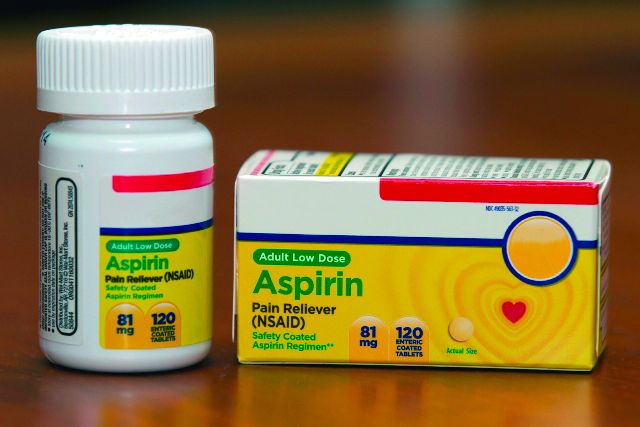
In their study, they found that a daily regimen of low-dose aspirin was not associated with a significant change in the risk of cardiovascular events including sudden death, fatal or nonfatal coronary artery disease, fatal or nonfatal stroke, and peripheral vascular disease (hazard ratio, 1.14; 95% confidence interval, 0.91-1.42). They also found no significant difference between the two groups in secondary outcomes, which were a composite of coronary artery, cerebrovascular, and vascular events.
This lack of impact persisted even after age, sex, glycemic control, kidney function, smoking status, hypertension, and dyslipidemia were accounted for, and it was also seen in sensitivity analyses on the intention-to-treat cohort.
However, the investigators did find a significantly higher rate of gastrointestinal bleeding in patients taking aspirin, compared with the control group (2% vs. 0.9%, P = .03) but no difference in the rate of hemorrhagic stroke.
“Meta-analyses in patients with diabetes have reported that aspirin has a smaller benefit for primary prevention than in general populations, although patients with diabetes are at high risk for cardiovascular events,” the authors wrote. “It seems there are differential effects of low-dose aspirin therapy on preventing cardiovascular events in patients with and without diabetes.”
The study was supported by the Ministry of Health, Labour, and Welfare of Japan and the Japan Heart Foundation. Eight authors declared funding, grants, honoraria, and other support from the pharmaceutical industry. No other conflicts of interest were declared.
Low-dose aspirin does not appear to reduce the risk of cardiovascular events in individuals with type 2 diabetes but without preexisting cardiovascular disease, according to a study presented at the American Heart Association scientific sessions and published simultaneously in the Nov. 15 edition of Circulation.
In the long-term follow-up of participants in an open-label controlled trial, Japanese researchers followed 2,539 patients with type 2 diabetes who were randomized to daily aspirin (81 mg or 100 mg) or no aspirin, for a median of 10.3 years to see the impact on the incidence of cardiovascular events.
In their study, they found that a daily regimen of low-dose aspirin was not associated with a significant change in the risk of cardiovascular events including sudden death, fatal or nonfatal coronary artery disease, fatal or nonfatal stroke, and peripheral vascular disease (hazard ratio, 1.14; 95% confidence interval, 0.91-1.42). They also found no significant difference between the two groups in secondary outcomes, which were a composite of coronary artery, cerebrovascular, and vascular events.
This lack of impact persisted even after age, sex, glycemic control, kidney function, smoking status, hypertension, and dyslipidemia were accounted for, and it was also seen in sensitivity analyses on the intention-to-treat cohort.
However, the investigators did find a significantly higher rate of gastrointestinal bleeding in patients taking aspirin, compared with the control group (2% vs. 0.9%, P = .03) but no difference in the rate of hemorrhagic stroke.
“Meta-analyses in patients with diabetes have reported that aspirin has a smaller benefit for primary prevention than in general populations, although patients with diabetes are at high risk for cardiovascular events,” the authors wrote. “It seems there are differential effects of low-dose aspirin therapy on preventing cardiovascular events in patients with and without diabetes.”
The study was supported by the Ministry of Health, Labour, and Welfare of Japan and the Japan Heart Foundation. Eight authors declared funding, grants, honoraria, and other support from the pharmaceutical industry. No other conflicts of interest were declared.
Low-dose aspirin does not appear to reduce the risk of cardiovascular events in individuals with type 2 diabetes but without preexisting cardiovascular disease, according to a study presented at the American Heart Association scientific sessions and published simultaneously in the Nov. 15 edition of Circulation.
In the long-term follow-up of participants in an open-label controlled trial, Japanese researchers followed 2,539 patients with type 2 diabetes who were randomized to daily aspirin (81 mg or 100 mg) or no aspirin, for a median of 10.3 years to see the impact on the incidence of cardiovascular events.
In their study, they found that a daily regimen of low-dose aspirin was not associated with a significant change in the risk of cardiovascular events including sudden death, fatal or nonfatal coronary artery disease, fatal or nonfatal stroke, and peripheral vascular disease (hazard ratio, 1.14; 95% confidence interval, 0.91-1.42). They also found no significant difference between the two groups in secondary outcomes, which were a composite of coronary artery, cerebrovascular, and vascular events.
This lack of impact persisted even after age, sex, glycemic control, kidney function, smoking status, hypertension, and dyslipidemia were accounted for, and it was also seen in sensitivity analyses on the intention-to-treat cohort.
However, the investigators did find a significantly higher rate of gastrointestinal bleeding in patients taking aspirin, compared with the control group (2% vs. 0.9%, P = .03) but no difference in the rate of hemorrhagic stroke.
“Meta-analyses in patients with diabetes have reported that aspirin has a smaller benefit for primary prevention than in general populations, although patients with diabetes are at high risk for cardiovascular events,” the authors wrote. “It seems there are differential effects of low-dose aspirin therapy on preventing cardiovascular events in patients with and without diabetes.”
The study was supported by the Ministry of Health, Labour, and Welfare of Japan and the Japan Heart Foundation. Eight authors declared funding, grants, honoraria, and other support from the pharmaceutical industry. No other conflicts of interest were declared.
FROM THE AHA SCIENTIFIC SESSIONS
Key clinical point:
Major finding: Patients with type 2 diabetes taking daily low-dose aspirin showed no significant reductions in cardiovascular events, compared with a control group not taking aspirin.
Data source: Long-term follow-up in a randomized controlled trial in 2,539 patients with type 2 diabetes in the absence of preexisting cardiovascular disease.
Disclosures: The study was supported by the Ministry of Health, Labour, and Welfare of Japan and the Japan Heart Foundation. Eight authors declared funding, grants, honoraria, and other support from the pharmaceutical industry. No other conflicts of interest were declared.
USPSTF: Expand statin use beyond lipids to CVD risk
Use of statins for the primary prevention of cardiovascular disease should be based on overall cardiovascular disease risk, not necessarily blood lipid levels, according to new recommendations from the United States Preventive Services Task Force.
Despite widespread use in the elderly, USPSTF also said there’s insufficient evidence to recommend starting statins for cardiovascular disease (CVD) prevention in patients 76 years or older (JAMA. 2016 Nov;316[19]:1997-2007).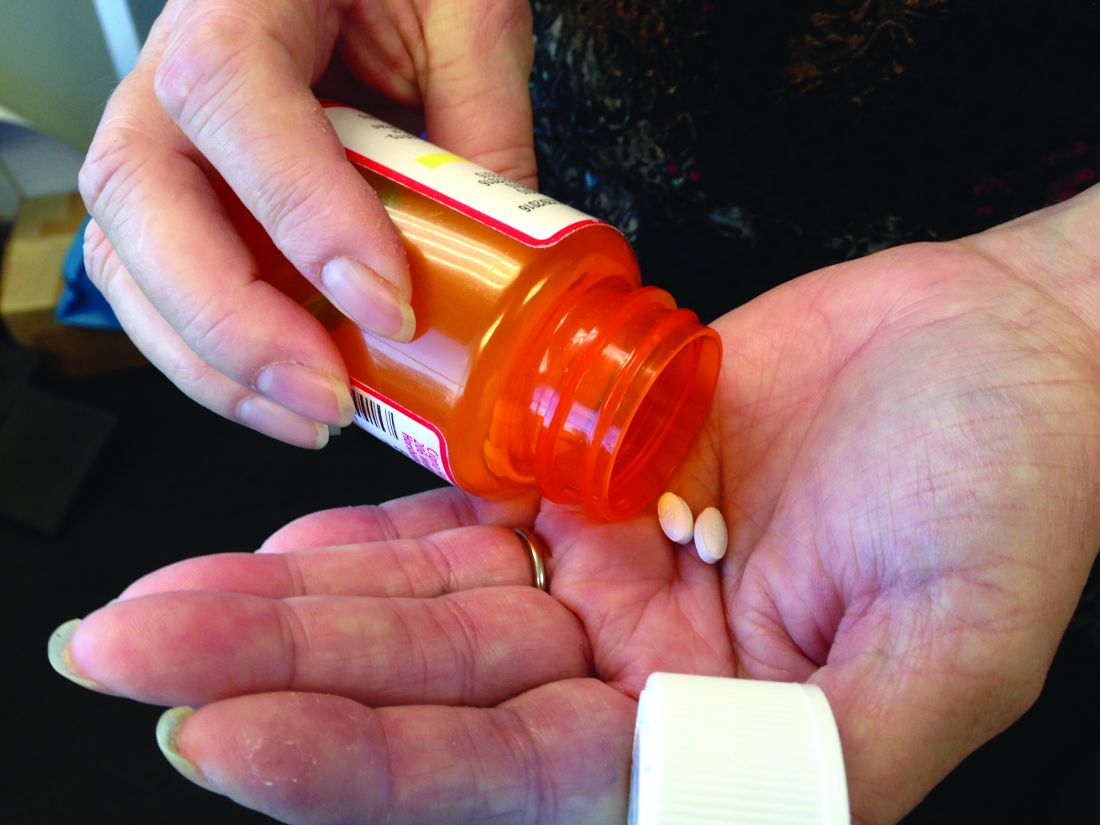
USPSTF now recommends low- to moderate-dose statins for primary prevention in adults 40-75 years old who have at least one CVD risk factor – dyslipidemia, diabetes, hypertension, or smoking – and a 10-year CVD event risk of at least 10% (B grade). It also recommended “selectively” offering low- to moderate-dose statins if patients have a 7.5%-10% risk (C grade). The task force recommends using the online American College of Cardiology/American Heart Association risk calculator.
A B grade denotes that USPSTF recommends the service as one where there is “high certainty that the net benefit is moderate or there is moderate certainty that the net benefit is moderate to substantial.” With a C grade, the task force recommends that the service be provided subject to professional judgment and patient preferences.
The new advices from USPSTF is consistent with the task force’s 2015 draft proposals, and is based on a pooled analysis of 19 randomized trials in 71,344 adults at risk for CVD but without prior events; 17 of the studies were sponsored at least in part by the companies that make statins. The median duration of follow-up was 3 years. Trials included atorvastatin (Lipitor) and six other statins from 1994-2016.
Few of the 19 trials enrolled patients older than 75 years, so “the balance of benefits and harms of initiating statin use for” primary prevention in elderly adults “cannot be determined.” The task force did not make a recommendation either way, and called for further investigation.
For younger patients, the scales tipped toward benefit when the group found no overall increased risk of cancer, liver damage, diabetes, or cognitive problems with statins for primary prevention. “Although muscle pain, soreness, or weakness are commonly reported with statin use, there were no statistically significant differences between the intervention and control groups for myalgia, myopathy, or rhabdomyolysis,” according to the task force.
Across the 19 trials, statin therapy was associated with a statistically significant 14% reduction in all-cause mortality; 31% reduction in cardiovascular mortality; 29% reduction in stroke; and a 36% reduction in myocardial infarction; 250 patients needed to be treated to prevent one death from any cause after 1-6 years, and 233 to prevent one cardiovascular death after 2-6 years.
The recommendations call for low to moderate doses because that’s what most of the studies used, and there were no clear benefits when trials stratified patients by dose.
USPSTF cautioned that “reliance on a risk calculator ... alone as a basis for prevention may be problematic, given its possible overestimation of risk in some populations” and noted that the benefits “of statin use may be linear according to a patient’s absolute risk level, and any cut points used are only population estimates of benefits.”
The recommendations do not pertain to adults with very high CVD risk, such as those with familial hypercholesterolemia or an LDL level greater than 190mg/dL, since they were excluded from primary prevention trials.
While the USPSTF was careful in its evidence review, “ the limitations of the evidence were not considered sufficiently, given the serious concerns about the harms of statins for primary prevention,” Rita Redberg, MD, and Mitchell Katz, MD, wrote in an editorial accompanying the recommendations.
“USPSTF also did not have access to patient-level data; they had to rely on peer-reviewed published reports,” according to the editorialists. “The actual trial data are largely held by the Cholesterol Treatment Trialists’ Collaboration on behalf of industry sponsors and have not been made available to other researchers, despite multiple requests over many years.” Further, many of the trials were industry sponsored.
Using the USPSTF data, only 2% of patients who take statins for 5 years will avoid a myocardial infarction; virtually all (98%) will not experience any benefit. At the same time, 5%-20% will experience side effects including rhabdomyolysis, cognitive dysfunction, and increased risk of diabetes (JAMA. 2016 Nov;316[19]:1979-81).
There are unintended consequences of widespread statin use in healthy persons, Dr. Redberg and Dr. Katz wrote. People taking statins are more likely to become obese and more sedentary over time, likely because they mistakenly think they do not need to eat a healthy diet and exercise.
The USPSTF analysis was funded by the Agency for Healthcare Research and Quality. Task force lead Kirsten Bibbins-Domingo, MD, PhD, of the University of California, San Francisco, has advised the Institute for Clinical and Economic Review, which is partly funded by industry, on the cost-effectiveness of lipid-lowering drugs. Another member reported comparing how well they worked. The other 15 task force members had no disclosures.
Dare cardiovascular experts consider a future in which there are near-universal statin recommendations for middle-aged adults?
[USPSTF analysis suggests] that statin recommendations could be based primarily on a patient’s underlying CVD risk rather than on his or her cholesterol level. Disseminating a treatment strategy based largely on CVD risk alone has been a difficult message for the clinical community to accept and implement.
Nearly a generation of physicians has considered high-cholesterol levels, rather than generalized CVD risk, the target for statin treatment. Only a minority of physicians consistently use complex, risk-based probabilistic calculations to determine therapy.
Several key questions deserve careful consideration. Should LDL be considered in treatment recommendations beyond CVD risk? The decision to use absolute risk to guide statin recommendations is based on the finding that the relative risk reduction seen with statin therapy is independent of baseline risk; thus, those with the highest absolute baseline CVD risk experience the greatest reduction in CVD events.
However, the relative risk reduction of lipid-lowering therapy is also proportional to mmol/dL reduction in LDL level. This supports the contention that those with the highest baseline LDL levels should benefit the most from treatment because they have the most potential decline in LDL with intervention. One way to reconcile these findings is to incorporate both LDL levels and CVD risk into treatment recommendations, as has been done in the European guidelines. This approach recognizes that the relative benefit of statins is proportional to LDL lowering but that the absolute treatment benefit is largely driven by baseline risk.
From the resource perspective, the vast majority of statins are now available as generic products and require limited monitoring, leading to quite modest therapeutic costs. For patients in the gray area not covered by the guidelines, clinicians should be cautioned against adopting either a “treat none” or a “treat all” strategy. Rather, gaps in the evidence provide opportunities for clinicians to practice the art of medicine and engage with patients in shared decision-making regarding strategies for CVD prevention.
Ann Marie Navar, MD, PhD, and Eric Peterson, MD, MPH, are both at the Duke Clinical Research Institute in Durham, N.C. Dr. Navar reported funding from Regeneron and Sanofi. Dr. Peterson reported funding from Merck, Sanofi, Regeneron, and AstraZeneca. They made their comments in an editorial to the USPSTF report (JAMA. 2016 Nov;316[19]:1981-3).
Dare cardiovascular experts consider a future in which there are near-universal statin recommendations for middle-aged adults?
[USPSTF analysis suggests] that statin recommendations could be based primarily on a patient’s underlying CVD risk rather than on his or her cholesterol level. Disseminating a treatment strategy based largely on CVD risk alone has been a difficult message for the clinical community to accept and implement.
Nearly a generation of physicians has considered high-cholesterol levels, rather than generalized CVD risk, the target for statin treatment. Only a minority of physicians consistently use complex, risk-based probabilistic calculations to determine therapy.
Several key questions deserve careful consideration. Should LDL be considered in treatment recommendations beyond CVD risk? The decision to use absolute risk to guide statin recommendations is based on the finding that the relative risk reduction seen with statin therapy is independent of baseline risk; thus, those with the highest absolute baseline CVD risk experience the greatest reduction in CVD events.
However, the relative risk reduction of lipid-lowering therapy is also proportional to mmol/dL reduction in LDL level. This supports the contention that those with the highest baseline LDL levels should benefit the most from treatment because they have the most potential decline in LDL with intervention. One way to reconcile these findings is to incorporate both LDL levels and CVD risk into treatment recommendations, as has been done in the European guidelines. This approach recognizes that the relative benefit of statins is proportional to LDL lowering but that the absolute treatment benefit is largely driven by baseline risk.
From the resource perspective, the vast majority of statins are now available as generic products and require limited monitoring, leading to quite modest therapeutic costs. For patients in the gray area not covered by the guidelines, clinicians should be cautioned against adopting either a “treat none” or a “treat all” strategy. Rather, gaps in the evidence provide opportunities for clinicians to practice the art of medicine and engage with patients in shared decision-making regarding strategies for CVD prevention.
Ann Marie Navar, MD, PhD, and Eric Peterson, MD, MPH, are both at the Duke Clinical Research Institute in Durham, N.C. Dr. Navar reported funding from Regeneron and Sanofi. Dr. Peterson reported funding from Merck, Sanofi, Regeneron, and AstraZeneca. They made their comments in an editorial to the USPSTF report (JAMA. 2016 Nov;316[19]:1981-3).
Dare cardiovascular experts consider a future in which there are near-universal statin recommendations for middle-aged adults?
[USPSTF analysis suggests] that statin recommendations could be based primarily on a patient’s underlying CVD risk rather than on his or her cholesterol level. Disseminating a treatment strategy based largely on CVD risk alone has been a difficult message for the clinical community to accept and implement.
Nearly a generation of physicians has considered high-cholesterol levels, rather than generalized CVD risk, the target for statin treatment. Only a minority of physicians consistently use complex, risk-based probabilistic calculations to determine therapy.
Several key questions deserve careful consideration. Should LDL be considered in treatment recommendations beyond CVD risk? The decision to use absolute risk to guide statin recommendations is based on the finding that the relative risk reduction seen with statin therapy is independent of baseline risk; thus, those with the highest absolute baseline CVD risk experience the greatest reduction in CVD events.
However, the relative risk reduction of lipid-lowering therapy is also proportional to mmol/dL reduction in LDL level. This supports the contention that those with the highest baseline LDL levels should benefit the most from treatment because they have the most potential decline in LDL with intervention. One way to reconcile these findings is to incorporate both LDL levels and CVD risk into treatment recommendations, as has been done in the European guidelines. This approach recognizes that the relative benefit of statins is proportional to LDL lowering but that the absolute treatment benefit is largely driven by baseline risk.
From the resource perspective, the vast majority of statins are now available as generic products and require limited monitoring, leading to quite modest therapeutic costs. For patients in the gray area not covered by the guidelines, clinicians should be cautioned against adopting either a “treat none” or a “treat all” strategy. Rather, gaps in the evidence provide opportunities for clinicians to practice the art of medicine and engage with patients in shared decision-making regarding strategies for CVD prevention.
Ann Marie Navar, MD, PhD, and Eric Peterson, MD, MPH, are both at the Duke Clinical Research Institute in Durham, N.C. Dr. Navar reported funding from Regeneron and Sanofi. Dr. Peterson reported funding from Merck, Sanofi, Regeneron, and AstraZeneca. They made their comments in an editorial to the USPSTF report (JAMA. 2016 Nov;316[19]:1981-3).
Use of statins for the primary prevention of cardiovascular disease should be based on overall cardiovascular disease risk, not necessarily blood lipid levels, according to new recommendations from the United States Preventive Services Task Force.
Despite widespread use in the elderly, USPSTF also said there’s insufficient evidence to recommend starting statins for cardiovascular disease (CVD) prevention in patients 76 years or older (JAMA. 2016 Nov;316[19]:1997-2007).
USPSTF now recommends low- to moderate-dose statins for primary prevention in adults 40-75 years old who have at least one CVD risk factor – dyslipidemia, diabetes, hypertension, or smoking – and a 10-year CVD event risk of at least 10% (B grade). It also recommended “selectively” offering low- to moderate-dose statins if patients have a 7.5%-10% risk (C grade). The task force recommends using the online American College of Cardiology/American Heart Association risk calculator.
A B grade denotes that USPSTF recommends the service as one where there is “high certainty that the net benefit is moderate or there is moderate certainty that the net benefit is moderate to substantial.” With a C grade, the task force recommends that the service be provided subject to professional judgment and patient preferences.
The new advices from USPSTF is consistent with the task force’s 2015 draft proposals, and is based on a pooled analysis of 19 randomized trials in 71,344 adults at risk for CVD but without prior events; 17 of the studies were sponsored at least in part by the companies that make statins. The median duration of follow-up was 3 years. Trials included atorvastatin (Lipitor) and six other statins from 1994-2016.
Few of the 19 trials enrolled patients older than 75 years, so “the balance of benefits and harms of initiating statin use for” primary prevention in elderly adults “cannot be determined.” The task force did not make a recommendation either way, and called for further investigation.
For younger patients, the scales tipped toward benefit when the group found no overall increased risk of cancer, liver damage, diabetes, or cognitive problems with statins for primary prevention. “Although muscle pain, soreness, or weakness are commonly reported with statin use, there were no statistically significant differences between the intervention and control groups for myalgia, myopathy, or rhabdomyolysis,” according to the task force.
Across the 19 trials, statin therapy was associated with a statistically significant 14% reduction in all-cause mortality; 31% reduction in cardiovascular mortality; 29% reduction in stroke; and a 36% reduction in myocardial infarction; 250 patients needed to be treated to prevent one death from any cause after 1-6 years, and 233 to prevent one cardiovascular death after 2-6 years.
The recommendations call for low to moderate doses because that’s what most of the studies used, and there were no clear benefits when trials stratified patients by dose.
USPSTF cautioned that “reliance on a risk calculator ... alone as a basis for prevention may be problematic, given its possible overestimation of risk in some populations” and noted that the benefits “of statin use may be linear according to a patient’s absolute risk level, and any cut points used are only population estimates of benefits.”
The recommendations do not pertain to adults with very high CVD risk, such as those with familial hypercholesterolemia or an LDL level greater than 190mg/dL, since they were excluded from primary prevention trials.
While the USPSTF was careful in its evidence review, “ the limitations of the evidence were not considered sufficiently, given the serious concerns about the harms of statins for primary prevention,” Rita Redberg, MD, and Mitchell Katz, MD, wrote in an editorial accompanying the recommendations.
“USPSTF also did not have access to patient-level data; they had to rely on peer-reviewed published reports,” according to the editorialists. “The actual trial data are largely held by the Cholesterol Treatment Trialists’ Collaboration on behalf of industry sponsors and have not been made available to other researchers, despite multiple requests over many years.” Further, many of the trials were industry sponsored.
Using the USPSTF data, only 2% of patients who take statins for 5 years will avoid a myocardial infarction; virtually all (98%) will not experience any benefit. At the same time, 5%-20% will experience side effects including rhabdomyolysis, cognitive dysfunction, and increased risk of diabetes (JAMA. 2016 Nov;316[19]:1979-81).
There are unintended consequences of widespread statin use in healthy persons, Dr. Redberg and Dr. Katz wrote. People taking statins are more likely to become obese and more sedentary over time, likely because they mistakenly think they do not need to eat a healthy diet and exercise.
The USPSTF analysis was funded by the Agency for Healthcare Research and Quality. Task force lead Kirsten Bibbins-Domingo, MD, PhD, of the University of California, San Francisco, has advised the Institute for Clinical and Economic Review, which is partly funded by industry, on the cost-effectiveness of lipid-lowering drugs. Another member reported comparing how well they worked. The other 15 task force members had no disclosures.
Use of statins for the primary prevention of cardiovascular disease should be based on overall cardiovascular disease risk, not necessarily blood lipid levels, according to new recommendations from the United States Preventive Services Task Force.
Despite widespread use in the elderly, USPSTF also said there’s insufficient evidence to recommend starting statins for cardiovascular disease (CVD) prevention in patients 76 years or older (JAMA. 2016 Nov;316[19]:1997-2007).
USPSTF now recommends low- to moderate-dose statins for primary prevention in adults 40-75 years old who have at least one CVD risk factor – dyslipidemia, diabetes, hypertension, or smoking – and a 10-year CVD event risk of at least 10% (B grade). It also recommended “selectively” offering low- to moderate-dose statins if patients have a 7.5%-10% risk (C grade). The task force recommends using the online American College of Cardiology/American Heart Association risk calculator.
A B grade denotes that USPSTF recommends the service as one where there is “high certainty that the net benefit is moderate or there is moderate certainty that the net benefit is moderate to substantial.” With a C grade, the task force recommends that the service be provided subject to professional judgment and patient preferences.
The new advices from USPSTF is consistent with the task force’s 2015 draft proposals, and is based on a pooled analysis of 19 randomized trials in 71,344 adults at risk for CVD but without prior events; 17 of the studies were sponsored at least in part by the companies that make statins. The median duration of follow-up was 3 years. Trials included atorvastatin (Lipitor) and six other statins from 1994-2016.
Few of the 19 trials enrolled patients older than 75 years, so “the balance of benefits and harms of initiating statin use for” primary prevention in elderly adults “cannot be determined.” The task force did not make a recommendation either way, and called for further investigation.
For younger patients, the scales tipped toward benefit when the group found no overall increased risk of cancer, liver damage, diabetes, or cognitive problems with statins for primary prevention. “Although muscle pain, soreness, or weakness are commonly reported with statin use, there were no statistically significant differences between the intervention and control groups for myalgia, myopathy, or rhabdomyolysis,” according to the task force.
Across the 19 trials, statin therapy was associated with a statistically significant 14% reduction in all-cause mortality; 31% reduction in cardiovascular mortality; 29% reduction in stroke; and a 36% reduction in myocardial infarction; 250 patients needed to be treated to prevent one death from any cause after 1-6 years, and 233 to prevent one cardiovascular death after 2-6 years.
The recommendations call for low to moderate doses because that’s what most of the studies used, and there were no clear benefits when trials stratified patients by dose.
USPSTF cautioned that “reliance on a risk calculator ... alone as a basis for prevention may be problematic, given its possible overestimation of risk in some populations” and noted that the benefits “of statin use may be linear according to a patient’s absolute risk level, and any cut points used are only population estimates of benefits.”
The recommendations do not pertain to adults with very high CVD risk, such as those with familial hypercholesterolemia or an LDL level greater than 190mg/dL, since they were excluded from primary prevention trials.
While the USPSTF was careful in its evidence review, “ the limitations of the evidence were not considered sufficiently, given the serious concerns about the harms of statins for primary prevention,” Rita Redberg, MD, and Mitchell Katz, MD, wrote in an editorial accompanying the recommendations.
“USPSTF also did not have access to patient-level data; they had to rely on peer-reviewed published reports,” according to the editorialists. “The actual trial data are largely held by the Cholesterol Treatment Trialists’ Collaboration on behalf of industry sponsors and have not been made available to other researchers, despite multiple requests over many years.” Further, many of the trials were industry sponsored.
Using the USPSTF data, only 2% of patients who take statins for 5 years will avoid a myocardial infarction; virtually all (98%) will not experience any benefit. At the same time, 5%-20% will experience side effects including rhabdomyolysis, cognitive dysfunction, and increased risk of diabetes (JAMA. 2016 Nov;316[19]:1979-81).
There are unintended consequences of widespread statin use in healthy persons, Dr. Redberg and Dr. Katz wrote. People taking statins are more likely to become obese and more sedentary over time, likely because they mistakenly think they do not need to eat a healthy diet and exercise.
The USPSTF analysis was funded by the Agency for Healthcare Research and Quality. Task force lead Kirsten Bibbins-Domingo, MD, PhD, of the University of California, San Francisco, has advised the Institute for Clinical and Economic Review, which is partly funded by industry, on the cost-effectiveness of lipid-lowering drugs. Another member reported comparing how well they worked. The other 15 task force members had no disclosures.
VIDEO: Blood pressure and LDL lowering in elderly do not slow cognitive decline
NEW ORLEANS – Blood pressure and cholesterol lowering in elderly patients with moderate vascular risk did not prevent cognitive decline in HOPE-3, the large randomized Heart Outcomes and Prevention Evaluation-3 trial, Jackie Bosch, PhD, reported at the American Heart Association scientific sessions.
Disappointing, but the study also brought some welcome glass-half-full good news: Although treatment did not slow cognitive decline, it didn’t worsen it, either, as some had feared. That means the clinically meaningful reduction in cardiovascular events conferred with blood pressure and cholesterol lowering previously reported in HOPE-3 does not come at the cost of an increased risk of dementia.
Rosuvastatin had no adverse effect on cognitive function in HOPE-3. This is an important finding, given the black box warning for statins mandated by the Food and Drug Administration, which was based only on observational postmarketing surveillance data,” observed Dr. Bosch of the Population Health Research Institute at McMaster University in Hamilton, Ont.
The video associated with this article is no longer available on this site. Please view all of our videos on the MDedge YouTube channel
Dr. Bosch reported on the 1,626 subjects who were at least 70 years old at baseline – their mean age was 75 – and who completed a battery of cognitive and functional status tests and questionnaires at baseline.
The primary outcome in the HOPE-3 cognition substudy was decline over time in processing speed as measured on the Digit Symbol Substitution Test. There was an equal decline, regardless of whether patients were on blood pressure lowering, rosuvastatin, both, or double placebo.
Nor did statin- or blood pressure–lowering therapy have any impact on the secondary endpoints of decline in executive function as assessed by the modified Montreal Cognitive Assessment or the change in psychomotor speed as reflected in the Trail Making Test part B.
Moreover, treatment had no effect on age-related decline in overall functional status. During a mean of 5.6 years of follow-up, 22% of participants developed a new functional impairment regardless of whether they were on blood pressure– and/or cholesterol-lowering medication or double placebo.
Intriguingly, however, subgroup analyses provided a glimmer of hope. Patients who were in the top tertile for blood pressure at baseline, with a systolic blood pressure of 133 mm Hg or more, as well as the top tertile for LDL cholesterol, with an LDL of at least 112 mg/dL, showed significantly less decline in cognitive function over time if they were on rosuvastatin and blood pressure lowering than with double placebo. This higher-risk group showed a mean loss of only 4.65 points on the Digit Symbol Substitution Test, compared with an 11.8-point drop for those on double placebo. This is a post-hoc analysis, however, and the efficacy signal must be viewed as hypothesis generating, Dr. Bosch stressed.
Discussant Philip B. Gorelick, MD, MPH, said that he didn’t find the negative HOPE-3 cognition results surprising. After all, he coauthored a recent AHA/American Stroke Association Scientific Statement on the impact of hypertension on cognitive function that scrutinized 10 clinical hypertension trials and concluded that only two of them – SYST-EUR (Systolic Hypertension in Europe) and PROGRESS (Peridopril Protection Against Recurrent Stroke Study) – showed any indication that treating hypertension reduced cognitive decline (Hypertension. 2016. doi: 10.1161/HYP.0000000000000053).
Plus, a 2016 Cochrane Collaboration review of the published evidence concluded that, in older people at vascular risk, statins do not prevent cognitive decline or dementia after 3.5-5 years of treatment (Cochrane Database Syst Rev. 2016 Jan 4;[1]:CD003160).
“The horse may be out of the barn for many of our patients when we start intervening later in life. That’s not to say it can’t work, but the Alzheimer’s changes and disease process are beginning 20 or 30 years earlier, so we’ve got to intervene earlier,” said Dr. Gorelick, professor of translational science and molecular medicine at the Michigan State University College of Human Medicine, Grand Rapids.
Dr. Bosch concurred. “We know that, in epidemiologic studies, midlife hypertension is strongly associated with later cognitive impairment. We’ve missed the boat on the 70-year-olds,” she said. “We need to start treatment earlier and probably for longer.”
Dr. Bosch reported having no financial conflicts regarding the HOPE-3 study, which was funded by unrestricted grants from the Canadian Institutes of Health Research and AstraZeneca. Dr. Gorelick reported serving as a consultant to Novartis regarding blood pressure lowering and maintenance of cognition.
NEW ORLEANS – Blood pressure and cholesterol lowering in elderly patients with moderate vascular risk did not prevent cognitive decline in HOPE-3, the large randomized Heart Outcomes and Prevention Evaluation-3 trial, Jackie Bosch, PhD, reported at the American Heart Association scientific sessions.
Disappointing, but the study also brought some welcome glass-half-full good news: Although treatment did not slow cognitive decline, it didn’t worsen it, either, as some had feared. That means the clinically meaningful reduction in cardiovascular events conferred with blood pressure and cholesterol lowering previously reported in HOPE-3 does not come at the cost of an increased risk of dementia.
Rosuvastatin had no adverse effect on cognitive function in HOPE-3. This is an important finding, given the black box warning for statins mandated by the Food and Drug Administration, which was based only on observational postmarketing surveillance data,” observed Dr. Bosch of the Population Health Research Institute at McMaster University in Hamilton, Ont.
The video associated with this article is no longer available on this site. Please view all of our videos on the MDedge YouTube channel
Dr. Bosch reported on the 1,626 subjects who were at least 70 years old at baseline – their mean age was 75 – and who completed a battery of cognitive and functional status tests and questionnaires at baseline.
The primary outcome in the HOPE-3 cognition substudy was decline over time in processing speed as measured on the Digit Symbol Substitution Test. There was an equal decline, regardless of whether patients were on blood pressure lowering, rosuvastatin, both, or double placebo.
Nor did statin- or blood pressure–lowering therapy have any impact on the secondary endpoints of decline in executive function as assessed by the modified Montreal Cognitive Assessment or the change in psychomotor speed as reflected in the Trail Making Test part B.
Moreover, treatment had no effect on age-related decline in overall functional status. During a mean of 5.6 years of follow-up, 22% of participants developed a new functional impairment regardless of whether they were on blood pressure– and/or cholesterol-lowering medication or double placebo.
Intriguingly, however, subgroup analyses provided a glimmer of hope. Patients who were in the top tertile for blood pressure at baseline, with a systolic blood pressure of 133 mm Hg or more, as well as the top tertile for LDL cholesterol, with an LDL of at least 112 mg/dL, showed significantly less decline in cognitive function over time if they were on rosuvastatin and blood pressure lowering than with double placebo. This higher-risk group showed a mean loss of only 4.65 points on the Digit Symbol Substitution Test, compared with an 11.8-point drop for those on double placebo. This is a post-hoc analysis, however, and the efficacy signal must be viewed as hypothesis generating, Dr. Bosch stressed.
Discussant Philip B. Gorelick, MD, MPH, said that he didn’t find the negative HOPE-3 cognition results surprising. After all, he coauthored a recent AHA/American Stroke Association Scientific Statement on the impact of hypertension on cognitive function that scrutinized 10 clinical hypertension trials and concluded that only two of them – SYST-EUR (Systolic Hypertension in Europe) and PROGRESS (Peridopril Protection Against Recurrent Stroke Study) – showed any indication that treating hypertension reduced cognitive decline (Hypertension. 2016. doi: 10.1161/HYP.0000000000000053).
Plus, a 2016 Cochrane Collaboration review of the published evidence concluded that, in older people at vascular risk, statins do not prevent cognitive decline or dementia after 3.5-5 years of treatment (Cochrane Database Syst Rev. 2016 Jan 4;[1]:CD003160).
“The horse may be out of the barn for many of our patients when we start intervening later in life. That’s not to say it can’t work, but the Alzheimer’s changes and disease process are beginning 20 or 30 years earlier, so we’ve got to intervene earlier,” said Dr. Gorelick, professor of translational science and molecular medicine at the Michigan State University College of Human Medicine, Grand Rapids.
Dr. Bosch concurred. “We know that, in epidemiologic studies, midlife hypertension is strongly associated with later cognitive impairment. We’ve missed the boat on the 70-year-olds,” she said. “We need to start treatment earlier and probably for longer.”
Dr. Bosch reported having no financial conflicts regarding the HOPE-3 study, which was funded by unrestricted grants from the Canadian Institutes of Health Research and AstraZeneca. Dr. Gorelick reported serving as a consultant to Novartis regarding blood pressure lowering and maintenance of cognition.
NEW ORLEANS – Blood pressure and cholesterol lowering in elderly patients with moderate vascular risk did not prevent cognitive decline in HOPE-3, the large randomized Heart Outcomes and Prevention Evaluation-3 trial, Jackie Bosch, PhD, reported at the American Heart Association scientific sessions.
Disappointing, but the study also brought some welcome glass-half-full good news: Although treatment did not slow cognitive decline, it didn’t worsen it, either, as some had feared. That means the clinically meaningful reduction in cardiovascular events conferred with blood pressure and cholesterol lowering previously reported in HOPE-3 does not come at the cost of an increased risk of dementia.
Rosuvastatin had no adverse effect on cognitive function in HOPE-3. This is an important finding, given the black box warning for statins mandated by the Food and Drug Administration, which was based only on observational postmarketing surveillance data,” observed Dr. Bosch of the Population Health Research Institute at McMaster University in Hamilton, Ont.
The video associated with this article is no longer available on this site. Please view all of our videos on the MDedge YouTube channel
Dr. Bosch reported on the 1,626 subjects who were at least 70 years old at baseline – their mean age was 75 – and who completed a battery of cognitive and functional status tests and questionnaires at baseline.
The primary outcome in the HOPE-3 cognition substudy was decline over time in processing speed as measured on the Digit Symbol Substitution Test. There was an equal decline, regardless of whether patients were on blood pressure lowering, rosuvastatin, both, or double placebo.
Nor did statin- or blood pressure–lowering therapy have any impact on the secondary endpoints of decline in executive function as assessed by the modified Montreal Cognitive Assessment or the change in psychomotor speed as reflected in the Trail Making Test part B.
Moreover, treatment had no effect on age-related decline in overall functional status. During a mean of 5.6 years of follow-up, 22% of participants developed a new functional impairment regardless of whether they were on blood pressure– and/or cholesterol-lowering medication or double placebo.
Intriguingly, however, subgroup analyses provided a glimmer of hope. Patients who were in the top tertile for blood pressure at baseline, with a systolic blood pressure of 133 mm Hg or more, as well as the top tertile for LDL cholesterol, with an LDL of at least 112 mg/dL, showed significantly less decline in cognitive function over time if they were on rosuvastatin and blood pressure lowering than with double placebo. This higher-risk group showed a mean loss of only 4.65 points on the Digit Symbol Substitution Test, compared with an 11.8-point drop for those on double placebo. This is a post-hoc analysis, however, and the efficacy signal must be viewed as hypothesis generating, Dr. Bosch stressed.
Discussant Philip B. Gorelick, MD, MPH, said that he didn’t find the negative HOPE-3 cognition results surprising. After all, he coauthored a recent AHA/American Stroke Association Scientific Statement on the impact of hypertension on cognitive function that scrutinized 10 clinical hypertension trials and concluded that only two of them – SYST-EUR (Systolic Hypertension in Europe) and PROGRESS (Peridopril Protection Against Recurrent Stroke Study) – showed any indication that treating hypertension reduced cognitive decline (Hypertension. 2016. doi: 10.1161/HYP.0000000000000053).
Plus, a 2016 Cochrane Collaboration review of the published evidence concluded that, in older people at vascular risk, statins do not prevent cognitive decline or dementia after 3.5-5 years of treatment (Cochrane Database Syst Rev. 2016 Jan 4;[1]:CD003160).
“The horse may be out of the barn for many of our patients when we start intervening later in life. That’s not to say it can’t work, but the Alzheimer’s changes and disease process are beginning 20 or 30 years earlier, so we’ve got to intervene earlier,” said Dr. Gorelick, professor of translational science and molecular medicine at the Michigan State University College of Human Medicine, Grand Rapids.
Dr. Bosch concurred. “We know that, in epidemiologic studies, midlife hypertension is strongly associated with later cognitive impairment. We’ve missed the boat on the 70-year-olds,” she said. “We need to start treatment earlier and probably for longer.”
Dr. Bosch reported having no financial conflicts regarding the HOPE-3 study, which was funded by unrestricted grants from the Canadian Institutes of Health Research and AstraZeneca. Dr. Gorelick reported serving as a consultant to Novartis regarding blood pressure lowering and maintenance of cognition.
AT THE AHA SCIENTIFIC SESSIONS
Key clinical point:
Major finding: Nearly 6 years of blood pressure lowering and statin therapy in elderly patients with moderate vascular risk did not prevent cognitive decline relative to placebo, but the treatment did not worsen it, either.
Data source: This analysis of cognitive and functional outcomes in the randomized multicenter HOPE-3 trial included 1,626 participants who were at least 70 years old at baseline, when they were randomized to blood pressure lowering or placebo and rosuvastatin or placebo and followed for a mean of 5.6 years.
Disclosures: The HOPE-3 study was funded by unrestricted grants from the Canadian Institutes of Health Research and AstraZeneca. The presenter reported having no financial conflicts of interest.

VIDEO: PRECISION exonerates celecoxib: cardiovascular risk is no worse than that of nonselective NSAIDs
NEW ORLEANS – The cardiovascular safety profile of the nonsteroidal anti-inflammatory drug (NSAID) celecoxib, a selective inhibitor of COX-2, is no worse than those of the nonselective NSAIDs naproxen and ibuprofen, according to a trial reported at the American Heart Association scientific sessions.
The trial, known as PRECISION (Prospective Randomized Evaluation of Celecoxib Integrated Safety vs Ibuprofen Or Naproxen) was undertaken after another selective COX-2 inhibitor, rofecoxib (Vioxx), was withdrawn from the market because of associated cardiovascular events. It compared the three drugs among more than 24,000 patients with painful arthritis and elevated cardiovascular risk.
Main results showed that 2%-3% of patients experienced a cardiovascular event (cardiovascular death, myocardial infarction, or stroke) during a follow-up approaching 3 years, regardless of which drug they were assigned to take, with the slight differences falling within predefined margins for noninferiority of celecoxib, investigators reported in a session and related press conference.
Additionally, celecoxib yielded a lower rate of gastrointestinal events when compared with each of the other drugs and a lower rate of renal events when compared with ibuprofen.
“After the withdrawal of rofecoxib, everybody thought they knew the answer, that COX-2 inhibitors had an unfavorable cardiovascular profile,” commented first author Steven E. Nissen, MD, chair of cardiovascular medicine at the Cleveland Clinic in Ohio. “We didn’t find that. And this is the type of study that once again teaches us that if we jump to conclusions about this based on mechanistic considerations, we often make very bad decisions.”
The video associated with this article is no longer available on this site. Please view all of our videos on the MDedge YouTube channel
Efforts are under way to disseminate the PRECISION findings to rheumatologists and other groups who do much of the NSAID prescribing.
“Any time you have something that has findings like the findings we have, it takes some time to trickle down to the prescribers. It’s going to be our job to communicate both the value and the important limitations of the trial so that people can make informed decisions about which of these drugs to use and in whom,” Dr. Nissen said.
A cautionary view
“The investigators addressed an extremely important question, which is what is the cardiovascular safety of agents that we administer for a general medical condition over the long term,” commented invited discussant Elliott M. Antman, MD, a senior physician at Brigham and Women’s Hospital and associate dean for Clinical and Translational Research at Harvard Medical School in Boston. “We don’t see a lot of trials like that, but we do need this information.”
“This is not a comparison of drugs; this is a comparison of drug regimens because the investigators were able to increase the dose to control the subjects’ pain,” Dr. Antman elaborated. “And they were able to increase the dose of naproxen and ibuprofen comparatively more than they could for celecoxib,” which was capped at 200 mg per day at most study sites.
Furthermore, only about one-fifth of the patients studied had known heart disease. “We know that the more likely a person is to have atherosclerosis, the more likely they are to experience harm from COX-2 inhibition,” he said. “So given the profile of the patients in this trial, it’s unlikely that we would have been able to detect that signal of harm from COX-2 inhibition, particularly at this dose.”
Dr. Antman also had concerns about the impact on concomitant aspirin therapy (the benefit of which can be affected by nonselective NSAIDs) and about possible differences in the reasons for dropouts that may have biased findings toward celecoxib. “I believe we need more information in order to more completely interpret this trial,” he summarized.
For now, he advised physicians to follow guidance put forth by the American Heart Association: Avoid NSAIDs in patients with known heart disease, and if one must use them, try to use the lowest-risk drug in the lowest dose needed for the shortest period of time.
In the future, “we should actually break out of the mold of assigning everybody in the trial a common phenotype and reporting the average result, but instead take a precision medicine approach, where we look at the polymorphisms in the COX enzyme, look at the polymorphisms in the ability to metabolize these drugs, and actually see if we can be more precise,” Dr. Antman maintained. “Finally, there is an urgent clinical need for the development of novel analgesics and other therapeutics to avoid the cardiovascular risk from all NSAIDs.”
Trial details
Patients were eligible for PRECISION, a Pfizer-funded trial, if they had osteoarthritis or rheumatoid arthritis and were at increased cardiovascular risk.
In all, 24,081 patients from 926 centers globally were randomly assigned to double-blind treatment with celecoxib, naproxen, or ibuprofen, all of which are now available as generics in the United States.
“Patients were randomized to the FDA-approved doses of these drugs, and they could have their dose increased if they had unrelieved pain up to the maximum allowed by regulatory authorities in the local jurisdictions where the study was done,” Dr. Nissen noted, pointing out that studies initially generating some concern about celecoxib used a supratherapeutic dose of 800 mg daily.
As COX-2 inhibitors are less likely than nonselective NSAIDs to cause ulcers, which might affect compliance and outcomes, all patients additionally received esomeprazole for gastroprotection “to try to level the playing field,” he explained.
The mean treatment duration was 20.3 months, and the mean follow-up duration was 34.1 months, according to data reported at the meeting and simultaneously published (N Engl J Med. 2016 Nov 13. doi: 10.1056/NEJMoa1611593). On average, the daily dose of drug received was 209 mg for celecoxib, 852 mg for naproxen, and 2,045 mg for ibuprofen.
In intention-to-treat analyses, the rate of the primary composite outcome of cardiovascular death (including hemorrhagic death), nonfatal myocardial infarction, or nonfatal stroke was 2.3% in the celecoxib group, 2.5% in the naproxen group, and 2.7% in the ibuprofen group. The hazard ratio was 0.93 for celecoxib versus naproxen (P less than .001 for noninferiority) and 0.85 for celecoxib versus ibuprofen (P less than .001 for noninferiority).
Differences were more marked in the on-treatment population. Here, the rate of the primary outcome was 1.7% in the celecoxib group, 1.8% in the naproxen group, and 1.9% in the ibuprofen group. The HR was 0.90 for celecoxib versus naproxen (P less than .001 for noninferiority) and 0.81 for celecoxib versus ibuprofen (P less than .001 for noninferiority).
Secondary outcomes, which tested for superiority, showed that the rate of major adverse cardiovascular events was 15% higher in the ibuprofen group as compared with the celecoxib group in the intent-to-treat population. The difference translated to a near-significant reduction in risk with the latter (HR, 0.87; P = .06) that appeared greater in the on-treatment population.
However, Dr. Nissen cautioned that he could not state that celecoxib was superior. “Secondary and tertiary endpoints in a clinical trial are hypothesis generating, and they are not considered definitive evidence,” he commented. At the same time, “the FDA is going to have to deal with that because what do they do with labeling? What do they do with over-the-counter access to these various drugs?”
The rate of all-cause mortality was 25% higher with naproxen than with celecoxib (HR, 0.80; P = .052).
The rate of gastrointestinal events was 54% higher with ibuprofen (HR, 0.65; P = .002) and 41% higher with naproxen (HR, 0.71; P = .01) as compared with celecoxib. And the rate of renal events was 64% higher with ibuprofen than with celecoxib (HR, 0.61; P = .004).
In a post hoc analysis of global safety, the rate of serious cardiovascular, gastrointestinal, and renal events was 28% higher with ibuprofen (HR, 0.78; P less than .001) and 15% higher with naproxen (HR, 0.87; P = .03) than with celecoxib.
Of note, the findings for the primary endpoint were similar regardless of whether patients were taking low-dose aspirin or not. “There was no interaction with aspirin use,” Dr. Nissen stated. “This was not about the interference of ibuprofen or naproxen with aspirin use.”
Analyses of pain relief using a visual analogue scale showed no clinically meaningful differences, suggesting that the drug doses used were equally analgesic, he said. Stopping of study drug because of lack of efficacy was slightly more common in the celecoxib group.
“We didn’t study the low-dose, intermittent use of these drugs that most of the public engages in, and it’s really important that we crisply communicate that to the public because somebody who takes occasionally ibuprofen or naproxen for a headache should not look at these comparative data in a way that should necessarily influence their behavior. We just don’t know the answer,” cautioned Dr. Nissen, who disclosed that he received grant support from Pfizer during the conduct of the trial.
But the findings are relevant for individuals who take over-the-counter NSAIDs at doses exceeding the label, a phenomenon known as dose creep. “We need to reemphasize to the public that the labeled over-the-counter dose is what you should take. You shouldn’t double up or triple up on the drugs because the issue of high-dose therapy, which is what we studied, suggests that there are really potentially important gastrointestinal, renal, and cardiovascular risks,” he said.
NEW ORLEANS – The cardiovascular safety profile of the nonsteroidal anti-inflammatory drug (NSAID) celecoxib, a selective inhibitor of COX-2, is no worse than those of the nonselective NSAIDs naproxen and ibuprofen, according to a trial reported at the American Heart Association scientific sessions.
The trial, known as PRECISION (Prospective Randomized Evaluation of Celecoxib Integrated Safety vs Ibuprofen Or Naproxen) was undertaken after another selective COX-2 inhibitor, rofecoxib (Vioxx), was withdrawn from the market because of associated cardiovascular events. It compared the three drugs among more than 24,000 patients with painful arthritis and elevated cardiovascular risk.
Main results showed that 2%-3% of patients experienced a cardiovascular event (cardiovascular death, myocardial infarction, or stroke) during a follow-up approaching 3 years, regardless of which drug they were assigned to take, with the slight differences falling within predefined margins for noninferiority of celecoxib, investigators reported in a session and related press conference.
Additionally, celecoxib yielded a lower rate of gastrointestinal events when compared with each of the other drugs and a lower rate of renal events when compared with ibuprofen.
“After the withdrawal of rofecoxib, everybody thought they knew the answer, that COX-2 inhibitors had an unfavorable cardiovascular profile,” commented first author Steven E. Nissen, MD, chair of cardiovascular medicine at the Cleveland Clinic in Ohio. “We didn’t find that. And this is the type of study that once again teaches us that if we jump to conclusions about this based on mechanistic considerations, we often make very bad decisions.”
The video associated with this article is no longer available on this site. Please view all of our videos on the MDedge YouTube channel
Efforts are under way to disseminate the PRECISION findings to rheumatologists and other groups who do much of the NSAID prescribing.
“Any time you have something that has findings like the findings we have, it takes some time to trickle down to the prescribers. It’s going to be our job to communicate both the value and the important limitations of the trial so that people can make informed decisions about which of these drugs to use and in whom,” Dr. Nissen said.
A cautionary view
“The investigators addressed an extremely important question, which is what is the cardiovascular safety of agents that we administer for a general medical condition over the long term,” commented invited discussant Elliott M. Antman, MD, a senior physician at Brigham and Women’s Hospital and associate dean for Clinical and Translational Research at Harvard Medical School in Boston. “We don’t see a lot of trials like that, but we do need this information.”
“This is not a comparison of drugs; this is a comparison of drug regimens because the investigators were able to increase the dose to control the subjects’ pain,” Dr. Antman elaborated. “And they were able to increase the dose of naproxen and ibuprofen comparatively more than they could for celecoxib,” which was capped at 200 mg per day at most study sites.
Furthermore, only about one-fifth of the patients studied had known heart disease. “We know that the more likely a person is to have atherosclerosis, the more likely they are to experience harm from COX-2 inhibition,” he said. “So given the profile of the patients in this trial, it’s unlikely that we would have been able to detect that signal of harm from COX-2 inhibition, particularly at this dose.”
Dr. Antman also had concerns about the impact on concomitant aspirin therapy (the benefit of which can be affected by nonselective NSAIDs) and about possible differences in the reasons for dropouts that may have biased findings toward celecoxib. “I believe we need more information in order to more completely interpret this trial,” he summarized.
For now, he advised physicians to follow guidance put forth by the American Heart Association: Avoid NSAIDs in patients with known heart disease, and if one must use them, try to use the lowest-risk drug in the lowest dose needed for the shortest period of time.
In the future, “we should actually break out of the mold of assigning everybody in the trial a common phenotype and reporting the average result, but instead take a precision medicine approach, where we look at the polymorphisms in the COX enzyme, look at the polymorphisms in the ability to metabolize these drugs, and actually see if we can be more precise,” Dr. Antman maintained. “Finally, there is an urgent clinical need for the development of novel analgesics and other therapeutics to avoid the cardiovascular risk from all NSAIDs.”
Trial details
Patients were eligible for PRECISION, a Pfizer-funded trial, if they had osteoarthritis or rheumatoid arthritis and were at increased cardiovascular risk.
In all, 24,081 patients from 926 centers globally were randomly assigned to double-blind treatment with celecoxib, naproxen, or ibuprofen, all of which are now available as generics in the United States.
“Patients were randomized to the FDA-approved doses of these drugs, and they could have their dose increased if they had unrelieved pain up to the maximum allowed by regulatory authorities in the local jurisdictions where the study was done,” Dr. Nissen noted, pointing out that studies initially generating some concern about celecoxib used a supratherapeutic dose of 800 mg daily.
As COX-2 inhibitors are less likely than nonselective NSAIDs to cause ulcers, which might affect compliance and outcomes, all patients additionally received esomeprazole for gastroprotection “to try to level the playing field,” he explained.
The mean treatment duration was 20.3 months, and the mean follow-up duration was 34.1 months, according to data reported at the meeting and simultaneously published (N Engl J Med. 2016 Nov 13. doi: 10.1056/NEJMoa1611593). On average, the daily dose of drug received was 209 mg for celecoxib, 852 mg for naproxen, and 2,045 mg for ibuprofen.
In intention-to-treat analyses, the rate of the primary composite outcome of cardiovascular death (including hemorrhagic death), nonfatal myocardial infarction, or nonfatal stroke was 2.3% in the celecoxib group, 2.5% in the naproxen group, and 2.7% in the ibuprofen group. The hazard ratio was 0.93 for celecoxib versus naproxen (P less than .001 for noninferiority) and 0.85 for celecoxib versus ibuprofen (P less than .001 for noninferiority).
Differences were more marked in the on-treatment population. Here, the rate of the primary outcome was 1.7% in the celecoxib group, 1.8% in the naproxen group, and 1.9% in the ibuprofen group. The HR was 0.90 for celecoxib versus naproxen (P less than .001 for noninferiority) and 0.81 for celecoxib versus ibuprofen (P less than .001 for noninferiority).
Secondary outcomes, which tested for superiority, showed that the rate of major adverse cardiovascular events was 15% higher in the ibuprofen group as compared with the celecoxib group in the intent-to-treat population. The difference translated to a near-significant reduction in risk with the latter (HR, 0.87; P = .06) that appeared greater in the on-treatment population.
However, Dr. Nissen cautioned that he could not state that celecoxib was superior. “Secondary and tertiary endpoints in a clinical trial are hypothesis generating, and they are not considered definitive evidence,” he commented. At the same time, “the FDA is going to have to deal with that because what do they do with labeling? What do they do with over-the-counter access to these various drugs?”
The rate of all-cause mortality was 25% higher with naproxen than with celecoxib (HR, 0.80; P = .052).
The rate of gastrointestinal events was 54% higher with ibuprofen (HR, 0.65; P = .002) and 41% higher with naproxen (HR, 0.71; P = .01) as compared with celecoxib. And the rate of renal events was 64% higher with ibuprofen than with celecoxib (HR, 0.61; P = .004).
In a post hoc analysis of global safety, the rate of serious cardiovascular, gastrointestinal, and renal events was 28% higher with ibuprofen (HR, 0.78; P less than .001) and 15% higher with naproxen (HR, 0.87; P = .03) than with celecoxib.
Of note, the findings for the primary endpoint were similar regardless of whether patients were taking low-dose aspirin or not. “There was no interaction with aspirin use,” Dr. Nissen stated. “This was not about the interference of ibuprofen or naproxen with aspirin use.”
Analyses of pain relief using a visual analogue scale showed no clinically meaningful differences, suggesting that the drug doses used were equally analgesic, he said. Stopping of study drug because of lack of efficacy was slightly more common in the celecoxib group.
“We didn’t study the low-dose, intermittent use of these drugs that most of the public engages in, and it’s really important that we crisply communicate that to the public because somebody who takes occasionally ibuprofen or naproxen for a headache should not look at these comparative data in a way that should necessarily influence their behavior. We just don’t know the answer,” cautioned Dr. Nissen, who disclosed that he received grant support from Pfizer during the conduct of the trial.
But the findings are relevant for individuals who take over-the-counter NSAIDs at doses exceeding the label, a phenomenon known as dose creep. “We need to reemphasize to the public that the labeled over-the-counter dose is what you should take. You shouldn’t double up or triple up on the drugs because the issue of high-dose therapy, which is what we studied, suggests that there are really potentially important gastrointestinal, renal, and cardiovascular risks,” he said.
NEW ORLEANS – The cardiovascular safety profile of the nonsteroidal anti-inflammatory drug (NSAID) celecoxib, a selective inhibitor of COX-2, is no worse than those of the nonselective NSAIDs naproxen and ibuprofen, according to a trial reported at the American Heart Association scientific sessions.
The trial, known as PRECISION (Prospective Randomized Evaluation of Celecoxib Integrated Safety vs Ibuprofen Or Naproxen) was undertaken after another selective COX-2 inhibitor, rofecoxib (Vioxx), was withdrawn from the market because of associated cardiovascular events. It compared the three drugs among more than 24,000 patients with painful arthritis and elevated cardiovascular risk.
Main results showed that 2%-3% of patients experienced a cardiovascular event (cardiovascular death, myocardial infarction, or stroke) during a follow-up approaching 3 years, regardless of which drug they were assigned to take, with the slight differences falling within predefined margins for noninferiority of celecoxib, investigators reported in a session and related press conference.
Additionally, celecoxib yielded a lower rate of gastrointestinal events when compared with each of the other drugs and a lower rate of renal events when compared with ibuprofen.
“After the withdrawal of rofecoxib, everybody thought they knew the answer, that COX-2 inhibitors had an unfavorable cardiovascular profile,” commented first author Steven E. Nissen, MD, chair of cardiovascular medicine at the Cleveland Clinic in Ohio. “We didn’t find that. And this is the type of study that once again teaches us that if we jump to conclusions about this based on mechanistic considerations, we often make very bad decisions.”
The video associated with this article is no longer available on this site. Please view all of our videos on the MDedge YouTube channel
Efforts are under way to disseminate the PRECISION findings to rheumatologists and other groups who do much of the NSAID prescribing.
“Any time you have something that has findings like the findings we have, it takes some time to trickle down to the prescribers. It’s going to be our job to communicate both the value and the important limitations of the trial so that people can make informed decisions about which of these drugs to use and in whom,” Dr. Nissen said.
A cautionary view
“The investigators addressed an extremely important question, which is what is the cardiovascular safety of agents that we administer for a general medical condition over the long term,” commented invited discussant Elliott M. Antman, MD, a senior physician at Brigham and Women’s Hospital and associate dean for Clinical and Translational Research at Harvard Medical School in Boston. “We don’t see a lot of trials like that, but we do need this information.”
“This is not a comparison of drugs; this is a comparison of drug regimens because the investigators were able to increase the dose to control the subjects’ pain,” Dr. Antman elaborated. “And they were able to increase the dose of naproxen and ibuprofen comparatively more than they could for celecoxib,” which was capped at 200 mg per day at most study sites.
Furthermore, only about one-fifth of the patients studied had known heart disease. “We know that the more likely a person is to have atherosclerosis, the more likely they are to experience harm from COX-2 inhibition,” he said. “So given the profile of the patients in this trial, it’s unlikely that we would have been able to detect that signal of harm from COX-2 inhibition, particularly at this dose.”
Dr. Antman also had concerns about the impact on concomitant aspirin therapy (the benefit of which can be affected by nonselective NSAIDs) and about possible differences in the reasons for dropouts that may have biased findings toward celecoxib. “I believe we need more information in order to more completely interpret this trial,” he summarized.
For now, he advised physicians to follow guidance put forth by the American Heart Association: Avoid NSAIDs in patients with known heart disease, and if one must use them, try to use the lowest-risk drug in the lowest dose needed for the shortest period of time.
In the future, “we should actually break out of the mold of assigning everybody in the trial a common phenotype and reporting the average result, but instead take a precision medicine approach, where we look at the polymorphisms in the COX enzyme, look at the polymorphisms in the ability to metabolize these drugs, and actually see if we can be more precise,” Dr. Antman maintained. “Finally, there is an urgent clinical need for the development of novel analgesics and other therapeutics to avoid the cardiovascular risk from all NSAIDs.”
Trial details
Patients were eligible for PRECISION, a Pfizer-funded trial, if they had osteoarthritis or rheumatoid arthritis and were at increased cardiovascular risk.
In all, 24,081 patients from 926 centers globally were randomly assigned to double-blind treatment with celecoxib, naproxen, or ibuprofen, all of which are now available as generics in the United States.
“Patients were randomized to the FDA-approved doses of these drugs, and they could have their dose increased if they had unrelieved pain up to the maximum allowed by regulatory authorities in the local jurisdictions where the study was done,” Dr. Nissen noted, pointing out that studies initially generating some concern about celecoxib used a supratherapeutic dose of 800 mg daily.
As COX-2 inhibitors are less likely than nonselective NSAIDs to cause ulcers, which might affect compliance and outcomes, all patients additionally received esomeprazole for gastroprotection “to try to level the playing field,” he explained.
The mean treatment duration was 20.3 months, and the mean follow-up duration was 34.1 months, according to data reported at the meeting and simultaneously published (N Engl J Med. 2016 Nov 13. doi: 10.1056/NEJMoa1611593). On average, the daily dose of drug received was 209 mg for celecoxib, 852 mg for naproxen, and 2,045 mg for ibuprofen.
In intention-to-treat analyses, the rate of the primary composite outcome of cardiovascular death (including hemorrhagic death), nonfatal myocardial infarction, or nonfatal stroke was 2.3% in the celecoxib group, 2.5% in the naproxen group, and 2.7% in the ibuprofen group. The hazard ratio was 0.93 for celecoxib versus naproxen (P less than .001 for noninferiority) and 0.85 for celecoxib versus ibuprofen (P less than .001 for noninferiority).
Differences were more marked in the on-treatment population. Here, the rate of the primary outcome was 1.7% in the celecoxib group, 1.8% in the naproxen group, and 1.9% in the ibuprofen group. The HR was 0.90 for celecoxib versus naproxen (P less than .001 for noninferiority) and 0.81 for celecoxib versus ibuprofen (P less than .001 for noninferiority).
Secondary outcomes, which tested for superiority, showed that the rate of major adverse cardiovascular events was 15% higher in the ibuprofen group as compared with the celecoxib group in the intent-to-treat population. The difference translated to a near-significant reduction in risk with the latter (HR, 0.87; P = .06) that appeared greater in the on-treatment population.
However, Dr. Nissen cautioned that he could not state that celecoxib was superior. “Secondary and tertiary endpoints in a clinical trial are hypothesis generating, and they are not considered definitive evidence,” he commented. At the same time, “the FDA is going to have to deal with that because what do they do with labeling? What do they do with over-the-counter access to these various drugs?”
The rate of all-cause mortality was 25% higher with naproxen than with celecoxib (HR, 0.80; P = .052).
The rate of gastrointestinal events was 54% higher with ibuprofen (HR, 0.65; P = .002) and 41% higher with naproxen (HR, 0.71; P = .01) as compared with celecoxib. And the rate of renal events was 64% higher with ibuprofen than with celecoxib (HR, 0.61; P = .004).
In a post hoc analysis of global safety, the rate of serious cardiovascular, gastrointestinal, and renal events was 28% higher with ibuprofen (HR, 0.78; P less than .001) and 15% higher with naproxen (HR, 0.87; P = .03) than with celecoxib.
Of note, the findings for the primary endpoint were similar regardless of whether patients were taking low-dose aspirin or not. “There was no interaction with aspirin use,” Dr. Nissen stated. “This was not about the interference of ibuprofen or naproxen with aspirin use.”
Analyses of pain relief using a visual analogue scale showed no clinically meaningful differences, suggesting that the drug doses used were equally analgesic, he said. Stopping of study drug because of lack of efficacy was slightly more common in the celecoxib group.
“We didn’t study the low-dose, intermittent use of these drugs that most of the public engages in, and it’s really important that we crisply communicate that to the public because somebody who takes occasionally ibuprofen or naproxen for a headache should not look at these comparative data in a way that should necessarily influence their behavior. We just don’t know the answer,” cautioned Dr. Nissen, who disclosed that he received grant support from Pfizer during the conduct of the trial.
But the findings are relevant for individuals who take over-the-counter NSAIDs at doses exceeding the label, a phenomenon known as dose creep. “We need to reemphasize to the public that the labeled over-the-counter dose is what you should take. You shouldn’t double up or triple up on the drugs because the issue of high-dose therapy, which is what we studied, suggests that there are really potentially important gastrointestinal, renal, and cardiovascular risks,” he said.
AT THE AHA SCIENTIFIC SESSIONS
Key clinical point:
Major finding: The rate of the primary composite outcome of cardiovascular death (including hemorrhagic death), nonfatal myocardial infarction, or nonfatal stroke was 2.3% with celecoxib, 2.5% with naproxen, and 2.7% with ibuprofen (P less than .001 for noninferiority).
Data source: A randomized, controlled trial among 24,081 patients who required NSAIDs for painful arthritis and were at increased cardiovascular risk (PRECISION trial).
Disclosures: Dr. Nissen disclosed that he received grant support from Pfizer during the conduct of the trial. The trial was funded by Pfizer.

VIDEO: PCI outcomes lag in women, minorities
WASHINGTON – The relatively low number of women and minority-group patients enrolled into cardiovascular disease clinical trials may skew the results, based on a comparison of outcomes following coronary stenting in an analysis of more than 4,000 patients.
During 12 months following coronary-disease treatment with percutaneous coronary intervention (PCI), women of diverse racial and ethnic backgrounds had a statistically significant 60% relative increase in death and myocardial infarctions, compared with white men, after adjustment for known baseline variables, Wayne B. Batchelor, MD, reported at the Transcatheter Cardiovascular Therapeutics annual meeting.
Minority patients, a mix of women and men, had a 90% relative rise in death and MIs, and a 60% higher rate of MIs after adjustment, both statistically significant differences.
Dr. Batchelor and his associates have not yet analyzed what factors are behind these worse outcomes in women and minority patients. But he suspects social and economic factors may provide at least some explanation, including income, education, language fluency, exercise habits, and access to health care.
“I think the trends we saw are real; the question is what accounts for the differences,” said Dr. Batchelor, an interventional cardiologist in Tallahassee, Fla. Regardless of the causes, he believes that the outcome differences have important immediate messages.
“We need to ensure better representation of women and minorities in clinical trials,” he said in an interview. “We don’t collect enough data from women and minorities. Historically, they have been underrepresented in trials.”
Another lesson is the importance of putting women and minority patients with cardiovascular disease on guideline-directed treatment, including dual antiplatelet therapy, lipid-lowering drugs, and antihypertensive drugs. The results show potential opportunity to further improve outcomes in women and minority patients, Dr. Batchelor said at the meeting, sponsored by the Cardiovascular Research Foundation.
The PLATINUM Diversity trial enrolled 1,501 women and men from minority groups with coronary disease who required PCI at one of 52 U.S. sites. For his analysis, Dr. Batchelor combined the 12-month outcomes of these patients with 12-month data from 2,687 unselected patients enrolled in the PROMUS Element Plus post-marketing approval study, a group of mostly white men.
The PLATINUM Diversity trial was sponsored by Boston Scientific. Dr. Batchelor has received research support from and has been a speaker for and consultant to Boston Scientific. He also has been a speaker for and consultant to Abbott Vascular and Medtronic.
The video associated with this article is no longer available on this site. Please view all of our videos on the MDedge YouTube channel
[email protected] On Twitter @mitchelzoler
WASHINGTON – The relatively low number of women and minority-group patients enrolled into cardiovascular disease clinical trials may skew the results, based on a comparison of outcomes following coronary stenting in an analysis of more than 4,000 patients.
During 12 months following coronary-disease treatment with percutaneous coronary intervention (PCI), women of diverse racial and ethnic backgrounds had a statistically significant 60% relative increase in death and myocardial infarctions, compared with white men, after adjustment for known baseline variables, Wayne B. Batchelor, MD, reported at the Transcatheter Cardiovascular Therapeutics annual meeting.
Minority patients, a mix of women and men, had a 90% relative rise in death and MIs, and a 60% higher rate of MIs after adjustment, both statistically significant differences.
Dr. Batchelor and his associates have not yet analyzed what factors are behind these worse outcomes in women and minority patients. But he suspects social and economic factors may provide at least some explanation, including income, education, language fluency, exercise habits, and access to health care.
“I think the trends we saw are real; the question is what accounts for the differences,” said Dr. Batchelor, an interventional cardiologist in Tallahassee, Fla. Regardless of the causes, he believes that the outcome differences have important immediate messages.
“We need to ensure better representation of women and minorities in clinical trials,” he said in an interview. “We don’t collect enough data from women and minorities. Historically, they have been underrepresented in trials.”
Another lesson is the importance of putting women and minority patients with cardiovascular disease on guideline-directed treatment, including dual antiplatelet therapy, lipid-lowering drugs, and antihypertensive drugs. The results show potential opportunity to further improve outcomes in women and minority patients, Dr. Batchelor said at the meeting, sponsored by the Cardiovascular Research Foundation.
The PLATINUM Diversity trial enrolled 1,501 women and men from minority groups with coronary disease who required PCI at one of 52 U.S. sites. For his analysis, Dr. Batchelor combined the 12-month outcomes of these patients with 12-month data from 2,687 unselected patients enrolled in the PROMUS Element Plus post-marketing approval study, a group of mostly white men.
The PLATINUM Diversity trial was sponsored by Boston Scientific. Dr. Batchelor has received research support from and has been a speaker for and consultant to Boston Scientific. He also has been a speaker for and consultant to Abbott Vascular and Medtronic.
The video associated with this article is no longer available on this site. Please view all of our videos on the MDedge YouTube channel
[email protected] On Twitter @mitchelzoler
WASHINGTON – The relatively low number of women and minority-group patients enrolled into cardiovascular disease clinical trials may skew the results, based on a comparison of outcomes following coronary stenting in an analysis of more than 4,000 patients.
During 12 months following coronary-disease treatment with percutaneous coronary intervention (PCI), women of diverse racial and ethnic backgrounds had a statistically significant 60% relative increase in death and myocardial infarctions, compared with white men, after adjustment for known baseline variables, Wayne B. Batchelor, MD, reported at the Transcatheter Cardiovascular Therapeutics annual meeting.
Minority patients, a mix of women and men, had a 90% relative rise in death and MIs, and a 60% higher rate of MIs after adjustment, both statistically significant differences.
Dr. Batchelor and his associates have not yet analyzed what factors are behind these worse outcomes in women and minority patients. But he suspects social and economic factors may provide at least some explanation, including income, education, language fluency, exercise habits, and access to health care.
“I think the trends we saw are real; the question is what accounts for the differences,” said Dr. Batchelor, an interventional cardiologist in Tallahassee, Fla. Regardless of the causes, he believes that the outcome differences have important immediate messages.
“We need to ensure better representation of women and minorities in clinical trials,” he said in an interview. “We don’t collect enough data from women and minorities. Historically, they have been underrepresented in trials.”
Another lesson is the importance of putting women and minority patients with cardiovascular disease on guideline-directed treatment, including dual antiplatelet therapy, lipid-lowering drugs, and antihypertensive drugs. The results show potential opportunity to further improve outcomes in women and minority patients, Dr. Batchelor said at the meeting, sponsored by the Cardiovascular Research Foundation.
The PLATINUM Diversity trial enrolled 1,501 women and men from minority groups with coronary disease who required PCI at one of 52 U.S. sites. For his analysis, Dr. Batchelor combined the 12-month outcomes of these patients with 12-month data from 2,687 unselected patients enrolled in the PROMUS Element Plus post-marketing approval study, a group of mostly white men.
The PLATINUM Diversity trial was sponsored by Boston Scientific. Dr. Batchelor has received research support from and has been a speaker for and consultant to Boston Scientific. He also has been a speaker for and consultant to Abbott Vascular and Medtronic.
The video associated with this article is no longer available on this site. Please view all of our videos on the MDedge YouTube channel
[email protected] On Twitter @mitchelzoler
Key clinical point:
Major finding: One year after percutaneous coronary intervention, death or myocardial infarction was 60% higher in women and 90% higher in minorities, compared with white men.
Data source: PLATINUM Diversity, a multicenter, single-arm study with 1,501 patients, and the PROMUS Element Plus U.S. postmarketing approval study with 2,683 patients.
Disclosures: The PLATINUM Diversity trial was sponsored by Boston Scientific. Dr. Batchelor has received research support from and has been a speaker for and consultant to Boston Scientific. He also has been a speaker for and consultant to Abbott Vascular and Medtronic.
Detecting PH in IPF ‘more art than science’
LOS ANGELES – When it comes to the optimal management of pulmonary hypertension (PH) in patients with idiopathic pulmonary fibrosis (IPF), there are more questions than definitive answers, according to Brett E. Fenster, MD, FACC.
“Is PH in IPF a disease marker, an independent treatment target, or both?” he asked attendees at the annual meeting of the American College of Chest Physicians. “I think we have conflicting information about that.”

The prevalence of PH is estimated to be 10% in patients with mild to moderate IPF and tends to progress slowly. Common features of PH in IPF patients include shortness of breath, a greater degree of exertional desaturation, and an increased mortality rate.
Dr. Fenster described the ability to detect PH in IPF patients as “more art than science. A lot of different work has been done to look at different testing to get at the patients that may have PH that is a comorbid disease to their IPF. But a lot of times it comes down to assessing their level of dyspnea proportional to their level of disease. In those patients where we think there is something else going on besides their IPF, we’ll oftentimes get an echocardiogram and try to look at their right heart to see if they have features of PH. If it looks like they do, we will circle back and look at the amount of lung disease they have as characterized by their chest imaging, by their pulmonary function testing, and getting a blood gas. If this patient has findings of right heart enlargement, systolic dysfunction, et cetera, that clues us more into looking at PH and referring them to a center that has expertise in that version of PH.”
According to the most recent European Society of Cardiology/European Respiratory Society guidelines, the diagnosis of chronic obstructive pulmonary disease (COPD)/IPF/combined pulmonary fibrosis and emphysema (CPFE) without PH can be considered when the mean pulmonary artery pressure (mPAP) on right heart catheterization is less than 25 mm Hg. The diagnosis of COPD/IPF/CPFE with PH, based on these same guidelines, can be considered when the mPAP is 25 mm Hg or more. A patient may have COPD/IPF/CPFE with severe PH when his or her mPAP exceeds 35 mm Hg, or is 25 mm Hg or greater in the presence of a low cardiac output, the guidelines says (Eur Heart J. 2016;37:67-119). “That begins to separate out a group that may potentially benefit from targeted PH therapy,” Dr. Fenster said.
Current treatment approaches include long-term oxygen, diuretics, transplant, and pulmonary rehabilitation, but Dr. Fenster said there is sparse data on the optimal treatment approach. A study of sildenafil in IPF known as STEP-IPF failed to increase 6-minute walking test distance but improved diffusion capacity of carbon monoxide, quality of life, and arterial oxygenation (N Engl J Med. 2010;363:620-8). A study evaluating riociguat for idiopathic interstitial pneumonitis PH was discontinued early because of increased risk of death and adverse events. More recently, the drug ambrisentan was found to be ineffective at reducing the rate of IPF progression and was linked to an increase in disease progression events, including a decline in pulmonary function test values, hospitalization, and death, in the ARTEMIS-IPF trial (Ann Intern Med. 2013;158:641-9).
Randomized, placebo-controlled studies of bosentan in IPF give researchers pause for hope, Dr. Fenster said. BUILD-1 demonstrated a trend toward delayed time to death, delayed disease progression, improved quality of life, and no clear worsening of IPF (Am J Respir Crit Care Med. 2008;177[1]:75-81), while BUILD-3 showed a significant improvement in forced vital capacity (FVC) and carbon monoxide diffusing capacity (Am J Respir Crit Care Med. 2011;184[1]:92-9). A more recent trial evaluated IV treprostinil in 15 patients with interstitial lung disease and PH (Thorax 2014;69[2]:123-9). Eight of the patients had IPF. “After 12 weeks of treprostinil therapy, almost all of them experienced some degree of improvement in their walk distance,” said Dr. Fenster, who was not involved with the study. “Perhaps more importantly there were significant improvements in almost all parameters from their right heart catheterizations. So when we think about how to treat these patients, we have to weigh the risks and benefits of what we make potentially worse with our IPF therapy, such as worsening hypoxia, V/Q mismatch, disease progression, and volume overload. On the flip side, we might be improving right heart hemodynamics and RV function, which are prognostic in this disease. What’s the net balance of these things in terms of how it translates into functional capacity, quality of life, hospitalization, and mortality? We don’t know.”
According to Dr. Fenster, current data suggest that future IPF PH research should focus on prostanoid pathways and not on the estrogen-receptor and riociguat pathways to determine effective treatments. “We have numerous studies showing potential harm with IPF PH therapy, so we need to very much wade cautiously into this arena,” he said. “There is a potential role for PH therapy in IPF, but we will likely need to study patients with severe PH and IPF to show benefit. I think that’s where we’ll have the most success.”
Dr. Fenster reported having no relevant financial disclosures.
LOS ANGELES – When it comes to the optimal management of pulmonary hypertension (PH) in patients with idiopathic pulmonary fibrosis (IPF), there are more questions than definitive answers, according to Brett E. Fenster, MD, FACC.
“Is PH in IPF a disease marker, an independent treatment target, or both?” he asked attendees at the annual meeting of the American College of Chest Physicians. “I think we have conflicting information about that.”
The prevalence of PH is estimated to be 10% in patients with mild to moderate IPF and tends to progress slowly. Common features of PH in IPF patients include shortness of breath, a greater degree of exertional desaturation, and an increased mortality rate.
Dr. Fenster described the ability to detect PH in IPF patients as “more art than science. A lot of different work has been done to look at different testing to get at the patients that may have PH that is a comorbid disease to their IPF. But a lot of times it comes down to assessing their level of dyspnea proportional to their level of disease. In those patients where we think there is something else going on besides their IPF, we’ll oftentimes get an echocardiogram and try to look at their right heart to see if they have features of PH. If it looks like they do, we will circle back and look at the amount of lung disease they have as characterized by their chest imaging, by their pulmonary function testing, and getting a blood gas. If this patient has findings of right heart enlargement, systolic dysfunction, et cetera, that clues us more into looking at PH and referring them to a center that has expertise in that version of PH.”
According to the most recent European Society of Cardiology/European Respiratory Society guidelines, the diagnosis of chronic obstructive pulmonary disease (COPD)/IPF/combined pulmonary fibrosis and emphysema (CPFE) without PH can be considered when the mean pulmonary artery pressure (mPAP) on right heart catheterization is less than 25 mm Hg. The diagnosis of COPD/IPF/CPFE with PH, based on these same guidelines, can be considered when the mPAP is 25 mm Hg or more. A patient may have COPD/IPF/CPFE with severe PH when his or her mPAP exceeds 35 mm Hg, or is 25 mm Hg or greater in the presence of a low cardiac output, the guidelines says (Eur Heart J. 2016;37:67-119). “That begins to separate out a group that may potentially benefit from targeted PH therapy,” Dr. Fenster said.
Current treatment approaches include long-term oxygen, diuretics, transplant, and pulmonary rehabilitation, but Dr. Fenster said there is sparse data on the optimal treatment approach. A study of sildenafil in IPF known as STEP-IPF failed to increase 6-minute walking test distance but improved diffusion capacity of carbon monoxide, quality of life, and arterial oxygenation (N Engl J Med. 2010;363:620-8). A study evaluating riociguat for idiopathic interstitial pneumonitis PH was discontinued early because of increased risk of death and adverse events. More recently, the drug ambrisentan was found to be ineffective at reducing the rate of IPF progression and was linked to an increase in disease progression events, including a decline in pulmonary function test values, hospitalization, and death, in the ARTEMIS-IPF trial (Ann Intern Med. 2013;158:641-9).
Randomized, placebo-controlled studies of bosentan in IPF give researchers pause for hope, Dr. Fenster said. BUILD-1 demonstrated a trend toward delayed time to death, delayed disease progression, improved quality of life, and no clear worsening of IPF (Am J Respir Crit Care Med. 2008;177[1]:75-81), while BUILD-3 showed a significant improvement in forced vital capacity (FVC) and carbon monoxide diffusing capacity (Am J Respir Crit Care Med. 2011;184[1]:92-9). A more recent trial evaluated IV treprostinil in 15 patients with interstitial lung disease and PH (Thorax 2014;69[2]:123-9). Eight of the patients had IPF. “After 12 weeks of treprostinil therapy, almost all of them experienced some degree of improvement in their walk distance,” said Dr. Fenster, who was not involved with the study. “Perhaps more importantly there were significant improvements in almost all parameters from their right heart catheterizations. So when we think about how to treat these patients, we have to weigh the risks and benefits of what we make potentially worse with our IPF therapy, such as worsening hypoxia, V/Q mismatch, disease progression, and volume overload. On the flip side, we might be improving right heart hemodynamics and RV function, which are prognostic in this disease. What’s the net balance of these things in terms of how it translates into functional capacity, quality of life, hospitalization, and mortality? We don’t know.”
According to Dr. Fenster, current data suggest that future IPF PH research should focus on prostanoid pathways and not on the estrogen-receptor and riociguat pathways to determine effective treatments. “We have numerous studies showing potential harm with IPF PH therapy, so we need to very much wade cautiously into this arena,” he said. “There is a potential role for PH therapy in IPF, but we will likely need to study patients with severe PH and IPF to show benefit. I think that’s where we’ll have the most success.”
Dr. Fenster reported having no relevant financial disclosures.
LOS ANGELES – When it comes to the optimal management of pulmonary hypertension (PH) in patients with idiopathic pulmonary fibrosis (IPF), there are more questions than definitive answers, according to Brett E. Fenster, MD, FACC.
“Is PH in IPF a disease marker, an independent treatment target, or both?” he asked attendees at the annual meeting of the American College of Chest Physicians. “I think we have conflicting information about that.”
The prevalence of PH is estimated to be 10% in patients with mild to moderate IPF and tends to progress slowly. Common features of PH in IPF patients include shortness of breath, a greater degree of exertional desaturation, and an increased mortality rate.
Dr. Fenster described the ability to detect PH in IPF patients as “more art than science. A lot of different work has been done to look at different testing to get at the patients that may have PH that is a comorbid disease to their IPF. But a lot of times it comes down to assessing their level of dyspnea proportional to their level of disease. In those patients where we think there is something else going on besides their IPF, we’ll oftentimes get an echocardiogram and try to look at their right heart to see if they have features of PH. If it looks like they do, we will circle back and look at the amount of lung disease they have as characterized by their chest imaging, by their pulmonary function testing, and getting a blood gas. If this patient has findings of right heart enlargement, systolic dysfunction, et cetera, that clues us more into looking at PH and referring them to a center that has expertise in that version of PH.”
According to the most recent European Society of Cardiology/European Respiratory Society guidelines, the diagnosis of chronic obstructive pulmonary disease (COPD)/IPF/combined pulmonary fibrosis and emphysema (CPFE) without PH can be considered when the mean pulmonary artery pressure (mPAP) on right heart catheterization is less than 25 mm Hg. The diagnosis of COPD/IPF/CPFE with PH, based on these same guidelines, can be considered when the mPAP is 25 mm Hg or more. A patient may have COPD/IPF/CPFE with severe PH when his or her mPAP exceeds 35 mm Hg, or is 25 mm Hg or greater in the presence of a low cardiac output, the guidelines says (Eur Heart J. 2016;37:67-119). “That begins to separate out a group that may potentially benefit from targeted PH therapy,” Dr. Fenster said.
Current treatment approaches include long-term oxygen, diuretics, transplant, and pulmonary rehabilitation, but Dr. Fenster said there is sparse data on the optimal treatment approach. A study of sildenafil in IPF known as STEP-IPF failed to increase 6-minute walking test distance but improved diffusion capacity of carbon monoxide, quality of life, and arterial oxygenation (N Engl J Med. 2010;363:620-8). A study evaluating riociguat for idiopathic interstitial pneumonitis PH was discontinued early because of increased risk of death and adverse events. More recently, the drug ambrisentan was found to be ineffective at reducing the rate of IPF progression and was linked to an increase in disease progression events, including a decline in pulmonary function test values, hospitalization, and death, in the ARTEMIS-IPF trial (Ann Intern Med. 2013;158:641-9).
Randomized, placebo-controlled studies of bosentan in IPF give researchers pause for hope, Dr. Fenster said. BUILD-1 demonstrated a trend toward delayed time to death, delayed disease progression, improved quality of life, and no clear worsening of IPF (Am J Respir Crit Care Med. 2008;177[1]:75-81), while BUILD-3 showed a significant improvement in forced vital capacity (FVC) and carbon monoxide diffusing capacity (Am J Respir Crit Care Med. 2011;184[1]:92-9). A more recent trial evaluated IV treprostinil in 15 patients with interstitial lung disease and PH (Thorax 2014;69[2]:123-9). Eight of the patients had IPF. “After 12 weeks of treprostinil therapy, almost all of them experienced some degree of improvement in their walk distance,” said Dr. Fenster, who was not involved with the study. “Perhaps more importantly there were significant improvements in almost all parameters from their right heart catheterizations. So when we think about how to treat these patients, we have to weigh the risks and benefits of what we make potentially worse with our IPF therapy, such as worsening hypoxia, V/Q mismatch, disease progression, and volume overload. On the flip side, we might be improving right heart hemodynamics and RV function, which are prognostic in this disease. What’s the net balance of these things in terms of how it translates into functional capacity, quality of life, hospitalization, and mortality? We don’t know.”
According to Dr. Fenster, current data suggest that future IPF PH research should focus on prostanoid pathways and not on the estrogen-receptor and riociguat pathways to determine effective treatments. “We have numerous studies showing potential harm with IPF PH therapy, so we need to very much wade cautiously into this arena,” he said. “There is a potential role for PH therapy in IPF, but we will likely need to study patients with severe PH and IPF to show benefit. I think that’s where we’ll have the most success.”
Dr. Fenster reported having no relevant financial disclosures.