User login
ONLINE EXCLUSIVE: Expert Discusses How to Have Conversations with Dissatisfied Hospitalists
Click here to listen to Dr. Scarpinato
Click here to listen to Dr. Scarpinato
Click here to listen to Dr. Scarpinato
No Consensus on Neonatal Heart Syndrome Surgery
SAN FRANCISCO – There is no consensus among experts on the optimal surgical approach to repair neonatal hypoplastic left heart syndrome, if a series of consecutive talks at the AATS annual meeting was any indication.
Dr. David J. Barron is a proponent of the placement of a stage 1 right ventricle–pulmonary artery (RV-PA) conduit (Circulation 2003;108[suppl. 1]:II155-60); Dr. J. William Gaynor prefers a stage 1 Blalock-Taussig (BT) shunt; and Dr. Mark E. Galantowicz advocates a hybrid stage 1 procedure.
Dr. Emile A Bacha tied all these strategies together in a differential approach to management of neonates with hypoplastic left heart syndrome. There may be no one answer; local factors such as surgeon experience or medical center volume can impart significant difference on outcomes, Dr. Bacha said. His bias, in general, is to use the BT shunt for aortic stenosis and the RV-PA conduit for aortic atresia, and to reserve the hybrid approach for high-risk patients. Dr. Bacha is director of congenital and pediatric cardiac surgery at the Morgan Stanley Children’s Hospital of New York–Presbyterian in New York City.
The surgeons provided an overview:
• Stage 1 RV-PA conduits. "If you have any condition where there are three different ways to do the same operation, [it indicates that] we are still looking for the right way of doing it. What is important is trying to find the right operation for the right patient," said Dr. Barron, a consultant cardiac surgeon at Birmingham (England) Children’s Hospital.
"It’s all about diastole" with the RV-PA conduit, Dr. Barron said. The maintenance of diastolic pressure is a benefit with RV-PA, compared with the classic Norwood shunt, he added. "When you turn off the shunt in the OR, you get dramatic drop with Norwood where both systolic and diastolic drop. With the RV-PA, the systolic pressure drops but the diastolic pressure is maintained. This facilitates "more of cardiac output to systemic circulation, where you want it to be."
"We’re in an era of evidence-based medicine, and it’s not always easy to find class I evidence in congenital heart disease. The strategy sounds good, but can we actually prove it is better?" Dr. Barron asked. He pointed to a comparison of 549 infants who were randomized to a modified BT or RV-PA shunt; the study revealed a 10% survival advantage for the RV-PA patients at 1 year (N. Engl. J. Med. 2010;362:1980-92).
A disadvantage of the PV-RA shunt was more catheterization lab interventions (41%, vs. 26% for the modified BT shunt). In addition, the transplantation-free survival advantage was no longer significant after 12 months, he said.
• Stage 1 BT shunts. "We really need to focus on how well these children do over the long run," said Dr. Gaynor, of the Children’s Hospital of Philadelphia (CHOP). "Most of the benefit of the RV-PA is in the early interstage period." He pointed out that transplant-free survival was not statistically different in the New England Journal of Medicine study at a mean of 32 months’ follow-up.
Dr. Bacha noted that with both speakers using the same study to argue their points,"it may be time for a new trial."
Dr. Gaynor said he will remain a proponent of the modified BT shunt until sufficient, long-term evidence supports survival and other advantages with the use of the RV-PA. The RV-PA may have some advantages for high-risk subgroups, but more data are needed.
Likewise, an examination of stage 1 reconstruction at CHOP with either the RV-PA or a modified BT shunt showed no significant difference on overall survival, Dr. Gaynor said. (Ann. Thorac. Surg. 2005:80:1582-90). Interestingly, timing made a difference: Patients with the modified BT shunt had significantly higher morbidity during the interstage period, but those with an RV-PA conduit demonstrated a trend toward increased death or transplant for heart failure after stage 2 reconstruction.
• Hybrid stage 1 surgery. "I am in favor of hybrid stage 1 for initial palliation for hypoplastic left heart syndrome. Hybrid stage 1 has at least equivalent results to traditional approaches in standard-risk patients," said Dr. Galantowicz, chief of cardiothoracic surgery at Nationwide Children’s Hospital in Columbus, Ohio.
A hybrid stage 1 can effectively bridge a child to recovery and can salvage a child who was not diagnosed at birth, Dr. Galantowicz said.
There is some evidence that a hybrid approach is less costly overall, compared with placement of a modified BT shunt (Ann. Thorac. Surg. 2009;87:1885-92).
"The standard approach is one of the most costly and resource intensive for any of the congenital children we have," Dr. Galantowicz said. "Ultimately, it’s really not about which of these procedures is better, ... but which is better for which subcategory of patient," he added.
Dr. Barron, Dr. Gaynor, Dr. Galantowicz, and Dr. Bacha each said they had no relevant financial disclosures.
SAN FRANCISCO – There is no consensus among experts on the optimal surgical approach to repair neonatal hypoplastic left heart syndrome, if a series of consecutive talks at the AATS annual meeting was any indication.
Dr. David J. Barron is a proponent of the placement of a stage 1 right ventricle–pulmonary artery (RV-PA) conduit (Circulation 2003;108[suppl. 1]:II155-60); Dr. J. William Gaynor prefers a stage 1 Blalock-Taussig (BT) shunt; and Dr. Mark E. Galantowicz advocates a hybrid stage 1 procedure.
Dr. Emile A Bacha tied all these strategies together in a differential approach to management of neonates with hypoplastic left heart syndrome. There may be no one answer; local factors such as surgeon experience or medical center volume can impart significant difference on outcomes, Dr. Bacha said. His bias, in general, is to use the BT shunt for aortic stenosis and the RV-PA conduit for aortic atresia, and to reserve the hybrid approach for high-risk patients. Dr. Bacha is director of congenital and pediatric cardiac surgery at the Morgan Stanley Children’s Hospital of New York–Presbyterian in New York City.
The surgeons provided an overview:
• Stage 1 RV-PA conduits. "If you have any condition where there are three different ways to do the same operation, [it indicates that] we are still looking for the right way of doing it. What is important is trying to find the right operation for the right patient," said Dr. Barron, a consultant cardiac surgeon at Birmingham (England) Children’s Hospital.
"It’s all about diastole" with the RV-PA conduit, Dr. Barron said. The maintenance of diastolic pressure is a benefit with RV-PA, compared with the classic Norwood shunt, he added. "When you turn off the shunt in the OR, you get dramatic drop with Norwood where both systolic and diastolic drop. With the RV-PA, the systolic pressure drops but the diastolic pressure is maintained. This facilitates "more of cardiac output to systemic circulation, where you want it to be."
"We’re in an era of evidence-based medicine, and it’s not always easy to find class I evidence in congenital heart disease. The strategy sounds good, but can we actually prove it is better?" Dr. Barron asked. He pointed to a comparison of 549 infants who were randomized to a modified BT or RV-PA shunt; the study revealed a 10% survival advantage for the RV-PA patients at 1 year (N. Engl. J. Med. 2010;362:1980-92).
A disadvantage of the PV-RA shunt was more catheterization lab interventions (41%, vs. 26% for the modified BT shunt). In addition, the transplantation-free survival advantage was no longer significant after 12 months, he said.
• Stage 1 BT shunts. "We really need to focus on how well these children do over the long run," said Dr. Gaynor, of the Children’s Hospital of Philadelphia (CHOP). "Most of the benefit of the RV-PA is in the early interstage period." He pointed out that transplant-free survival was not statistically different in the New England Journal of Medicine study at a mean of 32 months’ follow-up.
Dr. Bacha noted that with both speakers using the same study to argue their points,"it may be time for a new trial."
Dr. Gaynor said he will remain a proponent of the modified BT shunt until sufficient, long-term evidence supports survival and other advantages with the use of the RV-PA. The RV-PA may have some advantages for high-risk subgroups, but more data are needed.
Likewise, an examination of stage 1 reconstruction at CHOP with either the RV-PA or a modified BT shunt showed no significant difference on overall survival, Dr. Gaynor said. (Ann. Thorac. Surg. 2005:80:1582-90). Interestingly, timing made a difference: Patients with the modified BT shunt had significantly higher morbidity during the interstage period, but those with an RV-PA conduit demonstrated a trend toward increased death or transplant for heart failure after stage 2 reconstruction.
• Hybrid stage 1 surgery. "I am in favor of hybrid stage 1 for initial palliation for hypoplastic left heart syndrome. Hybrid stage 1 has at least equivalent results to traditional approaches in standard-risk patients," said Dr. Galantowicz, chief of cardiothoracic surgery at Nationwide Children’s Hospital in Columbus, Ohio.
A hybrid stage 1 can effectively bridge a child to recovery and can salvage a child who was not diagnosed at birth, Dr. Galantowicz said.
There is some evidence that a hybrid approach is less costly overall, compared with placement of a modified BT shunt (Ann. Thorac. Surg. 2009;87:1885-92).
"The standard approach is one of the most costly and resource intensive for any of the congenital children we have," Dr. Galantowicz said. "Ultimately, it’s really not about which of these procedures is better, ... but which is better for which subcategory of patient," he added.
Dr. Barron, Dr. Gaynor, Dr. Galantowicz, and Dr. Bacha each said they had no relevant financial disclosures.
SAN FRANCISCO – There is no consensus among experts on the optimal surgical approach to repair neonatal hypoplastic left heart syndrome, if a series of consecutive talks at the AATS annual meeting was any indication.
Dr. David J. Barron is a proponent of the placement of a stage 1 right ventricle–pulmonary artery (RV-PA) conduit (Circulation 2003;108[suppl. 1]:II155-60); Dr. J. William Gaynor prefers a stage 1 Blalock-Taussig (BT) shunt; and Dr. Mark E. Galantowicz advocates a hybrid stage 1 procedure.
Dr. Emile A Bacha tied all these strategies together in a differential approach to management of neonates with hypoplastic left heart syndrome. There may be no one answer; local factors such as surgeon experience or medical center volume can impart significant difference on outcomes, Dr. Bacha said. His bias, in general, is to use the BT shunt for aortic stenosis and the RV-PA conduit for aortic atresia, and to reserve the hybrid approach for high-risk patients. Dr. Bacha is director of congenital and pediatric cardiac surgery at the Morgan Stanley Children’s Hospital of New York–Presbyterian in New York City.
The surgeons provided an overview:
• Stage 1 RV-PA conduits. "If you have any condition where there are three different ways to do the same operation, [it indicates that] we are still looking for the right way of doing it. What is important is trying to find the right operation for the right patient," said Dr. Barron, a consultant cardiac surgeon at Birmingham (England) Children’s Hospital.
"It’s all about diastole" with the RV-PA conduit, Dr. Barron said. The maintenance of diastolic pressure is a benefit with RV-PA, compared with the classic Norwood shunt, he added. "When you turn off the shunt in the OR, you get dramatic drop with Norwood where both systolic and diastolic drop. With the RV-PA, the systolic pressure drops but the diastolic pressure is maintained. This facilitates "more of cardiac output to systemic circulation, where you want it to be."
"We’re in an era of evidence-based medicine, and it’s not always easy to find class I evidence in congenital heart disease. The strategy sounds good, but can we actually prove it is better?" Dr. Barron asked. He pointed to a comparison of 549 infants who were randomized to a modified BT or RV-PA shunt; the study revealed a 10% survival advantage for the RV-PA patients at 1 year (N. Engl. J. Med. 2010;362:1980-92).
A disadvantage of the PV-RA shunt was more catheterization lab interventions (41%, vs. 26% for the modified BT shunt). In addition, the transplantation-free survival advantage was no longer significant after 12 months, he said.
• Stage 1 BT shunts. "We really need to focus on how well these children do over the long run," said Dr. Gaynor, of the Children’s Hospital of Philadelphia (CHOP). "Most of the benefit of the RV-PA is in the early interstage period." He pointed out that transplant-free survival was not statistically different in the New England Journal of Medicine study at a mean of 32 months’ follow-up.
Dr. Bacha noted that with both speakers using the same study to argue their points,"it may be time for a new trial."
Dr. Gaynor said he will remain a proponent of the modified BT shunt until sufficient, long-term evidence supports survival and other advantages with the use of the RV-PA. The RV-PA may have some advantages for high-risk subgroups, but more data are needed.
Likewise, an examination of stage 1 reconstruction at CHOP with either the RV-PA or a modified BT shunt showed no significant difference on overall survival, Dr. Gaynor said. (Ann. Thorac. Surg. 2005:80:1582-90). Interestingly, timing made a difference: Patients with the modified BT shunt had significantly higher morbidity during the interstage period, but those with an RV-PA conduit demonstrated a trend toward increased death or transplant for heart failure after stage 2 reconstruction.
• Hybrid stage 1 surgery. "I am in favor of hybrid stage 1 for initial palliation for hypoplastic left heart syndrome. Hybrid stage 1 has at least equivalent results to traditional approaches in standard-risk patients," said Dr. Galantowicz, chief of cardiothoracic surgery at Nationwide Children’s Hospital in Columbus, Ohio.
A hybrid stage 1 can effectively bridge a child to recovery and can salvage a child who was not diagnosed at birth, Dr. Galantowicz said.
There is some evidence that a hybrid approach is less costly overall, compared with placement of a modified BT shunt (Ann. Thorac. Surg. 2009;87:1885-92).
"The standard approach is one of the most costly and resource intensive for any of the congenital children we have," Dr. Galantowicz said. "Ultimately, it’s really not about which of these procedures is better, ... but which is better for which subcategory of patient," he added.
Dr. Barron, Dr. Gaynor, Dr. Galantowicz, and Dr. Bacha each said they had no relevant financial disclosures.
No Consensus on Neonatal Heart Syndrome Surgery
SAN FRANCISCO – There is no consensus among experts on the optimal surgical approach to repair neonatal hypoplastic left heart syndrome, if a series of consecutive talks at the AATS annual meeting was any indication.
Dr. David J. Barron is a proponent of the placement of a stage 1 right ventricle–pulmonary artery (RV-PA) conduit (Circulation 2003;108[suppl. 1]:II155-60); Dr. J. William Gaynor prefers a stage 1 Blalock-Taussig (BT) shunt; and Dr. Mark E. Galantowicz advocates a hybrid stage 1 procedure.
Dr. Emile A Bacha tied all these strategies together in a differential approach to management of neonates with hypoplastic left heart syndrome. There may be no one answer; local factors such as surgeon experience or medical center volume can impart significant difference on outcomes, Dr. Bacha said. His bias, in general, is to use the BT shunt for aortic stenosis and the RV-PA conduit for aortic atresia, and to reserve the hybrid approach for high-risk patients. Dr. Bacha is director of congenital and pediatric cardiac surgery at the Morgan Stanley Children’s Hospital of New York–Presbyterian in New York City.
The surgeons provided an overview:
• Stage 1 RV-PA conduits. "If you have any condition where there are three different ways to do the same operation, [it indicates that] we are still looking for the right way of doing it. What is important is trying to find the right operation for the right patient," said Dr. Barron, a consultant cardiac surgeon at Birmingham (England) Children’s Hospital.
"It’s all about diastole" with the RV-PA conduit, Dr. Barron said. The maintenance of diastolic pressure is a benefit with RV-PA, compared with the classic Norwood shunt, he added. "When you turn off the shunt in the OR, you get dramatic drop with Norwood where both systolic and diastolic drop. With the RV-PA, the systolic pressure drops but the diastolic pressure is maintained. This facilitates "more of cardiac output to systemic circulation, where you want it to be."
"We’re in an era of evidence-based medicine, and it’s not always easy to find class I evidence in congenital heart disease. The strategy sounds good, but can we actually prove it is better?" Dr. Barron asked. He pointed to a comparison of 549 infants who were randomized to a modified BT or RV-PA shunt; the study revealed a 10% survival advantage for the RV-PA patients at 1 year (N. Engl. J. Med. 2010;362:1980-92).
A disadvantage of the PV-RA shunt was more catheterization lab interventions (41%, vs. 26% for the modified BT shunt). In addition, the transplantation-free survival advantage was no longer significant after 12 months, he said.
• Stage 1 BT shunts. "We really need to focus on how well these children do over the long run," said Dr. Gaynor, of the Children’s Hospital of Philadelphia (CHOP). "Most of the benefit of the RV-PA is in the early interstage period." He pointed out that transplant-free survival was not statistically different in the New England Journal of Medicine study at a mean of 32 months’ follow-up.
Dr. Bacha noted that with both speakers using the same study to argue their points,"it may be time for a new trial."
Dr. Gaynor said he will remain a proponent of the modified BT shunt until sufficient, long-term evidence supports survival and other advantages with the use of the RV-PA. The RV-PA may have some advantages for high-risk subgroups, but more data are needed.
Likewise, an examination of stage 1 reconstruction at CHOP with either the RV-PA or a modified BT shunt showed no significant difference on overall survival, Dr. Gaynor said. (Ann. Thorac. Surg. 2005:80:1582-90). Interestingly, timing made a difference: Patients with the modified BT shunt had significantly higher morbidity during the interstage period, but those with an RV-PA conduit demonstrated a trend toward increased death or transplant for heart failure after stage 2 reconstruction.
• Hybrid stage 1 surgery. "I am in favor of hybrid stage 1 for initial palliation for hypoplastic left heart syndrome. Hybrid stage 1 has at least equivalent results to traditional approaches in standard-risk patients," said Dr. Galantowicz, chief of cardiothoracic surgery at Nationwide Children’s Hospital in Columbus, Ohio.
A hybrid stage 1 can effectively bridge a child to recovery and can salvage a child who was not diagnosed at birth, Dr. Galantowicz said.
There is some evidence that a hybrid approach is less costly overall, compared with placement of a modified BT shunt (Ann. Thorac. Surg. 2009;87:1885-92).
"The standard approach is one of the most costly and resource intensive for any of the congenital children we have," Dr. Galantowicz said. "Ultimately, it’s really not about which of these procedures is better, ... but which is better for which subcategory of patient," he added.
Dr. Barron, Dr. Gaynor, Dr. Galantowicz, and Dr. Bacha each said they had no relevant financial disclosures.
SAN FRANCISCO – There is no consensus among experts on the optimal surgical approach to repair neonatal hypoplastic left heart syndrome, if a series of consecutive talks at the AATS annual meeting was any indication.
Dr. David J. Barron is a proponent of the placement of a stage 1 right ventricle–pulmonary artery (RV-PA) conduit (Circulation 2003;108[suppl. 1]:II155-60); Dr. J. William Gaynor prefers a stage 1 Blalock-Taussig (BT) shunt; and Dr. Mark E. Galantowicz advocates a hybrid stage 1 procedure.
Dr. Emile A Bacha tied all these strategies together in a differential approach to management of neonates with hypoplastic left heart syndrome. There may be no one answer; local factors such as surgeon experience or medical center volume can impart significant difference on outcomes, Dr. Bacha said. His bias, in general, is to use the BT shunt for aortic stenosis and the RV-PA conduit for aortic atresia, and to reserve the hybrid approach for high-risk patients. Dr. Bacha is director of congenital and pediatric cardiac surgery at the Morgan Stanley Children’s Hospital of New York–Presbyterian in New York City.
The surgeons provided an overview:
• Stage 1 RV-PA conduits. "If you have any condition where there are three different ways to do the same operation, [it indicates that] we are still looking for the right way of doing it. What is important is trying to find the right operation for the right patient," said Dr. Barron, a consultant cardiac surgeon at Birmingham (England) Children’s Hospital.
"It’s all about diastole" with the RV-PA conduit, Dr. Barron said. The maintenance of diastolic pressure is a benefit with RV-PA, compared with the classic Norwood shunt, he added. "When you turn off the shunt in the OR, you get dramatic drop with Norwood where both systolic and diastolic drop. With the RV-PA, the systolic pressure drops but the diastolic pressure is maintained. This facilitates "more of cardiac output to systemic circulation, where you want it to be."
"We’re in an era of evidence-based medicine, and it’s not always easy to find class I evidence in congenital heart disease. The strategy sounds good, but can we actually prove it is better?" Dr. Barron asked. He pointed to a comparison of 549 infants who were randomized to a modified BT or RV-PA shunt; the study revealed a 10% survival advantage for the RV-PA patients at 1 year (N. Engl. J. Med. 2010;362:1980-92).
A disadvantage of the PV-RA shunt was more catheterization lab interventions (41%, vs. 26% for the modified BT shunt). In addition, the transplantation-free survival advantage was no longer significant after 12 months, he said.
• Stage 1 BT shunts. "We really need to focus on how well these children do over the long run," said Dr. Gaynor, of the Children’s Hospital of Philadelphia (CHOP). "Most of the benefit of the RV-PA is in the early interstage period." He pointed out that transplant-free survival was not statistically different in the New England Journal of Medicine study at a mean of 32 months’ follow-up.
Dr. Bacha noted that with both speakers using the same study to argue their points,"it may be time for a new trial."
Dr. Gaynor said he will remain a proponent of the modified BT shunt until sufficient, long-term evidence supports survival and other advantages with the use of the RV-PA. The RV-PA may have some advantages for high-risk subgroups, but more data are needed.
Likewise, an examination of stage 1 reconstruction at CHOP with either the RV-PA or a modified BT shunt showed no significant difference on overall survival, Dr. Gaynor said. (Ann. Thorac. Surg. 2005:80:1582-90). Interestingly, timing made a difference: Patients with the modified BT shunt had significantly higher morbidity during the interstage period, but those with an RV-PA conduit demonstrated a trend toward increased death or transplant for heart failure after stage 2 reconstruction.
• Hybrid stage 1 surgery. "I am in favor of hybrid stage 1 for initial palliation for hypoplastic left heart syndrome. Hybrid stage 1 has at least equivalent results to traditional approaches in standard-risk patients," said Dr. Galantowicz, chief of cardiothoracic surgery at Nationwide Children’s Hospital in Columbus, Ohio.
A hybrid stage 1 can effectively bridge a child to recovery and can salvage a child who was not diagnosed at birth, Dr. Galantowicz said.
There is some evidence that a hybrid approach is less costly overall, compared with placement of a modified BT shunt (Ann. Thorac. Surg. 2009;87:1885-92).
"The standard approach is one of the most costly and resource intensive for any of the congenital children we have," Dr. Galantowicz said. "Ultimately, it’s really not about which of these procedures is better, ... but which is better for which subcategory of patient," he added.
Dr. Barron, Dr. Gaynor, Dr. Galantowicz, and Dr. Bacha each said they had no relevant financial disclosures.
SAN FRANCISCO – There is no consensus among experts on the optimal surgical approach to repair neonatal hypoplastic left heart syndrome, if a series of consecutive talks at the AATS annual meeting was any indication.
Dr. David J. Barron is a proponent of the placement of a stage 1 right ventricle–pulmonary artery (RV-PA) conduit (Circulation 2003;108[suppl. 1]:II155-60); Dr. J. William Gaynor prefers a stage 1 Blalock-Taussig (BT) shunt; and Dr. Mark E. Galantowicz advocates a hybrid stage 1 procedure.
Dr. Emile A Bacha tied all these strategies together in a differential approach to management of neonates with hypoplastic left heart syndrome. There may be no one answer; local factors such as surgeon experience or medical center volume can impart significant difference on outcomes, Dr. Bacha said. His bias, in general, is to use the BT shunt for aortic stenosis and the RV-PA conduit for aortic atresia, and to reserve the hybrid approach for high-risk patients. Dr. Bacha is director of congenital and pediatric cardiac surgery at the Morgan Stanley Children’s Hospital of New York–Presbyterian in New York City.
The surgeons provided an overview:
• Stage 1 RV-PA conduits. "If you have any condition where there are three different ways to do the same operation, [it indicates that] we are still looking for the right way of doing it. What is important is trying to find the right operation for the right patient," said Dr. Barron, a consultant cardiac surgeon at Birmingham (England) Children’s Hospital.
"It’s all about diastole" with the RV-PA conduit, Dr. Barron said. The maintenance of diastolic pressure is a benefit with RV-PA, compared with the classic Norwood shunt, he added. "When you turn off the shunt in the OR, you get dramatic drop with Norwood where both systolic and diastolic drop. With the RV-PA, the systolic pressure drops but the diastolic pressure is maintained. This facilitates "more of cardiac output to systemic circulation, where you want it to be."
"We’re in an era of evidence-based medicine, and it’s not always easy to find class I evidence in congenital heart disease. The strategy sounds good, but can we actually prove it is better?" Dr. Barron asked. He pointed to a comparison of 549 infants who were randomized to a modified BT or RV-PA shunt; the study revealed a 10% survival advantage for the RV-PA patients at 1 year (N. Engl. J. Med. 2010;362:1980-92).
A disadvantage of the PV-RA shunt was more catheterization lab interventions (41%, vs. 26% for the modified BT shunt). In addition, the transplantation-free survival advantage was no longer significant after 12 months, he said.
• Stage 1 BT shunts. "We really need to focus on how well these children do over the long run," said Dr. Gaynor, of the Children’s Hospital of Philadelphia (CHOP). "Most of the benefit of the RV-PA is in the early interstage period." He pointed out that transplant-free survival was not statistically different in the New England Journal of Medicine study at a mean of 32 months’ follow-up.
Dr. Bacha noted that with both speakers using the same study to argue their points,"it may be time for a new trial."
Dr. Gaynor said he will remain a proponent of the modified BT shunt until sufficient, long-term evidence supports survival and other advantages with the use of the RV-PA. The RV-PA may have some advantages for high-risk subgroups, but more data are needed.
Likewise, an examination of stage 1 reconstruction at CHOP with either the RV-PA or a modified BT shunt showed no significant difference on overall survival, Dr. Gaynor said. (Ann. Thorac. Surg. 2005:80:1582-90). Interestingly, timing made a difference: Patients with the modified BT shunt had significantly higher morbidity during the interstage period, but those with an RV-PA conduit demonstrated a trend toward increased death or transplant for heart failure after stage 2 reconstruction.
• Hybrid stage 1 surgery. "I am in favor of hybrid stage 1 for initial palliation for hypoplastic left heart syndrome. Hybrid stage 1 has at least equivalent results to traditional approaches in standard-risk patients," said Dr. Galantowicz, chief of cardiothoracic surgery at Nationwide Children’s Hospital in Columbus, Ohio.
A hybrid stage 1 can effectively bridge a child to recovery and can salvage a child who was not diagnosed at birth, Dr. Galantowicz said.
There is some evidence that a hybrid approach is less costly overall, compared with placement of a modified BT shunt (Ann. Thorac. Surg. 2009;87:1885-92).
"The standard approach is one of the most costly and resource intensive for any of the congenital children we have," Dr. Galantowicz said. "Ultimately, it’s really not about which of these procedures is better, ... but which is better for which subcategory of patient," he added.
Dr. Barron, Dr. Gaynor, Dr. Galantowicz, and Dr. Bacha each said they had no relevant financial disclosures.
The Development of an eHealth Tool Suite for Prostate Cancer Patients and Their Partners
Donna Van Bogaert, PhD

Abstract
Background
eHealth resources for people facing health crises must balance the expert knowledge and perspective of developers and clinicians against the very different needs and perspectives of prospective users. This formative study explores the information and support needs of posttreatment prostate cancer patients and their partners as a way to improve an existing eHealth information and support system called CHESS (Comprehensive Health Enhancement Support System).
Methods
Focus groups with patient survivors and their partners were used to identify information gaps and information-seeking milestones.
Results
Both patients and partners expressed a need for assistance in decision making, connecting with experienced patients, and making sexual adjustments. Female partners of patients are more active in searching for cancer information. All partners have information and support needs distinct from those of the patient.
Conclusions
Findings were used to develop a series of interactive tools and navigational features for the CHESS prostate cancer computer-mediated system.
*For a PDF of the full article, click on the link to the left of this introduction.
Donna Van Bogaert, PhD
Abstract
Background
eHealth resources for people facing health crises must balance the expert knowledge and perspective of developers and clinicians against the very different needs and perspectives of prospective users. This formative study explores the information and support needs of posttreatment prostate cancer patients and their partners as a way to improve an existing eHealth information and support system called CHESS (Comprehensive Health Enhancement Support System).
Methods
Focus groups with patient survivors and their partners were used to identify information gaps and information-seeking milestones.
Results
Both patients and partners expressed a need for assistance in decision making, connecting with experienced patients, and making sexual adjustments. Female partners of patients are more active in searching for cancer information. All partners have information and support needs distinct from those of the patient.
Conclusions
Findings were used to develop a series of interactive tools and navigational features for the CHESS prostate cancer computer-mediated system.
*For a PDF of the full article, click on the link to the left of this introduction.
Donna Van Bogaert, PhD
Abstract
Background
eHealth resources for people facing health crises must balance the expert knowledge and perspective of developers and clinicians against the very different needs and perspectives of prospective users. This formative study explores the information and support needs of posttreatment prostate cancer patients and their partners as a way to improve an existing eHealth information and support system called CHESS (Comprehensive Health Enhancement Support System).
Methods
Focus groups with patient survivors and their partners were used to identify information gaps and information-seeking milestones.
Results
Both patients and partners expressed a need for assistance in decision making, connecting with experienced patients, and making sexual adjustments. Female partners of patients are more active in searching for cancer information. All partners have information and support needs distinct from those of the patient.
Conclusions
Findings were used to develop a series of interactive tools and navigational features for the CHESS prostate cancer computer-mediated system.
*For a PDF of the full article, click on the link to the left of this introduction.
Can Counseling Add Value to an Exercise Intervention for Improving Quality of Life in Breast Cancer Survivors? A Feasibility Study
Fiona Naumann, PhD
Abstract
Background
Improved survivorship has led to increased recognition of the need to manage the side effects of cancer and its treatment. Exercise and psychological interventions benefit survivors; however, it is unknown if additional benefits can be gained by combining these two modalities.
Objective
Our purpose was to examine the feasibility of delivering an exercise and counseling intervention to 43 breast cancer survivors, to determine if counseling can add value to an exercise intervention for improving quality of life (QOL) in terms of physical and psychological function.
Methods
We compared exercise only (Ex), counseling only (C), exercise and counseling (ExC), and usual care (UsC) over an 8 week intervention.
Results
In all, 93% of participants completed the interventions, with no adverse effects documented. There were significant improvements in VO2max as well as upper body and lower body strength in the ExC and Ex groups compared to the C and UsC groups (P < .05). Significant improvements on the Beck Depression Inventory were observed in the ExC and Ex groups, compared with UsC (P < .04), with significant reduction in fatigue for the ExC group, compared with UsC, and no significant differences in QOL change between groups, although the ExC group had significant clinical improvement.
Limitations
Limitations included small subject number and study of only breast cancer survivors.
Conclusions
These preliminary results suggest that a combined exercise and psychological counseling program is both feasible and acceptable for breast cancer survivors and may improve QOL more than would a single-entity intervention.
*For a PDF of the full article, click on the link to the left of this introduction.
Fiona Naumann, PhD
Abstract
Background
Improved survivorship has led to increased recognition of the need to manage the side effects of cancer and its treatment. Exercise and psychological interventions benefit survivors; however, it is unknown if additional benefits can be gained by combining these two modalities.
Objective
Our purpose was to examine the feasibility of delivering an exercise and counseling intervention to 43 breast cancer survivors, to determine if counseling can add value to an exercise intervention for improving quality of life (QOL) in terms of physical and psychological function.
Methods
We compared exercise only (Ex), counseling only (C), exercise and counseling (ExC), and usual care (UsC) over an 8 week intervention.
Results
In all, 93% of participants completed the interventions, with no adverse effects documented. There were significant improvements in VO2max as well as upper body and lower body strength in the ExC and Ex groups compared to the C and UsC groups (P < .05). Significant improvements on the Beck Depression Inventory were observed in the ExC and Ex groups, compared with UsC (P < .04), with significant reduction in fatigue for the ExC group, compared with UsC, and no significant differences in QOL change between groups, although the ExC group had significant clinical improvement.
Limitations
Limitations included small subject number and study of only breast cancer survivors.
Conclusions
These preliminary results suggest that a combined exercise and psychological counseling program is both feasible and acceptable for breast cancer survivors and may improve QOL more than would a single-entity intervention.
*For a PDF of the full article, click on the link to the left of this introduction.
Fiona Naumann, PhD
Abstract
Background
Improved survivorship has led to increased recognition of the need to manage the side effects of cancer and its treatment. Exercise and psychological interventions benefit survivors; however, it is unknown if additional benefits can be gained by combining these two modalities.
Objective
Our purpose was to examine the feasibility of delivering an exercise and counseling intervention to 43 breast cancer survivors, to determine if counseling can add value to an exercise intervention for improving quality of life (QOL) in terms of physical and psychological function.
Methods
We compared exercise only (Ex), counseling only (C), exercise and counseling (ExC), and usual care (UsC) over an 8 week intervention.
Results
In all, 93% of participants completed the interventions, with no adverse effects documented. There were significant improvements in VO2max as well as upper body and lower body strength in the ExC and Ex groups compared to the C and UsC groups (P < .05). Significant improvements on the Beck Depression Inventory were observed in the ExC and Ex groups, compared with UsC (P < .04), with significant reduction in fatigue for the ExC group, compared with UsC, and no significant differences in QOL change between groups, although the ExC group had significant clinical improvement.
Limitations
Limitations included small subject number and study of only breast cancer survivors.
Conclusions
These preliminary results suggest that a combined exercise and psychological counseling program is both feasible and acceptable for breast cancer survivors and may improve QOL more than would a single-entity intervention.
*For a PDF of the full article, click on the link to the left of this introduction.
To Combat West Nile Virus, Emphasize Prevention
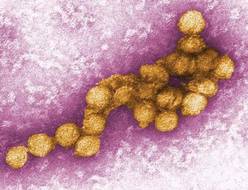
The best way to deal with the recent resurgence in West Nile virus is to emphasize prevention.
West Nile virus (WNV) is back with a vengeance this year. As of Sept. 4, 2012, there were 1,993 reported cases of WNV disease in people, including 1,069 with neuroinvasive disease and 87 deaths. My state, Texas, is leading the pack with a total of 888 cases, 443 neuroinvasive disease cases, and 35 deaths. Texas’ West Nile problem is clearly the worst in the country. The next-highest number of total cases is only 119, in South Dakota.

According to the Centers for Disease Control and Prevention, the total of 1,993 cases is the highest number of WNV disease cases reported to the CDC through the first week in September since the virus was first detected in the United States in 1999. It’s not clear why this resurgence is happening now, or why Texas has been so hard hit. Some say that rising temperatures have resulted in an increased mosquito population, but here in Texas there is also a drought and mosquitos need moisture, so I’m not sure about that.
An arbovirus, WNV is usually transmitted to humans after a bite from an infected Culex mosquito. The transmission cycle is maintained between mosquito and vertebrate hosts, usually birds. Humans are actually an incidental and dead-end host. Though rare, person-to-person transmission has been documented through both blood transfusion and solid organ transplantation (N. Engl. J. Med. 2003;348:2196-203).
When speaking with your patients, it’s worth reemphasizing the methods for prevention. Parents should be instructed to apply one of the Environmental Protection Agency–registered insect repellents to their children before they go outside, using just enough to protect exposed skin. Products containing up to 30% DEET – but not higher – can be used in children older than 2 months of age. Products containing both DEET and a sunscreen should be avoided, since sunscreen needs to be applied more frequently.
Children should be covered up with clothing as much as possible when outside, and netting should be used over infant carriers. Outdoor exposure should be limited at dusk and dawn, when mosquitos are most active. Holes in screen doors should be repaired. Standing water, which attracts mosquitos, is a major hazard and should be avoided. Birdba ths and blow-up pools need to be emptied out often, and children should steer clear of puddles.
Here in Texas, the state health department has issued a statement preparing people for aerial spraying of chemicals to control the mosquitos. Each state most likely will develop its own recommendations, which should be available on the state health department website.
Routine screening of the U.S. blood supply was initiated in 2003, and no cases have been identified in donated blood since then. A single case of congenital infection also has been reported (MMWR 2002;51:1135-6). There are specific management guidelines for mother, fetus, and newborn if women are diagnosed with WNV during pregnancy (MMWR 2004;53:154-7).
Most people who become infected with WNV will be asymptomatic. About 1 in 5 who are infected will develop symptoms such as fever, headache, body aches, joint pains, vomiting, diarrhea, or rash after a 2-14 day incubation period. Less than 1% will develop neuroinvasive disease, but of those who do, about 10% are fatal.
It’s important to include WNV in your differential diagnosis for children who present with a febrile illness, meningitis, encephalitis, or acute flaccid paralysis, particularly if they’ve had exposure to mosquitos during the summer and early fall in endemic areas. The clinical presentation of neuroinvasive WNV is indistinguishable from those of other causes of viral meningitis and/or encephalitis. While the epidemiological characteristics of WNV disease in children are similar to those in adults, neuroinvasive disease due to WNV is more likely to manifest as meningitis in children than in older adults, who are more likely to develop encephalitis (Pediatrics 2009;123:e1084-9).
Because there is no specific treatment for WNV, and the majority of patients have a self-limited course, the diagnosis need not be made in every febrile patient. A definitive diagnosis should be sought in individuals with fever and acute neurologic symptoms who have recently been exposed to mosquitos, are solid organ transplant recipients, or are pregnant.
The presence of WNV-reactive IgM antibody in serum or cerebrospinal fluid supports a recent infection. However, anti-WNV IgM can persist up to a year in some people, so its presence may represent a prior infection. Moreover, if serum is tested within the first 10 days of illness, IgM antibody may not always be detected. Convalescent titers should be obtained 2-3 weeks following the onset of illness.
Treatment is supportive care. Standard precautions are recommended for hospitalized patients in the American Academy of Pediatrics Red Book on pages 792-5 (Red Book: 2012 Report of the Committee on Infectious Diseases. L.K. Pickering, Ed. 29th ed. Elk Grove Village, Ill.: American Academy of Pediatrics). Most people will recover from even the neuroinvasive manifestations of WNV, although symptoms may last for several weeks and those with severe cases may require hospitalization for supportive treatment. Serious sequelae can occur among those with underlying immune deficiencies.
For the most up-to-date information on WNV statistics from the CDC, click here.
Dr. Word is a pediatric infectious disease specialist and director of the Houston Travel Medicine Clinic. She said she had no relevant financial disclosures. Write to Dr. Word at [email protected].
The best way to deal with the recent resurgence in West Nile virus is to emphasize prevention.
West Nile virus (WNV) is back with a vengeance this year. As of Sept. 4, 2012, there were 1,993 reported cases of WNV disease in people, including 1,069 with neuroinvasive disease and 87 deaths. My state, Texas, is leading the pack with a total of 888 cases, 443 neuroinvasive disease cases, and 35 deaths. Texas’ West Nile problem is clearly the worst in the country. The next-highest number of total cases is only 119, in South Dakota.
According to the Centers for Disease Control and Prevention, the total of 1,993 cases is the highest number of WNV disease cases reported to the CDC through the first week in September since the virus was first detected in the United States in 1999. It’s not clear why this resurgence is happening now, or why Texas has been so hard hit. Some say that rising temperatures have resulted in an increased mosquito population, but here in Texas there is also a drought and mosquitos need moisture, so I’m not sure about that.
An arbovirus, WNV is usually transmitted to humans after a bite from an infected Culex mosquito. The transmission cycle is maintained between mosquito and vertebrate hosts, usually birds. Humans are actually an incidental and dead-end host. Though rare, person-to-person transmission has been documented through both blood transfusion and solid organ transplantation (N. Engl. J. Med. 2003;348:2196-203).
When speaking with your patients, it’s worth reemphasizing the methods for prevention. Parents should be instructed to apply one of the Environmental Protection Agency–registered insect repellents to their children before they go outside, using just enough to protect exposed skin. Products containing up to 30% DEET – but not higher – can be used in children older than 2 months of age. Products containing both DEET and a sunscreen should be avoided, since sunscreen needs to be applied more frequently.
Children should be covered up with clothing as much as possible when outside, and netting should be used over infant carriers. Outdoor exposure should be limited at dusk and dawn, when mosquitos are most active. Holes in screen doors should be repaired. Standing water, which attracts mosquitos, is a major hazard and should be avoided. Birdba ths and blow-up pools need to be emptied out often, and children should steer clear of puddles.
Here in Texas, the state health department has issued a statement preparing people for aerial spraying of chemicals to control the mosquitos. Each state most likely will develop its own recommendations, which should be available on the state health department website.
Routine screening of the U.S. blood supply was initiated in 2003, and no cases have been identified in donated blood since then. A single case of congenital infection also has been reported (MMWR 2002;51:1135-6). There are specific management guidelines for mother, fetus, and newborn if women are diagnosed with WNV during pregnancy (MMWR 2004;53:154-7).
Most people who become infected with WNV will be asymptomatic. About 1 in 5 who are infected will develop symptoms such as fever, headache, body aches, joint pains, vomiting, diarrhea, or rash after a 2-14 day incubation period. Less than 1% will develop neuroinvasive disease, but of those who do, about 10% are fatal.
It’s important to include WNV in your differential diagnosis for children who present with a febrile illness, meningitis, encephalitis, or acute flaccid paralysis, particularly if they’ve had exposure to mosquitos during the summer and early fall in endemic areas. The clinical presentation of neuroinvasive WNV is indistinguishable from those of other causes of viral meningitis and/or encephalitis. While the epidemiological characteristics of WNV disease in children are similar to those in adults, neuroinvasive disease due to WNV is more likely to manifest as meningitis in children than in older adults, who are more likely to develop encephalitis (Pediatrics 2009;123:e1084-9).
Because there is no specific treatment for WNV, and the majority of patients have a self-limited course, the diagnosis need not be made in every febrile patient. A definitive diagnosis should be sought in individuals with fever and acute neurologic symptoms who have recently been exposed to mosquitos, are solid organ transplant recipients, or are pregnant.
The presence of WNV-reactive IgM antibody in serum or cerebrospinal fluid supports a recent infection. However, anti-WNV IgM can persist up to a year in some people, so its presence may represent a prior infection. Moreover, if serum is tested within the first 10 days of illness, IgM antibody may not always be detected. Convalescent titers should be obtained 2-3 weeks following the onset of illness.
Treatment is supportive care. Standard precautions are recommended for hospitalized patients in the American Academy of Pediatrics Red Book on pages 792-5 (Red Book: 2012 Report of the Committee on Infectious Diseases. L.K. Pickering, Ed. 29th ed. Elk Grove Village, Ill.: American Academy of Pediatrics). Most people will recover from even the neuroinvasive manifestations of WNV, although symptoms may last for several weeks and those with severe cases may require hospitalization for supportive treatment. Serious sequelae can occur among those with underlying immune deficiencies.
For the most up-to-date information on WNV statistics from the CDC, click here.
Dr. Word is a pediatric infectious disease specialist and director of the Houston Travel Medicine Clinic. She said she had no relevant financial disclosures. Write to Dr. Word at [email protected].
The best way to deal with the recent resurgence in West Nile virus is to emphasize prevention.
West Nile virus (WNV) is back with a vengeance this year. As of Sept. 4, 2012, there were 1,993 reported cases of WNV disease in people, including 1,069 with neuroinvasive disease and 87 deaths. My state, Texas, is leading the pack with a total of 888 cases, 443 neuroinvasive disease cases, and 35 deaths. Texas’ West Nile problem is clearly the worst in the country. The next-highest number of total cases is only 119, in South Dakota.
According to the Centers for Disease Control and Prevention, the total of 1,993 cases is the highest number of WNV disease cases reported to the CDC through the first week in September since the virus was first detected in the United States in 1999. It’s not clear why this resurgence is happening now, or why Texas has been so hard hit. Some say that rising temperatures have resulted in an increased mosquito population, but here in Texas there is also a drought and mosquitos need moisture, so I’m not sure about that.
An arbovirus, WNV is usually transmitted to humans after a bite from an infected Culex mosquito. The transmission cycle is maintained between mosquito and vertebrate hosts, usually birds. Humans are actually an incidental and dead-end host. Though rare, person-to-person transmission has been documented through both blood transfusion and solid organ transplantation (N. Engl. J. Med. 2003;348:2196-203).
When speaking with your patients, it’s worth reemphasizing the methods for prevention. Parents should be instructed to apply one of the Environmental Protection Agency–registered insect repellents to their children before they go outside, using just enough to protect exposed skin. Products containing up to 30% DEET – but not higher – can be used in children older than 2 months of age. Products containing both DEET and a sunscreen should be avoided, since sunscreen needs to be applied more frequently.
Children should be covered up with clothing as much as possible when outside, and netting should be used over infant carriers. Outdoor exposure should be limited at dusk and dawn, when mosquitos are most active. Holes in screen doors should be repaired. Standing water, which attracts mosquitos, is a major hazard and should be avoided. Birdba ths and blow-up pools need to be emptied out often, and children should steer clear of puddles.
Here in Texas, the state health department has issued a statement preparing people for aerial spraying of chemicals to control the mosquitos. Each state most likely will develop its own recommendations, which should be available on the state health department website.
Routine screening of the U.S. blood supply was initiated in 2003, and no cases have been identified in donated blood since then. A single case of congenital infection also has been reported (MMWR 2002;51:1135-6). There are specific management guidelines for mother, fetus, and newborn if women are diagnosed with WNV during pregnancy (MMWR 2004;53:154-7).
Most people who become infected with WNV will be asymptomatic. About 1 in 5 who are infected will develop symptoms such as fever, headache, body aches, joint pains, vomiting, diarrhea, or rash after a 2-14 day incubation period. Less than 1% will develop neuroinvasive disease, but of those who do, about 10% are fatal.
It’s important to include WNV in your differential diagnosis for children who present with a febrile illness, meningitis, encephalitis, or acute flaccid paralysis, particularly if they’ve had exposure to mosquitos during the summer and early fall in endemic areas. The clinical presentation of neuroinvasive WNV is indistinguishable from those of other causes of viral meningitis and/or encephalitis. While the epidemiological characteristics of WNV disease in children are similar to those in adults, neuroinvasive disease due to WNV is more likely to manifest as meningitis in children than in older adults, who are more likely to develop encephalitis (Pediatrics 2009;123:e1084-9).
Because there is no specific treatment for WNV, and the majority of patients have a self-limited course, the diagnosis need not be made in every febrile patient. A definitive diagnosis should be sought in individuals with fever and acute neurologic symptoms who have recently been exposed to mosquitos, are solid organ transplant recipients, or are pregnant.
The presence of WNV-reactive IgM antibody in serum or cerebrospinal fluid supports a recent infection. However, anti-WNV IgM can persist up to a year in some people, so its presence may represent a prior infection. Moreover, if serum is tested within the first 10 days of illness, IgM antibody may not always be detected. Convalescent titers should be obtained 2-3 weeks following the onset of illness.
Treatment is supportive care. Standard precautions are recommended for hospitalized patients in the American Academy of Pediatrics Red Book on pages 792-5 (Red Book: 2012 Report of the Committee on Infectious Diseases. L.K. Pickering, Ed. 29th ed. Elk Grove Village, Ill.: American Academy of Pediatrics). Most people will recover from even the neuroinvasive manifestations of WNV, although symptoms may last for several weeks and those with severe cases may require hospitalization for supportive treatment. Serious sequelae can occur among those with underlying immune deficiencies.
For the most up-to-date information on WNV statistics from the CDC, click here.
Dr. Word is a pediatric infectious disease specialist and director of the Houston Travel Medicine Clinic. She said she had no relevant financial disclosures. Write to Dr. Word at [email protected].

Integrating Palliative Care in the Intensive Care Unit
Jacob J. Strand, MD
Abstract
The admission of cancer patients into intensive care units (ICUs) is on the rise. These patients are at high risk for physical and psychosocial suffering. Patients and their families often face difficult end-of-life decisions that highlight the importance of effective and empathetic communication. Palliative care teams are uniquely equipped to help care for cancer patients who are admitted to ICUs.
When utilized in the ICU, palliative care has the potential to improve a patient's symptoms, enhance the communication between care teams and families, and improve family-centered decision making. Within the context of this article, we will discuss how palliative care can be integrated into the care of ICU patients and how to enhance family-centered communication; we will also highlight the care of ICU patients at the end of life.
*For a PDF of the full article, click on the link to the left of this introduction.
Jacob J. Strand, MD
Abstract
The admission of cancer patients into intensive care units (ICUs) is on the rise. These patients are at high risk for physical and psychosocial suffering. Patients and their families often face difficult end-of-life decisions that highlight the importance of effective and empathetic communication. Palliative care teams are uniquely equipped to help care for cancer patients who are admitted to ICUs.
When utilized in the ICU, palliative care has the potential to improve a patient's symptoms, enhance the communication between care teams and families, and improve family-centered decision making. Within the context of this article, we will discuss how palliative care can be integrated into the care of ICU patients and how to enhance family-centered communication; we will also highlight the care of ICU patients at the end of life.
*For a PDF of the full article, click on the link to the left of this introduction.
Jacob J. Strand, MD
Abstract
The admission of cancer patients into intensive care units (ICUs) is on the rise. These patients are at high risk for physical and psychosocial suffering. Patients and their families often face difficult end-of-life decisions that highlight the importance of effective and empathetic communication. Palliative care teams are uniquely equipped to help care for cancer patients who are admitted to ICUs.
When utilized in the ICU, palliative care has the potential to improve a patient's symptoms, enhance the communication between care teams and families, and improve family-centered decision making. Within the context of this article, we will discuss how palliative care can be integrated into the care of ICU patients and how to enhance family-centered communication; we will also highlight the care of ICU patients at the end of life.
*For a PDF of the full article, click on the link to the left of this introduction.
Implementing the Exercise Guidelines for Cancer Survivors
Kathleen Y. Wolin, ScD, Anna L. Schwartz, PhD, Charles E. Matthews, PhD, FACSM, Kerry S. Courneya, PhD, Kathryn H. Schmitz, PhD
Abstract
In 2009, the American College of Sports Medicine convened an expert roundtable to issue guidelines on exercise for cancer survivors. This multidisciplinary group evaluated the strength of the evidence for the safety and benefits of exercise as a therapeutic intervention for survivors. The panel concluded that exercise is safe and offers myriad benefits for survivors including improvements in physical function, strength, fatigue, quality of life, and possibly recurrence and survival. Recommendations for situations in which deviations from the US Physical Activity Guidelines for Americans are appropriate were provided. Here, we outline a process for implementing the guidelines in clinical practice and provide recommendations for how the oncology care provider can interface with the exercise and physical therapy community.
*For a PDF of the full article and accompanying commentary by Nicole Stout, click on the links to the left of this introduction.
Kathleen Y. Wolin, ScD, Anna L. Schwartz, PhD, Charles E. Matthews, PhD, FACSM, Kerry S. Courneya, PhD, Kathryn H. Schmitz, PhD
Abstract
In 2009, the American College of Sports Medicine convened an expert roundtable to issue guidelines on exercise for cancer survivors. This multidisciplinary group evaluated the strength of the evidence for the safety and benefits of exercise as a therapeutic intervention for survivors. The panel concluded that exercise is safe and offers myriad benefits for survivors including improvements in physical function, strength, fatigue, quality of life, and possibly recurrence and survival. Recommendations for situations in which deviations from the US Physical Activity Guidelines for Americans are appropriate were provided. Here, we outline a process for implementing the guidelines in clinical practice and provide recommendations for how the oncology care provider can interface with the exercise and physical therapy community.
*For a PDF of the full article and accompanying commentary by Nicole Stout, click on the links to the left of this introduction.
Kathleen Y. Wolin, ScD, Anna L. Schwartz, PhD, Charles E. Matthews, PhD, FACSM, Kerry S. Courneya, PhD, Kathryn H. Schmitz, PhD
Abstract
In 2009, the American College of Sports Medicine convened an expert roundtable to issue guidelines on exercise for cancer survivors. This multidisciplinary group evaluated the strength of the evidence for the safety and benefits of exercise as a therapeutic intervention for survivors. The panel concluded that exercise is safe and offers myriad benefits for survivors including improvements in physical function, strength, fatigue, quality of life, and possibly recurrence and survival. Recommendations for situations in which deviations from the US Physical Activity Guidelines for Americans are appropriate were provided. Here, we outline a process for implementing the guidelines in clinical practice and provide recommendations for how the oncology care provider can interface with the exercise and physical therapy community.
*For a PDF of the full article and accompanying commentary by Nicole Stout, click on the links to the left of this introduction.
Speak Up: Getting Hospitalists to Voice Dissatisfaction Isn’t Easy

“There is that hesitation to be looked upon as weak,” Dr. Bowman says. “Before, it was, ‘I’m the strongest guy; I can take on anything.’ As a leader, you’ve got to be in tune to that.”
Dr. Bowman says it takes a lot of courage for a hospitalist to express dissatisfaction to their supervisor. When a hospitalist says they need a moment to talk in private, “they’ve thought about it for weeks, if not months.”
Often, it’s the leader who has to bring up the topic of job satisfaction, says Dr. Scarpinato. “I don’t think [leaders] are that open, actually. I think they need to be educated,” he says. “I think that’s why leadership is so important. We have to be sensitive as leaders to be aware of the fact that this might be on the table.”
Meaningful discussions during group meetings and annual performance evaluations are vital; they help group leaders can pick up on signs of dissatisfaction. Common examples are hospitalists who say they want to pursue another degree or complain about the job.
—Len Scarpinato, DO, MS, SFHM. The chief medical officer of clinical development for Brentwood, Tenn.-based Cogent-HMG
“During this session,” he says, “I can usually tell.”
Tom Collins is a freelance writer based in South Florida.
“There is that hesitation to be looked upon as weak,” Dr. Bowman says. “Before, it was, ‘I’m the strongest guy; I can take on anything.’ As a leader, you’ve got to be in tune to that.”
Dr. Bowman says it takes a lot of courage for a hospitalist to express dissatisfaction to their supervisor. When a hospitalist says they need a moment to talk in private, “they’ve thought about it for weeks, if not months.”
Often, it’s the leader who has to bring up the topic of job satisfaction, says Dr. Scarpinato. “I don’t think [leaders] are that open, actually. I think they need to be educated,” he says. “I think that’s why leadership is so important. We have to be sensitive as leaders to be aware of the fact that this might be on the table.”
Meaningful discussions during group meetings and annual performance evaluations are vital; they help group leaders can pick up on signs of dissatisfaction. Common examples are hospitalists who say they want to pursue another degree or complain about the job.
—Len Scarpinato, DO, MS, SFHM. The chief medical officer of clinical development for Brentwood, Tenn.-based Cogent-HMG
“During this session,” he says, “I can usually tell.”
Tom Collins is a freelance writer based in South Florida.
“There is that hesitation to be looked upon as weak,” Dr. Bowman says. “Before, it was, ‘I’m the strongest guy; I can take on anything.’ As a leader, you’ve got to be in tune to that.”
Dr. Bowman says it takes a lot of courage for a hospitalist to express dissatisfaction to their supervisor. When a hospitalist says they need a moment to talk in private, “they’ve thought about it for weeks, if not months.”
Often, it’s the leader who has to bring up the topic of job satisfaction, says Dr. Scarpinato. “I don’t think [leaders] are that open, actually. I think they need to be educated,” he says. “I think that’s why leadership is so important. We have to be sensitive as leaders to be aware of the fact that this might be on the table.”
Meaningful discussions during group meetings and annual performance evaluations are vital; they help group leaders can pick up on signs of dissatisfaction. Common examples are hospitalists who say they want to pursue another degree or complain about the job.
—Len Scarpinato, DO, MS, SFHM. The chief medical officer of clinical development for Brentwood, Tenn.-based Cogent-HMG
“During this session,” he says, “I can usually tell.”
Tom Collins is a freelance writer based in South Florida.
Social Media: The Basics
Yesterday, 526 million people went on Facebook. Why? What happened yesterday? Nothing happened. A half-billion people visit Facebook every day.
In fact, when this article went to print, Facebook was on the cusp of reaching more than 1 billion users. Chances are you’re one of them. But are you using Facebook to help build your practice? If you’re like many of our colleagues, you know you need to be using social media, but you may find it to be overwhelming, and you don’t know where to begin. I’m here to help.
I’ve been writing about, speaking about, and participating in social media for the last 5 years. I have had over 4 million visits to my blog; I have over 15,000 followers on Twitter; and my videos on YouTube have been viewed almost 100,000 times. I don’t do all of this to build my practice (I work at an HMO), or to make more money (I’m paid a set salary regardless of the number of patients I see); rather, I do it because it is becoming an integral part of practicing medicine and will be a requisite skill for successful dermatologists.
I’m on social media daily, where I listen, respond, engage, and teach, because that’s where our patients are: Three-quarters of all Internet searches are health related, and one in five people on Facebook is looking for health care information. And it’s my hope to inspire and support you in doing the same, and to help you pursue your own social media goals.
So for this inaugural column, let’s start with the basics: What are social media, and why do you need to use them?
Social media refer to web-based and mobile technologies that allow people to connect and share information with one another. Think of them as ways to have digital conversations. People flock to Facebook because sociability is a core human characteristic. Humans are compelled to interact with others.
Connecting with people at meetings, parties, and meals is what we’ve always done. Now, powerful technologies, such as Facebook and Twitter, make that connection easier than ever. Instead of sharing stories with your family on special occasions, you can share stories and photos with them anytime, anywhere, instantaneously. That’s why Facebook will soon have more than 1 billion subscribers.
Why is this important for your dermatology practice? Word of mouth has always been the most valuable way dermatologists have built their practices. But now, technologies such as Yelp and DrScore enable patients to spread word of mouth far beyond what was previously possible. Rating sites like these are fundamentally social media sites – places where patients connect and share information (in this case, information about you).
Every physician has a social media presence. Don’t believe me? Google yourself. Many of the links that are on your first page will lead to some type of social media site. You can choose to remain an object of other people’s conversations, or you can become an active participant in them instead.
Engaging in social media can mean having a practice Facebook page, a video channel, and perhaps even a blog or Twitter account. These tools will help you to engage and educate patients and prospective patients about yourself, to market and build your practice, and to protect your online reputation. Social media sites can also help you to build and maintain relationships with other physicians, learn from colleagues, and engage in continuing medical education.
As with learning a new surgical technique, the beginning is always the hardest part.
In columns to come, I hope to help you understand the fundamentals of web-based technologies, because once you understand the basic concepts, you can choose which media to use based on your needs and the needs of your practice.
Just as you can’t contract out CME, you can’t contract out social media. The tools are just technological enhancements of real person-to-person interactions. Your patients know and like you because they’ve built a relationship with you in your office. Similarly, your online presence will need to be genuine, or people will quickly realize it’s not actually you.
Learning social media isn’t difficult, but it can be time consuming. I look forward to your questions, feedback, and discussion as we all boldly go forth into the future of medical practice.
Dr. Benabio is in private practice in San Diego. Visit his consumer health blog; connect with him on Twitter (@Dermdoc) and on Facebook (DermDoc).
Yesterday, 526 million people went on Facebook. Why? What happened yesterday? Nothing happened. A half-billion people visit Facebook every day.
In fact, when this article went to print, Facebook was on the cusp of reaching more than 1 billion users. Chances are you’re one of them. But are you using Facebook to help build your practice? If you’re like many of our colleagues, you know you need to be using social media, but you may find it to be overwhelming, and you don’t know where to begin. I’m here to help.
I’ve been writing about, speaking about, and participating in social media for the last 5 years. I have had over 4 million visits to my blog; I have over 15,000 followers on Twitter; and my videos on YouTube have been viewed almost 100,000 times. I don’t do all of this to build my practice (I work at an HMO), or to make more money (I’m paid a set salary regardless of the number of patients I see); rather, I do it because it is becoming an integral part of practicing medicine and will be a requisite skill for successful dermatologists.
I’m on social media daily, where I listen, respond, engage, and teach, because that’s where our patients are: Three-quarters of all Internet searches are health related, and one in five people on Facebook is looking for health care information. And it’s my hope to inspire and support you in doing the same, and to help you pursue your own social media goals.
So for this inaugural column, let’s start with the basics: What are social media, and why do you need to use them?
Social media refer to web-based and mobile technologies that allow people to connect and share information with one another. Think of them as ways to have digital conversations. People flock to Facebook because sociability is a core human characteristic. Humans are compelled to interact with others.
Connecting with people at meetings, parties, and meals is what we’ve always done. Now, powerful technologies, such as Facebook and Twitter, make that connection easier than ever. Instead of sharing stories with your family on special occasions, you can share stories and photos with them anytime, anywhere, instantaneously. That’s why Facebook will soon have more than 1 billion subscribers.
Why is this important for your dermatology practice? Word of mouth has always been the most valuable way dermatologists have built their practices. But now, technologies such as Yelp and DrScore enable patients to spread word of mouth far beyond what was previously possible. Rating sites like these are fundamentally social media sites – places where patients connect and share information (in this case, information about you).
Every physician has a social media presence. Don’t believe me? Google yourself. Many of the links that are on your first page will lead to some type of social media site. You can choose to remain an object of other people’s conversations, or you can become an active participant in them instead.
Engaging in social media can mean having a practice Facebook page, a video channel, and perhaps even a blog or Twitter account. These tools will help you to engage and educate patients and prospective patients about yourself, to market and build your practice, and to protect your online reputation. Social media sites can also help you to build and maintain relationships with other physicians, learn from colleagues, and engage in continuing medical education.
As with learning a new surgical technique, the beginning is always the hardest part.
In columns to come, I hope to help you understand the fundamentals of web-based technologies, because once you understand the basic concepts, you can choose which media to use based on your needs and the needs of your practice.
Just as you can’t contract out CME, you can’t contract out social media. The tools are just technological enhancements of real person-to-person interactions. Your patients know and like you because they’ve built a relationship with you in your office. Similarly, your online presence will need to be genuine, or people will quickly realize it’s not actually you.
Learning social media isn’t difficult, but it can be time consuming. I look forward to your questions, feedback, and discussion as we all boldly go forth into the future of medical practice.
Dr. Benabio is in private practice in San Diego. Visit his consumer health blog; connect with him on Twitter (@Dermdoc) and on Facebook (DermDoc).
Yesterday, 526 million people went on Facebook. Why? What happened yesterday? Nothing happened. A half-billion people visit Facebook every day.
In fact, when this article went to print, Facebook was on the cusp of reaching more than 1 billion users. Chances are you’re one of them. But are you using Facebook to help build your practice? If you’re like many of our colleagues, you know you need to be using social media, but you may find it to be overwhelming, and you don’t know where to begin. I’m here to help.
I’ve been writing about, speaking about, and participating in social media for the last 5 years. I have had over 4 million visits to my blog; I have over 15,000 followers on Twitter; and my videos on YouTube have been viewed almost 100,000 times. I don’t do all of this to build my practice (I work at an HMO), or to make more money (I’m paid a set salary regardless of the number of patients I see); rather, I do it because it is becoming an integral part of practicing medicine and will be a requisite skill for successful dermatologists.
I’m on social media daily, where I listen, respond, engage, and teach, because that’s where our patients are: Three-quarters of all Internet searches are health related, and one in five people on Facebook is looking for health care information. And it’s my hope to inspire and support you in doing the same, and to help you pursue your own social media goals.
So for this inaugural column, let’s start with the basics: What are social media, and why do you need to use them?
Social media refer to web-based and mobile technologies that allow people to connect and share information with one another. Think of them as ways to have digital conversations. People flock to Facebook because sociability is a core human characteristic. Humans are compelled to interact with others.
Connecting with people at meetings, parties, and meals is what we’ve always done. Now, powerful technologies, such as Facebook and Twitter, make that connection easier than ever. Instead of sharing stories with your family on special occasions, you can share stories and photos with them anytime, anywhere, instantaneously. That’s why Facebook will soon have more than 1 billion subscribers.
Why is this important for your dermatology practice? Word of mouth has always been the most valuable way dermatologists have built their practices. But now, technologies such as Yelp and DrScore enable patients to spread word of mouth far beyond what was previously possible. Rating sites like these are fundamentally social media sites – places where patients connect and share information (in this case, information about you).
Every physician has a social media presence. Don’t believe me? Google yourself. Many of the links that are on your first page will lead to some type of social media site. You can choose to remain an object of other people’s conversations, or you can become an active participant in them instead.
Engaging in social media can mean having a practice Facebook page, a video channel, and perhaps even a blog or Twitter account. These tools will help you to engage and educate patients and prospective patients about yourself, to market and build your practice, and to protect your online reputation. Social media sites can also help you to build and maintain relationships with other physicians, learn from colleagues, and engage in continuing medical education.
As with learning a new surgical technique, the beginning is always the hardest part.
In columns to come, I hope to help you understand the fundamentals of web-based technologies, because once you understand the basic concepts, you can choose which media to use based on your needs and the needs of your practice.
Just as you can’t contract out CME, you can’t contract out social media. The tools are just technological enhancements of real person-to-person interactions. Your patients know and like you because they’ve built a relationship with you in your office. Similarly, your online presence will need to be genuine, or people will quickly realize it’s not actually you.
Learning social media isn’t difficult, but it can be time consuming. I look forward to your questions, feedback, and discussion as we all boldly go forth into the future of medical practice.
Dr. Benabio is in private practice in San Diego. Visit his consumer health blog; connect with him on Twitter (@Dermdoc) and on Facebook (DermDoc).