User login
AVAHO
div[contains(@class, 'header__large-screen')]
div[contains(@class, 'read-next-article')]
div[contains(@class, 'nav-primary')]
nav[contains(@class, 'nav-primary')]
section[contains(@class, 'footer-nav-section-wrapper')]
footer[@id='footer']
div[contains(@class, 'main-prefix')]
section[contains(@class, 'nav-hidden')]
div[contains(@class, 'ce-card-content')]
nav[contains(@class, 'nav-ce-stack')]

Three symptoms suggest higher risk for self-injury in cancer
, according to a Canadian study.
In a population-based, case-control study, each of these symptoms was associated with an increase of at least 60% in the risk for NFSI in the following 180 days, the investigators report.
“Clinicians should know that self-injury is a real problem after a cancer diagnosis,” lead investigator Julie Hallet, MD, an associate scientist at Sunnybrook Health Sciences Centre in Toronto, told this news organization.
Self-injury “does not necessarily represent an attempted suicide,” she added. “While our data do not allow us to know what the intent was, we know from other work that the repercussions of distress in patients with cancer are much broader than suicide. Self-injury can be a means to cope with psychological difficulties for some patients, without intent for suicide.”
The study was published online in JAMA Oncology.
Nine common symptoms
The study included adults who were diagnosed with cancer between Jan. 1, 2007, and March 31, 2019, and had completed the Edmonton Symptom Assessment System (ESAS) evaluation within 36 months of their index cancer diagnosis. ESAS evaluates nine common cancer-associated symptoms, including pain, tiredness, nausea, depression, anxiety, drowsiness, appetite, well-being, and shortness of breath, on a patient-reported scale of 0 (absence of symptom) to 10 (worst possible symptom).
The analysis included 406 patients who had visited an emergency department for an NFSI within 180 days of their ESAS evaluation, as well as 1,624 matched control patients with cancer who did not have an NFSI. Case patients and control patients were matched according to age at cancer diagnosis, sex, prior self-injury within 5 years of being diagnosed with cancer, and cancer type. Nonmatched covariates included psychiatric illness and therapy received before NFSI, comorbidity burden, material deprivation, and cancer stage.
Toward tailored intervention
A higher proportion of case patients than control patients reported moderate to severe scores for all nine ESAS symptoms. In an adjusted analysis, moderate to severe anxiety (odds ratio, 1.61), depression (OR, 1.66), and shortness of breath (OR, 1.65) were independently associated with higher odds of subsequent NFSI. Each 10-point increase in total ESAS score also was associated with increased risk (OR, 1.51).
“These findings are important to enhance the use of screening ESAS scores to better support patients,” say the authors. “Scores from ESAS assessments can be used to identify patients at higher risk of NFSI, indicating higher level of distress, and help direct tailored assessment and intervention.”
In prior work, Dr. Hallet’s group showed that NFSI occurs in 3 of every 1,000 patients with cancer. NFSI is more frequent among younger patients and those with a history of prior mental illness. “Identifying patients at risk in clinical practice requires you to inquire about a patient’s prior history, identify high symptom scores and ask about them, and trigger intervention pathways when risk is identified,” said Dr. Hallet.
“For example, a young patient with head and neck cancer and a prior history of mental illness who reports high scores for anxiety and drowsiness would be at high risk of self-injury,” she added. Such a patient should be referred to psycho-oncology, psychiatry, or social work. “To facilitate this, we are working on prognostic scores that can be integrated in clinical practice, such as an electronic medical record, to flag patients at risk,” said Dr. Hallet. “Future work will also need to identify the optimal care pathways for at-risk patients.”
Self-injury vs. suicidality
Commenting on the study for this news organization, Madeline Li, MD, PhD, a psychiatrist and clinician-scientist at Toronto’s Princess Margaret Cancer Centre, said that the findings are “underwhelming” because they tell us what is already known – that “NFSI is associated with distress, and cancer is a stressor.” It would have been more interesting to ask how to distinguish patients at risk for suicide from those at risk for self-harm without suicide, she added.
“The way these authors formulated NFSI included both self-harm intent and suicidal intent,” she explained. The researchers compared patients who were at risk for these two types of events with patients without NFSI. “When we see self-harm without suicidal intent in the emergency room, it’s mostly people making cries for help,” said Dr. Li. “These are people who cut their wrists or take small overdoses on purpose without the intent to die. It would have been more interesting to see if there are different risk factors for people who are just going to self-harm vs. those who are actually going to attempt suicide.”
The study’s identification of risk factors for NSFI is important because “it does tell us that when there’s anxiety, depression, and shortness of breath, we should pay attention to these patients and do something about it,” said Dr. Li. Still, research in cancer psychiatry needs to shift its focus from identifying and addressing existing risk factors to preventing them from developing, she added.
“We need to move earlier and provide emotional and mental health support to cancer patients to prevent them from becoming suicidal, rather than intervening when somebody already is,” Dr. Li concluded.
The study was funded by the Hanna Research Award from the division of surgical oncology at the Odette Cancer Centre–Sunnybrook Health Sciences Centre and by a Sunnybrook Health Sciences Centre Alternate Funding Plan Innovation grant. It was also supported by ICES, which is funded by an annual grant from the Ontario Ministry of Health and Long-Term Care. Dr. Hallet has received personal fees from Ipsen Biopharmaceuticals Canada and AAA outside the submitted work. Dr. Li reported no relevant financial relationships.
A version of this article first appeared on Medscape.com.
, according to a Canadian study.
In a population-based, case-control study, each of these symptoms was associated with an increase of at least 60% in the risk for NFSI in the following 180 days, the investigators report.
“Clinicians should know that self-injury is a real problem after a cancer diagnosis,” lead investigator Julie Hallet, MD, an associate scientist at Sunnybrook Health Sciences Centre in Toronto, told this news organization.
Self-injury “does not necessarily represent an attempted suicide,” she added. “While our data do not allow us to know what the intent was, we know from other work that the repercussions of distress in patients with cancer are much broader than suicide. Self-injury can be a means to cope with psychological difficulties for some patients, without intent for suicide.”
The study was published online in JAMA Oncology.
Nine common symptoms
The study included adults who were diagnosed with cancer between Jan. 1, 2007, and March 31, 2019, and had completed the Edmonton Symptom Assessment System (ESAS) evaluation within 36 months of their index cancer diagnosis. ESAS evaluates nine common cancer-associated symptoms, including pain, tiredness, nausea, depression, anxiety, drowsiness, appetite, well-being, and shortness of breath, on a patient-reported scale of 0 (absence of symptom) to 10 (worst possible symptom).
The analysis included 406 patients who had visited an emergency department for an NFSI within 180 days of their ESAS evaluation, as well as 1,624 matched control patients with cancer who did not have an NFSI. Case patients and control patients were matched according to age at cancer diagnosis, sex, prior self-injury within 5 years of being diagnosed with cancer, and cancer type. Nonmatched covariates included psychiatric illness and therapy received before NFSI, comorbidity burden, material deprivation, and cancer stage.
Toward tailored intervention
A higher proportion of case patients than control patients reported moderate to severe scores for all nine ESAS symptoms. In an adjusted analysis, moderate to severe anxiety (odds ratio, 1.61), depression (OR, 1.66), and shortness of breath (OR, 1.65) were independently associated with higher odds of subsequent NFSI. Each 10-point increase in total ESAS score also was associated with increased risk (OR, 1.51).
“These findings are important to enhance the use of screening ESAS scores to better support patients,” say the authors. “Scores from ESAS assessments can be used to identify patients at higher risk of NFSI, indicating higher level of distress, and help direct tailored assessment and intervention.”
In prior work, Dr. Hallet’s group showed that NFSI occurs in 3 of every 1,000 patients with cancer. NFSI is more frequent among younger patients and those with a history of prior mental illness. “Identifying patients at risk in clinical practice requires you to inquire about a patient’s prior history, identify high symptom scores and ask about them, and trigger intervention pathways when risk is identified,” said Dr. Hallet.
“For example, a young patient with head and neck cancer and a prior history of mental illness who reports high scores for anxiety and drowsiness would be at high risk of self-injury,” she added. Such a patient should be referred to psycho-oncology, psychiatry, or social work. “To facilitate this, we are working on prognostic scores that can be integrated in clinical practice, such as an electronic medical record, to flag patients at risk,” said Dr. Hallet. “Future work will also need to identify the optimal care pathways for at-risk patients.”
Self-injury vs. suicidality
Commenting on the study for this news organization, Madeline Li, MD, PhD, a psychiatrist and clinician-scientist at Toronto’s Princess Margaret Cancer Centre, said that the findings are “underwhelming” because they tell us what is already known – that “NFSI is associated with distress, and cancer is a stressor.” It would have been more interesting to ask how to distinguish patients at risk for suicide from those at risk for self-harm without suicide, she added.
“The way these authors formulated NFSI included both self-harm intent and suicidal intent,” she explained. The researchers compared patients who were at risk for these two types of events with patients without NFSI. “When we see self-harm without suicidal intent in the emergency room, it’s mostly people making cries for help,” said Dr. Li. “These are people who cut their wrists or take small overdoses on purpose without the intent to die. It would have been more interesting to see if there are different risk factors for people who are just going to self-harm vs. those who are actually going to attempt suicide.”
The study’s identification of risk factors for NSFI is important because “it does tell us that when there’s anxiety, depression, and shortness of breath, we should pay attention to these patients and do something about it,” said Dr. Li. Still, research in cancer psychiatry needs to shift its focus from identifying and addressing existing risk factors to preventing them from developing, she added.
“We need to move earlier and provide emotional and mental health support to cancer patients to prevent them from becoming suicidal, rather than intervening when somebody already is,” Dr. Li concluded.
The study was funded by the Hanna Research Award from the division of surgical oncology at the Odette Cancer Centre–Sunnybrook Health Sciences Centre and by a Sunnybrook Health Sciences Centre Alternate Funding Plan Innovation grant. It was also supported by ICES, which is funded by an annual grant from the Ontario Ministry of Health and Long-Term Care. Dr. Hallet has received personal fees from Ipsen Biopharmaceuticals Canada and AAA outside the submitted work. Dr. Li reported no relevant financial relationships.
A version of this article first appeared on Medscape.com.
, according to a Canadian study.
In a population-based, case-control study, each of these symptoms was associated with an increase of at least 60% in the risk for NFSI in the following 180 days, the investigators report.
“Clinicians should know that self-injury is a real problem after a cancer diagnosis,” lead investigator Julie Hallet, MD, an associate scientist at Sunnybrook Health Sciences Centre in Toronto, told this news organization.
Self-injury “does not necessarily represent an attempted suicide,” she added. “While our data do not allow us to know what the intent was, we know from other work that the repercussions of distress in patients with cancer are much broader than suicide. Self-injury can be a means to cope with psychological difficulties for some patients, without intent for suicide.”
The study was published online in JAMA Oncology.
Nine common symptoms
The study included adults who were diagnosed with cancer between Jan. 1, 2007, and March 31, 2019, and had completed the Edmonton Symptom Assessment System (ESAS) evaluation within 36 months of their index cancer diagnosis. ESAS evaluates nine common cancer-associated symptoms, including pain, tiredness, nausea, depression, anxiety, drowsiness, appetite, well-being, and shortness of breath, on a patient-reported scale of 0 (absence of symptom) to 10 (worst possible symptom).
The analysis included 406 patients who had visited an emergency department for an NFSI within 180 days of their ESAS evaluation, as well as 1,624 matched control patients with cancer who did not have an NFSI. Case patients and control patients were matched according to age at cancer diagnosis, sex, prior self-injury within 5 years of being diagnosed with cancer, and cancer type. Nonmatched covariates included psychiatric illness and therapy received before NFSI, comorbidity burden, material deprivation, and cancer stage.
Toward tailored intervention
A higher proportion of case patients than control patients reported moderate to severe scores for all nine ESAS symptoms. In an adjusted analysis, moderate to severe anxiety (odds ratio, 1.61), depression (OR, 1.66), and shortness of breath (OR, 1.65) were independently associated with higher odds of subsequent NFSI. Each 10-point increase in total ESAS score also was associated with increased risk (OR, 1.51).
“These findings are important to enhance the use of screening ESAS scores to better support patients,” say the authors. “Scores from ESAS assessments can be used to identify patients at higher risk of NFSI, indicating higher level of distress, and help direct tailored assessment and intervention.”
In prior work, Dr. Hallet’s group showed that NFSI occurs in 3 of every 1,000 patients with cancer. NFSI is more frequent among younger patients and those with a history of prior mental illness. “Identifying patients at risk in clinical practice requires you to inquire about a patient’s prior history, identify high symptom scores and ask about them, and trigger intervention pathways when risk is identified,” said Dr. Hallet.
“For example, a young patient with head and neck cancer and a prior history of mental illness who reports high scores for anxiety and drowsiness would be at high risk of self-injury,” she added. Such a patient should be referred to psycho-oncology, psychiatry, or social work. “To facilitate this, we are working on prognostic scores that can be integrated in clinical practice, such as an electronic medical record, to flag patients at risk,” said Dr. Hallet. “Future work will also need to identify the optimal care pathways for at-risk patients.”
Self-injury vs. suicidality
Commenting on the study for this news organization, Madeline Li, MD, PhD, a psychiatrist and clinician-scientist at Toronto’s Princess Margaret Cancer Centre, said that the findings are “underwhelming” because they tell us what is already known – that “NFSI is associated with distress, and cancer is a stressor.” It would have been more interesting to ask how to distinguish patients at risk for suicide from those at risk for self-harm without suicide, she added.
“The way these authors formulated NFSI included both self-harm intent and suicidal intent,” she explained. The researchers compared patients who were at risk for these two types of events with patients without NFSI. “When we see self-harm without suicidal intent in the emergency room, it’s mostly people making cries for help,” said Dr. Li. “These are people who cut their wrists or take small overdoses on purpose without the intent to die. It would have been more interesting to see if there are different risk factors for people who are just going to self-harm vs. those who are actually going to attempt suicide.”
The study’s identification of risk factors for NSFI is important because “it does tell us that when there’s anxiety, depression, and shortness of breath, we should pay attention to these patients and do something about it,” said Dr. Li. Still, research in cancer psychiatry needs to shift its focus from identifying and addressing existing risk factors to preventing them from developing, she added.
“We need to move earlier and provide emotional and mental health support to cancer patients to prevent them from becoming suicidal, rather than intervening when somebody already is,” Dr. Li concluded.
The study was funded by the Hanna Research Award from the division of surgical oncology at the Odette Cancer Centre–Sunnybrook Health Sciences Centre and by a Sunnybrook Health Sciences Centre Alternate Funding Plan Innovation grant. It was also supported by ICES, which is funded by an annual grant from the Ontario Ministry of Health and Long-Term Care. Dr. Hallet has received personal fees from Ipsen Biopharmaceuticals Canada and AAA outside the submitted work. Dr. Li reported no relevant financial relationships.
A version of this article first appeared on Medscape.com.
FROM JAMA ONCOLOGY
Fifth COVID shot recommended for patients with cancer
The National Comprehensive Cancer Network (NCCN) has recommended a fifth COVID-19 mRNA shot for people who are immunocompromised, including many with cancer or a history of cancer.
A fifth shot of an mRNA vaccine represents a second booster, the group explained, because the primary mRNA immunization series for immunocompromised individuals involves three doses of either the Pfizer or Moderna vaccine.
The update, issued today, comes from the NCCN’s Advisory Committee on COVID-19 Vaccination and Pre-exposure Prophylaxis, which released its first vaccine guidelines for patients with cancer in January 2021. The NCCN has issued numerous updates since then as information about the virus and vaccines has evolved.
“We know a lot more about COVID-19 and the vaccines now, and we can use that knowledge to minimize the confusion and enhance the protection we can offer to our immunocompromised patients,” said advisory committee co-leader Lindsey Baden, MD, an infectious diseases specialist at the Dana-Farber Cancer Institute, Boston.
The latest iteration of the NCCN’s COVID guidelines includes an update for patients who initially received Johnson & Johnson’s single-shot vaccine, including a recommendation that patients receive an mRNA vaccine for both the first and second booster.
The group also updated dosing recommendations for pre-exposure prevention with tixagevimab plus cilgavimab (Evusheld, AstraZeneca), suggesting 300 mg of each monoclonal antibody instead of 150 mg, based on in vitro activity against Omicron variants.
The group noted that the Moderna and Pfizer shots can be used interchangeably for boosters.
“The NCCN Committee considers both homologous and heterologous boosters to be appropriate options,” the experts wrote.
A version of this article first appeared on Medscape.com.
The National Comprehensive Cancer Network (NCCN) has recommended a fifth COVID-19 mRNA shot for people who are immunocompromised, including many with cancer or a history of cancer.
A fifth shot of an mRNA vaccine represents a second booster, the group explained, because the primary mRNA immunization series for immunocompromised individuals involves three doses of either the Pfizer or Moderna vaccine.
The update, issued today, comes from the NCCN’s Advisory Committee on COVID-19 Vaccination and Pre-exposure Prophylaxis, which released its first vaccine guidelines for patients with cancer in January 2021. The NCCN has issued numerous updates since then as information about the virus and vaccines has evolved.
“We know a lot more about COVID-19 and the vaccines now, and we can use that knowledge to minimize the confusion and enhance the protection we can offer to our immunocompromised patients,” said advisory committee co-leader Lindsey Baden, MD, an infectious diseases specialist at the Dana-Farber Cancer Institute, Boston.
The latest iteration of the NCCN’s COVID guidelines includes an update for patients who initially received Johnson & Johnson’s single-shot vaccine, including a recommendation that patients receive an mRNA vaccine for both the first and second booster.
The group also updated dosing recommendations for pre-exposure prevention with tixagevimab plus cilgavimab (Evusheld, AstraZeneca), suggesting 300 mg of each monoclonal antibody instead of 150 mg, based on in vitro activity against Omicron variants.
The group noted that the Moderna and Pfizer shots can be used interchangeably for boosters.
“The NCCN Committee considers both homologous and heterologous boosters to be appropriate options,” the experts wrote.
A version of this article first appeared on Medscape.com.
The National Comprehensive Cancer Network (NCCN) has recommended a fifth COVID-19 mRNA shot for people who are immunocompromised, including many with cancer or a history of cancer.
A fifth shot of an mRNA vaccine represents a second booster, the group explained, because the primary mRNA immunization series for immunocompromised individuals involves three doses of either the Pfizer or Moderna vaccine.
The update, issued today, comes from the NCCN’s Advisory Committee on COVID-19 Vaccination and Pre-exposure Prophylaxis, which released its first vaccine guidelines for patients with cancer in January 2021. The NCCN has issued numerous updates since then as information about the virus and vaccines has evolved.
“We know a lot more about COVID-19 and the vaccines now, and we can use that knowledge to minimize the confusion and enhance the protection we can offer to our immunocompromised patients,” said advisory committee co-leader Lindsey Baden, MD, an infectious diseases specialist at the Dana-Farber Cancer Institute, Boston.
The latest iteration of the NCCN’s COVID guidelines includes an update for patients who initially received Johnson & Johnson’s single-shot vaccine, including a recommendation that patients receive an mRNA vaccine for both the first and second booster.
The group also updated dosing recommendations for pre-exposure prevention with tixagevimab plus cilgavimab (Evusheld, AstraZeneca), suggesting 300 mg of each monoclonal antibody instead of 150 mg, based on in vitro activity against Omicron variants.
The group noted that the Moderna and Pfizer shots can be used interchangeably for boosters.
“The NCCN Committee considers both homologous and heterologous boosters to be appropriate options,” the experts wrote.
A version of this article first appeared on Medscape.com.
Which solid organ transplant recipients face the highest risk of skin cancer?
BOSTON – .
White patients who meet these criteria should be screening within 2 years after transplant, while Black patients should be screened within 5 years after transplant, Ally-Khan Somani, MD, PhD, said at the annual meeting of the American Academy of Dermatology.
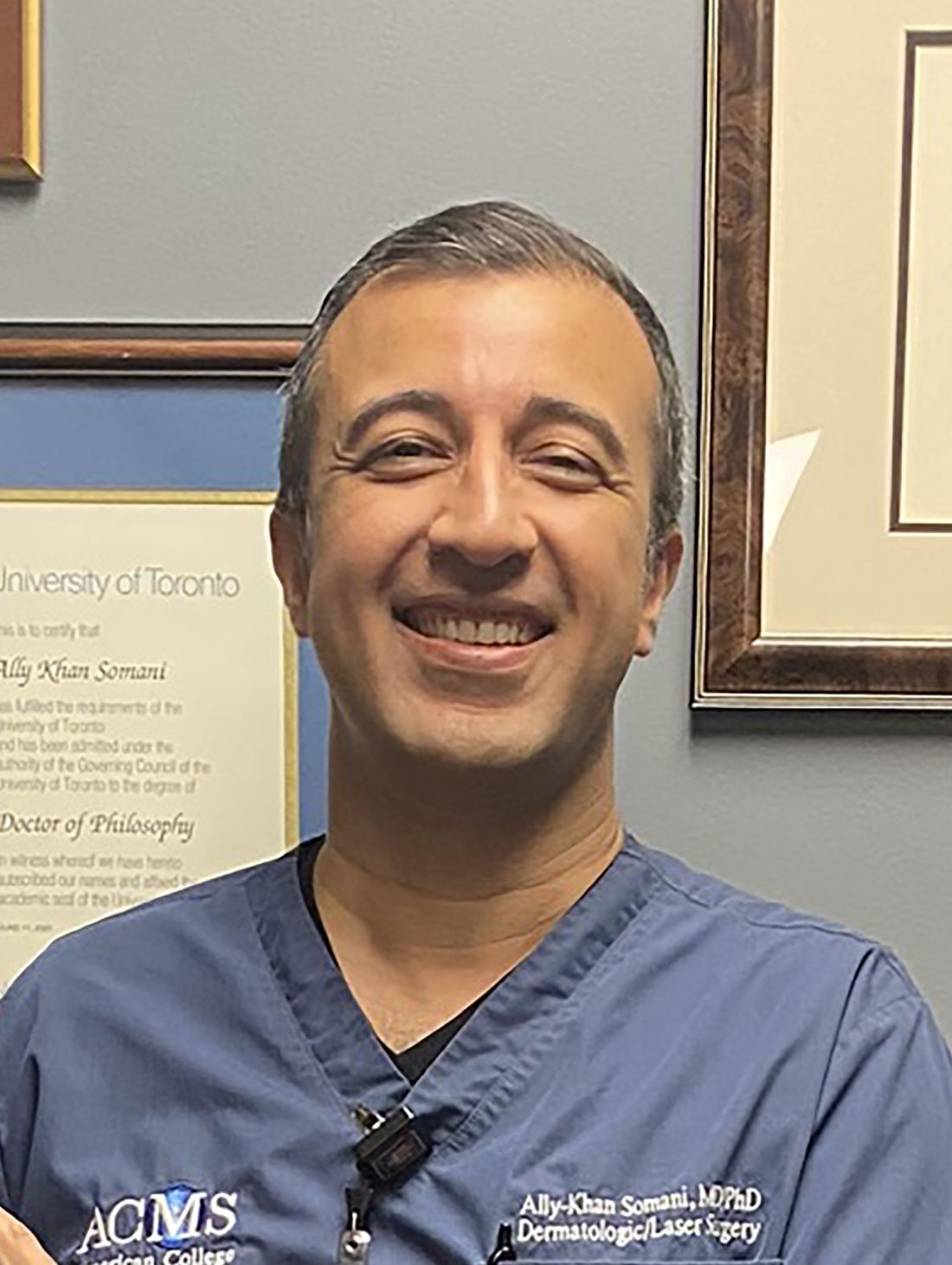
Dr. Somani, director of dermatologic surgery and the division of cutaneous oncology at Indiana University, Indianapolis, based his remarks on consensus screening guidelines assembled from three rounds of Delphi method surveys with 47 dermatologists and 37 transplant physicians, with the goal of establishing skin cancer screening recommendations for SOTRs. Among the dermatologists surveyed, 45% were Mohs surgeons and 55% were general dermatologists.
The panel recommended that the transplant team should perform risk assessment for SOTRs to risk stratify patients for skin cancer screening (high risk vs. low risk). They also proposed that dermatologists perform skin cancer screening by full-body skin examinations, and that SOTRs with a history of skin cancer should continue with routine skin cancer surveillance as recommended by their dermatologists.
Those at low risk for skin cancer include abdominal organ recipients, SOTR age of younger than 50 at time of transplant, and female gender. The guidelines recommend that White, Asian, and Hispanic patients who meet those criteria should be screened within 5 years after transplant, while no consensus was reached for Black patients who meet those criteria.
Based on posttransplant skin cancer incidence rates, risk is increased among males, Whites, thoracic organ recipients, and being age 50 or older, Dr. Somani said. “At our institution, we make sure there’s a good connection between our transplant teams and dermatologists. We recommend rapid referral for suspicious lesions and we educate patients and screen them within 1 year of transplant, or sooner for high-risk patients. Surveillance is increased to every 3 or 4 months for patients with a history of multiple or high-risk cancers or sooner, followed by routine surveillance as recommended by the patient’s dermatologist.”
To risk stratify patients on the development of their first skin cancer post transplantation, researchers developed the Skin and Ultraviolet Neoplasia Transplant Risk Assessment Calculator (SUNTRAC), a prediction tool with a freely available app. Data for the tool were drawn from the Transplant Skin Cancer Network study, a 5-year analysis of 6,340 adult recipients of a first solid organ transplant at 26 transplant centers in the United States. It generates a risk score for SOTRs (low, medium, high, or very high), which informs transplant care providers of a patient’s risk of skin cancer.
Dr. Somani disclosed that he has received grants and funding from Castle Biosciences. He is an adviser to Cook Biotech and a consultant to Sanara MedTech.
BOSTON – .
White patients who meet these criteria should be screening within 2 years after transplant, while Black patients should be screened within 5 years after transplant, Ally-Khan Somani, MD, PhD, said at the annual meeting of the American Academy of Dermatology.
Dr. Somani, director of dermatologic surgery and the division of cutaneous oncology at Indiana University, Indianapolis, based his remarks on consensus screening guidelines assembled from three rounds of Delphi method surveys with 47 dermatologists and 37 transplant physicians, with the goal of establishing skin cancer screening recommendations for SOTRs. Among the dermatologists surveyed, 45% were Mohs surgeons and 55% were general dermatologists.
The panel recommended that the transplant team should perform risk assessment for SOTRs to risk stratify patients for skin cancer screening (high risk vs. low risk). They also proposed that dermatologists perform skin cancer screening by full-body skin examinations, and that SOTRs with a history of skin cancer should continue with routine skin cancer surveillance as recommended by their dermatologists.
Those at low risk for skin cancer include abdominal organ recipients, SOTR age of younger than 50 at time of transplant, and female gender. The guidelines recommend that White, Asian, and Hispanic patients who meet those criteria should be screened within 5 years after transplant, while no consensus was reached for Black patients who meet those criteria.
Based on posttransplant skin cancer incidence rates, risk is increased among males, Whites, thoracic organ recipients, and being age 50 or older, Dr. Somani said. “At our institution, we make sure there’s a good connection between our transplant teams and dermatologists. We recommend rapid referral for suspicious lesions and we educate patients and screen them within 1 year of transplant, or sooner for high-risk patients. Surveillance is increased to every 3 or 4 months for patients with a history of multiple or high-risk cancers or sooner, followed by routine surveillance as recommended by the patient’s dermatologist.”
To risk stratify patients on the development of their first skin cancer post transplantation, researchers developed the Skin and Ultraviolet Neoplasia Transplant Risk Assessment Calculator (SUNTRAC), a prediction tool with a freely available app. Data for the tool were drawn from the Transplant Skin Cancer Network study, a 5-year analysis of 6,340 adult recipients of a first solid organ transplant at 26 transplant centers in the United States. It generates a risk score for SOTRs (low, medium, high, or very high), which informs transplant care providers of a patient’s risk of skin cancer.
Dr. Somani disclosed that he has received grants and funding from Castle Biosciences. He is an adviser to Cook Biotech and a consultant to Sanara MedTech.
BOSTON – .
White patients who meet these criteria should be screening within 2 years after transplant, while Black patients should be screened within 5 years after transplant, Ally-Khan Somani, MD, PhD, said at the annual meeting of the American Academy of Dermatology.
Dr. Somani, director of dermatologic surgery and the division of cutaneous oncology at Indiana University, Indianapolis, based his remarks on consensus screening guidelines assembled from three rounds of Delphi method surveys with 47 dermatologists and 37 transplant physicians, with the goal of establishing skin cancer screening recommendations for SOTRs. Among the dermatologists surveyed, 45% were Mohs surgeons and 55% were general dermatologists.
The panel recommended that the transplant team should perform risk assessment for SOTRs to risk stratify patients for skin cancer screening (high risk vs. low risk). They also proposed that dermatologists perform skin cancer screening by full-body skin examinations, and that SOTRs with a history of skin cancer should continue with routine skin cancer surveillance as recommended by their dermatologists.
Those at low risk for skin cancer include abdominal organ recipients, SOTR age of younger than 50 at time of transplant, and female gender. The guidelines recommend that White, Asian, and Hispanic patients who meet those criteria should be screened within 5 years after transplant, while no consensus was reached for Black patients who meet those criteria.
Based on posttransplant skin cancer incidence rates, risk is increased among males, Whites, thoracic organ recipients, and being age 50 or older, Dr. Somani said. “At our institution, we make sure there’s a good connection between our transplant teams and dermatologists. We recommend rapid referral for suspicious lesions and we educate patients and screen them within 1 year of transplant, or sooner for high-risk patients. Surveillance is increased to every 3 or 4 months for patients with a history of multiple or high-risk cancers or sooner, followed by routine surveillance as recommended by the patient’s dermatologist.”
To risk stratify patients on the development of their first skin cancer post transplantation, researchers developed the Skin and Ultraviolet Neoplasia Transplant Risk Assessment Calculator (SUNTRAC), a prediction tool with a freely available app. Data for the tool were drawn from the Transplant Skin Cancer Network study, a 5-year analysis of 6,340 adult recipients of a first solid organ transplant at 26 transplant centers in the United States. It generates a risk score for SOTRs (low, medium, high, or very high), which informs transplant care providers of a patient’s risk of skin cancer.
Dr. Somani disclosed that he has received grants and funding from Castle Biosciences. He is an adviser to Cook Biotech and a consultant to Sanara MedTech.
AT AAD 22
Age, skin cancer risks for ICI-induced bullous pemphigoid identified
that may result in treatment interruption or cessation.
Investigators in Boston report that among patients receiving ICIs, being aged 70 years or older and having skin cancer are both significant risk factors for bullous pemphigoid. On the plus side, ICI-induced bullous pemphigoid also appears to be a marker for improved tumor responses to therapy.
In a nested case-control study of 5,636 patients with cancer who received either a programmed death 1 inhibitor such as pembrolizumab (Keytruda) or nivolumab (Opdivo) or a cytotoxic T-lymphocyte–associated protein 4 inhibitor such as ipilimumab (Yervoy), 35 patients (0.6%) developed bullous pemphigoid. The study by Nicole R. LeBoeuf, MD, MPH, from Brigham and Women’s Hospital in Boston and colleagues was published online in JAMA Dermatology.
“What is interesting is that 0.6 is a small number, but we’re seeing bullous pemphigoid at considerably higher frequency than is expected in the general population,” Dr. LeBoeuf said in an interview.
And although bullous pemphigoid has the potential to disrupt ICI therapy, it also appears to be a marker for a favorable tumor response, the investigators found.
Their findings suggest that management of bullous pemphigoid for patients receiving ICIs should focus on early identification and management with therapies directed at the specific toxicity, Dr. LeBoeuf said.
“When you make a specific diagnosis like bullous pemphigoid, then you can treat that specific disease with very targeted therapies, such as omalizumab or dupilumab or rituximab – things that are not globally immune suppressing like steroid or other T-cell–depleting agents. Studies have shown that depleting B cells with anti-CD20 agents is not detrimental to immune checkpoint inhibitor therapy,” she said.
Dermatologic AEs common
About 40% of patients with cancer treated with ICIs experience immune-related dermatologic adverse events (AEs) that can range from mild rashes and hair and nail changes to uncommon but life-threatening complications, such as Stevens-Johnson syndrome, a form of toxic epidermal necrolysis, according to members of a European Academy of Dermatology and Venereology task force.
“The desirable, immune-mediated oncologic response is often achieved at the cost of immune-related adverse events (irAEs) that may potentially affect any organ system,” they wrote in a position statement on the management of ICI-derived dermatologic adverse events.
Dr. LeBoeuf and colleagues note that, while reported risk factors for idiopathic bullous pemphigoid include advanced age, type 2 diabetes, use of dipeptidyl peptidase-4 inhibitors, cerebrovascular disease, and neurocognitive disease, risk factors for bullous pemphigoid and other adverse dermatologic events associated with ICIs are less well known.
Study details
To identify risk factors for bullous pemphigoid in patients receiving ICI, the investigators performed a case-control study nested within a retrospective cohort study.
They evaluated records for all patients in the three Harvard-affiliated hospitals to identify patients with ICI-associated bullous pemphigoid from October 2014 through December 2020. Control persons were all patients in the Dana-Farber cancer registry who received ICIs during the study period.
The investigators chose age at ICI initiation (69 years and younger or 70 years and older), sex, ICI agents, and cancer type as potential risk factors.
They used propensity score matching based on age, cancer type, ICI agent, and number of ICI cycles to match two control persons with each case patient.
Of the 5,636 patients treated with ICIs during the study period, 35 (0.6%) developed bullous pemphigoid. The median age was 72.8 years, and 71.4% were men.
In a multivariate logistic regression model that included 2,955 patients with complete data in the cancer registry, factors significantly associated with developing bullous pemphigoid included age 70 years or older (odds ratio, 2.32; P = .01), having melanoma (OR, 3.21; P < .001), and having nonmelanoma skin cancer (OR, 8.32; P < .001).
In comparing the 35 case patients with their matched control patients, a complete or partial response at first restaging imaging was significantly associated with developing bullous pemphigoid (OR, 3.37; P = .01). In addition, there was a higher likelihood of tumor responses to ICIs among patients with bullous pemphigoid, compared with matched control patients (objective response rate, 82.9% vs. 61.4%; P = .03).
Prudent toxicity management
Ryan Sullivan, MD, who treats patients with skin cancer at Massachusetts General Hospital Cancer Center, Boston, but was not involved in the study, commented that the findings raise questions about the relationship between skin cancers and immune-related adverse events.
“It is compelling that bullous pemphigoid is a skin toxicity and is more common to happen in skin cancer patients,” he noted. “That’s a very interesting finding, and the reason that it’s interesting is that it’s harder to understand why a presumably antibody-mediated side effect would be more likely to have that cross-reactivity where the tumor started and where the toxicity happened,” he said in an interview.
He noted that the benefits of ICIs for patients with skin cancers far outweigh the risks of dermatologic adverse events such as bullous pemphigoid and that ICI-associated events require judicious management.
“This is true across the spectrum of toxicities: There are clear manifestations of toxicity that we should be more thoughtful about what’s driving them, more thoughtful about what it is, and more thoughtful about treating them, other than just pouring steroids into patients in industrial doses and hoping that everything’s going to be OK,” he said.
No funding source for the study was reported. Dr. LeBoeuf reported receiving grants from the National Institutes of Health National Cancer Institute during the conduct of the study and personal fees for serving as a consultant for several companies outside the study. Coauthor Arash Mostaghimi, MD, MPA, MPH, is associate editor of JAMA Dermatology but was not involved in study selection or evaluation for publication. Dr. Sullivan disclosed consulting for ICI makers Bristol-Myers Squibb and Merck.
A version of this article first appeared on Medscape.com.
that may result in treatment interruption or cessation.
Investigators in Boston report that among patients receiving ICIs, being aged 70 years or older and having skin cancer are both significant risk factors for bullous pemphigoid. On the plus side, ICI-induced bullous pemphigoid also appears to be a marker for improved tumor responses to therapy.
In a nested case-control study of 5,636 patients with cancer who received either a programmed death 1 inhibitor such as pembrolizumab (Keytruda) or nivolumab (Opdivo) or a cytotoxic T-lymphocyte–associated protein 4 inhibitor such as ipilimumab (Yervoy), 35 patients (0.6%) developed bullous pemphigoid. The study by Nicole R. LeBoeuf, MD, MPH, from Brigham and Women’s Hospital in Boston and colleagues was published online in JAMA Dermatology.
“What is interesting is that 0.6 is a small number, but we’re seeing bullous pemphigoid at considerably higher frequency than is expected in the general population,” Dr. LeBoeuf said in an interview.
And although bullous pemphigoid has the potential to disrupt ICI therapy, it also appears to be a marker for a favorable tumor response, the investigators found.
Their findings suggest that management of bullous pemphigoid for patients receiving ICIs should focus on early identification and management with therapies directed at the specific toxicity, Dr. LeBoeuf said.
“When you make a specific diagnosis like bullous pemphigoid, then you can treat that specific disease with very targeted therapies, such as omalizumab or dupilumab or rituximab – things that are not globally immune suppressing like steroid or other T-cell–depleting agents. Studies have shown that depleting B cells with anti-CD20 agents is not detrimental to immune checkpoint inhibitor therapy,” she said.
Dermatologic AEs common
About 40% of patients with cancer treated with ICIs experience immune-related dermatologic adverse events (AEs) that can range from mild rashes and hair and nail changes to uncommon but life-threatening complications, such as Stevens-Johnson syndrome, a form of toxic epidermal necrolysis, according to members of a European Academy of Dermatology and Venereology task force.
“The desirable, immune-mediated oncologic response is often achieved at the cost of immune-related adverse events (irAEs) that may potentially affect any organ system,” they wrote in a position statement on the management of ICI-derived dermatologic adverse events.
Dr. LeBoeuf and colleagues note that, while reported risk factors for idiopathic bullous pemphigoid include advanced age, type 2 diabetes, use of dipeptidyl peptidase-4 inhibitors, cerebrovascular disease, and neurocognitive disease, risk factors for bullous pemphigoid and other adverse dermatologic events associated with ICIs are less well known.
Study details
To identify risk factors for bullous pemphigoid in patients receiving ICI, the investigators performed a case-control study nested within a retrospective cohort study.
They evaluated records for all patients in the three Harvard-affiliated hospitals to identify patients with ICI-associated bullous pemphigoid from October 2014 through December 2020. Control persons were all patients in the Dana-Farber cancer registry who received ICIs during the study period.
The investigators chose age at ICI initiation (69 years and younger or 70 years and older), sex, ICI agents, and cancer type as potential risk factors.
They used propensity score matching based on age, cancer type, ICI agent, and number of ICI cycles to match two control persons with each case patient.
Of the 5,636 patients treated with ICIs during the study period, 35 (0.6%) developed bullous pemphigoid. The median age was 72.8 years, and 71.4% were men.
In a multivariate logistic regression model that included 2,955 patients with complete data in the cancer registry, factors significantly associated with developing bullous pemphigoid included age 70 years or older (odds ratio, 2.32; P = .01), having melanoma (OR, 3.21; P < .001), and having nonmelanoma skin cancer (OR, 8.32; P < .001).
In comparing the 35 case patients with their matched control patients, a complete or partial response at first restaging imaging was significantly associated with developing bullous pemphigoid (OR, 3.37; P = .01). In addition, there was a higher likelihood of tumor responses to ICIs among patients with bullous pemphigoid, compared with matched control patients (objective response rate, 82.9% vs. 61.4%; P = .03).
Prudent toxicity management
Ryan Sullivan, MD, who treats patients with skin cancer at Massachusetts General Hospital Cancer Center, Boston, but was not involved in the study, commented that the findings raise questions about the relationship between skin cancers and immune-related adverse events.
“It is compelling that bullous pemphigoid is a skin toxicity and is more common to happen in skin cancer patients,” he noted. “That’s a very interesting finding, and the reason that it’s interesting is that it’s harder to understand why a presumably antibody-mediated side effect would be more likely to have that cross-reactivity where the tumor started and where the toxicity happened,” he said in an interview.
He noted that the benefits of ICIs for patients with skin cancers far outweigh the risks of dermatologic adverse events such as bullous pemphigoid and that ICI-associated events require judicious management.
“This is true across the spectrum of toxicities: There are clear manifestations of toxicity that we should be more thoughtful about what’s driving them, more thoughtful about what it is, and more thoughtful about treating them, other than just pouring steroids into patients in industrial doses and hoping that everything’s going to be OK,” he said.
No funding source for the study was reported. Dr. LeBoeuf reported receiving grants from the National Institutes of Health National Cancer Institute during the conduct of the study and personal fees for serving as a consultant for several companies outside the study. Coauthor Arash Mostaghimi, MD, MPA, MPH, is associate editor of JAMA Dermatology but was not involved in study selection or evaluation for publication. Dr. Sullivan disclosed consulting for ICI makers Bristol-Myers Squibb and Merck.
A version of this article first appeared on Medscape.com.
that may result in treatment interruption or cessation.
Investigators in Boston report that among patients receiving ICIs, being aged 70 years or older and having skin cancer are both significant risk factors for bullous pemphigoid. On the plus side, ICI-induced bullous pemphigoid also appears to be a marker for improved tumor responses to therapy.
In a nested case-control study of 5,636 patients with cancer who received either a programmed death 1 inhibitor such as pembrolizumab (Keytruda) or nivolumab (Opdivo) or a cytotoxic T-lymphocyte–associated protein 4 inhibitor such as ipilimumab (Yervoy), 35 patients (0.6%) developed bullous pemphigoid. The study by Nicole R. LeBoeuf, MD, MPH, from Brigham and Women’s Hospital in Boston and colleagues was published online in JAMA Dermatology.
“What is interesting is that 0.6 is a small number, but we’re seeing bullous pemphigoid at considerably higher frequency than is expected in the general population,” Dr. LeBoeuf said in an interview.
And although bullous pemphigoid has the potential to disrupt ICI therapy, it also appears to be a marker for a favorable tumor response, the investigators found.
Their findings suggest that management of bullous pemphigoid for patients receiving ICIs should focus on early identification and management with therapies directed at the specific toxicity, Dr. LeBoeuf said.
“When you make a specific diagnosis like bullous pemphigoid, then you can treat that specific disease with very targeted therapies, such as omalizumab or dupilumab or rituximab – things that are not globally immune suppressing like steroid or other T-cell–depleting agents. Studies have shown that depleting B cells with anti-CD20 agents is not detrimental to immune checkpoint inhibitor therapy,” she said.
Dermatologic AEs common
About 40% of patients with cancer treated with ICIs experience immune-related dermatologic adverse events (AEs) that can range from mild rashes and hair and nail changes to uncommon but life-threatening complications, such as Stevens-Johnson syndrome, a form of toxic epidermal necrolysis, according to members of a European Academy of Dermatology and Venereology task force.
“The desirable, immune-mediated oncologic response is often achieved at the cost of immune-related adverse events (irAEs) that may potentially affect any organ system,” they wrote in a position statement on the management of ICI-derived dermatologic adverse events.
Dr. LeBoeuf and colleagues note that, while reported risk factors for idiopathic bullous pemphigoid include advanced age, type 2 diabetes, use of dipeptidyl peptidase-4 inhibitors, cerebrovascular disease, and neurocognitive disease, risk factors for bullous pemphigoid and other adverse dermatologic events associated with ICIs are less well known.
Study details
To identify risk factors for bullous pemphigoid in patients receiving ICI, the investigators performed a case-control study nested within a retrospective cohort study.
They evaluated records for all patients in the three Harvard-affiliated hospitals to identify patients with ICI-associated bullous pemphigoid from October 2014 through December 2020. Control persons were all patients in the Dana-Farber cancer registry who received ICIs during the study period.
The investigators chose age at ICI initiation (69 years and younger or 70 years and older), sex, ICI agents, and cancer type as potential risk factors.
They used propensity score matching based on age, cancer type, ICI agent, and number of ICI cycles to match two control persons with each case patient.
Of the 5,636 patients treated with ICIs during the study period, 35 (0.6%) developed bullous pemphigoid. The median age was 72.8 years, and 71.4% were men.
In a multivariate logistic regression model that included 2,955 patients with complete data in the cancer registry, factors significantly associated with developing bullous pemphigoid included age 70 years or older (odds ratio, 2.32; P = .01), having melanoma (OR, 3.21; P < .001), and having nonmelanoma skin cancer (OR, 8.32; P < .001).
In comparing the 35 case patients with their matched control patients, a complete or partial response at first restaging imaging was significantly associated with developing bullous pemphigoid (OR, 3.37; P = .01). In addition, there was a higher likelihood of tumor responses to ICIs among patients with bullous pemphigoid, compared with matched control patients (objective response rate, 82.9% vs. 61.4%; P = .03).
Prudent toxicity management
Ryan Sullivan, MD, who treats patients with skin cancer at Massachusetts General Hospital Cancer Center, Boston, but was not involved in the study, commented that the findings raise questions about the relationship between skin cancers and immune-related adverse events.
“It is compelling that bullous pemphigoid is a skin toxicity and is more common to happen in skin cancer patients,” he noted. “That’s a very interesting finding, and the reason that it’s interesting is that it’s harder to understand why a presumably antibody-mediated side effect would be more likely to have that cross-reactivity where the tumor started and where the toxicity happened,” he said in an interview.
He noted that the benefits of ICIs for patients with skin cancers far outweigh the risks of dermatologic adverse events such as bullous pemphigoid and that ICI-associated events require judicious management.
“This is true across the spectrum of toxicities: There are clear manifestations of toxicity that we should be more thoughtful about what’s driving them, more thoughtful about what it is, and more thoughtful about treating them, other than just pouring steroids into patients in industrial doses and hoping that everything’s going to be OK,” he said.
No funding source for the study was reported. Dr. LeBoeuf reported receiving grants from the National Institutes of Health National Cancer Institute during the conduct of the study and personal fees for serving as a consultant for several companies outside the study. Coauthor Arash Mostaghimi, MD, MPA, MPH, is associate editor of JAMA Dermatology but was not involved in study selection or evaluation for publication. Dr. Sullivan disclosed consulting for ICI makers Bristol-Myers Squibb and Merck.
A version of this article first appeared on Medscape.com.
FROM JAMA DERMATOLOGY
Preop nivolumab plus chemo ‘a quantum leap’ in NSCLC therapy
NEW ORLEANS – For patients with resectable non–small cell lung cancer (NSCLC), further
The combination resulted in significantly longer event-free survival and a 14-fold greater chance of having a pathological complete response compared with chemotherapy alone.
Adding immunotherapy (IO) to chemotherapy in the neoadjuvant setting represents “a quantum leap in lung cancer therapy,” commented David P. Carbone, MD, PhD, director of the James Thoracic Center at Ohio State University, Columbus.
“Combining IO with surgery I think is a new standard of care and will almost certainly improve overall survival [OS] in early-stage disease, for the first time in decades, in my entire career,” he said while discussing the new data at the annual meeting of the American Association for Cancer Research.
The data come from the phase 3 CheckMate 816 study, an open-label trial involving patients with stage IB-IIIA resectable NSCLC. The study was published in the New England Journal of Medicine to coincide with the presentation.
Results from this trial were the basis of the Food and Drug Administration’s recent approval of neoadjuvant therapy with nivolumab (Opdivo) and platinum-based chemotherapy in this population, which one expert described as “a turning point in how we treat resectable NSCLC.”
“Neoadjuvant IO has multiple theoretical advantages of over adjuvant IO,” commented Dr. Carbone. “CheckMate 816 suggests that practice will prove this theory correct.”
Importance of Neoadjuvant Immunotherapy
New details of the results were presented at the meeting by Nicolas Girard, MD, from Institut Curie in Paris.
Among 358 patients in the trial, the median event-free survival (EFS) was 31.6 months for patients randomly assigned to the combination of the immune checkpoint inhibitor nivolumab and platinum-base chemotherapy, compared with 20.8 months for patients assigned to chemotherapy alone. This translated into a hazard ratio for disease recurrence, progression, or death of 0.63 (P = .005).
In addition, 24% of patients assigned to the nivolumab plus chemotherapy arm had a pathological complete response (pCR) to neoadjuvant therapy, compared with only 2.2% of those assigned to chemotherapy alone (P < .001).
Dr. Girard said the study provided important clues to the importance of neoadjuvant therapy for improving objective responses.
“Event-free survival was improved in patients with a pathological complete response, compared with those without, suggesting pCR is a surrogate endpoint for long-term outcomes in resectable non–small cell lung cancer, and this is the first time [this has been shown] in a randomized, phase 3 study,” he said.
Neoadjuvant slow to catch on
About one -fourth of all patients who are diagnosed with NSCLC have resectable disease, Dr. Girard and colleagues noted. However, 30%-55% of patients who undergo surgery with curative intent ultimately experience recurrence and die from their disease.
Neoadjuvant therapy may improve chances for complete resection and prevent or delay recurrence after surgery, but the absolute difference in 5-year recurrence-free survival and OS with neoadjuvant chemotherapy alone is only about 6%, they noted.
The new results suggest that adding neoadjuvant immunotherapy to chemotherapy will improve upon this, although so far, the OS data from this trial are immature.
In an interim analysis, the median OS rate was 83% at 2 years for patients treated with nivolumab plus chemotherapy, compared with 71% for patients treated with chemotherapy alone. The published results show a significant improvement in the two primary endpoints – EFS and pCR.
In an editorial accompanying the study, Christine M. Lovly, MD, PhD, from the Vanderbilt-Ingram Cancer Center at Vanderbilt University in Nashville, Tenn., commented that the results of the trial are expected to change practice.
“However, several issues remain to be addressed,” she wrote. “First, is a pathological complete response predictive of event-free survival? Can event-free survival be used as a surrogate endpoint for overall survival? Second, although not mandated for this trial, approximately 20% of the patients received postoperative therapy. Is adjuvant therapy necessary? What criteria should be used to select patients to receive adjuvant therapy?”
Dr. Lovly also pointed out that patients with tumors harboring mutations in the genes EGFR or ALK were excluded from the trial.
“Therefore, implementation of neoadjuvant therapies requires biomarker testing for patients with early-stage disease at the time of diagnosis, a considerable alteration in the routine practice of lung-cancer medicine,” she wrote.
Fears of delaying surgery
In an interview, Upal Basu Roy, PhD, MPH, executive director of research at the LUNGevity Foundation, who was not involved in the study, gave a reason why neoadjuvant therapy is not more widely prescribed for patients with resectable NSCLC.
“Clinicians are always scared, and I think patients are as well, that giving a treatment before surgery would delay surgery,” he said. “When patients are diagnosed with lung cancer and they’re told that surgery offers the potential of cure and then hear that you’re giving them a treatment before surgery and that treatment may potentially delay surgery, that is a huge source of anxiety.”
In addition, clinicians until recently were unsure about which patients were most likely to benefit from neoadjuvant therapy when the only option was chemotherapy, “but that’s changing, obviously, with the recent approval of neoadjuvant nivolumab through CheckMate 816,” he said.
CheckMate 816 details
In the CheckMate 816 study, investigators enrolled patients with newly diagnosed resectable NSCLC (stage IB-IIIA) who had good performance status and no known sensitizing EGFR mutations or ALK alterations.
After stratification by stage, programmed death–1 status, and sex, the team randomly assigned patients to receive either nivolumab 360 mg plus platinum-based chemotherapy every 3 weeks for a total of three cycles or chemotherapy alone.
At the end of neoadjuvant therapy, patients underwent radiologic restaging and surgery within 6 weeks. Patients could also receive optional adjuvant chemotherapy with or without radiotherapy.
Of the 179 patients in each arm, 176 received the assigned treatment. In all, 149 (83%) of those assigned to the combination had definitive surgery, as did 135 (75%) of those assigned to chemotherapy alone.
In addition, 35 patients (20%) of those assigned to nivolumab-chemo and 56 (32%) assigned to chemotherapy alone received adjuvant therapy.
The coprimary endpoints of EFS and pCR favored the combination, both in the overall population and across most subgroups, including patients younger than 65, men and women, Asian patients, those with stage IIIA disease, nonsquamous histology, current smokers and never-smokers, and patients with higher levels of PD–ligand 1 expression.
The rates of grade 3 or 4 treatment-related adverse events were similar between the groups, at 33.5% with the combination and 36.9% with chemotherapy alone.
Rates of adverse events leading to study discontinuation, treatment-related adverse events, and surgery-related adverse events were similar between the groups. There were two treatment-related deaths, both in the chemotherapy-alone arm.
CheckMate 816 was funded by Bristol-Myers Squibb (manufacturer of nivolumab). Girard has consulted for and has received grant support from Bristol-Myers Squibb and other companies. Dr. Carbone has consulted for Bristol-Myers Squibb and other companies. Dr. Lovly has consulted for various companies. Dr. Roy has received grants from Bristol-Myers Squibb to the LUNGevity Foundation.
A version of this article first appeared on Medscape.com.
NEW ORLEANS – For patients with resectable non–small cell lung cancer (NSCLC), further
The combination resulted in significantly longer event-free survival and a 14-fold greater chance of having a pathological complete response compared with chemotherapy alone.
Adding immunotherapy (IO) to chemotherapy in the neoadjuvant setting represents “a quantum leap in lung cancer therapy,” commented David P. Carbone, MD, PhD, director of the James Thoracic Center at Ohio State University, Columbus.
“Combining IO with surgery I think is a new standard of care and will almost certainly improve overall survival [OS] in early-stage disease, for the first time in decades, in my entire career,” he said while discussing the new data at the annual meeting of the American Association for Cancer Research.
The data come from the phase 3 CheckMate 816 study, an open-label trial involving patients with stage IB-IIIA resectable NSCLC. The study was published in the New England Journal of Medicine to coincide with the presentation.
Results from this trial were the basis of the Food and Drug Administration’s recent approval of neoadjuvant therapy with nivolumab (Opdivo) and platinum-based chemotherapy in this population, which one expert described as “a turning point in how we treat resectable NSCLC.”
“Neoadjuvant IO has multiple theoretical advantages of over adjuvant IO,” commented Dr. Carbone. “CheckMate 816 suggests that practice will prove this theory correct.”
Importance of Neoadjuvant Immunotherapy
New details of the results were presented at the meeting by Nicolas Girard, MD, from Institut Curie in Paris.
Among 358 patients in the trial, the median event-free survival (EFS) was 31.6 months for patients randomly assigned to the combination of the immune checkpoint inhibitor nivolumab and platinum-base chemotherapy, compared with 20.8 months for patients assigned to chemotherapy alone. This translated into a hazard ratio for disease recurrence, progression, or death of 0.63 (P = .005).
In addition, 24% of patients assigned to the nivolumab plus chemotherapy arm had a pathological complete response (pCR) to neoadjuvant therapy, compared with only 2.2% of those assigned to chemotherapy alone (P < .001).
Dr. Girard said the study provided important clues to the importance of neoadjuvant therapy for improving objective responses.
“Event-free survival was improved in patients with a pathological complete response, compared with those without, suggesting pCR is a surrogate endpoint for long-term outcomes in resectable non–small cell lung cancer, and this is the first time [this has been shown] in a randomized, phase 3 study,” he said.
Neoadjuvant slow to catch on
About one -fourth of all patients who are diagnosed with NSCLC have resectable disease, Dr. Girard and colleagues noted. However, 30%-55% of patients who undergo surgery with curative intent ultimately experience recurrence and die from their disease.
Neoadjuvant therapy may improve chances for complete resection and prevent or delay recurrence after surgery, but the absolute difference in 5-year recurrence-free survival and OS with neoadjuvant chemotherapy alone is only about 6%, they noted.
The new results suggest that adding neoadjuvant immunotherapy to chemotherapy will improve upon this, although so far, the OS data from this trial are immature.
In an interim analysis, the median OS rate was 83% at 2 years for patients treated with nivolumab plus chemotherapy, compared with 71% for patients treated with chemotherapy alone. The published results show a significant improvement in the two primary endpoints – EFS and pCR.
In an editorial accompanying the study, Christine M. Lovly, MD, PhD, from the Vanderbilt-Ingram Cancer Center at Vanderbilt University in Nashville, Tenn., commented that the results of the trial are expected to change practice.
“However, several issues remain to be addressed,” she wrote. “First, is a pathological complete response predictive of event-free survival? Can event-free survival be used as a surrogate endpoint for overall survival? Second, although not mandated for this trial, approximately 20% of the patients received postoperative therapy. Is adjuvant therapy necessary? What criteria should be used to select patients to receive adjuvant therapy?”
Dr. Lovly also pointed out that patients with tumors harboring mutations in the genes EGFR or ALK were excluded from the trial.
“Therefore, implementation of neoadjuvant therapies requires biomarker testing for patients with early-stage disease at the time of diagnosis, a considerable alteration in the routine practice of lung-cancer medicine,” she wrote.
Fears of delaying surgery
In an interview, Upal Basu Roy, PhD, MPH, executive director of research at the LUNGevity Foundation, who was not involved in the study, gave a reason why neoadjuvant therapy is not more widely prescribed for patients with resectable NSCLC.
“Clinicians are always scared, and I think patients are as well, that giving a treatment before surgery would delay surgery,” he said. “When patients are diagnosed with lung cancer and they’re told that surgery offers the potential of cure and then hear that you’re giving them a treatment before surgery and that treatment may potentially delay surgery, that is a huge source of anxiety.”
In addition, clinicians until recently were unsure about which patients were most likely to benefit from neoadjuvant therapy when the only option was chemotherapy, “but that’s changing, obviously, with the recent approval of neoadjuvant nivolumab through CheckMate 816,” he said.
CheckMate 816 details
In the CheckMate 816 study, investigators enrolled patients with newly diagnosed resectable NSCLC (stage IB-IIIA) who had good performance status and no known sensitizing EGFR mutations or ALK alterations.
After stratification by stage, programmed death–1 status, and sex, the team randomly assigned patients to receive either nivolumab 360 mg plus platinum-based chemotherapy every 3 weeks for a total of three cycles or chemotherapy alone.
At the end of neoadjuvant therapy, patients underwent radiologic restaging and surgery within 6 weeks. Patients could also receive optional adjuvant chemotherapy with or without radiotherapy.
Of the 179 patients in each arm, 176 received the assigned treatment. In all, 149 (83%) of those assigned to the combination had definitive surgery, as did 135 (75%) of those assigned to chemotherapy alone.
In addition, 35 patients (20%) of those assigned to nivolumab-chemo and 56 (32%) assigned to chemotherapy alone received adjuvant therapy.
The coprimary endpoints of EFS and pCR favored the combination, both in the overall population and across most subgroups, including patients younger than 65, men and women, Asian patients, those with stage IIIA disease, nonsquamous histology, current smokers and never-smokers, and patients with higher levels of PD–ligand 1 expression.
The rates of grade 3 or 4 treatment-related adverse events were similar between the groups, at 33.5% with the combination and 36.9% with chemotherapy alone.
Rates of adverse events leading to study discontinuation, treatment-related adverse events, and surgery-related adverse events were similar between the groups. There were two treatment-related deaths, both in the chemotherapy-alone arm.
CheckMate 816 was funded by Bristol-Myers Squibb (manufacturer of nivolumab). Girard has consulted for and has received grant support from Bristol-Myers Squibb and other companies. Dr. Carbone has consulted for Bristol-Myers Squibb and other companies. Dr. Lovly has consulted for various companies. Dr. Roy has received grants from Bristol-Myers Squibb to the LUNGevity Foundation.
A version of this article first appeared on Medscape.com.
NEW ORLEANS – For patients with resectable non–small cell lung cancer (NSCLC), further
The combination resulted in significantly longer event-free survival and a 14-fold greater chance of having a pathological complete response compared with chemotherapy alone.
Adding immunotherapy (IO) to chemotherapy in the neoadjuvant setting represents “a quantum leap in lung cancer therapy,” commented David P. Carbone, MD, PhD, director of the James Thoracic Center at Ohio State University, Columbus.
“Combining IO with surgery I think is a new standard of care and will almost certainly improve overall survival [OS] in early-stage disease, for the first time in decades, in my entire career,” he said while discussing the new data at the annual meeting of the American Association for Cancer Research.
The data come from the phase 3 CheckMate 816 study, an open-label trial involving patients with stage IB-IIIA resectable NSCLC. The study was published in the New England Journal of Medicine to coincide with the presentation.
Results from this trial were the basis of the Food and Drug Administration’s recent approval of neoadjuvant therapy with nivolumab (Opdivo) and platinum-based chemotherapy in this population, which one expert described as “a turning point in how we treat resectable NSCLC.”
“Neoadjuvant IO has multiple theoretical advantages of over adjuvant IO,” commented Dr. Carbone. “CheckMate 816 suggests that practice will prove this theory correct.”
Importance of Neoadjuvant Immunotherapy
New details of the results were presented at the meeting by Nicolas Girard, MD, from Institut Curie in Paris.
Among 358 patients in the trial, the median event-free survival (EFS) was 31.6 months for patients randomly assigned to the combination of the immune checkpoint inhibitor nivolumab and platinum-base chemotherapy, compared with 20.8 months for patients assigned to chemotherapy alone. This translated into a hazard ratio for disease recurrence, progression, or death of 0.63 (P = .005).
In addition, 24% of patients assigned to the nivolumab plus chemotherapy arm had a pathological complete response (pCR) to neoadjuvant therapy, compared with only 2.2% of those assigned to chemotherapy alone (P < .001).
Dr. Girard said the study provided important clues to the importance of neoadjuvant therapy for improving objective responses.
“Event-free survival was improved in patients with a pathological complete response, compared with those without, suggesting pCR is a surrogate endpoint for long-term outcomes in resectable non–small cell lung cancer, and this is the first time [this has been shown] in a randomized, phase 3 study,” he said.
Neoadjuvant slow to catch on
About one -fourth of all patients who are diagnosed with NSCLC have resectable disease, Dr. Girard and colleagues noted. However, 30%-55% of patients who undergo surgery with curative intent ultimately experience recurrence and die from their disease.
Neoadjuvant therapy may improve chances for complete resection and prevent or delay recurrence after surgery, but the absolute difference in 5-year recurrence-free survival and OS with neoadjuvant chemotherapy alone is only about 6%, they noted.
The new results suggest that adding neoadjuvant immunotherapy to chemotherapy will improve upon this, although so far, the OS data from this trial are immature.
In an interim analysis, the median OS rate was 83% at 2 years for patients treated with nivolumab plus chemotherapy, compared with 71% for patients treated with chemotherapy alone. The published results show a significant improvement in the two primary endpoints – EFS and pCR.
In an editorial accompanying the study, Christine M. Lovly, MD, PhD, from the Vanderbilt-Ingram Cancer Center at Vanderbilt University in Nashville, Tenn., commented that the results of the trial are expected to change practice.
“However, several issues remain to be addressed,” she wrote. “First, is a pathological complete response predictive of event-free survival? Can event-free survival be used as a surrogate endpoint for overall survival? Second, although not mandated for this trial, approximately 20% of the patients received postoperative therapy. Is adjuvant therapy necessary? What criteria should be used to select patients to receive adjuvant therapy?”
Dr. Lovly also pointed out that patients with tumors harboring mutations in the genes EGFR or ALK were excluded from the trial.
“Therefore, implementation of neoadjuvant therapies requires biomarker testing for patients with early-stage disease at the time of diagnosis, a considerable alteration in the routine practice of lung-cancer medicine,” she wrote.
Fears of delaying surgery
In an interview, Upal Basu Roy, PhD, MPH, executive director of research at the LUNGevity Foundation, who was not involved in the study, gave a reason why neoadjuvant therapy is not more widely prescribed for patients with resectable NSCLC.
“Clinicians are always scared, and I think patients are as well, that giving a treatment before surgery would delay surgery,” he said. “When patients are diagnosed with lung cancer and they’re told that surgery offers the potential of cure and then hear that you’re giving them a treatment before surgery and that treatment may potentially delay surgery, that is a huge source of anxiety.”
In addition, clinicians until recently were unsure about which patients were most likely to benefit from neoadjuvant therapy when the only option was chemotherapy, “but that’s changing, obviously, with the recent approval of neoadjuvant nivolumab through CheckMate 816,” he said.
CheckMate 816 details
In the CheckMate 816 study, investigators enrolled patients with newly diagnosed resectable NSCLC (stage IB-IIIA) who had good performance status and no known sensitizing EGFR mutations or ALK alterations.
After stratification by stage, programmed death–1 status, and sex, the team randomly assigned patients to receive either nivolumab 360 mg plus platinum-based chemotherapy every 3 weeks for a total of three cycles or chemotherapy alone.
At the end of neoadjuvant therapy, patients underwent radiologic restaging and surgery within 6 weeks. Patients could also receive optional adjuvant chemotherapy with or without radiotherapy.
Of the 179 patients in each arm, 176 received the assigned treatment. In all, 149 (83%) of those assigned to the combination had definitive surgery, as did 135 (75%) of those assigned to chemotherapy alone.
In addition, 35 patients (20%) of those assigned to nivolumab-chemo and 56 (32%) assigned to chemotherapy alone received adjuvant therapy.
The coprimary endpoints of EFS and pCR favored the combination, both in the overall population and across most subgroups, including patients younger than 65, men and women, Asian patients, those with stage IIIA disease, nonsquamous histology, current smokers and never-smokers, and patients with higher levels of PD–ligand 1 expression.
The rates of grade 3 or 4 treatment-related adverse events were similar between the groups, at 33.5% with the combination and 36.9% with chemotherapy alone.
Rates of adverse events leading to study discontinuation, treatment-related adverse events, and surgery-related adverse events were similar between the groups. There were two treatment-related deaths, both in the chemotherapy-alone arm.
CheckMate 816 was funded by Bristol-Myers Squibb (manufacturer of nivolumab). Girard has consulted for and has received grant support from Bristol-Myers Squibb and other companies. Dr. Carbone has consulted for Bristol-Myers Squibb and other companies. Dr. Lovly has consulted for various companies. Dr. Roy has received grants from Bristol-Myers Squibb to the LUNGevity Foundation.
A version of this article first appeared on Medscape.com.
AT AACR 2022
Made-to-order TILs effective against metastatic melanoma
NEW ORLEANS – In just over one-third of patients with metastatic melanoma who had experienced disease progression while receiving multiple prior lines of therapy, including immunotherapy and targeted agents,
The product, called lifileucel, is custom made for each patient and utilizes tumor-infiltrating lymphocytes (TILs) extracted from tumor lesions. This approach differs from other cell-based therapies, such as chimeric antigen receptor (CAR) T cell therapy, which utilizes T cells collected from the patient’s blood.
The new results come from a phase 2 trial conducted in 66 patients with previously treated unresectable or metastatic melanoma who received a single dose of the product. The objective response rate was 36.4%.
“Lifileucel has demonstrated efficacy and durability of response for patients with metastatic melanoma and represents a viable therapeutic option warranting further investigation,” commented Jason Alan Chesney, MD, PhD, from the James Graham Brown Cancer Center, the University of Louisville (Ky.).
He presented the new data at the virtual American Association for Cancer Research (AACR) Annual Meeting 2021.
Customized cell therapy with TILs has been explored for the treatment of melanoma for more than a decade. Some researchers have reported durable response in 25% of patients.
However, “generalizing TIL therapy has been hampered by the complex and really not absolutely defined process for generating cells,” commented Philip Greenberg, MD, professor and head of the program in immunology in the Clinical Research Division of the Fred Hutchinson Cancer Center, Seattle, who was the invited discussant.
The current study demonstrates that cell generation can be performed at a centralized facility that has the required technical expertise. The patient-specific products are then disseminated to multiple centers, he said. The study also demonstrates that TILs can be successfully generated from tumor sites other than skin or lymph nodes.
“Toxicity was, however, significant, although it was generally manageable, and it did occur early, generally within the first 2 weeks,” he noted.
Patient-derived product
Lifileucel is a tailor-made immunotherapy product created from melanoma tumor tissues resected from lesions in skin, lymph nodes, liver, lung, peritoneum, musculoskeletal system, breast, or other visceral organs. The cells are shipped to a central manufacturing facility, whre the TILs are isolated, cultured, expanded, and reinvigorated. The cells are then harvested and cryopreserved. The process takes about 22 days. The cryopreserved product is then shipped back to the treating facility.
Prior to receiving the expanded and rejuvenated TILs, patients undergo myeloablative conditioning with cyclophosphamide followed by fludarabine. The TILs are then delivered in a single infusion, followed by administration of up to six doses of interleukin-2 (IL-2).
Details from clinical trial
At the meeting, Dr. Chesney reported details on the 66 patients in the trial. They had metastatic melanoma that was progressing on treatment. The mean number of prior lines of therapy was 3.3. All of the patients had received prior anti–programmed cell death protein–1 (PD-1) or programmed cell death–ligand-1 (PD-L1) agents; 53 had received a cytotoxic T lymphocyte protein 4 (CTLA-4) inhibitor; and 15 had received a BRAF/MEK inhibitor.
These patients had a mean of six baseline target and nontarget lesions, and 28 patients had liver and/or brain metastases.
Just over a third of patients (24 of 66, 36.4%) had an objective response; three patients had a complete response; and 21 had a partial response. In addition, 29 patients had stable disease, and nine experienced disease progression. Four patients had not undergone the first assessment at the time of data cutoff.
After a median follow-up of 28.1 months, the median duration of response was not reached. It ranged from 2.2 to > 35.2 months.
Since the data cutoff in April 2020, reduction of tumor burden has occurred in 50 of 62 evaluable patients. Reductions in the target lesion sum of diameters has occurred in 11 patients. In one patient, a partial response converted to a complete response 24 months after infusion, Dr. Chesney noted.
The mean number of TILs infused was 27.3 billion (27.3 x 10⁹). Appropriate amounts of TILs were manufactured from tumor samples acquired across all sites, and reductions in target lesion sum of diameter were seen across the range of TIL total cell doses.
All patients experienced at least one adverse event of any grade; all but two experienced grade 3 or 4 adverse events. Two patients died, one as a result of intra-abdominal hemorrhage considered possibly related to TIL therapy, and one from acute respiratory failure deemed not related to TILs.
The most common grade 3 or 4 adverse events were thrombocytopenia, anemia, febrile neutropenia, neutropenia, hypophosphatemia, and lymphopenia.
“The adverse event profile was manageable and was consistent with the underlying and the known profiles of the nonmyeloblative depletion regimen and IL-2,” Dr. Chesney said.
The decreasing frequency of adverse events over time reflects the potential benefit of the one-time infusion, and no new safety risks have been identified during more than 2 years of follow-up, he added.
Remaining questions, next steps
Dr. Greenberg commented that the one of the limitations of the study is that the investigators did not characterize the TIL product.
“Studies have predicted that there’s a particular type of cell, a stemlike T cell, that’s responsible for mediating the efficacy,” he commented. He referred to research from Steven Rosenberg, MD, PhD, and colleagues at the National Cancer Institute, where TILs were first used in 2002.
Dr. Greenberg also raised the question of whether high-dose IL-2 was required post infusion, given that the patients were lymphodepleted before receiving lifileucel.
Future steps for TIL therapy, he said, should include identification of biomarkers for success or failure; strategies to enhance generation and expansion of tumor-reactive T cells; postinfusion strategies, such as using vaccines and/or checkpoint inhibitors to increase therapeutic activity; genetic modifications to enhance the function of TILs in the tumor microenvironment; and research into other tumor types that may be effectively treated with TILs.
The study was supported by Iovance Biotherapeutics. Dr. Chesney has received research funding from Iovance and other companies and has consulted for Amgen and Replimune. Dr. Greenberg has served on scientific advisory boards, has received grant/research support, and owns stock in several companies that do not include Iovance.
A version of this article first appeared on Medscape.com.
NEW ORLEANS – In just over one-third of patients with metastatic melanoma who had experienced disease progression while receiving multiple prior lines of therapy, including immunotherapy and targeted agents,
The product, called lifileucel, is custom made for each patient and utilizes tumor-infiltrating lymphocytes (TILs) extracted from tumor lesions. This approach differs from other cell-based therapies, such as chimeric antigen receptor (CAR) T cell therapy, which utilizes T cells collected from the patient’s blood.
The new results come from a phase 2 trial conducted in 66 patients with previously treated unresectable or metastatic melanoma who received a single dose of the product. The objective response rate was 36.4%.
“Lifileucel has demonstrated efficacy and durability of response for patients with metastatic melanoma and represents a viable therapeutic option warranting further investigation,” commented Jason Alan Chesney, MD, PhD, from the James Graham Brown Cancer Center, the University of Louisville (Ky.).
He presented the new data at the virtual American Association for Cancer Research (AACR) Annual Meeting 2021.
Customized cell therapy with TILs has been explored for the treatment of melanoma for more than a decade. Some researchers have reported durable response in 25% of patients.
However, “generalizing TIL therapy has been hampered by the complex and really not absolutely defined process for generating cells,” commented Philip Greenberg, MD, professor and head of the program in immunology in the Clinical Research Division of the Fred Hutchinson Cancer Center, Seattle, who was the invited discussant.
The current study demonstrates that cell generation can be performed at a centralized facility that has the required technical expertise. The patient-specific products are then disseminated to multiple centers, he said. The study also demonstrates that TILs can be successfully generated from tumor sites other than skin or lymph nodes.
“Toxicity was, however, significant, although it was generally manageable, and it did occur early, generally within the first 2 weeks,” he noted.
Patient-derived product
Lifileucel is a tailor-made immunotherapy product created from melanoma tumor tissues resected from lesions in skin, lymph nodes, liver, lung, peritoneum, musculoskeletal system, breast, or other visceral organs. The cells are shipped to a central manufacturing facility, whre the TILs are isolated, cultured, expanded, and reinvigorated. The cells are then harvested and cryopreserved. The process takes about 22 days. The cryopreserved product is then shipped back to the treating facility.
Prior to receiving the expanded and rejuvenated TILs, patients undergo myeloablative conditioning with cyclophosphamide followed by fludarabine. The TILs are then delivered in a single infusion, followed by administration of up to six doses of interleukin-2 (IL-2).
Details from clinical trial
At the meeting, Dr. Chesney reported details on the 66 patients in the trial. They had metastatic melanoma that was progressing on treatment. The mean number of prior lines of therapy was 3.3. All of the patients had received prior anti–programmed cell death protein–1 (PD-1) or programmed cell death–ligand-1 (PD-L1) agents; 53 had received a cytotoxic T lymphocyte protein 4 (CTLA-4) inhibitor; and 15 had received a BRAF/MEK inhibitor.
These patients had a mean of six baseline target and nontarget lesions, and 28 patients had liver and/or brain metastases.
Just over a third of patients (24 of 66, 36.4%) had an objective response; three patients had a complete response; and 21 had a partial response. In addition, 29 patients had stable disease, and nine experienced disease progression. Four patients had not undergone the first assessment at the time of data cutoff.
After a median follow-up of 28.1 months, the median duration of response was not reached. It ranged from 2.2 to > 35.2 months.
Since the data cutoff in April 2020, reduction of tumor burden has occurred in 50 of 62 evaluable patients. Reductions in the target lesion sum of diameters has occurred in 11 patients. In one patient, a partial response converted to a complete response 24 months after infusion, Dr. Chesney noted.
The mean number of TILs infused was 27.3 billion (27.3 x 10⁹). Appropriate amounts of TILs were manufactured from tumor samples acquired across all sites, and reductions in target lesion sum of diameter were seen across the range of TIL total cell doses.
All patients experienced at least one adverse event of any grade; all but two experienced grade 3 or 4 adverse events. Two patients died, one as a result of intra-abdominal hemorrhage considered possibly related to TIL therapy, and one from acute respiratory failure deemed not related to TILs.
The most common grade 3 or 4 adverse events were thrombocytopenia, anemia, febrile neutropenia, neutropenia, hypophosphatemia, and lymphopenia.
“The adverse event profile was manageable and was consistent with the underlying and the known profiles of the nonmyeloblative depletion regimen and IL-2,” Dr. Chesney said.
The decreasing frequency of adverse events over time reflects the potential benefit of the one-time infusion, and no new safety risks have been identified during more than 2 years of follow-up, he added.
Remaining questions, next steps
Dr. Greenberg commented that the one of the limitations of the study is that the investigators did not characterize the TIL product.
“Studies have predicted that there’s a particular type of cell, a stemlike T cell, that’s responsible for mediating the efficacy,” he commented. He referred to research from Steven Rosenberg, MD, PhD, and colleagues at the National Cancer Institute, where TILs were first used in 2002.
Dr. Greenberg also raised the question of whether high-dose IL-2 was required post infusion, given that the patients were lymphodepleted before receiving lifileucel.
Future steps for TIL therapy, he said, should include identification of biomarkers for success or failure; strategies to enhance generation and expansion of tumor-reactive T cells; postinfusion strategies, such as using vaccines and/or checkpoint inhibitors to increase therapeutic activity; genetic modifications to enhance the function of TILs in the tumor microenvironment; and research into other tumor types that may be effectively treated with TILs.
The study was supported by Iovance Biotherapeutics. Dr. Chesney has received research funding from Iovance and other companies and has consulted for Amgen and Replimune. Dr. Greenberg has served on scientific advisory boards, has received grant/research support, and owns stock in several companies that do not include Iovance.
A version of this article first appeared on Medscape.com.
NEW ORLEANS – In just over one-third of patients with metastatic melanoma who had experienced disease progression while receiving multiple prior lines of therapy, including immunotherapy and targeted agents,
The product, called lifileucel, is custom made for each patient and utilizes tumor-infiltrating lymphocytes (TILs) extracted from tumor lesions. This approach differs from other cell-based therapies, such as chimeric antigen receptor (CAR) T cell therapy, which utilizes T cells collected from the patient’s blood.
The new results come from a phase 2 trial conducted in 66 patients with previously treated unresectable or metastatic melanoma who received a single dose of the product. The objective response rate was 36.4%.
“Lifileucel has demonstrated efficacy and durability of response for patients with metastatic melanoma and represents a viable therapeutic option warranting further investigation,” commented Jason Alan Chesney, MD, PhD, from the James Graham Brown Cancer Center, the University of Louisville (Ky.).
He presented the new data at the virtual American Association for Cancer Research (AACR) Annual Meeting 2021.
Customized cell therapy with TILs has been explored for the treatment of melanoma for more than a decade. Some researchers have reported durable response in 25% of patients.
However, “generalizing TIL therapy has been hampered by the complex and really not absolutely defined process for generating cells,” commented Philip Greenberg, MD, professor and head of the program in immunology in the Clinical Research Division of the Fred Hutchinson Cancer Center, Seattle, who was the invited discussant.
The current study demonstrates that cell generation can be performed at a centralized facility that has the required technical expertise. The patient-specific products are then disseminated to multiple centers, he said. The study also demonstrates that TILs can be successfully generated from tumor sites other than skin or lymph nodes.
“Toxicity was, however, significant, although it was generally manageable, and it did occur early, generally within the first 2 weeks,” he noted.
Patient-derived product
Lifileucel is a tailor-made immunotherapy product created from melanoma tumor tissues resected from lesions in skin, lymph nodes, liver, lung, peritoneum, musculoskeletal system, breast, or other visceral organs. The cells are shipped to a central manufacturing facility, whre the TILs are isolated, cultured, expanded, and reinvigorated. The cells are then harvested and cryopreserved. The process takes about 22 days. The cryopreserved product is then shipped back to the treating facility.
Prior to receiving the expanded and rejuvenated TILs, patients undergo myeloablative conditioning with cyclophosphamide followed by fludarabine. The TILs are then delivered in a single infusion, followed by administration of up to six doses of interleukin-2 (IL-2).
Details from clinical trial
At the meeting, Dr. Chesney reported details on the 66 patients in the trial. They had metastatic melanoma that was progressing on treatment. The mean number of prior lines of therapy was 3.3. All of the patients had received prior anti–programmed cell death protein–1 (PD-1) or programmed cell death–ligand-1 (PD-L1) agents; 53 had received a cytotoxic T lymphocyte protein 4 (CTLA-4) inhibitor; and 15 had received a BRAF/MEK inhibitor.
These patients had a mean of six baseline target and nontarget lesions, and 28 patients had liver and/or brain metastases.
Just over a third of patients (24 of 66, 36.4%) had an objective response; three patients had a complete response; and 21 had a partial response. In addition, 29 patients had stable disease, and nine experienced disease progression. Four patients had not undergone the first assessment at the time of data cutoff.
After a median follow-up of 28.1 months, the median duration of response was not reached. It ranged from 2.2 to > 35.2 months.
Since the data cutoff in April 2020, reduction of tumor burden has occurred in 50 of 62 evaluable patients. Reductions in the target lesion sum of diameters has occurred in 11 patients. In one patient, a partial response converted to a complete response 24 months after infusion, Dr. Chesney noted.
The mean number of TILs infused was 27.3 billion (27.3 x 10⁹). Appropriate amounts of TILs were manufactured from tumor samples acquired across all sites, and reductions in target lesion sum of diameter were seen across the range of TIL total cell doses.
All patients experienced at least one adverse event of any grade; all but two experienced grade 3 or 4 adverse events. Two patients died, one as a result of intra-abdominal hemorrhage considered possibly related to TIL therapy, and one from acute respiratory failure deemed not related to TILs.
The most common grade 3 or 4 adverse events were thrombocytopenia, anemia, febrile neutropenia, neutropenia, hypophosphatemia, and lymphopenia.
“The adverse event profile was manageable and was consistent with the underlying and the known profiles of the nonmyeloblative depletion regimen and IL-2,” Dr. Chesney said.
The decreasing frequency of adverse events over time reflects the potential benefit of the one-time infusion, and no new safety risks have been identified during more than 2 years of follow-up, he added.
Remaining questions, next steps
Dr. Greenberg commented that the one of the limitations of the study is that the investigators did not characterize the TIL product.
“Studies have predicted that there’s a particular type of cell, a stemlike T cell, that’s responsible for mediating the efficacy,” he commented. He referred to research from Steven Rosenberg, MD, PhD, and colleagues at the National Cancer Institute, where TILs were first used in 2002.
Dr. Greenberg also raised the question of whether high-dose IL-2 was required post infusion, given that the patients were lymphodepleted before receiving lifileucel.
Future steps for TIL therapy, he said, should include identification of biomarkers for success or failure; strategies to enhance generation and expansion of tumor-reactive T cells; postinfusion strategies, such as using vaccines and/or checkpoint inhibitors to increase therapeutic activity; genetic modifications to enhance the function of TILs in the tumor microenvironment; and research into other tumor types that may be effectively treated with TILs.
The study was supported by Iovance Biotherapeutics. Dr. Chesney has received research funding from Iovance and other companies and has consulted for Amgen and Replimune. Dr. Greenberg has served on scientific advisory boards, has received grant/research support, and owns stock in several companies that do not include Iovance.
A version of this article first appeared on Medscape.com.
AT AACR 2022
‘Major advance’: Sotorasib benefit persists in KRAS+ NSCLC
NEW ORLEANS – with the first-in-class KRAS inhibitor sotorasib (Lumakras, Amgen).
The finding comes from an analysis of long-term follow-up data from the CodeBreaK100 trial, which showed a 2-year overall survival (OS) rate of 32.5% in pretreated patients with KRASG12C-mutant disease.
That rate compares favorably with historical data on NSCLC therapies, said Grace K. Dy, MD, from Roswell Park Comprehensive Cancer Center in Buffalo, N.Y.
“We expect about half of that [survival rate] in patients who are treated with docetaxel,” she said in a plenary session at the annual meeting of the American Association for Cancer Research.
Sotorasib was approved by the Food and Drug Administration in May 2021 as the first drug for patients with NSCLC and KRAS mutations and was described as a “historic milestone.”
In this most recent analysis, which combined data from patients enrolled in phases 1 and 2 of the trial, the “objective response rate of 41% of patients was achieved with sotorasib, with a durable [disease] control rate of 84% and a median duration of response of 12.3 months, with no new safety signals emerging,” she said.
Nearly one-fourth of patients saw long-term benefit, as defined by progression-free survival of at least 12 months, and this long-term benefit was seen across variant allele frequencies of KRASG12C, programmed death–ligand 1 (PD-L1) tumor proportion score, and other comutations, she noted.
“KRASG12C inhibitors represent a major advance in the treatment of KRAS-mutant lung cancers and other types as well,” said invited discussant Mark M. Awad, MD, PhD, director of clinical research at the Lowe Center for Thoracic Oncology at Dana-Farber Cancer Center, Boston.
He cautioned, however, that “the therapeutic efficacy of these G12C inhibitors is currently limited by several things, including patient factors, intrinsic biology, and the emergence of complex resistance mechanisms.”
New approaches will be needed, he said, “to delay and overcome drug resistance to hopefully keep kicking cancer’s KRAS.”
At a media briefing where Dr. Dy presented the data prior to the oral abstract session, moderator Timothy A. Yap, MBBS, PhD, from the University of Texas MD Anderson Cancer Center, Houston, commented that the development of drug resistance is common in oncology.
“That is exactly why we’re now actively working on multiple different combinatorial approaches in the clinic. There have been pretty compelling data published from Mirati [Therapeutics] and from other companies, from Amgen, that really show the resistance mechanisms that actually come about upon monotherapy with KRASG12C inhibitors, including CDK4/6, including P13K-Akt pathways,” he said.
“The solution there really is, No. 1, we need to identify proactively the resistance mechanisms involved and driving each cancer’s resistance, and No. 2, then apply the combinatorial agent, to bring in a combination that’s a rational approach to match a patient’s molecular profile upon resistance,” he said.
Tarnished triumph
As previously reported, sotorasib was hailed as “a triumph of drug discovery” when early results of the trial were reported at the European Society of Medical Oncology annual meeting in 2020.
Sotorasib is a small-molecule, specific, and irreversible inhibitor of KRAS that interacts with a “pocket” on the gene’s surface that is present only in an inactive conformation of KRAS. The drug inhibits oncogenic signaling and tumorigenesis by preventing cycling of the oncogene into its active form.
But as Dr. Awad reported at the 2021 AACR annual meeting, the efficacy of sotorasib and other KRAS inhibitors in development has been threatened by the development of resistance caused by a wide range of genomic and histologic mechanisms.
Dr. Awad reported that among 30 patients with NSCLC or colorectal cancer bearing the KRASG12C mutation who had disease progression while being treated with the investigational inhibitor adagrasib in clinical trials, investigators found multiple on-target KRAS alterations and off-target bypass mechanisms of acquired resistance to the drug.
“Diverse mechanisms confer resistance to the KRASG12C inhibitors, including secondary KRAS mutations, MAP [mitogen-activated protein] kinase pathway alterations, acquired genomic rearrangements, and histologic transformation,” he said.
Long follow-up
The long-term data reported at the 2022 meeting by Dr. Dy and colleagues included data on 48 patients enrolled in phase 1 of the trial, which had a primary endpoint of safety and tolerability, and 126 patients enrolled in phase 2, with a primary endpoint of objective response rate by blinded independent review.
The trial was conducted in centers in the United States, Europe, Australia, Japan, and South Korea.
Nearly all patients were pretreated: 92.5% of patients had received prior platinum-based chemotherapy and 90.2% had received anti–PD-1/PD-L1 immunotherapy.
Patients received oral sotorasib 960 mg once daily and were followed with radiographic scans every 6 weeks for the first year and once every 12 weeks thereafter.
Of the 174 patients enrolled, two were not evaluable for response at 2 years because of a lack of measurable lesions at baseline.
At a median follow-up of 24.9 months, 5 patients (2.9%) had a complete response and 65 (37.8%) had a partial response, for an objective response rate of 40.7%. An additional 74 patients (43%) had stable disease, for a disease control rate of 83.7%. Of the remaining patients, 23 (13.4%) had disease progression, and 5 were either not evaluable or had missing scan data.
Median progression-free survival was 6.3 months. Median time to response was 6 weeks, and median duration of response was 12.3 months. Half of patients who had a response retained that response for at least 12 months.
Median OS was 12.5 months. The 1-year and 2-year OS rates were 50.8% and 32.5%, respectively.
Grade 3 or 4 treatment-related adverse events occurred in 21% of patients, and one patient had new-onset grade 3 hemolytic anemia 1 year after starting therapy. There were no treatment-related deaths and no treatment-related adverse events leading to discontinuation after the first year.
In exploratory analyses, the benefit of the drug was seen across tumors with varying levels of PD-L1 expression and the oncogenic STK11 comutation, and across KRASG12C variant allele frequency.
The investigators also reported that baseline circulating tumor DNA levels correlated with tumor burden, and that patients who had long-term benefits had lower baseline ctDNA. This finding is consistent with the documented role of ctDNA as a marker for poor prognosis regardless of therapy.
Dr. Dy reported receiving consulting fees from AstraZeneca, Eli Lilly, Mirati Therapeutics, and Takeda in the past 2 years. Dr. Yap disclosed receiving consulting fees from multiple companies. Dr. Awad disclosed consulting for multiple companies.
A version of this article first appeared on Medscape.com.
NEW ORLEANS – with the first-in-class KRAS inhibitor sotorasib (Lumakras, Amgen).
The finding comes from an analysis of long-term follow-up data from the CodeBreaK100 trial, which showed a 2-year overall survival (OS) rate of 32.5% in pretreated patients with KRASG12C-mutant disease.
That rate compares favorably with historical data on NSCLC therapies, said Grace K. Dy, MD, from Roswell Park Comprehensive Cancer Center in Buffalo, N.Y.
“We expect about half of that [survival rate] in patients who are treated with docetaxel,” she said in a plenary session at the annual meeting of the American Association for Cancer Research.
Sotorasib was approved by the Food and Drug Administration in May 2021 as the first drug for patients with NSCLC and KRAS mutations and was described as a “historic milestone.”
In this most recent analysis, which combined data from patients enrolled in phases 1 and 2 of the trial, the “objective response rate of 41% of patients was achieved with sotorasib, with a durable [disease] control rate of 84% and a median duration of response of 12.3 months, with no new safety signals emerging,” she said.
Nearly one-fourth of patients saw long-term benefit, as defined by progression-free survival of at least 12 months, and this long-term benefit was seen across variant allele frequencies of KRASG12C, programmed death–ligand 1 (PD-L1) tumor proportion score, and other comutations, she noted.
“KRASG12C inhibitors represent a major advance in the treatment of KRAS-mutant lung cancers and other types as well,” said invited discussant Mark M. Awad, MD, PhD, director of clinical research at the Lowe Center for Thoracic Oncology at Dana-Farber Cancer Center, Boston.
He cautioned, however, that “the therapeutic efficacy of these G12C inhibitors is currently limited by several things, including patient factors, intrinsic biology, and the emergence of complex resistance mechanisms.”
New approaches will be needed, he said, “to delay and overcome drug resistance to hopefully keep kicking cancer’s KRAS.”
At a media briefing where Dr. Dy presented the data prior to the oral abstract session, moderator Timothy A. Yap, MBBS, PhD, from the University of Texas MD Anderson Cancer Center, Houston, commented that the development of drug resistance is common in oncology.
“That is exactly why we’re now actively working on multiple different combinatorial approaches in the clinic. There have been pretty compelling data published from Mirati [Therapeutics] and from other companies, from Amgen, that really show the resistance mechanisms that actually come about upon monotherapy with KRASG12C inhibitors, including CDK4/6, including P13K-Akt pathways,” he said.
“The solution there really is, No. 1, we need to identify proactively the resistance mechanisms involved and driving each cancer’s resistance, and No. 2, then apply the combinatorial agent, to bring in a combination that’s a rational approach to match a patient’s molecular profile upon resistance,” he said.
Tarnished triumph
As previously reported, sotorasib was hailed as “a triumph of drug discovery” when early results of the trial were reported at the European Society of Medical Oncology annual meeting in 2020.
Sotorasib is a small-molecule, specific, and irreversible inhibitor of KRAS that interacts with a “pocket” on the gene’s surface that is present only in an inactive conformation of KRAS. The drug inhibits oncogenic signaling and tumorigenesis by preventing cycling of the oncogene into its active form.
But as Dr. Awad reported at the 2021 AACR annual meeting, the efficacy of sotorasib and other KRAS inhibitors in development has been threatened by the development of resistance caused by a wide range of genomic and histologic mechanisms.
Dr. Awad reported that among 30 patients with NSCLC or colorectal cancer bearing the KRASG12C mutation who had disease progression while being treated with the investigational inhibitor adagrasib in clinical trials, investigators found multiple on-target KRAS alterations and off-target bypass mechanisms of acquired resistance to the drug.
“Diverse mechanisms confer resistance to the KRASG12C inhibitors, including secondary KRAS mutations, MAP [mitogen-activated protein] kinase pathway alterations, acquired genomic rearrangements, and histologic transformation,” he said.
Long follow-up
The long-term data reported at the 2022 meeting by Dr. Dy and colleagues included data on 48 patients enrolled in phase 1 of the trial, which had a primary endpoint of safety and tolerability, and 126 patients enrolled in phase 2, with a primary endpoint of objective response rate by blinded independent review.
The trial was conducted in centers in the United States, Europe, Australia, Japan, and South Korea.
Nearly all patients were pretreated: 92.5% of patients had received prior platinum-based chemotherapy and 90.2% had received anti–PD-1/PD-L1 immunotherapy.
Patients received oral sotorasib 960 mg once daily and were followed with radiographic scans every 6 weeks for the first year and once every 12 weeks thereafter.
Of the 174 patients enrolled, two were not evaluable for response at 2 years because of a lack of measurable lesions at baseline.
At a median follow-up of 24.9 months, 5 patients (2.9%) had a complete response and 65 (37.8%) had a partial response, for an objective response rate of 40.7%. An additional 74 patients (43%) had stable disease, for a disease control rate of 83.7%. Of the remaining patients, 23 (13.4%) had disease progression, and 5 were either not evaluable or had missing scan data.
Median progression-free survival was 6.3 months. Median time to response was 6 weeks, and median duration of response was 12.3 months. Half of patients who had a response retained that response for at least 12 months.
Median OS was 12.5 months. The 1-year and 2-year OS rates were 50.8% and 32.5%, respectively.
Grade 3 or 4 treatment-related adverse events occurred in 21% of patients, and one patient had new-onset grade 3 hemolytic anemia 1 year after starting therapy. There were no treatment-related deaths and no treatment-related adverse events leading to discontinuation after the first year.
In exploratory analyses, the benefit of the drug was seen across tumors with varying levels of PD-L1 expression and the oncogenic STK11 comutation, and across KRASG12C variant allele frequency.
The investigators also reported that baseline circulating tumor DNA levels correlated with tumor burden, and that patients who had long-term benefits had lower baseline ctDNA. This finding is consistent with the documented role of ctDNA as a marker for poor prognosis regardless of therapy.
Dr. Dy reported receiving consulting fees from AstraZeneca, Eli Lilly, Mirati Therapeutics, and Takeda in the past 2 years. Dr. Yap disclosed receiving consulting fees from multiple companies. Dr. Awad disclosed consulting for multiple companies.
A version of this article first appeared on Medscape.com.
NEW ORLEANS – with the first-in-class KRAS inhibitor sotorasib (Lumakras, Amgen).
The finding comes from an analysis of long-term follow-up data from the CodeBreaK100 trial, which showed a 2-year overall survival (OS) rate of 32.5% in pretreated patients with KRASG12C-mutant disease.
That rate compares favorably with historical data on NSCLC therapies, said Grace K. Dy, MD, from Roswell Park Comprehensive Cancer Center in Buffalo, N.Y.
“We expect about half of that [survival rate] in patients who are treated with docetaxel,” she said in a plenary session at the annual meeting of the American Association for Cancer Research.
Sotorasib was approved by the Food and Drug Administration in May 2021 as the first drug for patients with NSCLC and KRAS mutations and was described as a “historic milestone.”
In this most recent analysis, which combined data from patients enrolled in phases 1 and 2 of the trial, the “objective response rate of 41% of patients was achieved with sotorasib, with a durable [disease] control rate of 84% and a median duration of response of 12.3 months, with no new safety signals emerging,” she said.
Nearly one-fourth of patients saw long-term benefit, as defined by progression-free survival of at least 12 months, and this long-term benefit was seen across variant allele frequencies of KRASG12C, programmed death–ligand 1 (PD-L1) tumor proportion score, and other comutations, she noted.
“KRASG12C inhibitors represent a major advance in the treatment of KRAS-mutant lung cancers and other types as well,” said invited discussant Mark M. Awad, MD, PhD, director of clinical research at the Lowe Center for Thoracic Oncology at Dana-Farber Cancer Center, Boston.
He cautioned, however, that “the therapeutic efficacy of these G12C inhibitors is currently limited by several things, including patient factors, intrinsic biology, and the emergence of complex resistance mechanisms.”
New approaches will be needed, he said, “to delay and overcome drug resistance to hopefully keep kicking cancer’s KRAS.”
At a media briefing where Dr. Dy presented the data prior to the oral abstract session, moderator Timothy A. Yap, MBBS, PhD, from the University of Texas MD Anderson Cancer Center, Houston, commented that the development of drug resistance is common in oncology.
“That is exactly why we’re now actively working on multiple different combinatorial approaches in the clinic. There have been pretty compelling data published from Mirati [Therapeutics] and from other companies, from Amgen, that really show the resistance mechanisms that actually come about upon monotherapy with KRASG12C inhibitors, including CDK4/6, including P13K-Akt pathways,” he said.
“The solution there really is, No. 1, we need to identify proactively the resistance mechanisms involved and driving each cancer’s resistance, and No. 2, then apply the combinatorial agent, to bring in a combination that’s a rational approach to match a patient’s molecular profile upon resistance,” he said.
Tarnished triumph
As previously reported, sotorasib was hailed as “a triumph of drug discovery” when early results of the trial were reported at the European Society of Medical Oncology annual meeting in 2020.
Sotorasib is a small-molecule, specific, and irreversible inhibitor of KRAS that interacts with a “pocket” on the gene’s surface that is present only in an inactive conformation of KRAS. The drug inhibits oncogenic signaling and tumorigenesis by preventing cycling of the oncogene into its active form.
But as Dr. Awad reported at the 2021 AACR annual meeting, the efficacy of sotorasib and other KRAS inhibitors in development has been threatened by the development of resistance caused by a wide range of genomic and histologic mechanisms.
Dr. Awad reported that among 30 patients with NSCLC or colorectal cancer bearing the KRASG12C mutation who had disease progression while being treated with the investigational inhibitor adagrasib in clinical trials, investigators found multiple on-target KRAS alterations and off-target bypass mechanisms of acquired resistance to the drug.
“Diverse mechanisms confer resistance to the KRASG12C inhibitors, including secondary KRAS mutations, MAP [mitogen-activated protein] kinase pathway alterations, acquired genomic rearrangements, and histologic transformation,” he said.
Long follow-up
The long-term data reported at the 2022 meeting by Dr. Dy and colleagues included data on 48 patients enrolled in phase 1 of the trial, which had a primary endpoint of safety and tolerability, and 126 patients enrolled in phase 2, with a primary endpoint of objective response rate by blinded independent review.
The trial was conducted in centers in the United States, Europe, Australia, Japan, and South Korea.
Nearly all patients were pretreated: 92.5% of patients had received prior platinum-based chemotherapy and 90.2% had received anti–PD-1/PD-L1 immunotherapy.
Patients received oral sotorasib 960 mg once daily and were followed with radiographic scans every 6 weeks for the first year and once every 12 weeks thereafter.
Of the 174 patients enrolled, two were not evaluable for response at 2 years because of a lack of measurable lesions at baseline.
At a median follow-up of 24.9 months, 5 patients (2.9%) had a complete response and 65 (37.8%) had a partial response, for an objective response rate of 40.7%. An additional 74 patients (43%) had stable disease, for a disease control rate of 83.7%. Of the remaining patients, 23 (13.4%) had disease progression, and 5 were either not evaluable or had missing scan data.
Median progression-free survival was 6.3 months. Median time to response was 6 weeks, and median duration of response was 12.3 months. Half of patients who had a response retained that response for at least 12 months.
Median OS was 12.5 months. The 1-year and 2-year OS rates were 50.8% and 32.5%, respectively.
Grade 3 or 4 treatment-related adverse events occurred in 21% of patients, and one patient had new-onset grade 3 hemolytic anemia 1 year after starting therapy. There were no treatment-related deaths and no treatment-related adverse events leading to discontinuation after the first year.
In exploratory analyses, the benefit of the drug was seen across tumors with varying levels of PD-L1 expression and the oncogenic STK11 comutation, and across KRASG12C variant allele frequency.
The investigators also reported that baseline circulating tumor DNA levels correlated with tumor burden, and that patients who had long-term benefits had lower baseline ctDNA. This finding is consistent with the documented role of ctDNA as a marker for poor prognosis regardless of therapy.
Dr. Dy reported receiving consulting fees from AstraZeneca, Eli Lilly, Mirati Therapeutics, and Takeda in the past 2 years. Dr. Yap disclosed receiving consulting fees from multiple companies. Dr. Awad disclosed consulting for multiple companies.
A version of this article first appeared on Medscape.com.
AT AACR 2022
Which breast cancer surgery leads to better quality of life?
Women diagnosed with early breast cancer facing surgery often have a choice of having all of their breast or only a part of the breast removed.
A new study shows that a patient’s satisfaction with their breasts at 10 years after surgery is similar for both groups of women.
However, superior psychosocial and sexual well-being at 10 years after surgery was reported by women who underwent breast-conserving surgery and adjuvant radiation therapy (RT), compared with those who underwent mastectomy and reconstruction.
“These findings may inform preference-sensitive decision-making for women with early-stage breast cancer,” write the authors, led by Benjamin D. Smith, MD, department of radiation oncology, University of Texas MD Anderson Cancer Center, Houston.
The study was published online in JAMA Surgery.
These findings have important implications for patient decision-making, given that more women eligible for breast-conserving surgery are opting for a mastectomy, say Sudheer Vemuru, MD, from the University of Colorado at Denver, Aurora, and colleagues, writing in an accompanying editorial.
“Overall, the preponderance of evidence suggests superior short-term and long-term patient-reported outcomes in patients with early-stage breast cancer undergoing breast conserving surgery compared with mastectomy,” they comment.
Study details
For their study, Dr. Smith and colleagues conducted a comparative effectiveness research study using data from the Texas Cancer Registry and identified women diagnosed with stage 0-II breast cancer and treated with breast-conserving surgery or mastectomy and reconstruction between 2006 and 2008.
A total of 647 patients were included in their analysis (40%; 356 had undergone breast-conserving surgery; 291 had undergone mastectomy and reconstruction), 551 (85.2%) confirmed treatment with breast-conserving surgery with RT (n = 315) or mastectomy and reconstruction without RT (n = 236).
The median age of the cohort was 53 years and the median time from diagnosis to survey was 10.3 years. Mastectomy and reconstruction were more common among women who were White, younger, node positive, had larger tumors, had bilateral breast cancer, received chemotherapy, and had higher income.
The primary outcome was patient satisfaction with their breasts, as measured with the BREAST-Q patient-reported outcome measure. Secondary outcomes included physical well-being, psychosocial well-being, and sexual well-being. The EuroQol Health-Related Quality of Life 5-Dimension, 3-Level gaged health utility, and local therapy decisional regret was measured via the Decisional Regret Scale.
Using breast-conserving surgery plus RT as the referent, the authors did not find any significant differences in breast satisfaction, physical well-being, health utility, or decisional regret among the study cohorts: breast satisfaction: effect size, 2.71 (P = .30); physical well-being: effect size, –1.80 (P = .36); health utility: effect size, –0.003 (P = .83); and decisional regret: effect size, 1.32 (P = .61).
However, psychosocial well-being (effect size, –8.61; P < .001) and sexual well-being (effect size, –10.68; P < .001) were significantly worse among women who had undergone mastectomy and reconstruction without RT.
They noted that interactions of race and ethnicity and age by treatment group were not significant for reported satisfaction with breast outcomes. But the findings “indicated that the burden of poor long-term QOL outcomes was greater among younger individuals, those with lower educational attainment and income, and certain racial and ethnic minority populations,” they write. “These findings suggest that opportunities exist to enhance equity in the long-term QOL of individuals with breast cancer.”
The editorialists note that previous studies have also found diminished quality of life following mastectomy compared with breast-conserving surgery. However, most of these prior studies included patients undergoing breast-conserving surgery without RT, patients undergoing mastectomy without reconstruction, and patients undergoing mastectomy with RT.
In contrast, this latest study “directly compared breast-conserving surgery with RT vs. mastectomy and reconstruction without RT to avoid those potential confounders,” they point out.
The study was supported by grants from the National Cancer Institute and other bodies. Several of the study authors disclosed relationships with industry and/or with nonprofit organizations. The full list can be found with the original article. Editorialist Clara Lee, MD, reported receiving grants from the Agency for Healthcare Research and Quality during the conduct of the study.
A version of this article first appeared on Medscape.com.
Women diagnosed with early breast cancer facing surgery often have a choice of having all of their breast or only a part of the breast removed.
A new study shows that a patient’s satisfaction with their breasts at 10 years after surgery is similar for both groups of women.
However, superior psychosocial and sexual well-being at 10 years after surgery was reported by women who underwent breast-conserving surgery and adjuvant radiation therapy (RT), compared with those who underwent mastectomy and reconstruction.
“These findings may inform preference-sensitive decision-making for women with early-stage breast cancer,” write the authors, led by Benjamin D. Smith, MD, department of radiation oncology, University of Texas MD Anderson Cancer Center, Houston.
The study was published online in JAMA Surgery.
These findings have important implications for patient decision-making, given that more women eligible for breast-conserving surgery are opting for a mastectomy, say Sudheer Vemuru, MD, from the University of Colorado at Denver, Aurora, and colleagues, writing in an accompanying editorial.
“Overall, the preponderance of evidence suggests superior short-term and long-term patient-reported outcomes in patients with early-stage breast cancer undergoing breast conserving surgery compared with mastectomy,” they comment.
Study details
For their study, Dr. Smith and colleagues conducted a comparative effectiveness research study using data from the Texas Cancer Registry and identified women diagnosed with stage 0-II breast cancer and treated with breast-conserving surgery or mastectomy and reconstruction between 2006 and 2008.
A total of 647 patients were included in their analysis (40%; 356 had undergone breast-conserving surgery; 291 had undergone mastectomy and reconstruction), 551 (85.2%) confirmed treatment with breast-conserving surgery with RT (n = 315) or mastectomy and reconstruction without RT (n = 236).
The median age of the cohort was 53 years and the median time from diagnosis to survey was 10.3 years. Mastectomy and reconstruction were more common among women who were White, younger, node positive, had larger tumors, had bilateral breast cancer, received chemotherapy, and had higher income.
The primary outcome was patient satisfaction with their breasts, as measured with the BREAST-Q patient-reported outcome measure. Secondary outcomes included physical well-being, psychosocial well-being, and sexual well-being. The EuroQol Health-Related Quality of Life 5-Dimension, 3-Level gaged health utility, and local therapy decisional regret was measured via the Decisional Regret Scale.
Using breast-conserving surgery plus RT as the referent, the authors did not find any significant differences in breast satisfaction, physical well-being, health utility, or decisional regret among the study cohorts: breast satisfaction: effect size, 2.71 (P = .30); physical well-being: effect size, –1.80 (P = .36); health utility: effect size, –0.003 (P = .83); and decisional regret: effect size, 1.32 (P = .61).
However, psychosocial well-being (effect size, –8.61; P < .001) and sexual well-being (effect size, –10.68; P < .001) were significantly worse among women who had undergone mastectomy and reconstruction without RT.
They noted that interactions of race and ethnicity and age by treatment group were not significant for reported satisfaction with breast outcomes. But the findings “indicated that the burden of poor long-term QOL outcomes was greater among younger individuals, those with lower educational attainment and income, and certain racial and ethnic minority populations,” they write. “These findings suggest that opportunities exist to enhance equity in the long-term QOL of individuals with breast cancer.”
The editorialists note that previous studies have also found diminished quality of life following mastectomy compared with breast-conserving surgery. However, most of these prior studies included patients undergoing breast-conserving surgery without RT, patients undergoing mastectomy without reconstruction, and patients undergoing mastectomy with RT.
In contrast, this latest study “directly compared breast-conserving surgery with RT vs. mastectomy and reconstruction without RT to avoid those potential confounders,” they point out.
The study was supported by grants from the National Cancer Institute and other bodies. Several of the study authors disclosed relationships with industry and/or with nonprofit organizations. The full list can be found with the original article. Editorialist Clara Lee, MD, reported receiving grants from the Agency for Healthcare Research and Quality during the conduct of the study.
A version of this article first appeared on Medscape.com.
Women diagnosed with early breast cancer facing surgery often have a choice of having all of their breast or only a part of the breast removed.
A new study shows that a patient’s satisfaction with their breasts at 10 years after surgery is similar for both groups of women.
However, superior psychosocial and sexual well-being at 10 years after surgery was reported by women who underwent breast-conserving surgery and adjuvant radiation therapy (RT), compared with those who underwent mastectomy and reconstruction.
“These findings may inform preference-sensitive decision-making for women with early-stage breast cancer,” write the authors, led by Benjamin D. Smith, MD, department of radiation oncology, University of Texas MD Anderson Cancer Center, Houston.
The study was published online in JAMA Surgery.
These findings have important implications for patient decision-making, given that more women eligible for breast-conserving surgery are opting for a mastectomy, say Sudheer Vemuru, MD, from the University of Colorado at Denver, Aurora, and colleagues, writing in an accompanying editorial.
“Overall, the preponderance of evidence suggests superior short-term and long-term patient-reported outcomes in patients with early-stage breast cancer undergoing breast conserving surgery compared with mastectomy,” they comment.
Study details
For their study, Dr. Smith and colleagues conducted a comparative effectiveness research study using data from the Texas Cancer Registry and identified women diagnosed with stage 0-II breast cancer and treated with breast-conserving surgery or mastectomy and reconstruction between 2006 and 2008.
A total of 647 patients were included in their analysis (40%; 356 had undergone breast-conserving surgery; 291 had undergone mastectomy and reconstruction), 551 (85.2%) confirmed treatment with breast-conserving surgery with RT (n = 315) or mastectomy and reconstruction without RT (n = 236).
The median age of the cohort was 53 years and the median time from diagnosis to survey was 10.3 years. Mastectomy and reconstruction were more common among women who were White, younger, node positive, had larger tumors, had bilateral breast cancer, received chemotherapy, and had higher income.
The primary outcome was patient satisfaction with their breasts, as measured with the BREAST-Q patient-reported outcome measure. Secondary outcomes included physical well-being, psychosocial well-being, and sexual well-being. The EuroQol Health-Related Quality of Life 5-Dimension, 3-Level gaged health utility, and local therapy decisional regret was measured via the Decisional Regret Scale.
Using breast-conserving surgery plus RT as the referent, the authors did not find any significant differences in breast satisfaction, physical well-being, health utility, or decisional regret among the study cohorts: breast satisfaction: effect size, 2.71 (P = .30); physical well-being: effect size, –1.80 (P = .36); health utility: effect size, –0.003 (P = .83); and decisional regret: effect size, 1.32 (P = .61).
However, psychosocial well-being (effect size, –8.61; P < .001) and sexual well-being (effect size, –10.68; P < .001) were significantly worse among women who had undergone mastectomy and reconstruction without RT.
They noted that interactions of race and ethnicity and age by treatment group were not significant for reported satisfaction with breast outcomes. But the findings “indicated that the burden of poor long-term QOL outcomes was greater among younger individuals, those with lower educational attainment and income, and certain racial and ethnic minority populations,” they write. “These findings suggest that opportunities exist to enhance equity in the long-term QOL of individuals with breast cancer.”
The editorialists note that previous studies have also found diminished quality of life following mastectomy compared with breast-conserving surgery. However, most of these prior studies included patients undergoing breast-conserving surgery without RT, patients undergoing mastectomy without reconstruction, and patients undergoing mastectomy with RT.
In contrast, this latest study “directly compared breast-conserving surgery with RT vs. mastectomy and reconstruction without RT to avoid those potential confounders,” they point out.
The study was supported by grants from the National Cancer Institute and other bodies. Several of the study authors disclosed relationships with industry and/or with nonprofit organizations. The full list can be found with the original article. Editorialist Clara Lee, MD, reported receiving grants from the Agency for Healthcare Research and Quality during the conduct of the study.
A version of this article first appeared on Medscape.com.
FROM JAMA SURGERY
International group identifies actions to improve lung cancer survival
The International Cancer Benchmarking Partnership, a collaboration of physicians, clinicians, researchers, policy makers, and data experts, has reached a consensus on key actions designed to standardize and homogenize lung cancer care that includes early diagnosis and access to care for all patients.
This consensus, reported at the 2022 European Lung Cancer Congress, is an effort to address disparities in care recognized by the group’s in-house research team. The team identified significantly different survival rates in early stage lung cancer patients from a group of countries with similar health care metrics, such as health care expenditure and universal access to health care.
“This group of countries is very comparable, but we saw a 20% difference in survival in localized, stage I and II cancers. When you consider that lung cancer is a bigger killer than any other cancer –more than breast, prostate, and colon cancer combined – that’s thousands of people,” said the project’s lead clinician, Christian Finley, MD, a thoracic surgeon with St. Joseph’s Healthcare Hamilton (Ont.).
Founded in 2009, the ICBP includes about 500 experts in its core countries of Sweden, Norway, Denmark, Australia, the United Kingdom, and Canada; New Zealand and Ireland have also participated. The goal of the partnership is to benchmark survival and other outcomes in cancer and to research why disparities between countries exist.
“That’s why we keep the membership fairly small, so that we can actually make more meaningful research projects to get into depth in factors beyond benchmarking survival and mortality,” said study author Charlotte Lynch, MSc, a senior researcher with Cancer Research UK in London.
To help narrow the disparity gap, Ms. Lynch, Dr. Finley and colleagues brought together nine key informants from ICBP countries to discuss local clinical insights and best practices, and ultimately came up a list of five recommendations considered most crucial: implementing cost-effective, equitable, and effective screening; ensuring diagnoses of lung cancer within 30 days of referral; developing thoracic centers of excellence; launching an international audit of lung cancer care; and prioritizing the recognition of improvements in lung cancer care and outcomes.
“For example, points supporting the screening call to action focus on timely access to cross-sectional imaging and availability and development of patient and health care practitioner lung cancer awareness materials,” Ms. Lynch said.
Another example would be the point that describes the need for a minimum data set to evaluate lung cancer patients’ diagnosis, treatment, and aftercare.
“I think we all work in a very disrupted system right now. Screening programs really took a hit during the pandemic, and I think people coming out of those disruptions are trying to imagine a more effective system using tools like information technologies, mobile clinics and having a better understanding of equity,” Dr. Finley said.
Ms. Lynch said the ICBP intends to use the consensus to generate concrete actions. “We’re thinking about how we can get everyone in the room to share lessons learned and best practices to push things forward rather than saying, ‘this is what should be done,’ making sure we do the next steps, collaborative thinking, and moving forward.”
In a press release, Antonio Passaro, MD, a lung cancer expert from the European Institute of Oncology in Milan, said there is a need to prioritize primary and secondary prevention of lung cancer.
“Although a much-debated topic in recent years, a strong body of research has now shown that lung cancer screening through annual computed tomography scans in individuals with a history of smoking can improve detection rates. Targeting the right populations with these interventions will be crucial to implementing screening approaches that are both efficacious and cost effective,” he stated.
The authors declared no conflicts of interest and this study was not funded.
The International Cancer Benchmarking Partnership, a collaboration of physicians, clinicians, researchers, policy makers, and data experts, has reached a consensus on key actions designed to standardize and homogenize lung cancer care that includes early diagnosis and access to care for all patients.
This consensus, reported at the 2022 European Lung Cancer Congress, is an effort to address disparities in care recognized by the group’s in-house research team. The team identified significantly different survival rates in early stage lung cancer patients from a group of countries with similar health care metrics, such as health care expenditure and universal access to health care.
“This group of countries is very comparable, but we saw a 20% difference in survival in localized, stage I and II cancers. When you consider that lung cancer is a bigger killer than any other cancer –more than breast, prostate, and colon cancer combined – that’s thousands of people,” said the project’s lead clinician, Christian Finley, MD, a thoracic surgeon with St. Joseph’s Healthcare Hamilton (Ont.).
Founded in 2009, the ICBP includes about 500 experts in its core countries of Sweden, Norway, Denmark, Australia, the United Kingdom, and Canada; New Zealand and Ireland have also participated. The goal of the partnership is to benchmark survival and other outcomes in cancer and to research why disparities between countries exist.
“That’s why we keep the membership fairly small, so that we can actually make more meaningful research projects to get into depth in factors beyond benchmarking survival and mortality,” said study author Charlotte Lynch, MSc, a senior researcher with Cancer Research UK in London.
To help narrow the disparity gap, Ms. Lynch, Dr. Finley and colleagues brought together nine key informants from ICBP countries to discuss local clinical insights and best practices, and ultimately came up a list of five recommendations considered most crucial: implementing cost-effective, equitable, and effective screening; ensuring diagnoses of lung cancer within 30 days of referral; developing thoracic centers of excellence; launching an international audit of lung cancer care; and prioritizing the recognition of improvements in lung cancer care and outcomes.
“For example, points supporting the screening call to action focus on timely access to cross-sectional imaging and availability and development of patient and health care practitioner lung cancer awareness materials,” Ms. Lynch said.
Another example would be the point that describes the need for a minimum data set to evaluate lung cancer patients’ diagnosis, treatment, and aftercare.
“I think we all work in a very disrupted system right now. Screening programs really took a hit during the pandemic, and I think people coming out of those disruptions are trying to imagine a more effective system using tools like information technologies, mobile clinics and having a better understanding of equity,” Dr. Finley said.
Ms. Lynch said the ICBP intends to use the consensus to generate concrete actions. “We’re thinking about how we can get everyone in the room to share lessons learned and best practices to push things forward rather than saying, ‘this is what should be done,’ making sure we do the next steps, collaborative thinking, and moving forward.”
In a press release, Antonio Passaro, MD, a lung cancer expert from the European Institute of Oncology in Milan, said there is a need to prioritize primary and secondary prevention of lung cancer.
“Although a much-debated topic in recent years, a strong body of research has now shown that lung cancer screening through annual computed tomography scans in individuals with a history of smoking can improve detection rates. Targeting the right populations with these interventions will be crucial to implementing screening approaches that are both efficacious and cost effective,” he stated.
The authors declared no conflicts of interest and this study was not funded.
The International Cancer Benchmarking Partnership, a collaboration of physicians, clinicians, researchers, policy makers, and data experts, has reached a consensus on key actions designed to standardize and homogenize lung cancer care that includes early diagnosis and access to care for all patients.
This consensus, reported at the 2022 European Lung Cancer Congress, is an effort to address disparities in care recognized by the group’s in-house research team. The team identified significantly different survival rates in early stage lung cancer patients from a group of countries with similar health care metrics, such as health care expenditure and universal access to health care.
“This group of countries is very comparable, but we saw a 20% difference in survival in localized, stage I and II cancers. When you consider that lung cancer is a bigger killer than any other cancer –more than breast, prostate, and colon cancer combined – that’s thousands of people,” said the project’s lead clinician, Christian Finley, MD, a thoracic surgeon with St. Joseph’s Healthcare Hamilton (Ont.).
Founded in 2009, the ICBP includes about 500 experts in its core countries of Sweden, Norway, Denmark, Australia, the United Kingdom, and Canada; New Zealand and Ireland have also participated. The goal of the partnership is to benchmark survival and other outcomes in cancer and to research why disparities between countries exist.
“That’s why we keep the membership fairly small, so that we can actually make more meaningful research projects to get into depth in factors beyond benchmarking survival and mortality,” said study author Charlotte Lynch, MSc, a senior researcher with Cancer Research UK in London.
To help narrow the disparity gap, Ms. Lynch, Dr. Finley and colleagues brought together nine key informants from ICBP countries to discuss local clinical insights and best practices, and ultimately came up a list of five recommendations considered most crucial: implementing cost-effective, equitable, and effective screening; ensuring diagnoses of lung cancer within 30 days of referral; developing thoracic centers of excellence; launching an international audit of lung cancer care; and prioritizing the recognition of improvements in lung cancer care and outcomes.
“For example, points supporting the screening call to action focus on timely access to cross-sectional imaging and availability and development of patient and health care practitioner lung cancer awareness materials,” Ms. Lynch said.
Another example would be the point that describes the need for a minimum data set to evaluate lung cancer patients’ diagnosis, treatment, and aftercare.
“I think we all work in a very disrupted system right now. Screening programs really took a hit during the pandemic, and I think people coming out of those disruptions are trying to imagine a more effective system using tools like information technologies, mobile clinics and having a better understanding of equity,” Dr. Finley said.
Ms. Lynch said the ICBP intends to use the consensus to generate concrete actions. “We’re thinking about how we can get everyone in the room to share lessons learned and best practices to push things forward rather than saying, ‘this is what should be done,’ making sure we do the next steps, collaborative thinking, and moving forward.”
In a press release, Antonio Passaro, MD, a lung cancer expert from the European Institute of Oncology in Milan, said there is a need to prioritize primary and secondary prevention of lung cancer.
“Although a much-debated topic in recent years, a strong body of research has now shown that lung cancer screening through annual computed tomography scans in individuals with a history of smoking can improve detection rates. Targeting the right populations with these interventions will be crucial to implementing screening approaches that are both efficacious and cost effective,” he stated.
The authors declared no conflicts of interest and this study was not funded.
FROM ELCC 2022
Biomarker testing gains momentum in NSCLC
Despite Spain’s lack of a national project or standard protocol for biomarker testing, , according to a Spanish national registry study reported at the 2022 European Lung Cancer Congress.
“In recent years we’ve developed drugs that target biomarkers, so it’s important to identify those biomarkers to guide treatment and have an impact on the survival of our patients,” said lead author Virginia Calvo, MD, a medical oncologist with the Puerta de Hierro Majadahonda University Hospital, Madrid.
“If we don’t know our patients’ biomarkers, we can’t treat them with targeted therapies,” she added, noting that the overall survival of lung cancer patients has increased by 15% in the last 10 years, largely because of better therapies such as targeted drugs for advanced stage disease and immunotherapies.
To assess the status of biomarker testing in Spain, Dr. Calvo and colleagues analyzed data from the country’s Thoracic Tumor Registry on 9,239 patients diagnosed with metastatic NSCLC from 2016 to the present, 7,467 (81%) with nonsquamous tumors and 1,772 (19%) with squamous tumors.
They found that 85% of patients with nonsquamous NSCLC and about 53% of those with squamous cancers had undergone biomarker testing. They discovered that 4,115 (44%) of patients tested positive for EGFR, ALK, KRAS, BRAF, ROS1, or PD-L1.
Dr. Calvo attributes the widespread use of biomarker testing and its significant increase in the last 5 years to the growing knowledge and understanding of the disease.
“We are learning more about NSCLC, and I think in the next few years the number of biomarkers are going to grow,” she said.
The study’s findings also highlight the importance of establishing and maintaining cancer registries, Dr. Calvo said, noting that 182 hospitals across Spain and more than 550 experts participate in the Thoracic Tumors Registry, which includes data on patients from every Spanish territory.
“It’s important to collect information on real-life cancer care so that we know what our real situation is and take steps to improve it,” she said.
She anticipates that treatment for NSCLC patients will become increasingly complex in the future with the growing number of different biomarkers and the proportion of patients who test positive for them. “We may need to establish national strategies to implement next generation sequencing so that we can identify different biomarkers and improve the survival of our patients.”
In a press release, Rolf Stahel, MD, president of the European Thoracic Oncology Platform, said that it would be helpful to look at how frequently molecular testing led to patients receiving appropriate targeted treatment.
In the United States, the National Comprehensive Cancer Network recommends biomarker testing for eligible patients with newly diagnosed stage 4 NSCLC, and it can be considered for patients with squamous histology because 5%-10% of these tumors have targetable mutations. “This is because numerous lines of evidence show that patients with stage 4 NSCLC and a targetable mutation, typically have improved overall survival when treated with a targeted therapy,” wrote the authors of the NCCN recommendations.
“For newly diagnosed stage 4 NSCLC, there is always a tension between the need to start therapy versus waiting for molecular results. This is because if a recommended targeted option is identified, it is the optimal first-line therapy. Targeted therapy cannot be given to everyone. Different biomarkers predict response to different agents. This has been well illustrated and it makes testing critically important for patients with NSCLC,” Dara Aisner, MD, PhD, associate professor of pathology with the University of Colorado at Denver, Aurora, wrote in the NCCN guideline.
The study presented at ELCC was funded by a grant from the European Union’s Horizon 2020 Research and Innovation Program. Dr. Calvo has received fees from Roche, Bristol-Myers Squibb, MSD and AstraZeneca.
Despite Spain’s lack of a national project or standard protocol for biomarker testing, , according to a Spanish national registry study reported at the 2022 European Lung Cancer Congress.
“In recent years we’ve developed drugs that target biomarkers, so it’s important to identify those biomarkers to guide treatment and have an impact on the survival of our patients,” said lead author Virginia Calvo, MD, a medical oncologist with the Puerta de Hierro Majadahonda University Hospital, Madrid.
“If we don’t know our patients’ biomarkers, we can’t treat them with targeted therapies,” she added, noting that the overall survival of lung cancer patients has increased by 15% in the last 10 years, largely because of better therapies such as targeted drugs for advanced stage disease and immunotherapies.
To assess the status of biomarker testing in Spain, Dr. Calvo and colleagues analyzed data from the country’s Thoracic Tumor Registry on 9,239 patients diagnosed with metastatic NSCLC from 2016 to the present, 7,467 (81%) with nonsquamous tumors and 1,772 (19%) with squamous tumors.
They found that 85% of patients with nonsquamous NSCLC and about 53% of those with squamous cancers had undergone biomarker testing. They discovered that 4,115 (44%) of patients tested positive for EGFR, ALK, KRAS, BRAF, ROS1, or PD-L1.
Dr. Calvo attributes the widespread use of biomarker testing and its significant increase in the last 5 years to the growing knowledge and understanding of the disease.
“We are learning more about NSCLC, and I think in the next few years the number of biomarkers are going to grow,” she said.
The study’s findings also highlight the importance of establishing and maintaining cancer registries, Dr. Calvo said, noting that 182 hospitals across Spain and more than 550 experts participate in the Thoracic Tumors Registry, which includes data on patients from every Spanish territory.
“It’s important to collect information on real-life cancer care so that we know what our real situation is and take steps to improve it,” she said.
She anticipates that treatment for NSCLC patients will become increasingly complex in the future with the growing number of different biomarkers and the proportion of patients who test positive for them. “We may need to establish national strategies to implement next generation sequencing so that we can identify different biomarkers and improve the survival of our patients.”
In a press release, Rolf Stahel, MD, president of the European Thoracic Oncology Platform, said that it would be helpful to look at how frequently molecular testing led to patients receiving appropriate targeted treatment.
In the United States, the National Comprehensive Cancer Network recommends biomarker testing for eligible patients with newly diagnosed stage 4 NSCLC, and it can be considered for patients with squamous histology because 5%-10% of these tumors have targetable mutations. “This is because numerous lines of evidence show that patients with stage 4 NSCLC and a targetable mutation, typically have improved overall survival when treated with a targeted therapy,” wrote the authors of the NCCN recommendations.
“For newly diagnosed stage 4 NSCLC, there is always a tension between the need to start therapy versus waiting for molecular results. This is because if a recommended targeted option is identified, it is the optimal first-line therapy. Targeted therapy cannot be given to everyone. Different biomarkers predict response to different agents. This has been well illustrated and it makes testing critically important for patients with NSCLC,” Dara Aisner, MD, PhD, associate professor of pathology with the University of Colorado at Denver, Aurora, wrote in the NCCN guideline.
The study presented at ELCC was funded by a grant from the European Union’s Horizon 2020 Research and Innovation Program. Dr. Calvo has received fees from Roche, Bristol-Myers Squibb, MSD and AstraZeneca.
Despite Spain’s lack of a national project or standard protocol for biomarker testing, , according to a Spanish national registry study reported at the 2022 European Lung Cancer Congress.
“In recent years we’ve developed drugs that target biomarkers, so it’s important to identify those biomarkers to guide treatment and have an impact on the survival of our patients,” said lead author Virginia Calvo, MD, a medical oncologist with the Puerta de Hierro Majadahonda University Hospital, Madrid.
“If we don’t know our patients’ biomarkers, we can’t treat them with targeted therapies,” she added, noting that the overall survival of lung cancer patients has increased by 15% in the last 10 years, largely because of better therapies such as targeted drugs for advanced stage disease and immunotherapies.
To assess the status of biomarker testing in Spain, Dr. Calvo and colleagues analyzed data from the country’s Thoracic Tumor Registry on 9,239 patients diagnosed with metastatic NSCLC from 2016 to the present, 7,467 (81%) with nonsquamous tumors and 1,772 (19%) with squamous tumors.
They found that 85% of patients with nonsquamous NSCLC and about 53% of those with squamous cancers had undergone biomarker testing. They discovered that 4,115 (44%) of patients tested positive for EGFR, ALK, KRAS, BRAF, ROS1, or PD-L1.
Dr. Calvo attributes the widespread use of biomarker testing and its significant increase in the last 5 years to the growing knowledge and understanding of the disease.
“We are learning more about NSCLC, and I think in the next few years the number of biomarkers are going to grow,” she said.
The study’s findings also highlight the importance of establishing and maintaining cancer registries, Dr. Calvo said, noting that 182 hospitals across Spain and more than 550 experts participate in the Thoracic Tumors Registry, which includes data on patients from every Spanish territory.
“It’s important to collect information on real-life cancer care so that we know what our real situation is and take steps to improve it,” she said.
She anticipates that treatment for NSCLC patients will become increasingly complex in the future with the growing number of different biomarkers and the proportion of patients who test positive for them. “We may need to establish national strategies to implement next generation sequencing so that we can identify different biomarkers and improve the survival of our patients.”
In a press release, Rolf Stahel, MD, president of the European Thoracic Oncology Platform, said that it would be helpful to look at how frequently molecular testing led to patients receiving appropriate targeted treatment.
In the United States, the National Comprehensive Cancer Network recommends biomarker testing for eligible patients with newly diagnosed stage 4 NSCLC, and it can be considered for patients with squamous histology because 5%-10% of these tumors have targetable mutations. “This is because numerous lines of evidence show that patients with stage 4 NSCLC and a targetable mutation, typically have improved overall survival when treated with a targeted therapy,” wrote the authors of the NCCN recommendations.
“For newly diagnosed stage 4 NSCLC, there is always a tension between the need to start therapy versus waiting for molecular results. This is because if a recommended targeted option is identified, it is the optimal first-line therapy. Targeted therapy cannot be given to everyone. Different biomarkers predict response to different agents. This has been well illustrated and it makes testing critically important for patients with NSCLC,” Dara Aisner, MD, PhD, associate professor of pathology with the University of Colorado at Denver, Aurora, wrote in the NCCN guideline.
The study presented at ELCC was funded by a grant from the European Union’s Horizon 2020 Research and Innovation Program. Dr. Calvo has received fees from Roche, Bristol-Myers Squibb, MSD and AstraZeneca.
FROM ELCC 2022