User login
AVAHO
div[contains(@class, 'header__large-screen')]
div[contains(@class, 'read-next-article')]
div[contains(@class, 'nav-primary')]
nav[contains(@class, 'nav-primary')]
section[contains(@class, 'footer-nav-section-wrapper')]
footer[@id='footer']
div[contains(@class, 'main-prefix')]
section[contains(@class, 'nav-hidden')]
div[contains(@class, 'ce-card-content')]
nav[contains(@class, 'nav-ce-stack')]

A Case Report of Palliative Pembrolizumab Monotherapy for a Poorly Differentiated Malignancy
Introduction
The critical role of palliative radiotherapy (RT) in the management of advanced cancer is evolving due to the advent of novel therapeuticapproaches. We report the case of a veteran with a soft tissue metastasis who had a robust response to pembrolizumab, allowing for the deferral of palliative RT.
Case Presentation
An 86-year-old male presented with a rapidly growing, painful, malodorous, fungating right inguinal soft tissue mass measuring 10×7×3 cm that had rendered the patient non-ambulatory, with subsequent imaging also demonstrating a left pleural-based lung mass. Biopsy was consistent with a poorly differentiated carcinoma, and molecular profiling revealed a KRAS G12C mutation, high tumor mutational burden (TMB 18 mutations/megabase), and high PD-L1 expression (TPS 100%). The patient’s poor functional status precluded the use of aggressive combination chemotherapy, but the molecular features were favorable for response to immune checkpoint inhibitor monotherapy, which is better tolerated. He was initiated on pembrolizumab with the goal of symptom palliation and potentially prolonging his life. However, as rapid responses to immunotherapy are uncommon, radiation oncology was consulted for palliative RT. Twenty days after starting pembrolizumab and 2 weeks after RT simulation, the inguinal mass had markedly regressed with an open tissue defect at the site. As the palliative goal had been achieved, RT was deferred to avoid the development of a non-healing wound.
Conclusions
Our case highlights palliative treatment modalities for soft tissue masses. Immunotherapy is now a component of first-line therapy in many cancer types, but rapid and robust responses to monotherapy are rare. There is the exciting potential to combine immunotherapy with RT, with small case series indicating synergy, although further research is needed. In cases with molecular characteristics favoring response to immunotherapy, an optimal sequencing approach may incorporate an initial run-in phase with immunotherapy to determine if symptom palliation can be achieved with unimodal therapy. The location of the mass in a non-radiation sensitive region allowed us to entertain the use of combination therapy for our patient, but ultimately was not needed. Palliative RT will remain an option at the time of cancer progression.
Introduction
The critical role of palliative radiotherapy (RT) in the management of advanced cancer is evolving due to the advent of novel therapeuticapproaches. We report the case of a veteran with a soft tissue metastasis who had a robust response to pembrolizumab, allowing for the deferral of palliative RT.
Case Presentation
An 86-year-old male presented with a rapidly growing, painful, malodorous, fungating right inguinal soft tissue mass measuring 10×7×3 cm that had rendered the patient non-ambulatory, with subsequent imaging also demonstrating a left pleural-based lung mass. Biopsy was consistent with a poorly differentiated carcinoma, and molecular profiling revealed a KRAS G12C mutation, high tumor mutational burden (TMB 18 mutations/megabase), and high PD-L1 expression (TPS 100%). The patient’s poor functional status precluded the use of aggressive combination chemotherapy, but the molecular features were favorable for response to immune checkpoint inhibitor monotherapy, which is better tolerated. He was initiated on pembrolizumab with the goal of symptom palliation and potentially prolonging his life. However, as rapid responses to immunotherapy are uncommon, radiation oncology was consulted for palliative RT. Twenty days after starting pembrolizumab and 2 weeks after RT simulation, the inguinal mass had markedly regressed with an open tissue defect at the site. As the palliative goal had been achieved, RT was deferred to avoid the development of a non-healing wound.
Conclusions
Our case highlights palliative treatment modalities for soft tissue masses. Immunotherapy is now a component of first-line therapy in many cancer types, but rapid and robust responses to monotherapy are rare. There is the exciting potential to combine immunotherapy with RT, with small case series indicating synergy, although further research is needed. In cases with molecular characteristics favoring response to immunotherapy, an optimal sequencing approach may incorporate an initial run-in phase with immunotherapy to determine if symptom palliation can be achieved with unimodal therapy. The location of the mass in a non-radiation sensitive region allowed us to entertain the use of combination therapy for our patient, but ultimately was not needed. Palliative RT will remain an option at the time of cancer progression.
Introduction
The critical role of palliative radiotherapy (RT) in the management of advanced cancer is evolving due to the advent of novel therapeuticapproaches. We report the case of a veteran with a soft tissue metastasis who had a robust response to pembrolizumab, allowing for the deferral of palliative RT.
Case Presentation
An 86-year-old male presented with a rapidly growing, painful, malodorous, fungating right inguinal soft tissue mass measuring 10×7×3 cm that had rendered the patient non-ambulatory, with subsequent imaging also demonstrating a left pleural-based lung mass. Biopsy was consistent with a poorly differentiated carcinoma, and molecular profiling revealed a KRAS G12C mutation, high tumor mutational burden (TMB 18 mutations/megabase), and high PD-L1 expression (TPS 100%). The patient’s poor functional status precluded the use of aggressive combination chemotherapy, but the molecular features were favorable for response to immune checkpoint inhibitor monotherapy, which is better tolerated. He was initiated on pembrolizumab with the goal of symptom palliation and potentially prolonging his life. However, as rapid responses to immunotherapy are uncommon, radiation oncology was consulted for palliative RT. Twenty days after starting pembrolizumab and 2 weeks after RT simulation, the inguinal mass had markedly regressed with an open tissue defect at the site. As the palliative goal had been achieved, RT was deferred to avoid the development of a non-healing wound.
Conclusions
Our case highlights palliative treatment modalities for soft tissue masses. Immunotherapy is now a component of first-line therapy in many cancer types, but rapid and robust responses to monotherapy are rare. There is the exciting potential to combine immunotherapy with RT, with small case series indicating synergy, although further research is needed. In cases with molecular characteristics favoring response to immunotherapy, an optimal sequencing approach may incorporate an initial run-in phase with immunotherapy to determine if symptom palliation can be achieved with unimodal therapy. The location of the mass in a non-radiation sensitive region allowed us to entertain the use of combination therapy for our patient, but ultimately was not needed. Palliative RT will remain an option at the time of cancer progression.
Chimeric Antigen Receptor T-cell Therapy in the Veterans Affairs Network: the Tennessee Valley Healthcare System Experience
Purpose/Background
Chimeric antigen receptor T-cell (CART) therapy has emerged as a novel treatment for hematologic malignancies, with six FDA agents approved for commercial use. The Veterans Affairs (VA) Tennessee Valley Healthcare System (TVHS) is the only VA facility authorized to administer CART therapy. As these therapies are changing the paradigm of treatment, the purpose of this review will report the TVHS experience thus far.
Methods
TVHS began coordination with pharmaceutical manufacturers of CART therapies upon first approval in 2017 and became an authorized treatment center for CART therapy in September 2019 with the first CART infusion performed in December of that year. This is a retrospective electronic chart review of all CART patients referred to TVHS from the program’s inception, December 1, 2019 through June 30, 2021. The primary objective of this analysis will be to evaluate the efficacy outcomes of veterans who received CART therapy at TVHS, including overall response rates (ORR), progression free survival (PFS), and overall survival (OS). Secondary objectives include assessment of toxicities, including rates and maximum grades of cytokine release syndrome (CRS) and immune effector cell-associated neurotoxicity syndrome (ICANS).
Results
A total of 28 patients have received CART infusion at TVHS to date. Fifteen of these patients have reached one year post-CART infusion and are included in this analysis. The majority of patients were White (67%) and were treated for diffuse large B-cell lymphoma (87%). All patients were male and ten (67%) were over the age of 65. ORR was 93% (73% achieved complete response [CR]). One-year PFS and OS were both 60%. Of patients who achieved CR by day 100, 89% remain in CR to date. CRS toxicity was observed in 73% of patients (no Grade 3 or higher). ICANS was observed in 26.7% of patients (20% Grade 3 or higher).
Conclusions
CART therapy within the VA has become a well-established practice at TVHS and appears to be a safe and effective therapeutic option for veterans with aggressive lymphoid malignancies.
Purpose/Background
Chimeric antigen receptor T-cell (CART) therapy has emerged as a novel treatment for hematologic malignancies, with six FDA agents approved for commercial use. The Veterans Affairs (VA) Tennessee Valley Healthcare System (TVHS) is the only VA facility authorized to administer CART therapy. As these therapies are changing the paradigm of treatment, the purpose of this review will report the TVHS experience thus far.
Methods
TVHS began coordination with pharmaceutical manufacturers of CART therapies upon first approval in 2017 and became an authorized treatment center for CART therapy in September 2019 with the first CART infusion performed in December of that year. This is a retrospective electronic chart review of all CART patients referred to TVHS from the program’s inception, December 1, 2019 through June 30, 2021. The primary objective of this analysis will be to evaluate the efficacy outcomes of veterans who received CART therapy at TVHS, including overall response rates (ORR), progression free survival (PFS), and overall survival (OS). Secondary objectives include assessment of toxicities, including rates and maximum grades of cytokine release syndrome (CRS) and immune effector cell-associated neurotoxicity syndrome (ICANS).
Results
A total of 28 patients have received CART infusion at TVHS to date. Fifteen of these patients have reached one year post-CART infusion and are included in this analysis. The majority of patients were White (67%) and were treated for diffuse large B-cell lymphoma (87%). All patients were male and ten (67%) were over the age of 65. ORR was 93% (73% achieved complete response [CR]). One-year PFS and OS were both 60%. Of patients who achieved CR by day 100, 89% remain in CR to date. CRS toxicity was observed in 73% of patients (no Grade 3 or higher). ICANS was observed in 26.7% of patients (20% Grade 3 or higher).
Conclusions
CART therapy within the VA has become a well-established practice at TVHS and appears to be a safe and effective therapeutic option for veterans with aggressive lymphoid malignancies.
Purpose/Background
Chimeric antigen receptor T-cell (CART) therapy has emerged as a novel treatment for hematologic malignancies, with six FDA agents approved for commercial use. The Veterans Affairs (VA) Tennessee Valley Healthcare System (TVHS) is the only VA facility authorized to administer CART therapy. As these therapies are changing the paradigm of treatment, the purpose of this review will report the TVHS experience thus far.
Methods
TVHS began coordination with pharmaceutical manufacturers of CART therapies upon first approval in 2017 and became an authorized treatment center for CART therapy in September 2019 with the first CART infusion performed in December of that year. This is a retrospective electronic chart review of all CART patients referred to TVHS from the program’s inception, December 1, 2019 through June 30, 2021. The primary objective of this analysis will be to evaluate the efficacy outcomes of veterans who received CART therapy at TVHS, including overall response rates (ORR), progression free survival (PFS), and overall survival (OS). Secondary objectives include assessment of toxicities, including rates and maximum grades of cytokine release syndrome (CRS) and immune effector cell-associated neurotoxicity syndrome (ICANS).
Results
A total of 28 patients have received CART infusion at TVHS to date. Fifteen of these patients have reached one year post-CART infusion and are included in this analysis. The majority of patients were White (67%) and were treated for diffuse large B-cell lymphoma (87%). All patients were male and ten (67%) were over the age of 65. ORR was 93% (73% achieved complete response [CR]). One-year PFS and OS were both 60%. Of patients who achieved CR by day 100, 89% remain in CR to date. CRS toxicity was observed in 73% of patients (no Grade 3 or higher). ICANS was observed in 26.7% of patients (20% Grade 3 or higher).
Conclusions
CART therapy within the VA has become a well-established practice at TVHS and appears to be a safe and effective therapeutic option for veterans with aggressive lymphoid malignancies.
After index colonoscopy, what’s the CRC risk in 40- to 49-year-olds vs. 50- to 59-year-olds?
New data suggest that for individuals who do not have an adenoma detected on an index colonoscopy, the risk of developing an advanced neoplasia (AN) and colorectal cancer (CRC) is lower in those who are aged 40-49 years, compared with those who are 50-59 years old.
However, there is no difference between the two age groups in detection rates of nonadvanced adenoma (NAA) or advanced adenoma (AA), the same study found.
“The primary goal of this study was to investigate the risk of metachronous AN associated with conventional adenoma detected on the index colonoscopy,” explain the authors, led by Gene Ma, MD, Kaiser Permanente Northern California, San Jose.
“The lack of good-quality evidence to inform surveillance in the 40-49 year old population has resulted in inconsistent surveillance patterns in clinical practice, leading to variation in the quality of care, including both inadequate and excessive colonoscopic surveillance,” Dr. Ma and colleagues observe.
The findings from this study “expand our understanding of the risk of AN and CRC in younger individuals and suggest that the current multi-society guidelines for surveillance may be applicable for individuals 40-49 years of age,” the authors conclude.
The study was published online in The American Journal of Gastroenterology, and included 2,396 individuals between 40 and 49 years of age and 8,978 individuals between 50 and 59 years of age.
The colonoscopy was carried out for screening in 40.2% in the younger age group versus 34.8% in the older age group and was prompted by a positive fecal immunochemical test in 3.3% of the younger age group versus 32% of the older age group.
The median follow-up for both age groups was roughly 7 years.
“When comparing the 40-49 years group to the 50-59 years group, index colonoscopy detected no adenoma in 62.9% versus 40.1% (P < .0001); NAA in 25.4% versus 39.0% (P <.001), and AA in 11.6% versus 21.0% (P < .0001), respectively,” Dr. Ma and colleagues report.
When the two age groups were compared for surveillance colonoscopy, no adenoma was detected in 67% of the younger age group versus 54.7% of the older age group (P < .0001), whereas NAA was detected in 25.4% of the 40- to 49-year-olds versus 38.4% of the 50- to 59-year-olds (P < .0001). AA was detected in 3.5% versus 6.95 (P < .0001) of persons in each of the two age groups, respectively.
AN was detected on surveillance colonoscopy after index colonoscopy in 2.2% of the younger age group and twice that percentage, at 4.4%, in the older age group (P = .0003). On surveillance colonoscopy, NAA was found in 4.6% of the younger age group, compared with 7% of the older age group (P = .03), whereas AA was found in 7.9% of the 40- to 49-year-olds, compared with 11.7% of the 50- to 59-year-olds (P = .06).
The median time until surveillance colonoscopy was similar in both age groups when either NAA or AA was found on index colonoscopy, the authors note. In addition, the median time until the detection of AN was similar whether NAA or AA was detected on index colonoscopy, they add.
The overall crude cumulative incidence of AN was lower in the younger age group when no adenoma was detected on index colonoscopy (P = .0003) as well as when NAA was detected, which would be consistent with recommendations from current guidelines for surveillance colonoscopy after adenoma detection. However, there was no difference between the two age groups in the overall cumulative incidence of AN when AA was detected on index colonoscopy.
Overall, the risk for metachronous AN in persons aged 40-49 years was lower when no adenoma was detected on index colonoscopy, but there was no difference between the two age groups when NAA or AA was detected again on index colonoscopy. Similarly, those aged 40-49 years of age had a lower risk for AA or CRC when no adenoma was detected on index colonoscopy – but again, there was no difference in the risk for AA or CRC when either NAA or AA was detected on index colonoscopy.
The authors have no conflicts of interest to report.
A version of this article first appeared on Medscape.com.
New data suggest that for individuals who do not have an adenoma detected on an index colonoscopy, the risk of developing an advanced neoplasia (AN) and colorectal cancer (CRC) is lower in those who are aged 40-49 years, compared with those who are 50-59 years old.
However, there is no difference between the two age groups in detection rates of nonadvanced adenoma (NAA) or advanced adenoma (AA), the same study found.
“The primary goal of this study was to investigate the risk of metachronous AN associated with conventional adenoma detected on the index colonoscopy,” explain the authors, led by Gene Ma, MD, Kaiser Permanente Northern California, San Jose.
“The lack of good-quality evidence to inform surveillance in the 40-49 year old population has resulted in inconsistent surveillance patterns in clinical practice, leading to variation in the quality of care, including both inadequate and excessive colonoscopic surveillance,” Dr. Ma and colleagues observe.
The findings from this study “expand our understanding of the risk of AN and CRC in younger individuals and suggest that the current multi-society guidelines for surveillance may be applicable for individuals 40-49 years of age,” the authors conclude.
The study was published online in The American Journal of Gastroenterology, and included 2,396 individuals between 40 and 49 years of age and 8,978 individuals between 50 and 59 years of age.
The colonoscopy was carried out for screening in 40.2% in the younger age group versus 34.8% in the older age group and was prompted by a positive fecal immunochemical test in 3.3% of the younger age group versus 32% of the older age group.
The median follow-up for both age groups was roughly 7 years.
“When comparing the 40-49 years group to the 50-59 years group, index colonoscopy detected no adenoma in 62.9% versus 40.1% (P < .0001); NAA in 25.4% versus 39.0% (P <.001), and AA in 11.6% versus 21.0% (P < .0001), respectively,” Dr. Ma and colleagues report.
When the two age groups were compared for surveillance colonoscopy, no adenoma was detected in 67% of the younger age group versus 54.7% of the older age group (P < .0001), whereas NAA was detected in 25.4% of the 40- to 49-year-olds versus 38.4% of the 50- to 59-year-olds (P < .0001). AA was detected in 3.5% versus 6.95 (P < .0001) of persons in each of the two age groups, respectively.
AN was detected on surveillance colonoscopy after index colonoscopy in 2.2% of the younger age group and twice that percentage, at 4.4%, in the older age group (P = .0003). On surveillance colonoscopy, NAA was found in 4.6% of the younger age group, compared with 7% of the older age group (P = .03), whereas AA was found in 7.9% of the 40- to 49-year-olds, compared with 11.7% of the 50- to 59-year-olds (P = .06).
The median time until surveillance colonoscopy was similar in both age groups when either NAA or AA was found on index colonoscopy, the authors note. In addition, the median time until the detection of AN was similar whether NAA or AA was detected on index colonoscopy, they add.
The overall crude cumulative incidence of AN was lower in the younger age group when no adenoma was detected on index colonoscopy (P = .0003) as well as when NAA was detected, which would be consistent with recommendations from current guidelines for surveillance colonoscopy after adenoma detection. However, there was no difference between the two age groups in the overall cumulative incidence of AN when AA was detected on index colonoscopy.
Overall, the risk for metachronous AN in persons aged 40-49 years was lower when no adenoma was detected on index colonoscopy, but there was no difference between the two age groups when NAA or AA was detected again on index colonoscopy. Similarly, those aged 40-49 years of age had a lower risk for AA or CRC when no adenoma was detected on index colonoscopy – but again, there was no difference in the risk for AA or CRC when either NAA or AA was detected on index colonoscopy.
The authors have no conflicts of interest to report.
A version of this article first appeared on Medscape.com.
New data suggest that for individuals who do not have an adenoma detected on an index colonoscopy, the risk of developing an advanced neoplasia (AN) and colorectal cancer (CRC) is lower in those who are aged 40-49 years, compared with those who are 50-59 years old.
However, there is no difference between the two age groups in detection rates of nonadvanced adenoma (NAA) or advanced adenoma (AA), the same study found.
“The primary goal of this study was to investigate the risk of metachronous AN associated with conventional adenoma detected on the index colonoscopy,” explain the authors, led by Gene Ma, MD, Kaiser Permanente Northern California, San Jose.
“The lack of good-quality evidence to inform surveillance in the 40-49 year old population has resulted in inconsistent surveillance patterns in clinical practice, leading to variation in the quality of care, including both inadequate and excessive colonoscopic surveillance,” Dr. Ma and colleagues observe.
The findings from this study “expand our understanding of the risk of AN and CRC in younger individuals and suggest that the current multi-society guidelines for surveillance may be applicable for individuals 40-49 years of age,” the authors conclude.
The study was published online in The American Journal of Gastroenterology, and included 2,396 individuals between 40 and 49 years of age and 8,978 individuals between 50 and 59 years of age.
The colonoscopy was carried out for screening in 40.2% in the younger age group versus 34.8% in the older age group and was prompted by a positive fecal immunochemical test in 3.3% of the younger age group versus 32% of the older age group.
The median follow-up for both age groups was roughly 7 years.
“When comparing the 40-49 years group to the 50-59 years group, index colonoscopy detected no adenoma in 62.9% versus 40.1% (P < .0001); NAA in 25.4% versus 39.0% (P <.001), and AA in 11.6% versus 21.0% (P < .0001), respectively,” Dr. Ma and colleagues report.
When the two age groups were compared for surveillance colonoscopy, no adenoma was detected in 67% of the younger age group versus 54.7% of the older age group (P < .0001), whereas NAA was detected in 25.4% of the 40- to 49-year-olds versus 38.4% of the 50- to 59-year-olds (P < .0001). AA was detected in 3.5% versus 6.95 (P < .0001) of persons in each of the two age groups, respectively.
AN was detected on surveillance colonoscopy after index colonoscopy in 2.2% of the younger age group and twice that percentage, at 4.4%, in the older age group (P = .0003). On surveillance colonoscopy, NAA was found in 4.6% of the younger age group, compared with 7% of the older age group (P = .03), whereas AA was found in 7.9% of the 40- to 49-year-olds, compared with 11.7% of the 50- to 59-year-olds (P = .06).
The median time until surveillance colonoscopy was similar in both age groups when either NAA or AA was found on index colonoscopy, the authors note. In addition, the median time until the detection of AN was similar whether NAA or AA was detected on index colonoscopy, they add.
The overall crude cumulative incidence of AN was lower in the younger age group when no adenoma was detected on index colonoscopy (P = .0003) as well as when NAA was detected, which would be consistent with recommendations from current guidelines for surveillance colonoscopy after adenoma detection. However, there was no difference between the two age groups in the overall cumulative incidence of AN when AA was detected on index colonoscopy.
Overall, the risk for metachronous AN in persons aged 40-49 years was lower when no adenoma was detected on index colonoscopy, but there was no difference between the two age groups when NAA or AA was detected again on index colonoscopy. Similarly, those aged 40-49 years of age had a lower risk for AA or CRC when no adenoma was detected on index colonoscopy – but again, there was no difference in the risk for AA or CRC when either NAA or AA was detected on index colonoscopy.
The authors have no conflicts of interest to report.
A version of this article first appeared on Medscape.com.
FROM THE AMERICAN JOURNAL OF GASTROENTEROLOGY
Pivotal trials in blood cancers don’t mirror patient populations
, a new study concludes.
“Our analysis shows that, over the past 10 years, participation in pivotal clinical trials investigating therapies for leukemias and MM is unrepresentative of the U.S. population,” say the authors, led by Jorge E. Cortes, MD, of the Georgia Cancer Center at Augusta University, Ga. “Trials should represent the population with the disease,” they comment.
The study was published in the Journal of Clinical Oncology.
“This study confirms that the U.S. cancer population for select hematologic malignancies was inadequately racially and ethnically represented in studies leading to drug approval,” comment the authors of an accompanying editorial.
“The results from this study should lead to questions about the generalizability of drug safety and efficacy in populations we serve as medical hematologists and oncologists,” say Mikkael A. Sekeres, MD, along with Namrata S. Chandhok, MD, both of the division of hematology, Sylvester Comprehensive Cancer Center, University of Miami.
They pose the question, for instance, as physicians practicing in South Florida, where most of their patients are Hispanic, “can we apply the results of these pivotal studies – and drug labels – to them, without any sense of whether they metabolize the drug the same way as those included in the study or have the same biologic targets?”
Analysis of pivotal trials
For their study, Dr. Cortes and colleagues analyzed 61 pivotal trials for leukemia and MM leading to approval of the drugs from the U.S. Food and Drug Administration between 2011 and 2021.
They found that only two-thirds (67.2%) of these trials reported data pertaining to race, while about half (48.8%) reported on ethnicity.
The trials that did report data on race involved a total of 13,731 patients. The vast majority (81.6%) were White, and Black patients represented only 3.8%. Asian/Pacific Islanders made up 9.1%, and American Indians or Alaskan Natives made up just 0.12% of participants, with 1.5% categorized as other.
Among the trials reporting on ethnicity, 4.7% of patients were Hispanic, with 11.5% being Hispanic in acute lymphoblastic leukemia (ALL) trials and 7.6% Hispanic in chronic myeloid leukemia (CML) trials.
Slightly more than half (54.8%) of all trial participants were male, and patients’ average ages ranged from 41.7 to 67.3 years across all malignancies.
Of the minority groups, Asian/Pacific Islanders and Black people had the highest representation in trials involving CML, at 12.7% and 5.3%, respectively.
Their lowest representation was in chronic lymphocytic leukemia (CLL), at 3% and 1.1%, respectively.
Among the trials reporting ethnicity, Hispanic people were the highest representation, with percentages ranging from 3.8% of MM trials to 11.5% in ALL trials.
Inconsistent with patient populations
Next, the researchers compared the proportions of race/ethnic groups that were found among the participants of these pivotal trials with the proportions that would be expected in patient populations for each of these blood cancers (according to the U.S. Surveillance, Epidemiology, and End Results [SEER] database).
For example, White people made up 80.3% of participants in clinical trials of MM, whereas they represent 68.7% of patients with MM, a difference that was statistically significant (P < .0001).
The finding was similar for CML, with White people accounting for 90.5% of participants in clinical trials versus 82.5% of the patient population (P < .0001).
For AML, the difference was smaller, with respective percentages of 79.6 versus 77.3% (P = .0389).
For Black people, Asian/Pacific Islanders and Hispanic people, across all five cancer types that were analyzed, the proportion of participants in clinical trials was significantly lower than the proportion in the patient population.
The analysis also showed that females were overrepresented in clinical trials for two blood cancers. For MM, trial participation was 44.7%, while disease incidence was 41.7% (P < .0001), and for CML the proportions were 44.7% versus 39.5% (P = .0009). However, females were underrepresented in a third blood cancer: in AML, the proportions were 44.7% versus 60.5% (P < .0001).
Geographic location of trials often inaccessible
The study also highlighted an obstacle to minorities participating in clinical trials: geography.
For this analysis, the researchers looked at mortality rates for the various blood cancers.
For AML, they found mortality rates were high across the whole of the United States, but centers conducting AML clinical trials were primarily in the Northeast, with no centers in the Midwest.
Key regions with high rates of AML mortality, low access to trials, and high minority representation were notably clustered in areas including east of the Carolinas, South Georgia, Alabama, and Mississippi, the authors noted.
“In many instances, trials were absent in areas with high mortality,” they report. “This makes access to clinical trials difficult, if not impossible, to patients who do not have the financial means for travel.”
Further action needed
Racial and ethnic disparities in clinical trials have been widely reported in numerous previous studies, the authors note.
Various initiatives have been launched in recent years to tackle the problem, including the National Institutes of Health Revitalization Act, FDA race and ethnicity guidance, and the International Conference for Harmonization guidance.
For oncology, the American Society of Clinical Oncology has also taken steps with the release of the new Equity, Diversity, and Inclusion Action Plan in 2021 to improve representation of minorities in research.
Dr. Cortes and colleagues suggest another step that is needed is standardized reporting of demographics of clinical trial participants.
“More importantly, efforts to increase representation of minorities and disadvantaged populations in clinical trials should be prioritized,” they say.
Dr. Cortes reports a consulting role and receiving research funding from many pharmaceutical companies. No other coauthors have financial disclosures. Dr. Chandhok reports honoraria from Healio, Clinical Care Options, and a consulting role with Servier. Dr. Sekeres reports a consulting role with Celgene, Millennium, Pfizer, Novartis, Syros Pharmaceuticals, Kurome Therapeutics, and institutional research funding from Takeda, Pfizer, Bristol Myers Squibb, Actuate Therapeutics, Sellas Life Sciences, and Bio-Path Holdings.
A version of this article first appeared on Medscape.com.
, a new study concludes.
“Our analysis shows that, over the past 10 years, participation in pivotal clinical trials investigating therapies for leukemias and MM is unrepresentative of the U.S. population,” say the authors, led by Jorge E. Cortes, MD, of the Georgia Cancer Center at Augusta University, Ga. “Trials should represent the population with the disease,” they comment.
The study was published in the Journal of Clinical Oncology.
“This study confirms that the U.S. cancer population for select hematologic malignancies was inadequately racially and ethnically represented in studies leading to drug approval,” comment the authors of an accompanying editorial.
“The results from this study should lead to questions about the generalizability of drug safety and efficacy in populations we serve as medical hematologists and oncologists,” say Mikkael A. Sekeres, MD, along with Namrata S. Chandhok, MD, both of the division of hematology, Sylvester Comprehensive Cancer Center, University of Miami.
They pose the question, for instance, as physicians practicing in South Florida, where most of their patients are Hispanic, “can we apply the results of these pivotal studies – and drug labels – to them, without any sense of whether they metabolize the drug the same way as those included in the study or have the same biologic targets?”
Analysis of pivotal trials
For their study, Dr. Cortes and colleagues analyzed 61 pivotal trials for leukemia and MM leading to approval of the drugs from the U.S. Food and Drug Administration between 2011 and 2021.
They found that only two-thirds (67.2%) of these trials reported data pertaining to race, while about half (48.8%) reported on ethnicity.
The trials that did report data on race involved a total of 13,731 patients. The vast majority (81.6%) were White, and Black patients represented only 3.8%. Asian/Pacific Islanders made up 9.1%, and American Indians or Alaskan Natives made up just 0.12% of participants, with 1.5% categorized as other.
Among the trials reporting on ethnicity, 4.7% of patients were Hispanic, with 11.5% being Hispanic in acute lymphoblastic leukemia (ALL) trials and 7.6% Hispanic in chronic myeloid leukemia (CML) trials.
Slightly more than half (54.8%) of all trial participants were male, and patients’ average ages ranged from 41.7 to 67.3 years across all malignancies.
Of the minority groups, Asian/Pacific Islanders and Black people had the highest representation in trials involving CML, at 12.7% and 5.3%, respectively.
Their lowest representation was in chronic lymphocytic leukemia (CLL), at 3% and 1.1%, respectively.
Among the trials reporting ethnicity, Hispanic people were the highest representation, with percentages ranging from 3.8% of MM trials to 11.5% in ALL trials.
Inconsistent with patient populations
Next, the researchers compared the proportions of race/ethnic groups that were found among the participants of these pivotal trials with the proportions that would be expected in patient populations for each of these blood cancers (according to the U.S. Surveillance, Epidemiology, and End Results [SEER] database).
For example, White people made up 80.3% of participants in clinical trials of MM, whereas they represent 68.7% of patients with MM, a difference that was statistically significant (P < .0001).
The finding was similar for CML, with White people accounting for 90.5% of participants in clinical trials versus 82.5% of the patient population (P < .0001).
For AML, the difference was smaller, with respective percentages of 79.6 versus 77.3% (P = .0389).
For Black people, Asian/Pacific Islanders and Hispanic people, across all five cancer types that were analyzed, the proportion of participants in clinical trials was significantly lower than the proportion in the patient population.
The analysis also showed that females were overrepresented in clinical trials for two blood cancers. For MM, trial participation was 44.7%, while disease incidence was 41.7% (P < .0001), and for CML the proportions were 44.7% versus 39.5% (P = .0009). However, females were underrepresented in a third blood cancer: in AML, the proportions were 44.7% versus 60.5% (P < .0001).
Geographic location of trials often inaccessible
The study also highlighted an obstacle to minorities participating in clinical trials: geography.
For this analysis, the researchers looked at mortality rates for the various blood cancers.
For AML, they found mortality rates were high across the whole of the United States, but centers conducting AML clinical trials were primarily in the Northeast, with no centers in the Midwest.
Key regions with high rates of AML mortality, low access to trials, and high minority representation were notably clustered in areas including east of the Carolinas, South Georgia, Alabama, and Mississippi, the authors noted.
“In many instances, trials were absent in areas with high mortality,” they report. “This makes access to clinical trials difficult, if not impossible, to patients who do not have the financial means for travel.”
Further action needed
Racial and ethnic disparities in clinical trials have been widely reported in numerous previous studies, the authors note.
Various initiatives have been launched in recent years to tackle the problem, including the National Institutes of Health Revitalization Act, FDA race and ethnicity guidance, and the International Conference for Harmonization guidance.
For oncology, the American Society of Clinical Oncology has also taken steps with the release of the new Equity, Diversity, and Inclusion Action Plan in 2021 to improve representation of minorities in research.
Dr. Cortes and colleagues suggest another step that is needed is standardized reporting of demographics of clinical trial participants.
“More importantly, efforts to increase representation of minorities and disadvantaged populations in clinical trials should be prioritized,” they say.
Dr. Cortes reports a consulting role and receiving research funding from many pharmaceutical companies. No other coauthors have financial disclosures. Dr. Chandhok reports honoraria from Healio, Clinical Care Options, and a consulting role with Servier. Dr. Sekeres reports a consulting role with Celgene, Millennium, Pfizer, Novartis, Syros Pharmaceuticals, Kurome Therapeutics, and institutional research funding from Takeda, Pfizer, Bristol Myers Squibb, Actuate Therapeutics, Sellas Life Sciences, and Bio-Path Holdings.
A version of this article first appeared on Medscape.com.
, a new study concludes.
“Our analysis shows that, over the past 10 years, participation in pivotal clinical trials investigating therapies for leukemias and MM is unrepresentative of the U.S. population,” say the authors, led by Jorge E. Cortes, MD, of the Georgia Cancer Center at Augusta University, Ga. “Trials should represent the population with the disease,” they comment.
The study was published in the Journal of Clinical Oncology.
“This study confirms that the U.S. cancer population for select hematologic malignancies was inadequately racially and ethnically represented in studies leading to drug approval,” comment the authors of an accompanying editorial.
“The results from this study should lead to questions about the generalizability of drug safety and efficacy in populations we serve as medical hematologists and oncologists,” say Mikkael A. Sekeres, MD, along with Namrata S. Chandhok, MD, both of the division of hematology, Sylvester Comprehensive Cancer Center, University of Miami.
They pose the question, for instance, as physicians practicing in South Florida, where most of their patients are Hispanic, “can we apply the results of these pivotal studies – and drug labels – to them, without any sense of whether they metabolize the drug the same way as those included in the study or have the same biologic targets?”
Analysis of pivotal trials
For their study, Dr. Cortes and colleagues analyzed 61 pivotal trials for leukemia and MM leading to approval of the drugs from the U.S. Food and Drug Administration between 2011 and 2021.
They found that only two-thirds (67.2%) of these trials reported data pertaining to race, while about half (48.8%) reported on ethnicity.
The trials that did report data on race involved a total of 13,731 patients. The vast majority (81.6%) were White, and Black patients represented only 3.8%. Asian/Pacific Islanders made up 9.1%, and American Indians or Alaskan Natives made up just 0.12% of participants, with 1.5% categorized as other.
Among the trials reporting on ethnicity, 4.7% of patients were Hispanic, with 11.5% being Hispanic in acute lymphoblastic leukemia (ALL) trials and 7.6% Hispanic in chronic myeloid leukemia (CML) trials.
Slightly more than half (54.8%) of all trial participants were male, and patients’ average ages ranged from 41.7 to 67.3 years across all malignancies.
Of the minority groups, Asian/Pacific Islanders and Black people had the highest representation in trials involving CML, at 12.7% and 5.3%, respectively.
Their lowest representation was in chronic lymphocytic leukemia (CLL), at 3% and 1.1%, respectively.
Among the trials reporting ethnicity, Hispanic people were the highest representation, with percentages ranging from 3.8% of MM trials to 11.5% in ALL trials.
Inconsistent with patient populations
Next, the researchers compared the proportions of race/ethnic groups that were found among the participants of these pivotal trials with the proportions that would be expected in patient populations for each of these blood cancers (according to the U.S. Surveillance, Epidemiology, and End Results [SEER] database).
For example, White people made up 80.3% of participants in clinical trials of MM, whereas they represent 68.7% of patients with MM, a difference that was statistically significant (P < .0001).
The finding was similar for CML, with White people accounting for 90.5% of participants in clinical trials versus 82.5% of the patient population (P < .0001).
For AML, the difference was smaller, with respective percentages of 79.6 versus 77.3% (P = .0389).
For Black people, Asian/Pacific Islanders and Hispanic people, across all five cancer types that were analyzed, the proportion of participants in clinical trials was significantly lower than the proportion in the patient population.
The analysis also showed that females were overrepresented in clinical trials for two blood cancers. For MM, trial participation was 44.7%, while disease incidence was 41.7% (P < .0001), and for CML the proportions were 44.7% versus 39.5% (P = .0009). However, females were underrepresented in a third blood cancer: in AML, the proportions were 44.7% versus 60.5% (P < .0001).
Geographic location of trials often inaccessible
The study also highlighted an obstacle to minorities participating in clinical trials: geography.
For this analysis, the researchers looked at mortality rates for the various blood cancers.
For AML, they found mortality rates were high across the whole of the United States, but centers conducting AML clinical trials were primarily in the Northeast, with no centers in the Midwest.
Key regions with high rates of AML mortality, low access to trials, and high minority representation were notably clustered in areas including east of the Carolinas, South Georgia, Alabama, and Mississippi, the authors noted.
“In many instances, trials were absent in areas with high mortality,” they report. “This makes access to clinical trials difficult, if not impossible, to patients who do not have the financial means for travel.”
Further action needed
Racial and ethnic disparities in clinical trials have been widely reported in numerous previous studies, the authors note.
Various initiatives have been launched in recent years to tackle the problem, including the National Institutes of Health Revitalization Act, FDA race and ethnicity guidance, and the International Conference for Harmonization guidance.
For oncology, the American Society of Clinical Oncology has also taken steps with the release of the new Equity, Diversity, and Inclusion Action Plan in 2021 to improve representation of minorities in research.
Dr. Cortes and colleagues suggest another step that is needed is standardized reporting of demographics of clinical trial participants.
“More importantly, efforts to increase representation of minorities and disadvantaged populations in clinical trials should be prioritized,” they say.
Dr. Cortes reports a consulting role and receiving research funding from many pharmaceutical companies. No other coauthors have financial disclosures. Dr. Chandhok reports honoraria from Healio, Clinical Care Options, and a consulting role with Servier. Dr. Sekeres reports a consulting role with Celgene, Millennium, Pfizer, Novartis, Syros Pharmaceuticals, Kurome Therapeutics, and institutional research funding from Takeda, Pfizer, Bristol Myers Squibb, Actuate Therapeutics, Sellas Life Sciences, and Bio-Path Holdings.
A version of this article first appeared on Medscape.com.
FROM THE JOURNAL OF CLINICAL ONCOLOGY
AVAHO 2022: A Boost of Confidence
Lauren G. Cliffel, MSW, looks forward to the upcoming 2022 Association of VA Hematology/Oncology (AVAHO) annual meeting and the opportunity to connect in-person with social workers, physicians, nurses, cancer navigators, and other cancer care providers who share a mission to establish and expand oncology programs for veterans.
The theme of this year's annual meeting is "Your Best Version: Self-care in Cancer Care." Sessions include a discussion by a cancer care provider who was also a cancer patient, as well as presentations on the VA Whole Health initiative, survivorship, palliative care, and the Schwartz Rounds initiative. In addition, there will be sessions on self-care that include methods to address burnout and compassion fatigue.
Lauren G. Cliffel, MSW, looks forward to the upcoming 2022 Association of VA Hematology/Oncology (AVAHO) annual meeting and the opportunity to connect in-person with social workers, physicians, nurses, cancer navigators, and other cancer care providers who share a mission to establish and expand oncology programs for veterans.
The theme of this year's annual meeting is "Your Best Version: Self-care in Cancer Care." Sessions include a discussion by a cancer care provider who was also a cancer patient, as well as presentations on the VA Whole Health initiative, survivorship, palliative care, and the Schwartz Rounds initiative. In addition, there will be sessions on self-care that include methods to address burnout and compassion fatigue.
Lauren G. Cliffel, MSW, looks forward to the upcoming 2022 Association of VA Hematology/Oncology (AVAHO) annual meeting and the opportunity to connect in-person with social workers, physicians, nurses, cancer navigators, and other cancer care providers who share a mission to establish and expand oncology programs for veterans.
The theme of this year's annual meeting is "Your Best Version: Self-care in Cancer Care." Sessions include a discussion by a cancer care provider who was also a cancer patient, as well as presentations on the VA Whole Health initiative, survivorship, palliative care, and the Schwartz Rounds initiative. In addition, there will be sessions on self-care that include methods to address burnout and compassion fatigue.






AVAHO 2022: The Importance of Self-care
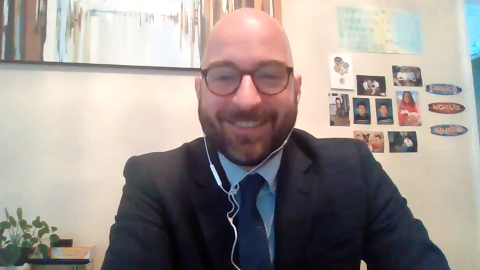
Bernadette Heron, PharmD, provides a glance at activities planned for the approaching AVAHO 2022 annual meeting and announces with enthusiasm this year's theme: "Your Best Version: Self-care in Cancer Care."
Bringing self-care into the theater of clinically relevant issues is central to optimizing the care of patients with cancer, Dr Heron suggests. To this purpose, the structured sessions and interventions to be presented at AVAHO 2022 include a deep dive into burnout among practitioners as well as everyday clinical care issues.
Bernadette Heron, PharmD, provides a glance at activities planned for the approaching AVAHO 2022 annual meeting and announces with enthusiasm this year's theme: "Your Best Version: Self-care in Cancer Care."
Bringing self-care into the theater of clinically relevant issues is central to optimizing the care of patients with cancer, Dr Heron suggests. To this purpose, the structured sessions and interventions to be presented at AVAHO 2022 include a deep dive into burnout among practitioners as well as everyday clinical care issues.
Bernadette Heron, PharmD, provides a glance at activities planned for the approaching AVAHO 2022 annual meeting and announces with enthusiasm this year's theme: "Your Best Version: Self-care in Cancer Care."
Bringing self-care into the theater of clinically relevant issues is central to optimizing the care of patients with cancer, Dr Heron suggests. To this purpose, the structured sessions and interventions to be presented at AVAHO 2022 include a deep dive into burnout among practitioners as well as everyday clinical care issues.


AVAHO 2022: Bringing Provider Well-Being Into Focus
Nick Burwick, MD, summarizes a series of topics to be addressed at the AVAHO 2022 annual meeting, including provider well-being, patient experience, multidisciplinary reflective care, and precision oncology.
In addition to the exciting presentations and sessions, Dr Burwick invokes the more informal aspects of AVAHO 2022, such as meeting colleagues and friends and taking the time to appreciate the host city of San Diego. Above all, Dr Burwick underscores this year’s theme of self-care and resilience in the cancer care setting.
Nick Burwick, MD, summarizes a series of topics to be addressed at the AVAHO 2022 annual meeting, including provider well-being, patient experience, multidisciplinary reflective care, and precision oncology.
In addition to the exciting presentations and sessions, Dr Burwick invokes the more informal aspects of AVAHO 2022, such as meeting colleagues and friends and taking the time to appreciate the host city of San Diego. Above all, Dr Burwick underscores this year’s theme of self-care and resilience in the cancer care setting.
Nick Burwick, MD, summarizes a series of topics to be addressed at the AVAHO 2022 annual meeting, including provider well-being, patient experience, multidisciplinary reflective care, and precision oncology.
In addition to the exciting presentations and sessions, Dr Burwick invokes the more informal aspects of AVAHO 2022, such as meeting colleagues and friends and taking the time to appreciate the host city of San Diego. Above all, Dr Burwick underscores this year’s theme of self-care and resilience in the cancer care setting.

Implementation of a Pilot Study Evaluating the Feasibility of Delivery of Attune, a Digital Cognitive-Behavioral Stress Management (CBSM) Software Application for Treatment of Anxiety and Depressive Symptoms in Veterans with Cancer
Purpose
To assess promoters and obstacles of enrollment in a decentralized clinical research study, where veterans with cancer-related depressive symptoms are electronically prescribed a 10-session digitally administered Cognitive-Behavioral Stress Management (CBSM) program, called Attune.
Background
The US Department of Veterans Affairs (VA) National TeleOncology (NTO) Program has served 5688 veterans since inception, 3100 of which reside in rural areas (55%). Previous studies demonstrate clinically significant levels of psychosocial distress in up to 52% of patients with cancer. It is unknown if veterans with cancer experiencing psychosocial distress will benefit from a CBSM app. Traditional research studies often underrepresent rural cancer patients, so the VA-Attune clinical trial was designed for implementation in a decentralized fashion for NTO VA facilities serving a more predominant rural population.
Methods
We manually screened veteran appointments to identify potentially eligible veterans. NTO providers were notified if their patients were potentially eligible, providers asked patients if they wanted more information. Research staff then contacted veterans by telephone to confirm eligibility. Consent and HIPAA authorization were mailed to interested veterans and the consent process occurred via telephone. Descriptive statistics were used to summarize the patient population screened and consented.
Results
Between January and May 2022, there were 467 veterans screened and 15 veterans enrolled (mean [SD] age, 67.2 [8.28] years; 12 men and 3 women). 15 veterans received the electronic prescription of the Attune App and providers viewed the CBSM App as feasible. Promotors of implementation included convenience of a virtual format and use of the veteran’s mobile device to deliver the digital CBSM. Barriers identified by veterans were not having an appropriate mobile device, inadequate knowledge on using a mobile device, and insufficient time to commit to regularly using the Attune app.
Conclusions/Implications
This VA-Attune study demonstrated that clinical trials can be implemented in the VA in a decentralized fashion, enrolling rural and urban veterans. We identified significant barriers to enrollment and engagement despite our approach of remote consent. The VA-Attune research study continues to enroll veterans nationally, highlighting best practices and opportunities to improve the implementation of decentralized cancer clinical trials in the VA.
Purpose
To assess promoters and obstacles of enrollment in a decentralized clinical research study, where veterans with cancer-related depressive symptoms are electronically prescribed a 10-session digitally administered Cognitive-Behavioral Stress Management (CBSM) program, called Attune.
Background
The US Department of Veterans Affairs (VA) National TeleOncology (NTO) Program has served 5688 veterans since inception, 3100 of which reside in rural areas (55%). Previous studies demonstrate clinically significant levels of psychosocial distress in up to 52% of patients with cancer. It is unknown if veterans with cancer experiencing psychosocial distress will benefit from a CBSM app. Traditional research studies often underrepresent rural cancer patients, so the VA-Attune clinical trial was designed for implementation in a decentralized fashion for NTO VA facilities serving a more predominant rural population.
Methods
We manually screened veteran appointments to identify potentially eligible veterans. NTO providers were notified if their patients were potentially eligible, providers asked patients if they wanted more information. Research staff then contacted veterans by telephone to confirm eligibility. Consent and HIPAA authorization were mailed to interested veterans and the consent process occurred via telephone. Descriptive statistics were used to summarize the patient population screened and consented.
Results
Between January and May 2022, there were 467 veterans screened and 15 veterans enrolled (mean [SD] age, 67.2 [8.28] years; 12 men and 3 women). 15 veterans received the electronic prescription of the Attune App and providers viewed the CBSM App as feasible. Promotors of implementation included convenience of a virtual format and use of the veteran’s mobile device to deliver the digital CBSM. Barriers identified by veterans were not having an appropriate mobile device, inadequate knowledge on using a mobile device, and insufficient time to commit to regularly using the Attune app.
Conclusions/Implications
This VA-Attune study demonstrated that clinical trials can be implemented in the VA in a decentralized fashion, enrolling rural and urban veterans. We identified significant barriers to enrollment and engagement despite our approach of remote consent. The VA-Attune research study continues to enroll veterans nationally, highlighting best practices and opportunities to improve the implementation of decentralized cancer clinical trials in the VA.
Purpose
To assess promoters and obstacles of enrollment in a decentralized clinical research study, where veterans with cancer-related depressive symptoms are electronically prescribed a 10-session digitally administered Cognitive-Behavioral Stress Management (CBSM) program, called Attune.
Background
The US Department of Veterans Affairs (VA) National TeleOncology (NTO) Program has served 5688 veterans since inception, 3100 of which reside in rural areas (55%). Previous studies demonstrate clinically significant levels of psychosocial distress in up to 52% of patients with cancer. It is unknown if veterans with cancer experiencing psychosocial distress will benefit from a CBSM app. Traditional research studies often underrepresent rural cancer patients, so the VA-Attune clinical trial was designed for implementation in a decentralized fashion for NTO VA facilities serving a more predominant rural population.
Methods
We manually screened veteran appointments to identify potentially eligible veterans. NTO providers were notified if their patients were potentially eligible, providers asked patients if they wanted more information. Research staff then contacted veterans by telephone to confirm eligibility. Consent and HIPAA authorization were mailed to interested veterans and the consent process occurred via telephone. Descriptive statistics were used to summarize the patient population screened and consented.
Results
Between January and May 2022, there were 467 veterans screened and 15 veterans enrolled (mean [SD] age, 67.2 [8.28] years; 12 men and 3 women). 15 veterans received the electronic prescription of the Attune App and providers viewed the CBSM App as feasible. Promotors of implementation included convenience of a virtual format and use of the veteran’s mobile device to deliver the digital CBSM. Barriers identified by veterans were not having an appropriate mobile device, inadequate knowledge on using a mobile device, and insufficient time to commit to regularly using the Attune app.
Conclusions/Implications
This VA-Attune study demonstrated that clinical trials can be implemented in the VA in a decentralized fashion, enrolling rural and urban veterans. We identified significant barriers to enrollment and engagement despite our approach of remote consent. The VA-Attune research study continues to enroll veterans nationally, highlighting best practices and opportunities to improve the implementation of decentralized cancer clinical trials in the VA.
Trends in Palliative Care Utilization and Facility Type for Stage IV Esophageal Cancer: A National Cancer Database Analysis
Background
Palliative Care (PC) addresses quality of life and patient satisfaction with care. Recognized as a board-certified subspeciality in 2006, the utilization and implementation of PC has been evolving. Stage IV esophageal cancer has a 5-year survival rate of 15% to 20%, making it a good candidate for PC. This study aims to look at trends in PC interventions and facility type.
Methods
This study looked at 8808 patients with stage IV esophageal cancer who received PC interventions from 2004 to 2018 in the National Cancer Database (NCDB). The NCDB codes 4 different kinds of PC: surgical, radiation, chemotherapy/hormone therapy, and pain management. All PC interventions function to “alleviate symptoms, but no attempt to diagnose, stage, or treat the primary tumor is made.” Data was grouped into 5-year time increments: 2004- 2008 (time 1), 2009-2013 (time 2), 2014-2018 (time 3). Exclusion criteria was concurrent tumors and missing data. Cross tabulation analysis was performed using Pearson chi-square and ANOVA tests.
Results
For all PC interventions, 9.0% were surgical, 42.5% radiation, 41.1% chemotherapy, and 7.4% pain management. Surgical interventions decreased over time, indicated by interventions administered at times 1 (n = 360), 2 (n = 228), and 3 (n = 200). Radiation PC utilization remained nearly constant (n = 1157, n = 1147, n = 1397) over the same time increments. Chemotherapy/hormone therapy and pain management increased over time, indicated by interventions administered at times 1 (n = 713), 2 (n = 1053), and 3 (n = 1795) and times 1 (n = 129) 2 (n = 224), and 3 (n = 291), respectively. For surgical PC, facility type shifted from academic institutions, occurring 45% of all cases in time 1 to 30% by time 3. Radiation PC remained constant with a slight predominance of comprehensive cancer community facilities. Chemotherapy/hormone therapy PC facility type also remained constant, with a slight preference for comprehensive cancer community facilities. Pain management shifted from a predominance of academic/research facilities in time 1 (38.0%) to comprehensive cancer community facilities by time 3 (38.1%).
Conclusions
Radiation, chemotherapy/hormone therapy, and pain management have been growing in utilization, while there has been a downtrend in surgical PC. All PC interventions (besides surgery) have been increasing across all facility locations, with PC predominantly being implemented in community cancer programs.
Background
Palliative Care (PC) addresses quality of life and patient satisfaction with care. Recognized as a board-certified subspeciality in 2006, the utilization and implementation of PC has been evolving. Stage IV esophageal cancer has a 5-year survival rate of 15% to 20%, making it a good candidate for PC. This study aims to look at trends in PC interventions and facility type.
Methods
This study looked at 8808 patients with stage IV esophageal cancer who received PC interventions from 2004 to 2018 in the National Cancer Database (NCDB). The NCDB codes 4 different kinds of PC: surgical, radiation, chemotherapy/hormone therapy, and pain management. All PC interventions function to “alleviate symptoms, but no attempt to diagnose, stage, or treat the primary tumor is made.” Data was grouped into 5-year time increments: 2004- 2008 (time 1), 2009-2013 (time 2), 2014-2018 (time 3). Exclusion criteria was concurrent tumors and missing data. Cross tabulation analysis was performed using Pearson chi-square and ANOVA tests.
Results
For all PC interventions, 9.0% were surgical, 42.5% radiation, 41.1% chemotherapy, and 7.4% pain management. Surgical interventions decreased over time, indicated by interventions administered at times 1 (n = 360), 2 (n = 228), and 3 (n = 200). Radiation PC utilization remained nearly constant (n = 1157, n = 1147, n = 1397) over the same time increments. Chemotherapy/hormone therapy and pain management increased over time, indicated by interventions administered at times 1 (n = 713), 2 (n = 1053), and 3 (n = 1795) and times 1 (n = 129) 2 (n = 224), and 3 (n = 291), respectively. For surgical PC, facility type shifted from academic institutions, occurring 45% of all cases in time 1 to 30% by time 3. Radiation PC remained constant with a slight predominance of comprehensive cancer community facilities. Chemotherapy/hormone therapy PC facility type also remained constant, with a slight preference for comprehensive cancer community facilities. Pain management shifted from a predominance of academic/research facilities in time 1 (38.0%) to comprehensive cancer community facilities by time 3 (38.1%).
Conclusions
Radiation, chemotherapy/hormone therapy, and pain management have been growing in utilization, while there has been a downtrend in surgical PC. All PC interventions (besides surgery) have been increasing across all facility locations, with PC predominantly being implemented in community cancer programs.
Background
Palliative Care (PC) addresses quality of life and patient satisfaction with care. Recognized as a board-certified subspeciality in 2006, the utilization and implementation of PC has been evolving. Stage IV esophageal cancer has a 5-year survival rate of 15% to 20%, making it a good candidate for PC. This study aims to look at trends in PC interventions and facility type.
Methods
This study looked at 8808 patients with stage IV esophageal cancer who received PC interventions from 2004 to 2018 in the National Cancer Database (NCDB). The NCDB codes 4 different kinds of PC: surgical, radiation, chemotherapy/hormone therapy, and pain management. All PC interventions function to “alleviate symptoms, but no attempt to diagnose, stage, or treat the primary tumor is made.” Data was grouped into 5-year time increments: 2004- 2008 (time 1), 2009-2013 (time 2), 2014-2018 (time 3). Exclusion criteria was concurrent tumors and missing data. Cross tabulation analysis was performed using Pearson chi-square and ANOVA tests.
Results
For all PC interventions, 9.0% were surgical, 42.5% radiation, 41.1% chemotherapy, and 7.4% pain management. Surgical interventions decreased over time, indicated by interventions administered at times 1 (n = 360), 2 (n = 228), and 3 (n = 200). Radiation PC utilization remained nearly constant (n = 1157, n = 1147, n = 1397) over the same time increments. Chemotherapy/hormone therapy and pain management increased over time, indicated by interventions administered at times 1 (n = 713), 2 (n = 1053), and 3 (n = 1795) and times 1 (n = 129) 2 (n = 224), and 3 (n = 291), respectively. For surgical PC, facility type shifted from academic institutions, occurring 45% of all cases in time 1 to 30% by time 3. Radiation PC remained constant with a slight predominance of comprehensive cancer community facilities. Chemotherapy/hormone therapy PC facility type also remained constant, with a slight preference for comprehensive cancer community facilities. Pain management shifted from a predominance of academic/research facilities in time 1 (38.0%) to comprehensive cancer community facilities by time 3 (38.1%).
Conclusions
Radiation, chemotherapy/hormone therapy, and pain management have been growing in utilization, while there has been a downtrend in surgical PC. All PC interventions (besides surgery) have been increasing across all facility locations, with PC predominantly being implemented in community cancer programs.
Outcomes of Off-Label Use of Molecular Targeted Agent Therapy in a Large-Scale Precision Oncology Program
Background
Increasing utilization of comprehensive genomic profiling (CGP) and a growing number of targeted agents (TAs) has led to substantial improvements in outcomes among patients with cancer with actionable mutations. We sought to evaluate real-world use and outcomes of off-label TA among patients who underwent CGP.
Methods
The National Precision Oncology Program database and VA Corporate Data Warehouse were queried to identify patients who underwent CGP between Feb 2019 and Dec 2021 and were prescribed 1 of 73 TAs for malignancy. OncoKB (accessed March 2022) annotations were used to select patients who received offlabel TAs based upon CGP results. Chart abstraction was performed in April 2022 to review response to offlabel TAs, toxicities, and treatment duration.
Results
Of 18,686 patients who underwent CGP, 2,107 (11%) were prescribed a TA and 170 (0.9%) were prescribed a total of 185 off-label TA regimens. Median age was 68 years, 88% were male, and 82% had prior systemic therapy, with 28% receiving 3 or more prior lines. Frequency of off-label TA prescriptions was highest for patients with unknown primary (CUP) (9%), thyroid (8%), and breast (6%) cancers. Most frequently targeted alterations involved ERBB2 (22%), BRAF (22%), and BRCA1/BRCA2/ATM (20%). Among the 161 regimens prescribed > 4 weeks, 44 (27%) led to complete or partial response, and 63 (39%) were administered for 6 months or longer or are continuing. Median progression free (PFS) and overall survival (OS) were 5.3 (95% CI, 4.3–6.5) and 9.9 (95% CI, 8.3–12.4) months, respectively. Patients with OncoKb level 2/3A/3B annotations had improved PFS (HR 0.45; 95% CI, 0.24-0.82; P = .01) and OS (HR 0.27; 95% CI, 0.15-0.48; P < .005) compared to level 4 treatments. Across all 185 regimens prescribed, 30 (16.2%) were discontinued due to toxicity, and further systemic treatment was prescribed subsequently in 58 (31.3%).
Conclusions
While the overall use of off-label TAs is low, nearly 10% of CUP and thyroid cancer patients who undergo CGP are prescribed TAs for off-label indications. More than one-quarter of off-label TA regimens lead to treatment response. Treatments associated with level 4 annotations lead to worse outcomes than TAs bearing superior levels of evidence.
Background
Increasing utilization of comprehensive genomic profiling (CGP) and a growing number of targeted agents (TAs) has led to substantial improvements in outcomes among patients with cancer with actionable mutations. We sought to evaluate real-world use and outcomes of off-label TA among patients who underwent CGP.
Methods
The National Precision Oncology Program database and VA Corporate Data Warehouse were queried to identify patients who underwent CGP between Feb 2019 and Dec 2021 and were prescribed 1 of 73 TAs for malignancy. OncoKB (accessed March 2022) annotations were used to select patients who received offlabel TAs based upon CGP results. Chart abstraction was performed in April 2022 to review response to offlabel TAs, toxicities, and treatment duration.
Results
Of 18,686 patients who underwent CGP, 2,107 (11%) were prescribed a TA and 170 (0.9%) were prescribed a total of 185 off-label TA regimens. Median age was 68 years, 88% were male, and 82% had prior systemic therapy, with 28% receiving 3 or more prior lines. Frequency of off-label TA prescriptions was highest for patients with unknown primary (CUP) (9%), thyroid (8%), and breast (6%) cancers. Most frequently targeted alterations involved ERBB2 (22%), BRAF (22%), and BRCA1/BRCA2/ATM (20%). Among the 161 regimens prescribed > 4 weeks, 44 (27%) led to complete or partial response, and 63 (39%) were administered for 6 months or longer or are continuing. Median progression free (PFS) and overall survival (OS) were 5.3 (95% CI, 4.3–6.5) and 9.9 (95% CI, 8.3–12.4) months, respectively. Patients with OncoKb level 2/3A/3B annotations had improved PFS (HR 0.45; 95% CI, 0.24-0.82; P = .01) and OS (HR 0.27; 95% CI, 0.15-0.48; P < .005) compared to level 4 treatments. Across all 185 regimens prescribed, 30 (16.2%) were discontinued due to toxicity, and further systemic treatment was prescribed subsequently in 58 (31.3%).
Conclusions
While the overall use of off-label TAs is low, nearly 10% of CUP and thyroid cancer patients who undergo CGP are prescribed TAs for off-label indications. More than one-quarter of off-label TA regimens lead to treatment response. Treatments associated with level 4 annotations lead to worse outcomes than TAs bearing superior levels of evidence.
Background
Increasing utilization of comprehensive genomic profiling (CGP) and a growing number of targeted agents (TAs) has led to substantial improvements in outcomes among patients with cancer with actionable mutations. We sought to evaluate real-world use and outcomes of off-label TA among patients who underwent CGP.
Methods
The National Precision Oncology Program database and VA Corporate Data Warehouse were queried to identify patients who underwent CGP between Feb 2019 and Dec 2021 and were prescribed 1 of 73 TAs for malignancy. OncoKB (accessed March 2022) annotations were used to select patients who received offlabel TAs based upon CGP results. Chart abstraction was performed in April 2022 to review response to offlabel TAs, toxicities, and treatment duration.
Results
Of 18,686 patients who underwent CGP, 2,107 (11%) were prescribed a TA and 170 (0.9%) were prescribed a total of 185 off-label TA regimens. Median age was 68 years, 88% were male, and 82% had prior systemic therapy, with 28% receiving 3 or more prior lines. Frequency of off-label TA prescriptions was highest for patients with unknown primary (CUP) (9%), thyroid (8%), and breast (6%) cancers. Most frequently targeted alterations involved ERBB2 (22%), BRAF (22%), and BRCA1/BRCA2/ATM (20%). Among the 161 regimens prescribed > 4 weeks, 44 (27%) led to complete or partial response, and 63 (39%) were administered for 6 months or longer or are continuing. Median progression free (PFS) and overall survival (OS) were 5.3 (95% CI, 4.3–6.5) and 9.9 (95% CI, 8.3–12.4) months, respectively. Patients with OncoKb level 2/3A/3B annotations had improved PFS (HR 0.45; 95% CI, 0.24-0.82; P = .01) and OS (HR 0.27; 95% CI, 0.15-0.48; P < .005) compared to level 4 treatments. Across all 185 regimens prescribed, 30 (16.2%) were discontinued due to toxicity, and further systemic treatment was prescribed subsequently in 58 (31.3%).
Conclusions
While the overall use of off-label TAs is low, nearly 10% of CUP and thyroid cancer patients who undergo CGP are prescribed TAs for off-label indications. More than one-quarter of off-label TA regimens lead to treatment response. Treatments associated with level 4 annotations lead to worse outcomes than TAs bearing superior levels of evidence.