User login
Clinical Psychiatry News is the online destination and multimedia properties of Clinica Psychiatry News, the independent news publication for psychiatrists. Since 1971, Clinical Psychiatry News has been the leading source of news and commentary about clinical developments in psychiatry as well as health care policy and regulations that affect the physician's practice.
Dear Drupal User: You're seeing this because you're logged in to Drupal, and not redirected to MDedge.com/psychiatry.
Depression
adolescent depression
adolescent major depressive disorder
adolescent schizophrenia
adolescent with major depressive disorder
animals
autism
baby
brexpiprazole
child
child bipolar
child depression
child schizophrenia
children with bipolar disorder
children with depression
children with major depressive disorder
compulsive behaviors
cure
elderly bipolar
elderly depression
elderly major depressive disorder
elderly schizophrenia
elderly with dementia
first break
first episode
gambling
gaming
geriatric depression
geriatric major depressive disorder
geriatric schizophrenia
infant
ketamine
kid
major depressive disorder
major depressive disorder in adolescents
major depressive disorder in children
parenting
pediatric
pediatric bipolar
pediatric depression
pediatric major depressive disorder
pediatric schizophrenia
pregnancy
pregnant
rexulti
skin care
suicide
teen
wine
section[contains(@class, 'nav-hidden')]
footer[@id='footer']
div[contains(@class, 'pane-pub-article-cpn')]
div[contains(@class, 'pane-pub-home-cpn')]
div[contains(@class, 'pane-pub-topic-cpn')]
div[contains(@class, 'panel-panel-inner')]
div[contains(@class, 'pane-node-field-article-topics')]
section[contains(@class, 'footer-nav-section-wrapper')]
Psychiatrist found guilty in $110 million fraud scheme
Mark Agresti, MD, 59, was convicted of unlawfully billing approximately $110 million of medically unnecessary urinalysis services for patients living at Good Decisions Sober Living (GDSL), a drug rehabilitation facility in West Palm Beach, Fla. Dr. Agresti was once the director of psychiatry at the former Columbia Hospital in West Palm Beach.
According to evidence presented at the trial, Dr. Agresti, as medical director of GDSL, agreed to provide standing orders for urinalysis for GDSL patients in exchange for a monthly fee. Three to four times a week, patients were required to submit to excessive and medically unnecessary urine tests, costing $6,000 to $9,000 per test, according to federal officials. Dr. Agresti did not review the results of these tests and did not use the tests to treat patients. The evidence also showed that he had also done this at other addiction facilities in the West Palm Beach area, resulting in thousands of additional fraudulent tests. Dr. Agresti had GDSL patients visit his private practice so he could fraudulently bill for services there as well.
“This defendant used his medical license to facilitate an egregious, multimillion-dollar fraud scheme that exploited vulnerable substance abusers,” said Juan Antonio Gonzalez, U.S. Attorney for the Southern District of Florida, in a statement announcing the conviction.
Three other defendants, including GDSL’s owner, Kenneth Bailynson, were previously indicted and pleaded guilty to related charges connected with the scheme. Dr. Agresti, however, insisted on his innocence throughout the trial, arguing that he was himself the victim of Mr. Bailynson. Mr. Bailynson, as a part of his plea deal, testified against Dr. Agresti at the trial.
According to a report in the Palm Beach Post, Dr. Agresti’s lawyers, in closing statements, argued, “The government did a fantastic job of proving that Dr. Agresti was negligent, maybe even grossly negligent, but that’s not the issue in this case.” The jury disagreed.
Dr. Agresti faces a maximum penalty of 20 years in prison for the healthcare fraud and wire fraud conspiracy charges and 10 years for each count of healthcare fraud. Sentencing is scheduled for April 21.
Ten people, including two physicians, charged in Texas kickback scheme
Jose Maldonado, MD, 48, a family medicine physician, and Eduardo Carlos Canova, MD, 44, an internal medicine specialist, both based in Laredo, Tex., were among ten people indicted in connection with a $300 million healthcare fraud scheme
According to the federal indictment, the founders of several lab companies, including Unified Laboratory Services, Spectrum Diagnostic Laboratory, and Reliable Labs, LLC, allegedly paid kickbacks to medical practitioners in exchange for orders for medically unnecessary lab tests, which were then billed to Medicare and other federal healthcare programs. The medical professionals, including Dr. Maldonado and Dr. Canova, are alleged to have accepted bribes for ordering millions of dollars’ worth of tests.
The scheme was facilitated by marketing firms, which paid doctors hundreds of thousands of dollars for “advisory services,” according to officials. Rather than providing advice, however, the physicians provided lab test referrals. The labs are accused of paying portions of the salaries of the doctors’ staffs as well as portions of their leases. In some instances, direct payments were made to the practitioner’s spouse. In one case, the labs informed one practitioner that the payments would cease if he didn’t refer more tests. He responded to the threat by immediately increasing his lab referrals, averaging 20 to 30 referrals a day.
Jeffrey Madison, the founder of Spectrum and Unified, is accused of convincing Reliable’s founders to convert their business to a physician-owned lab to disguise the kickbacks. Reliable offered physicians ownership opportunities only if they referred enough lab tests. In some cases, says the indictment, the labs made advance payments to physicians to ensure that those physicians would not send samples to other labs.
The scheme resulted in more than $300 million in billing to federal government healthcare programs. Between 2015 and 2018, Dr. Maldonado alone received more than $400,000 in kickbacks for ordering more than $4 million worth of lab tests, and Dr. Canova received more than $300,000 for ordering more than $12 million in tests, according to the indictment.
The 26-count indictment included charges of conspiracy to commit healthcare fraud, conspiracy to pay and receive healthcare kickbacks, offering or paying illegal kickbacks, and soliciting or receiving illegal kickbacks.
N.J. doc charged on 34 counts of illegally prescribing controlled substances
A N.J. orthopedic surgeon has been charged with 34 counts of illegally prescribing controlled substances.
According to documents filed in the case, from November 2016 to February 2018 Evangelos Megariotis, MD, 68, of Passaic County, N.J., prescribed opiates — including oxycodone, alprazolam (Xanax), and cough syrup with codeine — as well as stimulants without a legitimate medical purpose and outside the usual course of his practice.
Before the State of New Jersey permanently banned him from practicing medicine, Dr. Megariotis owned and operated Clifton Orthopedic Associates, in Clifton, N.J.
According to The Bergin Record, the state alleges that Dr. Megariotis prescribed thousands of doses of painkillers even though he knew his patients were abusing them and in some cases were getting similar drugs from other doctors. In addition, Dr. Megariotis failed to diagnose or treat these patients’ underlying conditions, treated illnesses outside his scope of practice, and performed surgery in the absence of medical need.
If convicted, Dr. Megariotis could face a lengthy prison sentence as well as substantial fines. The counts of illegally prescribing Schedule II opioids and stimulants are punishable by a maximum of 20 years in prison and a $1 million fine. Illegally prescribing Schedule IV controlled substances brings a maximum of 5 years in prison and a $250,000 fine. The counts of illegally prescribing cough syrup with codeine, a Schedule V controlled substance, are punishable by a maximum of 1 year in prison and a $100,000 fine.
Michigan surgeon pleads guilty to fraud scheme
A Bay City, Mich., vascular surgeon has pleaded guilty to engaging in a scheme to defraud Medicare, Medicaid, and Blue Cross/Blue Shield of Michigan out of approximately $19.5 million
According to the plea agreement, in 2009, Vasso Godiali, MD, 59, began false and fraudulent billing to the three insurers. False claims included billing for the placement of stents in dialysis patients and for the treatment of arterial blood clots. The surgeon admitted to billing for the placement of multiple stents in the same vessel and preparing medical records to support the necessity of placing those stents. However, he never placed the stents.
In the plea document, Dr. Godiali also admitted that his medical records would describe occluded arteries that would justify arterial thrombectomies. However, in many cases, there were no occluded arteries, and no thrombectomies were performed, even though Dr. Godiali billed insurers for them.
“When Dr Godiali submitted claims for medical services that were never provided, he violated the trust of his patients and defrauded taxpayer-funded health care programs,” Mario M. Pinto, special agent in charge, said in a statement announcing the plea.
In 2014, The Bay City Times interviewed Dr. Godiali after he was featured by USA Today as one of seven physicians in the United States to receive more than $10 million for Medicare reimbursements in 2012. He told The Times he was a workaholic. “I work a lot — I work probably more than surgeons that you meet,” he told the paper.
Dr. Godiali faces up to 10 years in prison. In addition, he will be required to pay $19.5 million in restitution to the three insurers. A civil forfeiture case against approximately $39.9 million seized from accounts controlled by Dr. Godiali is pending. Sentencing is scheduled for September 15.
A version of this article first appeared on Medscape.com.
Mark Agresti, MD, 59, was convicted of unlawfully billing approximately $110 million of medically unnecessary urinalysis services for patients living at Good Decisions Sober Living (GDSL), a drug rehabilitation facility in West Palm Beach, Fla. Dr. Agresti was once the director of psychiatry at the former Columbia Hospital in West Palm Beach.
According to evidence presented at the trial, Dr. Agresti, as medical director of GDSL, agreed to provide standing orders for urinalysis for GDSL patients in exchange for a monthly fee. Three to four times a week, patients were required to submit to excessive and medically unnecessary urine tests, costing $6,000 to $9,000 per test, according to federal officials. Dr. Agresti did not review the results of these tests and did not use the tests to treat patients. The evidence also showed that he had also done this at other addiction facilities in the West Palm Beach area, resulting in thousands of additional fraudulent tests. Dr. Agresti had GDSL patients visit his private practice so he could fraudulently bill for services there as well.
“This defendant used his medical license to facilitate an egregious, multimillion-dollar fraud scheme that exploited vulnerable substance abusers,” said Juan Antonio Gonzalez, U.S. Attorney for the Southern District of Florida, in a statement announcing the conviction.
Three other defendants, including GDSL’s owner, Kenneth Bailynson, were previously indicted and pleaded guilty to related charges connected with the scheme. Dr. Agresti, however, insisted on his innocence throughout the trial, arguing that he was himself the victim of Mr. Bailynson. Mr. Bailynson, as a part of his plea deal, testified against Dr. Agresti at the trial.
According to a report in the Palm Beach Post, Dr. Agresti’s lawyers, in closing statements, argued, “The government did a fantastic job of proving that Dr. Agresti was negligent, maybe even grossly negligent, but that’s not the issue in this case.” The jury disagreed.
Dr. Agresti faces a maximum penalty of 20 years in prison for the healthcare fraud and wire fraud conspiracy charges and 10 years for each count of healthcare fraud. Sentencing is scheduled for April 21.
Ten people, including two physicians, charged in Texas kickback scheme
Jose Maldonado, MD, 48, a family medicine physician, and Eduardo Carlos Canova, MD, 44, an internal medicine specialist, both based in Laredo, Tex., were among ten people indicted in connection with a $300 million healthcare fraud scheme
According to the federal indictment, the founders of several lab companies, including Unified Laboratory Services, Spectrum Diagnostic Laboratory, and Reliable Labs, LLC, allegedly paid kickbacks to medical practitioners in exchange for orders for medically unnecessary lab tests, which were then billed to Medicare and other federal healthcare programs. The medical professionals, including Dr. Maldonado and Dr. Canova, are alleged to have accepted bribes for ordering millions of dollars’ worth of tests.
The scheme was facilitated by marketing firms, which paid doctors hundreds of thousands of dollars for “advisory services,” according to officials. Rather than providing advice, however, the physicians provided lab test referrals. The labs are accused of paying portions of the salaries of the doctors’ staffs as well as portions of their leases. In some instances, direct payments were made to the practitioner’s spouse. In one case, the labs informed one practitioner that the payments would cease if he didn’t refer more tests. He responded to the threat by immediately increasing his lab referrals, averaging 20 to 30 referrals a day.
Jeffrey Madison, the founder of Spectrum and Unified, is accused of convincing Reliable’s founders to convert their business to a physician-owned lab to disguise the kickbacks. Reliable offered physicians ownership opportunities only if they referred enough lab tests. In some cases, says the indictment, the labs made advance payments to physicians to ensure that those physicians would not send samples to other labs.
The scheme resulted in more than $300 million in billing to federal government healthcare programs. Between 2015 and 2018, Dr. Maldonado alone received more than $400,000 in kickbacks for ordering more than $4 million worth of lab tests, and Dr. Canova received more than $300,000 for ordering more than $12 million in tests, according to the indictment.
The 26-count indictment included charges of conspiracy to commit healthcare fraud, conspiracy to pay and receive healthcare kickbacks, offering or paying illegal kickbacks, and soliciting or receiving illegal kickbacks.
N.J. doc charged on 34 counts of illegally prescribing controlled substances
A N.J. orthopedic surgeon has been charged with 34 counts of illegally prescribing controlled substances.
According to documents filed in the case, from November 2016 to February 2018 Evangelos Megariotis, MD, 68, of Passaic County, N.J., prescribed opiates — including oxycodone, alprazolam (Xanax), and cough syrup with codeine — as well as stimulants without a legitimate medical purpose and outside the usual course of his practice.
Before the State of New Jersey permanently banned him from practicing medicine, Dr. Megariotis owned and operated Clifton Orthopedic Associates, in Clifton, N.J.
According to The Bergin Record, the state alleges that Dr. Megariotis prescribed thousands of doses of painkillers even though he knew his patients were abusing them and in some cases were getting similar drugs from other doctors. In addition, Dr. Megariotis failed to diagnose or treat these patients’ underlying conditions, treated illnesses outside his scope of practice, and performed surgery in the absence of medical need.
If convicted, Dr. Megariotis could face a lengthy prison sentence as well as substantial fines. The counts of illegally prescribing Schedule II opioids and stimulants are punishable by a maximum of 20 years in prison and a $1 million fine. Illegally prescribing Schedule IV controlled substances brings a maximum of 5 years in prison and a $250,000 fine. The counts of illegally prescribing cough syrup with codeine, a Schedule V controlled substance, are punishable by a maximum of 1 year in prison and a $100,000 fine.
Michigan surgeon pleads guilty to fraud scheme
A Bay City, Mich., vascular surgeon has pleaded guilty to engaging in a scheme to defraud Medicare, Medicaid, and Blue Cross/Blue Shield of Michigan out of approximately $19.5 million
According to the plea agreement, in 2009, Vasso Godiali, MD, 59, began false and fraudulent billing to the three insurers. False claims included billing for the placement of stents in dialysis patients and for the treatment of arterial blood clots. The surgeon admitted to billing for the placement of multiple stents in the same vessel and preparing medical records to support the necessity of placing those stents. However, he never placed the stents.
In the plea document, Dr. Godiali also admitted that his medical records would describe occluded arteries that would justify arterial thrombectomies. However, in many cases, there were no occluded arteries, and no thrombectomies were performed, even though Dr. Godiali billed insurers for them.
“When Dr Godiali submitted claims for medical services that were never provided, he violated the trust of his patients and defrauded taxpayer-funded health care programs,” Mario M. Pinto, special agent in charge, said in a statement announcing the plea.
In 2014, The Bay City Times interviewed Dr. Godiali after he was featured by USA Today as one of seven physicians in the United States to receive more than $10 million for Medicare reimbursements in 2012. He told The Times he was a workaholic. “I work a lot — I work probably more than surgeons that you meet,” he told the paper.
Dr. Godiali faces up to 10 years in prison. In addition, he will be required to pay $19.5 million in restitution to the three insurers. A civil forfeiture case against approximately $39.9 million seized from accounts controlled by Dr. Godiali is pending. Sentencing is scheduled for September 15.
A version of this article first appeared on Medscape.com.
Mark Agresti, MD, 59, was convicted of unlawfully billing approximately $110 million of medically unnecessary urinalysis services for patients living at Good Decisions Sober Living (GDSL), a drug rehabilitation facility in West Palm Beach, Fla. Dr. Agresti was once the director of psychiatry at the former Columbia Hospital in West Palm Beach.
According to evidence presented at the trial, Dr. Agresti, as medical director of GDSL, agreed to provide standing orders for urinalysis for GDSL patients in exchange for a monthly fee. Three to four times a week, patients were required to submit to excessive and medically unnecessary urine tests, costing $6,000 to $9,000 per test, according to federal officials. Dr. Agresti did not review the results of these tests and did not use the tests to treat patients. The evidence also showed that he had also done this at other addiction facilities in the West Palm Beach area, resulting in thousands of additional fraudulent tests. Dr. Agresti had GDSL patients visit his private practice so he could fraudulently bill for services there as well.
“This defendant used his medical license to facilitate an egregious, multimillion-dollar fraud scheme that exploited vulnerable substance abusers,” said Juan Antonio Gonzalez, U.S. Attorney for the Southern District of Florida, in a statement announcing the conviction.
Three other defendants, including GDSL’s owner, Kenneth Bailynson, were previously indicted and pleaded guilty to related charges connected with the scheme. Dr. Agresti, however, insisted on his innocence throughout the trial, arguing that he was himself the victim of Mr. Bailynson. Mr. Bailynson, as a part of his plea deal, testified against Dr. Agresti at the trial.
According to a report in the Palm Beach Post, Dr. Agresti’s lawyers, in closing statements, argued, “The government did a fantastic job of proving that Dr. Agresti was negligent, maybe even grossly negligent, but that’s not the issue in this case.” The jury disagreed.
Dr. Agresti faces a maximum penalty of 20 years in prison for the healthcare fraud and wire fraud conspiracy charges and 10 years for each count of healthcare fraud. Sentencing is scheduled for April 21.
Ten people, including two physicians, charged in Texas kickback scheme
Jose Maldonado, MD, 48, a family medicine physician, and Eduardo Carlos Canova, MD, 44, an internal medicine specialist, both based in Laredo, Tex., were among ten people indicted in connection with a $300 million healthcare fraud scheme
According to the federal indictment, the founders of several lab companies, including Unified Laboratory Services, Spectrum Diagnostic Laboratory, and Reliable Labs, LLC, allegedly paid kickbacks to medical practitioners in exchange for orders for medically unnecessary lab tests, which were then billed to Medicare and other federal healthcare programs. The medical professionals, including Dr. Maldonado and Dr. Canova, are alleged to have accepted bribes for ordering millions of dollars’ worth of tests.
The scheme was facilitated by marketing firms, which paid doctors hundreds of thousands of dollars for “advisory services,” according to officials. Rather than providing advice, however, the physicians provided lab test referrals. The labs are accused of paying portions of the salaries of the doctors’ staffs as well as portions of their leases. In some instances, direct payments were made to the practitioner’s spouse. In one case, the labs informed one practitioner that the payments would cease if he didn’t refer more tests. He responded to the threat by immediately increasing his lab referrals, averaging 20 to 30 referrals a day.
Jeffrey Madison, the founder of Spectrum and Unified, is accused of convincing Reliable’s founders to convert their business to a physician-owned lab to disguise the kickbacks. Reliable offered physicians ownership opportunities only if they referred enough lab tests. In some cases, says the indictment, the labs made advance payments to physicians to ensure that those physicians would not send samples to other labs.
The scheme resulted in more than $300 million in billing to federal government healthcare programs. Between 2015 and 2018, Dr. Maldonado alone received more than $400,000 in kickbacks for ordering more than $4 million worth of lab tests, and Dr. Canova received more than $300,000 for ordering more than $12 million in tests, according to the indictment.
The 26-count indictment included charges of conspiracy to commit healthcare fraud, conspiracy to pay and receive healthcare kickbacks, offering or paying illegal kickbacks, and soliciting or receiving illegal kickbacks.
N.J. doc charged on 34 counts of illegally prescribing controlled substances
A N.J. orthopedic surgeon has been charged with 34 counts of illegally prescribing controlled substances.
According to documents filed in the case, from November 2016 to February 2018 Evangelos Megariotis, MD, 68, of Passaic County, N.J., prescribed opiates — including oxycodone, alprazolam (Xanax), and cough syrup with codeine — as well as stimulants without a legitimate medical purpose and outside the usual course of his practice.
Before the State of New Jersey permanently banned him from practicing medicine, Dr. Megariotis owned and operated Clifton Orthopedic Associates, in Clifton, N.J.
According to The Bergin Record, the state alleges that Dr. Megariotis prescribed thousands of doses of painkillers even though he knew his patients were abusing them and in some cases were getting similar drugs from other doctors. In addition, Dr. Megariotis failed to diagnose or treat these patients’ underlying conditions, treated illnesses outside his scope of practice, and performed surgery in the absence of medical need.
If convicted, Dr. Megariotis could face a lengthy prison sentence as well as substantial fines. The counts of illegally prescribing Schedule II opioids and stimulants are punishable by a maximum of 20 years in prison and a $1 million fine. Illegally prescribing Schedule IV controlled substances brings a maximum of 5 years in prison and a $250,000 fine. The counts of illegally prescribing cough syrup with codeine, a Schedule V controlled substance, are punishable by a maximum of 1 year in prison and a $100,000 fine.
Michigan surgeon pleads guilty to fraud scheme
A Bay City, Mich., vascular surgeon has pleaded guilty to engaging in a scheme to defraud Medicare, Medicaid, and Blue Cross/Blue Shield of Michigan out of approximately $19.5 million
According to the plea agreement, in 2009, Vasso Godiali, MD, 59, began false and fraudulent billing to the three insurers. False claims included billing for the placement of stents in dialysis patients and for the treatment of arterial blood clots. The surgeon admitted to billing for the placement of multiple stents in the same vessel and preparing medical records to support the necessity of placing those stents. However, he never placed the stents.
In the plea document, Dr. Godiali also admitted that his medical records would describe occluded arteries that would justify arterial thrombectomies. However, in many cases, there were no occluded arteries, and no thrombectomies were performed, even though Dr. Godiali billed insurers for them.
“When Dr Godiali submitted claims for medical services that were never provided, he violated the trust of his patients and defrauded taxpayer-funded health care programs,” Mario M. Pinto, special agent in charge, said in a statement announcing the plea.
In 2014, The Bay City Times interviewed Dr. Godiali after he was featured by USA Today as one of seven physicians in the United States to receive more than $10 million for Medicare reimbursements in 2012. He told The Times he was a workaholic. “I work a lot — I work probably more than surgeons that you meet,” he told the paper.
Dr. Godiali faces up to 10 years in prison. In addition, he will be required to pay $19.5 million in restitution to the three insurers. A civil forfeiture case against approximately $39.9 million seized from accounts controlled by Dr. Godiali is pending. Sentencing is scheduled for September 15.
A version of this article first appeared on Medscape.com.
Burnout rates rising among psychiatrists
The lingering effects of the COVID-19 pandemic continue to take a toll on the happiness, well-being, and lifestyles of many segments of the population, especially those in the health care field, including psychiatrists.
The newly released Medscape Psychiatrist Lifestyle, Happiness & Burnout Report 2022 explores psychiatrists’ happiness in their personal and professional lives and how they are maintaining mental and physical health.
Prior to the global pandemic, 79% of psychiatrists said they were “very” or “somewhat” happy outside of work, like physicians overall (81%).
But as the pandemic has worn on, feelings have shifted, and there are clear signs of stress and strain on those in the health care field.
Higher in women
In last year’s report, overall 42% of psychiatrists reported burnout; that’s risen to 47% this year.
When it comes to burnout, psychiatrists are in the lower range of burned-out physicians. Perhaps not surprising, given the challenges of the COVID-19 pandemic, burnout rates are highest in emergency medicine and critical care specialists.
About half of psychiatrists (52%) reported that they were more burned out now than during the initial quarantine months of the pandemic, similar to physicians overall (55%). About one-third said their burnout was the same.
Female psychiatrists reported being burned out at a greater rate than their male colleagues (46% vs. 30%).
“There’s no question that women have reported far more role strain during the pandemic than men,” said Carol A. Bernstein, MD, psychiatrist at Montefiore Health System and professor and vice chair for faculty development and well-being at Albert Einstein College of Medicine, New York.
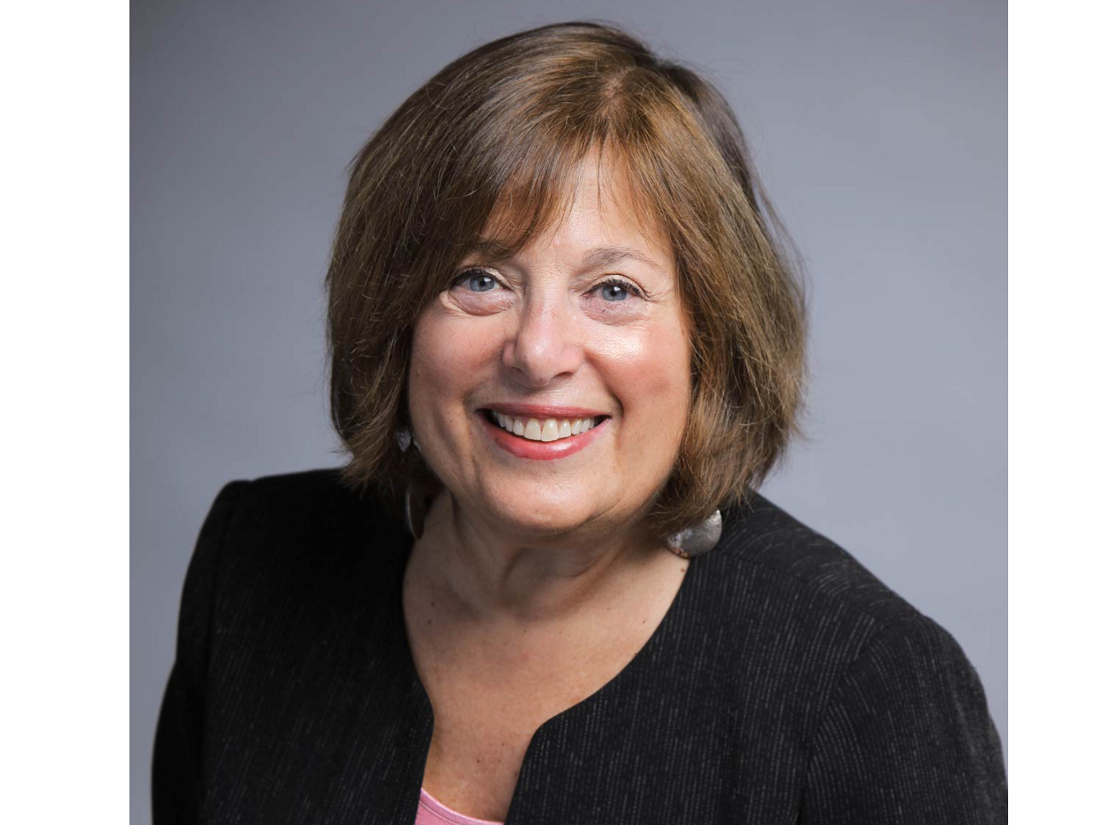
“Often women assumed more of the childcare and home schooling responsibilities in their households. As [a] result, we know that more women dropped out of the workforce. Also, past studies indicate that women are more likely to report feelings of burnout than men,” Dr. Bernstein noted.
The volume of bureaucratic tasks is the main contributor to psychiatrist burnout (69%), even more so than for physicians overall (60%).
Too many work hours, lack of respect from colleagues, lack of control or autonomy, and increasing use of electronic health records (EHRs) and other technology are also major drivers of burnout in this year’s report.
To quell burnout, psychiatrists reduce their hours on the job and participate in meditation or other stress-reduction techniques.
Thirty-eight percent of psychiatrists feel that their personality type contributes to their burnout. Nearly seven in 10 psychiatrists say burnout affects their relationships, about the same proportion as for physicians overall (68%).
Work-life balance
More than half of psychiatrists (53%) report they are willing to take a cut in pay in order to achieve a better work-life balance or have more free time. This is similar among physicians overall (55%).
More than one-third (39%) of psychiatrists reported clinical depression (severe depression lasting some time and not caused by grief), while 44% reported colloquial depression (feeling down, blue, sad).
About half of depressed psychiatrists said their depression does not have an impact on relationships with patients. Of those who saw an impact, the major behaviors they reported were being easily exasperated with patients and feeling less motivated to take patient notes carefully.
To maintain happiness and mental health, psychiatrists choose to spend time with loved ones, do the things they enjoy, exercise, and get plenty of sleep.
Perhaps not surprisingly, more psychiatrists were happy with their work-life balance before the pandemic (68% vs. 54%). The same holds for physicians overall.
Before the pandemic, 17% of psychiatrists reported being unhappy with their work-life balance. That has risen to 29% this year.
The vast majority of psychiatrists are currently in a committed relationship, with 76% either married or living with a partner. A somewhat higher percentage (83%) of physicians overall report being in a committed relationship.
About eight in 10 psychiatrists (81%) describe their marriage as good or very good – the same as last year.
A little more than half of psychiatrists have life partners who do not work in medicine. This is similar to the proportion among all physicians (56%).
Among psychiatrists balancing parenthood and a medical career, female psychiatrists noted feeling conflicted more often than their male counterparts (36% vs. 22% were “very conflicted” or “conflicted”).
This general attitude is reflected in almost all occupations, according to a Pew Research survey, which found that larger shares of mothers than fathers struggled with childcare responsibilities during the pandemic.
Findings from Medscape’s latest happiness, wellness, and lifestyle survey are based on 13,069 Medscape member physicians (61% male) practicing in the United States who completed an online survey conducted between June 29 and Sept. 26, 2021. Most respondents were between 35 and 64 years old.
A version of this article first appeared on Medscape.com.
The lingering effects of the COVID-19 pandemic continue to take a toll on the happiness, well-being, and lifestyles of many segments of the population, especially those in the health care field, including psychiatrists.
The newly released Medscape Psychiatrist Lifestyle, Happiness & Burnout Report 2022 explores psychiatrists’ happiness in their personal and professional lives and how they are maintaining mental and physical health.
Prior to the global pandemic, 79% of psychiatrists said they were “very” or “somewhat” happy outside of work, like physicians overall (81%).
But as the pandemic has worn on, feelings have shifted, and there are clear signs of stress and strain on those in the health care field.
Higher in women
In last year’s report, overall 42% of psychiatrists reported burnout; that’s risen to 47% this year.
When it comes to burnout, psychiatrists are in the lower range of burned-out physicians. Perhaps not surprising, given the challenges of the COVID-19 pandemic, burnout rates are highest in emergency medicine and critical care specialists.
About half of psychiatrists (52%) reported that they were more burned out now than during the initial quarantine months of the pandemic, similar to physicians overall (55%). About one-third said their burnout was the same.
Female psychiatrists reported being burned out at a greater rate than their male colleagues (46% vs. 30%).
“There’s no question that women have reported far more role strain during the pandemic than men,” said Carol A. Bernstein, MD, psychiatrist at Montefiore Health System and professor and vice chair for faculty development and well-being at Albert Einstein College of Medicine, New York.
“Often women assumed more of the childcare and home schooling responsibilities in their households. As [a] result, we know that more women dropped out of the workforce. Also, past studies indicate that women are more likely to report feelings of burnout than men,” Dr. Bernstein noted.
The volume of bureaucratic tasks is the main contributor to psychiatrist burnout (69%), even more so than for physicians overall (60%).
Too many work hours, lack of respect from colleagues, lack of control or autonomy, and increasing use of electronic health records (EHRs) and other technology are also major drivers of burnout in this year’s report.
To quell burnout, psychiatrists reduce their hours on the job and participate in meditation or other stress-reduction techniques.
Thirty-eight percent of psychiatrists feel that their personality type contributes to their burnout. Nearly seven in 10 psychiatrists say burnout affects their relationships, about the same proportion as for physicians overall (68%).
Work-life balance
More than half of psychiatrists (53%) report they are willing to take a cut in pay in order to achieve a better work-life balance or have more free time. This is similar among physicians overall (55%).
More than one-third (39%) of psychiatrists reported clinical depression (severe depression lasting some time and not caused by grief), while 44% reported colloquial depression (feeling down, blue, sad).
About half of depressed psychiatrists said their depression does not have an impact on relationships with patients. Of those who saw an impact, the major behaviors they reported were being easily exasperated with patients and feeling less motivated to take patient notes carefully.
To maintain happiness and mental health, psychiatrists choose to spend time with loved ones, do the things they enjoy, exercise, and get plenty of sleep.
Perhaps not surprisingly, more psychiatrists were happy with their work-life balance before the pandemic (68% vs. 54%). The same holds for physicians overall.
Before the pandemic, 17% of psychiatrists reported being unhappy with their work-life balance. That has risen to 29% this year.
The vast majority of psychiatrists are currently in a committed relationship, with 76% either married or living with a partner. A somewhat higher percentage (83%) of physicians overall report being in a committed relationship.
About eight in 10 psychiatrists (81%) describe their marriage as good or very good – the same as last year.
A little more than half of psychiatrists have life partners who do not work in medicine. This is similar to the proportion among all physicians (56%).
Among psychiatrists balancing parenthood and a medical career, female psychiatrists noted feeling conflicted more often than their male counterparts (36% vs. 22% were “very conflicted” or “conflicted”).
This general attitude is reflected in almost all occupations, according to a Pew Research survey, which found that larger shares of mothers than fathers struggled with childcare responsibilities during the pandemic.
Findings from Medscape’s latest happiness, wellness, and lifestyle survey are based on 13,069 Medscape member physicians (61% male) practicing in the United States who completed an online survey conducted between June 29 and Sept. 26, 2021. Most respondents were between 35 and 64 years old.
A version of this article first appeared on Medscape.com.
The lingering effects of the COVID-19 pandemic continue to take a toll on the happiness, well-being, and lifestyles of many segments of the population, especially those in the health care field, including psychiatrists.
The newly released Medscape Psychiatrist Lifestyle, Happiness & Burnout Report 2022 explores psychiatrists’ happiness in their personal and professional lives and how they are maintaining mental and physical health.
Prior to the global pandemic, 79% of psychiatrists said they were “very” or “somewhat” happy outside of work, like physicians overall (81%).
But as the pandemic has worn on, feelings have shifted, and there are clear signs of stress and strain on those in the health care field.
Higher in women
In last year’s report, overall 42% of psychiatrists reported burnout; that’s risen to 47% this year.
When it comes to burnout, psychiatrists are in the lower range of burned-out physicians. Perhaps not surprising, given the challenges of the COVID-19 pandemic, burnout rates are highest in emergency medicine and critical care specialists.
About half of psychiatrists (52%) reported that they were more burned out now than during the initial quarantine months of the pandemic, similar to physicians overall (55%). About one-third said their burnout was the same.
Female psychiatrists reported being burned out at a greater rate than their male colleagues (46% vs. 30%).
“There’s no question that women have reported far more role strain during the pandemic than men,” said Carol A. Bernstein, MD, psychiatrist at Montefiore Health System and professor and vice chair for faculty development and well-being at Albert Einstein College of Medicine, New York.
“Often women assumed more of the childcare and home schooling responsibilities in their households. As [a] result, we know that more women dropped out of the workforce. Also, past studies indicate that women are more likely to report feelings of burnout than men,” Dr. Bernstein noted.
The volume of bureaucratic tasks is the main contributor to psychiatrist burnout (69%), even more so than for physicians overall (60%).
Too many work hours, lack of respect from colleagues, lack of control or autonomy, and increasing use of electronic health records (EHRs) and other technology are also major drivers of burnout in this year’s report.
To quell burnout, psychiatrists reduce their hours on the job and participate in meditation or other stress-reduction techniques.
Thirty-eight percent of psychiatrists feel that their personality type contributes to their burnout. Nearly seven in 10 psychiatrists say burnout affects their relationships, about the same proportion as for physicians overall (68%).
Work-life balance
More than half of psychiatrists (53%) report they are willing to take a cut in pay in order to achieve a better work-life balance or have more free time. This is similar among physicians overall (55%).
More than one-third (39%) of psychiatrists reported clinical depression (severe depression lasting some time and not caused by grief), while 44% reported colloquial depression (feeling down, blue, sad).
About half of depressed psychiatrists said their depression does not have an impact on relationships with patients. Of those who saw an impact, the major behaviors they reported were being easily exasperated with patients and feeling less motivated to take patient notes carefully.
To maintain happiness and mental health, psychiatrists choose to spend time with loved ones, do the things they enjoy, exercise, and get plenty of sleep.
Perhaps not surprisingly, more psychiatrists were happy with their work-life balance before the pandemic (68% vs. 54%). The same holds for physicians overall.
Before the pandemic, 17% of psychiatrists reported being unhappy with their work-life balance. That has risen to 29% this year.
The vast majority of psychiatrists are currently in a committed relationship, with 76% either married or living with a partner. A somewhat higher percentage (83%) of physicians overall report being in a committed relationship.
About eight in 10 psychiatrists (81%) describe their marriage as good or very good – the same as last year.
A little more than half of psychiatrists have life partners who do not work in medicine. This is similar to the proportion among all physicians (56%).
Among psychiatrists balancing parenthood and a medical career, female psychiatrists noted feeling conflicted more often than their male counterparts (36% vs. 22% were “very conflicted” or “conflicted”).
This general attitude is reflected in almost all occupations, according to a Pew Research survey, which found that larger shares of mothers than fathers struggled with childcare responsibilities during the pandemic.
Findings from Medscape’s latest happiness, wellness, and lifestyle survey are based on 13,069 Medscape member physicians (61% male) practicing in the United States who completed an online survey conducted between June 29 and Sept. 26, 2021. Most respondents were between 35 and 64 years old.
A version of this article first appeared on Medscape.com.
Healthy gut tied to better cognition
Investigators conducted cognitive testing and analyzed stool samples in close to 600 adults and found that beta-diversity, which is a between-person measure of gut microbial community composition, was significantly associated with cognitive scores.
Three specific bacterial genera showed a positive association with performance on at least one cognitive test, while one showed a negative association.
“Data from our study support an association between the gut microbial community and measure of cognitive function – results that are consistent with findings from other human and animal research,” study investigator Katie Meyer, ScD, assistant professor, department of nutrition, UNC Gillings School of Public Health, Chapel Hill, N.C., told this news organization.
“However, it is also important to recognize that we are still learning about how to characterize the role of this dynamic ecological community and delineate mechanistic pathways,” she said.
The study was published online Feb 8 in JAMA Network Open.
‘Novel’ research
“Communication pathways between gut bacteria and neurologic function (referred to as the ‘gut-brain axis’) have emerged as a novel area of research into potential mechanisms regulating brain health through immunologic, metabolic, and endocrine pathways,” the authors wrote.
A number of studies have “shown associations between gut microbial measures and neurological outcomes, including cognitive function and dementia,” but mechanisms underlying these associations “have not been fully established.”
Animal and small-scale human studies have suggested that reduced microbial diversity is associated with poorer cognition, but studies have not been conducted in community-based large and diverse populations.
The researchers therefore examined cross-sectional associations of gut microbial diversity and taxonomic composition with cognitive status in a large group of community-dwelling, sociodemographically diverse Black and White adults living in four metropolitan areas who were participants in the Coronary Artery Risk Development in Young Adults (CARDIA) study.
They hypothesized that microbial diversity would be positively associated with global as well as domain-specific cognitive status and that higher cognitive status would be associated with specific taxonomic groups involved in short-chain fatty acid production.
The CARDIA’s year 30 follow-up examination took place during 2015-2016, when the original participants ranged in age from 48 to 60 years. During that examination, participants took a battery of cognitive assessments, and 615 also provided a stool sample for a microbiome substudy; of these, 597 (mean [SD] age, 55.2 [3.5] years, 44.7% Black, 45.2% White) had both stool DNA available for sequencing and a complete complement of cognitive tests and were included in the current study.
The cognitive tests included the Digit Symbol Substitution Test (DSST); Rey-Auditory Verbal Learning Test (RAVLT); the timed Stroop test; letter fluency and category fluency; and the Montreal Cognitive Assessment (MoCA).
Covariates that might confound associations between microbial and cognitive measures, including body mass index, diabetes, age, sex, race, field center, education, physical activity, current smoking, diet quality, number of medications, and hypertension, were included in the analyses.
The investigators conducted three standard microbial analyses: within-person alpha-diversity; between-person beta-diversity; and individual taxa.
Potential pathways
The strongest associations in the variance tests for beta-diversity, which were significant for all cognition measures in multivariable-adjusted principal coordinates analysis (all Ps = .001 except for the Stroop, which was .007). However, the association with letter fluency was not deemed significant (P = .07).
After fully adjusting for sociodemographic variables, health behaviors, and clinical covariates, the researchers found that three genera were positively associated, while one was negatively associated with cognitive measures.
“The strongest results from our study were from a multivariate analysis that can be considered a test of the overall community,” said Dr. Meyer.
She pointed to several pathways through which gut microbiota can contribute to brain health.
“We know from mechanistic studies in animal models that the gut microbiota is involved in systemic inflammation, which is a risk factor for brain pathology,” she said.
Moreover, “the gut microbiota is involved in the production of metabolites that may impact the brain, including tryptophan metabolites and short-chain fatty acids, many of which derive from dietary components, which may help explain associations between diet and cognition (e.g., the Mediterranean-style diet can be protective),” she added.
Starting point
Commenting for this news organization, Timothy Dinan, MD, PhD, professor of psychiatry and an investigator, APC Microbiome Institute, University College Cork, Ireland, said, “This is an important study, adding to the growing body of evidence that gut microbes influence brain function.”
Dr. Dinan, who was not involved with the study, continued: “In an impressively large sample, an association between cognition and gut microbiota architecture was demonstrated.”
He cautioned that the study “is limited by the fact that it is cross-sectional, and the relationships are correlational.” Nevertheless, “despite these obvious caveats, the paper undoubtedly advances the field.”
Dr. Meyer agreed, noting that there is “a paucity of biomarkers that can be used to predict cognitive decline and dementia,” but because their study was cross-sectional, “we cannot assess temporality (i.e., whether gut microbiota predicts cognitive decline); but, as a start, we can assess associations.”
She added that “at this point, we know far more about modifiable risk factors that have been shown to be positively associated with cognitive function,” including eating a Mediterranean diet and engaging in physical activity.
“It is possible that protective effects of diet and activity may, in part, operate thorough the gut microbiota,” Dr. Meyer suggested.
The CARDIA study is supported by the National Heart, Lung, and Blood Institute, the Intramural Research Program of the National Institute on Aging, and the University of North Carolina Nutrition Research Institute. Dr. Meyer and coauthors and Dr. Dinan report no relevant financial relationships.
A version of this article first appeared on Medscape.com.
Investigators conducted cognitive testing and analyzed stool samples in close to 600 adults and found that beta-diversity, which is a between-person measure of gut microbial community composition, was significantly associated with cognitive scores.
Three specific bacterial genera showed a positive association with performance on at least one cognitive test, while one showed a negative association.
“Data from our study support an association between the gut microbial community and measure of cognitive function – results that are consistent with findings from other human and animal research,” study investigator Katie Meyer, ScD, assistant professor, department of nutrition, UNC Gillings School of Public Health, Chapel Hill, N.C., told this news organization.
“However, it is also important to recognize that we are still learning about how to characterize the role of this dynamic ecological community and delineate mechanistic pathways,” she said.
The study was published online Feb 8 in JAMA Network Open.
‘Novel’ research
“Communication pathways between gut bacteria and neurologic function (referred to as the ‘gut-brain axis’) have emerged as a novel area of research into potential mechanisms regulating brain health through immunologic, metabolic, and endocrine pathways,” the authors wrote.
A number of studies have “shown associations between gut microbial measures and neurological outcomes, including cognitive function and dementia,” but mechanisms underlying these associations “have not been fully established.”
Animal and small-scale human studies have suggested that reduced microbial diversity is associated with poorer cognition, but studies have not been conducted in community-based large and diverse populations.
The researchers therefore examined cross-sectional associations of gut microbial diversity and taxonomic composition with cognitive status in a large group of community-dwelling, sociodemographically diverse Black and White adults living in four metropolitan areas who were participants in the Coronary Artery Risk Development in Young Adults (CARDIA) study.
They hypothesized that microbial diversity would be positively associated with global as well as domain-specific cognitive status and that higher cognitive status would be associated with specific taxonomic groups involved in short-chain fatty acid production.
The CARDIA’s year 30 follow-up examination took place during 2015-2016, when the original participants ranged in age from 48 to 60 years. During that examination, participants took a battery of cognitive assessments, and 615 also provided a stool sample for a microbiome substudy; of these, 597 (mean [SD] age, 55.2 [3.5] years, 44.7% Black, 45.2% White) had both stool DNA available for sequencing and a complete complement of cognitive tests and were included in the current study.
The cognitive tests included the Digit Symbol Substitution Test (DSST); Rey-Auditory Verbal Learning Test (RAVLT); the timed Stroop test; letter fluency and category fluency; and the Montreal Cognitive Assessment (MoCA).
Covariates that might confound associations between microbial and cognitive measures, including body mass index, diabetes, age, sex, race, field center, education, physical activity, current smoking, diet quality, number of medications, and hypertension, were included in the analyses.
The investigators conducted three standard microbial analyses: within-person alpha-diversity; between-person beta-diversity; and individual taxa.
Potential pathways
The strongest associations in the variance tests for beta-diversity, which were significant for all cognition measures in multivariable-adjusted principal coordinates analysis (all Ps = .001 except for the Stroop, which was .007). However, the association with letter fluency was not deemed significant (P = .07).
After fully adjusting for sociodemographic variables, health behaviors, and clinical covariates, the researchers found that three genera were positively associated, while one was negatively associated with cognitive measures.
“The strongest results from our study were from a multivariate analysis that can be considered a test of the overall community,” said Dr. Meyer.
She pointed to several pathways through which gut microbiota can contribute to brain health.
“We know from mechanistic studies in animal models that the gut microbiota is involved in systemic inflammation, which is a risk factor for brain pathology,” she said.
Moreover, “the gut microbiota is involved in the production of metabolites that may impact the brain, including tryptophan metabolites and short-chain fatty acids, many of which derive from dietary components, which may help explain associations between diet and cognition (e.g., the Mediterranean-style diet can be protective),” she added.
Starting point
Commenting for this news organization, Timothy Dinan, MD, PhD, professor of psychiatry and an investigator, APC Microbiome Institute, University College Cork, Ireland, said, “This is an important study, adding to the growing body of evidence that gut microbes influence brain function.”
Dr. Dinan, who was not involved with the study, continued: “In an impressively large sample, an association between cognition and gut microbiota architecture was demonstrated.”
He cautioned that the study “is limited by the fact that it is cross-sectional, and the relationships are correlational.” Nevertheless, “despite these obvious caveats, the paper undoubtedly advances the field.”
Dr. Meyer agreed, noting that there is “a paucity of biomarkers that can be used to predict cognitive decline and dementia,” but because their study was cross-sectional, “we cannot assess temporality (i.e., whether gut microbiota predicts cognitive decline); but, as a start, we can assess associations.”
She added that “at this point, we know far more about modifiable risk factors that have been shown to be positively associated with cognitive function,” including eating a Mediterranean diet and engaging in physical activity.
“It is possible that protective effects of diet and activity may, in part, operate thorough the gut microbiota,” Dr. Meyer suggested.
The CARDIA study is supported by the National Heart, Lung, and Blood Institute, the Intramural Research Program of the National Institute on Aging, and the University of North Carolina Nutrition Research Institute. Dr. Meyer and coauthors and Dr. Dinan report no relevant financial relationships.
A version of this article first appeared on Medscape.com.
Investigators conducted cognitive testing and analyzed stool samples in close to 600 adults and found that beta-diversity, which is a between-person measure of gut microbial community composition, was significantly associated with cognitive scores.
Three specific bacterial genera showed a positive association with performance on at least one cognitive test, while one showed a negative association.
“Data from our study support an association between the gut microbial community and measure of cognitive function – results that are consistent with findings from other human and animal research,” study investigator Katie Meyer, ScD, assistant professor, department of nutrition, UNC Gillings School of Public Health, Chapel Hill, N.C., told this news organization.
“However, it is also important to recognize that we are still learning about how to characterize the role of this dynamic ecological community and delineate mechanistic pathways,” she said.
The study was published online Feb 8 in JAMA Network Open.
‘Novel’ research
“Communication pathways between gut bacteria and neurologic function (referred to as the ‘gut-brain axis’) have emerged as a novel area of research into potential mechanisms regulating brain health through immunologic, metabolic, and endocrine pathways,” the authors wrote.
A number of studies have “shown associations between gut microbial measures and neurological outcomes, including cognitive function and dementia,” but mechanisms underlying these associations “have not been fully established.”
Animal and small-scale human studies have suggested that reduced microbial diversity is associated with poorer cognition, but studies have not been conducted in community-based large and diverse populations.
The researchers therefore examined cross-sectional associations of gut microbial diversity and taxonomic composition with cognitive status in a large group of community-dwelling, sociodemographically diverse Black and White adults living in four metropolitan areas who were participants in the Coronary Artery Risk Development in Young Adults (CARDIA) study.
They hypothesized that microbial diversity would be positively associated with global as well as domain-specific cognitive status and that higher cognitive status would be associated with specific taxonomic groups involved in short-chain fatty acid production.
The CARDIA’s year 30 follow-up examination took place during 2015-2016, when the original participants ranged in age from 48 to 60 years. During that examination, participants took a battery of cognitive assessments, and 615 also provided a stool sample for a microbiome substudy; of these, 597 (mean [SD] age, 55.2 [3.5] years, 44.7% Black, 45.2% White) had both stool DNA available for sequencing and a complete complement of cognitive tests and were included in the current study.
The cognitive tests included the Digit Symbol Substitution Test (DSST); Rey-Auditory Verbal Learning Test (RAVLT); the timed Stroop test; letter fluency and category fluency; and the Montreal Cognitive Assessment (MoCA).
Covariates that might confound associations between microbial and cognitive measures, including body mass index, diabetes, age, sex, race, field center, education, physical activity, current smoking, diet quality, number of medications, and hypertension, were included in the analyses.
The investigators conducted three standard microbial analyses: within-person alpha-diversity; between-person beta-diversity; and individual taxa.
Potential pathways
The strongest associations in the variance tests for beta-diversity, which were significant for all cognition measures in multivariable-adjusted principal coordinates analysis (all Ps = .001 except for the Stroop, which was .007). However, the association with letter fluency was not deemed significant (P = .07).
After fully adjusting for sociodemographic variables, health behaviors, and clinical covariates, the researchers found that three genera were positively associated, while one was negatively associated with cognitive measures.
“The strongest results from our study were from a multivariate analysis that can be considered a test of the overall community,” said Dr. Meyer.
She pointed to several pathways through which gut microbiota can contribute to brain health.
“We know from mechanistic studies in animal models that the gut microbiota is involved in systemic inflammation, which is a risk factor for brain pathology,” she said.
Moreover, “the gut microbiota is involved in the production of metabolites that may impact the brain, including tryptophan metabolites and short-chain fatty acids, many of which derive from dietary components, which may help explain associations between diet and cognition (e.g., the Mediterranean-style diet can be protective),” she added.
Starting point
Commenting for this news organization, Timothy Dinan, MD, PhD, professor of psychiatry and an investigator, APC Microbiome Institute, University College Cork, Ireland, said, “This is an important study, adding to the growing body of evidence that gut microbes influence brain function.”
Dr. Dinan, who was not involved with the study, continued: “In an impressively large sample, an association between cognition and gut microbiota architecture was demonstrated.”
He cautioned that the study “is limited by the fact that it is cross-sectional, and the relationships are correlational.” Nevertheless, “despite these obvious caveats, the paper undoubtedly advances the field.”
Dr. Meyer agreed, noting that there is “a paucity of biomarkers that can be used to predict cognitive decline and dementia,” but because their study was cross-sectional, “we cannot assess temporality (i.e., whether gut microbiota predicts cognitive decline); but, as a start, we can assess associations.”
She added that “at this point, we know far more about modifiable risk factors that have been shown to be positively associated with cognitive function,” including eating a Mediterranean diet and engaging in physical activity.
“It is possible that protective effects of diet and activity may, in part, operate thorough the gut microbiota,” Dr. Meyer suggested.
The CARDIA study is supported by the National Heart, Lung, and Blood Institute, the Intramural Research Program of the National Institute on Aging, and the University of North Carolina Nutrition Research Institute. Dr. Meyer and coauthors and Dr. Dinan report no relevant financial relationships.
A version of this article first appeared on Medscape.com.
FROM JAMA NETWORK OPEN
Alarming rates of self-harm in adults with autism expose a broken system
When a recent study from Columbia University reported that suicide and self-harm were nearly four times more likely in adults with autism spectrum disorder (ASD) than in the general population, the findings were sobering. But to many in the field, they were not surprising.
Previous analyses showed individuals with ASD were up to six times more likely to attempt suicide and nearly eight times as likely to succeed. However, the recent study published in JAMA Network Open is one of only a few on self-harm and suicide in autism spectrum disorder (ASD) to include a focus on adults.
“Previously there was relatively little information about adults with autism in general and on injury risk among adults with autism specifically,” study investigator Guohua Li, DrPH, MD, professor of epidemiology at Columbia University Mailman School of Public Health, New York, told this news organization.
“How to continue to provide social support and health care services to adults with autism presents a real challenge to society and is a public health issue,” Dr. Li said.
Falling off a ‘services cliff’
The ASD rate among children is at a record-high in the United States, which means the number of adults on the spectrum will also continue to climb. The incidence of adults with newly diagnosed ASD, who are sometimes described as the “lost generation,” is also increasing. Despite these realities, adults with ASD remain largely underserved and understudied.
The data that are available paint a concerning picture. Adolescents with ASD face a “services cliff” as they transition to adulthood and fall into a landscape with a serious lack of services, support, and clinicians trained to treat adults with ASD.
Compared with young adults without ASD, those on the spectrum have significantly lower college graduation rates, have a harder time finding and keeping a job, are more likely to have a co-occurring mental illness, and are far less likely to live independently.
Before 2020, there were no national data on the number of U.S. adults with autism. That year, the Centers for Disease Control and Prevention released its first-ever report on adult autism prevalence, estimated to be 5.4 million.
That figure is almost definitely low, Matthew Maenner, PhD, autism surveillance team lead with the CDC’s National Center on Birth Defects and Developmental Disabilities, told this news organization.
Researchers use school and medical records to calculate child ASD rates, but counting adults with the disorder is far more difficult.
The CDC’s estimate was based on modeling reports from 2017 state-based population and mortality records and parent-reported survey data of U.S. children diagnosed with ASD. It was inexact, said Dr. Maenner, but it was a start.
“There are no good data on the prevalence of autism in adults. Anywhere,” he added.
Masking and camouflaging
Only about 3.5% of published studies on autism focus on adults, one review showed. In the recently published “The Lancet Commission on the future of care and clinical research in autism,” the section on research on adolescents and adults was a mere 189 words long.
“The brevity of this paragraph reflects the little data available in this area, not its importance” the authors write.
The recent report of higher self-harm risk in adults on the spectrum offers further evidence that “there just aren’t enough services and research on adults on [the] autism spectrum,” Edward S. Brodkin, MD, associate professor of psychiatry and director of the Adult Autism Spectrum Program at the University of Pennsylvania Perelman School of Medicine in Philadelphia, told this news organization.
Founded by Dr. Brodkin in 2013, the program provides ASD diagnostic and support services for adults with ASD. Like others in the field, Dr. Brodkin has noted a sharp increase in the number of previously undiagnosed adults seeking evaluation for possible ASD.
Many of his patients have recently diagnosed children and realized they share some of the same ASD symptoms. Others have long recognized traits common in autism but have engaged in what clinicians call “masking” or “camouflaging.” This is particularly true in women, who are diagnosed with autism at far lower rates than men.
The “lost generation” of adults who receive an ASD diagnosis later in life have a lower quality of life, studies suggest, and have the highest risk for suicide among all individuals with autism.
The recent study from Dr. Li and colleagues offers new evidence in both children and adults. But although the systematic review and meta-analysis of 31 studies showed high rates of self-injurious behavior and suicidality in both groups, Dr. Li said it’s the data on adults that was most alarming.
The OR of suicidality in children was 2.53, but the risk in adults was significantly higher, with an odds ratio (OR) of 3.84.
Adults were at greater risk for self-harm than children (OR, 1.45; 95% confidence interval, 1.04-2.03), with higher odds of self-injurious behavior (OR, 3.38; 95% CI, 2.54-4.50) and suicidality (OR, 3.84; 95% CI, 2.78-5.30), compared with children (OR, 2.99; 95% CI, 1.93-4.64 for self-injurious behavior, and OR, 2.53; 95% CI, 1.70-3.76 for suicidality).
Lightbulb moment?
Commenting for this news organization, Brenna Maddox, PhD, assistant professor of psychiatry at UNC Chapel Hill and co-chair of the American Association of Suicidology’s Autism and Suicide Committee, said “the sad reality” is that these findings won’t be surprising to many who work in the field.
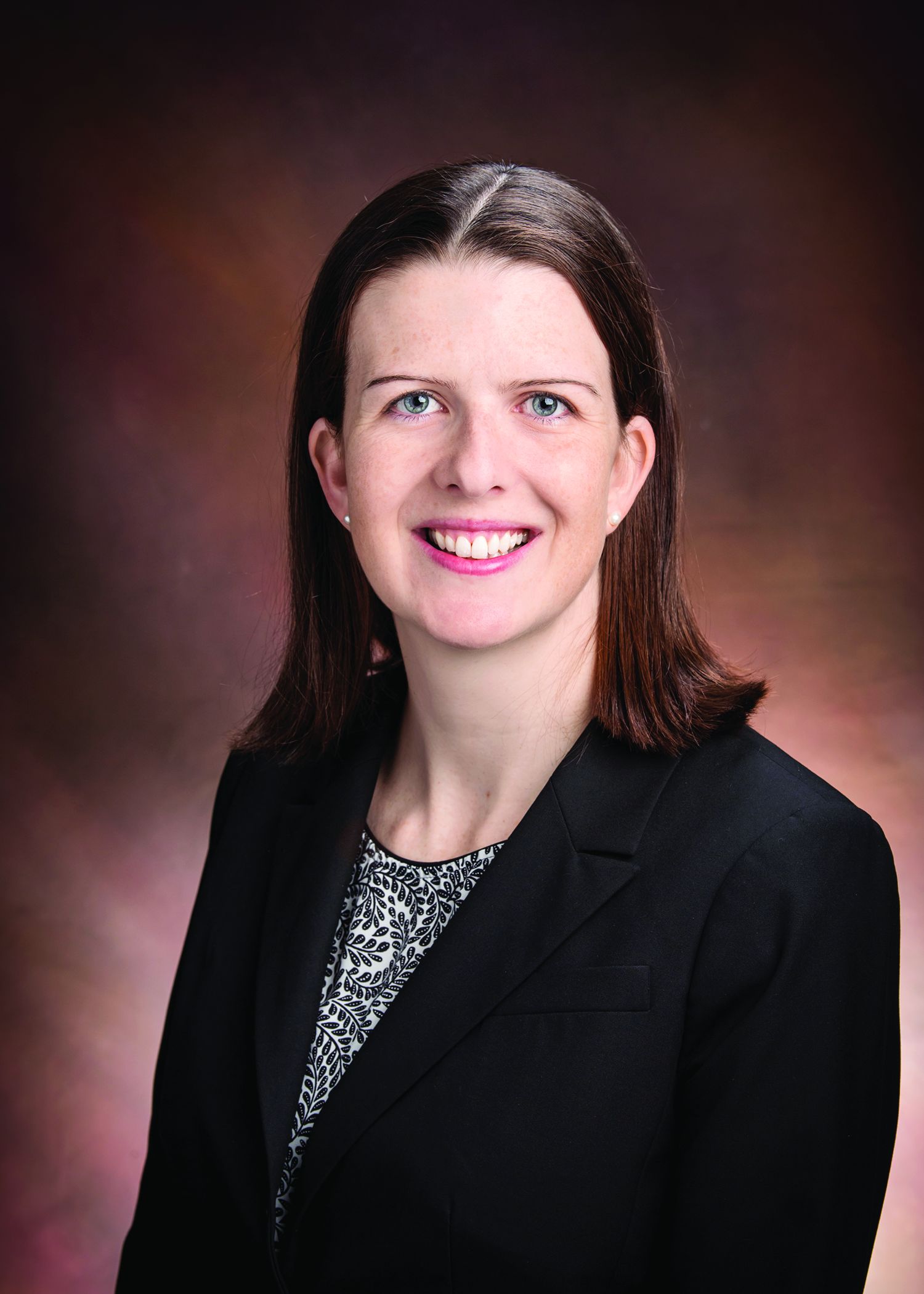
“But for some clinicians and the public, this will be a lightbulb kind of moment, increasing awareness about a problem many of us have been talking about for a while,” said Dr. Maddox, who was not involved with the current research.
In January, she launched a 5-year, $9 million study to compare the efficacy of two suicide intervention programs in adolescents and young adults with autism.
The interventions use a well-known suicide prevention tool that has been newly modified for use in people with autism. One program would rely on the intervention alone, and the other would add a structured clinical follow-up.
“There has to be much more than awareness. We need more training for clinicians, we need more tools, we need to know which tools are going to work,” Dr. Maddox said.
Her new project could address all of those needs. Funded by the nonprofit Patient-Centered Outcomes Research Institute (PCORI), it will train 150 clinicians at centers in four states to identify suicidal risk among young adults with autism, utilize the prevention tool, and collect data on its efficacy alone or with follow-up.
Clinician training will begin this spring, and researchers hope to have the first patient data in the fall.
Scaling the ‘services cliff’
While Dr. Maddox’s study could yield a potential suicide prevention tool, she is quick to point out that the ultimate goal would be to have fewer people reach the point where such a tool is needed. However, that will take a multidisciplinary approach that begins with access to clinical care, including mental health care, she noted.
“Our mental health care system in general is not great for people on the spectrum, but it’s even worse for adults,” Dr. Maddox said.
Compared with neurotypical adults, adults with autism use more mental health services, have higher hospitalization rates, and are more likely to use primary care services, one recent study showed. The problem, Dr. Maddox notes, is that there are too few clinicians in those areas who are trained in autism care.
One way to address that issue is to mandate autism instruction in the medical curriculum, Catherine Lord, PhD, told this news organization when asked for comment. Dr. Lord is cochair of The Lancet commission on the future of care and clinical research in autism and professor of psychiatry at the Semel Institute for Neuroscience and Human Behavior at UCLA.
“Medical schools offer very little training on ASD, even in standard psychiatry training. For people who don’t specialize in child or adolescence psychiatry, there’s almost none,” Dr. Lord said.
Dr. Maddox agrees. One goal of the PCORI study is to turn their findings into a transportable training program, perhaps available via a webinar for clinicians, crisis center staff, and others who may encounter an adult with autism who is contemplating suicide.
“This is a life and death situation,” Dr. Maddox said. “We have to marshal every resource we have, and we have to do it now. We can’t waste time.”
Dr. Li’s study was funded by the Eunice Kennedy Shriver National Institute of Child Health and Human Development of the National Institutes of Health. Study authors and other sources reported no relevant financial relationships.
A version of this article first appeared on Medscape.com.
When a recent study from Columbia University reported that suicide and self-harm were nearly four times more likely in adults with autism spectrum disorder (ASD) than in the general population, the findings were sobering. But to many in the field, they were not surprising.
Previous analyses showed individuals with ASD were up to six times more likely to attempt suicide and nearly eight times as likely to succeed. However, the recent study published in JAMA Network Open is one of only a few on self-harm and suicide in autism spectrum disorder (ASD) to include a focus on adults.
“Previously there was relatively little information about adults with autism in general and on injury risk among adults with autism specifically,” study investigator Guohua Li, DrPH, MD, professor of epidemiology at Columbia University Mailman School of Public Health, New York, told this news organization.
“How to continue to provide social support and health care services to adults with autism presents a real challenge to society and is a public health issue,” Dr. Li said.
Falling off a ‘services cliff’
The ASD rate among children is at a record-high in the United States, which means the number of adults on the spectrum will also continue to climb. The incidence of adults with newly diagnosed ASD, who are sometimes described as the “lost generation,” is also increasing. Despite these realities, adults with ASD remain largely underserved and understudied.
The data that are available paint a concerning picture. Adolescents with ASD face a “services cliff” as they transition to adulthood and fall into a landscape with a serious lack of services, support, and clinicians trained to treat adults with ASD.
Compared with young adults without ASD, those on the spectrum have significantly lower college graduation rates, have a harder time finding and keeping a job, are more likely to have a co-occurring mental illness, and are far less likely to live independently.
Before 2020, there were no national data on the number of U.S. adults with autism. That year, the Centers for Disease Control and Prevention released its first-ever report on adult autism prevalence, estimated to be 5.4 million.
That figure is almost definitely low, Matthew Maenner, PhD, autism surveillance team lead with the CDC’s National Center on Birth Defects and Developmental Disabilities, told this news organization.
Researchers use school and medical records to calculate child ASD rates, but counting adults with the disorder is far more difficult.
The CDC’s estimate was based on modeling reports from 2017 state-based population and mortality records and parent-reported survey data of U.S. children diagnosed with ASD. It was inexact, said Dr. Maenner, but it was a start.
“There are no good data on the prevalence of autism in adults. Anywhere,” he added.
Masking and camouflaging
Only about 3.5% of published studies on autism focus on adults, one review showed. In the recently published “The Lancet Commission on the future of care and clinical research in autism,” the section on research on adolescents and adults was a mere 189 words long.
“The brevity of this paragraph reflects the little data available in this area, not its importance” the authors write.
The recent report of higher self-harm risk in adults on the spectrum offers further evidence that “there just aren’t enough services and research on adults on [the] autism spectrum,” Edward S. Brodkin, MD, associate professor of psychiatry and director of the Adult Autism Spectrum Program at the University of Pennsylvania Perelman School of Medicine in Philadelphia, told this news organization.
Founded by Dr. Brodkin in 2013, the program provides ASD diagnostic and support services for adults with ASD. Like others in the field, Dr. Brodkin has noted a sharp increase in the number of previously undiagnosed adults seeking evaluation for possible ASD.
Many of his patients have recently diagnosed children and realized they share some of the same ASD symptoms. Others have long recognized traits common in autism but have engaged in what clinicians call “masking” or “camouflaging.” This is particularly true in women, who are diagnosed with autism at far lower rates than men.
The “lost generation” of adults who receive an ASD diagnosis later in life have a lower quality of life, studies suggest, and have the highest risk for suicide among all individuals with autism.
The recent study from Dr. Li and colleagues offers new evidence in both children and adults. But although the systematic review and meta-analysis of 31 studies showed high rates of self-injurious behavior and suicidality in both groups, Dr. Li said it’s the data on adults that was most alarming.
The OR of suicidality in children was 2.53, but the risk in adults was significantly higher, with an odds ratio (OR) of 3.84.
Adults were at greater risk for self-harm than children (OR, 1.45; 95% confidence interval, 1.04-2.03), with higher odds of self-injurious behavior (OR, 3.38; 95% CI, 2.54-4.50) and suicidality (OR, 3.84; 95% CI, 2.78-5.30), compared with children (OR, 2.99; 95% CI, 1.93-4.64 for self-injurious behavior, and OR, 2.53; 95% CI, 1.70-3.76 for suicidality).
Lightbulb moment?
Commenting for this news organization, Brenna Maddox, PhD, assistant professor of psychiatry at UNC Chapel Hill and co-chair of the American Association of Suicidology’s Autism and Suicide Committee, said “the sad reality” is that these findings won’t be surprising to many who work in the field.
“But for some clinicians and the public, this will be a lightbulb kind of moment, increasing awareness about a problem many of us have been talking about for a while,” said Dr. Maddox, who was not involved with the current research.
In January, she launched a 5-year, $9 million study to compare the efficacy of two suicide intervention programs in adolescents and young adults with autism.
The interventions use a well-known suicide prevention tool that has been newly modified for use in people with autism. One program would rely on the intervention alone, and the other would add a structured clinical follow-up.
“There has to be much more than awareness. We need more training for clinicians, we need more tools, we need to know which tools are going to work,” Dr. Maddox said.
Her new project could address all of those needs. Funded by the nonprofit Patient-Centered Outcomes Research Institute (PCORI), it will train 150 clinicians at centers in four states to identify suicidal risk among young adults with autism, utilize the prevention tool, and collect data on its efficacy alone or with follow-up.
Clinician training will begin this spring, and researchers hope to have the first patient data in the fall.
Scaling the ‘services cliff’
While Dr. Maddox’s study could yield a potential suicide prevention tool, she is quick to point out that the ultimate goal would be to have fewer people reach the point where such a tool is needed. However, that will take a multidisciplinary approach that begins with access to clinical care, including mental health care, she noted.
“Our mental health care system in general is not great for people on the spectrum, but it’s even worse for adults,” Dr. Maddox said.
Compared with neurotypical adults, adults with autism use more mental health services, have higher hospitalization rates, and are more likely to use primary care services, one recent study showed. The problem, Dr. Maddox notes, is that there are too few clinicians in those areas who are trained in autism care.
One way to address that issue is to mandate autism instruction in the medical curriculum, Catherine Lord, PhD, told this news organization when asked for comment. Dr. Lord is cochair of The Lancet commission on the future of care and clinical research in autism and professor of psychiatry at the Semel Institute for Neuroscience and Human Behavior at UCLA.
“Medical schools offer very little training on ASD, even in standard psychiatry training. For people who don’t specialize in child or adolescence psychiatry, there’s almost none,” Dr. Lord said.
Dr. Maddox agrees. One goal of the PCORI study is to turn their findings into a transportable training program, perhaps available via a webinar for clinicians, crisis center staff, and others who may encounter an adult with autism who is contemplating suicide.
“This is a life and death situation,” Dr. Maddox said. “We have to marshal every resource we have, and we have to do it now. We can’t waste time.”
Dr. Li’s study was funded by the Eunice Kennedy Shriver National Institute of Child Health and Human Development of the National Institutes of Health. Study authors and other sources reported no relevant financial relationships.
A version of this article first appeared on Medscape.com.
When a recent study from Columbia University reported that suicide and self-harm were nearly four times more likely in adults with autism spectrum disorder (ASD) than in the general population, the findings were sobering. But to many in the field, they were not surprising.
Previous analyses showed individuals with ASD were up to six times more likely to attempt suicide and nearly eight times as likely to succeed. However, the recent study published in JAMA Network Open is one of only a few on self-harm and suicide in autism spectrum disorder (ASD) to include a focus on adults.
“Previously there was relatively little information about adults with autism in general and on injury risk among adults with autism specifically,” study investigator Guohua Li, DrPH, MD, professor of epidemiology at Columbia University Mailman School of Public Health, New York, told this news organization.
“How to continue to provide social support and health care services to adults with autism presents a real challenge to society and is a public health issue,” Dr. Li said.
Falling off a ‘services cliff’
The ASD rate among children is at a record-high in the United States, which means the number of adults on the spectrum will also continue to climb. The incidence of adults with newly diagnosed ASD, who are sometimes described as the “lost generation,” is also increasing. Despite these realities, adults with ASD remain largely underserved and understudied.
The data that are available paint a concerning picture. Adolescents with ASD face a “services cliff” as they transition to adulthood and fall into a landscape with a serious lack of services, support, and clinicians trained to treat adults with ASD.
Compared with young adults without ASD, those on the spectrum have significantly lower college graduation rates, have a harder time finding and keeping a job, are more likely to have a co-occurring mental illness, and are far less likely to live independently.
Before 2020, there were no national data on the number of U.S. adults with autism. That year, the Centers for Disease Control and Prevention released its first-ever report on adult autism prevalence, estimated to be 5.4 million.
That figure is almost definitely low, Matthew Maenner, PhD, autism surveillance team lead with the CDC’s National Center on Birth Defects and Developmental Disabilities, told this news organization.
Researchers use school and medical records to calculate child ASD rates, but counting adults with the disorder is far more difficult.
The CDC’s estimate was based on modeling reports from 2017 state-based population and mortality records and parent-reported survey data of U.S. children diagnosed with ASD. It was inexact, said Dr. Maenner, but it was a start.
“There are no good data on the prevalence of autism in adults. Anywhere,” he added.
Masking and camouflaging
Only about 3.5% of published studies on autism focus on adults, one review showed. In the recently published “The Lancet Commission on the future of care and clinical research in autism,” the section on research on adolescents and adults was a mere 189 words long.
“The brevity of this paragraph reflects the little data available in this area, not its importance” the authors write.
The recent report of higher self-harm risk in adults on the spectrum offers further evidence that “there just aren’t enough services and research on adults on [the] autism spectrum,” Edward S. Brodkin, MD, associate professor of psychiatry and director of the Adult Autism Spectrum Program at the University of Pennsylvania Perelman School of Medicine in Philadelphia, told this news organization.
Founded by Dr. Brodkin in 2013, the program provides ASD diagnostic and support services for adults with ASD. Like others in the field, Dr. Brodkin has noted a sharp increase in the number of previously undiagnosed adults seeking evaluation for possible ASD.
Many of his patients have recently diagnosed children and realized they share some of the same ASD symptoms. Others have long recognized traits common in autism but have engaged in what clinicians call “masking” or “camouflaging.” This is particularly true in women, who are diagnosed with autism at far lower rates than men.
The “lost generation” of adults who receive an ASD diagnosis later in life have a lower quality of life, studies suggest, and have the highest risk for suicide among all individuals with autism.
The recent study from Dr. Li and colleagues offers new evidence in both children and adults. But although the systematic review and meta-analysis of 31 studies showed high rates of self-injurious behavior and suicidality in both groups, Dr. Li said it’s the data on adults that was most alarming.
The OR of suicidality in children was 2.53, but the risk in adults was significantly higher, with an odds ratio (OR) of 3.84.
Adults were at greater risk for self-harm than children (OR, 1.45; 95% confidence interval, 1.04-2.03), with higher odds of self-injurious behavior (OR, 3.38; 95% CI, 2.54-4.50) and suicidality (OR, 3.84; 95% CI, 2.78-5.30), compared with children (OR, 2.99; 95% CI, 1.93-4.64 for self-injurious behavior, and OR, 2.53; 95% CI, 1.70-3.76 for suicidality).
Lightbulb moment?
Commenting for this news organization, Brenna Maddox, PhD, assistant professor of psychiatry at UNC Chapel Hill and co-chair of the American Association of Suicidology’s Autism and Suicide Committee, said “the sad reality” is that these findings won’t be surprising to many who work in the field.
“But for some clinicians and the public, this will be a lightbulb kind of moment, increasing awareness about a problem many of us have been talking about for a while,” said Dr. Maddox, who was not involved with the current research.
In January, she launched a 5-year, $9 million study to compare the efficacy of two suicide intervention programs in adolescents and young adults with autism.
The interventions use a well-known suicide prevention tool that has been newly modified for use in people with autism. One program would rely on the intervention alone, and the other would add a structured clinical follow-up.
“There has to be much more than awareness. We need more training for clinicians, we need more tools, we need to know which tools are going to work,” Dr. Maddox said.
Her new project could address all of those needs. Funded by the nonprofit Patient-Centered Outcomes Research Institute (PCORI), it will train 150 clinicians at centers in four states to identify suicidal risk among young adults with autism, utilize the prevention tool, and collect data on its efficacy alone or with follow-up.
Clinician training will begin this spring, and researchers hope to have the first patient data in the fall.
Scaling the ‘services cliff’
While Dr. Maddox’s study could yield a potential suicide prevention tool, she is quick to point out that the ultimate goal would be to have fewer people reach the point where such a tool is needed. However, that will take a multidisciplinary approach that begins with access to clinical care, including mental health care, she noted.
“Our mental health care system in general is not great for people on the spectrum, but it’s even worse for adults,” Dr. Maddox said.
Compared with neurotypical adults, adults with autism use more mental health services, have higher hospitalization rates, and are more likely to use primary care services, one recent study showed. The problem, Dr. Maddox notes, is that there are too few clinicians in those areas who are trained in autism care.
One way to address that issue is to mandate autism instruction in the medical curriculum, Catherine Lord, PhD, told this news organization when asked for comment. Dr. Lord is cochair of The Lancet commission on the future of care and clinical research in autism and professor of psychiatry at the Semel Institute for Neuroscience and Human Behavior at UCLA.
“Medical schools offer very little training on ASD, even in standard psychiatry training. For people who don’t specialize in child or adolescence psychiatry, there’s almost none,” Dr. Lord said.
Dr. Maddox agrees. One goal of the PCORI study is to turn their findings into a transportable training program, perhaps available via a webinar for clinicians, crisis center staff, and others who may encounter an adult with autism who is contemplating suicide.
“This is a life and death situation,” Dr. Maddox said. “We have to marshal every resource we have, and we have to do it now. We can’t waste time.”
Dr. Li’s study was funded by the Eunice Kennedy Shriver National Institute of Child Health and Human Development of the National Institutes of Health. Study authors and other sources reported no relevant financial relationships.
A version of this article first appeared on Medscape.com.
More evidence links MI to cognitive decline over time
new research suggests.
Although cognition in the acute phase after MI was not different than those without an MI in large observational cohorts, cognitive decline became significantly different over a median 6.5 years of follow-up.
The results reinforce the idea that heart health is closely tied to brain health, lead study author Michelle C. Johansen, MD, PhD, assistant professor of neurology cerebrovascular division, Johns Hopkins University, Baltimore, said in an interview. “From a clinical standpoint, heart health affects brain health and there may be effective interventions to prevent heart attack from happening that could reduce the rate of cognitive decline.”
The study was presented during the International Stroke Conference sponsored by the American Heart Association.
Researchers are increasingly recognizing the vascular contribution to cognitive impairment, said Dr. Johansen. This could involve “silent” or subclinical strokes that go unrecognized until seen on imaging.
The study included 31,377 adults free of MI and dementia from six large, well-known cohort studies: the Atherosclerosis Risk in Communities Study, the Coronary Artery Risk Development in Young Adults Study, the Cardiovascular Health Study, the Framingham Offspring Study, the Multi-Ethnic Study of Atherosclerosis, and the Northern Manhattan Study
About 56% of study participants were women, 23% were Black, 8% were Hispanic, and 69% were White.
They were followed from 1971 to 2017 with investigators repeatedly measuring vascular risk factors. The median study follow-up was 6.5 years, but some were followed for up to 20 years. During that time, there were 1,047 incident MIs.
The researchers performed a pooled analysis from these studies “using some fancy statistical techniques,” said Dr. Johansen. “The unique thing about this study was we were able to harmonize the cognitive measures.”
This allowed the researchers to determine if incident MI affected cognitive decline soon after the event and then long-term after the event. The primary outcome was change in global cognition. Additional outcomes were memory and executive function.
The median time between the first MI and the cognitive assessment was about 1.8 years but ranged from about 6 months to 4 years, said Dr. Johansen. Participants were a median age of 60 years at the time of the first cognitive assessment.
The researchers adjusted results for demographic factors, heart disease risk factors, and cognitive test results prior to the MI. Participants who had a stroke during the follow-up period were excluded from the analysis as stroke can affect cognition.
The study showed incident MI was associated with significant decline in global cognition (–0.71; 95% confidence interval, –1.02 to 0.42; P < .0001) and executive function (–0.68; 95% CI, –0.97 to 0.39; P < .004), but not memory, after the MI.
As cognition naturally declines with age, the researchers took that into consideration. “We anticipated cognition over time was going to go down, which it did, but the question we asked was: ‘How did the slope, which we knew was going to decline over time, compare in people who did not have a MI versus those that did?’ ” said Dr. Johansen.
After adjusting the model accordingly, the effect estimates indicating declines in global cognition and executive function were not significant.
However, another model that looked at the effect of incident MI on decline in cognitive function over the years following the event found significant differences.
Compared with participants without MI, those with incident MI had significantly faster declines in global cognition (–0.15 points/year faster, 95% CI, –0.21 to –0.10; P < .002), memory (–0.13 points/year faster, 95% CI, –0.23 to –0.04; P = .004), and executive function (–0.14 points/year faster, 95% CI, –0.20 to –0.08; P < .0001).
Dr. Johansen surmised that MI may result in subclinical infarcts or inflammation, or that MI and cognitive decline have shared vascular risk factors.
She said she can only speculate about why there was not more of a cognitive decline surrounding the MI. “It may be that right after the event, subjects are kind of sick from other things so it’s hard to see exactly what’s going on. Sometimes people can have other problems just from being in the hospital and having a heart attack may make cognition difficult to assess.”
The researchers also looked at those who had a second MI. “We asked whether the decline we saw after the first heart attack among those who had two heart attacks was explained by the fact they had more than one heart attack, and the answer to that question is no,” Dr. Johansen said.
The next research steps for Dr. Johansen and associates are to look at differences in race and sex.
Karen L. Furie, MD, chair, department of neurology, Brown University, and chief of neurology at Rhode Island Hospital, the Miriam Hospital, and the Bradley Hospital, all in Providence, provided a comment on the research.
MI and cognitive decline have a number of common risk factors, including hypertension, diabetes, high cholesterol, smoking, physical inactivity, and poor diet that can lead to obesity, said Dr. Furie.
“It’s critically important to identify these risk factors as early as possible,” she said. “People in early and middle life may not be receiving optimal medical management or engaging in ideal lifestyle choices and these contribute to the development and progression of atherosclerotic disease over the subsequent decades.”
In theory, she said, if these risk factors were eliminated or adequately treated earlier in life, “both the heart and brain could age naturally and in a healthy manner, enabling a higher functioning and better quality of life.”
The study was funded by the National Institute of Neurological Disorders and Stroke and the National Institute of Aging of the National Institutes of Health. Dr. Johansen receives research funding from NINDS.
A version of this article first appeared on Medscape.com.
new research suggests.
Although cognition in the acute phase after MI was not different than those without an MI in large observational cohorts, cognitive decline became significantly different over a median 6.5 years of follow-up.
The results reinforce the idea that heart health is closely tied to brain health, lead study author Michelle C. Johansen, MD, PhD, assistant professor of neurology cerebrovascular division, Johns Hopkins University, Baltimore, said in an interview. “From a clinical standpoint, heart health affects brain health and there may be effective interventions to prevent heart attack from happening that could reduce the rate of cognitive decline.”
The study was presented during the International Stroke Conference sponsored by the American Heart Association.
Researchers are increasingly recognizing the vascular contribution to cognitive impairment, said Dr. Johansen. This could involve “silent” or subclinical strokes that go unrecognized until seen on imaging.
The study included 31,377 adults free of MI and dementia from six large, well-known cohort studies: the Atherosclerosis Risk in Communities Study, the Coronary Artery Risk Development in Young Adults Study, the Cardiovascular Health Study, the Framingham Offspring Study, the Multi-Ethnic Study of Atherosclerosis, and the Northern Manhattan Study
About 56% of study participants were women, 23% were Black, 8% were Hispanic, and 69% were White.
They were followed from 1971 to 2017 with investigators repeatedly measuring vascular risk factors. The median study follow-up was 6.5 years, but some were followed for up to 20 years. During that time, there were 1,047 incident MIs.
The researchers performed a pooled analysis from these studies “using some fancy statistical techniques,” said Dr. Johansen. “The unique thing about this study was we were able to harmonize the cognitive measures.”
This allowed the researchers to determine if incident MI affected cognitive decline soon after the event and then long-term after the event. The primary outcome was change in global cognition. Additional outcomes were memory and executive function.
The median time between the first MI and the cognitive assessment was about 1.8 years but ranged from about 6 months to 4 years, said Dr. Johansen. Participants were a median age of 60 years at the time of the first cognitive assessment.
The researchers adjusted results for demographic factors, heart disease risk factors, and cognitive test results prior to the MI. Participants who had a stroke during the follow-up period were excluded from the analysis as stroke can affect cognition.
The study showed incident MI was associated with significant decline in global cognition (–0.71; 95% confidence interval, –1.02 to 0.42; P < .0001) and executive function (–0.68; 95% CI, –0.97 to 0.39; P < .004), but not memory, after the MI.
As cognition naturally declines with age, the researchers took that into consideration. “We anticipated cognition over time was going to go down, which it did, but the question we asked was: ‘How did the slope, which we knew was going to decline over time, compare in people who did not have a MI versus those that did?’ ” said Dr. Johansen.
After adjusting the model accordingly, the effect estimates indicating declines in global cognition and executive function were not significant.
However, another model that looked at the effect of incident MI on decline in cognitive function over the years following the event found significant differences.
Compared with participants without MI, those with incident MI had significantly faster declines in global cognition (–0.15 points/year faster, 95% CI, –0.21 to –0.10; P < .002), memory (–0.13 points/year faster, 95% CI, –0.23 to –0.04; P = .004), and executive function (–0.14 points/year faster, 95% CI, –0.20 to –0.08; P < .0001).
Dr. Johansen surmised that MI may result in subclinical infarcts or inflammation, or that MI and cognitive decline have shared vascular risk factors.
She said she can only speculate about why there was not more of a cognitive decline surrounding the MI. “It may be that right after the event, subjects are kind of sick from other things so it’s hard to see exactly what’s going on. Sometimes people can have other problems just from being in the hospital and having a heart attack may make cognition difficult to assess.”
The researchers also looked at those who had a second MI. “We asked whether the decline we saw after the first heart attack among those who had two heart attacks was explained by the fact they had more than one heart attack, and the answer to that question is no,” Dr. Johansen said.
The next research steps for Dr. Johansen and associates are to look at differences in race and sex.
Karen L. Furie, MD, chair, department of neurology, Brown University, and chief of neurology at Rhode Island Hospital, the Miriam Hospital, and the Bradley Hospital, all in Providence, provided a comment on the research.
MI and cognitive decline have a number of common risk factors, including hypertension, diabetes, high cholesterol, smoking, physical inactivity, and poor diet that can lead to obesity, said Dr. Furie.
“It’s critically important to identify these risk factors as early as possible,” she said. “People in early and middle life may not be receiving optimal medical management or engaging in ideal lifestyle choices and these contribute to the development and progression of atherosclerotic disease over the subsequent decades.”
In theory, she said, if these risk factors were eliminated or adequately treated earlier in life, “both the heart and brain could age naturally and in a healthy manner, enabling a higher functioning and better quality of life.”
The study was funded by the National Institute of Neurological Disorders and Stroke and the National Institute of Aging of the National Institutes of Health. Dr. Johansen receives research funding from NINDS.
A version of this article first appeared on Medscape.com.
new research suggests.
Although cognition in the acute phase after MI was not different than those without an MI in large observational cohorts, cognitive decline became significantly different over a median 6.5 years of follow-up.
The results reinforce the idea that heart health is closely tied to brain health, lead study author Michelle C. Johansen, MD, PhD, assistant professor of neurology cerebrovascular division, Johns Hopkins University, Baltimore, said in an interview. “From a clinical standpoint, heart health affects brain health and there may be effective interventions to prevent heart attack from happening that could reduce the rate of cognitive decline.”
The study was presented during the International Stroke Conference sponsored by the American Heart Association.
Researchers are increasingly recognizing the vascular contribution to cognitive impairment, said Dr. Johansen. This could involve “silent” or subclinical strokes that go unrecognized until seen on imaging.
The study included 31,377 adults free of MI and dementia from six large, well-known cohort studies: the Atherosclerosis Risk in Communities Study, the Coronary Artery Risk Development in Young Adults Study, the Cardiovascular Health Study, the Framingham Offspring Study, the Multi-Ethnic Study of Atherosclerosis, and the Northern Manhattan Study
About 56% of study participants were women, 23% were Black, 8% were Hispanic, and 69% were White.
They were followed from 1971 to 2017 with investigators repeatedly measuring vascular risk factors. The median study follow-up was 6.5 years, but some were followed for up to 20 years. During that time, there were 1,047 incident MIs.
The researchers performed a pooled analysis from these studies “using some fancy statistical techniques,” said Dr. Johansen. “The unique thing about this study was we were able to harmonize the cognitive measures.”
This allowed the researchers to determine if incident MI affected cognitive decline soon after the event and then long-term after the event. The primary outcome was change in global cognition. Additional outcomes were memory and executive function.
The median time between the first MI and the cognitive assessment was about 1.8 years but ranged from about 6 months to 4 years, said Dr. Johansen. Participants were a median age of 60 years at the time of the first cognitive assessment.
The researchers adjusted results for demographic factors, heart disease risk factors, and cognitive test results prior to the MI. Participants who had a stroke during the follow-up period were excluded from the analysis as stroke can affect cognition.
The study showed incident MI was associated with significant decline in global cognition (–0.71; 95% confidence interval, –1.02 to 0.42; P < .0001) and executive function (–0.68; 95% CI, –0.97 to 0.39; P < .004), but not memory, after the MI.
As cognition naturally declines with age, the researchers took that into consideration. “We anticipated cognition over time was going to go down, which it did, but the question we asked was: ‘How did the slope, which we knew was going to decline over time, compare in people who did not have a MI versus those that did?’ ” said Dr. Johansen.
After adjusting the model accordingly, the effect estimates indicating declines in global cognition and executive function were not significant.
However, another model that looked at the effect of incident MI on decline in cognitive function over the years following the event found significant differences.
Compared with participants without MI, those with incident MI had significantly faster declines in global cognition (–0.15 points/year faster, 95% CI, –0.21 to –0.10; P < .002), memory (–0.13 points/year faster, 95% CI, –0.23 to –0.04; P = .004), and executive function (–0.14 points/year faster, 95% CI, –0.20 to –0.08; P < .0001).
Dr. Johansen surmised that MI may result in subclinical infarcts or inflammation, or that MI and cognitive decline have shared vascular risk factors.
She said she can only speculate about why there was not more of a cognitive decline surrounding the MI. “It may be that right after the event, subjects are kind of sick from other things so it’s hard to see exactly what’s going on. Sometimes people can have other problems just from being in the hospital and having a heart attack may make cognition difficult to assess.”
The researchers also looked at those who had a second MI. “We asked whether the decline we saw after the first heart attack among those who had two heart attacks was explained by the fact they had more than one heart attack, and the answer to that question is no,” Dr. Johansen said.
The next research steps for Dr. Johansen and associates are to look at differences in race and sex.
Karen L. Furie, MD, chair, department of neurology, Brown University, and chief of neurology at Rhode Island Hospital, the Miriam Hospital, and the Bradley Hospital, all in Providence, provided a comment on the research.
MI and cognitive decline have a number of common risk factors, including hypertension, diabetes, high cholesterol, smoking, physical inactivity, and poor diet that can lead to obesity, said Dr. Furie.
“It’s critically important to identify these risk factors as early as possible,” she said. “People in early and middle life may not be receiving optimal medical management or engaging in ideal lifestyle choices and these contribute to the development and progression of atherosclerotic disease over the subsequent decades.”
In theory, she said, if these risk factors were eliminated or adequately treated earlier in life, “both the heart and brain could age naturally and in a healthy manner, enabling a higher functioning and better quality of life.”
The study was funded by the National Institute of Neurological Disorders and Stroke and the National Institute of Aging of the National Institutes of Health. Dr. Johansen receives research funding from NINDS.
A version of this article first appeared on Medscape.com.
FROM ISC 2022
Subvariant may be more dangerous than original Omicron strain
, a lab study from Japan says.
“Our multiscale investigations suggest that the risk of BA.2 for global health is potentially higher than that of BA.1,” the researchers said in the study published on the preprint server bioRxiv. The study has not been peer-reviewed.
The researchers infected hamsters with BA.1 and BA.2. The hamsters infected with BA.2 got sicker, with more lung damage and loss of body weight. Results were similar when mice were infected with BA.1 and BA.2.
“Infection experiments using hamsters show that BA.2 is more pathogenic than BA.1,” the study said.
BA.1 and BA.2 both appear to evade immunity created by COVID-19 vaccines, the study said. But a booster shot makes illness after infection 74% less likely, CNN said.
What’s more, therapeutic monoclonal antibodies used to treat people infected with COVID didn’t have much effect on BA.2.
BA.2 was “almost completely resistant” to casirivimab and imdevimab and was 35 times more resistant to sotrovimab, compared to the original B.1.1 virus, the researchers wrote.
“In summary, our data suggest the possibility that BA.2 would be the most concerned variant to global health,” the researchers wrote. “Currently, both BA.2 and BA.1 are recognised together as Omicron and these are almost undistinguishable. Based on our findings, we propose that BA.2 should be recognised as a unique variant of concern, and this SARS-CoV-2 variant should be monitored in depth.”
If the World Health Organization recognized BA.2 as a “unique variant of concern,” it would be given its own Greek letter.
But some scientists noted that findings in the lab don’t always reflect what’s happening in the real world of people.
“I think it’s always hard to translate differences in animal and cell culture models to what’s going on with regards to human disease,” Jeremy Kamil, PhD, an associate professor of microbiology and immunology at Louisiana State University Health Shreveport, told Newsweek. “That said, the differences do look real.”
“It might be, from a human’s perspective, a worse virus than BA.1 and might be able to transmit better and cause worse disease,” Daniel Rhoads, MD, section head of microbiology at the Cleveland Clinic in Ohio, told CNN. He reviewed the Japanese study but was not involved in it.
Another scientist who reviewed the study but was not involved in the research noted that human immune systems are evolving along with the COVID variants.
“One of the caveats that we have to think about, as we get new variants that might seem more dangerous, is the fact that there’s two sides to the story,” Deborah Fuller, PhD, a virologist at the University of Washington School of Medicine, told CNN. “Our immune system is evolving as well. And so that’s pushing back on things.”
Scientists have already established that BA.2 is more transmissible than BA.1. The Omicron subvariant has been detected in 74 countries and 47 U.S. states, according to CNN. About 4% of Americans with COVID were infected with BA.2, the outlet reported, citing the CDC, but it’s now the dominant strain in other nations.
It’s not clear yet if BA.2 causes more severe illness in people. While BA.2 spreads faster than BA.1, there’s no evidence the subvariant makes people any sicker, an official with the World Health Organization said, according to CNBC.
A version of this article first appeared on WebMD.com.
, a lab study from Japan says.
“Our multiscale investigations suggest that the risk of BA.2 for global health is potentially higher than that of BA.1,” the researchers said in the study published on the preprint server bioRxiv. The study has not been peer-reviewed.
The researchers infected hamsters with BA.1 and BA.2. The hamsters infected with BA.2 got sicker, with more lung damage and loss of body weight. Results were similar when mice were infected with BA.1 and BA.2.
“Infection experiments using hamsters show that BA.2 is more pathogenic than BA.1,” the study said.
BA.1 and BA.2 both appear to evade immunity created by COVID-19 vaccines, the study said. But a booster shot makes illness after infection 74% less likely, CNN said.
What’s more, therapeutic monoclonal antibodies used to treat people infected with COVID didn’t have much effect on BA.2.
BA.2 was “almost completely resistant” to casirivimab and imdevimab and was 35 times more resistant to sotrovimab, compared to the original B.1.1 virus, the researchers wrote.
“In summary, our data suggest the possibility that BA.2 would be the most concerned variant to global health,” the researchers wrote. “Currently, both BA.2 and BA.1 are recognised together as Omicron and these are almost undistinguishable. Based on our findings, we propose that BA.2 should be recognised as a unique variant of concern, and this SARS-CoV-2 variant should be monitored in depth.”
If the World Health Organization recognized BA.2 as a “unique variant of concern,” it would be given its own Greek letter.
But some scientists noted that findings in the lab don’t always reflect what’s happening in the real world of people.
“I think it’s always hard to translate differences in animal and cell culture models to what’s going on with regards to human disease,” Jeremy Kamil, PhD, an associate professor of microbiology and immunology at Louisiana State University Health Shreveport, told Newsweek. “That said, the differences do look real.”
“It might be, from a human’s perspective, a worse virus than BA.1 and might be able to transmit better and cause worse disease,” Daniel Rhoads, MD, section head of microbiology at the Cleveland Clinic in Ohio, told CNN. He reviewed the Japanese study but was not involved in it.
Another scientist who reviewed the study but was not involved in the research noted that human immune systems are evolving along with the COVID variants.
“One of the caveats that we have to think about, as we get new variants that might seem more dangerous, is the fact that there’s two sides to the story,” Deborah Fuller, PhD, a virologist at the University of Washington School of Medicine, told CNN. “Our immune system is evolving as well. And so that’s pushing back on things.”
Scientists have already established that BA.2 is more transmissible than BA.1. The Omicron subvariant has been detected in 74 countries and 47 U.S. states, according to CNN. About 4% of Americans with COVID were infected with BA.2, the outlet reported, citing the CDC, but it’s now the dominant strain in other nations.
It’s not clear yet if BA.2 causes more severe illness in people. While BA.2 spreads faster than BA.1, there’s no evidence the subvariant makes people any sicker, an official with the World Health Organization said, according to CNBC.
A version of this article first appeared on WebMD.com.
, a lab study from Japan says.
“Our multiscale investigations suggest that the risk of BA.2 for global health is potentially higher than that of BA.1,” the researchers said in the study published on the preprint server bioRxiv. The study has not been peer-reviewed.
The researchers infected hamsters with BA.1 and BA.2. The hamsters infected with BA.2 got sicker, with more lung damage and loss of body weight. Results were similar when mice were infected with BA.1 and BA.2.
“Infection experiments using hamsters show that BA.2 is more pathogenic than BA.1,” the study said.
BA.1 and BA.2 both appear to evade immunity created by COVID-19 vaccines, the study said. But a booster shot makes illness after infection 74% less likely, CNN said.
What’s more, therapeutic monoclonal antibodies used to treat people infected with COVID didn’t have much effect on BA.2.
BA.2 was “almost completely resistant” to casirivimab and imdevimab and was 35 times more resistant to sotrovimab, compared to the original B.1.1 virus, the researchers wrote.
“In summary, our data suggest the possibility that BA.2 would be the most concerned variant to global health,” the researchers wrote. “Currently, both BA.2 and BA.1 are recognised together as Omicron and these are almost undistinguishable. Based on our findings, we propose that BA.2 should be recognised as a unique variant of concern, and this SARS-CoV-2 variant should be monitored in depth.”
If the World Health Organization recognized BA.2 as a “unique variant of concern,” it would be given its own Greek letter.
But some scientists noted that findings in the lab don’t always reflect what’s happening in the real world of people.
“I think it’s always hard to translate differences in animal and cell culture models to what’s going on with regards to human disease,” Jeremy Kamil, PhD, an associate professor of microbiology and immunology at Louisiana State University Health Shreveport, told Newsweek. “That said, the differences do look real.”
“It might be, from a human’s perspective, a worse virus than BA.1 and might be able to transmit better and cause worse disease,” Daniel Rhoads, MD, section head of microbiology at the Cleveland Clinic in Ohio, told CNN. He reviewed the Japanese study but was not involved in it.
Another scientist who reviewed the study but was not involved in the research noted that human immune systems are evolving along with the COVID variants.
“One of the caveats that we have to think about, as we get new variants that might seem more dangerous, is the fact that there’s two sides to the story,” Deborah Fuller, PhD, a virologist at the University of Washington School of Medicine, told CNN. “Our immune system is evolving as well. And so that’s pushing back on things.”
Scientists have already established that BA.2 is more transmissible than BA.1. The Omicron subvariant has been detected in 74 countries and 47 U.S. states, according to CNN. About 4% of Americans with COVID were infected with BA.2, the outlet reported, citing the CDC, but it’s now the dominant strain in other nations.
It’s not clear yet if BA.2 causes more severe illness in people. While BA.2 spreads faster than BA.1, there’s no evidence the subvariant makes people any sicker, an official with the World Health Organization said, according to CNBC.
A version of this article first appeared on WebMD.com.
Early in career, female academic docs earn less than males: study
Worse still, the earning potential of women in most specialties is $214,440 (or 10%) less than their male colleagues over the course of the first 10 years of their careers in academic medicine.
Among the vast majority of subspecialties, women’s starting salaries and their salaries 10 years into their careers were lower than their male colleagues in academic medicine, per the study in JAMA Network Open.
Eva Catenaccio, MD, an epilepsy fellow at Children’s Hospital of Philadelphia and the lead author of the study, told this news organization that the gender disparities in earning potential are “pervasive in academic medicine.” These earnings disparities, which occur in nearly all subspecialties and can reach hundreds of thousands of dollars in the first 10 years of an academic physician’s career, “are largely the result of gender differences in annual salary that start immediately after training,” she said.
Changing the timing of academic promotion and equalizing starting salary and salary growth can help close the salary gap, said Dr. Catenaccio.
The study also reveals that women could face a 1-year delay in promotion from assistant to associate professor, compared with men. This delay could reduce female physicians’ earning potential by a 10-year median of $26,042 (or 2%), whereas failure to be promoted at all could decrease the 10-year earning potential by a median of $218,724 (or 13%).
Across medicine more broadly, male physicians continue to earn 35% more than their female colleagues, according to the 2021 Medscape Physician Compensation Report. The biggest differences in take-home pay exist between male and female specialists, per the report. On average, male physicians earn $376,000, while women’s take-home pay is $283,000.
Medical schools and hospital leaders have a role to play
The earning potential during the first 10 years of post-training employment by gender was the most dramatic in neurosurgery, orthopedic surgery, and cardiology, per the study. Three subspecialties where women and men have similar earning potential include pediatric nephrology, pediatric neurology, and pediatric rheumatology.
The coauthors note that it’s commonly understood that women don’t negotiate as often or as successfully as their male colleagues. A 2019 study in JAMA Surgery of 606 male and female surgery residents revealed that while residents of both genders shared similar career goals, women had lower future salary expectations and a significantly more negative view of the salary negotiation process.
Dr. Catenaccio and her coauthors acknowledge that negotiation skills and financial literacy should be taught during medical school and postgraduate training. “However, the onus for ensuring salary equity should not fall on the individual candidate alone; rather, departmental and hospital leadership should take responsibility to ensure uniform starting salaries and prevent gender-based inequalities,” they wrote in the study.
“We hope that this study encourages academic medical institutions to increase transparency and equity around compensation, particularly for junior faculty,” Dr. Catenaccio said in an interview. “This will require both ensuring equal starting salaries and providing periodic adjustments throughout individuals’ careers to prevent divergence in earning potential by gender or any other individual characteristics.”
Harold Simon, MD, MBA, vice chair for faculty for the department of pediatrics and professor of pediatrics and emergency medicine at Emory University, Atlanta, told this news organization that “[i]ncreased transparency around compensation can enable women to advocate for equitable pay. However, the burden for ensuring equity should not fall on individuals but instead must be the primary responsibility of academic institutions.”
Specifically, Dr. Simon advocates for hospital leaders to “ensure equity among providers including compensation [as] a crucial part of maintaining a diverse workforce and, ultimately, providing balanced access to health care for patients.”
In addition, the authors call for periodic compensation evaluations and adjustments to help prevent gender-based salary differences among female and male physicians in academia. “This is absolutely necessary, both to develop future compensation plans and to address any pre-existing gender-based salary inequities for those women currently well into their careers,” they wrote in the study.
Data analysis was conducted from March to May 2021. Researchers used models to estimate the impacts of promotion timing and potential interventions, which include equalizing starting salaries and annual salary rates.
The study included compensation data for 24,593 female and 29,886 male academic physicians across 45 subspecialties. It relied on publicly available data from the Association of American Medical Colleges’ annual Medical School Faculty Salary Survey report.
A version of this article first appeared on Medscape.com.
Worse still, the earning potential of women in most specialties is $214,440 (or 10%) less than their male colleagues over the course of the first 10 years of their careers in academic medicine.
Among the vast majority of subspecialties, women’s starting salaries and their salaries 10 years into their careers were lower than their male colleagues in academic medicine, per the study in JAMA Network Open.
Eva Catenaccio, MD, an epilepsy fellow at Children’s Hospital of Philadelphia and the lead author of the study, told this news organization that the gender disparities in earning potential are “pervasive in academic medicine.” These earnings disparities, which occur in nearly all subspecialties and can reach hundreds of thousands of dollars in the first 10 years of an academic physician’s career, “are largely the result of gender differences in annual salary that start immediately after training,” she said.
Changing the timing of academic promotion and equalizing starting salary and salary growth can help close the salary gap, said Dr. Catenaccio.
The study also reveals that women could face a 1-year delay in promotion from assistant to associate professor, compared with men. This delay could reduce female physicians’ earning potential by a 10-year median of $26,042 (or 2%), whereas failure to be promoted at all could decrease the 10-year earning potential by a median of $218,724 (or 13%).
Across medicine more broadly, male physicians continue to earn 35% more than their female colleagues, according to the 2021 Medscape Physician Compensation Report. The biggest differences in take-home pay exist between male and female specialists, per the report. On average, male physicians earn $376,000, while women’s take-home pay is $283,000.
Medical schools and hospital leaders have a role to play
The earning potential during the first 10 years of post-training employment by gender was the most dramatic in neurosurgery, orthopedic surgery, and cardiology, per the study. Three subspecialties where women and men have similar earning potential include pediatric nephrology, pediatric neurology, and pediatric rheumatology.
The coauthors note that it’s commonly understood that women don’t negotiate as often or as successfully as their male colleagues. A 2019 study in JAMA Surgery of 606 male and female surgery residents revealed that while residents of both genders shared similar career goals, women had lower future salary expectations and a significantly more negative view of the salary negotiation process.
Dr. Catenaccio and her coauthors acknowledge that negotiation skills and financial literacy should be taught during medical school and postgraduate training. “However, the onus for ensuring salary equity should not fall on the individual candidate alone; rather, departmental and hospital leadership should take responsibility to ensure uniform starting salaries and prevent gender-based inequalities,” they wrote in the study.
“We hope that this study encourages academic medical institutions to increase transparency and equity around compensation, particularly for junior faculty,” Dr. Catenaccio said in an interview. “This will require both ensuring equal starting salaries and providing periodic adjustments throughout individuals’ careers to prevent divergence in earning potential by gender or any other individual characteristics.”
Harold Simon, MD, MBA, vice chair for faculty for the department of pediatrics and professor of pediatrics and emergency medicine at Emory University, Atlanta, told this news organization that “[i]ncreased transparency around compensation can enable women to advocate for equitable pay. However, the burden for ensuring equity should not fall on individuals but instead must be the primary responsibility of academic institutions.”
Specifically, Dr. Simon advocates for hospital leaders to “ensure equity among providers including compensation [as] a crucial part of maintaining a diverse workforce and, ultimately, providing balanced access to health care for patients.”
In addition, the authors call for periodic compensation evaluations and adjustments to help prevent gender-based salary differences among female and male physicians in academia. “This is absolutely necessary, both to develop future compensation plans and to address any pre-existing gender-based salary inequities for those women currently well into their careers,” they wrote in the study.
Data analysis was conducted from March to May 2021. Researchers used models to estimate the impacts of promotion timing and potential interventions, which include equalizing starting salaries and annual salary rates.
The study included compensation data for 24,593 female and 29,886 male academic physicians across 45 subspecialties. It relied on publicly available data from the Association of American Medical Colleges’ annual Medical School Faculty Salary Survey report.
A version of this article first appeared on Medscape.com.
Worse still, the earning potential of women in most specialties is $214,440 (or 10%) less than their male colleagues over the course of the first 10 years of their careers in academic medicine.
Among the vast majority of subspecialties, women’s starting salaries and their salaries 10 years into their careers were lower than their male colleagues in academic medicine, per the study in JAMA Network Open.
Eva Catenaccio, MD, an epilepsy fellow at Children’s Hospital of Philadelphia and the lead author of the study, told this news organization that the gender disparities in earning potential are “pervasive in academic medicine.” These earnings disparities, which occur in nearly all subspecialties and can reach hundreds of thousands of dollars in the first 10 years of an academic physician’s career, “are largely the result of gender differences in annual salary that start immediately after training,” she said.
Changing the timing of academic promotion and equalizing starting salary and salary growth can help close the salary gap, said Dr. Catenaccio.
The study also reveals that women could face a 1-year delay in promotion from assistant to associate professor, compared with men. This delay could reduce female physicians’ earning potential by a 10-year median of $26,042 (or 2%), whereas failure to be promoted at all could decrease the 10-year earning potential by a median of $218,724 (or 13%).
Across medicine more broadly, male physicians continue to earn 35% more than their female colleagues, according to the 2021 Medscape Physician Compensation Report. The biggest differences in take-home pay exist between male and female specialists, per the report. On average, male physicians earn $376,000, while women’s take-home pay is $283,000.
Medical schools and hospital leaders have a role to play
The earning potential during the first 10 years of post-training employment by gender was the most dramatic in neurosurgery, orthopedic surgery, and cardiology, per the study. Three subspecialties where women and men have similar earning potential include pediatric nephrology, pediatric neurology, and pediatric rheumatology.
The coauthors note that it’s commonly understood that women don’t negotiate as often or as successfully as their male colleagues. A 2019 study in JAMA Surgery of 606 male and female surgery residents revealed that while residents of both genders shared similar career goals, women had lower future salary expectations and a significantly more negative view of the salary negotiation process.
Dr. Catenaccio and her coauthors acknowledge that negotiation skills and financial literacy should be taught during medical school and postgraduate training. “However, the onus for ensuring salary equity should not fall on the individual candidate alone; rather, departmental and hospital leadership should take responsibility to ensure uniform starting salaries and prevent gender-based inequalities,” they wrote in the study.
“We hope that this study encourages academic medical institutions to increase transparency and equity around compensation, particularly for junior faculty,” Dr. Catenaccio said in an interview. “This will require both ensuring equal starting salaries and providing periodic adjustments throughout individuals’ careers to prevent divergence in earning potential by gender or any other individual characteristics.”
Harold Simon, MD, MBA, vice chair for faculty for the department of pediatrics and professor of pediatrics and emergency medicine at Emory University, Atlanta, told this news organization that “[i]ncreased transparency around compensation can enable women to advocate for equitable pay. However, the burden for ensuring equity should not fall on individuals but instead must be the primary responsibility of academic institutions.”
Specifically, Dr. Simon advocates for hospital leaders to “ensure equity among providers including compensation [as] a crucial part of maintaining a diverse workforce and, ultimately, providing balanced access to health care for patients.”
In addition, the authors call for periodic compensation evaluations and adjustments to help prevent gender-based salary differences among female and male physicians in academia. “This is absolutely necessary, both to develop future compensation plans and to address any pre-existing gender-based salary inequities for those women currently well into their careers,” they wrote in the study.
Data analysis was conducted from March to May 2021. Researchers used models to estimate the impacts of promotion timing and potential interventions, which include equalizing starting salaries and annual salary rates.
The study included compensation data for 24,593 female and 29,886 male academic physicians across 45 subspecialties. It relied on publicly available data from the Association of American Medical Colleges’ annual Medical School Faculty Salary Survey report.
A version of this article first appeared on Medscape.com.
Psilocybin’s antidepressant effects rapid, durable
The substantial antidepressant effects of psilocybin-assisted therapy may be durable up to at least 1 year in some patients with major depressive disorder (MDD), new research indicates.
, report researchers with the Center for Psychedelic and Consciousness Research at Johns Hopkins University School of Medicine, Baltimore.
“We have not yet collected formal data past 1 year in our sample, [but] some participants in our study have stayed in touch and report continued improvements in mood,” study investigator Natalie Gukasyan, MD, told this news organization.
“A previous study of psilocybin-assisted therapy in patients with cancer-related depression and anxiety symptoms found that improvements in mood and well-being may persist up to 4.5 years following treatment,” Dr. Gukasyan noted.
The study was published online Feb. 15 in the Journal of Psychopharmacology.
Enduring benefit
Preliminary data suggest that psilocybin-assisted treatment produces substantial and rapid antidepressant effects in patients with MDD, but the durability of the effects are unclear.
Investigators examined the efficacy and safety of psilocybin through 12 months in 24 adults who met criteria for a moderate to severe episode of MDD as defined by a score of 17 or greater on the GRID-Hamilton Depression Rating Scale (GRID-HAMD) assessed by blinded clinician raters.
Following 6-8 hours of preparatory meetings, participants received two doses of psilocybin at 20 mg/70 kg and 30 mg/70 kg spaced roughly 2 weeks apart. Psilocybin was administered in a comfortable room under supervision following established safety guidelines.
Depression, as measured by GRID-HAMD, decreased substantially after treatment and remained low through 12 months post-treatment, the investigators report.
For most participants, GRID-HAMD scores decreased from 22.8 at baseline to 8.7 at 1 week, 8.9 at 4 weeks, 9.3 at 3 months, 7 at 6 months, and 7.7 at 12 months after treatment.
“The effect size at 12 months was very large (Cohen d = 2.4). Likewise, high and stable rates of response and remission occurred throughout the follow-up period (75% response and 58% remission at 12 months),” the investigators note.
Two patient-rated measures of depression – the Quick Inventory of Depressive Symptoms (QIDS) and the Beck Depression Inventory II (BDI-II) – showed similar “large magnitude and stable” antidepressant effects on mean scores and on response and remission rates, they add.
Response and remission rates at 12 months on the QIDS were 79% and 67%, respectively, and 83% and 75%, respectively, on the BDI-II.
“Psilocybin not only produces significant and immediate effects, it also has a long duration, which suggests that it may be a uniquely useful new treatment for depression,” study investigator Roland Griffiths, PhD, founding director of the Center for Psychedelic and Consciousness Research, says in a statement.
“Compared to standard antidepressants, which must be taken for long stretches of time, psilocybin has the potential to enduringly relieve the symptoms of depression with one or two treatments,” Dr. Griffiths adds.
Better than ketamine?
There were no serious adverse events judged to be related to psilocybin during long-term follow-up. Depression symptoms were not significantly exacerbated in any participant, and there was no reported use of psilocybin or other psychedelic drug use during the follow-up period.
The finding that two doses of psilocybin provides antidepressant effects that last through at least 12 months is well beyond the duration of effects reported to date with ketamine, the investigators write.
“In general, treatment with ketamine requires a greater number of drug administrations, and it may be more challenging to get durable therapeutic efficacy without repeated dosing. The longer-term risks of repeated ketamine use are not well characterized,” Dr. Gukasyan told this news organization.
She noted that psilocybin and related compounds are still not available for clinical use under the controlled substances act.
“Some clinics are currently offering ketamine, or ketamine-assisted therapy in a manner that resembles the treatment approach used with psilocybin, but there is less high-quality research to support that practice,” she said.
The study was funded in part by a crowdsourced campaign organized by Tim Ferriss and by grants from the Riverstyx Foundation and Dave Morin. Other support was provided by a grant from the National Institutes of Health and the Center for Psychedelic and Consciousness Research. Dr. Gukasyan is an investigator for a multisite trial of psilocybin-assisted therapy for major depressive disorder sponsored by Usona Institute. A complete list of author disclosures is available with the original article.
A version of this article first appeared on Medscape.com.
The substantial antidepressant effects of psilocybin-assisted therapy may be durable up to at least 1 year in some patients with major depressive disorder (MDD), new research indicates.
, report researchers with the Center for Psychedelic and Consciousness Research at Johns Hopkins University School of Medicine, Baltimore.
“We have not yet collected formal data past 1 year in our sample, [but] some participants in our study have stayed in touch and report continued improvements in mood,” study investigator Natalie Gukasyan, MD, told this news organization.
“A previous study of psilocybin-assisted therapy in patients with cancer-related depression and anxiety symptoms found that improvements in mood and well-being may persist up to 4.5 years following treatment,” Dr. Gukasyan noted.
The study was published online Feb. 15 in the Journal of Psychopharmacology.
Enduring benefit
Preliminary data suggest that psilocybin-assisted treatment produces substantial and rapid antidepressant effects in patients with MDD, but the durability of the effects are unclear.
Investigators examined the efficacy and safety of psilocybin through 12 months in 24 adults who met criteria for a moderate to severe episode of MDD as defined by a score of 17 or greater on the GRID-Hamilton Depression Rating Scale (GRID-HAMD) assessed by blinded clinician raters.
Following 6-8 hours of preparatory meetings, participants received two doses of psilocybin at 20 mg/70 kg and 30 mg/70 kg spaced roughly 2 weeks apart. Psilocybin was administered in a comfortable room under supervision following established safety guidelines.
Depression, as measured by GRID-HAMD, decreased substantially after treatment and remained low through 12 months post-treatment, the investigators report.
For most participants, GRID-HAMD scores decreased from 22.8 at baseline to 8.7 at 1 week, 8.9 at 4 weeks, 9.3 at 3 months, 7 at 6 months, and 7.7 at 12 months after treatment.
“The effect size at 12 months was very large (Cohen d = 2.4). Likewise, high and stable rates of response and remission occurred throughout the follow-up period (75% response and 58% remission at 12 months),” the investigators note.
Two patient-rated measures of depression – the Quick Inventory of Depressive Symptoms (QIDS) and the Beck Depression Inventory II (BDI-II) – showed similar “large magnitude and stable” antidepressant effects on mean scores and on response and remission rates, they add.
Response and remission rates at 12 months on the QIDS were 79% and 67%, respectively, and 83% and 75%, respectively, on the BDI-II.
“Psilocybin not only produces significant and immediate effects, it also has a long duration, which suggests that it may be a uniquely useful new treatment for depression,” study investigator Roland Griffiths, PhD, founding director of the Center for Psychedelic and Consciousness Research, says in a statement.
“Compared to standard antidepressants, which must be taken for long stretches of time, psilocybin has the potential to enduringly relieve the symptoms of depression with one or two treatments,” Dr. Griffiths adds.
Better than ketamine?
There were no serious adverse events judged to be related to psilocybin during long-term follow-up. Depression symptoms were not significantly exacerbated in any participant, and there was no reported use of psilocybin or other psychedelic drug use during the follow-up period.
The finding that two doses of psilocybin provides antidepressant effects that last through at least 12 months is well beyond the duration of effects reported to date with ketamine, the investigators write.
“In general, treatment with ketamine requires a greater number of drug administrations, and it may be more challenging to get durable therapeutic efficacy without repeated dosing. The longer-term risks of repeated ketamine use are not well characterized,” Dr. Gukasyan told this news organization.
She noted that psilocybin and related compounds are still not available for clinical use under the controlled substances act.
“Some clinics are currently offering ketamine, or ketamine-assisted therapy in a manner that resembles the treatment approach used with psilocybin, but there is less high-quality research to support that practice,” she said.
The study was funded in part by a crowdsourced campaign organized by Tim Ferriss and by grants from the Riverstyx Foundation and Dave Morin. Other support was provided by a grant from the National Institutes of Health and the Center for Psychedelic and Consciousness Research. Dr. Gukasyan is an investigator for a multisite trial of psilocybin-assisted therapy for major depressive disorder sponsored by Usona Institute. A complete list of author disclosures is available with the original article.
A version of this article first appeared on Medscape.com.
The substantial antidepressant effects of psilocybin-assisted therapy may be durable up to at least 1 year in some patients with major depressive disorder (MDD), new research indicates.
, report researchers with the Center for Psychedelic and Consciousness Research at Johns Hopkins University School of Medicine, Baltimore.
“We have not yet collected formal data past 1 year in our sample, [but] some participants in our study have stayed in touch and report continued improvements in mood,” study investigator Natalie Gukasyan, MD, told this news organization.
“A previous study of psilocybin-assisted therapy in patients with cancer-related depression and anxiety symptoms found that improvements in mood and well-being may persist up to 4.5 years following treatment,” Dr. Gukasyan noted.
The study was published online Feb. 15 in the Journal of Psychopharmacology.
Enduring benefit
Preliminary data suggest that psilocybin-assisted treatment produces substantial and rapid antidepressant effects in patients with MDD, but the durability of the effects are unclear.
Investigators examined the efficacy and safety of psilocybin through 12 months in 24 adults who met criteria for a moderate to severe episode of MDD as defined by a score of 17 or greater on the GRID-Hamilton Depression Rating Scale (GRID-HAMD) assessed by blinded clinician raters.
Following 6-8 hours of preparatory meetings, participants received two doses of psilocybin at 20 mg/70 kg and 30 mg/70 kg spaced roughly 2 weeks apart. Psilocybin was administered in a comfortable room under supervision following established safety guidelines.
Depression, as measured by GRID-HAMD, decreased substantially after treatment and remained low through 12 months post-treatment, the investigators report.
For most participants, GRID-HAMD scores decreased from 22.8 at baseline to 8.7 at 1 week, 8.9 at 4 weeks, 9.3 at 3 months, 7 at 6 months, and 7.7 at 12 months after treatment.
“The effect size at 12 months was very large (Cohen d = 2.4). Likewise, high and stable rates of response and remission occurred throughout the follow-up period (75% response and 58% remission at 12 months),” the investigators note.
Two patient-rated measures of depression – the Quick Inventory of Depressive Symptoms (QIDS) and the Beck Depression Inventory II (BDI-II) – showed similar “large magnitude and stable” antidepressant effects on mean scores and on response and remission rates, they add.
Response and remission rates at 12 months on the QIDS were 79% and 67%, respectively, and 83% and 75%, respectively, on the BDI-II.
“Psilocybin not only produces significant and immediate effects, it also has a long duration, which suggests that it may be a uniquely useful new treatment for depression,” study investigator Roland Griffiths, PhD, founding director of the Center for Psychedelic and Consciousness Research, says in a statement.
“Compared to standard antidepressants, which must be taken for long stretches of time, psilocybin has the potential to enduringly relieve the symptoms of depression with one or two treatments,” Dr. Griffiths adds.
Better than ketamine?
There were no serious adverse events judged to be related to psilocybin during long-term follow-up. Depression symptoms were not significantly exacerbated in any participant, and there was no reported use of psilocybin or other psychedelic drug use during the follow-up period.
The finding that two doses of psilocybin provides antidepressant effects that last through at least 12 months is well beyond the duration of effects reported to date with ketamine, the investigators write.
“In general, treatment with ketamine requires a greater number of drug administrations, and it may be more challenging to get durable therapeutic efficacy without repeated dosing. The longer-term risks of repeated ketamine use are not well characterized,” Dr. Gukasyan told this news organization.
She noted that psilocybin and related compounds are still not available for clinical use under the controlled substances act.
“Some clinics are currently offering ketamine, or ketamine-assisted therapy in a manner that resembles the treatment approach used with psilocybin, but there is less high-quality research to support that practice,” she said.
The study was funded in part by a crowdsourced campaign organized by Tim Ferriss and by grants from the Riverstyx Foundation and Dave Morin. Other support was provided by a grant from the National Institutes of Health and the Center for Psychedelic and Consciousness Research. Dr. Gukasyan is an investigator for a multisite trial of psilocybin-assisted therapy for major depressive disorder sponsored by Usona Institute. A complete list of author disclosures is available with the original article.
A version of this article first appeared on Medscape.com.
Top strategies for preventing tardive dyskinesia
LAS VEGAS –
“But this does not seem to always be the case, because there is still a risk of TD, and we need to monitor for it,” Dr. Correll, professor of psychiatry and molecular medicine at The Donald and Barbara Zucker School of Medicine at Hofstra/Northwell, New York, said during an annual psychopharmacology update held by the Nevada Psychiatric Association. “It is important to minimize the risk of TD by educating patients and caregivers about the risks of and alternatives to antipsychotic medication and early signs of TD.”

First described in 1957, TD is characterized by involuntary repetitive but irregular movements, mostly in the oral, lingual, and buccal regions – such as tongue protruding, puckering, chewing, and grimacing. Less often, there are movements in the hands, legs, feet, and torso. Symptoms can include mannerisms, stereotypies, tics, myoclonus, dystonias, tremor, and akathisia. “TD can be severe, persistent, and have medical and psychosocial consequences,” Dr. Correll said. “It can occur in untreated patients, but treatment with dopamine blocking agents – antipsychotics and metoclopramide – increases risk for TD.”
Differential diagnoses to consider include morbus Huntington, benign familial Chorea, and Sydenham’s Chorea. Less frequent causes of TD include metabolic conditions such as uremia, hyponatremia, hypernatremia, hypoparathyroidism, and hyperparathyroidism. “Those would need to be ruled out during the physical exam,” he said. There can also be inflammatory causes of TD such as herpes simplex virus, varicella, measles, mumps, and rubella.
A standard measure for TD diagnosis is the Abnormal Involuntary Movement Scale (AIMS), an observer-rated 12-item anchored scale that takes 5-10 minutes to administer. However, the AIMS on its own does not diagnose TD. In 1982, researchers developed three diagnostic criteria for TD: At least 3 months of cumulative antipsychotic drug exposure; presence of at least moderate abnormal involuntary movements in one or more body area(s) or mild movements in two or more body areas, and absence of other conditions that might produce involuntary movements (Arch Gen Psychiatry 1982;39:486-7).
The impact of TD on everyday functioning depends on anatomic location as well as severity, Dr. Correll continued. The condition can cause impairments to speech, verbal communication, dentition, temporomandibular joint pain/myalgia, swallowing difficulties, and fine motor skills including instrumental activities of daily living and written communication. Truncal and lower extremity TD can affect gait, posture and postural stability, strength, power flexibility, physical capacity, and one’s ability to exercise. “There are also psychological impairments,” he said. “Patients can develop different awareness so they become self-conscious; there can be cognitive abnormalities, and they can become more anxious or [have an] increased sense of paranoia, isolation, stigma, social and/or educational/vocational impairment.”
According to research by Dr. Correll and colleagues, unmodifiable patient-related risk factors for TD include older age, female sex, and being of white or African descent (J Neurol Sci 2018 June 15; 389:21-7). Unmodifiable illness-related risk factors include longer duration of illness, intellectual disability and brain damage, negative symptoms in schizophrenia, mood disorders, cognitive symptoms in mood disorders, and gene polymorphisms involving antipsychotic metabolism and dopamine functioning. Modifiable comorbidity-related factors include diabetes, smoking, and alcohol/substance abuse, while modifiable treatment-related factors include dopamine receptor blockers, higher cumulative and current antipsychotic dose or plasma levels, early parkinsonian side effects, treatment-emergent akathisia, and anticholinergic co-treatment. In a meta-analysis of 41 studies that aimed to determine the prevalence of TD, the mean age of the 11,493 patients was 43, 66% were male, and 77% had schizophrenia spectrum disorders (J Clin Psychiatry. 2017 Mar;78[3]:e264-78). The global mean TD prevalence was 25%, but the rates were lower with patients on current treatment with second-generation antipsychotics compared with those on first-generation antipsychotics (21% vs. 30%, respectively).
According to Dr. Correll, strategies for preventing TD include confirming and documenting the indication for dopamine antagonist antipsychotic medications, using conservative maintenance doses, and considering the use of SGAs, especially in those at high risk for EPS (extrapyramidal symptoms). “Don’t go too high [with the dose],” he said. “Stay below the EPS threshold. Inform patients and caregivers of the risk of TD and assess for incipient signs regularly using the AIMS.”
Treatment options include discontinuing antipsychotics, adjusting their dose, or switching patients from a first-generation antipsychotic to a second-generation antipsychotic. Supplementation with antioxidants/radical scavengers such as vitamin E, vitamin B6, ginkgo biloba, and fish oil “can be tried, but have limited evidence, as is the case for melatonin.” Other options include clonazepam, amantadine, donepezil, and tetrabenazine, a reversible and specific inhibitor of vesicular monoamine transporter-2 (VMAT-2), a transporter that packages neurotransmitters (preferentially dopamine) into vesicles for release into the synapse and was approved in 2008 as an orphan drug for the treatment of choreiform movements associated with Huntington’s disease. “Neurologists have using tetrabenazine off-label for TD, but in schizophrenia and other psychiatric care, we rarely use it because it has to be given three times a day and it has a black box warning for depression and suicidality,” he said.
Dr. Correll noted that the Food and Drug Administration approval of two more recent VMAT-2 inhibitors – deutetrabenazine (Austedo) and valbenazine (Ingrezza) – provides an evidence-based care option for the effective management of TD. Deutetrabenazine requires titration over several weeks and twice-daily dosing, while valbenazine can reach the maximum dose by the beginning of week 2 and is dosed once daily. Deutetrabenazine should be taken with food, which is not required valbenazine.
“Both VMAT-2 inhibitors are generally well tolerated and have a positive benefit-risk ratio,” he said. “Both are recommended by the APA guidelines as the preferred and only evidence-based treatment for TD.”
Dr. Correll reported that he has received honoraria from and has been an advisory board member for numerous pharmaceutical companies. He has also received grant support from Janssen, the National Institute of Mental Health, the Patient Centered Outcomes Research Institute, Takeda, and the Thrasher Foundation.
LAS VEGAS –
“But this does not seem to always be the case, because there is still a risk of TD, and we need to monitor for it,” Dr. Correll, professor of psychiatry and molecular medicine at The Donald and Barbara Zucker School of Medicine at Hofstra/Northwell, New York, said during an annual psychopharmacology update held by the Nevada Psychiatric Association. “It is important to minimize the risk of TD by educating patients and caregivers about the risks of and alternatives to antipsychotic medication and early signs of TD.”
First described in 1957, TD is characterized by involuntary repetitive but irregular movements, mostly in the oral, lingual, and buccal regions – such as tongue protruding, puckering, chewing, and grimacing. Less often, there are movements in the hands, legs, feet, and torso. Symptoms can include mannerisms, stereotypies, tics, myoclonus, dystonias, tremor, and akathisia. “TD can be severe, persistent, and have medical and psychosocial consequences,” Dr. Correll said. “It can occur in untreated patients, but treatment with dopamine blocking agents – antipsychotics and metoclopramide – increases risk for TD.”
Differential diagnoses to consider include morbus Huntington, benign familial Chorea, and Sydenham’s Chorea. Less frequent causes of TD include metabolic conditions such as uremia, hyponatremia, hypernatremia, hypoparathyroidism, and hyperparathyroidism. “Those would need to be ruled out during the physical exam,” he said. There can also be inflammatory causes of TD such as herpes simplex virus, varicella, measles, mumps, and rubella.
A standard measure for TD diagnosis is the Abnormal Involuntary Movement Scale (AIMS), an observer-rated 12-item anchored scale that takes 5-10 minutes to administer. However, the AIMS on its own does not diagnose TD. In 1982, researchers developed three diagnostic criteria for TD: At least 3 months of cumulative antipsychotic drug exposure; presence of at least moderate abnormal involuntary movements in one or more body area(s) or mild movements in two or more body areas, and absence of other conditions that might produce involuntary movements (Arch Gen Psychiatry 1982;39:486-7).
The impact of TD on everyday functioning depends on anatomic location as well as severity, Dr. Correll continued. The condition can cause impairments to speech, verbal communication, dentition, temporomandibular joint pain/myalgia, swallowing difficulties, and fine motor skills including instrumental activities of daily living and written communication. Truncal and lower extremity TD can affect gait, posture and postural stability, strength, power flexibility, physical capacity, and one’s ability to exercise. “There are also psychological impairments,” he said. “Patients can develop different awareness so they become self-conscious; there can be cognitive abnormalities, and they can become more anxious or [have an] increased sense of paranoia, isolation, stigma, social and/or educational/vocational impairment.”
According to research by Dr. Correll and colleagues, unmodifiable patient-related risk factors for TD include older age, female sex, and being of white or African descent (J Neurol Sci 2018 June 15; 389:21-7). Unmodifiable illness-related risk factors include longer duration of illness, intellectual disability and brain damage, negative symptoms in schizophrenia, mood disorders, cognitive symptoms in mood disorders, and gene polymorphisms involving antipsychotic metabolism and dopamine functioning. Modifiable comorbidity-related factors include diabetes, smoking, and alcohol/substance abuse, while modifiable treatment-related factors include dopamine receptor blockers, higher cumulative and current antipsychotic dose or plasma levels, early parkinsonian side effects, treatment-emergent akathisia, and anticholinergic co-treatment. In a meta-analysis of 41 studies that aimed to determine the prevalence of TD, the mean age of the 11,493 patients was 43, 66% were male, and 77% had schizophrenia spectrum disorders (J Clin Psychiatry. 2017 Mar;78[3]:e264-78). The global mean TD prevalence was 25%, but the rates were lower with patients on current treatment with second-generation antipsychotics compared with those on first-generation antipsychotics (21% vs. 30%, respectively).
According to Dr. Correll, strategies for preventing TD include confirming and documenting the indication for dopamine antagonist antipsychotic medications, using conservative maintenance doses, and considering the use of SGAs, especially in those at high risk for EPS (extrapyramidal symptoms). “Don’t go too high [with the dose],” he said. “Stay below the EPS threshold. Inform patients and caregivers of the risk of TD and assess for incipient signs regularly using the AIMS.”
Treatment options include discontinuing antipsychotics, adjusting their dose, or switching patients from a first-generation antipsychotic to a second-generation antipsychotic. Supplementation with antioxidants/radical scavengers such as vitamin E, vitamin B6, ginkgo biloba, and fish oil “can be tried, but have limited evidence, as is the case for melatonin.” Other options include clonazepam, amantadine, donepezil, and tetrabenazine, a reversible and specific inhibitor of vesicular monoamine transporter-2 (VMAT-2), a transporter that packages neurotransmitters (preferentially dopamine) into vesicles for release into the synapse and was approved in 2008 as an orphan drug for the treatment of choreiform movements associated with Huntington’s disease. “Neurologists have using tetrabenazine off-label for TD, but in schizophrenia and other psychiatric care, we rarely use it because it has to be given three times a day and it has a black box warning for depression and suicidality,” he said.
Dr. Correll noted that the Food and Drug Administration approval of two more recent VMAT-2 inhibitors – deutetrabenazine (Austedo) and valbenazine (Ingrezza) – provides an evidence-based care option for the effective management of TD. Deutetrabenazine requires titration over several weeks and twice-daily dosing, while valbenazine can reach the maximum dose by the beginning of week 2 and is dosed once daily. Deutetrabenazine should be taken with food, which is not required valbenazine.
“Both VMAT-2 inhibitors are generally well tolerated and have a positive benefit-risk ratio,” he said. “Both are recommended by the APA guidelines as the preferred and only evidence-based treatment for TD.”
Dr. Correll reported that he has received honoraria from and has been an advisory board member for numerous pharmaceutical companies. He has also received grant support from Janssen, the National Institute of Mental Health, the Patient Centered Outcomes Research Institute, Takeda, and the Thrasher Foundation.
LAS VEGAS –
“But this does not seem to always be the case, because there is still a risk of TD, and we need to monitor for it,” Dr. Correll, professor of psychiatry and molecular medicine at The Donald and Barbara Zucker School of Medicine at Hofstra/Northwell, New York, said during an annual psychopharmacology update held by the Nevada Psychiatric Association. “It is important to minimize the risk of TD by educating patients and caregivers about the risks of and alternatives to antipsychotic medication and early signs of TD.”
First described in 1957, TD is characterized by involuntary repetitive but irregular movements, mostly in the oral, lingual, and buccal regions – such as tongue protruding, puckering, chewing, and grimacing. Less often, there are movements in the hands, legs, feet, and torso. Symptoms can include mannerisms, stereotypies, tics, myoclonus, dystonias, tremor, and akathisia. “TD can be severe, persistent, and have medical and psychosocial consequences,” Dr. Correll said. “It can occur in untreated patients, but treatment with dopamine blocking agents – antipsychotics and metoclopramide – increases risk for TD.”
Differential diagnoses to consider include morbus Huntington, benign familial Chorea, and Sydenham’s Chorea. Less frequent causes of TD include metabolic conditions such as uremia, hyponatremia, hypernatremia, hypoparathyroidism, and hyperparathyroidism. “Those would need to be ruled out during the physical exam,” he said. There can also be inflammatory causes of TD such as herpes simplex virus, varicella, measles, mumps, and rubella.
A standard measure for TD diagnosis is the Abnormal Involuntary Movement Scale (AIMS), an observer-rated 12-item anchored scale that takes 5-10 minutes to administer. However, the AIMS on its own does not diagnose TD. In 1982, researchers developed three diagnostic criteria for TD: At least 3 months of cumulative antipsychotic drug exposure; presence of at least moderate abnormal involuntary movements in one or more body area(s) or mild movements in two or more body areas, and absence of other conditions that might produce involuntary movements (Arch Gen Psychiatry 1982;39:486-7).
The impact of TD on everyday functioning depends on anatomic location as well as severity, Dr. Correll continued. The condition can cause impairments to speech, verbal communication, dentition, temporomandibular joint pain/myalgia, swallowing difficulties, and fine motor skills including instrumental activities of daily living and written communication. Truncal and lower extremity TD can affect gait, posture and postural stability, strength, power flexibility, physical capacity, and one’s ability to exercise. “There are also psychological impairments,” he said. “Patients can develop different awareness so they become self-conscious; there can be cognitive abnormalities, and they can become more anxious or [have an] increased sense of paranoia, isolation, stigma, social and/or educational/vocational impairment.”
According to research by Dr. Correll and colleagues, unmodifiable patient-related risk factors for TD include older age, female sex, and being of white or African descent (J Neurol Sci 2018 June 15; 389:21-7). Unmodifiable illness-related risk factors include longer duration of illness, intellectual disability and brain damage, negative symptoms in schizophrenia, mood disorders, cognitive symptoms in mood disorders, and gene polymorphisms involving antipsychotic metabolism and dopamine functioning. Modifiable comorbidity-related factors include diabetes, smoking, and alcohol/substance abuse, while modifiable treatment-related factors include dopamine receptor blockers, higher cumulative and current antipsychotic dose or plasma levels, early parkinsonian side effects, treatment-emergent akathisia, and anticholinergic co-treatment. In a meta-analysis of 41 studies that aimed to determine the prevalence of TD, the mean age of the 11,493 patients was 43, 66% were male, and 77% had schizophrenia spectrum disorders (J Clin Psychiatry. 2017 Mar;78[3]:e264-78). The global mean TD prevalence was 25%, but the rates were lower with patients on current treatment with second-generation antipsychotics compared with those on first-generation antipsychotics (21% vs. 30%, respectively).
According to Dr. Correll, strategies for preventing TD include confirming and documenting the indication for dopamine antagonist antipsychotic medications, using conservative maintenance doses, and considering the use of SGAs, especially in those at high risk for EPS (extrapyramidal symptoms). “Don’t go too high [with the dose],” he said. “Stay below the EPS threshold. Inform patients and caregivers of the risk of TD and assess for incipient signs regularly using the AIMS.”
Treatment options include discontinuing antipsychotics, adjusting their dose, or switching patients from a first-generation antipsychotic to a second-generation antipsychotic. Supplementation with antioxidants/radical scavengers such as vitamin E, vitamin B6, ginkgo biloba, and fish oil “can be tried, but have limited evidence, as is the case for melatonin.” Other options include clonazepam, amantadine, donepezil, and tetrabenazine, a reversible and specific inhibitor of vesicular monoamine transporter-2 (VMAT-2), a transporter that packages neurotransmitters (preferentially dopamine) into vesicles for release into the synapse and was approved in 2008 as an orphan drug for the treatment of choreiform movements associated with Huntington’s disease. “Neurologists have using tetrabenazine off-label for TD, but in schizophrenia and other psychiatric care, we rarely use it because it has to be given three times a day and it has a black box warning for depression and suicidality,” he said.
Dr. Correll noted that the Food and Drug Administration approval of two more recent VMAT-2 inhibitors – deutetrabenazine (Austedo) and valbenazine (Ingrezza) – provides an evidence-based care option for the effective management of TD. Deutetrabenazine requires titration over several weeks and twice-daily dosing, while valbenazine can reach the maximum dose by the beginning of week 2 and is dosed once daily. Deutetrabenazine should be taken with food, which is not required valbenazine.
“Both VMAT-2 inhibitors are generally well tolerated and have a positive benefit-risk ratio,” he said. “Both are recommended by the APA guidelines as the preferred and only evidence-based treatment for TD.”
Dr. Correll reported that he has received honoraria from and has been an advisory board member for numerous pharmaceutical companies. He has also received grant support from Janssen, the National Institute of Mental Health, the Patient Centered Outcomes Research Institute, Takeda, and the Thrasher Foundation.
REPORTING FROM NPA 2022
Childhood-onset insomnia persists into adolescence and adulthood
Childhood-onset insomnia is a chronic problem in 43% of children, based on 15-year follow-up data from approximately 500 individuals.
Difficulty initiating or maintaining sleep (DIMS) is the most frequently reported insomnia symptom in children and teens, but longitudinal data on the trajectory of insomnia symptoms from childhood into adulthood are limited, Julio Fernandez-Mendoza, PhD, of Penn State University, Hershey, and colleagues wrote.
Previous studies have shown varying results, notably on the effect of objective short sleep duration (OSSD), they said. The extent to which the effect of OSSD on insomnia trajectories, and whether OSSD affects the development of insomnia in the transition to adulthood remains uncertain.
In a study published in Pediatrics, the researchers reviewed data from 502 children who enrolled at age 5-12 years between 2000 and 2005. The participants underwent laboratory polysomnography visits at baseline; 421 had a second laboratory visit between 2010 and 2013 (median age, 16 years), and 502 completed a structured self-reported survey between 2018 and 2021 at a median age of 24 years. At the first visit, 118 children met criteria for insomnia, defined as parent reports of often/moderate or very often/severe DIMS and/or use of over-the-counter or prescription sleep medications for DIMS. At the second visit, 120 children met the definition for insomnia.
Among children with insomnia symptoms at baseline, 53.7% had persistence of insomnia symptoms in adolescence and 61.9% had symptoms in young adulthood; 46.3% and 38.1% remitted at these times.
Among children with insomnia symptoms at adolescence, 57.5% and 42.5% had persistence and remittance, respectively, in young adulthood.
In children with insomnia at baseline, therefore, the most frequent developmental trajectory was persistence (43.3%) followed by remission (26.9% since childhood and 11.2% since adolescence) and a waxing and waning pattern (18.6%), the researchers said.
Among children with normal sleep at baseline, 69.7% retained normal sleep patterns in adolescence and 63.3% retained normal sleep in young adulthood; 30.3% and 36.7% developed insomnia in adolescence and young adulthood, respectively.
Overall, adult insomnia was reported by 22.0% and 20.8% of individuals with childhood and adolescent insomnia, respectively. In a multivariate analysis, the odds of adult insomnia were 2.6 times and 5.5 times higher among those with histories of short-sleeping in childhood and adolescence, respectively.
“The most common developmental trajectory for insomnia symptoms was that of persistence from childhood through young adulthood,” the researchers wrote in their discussion of the study.
“These 15-year longitudinal findings across three developmental stages indicate that insomnia symptoms should not be expected to developmentally remit in at least 40% of children and that adolescence is a critical developmental period for the adverse prognosis of the insomnia with short sleep duration phenotype,” they emphasized.
The study findings were limited by several factors including the collection of OSSD and other sleep data via a 1-night, 9-hour polysomnography, which might not be representative of habitual sleep at home, the researchers noted. Other limitations include the lack of polysomnography data to accompany the young adult survey and the inability to validate insomnia in young adults via strict diagnostic criteria.
However, the results reveal that the persistence of childhood insomnia is higher than suggested in previous studies, and that these children and adolescents, especially short sleepers, are at significantly increased risk of adult insomnia, the researchers concluded.
“Early sleep interventions are a priority, as clinicians should not expect insomnia symptoms to developmentally remit in a high proportion of children, although objective sleep measures may be indicated in adolescence to identify those with poorer long-term prognosis,” they said.
Pandemic prompts interest in sleep issues
The current study is important at this time because sleep disruptions in children and adolescents have increased over the course of the COVID-19 pandemic, Karalyn Kinsella, MD, a pediatrician in private practice in Cheshire, Conn., said in an interview.
Dr. Kinsella said she was especially surprised to see that adolescent insomnia will most likely not remit in young adulthood, as she had considered it a disorder of adolescence.
The study highlights the need for early intervention to manage insomnia in children. However, there are several barriers to such intervention. “Parents [of young children] are overwhelmed and just need sleep themselves, so they don’t always have the energy to work on good sleep habits in their children,” she said. Improving sleep habits in adolescents requires overcoming the barrier of the young patients’ attitudes. “For adolescents, they need to buy into the change.”
However, the take-home message for clinicians is that it is important to work to overcome these barriers and improve sleep in children and teens, because the longitudinal data suggest that the problem is “likely to persist and unlikely to remit,” for many, she said.
As for additional studies, “I would like to see more research done on neurologic and psychological causes of insomnia,” Dr. Kinsella said.
The study was supported in part by grants from the National Heart, Lung, and Blood Institute; National Institute of Mental Health; and the National Center for Advancing Translational Sciences of the National Institutes of Health. The researchers had no financial conflicts to disclose. Dr. Kinsella had no financial conflicts to disclose and serves on the editorial advisory board of Pediatric News.
Childhood-onset insomnia is a chronic problem in 43% of children, based on 15-year follow-up data from approximately 500 individuals.
Difficulty initiating or maintaining sleep (DIMS) is the most frequently reported insomnia symptom in children and teens, but longitudinal data on the trajectory of insomnia symptoms from childhood into adulthood are limited, Julio Fernandez-Mendoza, PhD, of Penn State University, Hershey, and colleagues wrote.
Previous studies have shown varying results, notably on the effect of objective short sleep duration (OSSD), they said. The extent to which the effect of OSSD on insomnia trajectories, and whether OSSD affects the development of insomnia in the transition to adulthood remains uncertain.
In a study published in Pediatrics, the researchers reviewed data from 502 children who enrolled at age 5-12 years between 2000 and 2005. The participants underwent laboratory polysomnography visits at baseline; 421 had a second laboratory visit between 2010 and 2013 (median age, 16 years), and 502 completed a structured self-reported survey between 2018 and 2021 at a median age of 24 years. At the first visit, 118 children met criteria for insomnia, defined as parent reports of often/moderate or very often/severe DIMS and/or use of over-the-counter or prescription sleep medications for DIMS. At the second visit, 120 children met the definition for insomnia.
Among children with insomnia symptoms at baseline, 53.7% had persistence of insomnia symptoms in adolescence and 61.9% had symptoms in young adulthood; 46.3% and 38.1% remitted at these times.
Among children with insomnia symptoms at adolescence, 57.5% and 42.5% had persistence and remittance, respectively, in young adulthood.
In children with insomnia at baseline, therefore, the most frequent developmental trajectory was persistence (43.3%) followed by remission (26.9% since childhood and 11.2% since adolescence) and a waxing and waning pattern (18.6%), the researchers said.
Among children with normal sleep at baseline, 69.7% retained normal sleep patterns in adolescence and 63.3% retained normal sleep in young adulthood; 30.3% and 36.7% developed insomnia in adolescence and young adulthood, respectively.
Overall, adult insomnia was reported by 22.0% and 20.8% of individuals with childhood and adolescent insomnia, respectively. In a multivariate analysis, the odds of adult insomnia were 2.6 times and 5.5 times higher among those with histories of short-sleeping in childhood and adolescence, respectively.
“The most common developmental trajectory for insomnia symptoms was that of persistence from childhood through young adulthood,” the researchers wrote in their discussion of the study.
“These 15-year longitudinal findings across three developmental stages indicate that insomnia symptoms should not be expected to developmentally remit in at least 40% of children and that adolescence is a critical developmental period for the adverse prognosis of the insomnia with short sleep duration phenotype,” they emphasized.
The study findings were limited by several factors including the collection of OSSD and other sleep data via a 1-night, 9-hour polysomnography, which might not be representative of habitual sleep at home, the researchers noted. Other limitations include the lack of polysomnography data to accompany the young adult survey and the inability to validate insomnia in young adults via strict diagnostic criteria.
However, the results reveal that the persistence of childhood insomnia is higher than suggested in previous studies, and that these children and adolescents, especially short sleepers, are at significantly increased risk of adult insomnia, the researchers concluded.
“Early sleep interventions are a priority, as clinicians should not expect insomnia symptoms to developmentally remit in a high proportion of children, although objective sleep measures may be indicated in adolescence to identify those with poorer long-term prognosis,” they said.
Pandemic prompts interest in sleep issues
The current study is important at this time because sleep disruptions in children and adolescents have increased over the course of the COVID-19 pandemic, Karalyn Kinsella, MD, a pediatrician in private practice in Cheshire, Conn., said in an interview.
Dr. Kinsella said she was especially surprised to see that adolescent insomnia will most likely not remit in young adulthood, as she had considered it a disorder of adolescence.
The study highlights the need for early intervention to manage insomnia in children. However, there are several barriers to such intervention. “Parents [of young children] are overwhelmed and just need sleep themselves, so they don’t always have the energy to work on good sleep habits in their children,” she said. Improving sleep habits in adolescents requires overcoming the barrier of the young patients’ attitudes. “For adolescents, they need to buy into the change.”
However, the take-home message for clinicians is that it is important to work to overcome these barriers and improve sleep in children and teens, because the longitudinal data suggest that the problem is “likely to persist and unlikely to remit,” for many, she said.
As for additional studies, “I would like to see more research done on neurologic and psychological causes of insomnia,” Dr. Kinsella said.
The study was supported in part by grants from the National Heart, Lung, and Blood Institute; National Institute of Mental Health; and the National Center for Advancing Translational Sciences of the National Institutes of Health. The researchers had no financial conflicts to disclose. Dr. Kinsella had no financial conflicts to disclose and serves on the editorial advisory board of Pediatric News.
Childhood-onset insomnia is a chronic problem in 43% of children, based on 15-year follow-up data from approximately 500 individuals.
Difficulty initiating or maintaining sleep (DIMS) is the most frequently reported insomnia symptom in children and teens, but longitudinal data on the trajectory of insomnia symptoms from childhood into adulthood are limited, Julio Fernandez-Mendoza, PhD, of Penn State University, Hershey, and colleagues wrote.
Previous studies have shown varying results, notably on the effect of objective short sleep duration (OSSD), they said. The extent to which the effect of OSSD on insomnia trajectories, and whether OSSD affects the development of insomnia in the transition to adulthood remains uncertain.
In a study published in Pediatrics, the researchers reviewed data from 502 children who enrolled at age 5-12 years between 2000 and 2005. The participants underwent laboratory polysomnography visits at baseline; 421 had a second laboratory visit between 2010 and 2013 (median age, 16 years), and 502 completed a structured self-reported survey between 2018 and 2021 at a median age of 24 years. At the first visit, 118 children met criteria for insomnia, defined as parent reports of often/moderate or very often/severe DIMS and/or use of over-the-counter or prescription sleep medications for DIMS. At the second visit, 120 children met the definition for insomnia.
Among children with insomnia symptoms at baseline, 53.7% had persistence of insomnia symptoms in adolescence and 61.9% had symptoms in young adulthood; 46.3% and 38.1% remitted at these times.
Among children with insomnia symptoms at adolescence, 57.5% and 42.5% had persistence and remittance, respectively, in young adulthood.
In children with insomnia at baseline, therefore, the most frequent developmental trajectory was persistence (43.3%) followed by remission (26.9% since childhood and 11.2% since adolescence) and a waxing and waning pattern (18.6%), the researchers said.
Among children with normal sleep at baseline, 69.7% retained normal sleep patterns in adolescence and 63.3% retained normal sleep in young adulthood; 30.3% and 36.7% developed insomnia in adolescence and young adulthood, respectively.
Overall, adult insomnia was reported by 22.0% and 20.8% of individuals with childhood and adolescent insomnia, respectively. In a multivariate analysis, the odds of adult insomnia were 2.6 times and 5.5 times higher among those with histories of short-sleeping in childhood and adolescence, respectively.
“The most common developmental trajectory for insomnia symptoms was that of persistence from childhood through young adulthood,” the researchers wrote in their discussion of the study.
“These 15-year longitudinal findings across three developmental stages indicate that insomnia symptoms should not be expected to developmentally remit in at least 40% of children and that adolescence is a critical developmental period for the adverse prognosis of the insomnia with short sleep duration phenotype,” they emphasized.
The study findings were limited by several factors including the collection of OSSD and other sleep data via a 1-night, 9-hour polysomnography, which might not be representative of habitual sleep at home, the researchers noted. Other limitations include the lack of polysomnography data to accompany the young adult survey and the inability to validate insomnia in young adults via strict diagnostic criteria.
However, the results reveal that the persistence of childhood insomnia is higher than suggested in previous studies, and that these children and adolescents, especially short sleepers, are at significantly increased risk of adult insomnia, the researchers concluded.
“Early sleep interventions are a priority, as clinicians should not expect insomnia symptoms to developmentally remit in a high proportion of children, although objective sleep measures may be indicated in adolescence to identify those with poorer long-term prognosis,” they said.
Pandemic prompts interest in sleep issues
The current study is important at this time because sleep disruptions in children and adolescents have increased over the course of the COVID-19 pandemic, Karalyn Kinsella, MD, a pediatrician in private practice in Cheshire, Conn., said in an interview.
Dr. Kinsella said she was especially surprised to see that adolescent insomnia will most likely not remit in young adulthood, as she had considered it a disorder of adolescence.
The study highlights the need for early intervention to manage insomnia in children. However, there are several barriers to such intervention. “Parents [of young children] are overwhelmed and just need sleep themselves, so they don’t always have the energy to work on good sleep habits in their children,” she said. Improving sleep habits in adolescents requires overcoming the barrier of the young patients’ attitudes. “For adolescents, they need to buy into the change.”
However, the take-home message for clinicians is that it is important to work to overcome these barriers and improve sleep in children and teens, because the longitudinal data suggest that the problem is “likely to persist and unlikely to remit,” for many, she said.
As for additional studies, “I would like to see more research done on neurologic and psychological causes of insomnia,” Dr. Kinsella said.
The study was supported in part by grants from the National Heart, Lung, and Blood Institute; National Institute of Mental Health; and the National Center for Advancing Translational Sciences of the National Institutes of Health. The researchers had no financial conflicts to disclose. Dr. Kinsella had no financial conflicts to disclose and serves on the editorial advisory board of Pediatric News.
FROM PEDIATRICS