User login
-
div[contains(@class, 'header__large-screen')]
div[contains(@class, 'read-next-article')]
div[contains(@class, 'main-prefix')]
div[contains(@class, 'nav-primary')]
nav[contains(@class, 'nav-primary')]
section[contains(@class, 'footer-nav-section-wrapper')]
footer[@id='footer']
section[contains(@class, 'nav-hidden')]
div[contains(@class, 'ce-card-content')]
nav[contains(@class, 'nav-ce-stack')]
div[contains(@class, 'view-medstat-quiz-listing-panes')]
div[contains(@class, 'pane-article-sidebar-latest-news')]

Resurgence of black lung among U.S. coal miners
The findings and conclusions in this report are those of the author(s) and do not necessarily represent the official position of the National Institute for Occupational Safety and Health, Centers for Disease Control and Prevention.
Advances in technology over the last century, as well as the exportation of many high exposure jobs, nearly eliminated lung diseases caused by occupational exposure to respirable dust (the pneumoconioses) in the United States. One such example of this near elimination is black lung, or coal workers' pneumoconiosis (CWP), following the 1969 Federal Coal Mine Health and Safety Act. The Act established permissible exposure limits to respirable dust, designed to prevent the most severe forms of CWP from occurring, and a national respiratory health screening program for underground coal miners. Between 1970 and the mid-1990s, disease prevalence plummeted from nearly 35% to less than 5% prevalence among longer tenured miners, and from 3% to less than 1% in miners with less than 10 years of mining tenure (Hall NB, et al. Curr Environ Health Rep. 2019;6[3]:137).
Many assumed that this was the last we'd hear of black lung - that the cases of disease existing in the 1990s were likely caused by exposures that occurred prior to the 1969 Act, and within a few years, no further cases would be detected. This appeared to be an entirely reasonable assumption in the 1990s given the 30 years of declining prevalence and the continuous technological advances designed to continue reductions in dust exposures. In fact, the precipitous decline in black lung was briefly viewed as a public health triumph, as the most severe forms appeared to be near eradication in the United States just 2 decades ago (Attfield MD, et al. Am J Public Health. 1992;82[7]:971; Attfield MD, et al. Am J Public Health. 1992;82[7]:964). However, what has since been observed is a strong and ongoing resurgence of the potentially deadly fibrotic interstitial disease starting in the early 2000s (Figure 1), with the most striking increase observed in the Central Appalachian states of Kentucky, Virginia, and West Virginia (Blackley DJ, et al. Am J Respir Crit Care Med. 2014;190[6]:708; Blackley DJ, et al. Am J Public Health. 2018;108[9]:1220).
Of great concern is the resurgence of complicated Black Lung (progressive massive fibrosis [PMF]), which is completely disabling and leads to premature mortality. The prevalence of PMF is higher today than when NIOSH started formally tracking the disease in the 1970s, especially among specific populations.
Since the mid-2000s, NIOSH and others have described the following(Hall NB, et al. Curr Environ Health Rep. 2019;6[3]:137):
· Increasing prevalence and severity of CWP both nationwide and specifically in Central Appalachia.
· Rapid progression of CWP.
· Increases in the frequency of lung transplantation for CWP.
· Severe disease among surface coal miners with no underground mining tenure.
· Increased severity of disease among former and retired miners.
· Hundreds of cases of PMF among coal miners seeking care at clinics in eastern Kentucky and southwestern Virginia.
· Increasing numbers of miners with PMF filing for federal black lung compensation.
· Radiologic and pathologic indications of increased respirable silica exposure among coal miners.
· Premature mortality in miners diagnosed with CWP.
· Underutilization of a secondary prevention worker removal program designed to reduce the exposure of miners with disease.
· Former miners with severe disease describing extreme pressure to operate. outside of applicable protective federal standards in order to increase productivity
In our surveillance work, we have talked to many miners who, after having months or years' worth of extensive workups for pneumonia, sarcoidosis, lung cancer, and/or diseases other than the pneumoconioses, have eventually learned that they actually had dust-induced lung disease attributable to their work. Additionally, through our evaluation of the transplantation data, it has become clear that dust-related lung disease is likely underreported or underrecognized among those receiving lung transplants. Finally, through analysis of mortality data, it is apparent that CWP is also underreported as a cause of death among miners with black lung. We mention these points to emphasize how important it is to document a full occupational history for proper diagnoses, early intervention, and improved public health information to inform primary and secondary disease prevention efforts.
Resources for clinicians
CWP is most commonly identified using plain posterior-anterior chest radiography and presence/severity of fibrotic change is described using an international standard established by the International Labour Office (International Labour Office. Guidelines for the use of the ILO international classification of radiographs of pneumoconioses. Geneva: International Labour Office; 2011). In the United States, NIOSH operates the B Reader Training and Certification Program, which offers a free self-study syllabus, https://www.cdc.gov/niosh/topics/chestradiography/breader.html, and in-person training courses on occasion, to assist physicians in learning and demonstrating continuous competency in classifying chest radiographs of dust-exposed workers according to the ILO Standards (Halldin CN, et al. J Occup Environ Med. 2019;61[12]:1045). The B Reader Program and ILO Standards are currently undergoing a decade-long revision process where both will feature digitally acquired chest radiograph images. This process should be fully complete in the following months.
To educate miners, mine operators, and others about the risks of respirable dust, NIOSH produced an educational video, Faces of Black Lung, in 2008 that featured two miners in their 50s and 60s who had complicated Black Lung. Because of the resurgence of disease and particularly severe cases being identified among much younger miners, NIOSH recently released an updated version of the video, Faces of Black Lung II, where three Kentucky underground miners, ages 39, 42, and 48, describe the incredible disability and quality of life lost due to a disease caused by gross overexposure of respirable coal mine dust.
Unfortunately, the 42-year-old miner died from complications stemming from Black Lung less than a year after filming his part in the video, and the other two miners have been advised to be evaluated for lung transplantation. We hope that these men's stories will help younger miners relate to the risks of respirable coal mine dust and help others understand the severity of disease as all three of these men struggled to breathe just describing their day to day tasks.
Parting message
No one should ever have to consider a lung transplant at the age of 40 because they went to work attempting to provide for their family. No one should ever be faced with end-of-life planning while their kids are in grade school because of a disease they acquired at work. Respirable coal mine dust is the only cause of black lung, and the coal mining industry has the necessary technology and tools to prevent harmful exposures to respirable dust, and, together with miners, must successfully and consistently implement dust suppression controls. There is no cure for black lung; it's irreversible and can be first recognized and continue to progress even after a miner has left exposure. However, early identification and appropriate intervention can prevent progression to the most disabling manifestations. The role of the clinician is to be part of the early identification of black lung through including CWP in the differential diagnosis for unusual or unexpected respiratory illness in otherwise healthy primarily working aged miners. The public health community must continue to monitor disease prevalence in working populations and implement policies and recommendations to support the efforts of those on the frontline - the miners, industry, and health-care workers.
The Energy Information Agency projects that coal will continue to be a substantial source of U.S. energy production and consumption well into the mid- to late-century. Unfortunately, Black Lung has made a resurgence and is killing miners, and each of us has a role to play in eliminating it once and for all. We will continue to carry out our mandate to screen working coal miners for respiratory disease; however, given the continued contraction of the coal mining industry, it's much more likely for cases of disease to be recognized in the clinic setting. Therefore, we reiterate our previous plea to clinicians: when identifying an individual with interstitial fibrosis consider their full occupational history.
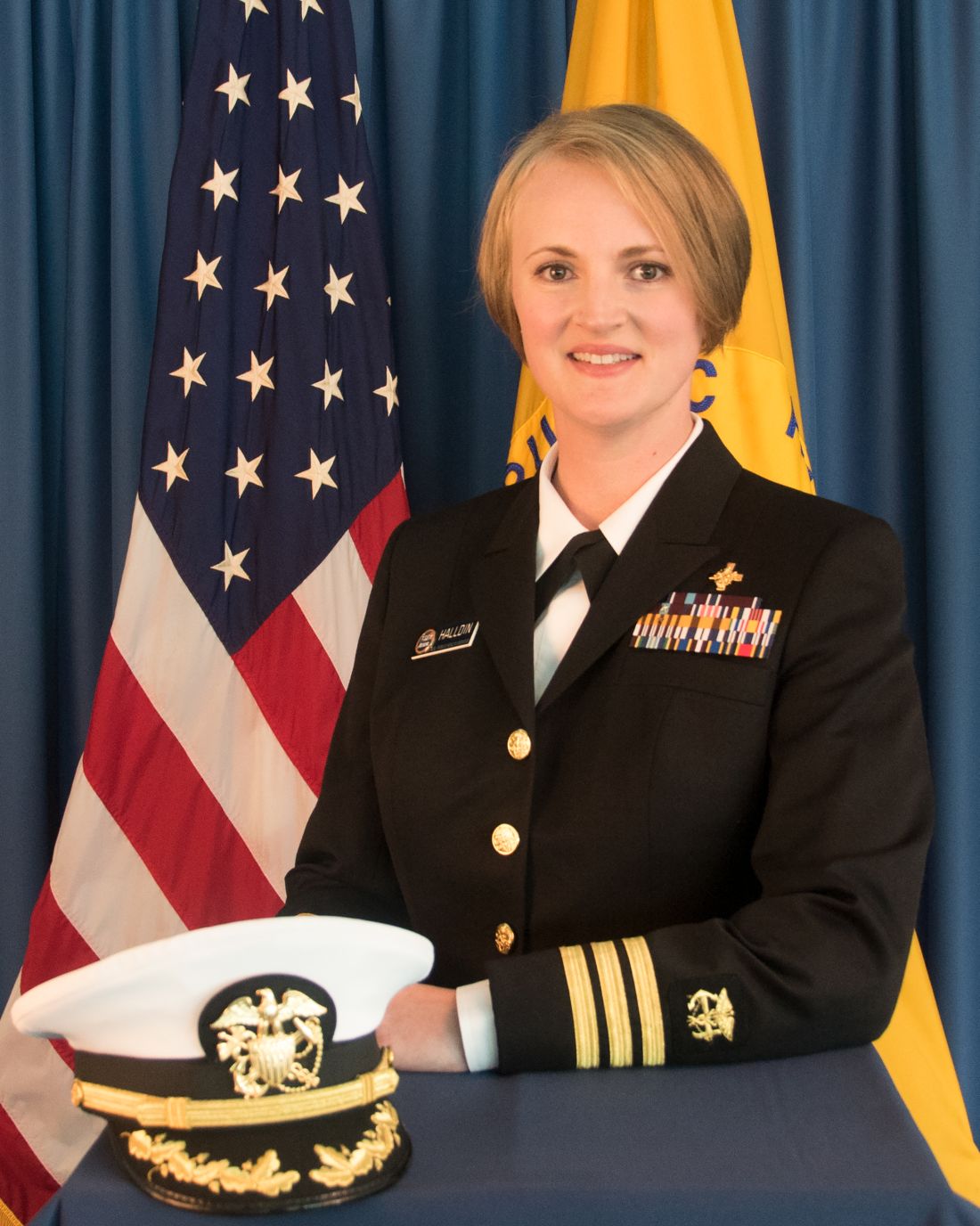
Dr. Halldin and Dr. Laney are from the Surveillance Branch, Respiratory Health Division, National Institute for Occupational Safety and Health, Centers for Disease Control and Prevention, Morgantown, WV.
The findings and conclusions in this report are those of the author(s) and do not necessarily represent the official position of the National Institute for Occupational Safety and Health, Centers for Disease Control and Prevention.
Advances in technology over the last century, as well as the exportation of many high exposure jobs, nearly eliminated lung diseases caused by occupational exposure to respirable dust (the pneumoconioses) in the United States. One such example of this near elimination is black lung, or coal workers' pneumoconiosis (CWP), following the 1969 Federal Coal Mine Health and Safety Act. The Act established permissible exposure limits to respirable dust, designed to prevent the most severe forms of CWP from occurring, and a national respiratory health screening program for underground coal miners. Between 1970 and the mid-1990s, disease prevalence plummeted from nearly 35% to less than 5% prevalence among longer tenured miners, and from 3% to less than 1% in miners with less than 10 years of mining tenure (Hall NB, et al. Curr Environ Health Rep. 2019;6[3]:137).
Many assumed that this was the last we'd hear of black lung - that the cases of disease existing in the 1990s were likely caused by exposures that occurred prior to the 1969 Act, and within a few years, no further cases would be detected. This appeared to be an entirely reasonable assumption in the 1990s given the 30 years of declining prevalence and the continuous technological advances designed to continue reductions in dust exposures. In fact, the precipitous decline in black lung was briefly viewed as a public health triumph, as the most severe forms appeared to be near eradication in the United States just 2 decades ago (Attfield MD, et al. Am J Public Health. 1992;82[7]:971; Attfield MD, et al. Am J Public Health. 1992;82[7]:964). However, what has since been observed is a strong and ongoing resurgence of the potentially deadly fibrotic interstitial disease starting in the early 2000s (Figure 1), with the most striking increase observed in the Central Appalachian states of Kentucky, Virginia, and West Virginia (Blackley DJ, et al. Am J Respir Crit Care Med. 2014;190[6]:708; Blackley DJ, et al. Am J Public Health. 2018;108[9]:1220).
Of great concern is the resurgence of complicated Black Lung (progressive massive fibrosis [PMF]), which is completely disabling and leads to premature mortality. The prevalence of PMF is higher today than when NIOSH started formally tracking the disease in the 1970s, especially among specific populations.
Since the mid-2000s, NIOSH and others have described the following(Hall NB, et al. Curr Environ Health Rep. 2019;6[3]:137):
· Increasing prevalence and severity of CWP both nationwide and specifically in Central Appalachia.
· Rapid progression of CWP.
· Increases in the frequency of lung transplantation for CWP.
· Severe disease among surface coal miners with no underground mining tenure.
· Increased severity of disease among former and retired miners.
· Hundreds of cases of PMF among coal miners seeking care at clinics in eastern Kentucky and southwestern Virginia.
· Increasing numbers of miners with PMF filing for federal black lung compensation.
· Radiologic and pathologic indications of increased respirable silica exposure among coal miners.
· Premature mortality in miners diagnosed with CWP.
· Underutilization of a secondary prevention worker removal program designed to reduce the exposure of miners with disease.
· Former miners with severe disease describing extreme pressure to operate. outside of applicable protective federal standards in order to increase productivity
In our surveillance work, we have talked to many miners who, after having months or years' worth of extensive workups for pneumonia, sarcoidosis, lung cancer, and/or diseases other than the pneumoconioses, have eventually learned that they actually had dust-induced lung disease attributable to their work. Additionally, through our evaluation of the transplantation data, it has become clear that dust-related lung disease is likely underreported or underrecognized among those receiving lung transplants. Finally, through analysis of mortality data, it is apparent that CWP is also underreported as a cause of death among miners with black lung. We mention these points to emphasize how important it is to document a full occupational history for proper diagnoses, early intervention, and improved public health information to inform primary and secondary disease prevention efforts.
Resources for clinicians
CWP is most commonly identified using plain posterior-anterior chest radiography and presence/severity of fibrotic change is described using an international standard established by the International Labour Office (International Labour Office. Guidelines for the use of the ILO international classification of radiographs of pneumoconioses. Geneva: International Labour Office; 2011). In the United States, NIOSH operates the B Reader Training and Certification Program, which offers a free self-study syllabus, https://www.cdc.gov/niosh/topics/chestradiography/breader.html, and in-person training courses on occasion, to assist physicians in learning and demonstrating continuous competency in classifying chest radiographs of dust-exposed workers according to the ILO Standards (Halldin CN, et al. J Occup Environ Med. 2019;61[12]:1045). The B Reader Program and ILO Standards are currently undergoing a decade-long revision process where both will feature digitally acquired chest radiograph images. This process should be fully complete in the following months.
To educate miners, mine operators, and others about the risks of respirable dust, NIOSH produced an educational video, Faces of Black Lung, in 2008 that featured two miners in their 50s and 60s who had complicated Black Lung. Because of the resurgence of disease and particularly severe cases being identified among much younger miners, NIOSH recently released an updated version of the video, Faces of Black Lung II, where three Kentucky underground miners, ages 39, 42, and 48, describe the incredible disability and quality of life lost due to a disease caused by gross overexposure of respirable coal mine dust.
Unfortunately, the 42-year-old miner died from complications stemming from Black Lung less than a year after filming his part in the video, and the other two miners have been advised to be evaluated for lung transplantation. We hope that these men's stories will help younger miners relate to the risks of respirable coal mine dust and help others understand the severity of disease as all three of these men struggled to breathe just describing their day to day tasks.
Parting message
No one should ever have to consider a lung transplant at the age of 40 because they went to work attempting to provide for their family. No one should ever be faced with end-of-life planning while their kids are in grade school because of a disease they acquired at work. Respirable coal mine dust is the only cause of black lung, and the coal mining industry has the necessary technology and tools to prevent harmful exposures to respirable dust, and, together with miners, must successfully and consistently implement dust suppression controls. There is no cure for black lung; it's irreversible and can be first recognized and continue to progress even after a miner has left exposure. However, early identification and appropriate intervention can prevent progression to the most disabling manifestations. The role of the clinician is to be part of the early identification of black lung through including CWP in the differential diagnosis for unusual or unexpected respiratory illness in otherwise healthy primarily working aged miners. The public health community must continue to monitor disease prevalence in working populations and implement policies and recommendations to support the efforts of those on the frontline - the miners, industry, and health-care workers.
The Energy Information Agency projects that coal will continue to be a substantial source of U.S. energy production and consumption well into the mid- to late-century. Unfortunately, Black Lung has made a resurgence and is killing miners, and each of us has a role to play in eliminating it once and for all. We will continue to carry out our mandate to screen working coal miners for respiratory disease; however, given the continued contraction of the coal mining industry, it's much more likely for cases of disease to be recognized in the clinic setting. Therefore, we reiterate our previous plea to clinicians: when identifying an individual with interstitial fibrosis consider their full occupational history.
Dr. Halldin and Dr. Laney are from the Surveillance Branch, Respiratory Health Division, National Institute for Occupational Safety and Health, Centers for Disease Control and Prevention, Morgantown, WV.
The findings and conclusions in this report are those of the author(s) and do not necessarily represent the official position of the National Institute for Occupational Safety and Health, Centers for Disease Control and Prevention.
Advances in technology over the last century, as well as the exportation of many high exposure jobs, nearly eliminated lung diseases caused by occupational exposure to respirable dust (the pneumoconioses) in the United States. One such example of this near elimination is black lung, or coal workers' pneumoconiosis (CWP), following the 1969 Federal Coal Mine Health and Safety Act. The Act established permissible exposure limits to respirable dust, designed to prevent the most severe forms of CWP from occurring, and a national respiratory health screening program for underground coal miners. Between 1970 and the mid-1990s, disease prevalence plummeted from nearly 35% to less than 5% prevalence among longer tenured miners, and from 3% to less than 1% in miners with less than 10 years of mining tenure (Hall NB, et al. Curr Environ Health Rep. 2019;6[3]:137).
Many assumed that this was the last we'd hear of black lung - that the cases of disease existing in the 1990s were likely caused by exposures that occurred prior to the 1969 Act, and within a few years, no further cases would be detected. This appeared to be an entirely reasonable assumption in the 1990s given the 30 years of declining prevalence and the continuous technological advances designed to continue reductions in dust exposures. In fact, the precipitous decline in black lung was briefly viewed as a public health triumph, as the most severe forms appeared to be near eradication in the United States just 2 decades ago (Attfield MD, et al. Am J Public Health. 1992;82[7]:971; Attfield MD, et al. Am J Public Health. 1992;82[7]:964). However, what has since been observed is a strong and ongoing resurgence of the potentially deadly fibrotic interstitial disease starting in the early 2000s (Figure 1), with the most striking increase observed in the Central Appalachian states of Kentucky, Virginia, and West Virginia (Blackley DJ, et al. Am J Respir Crit Care Med. 2014;190[6]:708; Blackley DJ, et al. Am J Public Health. 2018;108[9]:1220).
Of great concern is the resurgence of complicated Black Lung (progressive massive fibrosis [PMF]), which is completely disabling and leads to premature mortality. The prevalence of PMF is higher today than when NIOSH started formally tracking the disease in the 1970s, especially among specific populations.
Since the mid-2000s, NIOSH and others have described the following(Hall NB, et al. Curr Environ Health Rep. 2019;6[3]:137):
· Increasing prevalence and severity of CWP both nationwide and specifically in Central Appalachia.
· Rapid progression of CWP.
· Increases in the frequency of lung transplantation for CWP.
· Severe disease among surface coal miners with no underground mining tenure.
· Increased severity of disease among former and retired miners.
· Hundreds of cases of PMF among coal miners seeking care at clinics in eastern Kentucky and southwestern Virginia.
· Increasing numbers of miners with PMF filing for federal black lung compensation.
· Radiologic and pathologic indications of increased respirable silica exposure among coal miners.
· Premature mortality in miners diagnosed with CWP.
· Underutilization of a secondary prevention worker removal program designed to reduce the exposure of miners with disease.
· Former miners with severe disease describing extreme pressure to operate. outside of applicable protective federal standards in order to increase productivity
In our surveillance work, we have talked to many miners who, after having months or years' worth of extensive workups for pneumonia, sarcoidosis, lung cancer, and/or diseases other than the pneumoconioses, have eventually learned that they actually had dust-induced lung disease attributable to their work. Additionally, through our evaluation of the transplantation data, it has become clear that dust-related lung disease is likely underreported or underrecognized among those receiving lung transplants. Finally, through analysis of mortality data, it is apparent that CWP is also underreported as a cause of death among miners with black lung. We mention these points to emphasize how important it is to document a full occupational history for proper diagnoses, early intervention, and improved public health information to inform primary and secondary disease prevention efforts.
Resources for clinicians
CWP is most commonly identified using plain posterior-anterior chest radiography and presence/severity of fibrotic change is described using an international standard established by the International Labour Office (International Labour Office. Guidelines for the use of the ILO international classification of radiographs of pneumoconioses. Geneva: International Labour Office; 2011). In the United States, NIOSH operates the B Reader Training and Certification Program, which offers a free self-study syllabus, https://www.cdc.gov/niosh/topics/chestradiography/breader.html, and in-person training courses on occasion, to assist physicians in learning and demonstrating continuous competency in classifying chest radiographs of dust-exposed workers according to the ILO Standards (Halldin CN, et al. J Occup Environ Med. 2019;61[12]:1045). The B Reader Program and ILO Standards are currently undergoing a decade-long revision process where both will feature digitally acquired chest radiograph images. This process should be fully complete in the following months.
To educate miners, mine operators, and others about the risks of respirable dust, NIOSH produced an educational video, Faces of Black Lung, in 2008 that featured two miners in their 50s and 60s who had complicated Black Lung. Because of the resurgence of disease and particularly severe cases being identified among much younger miners, NIOSH recently released an updated version of the video, Faces of Black Lung II, where three Kentucky underground miners, ages 39, 42, and 48, describe the incredible disability and quality of life lost due to a disease caused by gross overexposure of respirable coal mine dust.
Unfortunately, the 42-year-old miner died from complications stemming from Black Lung less than a year after filming his part in the video, and the other two miners have been advised to be evaluated for lung transplantation. We hope that these men's stories will help younger miners relate to the risks of respirable coal mine dust and help others understand the severity of disease as all three of these men struggled to breathe just describing their day to day tasks.
Parting message
No one should ever have to consider a lung transplant at the age of 40 because they went to work attempting to provide for their family. No one should ever be faced with end-of-life planning while their kids are in grade school because of a disease they acquired at work. Respirable coal mine dust is the only cause of black lung, and the coal mining industry has the necessary technology and tools to prevent harmful exposures to respirable dust, and, together with miners, must successfully and consistently implement dust suppression controls. There is no cure for black lung; it's irreversible and can be first recognized and continue to progress even after a miner has left exposure. However, early identification and appropriate intervention can prevent progression to the most disabling manifestations. The role of the clinician is to be part of the early identification of black lung through including CWP in the differential diagnosis for unusual or unexpected respiratory illness in otherwise healthy primarily working aged miners. The public health community must continue to monitor disease prevalence in working populations and implement policies and recommendations to support the efforts of those on the frontline - the miners, industry, and health-care workers.
The Energy Information Agency projects that coal will continue to be a substantial source of U.S. energy production and consumption well into the mid- to late-century. Unfortunately, Black Lung has made a resurgence and is killing miners, and each of us has a role to play in eliminating it once and for all. We will continue to carry out our mandate to screen working coal miners for respiratory disease; however, given the continued contraction of the coal mining industry, it's much more likely for cases of disease to be recognized in the clinic setting. Therefore, we reiterate our previous plea to clinicians: when identifying an individual with interstitial fibrosis consider their full occupational history.
Dr. Halldin and Dr. Laney are from the Surveillance Branch, Respiratory Health Division, National Institute for Occupational Safety and Health, Centers for Disease Control and Prevention, Morgantown, WV.
This month in the journal CHEST®
Editor’s picks
CHEST Reviews
Critically ill patients with the HIV: 30 years later. By Dr. E. Azoulay, et al.
Phenotypic subtypes of obstructive sleep apnea: a challenge and opportunity for precision medicine. By Drs. A. Zinchuk and H. K. Yaggi.
Basic primer for finances in academic adult and pediatric pulmonary divisions. By Dr. L. Schnapp, et al.
Original research
Eligibility for lung volume reduction surgery in chronic obstructive pulmonary disease patients identified in a UK primary care setting. By Dr. H. Whittaker, et al.
Early life exposure to oral antibiotics and lung function into early adulthood. By Dr. K. dos Santos, et al.
Editor’s picks
Editor’s picks
CHEST Reviews
Critically ill patients with the HIV: 30 years later. By Dr. E. Azoulay, et al.
Phenotypic subtypes of obstructive sleep apnea: a challenge and opportunity for precision medicine. By Drs. A. Zinchuk and H. K. Yaggi.
Basic primer for finances in academic adult and pediatric pulmonary divisions. By Dr. L. Schnapp, et al.
Original research
Eligibility for lung volume reduction surgery in chronic obstructive pulmonary disease patients identified in a UK primary care setting. By Dr. H. Whittaker, et al.
Early life exposure to oral antibiotics and lung function into early adulthood. By Dr. K. dos Santos, et al.
CHEST Reviews
Critically ill patients with the HIV: 30 years later. By Dr. E. Azoulay, et al.
Phenotypic subtypes of obstructive sleep apnea: a challenge and opportunity for precision medicine. By Drs. A. Zinchuk and H. K. Yaggi.
Basic primer for finances in academic adult and pediatric pulmonary divisions. By Dr. L. Schnapp, et al.
Original research
Eligibility for lung volume reduction surgery in chronic obstructive pulmonary disease patients identified in a UK primary care setting. By Dr. H. Whittaker, et al.
Early life exposure to oral antibiotics and lung function into early adulthood. By Dr. K. dos Santos, et al.
Meet the FISH Bowl finalists
CHEST 2019 marked the inaugural FISH Bowl competition for attendees. Inspired by Shark Tank, our kinder, gentler, yet still competitive and cutting-edge FISH Bowl (Furthering Innovation and Science for Health) featured CHEST members disrupting our beliefs about how clinical care and education are performed. As health-care providers, they presented innovative ideas pertaining to education and clinical disease for pulmonary, critical care, and sleep medicine. Six finalists were chosen from dozens of submissions, and three emerged winners! In this new Meet the FISH Bowl Finalists series, CHEST introduces you to many of them – including Education Category Finalist Dr. Bhavani.

Name: Siva Bhavani
Institution: University of Chicago
Position: Pulmonary Critical Care Fellow
Title: Quizomics
Brief summary: Quizomics is a cutting-edge mobile app that hosts trivia competitions for medical conferences. Quizomics is unlike any medical trivia competition you have ever seen, because the Quizomics app can host 20,000 medical professionals simultaneously competing in the world’s largest medical trivia competition. Physicians compete among thousands of peers in their respective specialties to prepare for boards, obtain CME, and gain recognition in their fields as they fight their way to the top of the leaderboard!
1. What inspired your innovation? The average person checks their phone every 12 minutes, and this is no different at medical conferences. Whether you are in line for coffee, looking around at posters, or listening to a lecture - very little time passes before you are again checking your phone. The natural engagement we have with our phones can be leveraged for educational purposes by introducing gamified medical education platforms like Quizomics. I was inspired because the future of the medical conference demands digital engagement, gamified education, and large-scale social interaction. There is currently no platform that offers these services to prepare medical conferences for the digital education revolution that is coming.
2. Who do you think can benefit most from it, and why? The highest benefit is going to be to the physicians who are tired of the traditional CME options. Quizomics provides a high quality entertaining and educational platform for physicians to get CME while engaging and interacting with their peers. Further, physicians preparing for boards will find Quizomics an engaging alternative to the traditional textbooks. Finally, medical conferences will find that Quizomics can increase engagement, education, and attendance.
3. What do you see as challenges to your innovation gaining widespread acceptance? How can they be overcome? Content creation (trivia questions and explanations) is the biggest challenge to Quizomics. To overcome this, we plan to partner with tech-forward medical organizations that have high quality question banks in order to provide physicians with top-notch gamified education.
4. Why was it meaningful for you to emerge as a finalist in FISH Bowl 2019? FISH Bowl was an amazing opportunity to present Quizomics to others in the pulmonary/critical care specialty. Further, it was an opportunity to get direct feedback from leading educators in the field, and much of the resulting feedback has been incorporated into Quizomics.
5. What future do you envision for your innovation beyond FISH Bowl 2019? Quizomics is launching at a national neurosurgery board review course this winter. Following this pilot launch, Quizomics is scheduled for roll-out at Chicago area internal medicine residency programs through the summer of 2020. You can expect to see Quizomics at national conferences by 2021!
CHEST 2019 marked the inaugural FISH Bowl competition for attendees. Inspired by Shark Tank, our kinder, gentler, yet still competitive and cutting-edge FISH Bowl (Furthering Innovation and Science for Health) featured CHEST members disrupting our beliefs about how clinical care and education are performed. As health-care providers, they presented innovative ideas pertaining to education and clinical disease for pulmonary, critical care, and sleep medicine. Six finalists were chosen from dozens of submissions, and three emerged winners! In this new Meet the FISH Bowl Finalists series, CHEST introduces you to many of them – including Education Category Finalist Dr. Bhavani.
Name: Siva Bhavani
Institution: University of Chicago
Position: Pulmonary Critical Care Fellow
Title: Quizomics
Brief summary: Quizomics is a cutting-edge mobile app that hosts trivia competitions for medical conferences. Quizomics is unlike any medical trivia competition you have ever seen, because the Quizomics app can host 20,000 medical professionals simultaneously competing in the world’s largest medical trivia competition. Physicians compete among thousands of peers in their respective specialties to prepare for boards, obtain CME, and gain recognition in their fields as they fight their way to the top of the leaderboard!
1. What inspired your innovation? The average person checks their phone every 12 minutes, and this is no different at medical conferences. Whether you are in line for coffee, looking around at posters, or listening to a lecture - very little time passes before you are again checking your phone. The natural engagement we have with our phones can be leveraged for educational purposes by introducing gamified medical education platforms like Quizomics. I was inspired because the future of the medical conference demands digital engagement, gamified education, and large-scale social interaction. There is currently no platform that offers these services to prepare medical conferences for the digital education revolution that is coming.
2. Who do you think can benefit most from it, and why? The highest benefit is going to be to the physicians who are tired of the traditional CME options. Quizomics provides a high quality entertaining and educational platform for physicians to get CME while engaging and interacting with their peers. Further, physicians preparing for boards will find Quizomics an engaging alternative to the traditional textbooks. Finally, medical conferences will find that Quizomics can increase engagement, education, and attendance.
3. What do you see as challenges to your innovation gaining widespread acceptance? How can they be overcome? Content creation (trivia questions and explanations) is the biggest challenge to Quizomics. To overcome this, we plan to partner with tech-forward medical organizations that have high quality question banks in order to provide physicians with top-notch gamified education.
4. Why was it meaningful for you to emerge as a finalist in FISH Bowl 2019? FISH Bowl was an amazing opportunity to present Quizomics to others in the pulmonary/critical care specialty. Further, it was an opportunity to get direct feedback from leading educators in the field, and much of the resulting feedback has been incorporated into Quizomics.
5. What future do you envision for your innovation beyond FISH Bowl 2019? Quizomics is launching at a national neurosurgery board review course this winter. Following this pilot launch, Quizomics is scheduled for roll-out at Chicago area internal medicine residency programs through the summer of 2020. You can expect to see Quizomics at national conferences by 2021!
CHEST 2019 marked the inaugural FISH Bowl competition for attendees. Inspired by Shark Tank, our kinder, gentler, yet still competitive and cutting-edge FISH Bowl (Furthering Innovation and Science for Health) featured CHEST members disrupting our beliefs about how clinical care and education are performed. As health-care providers, they presented innovative ideas pertaining to education and clinical disease for pulmonary, critical care, and sleep medicine. Six finalists were chosen from dozens of submissions, and three emerged winners! In this new Meet the FISH Bowl Finalists series, CHEST introduces you to many of them – including Education Category Finalist Dr. Bhavani.
Name: Siva Bhavani
Institution: University of Chicago
Position: Pulmonary Critical Care Fellow
Title: Quizomics
Brief summary: Quizomics is a cutting-edge mobile app that hosts trivia competitions for medical conferences. Quizomics is unlike any medical trivia competition you have ever seen, because the Quizomics app can host 20,000 medical professionals simultaneously competing in the world’s largest medical trivia competition. Physicians compete among thousands of peers in their respective specialties to prepare for boards, obtain CME, and gain recognition in their fields as they fight their way to the top of the leaderboard!
1. What inspired your innovation? The average person checks their phone every 12 minutes, and this is no different at medical conferences. Whether you are in line for coffee, looking around at posters, or listening to a lecture - very little time passes before you are again checking your phone. The natural engagement we have with our phones can be leveraged for educational purposes by introducing gamified medical education platforms like Quizomics. I was inspired because the future of the medical conference demands digital engagement, gamified education, and large-scale social interaction. There is currently no platform that offers these services to prepare medical conferences for the digital education revolution that is coming.
2. Who do you think can benefit most from it, and why? The highest benefit is going to be to the physicians who are tired of the traditional CME options. Quizomics provides a high quality entertaining and educational platform for physicians to get CME while engaging and interacting with their peers. Further, physicians preparing for boards will find Quizomics an engaging alternative to the traditional textbooks. Finally, medical conferences will find that Quizomics can increase engagement, education, and attendance.
3. What do you see as challenges to your innovation gaining widespread acceptance? How can they be overcome? Content creation (trivia questions and explanations) is the biggest challenge to Quizomics. To overcome this, we plan to partner with tech-forward medical organizations that have high quality question banks in order to provide physicians with top-notch gamified education.
4. Why was it meaningful for you to emerge as a finalist in FISH Bowl 2019? FISH Bowl was an amazing opportunity to present Quizomics to others in the pulmonary/critical care specialty. Further, it was an opportunity to get direct feedback from leading educators in the field, and much of the resulting feedback has been incorporated into Quizomics.
5. What future do you envision for your innovation beyond FISH Bowl 2019? Quizomics is launching at a national neurosurgery board review course this winter. Following this pilot launch, Quizomics is scheduled for roll-out at Chicago area internal medicine residency programs through the summer of 2020. You can expect to see Quizomics at national conferences by 2021!
CHEST Foundation Casino Night promises fun for a good cause
Keeping the momentum from our first-ever CHEST Foundation Reception and Casino Night at CHEST 2019, where champions in attendance raised more than $35,000 for pulmonary fibrosis research, the CHEST Foundation continues our long-standing partnership with the Feldman Family Foundation and invites you to the 7th Annual Irv Feldman Texas Hold ‘Em Annual Tournament & Casino Night!

Funds raised at the event support the CHEST Foundation’s mission-based programming and directly impact patients living with pulmonary fibrosis by providing them with access to chest medicine experts; assistance in securing medication and portable oxygen; and empowering the patients and their clinicians to better manage their disease.

Join us at 6:00 PM on Saturday, March 7, at Chevy Chase Country Club in Wheeling, Illinois, for an exciting evening of play. The grand prize winner of the poker tournament receives a coveted seat at the World Series of Poker Main Event – allowing them to test their mettle against the world’s best players. We will also be hosting a plethora of other casino games like blackjack, craps, and roulette and an ever-expanding silent auction giving everyone a chance to join in on the fun and contribute to the fight against pulmonary fibrosis.

Interested in sponsoring the event, purchasing tickets, or receiving more information about the tournament? Contact Angela Perillo, Director of Development and Foundation Operations, at [email protected].
Hope to see you March 7th!
Keeping the momentum from our first-ever CHEST Foundation Reception and Casino Night at CHEST 2019, where champions in attendance raised more than $35,000 for pulmonary fibrosis research, the CHEST Foundation continues our long-standing partnership with the Feldman Family Foundation and invites you to the 7th Annual Irv Feldman Texas Hold ‘Em Annual Tournament & Casino Night!
Funds raised at the event support the CHEST Foundation’s mission-based programming and directly impact patients living with pulmonary fibrosis by providing them with access to chest medicine experts; assistance in securing medication and portable oxygen; and empowering the patients and their clinicians to better manage their disease.
Join us at 6:00 PM on Saturday, March 7, at Chevy Chase Country Club in Wheeling, Illinois, for an exciting evening of play. The grand prize winner of the poker tournament receives a coveted seat at the World Series of Poker Main Event – allowing them to test their mettle against the world’s best players. We will also be hosting a plethora of other casino games like blackjack, craps, and roulette and an ever-expanding silent auction giving everyone a chance to join in on the fun and contribute to the fight against pulmonary fibrosis.
Interested in sponsoring the event, purchasing tickets, or receiving more information about the tournament? Contact Angela Perillo, Director of Development and Foundation Operations, at [email protected].
Hope to see you March 7th!
Keeping the momentum from our first-ever CHEST Foundation Reception and Casino Night at CHEST 2019, where champions in attendance raised more than $35,000 for pulmonary fibrosis research, the CHEST Foundation continues our long-standing partnership with the Feldman Family Foundation and invites you to the 7th Annual Irv Feldman Texas Hold ‘Em Annual Tournament & Casino Night!
Funds raised at the event support the CHEST Foundation’s mission-based programming and directly impact patients living with pulmonary fibrosis by providing them with access to chest medicine experts; assistance in securing medication and portable oxygen; and empowering the patients and their clinicians to better manage their disease.
Join us at 6:00 PM on Saturday, March 7, at Chevy Chase Country Club in Wheeling, Illinois, for an exciting evening of play. The grand prize winner of the poker tournament receives a coveted seat at the World Series of Poker Main Event – allowing them to test their mettle against the world’s best players. We will also be hosting a plethora of other casino games like blackjack, craps, and roulette and an ever-expanding silent auction giving everyone a chance to join in on the fun and contribute to the fight against pulmonary fibrosis.
Interested in sponsoring the event, purchasing tickets, or receiving more information about the tournament? Contact Angela Perillo, Director of Development and Foundation Operations, at [email protected].
Hope to see you March 7th!
President’s report
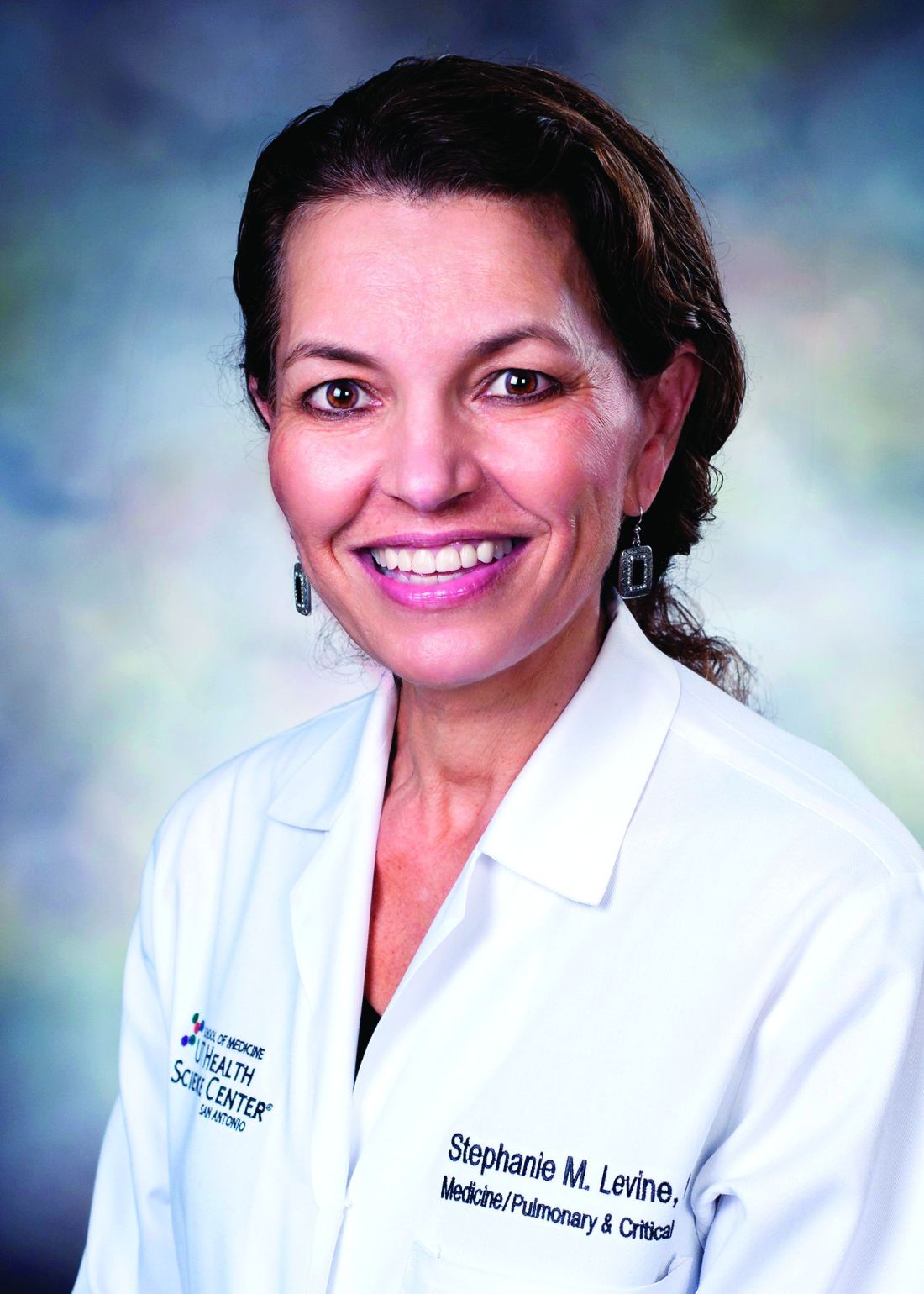
After an outstanding annual meeting in New Orleans, with the greatest number of attendees and a number of other firsts, and with the holidays rapidly approaching, you might think there would be a lull in activity, but your CHEST leadership and staff have been busy. Let’s start with a CHEST 2019 recap.
This year’s meeting had a total of 5,960 medical professionals and 8,593 total attendees. All were the highest in CHEST history! In addition, there were more international attendees, and CHEST 2019 saw the largest number of fellows-in-training and the largest number of advanced practice providers attending.
Since CHEST 2019, we have held five live learning sessions at headquarters in Glenview, with a total of 281 attendees, including: Extracorporeal Support for Respiratory and Cardiac Failure in Adults; Critical Care Ultrasound: Integration Into Clinical Practice; Comprehensive Pleural Procedures; Ultrasonography: Essentials in Critical Care; and the Advanced Critical Care Echocardiography Board Review Exam Course. In case you missed those opportunities, in the near future, CHEST will be holding the following 2020 courses: Comprehensive Bronchoscopy With Endobronchial Ultrasound February 20 – 22, Mechanical Ventilation: Advanced Critical Care Management February 27 - 29, Ultrasonography: Essentials in Critical Care March 5 - 7, Bronchoscopy and Chest Tubes in the ICU March 20 - 21, Advanced Clinical Training in Pulmonary Function Testing March 27 - 28, Critical Skills for Critical Care: A State-of-the-Art Update, and Procedures for ICU Providers April 30 - May 2. For additional information, check out the events at chestnet.org.
Internationally, the program for the Italian CHEST Congress, to be held with the Italian CHEST Chapter in Bologna in June (June 25-27), is finished. This meeting will be designed on a smaller scale of that of the annual CHEST meeting, with plenty of educational opportunities in the areas of pulmonary, critical care, and sleep medicine, and will also feature faculty from around the world. Come experience all the education, as well as the beauty of Italy in June! CHEST has continued other international activities with leadership attendance and lectures at the Asian Pacific Society of Respirology (APSR), where we engaged with multiple societies as CHEST continues to grow our international strategy to educate those who request further education in our fields. CHEST also sent selected young investigators to the APSR meeting.
Plans are well under way to hold another successful annual meeting in Chicago - CHEST 2020. The call for topics has ended, and proposal grading is ongoing. The call for abstracts has gone out and will close March 31. We encourage all, including our learners in training, to submit high quality abstracts and case reports, and we will offer suggestions for those needing editorial assistance. This is one of the many ways to get CHEST-involved. In addition to the innovations and experiences we offered last year, there will be continued social media presence and new exciting offerings at this year’s annual meeting. Save the dates - October 17-21, in our home town of Chicago!
One of my goals for this year is to evaluate ways to increase engagement and leadership opportunities within the organization, with our CHEST NetWorks being one example. The work of the NetWorks task force is ongoing. Expect to see pilots of twitter handles, infographics, and e-bytes coming from some NetWorks in the near future.
The editorial board for the next volume of SEEK Critical Care has been selected, and work is under way for delivery of the next print edition and library update at the summer Board Review Courses in August in Washington DC. Your CHEST Journal Editorial Board has also been busy. The redesigned issue with the new content structure has hit mailboxes, and you can expect to see updated guidelines for “Managing Chronic Cough as a Symptom in Children and Management Algorithms: CHEST Guideline and Expert Panel Report” and “Chronic Cough Due to Stable Chronic Bronchitis: CHEST Expert Panel Report” out soon. Also, look for publications that CHEST has endorsed to include the College of American Pathologists’ supplement “Collection and Handling of Thoracic Small Biopsy and Cytology Specimens for Ancillary Studies” and the Society of Critical Care Medicine’s algorithm and bundle for the “Surviving Sepsis Campaign International Guidelines for the Management of Septic Shock and Sepsis-Associated Organ Dysfunction in Children.” CHEST had representatives to both of these writing groups. In addition, more podcasts will soon be on the horizon.
The CHEST Foundation gala, The Golden Era of EP (Erin Popovich) was held in early December at the AT & T center in San Antonio, with over 500 people in attendance, including many from the San Antonio community, current and former Spurs players and coaches, in addition to our leadership and staff. The Erin Popovich (EP) endowment is dedicated to empowerment and access for patients with interstitial lung disease, as well as research in this area. Over 3 million dollars have been raised to date to directly support this endowment. One of the early products from this endowment is the soon to be available Oxygen Access Toolkit, developed for use by provider offices, clinicians, DME suppliers, patients, and caregivers to answer some of the basic facts about access to oxygen that so many of our patients with ILD and other lung diseases need. Other resources will include the ILD Tree, Get a Second Opinion, You’re Not Alone Patient Journey, Mnemonic for ILD Patients, the Patients’ Bill of Rights, and a co-morbidities one–page information sheet.
After the next quarterly Board Meeting in January, I will update you on decisions regarding future strategy that emerge from that meeting. The agenda will include many of the topics mentioned above, in addition to a strategic discussion regarding CHEST’s increased role in advocacy, which has been requested by many members.
Of course, all these events and activities could not be accomplished without the incredible effort by your CHEST staff and volunteer leadership. I look forward to many updates in my next report. As always, please reach out to me with any comments, questions, or suggestions, and if I am unable to respond, I will address it with the appropriate staff person. Thank you all for being the most important reason that CHEST exists. Have a great 2020!
After an outstanding annual meeting in New Orleans, with the greatest number of attendees and a number of other firsts, and with the holidays rapidly approaching, you might think there would be a lull in activity, but your CHEST leadership and staff have been busy. Let’s start with a CHEST 2019 recap.
This year’s meeting had a total of 5,960 medical professionals and 8,593 total attendees. All were the highest in CHEST history! In addition, there were more international attendees, and CHEST 2019 saw the largest number of fellows-in-training and the largest number of advanced practice providers attending.
Since CHEST 2019, we have held five live learning sessions at headquarters in Glenview, with a total of 281 attendees, including: Extracorporeal Support for Respiratory and Cardiac Failure in Adults; Critical Care Ultrasound: Integration Into Clinical Practice; Comprehensive Pleural Procedures; Ultrasonography: Essentials in Critical Care; and the Advanced Critical Care Echocardiography Board Review Exam Course. In case you missed those opportunities, in the near future, CHEST will be holding the following 2020 courses: Comprehensive Bronchoscopy With Endobronchial Ultrasound February 20 – 22, Mechanical Ventilation: Advanced Critical Care Management February 27 - 29, Ultrasonography: Essentials in Critical Care March 5 - 7, Bronchoscopy and Chest Tubes in the ICU March 20 - 21, Advanced Clinical Training in Pulmonary Function Testing March 27 - 28, Critical Skills for Critical Care: A State-of-the-Art Update, and Procedures for ICU Providers April 30 - May 2. For additional information, check out the events at chestnet.org.
Internationally, the program for the Italian CHEST Congress, to be held with the Italian CHEST Chapter in Bologna in June (June 25-27), is finished. This meeting will be designed on a smaller scale of that of the annual CHEST meeting, with plenty of educational opportunities in the areas of pulmonary, critical care, and sleep medicine, and will also feature faculty from around the world. Come experience all the education, as well as the beauty of Italy in June! CHEST has continued other international activities with leadership attendance and lectures at the Asian Pacific Society of Respirology (APSR), where we engaged with multiple societies as CHEST continues to grow our international strategy to educate those who request further education in our fields. CHEST also sent selected young investigators to the APSR meeting.
Plans are well under way to hold another successful annual meeting in Chicago - CHEST 2020. The call for topics has ended, and proposal grading is ongoing. The call for abstracts has gone out and will close March 31. We encourage all, including our learners in training, to submit high quality abstracts and case reports, and we will offer suggestions for those needing editorial assistance. This is one of the many ways to get CHEST-involved. In addition to the innovations and experiences we offered last year, there will be continued social media presence and new exciting offerings at this year’s annual meeting. Save the dates - October 17-21, in our home town of Chicago!
One of my goals for this year is to evaluate ways to increase engagement and leadership opportunities within the organization, with our CHEST NetWorks being one example. The work of the NetWorks task force is ongoing. Expect to see pilots of twitter handles, infographics, and e-bytes coming from some NetWorks in the near future.
The editorial board for the next volume of SEEK Critical Care has been selected, and work is under way for delivery of the next print edition and library update at the summer Board Review Courses in August in Washington DC. Your CHEST Journal Editorial Board has also been busy. The redesigned issue with the new content structure has hit mailboxes, and you can expect to see updated guidelines for “Managing Chronic Cough as a Symptom in Children and Management Algorithms: CHEST Guideline and Expert Panel Report” and “Chronic Cough Due to Stable Chronic Bronchitis: CHEST Expert Panel Report” out soon. Also, look for publications that CHEST has endorsed to include the College of American Pathologists’ supplement “Collection and Handling of Thoracic Small Biopsy and Cytology Specimens for Ancillary Studies” and the Society of Critical Care Medicine’s algorithm and bundle for the “Surviving Sepsis Campaign International Guidelines for the Management of Septic Shock and Sepsis-Associated Organ Dysfunction in Children.” CHEST had representatives to both of these writing groups. In addition, more podcasts will soon be on the horizon.
The CHEST Foundation gala, The Golden Era of EP (Erin Popovich) was held in early December at the AT & T center in San Antonio, with over 500 people in attendance, including many from the San Antonio community, current and former Spurs players and coaches, in addition to our leadership and staff. The Erin Popovich (EP) endowment is dedicated to empowerment and access for patients with interstitial lung disease, as well as research in this area. Over 3 million dollars have been raised to date to directly support this endowment. One of the early products from this endowment is the soon to be available Oxygen Access Toolkit, developed for use by provider offices, clinicians, DME suppliers, patients, and caregivers to answer some of the basic facts about access to oxygen that so many of our patients with ILD and other lung diseases need. Other resources will include the ILD Tree, Get a Second Opinion, You’re Not Alone Patient Journey, Mnemonic for ILD Patients, the Patients’ Bill of Rights, and a co-morbidities one–page information sheet.
After the next quarterly Board Meeting in January, I will update you on decisions regarding future strategy that emerge from that meeting. The agenda will include many of the topics mentioned above, in addition to a strategic discussion regarding CHEST’s increased role in advocacy, which has been requested by many members.
Of course, all these events and activities could not be accomplished without the incredible effort by your CHEST staff and volunteer leadership. I look forward to many updates in my next report. As always, please reach out to me with any comments, questions, or suggestions, and if I am unable to respond, I will address it with the appropriate staff person. Thank you all for being the most important reason that CHEST exists. Have a great 2020!
After an outstanding annual meeting in New Orleans, with the greatest number of attendees and a number of other firsts, and with the holidays rapidly approaching, you might think there would be a lull in activity, but your CHEST leadership and staff have been busy. Let’s start with a CHEST 2019 recap.
This year’s meeting had a total of 5,960 medical professionals and 8,593 total attendees. All were the highest in CHEST history! In addition, there were more international attendees, and CHEST 2019 saw the largest number of fellows-in-training and the largest number of advanced practice providers attending.
Since CHEST 2019, we have held five live learning sessions at headquarters in Glenview, with a total of 281 attendees, including: Extracorporeal Support for Respiratory and Cardiac Failure in Adults; Critical Care Ultrasound: Integration Into Clinical Practice; Comprehensive Pleural Procedures; Ultrasonography: Essentials in Critical Care; and the Advanced Critical Care Echocardiography Board Review Exam Course. In case you missed those opportunities, in the near future, CHEST will be holding the following 2020 courses: Comprehensive Bronchoscopy With Endobronchial Ultrasound February 20 – 22, Mechanical Ventilation: Advanced Critical Care Management February 27 - 29, Ultrasonography: Essentials in Critical Care March 5 - 7, Bronchoscopy and Chest Tubes in the ICU March 20 - 21, Advanced Clinical Training in Pulmonary Function Testing March 27 - 28, Critical Skills for Critical Care: A State-of-the-Art Update, and Procedures for ICU Providers April 30 - May 2. For additional information, check out the events at chestnet.org.
Internationally, the program for the Italian CHEST Congress, to be held with the Italian CHEST Chapter in Bologna in June (June 25-27), is finished. This meeting will be designed on a smaller scale of that of the annual CHEST meeting, with plenty of educational opportunities in the areas of pulmonary, critical care, and sleep medicine, and will also feature faculty from around the world. Come experience all the education, as well as the beauty of Italy in June! CHEST has continued other international activities with leadership attendance and lectures at the Asian Pacific Society of Respirology (APSR), where we engaged with multiple societies as CHEST continues to grow our international strategy to educate those who request further education in our fields. CHEST also sent selected young investigators to the APSR meeting.
Plans are well under way to hold another successful annual meeting in Chicago - CHEST 2020. The call for topics has ended, and proposal grading is ongoing. The call for abstracts has gone out and will close March 31. We encourage all, including our learners in training, to submit high quality abstracts and case reports, and we will offer suggestions for those needing editorial assistance. This is one of the many ways to get CHEST-involved. In addition to the innovations and experiences we offered last year, there will be continued social media presence and new exciting offerings at this year’s annual meeting. Save the dates - October 17-21, in our home town of Chicago!
One of my goals for this year is to evaluate ways to increase engagement and leadership opportunities within the organization, with our CHEST NetWorks being one example. The work of the NetWorks task force is ongoing. Expect to see pilots of twitter handles, infographics, and e-bytes coming from some NetWorks in the near future.
The editorial board for the next volume of SEEK Critical Care has been selected, and work is under way for delivery of the next print edition and library update at the summer Board Review Courses in August in Washington DC. Your CHEST Journal Editorial Board has also been busy. The redesigned issue with the new content structure has hit mailboxes, and you can expect to see updated guidelines for “Managing Chronic Cough as a Symptom in Children and Management Algorithms: CHEST Guideline and Expert Panel Report” and “Chronic Cough Due to Stable Chronic Bronchitis: CHEST Expert Panel Report” out soon. Also, look for publications that CHEST has endorsed to include the College of American Pathologists’ supplement “Collection and Handling of Thoracic Small Biopsy and Cytology Specimens for Ancillary Studies” and the Society of Critical Care Medicine’s algorithm and bundle for the “Surviving Sepsis Campaign International Guidelines for the Management of Septic Shock and Sepsis-Associated Organ Dysfunction in Children.” CHEST had representatives to both of these writing groups. In addition, more podcasts will soon be on the horizon.
The CHEST Foundation gala, The Golden Era of EP (Erin Popovich) was held in early December at the AT & T center in San Antonio, with over 500 people in attendance, including many from the San Antonio community, current and former Spurs players and coaches, in addition to our leadership and staff. The Erin Popovich (EP) endowment is dedicated to empowerment and access for patients with interstitial lung disease, as well as research in this area. Over 3 million dollars have been raised to date to directly support this endowment. One of the early products from this endowment is the soon to be available Oxygen Access Toolkit, developed for use by provider offices, clinicians, DME suppliers, patients, and caregivers to answer some of the basic facts about access to oxygen that so many of our patients with ILD and other lung diseases need. Other resources will include the ILD Tree, Get a Second Opinion, You’re Not Alone Patient Journey, Mnemonic for ILD Patients, the Patients’ Bill of Rights, and a co-morbidities one–page information sheet.
After the next quarterly Board Meeting in January, I will update you on decisions regarding future strategy that emerge from that meeting. The agenda will include many of the topics mentioned above, in addition to a strategic discussion regarding CHEST’s increased role in advocacy, which has been requested by many members.
Of course, all these events and activities could not be accomplished without the incredible effort by your CHEST staff and volunteer leadership. I look forward to many updates in my next report. As always, please reach out to me with any comments, questions, or suggestions, and if I am unable to respond, I will address it with the appropriate staff person. Thank you all for being the most important reason that CHEST exists. Have a great 2020!
Neuromuscular blockade for ARDS in the ICU
The ability to control the delivery of ventilation to patients having the acute respiratory distress syndrome (ARDS) without encountering patient respiratory effort via the administration of neuromuscular blocking drugs has been a potentially appealing therapeutic option for decades (Light RW, et al. Anesth Analg. 1975;54[2]:219). This practice had been common in the late 20th century in order to avoid excessive tachypnea and appearance of patient discomfort with the collateral benefit of improving oxygenation and decreasing the fraction of inspired oxygen (FiO2) (Hansen-Flaschen JH, et al. JAMA. 1991;26:2870). Following the publication by the NIH-sponsored ARDS Network of the landmark low tidal volume lung protective ventilation trial, whereupon study subjects had been allowed to breathe up to 35 times per minute (ARDS Network, N Engl J Med. 2000;342[18]:1301) and additional concerns that neuromuscular blockade could potentially be associated with neuromuscular weakness, this practice fell out of favor.

Although the validity of using lung protective ventilation in ARDS, with a plateau pressure of less than 30 cm/H2O via delivery of a low tidal volume, has withstood the test of time, subsequent attempts to utilize methods that would further protect the lung with additional “rescue” approaches to mechanical ventilation led to a partial renaissance of the neuromuscular blockade (NMB) approach. For example, high frequency oscillatory ventilation, with its idiosyncratic delivery of minute volumes of ventilator gas, requires NMB in order to be used. However, the publication of two negative trials, including one demonstrating an increased mortality, sidelined this approach (Ferguson ND, et al. N Engl J Med. 2013;368[9]:795).
More notably, the use of NMB in patients with ARDS has been advocated during conventional mechanical ventilation to avoid the generation of large tidal volumes via ventilator asynchrony occurring during patient-triggered breaths. Ostensibly, wiping out any patient effort via NMB eliminates manifestations of asynchrony, such as double triggering, which can generate areas of regional tidal hyperinflation in the injured lung and thereby worsen ventilator-induced lung injury. The utilization of NMB early in the course of ARDS (less than 48 hours) resulted in less lung inflammation (Forel JM, et al. Crit Care Med. 2006;34[11]:2749). Subsequently, the ACURASYS trial found that patients with moderately severe or severe ARDS treated with NMB had a mortality benefit comparable to that seen in the original ARDS low tidal volume trial (Papazian L, et al. N Engl J Med. 2010;369:980).
Several criticisms of ACURASYS led to the desire for a larger confirmatory trial be undertaken. The NIH-sponsored successor to the ARDS Network, the Prevention and Early Treatment of Acute Lung Injury (PETAL) Network, took this on straight away with its formation in 2014 (disclosure: the author is a Principal Investigator of one of the 13 PETAL Network Clinical Centers). This trial, called the Re-Evaluation of Systemic Early Neuromuscular Blockade, the ROSE trial, was published last year in the New England Journal of Medicine and failed to confirm a mortality benefit to NMB when used early in the course of ARDS, such as had been done earlier (Moss M, et al. N Engl J Med. 2019;380[21]:1997).
What then, should clinicians consider the proper use of NMB in ARDS to be?
There has been a recent spate of large negative trials of once-promising interventions in critical care medicine (Laffey. Lancet Respir Med. 2018;6[9]659). Among these were trials related to early mobility, vitamin D administration, transpulmonary pressure titrated positive end-expiratory pressure (PEEP), and of course, high frequency oscillatory ventilation, just to name a few disappointments. Recognition of heterogeneity of treatment effect (HTE), with some subgroups being more likely to respond to an intervention than others (Iwashyna. Am J Respir Crit Care Med. 2015;192[9]:1045), is cold comfort to the bedside clinician and all but the most dedicated health services researcher. At least to date, personalized medicine has fallen short of prospective validation in ARDS (Constantin et al. Lancet Respir Med. 2019;7[10]:870).
The failure of the ROSE trial to demonstrate a mortality benefit to ARDS patients with a P/F ratio of less than 150 on at least 8 cm H2O treated with early NMB means the routine use of this approach in all such patients isn’t warranted. In a prescient nod to HTE, “a foolish consistency,” as Emerson said, “is the hobgoblin of little minds.” Importantly, there were several subtle but not necessarily irrelevant differences between ACURASYS and ROSE. ROSE used a high PEEP algorithm to titrate PEEP to FiO2, rather than the conventional low PEEP approach used in the original ARDS Network and ACURASYS trials. Potentially, the benefits of NMB on the injured lung in ARDS may have been mitigated by using higher PEEP levels. ROSE also failed to demonstrate a decrease in barotrauma as had been reported earlier. That said, it is difficult to ascribe the lack of benefit of NMB mechanistically to less asynchrony induced regional tidal hyperinflation in the NMB group at high PEEP, especially given the lighter sedation targets employed in both the NMB and the placebo group. Meanwhile, ROSE did confirm patients were not harmed by NMB by resulting in more neuromuscular weakness upon recovery.
Among patients with Berlin severe ARDS (ie. P/F less than 100 on at least 5 cm H2O PEEP) evaluated between publication of ACURASYS and ROSE, clinicians were far more inclined to use NMB than other rescue modalities, including prone ventilation (Duan, Ann Am Thorac Soc. 2017;12:1818). It seems unlikely the publication of ROSE will alter this. As rescue modalities go, NMB is relatively inexpensive, widely available and easily performed (Co, I and Hyzy RC, Crit Care Med. 2019 Dec 18. doi: 10.1097/CCM.0000000000004198). Ultimately, though the question isn’t whether NMB will be used in ARDS patients with refractory hypoxemia early or even later, but whether prone ventilation should be simultaneously initiated at the time of, or even before the institution of NMB.
As in ACURASYS, patients in the landmark PROSEVA prone ventilation trial were treated with a low PEEP algorithm (Guérin C et al. N Engl J Med. 2013;368[23]:2159). Prone ventilation has many salutary physiologic benefits, not the least of which is recruitment of areas of collapsed lung. Patients who are recruitable with PEEP, i.e. whose PaO2 increases with increasing PEEP in the face of an unchanged or minimally changed plateau pressure, may also demonstrate a mortality benefit (Goligher, EC et al. Am J Respir Crit Care Med. 2014;190[1]:70). It remains unknown whether prone ventilation would remain of significant benefit should a high PEEP approach be employed.
Prone ventilation clearly has its adherents (Albert, RK, Ann Am Thorac Soc. 2020;17[1]:24), although underutilization remains prevalent perhaps due to its somewhat cumbersome nature. While it might have been interesting had ROSE performed a simultaneous assessment of prone ventilation along with NMB via a factorial trial design, clinicians remain at the crossroads of how to escalate ventilator support in the ARDS patient with worsening, if not refractory hypoxemia. The use of NMB with a high PEEP approach often allows for recruitment and a concomitant lowering of FiO2 to acceptable levels in advance of the utilization of prone ventilation. Although some clinicians are able to successfully utilize prone ventilation without NMB, many are not, and NMB use was widespread in PROSEVA.
With no evidence of harm, the employment of NMB in the setting of Berlin severe ARDS is entirely justifiable, whether occurring early or late in the clinical course, regardless of, or potentially with the concomitant employment of prone ventilation. These two rescue modalities remain first line and, despite evidence to the contrary (Li, et al. Am J Respir Crit Care Med. 2018;197[8]:991) should be employed in advance of others, most notably extracorporeal support.
Dr. Hyzy is with the Division of Pulmonary and Critical Care Medicine, University of Michigan, Ann Arbor.
The ability to control the delivery of ventilation to patients having the acute respiratory distress syndrome (ARDS) without encountering patient respiratory effort via the administration of neuromuscular blocking drugs has been a potentially appealing therapeutic option for decades (Light RW, et al. Anesth Analg. 1975;54[2]:219). This practice had been common in the late 20th century in order to avoid excessive tachypnea and appearance of patient discomfort with the collateral benefit of improving oxygenation and decreasing the fraction of inspired oxygen (FiO2) (Hansen-Flaschen JH, et al. JAMA. 1991;26:2870). Following the publication by the NIH-sponsored ARDS Network of the landmark low tidal volume lung protective ventilation trial, whereupon study subjects had been allowed to breathe up to 35 times per minute (ARDS Network, N Engl J Med. 2000;342[18]:1301) and additional concerns that neuromuscular blockade could potentially be associated with neuromuscular weakness, this practice fell out of favor.
Although the validity of using lung protective ventilation in ARDS, with a plateau pressure of less than 30 cm/H2O via delivery of a low tidal volume, has withstood the test of time, subsequent attempts to utilize methods that would further protect the lung with additional “rescue” approaches to mechanical ventilation led to a partial renaissance of the neuromuscular blockade (NMB) approach. For example, high frequency oscillatory ventilation, with its idiosyncratic delivery of minute volumes of ventilator gas, requires NMB in order to be used. However, the publication of two negative trials, including one demonstrating an increased mortality, sidelined this approach (Ferguson ND, et al. N Engl J Med. 2013;368[9]:795).
More notably, the use of NMB in patients with ARDS has been advocated during conventional mechanical ventilation to avoid the generation of large tidal volumes via ventilator asynchrony occurring during patient-triggered breaths. Ostensibly, wiping out any patient effort via NMB eliminates manifestations of asynchrony, such as double triggering, which can generate areas of regional tidal hyperinflation in the injured lung and thereby worsen ventilator-induced lung injury. The utilization of NMB early in the course of ARDS (less than 48 hours) resulted in less lung inflammation (Forel JM, et al. Crit Care Med. 2006;34[11]:2749). Subsequently, the ACURASYS trial found that patients with moderately severe or severe ARDS treated with NMB had a mortality benefit comparable to that seen in the original ARDS low tidal volume trial (Papazian L, et al. N Engl J Med. 2010;369:980).
Several criticisms of ACURASYS led to the desire for a larger confirmatory trial be undertaken. The NIH-sponsored successor to the ARDS Network, the Prevention and Early Treatment of Acute Lung Injury (PETAL) Network, took this on straight away with its formation in 2014 (disclosure: the author is a Principal Investigator of one of the 13 PETAL Network Clinical Centers). This trial, called the Re-Evaluation of Systemic Early Neuromuscular Blockade, the ROSE trial, was published last year in the New England Journal of Medicine and failed to confirm a mortality benefit to NMB when used early in the course of ARDS, such as had been done earlier (Moss M, et al. N Engl J Med. 2019;380[21]:1997).
What then, should clinicians consider the proper use of NMB in ARDS to be?
There has been a recent spate of large negative trials of once-promising interventions in critical care medicine (Laffey. Lancet Respir Med. 2018;6[9]659). Among these were trials related to early mobility, vitamin D administration, transpulmonary pressure titrated positive end-expiratory pressure (PEEP), and of course, high frequency oscillatory ventilation, just to name a few disappointments. Recognition of heterogeneity of treatment effect (HTE), with some subgroups being more likely to respond to an intervention than others (Iwashyna. Am J Respir Crit Care Med. 2015;192[9]:1045), is cold comfort to the bedside clinician and all but the most dedicated health services researcher. At least to date, personalized medicine has fallen short of prospective validation in ARDS (Constantin et al. Lancet Respir Med. 2019;7[10]:870).
The failure of the ROSE trial to demonstrate a mortality benefit to ARDS patients with a P/F ratio of less than 150 on at least 8 cm H2O treated with early NMB means the routine use of this approach in all such patients isn’t warranted. In a prescient nod to HTE, “a foolish consistency,” as Emerson said, “is the hobgoblin of little minds.” Importantly, there were several subtle but not necessarily irrelevant differences between ACURASYS and ROSE. ROSE used a high PEEP algorithm to titrate PEEP to FiO2, rather than the conventional low PEEP approach used in the original ARDS Network and ACURASYS trials. Potentially, the benefits of NMB on the injured lung in ARDS may have been mitigated by using higher PEEP levels. ROSE also failed to demonstrate a decrease in barotrauma as had been reported earlier. That said, it is difficult to ascribe the lack of benefit of NMB mechanistically to less asynchrony induced regional tidal hyperinflation in the NMB group at high PEEP, especially given the lighter sedation targets employed in both the NMB and the placebo group. Meanwhile, ROSE did confirm patients were not harmed by NMB by resulting in more neuromuscular weakness upon recovery.
Among patients with Berlin severe ARDS (ie. P/F less than 100 on at least 5 cm H2O PEEP) evaluated between publication of ACURASYS and ROSE, clinicians were far more inclined to use NMB than other rescue modalities, including prone ventilation (Duan, Ann Am Thorac Soc. 2017;12:1818). It seems unlikely the publication of ROSE will alter this. As rescue modalities go, NMB is relatively inexpensive, widely available and easily performed (Co, I and Hyzy RC, Crit Care Med. 2019 Dec 18. doi: 10.1097/CCM.0000000000004198). Ultimately, though the question isn’t whether NMB will be used in ARDS patients with refractory hypoxemia early or even later, but whether prone ventilation should be simultaneously initiated at the time of, or even before the institution of NMB.
As in ACURASYS, patients in the landmark PROSEVA prone ventilation trial were treated with a low PEEP algorithm (Guérin C et al. N Engl J Med. 2013;368[23]:2159). Prone ventilation has many salutary physiologic benefits, not the least of which is recruitment of areas of collapsed lung. Patients who are recruitable with PEEP, i.e. whose PaO2 increases with increasing PEEP in the face of an unchanged or minimally changed plateau pressure, may also demonstrate a mortality benefit (Goligher, EC et al. Am J Respir Crit Care Med. 2014;190[1]:70). It remains unknown whether prone ventilation would remain of significant benefit should a high PEEP approach be employed.
Prone ventilation clearly has its adherents (Albert, RK, Ann Am Thorac Soc. 2020;17[1]:24), although underutilization remains prevalent perhaps due to its somewhat cumbersome nature. While it might have been interesting had ROSE performed a simultaneous assessment of prone ventilation along with NMB via a factorial trial design, clinicians remain at the crossroads of how to escalate ventilator support in the ARDS patient with worsening, if not refractory hypoxemia. The use of NMB with a high PEEP approach often allows for recruitment and a concomitant lowering of FiO2 to acceptable levels in advance of the utilization of prone ventilation. Although some clinicians are able to successfully utilize prone ventilation without NMB, many are not, and NMB use was widespread in PROSEVA.
With no evidence of harm, the employment of NMB in the setting of Berlin severe ARDS is entirely justifiable, whether occurring early or late in the clinical course, regardless of, or potentially with the concomitant employment of prone ventilation. These two rescue modalities remain first line and, despite evidence to the contrary (Li, et al. Am J Respir Crit Care Med. 2018;197[8]:991) should be employed in advance of others, most notably extracorporeal support.
Dr. Hyzy is with the Division of Pulmonary and Critical Care Medicine, University of Michigan, Ann Arbor.
The ability to control the delivery of ventilation to patients having the acute respiratory distress syndrome (ARDS) without encountering patient respiratory effort via the administration of neuromuscular blocking drugs has been a potentially appealing therapeutic option for decades (Light RW, et al. Anesth Analg. 1975;54[2]:219). This practice had been common in the late 20th century in order to avoid excessive tachypnea and appearance of patient discomfort with the collateral benefit of improving oxygenation and decreasing the fraction of inspired oxygen (FiO2) (Hansen-Flaschen JH, et al. JAMA. 1991;26:2870). Following the publication by the NIH-sponsored ARDS Network of the landmark low tidal volume lung protective ventilation trial, whereupon study subjects had been allowed to breathe up to 35 times per minute (ARDS Network, N Engl J Med. 2000;342[18]:1301) and additional concerns that neuromuscular blockade could potentially be associated with neuromuscular weakness, this practice fell out of favor.
Although the validity of using lung protective ventilation in ARDS, with a plateau pressure of less than 30 cm/H2O via delivery of a low tidal volume, has withstood the test of time, subsequent attempts to utilize methods that would further protect the lung with additional “rescue” approaches to mechanical ventilation led to a partial renaissance of the neuromuscular blockade (NMB) approach. For example, high frequency oscillatory ventilation, with its idiosyncratic delivery of minute volumes of ventilator gas, requires NMB in order to be used. However, the publication of two negative trials, including one demonstrating an increased mortality, sidelined this approach (Ferguson ND, et al. N Engl J Med. 2013;368[9]:795).
More notably, the use of NMB in patients with ARDS has been advocated during conventional mechanical ventilation to avoid the generation of large tidal volumes via ventilator asynchrony occurring during patient-triggered breaths. Ostensibly, wiping out any patient effort via NMB eliminates manifestations of asynchrony, such as double triggering, which can generate areas of regional tidal hyperinflation in the injured lung and thereby worsen ventilator-induced lung injury. The utilization of NMB early in the course of ARDS (less than 48 hours) resulted in less lung inflammation (Forel JM, et al. Crit Care Med. 2006;34[11]:2749). Subsequently, the ACURASYS trial found that patients with moderately severe or severe ARDS treated with NMB had a mortality benefit comparable to that seen in the original ARDS low tidal volume trial (Papazian L, et al. N Engl J Med. 2010;369:980).
Several criticisms of ACURASYS led to the desire for a larger confirmatory trial be undertaken. The NIH-sponsored successor to the ARDS Network, the Prevention and Early Treatment of Acute Lung Injury (PETAL) Network, took this on straight away with its formation in 2014 (disclosure: the author is a Principal Investigator of one of the 13 PETAL Network Clinical Centers). This trial, called the Re-Evaluation of Systemic Early Neuromuscular Blockade, the ROSE trial, was published last year in the New England Journal of Medicine and failed to confirm a mortality benefit to NMB when used early in the course of ARDS, such as had been done earlier (Moss M, et al. N Engl J Med. 2019;380[21]:1997).
What then, should clinicians consider the proper use of NMB in ARDS to be?
There has been a recent spate of large negative trials of once-promising interventions in critical care medicine (Laffey. Lancet Respir Med. 2018;6[9]659). Among these were trials related to early mobility, vitamin D administration, transpulmonary pressure titrated positive end-expiratory pressure (PEEP), and of course, high frequency oscillatory ventilation, just to name a few disappointments. Recognition of heterogeneity of treatment effect (HTE), with some subgroups being more likely to respond to an intervention than others (Iwashyna. Am J Respir Crit Care Med. 2015;192[9]:1045), is cold comfort to the bedside clinician and all but the most dedicated health services researcher. At least to date, personalized medicine has fallen short of prospective validation in ARDS (Constantin et al. Lancet Respir Med. 2019;7[10]:870).
The failure of the ROSE trial to demonstrate a mortality benefit to ARDS patients with a P/F ratio of less than 150 on at least 8 cm H2O treated with early NMB means the routine use of this approach in all such patients isn’t warranted. In a prescient nod to HTE, “a foolish consistency,” as Emerson said, “is the hobgoblin of little minds.” Importantly, there were several subtle but not necessarily irrelevant differences between ACURASYS and ROSE. ROSE used a high PEEP algorithm to titrate PEEP to FiO2, rather than the conventional low PEEP approach used in the original ARDS Network and ACURASYS trials. Potentially, the benefits of NMB on the injured lung in ARDS may have been mitigated by using higher PEEP levels. ROSE also failed to demonstrate a decrease in barotrauma as had been reported earlier. That said, it is difficult to ascribe the lack of benefit of NMB mechanistically to less asynchrony induced regional tidal hyperinflation in the NMB group at high PEEP, especially given the lighter sedation targets employed in both the NMB and the placebo group. Meanwhile, ROSE did confirm patients were not harmed by NMB by resulting in more neuromuscular weakness upon recovery.
Among patients with Berlin severe ARDS (ie. P/F less than 100 on at least 5 cm H2O PEEP) evaluated between publication of ACURASYS and ROSE, clinicians were far more inclined to use NMB than other rescue modalities, including prone ventilation (Duan, Ann Am Thorac Soc. 2017;12:1818). It seems unlikely the publication of ROSE will alter this. As rescue modalities go, NMB is relatively inexpensive, widely available and easily performed (Co, I and Hyzy RC, Crit Care Med. 2019 Dec 18. doi: 10.1097/CCM.0000000000004198). Ultimately, though the question isn’t whether NMB will be used in ARDS patients with refractory hypoxemia early or even later, but whether prone ventilation should be simultaneously initiated at the time of, or even before the institution of NMB.
As in ACURASYS, patients in the landmark PROSEVA prone ventilation trial were treated with a low PEEP algorithm (Guérin C et al. N Engl J Med. 2013;368[23]:2159). Prone ventilation has many salutary physiologic benefits, not the least of which is recruitment of areas of collapsed lung. Patients who are recruitable with PEEP, i.e. whose PaO2 increases with increasing PEEP in the face of an unchanged or minimally changed plateau pressure, may also demonstrate a mortality benefit (Goligher, EC et al. Am J Respir Crit Care Med. 2014;190[1]:70). It remains unknown whether prone ventilation would remain of significant benefit should a high PEEP approach be employed.
Prone ventilation clearly has its adherents (Albert, RK, Ann Am Thorac Soc. 2020;17[1]:24), although underutilization remains prevalent perhaps due to its somewhat cumbersome nature. While it might have been interesting had ROSE performed a simultaneous assessment of prone ventilation along with NMB via a factorial trial design, clinicians remain at the crossroads of how to escalate ventilator support in the ARDS patient with worsening, if not refractory hypoxemia. The use of NMB with a high PEEP approach often allows for recruitment and a concomitant lowering of FiO2 to acceptable levels in advance of the utilization of prone ventilation. Although some clinicians are able to successfully utilize prone ventilation without NMB, many are not, and NMB use was widespread in PROSEVA.
With no evidence of harm, the employment of NMB in the setting of Berlin severe ARDS is entirely justifiable, whether occurring early or late in the clinical course, regardless of, or potentially with the concomitant employment of prone ventilation. These two rescue modalities remain first line and, despite evidence to the contrary (Li, et al. Am J Respir Crit Care Med. 2018;197[8]:991) should be employed in advance of others, most notably extracorporeal support.
Dr. Hyzy is with the Division of Pulmonary and Critical Care Medicine, University of Michigan, Ann Arbor.
Beta-blockers in COPD
Airway disorders
Beta-blockers in COPD: A settled debate?
Beta-blockers are the cornerstone in the management of patients with heart failure and myocardial infarction where they have shown to improve morbidity and mortality. Cardiovascular disease is common in patients with COPD. A 2014 meta-analysis of retrospective studies involving patients with COPD using a beta-blocker has shown lower death and lower exacerbation rate (Du Q, et al. PLoS One. 2014;9[11]:e113048). More recent studies continue to note underutilization of beta-blockers in patients with COPD due to concerns for adverse effects on pulmonary function (Lipworth B, et al. Heart. 2016;102[23]:1909).

To further study these concerns, Dransfield and colleagues conducted a randomized controlled trial (BLOCK COPD) of 532 randomly assigned patients to receive either metoprolol or placebo (Dransfield, et al. N Engl J Med. 2019;381[24]:2304). Primary outcome was time to first COPD exacerbation whereas secondary outcomes included rate of exacerbation, mortality, hospitalization, symptoms, and spirometry data. Median time to exacerbation was similar between the two groups; however, metoprolol was associated with higher incidence of severe exacerbation requiring hospitalization (HR 1.91, 95% CI 1.29-2.83). There was nonstatistical increase in deaths in metoprolol group, mainly contributed by fatal COPD events (seven in metoprolol vs one in placebo). The study results validated some of the concerns of worsening pulmonary function with beta-blocker use; however, in order to better understand the study results, we must pay attention to the study cohort.

In summary, patients did not have significant cardiac disease and, therefore, did not have an overt indication for beta-blocker use. Patients with COPD in this study were sicker than average patients. Lastly, there were more patients in the metoprolol group who had COPD exacerbations requiring ED visit or hospitalization in 12 months prior to study enrollment. For the above-mentioned reasons, the conclusion of this study should not discourage the use of beta-blockers in patients with COPD when underlying cardiac disease warrants their use, after careful consideration of benefits and risks.
Muhammad Adrish, MD, FCCP, Steering Committee Member
Navitha Ramesh, MD, FCCP, Steering Committee Member
Clinical research
Nintedanib in progressive fibrosing interstitial lung diseases: Does one size really fit all?
Interstitial lung diseases (ILDs) include a variety of lung disorders, such as idiopathic interstitial pneumonias (IIPs), autoimmune diseases, granulomatous lung disease, and environmental diseases. They all have one thing in common—a progressive fibrosing phenotype that is almost universally fatal. It has been suggested that such diseases have a shared pathophysiologic mechanism irrespective of the cause and, hence, could respond to similar therapy. Nintedanib acts intracellularly by inhibiting multiple tyrosine kinases. Previous clinical trials have suggested that nintedanib inhibits the progression of lung fibrosis in patients with idiopathic pulmonary fibrosis (Richeldi, et al. N Engl J Med. 2014;370[22]:2071) and systemic sclerosis-associated ILD (Distler, et al. N Engl J Med. 2019;380[26]:2518). The INBUILD trial was conducted to study the efficacy and safety of nintedanib in patients with fibrosing interstitial lung diseases (Flaherty, et al. N Engl J Med. 2019;381[18]:1718).

Patients with a wide spectrum of progressive fibrosing ILD were enrolled in the INBUILD trial. This gave the phenotypic approach needed to study the effects of nintedanib in fibrosing ILDs. The authors reported an absolute difference of 107 mL in the annual rate of decline in forced vital capacity in the overall population, 128.2 mL (95% CI 65.4 to 148.5; P less than .001) in patients with UIP-like fibrotic pattern and 75.3 mL in patients with other fibrotic patterns, between patients who received nintedanib and those who received placebo. Earlier studies have shown similar results in patients with IPF. The most frequent adverse event was diarrhea (66.9% in the nintedanib group and 23.9% in placebo group). Liver enzymes derangement was more common in the nintedanib group. Nausea, vomiting, abdominal pain, decreased appetite, and weight decrease were also more frequent in the nintedanib group than in those in the placebo group. In conclusion, this study not only explored the effects of nintedanib on progressive fibrosing ILDs but also helped to enhance the understanding of their natural history, suggesting a final common pathway toward lung fibrosis.
Mohsin Ijaz, MD, FCCP, Steering Committee Member
Critical care
Vaping-related acute lung injury: Where there’s smoke, there’s fire
E-cigarette or vaping product use–associated lung injury (EVALI) is a burgeoning public health problem in the United States. There have been more than 2,506 hospitalizations and 54 deaths from EVALI (cdc.gov). Unfortunately, the diagnosis is one of exclusion at present. The CDC defines EVALI as lung disease associated with e-cigarette or vaping exposure within 90 days, infiltrates, and absence of other causes (Layden, et al. N Engl J Med. 2019 Sep 6. doi: 10.1056/NEJMoa1911614). As critical care providers, we are uniquely poised to detect and treat this illness, given that roughly 1 in 3 patients with EVALI require mechanical ventilation. Moreover, one-quarter of rehospitalizations and deaths occur 2 days after discharge from initial hospitalization (Mikosz, et al. MMWR 2020;68[5152]:1183). .
To better identify EVALI, the Centers for Disease Control and Prevention (CDC) recommends that health-care providers ask e-cigarette or vaping product users about respiratory, gastrointestinal, and constitutional symptoms, obtain chest imaging in those suspected of EVALI, consider outpatient management of stable patients, test for influenza, and use caution when prescribing steroids in the outpatient setting. Emphasizing cessation and advocating for annual influenza vaccination is also recommended (Update: Interim Guidance for Health Care Providers for Managing Patients with Suspected E-cigarette, or Vaping, Product Use–Associated Lung Injury. (MMWR. 2019;68[46]:1081).
So how can critical care providers assist in the understanding and treatment of EVALI? Critical care physicians treating patients with EVALI face unique challenges moving forward. We need to develop a better understanding of the triggers and pathophysiology of EVALI and learn to improve our recognition of the disease. We should study interventions that may improve outcomes such as corticosteroids. We know little about the long-term outcomes and sequalae of EVALI.

The best treatment for EVALI is prevention. Critical care physicians are experts at identifying and treating life-threatening conditions but as a community have less experience in the public health arena. If as physicians we are called upon to advocate for our patients, then perhaps there is a role for critical care physicians to advocate for a ban on vaping.
Matthew K. Hensley, MD, MPH, Fellow-in-Training
Daniel R. Ouellette, MD, MS, FCCP, NetWork Vice-Chair
Home-based mechanical ventilation and neuromuscular disease
Keeping up with the times: incorporating home mechanical ventilation education into pulmonary and critical care fellowship and clinical practice
Home mechanical ventilation (HMV) utilization for patients with chronic respiratory conditions is rapidly increasing in both pediatric and adult populations. By 2016, the estimated prevalence of HMV was 2.9-12.9/100,000 (3.1-18% via tracheotomy) (Rose, et al. Respir Care. 2015;60[5]:695; Valko, et al. BMC Pulm Med. 2018;18[1]:190). In 2012 limited regional U.S. data were extrapolated to approximate a prevalence of 4.7-6.4/100,000 children utilizing HMV (King, A. Respir Care. 2012;57[6]921), but there is currently no comprehensive registry of HMV use in the United States. A U.S. Department of Health and Human Services report in 2016 described an 85-fold increase in Medicare claims for home ventilators in 2015 compared with 2009 (OEI-12-15-00370; 9/22/2016).

With increasing demand, educating clinicians responsible for providing and managing HMV is paramount. Education specific to longitudinal management of the HMV is noticeably overlooked. The ACGME core competencies for PCCM fellowships include principles inherent to HMV, including modes/principles of ventilation, modalities/principles of oxygen supplementation, tracheostomy tube management, as well as the use of “masks for delivery of supplemental oxygen, humidifiers, nebulizers, and incentive spirometry” (ACGME Common Program Requirements 7/1/2019). However, training programs are not required to provide skills essential in HMV management, including: (1) appropriate patient selection for long-term HMV, (2) selection of well-matched home ventilators suited to patients’ chronic conditions, (3) assessment/timing of transition to invasive ventilation, or (4) adjustments necessary to maintain optimal ventilator support. Life-sustaining ventilators used in ICUs differ from life-supporting HMV systems in modes, interface, cost, algorithms, circuitry, and available adjuncts.

There is an opportunity (and responsibility) to improve current training guidelines to meet growing needs of the population and anticipate needs of trainees as they enter unsupervised practice. Although simulation initiatives at national CHEST meetings attempt to bridge education gaps, it is incumbent upon fellowship training programs to prepare pulmonologists with skills to manage HMV in order to maintain high standards of care in a safe, financially responsible and evidence-based manner.
Bethany L. Lussier, MD, FCCP, NetWork Member
Won Y. Lee, MD, FCCP. Steering Committee Member
Interstitial and diffuse lung disease
Granulomatous lymphocytic interstitial lung disease (GL-ILD)
Among the granulomatous lung diseases, Gl-ILD is hardly a new discovery, but for many reasons, it often goes undiagnosed for years. The relative rareness of the disease itself and, hence, the lack of awareness makes it an uncommon differential for granulomatous ILD. Patients with GL-ILD are often misdiagnosed with sarcoidosis, unspecified ILD, or lymphoid interstitial pneumonia, etc, before receiving a diagnosis of GL-ILD.

GL-ILD is seen in 5% to 22% of patients with common variable immunoglobulin deficiency (CVID). There are instances where patients are diagnosed with CVID based on a radiologic or histologic diagnosis of GL-ILD. Although GL-ILD suggests a pulmonary process, it actually encompasses a multisystemic granulomatous inflammatory disease that may affect the liver, spleen, bowels, lymphoid tissue, and conceivably any other organ system (Hartono, et al. Ann Allergy Asthma Immunol. 2017;118[5]:614. Pathogenesis of GL-ILD in CVID includes dysfunctional antigen handling (due to impaired T cell function) and aberrant immune response to viruses (Hurst, et al. J Allergy Clin Immunol Pract. 2017;5[4]:938).
Patients with GL-ILD often present with progressive shortness of breath, restrictive lung functions with a background of CVID. Imaging findings are 5-30 mm lower lobe-predominant, nodules, ground glass opacities, and splenomegaly. Histopathology varies with predominant granulomas vs lymphocytic infiltrates. The process can be treated and often reversed with use of high dose immunoglobulin replacement, immunomodulatory therapy with agents like azathioprine, and rituximab. However, steroids are not helpful. Due to the lymphocytic dysregulation in GL-ILD, patients are at high risk of death from lymphoma. Part of the management is surveillance for malignancy and involvement of other organ systems.
A. Thanushi Wynn, MD, Fellow-in-Training
Airway disorders
Beta-blockers in COPD: A settled debate?
Beta-blockers are the cornerstone in the management of patients with heart failure and myocardial infarction where they have shown to improve morbidity and mortality. Cardiovascular disease is common in patients with COPD. A 2014 meta-analysis of retrospective studies involving patients with COPD using a beta-blocker has shown lower death and lower exacerbation rate (Du Q, et al. PLoS One. 2014;9[11]:e113048). More recent studies continue to note underutilization of beta-blockers in patients with COPD due to concerns for adverse effects on pulmonary function (Lipworth B, et al. Heart. 2016;102[23]:1909).
To further study these concerns, Dransfield and colleagues conducted a randomized controlled trial (BLOCK COPD) of 532 randomly assigned patients to receive either metoprolol or placebo (Dransfield, et al. N Engl J Med. 2019;381[24]:2304). Primary outcome was time to first COPD exacerbation whereas secondary outcomes included rate of exacerbation, mortality, hospitalization, symptoms, and spirometry data. Median time to exacerbation was similar between the two groups; however, metoprolol was associated with higher incidence of severe exacerbation requiring hospitalization (HR 1.91, 95% CI 1.29-2.83). There was nonstatistical increase in deaths in metoprolol group, mainly contributed by fatal COPD events (seven in metoprolol vs one in placebo). The study results validated some of the concerns of worsening pulmonary function with beta-blocker use; however, in order to better understand the study results, we must pay attention to the study cohort.
In summary, patients did not have significant cardiac disease and, therefore, did not have an overt indication for beta-blocker use. Patients with COPD in this study were sicker than average patients. Lastly, there were more patients in the metoprolol group who had COPD exacerbations requiring ED visit or hospitalization in 12 months prior to study enrollment. For the above-mentioned reasons, the conclusion of this study should not discourage the use of beta-blockers in patients with COPD when underlying cardiac disease warrants their use, after careful consideration of benefits and risks.
Muhammad Adrish, MD, FCCP, Steering Committee Member
Navitha Ramesh, MD, FCCP, Steering Committee Member
Clinical research
Nintedanib in progressive fibrosing interstitial lung diseases: Does one size really fit all?
Interstitial lung diseases (ILDs) include a variety of lung disorders, such as idiopathic interstitial pneumonias (IIPs), autoimmune diseases, granulomatous lung disease, and environmental diseases. They all have one thing in common—a progressive fibrosing phenotype that is almost universally fatal. It has been suggested that such diseases have a shared pathophysiologic mechanism irrespective of the cause and, hence, could respond to similar therapy. Nintedanib acts intracellularly by inhibiting multiple tyrosine kinases. Previous clinical trials have suggested that nintedanib inhibits the progression of lung fibrosis in patients with idiopathic pulmonary fibrosis (Richeldi, et al. N Engl J Med. 2014;370[22]:2071) and systemic sclerosis-associated ILD (Distler, et al. N Engl J Med. 2019;380[26]:2518). The INBUILD trial was conducted to study the efficacy and safety of nintedanib in patients with fibrosing interstitial lung diseases (Flaherty, et al. N Engl J Med. 2019;381[18]:1718).
Patients with a wide spectrum of progressive fibrosing ILD were enrolled in the INBUILD trial. This gave the phenotypic approach needed to study the effects of nintedanib in fibrosing ILDs. The authors reported an absolute difference of 107 mL in the annual rate of decline in forced vital capacity in the overall population, 128.2 mL (95% CI 65.4 to 148.5; P less than .001) in patients with UIP-like fibrotic pattern and 75.3 mL in patients with other fibrotic patterns, between patients who received nintedanib and those who received placebo. Earlier studies have shown similar results in patients with IPF. The most frequent adverse event was diarrhea (66.9% in the nintedanib group and 23.9% in placebo group). Liver enzymes derangement was more common in the nintedanib group. Nausea, vomiting, abdominal pain, decreased appetite, and weight decrease were also more frequent in the nintedanib group than in those in the placebo group. In conclusion, this study not only explored the effects of nintedanib on progressive fibrosing ILDs but also helped to enhance the understanding of their natural history, suggesting a final common pathway toward lung fibrosis.
Mohsin Ijaz, MD, FCCP, Steering Committee Member
Critical care
Vaping-related acute lung injury: Where there’s smoke, there’s fire
E-cigarette or vaping product use–associated lung injury (EVALI) is a burgeoning public health problem in the United States. There have been more than 2,506 hospitalizations and 54 deaths from EVALI (cdc.gov). Unfortunately, the diagnosis is one of exclusion at present. The CDC defines EVALI as lung disease associated with e-cigarette or vaping exposure within 90 days, infiltrates, and absence of other causes (Layden, et al. N Engl J Med. 2019 Sep 6. doi: 10.1056/NEJMoa1911614). As critical care providers, we are uniquely poised to detect and treat this illness, given that roughly 1 in 3 patients with EVALI require mechanical ventilation. Moreover, one-quarter of rehospitalizations and deaths occur 2 days after discharge from initial hospitalization (Mikosz, et al. MMWR 2020;68[5152]:1183). .
To better identify EVALI, the Centers for Disease Control and Prevention (CDC) recommends that health-care providers ask e-cigarette or vaping product users about respiratory, gastrointestinal, and constitutional symptoms, obtain chest imaging in those suspected of EVALI, consider outpatient management of stable patients, test for influenza, and use caution when prescribing steroids in the outpatient setting. Emphasizing cessation and advocating for annual influenza vaccination is also recommended (Update: Interim Guidance for Health Care Providers for Managing Patients with Suspected E-cigarette, or Vaping, Product Use–Associated Lung Injury. (MMWR. 2019;68[46]:1081).
So how can critical care providers assist in the understanding and treatment of EVALI? Critical care physicians treating patients with EVALI face unique challenges moving forward. We need to develop a better understanding of the triggers and pathophysiology of EVALI and learn to improve our recognition of the disease. We should study interventions that may improve outcomes such as corticosteroids. We know little about the long-term outcomes and sequalae of EVALI.
The best treatment for EVALI is prevention. Critical care physicians are experts at identifying and treating life-threatening conditions but as a community have less experience in the public health arena. If as physicians we are called upon to advocate for our patients, then perhaps there is a role for critical care physicians to advocate for a ban on vaping.
Matthew K. Hensley, MD, MPH, Fellow-in-Training
Daniel R. Ouellette, MD, MS, FCCP, NetWork Vice-Chair
Home-based mechanical ventilation and neuromuscular disease
Keeping up with the times: incorporating home mechanical ventilation education into pulmonary and critical care fellowship and clinical practice
Home mechanical ventilation (HMV) utilization for patients with chronic respiratory conditions is rapidly increasing in both pediatric and adult populations. By 2016, the estimated prevalence of HMV was 2.9-12.9/100,000 (3.1-18% via tracheotomy) (Rose, et al. Respir Care. 2015;60[5]:695; Valko, et al. BMC Pulm Med. 2018;18[1]:190). In 2012 limited regional U.S. data were extrapolated to approximate a prevalence of 4.7-6.4/100,000 children utilizing HMV (King, A. Respir Care. 2012;57[6]921), but there is currently no comprehensive registry of HMV use in the United States. A U.S. Department of Health and Human Services report in 2016 described an 85-fold increase in Medicare claims for home ventilators in 2015 compared with 2009 (OEI-12-15-00370; 9/22/2016).
With increasing demand, educating clinicians responsible for providing and managing HMV is paramount. Education specific to longitudinal management of the HMV is noticeably overlooked. The ACGME core competencies for PCCM fellowships include principles inherent to HMV, including modes/principles of ventilation, modalities/principles of oxygen supplementation, tracheostomy tube management, as well as the use of “masks for delivery of supplemental oxygen, humidifiers, nebulizers, and incentive spirometry” (ACGME Common Program Requirements 7/1/2019). However, training programs are not required to provide skills essential in HMV management, including: (1) appropriate patient selection for long-term HMV, (2) selection of well-matched home ventilators suited to patients’ chronic conditions, (3) assessment/timing of transition to invasive ventilation, or (4) adjustments necessary to maintain optimal ventilator support. Life-sustaining ventilators used in ICUs differ from life-supporting HMV systems in modes, interface, cost, algorithms, circuitry, and available adjuncts.
There is an opportunity (and responsibility) to improve current training guidelines to meet growing needs of the population and anticipate needs of trainees as they enter unsupervised practice. Although simulation initiatives at national CHEST meetings attempt to bridge education gaps, it is incumbent upon fellowship training programs to prepare pulmonologists with skills to manage HMV in order to maintain high standards of care in a safe, financially responsible and evidence-based manner.
Bethany L. Lussier, MD, FCCP, NetWork Member
Won Y. Lee, MD, FCCP. Steering Committee Member
Interstitial and diffuse lung disease
Granulomatous lymphocytic interstitial lung disease (GL-ILD)
Among the granulomatous lung diseases, Gl-ILD is hardly a new discovery, but for many reasons, it often goes undiagnosed for years. The relative rareness of the disease itself and, hence, the lack of awareness makes it an uncommon differential for granulomatous ILD. Patients with GL-ILD are often misdiagnosed with sarcoidosis, unspecified ILD, or lymphoid interstitial pneumonia, etc, before receiving a diagnosis of GL-ILD.
GL-ILD is seen in 5% to 22% of patients with common variable immunoglobulin deficiency (CVID). There are instances where patients are diagnosed with CVID based on a radiologic or histologic diagnosis of GL-ILD. Although GL-ILD suggests a pulmonary process, it actually encompasses a multisystemic granulomatous inflammatory disease that may affect the liver, spleen, bowels, lymphoid tissue, and conceivably any other organ system (Hartono, et al. Ann Allergy Asthma Immunol. 2017;118[5]:614. Pathogenesis of GL-ILD in CVID includes dysfunctional antigen handling (due to impaired T cell function) and aberrant immune response to viruses (Hurst, et al. J Allergy Clin Immunol Pract. 2017;5[4]:938).
Patients with GL-ILD often present with progressive shortness of breath, restrictive lung functions with a background of CVID. Imaging findings are 5-30 mm lower lobe-predominant, nodules, ground glass opacities, and splenomegaly. Histopathology varies with predominant granulomas vs lymphocytic infiltrates. The process can be treated and often reversed with use of high dose immunoglobulin replacement, immunomodulatory therapy with agents like azathioprine, and rituximab. However, steroids are not helpful. Due to the lymphocytic dysregulation in GL-ILD, patients are at high risk of death from lymphoma. Part of the management is surveillance for malignancy and involvement of other organ systems.
A. Thanushi Wynn, MD, Fellow-in-Training
Airway disorders
Beta-blockers in COPD: A settled debate?
Beta-blockers are the cornerstone in the management of patients with heart failure and myocardial infarction where they have shown to improve morbidity and mortality. Cardiovascular disease is common in patients with COPD. A 2014 meta-analysis of retrospective studies involving patients with COPD using a beta-blocker has shown lower death and lower exacerbation rate (Du Q, et al. PLoS One. 2014;9[11]:e113048). More recent studies continue to note underutilization of beta-blockers in patients with COPD due to concerns for adverse effects on pulmonary function (Lipworth B, et al. Heart. 2016;102[23]:1909).
To further study these concerns, Dransfield and colleagues conducted a randomized controlled trial (BLOCK COPD) of 532 randomly assigned patients to receive either metoprolol or placebo (Dransfield, et al. N Engl J Med. 2019;381[24]:2304). Primary outcome was time to first COPD exacerbation whereas secondary outcomes included rate of exacerbation, mortality, hospitalization, symptoms, and spirometry data. Median time to exacerbation was similar between the two groups; however, metoprolol was associated with higher incidence of severe exacerbation requiring hospitalization (HR 1.91, 95% CI 1.29-2.83). There was nonstatistical increase in deaths in metoprolol group, mainly contributed by fatal COPD events (seven in metoprolol vs one in placebo). The study results validated some of the concerns of worsening pulmonary function with beta-blocker use; however, in order to better understand the study results, we must pay attention to the study cohort.
In summary, patients did not have significant cardiac disease and, therefore, did not have an overt indication for beta-blocker use. Patients with COPD in this study were sicker than average patients. Lastly, there were more patients in the metoprolol group who had COPD exacerbations requiring ED visit or hospitalization in 12 months prior to study enrollment. For the above-mentioned reasons, the conclusion of this study should not discourage the use of beta-blockers in patients with COPD when underlying cardiac disease warrants their use, after careful consideration of benefits and risks.
Muhammad Adrish, MD, FCCP, Steering Committee Member
Navitha Ramesh, MD, FCCP, Steering Committee Member
Clinical research
Nintedanib in progressive fibrosing interstitial lung diseases: Does one size really fit all?
Interstitial lung diseases (ILDs) include a variety of lung disorders, such as idiopathic interstitial pneumonias (IIPs), autoimmune diseases, granulomatous lung disease, and environmental diseases. They all have one thing in common—a progressive fibrosing phenotype that is almost universally fatal. It has been suggested that such diseases have a shared pathophysiologic mechanism irrespective of the cause and, hence, could respond to similar therapy. Nintedanib acts intracellularly by inhibiting multiple tyrosine kinases. Previous clinical trials have suggested that nintedanib inhibits the progression of lung fibrosis in patients with idiopathic pulmonary fibrosis (Richeldi, et al. N Engl J Med. 2014;370[22]:2071) and systemic sclerosis-associated ILD (Distler, et al. N Engl J Med. 2019;380[26]:2518). The INBUILD trial was conducted to study the efficacy and safety of nintedanib in patients with fibrosing interstitial lung diseases (Flaherty, et al. N Engl J Med. 2019;381[18]:1718).
Patients with a wide spectrum of progressive fibrosing ILD were enrolled in the INBUILD trial. This gave the phenotypic approach needed to study the effects of nintedanib in fibrosing ILDs. The authors reported an absolute difference of 107 mL in the annual rate of decline in forced vital capacity in the overall population, 128.2 mL (95% CI 65.4 to 148.5; P less than .001) in patients with UIP-like fibrotic pattern and 75.3 mL in patients with other fibrotic patterns, between patients who received nintedanib and those who received placebo. Earlier studies have shown similar results in patients with IPF. The most frequent adverse event was diarrhea (66.9% in the nintedanib group and 23.9% in placebo group). Liver enzymes derangement was more common in the nintedanib group. Nausea, vomiting, abdominal pain, decreased appetite, and weight decrease were also more frequent in the nintedanib group than in those in the placebo group. In conclusion, this study not only explored the effects of nintedanib on progressive fibrosing ILDs but also helped to enhance the understanding of their natural history, suggesting a final common pathway toward lung fibrosis.
Mohsin Ijaz, MD, FCCP, Steering Committee Member
Critical care
Vaping-related acute lung injury: Where there’s smoke, there’s fire
E-cigarette or vaping product use–associated lung injury (EVALI) is a burgeoning public health problem in the United States. There have been more than 2,506 hospitalizations and 54 deaths from EVALI (cdc.gov). Unfortunately, the diagnosis is one of exclusion at present. The CDC defines EVALI as lung disease associated with e-cigarette or vaping exposure within 90 days, infiltrates, and absence of other causes (Layden, et al. N Engl J Med. 2019 Sep 6. doi: 10.1056/NEJMoa1911614). As critical care providers, we are uniquely poised to detect and treat this illness, given that roughly 1 in 3 patients with EVALI require mechanical ventilation. Moreover, one-quarter of rehospitalizations and deaths occur 2 days after discharge from initial hospitalization (Mikosz, et al. MMWR 2020;68[5152]:1183). .
To better identify EVALI, the Centers for Disease Control and Prevention (CDC) recommends that health-care providers ask e-cigarette or vaping product users about respiratory, gastrointestinal, and constitutional symptoms, obtain chest imaging in those suspected of EVALI, consider outpatient management of stable patients, test for influenza, and use caution when prescribing steroids in the outpatient setting. Emphasizing cessation and advocating for annual influenza vaccination is also recommended (Update: Interim Guidance for Health Care Providers for Managing Patients with Suspected E-cigarette, or Vaping, Product Use–Associated Lung Injury. (MMWR. 2019;68[46]:1081).
So how can critical care providers assist in the understanding and treatment of EVALI? Critical care physicians treating patients with EVALI face unique challenges moving forward. We need to develop a better understanding of the triggers and pathophysiology of EVALI and learn to improve our recognition of the disease. We should study interventions that may improve outcomes such as corticosteroids. We know little about the long-term outcomes and sequalae of EVALI.
The best treatment for EVALI is prevention. Critical care physicians are experts at identifying and treating life-threatening conditions but as a community have less experience in the public health arena. If as physicians we are called upon to advocate for our patients, then perhaps there is a role for critical care physicians to advocate for a ban on vaping.
Matthew K. Hensley, MD, MPH, Fellow-in-Training
Daniel R. Ouellette, MD, MS, FCCP, NetWork Vice-Chair
Home-based mechanical ventilation and neuromuscular disease
Keeping up with the times: incorporating home mechanical ventilation education into pulmonary and critical care fellowship and clinical practice
Home mechanical ventilation (HMV) utilization for patients with chronic respiratory conditions is rapidly increasing in both pediatric and adult populations. By 2016, the estimated prevalence of HMV was 2.9-12.9/100,000 (3.1-18% via tracheotomy) (Rose, et al. Respir Care. 2015;60[5]:695; Valko, et al. BMC Pulm Med. 2018;18[1]:190). In 2012 limited regional U.S. data were extrapolated to approximate a prevalence of 4.7-6.4/100,000 children utilizing HMV (King, A. Respir Care. 2012;57[6]921), but there is currently no comprehensive registry of HMV use in the United States. A U.S. Department of Health and Human Services report in 2016 described an 85-fold increase in Medicare claims for home ventilators in 2015 compared with 2009 (OEI-12-15-00370; 9/22/2016).
With increasing demand, educating clinicians responsible for providing and managing HMV is paramount. Education specific to longitudinal management of the HMV is noticeably overlooked. The ACGME core competencies for PCCM fellowships include principles inherent to HMV, including modes/principles of ventilation, modalities/principles of oxygen supplementation, tracheostomy tube management, as well as the use of “masks for delivery of supplemental oxygen, humidifiers, nebulizers, and incentive spirometry” (ACGME Common Program Requirements 7/1/2019). However, training programs are not required to provide skills essential in HMV management, including: (1) appropriate patient selection for long-term HMV, (2) selection of well-matched home ventilators suited to patients’ chronic conditions, (3) assessment/timing of transition to invasive ventilation, or (4) adjustments necessary to maintain optimal ventilator support. Life-sustaining ventilators used in ICUs differ from life-supporting HMV systems in modes, interface, cost, algorithms, circuitry, and available adjuncts.
There is an opportunity (and responsibility) to improve current training guidelines to meet growing needs of the population and anticipate needs of trainees as they enter unsupervised practice. Although simulation initiatives at national CHEST meetings attempt to bridge education gaps, it is incumbent upon fellowship training programs to prepare pulmonologists with skills to manage HMV in order to maintain high standards of care in a safe, financially responsible and evidence-based manner.
Bethany L. Lussier, MD, FCCP, NetWork Member
Won Y. Lee, MD, FCCP. Steering Committee Member
Interstitial and diffuse lung disease
Granulomatous lymphocytic interstitial lung disease (GL-ILD)
Among the granulomatous lung diseases, Gl-ILD is hardly a new discovery, but for many reasons, it often goes undiagnosed for years. The relative rareness of the disease itself and, hence, the lack of awareness makes it an uncommon differential for granulomatous ILD. Patients with GL-ILD are often misdiagnosed with sarcoidosis, unspecified ILD, or lymphoid interstitial pneumonia, etc, before receiving a diagnosis of GL-ILD.
GL-ILD is seen in 5% to 22% of patients with common variable immunoglobulin deficiency (CVID). There are instances where patients are diagnosed with CVID based on a radiologic or histologic diagnosis of GL-ILD. Although GL-ILD suggests a pulmonary process, it actually encompasses a multisystemic granulomatous inflammatory disease that may affect the liver, spleen, bowels, lymphoid tissue, and conceivably any other organ system (Hartono, et al. Ann Allergy Asthma Immunol. 2017;118[5]:614. Pathogenesis of GL-ILD in CVID includes dysfunctional antigen handling (due to impaired T cell function) and aberrant immune response to viruses (Hurst, et al. J Allergy Clin Immunol Pract. 2017;5[4]:938).
Patients with GL-ILD often present with progressive shortness of breath, restrictive lung functions with a background of CVID. Imaging findings are 5-30 mm lower lobe-predominant, nodules, ground glass opacities, and splenomegaly. Histopathology varies with predominant granulomas vs lymphocytic infiltrates. The process can be treated and often reversed with use of high dose immunoglobulin replacement, immunomodulatory therapy with agents like azathioprine, and rituximab. However, steroids are not helpful. Due to the lymphocytic dysregulation in GL-ILD, patients are at high risk of death from lymphoma. Part of the management is surveillance for malignancy and involvement of other organ systems.
A. Thanushi Wynn, MD, Fellow-in-Training
Screen pregnant women with suspected 2019-nCoV infection
It is too early yet to explicitly determine the effects of the Novel Coronavirus (2019-nCoV) on pregnant women and their fetuses. This is a critical concern, because members of the coronavirus family, which have been responsible for previous outbreaks of severe acute respiratory syndrome (SARS-CoV) and Middle East respiratory syndrome (MERS-CoV), have demonstrated their ability to cause severe complications during pregnancy, according to researchers.
The SARS virus outbreak and the more recent MERS virus outbreak provide the best available models with which to examine the potential impact of 2019-nCoV on pregnancy, according to a letter published online in the Lancet.
Twelve pregnant women were infected with SARS-CoV during the 2002-2003 pandemic. Three (25%) of these women died during pregnancy. Overall, four of seven women had a miscarriage in the first trimester. In the second or third trimester, two out of five women had fetal growth restriction, and four of the five had preterm birth (one case was spontaneous and three were induced because of the maternal condition), according to corresponding author David Baud, MD, PhD, of the maternal-fetal and obstetrics research unit at Lausanne (Switzerland) University Hospital, and colleagues.
A review of 11 pregnant women infected with the virus showed that 10 women (91%) presented with adverse outcomes. Six (55%) neonates were admitted to the ICU; three (27%) died. Two neonates were delivered prematurely because their mothers developed severe respiratory failure.
Because 2019-nCov has a potential for similar behavior, “we recommend systematic screening of any suspected 2019-nCoV infection during pregnancy. If 2019-nCoV infection during pregnancy is confirmed, extended follow-up should be recommended for mothers and their fetuses,” concluded Dr. Baud and colleagues.
Dr. Baud and associates are known for their previous research on the impacts of the Zika virus on pregnancy. They reported having no competing interests.
SOURCE: Baud D et al. Lancet. 2020 Feb 6. doi: 10.1016/S0140-6736(20)30311-1.
The coronavirus has been spreading rapidly in China, and recently, international cases have been identified, including within the United States. As the article by Locher et al. suggests, mechanical, physiological, and immune adaptations in pregnancy leave pregnant women at risk of severe complications from respiratory illnesses.
Obstetricians need to be prepared to screen, test, and promptly treat pregnant women with any severe respiratory illness to reduce maternal and perinatal morbidity. At this time, the Centers for Disease Control and Prevention advises that any patient with fever and signs of a lower respiratory infection, as well as an epidemiologic risk factor (such as recent travel to China), should be considered at risk for the coronavirus. Samples are collected and sent to the CDC as testing can be done only at the CDC at this time. Please refer to the CDC website for up-to-date guidance for health care professionals.
Unfortunately, there is no specific treatment for coronavirus. Clinical management includes prompt implementation of recommended infection prevention and control measures. Supportive management of complications, including fever reduction and advanced organ support, should be provided as necessary.
While coronavirus is a terrifying potential threat, it’s worth mentioning that, for most pregnant women, a much more likely threat is influenza. Pregnant women with influenza virus infection are at increased risk for progression to pneumonia, ICU admission, preterm delivery, and maternal death. The influenza vaccine can help reduce these risks, and we should continue to encourage vaccination for all pregnant women. Prompt treatment is important! Treatment within 48 hours of the onset of symptoms is ideal, but treatment should not be withheld if the ideal window is missed.
Finally, don’t forget to remind your pregnant patients to avoid close contact with sick family members and friends, wash hands frequently, and call the doctor’s office with any sign of a flu-like illness!
Angela Martin, MD, is an assistant professor of gynecology and obstetrics in the division of maternal-fetal medicine at the University of Kansas Medical Center in Kansas City. She is a member of the Ob.Gyn. News editorial advisory board.
The coronavirus has been spreading rapidly in China, and recently, international cases have been identified, including within the United States. As the article by Locher et al. suggests, mechanical, physiological, and immune adaptations in pregnancy leave pregnant women at risk of severe complications from respiratory illnesses.
Obstetricians need to be prepared to screen, test, and promptly treat pregnant women with any severe respiratory illness to reduce maternal and perinatal morbidity. At this time, the Centers for Disease Control and Prevention advises that any patient with fever and signs of a lower respiratory infection, as well as an epidemiologic risk factor (such as recent travel to China), should be considered at risk for the coronavirus. Samples are collected and sent to the CDC as testing can be done only at the CDC at this time. Please refer to the CDC website for up-to-date guidance for health care professionals.
Unfortunately, there is no specific treatment for coronavirus. Clinical management includes prompt implementation of recommended infection prevention and control measures. Supportive management of complications, including fever reduction and advanced organ support, should be provided as necessary.
While coronavirus is a terrifying potential threat, it’s worth mentioning that, for most pregnant women, a much more likely threat is influenza. Pregnant women with influenza virus infection are at increased risk for progression to pneumonia, ICU admission, preterm delivery, and maternal death. The influenza vaccine can help reduce these risks, and we should continue to encourage vaccination for all pregnant women. Prompt treatment is important! Treatment within 48 hours of the onset of symptoms is ideal, but treatment should not be withheld if the ideal window is missed.
Finally, don’t forget to remind your pregnant patients to avoid close contact with sick family members and friends, wash hands frequently, and call the doctor’s office with any sign of a flu-like illness!
Angela Martin, MD, is an assistant professor of gynecology and obstetrics in the division of maternal-fetal medicine at the University of Kansas Medical Center in Kansas City. She is a member of the Ob.Gyn. News editorial advisory board.
The coronavirus has been spreading rapidly in China, and recently, international cases have been identified, including within the United States. As the article by Locher et al. suggests, mechanical, physiological, and immune adaptations in pregnancy leave pregnant women at risk of severe complications from respiratory illnesses.
Obstetricians need to be prepared to screen, test, and promptly treat pregnant women with any severe respiratory illness to reduce maternal and perinatal morbidity. At this time, the Centers for Disease Control and Prevention advises that any patient with fever and signs of a lower respiratory infection, as well as an epidemiologic risk factor (such as recent travel to China), should be considered at risk for the coronavirus. Samples are collected and sent to the CDC as testing can be done only at the CDC at this time. Please refer to the CDC website for up-to-date guidance for health care professionals.
Unfortunately, there is no specific treatment for coronavirus. Clinical management includes prompt implementation of recommended infection prevention and control measures. Supportive management of complications, including fever reduction and advanced organ support, should be provided as necessary.
While coronavirus is a terrifying potential threat, it’s worth mentioning that, for most pregnant women, a much more likely threat is influenza. Pregnant women with influenza virus infection are at increased risk for progression to pneumonia, ICU admission, preterm delivery, and maternal death. The influenza vaccine can help reduce these risks, and we should continue to encourage vaccination for all pregnant women. Prompt treatment is important! Treatment within 48 hours of the onset of symptoms is ideal, but treatment should not be withheld if the ideal window is missed.
Finally, don’t forget to remind your pregnant patients to avoid close contact with sick family members and friends, wash hands frequently, and call the doctor’s office with any sign of a flu-like illness!
Angela Martin, MD, is an assistant professor of gynecology and obstetrics in the division of maternal-fetal medicine at the University of Kansas Medical Center in Kansas City. She is a member of the Ob.Gyn. News editorial advisory board.
It is too early yet to explicitly determine the effects of the Novel Coronavirus (2019-nCoV) on pregnant women and their fetuses. This is a critical concern, because members of the coronavirus family, which have been responsible for previous outbreaks of severe acute respiratory syndrome (SARS-CoV) and Middle East respiratory syndrome (MERS-CoV), have demonstrated their ability to cause severe complications during pregnancy, according to researchers.
The SARS virus outbreak and the more recent MERS virus outbreak provide the best available models with which to examine the potential impact of 2019-nCoV on pregnancy, according to a letter published online in the Lancet.
Twelve pregnant women were infected with SARS-CoV during the 2002-2003 pandemic. Three (25%) of these women died during pregnancy. Overall, four of seven women had a miscarriage in the first trimester. In the second or third trimester, two out of five women had fetal growth restriction, and four of the five had preterm birth (one case was spontaneous and three were induced because of the maternal condition), according to corresponding author David Baud, MD, PhD, of the maternal-fetal and obstetrics research unit at Lausanne (Switzerland) University Hospital, and colleagues.
A review of 11 pregnant women infected with the virus showed that 10 women (91%) presented with adverse outcomes. Six (55%) neonates were admitted to the ICU; three (27%) died. Two neonates were delivered prematurely because their mothers developed severe respiratory failure.
Because 2019-nCov has a potential for similar behavior, “we recommend systematic screening of any suspected 2019-nCoV infection during pregnancy. If 2019-nCoV infection during pregnancy is confirmed, extended follow-up should be recommended for mothers and their fetuses,” concluded Dr. Baud and colleagues.
Dr. Baud and associates are known for their previous research on the impacts of the Zika virus on pregnancy. They reported having no competing interests.
SOURCE: Baud D et al. Lancet. 2020 Feb 6. doi: 10.1016/S0140-6736(20)30311-1.
It is too early yet to explicitly determine the effects of the Novel Coronavirus (2019-nCoV) on pregnant women and their fetuses. This is a critical concern, because members of the coronavirus family, which have been responsible for previous outbreaks of severe acute respiratory syndrome (SARS-CoV) and Middle East respiratory syndrome (MERS-CoV), have demonstrated their ability to cause severe complications during pregnancy, according to researchers.
The SARS virus outbreak and the more recent MERS virus outbreak provide the best available models with which to examine the potential impact of 2019-nCoV on pregnancy, according to a letter published online in the Lancet.
Twelve pregnant women were infected with SARS-CoV during the 2002-2003 pandemic. Three (25%) of these women died during pregnancy. Overall, four of seven women had a miscarriage in the first trimester. In the second or third trimester, two out of five women had fetal growth restriction, and four of the five had preterm birth (one case was spontaneous and three were induced because of the maternal condition), according to corresponding author David Baud, MD, PhD, of the maternal-fetal and obstetrics research unit at Lausanne (Switzerland) University Hospital, and colleagues.
A review of 11 pregnant women infected with the virus showed that 10 women (91%) presented with adverse outcomes. Six (55%) neonates were admitted to the ICU; three (27%) died. Two neonates were delivered prematurely because their mothers developed severe respiratory failure.
Because 2019-nCov has a potential for similar behavior, “we recommend systematic screening of any suspected 2019-nCoV infection during pregnancy. If 2019-nCoV infection during pregnancy is confirmed, extended follow-up should be recommended for mothers and their fetuses,” concluded Dr. Baud and colleagues.
Dr. Baud and associates are known for their previous research on the impacts of the Zika virus on pregnancy. They reported having no competing interests.
SOURCE: Baud D et al. Lancet. 2020 Feb 6. doi: 10.1016/S0140-6736(20)30311-1.
FROM THE LANCET
What you absolutely need to know about tail coverage
A 28-year-old pediatrician working in a large group practice in California found a new job in Pennsylvania. The job would allow her to live with her husband, who was a nonphysician.
On her last day of work at the California job, the practice’s office manager asked her, “Do you know about the tail coverage?”
He explained that it is malpractice insurance for any cases filed against her after leaving the job. Without it, he said, she would not be covered for those claims.
The physician (who asked not to be identified) had very little savings and suddenly had to pay a five-figure bill for tail coverage. To provide the extra malpractice coverage, she and her husband had to use savings they’d set aside to buy a house.
Getting tail coverage, known formally as an extended reporting endorsement, often comes as a complete and costly surprise for new doctors, says Dennis Hursh, Esq, a health care attorney based in Middletown, Penn., who deals with physicians’ employment contracts.
“Having to pay for a tail can disrupt lives,” Hursh said. “A tail can cost about one third of a young doctor’s salary. If you don’t feel you can afford to pay that, you may be forced to stay with a job you don’t like.”
Most medical residents don’t think about tail coverage until they apply for their first job, but last year, residents at Hahnemann University Hospital in Philadelphia got a painful early lesson.
In the summer, the hospital went out of business because of financial problems. Hundreds of medical residents and fellows not only were forced to find new programs but also had to prepare to buy tail coverage for their training years at Hahnemann.
“All the guarantees have been yanked out from under us,” said Tom Sibert, MD, a former internal medicine resident at the hospital, who is now finishing his training in California. “Residents don’t have that kind of money.”
Hahnemann trainees have asked the judge in the bankruptcy proceedings to put them ahead of other creditors and to ensure their tail coverage is paid. As of early February, the issue had not been resolved.
Meanwhile, Sibert and many other former trainees were trying to get quotes for purchasing tail coverage. They have been shocked by the amounts they would have to pay.
How tail coverage works
Medical malpractice tail coverage protects from incidents that took place when doctors were at their previous jobs but that later resulted in malpractice claims after they had left that employer.
One type of malpractice insurance, an occurrence policy, does not need tail coverage. Occurrence policies cover any incident that occurred when the policy was in force, no matter when a claim was filed – even if it is filed many years after the claims-filing period of the policy ends.
However, most malpractice policies – as many as 85%, according to one estimate – are claims-made policies. Claims-made policies are more much common because they’re significantly less expensive than occurrence policies.
Under a claims-made policy, coverage for malpractice claims completely stops when the policy ends. It does not cover incidents that occurred when the policy was in force but for which the patients later filed claims, as the occurrence policy does. So a tail is needed to cover these claims.
Physicians in all stages of their career may need tail coverage when they leave a job, change malpractice carriers, or retire.
But young physicians often have greater problems with tail coverage, for several reasons. They tend to be employed, and as such, they cannot choose the coverage they want. As a result, they most likely get claims-made coverage. In addition, the job turnover tends to be higher for these doctors. When leaving a job, the tail comes into play. More than half of new physicians leave their first job within 5 years, and of those, more than half leave after only 1 or 2 years.
Young physicians have no experience with tails and may not even know what they are. “In training, malpractice coverage is not a problem because the program handles it,” Mr. Hursh said. Accreditation standards require that teaching hospitals buy coverage, including a tail when residents leave.
So when young physicians are offered their first job and are handed an employment contract to sign, they may not even look for tail coverage, says Mr. Hursh, who wrote The Final Hurdle, a Physician’s Guide to Negotiating a Fair Employment Agreement. Instead, “young physicians tend to focus on issues like salary, benefits, and signing bonuses,” he said.
Mr. Hursh says the tail is usually the most expensive potential cost in the contract.
There’s no easy way to get out of paying the tail coverage once it is enshrined in the contract. The full tail can cost five or even six figures, depending on the physicians’ specialty, the local malpractice premium, and the physician’s own claims history.
Can you negotiate your tail coverage?
Negotiating tail coverage in the employment contract involves some familiarity with medical malpractice insurance and a close reading of the contract. First, you have to determine that the employer is providing claims-made coverage, which would require a tail if you leave. Then you have to determine whether the employer will pay for the tail coverage.
Often, the contract does not even mention tail coverage. “It could merely state that the practice will be responsible for malpractice coverage while you are working there,” Mr. Hursh said. Although it never specifies the tail, this language indicates that you will be paying for it, he says.
Therefore, it’s wise to have a conversation with your prospective employer about the tail. “Some new doctors never ask the question ‘What happens if I leave? Do I get tail coverage?’ ” said Israel Teitelbaum, an attorney who is chairman of Contemporary Insurance Services, an insurance broker in Silver Spring, Md.
Talking about the tail, however, can be a touchy subject for many young doctors applying for their first job. The tail matters only if you leave the job, and you may not want to imply that you would ever want to leave. Too much money, however, is on the line for you not to ask, Mr. Teitelbaum said.
Even if the employer verbally agrees to pay for the tail coverage, experts advise that you try to get the employer’s commitment in writing and have it put it into the contract.
Getting the employer to cover the tail in the initial contract is crucial because once you have agreed to work there, “it’s much more difficult to get it changed,” Mr. Teitelbaum said. However, even if tail coverage is not in the first contract, you shouldn’t give up, he says. You should try again in the next contract a few years later.
“It’s never too late to bring it up,” Mr. Teitelbaum said. After a few years of employment, you have a track record at the job. “A doctor who is very desirable to the employer may be able to get tail coverage on contract renewal.”
Coverage: Large employers vs. small employers
Willingness to pay for an employee’s tail coverage varies depending on the size of the employer. Large employers – systems, hospitals, and large practices – are much more likely to cover the tail than small and medium-sized practices.
Large employers tend to pay for at least part of the tail because they realize that it is in their interest to do so. Since they have the deepest pockets, they’re often the first to be named in a lawsuit. They might have to pay the whole claim if the physician did not have tail coverage.
However, many large employers want to use tail coverage as a bargaining chip to make sure doctors stay for a while at least. One typical arrangement, Mr. Hursh says, is to pay only one-fifth of the tail if the physician leaves in the first year of employment and then to pay one fifth more in each succeeding year until year five, when the employer assumes the entire cost of the tail.
Smaller practices, on the other hand, are usually close-fisted about tail coverage. “They tend to view the tail as an unnecessary expense,” Mr. Hursh said. “They don’t want to pay for a doctor who is not generating revenue for them any more.”
Traditionally, when physicians become partners, practices are more generous and agree to pay their tails if they leave, Mr. Hursh says. But he thinks this is changing, too – recent partnership contracts he has reviewed did not provide for tail coverage.
Times you don’t need to pay for tail coverage
Even if you’re responsible for the tail coverage, your insurance arrangement may be such that you don’t have to pay for it, says Michelle Perron, a malpractice insurance broker in North Hampton, N.H.
For example, if the carrier at your new job is the same as the one at your old job, your coverage would continue with no break, and you would not need a tail, she says. Even if you move to another state, your old carrier might also sell policies there, and you would then likely have seamless coverage, Ms. Perron says. This would be handy if you could choose your new carrier.
Even when you change carriers, Ms. Perron says, the new one might agree to pick up the old carrier’s coverage in return for getting your business, assuming you are an independent physician buying your own coverage. The new carrier would issue prior acts coverage, also known as nose coverage.
Older doctors going into retirement also have a potential tail coverage problem, but their tail coverage premium is often waived, Ms. Perron says. The need for a tail has to do with claims arising post retirement, after your coverage has ended. Typically, if you have been with the carrier for at least 5 years and you are age 55 years or older, your carrier will waive the tail coverage premium, she says.
However, if the retired doctor starts practicing again, even part time, the carrier may want to take back the free tail, she says. Some retired doctors get around this by buying a lower-priced tail from another company, but the former carrier may still want its money back, Ms. Perron says.
Can you just go without tail coverage?
What happens if physicians with a tail commitment choose to wing it and not pay for the tail? If a claim was never made against them, they may believe that the expense is unnecessary. The situation, however, is not so simple.
Some states require having tail coverage. Malpractice coverage is required in seven states, and at least some of those states explicitly extend this requirement to tails. They are Colorado, Connecticut, Kansas, Massachusetts, New Jersey, Rhode Island, and Wisconsin. Eleven more states tie malpractice coverage, perhaps including tails, to some benefit for the doctor, such as tort reform. These states include Indiana, Nebraska, New Mexico, New York, and Pennsylvania.
Many hospitals require tail coverage for privileges, and some insurers do as well. In addition, Ms. Perron says a missing tail reduces your prospects when looking for a job. “For the employer, having to pay coverage for a new hire will cost more than starting fresh with someone else,” she said.
Still, it’s important to remember the risk of being sued. “If you don’t buy the tail coverage, you are at risk for a lawsuit for many years to come,” Mr. Teitelbaum said.
Doctors should consider their potential lifetime risk, not just their current risk. Although only 8% of doctors younger than age 40 have been sued for malpractice, that figure climbs to almost half by the time doctors reach age 55.
The risks are higher in some specialties. About 63% of general surgeons and ob.gyns. have been sued.
Many of these claims are without merit, and doctors pay only the legal expenses of defending the case. Some doctors may think they could risk frivolous suits and cover legal expenses out of pocket. An American Medical Association survey showed that 68% of closed claims against doctors were dropped, dismissed, or withdrawn. It said these claims cost an average of more than $30,000 to defend.
However, Mr. Teitelbaum puts the defense costs for so-called frivolous suits much higher than the AMA, at $250,000 or more. “Even if you’re sure you won’t have to pay a claim, you still have to defend yourself against frivolous suits,” he said. “You won’t recover those expenses.”
How to lower your tail coverage cost
Physicians typically have 60 days to buy tail coverage after their regular coverage has ended. Specialized brokers such as Mr. Teitelbaum and Ms. Perron help physicians look for the best tails to buy.
The cost of the tail depends on how long you’ve been at your job when you leave it, Ms. Perron says. If you leave in the first 1 or 2 years of the policy, she says, the tail price will be lower because the coverage period is shorter.
Usually the most expensive tail available is from the carrier that issued the original policy. Why is this? “Carriers rarely sell a tail that undercuts their retail price,” Mr. Teitelbaum said. “They don’t want to compete with themselves, and in fact doing so could pose regulatory problems for them.”
Instead of buying from their own carrier, doctors can purchase stand-alone tails from competitors, which Mr. Teitelbaum says are 10%-30% less expensive than the policy the original carrier issues. However, stand-alone tails are not always easy to find, especially for high-cost specialties such as neurosurgery and ob.gyn., he says.
Some physicians try to bring down the cost of the tail by limiting the duration of the tail. You can buy tails that only cover claims filed 1-5 years after the incident took place, rather than indefinitely. These limits mirror the typical statute of limitations – the time limit to file a claim in each state. This limit is as little as 2 years in some states, though it can be as long as 6 years in others.
However, some states make exceptions to the statute of limitations. The 2- to 6-year clock doesn’t start ticking until the mistake is discovered or, in the case of children, when they reach adulthood. “This means that with a limited tail, you always have risk,” Perron said.
And yet some doctors insist on these time-limited tails. “If a doctor opts for 3 years’ coverage, that’s better than no years,” Mr. Teitelbaum said. “But I would advise them to take at least 5 years because that gives you coverage for the basic statute of limitations in most states. Three-year tails do yield savings, but often they’re not enough to warrant the risk.”
Another way to reduce costs is to lower the coverage limits of the tail. The standard coverage limit is $1 million per case and $3 million per year, so doctors might be able to save money on the premium by buying limits of $200,000/$600,000. But Mr. Teitelbaum says most companies would refuse to sell a policy with a limit lower than that of the expiring policy.
Further ways to reduce the cost of the tail include buying tail coverage that doesn’t give the physician the right to approve a settlement or that doesn’t include legal fees in the coverage limits. But these options, too, raise the physician’s risks. Whichever option you choose, the important thing is to protect yourself against costly lawsuits.
This article first appeared on Medscape.com.
A 28-year-old pediatrician working in a large group practice in California found a new job in Pennsylvania. The job would allow her to live with her husband, who was a nonphysician.
On her last day of work at the California job, the practice’s office manager asked her, “Do you know about the tail coverage?”
He explained that it is malpractice insurance for any cases filed against her after leaving the job. Without it, he said, she would not be covered for those claims.
The physician (who asked not to be identified) had very little savings and suddenly had to pay a five-figure bill for tail coverage. To provide the extra malpractice coverage, she and her husband had to use savings they’d set aside to buy a house.
Getting tail coverage, known formally as an extended reporting endorsement, often comes as a complete and costly surprise for new doctors, says Dennis Hursh, Esq, a health care attorney based in Middletown, Penn., who deals with physicians’ employment contracts.
“Having to pay for a tail can disrupt lives,” Hursh said. “A tail can cost about one third of a young doctor’s salary. If you don’t feel you can afford to pay that, you may be forced to stay with a job you don’t like.”
Most medical residents don’t think about tail coverage until they apply for their first job, but last year, residents at Hahnemann University Hospital in Philadelphia got a painful early lesson.
In the summer, the hospital went out of business because of financial problems. Hundreds of medical residents and fellows not only were forced to find new programs but also had to prepare to buy tail coverage for their training years at Hahnemann.
“All the guarantees have been yanked out from under us,” said Tom Sibert, MD, a former internal medicine resident at the hospital, who is now finishing his training in California. “Residents don’t have that kind of money.”
Hahnemann trainees have asked the judge in the bankruptcy proceedings to put them ahead of other creditors and to ensure their tail coverage is paid. As of early February, the issue had not been resolved.
Meanwhile, Sibert and many other former trainees were trying to get quotes for purchasing tail coverage. They have been shocked by the amounts they would have to pay.
How tail coverage works
Medical malpractice tail coverage protects from incidents that took place when doctors were at their previous jobs but that later resulted in malpractice claims after they had left that employer.
One type of malpractice insurance, an occurrence policy, does not need tail coverage. Occurrence policies cover any incident that occurred when the policy was in force, no matter when a claim was filed – even if it is filed many years after the claims-filing period of the policy ends.
However, most malpractice policies – as many as 85%, according to one estimate – are claims-made policies. Claims-made policies are more much common because they’re significantly less expensive than occurrence policies.
Under a claims-made policy, coverage for malpractice claims completely stops when the policy ends. It does not cover incidents that occurred when the policy was in force but for which the patients later filed claims, as the occurrence policy does. So a tail is needed to cover these claims.
Physicians in all stages of their career may need tail coverage when they leave a job, change malpractice carriers, or retire.
But young physicians often have greater problems with tail coverage, for several reasons. They tend to be employed, and as such, they cannot choose the coverage they want. As a result, they most likely get claims-made coverage. In addition, the job turnover tends to be higher for these doctors. When leaving a job, the tail comes into play. More than half of new physicians leave their first job within 5 years, and of those, more than half leave after only 1 or 2 years.
Young physicians have no experience with tails and may not even know what they are. “In training, malpractice coverage is not a problem because the program handles it,” Mr. Hursh said. Accreditation standards require that teaching hospitals buy coverage, including a tail when residents leave.
So when young physicians are offered their first job and are handed an employment contract to sign, they may not even look for tail coverage, says Mr. Hursh, who wrote The Final Hurdle, a Physician’s Guide to Negotiating a Fair Employment Agreement. Instead, “young physicians tend to focus on issues like salary, benefits, and signing bonuses,” he said.
Mr. Hursh says the tail is usually the most expensive potential cost in the contract.
There’s no easy way to get out of paying the tail coverage once it is enshrined in the contract. The full tail can cost five or even six figures, depending on the physicians’ specialty, the local malpractice premium, and the physician’s own claims history.
Can you negotiate your tail coverage?
Negotiating tail coverage in the employment contract involves some familiarity with medical malpractice insurance and a close reading of the contract. First, you have to determine that the employer is providing claims-made coverage, which would require a tail if you leave. Then you have to determine whether the employer will pay for the tail coverage.
Often, the contract does not even mention tail coverage. “It could merely state that the practice will be responsible for malpractice coverage while you are working there,” Mr. Hursh said. Although it never specifies the tail, this language indicates that you will be paying for it, he says.
Therefore, it’s wise to have a conversation with your prospective employer about the tail. “Some new doctors never ask the question ‘What happens if I leave? Do I get tail coverage?’ ” said Israel Teitelbaum, an attorney who is chairman of Contemporary Insurance Services, an insurance broker in Silver Spring, Md.
Talking about the tail, however, can be a touchy subject for many young doctors applying for their first job. The tail matters only if you leave the job, and you may not want to imply that you would ever want to leave. Too much money, however, is on the line for you not to ask, Mr. Teitelbaum said.
Even if the employer verbally agrees to pay for the tail coverage, experts advise that you try to get the employer’s commitment in writing and have it put it into the contract.
Getting the employer to cover the tail in the initial contract is crucial because once you have agreed to work there, “it’s much more difficult to get it changed,” Mr. Teitelbaum said. However, even if tail coverage is not in the first contract, you shouldn’t give up, he says. You should try again in the next contract a few years later.
“It’s never too late to bring it up,” Mr. Teitelbaum said. After a few years of employment, you have a track record at the job. “A doctor who is very desirable to the employer may be able to get tail coverage on contract renewal.”
Coverage: Large employers vs. small employers
Willingness to pay for an employee’s tail coverage varies depending on the size of the employer. Large employers – systems, hospitals, and large practices – are much more likely to cover the tail than small and medium-sized practices.
Large employers tend to pay for at least part of the tail because they realize that it is in their interest to do so. Since they have the deepest pockets, they’re often the first to be named in a lawsuit. They might have to pay the whole claim if the physician did not have tail coverage.
However, many large employers want to use tail coverage as a bargaining chip to make sure doctors stay for a while at least. One typical arrangement, Mr. Hursh says, is to pay only one-fifth of the tail if the physician leaves in the first year of employment and then to pay one fifth more in each succeeding year until year five, when the employer assumes the entire cost of the tail.
Smaller practices, on the other hand, are usually close-fisted about tail coverage. “They tend to view the tail as an unnecessary expense,” Mr. Hursh said. “They don’t want to pay for a doctor who is not generating revenue for them any more.”
Traditionally, when physicians become partners, practices are more generous and agree to pay their tails if they leave, Mr. Hursh says. But he thinks this is changing, too – recent partnership contracts he has reviewed did not provide for tail coverage.
Times you don’t need to pay for tail coverage
Even if you’re responsible for the tail coverage, your insurance arrangement may be such that you don’t have to pay for it, says Michelle Perron, a malpractice insurance broker in North Hampton, N.H.
For example, if the carrier at your new job is the same as the one at your old job, your coverage would continue with no break, and you would not need a tail, she says. Even if you move to another state, your old carrier might also sell policies there, and you would then likely have seamless coverage, Ms. Perron says. This would be handy if you could choose your new carrier.
Even when you change carriers, Ms. Perron says, the new one might agree to pick up the old carrier’s coverage in return for getting your business, assuming you are an independent physician buying your own coverage. The new carrier would issue prior acts coverage, also known as nose coverage.
Older doctors going into retirement also have a potential tail coverage problem, but their tail coverage premium is often waived, Ms. Perron says. The need for a tail has to do with claims arising post retirement, after your coverage has ended. Typically, if you have been with the carrier for at least 5 years and you are age 55 years or older, your carrier will waive the tail coverage premium, she says.
However, if the retired doctor starts practicing again, even part time, the carrier may want to take back the free tail, she says. Some retired doctors get around this by buying a lower-priced tail from another company, but the former carrier may still want its money back, Ms. Perron says.
Can you just go without tail coverage?
What happens if physicians with a tail commitment choose to wing it and not pay for the tail? If a claim was never made against them, they may believe that the expense is unnecessary. The situation, however, is not so simple.
Some states require having tail coverage. Malpractice coverage is required in seven states, and at least some of those states explicitly extend this requirement to tails. They are Colorado, Connecticut, Kansas, Massachusetts, New Jersey, Rhode Island, and Wisconsin. Eleven more states tie malpractice coverage, perhaps including tails, to some benefit for the doctor, such as tort reform. These states include Indiana, Nebraska, New Mexico, New York, and Pennsylvania.
Many hospitals require tail coverage for privileges, and some insurers do as well. In addition, Ms. Perron says a missing tail reduces your prospects when looking for a job. “For the employer, having to pay coverage for a new hire will cost more than starting fresh with someone else,” she said.
Still, it’s important to remember the risk of being sued. “If you don’t buy the tail coverage, you are at risk for a lawsuit for many years to come,” Mr. Teitelbaum said.
Doctors should consider their potential lifetime risk, not just their current risk. Although only 8% of doctors younger than age 40 have been sued for malpractice, that figure climbs to almost half by the time doctors reach age 55.
The risks are higher in some specialties. About 63% of general surgeons and ob.gyns. have been sued.
Many of these claims are without merit, and doctors pay only the legal expenses of defending the case. Some doctors may think they could risk frivolous suits and cover legal expenses out of pocket. An American Medical Association survey showed that 68% of closed claims against doctors were dropped, dismissed, or withdrawn. It said these claims cost an average of more than $30,000 to defend.
However, Mr. Teitelbaum puts the defense costs for so-called frivolous suits much higher than the AMA, at $250,000 or more. “Even if you’re sure you won’t have to pay a claim, you still have to defend yourself against frivolous suits,” he said. “You won’t recover those expenses.”
How to lower your tail coverage cost
Physicians typically have 60 days to buy tail coverage after their regular coverage has ended. Specialized brokers such as Mr. Teitelbaum and Ms. Perron help physicians look for the best tails to buy.
The cost of the tail depends on how long you’ve been at your job when you leave it, Ms. Perron says. If you leave in the first 1 or 2 years of the policy, she says, the tail price will be lower because the coverage period is shorter.
Usually the most expensive tail available is from the carrier that issued the original policy. Why is this? “Carriers rarely sell a tail that undercuts their retail price,” Mr. Teitelbaum said. “They don’t want to compete with themselves, and in fact doing so could pose regulatory problems for them.”
Instead of buying from their own carrier, doctors can purchase stand-alone tails from competitors, which Mr. Teitelbaum says are 10%-30% less expensive than the policy the original carrier issues. However, stand-alone tails are not always easy to find, especially for high-cost specialties such as neurosurgery and ob.gyn., he says.
Some physicians try to bring down the cost of the tail by limiting the duration of the tail. You can buy tails that only cover claims filed 1-5 years after the incident took place, rather than indefinitely. These limits mirror the typical statute of limitations – the time limit to file a claim in each state. This limit is as little as 2 years in some states, though it can be as long as 6 years in others.
However, some states make exceptions to the statute of limitations. The 2- to 6-year clock doesn’t start ticking until the mistake is discovered or, in the case of children, when they reach adulthood. “This means that with a limited tail, you always have risk,” Perron said.
And yet some doctors insist on these time-limited tails. “If a doctor opts for 3 years’ coverage, that’s better than no years,” Mr. Teitelbaum said. “But I would advise them to take at least 5 years because that gives you coverage for the basic statute of limitations in most states. Three-year tails do yield savings, but often they’re not enough to warrant the risk.”
Another way to reduce costs is to lower the coverage limits of the tail. The standard coverage limit is $1 million per case and $3 million per year, so doctors might be able to save money on the premium by buying limits of $200,000/$600,000. But Mr. Teitelbaum says most companies would refuse to sell a policy with a limit lower than that of the expiring policy.
Further ways to reduce the cost of the tail include buying tail coverage that doesn’t give the physician the right to approve a settlement or that doesn’t include legal fees in the coverage limits. But these options, too, raise the physician’s risks. Whichever option you choose, the important thing is to protect yourself against costly lawsuits.
This article first appeared on Medscape.com.
A 28-year-old pediatrician working in a large group practice in California found a new job in Pennsylvania. The job would allow her to live with her husband, who was a nonphysician.
On her last day of work at the California job, the practice’s office manager asked her, “Do you know about the tail coverage?”
He explained that it is malpractice insurance for any cases filed against her after leaving the job. Without it, he said, she would not be covered for those claims.
The physician (who asked not to be identified) had very little savings and suddenly had to pay a five-figure bill for tail coverage. To provide the extra malpractice coverage, she and her husband had to use savings they’d set aside to buy a house.
Getting tail coverage, known formally as an extended reporting endorsement, often comes as a complete and costly surprise for new doctors, says Dennis Hursh, Esq, a health care attorney based in Middletown, Penn., who deals with physicians’ employment contracts.
“Having to pay for a tail can disrupt lives,” Hursh said. “A tail can cost about one third of a young doctor’s salary. If you don’t feel you can afford to pay that, you may be forced to stay with a job you don’t like.”
Most medical residents don’t think about tail coverage until they apply for their first job, but last year, residents at Hahnemann University Hospital in Philadelphia got a painful early lesson.
In the summer, the hospital went out of business because of financial problems. Hundreds of medical residents and fellows not only were forced to find new programs but also had to prepare to buy tail coverage for their training years at Hahnemann.
“All the guarantees have been yanked out from under us,” said Tom Sibert, MD, a former internal medicine resident at the hospital, who is now finishing his training in California. “Residents don’t have that kind of money.”
Hahnemann trainees have asked the judge in the bankruptcy proceedings to put them ahead of other creditors and to ensure their tail coverage is paid. As of early February, the issue had not been resolved.
Meanwhile, Sibert and many other former trainees were trying to get quotes for purchasing tail coverage. They have been shocked by the amounts they would have to pay.
How tail coverage works
Medical malpractice tail coverage protects from incidents that took place when doctors were at their previous jobs but that later resulted in malpractice claims after they had left that employer.
One type of malpractice insurance, an occurrence policy, does not need tail coverage. Occurrence policies cover any incident that occurred when the policy was in force, no matter when a claim was filed – even if it is filed many years after the claims-filing period of the policy ends.
However, most malpractice policies – as many as 85%, according to one estimate – are claims-made policies. Claims-made policies are more much common because they’re significantly less expensive than occurrence policies.
Under a claims-made policy, coverage for malpractice claims completely stops when the policy ends. It does not cover incidents that occurred when the policy was in force but for which the patients later filed claims, as the occurrence policy does. So a tail is needed to cover these claims.
Physicians in all stages of their career may need tail coverage when they leave a job, change malpractice carriers, or retire.
But young physicians often have greater problems with tail coverage, for several reasons. They tend to be employed, and as such, they cannot choose the coverage they want. As a result, they most likely get claims-made coverage. In addition, the job turnover tends to be higher for these doctors. When leaving a job, the tail comes into play. More than half of new physicians leave their first job within 5 years, and of those, more than half leave after only 1 or 2 years.
Young physicians have no experience with tails and may not even know what they are. “In training, malpractice coverage is not a problem because the program handles it,” Mr. Hursh said. Accreditation standards require that teaching hospitals buy coverage, including a tail when residents leave.
So when young physicians are offered their first job and are handed an employment contract to sign, they may not even look for tail coverage, says Mr. Hursh, who wrote The Final Hurdle, a Physician’s Guide to Negotiating a Fair Employment Agreement. Instead, “young physicians tend to focus on issues like salary, benefits, and signing bonuses,” he said.
Mr. Hursh says the tail is usually the most expensive potential cost in the contract.
There’s no easy way to get out of paying the tail coverage once it is enshrined in the contract. The full tail can cost five or even six figures, depending on the physicians’ specialty, the local malpractice premium, and the physician’s own claims history.
Can you negotiate your tail coverage?
Negotiating tail coverage in the employment contract involves some familiarity with medical malpractice insurance and a close reading of the contract. First, you have to determine that the employer is providing claims-made coverage, which would require a tail if you leave. Then you have to determine whether the employer will pay for the tail coverage.
Often, the contract does not even mention tail coverage. “It could merely state that the practice will be responsible for malpractice coverage while you are working there,” Mr. Hursh said. Although it never specifies the tail, this language indicates that you will be paying for it, he says.
Therefore, it’s wise to have a conversation with your prospective employer about the tail. “Some new doctors never ask the question ‘What happens if I leave? Do I get tail coverage?’ ” said Israel Teitelbaum, an attorney who is chairman of Contemporary Insurance Services, an insurance broker in Silver Spring, Md.
Talking about the tail, however, can be a touchy subject for many young doctors applying for their first job. The tail matters only if you leave the job, and you may not want to imply that you would ever want to leave. Too much money, however, is on the line for you not to ask, Mr. Teitelbaum said.
Even if the employer verbally agrees to pay for the tail coverage, experts advise that you try to get the employer’s commitment in writing and have it put it into the contract.
Getting the employer to cover the tail in the initial contract is crucial because once you have agreed to work there, “it’s much more difficult to get it changed,” Mr. Teitelbaum said. However, even if tail coverage is not in the first contract, you shouldn’t give up, he says. You should try again in the next contract a few years later.
“It’s never too late to bring it up,” Mr. Teitelbaum said. After a few years of employment, you have a track record at the job. “A doctor who is very desirable to the employer may be able to get tail coverage on contract renewal.”
Coverage: Large employers vs. small employers
Willingness to pay for an employee’s tail coverage varies depending on the size of the employer. Large employers – systems, hospitals, and large practices – are much more likely to cover the tail than small and medium-sized practices.
Large employers tend to pay for at least part of the tail because they realize that it is in their interest to do so. Since they have the deepest pockets, they’re often the first to be named in a lawsuit. They might have to pay the whole claim if the physician did not have tail coverage.
However, many large employers want to use tail coverage as a bargaining chip to make sure doctors stay for a while at least. One typical arrangement, Mr. Hursh says, is to pay only one-fifth of the tail if the physician leaves in the first year of employment and then to pay one fifth more in each succeeding year until year five, when the employer assumes the entire cost of the tail.
Smaller practices, on the other hand, are usually close-fisted about tail coverage. “They tend to view the tail as an unnecessary expense,” Mr. Hursh said. “They don’t want to pay for a doctor who is not generating revenue for them any more.”
Traditionally, when physicians become partners, practices are more generous and agree to pay their tails if they leave, Mr. Hursh says. But he thinks this is changing, too – recent partnership contracts he has reviewed did not provide for tail coverage.
Times you don’t need to pay for tail coverage
Even if you’re responsible for the tail coverage, your insurance arrangement may be such that you don’t have to pay for it, says Michelle Perron, a malpractice insurance broker in North Hampton, N.H.
For example, if the carrier at your new job is the same as the one at your old job, your coverage would continue with no break, and you would not need a tail, she says. Even if you move to another state, your old carrier might also sell policies there, and you would then likely have seamless coverage, Ms. Perron says. This would be handy if you could choose your new carrier.
Even when you change carriers, Ms. Perron says, the new one might agree to pick up the old carrier’s coverage in return for getting your business, assuming you are an independent physician buying your own coverage. The new carrier would issue prior acts coverage, also known as nose coverage.
Older doctors going into retirement also have a potential tail coverage problem, but their tail coverage premium is often waived, Ms. Perron says. The need for a tail has to do with claims arising post retirement, after your coverage has ended. Typically, if you have been with the carrier for at least 5 years and you are age 55 years or older, your carrier will waive the tail coverage premium, she says.
However, if the retired doctor starts practicing again, even part time, the carrier may want to take back the free tail, she says. Some retired doctors get around this by buying a lower-priced tail from another company, but the former carrier may still want its money back, Ms. Perron says.
Can you just go without tail coverage?
What happens if physicians with a tail commitment choose to wing it and not pay for the tail? If a claim was never made against them, they may believe that the expense is unnecessary. The situation, however, is not so simple.
Some states require having tail coverage. Malpractice coverage is required in seven states, and at least some of those states explicitly extend this requirement to tails. They are Colorado, Connecticut, Kansas, Massachusetts, New Jersey, Rhode Island, and Wisconsin. Eleven more states tie malpractice coverage, perhaps including tails, to some benefit for the doctor, such as tort reform. These states include Indiana, Nebraska, New Mexico, New York, and Pennsylvania.
Many hospitals require tail coverage for privileges, and some insurers do as well. In addition, Ms. Perron says a missing tail reduces your prospects when looking for a job. “For the employer, having to pay coverage for a new hire will cost more than starting fresh with someone else,” she said.
Still, it’s important to remember the risk of being sued. “If you don’t buy the tail coverage, you are at risk for a lawsuit for many years to come,” Mr. Teitelbaum said.
Doctors should consider their potential lifetime risk, not just their current risk. Although only 8% of doctors younger than age 40 have been sued for malpractice, that figure climbs to almost half by the time doctors reach age 55.
The risks are higher in some specialties. About 63% of general surgeons and ob.gyns. have been sued.
Many of these claims are without merit, and doctors pay only the legal expenses of defending the case. Some doctors may think they could risk frivolous suits and cover legal expenses out of pocket. An American Medical Association survey showed that 68% of closed claims against doctors were dropped, dismissed, or withdrawn. It said these claims cost an average of more than $30,000 to defend.
However, Mr. Teitelbaum puts the defense costs for so-called frivolous suits much higher than the AMA, at $250,000 or more. “Even if you’re sure you won’t have to pay a claim, you still have to defend yourself against frivolous suits,” he said. “You won’t recover those expenses.”
How to lower your tail coverage cost
Physicians typically have 60 days to buy tail coverage after their regular coverage has ended. Specialized brokers such as Mr. Teitelbaum and Ms. Perron help physicians look for the best tails to buy.
The cost of the tail depends on how long you’ve been at your job when you leave it, Ms. Perron says. If you leave in the first 1 or 2 years of the policy, she says, the tail price will be lower because the coverage period is shorter.
Usually the most expensive tail available is from the carrier that issued the original policy. Why is this? “Carriers rarely sell a tail that undercuts their retail price,” Mr. Teitelbaum said. “They don’t want to compete with themselves, and in fact doing so could pose regulatory problems for them.”
Instead of buying from their own carrier, doctors can purchase stand-alone tails from competitors, which Mr. Teitelbaum says are 10%-30% less expensive than the policy the original carrier issues. However, stand-alone tails are not always easy to find, especially for high-cost specialties such as neurosurgery and ob.gyn., he says.
Some physicians try to bring down the cost of the tail by limiting the duration of the tail. You can buy tails that only cover claims filed 1-5 years after the incident took place, rather than indefinitely. These limits mirror the typical statute of limitations – the time limit to file a claim in each state. This limit is as little as 2 years in some states, though it can be as long as 6 years in others.
However, some states make exceptions to the statute of limitations. The 2- to 6-year clock doesn’t start ticking until the mistake is discovered or, in the case of children, when they reach adulthood. “This means that with a limited tail, you always have risk,” Perron said.
And yet some doctors insist on these time-limited tails. “If a doctor opts for 3 years’ coverage, that’s better than no years,” Mr. Teitelbaum said. “But I would advise them to take at least 5 years because that gives you coverage for the basic statute of limitations in most states. Three-year tails do yield savings, but often they’re not enough to warrant the risk.”
Another way to reduce costs is to lower the coverage limits of the tail. The standard coverage limit is $1 million per case and $3 million per year, so doctors might be able to save money on the premium by buying limits of $200,000/$600,000. But Mr. Teitelbaum says most companies would refuse to sell a policy with a limit lower than that of the expiring policy.
Further ways to reduce the cost of the tail include buying tail coverage that doesn’t give the physician the right to approve a settlement or that doesn’t include legal fees in the coverage limits. But these options, too, raise the physician’s risks. Whichever option you choose, the important thing is to protect yourself against costly lawsuits.
This article first appeared on Medscape.com.

Stopping smoking allows healthy lung cells to proliferate
New research results reinforce the benefits of quitting smoking.
Not only does it stop further damage to the lungs, it appears that it also allows new, , say researchers.
The findings were published online in Nature (2020 Jan 29. doi: 10.1038/s41586-020-1961-1).
The team performed whole-genome sequencing on healthy airway cells collected (during a bronchoscopy for clinical indications) from current smokers and ex-smokers, as well as from adult never-smokers and children.
The investigators found, as expected, that the cells from current and ex-smokers had a far higher mutational burden than those of never-smokers and children, including an increased number of “driver” mutations, which increase the potential of cells to become cancerous.
However, they also found that in ex-smokers – but not in current smokers – up to 40% of the cells were near normal, with far less genetic damage and a low risk of developing cancer.
“People who have smoked heavily for 30, 40 or more years often say to me that it’s too late to stop smoking – the damage is already done,” commented senior author Peter J. Campbell, PhD, Cancer Genome Project, Wellcome Trust Sanger Institute, Hinxton, England.
“What is so exciting about our study is that it shows that it’s never too late to quit. Some of the people in our study had smoked more than 15,000 packs of cigarettes over their life, but within a few years of quitting, many of the cells lining their airways showed no evidence of damage from tobacco,” he said. The comments appear in a press release issued by Cancer Research UK, which partly funded the study.
This study has “broadened our understanding of the effects of tobacco smoke on normal epithelial cells in the human lung,” Gerd P. Pfeifer, PhD, at the Center for Epigenetics, Van Andel Institute, Grand Rapids, Michigan, writes in an accompanying comment.
“It has shed light on how the protective effect of smoking cessation plays out at the molecular level in human lung tissue and raises many interesting questions worthy of future investigation,” he added.
‘Important public health message’
Joint senior author Sam M. Janes, PhD, Lungs for Living Research Center, UCL Respiratory, University College London, added that the study has “an important public health message.
“Stopping smoking at any age does not just slow the accumulation of further damage but could reawaken cells unharmed by past lifestyle choices,” he said.
“Further research into this process could help to understand how these cells protect against cancer and could potentially lead to new avenues of research into anticancer therapeutics,” Dr. James added.
In an interview, Dr. Campbell said that the team would next like to try “to find where this reservoir of normal cells hides out while the patient is smoking. We have some ideas from mouse models and we think, by adapting the methods we used in this study, we will be able to test that hypothesis directly.”
He continued: “If we can find this stem cell niche, then we can study the biology of the cells living in there and what makes them expand when a patient stops smoking.
“Once we understand that biology, we can think about therapies to target that population of cells in beneficial ways.”
Dr. Campbell concluded that they are “a long way away yet, but the toolkit exists for getting there.”
Tobacco and mutagenesis
In their article, the team notes that the model explaining how tobacco exposure causes lung cancer centers on the notion that the 60-plus carcinogens in cigarette smoke directly cause mutagenesis, which combines with the indirect effects of inflammation, immune suppression, and infection to lead to cancer.
However, this does not explain why individuals who stop smoking in middle age or earlier “avoid most of the risk of tobacco-associated lung cancer.”
They questioned the relationship between tobacco and mutagenesis. For two people who smoke the same number of cigarettes over their lifetime, the observation that the person with longer duration of cessation has a lower risk for lung cancer is difficult to explain if carcinogenesis is induced exclusively by an increase in the mutational burden, they noted.
To investigate further, the team set out to examine the “landscape” of somatic mutations in normal bronchial epithelium. They recruited 16 individuals: three children, four never-smokers, six ex-smokers, and three current smokers.
All the participants underwent bronchoscopy for clinical indications. Samples of airway epithelium were obtained from biopsies or brushings of main or secondary bronchi.
The researchers performed whole-genome sequencing of 632 colonies derived from single bronchial epithelial cells. In addition, cells from squamous cell carcinoma or carcinoma in situ from three of the patients were sequenced.
Cells show different mutational burdens
The results showed there was “considerable heterogeneity” in mutational burden both between patients and in individual patients.
Moreover, single-base substitutions increased significantly with age, at an estimated rate of 22 per cell per year (P = 10–8). In addition, previous and current smoking substantially increased the substitution burden by an estimated 2,330 per cell in ex-smokers and 5,300 per cell in current smokers.
The team was surprised to find that smoking also increased the variability of the mutational burden from cell to cell, “even within the same individual.”
They calculated that, even between cells from a small biopsy sample of normal airway, the standard deviation in mutational burden was 2,350 per cell in ex-smokers and 2,100 per cell in current smokers, but only 140 per cell in children and 290 per cell in adult never-smokers (P less than 10–16 for within-subject heterogeneity).
Between individuals, the mean substitution burden was 1,200 per cell in ex-smokers, 1,260 per cell in current smokers, and 90 per cell for nonsmokers (P = 10–8 for heterogeneity).
Driver mutations were also more common in individuals who had a history of smoking. In those persons, they were seen in at least 25% of cells vs. 4%-14% of cells from adult never-smokers and none of the cells from children.
It was calculated that current smokers had a 2.1-fold increase in the number of driver mutations per cell in comparison with never-smokers (P = .04).
In addition, the number of driver mutations per cell increased 1.5-fold with every decade of life (P = .004) and twofold for every 5,000 extra somatic mutations per cell (P = .0003).
However, the team also found that some patients among the ex-smokers and current smokers had cells with a near-normal mutational burden, similar to that seen for never-smokers of the equivalent age.
Although these cells were rare in current smokers, their relative frequency was, the team reports, an average fourfold higher in ex-smokers and accounted for between 20% and 40% of all cells studied.
Further analysis showed that these near-normal cells had less damage from tobacco-specific mutational processes than other cells and that they had longer telomeres.
“Two points remain unclear: how these cells have avoided the high rates of mutations that are exhibited by neighbouring cells, and why this particular population of cells expands after smoking cessation,” the team writes.
They argue that the presence of longer telomeres suggests they are “recent descendants of quiescent stem cells,” which have been found in mice but “remain elusive” in human lungs.
“The apparent expansion of the near-normal cells could represent the expected physiology of a two-compartment model in which relatively short-lived proliferative progenitors are slowly replenished from a pool of quiescent stem cells, but the progenitors are more exposed to tobacco carcinogens,” they suggest.
“Only in ex-smokers would the difference in mutagenic environment be sufficient to distinguish newly produced progenitors from long-term occupants of the bronchial epithelial surface,” they add.
However, in his commentary, Dr. Pfeifer highlights that a “potential caveat” of the study is the small number of individuals (n = 16) from whom cells were taken.
In addition, Dr. Pfeifer notes that the “lack of knowledge” about the suggested “long-lived stem cells and information about the longevity of the different cell types in the human lung make it difficult to explain what occurred in the ex-smokers’ cells with few mutations.”
The study was supported by a Cancer Research UK Grand Challenge Award and the Wellcome Trust. Dr. Campbell and Dr. Janes are Wellcome Trust senior clinical fellows. The authors have disclosed no relevant financial relationships.
This article first appeared on Medscape.com.
New research results reinforce the benefits of quitting smoking.
Not only does it stop further damage to the lungs, it appears that it also allows new, , say researchers.
The findings were published online in Nature (2020 Jan 29. doi: 10.1038/s41586-020-1961-1).
The team performed whole-genome sequencing on healthy airway cells collected (during a bronchoscopy for clinical indications) from current smokers and ex-smokers, as well as from adult never-smokers and children.
The investigators found, as expected, that the cells from current and ex-smokers had a far higher mutational burden than those of never-smokers and children, including an increased number of “driver” mutations, which increase the potential of cells to become cancerous.
However, they also found that in ex-smokers – but not in current smokers – up to 40% of the cells were near normal, with far less genetic damage and a low risk of developing cancer.
“People who have smoked heavily for 30, 40 or more years often say to me that it’s too late to stop smoking – the damage is already done,” commented senior author Peter J. Campbell, PhD, Cancer Genome Project, Wellcome Trust Sanger Institute, Hinxton, England.
“What is so exciting about our study is that it shows that it’s never too late to quit. Some of the people in our study had smoked more than 15,000 packs of cigarettes over their life, but within a few years of quitting, many of the cells lining their airways showed no evidence of damage from tobacco,” he said. The comments appear in a press release issued by Cancer Research UK, which partly funded the study.
This study has “broadened our understanding of the effects of tobacco smoke on normal epithelial cells in the human lung,” Gerd P. Pfeifer, PhD, at the Center for Epigenetics, Van Andel Institute, Grand Rapids, Michigan, writes in an accompanying comment.
“It has shed light on how the protective effect of smoking cessation plays out at the molecular level in human lung tissue and raises many interesting questions worthy of future investigation,” he added.
‘Important public health message’
Joint senior author Sam M. Janes, PhD, Lungs for Living Research Center, UCL Respiratory, University College London, added that the study has “an important public health message.
“Stopping smoking at any age does not just slow the accumulation of further damage but could reawaken cells unharmed by past lifestyle choices,” he said.
“Further research into this process could help to understand how these cells protect against cancer and could potentially lead to new avenues of research into anticancer therapeutics,” Dr. James added.
In an interview, Dr. Campbell said that the team would next like to try “to find where this reservoir of normal cells hides out while the patient is smoking. We have some ideas from mouse models and we think, by adapting the methods we used in this study, we will be able to test that hypothesis directly.”
He continued: “If we can find this stem cell niche, then we can study the biology of the cells living in there and what makes them expand when a patient stops smoking.
“Once we understand that biology, we can think about therapies to target that population of cells in beneficial ways.”
Dr. Campbell concluded that they are “a long way away yet, but the toolkit exists for getting there.”
Tobacco and mutagenesis
In their article, the team notes that the model explaining how tobacco exposure causes lung cancer centers on the notion that the 60-plus carcinogens in cigarette smoke directly cause mutagenesis, which combines with the indirect effects of inflammation, immune suppression, and infection to lead to cancer.
However, this does not explain why individuals who stop smoking in middle age or earlier “avoid most of the risk of tobacco-associated lung cancer.”
They questioned the relationship between tobacco and mutagenesis. For two people who smoke the same number of cigarettes over their lifetime, the observation that the person with longer duration of cessation has a lower risk for lung cancer is difficult to explain if carcinogenesis is induced exclusively by an increase in the mutational burden, they noted.
To investigate further, the team set out to examine the “landscape” of somatic mutations in normal bronchial epithelium. They recruited 16 individuals: three children, four never-smokers, six ex-smokers, and three current smokers.
All the participants underwent bronchoscopy for clinical indications. Samples of airway epithelium were obtained from biopsies or brushings of main or secondary bronchi.
The researchers performed whole-genome sequencing of 632 colonies derived from single bronchial epithelial cells. In addition, cells from squamous cell carcinoma or carcinoma in situ from three of the patients were sequenced.
Cells show different mutational burdens
The results showed there was “considerable heterogeneity” in mutational burden both between patients and in individual patients.
Moreover, single-base substitutions increased significantly with age, at an estimated rate of 22 per cell per year (P = 10–8). In addition, previous and current smoking substantially increased the substitution burden by an estimated 2,330 per cell in ex-smokers and 5,300 per cell in current smokers.
The team was surprised to find that smoking also increased the variability of the mutational burden from cell to cell, “even within the same individual.”
They calculated that, even between cells from a small biopsy sample of normal airway, the standard deviation in mutational burden was 2,350 per cell in ex-smokers and 2,100 per cell in current smokers, but only 140 per cell in children and 290 per cell in adult never-smokers (P less than 10–16 for within-subject heterogeneity).
Between individuals, the mean substitution burden was 1,200 per cell in ex-smokers, 1,260 per cell in current smokers, and 90 per cell for nonsmokers (P = 10–8 for heterogeneity).
Driver mutations were also more common in individuals who had a history of smoking. In those persons, they were seen in at least 25% of cells vs. 4%-14% of cells from adult never-smokers and none of the cells from children.
It was calculated that current smokers had a 2.1-fold increase in the number of driver mutations per cell in comparison with never-smokers (P = .04).
In addition, the number of driver mutations per cell increased 1.5-fold with every decade of life (P = .004) and twofold for every 5,000 extra somatic mutations per cell (P = .0003).
However, the team also found that some patients among the ex-smokers and current smokers had cells with a near-normal mutational burden, similar to that seen for never-smokers of the equivalent age.
Although these cells were rare in current smokers, their relative frequency was, the team reports, an average fourfold higher in ex-smokers and accounted for between 20% and 40% of all cells studied.
Further analysis showed that these near-normal cells had less damage from tobacco-specific mutational processes than other cells and that they had longer telomeres.
“Two points remain unclear: how these cells have avoided the high rates of mutations that are exhibited by neighbouring cells, and why this particular population of cells expands after smoking cessation,” the team writes.
They argue that the presence of longer telomeres suggests they are “recent descendants of quiescent stem cells,” which have been found in mice but “remain elusive” in human lungs.
“The apparent expansion of the near-normal cells could represent the expected physiology of a two-compartment model in which relatively short-lived proliferative progenitors are slowly replenished from a pool of quiescent stem cells, but the progenitors are more exposed to tobacco carcinogens,” they suggest.
“Only in ex-smokers would the difference in mutagenic environment be sufficient to distinguish newly produced progenitors from long-term occupants of the bronchial epithelial surface,” they add.
However, in his commentary, Dr. Pfeifer highlights that a “potential caveat” of the study is the small number of individuals (n = 16) from whom cells were taken.
In addition, Dr. Pfeifer notes that the “lack of knowledge” about the suggested “long-lived stem cells and information about the longevity of the different cell types in the human lung make it difficult to explain what occurred in the ex-smokers’ cells with few mutations.”
The study was supported by a Cancer Research UK Grand Challenge Award and the Wellcome Trust. Dr. Campbell and Dr. Janes are Wellcome Trust senior clinical fellows. The authors have disclosed no relevant financial relationships.
This article first appeared on Medscape.com.
New research results reinforce the benefits of quitting smoking.
Not only does it stop further damage to the lungs, it appears that it also allows new, , say researchers.
The findings were published online in Nature (2020 Jan 29. doi: 10.1038/s41586-020-1961-1).
The team performed whole-genome sequencing on healthy airway cells collected (during a bronchoscopy for clinical indications) from current smokers and ex-smokers, as well as from adult never-smokers and children.
The investigators found, as expected, that the cells from current and ex-smokers had a far higher mutational burden than those of never-smokers and children, including an increased number of “driver” mutations, which increase the potential of cells to become cancerous.
However, they also found that in ex-smokers – but not in current smokers – up to 40% of the cells were near normal, with far less genetic damage and a low risk of developing cancer.
“People who have smoked heavily for 30, 40 or more years often say to me that it’s too late to stop smoking – the damage is already done,” commented senior author Peter J. Campbell, PhD, Cancer Genome Project, Wellcome Trust Sanger Institute, Hinxton, England.
“What is so exciting about our study is that it shows that it’s never too late to quit. Some of the people in our study had smoked more than 15,000 packs of cigarettes over their life, but within a few years of quitting, many of the cells lining their airways showed no evidence of damage from tobacco,” he said. The comments appear in a press release issued by Cancer Research UK, which partly funded the study.
This study has “broadened our understanding of the effects of tobacco smoke on normal epithelial cells in the human lung,” Gerd P. Pfeifer, PhD, at the Center for Epigenetics, Van Andel Institute, Grand Rapids, Michigan, writes in an accompanying comment.
“It has shed light on how the protective effect of smoking cessation plays out at the molecular level in human lung tissue and raises many interesting questions worthy of future investigation,” he added.
‘Important public health message’
Joint senior author Sam M. Janes, PhD, Lungs for Living Research Center, UCL Respiratory, University College London, added that the study has “an important public health message.
“Stopping smoking at any age does not just slow the accumulation of further damage but could reawaken cells unharmed by past lifestyle choices,” he said.
“Further research into this process could help to understand how these cells protect against cancer and could potentially lead to new avenues of research into anticancer therapeutics,” Dr. James added.
In an interview, Dr. Campbell said that the team would next like to try “to find where this reservoir of normal cells hides out while the patient is smoking. We have some ideas from mouse models and we think, by adapting the methods we used in this study, we will be able to test that hypothesis directly.”
He continued: “If we can find this stem cell niche, then we can study the biology of the cells living in there and what makes them expand when a patient stops smoking.
“Once we understand that biology, we can think about therapies to target that population of cells in beneficial ways.”
Dr. Campbell concluded that they are “a long way away yet, but the toolkit exists for getting there.”
Tobacco and mutagenesis
In their article, the team notes that the model explaining how tobacco exposure causes lung cancer centers on the notion that the 60-plus carcinogens in cigarette smoke directly cause mutagenesis, which combines with the indirect effects of inflammation, immune suppression, and infection to lead to cancer.
However, this does not explain why individuals who stop smoking in middle age or earlier “avoid most of the risk of tobacco-associated lung cancer.”
They questioned the relationship between tobacco and mutagenesis. For two people who smoke the same number of cigarettes over their lifetime, the observation that the person with longer duration of cessation has a lower risk for lung cancer is difficult to explain if carcinogenesis is induced exclusively by an increase in the mutational burden, they noted.
To investigate further, the team set out to examine the “landscape” of somatic mutations in normal bronchial epithelium. They recruited 16 individuals: three children, four never-smokers, six ex-smokers, and three current smokers.
All the participants underwent bronchoscopy for clinical indications. Samples of airway epithelium were obtained from biopsies or brushings of main or secondary bronchi.
The researchers performed whole-genome sequencing of 632 colonies derived from single bronchial epithelial cells. In addition, cells from squamous cell carcinoma or carcinoma in situ from three of the patients were sequenced.
Cells show different mutational burdens
The results showed there was “considerable heterogeneity” in mutational burden both between patients and in individual patients.
Moreover, single-base substitutions increased significantly with age, at an estimated rate of 22 per cell per year (P = 10–8). In addition, previous and current smoking substantially increased the substitution burden by an estimated 2,330 per cell in ex-smokers and 5,300 per cell in current smokers.
The team was surprised to find that smoking also increased the variability of the mutational burden from cell to cell, “even within the same individual.”
They calculated that, even between cells from a small biopsy sample of normal airway, the standard deviation in mutational burden was 2,350 per cell in ex-smokers and 2,100 per cell in current smokers, but only 140 per cell in children and 290 per cell in adult never-smokers (P less than 10–16 for within-subject heterogeneity).
Between individuals, the mean substitution burden was 1,200 per cell in ex-smokers, 1,260 per cell in current smokers, and 90 per cell for nonsmokers (P = 10–8 for heterogeneity).
Driver mutations were also more common in individuals who had a history of smoking. In those persons, they were seen in at least 25% of cells vs. 4%-14% of cells from adult never-smokers and none of the cells from children.
It was calculated that current smokers had a 2.1-fold increase in the number of driver mutations per cell in comparison with never-smokers (P = .04).
In addition, the number of driver mutations per cell increased 1.5-fold with every decade of life (P = .004) and twofold for every 5,000 extra somatic mutations per cell (P = .0003).
However, the team also found that some patients among the ex-smokers and current smokers had cells with a near-normal mutational burden, similar to that seen for never-smokers of the equivalent age.
Although these cells were rare in current smokers, their relative frequency was, the team reports, an average fourfold higher in ex-smokers and accounted for between 20% and 40% of all cells studied.
Further analysis showed that these near-normal cells had less damage from tobacco-specific mutational processes than other cells and that they had longer telomeres.
“Two points remain unclear: how these cells have avoided the high rates of mutations that are exhibited by neighbouring cells, and why this particular population of cells expands after smoking cessation,” the team writes.
They argue that the presence of longer telomeres suggests they are “recent descendants of quiescent stem cells,” which have been found in mice but “remain elusive” in human lungs.
“The apparent expansion of the near-normal cells could represent the expected physiology of a two-compartment model in which relatively short-lived proliferative progenitors are slowly replenished from a pool of quiescent stem cells, but the progenitors are more exposed to tobacco carcinogens,” they suggest.
“Only in ex-smokers would the difference in mutagenic environment be sufficient to distinguish newly produced progenitors from long-term occupants of the bronchial epithelial surface,” they add.
However, in his commentary, Dr. Pfeifer highlights that a “potential caveat” of the study is the small number of individuals (n = 16) from whom cells were taken.
In addition, Dr. Pfeifer notes that the “lack of knowledge” about the suggested “long-lived stem cells and information about the longevity of the different cell types in the human lung make it difficult to explain what occurred in the ex-smokers’ cells with few mutations.”
The study was supported by a Cancer Research UK Grand Challenge Award and the Wellcome Trust. Dr. Campbell and Dr. Janes are Wellcome Trust senior clinical fellows. The authors have disclosed no relevant financial relationships.
This article first appeared on Medscape.com.
FROM NATURE