User login
Get ready for high-sensitivity troponin tests in the ED
SAN DIEGO – The rule-in cutoff level for high-sensitivity cardiac troponin measures in the diagnosis of acute MI have been established by the European Society of Cardiology, but the value might not be applicable to a U.S. population.
In a video interview at the annual scientific assembly of the American College of Emergency Physicians, Richard M. Nowak, MD, of the department of emergency medicine at Henry Ford Hospital, Detroit, explains why the rule-in cutoff is not likely to apply to American patients and may be associated with a higher risk of false positives.
Since high-sensitivity troponin measures will soon be coming to every ED, each institution may have to arrive at their own rule-in cutoff value in order to diagnose acute MI with an acceptable number of false positives, he said. Dr. Nowak explains how to begin addressing that process.
SAN DIEGO – The rule-in cutoff level for high-sensitivity cardiac troponin measures in the diagnosis of acute MI have been established by the European Society of Cardiology, but the value might not be applicable to a U.S. population.
In a video interview at the annual scientific assembly of the American College of Emergency Physicians, Richard M. Nowak, MD, of the department of emergency medicine at Henry Ford Hospital, Detroit, explains why the rule-in cutoff is not likely to apply to American patients and may be associated with a higher risk of false positives.
Since high-sensitivity troponin measures will soon be coming to every ED, each institution may have to arrive at their own rule-in cutoff value in order to diagnose acute MI with an acceptable number of false positives, he said. Dr. Nowak explains how to begin addressing that process.
SAN DIEGO – The rule-in cutoff level for high-sensitivity cardiac troponin measures in the diagnosis of acute MI have been established by the European Society of Cardiology, but the value might not be applicable to a U.S. population.
In a video interview at the annual scientific assembly of the American College of Emergency Physicians, Richard M. Nowak, MD, of the department of emergency medicine at Henry Ford Hospital, Detroit, explains why the rule-in cutoff is not likely to apply to American patients and may be associated with a higher risk of false positives.
Since high-sensitivity troponin measures will soon be coming to every ED, each institution may have to arrive at their own rule-in cutoff value in order to diagnose acute MI with an acceptable number of false positives, he said. Dr. Nowak explains how to begin addressing that process.
REPORTING FROM ACEP18
Targeted lung denervation for COPD found safe and effective
PARIS – In a sham-controlled randomized trial that enrolled patients with moderate to severe was not only found safe, which was the primary goal of the study, but effective, according to data presented at the annual congress of the European Respiratory Society.
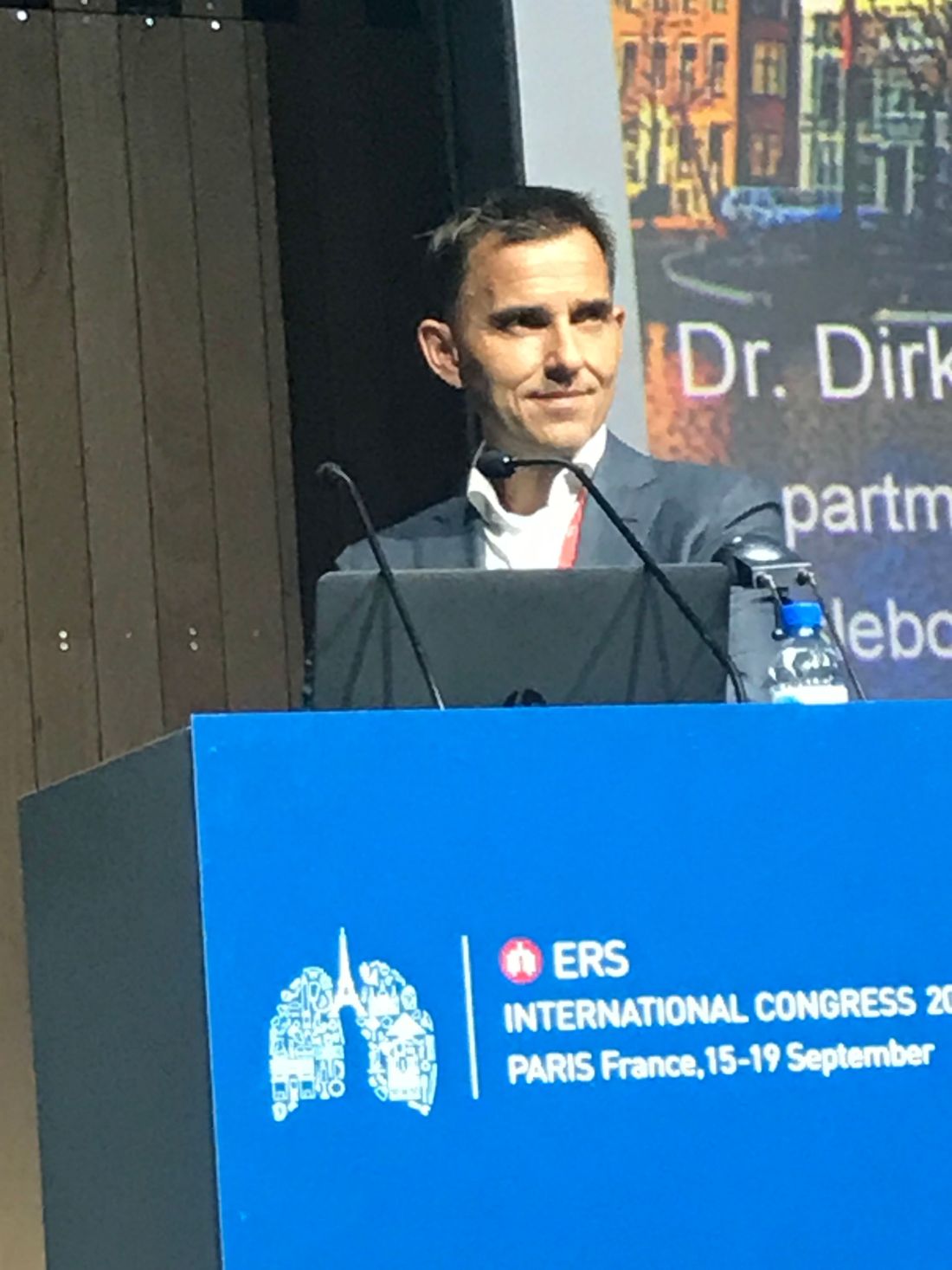
Within the first year of follow-up, “the positive benefit in those randomized to TLD persisted with a more than 50% reduction in the number of patients hospitalized for respiratory complications,” reported Dirk-Jan Slebos, MD, department of lung diseases and tuberculosis, University of Gröningen, the Netherlands.
In this phase 2 trial, called AIRFLOW-2, 82 patients were randomized to receive TLD, which ablates nerves with radiofrequency energy, or a sham procedure. The study enrolled patients with moderate to severe COPD and forced expiratory volume in 1 second of 30%-60% predicted. All patients were treated with the long-acting muscarinic antagonist (LAMA) tiotropium.
The primary endpoint was a composite of respiratory-related adverse events, such as respiratory failure, worsening bronchitis, or worsening dyspnea. Secondary endpoints included serious adverse events of any kind as well as a variety of measures of efficacy, including changes in quality of life as measured with standardized tools such as the St. George’s Respiratory Questionnaire (SGRQ).
Within 6 months of the procedure, 71% of those randomized to the sham procedure and 32% of those treated with TLD experienced one of the predefined respiratory adverse events (P = .0008). At 1 year, 25% of patients in the sham group versus 12% in the TLD group were hospitalized for an exacerbation (P = .039). In addition to achieving greater improvement in several of the individual symptoms, such as dyspnea, those randomized to TLD also achieved numerical improvements in SGRQ scores (–8.3 vs. –3.8) at 12 months.
Gastrointestinal adverse events were more common in the TLD group (15% vs. 5%). Although the higher rate of GI events, which included nausea, bloating, and abdominal discomfort, did not reach statistical significance, it was attributed to off-target exposure of nerves in the GI system to the radiofrequency energy.
“We are improving our imaging process in order to implement additional measures to avoid these nerves,” said Dr. Slebos, who added that this potential risk can be modified. In this study, all of the GI symptoms resolved.
Dr. Slebos emphasized that the 12-month follow-up permitted the study to “confirm that TLD is safe and technically feasible with no late-onset safety signals.” It has set the stage for AIRFLOW-3, a phase 3 trial that is expected to lead to regulatory approval of the catheter if it shows similar safety and efficacy.
The principle of TLD is to deliver energy to ablate parasympathetic pulmonary nerves. The exact mechanism of benefit has not been proved, but it is believed that inhibiting release of acetylcholine that induces smooth muscle constriction has several beneficial downstream effects, including prevention of hyperinflation and reduced mucus production. AIRFLOW-3, like AIRFLOW-2, will evaluate a proprietary catheter developed for this purpose.
“TLD will not replace pharmaceutical therapy. Rather, it appears to have a synergistic effect,” explained Dr. Slebos, who said the procedure is performed on an outpatient basis. The average procedure time for TLD in AIRFLOW-2 was 42 minutes.
The first human study of TLD, also led by Dr. Slebos, was published in 2015. While several subsequent patient series support efficacy and benefit, Daiana Stolz, MD, Clinic for Respiratory Medicine and Pulmonary Cell Research, University of Basel (Switzerland), called the data from this sham-controlled trial “really exciting and important.” However, she said, the larger AIRFLOW-3 trial is needed “to confirm this is an effective and safe treatment.”
Dr. Slebos receives consultancy fees from Aeris Therapeutics, Boston Scientific, Broncus Technologies, CSA Medical. Olympus, Portaero, PulmonX, PneumRx/BTG, and Nuvaira, which provided the funding for this study.
PARIS – In a sham-controlled randomized trial that enrolled patients with moderate to severe was not only found safe, which was the primary goal of the study, but effective, according to data presented at the annual congress of the European Respiratory Society.
Within the first year of follow-up, “the positive benefit in those randomized to TLD persisted with a more than 50% reduction in the number of patients hospitalized for respiratory complications,” reported Dirk-Jan Slebos, MD, department of lung diseases and tuberculosis, University of Gröningen, the Netherlands.
In this phase 2 trial, called AIRFLOW-2, 82 patients were randomized to receive TLD, which ablates nerves with radiofrequency energy, or a sham procedure. The study enrolled patients with moderate to severe COPD and forced expiratory volume in 1 second of 30%-60% predicted. All patients were treated with the long-acting muscarinic antagonist (LAMA) tiotropium.
The primary endpoint was a composite of respiratory-related adverse events, such as respiratory failure, worsening bronchitis, or worsening dyspnea. Secondary endpoints included serious adverse events of any kind as well as a variety of measures of efficacy, including changes in quality of life as measured with standardized tools such as the St. George’s Respiratory Questionnaire (SGRQ).
Within 6 months of the procedure, 71% of those randomized to the sham procedure and 32% of those treated with TLD experienced one of the predefined respiratory adverse events (P = .0008). At 1 year, 25% of patients in the sham group versus 12% in the TLD group were hospitalized for an exacerbation (P = .039). In addition to achieving greater improvement in several of the individual symptoms, such as dyspnea, those randomized to TLD also achieved numerical improvements in SGRQ scores (–8.3 vs. –3.8) at 12 months.
Gastrointestinal adverse events were more common in the TLD group (15% vs. 5%). Although the higher rate of GI events, which included nausea, bloating, and abdominal discomfort, did not reach statistical significance, it was attributed to off-target exposure of nerves in the GI system to the radiofrequency energy.
“We are improving our imaging process in order to implement additional measures to avoid these nerves,” said Dr. Slebos, who added that this potential risk can be modified. In this study, all of the GI symptoms resolved.
Dr. Slebos emphasized that the 12-month follow-up permitted the study to “confirm that TLD is safe and technically feasible with no late-onset safety signals.” It has set the stage for AIRFLOW-3, a phase 3 trial that is expected to lead to regulatory approval of the catheter if it shows similar safety and efficacy.
The principle of TLD is to deliver energy to ablate parasympathetic pulmonary nerves. The exact mechanism of benefit has not been proved, but it is believed that inhibiting release of acetylcholine that induces smooth muscle constriction has several beneficial downstream effects, including prevention of hyperinflation and reduced mucus production. AIRFLOW-3, like AIRFLOW-2, will evaluate a proprietary catheter developed for this purpose.
“TLD will not replace pharmaceutical therapy. Rather, it appears to have a synergistic effect,” explained Dr. Slebos, who said the procedure is performed on an outpatient basis. The average procedure time for TLD in AIRFLOW-2 was 42 minutes.
The first human study of TLD, also led by Dr. Slebos, was published in 2015. While several subsequent patient series support efficacy and benefit, Daiana Stolz, MD, Clinic for Respiratory Medicine and Pulmonary Cell Research, University of Basel (Switzerland), called the data from this sham-controlled trial “really exciting and important.” However, she said, the larger AIRFLOW-3 trial is needed “to confirm this is an effective and safe treatment.”
Dr. Slebos receives consultancy fees from Aeris Therapeutics, Boston Scientific, Broncus Technologies, CSA Medical. Olympus, Portaero, PulmonX, PneumRx/BTG, and Nuvaira, which provided the funding for this study.
PARIS – In a sham-controlled randomized trial that enrolled patients with moderate to severe was not only found safe, which was the primary goal of the study, but effective, according to data presented at the annual congress of the European Respiratory Society.
Within the first year of follow-up, “the positive benefit in those randomized to TLD persisted with a more than 50% reduction in the number of patients hospitalized for respiratory complications,” reported Dirk-Jan Slebos, MD, department of lung diseases and tuberculosis, University of Gröningen, the Netherlands.
In this phase 2 trial, called AIRFLOW-2, 82 patients were randomized to receive TLD, which ablates nerves with radiofrequency energy, or a sham procedure. The study enrolled patients with moderate to severe COPD and forced expiratory volume in 1 second of 30%-60% predicted. All patients were treated with the long-acting muscarinic antagonist (LAMA) tiotropium.
The primary endpoint was a composite of respiratory-related adverse events, such as respiratory failure, worsening bronchitis, or worsening dyspnea. Secondary endpoints included serious adverse events of any kind as well as a variety of measures of efficacy, including changes in quality of life as measured with standardized tools such as the St. George’s Respiratory Questionnaire (SGRQ).
Within 6 months of the procedure, 71% of those randomized to the sham procedure and 32% of those treated with TLD experienced one of the predefined respiratory adverse events (P = .0008). At 1 year, 25% of patients in the sham group versus 12% in the TLD group were hospitalized for an exacerbation (P = .039). In addition to achieving greater improvement in several of the individual symptoms, such as dyspnea, those randomized to TLD also achieved numerical improvements in SGRQ scores (–8.3 vs. –3.8) at 12 months.
Gastrointestinal adverse events were more common in the TLD group (15% vs. 5%). Although the higher rate of GI events, which included nausea, bloating, and abdominal discomfort, did not reach statistical significance, it was attributed to off-target exposure of nerves in the GI system to the radiofrequency energy.
“We are improving our imaging process in order to implement additional measures to avoid these nerves,” said Dr. Slebos, who added that this potential risk can be modified. In this study, all of the GI symptoms resolved.
Dr. Slebos emphasized that the 12-month follow-up permitted the study to “confirm that TLD is safe and technically feasible with no late-onset safety signals.” It has set the stage for AIRFLOW-3, a phase 3 trial that is expected to lead to regulatory approval of the catheter if it shows similar safety and efficacy.
The principle of TLD is to deliver energy to ablate parasympathetic pulmonary nerves. The exact mechanism of benefit has not been proved, but it is believed that inhibiting release of acetylcholine that induces smooth muscle constriction has several beneficial downstream effects, including prevention of hyperinflation and reduced mucus production. AIRFLOW-3, like AIRFLOW-2, will evaluate a proprietary catheter developed for this purpose.
“TLD will not replace pharmaceutical therapy. Rather, it appears to have a synergistic effect,” explained Dr. Slebos, who said the procedure is performed on an outpatient basis. The average procedure time for TLD in AIRFLOW-2 was 42 minutes.
The first human study of TLD, also led by Dr. Slebos, was published in 2015. While several subsequent patient series support efficacy and benefit, Daiana Stolz, MD, Clinic for Respiratory Medicine and Pulmonary Cell Research, University of Basel (Switzerland), called the data from this sham-controlled trial “really exciting and important.” However, she said, the larger AIRFLOW-3 trial is needed “to confirm this is an effective and safe treatment.”
Dr. Slebos receives consultancy fees from Aeris Therapeutics, Boston Scientific, Broncus Technologies, CSA Medical. Olympus, Portaero, PulmonX, PneumRx/BTG, and Nuvaira, which provided the funding for this study.
REPORTING FROM THE ERS CONGRESS 2018
Key clinical point: Targeted lung denervation (TLD) in patients with moderate to severe COPD is safe and associated with improved disease control.
Major finding: In 1 year of follow-up, 12% of those treated with TLD versus 25% of sham patients had a severe exacerbation.
Study details: Randomized, sham-controlled trial.
Disclosures: Dr. Slebos receives consultancy fees from Aeris Therapeutics, Boston Scientific, Broncus Technologies, CSA Medical, Olympus, Portaero, PulmonX, PneumRx/BTG, and Nuvaira, which provided the funding for this study.
Source: European Respiratory Society 2018 International Congress.
Ice pops improved parents’ ratings of ED quality
SAN DIEGO – Simply offering an ice pop to children who are receiving care in an ED boosts satisfaction scores and physician ratings by their children’s parents, according to data presented at the annual meeting of the American College of Emergency Physicians.
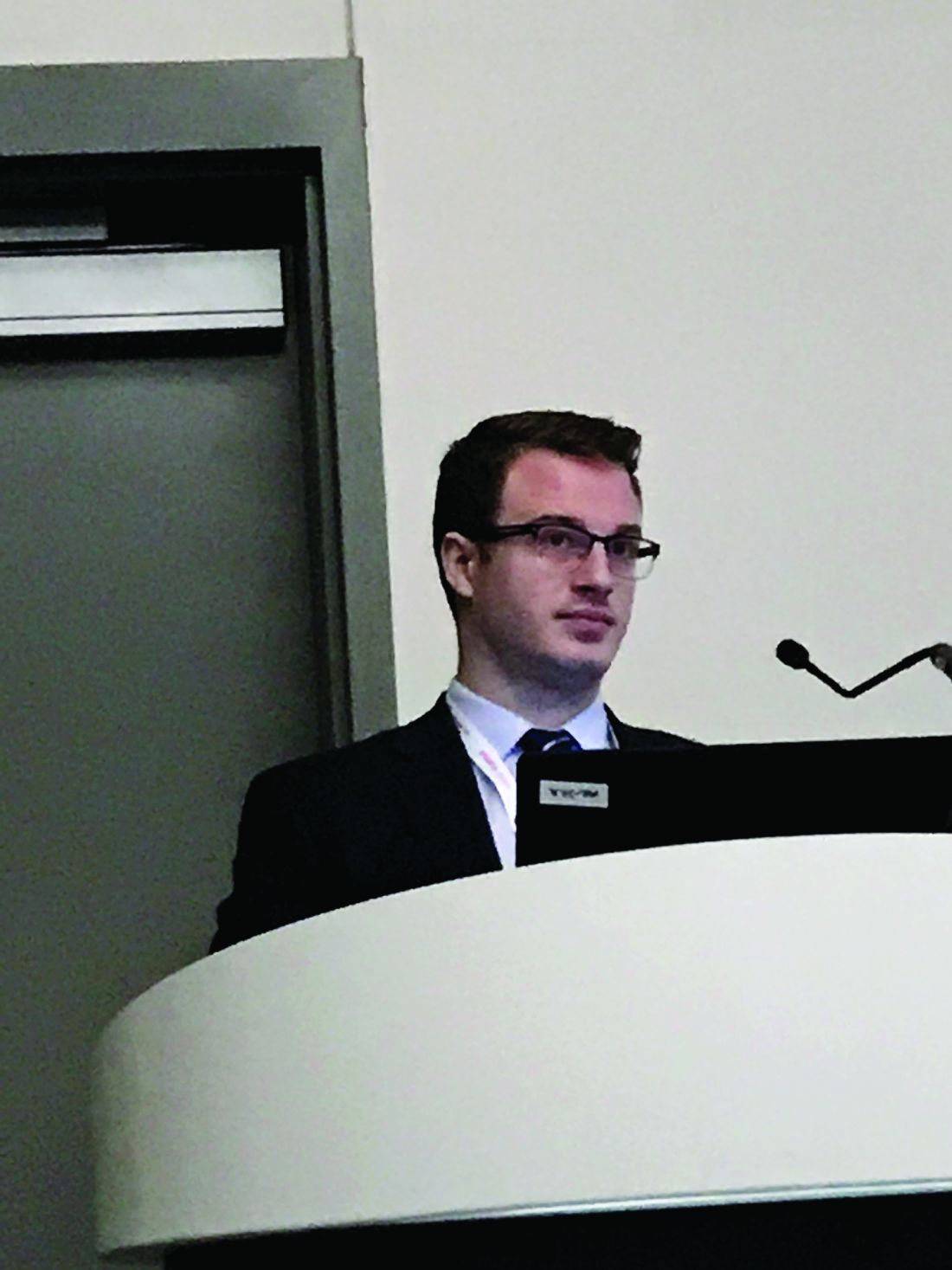
Patient experience and subsequently patient satisfaction scores “have become an increasingly important component of health care delivery. ... Does [the act of] administering Popsicles actually make us better clinicians?” asked Ryan Finn, MD, of the Mayo Clinic, Rochester, Minn., who presented these data.
Exploring low-cost ways to improve patient experience and, by extension, patient satisfaction led to this study of an ice pop intervention, Dr. Finn explained. The study design was simple. During a 3-month period, all children under the age of 14 years (mean age, 6 years) who visited the ED on an even numbered date were offered an ice pop. On odd numbered dates, no ice pop was given. There were no other differences in care.
Parent perceptions of care were assessed with the proprietary Press Ganey patient satisfaction survey. Although a completed survey was submitted for less than 5% of the more than 4,500 patients treated during the study period, differences between the groups still reached statistical significance.
When parents were asked to rate physicians on concern for their child’s comfort, 74% of the group given ice pops and 58% of the group given no ice pops gave favorable responses (P less than.05). The parents of children in the ice pop group also were significantly more likely to rate physicians favorably for their courtesy (77% vs. 62%; P less than .04) and for their willingness to take the time to listen (84% vs. 57%; P less than .03).
Overall rating of care (64% vs. 61%) and likelihood of recommending the ED to others (66% vs. 59%) did not approach statistical significance, according to Dr. Finn.
There are numerous potential advantages to improving the patient experience and boosting patient satisfaction in the ED, as is the case in other areas of the hospital. Even if medical care is of high quality, patient satisfaction does not necessarily follow. Although this single-center study had limitations, such as the low survey completion rate, the measurable effects of the ice pop intervention encourages this direction of research.
“Further studies should increase sample size, assess age group subsets, and assess return on investment for this and other low-cost interventions with the potential to alter patient perceptions,” Dr. Finn said. Because patient satisfaction can be reasonably expected to favorably affect quality of care assessments, he indicated that this is a reasonable target for quality improvement strategies.
SAN DIEGO – Simply offering an ice pop to children who are receiving care in an ED boosts satisfaction scores and physician ratings by their children’s parents, according to data presented at the annual meeting of the American College of Emergency Physicians.
Patient experience and subsequently patient satisfaction scores “have become an increasingly important component of health care delivery. ... Does [the act of] administering Popsicles actually make us better clinicians?” asked Ryan Finn, MD, of the Mayo Clinic, Rochester, Minn., who presented these data.
Exploring low-cost ways to improve patient experience and, by extension, patient satisfaction led to this study of an ice pop intervention, Dr. Finn explained. The study design was simple. During a 3-month period, all children under the age of 14 years (mean age, 6 years) who visited the ED on an even numbered date were offered an ice pop. On odd numbered dates, no ice pop was given. There were no other differences in care.
Parent perceptions of care were assessed with the proprietary Press Ganey patient satisfaction survey. Although a completed survey was submitted for less than 5% of the more than 4,500 patients treated during the study period, differences between the groups still reached statistical significance.
When parents were asked to rate physicians on concern for their child’s comfort, 74% of the group given ice pops and 58% of the group given no ice pops gave favorable responses (P less than.05). The parents of children in the ice pop group also were significantly more likely to rate physicians favorably for their courtesy (77% vs. 62%; P less than .04) and for their willingness to take the time to listen (84% vs. 57%; P less than .03).
Overall rating of care (64% vs. 61%) and likelihood of recommending the ED to others (66% vs. 59%) did not approach statistical significance, according to Dr. Finn.
There are numerous potential advantages to improving the patient experience and boosting patient satisfaction in the ED, as is the case in other areas of the hospital. Even if medical care is of high quality, patient satisfaction does not necessarily follow. Although this single-center study had limitations, such as the low survey completion rate, the measurable effects of the ice pop intervention encourages this direction of research.
“Further studies should increase sample size, assess age group subsets, and assess return on investment for this and other low-cost interventions with the potential to alter patient perceptions,” Dr. Finn said. Because patient satisfaction can be reasonably expected to favorably affect quality of care assessments, he indicated that this is a reasonable target for quality improvement strategies.
SAN DIEGO – Simply offering an ice pop to children who are receiving care in an ED boosts satisfaction scores and physician ratings by their children’s parents, according to data presented at the annual meeting of the American College of Emergency Physicians.
Patient experience and subsequently patient satisfaction scores “have become an increasingly important component of health care delivery. ... Does [the act of] administering Popsicles actually make us better clinicians?” asked Ryan Finn, MD, of the Mayo Clinic, Rochester, Minn., who presented these data.
Exploring low-cost ways to improve patient experience and, by extension, patient satisfaction led to this study of an ice pop intervention, Dr. Finn explained. The study design was simple. During a 3-month period, all children under the age of 14 years (mean age, 6 years) who visited the ED on an even numbered date were offered an ice pop. On odd numbered dates, no ice pop was given. There were no other differences in care.
Parent perceptions of care were assessed with the proprietary Press Ganey patient satisfaction survey. Although a completed survey was submitted for less than 5% of the more than 4,500 patients treated during the study period, differences between the groups still reached statistical significance.
When parents were asked to rate physicians on concern for their child’s comfort, 74% of the group given ice pops and 58% of the group given no ice pops gave favorable responses (P less than.05). The parents of children in the ice pop group also were significantly more likely to rate physicians favorably for their courtesy (77% vs. 62%; P less than .04) and for their willingness to take the time to listen (84% vs. 57%; P less than .03).
Overall rating of care (64% vs. 61%) and likelihood of recommending the ED to others (66% vs. 59%) did not approach statistical significance, according to Dr. Finn.
There are numerous potential advantages to improving the patient experience and boosting patient satisfaction in the ED, as is the case in other areas of the hospital. Even if medical care is of high quality, patient satisfaction does not necessarily follow. Although this single-center study had limitations, such as the low survey completion rate, the measurable effects of the ice pop intervention encourages this direction of research.
“Further studies should increase sample size, assess age group subsets, and assess return on investment for this and other low-cost interventions with the potential to alter patient perceptions,” Dr. Finn said. Because patient satisfaction can be reasonably expected to favorably affect quality of care assessments, he indicated that this is a reasonable target for quality improvement strategies.
FROM ACEP18
Key clinical point: Providing an ice pop to children in the ED boosted satisfaction scores.
Major finding: The parents of children given ice pops ranked physicians higher on measures of courtesy and concern.
Study details: Prospective, controlled study of survey results completed by 5% of more than 4,500 patients.
Disclosures: Dr. Finn reported no financial relationships relevant to this study.
Ketamine beats midazolam for agitation control
SAN DIEGO – Following in the wake of a previous prospective comparison of ketamine and haloperidol for control of severe prehospital agitation, a new prospective study by the same group and presented at the annual meeting of the American College of Emergency Physicians found ketamine superior to midazolam for the same indication.
“The difference between the two drugs was larger when agitation was more profound,” reported Jon B. Cole, MD, an emergency medicine physician at Hennepin Healthcare and associate professor of emergency medicine at the University of Minnesota, Minneapolis.
Relative to ketamine (Ketalar), midazolam (Versed) was associated with fewer side effects, “so for less agitated patients, midazolam may still be the preferred therapy,” he added in his late-breaker presentation.
In recent years, ketamine has become a popular drug in emergency medical services for control of agitation, according to Dr. Cole, but he said that this approach has been adopted with relatively limited support from objective evidence. In his literature search, only 2 of 11 original studies that addressed ketamine for agitation involved prospective comparative studies.
One of those prior prospective studies was one Dr. Cole led and published 2 years ago (Clin Toxicol. 2016;54:556-62). In that study, comparing 5 mg/kg of intramuscular (IM) ketamine to 10 mg IM haloperidol, ketamine had a faster onset (median 5 vs. 17 minutes) but produced more side effects, including higher rates of intubation (39% vs. 4%).
In the new prospective study, ketamine and midazolam were compared over separate consecutive 6-month periods in which ketamine and then midazolam were employed as the dominant strategy for agitation control. This was the same open-label, nonrandomized design used for the comparison of ketamine and haloperidol, but with one difference. When the Altered Mental Status Score was +2 or +3, considered severe agitation, patients received 3 mg/kg of IM ketamine or 5 mg of IM midazolam. When the AMS score was +4, called profound agitation, the doses were 5 mg/kg and 15 mg, respectively.
The primary result was that adequate sedation overall was achieved in a median 4.3 minutes on ketamine but 8.8 minutes on midazolam, producing a more than 3-minute advantage for ketamine, which translated into an odds ratio (OR) of 1.8 for adequate agitation control favoring ketamine, according to Dr. Cole. In those with severe agitation, the median advantage was less than 2 minutes, but the OR of 1.6 remained significant. In those with profound agitation, the mean difference climbed above 5 minutes with an OR of 2.5.
but Dr. Cole did report that midazolam was better tolerated. On the lower doses of the two drugs, for example, adverse events that were more common on ketamine than midazolam included vomiting (7% vs. 1%) and hypersalivation (20% vs. 0%).
In addition to the nonrandomized design, one limitation was unequal numbers of patients in the comparative groups. Only 113 were treated with midazolam while 202 patients were treated with ketamine. The reason was that the study of these drugs, which had been in widespread use at Dr. Cole’s institution, was conducted without asking patients to agree to participate. When negative stories in local papers framed this as a study conducted without consent, the institution asked the investigators to halt the study, and they complied.
“Subsequently, we have been assured after multiple evaluations that the rights and safety of our patient population were never violated,” Dr. Cole said, but he acknowledged that closing the study was an appropriate step in order to preserve patient confidence. “What we learned from this experience is that we may need to reconsider how we do waive of consent research at our institution,” he added.
In the meantime, the comparisons of ketamine with haloperidol and midazolam have provided objective evidence of their relative efficacy and safety in the management of prehospital agitation.
Dr. Cole reported no conflicts of interest.
SOURCE: Ann Emerg Med. 2018 Oct. doi. org/10.1016/j.annemergmed.2018.08.007.
SAN DIEGO – Following in the wake of a previous prospective comparison of ketamine and haloperidol for control of severe prehospital agitation, a new prospective study by the same group and presented at the annual meeting of the American College of Emergency Physicians found ketamine superior to midazolam for the same indication.
“The difference between the two drugs was larger when agitation was more profound,” reported Jon B. Cole, MD, an emergency medicine physician at Hennepin Healthcare and associate professor of emergency medicine at the University of Minnesota, Minneapolis.
Relative to ketamine (Ketalar), midazolam (Versed) was associated with fewer side effects, “so for less agitated patients, midazolam may still be the preferred therapy,” he added in his late-breaker presentation.
In recent years, ketamine has become a popular drug in emergency medical services for control of agitation, according to Dr. Cole, but he said that this approach has been adopted with relatively limited support from objective evidence. In his literature search, only 2 of 11 original studies that addressed ketamine for agitation involved prospective comparative studies.
One of those prior prospective studies was one Dr. Cole led and published 2 years ago (Clin Toxicol. 2016;54:556-62). In that study, comparing 5 mg/kg of intramuscular (IM) ketamine to 10 mg IM haloperidol, ketamine had a faster onset (median 5 vs. 17 minutes) but produced more side effects, including higher rates of intubation (39% vs. 4%).
In the new prospective study, ketamine and midazolam were compared over separate consecutive 6-month periods in which ketamine and then midazolam were employed as the dominant strategy for agitation control. This was the same open-label, nonrandomized design used for the comparison of ketamine and haloperidol, but with one difference. When the Altered Mental Status Score was +2 or +3, considered severe agitation, patients received 3 mg/kg of IM ketamine or 5 mg of IM midazolam. When the AMS score was +4, called profound agitation, the doses were 5 mg/kg and 15 mg, respectively.
The primary result was that adequate sedation overall was achieved in a median 4.3 minutes on ketamine but 8.8 minutes on midazolam, producing a more than 3-minute advantage for ketamine, which translated into an odds ratio (OR) of 1.8 for adequate agitation control favoring ketamine, according to Dr. Cole. In those with severe agitation, the median advantage was less than 2 minutes, but the OR of 1.6 remained significant. In those with profound agitation, the mean difference climbed above 5 minutes with an OR of 2.5.
but Dr. Cole did report that midazolam was better tolerated. On the lower doses of the two drugs, for example, adverse events that were more common on ketamine than midazolam included vomiting (7% vs. 1%) and hypersalivation (20% vs. 0%).
In addition to the nonrandomized design, one limitation was unequal numbers of patients in the comparative groups. Only 113 were treated with midazolam while 202 patients were treated with ketamine. The reason was that the study of these drugs, which had been in widespread use at Dr. Cole’s institution, was conducted without asking patients to agree to participate. When negative stories in local papers framed this as a study conducted without consent, the institution asked the investigators to halt the study, and they complied.
“Subsequently, we have been assured after multiple evaluations that the rights and safety of our patient population were never violated,” Dr. Cole said, but he acknowledged that closing the study was an appropriate step in order to preserve patient confidence. “What we learned from this experience is that we may need to reconsider how we do waive of consent research at our institution,” he added.
In the meantime, the comparisons of ketamine with haloperidol and midazolam have provided objective evidence of their relative efficacy and safety in the management of prehospital agitation.
Dr. Cole reported no conflicts of interest.
SOURCE: Ann Emerg Med. 2018 Oct. doi. org/10.1016/j.annemergmed.2018.08.007.
SAN DIEGO – Following in the wake of a previous prospective comparison of ketamine and haloperidol for control of severe prehospital agitation, a new prospective study by the same group and presented at the annual meeting of the American College of Emergency Physicians found ketamine superior to midazolam for the same indication.
“The difference between the two drugs was larger when agitation was more profound,” reported Jon B. Cole, MD, an emergency medicine physician at Hennepin Healthcare and associate professor of emergency medicine at the University of Minnesota, Minneapolis.
Relative to ketamine (Ketalar), midazolam (Versed) was associated with fewer side effects, “so for less agitated patients, midazolam may still be the preferred therapy,” he added in his late-breaker presentation.
In recent years, ketamine has become a popular drug in emergency medical services for control of agitation, according to Dr. Cole, but he said that this approach has been adopted with relatively limited support from objective evidence. In his literature search, only 2 of 11 original studies that addressed ketamine for agitation involved prospective comparative studies.
One of those prior prospective studies was one Dr. Cole led and published 2 years ago (Clin Toxicol. 2016;54:556-62). In that study, comparing 5 mg/kg of intramuscular (IM) ketamine to 10 mg IM haloperidol, ketamine had a faster onset (median 5 vs. 17 minutes) but produced more side effects, including higher rates of intubation (39% vs. 4%).
In the new prospective study, ketamine and midazolam were compared over separate consecutive 6-month periods in which ketamine and then midazolam were employed as the dominant strategy for agitation control. This was the same open-label, nonrandomized design used for the comparison of ketamine and haloperidol, but with one difference. When the Altered Mental Status Score was +2 or +3, considered severe agitation, patients received 3 mg/kg of IM ketamine or 5 mg of IM midazolam. When the AMS score was +4, called profound agitation, the doses were 5 mg/kg and 15 mg, respectively.
The primary result was that adequate sedation overall was achieved in a median 4.3 minutes on ketamine but 8.8 minutes on midazolam, producing a more than 3-minute advantage for ketamine, which translated into an odds ratio (OR) of 1.8 for adequate agitation control favoring ketamine, according to Dr. Cole. In those with severe agitation, the median advantage was less than 2 minutes, but the OR of 1.6 remained significant. In those with profound agitation, the mean difference climbed above 5 minutes with an OR of 2.5.
but Dr. Cole did report that midazolam was better tolerated. On the lower doses of the two drugs, for example, adverse events that were more common on ketamine than midazolam included vomiting (7% vs. 1%) and hypersalivation (20% vs. 0%).
In addition to the nonrandomized design, one limitation was unequal numbers of patients in the comparative groups. Only 113 were treated with midazolam while 202 patients were treated with ketamine. The reason was that the study of these drugs, which had been in widespread use at Dr. Cole’s institution, was conducted without asking patients to agree to participate. When negative stories in local papers framed this as a study conducted without consent, the institution asked the investigators to halt the study, and they complied.
“Subsequently, we have been assured after multiple evaluations that the rights and safety of our patient population were never violated,” Dr. Cole said, but he acknowledged that closing the study was an appropriate step in order to preserve patient confidence. “What we learned from this experience is that we may need to reconsider how we do waive of consent research at our institution,” he added.
In the meantime, the comparisons of ketamine with haloperidol and midazolam have provided objective evidence of their relative efficacy and safety in the management of prehospital agitation.
Dr. Cole reported no conflicts of interest.
SOURCE: Ann Emerg Med. 2018 Oct. doi. org/10.1016/j.annemergmed.2018.08.007.
REPORTING FROM ACEP2018
Key clinical point: In severe agitation involving violent or threatening behavior, ketamine sedates patients more quickly than midazolam.
Major finding: Because of a 3-minute faster onset, ketamine was associated with a 1.8 greater odds ratio than midazolam for adequate sedation control.
Study details: Prospective open-label nonrandomized study.
Disclosures: Dr. Cole reported no conflicts of interest.
Source: Ann Emerg Med. 2018 Oct. doi. org/10.1016/j.annemergmed.2018.08.007.
Point-of-care test for respiratory viruses lowers antibiotic use
Routine testing in the ED is advocated
PARIS – Using a point-of-care test for viral pathogens, hospital admissions were avoided in about a third of emergency department patients with suspected respiratory infection when other clinical signs also suggested a low risk of a bacterial pathogen, according to a single-center experience presented at the annual congress of the European Respiratory Society.
“We found that when patients had point-of-care respiratory viral testing soon after they were admitted to the emergency department, we were able to reduce unnecessary admission and improve bed flow in our center,” reported Kay Roy, MBBS, consultant physician in respiratory medicine, West Hertfordshire (England) Hospital NHS Trust.
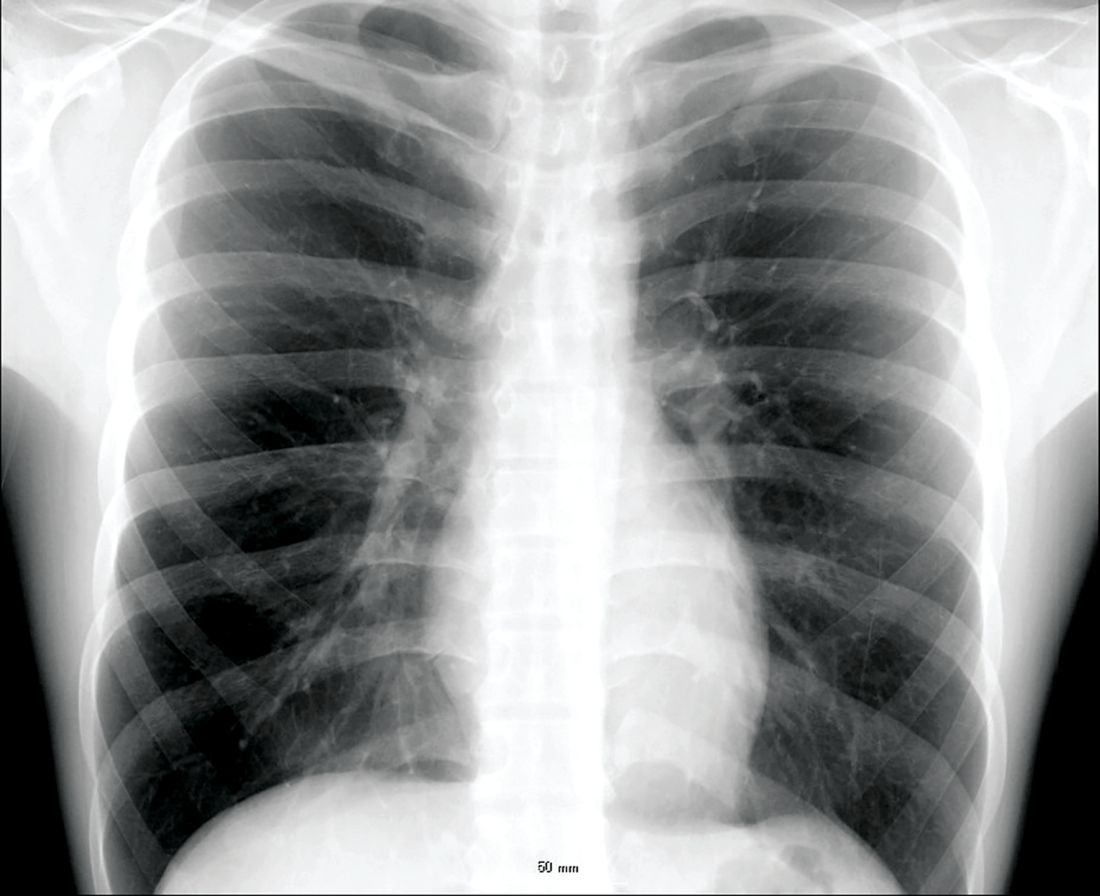
In a protocol that was launched at Dr. Kay’s institution in January 2018, the point-of-care viral test was combined with other clinical factors, particularly chest x-rays and elevated C-reactive protein (CRP), to determine whether patients had a viral pathogen and whether they could be discharged without antibiotics.
“Clinical judgment will always be required in individual patient decisions regarding antibiotic avoidance and early discharge,” Dr. Roy maintained. “But the point-of-care viral assay can be integrated into a strategy that permits more informed and rapid decision-making.”
This assertion is supported by the experience using a protocol anchored with the point-of-care viral test over a 4-month period. During this time, 901 patients with respiratory symptoms suspected of having a viral etiology were evaluated with the proprietary point-of-care device called FilmArray (bioMérieux).
From a sample taken with a nasopharyngeal swab, the test can identify a broad array of viruses using polymerase chain reaction technology in less than 45 minutes. However, the ED protocol for considering discharge without antibiotics requires additional evidence that the pathogen is viral, including a normal chest x-ray and a CRP less than 50 mg/L.
Of the 901 patients tested, a substantial proportion of whom had chronic obstructive pulmonary disease (COPD) or asthma, 507 (56%) tested positive for at least one virus, including influenza, rhinoviruses, coronaviruses, and adenovirus. Of these, 239 had normal chest x-rays and CRPs less than 50 mg/L. Because of the severity of symptoms or other clinical considerations, 154 patients were admitted, but 85 (36% of those meeting protocol criteria) were discharged without an antibiotic prescription.
“Antibiotics were continued in 90% of the patients who had an abnormal chest x-ray and abnormal CRP,” Dr. Roy reported. However, an objective strategy that permits clinicians to discharge patients at very low risk of a bacterial infection has many advantages even if it applies to a relatively modest proportion of those tested, according to Dr. Roy.
“Each respiratory admission can cost around [2,000 pounds] at our center,” reported Dr. Kay, referring to a figure equivalent to more than $2,600. In addition, she said that avoiding hospitalization frees up hospital beds and facilitates improved antimicrobial stewardship, which is vital to stem resistance.
Avoiding antibiotic use in patients with viral respiratory infections also is relevant to improved antibiotic stewardship in the community. For this reason, a randomized trial with a similar protocol involving the point-of-care viral test is planned in the outpatient setting. According to Dr. Roy, this will involve a community hub to which patients can be referred for testing and clinical evaluation.
“We hope that the quality of care can be improved with the point-of-care test for respiratory viruses as well as helping to reduce antibiotic resistance,” Dr. Roy said.
This approach is promising, according to Tobias Welte, MD, of the department of respiratory medicine at Hannover (Germany) Medical School, but he cautioned that it is not a standard approach.
“The protocol described by Dr. Roy will have to be compared to guidelines and recommended best clinical practice to confirm its usefulness,” he said, while conceding that any strategy that reduces unnecessary hospitalizations deserves further evaluation.
Routine testing in the ED is advocated
Routine testing in the ED is advocated
PARIS – Using a point-of-care test for viral pathogens, hospital admissions were avoided in about a third of emergency department patients with suspected respiratory infection when other clinical signs also suggested a low risk of a bacterial pathogen, according to a single-center experience presented at the annual congress of the European Respiratory Society.
“We found that when patients had point-of-care respiratory viral testing soon after they were admitted to the emergency department, we were able to reduce unnecessary admission and improve bed flow in our center,” reported Kay Roy, MBBS, consultant physician in respiratory medicine, West Hertfordshire (England) Hospital NHS Trust.
In a protocol that was launched at Dr. Kay’s institution in January 2018, the point-of-care viral test was combined with other clinical factors, particularly chest x-rays and elevated C-reactive protein (CRP), to determine whether patients had a viral pathogen and whether they could be discharged without antibiotics.
“Clinical judgment will always be required in individual patient decisions regarding antibiotic avoidance and early discharge,” Dr. Roy maintained. “But the point-of-care viral assay can be integrated into a strategy that permits more informed and rapid decision-making.”
This assertion is supported by the experience using a protocol anchored with the point-of-care viral test over a 4-month period. During this time, 901 patients with respiratory symptoms suspected of having a viral etiology were evaluated with the proprietary point-of-care device called FilmArray (bioMérieux).
From a sample taken with a nasopharyngeal swab, the test can identify a broad array of viruses using polymerase chain reaction technology in less than 45 minutes. However, the ED protocol for considering discharge without antibiotics requires additional evidence that the pathogen is viral, including a normal chest x-ray and a CRP less than 50 mg/L.
Of the 901 patients tested, a substantial proportion of whom had chronic obstructive pulmonary disease (COPD) or asthma, 507 (56%) tested positive for at least one virus, including influenza, rhinoviruses, coronaviruses, and adenovirus. Of these, 239 had normal chest x-rays and CRPs less than 50 mg/L. Because of the severity of symptoms or other clinical considerations, 154 patients were admitted, but 85 (36% of those meeting protocol criteria) were discharged without an antibiotic prescription.
“Antibiotics were continued in 90% of the patients who had an abnormal chest x-ray and abnormal CRP,” Dr. Roy reported. However, an objective strategy that permits clinicians to discharge patients at very low risk of a bacterial infection has many advantages even if it applies to a relatively modest proportion of those tested, according to Dr. Roy.
“Each respiratory admission can cost around [2,000 pounds] at our center,” reported Dr. Kay, referring to a figure equivalent to more than $2,600. In addition, she said that avoiding hospitalization frees up hospital beds and facilitates improved antimicrobial stewardship, which is vital to stem resistance.
Avoiding antibiotic use in patients with viral respiratory infections also is relevant to improved antibiotic stewardship in the community. For this reason, a randomized trial with a similar protocol involving the point-of-care viral test is planned in the outpatient setting. According to Dr. Roy, this will involve a community hub to which patients can be referred for testing and clinical evaluation.
“We hope that the quality of care can be improved with the point-of-care test for respiratory viruses as well as helping to reduce antibiotic resistance,” Dr. Roy said.
This approach is promising, according to Tobias Welte, MD, of the department of respiratory medicine at Hannover (Germany) Medical School, but he cautioned that it is not a standard approach.
“The protocol described by Dr. Roy will have to be compared to guidelines and recommended best clinical practice to confirm its usefulness,” he said, while conceding that any strategy that reduces unnecessary hospitalizations deserves further evaluation.
PARIS – Using a point-of-care test for viral pathogens, hospital admissions were avoided in about a third of emergency department patients with suspected respiratory infection when other clinical signs also suggested a low risk of a bacterial pathogen, according to a single-center experience presented at the annual congress of the European Respiratory Society.
“We found that when patients had point-of-care respiratory viral testing soon after they were admitted to the emergency department, we were able to reduce unnecessary admission and improve bed flow in our center,” reported Kay Roy, MBBS, consultant physician in respiratory medicine, West Hertfordshire (England) Hospital NHS Trust.
In a protocol that was launched at Dr. Kay’s institution in January 2018, the point-of-care viral test was combined with other clinical factors, particularly chest x-rays and elevated C-reactive protein (CRP), to determine whether patients had a viral pathogen and whether they could be discharged without antibiotics.
“Clinical judgment will always be required in individual patient decisions regarding antibiotic avoidance and early discharge,” Dr. Roy maintained. “But the point-of-care viral assay can be integrated into a strategy that permits more informed and rapid decision-making.”
This assertion is supported by the experience using a protocol anchored with the point-of-care viral test over a 4-month period. During this time, 901 patients with respiratory symptoms suspected of having a viral etiology were evaluated with the proprietary point-of-care device called FilmArray (bioMérieux).
From a sample taken with a nasopharyngeal swab, the test can identify a broad array of viruses using polymerase chain reaction technology in less than 45 minutes. However, the ED protocol for considering discharge without antibiotics requires additional evidence that the pathogen is viral, including a normal chest x-ray and a CRP less than 50 mg/L.
Of the 901 patients tested, a substantial proportion of whom had chronic obstructive pulmonary disease (COPD) or asthma, 507 (56%) tested positive for at least one virus, including influenza, rhinoviruses, coronaviruses, and adenovirus. Of these, 239 had normal chest x-rays and CRPs less than 50 mg/L. Because of the severity of symptoms or other clinical considerations, 154 patients were admitted, but 85 (36% of those meeting protocol criteria) were discharged without an antibiotic prescription.
“Antibiotics were continued in 90% of the patients who had an abnormal chest x-ray and abnormal CRP,” Dr. Roy reported. However, an objective strategy that permits clinicians to discharge patients at very low risk of a bacterial infection has many advantages even if it applies to a relatively modest proportion of those tested, according to Dr. Roy.
“Each respiratory admission can cost around [2,000 pounds] at our center,” reported Dr. Kay, referring to a figure equivalent to more than $2,600. In addition, she said that avoiding hospitalization frees up hospital beds and facilitates improved antimicrobial stewardship, which is vital to stem resistance.
Avoiding antibiotic use in patients with viral respiratory infections also is relevant to improved antibiotic stewardship in the community. For this reason, a randomized trial with a similar protocol involving the point-of-care viral test is planned in the outpatient setting. According to Dr. Roy, this will involve a community hub to which patients can be referred for testing and clinical evaluation.
“We hope that the quality of care can be improved with the point-of-care test for respiratory viruses as well as helping to reduce antibiotic resistance,” Dr. Roy said.
This approach is promising, according to Tobias Welte, MD, of the department of respiratory medicine at Hannover (Germany) Medical School, but he cautioned that it is not a standard approach.
“The protocol described by Dr. Roy will have to be compared to guidelines and recommended best clinical practice to confirm its usefulness,” he said, while conceding that any strategy that reduces unnecessary hospitalizations deserves further evaluation.
REPORTING FROM THE ERS CONGRESS 2018
Key clinical point:
Major finding: Of patients with a negative chest x-ray and low CRP level, 36% avoided hospital admission due to a positive test for a virus.
Study details: A case series.
Disclosures: Dr. Roy reports no financial relationships relevant to this study.
Troponin I: Powerful all-cause mortality risk marker in COPD
PARIS – High relative even after researchers adjusted for all major cardiovascular and COPD prognostic indicators, according to a late-breaker presentation at the annual congress of the European Respiratory Society.

Troponin I is detectable in the plasma of most patients with COPD, but relative increases in troponin I correlate with greater relative increases in most cardiovascular and COPD risk factors, according to Benjamin Waschki, MD, Pulmonary Research Institute, LungenClinic, Grosshansdorf, Germany.
The relationship between increased troponin I and increased all-cause mortality was observed in an on-going prospective multicenter cohort of COPD patients followed at 31 centers in Germany. The cohort is called COSYCONET and it began in 2010. The current analysis evaluated 2,020 COPD patients without regard to stage of disease.
There were 136 deaths over the course of follow-up. Without adjustment, the hazard ratio (HR) for death was more than twofold higher in the highest quartile of troponin I (equal to or greater than 6.6 ng/mL), when compared with the lowest (under 2.5 ng/mL) (HR, 2.42; P less than .001). Graphically, the mortality curves for each of the quartiles began to separate at about 12 months, widening in a stepwise manner for greater likelihood of death from the lowest to highest quartiles.
The risk of death from any cause remained elevated for the highest relative to lowest troponin I quartiles after adjusting for cardiovascular risk factors and after adjusting for COPD severity. Again, there was a distinct stepwise separation of the mortality curves for each higher troponin quartile,
Of particular importance, troponin I remained predictive beyond the BODE index, which is a currently employed prognostic mortality predictor in COPD, according to Dr. Waschki. When defining elevated troponin as greater than 6 ng/ML and a high BODE score as greater than 4, mortality was higher for those with a high BODE and low troponin than a high troponin and low BODE, (P less than .001), but a high troponin I was associated with a higher risk of mortality when BODE was low (P less than .001). Moreover, when both troponin I and BODE were elevated, all-cause mortality was more than doubled, relative to those without either risk factor (HR, 2.56; P = .003), Dr. Waschki reported.
After researchers adjusted for major cardiovascular risk factors, such as history of MI and renal impairment, and for major COPD risk factors, such as 6-minute walk test and BODE index, those in the highest quartile had a more than 50% greater risk of death relative to those in the lower quartile over the 3 years of follow-up (HR, 1.69; P = .007), according to Dr. Waschki.
Although troponin I is best known for its diagnostic role in MI, it is now being evaluated as a risk stratifier for many chronic diseases, such as heart failure and chronic kidney disease, explained Dr. Waschki in providing background for this study. He reported that many groups are looking at this as a marker of risk in a variety of chronic diseases.
In fact, a group working independently published a study in COPD just weeks before the ERS Congress that was complementary to those presented by Dr. Waschki. In this study, the goal was to evaluate troponin I as a predictor of cardiovascular events and cardiovascular death (Adamson PD et al. J Am Coll Cardiol 2018;72:1126-37). Performed as a subgroup analysis of 1,599 COPD patients participating in a large treatment trial, there was an almost fourfold increase in the risk of cardiovascular events (HR, 3.7; P = .012) when those in the highest quintile of troponin I (greater than 7.7 ng/ML) were compared with those in the lowest quintile (less than 2.3 ng/mL).
When compared for cardiovascular death, the highest quintile, relative to the lowest quintile, had a more than 20-fold increased risk of cardiovascular death (HR 20.1; P = .005). In the Adamson et al. study, which evaluated inhaled therapies for COPD, treatment response had no impact on troponin I levels or on the risk of cardiovascular events or death.
Based on this study and his own data, Dr. Waschki believes troponin I, which is readily ordered laboratory value, appears to be a useful tool for identifying COPD patients at high risk of death.
“The major message is that after adjusting for all known COPD and cardiovascular risk factors, troponin I remains a significant independent predictor of mortality,” he said.
Dr. Waschki reports no relevant conflicts of interest.
PARIS – High relative even after researchers adjusted for all major cardiovascular and COPD prognostic indicators, according to a late-breaker presentation at the annual congress of the European Respiratory Society.
Troponin I is detectable in the plasma of most patients with COPD, but relative increases in troponin I correlate with greater relative increases in most cardiovascular and COPD risk factors, according to Benjamin Waschki, MD, Pulmonary Research Institute, LungenClinic, Grosshansdorf, Germany.
The relationship between increased troponin I and increased all-cause mortality was observed in an on-going prospective multicenter cohort of COPD patients followed at 31 centers in Germany. The cohort is called COSYCONET and it began in 2010. The current analysis evaluated 2,020 COPD patients without regard to stage of disease.
There were 136 deaths over the course of follow-up. Without adjustment, the hazard ratio (HR) for death was more than twofold higher in the highest quartile of troponin I (equal to or greater than 6.6 ng/mL), when compared with the lowest (under 2.5 ng/mL) (HR, 2.42; P less than .001). Graphically, the mortality curves for each of the quartiles began to separate at about 12 months, widening in a stepwise manner for greater likelihood of death from the lowest to highest quartiles.
The risk of death from any cause remained elevated for the highest relative to lowest troponin I quartiles after adjusting for cardiovascular risk factors and after adjusting for COPD severity. Again, there was a distinct stepwise separation of the mortality curves for each higher troponin quartile,
Of particular importance, troponin I remained predictive beyond the BODE index, which is a currently employed prognostic mortality predictor in COPD, according to Dr. Waschki. When defining elevated troponin as greater than 6 ng/ML and a high BODE score as greater than 4, mortality was higher for those with a high BODE and low troponin than a high troponin and low BODE, (P less than .001), but a high troponin I was associated with a higher risk of mortality when BODE was low (P less than .001). Moreover, when both troponin I and BODE were elevated, all-cause mortality was more than doubled, relative to those without either risk factor (HR, 2.56; P = .003), Dr. Waschki reported.
After researchers adjusted for major cardiovascular risk factors, such as history of MI and renal impairment, and for major COPD risk factors, such as 6-minute walk test and BODE index, those in the highest quartile had a more than 50% greater risk of death relative to those in the lower quartile over the 3 years of follow-up (HR, 1.69; P = .007), according to Dr. Waschki.
Although troponin I is best known for its diagnostic role in MI, it is now being evaluated as a risk stratifier for many chronic diseases, such as heart failure and chronic kidney disease, explained Dr. Waschki in providing background for this study. He reported that many groups are looking at this as a marker of risk in a variety of chronic diseases.
In fact, a group working independently published a study in COPD just weeks before the ERS Congress that was complementary to those presented by Dr. Waschki. In this study, the goal was to evaluate troponin I as a predictor of cardiovascular events and cardiovascular death (Adamson PD et al. J Am Coll Cardiol 2018;72:1126-37). Performed as a subgroup analysis of 1,599 COPD patients participating in a large treatment trial, there was an almost fourfold increase in the risk of cardiovascular events (HR, 3.7; P = .012) when those in the highest quintile of troponin I (greater than 7.7 ng/ML) were compared with those in the lowest quintile (less than 2.3 ng/mL).
When compared for cardiovascular death, the highest quintile, relative to the lowest quintile, had a more than 20-fold increased risk of cardiovascular death (HR 20.1; P = .005). In the Adamson et al. study, which evaluated inhaled therapies for COPD, treatment response had no impact on troponin I levels or on the risk of cardiovascular events or death.
Based on this study and his own data, Dr. Waschki believes troponin I, which is readily ordered laboratory value, appears to be a useful tool for identifying COPD patients at high risk of death.
“The major message is that after adjusting for all known COPD and cardiovascular risk factors, troponin I remains a significant independent predictor of mortality,” he said.
Dr. Waschki reports no relevant conflicts of interest.
PARIS – High relative even after researchers adjusted for all major cardiovascular and COPD prognostic indicators, according to a late-breaker presentation at the annual congress of the European Respiratory Society.
Troponin I is detectable in the plasma of most patients with COPD, but relative increases in troponin I correlate with greater relative increases in most cardiovascular and COPD risk factors, according to Benjamin Waschki, MD, Pulmonary Research Institute, LungenClinic, Grosshansdorf, Germany.
The relationship between increased troponin I and increased all-cause mortality was observed in an on-going prospective multicenter cohort of COPD patients followed at 31 centers in Germany. The cohort is called COSYCONET and it began in 2010. The current analysis evaluated 2,020 COPD patients without regard to stage of disease.
There were 136 deaths over the course of follow-up. Without adjustment, the hazard ratio (HR) for death was more than twofold higher in the highest quartile of troponin I (equal to or greater than 6.6 ng/mL), when compared with the lowest (under 2.5 ng/mL) (HR, 2.42; P less than .001). Graphically, the mortality curves for each of the quartiles began to separate at about 12 months, widening in a stepwise manner for greater likelihood of death from the lowest to highest quartiles.
The risk of death from any cause remained elevated for the highest relative to lowest troponin I quartiles after adjusting for cardiovascular risk factors and after adjusting for COPD severity. Again, there was a distinct stepwise separation of the mortality curves for each higher troponin quartile,
Of particular importance, troponin I remained predictive beyond the BODE index, which is a currently employed prognostic mortality predictor in COPD, according to Dr. Waschki. When defining elevated troponin as greater than 6 ng/ML and a high BODE score as greater than 4, mortality was higher for those with a high BODE and low troponin than a high troponin and low BODE, (P less than .001), but a high troponin I was associated with a higher risk of mortality when BODE was low (P less than .001). Moreover, when both troponin I and BODE were elevated, all-cause mortality was more than doubled, relative to those without either risk factor (HR, 2.56; P = .003), Dr. Waschki reported.
After researchers adjusted for major cardiovascular risk factors, such as history of MI and renal impairment, and for major COPD risk factors, such as 6-minute walk test and BODE index, those in the highest quartile had a more than 50% greater risk of death relative to those in the lower quartile over the 3 years of follow-up (HR, 1.69; P = .007), according to Dr. Waschki.
Although troponin I is best known for its diagnostic role in MI, it is now being evaluated as a risk stratifier for many chronic diseases, such as heart failure and chronic kidney disease, explained Dr. Waschki in providing background for this study. He reported that many groups are looking at this as a marker of risk in a variety of chronic diseases.
In fact, a group working independently published a study in COPD just weeks before the ERS Congress that was complementary to those presented by Dr. Waschki. In this study, the goal was to evaluate troponin I as a predictor of cardiovascular events and cardiovascular death (Adamson PD et al. J Am Coll Cardiol 2018;72:1126-37). Performed as a subgroup analysis of 1,599 COPD patients participating in a large treatment trial, there was an almost fourfold increase in the risk of cardiovascular events (HR, 3.7; P = .012) when those in the highest quintile of troponin I (greater than 7.7 ng/ML) were compared with those in the lowest quintile (less than 2.3 ng/mL).
When compared for cardiovascular death, the highest quintile, relative to the lowest quintile, had a more than 20-fold increased risk of cardiovascular death (HR 20.1; P = .005). In the Adamson et al. study, which evaluated inhaled therapies for COPD, treatment response had no impact on troponin I levels or on the risk of cardiovascular events or death.
Based on this study and his own data, Dr. Waschki believes troponin I, which is readily ordered laboratory value, appears to be a useful tool for identifying COPD patients at high risk of death.
“The major message is that after adjusting for all known COPD and cardiovascular risk factors, troponin I remains a significant independent predictor of mortality,” he said.
Dr. Waschki reports no relevant conflicts of interest.
REPORTING FROM ERS CONGRESS 2018
Key clinical point: Elevated troponin I identifies COPD patients with increased mortality risk independent of all other clinical risk markers.
Major finding: With high troponin I levels, all-cause mortality was increased 69% after researchers adjusted for other risk markers.
Study details: Analysis drawn from on-going multicenter cohort study
Disclosures: Dr. Waschki reports no relevant conflicts of interest.
Global bronchial thermoplasty registry for asthma documents benefits
PARIS – A global registry to track the safety and efficacy of shows benefits comparable to those previously reported in randomized trials, according to 1-year results presented at the annual congress of the European Respiratory Society.

Bronchothermoplasty has been Food and Drug Administration approved since 2010, but joint 2014 guidelines from the ERS and the American Thoracic Society (ATS) recommended that this procedure be restricted to patients participating in a registry, making these findings an important part of an ongoing assessment, according to Alfons Torrego Fernández, MD, of the pulmonology service at Hospital de la Santa Creu i Sant Pau, Barcelona.
The BT Global Registry (BTGR), created at the end of 2014, involves 18 centers in Europe, South Africa, and Australia. Dr. Fernandez provided data on 123 of the 157 patients enrolled by the end of 2016. All had at least 1 year of follow-up.
Compared with the year prior to bronchial thermoplasty, the proportion of patients with severe exacerbations in the year following this procedure fell from 90.3% to 59.6%, a 34% reduction (P less than .001). The proportion of patients requiring oral corticosteroids fell from 47.8% to 23.5%, a reduction of more than 50%.
Relative to the year prior to bronchial thermoplasty, “there was also a reduction in emergency room visits [21.1% vs. 54.6%] and hospitalizations [20.2% vs. 43%] as well as a reduction in the need for asthma maintenance medications,” Dr. Fernandez reported.
On the Asthma Control Questionnaire (ACQ), quality of life (QOL) was improved on average by 1.2 points from the prior year (4.48 vs. 3.26; P less than .05), according to Dr. Fernandez. The proportion of patients who achieved at least a 0.5-point increase in the ACQ, a level that Dr. Fernandez said is considered clinically relevant, was 67.1%.
However, when lung function measures such as forced expiratory volume in one second and fractional exhaled nitric oxide taken 1 year after bronchothermoplasty were compared with the same measures taken prior to this treatment, there was no significant improvement, according to Dr. Fernandez.
Bronchial thermoplasty involves the use of thermal energy delivered through a bronchoscope to reduce airway smooth muscle mass, thereby eliminating a source of airway restriction. Although nearly 70% of severe asthma patients in this BTGR derived an improvement in quality of life, 30% did not. Asked if the registry has provided any insight about who does or does not respond, Dr. Fernandez acknowledged that this is “the key question,” but added that “no specific profile or biomarker” has yet been identified.
“These are early results, but a 2-year follow-up is planned,” he said.
Although the technical aspects of bronchial thermoplasty “are quite well standardized,” Dr. Fernandez acknowledged that there might be a learning curve that favors experienced operators. He reported that outcomes between high- and low-volume centers in BTGR have not yet been compared. However, he maintained that “these results in real-life patients confirm that severe asthma patients can benefit” from this therapy as shown previously in sham-controlled trials.
Dr. Fernandez reported having no conflicts of interest. The registry is funded by Boston Scientific.
PARIS – A global registry to track the safety and efficacy of shows benefits comparable to those previously reported in randomized trials, according to 1-year results presented at the annual congress of the European Respiratory Society.
Bronchothermoplasty has been Food and Drug Administration approved since 2010, but joint 2014 guidelines from the ERS and the American Thoracic Society (ATS) recommended that this procedure be restricted to patients participating in a registry, making these findings an important part of an ongoing assessment, according to Alfons Torrego Fernández, MD, of the pulmonology service at Hospital de la Santa Creu i Sant Pau, Barcelona.
The BT Global Registry (BTGR), created at the end of 2014, involves 18 centers in Europe, South Africa, and Australia. Dr. Fernandez provided data on 123 of the 157 patients enrolled by the end of 2016. All had at least 1 year of follow-up.
Compared with the year prior to bronchial thermoplasty, the proportion of patients with severe exacerbations in the year following this procedure fell from 90.3% to 59.6%, a 34% reduction (P less than .001). The proportion of patients requiring oral corticosteroids fell from 47.8% to 23.5%, a reduction of more than 50%.
Relative to the year prior to bronchial thermoplasty, “there was also a reduction in emergency room visits [21.1% vs. 54.6%] and hospitalizations [20.2% vs. 43%] as well as a reduction in the need for asthma maintenance medications,” Dr. Fernandez reported.
On the Asthma Control Questionnaire (ACQ), quality of life (QOL) was improved on average by 1.2 points from the prior year (4.48 vs. 3.26; P less than .05), according to Dr. Fernandez. The proportion of patients who achieved at least a 0.5-point increase in the ACQ, a level that Dr. Fernandez said is considered clinically relevant, was 67.1%.
However, when lung function measures such as forced expiratory volume in one second and fractional exhaled nitric oxide taken 1 year after bronchothermoplasty were compared with the same measures taken prior to this treatment, there was no significant improvement, according to Dr. Fernandez.
Bronchial thermoplasty involves the use of thermal energy delivered through a bronchoscope to reduce airway smooth muscle mass, thereby eliminating a source of airway restriction. Although nearly 70% of severe asthma patients in this BTGR derived an improvement in quality of life, 30% did not. Asked if the registry has provided any insight about who does or does not respond, Dr. Fernandez acknowledged that this is “the key question,” but added that “no specific profile or biomarker” has yet been identified.
“These are early results, but a 2-year follow-up is planned,” he said.
Although the technical aspects of bronchial thermoplasty “are quite well standardized,” Dr. Fernandez acknowledged that there might be a learning curve that favors experienced operators. He reported that outcomes between high- and low-volume centers in BTGR have not yet been compared. However, he maintained that “these results in real-life patients confirm that severe asthma patients can benefit” from this therapy as shown previously in sham-controlled trials.
Dr. Fernandez reported having no conflicts of interest. The registry is funded by Boston Scientific.
PARIS – A global registry to track the safety and efficacy of shows benefits comparable to those previously reported in randomized trials, according to 1-year results presented at the annual congress of the European Respiratory Society.
Bronchothermoplasty has been Food and Drug Administration approved since 2010, but joint 2014 guidelines from the ERS and the American Thoracic Society (ATS) recommended that this procedure be restricted to patients participating in a registry, making these findings an important part of an ongoing assessment, according to Alfons Torrego Fernández, MD, of the pulmonology service at Hospital de la Santa Creu i Sant Pau, Barcelona.
The BT Global Registry (BTGR), created at the end of 2014, involves 18 centers in Europe, South Africa, and Australia. Dr. Fernandez provided data on 123 of the 157 patients enrolled by the end of 2016. All had at least 1 year of follow-up.
Compared with the year prior to bronchial thermoplasty, the proportion of patients with severe exacerbations in the year following this procedure fell from 90.3% to 59.6%, a 34% reduction (P less than .001). The proportion of patients requiring oral corticosteroids fell from 47.8% to 23.5%, a reduction of more than 50%.
Relative to the year prior to bronchial thermoplasty, “there was also a reduction in emergency room visits [21.1% vs. 54.6%] and hospitalizations [20.2% vs. 43%] as well as a reduction in the need for asthma maintenance medications,” Dr. Fernandez reported.
On the Asthma Control Questionnaire (ACQ), quality of life (QOL) was improved on average by 1.2 points from the prior year (4.48 vs. 3.26; P less than .05), according to Dr. Fernandez. The proportion of patients who achieved at least a 0.5-point increase in the ACQ, a level that Dr. Fernandez said is considered clinically relevant, was 67.1%.
However, when lung function measures such as forced expiratory volume in one second and fractional exhaled nitric oxide taken 1 year after bronchothermoplasty were compared with the same measures taken prior to this treatment, there was no significant improvement, according to Dr. Fernandez.
Bronchial thermoplasty involves the use of thermal energy delivered through a bronchoscope to reduce airway smooth muscle mass, thereby eliminating a source of airway restriction. Although nearly 70% of severe asthma patients in this BTGR derived an improvement in quality of life, 30% did not. Asked if the registry has provided any insight about who does or does not respond, Dr. Fernandez acknowledged that this is “the key question,” but added that “no specific profile or biomarker” has yet been identified.
“These are early results, but a 2-year follow-up is planned,” he said.
Although the technical aspects of bronchial thermoplasty “are quite well standardized,” Dr. Fernandez acknowledged that there might be a learning curve that favors experienced operators. He reported that outcomes between high- and low-volume centers in BTGR have not yet been compared. However, he maintained that “these results in real-life patients confirm that severe asthma patients can benefit” from this therapy as shown previously in sham-controlled trials.
Dr. Fernandez reported having no conflicts of interest. The registry is funded by Boston Scientific.
REPORTING FROM THE ERS CONGRESS 2018
Key clinical point: In a global registry, bronchothermoplasty provided improvement in real-world severe asthma consistent with clinical trials.
Major finding: At 1 year, severe asthma exacerbations were reduced 34% (P less than .001) relative to the year before treatment.
Study details: Open-label observational study.
Disclosures: Dr. Fernandez reported having no conflicts of interest. The registry is funded by Boston Scientific.
Sildenafil added to nintedanib offers no benefit in IPF patients
PARIS – Despite the promise of in IPF patients who have significantly impaired gas exchange did not improve quality of life (QOL), according to a randomized trial presented at the annual congress of the European Respiratory Society and simultaneously published in the New England Journal of Medicine (2018 Sep 15. doi: 10.1056/NEJMoa18117).
“Sildenafil and nintedanib in combination were well tolerated, but there was no significant benefit for these two drugs relative to nintedanib alone in patients with IPF and severe gas exchange impairment,” reported Fernando J. Martinez, MD, of the department of internal medicine, Cornell University, New York.In the multicenter INSTAGE trial, 274 IPF patients with impaired gas exchange, defined as diffusing capacity of the lungs for carbon monoxide of 35% or less, were randomized to 20 mg of sildenafil or placebo three times daily. Both groups received 150 mg twice daily of nintedanib, which is approved for the treatment of IPF.
The primary endpoint of the study was change from baseline in the St. George’s Respiratory Questionnaire (SGRQ), a 50-item quality of life (QOL) survey that captures the impact of symptoms on activities and well-being. With lower scores representing improved QOL, Dr. Martinez reported that a change of 4 or more points is considered to be clinically meaningful.
At week 12, the SGRQ score fell by 1.28 points in the group that received sildenafil and by 0.77 points in the group randomized to placebo, a difference that did not approach significance (P = .72). There was also no significant difference after 12 weeks of treatment in dyspnea, a secondary endpoint measured with the University of California, San Diego Shortness of Breath Questionnaire (UCSD-SOBQ).
When both measures were reassessed after 24 weeks of treatment, the slight persistent numerical advantage in the sildenafil arm remained statistically and clinically insignificant, according to Dr. Martinez. Rates of acute exacerbations (7.3% vs. 7.4%) and all-cause mortality (10.2% vs. 11.0%) were also reported to be similar in the experimental and control arms, respectively.
Nintedanib, which has been shown to slow decline in forced vital capacity in patients with IPF, inhibits tyrosine kinases involved in IPF progression. However, it has not been associated with an improvement in QOL in this population.
In contrast, sildenafil, a phosphodiesterase-5 inhibitor that relaxes smooth muscle, has been associated with an improvement in both SGRQ score and in dyspnea in a large IPF trial even though it failed the primary endpoint of an improvement in the 6-minute walk test (N Engl J Med 2010;363:620-28).
The hypothesis of the INSTAGE trial was that combining sildenafil with nintedanib in patients with severely impaired gas exchange might have an additive or synergistic effect for IPF symptom control by providing two distinct mechanisms of action.
This was not seen, according to Dr. Martinez. Although those receiving the combination had “a lower risk of an absolute 5-percentage-point decline in FVC of the predicted value or death than those who received nintedanib alone,” Dr. Martinez said this was not a study endpoint, and was of unclear clinical significance. Rather, although nintedanib and sildenafil were well tolerated when taken together, Dr. Martinez concluded that this trial was unable to show any definitive clinical benefit from this combination.
Dr. Martinez has financial relationships with AstraZeneca, Boehringer-Ingelheim, Cheisi, ConCert, Genentech, GlaxoSmithKline, Inova, Novartis, Roche, Sunovion, Theravance, and Teva.
.
PARIS – Despite the promise of in IPF patients who have significantly impaired gas exchange did not improve quality of life (QOL), according to a randomized trial presented at the annual congress of the European Respiratory Society and simultaneously published in the New England Journal of Medicine (2018 Sep 15. doi: 10.1056/NEJMoa18117).
“Sildenafil and nintedanib in combination were well tolerated, but there was no significant benefit for these two drugs relative to nintedanib alone in patients with IPF and severe gas exchange impairment,” reported Fernando J. Martinez, MD, of the department of internal medicine, Cornell University, New York.In the multicenter INSTAGE trial, 274 IPF patients with impaired gas exchange, defined as diffusing capacity of the lungs for carbon monoxide of 35% or less, were randomized to 20 mg of sildenafil or placebo three times daily. Both groups received 150 mg twice daily of nintedanib, which is approved for the treatment of IPF.
The primary endpoint of the study was change from baseline in the St. George’s Respiratory Questionnaire (SGRQ), a 50-item quality of life (QOL) survey that captures the impact of symptoms on activities and well-being. With lower scores representing improved QOL, Dr. Martinez reported that a change of 4 or more points is considered to be clinically meaningful.
At week 12, the SGRQ score fell by 1.28 points in the group that received sildenafil and by 0.77 points in the group randomized to placebo, a difference that did not approach significance (P = .72). There was also no significant difference after 12 weeks of treatment in dyspnea, a secondary endpoint measured with the University of California, San Diego Shortness of Breath Questionnaire (UCSD-SOBQ).
When both measures were reassessed after 24 weeks of treatment, the slight persistent numerical advantage in the sildenafil arm remained statistically and clinically insignificant, according to Dr. Martinez. Rates of acute exacerbations (7.3% vs. 7.4%) and all-cause mortality (10.2% vs. 11.0%) were also reported to be similar in the experimental and control arms, respectively.
Nintedanib, which has been shown to slow decline in forced vital capacity in patients with IPF, inhibits tyrosine kinases involved in IPF progression. However, it has not been associated with an improvement in QOL in this population.
In contrast, sildenafil, a phosphodiesterase-5 inhibitor that relaxes smooth muscle, has been associated with an improvement in both SGRQ score and in dyspnea in a large IPF trial even though it failed the primary endpoint of an improvement in the 6-minute walk test (N Engl J Med 2010;363:620-28).
The hypothesis of the INSTAGE trial was that combining sildenafil with nintedanib in patients with severely impaired gas exchange might have an additive or synergistic effect for IPF symptom control by providing two distinct mechanisms of action.
This was not seen, according to Dr. Martinez. Although those receiving the combination had “a lower risk of an absolute 5-percentage-point decline in FVC of the predicted value or death than those who received nintedanib alone,” Dr. Martinez said this was not a study endpoint, and was of unclear clinical significance. Rather, although nintedanib and sildenafil were well tolerated when taken together, Dr. Martinez concluded that this trial was unable to show any definitive clinical benefit from this combination.
Dr. Martinez has financial relationships with AstraZeneca, Boehringer-Ingelheim, Cheisi, ConCert, Genentech, GlaxoSmithKline, Inova, Novartis, Roche, Sunovion, Theravance, and Teva.
.
PARIS – Despite the promise of in IPF patients who have significantly impaired gas exchange did not improve quality of life (QOL), according to a randomized trial presented at the annual congress of the European Respiratory Society and simultaneously published in the New England Journal of Medicine (2018 Sep 15. doi: 10.1056/NEJMoa18117).
“Sildenafil and nintedanib in combination were well tolerated, but there was no significant benefit for these two drugs relative to nintedanib alone in patients with IPF and severe gas exchange impairment,” reported Fernando J. Martinez, MD, of the department of internal medicine, Cornell University, New York.In the multicenter INSTAGE trial, 274 IPF patients with impaired gas exchange, defined as diffusing capacity of the lungs for carbon monoxide of 35% or less, were randomized to 20 mg of sildenafil or placebo three times daily. Both groups received 150 mg twice daily of nintedanib, which is approved for the treatment of IPF.
The primary endpoint of the study was change from baseline in the St. George’s Respiratory Questionnaire (SGRQ), a 50-item quality of life (QOL) survey that captures the impact of symptoms on activities and well-being. With lower scores representing improved QOL, Dr. Martinez reported that a change of 4 or more points is considered to be clinically meaningful.
At week 12, the SGRQ score fell by 1.28 points in the group that received sildenafil and by 0.77 points in the group randomized to placebo, a difference that did not approach significance (P = .72). There was also no significant difference after 12 weeks of treatment in dyspnea, a secondary endpoint measured with the University of California, San Diego Shortness of Breath Questionnaire (UCSD-SOBQ).
When both measures were reassessed after 24 weeks of treatment, the slight persistent numerical advantage in the sildenafil arm remained statistically and clinically insignificant, according to Dr. Martinez. Rates of acute exacerbations (7.3% vs. 7.4%) and all-cause mortality (10.2% vs. 11.0%) were also reported to be similar in the experimental and control arms, respectively.
Nintedanib, which has been shown to slow decline in forced vital capacity in patients with IPF, inhibits tyrosine kinases involved in IPF progression. However, it has not been associated with an improvement in QOL in this population.
In contrast, sildenafil, a phosphodiesterase-5 inhibitor that relaxes smooth muscle, has been associated with an improvement in both SGRQ score and in dyspnea in a large IPF trial even though it failed the primary endpoint of an improvement in the 6-minute walk test (N Engl J Med 2010;363:620-28).
The hypothesis of the INSTAGE trial was that combining sildenafil with nintedanib in patients with severely impaired gas exchange might have an additive or synergistic effect for IPF symptom control by providing two distinct mechanisms of action.
This was not seen, according to Dr. Martinez. Although those receiving the combination had “a lower risk of an absolute 5-percentage-point decline in FVC of the predicted value or death than those who received nintedanib alone,” Dr. Martinez said this was not a study endpoint, and was of unclear clinical significance. Rather, although nintedanib and sildenafil were well tolerated when taken together, Dr. Martinez concluded that this trial was unable to show any definitive clinical benefit from this combination.
Dr. Martinez has financial relationships with AstraZeneca, Boehringer-Ingelheim, Cheisi, ConCert, Genentech, GlaxoSmithKline, Inova, Novartis, Roche, Sunovion, Theravance, and Teva.
.
REPORTING FROM THE ERS CONGRESS 2018
Key clinical point: Sildenafil does not improve quality of life in patients with idiopathic pulmonary fibrosis who are taking nintedanib.
Major finding: At week 12, the modest QOL benefit with sildenafil plus nintedanib relative to nintedanib alone was statistically insignificant.
Study details: Randomized double-blind multicenter trial.
Disclosures: Dr. Kolb has financial relationships with Alkermes, Actelion, Boehringer-Ingelheim, GlaxoSmithKline, Gilead, Prometic, RespiVert, Roche and Synairgen.
Dupilumab efficacy extends to chronic rhinosinusitis/nasal polyposis
PARIS – Severe asthma patients with chronic rhinosinusitis (CRS), nasal polyposis (NP), or both derive more protection from severe exacerbations with the monoclonal antibody dupilumab than do those who do not have these comorbidities, according to a post hoc analysis of a phase 3 trial presented at the annual congress of the European Respiratory Society.

“Dupilumab reduced rates of severe exacerbations and improved FEV1 [forced expiratory volume in 1 second] in patients in asthma patients with or without CRS/NP. In those with CRS/NP, dupilumab reduced symptoms associated with these comorbidities,” reported Ian Pavord, MBBS, statutory chair in respiratory medicine at University of Oxford (England).
The data were drawn from the phase 3 Liberty Asthma Quest trial, which was published earlier this year in the New England Journal of Medicine (2018;378:2486-96). In that study, both the 200-mg and 300-mg dose of dupilumab (Dupixent) administered every 2 weeks was associated with about a 50% reduction in the annualized rate of severe exacerbations relative to placebo (P less than .001 for both doses).
In this new post hoc analysis, response in the 382 patients who entered the study with a history of CRS/NP was compared with the 1,520 without CRS/NP. In the CRS/NP patients, the reductions relative to placebo in the rates of severe exacerbations, defined as 3 or more days of systemic glucocorticoids or visit to an emergency department leading to treatment with systemic glucocorticoids, were 63% and 61% for the 200-mg and 300-mg doses of dupilumab, respectively (both P less than .001).
In the non-CRS/NP arms, the reductions relative to placebo were 42% and 40%, respectively (both P less than .001). The greater relative reductions in the CRS/NP patients were achieved even though they were older (mean age approximately 52 vs. 47 years for non-CRS/NP patients), had a significantly greater number of exacerbations in the past year (P = .027), and had higher baseline fractional exhaled nitric oxide and eosinophil levels (both P less than .001), Dr. Pavord reported.
“The greater asthma severity in the CRS/NP patients in this trial is consistent with that reported previously by others,” Dr. Pavord said.
Although the greater asthma severity may have provided a larger margin for benefit, Dr. Pavord also reported that there were improvements in CRS/NP-specific symptoms as measured with the 22-item Sino-Nasal Outcome Test (SNOT-22). By week 12, the total score reduction in SNOT-22 was approximately 15 points (P less than .05) from baseline for both the 200-mg and 300-mg dupilumab doses. This was significantly greater (P less than .05) relative to modest SNOT-22 reductions in the placebo arms (P less than .05). After 52 weeks, the reduction In SNOT-22 scores were sustained, providing an even greater statistical advantage over placebo (P less than .001).
In addition to greater protection against severe exacerbations and CRS/NP-specific symptoms, dupilumab may offer specific improvements on CRS/NP pathology, according to Dr. Pavord. Although imaging was not part of this study, he noted in particular that previous studies with dupilumab as well as other biologics have shown shrinkage of nasal polyps with treatment.
Dupilumab was similarly well tolerated in those with and without CRS/NP. The most common adverse event was injection site reactions in both groups, Dr. Pavord said.
Calling CRS and NP “important comorbidities” in severe asthma patients, Dr. Pavord said that this analysis should be reassuring for those who with CRS/NP who are being considered for dupilumab. Already approved for treatment of atopic dermatitis, dupilumab, which binds to interleukin-4 (IL-4) and IL-13 receptors, is currently under review for the treatment of moderate to severe asthma.
Dr. Pavord has financial relationships with Aerocrine, Almirall, AstraZeneca, Boehringer Ingelheim, Chiesi, GlaxoSmithKline, Knapp, Merck Sharpe, Novartis, Knapp Teva, RespiVert, and Schering-Plough.
PARIS – Severe asthma patients with chronic rhinosinusitis (CRS), nasal polyposis (NP), or both derive more protection from severe exacerbations with the monoclonal antibody dupilumab than do those who do not have these comorbidities, according to a post hoc analysis of a phase 3 trial presented at the annual congress of the European Respiratory Society.
“Dupilumab reduced rates of severe exacerbations and improved FEV1 [forced expiratory volume in 1 second] in patients in asthma patients with or without CRS/NP. In those with CRS/NP, dupilumab reduced symptoms associated with these comorbidities,” reported Ian Pavord, MBBS, statutory chair in respiratory medicine at University of Oxford (England).
The data were drawn from the phase 3 Liberty Asthma Quest trial, which was published earlier this year in the New England Journal of Medicine (2018;378:2486-96). In that study, both the 200-mg and 300-mg dose of dupilumab (Dupixent) administered every 2 weeks was associated with about a 50% reduction in the annualized rate of severe exacerbations relative to placebo (P less than .001 for both doses).
In this new post hoc analysis, response in the 382 patients who entered the study with a history of CRS/NP was compared with the 1,520 without CRS/NP. In the CRS/NP patients, the reductions relative to placebo in the rates of severe exacerbations, defined as 3 or more days of systemic glucocorticoids or visit to an emergency department leading to treatment with systemic glucocorticoids, were 63% and 61% for the 200-mg and 300-mg doses of dupilumab, respectively (both P less than .001).
In the non-CRS/NP arms, the reductions relative to placebo were 42% and 40%, respectively (both P less than .001). The greater relative reductions in the CRS/NP patients were achieved even though they were older (mean age approximately 52 vs. 47 years for non-CRS/NP patients), had a significantly greater number of exacerbations in the past year (P = .027), and had higher baseline fractional exhaled nitric oxide and eosinophil levels (both P less than .001), Dr. Pavord reported.
“The greater asthma severity in the CRS/NP patients in this trial is consistent with that reported previously by others,” Dr. Pavord said.
Although the greater asthma severity may have provided a larger margin for benefit, Dr. Pavord also reported that there were improvements in CRS/NP-specific symptoms as measured with the 22-item Sino-Nasal Outcome Test (SNOT-22). By week 12, the total score reduction in SNOT-22 was approximately 15 points (P less than .05) from baseline for both the 200-mg and 300-mg dupilumab doses. This was significantly greater (P less than .05) relative to modest SNOT-22 reductions in the placebo arms (P less than .05). After 52 weeks, the reduction In SNOT-22 scores were sustained, providing an even greater statistical advantage over placebo (P less than .001).
In addition to greater protection against severe exacerbations and CRS/NP-specific symptoms, dupilumab may offer specific improvements on CRS/NP pathology, according to Dr. Pavord. Although imaging was not part of this study, he noted in particular that previous studies with dupilumab as well as other biologics have shown shrinkage of nasal polyps with treatment.
Dupilumab was similarly well tolerated in those with and without CRS/NP. The most common adverse event was injection site reactions in both groups, Dr. Pavord said.
Calling CRS and NP “important comorbidities” in severe asthma patients, Dr. Pavord said that this analysis should be reassuring for those who with CRS/NP who are being considered for dupilumab. Already approved for treatment of atopic dermatitis, dupilumab, which binds to interleukin-4 (IL-4) and IL-13 receptors, is currently under review for the treatment of moderate to severe asthma.
Dr. Pavord has financial relationships with Aerocrine, Almirall, AstraZeneca, Boehringer Ingelheim, Chiesi, GlaxoSmithKline, Knapp, Merck Sharpe, Novartis, Knapp Teva, RespiVert, and Schering-Plough.
PARIS – Severe asthma patients with chronic rhinosinusitis (CRS), nasal polyposis (NP), or both derive more protection from severe exacerbations with the monoclonal antibody dupilumab than do those who do not have these comorbidities, according to a post hoc analysis of a phase 3 trial presented at the annual congress of the European Respiratory Society.
“Dupilumab reduced rates of severe exacerbations and improved FEV1 [forced expiratory volume in 1 second] in patients in asthma patients with or without CRS/NP. In those with CRS/NP, dupilumab reduced symptoms associated with these comorbidities,” reported Ian Pavord, MBBS, statutory chair in respiratory medicine at University of Oxford (England).
The data were drawn from the phase 3 Liberty Asthma Quest trial, which was published earlier this year in the New England Journal of Medicine (2018;378:2486-96). In that study, both the 200-mg and 300-mg dose of dupilumab (Dupixent) administered every 2 weeks was associated with about a 50% reduction in the annualized rate of severe exacerbations relative to placebo (P less than .001 for both doses).
In this new post hoc analysis, response in the 382 patients who entered the study with a history of CRS/NP was compared with the 1,520 without CRS/NP. In the CRS/NP patients, the reductions relative to placebo in the rates of severe exacerbations, defined as 3 or more days of systemic glucocorticoids or visit to an emergency department leading to treatment with systemic glucocorticoids, were 63% and 61% for the 200-mg and 300-mg doses of dupilumab, respectively (both P less than .001).
In the non-CRS/NP arms, the reductions relative to placebo were 42% and 40%, respectively (both P less than .001). The greater relative reductions in the CRS/NP patients were achieved even though they were older (mean age approximately 52 vs. 47 years for non-CRS/NP patients), had a significantly greater number of exacerbations in the past year (P = .027), and had higher baseline fractional exhaled nitric oxide and eosinophil levels (both P less than .001), Dr. Pavord reported.
“The greater asthma severity in the CRS/NP patients in this trial is consistent with that reported previously by others,” Dr. Pavord said.
Although the greater asthma severity may have provided a larger margin for benefit, Dr. Pavord also reported that there were improvements in CRS/NP-specific symptoms as measured with the 22-item Sino-Nasal Outcome Test (SNOT-22). By week 12, the total score reduction in SNOT-22 was approximately 15 points (P less than .05) from baseline for both the 200-mg and 300-mg dupilumab doses. This was significantly greater (P less than .05) relative to modest SNOT-22 reductions in the placebo arms (P less than .05). After 52 weeks, the reduction In SNOT-22 scores were sustained, providing an even greater statistical advantage over placebo (P less than .001).
In addition to greater protection against severe exacerbations and CRS/NP-specific symptoms, dupilumab may offer specific improvements on CRS/NP pathology, according to Dr. Pavord. Although imaging was not part of this study, he noted in particular that previous studies with dupilumab as well as other biologics have shown shrinkage of nasal polyps with treatment.
Dupilumab was similarly well tolerated in those with and without CRS/NP. The most common adverse event was injection site reactions in both groups, Dr. Pavord said.
Calling CRS and NP “important comorbidities” in severe asthma patients, Dr. Pavord said that this analysis should be reassuring for those who with CRS/NP who are being considered for dupilumab. Already approved for treatment of atopic dermatitis, dupilumab, which binds to interleukin-4 (IL-4) and IL-13 receptors, is currently under review for the treatment of moderate to severe asthma.
Dr. Pavord has financial relationships with Aerocrine, Almirall, AstraZeneca, Boehringer Ingelheim, Chiesi, GlaxoSmithKline, Knapp, Merck Sharpe, Novartis, Knapp Teva, RespiVert, and Schering-Plough.
REPORTING FROM THE ERS CONGRESS 2018
Key clinical point: In asthma patients with chronic rhinosinusitis and/or nasal polyposis (CRS/NP), dupilumab reduces exacerbations.
Major finding: At 52 weeks, severe exacerbations were reduced 61% in CRS/NP patients and 40% in non-CRS/NP patients (both P less than .001).
Study details: Post hoc analysis of phase 3 trial.
Disclosures: Dr. Pavord has financial relationships with Aerocrine, Almirall, AstraZeneca, Boehringer Ingelheim, Chiesi, GlaxoSmithKline, Knapp, Merck Sharpe, Novartis, Knapp Teva, RespiVert, and Schering-Plough.
Azithromycin for COPD exacerbations may reduce treatment failure
PARIS – In patients with a chronic obstructive pulmonary disease (provided improvement in a variety of outcomes at 90 days, including risk of death, according to a placebo-controlled trial presented as a late-breaker at the annual congress of the European Respiratory Society.

In patients with COPD, “azithromycin initiated in the acute setting and continued for 3 months appears to be safe and potentially effective,” reported Wim Janssens, MD, PhD, division of respiratory medicine, University Hospital, Leuven, Belgium.
The phrase “potentially effective” was used because the primary endpoint, which was time to treatment failure, fell just short of statistical significance (P = .053), but the rate of treatment failures, which was a coprimary endpoint (P = .04), and all of the secondary endpoints, including mortality at 90 days (P = .027), need for treatment intensification (P = .02) and need for an intensive care unit (ICU) admission (P = .003), were significantly lower in the group receiving azithromycin rather than placebo.
In a previous trial, chronic azithromycin therapy on top of usual care in patients frequently hospitalized for COPD was associated with a reduction in the risk of exacerbations and an improvement in quality of life (N Engl J Med. 2011;365:689-98). However, Dr. Janssens explained that this strategy is not commonly used because it was associated with a variety of adverse events, not least of which was QTc prolongation.
The study at the meeting, called the BACE trial, was designed to test whether azithromycin could be employed in a more targeted approach to control exacerbations. In the study, 301 COPD patients hospitalized with an acute exacerbation were randomized within 48 hours of admission to azithromycin or placebo. For the first 3 days, azithromycin was administered in a 500-mg dose. Thereafter, the dose was 250 mg every second day. Treatment was stopped at 90 days.
The primary outcome was time to treatment failure, a novel composite endpoint of any of three events: the need for treatment intensification, the need for step-up hospital care (either ICU admission or hospital readmission), or death by any cause. The two treatment arms were also compared for safety, including QTc prolongation.
The treatment failure rates were 49% in the azithromycin arm and 60% in the placebo arm, producing a hazard ratio (HR) of 0.73. Although this outcome fell short of significance, Dr. Janssens suggested that benefits over the 90 days of treatment are supported by the secondary outcomes. However, he also cautioned that most relative advantages for azithromycin over placebo were found to dissipate over time.
“The maximum separation between the azithromycin and placebo arms [for the primary outcome] occurred at 120 days or 30 days after the medication was stopped,” Dr. Janssens reported. After this point, the two arms converged and eventually overlapped.
However, the acute benefits appeared to be substantial. For example, average hospital stay over the 90-day treatment period was reduced from 40 to 10 days (P = .0061), and the ICU days fell from 11 days to 3 days in the azithromycin relative to the placebo group. According to Dr. Janssens, the difference in hospital stay carries “important health economic potential that deserves further attention.”
Of the three QTc events that occurred during the course of the study, one was observed in the placebo group. There was no significant difference in this or other adverse events, according to Dr. Janssens.
It is notable that the design for the BACE trial called for 500 patients. When enrollment was slow, the design was changed on the basis of power calculations indicating that 300 patients would be sufficient to demonstrate a difference. It is unclear whether a larger study would have permitted the difference in the primary endpoint to advance from a trend.
Dr. Janssens reports no conflicts of interest relevant to this study.
PARIS – In patients with a chronic obstructive pulmonary disease (provided improvement in a variety of outcomes at 90 days, including risk of death, according to a placebo-controlled trial presented as a late-breaker at the annual congress of the European Respiratory Society.
In patients with COPD, “azithromycin initiated in the acute setting and continued for 3 months appears to be safe and potentially effective,” reported Wim Janssens, MD, PhD, division of respiratory medicine, University Hospital, Leuven, Belgium.
The phrase “potentially effective” was used because the primary endpoint, which was time to treatment failure, fell just short of statistical significance (P = .053), but the rate of treatment failures, which was a coprimary endpoint (P = .04), and all of the secondary endpoints, including mortality at 90 days (P = .027), need for treatment intensification (P = .02) and need for an intensive care unit (ICU) admission (P = .003), were significantly lower in the group receiving azithromycin rather than placebo.
In a previous trial, chronic azithromycin therapy on top of usual care in patients frequently hospitalized for COPD was associated with a reduction in the risk of exacerbations and an improvement in quality of life (N Engl J Med. 2011;365:689-98). However, Dr. Janssens explained that this strategy is not commonly used because it was associated with a variety of adverse events, not least of which was QTc prolongation.
The study at the meeting, called the BACE trial, was designed to test whether azithromycin could be employed in a more targeted approach to control exacerbations. In the study, 301 COPD patients hospitalized with an acute exacerbation were randomized within 48 hours of admission to azithromycin or placebo. For the first 3 days, azithromycin was administered in a 500-mg dose. Thereafter, the dose was 250 mg every second day. Treatment was stopped at 90 days.
The primary outcome was time to treatment failure, a novel composite endpoint of any of three events: the need for treatment intensification, the need for step-up hospital care (either ICU admission or hospital readmission), or death by any cause. The two treatment arms were also compared for safety, including QTc prolongation.
The treatment failure rates were 49% in the azithromycin arm and 60% in the placebo arm, producing a hazard ratio (HR) of 0.73. Although this outcome fell short of significance, Dr. Janssens suggested that benefits over the 90 days of treatment are supported by the secondary outcomes. However, he also cautioned that most relative advantages for azithromycin over placebo were found to dissipate over time.
“The maximum separation between the azithromycin and placebo arms [for the primary outcome] occurred at 120 days or 30 days after the medication was stopped,” Dr. Janssens reported. After this point, the two arms converged and eventually overlapped.
However, the acute benefits appeared to be substantial. For example, average hospital stay over the 90-day treatment period was reduced from 40 to 10 days (P = .0061), and the ICU days fell from 11 days to 3 days in the azithromycin relative to the placebo group. According to Dr. Janssens, the difference in hospital stay carries “important health economic potential that deserves further attention.”
Of the three QTc events that occurred during the course of the study, one was observed in the placebo group. There was no significant difference in this or other adverse events, according to Dr. Janssens.
It is notable that the design for the BACE trial called for 500 patients. When enrollment was slow, the design was changed on the basis of power calculations indicating that 300 patients would be sufficient to demonstrate a difference. It is unclear whether a larger study would have permitted the difference in the primary endpoint to advance from a trend.
Dr. Janssens reports no conflicts of interest relevant to this study.
PARIS – In patients with a chronic obstructive pulmonary disease (provided improvement in a variety of outcomes at 90 days, including risk of death, according to a placebo-controlled trial presented as a late-breaker at the annual congress of the European Respiratory Society.
In patients with COPD, “azithromycin initiated in the acute setting and continued for 3 months appears to be safe and potentially effective,” reported Wim Janssens, MD, PhD, division of respiratory medicine, University Hospital, Leuven, Belgium.
The phrase “potentially effective” was used because the primary endpoint, which was time to treatment failure, fell just short of statistical significance (P = .053), but the rate of treatment failures, which was a coprimary endpoint (P = .04), and all of the secondary endpoints, including mortality at 90 days (P = .027), need for treatment intensification (P = .02) and need for an intensive care unit (ICU) admission (P = .003), were significantly lower in the group receiving azithromycin rather than placebo.
In a previous trial, chronic azithromycin therapy on top of usual care in patients frequently hospitalized for COPD was associated with a reduction in the risk of exacerbations and an improvement in quality of life (N Engl J Med. 2011;365:689-98). However, Dr. Janssens explained that this strategy is not commonly used because it was associated with a variety of adverse events, not least of which was QTc prolongation.
The study at the meeting, called the BACE trial, was designed to test whether azithromycin could be employed in a more targeted approach to control exacerbations. In the study, 301 COPD patients hospitalized with an acute exacerbation were randomized within 48 hours of admission to azithromycin or placebo. For the first 3 days, azithromycin was administered in a 500-mg dose. Thereafter, the dose was 250 mg every second day. Treatment was stopped at 90 days.
The primary outcome was time to treatment failure, a novel composite endpoint of any of three events: the need for treatment intensification, the need for step-up hospital care (either ICU admission or hospital readmission), or death by any cause. The two treatment arms were also compared for safety, including QTc prolongation.
The treatment failure rates were 49% in the azithromycin arm and 60% in the placebo arm, producing a hazard ratio (HR) of 0.73. Although this outcome fell short of significance, Dr. Janssens suggested that benefits over the 90 days of treatment are supported by the secondary outcomes. However, he also cautioned that most relative advantages for azithromycin over placebo were found to dissipate over time.
“The maximum separation between the azithromycin and placebo arms [for the primary outcome] occurred at 120 days or 30 days after the medication was stopped,” Dr. Janssens reported. After this point, the two arms converged and eventually overlapped.
However, the acute benefits appeared to be substantial. For example, average hospital stay over the 90-day treatment period was reduced from 40 to 10 days (P = .0061), and the ICU days fell from 11 days to 3 days in the azithromycin relative to the placebo group. According to Dr. Janssens, the difference in hospital stay carries “important health economic potential that deserves further attention.”
Of the three QTc events that occurred during the course of the study, one was observed in the placebo group. There was no significant difference in this or other adverse events, according to Dr. Janssens.
It is notable that the design for the BACE trial called for 500 patients. When enrollment was slow, the design was changed on the basis of power calculations indicating that 300 patients would be sufficient to demonstrate a difference. It is unclear whether a larger study would have permitted the difference in the primary endpoint to advance from a trend.
Dr. Janssens reports no conflicts of interest relevant to this study.
REPORTING FROM THE ERS CONGRESS 2018
Key clinical point: Initiating azithromycin in patients with COPD exacerbation at the time of hospitalization improves short-term outcomes.
Major finding: Relative to placebo, azithromycin provided a borderline reduction in treatment failure (P = .053) while reducing mortality (P = .027).
Study details: Multicenter, placebo-controlled trial.
Disclosures: Dr. Janssens reports no conflicts of interest relevant to this study.