User login
Mental illness in MS: ‘Follow the why’
SEATTLE – , a neuropsychiatrist cautioned colleagues who treat MS.
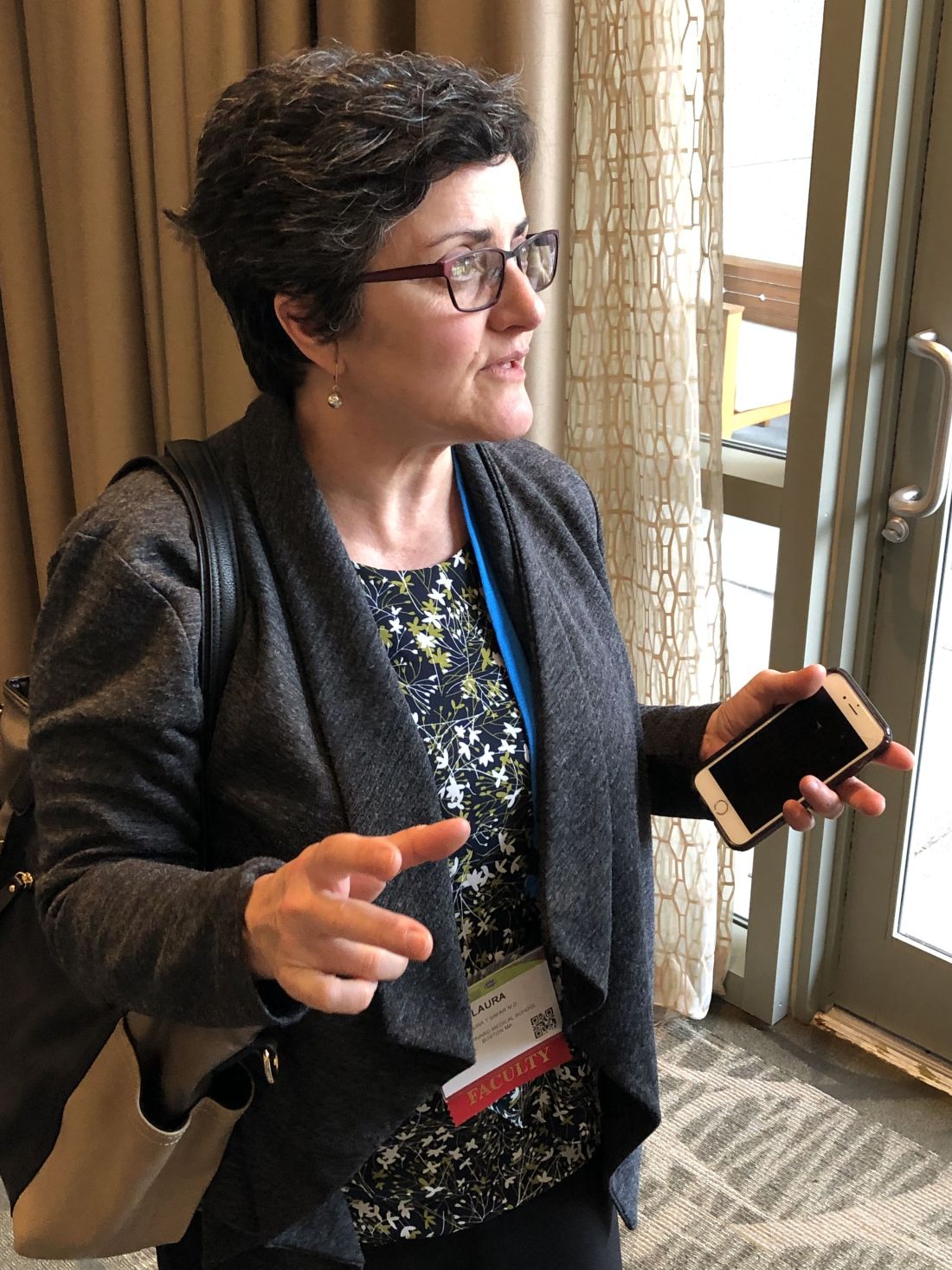
For example, depression may strike a patient as a primary condition, just as it could in anyone. But it may also be a manifestation of MS itself, or a side effect of an MS medication, or spurred by the fatigue and pain caused by MS, said Laura T. Safar, MD, a psychiatrist affiliated with Brigham and Women's Hospital, Boston*. As a result, popular psychiatric treatments such as SSRIs might not necessarily be the best approach, said Dr. Safar, who spoke in an interview and during a presentation at the annual meeting of the Consortium of Multiple Sclerosis Centers.
“You need to follow the why,” she said in the interview, adding that it is crucial to view neurologic and mental health as one and the same in MS. “More integration,” she said, “continues to be the way to go.”
Here are some pearls and tips from Dr. Safar’s presentation on treating psychiatric conditions in patients with MS:
Mental illness incidence
Depression is estimated to affect 25%-45% of people with MS over their lifetimes, while bipolar disorder is thought to affect 6% of patients and a quarter are estimated to have anxiety.
Researchers also believe as many as 10% of patients are affected by pathological laughing and crying during their lives.
Psychiatric side effects
Interferon drugs are notoriously linked to depression and psychosis. Glatiramer acetate (Copaxone) and natalizumab (Tysabri) are also thought to cause psychiatric side effects in some cases – anxiety and depression, respectively. But drug-modifying therapies can also provide relief on the psychiatric front, Dr. Safar said.
Meanwhile, dozens of other drugs used to treat aspects of MS such as spasticity, pain, and fatigue have possible psychiatric side effects.
Alternatives to SSRIs
SSRIs are often a first option in psychiatric patients, but those with MS may need another option because so many – an estimated 80% – also have fatigue, Dr. Safar said.
Alternatives for patients with MS include serotonin and norepinephrine reuptake inhibitors (SNRIs), which may have an advantage over SSRIs, she said. Specifically, SNRIs and bupropion (Wellbutrin) may be better for patients with fatigue and cognitive problems, she said, while vortioxetine (Trintellix) may benefit cognition.
Treating anxiety
There are no data regarding the best drug treatment for anxiety in patients with MS, she said, and SSRIs are typically the starting point. Consider SNRIs and duloxetine, respectively, when patients also have significant fatigue and cognitive symptoms. Use benzodiazepines only in occasional cases (such as anxiety regarding an MRI) and severe cases, she said.
MS-specific side effects
Beware of MS-specific side effects, Dr. Safar said. Some common psychiatric drugs, especially citalopram (Celexa) and escitalopram (Lexapro), may increase the QTc interval and shouldn’t be used in combination with the MS drug fingolimod (Gilenya).
And, she said, bupropion is “a very helpful agent” but poses a rare risk of seizures. Dr. Safar said she has seen this side effect a couple times over 10 years, but both were in patients with “other factors involved.” Still, “it’s something to keep in mind.”
Also understand that serotonergic agents can worsen restless legs syndrome, which is more common in patients with MS. Dr. Safar advises monitoring for the condition.
Pathological laughing, crying
Episodes of so-called pathological laughing, crying, or both tend to be brief, frequent, and intense. They may be sparked by nothing at all, and more often feature crying.
Certain SSRIs have proved helpful for the condition in MS, Dr. Safar said. Research also supports a combination of dextromethorphan (cough suppressant) and quinidine (a drug used to treat arrhythmias and malaria). The combination is sold together as Nuedexta.
Other agents such as venlafaxine (Effexor) and duloxetine (Cymbalta) have very limited data and shouldn’t be first-line treatment, she said.
Dr. Safar reports no relevant disclosures.
Correction, 5/31/19: An earlier version of this article misstated Dr. Safar's hospital affiliation.
SEATTLE – , a neuropsychiatrist cautioned colleagues who treat MS.
For example, depression may strike a patient as a primary condition, just as it could in anyone. But it may also be a manifestation of MS itself, or a side effect of an MS medication, or spurred by the fatigue and pain caused by MS, said Laura T. Safar, MD, a psychiatrist affiliated with Brigham and Women's Hospital, Boston*. As a result, popular psychiatric treatments such as SSRIs might not necessarily be the best approach, said Dr. Safar, who spoke in an interview and during a presentation at the annual meeting of the Consortium of Multiple Sclerosis Centers.
“You need to follow the why,” she said in the interview, adding that it is crucial to view neurologic and mental health as one and the same in MS. “More integration,” she said, “continues to be the way to go.”
Here are some pearls and tips from Dr. Safar’s presentation on treating psychiatric conditions in patients with MS:
Mental illness incidence
Depression is estimated to affect 25%-45% of people with MS over their lifetimes, while bipolar disorder is thought to affect 6% of patients and a quarter are estimated to have anxiety.
Researchers also believe as many as 10% of patients are affected by pathological laughing and crying during their lives.
Psychiatric side effects
Interferon drugs are notoriously linked to depression and psychosis. Glatiramer acetate (Copaxone) and natalizumab (Tysabri) are also thought to cause psychiatric side effects in some cases – anxiety and depression, respectively. But drug-modifying therapies can also provide relief on the psychiatric front, Dr. Safar said.
Meanwhile, dozens of other drugs used to treat aspects of MS such as spasticity, pain, and fatigue have possible psychiatric side effects.
Alternatives to SSRIs
SSRIs are often a first option in psychiatric patients, but those with MS may need another option because so many – an estimated 80% – also have fatigue, Dr. Safar said.
Alternatives for patients with MS include serotonin and norepinephrine reuptake inhibitors (SNRIs), which may have an advantage over SSRIs, she said. Specifically, SNRIs and bupropion (Wellbutrin) may be better for patients with fatigue and cognitive problems, she said, while vortioxetine (Trintellix) may benefit cognition.
Treating anxiety
There are no data regarding the best drug treatment for anxiety in patients with MS, she said, and SSRIs are typically the starting point. Consider SNRIs and duloxetine, respectively, when patients also have significant fatigue and cognitive symptoms. Use benzodiazepines only in occasional cases (such as anxiety regarding an MRI) and severe cases, she said.
MS-specific side effects
Beware of MS-specific side effects, Dr. Safar said. Some common psychiatric drugs, especially citalopram (Celexa) and escitalopram (Lexapro), may increase the QTc interval and shouldn’t be used in combination with the MS drug fingolimod (Gilenya).
And, she said, bupropion is “a very helpful agent” but poses a rare risk of seizures. Dr. Safar said she has seen this side effect a couple times over 10 years, but both were in patients with “other factors involved.” Still, “it’s something to keep in mind.”
Also understand that serotonergic agents can worsen restless legs syndrome, which is more common in patients with MS. Dr. Safar advises monitoring for the condition.
Pathological laughing, crying
Episodes of so-called pathological laughing, crying, or both tend to be brief, frequent, and intense. They may be sparked by nothing at all, and more often feature crying.
Certain SSRIs have proved helpful for the condition in MS, Dr. Safar said. Research also supports a combination of dextromethorphan (cough suppressant) and quinidine (a drug used to treat arrhythmias and malaria). The combination is sold together as Nuedexta.
Other agents such as venlafaxine (Effexor) and duloxetine (Cymbalta) have very limited data and shouldn’t be first-line treatment, she said.
Dr. Safar reports no relevant disclosures.
Correction, 5/31/19: An earlier version of this article misstated Dr. Safar's hospital affiliation.
SEATTLE – , a neuropsychiatrist cautioned colleagues who treat MS.
For example, depression may strike a patient as a primary condition, just as it could in anyone. But it may also be a manifestation of MS itself, or a side effect of an MS medication, or spurred by the fatigue and pain caused by MS, said Laura T. Safar, MD, a psychiatrist affiliated with Brigham and Women's Hospital, Boston*. As a result, popular psychiatric treatments such as SSRIs might not necessarily be the best approach, said Dr. Safar, who spoke in an interview and during a presentation at the annual meeting of the Consortium of Multiple Sclerosis Centers.
“You need to follow the why,” she said in the interview, adding that it is crucial to view neurologic and mental health as one and the same in MS. “More integration,” she said, “continues to be the way to go.”
Here are some pearls and tips from Dr. Safar’s presentation on treating psychiatric conditions in patients with MS:
Mental illness incidence
Depression is estimated to affect 25%-45% of people with MS over their lifetimes, while bipolar disorder is thought to affect 6% of patients and a quarter are estimated to have anxiety.
Researchers also believe as many as 10% of patients are affected by pathological laughing and crying during their lives.
Psychiatric side effects
Interferon drugs are notoriously linked to depression and psychosis. Glatiramer acetate (Copaxone) and natalizumab (Tysabri) are also thought to cause psychiatric side effects in some cases – anxiety and depression, respectively. But drug-modifying therapies can also provide relief on the psychiatric front, Dr. Safar said.
Meanwhile, dozens of other drugs used to treat aspects of MS such as spasticity, pain, and fatigue have possible psychiatric side effects.
Alternatives to SSRIs
SSRIs are often a first option in psychiatric patients, but those with MS may need another option because so many – an estimated 80% – also have fatigue, Dr. Safar said.
Alternatives for patients with MS include serotonin and norepinephrine reuptake inhibitors (SNRIs), which may have an advantage over SSRIs, she said. Specifically, SNRIs and bupropion (Wellbutrin) may be better for patients with fatigue and cognitive problems, she said, while vortioxetine (Trintellix) may benefit cognition.
Treating anxiety
There are no data regarding the best drug treatment for anxiety in patients with MS, she said, and SSRIs are typically the starting point. Consider SNRIs and duloxetine, respectively, when patients also have significant fatigue and cognitive symptoms. Use benzodiazepines only in occasional cases (such as anxiety regarding an MRI) and severe cases, she said.
MS-specific side effects
Beware of MS-specific side effects, Dr. Safar said. Some common psychiatric drugs, especially citalopram (Celexa) and escitalopram (Lexapro), may increase the QTc interval and shouldn’t be used in combination with the MS drug fingolimod (Gilenya).
And, she said, bupropion is “a very helpful agent” but poses a rare risk of seizures. Dr. Safar said she has seen this side effect a couple times over 10 years, but both were in patients with “other factors involved.” Still, “it’s something to keep in mind.”
Also understand that serotonergic agents can worsen restless legs syndrome, which is more common in patients with MS. Dr. Safar advises monitoring for the condition.
Pathological laughing, crying
Episodes of so-called pathological laughing, crying, or both tend to be brief, frequent, and intense. They may be sparked by nothing at all, and more often feature crying.
Certain SSRIs have proved helpful for the condition in MS, Dr. Safar said. Research also supports a combination of dextromethorphan (cough suppressant) and quinidine (a drug used to treat arrhythmias and malaria). The combination is sold together as Nuedexta.
Other agents such as venlafaxine (Effexor) and duloxetine (Cymbalta) have very limited data and shouldn’t be first-line treatment, she said.
Dr. Safar reports no relevant disclosures.
Correction, 5/31/19: An earlier version of this article misstated Dr. Safar's hospital affiliation.
EXPERT ANALYSIS FROM CMSC 2019
Hazardous cannabis use in MS linked to anxiety, depression
SEATTLE – A small new study suggests that although it is not clear whether there is a cause-and-effect relationship. “We highly recommend screening for hazardous cannabis use in clinical settings,” said study lead author and rehabilitation psychologist Abbey J. Hughes, PhD, an assistant professor at Johns Hopkins University, Baltimore, in an interview. She spoke prior to the presentation of the study findings at the annual meeting of the Consortium of Multiple Sclerosis Centers.
According to Dr. Hughes, research suggests that patients with MS are using cannabis more now than in the past, especially for medical reasons. It is not clear, however, how cannabis is affecting neurobehavior in patients with MS who use it, said Dr. Hughes, who works with patients with MS.
For the new study, researchers gave surveys to 100 patients with MS (76% female; mean age, 46 years) who sought outpatient care at an MS center. Of those, 31 said they had used cannabis within the past month.
The patients were screened via several tools: the Cannabis Use Disorders Identification Test–Revised (CUDIT-R) Fatigue Severity Scale; Patient Health Questionnaire–8; Generalized Anxiety Disorders Scale–7; and Brief International Cognitive Assessment for Multiple Sclerosis.
Subjects were considered to have a problem with “hazardous cannabis use” if they met or exceeded the CUDIT-R’s clinical cut-off of 8 points. The test asks about topics such as hazardous behavior while using cannabis, problems with memory or concentration after using it, and inability to stop using it. Twelve participants met this criteria, and they were more likely to have more symptoms of depression (beta = 0.32; P less than .01) and anxiety (beta = 0.24; P = .02), after researchers controlled for age, years of education, and MS subtype.
They also were slightly more likely to have more severe fatigue (beta = 0.20; P = .07) and poor sleep (beta = 0.20; P = .07).
The researchers found no link between cannabis use and scores on the cognitive test, although Dr. Hughes noted that other research has suggested such a link.
The study is cross-sectional and does not offer insight into cause and effect, Dr. Hughes said. She noted that it is possible that patients used cannabis because they had higher levels of anxiety and depression.
No study funding was reported and the authors report no relevant disclosures.
SEATTLE – A small new study suggests that although it is not clear whether there is a cause-and-effect relationship. “We highly recommend screening for hazardous cannabis use in clinical settings,” said study lead author and rehabilitation psychologist Abbey J. Hughes, PhD, an assistant professor at Johns Hopkins University, Baltimore, in an interview. She spoke prior to the presentation of the study findings at the annual meeting of the Consortium of Multiple Sclerosis Centers.
According to Dr. Hughes, research suggests that patients with MS are using cannabis more now than in the past, especially for medical reasons. It is not clear, however, how cannabis is affecting neurobehavior in patients with MS who use it, said Dr. Hughes, who works with patients with MS.
For the new study, researchers gave surveys to 100 patients with MS (76% female; mean age, 46 years) who sought outpatient care at an MS center. Of those, 31 said they had used cannabis within the past month.
The patients were screened via several tools: the Cannabis Use Disorders Identification Test–Revised (CUDIT-R) Fatigue Severity Scale; Patient Health Questionnaire–8; Generalized Anxiety Disorders Scale–7; and Brief International Cognitive Assessment for Multiple Sclerosis.
Subjects were considered to have a problem with “hazardous cannabis use” if they met or exceeded the CUDIT-R’s clinical cut-off of 8 points. The test asks about topics such as hazardous behavior while using cannabis, problems with memory or concentration after using it, and inability to stop using it. Twelve participants met this criteria, and they were more likely to have more symptoms of depression (beta = 0.32; P less than .01) and anxiety (beta = 0.24; P = .02), after researchers controlled for age, years of education, and MS subtype.
They also were slightly more likely to have more severe fatigue (beta = 0.20; P = .07) and poor sleep (beta = 0.20; P = .07).
The researchers found no link between cannabis use and scores on the cognitive test, although Dr. Hughes noted that other research has suggested such a link.
The study is cross-sectional and does not offer insight into cause and effect, Dr. Hughes said. She noted that it is possible that patients used cannabis because they had higher levels of anxiety and depression.
No study funding was reported and the authors report no relevant disclosures.
SEATTLE – A small new study suggests that although it is not clear whether there is a cause-and-effect relationship. “We highly recommend screening for hazardous cannabis use in clinical settings,” said study lead author and rehabilitation psychologist Abbey J. Hughes, PhD, an assistant professor at Johns Hopkins University, Baltimore, in an interview. She spoke prior to the presentation of the study findings at the annual meeting of the Consortium of Multiple Sclerosis Centers.
According to Dr. Hughes, research suggests that patients with MS are using cannabis more now than in the past, especially for medical reasons. It is not clear, however, how cannabis is affecting neurobehavior in patients with MS who use it, said Dr. Hughes, who works with patients with MS.
For the new study, researchers gave surveys to 100 patients with MS (76% female; mean age, 46 years) who sought outpatient care at an MS center. Of those, 31 said they had used cannabis within the past month.
The patients were screened via several tools: the Cannabis Use Disorders Identification Test–Revised (CUDIT-R) Fatigue Severity Scale; Patient Health Questionnaire–8; Generalized Anxiety Disorders Scale–7; and Brief International Cognitive Assessment for Multiple Sclerosis.
Subjects were considered to have a problem with “hazardous cannabis use” if they met or exceeded the CUDIT-R’s clinical cut-off of 8 points. The test asks about topics such as hazardous behavior while using cannabis, problems with memory or concentration after using it, and inability to stop using it. Twelve participants met this criteria, and they were more likely to have more symptoms of depression (beta = 0.32; P less than .01) and anxiety (beta = 0.24; P = .02), after researchers controlled for age, years of education, and MS subtype.
They also were slightly more likely to have more severe fatigue (beta = 0.20; P = .07) and poor sleep (beta = 0.20; P = .07).
The researchers found no link between cannabis use and scores on the cognitive test, although Dr. Hughes noted that other research has suggested such a link.
The study is cross-sectional and does not offer insight into cause and effect, Dr. Hughes said. She noted that it is possible that patients used cannabis because they had higher levels of anxiety and depression.
No study funding was reported and the authors report no relevant disclosures.
REPORTING FROM CMSC 2019
Why aren’t preferred DMTs prescribed for MS? Neurologists point to insurers, patients
SEATTLE –
Specifically, “it appears that patient reluctance to start moderate-efficacy DMTs is a major factor and may be impeding a significant uptake of the oral drugs in treatment-naive patients,” said study lead author Virginia Schobel, MSc, of the consulting firm Spherix Global Insights, who spoke in an interview prior to the presentation of the study findings at the annual meeting of the Consortium of Multiple Sclerosis Centers.
The third annual survey of neurologists was conducted in December 2018, and 218 neurologists took part. Participants answered questions via an online survey and provided cross-sectional retrospective chart reviews of 1,059 MS patients who started their first DMT over the previous 3 months. The survey participants managed the initial DMT selection in 935 of the cases.
For this survey, Ms. Schobel said, researchers focused on exploring reasons why data aren’t showing a major trend toward oral DMTs as first-line treatment. “A good proportion of neurologists agree that this is their preferred method, but we are not seeing the market move,” she said.
The survey asked neurologists if they agree with this statement: “When initiating a patient on DMT therapy, I prefer to use a DMT aggressive approach, using a high-efficacy agent as opposed to a therapy escalation approach whereby I start with a traditional first-line DMT and only progress to second line if/when the patient does not have an optimal response.” Nearly half (49%) of the neurologists agreed, while 16% disagreed and 36% were neutral.
Neurologists reported initiating their preferred DMT 77% of the time (standard efficacy DMTs), 81% of the time (moderate efficacy), and 75% (high efficacy).
When asked why they weren’t able to prescribe their top recommended DMT, neurologists offered these answers:
** In standard-efficacy cases (n = 96), insurance hitches – formulary limitations or denial – were responsible 67% of the time. Patient refusal or preference for another DMT were responsible 33% of the time, and other reasons accounted for 1%.
Why do patients face insurance hassles for standard-efficacy drugs? Ms. Schobel noted that generics are available for these drugs, and insurers may prefer them.
** In moderate-efficacy cases (n = 63), insurance hitches accounted for 40% of cases, while patient refusal made up 59% with other reasons at 3%.
** In high-efficacy cases (n = 46), insurance hitches accounted for 59% of cases, while patient refusal explained 41% of cases. Of the latter group, reasons included tolerability concerns (42%) and safety concerns other than progressive multifocal leukoencephalopathy (PML) risks (37%)
No study funding is reported, and the study authors report no relevant disclosures.
SEATTLE –
Specifically, “it appears that patient reluctance to start moderate-efficacy DMTs is a major factor and may be impeding a significant uptake of the oral drugs in treatment-naive patients,” said study lead author Virginia Schobel, MSc, of the consulting firm Spherix Global Insights, who spoke in an interview prior to the presentation of the study findings at the annual meeting of the Consortium of Multiple Sclerosis Centers.
The third annual survey of neurologists was conducted in December 2018, and 218 neurologists took part. Participants answered questions via an online survey and provided cross-sectional retrospective chart reviews of 1,059 MS patients who started their first DMT over the previous 3 months. The survey participants managed the initial DMT selection in 935 of the cases.
For this survey, Ms. Schobel said, researchers focused on exploring reasons why data aren’t showing a major trend toward oral DMTs as first-line treatment. “A good proportion of neurologists agree that this is their preferred method, but we are not seeing the market move,” she said.
The survey asked neurologists if they agree with this statement: “When initiating a patient on DMT therapy, I prefer to use a DMT aggressive approach, using a high-efficacy agent as opposed to a therapy escalation approach whereby I start with a traditional first-line DMT and only progress to second line if/when the patient does not have an optimal response.” Nearly half (49%) of the neurologists agreed, while 16% disagreed and 36% were neutral.
Neurologists reported initiating their preferred DMT 77% of the time (standard efficacy DMTs), 81% of the time (moderate efficacy), and 75% (high efficacy).
When asked why they weren’t able to prescribe their top recommended DMT, neurologists offered these answers:
** In standard-efficacy cases (n = 96), insurance hitches – formulary limitations or denial – were responsible 67% of the time. Patient refusal or preference for another DMT were responsible 33% of the time, and other reasons accounted for 1%.
Why do patients face insurance hassles for standard-efficacy drugs? Ms. Schobel noted that generics are available for these drugs, and insurers may prefer them.
** In moderate-efficacy cases (n = 63), insurance hitches accounted for 40% of cases, while patient refusal made up 59% with other reasons at 3%.
** In high-efficacy cases (n = 46), insurance hitches accounted for 59% of cases, while patient refusal explained 41% of cases. Of the latter group, reasons included tolerability concerns (42%) and safety concerns other than progressive multifocal leukoencephalopathy (PML) risks (37%)
No study funding is reported, and the study authors report no relevant disclosures.
SEATTLE –
Specifically, “it appears that patient reluctance to start moderate-efficacy DMTs is a major factor and may be impeding a significant uptake of the oral drugs in treatment-naive patients,” said study lead author Virginia Schobel, MSc, of the consulting firm Spherix Global Insights, who spoke in an interview prior to the presentation of the study findings at the annual meeting of the Consortium of Multiple Sclerosis Centers.
The third annual survey of neurologists was conducted in December 2018, and 218 neurologists took part. Participants answered questions via an online survey and provided cross-sectional retrospective chart reviews of 1,059 MS patients who started their first DMT over the previous 3 months. The survey participants managed the initial DMT selection in 935 of the cases.
For this survey, Ms. Schobel said, researchers focused on exploring reasons why data aren’t showing a major trend toward oral DMTs as first-line treatment. “A good proportion of neurologists agree that this is their preferred method, but we are not seeing the market move,” she said.
The survey asked neurologists if they agree with this statement: “When initiating a patient on DMT therapy, I prefer to use a DMT aggressive approach, using a high-efficacy agent as opposed to a therapy escalation approach whereby I start with a traditional first-line DMT and only progress to second line if/when the patient does not have an optimal response.” Nearly half (49%) of the neurologists agreed, while 16% disagreed and 36% were neutral.
Neurologists reported initiating their preferred DMT 77% of the time (standard efficacy DMTs), 81% of the time (moderate efficacy), and 75% (high efficacy).
When asked why they weren’t able to prescribe their top recommended DMT, neurologists offered these answers:
** In standard-efficacy cases (n = 96), insurance hitches – formulary limitations or denial – were responsible 67% of the time. Patient refusal or preference for another DMT were responsible 33% of the time, and other reasons accounted for 1%.
Why do patients face insurance hassles for standard-efficacy drugs? Ms. Schobel noted that generics are available for these drugs, and insurers may prefer them.
** In moderate-efficacy cases (n = 63), insurance hitches accounted for 40% of cases, while patient refusal made up 59% with other reasons at 3%.
** In high-efficacy cases (n = 46), insurance hitches accounted for 59% of cases, while patient refusal explained 41% of cases. Of the latter group, reasons included tolerability concerns (42%) and safety concerns other than progressive multifocal leukoencephalopathy (PML) risks (37%)
No study funding is reported, and the study authors report no relevant disclosures.
REPORTING FROM CMSC 2019
Modest evidence for benefit in studies of cannabis in MS
SEATTLE – Reviewers found modest evidence of benefit and plenty of room for more research.
“Cannabis-based medicine may be useful for refractory MS symptoms, especially spasticity and pain, and side effects are usually well tolerated,” study lead author Natasha Breward, a graduate student at the College of Pharmacy and Nutrition, University of Saskatchewan, Saskatoon, said in an interview. Ms. Breward spoke prior to the presentation of the study findings at the annual meeting of the Consortium of Multiple Sclerosis Centers.
For the review, Ms. Breward and colleagues focused on 60 studies - 26 randomized controlled trials and 34 trials with other designs. Forty of the studies used nabiximols (Sativex), an oromucosal spray that is derived from the cannabis sativa plant and approved for use in multiple countries but not yet in the United States.
According to Ms. Breward, some of the other treatments included dried cannabis that is smoked or eaten and cannabidiol that’s typically delivered with tetrahydrocannabinol (THC) either oromucosally or as an oral capsule.
MS symptoms treated in the studies included spasticity (n = 29), pain (n = 8) and cognition (n = 6).
The researchers considered 22 studies to be poor quality, 14 to be fair quality, and 24 to be good/excellent quality.
As for results, the researchers found that the cannabis-based medicine “significantly reduced spasticity and pain in several individual good-quality studies,” Ms. Breward said. The drugs seem to work by inhibiting neurotransmitter release via cannabinoids, she said.
“However,” she added, “the variability in study quality – and in the products and regimens studied – make it hard to draw any conclusions about specific products and doses that may have the most potential benefit.”
As for adverse effects, dried cannabis was linked to decreased long-term cognitive function, which is distinct from being temporarily high, Ms. Breward said.
“Further research should focus on the use of different products and formulations of cannabis-based medicine such as cannabis oil and cannabidiol-prominent products, as no studies have focused on this area,” she said. “Research should also look at the potential of cannabis-based medicine for the treatment of disease progression, as cannabinoids are anti-inflammatory and immunomodulatory. Finally, more research regarding the potentially synergistic effects of cannabis-based medicine administered with current MS medications would also be useful.”
No study funding is reported and the authors report no relevant disclosures.
SEATTLE – Reviewers found modest evidence of benefit and plenty of room for more research.
“Cannabis-based medicine may be useful for refractory MS symptoms, especially spasticity and pain, and side effects are usually well tolerated,” study lead author Natasha Breward, a graduate student at the College of Pharmacy and Nutrition, University of Saskatchewan, Saskatoon, said in an interview. Ms. Breward spoke prior to the presentation of the study findings at the annual meeting of the Consortium of Multiple Sclerosis Centers.
For the review, Ms. Breward and colleagues focused on 60 studies - 26 randomized controlled trials and 34 trials with other designs. Forty of the studies used nabiximols (Sativex), an oromucosal spray that is derived from the cannabis sativa plant and approved for use in multiple countries but not yet in the United States.
According to Ms. Breward, some of the other treatments included dried cannabis that is smoked or eaten and cannabidiol that’s typically delivered with tetrahydrocannabinol (THC) either oromucosally or as an oral capsule.
MS symptoms treated in the studies included spasticity (n = 29), pain (n = 8) and cognition (n = 6).
The researchers considered 22 studies to be poor quality, 14 to be fair quality, and 24 to be good/excellent quality.
As for results, the researchers found that the cannabis-based medicine “significantly reduced spasticity and pain in several individual good-quality studies,” Ms. Breward said. The drugs seem to work by inhibiting neurotransmitter release via cannabinoids, she said.
“However,” she added, “the variability in study quality – and in the products and regimens studied – make it hard to draw any conclusions about specific products and doses that may have the most potential benefit.”
As for adverse effects, dried cannabis was linked to decreased long-term cognitive function, which is distinct from being temporarily high, Ms. Breward said.
“Further research should focus on the use of different products and formulations of cannabis-based medicine such as cannabis oil and cannabidiol-prominent products, as no studies have focused on this area,” she said. “Research should also look at the potential of cannabis-based medicine for the treatment of disease progression, as cannabinoids are anti-inflammatory and immunomodulatory. Finally, more research regarding the potentially synergistic effects of cannabis-based medicine administered with current MS medications would also be useful.”
No study funding is reported and the authors report no relevant disclosures.
SEATTLE – Reviewers found modest evidence of benefit and plenty of room for more research.
“Cannabis-based medicine may be useful for refractory MS symptoms, especially spasticity and pain, and side effects are usually well tolerated,” study lead author Natasha Breward, a graduate student at the College of Pharmacy and Nutrition, University of Saskatchewan, Saskatoon, said in an interview. Ms. Breward spoke prior to the presentation of the study findings at the annual meeting of the Consortium of Multiple Sclerosis Centers.
For the review, Ms. Breward and colleagues focused on 60 studies - 26 randomized controlled trials and 34 trials with other designs. Forty of the studies used nabiximols (Sativex), an oromucosal spray that is derived from the cannabis sativa plant and approved for use in multiple countries but not yet in the United States.
According to Ms. Breward, some of the other treatments included dried cannabis that is smoked or eaten and cannabidiol that’s typically delivered with tetrahydrocannabinol (THC) either oromucosally or as an oral capsule.
MS symptoms treated in the studies included spasticity (n = 29), pain (n = 8) and cognition (n = 6).
The researchers considered 22 studies to be poor quality, 14 to be fair quality, and 24 to be good/excellent quality.
As for results, the researchers found that the cannabis-based medicine “significantly reduced spasticity and pain in several individual good-quality studies,” Ms. Breward said. The drugs seem to work by inhibiting neurotransmitter release via cannabinoids, she said.
“However,” she added, “the variability in study quality – and in the products and regimens studied – make it hard to draw any conclusions about specific products and doses that may have the most potential benefit.”
As for adverse effects, dried cannabis was linked to decreased long-term cognitive function, which is distinct from being temporarily high, Ms. Breward said.
“Further research should focus on the use of different products and formulations of cannabis-based medicine such as cannabis oil and cannabidiol-prominent products, as no studies have focused on this area,” she said. “Research should also look at the potential of cannabis-based medicine for the treatment of disease progression, as cannabinoids are anti-inflammatory and immunomodulatory. Finally, more research regarding the potentially synergistic effects of cannabis-based medicine administered with current MS medications would also be useful.”
No study funding is reported and the authors report no relevant disclosures.
REPORTING FROM CMSC 2019
General neurologists lag on prescribing high-efficacy MS drugs
SEATTLE – It is not clear if the greater reluctance among general neurologists to prescribe the drugs is hurting the health of patients, and the study does not examine whether general neurologists are referring their toughest patients to their subspecialist colleagues.
Still, the findings raise questions because “starting highly effective drugs early can prevent long-term disability,” said study lead author and neurologist Casey V. Farin, MD, a clinical fellow in the department of neurology at Duke University, Durham, N.C., who spoke in an interview prior to the presentation of the study findings at the annual meeting of the Consortium of Multiple Sclerosis Centers. “A lot of our general neurologists are prescribing the traditional platform therapies that have fallen a bit out of favor in the MS community,” she said.
Dr. Farin and colleagues launched their study to better understand whether “therapeutic inertia” is affecting how general neurologists treat MS. The term refers to “staying with one drug just because it is easier not to rock the boat,” she said. For the purposes of their study, the term encompasses reluctance of neurologists to escalate therapy or prescribe high-efficacy drugs.
“There have been small studies comparing subspecialists and general neurologists using surveys of theoretical cases,” she said. “No studies have looked at how people are prescribing disease-modifying therapy.”
In the new age of high-efficacy treatment, guidelines about early MS treatment are lacking. As the study abstract notes, “in the absence of robust head-to-head clinical data, neurologists do not have an accepted algorithm for initiation and escalation of therapy, although recent research indicates a benefit in initiating highly effective therapies early in the disease course.”
For the study, researchers tracked 4,753 patients with MS who were treated at the Duke University Health System from 2016 to 2018.
General neurologists prescribed platform therapies – interferons, glatiramer acetate (Copaxone) and dimethyl fumarate (Tecfidera) more often than did MS subspecialists (16% vs. 5%, P less than .0001, 12% vs. 6%, P = .001 and 31% vs. 11%, P less than .0001, respectively).
In regard to high-efficacy MS drugs, there was no significant difference in prescription rates of fingolimod (Gilenya) and natalizumab (Tysabri). But general neurologists were less likely to prescribe three other types than were general neurologists: Alemtuzumab (Lemtrada), ocrelizumab (Ocrevus) and rituximab (Rituxan) (0 vs. 8%, P = .0001, 3% vs. 27%, P less than .0001, and 2% vs. 7%, P = .0001, respectively).
Why might general neurologists be more resistant to embrace high-efficacy MS drugs? “They are newer and seen as more aggressive, and riskier,” Dr. Farin said. If general neurologists are not seeing many patients with MS and not prescribing these newer drugs very often, they may be more familiar with the older platform drugs, she said. “They may start with the ones that seem safer and are easier to start with.”
It is possible, she cautioned, that the study results may be confounded by general neurologists who refer patients to MS subspecialists when initial disease-modifying therapies fail.
No study funding was reported. Dr. Farin and two of the other four authors disclosed consulting fees from Biogen. No other disclosures were reported.
SOURCE: Farin CV et al. CMSC 2019. Abstract DXT44.
SEATTLE – It is not clear if the greater reluctance among general neurologists to prescribe the drugs is hurting the health of patients, and the study does not examine whether general neurologists are referring their toughest patients to their subspecialist colleagues.
Still, the findings raise questions because “starting highly effective drugs early can prevent long-term disability,” said study lead author and neurologist Casey V. Farin, MD, a clinical fellow in the department of neurology at Duke University, Durham, N.C., who spoke in an interview prior to the presentation of the study findings at the annual meeting of the Consortium of Multiple Sclerosis Centers. “A lot of our general neurologists are prescribing the traditional platform therapies that have fallen a bit out of favor in the MS community,” she said.
Dr. Farin and colleagues launched their study to better understand whether “therapeutic inertia” is affecting how general neurologists treat MS. The term refers to “staying with one drug just because it is easier not to rock the boat,” she said. For the purposes of their study, the term encompasses reluctance of neurologists to escalate therapy or prescribe high-efficacy drugs.
“There have been small studies comparing subspecialists and general neurologists using surveys of theoretical cases,” she said. “No studies have looked at how people are prescribing disease-modifying therapy.”
In the new age of high-efficacy treatment, guidelines about early MS treatment are lacking. As the study abstract notes, “in the absence of robust head-to-head clinical data, neurologists do not have an accepted algorithm for initiation and escalation of therapy, although recent research indicates a benefit in initiating highly effective therapies early in the disease course.”
For the study, researchers tracked 4,753 patients with MS who were treated at the Duke University Health System from 2016 to 2018.
General neurologists prescribed platform therapies – interferons, glatiramer acetate (Copaxone) and dimethyl fumarate (Tecfidera) more often than did MS subspecialists (16% vs. 5%, P less than .0001, 12% vs. 6%, P = .001 and 31% vs. 11%, P less than .0001, respectively).
In regard to high-efficacy MS drugs, there was no significant difference in prescription rates of fingolimod (Gilenya) and natalizumab (Tysabri). But general neurologists were less likely to prescribe three other types than were general neurologists: Alemtuzumab (Lemtrada), ocrelizumab (Ocrevus) and rituximab (Rituxan) (0 vs. 8%, P = .0001, 3% vs. 27%, P less than .0001, and 2% vs. 7%, P = .0001, respectively).
Why might general neurologists be more resistant to embrace high-efficacy MS drugs? “They are newer and seen as more aggressive, and riskier,” Dr. Farin said. If general neurologists are not seeing many patients with MS and not prescribing these newer drugs very often, they may be more familiar with the older platform drugs, she said. “They may start with the ones that seem safer and are easier to start with.”
It is possible, she cautioned, that the study results may be confounded by general neurologists who refer patients to MS subspecialists when initial disease-modifying therapies fail.
No study funding was reported. Dr. Farin and two of the other four authors disclosed consulting fees from Biogen. No other disclosures were reported.
SOURCE: Farin CV et al. CMSC 2019. Abstract DXT44.
SEATTLE – It is not clear if the greater reluctance among general neurologists to prescribe the drugs is hurting the health of patients, and the study does not examine whether general neurologists are referring their toughest patients to their subspecialist colleagues.
Still, the findings raise questions because “starting highly effective drugs early can prevent long-term disability,” said study lead author and neurologist Casey V. Farin, MD, a clinical fellow in the department of neurology at Duke University, Durham, N.C., who spoke in an interview prior to the presentation of the study findings at the annual meeting of the Consortium of Multiple Sclerosis Centers. “A lot of our general neurologists are prescribing the traditional platform therapies that have fallen a bit out of favor in the MS community,” she said.
Dr. Farin and colleagues launched their study to better understand whether “therapeutic inertia” is affecting how general neurologists treat MS. The term refers to “staying with one drug just because it is easier not to rock the boat,” she said. For the purposes of their study, the term encompasses reluctance of neurologists to escalate therapy or prescribe high-efficacy drugs.
“There have been small studies comparing subspecialists and general neurologists using surveys of theoretical cases,” she said. “No studies have looked at how people are prescribing disease-modifying therapy.”
In the new age of high-efficacy treatment, guidelines about early MS treatment are lacking. As the study abstract notes, “in the absence of robust head-to-head clinical data, neurologists do not have an accepted algorithm for initiation and escalation of therapy, although recent research indicates a benefit in initiating highly effective therapies early in the disease course.”
For the study, researchers tracked 4,753 patients with MS who were treated at the Duke University Health System from 2016 to 2018.
General neurologists prescribed platform therapies – interferons, glatiramer acetate (Copaxone) and dimethyl fumarate (Tecfidera) more often than did MS subspecialists (16% vs. 5%, P less than .0001, 12% vs. 6%, P = .001 and 31% vs. 11%, P less than .0001, respectively).
In regard to high-efficacy MS drugs, there was no significant difference in prescription rates of fingolimod (Gilenya) and natalizumab (Tysabri). But general neurologists were less likely to prescribe three other types than were general neurologists: Alemtuzumab (Lemtrada), ocrelizumab (Ocrevus) and rituximab (Rituxan) (0 vs. 8%, P = .0001, 3% vs. 27%, P less than .0001, and 2% vs. 7%, P = .0001, respectively).
Why might general neurologists be more resistant to embrace high-efficacy MS drugs? “They are newer and seen as more aggressive, and riskier,” Dr. Farin said. If general neurologists are not seeing many patients with MS and not prescribing these newer drugs very often, they may be more familiar with the older platform drugs, she said. “They may start with the ones that seem safer and are easier to start with.”
It is possible, she cautioned, that the study results may be confounded by general neurologists who refer patients to MS subspecialists when initial disease-modifying therapies fail.
No study funding was reported. Dr. Farin and two of the other four authors disclosed consulting fees from Biogen. No other disclosures were reported.
SOURCE: Farin CV et al. CMSC 2019. Abstract DXT44.
REPORTING FROM CMSC 2019
Key clinical point: MS subspecialists are more likely than are general neurologists to prescribe newer, high-efficacy MS therapies.
Major finding: General neurologists prescribed platform therapies – interferons, glatiramer acetate (Copaxone), and dimethyl fumarate (Tecfidera), more often than did MS subspecialists (16% vs. 5%, P less than .0001, 12% vs. 6%, P = .001, and 31% vs. 11%, P less than .0001, respectively).
Study details: Retrospective chart review of 4,753 patients with MS seen at the Duke University Health System.
Disclosures: Dr. Farin and two of the other four coauthors reported consulting fees from Biogen.
Source: Farin CV et al. CMSC 2019. Abstract DXT44.
MS linked to higher rates of hoarding behavior
SEATTLE – according to a small study that appears to be the first of its kind. It is not clear how MS and hoarding may be linked, but study author Joshua Bacon, PhD, an MS researcher and associate professor at New York University, and coauthors suspect that physical limitations are an important factor.
“It is important for clinicians to identify patients who might be hoarders and/or clutterers. It is very likely that this has an impact on the trajectory of their activities of daily living,” he said in an interview prior to the presentation of the study findings at the annual meeting of the Consortium of Multiple Sclerosis Centers.
Dr. Bacon said the study was inspired by his observation that hoarding and cluttering behavior appear to be common among patients with MS. “As I became more interested in it, it became clear there hasn’t been any work on this in the MS population.”
For the new study, Dr. Bacon and colleagues surveyed 139 consecutive patients with MS at the New York University MS Center. The patients had a mean age of 45 years and mean disease duration of 14 years; 71% were female, and 48% were non white. The researchers measured the patients on scales of hoarding behavior (Activities of Daily Living for Hoarding and the Hoarding Rating Scale) and disability (Patient-Determined Disability Steps).
The researchers found that nearly 12% showed signs of clinically significant hoarding behavior, compared with an estimated 5% of the general population (P = .0008). Researchers linked disability and Hoarding Rating Scale to the variability in degree of difficulty in performing activities of daily living (P less than .0001).
Dr. Bacon and colleagues do not believe MS is the direct cause of hoarding behaviors. “There has been no literature on this, and we do not know whether this is connected to the neurological condition,” he said. “I think it has more to do with physical capabilities.”
Patients with MS may have mobility problems that disrupt their ability to organize their homes, he said. “You can’t move things the way you can when you have normal mobility,” he said. “Things can start building up, and it is harder to get yourself out of the mess because you don’t have the wherewithal to move things out of that way.”
As a result, he said, patients may become more isolated if they become embarrassed about inviting people into their homes. To make matters worse, some patients with MS already suffer from social isolation, he said.
He added that some patients with MS may be “clutterers” who do not fit the definition of hoarders but are still affected. “Even cluttering can have an impact on quality of life. You do not have to have the disorder,” he said.
What can be done to help patients who are hoarders or clutterers? Dr. Bacon acknowledged that hoarding behavior is very difficult to treat successfully, but cluttering – a step below hoarding – may be easier to address.
“As therapists, we try to help MS patients confront the debilitating emotional distress that inevitably emerges from the loss of control as disability progresses,” he said. “A central emphasis in therapy is to turn the focus away from the neurological changes and their sequelae that cannot be changed to those facets of their lives over which they can have control and that can be nurtured and strengthened.”
No study funding was reported, and the study authors reported no relevant disclosures.
SEATTLE – according to a small study that appears to be the first of its kind. It is not clear how MS and hoarding may be linked, but study author Joshua Bacon, PhD, an MS researcher and associate professor at New York University, and coauthors suspect that physical limitations are an important factor.
“It is important for clinicians to identify patients who might be hoarders and/or clutterers. It is very likely that this has an impact on the trajectory of their activities of daily living,” he said in an interview prior to the presentation of the study findings at the annual meeting of the Consortium of Multiple Sclerosis Centers.
Dr. Bacon said the study was inspired by his observation that hoarding and cluttering behavior appear to be common among patients with MS. “As I became more interested in it, it became clear there hasn’t been any work on this in the MS population.”
For the new study, Dr. Bacon and colleagues surveyed 139 consecutive patients with MS at the New York University MS Center. The patients had a mean age of 45 years and mean disease duration of 14 years; 71% were female, and 48% were non white. The researchers measured the patients on scales of hoarding behavior (Activities of Daily Living for Hoarding and the Hoarding Rating Scale) and disability (Patient-Determined Disability Steps).
The researchers found that nearly 12% showed signs of clinically significant hoarding behavior, compared with an estimated 5% of the general population (P = .0008). Researchers linked disability and Hoarding Rating Scale to the variability in degree of difficulty in performing activities of daily living (P less than .0001).
Dr. Bacon and colleagues do not believe MS is the direct cause of hoarding behaviors. “There has been no literature on this, and we do not know whether this is connected to the neurological condition,” he said. “I think it has more to do with physical capabilities.”
Patients with MS may have mobility problems that disrupt their ability to organize their homes, he said. “You can’t move things the way you can when you have normal mobility,” he said. “Things can start building up, and it is harder to get yourself out of the mess because you don’t have the wherewithal to move things out of that way.”
As a result, he said, patients may become more isolated if they become embarrassed about inviting people into their homes. To make matters worse, some patients with MS already suffer from social isolation, he said.
He added that some patients with MS may be “clutterers” who do not fit the definition of hoarders but are still affected. “Even cluttering can have an impact on quality of life. You do not have to have the disorder,” he said.
What can be done to help patients who are hoarders or clutterers? Dr. Bacon acknowledged that hoarding behavior is very difficult to treat successfully, but cluttering – a step below hoarding – may be easier to address.
“As therapists, we try to help MS patients confront the debilitating emotional distress that inevitably emerges from the loss of control as disability progresses,” he said. “A central emphasis in therapy is to turn the focus away from the neurological changes and their sequelae that cannot be changed to those facets of their lives over which they can have control and that can be nurtured and strengthened.”
No study funding was reported, and the study authors reported no relevant disclosures.
SEATTLE – according to a small study that appears to be the first of its kind. It is not clear how MS and hoarding may be linked, but study author Joshua Bacon, PhD, an MS researcher and associate professor at New York University, and coauthors suspect that physical limitations are an important factor.
“It is important for clinicians to identify patients who might be hoarders and/or clutterers. It is very likely that this has an impact on the trajectory of their activities of daily living,” he said in an interview prior to the presentation of the study findings at the annual meeting of the Consortium of Multiple Sclerosis Centers.
Dr. Bacon said the study was inspired by his observation that hoarding and cluttering behavior appear to be common among patients with MS. “As I became more interested in it, it became clear there hasn’t been any work on this in the MS population.”
For the new study, Dr. Bacon and colleagues surveyed 139 consecutive patients with MS at the New York University MS Center. The patients had a mean age of 45 years and mean disease duration of 14 years; 71% were female, and 48% were non white. The researchers measured the patients on scales of hoarding behavior (Activities of Daily Living for Hoarding and the Hoarding Rating Scale) and disability (Patient-Determined Disability Steps).
The researchers found that nearly 12% showed signs of clinically significant hoarding behavior, compared with an estimated 5% of the general population (P = .0008). Researchers linked disability and Hoarding Rating Scale to the variability in degree of difficulty in performing activities of daily living (P less than .0001).
Dr. Bacon and colleagues do not believe MS is the direct cause of hoarding behaviors. “There has been no literature on this, and we do not know whether this is connected to the neurological condition,” he said. “I think it has more to do with physical capabilities.”
Patients with MS may have mobility problems that disrupt their ability to organize their homes, he said. “You can’t move things the way you can when you have normal mobility,” he said. “Things can start building up, and it is harder to get yourself out of the mess because you don’t have the wherewithal to move things out of that way.”
As a result, he said, patients may become more isolated if they become embarrassed about inviting people into their homes. To make matters worse, some patients with MS already suffer from social isolation, he said.
He added that some patients with MS may be “clutterers” who do not fit the definition of hoarders but are still affected. “Even cluttering can have an impact on quality of life. You do not have to have the disorder,” he said.
What can be done to help patients who are hoarders or clutterers? Dr. Bacon acknowledged that hoarding behavior is very difficult to treat successfully, but cluttering – a step below hoarding – may be easier to address.
“As therapists, we try to help MS patients confront the debilitating emotional distress that inevitably emerges from the loss of control as disability progresses,” he said. “A central emphasis in therapy is to turn the focus away from the neurological changes and their sequelae that cannot be changed to those facets of their lives over which they can have control and that can be nurtured and strengthened.”
No study funding was reported, and the study authors reported no relevant disclosures.
REPORTING FROM CMSC 2019
Key clinical point: Given the effects of hoarding and cluttering behavior on health and psychological well-being in the general population, these study results highlight the importance of of identifying such behavior in patients with multiple sclerosis and developing effective interventions.
Major finding: Hoarding and cluttering behavior has a significantly higher prevalence in the MS population (11.5%) than in the general population (5%).
Study details: Retrospective review of 139 consecutive patients with MS attending the New York University MS Center.
Disclosures: The authors had nothing to disclose.
Risk factors for foot ulcers differ for type 1 and type 2 diabetes
Danish researchers have linked multiple factors to higher risk of first-time diabetic foot ulcers (DFUs) in patients with type 1 and type 2 diabetes, although some of the factors – according to the new study findings.
The authors suggest that since clinical information gathered from patients during routine follow-up visits often includes mention of the risk factors for first-time DFU, it could form the basis of a risk stratification process for first-time DFU that can be integrated into the electronic record system and easily incorporated into routine care.
DFU is a significant complication for both type 1 and type 2 diabetes, but no previous research has stratified the risk factors for first-time DFUs by type of diabetes, emphasized the study authors, led by Sine Hangaard, MSc, of Steno Diabetes Center Copenhagen.
For the new study, the researchers tracked 5,588 patients with type 1 diabetes and 7,113 with type 2, all of whom were treated at a hospital clinic in Denmark between 2001 and 2015. The authors noted that the patients with type 2 disease who were treated at the center were clinically more complicated and had a longer disease duration than average type 2 patients, whereas the patients with type 1 diabetes did not differ from average type 1 patients.
Several factors boosted the risk of first-time DFU in both types of disease, including high or low levels of albumin excretion, advanced diabetic retinopathy, limited or nonexistent vibration sense, symptoms of neuropathy, and absence of foot pulses per univariable regression (all P less than .01). The researchers linked the neuropathy and absences of foot pulses to especially high spikes in risk.
Female gender was protective for type 1 and type 2 disease (hazard ratios, 0.7 and 0.5, respectively; P = .0000). Various body mass index levels seemed to have no impact on risk.
Three factors that posed a higher risk for first-time DFU in type 1 disease, but not type 2, were: smoking (HR, 1.4 vs. no smoking, P = .0220), age of 60-79 years (HR, 1.7 vs. age 40-59; P = .0000), cardiovascular disease (HR, 2.2 vs. no cardiovascular disease; P = .0000), and diabetes duration of between 5 and 20 years (HR, 2.2 vs. less than 5 years; P = .0027) or 20 years or more (HR, 5.2 vs. less than 5 years; P = .0000).
The authors noted that “25% of all patients with diabetes develop DFU during their lifetime, and DFUs precede 80% of all lower leg amputations in patients with diabetes.” In addition, DFU often occurs in feet already compromised by neuropathy or peripheral vascular disease, and is therefore associated with greater risk for infection, poorer outcomes, recurrent ulceration, amputation, and increased mortality. These risks underscore the need for the earliest-possible identification of first-time DFU and timely adoption of effective, preventative strategies, they wrote.
The study was not funded. Several of the authors reported that they own shares in Novo Nordisk.
SOURCE: Hangaard S et al. Diabetes Res Clin Pract. 2019 Apr 18;151:177-86.
Danish researchers have linked multiple factors to higher risk of first-time diabetic foot ulcers (DFUs) in patients with type 1 and type 2 diabetes, although some of the factors – according to the new study findings.
The authors suggest that since clinical information gathered from patients during routine follow-up visits often includes mention of the risk factors for first-time DFU, it could form the basis of a risk stratification process for first-time DFU that can be integrated into the electronic record system and easily incorporated into routine care.
DFU is a significant complication for both type 1 and type 2 diabetes, but no previous research has stratified the risk factors for first-time DFUs by type of diabetes, emphasized the study authors, led by Sine Hangaard, MSc, of Steno Diabetes Center Copenhagen.
For the new study, the researchers tracked 5,588 patients with type 1 diabetes and 7,113 with type 2, all of whom were treated at a hospital clinic in Denmark between 2001 and 2015. The authors noted that the patients with type 2 disease who were treated at the center were clinically more complicated and had a longer disease duration than average type 2 patients, whereas the patients with type 1 diabetes did not differ from average type 1 patients.
Several factors boosted the risk of first-time DFU in both types of disease, including high or low levels of albumin excretion, advanced diabetic retinopathy, limited or nonexistent vibration sense, symptoms of neuropathy, and absence of foot pulses per univariable regression (all P less than .01). The researchers linked the neuropathy and absences of foot pulses to especially high spikes in risk.
Female gender was protective for type 1 and type 2 disease (hazard ratios, 0.7 and 0.5, respectively; P = .0000). Various body mass index levels seemed to have no impact on risk.
Three factors that posed a higher risk for first-time DFU in type 1 disease, but not type 2, were: smoking (HR, 1.4 vs. no smoking, P = .0220), age of 60-79 years (HR, 1.7 vs. age 40-59; P = .0000), cardiovascular disease (HR, 2.2 vs. no cardiovascular disease; P = .0000), and diabetes duration of between 5 and 20 years (HR, 2.2 vs. less than 5 years; P = .0027) or 20 years or more (HR, 5.2 vs. less than 5 years; P = .0000).
The authors noted that “25% of all patients with diabetes develop DFU during their lifetime, and DFUs precede 80% of all lower leg amputations in patients with diabetes.” In addition, DFU often occurs in feet already compromised by neuropathy or peripheral vascular disease, and is therefore associated with greater risk for infection, poorer outcomes, recurrent ulceration, amputation, and increased mortality. These risks underscore the need for the earliest-possible identification of first-time DFU and timely adoption of effective, preventative strategies, they wrote.
The study was not funded. Several of the authors reported that they own shares in Novo Nordisk.
SOURCE: Hangaard S et al. Diabetes Res Clin Pract. 2019 Apr 18;151:177-86.
Danish researchers have linked multiple factors to higher risk of first-time diabetic foot ulcers (DFUs) in patients with type 1 and type 2 diabetes, although some of the factors – according to the new study findings.
The authors suggest that since clinical information gathered from patients during routine follow-up visits often includes mention of the risk factors for first-time DFU, it could form the basis of a risk stratification process for first-time DFU that can be integrated into the electronic record system and easily incorporated into routine care.
DFU is a significant complication for both type 1 and type 2 diabetes, but no previous research has stratified the risk factors for first-time DFUs by type of diabetes, emphasized the study authors, led by Sine Hangaard, MSc, of Steno Diabetes Center Copenhagen.
For the new study, the researchers tracked 5,588 patients with type 1 diabetes and 7,113 with type 2, all of whom were treated at a hospital clinic in Denmark between 2001 and 2015. The authors noted that the patients with type 2 disease who were treated at the center were clinically more complicated and had a longer disease duration than average type 2 patients, whereas the patients with type 1 diabetes did not differ from average type 1 patients.
Several factors boosted the risk of first-time DFU in both types of disease, including high or low levels of albumin excretion, advanced diabetic retinopathy, limited or nonexistent vibration sense, symptoms of neuropathy, and absence of foot pulses per univariable regression (all P less than .01). The researchers linked the neuropathy and absences of foot pulses to especially high spikes in risk.
Female gender was protective for type 1 and type 2 disease (hazard ratios, 0.7 and 0.5, respectively; P = .0000). Various body mass index levels seemed to have no impact on risk.
Three factors that posed a higher risk for first-time DFU in type 1 disease, but not type 2, were: smoking (HR, 1.4 vs. no smoking, P = .0220), age of 60-79 years (HR, 1.7 vs. age 40-59; P = .0000), cardiovascular disease (HR, 2.2 vs. no cardiovascular disease; P = .0000), and diabetes duration of between 5 and 20 years (HR, 2.2 vs. less than 5 years; P = .0027) or 20 years or more (HR, 5.2 vs. less than 5 years; P = .0000).
The authors noted that “25% of all patients with diabetes develop DFU during their lifetime, and DFUs precede 80% of all lower leg amputations in patients with diabetes.” In addition, DFU often occurs in feet already compromised by neuropathy or peripheral vascular disease, and is therefore associated with greater risk for infection, poorer outcomes, recurrent ulceration, amputation, and increased mortality. These risks underscore the need for the earliest-possible identification of first-time DFU and timely adoption of effective, preventative strategies, they wrote.
The study was not funded. Several of the authors reported that they own shares in Novo Nordisk.
SOURCE: Hangaard S et al. Diabetes Res Clin Pract. 2019 Apr 18;151:177-86.
FROM DIABETES RESEARCH AND CLINICAL PRACTICE
New insights, advances offer better perspective on AGHD
LOS ANGELES – Kevin C.J. Yuen, MD, FRCP(UK), FACE, told colleagues at the annual scientific and clinical congress of the American Association of Clinical Endocrinologists (AACE).

“The data show that growth hormone replacement is safe and may improve survival,” said Dr Yuen, professor of medicine and medical director at Barrow Neurological Institute Pituitary Center in Phoenix.
Dr. Yuen is chair of the AACE’s growth hormone task force and coauthored both the 2009 and soon-to-be-published 2019 AACE guidelines for the treatment of adult growth hormone deficiency (AGHD).
Updated AGHD guidelines were needed for a variety of reasons, including a greater awareness of the benefits of hormone replacement in these patients and new developments in areas such as testing, he said. The guidelines also are also necessary because of the skepticism about the cost and benefits of AGHD therapy, concerns about the safety of long-term therapy, and the misuse of treatment in certain patients, he added.
On the treatment front, Dr. Yuen said it has become more clear over recent years that patients with AGHD benefit from hormone replacement. Findings from two studies have linked treatment to improvements in exercise capacity (Clin Endocrinol [Oxf]. 2016;85[4]:660-8) and patient quality of life (Eur J Endocrinol. 2017;176:99-109). “Even just after 6 months there’s an improvement in aerobic power,” he said.
And, he continued, other findings have suggested that treatment could lower mortality in men and reduce the number of deaths from malignant neoplasms in all patients (Eur J Endocrinol. 2017;176[1]:67-75).
However, Dr. Yuen cautioned that the confirmation of a survival benefit from hormone replacement will be speculative as long as there are no prospective data available.
He offered five tips about diagnosing and treating AGHD:
First, be aware that a number of conditions other than AGHD can cause low levels of insulin-like growth factor 1, including malnutrition, diabetes, untreated hypothyroidism, liver disease, and kidney failure.
Second, follow recommended algorithms for testing adult patients and transition those pediatric patients who seem to be at risk of having the condition. (Those moving from pediatric to adult care are known as transition patients.) The algorithms suggest that three diagnostic tests can be helpful, depending on the situation: the macimorelin test, the insulin tolerance test, and the glucagon stimulation test.
In 2017, the Food and Drug Administration approved the macimorelin (Macrilen) test, which requires the administration of an oral medication before a blood test. Dr. Yuen cited a phase 3 study that demonstrated that the test was “highly reproducible” and has a “good safety profile” (J Clin Endocrinol Metab. 2018;103[8]:3083-93). Dr. Yuen believes the test will become the preferred alternative to the insulin tolerance test.
Third, transition patients require special care as they move from pediatric care. “The handover is still very challenging,” Dr. Yuen said. “There’s still much to be done to improve the quality of treatment for these patients.” Challenges during the transition can include the patient’s reluctance to continue taking hormones in adulthood, he said. “Encourage pediatricians to start educating patients from early on that they’ll need to remain on hormones,” he advised, and help patients take accountability for their health in areas such as self-injection.
Patients may suffer from “injection fatigue,” they may be concerned about the side effects of the therapy, and/or they may be overwhelmed by the cost of care, he said. They may not understand how to manage their care and lack insight into the consequences of treatment cessation.
He advised endocrinologists to monitor transition patients who aren’t growth-hormone deficient because their status may change in the future.
Fourth, start treatment in adults with recommended doses of growth hormone. For those younger than 30 years, use 0.4-0.5 mg/day (higher for transition patients); for those aged between 30 and 60 years, use 0.2-0.3 mg/day; and for those who are older than 60 years, use 0.1-0.2 mg/day. Doses should be adjusted to 0.1-0.2 mg/day in patients with diabetes, obesity, and/or previous gestational diabetes.
Fifth, treat patients with growth hormone indefinitely if benefits are seen, but consider stopping treatment after a year if there doesn’t seem to be a benefit, Dr. Yuen advised. Follow up at 6 months, he recommended.
Dr. Yuen disclosed receiving research grants from and consulting for Pfizer, Novo Nordisk, and Aeterna Zentaris. He has also consulted for Strongbridge.
LOS ANGELES – Kevin C.J. Yuen, MD, FRCP(UK), FACE, told colleagues at the annual scientific and clinical congress of the American Association of Clinical Endocrinologists (AACE).
“The data show that growth hormone replacement is safe and may improve survival,” said Dr Yuen, professor of medicine and medical director at Barrow Neurological Institute Pituitary Center in Phoenix.
Dr. Yuen is chair of the AACE’s growth hormone task force and coauthored both the 2009 and soon-to-be-published 2019 AACE guidelines for the treatment of adult growth hormone deficiency (AGHD).
Updated AGHD guidelines were needed for a variety of reasons, including a greater awareness of the benefits of hormone replacement in these patients and new developments in areas such as testing, he said. The guidelines also are also necessary because of the skepticism about the cost and benefits of AGHD therapy, concerns about the safety of long-term therapy, and the misuse of treatment in certain patients, he added.
On the treatment front, Dr. Yuen said it has become more clear over recent years that patients with AGHD benefit from hormone replacement. Findings from two studies have linked treatment to improvements in exercise capacity (Clin Endocrinol [Oxf]. 2016;85[4]:660-8) and patient quality of life (Eur J Endocrinol. 2017;176:99-109). “Even just after 6 months there’s an improvement in aerobic power,” he said.
And, he continued, other findings have suggested that treatment could lower mortality in men and reduce the number of deaths from malignant neoplasms in all patients (Eur J Endocrinol. 2017;176[1]:67-75).
However, Dr. Yuen cautioned that the confirmation of a survival benefit from hormone replacement will be speculative as long as there are no prospective data available.
He offered five tips about diagnosing and treating AGHD:
First, be aware that a number of conditions other than AGHD can cause low levels of insulin-like growth factor 1, including malnutrition, diabetes, untreated hypothyroidism, liver disease, and kidney failure.
Second, follow recommended algorithms for testing adult patients and transition those pediatric patients who seem to be at risk of having the condition. (Those moving from pediatric to adult care are known as transition patients.) The algorithms suggest that three diagnostic tests can be helpful, depending on the situation: the macimorelin test, the insulin tolerance test, and the glucagon stimulation test.
In 2017, the Food and Drug Administration approved the macimorelin (Macrilen) test, which requires the administration of an oral medication before a blood test. Dr. Yuen cited a phase 3 study that demonstrated that the test was “highly reproducible” and has a “good safety profile” (J Clin Endocrinol Metab. 2018;103[8]:3083-93). Dr. Yuen believes the test will become the preferred alternative to the insulin tolerance test.
Third, transition patients require special care as they move from pediatric care. “The handover is still very challenging,” Dr. Yuen said. “There’s still much to be done to improve the quality of treatment for these patients.” Challenges during the transition can include the patient’s reluctance to continue taking hormones in adulthood, he said. “Encourage pediatricians to start educating patients from early on that they’ll need to remain on hormones,” he advised, and help patients take accountability for their health in areas such as self-injection.
Patients may suffer from “injection fatigue,” they may be concerned about the side effects of the therapy, and/or they may be overwhelmed by the cost of care, he said. They may not understand how to manage their care and lack insight into the consequences of treatment cessation.
He advised endocrinologists to monitor transition patients who aren’t growth-hormone deficient because their status may change in the future.
Fourth, start treatment in adults with recommended doses of growth hormone. For those younger than 30 years, use 0.4-0.5 mg/day (higher for transition patients); for those aged between 30 and 60 years, use 0.2-0.3 mg/day; and for those who are older than 60 years, use 0.1-0.2 mg/day. Doses should be adjusted to 0.1-0.2 mg/day in patients with diabetes, obesity, and/or previous gestational diabetes.
Fifth, treat patients with growth hormone indefinitely if benefits are seen, but consider stopping treatment after a year if there doesn’t seem to be a benefit, Dr. Yuen advised. Follow up at 6 months, he recommended.
Dr. Yuen disclosed receiving research grants from and consulting for Pfizer, Novo Nordisk, and Aeterna Zentaris. He has also consulted for Strongbridge.
LOS ANGELES – Kevin C.J. Yuen, MD, FRCP(UK), FACE, told colleagues at the annual scientific and clinical congress of the American Association of Clinical Endocrinologists (AACE).
“The data show that growth hormone replacement is safe and may improve survival,” said Dr Yuen, professor of medicine and medical director at Barrow Neurological Institute Pituitary Center in Phoenix.
Dr. Yuen is chair of the AACE’s growth hormone task force and coauthored both the 2009 and soon-to-be-published 2019 AACE guidelines for the treatment of adult growth hormone deficiency (AGHD).
Updated AGHD guidelines were needed for a variety of reasons, including a greater awareness of the benefits of hormone replacement in these patients and new developments in areas such as testing, he said. The guidelines also are also necessary because of the skepticism about the cost and benefits of AGHD therapy, concerns about the safety of long-term therapy, and the misuse of treatment in certain patients, he added.
On the treatment front, Dr. Yuen said it has become more clear over recent years that patients with AGHD benefit from hormone replacement. Findings from two studies have linked treatment to improvements in exercise capacity (Clin Endocrinol [Oxf]. 2016;85[4]:660-8) and patient quality of life (Eur J Endocrinol. 2017;176:99-109). “Even just after 6 months there’s an improvement in aerobic power,” he said.
And, he continued, other findings have suggested that treatment could lower mortality in men and reduce the number of deaths from malignant neoplasms in all patients (Eur J Endocrinol. 2017;176[1]:67-75).
However, Dr. Yuen cautioned that the confirmation of a survival benefit from hormone replacement will be speculative as long as there are no prospective data available.
He offered five tips about diagnosing and treating AGHD:
First, be aware that a number of conditions other than AGHD can cause low levels of insulin-like growth factor 1, including malnutrition, diabetes, untreated hypothyroidism, liver disease, and kidney failure.
Second, follow recommended algorithms for testing adult patients and transition those pediatric patients who seem to be at risk of having the condition. (Those moving from pediatric to adult care are known as transition patients.) The algorithms suggest that three diagnostic tests can be helpful, depending on the situation: the macimorelin test, the insulin tolerance test, and the glucagon stimulation test.
In 2017, the Food and Drug Administration approved the macimorelin (Macrilen) test, which requires the administration of an oral medication before a blood test. Dr. Yuen cited a phase 3 study that demonstrated that the test was “highly reproducible” and has a “good safety profile” (J Clin Endocrinol Metab. 2018;103[8]:3083-93). Dr. Yuen believes the test will become the preferred alternative to the insulin tolerance test.
Third, transition patients require special care as they move from pediatric care. “The handover is still very challenging,” Dr. Yuen said. “There’s still much to be done to improve the quality of treatment for these patients.” Challenges during the transition can include the patient’s reluctance to continue taking hormones in adulthood, he said. “Encourage pediatricians to start educating patients from early on that they’ll need to remain on hormones,” he advised, and help patients take accountability for their health in areas such as self-injection.
Patients may suffer from “injection fatigue,” they may be concerned about the side effects of the therapy, and/or they may be overwhelmed by the cost of care, he said. They may not understand how to manage their care and lack insight into the consequences of treatment cessation.
He advised endocrinologists to monitor transition patients who aren’t growth-hormone deficient because their status may change in the future.
Fourth, start treatment in adults with recommended doses of growth hormone. For those younger than 30 years, use 0.4-0.5 mg/day (higher for transition patients); for those aged between 30 and 60 years, use 0.2-0.3 mg/day; and for those who are older than 60 years, use 0.1-0.2 mg/day. Doses should be adjusted to 0.1-0.2 mg/day in patients with diabetes, obesity, and/or previous gestational diabetes.
Fifth, treat patients with growth hormone indefinitely if benefits are seen, but consider stopping treatment after a year if there doesn’t seem to be a benefit, Dr. Yuen advised. Follow up at 6 months, he recommended.
Dr. Yuen disclosed receiving research grants from and consulting for Pfizer, Novo Nordisk, and Aeterna Zentaris. He has also consulted for Strongbridge.
REPORTING FROM AACE 2019
Experimental drug holds promise for the treatment of thyroid eye disease
LOS ANGELES – researchers reported at the annual scientific and clinical congress of the American Association of Clinical Endocrinologists.
“For the first time, there appears to be a medicine that can be given during the active phase of the disease and can actually reverse not just the eyelid swelling and the clinical activity score, but also reduce the eye bulging and double vision and [improve] the [patient’s] quality of life. It could be a watershed moment in the treatment of the disease,” said ophthalmologist Raymond Douglas, MD, PhD, professor of surgery at Cedar-Sinai Medical Center Los Angeles and the study’s coprincipal investigator, in an interview at the meeting.
According to Dr. Douglas, thyroid eye disease, which is also known as Graves’ eye disease, is a severely disabling condition that causes swelling, pain, discomfort, and blindness. “The burden really is quite significant,” he said, with an impact that’s been compared with that of breast cancer in quality-of-life studies.
“Current treatments for thyroid eye disease are rather limited,” he said. “They really encompass just reducing the swelling and the short-term manifestations of the disease. Treatments such as IV steroids and radiation have been shown to not have any effect on long-term manifestations such as eye bulging and double vision.”
Teprotumumab is a fully human monoclonal antibody that targets the insulinlike growth factor I receptor (IGF-IR). It seems to downregulate thyroid eye disease, Dr. Douglas said.
Researchers studied the drug in a randomized, placebo-controlled study: 41 patients were designated to receive eight intravenous infusions of the drug over 21 weeks (10 mg/kg for the first infusion, then 20 mg/kg thereafter). At week 24, 83% of the study group (34 of 41 patients) reached the endpoint of a reduction of eye bulging by at least 2 mm, compared with 10% of patients (4 of 42) in the placebo group, which received infusions of saline solution.
Two millimeters is significant, Dr. Douglas said. “If you noticed someone’s eye was bulging 2 millimeters, you’d say, ‘Hey, I think something is wrong with your eye.’ ”
Initial study results were released in February 2019. New data about secondary endpoints were released at the AACE meeting: Researchers reported that the average reduction in proptosis (eye bulging) was 2.82 mm in the study group, compared with 0.54 mm in the placebo group (P less than .001).
Dr. Douglas said he can “achieve 3 mm of reduction through surgery to drill out the bone between the eye and the brain. [The patients in the study group] were able to achieve almost 3 millimeters of reduction by the drug alone. It’s a rather significant improvement.”
The new data also provided some insight into the timing of clinical improvements. According to Dr. Douglas, “most of the endpoints were met as early as 6 weeks or [after] two infusions of this drug.”
The adverse effects were relatively mild and included muscle spasms, said Dr. Douglas. The side effects seem to be “well tolerated,” he noted, and none led to cessation of therapy.
Participants with potential for motherhood or fatherhood during the trial had to agree to take precautions to avoid becoming pregnant or impregnating a partner.
Dr. Douglas didn’t provide cost information about the drug. However, it seems likely to be expensive. A writer with Seeking Alpha, a stock market analysis site, estimated that the cost could reach “$250,000 or $300,000 per patient per year, which translates to a $3.7 billion to $6 billion market in the United States alone (based on the estimated patient population in the 15,000-20,000 range).”
The drug’s manufacturer, Horizon Therapeutics, expects to apply to the Food and Drug Administration later this year for approval of the drug.
If it is approved, endocrinologists will have an opportunity to partner with eye surgeons to treat thyroid eye disease, Dr. Douglas said. “The crux will be the comanagement with the endocrinologist helping to control the thyroid function and manage some of the side effects of this medication, and the oculoplastic surgeon [working on] diagnosis, appropriate use, and management.”
Horizon Therapeutics funded the study. Dr. Douglas disclosed that he is a consultant with the company.
LOS ANGELES – researchers reported at the annual scientific and clinical congress of the American Association of Clinical Endocrinologists.
“For the first time, there appears to be a medicine that can be given during the active phase of the disease and can actually reverse not just the eyelid swelling and the clinical activity score, but also reduce the eye bulging and double vision and [improve] the [patient’s] quality of life. It could be a watershed moment in the treatment of the disease,” said ophthalmologist Raymond Douglas, MD, PhD, professor of surgery at Cedar-Sinai Medical Center Los Angeles and the study’s coprincipal investigator, in an interview at the meeting.
According to Dr. Douglas, thyroid eye disease, which is also known as Graves’ eye disease, is a severely disabling condition that causes swelling, pain, discomfort, and blindness. “The burden really is quite significant,” he said, with an impact that’s been compared with that of breast cancer in quality-of-life studies.
“Current treatments for thyroid eye disease are rather limited,” he said. “They really encompass just reducing the swelling and the short-term manifestations of the disease. Treatments such as IV steroids and radiation have been shown to not have any effect on long-term manifestations such as eye bulging and double vision.”
Teprotumumab is a fully human monoclonal antibody that targets the insulinlike growth factor I receptor (IGF-IR). It seems to downregulate thyroid eye disease, Dr. Douglas said.
Researchers studied the drug in a randomized, placebo-controlled study: 41 patients were designated to receive eight intravenous infusions of the drug over 21 weeks (10 mg/kg for the first infusion, then 20 mg/kg thereafter). At week 24, 83% of the study group (34 of 41 patients) reached the endpoint of a reduction of eye bulging by at least 2 mm, compared with 10% of patients (4 of 42) in the placebo group, which received infusions of saline solution.
Two millimeters is significant, Dr. Douglas said. “If you noticed someone’s eye was bulging 2 millimeters, you’d say, ‘Hey, I think something is wrong with your eye.’ ”
Initial study results were released in February 2019. New data about secondary endpoints were released at the AACE meeting: Researchers reported that the average reduction in proptosis (eye bulging) was 2.82 mm in the study group, compared with 0.54 mm in the placebo group (P less than .001).
Dr. Douglas said he can “achieve 3 mm of reduction through surgery to drill out the bone between the eye and the brain. [The patients in the study group] were able to achieve almost 3 millimeters of reduction by the drug alone. It’s a rather significant improvement.”
The new data also provided some insight into the timing of clinical improvements. According to Dr. Douglas, “most of the endpoints were met as early as 6 weeks or [after] two infusions of this drug.”
The adverse effects were relatively mild and included muscle spasms, said Dr. Douglas. The side effects seem to be “well tolerated,” he noted, and none led to cessation of therapy.
Participants with potential for motherhood or fatherhood during the trial had to agree to take precautions to avoid becoming pregnant or impregnating a partner.
Dr. Douglas didn’t provide cost information about the drug. However, it seems likely to be expensive. A writer with Seeking Alpha, a stock market analysis site, estimated that the cost could reach “$250,000 or $300,000 per patient per year, which translates to a $3.7 billion to $6 billion market in the United States alone (based on the estimated patient population in the 15,000-20,000 range).”
The drug’s manufacturer, Horizon Therapeutics, expects to apply to the Food and Drug Administration later this year for approval of the drug.
If it is approved, endocrinologists will have an opportunity to partner with eye surgeons to treat thyroid eye disease, Dr. Douglas said. “The crux will be the comanagement with the endocrinologist helping to control the thyroid function and manage some of the side effects of this medication, and the oculoplastic surgeon [working on] diagnosis, appropriate use, and management.”
Horizon Therapeutics funded the study. Dr. Douglas disclosed that he is a consultant with the company.
LOS ANGELES – researchers reported at the annual scientific and clinical congress of the American Association of Clinical Endocrinologists.
“For the first time, there appears to be a medicine that can be given during the active phase of the disease and can actually reverse not just the eyelid swelling and the clinical activity score, but also reduce the eye bulging and double vision and [improve] the [patient’s] quality of life. It could be a watershed moment in the treatment of the disease,” said ophthalmologist Raymond Douglas, MD, PhD, professor of surgery at Cedar-Sinai Medical Center Los Angeles and the study’s coprincipal investigator, in an interview at the meeting.
According to Dr. Douglas, thyroid eye disease, which is also known as Graves’ eye disease, is a severely disabling condition that causes swelling, pain, discomfort, and blindness. “The burden really is quite significant,” he said, with an impact that’s been compared with that of breast cancer in quality-of-life studies.
“Current treatments for thyroid eye disease are rather limited,” he said. “They really encompass just reducing the swelling and the short-term manifestations of the disease. Treatments such as IV steroids and radiation have been shown to not have any effect on long-term manifestations such as eye bulging and double vision.”
Teprotumumab is a fully human monoclonal antibody that targets the insulinlike growth factor I receptor (IGF-IR). It seems to downregulate thyroid eye disease, Dr. Douglas said.
Researchers studied the drug in a randomized, placebo-controlled study: 41 patients were designated to receive eight intravenous infusions of the drug over 21 weeks (10 mg/kg for the first infusion, then 20 mg/kg thereafter). At week 24, 83% of the study group (34 of 41 patients) reached the endpoint of a reduction of eye bulging by at least 2 mm, compared with 10% of patients (4 of 42) in the placebo group, which received infusions of saline solution.
Two millimeters is significant, Dr. Douglas said. “If you noticed someone’s eye was bulging 2 millimeters, you’d say, ‘Hey, I think something is wrong with your eye.’ ”
Initial study results were released in February 2019. New data about secondary endpoints were released at the AACE meeting: Researchers reported that the average reduction in proptosis (eye bulging) was 2.82 mm in the study group, compared with 0.54 mm in the placebo group (P less than .001).
Dr. Douglas said he can “achieve 3 mm of reduction through surgery to drill out the bone between the eye and the brain. [The patients in the study group] were able to achieve almost 3 millimeters of reduction by the drug alone. It’s a rather significant improvement.”
The new data also provided some insight into the timing of clinical improvements. According to Dr. Douglas, “most of the endpoints were met as early as 6 weeks or [after] two infusions of this drug.”
The adverse effects were relatively mild and included muscle spasms, said Dr. Douglas. The side effects seem to be “well tolerated,” he noted, and none led to cessation of therapy.
Participants with potential for motherhood or fatherhood during the trial had to agree to take precautions to avoid becoming pregnant or impregnating a partner.
Dr. Douglas didn’t provide cost information about the drug. However, it seems likely to be expensive. A writer with Seeking Alpha, a stock market analysis site, estimated that the cost could reach “$250,000 or $300,000 per patient per year, which translates to a $3.7 billion to $6 billion market in the United States alone (based on the estimated patient population in the 15,000-20,000 range).”
The drug’s manufacturer, Horizon Therapeutics, expects to apply to the Food and Drug Administration later this year for approval of the drug.
If it is approved, endocrinologists will have an opportunity to partner with eye surgeons to treat thyroid eye disease, Dr. Douglas said. “The crux will be the comanagement with the endocrinologist helping to control the thyroid function and manage some of the side effects of this medication, and the oculoplastic surgeon [working on] diagnosis, appropriate use, and management.”
Horizon Therapeutics funded the study. Dr. Douglas disclosed that he is a consultant with the company.
REPORTING FROM AACE 2019

Mystery hypoglycemia case highlights troublesome diagnosis
LOS ANGELES – The 69-year-old woman with a history of type 2 diabetes had persistent hypoglycemia despite treatment with hydrocortisone, dextrose, and glucagon. Doctors in South Carolina worried about insulinoma and planned to launch an intra-arterial calcium stimulation test. But the medical team wasn’t quite certain it had the correct diagnosis.
Then along came a suspicious nurse who uncovered the truth: The patient had used syringes and vials of insulin socked away in a cosmetics bag. The diagnosis? An unusual, but not entirely rare, case of factitious hypoglycemia. That doesn’t mean her condition was fictional. Instead, it means she created it herself.

In this case, he said, “the challenge with the patient was that she was denying insulin use very firmly,” and her demeanor didn’t suggest she was lying or had a mental illness. “If you saw the lady, you’d believe her.”
The patient presented with glucose levels that were repeatedly less than 40 mg/dL even though medical personnel fed her and gave her glucose. Her insulin level was high.
“The suspicion was that something in her body was producing insulin or she [was] giving herself or someone from her family was injecting her with insulin,” Dr. Aljehani said. “She denied that she was using insulin and said the last time she had used it was about 3 months earlier. Her husband and multiple family members confirmed the story.”
The results of a C-peptide test, however, suggested she was taking insulin herself. But it wasn’t conclusive.
Nurses monitored the patient during her stay of about 2 weeks. “They were keeping a good eye on her all the time, but nobody noticed anything suspicious. Then, probably 2 or 3 days before the discharge, one of the nurses had noted the patient gave her husband a bag. The nurse was able to take a look inside the bag, and she found empty insulin vials and syringes.”
The patient and her husband still denied that she was taking insulin. A psychiatric examination suggested the patient had a dissociative identity disorder and wasn’t aware she was giving herself insulin, he said.
If the patient’s insulin use hadn’t been discovered, Dr. Aljehani said, the next steps could have included more invasive testing and, potentially, removal of the pancreas.
Factitious hypoglycemia has a long history. The first case appeared in 1927, not long after the discovery of insulin, endocrinologist F.J. Service, MD, PhD, an emeritus professor of medicine at the Mayo Clinic, said in an interview.
Dr. Service, who has written about factitious hypoglycemia, offered these tips about diagnosis and treatment:
- In every patient, he said, do a drug screen for sulfonylureas. “Now that we have multiple classes of diabetes drugs, most of which have a risk for hypoglycemia, one has to have a lab capable of measuring all of them. And that is not easy. It’s not just ‘draw the blood and send to your corner lab.’ ”
- Patients with factitious hypoglycemia don’t tend to have predictable dips in blood sugar during fasting or after meals. Instead, their symptoms are chaotic. “It all depends on when they’re taking [insulin],” he said.
- Patients with factitious hypoglycemia don’t seem ill, but those with insulinomas do. “Patients with insulinomas are totally incapable of living normal lives. They’re incapacitated. Their lives are so disrupted that some of them need ‘babysitters’,” Dr. Service said. If they “get the tumor removed, they are cured. Then they are back to the normal life.”
- Beware that patients may not realize they’re taking a medication that causes factitious hypoglycemia. It’s common, Dr. Service said, for a patient to accidentally take his or her spouse’s medication because of a mix-up.
Ultimately, the goal is to catch factitious hypoglycemia in time. Some physicians haven’t been so fortunate. “They only get to the right answer,” he said, “after the patient has recovered from surgery.”
LOS ANGELES – The 69-year-old woman with a history of type 2 diabetes had persistent hypoglycemia despite treatment with hydrocortisone, dextrose, and glucagon. Doctors in South Carolina worried about insulinoma and planned to launch an intra-arterial calcium stimulation test. But the medical team wasn’t quite certain it had the correct diagnosis.
Then along came a suspicious nurse who uncovered the truth: The patient had used syringes and vials of insulin socked away in a cosmetics bag. The diagnosis? An unusual, but not entirely rare, case of factitious hypoglycemia. That doesn’t mean her condition was fictional. Instead, it means she created it herself.
In this case, he said, “the challenge with the patient was that she was denying insulin use very firmly,” and her demeanor didn’t suggest she was lying or had a mental illness. “If you saw the lady, you’d believe her.”
The patient presented with glucose levels that were repeatedly less than 40 mg/dL even though medical personnel fed her and gave her glucose. Her insulin level was high.
“The suspicion was that something in her body was producing insulin or she [was] giving herself or someone from her family was injecting her with insulin,” Dr. Aljehani said. “She denied that she was using insulin and said the last time she had used it was about 3 months earlier. Her husband and multiple family members confirmed the story.”
The results of a C-peptide test, however, suggested she was taking insulin herself. But it wasn’t conclusive.
Nurses monitored the patient during her stay of about 2 weeks. “They were keeping a good eye on her all the time, but nobody noticed anything suspicious. Then, probably 2 or 3 days before the discharge, one of the nurses had noted the patient gave her husband a bag. The nurse was able to take a look inside the bag, and she found empty insulin vials and syringes.”
The patient and her husband still denied that she was taking insulin. A psychiatric examination suggested the patient had a dissociative identity disorder and wasn’t aware she was giving herself insulin, he said.
If the patient’s insulin use hadn’t been discovered, Dr. Aljehani said, the next steps could have included more invasive testing and, potentially, removal of the pancreas.
Factitious hypoglycemia has a long history. The first case appeared in 1927, not long after the discovery of insulin, endocrinologist F.J. Service, MD, PhD, an emeritus professor of medicine at the Mayo Clinic, said in an interview.
Dr. Service, who has written about factitious hypoglycemia, offered these tips about diagnosis and treatment:
- In every patient, he said, do a drug screen for sulfonylureas. “Now that we have multiple classes of diabetes drugs, most of which have a risk for hypoglycemia, one has to have a lab capable of measuring all of them. And that is not easy. It’s not just ‘draw the blood and send to your corner lab.’ ”
- Patients with factitious hypoglycemia don’t tend to have predictable dips in blood sugar during fasting or after meals. Instead, their symptoms are chaotic. “It all depends on when they’re taking [insulin],” he said.
- Patients with factitious hypoglycemia don’t seem ill, but those with insulinomas do. “Patients with insulinomas are totally incapable of living normal lives. They’re incapacitated. Their lives are so disrupted that some of them need ‘babysitters’,” Dr. Service said. If they “get the tumor removed, they are cured. Then they are back to the normal life.”
- Beware that patients may not realize they’re taking a medication that causes factitious hypoglycemia. It’s common, Dr. Service said, for a patient to accidentally take his or her spouse’s medication because of a mix-up.
Ultimately, the goal is to catch factitious hypoglycemia in time. Some physicians haven’t been so fortunate. “They only get to the right answer,” he said, “after the patient has recovered from surgery.”
LOS ANGELES – The 69-year-old woman with a history of type 2 diabetes had persistent hypoglycemia despite treatment with hydrocortisone, dextrose, and glucagon. Doctors in South Carolina worried about insulinoma and planned to launch an intra-arterial calcium stimulation test. But the medical team wasn’t quite certain it had the correct diagnosis.
Then along came a suspicious nurse who uncovered the truth: The patient had used syringes and vials of insulin socked away in a cosmetics bag. The diagnosis? An unusual, but not entirely rare, case of factitious hypoglycemia. That doesn’t mean her condition was fictional. Instead, it means she created it herself.
In this case, he said, “the challenge with the patient was that she was denying insulin use very firmly,” and her demeanor didn’t suggest she was lying or had a mental illness. “If you saw the lady, you’d believe her.”
The patient presented with glucose levels that were repeatedly less than 40 mg/dL even though medical personnel fed her and gave her glucose. Her insulin level was high.
“The suspicion was that something in her body was producing insulin or she [was] giving herself or someone from her family was injecting her with insulin,” Dr. Aljehani said. “She denied that she was using insulin and said the last time she had used it was about 3 months earlier. Her husband and multiple family members confirmed the story.”
The results of a C-peptide test, however, suggested she was taking insulin herself. But it wasn’t conclusive.
Nurses monitored the patient during her stay of about 2 weeks. “They were keeping a good eye on her all the time, but nobody noticed anything suspicious. Then, probably 2 or 3 days before the discharge, one of the nurses had noted the patient gave her husband a bag. The nurse was able to take a look inside the bag, and she found empty insulin vials and syringes.”
The patient and her husband still denied that she was taking insulin. A psychiatric examination suggested the patient had a dissociative identity disorder and wasn’t aware she was giving herself insulin, he said.
If the patient’s insulin use hadn’t been discovered, Dr. Aljehani said, the next steps could have included more invasive testing and, potentially, removal of the pancreas.
Factitious hypoglycemia has a long history. The first case appeared in 1927, not long after the discovery of insulin, endocrinologist F.J. Service, MD, PhD, an emeritus professor of medicine at the Mayo Clinic, said in an interview.
Dr. Service, who has written about factitious hypoglycemia, offered these tips about diagnosis and treatment:
- In every patient, he said, do a drug screen for sulfonylureas. “Now that we have multiple classes of diabetes drugs, most of which have a risk for hypoglycemia, one has to have a lab capable of measuring all of them. And that is not easy. It’s not just ‘draw the blood and send to your corner lab.’ ”
- Patients with factitious hypoglycemia don’t tend to have predictable dips in blood sugar during fasting or after meals. Instead, their symptoms are chaotic. “It all depends on when they’re taking [insulin],” he said.
- Patients with factitious hypoglycemia don’t seem ill, but those with insulinomas do. “Patients with insulinomas are totally incapable of living normal lives. They’re incapacitated. Their lives are so disrupted that some of them need ‘babysitters’,” Dr. Service said. If they “get the tumor removed, they are cured. Then they are back to the normal life.”
- Beware that patients may not realize they’re taking a medication that causes factitious hypoglycemia. It’s common, Dr. Service said, for a patient to accidentally take his or her spouse’s medication because of a mix-up.
Ultimately, the goal is to catch factitious hypoglycemia in time. Some physicians haven’t been so fortunate. “They only get to the right answer,” he said, “after the patient has recovered from surgery.”
EXPERT ANALYSIS FROM AACE 2019