User login
Early thrombolysis benefits moderate and mild stroke patients
Early intravenous thrombolysis appears to benefit patients with moderate stroke as well as those with mild stroke, although it’s not completely clear if the benefit in mild patients is due more to the lower baseline stroke severity.
Nevertheless, patients with mild or moderate symptoms should get thrombolytic treatment as early as possible – within 90 minutes of symptom onset and even earlier, if possible, Dr. Daniel Strbian and his colleagues reported in the Aug. 22 issue of Stroke (doi: 10.1161/STROKEAHA.111.000819).
Those with mild symptoms and early treatment were 51% more likely to have excellent 3-month outcomes, defined as a modified Rankin Scale (mRS) score of 0, in a secondary analysis of the study, reported Dr. Strbian of Helsinki University Central Hospital, Finland, and his coauthors.
The study builds on the authors’ previous single-center analysis of ultra-early thrombolytic treatment delivered within 70 minutes of symptom onset, which found significantly improved 3-month outcomes in patients with severe stroke. But, they noted, "because not all patients benefit from early IV thrombolysis equally ... we aimed to explore, in a large multicenter dataset, whether the extra benefit is distributed equally among predefined stroke severity subgroups of acute ischemic stroke patients."
However, only 6% of the 878 patients in that cohort got the ultra-early treatment. Therefore, the new analysis was expanded to examine outcomes in patients treated within 90 minutes. "This is a relevant time-point, because the number needed to treat doubles from 4.5 to 9 for patients with [treatment initiation of] 91-180 minutes, compared with ... 90 minutes or less."
The multicenter analysis comprised 6,856 patients treated at four stroke centers; 19% of these received treatment within 90 minutes of symptom onset.
Patients had a mean age of 72 years. The mean baseline National Institutes of Health Stroke Score (NIHSS) was 11; the score was mild in one-third of patients, moderate in one-third, and severe in one-third.
Compared with later treatment, treatment within 90 minutes or less for patients with moderate symptoms was significantly associated with excellent 3-month outcomes, defined as an mRS score of 0-1 (odds ratio, 1.37). This benefit was not seen in patients with severe symptoms (OR, 1.00), or in those with mild symptoms (OR, 1.04).
However, the authors noted, the lack of benefit for patients with mild symptoms may have been influenced by their less severe pathophysiology at baseline. To offset this possibility they conducted a subanalysis, restricting 3-month outcomes to the best possible measurement – an mRS of 0. Patients who got the early treatment were 51% more likely to achieve this outcome than were those treated outside the 90-minute window (OR, 1.51).
The early treatment was also associated with a significantly lower proportion of any intracranial hemorrhage (14.8% vs. 17.6%), and a nonsignificantly lower proportion of symptomatic intracranial hemorrhage (3.7% vs. 4.5%).
Early treatment was not associated with mortality – a finding contrary to the authors’ prior study. "This may be because of the limited number of patients treated ultra-early in the current cohort," they said.
Dr. Strbian reported no financial disclosures. However, 10 of the 19 coauthors did report multiple relationships with pharmaceutical companies.
[email protected]
On Twitter @Alz_Gal
Early intravenous thrombolysis appears to benefit patients with moderate stroke as well as those with mild stroke, although it’s not completely clear if the benefit in mild patients is due more to the lower baseline stroke severity.
Nevertheless, patients with mild or moderate symptoms should get thrombolytic treatment as early as possible – within 90 minutes of symptom onset and even earlier, if possible, Dr. Daniel Strbian and his colleagues reported in the Aug. 22 issue of Stroke (doi: 10.1161/STROKEAHA.111.000819).
Those with mild symptoms and early treatment were 51% more likely to have excellent 3-month outcomes, defined as a modified Rankin Scale (mRS) score of 0, in a secondary analysis of the study, reported Dr. Strbian of Helsinki University Central Hospital, Finland, and his coauthors.
The study builds on the authors’ previous single-center analysis of ultra-early thrombolytic treatment delivered within 70 minutes of symptom onset, which found significantly improved 3-month outcomes in patients with severe stroke. But, they noted, "because not all patients benefit from early IV thrombolysis equally ... we aimed to explore, in a large multicenter dataset, whether the extra benefit is distributed equally among predefined stroke severity subgroups of acute ischemic stroke patients."
However, only 6% of the 878 patients in that cohort got the ultra-early treatment. Therefore, the new analysis was expanded to examine outcomes in patients treated within 90 minutes. "This is a relevant time-point, because the number needed to treat doubles from 4.5 to 9 for patients with [treatment initiation of] 91-180 minutes, compared with ... 90 minutes or less."
The multicenter analysis comprised 6,856 patients treated at four stroke centers; 19% of these received treatment within 90 minutes of symptom onset.
Patients had a mean age of 72 years. The mean baseline National Institutes of Health Stroke Score (NIHSS) was 11; the score was mild in one-third of patients, moderate in one-third, and severe in one-third.
Compared with later treatment, treatment within 90 minutes or less for patients with moderate symptoms was significantly associated with excellent 3-month outcomes, defined as an mRS score of 0-1 (odds ratio, 1.37). This benefit was not seen in patients with severe symptoms (OR, 1.00), or in those with mild symptoms (OR, 1.04).
However, the authors noted, the lack of benefit for patients with mild symptoms may have been influenced by their less severe pathophysiology at baseline. To offset this possibility they conducted a subanalysis, restricting 3-month outcomes to the best possible measurement – an mRS of 0. Patients who got the early treatment were 51% more likely to achieve this outcome than were those treated outside the 90-minute window (OR, 1.51).
The early treatment was also associated with a significantly lower proportion of any intracranial hemorrhage (14.8% vs. 17.6%), and a nonsignificantly lower proportion of symptomatic intracranial hemorrhage (3.7% vs. 4.5%).
Early treatment was not associated with mortality – a finding contrary to the authors’ prior study. "This may be because of the limited number of patients treated ultra-early in the current cohort," they said.
Dr. Strbian reported no financial disclosures. However, 10 of the 19 coauthors did report multiple relationships with pharmaceutical companies.
[email protected]
On Twitter @Alz_Gal
Early intravenous thrombolysis appears to benefit patients with moderate stroke as well as those with mild stroke, although it’s not completely clear if the benefit in mild patients is due more to the lower baseline stroke severity.
Nevertheless, patients with mild or moderate symptoms should get thrombolytic treatment as early as possible – within 90 minutes of symptom onset and even earlier, if possible, Dr. Daniel Strbian and his colleagues reported in the Aug. 22 issue of Stroke (doi: 10.1161/STROKEAHA.111.000819).
Those with mild symptoms and early treatment were 51% more likely to have excellent 3-month outcomes, defined as a modified Rankin Scale (mRS) score of 0, in a secondary analysis of the study, reported Dr. Strbian of Helsinki University Central Hospital, Finland, and his coauthors.
The study builds on the authors’ previous single-center analysis of ultra-early thrombolytic treatment delivered within 70 minutes of symptom onset, which found significantly improved 3-month outcomes in patients with severe stroke. But, they noted, "because not all patients benefit from early IV thrombolysis equally ... we aimed to explore, in a large multicenter dataset, whether the extra benefit is distributed equally among predefined stroke severity subgroups of acute ischemic stroke patients."
However, only 6% of the 878 patients in that cohort got the ultra-early treatment. Therefore, the new analysis was expanded to examine outcomes in patients treated within 90 minutes. "This is a relevant time-point, because the number needed to treat doubles from 4.5 to 9 for patients with [treatment initiation of] 91-180 minutes, compared with ... 90 minutes or less."
The multicenter analysis comprised 6,856 patients treated at four stroke centers; 19% of these received treatment within 90 minutes of symptom onset.
Patients had a mean age of 72 years. The mean baseline National Institutes of Health Stroke Score (NIHSS) was 11; the score was mild in one-third of patients, moderate in one-third, and severe in one-third.
Compared with later treatment, treatment within 90 minutes or less for patients with moderate symptoms was significantly associated with excellent 3-month outcomes, defined as an mRS score of 0-1 (odds ratio, 1.37). This benefit was not seen in patients with severe symptoms (OR, 1.00), or in those with mild symptoms (OR, 1.04).
However, the authors noted, the lack of benefit for patients with mild symptoms may have been influenced by their less severe pathophysiology at baseline. To offset this possibility they conducted a subanalysis, restricting 3-month outcomes to the best possible measurement – an mRS of 0. Patients who got the early treatment were 51% more likely to achieve this outcome than were those treated outside the 90-minute window (OR, 1.51).
The early treatment was also associated with a significantly lower proportion of any intracranial hemorrhage (14.8% vs. 17.6%), and a nonsignificantly lower proportion of symptomatic intracranial hemorrhage (3.7% vs. 4.5%).
Early treatment was not associated with mortality – a finding contrary to the authors’ prior study. "This may be because of the limited number of patients treated ultra-early in the current cohort," they said.
Dr. Strbian reported no financial disclosures. However, 10 of the 19 coauthors did report multiple relationships with pharmaceutical companies.
[email protected]
On Twitter @Alz_Gal
FROM STROKE
Major finding: When treated with early thrombolysis, patients with mild stroke symptoms were 51% more likely to have a 3-month modified Rankin Scale score of 0 than if they received later treatment.
Data source: The four-center study comprised 6,856 patients.
Disclosures: Dr. Strbian reported no financial disclosures. However, 10 of the 19 coauthors did report multiple relationships with pharmaceutical companies.
Antipsychotics triple risk of type 2 diabetes in young people
Antipsychotic medications appear to triple the risk of type 2 diabetes in children and teens, with most of the risk occurring in the first year of administration.
A retrospective study of more than 43,000 youths found the same threefold increase, no matter how the data were analyzed, Dr. William V. Bobo and his colleagues reported in the Aug. 21 online edition of JAMA Psychiatry (JAMA Psych 2013 [doi:10.1001/jamapsychiatry.2013.2053]).
The risk translated into an additional 15.8 cases of type 2 diabetes per person-year of antipsychotic treatment, with a number needed to harm of 633, wrote Dr. Bobo of Vanderbilt University in Nashville, Tenn., and his associates.
The investigational cohort consisted largely of Medicaid enrollees, "which limits the generalizability of study findings, given that the incidence of type 2 diabetes in children covered by Medicaid may be elevated owing to economic and social factors, as well as to a greater prevalence of behavioral risk factors, disability, and chronic illness."
The study population included 43,287 children and young people aged 6-24 years, all of whom were enrolled in the Tennessee Medicaid system. Of these, 28,858 had recently initiated antipsychotic therapy. The remainder served as matched controls and had recently started taking other psychotropic – but not antipsychotic – medications.
No matter how the data were cut, the increased risk for type 2 diabetes hovered right around threefold. For children aged 6-17 years, antipsychotics conferred an increased risk of 3.14.
The cohort was a mean of 14 years old; 26% of those in each group were disabled enrollees. The most common diagnoses were mood disorders (including bipolar disorder), attention-deficit/hyperactivity disorder, and conduct disorder. About a quarter had undergone some form of glucose testing within the prior year, although the authors said that metabolic disorders were "relatively infrequent."
Most of the antipsychotic users (87%) were taking an atypical, the most commonly prescribed of which was risperidone (37% of that group). Quetiapine and olanzapine were the next most commonly used (20% each). The median starting dose for antipsychotic users was 67 mg of chlorpromazine equivalents.
There were nearly 56,000 person-years of follow-up in the study. During that time, 21 incident cases of type 1 diabetes developed – a rate of 3.8 per 10,000 person-years. Those cases consisted of patients who were a mean of 13 years old. Most (62%) were male. The rate of type 1 diabetes was not significantly different between those taking antipsychotics and those not taking them (hazard ratio, 1.13).
There were 106 incident cases of type 2 diabetes – a rate of 19 cases per 10,000 person-years. The mean age of these cases was 16.7 years; 37% were male. Young people who took antipsychotic medications were three times more likely to develop type 2 diabetes than those who did not take the drugs (HR, 3.03). The increased risk appeared within the first year of follow-up (HR, 2.49) and increased in a dose-dependent fashion. The risk for those taking a cumulative dose of 100 g or more of chlorpromazine equivalents was 5.43; however, the risk associated with a cumulative dose of less than 5 g was 2.13. The risk remained significantly increased for up to a year after antipsychotics were discontinued (HR, 2.57).
No matter how the data were cut, the increased risk for type 2 diabetes hovered right around threefold. For children aged 6-17 years, antipsychotics conferred an increased risk of 3.14. The risk was similar when subgroups were defined by age, gender, presence of bipolar disorder, psychostimulant use, or a diagnosis of either ADHD or conduct disorder.
Several sensitivity analyses came to the same conclusion, including several that controlled for clustering induced by the frequency matching (HR, 3.07), restricted the cohort to new users of antipsychotics and control medications (HR, 3.05), did not permit antipsychotic users who left the cohort to reenter (HR, 2.86), and used a prescription for an antidiabetic medication as the definition of diabetes (HR, 3.11).
The authors noted that this type of sudden-onset diabetes appears contradictory to the chronic pathophysiology normally associated with the disease development. "Cases of early-onset antipsychotic-associated diabetes have been reported for adults," they said. "In one series, the majority of cases occurred within 6 months of drug initiation. ... Further study of the pathophysiology of antipsychotic-associated diabetes is needed."
Dr. Bobo has received research support from Cephalon and served on speaker bureaus for Janssen Pharmaceuticals and Pfizer. The study was supported by the Agency for Healthcare Research and Quality/Centers for Education and Research on Therapeutics cooperative agreement.
On Twitter @Alz_Gal
Antipsychotic medications appear to triple the risk of type 2 diabetes in children and teens, with most of the risk occurring in the first year of administration.
A retrospective study of more than 43,000 youths found the same threefold increase, no matter how the data were analyzed, Dr. William V. Bobo and his colleagues reported in the Aug. 21 online edition of JAMA Psychiatry (JAMA Psych 2013 [doi:10.1001/jamapsychiatry.2013.2053]).
The risk translated into an additional 15.8 cases of type 2 diabetes per person-year of antipsychotic treatment, with a number needed to harm of 633, wrote Dr. Bobo of Vanderbilt University in Nashville, Tenn., and his associates.
The investigational cohort consisted largely of Medicaid enrollees, "which limits the generalizability of study findings, given that the incidence of type 2 diabetes in children covered by Medicaid may be elevated owing to economic and social factors, as well as to a greater prevalence of behavioral risk factors, disability, and chronic illness."
The study population included 43,287 children and young people aged 6-24 years, all of whom were enrolled in the Tennessee Medicaid system. Of these, 28,858 had recently initiated antipsychotic therapy. The remainder served as matched controls and had recently started taking other psychotropic – but not antipsychotic – medications.
No matter how the data were cut, the increased risk for type 2 diabetes hovered right around threefold. For children aged 6-17 years, antipsychotics conferred an increased risk of 3.14.
The cohort was a mean of 14 years old; 26% of those in each group were disabled enrollees. The most common diagnoses were mood disorders (including bipolar disorder), attention-deficit/hyperactivity disorder, and conduct disorder. About a quarter had undergone some form of glucose testing within the prior year, although the authors said that metabolic disorders were "relatively infrequent."
Most of the antipsychotic users (87%) were taking an atypical, the most commonly prescribed of which was risperidone (37% of that group). Quetiapine and olanzapine were the next most commonly used (20% each). The median starting dose for antipsychotic users was 67 mg of chlorpromazine equivalents.
There were nearly 56,000 person-years of follow-up in the study. During that time, 21 incident cases of type 1 diabetes developed – a rate of 3.8 per 10,000 person-years. Those cases consisted of patients who were a mean of 13 years old. Most (62%) were male. The rate of type 1 diabetes was not significantly different between those taking antipsychotics and those not taking them (hazard ratio, 1.13).
There were 106 incident cases of type 2 diabetes – a rate of 19 cases per 10,000 person-years. The mean age of these cases was 16.7 years; 37% were male. Young people who took antipsychotic medications were three times more likely to develop type 2 diabetes than those who did not take the drugs (HR, 3.03). The increased risk appeared within the first year of follow-up (HR, 2.49) and increased in a dose-dependent fashion. The risk for those taking a cumulative dose of 100 g or more of chlorpromazine equivalents was 5.43; however, the risk associated with a cumulative dose of less than 5 g was 2.13. The risk remained significantly increased for up to a year after antipsychotics were discontinued (HR, 2.57).
No matter how the data were cut, the increased risk for type 2 diabetes hovered right around threefold. For children aged 6-17 years, antipsychotics conferred an increased risk of 3.14. The risk was similar when subgroups were defined by age, gender, presence of bipolar disorder, psychostimulant use, or a diagnosis of either ADHD or conduct disorder.
Several sensitivity analyses came to the same conclusion, including several that controlled for clustering induced by the frequency matching (HR, 3.07), restricted the cohort to new users of antipsychotics and control medications (HR, 3.05), did not permit antipsychotic users who left the cohort to reenter (HR, 2.86), and used a prescription for an antidiabetic medication as the definition of diabetes (HR, 3.11).
The authors noted that this type of sudden-onset diabetes appears contradictory to the chronic pathophysiology normally associated with the disease development. "Cases of early-onset antipsychotic-associated diabetes have been reported for adults," they said. "In one series, the majority of cases occurred within 6 months of drug initiation. ... Further study of the pathophysiology of antipsychotic-associated diabetes is needed."
Dr. Bobo has received research support from Cephalon and served on speaker bureaus for Janssen Pharmaceuticals and Pfizer. The study was supported by the Agency for Healthcare Research and Quality/Centers for Education and Research on Therapeutics cooperative agreement.
On Twitter @Alz_Gal
Antipsychotic medications appear to triple the risk of type 2 diabetes in children and teens, with most of the risk occurring in the first year of administration.
A retrospective study of more than 43,000 youths found the same threefold increase, no matter how the data were analyzed, Dr. William V. Bobo and his colleagues reported in the Aug. 21 online edition of JAMA Psychiatry (JAMA Psych 2013 [doi:10.1001/jamapsychiatry.2013.2053]).
The risk translated into an additional 15.8 cases of type 2 diabetes per person-year of antipsychotic treatment, with a number needed to harm of 633, wrote Dr. Bobo of Vanderbilt University in Nashville, Tenn., and his associates.
The investigational cohort consisted largely of Medicaid enrollees, "which limits the generalizability of study findings, given that the incidence of type 2 diabetes in children covered by Medicaid may be elevated owing to economic and social factors, as well as to a greater prevalence of behavioral risk factors, disability, and chronic illness."
The study population included 43,287 children and young people aged 6-24 years, all of whom were enrolled in the Tennessee Medicaid system. Of these, 28,858 had recently initiated antipsychotic therapy. The remainder served as matched controls and had recently started taking other psychotropic – but not antipsychotic – medications.
No matter how the data were cut, the increased risk for type 2 diabetes hovered right around threefold. For children aged 6-17 years, antipsychotics conferred an increased risk of 3.14.
The cohort was a mean of 14 years old; 26% of those in each group were disabled enrollees. The most common diagnoses were mood disorders (including bipolar disorder), attention-deficit/hyperactivity disorder, and conduct disorder. About a quarter had undergone some form of glucose testing within the prior year, although the authors said that metabolic disorders were "relatively infrequent."
Most of the antipsychotic users (87%) were taking an atypical, the most commonly prescribed of which was risperidone (37% of that group). Quetiapine and olanzapine were the next most commonly used (20% each). The median starting dose for antipsychotic users was 67 mg of chlorpromazine equivalents.
There were nearly 56,000 person-years of follow-up in the study. During that time, 21 incident cases of type 1 diabetes developed – a rate of 3.8 per 10,000 person-years. Those cases consisted of patients who were a mean of 13 years old. Most (62%) were male. The rate of type 1 diabetes was not significantly different between those taking antipsychotics and those not taking them (hazard ratio, 1.13).
There were 106 incident cases of type 2 diabetes – a rate of 19 cases per 10,000 person-years. The mean age of these cases was 16.7 years; 37% were male. Young people who took antipsychotic medications were three times more likely to develop type 2 diabetes than those who did not take the drugs (HR, 3.03). The increased risk appeared within the first year of follow-up (HR, 2.49) and increased in a dose-dependent fashion. The risk for those taking a cumulative dose of 100 g or more of chlorpromazine equivalents was 5.43; however, the risk associated with a cumulative dose of less than 5 g was 2.13. The risk remained significantly increased for up to a year after antipsychotics were discontinued (HR, 2.57).
No matter how the data were cut, the increased risk for type 2 diabetes hovered right around threefold. For children aged 6-17 years, antipsychotics conferred an increased risk of 3.14. The risk was similar when subgroups were defined by age, gender, presence of bipolar disorder, psychostimulant use, or a diagnosis of either ADHD or conduct disorder.
Several sensitivity analyses came to the same conclusion, including several that controlled for clustering induced by the frequency matching (HR, 3.07), restricted the cohort to new users of antipsychotics and control medications (HR, 3.05), did not permit antipsychotic users who left the cohort to reenter (HR, 2.86), and used a prescription for an antidiabetic medication as the definition of diabetes (HR, 3.11).
The authors noted that this type of sudden-onset diabetes appears contradictory to the chronic pathophysiology normally associated with the disease development. "Cases of early-onset antipsychotic-associated diabetes have been reported for adults," they said. "In one series, the majority of cases occurred within 6 months of drug initiation. ... Further study of the pathophysiology of antipsychotic-associated diabetes is needed."
Dr. Bobo has received research support from Cephalon and served on speaker bureaus for Janssen Pharmaceuticals and Pfizer. The study was supported by the Agency for Healthcare Research and Quality/Centers for Education and Research on Therapeutics cooperative agreement.
On Twitter @Alz_Gal
FROM JAMA PSYCHIATRY
Major finding: Children and young people who started antipsychotic medication were three times more likely to develop type 2 diabetes within 1 year than those who started other psychotropic drugs.
Data source: The retrospective study involved more than 43,000 patients and almost 56,000 person-years of follow-up.
Disclosures: Dr. Bobo has received research support from Cephalon and served on speaker bureaus for Janssen Pharmaceuticals and Pfizer. The study was supported by the Agency for Healthcare Research and Quality/Centers for Education and Research on Therapeutics cooperative agreement.
Caregiver support program decreases dementia emergency visits
BOSTON – A pilot program that supports the caregivers of Alzheimer’s disease patients decreased emergency admissions for those patients in San Francisco by more than 40% in 6 months, Elizabeth Edgerly, Ph.D., reported at the Alzheimer’s Association International Conference 2013.
The preliminary analysis also found that caregivers reported significant improvements in 7 out of 10 quality of life and quality of care measures, according to Dr. Edgerly, chief program officer of the Alzheimer’s Association Northern California and Northern Nevada Chapter.

The early results paint an encouraging picture of the future, she said in an interview.
"We are very excited about the emergency utilization data. We’re always confident about our capacity to impact efficacy, but affecting service utilization is a tough nut to crack. The beauty of this is, if we can improve quality of care while reducing utilization costs, it may actually be cost neutral to have this kind of a dementia support program."
The association created its Excellence in Dementia Care program in conjunction with Kaiser Permanente Northern California, the city and county of San Francisco, and the University of California, San Francisco. The Administration on Aging also provided funding.
San Francisco was the perfect city for the pilot project, Dr. Edgerly said. "It’s the only city in the United States with a strategic plan related to dementia. It also has an elderly, diverse population and many of the residents live alone."
The pilot program is part of the city plan’s goal of partnering with other institutions to improve quality of life and quality of care for people with dementia. It was designed to improve dementia care by both enhancing services and educating caregivers.
"Kaiser hired a full-time social worker for just dementia support and who only worked with the caregivers," Dr. Edgerly said. The social worker conducted initial evaluations and assessments and created an individualized dementia care program that was uploaded into the electronic medical record of each patient, making the individualized program available to everyone on the patient’s care team. The social worker also called caregivers proactively to make sure the caregivers’ needs were being met and that they could access community services.
The Alzheimer’s Association provided dementia care support experts manning a 24-hour help line, a MedicAlert + Alzheimer’s Association Safe Return bracelet for the patient, respite grants for day or evening supplemental care to give caregivers a break, and a support group where caregivers could meet to discusses their challenges.
The association also administered the educational portion of the program. The first component provided a primer on Alzheimer’s stage-by-stage effects on thinking, emotions, and behavior, and noted resources that were available for help. Caregivers also were informed about legal and financial planning and ways to keep a positive, safe, and compassionate home environment for as long as the patient could stay at home.
In surveys at baseline and after 6 months, caregivers rated their feelings about their abilities in 10 different areas: handling current patient problems in memory and behavior, handling future patient problems, dealing with their own frustrations, keeping the patient independent, caring for the patient as independently as possible, getting answers to patient problems, finding community organizations that provide answers, finding community organizations that provide services, getting answers to questions about services, independently arranging for services, and paying for services.
Overall, 92 of the 105 patient-caregiver dyads have completed the 6-month assessments, Dr. Edgerly said. The surveys indicated significant improvements on seven of the caregiver measures. Caregivers said they felt better able to handle concerns, to get information, and to obtain and pay for services.
Most importantly, the program led to about a 40% decrease in emergency department visits – a significant change, Dr. Edgerly said. There were also nonsignificant decreases in hospital length of stay, physician visits, and days spent in post–acute or long-term care facilities.
"Even the outcomes that didn’t improve significantly were all going in the right direction," Dr. Edgerly said, adding that she’s hoping for even better results when the data are analyzed in their entirety.
The program’s positive impact on health care resources could be enough to attract the interest of other insurers, she said. "If this intervention reduced expenses associated with hospital or emergency department visits, an insurer might see that as good business sense."
The project was funded by the Alzheimer’s Association of Northern California and Northern Nevada, Kaiser Permanente Northern California, and the National Institute on Aging.
On Twitter @Alz_Gal
BOSTON – A pilot program that supports the caregivers of Alzheimer’s disease patients decreased emergency admissions for those patients in San Francisco by more than 40% in 6 months, Elizabeth Edgerly, Ph.D., reported at the Alzheimer’s Association International Conference 2013.
The preliminary analysis also found that caregivers reported significant improvements in 7 out of 10 quality of life and quality of care measures, according to Dr. Edgerly, chief program officer of the Alzheimer’s Association Northern California and Northern Nevada Chapter.
The early results paint an encouraging picture of the future, she said in an interview.
"We are very excited about the emergency utilization data. We’re always confident about our capacity to impact efficacy, but affecting service utilization is a tough nut to crack. The beauty of this is, if we can improve quality of care while reducing utilization costs, it may actually be cost neutral to have this kind of a dementia support program."
The association created its Excellence in Dementia Care program in conjunction with Kaiser Permanente Northern California, the city and county of San Francisco, and the University of California, San Francisco. The Administration on Aging also provided funding.
San Francisco was the perfect city for the pilot project, Dr. Edgerly said. "It’s the only city in the United States with a strategic plan related to dementia. It also has an elderly, diverse population and many of the residents live alone."
The pilot program is part of the city plan’s goal of partnering with other institutions to improve quality of life and quality of care for people with dementia. It was designed to improve dementia care by both enhancing services and educating caregivers.
"Kaiser hired a full-time social worker for just dementia support and who only worked with the caregivers," Dr. Edgerly said. The social worker conducted initial evaluations and assessments and created an individualized dementia care program that was uploaded into the electronic medical record of each patient, making the individualized program available to everyone on the patient’s care team. The social worker also called caregivers proactively to make sure the caregivers’ needs were being met and that they could access community services.
The Alzheimer’s Association provided dementia care support experts manning a 24-hour help line, a MedicAlert + Alzheimer’s Association Safe Return bracelet for the patient, respite grants for day or evening supplemental care to give caregivers a break, and a support group where caregivers could meet to discusses their challenges.
The association also administered the educational portion of the program. The first component provided a primer on Alzheimer’s stage-by-stage effects on thinking, emotions, and behavior, and noted resources that were available for help. Caregivers also were informed about legal and financial planning and ways to keep a positive, safe, and compassionate home environment for as long as the patient could stay at home.
In surveys at baseline and after 6 months, caregivers rated their feelings about their abilities in 10 different areas: handling current patient problems in memory and behavior, handling future patient problems, dealing with their own frustrations, keeping the patient independent, caring for the patient as independently as possible, getting answers to patient problems, finding community organizations that provide answers, finding community organizations that provide services, getting answers to questions about services, independently arranging for services, and paying for services.
Overall, 92 of the 105 patient-caregiver dyads have completed the 6-month assessments, Dr. Edgerly said. The surveys indicated significant improvements on seven of the caregiver measures. Caregivers said they felt better able to handle concerns, to get information, and to obtain and pay for services.
Most importantly, the program led to about a 40% decrease in emergency department visits – a significant change, Dr. Edgerly said. There were also nonsignificant decreases in hospital length of stay, physician visits, and days spent in post–acute or long-term care facilities.
"Even the outcomes that didn’t improve significantly were all going in the right direction," Dr. Edgerly said, adding that she’s hoping for even better results when the data are analyzed in their entirety.
The program’s positive impact on health care resources could be enough to attract the interest of other insurers, she said. "If this intervention reduced expenses associated with hospital or emergency department visits, an insurer might see that as good business sense."
The project was funded by the Alzheimer’s Association of Northern California and Northern Nevada, Kaiser Permanente Northern California, and the National Institute on Aging.
On Twitter @Alz_Gal
BOSTON – A pilot program that supports the caregivers of Alzheimer’s disease patients decreased emergency admissions for those patients in San Francisco by more than 40% in 6 months, Elizabeth Edgerly, Ph.D., reported at the Alzheimer’s Association International Conference 2013.
The preliminary analysis also found that caregivers reported significant improvements in 7 out of 10 quality of life and quality of care measures, according to Dr. Edgerly, chief program officer of the Alzheimer’s Association Northern California and Northern Nevada Chapter.
The early results paint an encouraging picture of the future, she said in an interview.
"We are very excited about the emergency utilization data. We’re always confident about our capacity to impact efficacy, but affecting service utilization is a tough nut to crack. The beauty of this is, if we can improve quality of care while reducing utilization costs, it may actually be cost neutral to have this kind of a dementia support program."
The association created its Excellence in Dementia Care program in conjunction with Kaiser Permanente Northern California, the city and county of San Francisco, and the University of California, San Francisco. The Administration on Aging also provided funding.
San Francisco was the perfect city for the pilot project, Dr. Edgerly said. "It’s the only city in the United States with a strategic plan related to dementia. It also has an elderly, diverse population and many of the residents live alone."
The pilot program is part of the city plan’s goal of partnering with other institutions to improve quality of life and quality of care for people with dementia. It was designed to improve dementia care by both enhancing services and educating caregivers.
"Kaiser hired a full-time social worker for just dementia support and who only worked with the caregivers," Dr. Edgerly said. The social worker conducted initial evaluations and assessments and created an individualized dementia care program that was uploaded into the electronic medical record of each patient, making the individualized program available to everyone on the patient’s care team. The social worker also called caregivers proactively to make sure the caregivers’ needs were being met and that they could access community services.
The Alzheimer’s Association provided dementia care support experts manning a 24-hour help line, a MedicAlert + Alzheimer’s Association Safe Return bracelet for the patient, respite grants for day or evening supplemental care to give caregivers a break, and a support group where caregivers could meet to discusses their challenges.
The association also administered the educational portion of the program. The first component provided a primer on Alzheimer’s stage-by-stage effects on thinking, emotions, and behavior, and noted resources that were available for help. Caregivers also were informed about legal and financial planning and ways to keep a positive, safe, and compassionate home environment for as long as the patient could stay at home.
In surveys at baseline and after 6 months, caregivers rated their feelings about their abilities in 10 different areas: handling current patient problems in memory and behavior, handling future patient problems, dealing with their own frustrations, keeping the patient independent, caring for the patient as independently as possible, getting answers to patient problems, finding community organizations that provide answers, finding community organizations that provide services, getting answers to questions about services, independently arranging for services, and paying for services.
Overall, 92 of the 105 patient-caregiver dyads have completed the 6-month assessments, Dr. Edgerly said. The surveys indicated significant improvements on seven of the caregiver measures. Caregivers said they felt better able to handle concerns, to get information, and to obtain and pay for services.
Most importantly, the program led to about a 40% decrease in emergency department visits – a significant change, Dr. Edgerly said. There were also nonsignificant decreases in hospital length of stay, physician visits, and days spent in post–acute or long-term care facilities.
"Even the outcomes that didn’t improve significantly were all going in the right direction," Dr. Edgerly said, adding that she’s hoping for even better results when the data are analyzed in their entirety.
The program’s positive impact on health care resources could be enough to attract the interest of other insurers, she said. "If this intervention reduced expenses associated with hospital or emergency department visits, an insurer might see that as good business sense."
The project was funded by the Alzheimer’s Association of Northern California and Northern Nevada, Kaiser Permanente Northern California, and the National Institute on Aging.
On Twitter @Alz_Gal
AT AAIC 2013
Major finding: A program designed to support the caregivers of Alzheimer’s disease patients decreased emergency room visits by 40% over a 6-month period.
Data source: A program that integrated medical and social care and enrolled 105 caregiver-patient pairs.
Disclosures: The project was funded by the Alzheimer’s Association of Northern California and Northern Nevada, Kaiser Permanente Northern California, and the National Institute on Aging.

For atypical dementia, temporoparietal cortical thickness beats hippocampal volume
BOSTON – Temporoparietal cortical thickness more effectively identified patients with early-onset or atypical dementia than did hippocampal volume, a cross-sectional analysis showed.
While hippocampal volume captured just 35% of these patients, measuring cortical thickness in that region discriminated 92%, according to research presented at the Alzheimer’s Association International Conference.
The findings have the potential to change the way in which atypical patients are diagnosed, speeding the process considerably, Dr. Gil D. Rabinovici said in an interview.

"These patients are typically young and can face a long road toward getting an accurate diagnosis – even taking several years," said Dr. Rabinovici of the University of California, San Francisco, memory and aging center. "Getting a good, clear answer early on is key to getting the support they need, including therapy for symptoms, as well as time to plan and get on disability."
An unusual symptomatic presentation makes diagnosis tricky for such patients. Instead of mentioning memory issues, they tend to complain of language and visuospatial dysfunction and problems with executive function, decision making, and judgment. "Memory can be spared in this population," Dr. Rabinovici said. "There is usually no complaint of depression, because they don’t recognize the symptoms." Initial referrals – often to an ophthalmologist or psychiatrist – are usually unhelpful, he added.
There’s also a considerable overlap between many symptoms of early-onset or atypical Alzheimer’s and frontotemporal dementia, a conundrum that contributes to a delayed diagnosis of both conditions. "Studies show that even experts have a tough time discriminating between the two," based solely on clinical presentation.
The recent inclusion of beta-amyloid brain imaging into the Alzheimer’s diagnostic criteria might help clarify the picture, he said. However, amyloid imaging agents are not widely available and, with the recent federal decision not to cover such exams, probably won’t be any time soon.
"The other option is to use imaging markers of neuronal injury that would show brain atrophy, like magnetic resonance imaging," Dr. Rabinovici said. "It’s much more accessible for most people."
But most quantitative imaging studies home in on hippocampal volume, because of its relation to memory, he said. "This is a very powerful marker in older patients, but in younger patients, there seems to be a sparing of the hippocampus, for reasons we don’t entirely understand. They seem to show more atrophy in brain areas involved with vision and language, which makes sense, given their symptoms."
To investigate this association, Dr. Rabinovici and Brendan Cohn-Sheehy evaluated hippocampal volume and cortical atrophy in a cohort of patients with typical and atypical dementias.
The group consisted of 49 patients seen at the memory and aging center: 14 with early-onset dementia, 18 with primary progressive aphasia, and 17 with posterior cortical atrophy. These patients were compared with a cohort of 7 patients with late-onset Alzheimer’s dementia from the university, 97 with confirmed Alzheimer’s from the Alzheimer’s Disease Neuroimaging Initiative (ADNI), and 166 ADNI normal controls.
The mean age of the late-onset group was 78 years, compared with 59 for the early-onset patients and 63 for those in the atypical-onset group. The ADNI controls were a mean of 75 years old and the ADNI Alzheimer’s patients, 76.
A receiver operating characteristic analysis showed that hippocampal volume discriminated late-onset Alzheimer’s patients with an 86% sensitivity. But this measurement was significantly less accurate in the early-onset group (43%) and in those with primary progressive aphasia (28%) and posterior cortical atrophy (35%).
Temporoparietal cortical thickness was a significantly more accurate method of discriminating those atypical patients, with a sensitivity of 93% for early-onset dementia, 100% for primary progressive aphasia, and 82% for posterior cortical atrophy. All told, the measurement had a 92% sensitivity for discriminating any patient with atypical dementia.
The findings could have profound implications for clinical care, Dr. Rabinivici said. "Structural imaging of some sort is already part of the standard protocol for evaluating people with cognitive complaints. But very few centers actually measure this kind of atrophy. In the typical scenario, the radiologist uses the scan to rule out strokes and tumors, but there’s no comment on atrophy. This is something that’s missing, even at really good centers."
Dr. Rabinovici said he and his colleagues think that quantitative measures like this could prove useful for these patients, "particularly in light of the environment around amyloid imaging right now. The information is already available in the MRI scan, and interpreting it correctly not only won’t break the bank, it will spare much expense in the prolonged search for a diagnosis that so many of these patients endure."
Dr. Rabinovici has received research support from Eli Lilly and has consulted for GE Healthcare and Eli Lilly, both of which produce amyloid imaging agents. Mr. Cohn-Sheehy, who presented the findings during the meeting, is a medical student under Dr. Rabinovici’s supervision.
On Twitter @Alz_Gal
BOSTON – Temporoparietal cortical thickness more effectively identified patients with early-onset or atypical dementia than did hippocampal volume, a cross-sectional analysis showed.
While hippocampal volume captured just 35% of these patients, measuring cortical thickness in that region discriminated 92%, according to research presented at the Alzheimer’s Association International Conference.
The findings have the potential to change the way in which atypical patients are diagnosed, speeding the process considerably, Dr. Gil D. Rabinovici said in an interview.
"These patients are typically young and can face a long road toward getting an accurate diagnosis – even taking several years," said Dr. Rabinovici of the University of California, San Francisco, memory and aging center. "Getting a good, clear answer early on is key to getting the support they need, including therapy for symptoms, as well as time to plan and get on disability."
An unusual symptomatic presentation makes diagnosis tricky for such patients. Instead of mentioning memory issues, they tend to complain of language and visuospatial dysfunction and problems with executive function, decision making, and judgment. "Memory can be spared in this population," Dr. Rabinovici said. "There is usually no complaint of depression, because they don’t recognize the symptoms." Initial referrals – often to an ophthalmologist or psychiatrist – are usually unhelpful, he added.
There’s also a considerable overlap between many symptoms of early-onset or atypical Alzheimer’s and frontotemporal dementia, a conundrum that contributes to a delayed diagnosis of both conditions. "Studies show that even experts have a tough time discriminating between the two," based solely on clinical presentation.
The recent inclusion of beta-amyloid brain imaging into the Alzheimer’s diagnostic criteria might help clarify the picture, he said. However, amyloid imaging agents are not widely available and, with the recent federal decision not to cover such exams, probably won’t be any time soon.
"The other option is to use imaging markers of neuronal injury that would show brain atrophy, like magnetic resonance imaging," Dr. Rabinovici said. "It’s much more accessible for most people."
But most quantitative imaging studies home in on hippocampal volume, because of its relation to memory, he said. "This is a very powerful marker in older patients, but in younger patients, there seems to be a sparing of the hippocampus, for reasons we don’t entirely understand. They seem to show more atrophy in brain areas involved with vision and language, which makes sense, given their symptoms."
To investigate this association, Dr. Rabinovici and Brendan Cohn-Sheehy evaluated hippocampal volume and cortical atrophy in a cohort of patients with typical and atypical dementias.
The group consisted of 49 patients seen at the memory and aging center: 14 with early-onset dementia, 18 with primary progressive aphasia, and 17 with posterior cortical atrophy. These patients were compared with a cohort of 7 patients with late-onset Alzheimer’s dementia from the university, 97 with confirmed Alzheimer’s from the Alzheimer’s Disease Neuroimaging Initiative (ADNI), and 166 ADNI normal controls.
The mean age of the late-onset group was 78 years, compared with 59 for the early-onset patients and 63 for those in the atypical-onset group. The ADNI controls were a mean of 75 years old and the ADNI Alzheimer’s patients, 76.
A receiver operating characteristic analysis showed that hippocampal volume discriminated late-onset Alzheimer’s patients with an 86% sensitivity. But this measurement was significantly less accurate in the early-onset group (43%) and in those with primary progressive aphasia (28%) and posterior cortical atrophy (35%).
Temporoparietal cortical thickness was a significantly more accurate method of discriminating those atypical patients, with a sensitivity of 93% for early-onset dementia, 100% for primary progressive aphasia, and 82% for posterior cortical atrophy. All told, the measurement had a 92% sensitivity for discriminating any patient with atypical dementia.
The findings could have profound implications for clinical care, Dr. Rabinivici said. "Structural imaging of some sort is already part of the standard protocol for evaluating people with cognitive complaints. But very few centers actually measure this kind of atrophy. In the typical scenario, the radiologist uses the scan to rule out strokes and tumors, but there’s no comment on atrophy. This is something that’s missing, even at really good centers."
Dr. Rabinovici said he and his colleagues think that quantitative measures like this could prove useful for these patients, "particularly in light of the environment around amyloid imaging right now. The information is already available in the MRI scan, and interpreting it correctly not only won’t break the bank, it will spare much expense in the prolonged search for a diagnosis that so many of these patients endure."
Dr. Rabinovici has received research support from Eli Lilly and has consulted for GE Healthcare and Eli Lilly, both of which produce amyloid imaging agents. Mr. Cohn-Sheehy, who presented the findings during the meeting, is a medical student under Dr. Rabinovici’s supervision.
On Twitter @Alz_Gal
BOSTON – Temporoparietal cortical thickness more effectively identified patients with early-onset or atypical dementia than did hippocampal volume, a cross-sectional analysis showed.
While hippocampal volume captured just 35% of these patients, measuring cortical thickness in that region discriminated 92%, according to research presented at the Alzheimer’s Association International Conference.
The findings have the potential to change the way in which atypical patients are diagnosed, speeding the process considerably, Dr. Gil D. Rabinovici said in an interview.
"These patients are typically young and can face a long road toward getting an accurate diagnosis – even taking several years," said Dr. Rabinovici of the University of California, San Francisco, memory and aging center. "Getting a good, clear answer early on is key to getting the support they need, including therapy for symptoms, as well as time to plan and get on disability."
An unusual symptomatic presentation makes diagnosis tricky for such patients. Instead of mentioning memory issues, they tend to complain of language and visuospatial dysfunction and problems with executive function, decision making, and judgment. "Memory can be spared in this population," Dr. Rabinovici said. "There is usually no complaint of depression, because they don’t recognize the symptoms." Initial referrals – often to an ophthalmologist or psychiatrist – are usually unhelpful, he added.
There’s also a considerable overlap between many symptoms of early-onset or atypical Alzheimer’s and frontotemporal dementia, a conundrum that contributes to a delayed diagnosis of both conditions. "Studies show that even experts have a tough time discriminating between the two," based solely on clinical presentation.
The recent inclusion of beta-amyloid brain imaging into the Alzheimer’s diagnostic criteria might help clarify the picture, he said. However, amyloid imaging agents are not widely available and, with the recent federal decision not to cover such exams, probably won’t be any time soon.
"The other option is to use imaging markers of neuronal injury that would show brain atrophy, like magnetic resonance imaging," Dr. Rabinovici said. "It’s much more accessible for most people."
But most quantitative imaging studies home in on hippocampal volume, because of its relation to memory, he said. "This is a very powerful marker in older patients, but in younger patients, there seems to be a sparing of the hippocampus, for reasons we don’t entirely understand. They seem to show more atrophy in brain areas involved with vision and language, which makes sense, given their symptoms."
To investigate this association, Dr. Rabinovici and Brendan Cohn-Sheehy evaluated hippocampal volume and cortical atrophy in a cohort of patients with typical and atypical dementias.
The group consisted of 49 patients seen at the memory and aging center: 14 with early-onset dementia, 18 with primary progressive aphasia, and 17 with posterior cortical atrophy. These patients were compared with a cohort of 7 patients with late-onset Alzheimer’s dementia from the university, 97 with confirmed Alzheimer’s from the Alzheimer’s Disease Neuroimaging Initiative (ADNI), and 166 ADNI normal controls.
The mean age of the late-onset group was 78 years, compared with 59 for the early-onset patients and 63 for those in the atypical-onset group. The ADNI controls were a mean of 75 years old and the ADNI Alzheimer’s patients, 76.
A receiver operating characteristic analysis showed that hippocampal volume discriminated late-onset Alzheimer’s patients with an 86% sensitivity. But this measurement was significantly less accurate in the early-onset group (43%) and in those with primary progressive aphasia (28%) and posterior cortical atrophy (35%).
Temporoparietal cortical thickness was a significantly more accurate method of discriminating those atypical patients, with a sensitivity of 93% for early-onset dementia, 100% for primary progressive aphasia, and 82% for posterior cortical atrophy. All told, the measurement had a 92% sensitivity for discriminating any patient with atypical dementia.
The findings could have profound implications for clinical care, Dr. Rabinivici said. "Structural imaging of some sort is already part of the standard protocol for evaluating people with cognitive complaints. But very few centers actually measure this kind of atrophy. In the typical scenario, the radiologist uses the scan to rule out strokes and tumors, but there’s no comment on atrophy. This is something that’s missing, even at really good centers."
Dr. Rabinovici said he and his colleagues think that quantitative measures like this could prove useful for these patients, "particularly in light of the environment around amyloid imaging right now. The information is already available in the MRI scan, and interpreting it correctly not only won’t break the bank, it will spare much expense in the prolonged search for a diagnosis that so many of these patients endure."
Dr. Rabinovici has received research support from Eli Lilly and has consulted for GE Healthcare and Eli Lilly, both of which produce amyloid imaging agents. Mr. Cohn-Sheehy, who presented the findings during the meeting, is a medical student under Dr. Rabinovici’s supervision.
On Twitter @Alz_Gal
AT AAIC 2013
Major finding: Temporoparietal cortical thickness identified significantly more patients with early- and atypical-onset dementia than did hippocampal volume (92% vs. 35%).
Data source: A cross-sectional analysis of 166 normal controls and 153 patients with late-onset or atypical dementia.
Disclosures: Dr. Rabinovici has received research support from Eli Lilly and has consulted for GE Healthcare and Eli Lilly, both of which produce amyloid imaging agents. Mr. Cohn-Sheehy, who presented the findings during the meeting, is a medical student under Dr. Rabinovici’s supervision.

Prostate cancer stage has declined more than Gleason score
The proportion of advanced prostate cancers has declined by more than sixfold over the last 2 decades; however, the proportion of high Gleason grade tumors has not followed suit.
The findings from a 22-year review of two large databases suggest that most low-grade prostate tumors do not progress over time. They further suggest that men can be successfully managed with active watchful waiting – repeated, close follow-up that could spare many from unnecessary and possibly harmful interventions, reported Kathryn Penney, Sc.D. The study was published in the Aug. 14 issue of Cancer Research (Cancer Res. 2013;73:5163-8).
"Men with low-grade disease are being encouraged more and more to do this sort of active surveillance, which isn’t just watching and waiting, but returning for regular visits, additional blood tests, or additional biopsies," Dr. Penney said in an interview. "This is an encouraging trend, because men who are candidates for this kind of follow-up may not end up being candidates for radiation or surgery, which can have long-term side effects."
Dr. Penney, an associate epidemiologist at Brigham and Women’s Hospital, Boston, examined prostate tumor characteristics among 1,207 men who were included in two longitudinal studies: 420 in the Physicians’ Health Study (PHS) and 787 in the ongoing Health Professionals Follow-Up Study (HPFS). All of the men had undergone radical prostatectomy. Dr. Penney and her colleagues analyzed tissue from each tumor and categorized the results from four epochs: 1982-1993, 1993-1996, 1996-2000, and 2000-2004.
Mean age at diagnosis was 66 years in both studies. Information about prostate specific antigen was not available for the PHS, since it was an earlier cohort examined from 1982 to 2004. For the HPFS data, PSA results were available from 1994 onward. In 1994, 42% of the entire study group had been tested in the previous 2 years; that increased to 81% by 2000.
From 1982 to 1993, the earliest epoch, 20% of tumors were stage T3 or higher. This proportion decreased over all four epochs, declining to 3% by the last period – an 85% drop. There were no T4 tumors in that epoch.
There was a 30% decrease in tumors with a Gleason score of 8 or more, dropping from 25% in the first epoch to 17.6% in the last.
"When restricting [the analysis] to men with stage T1/T2, the proportion of Gleason score 8-10 decreased even less across time periods, from 19.5% to 16%," the researchers wrote.
While there was a significant age/grade relationship, with older men having higher Gleason scores, it primarily occurred during the pre-PSA screening epochs. "This suggests that the change over time we observe for Gleason score is not due to a change in age at diagnosis and may represent an increase in screening of younger men detecting more indolent, lower grade tumors," they wrote. "Widespread PSA screening not only advanced the time of diagnosis of prostate cancer, but also has increased the prevalence of detected indolent tumors that would otherwise never have been diagnosed ... Although we cannot rule out the possibility that Gleason grade progresses within an individual, we conclude that it is not a major feature of prostate cancer."
The study speaks to the biology of prostate cancer as well, Dr. Penney and her coinvestigators noted. If Gleason score "seems set early in the disease," then later, potentially modifiable risk factors might be a trigger for progression in low-grade disease. "If we suppose that a Gleason score 3+3 will remain 3+3 for the entire course of the disease, active surveillance could be considered a definitive treatment for selected patients with [10 or fewer years life expectancy] and could significantly delay (potentially forever) the treatment of selected patients with [more than] 10 years life expectancy."
"Alternatively, earlier influences, such as genetics, may drive the development of a subtype of cancer that is more aggressive in a way that is not related to differentiation status," they said.
The study was funded by the Dana-Farber/Harvard Cancer Center, the National Cancer Institute, and the National Heart, Lung, and Blood Institute. Dr. Penney had no financial disclosures.
On Twitter @Alz_Gal
The proportion of advanced prostate cancers has declined by more than sixfold over the last 2 decades; however, the proportion of high Gleason grade tumors has not followed suit.
The findings from a 22-year review of two large databases suggest that most low-grade prostate tumors do not progress over time. They further suggest that men can be successfully managed with active watchful waiting – repeated, close follow-up that could spare many from unnecessary and possibly harmful interventions, reported Kathryn Penney, Sc.D. The study was published in the Aug. 14 issue of Cancer Research (Cancer Res. 2013;73:5163-8).
"Men with low-grade disease are being encouraged more and more to do this sort of active surveillance, which isn’t just watching and waiting, but returning for regular visits, additional blood tests, or additional biopsies," Dr. Penney said in an interview. "This is an encouraging trend, because men who are candidates for this kind of follow-up may not end up being candidates for radiation or surgery, which can have long-term side effects."
Dr. Penney, an associate epidemiologist at Brigham and Women’s Hospital, Boston, examined prostate tumor characteristics among 1,207 men who were included in two longitudinal studies: 420 in the Physicians’ Health Study (PHS) and 787 in the ongoing Health Professionals Follow-Up Study (HPFS). All of the men had undergone radical prostatectomy. Dr. Penney and her colleagues analyzed tissue from each tumor and categorized the results from four epochs: 1982-1993, 1993-1996, 1996-2000, and 2000-2004.
Mean age at diagnosis was 66 years in both studies. Information about prostate specific antigen was not available for the PHS, since it was an earlier cohort examined from 1982 to 2004. For the HPFS data, PSA results were available from 1994 onward. In 1994, 42% of the entire study group had been tested in the previous 2 years; that increased to 81% by 2000.
From 1982 to 1993, the earliest epoch, 20% of tumors were stage T3 or higher. This proportion decreased over all four epochs, declining to 3% by the last period – an 85% drop. There were no T4 tumors in that epoch.
There was a 30% decrease in tumors with a Gleason score of 8 or more, dropping from 25% in the first epoch to 17.6% in the last.
"When restricting [the analysis] to men with stage T1/T2, the proportion of Gleason score 8-10 decreased even less across time periods, from 19.5% to 16%," the researchers wrote.
While there was a significant age/grade relationship, with older men having higher Gleason scores, it primarily occurred during the pre-PSA screening epochs. "This suggests that the change over time we observe for Gleason score is not due to a change in age at diagnosis and may represent an increase in screening of younger men detecting more indolent, lower grade tumors," they wrote. "Widespread PSA screening not only advanced the time of diagnosis of prostate cancer, but also has increased the prevalence of detected indolent tumors that would otherwise never have been diagnosed ... Although we cannot rule out the possibility that Gleason grade progresses within an individual, we conclude that it is not a major feature of prostate cancer."
The study speaks to the biology of prostate cancer as well, Dr. Penney and her coinvestigators noted. If Gleason score "seems set early in the disease," then later, potentially modifiable risk factors might be a trigger for progression in low-grade disease. "If we suppose that a Gleason score 3+3 will remain 3+3 for the entire course of the disease, active surveillance could be considered a definitive treatment for selected patients with [10 or fewer years life expectancy] and could significantly delay (potentially forever) the treatment of selected patients with [more than] 10 years life expectancy."
"Alternatively, earlier influences, such as genetics, may drive the development of a subtype of cancer that is more aggressive in a way that is not related to differentiation status," they said.
The study was funded by the Dana-Farber/Harvard Cancer Center, the National Cancer Institute, and the National Heart, Lung, and Blood Institute. Dr. Penney had no financial disclosures.
On Twitter @Alz_Gal
The proportion of advanced prostate cancers has declined by more than sixfold over the last 2 decades; however, the proportion of high Gleason grade tumors has not followed suit.
The findings from a 22-year review of two large databases suggest that most low-grade prostate tumors do not progress over time. They further suggest that men can be successfully managed with active watchful waiting – repeated, close follow-up that could spare many from unnecessary and possibly harmful interventions, reported Kathryn Penney, Sc.D. The study was published in the Aug. 14 issue of Cancer Research (Cancer Res. 2013;73:5163-8).
"Men with low-grade disease are being encouraged more and more to do this sort of active surveillance, which isn’t just watching and waiting, but returning for regular visits, additional blood tests, or additional biopsies," Dr. Penney said in an interview. "This is an encouraging trend, because men who are candidates for this kind of follow-up may not end up being candidates for radiation or surgery, which can have long-term side effects."
Dr. Penney, an associate epidemiologist at Brigham and Women’s Hospital, Boston, examined prostate tumor characteristics among 1,207 men who were included in two longitudinal studies: 420 in the Physicians’ Health Study (PHS) and 787 in the ongoing Health Professionals Follow-Up Study (HPFS). All of the men had undergone radical prostatectomy. Dr. Penney and her colleagues analyzed tissue from each tumor and categorized the results from four epochs: 1982-1993, 1993-1996, 1996-2000, and 2000-2004.
Mean age at diagnosis was 66 years in both studies. Information about prostate specific antigen was not available for the PHS, since it was an earlier cohort examined from 1982 to 2004. For the HPFS data, PSA results were available from 1994 onward. In 1994, 42% of the entire study group had been tested in the previous 2 years; that increased to 81% by 2000.
From 1982 to 1993, the earliest epoch, 20% of tumors were stage T3 or higher. This proportion decreased over all four epochs, declining to 3% by the last period – an 85% drop. There were no T4 tumors in that epoch.
There was a 30% decrease in tumors with a Gleason score of 8 or more, dropping from 25% in the first epoch to 17.6% in the last.
"When restricting [the analysis] to men with stage T1/T2, the proportion of Gleason score 8-10 decreased even less across time periods, from 19.5% to 16%," the researchers wrote.
While there was a significant age/grade relationship, with older men having higher Gleason scores, it primarily occurred during the pre-PSA screening epochs. "This suggests that the change over time we observe for Gleason score is not due to a change in age at diagnosis and may represent an increase in screening of younger men detecting more indolent, lower grade tumors," they wrote. "Widespread PSA screening not only advanced the time of diagnosis of prostate cancer, but also has increased the prevalence of detected indolent tumors that would otherwise never have been diagnosed ... Although we cannot rule out the possibility that Gleason grade progresses within an individual, we conclude that it is not a major feature of prostate cancer."
The study speaks to the biology of prostate cancer as well, Dr. Penney and her coinvestigators noted. If Gleason score "seems set early in the disease," then later, potentially modifiable risk factors might be a trigger for progression in low-grade disease. "If we suppose that a Gleason score 3+3 will remain 3+3 for the entire course of the disease, active surveillance could be considered a definitive treatment for selected patients with [10 or fewer years life expectancy] and could significantly delay (potentially forever) the treatment of selected patients with [more than] 10 years life expectancy."
"Alternatively, earlier influences, such as genetics, may drive the development of a subtype of cancer that is more aggressive in a way that is not related to differentiation status," they said.
The study was funded by the Dana-Farber/Harvard Cancer Center, the National Cancer Institute, and the National Heart, Lung, and Blood Institute. Dr. Penney had no financial disclosures.
On Twitter @Alz_Gal
Major finding: Over 22 years, the number of prostate cancers stage T3 or higher fell by 85%, while the number with a Gleason score of 8 or higher fell by 30% – a significant difference.
Data source: Study of 1,207 men who underwent radical prostatectomy from 1982 to 2004.
Disclosures: The Dana-Farber/Harvard Cancer Center, the National Cancer Institute, and the National Heart, Lung, and Blood Institute provided funding. Dr. Penney had no disclosures.
Alzheimer’s biomarkers have limited use in diagnosing frontotemporal dementia
BOSTON – The same biomarkers that successfully discriminate frontotemporal dementia from Alzheimer’s disease don’t appear very helpful in differentiating patients with frontotemporal dementia from those with subjective memory problems.
Low cerebrospinal fluid levels of amyloid beta 42 (Abeta42) and high levels of tau are now seen as important diagnostic hallmarks for Alzheimer’s. The median levels of those biomarkers in patients with FTD are significantly different from what is measured in individuals with Alzheimer’s disease, but levels of those markers are too similar between FTD patients and those with subjective memory problems to be useful in differential diagnosis, Dr. Yolande Pijnenburg said at the Alzheimer’s Association International Conference 2013.
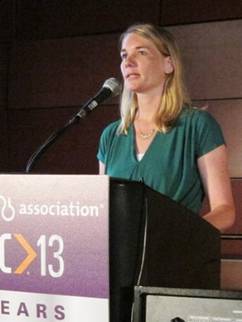
Even if there were a significant correlation, its clinical specificity might be doubtful at this point, said Dr. Pijnenburg of the VU University Medical Center, Amsterdam. "Frontotemporal dementia is so pathologically heterogeneous that it’s almost unthinkable that we would find one specific biomarker."
The findings of her new study were a bit of a disappointment, failing to confirm her earlier work (Clin. Chem. Lab. Med. 2011;49:353-66), which suggested that both tau and phosphorylated tau (P-tau) might be diagnostically useful.
She examined biomarker levels in a cohort of 363 patients recruited from the Amsterdam Dementia Cohort and an associated memory clinic. Of these, 121 had Alzheimer’s disease, 121 had FTD, and 121 had subjective memory complaints that were not pathologic.
The FTD group illustrated Dr. Pijnenburg’s comment about diverse pathology: 91 had behavioral variant FTD and 30 met the Gorno-Tempini criteria for semantic dementia (temporal variant FTD), but 30 also met clinical criteria for Alzheimer’s.
All subjects had cerebrospinal fluid drawn for Abeta42, tau, and P-tau levels. The groups were well matched for age (mean, 62 years). The mean disease duration was about 3 years. The mean Mini Mental State Examination score was 24 in the FTD group, 21 in the Alzheimer’s group, and 28 in the controls with memory complaints.
Abeta42 was lowest in the Alzheimer’s patients at a median of 488 pg/mL. This was significantly lower than the level in either the FTD patients (848 pg/mL) or the normal controls (935 pg/mL). But between the FTD and control groups, neither the median levels nor the ranges were significantly different. The diagnostic accuracy was 89% for discriminating FTD from Alzheimer’s and 57% for discriminating FTD from controls.
The picture was similar for total tau. The level was highest in Alzheimer’s patients (median, 662 pg/mL), followed by the FTD group (345 pg/mL) and the control group (245 pg/mL). But again, neither those levels nor their ranges were significantly different from each other. The diagnostic accuracy was 81% for discriminating FTD from Alzheimer’s and 69% for discriminating FTD from controls.
P-tau was similarly elevated in Alzheimer’s patients (median, 86 pg/mL) and nearly identical in both FTD (42 pg/mL) and controls (45 pg/mL). The diagnostic accuracy was 87% for discriminating FTD from Alzheimer’s and 53% for discriminating FTD from controls.
The tau/Abeta42 ratio had a diagnostic accuracy of 91% for discriminating FTD from Alzheimer’s and 72% for discriminating FTD from the controls.
Dr. Pijnenburg expressed some hope for biomarker utility in the future, despite the rather low accuracy levels for the FTD/control discrimination in this study. "There was very little relevance for measuring Abeta42 or P-tau, but total tau and the tau/Abeta42ratio both do have some diagnostic interest," she said.
During discussion, she addressed several questions concerning unexpectedly low tau levels in the FTD cohort. Patients with FTD have a more rapid disease progression and more brain atrophy than do Alzheimer’s patients. Tau is also directly related to neurodegeneration. So why, she was asked, was there not more tau in the cerebrospinal fluid?
"My thought is that it could be related to the focal nature of FTD," she said. "Alzheimer’s is more diffuse."
Dr. Pijnenburg had no financial disclosures.
[email protected]
On Twitter @Alz_Gal
BOSTON – The same biomarkers that successfully discriminate frontotemporal dementia from Alzheimer’s disease don’t appear very helpful in differentiating patients with frontotemporal dementia from those with subjective memory problems.
Low cerebrospinal fluid levels of amyloid beta 42 (Abeta42) and high levels of tau are now seen as important diagnostic hallmarks for Alzheimer’s. The median levels of those biomarkers in patients with FTD are significantly different from what is measured in individuals with Alzheimer’s disease, but levels of those markers are too similar between FTD patients and those with subjective memory problems to be useful in differential diagnosis, Dr. Yolande Pijnenburg said at the Alzheimer’s Association International Conference 2013.
Even if there were a significant correlation, its clinical specificity might be doubtful at this point, said Dr. Pijnenburg of the VU University Medical Center, Amsterdam. "Frontotemporal dementia is so pathologically heterogeneous that it’s almost unthinkable that we would find one specific biomarker."
The findings of her new study were a bit of a disappointment, failing to confirm her earlier work (Clin. Chem. Lab. Med. 2011;49:353-66), which suggested that both tau and phosphorylated tau (P-tau) might be diagnostically useful.
She examined biomarker levels in a cohort of 363 patients recruited from the Amsterdam Dementia Cohort and an associated memory clinic. Of these, 121 had Alzheimer’s disease, 121 had FTD, and 121 had subjective memory complaints that were not pathologic.
The FTD group illustrated Dr. Pijnenburg’s comment about diverse pathology: 91 had behavioral variant FTD and 30 met the Gorno-Tempini criteria for semantic dementia (temporal variant FTD), but 30 also met clinical criteria for Alzheimer’s.
All subjects had cerebrospinal fluid drawn for Abeta42, tau, and P-tau levels. The groups were well matched for age (mean, 62 years). The mean disease duration was about 3 years. The mean Mini Mental State Examination score was 24 in the FTD group, 21 in the Alzheimer’s group, and 28 in the controls with memory complaints.
Abeta42 was lowest in the Alzheimer’s patients at a median of 488 pg/mL. This was significantly lower than the level in either the FTD patients (848 pg/mL) or the normal controls (935 pg/mL). But between the FTD and control groups, neither the median levels nor the ranges were significantly different. The diagnostic accuracy was 89% for discriminating FTD from Alzheimer’s and 57% for discriminating FTD from controls.
The picture was similar for total tau. The level was highest in Alzheimer’s patients (median, 662 pg/mL), followed by the FTD group (345 pg/mL) and the control group (245 pg/mL). But again, neither those levels nor their ranges were significantly different from each other. The diagnostic accuracy was 81% for discriminating FTD from Alzheimer’s and 69% for discriminating FTD from controls.
P-tau was similarly elevated in Alzheimer’s patients (median, 86 pg/mL) and nearly identical in both FTD (42 pg/mL) and controls (45 pg/mL). The diagnostic accuracy was 87% for discriminating FTD from Alzheimer’s and 53% for discriminating FTD from controls.
The tau/Abeta42 ratio had a diagnostic accuracy of 91% for discriminating FTD from Alzheimer’s and 72% for discriminating FTD from the controls.
Dr. Pijnenburg expressed some hope for biomarker utility in the future, despite the rather low accuracy levels for the FTD/control discrimination in this study. "There was very little relevance for measuring Abeta42 or P-tau, but total tau and the tau/Abeta42ratio both do have some diagnostic interest," she said.
During discussion, she addressed several questions concerning unexpectedly low tau levels in the FTD cohort. Patients with FTD have a more rapid disease progression and more brain atrophy than do Alzheimer’s patients. Tau is also directly related to neurodegeneration. So why, she was asked, was there not more tau in the cerebrospinal fluid?
"My thought is that it could be related to the focal nature of FTD," she said. "Alzheimer’s is more diffuse."
Dr. Pijnenburg had no financial disclosures.
[email protected]
On Twitter @Alz_Gal
BOSTON – The same biomarkers that successfully discriminate frontotemporal dementia from Alzheimer’s disease don’t appear very helpful in differentiating patients with frontotemporal dementia from those with subjective memory problems.
Low cerebrospinal fluid levels of amyloid beta 42 (Abeta42) and high levels of tau are now seen as important diagnostic hallmarks for Alzheimer’s. The median levels of those biomarkers in patients with FTD are significantly different from what is measured in individuals with Alzheimer’s disease, but levels of those markers are too similar between FTD patients and those with subjective memory problems to be useful in differential diagnosis, Dr. Yolande Pijnenburg said at the Alzheimer’s Association International Conference 2013.
Even if there were a significant correlation, its clinical specificity might be doubtful at this point, said Dr. Pijnenburg of the VU University Medical Center, Amsterdam. "Frontotemporal dementia is so pathologically heterogeneous that it’s almost unthinkable that we would find one specific biomarker."
The findings of her new study were a bit of a disappointment, failing to confirm her earlier work (Clin. Chem. Lab. Med. 2011;49:353-66), which suggested that both tau and phosphorylated tau (P-tau) might be diagnostically useful.
She examined biomarker levels in a cohort of 363 patients recruited from the Amsterdam Dementia Cohort and an associated memory clinic. Of these, 121 had Alzheimer’s disease, 121 had FTD, and 121 had subjective memory complaints that were not pathologic.
The FTD group illustrated Dr. Pijnenburg’s comment about diverse pathology: 91 had behavioral variant FTD and 30 met the Gorno-Tempini criteria for semantic dementia (temporal variant FTD), but 30 also met clinical criteria for Alzheimer’s.
All subjects had cerebrospinal fluid drawn for Abeta42, tau, and P-tau levels. The groups were well matched for age (mean, 62 years). The mean disease duration was about 3 years. The mean Mini Mental State Examination score was 24 in the FTD group, 21 in the Alzheimer’s group, and 28 in the controls with memory complaints.
Abeta42 was lowest in the Alzheimer’s patients at a median of 488 pg/mL. This was significantly lower than the level in either the FTD patients (848 pg/mL) or the normal controls (935 pg/mL). But between the FTD and control groups, neither the median levels nor the ranges were significantly different. The diagnostic accuracy was 89% for discriminating FTD from Alzheimer’s and 57% for discriminating FTD from controls.
The picture was similar for total tau. The level was highest in Alzheimer’s patients (median, 662 pg/mL), followed by the FTD group (345 pg/mL) and the control group (245 pg/mL). But again, neither those levels nor their ranges were significantly different from each other. The diagnostic accuracy was 81% for discriminating FTD from Alzheimer’s and 69% for discriminating FTD from controls.
P-tau was similarly elevated in Alzheimer’s patients (median, 86 pg/mL) and nearly identical in both FTD (42 pg/mL) and controls (45 pg/mL). The diagnostic accuracy was 87% for discriminating FTD from Alzheimer’s and 53% for discriminating FTD from controls.
The tau/Abeta42 ratio had a diagnostic accuracy of 91% for discriminating FTD from Alzheimer’s and 72% for discriminating FTD from the controls.
Dr. Pijnenburg expressed some hope for biomarker utility in the future, despite the rather low accuracy levels for the FTD/control discrimination in this study. "There was very little relevance for measuring Abeta42 or P-tau, but total tau and the tau/Abeta42ratio both do have some diagnostic interest," she said.
During discussion, she addressed several questions concerning unexpectedly low tau levels in the FTD cohort. Patients with FTD have a more rapid disease progression and more brain atrophy than do Alzheimer’s patients. Tau is also directly related to neurodegeneration. So why, she was asked, was there not more tau in the cerebrospinal fluid?
"My thought is that it could be related to the focal nature of FTD," she said. "Alzheimer’s is more diffuse."
Dr. Pijnenburg had no financial disclosures.
[email protected]
On Twitter @Alz_Gal
AT AAIC 2013
Major finding: The tau/Abeta42 ratio had a diagnostic accuracy of 91% for discriminating frontotemporal dementia from Alzheimer’s and 72% for discriminating FTD from the controls.
Data source: The study cohort comprised 121 patients with FTD, 121 with AD, and 121 with subjective, nonpathologic memory complaints.
Disclosures: Dr. Pijnenburg had no financial disclosures.
New drug matched donepezil’s efficacy in mild to moderate Alzheimer’s
BOSTON – An investigational nicotinic receptor agonist demonstrated cognitive benefits similar to those seen with donepezil in a phase II trial of patients with mild to moderate Alzheimer’s disease.
Based on positive results of the study, research on the drug, ABT-126, will continue, Dr. Laura Gault said at the Alzheimer’s Association International Conference 2013.
"ABT-126 showed evidence of a treatment effect on cognition, in a dose- and exposure-response fashion," said Dr. Gault of AbbVie Pharmaceuticals, Abbott’s newly created pharmaceuticals research and development arm.
ABT-126 potentiates the action of the alpha-7 nicotinic receptor, which is expressed both pre- and postsynaptically. The hippocampus and prefrontal cortex are especially rich in nicotinic receptors, which influence the release of acetylcholine, dopamine, and glutamate.
Researchers have postulated that nicotinic receptor agonists could have similar benefits to acetylcholinesterase inhibitors, but with a better side effect profile.
In animal models of Alzheimer’s, ABT-126 boosted cognition and memory. It has also demonstrated safety and good tolerability in several phase I studies totaling 249 subjects; the groups included Alzheimer’s and schizophrenia patients, as well as healthy elderly controls.
The 12-week, phase II study randomized 274 subjects to either placebo, 10 mg donepezil, or 5 or 10 mg ABT-126. The 5-mg dose was chosen to match plasma levels obtained in Alzheimer’s model studies, Dr. Gault said. The 10-mg dose was the highest dose supported by the extant safety and tolerability data. Since then, she said, additional studies on ABT-126 have supported a larger dose, which is currently being investigated.
The primary endpoint was the total change from baseline on an 11-item version of the Alzheimer’s Disease Assessment Scale-Cognition domain (ADAS-Cog 11). The study was powered to detect a 30% change on this measure over that which has been demonstrated with donepezil.
Secondary endpoints included the change from baseline on a 13-item version of the ADAS-Cog, the Mini Mental State Examination, the Clinician’s Interview-Based Impression of Change, the Neuropsychiatric Inventory, and the Alzheimer’s Disease Cooperative Study-Activities of Daily Living (ADCS-ADL).
The patients were a mean of 74 years old; 51% tested positive for the apolipoprotein E epsilon-4 allele. Half had been on prior pharmacologic treatment, but since the study was a monotherapy trial, no additional drugs were allowed for its duration. The mean baseline score on the ADAS-Cog was 26 and the mean MMSE was 19.
On the ADAS-Cog 11 total score, donepezil performed the best, with a statistically significant 1.4-point increase. The 10-mg ABT-126 group also improved over baseline, with a statistically significant 1.2-point change. The 5-mg dose did not separate from placebo.
On the memory subscale of the ADAS-Cog 11, both the 10-mg dose of ABT-126 and donepezil showed significant improvements. Scores on the praxis subscale were significantly higher for patients who took donepezil, compared with those who took ABT-126. Neither drug significantly affected scores in the language subscale.
Both the 10-mg dose of ABT-126 and donepezil significantly improved total scores on the ADAS-Cog 13.
A linear model showed a relationship between exposure to the study drug and cognitive improvement, with no plateau over 12 weeks. "This suggests that a higher dose might lead to improved efficacy," Dr. Gault said.
There were 17 dropouts in the study. The rates were highest in the 10-mg ABT-126 and donepezil groups (6 each). Nine were due to adverse events, including five with donepezil, two with placebo, one with 10-mg ABT-126 and one with 5-mg ABT-126.
The most common adverse events were nausea, diarrhea, and vomiting, all of which were most frequent in the donepezil group.
AbbVie’s next steps with the drug are two 24-week, placebo-controlled phase II trials, both of which are expected to enroll about 400 patients with mild-moderate disease. One will test the drug as monotherapy, and the other as an add-on to rivastigmine and donepezil.
The company is also investigating the drug’s possible effect on cognition in patients with schizophrenia.
AbbVie sponsored the trial.
On Twitter @Alz_Gal
BOSTON – An investigational nicotinic receptor agonist demonstrated cognitive benefits similar to those seen with donepezil in a phase II trial of patients with mild to moderate Alzheimer’s disease.
Based on positive results of the study, research on the drug, ABT-126, will continue, Dr. Laura Gault said at the Alzheimer’s Association International Conference 2013.
"ABT-126 showed evidence of a treatment effect on cognition, in a dose- and exposure-response fashion," said Dr. Gault of AbbVie Pharmaceuticals, Abbott’s newly created pharmaceuticals research and development arm.
ABT-126 potentiates the action of the alpha-7 nicotinic receptor, which is expressed both pre- and postsynaptically. The hippocampus and prefrontal cortex are especially rich in nicotinic receptors, which influence the release of acetylcholine, dopamine, and glutamate.
Researchers have postulated that nicotinic receptor agonists could have similar benefits to acetylcholinesterase inhibitors, but with a better side effect profile.
In animal models of Alzheimer’s, ABT-126 boosted cognition and memory. It has also demonstrated safety and good tolerability in several phase I studies totaling 249 subjects; the groups included Alzheimer’s and schizophrenia patients, as well as healthy elderly controls.
The 12-week, phase II study randomized 274 subjects to either placebo, 10 mg donepezil, or 5 or 10 mg ABT-126. The 5-mg dose was chosen to match plasma levels obtained in Alzheimer’s model studies, Dr. Gault said. The 10-mg dose was the highest dose supported by the extant safety and tolerability data. Since then, she said, additional studies on ABT-126 have supported a larger dose, which is currently being investigated.
The primary endpoint was the total change from baseline on an 11-item version of the Alzheimer’s Disease Assessment Scale-Cognition domain (ADAS-Cog 11). The study was powered to detect a 30% change on this measure over that which has been demonstrated with donepezil.
Secondary endpoints included the change from baseline on a 13-item version of the ADAS-Cog, the Mini Mental State Examination, the Clinician’s Interview-Based Impression of Change, the Neuropsychiatric Inventory, and the Alzheimer’s Disease Cooperative Study-Activities of Daily Living (ADCS-ADL).
The patients were a mean of 74 years old; 51% tested positive for the apolipoprotein E epsilon-4 allele. Half had been on prior pharmacologic treatment, but since the study was a monotherapy trial, no additional drugs were allowed for its duration. The mean baseline score on the ADAS-Cog was 26 and the mean MMSE was 19.
On the ADAS-Cog 11 total score, donepezil performed the best, with a statistically significant 1.4-point increase. The 10-mg ABT-126 group also improved over baseline, with a statistically significant 1.2-point change. The 5-mg dose did not separate from placebo.
On the memory subscale of the ADAS-Cog 11, both the 10-mg dose of ABT-126 and donepezil showed significant improvements. Scores on the praxis subscale were significantly higher for patients who took donepezil, compared with those who took ABT-126. Neither drug significantly affected scores in the language subscale.
Both the 10-mg dose of ABT-126 and donepezil significantly improved total scores on the ADAS-Cog 13.
A linear model showed a relationship between exposure to the study drug and cognitive improvement, with no plateau over 12 weeks. "This suggests that a higher dose might lead to improved efficacy," Dr. Gault said.
There were 17 dropouts in the study. The rates were highest in the 10-mg ABT-126 and donepezil groups (6 each). Nine were due to adverse events, including five with donepezil, two with placebo, one with 10-mg ABT-126 and one with 5-mg ABT-126.
The most common adverse events were nausea, diarrhea, and vomiting, all of which were most frequent in the donepezil group.
AbbVie’s next steps with the drug are two 24-week, placebo-controlled phase II trials, both of which are expected to enroll about 400 patients with mild-moderate disease. One will test the drug as monotherapy, and the other as an add-on to rivastigmine and donepezil.
The company is also investigating the drug’s possible effect on cognition in patients with schizophrenia.
AbbVie sponsored the trial.
On Twitter @Alz_Gal
BOSTON – An investigational nicotinic receptor agonist demonstrated cognitive benefits similar to those seen with donepezil in a phase II trial of patients with mild to moderate Alzheimer’s disease.
Based on positive results of the study, research on the drug, ABT-126, will continue, Dr. Laura Gault said at the Alzheimer’s Association International Conference 2013.
"ABT-126 showed evidence of a treatment effect on cognition, in a dose- and exposure-response fashion," said Dr. Gault of AbbVie Pharmaceuticals, Abbott’s newly created pharmaceuticals research and development arm.
ABT-126 potentiates the action of the alpha-7 nicotinic receptor, which is expressed both pre- and postsynaptically. The hippocampus and prefrontal cortex are especially rich in nicotinic receptors, which influence the release of acetylcholine, dopamine, and glutamate.
Researchers have postulated that nicotinic receptor agonists could have similar benefits to acetylcholinesterase inhibitors, but with a better side effect profile.
In animal models of Alzheimer’s, ABT-126 boosted cognition and memory. It has also demonstrated safety and good tolerability in several phase I studies totaling 249 subjects; the groups included Alzheimer’s and schizophrenia patients, as well as healthy elderly controls.
The 12-week, phase II study randomized 274 subjects to either placebo, 10 mg donepezil, or 5 or 10 mg ABT-126. The 5-mg dose was chosen to match plasma levels obtained in Alzheimer’s model studies, Dr. Gault said. The 10-mg dose was the highest dose supported by the extant safety and tolerability data. Since then, she said, additional studies on ABT-126 have supported a larger dose, which is currently being investigated.
The primary endpoint was the total change from baseline on an 11-item version of the Alzheimer’s Disease Assessment Scale-Cognition domain (ADAS-Cog 11). The study was powered to detect a 30% change on this measure over that which has been demonstrated with donepezil.
Secondary endpoints included the change from baseline on a 13-item version of the ADAS-Cog, the Mini Mental State Examination, the Clinician’s Interview-Based Impression of Change, the Neuropsychiatric Inventory, and the Alzheimer’s Disease Cooperative Study-Activities of Daily Living (ADCS-ADL).
The patients were a mean of 74 years old; 51% tested positive for the apolipoprotein E epsilon-4 allele. Half had been on prior pharmacologic treatment, but since the study was a monotherapy trial, no additional drugs were allowed for its duration. The mean baseline score on the ADAS-Cog was 26 and the mean MMSE was 19.
On the ADAS-Cog 11 total score, donepezil performed the best, with a statistically significant 1.4-point increase. The 10-mg ABT-126 group also improved over baseline, with a statistically significant 1.2-point change. The 5-mg dose did not separate from placebo.
On the memory subscale of the ADAS-Cog 11, both the 10-mg dose of ABT-126 and donepezil showed significant improvements. Scores on the praxis subscale were significantly higher for patients who took donepezil, compared with those who took ABT-126. Neither drug significantly affected scores in the language subscale.
Both the 10-mg dose of ABT-126 and donepezil significantly improved total scores on the ADAS-Cog 13.
A linear model showed a relationship between exposure to the study drug and cognitive improvement, with no plateau over 12 weeks. "This suggests that a higher dose might lead to improved efficacy," Dr. Gault said.
There were 17 dropouts in the study. The rates were highest in the 10-mg ABT-126 and donepezil groups (6 each). Nine were due to adverse events, including five with donepezil, two with placebo, one with 10-mg ABT-126 and one with 5-mg ABT-126.
The most common adverse events were nausea, diarrhea, and vomiting, all of which were most frequent in the donepezil group.
AbbVie’s next steps with the drug are two 24-week, placebo-controlled phase II trials, both of which are expected to enroll about 400 patients with mild-moderate disease. One will test the drug as monotherapy, and the other as an add-on to rivastigmine and donepezil.
The company is also investigating the drug’s possible effect on cognition in patients with schizophrenia.
AbbVie sponsored the trial.
On Twitter @Alz_Gal
AT AAIC 2013
Major finding: Donepezil users performed the best on the 11-item ADAS-Cog total score, with a statistically significant 1.4-point increase. The 10-mg ABT-126 group also improved over baseline, with a statistically significant 1.2-point change.
Data source: The phase II study randomized 274 patients to placebo, 10 mg donepezil, or 5- or 10-mg ABT-126 for 12 weeks.
Disclosures: AbbVie sponsored the trial. Dr. Laura Gault is the company’s medical director.
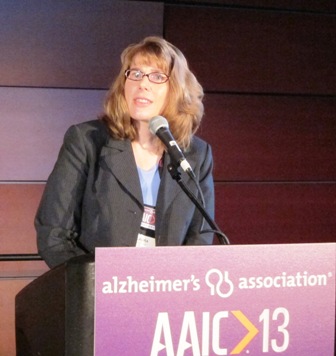
Obesity among preschoolers down in 19 states
Preschoolers in 18 states and the U.S. Virgin Islands are a little skinnier, according to new data released by the Centers for Disease Control and Prevention.
From 2008 to 2011, there were small – but statistically significant – decreases in the prevalence of obesity among 2- to 5-year-olds in these states, Dr. Thomas Frieden said during a press briefing.
"This is a bright spot for our nation’s youngest kids. These data show a tipping point from a steady increase or leveling off in most areas of the country to decreases in many areas."
The findings were reported in the Aug. 6 issue of Morbidity and Mortality Weekly Report (MMWR 2013;62:1-6).

Although cautioning that "we’re very far from being out of the woods," Dr. Frieden said these are the first signs of widespread change that could, in the future, lead to improved health outcomes for children.
Across the 19 states and territories with significant downward trends, the absolute decrease in obesity prevalence from 2008 to 2011 ranged from 0.3% to 2.6%. The relative decreases in obesity prevalence ranged from 1.8% to 19.1%.
The U.S. Virgin Islands posted the biggest change. In that territory, the prevalence of obesity among 2- to 5-year-olds declined from 18.6% in 2008 to 11% in 2011 – an absolute decrease of 2.6%.
Five other states – Florida, Georgia, Missouri, New Jersey, and South Dakota – posted absolute decreases in obesity prevalence of 1% or more during the same period.
Other states with decreasing rates were California, Idaho, Iowa, Kansas, Maryland, Massachusetts, Michigan, Minnesota, Mississippi, New Hampshire, New Mexico, New York, and Washington.
Obesity prevalence among preschoolers increased in Colorado, Tennessee, and Pennsylvania, with relative increases ranging from 5.2% to 6.4%
Several states, including a few with high obesity rates, didn’t post any data (Louisiana, Maine, Oklahoma, South Carolina, Texas, Virginia, and Wyoming). But even if they had been added in as increasing or maintaining prevalence, they would still not have exceeded the 18 that posted the decreases.
The rest of the states, and Puerto Rico, had steady rates.
The data included height and weight measurements on 11.6 million children who participated in the Centers for Disease Control and Prevention’s annual Pediatric Nutrition Surveillance System (PedNSS) report from 2008 to 2011. Most of the children in this report participate in the Special Supplemental Nutrition Program for Women, Infants, and Children (WIC), so the data show a snapshot of low-income children. However, a subanalysis that controlled for household income didn’t significantly change the findings,
Several things probably contributed to the improvements in obesity, Dr. Frieden said, including changes in the WIC policy and federal recommendations for food and activity programs in schools and child care centers.
"These facilities are much more likely to provide low-fat or fat-free milk. There has also been a shift from juice to serving whole fruits and vegetables.
The changes are probably also related to a larger national emphasis on the benefits of breastfeeding, Dr. Frieden added. "Unfortunately, there were some aspects of the prior WIC program that unintentionally may have made breastfeeding seem less attractive."
Federal obesity awareness programs such as "Let's Move" may also have helped, he said. The national program stresses at least 1 hour of physical activity per day for children, limits on screen time, and opening school physical activity areas during non–school hours.
The decreases in obesity are encouraging but are just a start on what’s really needed to safeguard long-term health, Dr. Frieden said. "About one in eight children this age are obese; the rate among African American children is one in five, and one in six for Hispanic kids. The rates increase in adolescence and adulthood. Obesity contributes to high cholesterol, high blood sugar, and asthma in children, and to some of the leading causes of death among adults."
In addition to the cost in health and lives, obesity takes an enormous financial toll on the country, he added. "Adult obesity cost us about $150 billion in 2008. It’s a complex problem, and it won’t be quick or simple to cure. It will turn gradually, and we must continue doing whatever we can to drive it down. But avoiding obesity in the first place is the best intervention, and that’s why we are so encouraged to see this change in this age group."
The Centers for Disease Control and Prevention administers the survey.
On Twitter @Alz_Gal
Preschoolers in 18 states and the U.S. Virgin Islands are a little skinnier, according to new data released by the Centers for Disease Control and Prevention.
From 2008 to 2011, there were small – but statistically significant – decreases in the prevalence of obesity among 2- to 5-year-olds in these states, Dr. Thomas Frieden said during a press briefing.
"This is a bright spot for our nation’s youngest kids. These data show a tipping point from a steady increase or leveling off in most areas of the country to decreases in many areas."
The findings were reported in the Aug. 6 issue of Morbidity and Mortality Weekly Report (MMWR 2013;62:1-6).
Although cautioning that "we’re very far from being out of the woods," Dr. Frieden said these are the first signs of widespread change that could, in the future, lead to improved health outcomes for children.
Across the 19 states and territories with significant downward trends, the absolute decrease in obesity prevalence from 2008 to 2011 ranged from 0.3% to 2.6%. The relative decreases in obesity prevalence ranged from 1.8% to 19.1%.
The U.S. Virgin Islands posted the biggest change. In that territory, the prevalence of obesity among 2- to 5-year-olds declined from 18.6% in 2008 to 11% in 2011 – an absolute decrease of 2.6%.
Five other states – Florida, Georgia, Missouri, New Jersey, and South Dakota – posted absolute decreases in obesity prevalence of 1% or more during the same period.
Other states with decreasing rates were California, Idaho, Iowa, Kansas, Maryland, Massachusetts, Michigan, Minnesota, Mississippi, New Hampshire, New Mexico, New York, and Washington.
Obesity prevalence among preschoolers increased in Colorado, Tennessee, and Pennsylvania, with relative increases ranging from 5.2% to 6.4%
Several states, including a few with high obesity rates, didn’t post any data (Louisiana, Maine, Oklahoma, South Carolina, Texas, Virginia, and Wyoming). But even if they had been added in as increasing or maintaining prevalence, they would still not have exceeded the 18 that posted the decreases.
The rest of the states, and Puerto Rico, had steady rates.
The data included height and weight measurements on 11.6 million children who participated in the Centers for Disease Control and Prevention’s annual Pediatric Nutrition Surveillance System (PedNSS) report from 2008 to 2011. Most of the children in this report participate in the Special Supplemental Nutrition Program for Women, Infants, and Children (WIC), so the data show a snapshot of low-income children. However, a subanalysis that controlled for household income didn’t significantly change the findings,
Several things probably contributed to the improvements in obesity, Dr. Frieden said, including changes in the WIC policy and federal recommendations for food and activity programs in schools and child care centers.
"These facilities are much more likely to provide low-fat or fat-free milk. There has also been a shift from juice to serving whole fruits and vegetables.
The changes are probably also related to a larger national emphasis on the benefits of breastfeeding, Dr. Frieden added. "Unfortunately, there were some aspects of the prior WIC program that unintentionally may have made breastfeeding seem less attractive."
Federal obesity awareness programs such as "Let's Move" may also have helped, he said. The national program stresses at least 1 hour of physical activity per day for children, limits on screen time, and opening school physical activity areas during non–school hours.
The decreases in obesity are encouraging but are just a start on what’s really needed to safeguard long-term health, Dr. Frieden said. "About one in eight children this age are obese; the rate among African American children is one in five, and one in six for Hispanic kids. The rates increase in adolescence and adulthood. Obesity contributes to high cholesterol, high blood sugar, and asthma in children, and to some of the leading causes of death among adults."
In addition to the cost in health and lives, obesity takes an enormous financial toll on the country, he added. "Adult obesity cost us about $150 billion in 2008. It’s a complex problem, and it won’t be quick or simple to cure. It will turn gradually, and we must continue doing whatever we can to drive it down. But avoiding obesity in the first place is the best intervention, and that’s why we are so encouraged to see this change in this age group."
The Centers for Disease Control and Prevention administers the survey.
On Twitter @Alz_Gal
Preschoolers in 18 states and the U.S. Virgin Islands are a little skinnier, according to new data released by the Centers for Disease Control and Prevention.
From 2008 to 2011, there were small – but statistically significant – decreases in the prevalence of obesity among 2- to 5-year-olds in these states, Dr. Thomas Frieden said during a press briefing.
"This is a bright spot for our nation’s youngest kids. These data show a tipping point from a steady increase or leveling off in most areas of the country to decreases in many areas."
The findings were reported in the Aug. 6 issue of Morbidity and Mortality Weekly Report (MMWR 2013;62:1-6).
Although cautioning that "we’re very far from being out of the woods," Dr. Frieden said these are the first signs of widespread change that could, in the future, lead to improved health outcomes for children.
Across the 19 states and territories with significant downward trends, the absolute decrease in obesity prevalence from 2008 to 2011 ranged from 0.3% to 2.6%. The relative decreases in obesity prevalence ranged from 1.8% to 19.1%.
The U.S. Virgin Islands posted the biggest change. In that territory, the prevalence of obesity among 2- to 5-year-olds declined from 18.6% in 2008 to 11% in 2011 – an absolute decrease of 2.6%.
Five other states – Florida, Georgia, Missouri, New Jersey, and South Dakota – posted absolute decreases in obesity prevalence of 1% or more during the same period.
Other states with decreasing rates were California, Idaho, Iowa, Kansas, Maryland, Massachusetts, Michigan, Minnesota, Mississippi, New Hampshire, New Mexico, New York, and Washington.
Obesity prevalence among preschoolers increased in Colorado, Tennessee, and Pennsylvania, with relative increases ranging from 5.2% to 6.4%
Several states, including a few with high obesity rates, didn’t post any data (Louisiana, Maine, Oklahoma, South Carolina, Texas, Virginia, and Wyoming). But even if they had been added in as increasing or maintaining prevalence, they would still not have exceeded the 18 that posted the decreases.
The rest of the states, and Puerto Rico, had steady rates.
The data included height and weight measurements on 11.6 million children who participated in the Centers for Disease Control and Prevention’s annual Pediatric Nutrition Surveillance System (PedNSS) report from 2008 to 2011. Most of the children in this report participate in the Special Supplemental Nutrition Program for Women, Infants, and Children (WIC), so the data show a snapshot of low-income children. However, a subanalysis that controlled for household income didn’t significantly change the findings,
Several things probably contributed to the improvements in obesity, Dr. Frieden said, including changes in the WIC policy and federal recommendations for food and activity programs in schools and child care centers.
"These facilities are much more likely to provide low-fat or fat-free milk. There has also been a shift from juice to serving whole fruits and vegetables.
The changes are probably also related to a larger national emphasis on the benefits of breastfeeding, Dr. Frieden added. "Unfortunately, there were some aspects of the prior WIC program that unintentionally may have made breastfeeding seem less attractive."
Federal obesity awareness programs such as "Let's Move" may also have helped, he said. The national program stresses at least 1 hour of physical activity per day for children, limits on screen time, and opening school physical activity areas during non–school hours.
The decreases in obesity are encouraging but are just a start on what’s really needed to safeguard long-term health, Dr. Frieden said. "About one in eight children this age are obese; the rate among African American children is one in five, and one in six for Hispanic kids. The rates increase in adolescence and adulthood. Obesity contributes to high cholesterol, high blood sugar, and asthma in children, and to some of the leading causes of death among adults."
In addition to the cost in health and lives, obesity takes an enormous financial toll on the country, he added. "Adult obesity cost us about $150 billion in 2008. It’s a complex problem, and it won’t be quick or simple to cure. It will turn gradually, and we must continue doing whatever we can to drive it down. But avoiding obesity in the first place is the best intervention, and that’s why we are so encouraged to see this change in this age group."
The Centers for Disease Control and Prevention administers the survey.
On Twitter @Alz_Gal
FROM MMWR
Major finding: Eighteen states and the U.S. Virgin Islands reported small but significant decreases in the prevalence of obesity among 2- to 5-year-olds from 2008 to 2011.
Data source: The findings are from 11.6 million children included in the Centers for Disease Control and Prevention’s annual Pediatric Nutrition Surveillance System report from 2008 to 2011.
Disclosures: The Centers for Disease Control and Prevention administers the survey.

Aerobic exercise boosts brain power in mild cognitive impairment
BOSTON – Combined results from two 6-month, randomized trials indicate that aerobic exercise improves executive function to a significantly greater degree than do stretching and tone exercises in patients with mild cognitive impairment or mild insulin resistance, Laura Baker, Ph.D., reported at the Alzheimer’s Association International Conference 2013.
The benefits were greatest in carriers of the apo E epsilon 4 allele, which confers a higher risk for developing Alzheimer’s disease.
But the "how" behind this brain boost remains something of a mystery, said Dr. Baker of Wake Forest University, Winston-Salem, N.C. "In apo E epsilon 4–negative participants, we think the mechanism is probably improved insulin sensitivity. But in the apo E epsilon 4–positive patients, it seems to be some other mechanism that we don’t understand."
Exercise modulates the risk of cognitive decline in a number of ways, she said. "It has a diversified portfolio of targets. Exercise exerts benefits on inflammation, improves the integrity of both macro- and microvessels, has a beneficial effect on physical and psychological stress, and modulates inflammation – all of which have been shown to have potent effects on amyloid burden."
These findings over the years have "set the stage nicely for clinical trials. But what’s the right exposure? Who are the best responders? And what is the clinical significance of the changes? Do they really translate into any improvement in quality of life?"
To try and answer some of these questions, she and her colleagues conducted two randomized physical activity trials. They recruited a total of 67 participants: 33 in a study of exercise in adults with mild cognitive impairment (MCI) and 34 with impaired insulin sensitivity who were in an identical study.
The two studies took a look at different aspects of the relationship between cognitive and metabolic health, Dr. Baker said at the meeting. "Mild metabolic disease leads to vascular dysfunction and poor glucose tolerance, which puts a person at an increased risk of mild cognitive impairment and Alzheimer’s dementia."
Both studies were 6 months long and randomized participants to 45-minute sessions of either a stretching/toning program or aerobic exercise, conducted four times a week. Both were held at local YMCAs and supervised by trained staff.
For the duration of the stretching program, the target heart rate was less than 35% of the maximum; the exercises also included balance and gentle yoga. The aerobic program aimed for a heart rate of 70%-80% of maximum. It consisted of ever-increasing workouts on treadmill, stationary bike, or elliptical trainer. Adherence was very good, Dr. Baker said, with 93% of the subjects in each study completing the protocol.
Each trial had the same endpoints: tests of executive function (a composite of trail-making, word fluency, symbol-digit, and visual working memory) and short-term memory (story recall, list learning, and delayed matching).
The participants were a mean of 68.5 years old; altogether, 46 were randomized to the aerobic program and 21 to the stretching program. They were out of shape, Dr. Baker said, with a mean VO2 peak of 22 mL/kg per minute – considered below average for that age. They were not an obese group overall, but they had a high body fat percentage of around 38%.
In the MCI study, the mean Mini-Mental State Exam score was 27. In the metabolic dysfunction study, the mean fasting glucose was 100 pg/dL and the mean fasting insulin, 11.47 mU/mL.
At the studies’ ends, aerobic exercise groups had made significant gains in their cardiorespiratory fitness, as measured by improvements in the VO2 peak, the treadmill incline, and the duration they could exercise. These measures were unchanged from baseline in the stretching group. The VO2 peak changes were not significantly associated with executive function.
The exercise groups in both studies also experienced significant gains on the composite measure of executive function, Dr. Baker said. They had an increase of about 2 points from baseline, compared with a decline of about 3 points from baseline in the stretching group. The gains were similar whether the subjects had MCI or insulin resistance.
All of the subjects in both studies also underwent oral glucose tolerance testing at baseline and at their last visit to determine any changes in insulin resistance. Measures of fasting glucose, fasting insulin, insulin resistance, and glucose disposal during metabolic clamp improved significantly in the exercise groups, with no difference by patient group or by apo E epsilon 4 status.
A subanalysis that controlled for insulin sensitivity examined exercise’s contribution to the changes in executive function among the 52 individuals who were apo E epsilon 4 negative and the 15 who were apo E epsilon 4 positive. "With the change in insulin sensitivity out of the picture, the exercise-related cognitive benefit was greater for apo E epsilon 4–positive adults," she said.
Improvements in insulin sensitivity have been associated with cognitive improvement, Dr. Baker said. However, it’s not clear how this effect is mediated by apo E epsilon 4 status. "These adults with the high-risk allele show cognitive improvement that’s probably related to other mechanisms."
The study has prompted a new trial, set to take place next year. The large, multicenter, randomized study will enroll 300 subjects with amnestic MCI to 18 months of moderate- to high-intensity aerobic exercise or the stretching/toning program. Exercises will again occur four times weekly.
The future trial will measure outcomes with the Alzheimer’s Disease Assessment Scale-cognitive domain and the Clinical Dementia Rating-sum of boxes, and performance on computerized tests of memory.
This trial will also include MRI and cerebrospinal fluid biomarker data obtained at baseline and study’s end.
Dr. Baker had no financial disclosures. The studies were funded by the Alzheimer’s Association, the American Diabetes Association, and the National Institute on Aging.
[email protected]
On Twitter @Alz_Gal
BOSTON – Combined results from two 6-month, randomized trials indicate that aerobic exercise improves executive function to a significantly greater degree than do stretching and tone exercises in patients with mild cognitive impairment or mild insulin resistance, Laura Baker, Ph.D., reported at the Alzheimer’s Association International Conference 2013.
The benefits were greatest in carriers of the apo E epsilon 4 allele, which confers a higher risk for developing Alzheimer’s disease.
But the "how" behind this brain boost remains something of a mystery, said Dr. Baker of Wake Forest University, Winston-Salem, N.C. "In apo E epsilon 4–negative participants, we think the mechanism is probably improved insulin sensitivity. But in the apo E epsilon 4–positive patients, it seems to be some other mechanism that we don’t understand."
Exercise modulates the risk of cognitive decline in a number of ways, she said. "It has a diversified portfolio of targets. Exercise exerts benefits on inflammation, improves the integrity of both macro- and microvessels, has a beneficial effect on physical and psychological stress, and modulates inflammation – all of which have been shown to have potent effects on amyloid burden."
These findings over the years have "set the stage nicely for clinical trials. But what’s the right exposure? Who are the best responders? And what is the clinical significance of the changes? Do they really translate into any improvement in quality of life?"
To try and answer some of these questions, she and her colleagues conducted two randomized physical activity trials. They recruited a total of 67 participants: 33 in a study of exercise in adults with mild cognitive impairment (MCI) and 34 with impaired insulin sensitivity who were in an identical study.
The two studies took a look at different aspects of the relationship between cognitive and metabolic health, Dr. Baker said at the meeting. "Mild metabolic disease leads to vascular dysfunction and poor glucose tolerance, which puts a person at an increased risk of mild cognitive impairment and Alzheimer’s dementia."
Both studies were 6 months long and randomized participants to 45-minute sessions of either a stretching/toning program or aerobic exercise, conducted four times a week. Both were held at local YMCAs and supervised by trained staff.
For the duration of the stretching program, the target heart rate was less than 35% of the maximum; the exercises also included balance and gentle yoga. The aerobic program aimed for a heart rate of 70%-80% of maximum. It consisted of ever-increasing workouts on treadmill, stationary bike, or elliptical trainer. Adherence was very good, Dr. Baker said, with 93% of the subjects in each study completing the protocol.
Each trial had the same endpoints: tests of executive function (a composite of trail-making, word fluency, symbol-digit, and visual working memory) and short-term memory (story recall, list learning, and delayed matching).
The participants were a mean of 68.5 years old; altogether, 46 were randomized to the aerobic program and 21 to the stretching program. They were out of shape, Dr. Baker said, with a mean VO2 peak of 22 mL/kg per minute – considered below average for that age. They were not an obese group overall, but they had a high body fat percentage of around 38%.
In the MCI study, the mean Mini-Mental State Exam score was 27. In the metabolic dysfunction study, the mean fasting glucose was 100 pg/dL and the mean fasting insulin, 11.47 mU/mL.
At the studies’ ends, aerobic exercise groups had made significant gains in their cardiorespiratory fitness, as measured by improvements in the VO2 peak, the treadmill incline, and the duration they could exercise. These measures were unchanged from baseline in the stretching group. The VO2 peak changes were not significantly associated with executive function.
The exercise groups in both studies also experienced significant gains on the composite measure of executive function, Dr. Baker said. They had an increase of about 2 points from baseline, compared with a decline of about 3 points from baseline in the stretching group. The gains were similar whether the subjects had MCI or insulin resistance.
All of the subjects in both studies also underwent oral glucose tolerance testing at baseline and at their last visit to determine any changes in insulin resistance. Measures of fasting glucose, fasting insulin, insulin resistance, and glucose disposal during metabolic clamp improved significantly in the exercise groups, with no difference by patient group or by apo E epsilon 4 status.
A subanalysis that controlled for insulin sensitivity examined exercise’s contribution to the changes in executive function among the 52 individuals who were apo E epsilon 4 negative and the 15 who were apo E epsilon 4 positive. "With the change in insulin sensitivity out of the picture, the exercise-related cognitive benefit was greater for apo E epsilon 4–positive adults," she said.
Improvements in insulin sensitivity have been associated with cognitive improvement, Dr. Baker said. However, it’s not clear how this effect is mediated by apo E epsilon 4 status. "These adults with the high-risk allele show cognitive improvement that’s probably related to other mechanisms."
The study has prompted a new trial, set to take place next year. The large, multicenter, randomized study will enroll 300 subjects with amnestic MCI to 18 months of moderate- to high-intensity aerobic exercise or the stretching/toning program. Exercises will again occur four times weekly.
The future trial will measure outcomes with the Alzheimer’s Disease Assessment Scale-cognitive domain and the Clinical Dementia Rating-sum of boxes, and performance on computerized tests of memory.
This trial will also include MRI and cerebrospinal fluid biomarker data obtained at baseline and study’s end.
Dr. Baker had no financial disclosures. The studies were funded by the Alzheimer’s Association, the American Diabetes Association, and the National Institute on Aging.
[email protected]
On Twitter @Alz_Gal
BOSTON – Combined results from two 6-month, randomized trials indicate that aerobic exercise improves executive function to a significantly greater degree than do stretching and tone exercises in patients with mild cognitive impairment or mild insulin resistance, Laura Baker, Ph.D., reported at the Alzheimer’s Association International Conference 2013.
The benefits were greatest in carriers of the apo E epsilon 4 allele, which confers a higher risk for developing Alzheimer’s disease.
But the "how" behind this brain boost remains something of a mystery, said Dr. Baker of Wake Forest University, Winston-Salem, N.C. "In apo E epsilon 4–negative participants, we think the mechanism is probably improved insulin sensitivity. But in the apo E epsilon 4–positive patients, it seems to be some other mechanism that we don’t understand."
Exercise modulates the risk of cognitive decline in a number of ways, she said. "It has a diversified portfolio of targets. Exercise exerts benefits on inflammation, improves the integrity of both macro- and microvessels, has a beneficial effect on physical and psychological stress, and modulates inflammation – all of which have been shown to have potent effects on amyloid burden."
These findings over the years have "set the stage nicely for clinical trials. But what’s the right exposure? Who are the best responders? And what is the clinical significance of the changes? Do they really translate into any improvement in quality of life?"
To try and answer some of these questions, she and her colleagues conducted two randomized physical activity trials. They recruited a total of 67 participants: 33 in a study of exercise in adults with mild cognitive impairment (MCI) and 34 with impaired insulin sensitivity who were in an identical study.
The two studies took a look at different aspects of the relationship between cognitive and metabolic health, Dr. Baker said at the meeting. "Mild metabolic disease leads to vascular dysfunction and poor glucose tolerance, which puts a person at an increased risk of mild cognitive impairment and Alzheimer’s dementia."
Both studies were 6 months long and randomized participants to 45-minute sessions of either a stretching/toning program or aerobic exercise, conducted four times a week. Both were held at local YMCAs and supervised by trained staff.
For the duration of the stretching program, the target heart rate was less than 35% of the maximum; the exercises also included balance and gentle yoga. The aerobic program aimed for a heart rate of 70%-80% of maximum. It consisted of ever-increasing workouts on treadmill, stationary bike, or elliptical trainer. Adherence was very good, Dr. Baker said, with 93% of the subjects in each study completing the protocol.
Each trial had the same endpoints: tests of executive function (a composite of trail-making, word fluency, symbol-digit, and visual working memory) and short-term memory (story recall, list learning, and delayed matching).
The participants were a mean of 68.5 years old; altogether, 46 were randomized to the aerobic program and 21 to the stretching program. They were out of shape, Dr. Baker said, with a mean VO2 peak of 22 mL/kg per minute – considered below average for that age. They were not an obese group overall, but they had a high body fat percentage of around 38%.
In the MCI study, the mean Mini-Mental State Exam score was 27. In the metabolic dysfunction study, the mean fasting glucose was 100 pg/dL and the mean fasting insulin, 11.47 mU/mL.
At the studies’ ends, aerobic exercise groups had made significant gains in their cardiorespiratory fitness, as measured by improvements in the VO2 peak, the treadmill incline, and the duration they could exercise. These measures were unchanged from baseline in the stretching group. The VO2 peak changes were not significantly associated with executive function.
The exercise groups in both studies also experienced significant gains on the composite measure of executive function, Dr. Baker said. They had an increase of about 2 points from baseline, compared with a decline of about 3 points from baseline in the stretching group. The gains were similar whether the subjects had MCI or insulin resistance.
All of the subjects in both studies also underwent oral glucose tolerance testing at baseline and at their last visit to determine any changes in insulin resistance. Measures of fasting glucose, fasting insulin, insulin resistance, and glucose disposal during metabolic clamp improved significantly in the exercise groups, with no difference by patient group or by apo E epsilon 4 status.
A subanalysis that controlled for insulin sensitivity examined exercise’s contribution to the changes in executive function among the 52 individuals who were apo E epsilon 4 negative and the 15 who were apo E epsilon 4 positive. "With the change in insulin sensitivity out of the picture, the exercise-related cognitive benefit was greater for apo E epsilon 4–positive adults," she said.
Improvements in insulin sensitivity have been associated with cognitive improvement, Dr. Baker said. However, it’s not clear how this effect is mediated by apo E epsilon 4 status. "These adults with the high-risk allele show cognitive improvement that’s probably related to other mechanisms."
The study has prompted a new trial, set to take place next year. The large, multicenter, randomized study will enroll 300 subjects with amnestic MCI to 18 months of moderate- to high-intensity aerobic exercise or the stretching/toning program. Exercises will again occur four times weekly.
The future trial will measure outcomes with the Alzheimer’s Disease Assessment Scale-cognitive domain and the Clinical Dementia Rating-sum of boxes, and performance on computerized tests of memory.
This trial will also include MRI and cerebrospinal fluid biomarker data obtained at baseline and study’s end.
Dr. Baker had no financial disclosures. The studies were funded by the Alzheimer’s Association, the American Diabetes Association, and the National Institute on Aging.
[email protected]
On Twitter @Alz_Gal
AT AAIC2013
Major finding: Individuals who performed aerobic exercises had a significant increase of about 2 points from baseline on a composite measure of executive function, compared with a decline of about 3 points from baseline in those who performed stretching and toning exercises, regardless of whether the subjects had MCI or insulin resistance.
Data source: Two 6-month studies that randomized a total of 67 patients to either aerobic exercise or stretching and toning exercises.
Disclosures: Dr. Baker had no financial disclosures. The studies were funded by the Alzheimer’s Association, the America Diabetes Association, and the National Institute on Aging.
Staying positive, healthy may keep long-term OA pain in CHECK
MADRID – Patients with knee osteoarthritis who "retreated" into a passive coping strategy and engaged in an unhealthy lifestyle were likely to develop more long-term pain than were patients who stayed physically healthy and emotionally strong, in a large Dutch cohort study.
"To diminish pain in patients with early symptomatic OA [osteoarthritis], attention should be given not only to pain complaints, but also to effective use of coping strategies and unhealthy lifestyle factors," said the lead author of the study, Janet Wesseling, Ph.D., of University Medical Center, Utrecht, the Netherlands. "This is a further argument to take coping and lifestyle factors into account in the management of early OA."

Her findings were extracted from data in the CHECK (Cohort Hip and Cohort Knee) study, a 10-year prospective cohort study with a mirror cohort in the United States. It’s following 1,002 patients with early OA-related complaints of hip and/or knee pain (Ann. Rheum. Dis 2013;72[Suppl. 3]:152)
The study’s pain trajectory subanalysis included 5-year data on 705 patients with symptomatic knee OA. Dr. Wesseling identified three trajectories in these patients: good, moderate, and poor pain outcomes.
Patients with a good outcome trajectory (n = 222) had over time a slight decrease in pain severity and ended up with a low pain severity. Those with a moderate outcome trajectory (n = 294) had a stable course of moderate pain over time. The poor outcome trajectory group (n = 189) had an increase in pain severity over time and ended up with severe pain.
Compared with the good-outcome group, participants in the other groups were significantly more likely to have a higher body mass index (odds ratio = 1.1). Patients in the moderate- and poor-outcome groups were significantly more likely to smoke than were those in the good-outcome group (moderate outcome, OR = 1.8; poor outcome, OR = 2.3), Dr. Wesseling reported at the annual European Congress of Rheumatology.
There were significant differences in coping strategies as well. The poorer-outcome groups were more likely to have a passive coping style. They were significantly more likely to worry about their condition than was the good-outcome group (moderate outcome, OR = 2.3; poor outcome, OR = 3.5), and more likely to rest often (moderate outcome, OR = 1.6; poor outcome, OR = 2.4).
Over the long run, there were also disease-related physical differences, Dr. Wesseling noted.
After 5 years, patients in the poor-outcome group experienced more joint destruction and changes in osteophyte size, she said. By that time, 13% of patients in the poor-outcome group had at least two grade changes on the Kellgren-Lawrence Grading Scale, indicating more joint space narrowing, osteophyte formation, sclerosis, and bony contour deformity.
Over time, these patients also experienced significantly more osteophyte enlargement than did patients in the moderate- and good-outcome groups, with a mean growth of 5.2 mm, compared with 3.4 mm and 2.9 mm, respectively.
Surgical outcomes were significantly different in the poor-outcome group, Dr. Wesseling said. There were 12 total knee replacements in the poor-outcome group, compared with 4 in the moderate-outcome group and just 1 in the good-outcome group.
Distinguishing different trajectories could have implications for treatment, Dr. Wesseling noted in an interview. Clinicians can suggest improvements in the way patients choose to deal with their condition – beginning with an up-front conversation.
"At the very least, the topic should be discussed during counseling on OA. Physicians should be alert to increasing stress levels in their patients. Sometimes, physicians can help counsel patients about managing stress, but a psychological consult might also be useful. And self-management programs can help patients manage and tolerate their pain."
The CHECK study is supported by the Dutch Arthritis Association. Dr. Wesseling and her colleagues had no disclosures to report.
MADRID – Patients with knee osteoarthritis who "retreated" into a passive coping strategy and engaged in an unhealthy lifestyle were likely to develop more long-term pain than were patients who stayed physically healthy and emotionally strong, in a large Dutch cohort study.
"To diminish pain in patients with early symptomatic OA [osteoarthritis], attention should be given not only to pain complaints, but also to effective use of coping strategies and unhealthy lifestyle factors," said the lead author of the study, Janet Wesseling, Ph.D., of University Medical Center, Utrecht, the Netherlands. "This is a further argument to take coping and lifestyle factors into account in the management of early OA."
Her findings were extracted from data in the CHECK (Cohort Hip and Cohort Knee) study, a 10-year prospective cohort study with a mirror cohort in the United States. It’s following 1,002 patients with early OA-related complaints of hip and/or knee pain (Ann. Rheum. Dis 2013;72[Suppl. 3]:152)
The study’s pain trajectory subanalysis included 5-year data on 705 patients with symptomatic knee OA. Dr. Wesseling identified three trajectories in these patients: good, moderate, and poor pain outcomes.
Patients with a good outcome trajectory (n = 222) had over time a slight decrease in pain severity and ended up with a low pain severity. Those with a moderate outcome trajectory (n = 294) had a stable course of moderate pain over time. The poor outcome trajectory group (n = 189) had an increase in pain severity over time and ended up with severe pain.
Compared with the good-outcome group, participants in the other groups were significantly more likely to have a higher body mass index (odds ratio = 1.1). Patients in the moderate- and poor-outcome groups were significantly more likely to smoke than were those in the good-outcome group (moderate outcome, OR = 1.8; poor outcome, OR = 2.3), Dr. Wesseling reported at the annual European Congress of Rheumatology.
There were significant differences in coping strategies as well. The poorer-outcome groups were more likely to have a passive coping style. They were significantly more likely to worry about their condition than was the good-outcome group (moderate outcome, OR = 2.3; poor outcome, OR = 3.5), and more likely to rest often (moderate outcome, OR = 1.6; poor outcome, OR = 2.4).
Over the long run, there were also disease-related physical differences, Dr. Wesseling noted.
After 5 years, patients in the poor-outcome group experienced more joint destruction and changes in osteophyte size, she said. By that time, 13% of patients in the poor-outcome group had at least two grade changes on the Kellgren-Lawrence Grading Scale, indicating more joint space narrowing, osteophyte formation, sclerosis, and bony contour deformity.
Over time, these patients also experienced significantly more osteophyte enlargement than did patients in the moderate- and good-outcome groups, with a mean growth of 5.2 mm, compared with 3.4 mm and 2.9 mm, respectively.
Surgical outcomes were significantly different in the poor-outcome group, Dr. Wesseling said. There were 12 total knee replacements in the poor-outcome group, compared with 4 in the moderate-outcome group and just 1 in the good-outcome group.
Distinguishing different trajectories could have implications for treatment, Dr. Wesseling noted in an interview. Clinicians can suggest improvements in the way patients choose to deal with their condition – beginning with an up-front conversation.
"At the very least, the topic should be discussed during counseling on OA. Physicians should be alert to increasing stress levels in their patients. Sometimes, physicians can help counsel patients about managing stress, but a psychological consult might also be useful. And self-management programs can help patients manage and tolerate their pain."
The CHECK study is supported by the Dutch Arthritis Association. Dr. Wesseling and her colleagues had no disclosures to report.
MADRID – Patients with knee osteoarthritis who "retreated" into a passive coping strategy and engaged in an unhealthy lifestyle were likely to develop more long-term pain than were patients who stayed physically healthy and emotionally strong, in a large Dutch cohort study.
"To diminish pain in patients with early symptomatic OA [osteoarthritis], attention should be given not only to pain complaints, but also to effective use of coping strategies and unhealthy lifestyle factors," said the lead author of the study, Janet Wesseling, Ph.D., of University Medical Center, Utrecht, the Netherlands. "This is a further argument to take coping and lifestyle factors into account in the management of early OA."
Her findings were extracted from data in the CHECK (Cohort Hip and Cohort Knee) study, a 10-year prospective cohort study with a mirror cohort in the United States. It’s following 1,002 patients with early OA-related complaints of hip and/or knee pain (Ann. Rheum. Dis 2013;72[Suppl. 3]:152)
The study’s pain trajectory subanalysis included 5-year data on 705 patients with symptomatic knee OA. Dr. Wesseling identified three trajectories in these patients: good, moderate, and poor pain outcomes.
Patients with a good outcome trajectory (n = 222) had over time a slight decrease in pain severity and ended up with a low pain severity. Those with a moderate outcome trajectory (n = 294) had a stable course of moderate pain over time. The poor outcome trajectory group (n = 189) had an increase in pain severity over time and ended up with severe pain.
Compared with the good-outcome group, participants in the other groups were significantly more likely to have a higher body mass index (odds ratio = 1.1). Patients in the moderate- and poor-outcome groups were significantly more likely to smoke than were those in the good-outcome group (moderate outcome, OR = 1.8; poor outcome, OR = 2.3), Dr. Wesseling reported at the annual European Congress of Rheumatology.
There were significant differences in coping strategies as well. The poorer-outcome groups were more likely to have a passive coping style. They were significantly more likely to worry about their condition than was the good-outcome group (moderate outcome, OR = 2.3; poor outcome, OR = 3.5), and more likely to rest often (moderate outcome, OR = 1.6; poor outcome, OR = 2.4).
Over the long run, there were also disease-related physical differences, Dr. Wesseling noted.
After 5 years, patients in the poor-outcome group experienced more joint destruction and changes in osteophyte size, she said. By that time, 13% of patients in the poor-outcome group had at least two grade changes on the Kellgren-Lawrence Grading Scale, indicating more joint space narrowing, osteophyte formation, sclerosis, and bony contour deformity.
Over time, these patients also experienced significantly more osteophyte enlargement than did patients in the moderate- and good-outcome groups, with a mean growth of 5.2 mm, compared with 3.4 mm and 2.9 mm, respectively.
Surgical outcomes were significantly different in the poor-outcome group, Dr. Wesseling said. There were 12 total knee replacements in the poor-outcome group, compared with 4 in the moderate-outcome group and just 1 in the good-outcome group.
Distinguishing different trajectories could have implications for treatment, Dr. Wesseling noted in an interview. Clinicians can suggest improvements in the way patients choose to deal with their condition – beginning with an up-front conversation.
"At the very least, the topic should be discussed during counseling on OA. Physicians should be alert to increasing stress levels in their patients. Sometimes, physicians can help counsel patients about managing stress, but a psychological consult might also be useful. And self-management programs can help patients manage and tolerate their pain."
The CHECK study is supported by the Dutch Arthritis Association. Dr. Wesseling and her colleagues had no disclosures to report.
AT THE EULAR CONGRESS 2013
Major finding: The poorer-outcome groups were significantly more likely to worry about their condition than was the good-outcome group (moderate outcome, OR = 2.3; poor outcome, OR = 3.5), and more likely to rest often (moderate outcome, OR = 1.6; poor outcome, OR = 2.4).
Data source: A subanalysis of 5-year data on 705 patients with symptomatic knee OA who are participating in the CHECK (Cohort Hip and Cohort Knee) study, a 10-year prospective cohort study of 1,002 patients with early OA-related complaints of hip and/or knee pain.
Disclosures: The CHECK study is supported by the Dutch Arthritis Association. Dr. Wesseling and her colleagues had no disclosures to report.