User login
VIDEO: Investigating the role of plasmalogens in Alzheimer’s disease
WASHINGTON – Could a ubiquitous lipid – manufactured in the liver – be one of the root causes of Alzheimer’s disease? Plasmalogens are important in maintaining cell membrane permeability and effective neurotransmission. They also appear to influence the production of toxic forms of amyloid-beta by affecting the activity of alpha-secretase. What are they, and how strong could their influence in Alzheimer’s be? Dayan Goodenowe, Ph.D., explains at the Alzheimer’s Association International Conference 2015.
Dr. Goodenowe is the founder and CEO of Phenomenome Discoveries, which holds patents on measuring plasmalogen levels and is developing a plasmalogen therapeutic.
The video associated with this article is no longer available on this site. Please view all of our videos on the MDedge YouTube channel
On Twitter @alz_gal
WASHINGTON – Could a ubiquitous lipid – manufactured in the liver – be one of the root causes of Alzheimer’s disease? Plasmalogens are important in maintaining cell membrane permeability and effective neurotransmission. They also appear to influence the production of toxic forms of amyloid-beta by affecting the activity of alpha-secretase. What are they, and how strong could their influence in Alzheimer’s be? Dayan Goodenowe, Ph.D., explains at the Alzheimer’s Association International Conference 2015.
Dr. Goodenowe is the founder and CEO of Phenomenome Discoveries, which holds patents on measuring plasmalogen levels and is developing a plasmalogen therapeutic.
The video associated with this article is no longer available on this site. Please view all of our videos on the MDedge YouTube channel
On Twitter @alz_gal
WASHINGTON – Could a ubiquitous lipid – manufactured in the liver – be one of the root causes of Alzheimer’s disease? Plasmalogens are important in maintaining cell membrane permeability and effective neurotransmission. They also appear to influence the production of toxic forms of amyloid-beta by affecting the activity of alpha-secretase. What are they, and how strong could their influence in Alzheimer’s be? Dayan Goodenowe, Ph.D., explains at the Alzheimer’s Association International Conference 2015.
Dr. Goodenowe is the founder and CEO of Phenomenome Discoveries, which holds patents on measuring plasmalogen levels and is developing a plasmalogen therapeutic.
The video associated with this article is no longer available on this site. Please view all of our videos on the MDedge YouTube channel
On Twitter @alz_gal
AT AAIC 2015

AAIC: Sedentary Early Adulthood May Mean Worse Cognitive Functioning Later
WASHINGTON – Couch-potato time in youth may reach far into a person’s future, doubling the risk of cognitive decline in older years.
Data extracted from a 25-year-long cardiovascular risk study show that individuals who get less than the recommended amount of exercise and also sit in front of a TV for hours were twice as likely to experience cognitive decline as were those who had one individual factor, Dr. Kristine Yaffe said at the Alzheimer’s Association International Conference 2015.
“This pattern of low physical activity and sedentary behavior is associated with worse cognitive function even in midlife,” said Dr. Yaffe of the University of California, San Francisco. “It sets the stage for what happens over the next 20-30 years.”
It’s an especially important message for young people, who are spending more and more time in front of electronic devices and simultaneously decreasing time for physical exercise, said Dr. Yaffe, who presented the data on behalf of her colleague, Tina Hoang of the Northern California Institute of Research and Education, San Francisco.

“We all need to understand that physical activity is not just important for our weight and heart, but also for our brain. This needs to be a public health issue,” Dr. Yaffe said.
She presented a subanalysis of the CARDIA study (Coronary Artery Risk Development in Young Adults). CARDIA examines the development and determinants of clinical and subclinical cardiovascular disease and its risk factors. It began in 1985 with about 5,000 subjects aged 18-30 years. They have been followed regularly since then.
The CARDIA subanalysis comprised 3,375 individuals who had undergone three cognitive tests at the end of their follow-up periods: the Stroop Test of color naming, the Digit Symbol Substitution Test (DSST), and the Rey Auditory Verbal Learning Test (RAVLT). At each visit, subjects completed a questionnaire that assessed physical activity and television viewing over time.
Long-term patterns of low physical activity (approximately less than 300 calories per 50-minute session, three times a week) occurred in 17%, and long-term patterns of high TV viewing (at least 4 hours daily) in 11%. The investigators compared these groups to those who had neither activity pattern in multivariate regression analyses that controlled for age, race, gender, education, smoking, alcohol use, body mass index, and hypertension.
At the end of their follow-up, people who sustained a low physical activity pattern but did not have high TV viewing were almost twice as likely to have declined on both the DSST and Stroop (odds ratios, 1.82 and 1.38, respectively). The RAVLT was not significantly affected.
Those with high TV viewing alone were also significantly more likely to show cognitive decline on the DSST and Stroop (OR, 1.34 and 1.61, respectively). Again, the RAVLT was not significantly affected.
The group was then trichotomized according to activity level. Both those in the high- and intermediate-activity groups enjoyed what Dr. Yaffe called “a modest protective effect” against dementia. The combination of low physical activity and lots of TV time, which occurred in 3% of patients in the subanalysis, more than doubled the odds for cognitive decline on the Stroop and DSST (OR, 2.45 and 2.38, respectively).
There are likely two mechanisms of protection in the high and intermediate activity groups, Dr. Yaffe said. One seems intuitive: Exercise reduces the risk of atherosclerosis, which occurs not only in coronary vessels but in the brain’s vasculature as well.
The other is more abstruse.
“We know from rodent models, which are now backed up by human imaging results, that physical exercise increases plasticity in the hippocampus, preserving volume. Physical activity seems to have a direct effect on the hippocampus.”
The National Heart, Lung, and Blood Institute sponsors the CARDIA study. Neither Dr. Yaffe nor Ms. Hoang had any relevant financial disclosures.
WASHINGTON – Couch-potato time in youth may reach far into a person’s future, doubling the risk of cognitive decline in older years.
Data extracted from a 25-year-long cardiovascular risk study show that individuals who get less than the recommended amount of exercise and also sit in front of a TV for hours were twice as likely to experience cognitive decline as were those who had one individual factor, Dr. Kristine Yaffe said at the Alzheimer’s Association International Conference 2015.
“This pattern of low physical activity and sedentary behavior is associated with worse cognitive function even in midlife,” said Dr. Yaffe of the University of California, San Francisco. “It sets the stage for what happens over the next 20-30 years.”
It’s an especially important message for young people, who are spending more and more time in front of electronic devices and simultaneously decreasing time for physical exercise, said Dr. Yaffe, who presented the data on behalf of her colleague, Tina Hoang of the Northern California Institute of Research and Education, San Francisco.
“We all need to understand that physical activity is not just important for our weight and heart, but also for our brain. This needs to be a public health issue,” Dr. Yaffe said.
She presented a subanalysis of the CARDIA study (Coronary Artery Risk Development in Young Adults). CARDIA examines the development and determinants of clinical and subclinical cardiovascular disease and its risk factors. It began in 1985 with about 5,000 subjects aged 18-30 years. They have been followed regularly since then.
The CARDIA subanalysis comprised 3,375 individuals who had undergone three cognitive tests at the end of their follow-up periods: the Stroop Test of color naming, the Digit Symbol Substitution Test (DSST), and the Rey Auditory Verbal Learning Test (RAVLT). At each visit, subjects completed a questionnaire that assessed physical activity and television viewing over time.
Long-term patterns of low physical activity (approximately less than 300 calories per 50-minute session, three times a week) occurred in 17%, and long-term patterns of high TV viewing (at least 4 hours daily) in 11%. The investigators compared these groups to those who had neither activity pattern in multivariate regression analyses that controlled for age, race, gender, education, smoking, alcohol use, body mass index, and hypertension.
At the end of their follow-up, people who sustained a low physical activity pattern but did not have high TV viewing were almost twice as likely to have declined on both the DSST and Stroop (odds ratios, 1.82 and 1.38, respectively). The RAVLT was not significantly affected.
Those with high TV viewing alone were also significantly more likely to show cognitive decline on the DSST and Stroop (OR, 1.34 and 1.61, respectively). Again, the RAVLT was not significantly affected.
The group was then trichotomized according to activity level. Both those in the high- and intermediate-activity groups enjoyed what Dr. Yaffe called “a modest protective effect” against dementia. The combination of low physical activity and lots of TV time, which occurred in 3% of patients in the subanalysis, more than doubled the odds for cognitive decline on the Stroop and DSST (OR, 2.45 and 2.38, respectively).
There are likely two mechanisms of protection in the high and intermediate activity groups, Dr. Yaffe said. One seems intuitive: Exercise reduces the risk of atherosclerosis, which occurs not only in coronary vessels but in the brain’s vasculature as well.
The other is more abstruse.
“We know from rodent models, which are now backed up by human imaging results, that physical exercise increases plasticity in the hippocampus, preserving volume. Physical activity seems to have a direct effect on the hippocampus.”
The National Heart, Lung, and Blood Institute sponsors the CARDIA study. Neither Dr. Yaffe nor Ms. Hoang had any relevant financial disclosures.
WASHINGTON – Couch-potato time in youth may reach far into a person’s future, doubling the risk of cognitive decline in older years.
Data extracted from a 25-year-long cardiovascular risk study show that individuals who get less than the recommended amount of exercise and also sit in front of a TV for hours were twice as likely to experience cognitive decline as were those who had one individual factor, Dr. Kristine Yaffe said at the Alzheimer’s Association International Conference 2015.
“This pattern of low physical activity and sedentary behavior is associated with worse cognitive function even in midlife,” said Dr. Yaffe of the University of California, San Francisco. “It sets the stage for what happens over the next 20-30 years.”
It’s an especially important message for young people, who are spending more and more time in front of electronic devices and simultaneously decreasing time for physical exercise, said Dr. Yaffe, who presented the data on behalf of her colleague, Tina Hoang of the Northern California Institute of Research and Education, San Francisco.
“We all need to understand that physical activity is not just important for our weight and heart, but also for our brain. This needs to be a public health issue,” Dr. Yaffe said.
She presented a subanalysis of the CARDIA study (Coronary Artery Risk Development in Young Adults). CARDIA examines the development and determinants of clinical and subclinical cardiovascular disease and its risk factors. It began in 1985 with about 5,000 subjects aged 18-30 years. They have been followed regularly since then.
The CARDIA subanalysis comprised 3,375 individuals who had undergone three cognitive tests at the end of their follow-up periods: the Stroop Test of color naming, the Digit Symbol Substitution Test (DSST), and the Rey Auditory Verbal Learning Test (RAVLT). At each visit, subjects completed a questionnaire that assessed physical activity and television viewing over time.
Long-term patterns of low physical activity (approximately less than 300 calories per 50-minute session, three times a week) occurred in 17%, and long-term patterns of high TV viewing (at least 4 hours daily) in 11%. The investigators compared these groups to those who had neither activity pattern in multivariate regression analyses that controlled for age, race, gender, education, smoking, alcohol use, body mass index, and hypertension.
At the end of their follow-up, people who sustained a low physical activity pattern but did not have high TV viewing were almost twice as likely to have declined on both the DSST and Stroop (odds ratios, 1.82 and 1.38, respectively). The RAVLT was not significantly affected.
Those with high TV viewing alone were also significantly more likely to show cognitive decline on the DSST and Stroop (OR, 1.34 and 1.61, respectively). Again, the RAVLT was not significantly affected.
The group was then trichotomized according to activity level. Both those in the high- and intermediate-activity groups enjoyed what Dr. Yaffe called “a modest protective effect” against dementia. The combination of low physical activity and lots of TV time, which occurred in 3% of patients in the subanalysis, more than doubled the odds for cognitive decline on the Stroop and DSST (OR, 2.45 and 2.38, respectively).
There are likely two mechanisms of protection in the high and intermediate activity groups, Dr. Yaffe said. One seems intuitive: Exercise reduces the risk of atherosclerosis, which occurs not only in coronary vessels but in the brain’s vasculature as well.
The other is more abstruse.
“We know from rodent models, which are now backed up by human imaging results, that physical exercise increases plasticity in the hippocampus, preserving volume. Physical activity seems to have a direct effect on the hippocampus.”
The National Heart, Lung, and Blood Institute sponsors the CARDIA study. Neither Dr. Yaffe nor Ms. Hoang had any relevant financial disclosures.
AT AAIC 2015

AAIC: Sedentary early adulthood may mean worse cognitive functioning later
WASHINGTON – Couch-potato time in youth may reach far into a person’s future, doubling the risk of cognitive decline in older years.
Data extracted from a 25-year-long cardiovascular risk study show that individuals who get less than the recommended amount of exercise and also sit in front of a TV for hours were twice as likely to experience cognitive decline as were those who had one individual factor, Dr. Kristine Yaffe said at the Alzheimer’s Association International Conference 2015.
“This pattern of low physical activity and sedentary behavior is associated with worse cognitive function even in midlife,” said Dr. Yaffe of the University of California, San Francisco. “It sets the stage for what happens over the next 20-30 years.”
It’s an especially important message for young people, who are spending more and more time in front of electronic devices and simultaneously decreasing time for physical exercise, said Dr. Yaffe, who presented the data on behalf of her colleague, Tina Hoang of the Northern California Institute of Research and Education, San Francisco.

“We all need to understand that physical activity is not just important for our weight and heart, but also for our brain. This needs to be a public health issue,” Dr. Yaffe said.
She presented a subanalysis of the CARDIA study (Coronary Artery Risk Development in Young Adults). CARDIA examines the development and determinants of clinical and subclinical cardiovascular disease and its risk factors. It began in 1985 with about 5,000 subjects aged 18-30 years. They have been followed regularly since then.
The CARDIA subanalysis comprised 3,375 individuals who had undergone three cognitive tests at the end of their follow-up periods: the Stroop Test of color naming, the Digit Symbol Substitution Test (DSST), and the Rey Auditory Verbal Learning Test (RAVLT). At each visit, subjects completed a questionnaire that assessed physical activity and television viewing over time.
Long-term patterns of low physical activity (approximately less than 300 calories per 50-minute session, three times a week) occurred in 17%, and long-term patterns of high TV viewing (at least 4 hours daily) in 11%. The investigators compared these groups to those who had neither activity pattern in multivariate regression analyses that controlled for age, race, gender, education, smoking, alcohol use, body mass index, and hypertension.
At the end of their follow-up, people who sustained a low physical activity pattern but did not have high TV viewing were almost twice as likely to have declined on both the DSST and Stroop (odds ratios, 1.82 and 1.38, respectively). The RAVLT was not significantly affected.
Those with high TV viewing alone were also significantly more likely to show cognitive decline on the DSST and Stroop (OR, 1.34 and 1.61, respectively). Again, the RAVLT was not significantly affected.
The group was then trichotomized according to activity level. Both those in the high- and intermediate-activity groups enjoyed what Dr. Yaffe called “a modest protective effect” against dementia. The combination of low physical activity and lots of TV time, which occurred in 3% of patients in the subanalysis, more than doubled the odds for cognitive decline on the Stroop and DSST (OR, 2.45 and 2.38, respectively).
There are likely two mechanisms of protection in the high and intermediate activity groups, Dr. Yaffe said. One seems intuitive: Exercise reduces the risk of atherosclerosis, which occurs not only in coronary vessels but in the brain’s vasculature as well.
The other is more abstruse.
“We know from rodent models, which are now backed up by human imaging results, that physical exercise increases plasticity in the hippocampus, preserving volume. Physical activity seems to have a direct effect on the hippocampus.”
The National Heart, Lung, and Blood Institute sponsors the CARDIA study. Neither Dr. Yaffe nor Ms. Hoang had any relevant financial disclosures.
On Twitter @Alz_Gal
WASHINGTON – Couch-potato time in youth may reach far into a person’s future, doubling the risk of cognitive decline in older years.
Data extracted from a 25-year-long cardiovascular risk study show that individuals who get less than the recommended amount of exercise and also sit in front of a TV for hours were twice as likely to experience cognitive decline as were those who had one individual factor, Dr. Kristine Yaffe said at the Alzheimer’s Association International Conference 2015.
“This pattern of low physical activity and sedentary behavior is associated with worse cognitive function even in midlife,” said Dr. Yaffe of the University of California, San Francisco. “It sets the stage for what happens over the next 20-30 years.”
It’s an especially important message for young people, who are spending more and more time in front of electronic devices and simultaneously decreasing time for physical exercise, said Dr. Yaffe, who presented the data on behalf of her colleague, Tina Hoang of the Northern California Institute of Research and Education, San Francisco.
“We all need to understand that physical activity is not just important for our weight and heart, but also for our brain. This needs to be a public health issue,” Dr. Yaffe said.
She presented a subanalysis of the CARDIA study (Coronary Artery Risk Development in Young Adults). CARDIA examines the development and determinants of clinical and subclinical cardiovascular disease and its risk factors. It began in 1985 with about 5,000 subjects aged 18-30 years. They have been followed regularly since then.
The CARDIA subanalysis comprised 3,375 individuals who had undergone three cognitive tests at the end of their follow-up periods: the Stroop Test of color naming, the Digit Symbol Substitution Test (DSST), and the Rey Auditory Verbal Learning Test (RAVLT). At each visit, subjects completed a questionnaire that assessed physical activity and television viewing over time.
Long-term patterns of low physical activity (approximately less than 300 calories per 50-minute session, three times a week) occurred in 17%, and long-term patterns of high TV viewing (at least 4 hours daily) in 11%. The investigators compared these groups to those who had neither activity pattern in multivariate regression analyses that controlled for age, race, gender, education, smoking, alcohol use, body mass index, and hypertension.
At the end of their follow-up, people who sustained a low physical activity pattern but did not have high TV viewing were almost twice as likely to have declined on both the DSST and Stroop (odds ratios, 1.82 and 1.38, respectively). The RAVLT was not significantly affected.
Those with high TV viewing alone were also significantly more likely to show cognitive decline on the DSST and Stroop (OR, 1.34 and 1.61, respectively). Again, the RAVLT was not significantly affected.
The group was then trichotomized according to activity level. Both those in the high- and intermediate-activity groups enjoyed what Dr. Yaffe called “a modest protective effect” against dementia. The combination of low physical activity and lots of TV time, which occurred in 3% of patients in the subanalysis, more than doubled the odds for cognitive decline on the Stroop and DSST (OR, 2.45 and 2.38, respectively).
There are likely two mechanisms of protection in the high and intermediate activity groups, Dr. Yaffe said. One seems intuitive: Exercise reduces the risk of atherosclerosis, which occurs not only in coronary vessels but in the brain’s vasculature as well.
The other is more abstruse.
“We know from rodent models, which are now backed up by human imaging results, that physical exercise increases plasticity in the hippocampus, preserving volume. Physical activity seems to have a direct effect on the hippocampus.”
The National Heart, Lung, and Blood Institute sponsors the CARDIA study. Neither Dr. Yaffe nor Ms. Hoang had any relevant financial disclosures.
On Twitter @Alz_Gal
WASHINGTON – Couch-potato time in youth may reach far into a person’s future, doubling the risk of cognitive decline in older years.
Data extracted from a 25-year-long cardiovascular risk study show that individuals who get less than the recommended amount of exercise and also sit in front of a TV for hours were twice as likely to experience cognitive decline as were those who had one individual factor, Dr. Kristine Yaffe said at the Alzheimer’s Association International Conference 2015.
“This pattern of low physical activity and sedentary behavior is associated with worse cognitive function even in midlife,” said Dr. Yaffe of the University of California, San Francisco. “It sets the stage for what happens over the next 20-30 years.”
It’s an especially important message for young people, who are spending more and more time in front of electronic devices and simultaneously decreasing time for physical exercise, said Dr. Yaffe, who presented the data on behalf of her colleague, Tina Hoang of the Northern California Institute of Research and Education, San Francisco.
“We all need to understand that physical activity is not just important for our weight and heart, but also for our brain. This needs to be a public health issue,” Dr. Yaffe said.
She presented a subanalysis of the CARDIA study (Coronary Artery Risk Development in Young Adults). CARDIA examines the development and determinants of clinical and subclinical cardiovascular disease and its risk factors. It began in 1985 with about 5,000 subjects aged 18-30 years. They have been followed regularly since then.
The CARDIA subanalysis comprised 3,375 individuals who had undergone three cognitive tests at the end of their follow-up periods: the Stroop Test of color naming, the Digit Symbol Substitution Test (DSST), and the Rey Auditory Verbal Learning Test (RAVLT). At each visit, subjects completed a questionnaire that assessed physical activity and television viewing over time.
Long-term patterns of low physical activity (approximately less than 300 calories per 50-minute session, three times a week) occurred in 17%, and long-term patterns of high TV viewing (at least 4 hours daily) in 11%. The investigators compared these groups to those who had neither activity pattern in multivariate regression analyses that controlled for age, race, gender, education, smoking, alcohol use, body mass index, and hypertension.
At the end of their follow-up, people who sustained a low physical activity pattern but did not have high TV viewing were almost twice as likely to have declined on both the DSST and Stroop (odds ratios, 1.82 and 1.38, respectively). The RAVLT was not significantly affected.
Those with high TV viewing alone were also significantly more likely to show cognitive decline on the DSST and Stroop (OR, 1.34 and 1.61, respectively). Again, the RAVLT was not significantly affected.
The group was then trichotomized according to activity level. Both those in the high- and intermediate-activity groups enjoyed what Dr. Yaffe called “a modest protective effect” against dementia. The combination of low physical activity and lots of TV time, which occurred in 3% of patients in the subanalysis, more than doubled the odds for cognitive decline on the Stroop and DSST (OR, 2.45 and 2.38, respectively).
There are likely two mechanisms of protection in the high and intermediate activity groups, Dr. Yaffe said. One seems intuitive: Exercise reduces the risk of atherosclerosis, which occurs not only in coronary vessels but in the brain’s vasculature as well.
The other is more abstruse.
“We know from rodent models, which are now backed up by human imaging results, that physical exercise increases plasticity in the hippocampus, preserving volume. Physical activity seems to have a direct effect on the hippocampus.”
The National Heart, Lung, and Blood Institute sponsors the CARDIA study. Neither Dr. Yaffe nor Ms. Hoang had any relevant financial disclosures.
On Twitter @Alz_Gal
AT AAIC 2015
Key clinical point: Too little exercise and too much couch time in early adulthood significantly increases the risk of dementia when people reach their 50s and 60s.
Major finding: People with both low physical activity and high TV times in young adulthood had more than double the odds of poorer performance on two cognitive tests 25 years later.
Data source: CARDIA is a 25-year prospective cohort study of cardiovascular risk factors in people aged 18-30 years.
Disclosures: The National Heart, Lung, and Blood Institute sponsors the CARDIA study. Neither Dr. Yaffe nor Ms. Hoang had any financial disclosures.

Severe Anaphylaxis in Children Predicts Biphasic Reactions
Children who present with a severe anaphylactic reaction are two to three times more likely to develop a second delayed, or late-phase, reaction, Dr. Waleed Alqurashi and his colleagues reported.
Their retrospective study found that of 484 children who came to the emergency department for anaphylaxis, 15% developed a biphasic reaction. Most of these (69%) were respiratory and/or cardiovascular; half required epinephrine (Ann. Allerg. Asth. Immunol. 2015 [doi.org/10.1016/j.anai.2015.05.013]).

Dr. Alqurashi of the pediatric department at the University of Ottawa and his associates identified five independent predictors of a biphasic reaction: age 6-9 years (odds ratio, 3.6); a delay in presentation of more than 90 minutes after the onset of the initial reaction (OR, 2.58); wide pulse pressure at triage (OR, 2.92); requiring more than one epinephrine dose for initial reaction (OR, 2.7); and needing inhaled beta-agonists at the ED (OR, 2.39).
Children with these characteristics should stay for observation, rather than being discharged when their initial reactions are stabilized, the authors wrote.
“This period should be individualized and based primarily on the degree of severity of the initial anaphylactic reaction. Given the relatively high sensitivity of the present predictors, children with mild anaphylaxis who do not match any of these predictors could be considered for early disposition from the ED (less than 6 hours timed from the onset of the anaphylactic reaction) as long as an appropriate counseling has been provided,” the investigators said. Nonetheless, Dr. Alqurashi and his associates think large-scale prospective pediatric studies are necessary to validate these predictors.
Dr Alqurashi and his associates have no financial disclosures.
Children who present with a severe anaphylactic reaction are two to three times more likely to develop a second delayed, or late-phase, reaction, Dr. Waleed Alqurashi and his colleagues reported.
Their retrospective study found that of 484 children who came to the emergency department for anaphylaxis, 15% developed a biphasic reaction. Most of these (69%) were respiratory and/or cardiovascular; half required epinephrine (Ann. Allerg. Asth. Immunol. 2015 [doi.org/10.1016/j.anai.2015.05.013]).
Dr. Alqurashi of the pediatric department at the University of Ottawa and his associates identified five independent predictors of a biphasic reaction: age 6-9 years (odds ratio, 3.6); a delay in presentation of more than 90 minutes after the onset of the initial reaction (OR, 2.58); wide pulse pressure at triage (OR, 2.92); requiring more than one epinephrine dose for initial reaction (OR, 2.7); and needing inhaled beta-agonists at the ED (OR, 2.39).
Children with these characteristics should stay for observation, rather than being discharged when their initial reactions are stabilized, the authors wrote.
“This period should be individualized and based primarily on the degree of severity of the initial anaphylactic reaction. Given the relatively high sensitivity of the present predictors, children with mild anaphylaxis who do not match any of these predictors could be considered for early disposition from the ED (less than 6 hours timed from the onset of the anaphylactic reaction) as long as an appropriate counseling has been provided,” the investigators said. Nonetheless, Dr. Alqurashi and his associates think large-scale prospective pediatric studies are necessary to validate these predictors.
Dr Alqurashi and his associates have no financial disclosures.
Children who present with a severe anaphylactic reaction are two to three times more likely to develop a second delayed, or late-phase, reaction, Dr. Waleed Alqurashi and his colleagues reported.
Their retrospective study found that of 484 children who came to the emergency department for anaphylaxis, 15% developed a biphasic reaction. Most of these (69%) were respiratory and/or cardiovascular; half required epinephrine (Ann. Allerg. Asth. Immunol. 2015 [doi.org/10.1016/j.anai.2015.05.013]).
Dr. Alqurashi of the pediatric department at the University of Ottawa and his associates identified five independent predictors of a biphasic reaction: age 6-9 years (odds ratio, 3.6); a delay in presentation of more than 90 minutes after the onset of the initial reaction (OR, 2.58); wide pulse pressure at triage (OR, 2.92); requiring more than one epinephrine dose for initial reaction (OR, 2.7); and needing inhaled beta-agonists at the ED (OR, 2.39).
Children with these characteristics should stay for observation, rather than being discharged when their initial reactions are stabilized, the authors wrote.
“This period should be individualized and based primarily on the degree of severity of the initial anaphylactic reaction. Given the relatively high sensitivity of the present predictors, children with mild anaphylaxis who do not match any of these predictors could be considered for early disposition from the ED (less than 6 hours timed from the onset of the anaphylactic reaction) as long as an appropriate counseling has been provided,” the investigators said. Nonetheless, Dr. Alqurashi and his associates think large-scale prospective pediatric studies are necessary to validate these predictors.
Dr Alqurashi and his associates have no financial disclosures.
FROM THE ANNALS OF ALLERGY, ASTHMA, AND IMMUNOLOGY

Severe anaphylaxis in children predicts biphasic reactions
Children who present with a severe anaphylactic reaction are two to three times more likely to develop a second delayed, or late-phase, reaction, Dr. Waleed Alqurashi and his colleagues reported.
Their retrospective study found that of 484 children who came to the emergency department for anaphylaxis, 15% developed a biphasic reaction. Most of these (69%) were respiratory and/or cardiovascular; half required epinephrine (Ann. Allerg. Asth. Immunol. 2015 [doi.org/10.1016/j.anai.2015.05.013]).
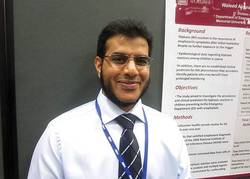
Dr. Alqurashi of the pediatric department at the University of Ottawa and his associates identified five independent predictors of a biphasic reaction: age 6-9 years (odds ratio, 3.6); a delay in presentation of more than 90 minutes after the onset of the initial reaction (OR, 2.58); wide pulse pressure at triage (OR, 2.92); requiring more than one epinephrine dose for initial reaction (OR, 2.7); and needing inhaled beta-agonists at the ED (OR, 2.39).
Children with these characteristics should stay for observation, rather than being discharged when their initial reactions are stabilized, the authors wrote.
“This period should be individualized and based primarily on the degree of severity of the initial anaphylactic reaction. Given the relatively high sensitivity of the present predictors, children with mild anaphylaxis who do not match any of these predictors could be considered for early disposition from the ED (less than 6 hours timed from the onset of the anaphylactic reaction) as long as an appropriate counseling has been provided,” the investigators said. Nonetheless, Dr. Alqurashi and his associates think large-scale prospective pediatric studies are necessary to validate these predictors.
Dr Alqurashi and his associates have no financial disclosures.
On Twitter @Alz_Gal
Children who present with a severe anaphylactic reaction are two to three times more likely to develop a second delayed, or late-phase, reaction, Dr. Waleed Alqurashi and his colleagues reported.
Their retrospective study found that of 484 children who came to the emergency department for anaphylaxis, 15% developed a biphasic reaction. Most of these (69%) were respiratory and/or cardiovascular; half required epinephrine (Ann. Allerg. Asth. Immunol. 2015 [doi.org/10.1016/j.anai.2015.05.013]).
Dr. Alqurashi of the pediatric department at the University of Ottawa and his associates identified five independent predictors of a biphasic reaction: age 6-9 years (odds ratio, 3.6); a delay in presentation of more than 90 minutes after the onset of the initial reaction (OR, 2.58); wide pulse pressure at triage (OR, 2.92); requiring more than one epinephrine dose for initial reaction (OR, 2.7); and needing inhaled beta-agonists at the ED (OR, 2.39).
Children with these characteristics should stay for observation, rather than being discharged when their initial reactions are stabilized, the authors wrote.
“This period should be individualized and based primarily on the degree of severity of the initial anaphylactic reaction. Given the relatively high sensitivity of the present predictors, children with mild anaphylaxis who do not match any of these predictors could be considered for early disposition from the ED (less than 6 hours timed from the onset of the anaphylactic reaction) as long as an appropriate counseling has been provided,” the investigators said. Nonetheless, Dr. Alqurashi and his associates think large-scale prospective pediatric studies are necessary to validate these predictors.
Dr Alqurashi and his associates have no financial disclosures.
On Twitter @Alz_Gal
Children who present with a severe anaphylactic reaction are two to three times more likely to develop a second delayed, or late-phase, reaction, Dr. Waleed Alqurashi and his colleagues reported.
Their retrospective study found that of 484 children who came to the emergency department for anaphylaxis, 15% developed a biphasic reaction. Most of these (69%) were respiratory and/or cardiovascular; half required epinephrine (Ann. Allerg. Asth. Immunol. 2015 [doi.org/10.1016/j.anai.2015.05.013]).
Dr. Alqurashi of the pediatric department at the University of Ottawa and his associates identified five independent predictors of a biphasic reaction: age 6-9 years (odds ratio, 3.6); a delay in presentation of more than 90 minutes after the onset of the initial reaction (OR, 2.58); wide pulse pressure at triage (OR, 2.92); requiring more than one epinephrine dose for initial reaction (OR, 2.7); and needing inhaled beta-agonists at the ED (OR, 2.39).
Children with these characteristics should stay for observation, rather than being discharged when their initial reactions are stabilized, the authors wrote.
“This period should be individualized and based primarily on the degree of severity of the initial anaphylactic reaction. Given the relatively high sensitivity of the present predictors, children with mild anaphylaxis who do not match any of these predictors could be considered for early disposition from the ED (less than 6 hours timed from the onset of the anaphylactic reaction) as long as an appropriate counseling has been provided,” the investigators said. Nonetheless, Dr. Alqurashi and his associates think large-scale prospective pediatric studies are necessary to validate these predictors.
Dr Alqurashi and his associates have no financial disclosures.
On Twitter @Alz_Gal
FROM THE ANNALS OF ALLERGY, ASTHMA, AND IMMUNOLOGY
Key clinical point: In children, severe anaphylactic reactions predict biphasic reactions.
Major finding: Children who present with a severe anaphylactic reaction, or delayed treatment, were two to three times times more likely to develop a secondary reaction.
Data source: The retrospective study comprised 484 children, 15% of whom had a biphasic reaction.
Disclosures: Dr. Alqurashi and his associates have no financial disclosures.

AUA: Enclomiphene boosts testosterone without harming sperm production
NEW ORLEANS – A constituent of the fertility drug clomiphene citrate restored normal testosterone levels in obese men, without suppressing spermatogenesis, the results of two trials showed.
Significantly more men achieved physiologic testosterone levels with enclomiphene than with a testosterone gel, Dr. Andrew R. McCullough said at the annual meeting of the American Urological Association. None of those who took the drug had any decrease in their baseline sperm count.
“Overall, these data show that testosterone restoration with [enclomiphene] could provide an advantageous clinical profile over gel-induced [testosterone] replacement,” said Dr. McCullough of Albany (N.Y.) Medical College.
The drug is an estrogen receptor antagonist. By blocking estrogen at the level of the hypopituitary axis, enclomiphene increases luteinizing hormone, which, in turn, increases endogenous production of testosterone.
He presented the results of two parallel, double-dummy trials, which randomized a total of 240 men to placebo, oral enclomiphene (Androxal), or a 1.62% transdermal testosterone gel.
Patients were all overweight or obese, and had related secondary hypogonadism, with a mean testosterone level of 200-230 ng/mL. They were a mean of 47 years old, with a mean body mass index of 33 kg/m2. Their baseline sperm counts were all normal, ranging from 75 million to 98 million/mL.
In both studies, enclomiphene increased testosterone levels significantly more than the gel. More men in both studies who took enclomiphene reached a normal testosterone level as well (60% vs. 15% and 65% vs. 35%). At the end of the studies, the combined mean testosterone level was 450 ng/mL in the enclomiphene group, compared with 350 ng/mL in the gel group.
“Unlike the exogenous testosterone, however, enclomiphene raised testosterone levels without having any impact on spermatogenesis,” Dr. McCullough noted. At 16 weeks, sperm count in those taking enclomiphene was unchanged from baseline, while it had decreased by 60% in those using the gel. More than half of those in the gel group also became oligospermic (with a sperm count of less than 15 million/mL) by16 weeks. Oligospermia occurred in less than 5% of men taking enclomiphene, similar to placebo. Neither treatment affected testicular volume.
Weight gain, arthralgia, headache, hypertension, and upper respiratory infection occurred in less than 5% of the investigational group – none of these was significantly different than occurred in the gel group.
Repro Therapeutics, which makes Androxal, submitted a new drug application to the Food and Drug Administration in February, seeking approval for treating low testosterone levels in men with secondary hypogonadism. It continues to pursue an adjunctive therapy for men with hypogonadism secondary to type 2 diabetes. “We believe there may be an association between the restoration of normal pituitary function and improvement of metabolic conditions such as type 2 diabetes,” the company said in a press release. “Research has been published” showing that increased insulin resistance, which is implicated in type 2 diabetes, “is associated with the onset of secondary hypogonadism,” the company said.
Dr. McCullough disclosed that he is a consultant for and holds stock in Repros Therapeutics. He also has received research funding from AbbVie, which makes AndroGel.
NEW ORLEANS – A constituent of the fertility drug clomiphene citrate restored normal testosterone levels in obese men, without suppressing spermatogenesis, the results of two trials showed.
Significantly more men achieved physiologic testosterone levels with enclomiphene than with a testosterone gel, Dr. Andrew R. McCullough said at the annual meeting of the American Urological Association. None of those who took the drug had any decrease in their baseline sperm count.
“Overall, these data show that testosterone restoration with [enclomiphene] could provide an advantageous clinical profile over gel-induced [testosterone] replacement,” said Dr. McCullough of Albany (N.Y.) Medical College.
The drug is an estrogen receptor antagonist. By blocking estrogen at the level of the hypopituitary axis, enclomiphene increases luteinizing hormone, which, in turn, increases endogenous production of testosterone.
He presented the results of two parallel, double-dummy trials, which randomized a total of 240 men to placebo, oral enclomiphene (Androxal), or a 1.62% transdermal testosterone gel.
Patients were all overweight or obese, and had related secondary hypogonadism, with a mean testosterone level of 200-230 ng/mL. They were a mean of 47 years old, with a mean body mass index of 33 kg/m2. Their baseline sperm counts were all normal, ranging from 75 million to 98 million/mL.
In both studies, enclomiphene increased testosterone levels significantly more than the gel. More men in both studies who took enclomiphene reached a normal testosterone level as well (60% vs. 15% and 65% vs. 35%). At the end of the studies, the combined mean testosterone level was 450 ng/mL in the enclomiphene group, compared with 350 ng/mL in the gel group.
“Unlike the exogenous testosterone, however, enclomiphene raised testosterone levels without having any impact on spermatogenesis,” Dr. McCullough noted. At 16 weeks, sperm count in those taking enclomiphene was unchanged from baseline, while it had decreased by 60% in those using the gel. More than half of those in the gel group also became oligospermic (with a sperm count of less than 15 million/mL) by16 weeks. Oligospermia occurred in less than 5% of men taking enclomiphene, similar to placebo. Neither treatment affected testicular volume.
Weight gain, arthralgia, headache, hypertension, and upper respiratory infection occurred in less than 5% of the investigational group – none of these was significantly different than occurred in the gel group.
Repro Therapeutics, which makes Androxal, submitted a new drug application to the Food and Drug Administration in February, seeking approval for treating low testosterone levels in men with secondary hypogonadism. It continues to pursue an adjunctive therapy for men with hypogonadism secondary to type 2 diabetes. “We believe there may be an association between the restoration of normal pituitary function and improvement of metabolic conditions such as type 2 diabetes,” the company said in a press release. “Research has been published” showing that increased insulin resistance, which is implicated in type 2 diabetes, “is associated with the onset of secondary hypogonadism,” the company said.
Dr. McCullough disclosed that he is a consultant for and holds stock in Repros Therapeutics. He also has received research funding from AbbVie, which makes AndroGel.
NEW ORLEANS – A constituent of the fertility drug clomiphene citrate restored normal testosterone levels in obese men, without suppressing spermatogenesis, the results of two trials showed.
Significantly more men achieved physiologic testosterone levels with enclomiphene than with a testosterone gel, Dr. Andrew R. McCullough said at the annual meeting of the American Urological Association. None of those who took the drug had any decrease in their baseline sperm count.
“Overall, these data show that testosterone restoration with [enclomiphene] could provide an advantageous clinical profile over gel-induced [testosterone] replacement,” said Dr. McCullough of Albany (N.Y.) Medical College.
The drug is an estrogen receptor antagonist. By blocking estrogen at the level of the hypopituitary axis, enclomiphene increases luteinizing hormone, which, in turn, increases endogenous production of testosterone.
He presented the results of two parallel, double-dummy trials, which randomized a total of 240 men to placebo, oral enclomiphene (Androxal), or a 1.62% transdermal testosterone gel.
Patients were all overweight or obese, and had related secondary hypogonadism, with a mean testosterone level of 200-230 ng/mL. They were a mean of 47 years old, with a mean body mass index of 33 kg/m2. Their baseline sperm counts were all normal, ranging from 75 million to 98 million/mL.
In both studies, enclomiphene increased testosterone levels significantly more than the gel. More men in both studies who took enclomiphene reached a normal testosterone level as well (60% vs. 15% and 65% vs. 35%). At the end of the studies, the combined mean testosterone level was 450 ng/mL in the enclomiphene group, compared with 350 ng/mL in the gel group.
“Unlike the exogenous testosterone, however, enclomiphene raised testosterone levels without having any impact on spermatogenesis,” Dr. McCullough noted. At 16 weeks, sperm count in those taking enclomiphene was unchanged from baseline, while it had decreased by 60% in those using the gel. More than half of those in the gel group also became oligospermic (with a sperm count of less than 15 million/mL) by16 weeks. Oligospermia occurred in less than 5% of men taking enclomiphene, similar to placebo. Neither treatment affected testicular volume.
Weight gain, arthralgia, headache, hypertension, and upper respiratory infection occurred in less than 5% of the investigational group – none of these was significantly different than occurred in the gel group.
Repro Therapeutics, which makes Androxal, submitted a new drug application to the Food and Drug Administration in February, seeking approval for treating low testosterone levels in men with secondary hypogonadism. It continues to pursue an adjunctive therapy for men with hypogonadism secondary to type 2 diabetes. “We believe there may be an association between the restoration of normal pituitary function and improvement of metabolic conditions such as type 2 diabetes,” the company said in a press release. “Research has been published” showing that increased insulin resistance, which is implicated in type 2 diabetes, “is associated with the onset of secondary hypogonadism,” the company said.
Dr. McCullough disclosed that he is a consultant for and holds stock in Repros Therapeutics. He also has received research funding from AbbVie, which makes AndroGel.
AT THE AUA ANNUAL MEETING
Key clinical point: Enclomiphene raised testosterone in hypogonadal men better than a testosterone gel, with no effect on spermatogenesis.
Major finding: Enclomiphene boosted about 60% of men into the normal testosterone range – about twice the number as the gel; no patient developed a low sperm count or oligospermia.
Data source: Parallel placebo-controlled trials involving 240 men.
Disclosures: Dr. McCullough disclosed that he is a consultant for and holds stock in Repros Therapeutics. He also has received research funding from AbbVie, which makes AndroGel.
Online Recommendations Provide Constantly Updated HCV Management Guidelines
The newest guidelines for testing, managing, and treating hepatic C infections in adults are part of a “living document” – a constantly updated online resource that reflects the ever-changing world of hepatitis research.
A joint venture of the American Association for the Study of Liver Diseases (AASLD) and the Infectious Diseases Society of America (IDSA), the document puts cutting-edge science in the hands of clinicians, Dr. Gary L. Davis wrote (Hepatology 2015 June 25 [doi:10.1002/hep.27950]). The continuously updated version may be accessed at any time at www.hcvguidelines.org.
“The pace of hepatitis C virus (HCV) drug development in recent years has accelerated dramatically,” wrote Dr. Davis, cochair for the AASLD/IDSA HCV Guidance writing group. “Such information and advice can be difficult to access readily given the diverse sources from which information is available, and the sometimes lengthy time needed for publication of original articles and scholarly perspectives. Traditional practice guidelines for more established areas of medicine and care often take years to develop and bring to publication. In the new era in hepatitis C treatment, such a process would not be nimble or timely enough to address the needs of patients with HCV infection, practitioners caring for these patients, or payers approving therapies for use.”
The online guidelines “will undergo real-time revisions as the field evolves,” Dr. Davis noted. A panel of 26 hepatologists and infectious diseases specialists and a patient advocate developed the original consensus recommendations.
The new update contains recommendations for direct antiviral drug regimens in treatment-naive patients and for all six HCV genotypes. A second section examines the recommended regimens for patients who have failed treatment with PEG-interferon and ribavirin, with or without a direct antiviral agent.
The document also gives guidance for managing patients with and without a sustained viral response and concludes with a section on treating special patient populations (decompensated cirrhosis, post-transplant HCV infections, renal impairment, and coinfection with HIV).
The newest guidelines for testing, managing, and treating hepatic C infections in adults are part of a “living document” – a constantly updated online resource that reflects the ever-changing world of hepatitis research.
A joint venture of the American Association for the Study of Liver Diseases (AASLD) and the Infectious Diseases Society of America (IDSA), the document puts cutting-edge science in the hands of clinicians, Dr. Gary L. Davis wrote (Hepatology 2015 June 25 [doi:10.1002/hep.27950]). The continuously updated version may be accessed at any time at www.hcvguidelines.org.
“The pace of hepatitis C virus (HCV) drug development in recent years has accelerated dramatically,” wrote Dr. Davis, cochair for the AASLD/IDSA HCV Guidance writing group. “Such information and advice can be difficult to access readily given the diverse sources from which information is available, and the sometimes lengthy time needed for publication of original articles and scholarly perspectives. Traditional practice guidelines for more established areas of medicine and care often take years to develop and bring to publication. In the new era in hepatitis C treatment, such a process would not be nimble or timely enough to address the needs of patients with HCV infection, practitioners caring for these patients, or payers approving therapies for use.”
The online guidelines “will undergo real-time revisions as the field evolves,” Dr. Davis noted. A panel of 26 hepatologists and infectious diseases specialists and a patient advocate developed the original consensus recommendations.
The new update contains recommendations for direct antiviral drug regimens in treatment-naive patients and for all six HCV genotypes. A second section examines the recommended regimens for patients who have failed treatment with PEG-interferon and ribavirin, with or without a direct antiviral agent.
The document also gives guidance for managing patients with and without a sustained viral response and concludes with a section on treating special patient populations (decompensated cirrhosis, post-transplant HCV infections, renal impairment, and coinfection with HIV).
The newest guidelines for testing, managing, and treating hepatic C infections in adults are part of a “living document” – a constantly updated online resource that reflects the ever-changing world of hepatitis research.
A joint venture of the American Association for the Study of Liver Diseases (AASLD) and the Infectious Diseases Society of America (IDSA), the document puts cutting-edge science in the hands of clinicians, Dr. Gary L. Davis wrote (Hepatology 2015 June 25 [doi:10.1002/hep.27950]). The continuously updated version may be accessed at any time at www.hcvguidelines.org.
“The pace of hepatitis C virus (HCV) drug development in recent years has accelerated dramatically,” wrote Dr. Davis, cochair for the AASLD/IDSA HCV Guidance writing group. “Such information and advice can be difficult to access readily given the diverse sources from which information is available, and the sometimes lengthy time needed for publication of original articles and scholarly perspectives. Traditional practice guidelines for more established areas of medicine and care often take years to develop and bring to publication. In the new era in hepatitis C treatment, such a process would not be nimble or timely enough to address the needs of patients with HCV infection, practitioners caring for these patients, or payers approving therapies for use.”
The online guidelines “will undergo real-time revisions as the field evolves,” Dr. Davis noted. A panel of 26 hepatologists and infectious diseases specialists and a patient advocate developed the original consensus recommendations.
The new update contains recommendations for direct antiviral drug regimens in treatment-naive patients and for all six HCV genotypes. A second section examines the recommended regimens for patients who have failed treatment with PEG-interferon and ribavirin, with or without a direct antiviral agent.
The document also gives guidance for managing patients with and without a sustained viral response and concludes with a section on treating special patient populations (decompensated cirrhosis, post-transplant HCV infections, renal impairment, and coinfection with HIV).
Online recommendations provide constantly updated HCV management guidelines
The newest guidelines for testing, managing, and treating hepatitis C infections in adults are part of a “living document” – a constantly updated online resource that reflects the ever-changing world of hepatitis research.
A joint venture of the American Association for the Study of Liver Diseases (AASLD) and the Infectious Diseases Society of America (IDSA), the document puts cutting-edge science in the hands of clinicians, Dr. Gary L. Davis wrote (Hepatology 2015 June 25 [doi:10.1002/hep.27950]). The continuously updated version may be accessed at any time at www.hcvguidelines.org.
“The pace of hepatitis C virus (HCV) drug development in recent years has accelerated dramatically,” wrote Dr. Davis, cochair for the AASLD/IDSA HCV Guidance writing group. “Such information and advice can be difficult to access readily given the diverse sources from which information is available, and the sometimes lengthy time needed for publication of original articles and scholarly perspectives. Traditional practice guidelines for more established areas of medicine and care often take years to develop and bring to publication. In the new era in hepatitis C treatment, such a process would not be nimble or timely enough to address the needs of patients with HCV infection, practitioners caring for these patients, or payers approving therapies for use.”
The online guidelines “will undergo real-time revisions as the field evolves,” Dr. Davis noted. A panel of 26 hepatologists and infectious diseases specialists and a patient advocate developed the original consensus recommendations.
The new update contains recommendations for direct antiviral drug regimens in treatment-naive patients and for all six HCV genotypes. A second section examines the recommended regimens for patients who have failed treatment with PEG-interferon and ribavirin, with or without a direct antiviral agent.
The document also gives guidance for managing patients with and without a sustained viral response and concludes with a section on treating special patient populations (decompensated cirrhosis, post-transplant HCV infections, renal impairment, and coinfection with HIV).
On Twitter @Alz_Gal
The newest guidelines for testing, managing, and treating hepatitis C infections in adults are part of a “living document” – a constantly updated online resource that reflects the ever-changing world of hepatitis research.
A joint venture of the American Association for the Study of Liver Diseases (AASLD) and the Infectious Diseases Society of America (IDSA), the document puts cutting-edge science in the hands of clinicians, Dr. Gary L. Davis wrote (Hepatology 2015 June 25 [doi:10.1002/hep.27950]). The continuously updated version may be accessed at any time at www.hcvguidelines.org.
“The pace of hepatitis C virus (HCV) drug development in recent years has accelerated dramatically,” wrote Dr. Davis, cochair for the AASLD/IDSA HCV Guidance writing group. “Such information and advice can be difficult to access readily given the diverse sources from which information is available, and the sometimes lengthy time needed for publication of original articles and scholarly perspectives. Traditional practice guidelines for more established areas of medicine and care often take years to develop and bring to publication. In the new era in hepatitis C treatment, such a process would not be nimble or timely enough to address the needs of patients with HCV infection, practitioners caring for these patients, or payers approving therapies for use.”
The online guidelines “will undergo real-time revisions as the field evolves,” Dr. Davis noted. A panel of 26 hepatologists and infectious diseases specialists and a patient advocate developed the original consensus recommendations.
The new update contains recommendations for direct antiviral drug regimens in treatment-naive patients and for all six HCV genotypes. A second section examines the recommended regimens for patients who have failed treatment with PEG-interferon and ribavirin, with or without a direct antiviral agent.
The document also gives guidance for managing patients with and without a sustained viral response and concludes with a section on treating special patient populations (decompensated cirrhosis, post-transplant HCV infections, renal impairment, and coinfection with HIV).
On Twitter @Alz_Gal
The newest guidelines for testing, managing, and treating hepatitis C infections in adults are part of a “living document” – a constantly updated online resource that reflects the ever-changing world of hepatitis research.
A joint venture of the American Association for the Study of Liver Diseases (AASLD) and the Infectious Diseases Society of America (IDSA), the document puts cutting-edge science in the hands of clinicians, Dr. Gary L. Davis wrote (Hepatology 2015 June 25 [doi:10.1002/hep.27950]). The continuously updated version may be accessed at any time at www.hcvguidelines.org.
“The pace of hepatitis C virus (HCV) drug development in recent years has accelerated dramatically,” wrote Dr. Davis, cochair for the AASLD/IDSA HCV Guidance writing group. “Such information and advice can be difficult to access readily given the diverse sources from which information is available, and the sometimes lengthy time needed for publication of original articles and scholarly perspectives. Traditional practice guidelines for more established areas of medicine and care often take years to develop and bring to publication. In the new era in hepatitis C treatment, such a process would not be nimble or timely enough to address the needs of patients with HCV infection, practitioners caring for these patients, or payers approving therapies for use.”
The online guidelines “will undergo real-time revisions as the field evolves,” Dr. Davis noted. A panel of 26 hepatologists and infectious diseases specialists and a patient advocate developed the original consensus recommendations.
The new update contains recommendations for direct antiviral drug regimens in treatment-naive patients and for all six HCV genotypes. A second section examines the recommended regimens for patients who have failed treatment with PEG-interferon and ribavirin, with or without a direct antiviral agent.
The document also gives guidance for managing patients with and without a sustained viral response and concludes with a section on treating special patient populations (decompensated cirrhosis, post-transplant HCV infections, renal impairment, and coinfection with HIV).
On Twitter @Alz_Gal
TNF tapering can be successful for patients with RA
ROME – Many patients with rheumatoid arthritis can reduce – or even discontinue – their
maintenance therapy with tumor necrosis factor inhibitors after they achieve clinical stability.
Half who reduced their medication did not have a disease flare over 12 months, Dr. James Galloway reported at the annual meeting of the European League Against Rheumatism. And those who did flare quickly became stable again after their medications were restarted.
The implications are not only clinical, but economic, said Dr. Galloway of Kings College, London.
“First of all, why would we want our patients to take more medicine than they need to control symptoms?” he said in an interview. “And cost is another consideration. Maintenance with tumor necrosis factor inhibitors is expensive. By tapering the dose we can try to achieve a balance between symptoms control and cost.”
Dr. Galloway reported results of the OPTTIRA study a 12-month randomized trial that investigated whether tapering TNF inhibitors would cause patients to lose their response.
The trial recruited 103 patients who were taking etanercept or adalimumab plus a disease-modifying antirheumatic drug. Patients had to be stable with a Disease Activity Score (DAS28) of less than 3.2 for at least 3 months. They were excluded if they had serious concomitant illness or were taking high-dose steroids.
For the first 6 months, there were three treatment arms: controls, who received constant TNF inhibition; a 33% taper group; and a 66% taper group. If patients who tapered experienced a flare (a DAS28 increase of at least 0.6 plus one or more swollen joints), their baseline dosage was restarted.
From 6-12 months, both the tapering groups stopped their TNF inhibitors altogether, and the control group tapered in the two schedules. Outcomes were flare rates and DAS28 scores after 6 months of constant or tapered TNF inhibition.
Flares occurred in 14% of the control group and 13% of the 1/3 tapering group. Both of these rates were significantly less than the 37% flare rate in the 2/3 dose tapering group. Decreasing TNF inhibition by 66% quadrupled the risk of a flare compared to the other treatment arms (OR 4.1).
However, Dr. Galloway said, all of the flares subsided quickly when patients resumed their baseline dose.
Of the patients who tapered and then stopped TNF inhibitors altogether, 45% had not flared by the end of the study; their final DAS28 score was 2.2. There were no adverse events related to medication tapering. At the end of the study, there were no significant differences in the Health Assessment Questionnaire with either tapering strategy.
Although describing the outcome as positive, Dr. Galloway admitted that TNF tapering could be a tough sell to patients who have struggled to get control of their disease and abhor the thought of losing it.
“In fact,” he said, “about 40% of those we initially screened declined to go through with the study because they feared a relapse,” he said. “But I think many patients would consider this if we explain both the potential clinical and economic benefits, and reassure them that if they do flare, they can regain control rapidly on the same regimen that has been working for them.”
Dr. Galloway had no financial disclosures.
On Twitter @Alz_Gal
ROME – Many patients with rheumatoid arthritis can reduce – or even discontinue – their
maintenance therapy with tumor necrosis factor inhibitors after they achieve clinical stability.
Half who reduced their medication did not have a disease flare over 12 months, Dr. James Galloway reported at the annual meeting of the European League Against Rheumatism. And those who did flare quickly became stable again after their medications were restarted.
The implications are not only clinical, but economic, said Dr. Galloway of Kings College, London.
“First of all, why would we want our patients to take more medicine than they need to control symptoms?” he said in an interview. “And cost is another consideration. Maintenance with tumor necrosis factor inhibitors is expensive. By tapering the dose we can try to achieve a balance between symptoms control and cost.”
Dr. Galloway reported results of the OPTTIRA study a 12-month randomized trial that investigated whether tapering TNF inhibitors would cause patients to lose their response.
The trial recruited 103 patients who were taking etanercept or adalimumab plus a disease-modifying antirheumatic drug. Patients had to be stable with a Disease Activity Score (DAS28) of less than 3.2 for at least 3 months. They were excluded if they had serious concomitant illness or were taking high-dose steroids.
For the first 6 months, there were three treatment arms: controls, who received constant TNF inhibition; a 33% taper group; and a 66% taper group. If patients who tapered experienced a flare (a DAS28 increase of at least 0.6 plus one or more swollen joints), their baseline dosage was restarted.
From 6-12 months, both the tapering groups stopped their TNF inhibitors altogether, and the control group tapered in the two schedules. Outcomes were flare rates and DAS28 scores after 6 months of constant or tapered TNF inhibition.
Flares occurred in 14% of the control group and 13% of the 1/3 tapering group. Both of these rates were significantly less than the 37% flare rate in the 2/3 dose tapering group. Decreasing TNF inhibition by 66% quadrupled the risk of a flare compared to the other treatment arms (OR 4.1).
However, Dr. Galloway said, all of the flares subsided quickly when patients resumed their baseline dose.
Of the patients who tapered and then stopped TNF inhibitors altogether, 45% had not flared by the end of the study; their final DAS28 score was 2.2. There were no adverse events related to medication tapering. At the end of the study, there were no significant differences in the Health Assessment Questionnaire with either tapering strategy.
Although describing the outcome as positive, Dr. Galloway admitted that TNF tapering could be a tough sell to patients who have struggled to get control of their disease and abhor the thought of losing it.
“In fact,” he said, “about 40% of those we initially screened declined to go through with the study because they feared a relapse,” he said. “But I think many patients would consider this if we explain both the potential clinical and economic benefits, and reassure them that if they do flare, they can regain control rapidly on the same regimen that has been working for them.”
Dr. Galloway had no financial disclosures.
On Twitter @Alz_Gal
ROME – Many patients with rheumatoid arthritis can reduce – or even discontinue – their
maintenance therapy with tumor necrosis factor inhibitors after they achieve clinical stability.
Half who reduced their medication did not have a disease flare over 12 months, Dr. James Galloway reported at the annual meeting of the European League Against Rheumatism. And those who did flare quickly became stable again after their medications were restarted.
The implications are not only clinical, but economic, said Dr. Galloway of Kings College, London.
“First of all, why would we want our patients to take more medicine than they need to control symptoms?” he said in an interview. “And cost is another consideration. Maintenance with tumor necrosis factor inhibitors is expensive. By tapering the dose we can try to achieve a balance between symptoms control and cost.”
Dr. Galloway reported results of the OPTTIRA study a 12-month randomized trial that investigated whether tapering TNF inhibitors would cause patients to lose their response.
The trial recruited 103 patients who were taking etanercept or adalimumab plus a disease-modifying antirheumatic drug. Patients had to be stable with a Disease Activity Score (DAS28) of less than 3.2 for at least 3 months. They were excluded if they had serious concomitant illness or were taking high-dose steroids.
For the first 6 months, there were three treatment arms: controls, who received constant TNF inhibition; a 33% taper group; and a 66% taper group. If patients who tapered experienced a flare (a DAS28 increase of at least 0.6 plus one or more swollen joints), their baseline dosage was restarted.
From 6-12 months, both the tapering groups stopped their TNF inhibitors altogether, and the control group tapered in the two schedules. Outcomes were flare rates and DAS28 scores after 6 months of constant or tapered TNF inhibition.
Flares occurred in 14% of the control group and 13% of the 1/3 tapering group. Both of these rates were significantly less than the 37% flare rate in the 2/3 dose tapering group. Decreasing TNF inhibition by 66% quadrupled the risk of a flare compared to the other treatment arms (OR 4.1).
However, Dr. Galloway said, all of the flares subsided quickly when patients resumed their baseline dose.
Of the patients who tapered and then stopped TNF inhibitors altogether, 45% had not flared by the end of the study; their final DAS28 score was 2.2. There were no adverse events related to medication tapering. At the end of the study, there were no significant differences in the Health Assessment Questionnaire with either tapering strategy.
Although describing the outcome as positive, Dr. Galloway admitted that TNF tapering could be a tough sell to patients who have struggled to get control of their disease and abhor the thought of losing it.
“In fact,” he said, “about 40% of those we initially screened declined to go through with the study because they feared a relapse,” he said. “But I think many patients would consider this if we explain both the potential clinical and economic benefits, and reassure them that if they do flare, they can regain control rapidly on the same regimen that has been working for them.”
Dr. Galloway had no financial disclosures.
On Twitter @Alz_Gal
AT EULAR 2015
Key clinical point: Many patients can reduce or even stop taking TNF inhibitors without losing control of their rheumatoid arthritis symptoms.
Major finding: Although up to 37% of those who tapered had a relapse, almost half were ale to stop the medication completely.Data source: The randomized OPTTIRA study comprised 103 patients.
Disclosures: Dr. Galloway had no financial disclosures.
Inspiratory muscle training boosts lung function in ankylosing spondylitis
ROME – A program of inspiratory muscle training combined with standard muscular rehabilitation exercise significantly improved lung function in patients with ankylosing spondylitis.
Compared to patients who engaged only in the rehabilitation exercise, the combination program resulted in significantly greater gains in both physical and physiologic measures of pulmonary function, Dr. Razvan Dragoi reported at the annual meeting of the European League Against Rheumatism.
“We assessed resting pulmonary function and ran cardiopulmonary exercise tests at the start and end of the study and saw significant improvements across all measures of lung function in the group undergoing inspiratory muscle training,” said Dr. Dragoi of the Victor Babes University of Medicine and Pharmacy, Romania. “When you compare these findings with the conventional exercise group – which saw small, nonsignificant improvements – it’s clear that adding inspiratory training to an exercise program has clear health benefits for patients.”
The study randomized 54 patients with ankylosing spondylitis to two exercise interventions, Dr. Dragoi said in an interview. “Both groups in our study performed a weekly group session for about 40 minutes per session, managed by a physiotherapist. They were then provided with simple, step-by-step written instructions with illustrations in order to practice these exercises at home,” 5 days each week, for 40 minutes at a time.
The program consisted of 20 exercises: motion and flexibility exercises of the cervical, thoracic, and lumbar spine; stretching of the hamstring muscles, erector spine muscle, and shoulder muscles; abdominal and diaphragm breathing exercises, and chest expansion exercises. The patients were required to achieve a level of perceived exertion of “somewhat hard.”
They also completed an exercise training diary in order to assess their compliance with the recommended program.
The investigational group, however, added another level of training. “In addition to the conventional exercise training, patients performed supervised inspiratory muscle training, three times a week, totaling 24 sessions. This used a real-time computer-assisted device (Trainair, Project Electronics Limited, United Kingdom).”
The training load was based on 80% of the patient’s sustained maximum inspiratory pressure. The patients started by performing six loaded inspiration with a 60-second rest period between each inspiration. This sequence of six exercises continued with 45-, 30-, and 15-, 10- and 5-second rest periods up to 36 loaded inspirations. The training session duration was about 30 minutes.
The study assessed a number of physical and physiologic endpoints, including chest expansion, forced vital capacity and expiratory volumes, and measures of oxygen and carbon dioxide exchange.
Only one outcome – chest expansion – improved significantly in the control arm, increasing from 69 cm at baseline to 72 cm by 8 weeks. In the intensified arm, however, every outcome improved significantly, including chest expansion (66 cm-94 cm), forced vital capacity (78.6%-82.7%), forced expiratory volume (71%-74.6%), and peak oxygen uptake (1.7-2 L/min). The measures of oxygen and carbon dioxide exchange also showed significant improvements.
Dr. Dragoi didn’t follow the patients to assess how long the exercise-related improvements lasted, but like all exercise, he said, the program would have to be repeated to maintain them. “We do have a follow-up in mind, and will be conducting that soon, but we do not know how many patients will be available for the follow-up.”
He had no financial disclosures.
On Twitter @Alz_Gal
ROME – A program of inspiratory muscle training combined with standard muscular rehabilitation exercise significantly improved lung function in patients with ankylosing spondylitis.
Compared to patients who engaged only in the rehabilitation exercise, the combination program resulted in significantly greater gains in both physical and physiologic measures of pulmonary function, Dr. Razvan Dragoi reported at the annual meeting of the European League Against Rheumatism.
“We assessed resting pulmonary function and ran cardiopulmonary exercise tests at the start and end of the study and saw significant improvements across all measures of lung function in the group undergoing inspiratory muscle training,” said Dr. Dragoi of the Victor Babes University of Medicine and Pharmacy, Romania. “When you compare these findings with the conventional exercise group – which saw small, nonsignificant improvements – it’s clear that adding inspiratory training to an exercise program has clear health benefits for patients.”
The study randomized 54 patients with ankylosing spondylitis to two exercise interventions, Dr. Dragoi said in an interview. “Both groups in our study performed a weekly group session for about 40 minutes per session, managed by a physiotherapist. They were then provided with simple, step-by-step written instructions with illustrations in order to practice these exercises at home,” 5 days each week, for 40 minutes at a time.
The program consisted of 20 exercises: motion and flexibility exercises of the cervical, thoracic, and lumbar spine; stretching of the hamstring muscles, erector spine muscle, and shoulder muscles; abdominal and diaphragm breathing exercises, and chest expansion exercises. The patients were required to achieve a level of perceived exertion of “somewhat hard.”
They also completed an exercise training diary in order to assess their compliance with the recommended program.
The investigational group, however, added another level of training. “In addition to the conventional exercise training, patients performed supervised inspiratory muscle training, three times a week, totaling 24 sessions. This used a real-time computer-assisted device (Trainair, Project Electronics Limited, United Kingdom).”
The training load was based on 80% of the patient’s sustained maximum inspiratory pressure. The patients started by performing six loaded inspiration with a 60-second rest period between each inspiration. This sequence of six exercises continued with 45-, 30-, and 15-, 10- and 5-second rest periods up to 36 loaded inspirations. The training session duration was about 30 minutes.
The study assessed a number of physical and physiologic endpoints, including chest expansion, forced vital capacity and expiratory volumes, and measures of oxygen and carbon dioxide exchange.
Only one outcome – chest expansion – improved significantly in the control arm, increasing from 69 cm at baseline to 72 cm by 8 weeks. In the intensified arm, however, every outcome improved significantly, including chest expansion (66 cm-94 cm), forced vital capacity (78.6%-82.7%), forced expiratory volume (71%-74.6%), and peak oxygen uptake (1.7-2 L/min). The measures of oxygen and carbon dioxide exchange also showed significant improvements.
Dr. Dragoi didn’t follow the patients to assess how long the exercise-related improvements lasted, but like all exercise, he said, the program would have to be repeated to maintain them. “We do have a follow-up in mind, and will be conducting that soon, but we do not know how many patients will be available for the follow-up.”
He had no financial disclosures.
On Twitter @Alz_Gal
ROME – A program of inspiratory muscle training combined with standard muscular rehabilitation exercise significantly improved lung function in patients with ankylosing spondylitis.
Compared to patients who engaged only in the rehabilitation exercise, the combination program resulted in significantly greater gains in both physical and physiologic measures of pulmonary function, Dr. Razvan Dragoi reported at the annual meeting of the European League Against Rheumatism.
“We assessed resting pulmonary function and ran cardiopulmonary exercise tests at the start and end of the study and saw significant improvements across all measures of lung function in the group undergoing inspiratory muscle training,” said Dr. Dragoi of the Victor Babes University of Medicine and Pharmacy, Romania. “When you compare these findings with the conventional exercise group – which saw small, nonsignificant improvements – it’s clear that adding inspiratory training to an exercise program has clear health benefits for patients.”
The study randomized 54 patients with ankylosing spondylitis to two exercise interventions, Dr. Dragoi said in an interview. “Both groups in our study performed a weekly group session for about 40 minutes per session, managed by a physiotherapist. They were then provided with simple, step-by-step written instructions with illustrations in order to practice these exercises at home,” 5 days each week, for 40 minutes at a time.
The program consisted of 20 exercises: motion and flexibility exercises of the cervical, thoracic, and lumbar spine; stretching of the hamstring muscles, erector spine muscle, and shoulder muscles; abdominal and diaphragm breathing exercises, and chest expansion exercises. The patients were required to achieve a level of perceived exertion of “somewhat hard.”
They also completed an exercise training diary in order to assess their compliance with the recommended program.
The investigational group, however, added another level of training. “In addition to the conventional exercise training, patients performed supervised inspiratory muscle training, three times a week, totaling 24 sessions. This used a real-time computer-assisted device (Trainair, Project Electronics Limited, United Kingdom).”
The training load was based on 80% of the patient’s sustained maximum inspiratory pressure. The patients started by performing six loaded inspiration with a 60-second rest period between each inspiration. This sequence of six exercises continued with 45-, 30-, and 15-, 10- and 5-second rest periods up to 36 loaded inspirations. The training session duration was about 30 minutes.
The study assessed a number of physical and physiologic endpoints, including chest expansion, forced vital capacity and expiratory volumes, and measures of oxygen and carbon dioxide exchange.
Only one outcome – chest expansion – improved significantly in the control arm, increasing from 69 cm at baseline to 72 cm by 8 weeks. In the intensified arm, however, every outcome improved significantly, including chest expansion (66 cm-94 cm), forced vital capacity (78.6%-82.7%), forced expiratory volume (71%-74.6%), and peak oxygen uptake (1.7-2 L/min). The measures of oxygen and carbon dioxide exchange also showed significant improvements.
Dr. Dragoi didn’t follow the patients to assess how long the exercise-related improvements lasted, but like all exercise, he said, the program would have to be repeated to maintain them. “We do have a follow-up in mind, and will be conducting that soon, but we do not know how many patients will be available for the follow-up.”
He had no financial disclosures.
On Twitter @Alz_Gal
AT EULAR 2015
Key clinical point: Inspiratory muscle training combined with conventional muscle rehabilitation boosted pulmonary function in patients with ankylosing spondylitis.
Major finding: The combination increased chest expansion by almost 30 cm as well as improving physiologic measures of lung function.
Data source: The trail randomized 54 patients to two exercise regimens.
Disclosures: Dr. Dragoi had no financial disclosures.