User login
Long-acting insulin degludec – and degludec combo drug – win FDA nod
Two new insulins have gained FDA approval.
Insulin degludec (Tresiba) and insulin degludec/insulin aspart (Ryzodeg 70/30) – both manufactured by Novo Nordisk – have been shown to improve glucose control in adults with hard-to-regulate type 1 diabetes, and in patients with advanced type 2 diabetes, according to the Food and Drug Administration statement announcing the approvals on Sept. 25.
Insulin degludec is intended to be used as add-on therapy to prandial insulin or oral antidiabetic drugs. Findings from 9 randomized studies comprising almost 4,000 patients supported the approval: three in patients with type 1 disease and six in patients with type 2 disease.
Three trials comprising 1,102 patients with type 1 diabetes examined degludec in combination with prandial insulin or oral therapy. Six trials comprising 2,702 patients with type 2 diabetes also examined the drug in combination with prandial insulin or as an add-on to oral therapy. In all of these studies, degludec was associated with reductions in HbA1c.
The combination of the long-acting insulin degludec and rapid-acting insulin aspart was evaluated in five studies – one with 362 patients with type 1 diabetes and four comprising 998 patients with type 2 disease.
In the first study, the drug was used with prandial insulin. In the second group of studies, it was administered once or twice a day as the sole treatment.
Both Tresiba and Ryzodeg have been approved in Europe, Mexico, and Japan.
The most common adverse reactions associated with both drugs in clinical trials were hypoglycemia, allergic reactions, injection site reactions, lipodystrophy, itching, rash, edema, and weight gain, according to the FDA.
In 2013, FDA refused to approve either of these drugs, despite a positive recommendation from the review committee. The agency asked for additional cardiovascular risk data, which Novo Nordisk is now acquiring with a 7,600-patient study called DEVOTE. DEVOTE is set to be completed in 2016; it is designed to generate follow-up data for 2 additional years.
In April, the company resubmitted its new drug application based on the study’s interim results, which are not publicly available.
Two new insulins have gained FDA approval.
Insulin degludec (Tresiba) and insulin degludec/insulin aspart (Ryzodeg 70/30) – both manufactured by Novo Nordisk – have been shown to improve glucose control in adults with hard-to-regulate type 1 diabetes, and in patients with advanced type 2 diabetes, according to the Food and Drug Administration statement announcing the approvals on Sept. 25.
Insulin degludec is intended to be used as add-on therapy to prandial insulin or oral antidiabetic drugs. Findings from 9 randomized studies comprising almost 4,000 patients supported the approval: three in patients with type 1 disease and six in patients with type 2 disease.
Three trials comprising 1,102 patients with type 1 diabetes examined degludec in combination with prandial insulin or oral therapy. Six trials comprising 2,702 patients with type 2 diabetes also examined the drug in combination with prandial insulin or as an add-on to oral therapy. In all of these studies, degludec was associated with reductions in HbA1c.
The combination of the long-acting insulin degludec and rapid-acting insulin aspart was evaluated in five studies – one with 362 patients with type 1 diabetes and four comprising 998 patients with type 2 disease.
In the first study, the drug was used with prandial insulin. In the second group of studies, it was administered once or twice a day as the sole treatment.
Both Tresiba and Ryzodeg have been approved in Europe, Mexico, and Japan.
The most common adverse reactions associated with both drugs in clinical trials were hypoglycemia, allergic reactions, injection site reactions, lipodystrophy, itching, rash, edema, and weight gain, according to the FDA.
In 2013, FDA refused to approve either of these drugs, despite a positive recommendation from the review committee. The agency asked for additional cardiovascular risk data, which Novo Nordisk is now acquiring with a 7,600-patient study called DEVOTE. DEVOTE is set to be completed in 2016; it is designed to generate follow-up data for 2 additional years.
In April, the company resubmitted its new drug application based on the study’s interim results, which are not publicly available.
Two new insulins have gained FDA approval.
Insulin degludec (Tresiba) and insulin degludec/insulin aspart (Ryzodeg 70/30) – both manufactured by Novo Nordisk – have been shown to improve glucose control in adults with hard-to-regulate type 1 diabetes, and in patients with advanced type 2 diabetes, according to the Food and Drug Administration statement announcing the approvals on Sept. 25.
Insulin degludec is intended to be used as add-on therapy to prandial insulin or oral antidiabetic drugs. Findings from 9 randomized studies comprising almost 4,000 patients supported the approval: three in patients with type 1 disease and six in patients with type 2 disease.
Three trials comprising 1,102 patients with type 1 diabetes examined degludec in combination with prandial insulin or oral therapy. Six trials comprising 2,702 patients with type 2 diabetes also examined the drug in combination with prandial insulin or as an add-on to oral therapy. In all of these studies, degludec was associated with reductions in HbA1c.
The combination of the long-acting insulin degludec and rapid-acting insulin aspart was evaluated in five studies – one with 362 patients with type 1 diabetes and four comprising 998 patients with type 2 disease.
In the first study, the drug was used with prandial insulin. In the second group of studies, it was administered once or twice a day as the sole treatment.
Both Tresiba and Ryzodeg have been approved in Europe, Mexico, and Japan.
The most common adverse reactions associated with both drugs in clinical trials were hypoglycemia, allergic reactions, injection site reactions, lipodystrophy, itching, rash, edema, and weight gain, according to the FDA.
In 2013, FDA refused to approve either of these drugs, despite a positive recommendation from the review committee. The agency asked for additional cardiovascular risk data, which Novo Nordisk is now acquiring with a 7,600-patient study called DEVOTE. DEVOTE is set to be completed in 2016; it is designed to generate follow-up data for 2 additional years.
In April, the company resubmitted its new drug application based on the study’s interim results, which are not publicly available.
In type 2 diabetes, pump therapy costs more but saves much
STOCKHOLM – Insulin pump therapy is considerably more expensive than daily insulin injections for patients with type 2 diabetes, but the benefits it confers offset about 30% of the price difference.
A cost-modeling study showed that patients who use the pump gain almost another year of life expectancy and experience a delay in the onset of major complications, such as end-stage renal disease and amputation, Stephane Roze said at the annual meeting of the European Association for the Study of Diabetes.

Pump therapy also conferred a significantly improved quality of life over multiple daily injections, a benefit that carries its own economic value, said Mr. Roze of HEVA-HEOR, a health economics evaluation company in Lyon, France.
“Even though these patients are initiating the pump at an older age than patients with type 1 diabetes, the therapy still looks to be cost effective,” he said. “It’s a good investment for payers.”
Mr. Roze used the CORE Diabetes Model to examine the cost/benefit ratio of insulin pump therapy, compared with multiple daily injections in patients with poorly controlled type 2 diabetes who lived in the Netherlands. The CORE model comprises 14 sub-Markov models that run in parallel; it examines all of the micro- and macrovascular complications related to diabetes. Model input data were the cohort characteristics and 6-month clinical outcomes of the OpT2mise study.
The trial examined glucose variability in 331 patients with type 2 diabetes who were randomized to either pump therapy or daily insulin injections.
It is an excellent study for cost-modeling initiatives, Mr. Roze said. It’s multicenter and multinational, conducted in 36 institutions in the United States, Canada, Europe, Israel, and South Africa. The cohort is large and diverse. Importantly, all of the patients had their treatment optimized with daily insulin analogue injections before being randomized. That initial step lent credence to their baseline glucose control; despite optimization, they still had a mean hemoglobin A1cof 9%. The OpT2mise patients were a mean of 56 years old, with mean disease duration of 15 years.
At 6 months, the study showed that HbA1c had decreased significantly more in the pump group than in the injection group (1.1% vs. 0.4%). Patients using the pump also needed significantly lower daily insulin doses (97 unit/kg per day vs. 122 unit/kg per day).
These results were inputted into the CORE model, along with the costs of diabetes-related complications in the Netherlands and the costs of both pump therapy and daily insulin injections. For the first year of treatment, pump therapy more than twice as expensive as daily injections (4,407 euros vs. 1,597 euros). This difference remained when costs were extrapolated to year 2 and beyond (4,365 euros vs. 1,555 euros).
The model, however, determined that pump therapy has the potential to extend life expectancy by almost 1 year, compared with injection therapy, by reducing and/or delaying life-threatening diabetes complications. These clinical benefits translated into an additional 9.38 quality-adjusted life-years (QALY) for patients using the pump, compared with 8.95 QALY for patients using injections.
Over a lifetime of treatment (13 years), pump therapy would cost a total of 58,024 euros, compared with 20,237 euros for injection therapy – a difference of 37,787 euros. Compared with injection therapy, though, pump therapy would save almost 10,000 euros in the cost of renal complications; 625 euros in the cost of ulcer, amputation, and neuropathy complications; 152 euros in the cost of eye complications; and 410 euros in complications due to hypoglycemia. These savings reduced the total cost difference between the two to 27,051 euros, Mr. Roze said.
The benefits held over time, despite the paradox of survivorship, he said. “The longer a patient with chronic disease lives, the more opportunity they have to develop a complication.”
The incremental cost-effectiveness ratio was 62,295 euros/QALY – an amount that falls well within the Netherlands’ “willingness to pay” threshold, which is a measure of what payers or society are generally willing to accept as a good value for health care expenditures.
The newest data from OpT2mise, also released at EASD, bolster Mr. Roze’s modeling. In phase II of the study, patients who had been on injections crossed over to pump therapy. Within 6 months of crossover, these patients experienced a mean HbA1c decrease of 0.8%. By 12 months from study start, when all patients had been on pump therapy for at least 6 months, the mean HbA1chad dropped to 7.8% from baseline.
“We were reassured to see the 12-month data, which confirm the sustainability of the effect,” Mr. Roze said. “This is one of the main questions when you do health care modeling.”
Mr. Roze is a co-owner of HEVA-HEOR.
STOCKHOLM – Insulin pump therapy is considerably more expensive than daily insulin injections for patients with type 2 diabetes, but the benefits it confers offset about 30% of the price difference.
A cost-modeling study showed that patients who use the pump gain almost another year of life expectancy and experience a delay in the onset of major complications, such as end-stage renal disease and amputation, Stephane Roze said at the annual meeting of the European Association for the Study of Diabetes.
Pump therapy also conferred a significantly improved quality of life over multiple daily injections, a benefit that carries its own economic value, said Mr. Roze of HEVA-HEOR, a health economics evaluation company in Lyon, France.
“Even though these patients are initiating the pump at an older age than patients with type 1 diabetes, the therapy still looks to be cost effective,” he said. “It’s a good investment for payers.”
Mr. Roze used the CORE Diabetes Model to examine the cost/benefit ratio of insulin pump therapy, compared with multiple daily injections in patients with poorly controlled type 2 diabetes who lived in the Netherlands. The CORE model comprises 14 sub-Markov models that run in parallel; it examines all of the micro- and macrovascular complications related to diabetes. Model input data were the cohort characteristics and 6-month clinical outcomes of the OpT2mise study.
The trial examined glucose variability in 331 patients with type 2 diabetes who were randomized to either pump therapy or daily insulin injections.
It is an excellent study for cost-modeling initiatives, Mr. Roze said. It’s multicenter and multinational, conducted in 36 institutions in the United States, Canada, Europe, Israel, and South Africa. The cohort is large and diverse. Importantly, all of the patients had their treatment optimized with daily insulin analogue injections before being randomized. That initial step lent credence to their baseline glucose control; despite optimization, they still had a mean hemoglobin A1cof 9%. The OpT2mise patients were a mean of 56 years old, with mean disease duration of 15 years.
At 6 months, the study showed that HbA1c had decreased significantly more in the pump group than in the injection group (1.1% vs. 0.4%). Patients using the pump also needed significantly lower daily insulin doses (97 unit/kg per day vs. 122 unit/kg per day).
These results were inputted into the CORE model, along with the costs of diabetes-related complications in the Netherlands and the costs of both pump therapy and daily insulin injections. For the first year of treatment, pump therapy more than twice as expensive as daily injections (4,407 euros vs. 1,597 euros). This difference remained when costs were extrapolated to year 2 and beyond (4,365 euros vs. 1,555 euros).
The model, however, determined that pump therapy has the potential to extend life expectancy by almost 1 year, compared with injection therapy, by reducing and/or delaying life-threatening diabetes complications. These clinical benefits translated into an additional 9.38 quality-adjusted life-years (QALY) for patients using the pump, compared with 8.95 QALY for patients using injections.
Over a lifetime of treatment (13 years), pump therapy would cost a total of 58,024 euros, compared with 20,237 euros for injection therapy – a difference of 37,787 euros. Compared with injection therapy, though, pump therapy would save almost 10,000 euros in the cost of renal complications; 625 euros in the cost of ulcer, amputation, and neuropathy complications; 152 euros in the cost of eye complications; and 410 euros in complications due to hypoglycemia. These savings reduced the total cost difference between the two to 27,051 euros, Mr. Roze said.
The benefits held over time, despite the paradox of survivorship, he said. “The longer a patient with chronic disease lives, the more opportunity they have to develop a complication.”
The incremental cost-effectiveness ratio was 62,295 euros/QALY – an amount that falls well within the Netherlands’ “willingness to pay” threshold, which is a measure of what payers or society are generally willing to accept as a good value for health care expenditures.
The newest data from OpT2mise, also released at EASD, bolster Mr. Roze’s modeling. In phase II of the study, patients who had been on injections crossed over to pump therapy. Within 6 months of crossover, these patients experienced a mean HbA1c decrease of 0.8%. By 12 months from study start, when all patients had been on pump therapy for at least 6 months, the mean HbA1chad dropped to 7.8% from baseline.
“We were reassured to see the 12-month data, which confirm the sustainability of the effect,” Mr. Roze said. “This is one of the main questions when you do health care modeling.”
Mr. Roze is a co-owner of HEVA-HEOR.
STOCKHOLM – Insulin pump therapy is considerably more expensive than daily insulin injections for patients with type 2 diabetes, but the benefits it confers offset about 30% of the price difference.
A cost-modeling study showed that patients who use the pump gain almost another year of life expectancy and experience a delay in the onset of major complications, such as end-stage renal disease and amputation, Stephane Roze said at the annual meeting of the European Association for the Study of Diabetes.
Pump therapy also conferred a significantly improved quality of life over multiple daily injections, a benefit that carries its own economic value, said Mr. Roze of HEVA-HEOR, a health economics evaluation company in Lyon, France.
“Even though these patients are initiating the pump at an older age than patients with type 1 diabetes, the therapy still looks to be cost effective,” he said. “It’s a good investment for payers.”
Mr. Roze used the CORE Diabetes Model to examine the cost/benefit ratio of insulin pump therapy, compared with multiple daily injections in patients with poorly controlled type 2 diabetes who lived in the Netherlands. The CORE model comprises 14 sub-Markov models that run in parallel; it examines all of the micro- and macrovascular complications related to diabetes. Model input data were the cohort characteristics and 6-month clinical outcomes of the OpT2mise study.
The trial examined glucose variability in 331 patients with type 2 diabetes who were randomized to either pump therapy or daily insulin injections.
It is an excellent study for cost-modeling initiatives, Mr. Roze said. It’s multicenter and multinational, conducted in 36 institutions in the United States, Canada, Europe, Israel, and South Africa. The cohort is large and diverse. Importantly, all of the patients had their treatment optimized with daily insulin analogue injections before being randomized. That initial step lent credence to their baseline glucose control; despite optimization, they still had a mean hemoglobin A1cof 9%. The OpT2mise patients were a mean of 56 years old, with mean disease duration of 15 years.
At 6 months, the study showed that HbA1c had decreased significantly more in the pump group than in the injection group (1.1% vs. 0.4%). Patients using the pump also needed significantly lower daily insulin doses (97 unit/kg per day vs. 122 unit/kg per day).
These results were inputted into the CORE model, along with the costs of diabetes-related complications in the Netherlands and the costs of both pump therapy and daily insulin injections. For the first year of treatment, pump therapy more than twice as expensive as daily injections (4,407 euros vs. 1,597 euros). This difference remained when costs were extrapolated to year 2 and beyond (4,365 euros vs. 1,555 euros).
The model, however, determined that pump therapy has the potential to extend life expectancy by almost 1 year, compared with injection therapy, by reducing and/or delaying life-threatening diabetes complications. These clinical benefits translated into an additional 9.38 quality-adjusted life-years (QALY) for patients using the pump, compared with 8.95 QALY for patients using injections.
Over a lifetime of treatment (13 years), pump therapy would cost a total of 58,024 euros, compared with 20,237 euros for injection therapy – a difference of 37,787 euros. Compared with injection therapy, though, pump therapy would save almost 10,000 euros in the cost of renal complications; 625 euros in the cost of ulcer, amputation, and neuropathy complications; 152 euros in the cost of eye complications; and 410 euros in complications due to hypoglycemia. These savings reduced the total cost difference between the two to 27,051 euros, Mr. Roze said.
The benefits held over time, despite the paradox of survivorship, he said. “The longer a patient with chronic disease lives, the more opportunity they have to develop a complication.”
The incremental cost-effectiveness ratio was 62,295 euros/QALY – an amount that falls well within the Netherlands’ “willingness to pay” threshold, which is a measure of what payers or society are generally willing to accept as a good value for health care expenditures.
The newest data from OpT2mise, also released at EASD, bolster Mr. Roze’s modeling. In phase II of the study, patients who had been on injections crossed over to pump therapy. Within 6 months of crossover, these patients experienced a mean HbA1c decrease of 0.8%. By 12 months from study start, when all patients had been on pump therapy for at least 6 months, the mean HbA1chad dropped to 7.8% from baseline.
“We were reassured to see the 12-month data, which confirm the sustainability of the effect,” Mr. Roze said. “This is one of the main questions when you do health care modeling.”
Mr. Roze is a co-owner of HEVA-HEOR.
AT EASD 2015
Key clinical point: The benefits of insulin pump therapy for patients with type 2 diabetes make up for about 30% of the increased cost compared with insulin injections.
Major finding: Insulin pump therapy saved money by adding almost a year of life expectancy for patients with type 2 diabetes and delaying the onset of micro- and macrovascular complications.
Data source: The cost-effectiveness model was based on OpT2mise, which randomized 331 patients with type 2 diabetes to pump therapy or daily insulin injections.
Disclosures: Mr. Roze is a co-owner of HEVA-HEOR.

More expanded drug indications approved on less rigorous evidence
Hundreds of new – but noninnovative – drugs have been approved in the United States in the last 20 years using expedited review programs designed especially to push forward first-in-class agents for unmet medical needs.
An extensive review of publicly available Food and Drug Administration records also concluded that few of these drugs rely on the more rigorous clinical trials intended to screen out ineffectively or potentially harmful drugs – potentially increasing the availability of poorly investigated agents that may or may not provide much clinical benefit*.
“These data have important implications for patient care,” Dr. Aaron S. Kesselheim and his colleagues wrote (BMJ 2015;351:h4679 doi: 10.1136/bmj.h4679).
“Special regulatory designations allow drugs to be approved at earlier stages based on less rigorous clinical testing; for example, one review showed drugs with orphan designations or granted accelerated approval are also more likely than drugs without these designations to be tested in single-arm studies without placebo or active comparators,” said Dr. Kesselheim of Harvard University and his coinvestigators. “While many physicians and patients trust that FDA-approved products are effective and safe for use, products approved on the basis of more limited data are at greater risk for later changes to their effectiveness or safety profiles.”
A twin study, published in the same issue, found that a lesser class of evidence often supports the approval of supplemental indications. Of 295 supplemental indications approved since 2005, only about one-third were based on trials with active comparators. The rest used nonclinical endpoints like historical controls and biomarkers or imaging data.
Most striking of all, most of the supplemental indications were aimed at pediatric patients, and many extrapolated adult evidence to these young patients, said the authors.
“Although we do not conclude that any of these approvals were mistaken, pediatric patients have unique physiologies and pharmacokinetic characteristics that may require more rigorous trials to confirm both the efficacy and the safety of drugs previously approved only for use in adults.”
Study 1: Expedited review
The authors used the Drugs@FDA database, FDA annual reports, and the Federal Register to identify 774 new agents representing first-in-class agents. Overall, this accounted for a significant increase of 2.6% per year in the number of expedited review and approval programs for each new agent (rate ratio, 1.06) and a 2.4% increase per year in the proportion of agents involved in at least one of these programs. Many approvals were associated with more than one program, and this proportion increased over the study period, from a low of 0.54 in 1987 to a high of 1.72 in 2014.
“Driving this trend was an increase in the proportion of approved, non–first-in-class drugs,” associated with at least one [expedited] program,” the authors noted.
Additionally, not all of the drugs could reasonably be considered as treatments for an urgent, unmet medical need. “For example, bimatoprost (Latisse: Allergan, Dublin) was granted priority review when it was first approved in 2008 for hypotrichosis of the eyelids, a clearly less serious condition.”

While the “breakthrough therapy” pathway was intended for only a handful of drug approvals each year, the FDA received nearly 250 applications in the first 2 years; 68 of these were granted, despite the agency’s prediction than only 2-4 such applications would be approved.
Four of these were for chronic lymphocytic anemia alone – a number the authors suggested might be excessive. “It is doubtful that a single disease condition can be the subject of four true ‘breakthroughs’ in such a short time frame.”
The situation is likely to accelerate, they noted. The 21st Century Cures Act, passed in July by the U.S. House of Representatives, instructs the FDA to develop a new pathway for repurposing approved drugs on the basis of early stage investigators and “high-risk, high-reward research. ... The FDA would also be permitted to approve such indications on the basis of only summaries of data in such circumstances, rather than being required to review the data in detail.”
New antibiotics and antifungals would have particularly lenient evidence requirements, according to the investigators.
However, expedited review is a double-edged sword, the paper noted. An FDA review found that most cancer drugs are later found to be safe and effective in postapproval studies, although such studies are often delayed or – in some cases – never conducted.
The FDA should be granted more authority to punish manufacturers who lag behind these requirements, including having the ability to impose fines and even suspend approval until additional studies are complete, the investigators said.
Study 2: Approval evidence for supplemental indications
The second study concluded that the FDA increasingly approves supplemental indications with less than level I evidence (randomized, controlled trials with placebo or active comparator (BMJ. 2015;351:h4679. doi: 10.1136/bmj.h4679).
Of an examined 295 such approvals since 2005, the largest portion was for oncology (27%). Other indications were infectious disease (15%); cardiovascular disease and prevention (12%); psychiatry (12%); musculoskeletal and rheumatology (10%); neurology (8%); gastroenterology (6%); and other (1%). Orphan drug status accounted for 20% of the approvals.
Only 30% of modified indications were supported by efficacy trials with active comparators. Level I evidence supported half of modified use approvals and 11% of approvals expanding the patient population. Almost all of the expansion approvals were into pediatric populations, and the vast majority (94%) of evidence for those was extrapolated from adult clinical trials.
Uncontrolled trials supported 34% of expanded population approvals, and nine (14%) of these supplemental approvals had no trials with clinical endpoints.
Findings were similar with other approval pathways. Among new indications, 32% had clinical endpoints, as did 30% of modified indications. Only 22% of expanded population indications rested on clinical endpoint data.
“Clinical outcomes were most often used in trials supporting supplemental indication approvals of neurologic (48%) and infectious disease drugs (45%); by contrast, 70% of oncology supplemental indications were supported exclusively by trials using surrogate outcomes.”
Uncontrolled trials supported one-third of expanded population supplements; 14% of these had no clinical trial evidence. Similarly, one-third of orphan drug indications were supported by uncontrolled or historical cohort studies. Significantly fewer orphan than nonorphan approvals were supported by clinical trials (18% vs. 35%).
Again, the situation is likely to accelerate. The Best Pharmaceuticals for Children Act provides up to 6 months of additional market exclusivity for a new approval, “which can be extremely lucrative for the sponsor,” the authors noted. The 21st Century Cures Act will also play into the situation, they said.
“The high degree of heterogeneity of supporting evidence for supplemental indications, in the setting of legislation promoting drug approvals based on decreasing evidentiary standards, underscores the need for a robust system of postapproval drug monitoring for efficacy and safety, timely confirmatory studies, and reexamination of existing legislative incentives to promote the optimal delivery of evidence-based medicine.”
Both studies were supported in part by the Greenwall Faculty Scholars Program in bioethics and the Harvard program in therapeutic science. Dr. Kesselheim and his coinvestigators had no financial disclosures.
On Twitter @alz_gal
*Correction, 9/24/2015: An earlier version of this article misstated the review's findings.
The FDA provides too many expanded drug indications with too little supporting research.
Independent examinations of the agency’s records, including the two studies by Dr. Aaron S. Kesselheim and colleagues, are finding that up to 90% of these approvals provide few or no advantages for patients. The FDA’s flexible criteria and low threshold for approval do not reward more research for breakthroughs but instead reward more research for minor variations that can clear this low threshold.
Patients and doctors have clamored for expedited approval pathways that allow clinical access to new drugs sooner – a process that also generates revenue for drug companies to fund more breakthrough research. But faster approval means taking less time to prove these drugs safe and effective for their new indications. And in an age when prescription drugs are the fourth-leading cause of death in the United States and the third-leading cause in Europe, according to some reports, this doesn’t seem to be a wise move.
Expedited trials – and approvals based on nonclinical data – are incapable of providing patients or doctors with valid information on what new clinical benefits a drug provides.
Patients and doctors must trust the FDA to live up to its claims of providing drugs that work not only for their approved indications, but help more than they harm. But its expedited approval processes only require, in most cases, that the drugs provide “nonzero” levels of effectiveness.
The United States and other countries need an alternative paradigm – one in which research focuses on better medicines for patients rather than for profits, where clinical trials with low risk of bias look for real benefits and faithfully report harms.
Dr. Donald W. Light, an osteopathic physician at Rowan University, Cherry Hill, N.J., and Dr. Joel Lexchin of the School of Health Policy and Management at York University in Toronto made these comments in an accompanying editorial (BMJ 2015;351:h4897). They had no disclosures.
The FDA provides too many expanded drug indications with too little supporting research.
Independent examinations of the agency’s records, including the two studies by Dr. Aaron S. Kesselheim and colleagues, are finding that up to 90% of these approvals provide few or no advantages for patients. The FDA’s flexible criteria and low threshold for approval do not reward more research for breakthroughs but instead reward more research for minor variations that can clear this low threshold.
Patients and doctors have clamored for expedited approval pathways that allow clinical access to new drugs sooner – a process that also generates revenue for drug companies to fund more breakthrough research. But faster approval means taking less time to prove these drugs safe and effective for their new indications. And in an age when prescription drugs are the fourth-leading cause of death in the United States and the third-leading cause in Europe, according to some reports, this doesn’t seem to be a wise move.
Expedited trials – and approvals based on nonclinical data – are incapable of providing patients or doctors with valid information on what new clinical benefits a drug provides.
Patients and doctors must trust the FDA to live up to its claims of providing drugs that work not only for their approved indications, but help more than they harm. But its expedited approval processes only require, in most cases, that the drugs provide “nonzero” levels of effectiveness.
The United States and other countries need an alternative paradigm – one in which research focuses on better medicines for patients rather than for profits, where clinical trials with low risk of bias look for real benefits and faithfully report harms.
Dr. Donald W. Light, an osteopathic physician at Rowan University, Cherry Hill, N.J., and Dr. Joel Lexchin of the School of Health Policy and Management at York University in Toronto made these comments in an accompanying editorial (BMJ 2015;351:h4897). They had no disclosures.
The FDA provides too many expanded drug indications with too little supporting research.
Independent examinations of the agency’s records, including the two studies by Dr. Aaron S. Kesselheim and colleagues, are finding that up to 90% of these approvals provide few or no advantages for patients. The FDA’s flexible criteria and low threshold for approval do not reward more research for breakthroughs but instead reward more research for minor variations that can clear this low threshold.
Patients and doctors have clamored for expedited approval pathways that allow clinical access to new drugs sooner – a process that also generates revenue for drug companies to fund more breakthrough research. But faster approval means taking less time to prove these drugs safe and effective for their new indications. And in an age when prescription drugs are the fourth-leading cause of death in the United States and the third-leading cause in Europe, according to some reports, this doesn’t seem to be a wise move.
Expedited trials – and approvals based on nonclinical data – are incapable of providing patients or doctors with valid information on what new clinical benefits a drug provides.
Patients and doctors must trust the FDA to live up to its claims of providing drugs that work not only for their approved indications, but help more than they harm. But its expedited approval processes only require, in most cases, that the drugs provide “nonzero” levels of effectiveness.
The United States and other countries need an alternative paradigm – one in which research focuses on better medicines for patients rather than for profits, where clinical trials with low risk of bias look for real benefits and faithfully report harms.
Dr. Donald W. Light, an osteopathic physician at Rowan University, Cherry Hill, N.J., and Dr. Joel Lexchin of the School of Health Policy and Management at York University in Toronto made these comments in an accompanying editorial (BMJ 2015;351:h4897). They had no disclosures.
Hundreds of new – but noninnovative – drugs have been approved in the United States in the last 20 years using expedited review programs designed especially to push forward first-in-class agents for unmet medical needs.
An extensive review of publicly available Food and Drug Administration records also concluded that few of these drugs rely on the more rigorous clinical trials intended to screen out ineffectively or potentially harmful drugs – potentially increasing the availability of poorly investigated agents that may or may not provide much clinical benefit*.
“These data have important implications for patient care,” Dr. Aaron S. Kesselheim and his colleagues wrote (BMJ 2015;351:h4679 doi: 10.1136/bmj.h4679).
“Special regulatory designations allow drugs to be approved at earlier stages based on less rigorous clinical testing; for example, one review showed drugs with orphan designations or granted accelerated approval are also more likely than drugs without these designations to be tested in single-arm studies without placebo or active comparators,” said Dr. Kesselheim of Harvard University and his coinvestigators. “While many physicians and patients trust that FDA-approved products are effective and safe for use, products approved on the basis of more limited data are at greater risk for later changes to their effectiveness or safety profiles.”
A twin study, published in the same issue, found that a lesser class of evidence often supports the approval of supplemental indications. Of 295 supplemental indications approved since 2005, only about one-third were based on trials with active comparators. The rest used nonclinical endpoints like historical controls and biomarkers or imaging data.
Most striking of all, most of the supplemental indications were aimed at pediatric patients, and many extrapolated adult evidence to these young patients, said the authors.
“Although we do not conclude that any of these approvals were mistaken, pediatric patients have unique physiologies and pharmacokinetic characteristics that may require more rigorous trials to confirm both the efficacy and the safety of drugs previously approved only for use in adults.”
Study 1: Expedited review
The authors used the Drugs@FDA database, FDA annual reports, and the Federal Register to identify 774 new agents representing first-in-class agents. Overall, this accounted for a significant increase of 2.6% per year in the number of expedited review and approval programs for each new agent (rate ratio, 1.06) and a 2.4% increase per year in the proportion of agents involved in at least one of these programs. Many approvals were associated with more than one program, and this proportion increased over the study period, from a low of 0.54 in 1987 to a high of 1.72 in 2014.
“Driving this trend was an increase in the proportion of approved, non–first-in-class drugs,” associated with at least one [expedited] program,” the authors noted.
Additionally, not all of the drugs could reasonably be considered as treatments for an urgent, unmet medical need. “For example, bimatoprost (Latisse: Allergan, Dublin) was granted priority review when it was first approved in 2008 for hypotrichosis of the eyelids, a clearly less serious condition.”
While the “breakthrough therapy” pathway was intended for only a handful of drug approvals each year, the FDA received nearly 250 applications in the first 2 years; 68 of these were granted, despite the agency’s prediction than only 2-4 such applications would be approved.
Four of these were for chronic lymphocytic anemia alone – a number the authors suggested might be excessive. “It is doubtful that a single disease condition can be the subject of four true ‘breakthroughs’ in such a short time frame.”
The situation is likely to accelerate, they noted. The 21st Century Cures Act, passed in July by the U.S. House of Representatives, instructs the FDA to develop a new pathway for repurposing approved drugs on the basis of early stage investigators and “high-risk, high-reward research. ... The FDA would also be permitted to approve such indications on the basis of only summaries of data in such circumstances, rather than being required to review the data in detail.”
New antibiotics and antifungals would have particularly lenient evidence requirements, according to the investigators.
However, expedited review is a double-edged sword, the paper noted. An FDA review found that most cancer drugs are later found to be safe and effective in postapproval studies, although such studies are often delayed or – in some cases – never conducted.
The FDA should be granted more authority to punish manufacturers who lag behind these requirements, including having the ability to impose fines and even suspend approval until additional studies are complete, the investigators said.
Study 2: Approval evidence for supplemental indications
The second study concluded that the FDA increasingly approves supplemental indications with less than level I evidence (randomized, controlled trials with placebo or active comparator (BMJ. 2015;351:h4679. doi: 10.1136/bmj.h4679).
Of an examined 295 such approvals since 2005, the largest portion was for oncology (27%). Other indications were infectious disease (15%); cardiovascular disease and prevention (12%); psychiatry (12%); musculoskeletal and rheumatology (10%); neurology (8%); gastroenterology (6%); and other (1%). Orphan drug status accounted for 20% of the approvals.
Only 30% of modified indications were supported by efficacy trials with active comparators. Level I evidence supported half of modified use approvals and 11% of approvals expanding the patient population. Almost all of the expansion approvals were into pediatric populations, and the vast majority (94%) of evidence for those was extrapolated from adult clinical trials.
Uncontrolled trials supported 34% of expanded population approvals, and nine (14%) of these supplemental approvals had no trials with clinical endpoints.
Findings were similar with other approval pathways. Among new indications, 32% had clinical endpoints, as did 30% of modified indications. Only 22% of expanded population indications rested on clinical endpoint data.
“Clinical outcomes were most often used in trials supporting supplemental indication approvals of neurologic (48%) and infectious disease drugs (45%); by contrast, 70% of oncology supplemental indications were supported exclusively by trials using surrogate outcomes.”
Uncontrolled trials supported one-third of expanded population supplements; 14% of these had no clinical trial evidence. Similarly, one-third of orphan drug indications were supported by uncontrolled or historical cohort studies. Significantly fewer orphan than nonorphan approvals were supported by clinical trials (18% vs. 35%).
Again, the situation is likely to accelerate. The Best Pharmaceuticals for Children Act provides up to 6 months of additional market exclusivity for a new approval, “which can be extremely lucrative for the sponsor,” the authors noted. The 21st Century Cures Act will also play into the situation, they said.
“The high degree of heterogeneity of supporting evidence for supplemental indications, in the setting of legislation promoting drug approvals based on decreasing evidentiary standards, underscores the need for a robust system of postapproval drug monitoring for efficacy and safety, timely confirmatory studies, and reexamination of existing legislative incentives to promote the optimal delivery of evidence-based medicine.”
Both studies were supported in part by the Greenwall Faculty Scholars Program in bioethics and the Harvard program in therapeutic science. Dr. Kesselheim and his coinvestigators had no financial disclosures.
On Twitter @alz_gal
*Correction, 9/24/2015: An earlier version of this article misstated the review's findings.
Hundreds of new – but noninnovative – drugs have been approved in the United States in the last 20 years using expedited review programs designed especially to push forward first-in-class agents for unmet medical needs.
An extensive review of publicly available Food and Drug Administration records also concluded that few of these drugs rely on the more rigorous clinical trials intended to screen out ineffectively or potentially harmful drugs – potentially increasing the availability of poorly investigated agents that may or may not provide much clinical benefit*.
“These data have important implications for patient care,” Dr. Aaron S. Kesselheim and his colleagues wrote (BMJ 2015;351:h4679 doi: 10.1136/bmj.h4679).
“Special regulatory designations allow drugs to be approved at earlier stages based on less rigorous clinical testing; for example, one review showed drugs with orphan designations or granted accelerated approval are also more likely than drugs without these designations to be tested in single-arm studies without placebo or active comparators,” said Dr. Kesselheim of Harvard University and his coinvestigators. “While many physicians and patients trust that FDA-approved products are effective and safe for use, products approved on the basis of more limited data are at greater risk for later changes to their effectiveness or safety profiles.”
A twin study, published in the same issue, found that a lesser class of evidence often supports the approval of supplemental indications. Of 295 supplemental indications approved since 2005, only about one-third were based on trials with active comparators. The rest used nonclinical endpoints like historical controls and biomarkers or imaging data.
Most striking of all, most of the supplemental indications were aimed at pediatric patients, and many extrapolated adult evidence to these young patients, said the authors.
“Although we do not conclude that any of these approvals were mistaken, pediatric patients have unique physiologies and pharmacokinetic characteristics that may require more rigorous trials to confirm both the efficacy and the safety of drugs previously approved only for use in adults.”
Study 1: Expedited review
The authors used the Drugs@FDA database, FDA annual reports, and the Federal Register to identify 774 new agents representing first-in-class agents. Overall, this accounted for a significant increase of 2.6% per year in the number of expedited review and approval programs for each new agent (rate ratio, 1.06) and a 2.4% increase per year in the proportion of agents involved in at least one of these programs. Many approvals were associated with more than one program, and this proportion increased over the study period, from a low of 0.54 in 1987 to a high of 1.72 in 2014.
“Driving this trend was an increase in the proportion of approved, non–first-in-class drugs,” associated with at least one [expedited] program,” the authors noted.
Additionally, not all of the drugs could reasonably be considered as treatments for an urgent, unmet medical need. “For example, bimatoprost (Latisse: Allergan, Dublin) was granted priority review when it was first approved in 2008 for hypotrichosis of the eyelids, a clearly less serious condition.”
While the “breakthrough therapy” pathway was intended for only a handful of drug approvals each year, the FDA received nearly 250 applications in the first 2 years; 68 of these were granted, despite the agency’s prediction than only 2-4 such applications would be approved.
Four of these were for chronic lymphocytic anemia alone – a number the authors suggested might be excessive. “It is doubtful that a single disease condition can be the subject of four true ‘breakthroughs’ in such a short time frame.”
The situation is likely to accelerate, they noted. The 21st Century Cures Act, passed in July by the U.S. House of Representatives, instructs the FDA to develop a new pathway for repurposing approved drugs on the basis of early stage investigators and “high-risk, high-reward research. ... The FDA would also be permitted to approve such indications on the basis of only summaries of data in such circumstances, rather than being required to review the data in detail.”
New antibiotics and antifungals would have particularly lenient evidence requirements, according to the investigators.
However, expedited review is a double-edged sword, the paper noted. An FDA review found that most cancer drugs are later found to be safe and effective in postapproval studies, although such studies are often delayed or – in some cases – never conducted.
The FDA should be granted more authority to punish manufacturers who lag behind these requirements, including having the ability to impose fines and even suspend approval until additional studies are complete, the investigators said.
Study 2: Approval evidence for supplemental indications
The second study concluded that the FDA increasingly approves supplemental indications with less than level I evidence (randomized, controlled trials with placebo or active comparator (BMJ. 2015;351:h4679. doi: 10.1136/bmj.h4679).
Of an examined 295 such approvals since 2005, the largest portion was for oncology (27%). Other indications were infectious disease (15%); cardiovascular disease and prevention (12%); psychiatry (12%); musculoskeletal and rheumatology (10%); neurology (8%); gastroenterology (6%); and other (1%). Orphan drug status accounted for 20% of the approvals.
Only 30% of modified indications were supported by efficacy trials with active comparators. Level I evidence supported half of modified use approvals and 11% of approvals expanding the patient population. Almost all of the expansion approvals were into pediatric populations, and the vast majority (94%) of evidence for those was extrapolated from adult clinical trials.
Uncontrolled trials supported 34% of expanded population approvals, and nine (14%) of these supplemental approvals had no trials with clinical endpoints.
Findings were similar with other approval pathways. Among new indications, 32% had clinical endpoints, as did 30% of modified indications. Only 22% of expanded population indications rested on clinical endpoint data.
“Clinical outcomes were most often used in trials supporting supplemental indication approvals of neurologic (48%) and infectious disease drugs (45%); by contrast, 70% of oncology supplemental indications were supported exclusively by trials using surrogate outcomes.”
Uncontrolled trials supported one-third of expanded population supplements; 14% of these had no clinical trial evidence. Similarly, one-third of orphan drug indications were supported by uncontrolled or historical cohort studies. Significantly fewer orphan than nonorphan approvals were supported by clinical trials (18% vs. 35%).
Again, the situation is likely to accelerate. The Best Pharmaceuticals for Children Act provides up to 6 months of additional market exclusivity for a new approval, “which can be extremely lucrative for the sponsor,” the authors noted. The 21st Century Cures Act will also play into the situation, they said.
“The high degree of heterogeneity of supporting evidence for supplemental indications, in the setting of legislation promoting drug approvals based on decreasing evidentiary standards, underscores the need for a robust system of postapproval drug monitoring for efficacy and safety, timely confirmatory studies, and reexamination of existing legislative incentives to promote the optimal delivery of evidence-based medicine.”
Both studies were supported in part by the Greenwall Faculty Scholars Program in bioethics and the Harvard program in therapeutic science. Dr. Kesselheim and his coinvestigators had no financial disclosures.
On Twitter @alz_gal
*Correction, 9/24/2015: An earlier version of this article misstated the review's findings.
FROM BMJ

When Stepping up Type 2 Treatment, GLP-1 Agonists Have the Edge
STOCKHOLM – Patients with poorly controlled type 2 diabetes are more likely to hit glycemic targets if their add-on therapy is a GLP-1 receptor agonist.
The GLP-1 drugs seemed slightly more effective than adding a bolus of premixed insulin; data from a recent study show that after receiving a GLP-1 receptor agonist as an add-on drug, patients achieved a mean hemoglobin A1c of 7.4% within 6 months of treatment intensification, Dr. Reimar W. Thomsen said at the annual meeting of the European Association for the Study of Diabetes. But his Danish database study wasn’t able to control for socioeconomic factors, which may influence whether patients are able to get that more expensive class of drug in Denmark.
Nevertheless, the study provides a “real-world” look at the management of patients who don’t hit therapeutic goals on basal insulin only, said Dr. Thomsen of Aarhus University, Denmark. In the cohort of 7,000 patients, fewer than half were able to reach an HbA1c of 7.5% or lower on the single treatment.
The patients were drawn from Danish national health care databases, and diagnosed with type 2 diabetes from 2000 to 2012. They were a mean of 64 years old with a mean baseline HbA1c of 9.2%. Although newly diagnosed, they had probably had the disease for a while – 26% had macrovascular complications and 47%, microvascular disease. All were started on basal insulin monotherapy. Within 6 months, the mean HbA1c had dropped to 7.6%.
However, just 45% of the group hit the treatment goal of 7.5% or lower, with 29% attaining the 7% HbA1c target.
A temporal assessment of response showed some improvements over the course of the study, Dr. Thomsen noted. In 2000-2003, about 25% hit the goal on basal insulin only; by 2010-2012, that had increased to 33%. This probably reflects an earlier diagnosis of disease, especially as the mean HbA1c at diagnosis was lower in the later years (9% vs.9.6%), he said.
In another noteworthy temporal association, choices for add-on therapy changed over the years. In the first few years, premixed insulin was the top choice, accounting for 80% of intensification prescriptions. By 2012, that had dropped to about 22%. Bolus insulin use rose from about 17% in 2000 to 35% in 2012. GLP-1 receptor agonists didn’t arrive on the scene until 2008 but gained rapid acceptance. By 2010-2012 they accounted for 30% of intensification prescriptions.
Patients whose glucose control was intensified with GLP-1 drugs (326) were the youngest (55 years) and healthiest, with only 22% having medical comorbidities. They started the add-on therapy at a mean of 27 months after diagnosis. At that time, the mean HbA1c was 8.4%; this dropped by 0.8%, landing at a mean of 7.6%.
Those who added bolus insulin (893) were a mean of 59 years old; 30% had comorbidities. They started the new treatment at a mean of 13 months after diagnosis. Their mean HbA1c at intensification was 8.2%; this dropped 0.4%, landing at 7.8%
Patients who added premixed insulin (1,798) were a mean of 64 years old; 32% had medical comorbidities. They started add-on therapy 11 months after diagnosis. Their HbA1c was a mean of 8.8% at intensification; it dropped 0.9%, landing at a mean of 7.9%.
Fifty-nine patients were intensified with dual therapy; Dr. Thomsen did not specify what combinations were employed. These patients were a mean of 61 years old; 42% of them had medical comorbidities. They had a mean HbA1c of 8.9% at the time of intensification. Add-on therapy dropped that measurement by 1.2%, landing this group at a mean HbA1c of 7.7%.
A multivariate analysis determined the likelihood of attaining the treatment target with the various add-on monotherapies; it adjusted for age, gender, diabetes complications, disease duration, medical comorbidities, and baseline HbA1c. Compared with premixed insulin, the chance of meeting goal was similar with bolus insulin (relative risk, 1.03) and higher with GLP-1 agonists (RR, 1.56 for less than 7%; RR, 1.27 for less than 7.5%).
Dr. Thomsen had no financial disclosures.
STOCKHOLM – Patients with poorly controlled type 2 diabetes are more likely to hit glycemic targets if their add-on therapy is a GLP-1 receptor agonist.
The GLP-1 drugs seemed slightly more effective than adding a bolus of premixed insulin; data from a recent study show that after receiving a GLP-1 receptor agonist as an add-on drug, patients achieved a mean hemoglobin A1c of 7.4% within 6 months of treatment intensification, Dr. Reimar W. Thomsen said at the annual meeting of the European Association for the Study of Diabetes. But his Danish database study wasn’t able to control for socioeconomic factors, which may influence whether patients are able to get that more expensive class of drug in Denmark.
Nevertheless, the study provides a “real-world” look at the management of patients who don’t hit therapeutic goals on basal insulin only, said Dr. Thomsen of Aarhus University, Denmark. In the cohort of 7,000 patients, fewer than half were able to reach an HbA1c of 7.5% or lower on the single treatment.
The patients were drawn from Danish national health care databases, and diagnosed with type 2 diabetes from 2000 to 2012. They were a mean of 64 years old with a mean baseline HbA1c of 9.2%. Although newly diagnosed, they had probably had the disease for a while – 26% had macrovascular complications and 47%, microvascular disease. All were started on basal insulin monotherapy. Within 6 months, the mean HbA1c had dropped to 7.6%.
However, just 45% of the group hit the treatment goal of 7.5% or lower, with 29% attaining the 7% HbA1c target.
A temporal assessment of response showed some improvements over the course of the study, Dr. Thomsen noted. In 2000-2003, about 25% hit the goal on basal insulin only; by 2010-2012, that had increased to 33%. This probably reflects an earlier diagnosis of disease, especially as the mean HbA1c at diagnosis was lower in the later years (9% vs.9.6%), he said.
In another noteworthy temporal association, choices for add-on therapy changed over the years. In the first few years, premixed insulin was the top choice, accounting for 80% of intensification prescriptions. By 2012, that had dropped to about 22%. Bolus insulin use rose from about 17% in 2000 to 35% in 2012. GLP-1 receptor agonists didn’t arrive on the scene until 2008 but gained rapid acceptance. By 2010-2012 they accounted for 30% of intensification prescriptions.
Patients whose glucose control was intensified with GLP-1 drugs (326) were the youngest (55 years) and healthiest, with only 22% having medical comorbidities. They started the add-on therapy at a mean of 27 months after diagnosis. At that time, the mean HbA1c was 8.4%; this dropped by 0.8%, landing at a mean of 7.6%.
Those who added bolus insulin (893) were a mean of 59 years old; 30% had comorbidities. They started the new treatment at a mean of 13 months after diagnosis. Their mean HbA1c at intensification was 8.2%; this dropped 0.4%, landing at 7.8%
Patients who added premixed insulin (1,798) were a mean of 64 years old; 32% had medical comorbidities. They started add-on therapy 11 months after diagnosis. Their HbA1c was a mean of 8.8% at intensification; it dropped 0.9%, landing at a mean of 7.9%.
Fifty-nine patients were intensified with dual therapy; Dr. Thomsen did not specify what combinations were employed. These patients were a mean of 61 years old; 42% of them had medical comorbidities. They had a mean HbA1c of 8.9% at the time of intensification. Add-on therapy dropped that measurement by 1.2%, landing this group at a mean HbA1c of 7.7%.
A multivariate analysis determined the likelihood of attaining the treatment target with the various add-on monotherapies; it adjusted for age, gender, diabetes complications, disease duration, medical comorbidities, and baseline HbA1c. Compared with premixed insulin, the chance of meeting goal was similar with bolus insulin (relative risk, 1.03) and higher with GLP-1 agonists (RR, 1.56 for less than 7%; RR, 1.27 for less than 7.5%).
Dr. Thomsen had no financial disclosures.
STOCKHOLM – Patients with poorly controlled type 2 diabetes are more likely to hit glycemic targets if their add-on therapy is a GLP-1 receptor agonist.
The GLP-1 drugs seemed slightly more effective than adding a bolus of premixed insulin; data from a recent study show that after receiving a GLP-1 receptor agonist as an add-on drug, patients achieved a mean hemoglobin A1c of 7.4% within 6 months of treatment intensification, Dr. Reimar W. Thomsen said at the annual meeting of the European Association for the Study of Diabetes. But his Danish database study wasn’t able to control for socioeconomic factors, which may influence whether patients are able to get that more expensive class of drug in Denmark.
Nevertheless, the study provides a “real-world” look at the management of patients who don’t hit therapeutic goals on basal insulin only, said Dr. Thomsen of Aarhus University, Denmark. In the cohort of 7,000 patients, fewer than half were able to reach an HbA1c of 7.5% or lower on the single treatment.
The patients were drawn from Danish national health care databases, and diagnosed with type 2 diabetes from 2000 to 2012. They were a mean of 64 years old with a mean baseline HbA1c of 9.2%. Although newly diagnosed, they had probably had the disease for a while – 26% had macrovascular complications and 47%, microvascular disease. All were started on basal insulin monotherapy. Within 6 months, the mean HbA1c had dropped to 7.6%.
However, just 45% of the group hit the treatment goal of 7.5% or lower, with 29% attaining the 7% HbA1c target.
A temporal assessment of response showed some improvements over the course of the study, Dr. Thomsen noted. In 2000-2003, about 25% hit the goal on basal insulin only; by 2010-2012, that had increased to 33%. This probably reflects an earlier diagnosis of disease, especially as the mean HbA1c at diagnosis was lower in the later years (9% vs.9.6%), he said.
In another noteworthy temporal association, choices for add-on therapy changed over the years. In the first few years, premixed insulin was the top choice, accounting for 80% of intensification prescriptions. By 2012, that had dropped to about 22%. Bolus insulin use rose from about 17% in 2000 to 35% in 2012. GLP-1 receptor agonists didn’t arrive on the scene until 2008 but gained rapid acceptance. By 2010-2012 they accounted for 30% of intensification prescriptions.
Patients whose glucose control was intensified with GLP-1 drugs (326) were the youngest (55 years) and healthiest, with only 22% having medical comorbidities. They started the add-on therapy at a mean of 27 months after diagnosis. At that time, the mean HbA1c was 8.4%; this dropped by 0.8%, landing at a mean of 7.6%.
Those who added bolus insulin (893) were a mean of 59 years old; 30% had comorbidities. They started the new treatment at a mean of 13 months after diagnosis. Their mean HbA1c at intensification was 8.2%; this dropped 0.4%, landing at 7.8%
Patients who added premixed insulin (1,798) were a mean of 64 years old; 32% had medical comorbidities. They started add-on therapy 11 months after diagnosis. Their HbA1c was a mean of 8.8% at intensification; it dropped 0.9%, landing at a mean of 7.9%.
Fifty-nine patients were intensified with dual therapy; Dr. Thomsen did not specify what combinations were employed. These patients were a mean of 61 years old; 42% of them had medical comorbidities. They had a mean HbA1c of 8.9% at the time of intensification. Add-on therapy dropped that measurement by 1.2%, landing this group at a mean HbA1c of 7.7%.
A multivariate analysis determined the likelihood of attaining the treatment target with the various add-on monotherapies; it adjusted for age, gender, diabetes complications, disease duration, medical comorbidities, and baseline HbA1c. Compared with premixed insulin, the chance of meeting goal was similar with bolus insulin (relative risk, 1.03) and higher with GLP-1 agonists (RR, 1.56 for less than 7%; RR, 1.27 for less than 7.5%).
Dr. Thomsen had no financial disclosures.
AT EASD 2015
When stepping up type 2 treatment, GLP-1 agonists have the edge
STOCKHOLM – Patients with poorly controlled type 2 diabetes are more likely to hit glycemic targets if their add-on therapy is a GLP-1 receptor agonist.
The GLP-1 drugs seemed slightly more effective than adding a bolus of premixed insulin; data from a recent study show that after receiving a GLP-1 receptor agonist as an add-on drug, patients achieved a mean hemoglobin A1c of 7.4% within 6 months of treatment intensification, Dr. Reimar W. Thomsen said at the annual meeting of the European Association for the Study of Diabetes. But his Danish database study wasn’t able to control for socioeconomic factors, which may influence whether patients are able to get that more expensive class of drug in Denmark.
Nevertheless, the study provides a “real-world” look at the management of patients who don’t hit therapeutic goals on basal insulin only, said Dr. Thomsen of Aarhus University, Denmark. In the cohort of 7,000 patients, fewer than half were able to reach an HbA1c of 7.5% or lower on the single treatment.
The patients were drawn from Danish national health care databases, and diagnosed with type 2 diabetes from 2000 to 2012. They were a mean of 64 years old with a mean baseline HbA1c of 9.2%. Although newly diagnosed, they had probably had the disease for a while – 26% had macrovascular complications and 47%, microvascular disease. All were started on basal insulin monotherapy. Within 6 months, the mean HbA1c had dropped to 7.6%.
However, just 45% of the group hit the treatment goal of 7.5% or lower, with 29% attaining the 7% HbA1c target.
A temporal assessment of response showed some improvements over the course of the study, Dr. Thomsen noted. In 2000-2003, about 25% hit the goal on basal insulin only; by 2010-2012, that had increased to 33%. This probably reflects an earlier diagnosis of disease, especially as the mean HbA1c at diagnosis was lower in the later years (9% vs.9.6%), he said.
In another noteworthy temporal association, choices for add-on therapy changed over the years. In the first few years, premixed insulin was the top choice, accounting for 80% of intensification prescriptions. By 2012, that had dropped to about 22%. Bolus insulin use rose from about 17% in 2000 to 35% in 2012. GLP-1 receptor agonists didn’t arrive on the scene until 2008 but gained rapid acceptance. By 2010-2012 they accounted for 30% of intensification prescriptions.
Patients whose glucose control was intensified with GLP-1 drugs (326) were the youngest (55 years) and healthiest, with only 22% having medical comorbidities. They started the add-on therapy at a mean of 27 months after diagnosis. At that time, the mean HbA1c was 8.4%; this dropped by 0.8%, landing at a mean of 7.6%.
Those who added bolus insulin (893) were a mean of 59 years old; 30% had comorbidities. They started the new treatment at a mean of 13 months after diagnosis. Their mean HbA1c at intensification was 8.2%; this dropped 0.4%, landing at 7.8%
Patients who added premixed insulin (1,798) were a mean of 64 years old; 32% had medical comorbidities. They started add-on therapy 11 months after diagnosis. Their HbA1c was a mean of 8.8% at intensification; it dropped 0.9%, landing at a mean of 7.9%.
Fifty-nine patients were intensified with dual therapy; Dr. Thomsen did not specify what combinations were employed. These patients were a mean of 61 years old; 42% of them had medical comorbidities. They had a mean HbA1c of 8.9% at the time of intensification. Add-on therapy dropped that measurement by 1.2%, landing this group at a mean HbA1c of 7.7%.
A multivariate analysis determined the likelihood of attaining the treatment target with the various add-on monotherapies; it adjusted for age, gender, diabetes complications, disease duration, medical comorbidities, and baseline HbA1c. Compared with premixed insulin, the chance of meeting goal was similar with bolus insulin (relative risk, 1.03) and higher with GLP-1 agonists (RR, 1.56 for less than 7%; RR, 1.27 for less than 7.5%).
Dr. Thomsen had no financial disclosures.
STOCKHOLM – Patients with poorly controlled type 2 diabetes are more likely to hit glycemic targets if their add-on therapy is a GLP-1 receptor agonist.
The GLP-1 drugs seemed slightly more effective than adding a bolus of premixed insulin; data from a recent study show that after receiving a GLP-1 receptor agonist as an add-on drug, patients achieved a mean hemoglobin A1c of 7.4% within 6 months of treatment intensification, Dr. Reimar W. Thomsen said at the annual meeting of the European Association for the Study of Diabetes. But his Danish database study wasn’t able to control for socioeconomic factors, which may influence whether patients are able to get that more expensive class of drug in Denmark.
Nevertheless, the study provides a “real-world” look at the management of patients who don’t hit therapeutic goals on basal insulin only, said Dr. Thomsen of Aarhus University, Denmark. In the cohort of 7,000 patients, fewer than half were able to reach an HbA1c of 7.5% or lower on the single treatment.
The patients were drawn from Danish national health care databases, and diagnosed with type 2 diabetes from 2000 to 2012. They were a mean of 64 years old with a mean baseline HbA1c of 9.2%. Although newly diagnosed, they had probably had the disease for a while – 26% had macrovascular complications and 47%, microvascular disease. All were started on basal insulin monotherapy. Within 6 months, the mean HbA1c had dropped to 7.6%.
However, just 45% of the group hit the treatment goal of 7.5% or lower, with 29% attaining the 7% HbA1c target.
A temporal assessment of response showed some improvements over the course of the study, Dr. Thomsen noted. In 2000-2003, about 25% hit the goal on basal insulin only; by 2010-2012, that had increased to 33%. This probably reflects an earlier diagnosis of disease, especially as the mean HbA1c at diagnosis was lower in the later years (9% vs.9.6%), he said.
In another noteworthy temporal association, choices for add-on therapy changed over the years. In the first few years, premixed insulin was the top choice, accounting for 80% of intensification prescriptions. By 2012, that had dropped to about 22%. Bolus insulin use rose from about 17% in 2000 to 35% in 2012. GLP-1 receptor agonists didn’t arrive on the scene until 2008 but gained rapid acceptance. By 2010-2012 they accounted for 30% of intensification prescriptions.
Patients whose glucose control was intensified with GLP-1 drugs (326) were the youngest (55 years) and healthiest, with only 22% having medical comorbidities. They started the add-on therapy at a mean of 27 months after diagnosis. At that time, the mean HbA1c was 8.4%; this dropped by 0.8%, landing at a mean of 7.6%.
Those who added bolus insulin (893) were a mean of 59 years old; 30% had comorbidities. They started the new treatment at a mean of 13 months after diagnosis. Their mean HbA1c at intensification was 8.2%; this dropped 0.4%, landing at 7.8%
Patients who added premixed insulin (1,798) were a mean of 64 years old; 32% had medical comorbidities. They started add-on therapy 11 months after diagnosis. Their HbA1c was a mean of 8.8% at intensification; it dropped 0.9%, landing at a mean of 7.9%.
Fifty-nine patients were intensified with dual therapy; Dr. Thomsen did not specify what combinations were employed. These patients were a mean of 61 years old; 42% of them had medical comorbidities. They had a mean HbA1c of 8.9% at the time of intensification. Add-on therapy dropped that measurement by 1.2%, landing this group at a mean HbA1c of 7.7%.
A multivariate analysis determined the likelihood of attaining the treatment target with the various add-on monotherapies; it adjusted for age, gender, diabetes complications, disease duration, medical comorbidities, and baseline HbA1c. Compared with premixed insulin, the chance of meeting goal was similar with bolus insulin (relative risk, 1.03) and higher with GLP-1 agonists (RR, 1.56 for less than 7%; RR, 1.27 for less than 7.5%).
Dr. Thomsen had no financial disclosures.
STOCKHOLM – Patients with poorly controlled type 2 diabetes are more likely to hit glycemic targets if their add-on therapy is a GLP-1 receptor agonist.
The GLP-1 drugs seemed slightly more effective than adding a bolus of premixed insulin; data from a recent study show that after receiving a GLP-1 receptor agonist as an add-on drug, patients achieved a mean hemoglobin A1c of 7.4% within 6 months of treatment intensification, Dr. Reimar W. Thomsen said at the annual meeting of the European Association for the Study of Diabetes. But his Danish database study wasn’t able to control for socioeconomic factors, which may influence whether patients are able to get that more expensive class of drug in Denmark.
Nevertheless, the study provides a “real-world” look at the management of patients who don’t hit therapeutic goals on basal insulin only, said Dr. Thomsen of Aarhus University, Denmark. In the cohort of 7,000 patients, fewer than half were able to reach an HbA1c of 7.5% or lower on the single treatment.
The patients were drawn from Danish national health care databases, and diagnosed with type 2 diabetes from 2000 to 2012. They were a mean of 64 years old with a mean baseline HbA1c of 9.2%. Although newly diagnosed, they had probably had the disease for a while – 26% had macrovascular complications and 47%, microvascular disease. All were started on basal insulin monotherapy. Within 6 months, the mean HbA1c had dropped to 7.6%.
However, just 45% of the group hit the treatment goal of 7.5% or lower, with 29% attaining the 7% HbA1c target.
A temporal assessment of response showed some improvements over the course of the study, Dr. Thomsen noted. In 2000-2003, about 25% hit the goal on basal insulin only; by 2010-2012, that had increased to 33%. This probably reflects an earlier diagnosis of disease, especially as the mean HbA1c at diagnosis was lower in the later years (9% vs.9.6%), he said.
In another noteworthy temporal association, choices for add-on therapy changed over the years. In the first few years, premixed insulin was the top choice, accounting for 80% of intensification prescriptions. By 2012, that had dropped to about 22%. Bolus insulin use rose from about 17% in 2000 to 35% in 2012. GLP-1 receptor agonists didn’t arrive on the scene until 2008 but gained rapid acceptance. By 2010-2012 they accounted for 30% of intensification prescriptions.
Patients whose glucose control was intensified with GLP-1 drugs (326) were the youngest (55 years) and healthiest, with only 22% having medical comorbidities. They started the add-on therapy at a mean of 27 months after diagnosis. At that time, the mean HbA1c was 8.4%; this dropped by 0.8%, landing at a mean of 7.6%.
Those who added bolus insulin (893) were a mean of 59 years old; 30% had comorbidities. They started the new treatment at a mean of 13 months after diagnosis. Their mean HbA1c at intensification was 8.2%; this dropped 0.4%, landing at 7.8%
Patients who added premixed insulin (1,798) were a mean of 64 years old; 32% had medical comorbidities. They started add-on therapy 11 months after diagnosis. Their HbA1c was a mean of 8.8% at intensification; it dropped 0.9%, landing at a mean of 7.9%.
Fifty-nine patients were intensified with dual therapy; Dr. Thomsen did not specify what combinations were employed. These patients were a mean of 61 years old; 42% of them had medical comorbidities. They had a mean HbA1c of 8.9% at the time of intensification. Add-on therapy dropped that measurement by 1.2%, landing this group at a mean HbA1c of 7.7%.
A multivariate analysis determined the likelihood of attaining the treatment target with the various add-on monotherapies; it adjusted for age, gender, diabetes complications, disease duration, medical comorbidities, and baseline HbA1c. Compared with premixed insulin, the chance of meeting goal was similar with bolus insulin (relative risk, 1.03) and higher with GLP-1 agonists (RR, 1.56 for less than 7%; RR, 1.27 for less than 7.5%).
Dr. Thomsen had no financial disclosures.
AT EASD 2015
Key clinical point: Patients with poorly controlled type 2 diabetes are more likely to hit glycemic targets if their add-on therapy is a GLP-1 receptor agonist.
Major finding: Patients with poorly controlled type 2 diabetes were 26% more likely to hit glycemic goals when their add-on therapy was a GLP-1 receptor agonist compared with another insulin.
Data source: A retrospective cohort study of 7,000 patients.
Disclosures: Dr. Thomsen had no financial disclosures.
Liraglutide/metformin Targets Glycemic Goal in Type 2 Diabetes
STOCKHOLM – Patients with poorly controlled type 2 diabetes who take the combination of liraglutide and metformin are about four times more likely to hit their glycemic target than those who take lixisenatide and metformin.
After 26 weeks of treatment, hemoglobin A1cdropped a mean of 1.8% among those on the liraglutide regimen, compared with 1.2% among those taking lixisenatide. The change brought 74% of the liraglutide group into a treatment target of HbA1c less than 7%; 45% of the lixisenatide group reached that goal (odds ratio, 4.16).

Those taking liraglutide also were almost four times as likely to reach a target of 6.5% or less (55% vs. 26%; OR, 3.6), Dr. Michael A. Nauck said at the annual meeting of the European Association for the Study of Diabetes.
Both of the drugs are glucagon-like peptide-1 receptor agonists, and both are formulated for once-daily injection, but liraglutide’s 13-hour half-life gives it a strong clinical edge.
“Lixisenatide has a 3-hour half-life, so it’s only going to be around for 6 to a maximum of 10 hours after injection,” said Dr. Nauck, head of the Diabeteszentrum in Bad Lauterberg, Germany. “For the most part of the night there’s no exposure to lixisenatide at all, while liraglutide is present 24 hours.”
The study randomized 404 patients with poorly controlled type 2 diabetes to metformin plus either liraglutide 1.8 mg/day or lixisenatide 20 mcg/day, he reported. Patients were a mean of 56 years old, with a mean body mass index of 35 kg/m2. Their mean HbA1c was 8.4%.
At the end of the 26-week study, fasting plasma glucose measurements mirrored the HbA1c improvements. Both drugs significantly reduced glucose within the first 6 weeks, but liraglutide did so to a significantly greater extent (–2.85 mmol/L vs. –1.7 mmol/L). Each reduction held steady through the end of the trial.
Both drugs effected a similar weight loss by the study’s end – about 4 kg. Both also reduced systolic blood pressure similarly, with a mean drop of about 5 mm Hg for liraglutide and 4 mm Hg for lixisenatide. Liraglutide increased the mean pulse rate from 75 beats per minute (bpm) at baseline to 80 bpm by week 6. The mean decreased to 78 by the end of the study. Pulse declined by 1 bpm from baseline among patients taking lixisenatide.
Liraglutide seemed to exert a beneficial effect on beta cells, as measured by the homeostatic model assessment (HOMA-B). At baseline, mean HOMA-B was 60%. By 26 weeks, it had increased to near 100% among those taking the drug; among those taking lixisenatide, HOMA-B had increased to about 77% – a significant difference.
Liraglutide was associated with a significant increase in lipase, Dr. Nauck said. Baseline lipase was 40 U/L. By 12 weeks, both drugs had increased lipase significantly – lixisenatide to about 50 U/L and liraglutide to about 60 U/L. These levels were constant through the study’s end. There were, however, no cases of pancreatitis or pancreatic cancer in either treatment arm, he noted.
Liraglutide use was associated with significantly more adverse events than lixisenatide (72% vs. 64%), but few of those were serious (6% vs. 3.5%). There were no cases of severe hypoglycemia and no deaths. Less than 5% of patients experienced a treatment-emergent or serious adverse event. The most common of these were nausea (22% in each group), diarrhea (12% liraglutide vs. 10% lixisenatide), vomiting (7% vs. 9%), increased lipase (8% vs. 2.5%), nasopharyngitis (6% vs. 10%), decreased appetite (6% vs. 2.5%), and dyspepsia (5.4% vs. 3%).
Although lixisenatide was outperformed in this analysis, it is still a valuable alternative for some patients, Dr. Bo Ahren said in an interview.
“Its primary action is to reduce postprandial glucose,” said Dr. Ahren, who is dean of the Faculty of Medicine at Lund (Sweden) University. “Therefore, there may be a use for this agent in patients who have controlled fasting glucose, for example, with insulin, but still have high postprandial glucose.”
Although the adverse event data were encouraging, more study is necessary, he added. The current data aren’t enough to hone any patient selection criteria.
“The lipase increases need to be examined in more detail, although it’s true there were no cases of pancreatitis. Also, the heart rate was measured only in the clinic, not as a 24-hour measurement. Therefore it’s too early to base any patient selection on this,” Dr. Ahren said.
Both Dr. Nauck and Dr. Ahren disclosed numerous financial relationships with pharmaceutical companies.
STOCKHOLM – Patients with poorly controlled type 2 diabetes who take the combination of liraglutide and metformin are about four times more likely to hit their glycemic target than those who take lixisenatide and metformin.
After 26 weeks of treatment, hemoglobin A1cdropped a mean of 1.8% among those on the liraglutide regimen, compared with 1.2% among those taking lixisenatide. The change brought 74% of the liraglutide group into a treatment target of HbA1c less than 7%; 45% of the lixisenatide group reached that goal (odds ratio, 4.16).
Those taking liraglutide also were almost four times as likely to reach a target of 6.5% or less (55% vs. 26%; OR, 3.6), Dr. Michael A. Nauck said at the annual meeting of the European Association for the Study of Diabetes.
Both of the drugs are glucagon-like peptide-1 receptor agonists, and both are formulated for once-daily injection, but liraglutide’s 13-hour half-life gives it a strong clinical edge.
“Lixisenatide has a 3-hour half-life, so it’s only going to be around for 6 to a maximum of 10 hours after injection,” said Dr. Nauck, head of the Diabeteszentrum in Bad Lauterberg, Germany. “For the most part of the night there’s no exposure to lixisenatide at all, while liraglutide is present 24 hours.”
The study randomized 404 patients with poorly controlled type 2 diabetes to metformin plus either liraglutide 1.8 mg/day or lixisenatide 20 mcg/day, he reported. Patients were a mean of 56 years old, with a mean body mass index of 35 kg/m2. Their mean HbA1c was 8.4%.
At the end of the 26-week study, fasting plasma glucose measurements mirrored the HbA1c improvements. Both drugs significantly reduced glucose within the first 6 weeks, but liraglutide did so to a significantly greater extent (–2.85 mmol/L vs. –1.7 mmol/L). Each reduction held steady through the end of the trial.
Both drugs effected a similar weight loss by the study’s end – about 4 kg. Both also reduced systolic blood pressure similarly, with a mean drop of about 5 mm Hg for liraglutide and 4 mm Hg for lixisenatide. Liraglutide increased the mean pulse rate from 75 beats per minute (bpm) at baseline to 80 bpm by week 6. The mean decreased to 78 by the end of the study. Pulse declined by 1 bpm from baseline among patients taking lixisenatide.
Liraglutide seemed to exert a beneficial effect on beta cells, as measured by the homeostatic model assessment (HOMA-B). At baseline, mean HOMA-B was 60%. By 26 weeks, it had increased to near 100% among those taking the drug; among those taking lixisenatide, HOMA-B had increased to about 77% – a significant difference.
Liraglutide was associated with a significant increase in lipase, Dr. Nauck said. Baseline lipase was 40 U/L. By 12 weeks, both drugs had increased lipase significantly – lixisenatide to about 50 U/L and liraglutide to about 60 U/L. These levels were constant through the study’s end. There were, however, no cases of pancreatitis or pancreatic cancer in either treatment arm, he noted.
Liraglutide use was associated with significantly more adverse events than lixisenatide (72% vs. 64%), but few of those were serious (6% vs. 3.5%). There were no cases of severe hypoglycemia and no deaths. Less than 5% of patients experienced a treatment-emergent or serious adverse event. The most common of these were nausea (22% in each group), diarrhea (12% liraglutide vs. 10% lixisenatide), vomiting (7% vs. 9%), increased lipase (8% vs. 2.5%), nasopharyngitis (6% vs. 10%), decreased appetite (6% vs. 2.5%), and dyspepsia (5.4% vs. 3%).
Although lixisenatide was outperformed in this analysis, it is still a valuable alternative for some patients, Dr. Bo Ahren said in an interview.
“Its primary action is to reduce postprandial glucose,” said Dr. Ahren, who is dean of the Faculty of Medicine at Lund (Sweden) University. “Therefore, there may be a use for this agent in patients who have controlled fasting glucose, for example, with insulin, but still have high postprandial glucose.”
Although the adverse event data were encouraging, more study is necessary, he added. The current data aren’t enough to hone any patient selection criteria.
“The lipase increases need to be examined in more detail, although it’s true there were no cases of pancreatitis. Also, the heart rate was measured only in the clinic, not as a 24-hour measurement. Therefore it’s too early to base any patient selection on this,” Dr. Ahren said.
Both Dr. Nauck and Dr. Ahren disclosed numerous financial relationships with pharmaceutical companies.
STOCKHOLM – Patients with poorly controlled type 2 diabetes who take the combination of liraglutide and metformin are about four times more likely to hit their glycemic target than those who take lixisenatide and metformin.
After 26 weeks of treatment, hemoglobin A1cdropped a mean of 1.8% among those on the liraglutide regimen, compared with 1.2% among those taking lixisenatide. The change brought 74% of the liraglutide group into a treatment target of HbA1c less than 7%; 45% of the lixisenatide group reached that goal (odds ratio, 4.16).
Those taking liraglutide also were almost four times as likely to reach a target of 6.5% or less (55% vs. 26%; OR, 3.6), Dr. Michael A. Nauck said at the annual meeting of the European Association for the Study of Diabetes.
Both of the drugs are glucagon-like peptide-1 receptor agonists, and both are formulated for once-daily injection, but liraglutide’s 13-hour half-life gives it a strong clinical edge.
“Lixisenatide has a 3-hour half-life, so it’s only going to be around for 6 to a maximum of 10 hours after injection,” said Dr. Nauck, head of the Diabeteszentrum in Bad Lauterberg, Germany. “For the most part of the night there’s no exposure to lixisenatide at all, while liraglutide is present 24 hours.”
The study randomized 404 patients with poorly controlled type 2 diabetes to metformin plus either liraglutide 1.8 mg/day or lixisenatide 20 mcg/day, he reported. Patients were a mean of 56 years old, with a mean body mass index of 35 kg/m2. Their mean HbA1c was 8.4%.
At the end of the 26-week study, fasting plasma glucose measurements mirrored the HbA1c improvements. Both drugs significantly reduced glucose within the first 6 weeks, but liraglutide did so to a significantly greater extent (–2.85 mmol/L vs. –1.7 mmol/L). Each reduction held steady through the end of the trial.
Both drugs effected a similar weight loss by the study’s end – about 4 kg. Both also reduced systolic blood pressure similarly, with a mean drop of about 5 mm Hg for liraglutide and 4 mm Hg for lixisenatide. Liraglutide increased the mean pulse rate from 75 beats per minute (bpm) at baseline to 80 bpm by week 6. The mean decreased to 78 by the end of the study. Pulse declined by 1 bpm from baseline among patients taking lixisenatide.
Liraglutide seemed to exert a beneficial effect on beta cells, as measured by the homeostatic model assessment (HOMA-B). At baseline, mean HOMA-B was 60%. By 26 weeks, it had increased to near 100% among those taking the drug; among those taking lixisenatide, HOMA-B had increased to about 77% – a significant difference.
Liraglutide was associated with a significant increase in lipase, Dr. Nauck said. Baseline lipase was 40 U/L. By 12 weeks, both drugs had increased lipase significantly – lixisenatide to about 50 U/L and liraglutide to about 60 U/L. These levels were constant through the study’s end. There were, however, no cases of pancreatitis or pancreatic cancer in either treatment arm, he noted.
Liraglutide use was associated with significantly more adverse events than lixisenatide (72% vs. 64%), but few of those were serious (6% vs. 3.5%). There were no cases of severe hypoglycemia and no deaths. Less than 5% of patients experienced a treatment-emergent or serious adverse event. The most common of these were nausea (22% in each group), diarrhea (12% liraglutide vs. 10% lixisenatide), vomiting (7% vs. 9%), increased lipase (8% vs. 2.5%), nasopharyngitis (6% vs. 10%), decreased appetite (6% vs. 2.5%), and dyspepsia (5.4% vs. 3%).
Although lixisenatide was outperformed in this analysis, it is still a valuable alternative for some patients, Dr. Bo Ahren said in an interview.
“Its primary action is to reduce postprandial glucose,” said Dr. Ahren, who is dean of the Faculty of Medicine at Lund (Sweden) University. “Therefore, there may be a use for this agent in patients who have controlled fasting glucose, for example, with insulin, but still have high postprandial glucose.”
Although the adverse event data were encouraging, more study is necessary, he added. The current data aren’t enough to hone any patient selection criteria.
“The lipase increases need to be examined in more detail, although it’s true there were no cases of pancreatitis. Also, the heart rate was measured only in the clinic, not as a 24-hour measurement. Therefore it’s too early to base any patient selection on this,” Dr. Ahren said.
Both Dr. Nauck and Dr. Ahren disclosed numerous financial relationships with pharmaceutical companies.
AT EASD 2015

Long-acting Basal Insulin Controls A1C as Well as Glargine
STOCKHOLM – In patients with type 1 diabetes, treatment with the long-acting basal insulin peglispro conferred lower A1C with fewer episodes of nocturnal hypoglycemia – and a bonus weight loss to boot.
“To the best of my knowledge, no registry study of any insulin analogue has ever showed that it is not only noninferior, but [also] actually better than the corresponding molecule,” said Dr. Satish K. Garg, chief of the young adult clinics at the Barbara Davis Center for Diabetes, Aurora, Colo.
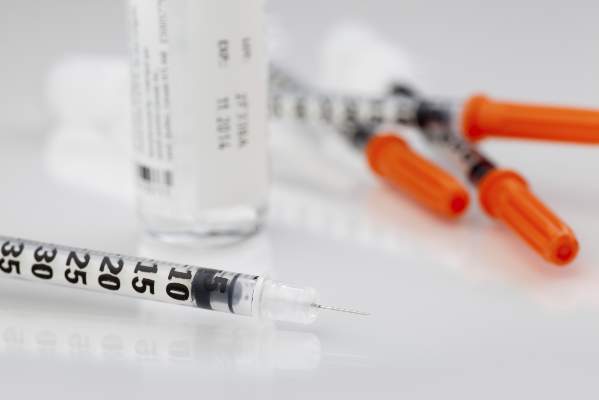
The significant benefits came with some downsides, though Dr. Garg said they were neither surprising nor serious. PEGylated basal insulin lispro (BIL), which is expected to come up for review with the Food and Drug Administration in 2016, acts preferentially in the liver; patients who took it experienced increases in triglycerides and alanine aminotransferase. Some also showed a slight increase in liver fat content, although the numbers were very close to the high end of normal.
Dr. Garg presented results from Eli Lilly’s open-label IMAGINE 1 study, which randomized 455 patients with type 1 diabetes to either BIL or insulin glargine (GL) alone for 78 weeks. The primary endpoint – noninferiority of BIL as demonstrated by A1C – was collected at 26 weeks. Secondary endpoints included weight loss, total and nocturnal hypoglycemia, lipid measurements, and liver safety.
A subset of these patients, along with some from the double-blind IMAGINE 3 study, underwent liver fat measurements by MRI (182 patients).
The cohort was a typical one. Patients were a mean of 40 years old, with disease duration of about 16 years. Their body mass index was not excessive (25 kg/m2); this reflected a multinational cohort, which included patients in Asia. The baseline A1C was 7.9%; about 20% were below 7%.
They were randomized to bedtime BIL or insulin glargine (GL) with prandial insulin lispro. Most patients had been taking glargine as their baseline insulin (70%). Other baseline treatments were insulin detemir (16%) and NPH insulin (10%); the remainder used a pump.
At 26 weeks, A1C levels were significantly lower in those taking BIL than GL (7% vs. 7.4%). The measurements began to separate around week 13, and the curves remained significantly different throughout the end of the study.
Fasting serum glucose was also significantly lower among those taking BIL at 26 weeks (7.7 mmol/L vs. 8.9 mmol/L). Again, the curves separated significantly by 13 weeks and continued to do so until the study’s end.
Overall, BIL was associated with significantly more hypoglycemic events (16 vs. 12 events per patient/30 days). But those taking BIL reported significantly fewer nocturnal events (3 vs. 2 per patient/30 days).
BIL was also associated with significantly more episodes of severe hypoglycemia in both IMAGINE 1 and 3. At 26 weeks in IMAGINE 1, severe hypoglycemia was almost twice as common in the BIL group as in the GL group (11.3% vs. 5.7%). The proportion was similar at 78 weeks (15% vs. 8.2%). The rate per 100 patient-years in IMAGINE 1 was also significantly higher with BIL (23 vs. 9). In IMAGINE 3, however, the event rate associated with BIL was lower than it was with GL (19 vs. 22 per 100 patient/years; P = .445). Most of the episodes (68%) occurred within 5 hours of talking an insulin bolus, Dr. Garg noted.
Patients taking BIL also lost weight during the first half of the study, while those taking GL gained. By week 26, those taking the study drug had dropped a mean of 1.2 kg; those in the control group had gained about 0.8 kg. That difference was maintained throughput the study, although patients taking BIL did tend to gain a bit of weight in the last 8 weeks (about 0.25 kg).
Low- and high-density lipoproteins remained unchanged in both arms, but triglycerides increased significantly more in the BIL group than in the GL group (a mean of 1.3 vs 1.0 mmol/L ).
Alanine aminotransferase was the only liver enzyme affected. It increased significantly by week 13 and remained elevated the entire study, reaching about 28 U/L by week 78, compared with about 20 U/L for those taking GL.
Liver fat content was higher in the BIL group throughout the study, rising from 3% at baseline to 6% at week 78. The upper limit of normal MRI is 5.56%, Dr. Garg noted. Liver fat was unchanged in patients taking GL.
In both IMAGINE 1 and 3, there were more injection-site reactions in the BIL group (IMAGINE 1, 25% vs. 0%; IMAGINE 3, 13% vs. 0.2%). Lipohypertrophy also was more common in both IMAGINE 1 (15% vs. 0%) and IMAGINE 3 3 (7.7% vs. 0.2%).
Eli Lilly & Co. funded the study. Dr. Garg has received research funding from the company.
STOCKHOLM – In patients with type 1 diabetes, treatment with the long-acting basal insulin peglispro conferred lower A1C with fewer episodes of nocturnal hypoglycemia – and a bonus weight loss to boot.
“To the best of my knowledge, no registry study of any insulin analogue has ever showed that it is not only noninferior, but [also] actually better than the corresponding molecule,” said Dr. Satish K. Garg, chief of the young adult clinics at the Barbara Davis Center for Diabetes, Aurora, Colo.
The significant benefits came with some downsides, though Dr. Garg said they were neither surprising nor serious. PEGylated basal insulin lispro (BIL), which is expected to come up for review with the Food and Drug Administration in 2016, acts preferentially in the liver; patients who took it experienced increases in triglycerides and alanine aminotransferase. Some also showed a slight increase in liver fat content, although the numbers were very close to the high end of normal.
Dr. Garg presented results from Eli Lilly’s open-label IMAGINE 1 study, which randomized 455 patients with type 1 diabetes to either BIL or insulin glargine (GL) alone for 78 weeks. The primary endpoint – noninferiority of BIL as demonstrated by A1C – was collected at 26 weeks. Secondary endpoints included weight loss, total and nocturnal hypoglycemia, lipid measurements, and liver safety.
A subset of these patients, along with some from the double-blind IMAGINE 3 study, underwent liver fat measurements by MRI (182 patients).
The cohort was a typical one. Patients were a mean of 40 years old, with disease duration of about 16 years. Their body mass index was not excessive (25 kg/m2); this reflected a multinational cohort, which included patients in Asia. The baseline A1C was 7.9%; about 20% were below 7%.
They were randomized to bedtime BIL or insulin glargine (GL) with prandial insulin lispro. Most patients had been taking glargine as their baseline insulin (70%). Other baseline treatments were insulin detemir (16%) and NPH insulin (10%); the remainder used a pump.
At 26 weeks, A1C levels were significantly lower in those taking BIL than GL (7% vs. 7.4%). The measurements began to separate around week 13, and the curves remained significantly different throughout the end of the study.
Fasting serum glucose was also significantly lower among those taking BIL at 26 weeks (7.7 mmol/L vs. 8.9 mmol/L). Again, the curves separated significantly by 13 weeks and continued to do so until the study’s end.
Overall, BIL was associated with significantly more hypoglycemic events (16 vs. 12 events per patient/30 days). But those taking BIL reported significantly fewer nocturnal events (3 vs. 2 per patient/30 days).
BIL was also associated with significantly more episodes of severe hypoglycemia in both IMAGINE 1 and 3. At 26 weeks in IMAGINE 1, severe hypoglycemia was almost twice as common in the BIL group as in the GL group (11.3% vs. 5.7%). The proportion was similar at 78 weeks (15% vs. 8.2%). The rate per 100 patient-years in IMAGINE 1 was also significantly higher with BIL (23 vs. 9). In IMAGINE 3, however, the event rate associated with BIL was lower than it was with GL (19 vs. 22 per 100 patient/years; P = .445). Most of the episodes (68%) occurred within 5 hours of talking an insulin bolus, Dr. Garg noted.
Patients taking BIL also lost weight during the first half of the study, while those taking GL gained. By week 26, those taking the study drug had dropped a mean of 1.2 kg; those in the control group had gained about 0.8 kg. That difference was maintained throughput the study, although patients taking BIL did tend to gain a bit of weight in the last 8 weeks (about 0.25 kg).
Low- and high-density lipoproteins remained unchanged in both arms, but triglycerides increased significantly more in the BIL group than in the GL group (a mean of 1.3 vs 1.0 mmol/L ).
Alanine aminotransferase was the only liver enzyme affected. It increased significantly by week 13 and remained elevated the entire study, reaching about 28 U/L by week 78, compared with about 20 U/L for those taking GL.
Liver fat content was higher in the BIL group throughout the study, rising from 3% at baseline to 6% at week 78. The upper limit of normal MRI is 5.56%, Dr. Garg noted. Liver fat was unchanged in patients taking GL.
In both IMAGINE 1 and 3, there were more injection-site reactions in the BIL group (IMAGINE 1, 25% vs. 0%; IMAGINE 3, 13% vs. 0.2%). Lipohypertrophy also was more common in both IMAGINE 1 (15% vs. 0%) and IMAGINE 3 3 (7.7% vs. 0.2%).
Eli Lilly & Co. funded the study. Dr. Garg has received research funding from the company.
STOCKHOLM – In patients with type 1 diabetes, treatment with the long-acting basal insulin peglispro conferred lower A1C with fewer episodes of nocturnal hypoglycemia – and a bonus weight loss to boot.
“To the best of my knowledge, no registry study of any insulin analogue has ever showed that it is not only noninferior, but [also] actually better than the corresponding molecule,” said Dr. Satish K. Garg, chief of the young adult clinics at the Barbara Davis Center for Diabetes, Aurora, Colo.
The significant benefits came with some downsides, though Dr. Garg said they were neither surprising nor serious. PEGylated basal insulin lispro (BIL), which is expected to come up for review with the Food and Drug Administration in 2016, acts preferentially in the liver; patients who took it experienced increases in triglycerides and alanine aminotransferase. Some also showed a slight increase in liver fat content, although the numbers were very close to the high end of normal.
Dr. Garg presented results from Eli Lilly’s open-label IMAGINE 1 study, which randomized 455 patients with type 1 diabetes to either BIL or insulin glargine (GL) alone for 78 weeks. The primary endpoint – noninferiority of BIL as demonstrated by A1C – was collected at 26 weeks. Secondary endpoints included weight loss, total and nocturnal hypoglycemia, lipid measurements, and liver safety.
A subset of these patients, along with some from the double-blind IMAGINE 3 study, underwent liver fat measurements by MRI (182 patients).
The cohort was a typical one. Patients were a mean of 40 years old, with disease duration of about 16 years. Their body mass index was not excessive (25 kg/m2); this reflected a multinational cohort, which included patients in Asia. The baseline A1C was 7.9%; about 20% were below 7%.
They were randomized to bedtime BIL or insulin glargine (GL) with prandial insulin lispro. Most patients had been taking glargine as their baseline insulin (70%). Other baseline treatments were insulin detemir (16%) and NPH insulin (10%); the remainder used a pump.
At 26 weeks, A1C levels were significantly lower in those taking BIL than GL (7% vs. 7.4%). The measurements began to separate around week 13, and the curves remained significantly different throughout the end of the study.
Fasting serum glucose was also significantly lower among those taking BIL at 26 weeks (7.7 mmol/L vs. 8.9 mmol/L). Again, the curves separated significantly by 13 weeks and continued to do so until the study’s end.
Overall, BIL was associated with significantly more hypoglycemic events (16 vs. 12 events per patient/30 days). But those taking BIL reported significantly fewer nocturnal events (3 vs. 2 per patient/30 days).
BIL was also associated with significantly more episodes of severe hypoglycemia in both IMAGINE 1 and 3. At 26 weeks in IMAGINE 1, severe hypoglycemia was almost twice as common in the BIL group as in the GL group (11.3% vs. 5.7%). The proportion was similar at 78 weeks (15% vs. 8.2%). The rate per 100 patient-years in IMAGINE 1 was also significantly higher with BIL (23 vs. 9). In IMAGINE 3, however, the event rate associated with BIL was lower than it was with GL (19 vs. 22 per 100 patient/years; P = .445). Most of the episodes (68%) occurred within 5 hours of talking an insulin bolus, Dr. Garg noted.
Patients taking BIL also lost weight during the first half of the study, while those taking GL gained. By week 26, those taking the study drug had dropped a mean of 1.2 kg; those in the control group had gained about 0.8 kg. That difference was maintained throughput the study, although patients taking BIL did tend to gain a bit of weight in the last 8 weeks (about 0.25 kg).
Low- and high-density lipoproteins remained unchanged in both arms, but triglycerides increased significantly more in the BIL group than in the GL group (a mean of 1.3 vs 1.0 mmol/L ).
Alanine aminotransferase was the only liver enzyme affected. It increased significantly by week 13 and remained elevated the entire study, reaching about 28 U/L by week 78, compared with about 20 U/L for those taking GL.
Liver fat content was higher in the BIL group throughout the study, rising from 3% at baseline to 6% at week 78. The upper limit of normal MRI is 5.56%, Dr. Garg noted. Liver fat was unchanged in patients taking GL.
In both IMAGINE 1 and 3, there were more injection-site reactions in the BIL group (IMAGINE 1, 25% vs. 0%; IMAGINE 3, 13% vs. 0.2%). Lipohypertrophy also was more common in both IMAGINE 1 (15% vs. 0%) and IMAGINE 3 3 (7.7% vs. 0.2%).
Eli Lilly & Co. funded the study. Dr. Garg has received research funding from the company.
AT EASD 2015
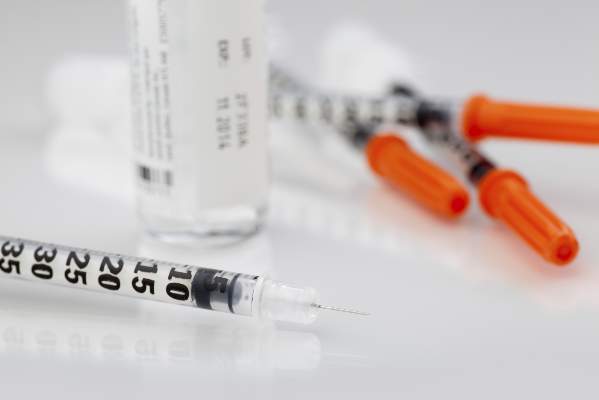
Head for Oral Contraceptives to Target Women’s Acne
NEW YORK – Almost all women with acne will have at least a fair response to therapy with oral contraceptive pills.
Most should experience at least a 50% reduction in lesions, Dr. Bethanee Schlosser said at the American Academy of Dermatology summer meeting.

“From baseline, you are generally speaking about a 50% decrease in inflammatory and noninflammatory lesions and total lesion count,” said Dr. Schlosser of Northwestern University, Chicago. “The important thing, though, is that you have to tell a patient this is not an overnight thing. You have to wait at least three cycles before you make any kind of judgment on whether it’s working.”
The improvement will be seen on all affected areas, not just the face, she said.
“This is important. It’s not just facial acne that’s hormonally sensitive. For us to say it’s just the facial distribution that’s hormonally sensitive is ridiculous. We all know as dermatologists that all acne is androgen driven, and it’s all hormonally sensitive.”
Oral contraceptives can be used alone, as Dr. Schlosser usually initiates treatment, or they can be used in conjunction with spironolactone or antibiotics. Three OCs are approved by the FDA for the treatment of acne.
“I often get asked which OC is the best,” she said. “Just because the FDA approved some for acne doesn’t mean they are better. It means the company had the studies done and basically paid for this labeling indication.”
A 2012 Cochrane review examined 31 studies that compared different OCs to placebo and to each other. The investigators found that all the OCs were consistently more effective than placebo (Cochrane Database Syst Rev. doi: 10.1002/14651858.CD004425.pub6). The head-to-head comparisons produced conflicting results with no clear advantage of one formulation over another.
“I would say use what you are comfortable with,” Dr. Schlosser said.
Some personal and family history and health screenings are necessary before prescribing OCs, although leading women’s health associations, as well as the FDA have said there’s no need for a pelvic exam and Pap smear. “You do have to make sure they are not pregnant, hypertensive, or at risk for stroke or heart disease.”
Spironolactone is usually prescribed at 100-150 mg/day and rarely up to 200 mg/day, she noted. It can be added to an OC regimen if the patient has not adequately responded to monotherapy. It can also be combined with drospirenone, an antibiotic, or with both OCs and antibiotics.
Since spironolactone is a diuretic, women should be monitored for increased thirst and urination, and signs of hypokalemia (lethargy, muscle cramps, dizziness, and increased heart rate). In utero exposure can cause feminization of a male fetus, so reliable contraception is a must.
The drug does carry a boxed warning, as it was carcinogenic in rat studies – but only when given at 50-100 times the usual human dose.
Dr. Schlosser disclosed that she is an investigator with Galderma and Allergan.
NEW YORK – Almost all women with acne will have at least a fair response to therapy with oral contraceptive pills.
Most should experience at least a 50% reduction in lesions, Dr. Bethanee Schlosser said at the American Academy of Dermatology summer meeting.
“From baseline, you are generally speaking about a 50% decrease in inflammatory and noninflammatory lesions and total lesion count,” said Dr. Schlosser of Northwestern University, Chicago. “The important thing, though, is that you have to tell a patient this is not an overnight thing. You have to wait at least three cycles before you make any kind of judgment on whether it’s working.”
The improvement will be seen on all affected areas, not just the face, she said.
“This is important. It’s not just facial acne that’s hormonally sensitive. For us to say it’s just the facial distribution that’s hormonally sensitive is ridiculous. We all know as dermatologists that all acne is androgen driven, and it’s all hormonally sensitive.”
Oral contraceptives can be used alone, as Dr. Schlosser usually initiates treatment, or they can be used in conjunction with spironolactone or antibiotics. Three OCs are approved by the FDA for the treatment of acne.
“I often get asked which OC is the best,” she said. “Just because the FDA approved some for acne doesn’t mean they are better. It means the company had the studies done and basically paid for this labeling indication.”
A 2012 Cochrane review examined 31 studies that compared different OCs to placebo and to each other. The investigators found that all the OCs were consistently more effective than placebo (Cochrane Database Syst Rev. doi: 10.1002/14651858.CD004425.pub6). The head-to-head comparisons produced conflicting results with no clear advantage of one formulation over another.
“I would say use what you are comfortable with,” Dr. Schlosser said.
Some personal and family history and health screenings are necessary before prescribing OCs, although leading women’s health associations, as well as the FDA have said there’s no need for a pelvic exam and Pap smear. “You do have to make sure they are not pregnant, hypertensive, or at risk for stroke or heart disease.”
Spironolactone is usually prescribed at 100-150 mg/day and rarely up to 200 mg/day, she noted. It can be added to an OC regimen if the patient has not adequately responded to monotherapy. It can also be combined with drospirenone, an antibiotic, or with both OCs and antibiotics.
Since spironolactone is a diuretic, women should be monitored for increased thirst and urination, and signs of hypokalemia (lethargy, muscle cramps, dizziness, and increased heart rate). In utero exposure can cause feminization of a male fetus, so reliable contraception is a must.
The drug does carry a boxed warning, as it was carcinogenic in rat studies – but only when given at 50-100 times the usual human dose.
Dr. Schlosser disclosed that she is an investigator with Galderma and Allergan.
NEW YORK – Almost all women with acne will have at least a fair response to therapy with oral contraceptive pills.
Most should experience at least a 50% reduction in lesions, Dr. Bethanee Schlosser said at the American Academy of Dermatology summer meeting.
“From baseline, you are generally speaking about a 50% decrease in inflammatory and noninflammatory lesions and total lesion count,” said Dr. Schlosser of Northwestern University, Chicago. “The important thing, though, is that you have to tell a patient this is not an overnight thing. You have to wait at least three cycles before you make any kind of judgment on whether it’s working.”
The improvement will be seen on all affected areas, not just the face, she said.
“This is important. It’s not just facial acne that’s hormonally sensitive. For us to say it’s just the facial distribution that’s hormonally sensitive is ridiculous. We all know as dermatologists that all acne is androgen driven, and it’s all hormonally sensitive.”
Oral contraceptives can be used alone, as Dr. Schlosser usually initiates treatment, or they can be used in conjunction with spironolactone or antibiotics. Three OCs are approved by the FDA for the treatment of acne.
“I often get asked which OC is the best,” she said. “Just because the FDA approved some for acne doesn’t mean they are better. It means the company had the studies done and basically paid for this labeling indication.”
A 2012 Cochrane review examined 31 studies that compared different OCs to placebo and to each other. The investigators found that all the OCs were consistently more effective than placebo (Cochrane Database Syst Rev. doi: 10.1002/14651858.CD004425.pub6). The head-to-head comparisons produced conflicting results with no clear advantage of one formulation over another.
“I would say use what you are comfortable with,” Dr. Schlosser said.
Some personal and family history and health screenings are necessary before prescribing OCs, although leading women’s health associations, as well as the FDA have said there’s no need for a pelvic exam and Pap smear. “You do have to make sure they are not pregnant, hypertensive, or at risk for stroke or heart disease.”
Spironolactone is usually prescribed at 100-150 mg/day and rarely up to 200 mg/day, she noted. It can be added to an OC regimen if the patient has not adequately responded to monotherapy. It can also be combined with drospirenone, an antibiotic, or with both OCs and antibiotics.
Since spironolactone is a diuretic, women should be monitored for increased thirst and urination, and signs of hypokalemia (lethargy, muscle cramps, dizziness, and increased heart rate). In utero exposure can cause feminization of a male fetus, so reliable contraception is a must.
The drug does carry a boxed warning, as it was carcinogenic in rat studies – but only when given at 50-100 times the usual human dose.
Dr. Schlosser disclosed that she is an investigator with Galderma and Allergan.
EXPERT ANALYSIS FROM THE AAD SUMMER ACADEMY 2015

Head for oral contraceptives to target women’s acne
NEW YORK – Almost all women with acne will have at least a fair response to therapy with oral contraceptive pills.
Most should experience at least a 50% reduction in lesions, Dr. Bethanee Schlosser said at the American Academy of Dermatology summer meeting.

“From baseline, you are generally speaking about a 50% decrease in inflammatory and noninflammatory lesions and total lesion count,” said Dr. Schlosser of Northwestern University, Chicago. “The important thing, though, is that you have to tell a patient this is not an overnight thing. You have to wait at least three cycles before you make any kind of judgment on whether it’s working.”
The improvement will be seen on all affected areas, not just the face, she said.
“This is important. It’s not just facial acne that’s hormonally sensitive. For us to say it’s just the facial distribution that’s hormonally sensitive is ridiculous. We all know as dermatologists that all acne is androgen driven, and it’s all hormonally sensitive.”
Oral contraceptives can be used alone, as Dr. Schlosser usually initiates treatment, or they can be used in conjunction with spironolactone or antibiotics. Three OCs are approved by the FDA for the treatment of acne.
“I often get asked which OC is the best,” she said. “Just because the FDA approved some for acne doesn’t mean they are better. It means the company had the studies done and basically paid for this labeling indication.”
A 2012 Cochrane review examined 31 studies that compared different OCs to placebo and to each other. The investigators found that all the OCs were consistently more effective than placebo (Cochrane Database Syst Rev. doi: 10.1002/14651858.CD004425.pub6). The head-to-head comparisons produced conflicting results with no clear advantage of one formulation over another.
“I would say use what you are comfortable with,” Dr. Schlosser said.
Some personal and family history and health screenings are necessary before prescribing OCs, although leading women’s health associations, as well as the FDA have said there’s no need for a pelvic exam and Pap smear. “You do have to make sure they are not pregnant, hypertensive, or at risk for stroke or heart disease.”
Spironolactone is usually prescribed at 100-150 mg/day and rarely up to 200 mg/day, she noted. It can be added to an OC regimen if the patient has not adequately responded to monotherapy. It can also be combined with drospirenone, an antibiotic, or with both OCs and antibiotics.
Since spironolactone is a diuretic, women should be monitored for increased thirst and urination, and signs of hypokalemia (lethargy, muscle cramps, dizziness, and increased heart rate). In utero exposure can cause feminization of a male fetus, so reliable contraception is a must.
The drug does carry a boxed warning, as it was carcinogenic in rat studies – but only when given at 50-100 times the usual human dose.
Dr. Schlosser disclosed that she is an investigator with Galderma and Allergan.
On Twitter @Alz_Gal
NEW YORK – Almost all women with acne will have at least a fair response to therapy with oral contraceptive pills.
Most should experience at least a 50% reduction in lesions, Dr. Bethanee Schlosser said at the American Academy of Dermatology summer meeting.
“From baseline, you are generally speaking about a 50% decrease in inflammatory and noninflammatory lesions and total lesion count,” said Dr. Schlosser of Northwestern University, Chicago. “The important thing, though, is that you have to tell a patient this is not an overnight thing. You have to wait at least three cycles before you make any kind of judgment on whether it’s working.”
The improvement will be seen on all affected areas, not just the face, she said.
“This is important. It’s not just facial acne that’s hormonally sensitive. For us to say it’s just the facial distribution that’s hormonally sensitive is ridiculous. We all know as dermatologists that all acne is androgen driven, and it’s all hormonally sensitive.”
Oral contraceptives can be used alone, as Dr. Schlosser usually initiates treatment, or they can be used in conjunction with spironolactone or antibiotics. Three OCs are approved by the FDA for the treatment of acne.
“I often get asked which OC is the best,” she said. “Just because the FDA approved some for acne doesn’t mean they are better. It means the company had the studies done and basically paid for this labeling indication.”
A 2012 Cochrane review examined 31 studies that compared different OCs to placebo and to each other. The investigators found that all the OCs were consistently more effective than placebo (Cochrane Database Syst Rev. doi: 10.1002/14651858.CD004425.pub6). The head-to-head comparisons produced conflicting results with no clear advantage of one formulation over another.
“I would say use what you are comfortable with,” Dr. Schlosser said.
Some personal and family history and health screenings are necessary before prescribing OCs, although leading women’s health associations, as well as the FDA have said there’s no need for a pelvic exam and Pap smear. “You do have to make sure they are not pregnant, hypertensive, or at risk for stroke or heart disease.”
Spironolactone is usually prescribed at 100-150 mg/day and rarely up to 200 mg/day, she noted. It can be added to an OC regimen if the patient has not adequately responded to monotherapy. It can also be combined with drospirenone, an antibiotic, or with both OCs and antibiotics.
Since spironolactone is a diuretic, women should be monitored for increased thirst and urination, and signs of hypokalemia (lethargy, muscle cramps, dizziness, and increased heart rate). In utero exposure can cause feminization of a male fetus, so reliable contraception is a must.
The drug does carry a boxed warning, as it was carcinogenic in rat studies – but only when given at 50-100 times the usual human dose.
Dr. Schlosser disclosed that she is an investigator with Galderma and Allergan.
On Twitter @Alz_Gal
NEW YORK – Almost all women with acne will have at least a fair response to therapy with oral contraceptive pills.
Most should experience at least a 50% reduction in lesions, Dr. Bethanee Schlosser said at the American Academy of Dermatology summer meeting.
“From baseline, you are generally speaking about a 50% decrease in inflammatory and noninflammatory lesions and total lesion count,” said Dr. Schlosser of Northwestern University, Chicago. “The important thing, though, is that you have to tell a patient this is not an overnight thing. You have to wait at least three cycles before you make any kind of judgment on whether it’s working.”
The improvement will be seen on all affected areas, not just the face, she said.
“This is important. It’s not just facial acne that’s hormonally sensitive. For us to say it’s just the facial distribution that’s hormonally sensitive is ridiculous. We all know as dermatologists that all acne is androgen driven, and it’s all hormonally sensitive.”
Oral contraceptives can be used alone, as Dr. Schlosser usually initiates treatment, or they can be used in conjunction with spironolactone or antibiotics. Three OCs are approved by the FDA for the treatment of acne.
“I often get asked which OC is the best,” she said. “Just because the FDA approved some for acne doesn’t mean they are better. It means the company had the studies done and basically paid for this labeling indication.”
A 2012 Cochrane review examined 31 studies that compared different OCs to placebo and to each other. The investigators found that all the OCs were consistently more effective than placebo (Cochrane Database Syst Rev. doi: 10.1002/14651858.CD004425.pub6). The head-to-head comparisons produced conflicting results with no clear advantage of one formulation over another.
“I would say use what you are comfortable with,” Dr. Schlosser said.
Some personal and family history and health screenings are necessary before prescribing OCs, although leading women’s health associations, as well as the FDA have said there’s no need for a pelvic exam and Pap smear. “You do have to make sure they are not pregnant, hypertensive, or at risk for stroke or heart disease.”
Spironolactone is usually prescribed at 100-150 mg/day and rarely up to 200 mg/day, she noted. It can be added to an OC regimen if the patient has not adequately responded to monotherapy. It can also be combined with drospirenone, an antibiotic, or with both OCs and antibiotics.
Since spironolactone is a diuretic, women should be monitored for increased thirst and urination, and signs of hypokalemia (lethargy, muscle cramps, dizziness, and increased heart rate). In utero exposure can cause feminization of a male fetus, so reliable contraception is a must.
The drug does carry a boxed warning, as it was carcinogenic in rat studies – but only when given at 50-100 times the usual human dose.
Dr. Schlosser disclosed that she is an investigator with Galderma and Allergan.
On Twitter @Alz_Gal
EXPERT ANALYSIS FROM THE AAD SUMMER ACADEMY 2015

Balance Caution With Necessity When Prescribing Dermatology Drugs in Pregnancy
NEW YORK – Disease exacerbations during pregnancy can be more dangerous for the fetus than some of the medications used to treat them..
No one wants to take unnecessary drugs during pregnancy, Dr. Jenny Murase said at the American Academy of Dermatology summer meeting. But concern about medication safety should never override the need to treat new-onset disease or control existing disorders.

“Often, patients are so worried about the effects of medicines on the baby that they don’t think about the effects of the disease. This is a thing we need to address with each patient. What would happen to you, and your baby, if this disease is not treated?” said Dr. Murase of the Palo Alto Foundation Medical Group, San Francisco.
Primary herpes simplex infections are an excellent example of this dilemma, she said. “Primary HSV has up to a 50% transmission rate to the fetus. In utero infections are associated with microcephaly, hydrocephalus, and chorioretinitis. About a third of neonates have central nervous system disease, and a quarter are born with disseminated disease,” and the neonatal mortality rate is nearly 70%.
“On the other hand, acyclovir is very, very safe,” based on data on thousands of patients, Dr. Murase said. Famciclovir and valacyclovir are also likely safe but data on those drugs are more limited, she added.
Sometimes, ideas about a drug’s safety during pregnancy are based on old or confusing studies. The worries about the teratogenicity of systemic steroids, for example, stem from a 1951 report that cortisone caused orofacial cleft in prenatally exposed mice.
“Since then, no prospective studies have found any evidence of congenital malformations associated with systemic steroids,” Dr. Murase said. However, “epidemiologic studies have suggested a threefold increase, which, interestingly, is in line with the mouse findings.”
The drugs do, however, have an important place in the armamentarium; they should be used judiciously and as part of a careful risk-benefit analysis. Both betamethasone and dexamethasone pass the placental barrier well; prednisone is not as transferable.
Dr. Murase provided a list of some medications commonly employed in dermatologic practice, with considerations for their use during pregnancy.
• Topical steroids. A 2013 study found that pregnancy-long exposure to more than 300 g of a potent or superpotent topical corticosteroid did not increase risk of orofacial cleft in the newborn, but did increase risk of low birth weight. “So if you are giving more than five tubes of 60 g, there is a potential for low birth weight – although this could also be related to the actual severity of the disease. Still, you should discuss this risk with your patient.”
• Antihistamines. These should be avoided in the last month of pregnancy as they can stimulate uterine contractions, especially if they are given intravenously or in very high doses. There have been reports of a doubling of retinopathy in premature infants (22% vs. 11%) associated with antihistamines used within 2 weeks of delivery. Some infants can have withdrawal symptoms, including seizure, if the mother has been taking high doses of the drugs.
• Antibiotics. The first-line antibiotics are penicillin, cephalosporins, and dicloxacillin; all are safe. Of the macrolides, erythromycin is preferred. However, the estolate form of the drug has been associated with reversible abnormalities in liver enzymes; the base and ethylsuccinate forms don’t have this risk. Rifampin may be used, but vitamin K should be given with it. Sulfonamides are a second-line choice up until the third trimester. They shouldn’t be used after that, as they can cause anemia, hyperbilirubinemia, and kernicterus. Tetracycline can be used up to 14 weeks’ gestation but not after that, because of the risks of bone growth inhibition and tooth discoloration in the infant, and maternal hepatitis.
• Antifungals. Topical antifungals are not too concerning. Nystatin is safe, but not as effective as the later-generation medications. Clotrimazole is the first choice, followed by miconazole and ketoconazole. Data are limited, but topical terbinafine, naftifine, and ciclopirox are also probably safe, she said.
Systemic antifungals are a different matter. None of the imidazole derivatives are advised during pregnancy, as they have been associated with craniosynostosis, congenital heart defects, and skeletal anomalies. If they are used, a diagnostic ultrasound at 20 weeks is advisable.
• Light. Light therapy is generally considered safe, although there is some evidence that narrow-band ultraviolet can deplete folic acid levels. Despite that, there are no reports of neural tube or orofacial defects associated with light therapy. Nevertheless, make sure patients are supplementing with folic acid if they receive light therapy.
Light therapy should never be combined with oxsoralen in pregnant women; the drug is a known mutagen. Data on cyclosporine are more limited, but it’s a category C drug in pregnancy, so it’s best to avoid it.
• Biologics. Etanercept, adalimumab, infliximab, and alefacept are all category B drugs in pregnancy. There are some hints that they, as well as tumor necrosis factor (TNF)-inhibitors, may be associated with some fetal anomalies in the VACTERL association cluster (vertebral defects, anal atresia, cardiac defects, tracheoesophageal fistula, renal anomalies, and limb abnormalities). A confirmation of the syndrome requires three signs to be present. Only two infants born to mothers taking a biologic have had three qualifying signs.
However, pregnancy outcome reports for the drugs have recorded malformations. Among the adalimumab cohorts totaling 256 pregnancies, there were 14 fetal anomalies (5.5%); of these, nine were VACTERL-related. In the etanercept cohorts totaling 204 pregnancies, there were 13 anomalies (6.4%); of these, six were VACTERL-related. In the infliximab cohorts totaling 112 pregnancies, there was only one anomaly, which was in the VACTERL cluster. Among the 407 pregnancies in the TNF-inhibitors, there were three anomalies, none of which were related to VACTERL.
Dr. Murase had no financial disclosures relevant to her talk.
The current system of using letter categories to denote risk of prescription drugs during pregnancy and breastfeeding is being replaced by the Food and Drug Administration, with the addition of subsections in drug labeling.
NEW YORK – Disease exacerbations during pregnancy can be more dangerous for the fetus than some of the medications used to treat them..
No one wants to take unnecessary drugs during pregnancy, Dr. Jenny Murase said at the American Academy of Dermatology summer meeting. But concern about medication safety should never override the need to treat new-onset disease or control existing disorders.
“Often, patients are so worried about the effects of medicines on the baby that they don’t think about the effects of the disease. This is a thing we need to address with each patient. What would happen to you, and your baby, if this disease is not treated?” said Dr. Murase of the Palo Alto Foundation Medical Group, San Francisco.
Primary herpes simplex infections are an excellent example of this dilemma, she said. “Primary HSV has up to a 50% transmission rate to the fetus. In utero infections are associated with microcephaly, hydrocephalus, and chorioretinitis. About a third of neonates have central nervous system disease, and a quarter are born with disseminated disease,” and the neonatal mortality rate is nearly 70%.
“On the other hand, acyclovir is very, very safe,” based on data on thousands of patients, Dr. Murase said. Famciclovir and valacyclovir are also likely safe but data on those drugs are more limited, she added.
Sometimes, ideas about a drug’s safety during pregnancy are based on old or confusing studies. The worries about the teratogenicity of systemic steroids, for example, stem from a 1951 report that cortisone caused orofacial cleft in prenatally exposed mice.
“Since then, no prospective studies have found any evidence of congenital malformations associated with systemic steroids,” Dr. Murase said. However, “epidemiologic studies have suggested a threefold increase, which, interestingly, is in line with the mouse findings.”
The drugs do, however, have an important place in the armamentarium; they should be used judiciously and as part of a careful risk-benefit analysis. Both betamethasone and dexamethasone pass the placental barrier well; prednisone is not as transferable.
Dr. Murase provided a list of some medications commonly employed in dermatologic practice, with considerations for their use during pregnancy.
• Topical steroids. A 2013 study found that pregnancy-long exposure to more than 300 g of a potent or superpotent topical corticosteroid did not increase risk of orofacial cleft in the newborn, but did increase risk of low birth weight. “So if you are giving more than five tubes of 60 g, there is a potential for low birth weight – although this could also be related to the actual severity of the disease. Still, you should discuss this risk with your patient.”
• Antihistamines. These should be avoided in the last month of pregnancy as they can stimulate uterine contractions, especially if they are given intravenously or in very high doses. There have been reports of a doubling of retinopathy in premature infants (22% vs. 11%) associated with antihistamines used within 2 weeks of delivery. Some infants can have withdrawal symptoms, including seizure, if the mother has been taking high doses of the drugs.
• Antibiotics. The first-line antibiotics are penicillin, cephalosporins, and dicloxacillin; all are safe. Of the macrolides, erythromycin is preferred. However, the estolate form of the drug has been associated with reversible abnormalities in liver enzymes; the base and ethylsuccinate forms don’t have this risk. Rifampin may be used, but vitamin K should be given with it. Sulfonamides are a second-line choice up until the third trimester. They shouldn’t be used after that, as they can cause anemia, hyperbilirubinemia, and kernicterus. Tetracycline can be used up to 14 weeks’ gestation but not after that, because of the risks of bone growth inhibition and tooth discoloration in the infant, and maternal hepatitis.
• Antifungals. Topical antifungals are not too concerning. Nystatin is safe, but not as effective as the later-generation medications. Clotrimazole is the first choice, followed by miconazole and ketoconazole. Data are limited, but topical terbinafine, naftifine, and ciclopirox are also probably safe, she said.
Systemic antifungals are a different matter. None of the imidazole derivatives are advised during pregnancy, as they have been associated with craniosynostosis, congenital heart defects, and skeletal anomalies. If they are used, a diagnostic ultrasound at 20 weeks is advisable.
• Light. Light therapy is generally considered safe, although there is some evidence that narrow-band ultraviolet can deplete folic acid levels. Despite that, there are no reports of neural tube or orofacial defects associated with light therapy. Nevertheless, make sure patients are supplementing with folic acid if they receive light therapy.
Light therapy should never be combined with oxsoralen in pregnant women; the drug is a known mutagen. Data on cyclosporine are more limited, but it’s a category C drug in pregnancy, so it’s best to avoid it.
• Biologics. Etanercept, adalimumab, infliximab, and alefacept are all category B drugs in pregnancy. There are some hints that they, as well as tumor necrosis factor (TNF)-inhibitors, may be associated with some fetal anomalies in the VACTERL association cluster (vertebral defects, anal atresia, cardiac defects, tracheoesophageal fistula, renal anomalies, and limb abnormalities). A confirmation of the syndrome requires three signs to be present. Only two infants born to mothers taking a biologic have had three qualifying signs.
However, pregnancy outcome reports for the drugs have recorded malformations. Among the adalimumab cohorts totaling 256 pregnancies, there were 14 fetal anomalies (5.5%); of these, nine were VACTERL-related. In the etanercept cohorts totaling 204 pregnancies, there were 13 anomalies (6.4%); of these, six were VACTERL-related. In the infliximab cohorts totaling 112 pregnancies, there was only one anomaly, which was in the VACTERL cluster. Among the 407 pregnancies in the TNF-inhibitors, there were three anomalies, none of which were related to VACTERL.
Dr. Murase had no financial disclosures relevant to her talk.
The current system of using letter categories to denote risk of prescription drugs during pregnancy and breastfeeding is being replaced by the Food and Drug Administration, with the addition of subsections in drug labeling.
NEW YORK – Disease exacerbations during pregnancy can be more dangerous for the fetus than some of the medications used to treat them..
No one wants to take unnecessary drugs during pregnancy, Dr. Jenny Murase said at the American Academy of Dermatology summer meeting. But concern about medication safety should never override the need to treat new-onset disease or control existing disorders.
“Often, patients are so worried about the effects of medicines on the baby that they don’t think about the effects of the disease. This is a thing we need to address with each patient. What would happen to you, and your baby, if this disease is not treated?” said Dr. Murase of the Palo Alto Foundation Medical Group, San Francisco.
Primary herpes simplex infections are an excellent example of this dilemma, she said. “Primary HSV has up to a 50% transmission rate to the fetus. In utero infections are associated with microcephaly, hydrocephalus, and chorioretinitis. About a third of neonates have central nervous system disease, and a quarter are born with disseminated disease,” and the neonatal mortality rate is nearly 70%.
“On the other hand, acyclovir is very, very safe,” based on data on thousands of patients, Dr. Murase said. Famciclovir and valacyclovir are also likely safe but data on those drugs are more limited, she added.
Sometimes, ideas about a drug’s safety during pregnancy are based on old or confusing studies. The worries about the teratogenicity of systemic steroids, for example, stem from a 1951 report that cortisone caused orofacial cleft in prenatally exposed mice.
“Since then, no prospective studies have found any evidence of congenital malformations associated with systemic steroids,” Dr. Murase said. However, “epidemiologic studies have suggested a threefold increase, which, interestingly, is in line with the mouse findings.”
The drugs do, however, have an important place in the armamentarium; they should be used judiciously and as part of a careful risk-benefit analysis. Both betamethasone and dexamethasone pass the placental barrier well; prednisone is not as transferable.
Dr. Murase provided a list of some medications commonly employed in dermatologic practice, with considerations for their use during pregnancy.
• Topical steroids. A 2013 study found that pregnancy-long exposure to more than 300 g of a potent or superpotent topical corticosteroid did not increase risk of orofacial cleft in the newborn, but did increase risk of low birth weight. “So if you are giving more than five tubes of 60 g, there is a potential for low birth weight – although this could also be related to the actual severity of the disease. Still, you should discuss this risk with your patient.”
• Antihistamines. These should be avoided in the last month of pregnancy as they can stimulate uterine contractions, especially if they are given intravenously or in very high doses. There have been reports of a doubling of retinopathy in premature infants (22% vs. 11%) associated with antihistamines used within 2 weeks of delivery. Some infants can have withdrawal symptoms, including seizure, if the mother has been taking high doses of the drugs.
• Antibiotics. The first-line antibiotics are penicillin, cephalosporins, and dicloxacillin; all are safe. Of the macrolides, erythromycin is preferred. However, the estolate form of the drug has been associated with reversible abnormalities in liver enzymes; the base and ethylsuccinate forms don’t have this risk. Rifampin may be used, but vitamin K should be given with it. Sulfonamides are a second-line choice up until the third trimester. They shouldn’t be used after that, as they can cause anemia, hyperbilirubinemia, and kernicterus. Tetracycline can be used up to 14 weeks’ gestation but not after that, because of the risks of bone growth inhibition and tooth discoloration in the infant, and maternal hepatitis.
• Antifungals. Topical antifungals are not too concerning. Nystatin is safe, but not as effective as the later-generation medications. Clotrimazole is the first choice, followed by miconazole and ketoconazole. Data are limited, but topical terbinafine, naftifine, and ciclopirox are also probably safe, she said.
Systemic antifungals are a different matter. None of the imidazole derivatives are advised during pregnancy, as they have been associated with craniosynostosis, congenital heart defects, and skeletal anomalies. If they are used, a diagnostic ultrasound at 20 weeks is advisable.
• Light. Light therapy is generally considered safe, although there is some evidence that narrow-band ultraviolet can deplete folic acid levels. Despite that, there are no reports of neural tube or orofacial defects associated with light therapy. Nevertheless, make sure patients are supplementing with folic acid if they receive light therapy.
Light therapy should never be combined with oxsoralen in pregnant women; the drug is a known mutagen. Data on cyclosporine are more limited, but it’s a category C drug in pregnancy, so it’s best to avoid it.
• Biologics. Etanercept, adalimumab, infliximab, and alefacept are all category B drugs in pregnancy. There are some hints that they, as well as tumor necrosis factor (TNF)-inhibitors, may be associated with some fetal anomalies in the VACTERL association cluster (vertebral defects, anal atresia, cardiac defects, tracheoesophageal fistula, renal anomalies, and limb abnormalities). A confirmation of the syndrome requires three signs to be present. Only two infants born to mothers taking a biologic have had three qualifying signs.
However, pregnancy outcome reports for the drugs have recorded malformations. Among the adalimumab cohorts totaling 256 pregnancies, there were 14 fetal anomalies (5.5%); of these, nine were VACTERL-related. In the etanercept cohorts totaling 204 pregnancies, there were 13 anomalies (6.4%); of these, six were VACTERL-related. In the infliximab cohorts totaling 112 pregnancies, there was only one anomaly, which was in the VACTERL cluster. Among the 407 pregnancies in the TNF-inhibitors, there were three anomalies, none of which were related to VACTERL.
Dr. Murase had no financial disclosures relevant to her talk.
The current system of using letter categories to denote risk of prescription drugs during pregnancy and breastfeeding is being replaced by the Food and Drug Administration, with the addition of subsections in drug labeling.
EXPERT ANALYSIS FROM THE AAD SUMMER ACADEMY 2015