User login
January 2013 Rings in a Cold New Year for Vaccines
NEW ORLEANS – Beginning in 2013, vaccines will need to be stored in a full-sized, freezerless refrigerator, the temperature of which is constantly monitored by a digital 24-hour temperature-recording device.
The new storage guidelines, issued in early October by the Centers for Disease Control and Prevention, also require the use of a biosafe glycol-encased temperature probe because these devices more accurately approximate the temperature of stored liquids, Dr. Herschel Lessin said at the annual meeting of the American Academy of Pediatrics.
The regulation will go into effect on Jan. 1, 2013, said Dr. Lessin, a pediatrician in group practice in Poughkeepsie, N.Y.

"You also won’t be able to use a dormstyle refrigerator or a refrigerator/freezer combination," he said. "In these units, the freezer is actually what chills the fridge, and when the freezer cycles on and off, it can change the temperature of the refrigerator."
The 24-hour data recording of temperature is intended to ensure that vaccine remains within its constant recommended range of 35°-46° F. "If the data logger hits outside that range, it’s the kiss of death for your store of vaccine," he said.
The recording unit has to be able to store at least 4,000 readings so it won’t overwrite old data or stop recording because the memory is full.
In addition to the hardware changes, human systems will need an update, said Dr. Lessin, who is also a member of the AAP committee on practice and ambulatory medicine. Someone in the office needs to review the temperature log daily. "You have to have a system that if the temperature gets close to being out of the range, you get that vaccine out of there and into an appropriate storage container."
The system should also include a weekly review of expiration dates to facilitate stock rotation, and people who can serve as "vaccine coordinators." These staffers should be trained in proper vaccine storage and handling, and be able to perform accountability checks to make sure the protocol is followed.
In writing the new recommendation, the CDC relied on a 2010 study on refrigerator types and how they can affect vaccines. The study tested two types of refrigerators – household and dormstyle. After 19 thermometer-recorded temperatures in different parts of the devices and on the outside of vaccine bottles were taken, a regular full-sized freezerless refrigerator was found to be "fully adequate" at keeping the vaccines at the optimum temperature. Dormstyle units showed quite a lot of temperature drift, especially when they were heavily loaded. "These problems make the dormitorystyle refrigerator unsuitable for vaccine storage," Dr. Lessin said.
Dr. Lessin said he had no relevant financial disclosures.
NEW ORLEANS – Beginning in 2013, vaccines will need to be stored in a full-sized, freezerless refrigerator, the temperature of which is constantly monitored by a digital 24-hour temperature-recording device.
The new storage guidelines, issued in early October by the Centers for Disease Control and Prevention, also require the use of a biosafe glycol-encased temperature probe because these devices more accurately approximate the temperature of stored liquids, Dr. Herschel Lessin said at the annual meeting of the American Academy of Pediatrics.
The regulation will go into effect on Jan. 1, 2013, said Dr. Lessin, a pediatrician in group practice in Poughkeepsie, N.Y.
"You also won’t be able to use a dormstyle refrigerator or a refrigerator/freezer combination," he said. "In these units, the freezer is actually what chills the fridge, and when the freezer cycles on and off, it can change the temperature of the refrigerator."
The 24-hour data recording of temperature is intended to ensure that vaccine remains within its constant recommended range of 35°-46° F. "If the data logger hits outside that range, it’s the kiss of death for your store of vaccine," he said.
The recording unit has to be able to store at least 4,000 readings so it won’t overwrite old data or stop recording because the memory is full.
In addition to the hardware changes, human systems will need an update, said Dr. Lessin, who is also a member of the AAP committee on practice and ambulatory medicine. Someone in the office needs to review the temperature log daily. "You have to have a system that if the temperature gets close to being out of the range, you get that vaccine out of there and into an appropriate storage container."
The system should also include a weekly review of expiration dates to facilitate stock rotation, and people who can serve as "vaccine coordinators." These staffers should be trained in proper vaccine storage and handling, and be able to perform accountability checks to make sure the protocol is followed.
In writing the new recommendation, the CDC relied on a 2010 study on refrigerator types and how they can affect vaccines. The study tested two types of refrigerators – household and dormstyle. After 19 thermometer-recorded temperatures in different parts of the devices and on the outside of vaccine bottles were taken, a regular full-sized freezerless refrigerator was found to be "fully adequate" at keeping the vaccines at the optimum temperature. Dormstyle units showed quite a lot of temperature drift, especially when they were heavily loaded. "These problems make the dormitorystyle refrigerator unsuitable for vaccine storage," Dr. Lessin said.
Dr. Lessin said he had no relevant financial disclosures.
NEW ORLEANS – Beginning in 2013, vaccines will need to be stored in a full-sized, freezerless refrigerator, the temperature of which is constantly monitored by a digital 24-hour temperature-recording device.
The new storage guidelines, issued in early October by the Centers for Disease Control and Prevention, also require the use of a biosafe glycol-encased temperature probe because these devices more accurately approximate the temperature of stored liquids, Dr. Herschel Lessin said at the annual meeting of the American Academy of Pediatrics.
The regulation will go into effect on Jan. 1, 2013, said Dr. Lessin, a pediatrician in group practice in Poughkeepsie, N.Y.
"You also won’t be able to use a dormstyle refrigerator or a refrigerator/freezer combination," he said. "In these units, the freezer is actually what chills the fridge, and when the freezer cycles on and off, it can change the temperature of the refrigerator."
The 24-hour data recording of temperature is intended to ensure that vaccine remains within its constant recommended range of 35°-46° F. "If the data logger hits outside that range, it’s the kiss of death for your store of vaccine," he said.
The recording unit has to be able to store at least 4,000 readings so it won’t overwrite old data or stop recording because the memory is full.
In addition to the hardware changes, human systems will need an update, said Dr. Lessin, who is also a member of the AAP committee on practice and ambulatory medicine. Someone in the office needs to review the temperature log daily. "You have to have a system that if the temperature gets close to being out of the range, you get that vaccine out of there and into an appropriate storage container."
The system should also include a weekly review of expiration dates to facilitate stock rotation, and people who can serve as "vaccine coordinators." These staffers should be trained in proper vaccine storage and handling, and be able to perform accountability checks to make sure the protocol is followed.
In writing the new recommendation, the CDC relied on a 2010 study on refrigerator types and how they can affect vaccines. The study tested two types of refrigerators – household and dormstyle. After 19 thermometer-recorded temperatures in different parts of the devices and on the outside of vaccine bottles were taken, a regular full-sized freezerless refrigerator was found to be "fully adequate" at keeping the vaccines at the optimum temperature. Dormstyle units showed quite a lot of temperature drift, especially when they were heavily loaded. "These problems make the dormitorystyle refrigerator unsuitable for vaccine storage," Dr. Lessin said.
Dr. Lessin said he had no relevant financial disclosures.
AT THE ANNUAL MEETING OF THE AMERICAN ACADEMY OF PEDIATRICS

Intestinal Liner Improves Glycemic Control
BERLIN – A duodenal-jejunal liner seemed to improve glycemic control in patients with type 2 diabetes, a small prospective study has determined.
Among 16 patients who had the liner for 1 year, mean hemoglobin A1c dropped more than 1% without any significant weight loss, Dr. Dimitri Pournaras said at the annual meeting of the European Association for the Study of Diabetes.
"Bypassing the gut seems to have an effect on glucose homeostasis that can’t be fully explained by weight loss," said Dr. Pournaras of Imperial College, London.

The flexible barrier attempts to mimic some of the benefits of gastric bypass without surgery, he said. The sleeve is endoscopically placed in the duodenal bulb and extends about 60 cm through the duodenum and proximal jejunum, preventing any nutrient contact with those regions.
Dr. Pournaras presented data on 16 nonobese patients with type 2 diabetes who had the gastric sleeve in place for 1 year.
At baseline, the patients had a body mass index of 23-36 kg/m2 and were 35-65 years of age.
The mean duration of disease was 2 years, and HbA1c at baseline was 7.5%-10.2%.
All of the patients were taking metformin; none were taking DPP-4 inhibitors, GLP-1 analogues, or insulin.
Investigators examined patients’ glycemic indicators at baseline and at 1, 12, and 52 weeks after the sleeve was placed.
After an overnight fast, patients consumed a 525-calorie liquid meal. Blood was drawn before the meal and at 30, 60, 90, and 120 minutes afterward.
There were no significant changes in weight at any time after the surgery. In fact, Dr. Pounaras said, no patient experienced a change in the amount of food consumed.
HbA1c was significantly lower at 3 months and stayed low throughout the study.
At 52 weeks, the mean HbA1c was 7.5%, compared with the mean of 8.6% at baseline.
More than half of the subjects (62%) reached a level of 7%.
Fasting glucose and acute glucose response improved significantly.
Insulin sensitivity improved early and that was maintained.
Insulin resistance, as measured by both the homeostasis model assessment of insulin resistance (HOMA-IR) and the Matsuda index, improved significantly by the end of the follow-up period. Insulin secretion and insulinogenic index were unchanged, as were C-peptide and fasting insulin, he reported.
Four patients experienced transient nausea and abdominal bloating after the sleeve was placed.
Dr. Pournaras did not say how many were able to come off of their metformin, nor did he mention the sleeve’s effect on any other drugs the patients may have been taking. In response to a question on this, he said that "metformin is a safe drug" that should not be used as the measure of diabetes remission.
The sleeve "opens the door to the possibility that we might one day be able to combine the duodenal-jejunal liner with medications such as GLP-1 agonists and DPP-4 inhibitors," Dr. Pournaras said.
The device is not approved for sale in the United States and is considered investigational. It is approved in Europe, and has pending approval in Australia, to treat patients with type 2 diabetes and/or obesity for 12 months.
GI Dynamics, the manufacturer of the device, sponsored the study. Dr. Pournaras did not present any financial disclosures.
BERLIN – A duodenal-jejunal liner seemed to improve glycemic control in patients with type 2 diabetes, a small prospective study has determined.
Among 16 patients who had the liner for 1 year, mean hemoglobin A1c dropped more than 1% without any significant weight loss, Dr. Dimitri Pournaras said at the annual meeting of the European Association for the Study of Diabetes.
"Bypassing the gut seems to have an effect on glucose homeostasis that can’t be fully explained by weight loss," said Dr. Pournaras of Imperial College, London.
The flexible barrier attempts to mimic some of the benefits of gastric bypass without surgery, he said. The sleeve is endoscopically placed in the duodenal bulb and extends about 60 cm through the duodenum and proximal jejunum, preventing any nutrient contact with those regions.
Dr. Pournaras presented data on 16 nonobese patients with type 2 diabetes who had the gastric sleeve in place for 1 year.
At baseline, the patients had a body mass index of 23-36 kg/m2 and were 35-65 years of age.
The mean duration of disease was 2 years, and HbA1c at baseline was 7.5%-10.2%.
All of the patients were taking metformin; none were taking DPP-4 inhibitors, GLP-1 analogues, or insulin.
Investigators examined patients’ glycemic indicators at baseline and at 1, 12, and 52 weeks after the sleeve was placed.
After an overnight fast, patients consumed a 525-calorie liquid meal. Blood was drawn before the meal and at 30, 60, 90, and 120 minutes afterward.
There were no significant changes in weight at any time after the surgery. In fact, Dr. Pounaras said, no patient experienced a change in the amount of food consumed.
HbA1c was significantly lower at 3 months and stayed low throughout the study.
At 52 weeks, the mean HbA1c was 7.5%, compared with the mean of 8.6% at baseline.
More than half of the subjects (62%) reached a level of 7%.
Fasting glucose and acute glucose response improved significantly.
Insulin sensitivity improved early and that was maintained.
Insulin resistance, as measured by both the homeostasis model assessment of insulin resistance (HOMA-IR) and the Matsuda index, improved significantly by the end of the follow-up period. Insulin secretion and insulinogenic index were unchanged, as were C-peptide and fasting insulin, he reported.
Four patients experienced transient nausea and abdominal bloating after the sleeve was placed.
Dr. Pournaras did not say how many were able to come off of their metformin, nor did he mention the sleeve’s effect on any other drugs the patients may have been taking. In response to a question on this, he said that "metformin is a safe drug" that should not be used as the measure of diabetes remission.
The sleeve "opens the door to the possibility that we might one day be able to combine the duodenal-jejunal liner with medications such as GLP-1 agonists and DPP-4 inhibitors," Dr. Pournaras said.
The device is not approved for sale in the United States and is considered investigational. It is approved in Europe, and has pending approval in Australia, to treat patients with type 2 diabetes and/or obesity for 12 months.
GI Dynamics, the manufacturer of the device, sponsored the study. Dr. Pournaras did not present any financial disclosures.
BERLIN – A duodenal-jejunal liner seemed to improve glycemic control in patients with type 2 diabetes, a small prospective study has determined.
Among 16 patients who had the liner for 1 year, mean hemoglobin A1c dropped more than 1% without any significant weight loss, Dr. Dimitri Pournaras said at the annual meeting of the European Association for the Study of Diabetes.
"Bypassing the gut seems to have an effect on glucose homeostasis that can’t be fully explained by weight loss," said Dr. Pournaras of Imperial College, London.
The flexible barrier attempts to mimic some of the benefits of gastric bypass without surgery, he said. The sleeve is endoscopically placed in the duodenal bulb and extends about 60 cm through the duodenum and proximal jejunum, preventing any nutrient contact with those regions.
Dr. Pournaras presented data on 16 nonobese patients with type 2 diabetes who had the gastric sleeve in place for 1 year.
At baseline, the patients had a body mass index of 23-36 kg/m2 and were 35-65 years of age.
The mean duration of disease was 2 years, and HbA1c at baseline was 7.5%-10.2%.
All of the patients were taking metformin; none were taking DPP-4 inhibitors, GLP-1 analogues, or insulin.
Investigators examined patients’ glycemic indicators at baseline and at 1, 12, and 52 weeks after the sleeve was placed.
After an overnight fast, patients consumed a 525-calorie liquid meal. Blood was drawn before the meal and at 30, 60, 90, and 120 minutes afterward.
There were no significant changes in weight at any time after the surgery. In fact, Dr. Pounaras said, no patient experienced a change in the amount of food consumed.
HbA1c was significantly lower at 3 months and stayed low throughout the study.
At 52 weeks, the mean HbA1c was 7.5%, compared with the mean of 8.6% at baseline.
More than half of the subjects (62%) reached a level of 7%.
Fasting glucose and acute glucose response improved significantly.
Insulin sensitivity improved early and that was maintained.
Insulin resistance, as measured by both the homeostasis model assessment of insulin resistance (HOMA-IR) and the Matsuda index, improved significantly by the end of the follow-up period. Insulin secretion and insulinogenic index were unchanged, as were C-peptide and fasting insulin, he reported.
Four patients experienced transient nausea and abdominal bloating after the sleeve was placed.
Dr. Pournaras did not say how many were able to come off of their metformin, nor did he mention the sleeve’s effect on any other drugs the patients may have been taking. In response to a question on this, he said that "metformin is a safe drug" that should not be used as the measure of diabetes remission.
The sleeve "opens the door to the possibility that we might one day be able to combine the duodenal-jejunal liner with medications such as GLP-1 agonists and DPP-4 inhibitors," Dr. Pournaras said.
The device is not approved for sale in the United States and is considered investigational. It is approved in Europe, and has pending approval in Australia, to treat patients with type 2 diabetes and/or obesity for 12 months.
GI Dynamics, the manufacturer of the device, sponsored the study. Dr. Pournaras did not present any financial disclosures.
Major Finding: An endoscopically placed duodenal-jejunal liner was associated with a reduction in HbA1c of more than 1% and significant improvements in insulin resistance over 1 year.
Data Source: A prospective, open-label study that followed 16 patients for 12 months.
Disclosures: GI Dynamics sponsored the study. Dr. Pournaras did not present any financial disclosures.

Pancreas/Kidney Graft Ups Survival for Type 1 Patients
BERLIN – In patients with type 1 diabetes and end-stage renal disease, a combined pancreas/kidney transplant was associated with significantly better 15-year survival than a single kidney graft alone.
Patients who got the simultaneous transplant were 30% more likely to survive to 15 years than were those who received a living donor kidney. Those patients who got a single kidney from a deceased donor, however, were 30% less likely to survive for 15 years after the operation, Dr. Trond Jenssen said at the annual meeting of the European Associations for the Study of Diabetes.

The combined graft is the preferred method of treating end-stage renal disease (ESRD) caused by diabetic nephropathy, said Dr. Jenssen of Oslo University. Not all patients are suited for it, however.
"According to the algorithm at our center, if you are older than 55 or too sick, you have to decide between the living and deceased donor single kidney graft. Patients who are younger and have less comorbidity are the ones considered for a combined transplant," he said.
Since those who have the dual-organ operation almost always normalize their glycemic values afterward, Dr. Jenssen said, it’s assumed that they will live longer than those who get only a kidney, but studies are divided on the finding.
"The literature over the past 10 years has differed," he said. Comparing studies among institutions is impossible because of the differences in surgical technique and immunosuppressive regimens; the patient populations can also vary widely.
Oslo University is in a unique place to study the issue, Dr. Jenssen suggested. The facility is the national transplant center, with nearly 30 years of full follow-up data on 630 type 1 diabetes patients who were transplanted for ESRD. All of the patients are followed at least annually and their information is entered into the Norwegian Renal Registry.
"Because patients in Norway tend to be very faithful to their doctors, we have not lost a single one of these to follow-up," he said.
Of the entire group, 222 received the simultaneous transplants, 171 received a living donor single kidney, and 237 got a deceased donor kidney. Patients who received the simultaneous transplant were younger than the living or deceased single graft groups (41 years vs. 45 and 55 years, respectively).
The study controlled for the evolution of surgical techniques and immunosuppressant regimens. Before 1989, all pancreases were transplanted with occluded ducts. From 1989 to 1999, the exocrine duct drained into the bladder, and since 2000, into the intestine. The pancreas has always been connected to the systemic circulation by the iliac artery and vein.
Before 2000, the immunosuppressive regiment consisted of cyclosporine and azathioprine; afterward, tacrolimus and mycophenolate. All patients from both eras take a daily dose of prednisone as well. There was no induction therapy before 2000, Dr. Jenssen said. After that time, patients receiving a single kidney began to receive basiliximab, and the dual-transplant patients got thymoglobulin.
The overall 15-year survival rate was 50% in the simultaneous-graft group, 30% in the living donor kidney group, and 12% in the deceased donor kidney group.
Dr. Jenssen presented two regression models. In the first, which controlled for recipient age, time on dialysis, and the transplant era, patients who got the dual graft were significantly more likely to survive to 15 years than were those who got the single live donor kidney (hazard ratio, 0.70). Patients who received a single deceased donor kidney were 31% less likely to survive (HR, 1.29). These differences were no longer significant in a second model, which also controlled for donor age, but Dr. Jenssen said the difference was not clinically meaningful.
Dr. Jenssen had no financial disclosures.
BERLIN – In patients with type 1 diabetes and end-stage renal disease, a combined pancreas/kidney transplant was associated with significantly better 15-year survival than a single kidney graft alone.
Patients who got the simultaneous transplant were 30% more likely to survive to 15 years than were those who received a living donor kidney. Those patients who got a single kidney from a deceased donor, however, were 30% less likely to survive for 15 years after the operation, Dr. Trond Jenssen said at the annual meeting of the European Associations for the Study of Diabetes.
The combined graft is the preferred method of treating end-stage renal disease (ESRD) caused by diabetic nephropathy, said Dr. Jenssen of Oslo University. Not all patients are suited for it, however.
"According to the algorithm at our center, if you are older than 55 or too sick, you have to decide between the living and deceased donor single kidney graft. Patients who are younger and have less comorbidity are the ones considered for a combined transplant," he said.
Since those who have the dual-organ operation almost always normalize their glycemic values afterward, Dr. Jenssen said, it’s assumed that they will live longer than those who get only a kidney, but studies are divided on the finding.
"The literature over the past 10 years has differed," he said. Comparing studies among institutions is impossible because of the differences in surgical technique and immunosuppressive regimens; the patient populations can also vary widely.
Oslo University is in a unique place to study the issue, Dr. Jenssen suggested. The facility is the national transplant center, with nearly 30 years of full follow-up data on 630 type 1 diabetes patients who were transplanted for ESRD. All of the patients are followed at least annually and their information is entered into the Norwegian Renal Registry.
"Because patients in Norway tend to be very faithful to their doctors, we have not lost a single one of these to follow-up," he said.
Of the entire group, 222 received the simultaneous transplants, 171 received a living donor single kidney, and 237 got a deceased donor kidney. Patients who received the simultaneous transplant were younger than the living or deceased single graft groups (41 years vs. 45 and 55 years, respectively).
The study controlled for the evolution of surgical techniques and immunosuppressant regimens. Before 1989, all pancreases were transplanted with occluded ducts. From 1989 to 1999, the exocrine duct drained into the bladder, and since 2000, into the intestine. The pancreas has always been connected to the systemic circulation by the iliac artery and vein.
Before 2000, the immunosuppressive regiment consisted of cyclosporine and azathioprine; afterward, tacrolimus and mycophenolate. All patients from both eras take a daily dose of prednisone as well. There was no induction therapy before 2000, Dr. Jenssen said. After that time, patients receiving a single kidney began to receive basiliximab, and the dual-transplant patients got thymoglobulin.
The overall 15-year survival rate was 50% in the simultaneous-graft group, 30% in the living donor kidney group, and 12% in the deceased donor kidney group.
Dr. Jenssen presented two regression models. In the first, which controlled for recipient age, time on dialysis, and the transplant era, patients who got the dual graft were significantly more likely to survive to 15 years than were those who got the single live donor kidney (hazard ratio, 0.70). Patients who received a single deceased donor kidney were 31% less likely to survive (HR, 1.29). These differences were no longer significant in a second model, which also controlled for donor age, but Dr. Jenssen said the difference was not clinically meaningful.
Dr. Jenssen had no financial disclosures.
BERLIN – In patients with type 1 diabetes and end-stage renal disease, a combined pancreas/kidney transplant was associated with significantly better 15-year survival than a single kidney graft alone.
Patients who got the simultaneous transplant were 30% more likely to survive to 15 years than were those who received a living donor kidney. Those patients who got a single kidney from a deceased donor, however, were 30% less likely to survive for 15 years after the operation, Dr. Trond Jenssen said at the annual meeting of the European Associations for the Study of Diabetes.
The combined graft is the preferred method of treating end-stage renal disease (ESRD) caused by diabetic nephropathy, said Dr. Jenssen of Oslo University. Not all patients are suited for it, however.
"According to the algorithm at our center, if you are older than 55 or too sick, you have to decide between the living and deceased donor single kidney graft. Patients who are younger and have less comorbidity are the ones considered for a combined transplant," he said.
Since those who have the dual-organ operation almost always normalize their glycemic values afterward, Dr. Jenssen said, it’s assumed that they will live longer than those who get only a kidney, but studies are divided on the finding.
"The literature over the past 10 years has differed," he said. Comparing studies among institutions is impossible because of the differences in surgical technique and immunosuppressive regimens; the patient populations can also vary widely.
Oslo University is in a unique place to study the issue, Dr. Jenssen suggested. The facility is the national transplant center, with nearly 30 years of full follow-up data on 630 type 1 diabetes patients who were transplanted for ESRD. All of the patients are followed at least annually and their information is entered into the Norwegian Renal Registry.
"Because patients in Norway tend to be very faithful to their doctors, we have not lost a single one of these to follow-up," he said.
Of the entire group, 222 received the simultaneous transplants, 171 received a living donor single kidney, and 237 got a deceased donor kidney. Patients who received the simultaneous transplant were younger than the living or deceased single graft groups (41 years vs. 45 and 55 years, respectively).
The study controlled for the evolution of surgical techniques and immunosuppressant regimens. Before 1989, all pancreases were transplanted with occluded ducts. From 1989 to 1999, the exocrine duct drained into the bladder, and since 2000, into the intestine. The pancreas has always been connected to the systemic circulation by the iliac artery and vein.
Before 2000, the immunosuppressive regiment consisted of cyclosporine and azathioprine; afterward, tacrolimus and mycophenolate. All patients from both eras take a daily dose of prednisone as well. There was no induction therapy before 2000, Dr. Jenssen said. After that time, patients receiving a single kidney began to receive basiliximab, and the dual-transplant patients got thymoglobulin.
The overall 15-year survival rate was 50% in the simultaneous-graft group, 30% in the living donor kidney group, and 12% in the deceased donor kidney group.
Dr. Jenssen presented two regression models. In the first, which controlled for recipient age, time on dialysis, and the transplant era, patients who got the dual graft were significantly more likely to survive to 15 years than were those who got the single live donor kidney (hazard ratio, 0.70). Patients who received a single deceased donor kidney were 31% less likely to survive (HR, 1.29). These differences were no longer significant in a second model, which also controlled for donor age, but Dr. Jenssen said the difference was not clinically meaningful.
Dr. Jenssen had no financial disclosures.
Major Finding: Type 1 diabetes patients who got a combined pancreas/kidney transplant were 30% more likely to survive for 15 years than were patients who received a single living donor kidney.
Data Source: Findings are based on 27 years of follow-up among 630 patients.
Disclosures: Dr. Jenssen had no financial disclosures.

Weight Loss After Roux-en-Y Tied to Type 2 Reversal
BERLIN – Roux-en-Y gastric bypass surgery can reverse type 2 diabetes in up to 73% of patients – even in those with long-standing disease.
Disease remission even occurred in 38% of those who had diabetes for longer than 8 years, with all who were taking insulin able to discontinue the medication, Dr. Sarah Steven said at the annual meeting of the European Association for the Study of Diabetes.
Dr. Steven, of Newcastle (England) University, presented a retrospective study of 73 patients with type 2 diabetes who underwent gastric bypass surgery with the Roux-en-Y technique.
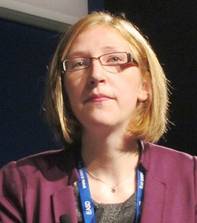
Most (46) were women; the group’s median age was 49 years. Their median disease duration was 5 years, although the range was wide, from 1 month to 19 years.
She did not give a median follow-up time, but did say that it was a minimum of 3 months.
Overall, they were obese, with a median body mass index of 50 kg/m2. Their median preoperative hemoglobin A1c was 7.1%. Criteria for reversal was a postoperative HbA1c of 6%.
At baseline, all of the patients were taking metformin and 12 were also on insulin. Other medications included sulphonylurea, thiazolidinedione, glucagon-like peptide-1 agonist, and dipeptidyl peptidase-4 inhibitor.
Diabetes reversal occurred in 79% of those with short-duration disease (up to 4 years); 73% of the patients were able to discontinue all diabetes medications. *Diabetes reversed in 38% of those who had the disease longer than 8 years; 21% of that group no longer needed any antidiabetic medication.
The amount of weight lost was significantly associated with disease reversal. Reversal occurred in 50% of the group that lost fewer than 10 kg/m2; in 73% of those that lost 10-15 kg/m2; and in 76% of those who lost more than 15 kg/m2.
In the group with long disease duration, the mean weight loss in those whose diabetes reversed was 34 kg/m2, compared with 21 kg/m2 in those whose diabetes did not.
Weight loss also significantly influenced the individual ability to successfully withdraw from diabetes medications. About a quarter (27%) of those who lost fewer than 10 kg no longer needed the drugs. However, 67% of those who lost 10-15 kg/m2 and 50% of those who lost more than 15 kg/m2 no longer needed any of the medications.
"The reversal of type 2 diabetes seems to depend on the degree of weight loss," Dr. Steven said. "Individuals with long-term diabetes are likely to have gained more weight than those with short-term – this is in part due to the natural history of the disease and is compounded by the use of medications and insulin therapy.
"It’s hypothesized that these individuals may need to lose more weight to reach the target weight that will normalize their glucose levels."
The benefit of weight loss is most likely tied to improved beta cell functioning, Dr. Steven suggested.
"There is good in vitro evidence that saturated fatty acids are particularly detrimental to beta cells, inhibiting acute insulin secretion and inducing apoptosis," she said.
"Autopsy studies have shown that beta cells continue replication and neogenesis [in type 2 diabetes]," Dr. Steven continued. "So it’s at least theoretically possible that beta cell function could be regained at any stage of the disease upon removal of the toxic environment."
*CORRECTION 10/26/12: This article misstated the percentage of long-term diabetes patients (having the disease more than 8 years)who experienced disease reversal. Diabetes reversed in 38% of this population.
BERLIN – Roux-en-Y gastric bypass surgery can reverse type 2 diabetes in up to 73% of patients – even in those with long-standing disease.
Disease remission even occurred in 38% of those who had diabetes for longer than 8 years, with all who were taking insulin able to discontinue the medication, Dr. Sarah Steven said at the annual meeting of the European Association for the Study of Diabetes.
Dr. Steven, of Newcastle (England) University, presented a retrospective study of 73 patients with type 2 diabetes who underwent gastric bypass surgery with the Roux-en-Y technique.
Most (46) were women; the group’s median age was 49 years. Their median disease duration was 5 years, although the range was wide, from 1 month to 19 years.
She did not give a median follow-up time, but did say that it was a minimum of 3 months.
Overall, they were obese, with a median body mass index of 50 kg/m2. Their median preoperative hemoglobin A1c was 7.1%. Criteria for reversal was a postoperative HbA1c of 6%.
At baseline, all of the patients were taking metformin and 12 were also on insulin. Other medications included sulphonylurea, thiazolidinedione, glucagon-like peptide-1 agonist, and dipeptidyl peptidase-4 inhibitor.
Diabetes reversal occurred in 79% of those with short-duration disease (up to 4 years); 73% of the patients were able to discontinue all diabetes medications. *Diabetes reversed in 38% of those who had the disease longer than 8 years; 21% of that group no longer needed any antidiabetic medication.
The amount of weight lost was significantly associated with disease reversal. Reversal occurred in 50% of the group that lost fewer than 10 kg/m2; in 73% of those that lost 10-15 kg/m2; and in 76% of those who lost more than 15 kg/m2.
In the group with long disease duration, the mean weight loss in those whose diabetes reversed was 34 kg/m2, compared with 21 kg/m2 in those whose diabetes did not.
Weight loss also significantly influenced the individual ability to successfully withdraw from diabetes medications. About a quarter (27%) of those who lost fewer than 10 kg no longer needed the drugs. However, 67% of those who lost 10-15 kg/m2 and 50% of those who lost more than 15 kg/m2 no longer needed any of the medications.
"The reversal of type 2 diabetes seems to depend on the degree of weight loss," Dr. Steven said. "Individuals with long-term diabetes are likely to have gained more weight than those with short-term – this is in part due to the natural history of the disease and is compounded by the use of medications and insulin therapy.
"It’s hypothesized that these individuals may need to lose more weight to reach the target weight that will normalize their glucose levels."
The benefit of weight loss is most likely tied to improved beta cell functioning, Dr. Steven suggested.
"There is good in vitro evidence that saturated fatty acids are particularly detrimental to beta cells, inhibiting acute insulin secretion and inducing apoptosis," she said.
"Autopsy studies have shown that beta cells continue replication and neogenesis [in type 2 diabetes]," Dr. Steven continued. "So it’s at least theoretically possible that beta cell function could be regained at any stage of the disease upon removal of the toxic environment."
*CORRECTION 10/26/12: This article misstated the percentage of long-term diabetes patients (having the disease more than 8 years)who experienced disease reversal. Diabetes reversed in 38% of this population.
BERLIN – Roux-en-Y gastric bypass surgery can reverse type 2 diabetes in up to 73% of patients – even in those with long-standing disease.
Disease remission even occurred in 38% of those who had diabetes for longer than 8 years, with all who were taking insulin able to discontinue the medication, Dr. Sarah Steven said at the annual meeting of the European Association for the Study of Diabetes.
Dr. Steven, of Newcastle (England) University, presented a retrospective study of 73 patients with type 2 diabetes who underwent gastric bypass surgery with the Roux-en-Y technique.
Most (46) were women; the group’s median age was 49 years. Their median disease duration was 5 years, although the range was wide, from 1 month to 19 years.
She did not give a median follow-up time, but did say that it was a minimum of 3 months.
Overall, they were obese, with a median body mass index of 50 kg/m2. Their median preoperative hemoglobin A1c was 7.1%. Criteria for reversal was a postoperative HbA1c of 6%.
At baseline, all of the patients were taking metformin and 12 were also on insulin. Other medications included sulphonylurea, thiazolidinedione, glucagon-like peptide-1 agonist, and dipeptidyl peptidase-4 inhibitor.
Diabetes reversal occurred in 79% of those with short-duration disease (up to 4 years); 73% of the patients were able to discontinue all diabetes medications. *Diabetes reversed in 38% of those who had the disease longer than 8 years; 21% of that group no longer needed any antidiabetic medication.
The amount of weight lost was significantly associated with disease reversal. Reversal occurred in 50% of the group that lost fewer than 10 kg/m2; in 73% of those that lost 10-15 kg/m2; and in 76% of those who lost more than 15 kg/m2.
In the group with long disease duration, the mean weight loss in those whose diabetes reversed was 34 kg/m2, compared with 21 kg/m2 in those whose diabetes did not.
Weight loss also significantly influenced the individual ability to successfully withdraw from diabetes medications. About a quarter (27%) of those who lost fewer than 10 kg no longer needed the drugs. However, 67% of those who lost 10-15 kg/m2 and 50% of those who lost more than 15 kg/m2 no longer needed any of the medications.
"The reversal of type 2 diabetes seems to depend on the degree of weight loss," Dr. Steven said. "Individuals with long-term diabetes are likely to have gained more weight than those with short-term – this is in part due to the natural history of the disease and is compounded by the use of medications and insulin therapy.
"It’s hypothesized that these individuals may need to lose more weight to reach the target weight that will normalize their glucose levels."
The benefit of weight loss is most likely tied to improved beta cell functioning, Dr. Steven suggested.
"There is good in vitro evidence that saturated fatty acids are particularly detrimental to beta cells, inhibiting acute insulin secretion and inducing apoptosis," she said.
"Autopsy studies have shown that beta cells continue replication and neogenesis [in type 2 diabetes]," Dr. Steven continued. "So it’s at least theoretically possible that beta cell function could be regained at any stage of the disease upon removal of the toxic environment."
*CORRECTION 10/26/12: This article misstated the percentage of long-term diabetes patients (having the disease more than 8 years)who experienced disease reversal. Diabetes reversed in 38% of this population.
Major Finding: Up to 73% of obese patients with type 2 diabetes had normalized blood glucose after Roux-en-Y gastric bypass surgery.
Data Source: The retrospective study included 73 patients who had type 2 diabetes for 1 month to 19 years.
Disclosures: Dr. Steven did not note any financial disclosures.
AAP: Organic Food Not Essential for Kids' Health
NEW ORLEANS – Although there may be some benefits in consuming organic products, children will be just as healthy eating a balanced diet of conventionally grown fruits, vegetables, whole grains, and low-fat or fat-free dairy products, the American Academy of Pediatrics said today.
In its first official report on organic foods, the academy said that organic and conventionally produced foods are nutritionally equivalent. Organic produce probably does reduce children’s exposure to pesticides – but if buying organic means that a family can’t buy as many healthy foods, regular produce is probably fine.

"The most important thing is to eat a healthy diet," Dr. Joel Forman said in a press briefing. "Fruits and vegetables have a lot of health benefits, and we want people to eat a lot to them."
Families who can afford it might want to make some of their choices organic, especially with fruits and vegetables that are grown using lots of pesticides.
"Some produce has more pesticides than others," said Dr. Forman, one of the study’s primary authors. "Corn and onions tend to have very [low levels of] pesticides on them, and so it doesn’t make sense to spend the extra money; while apples and grapes have a lot of pesticides, it probably does makes sense to buy these [organic] if you can."
Studies have never proven conclusively that organic foods are associated with long-term benefits on children’s health, said Dr. Joel Forman of Mount Sinai Hospital, New York. But a few suggest there could be problems with conventional produce.
"We can now measure very, very tiny amounts of [pesticides]," Dr. Forman noted. "But just because we see differences in exposure levels, do they mean anything for the health of children? We think that it may."
Organic produce has the strongest evidence base, as some studies suggest that children are uniquely vulnerable to pesticide exposure, Dr. Forman said.
"Very young children consume more relative to their body size, which sets them up for exposure to greater amounts than an adult would experience," he explained. "And there are also critical windows of brain and nervous system development" during which children might be particularly at risk.
The AAP report noted that "several studies have clearly demonstrated that an organic diet reduces children’s exposure to pesticides commonly used in conventional agricultural production." The paper cited a small longitudinal study that found children who switched from conventional to organic produce developed nearly undetectable urinary levels of malathion.
It also referenced a 2007 study that found high levels of organophosphates in female Mexican farm workers who had children with delayed cognitive development at 24 months old, suggesting that intrauterine exposure could affect childhood neurocognitive development.
However, the report added, "Although chronic pesticide exposure and measurable pesticide metabolites seem undesirable and potentially unhealthy, no studies to date have experimentally examined the causal relationship between exposure to pesticides directly from conventionally grown foods and adverse neurodevelopmental outcomes."
There seem to be no advantages to organic milk, the report said. Estrogen and estradiol in cow’s milk are harmless and not related to premature puberty or breast development. Because these hormones are fat soluble, the concentrations decrease with lower-fat milk.
"Ingestion of milk from estrogen-treated cows appears to be safe for children," the report concluded.
Data are lacking for organic meats, but concerns about the use of growth hormones and sex steroids in cows, pigs, and chickens are probably unfounded, the report said.
Sex steroids increase lean muscle mass in food animals, and have been implicated in precocious puberty and adult breast cancer. But the report noted that the natural hormones are not active – or even bioavailable – in humans. They are bound by sex hormone–binding globulin and are almost completely degraded by the human gastrointestinal tract. It’s unknown whether synthetic steroids have any impact on humans.
Antibiotics in meat might be a concern – but it’s more a global concern than an individual one.
"Evidence is clear that [the use of antibiotics] promotes the development of drug-resistant organisms in the animals and that these ... colonize the intestines of people living on the farms where this occurs," the report noted. "Because organic farming prohibits the nontherapeutic use of antibiotic agents, it could contribute to a reduction in the threat of human disease caused by drug-resistant organisms."
Cost is an unavoidable issue, according to the report. Even though organic foods might have some health edge over conventional foods, their cost could make them unavailable to many or, if purchased, decrease the overall amount of healthy foods a family can purchase. Organic products typically cost 10%-40% more than similar conventionally produced products.
Mothers using the Special Supplemental Nutrition Program for Women, Infants, and Children program receive only $10 per month for fresh fruits and vegetables, while their children receive an additional $6 monthly, "so that money must be spent wisely to maximize spending capacity for healthy foods," the report’s authors caution. For more information about pesticides and produce, read EWG’s 2012 Shopper’s Guide to Pesticides and Produce.
None of the report’s authors made any financial declarations.
NEW ORLEANS – Although there may be some benefits in consuming organic products, children will be just as healthy eating a balanced diet of conventionally grown fruits, vegetables, whole grains, and low-fat or fat-free dairy products, the American Academy of Pediatrics said today.
In its first official report on organic foods, the academy said that organic and conventionally produced foods are nutritionally equivalent. Organic produce probably does reduce children’s exposure to pesticides – but if buying organic means that a family can’t buy as many healthy foods, regular produce is probably fine.
"The most important thing is to eat a healthy diet," Dr. Joel Forman said in a press briefing. "Fruits and vegetables have a lot of health benefits, and we want people to eat a lot to them."
Families who can afford it might want to make some of their choices organic, especially with fruits and vegetables that are grown using lots of pesticides.
"Some produce has more pesticides than others," said Dr. Forman, one of the study’s primary authors. "Corn and onions tend to have very [low levels of] pesticides on them, and so it doesn’t make sense to spend the extra money; while apples and grapes have a lot of pesticides, it probably does makes sense to buy these [organic] if you can."
Studies have never proven conclusively that organic foods are associated with long-term benefits on children’s health, said Dr. Joel Forman of Mount Sinai Hospital, New York. But a few suggest there could be problems with conventional produce.
"We can now measure very, very tiny amounts of [pesticides]," Dr. Forman noted. "But just because we see differences in exposure levels, do they mean anything for the health of children? We think that it may."
Organic produce has the strongest evidence base, as some studies suggest that children are uniquely vulnerable to pesticide exposure, Dr. Forman said.
"Very young children consume more relative to their body size, which sets them up for exposure to greater amounts than an adult would experience," he explained. "And there are also critical windows of brain and nervous system development" during which children might be particularly at risk.
The AAP report noted that "several studies have clearly demonstrated that an organic diet reduces children’s exposure to pesticides commonly used in conventional agricultural production." The paper cited a small longitudinal study that found children who switched from conventional to organic produce developed nearly undetectable urinary levels of malathion.
It also referenced a 2007 study that found high levels of organophosphates in female Mexican farm workers who had children with delayed cognitive development at 24 months old, suggesting that intrauterine exposure could affect childhood neurocognitive development.
However, the report added, "Although chronic pesticide exposure and measurable pesticide metabolites seem undesirable and potentially unhealthy, no studies to date have experimentally examined the causal relationship between exposure to pesticides directly from conventionally grown foods and adverse neurodevelopmental outcomes."
There seem to be no advantages to organic milk, the report said. Estrogen and estradiol in cow’s milk are harmless and not related to premature puberty or breast development. Because these hormones are fat soluble, the concentrations decrease with lower-fat milk.
"Ingestion of milk from estrogen-treated cows appears to be safe for children," the report concluded.
Data are lacking for organic meats, but concerns about the use of growth hormones and sex steroids in cows, pigs, and chickens are probably unfounded, the report said.
Sex steroids increase lean muscle mass in food animals, and have been implicated in precocious puberty and adult breast cancer. But the report noted that the natural hormones are not active – or even bioavailable – in humans. They are bound by sex hormone–binding globulin and are almost completely degraded by the human gastrointestinal tract. It’s unknown whether synthetic steroids have any impact on humans.
Antibiotics in meat might be a concern – but it’s more a global concern than an individual one.
"Evidence is clear that [the use of antibiotics] promotes the development of drug-resistant organisms in the animals and that these ... colonize the intestines of people living on the farms where this occurs," the report noted. "Because organic farming prohibits the nontherapeutic use of antibiotic agents, it could contribute to a reduction in the threat of human disease caused by drug-resistant organisms."
Cost is an unavoidable issue, according to the report. Even though organic foods might have some health edge over conventional foods, their cost could make them unavailable to many or, if purchased, decrease the overall amount of healthy foods a family can purchase. Organic products typically cost 10%-40% more than similar conventionally produced products.
Mothers using the Special Supplemental Nutrition Program for Women, Infants, and Children program receive only $10 per month for fresh fruits and vegetables, while their children receive an additional $6 monthly, "so that money must be spent wisely to maximize spending capacity for healthy foods," the report’s authors caution. For more information about pesticides and produce, read EWG’s 2012 Shopper’s Guide to Pesticides and Produce.
None of the report’s authors made any financial declarations.
NEW ORLEANS – Although there may be some benefits in consuming organic products, children will be just as healthy eating a balanced diet of conventionally grown fruits, vegetables, whole grains, and low-fat or fat-free dairy products, the American Academy of Pediatrics said today.
In its first official report on organic foods, the academy said that organic and conventionally produced foods are nutritionally equivalent. Organic produce probably does reduce children’s exposure to pesticides – but if buying organic means that a family can’t buy as many healthy foods, regular produce is probably fine.
"The most important thing is to eat a healthy diet," Dr. Joel Forman said in a press briefing. "Fruits and vegetables have a lot of health benefits, and we want people to eat a lot to them."
Families who can afford it might want to make some of their choices organic, especially with fruits and vegetables that are grown using lots of pesticides.
"Some produce has more pesticides than others," said Dr. Forman, one of the study’s primary authors. "Corn and onions tend to have very [low levels of] pesticides on them, and so it doesn’t make sense to spend the extra money; while apples and grapes have a lot of pesticides, it probably does makes sense to buy these [organic] if you can."
Studies have never proven conclusively that organic foods are associated with long-term benefits on children’s health, said Dr. Joel Forman of Mount Sinai Hospital, New York. But a few suggest there could be problems with conventional produce.
"We can now measure very, very tiny amounts of [pesticides]," Dr. Forman noted. "But just because we see differences in exposure levels, do they mean anything for the health of children? We think that it may."
Organic produce has the strongest evidence base, as some studies suggest that children are uniquely vulnerable to pesticide exposure, Dr. Forman said.
"Very young children consume more relative to their body size, which sets them up for exposure to greater amounts than an adult would experience," he explained. "And there are also critical windows of brain and nervous system development" during which children might be particularly at risk.
The AAP report noted that "several studies have clearly demonstrated that an organic diet reduces children’s exposure to pesticides commonly used in conventional agricultural production." The paper cited a small longitudinal study that found children who switched from conventional to organic produce developed nearly undetectable urinary levels of malathion.
It also referenced a 2007 study that found high levels of organophosphates in female Mexican farm workers who had children with delayed cognitive development at 24 months old, suggesting that intrauterine exposure could affect childhood neurocognitive development.
However, the report added, "Although chronic pesticide exposure and measurable pesticide metabolites seem undesirable and potentially unhealthy, no studies to date have experimentally examined the causal relationship between exposure to pesticides directly from conventionally grown foods and adverse neurodevelopmental outcomes."
There seem to be no advantages to organic milk, the report said. Estrogen and estradiol in cow’s milk are harmless and not related to premature puberty or breast development. Because these hormones are fat soluble, the concentrations decrease with lower-fat milk.
"Ingestion of milk from estrogen-treated cows appears to be safe for children," the report concluded.
Data are lacking for organic meats, but concerns about the use of growth hormones and sex steroids in cows, pigs, and chickens are probably unfounded, the report said.
Sex steroids increase lean muscle mass in food animals, and have been implicated in precocious puberty and adult breast cancer. But the report noted that the natural hormones are not active – or even bioavailable – in humans. They are bound by sex hormone–binding globulin and are almost completely degraded by the human gastrointestinal tract. It’s unknown whether synthetic steroids have any impact on humans.
Antibiotics in meat might be a concern – but it’s more a global concern than an individual one.
"Evidence is clear that [the use of antibiotics] promotes the development of drug-resistant organisms in the animals and that these ... colonize the intestines of people living on the farms where this occurs," the report noted. "Because organic farming prohibits the nontherapeutic use of antibiotic agents, it could contribute to a reduction in the threat of human disease caused by drug-resistant organisms."
Cost is an unavoidable issue, according to the report. Even though organic foods might have some health edge over conventional foods, their cost could make them unavailable to many or, if purchased, decrease the overall amount of healthy foods a family can purchase. Organic products typically cost 10%-40% more than similar conventionally produced products.
Mothers using the Special Supplemental Nutrition Program for Women, Infants, and Children program receive only $10 per month for fresh fruits and vegetables, while their children receive an additional $6 monthly, "so that money must be spent wisely to maximize spending capacity for healthy foods," the report’s authors caution. For more information about pesticides and produce, read EWG’s 2012 Shopper’s Guide to Pesticides and Produce.
None of the report’s authors made any financial declarations.
FROM THE ANNUAL MEETING OF THE AMERICAN ACADEMY OF PEDIATRICS

ASRM: Egg Freezing No Longer 'Experimental'
Oocyte cryopreservation is now an officially sanctioned option for young women whose medical treatments may endanger their fertility.
A report by the American Society for Reproductive Medicine found that advances in egg-freezing techniques now produce rates of pregnancy and healthy babies comparable to those seen with vitro fertilization (IVF) using fresh eggs.
The society went so far as to remove the word "experimental" from the paper, in the hopes that insurance may begin to pay for egg preservation for young women who face gonadotoxic treatments, such as chemotherapy for cancer.
"We are still in the early phases of figuring out the best candidate and the best time of life to elect doing this."
"Egg freezing can be used for patients with medical indications for losing their fertility, such as cancer, impending ovarian failure, or even genetic conditions like Turner syndrome," Dr. Samantha Pfeifer, the paper’s lead author, said during a press briefing. Other indications include a failure to retrieve sufficient sperm on the day of IVF, or the cryopreservation of eggs for couples who can’t, or don’t want to, freeze embryos.
What the paper doesn’t support, however, is using oocyte cryopreservation to delay childbearing, or as any kind of an "insurance policy" for younger women against what might happen to their fertility some time in the future.
"We are aware that this has been marketed vigorously to ensure against future infertility," said Dr. Pfeifer, chair of the ASRM Practice Committee. "Conceptually this seems like a good idea, but there are no data to say that it would help many women. Only 15% of couples will ever seek treatment for infertility, and only a subset of those will attempt IVF, and only a subset of those would need to consider cryopreservation. Only women who were lucky enough to freeze eggs [during their youth], and then become infertile, would be helped by this."
The report examined data from 112 papers on oocyte cryopreservation safety and efficacy. "The largest and most compelling randomized controlled trial compared the use of fresh versus vitrified donor oocytes in 600 recipients," the report noted. "The investigators found that 92.5% of vitrified oocytes survived warming, and that there were no significant differences in fertilization rates (74% vitrified vs. 73% fresh), implantation rates (40% vs. 41%), and pregnancy rates per transfer (55.4% vs. 55.6%) between groups."
The studies’ findings also eased concerns that freezing might compromise egg quality by damaging the meiotic spindle, Dr. Pfeifer said. Advances in the technology of freezing have largely ameliorated that fear.
"Despite concerns regarding spindle abnormalities in cryopreserved oocytes, the incidence of chromosomal abnormalities in human embryos obtained from cryopreserved oocytes is no different from that of control embryos," according to the report. A recent review of more than 900 babies born from frozen eggs found no increased risk of congenital abnormalities, compared with the background population.
However, the paper noted, there are not yet any long-term developmental data on these children.
IVF with frozen oocytes is most successful with women in their 20s and early 30s – as in any other assisted reproduction technique, said coauthor Dr. Eric Widra. This truth touches directly on the issue of elective egg freezing.
"There’s an inherent conflict between the desire to freeze eggs and the need to do it," he said during the briefing. "Young women in their 20s are unlikely to have infertility, and if they do, it’s unlikely to be due to trouble with their eggs, so freezing is an insurance policy many will never need. For the older patient, freezing provides a false sense of security; technically it would be possible, but it may not give them a good chance of a live birth.
"We are still in the early phases of figuring out the best candidate and the best time of life to elect doing this," he said.
Dr. Pfeifer agreed. "We think this application should be used with caution and not be offered indiscriminately to everyone, without counseling about the options. A lot of the women interested in this are in their late 30s and early 40s, and their chance of having a live birth is not as good as younger women. These older patients must be counseled on this. This is not a technology that says, ‘Freeze your eggs so you will have more options down the road.’ The best way to conceive is with your own eggs, through natural intercourse. There are no data that support this as a social mechanism to delay childbearing."
Dr. Pfeifer and Dr. Widra said they had no relevant financial disclosures.
Oocyte cryopreservation is now an officially sanctioned option for young women whose medical treatments may endanger their fertility.
A report by the American Society for Reproductive Medicine found that advances in egg-freezing techniques now produce rates of pregnancy and healthy babies comparable to those seen with vitro fertilization (IVF) using fresh eggs.
The society went so far as to remove the word "experimental" from the paper, in the hopes that insurance may begin to pay for egg preservation for young women who face gonadotoxic treatments, such as chemotherapy for cancer.
"We are still in the early phases of figuring out the best candidate and the best time of life to elect doing this."
"Egg freezing can be used for patients with medical indications for losing their fertility, such as cancer, impending ovarian failure, or even genetic conditions like Turner syndrome," Dr. Samantha Pfeifer, the paper’s lead author, said during a press briefing. Other indications include a failure to retrieve sufficient sperm on the day of IVF, or the cryopreservation of eggs for couples who can’t, or don’t want to, freeze embryos.
What the paper doesn’t support, however, is using oocyte cryopreservation to delay childbearing, or as any kind of an "insurance policy" for younger women against what might happen to their fertility some time in the future.
"We are aware that this has been marketed vigorously to ensure against future infertility," said Dr. Pfeifer, chair of the ASRM Practice Committee. "Conceptually this seems like a good idea, but there are no data to say that it would help many women. Only 15% of couples will ever seek treatment for infertility, and only a subset of those will attempt IVF, and only a subset of those would need to consider cryopreservation. Only women who were lucky enough to freeze eggs [during their youth], and then become infertile, would be helped by this."
The report examined data from 112 papers on oocyte cryopreservation safety and efficacy. "The largest and most compelling randomized controlled trial compared the use of fresh versus vitrified donor oocytes in 600 recipients," the report noted. "The investigators found that 92.5% of vitrified oocytes survived warming, and that there were no significant differences in fertilization rates (74% vitrified vs. 73% fresh), implantation rates (40% vs. 41%), and pregnancy rates per transfer (55.4% vs. 55.6%) between groups."
The studies’ findings also eased concerns that freezing might compromise egg quality by damaging the meiotic spindle, Dr. Pfeifer said. Advances in the technology of freezing have largely ameliorated that fear.
"Despite concerns regarding spindle abnormalities in cryopreserved oocytes, the incidence of chromosomal abnormalities in human embryos obtained from cryopreserved oocytes is no different from that of control embryos," according to the report. A recent review of more than 900 babies born from frozen eggs found no increased risk of congenital abnormalities, compared with the background population.
However, the paper noted, there are not yet any long-term developmental data on these children.
IVF with frozen oocytes is most successful with women in their 20s and early 30s – as in any other assisted reproduction technique, said coauthor Dr. Eric Widra. This truth touches directly on the issue of elective egg freezing.
"There’s an inherent conflict between the desire to freeze eggs and the need to do it," he said during the briefing. "Young women in their 20s are unlikely to have infertility, and if they do, it’s unlikely to be due to trouble with their eggs, so freezing is an insurance policy many will never need. For the older patient, freezing provides a false sense of security; technically it would be possible, but it may not give them a good chance of a live birth.
"We are still in the early phases of figuring out the best candidate and the best time of life to elect doing this," he said.
Dr. Pfeifer agreed. "We think this application should be used with caution and not be offered indiscriminately to everyone, without counseling about the options. A lot of the women interested in this are in their late 30s and early 40s, and their chance of having a live birth is not as good as younger women. These older patients must be counseled on this. This is not a technology that says, ‘Freeze your eggs so you will have more options down the road.’ The best way to conceive is with your own eggs, through natural intercourse. There are no data that support this as a social mechanism to delay childbearing."
Dr. Pfeifer and Dr. Widra said they had no relevant financial disclosures.
Oocyte cryopreservation is now an officially sanctioned option for young women whose medical treatments may endanger their fertility.
A report by the American Society for Reproductive Medicine found that advances in egg-freezing techniques now produce rates of pregnancy and healthy babies comparable to those seen with vitro fertilization (IVF) using fresh eggs.
The society went so far as to remove the word "experimental" from the paper, in the hopes that insurance may begin to pay for egg preservation for young women who face gonadotoxic treatments, such as chemotherapy for cancer.
"We are still in the early phases of figuring out the best candidate and the best time of life to elect doing this."
"Egg freezing can be used for patients with medical indications for losing their fertility, such as cancer, impending ovarian failure, or even genetic conditions like Turner syndrome," Dr. Samantha Pfeifer, the paper’s lead author, said during a press briefing. Other indications include a failure to retrieve sufficient sperm on the day of IVF, or the cryopreservation of eggs for couples who can’t, or don’t want to, freeze embryos.
What the paper doesn’t support, however, is using oocyte cryopreservation to delay childbearing, or as any kind of an "insurance policy" for younger women against what might happen to their fertility some time in the future.
"We are aware that this has been marketed vigorously to ensure against future infertility," said Dr. Pfeifer, chair of the ASRM Practice Committee. "Conceptually this seems like a good idea, but there are no data to say that it would help many women. Only 15% of couples will ever seek treatment for infertility, and only a subset of those will attempt IVF, and only a subset of those would need to consider cryopreservation. Only women who were lucky enough to freeze eggs [during their youth], and then become infertile, would be helped by this."
The report examined data from 112 papers on oocyte cryopreservation safety and efficacy. "The largest and most compelling randomized controlled trial compared the use of fresh versus vitrified donor oocytes in 600 recipients," the report noted. "The investigators found that 92.5% of vitrified oocytes survived warming, and that there were no significant differences in fertilization rates (74% vitrified vs. 73% fresh), implantation rates (40% vs. 41%), and pregnancy rates per transfer (55.4% vs. 55.6%) between groups."
The studies’ findings also eased concerns that freezing might compromise egg quality by damaging the meiotic spindle, Dr. Pfeifer said. Advances in the technology of freezing have largely ameliorated that fear.
"Despite concerns regarding spindle abnormalities in cryopreserved oocytes, the incidence of chromosomal abnormalities in human embryos obtained from cryopreserved oocytes is no different from that of control embryos," according to the report. A recent review of more than 900 babies born from frozen eggs found no increased risk of congenital abnormalities, compared with the background population.
However, the paper noted, there are not yet any long-term developmental data on these children.
IVF with frozen oocytes is most successful with women in their 20s and early 30s – as in any other assisted reproduction technique, said coauthor Dr. Eric Widra. This truth touches directly on the issue of elective egg freezing.
"There’s an inherent conflict between the desire to freeze eggs and the need to do it," he said during the briefing. "Young women in their 20s are unlikely to have infertility, and if they do, it’s unlikely to be due to trouble with their eggs, so freezing is an insurance policy many will never need. For the older patient, freezing provides a false sense of security; technically it would be possible, but it may not give them a good chance of a live birth.
"We are still in the early phases of figuring out the best candidate and the best time of life to elect doing this," he said.
Dr. Pfeifer agreed. "We think this application should be used with caution and not be offered indiscriminately to everyone, without counseling about the options. A lot of the women interested in this are in their late 30s and early 40s, and their chance of having a live birth is not as good as younger women. These older patients must be counseled on this. This is not a technology that says, ‘Freeze your eggs so you will have more options down the road.’ The best way to conceive is with your own eggs, through natural intercourse. There are no data that support this as a social mechanism to delay childbearing."
Dr. Pfeifer and Dr. Widra said they had no relevant financial disclosures.
HbA1c Declines Cut 5-Year Death Rate
BERLIN – Patients who had suboptimal glycemic control and reduced their hemoglobin A1c value by slightly less than 1% were 50% less likely to die within 5 years than were patients whose HbA1c did not improve, Dr. Katarina Eeg-Olofsson reported.
At 5 years, all-cause mortality was 15% among the group with no improvement in HbA1c and 10% in the group with improved HbA1c in an observational study of 12,359 patients with poorly controlled type 2 diabetes at baseline. The patients were selected from the Swedish National Diabetes Registry and their outcomes were verified by the Swedish Cause of Death and Hospital Registries. None of the patients had any cardiovascular or coronary heart disease at baseline.

After adjusting for baseline risk factors and treatment changes during the study period, patients whose HbA1c decreased were half as likely to develop cardiovascular or coronary heart disease as were those whose levels increased. They were also 33% less likely to experience fatal cardiovascular disease and 41% less likely to die from any cause than were those in the poorly controlled group. All of these differences were statistically significant, she said at the annual meeting of the European Association for the Study of Diabetes.
"Patients with poorly controlled blood glucose clearly benefit" from gaining and improving glycemic control, said Dr. Eeg-Olofsson of the University of Gothenburg, Sweden. "We must make an effort to identify patients who don’t respond to diabetes medications earlier."
For the study, Dr. Eeg-Olofssson separated the patients into two groups: Those whose HbA1c decreased by at least 0.1% over the 5 years (6,841) and those whose HbA1c remained stable or increased by at least 0.1% (5,518).
At baseline, the patients averaged 62 years old, with mean disease duration of 9 years. Their average baseline HbA1c was 7.8%, and their mean body mass index was 30 kg/m2. Their mean blood pressure was 140/78 mmHg; 62% were taking antihypertensives and 46% were on lipid-lowering drugs.
After 5 years, mean HbA1c was 7% in the improved-control group (-0.8%) and 8.4% in the poorly controlled group (+0.7%), she said.
By then, 12% of the well-controlled group and 20% of the poorly controlled group had developed coronary heart disease. Cardiovascular disease was present in 17% of those in the well-controlled group and 30% of the poorly controlled group. Both these findings were statistically significant.
Dr. Eeg-Olofssson had no financial disclosures.
BERLIN – Patients who had suboptimal glycemic control and reduced their hemoglobin A1c value by slightly less than 1% were 50% less likely to die within 5 years than were patients whose HbA1c did not improve, Dr. Katarina Eeg-Olofsson reported.
At 5 years, all-cause mortality was 15% among the group with no improvement in HbA1c and 10% in the group with improved HbA1c in an observational study of 12,359 patients with poorly controlled type 2 diabetes at baseline. The patients were selected from the Swedish National Diabetes Registry and their outcomes were verified by the Swedish Cause of Death and Hospital Registries. None of the patients had any cardiovascular or coronary heart disease at baseline.
After adjusting for baseline risk factors and treatment changes during the study period, patients whose HbA1c decreased were half as likely to develop cardiovascular or coronary heart disease as were those whose levels increased. They were also 33% less likely to experience fatal cardiovascular disease and 41% less likely to die from any cause than were those in the poorly controlled group. All of these differences were statistically significant, she said at the annual meeting of the European Association for the Study of Diabetes.
"Patients with poorly controlled blood glucose clearly benefit" from gaining and improving glycemic control, said Dr. Eeg-Olofsson of the University of Gothenburg, Sweden. "We must make an effort to identify patients who don’t respond to diabetes medications earlier."
For the study, Dr. Eeg-Olofssson separated the patients into two groups: Those whose HbA1c decreased by at least 0.1% over the 5 years (6,841) and those whose HbA1c remained stable or increased by at least 0.1% (5,518).
At baseline, the patients averaged 62 years old, with mean disease duration of 9 years. Their average baseline HbA1c was 7.8%, and their mean body mass index was 30 kg/m2. Their mean blood pressure was 140/78 mmHg; 62% were taking antihypertensives and 46% were on lipid-lowering drugs.
After 5 years, mean HbA1c was 7% in the improved-control group (-0.8%) and 8.4% in the poorly controlled group (+0.7%), she said.
By then, 12% of the well-controlled group and 20% of the poorly controlled group had developed coronary heart disease. Cardiovascular disease was present in 17% of those in the well-controlled group and 30% of the poorly controlled group. Both these findings were statistically significant.
Dr. Eeg-Olofssson had no financial disclosures.
BERLIN – Patients who had suboptimal glycemic control and reduced their hemoglobin A1c value by slightly less than 1% were 50% less likely to die within 5 years than were patients whose HbA1c did not improve, Dr. Katarina Eeg-Olofsson reported.
At 5 years, all-cause mortality was 15% among the group with no improvement in HbA1c and 10% in the group with improved HbA1c in an observational study of 12,359 patients with poorly controlled type 2 diabetes at baseline. The patients were selected from the Swedish National Diabetes Registry and their outcomes were verified by the Swedish Cause of Death and Hospital Registries. None of the patients had any cardiovascular or coronary heart disease at baseline.
After adjusting for baseline risk factors and treatment changes during the study period, patients whose HbA1c decreased were half as likely to develop cardiovascular or coronary heart disease as were those whose levels increased. They were also 33% less likely to experience fatal cardiovascular disease and 41% less likely to die from any cause than were those in the poorly controlled group. All of these differences were statistically significant, she said at the annual meeting of the European Association for the Study of Diabetes.
"Patients with poorly controlled blood glucose clearly benefit" from gaining and improving glycemic control, said Dr. Eeg-Olofsson of the University of Gothenburg, Sweden. "We must make an effort to identify patients who don’t respond to diabetes medications earlier."
For the study, Dr. Eeg-Olofssson separated the patients into two groups: Those whose HbA1c decreased by at least 0.1% over the 5 years (6,841) and those whose HbA1c remained stable or increased by at least 0.1% (5,518).
At baseline, the patients averaged 62 years old, with mean disease duration of 9 years. Their average baseline HbA1c was 7.8%, and their mean body mass index was 30 kg/m2. Their mean blood pressure was 140/78 mmHg; 62% were taking antihypertensives and 46% were on lipid-lowering drugs.
After 5 years, mean HbA1c was 7% in the improved-control group (-0.8%) and 8.4% in the poorly controlled group (+0.7%), she said.
By then, 12% of the well-controlled group and 20% of the poorly controlled group had developed coronary heart disease. Cardiovascular disease was present in 17% of those in the well-controlled group and 30% of the poorly controlled group. Both these findings were statistically significant.
Dr. Eeg-Olofssson had no financial disclosures.
AT THE ANNUAL MEETING OF THE EUROPEAN ASSOCIATION FOR THE STUDY OF DIABETES
Major Finding: After 5 years, patients with poorly controlled type 2 diabetes who improved their HbA1c were 40% less likely to develop heart disease and 50% less likely to die than were those whose HbA1c increased.
Data Source: Findings emerged from a retrospective database study of 12,359 patients.
Disclosures: Dr. Eeg-Olofsson had no financial disclosures.

Health Reform's Uncertain Effect on Neurologic Health Disparities
As the Affordable Care Act’s provisions for expanding health care coverage continue to take effect, new patients will be ready to visit neurologists. The question is: Will neurologists be ready for new patients?
Some think the law may create a flood of demand that could exhaust the supply of neurologists, particularly those who practice in a subspecialty area.

There’s no doubt that the Affordable Care Act (ACA) will help improve patient access, said Deborah Levine, assistant professor in the departments of neurology and internal medicine at the University of Michigan, Ann Arbor. What no one is sure about is how those patients will flow into an already-stressed system.
"While there certainly will be benefits to the patient, there’s evidence that national health care reform may paradoxically decrease access to specialists," she said in an interview. "We have found data suggesting that the supply of neurologists, and generalists, is not increasing proportionally with the demand [even without the ACA factored in]. ... By 2020, the supply of neurologists will be 20% lower than current demand requires."
That disconnect is likely to worsen as states begin adapting the ACA to their own needs, said Dr. Nassim Zecavati, a pediatric neurologist at Georgetown University Hospital in Washington.
"How are we going to accommodate all these new patients?" she asked in an interview. "It’s going to happen. There will be a massive influx of patients who are chronically ill and haven’t gotten good medical care in years. While there are many workforce provisions in the ACA, few of these mandates are currently funded, so the problem is likely to get worse. I don’t think there is anyone addressing those questions."
Neurologist Shortage: Tied to Compensation?
Pundits predict that universal health care will exacerbate the already-concerning physician shortage. "In 2020, the nation may face shortages of as many as 45,400 primary care doctors and 46,100 surgeons and medical specialists – a total of 91,500 too few doctors," according to Michael J. Dill, senior data analyst at the Association of American Medical Colleges’ Center for Workforce Studies, and his associates.
"Workforce shortages lead to longer waits before even being able to see a health care professional, and increases in travel distances once the wait is over. Time spent with the physician or other provider grows shorter, even after the longer wait and travel, pushing an already burdened system closer to its limits," they said (Annu. Rev. Med. 2012;63:435-45).
The problem could be even more acute in neurology, according to the American Academy of Neurology (AAN). Neurologists are not included in the ACA’s 10% bonus for primary care physicians whose Medicare charges for evaluation and management services at office, nursing facility, and home visits comprise at least 60% of their total Medicare charges. The AAN also notes that neurologists’ salaries aren’t competitive with salaries in other medical specialties.
In 2011, the median annual compensation for neurologists ranged from $184,000 in the Medscape Physician Compensation Report 2012 to nearly $255,000 in the Medical Group Management Association’s Physician Compensation and Production Survey. Physicians in other cognitive and nonprocedural specialties made about the same or less.
Residency position fill rates for U.S. graduates are directly tied to salary, according to a 2008 study that Mr. Dill coauthored. Procedural specialties – those with the biggest money-making potential – grabbed the lions’ share of graduates, the review noted, while "cognitive specialties like neurology ... had the lowest salaries and the lowest fill rates. In other words, neurology experiences difficulties attracting U.S. medical graduates because of the lower salaries due to systematic underappreciation of cognitive specialties."
Effect on Health Disparities
The combination of increased patient numbers and flagging neurologist supply may complicate the entrenched problem of outcome disparities, Dr. Zecavati said.
A main tenet of the ACA is that earlier disease identification and treatment will lead to better outcomes and overall health care savings, but if more patients begin seeking treatment from fewer neurologists, disparities might persist.
Aside from the goal of expanding Medicaid to 133% of the federal poverty level rather than the current 100%, there’s no way now to know exactly what each state health care reform package will look like, Dr. Zecavati said. But even if the pool of covered patients increases, coverage itself may still fall behind typical private plans.
"I don’t necessarily think Medicaid is bad medical care," but not everything is covered. "Our patients are complex. They need MRIs, EEGs, and genetic tests, which usually aren’t covered. We can’t get all of these, and often we can’t use brand-name medications or even get the drug of choice" for a particular disorder, she explained. The medication that is covered may be a formulation that is difficult for children to take, or might taste bad, creating compliance problems.
"Sometimes we can’t get the medication we need until a patient has already failed one or two drugs that are covered," Dr. Zecavati said. "So we have to put them on those drugs and just watch them have seizures over and over, because that’s the only way we can get the drug they need."
The ACA "at least attempts to reduce the amount of uncompensated care we provide," she said. "Ultimately, though, we won’t be able to take care of patients like we need to until they have more comprehensive insurance."
A new report by the North Carolina Budget and Tax Center suggests that Medicaid expansion via the ACA will reduce race-related health disparities in the state. The expansion is expected to increase insurance coverage through Medicaid and the Children’s Health Insurance Program by more than 8% among blacks and by 6% in whites and Latinos.
The report assumes that the new plan will dramatically increase access to physicians. What it doesn’t address is the issue of provider availability. Having the resources to connect with a physician is not the same as being able to connect – especially if thousands more patients are all trying to connect with a shrinking provider pool.
Effect on Access to Stroke Rehab
Dr. Lesli Skolarus, a stroke specialist at the University of Michigan in Ann Arbor, said that the ACA may pack a double whammy for younger stroke survivors: Medicaid recipients are already less likely to get the immediate, intense poststroke rehabilitation they need, and expansion of health care access could tip that problem into crisis mode.

She recently published a retrospective study of nearly 34,000 stroke survivors who were still of working age when they took ill. About 19% were uninsured and 20% were on Medicaid. A quarter of the patients were discharged to a long-term care facility for subacute rehabilitation. The rest went home and got regular acute rehabilitation, which is generally considered the more effective method of improving long-term stroke outcomes.
Compared with insured patients, uninsured patients were 52% less likely and Medicaid patients were 73% less likely to get the intense rehab, and significantly more likely to be discharged to long-term care facilities (Neurology 2012;78:1590-5).
"This may explain differences in poststroke outcomes among uninsured and Medicaid stroke survivors compared to the privately insured," she concluded.
Health care reform could affect patient outcomes in this area as well. "Our data suggest that the supply of neurologists is not increasing proportionally to demand with stroke patients. There will be an insufficient number to care for adults with chronic neurologic problems resulting from stroke," Dr. Skolarus said.

Increased demand also could limit the availability of physical and occupational therapists, compounding the situation, she added.
In the long run, however, the ACA’s overarching goal of preventing health problems before they arise may balance this potentially off-kilter equation, said Dr. Richard Benson, associate medical director of the Washington (D.C.) Hospital Center Stroke Center.
"By the time a stroke occurs, most patients have had years of poorly addressed risk factors, some of which – like hypertension – can be well controlled with relatively inexpensive medications. When I see them, the horse is already out of the barn," he said. "We need to get back to basic preventive care. Our health care system is definitely broken, and one fix will be to concentrate on wellness instead of illness."
As the Affordable Care Act’s provisions for expanding health care coverage continue to take effect, new patients will be ready to visit neurologists. The question is: Will neurologists be ready for new patients?
Some think the law may create a flood of demand that could exhaust the supply of neurologists, particularly those who practice in a subspecialty area.
There’s no doubt that the Affordable Care Act (ACA) will help improve patient access, said Deborah Levine, assistant professor in the departments of neurology and internal medicine at the University of Michigan, Ann Arbor. What no one is sure about is how those patients will flow into an already-stressed system.
"While there certainly will be benefits to the patient, there’s evidence that national health care reform may paradoxically decrease access to specialists," she said in an interview. "We have found data suggesting that the supply of neurologists, and generalists, is not increasing proportionally with the demand [even without the ACA factored in]. ... By 2020, the supply of neurologists will be 20% lower than current demand requires."
That disconnect is likely to worsen as states begin adapting the ACA to their own needs, said Dr. Nassim Zecavati, a pediatric neurologist at Georgetown University Hospital in Washington.
"How are we going to accommodate all these new patients?" she asked in an interview. "It’s going to happen. There will be a massive influx of patients who are chronically ill and haven’t gotten good medical care in years. While there are many workforce provisions in the ACA, few of these mandates are currently funded, so the problem is likely to get worse. I don’t think there is anyone addressing those questions."
Neurologist Shortage: Tied to Compensation?
Pundits predict that universal health care will exacerbate the already-concerning physician shortage. "In 2020, the nation may face shortages of as many as 45,400 primary care doctors and 46,100 surgeons and medical specialists – a total of 91,500 too few doctors," according to Michael J. Dill, senior data analyst at the Association of American Medical Colleges’ Center for Workforce Studies, and his associates.
"Workforce shortages lead to longer waits before even being able to see a health care professional, and increases in travel distances once the wait is over. Time spent with the physician or other provider grows shorter, even after the longer wait and travel, pushing an already burdened system closer to its limits," they said (Annu. Rev. Med. 2012;63:435-45).
The problem could be even more acute in neurology, according to the American Academy of Neurology (AAN). Neurologists are not included in the ACA’s 10% bonus for primary care physicians whose Medicare charges for evaluation and management services at office, nursing facility, and home visits comprise at least 60% of their total Medicare charges. The AAN also notes that neurologists’ salaries aren’t competitive with salaries in other medical specialties.
In 2011, the median annual compensation for neurologists ranged from $184,000 in the Medscape Physician Compensation Report 2012 to nearly $255,000 in the Medical Group Management Association’s Physician Compensation and Production Survey. Physicians in other cognitive and nonprocedural specialties made about the same or less.
Residency position fill rates for U.S. graduates are directly tied to salary, according to a 2008 study that Mr. Dill coauthored. Procedural specialties – those with the biggest money-making potential – grabbed the lions’ share of graduates, the review noted, while "cognitive specialties like neurology ... had the lowest salaries and the lowest fill rates. In other words, neurology experiences difficulties attracting U.S. medical graduates because of the lower salaries due to systematic underappreciation of cognitive specialties."
Effect on Health Disparities
The combination of increased patient numbers and flagging neurologist supply may complicate the entrenched problem of outcome disparities, Dr. Zecavati said.
A main tenet of the ACA is that earlier disease identification and treatment will lead to better outcomes and overall health care savings, but if more patients begin seeking treatment from fewer neurologists, disparities might persist.
Aside from the goal of expanding Medicaid to 133% of the federal poverty level rather than the current 100%, there’s no way now to know exactly what each state health care reform package will look like, Dr. Zecavati said. But even if the pool of covered patients increases, coverage itself may still fall behind typical private plans.
"I don’t necessarily think Medicaid is bad medical care," but not everything is covered. "Our patients are complex. They need MRIs, EEGs, and genetic tests, which usually aren’t covered. We can’t get all of these, and often we can’t use brand-name medications or even get the drug of choice" for a particular disorder, she explained. The medication that is covered may be a formulation that is difficult for children to take, or might taste bad, creating compliance problems.
"Sometimes we can’t get the medication we need until a patient has already failed one or two drugs that are covered," Dr. Zecavati said. "So we have to put them on those drugs and just watch them have seizures over and over, because that’s the only way we can get the drug they need."
The ACA "at least attempts to reduce the amount of uncompensated care we provide," she said. "Ultimately, though, we won’t be able to take care of patients like we need to until they have more comprehensive insurance."
A new report by the North Carolina Budget and Tax Center suggests that Medicaid expansion via the ACA will reduce race-related health disparities in the state. The expansion is expected to increase insurance coverage through Medicaid and the Children’s Health Insurance Program by more than 8% among blacks and by 6% in whites and Latinos.
The report assumes that the new plan will dramatically increase access to physicians. What it doesn’t address is the issue of provider availability. Having the resources to connect with a physician is not the same as being able to connect – especially if thousands more patients are all trying to connect with a shrinking provider pool.
Effect on Access to Stroke Rehab
Dr. Lesli Skolarus, a stroke specialist at the University of Michigan in Ann Arbor, said that the ACA may pack a double whammy for younger stroke survivors: Medicaid recipients are already less likely to get the immediate, intense poststroke rehabilitation they need, and expansion of health care access could tip that problem into crisis mode.
She recently published a retrospective study of nearly 34,000 stroke survivors who were still of working age when they took ill. About 19% were uninsured and 20% were on Medicaid. A quarter of the patients were discharged to a long-term care facility for subacute rehabilitation. The rest went home and got regular acute rehabilitation, which is generally considered the more effective method of improving long-term stroke outcomes.
Compared with insured patients, uninsured patients were 52% less likely and Medicaid patients were 73% less likely to get the intense rehab, and significantly more likely to be discharged to long-term care facilities (Neurology 2012;78:1590-5).
"This may explain differences in poststroke outcomes among uninsured and Medicaid stroke survivors compared to the privately insured," she concluded.
Health care reform could affect patient outcomes in this area as well. "Our data suggest that the supply of neurologists is not increasing proportionally to demand with stroke patients. There will be an insufficient number to care for adults with chronic neurologic problems resulting from stroke," Dr. Skolarus said.
Increased demand also could limit the availability of physical and occupational therapists, compounding the situation, she added.
In the long run, however, the ACA’s overarching goal of preventing health problems before they arise may balance this potentially off-kilter equation, said Dr. Richard Benson, associate medical director of the Washington (D.C.) Hospital Center Stroke Center.
"By the time a stroke occurs, most patients have had years of poorly addressed risk factors, some of which – like hypertension – can be well controlled with relatively inexpensive medications. When I see them, the horse is already out of the barn," he said. "We need to get back to basic preventive care. Our health care system is definitely broken, and one fix will be to concentrate on wellness instead of illness."
As the Affordable Care Act’s provisions for expanding health care coverage continue to take effect, new patients will be ready to visit neurologists. The question is: Will neurologists be ready for new patients?
Some think the law may create a flood of demand that could exhaust the supply of neurologists, particularly those who practice in a subspecialty area.
There’s no doubt that the Affordable Care Act (ACA) will help improve patient access, said Deborah Levine, assistant professor in the departments of neurology and internal medicine at the University of Michigan, Ann Arbor. What no one is sure about is how those patients will flow into an already-stressed system.
"While there certainly will be benefits to the patient, there’s evidence that national health care reform may paradoxically decrease access to specialists," she said in an interview. "We have found data suggesting that the supply of neurologists, and generalists, is not increasing proportionally with the demand [even without the ACA factored in]. ... By 2020, the supply of neurologists will be 20% lower than current demand requires."
That disconnect is likely to worsen as states begin adapting the ACA to their own needs, said Dr. Nassim Zecavati, a pediatric neurologist at Georgetown University Hospital in Washington.
"How are we going to accommodate all these new patients?" she asked in an interview. "It’s going to happen. There will be a massive influx of patients who are chronically ill and haven’t gotten good medical care in years. While there are many workforce provisions in the ACA, few of these mandates are currently funded, so the problem is likely to get worse. I don’t think there is anyone addressing those questions."
Neurologist Shortage: Tied to Compensation?
Pundits predict that universal health care will exacerbate the already-concerning physician shortage. "In 2020, the nation may face shortages of as many as 45,400 primary care doctors and 46,100 surgeons and medical specialists – a total of 91,500 too few doctors," according to Michael J. Dill, senior data analyst at the Association of American Medical Colleges’ Center for Workforce Studies, and his associates.
"Workforce shortages lead to longer waits before even being able to see a health care professional, and increases in travel distances once the wait is over. Time spent with the physician or other provider grows shorter, even after the longer wait and travel, pushing an already burdened system closer to its limits," they said (Annu. Rev. Med. 2012;63:435-45).
The problem could be even more acute in neurology, according to the American Academy of Neurology (AAN). Neurologists are not included in the ACA’s 10% bonus for primary care physicians whose Medicare charges for evaluation and management services at office, nursing facility, and home visits comprise at least 60% of their total Medicare charges. The AAN also notes that neurologists’ salaries aren’t competitive with salaries in other medical specialties.
In 2011, the median annual compensation for neurologists ranged from $184,000 in the Medscape Physician Compensation Report 2012 to nearly $255,000 in the Medical Group Management Association’s Physician Compensation and Production Survey. Physicians in other cognitive and nonprocedural specialties made about the same or less.
Residency position fill rates for U.S. graduates are directly tied to salary, according to a 2008 study that Mr. Dill coauthored. Procedural specialties – those with the biggest money-making potential – grabbed the lions’ share of graduates, the review noted, while "cognitive specialties like neurology ... had the lowest salaries and the lowest fill rates. In other words, neurology experiences difficulties attracting U.S. medical graduates because of the lower salaries due to systematic underappreciation of cognitive specialties."
Effect on Health Disparities
The combination of increased patient numbers and flagging neurologist supply may complicate the entrenched problem of outcome disparities, Dr. Zecavati said.
A main tenet of the ACA is that earlier disease identification and treatment will lead to better outcomes and overall health care savings, but if more patients begin seeking treatment from fewer neurologists, disparities might persist.
Aside from the goal of expanding Medicaid to 133% of the federal poverty level rather than the current 100%, there’s no way now to know exactly what each state health care reform package will look like, Dr. Zecavati said. But even if the pool of covered patients increases, coverage itself may still fall behind typical private plans.
"I don’t necessarily think Medicaid is bad medical care," but not everything is covered. "Our patients are complex. They need MRIs, EEGs, and genetic tests, which usually aren’t covered. We can’t get all of these, and often we can’t use brand-name medications or even get the drug of choice" for a particular disorder, she explained. The medication that is covered may be a formulation that is difficult for children to take, or might taste bad, creating compliance problems.
"Sometimes we can’t get the medication we need until a patient has already failed one or two drugs that are covered," Dr. Zecavati said. "So we have to put them on those drugs and just watch them have seizures over and over, because that’s the only way we can get the drug they need."
The ACA "at least attempts to reduce the amount of uncompensated care we provide," she said. "Ultimately, though, we won’t be able to take care of patients like we need to until they have more comprehensive insurance."
A new report by the North Carolina Budget and Tax Center suggests that Medicaid expansion via the ACA will reduce race-related health disparities in the state. The expansion is expected to increase insurance coverage through Medicaid and the Children’s Health Insurance Program by more than 8% among blacks and by 6% in whites and Latinos.
The report assumes that the new plan will dramatically increase access to physicians. What it doesn’t address is the issue of provider availability. Having the resources to connect with a physician is not the same as being able to connect – especially if thousands more patients are all trying to connect with a shrinking provider pool.
Effect on Access to Stroke Rehab
Dr. Lesli Skolarus, a stroke specialist at the University of Michigan in Ann Arbor, said that the ACA may pack a double whammy for younger stroke survivors: Medicaid recipients are already less likely to get the immediate, intense poststroke rehabilitation they need, and expansion of health care access could tip that problem into crisis mode.
She recently published a retrospective study of nearly 34,000 stroke survivors who were still of working age when they took ill. About 19% were uninsured and 20% were on Medicaid. A quarter of the patients were discharged to a long-term care facility for subacute rehabilitation. The rest went home and got regular acute rehabilitation, which is generally considered the more effective method of improving long-term stroke outcomes.
Compared with insured patients, uninsured patients were 52% less likely and Medicaid patients were 73% less likely to get the intense rehab, and significantly more likely to be discharged to long-term care facilities (Neurology 2012;78:1590-5).
"This may explain differences in poststroke outcomes among uninsured and Medicaid stroke survivors compared to the privately insured," she concluded.
Health care reform could affect patient outcomes in this area as well. "Our data suggest that the supply of neurologists is not increasing proportionally to demand with stroke patients. There will be an insufficient number to care for adults with chronic neurologic problems resulting from stroke," Dr. Skolarus said.
Increased demand also could limit the availability of physical and occupational therapists, compounding the situation, she added.
In the long run, however, the ACA’s overarching goal of preventing health problems before they arise may balance this potentially off-kilter equation, said Dr. Richard Benson, associate medical director of the Washington (D.C.) Hospital Center Stroke Center.
"By the time a stroke occurs, most patients have had years of poorly addressed risk factors, some of which – like hypertension – can be well controlled with relatively inexpensive medications. When I see them, the horse is already out of the barn," he said. "We need to get back to basic preventive care. Our health care system is definitely broken, and one fix will be to concentrate on wellness instead of illness."
Pancreas/Kidney Graft Improves Survival for Type 1 Patients
BERLIN – In patients with type 1 diabetes and end-stage renal disease, a combined pancreas/kidney transplant was associated with significantly better 15-year survival than a single kidney graft alone.
Patients who got the simultaneous transplant were 30% more likely to survive to 15 years than were those who received a living donor kidney. Those patients who got a single kidney from a deceased donor, however, were 30% less likely to survive for 15 years after the operation, Dr. Trond Jenssen said at the annual meeting of the European Association for the Study of Diabetes.

The combined graft is the preferred method of treating end-stage renal disease (ESRD) caused by diabetic nephropathy, said Dr. Jenssen of Oslo University. Not all patients are suited for it, however.
"According to the algorithm at our center, if you are older than 55 or too sick, you have to decide between the living and deceased donor single kidney graft. Patients who are younger and have less comorbidity are the ones considered for a combined transplant," he explained.
Since those who have the dual-organ operation almost always normalize their glycemic values afterward, Dr. Jenssen said, it’s assumed that they will live longer than those who get only a kidney, but studies are divided on the finding.
"The literature over the past 10 years has differed," he said. Comparing studies among institutions is impossible because of the differences in surgical technique and immunosuppressive regimens; the patient populations can also vary widely.
Oslo University is in a unique place to study the issue, Dr. Jenssen suggested. The facility is the national transplant center, with nearly 30 years of full follow-up data on 630 type 1 diabetes patients who were transplanted for ESRD. All of the patients are followed at least annually and their information is entered into the Norwegian Renal Registry.
"Because patients in Norway tend to be very faithful to their doctors, we have not lost a single one of these to follow-up," he said.
Of the entire group, 222 received the simultaneous transplants, 171 received a living donor single kidney, and 237 got a deceased donor kidney. Patients who received the simultaneous transplant were younger than the living or deceased single graft groups (41 years vs. 45 and 55 years, respectively).
The study controlled for the evolution of surgical techniques and immunosuppressant regimens. Before 1989, all pancreases were transplanted with occluded ducts. From 1989 to 1999, the exocrine duct drained into the bladder, and since 2000, into the intestine. The pancreas has always been connected to the systemic circulation by the iliac artery and vein.
Before 2000, the immunosuppressive regiment consisted of cyclosporine and azathioprine; afterwards, tacrolimus and mycophenolate. All patients from both eras take a daily dose of prednisone as well.
There was no induction therapy before 2000, Dr. Jenssen said. After that time, patients receiving a single kidney began to receive basiliximab and the dual-transplant patients got thymoglobulin.
The overall 15-year survival rate was 50% in the simultaneous-graft group, 30% in the living donor kidney group, and 12% in the deceased donor kidney group.
Dr. Jenssen presented two regression models. In the first one, which controlled for recipient age, time on dialysis, and the transplant era, patients who got the dual graft were significantly more likely to survive to 15 years than were those who got the single live donor kidney (hazard ratio, 0.70). Patients who received a single deceased donor kidney were 31% less likely to survive (HR, 1.29).
These differences were no longer significant in a second model, which also controlled for donor age, but Dr. Jenssen said that the difference was not clinically meaningful.
Among the 317 patients who died during the study, the most common cause was cardiovascular disease (59%). Infections claimed 15% and malignancy 8%. The remainder of the patients died from causes that he did not specify.
Dr. Jenssen said that he did not control for glycemic index because the hemoglobin A1c test was unavailable during a large part of the follow-up period. He intends to work that into the model eventually, he added.
Dr. Jenssen had no financial disclosures.
simultaneous transplant, Dr. Trond Jenssen, European Association for the Study of Diabetes, combined graft, end-stage renal disease, (ESRD), diabetic nephropathy,
BERLIN – In patients with type 1 diabetes and end-stage renal disease, a combined pancreas/kidney transplant was associated with significantly better 15-year survival than a single kidney graft alone.
Patients who got the simultaneous transplant were 30% more likely to survive to 15 years than were those who received a living donor kidney. Those patients who got a single kidney from a deceased donor, however, were 30% less likely to survive for 15 years after the operation, Dr. Trond Jenssen said at the annual meeting of the European Association for the Study of Diabetes.
The combined graft is the preferred method of treating end-stage renal disease (ESRD) caused by diabetic nephropathy, said Dr. Jenssen of Oslo University. Not all patients are suited for it, however.
"According to the algorithm at our center, if you are older than 55 or too sick, you have to decide between the living and deceased donor single kidney graft. Patients who are younger and have less comorbidity are the ones considered for a combined transplant," he explained.
Since those who have the dual-organ operation almost always normalize their glycemic values afterward, Dr. Jenssen said, it’s assumed that they will live longer than those who get only a kidney, but studies are divided on the finding.
"The literature over the past 10 years has differed," he said. Comparing studies among institutions is impossible because of the differences in surgical technique and immunosuppressive regimens; the patient populations can also vary widely.
Oslo University is in a unique place to study the issue, Dr. Jenssen suggested. The facility is the national transplant center, with nearly 30 years of full follow-up data on 630 type 1 diabetes patients who were transplanted for ESRD. All of the patients are followed at least annually and their information is entered into the Norwegian Renal Registry.
"Because patients in Norway tend to be very faithful to their doctors, we have not lost a single one of these to follow-up," he said.
Of the entire group, 222 received the simultaneous transplants, 171 received a living donor single kidney, and 237 got a deceased donor kidney. Patients who received the simultaneous transplant were younger than the living or deceased single graft groups (41 years vs. 45 and 55 years, respectively).
The study controlled for the evolution of surgical techniques and immunosuppressant regimens. Before 1989, all pancreases were transplanted with occluded ducts. From 1989 to 1999, the exocrine duct drained into the bladder, and since 2000, into the intestine. The pancreas has always been connected to the systemic circulation by the iliac artery and vein.
Before 2000, the immunosuppressive regiment consisted of cyclosporine and azathioprine; afterwards, tacrolimus and mycophenolate. All patients from both eras take a daily dose of prednisone as well.
There was no induction therapy before 2000, Dr. Jenssen said. After that time, patients receiving a single kidney began to receive basiliximab and the dual-transplant patients got thymoglobulin.
The overall 15-year survival rate was 50% in the simultaneous-graft group, 30% in the living donor kidney group, and 12% in the deceased donor kidney group.
Dr. Jenssen presented two regression models. In the first one, which controlled for recipient age, time on dialysis, and the transplant era, patients who got the dual graft were significantly more likely to survive to 15 years than were those who got the single live donor kidney (hazard ratio, 0.70). Patients who received a single deceased donor kidney were 31% less likely to survive (HR, 1.29).
These differences were no longer significant in a second model, which also controlled for donor age, but Dr. Jenssen said that the difference was not clinically meaningful.
Among the 317 patients who died during the study, the most common cause was cardiovascular disease (59%). Infections claimed 15% and malignancy 8%. The remainder of the patients died from causes that he did not specify.
Dr. Jenssen said that he did not control for glycemic index because the hemoglobin A1c test was unavailable during a large part of the follow-up period. He intends to work that into the model eventually, he added.
Dr. Jenssen had no financial disclosures.
BERLIN – In patients with type 1 diabetes and end-stage renal disease, a combined pancreas/kidney transplant was associated with significantly better 15-year survival than a single kidney graft alone.
Patients who got the simultaneous transplant were 30% more likely to survive to 15 years than were those who received a living donor kidney. Those patients who got a single kidney from a deceased donor, however, were 30% less likely to survive for 15 years after the operation, Dr. Trond Jenssen said at the annual meeting of the European Association for the Study of Diabetes.
The combined graft is the preferred method of treating end-stage renal disease (ESRD) caused by diabetic nephropathy, said Dr. Jenssen of Oslo University. Not all patients are suited for it, however.
"According to the algorithm at our center, if you are older than 55 or too sick, you have to decide between the living and deceased donor single kidney graft. Patients who are younger and have less comorbidity are the ones considered for a combined transplant," he explained.
Since those who have the dual-organ operation almost always normalize their glycemic values afterward, Dr. Jenssen said, it’s assumed that they will live longer than those who get only a kidney, but studies are divided on the finding.
"The literature over the past 10 years has differed," he said. Comparing studies among institutions is impossible because of the differences in surgical technique and immunosuppressive regimens; the patient populations can also vary widely.
Oslo University is in a unique place to study the issue, Dr. Jenssen suggested. The facility is the national transplant center, with nearly 30 years of full follow-up data on 630 type 1 diabetes patients who were transplanted for ESRD. All of the patients are followed at least annually and their information is entered into the Norwegian Renal Registry.
"Because patients in Norway tend to be very faithful to their doctors, we have not lost a single one of these to follow-up," he said.
Of the entire group, 222 received the simultaneous transplants, 171 received a living donor single kidney, and 237 got a deceased donor kidney. Patients who received the simultaneous transplant were younger than the living or deceased single graft groups (41 years vs. 45 and 55 years, respectively).
The study controlled for the evolution of surgical techniques and immunosuppressant regimens. Before 1989, all pancreases were transplanted with occluded ducts. From 1989 to 1999, the exocrine duct drained into the bladder, and since 2000, into the intestine. The pancreas has always been connected to the systemic circulation by the iliac artery and vein.
Before 2000, the immunosuppressive regiment consisted of cyclosporine and azathioprine; afterwards, tacrolimus and mycophenolate. All patients from both eras take a daily dose of prednisone as well.
There was no induction therapy before 2000, Dr. Jenssen said. After that time, patients receiving a single kidney began to receive basiliximab and the dual-transplant patients got thymoglobulin.
The overall 15-year survival rate was 50% in the simultaneous-graft group, 30% in the living donor kidney group, and 12% in the deceased donor kidney group.
Dr. Jenssen presented two regression models. In the first one, which controlled for recipient age, time on dialysis, and the transplant era, patients who got the dual graft were significantly more likely to survive to 15 years than were those who got the single live donor kidney (hazard ratio, 0.70). Patients who received a single deceased donor kidney were 31% less likely to survive (HR, 1.29).
These differences were no longer significant in a second model, which also controlled for donor age, but Dr. Jenssen said that the difference was not clinically meaningful.
Among the 317 patients who died during the study, the most common cause was cardiovascular disease (59%). Infections claimed 15% and malignancy 8%. The remainder of the patients died from causes that he did not specify.
Dr. Jenssen said that he did not control for glycemic index because the hemoglobin A1c test was unavailable during a large part of the follow-up period. He intends to work that into the model eventually, he added.
Dr. Jenssen had no financial disclosures.
simultaneous transplant, Dr. Trond Jenssen, European Association for the Study of Diabetes, combined graft, end-stage renal disease, (ESRD), diabetic nephropathy,
simultaneous transplant, Dr. Trond Jenssen, European Association for the Study of Diabetes, combined graft, end-stage renal disease, (ESRD), diabetic nephropathy,
AT THE ANNUAL MEETING OF THE EUROPEAN ASSOCIATION FOR THE STUDY OF DIABETES
Major Finding: Type 1 diabetes patients who got a combined pancreas/kidney transplant were 30% more likely to survive for 15 years than were patients who received a single living donor kidney.
Data Source: Findings are based on 27 years of follow-up among 630 patients.
Disclosures: Dr. Jenssen had no financial disclosures.
Occult Left Ventricular Dysfunction Common in Type 2 Diabetes Patients
BERLIN – Older patients with type 2 diabetes are very likely to have left ventricular dysfunction, even in the absence of any sign of cardiac disease.
However, at least some of this dysfunction can remit over time, perhaps as a result of effective diabetes treatment, Dr. Carlo Bruno Giorda said at the annual meeting of the European Association for the Study of Diabetes.
Dr. Giorda reported results of Left Ventricular Dysfunction in Diabetes (DYDA), a 2-year prospective study that tracked the development of left ventricular dysfunction in 957 patients with type 2 diabetes who did not have any signs of cardiac disease at baseline.

DYDA’s secondary end point was a combination of all-cause mortality and cardiovascular hospitalization; the study also sought to identify factors predicting these outcomes, said Dr. Giorda of the Ospedale Maggiore, Chieri, Italy.
The study defined left ventricular systolic dysfunction as an ejection fraction of less than 50% and/or a midwall fractional shortening of 15% or less. At baseline, all patients underwent an echocardiogram to determine left ventricular dysfunction. Imaging revealed that 60% of the cohort had some form of LVD – systolic (21%), diastolic (27%), or both (12%).
The patients were a mean of 61 years; 62% were men. Almost half (44%) were overweight and 35% were obese. The median heart rate was 72 beats per minute. The median blood pressure was 137/80.
Diabetes medications included sulfonylureas (43%), insulin (32%), repaglinide (11%), metformin (66%), acarbose (2%), and glitazones (5%). Most patients (60%) were hypertensive and being treated for that; 55% were taking medication for dyslipidemia.
Comorbidities included vascular disease (8%), diabetic retinopathy (13%), diabetic neuropathy (8%), and thyroid disease (8%). Others were chronic obstructive pulmonary disease (3%) and chronic kidney disease (2%).
Diabetes was well-controlled in the group, Dr. Giorda said. The median hemoglobin A1c was 6.7%, and the median blood glucose 142 mg/dL. The median creatinine level was 0.90 mg/dL, and the median glomerular filtration rate, 84 mL/min.
By the 2-year mark, 15 patients had died; only 3 of these deaths were attributed to cardiovascular causes. Eleven patients had died of non-cardiovascular issues, and one death occurred of unknown etiology. There had been 181 hospitalizations among 139 patients. The majority of these (133) were for non–cardiovascular problems.
Dr. Giorda said the association with repaglinide was probably a chance finding. "We even controlled for renal insufficiency, since repaglinide is often used for those patients in Italy, and this relationship still emerged."
At the end of the study period, new onset systolic dysfunction had developed in 17% and diastolic in 22% of the initially negative group.
A multivariate analysis identified several baseline factors that significantly predicted the development of LVD, including age (67 years vs. 56 years), HbA1c (7.6% vs. 6%), and heart rate (90 vs. 68 beats per minute.
A surprise finding, however, was that LVD remitted in several patients, Dr. Giorda said. "There was reversal of LVD in 12% of the patients who had it at baseline. We can’t say why it reversed ... maybe it was due to [diabetes treatment]. But we can say that in some patients, LVD can be considered temporary."
Dr. Giorda had no financial disclosures.
BERLIN – Older patients with type 2 diabetes are very likely to have left ventricular dysfunction, even in the absence of any sign of cardiac disease.
However, at least some of this dysfunction can remit over time, perhaps as a result of effective diabetes treatment, Dr. Carlo Bruno Giorda said at the annual meeting of the European Association for the Study of Diabetes.
Dr. Giorda reported results of Left Ventricular Dysfunction in Diabetes (DYDA), a 2-year prospective study that tracked the development of left ventricular dysfunction in 957 patients with type 2 diabetes who did not have any signs of cardiac disease at baseline.
DYDA’s secondary end point was a combination of all-cause mortality and cardiovascular hospitalization; the study also sought to identify factors predicting these outcomes, said Dr. Giorda of the Ospedale Maggiore, Chieri, Italy.
The study defined left ventricular systolic dysfunction as an ejection fraction of less than 50% and/or a midwall fractional shortening of 15% or less. At baseline, all patients underwent an echocardiogram to determine left ventricular dysfunction. Imaging revealed that 60% of the cohort had some form of LVD – systolic (21%), diastolic (27%), or both (12%).
The patients were a mean of 61 years; 62% were men. Almost half (44%) were overweight and 35% were obese. The median heart rate was 72 beats per minute. The median blood pressure was 137/80.
Diabetes medications included sulfonylureas (43%), insulin (32%), repaglinide (11%), metformin (66%), acarbose (2%), and glitazones (5%). Most patients (60%) were hypertensive and being treated for that; 55% were taking medication for dyslipidemia.
Comorbidities included vascular disease (8%), diabetic retinopathy (13%), diabetic neuropathy (8%), and thyroid disease (8%). Others were chronic obstructive pulmonary disease (3%) and chronic kidney disease (2%).
Diabetes was well-controlled in the group, Dr. Giorda said. The median hemoglobin A1c was 6.7%, and the median blood glucose 142 mg/dL. The median creatinine level was 0.90 mg/dL, and the median glomerular filtration rate, 84 mL/min.
By the 2-year mark, 15 patients had died; only 3 of these deaths were attributed to cardiovascular causes. Eleven patients had died of non-cardiovascular issues, and one death occurred of unknown etiology. There had been 181 hospitalizations among 139 patients. The majority of these (133) were for non–cardiovascular problems.
Dr. Giorda said the association with repaglinide was probably a chance finding. "We even controlled for renal insufficiency, since repaglinide is often used for those patients in Italy, and this relationship still emerged."
At the end of the study period, new onset systolic dysfunction had developed in 17% and diastolic in 22% of the initially negative group.
A multivariate analysis identified several baseline factors that significantly predicted the development of LVD, including age (67 years vs. 56 years), HbA1c (7.6% vs. 6%), and heart rate (90 vs. 68 beats per minute.
A surprise finding, however, was that LVD remitted in several patients, Dr. Giorda said. "There was reversal of LVD in 12% of the patients who had it at baseline. We can’t say why it reversed ... maybe it was due to [diabetes treatment]. But we can say that in some patients, LVD can be considered temporary."
Dr. Giorda had no financial disclosures.
BERLIN – Older patients with type 2 diabetes are very likely to have left ventricular dysfunction, even in the absence of any sign of cardiac disease.
However, at least some of this dysfunction can remit over time, perhaps as a result of effective diabetes treatment, Dr. Carlo Bruno Giorda said at the annual meeting of the European Association for the Study of Diabetes.
Dr. Giorda reported results of Left Ventricular Dysfunction in Diabetes (DYDA), a 2-year prospective study that tracked the development of left ventricular dysfunction in 957 patients with type 2 diabetes who did not have any signs of cardiac disease at baseline.
DYDA’s secondary end point was a combination of all-cause mortality and cardiovascular hospitalization; the study also sought to identify factors predicting these outcomes, said Dr. Giorda of the Ospedale Maggiore, Chieri, Italy.
The study defined left ventricular systolic dysfunction as an ejection fraction of less than 50% and/or a midwall fractional shortening of 15% or less. At baseline, all patients underwent an echocardiogram to determine left ventricular dysfunction. Imaging revealed that 60% of the cohort had some form of LVD – systolic (21%), diastolic (27%), or both (12%).
The patients were a mean of 61 years; 62% were men. Almost half (44%) were overweight and 35% were obese. The median heart rate was 72 beats per minute. The median blood pressure was 137/80.
Diabetes medications included sulfonylureas (43%), insulin (32%), repaglinide (11%), metformin (66%), acarbose (2%), and glitazones (5%). Most patients (60%) were hypertensive and being treated for that; 55% were taking medication for dyslipidemia.
Comorbidities included vascular disease (8%), diabetic retinopathy (13%), diabetic neuropathy (8%), and thyroid disease (8%). Others were chronic obstructive pulmonary disease (3%) and chronic kidney disease (2%).
Diabetes was well-controlled in the group, Dr. Giorda said. The median hemoglobin A1c was 6.7%, and the median blood glucose 142 mg/dL. The median creatinine level was 0.90 mg/dL, and the median glomerular filtration rate, 84 mL/min.
By the 2-year mark, 15 patients had died; only 3 of these deaths were attributed to cardiovascular causes. Eleven patients had died of non-cardiovascular issues, and one death occurred of unknown etiology. There had been 181 hospitalizations among 139 patients. The majority of these (133) were for non–cardiovascular problems.
Dr. Giorda said the association with repaglinide was probably a chance finding. "We even controlled for renal insufficiency, since repaglinide is often used for those patients in Italy, and this relationship still emerged."
At the end of the study period, new onset systolic dysfunction had developed in 17% and diastolic in 22% of the initially negative group.
A multivariate analysis identified several baseline factors that significantly predicted the development of LVD, including age (67 years vs. 56 years), HbA1c (7.6% vs. 6%), and heart rate (90 vs. 68 beats per minute.
A surprise finding, however, was that LVD remitted in several patients, Dr. Giorda said. "There was reversal of LVD in 12% of the patients who had it at baseline. We can’t say why it reversed ... maybe it was due to [diabetes treatment]. But we can say that in some patients, LVD can be considered temporary."
Dr. Giorda had no financial disclosures.
AT THE ANNUAL MEETING OF THE EUROPEAN ASSOCIATION FOR THE STUDY OF DIABETES
Major Finding: Left ventricular dysfunction was present in 60% of patients with type 2 diabetes, despite the absence of any clinical signs of cardiac problems. However, over 2 years, 12% of the LVD resolved.
Data Source: Left Ventricular Dysfunction in Diabetes (DYDA) was a 2-year prospective study that tracked the development of left ventricular dysfunction in 957 patients with type 2 diabetes who did not have any signs of cardiac disease at baseline.
Disclosures: Dr. Giorda did not have any financial disclosures.