User login
M. Alexander Otto began his reporting career early in 1999 covering the pharmaceutical industry for a national pharmacists' magazine and freelancing for the Washington Post and other newspapers. He then joined BNA, now part of Bloomberg News, covering health law and the protection of people and animals in medical research. Alex next worked for the McClatchy Company. Based on his work, Alex won a year-long Knight Science Journalism Fellowship to MIT in 2008-2009. He joined the company shortly thereafter. Alex has a newspaper journalism degree from Syracuse (N.Y.) University and a master's degree in medical science -- a physician assistant degree -- from George Washington University. Alex is based in Seattle.
Phentermine-topiramate tops competition for long-term weight loss
SAN DIEGO – Phentermine-topiramate was the most effective long-term weight loss drug, based on findings from a network meta-analysis from the University of California, San Diego.
The investigators pooled data from 28 studies of phentermine-topiramate (Qsymia) and four other drugs: orlistat (Xenical, Alli), lorcaserin (Belviq), naltrexone-bupropion (Contrave), and liraglutide (Victoza, Saxenda). The most commonly prescribed weight loss drug in the United States – generic phentermine – was not included because it’s not indicated for long-term use.

“It’s good to have a problem of plenty,” said Dr. Siddharth Singh, but it also makes it hard to figure out which drug to prescribe, especially given the lack of head-to-head studies. He said he hopes the results will help. However, the 30%-45% attrition rate across the studies means that the results have to be interpreted cautiously, said Dr. Singh, who is in the division of gastroenterology in the department of internal medicine, UCSD.
Most of the studies were company-funded phase III trials of weight loss drugs vs. placebo; the trials all were at least 1 year long and included more than 29,000 overweight or obese adults. The analysis was limited to patients on the maximum recommended dose of each drug.
All the drugs were more effective than placebo, but phentermine-topiramate was the most effective, with about 75% of patients losing at least 5% of their weight at 1 year and more than half losing at least 10%, with an average weight loss above placebo of 9 kg. Phentermine-topiramate patients were 10 times more likely than patients on placebo to hit the 5% mark at 1 year; liraglutide patients were 5.5 times more likely to do so; naltrexone-bupropion patients were 4 times more likely; lorcaserin patients, 3.1 times more likely; and orlistat patients, 2.7 times more likely to hit the 5% mark. The spread was similar for weight loss of 10% or more at 1 year vs. placebo.
Phentermine-topiramate’s tolerability profile was acceptable, with 10% of patients quitting the drug by 1 year because of adverse events. The best tolerated was lorcaserin, with a discontinuation rate of 6%, and the least tolerated was liraglutide, with a 13% discontinuation rate. Patients were more likely to quit active drug than placebo in all the studies.
Of course, there are other considerations, especially comorbidities; liraglutide might be the best choice in diabetics, for instance, and patients with psychiatric issues might want to avoid naltrexone-bupropion and lorcaserin, Dr. Singh said.
Subjects were a median of 46 years old, and 74% were women. The median body mass index was 36 kg/m2. All the patients had lifestyle and nutrition counseling along with their study medications.
The investigators next plan to compare the drugs’ safety and efficacy in real world settings.
There was no industry funding for the work, and Dr. Singh had no relevant financial disclosures.
|
Dr. John Morton |
The findings do not correlate with the way weight loss drugs are prescribed. The drug that’s being prescribed the most – outside of generic phentermine – is Contrave (naltrexone-bupropion), but the one that seemed to have the most effect was Qsymia (phentermine-topiramate), which is not being prescribed as often. Qsymia is probably underprescribed, perhaps as a result of its high price tag. Cost is a big factor for these drugs.
Dr. John Morton is chief of bariatric and minimally invasive surgery at Stanford (Calif.) University. He moderated Dr. Singh’s presentation, and had no disclosures.
|
|
Dr. John Morton |
The findings do not correlate with the way weight loss drugs are prescribed. The drug that’s being prescribed the most – outside of generic phentermine – is Contrave (naltrexone-bupropion), but the one that seemed to have the most effect was Qsymia (phentermine-topiramate), which is not being prescribed as often. Qsymia is probably underprescribed, perhaps as a result of its high price tag. Cost is a big factor for these drugs.
Dr. John Morton is chief of bariatric and minimally invasive surgery at Stanford (Calif.) University. He moderated Dr. Singh’s presentation, and had no disclosures.
|
|
Dr. John Morton |
The findings do not correlate with the way weight loss drugs are prescribed. The drug that’s being prescribed the most – outside of generic phentermine – is Contrave (naltrexone-bupropion), but the one that seemed to have the most effect was Qsymia (phentermine-topiramate), which is not being prescribed as often. Qsymia is probably underprescribed, perhaps as a result of its high price tag. Cost is a big factor for these drugs.
Dr. John Morton is chief of bariatric and minimally invasive surgery at Stanford (Calif.) University. He moderated Dr. Singh’s presentation, and had no disclosures.
SAN DIEGO – Phentermine-topiramate was the most effective long-term weight loss drug, based on findings from a network meta-analysis from the University of California, San Diego.
The investigators pooled data from 28 studies of phentermine-topiramate (Qsymia) and four other drugs: orlistat (Xenical, Alli), lorcaserin (Belviq), naltrexone-bupropion (Contrave), and liraglutide (Victoza, Saxenda). The most commonly prescribed weight loss drug in the United States – generic phentermine – was not included because it’s not indicated for long-term use.
“It’s good to have a problem of plenty,” said Dr. Siddharth Singh, but it also makes it hard to figure out which drug to prescribe, especially given the lack of head-to-head studies. He said he hopes the results will help. However, the 30%-45% attrition rate across the studies means that the results have to be interpreted cautiously, said Dr. Singh, who is in the division of gastroenterology in the department of internal medicine, UCSD.
Most of the studies were company-funded phase III trials of weight loss drugs vs. placebo; the trials all were at least 1 year long and included more than 29,000 overweight or obese adults. The analysis was limited to patients on the maximum recommended dose of each drug.
All the drugs were more effective than placebo, but phentermine-topiramate was the most effective, with about 75% of patients losing at least 5% of their weight at 1 year and more than half losing at least 10%, with an average weight loss above placebo of 9 kg. Phentermine-topiramate patients were 10 times more likely than patients on placebo to hit the 5% mark at 1 year; liraglutide patients were 5.5 times more likely to do so; naltrexone-bupropion patients were 4 times more likely; lorcaserin patients, 3.1 times more likely; and orlistat patients, 2.7 times more likely to hit the 5% mark. The spread was similar for weight loss of 10% or more at 1 year vs. placebo.
Phentermine-topiramate’s tolerability profile was acceptable, with 10% of patients quitting the drug by 1 year because of adverse events. The best tolerated was lorcaserin, with a discontinuation rate of 6%, and the least tolerated was liraglutide, with a 13% discontinuation rate. Patients were more likely to quit active drug than placebo in all the studies.
Of course, there are other considerations, especially comorbidities; liraglutide might be the best choice in diabetics, for instance, and patients with psychiatric issues might want to avoid naltrexone-bupropion and lorcaserin, Dr. Singh said.
Subjects were a median of 46 years old, and 74% were women. The median body mass index was 36 kg/m2. All the patients had lifestyle and nutrition counseling along with their study medications.
The investigators next plan to compare the drugs’ safety and efficacy in real world settings.
There was no industry funding for the work, and Dr. Singh had no relevant financial disclosures.
SAN DIEGO – Phentermine-topiramate was the most effective long-term weight loss drug, based on findings from a network meta-analysis from the University of California, San Diego.
The investigators pooled data from 28 studies of phentermine-topiramate (Qsymia) and four other drugs: orlistat (Xenical, Alli), lorcaserin (Belviq), naltrexone-bupropion (Contrave), and liraglutide (Victoza, Saxenda). The most commonly prescribed weight loss drug in the United States – generic phentermine – was not included because it’s not indicated for long-term use.
“It’s good to have a problem of plenty,” said Dr. Siddharth Singh, but it also makes it hard to figure out which drug to prescribe, especially given the lack of head-to-head studies. He said he hopes the results will help. However, the 30%-45% attrition rate across the studies means that the results have to be interpreted cautiously, said Dr. Singh, who is in the division of gastroenterology in the department of internal medicine, UCSD.
Most of the studies were company-funded phase III trials of weight loss drugs vs. placebo; the trials all were at least 1 year long and included more than 29,000 overweight or obese adults. The analysis was limited to patients on the maximum recommended dose of each drug.
All the drugs were more effective than placebo, but phentermine-topiramate was the most effective, with about 75% of patients losing at least 5% of their weight at 1 year and more than half losing at least 10%, with an average weight loss above placebo of 9 kg. Phentermine-topiramate patients were 10 times more likely than patients on placebo to hit the 5% mark at 1 year; liraglutide patients were 5.5 times more likely to do so; naltrexone-bupropion patients were 4 times more likely; lorcaserin patients, 3.1 times more likely; and orlistat patients, 2.7 times more likely to hit the 5% mark. The spread was similar for weight loss of 10% or more at 1 year vs. placebo.
Phentermine-topiramate’s tolerability profile was acceptable, with 10% of patients quitting the drug by 1 year because of adverse events. The best tolerated was lorcaserin, with a discontinuation rate of 6%, and the least tolerated was liraglutide, with a 13% discontinuation rate. Patients were more likely to quit active drug than placebo in all the studies.
Of course, there are other considerations, especially comorbidities; liraglutide might be the best choice in diabetics, for instance, and patients with psychiatric issues might want to avoid naltrexone-bupropion and lorcaserin, Dr. Singh said.
Subjects were a median of 46 years old, and 74% were women. The median body mass index was 36 kg/m2. All the patients had lifestyle and nutrition counseling along with their study medications.
The investigators next plan to compare the drugs’ safety and efficacy in real world settings.
There was no industry funding for the work, and Dr. Singh had no relevant financial disclosures.
AT DDW® 2016
Key clinical point: Phentermine-topiramate was the most effective long-term weight loss drug in a network meta-analysis from the University of California, San Diego.
Major finding: All the drugs were better than placebo, but phentermine-topiramate was the most effective, with 75% of patients losing at least 5% of their weight at 1 year and more than half losing at least 10%.
Data source: Twenty-eight clinical trials involving more than 29,000 overweight or obese adults
Disclosures: There was no industry funding, and the presenter didn’t have any relevant financial disclosures.

Increase infliximab dosing to heal Crohn’s fistulas
SAN DIEGO – It takes more than the usual 5 mg/kg of infliximab to heal perianal fistulas in some Crohn’s disease patients, according to a multicenter review of 117 cases.
The investigators aimed for trough levels of at least 10-20 mcg/mL, higher than the usual target of perhaps 7 mcg/mL or less. Doing so generally required 10 mg/kg every 8 weeks, but a few patients needed 10 mg/kg or even 15 mg/kg every 4 weeks. Fistulas healed in 63 (54%) patients and closed in 36 (31%).

Troughs of at least 10 mcg/mL and a history of dose escalation were both independent predictors of fistula healing, defined as the absence of drainage. Patients with fistula healing had significantly higher infliximab levels compared to those with active fistulas (18.5 vs. 6.5 mcg/mL; P less than .0001), and there was an incremental gain in healing with higher infliximab levels up to 50 mcg/mL. The association between infliximab levels and fistula healing had an area under the curve of 0.82 (P less than .0001) and the association with fistula closure was 0.69 (P = .014).
“Infliximab levels needed to achieve fistula healing were higher than what [has] been described for mucosal healing. Achieving higher infliximab levels in patients with Crohn’s disease and perianal fistulas may improve outcomes and should be considered in a treat-to-target strategy. At least 10-20 mcg/mL may be needed to achieve fistula healing in some patients,” concluded investigator Dr. Andres J. Yarur, a gastroenterologist at the Medical College of Wisconsin, Milwaukee.
“Obviously, in somebody with active perianal fistulas” at a trough of 30 mcg/mL, “it’s time to try something else, but I don’t give up on infliximab at a level of 7 mcg/mL, like a lot of people do. I’m kind of aggressive with these patients.” There wasn’t a formal assessment of adverse events, but “we have not really seen any side effects,” he said at the annual Digestive Disease Week meeting. One audience member remarked that the findings will likely change how he treats Crohn’s fistulas.
Dr. Yarur said he wasn’t surprised by the findings, “but I have more reassurance now” that aggressive dosing is the way to go for aggressive Crohn’s.
The patients were an average of 39 years old, with a mean disease duration of 12 years; about half were women. They were on infliximab for a median of 19 months. Infliximab antibodies dropped the likelihood of healing (odds ratio, 0.04; 95% confidence interval, 0.005-0.3; P less than .001) and closure (OR 0.038; 95% CI, 0.005-0.3; P less than .0001). About two-thirds of the patients were on concomitant immunomodulators, but they did not increase the odds of healing (OR 1.7; 95% CI, 0.8-3.7; P = .157).
“We usually start at a standard dose of 5 mg/kg, and then start checking troughs at week 14, before the first maintenance dose, and adjust” upward to hit the trough target. However, dosing also depends on “how much I think the patient needs. I don’t think we should standardize trough levels,” Dr. Yarur said. The team checks levels with the homogeneous mobility-shift assay from Prometheus Laboratories. “The type of assay you use is very important,” because interpretation of the results varies from one to the next.
De-escalation is on a case-by-case basis. “I would be very careful de-escalating somebody [who] has very aggressive disease. Many times patients don’t want to go down. They say ‘I feel good doc. I have no side effects. Leave me on my dose,’ ” he said.
There was a lack of cross-sectional imaging in the study; the investigators couldn’t distinguish simple fistulas from complex ones in their review.
Dr. Yarur had no disclosures. There was no industry funding for the work.
SAN DIEGO – It takes more than the usual 5 mg/kg of infliximab to heal perianal fistulas in some Crohn’s disease patients, according to a multicenter review of 117 cases.
The investigators aimed for trough levels of at least 10-20 mcg/mL, higher than the usual target of perhaps 7 mcg/mL or less. Doing so generally required 10 mg/kg every 8 weeks, but a few patients needed 10 mg/kg or even 15 mg/kg every 4 weeks. Fistulas healed in 63 (54%) patients and closed in 36 (31%).
Troughs of at least 10 mcg/mL and a history of dose escalation were both independent predictors of fistula healing, defined as the absence of drainage. Patients with fistula healing had significantly higher infliximab levels compared to those with active fistulas (18.5 vs. 6.5 mcg/mL; P less than .0001), and there was an incremental gain in healing with higher infliximab levels up to 50 mcg/mL. The association between infliximab levels and fistula healing had an area under the curve of 0.82 (P less than .0001) and the association with fistula closure was 0.69 (P = .014).
“Infliximab levels needed to achieve fistula healing were higher than what [has] been described for mucosal healing. Achieving higher infliximab levels in patients with Crohn’s disease and perianal fistulas may improve outcomes and should be considered in a treat-to-target strategy. At least 10-20 mcg/mL may be needed to achieve fistula healing in some patients,” concluded investigator Dr. Andres J. Yarur, a gastroenterologist at the Medical College of Wisconsin, Milwaukee.
“Obviously, in somebody with active perianal fistulas” at a trough of 30 mcg/mL, “it’s time to try something else, but I don’t give up on infliximab at a level of 7 mcg/mL, like a lot of people do. I’m kind of aggressive with these patients.” There wasn’t a formal assessment of adverse events, but “we have not really seen any side effects,” he said at the annual Digestive Disease Week meeting. One audience member remarked that the findings will likely change how he treats Crohn’s fistulas.
Dr. Yarur said he wasn’t surprised by the findings, “but I have more reassurance now” that aggressive dosing is the way to go for aggressive Crohn’s.
The patients were an average of 39 years old, with a mean disease duration of 12 years; about half were women. They were on infliximab for a median of 19 months. Infliximab antibodies dropped the likelihood of healing (odds ratio, 0.04; 95% confidence interval, 0.005-0.3; P less than .001) and closure (OR 0.038; 95% CI, 0.005-0.3; P less than .0001). About two-thirds of the patients were on concomitant immunomodulators, but they did not increase the odds of healing (OR 1.7; 95% CI, 0.8-3.7; P = .157).
“We usually start at a standard dose of 5 mg/kg, and then start checking troughs at week 14, before the first maintenance dose, and adjust” upward to hit the trough target. However, dosing also depends on “how much I think the patient needs. I don’t think we should standardize trough levels,” Dr. Yarur said. The team checks levels with the homogeneous mobility-shift assay from Prometheus Laboratories. “The type of assay you use is very important,” because interpretation of the results varies from one to the next.
De-escalation is on a case-by-case basis. “I would be very careful de-escalating somebody [who] has very aggressive disease. Many times patients don’t want to go down. They say ‘I feel good doc. I have no side effects. Leave me on my dose,’ ” he said.
There was a lack of cross-sectional imaging in the study; the investigators couldn’t distinguish simple fistulas from complex ones in their review.
Dr. Yarur had no disclosures. There was no industry funding for the work.
SAN DIEGO – It takes more than the usual 5 mg/kg of infliximab to heal perianal fistulas in some Crohn’s disease patients, according to a multicenter review of 117 cases.
The investigators aimed for trough levels of at least 10-20 mcg/mL, higher than the usual target of perhaps 7 mcg/mL or less. Doing so generally required 10 mg/kg every 8 weeks, but a few patients needed 10 mg/kg or even 15 mg/kg every 4 weeks. Fistulas healed in 63 (54%) patients and closed in 36 (31%).
Troughs of at least 10 mcg/mL and a history of dose escalation were both independent predictors of fistula healing, defined as the absence of drainage. Patients with fistula healing had significantly higher infliximab levels compared to those with active fistulas (18.5 vs. 6.5 mcg/mL; P less than .0001), and there was an incremental gain in healing with higher infliximab levels up to 50 mcg/mL. The association between infliximab levels and fistula healing had an area under the curve of 0.82 (P less than .0001) and the association with fistula closure was 0.69 (P = .014).
“Infliximab levels needed to achieve fistula healing were higher than what [has] been described for mucosal healing. Achieving higher infliximab levels in patients with Crohn’s disease and perianal fistulas may improve outcomes and should be considered in a treat-to-target strategy. At least 10-20 mcg/mL may be needed to achieve fistula healing in some patients,” concluded investigator Dr. Andres J. Yarur, a gastroenterologist at the Medical College of Wisconsin, Milwaukee.
“Obviously, in somebody with active perianal fistulas” at a trough of 30 mcg/mL, “it’s time to try something else, but I don’t give up on infliximab at a level of 7 mcg/mL, like a lot of people do. I’m kind of aggressive with these patients.” There wasn’t a formal assessment of adverse events, but “we have not really seen any side effects,” he said at the annual Digestive Disease Week meeting. One audience member remarked that the findings will likely change how he treats Crohn’s fistulas.
Dr. Yarur said he wasn’t surprised by the findings, “but I have more reassurance now” that aggressive dosing is the way to go for aggressive Crohn’s.
The patients were an average of 39 years old, with a mean disease duration of 12 years; about half were women. They were on infliximab for a median of 19 months. Infliximab antibodies dropped the likelihood of healing (odds ratio, 0.04; 95% confidence interval, 0.005-0.3; P less than .001) and closure (OR 0.038; 95% CI, 0.005-0.3; P less than .0001). About two-thirds of the patients were on concomitant immunomodulators, but they did not increase the odds of healing (OR 1.7; 95% CI, 0.8-3.7; P = .157).
“We usually start at a standard dose of 5 mg/kg, and then start checking troughs at week 14, before the first maintenance dose, and adjust” upward to hit the trough target. However, dosing also depends on “how much I think the patient needs. I don’t think we should standardize trough levels,” Dr. Yarur said. The team checks levels with the homogeneous mobility-shift assay from Prometheus Laboratories. “The type of assay you use is very important,” because interpretation of the results varies from one to the next.
De-escalation is on a case-by-case basis. “I would be very careful de-escalating somebody [who] has very aggressive disease. Many times patients don’t want to go down. They say ‘I feel good doc. I have no side effects. Leave me on my dose,’ ” he said.
There was a lack of cross-sectional imaging in the study; the investigators couldn’t distinguish simple fistulas from complex ones in their review.
Dr. Yarur had no disclosures. There was no industry funding for the work.
AT DDW 2016
Key clinical point: Infliximab trough levels of at least 10-20 mcg/mL are needed to heal fistulas in some Crohn’s patients.
Major finding: Patients with fistula healing had significantly higher infliximab trough levels, compared with those with active fistulas (18.5 vs. 6.5 mcg/mL; P less than .0001).
Data source: Multicenter review of 117 patients
Disclosures: There was no industry funding for the work, and the presenter had no disclosures.
LAA excision of no benefit in persistent AF ablation
SAN FRANCISCO – Adding left atrial appendage excision to pulmonary vein isolation does not reduce the rate of recurrence in persistent atrial fibrillation, according to a Russian investigation.
Eighty-eight patients with persistent atrial fibrillation (AF) were randomized to thoracoscopic pulmonary vein isolation (PVI) with bilateral epicardial ganglia ablation and box lesion set of the posterior left atrial wall; 88 others were randomized to that approach plus left atrial appendage (LAA) amputation. After 18 months, 64 out of 87 patients in the LAA-excision group (73.6%) and 61 out of 86 patients (70.9%) in the control group were free from recurrent AF, meaning no episodes greater than 30 seconds (P = .73). Freedom from any atrial arrhythmia after a single procedure with or without follow-up antiarrhythmic drugs (AADs) was also similar, with 70.9% in the control and 74.7% in the treatment groups. “Both approaches had excellent” results with no differences in complication rates, but there “was no reduction in AF recurrence when LAA excision was performed,” said investigator Dr. Alexander Romanov of the State Research Institute of Circulation Pathology, Novosibirsk, Russia.
The results are a bit surprising because some previous studies have suggested that electrical isolation of the LAA improves AF ablation success, and surgical excision might be expected to have a similar effect. In many places in the United States, LAA excisions are routine in open heart surgery when patients have AF, to prevent stroke. Guidelines for AF management from the American Heart Association, American College of Cardiology, and Heart Rhythm Society published in 2014 give a class IIb recommendation, saying “surgical excision of the left atrial appendage may be considered in patients undergoing cardiac surgery,” with an evidence level of C, meaning there are no data to support the recommendation, only expert consensus (J Am Coll Cardiol. 2014;64[21]:2246-80).
There were no significant differences between the groups; patients were about 60 years old, on average, and more than 80% in both groups had baseline CHADS2 scores of 0 or 1. All patients had persistent AF for more than a week but no longer than a year; longer-standing cases were excluded, as were patients with prior heart surgeries or catheter ablations. There were no statistically significant differences in operative times or complications. A few patients in each arm needed sternotomies for hemostasis, and one in each arm had a stroke during follow-up. Patients were followed at regular intervals by ECG and Holter monitoring.
AADs were allowed during the blanking period; patients could continue them afterwards for AF recurrence or have endocardial redo ablations; 10 patients in the control group (12%) and 13 in the LAA group (15%) had repeat procedures (P = .55). Most were for right atrial flutter and a few for left atrial flutter. “Only one redo case was for true AF recurrence,” Dr. Romanov said.
The team did not test for exertion intolerance and other potential LAA excision problems.
Dr. Romanov is a speaker for Medtronic, Biosense Webster, and Boston Scientific.
|
Dr. John Day |
This study is interesting because it goes against what other studies are showing, which is that LAA isolation increases the success rate with AF ablation. What makes me a little suspicious is that the success rates in both arms of this study were unusually high for persistent AF. If they were more in line with previous reports, I would feel a little bit better concluding that LAA isolation doesn’t’ help.
I know anecdotally from having done thousands of these ablations that there are some patients whose AF originates from the LAA, and if you treat it, you improve their outcomes.
Dr. John Day is the director of Intermountain Heart Rhythm Specialists in Murray, Utah, and the current president of the Hearth Rhythm Society. He has no disclosures.
|
|
Dr. John Day |
This study is interesting because it goes against what other studies are showing, which is that LAA isolation increases the success rate with AF ablation. What makes me a little suspicious is that the success rates in both arms of this study were unusually high for persistent AF. If they were more in line with previous reports, I would feel a little bit better concluding that LAA isolation doesn’t’ help.
I know anecdotally from having done thousands of these ablations that there are some patients whose AF originates from the LAA, and if you treat it, you improve their outcomes.
Dr. John Day is the director of Intermountain Heart Rhythm Specialists in Murray, Utah, and the current president of the Hearth Rhythm Society. He has no disclosures.
|
|
Dr. John Day |
This study is interesting because it goes against what other studies are showing, which is that LAA isolation increases the success rate with AF ablation. What makes me a little suspicious is that the success rates in both arms of this study were unusually high for persistent AF. If they were more in line with previous reports, I would feel a little bit better concluding that LAA isolation doesn’t’ help.
I know anecdotally from having done thousands of these ablations that there are some patients whose AF originates from the LAA, and if you treat it, you improve their outcomes.
Dr. John Day is the director of Intermountain Heart Rhythm Specialists in Murray, Utah, and the current president of the Hearth Rhythm Society. He has no disclosures.
SAN FRANCISCO – Adding left atrial appendage excision to pulmonary vein isolation does not reduce the rate of recurrence in persistent atrial fibrillation, according to a Russian investigation.
Eighty-eight patients with persistent atrial fibrillation (AF) were randomized to thoracoscopic pulmonary vein isolation (PVI) with bilateral epicardial ganglia ablation and box lesion set of the posterior left atrial wall; 88 others were randomized to that approach plus left atrial appendage (LAA) amputation. After 18 months, 64 out of 87 patients in the LAA-excision group (73.6%) and 61 out of 86 patients (70.9%) in the control group were free from recurrent AF, meaning no episodes greater than 30 seconds (P = .73). Freedom from any atrial arrhythmia after a single procedure with or without follow-up antiarrhythmic drugs (AADs) was also similar, with 70.9% in the control and 74.7% in the treatment groups. “Both approaches had excellent” results with no differences in complication rates, but there “was no reduction in AF recurrence when LAA excision was performed,” said investigator Dr. Alexander Romanov of the State Research Institute of Circulation Pathology, Novosibirsk, Russia.
The results are a bit surprising because some previous studies have suggested that electrical isolation of the LAA improves AF ablation success, and surgical excision might be expected to have a similar effect. In many places in the United States, LAA excisions are routine in open heart surgery when patients have AF, to prevent stroke. Guidelines for AF management from the American Heart Association, American College of Cardiology, and Heart Rhythm Society published in 2014 give a class IIb recommendation, saying “surgical excision of the left atrial appendage may be considered in patients undergoing cardiac surgery,” with an evidence level of C, meaning there are no data to support the recommendation, only expert consensus (J Am Coll Cardiol. 2014;64[21]:2246-80).
There were no significant differences between the groups; patients were about 60 years old, on average, and more than 80% in both groups had baseline CHADS2 scores of 0 or 1. All patients had persistent AF for more than a week but no longer than a year; longer-standing cases were excluded, as were patients with prior heart surgeries or catheter ablations. There were no statistically significant differences in operative times or complications. A few patients in each arm needed sternotomies for hemostasis, and one in each arm had a stroke during follow-up. Patients were followed at regular intervals by ECG and Holter monitoring.
AADs were allowed during the blanking period; patients could continue them afterwards for AF recurrence or have endocardial redo ablations; 10 patients in the control group (12%) and 13 in the LAA group (15%) had repeat procedures (P = .55). Most were for right atrial flutter and a few for left atrial flutter. “Only one redo case was for true AF recurrence,” Dr. Romanov said.
The team did not test for exertion intolerance and other potential LAA excision problems.
Dr. Romanov is a speaker for Medtronic, Biosense Webster, and Boston Scientific.
SAN FRANCISCO – Adding left atrial appendage excision to pulmonary vein isolation does not reduce the rate of recurrence in persistent atrial fibrillation, according to a Russian investigation.
Eighty-eight patients with persistent atrial fibrillation (AF) were randomized to thoracoscopic pulmonary vein isolation (PVI) with bilateral epicardial ganglia ablation and box lesion set of the posterior left atrial wall; 88 others were randomized to that approach plus left atrial appendage (LAA) amputation. After 18 months, 64 out of 87 patients in the LAA-excision group (73.6%) and 61 out of 86 patients (70.9%) in the control group were free from recurrent AF, meaning no episodes greater than 30 seconds (P = .73). Freedom from any atrial arrhythmia after a single procedure with or without follow-up antiarrhythmic drugs (AADs) was also similar, with 70.9% in the control and 74.7% in the treatment groups. “Both approaches had excellent” results with no differences in complication rates, but there “was no reduction in AF recurrence when LAA excision was performed,” said investigator Dr. Alexander Romanov of the State Research Institute of Circulation Pathology, Novosibirsk, Russia.
The results are a bit surprising because some previous studies have suggested that electrical isolation of the LAA improves AF ablation success, and surgical excision might be expected to have a similar effect. In many places in the United States, LAA excisions are routine in open heart surgery when patients have AF, to prevent stroke. Guidelines for AF management from the American Heart Association, American College of Cardiology, and Heart Rhythm Society published in 2014 give a class IIb recommendation, saying “surgical excision of the left atrial appendage may be considered in patients undergoing cardiac surgery,” with an evidence level of C, meaning there are no data to support the recommendation, only expert consensus (J Am Coll Cardiol. 2014;64[21]:2246-80).
There were no significant differences between the groups; patients were about 60 years old, on average, and more than 80% in both groups had baseline CHADS2 scores of 0 or 1. All patients had persistent AF for more than a week but no longer than a year; longer-standing cases were excluded, as were patients with prior heart surgeries or catheter ablations. There were no statistically significant differences in operative times or complications. A few patients in each arm needed sternotomies for hemostasis, and one in each arm had a stroke during follow-up. Patients were followed at regular intervals by ECG and Holter monitoring.
AADs were allowed during the blanking period; patients could continue them afterwards for AF recurrence or have endocardial redo ablations; 10 patients in the control group (12%) and 13 in the LAA group (15%) had repeat procedures (P = .55). Most were for right atrial flutter and a few for left atrial flutter. “Only one redo case was for true AF recurrence,” Dr. Romanov said.
The team did not test for exertion intolerance and other potential LAA excision problems.
Dr. Romanov is a speaker for Medtronic, Biosense Webster, and Boston Scientific.
AT HEART RHYTHM 2016
Key clinical point: Adding left atrial appendage excision to pulmonary vein isolation does not reduce the rate of recurrence in persistent atrial fibrillation.
Major finding: After 18 months, 64 out of 87 patients in the LAA-excision group (73.6%) and 61 out of 86 patients (70.9%) in the control group were free from recurrent AF, meaning no episodes greater than 30 seconds (P = 0.73).
Data source: Randomized trial in 176 patients with persistent AF.
Disclosures: The lead investigator is a speaker for Medtronic, Biosense Webster, and Boston Scientific.
ICD same-day discharge safe, but not a money saver
San Francisco – Same day discharge is generally safe after cardioverter defibrillator implantation for primary prevention, but it doesn’t save money.
Furthermore, guidelines are needed to standardize the practice as it becomes increasingly common in the United States, according to a 25-site investigation.
After implantable cardioverter defibrillator (ICD) procedures, patients were monitored for 3-4 hours, and their devices were checked for proper functioning; 129 patients who were stable at that point were randomized to early discharge and 136 to next day discharge (NDD).
The overall 30-day procedural complication rate was 3.1% in the same day discharge (SDD) group and 1.6% in the NDD group, a nonsignificant difference (P = .37). Three patients in the SDD group developed hematomas that resolved on their own, and one had a cardiac perforation. One NDD patient dislodged a lead and another developed an infection. There were no differences in quality of life measures between the two groups at 30 days.
However, there were also no differences in procedural and perioperative direct costs, which was surprising because saving money is a major driver of SDD, and the most expensive part of ICD implantation is the first 24 hours. Direct per-patient medical costs in the study – estimated by applying hospital cost-to-charge ratios to the Medicare-reported charge – were $31,771 for SDD and $30,437 for NDD, but NDD was more expensive than SDD at several sites. The investigators suspect a flaw in their analysis related to the opaque nature of hospital accounting, and plan to look into the matter further with modeling to identify savings opportunities with SDD.
“We can insert ICDs on an outpatient basis, but this study will be difficult to replicate because clinical practice is moving towards SDD. In view of this, we think professional societies should be thinking of standardizing criteria for SDD; guidelines would help with the adoption of this approach. There are clinicians who are astute and have great clinical judgment, but there are others who need a scoring system. We believe that by using the 270,000 patients in the [American College of Cardiology’s ICD Registry], there is the ability to identify patients who have low periprocedural risk,” said lead investigator Dr. Ranjit Suri, a cardiologist at Mt. Sinai Hospital in New York.
The study excluded patients receiving an ICD for secondary prevention, as well as those on periprocedural heparin and patients who were pacemaker dependent. SDD seemed safe otherwise, but it’s unknown “if our concept of low risk is acceptable to all implanting physicians,” Dr. Suri said at the annual scientific sessions of the Heart Rhythm Society.
The study groups were well matched. About 75% in each arm were men, and ischemic cardiomyopathy was the leading ICD indication. Patients were amenable to the idea of SDD; the advent of remote monitoring “adds a certain sense of safety” for both patients and physicians, he said.
Dr. Suri is a speaker for Boehringer Ingelheim and St. Jude Medical. He is also a consultant for Biosense Webster and Zoll, and receives research funding from St. Jude.
|
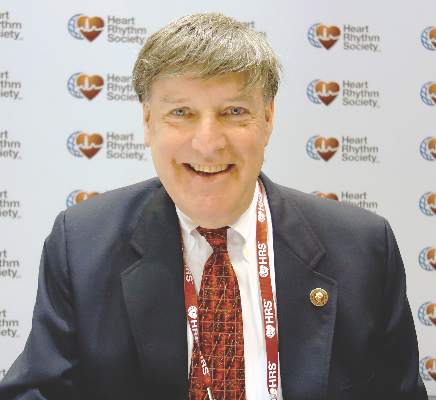
Dr. Thomas Deering |
The vast majority of primary prevention patients who are clinically stable enough to come in as outpatients can go home as outpatients if you watch them for a short period of time and make sure they are clinically stable. Most patients don’t want to be in the hospital, and many hospitals are crunched for available beds. It would be great to have guidelines on how to handle this, but we have to allow for clinical judgment.
Dr. Thomas Deering is chief of the Arrhythmia Center at the Piedmont Heart Institute in Atlanta, where he is also chairman of the Executive Council and the Clinical Centers for Excellence. He moderated Dr. Suri’s presentation and was not involved in the work.
|
|
Dr. Thomas Deering |
The vast majority of primary prevention patients who are clinically stable enough to come in as outpatients can go home as outpatients if you watch them for a short period of time and make sure they are clinically stable. Most patients don’t want to be in the hospital, and many hospitals are crunched for available beds. It would be great to have guidelines on how to handle this, but we have to allow for clinical judgment.
Dr. Thomas Deering is chief of the Arrhythmia Center at the Piedmont Heart Institute in Atlanta, where he is also chairman of the Executive Council and the Clinical Centers for Excellence. He moderated Dr. Suri’s presentation and was not involved in the work.
|
|
Dr. Thomas Deering |
The vast majority of primary prevention patients who are clinically stable enough to come in as outpatients can go home as outpatients if you watch them for a short period of time and make sure they are clinically stable. Most patients don’t want to be in the hospital, and many hospitals are crunched for available beds. It would be great to have guidelines on how to handle this, but we have to allow for clinical judgment.
Dr. Thomas Deering is chief of the Arrhythmia Center at the Piedmont Heart Institute in Atlanta, where he is also chairman of the Executive Council and the Clinical Centers for Excellence. He moderated Dr. Suri’s presentation and was not involved in the work.
San Francisco – Same day discharge is generally safe after cardioverter defibrillator implantation for primary prevention, but it doesn’t save money.
Furthermore, guidelines are needed to standardize the practice as it becomes increasingly common in the United States, according to a 25-site investigation.
After implantable cardioverter defibrillator (ICD) procedures, patients were monitored for 3-4 hours, and their devices were checked for proper functioning; 129 patients who were stable at that point were randomized to early discharge and 136 to next day discharge (NDD).
The overall 30-day procedural complication rate was 3.1% in the same day discharge (SDD) group and 1.6% in the NDD group, a nonsignificant difference (P = .37). Three patients in the SDD group developed hematomas that resolved on their own, and one had a cardiac perforation. One NDD patient dislodged a lead and another developed an infection. There were no differences in quality of life measures between the two groups at 30 days.
However, there were also no differences in procedural and perioperative direct costs, which was surprising because saving money is a major driver of SDD, and the most expensive part of ICD implantation is the first 24 hours. Direct per-patient medical costs in the study – estimated by applying hospital cost-to-charge ratios to the Medicare-reported charge – were $31,771 for SDD and $30,437 for NDD, but NDD was more expensive than SDD at several sites. The investigators suspect a flaw in their analysis related to the opaque nature of hospital accounting, and plan to look into the matter further with modeling to identify savings opportunities with SDD.
“We can insert ICDs on an outpatient basis, but this study will be difficult to replicate because clinical practice is moving towards SDD. In view of this, we think professional societies should be thinking of standardizing criteria for SDD; guidelines would help with the adoption of this approach. There are clinicians who are astute and have great clinical judgment, but there are others who need a scoring system. We believe that by using the 270,000 patients in the [American College of Cardiology’s ICD Registry], there is the ability to identify patients who have low periprocedural risk,” said lead investigator Dr. Ranjit Suri, a cardiologist at Mt. Sinai Hospital in New York.
The study excluded patients receiving an ICD for secondary prevention, as well as those on periprocedural heparin and patients who were pacemaker dependent. SDD seemed safe otherwise, but it’s unknown “if our concept of low risk is acceptable to all implanting physicians,” Dr. Suri said at the annual scientific sessions of the Heart Rhythm Society.
The study groups were well matched. About 75% in each arm were men, and ischemic cardiomyopathy was the leading ICD indication. Patients were amenable to the idea of SDD; the advent of remote monitoring “adds a certain sense of safety” for both patients and physicians, he said.
Dr. Suri is a speaker for Boehringer Ingelheim and St. Jude Medical. He is also a consultant for Biosense Webster and Zoll, and receives research funding from St. Jude.
San Francisco – Same day discharge is generally safe after cardioverter defibrillator implantation for primary prevention, but it doesn’t save money.
Furthermore, guidelines are needed to standardize the practice as it becomes increasingly common in the United States, according to a 25-site investigation.
After implantable cardioverter defibrillator (ICD) procedures, patients were monitored for 3-4 hours, and their devices were checked for proper functioning; 129 patients who were stable at that point were randomized to early discharge and 136 to next day discharge (NDD).
The overall 30-day procedural complication rate was 3.1% in the same day discharge (SDD) group and 1.6% in the NDD group, a nonsignificant difference (P = .37). Three patients in the SDD group developed hematomas that resolved on their own, and one had a cardiac perforation. One NDD patient dislodged a lead and another developed an infection. There were no differences in quality of life measures between the two groups at 30 days.
However, there were also no differences in procedural and perioperative direct costs, which was surprising because saving money is a major driver of SDD, and the most expensive part of ICD implantation is the first 24 hours. Direct per-patient medical costs in the study – estimated by applying hospital cost-to-charge ratios to the Medicare-reported charge – were $31,771 for SDD and $30,437 for NDD, but NDD was more expensive than SDD at several sites. The investigators suspect a flaw in their analysis related to the opaque nature of hospital accounting, and plan to look into the matter further with modeling to identify savings opportunities with SDD.
“We can insert ICDs on an outpatient basis, but this study will be difficult to replicate because clinical practice is moving towards SDD. In view of this, we think professional societies should be thinking of standardizing criteria for SDD; guidelines would help with the adoption of this approach. There are clinicians who are astute and have great clinical judgment, but there are others who need a scoring system. We believe that by using the 270,000 patients in the [American College of Cardiology’s ICD Registry], there is the ability to identify patients who have low periprocedural risk,” said lead investigator Dr. Ranjit Suri, a cardiologist at Mt. Sinai Hospital in New York.
The study excluded patients receiving an ICD for secondary prevention, as well as those on periprocedural heparin and patients who were pacemaker dependent. SDD seemed safe otherwise, but it’s unknown “if our concept of low risk is acceptable to all implanting physicians,” Dr. Suri said at the annual scientific sessions of the Heart Rhythm Society.
The study groups were well matched. About 75% in each arm were men, and ischemic cardiomyopathy was the leading ICD indication. Patients were amenable to the idea of SDD; the advent of remote monitoring “adds a certain sense of safety” for both patients and physicians, he said.
Dr. Suri is a speaker for Boehringer Ingelheim and St. Jude Medical. He is also a consultant for Biosense Webster and Zoll, and receives research funding from St. Jude.
AT HEART RHYTHM 2016
Key clinical point: Same-day discharge is generally safe after cardioverter defibrillator implantation for primary prevention, but it doesn’t save money and guidelines are needed to standardize the practice as it becomes increasingly common in the United States.
Major finding: The overall 30-day procedural complication rate was 3.1% in the same day discharge (SDD) group and 1.5% in the next-day discharge group, a nonsignificant difference (P = .37).
Data source: Randomized trial of 265 ICD patients.
Disclosures: The lead investigator is a speaker for Boehringer Ingelheim and St. Jude Medical. He is also a consultant for Biosense Webster and Zoll, and receives research funding from St. Jude.
VIDEO: The ins and outs of JAK ihibitors for alopecia
NEWPORT BEACH, CALIF. – The promise of Janus kinase (JAK) inhibitors for alopecia seems to be holding up in the practice of Dr. Natasha Mesinkovska, a dermatologist at the University of California, Irvine.
There’s been much excitement about JAK inhibitors since Yale researchers reported in 2014 that tofacitinib (Xeljanz), a JAK inhibitor approved in the United States for rheumatoid arthritis, appeared to grow a full head of hair, plus body hair, in an essentially hairless 25-year-old man with plaque psoriasis. JAK inhibitors have been under investigation for alopecia ever since. Meanwhile, they are being used off label for hair loss around the country.
In her own practice, Dr. Mesinkovska estimates that about two-thirds of patients have some degree of hair regrowth, with particularly satisfying results in men. About 40 of her alopecia patients have opted for JAK inhibitors so far.
In an interview at the Summit in Aesthetic Medicine, Dr. Mesinkovska shared her insights and tips, as well as promising alopecia results for the psoriasis biologic ustekinumab (Stelara), an interleukin-12 and -23 antagonist. “This is a very exciting time for alopecia areata,” she said.
The Summit in Aesthetic Medicine is held by the Global Academy for Medical Education. Global Academy and this news organization are owned by the same company.
The video associated with this article is no longer available on this site. Please view all of our videos on the MDedge YouTube channel
NEWPORT BEACH, CALIF. – The promise of Janus kinase (JAK) inhibitors for alopecia seems to be holding up in the practice of Dr. Natasha Mesinkovska, a dermatologist at the University of California, Irvine.
There’s been much excitement about JAK inhibitors since Yale researchers reported in 2014 that tofacitinib (Xeljanz), a JAK inhibitor approved in the United States for rheumatoid arthritis, appeared to grow a full head of hair, plus body hair, in an essentially hairless 25-year-old man with plaque psoriasis. JAK inhibitors have been under investigation for alopecia ever since. Meanwhile, they are being used off label for hair loss around the country.
In her own practice, Dr. Mesinkovska estimates that about two-thirds of patients have some degree of hair regrowth, with particularly satisfying results in men. About 40 of her alopecia patients have opted for JAK inhibitors so far.
In an interview at the Summit in Aesthetic Medicine, Dr. Mesinkovska shared her insights and tips, as well as promising alopecia results for the psoriasis biologic ustekinumab (Stelara), an interleukin-12 and -23 antagonist. “This is a very exciting time for alopecia areata,” she said.
The Summit in Aesthetic Medicine is held by the Global Academy for Medical Education. Global Academy and this news organization are owned by the same company.
The video associated with this article is no longer available on this site. Please view all of our videos on the MDedge YouTube channel
NEWPORT BEACH, CALIF. – The promise of Janus kinase (JAK) inhibitors for alopecia seems to be holding up in the practice of Dr. Natasha Mesinkovska, a dermatologist at the University of California, Irvine.
There’s been much excitement about JAK inhibitors since Yale researchers reported in 2014 that tofacitinib (Xeljanz), a JAK inhibitor approved in the United States for rheumatoid arthritis, appeared to grow a full head of hair, plus body hair, in an essentially hairless 25-year-old man with plaque psoriasis. JAK inhibitors have been under investigation for alopecia ever since. Meanwhile, they are being used off label for hair loss around the country.
In her own practice, Dr. Mesinkovska estimates that about two-thirds of patients have some degree of hair regrowth, with particularly satisfying results in men. About 40 of her alopecia patients have opted for JAK inhibitors so far.
In an interview at the Summit in Aesthetic Medicine, Dr. Mesinkovska shared her insights and tips, as well as promising alopecia results for the psoriasis biologic ustekinumab (Stelara), an interleukin-12 and -23 antagonist. “This is a very exciting time for alopecia areata,” she said.
The Summit in Aesthetic Medicine is held by the Global Academy for Medical Education. Global Academy and this news organization are owned by the same company.
The video associated with this article is no longer available on this site. Please view all of our videos on the MDedge YouTube channel
EXPERT ANALYSIS FROM THE SUMMIT IN AESTHETIC MEDICINE
VIDEO: How to treat vascular birthmarks
NEWPORT BEACH, CALIF. – A combination of propranolol and laser is more effective than propranolol alone for infantile hemangiomas, and rapamycin can improve pulse die laser results for port wine stains.
Meanwhile, lasers hurt, so general anesthesia is in order for children as long as they’re older than 6 months.
Those are just a few of the pearls Dr. Kristen Kelly, a University of California, Irvine, professor of dermatology and surgery, shared at the Summit in Aesthetic Medicine. Dr. Kelly explained the latest developments in an interview at the conference, held by Global Academy for Medical Education.
Global Academy and this news organization are owned the same company.
The video associated with this article is no longer available on this site. Please view all of our videos on the MDedge YouTube channel
NEWPORT BEACH, CALIF. – A combination of propranolol and laser is more effective than propranolol alone for infantile hemangiomas, and rapamycin can improve pulse die laser results for port wine stains.
Meanwhile, lasers hurt, so general anesthesia is in order for children as long as they’re older than 6 months.
Those are just a few of the pearls Dr. Kristen Kelly, a University of California, Irvine, professor of dermatology and surgery, shared at the Summit in Aesthetic Medicine. Dr. Kelly explained the latest developments in an interview at the conference, held by Global Academy for Medical Education.
Global Academy and this news organization are owned the same company.
The video associated with this article is no longer available on this site. Please view all of our videos on the MDedge YouTube channel
NEWPORT BEACH, CALIF. – A combination of propranolol and laser is more effective than propranolol alone for infantile hemangiomas, and rapamycin can improve pulse die laser results for port wine stains.
Meanwhile, lasers hurt, so general anesthesia is in order for children as long as they’re older than 6 months.
Those are just a few of the pearls Dr. Kristen Kelly, a University of California, Irvine, professor of dermatology and surgery, shared at the Summit in Aesthetic Medicine. Dr. Kelly explained the latest developments in an interview at the conference, held by Global Academy for Medical Education.
Global Academy and this news organization are owned the same company.
The video associated with this article is no longer available on this site. Please view all of our videos on the MDedge YouTube channel
EXPERT ANALYSIS FROM THE SUMMIT IN AESTHETIC MEDICINE
VIDEO: Endoscopic pyloromyotomy works for gastroparesis when meds don’t
SAN DIEGO – Gastric peroral endoscopic myotomy, a novel procedure for gastroparesis, restored gastric emptying in 30 refractory patients at Johns Hopkins University, Baltimore, and elsewhere in the largest series to date for the technique.
Drug therapy had failed, and Botox injections and transpyloric stenting weren’t helping much. On gastric emptying scans (GES), patients had around 40% of solid meals in their stomachs at 4 hours. Their gastroparesis was related mostly to diabetes and postoperative complications, but about a quarter of the cases were idiopathic.
Twenty-six patients (87%) responded to gastric peroral endoscopic myotomy (G-POEM) during a median follow-up of 5.5 months. Nausea, vomiting, and abdominal pain resolved or improved in most. On repeat GES in 17 patients, emptying time normalized in about half and improved in a third. Overall, patients had 17% of solid meals in their stomachs at 4 hours. G-POEM took an average of 72 minutes, and patients were in the hospital for about 3 days. One patient in the series developed pneumoperitoneum, and another had a prepyloric ulcer.
“The problem with transpyloric stents is that they migrate,” said investigator Dr. Mouen A. Khashab, director of therapeutic endoscopy at Johns Hopkins University. “G-POEM offers a permanent solution with few side effects. You have to be good at doing POEM in the esophagus first, as a prerequisite.”
In an interview at the annual Digestive Disease Week, Dr. Khashab explained the procedure in detail, as well as how he incorporates it into his practice and the patient population most likely to benefit.
SAN DIEGO – Gastric peroral endoscopic myotomy, a novel procedure for gastroparesis, restored gastric emptying in 30 refractory patients at Johns Hopkins University, Baltimore, and elsewhere in the largest series to date for the technique.
Drug therapy had failed, and Botox injections and transpyloric stenting weren’t helping much. On gastric emptying scans (GES), patients had around 40% of solid meals in their stomachs at 4 hours. Their gastroparesis was related mostly to diabetes and postoperative complications, but about a quarter of the cases were idiopathic.
Twenty-six patients (87%) responded to gastric peroral endoscopic myotomy (G-POEM) during a median follow-up of 5.5 months. Nausea, vomiting, and abdominal pain resolved or improved in most. On repeat GES in 17 patients, emptying time normalized in about half and improved in a third. Overall, patients had 17% of solid meals in their stomachs at 4 hours. G-POEM took an average of 72 minutes, and patients were in the hospital for about 3 days. One patient in the series developed pneumoperitoneum, and another had a prepyloric ulcer.
“The problem with transpyloric stents is that they migrate,” said investigator Dr. Mouen A. Khashab, director of therapeutic endoscopy at Johns Hopkins University. “G-POEM offers a permanent solution with few side effects. You have to be good at doing POEM in the esophagus first, as a prerequisite.”
In an interview at the annual Digestive Disease Week, Dr. Khashab explained the procedure in detail, as well as how he incorporates it into his practice and the patient population most likely to benefit.
SAN DIEGO – Gastric peroral endoscopic myotomy, a novel procedure for gastroparesis, restored gastric emptying in 30 refractory patients at Johns Hopkins University, Baltimore, and elsewhere in the largest series to date for the technique.
Drug therapy had failed, and Botox injections and transpyloric stenting weren’t helping much. On gastric emptying scans (GES), patients had around 40% of solid meals in their stomachs at 4 hours. Their gastroparesis was related mostly to diabetes and postoperative complications, but about a quarter of the cases were idiopathic.
Twenty-six patients (87%) responded to gastric peroral endoscopic myotomy (G-POEM) during a median follow-up of 5.5 months. Nausea, vomiting, and abdominal pain resolved or improved in most. On repeat GES in 17 patients, emptying time normalized in about half and improved in a third. Overall, patients had 17% of solid meals in their stomachs at 4 hours. G-POEM took an average of 72 minutes, and patients were in the hospital for about 3 days. One patient in the series developed pneumoperitoneum, and another had a prepyloric ulcer.
“The problem with transpyloric stents is that they migrate,” said investigator Dr. Mouen A. Khashab, director of therapeutic endoscopy at Johns Hopkins University. “G-POEM offers a permanent solution with few side effects. You have to be good at doing POEM in the esophagus first, as a prerequisite.”
In an interview at the annual Digestive Disease Week, Dr. Khashab explained the procedure in detail, as well as how he incorporates it into his practice and the patient population most likely to benefit.
AT DDW® 2016
VIDEO: Accelerated infliximab dosing halved colectomy rate in severe ulcerative colitis
SAN DIEGO – Inpatient infliximab rescue for severe, steroid-refractory ulcerative colitis is more likely to work if patients receive a second infusion 3 days after the first, according to a review of 55 University of Michigan, Ann Arbor, patients.
The traditional approach is one inpatient 5-mg/kg infusion, followed by either colectomy or subsequent outpatient infusions, depending on response. In 2013, physicians at the university began offering a second infusion at 72 hours to patients whose C-reactive protein (CRP) levels did not drop below 0.7 mg/dL after their first infusion, and they also began opting more often for 10-mg/kg dosing.
The review found that 90-day colectomy-free survival was 50% in the 16 accelerated-dosing patients, up from 10.2% in the 36 patients treated with the traditional approach (P less than .001). The finding has led to a new, more aggressive infliximab protocol for inpatient ulcerative colitis.
Among patients who did undergo colectomies, postoperative complications were similar between the two groups. But for reasons that are not clear, 30-day postoperative readmission rates were higher in accelerated patients (58% vs. 25%).
In an interview at the annual Digestive Disease Week, lead investigator Dr. Shail Govani of the University of Michigan explained the thinking behind the new approach, how CRP/albumin ratios come into play, and how to counsel patients in light of the findings.
The video associated with this article is no longer available on this site. Please view all of our videos on the MDedge YouTube channel
SAN DIEGO – Inpatient infliximab rescue for severe, steroid-refractory ulcerative colitis is more likely to work if patients receive a second infusion 3 days after the first, according to a review of 55 University of Michigan, Ann Arbor, patients.
The traditional approach is one inpatient 5-mg/kg infusion, followed by either colectomy or subsequent outpatient infusions, depending on response. In 2013, physicians at the university began offering a second infusion at 72 hours to patients whose C-reactive protein (CRP) levels did not drop below 0.7 mg/dL after their first infusion, and they also began opting more often for 10-mg/kg dosing.
The review found that 90-day colectomy-free survival was 50% in the 16 accelerated-dosing patients, up from 10.2% in the 36 patients treated with the traditional approach (P less than .001). The finding has led to a new, more aggressive infliximab protocol for inpatient ulcerative colitis.
Among patients who did undergo colectomies, postoperative complications were similar between the two groups. But for reasons that are not clear, 30-day postoperative readmission rates were higher in accelerated patients (58% vs. 25%).
In an interview at the annual Digestive Disease Week, lead investigator Dr. Shail Govani of the University of Michigan explained the thinking behind the new approach, how CRP/albumin ratios come into play, and how to counsel patients in light of the findings.
The video associated with this article is no longer available on this site. Please view all of our videos on the MDedge YouTube channel
SAN DIEGO – Inpatient infliximab rescue for severe, steroid-refractory ulcerative colitis is more likely to work if patients receive a second infusion 3 days after the first, according to a review of 55 University of Michigan, Ann Arbor, patients.
The traditional approach is one inpatient 5-mg/kg infusion, followed by either colectomy or subsequent outpatient infusions, depending on response. In 2013, physicians at the university began offering a second infusion at 72 hours to patients whose C-reactive protein (CRP) levels did not drop below 0.7 mg/dL after their first infusion, and they also began opting more often for 10-mg/kg dosing.
The review found that 90-day colectomy-free survival was 50% in the 16 accelerated-dosing patients, up from 10.2% in the 36 patients treated with the traditional approach (P less than .001). The finding has led to a new, more aggressive infliximab protocol for inpatient ulcerative colitis.
Among patients who did undergo colectomies, postoperative complications were similar between the two groups. But for reasons that are not clear, 30-day postoperative readmission rates were higher in accelerated patients (58% vs. 25%).
In an interview at the annual Digestive Disease Week, lead investigator Dr. Shail Govani of the University of Michigan explained the thinking behind the new approach, how CRP/albumin ratios come into play, and how to counsel patients in light of the findings.
The video associated with this article is no longer available on this site. Please view all of our videos on the MDedge YouTube channel
AT DDW 2016
VIDEO: Daily fecal transplants put refractory ulcerative colitis into remission
SAN DIEGO – When fecal transplants don’t work for ulcerative colitis, it’s probably because they aren’t used often enough, according to investigators from the University of New South Wales, Sydney.
The researchers made sure that wasn’t the case in their own double-blind trial, the largest to date of fecal microbiota transplantation (FMT) for ulcerative colitis. Forty-one patients with active, mild to moderate disease (Mayo score 4-10) that was resistant to standard medications were randomized to 150-mL, self-administered fecal enemas 5 days a week for 8 weeks, and 40 others to placebo enemas. Patients were tapered off steroids at study entrance, and each FMT patient received stool from 3-7 unrelated donors.
Steroid-free clinical remission and endoscopic remission or response were achieved in 11 FMT patients (27%), compared with 3 (8%) placebo patients (P = .02). A total of 18 treated patients (44%) and 8 placebo patients (20%) had steroid-free clinical remissions, while 22 treated patients (54%) and 9 patients in the placebo group (23%) had some type of positive clinical response (P less than .01).
Patients were in their mid-30s, on average, with disease durations of about 6 years. More than half were men. About one-quarter were on oral steroids, and more than half were on oral 5-aminosalicylic acid medications, which were allowed during the study. Almost half were on methotrexate or other oral immunomodulators, which were also allowed. Patients were excluded if they had been on a biologic in the previous 12 weeks.
Afterward, 37 patients in the placebo arm opted for open-label FMT. Results were similar, with steroid-free clinical remission and endoscopic remission or response in 10 patients (27%), clinical remission in 17 (46%), and endoscopic remission in 9 (24%).
The anatomical extent of disease did not affect outcome, but patients with more severe endoscopic disease and those on steroids at study entrance didn’t do as well. Three patients flared during the trial, one in the placebo arm and two in the FMT arm, one of whom required colectomy.
The investigators were surprised by the magnitude of the benefit, given the mixed results in previous investigations with less frequent dosing. But they were not surprised that FMT worked.
“In ulcerative colitis, the microbiota appear to be the antigenic driver, so it makes sense that correcting the disturbance” helps, said lead investigator Dr. Sudarshan Paramsothy, a gastroenterologist at the University of New South Wales.
Dr. Paramsothy and his colleagues have a hunch they can do even better. They are looking into the microbiologic factors of donors and patients that influence response, with the ultimate goal of matching the best donor to the best patient. They’re examining maintenance therapy, too; “it’s one thing to induce remission, it’s another thing to maintain remission,” Dr. Paramsothy said.
In an interview at the annual Digestive Disease Week, he explained the technique, the thinking behind it, future directions, and how to counsel patients in light of the findings.
The video associated with this article is no longer available on this site. Please view all of our videos on the MDedge YouTube channel
SAN DIEGO – When fecal transplants don’t work for ulcerative colitis, it’s probably because they aren’t used often enough, according to investigators from the University of New South Wales, Sydney.
The researchers made sure that wasn’t the case in their own double-blind trial, the largest to date of fecal microbiota transplantation (FMT) for ulcerative colitis. Forty-one patients with active, mild to moderate disease (Mayo score 4-10) that was resistant to standard medications were randomized to 150-mL, self-administered fecal enemas 5 days a week for 8 weeks, and 40 others to placebo enemas. Patients were tapered off steroids at study entrance, and each FMT patient received stool from 3-7 unrelated donors.
Steroid-free clinical remission and endoscopic remission or response were achieved in 11 FMT patients (27%), compared with 3 (8%) placebo patients (P = .02). A total of 18 treated patients (44%) and 8 placebo patients (20%) had steroid-free clinical remissions, while 22 treated patients (54%) and 9 patients in the placebo group (23%) had some type of positive clinical response (P less than .01).
Patients were in their mid-30s, on average, with disease durations of about 6 years. More than half were men. About one-quarter were on oral steroids, and more than half were on oral 5-aminosalicylic acid medications, which were allowed during the study. Almost half were on methotrexate or other oral immunomodulators, which were also allowed. Patients were excluded if they had been on a biologic in the previous 12 weeks.
Afterward, 37 patients in the placebo arm opted for open-label FMT. Results were similar, with steroid-free clinical remission and endoscopic remission or response in 10 patients (27%), clinical remission in 17 (46%), and endoscopic remission in 9 (24%).
The anatomical extent of disease did not affect outcome, but patients with more severe endoscopic disease and those on steroids at study entrance didn’t do as well. Three patients flared during the trial, one in the placebo arm and two in the FMT arm, one of whom required colectomy.
The investigators were surprised by the magnitude of the benefit, given the mixed results in previous investigations with less frequent dosing. But they were not surprised that FMT worked.
“In ulcerative colitis, the microbiota appear to be the antigenic driver, so it makes sense that correcting the disturbance” helps, said lead investigator Dr. Sudarshan Paramsothy, a gastroenterologist at the University of New South Wales.
Dr. Paramsothy and his colleagues have a hunch they can do even better. They are looking into the microbiologic factors of donors and patients that influence response, with the ultimate goal of matching the best donor to the best patient. They’re examining maintenance therapy, too; “it’s one thing to induce remission, it’s another thing to maintain remission,” Dr. Paramsothy said.
In an interview at the annual Digestive Disease Week, he explained the technique, the thinking behind it, future directions, and how to counsel patients in light of the findings.
The video associated with this article is no longer available on this site. Please view all of our videos on the MDedge YouTube channel
SAN DIEGO – When fecal transplants don’t work for ulcerative colitis, it’s probably because they aren’t used often enough, according to investigators from the University of New South Wales, Sydney.
The researchers made sure that wasn’t the case in their own double-blind trial, the largest to date of fecal microbiota transplantation (FMT) for ulcerative colitis. Forty-one patients with active, mild to moderate disease (Mayo score 4-10) that was resistant to standard medications were randomized to 150-mL, self-administered fecal enemas 5 days a week for 8 weeks, and 40 others to placebo enemas. Patients were tapered off steroids at study entrance, and each FMT patient received stool from 3-7 unrelated donors.
Steroid-free clinical remission and endoscopic remission or response were achieved in 11 FMT patients (27%), compared with 3 (8%) placebo patients (P = .02). A total of 18 treated patients (44%) and 8 placebo patients (20%) had steroid-free clinical remissions, while 22 treated patients (54%) and 9 patients in the placebo group (23%) had some type of positive clinical response (P less than .01).
Patients were in their mid-30s, on average, with disease durations of about 6 years. More than half were men. About one-quarter were on oral steroids, and more than half were on oral 5-aminosalicylic acid medications, which were allowed during the study. Almost half were on methotrexate or other oral immunomodulators, which were also allowed. Patients were excluded if they had been on a biologic in the previous 12 weeks.
Afterward, 37 patients in the placebo arm opted for open-label FMT. Results were similar, with steroid-free clinical remission and endoscopic remission or response in 10 patients (27%), clinical remission in 17 (46%), and endoscopic remission in 9 (24%).
The anatomical extent of disease did not affect outcome, but patients with more severe endoscopic disease and those on steroids at study entrance didn’t do as well. Three patients flared during the trial, one in the placebo arm and two in the FMT arm, one of whom required colectomy.
The investigators were surprised by the magnitude of the benefit, given the mixed results in previous investigations with less frequent dosing. But they were not surprised that FMT worked.
“In ulcerative colitis, the microbiota appear to be the antigenic driver, so it makes sense that correcting the disturbance” helps, said lead investigator Dr. Sudarshan Paramsothy, a gastroenterologist at the University of New South Wales.
Dr. Paramsothy and his colleagues have a hunch they can do even better. They are looking into the microbiologic factors of donors and patients that influence response, with the ultimate goal of matching the best donor to the best patient. They’re examining maintenance therapy, too; “it’s one thing to induce remission, it’s another thing to maintain remission,” Dr. Paramsothy said.
In an interview at the annual Digestive Disease Week, he explained the technique, the thinking behind it, future directions, and how to counsel patients in light of the findings.
The video associated with this article is no longer available on this site. Please view all of our videos on the MDedge YouTube channel
AT DDW 2016
Probuphine implant predicted to ease buprenorphine maintenance
Probuphine, a subdermal buprenorphine implant approved May 26 by the Food and Drug administration for opioid addiction, will likely increase adherence to buprenorphine maintenance, therapy by making it more convenient, according to Caleb Banta-Green, Ph.D., a senior researcher at the University of Washington Alcohol and Drug Abuse Institute in Seattle.
Buprenorphine is a partial opioid agonist that blocks the effects of full agonists and dulls withdrawal symptoms. “It’s a very effective drug treatment medication. It can cut mortality in half” compared to abstinence-only programs, and “in general, the longer people are on it, the better. [Probuphine will] make long-term therapy much” easier for patients and physicians, he said.
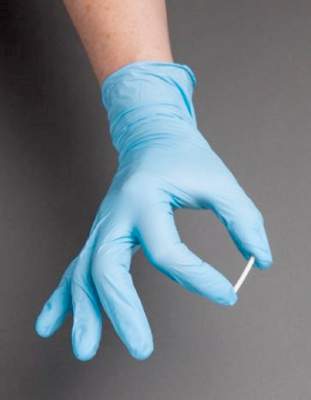
Probuphine consists of four 1-inch rods implanted subdermally inside the upper arm. The product delivers buprenorphine continuously for up to 6 months, and is approved as an alternative to daily dosing in patients stable on 8 mg or less of oral buprenorphine, a low-to-moderate dose.
“My sense is it will be used in stable patients who want the convenience, but I think we’ll also see it used in people who have trouble adhering to everyday dosing, or who miss doses and relapse. Once it’s out there, I think you’ll start seeing people use it in different ways,” said Dr. Peter Friedmann, an addiction treatment specialist in Springfield, Mass., and chief research officer for Baystate Health.
In a 6-month trial, the implant worked as well as daily sublingual dosing; urine screens remained clean in 63% of Probuphine patients versus 64% of sublingual patients, although a few patients in the Probuphine arm required sublingual supplementation. The FDA rejected an indication for buprenorphine induction.
Labeling allows for two back-to-back courses for a total treatment duration of 1 year, but the FDA has required the distributer, Braeburn Pharmaceuticals, to study longer treatment courses.
Prescribing requires a buprenorphine waiver, as well as live training on implant insertion and removal, which is part of the product’s Risk Evaluation and Mitigation Strategy program. Probuphine also comes with a medication guide for patients.
Labeling notes that the implant “should be used as part of a complete treatment program to include counseling and psychosocial support.” The FDA recommends an office visit 1 week after implantation then follow-up visits no longer than 1 month apart.
There should be less of a diversion risk with Probuphine, which might make buprenorphine prescribing more attractive for physicians, but uptake will depend in part on Probuphine’s price and insurers’ willingness to cover it. Braeburn plans a product launch this summer, but hasn’t released pricing information.
“We assume it’s going to be expensive,” Dr. Banta-Green said.
Labeling warns of the risk of nerve damage with the implant and removal procedure, as well as implant migration, protrusion, and expulsion. The most common side effects in trials were implant-site pain, itching, and redness, as well as systemic side effects in line with other buprenorphine formulations, including headache, insomnia, upper respiratory tract infection, nausea, anxiety, back pain, depression, constipation, and vomiting.
There is abuse potential. Each rod contains 80 mg of buprenorphine, so patients will leave the office with 320 mg in their arm. “If they really want to take (the rods) out and extract the medication, people will do that. Our street chemists are very ingenious,” Dr. Friedmann said.
Dr. Banta-Green has no disclosures. Dr. Friedmann is an adviser for Indivior, maker of Suboxone, and disclosed research funding from Alkermes.
Probuphine, a subdermal buprenorphine implant approved May 26 by the Food and Drug administration for opioid addiction, will likely increase adherence to buprenorphine maintenance, therapy by making it more convenient, according to Caleb Banta-Green, Ph.D., a senior researcher at the University of Washington Alcohol and Drug Abuse Institute in Seattle.
Buprenorphine is a partial opioid agonist that blocks the effects of full agonists and dulls withdrawal symptoms. “It’s a very effective drug treatment medication. It can cut mortality in half” compared to abstinence-only programs, and “in general, the longer people are on it, the better. [Probuphine will] make long-term therapy much” easier for patients and physicians, he said.
Probuphine consists of four 1-inch rods implanted subdermally inside the upper arm. The product delivers buprenorphine continuously for up to 6 months, and is approved as an alternative to daily dosing in patients stable on 8 mg or less of oral buprenorphine, a low-to-moderate dose.
“My sense is it will be used in stable patients who want the convenience, but I think we’ll also see it used in people who have trouble adhering to everyday dosing, or who miss doses and relapse. Once it’s out there, I think you’ll start seeing people use it in different ways,” said Dr. Peter Friedmann, an addiction treatment specialist in Springfield, Mass., and chief research officer for Baystate Health.
In a 6-month trial, the implant worked as well as daily sublingual dosing; urine screens remained clean in 63% of Probuphine patients versus 64% of sublingual patients, although a few patients in the Probuphine arm required sublingual supplementation. The FDA rejected an indication for buprenorphine induction.
Labeling allows for two back-to-back courses for a total treatment duration of 1 year, but the FDA has required the distributer, Braeburn Pharmaceuticals, to study longer treatment courses.
Prescribing requires a buprenorphine waiver, as well as live training on implant insertion and removal, which is part of the product’s Risk Evaluation and Mitigation Strategy program. Probuphine also comes with a medication guide for patients.
Labeling notes that the implant “should be used as part of a complete treatment program to include counseling and psychosocial support.” The FDA recommends an office visit 1 week after implantation then follow-up visits no longer than 1 month apart.
There should be less of a diversion risk with Probuphine, which might make buprenorphine prescribing more attractive for physicians, but uptake will depend in part on Probuphine’s price and insurers’ willingness to cover it. Braeburn plans a product launch this summer, but hasn’t released pricing information.
“We assume it’s going to be expensive,” Dr. Banta-Green said.
Labeling warns of the risk of nerve damage with the implant and removal procedure, as well as implant migration, protrusion, and expulsion. The most common side effects in trials were implant-site pain, itching, and redness, as well as systemic side effects in line with other buprenorphine formulations, including headache, insomnia, upper respiratory tract infection, nausea, anxiety, back pain, depression, constipation, and vomiting.
There is abuse potential. Each rod contains 80 mg of buprenorphine, so patients will leave the office with 320 mg in their arm. “If they really want to take (the rods) out and extract the medication, people will do that. Our street chemists are very ingenious,” Dr. Friedmann said.
Dr. Banta-Green has no disclosures. Dr. Friedmann is an adviser for Indivior, maker of Suboxone, and disclosed research funding from Alkermes.
Probuphine, a subdermal buprenorphine implant approved May 26 by the Food and Drug administration for opioid addiction, will likely increase adherence to buprenorphine maintenance, therapy by making it more convenient, according to Caleb Banta-Green, Ph.D., a senior researcher at the University of Washington Alcohol and Drug Abuse Institute in Seattle.
Buprenorphine is a partial opioid agonist that blocks the effects of full agonists and dulls withdrawal symptoms. “It’s a very effective drug treatment medication. It can cut mortality in half” compared to abstinence-only programs, and “in general, the longer people are on it, the better. [Probuphine will] make long-term therapy much” easier for patients and physicians, he said.
Probuphine consists of four 1-inch rods implanted subdermally inside the upper arm. The product delivers buprenorphine continuously for up to 6 months, and is approved as an alternative to daily dosing in patients stable on 8 mg or less of oral buprenorphine, a low-to-moderate dose.
“My sense is it will be used in stable patients who want the convenience, but I think we’ll also see it used in people who have trouble adhering to everyday dosing, or who miss doses and relapse. Once it’s out there, I think you’ll start seeing people use it in different ways,” said Dr. Peter Friedmann, an addiction treatment specialist in Springfield, Mass., and chief research officer for Baystate Health.
In a 6-month trial, the implant worked as well as daily sublingual dosing; urine screens remained clean in 63% of Probuphine patients versus 64% of sublingual patients, although a few patients in the Probuphine arm required sublingual supplementation. The FDA rejected an indication for buprenorphine induction.
Labeling allows for two back-to-back courses for a total treatment duration of 1 year, but the FDA has required the distributer, Braeburn Pharmaceuticals, to study longer treatment courses.
Prescribing requires a buprenorphine waiver, as well as live training on implant insertion and removal, which is part of the product’s Risk Evaluation and Mitigation Strategy program. Probuphine also comes with a medication guide for patients.
Labeling notes that the implant “should be used as part of a complete treatment program to include counseling and psychosocial support.” The FDA recommends an office visit 1 week after implantation then follow-up visits no longer than 1 month apart.
There should be less of a diversion risk with Probuphine, which might make buprenorphine prescribing more attractive for physicians, but uptake will depend in part on Probuphine’s price and insurers’ willingness to cover it. Braeburn plans a product launch this summer, but hasn’t released pricing information.
“We assume it’s going to be expensive,” Dr. Banta-Green said.
Labeling warns of the risk of nerve damage with the implant and removal procedure, as well as implant migration, protrusion, and expulsion. The most common side effects in trials were implant-site pain, itching, and redness, as well as systemic side effects in line with other buprenorphine formulations, including headache, insomnia, upper respiratory tract infection, nausea, anxiety, back pain, depression, constipation, and vomiting.
There is abuse potential. Each rod contains 80 mg of buprenorphine, so patients will leave the office with 320 mg in their arm. “If they really want to take (the rods) out and extract the medication, people will do that. Our street chemists are very ingenious,” Dr. Friedmann said.
Dr. Banta-Green has no disclosures. Dr. Friedmann is an adviser for Indivior, maker of Suboxone, and disclosed research funding from Alkermes.