User login
Health exchanges could bring unpleasant surprises
SAN FRANCISCO – Stand by for some unexpected and potentially nasty surprises when the health insurance exchanges start up in 2014.
The exchanges will start enrolling patients this fall and begin sending information to patients and physicians this summer. Health insurers will begin sending new contracts to physicians around then too.
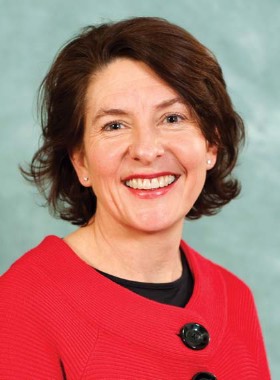
But there’s information available now that should send shivers up physicians’ spines, Elizabeth McNeil, vice president of the center for federal government relations at the California Medical Association, said at the annual meeting of the American College of Physicians.
A little-noticed provision of the Affordable Care Act gives exchange participants a 90-day grace period to pay their premiums. This was designed to provide a cushion for people who might not be used to paying health insurance premiums. Insurers have to pay all claims incurred by the patient in the first month, but in the second month, if the patient is still delinquent, all claims can be held as pending. By the third month, if the patient still has not paid, the insurer can terminate him or her.
The physician then has to collect payment for all outstanding claims from the patient. "This is going to put you at a lot of risk," Ms. McNeil said. "You’re going to have to be very vigilant with the exchange patients in watching what’s going on."
Many patients who’ll get coverage through the health insurance exchanges will also have much larger out-of-pocket costs than they are used to paying, Ms. McNeil said. In California, the CMA estimates an individual could face as much as $6,400 in uncovered expenses, and a family, up to $12,800.
Physicians also will need to pay attention to the contracts they sign with health insurers participating in the exchanges. The exchange could bring a large number of new patients to the practice and physicians need to think about how many additional patients they can actually accommodate, she said.
Another thing to keep in mind: Does the contract have an all-payer clause that requires your practice to accept exchange patients? When negotiating rates, be aware that many patients who gain coverage via the health insurance exchanges will have pent-up demand for health care because they have been uninsured or underinsured, Ms. McNeil advised. Their care could be more complex and time consuming, so doctors will want to be sure that reimbursement rates are adequate to cover this care.
Lawrence Kosinski, M.D., MBA, AGAF, chair of the AGA Institute Practice Management and Economics Committee, said: "The health insurance exchanges created in the ACA will have very significant financial consequences for our practices. It’s time for all of us to become knowledgeable of their ramifications."
On Twitter @aliciaault
SAN FRANCISCO – Stand by for some unexpected and potentially nasty surprises when the health insurance exchanges start up in 2014.
The exchanges will start enrolling patients this fall and begin sending information to patients and physicians this summer. Health insurers will begin sending new contracts to physicians around then too.
But there’s information available now that should send shivers up physicians’ spines, Elizabeth McNeil, vice president of the center for federal government relations at the California Medical Association, said at the annual meeting of the American College of Physicians.
A little-noticed provision of the Affordable Care Act gives exchange participants a 90-day grace period to pay their premiums. This was designed to provide a cushion for people who might not be used to paying health insurance premiums. Insurers have to pay all claims incurred by the patient in the first month, but in the second month, if the patient is still delinquent, all claims can be held as pending. By the third month, if the patient still has not paid, the insurer can terminate him or her.
The physician then has to collect payment for all outstanding claims from the patient. "This is going to put you at a lot of risk," Ms. McNeil said. "You’re going to have to be very vigilant with the exchange patients in watching what’s going on."
Many patients who’ll get coverage through the health insurance exchanges will also have much larger out-of-pocket costs than they are used to paying, Ms. McNeil said. In California, the CMA estimates an individual could face as much as $6,400 in uncovered expenses, and a family, up to $12,800.
Physicians also will need to pay attention to the contracts they sign with health insurers participating in the exchanges. The exchange could bring a large number of new patients to the practice and physicians need to think about how many additional patients they can actually accommodate, she said.
Another thing to keep in mind: Does the contract have an all-payer clause that requires your practice to accept exchange patients? When negotiating rates, be aware that many patients who gain coverage via the health insurance exchanges will have pent-up demand for health care because they have been uninsured or underinsured, Ms. McNeil advised. Their care could be more complex and time consuming, so doctors will want to be sure that reimbursement rates are adequate to cover this care.
Lawrence Kosinski, M.D., MBA, AGAF, chair of the AGA Institute Practice Management and Economics Committee, said: "The health insurance exchanges created in the ACA will have very significant financial consequences for our practices. It’s time for all of us to become knowledgeable of their ramifications."
On Twitter @aliciaault
SAN FRANCISCO – Stand by for some unexpected and potentially nasty surprises when the health insurance exchanges start up in 2014.
The exchanges will start enrolling patients this fall and begin sending information to patients and physicians this summer. Health insurers will begin sending new contracts to physicians around then too.
But there’s information available now that should send shivers up physicians’ spines, Elizabeth McNeil, vice president of the center for federal government relations at the California Medical Association, said at the annual meeting of the American College of Physicians.
A little-noticed provision of the Affordable Care Act gives exchange participants a 90-day grace period to pay their premiums. This was designed to provide a cushion for people who might not be used to paying health insurance premiums. Insurers have to pay all claims incurred by the patient in the first month, but in the second month, if the patient is still delinquent, all claims can be held as pending. By the third month, if the patient still has not paid, the insurer can terminate him or her.
The physician then has to collect payment for all outstanding claims from the patient. "This is going to put you at a lot of risk," Ms. McNeil said. "You’re going to have to be very vigilant with the exchange patients in watching what’s going on."
Many patients who’ll get coverage through the health insurance exchanges will also have much larger out-of-pocket costs than they are used to paying, Ms. McNeil said. In California, the CMA estimates an individual could face as much as $6,400 in uncovered expenses, and a family, up to $12,800.
Physicians also will need to pay attention to the contracts they sign with health insurers participating in the exchanges. The exchange could bring a large number of new patients to the practice and physicians need to think about how many additional patients they can actually accommodate, she said.
Another thing to keep in mind: Does the contract have an all-payer clause that requires your practice to accept exchange patients? When negotiating rates, be aware that many patients who gain coverage via the health insurance exchanges will have pent-up demand for health care because they have been uninsured or underinsured, Ms. McNeil advised. Their care could be more complex and time consuming, so doctors will want to be sure that reimbursement rates are adequate to cover this care.
Lawrence Kosinski, M.D., MBA, AGAF, chair of the AGA Institute Practice Management and Economics Committee, said: "The health insurance exchanges created in the ACA will have very significant financial consequences for our practices. It’s time for all of us to become knowledgeable of their ramifications."
On Twitter @aliciaault
AT ACP INTERNAL MEDICINE 2013
EU approves rivaroxaban for secondary prevention
The European Commission has approved the use of rivaroxaban in combination with antiplatelet therapy to help prevent atherothrombotic events after acute coronary syndrome.
The drug was approved at a dose of 2.5 milligrams twice daily in adults with elevated cardiac biomarkers.
The approval was expected, as the European Medicines Agency Committee for Medicinal Products for Human Use recommended rivaroxaban for the indication on March 21. Rivaroxaban is marketed outside the United States by Bayer HealthCare and in the United States by Janssen Pharmaceuticals, Inc., a division of Johnson & Johnson, as Xarelto.
The approval for secondary prevention was based on results from the ATLAS ACS 2-TIMI 51 (Anti-Xa Therapy to Lower Cardiovascular Events in Addition to Aspirin With/Without Thienopyridine Therapy in Subjects With Acute Coronary Syndrome) study of more than 15,500 patients. In the trial, rivaroxaban 2.5 mg twice daily added to standard antiplatelet therapy – low-dose aspirin with or without a thienopyridine (clopidogrel or ticlopidine) – significantly reduced the composite primary efficacy endpoint of cardiovascular death, myocardial infarction, or stroke in patients after a recent ACS compared to those who received standard antiplatelet therapy alone, according to Bayer.
Based on that trial, the 2012 European Society of Cardiology guidelines recommended that treatment with rivaroxaban be considered for patients with ST-segment elevation myocardial infarction (STEMI) who are at low bleeding risk and on antiplatelet therapy with aspirin and clopidogrel, the company said.
In a statement issued by Bayer, Dr. C. Michael Gibson, Chairman of the PERFUSE Study Group at Harvard Medical School and the Principal Investigator in the ATLAS ACS studies, said that ACS patients are at risk for secondary events because thrombin levels remain elevated long afterwards. "In the ATLAS ACS 2-TIMI 51 study, we’ve shown that treating these patients with a low dose of rivaroxaban in combination with standard antiplatelet therapy targets both pathways of clot formation, providing more complete long-term protection, including significant reduction in mortality risk," said Dr. Gibson.
Janssen awaits Food and Drug Administration approval for secondary prevention for patients with ACS. The company first sought approval in 2011. A year later, the FDA requested more data. In May 2012, an FDA advisory panel voted against approval of the indication. In March this year, the FDA again said there were outstanding issues that needed to be addressed.
The drug was first approved in 2011 for prophylaxis of deep vein thrombosis or pulmonary embolism in patients undergoing hip or knee replacement surgery. It now has five additional approvals in the United States, including the treatment of DVT or PE and for reducing the recurrence of DVT and PE after initial treatment. Rivaroxaban is approved in 120 countries.
On Twitter @aliciaault
The European Commission has approved the use of rivaroxaban in combination with antiplatelet therapy to help prevent atherothrombotic events after acute coronary syndrome.
The drug was approved at a dose of 2.5 milligrams twice daily in adults with elevated cardiac biomarkers.
The approval was expected, as the European Medicines Agency Committee for Medicinal Products for Human Use recommended rivaroxaban for the indication on March 21. Rivaroxaban is marketed outside the United States by Bayer HealthCare and in the United States by Janssen Pharmaceuticals, Inc., a division of Johnson & Johnson, as Xarelto.
The approval for secondary prevention was based on results from the ATLAS ACS 2-TIMI 51 (Anti-Xa Therapy to Lower Cardiovascular Events in Addition to Aspirin With/Without Thienopyridine Therapy in Subjects With Acute Coronary Syndrome) study of more than 15,500 patients. In the trial, rivaroxaban 2.5 mg twice daily added to standard antiplatelet therapy – low-dose aspirin with or without a thienopyridine (clopidogrel or ticlopidine) – significantly reduced the composite primary efficacy endpoint of cardiovascular death, myocardial infarction, or stroke in patients after a recent ACS compared to those who received standard antiplatelet therapy alone, according to Bayer.
Based on that trial, the 2012 European Society of Cardiology guidelines recommended that treatment with rivaroxaban be considered for patients with ST-segment elevation myocardial infarction (STEMI) who are at low bleeding risk and on antiplatelet therapy with aspirin and clopidogrel, the company said.
In a statement issued by Bayer, Dr. C. Michael Gibson, Chairman of the PERFUSE Study Group at Harvard Medical School and the Principal Investigator in the ATLAS ACS studies, said that ACS patients are at risk for secondary events because thrombin levels remain elevated long afterwards. "In the ATLAS ACS 2-TIMI 51 study, we’ve shown that treating these patients with a low dose of rivaroxaban in combination with standard antiplatelet therapy targets both pathways of clot formation, providing more complete long-term protection, including significant reduction in mortality risk," said Dr. Gibson.
Janssen awaits Food and Drug Administration approval for secondary prevention for patients with ACS. The company first sought approval in 2011. A year later, the FDA requested more data. In May 2012, an FDA advisory panel voted against approval of the indication. In March this year, the FDA again said there were outstanding issues that needed to be addressed.
The drug was first approved in 2011 for prophylaxis of deep vein thrombosis or pulmonary embolism in patients undergoing hip or knee replacement surgery. It now has five additional approvals in the United States, including the treatment of DVT or PE and for reducing the recurrence of DVT and PE after initial treatment. Rivaroxaban is approved in 120 countries.
On Twitter @aliciaault
The European Commission has approved the use of rivaroxaban in combination with antiplatelet therapy to help prevent atherothrombotic events after acute coronary syndrome.
The drug was approved at a dose of 2.5 milligrams twice daily in adults with elevated cardiac biomarkers.
The approval was expected, as the European Medicines Agency Committee for Medicinal Products for Human Use recommended rivaroxaban for the indication on March 21. Rivaroxaban is marketed outside the United States by Bayer HealthCare and in the United States by Janssen Pharmaceuticals, Inc., a division of Johnson & Johnson, as Xarelto.
The approval for secondary prevention was based on results from the ATLAS ACS 2-TIMI 51 (Anti-Xa Therapy to Lower Cardiovascular Events in Addition to Aspirin With/Without Thienopyridine Therapy in Subjects With Acute Coronary Syndrome) study of more than 15,500 patients. In the trial, rivaroxaban 2.5 mg twice daily added to standard antiplatelet therapy – low-dose aspirin with or without a thienopyridine (clopidogrel or ticlopidine) – significantly reduced the composite primary efficacy endpoint of cardiovascular death, myocardial infarction, or stroke in patients after a recent ACS compared to those who received standard antiplatelet therapy alone, according to Bayer.
Based on that trial, the 2012 European Society of Cardiology guidelines recommended that treatment with rivaroxaban be considered for patients with ST-segment elevation myocardial infarction (STEMI) who are at low bleeding risk and on antiplatelet therapy with aspirin and clopidogrel, the company said.
In a statement issued by Bayer, Dr. C. Michael Gibson, Chairman of the PERFUSE Study Group at Harvard Medical School and the Principal Investigator in the ATLAS ACS studies, said that ACS patients are at risk for secondary events because thrombin levels remain elevated long afterwards. "In the ATLAS ACS 2-TIMI 51 study, we’ve shown that treating these patients with a low dose of rivaroxaban in combination with standard antiplatelet therapy targets both pathways of clot formation, providing more complete long-term protection, including significant reduction in mortality risk," said Dr. Gibson.
Janssen awaits Food and Drug Administration approval for secondary prevention for patients with ACS. The company first sought approval in 2011. A year later, the FDA requested more data. In May 2012, an FDA advisory panel voted against approval of the indication. In March this year, the FDA again said there were outstanding issues that needed to be addressed.
The drug was first approved in 2011 for prophylaxis of deep vein thrombosis or pulmonary embolism in patients undergoing hip or knee replacement surgery. It now has five additional approvals in the United States, including the treatment of DVT or PE and for reducing the recurrence of DVT and PE after initial treatment. Rivaroxaban is approved in 120 countries.
On Twitter @aliciaault
CDC urges doctors to help patients quit smoking
WASHINGTON – Doctors need to step up their efforts to counsel patients on smoking cessation.
That was the message from officials at the Centers for Disease Control and Prevention and primary care physicians group at a press briefing May 22.
"Every doctor can help their patients quit, and every doctor should do everything possible to help their patients quit," Dr. Tom Frieden, CDC director, said at a press conference. "Even spending 3-5 minutes on personalized, clear advice will double the likelihood that they will quit for good."
He added that talking about smoking – or about quitting – is still not a part of routine doctor visits.

"That extra moment can make all the difference and help them quit," agreed Surgeon General Regina Benjamin, who also spoke at the briefing.
The CDC estimates that 43 million American adults smoke, and that smoking kills about 440,000 of them each year.
Representatives of the American Academy of Family Physicians, the American Academy of Pediatrics, the American College of Physicians, the American Congress of Obstetricians and Gynecologists, and the American Medical Association, joined Dr. Frieden in urging their members and other physicians to do more.
"It’s very important for all of the medical associations to be speaking with one voice," Dr. Charles Cutler, chair of the ACP Board of Regents, said in an interview. "When we’re all saying the same thing, the message for doctors throughout America becomes more resonant."
Advertisements that are part of the CDC’s current "Tips From Former Smokers" campaignwill be tagged with a new line from May 27 through June 2. During that time, ads will say "You can quit. Talk with your doctor for help."
So far, the Tips campaign, which features individuals disfigured from a lifetime of smoking, has generated 200,000 excess calls to the 1-800-QUIT-NOW line managed by the CDC, Dr. Frieden said. The campaign is funded at about $50 million a year with money from the Public Health and Prevention Fund, which was established by the Affordable Care Act.
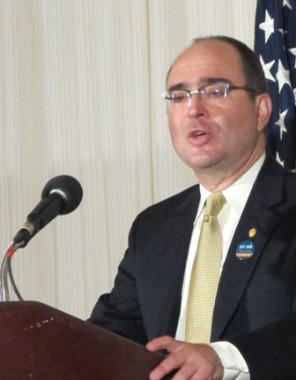
AAFP president Jeffrey Cain said that physicians are crucial allies for patients who are trying to quit. He noted that the AAFP has several tools to help physicians counsel and care for smokers, including the "Ask and Act Practice Toolkit," and a treating tobacco dependence practice manual. "You have to make it so that tobacco is a vital sign when a patient comes in," said Dr. Cain.
The Tips campaign gives patients a critical way to start conversations about smoking, said Dr. Patrice Harris of the AMA Board of Trustees. "Physicians should talk to every patient who smokes about quitting at every office visit," she said. The AMA’s Healthier Life Steps program helps direct physicians toward resources they can share with patients, she said.
The AAP joined the effort because so many children are exposed to second-hand smoke and because very often, the smoking habit begins in adolescence, said AAP President Thomas K. McInerny. He said that many pediatricians had been remiss in either asking patients or parents about smoking, or encouraging them to quit.
"Pediatricians must intervene during a clinical encounter, yet, unfortunately, many don’t do so," he said.
ACOG president Jeanne A. Conry said that the Tips campaign would help her colleagues improve women’s health and support healthier pregnancies – but only if ob.gyns. make it a part of every visit. "If we are able to discuss tobacco use and well-woman health care with every woman at every time, we will make a difference," she said.
In an editorial published simultaneously in JAMA, Dr. Tim McAfee of the CDC Office on Smoking and Health further underlined and explained the resources available to physicians for smoking cessation counseling (2013;1-2 [doi:10.1001/jama.2013.5975]).
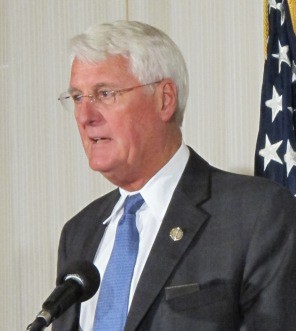
"Physicians have made major strides over the past 2 decades in helping smokers quit, but still fall short of making cessation treatment a routine part of standard care," he wrote. "By making it easier to discuss smoking, the ‘talk with your doctor’ initiative can help bring the nation a step closer to achieving the goal of substantially reducing smoking and smoking-related disease and death."
For smoking cessation counseling information and tools, visit the CDC’s Tips website.
On Twitter @aliciaault
WASHINGTON – Doctors need to step up their efforts to counsel patients on smoking cessation.
That was the message from officials at the Centers for Disease Control and Prevention and primary care physicians group at a press briefing May 22.
"Every doctor can help their patients quit, and every doctor should do everything possible to help their patients quit," Dr. Tom Frieden, CDC director, said at a press conference. "Even spending 3-5 minutes on personalized, clear advice will double the likelihood that they will quit for good."
He added that talking about smoking – or about quitting – is still not a part of routine doctor visits.
"That extra moment can make all the difference and help them quit," agreed Surgeon General Regina Benjamin, who also spoke at the briefing.
The CDC estimates that 43 million American adults smoke, and that smoking kills about 440,000 of them each year.
Representatives of the American Academy of Family Physicians, the American Academy of Pediatrics, the American College of Physicians, the American Congress of Obstetricians and Gynecologists, and the American Medical Association, joined Dr. Frieden in urging their members and other physicians to do more.
"It’s very important for all of the medical associations to be speaking with one voice," Dr. Charles Cutler, chair of the ACP Board of Regents, said in an interview. "When we’re all saying the same thing, the message for doctors throughout America becomes more resonant."
Advertisements that are part of the CDC’s current "Tips From Former Smokers" campaignwill be tagged with a new line from May 27 through June 2. During that time, ads will say "You can quit. Talk with your doctor for help."
So far, the Tips campaign, which features individuals disfigured from a lifetime of smoking, has generated 200,000 excess calls to the 1-800-QUIT-NOW line managed by the CDC, Dr. Frieden said. The campaign is funded at about $50 million a year with money from the Public Health and Prevention Fund, which was established by the Affordable Care Act.
AAFP president Jeffrey Cain said that physicians are crucial allies for patients who are trying to quit. He noted that the AAFP has several tools to help physicians counsel and care for smokers, including the "Ask and Act Practice Toolkit," and a treating tobacco dependence practice manual. "You have to make it so that tobacco is a vital sign when a patient comes in," said Dr. Cain.
The Tips campaign gives patients a critical way to start conversations about smoking, said Dr. Patrice Harris of the AMA Board of Trustees. "Physicians should talk to every patient who smokes about quitting at every office visit," she said. The AMA’s Healthier Life Steps program helps direct physicians toward resources they can share with patients, she said.
The AAP joined the effort because so many children are exposed to second-hand smoke and because very often, the smoking habit begins in adolescence, said AAP President Thomas K. McInerny. He said that many pediatricians had been remiss in either asking patients or parents about smoking, or encouraging them to quit.
"Pediatricians must intervene during a clinical encounter, yet, unfortunately, many don’t do so," he said.
ACOG president Jeanne A. Conry said that the Tips campaign would help her colleagues improve women’s health and support healthier pregnancies – but only if ob.gyns. make it a part of every visit. "If we are able to discuss tobacco use and well-woman health care with every woman at every time, we will make a difference," she said.
In an editorial published simultaneously in JAMA, Dr. Tim McAfee of the CDC Office on Smoking and Health further underlined and explained the resources available to physicians for smoking cessation counseling (2013;1-2 [doi:10.1001/jama.2013.5975]).
"Physicians have made major strides over the past 2 decades in helping smokers quit, but still fall short of making cessation treatment a routine part of standard care," he wrote. "By making it easier to discuss smoking, the ‘talk with your doctor’ initiative can help bring the nation a step closer to achieving the goal of substantially reducing smoking and smoking-related disease and death."
For smoking cessation counseling information and tools, visit the CDC’s Tips website.
On Twitter @aliciaault
WASHINGTON – Doctors need to step up their efforts to counsel patients on smoking cessation.
That was the message from officials at the Centers for Disease Control and Prevention and primary care physicians group at a press briefing May 22.
"Every doctor can help their patients quit, and every doctor should do everything possible to help their patients quit," Dr. Tom Frieden, CDC director, said at a press conference. "Even spending 3-5 minutes on personalized, clear advice will double the likelihood that they will quit for good."
He added that talking about smoking – or about quitting – is still not a part of routine doctor visits.
"That extra moment can make all the difference and help them quit," agreed Surgeon General Regina Benjamin, who also spoke at the briefing.
The CDC estimates that 43 million American adults smoke, and that smoking kills about 440,000 of them each year.
Representatives of the American Academy of Family Physicians, the American Academy of Pediatrics, the American College of Physicians, the American Congress of Obstetricians and Gynecologists, and the American Medical Association, joined Dr. Frieden in urging their members and other physicians to do more.
"It’s very important for all of the medical associations to be speaking with one voice," Dr. Charles Cutler, chair of the ACP Board of Regents, said in an interview. "When we’re all saying the same thing, the message for doctors throughout America becomes more resonant."
Advertisements that are part of the CDC’s current "Tips From Former Smokers" campaignwill be tagged with a new line from May 27 through June 2. During that time, ads will say "You can quit. Talk with your doctor for help."
So far, the Tips campaign, which features individuals disfigured from a lifetime of smoking, has generated 200,000 excess calls to the 1-800-QUIT-NOW line managed by the CDC, Dr. Frieden said. The campaign is funded at about $50 million a year with money from the Public Health and Prevention Fund, which was established by the Affordable Care Act.
AAFP president Jeffrey Cain said that physicians are crucial allies for patients who are trying to quit. He noted that the AAFP has several tools to help physicians counsel and care for smokers, including the "Ask and Act Practice Toolkit," and a treating tobacco dependence practice manual. "You have to make it so that tobacco is a vital sign when a patient comes in," said Dr. Cain.
The Tips campaign gives patients a critical way to start conversations about smoking, said Dr. Patrice Harris of the AMA Board of Trustees. "Physicians should talk to every patient who smokes about quitting at every office visit," she said. The AMA’s Healthier Life Steps program helps direct physicians toward resources they can share with patients, she said.
The AAP joined the effort because so many children are exposed to second-hand smoke and because very often, the smoking habit begins in adolescence, said AAP President Thomas K. McInerny. He said that many pediatricians had been remiss in either asking patients or parents about smoking, or encouraging them to quit.
"Pediatricians must intervene during a clinical encounter, yet, unfortunately, many don’t do so," he said.
ACOG president Jeanne A. Conry said that the Tips campaign would help her colleagues improve women’s health and support healthier pregnancies – but only if ob.gyns. make it a part of every visit. "If we are able to discuss tobacco use and well-woman health care with every woman at every time, we will make a difference," she said.
In an editorial published simultaneously in JAMA, Dr. Tim McAfee of the CDC Office on Smoking and Health further underlined and explained the resources available to physicians for smoking cessation counseling (2013;1-2 [doi:10.1001/jama.2013.5975]).
"Physicians have made major strides over the past 2 decades in helping smokers quit, but still fall short of making cessation treatment a routine part of standard care," he wrote. "By making it easier to discuss smoking, the ‘talk with your doctor’ initiative can help bring the nation a step closer to achieving the goal of substantially reducing smoking and smoking-related disease and death."
For smoking cessation counseling information and tools, visit the CDC’s Tips website.
On Twitter @aliciaault
FROM A CDC PRESS BRIEFING

Environmental Working Group deems 25% of sunscreens safe, effective
How do you advise your patients about sunscreen? Some fodder for discussion (or possibly more confusion) comes from the Environmental Working Group, which has released its annual list of which sunscreens it deems both safe and effective – according to its criteria.
The Environmental Working Group (EWG), a nonprofit environmental health research and advocacy organization based in Washington, has issued the list for the past 7 years, just before Memorial Day weekend – the date most Americans view as the official start of summer.
This year, the EWG said that only 25% of the 1,400 sunscreens, lotions, lip products, and makeups that claim sun protection properties met its standards.

"The vast majority of sunscreens available to the consumer aren’t as good as most people think they are, but there are a handful of products that rise above the rest," Sonya Lunder, senior research analyst at EWG and lead author of the report, said in a statement. "The best advice for concerned consumers is to use sun-protective clothing, stay in the shade to reduce intense sun exposure, and schedule regular skin examinations by a doctor," she said.
The EWG’s pronouncements are not without controversy. The group claimed in its press release that part of the reason that melanoma has been on the rise may be caused by "the decades of deceptive marketing claims by sunscreen manufacturers."
But your patients need not panic if their favorite sunscreen didn’t make the EWG list, according to the American Academy of Dermatology. The AAD’s position on sunscreens is practical: "The best type of sunscreen is the one you will use again and again," said Dr. Henry W. Lim, chairman of the dermatology department at Henry Ford Hospital in Detroit, in a general AAD statement on sunscreen issued on May 20.
"Just be sure to choose one that offers broad-spectrum protection, has an SPF of 30 or greater, and is water resistant," said Dr. Lim.
However, the AAD emphasized in the statement that seeking shade and wearing protective clothing are also important actions to avoid excessive sun exposure and reduce the risk of skin cancer.
The Food and Drug Administration does regulate sunscreens, having issued a final rule governing much about the products in June 2011. Most of the regulations went into effect in June 2012, but products did not start appearing with the new labels until January.
Manufacturers cannot claim that their products are waterproof or sweatproof. Products can be labeled broad spectrum if they prove to the agency that they protect against both ultraviolet B radiation (UVB) and ultraviolet A radiation (UVA) and have a sun protection factor of 15 or higher.
The EWG also says that the FDA should stop manufacturers from selling products with an SPF of 50 or higher, saying they lead consumers to spend more time in the sun than is advisable. This year, the agency will examine whether those products provide any better protection than an SPF 50 sunscreen. The agency proposed in June 2011 that sunscreens with an SPF greater than 50 be labeled "SPF 50–plus," but nothing further has been issued.
According to the EWG, its analysis of 750 beach and sport sunscreens found that the new FDA rules have not led to sunscreens that are better than those sold in the years before the ruling. It gave only 184 of them its thumbs up. Similarly, for other products that claimed to have sun protection, the EWG only recommended 22 moisturizers, 18 lip balms, and 16 kinds of makeup.
The EWG also said that consumers should not use spray sunscreens.
The AAD agreed that sprays may not be as effective because the individual might not use enough to cover all sun-exposed areas of the body.
The EWG also said that Americans should not use products that contain retinyl palmitate or oxybenzone. The group claims that retinyl palmitate is carcinogenic, and that oxybenzone is an endocrine disrupter. About half of the beach and sport sunscreens in the EWG 2013 list contain oxybenzone, the group said.
The AAD has refuted the EWG’s claims about retinyl palmitate and oxybenzone in the past.
On Twitter @aliciaault
How do you advise your patients about sunscreen? Some fodder for discussion (or possibly more confusion) comes from the Environmental Working Group, which has released its annual list of which sunscreens it deems both safe and effective – according to its criteria.
The Environmental Working Group (EWG), a nonprofit environmental health research and advocacy organization based in Washington, has issued the list for the past 7 years, just before Memorial Day weekend – the date most Americans view as the official start of summer.
This year, the EWG said that only 25% of the 1,400 sunscreens, lotions, lip products, and makeups that claim sun protection properties met its standards.
"The vast majority of sunscreens available to the consumer aren’t as good as most people think they are, but there are a handful of products that rise above the rest," Sonya Lunder, senior research analyst at EWG and lead author of the report, said in a statement. "The best advice for concerned consumers is to use sun-protective clothing, stay in the shade to reduce intense sun exposure, and schedule regular skin examinations by a doctor," she said.
The EWG’s pronouncements are not without controversy. The group claimed in its press release that part of the reason that melanoma has been on the rise may be caused by "the decades of deceptive marketing claims by sunscreen manufacturers."
But your patients need not panic if their favorite sunscreen didn’t make the EWG list, according to the American Academy of Dermatology. The AAD’s position on sunscreens is practical: "The best type of sunscreen is the one you will use again and again," said Dr. Henry W. Lim, chairman of the dermatology department at Henry Ford Hospital in Detroit, in a general AAD statement on sunscreen issued on May 20.
"Just be sure to choose one that offers broad-spectrum protection, has an SPF of 30 or greater, and is water resistant," said Dr. Lim.
However, the AAD emphasized in the statement that seeking shade and wearing protective clothing are also important actions to avoid excessive sun exposure and reduce the risk of skin cancer.
The Food and Drug Administration does regulate sunscreens, having issued a final rule governing much about the products in June 2011. Most of the regulations went into effect in June 2012, but products did not start appearing with the new labels until January.
Manufacturers cannot claim that their products are waterproof or sweatproof. Products can be labeled broad spectrum if they prove to the agency that they protect against both ultraviolet B radiation (UVB) and ultraviolet A radiation (UVA) and have a sun protection factor of 15 or higher.
The EWG also says that the FDA should stop manufacturers from selling products with an SPF of 50 or higher, saying they lead consumers to spend more time in the sun than is advisable. This year, the agency will examine whether those products provide any better protection than an SPF 50 sunscreen. The agency proposed in June 2011 that sunscreens with an SPF greater than 50 be labeled "SPF 50–plus," but nothing further has been issued.
According to the EWG, its analysis of 750 beach and sport sunscreens found that the new FDA rules have not led to sunscreens that are better than those sold in the years before the ruling. It gave only 184 of them its thumbs up. Similarly, for other products that claimed to have sun protection, the EWG only recommended 22 moisturizers, 18 lip balms, and 16 kinds of makeup.
The EWG also said that consumers should not use spray sunscreens.
The AAD agreed that sprays may not be as effective because the individual might not use enough to cover all sun-exposed areas of the body.
The EWG also said that Americans should not use products that contain retinyl palmitate or oxybenzone. The group claims that retinyl palmitate is carcinogenic, and that oxybenzone is an endocrine disrupter. About half of the beach and sport sunscreens in the EWG 2013 list contain oxybenzone, the group said.
The AAD has refuted the EWG’s claims about retinyl palmitate and oxybenzone in the past.
On Twitter @aliciaault
How do you advise your patients about sunscreen? Some fodder for discussion (or possibly more confusion) comes from the Environmental Working Group, which has released its annual list of which sunscreens it deems both safe and effective – according to its criteria.
The Environmental Working Group (EWG), a nonprofit environmental health research and advocacy organization based in Washington, has issued the list for the past 7 years, just before Memorial Day weekend – the date most Americans view as the official start of summer.
This year, the EWG said that only 25% of the 1,400 sunscreens, lotions, lip products, and makeups that claim sun protection properties met its standards.
"The vast majority of sunscreens available to the consumer aren’t as good as most people think they are, but there are a handful of products that rise above the rest," Sonya Lunder, senior research analyst at EWG and lead author of the report, said in a statement. "The best advice for concerned consumers is to use sun-protective clothing, stay in the shade to reduce intense sun exposure, and schedule regular skin examinations by a doctor," she said.
The EWG’s pronouncements are not without controversy. The group claimed in its press release that part of the reason that melanoma has been on the rise may be caused by "the decades of deceptive marketing claims by sunscreen manufacturers."
But your patients need not panic if their favorite sunscreen didn’t make the EWG list, according to the American Academy of Dermatology. The AAD’s position on sunscreens is practical: "The best type of sunscreen is the one you will use again and again," said Dr. Henry W. Lim, chairman of the dermatology department at Henry Ford Hospital in Detroit, in a general AAD statement on sunscreen issued on May 20.
"Just be sure to choose one that offers broad-spectrum protection, has an SPF of 30 or greater, and is water resistant," said Dr. Lim.
However, the AAD emphasized in the statement that seeking shade and wearing protective clothing are also important actions to avoid excessive sun exposure and reduce the risk of skin cancer.
The Food and Drug Administration does regulate sunscreens, having issued a final rule governing much about the products in June 2011. Most of the regulations went into effect in June 2012, but products did not start appearing with the new labels until January.
Manufacturers cannot claim that their products are waterproof or sweatproof. Products can be labeled broad spectrum if they prove to the agency that they protect against both ultraviolet B radiation (UVB) and ultraviolet A radiation (UVA) and have a sun protection factor of 15 or higher.
The EWG also says that the FDA should stop manufacturers from selling products with an SPF of 50 or higher, saying they lead consumers to spend more time in the sun than is advisable. This year, the agency will examine whether those products provide any better protection than an SPF 50 sunscreen. The agency proposed in June 2011 that sunscreens with an SPF greater than 50 be labeled "SPF 50–plus," but nothing further has been issued.
According to the EWG, its analysis of 750 beach and sport sunscreens found that the new FDA rules have not led to sunscreens that are better than those sold in the years before the ruling. It gave only 184 of them its thumbs up. Similarly, for other products that claimed to have sun protection, the EWG only recommended 22 moisturizers, 18 lip balms, and 16 kinds of makeup.
The EWG also said that consumers should not use spray sunscreens.
The AAD agreed that sprays may not be as effective because the individual might not use enough to cover all sun-exposed areas of the body.
The EWG also said that Americans should not use products that contain retinyl palmitate or oxybenzone. The group claims that retinyl palmitate is carcinogenic, and that oxybenzone is an endocrine disrupter. About half of the beach and sport sunscreens in the EWG 2013 list contain oxybenzone, the group said.
The AAD has refuted the EWG’s claims about retinyl palmitate and oxybenzone in the past.
On Twitter @aliciaault

Nighttime intensivists don't improve ICU outcomes
Having a critical care specialist physically present in the intensive care unit overnight does not seem to improve a broad range of patient outcomes, according to research published May 20 in the New England Journal of Medicine (doi: 0.1056/NEMJoa1302854).
Dr. Meeta Prasad Kerlin and her colleagues at the University of Pennsylvania, Philadelphia, randomized admissions to a 24-bed medical ICU over a 1-year period; they offer several explanations as to why having a nighttime intensivist does not seem to make a difference. Their research was presented simultaneously at the annual meeting of the American Thoracic Society.

First, if the ICU is well staffed during the day and has adopted systems of care, there might not be a lot of room for patient improvement. Second, bringing on a new physician in the evening – rather than keeping the same intensivist on call – might disrupt continuity of care for some patients, they said.
All ICU patients admitted to the hospital at the university were randomized to the intervention group or the control group. The intervention group received care from an intensivist (a board-eligible or board-certified critical care specialist) who was on staff from 7 p.m. to 7 a.m., or from residents who normally were assigned to the ICU.
The control group received care from residents, who were able to reach two daytime intensivists or two critical care fellows at night by phone. Generally, the nursing ratio was one per two patients.
The nighttime intensivists were daytime staff who volunteered to take on a nighttime assignment. During the study, they covered one night a week.
Overall, 820 patients were assigned to the intervention (4 were later excluded due to missing data), and 778 were in the control group (7 ended up with missing data). In total, 175 nights were assigned to the intervention; 95% (166) of those nights were staffed by an intensivist.
The median age of patients was 60 years, and about half were men. Almost half were admitted from the emergency department, while just over a third were transferred from the hospital’s general floor. The median APACHE (Acute Physiology and Chronic Health Evaluation) III score was 67.
Sixty-one percent (970) of all patients were admitted to the ICU at night (5 p.m. to 5 a.m.). Overall, 381 patients (24%) died in the hospital, with 293 (18%) of them dying in the ICU.
The authors found no effect on length of stay in the ICU (median, 52.7 hours) for those in the intervention group. They calculated a "rate ratio," which was the rate of instantaneous discharge from the ICU in the intervention group divided by the rate of instantaneous discharge from the ICU in the control group. For ICU length of stay, the ratio was 0.98 (P = .72); a ratio of more than 1 would mean that the intervention shortened the time to discharge.
They found similar ratios for hospital length of stay (median, 174 hours in the intervention group vs. 166 hours in the control group) and mortality. A patient’s APACHE III score made no difference in the outcomes; neither did resident experience and training .
In a subanalysis, the authors determined that ratios were unchanged for patients admitted at night.
Having so many patients admitted at night was a strength of the study, the authors said. "If nighttime intensivists were effective, it is likely they would be particularly effective in an ICU with such a large nighttime workload," they wrote.
The researchers noted that further research is important because currently one-third of U.S. academic medical centers employ nighttime intensivists. On the surface, nighttime ICU staffing seems compelling, said the authors. But it also may be "one of several expensive medical practices that have been adopted without a supportive evidence base."
[email protected]
On Twitter @aliciaault
This is a timely article, as medical centers of all types are grappling with the notion that in-house intensivists may improve quality, yet are very expensive. I agree with the authors that it is fortuitous that the majority of admissions occur at night and that the results are unlikely to be generalizable.

|
| Dr. Steven Simpson |
The authors omit two potential additional explanations for the negative result: 1) that a teaching service impairs care and interferes with the smooth running of processes during its half of the day in a way that cannot be overcome by a sole intensivist at night, and 2) that a daytime staff intensivist functioning all night one night a week is subject to fatigue, just like anyone who attempts to function without rest. It may be that the findings would be different, if a full-time nocturnal intensivist were used.
The authors are to be lauded for giving some data on this subject where there has been little to none, and where extremely expensive actions have been taken with no proof that they would have any effect.
Dr. Steven Q. Simpson is professor of medicine and director of fellowship training in the division of pulmonary and critical care medicine at the University of Kansas.
This is a timely article, as medical centers of all types are grappling with the notion that in-house intensivists may improve quality, yet are very expensive. I agree with the authors that it is fortuitous that the majority of admissions occur at night and that the results are unlikely to be generalizable.
|
|
| Dr. Steven Simpson |
The authors omit two potential additional explanations for the negative result: 1) that a teaching service impairs care and interferes with the smooth running of processes during its half of the day in a way that cannot be overcome by a sole intensivist at night, and 2) that a daytime staff intensivist functioning all night one night a week is subject to fatigue, just like anyone who attempts to function without rest. It may be that the findings would be different, if a full-time nocturnal intensivist were used.
The authors are to be lauded for giving some data on this subject where there has been little to none, and where extremely expensive actions have been taken with no proof that they would have any effect.
Dr. Steven Q. Simpson is professor of medicine and director of fellowship training in the division of pulmonary and critical care medicine at the University of Kansas.
This is a timely article, as medical centers of all types are grappling with the notion that in-house intensivists may improve quality, yet are very expensive. I agree with the authors that it is fortuitous that the majority of admissions occur at night and that the results are unlikely to be generalizable.
|
|
| Dr. Steven Simpson |
The authors omit two potential additional explanations for the negative result: 1) that a teaching service impairs care and interferes with the smooth running of processes during its half of the day in a way that cannot be overcome by a sole intensivist at night, and 2) that a daytime staff intensivist functioning all night one night a week is subject to fatigue, just like anyone who attempts to function without rest. It may be that the findings would be different, if a full-time nocturnal intensivist were used.
The authors are to be lauded for giving some data on this subject where there has been little to none, and where extremely expensive actions have been taken with no proof that they would have any effect.
Dr. Steven Q. Simpson is professor of medicine and director of fellowship training in the division of pulmonary and critical care medicine at the University of Kansas.
Having a critical care specialist physically present in the intensive care unit overnight does not seem to improve a broad range of patient outcomes, according to research published May 20 in the New England Journal of Medicine (doi: 0.1056/NEMJoa1302854).
Dr. Meeta Prasad Kerlin and her colleagues at the University of Pennsylvania, Philadelphia, randomized admissions to a 24-bed medical ICU over a 1-year period; they offer several explanations as to why having a nighttime intensivist does not seem to make a difference. Their research was presented simultaneously at the annual meeting of the American Thoracic Society.
First, if the ICU is well staffed during the day and has adopted systems of care, there might not be a lot of room for patient improvement. Second, bringing on a new physician in the evening – rather than keeping the same intensivist on call – might disrupt continuity of care for some patients, they said.
All ICU patients admitted to the hospital at the university were randomized to the intervention group or the control group. The intervention group received care from an intensivist (a board-eligible or board-certified critical care specialist) who was on staff from 7 p.m. to 7 a.m., or from residents who normally were assigned to the ICU.
The control group received care from residents, who were able to reach two daytime intensivists or two critical care fellows at night by phone. Generally, the nursing ratio was one per two patients.
The nighttime intensivists were daytime staff who volunteered to take on a nighttime assignment. During the study, they covered one night a week.
Overall, 820 patients were assigned to the intervention (4 were later excluded due to missing data), and 778 were in the control group (7 ended up with missing data). In total, 175 nights were assigned to the intervention; 95% (166) of those nights were staffed by an intensivist.
The median age of patients was 60 years, and about half were men. Almost half were admitted from the emergency department, while just over a third were transferred from the hospital’s general floor. The median APACHE (Acute Physiology and Chronic Health Evaluation) III score was 67.
Sixty-one percent (970) of all patients were admitted to the ICU at night (5 p.m. to 5 a.m.). Overall, 381 patients (24%) died in the hospital, with 293 (18%) of them dying in the ICU.
The authors found no effect on length of stay in the ICU (median, 52.7 hours) for those in the intervention group. They calculated a "rate ratio," which was the rate of instantaneous discharge from the ICU in the intervention group divided by the rate of instantaneous discharge from the ICU in the control group. For ICU length of stay, the ratio was 0.98 (P = .72); a ratio of more than 1 would mean that the intervention shortened the time to discharge.
They found similar ratios for hospital length of stay (median, 174 hours in the intervention group vs. 166 hours in the control group) and mortality. A patient’s APACHE III score made no difference in the outcomes; neither did resident experience and training .
In a subanalysis, the authors determined that ratios were unchanged for patients admitted at night.
Having so many patients admitted at night was a strength of the study, the authors said. "If nighttime intensivists were effective, it is likely they would be particularly effective in an ICU with such a large nighttime workload," they wrote.
The researchers noted that further research is important because currently one-third of U.S. academic medical centers employ nighttime intensivists. On the surface, nighttime ICU staffing seems compelling, said the authors. But it also may be "one of several expensive medical practices that have been adopted without a supportive evidence base."
[email protected]
On Twitter @aliciaault
Having a critical care specialist physically present in the intensive care unit overnight does not seem to improve a broad range of patient outcomes, according to research published May 20 in the New England Journal of Medicine (doi: 0.1056/NEMJoa1302854).
Dr. Meeta Prasad Kerlin and her colleagues at the University of Pennsylvania, Philadelphia, randomized admissions to a 24-bed medical ICU over a 1-year period; they offer several explanations as to why having a nighttime intensivist does not seem to make a difference. Their research was presented simultaneously at the annual meeting of the American Thoracic Society.
First, if the ICU is well staffed during the day and has adopted systems of care, there might not be a lot of room for patient improvement. Second, bringing on a new physician in the evening – rather than keeping the same intensivist on call – might disrupt continuity of care for some patients, they said.
All ICU patients admitted to the hospital at the university were randomized to the intervention group or the control group. The intervention group received care from an intensivist (a board-eligible or board-certified critical care specialist) who was on staff from 7 p.m. to 7 a.m., or from residents who normally were assigned to the ICU.
The control group received care from residents, who were able to reach two daytime intensivists or two critical care fellows at night by phone. Generally, the nursing ratio was one per two patients.
The nighttime intensivists were daytime staff who volunteered to take on a nighttime assignment. During the study, they covered one night a week.
Overall, 820 patients were assigned to the intervention (4 were later excluded due to missing data), and 778 were in the control group (7 ended up with missing data). In total, 175 nights were assigned to the intervention; 95% (166) of those nights were staffed by an intensivist.
The median age of patients was 60 years, and about half were men. Almost half were admitted from the emergency department, while just over a third were transferred from the hospital’s general floor. The median APACHE (Acute Physiology and Chronic Health Evaluation) III score was 67.
Sixty-one percent (970) of all patients were admitted to the ICU at night (5 p.m. to 5 a.m.). Overall, 381 patients (24%) died in the hospital, with 293 (18%) of them dying in the ICU.
The authors found no effect on length of stay in the ICU (median, 52.7 hours) for those in the intervention group. They calculated a "rate ratio," which was the rate of instantaneous discharge from the ICU in the intervention group divided by the rate of instantaneous discharge from the ICU in the control group. For ICU length of stay, the ratio was 0.98 (P = .72); a ratio of more than 1 would mean that the intervention shortened the time to discharge.
They found similar ratios for hospital length of stay (median, 174 hours in the intervention group vs. 166 hours in the control group) and mortality. A patient’s APACHE III score made no difference in the outcomes; neither did resident experience and training .
In a subanalysis, the authors determined that ratios were unchanged for patients admitted at night.
Having so many patients admitted at night was a strength of the study, the authors said. "If nighttime intensivists were effective, it is likely they would be particularly effective in an ICU with such a large nighttime workload," they wrote.
The researchers noted that further research is important because currently one-third of U.S. academic medical centers employ nighttime intensivists. On the surface, nighttime ICU staffing seems compelling, said the authors. But it also may be "one of several expensive medical practices that have been adopted without a supportive evidence base."
[email protected]
On Twitter @aliciaault
FROM THE NEW ENGLAND JOURNAL OF MEDICINE
Major finding: Having a critical care specialist physically present overnight did not improve ICU patient outcomes.
Data source: A 1-year randomized study of 1,598 patients at a single institution.
Disclosures: The study was supported by the University of Pennsylvania Health System and by a grant from the National Institute on Aging. Dr. Kerlin and her colleagues reported no relevant disclosures.

Congress creates caucus for Tourette syndrome
Tourette syndrome may get a higher profile in Congress now that a congressional caucus has been formed to highlight the condition.
The Congressional Caucus on Tourette Syndrome was formed by Rep. Steve Cohen (D-Tenn.) and Rep. Peter King (R-N.Y.). Caucuses – and there are hundreds – are established as sorts of internal lobbying organizations by members of the House.
"The bipartisan Congressional Caucus on Tourette Syndrome is long overdue and will increase awareness on this often misunderstood neurological disorder and promote legislation to help those who are suffering from it," Rep. Cohen said in a statement.
Rep. King, who noted that he was a recipient of the Tourette Syndrome Association’s 2013 Public Policy Award, said in the same statement, "I look forward to working with my colleagues on the Congressional Caucus on Tourette Syndrome to recognize, educate and address the needs of the children and adults that endure the stigma, isolation and psychological impact of this disorder."
According to the National Institute of Neurological Disorders and Stroke, Tourette syndrome, named for the French neurologist who first described it in 1885, is a neurologic disorder characterized by repetitive, stereotyped, involuntary movements and vocalizations. These are popularly called tics.
The Tourette Syndrome Association says that it is often misdiagnosed and inadequately treated, and estimates that 200,000 Americans have the condition. TSA President Judit Ungar said in a statement that the new caucus should be helpful, noting that "congressional support has proven to be instrumental in accelerating progress in other disorders, such as cancer, autism, and Parkinson’s disease."
The goals of the caucus include increasing knowledge and awareness of Tourette syndrome and its impact on patients and educating members of Congress on current and future research for Tourette syndrome and also about related disorders, including attention-deficit/hyperactivity disorder and obsessive-compulsive disorder.
Currently, additional caucus members include Elijah Cummings (D-Md.), Ted Deutch (D-Fla.), Keith Ellison (D-Minn.), Steve Israel (D-N.Y.), Zoe Lofgren (D-Calif.), Carolyn McCarthy (D-N.Y.), Joseph Pitts (R-Pa.), Albio Sires (D-N.J.), Ed Whitfield (R-Ky.), John Yarmouth (D-Ky.), and Bill Young (R-Fla.).
On Twitter @aliciaault
Tourette syndrome may get a higher profile in Congress now that a congressional caucus has been formed to highlight the condition.
The Congressional Caucus on Tourette Syndrome was formed by Rep. Steve Cohen (D-Tenn.) and Rep. Peter King (R-N.Y.). Caucuses – and there are hundreds – are established as sorts of internal lobbying organizations by members of the House.
"The bipartisan Congressional Caucus on Tourette Syndrome is long overdue and will increase awareness on this often misunderstood neurological disorder and promote legislation to help those who are suffering from it," Rep. Cohen said in a statement.
Rep. King, who noted that he was a recipient of the Tourette Syndrome Association’s 2013 Public Policy Award, said in the same statement, "I look forward to working with my colleagues on the Congressional Caucus on Tourette Syndrome to recognize, educate and address the needs of the children and adults that endure the stigma, isolation and psychological impact of this disorder."
According to the National Institute of Neurological Disorders and Stroke, Tourette syndrome, named for the French neurologist who first described it in 1885, is a neurologic disorder characterized by repetitive, stereotyped, involuntary movements and vocalizations. These are popularly called tics.
The Tourette Syndrome Association says that it is often misdiagnosed and inadequately treated, and estimates that 200,000 Americans have the condition. TSA President Judit Ungar said in a statement that the new caucus should be helpful, noting that "congressional support has proven to be instrumental in accelerating progress in other disorders, such as cancer, autism, and Parkinson’s disease."
The goals of the caucus include increasing knowledge and awareness of Tourette syndrome and its impact on patients and educating members of Congress on current and future research for Tourette syndrome and also about related disorders, including attention-deficit/hyperactivity disorder and obsessive-compulsive disorder.
Currently, additional caucus members include Elijah Cummings (D-Md.), Ted Deutch (D-Fla.), Keith Ellison (D-Minn.), Steve Israel (D-N.Y.), Zoe Lofgren (D-Calif.), Carolyn McCarthy (D-N.Y.), Joseph Pitts (R-Pa.), Albio Sires (D-N.J.), Ed Whitfield (R-Ky.), John Yarmouth (D-Ky.), and Bill Young (R-Fla.).
On Twitter @aliciaault
Tourette syndrome may get a higher profile in Congress now that a congressional caucus has been formed to highlight the condition.
The Congressional Caucus on Tourette Syndrome was formed by Rep. Steve Cohen (D-Tenn.) and Rep. Peter King (R-N.Y.). Caucuses – and there are hundreds – are established as sorts of internal lobbying organizations by members of the House.
"The bipartisan Congressional Caucus on Tourette Syndrome is long overdue and will increase awareness on this often misunderstood neurological disorder and promote legislation to help those who are suffering from it," Rep. Cohen said in a statement.
Rep. King, who noted that he was a recipient of the Tourette Syndrome Association’s 2013 Public Policy Award, said in the same statement, "I look forward to working with my colleagues on the Congressional Caucus on Tourette Syndrome to recognize, educate and address the needs of the children and adults that endure the stigma, isolation and psychological impact of this disorder."
According to the National Institute of Neurological Disorders and Stroke, Tourette syndrome, named for the French neurologist who first described it in 1885, is a neurologic disorder characterized by repetitive, stereotyped, involuntary movements and vocalizations. These are popularly called tics.
The Tourette Syndrome Association says that it is often misdiagnosed and inadequately treated, and estimates that 200,000 Americans have the condition. TSA President Judit Ungar said in a statement that the new caucus should be helpful, noting that "congressional support has proven to be instrumental in accelerating progress in other disorders, such as cancer, autism, and Parkinson’s disease."
The goals of the caucus include increasing knowledge and awareness of Tourette syndrome and its impact on patients and educating members of Congress on current and future research for Tourette syndrome and also about related disorders, including attention-deficit/hyperactivity disorder and obsessive-compulsive disorder.
Currently, additional caucus members include Elijah Cummings (D-Md.), Ted Deutch (D-Fla.), Keith Ellison (D-Minn.), Steve Israel (D-N.Y.), Zoe Lofgren (D-Calif.), Carolyn McCarthy (D-N.Y.), Joseph Pitts (R-Pa.), Albio Sires (D-N.J.), Ed Whitfield (R-Ky.), John Yarmouth (D-Ky.), and Bill Young (R-Fla.).
On Twitter @aliciaault
CMS offers $1 billion for health innovators
Got a better way to deliver and pay for health care? If so, the feds have a billion dollars worth of grants you can apply for.
The $1 billion is the second round of Health Care Innovation Awards from the Center for Medicare and Medicaid Innovation (CMMI), a division of the Centers for Medicare and Medicaid Services.
"We’re seeking out innovative practices that have a high likelihood of delivering better care and lower costs on a national scale," Kathleen Sebelius, Health and Human Services secretary, said in a press briefing.
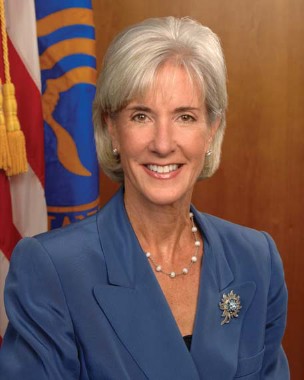
The first round of awards "welcomed a wide range of proposals," but this year’s awards focus "very directly on identifying and testing new payment models to support the service delivery models funded by this initiative," Dr. Richard Gilfillan, CMMI director, said during the briefing.
CMMI is seeking proposals in four specific areas:
• Models that are designed to rapidly reduce outpatient and/or post–acute care costs under Medicare, Medicaid, or the Children’s Health Insurance Program (CHIP). Such models might address diagnostic services, outpatient radiology, physician-administered drugs, home-based services, and postacute care, Dr. Gilfillan said.
• Models that improve care for specific populations, such as high-cost pediatric populations, children in foster care, and children at high risk for dental disease, as well as patients with Alzheimer’s disease, HIV/AIDS, or serious mental illness.
• Models that transform financial and clinical models for specialists who treat patients with complex medical needs.
• Models that improve population health – either geographically (health of a community), clinically (health of those with specific diseases), or socioeconomically – through prevention, wellness, and comprehensive care beyond the clinic.
Awardees have 3 years to demonstrate their projects. In this second round, they must have the payment model operational at some point during that period, Dr. Gilfillan said.
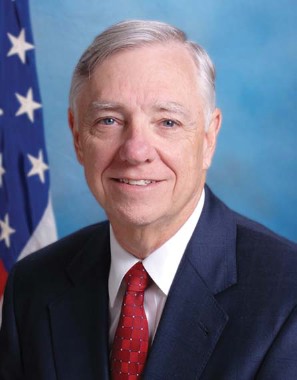
The CMMI has the authority to expand any program nationally if it looks like it is producing savings.
Republican members of Congress have been seeking progress reports on the first round of innovation grants, but Dr. Gilfillan said it was too early to say whether any of the models were saving money, or how much they might be saving.
To apply for a grant, submit a letter of intent by June 28. An application must follow and will be accepted from June 14 until Aug. 15. All applications must include "design of a payment model that is consistent with the new service delivery model that they propose," according to the CMS. Awards will be announced in January 2014.
More information can be found at the CMMI web page.
On Twitter @aliciaault
Got a better way to deliver and pay for health care? If so, the feds have a billion dollars worth of grants you can apply for.
The $1 billion is the second round of Health Care Innovation Awards from the Center for Medicare and Medicaid Innovation (CMMI), a division of the Centers for Medicare and Medicaid Services.
"We’re seeking out innovative practices that have a high likelihood of delivering better care and lower costs on a national scale," Kathleen Sebelius, Health and Human Services secretary, said in a press briefing.
The first round of awards "welcomed a wide range of proposals," but this year’s awards focus "very directly on identifying and testing new payment models to support the service delivery models funded by this initiative," Dr. Richard Gilfillan, CMMI director, said during the briefing.
CMMI is seeking proposals in four specific areas:
• Models that are designed to rapidly reduce outpatient and/or post–acute care costs under Medicare, Medicaid, or the Children’s Health Insurance Program (CHIP). Such models might address diagnostic services, outpatient radiology, physician-administered drugs, home-based services, and postacute care, Dr. Gilfillan said.
• Models that improve care for specific populations, such as high-cost pediatric populations, children in foster care, and children at high risk for dental disease, as well as patients with Alzheimer’s disease, HIV/AIDS, or serious mental illness.
• Models that transform financial and clinical models for specialists who treat patients with complex medical needs.
• Models that improve population health – either geographically (health of a community), clinically (health of those with specific diseases), or socioeconomically – through prevention, wellness, and comprehensive care beyond the clinic.
Awardees have 3 years to demonstrate their projects. In this second round, they must have the payment model operational at some point during that period, Dr. Gilfillan said.
The CMMI has the authority to expand any program nationally if it looks like it is producing savings.
Republican members of Congress have been seeking progress reports on the first round of innovation grants, but Dr. Gilfillan said it was too early to say whether any of the models were saving money, or how much they might be saving.
To apply for a grant, submit a letter of intent by June 28. An application must follow and will be accepted from June 14 until Aug. 15. All applications must include "design of a payment model that is consistent with the new service delivery model that they propose," according to the CMS. Awards will be announced in January 2014.
More information can be found at the CMMI web page.
On Twitter @aliciaault
Got a better way to deliver and pay for health care? If so, the feds have a billion dollars worth of grants you can apply for.
The $1 billion is the second round of Health Care Innovation Awards from the Center for Medicare and Medicaid Innovation (CMMI), a division of the Centers for Medicare and Medicaid Services.
"We’re seeking out innovative practices that have a high likelihood of delivering better care and lower costs on a national scale," Kathleen Sebelius, Health and Human Services secretary, said in a press briefing.
The first round of awards "welcomed a wide range of proposals," but this year’s awards focus "very directly on identifying and testing new payment models to support the service delivery models funded by this initiative," Dr. Richard Gilfillan, CMMI director, said during the briefing.
CMMI is seeking proposals in four specific areas:
• Models that are designed to rapidly reduce outpatient and/or post–acute care costs under Medicare, Medicaid, or the Children’s Health Insurance Program (CHIP). Such models might address diagnostic services, outpatient radiology, physician-administered drugs, home-based services, and postacute care, Dr. Gilfillan said.
• Models that improve care for specific populations, such as high-cost pediatric populations, children in foster care, and children at high risk for dental disease, as well as patients with Alzheimer’s disease, HIV/AIDS, or serious mental illness.
• Models that transform financial and clinical models for specialists who treat patients with complex medical needs.
• Models that improve population health – either geographically (health of a community), clinically (health of those with specific diseases), or socioeconomically – through prevention, wellness, and comprehensive care beyond the clinic.
Awardees have 3 years to demonstrate their projects. In this second round, they must have the payment model operational at some point during that period, Dr. Gilfillan said.
The CMMI has the authority to expand any program nationally if it looks like it is producing savings.
Republican members of Congress have been seeking progress reports on the first round of innovation grants, but Dr. Gilfillan said it was too early to say whether any of the models were saving money, or how much they might be saving.
To apply for a grant, submit a letter of intent by June 28. An application must follow and will be accepted from June 14 until Aug. 15. All applications must include "design of a payment model that is consistent with the new service delivery model that they propose," according to the CMS. Awards will be announced in January 2014.
More information can be found at the CMMI web page.
On Twitter @aliciaault
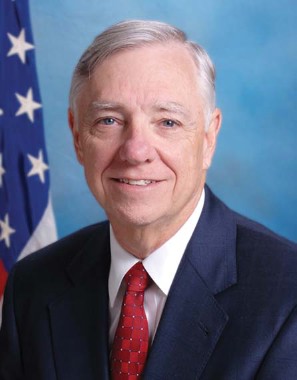
Tavenner confirmed as Medicare/Medicaid chief
For the first time in 7 years, the Centers for Medicare and Medicaid Services has a Senate-confirmed administrator, now that Marilyn Tavenner has received that body’s stamp of approval.
Ms. Tavenner was confirmed on May 15 by a 91-7 vote (two senators did not vote). The Republican senators opposing her confirmation were Mike Crapo of Idaho, Ted Cruz of Texas, Ron Johnson of Wisconsin, Mike Lee of Utah, Mitch McConnell of Kentucky, Rand Paul of Kentucky, and James Risch of Idaho.

Ms. Tavenner has been serving as acting administrator since December 2011, when Dr. Don Berwick stepped down.
"Marilyn brings with her a breadth of experience and expertise from virtually all angles of health care policy and delivery, having served as a hospital CEO, a state health official, and a registered nurse," Kathleen Sebelius, Health and Human Services Secretary, said in a statement. "Marilyn will serve in a critical role at CMS as we work to improve the health care for hundreds of millions of Americans."
Ms. Tavenner has said that she wants the agency to evolve into something a bit different under her leadership. In a written response to questions during her confirmation process, she said that she will have three primary aims.
First "we need to operate CMS as a business and act like business partners," she wrote. That includes "an ‘open-door policy’ to work together and listen to the concerns of all the groups we work with and work for: beneficiaries, taxpayers, providers, hospitals, members of Congress, states, advocacy groups, insurance companies and our own employees and contractors."
The second aim is implementing the ACA and the third is to use new tools to reduce health costs and improve delivery.
"These tools include new payment strategies connected to performance, new models of care, and enhanced tools to combat fraud," she wrote.
Ms. Tavenner has generally been well regarded among physicians and other health care providers, and they applauded her confirmation.
"The American Medical Association is very pleased that the Senate has confirmed Marilyn Tavenner as administrator of CMS," Dr. Jeremy Lazarus, president of the AMA, said in a statement. "As acting administrator, she has demonstrated her ability to be a capable and effective leader. We look forward to continuing to work with the administrator to strengthen the Medicare system to improve health outcomes for patients and the practice environment for physicians."
The American Society of Clinical Oncology also issued a statement of support, noting that the agency was at a critical point.
"CMS faces many challenges in the coming months that will impact oncologists and their patients," Dr. Sandra Swain, ASCO president, said in a statement. "ASCO encourages Administrator Tavenner to continue working closely with the cancer community specifically as it works to develop a system to qualify registry programs, such as the Quality Oncology Practice Initiative (QOPI), for reporting under the Physician Quality Reporting System (PQRS)," she said.
Prior to joining the federal government, Ms. Tavenner worked extensively for the Hospital Corporation of America and served as the company’s group president of outpatient services just prior to leaving in 2005. She is a registered nurse and received both her nursing degree and master’s of health administration from Virginia Commonwealth University.
On Twitter @aliciaault
For the first time in 7 years, the Centers for Medicare and Medicaid Services has a Senate-confirmed administrator, now that Marilyn Tavenner has received that body’s stamp of approval.
Ms. Tavenner was confirmed on May 15 by a 91-7 vote (two senators did not vote). The Republican senators opposing her confirmation were Mike Crapo of Idaho, Ted Cruz of Texas, Ron Johnson of Wisconsin, Mike Lee of Utah, Mitch McConnell of Kentucky, Rand Paul of Kentucky, and James Risch of Idaho.
Ms. Tavenner has been serving as acting administrator since December 2011, when Dr. Don Berwick stepped down.
"Marilyn brings with her a breadth of experience and expertise from virtually all angles of health care policy and delivery, having served as a hospital CEO, a state health official, and a registered nurse," Kathleen Sebelius, Health and Human Services Secretary, said in a statement. "Marilyn will serve in a critical role at CMS as we work to improve the health care for hundreds of millions of Americans."
Ms. Tavenner has said that she wants the agency to evolve into something a bit different under her leadership. In a written response to questions during her confirmation process, she said that she will have three primary aims.
First "we need to operate CMS as a business and act like business partners," she wrote. That includes "an ‘open-door policy’ to work together and listen to the concerns of all the groups we work with and work for: beneficiaries, taxpayers, providers, hospitals, members of Congress, states, advocacy groups, insurance companies and our own employees and contractors."
The second aim is implementing the ACA and the third is to use new tools to reduce health costs and improve delivery.
"These tools include new payment strategies connected to performance, new models of care, and enhanced tools to combat fraud," she wrote.
Ms. Tavenner has generally been well regarded among physicians and other health care providers, and they applauded her confirmation.
"The American Medical Association is very pleased that the Senate has confirmed Marilyn Tavenner as administrator of CMS," Dr. Jeremy Lazarus, president of the AMA, said in a statement. "As acting administrator, she has demonstrated her ability to be a capable and effective leader. We look forward to continuing to work with the administrator to strengthen the Medicare system to improve health outcomes for patients and the practice environment for physicians."
The American Society of Clinical Oncology also issued a statement of support, noting that the agency was at a critical point.
"CMS faces many challenges in the coming months that will impact oncologists and their patients," Dr. Sandra Swain, ASCO president, said in a statement. "ASCO encourages Administrator Tavenner to continue working closely with the cancer community specifically as it works to develop a system to qualify registry programs, such as the Quality Oncology Practice Initiative (QOPI), for reporting under the Physician Quality Reporting System (PQRS)," she said.
Prior to joining the federal government, Ms. Tavenner worked extensively for the Hospital Corporation of America and served as the company’s group president of outpatient services just prior to leaving in 2005. She is a registered nurse and received both her nursing degree and master’s of health administration from Virginia Commonwealth University.
On Twitter @aliciaault
For the first time in 7 years, the Centers for Medicare and Medicaid Services has a Senate-confirmed administrator, now that Marilyn Tavenner has received that body’s stamp of approval.
Ms. Tavenner was confirmed on May 15 by a 91-7 vote (two senators did not vote). The Republican senators opposing her confirmation were Mike Crapo of Idaho, Ted Cruz of Texas, Ron Johnson of Wisconsin, Mike Lee of Utah, Mitch McConnell of Kentucky, Rand Paul of Kentucky, and James Risch of Idaho.
Ms. Tavenner has been serving as acting administrator since December 2011, when Dr. Don Berwick stepped down.
"Marilyn brings with her a breadth of experience and expertise from virtually all angles of health care policy and delivery, having served as a hospital CEO, a state health official, and a registered nurse," Kathleen Sebelius, Health and Human Services Secretary, said in a statement. "Marilyn will serve in a critical role at CMS as we work to improve the health care for hundreds of millions of Americans."
Ms. Tavenner has said that she wants the agency to evolve into something a bit different under her leadership. In a written response to questions during her confirmation process, she said that she will have three primary aims.
First "we need to operate CMS as a business and act like business partners," she wrote. That includes "an ‘open-door policy’ to work together and listen to the concerns of all the groups we work with and work for: beneficiaries, taxpayers, providers, hospitals, members of Congress, states, advocacy groups, insurance companies and our own employees and contractors."
The second aim is implementing the ACA and the third is to use new tools to reduce health costs and improve delivery.
"These tools include new payment strategies connected to performance, new models of care, and enhanced tools to combat fraud," she wrote.
Ms. Tavenner has generally been well regarded among physicians and other health care providers, and they applauded her confirmation.
"The American Medical Association is very pleased that the Senate has confirmed Marilyn Tavenner as administrator of CMS," Dr. Jeremy Lazarus, president of the AMA, said in a statement. "As acting administrator, she has demonstrated her ability to be a capable and effective leader. We look forward to continuing to work with the administrator to strengthen the Medicare system to improve health outcomes for patients and the practice environment for physicians."
The American Society of Clinical Oncology also issued a statement of support, noting that the agency was at a critical point.
"CMS faces many challenges in the coming months that will impact oncologists and their patients," Dr. Sandra Swain, ASCO president, said in a statement. "ASCO encourages Administrator Tavenner to continue working closely with the cancer community specifically as it works to develop a system to qualify registry programs, such as the Quality Oncology Practice Initiative (QOPI), for reporting under the Physician Quality Reporting System (PQRS)," she said.
Prior to joining the federal government, Ms. Tavenner worked extensively for the Hospital Corporation of America and served as the company’s group president of outpatient services just prior to leaving in 2005. She is a registered nurse and received both her nursing degree and master’s of health administration from Virginia Commonwealth University.
On Twitter @aliciaault
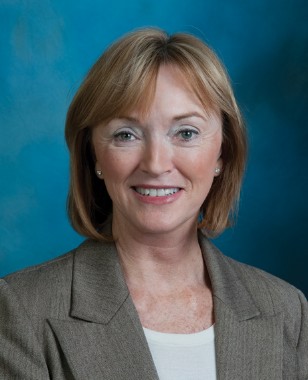
FDA approves first EGFR mutation companion diagnostic test for NSCLC
The Food and Drug Administration has approved the first companion diagnostic test to detect epidermal growth factor receptor gene mutations.
The cobas epidermal growth factor receptor (EGFR) mutation test will be used to determine whether non–small cell lung cancer (NSCLC) patients with the mutation are eligible for treatment with erlotinib (Tarceva). That already-marketed small-molecule tyrosine kinase inhibitor received expanded approval as a first-line drug in metastatic NSCLC.

"Companion diagnostics play an important role in determining which therapies are the safest and most effective for a particular patient," said Alberto Gutierrez, Ph.D., director of the Office of In Vitro Diagnostics and Radiological Health in the FDA’s Center for Devices and Radiological Health, in a statement.
According to test maker Roche Molecular Systems, the cobas EGFR Mutation Test is "a real-time PCR [polymerase chain reaction] test for the qualitative detection and identification of mutations in exons 18, 19, 20 and 21 of the epidermal growth factor receptor (EGFR) gene in DNA derived from FFPET [formalin-fixed paraffin-embedded] human NSCLC tumor tissue." The test can be conducted in 8 hours.
About 85% of the 228,000 cases of lung cancer in the U.S. are NSCLCs, according to the National Cancer Institute.
Both the American Society of Clinical Oncology (ASCO) and the National Comprehensive Cancer Network (NCCN) have recommended EGFR testing for patients considering tyrosine kinase inhibitors as first-line therapy in metastatic or recurring NSCLC.
ASCO issued a provisional clinical opinion on the subject in May 2011, and the NCCN updated clinical management guidelines earlier that year to include a category 1 recommendation that EGFR testing should be undertaken after histologic diagnosis of adenocarcinoma, large cell carcinoma, or undifferentiated carcinoma.
Both groups based their endorsements on studies demonstrating that mutations in two regions of the EGFR gene appear to predict tumor response to chemotherapy in general and to tyrosine kinase inhibitors specifically.
On average, NSCLC patients who had the two EGFR mutations detected by the cobas EGFR Mutation Test and who took erlotinib lived 10.4 months before their disease progressed, compared with 5.4 months for those who received a standard two-drug chemotherapy regimen.
Erlotinib was first approved in November 2004 for treatment of patients with locally advanced or metastatic NSCLC after failure of at least one prior chemotherapy regimen. It has received two other approvals before the current one, including for maintenance treatment of patients with locally advanced or metastatic NSCLC whose disease has not progressed after four cycles of platinum-based first-line chemotherapy.
The drug is comarketed by Genentech, a member of the Roche Group and OSI Pharmaceuticals.
On Twitter @aliciaault
cobas epidermal growth factor receptor mutation test, EGFR, non–small cell lung cancer, NSCLC, erlotinib, Tarceva, small-molecule tyrosine kinase inhibitor, metastatic NSCLC,
Companion diagnostics, Alberto Gutierrez, Ph.D., Office of In Vitro Diagnostics and Radiological Health, FDA’s Center for Devices and Radiological Health, Roche Molecular Systems, PCR, polymerase chain reaction test, Genentech,
The Food and Drug Administration has approved the first companion diagnostic test to detect epidermal growth factor receptor gene mutations.
The cobas epidermal growth factor receptor (EGFR) mutation test will be used to determine whether non–small cell lung cancer (NSCLC) patients with the mutation are eligible for treatment with erlotinib (Tarceva). That already-marketed small-molecule tyrosine kinase inhibitor received expanded approval as a first-line drug in metastatic NSCLC.
"Companion diagnostics play an important role in determining which therapies are the safest and most effective for a particular patient," said Alberto Gutierrez, Ph.D., director of the Office of In Vitro Diagnostics and Radiological Health in the FDA’s Center for Devices and Radiological Health, in a statement.
According to test maker Roche Molecular Systems, the cobas EGFR Mutation Test is "a real-time PCR [polymerase chain reaction] test for the qualitative detection and identification of mutations in exons 18, 19, 20 and 21 of the epidermal growth factor receptor (EGFR) gene in DNA derived from FFPET [formalin-fixed paraffin-embedded] human NSCLC tumor tissue." The test can be conducted in 8 hours.
About 85% of the 228,000 cases of lung cancer in the U.S. are NSCLCs, according to the National Cancer Institute.
Both the American Society of Clinical Oncology (ASCO) and the National Comprehensive Cancer Network (NCCN) have recommended EGFR testing for patients considering tyrosine kinase inhibitors as first-line therapy in metastatic or recurring NSCLC.
ASCO issued a provisional clinical opinion on the subject in May 2011, and the NCCN updated clinical management guidelines earlier that year to include a category 1 recommendation that EGFR testing should be undertaken after histologic diagnosis of adenocarcinoma, large cell carcinoma, or undifferentiated carcinoma.
Both groups based their endorsements on studies demonstrating that mutations in two regions of the EGFR gene appear to predict tumor response to chemotherapy in general and to tyrosine kinase inhibitors specifically.
On average, NSCLC patients who had the two EGFR mutations detected by the cobas EGFR Mutation Test and who took erlotinib lived 10.4 months before their disease progressed, compared with 5.4 months for those who received a standard two-drug chemotherapy regimen.
Erlotinib was first approved in November 2004 for treatment of patients with locally advanced or metastatic NSCLC after failure of at least one prior chemotherapy regimen. It has received two other approvals before the current one, including for maintenance treatment of patients with locally advanced or metastatic NSCLC whose disease has not progressed after four cycles of platinum-based first-line chemotherapy.
The drug is comarketed by Genentech, a member of the Roche Group and OSI Pharmaceuticals.
On Twitter @aliciaault
The Food and Drug Administration has approved the first companion diagnostic test to detect epidermal growth factor receptor gene mutations.
The cobas epidermal growth factor receptor (EGFR) mutation test will be used to determine whether non–small cell lung cancer (NSCLC) patients with the mutation are eligible for treatment with erlotinib (Tarceva). That already-marketed small-molecule tyrosine kinase inhibitor received expanded approval as a first-line drug in metastatic NSCLC.
"Companion diagnostics play an important role in determining which therapies are the safest and most effective for a particular patient," said Alberto Gutierrez, Ph.D., director of the Office of In Vitro Diagnostics and Radiological Health in the FDA’s Center for Devices and Radiological Health, in a statement.
According to test maker Roche Molecular Systems, the cobas EGFR Mutation Test is "a real-time PCR [polymerase chain reaction] test for the qualitative detection and identification of mutations in exons 18, 19, 20 and 21 of the epidermal growth factor receptor (EGFR) gene in DNA derived from FFPET [formalin-fixed paraffin-embedded] human NSCLC tumor tissue." The test can be conducted in 8 hours.
About 85% of the 228,000 cases of lung cancer in the U.S. are NSCLCs, according to the National Cancer Institute.
Both the American Society of Clinical Oncology (ASCO) and the National Comprehensive Cancer Network (NCCN) have recommended EGFR testing for patients considering tyrosine kinase inhibitors as first-line therapy in metastatic or recurring NSCLC.
ASCO issued a provisional clinical opinion on the subject in May 2011, and the NCCN updated clinical management guidelines earlier that year to include a category 1 recommendation that EGFR testing should be undertaken after histologic diagnosis of adenocarcinoma, large cell carcinoma, or undifferentiated carcinoma.
Both groups based their endorsements on studies demonstrating that mutations in two regions of the EGFR gene appear to predict tumor response to chemotherapy in general and to tyrosine kinase inhibitors specifically.
On average, NSCLC patients who had the two EGFR mutations detected by the cobas EGFR Mutation Test and who took erlotinib lived 10.4 months before their disease progressed, compared with 5.4 months for those who received a standard two-drug chemotherapy regimen.
Erlotinib was first approved in November 2004 for treatment of patients with locally advanced or metastatic NSCLC after failure of at least one prior chemotherapy regimen. It has received two other approvals before the current one, including for maintenance treatment of patients with locally advanced or metastatic NSCLC whose disease has not progressed after four cycles of platinum-based first-line chemotherapy.
The drug is comarketed by Genentech, a member of the Roche Group and OSI Pharmaceuticals.
On Twitter @aliciaault
cobas epidermal growth factor receptor mutation test, EGFR, non–small cell lung cancer, NSCLC, erlotinib, Tarceva, small-molecule tyrosine kinase inhibitor, metastatic NSCLC,
Companion diagnostics, Alberto Gutierrez, Ph.D., Office of In Vitro Diagnostics and Radiological Health, FDA’s Center for Devices and Radiological Health, Roche Molecular Systems, PCR, polymerase chain reaction test, Genentech,
cobas epidermal growth factor receptor mutation test, EGFR, non–small cell lung cancer, NSCLC, erlotinib, Tarceva, small-molecule tyrosine kinase inhibitor, metastatic NSCLC,
Companion diagnostics, Alberto Gutierrez, Ph.D., Office of In Vitro Diagnostics and Radiological Health, FDA’s Center for Devices and Radiological Health, Roche Molecular Systems, PCR, polymerase chain reaction test, Genentech,

Surveys reflect negative impact of sequestration on cancer care, practice viability
Sequestration is causing oncology practices to change how they do business and care for patients, two new surveys show.
The sequester’s 2% Medicare cut began on April 1.
Some 80% of the 500 members surveyed by the American Society of Clinical Oncology said that sequestration has affected their practice. Three-quarters said that they were having trouble paying for chemotherapy drugs.
Half said they were able to continue caring only for Medicare patients who had supplemental insurance. Fourteen percent said they were not seeing Medicare patients at all. Half said that they were sending Medicare patients to outpatient infusion offices, instead of infusing them in their offices.
"It’s encouraging to see that oncologists are currently doing whatever they can to ensure that their patients receive the critical treatment they need under these funding cuts," Dr. Sandra M. Swain, ASCO president, said in a statement. "But patient care is clearly being disrupted in some cases, and practices are under great stress. These early findings may just be the tip of the iceberg."
ASCO is concerned that many patients might be more than just inconvenienced. "Cancer patients are very sick, often elderly, and may struggle with great fatigue and discomfort," Dr. Swain said. "Having to travel just an additional 10 miles and be treated in a larger system can be a traumatic experience."
Oncology research may also suffer under sequestration – a quarter of survey respondents said they were no longer participating in clinical trials.
The ASCO survey was conducted April 23 to May 1. Forty-four percent of respondents practice in the suburbs, 41% in the city, and 16% in rural areas. Practices ranged in size from 1 to 48 full-time medical oncologists.
In a different survey, members of the Community Oncology Alliance indicated that they are struggling under sequestration. About 70% of respondents said they had already made changes to their practices.
"We are now seeing the cascading effects of sequestration," Dr. Mark Thompson, COA president and an oncologist at the Zangmeister Center, Columbus, Ohio, said in a statement. "Many practices are now sending their Medicare patients to hospitals for chemotherapy while others are laying off staff," he said. "Practices are so financially threatened that discussions of merging with a hospital – despite the increase in cost of care to the patients and the system – are being reopened."
Almost half of those surveyed said they were treating only Medicare patients who had supplemental insurance. A third said they were laying off staff or reducing hours. Fifteen percent reported sending Medicare patients elsewhere for treatment and a third said that they were not treating any Medicare patients if the cost of a single drug exceeded the Medicare payment for that drug. Twenty-one percent indicated that they were in talks to be acquired by a hospital or to forge some other kind of agreement to align with other professionals.
More than half of 326 primarily office-based respondents said patients had complained to them about costs, inconvenience, and travel burdens. A third reported that the facility where they referred patients had indicated that they could not handle the additional influx.
The COA estimated that the sequester reduction for chemotherapy drugs was actually increasing cost to the federal government. Sending patients to the hospital for infusions costs Medicare an estimated $592 million, according to the COA, while the sequester saves about $150 in cancer care and drugs.
"The net impact of the sequester cut just to cancer drugs is an increase in federal spending of $442 million to $600 million annualized," the group stated in its survey.
Both the COA and ASCO are urging repeal of sequestration. The oncology community also is backing The Cancer Patient Protection Act of 2013 (H.R. 1416), introduced by Rep. Renee Ellmers (R-NC) in April. The bill would specifically repeal the 2% cut for oncology drugs and restore any payments that were lost due to the sequestration. It has 64 cosponsors, but no hearings have been scheduled on the legislation.
On Twitter @aliciaault
Sequestration is causing oncology practices to change how they do business and care for patients, two new surveys show.
The sequester’s 2% Medicare cut began on April 1.
Some 80% of the 500 members surveyed by the American Society of Clinical Oncology said that sequestration has affected their practice. Three-quarters said that they were having trouble paying for chemotherapy drugs.
Half said they were able to continue caring only for Medicare patients who had supplemental insurance. Fourteen percent said they were not seeing Medicare patients at all. Half said that they were sending Medicare patients to outpatient infusion offices, instead of infusing them in their offices.
"It’s encouraging to see that oncologists are currently doing whatever they can to ensure that their patients receive the critical treatment they need under these funding cuts," Dr. Sandra M. Swain, ASCO president, said in a statement. "But patient care is clearly being disrupted in some cases, and practices are under great stress. These early findings may just be the tip of the iceberg."
ASCO is concerned that many patients might be more than just inconvenienced. "Cancer patients are very sick, often elderly, and may struggle with great fatigue and discomfort," Dr. Swain said. "Having to travel just an additional 10 miles and be treated in a larger system can be a traumatic experience."
Oncology research may also suffer under sequestration – a quarter of survey respondents said they were no longer participating in clinical trials.
The ASCO survey was conducted April 23 to May 1. Forty-four percent of respondents practice in the suburbs, 41% in the city, and 16% in rural areas. Practices ranged in size from 1 to 48 full-time medical oncologists.
In a different survey, members of the Community Oncology Alliance indicated that they are struggling under sequestration. About 70% of respondents said they had already made changes to their practices.
"We are now seeing the cascading effects of sequestration," Dr. Mark Thompson, COA president and an oncologist at the Zangmeister Center, Columbus, Ohio, said in a statement. "Many practices are now sending their Medicare patients to hospitals for chemotherapy while others are laying off staff," he said. "Practices are so financially threatened that discussions of merging with a hospital – despite the increase in cost of care to the patients and the system – are being reopened."
Almost half of those surveyed said they were treating only Medicare patients who had supplemental insurance. A third said they were laying off staff or reducing hours. Fifteen percent reported sending Medicare patients elsewhere for treatment and a third said that they were not treating any Medicare patients if the cost of a single drug exceeded the Medicare payment for that drug. Twenty-one percent indicated that they were in talks to be acquired by a hospital or to forge some other kind of agreement to align with other professionals.
More than half of 326 primarily office-based respondents said patients had complained to them about costs, inconvenience, and travel burdens. A third reported that the facility where they referred patients had indicated that they could not handle the additional influx.
The COA estimated that the sequester reduction for chemotherapy drugs was actually increasing cost to the federal government. Sending patients to the hospital for infusions costs Medicare an estimated $592 million, according to the COA, while the sequester saves about $150 in cancer care and drugs.
"The net impact of the sequester cut just to cancer drugs is an increase in federal spending of $442 million to $600 million annualized," the group stated in its survey.
Both the COA and ASCO are urging repeal of sequestration. The oncology community also is backing The Cancer Patient Protection Act of 2013 (H.R. 1416), introduced by Rep. Renee Ellmers (R-NC) in April. The bill would specifically repeal the 2% cut for oncology drugs and restore any payments that were lost due to the sequestration. It has 64 cosponsors, but no hearings have been scheduled on the legislation.
On Twitter @aliciaault
Sequestration is causing oncology practices to change how they do business and care for patients, two new surveys show.
The sequester’s 2% Medicare cut began on April 1.
Some 80% of the 500 members surveyed by the American Society of Clinical Oncology said that sequestration has affected their practice. Three-quarters said that they were having trouble paying for chemotherapy drugs.
Half said they were able to continue caring only for Medicare patients who had supplemental insurance. Fourteen percent said they were not seeing Medicare patients at all. Half said that they were sending Medicare patients to outpatient infusion offices, instead of infusing them in their offices.
"It’s encouraging to see that oncologists are currently doing whatever they can to ensure that their patients receive the critical treatment they need under these funding cuts," Dr. Sandra M. Swain, ASCO president, said in a statement. "But patient care is clearly being disrupted in some cases, and practices are under great stress. These early findings may just be the tip of the iceberg."
ASCO is concerned that many patients might be more than just inconvenienced. "Cancer patients are very sick, often elderly, and may struggle with great fatigue and discomfort," Dr. Swain said. "Having to travel just an additional 10 miles and be treated in a larger system can be a traumatic experience."
Oncology research may also suffer under sequestration – a quarter of survey respondents said they were no longer participating in clinical trials.
The ASCO survey was conducted April 23 to May 1. Forty-four percent of respondents practice in the suburbs, 41% in the city, and 16% in rural areas. Practices ranged in size from 1 to 48 full-time medical oncologists.
In a different survey, members of the Community Oncology Alliance indicated that they are struggling under sequestration. About 70% of respondents said they had already made changes to their practices.
"We are now seeing the cascading effects of sequestration," Dr. Mark Thompson, COA president and an oncologist at the Zangmeister Center, Columbus, Ohio, said in a statement. "Many practices are now sending their Medicare patients to hospitals for chemotherapy while others are laying off staff," he said. "Practices are so financially threatened that discussions of merging with a hospital – despite the increase in cost of care to the patients and the system – are being reopened."
Almost half of those surveyed said they were treating only Medicare patients who had supplemental insurance. A third said they were laying off staff or reducing hours. Fifteen percent reported sending Medicare patients elsewhere for treatment and a third said that they were not treating any Medicare patients if the cost of a single drug exceeded the Medicare payment for that drug. Twenty-one percent indicated that they were in talks to be acquired by a hospital or to forge some other kind of agreement to align with other professionals.
More than half of 326 primarily office-based respondents said patients had complained to them about costs, inconvenience, and travel burdens. A third reported that the facility where they referred patients had indicated that they could not handle the additional influx.
The COA estimated that the sequester reduction for chemotherapy drugs was actually increasing cost to the federal government. Sending patients to the hospital for infusions costs Medicare an estimated $592 million, according to the COA, while the sequester saves about $150 in cancer care and drugs.
"The net impact of the sequester cut just to cancer drugs is an increase in federal spending of $442 million to $600 million annualized," the group stated in its survey.
Both the COA and ASCO are urging repeal of sequestration. The oncology community also is backing The Cancer Patient Protection Act of 2013 (H.R. 1416), introduced by Rep. Renee Ellmers (R-NC) in April. The bill would specifically repeal the 2% cut for oncology drugs and restore any payments that were lost due to the sequestration. It has 64 cosponsors, but no hearings have been scheduled on the legislation.
On Twitter @aliciaault