User login
Opioid Epidemic ‘Fourth Wave’ Marked by Methamphetamine Use
For the first time, methamphetamines and cocaine have overtaken heroin and prescription opioids in illicit drug use involving fentanyl nationwide and in nearly every state, a new report suggested.
The use of methamphetamine among people who also use fentanyl reached a record high in 2023, urinary drug tests (UDTs) showed, while the use of prescription opioids in that same group reached an historic low.
Investigators said the data offer further evidence that the US is experiencing a predicted “fourth wave” of the opioid crisis.
The report came on the heels of new data from the Centers for Disease Control and Prevention (CDC) that showed the preferred method of fentanyl-related illicit drug use shifted from intravenous injection to smoking.
“The rise in cocaine and methamphetamine nationally does not seem to be driven by one or even a few regions of the country,” authors of the 2024 Health Signals Report wrote. “Stimulants are a serious national challenge emphasizing the need for continued progress on the national plan to address methamphetamine supply, use, and consequences.”
The report, published online on February 22 by San Diego–based drug testing lab Millennium Health, is an analysis of urine specimens from 4.1 million unique patients aged ≥ 18 years, collected in all 50 states from 2013 to 2023.
A Year of Firsts
Last year, 60% of specimens that contained fentanyl also contained methamphetamine, an increase of 875% since 2015, according to Millennium’s report. It’s the first time that methamphetamine and cocaine were detected more often in urine drug tests than heroin and prescription opioids.
About a quarter of fentanyl-positive specimens also contained cocaine, 17% heroin and just 7% prescription opioids.
Almost all the fentanyl-positive specimens were positive for at least one additional substance; almost half contained three or more. Xylazine, an animal sedative known as “tranq,” was detected in nearly 14% of fentanyl-positive specimens.
“These combinations increase overdose vulnerability and may lessen responses to overdose reversal agents, making treatment as challenging as any time in history,” Millennium Senior VP and Chief Clinical Officer, Angela G. Huskey, PharmD, CPE, said in a statement.
The Millennium data back up what has been increasingly reported by the CDC and others. As reported in September by this news organization, in 2010, stimulants were co-involved in less than 1% of fentanyl overdose deaths. By 2021, stimulant-fentanyl use accounted for 32% of all fatal fentanyl overdoses.
In July 2023, the CDC reported a significant spike in overdose deaths involving cocaine or other psychostimulants and opioids from 2011 to 2021. In 2021, 79% of overdose deaths involving cocaine also involved an opioid and 66% of overdose deaths involving psychostimulants also involved an opioid, according to the CDC.
There were more overdose deaths from stimulants combined with opioids than from opioids alone in 2022, according to the CDC’s State Unintentional Drug Overdose Reporting System, which includes reports from 30 jurisdictions.
Smoking Overtakes Injection
The route of administration for opioids and stimulants — whether used alone or in combination, has also changed, the CDC recently reported. In 2022, just 16% of overdose deaths involved injection drug use, down from 23% in 2020, according to the analysis, which included data from 28 jurisdictions. For deaths involving illegally manufactured fentanyl, just 12% of deaths involved IV drug use.
By 2022, “smoking was the most commonly documented route of use in overdose deaths,” CDC researchers wrote in their report. Almost a quarter of deaths that year involved smoking.
The increase in smoking was seen for all substances, including opioids, fentanyl and combinations of fentanyl and stimulants, reported the agency.
Users might be switching to smoking from injections because there is a perception of fewer adverse health effects such as abscesses, reduced cost and stigma, sense of more control over quantity consumed per use, and “a perception of reduced overdose risk,” the researchers wrote.
Smoking still “carries substantial overdose risk because of rapid drug absorption,” they added.
Some harm reduction programs are adapting to the change in use patterns by providing safer smoking supplies and by changing messaging to warn of the dangers associated with smoking drugs, the CDC report noted.
A version of this article appeared on Medscape.com.
For the first time, methamphetamines and cocaine have overtaken heroin and prescription opioids in illicit drug use involving fentanyl nationwide and in nearly every state, a new report suggested.
The use of methamphetamine among people who also use fentanyl reached a record high in 2023, urinary drug tests (UDTs) showed, while the use of prescription opioids in that same group reached an historic low.
Investigators said the data offer further evidence that the US is experiencing a predicted “fourth wave” of the opioid crisis.
The report came on the heels of new data from the Centers for Disease Control and Prevention (CDC) that showed the preferred method of fentanyl-related illicit drug use shifted from intravenous injection to smoking.
“The rise in cocaine and methamphetamine nationally does not seem to be driven by one or even a few regions of the country,” authors of the 2024 Health Signals Report wrote. “Stimulants are a serious national challenge emphasizing the need for continued progress on the national plan to address methamphetamine supply, use, and consequences.”
The report, published online on February 22 by San Diego–based drug testing lab Millennium Health, is an analysis of urine specimens from 4.1 million unique patients aged ≥ 18 years, collected in all 50 states from 2013 to 2023.
A Year of Firsts
Last year, 60% of specimens that contained fentanyl also contained methamphetamine, an increase of 875% since 2015, according to Millennium’s report. It’s the first time that methamphetamine and cocaine were detected more often in urine drug tests than heroin and prescription opioids.
About a quarter of fentanyl-positive specimens also contained cocaine, 17% heroin and just 7% prescription opioids.
Almost all the fentanyl-positive specimens were positive for at least one additional substance; almost half contained three or more. Xylazine, an animal sedative known as “tranq,” was detected in nearly 14% of fentanyl-positive specimens.
“These combinations increase overdose vulnerability and may lessen responses to overdose reversal agents, making treatment as challenging as any time in history,” Millennium Senior VP and Chief Clinical Officer, Angela G. Huskey, PharmD, CPE, said in a statement.
The Millennium data back up what has been increasingly reported by the CDC and others. As reported in September by this news organization, in 2010, stimulants were co-involved in less than 1% of fentanyl overdose deaths. By 2021, stimulant-fentanyl use accounted for 32% of all fatal fentanyl overdoses.
In July 2023, the CDC reported a significant spike in overdose deaths involving cocaine or other psychostimulants and opioids from 2011 to 2021. In 2021, 79% of overdose deaths involving cocaine also involved an opioid and 66% of overdose deaths involving psychostimulants also involved an opioid, according to the CDC.
There were more overdose deaths from stimulants combined with opioids than from opioids alone in 2022, according to the CDC’s State Unintentional Drug Overdose Reporting System, which includes reports from 30 jurisdictions.
Smoking Overtakes Injection
The route of administration for opioids and stimulants — whether used alone or in combination, has also changed, the CDC recently reported. In 2022, just 16% of overdose deaths involved injection drug use, down from 23% in 2020, according to the analysis, which included data from 28 jurisdictions. For deaths involving illegally manufactured fentanyl, just 12% of deaths involved IV drug use.
By 2022, “smoking was the most commonly documented route of use in overdose deaths,” CDC researchers wrote in their report. Almost a quarter of deaths that year involved smoking.
The increase in smoking was seen for all substances, including opioids, fentanyl and combinations of fentanyl and stimulants, reported the agency.
Users might be switching to smoking from injections because there is a perception of fewer adverse health effects such as abscesses, reduced cost and stigma, sense of more control over quantity consumed per use, and “a perception of reduced overdose risk,” the researchers wrote.
Smoking still “carries substantial overdose risk because of rapid drug absorption,” they added.
Some harm reduction programs are adapting to the change in use patterns by providing safer smoking supplies and by changing messaging to warn of the dangers associated with smoking drugs, the CDC report noted.
A version of this article appeared on Medscape.com.
For the first time, methamphetamines and cocaine have overtaken heroin and prescription opioids in illicit drug use involving fentanyl nationwide and in nearly every state, a new report suggested.
The use of methamphetamine among people who also use fentanyl reached a record high in 2023, urinary drug tests (UDTs) showed, while the use of prescription opioids in that same group reached an historic low.
Investigators said the data offer further evidence that the US is experiencing a predicted “fourth wave” of the opioid crisis.
The report came on the heels of new data from the Centers for Disease Control and Prevention (CDC) that showed the preferred method of fentanyl-related illicit drug use shifted from intravenous injection to smoking.
“The rise in cocaine and methamphetamine nationally does not seem to be driven by one or even a few regions of the country,” authors of the 2024 Health Signals Report wrote. “Stimulants are a serious national challenge emphasizing the need for continued progress on the national plan to address methamphetamine supply, use, and consequences.”
The report, published online on February 22 by San Diego–based drug testing lab Millennium Health, is an analysis of urine specimens from 4.1 million unique patients aged ≥ 18 years, collected in all 50 states from 2013 to 2023.
A Year of Firsts
Last year, 60% of specimens that contained fentanyl also contained methamphetamine, an increase of 875% since 2015, according to Millennium’s report. It’s the first time that methamphetamine and cocaine were detected more often in urine drug tests than heroin and prescription opioids.
About a quarter of fentanyl-positive specimens also contained cocaine, 17% heroin and just 7% prescription opioids.
Almost all the fentanyl-positive specimens were positive for at least one additional substance; almost half contained three or more. Xylazine, an animal sedative known as “tranq,” was detected in nearly 14% of fentanyl-positive specimens.
“These combinations increase overdose vulnerability and may lessen responses to overdose reversal agents, making treatment as challenging as any time in history,” Millennium Senior VP and Chief Clinical Officer, Angela G. Huskey, PharmD, CPE, said in a statement.
The Millennium data back up what has been increasingly reported by the CDC and others. As reported in September by this news organization, in 2010, stimulants were co-involved in less than 1% of fentanyl overdose deaths. By 2021, stimulant-fentanyl use accounted for 32% of all fatal fentanyl overdoses.
In July 2023, the CDC reported a significant spike in overdose deaths involving cocaine or other psychostimulants and opioids from 2011 to 2021. In 2021, 79% of overdose deaths involving cocaine also involved an opioid and 66% of overdose deaths involving psychostimulants also involved an opioid, according to the CDC.
There were more overdose deaths from stimulants combined with opioids than from opioids alone in 2022, according to the CDC’s State Unintentional Drug Overdose Reporting System, which includes reports from 30 jurisdictions.
Smoking Overtakes Injection
The route of administration for opioids and stimulants — whether used alone or in combination, has also changed, the CDC recently reported. In 2022, just 16% of overdose deaths involved injection drug use, down from 23% in 2020, according to the analysis, which included data from 28 jurisdictions. For deaths involving illegally manufactured fentanyl, just 12% of deaths involved IV drug use.
By 2022, “smoking was the most commonly documented route of use in overdose deaths,” CDC researchers wrote in their report. Almost a quarter of deaths that year involved smoking.
The increase in smoking was seen for all substances, including opioids, fentanyl and combinations of fentanyl and stimulants, reported the agency.
Users might be switching to smoking from injections because there is a perception of fewer adverse health effects such as abscesses, reduced cost and stigma, sense of more control over quantity consumed per use, and “a perception of reduced overdose risk,” the researchers wrote.
Smoking still “carries substantial overdose risk because of rapid drug absorption,” they added.
Some harm reduction programs are adapting to the change in use patterns by providing safer smoking supplies and by changing messaging to warn of the dangers associated with smoking drugs, the CDC report noted.
A version of this article appeared on Medscape.com.
Study: Lifetime Cost of Vyjuvek Gene Therapy for DEB Could Be $15-$22 Million
according to the authors of a new study.
The US Food and Drug Administration (FDA) approved Vyjuvek (Krystal Biotech) in May 2023 for the treatment of wounds in patients ages 6 months and older with dystrophic epidermolysis bullosa (DEB), which includes two types, the most severe form (autosomal recessive, or RDEB) and the autosomal dominant form of DEB (DDEB), which tends to be milder.

Treatment with Vyjuvek “represents an important advance in the treatment of RDEB,” wrote Adam J.N. Raymakers, PhD, and colleagues at the Program on Regulation, Therapeutics, and Law; the Department of Dermatology; and the Division of Pulmonary and Critical Care Medicine at Brigham & Women’s Hospital in Boston, Massachusetts, in their paper, published in JAMA Dermatology. But the price “will be high, potentially limiting patients’ access to it,” they added. Evidence to support it in DDEB “is less conclusive,” they wrote, noting that the pivotal phase 3 study that led to approval included one patient with DDEB.
“The wider indication granted by the FDA may lead to friction between payers on the one hand and patients and physicians on the other,” they wrote, noting a potential minimum price of $300,000 per patient a year, which was based on Krystal’s regulatory filings.
There is no cure for DEB. Vyjuvek, applied as a gel on an ongoing basis, uses a nonreplicating herpes simplex virus type 1 vector to deliver the COL7A1 gene directly to skin cells, restoring the COL7 protein fibrils that stabilize skin structure.
The authors estimated that in the United States, 894 individuals – largely children – with both forms of the disease would be eligible for Vyjuvek treatment in the first year. Based on the $300,000 price, spending on gene therapy could range from $179 million to $357 million for those 894 patients, they reported in the study.
Over the first 3 years, spending could range as high as $1 billion, the authors estimated. Even if patients with only the most severe disease (RDEB) — an estimated 442 patients — received treatment, spending could be $132 million and up to $400 million or more over the first 3 years, they wrote.
Some media outlets have reported that Vyjuvek could cost as much as $600,000, said Dr. Raymakers, a research fellow. That price “would double all of our estimates,” he told this news organization.
The study assumed that patients with RDEB would only live to age 50, which led to a lifetime cost estimate of $15 million. But that is likely a conservative estimate, he and his coauthors wrote, noting that many patients with RDEB die from squamous cell carcinoma, but that Vyjuvek could, by attenuating skin damage, also potentially prevent skin cancer.
Dr. Raymakers said he and his colleagues began their study when Vyjuvek was approved, and thus they did not have any real-world data on the price or payer responses. Their estimates also did not include differing dosing regimens, which also could change their spending figures.
Krystal Biotech recently reported that in its third quarter of 2023 – representing just 1 month of Vyjuvek availability – it received requests to begin treatment for 284 patients from 136 unique clinicians. Twenty percent of the start requests were for patients with the milder form (DDEB), and a third of all the requests were for patients 10 years of age or younger. The company also said that it had “received positive coverage determinations from all major commercial national health plans” and that it was on track to receive approval from most state Medicaid plans.
In 1 month, Krystal reported net Vyjuvek revenues of $8.6 million.
The authors suggested that one way to evaluate Vyjuvek’s value — especially for those with DDEB — would be through a cost-effectiveness study. While important, a cost-effectiveness study would not get at the impact on a payer, said Dr. Raymakers. “Something can be cost-effective but unaffordable to the system,” he said.
“When there’s one of these very expensive therapies, that’s one thing,” he said. “But when there’s more and more coming to market, you wonder how much can be tolerated,” said Dr. Raymakers.
CMS Launching Gene Therapy Program
The Biden administration recently announced that it was launching a program aimed at increasing access, curbing costs, and ensuring value of gene therapies, starting with sickle cell disease. The program will begin in early 2025. Among other aspects, the federal government will negotiate the price of the product with the manufacturer.
“The goal of the Cell and Gene Therapy Access Model is to increase access to innovative cell and gene therapies for people with Medicaid by making it easier for states to pay for these therapies,” said Liz Fowler, CMS Deputy Administrator and Director of the CMS Innovation Center, in a statement announcing the program.
Whether the new program takes a look at Vyjuvek – and when – is not clear.
But the authors of the study noted that the lifetime costs of treating a patient with Vyjuvek “exceed the costs of all other one-time gene therapies for other diseases.” And they wrote, even at the most conservative estimates, Vyjuvek “will be the most expensive gene therapy currently marketed in the US.”
The study was funded by a grant from Arnold Ventures, grants from the Kaiser Permanente Institute for Health Policy, the Commonwealth Fund, and the National Heart, Lung, and Blood Institute. Dr. Raymakers and co-authors reported no financial relationships relevant to the work.
according to the authors of a new study.
The US Food and Drug Administration (FDA) approved Vyjuvek (Krystal Biotech) in May 2023 for the treatment of wounds in patients ages 6 months and older with dystrophic epidermolysis bullosa (DEB), which includes two types, the most severe form (autosomal recessive, or RDEB) and the autosomal dominant form of DEB (DDEB), which tends to be milder.
Treatment with Vyjuvek “represents an important advance in the treatment of RDEB,” wrote Adam J.N. Raymakers, PhD, and colleagues at the Program on Regulation, Therapeutics, and Law; the Department of Dermatology; and the Division of Pulmonary and Critical Care Medicine at Brigham & Women’s Hospital in Boston, Massachusetts, in their paper, published in JAMA Dermatology. But the price “will be high, potentially limiting patients’ access to it,” they added. Evidence to support it in DDEB “is less conclusive,” they wrote, noting that the pivotal phase 3 study that led to approval included one patient with DDEB.
“The wider indication granted by the FDA may lead to friction between payers on the one hand and patients and physicians on the other,” they wrote, noting a potential minimum price of $300,000 per patient a year, which was based on Krystal’s regulatory filings.
There is no cure for DEB. Vyjuvek, applied as a gel on an ongoing basis, uses a nonreplicating herpes simplex virus type 1 vector to deliver the COL7A1 gene directly to skin cells, restoring the COL7 protein fibrils that stabilize skin structure.
The authors estimated that in the United States, 894 individuals – largely children – with both forms of the disease would be eligible for Vyjuvek treatment in the first year. Based on the $300,000 price, spending on gene therapy could range from $179 million to $357 million for those 894 patients, they reported in the study.
Over the first 3 years, spending could range as high as $1 billion, the authors estimated. Even if patients with only the most severe disease (RDEB) — an estimated 442 patients — received treatment, spending could be $132 million and up to $400 million or more over the first 3 years, they wrote.
Some media outlets have reported that Vyjuvek could cost as much as $600,000, said Dr. Raymakers, a research fellow. That price “would double all of our estimates,” he told this news organization.
The study assumed that patients with RDEB would only live to age 50, which led to a lifetime cost estimate of $15 million. But that is likely a conservative estimate, he and his coauthors wrote, noting that many patients with RDEB die from squamous cell carcinoma, but that Vyjuvek could, by attenuating skin damage, also potentially prevent skin cancer.
Dr. Raymakers said he and his colleagues began their study when Vyjuvek was approved, and thus they did not have any real-world data on the price or payer responses. Their estimates also did not include differing dosing regimens, which also could change their spending figures.
Krystal Biotech recently reported that in its third quarter of 2023 – representing just 1 month of Vyjuvek availability – it received requests to begin treatment for 284 patients from 136 unique clinicians. Twenty percent of the start requests were for patients with the milder form (DDEB), and a third of all the requests were for patients 10 years of age or younger. The company also said that it had “received positive coverage determinations from all major commercial national health plans” and that it was on track to receive approval from most state Medicaid plans.
In 1 month, Krystal reported net Vyjuvek revenues of $8.6 million.
The authors suggested that one way to evaluate Vyjuvek’s value — especially for those with DDEB — would be through a cost-effectiveness study. While important, a cost-effectiveness study would not get at the impact on a payer, said Dr. Raymakers. “Something can be cost-effective but unaffordable to the system,” he said.
“When there’s one of these very expensive therapies, that’s one thing,” he said. “But when there’s more and more coming to market, you wonder how much can be tolerated,” said Dr. Raymakers.
CMS Launching Gene Therapy Program
The Biden administration recently announced that it was launching a program aimed at increasing access, curbing costs, and ensuring value of gene therapies, starting with sickle cell disease. The program will begin in early 2025. Among other aspects, the federal government will negotiate the price of the product with the manufacturer.
“The goal of the Cell and Gene Therapy Access Model is to increase access to innovative cell and gene therapies for people with Medicaid by making it easier for states to pay for these therapies,” said Liz Fowler, CMS Deputy Administrator and Director of the CMS Innovation Center, in a statement announcing the program.
Whether the new program takes a look at Vyjuvek – and when – is not clear.
But the authors of the study noted that the lifetime costs of treating a patient with Vyjuvek “exceed the costs of all other one-time gene therapies for other diseases.” And they wrote, even at the most conservative estimates, Vyjuvek “will be the most expensive gene therapy currently marketed in the US.”
The study was funded by a grant from Arnold Ventures, grants from the Kaiser Permanente Institute for Health Policy, the Commonwealth Fund, and the National Heart, Lung, and Blood Institute. Dr. Raymakers and co-authors reported no financial relationships relevant to the work.
according to the authors of a new study.
The US Food and Drug Administration (FDA) approved Vyjuvek (Krystal Biotech) in May 2023 for the treatment of wounds in patients ages 6 months and older with dystrophic epidermolysis bullosa (DEB), which includes two types, the most severe form (autosomal recessive, or RDEB) and the autosomal dominant form of DEB (DDEB), which tends to be milder.
Treatment with Vyjuvek “represents an important advance in the treatment of RDEB,” wrote Adam J.N. Raymakers, PhD, and colleagues at the Program on Regulation, Therapeutics, and Law; the Department of Dermatology; and the Division of Pulmonary and Critical Care Medicine at Brigham & Women’s Hospital in Boston, Massachusetts, in their paper, published in JAMA Dermatology. But the price “will be high, potentially limiting patients’ access to it,” they added. Evidence to support it in DDEB “is less conclusive,” they wrote, noting that the pivotal phase 3 study that led to approval included one patient with DDEB.
“The wider indication granted by the FDA may lead to friction between payers on the one hand and patients and physicians on the other,” they wrote, noting a potential minimum price of $300,000 per patient a year, which was based on Krystal’s regulatory filings.
There is no cure for DEB. Vyjuvek, applied as a gel on an ongoing basis, uses a nonreplicating herpes simplex virus type 1 vector to deliver the COL7A1 gene directly to skin cells, restoring the COL7 protein fibrils that stabilize skin structure.
The authors estimated that in the United States, 894 individuals – largely children – with both forms of the disease would be eligible for Vyjuvek treatment in the first year. Based on the $300,000 price, spending on gene therapy could range from $179 million to $357 million for those 894 patients, they reported in the study.
Over the first 3 years, spending could range as high as $1 billion, the authors estimated. Even if patients with only the most severe disease (RDEB) — an estimated 442 patients — received treatment, spending could be $132 million and up to $400 million or more over the first 3 years, they wrote.
Some media outlets have reported that Vyjuvek could cost as much as $600,000, said Dr. Raymakers, a research fellow. That price “would double all of our estimates,” he told this news organization.
The study assumed that patients with RDEB would only live to age 50, which led to a lifetime cost estimate of $15 million. But that is likely a conservative estimate, he and his coauthors wrote, noting that many patients with RDEB die from squamous cell carcinoma, but that Vyjuvek could, by attenuating skin damage, also potentially prevent skin cancer.
Dr. Raymakers said he and his colleagues began their study when Vyjuvek was approved, and thus they did not have any real-world data on the price or payer responses. Their estimates also did not include differing dosing regimens, which also could change their spending figures.
Krystal Biotech recently reported that in its third quarter of 2023 – representing just 1 month of Vyjuvek availability – it received requests to begin treatment for 284 patients from 136 unique clinicians. Twenty percent of the start requests were for patients with the milder form (DDEB), and a third of all the requests were for patients 10 years of age or younger. The company also said that it had “received positive coverage determinations from all major commercial national health plans” and that it was on track to receive approval from most state Medicaid plans.
In 1 month, Krystal reported net Vyjuvek revenues of $8.6 million.
The authors suggested that one way to evaluate Vyjuvek’s value — especially for those with DDEB — would be through a cost-effectiveness study. While important, a cost-effectiveness study would not get at the impact on a payer, said Dr. Raymakers. “Something can be cost-effective but unaffordable to the system,” he said.
“When there’s one of these very expensive therapies, that’s one thing,” he said. “But when there’s more and more coming to market, you wonder how much can be tolerated,” said Dr. Raymakers.
CMS Launching Gene Therapy Program
The Biden administration recently announced that it was launching a program aimed at increasing access, curbing costs, and ensuring value of gene therapies, starting with sickle cell disease. The program will begin in early 2025. Among other aspects, the federal government will negotiate the price of the product with the manufacturer.
“The goal of the Cell and Gene Therapy Access Model is to increase access to innovative cell and gene therapies for people with Medicaid by making it easier for states to pay for these therapies,” said Liz Fowler, CMS Deputy Administrator and Director of the CMS Innovation Center, in a statement announcing the program.
Whether the new program takes a look at Vyjuvek – and when – is not clear.
But the authors of the study noted that the lifetime costs of treating a patient with Vyjuvek “exceed the costs of all other one-time gene therapies for other diseases.” And they wrote, even at the most conservative estimates, Vyjuvek “will be the most expensive gene therapy currently marketed in the US.”
The study was funded by a grant from Arnold Ventures, grants from the Kaiser Permanente Institute for Health Policy, the Commonwealth Fund, and the National Heart, Lung, and Blood Institute. Dr. Raymakers and co-authors reported no financial relationships relevant to the work.
FROM JAMA DERMATOLOGY
New Tools on the Horizon for Managing cSCC in Solid Organ Transplant Recipients
The patient had an advanced cutaneous squamous cell carcinoma (cSCC) on the face that seemed to be affecting the facial nerve, ruling out aggressive surgery. When Mohs surgery failed to clear the tumor, radiation was ordered. But the best option — an immune checkpoint inhibitor — could not be administered because the patient was a lung transplant recipient.
Although approved for metastatic cSCC, immune checkpoint inhibitors are associated with a higher potential for rejection of an organ transplant.
“The feeling is that the risk of rejection is just too great if we were to try to give an immune checkpoint inhibitor,” said Sean Christensen, MD, PhD, director of dermatologic surgery at Yale Dermatology–Branford, in Connecticut, who was treating the patient. Dr. Christensen consulted with the transplant team, and together they decided to switch the patient to sirolimus, an immunosuppressant that has been shown to have less risk of promoting skin cancer in those who take the medication. Sirolimus, however, is not as well tolerated as the usual first-line immunosuppressant, tacrolimus.

Organ transplant recipients have a 200-fold increased incidence of keratinocyte carcinoma compared with immunocompetent individuals, and cSCC accounts for 80% of skin cancers in those recipients, according to a 2022 paper published in Transplant International, by Matthew Bottomley, MRCP, and colleagues at the University of Oxford, England.
And in a 2017 JAMA Dermatology study on skin cancer in organ transplant recipients in the United States, Sarah Arron, MD, and colleagues, wrote that posttransplant cSCC has an incidence of 812 per 100,000 person-years. To put that in perspective, breast cancer has an incidence of 126 per 100,000 person-years and prostate cancer, an incidence of 112 per 100,000 person-years, according to data from the Surveillance, Epidemiology, and End Results (SEER) Program and the Centers for Disease Control and Prevention, respectively.
Once a transplant recipient has a single cSCC, he or she is at higher risk for developing multiple lesions and is at greatly increased risk for metastasis and death. Skin cancer-specific mortality in transplants patients is ninefold higher than for immunocompetent patients, reported Johns Hopkins dermatologist Kristin Page Bibee, MD, PhD, and colleagues in a 2020 paper in Oral Oncology.
Clinicians focus primarily on reducing patients’ sun exposure to prevent precancerous and cancerous lesions. While field therapy, such as topical 5-flourouracil, and systemic therapy, including acitretin, can be as effective in treating cSCCs as they are for immunocompetent patients, dermatologists are hoping for more tools.
Dr. Christensen, associate professor of dermatology, Yale University, told this news organization that immune checkpoint inhibitors might become more useful in the future as trials are exploring the feasibility of injecting them directly into the cancers. “That’s a really exciting area of research,” he said, noting that direct injection would lower the risk of transplant rejection.
In an interview, Dr. Bottomley said that he is excited about new techniques, such as high-resolution spatial transcriptomic and proteomic profiling. Those techniques will allow researchers “to identify new pathways and mechanisms that we can target to reduce cSCC risk in both immunocompetent and immunosuppressed patients, ideally without the increased risk of graft rejection that we see with immune checkpoint inhibitors,” said Dr. Bottomley, a consultant nephrologist in the Oxford Kidney and Transplant Unit at Churchill Hospital.

Reducing Risk Factors
Dr. Bottomley said that there’s also been renewed effort to identify how to reduce cSCC risk in transplant recipients through recently developed consensus guidelines and a proposed decision framework developed by Dr. Bottomley and colleagues. The evidence will help clinicians have “greater confidence in making early interventions,” he said.
Currently, solid organ transplant patients are told to reduce sun exposure, in part because the majority of cSCCs occur in sun-exposed areas, such as the head and neck, and ultraviolet radiation leads to mutations. “Sun protection is critical,” Dr. Christensen said. That’s especially true in younger transplant recipients, who may have decades of sun exposure, he said.
The immunosuppressive medications also increase cancer risk, for a variety of reasons. One of the more-commonly used immunosuppressants in the past, azathioprine, is itself carcinogenic. Other antirejection medications, such as tacrolimus and mycophenolate, may also induce mutagenic changes that give rise to malignancies, according to the paper by Dr. Bibee, assistant professor of dermatology at Johns Hopkins, Baltimore.
Both Dr. Bibee, in her paper, and Dr. Arron, in an interview, noted that voriconazole, an antifungal used to prevent Aspergillus infection after lung transplant, has been associated with an increase in cSCC in lung transplant recipients.
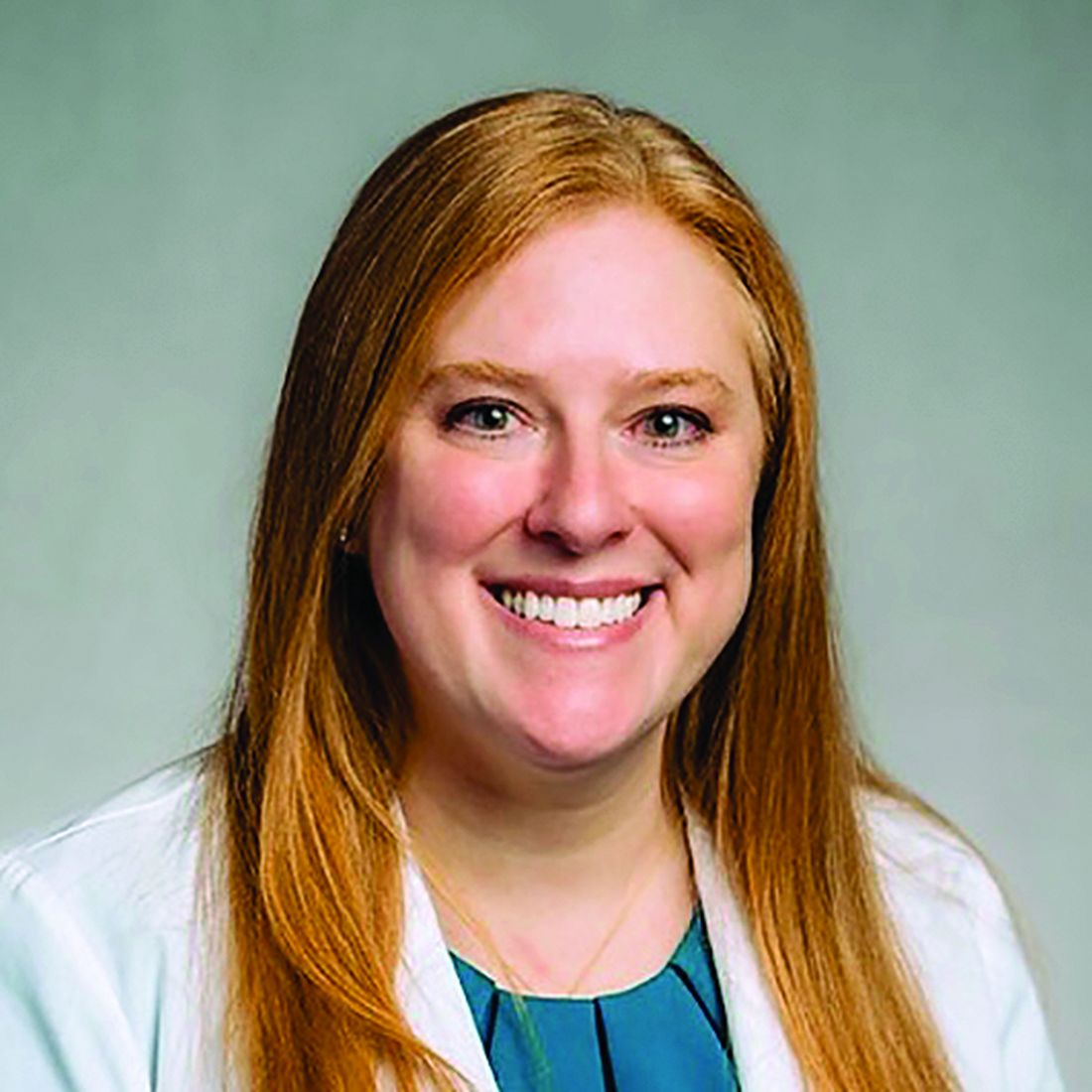
In addition, immunosuppression essentially “blocks the body’s immune system from recognizing that there are abnormal cancerous cells present,” Dr. Arron, a dermatologist in private practice in Burlingame, California, told this news organization.
Previously, while at the High-Risk Skin Cancer Program at University of California, San Francisco (UCSF), Dr. Arron and others studied whether human papillomavirus (HPV) might play a role in spurring the development of cSCC formation in the immunocompromised. HPV is highly prevalent on the skin, but the virus found on the skin tends to be composed of lower-risk strains.
“In our research, we did not find any biologic mechanism by which this virus might be driving these cancers,” said Dr. Arron, although she said that some researchers “feel very strongly that HPV must be in some way a driver.”
Dr. Bottomley believes that HPV’s role has not been completely determined. The excess incidence of cSCC suggests a virus might be involved, as has been seen with excess risk of lymphoma in patients with Epstein-Barr virus, he said.
Some of his research is focusing on whether advanced immune aging is an independent risk factor for subsequent cSCC development in solid organ transplant recipients. The immune system undergoes changes as people age, and the speed of this process varies from patient to patient, which means immune age can be different from chronological age, said Dr. Bottomley. “We’re still exploring why immune aging should predispose you to cSCC,” he said.
When to Intervene?
Transplant patients are followed by dermatologists at regular intervals. But guidelines are not consistent on the recommended timing of those intervals.
Dr. Arron and colleagues in 2019 created a risk prediction module that recommended frequency of follow-up based on low, medium, high, or very high risk. The tool is available to clinicians in an app called SUNTRAC, or the Skin and Ultraviolet Neoplasia Transplant Risk Assessment Calculator.
A question that Dr. Arron said dermatologists and transplant specialists have wrangled with: How early can they intervene to prevent further lesions?
In the 2022 decision framework paper in Transplant International, Dr. Bottomley and dermatology colleagues from around the world attempted to better delineate when and how clinicians should intervene when a cSCC is first detected. That first cSCC “should be regarded as a ‘red flag’ heralding an increased risk of further skin cancers and possibly internal malignancies,” the authors wrote. That moment is “a key opportunity to proactively consider secondary preventive strategies,” they wrote, but noted that the best interventions and “their sequencing remain unclear,” indicating the need for further research.
Coordinating With the Transplant Team
A key strategy to help prevent cSCC development — suggested in Dr. Bottomley’s paper, and by Dr. Arron and Dr. Christensen — is to consult with the transplant team on potentially changing a patient’s immunosuppressive medication or reducing the dose.
Dr. Arron said that a decade ago, it was somewhat of a novel concept, requiring data-sharing and making personal connections with the transplant team to forge trusting relationships. By the time she left UCSF a few years ago, she said, “the transplant program was very much on board with preventing and treating skin cancer and oftentimes they were making changes even before I would suggest them.”
Suggesting a change or dose reduction is not undertaken lightly. “Our transplant physician colleagues are balancing multiple problems in very sick patients, of which skin cancer might be one, but not the most pressing one in the setting of other transplant complications,” said Dr. Arron.
Dr. Bottomley said that “as transplant physicians, we very much respect and value the input of our dermatology colleagues,” but agreed that many factors “outside malignancy risk” must be weighed when considering changing an immunosuppressive regimen.
In a Delphi Consensus Statement on prevention of cSCC in organ transplant recipients, published in 2021 in JAMA Dermatology, the authors recommended having discussions about immunosuppression with transplant specialists, but did not make a recommendation on what strategy to use. The consensus panel said it preferred “to defer this decision to transplant physicians.”
Acitretin a Go, Nicotinamide Not So Much
Outside of changing an immunosuppressive regimen, among the interventions for secondary prevention are acitretin, the systemic retinoid, and nicotinamide, a form of niacin.
Dr. Christensen conducted a small retrospective investigation evaluating the effectiveness of acitretin in reducing cSCC in both immunocompromised and immunocompetent patients who had received care at Yale, which was recently published in the Journal of the American Academy of Dermatology. Acitretin reduced invasive cSCC by about 75% in both patient groups — a surprising result for the immunocompetent group, but well-established in patients who have had a solid organ transplant. But acitretin had no effect on cSCC in situ or basal cell carcinoma. “The benefit of acitretin is primarily in preventing the invasive SCC,” said Dr. Christensen, which is why he tends to reserve it for patients who have already had several cSCCs.
“It’s not a completely benign medication,” he said, noting the need for monitoring for cholesterol and liver function.
Several years ago, a study in immunocompetent patients, published in the New England Journal of Medicine, found that nicotinamide (also known as niacinamide) reduced the rate of nonmelonoma skin cancer by 23%, giving clinicians hope that it might also be a low-risk, low-cost cancer preventive for solid organ transplant patients. But enthusiasm has dampened since a 2023 study in the New England Journal of Medicine found that the vitamin did not reduce cSCCs in transplant recipients.
Dr. Christensen said he believes the most-recent study wasn’t powered to detect a 25% reduction in cancers. “It’s certainly possible that it still works exactly the same way in transplant patients that it does in immunocompetent patients,” he said. “There’s very little risk of recommending it to patients for general prevention. But it probably has a very modest effect in many,” he said.
Dr. Arron agreed, saying, “it may be that we simply need bigger studies to achieve that statistical significance.” Even so, she said she would not use the therapy “until there is more evidence supporting the use of nicotinamide in transplant recipients.”
Immune checkpoint inhibitors such as cemiplimab and pembrolizumab have been approved by the US Food and Drug Administration for advanced cSCC; nivolumab is another drug in the same class that has not yet been approved for cSCC. But “there’s always been a fear — and a legitimate fear — that if you gave those to organ transplant recipients they would reject their organ,” said Dr. Christensen.
Patients who take the checkpoint inhibitors may first have to stop taking their antirejection drugs, leaving them at risk. It also appears that the checkpoint inhibitors themselves contribute to organ rejection. Recent studies suggest that “the rate of organ rejection is only about 30% to 40%,” with the checkpoint inhibitors, said Dr. Christensen. “Obviously that’s still not an ideal outcome,” he said, but noted that with patients who have inoperable metastatic cSCC, “immune therapy can be a good option.”
Dr. Christensen reported no disclosures. Dr. Bottomley has previously received speaker fees and an educational grant from Astellas. Dr. Arron disclosed ties with Regeneron, Castle Biosciences, and Enspectra Health, not specific to transplantation.
The patient had an advanced cutaneous squamous cell carcinoma (cSCC) on the face that seemed to be affecting the facial nerve, ruling out aggressive surgery. When Mohs surgery failed to clear the tumor, radiation was ordered. But the best option — an immune checkpoint inhibitor — could not be administered because the patient was a lung transplant recipient.
Although approved for metastatic cSCC, immune checkpoint inhibitors are associated with a higher potential for rejection of an organ transplant.
“The feeling is that the risk of rejection is just too great if we were to try to give an immune checkpoint inhibitor,” said Sean Christensen, MD, PhD, director of dermatologic surgery at Yale Dermatology–Branford, in Connecticut, who was treating the patient. Dr. Christensen consulted with the transplant team, and together they decided to switch the patient to sirolimus, an immunosuppressant that has been shown to have less risk of promoting skin cancer in those who take the medication. Sirolimus, however, is not as well tolerated as the usual first-line immunosuppressant, tacrolimus.
Organ transplant recipients have a 200-fold increased incidence of keratinocyte carcinoma compared with immunocompetent individuals, and cSCC accounts for 80% of skin cancers in those recipients, according to a 2022 paper published in Transplant International, by Matthew Bottomley, MRCP, and colleagues at the University of Oxford, England.
And in a 2017 JAMA Dermatology study on skin cancer in organ transplant recipients in the United States, Sarah Arron, MD, and colleagues, wrote that posttransplant cSCC has an incidence of 812 per 100,000 person-years. To put that in perspective, breast cancer has an incidence of 126 per 100,000 person-years and prostate cancer, an incidence of 112 per 100,000 person-years, according to data from the Surveillance, Epidemiology, and End Results (SEER) Program and the Centers for Disease Control and Prevention, respectively.
Once a transplant recipient has a single cSCC, he or she is at higher risk for developing multiple lesions and is at greatly increased risk for metastasis and death. Skin cancer-specific mortality in transplants patients is ninefold higher than for immunocompetent patients, reported Johns Hopkins dermatologist Kristin Page Bibee, MD, PhD, and colleagues in a 2020 paper in Oral Oncology.
Clinicians focus primarily on reducing patients’ sun exposure to prevent precancerous and cancerous lesions. While field therapy, such as topical 5-flourouracil, and systemic therapy, including acitretin, can be as effective in treating cSCCs as they are for immunocompetent patients, dermatologists are hoping for more tools.
Dr. Christensen, associate professor of dermatology, Yale University, told this news organization that immune checkpoint inhibitors might become more useful in the future as trials are exploring the feasibility of injecting them directly into the cancers. “That’s a really exciting area of research,” he said, noting that direct injection would lower the risk of transplant rejection.
In an interview, Dr. Bottomley said that he is excited about new techniques, such as high-resolution spatial transcriptomic and proteomic profiling. Those techniques will allow researchers “to identify new pathways and mechanisms that we can target to reduce cSCC risk in both immunocompetent and immunosuppressed patients, ideally without the increased risk of graft rejection that we see with immune checkpoint inhibitors,” said Dr. Bottomley, a consultant nephrologist in the Oxford Kidney and Transplant Unit at Churchill Hospital.
Reducing Risk Factors
Dr. Bottomley said that there’s also been renewed effort to identify how to reduce cSCC risk in transplant recipients through recently developed consensus guidelines and a proposed decision framework developed by Dr. Bottomley and colleagues. The evidence will help clinicians have “greater confidence in making early interventions,” he said.
Currently, solid organ transplant patients are told to reduce sun exposure, in part because the majority of cSCCs occur in sun-exposed areas, such as the head and neck, and ultraviolet radiation leads to mutations. “Sun protection is critical,” Dr. Christensen said. That’s especially true in younger transplant recipients, who may have decades of sun exposure, he said.
The immunosuppressive medications also increase cancer risk, for a variety of reasons. One of the more-commonly used immunosuppressants in the past, azathioprine, is itself carcinogenic. Other antirejection medications, such as tacrolimus and mycophenolate, may also induce mutagenic changes that give rise to malignancies, according to the paper by Dr. Bibee, assistant professor of dermatology at Johns Hopkins, Baltimore.
Both Dr. Bibee, in her paper, and Dr. Arron, in an interview, noted that voriconazole, an antifungal used to prevent Aspergillus infection after lung transplant, has been associated with an increase in cSCC in lung transplant recipients.
In addition, immunosuppression essentially “blocks the body’s immune system from recognizing that there are abnormal cancerous cells present,” Dr. Arron, a dermatologist in private practice in Burlingame, California, told this news organization.
Previously, while at the High-Risk Skin Cancer Program at University of California, San Francisco (UCSF), Dr. Arron and others studied whether human papillomavirus (HPV) might play a role in spurring the development of cSCC formation in the immunocompromised. HPV is highly prevalent on the skin, but the virus found on the skin tends to be composed of lower-risk strains.
“In our research, we did not find any biologic mechanism by which this virus might be driving these cancers,” said Dr. Arron, although she said that some researchers “feel very strongly that HPV must be in some way a driver.”
Dr. Bottomley believes that HPV’s role has not been completely determined. The excess incidence of cSCC suggests a virus might be involved, as has been seen with excess risk of lymphoma in patients with Epstein-Barr virus, he said.
Some of his research is focusing on whether advanced immune aging is an independent risk factor for subsequent cSCC development in solid organ transplant recipients. The immune system undergoes changes as people age, and the speed of this process varies from patient to patient, which means immune age can be different from chronological age, said Dr. Bottomley. “We’re still exploring why immune aging should predispose you to cSCC,” he said.
When to Intervene?
Transplant patients are followed by dermatologists at regular intervals. But guidelines are not consistent on the recommended timing of those intervals.
Dr. Arron and colleagues in 2019 created a risk prediction module that recommended frequency of follow-up based on low, medium, high, or very high risk. The tool is available to clinicians in an app called SUNTRAC, or the Skin and Ultraviolet Neoplasia Transplant Risk Assessment Calculator.
A question that Dr. Arron said dermatologists and transplant specialists have wrangled with: How early can they intervene to prevent further lesions?
In the 2022 decision framework paper in Transplant International, Dr. Bottomley and dermatology colleagues from around the world attempted to better delineate when and how clinicians should intervene when a cSCC is first detected. That first cSCC “should be regarded as a ‘red flag’ heralding an increased risk of further skin cancers and possibly internal malignancies,” the authors wrote. That moment is “a key opportunity to proactively consider secondary preventive strategies,” they wrote, but noted that the best interventions and “their sequencing remain unclear,” indicating the need for further research.
Coordinating With the Transplant Team
A key strategy to help prevent cSCC development — suggested in Dr. Bottomley’s paper, and by Dr. Arron and Dr. Christensen — is to consult with the transplant team on potentially changing a patient’s immunosuppressive medication or reducing the dose.
Dr. Arron said that a decade ago, it was somewhat of a novel concept, requiring data-sharing and making personal connections with the transplant team to forge trusting relationships. By the time she left UCSF a few years ago, she said, “the transplant program was very much on board with preventing and treating skin cancer and oftentimes they were making changes even before I would suggest them.”
Suggesting a change or dose reduction is not undertaken lightly. “Our transplant physician colleagues are balancing multiple problems in very sick patients, of which skin cancer might be one, but not the most pressing one in the setting of other transplant complications,” said Dr. Arron.
Dr. Bottomley said that “as transplant physicians, we very much respect and value the input of our dermatology colleagues,” but agreed that many factors “outside malignancy risk” must be weighed when considering changing an immunosuppressive regimen.
In a Delphi Consensus Statement on prevention of cSCC in organ transplant recipients, published in 2021 in JAMA Dermatology, the authors recommended having discussions about immunosuppression with transplant specialists, but did not make a recommendation on what strategy to use. The consensus panel said it preferred “to defer this decision to transplant physicians.”
Acitretin a Go, Nicotinamide Not So Much
Outside of changing an immunosuppressive regimen, among the interventions for secondary prevention are acitretin, the systemic retinoid, and nicotinamide, a form of niacin.
Dr. Christensen conducted a small retrospective investigation evaluating the effectiveness of acitretin in reducing cSCC in both immunocompromised and immunocompetent patients who had received care at Yale, which was recently published in the Journal of the American Academy of Dermatology. Acitretin reduced invasive cSCC by about 75% in both patient groups — a surprising result for the immunocompetent group, but well-established in patients who have had a solid organ transplant. But acitretin had no effect on cSCC in situ or basal cell carcinoma. “The benefit of acitretin is primarily in preventing the invasive SCC,” said Dr. Christensen, which is why he tends to reserve it for patients who have already had several cSCCs.
“It’s not a completely benign medication,” he said, noting the need for monitoring for cholesterol and liver function.
Several years ago, a study in immunocompetent patients, published in the New England Journal of Medicine, found that nicotinamide (also known as niacinamide) reduced the rate of nonmelonoma skin cancer by 23%, giving clinicians hope that it might also be a low-risk, low-cost cancer preventive for solid organ transplant patients. But enthusiasm has dampened since a 2023 study in the New England Journal of Medicine found that the vitamin did not reduce cSCCs in transplant recipients.
Dr. Christensen said he believes the most-recent study wasn’t powered to detect a 25% reduction in cancers. “It’s certainly possible that it still works exactly the same way in transplant patients that it does in immunocompetent patients,” he said. “There’s very little risk of recommending it to patients for general prevention. But it probably has a very modest effect in many,” he said.
Dr. Arron agreed, saying, “it may be that we simply need bigger studies to achieve that statistical significance.” Even so, she said she would not use the therapy “until there is more evidence supporting the use of nicotinamide in transplant recipients.”
Immune checkpoint inhibitors such as cemiplimab and pembrolizumab have been approved by the US Food and Drug Administration for advanced cSCC; nivolumab is another drug in the same class that has not yet been approved for cSCC. But “there’s always been a fear — and a legitimate fear — that if you gave those to organ transplant recipients they would reject their organ,” said Dr. Christensen.
Patients who take the checkpoint inhibitors may first have to stop taking their antirejection drugs, leaving them at risk. It also appears that the checkpoint inhibitors themselves contribute to organ rejection. Recent studies suggest that “the rate of organ rejection is only about 30% to 40%,” with the checkpoint inhibitors, said Dr. Christensen. “Obviously that’s still not an ideal outcome,” he said, but noted that with patients who have inoperable metastatic cSCC, “immune therapy can be a good option.”
Dr. Christensen reported no disclosures. Dr. Bottomley has previously received speaker fees and an educational grant from Astellas. Dr. Arron disclosed ties with Regeneron, Castle Biosciences, and Enspectra Health, not specific to transplantation.
The patient had an advanced cutaneous squamous cell carcinoma (cSCC) on the face that seemed to be affecting the facial nerve, ruling out aggressive surgery. When Mohs surgery failed to clear the tumor, radiation was ordered. But the best option — an immune checkpoint inhibitor — could not be administered because the patient was a lung transplant recipient.
Although approved for metastatic cSCC, immune checkpoint inhibitors are associated with a higher potential for rejection of an organ transplant.
“The feeling is that the risk of rejection is just too great if we were to try to give an immune checkpoint inhibitor,” said Sean Christensen, MD, PhD, director of dermatologic surgery at Yale Dermatology–Branford, in Connecticut, who was treating the patient. Dr. Christensen consulted with the transplant team, and together they decided to switch the patient to sirolimus, an immunosuppressant that has been shown to have less risk of promoting skin cancer in those who take the medication. Sirolimus, however, is not as well tolerated as the usual first-line immunosuppressant, tacrolimus.
Organ transplant recipients have a 200-fold increased incidence of keratinocyte carcinoma compared with immunocompetent individuals, and cSCC accounts for 80% of skin cancers in those recipients, according to a 2022 paper published in Transplant International, by Matthew Bottomley, MRCP, and colleagues at the University of Oxford, England.
And in a 2017 JAMA Dermatology study on skin cancer in organ transplant recipients in the United States, Sarah Arron, MD, and colleagues, wrote that posttransplant cSCC has an incidence of 812 per 100,000 person-years. To put that in perspective, breast cancer has an incidence of 126 per 100,000 person-years and prostate cancer, an incidence of 112 per 100,000 person-years, according to data from the Surveillance, Epidemiology, and End Results (SEER) Program and the Centers for Disease Control and Prevention, respectively.
Once a transplant recipient has a single cSCC, he or she is at higher risk for developing multiple lesions and is at greatly increased risk for metastasis and death. Skin cancer-specific mortality in transplants patients is ninefold higher than for immunocompetent patients, reported Johns Hopkins dermatologist Kristin Page Bibee, MD, PhD, and colleagues in a 2020 paper in Oral Oncology.
Clinicians focus primarily on reducing patients’ sun exposure to prevent precancerous and cancerous lesions. While field therapy, such as topical 5-flourouracil, and systemic therapy, including acitretin, can be as effective in treating cSCCs as they are for immunocompetent patients, dermatologists are hoping for more tools.
Dr. Christensen, associate professor of dermatology, Yale University, told this news organization that immune checkpoint inhibitors might become more useful in the future as trials are exploring the feasibility of injecting them directly into the cancers. “That’s a really exciting area of research,” he said, noting that direct injection would lower the risk of transplant rejection.
In an interview, Dr. Bottomley said that he is excited about new techniques, such as high-resolution spatial transcriptomic and proteomic profiling. Those techniques will allow researchers “to identify new pathways and mechanisms that we can target to reduce cSCC risk in both immunocompetent and immunosuppressed patients, ideally without the increased risk of graft rejection that we see with immune checkpoint inhibitors,” said Dr. Bottomley, a consultant nephrologist in the Oxford Kidney and Transplant Unit at Churchill Hospital.
Reducing Risk Factors
Dr. Bottomley said that there’s also been renewed effort to identify how to reduce cSCC risk in transplant recipients through recently developed consensus guidelines and a proposed decision framework developed by Dr. Bottomley and colleagues. The evidence will help clinicians have “greater confidence in making early interventions,” he said.
Currently, solid organ transplant patients are told to reduce sun exposure, in part because the majority of cSCCs occur in sun-exposed areas, such as the head and neck, and ultraviolet radiation leads to mutations. “Sun protection is critical,” Dr. Christensen said. That’s especially true in younger transplant recipients, who may have decades of sun exposure, he said.
The immunosuppressive medications also increase cancer risk, for a variety of reasons. One of the more-commonly used immunosuppressants in the past, azathioprine, is itself carcinogenic. Other antirejection medications, such as tacrolimus and mycophenolate, may also induce mutagenic changes that give rise to malignancies, according to the paper by Dr. Bibee, assistant professor of dermatology at Johns Hopkins, Baltimore.
Both Dr. Bibee, in her paper, and Dr. Arron, in an interview, noted that voriconazole, an antifungal used to prevent Aspergillus infection after lung transplant, has been associated with an increase in cSCC in lung transplant recipients.
In addition, immunosuppression essentially “blocks the body’s immune system from recognizing that there are abnormal cancerous cells present,” Dr. Arron, a dermatologist in private practice in Burlingame, California, told this news organization.
Previously, while at the High-Risk Skin Cancer Program at University of California, San Francisco (UCSF), Dr. Arron and others studied whether human papillomavirus (HPV) might play a role in spurring the development of cSCC formation in the immunocompromised. HPV is highly prevalent on the skin, but the virus found on the skin tends to be composed of lower-risk strains.
“In our research, we did not find any biologic mechanism by which this virus might be driving these cancers,” said Dr. Arron, although she said that some researchers “feel very strongly that HPV must be in some way a driver.”
Dr. Bottomley believes that HPV’s role has not been completely determined. The excess incidence of cSCC suggests a virus might be involved, as has been seen with excess risk of lymphoma in patients with Epstein-Barr virus, he said.
Some of his research is focusing on whether advanced immune aging is an independent risk factor for subsequent cSCC development in solid organ transplant recipients. The immune system undergoes changes as people age, and the speed of this process varies from patient to patient, which means immune age can be different from chronological age, said Dr. Bottomley. “We’re still exploring why immune aging should predispose you to cSCC,” he said.
When to Intervene?
Transplant patients are followed by dermatologists at regular intervals. But guidelines are not consistent on the recommended timing of those intervals.
Dr. Arron and colleagues in 2019 created a risk prediction module that recommended frequency of follow-up based on low, medium, high, or very high risk. The tool is available to clinicians in an app called SUNTRAC, or the Skin and Ultraviolet Neoplasia Transplant Risk Assessment Calculator.
A question that Dr. Arron said dermatologists and transplant specialists have wrangled with: How early can they intervene to prevent further lesions?
In the 2022 decision framework paper in Transplant International, Dr. Bottomley and dermatology colleagues from around the world attempted to better delineate when and how clinicians should intervene when a cSCC is first detected. That first cSCC “should be regarded as a ‘red flag’ heralding an increased risk of further skin cancers and possibly internal malignancies,” the authors wrote. That moment is “a key opportunity to proactively consider secondary preventive strategies,” they wrote, but noted that the best interventions and “their sequencing remain unclear,” indicating the need for further research.
Coordinating With the Transplant Team
A key strategy to help prevent cSCC development — suggested in Dr. Bottomley’s paper, and by Dr. Arron and Dr. Christensen — is to consult with the transplant team on potentially changing a patient’s immunosuppressive medication or reducing the dose.
Dr. Arron said that a decade ago, it was somewhat of a novel concept, requiring data-sharing and making personal connections with the transplant team to forge trusting relationships. By the time she left UCSF a few years ago, she said, “the transplant program was very much on board with preventing and treating skin cancer and oftentimes they were making changes even before I would suggest them.”
Suggesting a change or dose reduction is not undertaken lightly. “Our transplant physician colleagues are balancing multiple problems in very sick patients, of which skin cancer might be one, but not the most pressing one in the setting of other transplant complications,” said Dr. Arron.
Dr. Bottomley said that “as transplant physicians, we very much respect and value the input of our dermatology colleagues,” but agreed that many factors “outside malignancy risk” must be weighed when considering changing an immunosuppressive regimen.
In a Delphi Consensus Statement on prevention of cSCC in organ transplant recipients, published in 2021 in JAMA Dermatology, the authors recommended having discussions about immunosuppression with transplant specialists, but did not make a recommendation on what strategy to use. The consensus panel said it preferred “to defer this decision to transplant physicians.”
Acitretin a Go, Nicotinamide Not So Much
Outside of changing an immunosuppressive regimen, among the interventions for secondary prevention are acitretin, the systemic retinoid, and nicotinamide, a form of niacin.
Dr. Christensen conducted a small retrospective investigation evaluating the effectiveness of acitretin in reducing cSCC in both immunocompromised and immunocompetent patients who had received care at Yale, which was recently published in the Journal of the American Academy of Dermatology. Acitretin reduced invasive cSCC by about 75% in both patient groups — a surprising result for the immunocompetent group, but well-established in patients who have had a solid organ transplant. But acitretin had no effect on cSCC in situ or basal cell carcinoma. “The benefit of acitretin is primarily in preventing the invasive SCC,” said Dr. Christensen, which is why he tends to reserve it for patients who have already had several cSCCs.
“It’s not a completely benign medication,” he said, noting the need for monitoring for cholesterol and liver function.
Several years ago, a study in immunocompetent patients, published in the New England Journal of Medicine, found that nicotinamide (also known as niacinamide) reduced the rate of nonmelonoma skin cancer by 23%, giving clinicians hope that it might also be a low-risk, low-cost cancer preventive for solid organ transplant patients. But enthusiasm has dampened since a 2023 study in the New England Journal of Medicine found that the vitamin did not reduce cSCCs in transplant recipients.
Dr. Christensen said he believes the most-recent study wasn’t powered to detect a 25% reduction in cancers. “It’s certainly possible that it still works exactly the same way in transplant patients that it does in immunocompetent patients,” he said. “There’s very little risk of recommending it to patients for general prevention. But it probably has a very modest effect in many,” he said.
Dr. Arron agreed, saying, “it may be that we simply need bigger studies to achieve that statistical significance.” Even so, she said she would not use the therapy “until there is more evidence supporting the use of nicotinamide in transplant recipients.”
Immune checkpoint inhibitors such as cemiplimab and pembrolizumab have been approved by the US Food and Drug Administration for advanced cSCC; nivolumab is another drug in the same class that has not yet been approved for cSCC. But “there’s always been a fear — and a legitimate fear — that if you gave those to organ transplant recipients they would reject their organ,” said Dr. Christensen.
Patients who take the checkpoint inhibitors may first have to stop taking their antirejection drugs, leaving them at risk. It also appears that the checkpoint inhibitors themselves contribute to organ rejection. Recent studies suggest that “the rate of organ rejection is only about 30% to 40%,” with the checkpoint inhibitors, said Dr. Christensen. “Obviously that’s still not an ideal outcome,” he said, but noted that with patients who have inoperable metastatic cSCC, “immune therapy can be a good option.”
Dr. Christensen reported no disclosures. Dr. Bottomley has previously received speaker fees and an educational grant from Astellas. Dr. Arron disclosed ties with Regeneron, Castle Biosciences, and Enspectra Health, not specific to transplantation.
FDA Recommends DEA Move Cannabis From Schedule I to III
Newly released documents show that .
The FDA’s recommendation was contained in a 252-page report that was sent to the US Drug Enforcement Administration (DEA) in August 2023. The report, which Bloomberg News reported on in late August and may have been leaked to that news outlet, was released to Houston attorney Matthew Zorn. He filed suit in September to pressure the FDA to make its recommendation public. The FDA responded days before a court-ordered deadline, said Zorn.
The attorney was not representing any client. “This document belongs in the public sphere,” Zorn told this news organization. “I found it farcical that public policy was being debated on the basis of a document recommendation that literally no one had seen,” he said.
The Bloomberg report ignited debate, but no other advocate, attorney, or news organization had been able to obtain an unredacted version of FDA’s recommendation.
Now that the full report is public, the DEA may be under more pressure to act. However, it is not required to do anything, and there is no set timeline for any action. Still, lawyers expect to quickly see a rule proposing moving cannabis from Schedule I to III.
“I expect it to come fairly soon and the reason I expect that is because the President told the agencies to do this expeditiously,” said Shane Pennington, an attorney with Porter Wright who has worked with Zorn on cases challenging DEA’s scheduling process but was not involved in this suit.
In October 2022, President Joe Biden said that he was asking the Department of Health and Human Services and the US Attorney General “to review expeditiously how marijuana is scheduled under federal law.”
Howard Sklamberg, a lawyer with Arnold & Porter in Washington, DC, said that the Biden directive “certainly made the agencies reconsider” rescheduling cannabis but that it likely was going to happen anyway, given a wealth of supportive information generated since the DEA last rejected a rescheduling petition in 2016.
Mr. Sklamberg told this news organization that he thought a proposed rule would be issued soon, with a final rule issued by mid-summer.
“Agencies generally want to get their important rulemaking done before you get too much into the political season and the potential end of a presidency,” said Mr. Sklamberg, a former FDA deputy commissioner.
Credible Medical Use
The FDA said in its report that cannabis is a low-risk threat to public health and that it poses less potential for misuse than drugs in schedule I or II, such as heroin or cocaine.
Though the evidence showed that some people are using cannabis “in amounts sufficient to create a hazard to their health and to the safety of other individuals and the community evidence also exists showing that the vast majority of individuals who use marijuana are doing so in a manner that does not lead to dangerous outcomes to themselves or others,” the FDA noted.
The agency stated that “the risks to the public health posed by marijuana are low compared to other drugs of abuse (e.g., heroin, cocaine, benzodiazepines), based on an evaluation of various epidemiological databases for [emergency department] visits, hospitalizations, unintentional exposures, and most importantly, for overdose deaths.”
The FDA assessed cannabis’s commonly accepted medical use in seven indications: anorexia, anxiety, epilepsy, inflammatory bowel disease, nausea and vomiting, pain, and posttraumatic stress disorder. It concluded that the strongest evidence existed for anorexia related to a medical condition, nausea and vomiting, and pain.
Of interest, the agency said that when it assessed the harms and benefits, it also used alcohol as a comparator even though it is not a controlled substance. The agency said that it did so because of alcohol’s extensive availability and use, “which is also observed for nonmedical use of marijuana.”
Mr. Sklamberg found that interesting. A majority of adults have consumed cannabis or know someone who has, making it similar to alcohol, he said. And just as with alcohol, “those adults have formed their own conclusions about what marijuana is and what it isn’t,” he said.
“A lot of Americans make their judgment and think schedule I overstates the health risks,” he added.
Opposition in Congress
It is not certain whether cannabis will be rescheduled; after the Bloomberg report in August, Republican members of Congress sent a letter to DEA Administrator Anne Milgram telling her that the agency should not reschedule the drug.
“The recommendation to remove cannabis from the DEA’s list of dangerous Schedule I drugs is not based on science — it’s based on an irresponsible pro-pot agenda,” said Oklahoma Senator James Lankford (R) on X, in September.
The letter contended that there is no accepted medical use for cannabis and that “the known facts about marijuana have not changed since 2016.”
The FDA, however, based its recommendations in part in looking at data from more than 30,000 healthcare providers and six million patients who have used medical marijuana in state programs, largely established since 2016. Congress has directed the agency to evaluate more of that kind of real-world evidence when evaluating products, said Mr. Sklamberg.
He said that the FDA report will be taken seriously: “It’s a thorough and impressive document.”
“It’s not a document that looks like it was just put together by policy people or political people,” Mr. Sklamberg added. “It’s heavily grounded in science and medicine.”
A version of this article appeared on Medscape.com.
Newly released documents show that .
The FDA’s recommendation was contained in a 252-page report that was sent to the US Drug Enforcement Administration (DEA) in August 2023. The report, which Bloomberg News reported on in late August and may have been leaked to that news outlet, was released to Houston attorney Matthew Zorn. He filed suit in September to pressure the FDA to make its recommendation public. The FDA responded days before a court-ordered deadline, said Zorn.
The attorney was not representing any client. “This document belongs in the public sphere,” Zorn told this news organization. “I found it farcical that public policy was being debated on the basis of a document recommendation that literally no one had seen,” he said.
The Bloomberg report ignited debate, but no other advocate, attorney, or news organization had been able to obtain an unredacted version of FDA’s recommendation.
Now that the full report is public, the DEA may be under more pressure to act. However, it is not required to do anything, and there is no set timeline for any action. Still, lawyers expect to quickly see a rule proposing moving cannabis from Schedule I to III.
“I expect it to come fairly soon and the reason I expect that is because the President told the agencies to do this expeditiously,” said Shane Pennington, an attorney with Porter Wright who has worked with Zorn on cases challenging DEA’s scheduling process but was not involved in this suit.
In October 2022, President Joe Biden said that he was asking the Department of Health and Human Services and the US Attorney General “to review expeditiously how marijuana is scheduled under federal law.”
Howard Sklamberg, a lawyer with Arnold & Porter in Washington, DC, said that the Biden directive “certainly made the agencies reconsider” rescheduling cannabis but that it likely was going to happen anyway, given a wealth of supportive information generated since the DEA last rejected a rescheduling petition in 2016.
Mr. Sklamberg told this news organization that he thought a proposed rule would be issued soon, with a final rule issued by mid-summer.
“Agencies generally want to get their important rulemaking done before you get too much into the political season and the potential end of a presidency,” said Mr. Sklamberg, a former FDA deputy commissioner.
Credible Medical Use
The FDA said in its report that cannabis is a low-risk threat to public health and that it poses less potential for misuse than drugs in schedule I or II, such as heroin or cocaine.
Though the evidence showed that some people are using cannabis “in amounts sufficient to create a hazard to their health and to the safety of other individuals and the community evidence also exists showing that the vast majority of individuals who use marijuana are doing so in a manner that does not lead to dangerous outcomes to themselves or others,” the FDA noted.
The agency stated that “the risks to the public health posed by marijuana are low compared to other drugs of abuse (e.g., heroin, cocaine, benzodiazepines), based on an evaluation of various epidemiological databases for [emergency department] visits, hospitalizations, unintentional exposures, and most importantly, for overdose deaths.”
The FDA assessed cannabis’s commonly accepted medical use in seven indications: anorexia, anxiety, epilepsy, inflammatory bowel disease, nausea and vomiting, pain, and posttraumatic stress disorder. It concluded that the strongest evidence existed for anorexia related to a medical condition, nausea and vomiting, and pain.
Of interest, the agency said that when it assessed the harms and benefits, it also used alcohol as a comparator even though it is not a controlled substance. The agency said that it did so because of alcohol’s extensive availability and use, “which is also observed for nonmedical use of marijuana.”
Mr. Sklamberg found that interesting. A majority of adults have consumed cannabis or know someone who has, making it similar to alcohol, he said. And just as with alcohol, “those adults have formed their own conclusions about what marijuana is and what it isn’t,” he said.
“A lot of Americans make their judgment and think schedule I overstates the health risks,” he added.
Opposition in Congress
It is not certain whether cannabis will be rescheduled; after the Bloomberg report in August, Republican members of Congress sent a letter to DEA Administrator Anne Milgram telling her that the agency should not reschedule the drug.
“The recommendation to remove cannabis from the DEA’s list of dangerous Schedule I drugs is not based on science — it’s based on an irresponsible pro-pot agenda,” said Oklahoma Senator James Lankford (R) on X, in September.
The letter contended that there is no accepted medical use for cannabis and that “the known facts about marijuana have not changed since 2016.”
The FDA, however, based its recommendations in part in looking at data from more than 30,000 healthcare providers and six million patients who have used medical marijuana in state programs, largely established since 2016. Congress has directed the agency to evaluate more of that kind of real-world evidence when evaluating products, said Mr. Sklamberg.
He said that the FDA report will be taken seriously: “It’s a thorough and impressive document.”
“It’s not a document that looks like it was just put together by policy people or political people,” Mr. Sklamberg added. “It’s heavily grounded in science and medicine.”
A version of this article appeared on Medscape.com.
Newly released documents show that .
The FDA’s recommendation was contained in a 252-page report that was sent to the US Drug Enforcement Administration (DEA) in August 2023. The report, which Bloomberg News reported on in late August and may have been leaked to that news outlet, was released to Houston attorney Matthew Zorn. He filed suit in September to pressure the FDA to make its recommendation public. The FDA responded days before a court-ordered deadline, said Zorn.
The attorney was not representing any client. “This document belongs in the public sphere,” Zorn told this news organization. “I found it farcical that public policy was being debated on the basis of a document recommendation that literally no one had seen,” he said.
The Bloomberg report ignited debate, but no other advocate, attorney, or news organization had been able to obtain an unredacted version of FDA’s recommendation.
Now that the full report is public, the DEA may be under more pressure to act. However, it is not required to do anything, and there is no set timeline for any action. Still, lawyers expect to quickly see a rule proposing moving cannabis from Schedule I to III.
“I expect it to come fairly soon and the reason I expect that is because the President told the agencies to do this expeditiously,” said Shane Pennington, an attorney with Porter Wright who has worked with Zorn on cases challenging DEA’s scheduling process but was not involved in this suit.
In October 2022, President Joe Biden said that he was asking the Department of Health and Human Services and the US Attorney General “to review expeditiously how marijuana is scheduled under federal law.”
Howard Sklamberg, a lawyer with Arnold & Porter in Washington, DC, said that the Biden directive “certainly made the agencies reconsider” rescheduling cannabis but that it likely was going to happen anyway, given a wealth of supportive information generated since the DEA last rejected a rescheduling petition in 2016.
Mr. Sklamberg told this news organization that he thought a proposed rule would be issued soon, with a final rule issued by mid-summer.
“Agencies generally want to get their important rulemaking done before you get too much into the political season and the potential end of a presidency,” said Mr. Sklamberg, a former FDA deputy commissioner.
Credible Medical Use
The FDA said in its report that cannabis is a low-risk threat to public health and that it poses less potential for misuse than drugs in schedule I or II, such as heroin or cocaine.
Though the evidence showed that some people are using cannabis “in amounts sufficient to create a hazard to their health and to the safety of other individuals and the community evidence also exists showing that the vast majority of individuals who use marijuana are doing so in a manner that does not lead to dangerous outcomes to themselves or others,” the FDA noted.
The agency stated that “the risks to the public health posed by marijuana are low compared to other drugs of abuse (e.g., heroin, cocaine, benzodiazepines), based on an evaluation of various epidemiological databases for [emergency department] visits, hospitalizations, unintentional exposures, and most importantly, for overdose deaths.”
The FDA assessed cannabis’s commonly accepted medical use in seven indications: anorexia, anxiety, epilepsy, inflammatory bowel disease, nausea and vomiting, pain, and posttraumatic stress disorder. It concluded that the strongest evidence existed for anorexia related to a medical condition, nausea and vomiting, and pain.
Of interest, the agency said that when it assessed the harms and benefits, it also used alcohol as a comparator even though it is not a controlled substance. The agency said that it did so because of alcohol’s extensive availability and use, “which is also observed for nonmedical use of marijuana.”
Mr. Sklamberg found that interesting. A majority of adults have consumed cannabis or know someone who has, making it similar to alcohol, he said. And just as with alcohol, “those adults have formed their own conclusions about what marijuana is and what it isn’t,” he said.
“A lot of Americans make their judgment and think schedule I overstates the health risks,” he added.
Opposition in Congress
It is not certain whether cannabis will be rescheduled; after the Bloomberg report in August, Republican members of Congress sent a letter to DEA Administrator Anne Milgram telling her that the agency should not reschedule the drug.
“The recommendation to remove cannabis from the DEA’s list of dangerous Schedule I drugs is not based on science — it’s based on an irresponsible pro-pot agenda,” said Oklahoma Senator James Lankford (R) on X, in September.
The letter contended that there is no accepted medical use for cannabis and that “the known facts about marijuana have not changed since 2016.”
The FDA, however, based its recommendations in part in looking at data from more than 30,000 healthcare providers and six million patients who have used medical marijuana in state programs, largely established since 2016. Congress has directed the agency to evaluate more of that kind of real-world evidence when evaluating products, said Mr. Sklamberg.
He said that the FDA report will be taken seriously: “It’s a thorough and impressive document.”
“It’s not a document that looks like it was just put together by policy people or political people,” Mr. Sklamberg added. “It’s heavily grounded in science and medicine.”
A version of this article appeared on Medscape.com.
‘Fake Xanax’ Tied to Seizures, Coma Is Resistant to Naloxone
Bromazolam, a street drug that has been detected with increasing frequency in the United States, has reportedly caused protracted seizures, myocardial injury, comas, and multiday intensive care stays in three individuals, new data from the US Centers for Disease Control and Prevention (CDC) showed.
The substance is one of at least a dozen designer benzodiazepines created in the lab but not approved for any therapeutic use. The Center for Forensic Science Research and Education (CFSRE) reported that bromazolam was first detected in 2016 in recreational drugs in Europe and subsequently appeared in the United States.
It is sold under names such as “XLI-268,” “Xanax,” “Fake Xanax,” and “Dope.” Bromazolam may be sold in tablet or powder form, or sometimes as gummies, and is often taken with fentanyl by users.
The CDC report, published in the Morbidity and Mortality Weekly Report (MMWR), described three cases of “previously healthy young adults,” two 25-year-old men and a 20-year-old woman, who took tablets believing it was alprazolam, when it was actually bromazolam and were found unresponsive.
They could not be revived with naloxone and continued to be unresponsive upon arrival at the emergency department. One of the men was hypertensive (152/100 mmHg), tachycardic (heart rate of 124 beats per minute), and hyperthermic (101.7 °F [38.7 °C]) and experienced multiple generalized seizures. He was intubated and admitted to intensive care.
The other man also had an elevated temperature (100.4 °F) and was intubated and admitted to the ICU because of unresponsiveness and multiple generalized seizures.
The woman was also intubated and nonresponsive with focal seizures. All three had elevated troponin levels and had urine tests positive for benzodiazepines.
The first man was intubated for 5 days and discharged after 11 days, while the second man was discharged on the fourth day with mild hearing difficulty.
The woman progressed to status epilepticus despite administration of multiple antiepileptic medications and was in a persistent coma. She was transferred to a second hospital after 11 days and was subsequently lost to follow-up.
Toxicology testing by the Drug Enforcement Administration confirmed the presence of bromazolam (range = 31.1-207 ng/mL), without the presence of fentanyl or any other opioid.
The CDC said that “the constellation of findings reported should prompt close involvement with public health officials and regional poison centers, given the more severe findings in these reported cases compared with those expected from routine benzodiazepine overdoses.” In addition, it noted that clinicians and first responders should “consider bromazolam in cases of patients requiring treatment for seizures, myocardial injury, or hyperthermia after illicit drug use.”
Surging Supply, Increased Warnings
In 2022, the CDC warned that the drug was surging in the United States, noting that as of mid-2022, bromazolam was identified in more than 250 toxicology cases submitted to NMS Labs, and that it had been identified in more than 190 toxicology samples tested at CFSRE.
In early 2021, only 1% of samples were positive for bromazolam. By mid-2022, 13% of samples were positive for bromazolam, and 75% of the bromazolam samples were positive for fentanyl.
The combination is sold on the street as benzo-dope.
Health authorities across the globe have been warning about the dangers of designer benzodiazepines, and bromazolam in particular. They’ve noted that the overdose reversal agent naloxone does not combat the effects of a benzodiazepine overdose.
In December 2022, the Canadian province of New Brunswick said that bromazolam had been detected in nine sudden death investigations, and that fentanyl was detected in some of those cases. The provincial government of the Northwest Territories warned in May 2023 that bromazolam had been detected in the region’s drug supply and cautioned against combining it with opioids.
The Indiana Department of Health notified the public, first responders, law enforcement, and clinicians in August 2023 that the drug was increasingly being detected in the state. In the first half of the year, 35 people who had overdosed in Indiana tested positive for bromazolam. The state did not test for the presence of bromazolam before 2023.
According to the MMWR, the law enforcement seizures in the United States of bromazolam increased from no more than three per year during 2016-2018 to 2142 in 2022 and 2913 in 2023.
Illinois has been an area of increased use. Bromazolam-involved deaths increased from 10 in 2021 to 51 in 2022, the CDC researchers reported.
A version of this article appeared on Medscape.com.
Bromazolam, a street drug that has been detected with increasing frequency in the United States, has reportedly caused protracted seizures, myocardial injury, comas, and multiday intensive care stays in three individuals, new data from the US Centers for Disease Control and Prevention (CDC) showed.
The substance is one of at least a dozen designer benzodiazepines created in the lab but not approved for any therapeutic use. The Center for Forensic Science Research and Education (CFSRE) reported that bromazolam was first detected in 2016 in recreational drugs in Europe and subsequently appeared in the United States.
It is sold under names such as “XLI-268,” “Xanax,” “Fake Xanax,” and “Dope.” Bromazolam may be sold in tablet or powder form, or sometimes as gummies, and is often taken with fentanyl by users.
The CDC report, published in the Morbidity and Mortality Weekly Report (MMWR), described three cases of “previously healthy young adults,” two 25-year-old men and a 20-year-old woman, who took tablets believing it was alprazolam, when it was actually bromazolam and were found unresponsive.
They could not be revived with naloxone and continued to be unresponsive upon arrival at the emergency department. One of the men was hypertensive (152/100 mmHg), tachycardic (heart rate of 124 beats per minute), and hyperthermic (101.7 °F [38.7 °C]) and experienced multiple generalized seizures. He was intubated and admitted to intensive care.
The other man also had an elevated temperature (100.4 °F) and was intubated and admitted to the ICU because of unresponsiveness and multiple generalized seizures.
The woman was also intubated and nonresponsive with focal seizures. All three had elevated troponin levels and had urine tests positive for benzodiazepines.
The first man was intubated for 5 days and discharged after 11 days, while the second man was discharged on the fourth day with mild hearing difficulty.
The woman progressed to status epilepticus despite administration of multiple antiepileptic medications and was in a persistent coma. She was transferred to a second hospital after 11 days and was subsequently lost to follow-up.
Toxicology testing by the Drug Enforcement Administration confirmed the presence of bromazolam (range = 31.1-207 ng/mL), without the presence of fentanyl or any other opioid.
The CDC said that “the constellation of findings reported should prompt close involvement with public health officials and regional poison centers, given the more severe findings in these reported cases compared with those expected from routine benzodiazepine overdoses.” In addition, it noted that clinicians and first responders should “consider bromazolam in cases of patients requiring treatment for seizures, myocardial injury, or hyperthermia after illicit drug use.”
Surging Supply, Increased Warnings
In 2022, the CDC warned that the drug was surging in the United States, noting that as of mid-2022, bromazolam was identified in more than 250 toxicology cases submitted to NMS Labs, and that it had been identified in more than 190 toxicology samples tested at CFSRE.
In early 2021, only 1% of samples were positive for bromazolam. By mid-2022, 13% of samples were positive for bromazolam, and 75% of the bromazolam samples were positive for fentanyl.
The combination is sold on the street as benzo-dope.
Health authorities across the globe have been warning about the dangers of designer benzodiazepines, and bromazolam in particular. They’ve noted that the overdose reversal agent naloxone does not combat the effects of a benzodiazepine overdose.
In December 2022, the Canadian province of New Brunswick said that bromazolam had been detected in nine sudden death investigations, and that fentanyl was detected in some of those cases. The provincial government of the Northwest Territories warned in May 2023 that bromazolam had been detected in the region’s drug supply and cautioned against combining it with opioids.
The Indiana Department of Health notified the public, first responders, law enforcement, and clinicians in August 2023 that the drug was increasingly being detected in the state. In the first half of the year, 35 people who had overdosed in Indiana tested positive for bromazolam. The state did not test for the presence of bromazolam before 2023.
According to the MMWR, the law enforcement seizures in the United States of bromazolam increased from no more than three per year during 2016-2018 to 2142 in 2022 and 2913 in 2023.
Illinois has been an area of increased use. Bromazolam-involved deaths increased from 10 in 2021 to 51 in 2022, the CDC researchers reported.
A version of this article appeared on Medscape.com.
Bromazolam, a street drug that has been detected with increasing frequency in the United States, has reportedly caused protracted seizures, myocardial injury, comas, and multiday intensive care stays in three individuals, new data from the US Centers for Disease Control and Prevention (CDC) showed.
The substance is one of at least a dozen designer benzodiazepines created in the lab but not approved for any therapeutic use. The Center for Forensic Science Research and Education (CFSRE) reported that bromazolam was first detected in 2016 in recreational drugs in Europe and subsequently appeared in the United States.
It is sold under names such as “XLI-268,” “Xanax,” “Fake Xanax,” and “Dope.” Bromazolam may be sold in tablet or powder form, or sometimes as gummies, and is often taken with fentanyl by users.
The CDC report, published in the Morbidity and Mortality Weekly Report (MMWR), described three cases of “previously healthy young adults,” two 25-year-old men and a 20-year-old woman, who took tablets believing it was alprazolam, when it was actually bromazolam and were found unresponsive.
They could not be revived with naloxone and continued to be unresponsive upon arrival at the emergency department. One of the men was hypertensive (152/100 mmHg), tachycardic (heart rate of 124 beats per minute), and hyperthermic (101.7 °F [38.7 °C]) and experienced multiple generalized seizures. He was intubated and admitted to intensive care.
The other man also had an elevated temperature (100.4 °F) and was intubated and admitted to the ICU because of unresponsiveness and multiple generalized seizures.
The woman was also intubated and nonresponsive with focal seizures. All three had elevated troponin levels and had urine tests positive for benzodiazepines.
The first man was intubated for 5 days and discharged after 11 days, while the second man was discharged on the fourth day with mild hearing difficulty.
The woman progressed to status epilepticus despite administration of multiple antiepileptic medications and was in a persistent coma. She was transferred to a second hospital after 11 days and was subsequently lost to follow-up.
Toxicology testing by the Drug Enforcement Administration confirmed the presence of bromazolam (range = 31.1-207 ng/mL), without the presence of fentanyl or any other opioid.
The CDC said that “the constellation of findings reported should prompt close involvement with public health officials and regional poison centers, given the more severe findings in these reported cases compared with those expected from routine benzodiazepine overdoses.” In addition, it noted that clinicians and first responders should “consider bromazolam in cases of patients requiring treatment for seizures, myocardial injury, or hyperthermia after illicit drug use.”
Surging Supply, Increased Warnings
In 2022, the CDC warned that the drug was surging in the United States, noting that as of mid-2022, bromazolam was identified in more than 250 toxicology cases submitted to NMS Labs, and that it had been identified in more than 190 toxicology samples tested at CFSRE.
In early 2021, only 1% of samples were positive for bromazolam. By mid-2022, 13% of samples were positive for bromazolam, and 75% of the bromazolam samples were positive for fentanyl.
The combination is sold on the street as benzo-dope.
Health authorities across the globe have been warning about the dangers of designer benzodiazepines, and bromazolam in particular. They’ve noted that the overdose reversal agent naloxone does not combat the effects of a benzodiazepine overdose.
In December 2022, the Canadian province of New Brunswick said that bromazolam had been detected in nine sudden death investigations, and that fentanyl was detected in some of those cases. The provincial government of the Northwest Territories warned in May 2023 that bromazolam had been detected in the region’s drug supply and cautioned against combining it with opioids.
The Indiana Department of Health notified the public, first responders, law enforcement, and clinicians in August 2023 that the drug was increasingly being detected in the state. In the first half of the year, 35 people who had overdosed in Indiana tested positive for bromazolam. The state did not test for the presence of bromazolam before 2023.
According to the MMWR, the law enforcement seizures in the United States of bromazolam increased from no more than three per year during 2016-2018 to 2142 in 2022 and 2913 in 2023.
Illinois has been an area of increased use. Bromazolam-involved deaths increased from 10 in 2021 to 51 in 2022, the CDC researchers reported.
A version of this article appeared on Medscape.com.
FROM THE MORBIDITY AND MORTALITY WEEKLY REPORT
Pediatric Obesity Specialists Struggle to Get GLP-1s
While adults, many of whom don’t meet the clinical definition of obesity, scramble to procure glucagon-like peptide 1 (GLP-1) agonists for weight loss, pediatric obesity specialists said their young patients who could benefit more over the long term often are unable to access the potentially life-altering medications.
The US Food and Drug Administration (FDA) approved two GLP-1 agonists — both marketed by Novo Nordisk — for use in adolescents aged ≥ 12 years: Wegovy (semaglutide) in December 2022 and Saxenda (liraglutide) in December 2020. Novo Nordisk and Eli Lilly — which makes the dual glucose-dependent insulinotropic polypetide/GLP-1 agonist tirzepatide (Zepbound) — are also investigating the drugs for obesity in children as young as age 6 years. The crushing demand for semaglutide in the last year — driving a thriving market in compounded versions and online prescriptions — has made it increasingly difficult to find pharmacies that can fill prescriptions, pediatricians told this news organization.
“It’s been more difficult to get people initiated now than it was a year ago,” said Brooke Sweeney, MD, medical director of weight management services at Children’s Mercy in Kansas City, Missouri. “Because of the supply issues, for the most part we›re not starting anyone new because I don›t have enough medication to keep my patients on it who are already on it,” she said.
Sarah Raatz, MD, a pediatrician at the University of Minnesota’s Center for Pediatric Obesity Medicine, said, “I actually haven’t really been prescribing many of these medications as of late.” Both liraglutide and semaglutide “are largely unavailable or quite hard to get a hold of,” Dr. Raatz told this news organization.
Susma Shanti Vaidya, MPH, MD, associate medical director of the IDEAL pediatric obesity clinic at Children›s National Hospital in Washington, DC, said that patients taking GLP-1 agonists in her practice have reduced their body mass index and have seen resolution of prediabetes, diabetes, and fatty liver disease. «I had one patient who had severe obstructive sleep apnea which resolved with semaglutide.»
But when they can’t find the medications, it can lead to a plateauing of weight loss and a reversal of hard-won victories, Dr. Vaidya said.
Insurance Denials Also Growing
In January 2023, the American Academy of Pediatrics urged aggressive treatment of childhood obesity, including using FDA-approved medications such as GLP-1 agonists combined with lifestyle and dietary modifications.
The US Preventive Services Task Force, however, has issued a draft proposal that recommends a variety of lifestyle and behavior modification interventions for children and adolescents but says the evidence does not yet support recommending bariatric surgery or medications.
Insurance coverage for children — even for FDA-approved indications and the age 12-and-over population — has become increasingly difficult, said the pediatric obesity specialists. Insurers are also creating hurdles that make getting coverage more difficult, they said.
Some insurers track an adolescent’s weight trajectory, “and if they’re not meeting a certain response threshold set by the insurance company, then they can pull coverage and then we have to try to advocate for why continued coverage might be beneficial and necessary,” Dr. Raatz said.
Insurers in the region around Children’s Mercy are erecting similar barriers, said Sweeney. Interim weight loss goals are challenging in pediatrics — given that adolescents are constantly changing and growing, she said.
Dr. Vaidya said she’s had success with commercial insurers but that the Washington, DC, and Maryland Medicaid programs have been stingier.
All the pediatricians said they expect greater restrictions in 2024.
Dr. Vaidya said some patients told her they had been notified that prior authorization will be required for new prescriptions for a GLP-1 agonist.
“We will just kind of be forced to see what happens when these medications are taken away from patients who have benefited from them,” Dr. Raatz said.
Some Parents Asking for GLP-1 Agonists
Pediatric obesity specialists said more parents are asking if a GLP-1 agonist might be appropriate for their children this year than in 2022.
Dr. Sweeney said parents ask for the medications when they feel they have exhausted all other options for their children. “These parents are not coming because they are concerned about the cosmetic effects of the weight,” she said. In most cases, children she sees have been struggling for years with extreme hunger and lack of satiety and may have prediabetes or diabetes. Many are being bullied in school because of their weight. They have only marginally been helped by interventions suggested by primary care or dietitians or other specialists, Dr. Sweeney said.
“Starting semaglutide really is life-changing for some of these patients,” Dr. Vaidya said. One patient said, “it just stopped the food chatter,” she added, noting that the adolescent no longer felt ruled by cravings.
In a recent poll by Morning Consult, 65% of parents of children with weight-related issues said they would be interested in GLP-1 agonists for their kids. A third of all parents said they would be interested in having their children use the drugs if they were available.
Lifelong Medication?
Parents — and adolescents — are generally counseled that obesity is a chronic disease and GLP-1 agonists are likely a lifelong treatment.
With the medications, “our first step is to get induction of weight loss and get your set point decreased enough that we can get you to a healthier weight for your body,” Dr. Sweeney said.
She tells patients and families, “I can’t tell you that you’re necessarily going to be on this medication at this dose for the rest of your life, but you will need treatment for life.”
Based on current knowledge, the risks for lifelong obesity outweigh the risk for the medications. Dr. Sweeney said she would like to see more data. “There absolutely is an evidence gap, and we need more information on the long-term effectiveness and safety.”
“When we start kids on this medication, I’m very clear that we are going to try to get to the lowest effective dose,” Dr. Vaidya said. She also emphasizes to parents that the medications must be used in conjunction with continued lifestyle modifications. She expressed hope that as clinicians gain more experience, and patients’ comorbidities resolve, perhaps it will be possible in some cases to take individuals “off for a period of time, with the understanding that they might have to go back on in a few months.”
“We’re weighing the pros and cons of being on a medication long term but we’re also weighing the pros and cons of weight-related health complications long term,” Dr. Raatz said.
Dr. Raatz also said clinicians have much to learn about the long-term safety of GLP-1 agonists in their pediatric patients.
She tells parents and families, “we expect that this is going to be a long-term medication, and this is going to be something that we’re going to continue to monitor.”
Dr. Sweeney reports that she is a speaker and unpaid consultant on Rhythm Pharmaceuticals’ Imcivree (setmelanotide) medication and that she consults for Eli Lilly. Dr. Raatz is a coprincipal investigator for a Novo Nordisk trial of semaglutide in young children and will be a co-PI for a similar trial for Eli Lilly’s tirzepatide but receives no consulting fees or honoraria. Dr. Vaidya reported no conflicts.
A version of this article appeared on Medscape.com.
While adults, many of whom don’t meet the clinical definition of obesity, scramble to procure glucagon-like peptide 1 (GLP-1) agonists for weight loss, pediatric obesity specialists said their young patients who could benefit more over the long term often are unable to access the potentially life-altering medications.
The US Food and Drug Administration (FDA) approved two GLP-1 agonists — both marketed by Novo Nordisk — for use in adolescents aged ≥ 12 years: Wegovy (semaglutide) in December 2022 and Saxenda (liraglutide) in December 2020. Novo Nordisk and Eli Lilly — which makes the dual glucose-dependent insulinotropic polypetide/GLP-1 agonist tirzepatide (Zepbound) — are also investigating the drugs for obesity in children as young as age 6 years. The crushing demand for semaglutide in the last year — driving a thriving market in compounded versions and online prescriptions — has made it increasingly difficult to find pharmacies that can fill prescriptions, pediatricians told this news organization.
“It’s been more difficult to get people initiated now than it was a year ago,” said Brooke Sweeney, MD, medical director of weight management services at Children’s Mercy in Kansas City, Missouri. “Because of the supply issues, for the most part we›re not starting anyone new because I don›t have enough medication to keep my patients on it who are already on it,” she said.
Sarah Raatz, MD, a pediatrician at the University of Minnesota’s Center for Pediatric Obesity Medicine, said, “I actually haven’t really been prescribing many of these medications as of late.” Both liraglutide and semaglutide “are largely unavailable or quite hard to get a hold of,” Dr. Raatz told this news organization.
Susma Shanti Vaidya, MPH, MD, associate medical director of the IDEAL pediatric obesity clinic at Children›s National Hospital in Washington, DC, said that patients taking GLP-1 agonists in her practice have reduced their body mass index and have seen resolution of prediabetes, diabetes, and fatty liver disease. «I had one patient who had severe obstructive sleep apnea which resolved with semaglutide.»
But when they can’t find the medications, it can lead to a plateauing of weight loss and a reversal of hard-won victories, Dr. Vaidya said.
Insurance Denials Also Growing
In January 2023, the American Academy of Pediatrics urged aggressive treatment of childhood obesity, including using FDA-approved medications such as GLP-1 agonists combined with lifestyle and dietary modifications.
The US Preventive Services Task Force, however, has issued a draft proposal that recommends a variety of lifestyle and behavior modification interventions for children and adolescents but says the evidence does not yet support recommending bariatric surgery or medications.
Insurance coverage for children — even for FDA-approved indications and the age 12-and-over population — has become increasingly difficult, said the pediatric obesity specialists. Insurers are also creating hurdles that make getting coverage more difficult, they said.
Some insurers track an adolescent’s weight trajectory, “and if they’re not meeting a certain response threshold set by the insurance company, then they can pull coverage and then we have to try to advocate for why continued coverage might be beneficial and necessary,” Dr. Raatz said.
Insurers in the region around Children’s Mercy are erecting similar barriers, said Sweeney. Interim weight loss goals are challenging in pediatrics — given that adolescents are constantly changing and growing, she said.
Dr. Vaidya said she’s had success with commercial insurers but that the Washington, DC, and Maryland Medicaid programs have been stingier.
All the pediatricians said they expect greater restrictions in 2024.
Dr. Vaidya said some patients told her they had been notified that prior authorization will be required for new prescriptions for a GLP-1 agonist.
“We will just kind of be forced to see what happens when these medications are taken away from patients who have benefited from them,” Dr. Raatz said.
Some Parents Asking for GLP-1 Agonists
Pediatric obesity specialists said more parents are asking if a GLP-1 agonist might be appropriate for their children this year than in 2022.
Dr. Sweeney said parents ask for the medications when they feel they have exhausted all other options for their children. “These parents are not coming because they are concerned about the cosmetic effects of the weight,” she said. In most cases, children she sees have been struggling for years with extreme hunger and lack of satiety and may have prediabetes or diabetes. Many are being bullied in school because of their weight. They have only marginally been helped by interventions suggested by primary care or dietitians or other specialists, Dr. Sweeney said.
“Starting semaglutide really is life-changing for some of these patients,” Dr. Vaidya said. One patient said, “it just stopped the food chatter,” she added, noting that the adolescent no longer felt ruled by cravings.
In a recent poll by Morning Consult, 65% of parents of children with weight-related issues said they would be interested in GLP-1 agonists for their kids. A third of all parents said they would be interested in having their children use the drugs if they were available.
Lifelong Medication?
Parents — and adolescents — are generally counseled that obesity is a chronic disease and GLP-1 agonists are likely a lifelong treatment.
With the medications, “our first step is to get induction of weight loss and get your set point decreased enough that we can get you to a healthier weight for your body,” Dr. Sweeney said.
She tells patients and families, “I can’t tell you that you’re necessarily going to be on this medication at this dose for the rest of your life, but you will need treatment for life.”
Based on current knowledge, the risks for lifelong obesity outweigh the risk for the medications. Dr. Sweeney said she would like to see more data. “There absolutely is an evidence gap, and we need more information on the long-term effectiveness and safety.”
“When we start kids on this medication, I’m very clear that we are going to try to get to the lowest effective dose,” Dr. Vaidya said. She also emphasizes to parents that the medications must be used in conjunction with continued lifestyle modifications. She expressed hope that as clinicians gain more experience, and patients’ comorbidities resolve, perhaps it will be possible in some cases to take individuals “off for a period of time, with the understanding that they might have to go back on in a few months.”
“We’re weighing the pros and cons of being on a medication long term but we’re also weighing the pros and cons of weight-related health complications long term,” Dr. Raatz said.
Dr. Raatz also said clinicians have much to learn about the long-term safety of GLP-1 agonists in their pediatric patients.
She tells parents and families, “we expect that this is going to be a long-term medication, and this is going to be something that we’re going to continue to monitor.”
Dr. Sweeney reports that she is a speaker and unpaid consultant on Rhythm Pharmaceuticals’ Imcivree (setmelanotide) medication and that she consults for Eli Lilly. Dr. Raatz is a coprincipal investigator for a Novo Nordisk trial of semaglutide in young children and will be a co-PI for a similar trial for Eli Lilly’s tirzepatide but receives no consulting fees or honoraria. Dr. Vaidya reported no conflicts.
A version of this article appeared on Medscape.com.
While adults, many of whom don’t meet the clinical definition of obesity, scramble to procure glucagon-like peptide 1 (GLP-1) agonists for weight loss, pediatric obesity specialists said their young patients who could benefit more over the long term often are unable to access the potentially life-altering medications.
The US Food and Drug Administration (FDA) approved two GLP-1 agonists — both marketed by Novo Nordisk — for use in adolescents aged ≥ 12 years: Wegovy (semaglutide) in December 2022 and Saxenda (liraglutide) in December 2020. Novo Nordisk and Eli Lilly — which makes the dual glucose-dependent insulinotropic polypetide/GLP-1 agonist tirzepatide (Zepbound) — are also investigating the drugs for obesity in children as young as age 6 years. The crushing demand for semaglutide in the last year — driving a thriving market in compounded versions and online prescriptions — has made it increasingly difficult to find pharmacies that can fill prescriptions, pediatricians told this news organization.
“It’s been more difficult to get people initiated now than it was a year ago,” said Brooke Sweeney, MD, medical director of weight management services at Children’s Mercy in Kansas City, Missouri. “Because of the supply issues, for the most part we›re not starting anyone new because I don›t have enough medication to keep my patients on it who are already on it,” she said.
Sarah Raatz, MD, a pediatrician at the University of Minnesota’s Center for Pediatric Obesity Medicine, said, “I actually haven’t really been prescribing many of these medications as of late.” Both liraglutide and semaglutide “are largely unavailable or quite hard to get a hold of,” Dr. Raatz told this news organization.
Susma Shanti Vaidya, MPH, MD, associate medical director of the IDEAL pediatric obesity clinic at Children›s National Hospital in Washington, DC, said that patients taking GLP-1 agonists in her practice have reduced their body mass index and have seen resolution of prediabetes, diabetes, and fatty liver disease. «I had one patient who had severe obstructive sleep apnea which resolved with semaglutide.»
But when they can’t find the medications, it can lead to a plateauing of weight loss and a reversal of hard-won victories, Dr. Vaidya said.
Insurance Denials Also Growing
In January 2023, the American Academy of Pediatrics urged aggressive treatment of childhood obesity, including using FDA-approved medications such as GLP-1 agonists combined with lifestyle and dietary modifications.
The US Preventive Services Task Force, however, has issued a draft proposal that recommends a variety of lifestyle and behavior modification interventions for children and adolescents but says the evidence does not yet support recommending bariatric surgery or medications.
Insurance coverage for children — even for FDA-approved indications and the age 12-and-over population — has become increasingly difficult, said the pediatric obesity specialists. Insurers are also creating hurdles that make getting coverage more difficult, they said.
Some insurers track an adolescent’s weight trajectory, “and if they’re not meeting a certain response threshold set by the insurance company, then they can pull coverage and then we have to try to advocate for why continued coverage might be beneficial and necessary,” Dr. Raatz said.
Insurers in the region around Children’s Mercy are erecting similar barriers, said Sweeney. Interim weight loss goals are challenging in pediatrics — given that adolescents are constantly changing and growing, she said.
Dr. Vaidya said she’s had success with commercial insurers but that the Washington, DC, and Maryland Medicaid programs have been stingier.
All the pediatricians said they expect greater restrictions in 2024.
Dr. Vaidya said some patients told her they had been notified that prior authorization will be required for new prescriptions for a GLP-1 agonist.
“We will just kind of be forced to see what happens when these medications are taken away from patients who have benefited from them,” Dr. Raatz said.
Some Parents Asking for GLP-1 Agonists
Pediatric obesity specialists said more parents are asking if a GLP-1 agonist might be appropriate for their children this year than in 2022.
Dr. Sweeney said parents ask for the medications when they feel they have exhausted all other options for their children. “These parents are not coming because they are concerned about the cosmetic effects of the weight,” she said. In most cases, children she sees have been struggling for years with extreme hunger and lack of satiety and may have prediabetes or diabetes. Many are being bullied in school because of their weight. They have only marginally been helped by interventions suggested by primary care or dietitians or other specialists, Dr. Sweeney said.
“Starting semaglutide really is life-changing for some of these patients,” Dr. Vaidya said. One patient said, “it just stopped the food chatter,” she added, noting that the adolescent no longer felt ruled by cravings.
In a recent poll by Morning Consult, 65% of parents of children with weight-related issues said they would be interested in GLP-1 agonists for their kids. A third of all parents said they would be interested in having their children use the drugs if they were available.
Lifelong Medication?
Parents — and adolescents — are generally counseled that obesity is a chronic disease and GLP-1 agonists are likely a lifelong treatment.
With the medications, “our first step is to get induction of weight loss and get your set point decreased enough that we can get you to a healthier weight for your body,” Dr. Sweeney said.
She tells patients and families, “I can’t tell you that you’re necessarily going to be on this medication at this dose for the rest of your life, but you will need treatment for life.”
Based on current knowledge, the risks for lifelong obesity outweigh the risk for the medications. Dr. Sweeney said she would like to see more data. “There absolutely is an evidence gap, and we need more information on the long-term effectiveness and safety.”
“When we start kids on this medication, I’m very clear that we are going to try to get to the lowest effective dose,” Dr. Vaidya said. She also emphasizes to parents that the medications must be used in conjunction with continued lifestyle modifications. She expressed hope that as clinicians gain more experience, and patients’ comorbidities resolve, perhaps it will be possible in some cases to take individuals “off for a period of time, with the understanding that they might have to go back on in a few months.”
“We’re weighing the pros and cons of being on a medication long term but we’re also weighing the pros and cons of weight-related health complications long term,” Dr. Raatz said.
Dr. Raatz also said clinicians have much to learn about the long-term safety of GLP-1 agonists in their pediatric patients.
She tells parents and families, “we expect that this is going to be a long-term medication, and this is going to be something that we’re going to continue to monitor.”
Dr. Sweeney reports that she is a speaker and unpaid consultant on Rhythm Pharmaceuticals’ Imcivree (setmelanotide) medication and that she consults for Eli Lilly. Dr. Raatz is a coprincipal investigator for a Novo Nordisk trial of semaglutide in young children and will be a co-PI for a similar trial for Eli Lilly’s tirzepatide but receives no consulting fees or honoraria. Dr. Vaidya reported no conflicts.
A version of this article appeared on Medscape.com.
Public Citizen seeks stronger warning for Botox, related products
.
The nonprofit watchdog group successfully petitioned the FDA in 2008 to require a warning for Botox and related products regarding the risk of distant spread of the toxin. In its latest petition to the agency, it says that the injectables need additional warnings about the possibility of iatrogenic botulism with initial and repeated doses and that individuals who contract the condition may need botulinum antitoxin to avert temporary muscle paralysis, hospitalization, and death.
The current warning does not contain any information about the potential need for antitoxin and downplays the need for giving antitoxin in the settings of excessive dosing, accidental injection, and oral ingestion, said Public Citizen.
“Our petition is based on clear postmarketing evidence that refutes industry propaganda claiming that Botox and related drugs are ‘always safe’ and that no ‘definitive’ cases of botulism have occurred with recommended doses,” Azza AbuDagga, PhD, health services researcher at Public Citizen’s Health Research Group, said in a statement.
Public Citizen said that using data from the FDA’s Adverse Event Reporting System (FAERS), it found 5414 reports of serious outcomes from botulinum toxin products from January 1989 through March 2021. Almost 22% involved cosmetic indications and about 78% involved therapeutic indications.
Of the 5414 reports, 121 (2%) specified botulism as an adverse reaction; 89 involved therapeutic uses of a botulinum toxin products, and 32 involved cosmetic uses. Many of those 121 reports involved doses within the recommended range for the indication, according to Public Citizen.
The group is also asking the FDA to remove what it calls misleading promotional statements in the labeling of Botox and Botox Cosmetic and from the medication guides for those products. The labels state that there have been “no definitive serious adverse event reports of distant spread of toxin effect” with either the cosmetic use or for use in treating chronic migraine, severe underarm sweating, blepharospasm, or strabismus. These statements do not appear in similar labeling in other countries, such as Canada and the United Kingdom, said Public Citizen.
“The FDA needs to implement our two requested actions quickly to warn the public in unambiguous terms about the risk of botulism associated with the use of Botox and related drugs,” Dr. AbuDagga said in the Public Citizen statement. “This will allow health care professionals and patients to make more informed decisions about the benefit-risk profile of these widely used drugs.”
The Public Citizen petition would apply to all seven approved botulinum toxin biological products: abobotulinumtoxinA (Dysport), daxibotulinumtoxinA-lanm (Daxxify), incobotulinumtoxinA (Xeomin), onabotulinumtoxinA (Botox, Botox Cosmetic), prabotulinumtoxinA-xvfs (Jeuveau) and rimabotulinumtoxinB (Myobloc).
An FDA spokesperson said the agency is reviewing the citizen petition, and that generally the agency does not comment on pending petitions. “When we respond to the petition, we will respond directly to the petitioner and post the response in the designated agency docket,” the spokesperson told this news organization. At press time, Botox manufacturer AbbVie had not responded to a request for a comment.
Botulinum toxin is the most-used product for nonsurgical cosmetic procedures, according to the International Society of Aesthetic Plastic Surgery (ISAPS). The ISAPS reported that there were more than 7 million botulinum toxin procedures performed by plastic surgeons worldwide in 2021.
The American Society of Plastic Surgery reported that its members performed 4.4 million Botox procedures in 2020, while the American Society of Dermatologic Surgery (ASDS) said its members performed 2.3 million wrinkle-relaxing procedures in 2019, a 60% increase since 2012.
.
The nonprofit watchdog group successfully petitioned the FDA in 2008 to require a warning for Botox and related products regarding the risk of distant spread of the toxin. In its latest petition to the agency, it says that the injectables need additional warnings about the possibility of iatrogenic botulism with initial and repeated doses and that individuals who contract the condition may need botulinum antitoxin to avert temporary muscle paralysis, hospitalization, and death.
The current warning does not contain any information about the potential need for antitoxin and downplays the need for giving antitoxin in the settings of excessive dosing, accidental injection, and oral ingestion, said Public Citizen.
“Our petition is based on clear postmarketing evidence that refutes industry propaganda claiming that Botox and related drugs are ‘always safe’ and that no ‘definitive’ cases of botulism have occurred with recommended doses,” Azza AbuDagga, PhD, health services researcher at Public Citizen’s Health Research Group, said in a statement.
Public Citizen said that using data from the FDA’s Adverse Event Reporting System (FAERS), it found 5414 reports of serious outcomes from botulinum toxin products from January 1989 through March 2021. Almost 22% involved cosmetic indications and about 78% involved therapeutic indications.
Of the 5414 reports, 121 (2%) specified botulism as an adverse reaction; 89 involved therapeutic uses of a botulinum toxin products, and 32 involved cosmetic uses. Many of those 121 reports involved doses within the recommended range for the indication, according to Public Citizen.
The group is also asking the FDA to remove what it calls misleading promotional statements in the labeling of Botox and Botox Cosmetic and from the medication guides for those products. The labels state that there have been “no definitive serious adverse event reports of distant spread of toxin effect” with either the cosmetic use or for use in treating chronic migraine, severe underarm sweating, blepharospasm, or strabismus. These statements do not appear in similar labeling in other countries, such as Canada and the United Kingdom, said Public Citizen.
“The FDA needs to implement our two requested actions quickly to warn the public in unambiguous terms about the risk of botulism associated with the use of Botox and related drugs,” Dr. AbuDagga said in the Public Citizen statement. “This will allow health care professionals and patients to make more informed decisions about the benefit-risk profile of these widely used drugs.”
The Public Citizen petition would apply to all seven approved botulinum toxin biological products: abobotulinumtoxinA (Dysport), daxibotulinumtoxinA-lanm (Daxxify), incobotulinumtoxinA (Xeomin), onabotulinumtoxinA (Botox, Botox Cosmetic), prabotulinumtoxinA-xvfs (Jeuveau) and rimabotulinumtoxinB (Myobloc).
An FDA spokesperson said the agency is reviewing the citizen petition, and that generally the agency does not comment on pending petitions. “When we respond to the petition, we will respond directly to the petitioner and post the response in the designated agency docket,” the spokesperson told this news organization. At press time, Botox manufacturer AbbVie had not responded to a request for a comment.
Botulinum toxin is the most-used product for nonsurgical cosmetic procedures, according to the International Society of Aesthetic Plastic Surgery (ISAPS). The ISAPS reported that there were more than 7 million botulinum toxin procedures performed by plastic surgeons worldwide in 2021.
The American Society of Plastic Surgery reported that its members performed 4.4 million Botox procedures in 2020, while the American Society of Dermatologic Surgery (ASDS) said its members performed 2.3 million wrinkle-relaxing procedures in 2019, a 60% increase since 2012.
.
The nonprofit watchdog group successfully petitioned the FDA in 2008 to require a warning for Botox and related products regarding the risk of distant spread of the toxin. In its latest petition to the agency, it says that the injectables need additional warnings about the possibility of iatrogenic botulism with initial and repeated doses and that individuals who contract the condition may need botulinum antitoxin to avert temporary muscle paralysis, hospitalization, and death.
The current warning does not contain any information about the potential need for antitoxin and downplays the need for giving antitoxin in the settings of excessive dosing, accidental injection, and oral ingestion, said Public Citizen.
“Our petition is based on clear postmarketing evidence that refutes industry propaganda claiming that Botox and related drugs are ‘always safe’ and that no ‘definitive’ cases of botulism have occurred with recommended doses,” Azza AbuDagga, PhD, health services researcher at Public Citizen’s Health Research Group, said in a statement.
Public Citizen said that using data from the FDA’s Adverse Event Reporting System (FAERS), it found 5414 reports of serious outcomes from botulinum toxin products from January 1989 through March 2021. Almost 22% involved cosmetic indications and about 78% involved therapeutic indications.
Of the 5414 reports, 121 (2%) specified botulism as an adverse reaction; 89 involved therapeutic uses of a botulinum toxin products, and 32 involved cosmetic uses. Many of those 121 reports involved doses within the recommended range for the indication, according to Public Citizen.
The group is also asking the FDA to remove what it calls misleading promotional statements in the labeling of Botox and Botox Cosmetic and from the medication guides for those products. The labels state that there have been “no definitive serious adverse event reports of distant spread of toxin effect” with either the cosmetic use or for use in treating chronic migraine, severe underarm sweating, blepharospasm, or strabismus. These statements do not appear in similar labeling in other countries, such as Canada and the United Kingdom, said Public Citizen.
“The FDA needs to implement our two requested actions quickly to warn the public in unambiguous terms about the risk of botulism associated with the use of Botox and related drugs,” Dr. AbuDagga said in the Public Citizen statement. “This will allow health care professionals and patients to make more informed decisions about the benefit-risk profile of these widely used drugs.”
The Public Citizen petition would apply to all seven approved botulinum toxin biological products: abobotulinumtoxinA (Dysport), daxibotulinumtoxinA-lanm (Daxxify), incobotulinumtoxinA (Xeomin), onabotulinumtoxinA (Botox, Botox Cosmetic), prabotulinumtoxinA-xvfs (Jeuveau) and rimabotulinumtoxinB (Myobloc).
An FDA spokesperson said the agency is reviewing the citizen petition, and that generally the agency does not comment on pending petitions. “When we respond to the petition, we will respond directly to the petitioner and post the response in the designated agency docket,” the spokesperson told this news organization. At press time, Botox manufacturer AbbVie had not responded to a request for a comment.
Botulinum toxin is the most-used product for nonsurgical cosmetic procedures, according to the International Society of Aesthetic Plastic Surgery (ISAPS). The ISAPS reported that there were more than 7 million botulinum toxin procedures performed by plastic surgeons worldwide in 2021.
The American Society of Plastic Surgery reported that its members performed 4.4 million Botox procedures in 2020, while the American Society of Dermatologic Surgery (ASDS) said its members performed 2.3 million wrinkle-relaxing procedures in 2019, a 60% increase since 2012.
Lower-extremity lymphedema associated with more skin cancer risk
TOPLINE:
.
METHODOLOGY:
- In the retrospective cohort study, researchers reviewed reports at Mayo Clinic for all patients who had LE lymphedema, limiting the review to those who had an ICD code for lymphedema.
- 4,437 patients with the ICD code from 2000 to 2020 were compared with 4,437 matched controls.
- The records of patients with skin cancer diagnoses were reviewed manually to determine whether the skin cancer, its management, or both were a cause of lymphedema; cancers that caused secondary lymphedema were excluded.
- This is the first large-scale study evaluating the association between LE lymphedema and LE skin cancer.
TAKEAWAY:
- 211 patients (4.6%) in the LE lymphedema group had any ICD code for LE skin cancer, compared with 89 (2%) in the control group.
- Among those with LE lymphedema, the risk for skin cancer was 1.98 times greater compared with those without lymphedema (95% confidence interval, 1.43-2.74; P < .001). Cases included all types of skin cancer.
- Nineteen of 24 patients with unilateral LE lymphedema had a history of immunosuppression.
- In the group of 24 patients with unilateral LE lymphedema, the lymphedematous LE was more likely to have one or more skin cancers than were the unaffected LE (87.5% vs. 33.3%; P < .05), and skin cancer was 2.65 times more likely to develop on the affected LE than in the unaffected LE (95% CI, 1.17-5.99; P = .02).
IN PRACTICE:
“Our findings suggest the need for a relatively high degree of suspicion of skin cancer at sites with lymphedema,” senior author, Afsaneh Alavi, MD, professor of dermatology at the Mayo Clinic, said in a Mayo Clinic press release reporting the results.
SOURCE:
The study was conducted by researchers at the Mayo Clinic and Meharry Medical College, Nashville. It was published in the November 2023 Mayo Clinic Proceedings.
LIMITATIONS:
This was a single-center retrospective study, and patients with LE lymphedema may be overdiagnosed with LE skin cancer because they have a greater number of examinations.
DISCLOSURES:
Dr. Alavi reports having been a consultant for AbbVie, Boehringer Ingelheim, InflaRx, Novartis, and UCB SA and an investigator for Processa Pharmaceuticals and Boehringer Ingelheim. The other authors had no disclosures.
A version of this article first appeared on Medscape.com.
TOPLINE:
.
METHODOLOGY:
- In the retrospective cohort study, researchers reviewed reports at Mayo Clinic for all patients who had LE lymphedema, limiting the review to those who had an ICD code for lymphedema.
- 4,437 patients with the ICD code from 2000 to 2020 were compared with 4,437 matched controls.
- The records of patients with skin cancer diagnoses were reviewed manually to determine whether the skin cancer, its management, or both were a cause of lymphedema; cancers that caused secondary lymphedema were excluded.
- This is the first large-scale study evaluating the association between LE lymphedema and LE skin cancer.
TAKEAWAY:
- 211 patients (4.6%) in the LE lymphedema group had any ICD code for LE skin cancer, compared with 89 (2%) in the control group.
- Among those with LE lymphedema, the risk for skin cancer was 1.98 times greater compared with those without lymphedema (95% confidence interval, 1.43-2.74; P < .001). Cases included all types of skin cancer.
- Nineteen of 24 patients with unilateral LE lymphedema had a history of immunosuppression.
- In the group of 24 patients with unilateral LE lymphedema, the lymphedematous LE was more likely to have one or more skin cancers than were the unaffected LE (87.5% vs. 33.3%; P < .05), and skin cancer was 2.65 times more likely to develop on the affected LE than in the unaffected LE (95% CI, 1.17-5.99; P = .02).
IN PRACTICE:
“Our findings suggest the need for a relatively high degree of suspicion of skin cancer at sites with lymphedema,” senior author, Afsaneh Alavi, MD, professor of dermatology at the Mayo Clinic, said in a Mayo Clinic press release reporting the results.
SOURCE:
The study was conducted by researchers at the Mayo Clinic and Meharry Medical College, Nashville. It was published in the November 2023 Mayo Clinic Proceedings.
LIMITATIONS:
This was a single-center retrospective study, and patients with LE lymphedema may be overdiagnosed with LE skin cancer because they have a greater number of examinations.
DISCLOSURES:
Dr. Alavi reports having been a consultant for AbbVie, Boehringer Ingelheim, InflaRx, Novartis, and UCB SA and an investigator for Processa Pharmaceuticals and Boehringer Ingelheim. The other authors had no disclosures.
A version of this article first appeared on Medscape.com.
TOPLINE:
.
METHODOLOGY:
- In the retrospective cohort study, researchers reviewed reports at Mayo Clinic for all patients who had LE lymphedema, limiting the review to those who had an ICD code for lymphedema.
- 4,437 patients with the ICD code from 2000 to 2020 were compared with 4,437 matched controls.
- The records of patients with skin cancer diagnoses were reviewed manually to determine whether the skin cancer, its management, or both were a cause of lymphedema; cancers that caused secondary lymphedema were excluded.
- This is the first large-scale study evaluating the association between LE lymphedema and LE skin cancer.
TAKEAWAY:
- 211 patients (4.6%) in the LE lymphedema group had any ICD code for LE skin cancer, compared with 89 (2%) in the control group.
- Among those with LE lymphedema, the risk for skin cancer was 1.98 times greater compared with those without lymphedema (95% confidence interval, 1.43-2.74; P < .001). Cases included all types of skin cancer.
- Nineteen of 24 patients with unilateral LE lymphedema had a history of immunosuppression.
- In the group of 24 patients with unilateral LE lymphedema, the lymphedematous LE was more likely to have one or more skin cancers than were the unaffected LE (87.5% vs. 33.3%; P < .05), and skin cancer was 2.65 times more likely to develop on the affected LE than in the unaffected LE (95% CI, 1.17-5.99; P = .02).
IN PRACTICE:
“Our findings suggest the need for a relatively high degree of suspicion of skin cancer at sites with lymphedema,” senior author, Afsaneh Alavi, MD, professor of dermatology at the Mayo Clinic, said in a Mayo Clinic press release reporting the results.
SOURCE:
The study was conducted by researchers at the Mayo Clinic and Meharry Medical College, Nashville. It was published in the November 2023 Mayo Clinic Proceedings.
LIMITATIONS:
This was a single-center retrospective study, and patients with LE lymphedema may be overdiagnosed with LE skin cancer because they have a greater number of examinations.
DISCLOSURES:
Dr. Alavi reports having been a consultant for AbbVie, Boehringer Ingelheim, InflaRx, Novartis, and UCB SA and an investigator for Processa Pharmaceuticals and Boehringer Ingelheim. The other authors had no disclosures.
A version of this article first appeared on Medscape.com.
Long COVID and mental illness: New guidance
The consensus guidance statement on the assessment and treatment of mental health symptoms in patients with post-acute sequelae of SARS-CoV-2 infection (PASC), also known as long COVID, was published online in Physical Medicine and Rehabilitation, the journal of the American Academy of Physical Medicine and Rehabilitation (AAPM&R).
The statement was developed by a task force that included experts from physical medicine, neurology, neuropsychiatry, neuropsychology, rehabilitation psychology, and primary care. It is the eighth guidance statement on long COVID published by AAPM&R).
“Many of our patients have reported experiences in which their symptoms of long COVID have been dismissed either by loved ones in the community, or also amongst health care providers, and they’ve been told their symptoms are in their head or due to a mental health condition, but that’s simply not true,” Abby L. Cheng, MD, a physiatrist at Barnes Jewish Hospital in St. Louis and a coauthor of the new guidance, said in a press briefing.
“Long COVID is real, and mental health conditions do not cause long COVID,” Dr. Cheng added.
Millions of Americans affected
Anxiety and depression have been reported as the second and third most common symptoms of long COVID, according to the guidance statement.
There is some evidence that the body’s inflammatory response – specifically, circulating cytokines – may contribute to the worsening of mental health symptoms or may bring on new symptoms of anxiety or depression, said Dr. Cheng. Cytokines may also affect levels of brain chemicals, such as serotonin, she said.
Researchers are also exploring whether the persistence of virus in the body, miniature blood clots in the body and brain, and changes to the gut microbiome affect the mental health of people with long COVID.
Some mental health symptoms – such as fatigue, brain fog, sleep disturbances, and tachycardia – can mimic long COVID symptoms, said Dr. Cheng.
The treatment is the same for someone with or without long COVID who has anxiety, depression, posttraumatic stress disorder, or other mental health conditions and includes treatment of coexisting medical conditions, supportive therapy and cognitive-behavioral therapy, and pharmacologic interventions, she said.
“Group therapy may have a particular role in the long COVID population because it really provides that social connection and awareness of additional resources in addition to validation of their experiences,” Dr. Cheng said.
The guidance suggests that primary care practitioners – if it’s within their comfort zone and they have the training – can be the first line for managing mental health symptoms.
But for patients whose symptoms are interfering with functioning and their ability to interact with the community, the guidance urges primary care clinicians to refer the patient to a specialist.
“It leaves the door open to them to practice within their scope but also gives guidance as to how, why, and who should be referred to the next level of care,” said Dr. Cheng.
Coauthor Monica Verduzco-Gutierrez, MD, chair of rehabilitation medicine at UT Health San Antonio, Texas, said that although fewer people are now getting long COVID, “it’s still an impactful number.”
The Centers for Disease Control and Prevention recently estimated that about 7% of American adults (18 million) and 1.3% of children had experienced long COVID.
Dr. Gutierrez said that it’s an evolving number, as some patients who have a second or third or fourth SARS-CoV-2 infection experience exacerbations of previous bouts of long COVID or develop long COVID for the first time.
“We are still getting new patients on a regular basis with long COVID,” said AAPM&R President Steven R. Flanagan, MD, a physical medicine specialist.
“This is a problem that really is not going away. It is still real and still ever-present,” said Dr. Flanagan, chair of rehabilitation medicine at NYU Langone Health.
A version of this article first appeared on Medscape.com.
The consensus guidance statement on the assessment and treatment of mental health symptoms in patients with post-acute sequelae of SARS-CoV-2 infection (PASC), also known as long COVID, was published online in Physical Medicine and Rehabilitation, the journal of the American Academy of Physical Medicine and Rehabilitation (AAPM&R).
The statement was developed by a task force that included experts from physical medicine, neurology, neuropsychiatry, neuropsychology, rehabilitation psychology, and primary care. It is the eighth guidance statement on long COVID published by AAPM&R).
“Many of our patients have reported experiences in which their symptoms of long COVID have been dismissed either by loved ones in the community, or also amongst health care providers, and they’ve been told their symptoms are in their head or due to a mental health condition, but that’s simply not true,” Abby L. Cheng, MD, a physiatrist at Barnes Jewish Hospital in St. Louis and a coauthor of the new guidance, said in a press briefing.
“Long COVID is real, and mental health conditions do not cause long COVID,” Dr. Cheng added.
Millions of Americans affected
Anxiety and depression have been reported as the second and third most common symptoms of long COVID, according to the guidance statement.
There is some evidence that the body’s inflammatory response – specifically, circulating cytokines – may contribute to the worsening of mental health symptoms or may bring on new symptoms of anxiety or depression, said Dr. Cheng. Cytokines may also affect levels of brain chemicals, such as serotonin, she said.
Researchers are also exploring whether the persistence of virus in the body, miniature blood clots in the body and brain, and changes to the gut microbiome affect the mental health of people with long COVID.
Some mental health symptoms – such as fatigue, brain fog, sleep disturbances, and tachycardia – can mimic long COVID symptoms, said Dr. Cheng.
The treatment is the same for someone with or without long COVID who has anxiety, depression, posttraumatic stress disorder, or other mental health conditions and includes treatment of coexisting medical conditions, supportive therapy and cognitive-behavioral therapy, and pharmacologic interventions, she said.
“Group therapy may have a particular role in the long COVID population because it really provides that social connection and awareness of additional resources in addition to validation of their experiences,” Dr. Cheng said.
The guidance suggests that primary care practitioners – if it’s within their comfort zone and they have the training – can be the first line for managing mental health symptoms.
But for patients whose symptoms are interfering with functioning and their ability to interact with the community, the guidance urges primary care clinicians to refer the patient to a specialist.
“It leaves the door open to them to practice within their scope but also gives guidance as to how, why, and who should be referred to the next level of care,” said Dr. Cheng.
Coauthor Monica Verduzco-Gutierrez, MD, chair of rehabilitation medicine at UT Health San Antonio, Texas, said that although fewer people are now getting long COVID, “it’s still an impactful number.”
The Centers for Disease Control and Prevention recently estimated that about 7% of American adults (18 million) and 1.3% of children had experienced long COVID.
Dr. Gutierrez said that it’s an evolving number, as some patients who have a second or third or fourth SARS-CoV-2 infection experience exacerbations of previous bouts of long COVID or develop long COVID for the first time.
“We are still getting new patients on a regular basis with long COVID,” said AAPM&R President Steven R. Flanagan, MD, a physical medicine specialist.
“This is a problem that really is not going away. It is still real and still ever-present,” said Dr. Flanagan, chair of rehabilitation medicine at NYU Langone Health.
A version of this article first appeared on Medscape.com.
The consensus guidance statement on the assessment and treatment of mental health symptoms in patients with post-acute sequelae of SARS-CoV-2 infection (PASC), also known as long COVID, was published online in Physical Medicine and Rehabilitation, the journal of the American Academy of Physical Medicine and Rehabilitation (AAPM&R).
The statement was developed by a task force that included experts from physical medicine, neurology, neuropsychiatry, neuropsychology, rehabilitation psychology, and primary care. It is the eighth guidance statement on long COVID published by AAPM&R).
“Many of our patients have reported experiences in which their symptoms of long COVID have been dismissed either by loved ones in the community, or also amongst health care providers, and they’ve been told their symptoms are in their head or due to a mental health condition, but that’s simply not true,” Abby L. Cheng, MD, a physiatrist at Barnes Jewish Hospital in St. Louis and a coauthor of the new guidance, said in a press briefing.
“Long COVID is real, and mental health conditions do not cause long COVID,” Dr. Cheng added.
Millions of Americans affected
Anxiety and depression have been reported as the second and third most common symptoms of long COVID, according to the guidance statement.
There is some evidence that the body’s inflammatory response – specifically, circulating cytokines – may contribute to the worsening of mental health symptoms or may bring on new symptoms of anxiety or depression, said Dr. Cheng. Cytokines may also affect levels of brain chemicals, such as serotonin, she said.
Researchers are also exploring whether the persistence of virus in the body, miniature blood clots in the body and brain, and changes to the gut microbiome affect the mental health of people with long COVID.
Some mental health symptoms – such as fatigue, brain fog, sleep disturbances, and tachycardia – can mimic long COVID symptoms, said Dr. Cheng.
The treatment is the same for someone with or without long COVID who has anxiety, depression, posttraumatic stress disorder, or other mental health conditions and includes treatment of coexisting medical conditions, supportive therapy and cognitive-behavioral therapy, and pharmacologic interventions, she said.
“Group therapy may have a particular role in the long COVID population because it really provides that social connection and awareness of additional resources in addition to validation of their experiences,” Dr. Cheng said.
The guidance suggests that primary care practitioners – if it’s within their comfort zone and they have the training – can be the first line for managing mental health symptoms.
But for patients whose symptoms are interfering with functioning and their ability to interact with the community, the guidance urges primary care clinicians to refer the patient to a specialist.
“It leaves the door open to them to practice within their scope but also gives guidance as to how, why, and who should be referred to the next level of care,” said Dr. Cheng.
Coauthor Monica Verduzco-Gutierrez, MD, chair of rehabilitation medicine at UT Health San Antonio, Texas, said that although fewer people are now getting long COVID, “it’s still an impactful number.”
The Centers for Disease Control and Prevention recently estimated that about 7% of American adults (18 million) and 1.3% of children had experienced long COVID.
Dr. Gutierrez said that it’s an evolving number, as some patients who have a second or third or fourth SARS-CoV-2 infection experience exacerbations of previous bouts of long COVID or develop long COVID for the first time.
“We are still getting new patients on a regular basis with long COVID,” said AAPM&R President Steven R. Flanagan, MD, a physical medicine specialist.
“This is a problem that really is not going away. It is still real and still ever-present,” said Dr. Flanagan, chair of rehabilitation medicine at NYU Langone Health.
A version of this article first appeared on Medscape.com.
FROM PHYSICAL MEDICINE AND REHABILITATION
Survey finds oral minoxidil shortage in Washington-area pharmacies
A .
Patients are not finding out until they go to pick up their prescription, which can result in an interruption of treatment – and, potentially a loss of hard-earned hair gain, said Adam Friedman, MD, professor and chair of dermatology at George Washington University, Washington, who was the lead author of the survey, published online on Oct. 26 as a research letter in the Journal of Drugs in Dermatology.
Going off low-dose oral minoxidil may spark a telogen effluvium event, and that is very disappointing to patients, Dr. Friedman told this news organization.
“There needs to be some system that alerts us,” he said. “Even if it’s a minor shortage, just so we’re aware. We can then prepare patients,” he added, noting that it would be better for someone to be taking a lower-than-normal dose rather than no medication at all while they wait for a refill.
Minoxidil has long been approved in a topical formulation to treat androgenetic alopecia, but a low-dose oral form has gained currency in the wake of findings that it might more effectively treat hair loss, and is without side effects. A New York Times article in August 2022 touting low-dose oral minoxidil as a cheap and effective hair loss drug appeared to ignite interest in this option. In May, 2023, researchers reporting in JAMA Network Open demonstrated a significant uptick in prescriptions for oral minoxidil in the wake of the article’s publication.
Oral minoxidil is approved by the Food and Drug Administration only for hypertension, but dermatologists are prescribing it off-label at a lower dose for hair loss. Dr. Friedman said it’s not clear whether the shortages his team found are national in scope, or whether they are a result of increased demand, or other factors.
After several patients told him they were having trouble filling minoxidil prescriptions, and colleagues said they’d had patients with similar experiences, Dr. Friedman and his colleagues undertook the survey. In the first week of October 2023, they contacted 277 pharmacies by phone in Washington and surrounding Virginia and Maryland counties. The pharmacies were CVS, Giant, Walgreens, and Harris Teeter.
Of the 277 pharmacies they contacted, 40% (111) reported availability of 2.5-mg tablets for a 30-day supply, and just under 30% (82) reported having 10-mg tablets for a 30-day supply.
For treating hair loss, most patients are prescribed 2.5-mg pills, with starting doses ranging from 0.625 mg to 5 mg twice a day, Dr. Friedman said. The 10-mg dose is more frequently prescribed for hypertension.
Only 28% (19 of 67) of the Maryland pharmacies had 30-day supplies of 2.5-mg tablets on hand, and just 22% (15) of the Maryland pharmacies had 30-day supplies of 10-mg tablets. In Northern Virginia, 44% (63 of 143) of the pharmacies had 30-day supplies of the 2.5 mg tablets, as did just 43% (29 of 67) of the Washington pharmacies.
Dr. Friedman said he has started giving patients paper prescriptions they can use to shop around, rather than electronically sending a prescription to a particular pharmacy.
Neither the Food and Drug Administration nor the American Society of Health System Pharmacists lists oral minoxidil as a drug in shortage.
Michael Ganio, PharmD, senior director of pharmacy practice and quality for ASHP, said the organization received a report from wholesalers in mid-September showing spotty oral minoxidil availability, with the drug on backorder with some manufacturers. ASHP's shortages list is compiled from reports from physicians, manufacturers and wholesalers, he said.
Under what he calls "blue sky conditions," pharmacies using a just-in-time inventory model should be able to fill prescriptions within hours or days, which might explain why some pharmacies in the Washington, DC area survey did not have a 30-day supply on hand, he said. However, Dr. Ganio noted that the causes of drug shortages are complex and multi-factorial. For now, he said there have been no oral minoxidil shortage reports since mid-September.
But Dr. Friedman said some of his patients have waited weeks for a new supply – and that no one is aware of the problem until the last moment.
The lack of alerts or transparency “also erodes the physician-patient relationship because there’s this expectation of the patient that we should have known this,” said Dr. Friedman.
Dr. Friedman reports no relevant financial relationships.
This story was updated on 11/2/2023.
A .
Patients are not finding out until they go to pick up their prescription, which can result in an interruption of treatment – and, potentially a loss of hard-earned hair gain, said Adam Friedman, MD, professor and chair of dermatology at George Washington University, Washington, who was the lead author of the survey, published online on Oct. 26 as a research letter in the Journal of Drugs in Dermatology.
Going off low-dose oral minoxidil may spark a telogen effluvium event, and that is very disappointing to patients, Dr. Friedman told this news organization.
“There needs to be some system that alerts us,” he said. “Even if it’s a minor shortage, just so we’re aware. We can then prepare patients,” he added, noting that it would be better for someone to be taking a lower-than-normal dose rather than no medication at all while they wait for a refill.
Minoxidil has long been approved in a topical formulation to treat androgenetic alopecia, but a low-dose oral form has gained currency in the wake of findings that it might more effectively treat hair loss, and is without side effects. A New York Times article in August 2022 touting low-dose oral minoxidil as a cheap and effective hair loss drug appeared to ignite interest in this option. In May, 2023, researchers reporting in JAMA Network Open demonstrated a significant uptick in prescriptions for oral minoxidil in the wake of the article’s publication.
Oral minoxidil is approved by the Food and Drug Administration only for hypertension, but dermatologists are prescribing it off-label at a lower dose for hair loss. Dr. Friedman said it’s not clear whether the shortages his team found are national in scope, or whether they are a result of increased demand, or other factors.
After several patients told him they were having trouble filling minoxidil prescriptions, and colleagues said they’d had patients with similar experiences, Dr. Friedman and his colleagues undertook the survey. In the first week of October 2023, they contacted 277 pharmacies by phone in Washington and surrounding Virginia and Maryland counties. The pharmacies were CVS, Giant, Walgreens, and Harris Teeter.
Of the 277 pharmacies they contacted, 40% (111) reported availability of 2.5-mg tablets for a 30-day supply, and just under 30% (82) reported having 10-mg tablets for a 30-day supply.
For treating hair loss, most patients are prescribed 2.5-mg pills, with starting doses ranging from 0.625 mg to 5 mg twice a day, Dr. Friedman said. The 10-mg dose is more frequently prescribed for hypertension.
Only 28% (19 of 67) of the Maryland pharmacies had 30-day supplies of 2.5-mg tablets on hand, and just 22% (15) of the Maryland pharmacies had 30-day supplies of 10-mg tablets. In Northern Virginia, 44% (63 of 143) of the pharmacies had 30-day supplies of the 2.5 mg tablets, as did just 43% (29 of 67) of the Washington pharmacies.
Dr. Friedman said he has started giving patients paper prescriptions they can use to shop around, rather than electronically sending a prescription to a particular pharmacy.
Neither the Food and Drug Administration nor the American Society of Health System Pharmacists lists oral minoxidil as a drug in shortage.
Michael Ganio, PharmD, senior director of pharmacy practice and quality for ASHP, said the organization received a report from wholesalers in mid-September showing spotty oral minoxidil availability, with the drug on backorder with some manufacturers. ASHP's shortages list is compiled from reports from physicians, manufacturers and wholesalers, he said.
Under what he calls "blue sky conditions," pharmacies using a just-in-time inventory model should be able to fill prescriptions within hours or days, which might explain why some pharmacies in the Washington, DC area survey did not have a 30-day supply on hand, he said. However, Dr. Ganio noted that the causes of drug shortages are complex and multi-factorial. For now, he said there have been no oral minoxidil shortage reports since mid-September.
But Dr. Friedman said some of his patients have waited weeks for a new supply – and that no one is aware of the problem until the last moment.
The lack of alerts or transparency “also erodes the physician-patient relationship because there’s this expectation of the patient that we should have known this,” said Dr. Friedman.
Dr. Friedman reports no relevant financial relationships.
This story was updated on 11/2/2023.
A .
Patients are not finding out until they go to pick up their prescription, which can result in an interruption of treatment – and, potentially a loss of hard-earned hair gain, said Adam Friedman, MD, professor and chair of dermatology at George Washington University, Washington, who was the lead author of the survey, published online on Oct. 26 as a research letter in the Journal of Drugs in Dermatology.
Going off low-dose oral minoxidil may spark a telogen effluvium event, and that is very disappointing to patients, Dr. Friedman told this news organization.
“There needs to be some system that alerts us,” he said. “Even if it’s a minor shortage, just so we’re aware. We can then prepare patients,” he added, noting that it would be better for someone to be taking a lower-than-normal dose rather than no medication at all while they wait for a refill.
Minoxidil has long been approved in a topical formulation to treat androgenetic alopecia, but a low-dose oral form has gained currency in the wake of findings that it might more effectively treat hair loss, and is without side effects. A New York Times article in August 2022 touting low-dose oral minoxidil as a cheap and effective hair loss drug appeared to ignite interest in this option. In May, 2023, researchers reporting in JAMA Network Open demonstrated a significant uptick in prescriptions for oral minoxidil in the wake of the article’s publication.
Oral minoxidil is approved by the Food and Drug Administration only for hypertension, but dermatologists are prescribing it off-label at a lower dose for hair loss. Dr. Friedman said it’s not clear whether the shortages his team found are national in scope, or whether they are a result of increased demand, or other factors.
After several patients told him they were having trouble filling minoxidil prescriptions, and colleagues said they’d had patients with similar experiences, Dr. Friedman and his colleagues undertook the survey. In the first week of October 2023, they contacted 277 pharmacies by phone in Washington and surrounding Virginia and Maryland counties. The pharmacies were CVS, Giant, Walgreens, and Harris Teeter.
Of the 277 pharmacies they contacted, 40% (111) reported availability of 2.5-mg tablets for a 30-day supply, and just under 30% (82) reported having 10-mg tablets for a 30-day supply.
For treating hair loss, most patients are prescribed 2.5-mg pills, with starting doses ranging from 0.625 mg to 5 mg twice a day, Dr. Friedman said. The 10-mg dose is more frequently prescribed for hypertension.
Only 28% (19 of 67) of the Maryland pharmacies had 30-day supplies of 2.5-mg tablets on hand, and just 22% (15) of the Maryland pharmacies had 30-day supplies of 10-mg tablets. In Northern Virginia, 44% (63 of 143) of the pharmacies had 30-day supplies of the 2.5 mg tablets, as did just 43% (29 of 67) of the Washington pharmacies.
Dr. Friedman said he has started giving patients paper prescriptions they can use to shop around, rather than electronically sending a prescription to a particular pharmacy.
Neither the Food and Drug Administration nor the American Society of Health System Pharmacists lists oral minoxidil as a drug in shortage.
Michael Ganio, PharmD, senior director of pharmacy practice and quality for ASHP, said the organization received a report from wholesalers in mid-September showing spotty oral minoxidil availability, with the drug on backorder with some manufacturers. ASHP's shortages list is compiled from reports from physicians, manufacturers and wholesalers, he said.
Under what he calls "blue sky conditions," pharmacies using a just-in-time inventory model should be able to fill prescriptions within hours or days, which might explain why some pharmacies in the Washington, DC area survey did not have a 30-day supply on hand, he said. However, Dr. Ganio noted that the causes of drug shortages are complex and multi-factorial. For now, he said there have been no oral minoxidil shortage reports since mid-September.
But Dr. Friedman said some of his patients have waited weeks for a new supply – and that no one is aware of the problem until the last moment.
The lack of alerts or transparency “also erodes the physician-patient relationship because there’s this expectation of the patient that we should have known this,” said Dr. Friedman.
Dr. Friedman reports no relevant financial relationships.
This story was updated on 11/2/2023.
FROM THE JOURNAL OF DRUGS IN DERMATOLOGY