User login
VIDEO: High-value care: The OCCAM’s initiative
What is high-value care and how can it be achieved? Overuse of clinical tests and diagnostic procedures, largely driven by concerns about missing unusual but potentially significant diagnoses, drives health care costs and can result in worrisome incidental findings.
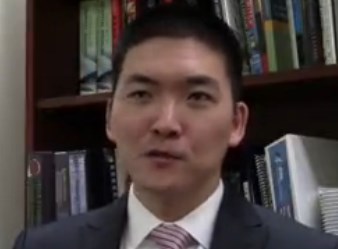
Dr. Hyung “Harry” Cho, a hospitalist and assistant professor of medicine at the Mt. Sinai School of Medicine in New York, has launched the Overuse Clinical Case Morbidity and Mortality (OCCAM’s) Conference to attack the problem of clinical overuse from a new perspective. Dr. Cho and his colleagues have turned the traditional morbidity and mortality conference on its head by addressing overuse as a medical error and using the conference as a forum to discuss which practical steps should be taken to improve quality of care while avoiding overuse of tests.
In this video interview, Dr. Cho – along with other key members of the OCCAM’s team – discuss the initiative’s inception, the importance of workgroups in implementing quality improvement initiatives from the ground up, and how to advance the conversation to define high-value care.
The video associated with this article is no longer available on this site. Please view all of our videos on the MDedge YouTube channel
What is high-value care and how can it be achieved? Overuse of clinical tests and diagnostic procedures, largely driven by concerns about missing unusual but potentially significant diagnoses, drives health care costs and can result in worrisome incidental findings.
Dr. Hyung “Harry” Cho, a hospitalist and assistant professor of medicine at the Mt. Sinai School of Medicine in New York, has launched the Overuse Clinical Case Morbidity and Mortality (OCCAM’s) Conference to attack the problem of clinical overuse from a new perspective. Dr. Cho and his colleagues have turned the traditional morbidity and mortality conference on its head by addressing overuse as a medical error and using the conference as a forum to discuss which practical steps should be taken to improve quality of care while avoiding overuse of tests.
In this video interview, Dr. Cho – along with other key members of the OCCAM’s team – discuss the initiative’s inception, the importance of workgroups in implementing quality improvement initiatives from the ground up, and how to advance the conversation to define high-value care.
The video associated with this article is no longer available on this site. Please view all of our videos on the MDedge YouTube channel
What is high-value care and how can it be achieved? Overuse of clinical tests and diagnostic procedures, largely driven by concerns about missing unusual but potentially significant diagnoses, drives health care costs and can result in worrisome incidental findings.
Dr. Hyung “Harry” Cho, a hospitalist and assistant professor of medicine at the Mt. Sinai School of Medicine in New York, has launched the Overuse Clinical Case Morbidity and Mortality (OCCAM’s) Conference to attack the problem of clinical overuse from a new perspective. Dr. Cho and his colleagues have turned the traditional morbidity and mortality conference on its head by addressing overuse as a medical error and using the conference as a forum to discuss which practical steps should be taken to improve quality of care while avoiding overuse of tests.
In this video interview, Dr. Cho – along with other key members of the OCCAM’s team – discuss the initiative’s inception, the importance of workgroups in implementing quality improvement initiatives from the ground up, and how to advance the conversation to define high-value care.
The video associated with this article is no longer available on this site. Please view all of our videos on the MDedge YouTube channel
VIDEO: Patients use CardioMEMS feedback to improve self-management
Some of the highly selected heart failure patients who have received the CardioMEMS device at Brigham and Women’s Hospital in Boston have shown clinically meaningful behavior changes in response to the feedback they receive on fluctuations in their pulmonary artery pressures. This feedback has prompted patients to change things like their salt and fluid intake so that they have fewer spikes in their pulmonary-artery diastolic pressure, an important step toward reducing their need for hospitalization because of acute decompensation episodes and possibly improving their long-term outcomes, Dr. Eldrin F. Lewis said in an interview.
“In our clinical practice we notice that when patients get feedback on their pulmonary-artery pressure they often change their behavior. In some patients their pulmonary-artery pressures normalized and stayed in the normal range more consistently,” said Dr. Lewis, a heart failure cardiologist at Brigham and Women’s. This apparent effect of daily monitoring of pulmonary artery pressure using CardioMEMS on patient behavior had not previously been assessed in the device’s clinical trials.
Those trials documented that diligent monitoring of pulmonary artery pressures and tweaking therapy to optimize those pressures led to significant reduction in heart failure hospitalizations, but Dr. Lewis and other heart failure specialists speculate that patients may reap other benefits.
“If we can dramatically reduce heart failure hospitalization rates in these patients, that should eventually translate into improved survival, and I think that by keeping fluid levels down it should also improve exercise capacity and quality of life,” he said.
The CardioMEMS monitoring system is marketed by St. Jude Medical. Dr. Lewis has no disclosures that involve St. Jude. He has received research grants from Amgen, Novartis, and Sanofi.
The video associated with this article is no longer available on this site. Please view all of our videos on the MDedge YouTube channel
On Twitter @mitchelzoler
Some of the highly selected heart failure patients who have received the CardioMEMS device at Brigham and Women’s Hospital in Boston have shown clinically meaningful behavior changes in response to the feedback they receive on fluctuations in their pulmonary artery pressures. This feedback has prompted patients to change things like their salt and fluid intake so that they have fewer spikes in their pulmonary-artery diastolic pressure, an important step toward reducing their need for hospitalization because of acute decompensation episodes and possibly improving their long-term outcomes, Dr. Eldrin F. Lewis said in an interview.
“In our clinical practice we notice that when patients get feedback on their pulmonary-artery pressure they often change their behavior. In some patients their pulmonary-artery pressures normalized and stayed in the normal range more consistently,” said Dr. Lewis, a heart failure cardiologist at Brigham and Women’s. This apparent effect of daily monitoring of pulmonary artery pressure using CardioMEMS on patient behavior had not previously been assessed in the device’s clinical trials.
Those trials documented that diligent monitoring of pulmonary artery pressures and tweaking therapy to optimize those pressures led to significant reduction in heart failure hospitalizations, but Dr. Lewis and other heart failure specialists speculate that patients may reap other benefits.
“If we can dramatically reduce heart failure hospitalization rates in these patients, that should eventually translate into improved survival, and I think that by keeping fluid levels down it should also improve exercise capacity and quality of life,” he said.
The CardioMEMS monitoring system is marketed by St. Jude Medical. Dr. Lewis has no disclosures that involve St. Jude. He has received research grants from Amgen, Novartis, and Sanofi.
The video associated with this article is no longer available on this site. Please view all of our videos on the MDedge YouTube channel
On Twitter @mitchelzoler
Some of the highly selected heart failure patients who have received the CardioMEMS device at Brigham and Women’s Hospital in Boston have shown clinically meaningful behavior changes in response to the feedback they receive on fluctuations in their pulmonary artery pressures. This feedback has prompted patients to change things like their salt and fluid intake so that they have fewer spikes in their pulmonary-artery diastolic pressure, an important step toward reducing their need for hospitalization because of acute decompensation episodes and possibly improving their long-term outcomes, Dr. Eldrin F. Lewis said in an interview.
“In our clinical practice we notice that when patients get feedback on their pulmonary-artery pressure they often change their behavior. In some patients their pulmonary-artery pressures normalized and stayed in the normal range more consistently,” said Dr. Lewis, a heart failure cardiologist at Brigham and Women’s. This apparent effect of daily monitoring of pulmonary artery pressure using CardioMEMS on patient behavior had not previously been assessed in the device’s clinical trials.
Those trials documented that diligent monitoring of pulmonary artery pressures and tweaking therapy to optimize those pressures led to significant reduction in heart failure hospitalizations, but Dr. Lewis and other heart failure specialists speculate that patients may reap other benefits.
“If we can dramatically reduce heart failure hospitalization rates in these patients, that should eventually translate into improved survival, and I think that by keeping fluid levels down it should also improve exercise capacity and quality of life,” he said.
The CardioMEMS monitoring system is marketed by St. Jude Medical. Dr. Lewis has no disclosures that involve St. Jude. He has received research grants from Amgen, Novartis, and Sanofi.
The video associated with this article is no longer available on this site. Please view all of our videos on the MDedge YouTube channel
On Twitter @mitchelzoler

VIDEO: Adverse ventilation effect means rethinking Cheyne-Stokes respiration
LONDON – The management of Cheyne-Stokes respiration in patients with heart failure with reduced ejection fraction needs to be reconsidered following the troubling outcome of a major trial that tested adaptive servo-ventilation as treatment for this symptom, Dr. Lars Køber commented during an interview at the annual congress of the European Society of Cardiology.
Cheyne-Stokes respiration, a form of central sleep apnea, differs from obstructive sleep apnea in that heart failure patients do not seem to derive symptomatic benefit from adaptive servo-ventilation treatment, but “physicians have thought they could treat this sleep apnea [with ventilation] and it would change prognosis,” said Dr. Køber. “Treatment of sleep apnea is possible, so physicians had started doing it.” But instead of helping patients, the trial results strongly suggested that patients were harmed by treatment, which was significantly linked with increased rates of both all-cause and cardiovascular mortality (N Engl J Med. 2015 Sep 1. doi: 10.1056/NEJMoa1506459).
In our video interview, Dr. Køber, professor of cardiology at Rigshospitalet and the University of Copenhagen, discusses the results and what the findings imply for future treatment.
The video associated with this article is no longer available on this site. Please view all of our videos on the MDedge YouTube channel
On Twitter @mitchelzoler
LONDON – The management of Cheyne-Stokes respiration in patients with heart failure with reduced ejection fraction needs to be reconsidered following the troubling outcome of a major trial that tested adaptive servo-ventilation as treatment for this symptom, Dr. Lars Køber commented during an interview at the annual congress of the European Society of Cardiology.
Cheyne-Stokes respiration, a form of central sleep apnea, differs from obstructive sleep apnea in that heart failure patients do not seem to derive symptomatic benefit from adaptive servo-ventilation treatment, but “physicians have thought they could treat this sleep apnea [with ventilation] and it would change prognosis,” said Dr. Køber. “Treatment of sleep apnea is possible, so physicians had started doing it.” But instead of helping patients, the trial results strongly suggested that patients were harmed by treatment, which was significantly linked with increased rates of both all-cause and cardiovascular mortality (N Engl J Med. 2015 Sep 1. doi: 10.1056/NEJMoa1506459).
In our video interview, Dr. Køber, professor of cardiology at Rigshospitalet and the University of Copenhagen, discusses the results and what the findings imply for future treatment.
The video associated with this article is no longer available on this site. Please view all of our videos on the MDedge YouTube channel
On Twitter @mitchelzoler
LONDON – The management of Cheyne-Stokes respiration in patients with heart failure with reduced ejection fraction needs to be reconsidered following the troubling outcome of a major trial that tested adaptive servo-ventilation as treatment for this symptom, Dr. Lars Køber commented during an interview at the annual congress of the European Society of Cardiology.
Cheyne-Stokes respiration, a form of central sleep apnea, differs from obstructive sleep apnea in that heart failure patients do not seem to derive symptomatic benefit from adaptive servo-ventilation treatment, but “physicians have thought they could treat this sleep apnea [with ventilation] and it would change prognosis,” said Dr. Køber. “Treatment of sleep apnea is possible, so physicians had started doing it.” But instead of helping patients, the trial results strongly suggested that patients were harmed by treatment, which was significantly linked with increased rates of both all-cause and cardiovascular mortality (N Engl J Med. 2015 Sep 1. doi: 10.1056/NEJMoa1506459).
In our video interview, Dr. Køber, professor of cardiology at Rigshospitalet and the University of Copenhagen, discusses the results and what the findings imply for future treatment.
The video associated with this article is no longer available on this site. Please view all of our videos on the MDedge YouTube channel
On Twitter @mitchelzoler
AT THE ESC CONGRESS 2015
VIDEO: Consistency is key to monitoring patients on opioids
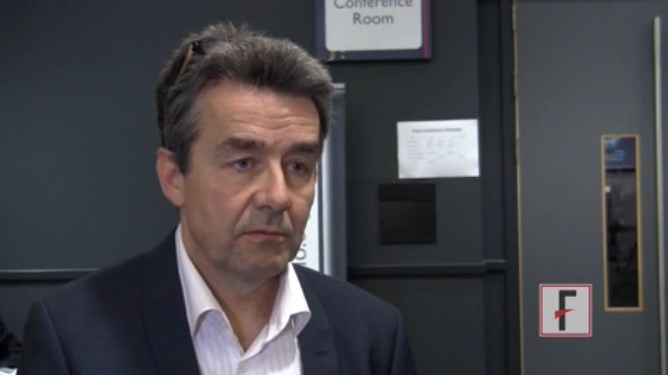
ORLANDO – Take a consistent approach with all patients on opioid therapy, regardless of a patient’s perceived potential for abuse, Dr. Melissa B. Weimer advised.
“This is an area of medicine where I feel we need to apply universal precautions to all patients,” noted Dr. Weimer, assistant professor of medicine, Oregon Health and Science University, Portland. “We’re treating all patients as at some level of potential harm from this medication.”
In an interview at a meeting held by the American Pain Society and Global Academy for Medical Education, Dr. Weimer outlined a strategy that employs the same protocol to monitor therapy, even when the abuse potential is considered to be low.
Global Academy and this news organization are owned by the same company. Dr. Weimer reported no financial disclosures.
The video associated with this article is no longer available on this site. Please view all of our videos on the MDedge YouTube channel
ORLANDO – Take a consistent approach with all patients on opioid therapy, regardless of a patient’s perceived potential for abuse, Dr. Melissa B. Weimer advised.
“This is an area of medicine where I feel we need to apply universal precautions to all patients,” noted Dr. Weimer, assistant professor of medicine, Oregon Health and Science University, Portland. “We’re treating all patients as at some level of potential harm from this medication.”
In an interview at a meeting held by the American Pain Society and Global Academy for Medical Education, Dr. Weimer outlined a strategy that employs the same protocol to monitor therapy, even when the abuse potential is considered to be low.
Global Academy and this news organization are owned by the same company. Dr. Weimer reported no financial disclosures.
The video associated with this article is no longer available on this site. Please view all of our videos on the MDedge YouTube channel
ORLANDO – Take a consistent approach with all patients on opioid therapy, regardless of a patient’s perceived potential for abuse, Dr. Melissa B. Weimer advised.
“This is an area of medicine where I feel we need to apply universal precautions to all patients,” noted Dr. Weimer, assistant professor of medicine, Oregon Health and Science University, Portland. “We’re treating all patients as at some level of potential harm from this medication.”
In an interview at a meeting held by the American Pain Society and Global Academy for Medical Education, Dr. Weimer outlined a strategy that employs the same protocol to monitor therapy, even when the abuse potential is considered to be low.
Global Academy and this news organization are owned by the same company. Dr. Weimer reported no financial disclosures.
The video associated with this article is no longer available on this site. Please view all of our videos on the MDedge YouTube channel
EXPERT ANALYSIS FROM PAIN CARE FOR PRIMARY CARE
VIDEO: Use fiduciary duty to set pain medication boundaries
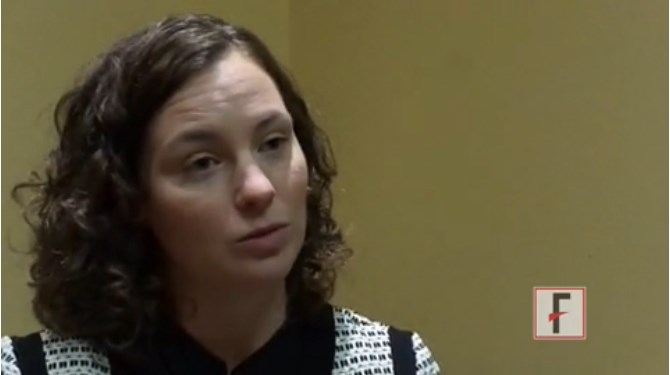
ORLANDO – Physicians should use the concept of fiduciary duty to set appropriate boundaries with patients taking pain medications, explained Dr. Louis Kuritzky.
Often, patients want treatments that are not in their best interests, noted Dr. Kuritzky of the department of community health and family medicine at the University of Florida, Gainesville.
In an interview at a meeting held by the American Pain Society and Global Academy for Medical Education, Dr. Kuritzky outlined how physicians can take a fiduciary duty approach to set boundaries with patients in a dispassionate manner.
Global Academy and this news organization are owned by the same company. Dr. Kuritzky reported a financial relationship with Lilly.
The video associated with this article is no longer available on this site. Please view all of our videos on the MDedge YouTube channel
ORLANDO – Physicians should use the concept of fiduciary duty to set appropriate boundaries with patients taking pain medications, explained Dr. Louis Kuritzky.
Often, patients want treatments that are not in their best interests, noted Dr. Kuritzky of the department of community health and family medicine at the University of Florida, Gainesville.
In an interview at a meeting held by the American Pain Society and Global Academy for Medical Education, Dr. Kuritzky outlined how physicians can take a fiduciary duty approach to set boundaries with patients in a dispassionate manner.
Global Academy and this news organization are owned by the same company. Dr. Kuritzky reported a financial relationship with Lilly.
The video associated with this article is no longer available on this site. Please view all of our videos on the MDedge YouTube channel
ORLANDO – Physicians should use the concept of fiduciary duty to set appropriate boundaries with patients taking pain medications, explained Dr. Louis Kuritzky.
Often, patients want treatments that are not in their best interests, noted Dr. Kuritzky of the department of community health and family medicine at the University of Florida, Gainesville.
In an interview at a meeting held by the American Pain Society and Global Academy for Medical Education, Dr. Kuritzky outlined how physicians can take a fiduciary duty approach to set boundaries with patients in a dispassionate manner.
Global Academy and this news organization are owned by the same company. Dr. Kuritzky reported a financial relationship with Lilly.
The video associated with this article is no longer available on this site. Please view all of our videos on the MDedge YouTube channel
EXPERT ANALYSIS FROM PAIN CARE FOR PRIMARY CARE
VIDEO: Does childhood abdominal pain portend adult GI problems?
CHICAGO – Functional abdominal pain (FAP) is one of the most common complaints seen in pediatric and pediatric gastroenterology practices – but does that pediatric condition put patients at risk for similar problems as adults?
The worldwide prevalence of FAP in children is about 13.5%, with more than one in three children reporting weekly abdominal pain. Although that FAP often disappears over time, new research suggests that childhood FAP increases the risk for adult problems.
Indeed, roughly 30%-40% of children with FAP will go on to become adults with irritable bowel syndrome (IBS) or another functional gastrointestinal disorder (FGID), according to Miranda van Tilburg, Ph.D., of the department of gastroenterology and hepatology, University of North Carolina at Chapel Hill.
A recent prospective, longitudinal study reported that 41% of pediatric FAP patients met the symptom criteria for Rome III FGID at follow-up evaluation an average of 9.2 years after initial diagnosis. The most common FGID at follow-up was IBS (Clin Gastroenterol Hepatol. 2014 Dec;12[12]:2026-32).
Children with FAP will transition into adult care, and adult gastroenterologists need to be ready to attend to these patients and the specific issues they bring, Dr. Tilburg said at the meeting sponsored by the American Gastroenterological Association. In a video interview, Dr. van Tilburg discussed this subset of children whose FAP persists into adulthood, and what clinicians can do to care for these patients.
Dr. van Tilburg reported having no relevant conflicts of interest.
The video associated with this article is no longer available on this site. Please view all of our videos on the MDedge YouTube channel
On Twitter @pwendl
CHICAGO – Functional abdominal pain (FAP) is one of the most common complaints seen in pediatric and pediatric gastroenterology practices – but does that pediatric condition put patients at risk for similar problems as adults?
The worldwide prevalence of FAP in children is about 13.5%, with more than one in three children reporting weekly abdominal pain. Although that FAP often disappears over time, new research suggests that childhood FAP increases the risk for adult problems.
Indeed, roughly 30%-40% of children with FAP will go on to become adults with irritable bowel syndrome (IBS) or another functional gastrointestinal disorder (FGID), according to Miranda van Tilburg, Ph.D., of the department of gastroenterology and hepatology, University of North Carolina at Chapel Hill.
A recent prospective, longitudinal study reported that 41% of pediatric FAP patients met the symptom criteria for Rome III FGID at follow-up evaluation an average of 9.2 years after initial diagnosis. The most common FGID at follow-up was IBS (Clin Gastroenterol Hepatol. 2014 Dec;12[12]:2026-32).
Children with FAP will transition into adult care, and adult gastroenterologists need to be ready to attend to these patients and the specific issues they bring, Dr. Tilburg said at the meeting sponsored by the American Gastroenterological Association. In a video interview, Dr. van Tilburg discussed this subset of children whose FAP persists into adulthood, and what clinicians can do to care for these patients.
Dr. van Tilburg reported having no relevant conflicts of interest.
The video associated with this article is no longer available on this site. Please view all of our videos on the MDedge YouTube channel
On Twitter @pwendl
CHICAGO – Functional abdominal pain (FAP) is one of the most common complaints seen in pediatric and pediatric gastroenterology practices – but does that pediatric condition put patients at risk for similar problems as adults?
The worldwide prevalence of FAP in children is about 13.5%, with more than one in three children reporting weekly abdominal pain. Although that FAP often disappears over time, new research suggests that childhood FAP increases the risk for adult problems.
Indeed, roughly 30%-40% of children with FAP will go on to become adults with irritable bowel syndrome (IBS) or another functional gastrointestinal disorder (FGID), according to Miranda van Tilburg, Ph.D., of the department of gastroenterology and hepatology, University of North Carolina at Chapel Hill.
A recent prospective, longitudinal study reported that 41% of pediatric FAP patients met the symptom criteria for Rome III FGID at follow-up evaluation an average of 9.2 years after initial diagnosis. The most common FGID at follow-up was IBS (Clin Gastroenterol Hepatol. 2014 Dec;12[12]:2026-32).
Children with FAP will transition into adult care, and adult gastroenterologists need to be ready to attend to these patients and the specific issues they bring, Dr. Tilburg said at the meeting sponsored by the American Gastroenterological Association. In a video interview, Dr. van Tilburg discussed this subset of children whose FAP persists into adulthood, and what clinicians can do to care for these patients.
Dr. van Tilburg reported having no relevant conflicts of interest.
The video associated with this article is no longer available on this site. Please view all of our videos on the MDedge YouTube channel
On Twitter @pwendl
EXPERT OPINION FROM THE 2015 JAMES W. FRESTON CONFERENCE
Heme Themes: Transplant timing for myelofibrosis in the era of JAK2 inhibitors
ALEXANDRIA, VA. – How are mutation analysis gene panels affecting risk stratification and decision making regarding stem cell transplants in myelofibrosis patients? How are the results of the Dynamic International Prognostic Scoring System (DIPSS) and performance status improvements seen with JAK2 inhibitors influencing who is a candidate for transplant and the timing of transplants?
Watch the conversation between Dr. Vikas Gupta of the leukemia and bone marrow transplant programs at the Princess Margaret Cancer Centre, Toronto, and associate professor of medicine at the University of Toronto, and Dr. Rami S. Komrokji of the Moffitt Cancer Center, Tampa, Fla., as they discuss their individual approaches that consider patient wishes and goals, type of donor, and disease risk in their decisions to perform stem cell transplants upfront or to delay them until after JAK2 inhibitor therapy.
Have an insight to share? Post a comment.
The video associated with this article is no longer available on this site. Please view all of our videos on the MDedge YouTube channel
ALEXANDRIA, VA. – How are mutation analysis gene panels affecting risk stratification and decision making regarding stem cell transplants in myelofibrosis patients? How are the results of the Dynamic International Prognostic Scoring System (DIPSS) and performance status improvements seen with JAK2 inhibitors influencing who is a candidate for transplant and the timing of transplants?
Watch the conversation between Dr. Vikas Gupta of the leukemia and bone marrow transplant programs at the Princess Margaret Cancer Centre, Toronto, and associate professor of medicine at the University of Toronto, and Dr. Rami S. Komrokji of the Moffitt Cancer Center, Tampa, Fla., as they discuss their individual approaches that consider patient wishes and goals, type of donor, and disease risk in their decisions to perform stem cell transplants upfront or to delay them until after JAK2 inhibitor therapy.
Have an insight to share? Post a comment.
The video associated with this article is no longer available on this site. Please view all of our videos on the MDedge YouTube channel
ALEXANDRIA, VA. – How are mutation analysis gene panels affecting risk stratification and decision making regarding stem cell transplants in myelofibrosis patients? How are the results of the Dynamic International Prognostic Scoring System (DIPSS) and performance status improvements seen with JAK2 inhibitors influencing who is a candidate for transplant and the timing of transplants?
Watch the conversation between Dr. Vikas Gupta of the leukemia and bone marrow transplant programs at the Princess Margaret Cancer Centre, Toronto, and associate professor of medicine at the University of Toronto, and Dr. Rami S. Komrokji of the Moffitt Cancer Center, Tampa, Fla., as they discuss their individual approaches that consider patient wishes and goals, type of donor, and disease risk in their decisions to perform stem cell transplants upfront or to delay them until after JAK2 inhibitor therapy.
Have an insight to share? Post a comment.
The video associated with this article is no longer available on this site. Please view all of our videos on the MDedge YouTube channel
AT U.S. FOCUS ON MPN AND MDS
Heme Themes: Challenges in averting the progression of MPN, MDS
ALEXANDRIA, VA. – What are the emerging combination therapies for slowing disease progression and improving therapeutic tolerability in myeloproliferative neoplasms and myelodysplastic syndromes?
Join Dr. Jaroslaw Maciejewski, chairman of the department of translational hematology and oncology research at the Taussig Cancer Institute, Cleveland Clinic, and professor of medicine at the Cleveland Clinic Lerner College of Medicine of Case Western Reserve University, and Dr. Ruben A. Mesa, chair of the Division of Hematology/Oncology, department of internal medicine, Mayo Clinic, Scottsdale, Arizona, for their one-on-one discussion of emerging treatment approaches. Then join the conversation by posting your comments and recommendations for other Heme Themes.
The video associated with this article is no longer available on this site. Please view all of our videos on the MDedge YouTube channel
ALEXANDRIA, VA. – What are the emerging combination therapies for slowing disease progression and improving therapeutic tolerability in myeloproliferative neoplasms and myelodysplastic syndromes?
Join Dr. Jaroslaw Maciejewski, chairman of the department of translational hematology and oncology research at the Taussig Cancer Institute, Cleveland Clinic, and professor of medicine at the Cleveland Clinic Lerner College of Medicine of Case Western Reserve University, and Dr. Ruben A. Mesa, chair of the Division of Hematology/Oncology, department of internal medicine, Mayo Clinic, Scottsdale, Arizona, for their one-on-one discussion of emerging treatment approaches. Then join the conversation by posting your comments and recommendations for other Heme Themes.
The video associated with this article is no longer available on this site. Please view all of our videos on the MDedge YouTube channel
ALEXANDRIA, VA. – What are the emerging combination therapies for slowing disease progression and improving therapeutic tolerability in myeloproliferative neoplasms and myelodysplastic syndromes?
Join Dr. Jaroslaw Maciejewski, chairman of the department of translational hematology and oncology research at the Taussig Cancer Institute, Cleveland Clinic, and professor of medicine at the Cleveland Clinic Lerner College of Medicine of Case Western Reserve University, and Dr. Ruben A. Mesa, chair of the Division of Hematology/Oncology, department of internal medicine, Mayo Clinic, Scottsdale, Arizona, for their one-on-one discussion of emerging treatment approaches. Then join the conversation by posting your comments and recommendations for other Heme Themes.
The video associated with this article is no longer available on this site. Please view all of our videos on the MDedge YouTube channel
EXPERT ANALYSIS FROM U.S. FOCUS ON MPN & MDS
VIDEO: FFR-CT could redefine interventional cardiology
LONDON – A potential revolution may be underway in how patients with stable, new-onset chest pain are selected for invasive cardiac catheterization.
Fractional flow reserve–computed tomography (FFR-CT) utilized sophisticated computer software to noninvasively assess both coronary anatomy and function in symptomatic, intermediate-risk patients in the randomized PLATFORM trial. It proved a safe alternative to conventional invasive diagnostic cardiac catheterization in the 584-patient, 11-center study, Dr. Pamela S. Douglas said in an interview during the annual congress of the European Society of Cardiology.
Using FFR-CT safely resulted in cancellation of 61% of planned diagnostic catheterizations on the basis of finding no obstructive CAD lesions, explained Dr. Douglas of Duke University, Durham, N.C.
The big remaining question now concerns the cost-effectiveness of the HeartFlow FFR-CT method, now commercially available in both the United States and Europe. Those embargoed data will be presented by Dr. Mark A. Hlatky of Stanford (Calif.) University at the Transcatheter Cardiovascular Therapeutics (TCT) conference in San Francisco in October.
The video associated with this article is no longer available on this site. Please view all of our videos on the MDedge YouTube channel
LONDON – A potential revolution may be underway in how patients with stable, new-onset chest pain are selected for invasive cardiac catheterization.
Fractional flow reserve–computed tomography (FFR-CT) utilized sophisticated computer software to noninvasively assess both coronary anatomy and function in symptomatic, intermediate-risk patients in the randomized PLATFORM trial. It proved a safe alternative to conventional invasive diagnostic cardiac catheterization in the 584-patient, 11-center study, Dr. Pamela S. Douglas said in an interview during the annual congress of the European Society of Cardiology.
Using FFR-CT safely resulted in cancellation of 61% of planned diagnostic catheterizations on the basis of finding no obstructive CAD lesions, explained Dr. Douglas of Duke University, Durham, N.C.
The big remaining question now concerns the cost-effectiveness of the HeartFlow FFR-CT method, now commercially available in both the United States and Europe. Those embargoed data will be presented by Dr. Mark A. Hlatky of Stanford (Calif.) University at the Transcatheter Cardiovascular Therapeutics (TCT) conference in San Francisco in October.
The video associated with this article is no longer available on this site. Please view all of our videos on the MDedge YouTube channel
LONDON – A potential revolution may be underway in how patients with stable, new-onset chest pain are selected for invasive cardiac catheterization.
Fractional flow reserve–computed tomography (FFR-CT) utilized sophisticated computer software to noninvasively assess both coronary anatomy and function in symptomatic, intermediate-risk patients in the randomized PLATFORM trial. It proved a safe alternative to conventional invasive diagnostic cardiac catheterization in the 584-patient, 11-center study, Dr. Pamela S. Douglas said in an interview during the annual congress of the European Society of Cardiology.
Using FFR-CT safely resulted in cancellation of 61% of planned diagnostic catheterizations on the basis of finding no obstructive CAD lesions, explained Dr. Douglas of Duke University, Durham, N.C.
The big remaining question now concerns the cost-effectiveness of the HeartFlow FFR-CT method, now commercially available in both the United States and Europe. Those embargoed data will be presented by Dr. Mark A. Hlatky of Stanford (Calif.) University at the Transcatheter Cardiovascular Therapeutics (TCT) conference in San Francisco in October.
The video associated with this article is no longer available on this site. Please view all of our videos on the MDedge YouTube channel
AT THE ESC CONGRESS 2015
Most cardiologists flunk auscultation skills test
LONDON – Cardiologists’ auscultation skills in the detection of valvular murmurs are “alarmingly low,” Dr. Michael J. Barrett reported at the annual congress of the European Society of Cardiology.
He formally tested the auscultation abilities of 1,098 cardiologists attending meetings of the American College of Cardiology. The results proved disheartening: The cardiologists, all voluntary participants in the project, were able to identify on average only 48% of the basic murmurs, which included aortic stenosis, aortic regurgitation, and mitral stenosis or regurgitation.
They did somewhat better in identifying the advanced murmurs, including mitral valve prolapse, bicuspid aortic valve, combined aortic stenosis and regurgitation, or combined mitral stenosis and regurgitation. But they still got only 66% of those murmurs right, according to Dr. Barrett, a cardiologist at Lehigh Valley Health Network, Allentown, Pa.
Their low success rates were quite similar to the scores achieved by primary care physicians in other studies, even though cardiologists are the ones who are supposed to be the experts in matters of the heart.
All is not lost, however. The participating cardiologists then underwent an intensive 90-minute auscultation training program in which they listened carefully to 400 repetitions of each murmur while viewing visual memory aids, including murmur phonocardiograms. Psychoacoustic research has shown that it takes this sort of dedicated repetition to master new sounds, he explained.
Upon retesting in which the murmurs were presented in random order so as to avoid test/retest score inflation, the cardiologists’ performance improved dramatically. Identification rates of the basic murmurs jumped from 48% to 88%, while scores for advanced murmurs zipped up to 93% from the pretest average of 66%.
Other studies carried out by Dr. Barrett have shown that the improvement in auscultation skills achieved through the learning program is durable.
Accurate auscultation is key to the cost-effective and timely detection of valve disorders, which is more important than ever now that dramatically effective transcatheter therapies are available for diseased aortic and mitral valves, the cardiologist observed.
Dr. Barrett is editor-in-chief of Heart Songs, the downloadable American College of Cardiology auscultation skills improvement program used in the study.
LONDON – Cardiologists’ auscultation skills in the detection of valvular murmurs are “alarmingly low,” Dr. Michael J. Barrett reported at the annual congress of the European Society of Cardiology.
He formally tested the auscultation abilities of 1,098 cardiologists attending meetings of the American College of Cardiology. The results proved disheartening: The cardiologists, all voluntary participants in the project, were able to identify on average only 48% of the basic murmurs, which included aortic stenosis, aortic regurgitation, and mitral stenosis or regurgitation.
They did somewhat better in identifying the advanced murmurs, including mitral valve prolapse, bicuspid aortic valve, combined aortic stenosis and regurgitation, or combined mitral stenosis and regurgitation. But they still got only 66% of those murmurs right, according to Dr. Barrett, a cardiologist at Lehigh Valley Health Network, Allentown, Pa.
Their low success rates were quite similar to the scores achieved by primary care physicians in other studies, even though cardiologists are the ones who are supposed to be the experts in matters of the heart.
All is not lost, however. The participating cardiologists then underwent an intensive 90-minute auscultation training program in which they listened carefully to 400 repetitions of each murmur while viewing visual memory aids, including murmur phonocardiograms. Psychoacoustic research has shown that it takes this sort of dedicated repetition to master new sounds, he explained.
Upon retesting in which the murmurs were presented in random order so as to avoid test/retest score inflation, the cardiologists’ performance improved dramatically. Identification rates of the basic murmurs jumped from 48% to 88%, while scores for advanced murmurs zipped up to 93% from the pretest average of 66%.
Other studies carried out by Dr. Barrett have shown that the improvement in auscultation skills achieved through the learning program is durable.
Accurate auscultation is key to the cost-effective and timely detection of valve disorders, which is more important than ever now that dramatically effective transcatheter therapies are available for diseased aortic and mitral valves, the cardiologist observed.
Dr. Barrett is editor-in-chief of Heart Songs, the downloadable American College of Cardiology auscultation skills improvement program used in the study.
LONDON – Cardiologists’ auscultation skills in the detection of valvular murmurs are “alarmingly low,” Dr. Michael J. Barrett reported at the annual congress of the European Society of Cardiology.
He formally tested the auscultation abilities of 1,098 cardiologists attending meetings of the American College of Cardiology. The results proved disheartening: The cardiologists, all voluntary participants in the project, were able to identify on average only 48% of the basic murmurs, which included aortic stenosis, aortic regurgitation, and mitral stenosis or regurgitation.
They did somewhat better in identifying the advanced murmurs, including mitral valve prolapse, bicuspid aortic valve, combined aortic stenosis and regurgitation, or combined mitral stenosis and regurgitation. But they still got only 66% of those murmurs right, according to Dr. Barrett, a cardiologist at Lehigh Valley Health Network, Allentown, Pa.
Their low success rates were quite similar to the scores achieved by primary care physicians in other studies, even though cardiologists are the ones who are supposed to be the experts in matters of the heart.
All is not lost, however. The participating cardiologists then underwent an intensive 90-minute auscultation training program in which they listened carefully to 400 repetitions of each murmur while viewing visual memory aids, including murmur phonocardiograms. Psychoacoustic research has shown that it takes this sort of dedicated repetition to master new sounds, he explained.
Upon retesting in which the murmurs were presented in random order so as to avoid test/retest score inflation, the cardiologists’ performance improved dramatically. Identification rates of the basic murmurs jumped from 48% to 88%, while scores for advanced murmurs zipped up to 93% from the pretest average of 66%.
Other studies carried out by Dr. Barrett have shown that the improvement in auscultation skills achieved through the learning program is durable.
Accurate auscultation is key to the cost-effective and timely detection of valve disorders, which is more important than ever now that dramatically effective transcatheter therapies are available for diseased aortic and mitral valves, the cardiologist observed.
Dr. Barrett is editor-in-chief of Heart Songs, the downloadable American College of Cardiology auscultation skills improvement program used in the study.
AT THE ESC CONGRESS 2015
Key clinical point: Most cardiologists get an F on auscultation skills, but they can improve dramatically through systematic repetition and training.
Major finding: Cardiologists’ accuracy in identifying basic aortic and mitral murmurs improved from a dismal 48% at baseline to 88% after a 90-minute skills training program.
Data source: This 1,098-cardiologist study involved a test of auscultation skills followed by a 90-minute training program and repeat testing.
Disclosures: The study was funded by the American College of Cardiology. The presenter serves as editor-in-chief of the college’s Heart Songs auscultation skills improvement program.