User login
Multivitamins and dementia: Untangling the COSMOS study web
I have written before about the COSMOS study and its finding that multivitamins (and chocolate) did not improve brain or cardiovascular health. So I was surprised to read that a “new” study found that vitamins can forestall dementia and age-related cognitive decline.
Upon closer look, the new data are neither new nor convincing, at least to me.
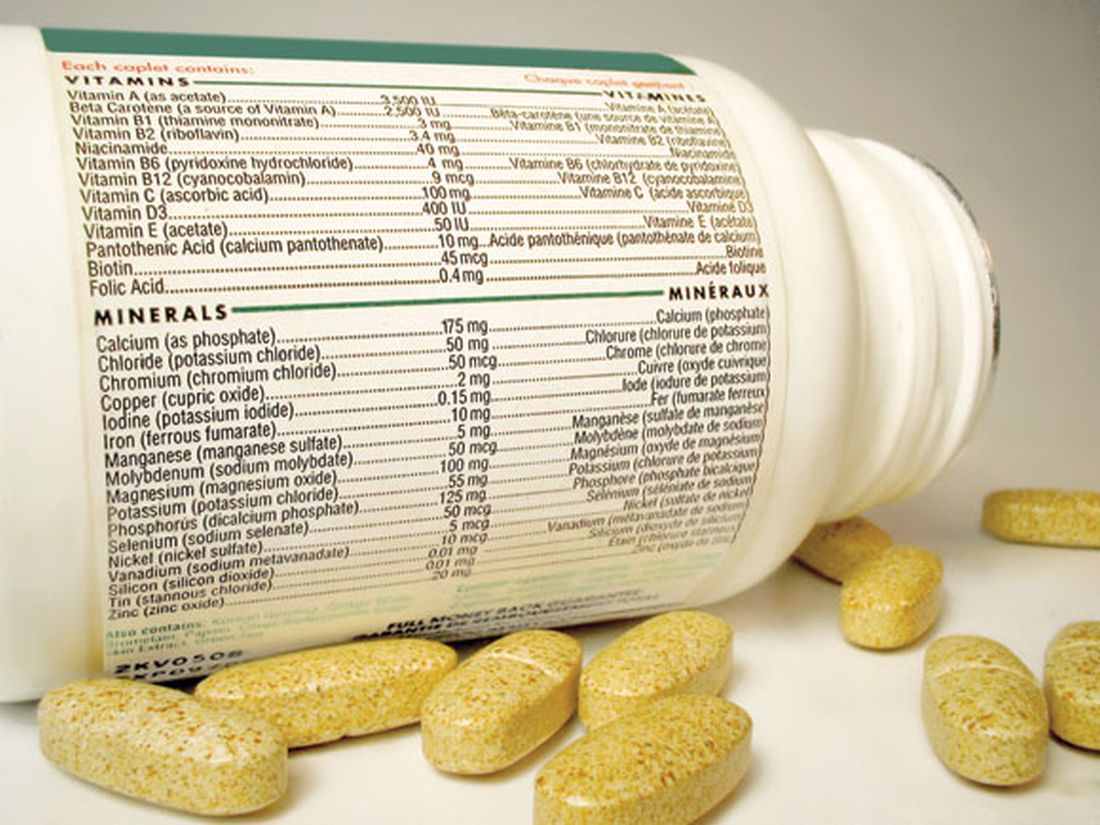
Chocolate and multivitamins for CVD and cancer prevention
The large randomized COSMOS trial was supposed to be the definitive study on chocolate that would establish its heart-health benefits without a doubt. Or, rather, the benefits of a cocoa bean extract in pill form given to healthy, older volunteers. The COSMOS study was negative. Chocolate, or the cocoa bean extract they used, did not reduce cardiovascular events.
And yet for all the prepublication importance attached to COSMOS, it is scarcely mentioned. Had it been positive, rest assured that Mars, the candy bar company that cofunded the research, and other interested parties would have been shouting it from the rooftops. As it is, they’re already spinning it.
Which brings us to the multivitamin component. COSMOS actually had a 2 × 2 design. In other words, there were four groups in this study: chocolate plus multivitamin, chocolate plus placebo, placebo plus multivitamin, and placebo plus placebo. This type of study design allows you to study two different interventions simultaneously, provided that they are independent and do not interact with each other. In addition to the primary cardiovascular endpoint, they also studied a cancer endpoint.
The multivitamin supplement didn’t reduce cardiovascular events either. Nor did it affect cancer outcomes. The main COSMOS study was negative and reinforced what countless other studies have proven: Taking a daily multivitamin does not reduce your risk of having a heart attack or developing cancer.
But wait, there’s more: COSMOS-Mind
But no researcher worth his salt studies just one or two endpoints in a study. The participants also underwent neurologic and memory testing. These results were reported separately in the COSMOS-Mind study.
COSMOS-Mind is often described as a separate (or “new”) study. In reality, it included the same participants from the original COSMOS trial and measured yet another primary outcome of cognitive performance on a series of tests administered by telephone. Although there is nothing inherently wrong with studying multiple outcomes in your patient population (after all, that salami isn’t going to slice itself), they cannot all be primary outcomes. Some, by necessity, must be secondary hypothesis–generating outcomes. If you test enough endpoints, multiple hypothesis testing dictates that eventually you will get a positive result simply by chance.
There was a time when the neurocognitive outcomes of COSMOS would have been reported in the same paper as the cardiovascular outcomes, but that time seems to have passed us by. Researchers live or die by the number of their publications, and there is an inherent advantage to squeezing as many publications as possible from the same dataset. Though, to be fair, the journal would probably have asked them to split up the paper as well.
In brief, the cocoa extract again fell short in COSMOS-Mind, but the multivitamin arm did better on the composite cognitive outcome. It was a fairly small difference – a 0.07-point improvement on the z-score at the 3-year mark (the z-score is the mean divided by the standard deviation). Much was also made of the fact that the improvement seemed to vary by prior history of cardiovascular disease (CVD). Those with a history of CVD had a 0.11-point improvement, whereas those without had a 0.06-point improvement. The authors couldn’t offer a definitive explanation for these findings. Any argument that multivitamins improve cardiovascular health and therefore prevent vascular dementia has to contend with the fact that the main COSMOS study didn’t show a cardiovascular benefit for vitamins. Speculation that you are treating nutritional deficiencies is exactly that: speculation.
A more salient question is: What does a 0.07-point improvement on the z-score mean clinically? This study didn’t assess whether a multivitamin supplement prevented dementia or allowed people to live independently for longer. In fairness, that would have been exceptionally difficult to do and would have required a much longer study.
Their one attempt to quantify the cognitive benefit clinically was a calculation about normal age-related decline. Test scores were 0.045 points lower for every 1-year increase in age among participants (their mean age was 73 years). So the authors contend that a 0.07-point increase, or the 0.083-point increase that they found at year 3, corresponds to 1.8 years of age-related decline forestalled. Whether this is an appropriate assumption, I leave for the reader to decide.
COSMOS-Web and replication
The results of COSMOS-Mind were seemingly bolstered by the recent publication of COSMOS-Web. Although I’ve seen this study described as having replicated the results of COSMOS-Mind, that description is a bit misleading. This was yet another ancillary COSMOS study; more than half of the 2,262 participants in COSMOS-Mind were also included in COSMOS-Web. Replicating results in the same people isn’t true replication.
The main difference between COSMOS-Mind and COSMOS-Web is that the former used a telephone interview to administer the cognitive tests and the latter used the Internet. They also had different endpoints, with COSMOS-Web looking at immediate recall rather than a global test composite.
COSMOS-Web was a positive study in that patients getting the multivitamin supplement did better on the test for immediate memory recall (remembering a list of 20 words), though they didn’t improve on tests of memory retention, executive function, or novel object recognition (basically a test where subjects have to identify matching geometric patterns and then recall them later). They were able to remember an additional 0.71 word on average, compared with 0.44 word in the placebo group. (For the record, it found no benefit for the cocoa extract).
Everybody does better on memory tests the second time around because practice makes perfect, hence the improvement in the placebo group. This benefit at 1 year did not survive to the end of follow-up at 3 years, in contrast to COSMOS-Mind, where the benefit was not apparent at 1 year and seen only at year 3. A history of cardiovascular disease didn’t seem to affect the results in COSMOS-Web as it did in COSMOS-Mind. As far as replications go, COSMOS-Web has some very non-negligible differences, compared with COSMOS-Mind. This incongruity, especially given the overlap in the patient populations is hard to reconcile. If COSMOS-Web was supposed to assuage any doubts that persisted after COSMOS-Mind, it hasn’t for me.
One of these studies is not like the others
Finally, although the COSMOS trial and all its ancillary study analyses suggest a neurocognitive benefit to multivitamin supplementation, it’s not the first study to test the matter. The Age-Related Eye Disease Study looked at vitamin C, vitamin E, beta-carotene, zinc, and copper. There was no benefit on any of the six cognitive tests administered to patients. The Women’s Health Study, the Women’s Antioxidant Cardiovascular Study and PREADViSE have all failed to show any benefit to the various vitamins and minerals they studied. A meta-analysis of 11 trials found no benefit to B vitamins in slowing cognitive aging.
The claim that COSMOS is the “first” study to test the hypothesis hinges on some careful wordplay. Prior studies tested specific vitamins, not a multivitamin. In the discussion of the paper, these other studies are critiqued for being short term. But the Physicians’ Health Study II did in fact study a multivitamin and assessed cognitive performance on average 2.5 years after randomization. It found no benefit. The authors of COSMOS-Web critiqued the 2.5-year wait to perform cognitive testing, saying it would have missed any short-term benefits. Although, given that they simultaneously praised their 3 years of follow-up, the criticism is hard to fully accept or even understand.
Whether follow-up is short or long, uses individual vitamins or a multivitamin, the results excluding COSMOS are uniformly negative.
Do enough tests in the same population, and something will rise above the noise just by chance. When you get a positive result in your research, it’s always exciting. But when a slew of studies that came before you are negative, you aren’t groundbreaking. You’re an outlier.
Dr. Labos is a cardiologist at Hôpital Notre-Dame, Montreal. He has disclosed no relevant financial relationships.
A version of this article appeared on Medscape.com.
I have written before about the COSMOS study and its finding that multivitamins (and chocolate) did not improve brain or cardiovascular health. So I was surprised to read that a “new” study found that vitamins can forestall dementia and age-related cognitive decline.
Upon closer look, the new data are neither new nor convincing, at least to me.
Chocolate and multivitamins for CVD and cancer prevention
The large randomized COSMOS trial was supposed to be the definitive study on chocolate that would establish its heart-health benefits without a doubt. Or, rather, the benefits of a cocoa bean extract in pill form given to healthy, older volunteers. The COSMOS study was negative. Chocolate, or the cocoa bean extract they used, did not reduce cardiovascular events.
And yet for all the prepublication importance attached to COSMOS, it is scarcely mentioned. Had it been positive, rest assured that Mars, the candy bar company that cofunded the research, and other interested parties would have been shouting it from the rooftops. As it is, they’re already spinning it.
Which brings us to the multivitamin component. COSMOS actually had a 2 × 2 design. In other words, there were four groups in this study: chocolate plus multivitamin, chocolate plus placebo, placebo plus multivitamin, and placebo plus placebo. This type of study design allows you to study two different interventions simultaneously, provided that they are independent and do not interact with each other. In addition to the primary cardiovascular endpoint, they also studied a cancer endpoint.
The multivitamin supplement didn’t reduce cardiovascular events either. Nor did it affect cancer outcomes. The main COSMOS study was negative and reinforced what countless other studies have proven: Taking a daily multivitamin does not reduce your risk of having a heart attack or developing cancer.
But wait, there’s more: COSMOS-Mind
But no researcher worth his salt studies just one or two endpoints in a study. The participants also underwent neurologic and memory testing. These results were reported separately in the COSMOS-Mind study.
COSMOS-Mind is often described as a separate (or “new”) study. In reality, it included the same participants from the original COSMOS trial and measured yet another primary outcome of cognitive performance on a series of tests administered by telephone. Although there is nothing inherently wrong with studying multiple outcomes in your patient population (after all, that salami isn’t going to slice itself), they cannot all be primary outcomes. Some, by necessity, must be secondary hypothesis–generating outcomes. If you test enough endpoints, multiple hypothesis testing dictates that eventually you will get a positive result simply by chance.
There was a time when the neurocognitive outcomes of COSMOS would have been reported in the same paper as the cardiovascular outcomes, but that time seems to have passed us by. Researchers live or die by the number of their publications, and there is an inherent advantage to squeezing as many publications as possible from the same dataset. Though, to be fair, the journal would probably have asked them to split up the paper as well.
In brief, the cocoa extract again fell short in COSMOS-Mind, but the multivitamin arm did better on the composite cognitive outcome. It was a fairly small difference – a 0.07-point improvement on the z-score at the 3-year mark (the z-score is the mean divided by the standard deviation). Much was also made of the fact that the improvement seemed to vary by prior history of cardiovascular disease (CVD). Those with a history of CVD had a 0.11-point improvement, whereas those without had a 0.06-point improvement. The authors couldn’t offer a definitive explanation for these findings. Any argument that multivitamins improve cardiovascular health and therefore prevent vascular dementia has to contend with the fact that the main COSMOS study didn’t show a cardiovascular benefit for vitamins. Speculation that you are treating nutritional deficiencies is exactly that: speculation.
A more salient question is: What does a 0.07-point improvement on the z-score mean clinically? This study didn’t assess whether a multivitamin supplement prevented dementia or allowed people to live independently for longer. In fairness, that would have been exceptionally difficult to do and would have required a much longer study.
Their one attempt to quantify the cognitive benefit clinically was a calculation about normal age-related decline. Test scores were 0.045 points lower for every 1-year increase in age among participants (their mean age was 73 years). So the authors contend that a 0.07-point increase, or the 0.083-point increase that they found at year 3, corresponds to 1.8 years of age-related decline forestalled. Whether this is an appropriate assumption, I leave for the reader to decide.
COSMOS-Web and replication
The results of COSMOS-Mind were seemingly bolstered by the recent publication of COSMOS-Web. Although I’ve seen this study described as having replicated the results of COSMOS-Mind, that description is a bit misleading. This was yet another ancillary COSMOS study; more than half of the 2,262 participants in COSMOS-Mind were also included in COSMOS-Web. Replicating results in the same people isn’t true replication.
The main difference between COSMOS-Mind and COSMOS-Web is that the former used a telephone interview to administer the cognitive tests and the latter used the Internet. They also had different endpoints, with COSMOS-Web looking at immediate recall rather than a global test composite.
COSMOS-Web was a positive study in that patients getting the multivitamin supplement did better on the test for immediate memory recall (remembering a list of 20 words), though they didn’t improve on tests of memory retention, executive function, or novel object recognition (basically a test where subjects have to identify matching geometric patterns and then recall them later). They were able to remember an additional 0.71 word on average, compared with 0.44 word in the placebo group. (For the record, it found no benefit for the cocoa extract).
Everybody does better on memory tests the second time around because practice makes perfect, hence the improvement in the placebo group. This benefit at 1 year did not survive to the end of follow-up at 3 years, in contrast to COSMOS-Mind, where the benefit was not apparent at 1 year and seen only at year 3. A history of cardiovascular disease didn’t seem to affect the results in COSMOS-Web as it did in COSMOS-Mind. As far as replications go, COSMOS-Web has some very non-negligible differences, compared with COSMOS-Mind. This incongruity, especially given the overlap in the patient populations is hard to reconcile. If COSMOS-Web was supposed to assuage any doubts that persisted after COSMOS-Mind, it hasn’t for me.
One of these studies is not like the others
Finally, although the COSMOS trial and all its ancillary study analyses suggest a neurocognitive benefit to multivitamin supplementation, it’s not the first study to test the matter. The Age-Related Eye Disease Study looked at vitamin C, vitamin E, beta-carotene, zinc, and copper. There was no benefit on any of the six cognitive tests administered to patients. The Women’s Health Study, the Women’s Antioxidant Cardiovascular Study and PREADViSE have all failed to show any benefit to the various vitamins and minerals they studied. A meta-analysis of 11 trials found no benefit to B vitamins in slowing cognitive aging.
The claim that COSMOS is the “first” study to test the hypothesis hinges on some careful wordplay. Prior studies tested specific vitamins, not a multivitamin. In the discussion of the paper, these other studies are critiqued for being short term. But the Physicians’ Health Study II did in fact study a multivitamin and assessed cognitive performance on average 2.5 years after randomization. It found no benefit. The authors of COSMOS-Web critiqued the 2.5-year wait to perform cognitive testing, saying it would have missed any short-term benefits. Although, given that they simultaneously praised their 3 years of follow-up, the criticism is hard to fully accept or even understand.
Whether follow-up is short or long, uses individual vitamins or a multivitamin, the results excluding COSMOS are uniformly negative.
Do enough tests in the same population, and something will rise above the noise just by chance. When you get a positive result in your research, it’s always exciting. But when a slew of studies that came before you are negative, you aren’t groundbreaking. You’re an outlier.
Dr. Labos is a cardiologist at Hôpital Notre-Dame, Montreal. He has disclosed no relevant financial relationships.
A version of this article appeared on Medscape.com.
I have written before about the COSMOS study and its finding that multivitamins (and chocolate) did not improve brain or cardiovascular health. So I was surprised to read that a “new” study found that vitamins can forestall dementia and age-related cognitive decline.
Upon closer look, the new data are neither new nor convincing, at least to me.
Chocolate and multivitamins for CVD and cancer prevention
The large randomized COSMOS trial was supposed to be the definitive study on chocolate that would establish its heart-health benefits without a doubt. Or, rather, the benefits of a cocoa bean extract in pill form given to healthy, older volunteers. The COSMOS study was negative. Chocolate, or the cocoa bean extract they used, did not reduce cardiovascular events.
And yet for all the prepublication importance attached to COSMOS, it is scarcely mentioned. Had it been positive, rest assured that Mars, the candy bar company that cofunded the research, and other interested parties would have been shouting it from the rooftops. As it is, they’re already spinning it.
Which brings us to the multivitamin component. COSMOS actually had a 2 × 2 design. In other words, there were four groups in this study: chocolate plus multivitamin, chocolate plus placebo, placebo plus multivitamin, and placebo plus placebo. This type of study design allows you to study two different interventions simultaneously, provided that they are independent and do not interact with each other. In addition to the primary cardiovascular endpoint, they also studied a cancer endpoint.
The multivitamin supplement didn’t reduce cardiovascular events either. Nor did it affect cancer outcomes. The main COSMOS study was negative and reinforced what countless other studies have proven: Taking a daily multivitamin does not reduce your risk of having a heart attack or developing cancer.
But wait, there’s more: COSMOS-Mind
But no researcher worth his salt studies just one or two endpoints in a study. The participants also underwent neurologic and memory testing. These results were reported separately in the COSMOS-Mind study.
COSMOS-Mind is often described as a separate (or “new”) study. In reality, it included the same participants from the original COSMOS trial and measured yet another primary outcome of cognitive performance on a series of tests administered by telephone. Although there is nothing inherently wrong with studying multiple outcomes in your patient population (after all, that salami isn’t going to slice itself), they cannot all be primary outcomes. Some, by necessity, must be secondary hypothesis–generating outcomes. If you test enough endpoints, multiple hypothesis testing dictates that eventually you will get a positive result simply by chance.
There was a time when the neurocognitive outcomes of COSMOS would have been reported in the same paper as the cardiovascular outcomes, but that time seems to have passed us by. Researchers live or die by the number of their publications, and there is an inherent advantage to squeezing as many publications as possible from the same dataset. Though, to be fair, the journal would probably have asked them to split up the paper as well.
In brief, the cocoa extract again fell short in COSMOS-Mind, but the multivitamin arm did better on the composite cognitive outcome. It was a fairly small difference – a 0.07-point improvement on the z-score at the 3-year mark (the z-score is the mean divided by the standard deviation). Much was also made of the fact that the improvement seemed to vary by prior history of cardiovascular disease (CVD). Those with a history of CVD had a 0.11-point improvement, whereas those without had a 0.06-point improvement. The authors couldn’t offer a definitive explanation for these findings. Any argument that multivitamins improve cardiovascular health and therefore prevent vascular dementia has to contend with the fact that the main COSMOS study didn’t show a cardiovascular benefit for vitamins. Speculation that you are treating nutritional deficiencies is exactly that: speculation.
A more salient question is: What does a 0.07-point improvement on the z-score mean clinically? This study didn’t assess whether a multivitamin supplement prevented dementia or allowed people to live independently for longer. In fairness, that would have been exceptionally difficult to do and would have required a much longer study.
Their one attempt to quantify the cognitive benefit clinically was a calculation about normal age-related decline. Test scores were 0.045 points lower for every 1-year increase in age among participants (their mean age was 73 years). So the authors contend that a 0.07-point increase, or the 0.083-point increase that they found at year 3, corresponds to 1.8 years of age-related decline forestalled. Whether this is an appropriate assumption, I leave for the reader to decide.
COSMOS-Web and replication
The results of COSMOS-Mind were seemingly bolstered by the recent publication of COSMOS-Web. Although I’ve seen this study described as having replicated the results of COSMOS-Mind, that description is a bit misleading. This was yet another ancillary COSMOS study; more than half of the 2,262 participants in COSMOS-Mind were also included in COSMOS-Web. Replicating results in the same people isn’t true replication.
The main difference between COSMOS-Mind and COSMOS-Web is that the former used a telephone interview to administer the cognitive tests and the latter used the Internet. They also had different endpoints, with COSMOS-Web looking at immediate recall rather than a global test composite.
COSMOS-Web was a positive study in that patients getting the multivitamin supplement did better on the test for immediate memory recall (remembering a list of 20 words), though they didn’t improve on tests of memory retention, executive function, or novel object recognition (basically a test where subjects have to identify matching geometric patterns and then recall them later). They were able to remember an additional 0.71 word on average, compared with 0.44 word in the placebo group. (For the record, it found no benefit for the cocoa extract).
Everybody does better on memory tests the second time around because practice makes perfect, hence the improvement in the placebo group. This benefit at 1 year did not survive to the end of follow-up at 3 years, in contrast to COSMOS-Mind, where the benefit was not apparent at 1 year and seen only at year 3. A history of cardiovascular disease didn’t seem to affect the results in COSMOS-Web as it did in COSMOS-Mind. As far as replications go, COSMOS-Web has some very non-negligible differences, compared with COSMOS-Mind. This incongruity, especially given the overlap in the patient populations is hard to reconcile. If COSMOS-Web was supposed to assuage any doubts that persisted after COSMOS-Mind, it hasn’t for me.
One of these studies is not like the others
Finally, although the COSMOS trial and all its ancillary study analyses suggest a neurocognitive benefit to multivitamin supplementation, it’s not the first study to test the matter. The Age-Related Eye Disease Study looked at vitamin C, vitamin E, beta-carotene, zinc, and copper. There was no benefit on any of the six cognitive tests administered to patients. The Women’s Health Study, the Women’s Antioxidant Cardiovascular Study and PREADViSE have all failed to show any benefit to the various vitamins and minerals they studied. A meta-analysis of 11 trials found no benefit to B vitamins in slowing cognitive aging.
The claim that COSMOS is the “first” study to test the hypothesis hinges on some careful wordplay. Prior studies tested specific vitamins, not a multivitamin. In the discussion of the paper, these other studies are critiqued for being short term. But the Physicians’ Health Study II did in fact study a multivitamin and assessed cognitive performance on average 2.5 years after randomization. It found no benefit. The authors of COSMOS-Web critiqued the 2.5-year wait to perform cognitive testing, saying it would have missed any short-term benefits. Although, given that they simultaneously praised their 3 years of follow-up, the criticism is hard to fully accept or even understand.
Whether follow-up is short or long, uses individual vitamins or a multivitamin, the results excluding COSMOS are uniformly negative.
Do enough tests in the same population, and something will rise above the noise just by chance. When you get a positive result in your research, it’s always exciting. But when a slew of studies that came before you are negative, you aren’t groundbreaking. You’re an outlier.
Dr. Labos is a cardiologist at Hôpital Notre-Dame, Montreal. He has disclosed no relevant financial relationships.
A version of this article appeared on Medscape.com.
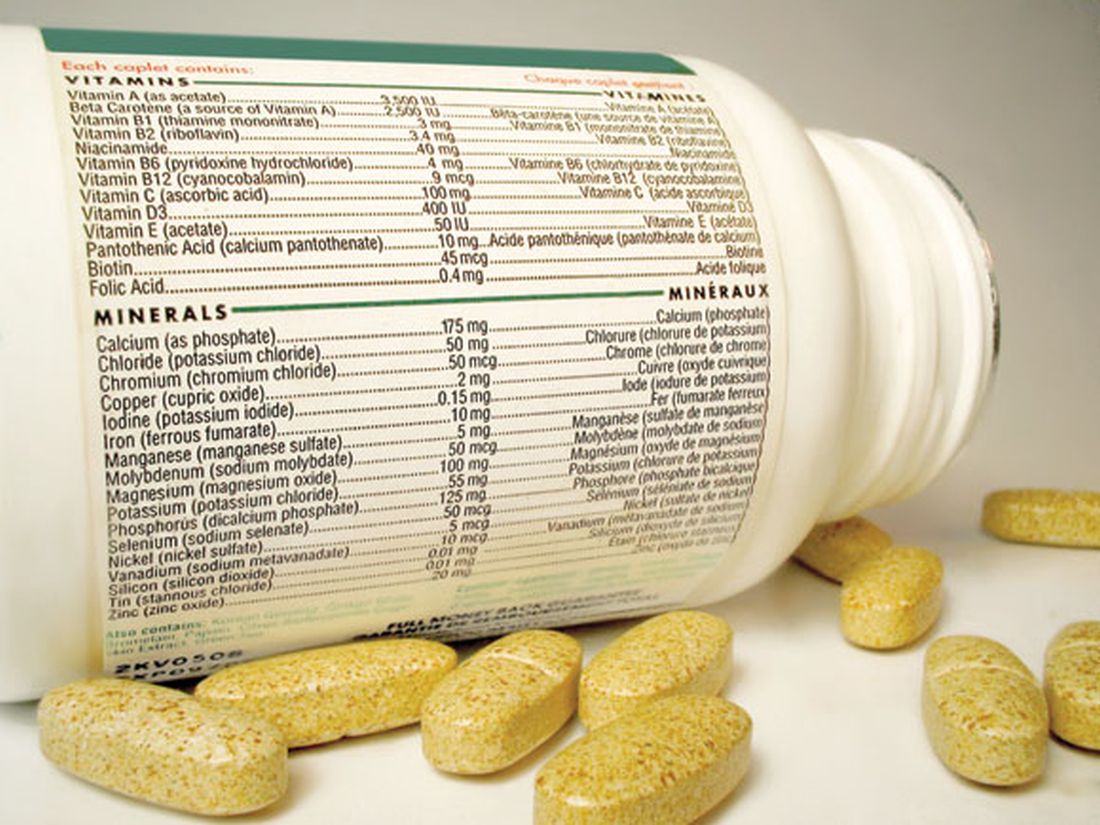
Can zoo poo help manage diabetic foot ulcers?
In a striking convergence of veterinary biology and medical science, researchers from the University of Sheffield (England) have unveiled findings that could potentially advance the treatment of diabetic foot ulcers, a condition affecting an estimated 18.6 million people worldwide. The unexpected ingredient in this potentially transformative therapy? Feces from endangered species, sourced from Yorkshire Wildlife Park, Doncaster, England.
The scourge of antibiotic resistance
Diabetic foot ulcers are a significant challenge in health care, not only because of their prevalence but also because of the alarming rise of antibiotic-resistant bacterial infections. Current antibiotic treatments frequently fail, leading to life-altering consequences like amputations and significant health care costs – estimated at one-third of the total direct costs of diabetes care. The critical need for alternative therapies has propelled scientists into a pressing search for novel antimicrobial agents.
A pioneering approach: zoo poo as bioactive goldmine
Led by Professor Graham Stafford, chair of molecular microbiology at the University of Sheffield, the research team began to explore a rather unorthodox resource: the fecal matter of endangered animals like Guinea baboons, lemurs, and Visayan pigs. While such a source might seem surprising at first glance, the rationale becomes clear when considering the nature of bacteriophages.
What are bacteriophages?
Bacteriophages, commonly known as phages, are viruses that selectively target and kill bacteria. Despite being the most prevalent biological entities on Earth, their therapeutic potential has remained largely untapped. What makes bacteriophages particularly interesting is their ability to kill antibiotic-resistant bacteria – a feature making them prime candidates for treating otherwise unmanageable diabetic foot ulcers. (Armstrong DG, et al; Fish R, et al).
Findings and future directions
Professor Stafford and his team discovered that the feces of several endangered animals harbored bacteriophages capable of killing bacterial strains resistant to antibiotics. The findings not only hold promise for a groundbreaking treatment but also provide another compelling reason to conserve endangered species: Their inherent biodiversity might contain cures for a range of infectious diseases.
While research is ongoing and clinical trials have not yet begun, the preliminary results are overwhelmingly promising.
We often look to complex technologies and synthetic materials for medical science breakthroughs, yet sometimes the most innovative solutions can be found in the most overlooked places. In this case, the feces of endangered species could turn out to be a vital asset in battling antibiotic resistance, thus affecting diabetic foot care in ways we never imagined possible.
The research conducted at the University of Sheffield also serves as a powerful argument for a One Health approach – a multidisciplinary field focusing on the interconnectedness of human, animal, and environmental health.
This intriguing work reaffirms the need for an interdisciplinary approach in tackling the world’s pressing health care challenges. The collaborative efforts between the University of Sheffield and Yorkshire Wildlife Park exemplify how academic research and conservation can come together to yield solutions for some of the most devastating and costly health conditions, while also underscoring the invaluable role that biodiversity plays in our collective well-being. Here’s to teaming up to act against amputation worldwide.
Dr. Armstrong is professor of surgery and director of limb preservation at University of Southern California, Los Angeles. He has disclosed no relevant financial relationships.
A version of this article appeared on Medscape.com.
In a striking convergence of veterinary biology and medical science, researchers from the University of Sheffield (England) have unveiled findings that could potentially advance the treatment of diabetic foot ulcers, a condition affecting an estimated 18.6 million people worldwide. The unexpected ingredient in this potentially transformative therapy? Feces from endangered species, sourced from Yorkshire Wildlife Park, Doncaster, England.
The scourge of antibiotic resistance
Diabetic foot ulcers are a significant challenge in health care, not only because of their prevalence but also because of the alarming rise of antibiotic-resistant bacterial infections. Current antibiotic treatments frequently fail, leading to life-altering consequences like amputations and significant health care costs – estimated at one-third of the total direct costs of diabetes care. The critical need for alternative therapies has propelled scientists into a pressing search for novel antimicrobial agents.
A pioneering approach: zoo poo as bioactive goldmine
Led by Professor Graham Stafford, chair of molecular microbiology at the University of Sheffield, the research team began to explore a rather unorthodox resource: the fecal matter of endangered animals like Guinea baboons, lemurs, and Visayan pigs. While such a source might seem surprising at first glance, the rationale becomes clear when considering the nature of bacteriophages.
What are bacteriophages?
Bacteriophages, commonly known as phages, are viruses that selectively target and kill bacteria. Despite being the most prevalent biological entities on Earth, their therapeutic potential has remained largely untapped. What makes bacteriophages particularly interesting is their ability to kill antibiotic-resistant bacteria – a feature making them prime candidates for treating otherwise unmanageable diabetic foot ulcers. (Armstrong DG, et al; Fish R, et al).
Findings and future directions
Professor Stafford and his team discovered that the feces of several endangered animals harbored bacteriophages capable of killing bacterial strains resistant to antibiotics. The findings not only hold promise for a groundbreaking treatment but also provide another compelling reason to conserve endangered species: Their inherent biodiversity might contain cures for a range of infectious diseases.
While research is ongoing and clinical trials have not yet begun, the preliminary results are overwhelmingly promising.
We often look to complex technologies and synthetic materials for medical science breakthroughs, yet sometimes the most innovative solutions can be found in the most overlooked places. In this case, the feces of endangered species could turn out to be a vital asset in battling antibiotic resistance, thus affecting diabetic foot care in ways we never imagined possible.
The research conducted at the University of Sheffield also serves as a powerful argument for a One Health approach – a multidisciplinary field focusing on the interconnectedness of human, animal, and environmental health.
This intriguing work reaffirms the need for an interdisciplinary approach in tackling the world’s pressing health care challenges. The collaborative efforts between the University of Sheffield and Yorkshire Wildlife Park exemplify how academic research and conservation can come together to yield solutions for some of the most devastating and costly health conditions, while also underscoring the invaluable role that biodiversity plays in our collective well-being. Here’s to teaming up to act against amputation worldwide.
Dr. Armstrong is professor of surgery and director of limb preservation at University of Southern California, Los Angeles. He has disclosed no relevant financial relationships.
A version of this article appeared on Medscape.com.
In a striking convergence of veterinary biology and medical science, researchers from the University of Sheffield (England) have unveiled findings that could potentially advance the treatment of diabetic foot ulcers, a condition affecting an estimated 18.6 million people worldwide. The unexpected ingredient in this potentially transformative therapy? Feces from endangered species, sourced from Yorkshire Wildlife Park, Doncaster, England.
The scourge of antibiotic resistance
Diabetic foot ulcers are a significant challenge in health care, not only because of their prevalence but also because of the alarming rise of antibiotic-resistant bacterial infections. Current antibiotic treatments frequently fail, leading to life-altering consequences like amputations and significant health care costs – estimated at one-third of the total direct costs of diabetes care. The critical need for alternative therapies has propelled scientists into a pressing search for novel antimicrobial agents.
A pioneering approach: zoo poo as bioactive goldmine
Led by Professor Graham Stafford, chair of molecular microbiology at the University of Sheffield, the research team began to explore a rather unorthodox resource: the fecal matter of endangered animals like Guinea baboons, lemurs, and Visayan pigs. While such a source might seem surprising at first glance, the rationale becomes clear when considering the nature of bacteriophages.
What are bacteriophages?
Bacteriophages, commonly known as phages, are viruses that selectively target and kill bacteria. Despite being the most prevalent biological entities on Earth, their therapeutic potential has remained largely untapped. What makes bacteriophages particularly interesting is their ability to kill antibiotic-resistant bacteria – a feature making them prime candidates for treating otherwise unmanageable diabetic foot ulcers. (Armstrong DG, et al; Fish R, et al).
Findings and future directions
Professor Stafford and his team discovered that the feces of several endangered animals harbored bacteriophages capable of killing bacterial strains resistant to antibiotics. The findings not only hold promise for a groundbreaking treatment but also provide another compelling reason to conserve endangered species: Their inherent biodiversity might contain cures for a range of infectious diseases.
While research is ongoing and clinical trials have not yet begun, the preliminary results are overwhelmingly promising.
We often look to complex technologies and synthetic materials for medical science breakthroughs, yet sometimes the most innovative solutions can be found in the most overlooked places. In this case, the feces of endangered species could turn out to be a vital asset in battling antibiotic resistance, thus affecting diabetic foot care in ways we never imagined possible.
The research conducted at the University of Sheffield also serves as a powerful argument for a One Health approach – a multidisciplinary field focusing on the interconnectedness of human, animal, and environmental health.
This intriguing work reaffirms the need for an interdisciplinary approach in tackling the world’s pressing health care challenges. The collaborative efforts between the University of Sheffield and Yorkshire Wildlife Park exemplify how academic research and conservation can come together to yield solutions for some of the most devastating and costly health conditions, while also underscoring the invaluable role that biodiversity plays in our collective well-being. Here’s to teaming up to act against amputation worldwide.
Dr. Armstrong is professor of surgery and director of limb preservation at University of Southern California, Los Angeles. He has disclosed no relevant financial relationships.
A version of this article appeared on Medscape.com.
I’ll make a note of that
I’ve worked hard to get rid of paper, or at least minimize it.
I use e-fax for sending and receiving as much as possible. I send scripts and order digitally when I can.
But, 23 years into a paperless practice, the stuff isn’t going away soon. Nor I do I want it to.

For many applications paper is just easier (at least to me) to use. When I have a meeting and know I’ll need to read from notes, I’d much rather have them on paper than a screen, so I print them up. Even a grocery list is easier to scribble down on something and look at as I wander the aisles, rather than navigate to an app every 2 minutes. Paper isn’t susceptible to the whims of battery power, signal strength, being dropped, or software glitches.
I’m also not particularly good at taking notes on a computer. I’m sure most of the current generation of physicians is (or they just use a scribe), but I’m old school. Since day one I’ve had a note pad on my desk, jotting points and observations down on the fly (I use a pencil, too, if anyone remembers what that is). Then, when I have time, I type up my notes from the paper.
I also still have patients who, for whatever reason, want a handwritten prescription. Or sometimes need the legendary “doctor’s note” for work or school. Or need me to fill out forms.
Having grown up with paper, and been through school and residency with paper, it’s not easy to give it up entirely. There’s something reassuring about the tactile nature of flipping pages as opposed to scrolling up and down.
I’m not complaining about its decreased use, though. A digital world is, for the most part, much, much easier. Even now paper is just a transient medium for me. It’s either going to be scanned or shredded (or scanned, then shredded) when I’m done. I don’t want the hassle of paper charts as my repository of information. Currently I have 23 years of charts sitting on a Mac-Mini, and accessible from wherever I am on Earth (as long as I have a decent signal). You definitely can’t do that with paper.
On a larger scale paper has other, more significant, drawbacks: deforestation, pollution, freshwater and petroleum usage, and others. I’m aware of this, use only scratch paper for my scribbles and lists, and buy recycled paper products as much as possible.
Certainly I wish we had less use of it. For one thing, I’d love to be rid of all the junk mail that comes to my house, which far outnumbers anything of importance. I always send it straight to recycling, but it would be far better if it had never been created in the first place.
Realistically, though, it’s still a key part of medical practice and everyday life. I don’t see that changing anytime soon, nor do I really want it to. I’ll leave it to a future generation of doctors to make that break.
Dr. Block has a solo neurology practice in Scottsdale, Ariz.
I’ve worked hard to get rid of paper, or at least minimize it.
I use e-fax for sending and receiving as much as possible. I send scripts and order digitally when I can.
But, 23 years into a paperless practice, the stuff isn’t going away soon. Nor I do I want it to.
For many applications paper is just easier (at least to me) to use. When I have a meeting and know I’ll need to read from notes, I’d much rather have them on paper than a screen, so I print them up. Even a grocery list is easier to scribble down on something and look at as I wander the aisles, rather than navigate to an app every 2 minutes. Paper isn’t susceptible to the whims of battery power, signal strength, being dropped, or software glitches.
I’m also not particularly good at taking notes on a computer. I’m sure most of the current generation of physicians is (or they just use a scribe), but I’m old school. Since day one I’ve had a note pad on my desk, jotting points and observations down on the fly (I use a pencil, too, if anyone remembers what that is). Then, when I have time, I type up my notes from the paper.
I also still have patients who, for whatever reason, want a handwritten prescription. Or sometimes need the legendary “doctor’s note” for work or school. Or need me to fill out forms.
Having grown up with paper, and been through school and residency with paper, it’s not easy to give it up entirely. There’s something reassuring about the tactile nature of flipping pages as opposed to scrolling up and down.
I’m not complaining about its decreased use, though. A digital world is, for the most part, much, much easier. Even now paper is just a transient medium for me. It’s either going to be scanned or shredded (or scanned, then shredded) when I’m done. I don’t want the hassle of paper charts as my repository of information. Currently I have 23 years of charts sitting on a Mac-Mini, and accessible from wherever I am on Earth (as long as I have a decent signal). You definitely can’t do that with paper.
On a larger scale paper has other, more significant, drawbacks: deforestation, pollution, freshwater and petroleum usage, and others. I’m aware of this, use only scratch paper for my scribbles and lists, and buy recycled paper products as much as possible.
Certainly I wish we had less use of it. For one thing, I’d love to be rid of all the junk mail that comes to my house, which far outnumbers anything of importance. I always send it straight to recycling, but it would be far better if it had never been created in the first place.
Realistically, though, it’s still a key part of medical practice and everyday life. I don’t see that changing anytime soon, nor do I really want it to. I’ll leave it to a future generation of doctors to make that break.
Dr. Block has a solo neurology practice in Scottsdale, Ariz.
I’ve worked hard to get rid of paper, or at least minimize it.
I use e-fax for sending and receiving as much as possible. I send scripts and order digitally when I can.
But, 23 years into a paperless practice, the stuff isn’t going away soon. Nor I do I want it to.
For many applications paper is just easier (at least to me) to use. When I have a meeting and know I’ll need to read from notes, I’d much rather have them on paper than a screen, so I print them up. Even a grocery list is easier to scribble down on something and look at as I wander the aisles, rather than navigate to an app every 2 minutes. Paper isn’t susceptible to the whims of battery power, signal strength, being dropped, or software glitches.
I’m also not particularly good at taking notes on a computer. I’m sure most of the current generation of physicians is (or they just use a scribe), but I’m old school. Since day one I’ve had a note pad on my desk, jotting points and observations down on the fly (I use a pencil, too, if anyone remembers what that is). Then, when I have time, I type up my notes from the paper.
I also still have patients who, for whatever reason, want a handwritten prescription. Or sometimes need the legendary “doctor’s note” for work or school. Or need me to fill out forms.
Having grown up with paper, and been through school and residency with paper, it’s not easy to give it up entirely. There’s something reassuring about the tactile nature of flipping pages as opposed to scrolling up and down.
I’m not complaining about its decreased use, though. A digital world is, for the most part, much, much easier. Even now paper is just a transient medium for me. It’s either going to be scanned or shredded (or scanned, then shredded) when I’m done. I don’t want the hassle of paper charts as my repository of information. Currently I have 23 years of charts sitting on a Mac-Mini, and accessible from wherever I am on Earth (as long as I have a decent signal). You definitely can’t do that with paper.
On a larger scale paper has other, more significant, drawbacks: deforestation, pollution, freshwater and petroleum usage, and others. I’m aware of this, use only scratch paper for my scribbles and lists, and buy recycled paper products as much as possible.
Certainly I wish we had less use of it. For one thing, I’d love to be rid of all the junk mail that comes to my house, which far outnumbers anything of importance. I always send it straight to recycling, but it would be far better if it had never been created in the first place.
Realistically, though, it’s still a key part of medical practice and everyday life. I don’t see that changing anytime soon, nor do I really want it to. I’ll leave it to a future generation of doctors to make that break.
Dr. Block has a solo neurology practice in Scottsdale, Ariz.
When to prescribe semaglutide?
A 36-year-old woman presents to your office for assistance with weight loss. She usually weighs around 150 lb, but she had two pregnancies in the past 4 years and has gained 70 lb. Her current weight is 220 lb with a body mass index (BMI) of 36.6 kg/m2, and she has been unable to lose any weight despite diet and exercise. She reports back pain and generalized fatigue but is primarily worried about developing type 2 diabetes, which runs in her family. Her insurance covers weight loss medications, but
More and more people are turning to “medical weight management” to drop pounds and improve their health. This is a strategy that adds pharmacotherapy to lifestyle modifications to treat the chronic disease of obesity, and it is analogous to the treatment of high blood pressure or high cholesterol with medications.
This patient meets the criteria set forth by the American Heart Association, American College of Cardiology, and The Obesity Society for the management of obesity with antiobesity medications:
- BMI ≥ 30 or BMI ≥ 27 with weight-related comorbidities and
- Has been unable to achieve ≥ 5% weight loss with lifestyle changes alone.
Several U.S. Food and Drug Administration–approved antiobesity medications have been proven to cause clinically significant weight loss:
- orlistat (Alli or Xenical).
- phentermine/topiramate (Qsymia).
- naltrexone/bupropion (Contrave).
- liraglutide 3.0 mg subcutaneously daily (Saxenda).
- semaglutide 2.4 mg subcutaneously weekly (Wegovy).
When considering an antiobesity medication for a patient, it’s important to discuss efficacy, side-effect profile, contraindications, cost and coverage, and long-term use.
In this commentary, we’ll specifically focus on semaglutide (Wegovy) as it is currently the most effective FDA-approved medication for weight loss.
Efficacy
In a phase 3 clinical trial, patients on semaglutide 2.4 mg weekly lost an average of 15% of their body weight at 68 weeks, or approximately 33 lb. It is important to note that there is variability in treatment response to semaglutide 2.4 mg, just like with any other medication. About 1 in 3 individuals lost ≥ 20% of their weight, but about 1 in every 10 patients did not lose any weight.
In this patient, who has a family history of type 2 diabetes, weight loss with semaglutide 2.4 mg will probably reduce her risk of developing diabetes. With just 5%-10% weight loss, she will see improvements in her blood glucose, blood pressure, and cholesterol. Even greater weight loss (≥ 10%) has been associated with resolution of fatty liver and sleep apnea.
Side effects
Before starting semaglutide, patients should be counseled about potential gastrointestinal side effects, including nausea, upset stomach, diarrhea, constipation, and reflux.
Side effects can be managed with dietary modifications, over-the-counter treatments, and slow dose escalation. Some common tips include:
- Eat slowly.
- Eat a bland diet.
- Avoid fatty or fried foods.
- Avoid lying down immediately after eating.
- Prioritize water and fiber intake to mitigate constipation.
- Use over-the-counter treatments as needed (for example, laxative for constipation).
Most of these side effects are present only during dose escalation and resolve once the patient is on a stable dose.
Patients should be counseled about the less than 1% risk for gallbladder issues or pancreatitis. They should be instructed to go to an urgent care or emergency room if they develop severe abdominal pain, recurrent vomiting, or the inability to eat or drink.
Contraindications
We don’t prescribe GLP-1 receptor agonists, including semaglutide 2.4 mg, in patients with a personal or family history of medullary thyroid cancer. GLP-1 agonists are contraindicated in patients with a history of pancreatitis or gastroparesis. All FDA-approved antiobesity medications are contraindicated in women who are breastfeeding or trying for pregnancy. If this patient would like to pursue pregnancy again, semaglutide 2.4 mg should be stopped 2 months prior to conception.
Access
In this case, the patient’s insurance covered semaglutide 2.4 mg with a copay of $25 per month. Without insurance, semaglutide 2.4 mg (Wegovy) costs about $1,400 per month, and semaglutide 2.0 mg (Ozempic), the formulation approved for type 2 diabetes, costs up to $1,000 per month. These price ranges are often cost-prohibitive and unsustainable, especially because these medications are intended for long-term use.
Currently, Medicare does not cover antiobesity medications nor do most state Medicaid plans. Therefore, these medications are usually not considered by patients who have Medicare or Medicaid insurance.
Because insurance coverage varies and out-of-pocket costs can be prohibitive, many individuals seek other ways of acquiring semaglutide. The off-label use of semaglutide 2.0 mg (Ozempic) for obesity is scientifically supported and safe, whereas the use of compounded semaglutide is risky due to lack of regulation.
Compounded semaglutide should be avoided, given that these products are not controlled by the FDA, and adverse events have been reported in connection with compounded semaglutide.
In our clinical practice, patients have reported advertisements for “generic semaglutide” compounded with vitamins like vitamin B12 or B6. This is a significant area of concern because some vitamins (for instance, vitamin B6) are toxic at high doses.
We discussed the dangers of compounded semaglutide with our patient and told her that this isn’t something we recommend prescribing. If the patient didn’t want to wait for semaglutide 2.4 mg to be available at her pharmacy, we discussed alternative medications used for the management of obesity, such as other FDA-approved GLP-1 agonists (that is, liraglutide 3.0 mg) and off-label medications. In this case, the patient opted to wait for semaglutide 2.4 mg because she preferred a weekly injectable medication, given her busy lifestyle as a new mom.
Dr. Schmitz, of Weill Cornell Medicine, New York, disclosed no relevant financial relationships. Dr. Tchang, of Weill Cornell Medicine and the Iris Cantor Women's Health Center, both in New York, serves or has served as a director, officer, partner, employee, advisor, consultant, or trustee for Gelesis and Novo Nordisk, and has received income from Gelesis.
A version of this article first appeared on Medscape.com.
A 36-year-old woman presents to your office for assistance with weight loss. She usually weighs around 150 lb, but she had two pregnancies in the past 4 years and has gained 70 lb. Her current weight is 220 lb with a body mass index (BMI) of 36.6 kg/m2, and she has been unable to lose any weight despite diet and exercise. She reports back pain and generalized fatigue but is primarily worried about developing type 2 diabetes, which runs in her family. Her insurance covers weight loss medications, but
More and more people are turning to “medical weight management” to drop pounds and improve their health. This is a strategy that adds pharmacotherapy to lifestyle modifications to treat the chronic disease of obesity, and it is analogous to the treatment of high blood pressure or high cholesterol with medications.
This patient meets the criteria set forth by the American Heart Association, American College of Cardiology, and The Obesity Society for the management of obesity with antiobesity medications:
- BMI ≥ 30 or BMI ≥ 27 with weight-related comorbidities and
- Has been unable to achieve ≥ 5% weight loss with lifestyle changes alone.
Several U.S. Food and Drug Administration–approved antiobesity medications have been proven to cause clinically significant weight loss:
- orlistat (Alli or Xenical).
- phentermine/topiramate (Qsymia).
- naltrexone/bupropion (Contrave).
- liraglutide 3.0 mg subcutaneously daily (Saxenda).
- semaglutide 2.4 mg subcutaneously weekly (Wegovy).
When considering an antiobesity medication for a patient, it’s important to discuss efficacy, side-effect profile, contraindications, cost and coverage, and long-term use.
In this commentary, we’ll specifically focus on semaglutide (Wegovy) as it is currently the most effective FDA-approved medication for weight loss.
Efficacy
In a phase 3 clinical trial, patients on semaglutide 2.4 mg weekly lost an average of 15% of their body weight at 68 weeks, or approximately 33 lb. It is important to note that there is variability in treatment response to semaglutide 2.4 mg, just like with any other medication. About 1 in 3 individuals lost ≥ 20% of their weight, but about 1 in every 10 patients did not lose any weight.
In this patient, who has a family history of type 2 diabetes, weight loss with semaglutide 2.4 mg will probably reduce her risk of developing diabetes. With just 5%-10% weight loss, she will see improvements in her blood glucose, blood pressure, and cholesterol. Even greater weight loss (≥ 10%) has been associated with resolution of fatty liver and sleep apnea.
Side effects
Before starting semaglutide, patients should be counseled about potential gastrointestinal side effects, including nausea, upset stomach, diarrhea, constipation, and reflux.
Side effects can be managed with dietary modifications, over-the-counter treatments, and slow dose escalation. Some common tips include:
- Eat slowly.
- Eat a bland diet.
- Avoid fatty or fried foods.
- Avoid lying down immediately after eating.
- Prioritize water and fiber intake to mitigate constipation.
- Use over-the-counter treatments as needed (for example, laxative for constipation).
Most of these side effects are present only during dose escalation and resolve once the patient is on a stable dose.
Patients should be counseled about the less than 1% risk for gallbladder issues or pancreatitis. They should be instructed to go to an urgent care or emergency room if they develop severe abdominal pain, recurrent vomiting, or the inability to eat or drink.
Contraindications
We don’t prescribe GLP-1 receptor agonists, including semaglutide 2.4 mg, in patients with a personal or family history of medullary thyroid cancer. GLP-1 agonists are contraindicated in patients with a history of pancreatitis or gastroparesis. All FDA-approved antiobesity medications are contraindicated in women who are breastfeeding or trying for pregnancy. If this patient would like to pursue pregnancy again, semaglutide 2.4 mg should be stopped 2 months prior to conception.
Access
In this case, the patient’s insurance covered semaglutide 2.4 mg with a copay of $25 per month. Without insurance, semaglutide 2.4 mg (Wegovy) costs about $1,400 per month, and semaglutide 2.0 mg (Ozempic), the formulation approved for type 2 diabetes, costs up to $1,000 per month. These price ranges are often cost-prohibitive and unsustainable, especially because these medications are intended for long-term use.
Currently, Medicare does not cover antiobesity medications nor do most state Medicaid plans. Therefore, these medications are usually not considered by patients who have Medicare or Medicaid insurance.
Because insurance coverage varies and out-of-pocket costs can be prohibitive, many individuals seek other ways of acquiring semaglutide. The off-label use of semaglutide 2.0 mg (Ozempic) for obesity is scientifically supported and safe, whereas the use of compounded semaglutide is risky due to lack of regulation.
Compounded semaglutide should be avoided, given that these products are not controlled by the FDA, and adverse events have been reported in connection with compounded semaglutide.
In our clinical practice, patients have reported advertisements for “generic semaglutide” compounded with vitamins like vitamin B12 or B6. This is a significant area of concern because some vitamins (for instance, vitamin B6) are toxic at high doses.
We discussed the dangers of compounded semaglutide with our patient and told her that this isn’t something we recommend prescribing. If the patient didn’t want to wait for semaglutide 2.4 mg to be available at her pharmacy, we discussed alternative medications used for the management of obesity, such as other FDA-approved GLP-1 agonists (that is, liraglutide 3.0 mg) and off-label medications. In this case, the patient opted to wait for semaglutide 2.4 mg because she preferred a weekly injectable medication, given her busy lifestyle as a new mom.
Dr. Schmitz, of Weill Cornell Medicine, New York, disclosed no relevant financial relationships. Dr. Tchang, of Weill Cornell Medicine and the Iris Cantor Women's Health Center, both in New York, serves or has served as a director, officer, partner, employee, advisor, consultant, or trustee for Gelesis and Novo Nordisk, and has received income from Gelesis.
A version of this article first appeared on Medscape.com.
A 36-year-old woman presents to your office for assistance with weight loss. She usually weighs around 150 lb, but she had two pregnancies in the past 4 years and has gained 70 lb. Her current weight is 220 lb with a body mass index (BMI) of 36.6 kg/m2, and she has been unable to lose any weight despite diet and exercise. She reports back pain and generalized fatigue but is primarily worried about developing type 2 diabetes, which runs in her family. Her insurance covers weight loss medications, but
More and more people are turning to “medical weight management” to drop pounds and improve their health. This is a strategy that adds pharmacotherapy to lifestyle modifications to treat the chronic disease of obesity, and it is analogous to the treatment of high blood pressure or high cholesterol with medications.
This patient meets the criteria set forth by the American Heart Association, American College of Cardiology, and The Obesity Society for the management of obesity with antiobesity medications:
- BMI ≥ 30 or BMI ≥ 27 with weight-related comorbidities and
- Has been unable to achieve ≥ 5% weight loss with lifestyle changes alone.
Several U.S. Food and Drug Administration–approved antiobesity medications have been proven to cause clinically significant weight loss:
- orlistat (Alli or Xenical).
- phentermine/topiramate (Qsymia).
- naltrexone/bupropion (Contrave).
- liraglutide 3.0 mg subcutaneously daily (Saxenda).
- semaglutide 2.4 mg subcutaneously weekly (Wegovy).
When considering an antiobesity medication for a patient, it’s important to discuss efficacy, side-effect profile, contraindications, cost and coverage, and long-term use.
In this commentary, we’ll specifically focus on semaglutide (Wegovy) as it is currently the most effective FDA-approved medication for weight loss.
Efficacy
In a phase 3 clinical trial, patients on semaglutide 2.4 mg weekly lost an average of 15% of their body weight at 68 weeks, or approximately 33 lb. It is important to note that there is variability in treatment response to semaglutide 2.4 mg, just like with any other medication. About 1 in 3 individuals lost ≥ 20% of their weight, but about 1 in every 10 patients did not lose any weight.
In this patient, who has a family history of type 2 diabetes, weight loss with semaglutide 2.4 mg will probably reduce her risk of developing diabetes. With just 5%-10% weight loss, she will see improvements in her blood glucose, blood pressure, and cholesterol. Even greater weight loss (≥ 10%) has been associated with resolution of fatty liver and sleep apnea.
Side effects
Before starting semaglutide, patients should be counseled about potential gastrointestinal side effects, including nausea, upset stomach, diarrhea, constipation, and reflux.
Side effects can be managed with dietary modifications, over-the-counter treatments, and slow dose escalation. Some common tips include:
- Eat slowly.
- Eat a bland diet.
- Avoid fatty or fried foods.
- Avoid lying down immediately after eating.
- Prioritize water and fiber intake to mitigate constipation.
- Use over-the-counter treatments as needed (for example, laxative for constipation).
Most of these side effects are present only during dose escalation and resolve once the patient is on a stable dose.
Patients should be counseled about the less than 1% risk for gallbladder issues or pancreatitis. They should be instructed to go to an urgent care or emergency room if they develop severe abdominal pain, recurrent vomiting, or the inability to eat or drink.
Contraindications
We don’t prescribe GLP-1 receptor agonists, including semaglutide 2.4 mg, in patients with a personal or family history of medullary thyroid cancer. GLP-1 agonists are contraindicated in patients with a history of pancreatitis or gastroparesis. All FDA-approved antiobesity medications are contraindicated in women who are breastfeeding or trying for pregnancy. If this patient would like to pursue pregnancy again, semaglutide 2.4 mg should be stopped 2 months prior to conception.
Access
In this case, the patient’s insurance covered semaglutide 2.4 mg with a copay of $25 per month. Without insurance, semaglutide 2.4 mg (Wegovy) costs about $1,400 per month, and semaglutide 2.0 mg (Ozempic), the formulation approved for type 2 diabetes, costs up to $1,000 per month. These price ranges are often cost-prohibitive and unsustainable, especially because these medications are intended for long-term use.
Currently, Medicare does not cover antiobesity medications nor do most state Medicaid plans. Therefore, these medications are usually not considered by patients who have Medicare or Medicaid insurance.
Because insurance coverage varies and out-of-pocket costs can be prohibitive, many individuals seek other ways of acquiring semaglutide. The off-label use of semaglutide 2.0 mg (Ozempic) for obesity is scientifically supported and safe, whereas the use of compounded semaglutide is risky due to lack of regulation.
Compounded semaglutide should be avoided, given that these products are not controlled by the FDA, and adverse events have been reported in connection with compounded semaglutide.
In our clinical practice, patients have reported advertisements for “generic semaglutide” compounded with vitamins like vitamin B12 or B6. This is a significant area of concern because some vitamins (for instance, vitamin B6) are toxic at high doses.
We discussed the dangers of compounded semaglutide with our patient and told her that this isn’t something we recommend prescribing. If the patient didn’t want to wait for semaglutide 2.4 mg to be available at her pharmacy, we discussed alternative medications used for the management of obesity, such as other FDA-approved GLP-1 agonists (that is, liraglutide 3.0 mg) and off-label medications. In this case, the patient opted to wait for semaglutide 2.4 mg because she preferred a weekly injectable medication, given her busy lifestyle as a new mom.
Dr. Schmitz, of Weill Cornell Medicine, New York, disclosed no relevant financial relationships. Dr. Tchang, of Weill Cornell Medicine and the Iris Cantor Women's Health Center, both in New York, serves or has served as a director, officer, partner, employee, advisor, consultant, or trustee for Gelesis and Novo Nordisk, and has received income from Gelesis.
A version of this article first appeared on Medscape.com.
Obesity in GI care
While AGA’s advocacy efforts related to access to colorectal cancer screening are frequently highlighted, this is one aspect of a larger advocacy agenda.
This month, I wish to highlight AGA’s extensive advocacy efforts focused on expanding access to obesity treatment. More than 2 in 5 adults in the U.S. have obesity, and weight management has been shown to be beneficial in patients with comorbid gastrointestinal diseases, such as metabolic dysfunction–associated steatotic liver disease, gastroesophageal reflux disease, gallbladder disease, pancreatitis, and GI malignancy.
In 2022, Inside Scope, a podcast by AGA, featured a 6-part seriescalled “Obesity in GI.” In July, Drs. Octavia Pickett-Blakely and Naresh Gunaratnam moderated a Gastro Bites lunch-and-learn session on “Obesity in GI Care – Embracing and Putting It into Practice” in which they discussed models of care delivery supporting obesity management in GI practice.

In November 2022, AGA released “AGA Clinical Practice Guideline on Pharmacological Interventions for Adults With Obesity,” (https://shorturl.at/bDNOV) to aid clinicians in appropriately prescribing obesity pharmacotherapy on the front lines of care.
On the policy front, in June, AGA held a Capitol Hill briefing in support of H.R.1577 - Treat and Reduce Obesity Act of 2021 (TROA), a bipartisan bill that would improve access to obesity treatment and care by expanding coverage under Medicare Part D for FDA-approved obesity pharmacotherapy, as well as related services such as behavioral, nutrition, and other counseling. Please check out our new obesity advocacy toolkit for more information.
This month we update you on important multi-society guidance regarding peri-endoscopic management of GLP-1 receptor agonists. We highlight new AGA Clinical Practice Updates on ostomy management and use of gastric POEM for treatment of gastroparesis, as well as a randomized controlled trial from Gastroenterology showing the effectiveness of hemostatic powder in the management of malignant GI bleeding as compared with standard care.
In our Member Spotlight, we feature gastroenterologist Sameer Berry, MD, MBA, who discusses his role as a physician-entrepreneur seeking to transform GI care delivery through his AGA GI Opportunity Fund–supported company, Oshi Health.
This issue includes our annual supplement, “Gastroenterology Data Trends.” It features a collection of contributions on GI and climate change, long COVID and the GI tract, and the evolution of targeted therapies for C. difficile, among others.
We hope you enjoy this, and all the exciting content included in our October issue.
Megan A. Adams, MD, JD, MSc
While AGA’s advocacy efforts related to access to colorectal cancer screening are frequently highlighted, this is one aspect of a larger advocacy agenda.
This month, I wish to highlight AGA’s extensive advocacy efforts focused on expanding access to obesity treatment. More than 2 in 5 adults in the U.S. have obesity, and weight management has been shown to be beneficial in patients with comorbid gastrointestinal diseases, such as metabolic dysfunction–associated steatotic liver disease, gastroesophageal reflux disease, gallbladder disease, pancreatitis, and GI malignancy.
In 2022, Inside Scope, a podcast by AGA, featured a 6-part seriescalled “Obesity in GI.” In July, Drs. Octavia Pickett-Blakely and Naresh Gunaratnam moderated a Gastro Bites lunch-and-learn session on “Obesity in GI Care – Embracing and Putting It into Practice” in which they discussed models of care delivery supporting obesity management in GI practice.
In November 2022, AGA released “AGA Clinical Practice Guideline on Pharmacological Interventions for Adults With Obesity,” (https://shorturl.at/bDNOV) to aid clinicians in appropriately prescribing obesity pharmacotherapy on the front lines of care.
On the policy front, in June, AGA held a Capitol Hill briefing in support of H.R.1577 - Treat and Reduce Obesity Act of 2021 (TROA), a bipartisan bill that would improve access to obesity treatment and care by expanding coverage under Medicare Part D for FDA-approved obesity pharmacotherapy, as well as related services such as behavioral, nutrition, and other counseling. Please check out our new obesity advocacy toolkit for more information.
This month we update you on important multi-society guidance regarding peri-endoscopic management of GLP-1 receptor agonists. We highlight new AGA Clinical Practice Updates on ostomy management and use of gastric POEM for treatment of gastroparesis, as well as a randomized controlled trial from Gastroenterology showing the effectiveness of hemostatic powder in the management of malignant GI bleeding as compared with standard care.
In our Member Spotlight, we feature gastroenterologist Sameer Berry, MD, MBA, who discusses his role as a physician-entrepreneur seeking to transform GI care delivery through his AGA GI Opportunity Fund–supported company, Oshi Health.
This issue includes our annual supplement, “Gastroenterology Data Trends.” It features a collection of contributions on GI and climate change, long COVID and the GI tract, and the evolution of targeted therapies for C. difficile, among others.
We hope you enjoy this, and all the exciting content included in our October issue.
Megan A. Adams, MD, JD, MSc
While AGA’s advocacy efforts related to access to colorectal cancer screening are frequently highlighted, this is one aspect of a larger advocacy agenda.
This month, I wish to highlight AGA’s extensive advocacy efforts focused on expanding access to obesity treatment. More than 2 in 5 adults in the U.S. have obesity, and weight management has been shown to be beneficial in patients with comorbid gastrointestinal diseases, such as metabolic dysfunction–associated steatotic liver disease, gastroesophageal reflux disease, gallbladder disease, pancreatitis, and GI malignancy.
In 2022, Inside Scope, a podcast by AGA, featured a 6-part seriescalled “Obesity in GI.” In July, Drs. Octavia Pickett-Blakely and Naresh Gunaratnam moderated a Gastro Bites lunch-and-learn session on “Obesity in GI Care – Embracing and Putting It into Practice” in which they discussed models of care delivery supporting obesity management in GI practice.
In November 2022, AGA released “AGA Clinical Practice Guideline on Pharmacological Interventions for Adults With Obesity,” (https://shorturl.at/bDNOV) to aid clinicians in appropriately prescribing obesity pharmacotherapy on the front lines of care.
On the policy front, in June, AGA held a Capitol Hill briefing in support of H.R.1577 - Treat and Reduce Obesity Act of 2021 (TROA), a bipartisan bill that would improve access to obesity treatment and care by expanding coverage under Medicare Part D for FDA-approved obesity pharmacotherapy, as well as related services such as behavioral, nutrition, and other counseling. Please check out our new obesity advocacy toolkit for more information.
This month we update you on important multi-society guidance regarding peri-endoscopic management of GLP-1 receptor agonists. We highlight new AGA Clinical Practice Updates on ostomy management and use of gastric POEM for treatment of gastroparesis, as well as a randomized controlled trial from Gastroenterology showing the effectiveness of hemostatic powder in the management of malignant GI bleeding as compared with standard care.
In our Member Spotlight, we feature gastroenterologist Sameer Berry, MD, MBA, who discusses his role as a physician-entrepreneur seeking to transform GI care delivery through his AGA GI Opportunity Fund–supported company, Oshi Health.
This issue includes our annual supplement, “Gastroenterology Data Trends.” It features a collection of contributions on GI and climate change, long COVID and the GI tract, and the evolution of targeted therapies for C. difficile, among others.
We hope you enjoy this, and all the exciting content included in our October issue.
Megan A. Adams, MD, JD, MSc
Hormone replacement therapy for postmenopausal osteoporosis
The actress Sally Field recently described her struggles with postmenopausal osteoporosis – she was given the diagnosis when she was 60 years old despite being physically active and engaging in activities such as biking, hiking, and yoga. As a slim, White woman in her sixth decade of life, she certainly had several risk factors for osteoporosis.
Osteoporosis, a condition associated with weak bones and an increased risk for fracture, is common in women after menopause. It’s defined as a bone mineral density (BMD) T-score of less than or equal to –2.5 on dual-energy x-ray absorptiometry (DXA) scan, occurrence of a spine or hip fracture regardless of BMD, or a BMD T-score between –1 and –2.5, along with a history of certain kinds of fractures or increased fracture risk based on the Fracture Risk Assessment Tool (FRAX).

The National Health and Nutrition Examination Survey from 2013 to 2014 reported that 16.5 % of women aged 50 years or older in the U.S. have osteoporosis (vs. only 5% of men of a similar age), with an increasing prevalence with increasing age. For example, the risk for osteoporosis of the hip increases from about 7% in women 50-59 years of age to about 35% in those aged 80 years or older. The risk for postmenopausal osteoporosis is reported to be highest in Asian women (40%), followed by Hispanic (20.5%), non-Hispanic White (17%), and non-Hispanic Black women (8.2%).
Why increased fracture risk in postmenopausal women?
The primary cause of postmenopausal osteoporosis is the cessation of estrogen production by the ovaries around the menopausal transition. Estrogen is very important for bone health. It reduces bone loss by reducing levels of receptor activator of NF-kappa B ligand (RANKL) and sclerostin, and it probably also increases bone formation through its effects on sclerostin.
Around menopause, the decrease in estrogen levels results in an increase in RANKL and sclerostin, with a consequent increase in bone loss at a pace that exceeds the rate of bone formation, thereby leading to osteoporosis.
Many factors further increase the risk for osteoporosis and fracture in postmenopausal women. These include a sedentary lifestyle, lower body weight, family history of osteoporosis, smoking, and certain medications and diseases. Medications that adversely affect bone health at this age include (but are not limited to) glucocorticoids such as hydrocortisone, prednisone, and dexamethasone; letrozole; excess thyroid hormone; certain drugs used to treat cancer; immunosuppressive drugs; certain antiseizure medications; proton pump inhibitors (such as omeprazole); sodium-glucose cotransporter 2 inhibitors and certain other drugs used to treat type 2 diabetes; and selective serotonin reuptake inhibitors and serotonin and norepinephrine reuptake inhibitors (used to treat anxiety and depression).
Diseases associated with increased osteoporosis risk include certain genetic conditions affecting bone, a history of early ovarian insufficiency, hyperthyroidism, high levels of cortisol, diabetes, hyperparathyroidism, eating disorders, obesity, calcium and vitamin D deficiency, excess urinary excretion of calcium, malabsorption and certain gastrointestinal surgeries, chronic kidney disease, rheumatoid arthritis, certain types of cancer, and frailty.
Furthermore, older age, low bone density, a previous history of fracture, a family history of hip fracture, smoking, and excessive alcohol intake increase the risk for an osteoporotic fracture in a postmenopausal woman.
Bone density assessment using DXA is recommended in postmenopausal women who are at increased risk for low bone density and fracture. Monitoring of bone density is typically initiated about 5 years after the menopausal transition but should be considered earlier in those at high risk for osteoporosis. Women who are aged 70 or older, and those who have had significant height loss, should also get radiography of the spine to look for vertebral fractures.
Optimal nutrition is important for all postmenopausal women. Weight extremes are to be avoided. Although the use of calcium and vitamin D supplementation in postmenopausal women is still debated, the Institute of Medicine recommends that women 51-70 years of age take 1,000-1,200 mg of calcium and 400-600 IU of vitamin D daily, and that those older than 70 years take 1,000-1,200 mg of calcium and 400-800 IU of vitamin D daily.
Women with low vitamin D levels often require higher doses of vitamin D. It’s very important to avoid smoking and excessive alcohol consumption. Optimizing protein intake and exercises that improve muscle strength and improve balance can reduce the risk for falls, a key contributor to osteoporotic fractures.
Estrogen to prevent fracture risk
Because estrogen deficiency is a key cause of postmenopausal osteoporosis, estrogen replacement therapy has been used to prevent this condition, particularly early in the menopausal transition (51-60 years). Different formulations of estrogen given via oral or transdermal routes have been demonstrated to prevent osteoporosis; transdermal estrogen is often preferred because of a lower risk for blood clots and stroke. Women who have an intact uterus should also receive a progestin preparation either daily or cyclically, because estrogen alone can increase the risk for uterine cancer in the long run. Estrogen replacement has been associated with a 34% reduction in vertebral, hip, and total fractures in women of this age group.
Sally Field did receive hormone replacement therapy, which was helpful for her bones. However, as typically happens, her bone density dropped again when she discontinued hormone replacement. She also had low vitamin D levels, but vitamin D supplementation was not helpful. She received other medical intervention, with recovery back to good bone health.
Raloxifene is a medication that acts on the estrogen receptor, with beneficial effects on bone, and is approved for prevention and treatment of postmenopausal osteoporosis.
Medications that reduce bone loss (antiresorptive drugs), such as bisphosphonates and denosumab, and those that increase bone formation (osteoanabolic drugs), such as teriparatide, abaloparatide, and romosozumab, are used alone or in combination in women whose osteoporosis doesn’t respond to lifestyle and preventive strategies. The osteoanabolic drugs are typically reserved for women at very high risk for fractures, such as those with a BMD T-score ≤ less than or equal to –3, older women with recent fractures, and those with other risk factors. Treatment is typically lifelong.
(such as fractures of the spine and hip). It’s important to recognize those at greatest risk for this condition; implement bone health monitoring in a timely fashion; and ensure optimal nutrition, calcium and vitamin D supplementation, and exercises that optimize muscle strength and balance. Hormone replacement therapy is a consideration in many women. Some women will require antiresorptive or osteoanabolic drugs to manage this condition. With optimal treatment, older women can live long and productive lives.
Dr. Misra is Chief, Division of Pediatric Endocrinology, Mass General for Children; Associate Director, Harvard Catalyst Translation and Clinical Research Center; Director, Pediatric Endocrine-Sports Endocrine-Neuroendocrine Lab, Mass General Hospital; Professor, department of pediatrics, Harvard Medical School, Boston. She has disclosed the following relevant financial relationships: Serve(d) as a director, officer, partner, employee, advisor, consultant, or trustee for: AbbVie; Sanofi; Ipsen.
A version of this article first appeared on Medscape.com.
The actress Sally Field recently described her struggles with postmenopausal osteoporosis – she was given the diagnosis when she was 60 years old despite being physically active and engaging in activities such as biking, hiking, and yoga. As a slim, White woman in her sixth decade of life, she certainly had several risk factors for osteoporosis.
Osteoporosis, a condition associated with weak bones and an increased risk for fracture, is common in women after menopause. It’s defined as a bone mineral density (BMD) T-score of less than or equal to –2.5 on dual-energy x-ray absorptiometry (DXA) scan, occurrence of a spine or hip fracture regardless of BMD, or a BMD T-score between –1 and –2.5, along with a history of certain kinds of fractures or increased fracture risk based on the Fracture Risk Assessment Tool (FRAX).
The National Health and Nutrition Examination Survey from 2013 to 2014 reported that 16.5 % of women aged 50 years or older in the U.S. have osteoporosis (vs. only 5% of men of a similar age), with an increasing prevalence with increasing age. For example, the risk for osteoporosis of the hip increases from about 7% in women 50-59 years of age to about 35% in those aged 80 years or older. The risk for postmenopausal osteoporosis is reported to be highest in Asian women (40%), followed by Hispanic (20.5%), non-Hispanic White (17%), and non-Hispanic Black women (8.2%).
Why increased fracture risk in postmenopausal women?
The primary cause of postmenopausal osteoporosis is the cessation of estrogen production by the ovaries around the menopausal transition. Estrogen is very important for bone health. It reduces bone loss by reducing levels of receptor activator of NF-kappa B ligand (RANKL) and sclerostin, and it probably also increases bone formation through its effects on sclerostin.
Around menopause, the decrease in estrogen levels results in an increase in RANKL and sclerostin, with a consequent increase in bone loss at a pace that exceeds the rate of bone formation, thereby leading to osteoporosis.
Many factors further increase the risk for osteoporosis and fracture in postmenopausal women. These include a sedentary lifestyle, lower body weight, family history of osteoporosis, smoking, and certain medications and diseases. Medications that adversely affect bone health at this age include (but are not limited to) glucocorticoids such as hydrocortisone, prednisone, and dexamethasone; letrozole; excess thyroid hormone; certain drugs used to treat cancer; immunosuppressive drugs; certain antiseizure medications; proton pump inhibitors (such as omeprazole); sodium-glucose cotransporter 2 inhibitors and certain other drugs used to treat type 2 diabetes; and selective serotonin reuptake inhibitors and serotonin and norepinephrine reuptake inhibitors (used to treat anxiety and depression).
Diseases associated with increased osteoporosis risk include certain genetic conditions affecting bone, a history of early ovarian insufficiency, hyperthyroidism, high levels of cortisol, diabetes, hyperparathyroidism, eating disorders, obesity, calcium and vitamin D deficiency, excess urinary excretion of calcium, malabsorption and certain gastrointestinal surgeries, chronic kidney disease, rheumatoid arthritis, certain types of cancer, and frailty.
Furthermore, older age, low bone density, a previous history of fracture, a family history of hip fracture, smoking, and excessive alcohol intake increase the risk for an osteoporotic fracture in a postmenopausal woman.
Bone density assessment using DXA is recommended in postmenopausal women who are at increased risk for low bone density and fracture. Monitoring of bone density is typically initiated about 5 years after the menopausal transition but should be considered earlier in those at high risk for osteoporosis. Women who are aged 70 or older, and those who have had significant height loss, should also get radiography of the spine to look for vertebral fractures.
Optimal nutrition is important for all postmenopausal women. Weight extremes are to be avoided. Although the use of calcium and vitamin D supplementation in postmenopausal women is still debated, the Institute of Medicine recommends that women 51-70 years of age take 1,000-1,200 mg of calcium and 400-600 IU of vitamin D daily, and that those older than 70 years take 1,000-1,200 mg of calcium and 400-800 IU of vitamin D daily.
Women with low vitamin D levels often require higher doses of vitamin D. It’s very important to avoid smoking and excessive alcohol consumption. Optimizing protein intake and exercises that improve muscle strength and improve balance can reduce the risk for falls, a key contributor to osteoporotic fractures.
Estrogen to prevent fracture risk
Because estrogen deficiency is a key cause of postmenopausal osteoporosis, estrogen replacement therapy has been used to prevent this condition, particularly early in the menopausal transition (51-60 years). Different formulations of estrogen given via oral or transdermal routes have been demonstrated to prevent osteoporosis; transdermal estrogen is often preferred because of a lower risk for blood clots and stroke. Women who have an intact uterus should also receive a progestin preparation either daily or cyclically, because estrogen alone can increase the risk for uterine cancer in the long run. Estrogen replacement has been associated with a 34% reduction in vertebral, hip, and total fractures in women of this age group.
Sally Field did receive hormone replacement therapy, which was helpful for her bones. However, as typically happens, her bone density dropped again when she discontinued hormone replacement. She also had low vitamin D levels, but vitamin D supplementation was not helpful. She received other medical intervention, with recovery back to good bone health.
Raloxifene is a medication that acts on the estrogen receptor, with beneficial effects on bone, and is approved for prevention and treatment of postmenopausal osteoporosis.
Medications that reduce bone loss (antiresorptive drugs), such as bisphosphonates and denosumab, and those that increase bone formation (osteoanabolic drugs), such as teriparatide, abaloparatide, and romosozumab, are used alone or in combination in women whose osteoporosis doesn’t respond to lifestyle and preventive strategies. The osteoanabolic drugs are typically reserved for women at very high risk for fractures, such as those with a BMD T-score ≤ less than or equal to –3, older women with recent fractures, and those with other risk factors. Treatment is typically lifelong.
(such as fractures of the spine and hip). It’s important to recognize those at greatest risk for this condition; implement bone health monitoring in a timely fashion; and ensure optimal nutrition, calcium and vitamin D supplementation, and exercises that optimize muscle strength and balance. Hormone replacement therapy is a consideration in many women. Some women will require antiresorptive or osteoanabolic drugs to manage this condition. With optimal treatment, older women can live long and productive lives.
Dr. Misra is Chief, Division of Pediatric Endocrinology, Mass General for Children; Associate Director, Harvard Catalyst Translation and Clinical Research Center; Director, Pediatric Endocrine-Sports Endocrine-Neuroendocrine Lab, Mass General Hospital; Professor, department of pediatrics, Harvard Medical School, Boston. She has disclosed the following relevant financial relationships: Serve(d) as a director, officer, partner, employee, advisor, consultant, or trustee for: AbbVie; Sanofi; Ipsen.
A version of this article first appeared on Medscape.com.
The actress Sally Field recently described her struggles with postmenopausal osteoporosis – she was given the diagnosis when she was 60 years old despite being physically active and engaging in activities such as biking, hiking, and yoga. As a slim, White woman in her sixth decade of life, she certainly had several risk factors for osteoporosis.
Osteoporosis, a condition associated with weak bones and an increased risk for fracture, is common in women after menopause. It’s defined as a bone mineral density (BMD) T-score of less than or equal to –2.5 on dual-energy x-ray absorptiometry (DXA) scan, occurrence of a spine or hip fracture regardless of BMD, or a BMD T-score between –1 and –2.5, along with a history of certain kinds of fractures or increased fracture risk based on the Fracture Risk Assessment Tool (FRAX).
The National Health and Nutrition Examination Survey from 2013 to 2014 reported that 16.5 % of women aged 50 years or older in the U.S. have osteoporosis (vs. only 5% of men of a similar age), with an increasing prevalence with increasing age. For example, the risk for osteoporosis of the hip increases from about 7% in women 50-59 years of age to about 35% in those aged 80 years or older. The risk for postmenopausal osteoporosis is reported to be highest in Asian women (40%), followed by Hispanic (20.5%), non-Hispanic White (17%), and non-Hispanic Black women (8.2%).
Why increased fracture risk in postmenopausal women?
The primary cause of postmenopausal osteoporosis is the cessation of estrogen production by the ovaries around the menopausal transition. Estrogen is very important for bone health. It reduces bone loss by reducing levels of receptor activator of NF-kappa B ligand (RANKL) and sclerostin, and it probably also increases bone formation through its effects on sclerostin.
Around menopause, the decrease in estrogen levels results in an increase in RANKL and sclerostin, with a consequent increase in bone loss at a pace that exceeds the rate of bone formation, thereby leading to osteoporosis.
Many factors further increase the risk for osteoporosis and fracture in postmenopausal women. These include a sedentary lifestyle, lower body weight, family history of osteoporosis, smoking, and certain medications and diseases. Medications that adversely affect bone health at this age include (but are not limited to) glucocorticoids such as hydrocortisone, prednisone, and dexamethasone; letrozole; excess thyroid hormone; certain drugs used to treat cancer; immunosuppressive drugs; certain antiseizure medications; proton pump inhibitors (such as omeprazole); sodium-glucose cotransporter 2 inhibitors and certain other drugs used to treat type 2 diabetes; and selective serotonin reuptake inhibitors and serotonin and norepinephrine reuptake inhibitors (used to treat anxiety and depression).
Diseases associated with increased osteoporosis risk include certain genetic conditions affecting bone, a history of early ovarian insufficiency, hyperthyroidism, high levels of cortisol, diabetes, hyperparathyroidism, eating disorders, obesity, calcium and vitamin D deficiency, excess urinary excretion of calcium, malabsorption and certain gastrointestinal surgeries, chronic kidney disease, rheumatoid arthritis, certain types of cancer, and frailty.
Furthermore, older age, low bone density, a previous history of fracture, a family history of hip fracture, smoking, and excessive alcohol intake increase the risk for an osteoporotic fracture in a postmenopausal woman.
Bone density assessment using DXA is recommended in postmenopausal women who are at increased risk for low bone density and fracture. Monitoring of bone density is typically initiated about 5 years after the menopausal transition but should be considered earlier in those at high risk for osteoporosis. Women who are aged 70 or older, and those who have had significant height loss, should also get radiography of the spine to look for vertebral fractures.
Optimal nutrition is important for all postmenopausal women. Weight extremes are to be avoided. Although the use of calcium and vitamin D supplementation in postmenopausal women is still debated, the Institute of Medicine recommends that women 51-70 years of age take 1,000-1,200 mg of calcium and 400-600 IU of vitamin D daily, and that those older than 70 years take 1,000-1,200 mg of calcium and 400-800 IU of vitamin D daily.
Women with low vitamin D levels often require higher doses of vitamin D. It’s very important to avoid smoking and excessive alcohol consumption. Optimizing protein intake and exercises that improve muscle strength and improve balance can reduce the risk for falls, a key contributor to osteoporotic fractures.
Estrogen to prevent fracture risk
Because estrogen deficiency is a key cause of postmenopausal osteoporosis, estrogen replacement therapy has been used to prevent this condition, particularly early in the menopausal transition (51-60 years). Different formulations of estrogen given via oral or transdermal routes have been demonstrated to prevent osteoporosis; transdermal estrogen is often preferred because of a lower risk for blood clots and stroke. Women who have an intact uterus should also receive a progestin preparation either daily or cyclically, because estrogen alone can increase the risk for uterine cancer in the long run. Estrogen replacement has been associated with a 34% reduction in vertebral, hip, and total fractures in women of this age group.
Sally Field did receive hormone replacement therapy, which was helpful for her bones. However, as typically happens, her bone density dropped again when she discontinued hormone replacement. She also had low vitamin D levels, but vitamin D supplementation was not helpful. She received other medical intervention, with recovery back to good bone health.
Raloxifene is a medication that acts on the estrogen receptor, with beneficial effects on bone, and is approved for prevention and treatment of postmenopausal osteoporosis.
Medications that reduce bone loss (antiresorptive drugs), such as bisphosphonates and denosumab, and those that increase bone formation (osteoanabolic drugs), such as teriparatide, abaloparatide, and romosozumab, are used alone or in combination in women whose osteoporosis doesn’t respond to lifestyle and preventive strategies. The osteoanabolic drugs are typically reserved for women at very high risk for fractures, such as those with a BMD T-score ≤ less than or equal to –3, older women with recent fractures, and those with other risk factors. Treatment is typically lifelong.
(such as fractures of the spine and hip). It’s important to recognize those at greatest risk for this condition; implement bone health monitoring in a timely fashion; and ensure optimal nutrition, calcium and vitamin D supplementation, and exercises that optimize muscle strength and balance. Hormone replacement therapy is a consideration in many women. Some women will require antiresorptive or osteoanabolic drugs to manage this condition. With optimal treatment, older women can live long and productive lives.
Dr. Misra is Chief, Division of Pediatric Endocrinology, Mass General for Children; Associate Director, Harvard Catalyst Translation and Clinical Research Center; Director, Pediatric Endocrine-Sports Endocrine-Neuroendocrine Lab, Mass General Hospital; Professor, department of pediatrics, Harvard Medical School, Boston. She has disclosed the following relevant financial relationships: Serve(d) as a director, officer, partner, employee, advisor, consultant, or trustee for: AbbVie; Sanofi; Ipsen.
A version of this article first appeared on Medscape.com.
Footprints
Early Monday morning was my usual start-the-week routine: Set up things at the office, update my computer, check the mail, review the week’s schedule.
I was rolling the phones when a text passed by on my screen that a friend had died.
He wasn’t a close friend, but still someone I liked and got along with on the occasional times we ran into each other. Good neurologist, all-around nice person. It was a shock. I’d just seen him a week ago when we crossed paths and briefly chatted about life, the universe, and everything, before going on with our days.
We’d trained together back in the mid-90s. He was 2 years younger than I. I was in my last year of residency when he started the program. I remember being at different gatherings back then with him and his wife, a few with his then-young son, too.
And now he’s gone.
Along with the grief, you think about your own mortality. What can I be doing to hang around longer? To be better? To enjoy whatever time that I have left?
Why a mensch like him?
These are questions we all face at different times. Questions that have no answers (or at least not easy ones). There’s a lot of “why” in the universe.
There are people out there whom you don’t see often, but still consider friends, and enjoy seeing when you encounter them. Sometimes you’re bound by a common interest, or background, or who knows what. You may not think of them much, but it’s somehow reassuring to know they’re out there. And upsetting when you suddenly realize they aren’t.
You feel awful for them and their families. You wish there was a reason, or that something, anything, good will come out of the loss. But right now you don’t see any.
Our time here is never long enough. We make the best of what we have and wish for a better tomorrow.
As Longfellow wrote, the best we can hope for is to leave “footprints on the sands of time.”
I’ll miss you, friend.
Dr. Block has a solo neurology practice in Scottsdale, Ariz.
Early Monday morning was my usual start-the-week routine: Set up things at the office, update my computer, check the mail, review the week’s schedule.
I was rolling the phones when a text passed by on my screen that a friend had died.
He wasn’t a close friend, but still someone I liked and got along with on the occasional times we ran into each other. Good neurologist, all-around nice person. It was a shock. I’d just seen him a week ago when we crossed paths and briefly chatted about life, the universe, and everything, before going on with our days.
We’d trained together back in the mid-90s. He was 2 years younger than I. I was in my last year of residency when he started the program. I remember being at different gatherings back then with him and his wife, a few with his then-young son, too.
And now he’s gone.
Along with the grief, you think about your own mortality. What can I be doing to hang around longer? To be better? To enjoy whatever time that I have left?
Why a mensch like him?
These are questions we all face at different times. Questions that have no answers (or at least not easy ones). There’s a lot of “why” in the universe.
There are people out there whom you don’t see often, but still consider friends, and enjoy seeing when you encounter them. Sometimes you’re bound by a common interest, or background, or who knows what. You may not think of them much, but it’s somehow reassuring to know they’re out there. And upsetting when you suddenly realize they aren’t.
You feel awful for them and their families. You wish there was a reason, or that something, anything, good will come out of the loss. But right now you don’t see any.
Our time here is never long enough. We make the best of what we have and wish for a better tomorrow.
As Longfellow wrote, the best we can hope for is to leave “footprints on the sands of time.”
I’ll miss you, friend.
Dr. Block has a solo neurology practice in Scottsdale, Ariz.
Early Monday morning was my usual start-the-week routine: Set up things at the office, update my computer, check the mail, review the week’s schedule.
I was rolling the phones when a text passed by on my screen that a friend had died.
He wasn’t a close friend, but still someone I liked and got along with on the occasional times we ran into each other. Good neurologist, all-around nice person. It was a shock. I’d just seen him a week ago when we crossed paths and briefly chatted about life, the universe, and everything, before going on with our days.
We’d trained together back in the mid-90s. He was 2 years younger than I. I was in my last year of residency when he started the program. I remember being at different gatherings back then with him and his wife, a few with his then-young son, too.
And now he’s gone.
Along with the grief, you think about your own mortality. What can I be doing to hang around longer? To be better? To enjoy whatever time that I have left?
Why a mensch like him?
These are questions we all face at different times. Questions that have no answers (or at least not easy ones). There’s a lot of “why” in the universe.
There are people out there whom you don’t see often, but still consider friends, and enjoy seeing when you encounter them. Sometimes you’re bound by a common interest, or background, or who knows what. You may not think of them much, but it’s somehow reassuring to know they’re out there. And upsetting when you suddenly realize they aren’t.
You feel awful for them and their families. You wish there was a reason, or that something, anything, good will come out of the loss. But right now you don’t see any.
Our time here is never long enough. We make the best of what we have and wish for a better tomorrow.
As Longfellow wrote, the best we can hope for is to leave “footprints on the sands of time.”
I’ll miss you, friend.
Dr. Block has a solo neurology practice in Scottsdale, Ariz.
Overburdened: Health care workers more likely to die by suicide
This transcript has been edited for clarity.
Welcome to Impact Factor, your weekly dose of commentary on a new medical study.
If you run into a health care provider these days and ask, “How are you doing?” you’re likely to get a response like this one: “You know, hanging in there.” You smile and move on. But it may be time to go a step further. If you ask that next question – “No, really, how are you doing?” Well, you might need to carve out some time.
It’s been a rough few years for those of us in the health care professions. Our lives, dominated by COVID-related concerns at home, were equally dominated by COVID concerns at work. On the job, there were fewer and fewer of us around as exploitation and COVID-related stressors led doctors, nurses, and others to leave the profession entirely or take early retirement. Even now, I’m not sure we’ve recovered. Staffing in the hospitals is still a huge problem, and the persistence of impersonal meetings via teleconference – which not only prevent any sort of human connection but, audaciously, run from one into another without a break – robs us of even the subtle joy of walking from one hallway to another for 5 minutes of reflection before sitting down to view the next hastily cobbled together PowerPoint.
I’m speaking in generalities, of course.
I’m talking about how bad things are now because, in truth, they’ve never been great. And that may be why health care workers – people with jobs focused on serving others – are nevertheless at substantially increased risk for suicide.
Analyses through the years have shown that physicians tend to have higher rates of death from suicide than the general population. There are reasons for this that may not entirely be because of work-related stress. Doctors’ suicide attempts are more often lethal – we know what is likely to work, after all.
And, according to this paper in JAMA, it is those people who may be suffering most of all.
The study is a nationally representative sample based on the 2008 American Community Survey. Records were linked to the National Death Index through 2019.
Survey respondents were classified into five categories of health care worker, as you can see here. And 1,666,000 non–health care workers served as the control group.
Let’s take a look at the numbers.
I’m showing you age- and sex-standardized rates of death from suicide, starting with non–health care workers. In this study, physicians have similar rates of death from suicide to the general population. Nurses have higher rates, but health care support workers – nurses’ aides, home health aides – have rates nearly twice that of the general population.
Only social and behavioral health workers had rates lower than those in the general population, perhaps because they know how to access life-saving resources.
Of course, these groups differ in a lot of ways – education and income, for example. But even after adjustment for these factors as well as for sex, race, and marital status, the results persist. The only group with even a trend toward lower suicide rates are social and behavioral health workers.
There has been much hand-wringing about rates of physician suicide in the past. It is still a very real problem. But this paper finally highlights that there is a lot more to the health care profession than physicians. It’s time we acknowledge and support the people in our profession who seem to be suffering more than any of us: the aides, the techs, the support staff – the overworked and underpaid who have to deal with all the stresses that physicians like me face and then some.
There’s more to suicide risk than just your job; I know that. Family matters. Relationships matter. Medical and psychiatric illnesses matter. But to ignore this problem when it is right here, in our own house so to speak, can’t continue.
Might I suggest we start by asking someone in our profession – whether doctor, nurse, aide, or tech – how they are doing. How they are really doing. And when we are done listening, we use what we hear to advocate for real change.
Dr. Wilson is associate professor of medicine and public health and director of the Clinical and Translational Research Accelerator at Yale University, New Haven, Conn. He has disclosed no relevant financial relationships.
A version of this article appeared on Medscape.com.
This transcript has been edited for clarity.
Welcome to Impact Factor, your weekly dose of commentary on a new medical study.
If you run into a health care provider these days and ask, “How are you doing?” you’re likely to get a response like this one: “You know, hanging in there.” You smile and move on. But it may be time to go a step further. If you ask that next question – “No, really, how are you doing?” Well, you might need to carve out some time.
It’s been a rough few years for those of us in the health care professions. Our lives, dominated by COVID-related concerns at home, were equally dominated by COVID concerns at work. On the job, there were fewer and fewer of us around as exploitation and COVID-related stressors led doctors, nurses, and others to leave the profession entirely or take early retirement. Even now, I’m not sure we’ve recovered. Staffing in the hospitals is still a huge problem, and the persistence of impersonal meetings via teleconference – which not only prevent any sort of human connection but, audaciously, run from one into another without a break – robs us of even the subtle joy of walking from one hallway to another for 5 minutes of reflection before sitting down to view the next hastily cobbled together PowerPoint.
I’m speaking in generalities, of course.
I’m talking about how bad things are now because, in truth, they’ve never been great. And that may be why health care workers – people with jobs focused on serving others – are nevertheless at substantially increased risk for suicide.
Analyses through the years have shown that physicians tend to have higher rates of death from suicide than the general population. There are reasons for this that may not entirely be because of work-related stress. Doctors’ suicide attempts are more often lethal – we know what is likely to work, after all.
And, according to this paper in JAMA, it is those people who may be suffering most of all.
The study is a nationally representative sample based on the 2008 American Community Survey. Records were linked to the National Death Index through 2019.
Survey respondents were classified into five categories of health care worker, as you can see here. And 1,666,000 non–health care workers served as the control group.
Let’s take a look at the numbers.
I’m showing you age- and sex-standardized rates of death from suicide, starting with non–health care workers. In this study, physicians have similar rates of death from suicide to the general population. Nurses have higher rates, but health care support workers – nurses’ aides, home health aides – have rates nearly twice that of the general population.
Only social and behavioral health workers had rates lower than those in the general population, perhaps because they know how to access life-saving resources.
Of course, these groups differ in a lot of ways – education and income, for example. But even after adjustment for these factors as well as for sex, race, and marital status, the results persist. The only group with even a trend toward lower suicide rates are social and behavioral health workers.
There has been much hand-wringing about rates of physician suicide in the past. It is still a very real problem. But this paper finally highlights that there is a lot more to the health care profession than physicians. It’s time we acknowledge and support the people in our profession who seem to be suffering more than any of us: the aides, the techs, the support staff – the overworked and underpaid who have to deal with all the stresses that physicians like me face and then some.
There’s more to suicide risk than just your job; I know that. Family matters. Relationships matter. Medical and psychiatric illnesses matter. But to ignore this problem when it is right here, in our own house so to speak, can’t continue.
Might I suggest we start by asking someone in our profession – whether doctor, nurse, aide, or tech – how they are doing. How they are really doing. And when we are done listening, we use what we hear to advocate for real change.
Dr. Wilson is associate professor of medicine and public health and director of the Clinical and Translational Research Accelerator at Yale University, New Haven, Conn. He has disclosed no relevant financial relationships.
A version of this article appeared on Medscape.com.
This transcript has been edited for clarity.
Welcome to Impact Factor, your weekly dose of commentary on a new medical study.
If you run into a health care provider these days and ask, “How are you doing?” you’re likely to get a response like this one: “You know, hanging in there.” You smile and move on. But it may be time to go a step further. If you ask that next question – “No, really, how are you doing?” Well, you might need to carve out some time.
It’s been a rough few years for those of us in the health care professions. Our lives, dominated by COVID-related concerns at home, were equally dominated by COVID concerns at work. On the job, there were fewer and fewer of us around as exploitation and COVID-related stressors led doctors, nurses, and others to leave the profession entirely or take early retirement. Even now, I’m not sure we’ve recovered. Staffing in the hospitals is still a huge problem, and the persistence of impersonal meetings via teleconference – which not only prevent any sort of human connection but, audaciously, run from one into another without a break – robs us of even the subtle joy of walking from one hallway to another for 5 minutes of reflection before sitting down to view the next hastily cobbled together PowerPoint.
I’m speaking in generalities, of course.
I’m talking about how bad things are now because, in truth, they’ve never been great. And that may be why health care workers – people with jobs focused on serving others – are nevertheless at substantially increased risk for suicide.
Analyses through the years have shown that physicians tend to have higher rates of death from suicide than the general population. There are reasons for this that may not entirely be because of work-related stress. Doctors’ suicide attempts are more often lethal – we know what is likely to work, after all.
And, according to this paper in JAMA, it is those people who may be suffering most of all.
The study is a nationally representative sample based on the 2008 American Community Survey. Records were linked to the National Death Index through 2019.
Survey respondents were classified into five categories of health care worker, as you can see here. And 1,666,000 non–health care workers served as the control group.
Let’s take a look at the numbers.
I’m showing you age- and sex-standardized rates of death from suicide, starting with non–health care workers. In this study, physicians have similar rates of death from suicide to the general population. Nurses have higher rates, but health care support workers – nurses’ aides, home health aides – have rates nearly twice that of the general population.
Only social and behavioral health workers had rates lower than those in the general population, perhaps because they know how to access life-saving resources.
Of course, these groups differ in a lot of ways – education and income, for example. But even after adjustment for these factors as well as for sex, race, and marital status, the results persist. The only group with even a trend toward lower suicide rates are social and behavioral health workers.
There has been much hand-wringing about rates of physician suicide in the past. It is still a very real problem. But this paper finally highlights that there is a lot more to the health care profession than physicians. It’s time we acknowledge and support the people in our profession who seem to be suffering more than any of us: the aides, the techs, the support staff – the overworked and underpaid who have to deal with all the stresses that physicians like me face and then some.
There’s more to suicide risk than just your job; I know that. Family matters. Relationships matter. Medical and psychiatric illnesses matter. But to ignore this problem when it is right here, in our own house so to speak, can’t continue.
Might I suggest we start by asking someone in our profession – whether doctor, nurse, aide, or tech – how they are doing. How they are really doing. And when we are done listening, we use what we hear to advocate for real change.
Dr. Wilson is associate professor of medicine and public health and director of the Clinical and Translational Research Accelerator at Yale University, New Haven, Conn. He has disclosed no relevant financial relationships.
A version of this article appeared on Medscape.com.
The ‘triple-G’ agonist for obesity management: Five things to know
The complex pathophysiology of obesity requires a multidisciplinary approach that includes lifestyle and medical interventions for successful management. Antiobesity medications (AOMs) have emerged as a powerful and life-changing tool for many individuals with obesity who are unable to sustain long-term weight loss through lifestyle changes alone. As with other chronic diseases such as hypertension and hyperlipidemia, the goal of decades of research has been to develop antiobesity medications with long-term efficacy and safety. Recent groundbreaking findings from a phase 2 trial show immense potential for a new AOM.
1. Gut hormone physiology informs the development of AOMs.
The three hormones associated with obesity or diabetes are glucagonlike peptide 1 (GLP-1), glucose-dependent insulinotropic peptide (GIP), and glucagon. GLP-1, a peptide released from the intestines in response to food ingestion, increases insulin production, reduces gut motility, and suppresses appetite. GIP is also an intestinal hormone that increases meal-stimulated insulin production and additionally facilitates lipolysis. Glucagon is known to increase hepatic glucose output but will also increase insulin secretion in the setting of hyperglycemia. Glucagon also promotes lipolysis.
Though these hormones are more commonly thought of as incretins, gut hormones that stimulate postprandial insulin secretion, their role in energy physiology is more diverse. Because of multiple mechanisms of action, incretins are increasingly referred to as nutrient-stimulated hormones (NuSH), a term which encompasses other peptides with therapeutic potential (e.g., amylin, oxyntomodulin, peptide tyrosine–tyrosine).
2. Studies have shown that NuSH therapies are highly effective AOMs.
In 2021 the Food and Drug Administration approved subcutaneous semaglutide 2.4 mg, a GLP-1 receptor agonist, for the treatment of obesity. Clinical trials demonstrating an average weight loss of 15% in patients taking semaglutide ushered in a new era of AOMs associated with significant weight loss that not only improve disease activity but also have the potential to achieve diabetes remission. Recent findings from the OASIS I trial demonstrated an average weight loss of 15.1% from baseline in patients treated with oral semaglutide for 68 weeks. Medical societies, including the American Diabetes Association and the American Association for the Study of Liver Diseases, recommend 10%-15% weight loss to fully treat weight-related comorbidities like type 2 diabetes and nonalcoholic fatty liver disease. In 2022, tirzepatide, a dual GLP-1 and GIP receptor agonist, demonstrated an average weight loss of 22.5% in phase 3 of the SURMOUNT-1 trial for obesity – a weight loss approaching that of some bariatric surgeries.
3. Clinical trial data show that the novel triple agonist retatrutide induces significant weight loss.
Preclinical studies on the newest NuSH therapy, triple GLP-1–GIP–glucagon receptor agonist retatrutide, showed predominant activity at the GIP receptor, with less GLP-1– and glucagon-receptor agonism than that of endogenous GLP-1 and GIP. Results from a phase 2 trial published in June 2023 showed a weight loss of 24% at 48 weeks in adults with obesity treated with retatrutide, which is the greatest weight loss reported in an obesity trial so far. Moreover, for the first time in obesity pharmacotherapy research, 100% of participants achieved clinically significant weight loss (defined as ≥ 5% of baseline weight).
4. Retatrutide may improve lipid metabolism.
In the phase 2 trial, retatrutide reduced low-density lipoprotein cholesterol levels by approximately 20%. This degree of reduced plasma LDL-C is dramatic in weight loss studies. Typically, weight loss significantly reduces triglyceride levels, increases high-density lipoprotein cholesterol levels, and has a modest effect on LDL-C reduction of about 5%.
A 20% reduction in LDL-C with retatrutide is hypothesis generating. Preclinical studies have shown glucagon to be an important regulator of proprotein convertase subtilisin/kexin type 9 degradation, with the lack of glucagon resulting in increased PCSK9 levels, decreased LDL receptors, and increased plasma LDL; conversely, treatment with glucagon decreased plasma LDL.
5. The long-term safety of retatrutide still needs to be determined.
In the 48-week phase 2 trial, retatrutide was observed to have a side-effect profile largely similar to other NuSH therapies (e.g., semaglutide 2.4 mg, tirzepatide), with a predominance of gastrointestinal symptoms including nausea, diarrhea, vomiting, and constipation. However, side effects potentially unique to retatrutide also emerged. Cutaneous hyperesthesia and skin sensitivity were reported in 7% of participants in the retatrutide group vs. 1% in the placebo group; none of these effects were associated with physical skin findings. Of note, 17 out of 198 (9%) participants in the retatrutide group developed cardiac arrhythmia vs. two out of 70 (3%) in the placebo group. There was no consistent pattern of arrhythmia type (e.g., supraventricular, ventricular) observed, and some of these events were reported as “palpitations” or “increased heart rate” without further detail. Phase 3 clinical trial data will provide further insight into the long-term safety of retatrutide.
Dr. Tchang is assistant professor of clinical medicine, division of endocrinology, Weill Cornell Medicine and physician, department of medicine, New York-Presbyterian/Weill Cornell Medical Center, both in New York. She has disclosed ties with Gelesis and Novo Nordisk.
A version of this article appeared on Medscape.com.
The complex pathophysiology of obesity requires a multidisciplinary approach that includes lifestyle and medical interventions for successful management. Antiobesity medications (AOMs) have emerged as a powerful and life-changing tool for many individuals with obesity who are unable to sustain long-term weight loss through lifestyle changes alone. As with other chronic diseases such as hypertension and hyperlipidemia, the goal of decades of research has been to develop antiobesity medications with long-term efficacy and safety. Recent groundbreaking findings from a phase 2 trial show immense potential for a new AOM.
1. Gut hormone physiology informs the development of AOMs.
The three hormones associated with obesity or diabetes are glucagonlike peptide 1 (GLP-1), glucose-dependent insulinotropic peptide (GIP), and glucagon. GLP-1, a peptide released from the intestines in response to food ingestion, increases insulin production, reduces gut motility, and suppresses appetite. GIP is also an intestinal hormone that increases meal-stimulated insulin production and additionally facilitates lipolysis. Glucagon is known to increase hepatic glucose output but will also increase insulin secretion in the setting of hyperglycemia. Glucagon also promotes lipolysis.
Though these hormones are more commonly thought of as incretins, gut hormones that stimulate postprandial insulin secretion, their role in energy physiology is more diverse. Because of multiple mechanisms of action, incretins are increasingly referred to as nutrient-stimulated hormones (NuSH), a term which encompasses other peptides with therapeutic potential (e.g., amylin, oxyntomodulin, peptide tyrosine–tyrosine).
2. Studies have shown that NuSH therapies are highly effective AOMs.
In 2021 the Food and Drug Administration approved subcutaneous semaglutide 2.4 mg, a GLP-1 receptor agonist, for the treatment of obesity. Clinical trials demonstrating an average weight loss of 15% in patients taking semaglutide ushered in a new era of AOMs associated with significant weight loss that not only improve disease activity but also have the potential to achieve diabetes remission. Recent findings from the OASIS I trial demonstrated an average weight loss of 15.1% from baseline in patients treated with oral semaglutide for 68 weeks. Medical societies, including the American Diabetes Association and the American Association for the Study of Liver Diseases, recommend 10%-15% weight loss to fully treat weight-related comorbidities like type 2 diabetes and nonalcoholic fatty liver disease. In 2022, tirzepatide, a dual GLP-1 and GIP receptor agonist, demonstrated an average weight loss of 22.5% in phase 3 of the SURMOUNT-1 trial for obesity – a weight loss approaching that of some bariatric surgeries.
3. Clinical trial data show that the novel triple agonist retatrutide induces significant weight loss.
Preclinical studies on the newest NuSH therapy, triple GLP-1–GIP–glucagon receptor agonist retatrutide, showed predominant activity at the GIP receptor, with less GLP-1– and glucagon-receptor agonism than that of endogenous GLP-1 and GIP. Results from a phase 2 trial published in June 2023 showed a weight loss of 24% at 48 weeks in adults with obesity treated with retatrutide, which is the greatest weight loss reported in an obesity trial so far. Moreover, for the first time in obesity pharmacotherapy research, 100% of participants achieved clinically significant weight loss (defined as ≥ 5% of baseline weight).
4. Retatrutide may improve lipid metabolism.
In the phase 2 trial, retatrutide reduced low-density lipoprotein cholesterol levels by approximately 20%. This degree of reduced plasma LDL-C is dramatic in weight loss studies. Typically, weight loss significantly reduces triglyceride levels, increases high-density lipoprotein cholesterol levels, and has a modest effect on LDL-C reduction of about 5%.
A 20% reduction in LDL-C with retatrutide is hypothesis generating. Preclinical studies have shown glucagon to be an important regulator of proprotein convertase subtilisin/kexin type 9 degradation, with the lack of glucagon resulting in increased PCSK9 levels, decreased LDL receptors, and increased plasma LDL; conversely, treatment with glucagon decreased plasma LDL.
5. The long-term safety of retatrutide still needs to be determined.
In the 48-week phase 2 trial, retatrutide was observed to have a side-effect profile largely similar to other NuSH therapies (e.g., semaglutide 2.4 mg, tirzepatide), with a predominance of gastrointestinal symptoms including nausea, diarrhea, vomiting, and constipation. However, side effects potentially unique to retatrutide also emerged. Cutaneous hyperesthesia and skin sensitivity were reported in 7% of participants in the retatrutide group vs. 1% in the placebo group; none of these effects were associated with physical skin findings. Of note, 17 out of 198 (9%) participants in the retatrutide group developed cardiac arrhythmia vs. two out of 70 (3%) in the placebo group. There was no consistent pattern of arrhythmia type (e.g., supraventricular, ventricular) observed, and some of these events were reported as “palpitations” or “increased heart rate” without further detail. Phase 3 clinical trial data will provide further insight into the long-term safety of retatrutide.
Dr. Tchang is assistant professor of clinical medicine, division of endocrinology, Weill Cornell Medicine and physician, department of medicine, New York-Presbyterian/Weill Cornell Medical Center, both in New York. She has disclosed ties with Gelesis and Novo Nordisk.
A version of this article appeared on Medscape.com.
The complex pathophysiology of obesity requires a multidisciplinary approach that includes lifestyle and medical interventions for successful management. Antiobesity medications (AOMs) have emerged as a powerful and life-changing tool for many individuals with obesity who are unable to sustain long-term weight loss through lifestyle changes alone. As with other chronic diseases such as hypertension and hyperlipidemia, the goal of decades of research has been to develop antiobesity medications with long-term efficacy and safety. Recent groundbreaking findings from a phase 2 trial show immense potential for a new AOM.
1. Gut hormone physiology informs the development of AOMs.
The three hormones associated with obesity or diabetes are glucagonlike peptide 1 (GLP-1), glucose-dependent insulinotropic peptide (GIP), and glucagon. GLP-1, a peptide released from the intestines in response to food ingestion, increases insulin production, reduces gut motility, and suppresses appetite. GIP is also an intestinal hormone that increases meal-stimulated insulin production and additionally facilitates lipolysis. Glucagon is known to increase hepatic glucose output but will also increase insulin secretion in the setting of hyperglycemia. Glucagon also promotes lipolysis.
Though these hormones are more commonly thought of as incretins, gut hormones that stimulate postprandial insulin secretion, their role in energy physiology is more diverse. Because of multiple mechanisms of action, incretins are increasingly referred to as nutrient-stimulated hormones (NuSH), a term which encompasses other peptides with therapeutic potential (e.g., amylin, oxyntomodulin, peptide tyrosine–tyrosine).
2. Studies have shown that NuSH therapies are highly effective AOMs.
In 2021 the Food and Drug Administration approved subcutaneous semaglutide 2.4 mg, a GLP-1 receptor agonist, for the treatment of obesity. Clinical trials demonstrating an average weight loss of 15% in patients taking semaglutide ushered in a new era of AOMs associated with significant weight loss that not only improve disease activity but also have the potential to achieve diabetes remission. Recent findings from the OASIS I trial demonstrated an average weight loss of 15.1% from baseline in patients treated with oral semaglutide for 68 weeks. Medical societies, including the American Diabetes Association and the American Association for the Study of Liver Diseases, recommend 10%-15% weight loss to fully treat weight-related comorbidities like type 2 diabetes and nonalcoholic fatty liver disease. In 2022, tirzepatide, a dual GLP-1 and GIP receptor agonist, demonstrated an average weight loss of 22.5% in phase 3 of the SURMOUNT-1 trial for obesity – a weight loss approaching that of some bariatric surgeries.
3. Clinical trial data show that the novel triple agonist retatrutide induces significant weight loss.
Preclinical studies on the newest NuSH therapy, triple GLP-1–GIP–glucagon receptor agonist retatrutide, showed predominant activity at the GIP receptor, with less GLP-1– and glucagon-receptor agonism than that of endogenous GLP-1 and GIP. Results from a phase 2 trial published in June 2023 showed a weight loss of 24% at 48 weeks in adults with obesity treated with retatrutide, which is the greatest weight loss reported in an obesity trial so far. Moreover, for the first time in obesity pharmacotherapy research, 100% of participants achieved clinically significant weight loss (defined as ≥ 5% of baseline weight).
4. Retatrutide may improve lipid metabolism.
In the phase 2 trial, retatrutide reduced low-density lipoprotein cholesterol levels by approximately 20%. This degree of reduced plasma LDL-C is dramatic in weight loss studies. Typically, weight loss significantly reduces triglyceride levels, increases high-density lipoprotein cholesterol levels, and has a modest effect on LDL-C reduction of about 5%.
A 20% reduction in LDL-C with retatrutide is hypothesis generating. Preclinical studies have shown glucagon to be an important regulator of proprotein convertase subtilisin/kexin type 9 degradation, with the lack of glucagon resulting in increased PCSK9 levels, decreased LDL receptors, and increased plasma LDL; conversely, treatment with glucagon decreased plasma LDL.
5. The long-term safety of retatrutide still needs to be determined.
In the 48-week phase 2 trial, retatrutide was observed to have a side-effect profile largely similar to other NuSH therapies (e.g., semaglutide 2.4 mg, tirzepatide), with a predominance of gastrointestinal symptoms including nausea, diarrhea, vomiting, and constipation. However, side effects potentially unique to retatrutide also emerged. Cutaneous hyperesthesia and skin sensitivity were reported in 7% of participants in the retatrutide group vs. 1% in the placebo group; none of these effects were associated with physical skin findings. Of note, 17 out of 198 (9%) participants in the retatrutide group developed cardiac arrhythmia vs. two out of 70 (3%) in the placebo group. There was no consistent pattern of arrhythmia type (e.g., supraventricular, ventricular) observed, and some of these events were reported as “palpitations” or “increased heart rate” without further detail. Phase 3 clinical trial data will provide further insight into the long-term safety of retatrutide.
Dr. Tchang is assistant professor of clinical medicine, division of endocrinology, Weill Cornell Medicine and physician, department of medicine, New York-Presbyterian/Weill Cornell Medical Center, both in New York. She has disclosed ties with Gelesis and Novo Nordisk.
A version of this article appeared on Medscape.com.
Beyond A1c: Implementing the new ESC 2023 guidelines
A significant mortality gap persists between patients with type 2 diabetes and cardiovascular disease and similarly aged patients with neither condition. Data from the Emerging Risk Factors Collaboration showed that on average, a 60-year-old female patient with type 2 diabetes and a history of myocardial infarction dies around 14 years earlier than a similarly aged patient with neither of these conditions.
Therefore, I was keen to hear the key new recommendations from the 2023 European Society of Cardiology (ESC) guidelines for the management of cardiovascular disease in patients with diabetes. These recommendations were presented at the recent ESC 2023 congress in Amsterdam, which I was fortunate enough to attend.
Of course, good glycemic control remains important to protect against the microvascular complications of diabetes, but glycemic control has only a modest impact on macrovascular complications such as cardiovascular disease.
The updated guideline recommends that all patients with type 2 diabetes without symptomatic atherosclerotic cardiovascular disease or severe target-organ damage be screened for the risk for cardiovascular disease using a new 10-year cardiovascular risk calculator called SCORE2-Diabetes. This calculator extends the well-established SCORE2 cardiovascular risk-prediction tool with added predictors specifically related to type 2 diabetes. It also accounts for variation in risk across Europe.
Using SCORE2 Diabetes will be a change in practice for me, as I have been using QRISK3, which is a United Kingdom–based cardiovascular risk tool that has been less extensively validated in patients with type 2 diabetes. Helpfully, an ESC CVD Risk Calculation app is available and can be tailored to your geographical region to calculate a SCORE2-Diabetes risk score easily. For example, Eastern Europe has a higher cardiovascular risk profile than Western Europe.
Cardiovascular risk categories are now defined on the basis of the presence of atherosclerotic cardiovascular disease, severe target-organ damage, or the 10-year cardiovascular risk using SCORE2-Diabetes.
For patients at very high cardiovascular risk (for example, those with type 2 diabetes and established atherosclerotic cardiovascular disease), the ESC guidance recommends dual therapy with a GLP-1 receptor agonist and an SGLT2 inhibitor to reduce cardiovascular risk independent of glucose control (that is, A1c). This dual therapy is recommended in addition to standard-of-care antiplatelet, antihypertensive, and lipid-lowering therapies.
There is no doubt that the evidence for GLP-1 receptor agonist use and reduction in atherosclerotic cardiovascular disease in type 2 diabetes is compelling, perhaps more so than the evidence for SGLT2 inhibitor use. However, this recommendation will be challenging to implement, given the current global supply issues with GLP-1 receptor agonists, which are driven by the off-label use of these medications for the management of obesity. GLP-1 receptor agonist supplies are not expected to stabilize until mid-2024.
Controversially, the updated ESC guidance suggests the use of metformin only in patients with type 2 diabetes and atherosclerotic cardiovascular disease if additional glucose control is required. This is a misstep, in my opinion, as insulin resistance is one of the key pathophysiologic abnormalities in patients with type 2 diabetes. One of the key advantages of metformin is an improvement in insulin sensitivity. This recommendation will not change my practice, and I will continue to prescribe metformin alongside GLP-1 receptor agonists or SGLT2 inhibitors for my patients at highest cardiovascular risk.
The updated ESC guidance also explicitly reminds healthcare professionals to look for significant comorbidities, such as heart failure of all subtypes and chronic kidney disease.
The ESC guidance recommends a systematic survey for heart failure symptoms and signs at each clinical encounter in all patients with type 2 diabetes. Although I agree that heart failure is underdiagnosed in this population, the recommendation will be challenging to implement and has significant workload implications, as heart failure often presents in insidious, nonspecific ways in primary care.
For patients with type 2 diabetes and heart failure with reduced ejection fraction, SGLT2 inhibitors are recommended to reduce the risk for heart failure hospitalization and cardiovascular death. Again, this recommendation is independent of glycemic control. In addition, for patients with type 2 diabetes and heart failure with mid-range ejection fraction or heart failure with preserved ejection fraction (that is, left ventricular ejection fraction > 40%), SGLT2 inhibitors are also recommended to reduce the risk for heart failure hospitalization or cardiovascular death independent of glycemic control. This recommendation is consistent with other updated global heart failure guidance. Increasingly, the pillars of heart failure therapy are being challenged with the early initiation of SGLT2 inhibitors, given their compelling evidence base, early symptomatic benefit, and ease of use, with less requirement of routine blood monitoring.
Finally, for patients with type 2 diabetes and chronic kidney disease, SGLT2 inhibitors and finerenone are now recommended to reduce the risk for kidney failure and cardiovascular disease, independent of glycemic control and in addition to standard of care.
Finerenone is a nonsteroidal selective mineralocorticoid receptor antagonist with quite different pharmacokinetics and clinical effects, compared with those of spironolactone and eplerenone, which are steroidal MRAs. Specifically, finerenone does not significantly lower blood pressure and has fewer steroid-induced adverse effects such as gynecomastia, impotence, and low libido. However, like steroidal MRAs, finerenone can result in hyperkalemia.
Finerenone has demonstrated significant kidney and cardiovascular benefits across the spectrum of chronic kidney disease in patients with type 2 diabetes. It entails no significant imbalance in adverse events, hence this recommendation. This observation reinforces the importance of measuring urinary albumin–creatinine ratio in patients with type 2 diabetes and preserved kidney function.
In conclusion, the 2023 ESC guidelines for the management of cardiovascular disease in patients with diabetes are forward-thinking recommendations. They look beyond glycemia and reflect the current evidence for newer glucose-lowering therapies with proven cardiorenal benefits. Nevertheless, the implementation of these guidelines will be challenging, given their workload implications, the unstable supply of GLP-1 receptor agonists, and a persisting glucocentric approach to type 2 diabetes care in some areas. Implementation will require ongoing education for health care professionals about the risk-benefit ratios of SGLT2 inhibitors and GLP-1 receptor agonists. It also will require a re-evaluation of workforce strategy to support the development of a skilled and sustainable workforce.
Dr. Fernando is a general practitioner partner with North Berwick (Scotland) Health Centre, with a specialist interest in diabetes; cardiovascular, renal, and metabolic diseases; and medical education. He disclosed receiving speakers’ fees from Eli Lilly and Novo Nordisk.
A version of this article appeared on Medscape.com.
A significant mortality gap persists between patients with type 2 diabetes and cardiovascular disease and similarly aged patients with neither condition. Data from the Emerging Risk Factors Collaboration showed that on average, a 60-year-old female patient with type 2 diabetes and a history of myocardial infarction dies around 14 years earlier than a similarly aged patient with neither of these conditions.
Therefore, I was keen to hear the key new recommendations from the 2023 European Society of Cardiology (ESC) guidelines for the management of cardiovascular disease in patients with diabetes. These recommendations were presented at the recent ESC 2023 congress in Amsterdam, which I was fortunate enough to attend.
Of course, good glycemic control remains important to protect against the microvascular complications of diabetes, but glycemic control has only a modest impact on macrovascular complications such as cardiovascular disease.
The updated guideline recommends that all patients with type 2 diabetes without symptomatic atherosclerotic cardiovascular disease or severe target-organ damage be screened for the risk for cardiovascular disease using a new 10-year cardiovascular risk calculator called SCORE2-Diabetes. This calculator extends the well-established SCORE2 cardiovascular risk-prediction tool with added predictors specifically related to type 2 diabetes. It also accounts for variation in risk across Europe.
Using SCORE2 Diabetes will be a change in practice for me, as I have been using QRISK3, which is a United Kingdom–based cardiovascular risk tool that has been less extensively validated in patients with type 2 diabetes. Helpfully, an ESC CVD Risk Calculation app is available and can be tailored to your geographical region to calculate a SCORE2-Diabetes risk score easily. For example, Eastern Europe has a higher cardiovascular risk profile than Western Europe.
Cardiovascular risk categories are now defined on the basis of the presence of atherosclerotic cardiovascular disease, severe target-organ damage, or the 10-year cardiovascular risk using SCORE2-Diabetes.
For patients at very high cardiovascular risk (for example, those with type 2 diabetes and established atherosclerotic cardiovascular disease), the ESC guidance recommends dual therapy with a GLP-1 receptor agonist and an SGLT2 inhibitor to reduce cardiovascular risk independent of glucose control (that is, A1c). This dual therapy is recommended in addition to standard-of-care antiplatelet, antihypertensive, and lipid-lowering therapies.
There is no doubt that the evidence for GLP-1 receptor agonist use and reduction in atherosclerotic cardiovascular disease in type 2 diabetes is compelling, perhaps more so than the evidence for SGLT2 inhibitor use. However, this recommendation will be challenging to implement, given the current global supply issues with GLP-1 receptor agonists, which are driven by the off-label use of these medications for the management of obesity. GLP-1 receptor agonist supplies are not expected to stabilize until mid-2024.
Controversially, the updated ESC guidance suggests the use of metformin only in patients with type 2 diabetes and atherosclerotic cardiovascular disease if additional glucose control is required. This is a misstep, in my opinion, as insulin resistance is one of the key pathophysiologic abnormalities in patients with type 2 diabetes. One of the key advantages of metformin is an improvement in insulin sensitivity. This recommendation will not change my practice, and I will continue to prescribe metformin alongside GLP-1 receptor agonists or SGLT2 inhibitors for my patients at highest cardiovascular risk.
The updated ESC guidance also explicitly reminds healthcare professionals to look for significant comorbidities, such as heart failure of all subtypes and chronic kidney disease.
The ESC guidance recommends a systematic survey for heart failure symptoms and signs at each clinical encounter in all patients with type 2 diabetes. Although I agree that heart failure is underdiagnosed in this population, the recommendation will be challenging to implement and has significant workload implications, as heart failure often presents in insidious, nonspecific ways in primary care.
For patients with type 2 diabetes and heart failure with reduced ejection fraction, SGLT2 inhibitors are recommended to reduce the risk for heart failure hospitalization and cardiovascular death. Again, this recommendation is independent of glycemic control. In addition, for patients with type 2 diabetes and heart failure with mid-range ejection fraction or heart failure with preserved ejection fraction (that is, left ventricular ejection fraction > 40%), SGLT2 inhibitors are also recommended to reduce the risk for heart failure hospitalization or cardiovascular death independent of glycemic control. This recommendation is consistent with other updated global heart failure guidance. Increasingly, the pillars of heart failure therapy are being challenged with the early initiation of SGLT2 inhibitors, given their compelling evidence base, early symptomatic benefit, and ease of use, with less requirement of routine blood monitoring.
Finally, for patients with type 2 diabetes and chronic kidney disease, SGLT2 inhibitors and finerenone are now recommended to reduce the risk for kidney failure and cardiovascular disease, independent of glycemic control and in addition to standard of care.
Finerenone is a nonsteroidal selective mineralocorticoid receptor antagonist with quite different pharmacokinetics and clinical effects, compared with those of spironolactone and eplerenone, which are steroidal MRAs. Specifically, finerenone does not significantly lower blood pressure and has fewer steroid-induced adverse effects such as gynecomastia, impotence, and low libido. However, like steroidal MRAs, finerenone can result in hyperkalemia.
Finerenone has demonstrated significant kidney and cardiovascular benefits across the spectrum of chronic kidney disease in patients with type 2 diabetes. It entails no significant imbalance in adverse events, hence this recommendation. This observation reinforces the importance of measuring urinary albumin–creatinine ratio in patients with type 2 diabetes and preserved kidney function.
In conclusion, the 2023 ESC guidelines for the management of cardiovascular disease in patients with diabetes are forward-thinking recommendations. They look beyond glycemia and reflect the current evidence for newer glucose-lowering therapies with proven cardiorenal benefits. Nevertheless, the implementation of these guidelines will be challenging, given their workload implications, the unstable supply of GLP-1 receptor agonists, and a persisting glucocentric approach to type 2 diabetes care in some areas. Implementation will require ongoing education for health care professionals about the risk-benefit ratios of SGLT2 inhibitors and GLP-1 receptor agonists. It also will require a re-evaluation of workforce strategy to support the development of a skilled and sustainable workforce.
Dr. Fernando is a general practitioner partner with North Berwick (Scotland) Health Centre, with a specialist interest in diabetes; cardiovascular, renal, and metabolic diseases; and medical education. He disclosed receiving speakers’ fees from Eli Lilly and Novo Nordisk.
A version of this article appeared on Medscape.com.
A significant mortality gap persists between patients with type 2 diabetes and cardiovascular disease and similarly aged patients with neither condition. Data from the Emerging Risk Factors Collaboration showed that on average, a 60-year-old female patient with type 2 diabetes and a history of myocardial infarction dies around 14 years earlier than a similarly aged patient with neither of these conditions.
Therefore, I was keen to hear the key new recommendations from the 2023 European Society of Cardiology (ESC) guidelines for the management of cardiovascular disease in patients with diabetes. These recommendations were presented at the recent ESC 2023 congress in Amsterdam, which I was fortunate enough to attend.
Of course, good glycemic control remains important to protect against the microvascular complications of diabetes, but glycemic control has only a modest impact on macrovascular complications such as cardiovascular disease.
The updated guideline recommends that all patients with type 2 diabetes without symptomatic atherosclerotic cardiovascular disease or severe target-organ damage be screened for the risk for cardiovascular disease using a new 10-year cardiovascular risk calculator called SCORE2-Diabetes. This calculator extends the well-established SCORE2 cardiovascular risk-prediction tool with added predictors specifically related to type 2 diabetes. It also accounts for variation in risk across Europe.
Using SCORE2 Diabetes will be a change in practice for me, as I have been using QRISK3, which is a United Kingdom–based cardiovascular risk tool that has been less extensively validated in patients with type 2 diabetes. Helpfully, an ESC CVD Risk Calculation app is available and can be tailored to your geographical region to calculate a SCORE2-Diabetes risk score easily. For example, Eastern Europe has a higher cardiovascular risk profile than Western Europe.
Cardiovascular risk categories are now defined on the basis of the presence of atherosclerotic cardiovascular disease, severe target-organ damage, or the 10-year cardiovascular risk using SCORE2-Diabetes.
For patients at very high cardiovascular risk (for example, those with type 2 diabetes and established atherosclerotic cardiovascular disease), the ESC guidance recommends dual therapy with a GLP-1 receptor agonist and an SGLT2 inhibitor to reduce cardiovascular risk independent of glucose control (that is, A1c). This dual therapy is recommended in addition to standard-of-care antiplatelet, antihypertensive, and lipid-lowering therapies.
There is no doubt that the evidence for GLP-1 receptor agonist use and reduction in atherosclerotic cardiovascular disease in type 2 diabetes is compelling, perhaps more so than the evidence for SGLT2 inhibitor use. However, this recommendation will be challenging to implement, given the current global supply issues with GLP-1 receptor agonists, which are driven by the off-label use of these medications for the management of obesity. GLP-1 receptor agonist supplies are not expected to stabilize until mid-2024.
Controversially, the updated ESC guidance suggests the use of metformin only in patients with type 2 diabetes and atherosclerotic cardiovascular disease if additional glucose control is required. This is a misstep, in my opinion, as insulin resistance is one of the key pathophysiologic abnormalities in patients with type 2 diabetes. One of the key advantages of metformin is an improvement in insulin sensitivity. This recommendation will not change my practice, and I will continue to prescribe metformin alongside GLP-1 receptor agonists or SGLT2 inhibitors for my patients at highest cardiovascular risk.
The updated ESC guidance also explicitly reminds healthcare professionals to look for significant comorbidities, such as heart failure of all subtypes and chronic kidney disease.
The ESC guidance recommends a systematic survey for heart failure symptoms and signs at each clinical encounter in all patients with type 2 diabetes. Although I agree that heart failure is underdiagnosed in this population, the recommendation will be challenging to implement and has significant workload implications, as heart failure often presents in insidious, nonspecific ways in primary care.
For patients with type 2 diabetes and heart failure with reduced ejection fraction, SGLT2 inhibitors are recommended to reduce the risk for heart failure hospitalization and cardiovascular death. Again, this recommendation is independent of glycemic control. In addition, for patients with type 2 diabetes and heart failure with mid-range ejection fraction or heart failure with preserved ejection fraction (that is, left ventricular ejection fraction > 40%), SGLT2 inhibitors are also recommended to reduce the risk for heart failure hospitalization or cardiovascular death independent of glycemic control. This recommendation is consistent with other updated global heart failure guidance. Increasingly, the pillars of heart failure therapy are being challenged with the early initiation of SGLT2 inhibitors, given their compelling evidence base, early symptomatic benefit, and ease of use, with less requirement of routine blood monitoring.
Finally, for patients with type 2 diabetes and chronic kidney disease, SGLT2 inhibitors and finerenone are now recommended to reduce the risk for kidney failure and cardiovascular disease, independent of glycemic control and in addition to standard of care.
Finerenone is a nonsteroidal selective mineralocorticoid receptor antagonist with quite different pharmacokinetics and clinical effects, compared with those of spironolactone and eplerenone, which are steroidal MRAs. Specifically, finerenone does not significantly lower blood pressure and has fewer steroid-induced adverse effects such as gynecomastia, impotence, and low libido. However, like steroidal MRAs, finerenone can result in hyperkalemia.
Finerenone has demonstrated significant kidney and cardiovascular benefits across the spectrum of chronic kidney disease in patients with type 2 diabetes. It entails no significant imbalance in adverse events, hence this recommendation. This observation reinforces the importance of measuring urinary albumin–creatinine ratio in patients with type 2 diabetes and preserved kidney function.
In conclusion, the 2023 ESC guidelines for the management of cardiovascular disease in patients with diabetes are forward-thinking recommendations. They look beyond glycemia and reflect the current evidence for newer glucose-lowering therapies with proven cardiorenal benefits. Nevertheless, the implementation of these guidelines will be challenging, given their workload implications, the unstable supply of GLP-1 receptor agonists, and a persisting glucocentric approach to type 2 diabetes care in some areas. Implementation will require ongoing education for health care professionals about the risk-benefit ratios of SGLT2 inhibitors and GLP-1 receptor agonists. It also will require a re-evaluation of workforce strategy to support the development of a skilled and sustainable workforce.
Dr. Fernando is a general practitioner partner with North Berwick (Scotland) Health Centre, with a specialist interest in diabetes; cardiovascular, renal, and metabolic diseases; and medical education. He disclosed receiving speakers’ fees from Eli Lilly and Novo Nordisk.
A version of this article appeared on Medscape.com.