User login
Official Newspaper of the American College of Surgeons
General surgeons getting less vascular training
Vascular surgery fellow case logs reflect an increase in endovascular interventions, but general surgery residents may be missing out on training opportunities, according to a study of national case data.
In addition, general surgery residents saw a decrease in open vascular surgery cases, which was not reflected among the vascular surgery fellows, according to Dr. Rose C. Pedersen and colleagues in the department of surgery, Kaiser Permanente Los Angeles Medical Center. The report was published online in Annals of Vascular Surgery (doi: 10.1016/j.avsg.2016.02.008).
The paper was originally presented at the 2105 annual meeting of the Southern California Vascular Society. The study reports findings of a review of the Accreditation Council for Graduate Medical Education national case log reports from 2001 to 2012.
During that period, the number of general surgery residents increased from 1,021 to 1,098, while the number of vascular surgery fellows increased from 96 to 121. The total number of vascular cases logged by the vascular fellows significantly increased by 161%, from an average of 298 cases to 762 cases over the time period assessed. During that same period, vascular cases done by general surgery residents significantly decreased by 40%, from an average of 186 to 116 cases.
In terms of open cases. vascular fellows saw a significant 43% decrease in open abdominal aortic aneurysm (AAA) cases, going from 26 to 15, and a slight but significant increase in carotid endarterectomy cases logged (44 to 49). Hemodialysis access and major amputations also both increased significantly. A decreases in open surgery for peripheral obstructive disease was small and not significant.
General surgery residents saw decreases in all open surgery areas over the time period: AAA cases fell significantly by 78% (9 cases to 2 cases); carotid endarterectomies decreased significantly from 23 to 12 cases; and surgery for peripheral obstructive disease fell significantly from 21 to 8). Hemodialysis access cases and major amputations both decreased as well, but not significantly.
Endovascular cases increased from 2001 to 2012 for both vascular fellows and general surgery residents. Vascular fellows saw endovascular AAA repair significantly increase from an average of 17 to 46 cases, while those for general surgery residents rosed from roughly 1 to 3 cases. Similarly, endovascular interventions for peripheral obstructive disease significantly increased for vascular fellows from 17 to 85, and from 1.3 to 4 for general surgery residents.
“The contemporary management of abdominal aortic aneurysmal diseases and peripheral obstructive diseases has been particularly changed by endovascular therapies that have been adopted into the training experience of vascular surgery fellows, but not those of general surgery residents. Open surgery experience has decreased overall for general surgery residents in all major categories, a change not seen in vascular fellows,” the researchers concluded.
The authors reported no relevant disclosures.
Vascular surgical practice has evolved with the introduction of minimally invasive technology and advancement of endovascular techniques, and as such, the training of the vascular surgical specialist too has evolved. This article highlights the effect of these technological advancements on the vascular surgical fellowship training experience and points out the effect of this embracing of endovascular techniques by academic centers in their general surgery trainee vascular surgical experience. Open operative case numbers are declining and endovascular case numbers are increasing significantly.
As traditionally performed open procedures are being substituted for endovascular repairs, the open operative experience for vascular surgery trainees is declining or staying stable at the expense of the general surgery resident experience. Open cases (open aneurysm repairs, aortofemoral artery bypasses, visceral artery bypasses, carotid endarterectomies), because they are performed infrequently now, have become fellow cases.

|
Dr. Erica L. Mitchell |
Endovascular cases, which have increased over 300%-400%, too are essentially fellow cases (or in 0+5 programs, which are not discussed in this manuscript, vascular surgery resident cases) because the endovascular skill set does not appear to translate or transfer (and therefore is not considered relevant to the general surgery resident planning on a fellowship or career in the traditional surgical specialties) into open and laparoscopic skills desired by general surgery trainees.
Unfortunately, this open to endovascular operative experience shift will only increase with the introduction and early adoption (in academic centers) of complex endovascular techniques for the management of complex obstructive and aneurysmal arterial disease. A review of case log data for 0+5 and 5+2 residents completing programs in 2014-2015 reveals the operative experience and continued decline in open operative case numbers and increases in endovascular case numbers.
Vascular surgery training programs and their faculties have a responsibility to make sure the operative experience of general surgery residents is a worthwhile one. We, the faculty, need to keep encouraging general surgery residents to come to the operating room, even if they are not the primary surgeons. To make this worthwhile for them (because residents will not come to the operating room if there is nothing to be gained for themselves), we have to let them participate in the case somehow. One of the most critical aspects of a vascular surgical procedure is the operative exposure.
Having the general surgery residents participate in the vascular exposure is not only formative to their understanding of surgical anatomy, and applicable to all aspects of surgical practice, it is also critical to trainee development of decision making, judgment, and situational awareness. These exposures can and should be logged, using the e-code, to receive ACGME case log credit for vascular surgical procedures. E-codes, additionally, allow more than one resident to take credit for an arterial exposure and repair. We must also encourage trainees to come to the angio suite, while these cases, on the outset do not seem relevant to general surgery training, they do provide the learner with a greater appreciation of the complexity of vascular anatomy.
Importantly, as long as we continue to train vascular surgery specialists via the traditional 5+2 paradigm, we must keep general surgery residents, rotating through our services, interested and engaged in the management of vascular diseases. The simplest way to engage them is to make them feel relevant and to make them feel relevant they have to participate, both inside and outside of the operating room. It is, after all, our duty as surgical educators and advocates for our specialty to train the next generation of vascular surgical specialists!
Dr. Erica L. Mitchell is professor of surgery, program director for vascular surgery, and vice-chair of quality, department of surgery, Oregon Health & Science University, Portland. She is an associate medical editor of Vascular Specialist.
Vascular surgical practice has evolved with the introduction of minimally invasive technology and advancement of endovascular techniques, and as such, the training of the vascular surgical specialist too has evolved. This article highlights the effect of these technological advancements on the vascular surgical fellowship training experience and points out the effect of this embracing of endovascular techniques by academic centers in their general surgery trainee vascular surgical experience. Open operative case numbers are declining and endovascular case numbers are increasing significantly.
As traditionally performed open procedures are being substituted for endovascular repairs, the open operative experience for vascular surgery trainees is declining or staying stable at the expense of the general surgery resident experience. Open cases (open aneurysm repairs, aortofemoral artery bypasses, visceral artery bypasses, carotid endarterectomies), because they are performed infrequently now, have become fellow cases.
|
|
Dr. Erica L. Mitchell |
Endovascular cases, which have increased over 300%-400%, too are essentially fellow cases (or in 0+5 programs, which are not discussed in this manuscript, vascular surgery resident cases) because the endovascular skill set does not appear to translate or transfer (and therefore is not considered relevant to the general surgery resident planning on a fellowship or career in the traditional surgical specialties) into open and laparoscopic skills desired by general surgery trainees.
Unfortunately, this open to endovascular operative experience shift will only increase with the introduction and early adoption (in academic centers) of complex endovascular techniques for the management of complex obstructive and aneurysmal arterial disease. A review of case log data for 0+5 and 5+2 residents completing programs in 2014-2015 reveals the operative experience and continued decline in open operative case numbers and increases in endovascular case numbers.
Vascular surgery training programs and their faculties have a responsibility to make sure the operative experience of general surgery residents is a worthwhile one. We, the faculty, need to keep encouraging general surgery residents to come to the operating room, even if they are not the primary surgeons. To make this worthwhile for them (because residents will not come to the operating room if there is nothing to be gained for themselves), we have to let them participate in the case somehow. One of the most critical aspects of a vascular surgical procedure is the operative exposure.
Having the general surgery residents participate in the vascular exposure is not only formative to their understanding of surgical anatomy, and applicable to all aspects of surgical practice, it is also critical to trainee development of decision making, judgment, and situational awareness. These exposures can and should be logged, using the e-code, to receive ACGME case log credit for vascular surgical procedures. E-codes, additionally, allow more than one resident to take credit for an arterial exposure and repair. We must also encourage trainees to come to the angio suite, while these cases, on the outset do not seem relevant to general surgery training, they do provide the learner with a greater appreciation of the complexity of vascular anatomy.
Importantly, as long as we continue to train vascular surgery specialists via the traditional 5+2 paradigm, we must keep general surgery residents, rotating through our services, interested and engaged in the management of vascular diseases. The simplest way to engage them is to make them feel relevant and to make them feel relevant they have to participate, both inside and outside of the operating room. It is, after all, our duty as surgical educators and advocates for our specialty to train the next generation of vascular surgical specialists!
Dr. Erica L. Mitchell is professor of surgery, program director for vascular surgery, and vice-chair of quality, department of surgery, Oregon Health & Science University, Portland. She is an associate medical editor of Vascular Specialist.
Vascular surgical practice has evolved with the introduction of minimally invasive technology and advancement of endovascular techniques, and as such, the training of the vascular surgical specialist too has evolved. This article highlights the effect of these technological advancements on the vascular surgical fellowship training experience and points out the effect of this embracing of endovascular techniques by academic centers in their general surgery trainee vascular surgical experience. Open operative case numbers are declining and endovascular case numbers are increasing significantly.
As traditionally performed open procedures are being substituted for endovascular repairs, the open operative experience for vascular surgery trainees is declining or staying stable at the expense of the general surgery resident experience. Open cases (open aneurysm repairs, aortofemoral artery bypasses, visceral artery bypasses, carotid endarterectomies), because they are performed infrequently now, have become fellow cases.
|
|
Dr. Erica L. Mitchell |
Endovascular cases, which have increased over 300%-400%, too are essentially fellow cases (or in 0+5 programs, which are not discussed in this manuscript, vascular surgery resident cases) because the endovascular skill set does not appear to translate or transfer (and therefore is not considered relevant to the general surgery resident planning on a fellowship or career in the traditional surgical specialties) into open and laparoscopic skills desired by general surgery trainees.
Unfortunately, this open to endovascular operative experience shift will only increase with the introduction and early adoption (in academic centers) of complex endovascular techniques for the management of complex obstructive and aneurysmal arterial disease. A review of case log data for 0+5 and 5+2 residents completing programs in 2014-2015 reveals the operative experience and continued decline in open operative case numbers and increases in endovascular case numbers.
Vascular surgery training programs and their faculties have a responsibility to make sure the operative experience of general surgery residents is a worthwhile one. We, the faculty, need to keep encouraging general surgery residents to come to the operating room, even if they are not the primary surgeons. To make this worthwhile for them (because residents will not come to the operating room if there is nothing to be gained for themselves), we have to let them participate in the case somehow. One of the most critical aspects of a vascular surgical procedure is the operative exposure.
Having the general surgery residents participate in the vascular exposure is not only formative to their understanding of surgical anatomy, and applicable to all aspects of surgical practice, it is also critical to trainee development of decision making, judgment, and situational awareness. These exposures can and should be logged, using the e-code, to receive ACGME case log credit for vascular surgical procedures. E-codes, additionally, allow more than one resident to take credit for an arterial exposure and repair. We must also encourage trainees to come to the angio suite, while these cases, on the outset do not seem relevant to general surgery training, they do provide the learner with a greater appreciation of the complexity of vascular anatomy.
Importantly, as long as we continue to train vascular surgery specialists via the traditional 5+2 paradigm, we must keep general surgery residents, rotating through our services, interested and engaged in the management of vascular diseases. The simplest way to engage them is to make them feel relevant and to make them feel relevant they have to participate, both inside and outside of the operating room. It is, after all, our duty as surgical educators and advocates for our specialty to train the next generation of vascular surgical specialists!
Dr. Erica L. Mitchell is professor of surgery, program director for vascular surgery, and vice-chair of quality, department of surgery, Oregon Health & Science University, Portland. She is an associate medical editor of Vascular Specialist.
Vascular surgery fellow case logs reflect an increase in endovascular interventions, but general surgery residents may be missing out on training opportunities, according to a study of national case data.
In addition, general surgery residents saw a decrease in open vascular surgery cases, which was not reflected among the vascular surgery fellows, according to Dr. Rose C. Pedersen and colleagues in the department of surgery, Kaiser Permanente Los Angeles Medical Center. The report was published online in Annals of Vascular Surgery (doi: 10.1016/j.avsg.2016.02.008).
The paper was originally presented at the 2105 annual meeting of the Southern California Vascular Society. The study reports findings of a review of the Accreditation Council for Graduate Medical Education national case log reports from 2001 to 2012.
During that period, the number of general surgery residents increased from 1,021 to 1,098, while the number of vascular surgery fellows increased from 96 to 121. The total number of vascular cases logged by the vascular fellows significantly increased by 161%, from an average of 298 cases to 762 cases over the time period assessed. During that same period, vascular cases done by general surgery residents significantly decreased by 40%, from an average of 186 to 116 cases.
In terms of open cases. vascular fellows saw a significant 43% decrease in open abdominal aortic aneurysm (AAA) cases, going from 26 to 15, and a slight but significant increase in carotid endarterectomy cases logged (44 to 49). Hemodialysis access and major amputations also both increased significantly. A decreases in open surgery for peripheral obstructive disease was small and not significant.
General surgery residents saw decreases in all open surgery areas over the time period: AAA cases fell significantly by 78% (9 cases to 2 cases); carotid endarterectomies decreased significantly from 23 to 12 cases; and surgery for peripheral obstructive disease fell significantly from 21 to 8). Hemodialysis access cases and major amputations both decreased as well, but not significantly.
Endovascular cases increased from 2001 to 2012 for both vascular fellows and general surgery residents. Vascular fellows saw endovascular AAA repair significantly increase from an average of 17 to 46 cases, while those for general surgery residents rosed from roughly 1 to 3 cases. Similarly, endovascular interventions for peripheral obstructive disease significantly increased for vascular fellows from 17 to 85, and from 1.3 to 4 for general surgery residents.
“The contemporary management of abdominal aortic aneurysmal diseases and peripheral obstructive diseases has been particularly changed by endovascular therapies that have been adopted into the training experience of vascular surgery fellows, but not those of general surgery residents. Open surgery experience has decreased overall for general surgery residents in all major categories, a change not seen in vascular fellows,” the researchers concluded.
The authors reported no relevant disclosures.
Vascular surgery fellow case logs reflect an increase in endovascular interventions, but general surgery residents may be missing out on training opportunities, according to a study of national case data.
In addition, general surgery residents saw a decrease in open vascular surgery cases, which was not reflected among the vascular surgery fellows, according to Dr. Rose C. Pedersen and colleagues in the department of surgery, Kaiser Permanente Los Angeles Medical Center. The report was published online in Annals of Vascular Surgery (doi: 10.1016/j.avsg.2016.02.008).
The paper was originally presented at the 2105 annual meeting of the Southern California Vascular Society. The study reports findings of a review of the Accreditation Council for Graduate Medical Education national case log reports from 2001 to 2012.
During that period, the number of general surgery residents increased from 1,021 to 1,098, while the number of vascular surgery fellows increased from 96 to 121. The total number of vascular cases logged by the vascular fellows significantly increased by 161%, from an average of 298 cases to 762 cases over the time period assessed. During that same period, vascular cases done by general surgery residents significantly decreased by 40%, from an average of 186 to 116 cases.
In terms of open cases. vascular fellows saw a significant 43% decrease in open abdominal aortic aneurysm (AAA) cases, going from 26 to 15, and a slight but significant increase in carotid endarterectomy cases logged (44 to 49). Hemodialysis access and major amputations also both increased significantly. A decreases in open surgery for peripheral obstructive disease was small and not significant.
General surgery residents saw decreases in all open surgery areas over the time period: AAA cases fell significantly by 78% (9 cases to 2 cases); carotid endarterectomies decreased significantly from 23 to 12 cases; and surgery for peripheral obstructive disease fell significantly from 21 to 8). Hemodialysis access cases and major amputations both decreased as well, but not significantly.
Endovascular cases increased from 2001 to 2012 for both vascular fellows and general surgery residents. Vascular fellows saw endovascular AAA repair significantly increase from an average of 17 to 46 cases, while those for general surgery residents rosed from roughly 1 to 3 cases. Similarly, endovascular interventions for peripheral obstructive disease significantly increased for vascular fellows from 17 to 85, and from 1.3 to 4 for general surgery residents.
“The contemporary management of abdominal aortic aneurysmal diseases and peripheral obstructive diseases has been particularly changed by endovascular therapies that have been adopted into the training experience of vascular surgery fellows, but not those of general surgery residents. Open surgery experience has decreased overall for general surgery residents in all major categories, a change not seen in vascular fellows,” the researchers concluded.
The authors reported no relevant disclosures.
FROM ANNALS OF VASCULAR SURGERY

VIDEO: Cardiothoracic surgeon shortage requires action
BALTIMORE – By 2035, U.S. cardiothoracic surgeons will see a 61% increase in the national caseload, and potentially a 121% increase in cases for each surgeon, according to a data analysis presented at the annual meeting of the American Association for Thoracic Surgery.
Using data from the American Board of Thoracic Surgery, a research team at Ohio State University performed case load calculations for 2035 based on cases per surgeon per year in 2010. The researchers estimated that the average caseload per surgeon in 2035 will be 299 cases, compared with a 2010 caseload of 135 per surgeon. This increase is not matched by the number of surgeons currently trained and certified annually.
Dr. John Ikonomidis, chief of the division of cardiothoracic surgery at the Medical University of South Carolina in Charleston, and a discussant on the presentation, said surgeon retirements and an increase in the population needing treatment have put the specialty in a bind.
“We have a bit of a crisis now, honestly, but this particular paper puts it in even further perspective,” Dr. Ikonomidis said in a video interview. “By 2035 we’re looking at a 3,000-surgeon shortage, relative to what would be available.” He noted that approximately 90 medical residents per year are certified as cardiothoracic surgeons, a rate which will not produce enough CT surgeons to meet the projected shortage.
“We need to continue to have this conversation,” he concluded. “It is a reminder that the predictions we made 15 years ago appear to be true, and we probably need to do something about it, at least in the short term.”
Dr. Ikonomidis reported no relevant financial disclosures.
The video associated with this article is no longer available on this site. Please view all of our videos on the MDedge YouTube channel
On Twitter @richpizzi
BALTIMORE – By 2035, U.S. cardiothoracic surgeons will see a 61% increase in the national caseload, and potentially a 121% increase in cases for each surgeon, according to a data analysis presented at the annual meeting of the American Association for Thoracic Surgery.
Using data from the American Board of Thoracic Surgery, a research team at Ohio State University performed case load calculations for 2035 based on cases per surgeon per year in 2010. The researchers estimated that the average caseload per surgeon in 2035 will be 299 cases, compared with a 2010 caseload of 135 per surgeon. This increase is not matched by the number of surgeons currently trained and certified annually.
Dr. John Ikonomidis, chief of the division of cardiothoracic surgery at the Medical University of South Carolina in Charleston, and a discussant on the presentation, said surgeon retirements and an increase in the population needing treatment have put the specialty in a bind.
“We have a bit of a crisis now, honestly, but this particular paper puts it in even further perspective,” Dr. Ikonomidis said in a video interview. “By 2035 we’re looking at a 3,000-surgeon shortage, relative to what would be available.” He noted that approximately 90 medical residents per year are certified as cardiothoracic surgeons, a rate which will not produce enough CT surgeons to meet the projected shortage.
“We need to continue to have this conversation,” he concluded. “It is a reminder that the predictions we made 15 years ago appear to be true, and we probably need to do something about it, at least in the short term.”
Dr. Ikonomidis reported no relevant financial disclosures.
The video associated with this article is no longer available on this site. Please view all of our videos on the MDedge YouTube channel
On Twitter @richpizzi
BALTIMORE – By 2035, U.S. cardiothoracic surgeons will see a 61% increase in the national caseload, and potentially a 121% increase in cases for each surgeon, according to a data analysis presented at the annual meeting of the American Association for Thoracic Surgery.
Using data from the American Board of Thoracic Surgery, a research team at Ohio State University performed case load calculations for 2035 based on cases per surgeon per year in 2010. The researchers estimated that the average caseload per surgeon in 2035 will be 299 cases, compared with a 2010 caseload of 135 per surgeon. This increase is not matched by the number of surgeons currently trained and certified annually.
Dr. John Ikonomidis, chief of the division of cardiothoracic surgery at the Medical University of South Carolina in Charleston, and a discussant on the presentation, said surgeon retirements and an increase in the population needing treatment have put the specialty in a bind.
“We have a bit of a crisis now, honestly, but this particular paper puts it in even further perspective,” Dr. Ikonomidis said in a video interview. “By 2035 we’re looking at a 3,000-surgeon shortage, relative to what would be available.” He noted that approximately 90 medical residents per year are certified as cardiothoracic surgeons, a rate which will not produce enough CT surgeons to meet the projected shortage.
“We need to continue to have this conversation,” he concluded. “It is a reminder that the predictions we made 15 years ago appear to be true, and we probably need to do something about it, at least in the short term.”
Dr. Ikonomidis reported no relevant financial disclosures.
The video associated with this article is no longer available on this site. Please view all of our videos on the MDedge YouTube channel
On Twitter @richpizzi
AT THE AATS ANNUAL MEETING
VIDEO: Wedge resection beats SBRT for stage I lung cancer treatment
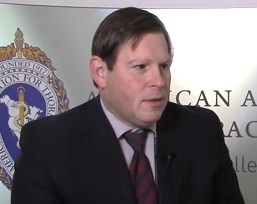
BALTIMORE – Surgical resection of early-stage non–small cell lung cancer afforded a superior survival advantage for patients than stereotactic body radiation therapy (SBRT), according to a study presented at the 2016 annual meeting of the American Association for Thoracic Surgery.
While an increasing number of non–small cell lung cancer patients have been treated with SBRT, it appears that surgery may still be the better option. Analysis of both matched and unmatched patient groups found that SBRT was associated with significantly lower survival than wedge resection.
“Frankly, I was surprised to see such a big difference between SBRT and wedge resection,” said Dr. Walter Weder, professor of surgery at University Hospital Zürich, in an interview at AATS 2016. Dr Weder served as a discussant on the paper, and said the results confirm that surgeons should be involved in discussions with patients when they are considering treatment options. “Surgery can be done safely... and patients should know this information.”
Dr. Weder reported no relevant financial disclosures.
The video associated with this article is no longer available on this site. Please view all of our videos on the MDedge YouTube channel
On Twitter @richpizzi
BALTIMORE – Surgical resection of early-stage non–small cell lung cancer afforded a superior survival advantage for patients than stereotactic body radiation therapy (SBRT), according to a study presented at the 2016 annual meeting of the American Association for Thoracic Surgery.
While an increasing number of non–small cell lung cancer patients have been treated with SBRT, it appears that surgery may still be the better option. Analysis of both matched and unmatched patient groups found that SBRT was associated with significantly lower survival than wedge resection.
“Frankly, I was surprised to see such a big difference between SBRT and wedge resection,” said Dr. Walter Weder, professor of surgery at University Hospital Zürich, in an interview at AATS 2016. Dr Weder served as a discussant on the paper, and said the results confirm that surgeons should be involved in discussions with patients when they are considering treatment options. “Surgery can be done safely... and patients should know this information.”
Dr. Weder reported no relevant financial disclosures.
The video associated with this article is no longer available on this site. Please view all of our videos on the MDedge YouTube channel
On Twitter @richpizzi
BALTIMORE – Surgical resection of early-stage non–small cell lung cancer afforded a superior survival advantage for patients than stereotactic body radiation therapy (SBRT), according to a study presented at the 2016 annual meeting of the American Association for Thoracic Surgery.
While an increasing number of non–small cell lung cancer patients have been treated with SBRT, it appears that surgery may still be the better option. Analysis of both matched and unmatched patient groups found that SBRT was associated with significantly lower survival than wedge resection.
“Frankly, I was surprised to see such a big difference between SBRT and wedge resection,” said Dr. Walter Weder, professor of surgery at University Hospital Zürich, in an interview at AATS 2016. Dr Weder served as a discussant on the paper, and said the results confirm that surgeons should be involved in discussions with patients when they are considering treatment options. “Surgery can be done safely... and patients should know this information.”
Dr. Weder reported no relevant financial disclosures.
The video associated with this article is no longer available on this site. Please view all of our videos on the MDedge YouTube channel
On Twitter @richpizzi
AT AATS 2016
FDA alert: Canagliflozin use may be associated with toe, foot amputations
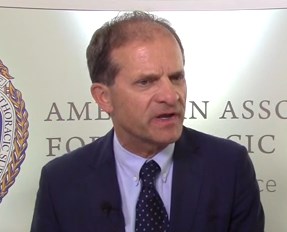
Interim safety results from an ongoing clinical trial found an increase in leg and foot amputations, mostly affecting the toes, in patients treated with the diabetes medicine canagliflozin, according to an FDA Drug Safety Communication on May 18, 2016.
The agency currently is investigating the safety issue but has yet to determine if taking canagliflozin is associated with an increased risk of leg and foot amputations. A sodium-glucose cotransporter 2 inhibitor, canagliflozin is marketed as Invokana and Invokamet by Janssen Pharmaceuticals, and was approved by the FDA in March 2013.

“Patients should not stop or change their diabetes medicines without first talking to their health care professional,” the communication states. “Doing so can lead to uncontrolled blood sugar levels that can be harmful. Over time, this can cause serious problems, including blindness, nerve and kidney damage, and heart disease. Patients taking canagliflozin should notify their health care professionals right away if they notice any new pain or tenderness, sores or ulcers, or infections in their legs or feet.”
The agency advises health care professionals to follow the recommendations in the canagliflozin drug labels and to monitor patients for the signs and symptoms described above.
Upon its approval, the FDA required five postmarketing studies for canagliflozin: a cardiovascular outcomes trial; an enhanced pharmacovigilance program to monitor for malignancies, serious cases of pancreatitis, severe hypersensitivity reactions, photosensitivity reactions, liver abnormalities, and adverse pregnancy outcomes; a bone safety study; and two pediatric studies under the Pediatric Research Equity Act (PREA), including a pharmacokinetic and pharmacodynamic study and a safety and efficacy study. In late 2015, investigators determined that the risk of bone fracture is increased with canagliflozin treatment.
Individuals who experience side effects while taking canagliflozin should submit a report through the FDA’s MedWatch program, or contact 1-800-332-1088 for more information.
Interim safety results from an ongoing clinical trial found an increase in leg and foot amputations, mostly affecting the toes, in patients treated with the diabetes medicine canagliflozin, according to an FDA Drug Safety Communication on May 18, 2016.
The agency currently is investigating the safety issue but has yet to determine if taking canagliflozin is associated with an increased risk of leg and foot amputations. A sodium-glucose cotransporter 2 inhibitor, canagliflozin is marketed as Invokana and Invokamet by Janssen Pharmaceuticals, and was approved by the FDA in March 2013.
“Patients should not stop or change their diabetes medicines without first talking to their health care professional,” the communication states. “Doing so can lead to uncontrolled blood sugar levels that can be harmful. Over time, this can cause serious problems, including blindness, nerve and kidney damage, and heart disease. Patients taking canagliflozin should notify their health care professionals right away if they notice any new pain or tenderness, sores or ulcers, or infections in their legs or feet.”
The agency advises health care professionals to follow the recommendations in the canagliflozin drug labels and to monitor patients for the signs and symptoms described above.
Upon its approval, the FDA required five postmarketing studies for canagliflozin: a cardiovascular outcomes trial; an enhanced pharmacovigilance program to monitor for malignancies, serious cases of pancreatitis, severe hypersensitivity reactions, photosensitivity reactions, liver abnormalities, and adverse pregnancy outcomes; a bone safety study; and two pediatric studies under the Pediatric Research Equity Act (PREA), including a pharmacokinetic and pharmacodynamic study and a safety and efficacy study. In late 2015, investigators determined that the risk of bone fracture is increased with canagliflozin treatment.
Individuals who experience side effects while taking canagliflozin should submit a report through the FDA’s MedWatch program, or contact 1-800-332-1088 for more information.
Interim safety results from an ongoing clinical trial found an increase in leg and foot amputations, mostly affecting the toes, in patients treated with the diabetes medicine canagliflozin, according to an FDA Drug Safety Communication on May 18, 2016.
The agency currently is investigating the safety issue but has yet to determine if taking canagliflozin is associated with an increased risk of leg and foot amputations. A sodium-glucose cotransporter 2 inhibitor, canagliflozin is marketed as Invokana and Invokamet by Janssen Pharmaceuticals, and was approved by the FDA in March 2013.
“Patients should not stop or change their diabetes medicines without first talking to their health care professional,” the communication states. “Doing so can lead to uncontrolled blood sugar levels that can be harmful. Over time, this can cause serious problems, including blindness, nerve and kidney damage, and heart disease. Patients taking canagliflozin should notify their health care professionals right away if they notice any new pain or tenderness, sores or ulcers, or infections in their legs or feet.”
The agency advises health care professionals to follow the recommendations in the canagliflozin drug labels and to monitor patients for the signs and symptoms described above.
Upon its approval, the FDA required five postmarketing studies for canagliflozin: a cardiovascular outcomes trial; an enhanced pharmacovigilance program to monitor for malignancies, serious cases of pancreatitis, severe hypersensitivity reactions, photosensitivity reactions, liver abnormalities, and adverse pregnancy outcomes; a bone safety study; and two pediatric studies under the Pediatric Research Equity Act (PREA), including a pharmacokinetic and pharmacodynamic study and a safety and efficacy study. In late 2015, investigators determined that the risk of bone fracture is increased with canagliflozin treatment.
Individuals who experience side effects while taking canagliflozin should submit a report through the FDA’s MedWatch program, or contact 1-800-332-1088 for more information.

Transitions
A few years ago I accepted an offer to work in a small community hospital. It was the only medical facility in a small town and was located in a semirural area. The nearest referral center was about 75 miles away.
At that time the hospital employed a single full-time vascular surgeon who for obvious reasons was expected to provide round-the-clock coverage and who had rather limited opportunities for educational and recreational escapes. Leaving town meant transferring his patients to the “hospitalist” service for their postop care. Patients who truly needed vascular services had to be transferred to a tertiary care facility by ambulance. Alternatively, the hospital might seek locum tenens coverage if any were even available. However, the cost was substantial, and the productivity was minimal.
Up to that point I had spent most of my career in major high-volume teaching hospitals, along with a stint in solo practice running on the 24/7 never-take-a-holiday treadmill. At age 60+ I was by no means ready to hang up my scalpel, but I was more than willing to earn less money in return for less work (and less stress).
I then had the opportunity to meet this surgeon and representatives of the hospital administration. We discussed a plan to satisfy the interests of all participants. The hospital hired me as a permanent but part-time employee. For a half salary I would work 26 weeks per year, generally 2 weeks on duty at a time and 2 weeks off. As the bureaucrats would put it, I was a 0.5 FTE.
Overall, the arrangement worked pretty well. The surgeon was finally able to turn off his pager, go to meetings, and take vacations. He even enjoyed the small bonus of finally having a colleague to talk to. The hospital now had blanket coverage of the vascular service and even saw a moderate uptick in volume. The patients finally had rational continuity of care. I was able to remain fully engaged with a somewhat smaller practice. I could schedule elective case and provide long-term follow-up care relatively seamlessly despite my limited hours. And of course, I now had more free time.
I would also often engage friends and colleagues in my own cohort of aging practitioners, especially at conferences and seminars. They generally expressed considerable interest in my new practice arrangements. The reaction I received with surprising regularity was “Where do I sign up?”
Where indeed? I had apparently tapped into a reservoir of interest among fellow senior surgeons for a way to more gradually wind down their remaining years in practice. Yet few were in situations that offered or even allowed that level of flexibility. For most, the late career practice paradigm remained the all-too-familiar one of galloping along at full speed until the last suture was tied, then quitting cold turkey. Take all the skill, experience, and passion and place it all into the back of a golf cart.
The particulars of my situation would clearly not be universally applicable. However, I do believe that scaled-down practice options can and should be both productive and cost effective under a variety of circumstances. If we were to think more creatively, more careers might wind up more gracefully. In fact, I believe that kinder and gentler transitions at both ends of our careers would not only provide added satisfaction to the elders but could also expand mentoring opportunities for our colleagues just entering practice.
The current debate about the preparedness of new graduates is based upon the presumption that a specific number of years or a specific number of cases suddenly qualifies someone to function with total autonomy. This myth has never really been true and may or may not be even less so now. As it is currently fashionable to compare OR practices with aviation safety, allow me to suggest as an analogy that no one would confuse the final readiness for solo flight with the ability to captain a 747. What better way to guide the maturation of a professional than to have an experienced copilot? But that is probably a subject for another essay.
Dr. Rivers is a former associate professor of surgery at Albert Einstein College of Medicine, Bronx, New York.
A few years ago I accepted an offer to work in a small community hospital. It was the only medical facility in a small town and was located in a semirural area. The nearest referral center was about 75 miles away.
At that time the hospital employed a single full-time vascular surgeon who for obvious reasons was expected to provide round-the-clock coverage and who had rather limited opportunities for educational and recreational escapes. Leaving town meant transferring his patients to the “hospitalist” service for their postop care. Patients who truly needed vascular services had to be transferred to a tertiary care facility by ambulance. Alternatively, the hospital might seek locum tenens coverage if any were even available. However, the cost was substantial, and the productivity was minimal.
Up to that point I had spent most of my career in major high-volume teaching hospitals, along with a stint in solo practice running on the 24/7 never-take-a-holiday treadmill. At age 60+ I was by no means ready to hang up my scalpel, but I was more than willing to earn less money in return for less work (and less stress).
I then had the opportunity to meet this surgeon and representatives of the hospital administration. We discussed a plan to satisfy the interests of all participants. The hospital hired me as a permanent but part-time employee. For a half salary I would work 26 weeks per year, generally 2 weeks on duty at a time and 2 weeks off. As the bureaucrats would put it, I was a 0.5 FTE.
Overall, the arrangement worked pretty well. The surgeon was finally able to turn off his pager, go to meetings, and take vacations. He even enjoyed the small bonus of finally having a colleague to talk to. The hospital now had blanket coverage of the vascular service and even saw a moderate uptick in volume. The patients finally had rational continuity of care. I was able to remain fully engaged with a somewhat smaller practice. I could schedule elective case and provide long-term follow-up care relatively seamlessly despite my limited hours. And of course, I now had more free time.
I would also often engage friends and colleagues in my own cohort of aging practitioners, especially at conferences and seminars. They generally expressed considerable interest in my new practice arrangements. The reaction I received with surprising regularity was “Where do I sign up?”
Where indeed? I had apparently tapped into a reservoir of interest among fellow senior surgeons for a way to more gradually wind down their remaining years in practice. Yet few were in situations that offered or even allowed that level of flexibility. For most, the late career practice paradigm remained the all-too-familiar one of galloping along at full speed until the last suture was tied, then quitting cold turkey. Take all the skill, experience, and passion and place it all into the back of a golf cart.
The particulars of my situation would clearly not be universally applicable. However, I do believe that scaled-down practice options can and should be both productive and cost effective under a variety of circumstances. If we were to think more creatively, more careers might wind up more gracefully. In fact, I believe that kinder and gentler transitions at both ends of our careers would not only provide added satisfaction to the elders but could also expand mentoring opportunities for our colleagues just entering practice.
The current debate about the preparedness of new graduates is based upon the presumption that a specific number of years or a specific number of cases suddenly qualifies someone to function with total autonomy. This myth has never really been true and may or may not be even less so now. As it is currently fashionable to compare OR practices with aviation safety, allow me to suggest as an analogy that no one would confuse the final readiness for solo flight with the ability to captain a 747. What better way to guide the maturation of a professional than to have an experienced copilot? But that is probably a subject for another essay.
Dr. Rivers is a former associate professor of surgery at Albert Einstein College of Medicine, Bronx, New York.
A few years ago I accepted an offer to work in a small community hospital. It was the only medical facility in a small town and was located in a semirural area. The nearest referral center was about 75 miles away.
At that time the hospital employed a single full-time vascular surgeon who for obvious reasons was expected to provide round-the-clock coverage and who had rather limited opportunities for educational and recreational escapes. Leaving town meant transferring his patients to the “hospitalist” service for their postop care. Patients who truly needed vascular services had to be transferred to a tertiary care facility by ambulance. Alternatively, the hospital might seek locum tenens coverage if any were even available. However, the cost was substantial, and the productivity was minimal.
Up to that point I had spent most of my career in major high-volume teaching hospitals, along with a stint in solo practice running on the 24/7 never-take-a-holiday treadmill. At age 60+ I was by no means ready to hang up my scalpel, but I was more than willing to earn less money in return for less work (and less stress).
I then had the opportunity to meet this surgeon and representatives of the hospital administration. We discussed a plan to satisfy the interests of all participants. The hospital hired me as a permanent but part-time employee. For a half salary I would work 26 weeks per year, generally 2 weeks on duty at a time and 2 weeks off. As the bureaucrats would put it, I was a 0.5 FTE.
Overall, the arrangement worked pretty well. The surgeon was finally able to turn off his pager, go to meetings, and take vacations. He even enjoyed the small bonus of finally having a colleague to talk to. The hospital now had blanket coverage of the vascular service and even saw a moderate uptick in volume. The patients finally had rational continuity of care. I was able to remain fully engaged with a somewhat smaller practice. I could schedule elective case and provide long-term follow-up care relatively seamlessly despite my limited hours. And of course, I now had more free time.
I would also often engage friends and colleagues in my own cohort of aging practitioners, especially at conferences and seminars. They generally expressed considerable interest in my new practice arrangements. The reaction I received with surprising regularity was “Where do I sign up?”
Where indeed? I had apparently tapped into a reservoir of interest among fellow senior surgeons for a way to more gradually wind down their remaining years in practice. Yet few were in situations that offered or even allowed that level of flexibility. For most, the late career practice paradigm remained the all-too-familiar one of galloping along at full speed until the last suture was tied, then quitting cold turkey. Take all the skill, experience, and passion and place it all into the back of a golf cart.
The particulars of my situation would clearly not be universally applicable. However, I do believe that scaled-down practice options can and should be both productive and cost effective under a variety of circumstances. If we were to think more creatively, more careers might wind up more gracefully. In fact, I believe that kinder and gentler transitions at both ends of our careers would not only provide added satisfaction to the elders but could also expand mentoring opportunities for our colleagues just entering practice.
The current debate about the preparedness of new graduates is based upon the presumption that a specific number of years or a specific number of cases suddenly qualifies someone to function with total autonomy. This myth has never really been true and may or may not be even less so now. As it is currently fashionable to compare OR practices with aviation safety, allow me to suggest as an analogy that no one would confuse the final readiness for solo flight with the ability to captain a 747. What better way to guide the maturation of a professional than to have an experienced copilot? But that is probably a subject for another essay.
Dr. Rivers is a former associate professor of surgery at Albert Einstein College of Medicine, Bronx, New York.

Emergency diverticulitis: Limited role seen for proximal diversion
LOS ANGELES – There is no difference in 30-day outcomes for patients undergoing emergency surgery for acute diverticulitis with primary anastomosis with or without proximal diversion, results from an analysis of national data showed.
“Traditionally, patients undergoing emergency surgery for diverticulitis were offered a Hartmann’s procedure,” lead study author Dr. Nathan Hite said at the annual meeting of the American Society of Colon and Rectal Surgeons. “Studies have suggested that resection with primary anastomosis and proximal diversion is a safe alternative to this procedure. That’s attractive because it’s usually a quicker operation and puts less physiologic stress on the patient. It still requires a trip to the operating room, an inpatient hospital stay, and carries a complication rate of up to 20%.”
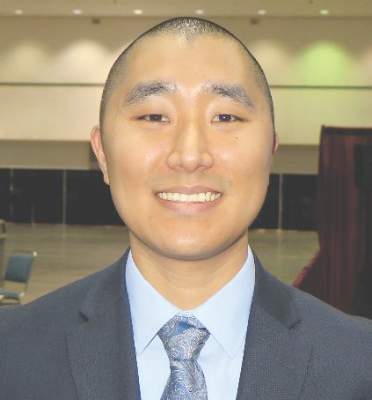
In an effort to determine if there was a difference between 30-day outcomes in patients treated with resection and primary anastomosis with or without primary diversion, the researchers queried the American College of Surgeons National Quality Improvement Program (ACS-NSQIP) database from 2005 to 2013 to identify patients with a diagnosis of diverticula, diverticulosis, or diverticulosis of colon without bleeding who underwent emergency operations. They divided patients into two groups: 1,912 who underwent resection and primary anastomosis without proximal diversion (group 1) and 123 who underwent resection and primary anastomosis with proximal diversion (group 2). Both open and laparoscopic operations were included.
Dr. Hite, of the department of colon and rectal surgery at Ochsner Medical Center, Metairie, La., reported that the mean age of patients in groups 1 and 2 was 62 and 59 years, respectively. There were no differences in gender distribution but women were significantly older in both groups (P less than .0006). No significant differences between groups 1 and 2 were observed with respect to body mass index (29.1 vs. 28.1 kg/m2, respectively; P = .11), preoperative albumin (3.3 vs. 3.5 g/dL), preoperative hematocrit (35% vs. 28%), preoperative white blood count (13.4 vs. 13.7 x 10³/mcL), or functional status (P = .71). Although patients in group 2 did not appear to be sicker at the time of surgery in terms of ASA class or wound class, they did have a higher incidence of diabetes and smoking, compared with their counterparts in group 1.
As for postoperative complications, there were no significant differences between groups 1 and 2 in the incidence of superficial skin infection (141 vs. 7; P = .76), organ space infection (36 vs. 5; P = .09), septic shock (126 vs. 3; P = .18), pulmonary embolism (20 vs. 3; P = .15), cerebrovascular accident (7 vs. 0; P = .5), myocardial infarction (15 vs. 0; P = .32), or death (88 vs. 2; P = .51). Patients in group 2 did have a significantly longer operating time, compared with those in group 1 (158 vs. 133 minutes; P less than .0001).
“Ultimately, the decision to perform a proximal diversion [or not] depends on many factors,” Dr. Hite concluded. “But our study suggests that if the patient is an appropriate candidate for reanastomosis, a diverting ostomy may be safely omitted.” He reported having no financial disclosures.
LOS ANGELES – There is no difference in 30-day outcomes for patients undergoing emergency surgery for acute diverticulitis with primary anastomosis with or without proximal diversion, results from an analysis of national data showed.
“Traditionally, patients undergoing emergency surgery for diverticulitis were offered a Hartmann’s procedure,” lead study author Dr. Nathan Hite said at the annual meeting of the American Society of Colon and Rectal Surgeons. “Studies have suggested that resection with primary anastomosis and proximal diversion is a safe alternative to this procedure. That’s attractive because it’s usually a quicker operation and puts less physiologic stress on the patient. It still requires a trip to the operating room, an inpatient hospital stay, and carries a complication rate of up to 20%.”
In an effort to determine if there was a difference between 30-day outcomes in patients treated with resection and primary anastomosis with or without primary diversion, the researchers queried the American College of Surgeons National Quality Improvement Program (ACS-NSQIP) database from 2005 to 2013 to identify patients with a diagnosis of diverticula, diverticulosis, or diverticulosis of colon without bleeding who underwent emergency operations. They divided patients into two groups: 1,912 who underwent resection and primary anastomosis without proximal diversion (group 1) and 123 who underwent resection and primary anastomosis with proximal diversion (group 2). Both open and laparoscopic operations were included.
Dr. Hite, of the department of colon and rectal surgery at Ochsner Medical Center, Metairie, La., reported that the mean age of patients in groups 1 and 2 was 62 and 59 years, respectively. There were no differences in gender distribution but women were significantly older in both groups (P less than .0006). No significant differences between groups 1 and 2 were observed with respect to body mass index (29.1 vs. 28.1 kg/m2, respectively; P = .11), preoperative albumin (3.3 vs. 3.5 g/dL), preoperative hematocrit (35% vs. 28%), preoperative white blood count (13.4 vs. 13.7 x 10³/mcL), or functional status (P = .71). Although patients in group 2 did not appear to be sicker at the time of surgery in terms of ASA class or wound class, they did have a higher incidence of diabetes and smoking, compared with their counterparts in group 1.
As for postoperative complications, there were no significant differences between groups 1 and 2 in the incidence of superficial skin infection (141 vs. 7; P = .76), organ space infection (36 vs. 5; P = .09), septic shock (126 vs. 3; P = .18), pulmonary embolism (20 vs. 3; P = .15), cerebrovascular accident (7 vs. 0; P = .5), myocardial infarction (15 vs. 0; P = .32), or death (88 vs. 2; P = .51). Patients in group 2 did have a significantly longer operating time, compared with those in group 1 (158 vs. 133 minutes; P less than .0001).
“Ultimately, the decision to perform a proximal diversion [or not] depends on many factors,” Dr. Hite concluded. “But our study suggests that if the patient is an appropriate candidate for reanastomosis, a diverting ostomy may be safely omitted.” He reported having no financial disclosures.
LOS ANGELES – There is no difference in 30-day outcomes for patients undergoing emergency surgery for acute diverticulitis with primary anastomosis with or without proximal diversion, results from an analysis of national data showed.
“Traditionally, patients undergoing emergency surgery for diverticulitis were offered a Hartmann’s procedure,” lead study author Dr. Nathan Hite said at the annual meeting of the American Society of Colon and Rectal Surgeons. “Studies have suggested that resection with primary anastomosis and proximal diversion is a safe alternative to this procedure. That’s attractive because it’s usually a quicker operation and puts less physiologic stress on the patient. It still requires a trip to the operating room, an inpatient hospital stay, and carries a complication rate of up to 20%.”
In an effort to determine if there was a difference between 30-day outcomes in patients treated with resection and primary anastomosis with or without primary diversion, the researchers queried the American College of Surgeons National Quality Improvement Program (ACS-NSQIP) database from 2005 to 2013 to identify patients with a diagnosis of diverticula, diverticulosis, or diverticulosis of colon without bleeding who underwent emergency operations. They divided patients into two groups: 1,912 who underwent resection and primary anastomosis without proximal diversion (group 1) and 123 who underwent resection and primary anastomosis with proximal diversion (group 2). Both open and laparoscopic operations were included.
Dr. Hite, of the department of colon and rectal surgery at Ochsner Medical Center, Metairie, La., reported that the mean age of patients in groups 1 and 2 was 62 and 59 years, respectively. There were no differences in gender distribution but women were significantly older in both groups (P less than .0006). No significant differences between groups 1 and 2 were observed with respect to body mass index (29.1 vs. 28.1 kg/m2, respectively; P = .11), preoperative albumin (3.3 vs. 3.5 g/dL), preoperative hematocrit (35% vs. 28%), preoperative white blood count (13.4 vs. 13.7 x 10³/mcL), or functional status (P = .71). Although patients in group 2 did not appear to be sicker at the time of surgery in terms of ASA class or wound class, they did have a higher incidence of diabetes and smoking, compared with their counterparts in group 1.
As for postoperative complications, there were no significant differences between groups 1 and 2 in the incidence of superficial skin infection (141 vs. 7; P = .76), organ space infection (36 vs. 5; P = .09), septic shock (126 vs. 3; P = .18), pulmonary embolism (20 vs. 3; P = .15), cerebrovascular accident (7 vs. 0; P = .5), myocardial infarction (15 vs. 0; P = .32), or death (88 vs. 2; P = .51). Patients in group 2 did have a significantly longer operating time, compared with those in group 1 (158 vs. 133 minutes; P less than .0001).
“Ultimately, the decision to perform a proximal diversion [or not] depends on many factors,” Dr. Hite concluded. “But our study suggests that if the patient is an appropriate candidate for reanastomosis, a diverting ostomy may be safely omitted.” He reported having no financial disclosures.
AT THE ASCRS ANNUAL MEETING
Key clinical point: Whether patients underwent primary anastomosis with or without proximal diversion in emergency surgery for diverticular disease has no impact on 30-day outcomes.
Major finding: Among patients undergoing emergency surgery for acute diverticulitis with primary anastomosis, no significant differences were seen in a number of 30-day outcomes when the procedure was performed without or with proximal diversion, including superficial skin infection (141 vs. 7, respectively; P = .76), organ space infection (36 vs. 5; P = .09), septic shock (126 vs. 3; P = .18), or death (88 vs. 2; P = .51).
Data source: A review of the American College of Surgeons National Surgical Quality Improvement Program (ACS-NSQIP) database from 2005 to 2013 to identify 2,035 patients with a diagnosis of diverticula, diverticulosis, or diverticulosis of colon without bleeding who underwent emergency operations.
Disclosures: Dr. Hite reported having no financial disclosures.
Thyroid tumor reclassification eases burden, raises diagnostic questions
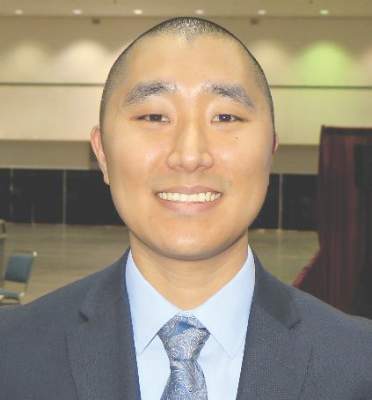
The recent reclassification of encapsulated follicular variant of papillary thyroid carcinoma (EFVPTC) as noninvasive follicular thyroid neoplasm with papillary-like nuclear features (NIFTP) – an action taken to better reflect the very low risk of adverse events associated with these tumors – has important clinical and psychological implications for patients.
“Even though physicians know that most thyroid cancers have an excellent prognosis, the impact on a patient of being given a diagnosis of cancer should not be underestimated,” Dr. Peter Angelos, professor of surgery and chief of endocrine surgery at the University of Chicago, said in an interview. “It is, however, critical for doctors and patients to understand that this change from ‘thyroid cancer’ to a ‘benign thyroid nodule,’ is not something that can be determined prior to surgery. Patients will still need thyroid operations to determine if their indeterminate nodules have cancer in them or not.”
The change in nomenclature followed an international, multidisciplinary, retrospective study of patients with thyroid nodules diagnosed as EFVPTC. Such patients are usually treated as having conventional thyroid cancer. The study included 109 patients with noninvasive EFVPTC who were followed for 10-26 years, and 101 with invasive EFVPTC who were followed for 1-18 years. At median follow-up of 13 years, all of the 109 patients with noninvasive EFVPTC were alive, and based on consensus diagnostic criteria developed by an Endocrine Pathology Society working group – a multinational panel of 24 thyroid pathologists – they had no evidence of disease, reported Dr. Yuri E. Nikiforov of the University of Pittsburgh and colleagues (JAMA Oncol. 2016 April 14. doi: 10.1001/jamaoncol.2016.0386).
Most of those patients (67%) were treated only with lobectomy, and none received radioiodine (RAI) treatment.
Of the 101 with invasive EFVPTC, 12 experienced an adverse event, including 5 who developed distant (lung and/or bone) metastases. Two died from the disease, one had a lymph node recurrence, one had persistent disease, and five had detectable serum thyroglobulin and were considered to have indeterminate or biochemically incomplete response to therapy, the investigators said.
Based on the findings in the noninvasive EFVPTC patients, the recommended nomenclature change was adopted to reflect the main morphological features of, and lack of invasion of, the benign tumors as well as their very low risk of adverse outcome. To assist in the diagnosis of NIFTP in routine pathology practice, a simplified three-point diagnostic nuclear scoring scheme based on the six main consensus nuclear features of the tumors was developed and validated; the scoring scheme yielded sensitivity of 98.6%, specificity of 90.1%, and overall classification accuracy of 94.3% for NIFTP.
The study involved a review of digitized histologic slides collected at 13 sites in 5 countries. The pathologists who composed the working group conducted the review and consulted in a series of teleconferences and face-to-face meetings to establish the consensus criteria. They measured the frequency of adverse outcomes, including death from disease, distant or locoregional metastases, and structural or biochemical recurrence.
The findings suggest that “clinical management of patients with NIFTP can be deescalated because they are unlikely to benefit from immediate completion thyroidectomy and RAI therapy,” the investigators said.
“Staging would be unnecessary. In addition to eliminating the psychological impact of the diagnosis of cancer, this would reduce complications of total thyroidectomy, risk of secondary tumors following RAI therapy, and the overall cost of health care. Avoidance of RAI treatment alone would save between $5,000 and $8,500 per patient (based on U.S. cost),” they wrote, adding that an estimated 45,000 patients worldwide each year will be affected by this reclassification, resulting in significant reduction in “psychological burden, medical overtreatment and expense, and other clinical consequences associated with a cancer diagnosis.”
Dr. Martha A. Zeiger, professor of surgery at Johns Hopkins University, Baltimore, agreed that the change has important implications for patients.
“With the advent of new nomenclature for encapsulated follicular variant of papillary thyroid cancer, namely that it is now considered a benign tumor, thousands of patients who have carried this original diagnosis of cancer can breathe a sigh of relief. Our new understanding will also decrease the number of patients undergoing more extensive surgery and many can now be treated with a thyroid lobectomy only,” she said in an interview.
One thing the new nomenclature doesn’t do, however, is solve the problem of the suspicious or indeterminate thyroid fine needle aspiration diagnosis, she noted.
“Clouding the landscape even further is the fact that many of our commonly used molecular diagnostics were based on studies in which encapsulated follicular variant of papillary thyroid cancer was considered malignant, and were included in the analysis. Because of this, diagnostic molecular tools will likely now require a renewed scrutiny as to their true efficacy in differentiating benign from malignant tumors,” she said.
Dr. Nikiforov is a consultant for Quest Diagnostics. A coauthor, Dr. Sylvia Asa, is a member of the medical advisory board of Leica Aperio, and another coauthor, Dr. Virginia LiVolsi, is a consultant for Veracyte Inc. The project used a facility supported by the National Cancer Institute, and molecular analysis was supported in part by funds from the University of Pittsburgh Cancer Institute and the University of Pittsburgh Medical Center. The Endocrine Pathology Society working group conference was supported by a grant from CBLPath Inc. Dr. Angelos and Dr. Zeiger reported having no disclosures.
The recent reclassification of encapsulated follicular variant of papillary thyroid carcinoma (EFVPTC) as noninvasive follicular thyroid neoplasm with papillary-like nuclear features (NIFTP) – an action taken to better reflect the very low risk of adverse events associated with these tumors – has important clinical and psychological implications for patients.
“Even though physicians know that most thyroid cancers have an excellent prognosis, the impact on a patient of being given a diagnosis of cancer should not be underestimated,” Dr. Peter Angelos, professor of surgery and chief of endocrine surgery at the University of Chicago, said in an interview. “It is, however, critical for doctors and patients to understand that this change from ‘thyroid cancer’ to a ‘benign thyroid nodule,’ is not something that can be determined prior to surgery. Patients will still need thyroid operations to determine if their indeterminate nodules have cancer in them or not.”
The change in nomenclature followed an international, multidisciplinary, retrospective study of patients with thyroid nodules diagnosed as EFVPTC. Such patients are usually treated as having conventional thyroid cancer. The study included 109 patients with noninvasive EFVPTC who were followed for 10-26 years, and 101 with invasive EFVPTC who were followed for 1-18 years. At median follow-up of 13 years, all of the 109 patients with noninvasive EFVPTC were alive, and based on consensus diagnostic criteria developed by an Endocrine Pathology Society working group – a multinational panel of 24 thyroid pathologists – they had no evidence of disease, reported Dr. Yuri E. Nikiforov of the University of Pittsburgh and colleagues (JAMA Oncol. 2016 April 14. doi: 10.1001/jamaoncol.2016.0386).
Most of those patients (67%) were treated only with lobectomy, and none received radioiodine (RAI) treatment.
Of the 101 with invasive EFVPTC, 12 experienced an adverse event, including 5 who developed distant (lung and/or bone) metastases. Two died from the disease, one had a lymph node recurrence, one had persistent disease, and five had detectable serum thyroglobulin and were considered to have indeterminate or biochemically incomplete response to therapy, the investigators said.
Based on the findings in the noninvasive EFVPTC patients, the recommended nomenclature change was adopted to reflect the main morphological features of, and lack of invasion of, the benign tumors as well as their very low risk of adverse outcome. To assist in the diagnosis of NIFTP in routine pathology practice, a simplified three-point diagnostic nuclear scoring scheme based on the six main consensus nuclear features of the tumors was developed and validated; the scoring scheme yielded sensitivity of 98.6%, specificity of 90.1%, and overall classification accuracy of 94.3% for NIFTP.
The study involved a review of digitized histologic slides collected at 13 sites in 5 countries. The pathologists who composed the working group conducted the review and consulted in a series of teleconferences and face-to-face meetings to establish the consensus criteria. They measured the frequency of adverse outcomes, including death from disease, distant or locoregional metastases, and structural or biochemical recurrence.
The findings suggest that “clinical management of patients with NIFTP can be deescalated because they are unlikely to benefit from immediate completion thyroidectomy and RAI therapy,” the investigators said.
“Staging would be unnecessary. In addition to eliminating the psychological impact of the diagnosis of cancer, this would reduce complications of total thyroidectomy, risk of secondary tumors following RAI therapy, and the overall cost of health care. Avoidance of RAI treatment alone would save between $5,000 and $8,500 per patient (based on U.S. cost),” they wrote, adding that an estimated 45,000 patients worldwide each year will be affected by this reclassification, resulting in significant reduction in “psychological burden, medical overtreatment and expense, and other clinical consequences associated with a cancer diagnosis.”
Dr. Martha A. Zeiger, professor of surgery at Johns Hopkins University, Baltimore, agreed that the change has important implications for patients.
“With the advent of new nomenclature for encapsulated follicular variant of papillary thyroid cancer, namely that it is now considered a benign tumor, thousands of patients who have carried this original diagnosis of cancer can breathe a sigh of relief. Our new understanding will also decrease the number of patients undergoing more extensive surgery and many can now be treated with a thyroid lobectomy only,” she said in an interview.
One thing the new nomenclature doesn’t do, however, is solve the problem of the suspicious or indeterminate thyroid fine needle aspiration diagnosis, she noted.
“Clouding the landscape even further is the fact that many of our commonly used molecular diagnostics were based on studies in which encapsulated follicular variant of papillary thyroid cancer was considered malignant, and were included in the analysis. Because of this, diagnostic molecular tools will likely now require a renewed scrutiny as to their true efficacy in differentiating benign from malignant tumors,” she said.
Dr. Nikiforov is a consultant for Quest Diagnostics. A coauthor, Dr. Sylvia Asa, is a member of the medical advisory board of Leica Aperio, and another coauthor, Dr. Virginia LiVolsi, is a consultant for Veracyte Inc. The project used a facility supported by the National Cancer Institute, and molecular analysis was supported in part by funds from the University of Pittsburgh Cancer Institute and the University of Pittsburgh Medical Center. The Endocrine Pathology Society working group conference was supported by a grant from CBLPath Inc. Dr. Angelos and Dr. Zeiger reported having no disclosures.
The recent reclassification of encapsulated follicular variant of papillary thyroid carcinoma (EFVPTC) as noninvasive follicular thyroid neoplasm with papillary-like nuclear features (NIFTP) – an action taken to better reflect the very low risk of adverse events associated with these tumors – has important clinical and psychological implications for patients.
“Even though physicians know that most thyroid cancers have an excellent prognosis, the impact on a patient of being given a diagnosis of cancer should not be underestimated,” Dr. Peter Angelos, professor of surgery and chief of endocrine surgery at the University of Chicago, said in an interview. “It is, however, critical for doctors and patients to understand that this change from ‘thyroid cancer’ to a ‘benign thyroid nodule,’ is not something that can be determined prior to surgery. Patients will still need thyroid operations to determine if their indeterminate nodules have cancer in them or not.”
The change in nomenclature followed an international, multidisciplinary, retrospective study of patients with thyroid nodules diagnosed as EFVPTC. Such patients are usually treated as having conventional thyroid cancer. The study included 109 patients with noninvasive EFVPTC who were followed for 10-26 years, and 101 with invasive EFVPTC who were followed for 1-18 years. At median follow-up of 13 years, all of the 109 patients with noninvasive EFVPTC were alive, and based on consensus diagnostic criteria developed by an Endocrine Pathology Society working group – a multinational panel of 24 thyroid pathologists – they had no evidence of disease, reported Dr. Yuri E. Nikiforov of the University of Pittsburgh and colleagues (JAMA Oncol. 2016 April 14. doi: 10.1001/jamaoncol.2016.0386).
Most of those patients (67%) were treated only with lobectomy, and none received radioiodine (RAI) treatment.
Of the 101 with invasive EFVPTC, 12 experienced an adverse event, including 5 who developed distant (lung and/or bone) metastases. Two died from the disease, one had a lymph node recurrence, one had persistent disease, and five had detectable serum thyroglobulin and were considered to have indeterminate or biochemically incomplete response to therapy, the investigators said.
Based on the findings in the noninvasive EFVPTC patients, the recommended nomenclature change was adopted to reflect the main morphological features of, and lack of invasion of, the benign tumors as well as their very low risk of adverse outcome. To assist in the diagnosis of NIFTP in routine pathology practice, a simplified three-point diagnostic nuclear scoring scheme based on the six main consensus nuclear features of the tumors was developed and validated; the scoring scheme yielded sensitivity of 98.6%, specificity of 90.1%, and overall classification accuracy of 94.3% for NIFTP.
The study involved a review of digitized histologic slides collected at 13 sites in 5 countries. The pathologists who composed the working group conducted the review and consulted in a series of teleconferences and face-to-face meetings to establish the consensus criteria. They measured the frequency of adverse outcomes, including death from disease, distant or locoregional metastases, and structural or biochemical recurrence.
The findings suggest that “clinical management of patients with NIFTP can be deescalated because they are unlikely to benefit from immediate completion thyroidectomy and RAI therapy,” the investigators said.
“Staging would be unnecessary. In addition to eliminating the psychological impact of the diagnosis of cancer, this would reduce complications of total thyroidectomy, risk of secondary tumors following RAI therapy, and the overall cost of health care. Avoidance of RAI treatment alone would save between $5,000 and $8,500 per patient (based on U.S. cost),” they wrote, adding that an estimated 45,000 patients worldwide each year will be affected by this reclassification, resulting in significant reduction in “psychological burden, medical overtreatment and expense, and other clinical consequences associated with a cancer diagnosis.”
Dr. Martha A. Zeiger, professor of surgery at Johns Hopkins University, Baltimore, agreed that the change has important implications for patients.
“With the advent of new nomenclature for encapsulated follicular variant of papillary thyroid cancer, namely that it is now considered a benign tumor, thousands of patients who have carried this original diagnosis of cancer can breathe a sigh of relief. Our new understanding will also decrease the number of patients undergoing more extensive surgery and many can now be treated with a thyroid lobectomy only,” she said in an interview.
One thing the new nomenclature doesn’t do, however, is solve the problem of the suspicious or indeterminate thyroid fine needle aspiration diagnosis, she noted.
“Clouding the landscape even further is the fact that many of our commonly used molecular diagnostics were based on studies in which encapsulated follicular variant of papillary thyroid cancer was considered malignant, and were included in the analysis. Because of this, diagnostic molecular tools will likely now require a renewed scrutiny as to their true efficacy in differentiating benign from malignant tumors,” she said.
Dr. Nikiforov is a consultant for Quest Diagnostics. A coauthor, Dr. Sylvia Asa, is a member of the medical advisory board of Leica Aperio, and another coauthor, Dr. Virginia LiVolsi, is a consultant for Veracyte Inc. The project used a facility supported by the National Cancer Institute, and molecular analysis was supported in part by funds from the University of Pittsburgh Cancer Institute and the University of Pittsburgh Medical Center. The Endocrine Pathology Society working group conference was supported by a grant from CBLPath Inc. Dr. Angelos and Dr. Zeiger reported having no disclosures.
FROM JAMA ONCOLOGY
Key clinical point: The recent reclassification of EFVPTC as noninvasive follicular thyroid neoplasm with papillary-like nuclear features (NIFTP) has important clinical and psychological implications for patients.
Major finding: 109 patients with noninvasive EFVPTC were alive and had no evidence of disease at a median of 13 years follow-up. Most of those patients (67%) were treated only with lobectomy, and none received radioiodine treatment.
Data source: A retrospective study of 210 patients.
Disclosures: Dr. Nikiforov is a consultant for Quest Diagnostics. A coauthor, Dr. Sylvia Asa, is a member of the medical advisory board of Leica Aperio, and another coauthor, Dr. Virginia LiVolsi, is a consultant for Veracyte Inc. The project used a facility supported by the National Cancer Institute, and molecular analysis was supported in part by funds from the University of Pittsburgh Cancer Institute and the University of Pittsburgh Medical Center. The Endocrine Pathology Society working group conference was supported by a grant from CBLPath Inc. Dr. Angelos and Dr. Zeiger reported having no disclosures.
Law & Medicine: Locality rule
Question: An injured patient alleges that her eye doctor was negligent in failing to adhere to national treatment guidelines and in not using modern medical equipment. The encounter took place in a rural setting, with the nearest hospital 100 miles away.
In her malpractice lawsuit, which of the following choices is incorrect?
A. One of the doctor’s defenses may be the locality rule.
B. The plaintiff’s strongest argument is that community standards should parallel national standards for a specialist doctor such as an ophthalmologist.
C. Her expert witness must be a practicing ophthalmologist from the area.
D. The expert must be familiar with the local standards but does not have to practice there.
E. It all depends on what the state statute says, because the locality rule is not uniform settled law.
Answer: C. In traditional medical tort law, courts would rely on the standard of the particular locale where the tortious act took place, the so-called locality rule. This was based on the belief that different standards of care were applicable in different areas of the country, e.g., urban vs. rural. The rule can be traced to Small v. Howard,1 an 1880 Massachusetts opinion, which was subsequently overruled in 1968.

Factors favoring the trend away from a local standard toward a national standard include conformity in medical school and residency curricula, and prescribed board certification requirements. Internet access and telemedicine have further propagated this uniformity. Finally, two additional facets of modern medicine – continuing medical education and published clinical practice guidelines – are at odds with a rule geared toward local standards.
One argument against the locality rule is that undue reliance on an outdated mode of practice will perpetuate substandard care. In an older New York malpractice case where a newborn became blind, the pediatrician cited local custom to defend the prolonged use of oxygen to treat preterm infants, despite evidence that this practice might have serious consequences. However, the court of appeals held that the pediatrician’s superior knowledge of the increased risk of hyperoxygenation should have enabled him to use his best judgment instead of relying on the indefensible local custom.
Under a strict version of the locality rule, otherwise qualified expert witnesses may be excluded if they are not practitioners in the locale in question. Still, some courts may allow out-of-state experts to offer their opinions. This has been especially helpful to plaintiffs who are far less likely to be able to secure willing local experts, given the reluctance of many physicians to testify against a fellow doctor in their community.
Take Tennessee as an example. It once excluded the expert testimony of an orthopedic surgeon from Johnson City because the expert witness testified about the national standard and did not have actual knowledge of the standard of care in Nashville, the community where the alleged malpractice occurred.
The Tennessee Court of Appeals later ruled that expert witnesses had to have “personal” or “firsthand knowledge” of the community standard of care, and that interviewing other physicians in the area did not suffice. It subsequently clarified that an expert witness need not actually practice in the same or similar locale, and that professional contact with physicians from comparable communities, such as through referrals, would be acceptable.
Two well-known cases touching on the locality rule bear summarizing: In Swink v. Weintraub,2 Mrs. Swink bled into her pericardium during repair of a defective pacemaker electric lead. She died as a result, and her family pursued a wrongful death action, alleging negligence including delayed pericardiocentesis and surgical intervention.
The jury returned a verdict for the plaintiff, awarding damages in the amount of $1,047,732.20. On appeal, the defendants argued that North Carolina’s locality rule extended to all aspects of a negligence action, and that the trial court erred in admitting expert opinions without regard to whether those opinions reflected the “same or similar community” standard of care.
But the court of appeals disagreed, emphasizing that compliance with the “same or similar community” standard does not necessarily exonerate a defendant from an allegation of medical negligence. The court said liability can be established if the defendant did not exercise his “best judgment” in the treatment of the patient or if the defendant failed to use “reasonable care and diligence” in his efforts to render medical assistance.
In McClure v. Inova Medical Group, a Virginia jury found that a family practice resident had failed to meet the Virginia community standard of care when he did not order the prostate-specific antigen (PSA) test in a 53-year-old patient who was subsequently diagnosed with prostate cancer. The doctor had discussed the risks and benefits of PSA testing, but the patient declined taking the test. Jurors sided with the plaintiff’s argument that according to the local or statewide standard, Virginia doctors simply ordered the test as a matter of routine for men older than 50 years without necessarily discussing risks and benefits. The court awarded $1 million to the patient.3
Although the majority of jurisdictions have abandoned the locality rule, several continue to adhere to either a strict or modified version.4 Examples are Arizona, Idaho, New York, Tennessee, Virginia, and Washington. A modified rule exists in Louisiana, which holds general practitioners to a community standard and specialists to a national standard.
Finally, many authors have recommended a narrowly constructed rule based not on geographic boundaries, but on the availability of local resources. Courts would then look at the totality of circumstances, but remember that there is always the duty to refer or transfer to an available specialist/facility – and that the failure to do so may form the basis of liability.
As one physician put it: Location should not come into play with respect to the knowledge or skill of the treating physician; and even if a physician may not have the facilities to perform an emergency cesarean section, he or she should still know when it’s called for.
References
1. Small v. Howard, 128 Mass 131 (1880).
2. Swink v. Weintraub, 672 S.E.2d 53 (N.C. Court of Appeals 2009).
3. JAMA. 2004 Jan 7;291(1):15-6.
4. JAMA. 2007 Jun 20;297(23):2633-7.
Dr. Tan is professor emeritus of medicine and former adjunct professor of law at the University of Hawaii, and currently directs the St. Francis International Center for Healthcare Ethics in Honolulu. This article is meant to be educational and does not constitute medical, ethical, or legal advice. Some of the articles in this series are adapted from the author’s 2006 book, “Medical Malpractice: Understanding the Law, Managing the Risk,” and his 2012 Halsbury treatise, “Medical Negligence and Professional Misconduct.” For additional information, readers may contact the author at [email protected].
Question: An injured patient alleges that her eye doctor was negligent in failing to adhere to national treatment guidelines and in not using modern medical equipment. The encounter took place in a rural setting, with the nearest hospital 100 miles away.
In her malpractice lawsuit, which of the following choices is incorrect?
A. One of the doctor’s defenses may be the locality rule.
B. The plaintiff’s strongest argument is that community standards should parallel national standards for a specialist doctor such as an ophthalmologist.
C. Her expert witness must be a practicing ophthalmologist from the area.
D. The expert must be familiar with the local standards but does not have to practice there.
E. It all depends on what the state statute says, because the locality rule is not uniform settled law.
Answer: C. In traditional medical tort law, courts would rely on the standard of the particular locale where the tortious act took place, the so-called locality rule. This was based on the belief that different standards of care were applicable in different areas of the country, e.g., urban vs. rural. The rule can be traced to Small v. Howard,1 an 1880 Massachusetts opinion, which was subsequently overruled in 1968.
Factors favoring the trend away from a local standard toward a national standard include conformity in medical school and residency curricula, and prescribed board certification requirements. Internet access and telemedicine have further propagated this uniformity. Finally, two additional facets of modern medicine – continuing medical education and published clinical practice guidelines – are at odds with a rule geared toward local standards.
One argument against the locality rule is that undue reliance on an outdated mode of practice will perpetuate substandard care. In an older New York malpractice case where a newborn became blind, the pediatrician cited local custom to defend the prolonged use of oxygen to treat preterm infants, despite evidence that this practice might have serious consequences. However, the court of appeals held that the pediatrician’s superior knowledge of the increased risk of hyperoxygenation should have enabled him to use his best judgment instead of relying on the indefensible local custom.
Under a strict version of the locality rule, otherwise qualified expert witnesses may be excluded if they are not practitioners in the locale in question. Still, some courts may allow out-of-state experts to offer their opinions. This has been especially helpful to plaintiffs who are far less likely to be able to secure willing local experts, given the reluctance of many physicians to testify against a fellow doctor in their community.
Take Tennessee as an example. It once excluded the expert testimony of an orthopedic surgeon from Johnson City because the expert witness testified about the national standard and did not have actual knowledge of the standard of care in Nashville, the community where the alleged malpractice occurred.
The Tennessee Court of Appeals later ruled that expert witnesses had to have “personal” or “firsthand knowledge” of the community standard of care, and that interviewing other physicians in the area did not suffice. It subsequently clarified that an expert witness need not actually practice in the same or similar locale, and that professional contact with physicians from comparable communities, such as through referrals, would be acceptable.
Two well-known cases touching on the locality rule bear summarizing: In Swink v. Weintraub,2 Mrs. Swink bled into her pericardium during repair of a defective pacemaker electric lead. She died as a result, and her family pursued a wrongful death action, alleging negligence including delayed pericardiocentesis and surgical intervention.
The jury returned a verdict for the plaintiff, awarding damages in the amount of $1,047,732.20. On appeal, the defendants argued that North Carolina’s locality rule extended to all aspects of a negligence action, and that the trial court erred in admitting expert opinions without regard to whether those opinions reflected the “same or similar community” standard of care.
But the court of appeals disagreed, emphasizing that compliance with the “same or similar community” standard does not necessarily exonerate a defendant from an allegation of medical negligence. The court said liability can be established if the defendant did not exercise his “best judgment” in the treatment of the patient or if the defendant failed to use “reasonable care and diligence” in his efforts to render medical assistance.
In McClure v. Inova Medical Group, a Virginia jury found that a family practice resident had failed to meet the Virginia community standard of care when he did not order the prostate-specific antigen (PSA) test in a 53-year-old patient who was subsequently diagnosed with prostate cancer. The doctor had discussed the risks and benefits of PSA testing, but the patient declined taking the test. Jurors sided with the plaintiff’s argument that according to the local or statewide standard, Virginia doctors simply ordered the test as a matter of routine for men older than 50 years without necessarily discussing risks and benefits. The court awarded $1 million to the patient.3
Although the majority of jurisdictions have abandoned the locality rule, several continue to adhere to either a strict or modified version.4 Examples are Arizona, Idaho, New York, Tennessee, Virginia, and Washington. A modified rule exists in Louisiana, which holds general practitioners to a community standard and specialists to a national standard.
Finally, many authors have recommended a narrowly constructed rule based not on geographic boundaries, but on the availability of local resources. Courts would then look at the totality of circumstances, but remember that there is always the duty to refer or transfer to an available specialist/facility – and that the failure to do so may form the basis of liability.
As one physician put it: Location should not come into play with respect to the knowledge or skill of the treating physician; and even if a physician may not have the facilities to perform an emergency cesarean section, he or she should still know when it’s called for.
References
1. Small v. Howard, 128 Mass 131 (1880).
2. Swink v. Weintraub, 672 S.E.2d 53 (N.C. Court of Appeals 2009).
3. JAMA. 2004 Jan 7;291(1):15-6.
4. JAMA. 2007 Jun 20;297(23):2633-7.
Dr. Tan is professor emeritus of medicine and former adjunct professor of law at the University of Hawaii, and currently directs the St. Francis International Center for Healthcare Ethics in Honolulu. This article is meant to be educational and does not constitute medical, ethical, or legal advice. Some of the articles in this series are adapted from the author’s 2006 book, “Medical Malpractice: Understanding the Law, Managing the Risk,” and his 2012 Halsbury treatise, “Medical Negligence and Professional Misconduct.” For additional information, readers may contact the author at [email protected].
Question: An injured patient alleges that her eye doctor was negligent in failing to adhere to national treatment guidelines and in not using modern medical equipment. The encounter took place in a rural setting, with the nearest hospital 100 miles away.
In her malpractice lawsuit, which of the following choices is incorrect?
A. One of the doctor’s defenses may be the locality rule.
B. The plaintiff’s strongest argument is that community standards should parallel national standards for a specialist doctor such as an ophthalmologist.
C. Her expert witness must be a practicing ophthalmologist from the area.
D. The expert must be familiar with the local standards but does not have to practice there.
E. It all depends on what the state statute says, because the locality rule is not uniform settled law.
Answer: C. In traditional medical tort law, courts would rely on the standard of the particular locale where the tortious act took place, the so-called locality rule. This was based on the belief that different standards of care were applicable in different areas of the country, e.g., urban vs. rural. The rule can be traced to Small v. Howard,1 an 1880 Massachusetts opinion, which was subsequently overruled in 1968.
Factors favoring the trend away from a local standard toward a national standard include conformity in medical school and residency curricula, and prescribed board certification requirements. Internet access and telemedicine have further propagated this uniformity. Finally, two additional facets of modern medicine – continuing medical education and published clinical practice guidelines – are at odds with a rule geared toward local standards.
One argument against the locality rule is that undue reliance on an outdated mode of practice will perpetuate substandard care. In an older New York malpractice case where a newborn became blind, the pediatrician cited local custom to defend the prolonged use of oxygen to treat preterm infants, despite evidence that this practice might have serious consequences. However, the court of appeals held that the pediatrician’s superior knowledge of the increased risk of hyperoxygenation should have enabled him to use his best judgment instead of relying on the indefensible local custom.
Under a strict version of the locality rule, otherwise qualified expert witnesses may be excluded if they are not practitioners in the locale in question. Still, some courts may allow out-of-state experts to offer their opinions. This has been especially helpful to plaintiffs who are far less likely to be able to secure willing local experts, given the reluctance of many physicians to testify against a fellow doctor in their community.
Take Tennessee as an example. It once excluded the expert testimony of an orthopedic surgeon from Johnson City because the expert witness testified about the national standard and did not have actual knowledge of the standard of care in Nashville, the community where the alleged malpractice occurred.
The Tennessee Court of Appeals later ruled that expert witnesses had to have “personal” or “firsthand knowledge” of the community standard of care, and that interviewing other physicians in the area did not suffice. It subsequently clarified that an expert witness need not actually practice in the same or similar locale, and that professional contact with physicians from comparable communities, such as through referrals, would be acceptable.
Two well-known cases touching on the locality rule bear summarizing: In Swink v. Weintraub,2 Mrs. Swink bled into her pericardium during repair of a defective pacemaker electric lead. She died as a result, and her family pursued a wrongful death action, alleging negligence including delayed pericardiocentesis and surgical intervention.
The jury returned a verdict for the plaintiff, awarding damages in the amount of $1,047,732.20. On appeal, the defendants argued that North Carolina’s locality rule extended to all aspects of a negligence action, and that the trial court erred in admitting expert opinions without regard to whether those opinions reflected the “same or similar community” standard of care.
But the court of appeals disagreed, emphasizing that compliance with the “same or similar community” standard does not necessarily exonerate a defendant from an allegation of medical negligence. The court said liability can be established if the defendant did not exercise his “best judgment” in the treatment of the patient or if the defendant failed to use “reasonable care and diligence” in his efforts to render medical assistance.
In McClure v. Inova Medical Group, a Virginia jury found that a family practice resident had failed to meet the Virginia community standard of care when he did not order the prostate-specific antigen (PSA) test in a 53-year-old patient who was subsequently diagnosed with prostate cancer. The doctor had discussed the risks and benefits of PSA testing, but the patient declined taking the test. Jurors sided with the plaintiff’s argument that according to the local or statewide standard, Virginia doctors simply ordered the test as a matter of routine for men older than 50 years without necessarily discussing risks and benefits. The court awarded $1 million to the patient.3
Although the majority of jurisdictions have abandoned the locality rule, several continue to adhere to either a strict or modified version.4 Examples are Arizona, Idaho, New York, Tennessee, Virginia, and Washington. A modified rule exists in Louisiana, which holds general practitioners to a community standard and specialists to a national standard.
Finally, many authors have recommended a narrowly constructed rule based not on geographic boundaries, but on the availability of local resources. Courts would then look at the totality of circumstances, but remember that there is always the duty to refer or transfer to an available specialist/facility – and that the failure to do so may form the basis of liability.
As one physician put it: Location should not come into play with respect to the knowledge or skill of the treating physician; and even if a physician may not have the facilities to perform an emergency cesarean section, he or she should still know when it’s called for.
References
1. Small v. Howard, 128 Mass 131 (1880).
2. Swink v. Weintraub, 672 S.E.2d 53 (N.C. Court of Appeals 2009).
3. JAMA. 2004 Jan 7;291(1):15-6.
4. JAMA. 2007 Jun 20;297(23):2633-7.
Dr. Tan is professor emeritus of medicine and former adjunct professor of law at the University of Hawaii, and currently directs the St. Francis International Center for Healthcare Ethics in Honolulu. This article is meant to be educational and does not constitute medical, ethical, or legal advice. Some of the articles in this series are adapted from the author’s 2006 book, “Medical Malpractice: Understanding the Law, Managing the Risk,” and his 2012 Halsbury treatise, “Medical Negligence and Professional Misconduct.” For additional information, readers may contact the author at [email protected].

From the Washington Office: Brave new world of acronyms
Just over a year ago, Congress passed and the President signed into law the MACRA legislation, which will serve as the basis for Medicare physician payment beginning in 2019. At the recent Leadership and Advocacy Summit, it became apparent to me that a “refresher” on seven key acronyms would be useful for surgeons as they gear up to understand and effectively participate in this “brave new world” which is rapidly approaching.
Accordingly, let us start at the beginning. MACRA stands for the Medicare Access and CHIP (Children’s Health Insurance Program) Reauthorization Act of 2015. As noted above, this legislation, signed into law by President Obama on April 16, 2015, replaces the flawed sustainable growth rate formula and will be the template utilized to determine Medicare physician payment beginning in 2019. However, it is important to note that it is anticipated that the data to be utilized as the basis for payment in 2019 will likely be collected sometime in 2017.
MACRA provides modest but stable positive updates of 0.5 percent/year for the 5-year period of 2015-2019. Fellows may remember that this provision was included in the legislation as a direct result of objections made by the leadership of the ACS to the original draft legislation, which contained no provision for a positive update. In addition, MACRA provides for the elimination, after 2018, of the current-law penalties associated with the existing Medicare quality programs, including the PQRS (Physician Quality Reporting System), the VBM (Value-Based Modifier) program and the EHR-MU (Electronic Health Record–Meaningful Use) program. That said, and as outlined below, we will not be saying goodbye to these programs completely. Accordingly, surgeons need to remain, or become, familiar with those acronyms and the programs they represent.
MACRA has two payment pathways. Physicians will choose to participate in one or the other. Those choices are: 1) MIPS (Merit-based Incentive Payment System) and 2) APMs (Alternative Payment Models).
Beginning in 2019, the PQRS (Physician Quality Reporting System), the VBM (Value-Based Modifier) program and the EHR-MU (Electronic Health Record–Meaningful Use) program will be combined into MIPS (Merit-based Incentive Payment System). In this program, it is possible for all surgeons to receive an annual positive update based on their individual performance in the four categories of Quality, Resource Use, Electronic Health Record–Meaningful Use, and lastly the newly created category of Clinical Practice Improvement Activities (CPIA).
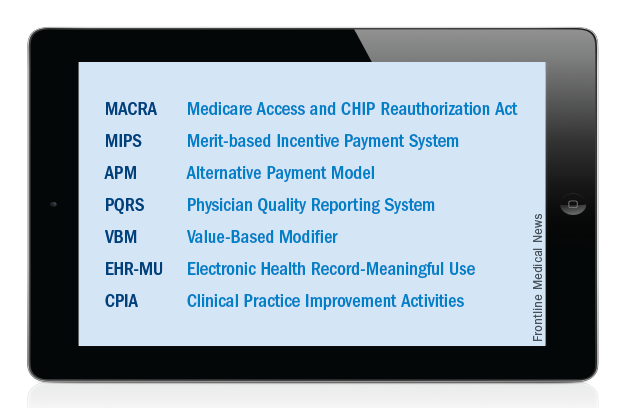
Individual surgeons’ performance in the four categories will be combined into a composite score. Each individual composite score will then be compared with a performance threshold. The threshold will be set as either the mean or median of the composite performance scores for all MIPS-eligible professionals from a prior performance period. The threshold will reset every year. Those with an individual composite performance score above the threshold will receive a positive payment adjustment while those with an individual composite performance score below the threshold will receive a negative payment adjustment.
The Quality component of the MIPS will consist of quality measures currently used in existing quality performance programs namely, the PQRS (Physician Quality Reporting System), the VBM (Value-Based Modifier program), and EHR-MU (Electronic Health Record–Meaningful Use), as well as measures developed by stakeholders to meet the needs of specialties lacking meaningful measures in the current programs. The RESOURCE USE component of MIPS will include the cost measures used in the current VBM (Value-Based Modifier) program. With regard to the Electronic Health Record–Meaningful Use (EHR-MU) component of MIPS, current EHR-MU requirements will continue to apply but are expected to be modified significantly. ACS continues to advocate for changes to the EHR-MU program to make it easier for surgeons to comply with requirements. Evidence of the effectiveness of our advocacy in this area is found in the success achieved in obtaining a blanket exception for the 2015 reporting period, Stage 2 Meaningful Use rule about which I wrote in the December 2015 and January 2016 editions of this column.
The CPIA (Clinical Practice Improvement Activities) are designed to assess surgeons’ effort toward improving their clinical practice and/or their preparation toward participating in APMs (Alternative Payment Models). The menu of specific, approved activities has yet to be firmly established. ACS provided significant input on the CPIA component of MIPS in our November 2015 response to the request for information issued by the Centers for Medicare & Medicaid Services (CMS) last fall. The MACRA legislation specifies that the CPIA be applicable to all specialties and be attainable for small practices and professionals in rural and underserved areas.
Those Fellows interested in knowing specifically the areas on which CMS requested input in the process of drafting the first proposed rule on MACRA and how ACS responded to same may find the letter sent in response to CMS at https://www.facs.org/~/media/files/advocacy/medicare/cms%20mips%20apm%20rfi%20final.ashx.
The new law takes concerted steps to incentivize and encourage providers to develop and participate in APMs (Alternative Payment Models). As with the CPIA discussed above, the details of APMs are not yet fully clear and are currently being developed. ACS is actively working on behalf of surgeons to develop APMs as part of the policy efforts of the Division of Advocacy and Health Policy. In general, these programs will require quality measures, the inclusion of elements of upside and downside financial risk for providers and use of certified electronic health record technology. For those surgeons who receive a significant share of their revenue from an APM, an annual 5% bonus will be available for each of the years 2019-2024. To qualify for that bonus, surgeons must receive 25% of their Medicare revenue from an APM in the years 2019 and 2020. That threshold requirement subsequently increases to 50% in 2021 and ultimately to 75% beginning in 2023.
As MACRA specifies that providers participate in either MIPS or APMs, surgeons who meet the aforementioned threshold of payment from a qualified APM will be exempted from many of the MIPS reporting requirements and receive the 5% bonus in lieu of the previously described MIPS payment adjustment. Those who participate in APMs but fail to meet the threshold necessary to receive the 5% bonus will receive credit for their participation in the CPIA component of their MIPS composite score but will not receive the 5% incentive.
While it is completely understandable that acronyms add to surgeons’ collective frustration, I am confident that all Fellows can, with relative ease, master the seven acronyms above and thus be well on their way to both understanding and successfully participating in the new Medicare physician payment system.
Until next month …
Dr. Patrick V. Bailey is an ACS Fellow, a pediatric surgeon, and Medical Director, Advocacy, for the Division of Advocacy and Health Policy, in the ACS offices in Washington, D.C.
Just over a year ago, Congress passed and the President signed into law the MACRA legislation, which will serve as the basis for Medicare physician payment beginning in 2019. At the recent Leadership and Advocacy Summit, it became apparent to me that a “refresher” on seven key acronyms would be useful for surgeons as they gear up to understand and effectively participate in this “brave new world” which is rapidly approaching.
Accordingly, let us start at the beginning. MACRA stands for the Medicare Access and CHIP (Children’s Health Insurance Program) Reauthorization Act of 2015. As noted above, this legislation, signed into law by President Obama on April 16, 2015, replaces the flawed sustainable growth rate formula and will be the template utilized to determine Medicare physician payment beginning in 2019. However, it is important to note that it is anticipated that the data to be utilized as the basis for payment in 2019 will likely be collected sometime in 2017.
MACRA provides modest but stable positive updates of 0.5 percent/year for the 5-year period of 2015-2019. Fellows may remember that this provision was included in the legislation as a direct result of objections made by the leadership of the ACS to the original draft legislation, which contained no provision for a positive update. In addition, MACRA provides for the elimination, after 2018, of the current-law penalties associated with the existing Medicare quality programs, including the PQRS (Physician Quality Reporting System), the VBM (Value-Based Modifier) program and the EHR-MU (Electronic Health Record–Meaningful Use) program. That said, and as outlined below, we will not be saying goodbye to these programs completely. Accordingly, surgeons need to remain, or become, familiar with those acronyms and the programs they represent.
MACRA has two payment pathways. Physicians will choose to participate in one or the other. Those choices are: 1) MIPS (Merit-based Incentive Payment System) and 2) APMs (Alternative Payment Models).
Beginning in 2019, the PQRS (Physician Quality Reporting System), the VBM (Value-Based Modifier) program and the EHR-MU (Electronic Health Record–Meaningful Use) program will be combined into MIPS (Merit-based Incentive Payment System). In this program, it is possible for all surgeons to receive an annual positive update based on their individual performance in the four categories of Quality, Resource Use, Electronic Health Record–Meaningful Use, and lastly the newly created category of Clinical Practice Improvement Activities (CPIA).
Individual surgeons’ performance in the four categories will be combined into a composite score. Each individual composite score will then be compared with a performance threshold. The threshold will be set as either the mean or median of the composite performance scores for all MIPS-eligible professionals from a prior performance period. The threshold will reset every year. Those with an individual composite performance score above the threshold will receive a positive payment adjustment while those with an individual composite performance score below the threshold will receive a negative payment adjustment.
The Quality component of the MIPS will consist of quality measures currently used in existing quality performance programs namely, the PQRS (Physician Quality Reporting System), the VBM (Value-Based Modifier program), and EHR-MU (Electronic Health Record–Meaningful Use), as well as measures developed by stakeholders to meet the needs of specialties lacking meaningful measures in the current programs. The RESOURCE USE component of MIPS will include the cost measures used in the current VBM (Value-Based Modifier) program. With regard to the Electronic Health Record–Meaningful Use (EHR-MU) component of MIPS, current EHR-MU requirements will continue to apply but are expected to be modified significantly. ACS continues to advocate for changes to the EHR-MU program to make it easier for surgeons to comply with requirements. Evidence of the effectiveness of our advocacy in this area is found in the success achieved in obtaining a blanket exception for the 2015 reporting period, Stage 2 Meaningful Use rule about which I wrote in the December 2015 and January 2016 editions of this column.
The CPIA (Clinical Practice Improvement Activities) are designed to assess surgeons’ effort toward improving their clinical practice and/or their preparation toward participating in APMs (Alternative Payment Models). The menu of specific, approved activities has yet to be firmly established. ACS provided significant input on the CPIA component of MIPS in our November 2015 response to the request for information issued by the Centers for Medicare & Medicaid Services (CMS) last fall. The MACRA legislation specifies that the CPIA be applicable to all specialties and be attainable for small practices and professionals in rural and underserved areas.
Those Fellows interested in knowing specifically the areas on which CMS requested input in the process of drafting the first proposed rule on MACRA and how ACS responded to same may find the letter sent in response to CMS at https://www.facs.org/~/media/files/advocacy/medicare/cms%20mips%20apm%20rfi%20final.ashx.
The new law takes concerted steps to incentivize and encourage providers to develop and participate in APMs (Alternative Payment Models). As with the CPIA discussed above, the details of APMs are not yet fully clear and are currently being developed. ACS is actively working on behalf of surgeons to develop APMs as part of the policy efforts of the Division of Advocacy and Health Policy. In general, these programs will require quality measures, the inclusion of elements of upside and downside financial risk for providers and use of certified electronic health record technology. For those surgeons who receive a significant share of their revenue from an APM, an annual 5% bonus will be available for each of the years 2019-2024. To qualify for that bonus, surgeons must receive 25% of their Medicare revenue from an APM in the years 2019 and 2020. That threshold requirement subsequently increases to 50% in 2021 and ultimately to 75% beginning in 2023.
As MACRA specifies that providers participate in either MIPS or APMs, surgeons who meet the aforementioned threshold of payment from a qualified APM will be exempted from many of the MIPS reporting requirements and receive the 5% bonus in lieu of the previously described MIPS payment adjustment. Those who participate in APMs but fail to meet the threshold necessary to receive the 5% bonus will receive credit for their participation in the CPIA component of their MIPS composite score but will not receive the 5% incentive.
While it is completely understandable that acronyms add to surgeons’ collective frustration, I am confident that all Fellows can, with relative ease, master the seven acronyms above and thus be well on their way to both understanding and successfully participating in the new Medicare physician payment system.
Until next month …
Dr. Patrick V. Bailey is an ACS Fellow, a pediatric surgeon, and Medical Director, Advocacy, for the Division of Advocacy and Health Policy, in the ACS offices in Washington, D.C.
Just over a year ago, Congress passed and the President signed into law the MACRA legislation, which will serve as the basis for Medicare physician payment beginning in 2019. At the recent Leadership and Advocacy Summit, it became apparent to me that a “refresher” on seven key acronyms would be useful for surgeons as they gear up to understand and effectively participate in this “brave new world” which is rapidly approaching.
Accordingly, let us start at the beginning. MACRA stands for the Medicare Access and CHIP (Children’s Health Insurance Program) Reauthorization Act of 2015. As noted above, this legislation, signed into law by President Obama on April 16, 2015, replaces the flawed sustainable growth rate formula and will be the template utilized to determine Medicare physician payment beginning in 2019. However, it is important to note that it is anticipated that the data to be utilized as the basis for payment in 2019 will likely be collected sometime in 2017.
MACRA provides modest but stable positive updates of 0.5 percent/year for the 5-year period of 2015-2019. Fellows may remember that this provision was included in the legislation as a direct result of objections made by the leadership of the ACS to the original draft legislation, which contained no provision for a positive update. In addition, MACRA provides for the elimination, after 2018, of the current-law penalties associated with the existing Medicare quality programs, including the PQRS (Physician Quality Reporting System), the VBM (Value-Based Modifier) program and the EHR-MU (Electronic Health Record–Meaningful Use) program. That said, and as outlined below, we will not be saying goodbye to these programs completely. Accordingly, surgeons need to remain, or become, familiar with those acronyms and the programs they represent.
MACRA has two payment pathways. Physicians will choose to participate in one or the other. Those choices are: 1) MIPS (Merit-based Incentive Payment System) and 2) APMs (Alternative Payment Models).
Beginning in 2019, the PQRS (Physician Quality Reporting System), the VBM (Value-Based Modifier) program and the EHR-MU (Electronic Health Record–Meaningful Use) program will be combined into MIPS (Merit-based Incentive Payment System). In this program, it is possible for all surgeons to receive an annual positive update based on their individual performance in the four categories of Quality, Resource Use, Electronic Health Record–Meaningful Use, and lastly the newly created category of Clinical Practice Improvement Activities (CPIA).
Individual surgeons’ performance in the four categories will be combined into a composite score. Each individual composite score will then be compared with a performance threshold. The threshold will be set as either the mean or median of the composite performance scores for all MIPS-eligible professionals from a prior performance period. The threshold will reset every year. Those with an individual composite performance score above the threshold will receive a positive payment adjustment while those with an individual composite performance score below the threshold will receive a negative payment adjustment.
The Quality component of the MIPS will consist of quality measures currently used in existing quality performance programs namely, the PQRS (Physician Quality Reporting System), the VBM (Value-Based Modifier program), and EHR-MU (Electronic Health Record–Meaningful Use), as well as measures developed by stakeholders to meet the needs of specialties lacking meaningful measures in the current programs. The RESOURCE USE component of MIPS will include the cost measures used in the current VBM (Value-Based Modifier) program. With regard to the Electronic Health Record–Meaningful Use (EHR-MU) component of MIPS, current EHR-MU requirements will continue to apply but are expected to be modified significantly. ACS continues to advocate for changes to the EHR-MU program to make it easier for surgeons to comply with requirements. Evidence of the effectiveness of our advocacy in this area is found in the success achieved in obtaining a blanket exception for the 2015 reporting period, Stage 2 Meaningful Use rule about which I wrote in the December 2015 and January 2016 editions of this column.
The CPIA (Clinical Practice Improvement Activities) are designed to assess surgeons’ effort toward improving their clinical practice and/or their preparation toward participating in APMs (Alternative Payment Models). The menu of specific, approved activities has yet to be firmly established. ACS provided significant input on the CPIA component of MIPS in our November 2015 response to the request for information issued by the Centers for Medicare & Medicaid Services (CMS) last fall. The MACRA legislation specifies that the CPIA be applicable to all specialties and be attainable for small practices and professionals in rural and underserved areas.
Those Fellows interested in knowing specifically the areas on which CMS requested input in the process of drafting the first proposed rule on MACRA and how ACS responded to same may find the letter sent in response to CMS at https://www.facs.org/~/media/files/advocacy/medicare/cms%20mips%20apm%20rfi%20final.ashx.
The new law takes concerted steps to incentivize and encourage providers to develop and participate in APMs (Alternative Payment Models). As with the CPIA discussed above, the details of APMs are not yet fully clear and are currently being developed. ACS is actively working on behalf of surgeons to develop APMs as part of the policy efforts of the Division of Advocacy and Health Policy. In general, these programs will require quality measures, the inclusion of elements of upside and downside financial risk for providers and use of certified electronic health record technology. For those surgeons who receive a significant share of their revenue from an APM, an annual 5% bonus will be available for each of the years 2019-2024. To qualify for that bonus, surgeons must receive 25% of their Medicare revenue from an APM in the years 2019 and 2020. That threshold requirement subsequently increases to 50% in 2021 and ultimately to 75% beginning in 2023.
As MACRA specifies that providers participate in either MIPS or APMs, surgeons who meet the aforementioned threshold of payment from a qualified APM will be exempted from many of the MIPS reporting requirements and receive the 5% bonus in lieu of the previously described MIPS payment adjustment. Those who participate in APMs but fail to meet the threshold necessary to receive the 5% bonus will receive credit for their participation in the CPIA component of their MIPS composite score but will not receive the 5% incentive.
While it is completely understandable that acronyms add to surgeons’ collective frustration, I am confident that all Fellows can, with relative ease, master the seven acronyms above and thus be well on their way to both understanding and successfully participating in the new Medicare physician payment system.
Until next month …
Dr. Patrick V. Bailey is an ACS Fellow, a pediatric surgeon, and Medical Director, Advocacy, for the Division of Advocacy and Health Policy, in the ACS offices in Washington, D.C.

2016 Leadership Summit Focuses on Communication and Team Building
The American College of Surgeons (ACS) hosted the fifth annual Leadership & Advocacy Summit, April 9–12, at the JW Marriott in Washington, DC. More than 445 College leaders, residents, and medical students participated in the Leadership portion of the Summit, which featured a full day of sessions on effective leadership building communication and strategic thinking skills for effective leadership in and out of the operating room. The Leadership Summit also provided attendees with ample networking opportunities.
The Leadership Summit began with a well-attended Welcome Reception on Saturday evening. Sunday’s program featured nine presentations on such topics as preparing for difficult conversations, best practices for social networking, improving team emotional intelligence, leading teams through conflict situations, and sharpening strategic thinking skills. Leaders from the Georgia, North Texas, and West Virginia Chapters of the ACS presented their chapter’s success stories from the past year. Leadership Summit attendees also convened over lunch by state/region to identify new areas for collaboration in the coming year.
Details regarding the Leadership Summit will be published in the July Bulletin of the American College of Surgeons at http://bulletin.facs.org/. The sixth annual Leadership & Advocacy Summit will take place May 6−9, 2017 at the Renaissance Washington, DC Downtown Hotel. For more information on the Leadership Summit, contact Donna Tieberg, ACS International Chapter Services Manager, at [email protected].
The American College of Surgeons (ACS) hosted the fifth annual Leadership & Advocacy Summit, April 9–12, at the JW Marriott in Washington, DC. More than 445 College leaders, residents, and medical students participated in the Leadership portion of the Summit, which featured a full day of sessions on effective leadership building communication and strategic thinking skills for effective leadership in and out of the operating room. The Leadership Summit also provided attendees with ample networking opportunities.
The Leadership Summit began with a well-attended Welcome Reception on Saturday evening. Sunday’s program featured nine presentations on such topics as preparing for difficult conversations, best practices for social networking, improving team emotional intelligence, leading teams through conflict situations, and sharpening strategic thinking skills. Leaders from the Georgia, North Texas, and West Virginia Chapters of the ACS presented their chapter’s success stories from the past year. Leadership Summit attendees also convened over lunch by state/region to identify new areas for collaboration in the coming year.
Details regarding the Leadership Summit will be published in the July Bulletin of the American College of Surgeons at http://bulletin.facs.org/. The sixth annual Leadership & Advocacy Summit will take place May 6−9, 2017 at the Renaissance Washington, DC Downtown Hotel. For more information on the Leadership Summit, contact Donna Tieberg, ACS International Chapter Services Manager, at [email protected].
The American College of Surgeons (ACS) hosted the fifth annual Leadership & Advocacy Summit, April 9–12, at the JW Marriott in Washington, DC. More than 445 College leaders, residents, and medical students participated in the Leadership portion of the Summit, which featured a full day of sessions on effective leadership building communication and strategic thinking skills for effective leadership in and out of the operating room. The Leadership Summit also provided attendees with ample networking opportunities.
The Leadership Summit began with a well-attended Welcome Reception on Saturday evening. Sunday’s program featured nine presentations on such topics as preparing for difficult conversations, best practices for social networking, improving team emotional intelligence, leading teams through conflict situations, and sharpening strategic thinking skills. Leaders from the Georgia, North Texas, and West Virginia Chapters of the ACS presented their chapter’s success stories from the past year. Leadership Summit attendees also convened over lunch by state/region to identify new areas for collaboration in the coming year.
Details regarding the Leadership Summit will be published in the July Bulletin of the American College of Surgeons at http://bulletin.facs.org/. The sixth annual Leadership & Advocacy Summit will take place May 6−9, 2017 at the Renaissance Washington, DC Downtown Hotel. For more information on the Leadership Summit, contact Donna Tieberg, ACS International Chapter Services Manager, at [email protected].