User login
Official Newspaper of the American College of Surgeons
Accredited bariatric surgery centers have fewer postoperative complications
A recent review of published medical studies indicates that patients who have weight loss operations at nonaccredited bariatric surgery facilities in the United States are up to 1.4 times more likely to experience serious postoperative complications and more than twice as likely to die after the procedure in comparison with patients who undergo these procedures at accredited bariatric surgery centers. The study authors also report that accredited bariatric centers have lower costs than do nonaccredited centers. These results, which are posted on the Journal of the American College of Surgeons (JACS) website in advance of print publication, represent the first comprehensive review of the best available evidence comparing bariatric surgery results in accredited U.S. centers with outcomes at nonaccredited U.S. centers.
“A preponderance of scientific evidence demonstrates that bariatric surgery becomes safer with accreditation of the surgical center,” said principal investigator John Morton, MD, MPH, FACS, FASMBS, chief of bariatric and minimally invasive surgery at Stanford University School of Medicine in California. “Accreditation makes a big difference.” The American College of Surgeons (ACS) and the American Society of Metabolic and Bariatric Surgeons (ASMBS) merged their accreditation programs in 2012 to create the unified Metabolic and Bariatric Surgery Accreditation and Quality Improvement Program, and more than 700 centers in the country now hold this accreditation. This credential signifies that a surgical facility has met rigorous standards for high-quality surgical care.
Reducing the odds of complications
In their review article, Dr. Morton and first author Dan Azagury, MD, also a bariatric and general surgeon at Stanford, included 13 studies published between 2009 and 2014, comprising more than 1.5 million patients. Dr. Morton acknowledged that a number of patients might be duplicates because some studies used the same national database.
Eight of 11 studies that evaluated postoperative complications found that undergoing a bariatric operation in an accredited facility reduced the odds of experiencing a serious complication by 9 percent to 39 percent (odds ratios of 1.09 to 1.39), the researchers reported. The difference was reportedly even more pronounced for the risk of death occurring in the hospital or up to 90 days postoperatively. Six of eight studies that reported mortality showed that the odds of dying after a bariatric procedure, while low at an accredited center, were 2.26 to 3.57 times higher at a nonaccredited facility.
Nearly all the studies used risk adjustment, which compensates for different levels of patient risk and which experts believe makes results more accurate. Only three studies (23 percent) failed to show a significant benefit of accreditation.
Reducing costs
Drs. Morton and Azagury also analyzed studies that reported average hospital charges and found lower costs at accredited centers. “Accredited bariatric surgical centers provide not only safer care but also less expensive care,” Dr. Morton said. A systematic review was the best way to study this issue, according to Dr. Morton. He said most insurers today will not cover surgical care at nonaccredited bariatric centers, making it difficult to perform a randomized controlled clinical trial. In 2013, the Centers for Medicare & Medicaid Services (CMS) stopped requiring Medicare beneficiaries to undergo bariatric operations at accredited bariatric centers as a condition of coverage.
Meanwhile, a growing number of patients are choosing surgical treatment for obesity – widely considered the most effective long-term weight-loss therapy. An estimated 179,000 patients underwent gastric bypass, gastric banding, and other bariatric operations in 2013 compared with 158,000 two years earlier, according to the ASMBS.
“These results provide important information that can be used to guide future policy decisions. Perhaps CMS should revisit this policy again,” Dr. Morton suggested.
Read the JACS article at www.journalacs.org/article/S1072-7515(16)30267-8/fulltext.
A recent review of published medical studies indicates that patients who have weight loss operations at nonaccredited bariatric surgery facilities in the United States are up to 1.4 times more likely to experience serious postoperative complications and more than twice as likely to die after the procedure in comparison with patients who undergo these procedures at accredited bariatric surgery centers. The study authors also report that accredited bariatric centers have lower costs than do nonaccredited centers. These results, which are posted on the Journal of the American College of Surgeons (JACS) website in advance of print publication, represent the first comprehensive review of the best available evidence comparing bariatric surgery results in accredited U.S. centers with outcomes at nonaccredited U.S. centers.
“A preponderance of scientific evidence demonstrates that bariatric surgery becomes safer with accreditation of the surgical center,” said principal investigator John Morton, MD, MPH, FACS, FASMBS, chief of bariatric and minimally invasive surgery at Stanford University School of Medicine in California. “Accreditation makes a big difference.” The American College of Surgeons (ACS) and the American Society of Metabolic and Bariatric Surgeons (ASMBS) merged their accreditation programs in 2012 to create the unified Metabolic and Bariatric Surgery Accreditation and Quality Improvement Program, and more than 700 centers in the country now hold this accreditation. This credential signifies that a surgical facility has met rigorous standards for high-quality surgical care.
Reducing the odds of complications
In their review article, Dr. Morton and first author Dan Azagury, MD, also a bariatric and general surgeon at Stanford, included 13 studies published between 2009 and 2014, comprising more than 1.5 million patients. Dr. Morton acknowledged that a number of patients might be duplicates because some studies used the same national database.
Eight of 11 studies that evaluated postoperative complications found that undergoing a bariatric operation in an accredited facility reduced the odds of experiencing a serious complication by 9 percent to 39 percent (odds ratios of 1.09 to 1.39), the researchers reported. The difference was reportedly even more pronounced for the risk of death occurring in the hospital or up to 90 days postoperatively. Six of eight studies that reported mortality showed that the odds of dying after a bariatric procedure, while low at an accredited center, were 2.26 to 3.57 times higher at a nonaccredited facility.
Nearly all the studies used risk adjustment, which compensates for different levels of patient risk and which experts believe makes results more accurate. Only three studies (23 percent) failed to show a significant benefit of accreditation.
Reducing costs
Drs. Morton and Azagury also analyzed studies that reported average hospital charges and found lower costs at accredited centers. “Accredited bariatric surgical centers provide not only safer care but also less expensive care,” Dr. Morton said. A systematic review was the best way to study this issue, according to Dr. Morton. He said most insurers today will not cover surgical care at nonaccredited bariatric centers, making it difficult to perform a randomized controlled clinical trial. In 2013, the Centers for Medicare & Medicaid Services (CMS) stopped requiring Medicare beneficiaries to undergo bariatric operations at accredited bariatric centers as a condition of coverage.
Meanwhile, a growing number of patients are choosing surgical treatment for obesity – widely considered the most effective long-term weight-loss therapy. An estimated 179,000 patients underwent gastric bypass, gastric banding, and other bariatric operations in 2013 compared with 158,000 two years earlier, according to the ASMBS.
“These results provide important information that can be used to guide future policy decisions. Perhaps CMS should revisit this policy again,” Dr. Morton suggested.
Read the JACS article at www.journalacs.org/article/S1072-7515(16)30267-8/fulltext.
A recent review of published medical studies indicates that patients who have weight loss operations at nonaccredited bariatric surgery facilities in the United States are up to 1.4 times more likely to experience serious postoperative complications and more than twice as likely to die after the procedure in comparison with patients who undergo these procedures at accredited bariatric surgery centers. The study authors also report that accredited bariatric centers have lower costs than do nonaccredited centers. These results, which are posted on the Journal of the American College of Surgeons (JACS) website in advance of print publication, represent the first comprehensive review of the best available evidence comparing bariatric surgery results in accredited U.S. centers with outcomes at nonaccredited U.S. centers.
“A preponderance of scientific evidence demonstrates that bariatric surgery becomes safer with accreditation of the surgical center,” said principal investigator John Morton, MD, MPH, FACS, FASMBS, chief of bariatric and minimally invasive surgery at Stanford University School of Medicine in California. “Accreditation makes a big difference.” The American College of Surgeons (ACS) and the American Society of Metabolic and Bariatric Surgeons (ASMBS) merged their accreditation programs in 2012 to create the unified Metabolic and Bariatric Surgery Accreditation and Quality Improvement Program, and more than 700 centers in the country now hold this accreditation. This credential signifies that a surgical facility has met rigorous standards for high-quality surgical care.
Reducing the odds of complications
In their review article, Dr. Morton and first author Dan Azagury, MD, also a bariatric and general surgeon at Stanford, included 13 studies published between 2009 and 2014, comprising more than 1.5 million patients. Dr. Morton acknowledged that a number of patients might be duplicates because some studies used the same national database.
Eight of 11 studies that evaluated postoperative complications found that undergoing a bariatric operation in an accredited facility reduced the odds of experiencing a serious complication by 9 percent to 39 percent (odds ratios of 1.09 to 1.39), the researchers reported. The difference was reportedly even more pronounced for the risk of death occurring in the hospital or up to 90 days postoperatively. Six of eight studies that reported mortality showed that the odds of dying after a bariatric procedure, while low at an accredited center, were 2.26 to 3.57 times higher at a nonaccredited facility.
Nearly all the studies used risk adjustment, which compensates for different levels of patient risk and which experts believe makes results more accurate. Only three studies (23 percent) failed to show a significant benefit of accreditation.
Reducing costs
Drs. Morton and Azagury also analyzed studies that reported average hospital charges and found lower costs at accredited centers. “Accredited bariatric surgical centers provide not only safer care but also less expensive care,” Dr. Morton said. A systematic review was the best way to study this issue, according to Dr. Morton. He said most insurers today will not cover surgical care at nonaccredited bariatric centers, making it difficult to perform a randomized controlled clinical trial. In 2013, the Centers for Medicare & Medicaid Services (CMS) stopped requiring Medicare beneficiaries to undergo bariatric operations at accredited bariatric centers as a condition of coverage.
Meanwhile, a growing number of patients are choosing surgical treatment for obesity – widely considered the most effective long-term weight-loss therapy. An estimated 179,000 patients underwent gastric bypass, gastric banding, and other bariatric operations in 2013 compared with 158,000 two years earlier, according to the ASMBS.
“These results provide important information that can be used to guide future policy decisions. Perhaps CMS should revisit this policy again,” Dr. Morton suggested.
Read the JACS article at www.journalacs.org/article/S1072-7515(16)30267-8/fulltext.
TQIP now in all 50 states and Washington, D.C.
The American College of Surgeons (ACS) Trauma Quality Improvement Program (TQIP®) is now in all 50 states and Washington, D.C. The ACS TQIP program reached this milestone on Aug. 2 with the addition of Meritus Medical Center in Hagerstown, Md., a Level III TQIP Site.
The TQIP pilot program began in 2009 with 23 centers, and the full TQIP program launched in 2010 with 65 centers. In 2014, Pediatric TQIP was added, and on July 1 of this year, Level III TQIP was launched. TQIP now has 561 enrolled sites (420 Level I and II Adult Sites, 40 Level III Sites, and 101 Pediatric Sites) and anticipates continued growth this year.
TQIP standardizes the collection and measurement of trauma data to generate quality improvement strategies and reduce disparities in trauma care nationwide. TQIP collects data from trauma centers, provides feedback about center performance, and identifies institutional improvements for better patient outcomes. TQIP provides hospitals with risk-adjusted benchmarking for accurate national comparisons. In addition, TQIP provides education and training to help trauma center staff improve the quality of their data and accurately interpret their benchmark reports. The program fosters clinical improvements with the support of Best Practice Guidelines (https://www.facs.org/quality-programs/trauma/tqip/best-practice), which allow enrolled centers to network and share best practice information at the TQIP annual meeting (https://www.facs.org/quality-programs/trauma/tqip/meeting) through the TQIP Google group (https://groups.google.com/forum/#!forum/trauma-quality-improvement-program---tqip), and in Web conferences.
For more information, visit the TQIP website (www.facs.org/quality-programs/trauma/tqip).
The American College of Surgeons (ACS) Trauma Quality Improvement Program (TQIP®) is now in all 50 states and Washington, D.C. The ACS TQIP program reached this milestone on Aug. 2 with the addition of Meritus Medical Center in Hagerstown, Md., a Level III TQIP Site.
The TQIP pilot program began in 2009 with 23 centers, and the full TQIP program launched in 2010 with 65 centers. In 2014, Pediatric TQIP was added, and on July 1 of this year, Level III TQIP was launched. TQIP now has 561 enrolled sites (420 Level I and II Adult Sites, 40 Level III Sites, and 101 Pediatric Sites) and anticipates continued growth this year.
TQIP standardizes the collection and measurement of trauma data to generate quality improvement strategies and reduce disparities in trauma care nationwide. TQIP collects data from trauma centers, provides feedback about center performance, and identifies institutional improvements for better patient outcomes. TQIP provides hospitals with risk-adjusted benchmarking for accurate national comparisons. In addition, TQIP provides education and training to help trauma center staff improve the quality of their data and accurately interpret their benchmark reports. The program fosters clinical improvements with the support of Best Practice Guidelines (https://www.facs.org/quality-programs/trauma/tqip/best-practice), which allow enrolled centers to network and share best practice information at the TQIP annual meeting (https://www.facs.org/quality-programs/trauma/tqip/meeting) through the TQIP Google group (https://groups.google.com/forum/#!forum/trauma-quality-improvement-program---tqip), and in Web conferences.
For more information, visit the TQIP website (www.facs.org/quality-programs/trauma/tqip).
The American College of Surgeons (ACS) Trauma Quality Improvement Program (TQIP®) is now in all 50 states and Washington, D.C. The ACS TQIP program reached this milestone on Aug. 2 with the addition of Meritus Medical Center in Hagerstown, Md., a Level III TQIP Site.
The TQIP pilot program began in 2009 with 23 centers, and the full TQIP program launched in 2010 with 65 centers. In 2014, Pediatric TQIP was added, and on July 1 of this year, Level III TQIP was launched. TQIP now has 561 enrolled sites (420 Level I and II Adult Sites, 40 Level III Sites, and 101 Pediatric Sites) and anticipates continued growth this year.
TQIP standardizes the collection and measurement of trauma data to generate quality improvement strategies and reduce disparities in trauma care nationwide. TQIP collects data from trauma centers, provides feedback about center performance, and identifies institutional improvements for better patient outcomes. TQIP provides hospitals with risk-adjusted benchmarking for accurate national comparisons. In addition, TQIP provides education and training to help trauma center staff improve the quality of their data and accurately interpret their benchmark reports. The program fosters clinical improvements with the support of Best Practice Guidelines (https://www.facs.org/quality-programs/trauma/tqip/best-practice), which allow enrolled centers to network and share best practice information at the TQIP annual meeting (https://www.facs.org/quality-programs/trauma/tqip/meeting) through the TQIP Google group (https://groups.google.com/forum/#!forum/trauma-quality-improvement-program---tqip), and in Web conferences.
For more information, visit the TQIP website (www.facs.org/quality-programs/trauma/tqip).
Join Dr. Richardson for TTP Program Meet and Greet at Clinical Congress
J. David Richardson, MD, FACS, 2015-2016 President of the American College of Surgeons (ACS) and Chair of the ACS Committee on Transition to Practice (TTP) Program in General Surgery, will host an informal Meet and Greet during the ACS Clinical Congress 2016, 12:00 noon – 1:00 pm, Tuesday, October 18, at the Walter E. Washington Convention Center. Dr. Richardson will be available to speak with Clinical Congress attendees at the Division of Education Booth in the ACS Resource Center in Hall B. Residents who are considering careers in general surgery as well as faculty and practicing surgeons may be interested in learning more about the TTP Program at https://www.facs.org/education/program/ttp. Dennis W. Ashley, MD, FACS, FCCM, TTP chief of the Mercer University School of Medicine Program, Cordele, GA, which has successfully incorporated the TTP Program, will join Dr. Richardson at the Meet and Greet. Contact [email protected] for more information or stop by the Division of Education booth at the Clinical Congress and learn more about this growing program.
J. David Richardson, MD, FACS, 2015-2016 President of the American College of Surgeons (ACS) and Chair of the ACS Committee on Transition to Practice (TTP) Program in General Surgery, will host an informal Meet and Greet during the ACS Clinical Congress 2016, 12:00 noon – 1:00 pm, Tuesday, October 18, at the Walter E. Washington Convention Center. Dr. Richardson will be available to speak with Clinical Congress attendees at the Division of Education Booth in the ACS Resource Center in Hall B. Residents who are considering careers in general surgery as well as faculty and practicing surgeons may be interested in learning more about the TTP Program at https://www.facs.org/education/program/ttp. Dennis W. Ashley, MD, FACS, FCCM, TTP chief of the Mercer University School of Medicine Program, Cordele, GA, which has successfully incorporated the TTP Program, will join Dr. Richardson at the Meet and Greet. Contact [email protected] for more information or stop by the Division of Education booth at the Clinical Congress and learn more about this growing program.
J. David Richardson, MD, FACS, 2015-2016 President of the American College of Surgeons (ACS) and Chair of the ACS Committee on Transition to Practice (TTP) Program in General Surgery, will host an informal Meet and Greet during the ACS Clinical Congress 2016, 12:00 noon – 1:00 pm, Tuesday, October 18, at the Walter E. Washington Convention Center. Dr. Richardson will be available to speak with Clinical Congress attendees at the Division of Education Booth in the ACS Resource Center in Hall B. Residents who are considering careers in general surgery as well as faculty and practicing surgeons may be interested in learning more about the TTP Program at https://www.facs.org/education/program/ttp. Dennis W. Ashley, MD, FACS, FCCM, TTP chief of the Mercer University School of Medicine Program, Cordele, GA, which has successfully incorporated the TTP Program, will join Dr. Richardson at the Meet and Greet. Contact [email protected] for more information or stop by the Division of Education booth at the Clinical Congress and learn more about this growing program.
ACS Issues Statement on Operating Room Attire
The American College of Surgeons (ACS) has finalized a statement on professional attire for surgeons in and out of the operating room (OR). The new ACS guideline for appropriate attire is based on principles of professionalism, common sense, decorum, and the available evidence. It includes the following provisions:
• Soiled scrubs and/or hats should be changed as soon as feasible and certainly before speaking with family members after an operation.
• Scrubs and hats worn during dirty or contaminated cases should be changed prior to subsequent cases even if not visibly soiled.
• Dangling masks should not be worn at any time.
• Operating room scrubs should not be worn in the hospital facility outside of the OR area without a clean lab coat or appropriate cover.
• OR scrubs should not be worn at any time outside of the hospital perimeter.
• OR scrubs should be changed at least daily.
• During invasive procedures, the mouth, nose, and hair (skull and face) should be covered to avoid potential wound contamination. Large sideburns and ponytails should be covered or contained. There is no evidence that leaving ears, a limited amount of hair on the nape of the neck or a modest sideburn uncovered contributes to wound infections.
• Jewelry worn on the head or neck, where the items might fall into or contaminate the sterile field, should be removed or appropriately covered during procedures.
• The ACS encourages surgeons to wear clean, appropriate professional attire (not scrubs) during all patient encounters outside of the OR.
The ACS Statement on Operating Room Attire provides detailed guidelines on wearing the skullcap in a way that ensures patient safety and facilitates enforcement of the standard on wearing scrubs only within the perimeter of the hospital by suggesting the adoption of distinctively colored scrub suits for OR personnel.
In addition, the ACS is collaborating with the Centers for Medicare & Medicaid Services and The Joint Commission to ensure that their policies and regulatory oversight activities are aligned with the College’s recommendations.
The statement will be published in the October Bulletin.
The American College of Surgeons (ACS) has finalized a statement on professional attire for surgeons in and out of the operating room (OR). The new ACS guideline for appropriate attire is based on principles of professionalism, common sense, decorum, and the available evidence. It includes the following provisions:
• Soiled scrubs and/or hats should be changed as soon as feasible and certainly before speaking with family members after an operation.
• Scrubs and hats worn during dirty or contaminated cases should be changed prior to subsequent cases even if not visibly soiled.
• Dangling masks should not be worn at any time.
• Operating room scrubs should not be worn in the hospital facility outside of the OR area without a clean lab coat or appropriate cover.
• OR scrubs should not be worn at any time outside of the hospital perimeter.
• OR scrubs should be changed at least daily.
• During invasive procedures, the mouth, nose, and hair (skull and face) should be covered to avoid potential wound contamination. Large sideburns and ponytails should be covered or contained. There is no evidence that leaving ears, a limited amount of hair on the nape of the neck or a modest sideburn uncovered contributes to wound infections.
• Jewelry worn on the head or neck, where the items might fall into or contaminate the sterile field, should be removed or appropriately covered during procedures.
• The ACS encourages surgeons to wear clean, appropriate professional attire (not scrubs) during all patient encounters outside of the OR.
The ACS Statement on Operating Room Attire provides detailed guidelines on wearing the skullcap in a way that ensures patient safety and facilitates enforcement of the standard on wearing scrubs only within the perimeter of the hospital by suggesting the adoption of distinctively colored scrub suits for OR personnel.
In addition, the ACS is collaborating with the Centers for Medicare & Medicaid Services and The Joint Commission to ensure that their policies and regulatory oversight activities are aligned with the College’s recommendations.
The statement will be published in the October Bulletin.
The American College of Surgeons (ACS) has finalized a statement on professional attire for surgeons in and out of the operating room (OR). The new ACS guideline for appropriate attire is based on principles of professionalism, common sense, decorum, and the available evidence. It includes the following provisions:
• Soiled scrubs and/or hats should be changed as soon as feasible and certainly before speaking with family members after an operation.
• Scrubs and hats worn during dirty or contaminated cases should be changed prior to subsequent cases even if not visibly soiled.
• Dangling masks should not be worn at any time.
• Operating room scrubs should not be worn in the hospital facility outside of the OR area without a clean lab coat or appropriate cover.
• OR scrubs should not be worn at any time outside of the hospital perimeter.
• OR scrubs should be changed at least daily.
• During invasive procedures, the mouth, nose, and hair (skull and face) should be covered to avoid potential wound contamination. Large sideburns and ponytails should be covered or contained. There is no evidence that leaving ears, a limited amount of hair on the nape of the neck or a modest sideburn uncovered contributes to wound infections.
• Jewelry worn on the head or neck, where the items might fall into or contaminate the sterile field, should be removed or appropriately covered during procedures.
• The ACS encourages surgeons to wear clean, appropriate professional attire (not scrubs) during all patient encounters outside of the OR.
The ACS Statement on Operating Room Attire provides detailed guidelines on wearing the skullcap in a way that ensures patient safety and facilitates enforcement of the standard on wearing scrubs only within the perimeter of the hospital by suggesting the adoption of distinctively colored scrub suits for OR personnel.
In addition, the ACS is collaborating with the Centers for Medicare & Medicaid Services and The Joint Commission to ensure that their policies and regulatory oversight activities are aligned with the College’s recommendations.
The statement will be published in the October Bulletin.
Register for ACS TQIP Conference, November 5-7, in Orlando, FL
Register online for the seventh annual American College of Surgeons (ACS) Trauma Quality Improvement Program (TQIP®) Scientific Meeting and Training, November 5-7 at the Omni Orlando Resort at ChampionsGate, FL. Register for the conference at https://www.compusystems.com/servlet/ar?evt_uid=785.
The meeting will convene trauma medical directors, program managers, coordinators, and registrars from participating and prospective TQIP hospitals. J. Wayne Meredith, MD, FACS, MCCM, Winston-Salem, NC, the 2014 recipient of the ACS Distinguished Service Award and Past-Medical Director, ACS Trauma Programs, will deliver the keynote address. The program will include sessions for new TQIP centers, new staff at existing centers, and participants in need of a TQIP refresher. Breakout sessions focused on registrar and abstractor concerns, matters that relate to the trauma medical director and trauma program manager-focused issues will enhance the learning experience and instruct participants in their role on the TQIP team.
Visit the TQIP annual meeting website at https://www.facs.org/tqipmeeting to view the conference schedule and obtain information about lodging, transportation, and a social outing to Cirque du Soleil. For more information, contact ACS TQIP staff at [email protected].
Register online for the seventh annual American College of Surgeons (ACS) Trauma Quality Improvement Program (TQIP®) Scientific Meeting and Training, November 5-7 at the Omni Orlando Resort at ChampionsGate, FL. Register for the conference at https://www.compusystems.com/servlet/ar?evt_uid=785.
The meeting will convene trauma medical directors, program managers, coordinators, and registrars from participating and prospective TQIP hospitals. J. Wayne Meredith, MD, FACS, MCCM, Winston-Salem, NC, the 2014 recipient of the ACS Distinguished Service Award and Past-Medical Director, ACS Trauma Programs, will deliver the keynote address. The program will include sessions for new TQIP centers, new staff at existing centers, and participants in need of a TQIP refresher. Breakout sessions focused on registrar and abstractor concerns, matters that relate to the trauma medical director and trauma program manager-focused issues will enhance the learning experience and instruct participants in their role on the TQIP team.
Visit the TQIP annual meeting website at https://www.facs.org/tqipmeeting to view the conference schedule and obtain information about lodging, transportation, and a social outing to Cirque du Soleil. For more information, contact ACS TQIP staff at [email protected].
Register online for the seventh annual American College of Surgeons (ACS) Trauma Quality Improvement Program (TQIP®) Scientific Meeting and Training, November 5-7 at the Omni Orlando Resort at ChampionsGate, FL. Register for the conference at https://www.compusystems.com/servlet/ar?evt_uid=785.
The meeting will convene trauma medical directors, program managers, coordinators, and registrars from participating and prospective TQIP hospitals. J. Wayne Meredith, MD, FACS, MCCM, Winston-Salem, NC, the 2014 recipient of the ACS Distinguished Service Award and Past-Medical Director, ACS Trauma Programs, will deliver the keynote address. The program will include sessions for new TQIP centers, new staff at existing centers, and participants in need of a TQIP refresher. Breakout sessions focused on registrar and abstractor concerns, matters that relate to the trauma medical director and trauma program manager-focused issues will enhance the learning experience and instruct participants in their role on the TQIP team.
Visit the TQIP annual meeting website at https://www.facs.org/tqipmeeting to view the conference schedule and obtain information about lodging, transportation, and a social outing to Cirque du Soleil. For more information, contact ACS TQIP staff at [email protected].
National Medical Association honors Patricia L. Turner, MD, FACS
Patricia L. Turner, MD, FACS, Director of the American College of Surgeons Division of Member Services, received the 2016 National Medical Association (NMA) Council on Concerns of Women Physicians (CCWP) Service Award. Dr. Turner received the award July 31 at the CCWP Annual Muriel Petioni, MD, Awards Luncheon, which took place during the NMA’s 114th Annual Convention and Scientific Assembly in Los Angeles.

This award honors women physicians who, through research, community service, and activism, strive to eliminate health care disparities, provide people of color with quality health care, and address women’s health and professional issues. The awards program, the most highly attended event of the convention, continues to grow in popularity. This year’s program featured award-winning actress and television director Regina King. Read more about the NMA and the award at http://www.afassanoco.com/nma/ccwpprogram.html.
Patricia L. Turner, MD, FACS, Director of the American College of Surgeons Division of Member Services, received the 2016 National Medical Association (NMA) Council on Concerns of Women Physicians (CCWP) Service Award. Dr. Turner received the award July 31 at the CCWP Annual Muriel Petioni, MD, Awards Luncheon, which took place during the NMA’s 114th Annual Convention and Scientific Assembly in Los Angeles.
This award honors women physicians who, through research, community service, and activism, strive to eliminate health care disparities, provide people of color with quality health care, and address women’s health and professional issues. The awards program, the most highly attended event of the convention, continues to grow in popularity. This year’s program featured award-winning actress and television director Regina King. Read more about the NMA and the award at http://www.afassanoco.com/nma/ccwpprogram.html.
Patricia L. Turner, MD, FACS, Director of the American College of Surgeons Division of Member Services, received the 2016 National Medical Association (NMA) Council on Concerns of Women Physicians (CCWP) Service Award. Dr. Turner received the award July 31 at the CCWP Annual Muriel Petioni, MD, Awards Luncheon, which took place during the NMA’s 114th Annual Convention and Scientific Assembly in Los Angeles.
This award honors women physicians who, through research, community service, and activism, strive to eliminate health care disparities, provide people of color with quality health care, and address women’s health and professional issues. The awards program, the most highly attended event of the convention, continues to grow in popularity. This year’s program featured award-winning actress and television director Regina King. Read more about the NMA and the award at http://www.afassanoco.com/nma/ccwpprogram.html.

EHR woes will get worse before they get better: ONC chief
WASHINGTON – EHR woes may tick up as medical practices begin to move from fee for service to a value-based care model, according to the new federal health IT leader, B. Vindell Washington, MD.
“If you are in an environment where you have, say for example, 20%-25% of your patients that are in an accountable care model and the rest of your entire panel is a fee-for-service model, then you’re really not in a position to really reap the full benefit, and quite frankly you are straddling the fence in terms of both your work flow and patient delivery,” Dr. Washington, National Coordinator for Health Information Technology, said at a Sept. 19 press briefing. That said, “I think that there will be improvements for physicians as we work our way through delivery system reform.”

The Office of the National Coordinator for Health Information Technology (ONC) is working on regulations that would push EHR vendors to publish app interfaces to foster innovation, create more efficient work-flow applications, and improve EHRs in general, said Dr. Washington, former president and chief medical information officer of the Franciscan Missionaries of Our Lady Health System Medical Group, Baton Rogue, La. “This change is not just a change in the tool that folks are using, it is also a change in the system in which they operate.”
Interoperability also should improve as more clinicians move into value-based care models, he said. For example, in Tulsa, Okla., three competing health systems are participating in the Comprehensive Primary Care Initiative demonstration. The health systems involved in the demonstration are seeing unprecedented levels of information sharing between them because participation in CPC requires it.
“Part of this value proposition comes when you take care of groups of patients and you move into more of the CPC+ or medical home or coordinated care models where the sort of larger, longer view and team-based approach to care become more and more prominent,” Dr. Washington said.
He also talked about the value of documenting efforts related to process measures, and the criticism that clinicians are simply checking boxes rather than focusing on outcomes.
Dr. Washington acknowledged that defining and measuring outcomes is a much more difficult task. He noted that improvement in health is the goal. And while the measure may be difficult, what physicians “need to do in health care to lead to those outcomes, to have people have better, healthier, more enriched lives, you end up with measures around.”
As an example, he pointed to preventing diabetic retinopathy or amputation. “Our best guess at how to do that is to keep their hemoglobin A1c in a certain range,” he said, adding that while tracking hemoglobin A1c is the measurement, “what you really want is the [diabetes patient] to have a long life, keep their eyesight, and not lose a limb. It’s that juxtaposition of what you can measure easily versus what the ultimate outcome” is, and physicians will come up with a series of steps in order to achieve the outcome of improved overall health status.
WASHINGTON – EHR woes may tick up as medical practices begin to move from fee for service to a value-based care model, according to the new federal health IT leader, B. Vindell Washington, MD.
“If you are in an environment where you have, say for example, 20%-25% of your patients that are in an accountable care model and the rest of your entire panel is a fee-for-service model, then you’re really not in a position to really reap the full benefit, and quite frankly you are straddling the fence in terms of both your work flow and patient delivery,” Dr. Washington, National Coordinator for Health Information Technology, said at a Sept. 19 press briefing. That said, “I think that there will be improvements for physicians as we work our way through delivery system reform.”
The Office of the National Coordinator for Health Information Technology (ONC) is working on regulations that would push EHR vendors to publish app interfaces to foster innovation, create more efficient work-flow applications, and improve EHRs in general, said Dr. Washington, former president and chief medical information officer of the Franciscan Missionaries of Our Lady Health System Medical Group, Baton Rogue, La. “This change is not just a change in the tool that folks are using, it is also a change in the system in which they operate.”
Interoperability also should improve as more clinicians move into value-based care models, he said. For example, in Tulsa, Okla., three competing health systems are participating in the Comprehensive Primary Care Initiative demonstration. The health systems involved in the demonstration are seeing unprecedented levels of information sharing between them because participation in CPC requires it.
“Part of this value proposition comes when you take care of groups of patients and you move into more of the CPC+ or medical home or coordinated care models where the sort of larger, longer view and team-based approach to care become more and more prominent,” Dr. Washington said.
He also talked about the value of documenting efforts related to process measures, and the criticism that clinicians are simply checking boxes rather than focusing on outcomes.
Dr. Washington acknowledged that defining and measuring outcomes is a much more difficult task. He noted that improvement in health is the goal. And while the measure may be difficult, what physicians “need to do in health care to lead to those outcomes, to have people have better, healthier, more enriched lives, you end up with measures around.”
As an example, he pointed to preventing diabetic retinopathy or amputation. “Our best guess at how to do that is to keep their hemoglobin A1c in a certain range,” he said, adding that while tracking hemoglobin A1c is the measurement, “what you really want is the [diabetes patient] to have a long life, keep their eyesight, and not lose a limb. It’s that juxtaposition of what you can measure easily versus what the ultimate outcome” is, and physicians will come up with a series of steps in order to achieve the outcome of improved overall health status.
WASHINGTON – EHR woes may tick up as medical practices begin to move from fee for service to a value-based care model, according to the new federal health IT leader, B. Vindell Washington, MD.
“If you are in an environment where you have, say for example, 20%-25% of your patients that are in an accountable care model and the rest of your entire panel is a fee-for-service model, then you’re really not in a position to really reap the full benefit, and quite frankly you are straddling the fence in terms of both your work flow and patient delivery,” Dr. Washington, National Coordinator for Health Information Technology, said at a Sept. 19 press briefing. That said, “I think that there will be improvements for physicians as we work our way through delivery system reform.”
The Office of the National Coordinator for Health Information Technology (ONC) is working on regulations that would push EHR vendors to publish app interfaces to foster innovation, create more efficient work-flow applications, and improve EHRs in general, said Dr. Washington, former president and chief medical information officer of the Franciscan Missionaries of Our Lady Health System Medical Group, Baton Rogue, La. “This change is not just a change in the tool that folks are using, it is also a change in the system in which they operate.”
Interoperability also should improve as more clinicians move into value-based care models, he said. For example, in Tulsa, Okla., three competing health systems are participating in the Comprehensive Primary Care Initiative demonstration. The health systems involved in the demonstration are seeing unprecedented levels of information sharing between them because participation in CPC requires it.
“Part of this value proposition comes when you take care of groups of patients and you move into more of the CPC+ or medical home or coordinated care models where the sort of larger, longer view and team-based approach to care become more and more prominent,” Dr. Washington said.
He also talked about the value of documenting efforts related to process measures, and the criticism that clinicians are simply checking boxes rather than focusing on outcomes.
Dr. Washington acknowledged that defining and measuring outcomes is a much more difficult task. He noted that improvement in health is the goal. And while the measure may be difficult, what physicians “need to do in health care to lead to those outcomes, to have people have better, healthier, more enriched lives, you end up with measures around.”
As an example, he pointed to preventing diabetic retinopathy or amputation. “Our best guess at how to do that is to keep their hemoglobin A1c in a certain range,” he said, adding that while tracking hemoglobin A1c is the measurement, “what you really want is the [diabetes patient] to have a long life, keep their eyesight, and not lose a limb. It’s that juxtaposition of what you can measure easily versus what the ultimate outcome” is, and physicians will come up with a series of steps in order to achieve the outcome of improved overall health status.

The art of knowledge transfer
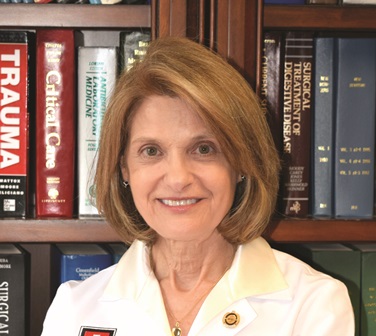
WAIKOLOA, HAWAII – At the annual meeting of the American Association for the Surgery of Trauma (AAST), Grace S. Rozycki, MD, highlighted findings from a survey of 62 seasoned surgeons who were asked to share their insights, advice, and practical suggestions on how to transmit wisdom to the next generation of surgeons.
Dr. Rozycki is professor of surgery at Indiana University, Indianapolis, and is the current president of the AAST. She reported having no financial disclosures.
WAIKOLOA, HAWAII – At the annual meeting of the American Association for the Surgery of Trauma (AAST), Grace S. Rozycki, MD, highlighted findings from a survey of 62 seasoned surgeons who were asked to share their insights, advice, and practical suggestions on how to transmit wisdom to the next generation of surgeons.
Dr. Rozycki is professor of surgery at Indiana University, Indianapolis, and is the current president of the AAST. She reported having no financial disclosures.
WAIKOLOA, HAWAII – At the annual meeting of the American Association for the Surgery of Trauma (AAST), Grace S. Rozycki, MD, highlighted findings from a survey of 62 seasoned surgeons who were asked to share their insights, advice, and practical suggestions on how to transmit wisdom to the next generation of surgeons.
Dr. Rozycki is professor of surgery at Indiana University, Indianapolis, and is the current president of the AAST. She reported having no financial disclosures.
AT THE AAST ANNUAL MEETING
ASCO updates postmastectomy radiotherapy guideline
The 2001 American Society of Clinical Oncology clinical practice guideline on postmastectomy radiotherapy has been updated to help clinicians and patients decide which cases of T1-T2 breast cancer with one-three positive axillary lymph nodes will not benefit from the treatment. Recent evidence suggests that some subsets of this patient group are likely to have such a low risk of locoregional recurrence that the potential adverse effects of radiotherapy would outweigh its benefit.
“We still don’t have a single, validated formula that can determine who needs postmastectomy radiotherapy, but we hope that the research evidence summarized in this guideline update will help doctors and patients make more informed decisions,” Abram Recht, MD, cochair of the expert panel that developed the update, said in a press statement.
“Thanks to advances in systemic therapy, fewer women need radiation therapy after a mastectomy. This means we can be more selective when recommending this treatment to our patients,” said Dr. Recht of Beth Israel Deaconess Medical Center, Boston.
ASCO, in collaboration with the American Society for Radiation Oncology and the Society of Surgical Oncology, reviewed the literature since 2001, including a meta-analysis of 22 clinical trials involving 8,135 patients who were randomly assigned to receive or not receive postmastectomy radiotherapy. “Our panel focused on the results for the 3,786 women who underwent axillary dissection.” The 10-year rate of locoregional treatment failure was only 4.3% with irradiation, compared with 21.0% without irradiation. The 10-year rate of local or distant treatment failure was 33.8% with irradiation and 45.5% without it, and the 20-year rates of breast cancer mortality were 41.5% and 49.4%, respectively.
“The panel unanimously agreed that the available evidence shows that postmastectomy radiotherapy reduces the risks of locoregional failure, any recurrence, and breast cancer mortality for patients with T1-T2 breast cancer and one-three positive lymph nodes,” according to the guideline.
However, clinicians and patients “should consider factors that may decrease the risk of locoregional failure, attenuate the benefit of reduced breast cancer–specific mortality, and/or increase the risk of complications.” These include older patient age, limited life expectancy, coexisting conditions that affect the risk of complications, small tumor size, absence of lymphovascular invasion, small nodal metastases, substantial response to neoadjuvant systemic therapy, low tumor grade, or strong tumor sensitivity to hormonal therapy, Dr. Recht and his associates said (J Clin Oncol. 2016 Sep 19. doi: 10.1200/JCO.2016.69.1188).
The guideline also addressed other areas of controversy.
Some clinicians now omit performing axillary lymph node dissection if one-two sentinel nodes are positive, “primarily based on extrapolation of data from randomized trials of patients treated exclusively or predominantly with breast-conserving surgery.” In such cases, the updated guideline “recommends that these patients receive postmastectomy radiotherapy only if there is already sufficient information to justify its use without needing to know that additional axillary nodes are involved.”
Many clinicians are uncertain whether to pursue postmastectomy radiotherapy in patients who have received neoadjuvant systemic therapy, because observational studies suggest the risk of locoregional recurrence is low for those who either have clinically negative nodes before undergoing the treatment or have a complete pathologic response to it in the lymph nodes. The panel decided that current evidence is insufficient to recommend whether radiotherapy should be administered or can be omitted in these groups.
The guideline also recommends that regional nodal irradiation generally should target both the internal mammary and the supraclavicular-axillary apical nodes, in addition to the chest wall or reconstructed breast. “There may be subgroups that will experience limited, if any, benefits from treating both these nodal areas, compared with treating only one or perhaps treating only the chest wall or reconstructed breast. [However,] there is insufficient evidence at this time to define such subgroups in detail.”
Copies of the updated guideline, as well as additional information such as details regarding the panel’s methodology, evidence tables, and clinical tools, are avail at www.asco.org/pmrt-guideline and www.asco.org/guidelineswiki.
This work was supported by the American Society of Clinical Oncology, the American Society for Radiation Oncology, and the Society of Surgical Oncology. Dr. Recht reported serving as a consultant or advisor to CareCore and U.S. Oncology and receiving research funding from Genomic Health; his associates reported ties to numerous industry sources.
The 2001 American Society of Clinical Oncology clinical practice guideline on postmastectomy radiotherapy has been updated to help clinicians and patients decide which cases of T1-T2 breast cancer with one-three positive axillary lymph nodes will not benefit from the treatment. Recent evidence suggests that some subsets of this patient group are likely to have such a low risk of locoregional recurrence that the potential adverse effects of radiotherapy would outweigh its benefit.
“We still don’t have a single, validated formula that can determine who needs postmastectomy radiotherapy, but we hope that the research evidence summarized in this guideline update will help doctors and patients make more informed decisions,” Abram Recht, MD, cochair of the expert panel that developed the update, said in a press statement.
“Thanks to advances in systemic therapy, fewer women need radiation therapy after a mastectomy. This means we can be more selective when recommending this treatment to our patients,” said Dr. Recht of Beth Israel Deaconess Medical Center, Boston.
ASCO, in collaboration with the American Society for Radiation Oncology and the Society of Surgical Oncology, reviewed the literature since 2001, including a meta-analysis of 22 clinical trials involving 8,135 patients who were randomly assigned to receive or not receive postmastectomy radiotherapy. “Our panel focused on the results for the 3,786 women who underwent axillary dissection.” The 10-year rate of locoregional treatment failure was only 4.3% with irradiation, compared with 21.0% without irradiation. The 10-year rate of local or distant treatment failure was 33.8% with irradiation and 45.5% without it, and the 20-year rates of breast cancer mortality were 41.5% and 49.4%, respectively.
“The panel unanimously agreed that the available evidence shows that postmastectomy radiotherapy reduces the risks of locoregional failure, any recurrence, and breast cancer mortality for patients with T1-T2 breast cancer and one-three positive lymph nodes,” according to the guideline.
However, clinicians and patients “should consider factors that may decrease the risk of locoregional failure, attenuate the benefit of reduced breast cancer–specific mortality, and/or increase the risk of complications.” These include older patient age, limited life expectancy, coexisting conditions that affect the risk of complications, small tumor size, absence of lymphovascular invasion, small nodal metastases, substantial response to neoadjuvant systemic therapy, low tumor grade, or strong tumor sensitivity to hormonal therapy, Dr. Recht and his associates said (J Clin Oncol. 2016 Sep 19. doi: 10.1200/JCO.2016.69.1188).
The guideline also addressed other areas of controversy.
Some clinicians now omit performing axillary lymph node dissection if one-two sentinel nodes are positive, “primarily based on extrapolation of data from randomized trials of patients treated exclusively or predominantly with breast-conserving surgery.” In such cases, the updated guideline “recommends that these patients receive postmastectomy radiotherapy only if there is already sufficient information to justify its use without needing to know that additional axillary nodes are involved.”
Many clinicians are uncertain whether to pursue postmastectomy radiotherapy in patients who have received neoadjuvant systemic therapy, because observational studies suggest the risk of locoregional recurrence is low for those who either have clinically negative nodes before undergoing the treatment or have a complete pathologic response to it in the lymph nodes. The panel decided that current evidence is insufficient to recommend whether radiotherapy should be administered or can be omitted in these groups.
The guideline also recommends that regional nodal irradiation generally should target both the internal mammary and the supraclavicular-axillary apical nodes, in addition to the chest wall or reconstructed breast. “There may be subgroups that will experience limited, if any, benefits from treating both these nodal areas, compared with treating only one or perhaps treating only the chest wall or reconstructed breast. [However,] there is insufficient evidence at this time to define such subgroups in detail.”
Copies of the updated guideline, as well as additional information such as details regarding the panel’s methodology, evidence tables, and clinical tools, are avail at www.asco.org/pmrt-guideline and www.asco.org/guidelineswiki.
This work was supported by the American Society of Clinical Oncology, the American Society for Radiation Oncology, and the Society of Surgical Oncology. Dr. Recht reported serving as a consultant or advisor to CareCore and U.S. Oncology and receiving research funding from Genomic Health; his associates reported ties to numerous industry sources.
The 2001 American Society of Clinical Oncology clinical practice guideline on postmastectomy radiotherapy has been updated to help clinicians and patients decide which cases of T1-T2 breast cancer with one-three positive axillary lymph nodes will not benefit from the treatment. Recent evidence suggests that some subsets of this patient group are likely to have such a low risk of locoregional recurrence that the potential adverse effects of radiotherapy would outweigh its benefit.
“We still don’t have a single, validated formula that can determine who needs postmastectomy radiotherapy, but we hope that the research evidence summarized in this guideline update will help doctors and patients make more informed decisions,” Abram Recht, MD, cochair of the expert panel that developed the update, said in a press statement.
“Thanks to advances in systemic therapy, fewer women need radiation therapy after a mastectomy. This means we can be more selective when recommending this treatment to our patients,” said Dr. Recht of Beth Israel Deaconess Medical Center, Boston.
ASCO, in collaboration with the American Society for Radiation Oncology and the Society of Surgical Oncology, reviewed the literature since 2001, including a meta-analysis of 22 clinical trials involving 8,135 patients who were randomly assigned to receive or not receive postmastectomy radiotherapy. “Our panel focused on the results for the 3,786 women who underwent axillary dissection.” The 10-year rate of locoregional treatment failure was only 4.3% with irradiation, compared with 21.0% without irradiation. The 10-year rate of local or distant treatment failure was 33.8% with irradiation and 45.5% without it, and the 20-year rates of breast cancer mortality were 41.5% and 49.4%, respectively.
“The panel unanimously agreed that the available evidence shows that postmastectomy radiotherapy reduces the risks of locoregional failure, any recurrence, and breast cancer mortality for patients with T1-T2 breast cancer and one-three positive lymph nodes,” according to the guideline.
However, clinicians and patients “should consider factors that may decrease the risk of locoregional failure, attenuate the benefit of reduced breast cancer–specific mortality, and/or increase the risk of complications.” These include older patient age, limited life expectancy, coexisting conditions that affect the risk of complications, small tumor size, absence of lymphovascular invasion, small nodal metastases, substantial response to neoadjuvant systemic therapy, low tumor grade, or strong tumor sensitivity to hormonal therapy, Dr. Recht and his associates said (J Clin Oncol. 2016 Sep 19. doi: 10.1200/JCO.2016.69.1188).
The guideline also addressed other areas of controversy.
Some clinicians now omit performing axillary lymph node dissection if one-two sentinel nodes are positive, “primarily based on extrapolation of data from randomized trials of patients treated exclusively or predominantly with breast-conserving surgery.” In such cases, the updated guideline “recommends that these patients receive postmastectomy radiotherapy only if there is already sufficient information to justify its use without needing to know that additional axillary nodes are involved.”
Many clinicians are uncertain whether to pursue postmastectomy radiotherapy in patients who have received neoadjuvant systemic therapy, because observational studies suggest the risk of locoregional recurrence is low for those who either have clinically negative nodes before undergoing the treatment or have a complete pathologic response to it in the lymph nodes. The panel decided that current evidence is insufficient to recommend whether radiotherapy should be administered or can be omitted in these groups.
The guideline also recommends that regional nodal irradiation generally should target both the internal mammary and the supraclavicular-axillary apical nodes, in addition to the chest wall or reconstructed breast. “There may be subgroups that will experience limited, if any, benefits from treating both these nodal areas, compared with treating only one or perhaps treating only the chest wall or reconstructed breast. [However,] there is insufficient evidence at this time to define such subgroups in detail.”
Copies of the updated guideline, as well as additional information such as details regarding the panel’s methodology, evidence tables, and clinical tools, are avail at www.asco.org/pmrt-guideline and www.asco.org/guidelineswiki.
This work was supported by the American Society of Clinical Oncology, the American Society for Radiation Oncology, and the Society of Surgical Oncology. Dr. Recht reported serving as a consultant or advisor to CareCore and U.S. Oncology and receiving research funding from Genomic Health; his associates reported ties to numerous industry sources.
FROM THE JOURNAL OF CLINICAL ONCOLOGY
Key clinical point: The ASCO clinical practice guideline on postmastectomy radiotherapy has been updated to help clinicians decide which patients who have T1-T2 breast cancer with one-three positive axillary lymph nodes will not benefit from the treatment.
Major finding: The 10-year rate of locoregional treatment failure was only 4.3% with irradiation, compared with 21.0% without irradiation, and the 10-year rate of local or distant treatment failure was 33.8% with irradiation and 45.5% without it.
Data source: A review of the literature and compilation of several treatment recommendations.
Disclosures: This work was supported by the American Society of Clinical Oncology, the American Society for Radiation Oncology, and the Society of Surgical Oncology. Dr. Recht reported serving as a consultant or advisor to CareCore and U.S. Oncology and receiving research funding from Genomic Health; his associates reported ties to numerous industry sources.
Biologic mesh for ventral hernia repair compared for recurrence, cost
The porcine acellular dermal mesh product Strattice was associated with significantly lower odds of hernia recurrence, compared with several other biologic mesh products, in a study of 223 patients who underwent open ventral hernia repair.
Prospective operative outcomes data from a tertiary referral hernia center showed that at a mean follow-up of 18.2 months, the rate of hernia recurrence was 35% in 40 patients who were treated with Alloderm (LifeCell Corporation), 34.5% in 23 patients treated with AlloMax (Bard/Davol), 37.1% in 70 patients treated with FlexHD (Ethicon), and 59.1% in 22 patients treated with Xenmatrix (Bard/Davol), compared with 14.7% in 68 patients treated with Strattice (LifeCell Corporation). Alloderm, AlloMax, and FlexHD are all human acellular dermal mesh products, and Strattice and Xenmatrix are both porcine acellular dermal mesh products, Ciara R. Huntington, MD, and her colleagues at the Carolinas Medical Center in Charlotte, N.C., reported.

|
| Photo courtesy Acelity. STRATTICETM Reconstructive Tissue Matrix |
After multivariate analysis to adjust for factors such as comorbidities, hernia size, and intraoperative techniques, the odds ratios for recurrence with each product as compared with Strattice were 2.4 with Alloderm, 2.9 with FlexHD, 3.4 with AlloMax, and 7.8 with Xenmatrix. The odds for recurrence were significantly greater with all except Alloderm, the investigators said (Surgery. 2016. doi: 10.1016/j.surg.2016.07.008).
The significant differences between the two porcine acellular dermal meshes (Xenmatrix and Strattice) may reflect variation in tissue processing and design in biomesh engineering, they noted.
Study subjects were adults with a mean age of 57.7 years and mean body mass index of 34.8 kg/m2. Overall, 9.8% had an American Society of Anesthesiology classification of 4, 54.6% had a classification of 3, and 35.6% had a classification of 1 or 2. Average operative time was 241 minutes with estimated blood loss of 202 mL.
Average hernia defect size was 257 cm2, with average mesh size of 384 cm2.
“Component separation was performed in 47.5% of cases, and abdomen was left open prior to definitive closure in 10.7%. Biologic mesh was used to bridge fascial defects in 19.6% of cases. The mesh was placed in the preperitoneal space in 38.2% of cases,” the investigators wrote, noting that a concomitant procedure was performed in 82% of cases.
Sepsis developed in 6.7% of patients, 36.3% had a wound infection, and 24.3% required a negative pressure dressing for healing. The inpatient mortality rate was 1.4%.
However, mesh infections requiring explantation occurred in less than 1% of cases.
On adjusted analysis, Xenmatrix was the most expensive mesh and AlloMax was the least expensive (mean of $59,122 and $22,304, respectively). Strattice costs averaged $40,490.
Ventral hernia repair (VHR) is a common operation, with about 350,000 performed each year. Rates of postoperative wound infection and hernia recurrence vary widely, but may be improved with appropriate mesh selection. However, prospective data to guide selection are lacking, the investigators said.
“The great number of meshes available for use complicates the debate surrounding the best timing and use of biologic mesh in VHR, and the search for the better mesh for use in the abdominal wall reconstruction continues. Biologic mesh usually is reserved for the patients at the highest risk for developing a postoperative wound complication, and although there is a current dearth of high-level evidence supporting its use, this report confirms that complications are low despite obvious surgical complexity presented herein,” they wrote.
The findings of this study – the largest report of outcomes with biologic mesh in ventral hernia repair to date, according to the authors – support the safety of using biologic mesh in high-risk patients, they said.
They noted, however, that the study may still be underpowered to make final clinical decisions.
“Although our study provides useful information to the practicing surgeon, there is much work to be done regarding the selection of biologic mesh,” they wrote, adding that while “a well-performing biologic mesh should be in the toolkit of every general surgeon who may face complex abdominal walls requiring reconstruction in patients that are at high risk for a postoperative wound complication,” additional research is necessary to further clarify the role of biologic mesh in these operations.
Dr. Huntington reported having no disclosures. Other authors reported having been awarded honoraria, speaking fees, surgical research funding, and education grants from W.L. Gore and Associates, Ethicon, Novadaq, Bard/Davol, and LifeCell Corporation.
The porcine acellular dermal mesh product Strattice was associated with significantly lower odds of hernia recurrence, compared with several other biologic mesh products, in a study of 223 patients who underwent open ventral hernia repair.
Prospective operative outcomes data from a tertiary referral hernia center showed that at a mean follow-up of 18.2 months, the rate of hernia recurrence was 35% in 40 patients who were treated with Alloderm (LifeCell Corporation), 34.5% in 23 patients treated with AlloMax (Bard/Davol), 37.1% in 70 patients treated with FlexHD (Ethicon), and 59.1% in 22 patients treated with Xenmatrix (Bard/Davol), compared with 14.7% in 68 patients treated with Strattice (LifeCell Corporation). Alloderm, AlloMax, and FlexHD are all human acellular dermal mesh products, and Strattice and Xenmatrix are both porcine acellular dermal mesh products, Ciara R. Huntington, MD, and her colleagues at the Carolinas Medical Center in Charlotte, N.C., reported.
|
|
| Photo courtesy Acelity. STRATTICETM Reconstructive Tissue Matrix |
After multivariate analysis to adjust for factors such as comorbidities, hernia size, and intraoperative techniques, the odds ratios for recurrence with each product as compared with Strattice were 2.4 with Alloderm, 2.9 with FlexHD, 3.4 with AlloMax, and 7.8 with Xenmatrix. The odds for recurrence were significantly greater with all except Alloderm, the investigators said (Surgery. 2016. doi: 10.1016/j.surg.2016.07.008).
The significant differences between the two porcine acellular dermal meshes (Xenmatrix and Strattice) may reflect variation in tissue processing and design in biomesh engineering, they noted.
Study subjects were adults with a mean age of 57.7 years and mean body mass index of 34.8 kg/m2. Overall, 9.8% had an American Society of Anesthesiology classification of 4, 54.6% had a classification of 3, and 35.6% had a classification of 1 or 2. Average operative time was 241 minutes with estimated blood loss of 202 mL.
Average hernia defect size was 257 cm2, with average mesh size of 384 cm2.
“Component separation was performed in 47.5% of cases, and abdomen was left open prior to definitive closure in 10.7%. Biologic mesh was used to bridge fascial defects in 19.6% of cases. The mesh was placed in the preperitoneal space in 38.2% of cases,” the investigators wrote, noting that a concomitant procedure was performed in 82% of cases.
Sepsis developed in 6.7% of patients, 36.3% had a wound infection, and 24.3% required a negative pressure dressing for healing. The inpatient mortality rate was 1.4%.
However, mesh infections requiring explantation occurred in less than 1% of cases.
On adjusted analysis, Xenmatrix was the most expensive mesh and AlloMax was the least expensive (mean of $59,122 and $22,304, respectively). Strattice costs averaged $40,490.
Ventral hernia repair (VHR) is a common operation, with about 350,000 performed each year. Rates of postoperative wound infection and hernia recurrence vary widely, but may be improved with appropriate mesh selection. However, prospective data to guide selection are lacking, the investigators said.
“The great number of meshes available for use complicates the debate surrounding the best timing and use of biologic mesh in VHR, and the search for the better mesh for use in the abdominal wall reconstruction continues. Biologic mesh usually is reserved for the patients at the highest risk for developing a postoperative wound complication, and although there is a current dearth of high-level evidence supporting its use, this report confirms that complications are low despite obvious surgical complexity presented herein,” they wrote.
The findings of this study – the largest report of outcomes with biologic mesh in ventral hernia repair to date, according to the authors – support the safety of using biologic mesh in high-risk patients, they said.
They noted, however, that the study may still be underpowered to make final clinical decisions.
“Although our study provides useful information to the practicing surgeon, there is much work to be done regarding the selection of biologic mesh,” they wrote, adding that while “a well-performing biologic mesh should be in the toolkit of every general surgeon who may face complex abdominal walls requiring reconstruction in patients that are at high risk for a postoperative wound complication,” additional research is necessary to further clarify the role of biologic mesh in these operations.
Dr. Huntington reported having no disclosures. Other authors reported having been awarded honoraria, speaking fees, surgical research funding, and education grants from W.L. Gore and Associates, Ethicon, Novadaq, Bard/Davol, and LifeCell Corporation.
The porcine acellular dermal mesh product Strattice was associated with significantly lower odds of hernia recurrence, compared with several other biologic mesh products, in a study of 223 patients who underwent open ventral hernia repair.
Prospective operative outcomes data from a tertiary referral hernia center showed that at a mean follow-up of 18.2 months, the rate of hernia recurrence was 35% in 40 patients who were treated with Alloderm (LifeCell Corporation), 34.5% in 23 patients treated with AlloMax (Bard/Davol), 37.1% in 70 patients treated with FlexHD (Ethicon), and 59.1% in 22 patients treated with Xenmatrix (Bard/Davol), compared with 14.7% in 68 patients treated with Strattice (LifeCell Corporation). Alloderm, AlloMax, and FlexHD are all human acellular dermal mesh products, and Strattice and Xenmatrix are both porcine acellular dermal mesh products, Ciara R. Huntington, MD, and her colleagues at the Carolinas Medical Center in Charlotte, N.C., reported.
|
|
| Photo courtesy Acelity. STRATTICETM Reconstructive Tissue Matrix |
After multivariate analysis to adjust for factors such as comorbidities, hernia size, and intraoperative techniques, the odds ratios for recurrence with each product as compared with Strattice were 2.4 with Alloderm, 2.9 with FlexHD, 3.4 with AlloMax, and 7.8 with Xenmatrix. The odds for recurrence were significantly greater with all except Alloderm, the investigators said (Surgery. 2016. doi: 10.1016/j.surg.2016.07.008).
The significant differences between the two porcine acellular dermal meshes (Xenmatrix and Strattice) may reflect variation in tissue processing and design in biomesh engineering, they noted.
Study subjects were adults with a mean age of 57.7 years and mean body mass index of 34.8 kg/m2. Overall, 9.8% had an American Society of Anesthesiology classification of 4, 54.6% had a classification of 3, and 35.6% had a classification of 1 or 2. Average operative time was 241 minutes with estimated blood loss of 202 mL.
Average hernia defect size was 257 cm2, with average mesh size of 384 cm2.
“Component separation was performed in 47.5% of cases, and abdomen was left open prior to definitive closure in 10.7%. Biologic mesh was used to bridge fascial defects in 19.6% of cases. The mesh was placed in the preperitoneal space in 38.2% of cases,” the investigators wrote, noting that a concomitant procedure was performed in 82% of cases.
Sepsis developed in 6.7% of patients, 36.3% had a wound infection, and 24.3% required a negative pressure dressing for healing. The inpatient mortality rate was 1.4%.
However, mesh infections requiring explantation occurred in less than 1% of cases.
On adjusted analysis, Xenmatrix was the most expensive mesh and AlloMax was the least expensive (mean of $59,122 and $22,304, respectively). Strattice costs averaged $40,490.
Ventral hernia repair (VHR) is a common operation, with about 350,000 performed each year. Rates of postoperative wound infection and hernia recurrence vary widely, but may be improved with appropriate mesh selection. However, prospective data to guide selection are lacking, the investigators said.
“The great number of meshes available for use complicates the debate surrounding the best timing and use of biologic mesh in VHR, and the search for the better mesh for use in the abdominal wall reconstruction continues. Biologic mesh usually is reserved for the patients at the highest risk for developing a postoperative wound complication, and although there is a current dearth of high-level evidence supporting its use, this report confirms that complications are low despite obvious surgical complexity presented herein,” they wrote.
The findings of this study – the largest report of outcomes with biologic mesh in ventral hernia repair to date, according to the authors – support the safety of using biologic mesh in high-risk patients, they said.
They noted, however, that the study may still be underpowered to make final clinical decisions.
“Although our study provides useful information to the practicing surgeon, there is much work to be done regarding the selection of biologic mesh,” they wrote, adding that while “a well-performing biologic mesh should be in the toolkit of every general surgeon who may face complex abdominal walls requiring reconstruction in patients that are at high risk for a postoperative wound complication,” additional research is necessary to further clarify the role of biologic mesh in these operations.
Dr. Huntington reported having no disclosures. Other authors reported having been awarded honoraria, speaking fees, surgical research funding, and education grants from W.L. Gore and Associates, Ethicon, Novadaq, Bard/Davol, and LifeCell Corporation.
FROM SURGERY
Key clinical point: The porcine acellular dermal mesh product Strattice was associated with significantly lower odds of hernia recurrence, compared with several other biologic mesh products, in a study of 223 patients who underwent open ventral hernia repair.
Major finding: The adjusted odds ratios for recurrence, compared with Strattice, were 2.4 with Alloderm, 2.9 with FlexHD, 3.4 with AlloMax, and 7.8 with Xenmatrix.
Data source: 223 cases from a prospective operative outcomes database.
Disclosures: Dr. Huntington reported having no disclosures. Other authors reported having been awarded honoraria, speaking fees, surgical research funding, and education grants from W.L. Gore and Associates, Ethicon, Novadaq, Bard/Davol, and LifeCell Corporation.