User login
Official Newspaper of the American College of Surgeons
Pain after hernia repair shows improvement at 6 months
Patients who have undergone open ventral abdominal hernia repair see significant improvements in some self-reported pain measures at 6 or more months after surgery, according to results from a new study.
The investigators, led by Eugene Park, MD, of Northwestern University, Chicago, suggested that the timing of the improvements may have to do with the mesh used in the surgeries.
For their research, published in the January issue of The American Journal of Surgery (2017;213:58-63), Dr. Park and his colleagues recruited 77 patients scheduled for midline incisional ventral hernia repair between 2010 and 2013 (mean age, 54 years; 45% female), who completed detailed pain surveys before surgery and during all postoperative visits; 38 patients completed surveys at least 6 months after surgery. All surgeries were performed by one of the study authors, Gregory A. Dumanian, MD, also of Northwestern.
The investigators used pain surveys from the Patient-Reported Outcomes Measurement Information System (PROMIS), which was developed under the National Institutes of Health. The investigators called the PROMIS surveys, which are computer based, a “rigorous and reliable tool” to measure patient feedback in clinical research and healthcare settings. PROMIS is designed to measure, among other things, how pain impacts a patient’s behavior and interferes with his or her everyday functioning.
Dr. Park and his colleagues reported that the patients with at least 6 months of follow-up saw significant improvement in measures of pain interference (P less than 0.05), though not in pain behavior.
The researchers wrote in their analysis that the mesh used in securing the hernia repair – all patients in the study were treated with some type of mesh – might be why pain scores were seen to improve significantly at around 6 months.
“The changes noted in pain interference at the 4- to 8-month time frame may represent a physiologic change as the mesh solidly integrates and begins to contribute to a patient’s increasing ability to perform tasks.”
The mesh used in the study, the researchers also noted, was narrower than that generally reported for hernia repairs of this type.
Dr. Park and his colleagues described as limitations of their study the relatively small number of patients completing long-term follow-up. Also, the investigators noted, the PROMIS pain interference and pain behavior surveys “were not designed specifically with ventral hernia patients in mind, which may limit the scope of hernia-related symptoms covered” and that data on patients’ use of pain medications was not recorded.
The study authors reported no outside funding or conflicts of interest related to their findings.
Patients who have undergone open ventral abdominal hernia repair see significant improvements in some self-reported pain measures at 6 or more months after surgery, according to results from a new study.
The investigators, led by Eugene Park, MD, of Northwestern University, Chicago, suggested that the timing of the improvements may have to do with the mesh used in the surgeries.
For their research, published in the January issue of The American Journal of Surgery (2017;213:58-63), Dr. Park and his colleagues recruited 77 patients scheduled for midline incisional ventral hernia repair between 2010 and 2013 (mean age, 54 years; 45% female), who completed detailed pain surveys before surgery and during all postoperative visits; 38 patients completed surveys at least 6 months after surgery. All surgeries were performed by one of the study authors, Gregory A. Dumanian, MD, also of Northwestern.
The investigators used pain surveys from the Patient-Reported Outcomes Measurement Information System (PROMIS), which was developed under the National Institutes of Health. The investigators called the PROMIS surveys, which are computer based, a “rigorous and reliable tool” to measure patient feedback in clinical research and healthcare settings. PROMIS is designed to measure, among other things, how pain impacts a patient’s behavior and interferes with his or her everyday functioning.
Dr. Park and his colleagues reported that the patients with at least 6 months of follow-up saw significant improvement in measures of pain interference (P less than 0.05), though not in pain behavior.
The researchers wrote in their analysis that the mesh used in securing the hernia repair – all patients in the study were treated with some type of mesh – might be why pain scores were seen to improve significantly at around 6 months.
“The changes noted in pain interference at the 4- to 8-month time frame may represent a physiologic change as the mesh solidly integrates and begins to contribute to a patient’s increasing ability to perform tasks.”
The mesh used in the study, the researchers also noted, was narrower than that generally reported for hernia repairs of this type.
Dr. Park and his colleagues described as limitations of their study the relatively small number of patients completing long-term follow-up. Also, the investigators noted, the PROMIS pain interference and pain behavior surveys “were not designed specifically with ventral hernia patients in mind, which may limit the scope of hernia-related symptoms covered” and that data on patients’ use of pain medications was not recorded.
The study authors reported no outside funding or conflicts of interest related to their findings.
Patients who have undergone open ventral abdominal hernia repair see significant improvements in some self-reported pain measures at 6 or more months after surgery, according to results from a new study.
The investigators, led by Eugene Park, MD, of Northwestern University, Chicago, suggested that the timing of the improvements may have to do with the mesh used in the surgeries.
For their research, published in the January issue of The American Journal of Surgery (2017;213:58-63), Dr. Park and his colleagues recruited 77 patients scheduled for midline incisional ventral hernia repair between 2010 and 2013 (mean age, 54 years; 45% female), who completed detailed pain surveys before surgery and during all postoperative visits; 38 patients completed surveys at least 6 months after surgery. All surgeries were performed by one of the study authors, Gregory A. Dumanian, MD, also of Northwestern.
The investigators used pain surveys from the Patient-Reported Outcomes Measurement Information System (PROMIS), which was developed under the National Institutes of Health. The investigators called the PROMIS surveys, which are computer based, a “rigorous and reliable tool” to measure patient feedback in clinical research and healthcare settings. PROMIS is designed to measure, among other things, how pain impacts a patient’s behavior and interferes with his or her everyday functioning.
Dr. Park and his colleagues reported that the patients with at least 6 months of follow-up saw significant improvement in measures of pain interference (P less than 0.05), though not in pain behavior.
The researchers wrote in their analysis that the mesh used in securing the hernia repair – all patients in the study were treated with some type of mesh – might be why pain scores were seen to improve significantly at around 6 months.
“The changes noted in pain interference at the 4- to 8-month time frame may represent a physiologic change as the mesh solidly integrates and begins to contribute to a patient’s increasing ability to perform tasks.”
The mesh used in the study, the researchers also noted, was narrower than that generally reported for hernia repairs of this type.
Dr. Park and his colleagues described as limitations of their study the relatively small number of patients completing long-term follow-up. Also, the investigators noted, the PROMIS pain interference and pain behavior surveys “were not designed specifically with ventral hernia patients in mind, which may limit the scope of hernia-related symptoms covered” and that data on patients’ use of pain medications was not recorded.
The study authors reported no outside funding or conflicts of interest related to their findings.
Key clinical point: People undergoing open ventral hernia repair saw significant improvements in self-reported pain starting at about 6 months after their procedures.
Major finding: Reported reductions of pain interference were significant among patients with 6 or more months’ follow-up (P less than .05).
Data source: 77 patients undergoing open ventral hernia repairs who completed validated pain questionnaires pre- and post-surgery; of these, 38 had follow-up of 6 months or longer.
Disclosures: None.
Shorter-course antimicrobials do not reduce antimicrobial resistance in AOM
A shorter duration of antimicrobial therapy for acute otitis media (AOM) in children is associated with higher rates of clinical failure and higher symptom scores but without any associated reduction in the rates of antimicrobial resistance or adverse events.
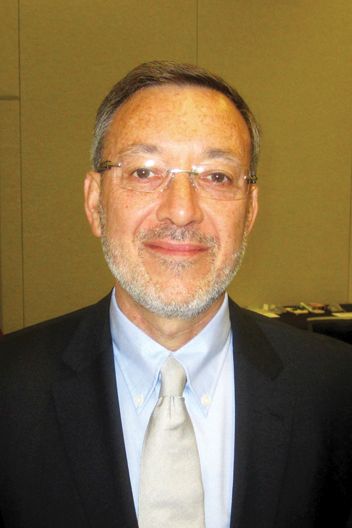
Alejandro Hoberman, MD, of the Children’s Hospital of Pittsburgh at the University of Pittsburgh Medical Center, and his coauthors report the results of a study in which 520 children aged 6-23 months were randomized to either 10 days of amoxicillin-clavulanate therapy, or 5 days of therapy followed by 5 days of placebo.
The children who received the full 10-day course also had lower mean symptom scores in the 6-14 days after initiation of therapy, compared with those who received 5 days of treatment (1.34 vs. 1.61; P = 0.07), while the number of children whose symptom scores decreased by 50% from baseline to the end of treatment was significantly lower in the 5-day group.
However, there were no significant differences between the two groups in the rate of nasopharyngeal colonization pathogens not susceptible to penicillin: 47% in the 10-day group, compared with 44% in the 5-day group (N Engl J Med. 2016 Dec 22;375[25]:2446-56).
Similarly, the rates of recurrence and adverse events were not significantly different between the two groups.
A shorter duration of treatment has been considered as a strategy for reducing the risk of antimicrobial resistance, but clinical trials so far have showed either modest difference favoring the standard duration of treatment, or no difference at all.
“The outcome differences we found were larger than the differences that have been reported previously, mainly because the rates of clinical failure among children who received reduced duration treatment were higher in our trial than in previous trials,” Dr. Hoberman and his associates wrote.
The researchers did note that clinical failure rates were higher among children with greater exposure to other children, and those with infection in both ears rather than a single ear.
The study was supported by the National Institute of Allergy and Infectious Diseases and the National Institutes of Health. Dr. Hoberman and Dr. Judith M. Martin declared consulting fees from Genocea Biosciences, and Dr. Hoberman declared grant support from Ricoh Innovations and holding pending patents for a reduced clavulanate concentration version of amoxicillin–clavulanate potassium, and a method and device for aiding in the diagnosis of otitis media. No other conflicts of interest were declared.
The study of acute otitis media is challenging owing to antibiotic pharmacokinetics, age of the patients, variation in regional pathogens, polymicrobial infection, viral cofactors, antibiotic resistance, status of patients with regard to receipt of PCV7 or PCV13, and a high rate of spontaneous resolution.
The study was not designed to address outcomes in older children, children with less severe acute otitis media or with acute otitis media in one ear, or children with additional risk factors such as cleft palate or trisomy 21. In addition, there is a paucity of studies from resource-poor and low income countries.
But for now, 10 days of amoxicillin-clavulanate for children younger than 2 years of age who have a definite diagnosis of acute otitis media seems to be a reasonable option.
Margaret A. Kenna, MD, MPH, is from the department of otolaryngology and communication enhancement at the Boston Children’s Hospital. These comments are excerpted from an accompanying editorial (N Engl J Med. 2016 Dec 22;375[25]:2492-93). Dr. Kenna declared a grant from Agilis outside the submitted work.
The study of acute otitis media is challenging owing to antibiotic pharmacokinetics, age of the patients, variation in regional pathogens, polymicrobial infection, viral cofactors, antibiotic resistance, status of patients with regard to receipt of PCV7 or PCV13, and a high rate of spontaneous resolution.
The study was not designed to address outcomes in older children, children with less severe acute otitis media or with acute otitis media in one ear, or children with additional risk factors such as cleft palate or trisomy 21. In addition, there is a paucity of studies from resource-poor and low income countries.
But for now, 10 days of amoxicillin-clavulanate for children younger than 2 years of age who have a definite diagnosis of acute otitis media seems to be a reasonable option.
Margaret A. Kenna, MD, MPH, is from the department of otolaryngology and communication enhancement at the Boston Children’s Hospital. These comments are excerpted from an accompanying editorial (N Engl J Med. 2016 Dec 22;375[25]:2492-93). Dr. Kenna declared a grant from Agilis outside the submitted work.
The study of acute otitis media is challenging owing to antibiotic pharmacokinetics, age of the patients, variation in regional pathogens, polymicrobial infection, viral cofactors, antibiotic resistance, status of patients with regard to receipt of PCV7 or PCV13, and a high rate of spontaneous resolution.
The study was not designed to address outcomes in older children, children with less severe acute otitis media or with acute otitis media in one ear, or children with additional risk factors such as cleft palate or trisomy 21. In addition, there is a paucity of studies from resource-poor and low income countries.
But for now, 10 days of amoxicillin-clavulanate for children younger than 2 years of age who have a definite diagnosis of acute otitis media seems to be a reasonable option.
Margaret A. Kenna, MD, MPH, is from the department of otolaryngology and communication enhancement at the Boston Children’s Hospital. These comments are excerpted from an accompanying editorial (N Engl J Med. 2016 Dec 22;375[25]:2492-93). Dr. Kenna declared a grant from Agilis outside the submitted work.
A shorter duration of antimicrobial therapy for acute otitis media (AOM) in children is associated with higher rates of clinical failure and higher symptom scores but without any associated reduction in the rates of antimicrobial resistance or adverse events.
Alejandro Hoberman, MD, of the Children’s Hospital of Pittsburgh at the University of Pittsburgh Medical Center, and his coauthors report the results of a study in which 520 children aged 6-23 months were randomized to either 10 days of amoxicillin-clavulanate therapy, or 5 days of therapy followed by 5 days of placebo.
The children who received the full 10-day course also had lower mean symptom scores in the 6-14 days after initiation of therapy, compared with those who received 5 days of treatment (1.34 vs. 1.61; P = 0.07), while the number of children whose symptom scores decreased by 50% from baseline to the end of treatment was significantly lower in the 5-day group.
However, there were no significant differences between the two groups in the rate of nasopharyngeal colonization pathogens not susceptible to penicillin: 47% in the 10-day group, compared with 44% in the 5-day group (N Engl J Med. 2016 Dec 22;375[25]:2446-56).
Similarly, the rates of recurrence and adverse events were not significantly different between the two groups.
A shorter duration of treatment has been considered as a strategy for reducing the risk of antimicrobial resistance, but clinical trials so far have showed either modest difference favoring the standard duration of treatment, or no difference at all.
“The outcome differences we found were larger than the differences that have been reported previously, mainly because the rates of clinical failure among children who received reduced duration treatment were higher in our trial than in previous trials,” Dr. Hoberman and his associates wrote.
The researchers did note that clinical failure rates were higher among children with greater exposure to other children, and those with infection in both ears rather than a single ear.
The study was supported by the National Institute of Allergy and Infectious Diseases and the National Institutes of Health. Dr. Hoberman and Dr. Judith M. Martin declared consulting fees from Genocea Biosciences, and Dr. Hoberman declared grant support from Ricoh Innovations and holding pending patents for a reduced clavulanate concentration version of amoxicillin–clavulanate potassium, and a method and device for aiding in the diagnosis of otitis media. No other conflicts of interest were declared.
A shorter duration of antimicrobial therapy for acute otitis media (AOM) in children is associated with higher rates of clinical failure and higher symptom scores but without any associated reduction in the rates of antimicrobial resistance or adverse events.
Alejandro Hoberman, MD, of the Children’s Hospital of Pittsburgh at the University of Pittsburgh Medical Center, and his coauthors report the results of a study in which 520 children aged 6-23 months were randomized to either 10 days of amoxicillin-clavulanate therapy, or 5 days of therapy followed by 5 days of placebo.
The children who received the full 10-day course also had lower mean symptom scores in the 6-14 days after initiation of therapy, compared with those who received 5 days of treatment (1.34 vs. 1.61; P = 0.07), while the number of children whose symptom scores decreased by 50% from baseline to the end of treatment was significantly lower in the 5-day group.
However, there were no significant differences between the two groups in the rate of nasopharyngeal colonization pathogens not susceptible to penicillin: 47% in the 10-day group, compared with 44% in the 5-day group (N Engl J Med. 2016 Dec 22;375[25]:2446-56).
Similarly, the rates of recurrence and adverse events were not significantly different between the two groups.
A shorter duration of treatment has been considered as a strategy for reducing the risk of antimicrobial resistance, but clinical trials so far have showed either modest difference favoring the standard duration of treatment, or no difference at all.
“The outcome differences we found were larger than the differences that have been reported previously, mainly because the rates of clinical failure among children who received reduced duration treatment were higher in our trial than in previous trials,” Dr. Hoberman and his associates wrote.
The researchers did note that clinical failure rates were higher among children with greater exposure to other children, and those with infection in both ears rather than a single ear.
The study was supported by the National Institute of Allergy and Infectious Diseases and the National Institutes of Health. Dr. Hoberman and Dr. Judith M. Martin declared consulting fees from Genocea Biosciences, and Dr. Hoberman declared grant support from Ricoh Innovations and holding pending patents for a reduced clavulanate concentration version of amoxicillin–clavulanate potassium, and a method and device for aiding in the diagnosis of otitis media. No other conflicts of interest were declared.
FROM THE NEW ENGLAND JOURNAL OF MEDICINE
Key clinical point: A shorter duration of antimicrobial therapy for acute otitis media (AOM) in children is associated with higher rates of clinical failure without a reduction in the rates of antimicrobial resistance.
Major finding: Children who received 5 days of antimicrobial experienced clinical failure rates of 35%, compared with 16% in those who received a full 10-day course.
Data source: Randomized controlled trial in 520 children aged 6-23 months with AOM.
Disclosures: The study was supported by the National Institute of Allergy and Infectious Diseases and the National Institutes of Health. Dr. Hoberman and Dr. Judith M. Martin declared consulting fees from Genocea Biosciences, and Dr. Hoberman declared grant support from Ricoh Innovations and holding pending patents for a reduced clavulanate concentration version of amoxicillin–clavulanate potassium, and a method and device for aiding in the diagnosis of otitis media. No other conflicts of interest were declared.
Counsel women against unnecessary prophylactic mastectomies
Women with breast cancer are much less likely to opt for contralateral prophylactic mastectomies if they know it won’t prolong their lives, according to a survey of 2,402 women with unilateral stage 0-II breast cancer.
Contralateral prophylactic mastectomy (CPM) – removing the healthy breast along with the cancerous one – is on the rise for early-stage, unilateral breast cancer because of “celebrity exposure and publicity,” said investigators led by Reshma Jagsi, MD, of the University of Michigan, Ann Arbor (JAMA Surg. 2016 Dec 21. doi: 10.1001/jamasurg.2016.4749).
CPM might make sense for women at genetic risk for breast cancer, like actress Angelina Jolie – who made headlines in 2013 when she opted for double mastectomy – but the survey found that nearly one in five women with no genetic risks also opted for CPM when their surgeons made no recommendation either way.
When surgeons advised against the procedure, the number fell to about 2%. Meanwhile, many women said their surgeons stayed silent on the issue, which is a problem, according to the investigators.
Overall, about 44% of women in the survey considered CPM, but just 38% of them said they knew that CPM didn’t improve survival for all women with breast cancer.
“Some patients may pursue CPM for cosmetic symmetry or other reasons. However, it is not clear that average-risk patients who choose CPM truly understand that it will not improve their survival or alter recurrence risk,” the investigators noted.
Surgeons’ knowledge and communication practices could be targets for quality improvement interventions, the investigators wrote. “Our findings should motivate surgeons to broach these difficult conversations with their patients, to make their recommendations clear, and to promote patients’ peace of mind by emphasizing how other treatments complement surgery to reduce the risk of both tumor recurrence and subsequent cancer development,” they said.
Women in the study were identified through the Surveillance Epidemiology and End Results (SEER) registries of Los Angeles County and Georgia. They were 62 years old, on average. CPM was associated with younger age, white race, higher educational level, family history, and private insurance.
The National Institutes of Health supported the study. Dr. Jagsi reported having no disclosures. A coauthor reported research funding from Myriad Genetics, Invitae, Ambry Genetics, GeneDx, and Genomic Health.
Although CPM is not associated with improved survival, it reduces the risk of contralateral breast cancer, and the significance of this fact to some patients should not be minimized.
As we move toward an ever-more personalized, patient-centered approach to care, we must thoughtfully weigh the balance between respecting patients’ preferences and leaving them with the long-term consequences associated with an “unnecessary” operation. For many women who choose CPM, the peace of mind associated with a reduced – albeit not eliminated – likelihood of subsequent cancer justifies the additional surgery and the potential attendant complications, even if the avoided cancer might not have actually shortened their lives. Furthermore, concerns about postsurgical cosmesis and symmetry can significantly affect the self-esteem of young women with breast cancer and affect their quality of life as much as, if not more than, concerns surrounding mortality and risk reduction.
Patients should be supported to make their own value-based medical decisions, but the medical community must continue to do its part to educate patients on the negligible benefits of this procedure and help to overcome the fears and misperceptions that often drive this decision.
Oluwadamilola M. Fayanju, MD, and E. Shelley Hwang, MD, are at Duke University in Durham, N.C. Their comments are adapted from an editorial (JAMA Surg. 2016 Dec 21. doi: 10.1001/jamasurg.2016.4750). They reported having no conflicts of interest.
Although CPM is not associated with improved survival, it reduces the risk of contralateral breast cancer, and the significance of this fact to some patients should not be minimized.
As we move toward an ever-more personalized, patient-centered approach to care, we must thoughtfully weigh the balance between respecting patients’ preferences and leaving them with the long-term consequences associated with an “unnecessary” operation. For many women who choose CPM, the peace of mind associated with a reduced – albeit not eliminated – likelihood of subsequent cancer justifies the additional surgery and the potential attendant complications, even if the avoided cancer might not have actually shortened their lives. Furthermore, concerns about postsurgical cosmesis and symmetry can significantly affect the self-esteem of young women with breast cancer and affect their quality of life as much as, if not more than, concerns surrounding mortality and risk reduction.
Patients should be supported to make their own value-based medical decisions, but the medical community must continue to do its part to educate patients on the negligible benefits of this procedure and help to overcome the fears and misperceptions that often drive this decision.
Oluwadamilola M. Fayanju, MD, and E. Shelley Hwang, MD, are at Duke University in Durham, N.C. Their comments are adapted from an editorial (JAMA Surg. 2016 Dec 21. doi: 10.1001/jamasurg.2016.4750). They reported having no conflicts of interest.
Although CPM is not associated with improved survival, it reduces the risk of contralateral breast cancer, and the significance of this fact to some patients should not be minimized.
As we move toward an ever-more personalized, patient-centered approach to care, we must thoughtfully weigh the balance between respecting patients’ preferences and leaving them with the long-term consequences associated with an “unnecessary” operation. For many women who choose CPM, the peace of mind associated with a reduced – albeit not eliminated – likelihood of subsequent cancer justifies the additional surgery and the potential attendant complications, even if the avoided cancer might not have actually shortened their lives. Furthermore, concerns about postsurgical cosmesis and symmetry can significantly affect the self-esteem of young women with breast cancer and affect their quality of life as much as, if not more than, concerns surrounding mortality and risk reduction.
Patients should be supported to make their own value-based medical decisions, but the medical community must continue to do its part to educate patients on the negligible benefits of this procedure and help to overcome the fears and misperceptions that often drive this decision.
Oluwadamilola M. Fayanju, MD, and E. Shelley Hwang, MD, are at Duke University in Durham, N.C. Their comments are adapted from an editorial (JAMA Surg. 2016 Dec 21. doi: 10.1001/jamasurg.2016.4750). They reported having no conflicts of interest.
Women with breast cancer are much less likely to opt for contralateral prophylactic mastectomies if they know it won’t prolong their lives, according to a survey of 2,402 women with unilateral stage 0-II breast cancer.
Contralateral prophylactic mastectomy (CPM) – removing the healthy breast along with the cancerous one – is on the rise for early-stage, unilateral breast cancer because of “celebrity exposure and publicity,” said investigators led by Reshma Jagsi, MD, of the University of Michigan, Ann Arbor (JAMA Surg. 2016 Dec 21. doi: 10.1001/jamasurg.2016.4749).
CPM might make sense for women at genetic risk for breast cancer, like actress Angelina Jolie – who made headlines in 2013 when she opted for double mastectomy – but the survey found that nearly one in five women with no genetic risks also opted for CPM when their surgeons made no recommendation either way.
When surgeons advised against the procedure, the number fell to about 2%. Meanwhile, many women said their surgeons stayed silent on the issue, which is a problem, according to the investigators.
Overall, about 44% of women in the survey considered CPM, but just 38% of them said they knew that CPM didn’t improve survival for all women with breast cancer.
“Some patients may pursue CPM for cosmetic symmetry or other reasons. However, it is not clear that average-risk patients who choose CPM truly understand that it will not improve their survival or alter recurrence risk,” the investigators noted.
Surgeons’ knowledge and communication practices could be targets for quality improvement interventions, the investigators wrote. “Our findings should motivate surgeons to broach these difficult conversations with their patients, to make their recommendations clear, and to promote patients’ peace of mind by emphasizing how other treatments complement surgery to reduce the risk of both tumor recurrence and subsequent cancer development,” they said.
Women in the study were identified through the Surveillance Epidemiology and End Results (SEER) registries of Los Angeles County and Georgia. They were 62 years old, on average. CPM was associated with younger age, white race, higher educational level, family history, and private insurance.
The National Institutes of Health supported the study. Dr. Jagsi reported having no disclosures. A coauthor reported research funding from Myriad Genetics, Invitae, Ambry Genetics, GeneDx, and Genomic Health.
Women with breast cancer are much less likely to opt for contralateral prophylactic mastectomies if they know it won’t prolong their lives, according to a survey of 2,402 women with unilateral stage 0-II breast cancer.
Contralateral prophylactic mastectomy (CPM) – removing the healthy breast along with the cancerous one – is on the rise for early-stage, unilateral breast cancer because of “celebrity exposure and publicity,” said investigators led by Reshma Jagsi, MD, of the University of Michigan, Ann Arbor (JAMA Surg. 2016 Dec 21. doi: 10.1001/jamasurg.2016.4749).
CPM might make sense for women at genetic risk for breast cancer, like actress Angelina Jolie – who made headlines in 2013 when she opted for double mastectomy – but the survey found that nearly one in five women with no genetic risks also opted for CPM when their surgeons made no recommendation either way.
When surgeons advised against the procedure, the number fell to about 2%. Meanwhile, many women said their surgeons stayed silent on the issue, which is a problem, according to the investigators.
Overall, about 44% of women in the survey considered CPM, but just 38% of them said they knew that CPM didn’t improve survival for all women with breast cancer.
“Some patients may pursue CPM for cosmetic symmetry or other reasons. However, it is not clear that average-risk patients who choose CPM truly understand that it will not improve their survival or alter recurrence risk,” the investigators noted.
Surgeons’ knowledge and communication practices could be targets for quality improvement interventions, the investigators wrote. “Our findings should motivate surgeons to broach these difficult conversations with their patients, to make their recommendations clear, and to promote patients’ peace of mind by emphasizing how other treatments complement surgery to reduce the risk of both tumor recurrence and subsequent cancer development,” they said.
Women in the study were identified through the Surveillance Epidemiology and End Results (SEER) registries of Los Angeles County and Georgia. They were 62 years old, on average. CPM was associated with younger age, white race, higher educational level, family history, and private insurance.
The National Institutes of Health supported the study. Dr. Jagsi reported having no disclosures. A coauthor reported research funding from Myriad Genetics, Invitae, Ambry Genetics, GeneDx, and Genomic Health.
FROM JAMA SURGERY
Key clinical point:
Major finding: Overall, about 44% of women in the survey considered CPM, but just 38% of them knew that it did not improve survival.
Data source: Survey of 2,402 women with unilateral stage 0-II breast cancer.
Disclosures: The National Institutes of Health supported the study. One investigator reported research funding from Myriad Genetics, Invitae, Ambry Genetics, GeneDx, and Genomic Health.
Bariatric surgery or total joint replacement: which first?
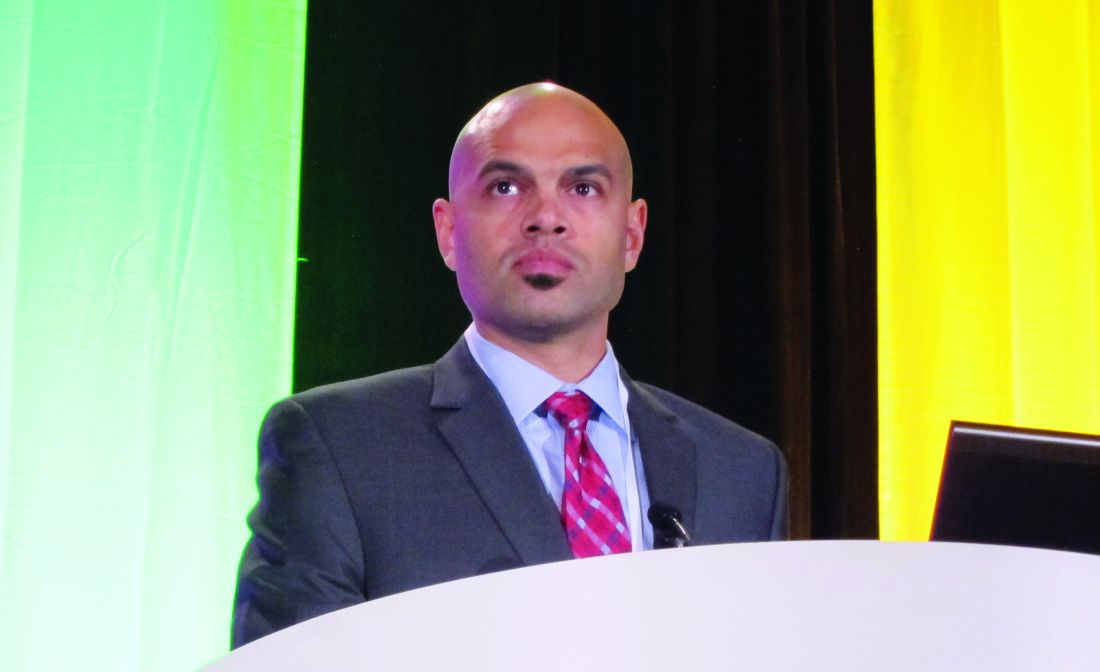
NEW ORLEANS – Performing bariatric surgery prior to total knee or hip replacement instead of vice versa resulted in significantly shorter orthopedic surgical operating time and length of stay in an observational study, Emanuel E. Nearing II, MD, reported at Obesity Week 2016.
“We propose that strong consideration be given to bariatric surgery as a means of weight loss and BMI [body mass index] reduction in patients with obesity prior to total joint replacement,” he said at the meeting presented by the Obesity Society of America and the American Society for Metabolic and Bariatric Surgery.
“A common complaint of patients presenting with obesity is that their osteoarthritis has limited their mobility and that their weight gain is secondary to that reduced mobility. They believe that a new joint will help them regain their mobility and then lose weight. Interestingly, this does not appear to be the case. In fact, the majority of patients in our study actually gained weight following joint replacement. Given that, these patients need to be weight-optimized prior to total joint replacement. Bariatric surgery is a durable way to facilitate this,” he continued.
Dr. Nearing presented a retrospective observational study of 102 patients who underwent either laparoscopic Roux-en-Y gastric bypass or laparoscopic sleeve gastrectomy plus a total knee or hip replacement in the Gundersen system. Sixty-six patients had their bariatric surgery first, by a mean of 4.3 years, while the other 36 had arthroplasty a mean of 4.9 years before their bariatric surgery. The two groups were similar in terms of demographics and baseline comorbid conditions.
Patients who had their total joint replacement first had a mean preoperative BMI of 43.7 kg/m2 and a mean pre–bariatric surgery BMI of 46.3 kg/m2. The patients who had bariatric surgery first had a preoperative BMI of 49.6 kg/m2 and a mean pre–orthopedic surgery BMI of 37.6 kgm2. One year after joint replacement surgery, patients who had that operation first had a mean BMI of 43.9 kg/m2, compared with 37.8 kg/m2 for those who waited until after they underwent bariatric surgery.
Mean operative time for total joint replacement when it was the first operation was 113.5 minutes and substantially less at 71 minutes when it was done after bariatric surgery. Mean hospital length of stay for total joint replacement when it followed bariatric surgery was 2.9 days, a full day less than when joint replacement came first.
Rates of complications including skin or soft tissue infection, venous thromboembolism, hematoma, need for transfusion, and periprosthetic infection at 30 and 90 days didn’t differ between the two groups. Neither did the need for late reinterventions.
Dr. Nearing noted that a working group of the American Association of Hip and Knee Surgeons has conducted a review of the orthopedic surgery literature and concluded that all patients with a BMI of 30 kg/m2 or more undergoing total knee or hip arthroplasty are at increased risk for perioperative respiratory complications, thromboembolic events, delayed wound healing, infection, and need for joint revision surgery (J Arthroplasty. 2013 May;28[5]:714-21).
He observed that a retrospective study such as his cannot shed light on the optimal time interval for total joint replacement following bariatric surgery. That key question is being addressed by the ongoing prospective SWIFT (Surgical Weight-Loss to Improve Functional Status Trajectories Following Total Knee Arthroplasty) trial. The study hypothesis is that bariatric surgery prior to the knee replacement surgery will reduce risk and improve long-term outcomes and physical function.
Several audience member commented that, based upon their experience, they would have anticipated that complication rates would have been significantly lower in total joint replacement patients when that operation followed bariatric surgery.
“We were surprised, too,” Dr. Nearing replied. “I think the explanation is that at Gundersen we have three bariatric surgeons and only a handful of orthopedic surgeons, and we use protocols and pathways. We just routinely do our operations the same way each and every time.”
John M. Morton, MD, a former American Society for Metabolic and Bariatric Surgery president, commented that the Gundersen study findings sound a call for more cross-specialty collaboration in steering obese patients with severe knee or hip osteoarthritis to bariatric surgery first in order to maximize the results of the joint replacement surgery.
“I think we’re all seeing weight loss as another form of prehabilitation for other specialties. Our orthopedic colleagues are kind of like us – surgeons – so this seems to be a great place for us to partner with them,” said Dr. Morton, chief of bariatric and minimally invasive surgery at Stanford (Calif.) University.
Dr. Nearing reported having no financial interests relevant to his study.
NEW ORLEANS – Performing bariatric surgery prior to total knee or hip replacement instead of vice versa resulted in significantly shorter orthopedic surgical operating time and length of stay in an observational study, Emanuel E. Nearing II, MD, reported at Obesity Week 2016.
“We propose that strong consideration be given to bariatric surgery as a means of weight loss and BMI [body mass index] reduction in patients with obesity prior to total joint replacement,” he said at the meeting presented by the Obesity Society of America and the American Society for Metabolic and Bariatric Surgery.
“A common complaint of patients presenting with obesity is that their osteoarthritis has limited their mobility and that their weight gain is secondary to that reduced mobility. They believe that a new joint will help them regain their mobility and then lose weight. Interestingly, this does not appear to be the case. In fact, the majority of patients in our study actually gained weight following joint replacement. Given that, these patients need to be weight-optimized prior to total joint replacement. Bariatric surgery is a durable way to facilitate this,” he continued.
Dr. Nearing presented a retrospective observational study of 102 patients who underwent either laparoscopic Roux-en-Y gastric bypass or laparoscopic sleeve gastrectomy plus a total knee or hip replacement in the Gundersen system. Sixty-six patients had their bariatric surgery first, by a mean of 4.3 years, while the other 36 had arthroplasty a mean of 4.9 years before their bariatric surgery. The two groups were similar in terms of demographics and baseline comorbid conditions.
Patients who had their total joint replacement first had a mean preoperative BMI of 43.7 kg/m2 and a mean pre–bariatric surgery BMI of 46.3 kg/m2. The patients who had bariatric surgery first had a preoperative BMI of 49.6 kg/m2 and a mean pre–orthopedic surgery BMI of 37.6 kgm2. One year after joint replacement surgery, patients who had that operation first had a mean BMI of 43.9 kg/m2, compared with 37.8 kg/m2 for those who waited until after they underwent bariatric surgery.
Mean operative time for total joint replacement when it was the first operation was 113.5 minutes and substantially less at 71 minutes when it was done after bariatric surgery. Mean hospital length of stay for total joint replacement when it followed bariatric surgery was 2.9 days, a full day less than when joint replacement came first.
Rates of complications including skin or soft tissue infection, venous thromboembolism, hematoma, need for transfusion, and periprosthetic infection at 30 and 90 days didn’t differ between the two groups. Neither did the need for late reinterventions.
Dr. Nearing noted that a working group of the American Association of Hip and Knee Surgeons has conducted a review of the orthopedic surgery literature and concluded that all patients with a BMI of 30 kg/m2 or more undergoing total knee or hip arthroplasty are at increased risk for perioperative respiratory complications, thromboembolic events, delayed wound healing, infection, and need for joint revision surgery (J Arthroplasty. 2013 May;28[5]:714-21).
He observed that a retrospective study such as his cannot shed light on the optimal time interval for total joint replacement following bariatric surgery. That key question is being addressed by the ongoing prospective SWIFT (Surgical Weight-Loss to Improve Functional Status Trajectories Following Total Knee Arthroplasty) trial. The study hypothesis is that bariatric surgery prior to the knee replacement surgery will reduce risk and improve long-term outcomes and physical function.
Several audience member commented that, based upon their experience, they would have anticipated that complication rates would have been significantly lower in total joint replacement patients when that operation followed bariatric surgery.
“We were surprised, too,” Dr. Nearing replied. “I think the explanation is that at Gundersen we have three bariatric surgeons and only a handful of orthopedic surgeons, and we use protocols and pathways. We just routinely do our operations the same way each and every time.”
John M. Morton, MD, a former American Society for Metabolic and Bariatric Surgery president, commented that the Gundersen study findings sound a call for more cross-specialty collaboration in steering obese patients with severe knee or hip osteoarthritis to bariatric surgery first in order to maximize the results of the joint replacement surgery.
“I think we’re all seeing weight loss as another form of prehabilitation for other specialties. Our orthopedic colleagues are kind of like us – surgeons – so this seems to be a great place for us to partner with them,” said Dr. Morton, chief of bariatric and minimally invasive surgery at Stanford (Calif.) University.
Dr. Nearing reported having no financial interests relevant to his study.
NEW ORLEANS – Performing bariatric surgery prior to total knee or hip replacement instead of vice versa resulted in significantly shorter orthopedic surgical operating time and length of stay in an observational study, Emanuel E. Nearing II, MD, reported at Obesity Week 2016.
“We propose that strong consideration be given to bariatric surgery as a means of weight loss and BMI [body mass index] reduction in patients with obesity prior to total joint replacement,” he said at the meeting presented by the Obesity Society of America and the American Society for Metabolic and Bariatric Surgery.
“A common complaint of patients presenting with obesity is that their osteoarthritis has limited their mobility and that their weight gain is secondary to that reduced mobility. They believe that a new joint will help them regain their mobility and then lose weight. Interestingly, this does not appear to be the case. In fact, the majority of patients in our study actually gained weight following joint replacement. Given that, these patients need to be weight-optimized prior to total joint replacement. Bariatric surgery is a durable way to facilitate this,” he continued.
Dr. Nearing presented a retrospective observational study of 102 patients who underwent either laparoscopic Roux-en-Y gastric bypass or laparoscopic sleeve gastrectomy plus a total knee or hip replacement in the Gundersen system. Sixty-six patients had their bariatric surgery first, by a mean of 4.3 years, while the other 36 had arthroplasty a mean of 4.9 years before their bariatric surgery. The two groups were similar in terms of demographics and baseline comorbid conditions.
Patients who had their total joint replacement first had a mean preoperative BMI of 43.7 kg/m2 and a mean pre–bariatric surgery BMI of 46.3 kg/m2. The patients who had bariatric surgery first had a preoperative BMI of 49.6 kg/m2 and a mean pre–orthopedic surgery BMI of 37.6 kgm2. One year after joint replacement surgery, patients who had that operation first had a mean BMI of 43.9 kg/m2, compared with 37.8 kg/m2 for those who waited until after they underwent bariatric surgery.
Mean operative time for total joint replacement when it was the first operation was 113.5 minutes and substantially less at 71 minutes when it was done after bariatric surgery. Mean hospital length of stay for total joint replacement when it followed bariatric surgery was 2.9 days, a full day less than when joint replacement came first.
Rates of complications including skin or soft tissue infection, venous thromboembolism, hematoma, need for transfusion, and periprosthetic infection at 30 and 90 days didn’t differ between the two groups. Neither did the need for late reinterventions.
Dr. Nearing noted that a working group of the American Association of Hip and Knee Surgeons has conducted a review of the orthopedic surgery literature and concluded that all patients with a BMI of 30 kg/m2 or more undergoing total knee or hip arthroplasty are at increased risk for perioperative respiratory complications, thromboembolic events, delayed wound healing, infection, and need for joint revision surgery (J Arthroplasty. 2013 May;28[5]:714-21).
He observed that a retrospective study such as his cannot shed light on the optimal time interval for total joint replacement following bariatric surgery. That key question is being addressed by the ongoing prospective SWIFT (Surgical Weight-Loss to Improve Functional Status Trajectories Following Total Knee Arthroplasty) trial. The study hypothesis is that bariatric surgery prior to the knee replacement surgery will reduce risk and improve long-term outcomes and physical function.
Several audience member commented that, based upon their experience, they would have anticipated that complication rates would have been significantly lower in total joint replacement patients when that operation followed bariatric surgery.
“We were surprised, too,” Dr. Nearing replied. “I think the explanation is that at Gundersen we have three bariatric surgeons and only a handful of orthopedic surgeons, and we use protocols and pathways. We just routinely do our operations the same way each and every time.”
John M. Morton, MD, a former American Society for Metabolic and Bariatric Surgery president, commented that the Gundersen study findings sound a call for more cross-specialty collaboration in steering obese patients with severe knee or hip osteoarthritis to bariatric surgery first in order to maximize the results of the joint replacement surgery.
“I think we’re all seeing weight loss as another form of prehabilitation for other specialties. Our orthopedic colleagues are kind of like us – surgeons – so this seems to be a great place for us to partner with them,” said Dr. Morton, chief of bariatric and minimally invasive surgery at Stanford (Calif.) University.
Dr. Nearing reported having no financial interests relevant to his study.
AT OBESITY WEEK 2016
Key clinical point:
Major finding: When total joint replacement in obese patients was performed after bariatric surgery, mean hospital length of stay was a full day less than when the orthopedic surgery preceded the bariatric surgery.
Data source: This retrospective observational study included 102 obese patients who underwent bariatric surgery and total knee or hip replacement.
Disclosures: The study presenter reported having no financial conflicts of interest.
Machine learning beats clinical prediction of temporal lobe epilepsy surgery outcomes
HOUSTON – A machine learning interpretation of presurgical MRI studies did a better job of predicting which patients would have a successful outcome after anterior temporal lobectomy for temporal lobe epilepsy than did commonly-used clinical indicators in a prospective cohort study.
Xiaosong He, PhD, and his associates used two different machine learning classification methods to find two markers for thalamocortical connectedness that best predicted a good surgical outcome for temporal lobe epilepsy (TLE) in a small sample of patients. They presented their findings during a poster session of the annual meeting of the American Epilepsy Society.
After selecting a variety of possible predictors and building a model using resting state functional MRI (rsfMRI) data from 48 patients, the investigators then validated the prediction accuracies with rsfMRI data from 8 patients.
In predicting which TLE patients would have a good surgical outcome, models built with machine learning techniques using rsfMRI functional connectivity values had sensitivity ranging from 80% to 89% and specificity ranging from 52% to 57%. By comparison, models using clinical predictors only had sensitivity of 66% to 83% and specificity of 29% to 33%.
Dr. He and his coauthors dichotomized the surgical outcome for 56 patients who underwent TLE surgery into good outcome (n = 35) for those achieving and Engel class I and poor outcome (n = 21, class II-IV) at 1 year post surgery. All patients had a 5-minute rsfMRI scan before surgery.
MRI has been helpful in elucidating the importance of thalamocortical network pathology in TLE. Dr. He and his associates had previously used rsfMRI to examine the strength of functional connectivity between thalamic regions and their corresponding cortical regions in patients with TLE. Analysis of rsfMRI data of “both the left and right TLE groups showed that compared to controls there was a pattern of decreased thalamocortical [functional connectivity] in multiple thalamic segments,” wrote Dr. He and his collaborators (Epilepsia. 2015;56[10]:1571-9).
For the validation cohort, the two measures of connectedness found most predictive of a good surgical outcome were degree centrality and eigenvector centrality. In the graph theory and network analysis used in mapping functional connectivity, centrality refers to how highly connected one node, or data point, is to other data.
In the present study, the investigators used the Automated Anatomical Labeling cortical parcellation map to identify 45 cortical regions of interest per hemisphere, for a total of 90 cortical regions. They built a matrix with five topological parameters (global efficiency, global clustering coefficient, degree centrality, betweenness centrality, and eigenvector centrality) and the 90 cortical regions, yielding 272 variables. When nine commonly-used clinical predictors of surgical outcome (age, gender, handedness, laterality of TLE, epilepsy onset age and duration, seizure focality, interictal-spike type, and the presence of hippocampal sclerosis) were included, the model was made up of 281 variables.
The investigators used two different machine learning classification methods, called support vector machine and random forest, to build models that included various combinations of the 281 variables based on data from the initial 48 patients. The models were then tested with data from the remaining 8 patients.
Of the 35 patients with a good outcome, 18 had a left-sided epileptogenic temporal lobe; for the 21 patients with a poor outcome, the left temporal lobe was epileptogenic in 8. The mean age was similar for both groups: 41.25 years in those with good outcome, and 38.58 years in those with a poor outcome. Age at epilepsy onset also was similar, with each group having had epilepsy for about 17 years at the time of surgery. A total of 15 of the 20 patients with good outcome had seizure focality, compared with 10 of the 11 with poor outcome. Of those with a good outcome, 29 had an ipsilateral interactive spike, while 15 of those with poor outcomes had an ipsilateral interactive spike.
Since the random forest model best predicted surgical outcomes in the small sample size tested, the investigators plan to further fine-tune the random forest parameters to increase the robustness of their model.
Dr. He reported no conflicts of interest.
[email protected]
On Twitter @karioakes
HOUSTON – A machine learning interpretation of presurgical MRI studies did a better job of predicting which patients would have a successful outcome after anterior temporal lobectomy for temporal lobe epilepsy than did commonly-used clinical indicators in a prospective cohort study.
Xiaosong He, PhD, and his associates used two different machine learning classification methods to find two markers for thalamocortical connectedness that best predicted a good surgical outcome for temporal lobe epilepsy (TLE) in a small sample of patients. They presented their findings during a poster session of the annual meeting of the American Epilepsy Society.
After selecting a variety of possible predictors and building a model using resting state functional MRI (rsfMRI) data from 48 patients, the investigators then validated the prediction accuracies with rsfMRI data from 8 patients.
In predicting which TLE patients would have a good surgical outcome, models built with machine learning techniques using rsfMRI functional connectivity values had sensitivity ranging from 80% to 89% and specificity ranging from 52% to 57%. By comparison, models using clinical predictors only had sensitivity of 66% to 83% and specificity of 29% to 33%.
Dr. He and his coauthors dichotomized the surgical outcome for 56 patients who underwent TLE surgery into good outcome (n = 35) for those achieving and Engel class I and poor outcome (n = 21, class II-IV) at 1 year post surgery. All patients had a 5-minute rsfMRI scan before surgery.
MRI has been helpful in elucidating the importance of thalamocortical network pathology in TLE. Dr. He and his associates had previously used rsfMRI to examine the strength of functional connectivity between thalamic regions and their corresponding cortical regions in patients with TLE. Analysis of rsfMRI data of “both the left and right TLE groups showed that compared to controls there was a pattern of decreased thalamocortical [functional connectivity] in multiple thalamic segments,” wrote Dr. He and his collaborators (Epilepsia. 2015;56[10]:1571-9).
For the validation cohort, the two measures of connectedness found most predictive of a good surgical outcome were degree centrality and eigenvector centrality. In the graph theory and network analysis used in mapping functional connectivity, centrality refers to how highly connected one node, or data point, is to other data.
In the present study, the investigators used the Automated Anatomical Labeling cortical parcellation map to identify 45 cortical regions of interest per hemisphere, for a total of 90 cortical regions. They built a matrix with five topological parameters (global efficiency, global clustering coefficient, degree centrality, betweenness centrality, and eigenvector centrality) and the 90 cortical regions, yielding 272 variables. When nine commonly-used clinical predictors of surgical outcome (age, gender, handedness, laterality of TLE, epilepsy onset age and duration, seizure focality, interictal-spike type, and the presence of hippocampal sclerosis) were included, the model was made up of 281 variables.
The investigators used two different machine learning classification methods, called support vector machine and random forest, to build models that included various combinations of the 281 variables based on data from the initial 48 patients. The models were then tested with data from the remaining 8 patients.
Of the 35 patients with a good outcome, 18 had a left-sided epileptogenic temporal lobe; for the 21 patients with a poor outcome, the left temporal lobe was epileptogenic in 8. The mean age was similar for both groups: 41.25 years in those with good outcome, and 38.58 years in those with a poor outcome. Age at epilepsy onset also was similar, with each group having had epilepsy for about 17 years at the time of surgery. A total of 15 of the 20 patients with good outcome had seizure focality, compared with 10 of the 11 with poor outcome. Of those with a good outcome, 29 had an ipsilateral interactive spike, while 15 of those with poor outcomes had an ipsilateral interactive spike.
Since the random forest model best predicted surgical outcomes in the small sample size tested, the investigators plan to further fine-tune the random forest parameters to increase the robustness of their model.
Dr. He reported no conflicts of interest.
[email protected]
On Twitter @karioakes
HOUSTON – A machine learning interpretation of presurgical MRI studies did a better job of predicting which patients would have a successful outcome after anterior temporal lobectomy for temporal lobe epilepsy than did commonly-used clinical indicators in a prospective cohort study.
Xiaosong He, PhD, and his associates used two different machine learning classification methods to find two markers for thalamocortical connectedness that best predicted a good surgical outcome for temporal lobe epilepsy (TLE) in a small sample of patients. They presented their findings during a poster session of the annual meeting of the American Epilepsy Society.
After selecting a variety of possible predictors and building a model using resting state functional MRI (rsfMRI) data from 48 patients, the investigators then validated the prediction accuracies with rsfMRI data from 8 patients.
In predicting which TLE patients would have a good surgical outcome, models built with machine learning techniques using rsfMRI functional connectivity values had sensitivity ranging from 80% to 89% and specificity ranging from 52% to 57%. By comparison, models using clinical predictors only had sensitivity of 66% to 83% and specificity of 29% to 33%.
Dr. He and his coauthors dichotomized the surgical outcome for 56 patients who underwent TLE surgery into good outcome (n = 35) for those achieving and Engel class I and poor outcome (n = 21, class II-IV) at 1 year post surgery. All patients had a 5-minute rsfMRI scan before surgery.
MRI has been helpful in elucidating the importance of thalamocortical network pathology in TLE. Dr. He and his associates had previously used rsfMRI to examine the strength of functional connectivity between thalamic regions and their corresponding cortical regions in patients with TLE. Analysis of rsfMRI data of “both the left and right TLE groups showed that compared to controls there was a pattern of decreased thalamocortical [functional connectivity] in multiple thalamic segments,” wrote Dr. He and his collaborators (Epilepsia. 2015;56[10]:1571-9).
For the validation cohort, the two measures of connectedness found most predictive of a good surgical outcome were degree centrality and eigenvector centrality. In the graph theory and network analysis used in mapping functional connectivity, centrality refers to how highly connected one node, or data point, is to other data.
In the present study, the investigators used the Automated Anatomical Labeling cortical parcellation map to identify 45 cortical regions of interest per hemisphere, for a total of 90 cortical regions. They built a matrix with five topological parameters (global efficiency, global clustering coefficient, degree centrality, betweenness centrality, and eigenvector centrality) and the 90 cortical regions, yielding 272 variables. When nine commonly-used clinical predictors of surgical outcome (age, gender, handedness, laterality of TLE, epilepsy onset age and duration, seizure focality, interictal-spike type, and the presence of hippocampal sclerosis) were included, the model was made up of 281 variables.
The investigators used two different machine learning classification methods, called support vector machine and random forest, to build models that included various combinations of the 281 variables based on data from the initial 48 patients. The models were then tested with data from the remaining 8 patients.
Of the 35 patients with a good outcome, 18 had a left-sided epileptogenic temporal lobe; for the 21 patients with a poor outcome, the left temporal lobe was epileptogenic in 8. The mean age was similar for both groups: 41.25 years in those with good outcome, and 38.58 years in those with a poor outcome. Age at epilepsy onset also was similar, with each group having had epilepsy for about 17 years at the time of surgery. A total of 15 of the 20 patients with good outcome had seizure focality, compared with 10 of the 11 with poor outcome. Of those with a good outcome, 29 had an ipsilateral interactive spike, while 15 of those with poor outcomes had an ipsilateral interactive spike.
Since the random forest model best predicted surgical outcomes in the small sample size tested, the investigators plan to further fine-tune the random forest parameters to increase the robustness of their model.
Dr. He reported no conflicts of interest.
[email protected]
On Twitter @karioakes
AT AES 2016
Key clinical point:
Major finding: Models built with machine learning techniques using resting state fMRI functional connectivity values had sensitivity ranging from 80% to 89% and specificity ranging from 52% to 57%.
Data source: A prospective study of 56 patients with temporal lobe epilepsy.
Disclosures: Dr. He reported no conflicts of interest.
Severe postoperative pain following thoracotomy predicts persistent pain months later
Patients who suffer from severe pain in the days immediately following an open thoracotomy are significantly more likely to still be experiencing pain from the procedure 6 months later, according to a study published in the Journal of Clinical Anesthesia.
“A recognized cause of persistent postsurgical pain is poorly controlled immediate postoperative pain,” wrote the authors, led by Gopinath Niraj, MD, of the University Hospitals of Leicester (England) NHS Trust. “Open thoracotomy can induce significant pain during the immediate postoperative period. Patients undergoing thoracotomy also have one of the greatest incidences of chronic postoperative pain and disability among all the surgical procedures.”
Dr. Niraj and his coinvestigators conducted an audit on 504 patients who underwent open thoracotomy at a single center between May 2010 and April 2012. The audit consisted of a questionnaire composed of 15 questions, which asked yes/no questions about the existence of and location of postoperative pain, and numerical questions regarding the severity of pain. Scores of 7 or higher on a 10-point scale indicated “severe pain,” according to the investigators (J Clin Anesth. 2017;36:174-7). Subjects were evaluated at 72 hours and at 6 months after the operation.
Of the 504 patients, there were 364 survivors, of which 306 received questionnaires. Of those 306, 133 (43%) reported at least five incidents of severe pain within 72 hours of undergoing the operation. Within this group, 109 (82%) reported feeling some amount of persistent pain 6 months later. Chronic post-thoracotomy pain was considered severe in 10% of those subjects, while 24% reported it as moderate and 48% said it was mild.
A total of 289 of the 306 subjects (95%) received an epidural analgesic in the 72 hours after thoracotomy. In terms of satisfaction with pain management, patients were overall positive; 36.3% rated it “excellent,” 43.8% called it “good,” while only 15.8% said it was “fair” and 3.8% said it was “poor.”
“Our audit has some limitations,” the authors noted. “The retrospective project relied on patient self-report and recall.”
Dr. Niraj and his coauthors did not report any financial conflicts. No funding sources for this study were disclosed.
Patients who suffer from severe pain in the days immediately following an open thoracotomy are significantly more likely to still be experiencing pain from the procedure 6 months later, according to a study published in the Journal of Clinical Anesthesia.
“A recognized cause of persistent postsurgical pain is poorly controlled immediate postoperative pain,” wrote the authors, led by Gopinath Niraj, MD, of the University Hospitals of Leicester (England) NHS Trust. “Open thoracotomy can induce significant pain during the immediate postoperative period. Patients undergoing thoracotomy also have one of the greatest incidences of chronic postoperative pain and disability among all the surgical procedures.”
Dr. Niraj and his coinvestigators conducted an audit on 504 patients who underwent open thoracotomy at a single center between May 2010 and April 2012. The audit consisted of a questionnaire composed of 15 questions, which asked yes/no questions about the existence of and location of postoperative pain, and numerical questions regarding the severity of pain. Scores of 7 or higher on a 10-point scale indicated “severe pain,” according to the investigators (J Clin Anesth. 2017;36:174-7). Subjects were evaluated at 72 hours and at 6 months after the operation.
Of the 504 patients, there were 364 survivors, of which 306 received questionnaires. Of those 306, 133 (43%) reported at least five incidents of severe pain within 72 hours of undergoing the operation. Within this group, 109 (82%) reported feeling some amount of persistent pain 6 months later. Chronic post-thoracotomy pain was considered severe in 10% of those subjects, while 24% reported it as moderate and 48% said it was mild.
A total of 289 of the 306 subjects (95%) received an epidural analgesic in the 72 hours after thoracotomy. In terms of satisfaction with pain management, patients were overall positive; 36.3% rated it “excellent,” 43.8% called it “good,” while only 15.8% said it was “fair” and 3.8% said it was “poor.”
“Our audit has some limitations,” the authors noted. “The retrospective project relied on patient self-report and recall.”
Dr. Niraj and his coauthors did not report any financial conflicts. No funding sources for this study were disclosed.
Patients who suffer from severe pain in the days immediately following an open thoracotomy are significantly more likely to still be experiencing pain from the procedure 6 months later, according to a study published in the Journal of Clinical Anesthesia.
“A recognized cause of persistent postsurgical pain is poorly controlled immediate postoperative pain,” wrote the authors, led by Gopinath Niraj, MD, of the University Hospitals of Leicester (England) NHS Trust. “Open thoracotomy can induce significant pain during the immediate postoperative period. Patients undergoing thoracotomy also have one of the greatest incidences of chronic postoperative pain and disability among all the surgical procedures.”
Dr. Niraj and his coinvestigators conducted an audit on 504 patients who underwent open thoracotomy at a single center between May 2010 and April 2012. The audit consisted of a questionnaire composed of 15 questions, which asked yes/no questions about the existence of and location of postoperative pain, and numerical questions regarding the severity of pain. Scores of 7 or higher on a 10-point scale indicated “severe pain,” according to the investigators (J Clin Anesth. 2017;36:174-7). Subjects were evaluated at 72 hours and at 6 months after the operation.
Of the 504 patients, there were 364 survivors, of which 306 received questionnaires. Of those 306, 133 (43%) reported at least five incidents of severe pain within 72 hours of undergoing the operation. Within this group, 109 (82%) reported feeling some amount of persistent pain 6 months later. Chronic post-thoracotomy pain was considered severe in 10% of those subjects, while 24% reported it as moderate and 48% said it was mild.
A total of 289 of the 306 subjects (95%) received an epidural analgesic in the 72 hours after thoracotomy. In terms of satisfaction with pain management, patients were overall positive; 36.3% rated it “excellent,” 43.8% called it “good,” while only 15.8% said it was “fair” and 3.8% said it was “poor.”
“Our audit has some limitations,” the authors noted. “The retrospective project relied on patient self-report and recall.”
Dr. Niraj and his coauthors did not report any financial conflicts. No funding sources for this study were disclosed.
FROM THE JOURNAL OF CLINICAL ANESTHESIA
Key clinical point:
Major finding: 133 of 306 patients were in severe pain 72 hours after thoracotomy; of these, 109 (82%) still had pain 6 months later.
Data source: Retrospective, single-center study of 504 thoracotomy patients between May 2010 and April 2012.
Disclosures: Authors reported no financial disclosures nor funding source.
SLND after neoadjuvant chemo is feasible, but more study needed
SAN ANTONIO – Sentinel lymph node detection after neoadjuvant chemotherapy (NAC) is a safe and feasible strategy for preventing unnecessary systematic lymphadenectomy in patients with operable breast cancer and no clinical signs of cancer in the axillary lymph nodes prior to NAC, according to findings from the French prospective multicenter GANEA 2 trial.
However, further study is needed to assess the clinical impact of the 12% false negative rate associated with sentinel lymph node detection (SLND) in the current study, according to Jean-Marc Classe, MD, who reported the findings at the San Antonio Breast Cancer Symposium.
SLND was feasible in that it was achieved in 570 of 590 women (97%) with large operable breast tumors and negative findings on axillary sonography with fine needle cytology who were enrolled in the study, said Dr. Classe of Institut Cancerologie de l’Ouest Rene Gauducheau, Nantes, France.
Cancer cells were detected by SLND in 139 subjects after NAC and surgery, and all of those patients underwent axillary lymph node dissection. Another 418 had no sentinel node involvement after NAC and surgery, and had adequate follow-up; among those, overall 3-year survival was 97.8% and 3-year disease-free survival was 94.8%,
“In this group of patients ... we found only one axillary relapse,” he said.
These rates are comparable to historical survival rates among those without axillary involvement who undergo axillary lymph node dissection rather than sentinel lymph node detection, and the findings suggest that women with no clinical signs of axillary involvement could be spared systematic lymphadenectomy, he said.
“The standard surgical treatment after neoadjuvant chemotherapy is breast cancer surgery and lymphadenectomy level 1 and 2, but since the [National Surgical Adjuvant Breast and Bowel Project] B-27 trial, we all know that after neoadjuvant chemotherapy there are not any involved nodes in 50%-58% of patients,” he said, adding that about half of all lymphadenectomies in these patients are therefore unnecessary.
That percentage increases to more than 70% in “the very specific situation of patients treated for HER2+ breast cancer with cytologically proved axillary metastases after neoadjuvant chemotherapy,” he said.
“So we know that there is a place for sentinel lymph node biopsy after neoadjuvant chemotherapy in order to avoid unnecessary lymphadenectomy,” he said.
However, the high false negative rate associated with SLND in this and in prior studies, including the first GANEA trial, remains a concern. In fact, the most recent guidelines stated that the proof was too weak to strongly recommend sentinel lymph node biopsy after NAC, he noted.
The GANEA 2 trial was performed in response to a call in those guidelines for additional studies to assess the long-term risks of this strategy.
Study subjects included patients with FIGO stage T1-T3 infiltrating breast cancer who were enrolled from 15 French institutions between July 2010 and February 2014. Those with inflammatory cancer, local relapse, contraindications for NAC, or interrupted NAC due to progressive disease were excluded.
Follow-up included a medical visit with clinical assessment every 6 months and annual mammography.
The findings suggest that in patients with no proof of node involvement before treatment, SLND “seems to be safe within the limits of the short-term follow-up of this study,” Dr. Classe said, noting that given the concerns about the false negative rate and the uncertainty about the clinical impact of that, this approach “is not proved to be a safe procedure outside of trials.”
The strategy will be further evaluated, with a focus on eliminating false negative results, in the GANEA 3 trial, he said.
Dr. Classe reported having no disclosures.
SAN ANTONIO – Sentinel lymph node detection after neoadjuvant chemotherapy (NAC) is a safe and feasible strategy for preventing unnecessary systematic lymphadenectomy in patients with operable breast cancer and no clinical signs of cancer in the axillary lymph nodes prior to NAC, according to findings from the French prospective multicenter GANEA 2 trial.
However, further study is needed to assess the clinical impact of the 12% false negative rate associated with sentinel lymph node detection (SLND) in the current study, according to Jean-Marc Classe, MD, who reported the findings at the San Antonio Breast Cancer Symposium.
SLND was feasible in that it was achieved in 570 of 590 women (97%) with large operable breast tumors and negative findings on axillary sonography with fine needle cytology who were enrolled in the study, said Dr. Classe of Institut Cancerologie de l’Ouest Rene Gauducheau, Nantes, France.
Cancer cells were detected by SLND in 139 subjects after NAC and surgery, and all of those patients underwent axillary lymph node dissection. Another 418 had no sentinel node involvement after NAC and surgery, and had adequate follow-up; among those, overall 3-year survival was 97.8% and 3-year disease-free survival was 94.8%,
“In this group of patients ... we found only one axillary relapse,” he said.
These rates are comparable to historical survival rates among those without axillary involvement who undergo axillary lymph node dissection rather than sentinel lymph node detection, and the findings suggest that women with no clinical signs of axillary involvement could be spared systematic lymphadenectomy, he said.
“The standard surgical treatment after neoadjuvant chemotherapy is breast cancer surgery and lymphadenectomy level 1 and 2, but since the [National Surgical Adjuvant Breast and Bowel Project] B-27 trial, we all know that after neoadjuvant chemotherapy there are not any involved nodes in 50%-58% of patients,” he said, adding that about half of all lymphadenectomies in these patients are therefore unnecessary.
That percentage increases to more than 70% in “the very specific situation of patients treated for HER2+ breast cancer with cytologically proved axillary metastases after neoadjuvant chemotherapy,” he said.
“So we know that there is a place for sentinel lymph node biopsy after neoadjuvant chemotherapy in order to avoid unnecessary lymphadenectomy,” he said.
However, the high false negative rate associated with SLND in this and in prior studies, including the first GANEA trial, remains a concern. In fact, the most recent guidelines stated that the proof was too weak to strongly recommend sentinel lymph node biopsy after NAC, he noted.
The GANEA 2 trial was performed in response to a call in those guidelines for additional studies to assess the long-term risks of this strategy.
Study subjects included patients with FIGO stage T1-T3 infiltrating breast cancer who were enrolled from 15 French institutions between July 2010 and February 2014. Those with inflammatory cancer, local relapse, contraindications for NAC, or interrupted NAC due to progressive disease were excluded.
Follow-up included a medical visit with clinical assessment every 6 months and annual mammography.
The findings suggest that in patients with no proof of node involvement before treatment, SLND “seems to be safe within the limits of the short-term follow-up of this study,” Dr. Classe said, noting that given the concerns about the false negative rate and the uncertainty about the clinical impact of that, this approach “is not proved to be a safe procedure outside of trials.”
The strategy will be further evaluated, with a focus on eliminating false negative results, in the GANEA 3 trial, he said.
Dr. Classe reported having no disclosures.
SAN ANTONIO – Sentinel lymph node detection after neoadjuvant chemotherapy (NAC) is a safe and feasible strategy for preventing unnecessary systematic lymphadenectomy in patients with operable breast cancer and no clinical signs of cancer in the axillary lymph nodes prior to NAC, according to findings from the French prospective multicenter GANEA 2 trial.
However, further study is needed to assess the clinical impact of the 12% false negative rate associated with sentinel lymph node detection (SLND) in the current study, according to Jean-Marc Classe, MD, who reported the findings at the San Antonio Breast Cancer Symposium.
SLND was feasible in that it was achieved in 570 of 590 women (97%) with large operable breast tumors and negative findings on axillary sonography with fine needle cytology who were enrolled in the study, said Dr. Classe of Institut Cancerologie de l’Ouest Rene Gauducheau, Nantes, France.
Cancer cells were detected by SLND in 139 subjects after NAC and surgery, and all of those patients underwent axillary lymph node dissection. Another 418 had no sentinel node involvement after NAC and surgery, and had adequate follow-up; among those, overall 3-year survival was 97.8% and 3-year disease-free survival was 94.8%,
“In this group of patients ... we found only one axillary relapse,” he said.
These rates are comparable to historical survival rates among those without axillary involvement who undergo axillary lymph node dissection rather than sentinel lymph node detection, and the findings suggest that women with no clinical signs of axillary involvement could be spared systematic lymphadenectomy, he said.
“The standard surgical treatment after neoadjuvant chemotherapy is breast cancer surgery and lymphadenectomy level 1 and 2, but since the [National Surgical Adjuvant Breast and Bowel Project] B-27 trial, we all know that after neoadjuvant chemotherapy there are not any involved nodes in 50%-58% of patients,” he said, adding that about half of all lymphadenectomies in these patients are therefore unnecessary.
That percentage increases to more than 70% in “the very specific situation of patients treated for HER2+ breast cancer with cytologically proved axillary metastases after neoadjuvant chemotherapy,” he said.
“So we know that there is a place for sentinel lymph node biopsy after neoadjuvant chemotherapy in order to avoid unnecessary lymphadenectomy,” he said.
However, the high false negative rate associated with SLND in this and in prior studies, including the first GANEA trial, remains a concern. In fact, the most recent guidelines stated that the proof was too weak to strongly recommend sentinel lymph node biopsy after NAC, he noted.
The GANEA 2 trial was performed in response to a call in those guidelines for additional studies to assess the long-term risks of this strategy.
Study subjects included patients with FIGO stage T1-T3 infiltrating breast cancer who were enrolled from 15 French institutions between July 2010 and February 2014. Those with inflammatory cancer, local relapse, contraindications for NAC, or interrupted NAC due to progressive disease were excluded.
Follow-up included a medical visit with clinical assessment every 6 months and annual mammography.
The findings suggest that in patients with no proof of node involvement before treatment, SLND “seems to be safe within the limits of the short-term follow-up of this study,” Dr. Classe said, noting that given the concerns about the false negative rate and the uncertainty about the clinical impact of that, this approach “is not proved to be a safe procedure outside of trials.”
The strategy will be further evaluated, with a focus on eliminating false negative results, in the GANEA 3 trial, he said.
Dr. Classe reported having no disclosures.
AT SABCS 2016
Key clinical point:
Major finding: Overall 3-year survival was 97.8% and 3-year disease-free survival was 94.8% in 418 breast cancer patients who had no sentinel node involvement after NAC and surgery.
Data source: The prospective multicenter GANEA 2 trial of 590 patients.
Disclosures: Dr. Classe reported having no disclosures.
Latest CDC data: Opioid deaths still rising
Opioid-related deaths continue to rise in the United States, with a 16% increase between 2014 and 2015 driven largely by overdoses of illegally manufactured fentanyl and heroin, according to a report released Dec. 16 by the Centers for Disease Control and Prevention.
CDC investigators analyzed drug-related mortality for 2010 through 2015 in a national statistics database for all 50 states and the District of Columbia, as well as drug-related deaths by subcategories of drugs in 28 states for 2014 through 2015. They found that the rapidly evolving opioid epidemic has not only continued but worsened in many ways, across all demographics and geographical regions of the country, said Rose A. Rudd, MSPH, of the CDC’s National Center for Injury Prevention and Control in Atlanta, and her associates (MMWR. 2016 Dec 16;65:1-8).
• Mortality from drug overdoses rose significantly over the 5-year study period, from 12.3 per 100,000 in 2010 to 16.3 per 100,000 in 2015. It rose in 30 states and in the District of Columbia, stayed stable in 19 states, and initially decreased but then rose again in 2 states (Florida and South Carolina).
• During the last year for which data are complete (2015), deaths from drug overdoses rose by approximately 12%, “signifying a continuing trend since 1999.”
• Sixty-three percent of the 52,404 deaths from drug overdoses in 2015 involved an opioid.
• The age-adjusted opioid-related death rate rose by 16% during the last year, from 9.0 per 100,000 in 2014 to 10.4 per 100,000 in 2015.
• These significant increases were driven by a rise in deaths from synthetic opioids other than methadone – chiefly illicitly manufactured fentanyl and heroin, which rose by 72.2% and 20.6%, respectively.
• In contrast, death rates tied to natural or semisynthetic opioids increased by only 2.6%, while those tied to methadone decreased by 9.1%.
Dr. Rudd and her associates cited several limitations. One is that some drug overdose death certificates did not identify specific drugs. Another is that heroin and morphine are metabolized similarly, which means that some heroin deaths might have been misclassified. Also, it could be problematic to generalize the findings, because the “state-specific analyses of opioid deaths are restricted to 28 states.”
“The ongoing epidemic of opioid deaths requires intense attention and action,” Dr. Rudd and her associates wrote. “Intensifying efforts to distribute naloxone (an antidote to reverse an opioid overdose), enhancing access to treatment ... and implementing harm reduction services are urgently needed.”
The study was conducted by the CDC.
Opioid-related deaths continue to rise in the United States, with a 16% increase between 2014 and 2015 driven largely by overdoses of illegally manufactured fentanyl and heroin, according to a report released Dec. 16 by the Centers for Disease Control and Prevention.
CDC investigators analyzed drug-related mortality for 2010 through 2015 in a national statistics database for all 50 states and the District of Columbia, as well as drug-related deaths by subcategories of drugs in 28 states for 2014 through 2015. They found that the rapidly evolving opioid epidemic has not only continued but worsened in many ways, across all demographics and geographical regions of the country, said Rose A. Rudd, MSPH, of the CDC’s National Center for Injury Prevention and Control in Atlanta, and her associates (MMWR. 2016 Dec 16;65:1-8).
• Mortality from drug overdoses rose significantly over the 5-year study period, from 12.3 per 100,000 in 2010 to 16.3 per 100,000 in 2015. It rose in 30 states and in the District of Columbia, stayed stable in 19 states, and initially decreased but then rose again in 2 states (Florida and South Carolina).
• During the last year for which data are complete (2015), deaths from drug overdoses rose by approximately 12%, “signifying a continuing trend since 1999.”
• Sixty-three percent of the 52,404 deaths from drug overdoses in 2015 involved an opioid.
• The age-adjusted opioid-related death rate rose by 16% during the last year, from 9.0 per 100,000 in 2014 to 10.4 per 100,000 in 2015.
• These significant increases were driven by a rise in deaths from synthetic opioids other than methadone – chiefly illicitly manufactured fentanyl and heroin, which rose by 72.2% and 20.6%, respectively.
• In contrast, death rates tied to natural or semisynthetic opioids increased by only 2.6%, while those tied to methadone decreased by 9.1%.
Dr. Rudd and her associates cited several limitations. One is that some drug overdose death certificates did not identify specific drugs. Another is that heroin and morphine are metabolized similarly, which means that some heroin deaths might have been misclassified. Also, it could be problematic to generalize the findings, because the “state-specific analyses of opioid deaths are restricted to 28 states.”
“The ongoing epidemic of opioid deaths requires intense attention and action,” Dr. Rudd and her associates wrote. “Intensifying efforts to distribute naloxone (an antidote to reverse an opioid overdose), enhancing access to treatment ... and implementing harm reduction services are urgently needed.”
The study was conducted by the CDC.
Opioid-related deaths continue to rise in the United States, with a 16% increase between 2014 and 2015 driven largely by overdoses of illegally manufactured fentanyl and heroin, according to a report released Dec. 16 by the Centers for Disease Control and Prevention.
CDC investigators analyzed drug-related mortality for 2010 through 2015 in a national statistics database for all 50 states and the District of Columbia, as well as drug-related deaths by subcategories of drugs in 28 states for 2014 through 2015. They found that the rapidly evolving opioid epidemic has not only continued but worsened in many ways, across all demographics and geographical regions of the country, said Rose A. Rudd, MSPH, of the CDC’s National Center for Injury Prevention and Control in Atlanta, and her associates (MMWR. 2016 Dec 16;65:1-8).
• Mortality from drug overdoses rose significantly over the 5-year study period, from 12.3 per 100,000 in 2010 to 16.3 per 100,000 in 2015. It rose in 30 states and in the District of Columbia, stayed stable in 19 states, and initially decreased but then rose again in 2 states (Florida and South Carolina).
• During the last year for which data are complete (2015), deaths from drug overdoses rose by approximately 12%, “signifying a continuing trend since 1999.”
• Sixty-three percent of the 52,404 deaths from drug overdoses in 2015 involved an opioid.
• The age-adjusted opioid-related death rate rose by 16% during the last year, from 9.0 per 100,000 in 2014 to 10.4 per 100,000 in 2015.
• These significant increases were driven by a rise in deaths from synthetic opioids other than methadone – chiefly illicitly manufactured fentanyl and heroin, which rose by 72.2% and 20.6%, respectively.
• In contrast, death rates tied to natural or semisynthetic opioids increased by only 2.6%, while those tied to methadone decreased by 9.1%.
Dr. Rudd and her associates cited several limitations. One is that some drug overdose death certificates did not identify specific drugs. Another is that heroin and morphine are metabolized similarly, which means that some heroin deaths might have been misclassified. Also, it could be problematic to generalize the findings, because the “state-specific analyses of opioid deaths are restricted to 28 states.”
“The ongoing epidemic of opioid deaths requires intense attention and action,” Dr. Rudd and her associates wrote. “Intensifying efforts to distribute naloxone (an antidote to reverse an opioid overdose), enhancing access to treatment ... and implementing harm reduction services are urgently needed.”
The study was conducted by the CDC.
FROM MMWR
Key clinical point: The most recent Centers for Disease Control and Prevention data show that opioid-related deaths continue to rise, with a 16% increase from 2014 to 2015, which was driven largely by overdoses of illegally manufactured fentanyl and heroin.
Major finding: Sixty-three percent of the 52,404 deaths from drug overdoses in 2015 involved opioid overdoses.
Data source: Analysis of drug-related mortality data from 2010 to 2015 in the National Vital Statistics System for all 50 states and the District of Columbia, plus an analysis of drug-related deaths by subcategories of drugs in 28 states from 2014 to 2015.
Disclosures: The study was conducted by the CDC.
History of complex regional pain syndrome increases risk of secondary CRPS
Secondary complex regional pain syndrome is significantly more likely in people currently experiencing CRPS in an unrelated extremity than in the general population, according to Ellen Satteson, MD, and her associates.
In a study of 93 patients with CRPS, 20.4% developed secondary CRPS in another extremity. Twenty patients in the primary CRPS group experienced a secondary inciting event. Of this group, 75% developed secondary CRPS. CRPS in all four extremities occurred in six patients, of whom five had inciting events for each extremity.
The odds ratio for secondary CRPS in the study group compared to the general population was found to be 1,069.6, while the OR for CRPS after an inciting event compared to the general population was 11.7.
“An odds ratio of over 1,000 when comparing the reported population incidence of CRPS to the rate of secondary CRPS documented in this study strongly suggests that patients with a history of CRPS may be at considerable risk of developing secondary CRPS ... Additional, prospective studies with standardized follow-up to assess for subsequent injuries and secondary CRPS, however, are needed to better elucidate the significance of this risk,” the investigators noted.
Find the study in the Scandinavian Journal of Pain (doi: 10.1016/j.sjpain.2016.10.005).
Secondary complex regional pain syndrome is significantly more likely in people currently experiencing CRPS in an unrelated extremity than in the general population, according to Ellen Satteson, MD, and her associates.
In a study of 93 patients with CRPS, 20.4% developed secondary CRPS in another extremity. Twenty patients in the primary CRPS group experienced a secondary inciting event. Of this group, 75% developed secondary CRPS. CRPS in all four extremities occurred in six patients, of whom five had inciting events for each extremity.
The odds ratio for secondary CRPS in the study group compared to the general population was found to be 1,069.6, while the OR for CRPS after an inciting event compared to the general population was 11.7.
“An odds ratio of over 1,000 when comparing the reported population incidence of CRPS to the rate of secondary CRPS documented in this study strongly suggests that patients with a history of CRPS may be at considerable risk of developing secondary CRPS ... Additional, prospective studies with standardized follow-up to assess for subsequent injuries and secondary CRPS, however, are needed to better elucidate the significance of this risk,” the investigators noted.
Find the study in the Scandinavian Journal of Pain (doi: 10.1016/j.sjpain.2016.10.005).
Secondary complex regional pain syndrome is significantly more likely in people currently experiencing CRPS in an unrelated extremity than in the general population, according to Ellen Satteson, MD, and her associates.
In a study of 93 patients with CRPS, 20.4% developed secondary CRPS in another extremity. Twenty patients in the primary CRPS group experienced a secondary inciting event. Of this group, 75% developed secondary CRPS. CRPS in all four extremities occurred in six patients, of whom five had inciting events for each extremity.
The odds ratio for secondary CRPS in the study group compared to the general population was found to be 1,069.6, while the OR for CRPS after an inciting event compared to the general population was 11.7.
“An odds ratio of over 1,000 when comparing the reported population incidence of CRPS to the rate of secondary CRPS documented in this study strongly suggests that patients with a history of CRPS may be at considerable risk of developing secondary CRPS ... Additional, prospective studies with standardized follow-up to assess for subsequent injuries and secondary CRPS, however, are needed to better elucidate the significance of this risk,” the investigators noted.
Find the study in the Scandinavian Journal of Pain (doi: 10.1016/j.sjpain.2016.10.005).
FROM THE SCANDINAVIAN JOURNAL OF PAIN
From the Editors: The Clinical Congress: Something for everyone
In this issue of ACS Surgery News, you will see articles highlighting the program of the ACS Clinical Congress that took place in Washington, D.C., in mid-October.
This year’s theme, “The Best Surgical Education, All in One Place,” could not be more apt to represent the ACS Clinical Congress. And yet, the Clinical Congress is much, much more than an educational exercise for those who are able to attend. No matter what your age, whether it was your first time attending or, like me, your 41st, there is something at this meeting for everyone. Although the focus is on education, and the meeting does have a dizzying array of educational options, it is also an opportunity to see old friends and make new ones, connect with people with whom you share problems, work with colleagues to devise strategies to solve challenges, put faces with names you’ve only read about, participate in service and governance of our profession, and be inspired by the thoughtful leaders of our profession.
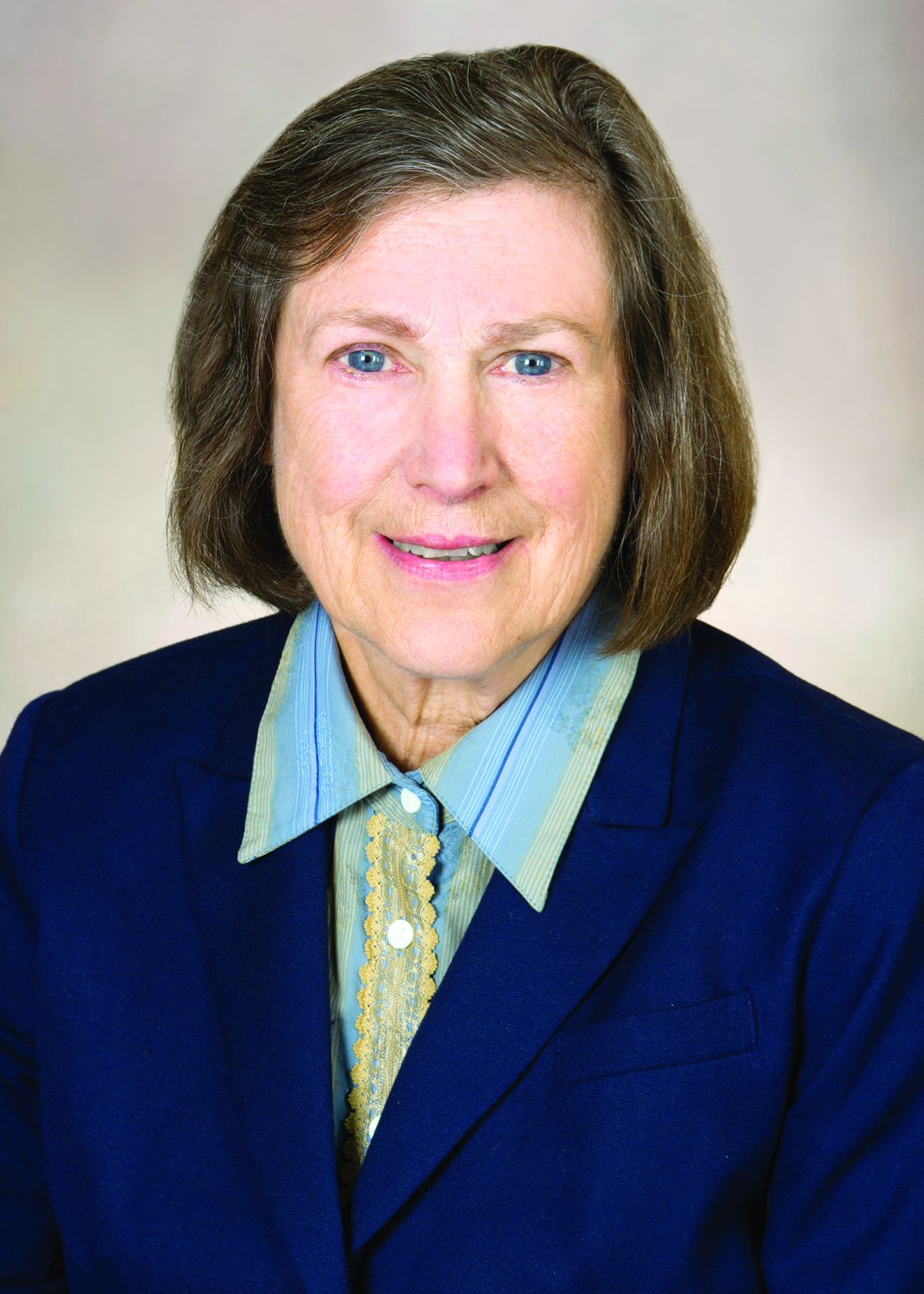
As the years pass by
I remember vividly my earliest ACS Clinical Congress, as a surgical resident at University of California, San Francisco, in October, 1975. It was 3 months into my research year and therefore I was able to attend the congress, which was in San Francisco that year. As one of the few women physicians in attendance at that meeting, I was in strange territory. I watched the opening ceremony with surgical leaders standing on stage, and I thought how homogeneous the group appeared: undeniably brilliant and accomplished, but all white-haired, white, and male. Fast-forward 41 years, and the surgical leaders who appeared on that stage at this year’s meeting were every bit as brilliant and accomplished, but the leaders are now younger and more diverse than in years past. The diversity in the college was evident as I walked the halls of the convention center where Fellows, residents, and guest physicians paused in their rushed transit from Hall D to Ballroom C to converse with an old or new friend.
The program itself has also become far more varied over the years. There is a continued emphasis on basic and clinical research in the scientific forum and scientific sessions. Postgraduate courses still impart new knowledge and skills, and state-of-the-art clinical practice is still taught in panel sessions. But the program now includes numerous nonclinical topics that are of crucial importance to present and future surgeons, such as ethics, end-of-life care, practice management, burnout, deciphering CMS regulations, and global health and humanitarian surgical outreach, to mention only a few. The named lectures continue to feature outstanding speakers who are often inspiring, and even sometimes provocative, and they are well worth attending. I would not want to have missed Past-President Carlos Pellegrini’s profoundly thoughtful John J. Conley Ethics and Philosophy Lecture on “TRUST: The Keystone of the Patient Physician Relationship,” for example.
Even the topics at the scientific forum have expanded over the years. In addition to the traditional basic science and clinical topics, five separate sessions this year on surgical education and on quality, safety, and outcomes attest to the increasing significance of these areas, unheard of when I was a resident. The important topics of ethics, geriatric surgery and palliative care, and global surgery/humanitarian outreach have gained sufficient interest that they now warrant their own sessions. There is something on the program to satisfy everyone’s interests. The forum presentations also provide us aging surgeons a chance to see the impressive contributions that our surgical progeny are making to the future of our profession. That, in itself, is encouraging and comforting.
Serving the profession
Many surgeons attend the congress in part to participate in committees of the ACS or other surgical organizations that meet during the congress to conserve time away from their “real jobs” as surgeons. These meetings offer attendees a chance to “give back” as well as to develop leadership in their profession. Participation in these committees can lead eventually to service on the Board of Governors or Regents, which offer opportunities to help shape the future of our organization and profession.
Profound positive changes in our profession have occurred through the leadership of the college. And some of these initiatives are reflected in the standing committees such as the Women in Surgery Committee, the Committee on Diversity Issues, and the Committee on Health Care Disparities, to name only three. Long-standing groups such as the Committee on Trauma (COT) have evolved greatly through the years and have raised the quality of trauma care and education in trauma across the United States and also globally.
Social and networking opportunities
The educational opportunities are unparalleled at the Clinical Congress, but the opportunities to connect with fellow surgeons is a close second. The chance to meet old friends from residency, recruit new partners for one’s practice, or be introduced to someone whom you have only known through postings on the ACS Communities are all invaluable aspects of the week. An email or telephone conversation is no substitute for these enriching face-to-face activities. And there is no substitute for this unique opportunity to create and extend your network of friends, colleagues, and allies. The Clinical Congress is often the beginning of relationships and professional connections that can last a lifetime.
Perhaps my enjoyment of the ACS Clinical Congress stems in part from how familiar it is after all these years and the comfort of being a member of this amazing organization. But my enthusiasm also comes from seeing how increasingly important and relevant the college has become to all of us – student, resident, Fellow, or guest. For surgeons, there is no substitute for the American College of Surgeons and there is indeed something for everyone at the Clinical Congress.
Dr. Deveney is professor of surgery and vice chair of education in the department of surgery, Oregon Health & Science University, Portland. She is the Coeditor of ACS Surgery News.
In this issue of ACS Surgery News, you will see articles highlighting the program of the ACS Clinical Congress that took place in Washington, D.C., in mid-October.
This year’s theme, “The Best Surgical Education, All in One Place,” could not be more apt to represent the ACS Clinical Congress. And yet, the Clinical Congress is much, much more than an educational exercise for those who are able to attend. No matter what your age, whether it was your first time attending or, like me, your 41st, there is something at this meeting for everyone. Although the focus is on education, and the meeting does have a dizzying array of educational options, it is also an opportunity to see old friends and make new ones, connect with people with whom you share problems, work with colleagues to devise strategies to solve challenges, put faces with names you’ve only read about, participate in service and governance of our profession, and be inspired by the thoughtful leaders of our profession.
As the years pass by
I remember vividly my earliest ACS Clinical Congress, as a surgical resident at University of California, San Francisco, in October, 1975. It was 3 months into my research year and therefore I was able to attend the congress, which was in San Francisco that year. As one of the few women physicians in attendance at that meeting, I was in strange territory. I watched the opening ceremony with surgical leaders standing on stage, and I thought how homogeneous the group appeared: undeniably brilliant and accomplished, but all white-haired, white, and male. Fast-forward 41 years, and the surgical leaders who appeared on that stage at this year’s meeting were every bit as brilliant and accomplished, but the leaders are now younger and more diverse than in years past. The diversity in the college was evident as I walked the halls of the convention center where Fellows, residents, and guest physicians paused in their rushed transit from Hall D to Ballroom C to converse with an old or new friend.
The program itself has also become far more varied over the years. There is a continued emphasis on basic and clinical research in the scientific forum and scientific sessions. Postgraduate courses still impart new knowledge and skills, and state-of-the-art clinical practice is still taught in panel sessions. But the program now includes numerous nonclinical topics that are of crucial importance to present and future surgeons, such as ethics, end-of-life care, practice management, burnout, deciphering CMS regulations, and global health and humanitarian surgical outreach, to mention only a few. The named lectures continue to feature outstanding speakers who are often inspiring, and even sometimes provocative, and they are well worth attending. I would not want to have missed Past-President Carlos Pellegrini’s profoundly thoughtful John J. Conley Ethics and Philosophy Lecture on “TRUST: The Keystone of the Patient Physician Relationship,” for example.
Even the topics at the scientific forum have expanded over the years. In addition to the traditional basic science and clinical topics, five separate sessions this year on surgical education and on quality, safety, and outcomes attest to the increasing significance of these areas, unheard of when I was a resident. The important topics of ethics, geriatric surgery and palliative care, and global surgery/humanitarian outreach have gained sufficient interest that they now warrant their own sessions. There is something on the program to satisfy everyone’s interests. The forum presentations also provide us aging surgeons a chance to see the impressive contributions that our surgical progeny are making to the future of our profession. That, in itself, is encouraging and comforting.
Serving the profession
Many surgeons attend the congress in part to participate in committees of the ACS or other surgical organizations that meet during the congress to conserve time away from their “real jobs” as surgeons. These meetings offer attendees a chance to “give back” as well as to develop leadership in their profession. Participation in these committees can lead eventually to service on the Board of Governors or Regents, which offer opportunities to help shape the future of our organization and profession.
Profound positive changes in our profession have occurred through the leadership of the college. And some of these initiatives are reflected in the standing committees such as the Women in Surgery Committee, the Committee on Diversity Issues, and the Committee on Health Care Disparities, to name only three. Long-standing groups such as the Committee on Trauma (COT) have evolved greatly through the years and have raised the quality of trauma care and education in trauma across the United States and also globally.
Social and networking opportunities
The educational opportunities are unparalleled at the Clinical Congress, but the opportunities to connect with fellow surgeons is a close second. The chance to meet old friends from residency, recruit new partners for one’s practice, or be introduced to someone whom you have only known through postings on the ACS Communities are all invaluable aspects of the week. An email or telephone conversation is no substitute for these enriching face-to-face activities. And there is no substitute for this unique opportunity to create and extend your network of friends, colleagues, and allies. The Clinical Congress is often the beginning of relationships and professional connections that can last a lifetime.
Perhaps my enjoyment of the ACS Clinical Congress stems in part from how familiar it is after all these years and the comfort of being a member of this amazing organization. But my enthusiasm also comes from seeing how increasingly important and relevant the college has become to all of us – student, resident, Fellow, or guest. For surgeons, there is no substitute for the American College of Surgeons and there is indeed something for everyone at the Clinical Congress.
Dr. Deveney is professor of surgery and vice chair of education in the department of surgery, Oregon Health & Science University, Portland. She is the Coeditor of ACS Surgery News.
In this issue of ACS Surgery News, you will see articles highlighting the program of the ACS Clinical Congress that took place in Washington, D.C., in mid-October.
This year’s theme, “The Best Surgical Education, All in One Place,” could not be more apt to represent the ACS Clinical Congress. And yet, the Clinical Congress is much, much more than an educational exercise for those who are able to attend. No matter what your age, whether it was your first time attending or, like me, your 41st, there is something at this meeting for everyone. Although the focus is on education, and the meeting does have a dizzying array of educational options, it is also an opportunity to see old friends and make new ones, connect with people with whom you share problems, work with colleagues to devise strategies to solve challenges, put faces with names you’ve only read about, participate in service and governance of our profession, and be inspired by the thoughtful leaders of our profession.
As the years pass by
I remember vividly my earliest ACS Clinical Congress, as a surgical resident at University of California, San Francisco, in October, 1975. It was 3 months into my research year and therefore I was able to attend the congress, which was in San Francisco that year. As one of the few women physicians in attendance at that meeting, I was in strange territory. I watched the opening ceremony with surgical leaders standing on stage, and I thought how homogeneous the group appeared: undeniably brilliant and accomplished, but all white-haired, white, and male. Fast-forward 41 years, and the surgical leaders who appeared on that stage at this year’s meeting were every bit as brilliant and accomplished, but the leaders are now younger and more diverse than in years past. The diversity in the college was evident as I walked the halls of the convention center where Fellows, residents, and guest physicians paused in their rushed transit from Hall D to Ballroom C to converse with an old or new friend.
The program itself has also become far more varied over the years. There is a continued emphasis on basic and clinical research in the scientific forum and scientific sessions. Postgraduate courses still impart new knowledge and skills, and state-of-the-art clinical practice is still taught in panel sessions. But the program now includes numerous nonclinical topics that are of crucial importance to present and future surgeons, such as ethics, end-of-life care, practice management, burnout, deciphering CMS regulations, and global health and humanitarian surgical outreach, to mention only a few. The named lectures continue to feature outstanding speakers who are often inspiring, and even sometimes provocative, and they are well worth attending. I would not want to have missed Past-President Carlos Pellegrini’s profoundly thoughtful John J. Conley Ethics and Philosophy Lecture on “TRUST: The Keystone of the Patient Physician Relationship,” for example.
Even the topics at the scientific forum have expanded over the years. In addition to the traditional basic science and clinical topics, five separate sessions this year on surgical education and on quality, safety, and outcomes attest to the increasing significance of these areas, unheard of when I was a resident. The important topics of ethics, geriatric surgery and palliative care, and global surgery/humanitarian outreach have gained sufficient interest that they now warrant their own sessions. There is something on the program to satisfy everyone’s interests. The forum presentations also provide us aging surgeons a chance to see the impressive contributions that our surgical progeny are making to the future of our profession. That, in itself, is encouraging and comforting.
Serving the profession
Many surgeons attend the congress in part to participate in committees of the ACS or other surgical organizations that meet during the congress to conserve time away from their “real jobs” as surgeons. These meetings offer attendees a chance to “give back” as well as to develop leadership in their profession. Participation in these committees can lead eventually to service on the Board of Governors or Regents, which offer opportunities to help shape the future of our organization and profession.
Profound positive changes in our profession have occurred through the leadership of the college. And some of these initiatives are reflected in the standing committees such as the Women in Surgery Committee, the Committee on Diversity Issues, and the Committee on Health Care Disparities, to name only three. Long-standing groups such as the Committee on Trauma (COT) have evolved greatly through the years and have raised the quality of trauma care and education in trauma across the United States and also globally.
Social and networking opportunities
The educational opportunities are unparalleled at the Clinical Congress, but the opportunities to connect with fellow surgeons is a close second. The chance to meet old friends from residency, recruit new partners for one’s practice, or be introduced to someone whom you have only known through postings on the ACS Communities are all invaluable aspects of the week. An email or telephone conversation is no substitute for these enriching face-to-face activities. And there is no substitute for this unique opportunity to create and extend your network of friends, colleagues, and allies. The Clinical Congress is often the beginning of relationships and professional connections that can last a lifetime.
Perhaps my enjoyment of the ACS Clinical Congress stems in part from how familiar it is after all these years and the comfort of being a member of this amazing organization. But my enthusiasm also comes from seeing how increasingly important and relevant the college has become to all of us – student, resident, Fellow, or guest. For surgeons, there is no substitute for the American College of Surgeons and there is indeed something for everyone at the Clinical Congress.
Dr. Deveney is professor of surgery and vice chair of education in the department of surgery, Oregon Health & Science University, Portland. She is the Coeditor of ACS Surgery News.