User login
One process, two perspectives
Eight months into my fellowship, and my first patient is still alive. Starting a fellowship at a new institution has been similar to starting my residency, however with a slightly hardened exterior that an inner city internal medicine residency program provides. As with my first patient, it was also my first time in the cancer center when I met her—for me, as a clinician; for her, as a patient. She presented the way many lung cancer patients do; a pneumonia that wouldn’t go away. She thought it was just a cold, but her extensive smoking history, weight loss, and persistent symptoms indicated something much more sinister was lurking beneath the surface. Imaging suggested what she feared, and a biopsy proved it. She had metastatic lung adenocarcinoma. Her next few weeks were a crash course in oncology- PET/CT’s, chemotherapy, and enrollment in clinical trials and plowing through with their lengthy consent forms. We were going through the same process from different perspectives...
*For a PDF of the full article, click on the link to the left of this introduction.
Eight months into my fellowship, and my first patient is still alive. Starting a fellowship at a new institution has been similar to starting my residency, however with a slightly hardened exterior that an inner city internal medicine residency program provides. As with my first patient, it was also my first time in the cancer center when I met her—for me, as a clinician; for her, as a patient. She presented the way many lung cancer patients do; a pneumonia that wouldn’t go away. She thought it was just a cold, but her extensive smoking history, weight loss, and persistent symptoms indicated something much more sinister was lurking beneath the surface. Imaging suggested what she feared, and a biopsy proved it. She had metastatic lung adenocarcinoma. Her next few weeks were a crash course in oncology- PET/CT’s, chemotherapy, and enrollment in clinical trials and plowing through with their lengthy consent forms. We were going through the same process from different perspectives...
*For a PDF of the full article, click on the link to the left of this introduction.
Eight months into my fellowship, and my first patient is still alive. Starting a fellowship at a new institution has been similar to starting my residency, however with a slightly hardened exterior that an inner city internal medicine residency program provides. As with my first patient, it was also my first time in the cancer center when I met her—for me, as a clinician; for her, as a patient. She presented the way many lung cancer patients do; a pneumonia that wouldn’t go away. She thought it was just a cold, but her extensive smoking history, weight loss, and persistent symptoms indicated something much more sinister was lurking beneath the surface. Imaging suggested what she feared, and a biopsy proved it. She had metastatic lung adenocarcinoma. Her next few weeks were a crash course in oncology- PET/CT’s, chemotherapy, and enrollment in clinical trials and plowing through with their lengthy consent forms. We were going through the same process from different perspectives...
*For a PDF of the full article, click on the link to the left of this introduction.
Creating a community-based, patient-centered cancer survivorship program
A report from the Institute of Medicine in 20051 marked a watershed in the thinking about cancer patients and their long-term needs as survivors when it argued for oncology programs in the United States to address the unmet needs of cancer survivors at the community practice level. Cancer care in the United States has tended to focus on the more immediate aspects of the active treatment, limiting our long-term concerns for the patient’s well-being. Indeed, as a community oncologist in the early part of my career,2 decades ago, I considered cancer patients “finished” with their cancer and back to “normal” soon after their last acute toxicity ended.2 These days, our profession as well as patients and society as a whole have come to understand that the needs of cancer patients continue into well into survivorship, which can span years or even decades. These concerns should be addressed and accommodated through comprehensive, community-based survivorship programs.
*For a PDF of the full article, click on the link to the left of this introduction.
A report from the Institute of Medicine in 20051 marked a watershed in the thinking about cancer patients and their long-term needs as survivors when it argued for oncology programs in the United States to address the unmet needs of cancer survivors at the community practice level. Cancer care in the United States has tended to focus on the more immediate aspects of the active treatment, limiting our long-term concerns for the patient’s well-being. Indeed, as a community oncologist in the early part of my career,2 decades ago, I considered cancer patients “finished” with their cancer and back to “normal” soon after their last acute toxicity ended.2 These days, our profession as well as patients and society as a whole have come to understand that the needs of cancer patients continue into well into survivorship, which can span years or even decades. These concerns should be addressed and accommodated through comprehensive, community-based survivorship programs.
*For a PDF of the full article, click on the link to the left of this introduction.
A report from the Institute of Medicine in 20051 marked a watershed in the thinking about cancer patients and their long-term needs as survivors when it argued for oncology programs in the United States to address the unmet needs of cancer survivors at the community practice level. Cancer care in the United States has tended to focus on the more immediate aspects of the active treatment, limiting our long-term concerns for the patient’s well-being. Indeed, as a community oncologist in the early part of my career,2 decades ago, I considered cancer patients “finished” with their cancer and back to “normal” soon after their last acute toxicity ended.2 These days, our profession as well as patients and society as a whole have come to understand that the needs of cancer patients continue into well into survivorship, which can span years or even decades. These concerns should be addressed and accommodated through comprehensive, community-based survivorship programs.
*For a PDF of the full article, click on the link to the left of this introduction.
AIP: PEER VIEWPOINT: The Toxicity of Chemotherapy and Radiotherapy on the Central Nervous System
The Toxicity of Chemotherapy and Radiotherapy on the Central Nervous System

- Available online 26 April 2012.
- http://dx.doi.org/10.1016/j.suponc.2012.04.001,
Central neurotoxicity of chemotherapy and radiotherapy is so frequent that every clinician should recognize and treat this complication, preferably with a neurologist experienced in these cases. Unfortunately, in most neurology and oncology training programs in the United States, there is very little exposure to the central neurotoxicity of anticancer drugs and other modalities. Yet, the importance of the topic is high and will always be.
One of the main forces driving the knowledge behind this area began at the Memorial Sloan-Kettering Cancer Center with Posner [1] and [2] and in Europe with Hildebrand. [3] Others have understood that the effective management of CNS toxicity is as important as the treatment of brain tumors in neuro-oncology and are now making efforts in spreading the message: we must learn to recognize, treat, or prevent the neurotoxicity of anticancer therapies. In the past 10 years, there have been reviews on neurological complications; [4] and [5] and yet there is still little interest, and research is a low priority.
In this issue of The Journal of Supportive Oncology, Rinne and collaborators present a welcome update on this often neglected aspect of neuro-oncology. They present a complex problem in an easy flow of ideas, beginning with the neurotoxicity of radiotherapy, then including the contribution of chemotherapy and novel therapies targeted to CNS morbidity. This review is thorough, up to date, and one of the few published by a nonneurological journal. Enjoy.1
References2
- J.B. Posner. Neurological complications of systemic cancer. Med Clin North Am. 1979;63(4):783–800.
- R.A. Patchell, J.B. Posner. Neurologic complications of systemic cancer. Neurol Clin. 1985;3(4):729–750.
- J. Hildebrand. Neurological Complications of cancer chemotherapy. Curr Opin Oncol. 2006;18(4):321–324.
- C. Soussain, D. Ricard, J.R. Fike, J.J. Mazeron, D. Psimaras, J.Y. Delattre.
CNS complications of radiotherapy and chemotherapy. Lancet. 2009;374(9701):1639–1651.
Commentary on “Central Nervous System Complications of Cancer Therapy” by Rinne, Lee, and Wen (page ___)
Published Online:

- Corresponding Author: Ivo W. Tremont-Lukats, MD, Neuro-Oncology Department, MD Anderson Cancer Center, 1515 Holcombe Boulevard, Houston, TX 77030
Conflict of Interest Disclosures: The author has completed and submitted the ICMJE for Disclosure of Potential Conflicts of Interest and none were reported.
PubMed ID in brackets
Vitae
Copyright © 2012 Published by Elsevier Inc.
The Toxicity of Chemotherapy and Radiotherapy on the Central Nervous System
- Available online 26 April 2012.
- http://dx.doi.org/10.1016/j.suponc.2012.04.001,
Central neurotoxicity of chemotherapy and radiotherapy is so frequent that every clinician should recognize and treat this complication, preferably with a neurologist experienced in these cases. Unfortunately, in most neurology and oncology training programs in the United States, there is very little exposure to the central neurotoxicity of anticancer drugs and other modalities. Yet, the importance of the topic is high and will always be.
One of the main forces driving the knowledge behind this area began at the Memorial Sloan-Kettering Cancer Center with Posner [1] and [2] and in Europe with Hildebrand. [3] Others have understood that the effective management of CNS toxicity is as important as the treatment of brain tumors in neuro-oncology and are now making efforts in spreading the message: we must learn to recognize, treat, or prevent the neurotoxicity of anticancer therapies. In the past 10 years, there have been reviews on neurological complications; [4] and [5] and yet there is still little interest, and research is a low priority.
In this issue of The Journal of Supportive Oncology, Rinne and collaborators present a welcome update on this often neglected aspect of neuro-oncology. They present a complex problem in an easy flow of ideas, beginning with the neurotoxicity of radiotherapy, then including the contribution of chemotherapy and novel therapies targeted to CNS morbidity. This review is thorough, up to date, and one of the few published by a nonneurological journal. Enjoy.1
References2
- J.B. Posner. Neurological complications of systemic cancer. Med Clin North Am. 1979;63(4):783–800.
- R.A. Patchell, J.B. Posner. Neurologic complications of systemic cancer. Neurol Clin. 1985;3(4):729–750.
- J. Hildebrand. Neurological Complications of cancer chemotherapy. Curr Opin Oncol. 2006;18(4):321–324.
- C. Soussain, D. Ricard, J.R. Fike, J.J. Mazeron, D. Psimaras, J.Y. Delattre.
CNS complications of radiotherapy and chemotherapy. Lancet. 2009;374(9701):1639–1651.
Commentary on “Central Nervous System Complications of Cancer Therapy” by Rinne, Lee, and Wen (page ___)
Published Online:
-
- Corresponding Author: Ivo W. Tremont-Lukats, MD, Neuro-Oncology Department, MD Anderson Cancer Center, 1515 Holcombe Boulevard, Houston, TX 77030
Conflict of Interest Disclosures: The author has completed and submitted the ICMJE for Disclosure of Potential Conflicts of Interest and none were reported.
PubMed ID in brackets
Vitae
Copyright © 2012 Published by Elsevier Inc.
The Toxicity of Chemotherapy and Radiotherapy on the Central Nervous System
- Available online 26 April 2012.
- http://dx.doi.org/10.1016/j.suponc.2012.04.001,
Central neurotoxicity of chemotherapy and radiotherapy is so frequent that every clinician should recognize and treat this complication, preferably with a neurologist experienced in these cases. Unfortunately, in most neurology and oncology training programs in the United States, there is very little exposure to the central neurotoxicity of anticancer drugs and other modalities. Yet, the importance of the topic is high and will always be.
One of the main forces driving the knowledge behind this area began at the Memorial Sloan-Kettering Cancer Center with Posner [1] and [2] and in Europe with Hildebrand. [3] Others have understood that the effective management of CNS toxicity is as important as the treatment of brain tumors in neuro-oncology and are now making efforts in spreading the message: we must learn to recognize, treat, or prevent the neurotoxicity of anticancer therapies. In the past 10 years, there have been reviews on neurological complications; [4] and [5] and yet there is still little interest, and research is a low priority.
In this issue of The Journal of Supportive Oncology, Rinne and collaborators present a welcome update on this often neglected aspect of neuro-oncology. They present a complex problem in an easy flow of ideas, beginning with the neurotoxicity of radiotherapy, then including the contribution of chemotherapy and novel therapies targeted to CNS morbidity. This review is thorough, up to date, and one of the few published by a nonneurological journal. Enjoy.1
References2
- J.B. Posner. Neurological complications of systemic cancer. Med Clin North Am. 1979;63(4):783–800.
- R.A. Patchell, J.B. Posner. Neurologic complications of systemic cancer. Neurol Clin. 1985;3(4):729–750.
- J. Hildebrand. Neurological Complications of cancer chemotherapy. Curr Opin Oncol. 2006;18(4):321–324.
- C. Soussain, D. Ricard, J.R. Fike, J.J. Mazeron, D. Psimaras, J.Y. Delattre.
CNS complications of radiotherapy and chemotherapy. Lancet. 2009;374(9701):1639–1651.
Commentary on “Central Nervous System Complications of Cancer Therapy” by Rinne, Lee, and Wen (page ___)
Published Online:
-
- Corresponding Author: Ivo W. Tremont-Lukats, MD, Neuro-Oncology Department, MD Anderson Cancer Center, 1515 Holcombe Boulevard, Houston, TX 77030
Conflict of Interest Disclosures: The author has completed and submitted the ICMJE for Disclosure of Potential Conflicts of Interest and none were reported.
PubMed ID in brackets
Vitae
Copyright © 2012 Published by Elsevier Inc.
Insomnia Linked to Chemo, Hormone Therapy
MIAMI – Chemotherapy and hormone therapy – but not radiation therapy – were associated with insomnia in a population study that tracked sleep patterns in nearly 1,000 cancer patients for 18 months after recruitment early in the course of their disease.
Nausea, other digestive symptoms, night sweats, and pain were all associated with disturbed sleep in the study of 962 patients diagnosed with nonmetastatic cancer and recruited by the Laval University Cancer Research Center in Quebec. Of these, many patients did not receive adjuvant therapy, while some received a combination of therapies. The analysis included 224 patients who received chemotherapy, 428 patients who had radiotherapy, and 291 who received hormone therapy.

The median age of the patients was 57 years, and nearly two-thirds were women. The most common cancer sites were breast (49%), prostate (27%), and gynecologic (12%).
A pronounced association between chemotherapy and insomnia was best explained by nausea (P less than .001), but also by digestive symptoms, night sweats, and pain, Dr. Josée Savard, professor of psychology at the university, reported at the annual conference of the American Psychosocial Oncology Society.
Night sweats, on the other hand, had the most pronounced effect (P less than.001) on insomnia in patients undergoing hormone therapy. Pain was also a highly significant contributor to sleeplessness in hormone-treated patients, said Dr. Savard.
In a previous study of the same cohort, she and her associates reported a very high rate of insomnia (59%) at baseline, the day of each patient’s preoperative visit, before active treatment had been initiated (J. Clin. Oncol. 2011;29:3580-6).
About 1 in 7 patients experienced insomnia for the first time during cancer treatment, and nearly 20% experienced a relapse of clinically diagnosable insomnia that had occurred earlier in their lives. Over time, insomnia declined, but even at the final, 18-month time point of the natural history study, 36% of patients still reported insomnia.
Dr. Savard found that cancer patients most at risk for insomnia were women, younger patients, and those patients who had a hyperarousability trait or a personal or family history of insomnia or a psychiatric disorder. Precipitating factors included hospitalization and cancer treatment.
She cited many potential contributors to insomnia in cancer patients undergoing treatment, from anticipatory anxiety to daytime napping, which might reduce exposure to sunlight and disrupt the sleep-wake cycle.
The current study was designed to tease out the effect of various cancer treatments and treatment-specific symptoms on insomnia.
Asked why radiation therapy was not associated with insomnia, Dr. Savard suggested it has fewer side effects that might affect sleep – except in certain subsamples.
"For instance, radiation therapy for prostate cancer can lead to urinary incontinence, which may disturb sleep when occurring during nighttime. We recently found evidence for such an effect in a different longitudinal study conducted in prostate cancer patients only. It is possible that this effect was blurred in the present study because various cancer types were pooled together," she said. "Note also that the results are in the same direction for radiation therapy, although the association is not significant," she added.
Funding for the study was through the Canadian Institutes of Health Research. None of the investigators had relevant financial disclosures.
MIAMI – Chemotherapy and hormone therapy – but not radiation therapy – were associated with insomnia in a population study that tracked sleep patterns in nearly 1,000 cancer patients for 18 months after recruitment early in the course of their disease.
Nausea, other digestive symptoms, night sweats, and pain were all associated with disturbed sleep in the study of 962 patients diagnosed with nonmetastatic cancer and recruited by the Laval University Cancer Research Center in Quebec. Of these, many patients did not receive adjuvant therapy, while some received a combination of therapies. The analysis included 224 patients who received chemotherapy, 428 patients who had radiotherapy, and 291 who received hormone therapy.
The median age of the patients was 57 years, and nearly two-thirds were women. The most common cancer sites were breast (49%), prostate (27%), and gynecologic (12%).
A pronounced association between chemotherapy and insomnia was best explained by nausea (P less than .001), but also by digestive symptoms, night sweats, and pain, Dr. Josée Savard, professor of psychology at the university, reported at the annual conference of the American Psychosocial Oncology Society.
Night sweats, on the other hand, had the most pronounced effect (P less than.001) on insomnia in patients undergoing hormone therapy. Pain was also a highly significant contributor to sleeplessness in hormone-treated patients, said Dr. Savard.
In a previous study of the same cohort, she and her associates reported a very high rate of insomnia (59%) at baseline, the day of each patient’s preoperative visit, before active treatment had been initiated (J. Clin. Oncol. 2011;29:3580-6).
About 1 in 7 patients experienced insomnia for the first time during cancer treatment, and nearly 20% experienced a relapse of clinically diagnosable insomnia that had occurred earlier in their lives. Over time, insomnia declined, but even at the final, 18-month time point of the natural history study, 36% of patients still reported insomnia.
Dr. Savard found that cancer patients most at risk for insomnia were women, younger patients, and those patients who had a hyperarousability trait or a personal or family history of insomnia or a psychiatric disorder. Precipitating factors included hospitalization and cancer treatment.
She cited many potential contributors to insomnia in cancer patients undergoing treatment, from anticipatory anxiety to daytime napping, which might reduce exposure to sunlight and disrupt the sleep-wake cycle.
The current study was designed to tease out the effect of various cancer treatments and treatment-specific symptoms on insomnia.
Asked why radiation therapy was not associated with insomnia, Dr. Savard suggested it has fewer side effects that might affect sleep – except in certain subsamples.
"For instance, radiation therapy for prostate cancer can lead to urinary incontinence, which may disturb sleep when occurring during nighttime. We recently found evidence for such an effect in a different longitudinal study conducted in prostate cancer patients only. It is possible that this effect was blurred in the present study because various cancer types were pooled together," she said. "Note also that the results are in the same direction for radiation therapy, although the association is not significant," she added.
Funding for the study was through the Canadian Institutes of Health Research. None of the investigators had relevant financial disclosures.
MIAMI – Chemotherapy and hormone therapy – but not radiation therapy – were associated with insomnia in a population study that tracked sleep patterns in nearly 1,000 cancer patients for 18 months after recruitment early in the course of their disease.
Nausea, other digestive symptoms, night sweats, and pain were all associated with disturbed sleep in the study of 962 patients diagnosed with nonmetastatic cancer and recruited by the Laval University Cancer Research Center in Quebec. Of these, many patients did not receive adjuvant therapy, while some received a combination of therapies. The analysis included 224 patients who received chemotherapy, 428 patients who had radiotherapy, and 291 who received hormone therapy.
The median age of the patients was 57 years, and nearly two-thirds were women. The most common cancer sites were breast (49%), prostate (27%), and gynecologic (12%).
A pronounced association between chemotherapy and insomnia was best explained by nausea (P less than .001), but also by digestive symptoms, night sweats, and pain, Dr. Josée Savard, professor of psychology at the university, reported at the annual conference of the American Psychosocial Oncology Society.
Night sweats, on the other hand, had the most pronounced effect (P less than.001) on insomnia in patients undergoing hormone therapy. Pain was also a highly significant contributor to sleeplessness in hormone-treated patients, said Dr. Savard.
In a previous study of the same cohort, she and her associates reported a very high rate of insomnia (59%) at baseline, the day of each patient’s preoperative visit, before active treatment had been initiated (J. Clin. Oncol. 2011;29:3580-6).
About 1 in 7 patients experienced insomnia for the first time during cancer treatment, and nearly 20% experienced a relapse of clinically diagnosable insomnia that had occurred earlier in their lives. Over time, insomnia declined, but even at the final, 18-month time point of the natural history study, 36% of patients still reported insomnia.
Dr. Savard found that cancer patients most at risk for insomnia were women, younger patients, and those patients who had a hyperarousability trait or a personal or family history of insomnia or a psychiatric disorder. Precipitating factors included hospitalization and cancer treatment.
She cited many potential contributors to insomnia in cancer patients undergoing treatment, from anticipatory anxiety to daytime napping, which might reduce exposure to sunlight and disrupt the sleep-wake cycle.
The current study was designed to tease out the effect of various cancer treatments and treatment-specific symptoms on insomnia.
Asked why radiation therapy was not associated with insomnia, Dr. Savard suggested it has fewer side effects that might affect sleep – except in certain subsamples.
"For instance, radiation therapy for prostate cancer can lead to urinary incontinence, which may disturb sleep when occurring during nighttime. We recently found evidence for such an effect in a different longitudinal study conducted in prostate cancer patients only. It is possible that this effect was blurred in the present study because various cancer types were pooled together," she said. "Note also that the results are in the same direction for radiation therapy, although the association is not significant," she added.
Funding for the study was through the Canadian Institutes of Health Research. None of the investigators had relevant financial disclosures.
FROM THE ANNUAL CONFERENCE OF THE AMERICAN PSYCHOSOCIAL ONCOLOGY SOCIETY
Major Finding: A pronounced association between chemotherapy and insomnia was best explained by nausea (P less than .001), but also by digestive symptoms, night sweats, and pain.
Data Source: Investigators conducted a population-based study of 962 patients with nonmetastatic cancer.
Disclosures: Funding for the study was through the Canadian Institutes of Health Research. None of the investigators had relevant financial disclosures.
Oncologists Favor Psychosocial Care, But Give It Short Shrift
MIAMI – Oncologists endorse the idea of connecting cancer patients to psychosocial care at the conclusion of active treatment. But practice doesn’t align with beliefs, perhaps because they are unfamiliar with where to refer their patients for care.
Among 57 oncologists who responded to a survey in the southeastern United States, 35, or 61%, considered psychosocial care to be beneficial. A majority thought it was "important" following cancer treatment, reported Laurie Freeman-Gibb at the annual conference of the American Psychosocial Oncology Society (APOS).
But the oncologists said they spent just 4.2 minutes, on average, discussing psychosocial care during consultations, according to Ms. Freeman-Gibb, a lecturer in the department of nursing at the University of Windsor in Ontario, and her colleague Dr. Andrew Hatchett, Ph.D., of the University of Louisiana at Lafayette’s department of kinesiology.
And since only about 1 in 6 oncologists responded to the survey – it was sent to 350 practitioners – the findings may present an overly optimistic picture of what happens in real-life practice when a patient leaves active treatment and returns to the community for care.
"I think it’s sometimes a time constraint," said Ms. Freeman-Gibb. "If you only have 20 minutes to see this person and you open the floodgates to what’s really going on, you might never get out the door ... especially if you don’t know whom to tell the patient to call."
Dr. Hatchett said the impetus for the study was a series of conversations he had with survivors, in which they seemed to indicate a "disconnect" in support after their active treatment ended. "It seemed as though after treatment the survivor was left to their own devices to acquire any additional help," he said.
Many oncologists told the researchers that they would like to refer survivors for follow-up psychosocial care, but they don’t know what’s available, the investigators said.
No comprehensive registry exists that would outline the locations and qualifications of therapists, exercise and rehabilitation specialists, and support agencies that specialize in the psychosocial needs of cancer survivors. In Ireland, a national registry does just that, detailing not only the services available but also their cost, said Ms. Freeman-Gibb.
The organization that sponsored the meeting, APOS, offers a free helpline intended to connect cancer patients and survivors with community counseling services and other sources of support. However, the oncologists in the survey were unaware of that resource, the investigators noted.
Development of a "network of resources" remains a goal of the researchers, who plan to conduct an expanded online survey of a larger pool of oncologists to build on the findings of their pilot questionnaire.
Having a better sense of available resources might make oncologists more comfortable bringing up survivors’ psychosocial adjustment, added Ms. Freeman-Gibb: "Their attitude is great. They say they would love to refer patients. But they don’t."
No outside funding was used to conduct the study.
MIAMI – Oncologists endorse the idea of connecting cancer patients to psychosocial care at the conclusion of active treatment. But practice doesn’t align with beliefs, perhaps because they are unfamiliar with where to refer their patients for care.
Among 57 oncologists who responded to a survey in the southeastern United States, 35, or 61%, considered psychosocial care to be beneficial. A majority thought it was "important" following cancer treatment, reported Laurie Freeman-Gibb at the annual conference of the American Psychosocial Oncology Society (APOS).
But the oncologists said they spent just 4.2 minutes, on average, discussing psychosocial care during consultations, according to Ms. Freeman-Gibb, a lecturer in the department of nursing at the University of Windsor in Ontario, and her colleague Dr. Andrew Hatchett, Ph.D., of the University of Louisiana at Lafayette’s department of kinesiology.
And since only about 1 in 6 oncologists responded to the survey – it was sent to 350 practitioners – the findings may present an overly optimistic picture of what happens in real-life practice when a patient leaves active treatment and returns to the community for care.
"I think it’s sometimes a time constraint," said Ms. Freeman-Gibb. "If you only have 20 minutes to see this person and you open the floodgates to what’s really going on, you might never get out the door ... especially if you don’t know whom to tell the patient to call."
Dr. Hatchett said the impetus for the study was a series of conversations he had with survivors, in which they seemed to indicate a "disconnect" in support after their active treatment ended. "It seemed as though after treatment the survivor was left to their own devices to acquire any additional help," he said.
Many oncologists told the researchers that they would like to refer survivors for follow-up psychosocial care, but they don’t know what’s available, the investigators said.
No comprehensive registry exists that would outline the locations and qualifications of therapists, exercise and rehabilitation specialists, and support agencies that specialize in the psychosocial needs of cancer survivors. In Ireland, a national registry does just that, detailing not only the services available but also their cost, said Ms. Freeman-Gibb.
The organization that sponsored the meeting, APOS, offers a free helpline intended to connect cancer patients and survivors with community counseling services and other sources of support. However, the oncologists in the survey were unaware of that resource, the investigators noted.
Development of a "network of resources" remains a goal of the researchers, who plan to conduct an expanded online survey of a larger pool of oncologists to build on the findings of their pilot questionnaire.
Having a better sense of available resources might make oncologists more comfortable bringing up survivors’ psychosocial adjustment, added Ms. Freeman-Gibb: "Their attitude is great. They say they would love to refer patients. But they don’t."
No outside funding was used to conduct the study.
MIAMI – Oncologists endorse the idea of connecting cancer patients to psychosocial care at the conclusion of active treatment. But practice doesn’t align with beliefs, perhaps because they are unfamiliar with where to refer their patients for care.
Among 57 oncologists who responded to a survey in the southeastern United States, 35, or 61%, considered psychosocial care to be beneficial. A majority thought it was "important" following cancer treatment, reported Laurie Freeman-Gibb at the annual conference of the American Psychosocial Oncology Society (APOS).
But the oncologists said they spent just 4.2 minutes, on average, discussing psychosocial care during consultations, according to Ms. Freeman-Gibb, a lecturer in the department of nursing at the University of Windsor in Ontario, and her colleague Dr. Andrew Hatchett, Ph.D., of the University of Louisiana at Lafayette’s department of kinesiology.
And since only about 1 in 6 oncologists responded to the survey – it was sent to 350 practitioners – the findings may present an overly optimistic picture of what happens in real-life practice when a patient leaves active treatment and returns to the community for care.
"I think it’s sometimes a time constraint," said Ms. Freeman-Gibb. "If you only have 20 minutes to see this person and you open the floodgates to what’s really going on, you might never get out the door ... especially if you don’t know whom to tell the patient to call."
Dr. Hatchett said the impetus for the study was a series of conversations he had with survivors, in which they seemed to indicate a "disconnect" in support after their active treatment ended. "It seemed as though after treatment the survivor was left to their own devices to acquire any additional help," he said.
Many oncologists told the researchers that they would like to refer survivors for follow-up psychosocial care, but they don’t know what’s available, the investigators said.
No comprehensive registry exists that would outline the locations and qualifications of therapists, exercise and rehabilitation specialists, and support agencies that specialize in the psychosocial needs of cancer survivors. In Ireland, a national registry does just that, detailing not only the services available but also their cost, said Ms. Freeman-Gibb.
The organization that sponsored the meeting, APOS, offers a free helpline intended to connect cancer patients and survivors with community counseling services and other sources of support. However, the oncologists in the survey were unaware of that resource, the investigators noted.
Development of a "network of resources" remains a goal of the researchers, who plan to conduct an expanded online survey of a larger pool of oncologists to build on the findings of their pilot questionnaire.
Having a better sense of available resources might make oncologists more comfortable bringing up survivors’ psychosocial adjustment, added Ms. Freeman-Gibb: "Their attitude is great. They say they would love to refer patients. But they don’t."
No outside funding was used to conduct the study.
FROM THE ANNUAL CONFERENCE OF THE AMERICAN PSYCHOSOCIAL ONCOLOGY SOCIETY
Prostate Cancer Survivors Avoid Therapy for Sexual Side Effects
MIAMI – Faced with erectile dysfunction following prostate cancer surgery, many men adopt an avoidant coping style that inadvertently interferes with rehabilitation efforts to spare them long-term sexual side effects.
"We have ways of helping men to get their erections back; that isn’t the issue," Christian J. Nelson, Ph.D., said at the annual conference of the American Psychosocial Oncology Society.
"The issue is, men avoid and drop out of rehabilitation programs."
Avoidance was one key theme raised by 35 men who had undergone radical prostatectomy for prostate cancer 2-3 years prior to being recruited into focus groups by Dr. Nelson and his colleagues as an initial step in devising a more effective approach to erectile dysfunction (ED) rehabilitation. He presented results of a systematic analysis of those themes at the meeting, and offered a preview of the ongoing study that resulted.
Dr. Nelson described a cycle in which men experienced frustration, shame, and embarrassment over ED during a sexual experience following surgery, then began avoiding intimate contact due to anxiety. Relationship issues, depression, and increased frustration often followed.
"It’s absolutely devastating," one focus group participant told him.
Another remarked, "It’s like the ground you walked on since you were a teenager is gone."
Rather than seek help, many men acknowledged that they dealt with ED by withdrawing emotionally, sidestepping the potential for intimacy.
"Doc, it’s fear. It’s fear, Doc," another participant told Dr. Nelson.
"Men are struggling [on average] for about 2 years before they actually pursue treatment," said Dr. Nelson, a psychologist at Memorial Sloan-Kettering Cancer Center in New York.
Ideally, he explained, ED rehabilitation should begin as soon as possible after surgery to maintain blood flow and muscle tone, and "biology dictates the best treatment."
A common, but temporary, effect of nerve-sparing surgery is not only ED, but also stretching of the nerves responsible for the nitric oxide release triggered by oral phosphodiesterase inhibitor drugs. Pills such as sildenafil (Viagra) and taldenafil (Cialis) are effective in only about 20% of men following surgery, so after a brief trial injection therapy is recommended for the maintenance of erections over the 18-24 months that it may take to recover what erectile function remains.
In addition to the barrier of avoidance, men adamantly complained to focus group researchers that they were not properly told before surgery about postsurgical side effects, including ED and its treatments.
"It was ... Theme One ... and clearly the most predominant theme [in the focus groups]," said Dr. Nelson. "We don’t know if surgeons are telling patients about side effects, and they [patients] are thinking about the surgery and just not hearing the information – or whether the surgeons are not giving the information. But clearly, there was a lot of frustration and anger."
While men said they found the idea of penile injections "freakish and barbaric," they did not find them as painful as they had feared. Some saw the long-term benefits of injection therapy to be worth their initial reluctance, but one remarked, "This is the most humiliating thing I’ve ever done in my life."
Considering the trend to diagnose and treat earlier-stage prostate cancer in younger men, combined with an 85% prevalence of ED 4 years post surgery, "it’s an important survivorship issue," Dr. Nelson said.
Drawing from focus group findings, he and his team were encouraged by men’s humor in discussing difficult and awkward topics, offering a potential guidepost for future interventions. He also said men were "not overly enthusiastic" about the proposed idea of psychological interventions during rehabilitation, but advised that such efforts might be better accepted if they were characterized as "coaching."
Indeed, Dr. Nelson and his colleagues drew on the focus group findings to launch a randomized controlled trial of an intervention based on Acceptance and Commitment Therapy, a psychological orientation that encourages participants to define values that are important to them. Over time, the goal is to learn to tolerate distress and overcome barriers in order to achieve goals associated with those prized values, Dr. Nelson explained.
Enrollment in the trial has commenced, and a handful of participants in each group have completed the intervention (or a control condition) during injection training for ED.
"An initial peek at the data looks promising," he said.
Funding for the study was provided through a grant from the National Cancer Institute.
MIAMI – Faced with erectile dysfunction following prostate cancer surgery, many men adopt an avoidant coping style that inadvertently interferes with rehabilitation efforts to spare them long-term sexual side effects.
"We have ways of helping men to get their erections back; that isn’t the issue," Christian J. Nelson, Ph.D., said at the annual conference of the American Psychosocial Oncology Society.
"The issue is, men avoid and drop out of rehabilitation programs."
Avoidance was one key theme raised by 35 men who had undergone radical prostatectomy for prostate cancer 2-3 years prior to being recruited into focus groups by Dr. Nelson and his colleagues as an initial step in devising a more effective approach to erectile dysfunction (ED) rehabilitation. He presented results of a systematic analysis of those themes at the meeting, and offered a preview of the ongoing study that resulted.
Dr. Nelson described a cycle in which men experienced frustration, shame, and embarrassment over ED during a sexual experience following surgery, then began avoiding intimate contact due to anxiety. Relationship issues, depression, and increased frustration often followed.
"It’s absolutely devastating," one focus group participant told him.
Another remarked, "It’s like the ground you walked on since you were a teenager is gone."
Rather than seek help, many men acknowledged that they dealt with ED by withdrawing emotionally, sidestepping the potential for intimacy.
"Doc, it’s fear. It’s fear, Doc," another participant told Dr. Nelson.
"Men are struggling [on average] for about 2 years before they actually pursue treatment," said Dr. Nelson, a psychologist at Memorial Sloan-Kettering Cancer Center in New York.
Ideally, he explained, ED rehabilitation should begin as soon as possible after surgery to maintain blood flow and muscle tone, and "biology dictates the best treatment."
A common, but temporary, effect of nerve-sparing surgery is not only ED, but also stretching of the nerves responsible for the nitric oxide release triggered by oral phosphodiesterase inhibitor drugs. Pills such as sildenafil (Viagra) and taldenafil (Cialis) are effective in only about 20% of men following surgery, so after a brief trial injection therapy is recommended for the maintenance of erections over the 18-24 months that it may take to recover what erectile function remains.
In addition to the barrier of avoidance, men adamantly complained to focus group researchers that they were not properly told before surgery about postsurgical side effects, including ED and its treatments.
"It was ... Theme One ... and clearly the most predominant theme [in the focus groups]," said Dr. Nelson. "We don’t know if surgeons are telling patients about side effects, and they [patients] are thinking about the surgery and just not hearing the information – or whether the surgeons are not giving the information. But clearly, there was a lot of frustration and anger."
While men said they found the idea of penile injections "freakish and barbaric," they did not find them as painful as they had feared. Some saw the long-term benefits of injection therapy to be worth their initial reluctance, but one remarked, "This is the most humiliating thing I’ve ever done in my life."
Considering the trend to diagnose and treat earlier-stage prostate cancer in younger men, combined with an 85% prevalence of ED 4 years post surgery, "it’s an important survivorship issue," Dr. Nelson said.
Drawing from focus group findings, he and his team were encouraged by men’s humor in discussing difficult and awkward topics, offering a potential guidepost for future interventions. He also said men were "not overly enthusiastic" about the proposed idea of psychological interventions during rehabilitation, but advised that such efforts might be better accepted if they were characterized as "coaching."
Indeed, Dr. Nelson and his colleagues drew on the focus group findings to launch a randomized controlled trial of an intervention based on Acceptance and Commitment Therapy, a psychological orientation that encourages participants to define values that are important to them. Over time, the goal is to learn to tolerate distress and overcome barriers in order to achieve goals associated with those prized values, Dr. Nelson explained.
Enrollment in the trial has commenced, and a handful of participants in each group have completed the intervention (or a control condition) during injection training for ED.
"An initial peek at the data looks promising," he said.
Funding for the study was provided through a grant from the National Cancer Institute.
MIAMI – Faced with erectile dysfunction following prostate cancer surgery, many men adopt an avoidant coping style that inadvertently interferes with rehabilitation efforts to spare them long-term sexual side effects.
"We have ways of helping men to get their erections back; that isn’t the issue," Christian J. Nelson, Ph.D., said at the annual conference of the American Psychosocial Oncology Society.
"The issue is, men avoid and drop out of rehabilitation programs."
Avoidance was one key theme raised by 35 men who had undergone radical prostatectomy for prostate cancer 2-3 years prior to being recruited into focus groups by Dr. Nelson and his colleagues as an initial step in devising a more effective approach to erectile dysfunction (ED) rehabilitation. He presented results of a systematic analysis of those themes at the meeting, and offered a preview of the ongoing study that resulted.
Dr. Nelson described a cycle in which men experienced frustration, shame, and embarrassment over ED during a sexual experience following surgery, then began avoiding intimate contact due to anxiety. Relationship issues, depression, and increased frustration often followed.
"It’s absolutely devastating," one focus group participant told him.
Another remarked, "It’s like the ground you walked on since you were a teenager is gone."
Rather than seek help, many men acknowledged that they dealt with ED by withdrawing emotionally, sidestepping the potential for intimacy.
"Doc, it’s fear. It’s fear, Doc," another participant told Dr. Nelson.
"Men are struggling [on average] for about 2 years before they actually pursue treatment," said Dr. Nelson, a psychologist at Memorial Sloan-Kettering Cancer Center in New York.
Ideally, he explained, ED rehabilitation should begin as soon as possible after surgery to maintain blood flow and muscle tone, and "biology dictates the best treatment."
A common, but temporary, effect of nerve-sparing surgery is not only ED, but also stretching of the nerves responsible for the nitric oxide release triggered by oral phosphodiesterase inhibitor drugs. Pills such as sildenafil (Viagra) and taldenafil (Cialis) are effective in only about 20% of men following surgery, so after a brief trial injection therapy is recommended for the maintenance of erections over the 18-24 months that it may take to recover what erectile function remains.
In addition to the barrier of avoidance, men adamantly complained to focus group researchers that they were not properly told before surgery about postsurgical side effects, including ED and its treatments.
"It was ... Theme One ... and clearly the most predominant theme [in the focus groups]," said Dr. Nelson. "We don’t know if surgeons are telling patients about side effects, and they [patients] are thinking about the surgery and just not hearing the information – or whether the surgeons are not giving the information. But clearly, there was a lot of frustration and anger."
While men said they found the idea of penile injections "freakish and barbaric," they did not find them as painful as they had feared. Some saw the long-term benefits of injection therapy to be worth their initial reluctance, but one remarked, "This is the most humiliating thing I’ve ever done in my life."
Considering the trend to diagnose and treat earlier-stage prostate cancer in younger men, combined with an 85% prevalence of ED 4 years post surgery, "it’s an important survivorship issue," Dr. Nelson said.
Drawing from focus group findings, he and his team were encouraged by men’s humor in discussing difficult and awkward topics, offering a potential guidepost for future interventions. He also said men were "not overly enthusiastic" about the proposed idea of psychological interventions during rehabilitation, but advised that such efforts might be better accepted if they were characterized as "coaching."
Indeed, Dr. Nelson and his colleagues drew on the focus group findings to launch a randomized controlled trial of an intervention based on Acceptance and Commitment Therapy, a psychological orientation that encourages participants to define values that are important to them. Over time, the goal is to learn to tolerate distress and overcome barriers in order to achieve goals associated with those prized values, Dr. Nelson explained.
Enrollment in the trial has commenced, and a handful of participants in each group have completed the intervention (or a control condition) during injection training for ED.
"An initial peek at the data looks promising," he said.
Funding for the study was provided through a grant from the National Cancer Institute.
EXPERT ANALYSIS FROM THE ANNUAL CONFERENCE OF THE AMERICAN PSYCHOSOCIAL ONCOLOGY SOCIETY
Gains in Melanoma Survival Attributed to Patient Awareness
WAIKOLOA, HAWAII – The improvement in melanoma survival over the past 4 decades can be attributed to effective public education campaigns, increased patient awareness, and improved physician skills and diagnostic tools, according to Dr. Ashfaq A. Marghoob.
It has been nothing short of phenomenal, he said, especially considering it can’t be credited to major therapeutic advances because up until a couple years ago there weren’t any.
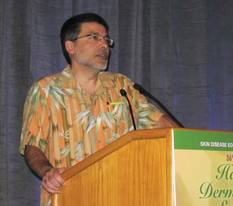
Survival at 5 years for all-stage melanomas of the skin climbed from less than 60% in 1970 to 91% in 2011, he said at the Hawaii Dermatology Seminar sponsored by the Skin Disease Education Foundation (SDEF). But while this is a triumph deserving of celebration, the statistics are somewhat deceiving, said Dr. Marghoob, a dermatologist at Memorial Sloan-Kettering Cancer Center in New York.
He is among a growing number of experts who believe that many thin melanomas detected through screening efforts are slow-growing, indolent skin cancers that sometimes regress and in any event will never become thick or dangerous – never result in death – within the range of current life expectancy. He noted that there is ample precedence, namely, indolent forms of prostate cancer, lymphoma, and breast cancer.
Dr. Marghoob was part of an international team that demonstrated the existence of a slow-growing subtype of melanoma. In a series of 103 melanomas excised after a median follow-up of 20 months, most of the lesions were still in situ or in an early invasive stage. Only three lesions were 1-mm thick or more. There was no correlation between tumor thickness and follow-up time (Br. J. Dermatol. 2010;162:267-73). Growing support exists among epidemiologists for the concept that there are three distinct, unrelated melanoma subtypes (Br. J. Dermatol. 2007;157:338-43). One subtype consists of thin, slow-growing melanomas – the kind that have been steadily increasing in incidence for decades. These are associated with intermittent sun exposure and often arise on the trunk among numerous background nevi. These melanomas are amenable to detection via screening or periodic surveillance. But they only rarely metastasize.
A second type of slow-growing melanoma often occurs on the head and neck of individuals with continuous sun exposure. The incidence of this subtype of melanoma is slowly increasing.
The third and most concerning melanoma subtype consists of thick, fast-growing lesions occurring in individuals with many nevi, but that are not associated with sun exposure. The incidence of these fast-growing, high-lethality melanomas has remained steady over time because they often escape detection as a result of their accelerated growth rate. Improved early detection is a high priority, and it will require creative new approaches, he said.
But in terms of celebrating rising 5-year melanoma survival rates, a contributory landmark event, in Dr. Marghoob’s view, was the increased awareness about melanoma after introduction of the ABCD mnemonic, devised chiefly for primary care physicians and the general public. This was later enhanced by the "ugly duckling" campaign, which taught physicians and patients that melanomas are generally recognizable as outlier lesions.
Multiple studies have shown that skin cancer specialists using visual examination alone – incorporating the ABCDs and ugly duckling concept – can typically diagnose melanoma with a sensitivity of 70% and specificity of 75%. The number needed to treat (NNT) or benign-to-malignant biopsy ratio is 1:12-15.
With the aid of total body photography for assistance in patient follow-up, the NNT improves to 10.
Dermoscopy has been another important advance. It enables physicians to pick up melanomas not detectable by any other method. Skin cancer specialists who supplement visual examination with dermoscopy typically have 90% sensitivity and 86% specificity for the diagnosis of melanoma. The NNT improves to 4-7, Dr. Marghoob continued.
Recent studies indicate these numbers get even better with the use of confocal microscopy during skin examination.
Using a review of his own practice to illustrate the strong trend for improved diagnosis, Dr. Marghoob noted that in 1998 his NNT was 12.5. He adopted dermoscopy in 1999, and in 2000, when he was using dermoscopy routinely, his NNT improved to 7. During both 2006 and 2007 it was 3, he said.
"We have gotten better at diagnosing melanoma and we will continue to improve," he concluded.
He reported having no relevant financial disclosures. SDEF and this news organization are owned by Elsevier.
WAIKOLOA, HAWAII – The improvement in melanoma survival over the past 4 decades can be attributed to effective public education campaigns, increased patient awareness, and improved physician skills and diagnostic tools, according to Dr. Ashfaq A. Marghoob.
It has been nothing short of phenomenal, he said, especially considering it can’t be credited to major therapeutic advances because up until a couple years ago there weren’t any.
Survival at 5 years for all-stage melanomas of the skin climbed from less than 60% in 1970 to 91% in 2011, he said at the Hawaii Dermatology Seminar sponsored by the Skin Disease Education Foundation (SDEF). But while this is a triumph deserving of celebration, the statistics are somewhat deceiving, said Dr. Marghoob, a dermatologist at Memorial Sloan-Kettering Cancer Center in New York.
He is among a growing number of experts who believe that many thin melanomas detected through screening efforts are slow-growing, indolent skin cancers that sometimes regress and in any event will never become thick or dangerous – never result in death – within the range of current life expectancy. He noted that there is ample precedence, namely, indolent forms of prostate cancer, lymphoma, and breast cancer.
Dr. Marghoob was part of an international team that demonstrated the existence of a slow-growing subtype of melanoma. In a series of 103 melanomas excised after a median follow-up of 20 months, most of the lesions were still in situ or in an early invasive stage. Only three lesions were 1-mm thick or more. There was no correlation between tumor thickness and follow-up time (Br. J. Dermatol. 2010;162:267-73). Growing support exists among epidemiologists for the concept that there are three distinct, unrelated melanoma subtypes (Br. J. Dermatol. 2007;157:338-43). One subtype consists of thin, slow-growing melanomas – the kind that have been steadily increasing in incidence for decades. These are associated with intermittent sun exposure and often arise on the trunk among numerous background nevi. These melanomas are amenable to detection via screening or periodic surveillance. But they only rarely metastasize.
A second type of slow-growing melanoma often occurs on the head and neck of individuals with continuous sun exposure. The incidence of this subtype of melanoma is slowly increasing.
The third and most concerning melanoma subtype consists of thick, fast-growing lesions occurring in individuals with many nevi, but that are not associated with sun exposure. The incidence of these fast-growing, high-lethality melanomas has remained steady over time because they often escape detection as a result of their accelerated growth rate. Improved early detection is a high priority, and it will require creative new approaches, he said.
But in terms of celebrating rising 5-year melanoma survival rates, a contributory landmark event, in Dr. Marghoob’s view, was the increased awareness about melanoma after introduction of the ABCD mnemonic, devised chiefly for primary care physicians and the general public. This was later enhanced by the "ugly duckling" campaign, which taught physicians and patients that melanomas are generally recognizable as outlier lesions.
Multiple studies have shown that skin cancer specialists using visual examination alone – incorporating the ABCDs and ugly duckling concept – can typically diagnose melanoma with a sensitivity of 70% and specificity of 75%. The number needed to treat (NNT) or benign-to-malignant biopsy ratio is 1:12-15.
With the aid of total body photography for assistance in patient follow-up, the NNT improves to 10.
Dermoscopy has been another important advance. It enables physicians to pick up melanomas not detectable by any other method. Skin cancer specialists who supplement visual examination with dermoscopy typically have 90% sensitivity and 86% specificity for the diagnosis of melanoma. The NNT improves to 4-7, Dr. Marghoob continued.
Recent studies indicate these numbers get even better with the use of confocal microscopy during skin examination.
Using a review of his own practice to illustrate the strong trend for improved diagnosis, Dr. Marghoob noted that in 1998 his NNT was 12.5. He adopted dermoscopy in 1999, and in 2000, when he was using dermoscopy routinely, his NNT improved to 7. During both 2006 and 2007 it was 3, he said.
"We have gotten better at diagnosing melanoma and we will continue to improve," he concluded.
He reported having no relevant financial disclosures. SDEF and this news organization are owned by Elsevier.
WAIKOLOA, HAWAII – The improvement in melanoma survival over the past 4 decades can be attributed to effective public education campaigns, increased patient awareness, and improved physician skills and diagnostic tools, according to Dr. Ashfaq A. Marghoob.
It has been nothing short of phenomenal, he said, especially considering it can’t be credited to major therapeutic advances because up until a couple years ago there weren’t any.
Survival at 5 years for all-stage melanomas of the skin climbed from less than 60% in 1970 to 91% in 2011, he said at the Hawaii Dermatology Seminar sponsored by the Skin Disease Education Foundation (SDEF). But while this is a triumph deserving of celebration, the statistics are somewhat deceiving, said Dr. Marghoob, a dermatologist at Memorial Sloan-Kettering Cancer Center in New York.
He is among a growing number of experts who believe that many thin melanomas detected through screening efforts are slow-growing, indolent skin cancers that sometimes regress and in any event will never become thick or dangerous – never result in death – within the range of current life expectancy. He noted that there is ample precedence, namely, indolent forms of prostate cancer, lymphoma, and breast cancer.
Dr. Marghoob was part of an international team that demonstrated the existence of a slow-growing subtype of melanoma. In a series of 103 melanomas excised after a median follow-up of 20 months, most of the lesions were still in situ or in an early invasive stage. Only three lesions were 1-mm thick or more. There was no correlation between tumor thickness and follow-up time (Br. J. Dermatol. 2010;162:267-73). Growing support exists among epidemiologists for the concept that there are three distinct, unrelated melanoma subtypes (Br. J. Dermatol. 2007;157:338-43). One subtype consists of thin, slow-growing melanomas – the kind that have been steadily increasing in incidence for decades. These are associated with intermittent sun exposure and often arise on the trunk among numerous background nevi. These melanomas are amenable to detection via screening or periodic surveillance. But they only rarely metastasize.
A second type of slow-growing melanoma often occurs on the head and neck of individuals with continuous sun exposure. The incidence of this subtype of melanoma is slowly increasing.
The third and most concerning melanoma subtype consists of thick, fast-growing lesions occurring in individuals with many nevi, but that are not associated with sun exposure. The incidence of these fast-growing, high-lethality melanomas has remained steady over time because they often escape detection as a result of their accelerated growth rate. Improved early detection is a high priority, and it will require creative new approaches, he said.
But in terms of celebrating rising 5-year melanoma survival rates, a contributory landmark event, in Dr. Marghoob’s view, was the increased awareness about melanoma after introduction of the ABCD mnemonic, devised chiefly for primary care physicians and the general public. This was later enhanced by the "ugly duckling" campaign, which taught physicians and patients that melanomas are generally recognizable as outlier lesions.
Multiple studies have shown that skin cancer specialists using visual examination alone – incorporating the ABCDs and ugly duckling concept – can typically diagnose melanoma with a sensitivity of 70% and specificity of 75%. The number needed to treat (NNT) or benign-to-malignant biopsy ratio is 1:12-15.
With the aid of total body photography for assistance in patient follow-up, the NNT improves to 10.
Dermoscopy has been another important advance. It enables physicians to pick up melanomas not detectable by any other method. Skin cancer specialists who supplement visual examination with dermoscopy typically have 90% sensitivity and 86% specificity for the diagnosis of melanoma. The NNT improves to 4-7, Dr. Marghoob continued.
Recent studies indicate these numbers get even better with the use of confocal microscopy during skin examination.
Using a review of his own practice to illustrate the strong trend for improved diagnosis, Dr. Marghoob noted that in 1998 his NNT was 12.5. He adopted dermoscopy in 1999, and in 2000, when he was using dermoscopy routinely, his NNT improved to 7. During both 2006 and 2007 it was 3, he said.
"We have gotten better at diagnosing melanoma and we will continue to improve," he concluded.
He reported having no relevant financial disclosures. SDEF and this news organization are owned by Elsevier.
EXPERT ANALYSIS FROM THE SDEF HAWAII DERMATOLOGY SEMINAR
Lung Cancer Trauma Leads to Emotional Growth
MIAMI – Well over a third of non–small cell lung cancer patients met clinically diagnostic criteria for distress, but many of the same patients also demonstrated positive mental health outcomes in the form of posttraumatic growth, a University of Kentucky study showed.
The seemingly paradoxical results may suggest that the most troubled cancer patients have the most to gain from the experience of learning how to cope, audience members suggested at the annual meeting of the American Psychosocial Cancer Society, where the findings were presented.
"We know from a theoretical standpoint that in order to grow, you have to have distress," agreed Michael Andrykowski, Ph.D., of the University of Kentucky, Lexington, primary investigator of the study of distress and posttraumatic growth in 189 survivors of non–small cell lung cancer (NSCLC).
Patients recruited from a statewide Surveillance, Epidemiology and End Results (SEER) registry completed a series of questionnaires a median 15.5 months following their diagnosis.
Younger patients and those diagnosed with metastatic disease were most likely to be among the 37% who met the Diagnostic and Statistical Manual of Mental Disorders, Fourth Edition (DSM-IV) threshold for traumatic stress.
"As we anticipated, these survivors had poorer outcomes on distress [measures], on average two-thirds of a standard deviation. I think we agree that’s a clinically important difference," said Dr. Andrykowski.
What was not expected was that the same distressed survivors also demonstrated more posttraumatic growth – a term used to describe positive psychological change arising from hardship – than less-troubled survivors, he noted.
The mean effect size of posttraumatic growth between groups – traumatized vs. less-traumatized survivors, was .42, with the most distressed survivors reporting more improvement in personal relationships, personal strength, and spirituality.
Dr. Andrykowski suggested that the results may indicate that distress and growth are two separate and independent dimensions of adjustment, rather than opposite extremes on a continuum. In other words, someone could simultaneously be quite distressed by the cancer experience, and also experiencing meaningful insight into life’s priorities, connection to others, and the power of resiliency.
Intriguingly, clinically distressed survivors enrolled also reported less connection to mental health resources that would be assumed to be helpful in nurturing posttraumatic growth, such as a supportive social environment, a sense of optimism, and belief in their own efficacy.
"That’s something that I’m wrestling with and puzzled by," said Dr. Andrykowski.
He noted that data are still being collected on potential mediators that might offer clues as to how the most traumatized patients were able to grow as a result of their experience.
In the future, a longitudinal study tracking distress and posttraumatic growth over time might be able to track the origins of positive adjustment arising from an otherwise traumatic and difficult experience, he said.
Funding for the study was through a variety of federal grants. Rachel Steffens, a teaching assistant at the University of Kentucky, was coauthor. Neither investigator reported any relevant financial conflicts of interest.
MIAMI – Well over a third of non–small cell lung cancer patients met clinically diagnostic criteria for distress, but many of the same patients also demonstrated positive mental health outcomes in the form of posttraumatic growth, a University of Kentucky study showed.
The seemingly paradoxical results may suggest that the most troubled cancer patients have the most to gain from the experience of learning how to cope, audience members suggested at the annual meeting of the American Psychosocial Cancer Society, where the findings were presented.
"We know from a theoretical standpoint that in order to grow, you have to have distress," agreed Michael Andrykowski, Ph.D., of the University of Kentucky, Lexington, primary investigator of the study of distress and posttraumatic growth in 189 survivors of non–small cell lung cancer (NSCLC).
Patients recruited from a statewide Surveillance, Epidemiology and End Results (SEER) registry completed a series of questionnaires a median 15.5 months following their diagnosis.
Younger patients and those diagnosed with metastatic disease were most likely to be among the 37% who met the Diagnostic and Statistical Manual of Mental Disorders, Fourth Edition (DSM-IV) threshold for traumatic stress.
"As we anticipated, these survivors had poorer outcomes on distress [measures], on average two-thirds of a standard deviation. I think we agree that’s a clinically important difference," said Dr. Andrykowski.
What was not expected was that the same distressed survivors also demonstrated more posttraumatic growth – a term used to describe positive psychological change arising from hardship – than less-troubled survivors, he noted.
The mean effect size of posttraumatic growth between groups – traumatized vs. less-traumatized survivors, was .42, with the most distressed survivors reporting more improvement in personal relationships, personal strength, and spirituality.
Dr. Andrykowski suggested that the results may indicate that distress and growth are two separate and independent dimensions of adjustment, rather than opposite extremes on a continuum. In other words, someone could simultaneously be quite distressed by the cancer experience, and also experiencing meaningful insight into life’s priorities, connection to others, and the power of resiliency.
Intriguingly, clinically distressed survivors enrolled also reported less connection to mental health resources that would be assumed to be helpful in nurturing posttraumatic growth, such as a supportive social environment, a sense of optimism, and belief in their own efficacy.
"That’s something that I’m wrestling with and puzzled by," said Dr. Andrykowski.
He noted that data are still being collected on potential mediators that might offer clues as to how the most traumatized patients were able to grow as a result of their experience.
In the future, a longitudinal study tracking distress and posttraumatic growth over time might be able to track the origins of positive adjustment arising from an otherwise traumatic and difficult experience, he said.
Funding for the study was through a variety of federal grants. Rachel Steffens, a teaching assistant at the University of Kentucky, was coauthor. Neither investigator reported any relevant financial conflicts of interest.
MIAMI – Well over a third of non–small cell lung cancer patients met clinically diagnostic criteria for distress, but many of the same patients also demonstrated positive mental health outcomes in the form of posttraumatic growth, a University of Kentucky study showed.
The seemingly paradoxical results may suggest that the most troubled cancer patients have the most to gain from the experience of learning how to cope, audience members suggested at the annual meeting of the American Psychosocial Cancer Society, where the findings were presented.
"We know from a theoretical standpoint that in order to grow, you have to have distress," agreed Michael Andrykowski, Ph.D., of the University of Kentucky, Lexington, primary investigator of the study of distress and posttraumatic growth in 189 survivors of non–small cell lung cancer (NSCLC).
Patients recruited from a statewide Surveillance, Epidemiology and End Results (SEER) registry completed a series of questionnaires a median 15.5 months following their diagnosis.
Younger patients and those diagnosed with metastatic disease were most likely to be among the 37% who met the Diagnostic and Statistical Manual of Mental Disorders, Fourth Edition (DSM-IV) threshold for traumatic stress.
"As we anticipated, these survivors had poorer outcomes on distress [measures], on average two-thirds of a standard deviation. I think we agree that’s a clinically important difference," said Dr. Andrykowski.
What was not expected was that the same distressed survivors also demonstrated more posttraumatic growth – a term used to describe positive psychological change arising from hardship – than less-troubled survivors, he noted.
The mean effect size of posttraumatic growth between groups – traumatized vs. less-traumatized survivors, was .42, with the most distressed survivors reporting more improvement in personal relationships, personal strength, and spirituality.
Dr. Andrykowski suggested that the results may indicate that distress and growth are two separate and independent dimensions of adjustment, rather than opposite extremes on a continuum. In other words, someone could simultaneously be quite distressed by the cancer experience, and also experiencing meaningful insight into life’s priorities, connection to others, and the power of resiliency.
Intriguingly, clinically distressed survivors enrolled also reported less connection to mental health resources that would be assumed to be helpful in nurturing posttraumatic growth, such as a supportive social environment, a sense of optimism, and belief in their own efficacy.
"That’s something that I’m wrestling with and puzzled by," said Dr. Andrykowski.
He noted that data are still being collected on potential mediators that might offer clues as to how the most traumatized patients were able to grow as a result of their experience.
In the future, a longitudinal study tracking distress and posttraumatic growth over time might be able to track the origins of positive adjustment arising from an otherwise traumatic and difficult experience, he said.
Funding for the study was through a variety of federal grants. Rachel Steffens, a teaching assistant at the University of Kentucky, was coauthor. Neither investigator reported any relevant financial conflicts of interest.
FROM THE ANNUAL MEETING OF THE AMERICAN PSYCHOSOCIAL ONCOLOGY SOCIETY
Major Finding: More than a third – 37% – of patients with non–small cell lung cancer met the DSM-IV threshold for traumatic stress.
Data Source: Investigators analyzed questionnaires completed by 189 survivors of non–small cell lung cancer.
Disclosures: Funding was through a variety of federal grants. Neither investigator reported any relevant financial conflicts of interest.
Hispanic Cancer Patients Suffer More Pain, Severe Sadness
MIAMI – Hispanic patients reported significantly higher rates of pain, numbness, cognition difficulties, vomiting, and severe sadness than non-Hispanics in a survey of 622 cancer patients awaiting appointments at three hospitals in the Bronx, New York City’s poorest borough.
"Hispanic patients consistently reported more emotional and practical complaints contributing to overall distress," Katie O'Callaghan reported at the annual meeting of the American Psychosocial Oncology Society.
"These are alarming results for us," she said.
Outpatients interviewed for the survey roughly reflected the demographics of the Bronx, a highly diverse, densely populated county where 5,000 new cancer cases are diagnosed each year. They were approached at Montefiore, Jacobi, and Lincoln hospitals.
With a mean age of 58 years (range, 18-100), the group included non-Hispanic whites (15%), African Americans (32%), and Hispanics (45%) with family origins in Mexico, the Caribbean, and South and Central America. Nearly three-quarters, 73%, were women. The most common cancers were breast (29%), gynecologic (14%), hematologic (10%), colorectal (9%), lung (7%), and prostate (3%).
Ms. O’Callaghan, research coordinator at Albert Einstein College of Medicine, New York, noted that among 256 Hispanics who completed the oral survey, 51% were Spanish-language dominant, reporting little or no English fluency. Communication barriers might be one explanation for the marked disparity in reports of physical symptoms, she suggested.
Indeed, on some measures, differences were seen between Hispanic patients who spoke English and those who did not. For example, 64% of Spanish-dominant Hispanics reported fatigue, compared with 49% of English-dominant Hispanic patients, a significant difference (P less than .05).
Spanish-dominant Hispanic patients also reported more practical problems (such as housing, transportation, and child care problems) as contributors to their distress (P less than .05).
But major differences persisted among the ethnic groups surveyed.
Overall, the same percentage – 49.5% – of Hispanic and white patients expressed clinically significant levels of distress – a composite measure that consists of 34 physical, practical, emotional, and spiritual/religious factors – compared with 42.5% of African Americans.
But 45% of Hispanic patients reported moderate to severe pain, more than twice the percentage of whites (20%) and substantially more than African Americans (37%). The differences among the three ethnic groups were significant (P less than .01).
Moderate to severe problems with cognition were reported by similar percentages of African Americans and whites (20% and 19%), but 31% of Hispanics, a difference significant at the P less than .05 level.
Sadness was reported as moderate to severe by 41% of Hispanics, and was significantly more distressful than in non-Hispanics in the survey (P less than .05). Again, about equal percentages of whites and African Americans reported great sadness (31% and 29%).
Divergence by ethnicity also was seen for moderate to severe numbness (reported by 39% of Hispanics, 30% of African Americans, and 20% of whites) and moderate to severe vomiting (reported by 13% of Hispanics and 8% of African Americans, but only 1% of whites).
"This psychological assessment study gives voice to the needs of Hispanic cancer patients who demonstrate greater distress and oncology symptoms [than other groups]," Ms. O’Callaghan said.
The silver lining in the study, she noted, was that Hispanic patients were also more likely than non-Hispanic patients, 26% vs. 21%, to be interested in receiving counseling for their emotional problems.
Coauthor Alyson B. Moadel, Ph.D., director of psychosocial oncology at the Albert Einstein Cancer Center, highlighted "a very big effort ... in terms of quality improvement," in part in response to the study findings.
One specific intervention is a volunteer companion program offering one-to-one support for cancer patients as they receive treatment for cancer, Dr. Moadel said, after Ms. O’Callaghan’s presentation at the meeting.
The study was funded by the Entertainment Industry Foundation; none of the authors reported any relevant financial disclosures.
MIAMI – Hispanic patients reported significantly higher rates of pain, numbness, cognition difficulties, vomiting, and severe sadness than non-Hispanics in a survey of 622 cancer patients awaiting appointments at three hospitals in the Bronx, New York City’s poorest borough.
"Hispanic patients consistently reported more emotional and practical complaints contributing to overall distress," Katie O'Callaghan reported at the annual meeting of the American Psychosocial Oncology Society.
"These are alarming results for us," she said.
Outpatients interviewed for the survey roughly reflected the demographics of the Bronx, a highly diverse, densely populated county where 5,000 new cancer cases are diagnosed each year. They were approached at Montefiore, Jacobi, and Lincoln hospitals.
With a mean age of 58 years (range, 18-100), the group included non-Hispanic whites (15%), African Americans (32%), and Hispanics (45%) with family origins in Mexico, the Caribbean, and South and Central America. Nearly three-quarters, 73%, were women. The most common cancers were breast (29%), gynecologic (14%), hematologic (10%), colorectal (9%), lung (7%), and prostate (3%).
Ms. O’Callaghan, research coordinator at Albert Einstein College of Medicine, New York, noted that among 256 Hispanics who completed the oral survey, 51% were Spanish-language dominant, reporting little or no English fluency. Communication barriers might be one explanation for the marked disparity in reports of physical symptoms, she suggested.
Indeed, on some measures, differences were seen between Hispanic patients who spoke English and those who did not. For example, 64% of Spanish-dominant Hispanics reported fatigue, compared with 49% of English-dominant Hispanic patients, a significant difference (P less than .05).
Spanish-dominant Hispanic patients also reported more practical problems (such as housing, transportation, and child care problems) as contributors to their distress (P less than .05).
But major differences persisted among the ethnic groups surveyed.
Overall, the same percentage – 49.5% – of Hispanic and white patients expressed clinically significant levels of distress – a composite measure that consists of 34 physical, practical, emotional, and spiritual/religious factors – compared with 42.5% of African Americans.
But 45% of Hispanic patients reported moderate to severe pain, more than twice the percentage of whites (20%) and substantially more than African Americans (37%). The differences among the three ethnic groups were significant (P less than .01).
Moderate to severe problems with cognition were reported by similar percentages of African Americans and whites (20% and 19%), but 31% of Hispanics, a difference significant at the P less than .05 level.
Sadness was reported as moderate to severe by 41% of Hispanics, and was significantly more distressful than in non-Hispanics in the survey (P less than .05). Again, about equal percentages of whites and African Americans reported great sadness (31% and 29%).
Divergence by ethnicity also was seen for moderate to severe numbness (reported by 39% of Hispanics, 30% of African Americans, and 20% of whites) and moderate to severe vomiting (reported by 13% of Hispanics and 8% of African Americans, but only 1% of whites).
"This psychological assessment study gives voice to the needs of Hispanic cancer patients who demonstrate greater distress and oncology symptoms [than other groups]," Ms. O’Callaghan said.
The silver lining in the study, she noted, was that Hispanic patients were also more likely than non-Hispanic patients, 26% vs. 21%, to be interested in receiving counseling for their emotional problems.
Coauthor Alyson B. Moadel, Ph.D., director of psychosocial oncology at the Albert Einstein Cancer Center, highlighted "a very big effort ... in terms of quality improvement," in part in response to the study findings.
One specific intervention is a volunteer companion program offering one-to-one support for cancer patients as they receive treatment for cancer, Dr. Moadel said, after Ms. O’Callaghan’s presentation at the meeting.
The study was funded by the Entertainment Industry Foundation; none of the authors reported any relevant financial disclosures.
MIAMI – Hispanic patients reported significantly higher rates of pain, numbness, cognition difficulties, vomiting, and severe sadness than non-Hispanics in a survey of 622 cancer patients awaiting appointments at three hospitals in the Bronx, New York City’s poorest borough.
"Hispanic patients consistently reported more emotional and practical complaints contributing to overall distress," Katie O'Callaghan reported at the annual meeting of the American Psychosocial Oncology Society.
"These are alarming results for us," she said.
Outpatients interviewed for the survey roughly reflected the demographics of the Bronx, a highly diverse, densely populated county where 5,000 new cancer cases are diagnosed each year. They were approached at Montefiore, Jacobi, and Lincoln hospitals.
With a mean age of 58 years (range, 18-100), the group included non-Hispanic whites (15%), African Americans (32%), and Hispanics (45%) with family origins in Mexico, the Caribbean, and South and Central America. Nearly three-quarters, 73%, were women. The most common cancers were breast (29%), gynecologic (14%), hematologic (10%), colorectal (9%), lung (7%), and prostate (3%).
Ms. O’Callaghan, research coordinator at Albert Einstein College of Medicine, New York, noted that among 256 Hispanics who completed the oral survey, 51% were Spanish-language dominant, reporting little or no English fluency. Communication barriers might be one explanation for the marked disparity in reports of physical symptoms, she suggested.
Indeed, on some measures, differences were seen between Hispanic patients who spoke English and those who did not. For example, 64% of Spanish-dominant Hispanics reported fatigue, compared with 49% of English-dominant Hispanic patients, a significant difference (P less than .05).
Spanish-dominant Hispanic patients also reported more practical problems (such as housing, transportation, and child care problems) as contributors to their distress (P less than .05).
But major differences persisted among the ethnic groups surveyed.
Overall, the same percentage – 49.5% – of Hispanic and white patients expressed clinically significant levels of distress – a composite measure that consists of 34 physical, practical, emotional, and spiritual/religious factors – compared with 42.5% of African Americans.
But 45% of Hispanic patients reported moderate to severe pain, more than twice the percentage of whites (20%) and substantially more than African Americans (37%). The differences among the three ethnic groups were significant (P less than .01).
Moderate to severe problems with cognition were reported by similar percentages of African Americans and whites (20% and 19%), but 31% of Hispanics, a difference significant at the P less than .05 level.
Sadness was reported as moderate to severe by 41% of Hispanics, and was significantly more distressful than in non-Hispanics in the survey (P less than .05). Again, about equal percentages of whites and African Americans reported great sadness (31% and 29%).
Divergence by ethnicity also was seen for moderate to severe numbness (reported by 39% of Hispanics, 30% of African Americans, and 20% of whites) and moderate to severe vomiting (reported by 13% of Hispanics and 8% of African Americans, but only 1% of whites).
"This psychological assessment study gives voice to the needs of Hispanic cancer patients who demonstrate greater distress and oncology symptoms [than other groups]," Ms. O’Callaghan said.
The silver lining in the study, she noted, was that Hispanic patients were also more likely than non-Hispanic patients, 26% vs. 21%, to be interested in receiving counseling for their emotional problems.
Coauthor Alyson B. Moadel, Ph.D., director of psychosocial oncology at the Albert Einstein Cancer Center, highlighted "a very big effort ... in terms of quality improvement," in part in response to the study findings.
One specific intervention is a volunteer companion program offering one-to-one support for cancer patients as they receive treatment for cancer, Dr. Moadel said, after Ms. O’Callaghan’s presentation at the meeting.
The study was funded by the Entertainment Industry Foundation; none of the authors reported any relevant financial disclosures.
FROM THE ANNUAL MEETING OF THE AMERICAN PSYCHOSOCIAL ONCOLOGY SOCIETY
Major Finding: Fully 45% of Hispanic patients reported moderate to severe pain, compared with 20% of whites, and 37% of African Americans (P less than .01).
Data Source: Investigators surveyed 622 cancer patients awaiting appointments at three hospitals in the Bronx.
Disclosures: The study was funded by the Entertainment Industry Foundation; none of the authors reported any relevant financial disclosures.
Ketamine Relieves Pain at End of Life
DENVER – The variety of administration routes and dosing protocols for ketamine make it useful for analgesia in the palliative care setting.
Ketamine seems effective in a variety of difficult pain syndromes commonly encountered in hospice and palliative medicine, Dr. Eric Prommer observed at the conference. Multiple routes of administration make ketamine a valuable weapon in the setting of refractory pain.

The most common and best-studied routes of administration are the intravenous, oral, and subcutaneous approaches. Uncommon routes come in handy when others become problematic and include sublingual, intranasal, and topical administration.
"Ketamine is both water and lipid soluble. That’s the beauty of ketamine: It’s what allows multiple routes of administration and generally reliable absorption," explained Dr. Prommer, director of palliative care at the Mayo Clinic Hospital in Scottsdale, Ariz.
Ketamine is on the World Health Organization’s essential drug list for refractory cancer pain, but there is no agreement on the best protocol, dose, or method of administration for optimal analgesia. Perhaps that element of uncertainty drew the packed house for Dr. Prommer’s plenary lecture, in which he filled in the blanks in a ketamine analgesia literature dominated by uncontrolled studies leavened by a limited number of randomized trials and growing anecdotal experience.
At present, ketamine’s best role is as an adjuvant analgesic prescribed in order to avoid escalation of opioid dosing.
"There is really only limited data looking at giving ketamine instead of opioids. That needs to be studied further," he stressed.
Ketamine’s main method of action involves binding to the NMDA receptor. This receptor mirrors the opioid receptor such that everywhere in the CNS that there’s an opioid receptor, there is also an NMDA receptor. As an NMDA antagonist, ketamine reverses opioid tolerance. So when a patient on both ketamine and opioids develops sedation as a prominent adverse effect, look to reduce the opioid dose. It’s unlikely that ketamine prescribed in the subanesthetic doses used for pain relief is the culprit.
Unlike methadone, ketamine has no major drug interactions that could affect its bioavailability.
Adverse effects occur in dose-dependent fashion in up to 20%-30% of patients on intravenous ketamine at 200-350 mg/day. The chief side effects are psychomimetic and involve altered visuospatial perceptions, or a "spaced out" feeling. Delirium, dizziness, altered hearing, tachycardia, hypertension, and nausea and vomiting can also occur. Adverse effects are less frequent with oral dosing. Prophylactic administration of haloperidol at 0.5 mg or lorazepam at 0.5 mg for the first few doses of ketamine lessens the risk of side effects.
Urinary toxicity is a recently recognized side effect of ketamine. Manifestations include interstitial cystitis, hydronephrosis, vesicoureteric reflux, and renal impairment, including irreversible renal failure. Mostly, however, urinary toxicity occurs in long-term "street" ketamine abusers.
"We don’t see a lot of this in our population because they’re typically not on ketamine for a prolonged time," he noted.
The starting intravenous bolus dose of ketamine is typically 0.25-0.50 mg/kg given over 30 minutes. Onset of effect is within 60 seconds, with a duration of 3-4 hours.
Oral ketamine is simply the intravenous solution mixed in a flavored syrup to mask the unpleasant taste; spearmint and cherry flavorings are popular. Oral dosing is 0.5 mg/kg. Onset is in about 20 minutes. The dose can be repeated three or four times per 24 hours. A recent study showed that a 1:1 dose ratio for conversion from subcutaneous to oral dosing is safe and effectively maintains analgesia in patients with cancer pain (J. Pain Symptom Manage. 2011;41:1098-105).
Sublingual ketamine at 25 mg works well for breakthrough pain. "That number – 25 mg – comes up a lot in the literature. If you extrapolate that to a 70-kg person that’s a nice subanesthetic dose," according to Dr. Prommer.
The intranasal route is another really important backup option for breakthrough pain. The dose is 50 mg.
Topical 1%-2% ketamine cream compounded in a pharmacy and applied three times daily to affected areas is effective for neuropathic pain. Another topical option in neuropathic pain syndromes – and one supported by an open-label study – is topical 2% amitriptyline/1% ketamine, which was well tolerated and associated with moderate to complete patient satisfaction over 6-12 months (J. Pain 2005;6:644-9).
"The beauty of the topical route is there is minimal systemic absorption, so you don’t have to worry about any kind of significant adverse effects. There seems to be a dose-response relationship. I’ve given up to 10% ketamine topically and patients have tolerated it," Dr. Prommer said.
A particularly exciting method of giving ketamine for refractory pain is the so-called "burst technique." It entails a 3- to 5-day continuous subcutaneous infusion with dose escalation. Upon stopping the ketamine, pain relief lasting 2 weeks or longer is common.
"Once you silence that NMDA receptor you might get prolonged effects. This is really wonderful for our palliative care/hospice population because it means they get one less medication while it adds to their comfort. You can’t get better than that: a medicine that you can stop and still get some mileage out of it," he continued.
In the Australian multicenter VCOG PM 1-00 study, the burst ketamine protocol used in palliative care patients with refractory cancer pain began with a continuous subcutaneous infusion of 100 mg/24 hours. If that proved ineffective after 24 hours, the dose was increased to 300 mg/24 hours. And if patients didn’t have good analgesia after 24 hours on ketamine at 300 mg/24 hours, the dose was bumped to 500 mg/24 hours. When the effective or maximum tolerated dose was reached, it was continued for 3 days and then stopped. Thus, patients ceased taking ketamine after a maximum of 5 days whether it was effective or not.
Half of patients were rated as responders using strict criteria and 9% became pain free. Moreover, 50% of responders experienced pain relief lasting 2 weeks or longer while off ketamine. The toxicities were mainly neurologic and occurred at 300 or 500 mg/24 hours dosing (J. Palliat. Care 2010;26:176-83).
"It was very interesting: There really weren’t a lot of cardiovascular adverse effects in this study," Dr. Prommer commented.
A variant of the burst technique proved effective in patients with complex regional pain syndrome type 1 in a Dutch placebo-controlled study. The 60 participants had a median 7.4-year disease duration. Investigators utilized a 4.2-day intravenous infusion of low-dose ketamine with individualized stepwise tailoring of dosage based upon pain relief and side effects. The final dose was 22.2 mg/hour/70 kg. Pain relief in the ketamine group lasted for nearly 12 weeks after the drug was stopped (Pain 2009;145:304-11).
Other randomized studies show efficacy for ketamine in patients with post-herpetic neuralgia or ischemic pain. But Dr. Prommer stressed that while it’s clear ketamine provides relief in patients with chronic noncancer pain, he believes the drug’s long-term use should be restricted to the clinical trial setting.
"There are just no good long-term safety data for 6-8 months of therapy," he emphasized.
Dr. Prommer said a single dose of ketamine is helpful for painful dressing changes when adequate analgesia can’t be gained with opioids alone. Case reports attest to the usefulness of ketamine as an oral rinse in patients with mucositis; however, Dr. Prommer has tried it and found it didn’t work.
He reported having no financial conflicts.
DENVER – The variety of administration routes and dosing protocols for ketamine make it useful for analgesia in the palliative care setting.
Ketamine seems effective in a variety of difficult pain syndromes commonly encountered in hospice and palliative medicine, Dr. Eric Prommer observed at the conference. Multiple routes of administration make ketamine a valuable weapon in the setting of refractory pain.
The most common and best-studied routes of administration are the intravenous, oral, and subcutaneous approaches. Uncommon routes come in handy when others become problematic and include sublingual, intranasal, and topical administration.
"Ketamine is both water and lipid soluble. That’s the beauty of ketamine: It’s what allows multiple routes of administration and generally reliable absorption," explained Dr. Prommer, director of palliative care at the Mayo Clinic Hospital in Scottsdale, Ariz.
Ketamine is on the World Health Organization’s essential drug list for refractory cancer pain, but there is no agreement on the best protocol, dose, or method of administration for optimal analgesia. Perhaps that element of uncertainty drew the packed house for Dr. Prommer’s plenary lecture, in which he filled in the blanks in a ketamine analgesia literature dominated by uncontrolled studies leavened by a limited number of randomized trials and growing anecdotal experience.
At present, ketamine’s best role is as an adjuvant analgesic prescribed in order to avoid escalation of opioid dosing.
"There is really only limited data looking at giving ketamine instead of opioids. That needs to be studied further," he stressed.
Ketamine’s main method of action involves binding to the NMDA receptor. This receptor mirrors the opioid receptor such that everywhere in the CNS that there’s an opioid receptor, there is also an NMDA receptor. As an NMDA antagonist, ketamine reverses opioid tolerance. So when a patient on both ketamine and opioids develops sedation as a prominent adverse effect, look to reduce the opioid dose. It’s unlikely that ketamine prescribed in the subanesthetic doses used for pain relief is the culprit.
Unlike methadone, ketamine has no major drug interactions that could affect its bioavailability.
Adverse effects occur in dose-dependent fashion in up to 20%-30% of patients on intravenous ketamine at 200-350 mg/day. The chief side effects are psychomimetic and involve altered visuospatial perceptions, or a "spaced out" feeling. Delirium, dizziness, altered hearing, tachycardia, hypertension, and nausea and vomiting can also occur. Adverse effects are less frequent with oral dosing. Prophylactic administration of haloperidol at 0.5 mg or lorazepam at 0.5 mg for the first few doses of ketamine lessens the risk of side effects.
Urinary toxicity is a recently recognized side effect of ketamine. Manifestations include interstitial cystitis, hydronephrosis, vesicoureteric reflux, and renal impairment, including irreversible renal failure. Mostly, however, urinary toxicity occurs in long-term "street" ketamine abusers.
"We don’t see a lot of this in our population because they’re typically not on ketamine for a prolonged time," he noted.
The starting intravenous bolus dose of ketamine is typically 0.25-0.50 mg/kg given over 30 minutes. Onset of effect is within 60 seconds, with a duration of 3-4 hours.
Oral ketamine is simply the intravenous solution mixed in a flavored syrup to mask the unpleasant taste; spearmint and cherry flavorings are popular. Oral dosing is 0.5 mg/kg. Onset is in about 20 minutes. The dose can be repeated three or four times per 24 hours. A recent study showed that a 1:1 dose ratio for conversion from subcutaneous to oral dosing is safe and effectively maintains analgesia in patients with cancer pain (J. Pain Symptom Manage. 2011;41:1098-105).
Sublingual ketamine at 25 mg works well for breakthrough pain. "That number – 25 mg – comes up a lot in the literature. If you extrapolate that to a 70-kg person that’s a nice subanesthetic dose," according to Dr. Prommer.
The intranasal route is another really important backup option for breakthrough pain. The dose is 50 mg.
Topical 1%-2% ketamine cream compounded in a pharmacy and applied three times daily to affected areas is effective for neuropathic pain. Another topical option in neuropathic pain syndromes – and one supported by an open-label study – is topical 2% amitriptyline/1% ketamine, which was well tolerated and associated with moderate to complete patient satisfaction over 6-12 months (J. Pain 2005;6:644-9).
"The beauty of the topical route is there is minimal systemic absorption, so you don’t have to worry about any kind of significant adverse effects. There seems to be a dose-response relationship. I’ve given up to 10% ketamine topically and patients have tolerated it," Dr. Prommer said.
A particularly exciting method of giving ketamine for refractory pain is the so-called "burst technique." It entails a 3- to 5-day continuous subcutaneous infusion with dose escalation. Upon stopping the ketamine, pain relief lasting 2 weeks or longer is common.
"Once you silence that NMDA receptor you might get prolonged effects. This is really wonderful for our palliative care/hospice population because it means they get one less medication while it adds to their comfort. You can’t get better than that: a medicine that you can stop and still get some mileage out of it," he continued.
In the Australian multicenter VCOG PM 1-00 study, the burst ketamine protocol used in palliative care patients with refractory cancer pain began with a continuous subcutaneous infusion of 100 mg/24 hours. If that proved ineffective after 24 hours, the dose was increased to 300 mg/24 hours. And if patients didn’t have good analgesia after 24 hours on ketamine at 300 mg/24 hours, the dose was bumped to 500 mg/24 hours. When the effective or maximum tolerated dose was reached, it was continued for 3 days and then stopped. Thus, patients ceased taking ketamine after a maximum of 5 days whether it was effective or not.
Half of patients were rated as responders using strict criteria and 9% became pain free. Moreover, 50% of responders experienced pain relief lasting 2 weeks or longer while off ketamine. The toxicities were mainly neurologic and occurred at 300 or 500 mg/24 hours dosing (J. Palliat. Care 2010;26:176-83).
"It was very interesting: There really weren’t a lot of cardiovascular adverse effects in this study," Dr. Prommer commented.
A variant of the burst technique proved effective in patients with complex regional pain syndrome type 1 in a Dutch placebo-controlled study. The 60 participants had a median 7.4-year disease duration. Investigators utilized a 4.2-day intravenous infusion of low-dose ketamine with individualized stepwise tailoring of dosage based upon pain relief and side effects. The final dose was 22.2 mg/hour/70 kg. Pain relief in the ketamine group lasted for nearly 12 weeks after the drug was stopped (Pain 2009;145:304-11).
Other randomized studies show efficacy for ketamine in patients with post-herpetic neuralgia or ischemic pain. But Dr. Prommer stressed that while it’s clear ketamine provides relief in patients with chronic noncancer pain, he believes the drug’s long-term use should be restricted to the clinical trial setting.
"There are just no good long-term safety data for 6-8 months of therapy," he emphasized.
Dr. Prommer said a single dose of ketamine is helpful for painful dressing changes when adequate analgesia can’t be gained with opioids alone. Case reports attest to the usefulness of ketamine as an oral rinse in patients with mucositis; however, Dr. Prommer has tried it and found it didn’t work.
He reported having no financial conflicts.
DENVER – The variety of administration routes and dosing protocols for ketamine make it useful for analgesia in the palliative care setting.
Ketamine seems effective in a variety of difficult pain syndromes commonly encountered in hospice and palliative medicine, Dr. Eric Prommer observed at the conference. Multiple routes of administration make ketamine a valuable weapon in the setting of refractory pain.
The most common and best-studied routes of administration are the intravenous, oral, and subcutaneous approaches. Uncommon routes come in handy when others become problematic and include sublingual, intranasal, and topical administration.
"Ketamine is both water and lipid soluble. That’s the beauty of ketamine: It’s what allows multiple routes of administration and generally reliable absorption," explained Dr. Prommer, director of palliative care at the Mayo Clinic Hospital in Scottsdale, Ariz.
Ketamine is on the World Health Organization’s essential drug list for refractory cancer pain, but there is no agreement on the best protocol, dose, or method of administration for optimal analgesia. Perhaps that element of uncertainty drew the packed house for Dr. Prommer’s plenary lecture, in which he filled in the blanks in a ketamine analgesia literature dominated by uncontrolled studies leavened by a limited number of randomized trials and growing anecdotal experience.
At present, ketamine’s best role is as an adjuvant analgesic prescribed in order to avoid escalation of opioid dosing.
"There is really only limited data looking at giving ketamine instead of opioids. That needs to be studied further," he stressed.
Ketamine’s main method of action involves binding to the NMDA receptor. This receptor mirrors the opioid receptor such that everywhere in the CNS that there’s an opioid receptor, there is also an NMDA receptor. As an NMDA antagonist, ketamine reverses opioid tolerance. So when a patient on both ketamine and opioids develops sedation as a prominent adverse effect, look to reduce the opioid dose. It’s unlikely that ketamine prescribed in the subanesthetic doses used for pain relief is the culprit.
Unlike methadone, ketamine has no major drug interactions that could affect its bioavailability.
Adverse effects occur in dose-dependent fashion in up to 20%-30% of patients on intravenous ketamine at 200-350 mg/day. The chief side effects are psychomimetic and involve altered visuospatial perceptions, or a "spaced out" feeling. Delirium, dizziness, altered hearing, tachycardia, hypertension, and nausea and vomiting can also occur. Adverse effects are less frequent with oral dosing. Prophylactic administration of haloperidol at 0.5 mg or lorazepam at 0.5 mg for the first few doses of ketamine lessens the risk of side effects.
Urinary toxicity is a recently recognized side effect of ketamine. Manifestations include interstitial cystitis, hydronephrosis, vesicoureteric reflux, and renal impairment, including irreversible renal failure. Mostly, however, urinary toxicity occurs in long-term "street" ketamine abusers.
"We don’t see a lot of this in our population because they’re typically not on ketamine for a prolonged time," he noted.
The starting intravenous bolus dose of ketamine is typically 0.25-0.50 mg/kg given over 30 minutes. Onset of effect is within 60 seconds, with a duration of 3-4 hours.
Oral ketamine is simply the intravenous solution mixed in a flavored syrup to mask the unpleasant taste; spearmint and cherry flavorings are popular. Oral dosing is 0.5 mg/kg. Onset is in about 20 minutes. The dose can be repeated three or four times per 24 hours. A recent study showed that a 1:1 dose ratio for conversion from subcutaneous to oral dosing is safe and effectively maintains analgesia in patients with cancer pain (J. Pain Symptom Manage. 2011;41:1098-105).
Sublingual ketamine at 25 mg works well for breakthrough pain. "That number – 25 mg – comes up a lot in the literature. If you extrapolate that to a 70-kg person that’s a nice subanesthetic dose," according to Dr. Prommer.
The intranasal route is another really important backup option for breakthrough pain. The dose is 50 mg.
Topical 1%-2% ketamine cream compounded in a pharmacy and applied three times daily to affected areas is effective for neuropathic pain. Another topical option in neuropathic pain syndromes – and one supported by an open-label study – is topical 2% amitriptyline/1% ketamine, which was well tolerated and associated with moderate to complete patient satisfaction over 6-12 months (J. Pain 2005;6:644-9).
"The beauty of the topical route is there is minimal systemic absorption, so you don’t have to worry about any kind of significant adverse effects. There seems to be a dose-response relationship. I’ve given up to 10% ketamine topically and patients have tolerated it," Dr. Prommer said.
A particularly exciting method of giving ketamine for refractory pain is the so-called "burst technique." It entails a 3- to 5-day continuous subcutaneous infusion with dose escalation. Upon stopping the ketamine, pain relief lasting 2 weeks or longer is common.
"Once you silence that NMDA receptor you might get prolonged effects. This is really wonderful for our palliative care/hospice population because it means they get one less medication while it adds to their comfort. You can’t get better than that: a medicine that you can stop and still get some mileage out of it," he continued.
In the Australian multicenter VCOG PM 1-00 study, the burst ketamine protocol used in palliative care patients with refractory cancer pain began with a continuous subcutaneous infusion of 100 mg/24 hours. If that proved ineffective after 24 hours, the dose was increased to 300 mg/24 hours. And if patients didn’t have good analgesia after 24 hours on ketamine at 300 mg/24 hours, the dose was bumped to 500 mg/24 hours. When the effective or maximum tolerated dose was reached, it was continued for 3 days and then stopped. Thus, patients ceased taking ketamine after a maximum of 5 days whether it was effective or not.
Half of patients were rated as responders using strict criteria and 9% became pain free. Moreover, 50% of responders experienced pain relief lasting 2 weeks or longer while off ketamine. The toxicities were mainly neurologic and occurred at 300 or 500 mg/24 hours dosing (J. Palliat. Care 2010;26:176-83).
"It was very interesting: There really weren’t a lot of cardiovascular adverse effects in this study," Dr. Prommer commented.
A variant of the burst technique proved effective in patients with complex regional pain syndrome type 1 in a Dutch placebo-controlled study. The 60 participants had a median 7.4-year disease duration. Investigators utilized a 4.2-day intravenous infusion of low-dose ketamine with individualized stepwise tailoring of dosage based upon pain relief and side effects. The final dose was 22.2 mg/hour/70 kg. Pain relief in the ketamine group lasted for nearly 12 weeks after the drug was stopped (Pain 2009;145:304-11).
Other randomized studies show efficacy for ketamine in patients with post-herpetic neuralgia or ischemic pain. But Dr. Prommer stressed that while it’s clear ketamine provides relief in patients with chronic noncancer pain, he believes the drug’s long-term use should be restricted to the clinical trial setting.
"There are just no good long-term safety data for 6-8 months of therapy," he emphasized.
Dr. Prommer said a single dose of ketamine is helpful for painful dressing changes when adequate analgesia can’t be gained with opioids alone. Case reports attest to the usefulness of ketamine as an oral rinse in patients with mucositis; however, Dr. Prommer has tried it and found it didn’t work.
He reported having no financial conflicts.
EXPERT ANALYSIS FROM THE ANNUAL ASSEMBLY OF THE AMERICAN ACADEMY OF HOSPICE AND PALLIATIVE MEDICINE