User login
In the January JVS – Frailty versus morbidity in elective AAA repair
Frailty accounted for an increased morbidity in elective AAA repair patients who participated in a study detailed in the February 2015 edition of the Journal for Vascular Surgery.
Lead author Dr. Shipra Arya notes that more than 60 percent of vascular procedures are performed on individuals 65 years old or older. It can be difficult to assess the risk level, she writes, because there is not a set of standardized, easily reproducible tools to predict outcomes. Most pre-op risk assessment focuses on cardiac issues, but overall decreased physiologic reserve based on a higher mFI (modified frailty index) score may be associated with a reduced ability to recover from surgery.
“Patient frailty significantly increases the risk of complications and death and should be evaluated in pre-op decision-making and counseling,” explained Dr. Arya. “When we recommend EVAR for patients considering it a low-risk procedure, we still need to assess patient frailty and counsel them on increased risk of complications if they are frail. A frailty index is a way to objectify the ‘eyeball test’ that some surgeons intuitively use, and include it into a formal, pre-op risk stratification.”
The need for more research is immense, she noted, since there are multiple models of frailty and no data on whether frailty can be changed preoperatively to lower surgical risk. She is currently collaborating with other surgeons and geriatricians at Emory University [Drs. Kenneth Ogan, Viraj Master and Theodore M Johnson II], University of Nebraska [Dr. Jason Johanning] and University of Pittsburgh [Dr. Daniel Hall] to determine the most efficacious approach to incorporate frailty assessment into everyday surgical practice.
Frailty accounted for an increased morbidity in elective AAA repair patients who participated in a study detailed in the February 2015 edition of the Journal for Vascular Surgery.
Lead author Dr. Shipra Arya notes that more than 60 percent of vascular procedures are performed on individuals 65 years old or older. It can be difficult to assess the risk level, she writes, because there is not a set of standardized, easily reproducible tools to predict outcomes. Most pre-op risk assessment focuses on cardiac issues, but overall decreased physiologic reserve based on a higher mFI (modified frailty index) score may be associated with a reduced ability to recover from surgery.
“Patient frailty significantly increases the risk of complications and death and should be evaluated in pre-op decision-making and counseling,” explained Dr. Arya. “When we recommend EVAR for patients considering it a low-risk procedure, we still need to assess patient frailty and counsel them on increased risk of complications if they are frail. A frailty index is a way to objectify the ‘eyeball test’ that some surgeons intuitively use, and include it into a formal, pre-op risk stratification.”
The need for more research is immense, she noted, since there are multiple models of frailty and no data on whether frailty can be changed preoperatively to lower surgical risk. She is currently collaborating with other surgeons and geriatricians at Emory University [Drs. Kenneth Ogan, Viraj Master and Theodore M Johnson II], University of Nebraska [Dr. Jason Johanning] and University of Pittsburgh [Dr. Daniel Hall] to determine the most efficacious approach to incorporate frailty assessment into everyday surgical practice.
Frailty accounted for an increased morbidity in elective AAA repair patients who participated in a study detailed in the February 2015 edition of the Journal for Vascular Surgery.
Lead author Dr. Shipra Arya notes that more than 60 percent of vascular procedures are performed on individuals 65 years old or older. It can be difficult to assess the risk level, she writes, because there is not a set of standardized, easily reproducible tools to predict outcomes. Most pre-op risk assessment focuses on cardiac issues, but overall decreased physiologic reserve based on a higher mFI (modified frailty index) score may be associated with a reduced ability to recover from surgery.
“Patient frailty significantly increases the risk of complications and death and should be evaluated in pre-op decision-making and counseling,” explained Dr. Arya. “When we recommend EVAR for patients considering it a low-risk procedure, we still need to assess patient frailty and counsel them on increased risk of complications if they are frail. A frailty index is a way to objectify the ‘eyeball test’ that some surgeons intuitively use, and include it into a formal, pre-op risk stratification.”
The need for more research is immense, she noted, since there are multiple models of frailty and no data on whether frailty can be changed preoperatively to lower surgical risk. She is currently collaborating with other surgeons and geriatricians at Emory University [Drs. Kenneth Ogan, Viraj Master and Theodore M Johnson II], University of Nebraska [Dr. Jason Johanning] and University of Pittsburgh [Dr. Daniel Hall] to determine the most efficacious approach to incorporate frailty assessment into everyday surgical practice.
PRESERVE study to select sites soon
Over the next few months, sites will be selected for the first large-scale, multi-specialty, prospective clinical research trial to evaluate IVC filters in the United States.
A collaboration between SVS and the Society of Interventional Radiology, the five-year trial will evaluate an August 2010 FDA medical alert that retrievable IVC filters could move or break, causing possible health risks. The trial has been named PRESERVE, for Predicting the Safety and Effectiveness of Inferior Vena Cava Filters. The two associations formed the IVC Filter Group Study Foundation to oversee the study.
“The PRESERVE study will benefit patients by helping determine how well filters prevent pulmonary embolism and when retrievable filters should be removed,” noted Peter Lawrence, M.D., foundation vice president.
Co-principal investigators are David L. Gillespie M.D., FACS, Chief of the Department of Vascular and Endovascular Surgery at Southcoast Health in Fall River, Mass., and Matthew S. Johnson, M.D., FSIR, Indiana University School of Medicine, Indianapolis, Ind.
Dr. Gillespie’s involvement is the natural outgrowth of his long-term experience and interest in vena cava filters. The issue became more acute, he said, as wounded soldiers came home from Iraq and Afghanistan, in need of therapeutic or prophylactic vena cava filters to prevent complications from venous thromboembolism.
“Questions arose about the efficacy and safety of prophylactic use of IVC filters prompting me to get more involved locally and nationally,” he said. The study is an attempt to “push this in the right direction to help the industry partners, the FDA, the SVS and our patients come to a consensus on what is safe and effective in regard to these devices.”
Filter manufacturers are providing financial support to the IVC Filter Study Group Foundation to sponsor the PRESERVE study. The manufacturers and devices that will be included in the study are ALN Implants Chirurgicaux (ALN Vena Cava Filters); Argon Medical Devices, Inc. (Option™ Elite Retrievable Vena Cava Filter designed and manufactured by Rex Medical); B. Braun Interventional Systems Inc. (VenaTech® LP Vena Cava Filter); Bard Peripheral Vascular, Inc. (DENALI® Vena Cava Filter System); Cook Incorporated (Cook Günther Tulip Vena Cava Filter); Cordis Corporation (Cordis OptEase® Retrievable Vena Cava Filter/ Cordis TrapEase® Vena Cava Filter); and Volcano Corporation (Crux® Vena Cava Filter System).The study will enroll 2,100 patients at approximately 60 centers in the United States. There will be at least 300 patients enrolled for each participating manufacturer filter, and patients will be evaluated every six months post-procedure up to 24 months or filter retrieval.
Over the next few months, sites will be selected for the first large-scale, multi-specialty, prospective clinical research trial to evaluate IVC filters in the United States.
A collaboration between SVS and the Society of Interventional Radiology, the five-year trial will evaluate an August 2010 FDA medical alert that retrievable IVC filters could move or break, causing possible health risks. The trial has been named PRESERVE, for Predicting the Safety and Effectiveness of Inferior Vena Cava Filters. The two associations formed the IVC Filter Group Study Foundation to oversee the study.
“The PRESERVE study will benefit patients by helping determine how well filters prevent pulmonary embolism and when retrievable filters should be removed,” noted Peter Lawrence, M.D., foundation vice president.
Co-principal investigators are David L. Gillespie M.D., FACS, Chief of the Department of Vascular and Endovascular Surgery at Southcoast Health in Fall River, Mass., and Matthew S. Johnson, M.D., FSIR, Indiana University School of Medicine, Indianapolis, Ind.
Dr. Gillespie’s involvement is the natural outgrowth of his long-term experience and interest in vena cava filters. The issue became more acute, he said, as wounded soldiers came home from Iraq and Afghanistan, in need of therapeutic or prophylactic vena cava filters to prevent complications from venous thromboembolism.
“Questions arose about the efficacy and safety of prophylactic use of IVC filters prompting me to get more involved locally and nationally,” he said. The study is an attempt to “push this in the right direction to help the industry partners, the FDA, the SVS and our patients come to a consensus on what is safe and effective in regard to these devices.”
Filter manufacturers are providing financial support to the IVC Filter Study Group Foundation to sponsor the PRESERVE study. The manufacturers and devices that will be included in the study are ALN Implants Chirurgicaux (ALN Vena Cava Filters); Argon Medical Devices, Inc. (Option™ Elite Retrievable Vena Cava Filter designed and manufactured by Rex Medical); B. Braun Interventional Systems Inc. (VenaTech® LP Vena Cava Filter); Bard Peripheral Vascular, Inc. (DENALI® Vena Cava Filter System); Cook Incorporated (Cook Günther Tulip Vena Cava Filter); Cordis Corporation (Cordis OptEase® Retrievable Vena Cava Filter/ Cordis TrapEase® Vena Cava Filter); and Volcano Corporation (Crux® Vena Cava Filter System).The study will enroll 2,100 patients at approximately 60 centers in the United States. There will be at least 300 patients enrolled for each participating manufacturer filter, and patients will be evaluated every six months post-procedure up to 24 months or filter retrieval.
Over the next few months, sites will be selected for the first large-scale, multi-specialty, prospective clinical research trial to evaluate IVC filters in the United States.
A collaboration between SVS and the Society of Interventional Radiology, the five-year trial will evaluate an August 2010 FDA medical alert that retrievable IVC filters could move or break, causing possible health risks. The trial has been named PRESERVE, for Predicting the Safety and Effectiveness of Inferior Vena Cava Filters. The two associations formed the IVC Filter Group Study Foundation to oversee the study.
“The PRESERVE study will benefit patients by helping determine how well filters prevent pulmonary embolism and when retrievable filters should be removed,” noted Peter Lawrence, M.D., foundation vice president.
Co-principal investigators are David L. Gillespie M.D., FACS, Chief of the Department of Vascular and Endovascular Surgery at Southcoast Health in Fall River, Mass., and Matthew S. Johnson, M.D., FSIR, Indiana University School of Medicine, Indianapolis, Ind.
Dr. Gillespie’s involvement is the natural outgrowth of his long-term experience and interest in vena cava filters. The issue became more acute, he said, as wounded soldiers came home from Iraq and Afghanistan, in need of therapeutic or prophylactic vena cava filters to prevent complications from venous thromboembolism.
“Questions arose about the efficacy and safety of prophylactic use of IVC filters prompting me to get more involved locally and nationally,” he said. The study is an attempt to “push this in the right direction to help the industry partners, the FDA, the SVS and our patients come to a consensus on what is safe and effective in regard to these devices.”
Filter manufacturers are providing financial support to the IVC Filter Study Group Foundation to sponsor the PRESERVE study. The manufacturers and devices that will be included in the study are ALN Implants Chirurgicaux (ALN Vena Cava Filters); Argon Medical Devices, Inc. (Option™ Elite Retrievable Vena Cava Filter designed and manufactured by Rex Medical); B. Braun Interventional Systems Inc. (VenaTech® LP Vena Cava Filter); Bard Peripheral Vascular, Inc. (DENALI® Vena Cava Filter System); Cook Incorporated (Cook Günther Tulip Vena Cava Filter); Cordis Corporation (Cordis OptEase® Retrievable Vena Cava Filter/ Cordis TrapEase® Vena Cava Filter); and Volcano Corporation (Crux® Vena Cava Filter System).The study will enroll 2,100 patients at approximately 60 centers in the United States. There will be at least 300 patients enrolled for each participating manufacturer filter, and patients will be evaluated every six months post-procedure up to 24 months or filter retrieval.
Report Language included in the 2015 Omnibus Bill on Global Surgical Packages
SVS staff worked with a group of surgical society representatives to try to rescind the elimination of the Global Surgical Packages as part of the Omnibus bill that funds the government for 2015. This elimination was included in both the Calendar Year 2015 Proposed and Final Medicare Physician Fee Schedule Rules. There was much support for rescinding this in Congress until the Congressional Budget Office estimated it would cost $700 million over 10 years.
However, appropriations bills can have report language on issues that were not included in the legislation or further explain them, so the following was included by Rep. Harris, MD (R-MD): “The agreement is concerned that CMS has not provided opportunity for public comment on changes to surgical procedures described in the annual Medicare Physician Fee Schedule (MPFS) final rules, and is concerned appropriate methodology has not been tested to ensure no negative impact on patient care, patient access, and undue administrative burdens are not placed on providers and CMS. The agreement believes additional consideration should be given to these changes prior to implementation of changes outlined in the MPFS.”
The elimination of 10-day globals would begin in 2017 and the elimination of the 90-day globals, which have a major impact on vascular surgery, would begin in 2018. SVS is already working with the new Congress to gain support for rescinding the elimination of the Global Surgical Packages in 2015 as part of Medicare legislation.
Read our letter to Congress: http://vsweb.org/Sign-onLetter.
SVS staff worked with a group of surgical society representatives to try to rescind the elimination of the Global Surgical Packages as part of the Omnibus bill that funds the government for 2015. This elimination was included in both the Calendar Year 2015 Proposed and Final Medicare Physician Fee Schedule Rules. There was much support for rescinding this in Congress until the Congressional Budget Office estimated it would cost $700 million over 10 years.
However, appropriations bills can have report language on issues that were not included in the legislation or further explain them, so the following was included by Rep. Harris, MD (R-MD): “The agreement is concerned that CMS has not provided opportunity for public comment on changes to surgical procedures described in the annual Medicare Physician Fee Schedule (MPFS) final rules, and is concerned appropriate methodology has not been tested to ensure no negative impact on patient care, patient access, and undue administrative burdens are not placed on providers and CMS. The agreement believes additional consideration should be given to these changes prior to implementation of changes outlined in the MPFS.”
The elimination of 10-day globals would begin in 2017 and the elimination of the 90-day globals, which have a major impact on vascular surgery, would begin in 2018. SVS is already working with the new Congress to gain support for rescinding the elimination of the Global Surgical Packages in 2015 as part of Medicare legislation.
Read our letter to Congress: http://vsweb.org/Sign-onLetter.
SVS staff worked with a group of surgical society representatives to try to rescind the elimination of the Global Surgical Packages as part of the Omnibus bill that funds the government for 2015. This elimination was included in both the Calendar Year 2015 Proposed and Final Medicare Physician Fee Schedule Rules. There was much support for rescinding this in Congress until the Congressional Budget Office estimated it would cost $700 million over 10 years.
However, appropriations bills can have report language on issues that were not included in the legislation or further explain them, so the following was included by Rep. Harris, MD (R-MD): “The agreement is concerned that CMS has not provided opportunity for public comment on changes to surgical procedures described in the annual Medicare Physician Fee Schedule (MPFS) final rules, and is concerned appropriate methodology has not been tested to ensure no negative impact on patient care, patient access, and undue administrative burdens are not placed on providers and CMS. The agreement believes additional consideration should be given to these changes prior to implementation of changes outlined in the MPFS.”
The elimination of 10-day globals would begin in 2017 and the elimination of the 90-day globals, which have a major impact on vascular surgery, would begin in 2018. SVS is already working with the new Congress to gain support for rescinding the elimination of the Global Surgical Packages in 2015 as part of Medicare legislation.
Read our letter to Congress: http://vsweb.org/Sign-onLetter.
Re-designing informed consent for the 21st century
A shared decision-making model focuses on how patients view outcomes.
Sometimes a picture is worth a thousand statistics. Using a simple diagram and narrative, surgeons in Wisconsin are training to use a new kind of informed consent for the 21st century.
The goals are to give patients a better understanding of possible outcomes and to prevent unwanted surgeries.

Scheduled to begin in early 2015, the study has already attracted attention for lead researcher and vascular surgeon Dr. Gretchen Schwarze at the University of Wisconsin-Madison. “A communication tool to assist older adults facing difficult surgical decisions” was awarded funding from the National Institute on Aging’s GEMSSTAR (Grants for Early Medical/Surgical Specialists’ Transition to Aging Research) and also earned a supplemental Jahnigen Award. The SVS Foundation provided supplemental funds to the AGS for the Jahnigen award in support of Dr. Schwarze’s research.
Dr. Schwarze, a trained clinical ethicist, has hypothesized that too often, elderly patients don’t understand what a surgical outcome will really be like.
“Informed consent has been around since the ‘60s and hasn’t evolved at all,” Dr. Schwarze said. “I can fix a ruptured aneurysm through a tiny hole in the groin and send people home two days later. I have watched this technology evolve, but I’m still using this big, clunky informed consent tool, which functions very poorly for decision-making. It satisfies the legal obligation to disclose risk but doesn’t help you deliberate.”
The standard protocol for informed consent is to tell patients the statistical likelihood of various outcomes based on percentages and data. In this study, surgeons tell a story describing “best case/worst case” scenarios while drawing diagrams that help the patient gauge how he feels about possible outcomes. Once the surgeon and patient have a plan, the surgeon still provides the risk disclosure required by law.
“There is lots of evidence to suggest that unwanted care for frail elderly patients is a real problem,” Dr. Schwarze said.
“I suspect patients need more interpretation about what surgery is really like. Informed consent doesn’t necessarily describe how patients might experience different outcomes. Rather than statistics, we use narrative to show patients the range of possible postoperative scenarios.”
The research was inspired in part by the fact that surgeons, especially vascular surgeons, too often find that they go through hours of intense surgery, only to find that several days later, patients or their families decline postoperative interventions that would save their lives. The catalyst event for Dr. Schwarze was hearing about an elderly woman whose difficult post-op course led her relatives to stop all treatments just a few days after surgery.
“It’s hard for surgeons to operate on patients when later [patients] don’t want the subsequent interventions,” Dr. Schwarze said. “Doctors say, ‘if I knew he was going to give up so soon, I wouldn’t have operated. But that’s a cultural thing because – for some patients - there is real value in trying.”
Because technology has outpaced medical ethics, she said, “We think about ‘should we do it?’ but we don’t have the tools to figure that out any more. Technology is only valuable when we use it appropriately. And that’s where we have fallen behind.”
Dr. Schwarze and the study team have trained eight surgeons to use a “best case, worst case” conversational approach. Over the next few months they hope to enroll 30 patients who have an acute but non-emergent need for surgery.
Trained surgeons will discuss possible treatments and outcomes with the patients, but differently. The discussion model ought to work with all patients, even those considering surgery in the outpatient setting, but she sees an urgent need among the frail elderly with acute surgical illness, and that’s an area where surgeons are also in agreement.
Surgeons might view an operative death is the worst outcome, she said, but quite a few seniors have a different opinion. To them, dying in the operating room sounds peaceful and painless.
“You have no choices to make, you tried to stay alive, and it’s not such a terrible outcome,” she said.
“But the fact is that most people don’t die in the OR, they die in ICU on a ventilator and unable to interact with family, and that’s not a peaceful death, indeed it’s something patients fear.”
One of her favorite academics, she said, is Dr. Sharon Kaufman, author of “And a Time to Die: How American Hospitals Shape the End of Life.” “She says, ‘At the end of life, patients don’t need more information but more interpretation of the information.’ We are trying to use this structured framework to interpret the usual information that surgeons provide. So far, the eight surgeons we have taught to use our framework have done really well.”
A shared decision-making model focuses on how patients view outcomes.
Sometimes a picture is worth a thousand statistics. Using a simple diagram and narrative, surgeons in Wisconsin are training to use a new kind of informed consent for the 21st century.
The goals are to give patients a better understanding of possible outcomes and to prevent unwanted surgeries.
Scheduled to begin in early 2015, the study has already attracted attention for lead researcher and vascular surgeon Dr. Gretchen Schwarze at the University of Wisconsin-Madison. “A communication tool to assist older adults facing difficult surgical decisions” was awarded funding from the National Institute on Aging’s GEMSSTAR (Grants for Early Medical/Surgical Specialists’ Transition to Aging Research) and also earned a supplemental Jahnigen Award. The SVS Foundation provided supplemental funds to the AGS for the Jahnigen award in support of Dr. Schwarze’s research.
Dr. Schwarze, a trained clinical ethicist, has hypothesized that too often, elderly patients don’t understand what a surgical outcome will really be like.
“Informed consent has been around since the ‘60s and hasn’t evolved at all,” Dr. Schwarze said. “I can fix a ruptured aneurysm through a tiny hole in the groin and send people home two days later. I have watched this technology evolve, but I’m still using this big, clunky informed consent tool, which functions very poorly for decision-making. It satisfies the legal obligation to disclose risk but doesn’t help you deliberate.”
The standard protocol for informed consent is to tell patients the statistical likelihood of various outcomes based on percentages and data. In this study, surgeons tell a story describing “best case/worst case” scenarios while drawing diagrams that help the patient gauge how he feels about possible outcomes. Once the surgeon and patient have a plan, the surgeon still provides the risk disclosure required by law.
“There is lots of evidence to suggest that unwanted care for frail elderly patients is a real problem,” Dr. Schwarze said.
“I suspect patients need more interpretation about what surgery is really like. Informed consent doesn’t necessarily describe how patients might experience different outcomes. Rather than statistics, we use narrative to show patients the range of possible postoperative scenarios.”
The research was inspired in part by the fact that surgeons, especially vascular surgeons, too often find that they go through hours of intense surgery, only to find that several days later, patients or their families decline postoperative interventions that would save their lives. The catalyst event for Dr. Schwarze was hearing about an elderly woman whose difficult post-op course led her relatives to stop all treatments just a few days after surgery.
“It’s hard for surgeons to operate on patients when later [patients] don’t want the subsequent interventions,” Dr. Schwarze said. “Doctors say, ‘if I knew he was going to give up so soon, I wouldn’t have operated. But that’s a cultural thing because – for some patients - there is real value in trying.”
Because technology has outpaced medical ethics, she said, “We think about ‘should we do it?’ but we don’t have the tools to figure that out any more. Technology is only valuable when we use it appropriately. And that’s where we have fallen behind.”
Dr. Schwarze and the study team have trained eight surgeons to use a “best case, worst case” conversational approach. Over the next few months they hope to enroll 30 patients who have an acute but non-emergent need for surgery.
Trained surgeons will discuss possible treatments and outcomes with the patients, but differently. The discussion model ought to work with all patients, even those considering surgery in the outpatient setting, but she sees an urgent need among the frail elderly with acute surgical illness, and that’s an area where surgeons are also in agreement.
Surgeons might view an operative death is the worst outcome, she said, but quite a few seniors have a different opinion. To them, dying in the operating room sounds peaceful and painless.
“You have no choices to make, you tried to stay alive, and it’s not such a terrible outcome,” she said.
“But the fact is that most people don’t die in the OR, they die in ICU on a ventilator and unable to interact with family, and that’s not a peaceful death, indeed it’s something patients fear.”
One of her favorite academics, she said, is Dr. Sharon Kaufman, author of “And a Time to Die: How American Hospitals Shape the End of Life.” “She says, ‘At the end of life, patients don’t need more information but more interpretation of the information.’ We are trying to use this structured framework to interpret the usual information that surgeons provide. So far, the eight surgeons we have taught to use our framework have done really well.”
A shared decision-making model focuses on how patients view outcomes.
Sometimes a picture is worth a thousand statistics. Using a simple diagram and narrative, surgeons in Wisconsin are training to use a new kind of informed consent for the 21st century.
The goals are to give patients a better understanding of possible outcomes and to prevent unwanted surgeries.
Scheduled to begin in early 2015, the study has already attracted attention for lead researcher and vascular surgeon Dr. Gretchen Schwarze at the University of Wisconsin-Madison. “A communication tool to assist older adults facing difficult surgical decisions” was awarded funding from the National Institute on Aging’s GEMSSTAR (Grants for Early Medical/Surgical Specialists’ Transition to Aging Research) and also earned a supplemental Jahnigen Award. The SVS Foundation provided supplemental funds to the AGS for the Jahnigen award in support of Dr. Schwarze’s research.
Dr. Schwarze, a trained clinical ethicist, has hypothesized that too often, elderly patients don’t understand what a surgical outcome will really be like.
“Informed consent has been around since the ‘60s and hasn’t evolved at all,” Dr. Schwarze said. “I can fix a ruptured aneurysm through a tiny hole in the groin and send people home two days later. I have watched this technology evolve, but I’m still using this big, clunky informed consent tool, which functions very poorly for decision-making. It satisfies the legal obligation to disclose risk but doesn’t help you deliberate.”
The standard protocol for informed consent is to tell patients the statistical likelihood of various outcomes based on percentages and data. In this study, surgeons tell a story describing “best case/worst case” scenarios while drawing diagrams that help the patient gauge how he feels about possible outcomes. Once the surgeon and patient have a plan, the surgeon still provides the risk disclosure required by law.
“There is lots of evidence to suggest that unwanted care for frail elderly patients is a real problem,” Dr. Schwarze said.
“I suspect patients need more interpretation about what surgery is really like. Informed consent doesn’t necessarily describe how patients might experience different outcomes. Rather than statistics, we use narrative to show patients the range of possible postoperative scenarios.”
The research was inspired in part by the fact that surgeons, especially vascular surgeons, too often find that they go through hours of intense surgery, only to find that several days later, patients or their families decline postoperative interventions that would save their lives. The catalyst event for Dr. Schwarze was hearing about an elderly woman whose difficult post-op course led her relatives to stop all treatments just a few days after surgery.
“It’s hard for surgeons to operate on patients when later [patients] don’t want the subsequent interventions,” Dr. Schwarze said. “Doctors say, ‘if I knew he was going to give up so soon, I wouldn’t have operated. But that’s a cultural thing because – for some patients - there is real value in trying.”
Because technology has outpaced medical ethics, she said, “We think about ‘should we do it?’ but we don’t have the tools to figure that out any more. Technology is only valuable when we use it appropriately. And that’s where we have fallen behind.”
Dr. Schwarze and the study team have trained eight surgeons to use a “best case, worst case” conversational approach. Over the next few months they hope to enroll 30 patients who have an acute but non-emergent need for surgery.
Trained surgeons will discuss possible treatments and outcomes with the patients, but differently. The discussion model ought to work with all patients, even those considering surgery in the outpatient setting, but she sees an urgent need among the frail elderly with acute surgical illness, and that’s an area where surgeons are also in agreement.
Surgeons might view an operative death is the worst outcome, she said, but quite a few seniors have a different opinion. To them, dying in the operating room sounds peaceful and painless.
“You have no choices to make, you tried to stay alive, and it’s not such a terrible outcome,” she said.
“But the fact is that most people don’t die in the OR, they die in ICU on a ventilator and unable to interact with family, and that’s not a peaceful death, indeed it’s something patients fear.”
One of her favorite academics, she said, is Dr. Sharon Kaufman, author of “And a Time to Die: How American Hospitals Shape the End of Life.” “She says, ‘At the end of life, patients don’t need more information but more interpretation of the information.’ We are trying to use this structured framework to interpret the usual information that surgeons provide. So far, the eight surgeons we have taught to use our framework have done really well.”

Choosing Wisely: A good start to explaining vascular best practices
Choosing Wisely was initiated by the American Board of Internal Medicine Foundation to provide recommendations to both patients and physicians about the evaluation and management of common diseases. SVS is participating in this program and the SVS Public and Professional Outreach Committee has prepared “best practices” in the evaluation and management of several common vascular diseases. These recommendations were approved by the SVS Executive Committee for release to the Choosing Wisely campaign.
While these recommendations are a good starting point, our society needs to continue the conversation begun by the 2014 Stanley E. Crawford Critical Issues Forum about the appropriate care of all vascular diseases. We need to:
• pursue a more in-depth analysis of appropriate use of vascular surgery procedures;
• ask the Clinical Practice Council to help determine the optimal site to provide high quality, cost-effective treatment of each vascular disease; and
• develop new tools that will help primary care teams be more attuned to patients with vascular issues.
Taking the high road in patient care means making sure that patients receive the most appropriate care, provided in the most appropriate setting, by those with appropriate training. The five Choosing Wisely recommendations that follow are an excellent beginning.
Peter F. Lawrence, MD
President, Society for Vascular Surgery
Five things physicians and patients should question
Avoid routine venous ultrasound tests for patients with asymptomatic telangiectasia.
Routine testing could result in unnecessary saphenous vein ablation procedures. Telangiectasia treatment can be considered for cosmetic improvement unless associated with bleeding. Telangiectasia are usually asymptomatic blemishes found on the legs but can also involve other areas such as the face and chest. They almost never cause pain and seldom bleed. They are treated primarily for cosmetic purposes by injection or laser therapy. Although occasionally associated with disorders of the larger leg veins (saphenous, perforator and deep), treating the underlying leg vein problem is seldom necessary. Even if an incompetent saphenous vein is identified and treated by ablation or removal, the telangiectasia will still remain. Since the saphenous vein can be used as a replacement artery for blocked coronary or leg arteries, it should be preserved whenever possible. Therefore, an ultrasound test to diagnose saphenous vein or deep venous incompetence is not required when the CEAP (a classification system based on clinical severity, etiology, anatomy and pathophysiology) is less than 2.
Avoid routine ultrasound and fistulogram evaluations of well-functioning dialysis accesses.
Unfortunately, angioaccess for hemodialysis fails at a high annual rate. Therefore, it is appropriate to evaluate access sites with an ultrasound test whenever they appear to be malfunctioning. However, this is only necessary if the dialysis center notices unusual function on the machine (flow rates <300 or >1000, recirc >10%), abnormal bleeding after dialysis, or other clinical indicators such as enlarging pseudoaneurysm, pain, and/or suspected graft infection. Under some circumstances, a fistulogram may be required. However, these invasive procedures have slight risks and are more costly than ultrasound studies. Therefore, they should not be performed routinely but only when clinically indicated and usually after a confirmatory ultrasound test. Performing ultrasounds at set intervals when the function of the access is normal is not needed.
Don’t use IVC filters as primary prevention of pulmonary emboli in the absence of an extremity clot or prior pulmonary embolus.|
The inferior vena cava (IVC) filter is placed during a minimally invasive procedure which has low, but not zero, risk. Long-term placement of an IVC filter can lead to other complications such as organ injury or vessel clotting. IVC filters should not be used as primary form of prophylaxis of pulmonary embolus if no extremity clot exists, even in trauma and neurosurgery patients who cannot receive anticoagulants. Other means, especially leg compression devices, can be helpful in preventing deep vein thrombosis (DVT). An IVC filter may be appropriate in cases with high-risk features such as acute DVT, prior DVT, history of prior pulmonary embolus or other high-risk features.
Don’t use interventions (including surgical bypass, angiogram, angioplasty or stent) as a first line of treatment for most patients with intermittent claudication.
A trial of smoking cessation, risk factor modification, diet and exercise, as well as pharmacologic treatment should be attempted before any procedures. When indicated, the type of intervention (surgery or angioplasty) depends on several factors.
Intermittent claudication can vary due to several factors. The life-time incidence of amputation in a patient with claudication is less than 5% with appropriate risk factor modification. Procedures for claudication are usually not limb-saving, but, rather, lifestyle-improving. However, interventions are not without risks, including worsening the patient’s perfusion, and should be reserved until a trial of conservative management has been attempted. Many people will actually realize an increase in their walking distance and pain threshold with exercise therapy. In cases where the claudication limits a person’s ability to carry out normal daily functions, it is appropriate to intervene. Depending upon the characteristics of the occlusive process, and patient comorbidities, the best option for treatment may be either surgical or endovascular.
Avoid use of ultrasound for routine surveillance of carotid arteries in the asymptomatic healthy population at any time.
The presence of a bruit alone does not warrant serial duplex ultrasounds in low-risk, asymptomatic patients, unless significant stenosis is found on the initial duplex ultrasound. The presence of asymptomatic severe carotid artery disease in the general population yields a risk of neurologic events which is <2%. Even in patients who have a bruit, if no other risk factors exist, the incidence is only 2%. Age (over 65), coronary artery disease, need for coronary bypass, symptomatic lower extremity arterial occlusive disease, history of tobacco use and high cholesterol would be appropriate risk factors to prompt ultrasound in patients with a bruit. Otherwise, these ultrasounds may prompt unnecessary and more expensive and invasive tests, or even unnecessary surgery. In general population-based studies, the prevalence of severe carotid stenosis is not high enough to make bruit alone an indication for carotid screening. With these facts in mind, screening should be pursued only if a bruit is associated with other risk factors for stenosis and stroke, or if the primary care physician determines you are at increased risk for carotid artery occlusive disease.
Sources
Khilnani NM, Min RJ. Imaging of venous insufficiency. Semin Intervent Radiol. 2005 Sep;22(3):178-84.Chiesa R, Marone EM, Limoni C, Volontè M, Petrini O. Chronic venous disorders: correlation between visible signs, symptoms, and presence of functional disease. J Vasc Surg. 2007 Aug;46(2):322-30.
Navuluri R, Regalado S. The KDOQI 2006 Vascular Access Update and Fistula First Program Synopsis. Semin Intervent Radiol. 2009 Jun;26(2):122-4.
Sidawy AN, Spergel LM, Besarab A, Allon M, Jennings WC, Padberg FT Jr, Murad MH, Montori VM, O’Hare AM, Calligaro KD, Macsata RA, Lumsden AB, Ascher E; Society for Vascular Surgery.
The Society for Vascular Surgery: clinical practice guidelines for the surgical placement and maintenance of arteriovenous hemodialysis access. J Vasc Surg. 2008 Nov;48(5 Suppl):2S-25S.
Upadate on Dialysis Intervention: surveillance of hemodialysis vascular access. Semin Intervent Radiol. Jun 2009; 26(2): 130–8.
Kearon C, Akl EA, Comerota AJ, Prandoni P, Bounameaux H, Goldhaber SZ, Nelson ME, Wells PS, Gould MK, Dentali F, Crowther M, Kahn SR; American College of Chest Physicians. Antithrombotic therapy for VTE disease: antithrombotic therapy and prevention of thrombosis, 9th ed: American College of Chest Physicians Evidence-Based Clinical Practice Guidelines.
Chest. 2012 Feb;141(2 Suppl):e419S-94S.
Adam DJ, Beard JD, Cleveland T, Bell J, Bradbury AW, Forbes JF, Fowkes FG, Gillepsie I, Ruckley CV, Raab G, Storkey H; BASIL trial participants. Bypass versus angioplasty in severe ischaemia of the leg (BASIL): multicentre, randomised controlled trial. Lancet. 2005 Dec 3;366(9501):1925-34.
Norgren L, Hiatt WR, Dormandy JA, Nehler MR, Harris KA, Fowkes FG; TASC II Working Group. Inter-Society Consensus for the Management of Peripheral Arterial Disease (TASC II). J Vasc Surg. 2007 Jan;45 Suppl S:S5-67.
Ricotta JJ, Aburahma A, Ascher E, Eskandari M, Faries P, Lal BK; Society for Vascular Surgery. Updated Society for Vascular Surgery guidelines for management of extracranial carotid disease. J Vasc Surg. 2011 Sep;54(3):e1-31
Jacobowitz GR, Rockman CB, Gagne PJ, Adelman MA, Lamparello PJ, Landis R, Riles TS. A model for predicting occult carotid artery stenosis: screening is justified in a selected population. J Vasc Surg. 2003 Oct;38(4):705-9.
Qureshi AI, Janardhan V, Bennett SE, Luft AR, Hopkins LN, Guterman LR. Who should be screened for asymptomatic carotid artery stenosis? Experience from the Western New York stroke screening program. J Neuroimaging. 2001 Apr;11(2):105-11.
How This List Was Created
The Society for Vascular Surgery (SVS) formed a task force to gather initial recommendations for a list of procedures that should not be performed, performed rarely or performed only under certain circumstances.
These draft recommendations were then sent to the Public and Professional Outreach Committee, which refined them before presenting them to its reporting council, the Clinical Practice Council. The Council reviewed the citations and ensured all recommendations aligned with SVS Clinical Practice Guidelines before submitting them to the Executive Committee of the SVS Board of Directors for approval.
You can review the society’s conflict of interest and disclosure policy at www.vsweb.org/COIpolicy.
About SVS
The Society for Vascular Surgery advances the care and knowledge about vascular disease, which affects the veins and arteries of the body, to improve lives everywhere. It counts more than 5,000 medical professionals worldwide as members, including surgeons, physicians, and nurses. For more information or to see other lists of Five Things Physicians and Patients Should Question, visit www.choosingwisely.org.
About the ABIM Foundation
The mission of the ABIM Foundation is to advance medical professionalism to improve the health care system. We achieve this by collaborating with physicians and physician leaders, medical trainees, health care delivery systems, payers, policymakers, consumer organizations and patients to foster a shared understanding of professionalism and how they can adopt the tenets of professionalism in practice.
Choosing Wisely was initiated by the American Board of Internal Medicine Foundation to provide recommendations to both patients and physicians about the evaluation and management of common diseases. SVS is participating in this program and the SVS Public and Professional Outreach Committee has prepared “best practices” in the evaluation and management of several common vascular diseases. These recommendations were approved by the SVS Executive Committee for release to the Choosing Wisely campaign.
While these recommendations are a good starting point, our society needs to continue the conversation begun by the 2014 Stanley E. Crawford Critical Issues Forum about the appropriate care of all vascular diseases. We need to:
• pursue a more in-depth analysis of appropriate use of vascular surgery procedures;
• ask the Clinical Practice Council to help determine the optimal site to provide high quality, cost-effective treatment of each vascular disease; and
• develop new tools that will help primary care teams be more attuned to patients with vascular issues.
Taking the high road in patient care means making sure that patients receive the most appropriate care, provided in the most appropriate setting, by those with appropriate training. The five Choosing Wisely recommendations that follow are an excellent beginning.
Peter F. Lawrence, MD
President, Society for Vascular Surgery
Five things physicians and patients should question
Avoid routine venous ultrasound tests for patients with asymptomatic telangiectasia.
Routine testing could result in unnecessary saphenous vein ablation procedures. Telangiectasia treatment can be considered for cosmetic improvement unless associated with bleeding. Telangiectasia are usually asymptomatic blemishes found on the legs but can also involve other areas such as the face and chest. They almost never cause pain and seldom bleed. They are treated primarily for cosmetic purposes by injection or laser therapy. Although occasionally associated with disorders of the larger leg veins (saphenous, perforator and deep), treating the underlying leg vein problem is seldom necessary. Even if an incompetent saphenous vein is identified and treated by ablation or removal, the telangiectasia will still remain. Since the saphenous vein can be used as a replacement artery for blocked coronary or leg arteries, it should be preserved whenever possible. Therefore, an ultrasound test to diagnose saphenous vein or deep venous incompetence is not required when the CEAP (a classification system based on clinical severity, etiology, anatomy and pathophysiology) is less than 2.
Avoid routine ultrasound and fistulogram evaluations of well-functioning dialysis accesses.
Unfortunately, angioaccess for hemodialysis fails at a high annual rate. Therefore, it is appropriate to evaluate access sites with an ultrasound test whenever they appear to be malfunctioning. However, this is only necessary if the dialysis center notices unusual function on the machine (flow rates <300 or >1000, recirc >10%), abnormal bleeding after dialysis, or other clinical indicators such as enlarging pseudoaneurysm, pain, and/or suspected graft infection. Under some circumstances, a fistulogram may be required. However, these invasive procedures have slight risks and are more costly than ultrasound studies. Therefore, they should not be performed routinely but only when clinically indicated and usually after a confirmatory ultrasound test. Performing ultrasounds at set intervals when the function of the access is normal is not needed.
Don’t use IVC filters as primary prevention of pulmonary emboli in the absence of an extremity clot or prior pulmonary embolus.|
The inferior vena cava (IVC) filter is placed during a minimally invasive procedure which has low, but not zero, risk. Long-term placement of an IVC filter can lead to other complications such as organ injury or vessel clotting. IVC filters should not be used as primary form of prophylaxis of pulmonary embolus if no extremity clot exists, even in trauma and neurosurgery patients who cannot receive anticoagulants. Other means, especially leg compression devices, can be helpful in preventing deep vein thrombosis (DVT). An IVC filter may be appropriate in cases with high-risk features such as acute DVT, prior DVT, history of prior pulmonary embolus or other high-risk features.
Don’t use interventions (including surgical bypass, angiogram, angioplasty or stent) as a first line of treatment for most patients with intermittent claudication.
A trial of smoking cessation, risk factor modification, diet and exercise, as well as pharmacologic treatment should be attempted before any procedures. When indicated, the type of intervention (surgery or angioplasty) depends on several factors.
Intermittent claudication can vary due to several factors. The life-time incidence of amputation in a patient with claudication is less than 5% with appropriate risk factor modification. Procedures for claudication are usually not limb-saving, but, rather, lifestyle-improving. However, interventions are not without risks, including worsening the patient’s perfusion, and should be reserved until a trial of conservative management has been attempted. Many people will actually realize an increase in their walking distance and pain threshold with exercise therapy. In cases where the claudication limits a person’s ability to carry out normal daily functions, it is appropriate to intervene. Depending upon the characteristics of the occlusive process, and patient comorbidities, the best option for treatment may be either surgical or endovascular.
Avoid use of ultrasound for routine surveillance of carotid arteries in the asymptomatic healthy population at any time.
The presence of a bruit alone does not warrant serial duplex ultrasounds in low-risk, asymptomatic patients, unless significant stenosis is found on the initial duplex ultrasound. The presence of asymptomatic severe carotid artery disease in the general population yields a risk of neurologic events which is <2%. Even in patients who have a bruit, if no other risk factors exist, the incidence is only 2%. Age (over 65), coronary artery disease, need for coronary bypass, symptomatic lower extremity arterial occlusive disease, history of tobacco use and high cholesterol would be appropriate risk factors to prompt ultrasound in patients with a bruit. Otherwise, these ultrasounds may prompt unnecessary and more expensive and invasive tests, or even unnecessary surgery. In general population-based studies, the prevalence of severe carotid stenosis is not high enough to make bruit alone an indication for carotid screening. With these facts in mind, screening should be pursued only if a bruit is associated with other risk factors for stenosis and stroke, or if the primary care physician determines you are at increased risk for carotid artery occlusive disease.
Sources
Khilnani NM, Min RJ. Imaging of venous insufficiency. Semin Intervent Radiol. 2005 Sep;22(3):178-84.Chiesa R, Marone EM, Limoni C, Volontè M, Petrini O. Chronic venous disorders: correlation between visible signs, symptoms, and presence of functional disease. J Vasc Surg. 2007 Aug;46(2):322-30.
Navuluri R, Regalado S. The KDOQI 2006 Vascular Access Update and Fistula First Program Synopsis. Semin Intervent Radiol. 2009 Jun;26(2):122-4.
Sidawy AN, Spergel LM, Besarab A, Allon M, Jennings WC, Padberg FT Jr, Murad MH, Montori VM, O’Hare AM, Calligaro KD, Macsata RA, Lumsden AB, Ascher E; Society for Vascular Surgery.
The Society for Vascular Surgery: clinical practice guidelines for the surgical placement and maintenance of arteriovenous hemodialysis access. J Vasc Surg. 2008 Nov;48(5 Suppl):2S-25S.
Upadate on Dialysis Intervention: surveillance of hemodialysis vascular access. Semin Intervent Radiol. Jun 2009; 26(2): 130–8.
Kearon C, Akl EA, Comerota AJ, Prandoni P, Bounameaux H, Goldhaber SZ, Nelson ME, Wells PS, Gould MK, Dentali F, Crowther M, Kahn SR; American College of Chest Physicians. Antithrombotic therapy for VTE disease: antithrombotic therapy and prevention of thrombosis, 9th ed: American College of Chest Physicians Evidence-Based Clinical Practice Guidelines.
Chest. 2012 Feb;141(2 Suppl):e419S-94S.
Adam DJ, Beard JD, Cleveland T, Bell J, Bradbury AW, Forbes JF, Fowkes FG, Gillepsie I, Ruckley CV, Raab G, Storkey H; BASIL trial participants. Bypass versus angioplasty in severe ischaemia of the leg (BASIL): multicentre, randomised controlled trial. Lancet. 2005 Dec 3;366(9501):1925-34.
Norgren L, Hiatt WR, Dormandy JA, Nehler MR, Harris KA, Fowkes FG; TASC II Working Group. Inter-Society Consensus for the Management of Peripheral Arterial Disease (TASC II). J Vasc Surg. 2007 Jan;45 Suppl S:S5-67.
Ricotta JJ, Aburahma A, Ascher E, Eskandari M, Faries P, Lal BK; Society for Vascular Surgery. Updated Society for Vascular Surgery guidelines for management of extracranial carotid disease. J Vasc Surg. 2011 Sep;54(3):e1-31
Jacobowitz GR, Rockman CB, Gagne PJ, Adelman MA, Lamparello PJ, Landis R, Riles TS. A model for predicting occult carotid artery stenosis: screening is justified in a selected population. J Vasc Surg. 2003 Oct;38(4):705-9.
Qureshi AI, Janardhan V, Bennett SE, Luft AR, Hopkins LN, Guterman LR. Who should be screened for asymptomatic carotid artery stenosis? Experience from the Western New York stroke screening program. J Neuroimaging. 2001 Apr;11(2):105-11.
How This List Was Created
The Society for Vascular Surgery (SVS) formed a task force to gather initial recommendations for a list of procedures that should not be performed, performed rarely or performed only under certain circumstances.
These draft recommendations were then sent to the Public and Professional Outreach Committee, which refined them before presenting them to its reporting council, the Clinical Practice Council. The Council reviewed the citations and ensured all recommendations aligned with SVS Clinical Practice Guidelines before submitting them to the Executive Committee of the SVS Board of Directors for approval.
You can review the society’s conflict of interest and disclosure policy at www.vsweb.org/COIpolicy.
About SVS
The Society for Vascular Surgery advances the care and knowledge about vascular disease, which affects the veins and arteries of the body, to improve lives everywhere. It counts more than 5,000 medical professionals worldwide as members, including surgeons, physicians, and nurses. For more information or to see other lists of Five Things Physicians and Patients Should Question, visit www.choosingwisely.org.
About the ABIM Foundation
The mission of the ABIM Foundation is to advance medical professionalism to improve the health care system. We achieve this by collaborating with physicians and physician leaders, medical trainees, health care delivery systems, payers, policymakers, consumer organizations and patients to foster a shared understanding of professionalism and how they can adopt the tenets of professionalism in practice.
Choosing Wisely was initiated by the American Board of Internal Medicine Foundation to provide recommendations to both patients and physicians about the evaluation and management of common diseases. SVS is participating in this program and the SVS Public and Professional Outreach Committee has prepared “best practices” in the evaluation and management of several common vascular diseases. These recommendations were approved by the SVS Executive Committee for release to the Choosing Wisely campaign.
While these recommendations are a good starting point, our society needs to continue the conversation begun by the 2014 Stanley E. Crawford Critical Issues Forum about the appropriate care of all vascular diseases. We need to:
• pursue a more in-depth analysis of appropriate use of vascular surgery procedures;
• ask the Clinical Practice Council to help determine the optimal site to provide high quality, cost-effective treatment of each vascular disease; and
• develop new tools that will help primary care teams be more attuned to patients with vascular issues.
Taking the high road in patient care means making sure that patients receive the most appropriate care, provided in the most appropriate setting, by those with appropriate training. The five Choosing Wisely recommendations that follow are an excellent beginning.
Peter F. Lawrence, MD
President, Society for Vascular Surgery
Five things physicians and patients should question
Avoid routine venous ultrasound tests for patients with asymptomatic telangiectasia.
Routine testing could result in unnecessary saphenous vein ablation procedures. Telangiectasia treatment can be considered for cosmetic improvement unless associated with bleeding. Telangiectasia are usually asymptomatic blemishes found on the legs but can also involve other areas such as the face and chest. They almost never cause pain and seldom bleed. They are treated primarily for cosmetic purposes by injection or laser therapy. Although occasionally associated with disorders of the larger leg veins (saphenous, perforator and deep), treating the underlying leg vein problem is seldom necessary. Even if an incompetent saphenous vein is identified and treated by ablation or removal, the telangiectasia will still remain. Since the saphenous vein can be used as a replacement artery for blocked coronary or leg arteries, it should be preserved whenever possible. Therefore, an ultrasound test to diagnose saphenous vein or deep venous incompetence is not required when the CEAP (a classification system based on clinical severity, etiology, anatomy and pathophysiology) is less than 2.
Avoid routine ultrasound and fistulogram evaluations of well-functioning dialysis accesses.
Unfortunately, angioaccess for hemodialysis fails at a high annual rate. Therefore, it is appropriate to evaluate access sites with an ultrasound test whenever they appear to be malfunctioning. However, this is only necessary if the dialysis center notices unusual function on the machine (flow rates <300 or >1000, recirc >10%), abnormal bleeding after dialysis, or other clinical indicators such as enlarging pseudoaneurysm, pain, and/or suspected graft infection. Under some circumstances, a fistulogram may be required. However, these invasive procedures have slight risks and are more costly than ultrasound studies. Therefore, they should not be performed routinely but only when clinically indicated and usually after a confirmatory ultrasound test. Performing ultrasounds at set intervals when the function of the access is normal is not needed.
Don’t use IVC filters as primary prevention of pulmonary emboli in the absence of an extremity clot or prior pulmonary embolus.|
The inferior vena cava (IVC) filter is placed during a minimally invasive procedure which has low, but not zero, risk. Long-term placement of an IVC filter can lead to other complications such as organ injury or vessel clotting. IVC filters should not be used as primary form of prophylaxis of pulmonary embolus if no extremity clot exists, even in trauma and neurosurgery patients who cannot receive anticoagulants. Other means, especially leg compression devices, can be helpful in preventing deep vein thrombosis (DVT). An IVC filter may be appropriate in cases with high-risk features such as acute DVT, prior DVT, history of prior pulmonary embolus or other high-risk features.
Don’t use interventions (including surgical bypass, angiogram, angioplasty or stent) as a first line of treatment for most patients with intermittent claudication.
A trial of smoking cessation, risk factor modification, diet and exercise, as well as pharmacologic treatment should be attempted before any procedures. When indicated, the type of intervention (surgery or angioplasty) depends on several factors.
Intermittent claudication can vary due to several factors. The life-time incidence of amputation in a patient with claudication is less than 5% with appropriate risk factor modification. Procedures for claudication are usually not limb-saving, but, rather, lifestyle-improving. However, interventions are not without risks, including worsening the patient’s perfusion, and should be reserved until a trial of conservative management has been attempted. Many people will actually realize an increase in their walking distance and pain threshold with exercise therapy. In cases where the claudication limits a person’s ability to carry out normal daily functions, it is appropriate to intervene. Depending upon the characteristics of the occlusive process, and patient comorbidities, the best option for treatment may be either surgical or endovascular.
Avoid use of ultrasound for routine surveillance of carotid arteries in the asymptomatic healthy population at any time.
The presence of a bruit alone does not warrant serial duplex ultrasounds in low-risk, asymptomatic patients, unless significant stenosis is found on the initial duplex ultrasound. The presence of asymptomatic severe carotid artery disease in the general population yields a risk of neurologic events which is <2%. Even in patients who have a bruit, if no other risk factors exist, the incidence is only 2%. Age (over 65), coronary artery disease, need for coronary bypass, symptomatic lower extremity arterial occlusive disease, history of tobacco use and high cholesterol would be appropriate risk factors to prompt ultrasound in patients with a bruit. Otherwise, these ultrasounds may prompt unnecessary and more expensive and invasive tests, or even unnecessary surgery. In general population-based studies, the prevalence of severe carotid stenosis is not high enough to make bruit alone an indication for carotid screening. With these facts in mind, screening should be pursued only if a bruit is associated with other risk factors for stenosis and stroke, or if the primary care physician determines you are at increased risk for carotid artery occlusive disease.
Sources
Khilnani NM, Min RJ. Imaging of venous insufficiency. Semin Intervent Radiol. 2005 Sep;22(3):178-84.Chiesa R, Marone EM, Limoni C, Volontè M, Petrini O. Chronic venous disorders: correlation between visible signs, symptoms, and presence of functional disease. J Vasc Surg. 2007 Aug;46(2):322-30.
Navuluri R, Regalado S. The KDOQI 2006 Vascular Access Update and Fistula First Program Synopsis. Semin Intervent Radiol. 2009 Jun;26(2):122-4.
Sidawy AN, Spergel LM, Besarab A, Allon M, Jennings WC, Padberg FT Jr, Murad MH, Montori VM, O’Hare AM, Calligaro KD, Macsata RA, Lumsden AB, Ascher E; Society for Vascular Surgery.
The Society for Vascular Surgery: clinical practice guidelines for the surgical placement and maintenance of arteriovenous hemodialysis access. J Vasc Surg. 2008 Nov;48(5 Suppl):2S-25S.
Upadate on Dialysis Intervention: surveillance of hemodialysis vascular access. Semin Intervent Radiol. Jun 2009; 26(2): 130–8.
Kearon C, Akl EA, Comerota AJ, Prandoni P, Bounameaux H, Goldhaber SZ, Nelson ME, Wells PS, Gould MK, Dentali F, Crowther M, Kahn SR; American College of Chest Physicians. Antithrombotic therapy for VTE disease: antithrombotic therapy and prevention of thrombosis, 9th ed: American College of Chest Physicians Evidence-Based Clinical Practice Guidelines.
Chest. 2012 Feb;141(2 Suppl):e419S-94S.
Adam DJ, Beard JD, Cleveland T, Bell J, Bradbury AW, Forbes JF, Fowkes FG, Gillepsie I, Ruckley CV, Raab G, Storkey H; BASIL trial participants. Bypass versus angioplasty in severe ischaemia of the leg (BASIL): multicentre, randomised controlled trial. Lancet. 2005 Dec 3;366(9501):1925-34.
Norgren L, Hiatt WR, Dormandy JA, Nehler MR, Harris KA, Fowkes FG; TASC II Working Group. Inter-Society Consensus for the Management of Peripheral Arterial Disease (TASC II). J Vasc Surg. 2007 Jan;45 Suppl S:S5-67.
Ricotta JJ, Aburahma A, Ascher E, Eskandari M, Faries P, Lal BK; Society for Vascular Surgery. Updated Society for Vascular Surgery guidelines for management of extracranial carotid disease. J Vasc Surg. 2011 Sep;54(3):e1-31
Jacobowitz GR, Rockman CB, Gagne PJ, Adelman MA, Lamparello PJ, Landis R, Riles TS. A model for predicting occult carotid artery stenosis: screening is justified in a selected population. J Vasc Surg. 2003 Oct;38(4):705-9.
Qureshi AI, Janardhan V, Bennett SE, Luft AR, Hopkins LN, Guterman LR. Who should be screened for asymptomatic carotid artery stenosis? Experience from the Western New York stroke screening program. J Neuroimaging. 2001 Apr;11(2):105-11.
How This List Was Created
The Society for Vascular Surgery (SVS) formed a task force to gather initial recommendations for a list of procedures that should not be performed, performed rarely or performed only under certain circumstances.
These draft recommendations were then sent to the Public and Professional Outreach Committee, which refined them before presenting them to its reporting council, the Clinical Practice Council. The Council reviewed the citations and ensured all recommendations aligned with SVS Clinical Practice Guidelines before submitting them to the Executive Committee of the SVS Board of Directors for approval.
You can review the society’s conflict of interest and disclosure policy at www.vsweb.org/COIpolicy.
About SVS
The Society for Vascular Surgery advances the care and knowledge about vascular disease, which affects the veins and arteries of the body, to improve lives everywhere. It counts more than 5,000 medical professionals worldwide as members, including surgeons, physicians, and nurses. For more information or to see other lists of Five Things Physicians and Patients Should Question, visit www.choosingwisely.org.
About the ABIM Foundation
The mission of the ABIM Foundation is to advance medical professionalism to improve the health care system. We achieve this by collaborating with physicians and physician leaders, medical trainees, health care delivery systems, payers, policymakers, consumer organizations and patients to foster a shared understanding of professionalism and how they can adopt the tenets of professionalism in practice.
Help advance vascular care; keep our specialty vital
Contribute to the SVS Foundation and ask a colleague to follow your lead
The SVS Foundation Development Committee, chaired by Ali AbuRahma, MD, invites you and your colleagues to support better vascular care with a tax-deductible contribution to the Foundation’s 2014/2015 fundraising appeal. Make your contribution at svsfoundationsite.org.
The Foundation awards basic and clinical research grants to vascular scientists to support their investigations and improve the quality of patient care.
Grants are awarded to promising young vascular surgeon-scientists, and the roster of past recipients reads like a who’s who of our specialty.
A wise investment that benefits everyone
Contributions to the SVS Foundation have proven to be a wise investment. As reported in last month’s research newsletter, the SVS Research Council, chaired by Michael Conte, MD, found a nearly fivefold return on investment in NIH K award recipients who also received a supplementary Foundation grant.
Vascular surgeon-scientists encouraged by a total of $9 million in Foundation grants, 1999-2013, secured $45 million in subsequent NIH and VA funding. While these funds directly support researchers, all vascular surgeons and patients benefit from the improved techniques and technologies resulting from the their work.
Every gift makes a difference
The Foundation thanks all who contribute. While the Foundation is growing, with more individual donors and vascular surgical societies giving each year, still more contributors and larger donations are needed to maintain and expand valuable research.
Add your support online now
Please take time to investigate the importance of supporting the specialty through the SVS Foundation and add your support. You may contribute online at svsfoundationsite.org or download a mail-back form.
You can also download the SVS Foundation 2014 Annual Report; visit the Legacy Program honor roll of vascular surgeons and societies that have demonstrated a lifetime of support and will be honored in perpetuity; and watch two insightful videos to learn how the Foundation benefits all vascular health professionals, and how it has helped expand knowledge and encourage the work of prominent researchers.
Contribute to the SVS Foundation and ask a colleague to follow your lead
The SVS Foundation Development Committee, chaired by Ali AbuRahma, MD, invites you and your colleagues to support better vascular care with a tax-deductible contribution to the Foundation’s 2014/2015 fundraising appeal. Make your contribution at svsfoundationsite.org.
The Foundation awards basic and clinical research grants to vascular scientists to support their investigations and improve the quality of patient care.
Grants are awarded to promising young vascular surgeon-scientists, and the roster of past recipients reads like a who’s who of our specialty.
A wise investment that benefits everyone
Contributions to the SVS Foundation have proven to be a wise investment. As reported in last month’s research newsletter, the SVS Research Council, chaired by Michael Conte, MD, found a nearly fivefold return on investment in NIH K award recipients who also received a supplementary Foundation grant.
Vascular surgeon-scientists encouraged by a total of $9 million in Foundation grants, 1999-2013, secured $45 million in subsequent NIH and VA funding. While these funds directly support researchers, all vascular surgeons and patients benefit from the improved techniques and technologies resulting from the their work.
Every gift makes a difference
The Foundation thanks all who contribute. While the Foundation is growing, with more individual donors and vascular surgical societies giving each year, still more contributors and larger donations are needed to maintain and expand valuable research.
Add your support online now
Please take time to investigate the importance of supporting the specialty through the SVS Foundation and add your support. You may contribute online at svsfoundationsite.org or download a mail-back form.
You can also download the SVS Foundation 2014 Annual Report; visit the Legacy Program honor roll of vascular surgeons and societies that have demonstrated a lifetime of support and will be honored in perpetuity; and watch two insightful videos to learn how the Foundation benefits all vascular health professionals, and how it has helped expand knowledge and encourage the work of prominent researchers.
Contribute to the SVS Foundation and ask a colleague to follow your lead
The SVS Foundation Development Committee, chaired by Ali AbuRahma, MD, invites you and your colleagues to support better vascular care with a tax-deductible contribution to the Foundation’s 2014/2015 fundraising appeal. Make your contribution at svsfoundationsite.org.
The Foundation awards basic and clinical research grants to vascular scientists to support their investigations and improve the quality of patient care.
Grants are awarded to promising young vascular surgeon-scientists, and the roster of past recipients reads like a who’s who of our specialty.
A wise investment that benefits everyone
Contributions to the SVS Foundation have proven to be a wise investment. As reported in last month’s research newsletter, the SVS Research Council, chaired by Michael Conte, MD, found a nearly fivefold return on investment in NIH K award recipients who also received a supplementary Foundation grant.
Vascular surgeon-scientists encouraged by a total of $9 million in Foundation grants, 1999-2013, secured $45 million in subsequent NIH and VA funding. While these funds directly support researchers, all vascular surgeons and patients benefit from the improved techniques and technologies resulting from the their work.
Every gift makes a difference
The Foundation thanks all who contribute. While the Foundation is growing, with more individual donors and vascular surgical societies giving each year, still more contributors and larger donations are needed to maintain and expand valuable research.
Add your support online now
Please take time to investigate the importance of supporting the specialty through the SVS Foundation and add your support. You may contribute online at svsfoundationsite.org or download a mail-back form.
You can also download the SVS Foundation 2014 Annual Report; visit the Legacy Program honor roll of vascular surgeons and societies that have demonstrated a lifetime of support and will be honored in perpetuity; and watch two insightful videos to learn how the Foundation benefits all vascular health professionals, and how it has helped expand knowledge and encourage the work of prominent researchers.
SVS and AVF team up to improve varicose vein treatment
Introducing the VQI Varicose Vein Registry
Across the United States, thousands of vein centers and hospitals offer a range of treatments for varicose veins to address everything from cosmetic concerns to advanced venous ulcers. An abundance of options leave patients with many questions regarding optimal care. Through the new Vascular Quality Initiative Varicose Vein Registry (VQI VVR), the Society for Vascular Surgery and the American Venous Forum plan to improve this situation.
The VQI VVR is a new option for vein centers interested in participating in a varicose vein quality improvement registry, whether as a quality improvement initiative, for quality measure reporting, or as one step toward certification from the Intersocietal Accreditation Commission for Vein Centers.
New registry combines strengths of VQI and former AVF registry
The VQI VVR builds on the previous success of the AVF varicose vein registry, adding confidence and convenience features that are inherent in the VQI platform. The result, said former AVF Varicose Vein Steering Committee chair Jose Almeida, MD, is “an efficient, manageable, low-cost registry that can be used by every vein center in the U.S. to meet the needs of IAC accreditation.”
The VQI was launched in 2011 to improve the quality, safety, effectiveness, and cost of vascular healthcare. Today, 300 centers in 46 states use the VQI web-based data registry. Members enjoy real-time reporting capability and are able to anonymously compare their patients, care processes, and procedure outcomes with those reported by other centers. Unlike other national data registries the VQI:
▶ Qualifies as a Patient Safety Organization (PSO), which provides protection against discovery of comparative data in legal proceedings, so members may submit all outcomes without fear of reprisal;
▶ Audits claims data to ensure that all procedures are submitted in order to avoid selective reporting;
▶ Includes one-year follow-up to assess both early and late results; and
▶ Convenes members semi-annually, in 16 U.S. regional groups, to discuss variation in processes and outcomes, and develop quality improvement projects.
The rapid growth of participating centers has been facilitated by a user-friendly system for data entry and reporting, created by M2S, Inc., and the availability of granular comparative data, including risk-adjusted outcome and efficiency measures, which provide actionable information not otherwise available.
VQI reports are available to all physicians who perform procedures in a center.
Additionally, VQI is endorsed by the American Venous Forum, the Society for Interventional Radiology and the Society for Vascular Medicine, each of which is represented on the VQI Governing Council and VQI committees.
VQI VVR available by year-end
The new registry will be ready for data entry by year-end at an annual cost of $2,200 per vein center. M2S is working with vendors of vein center electronic record systems to allow integration of their systems with the VQI VVR interface to eliminate dual data entry.
Importantly, the VQI VVR will rapidly accumulate data that will allow the Venous Quality Committee to analyze and compare different treatment options for differing patient and disease characteristics, to help improve optimal patient and treatment selection.
In addition, the VQI has now partnered with the FDA and industry to provide a registry-based method to perform post-approval surveillance of new medical devices, which will be applicable to varicose vein treatments.
For more information, contact Carrie Bosela, RN, administrative director, SVS PSO at [email protected].
Based on an article by Jack L. Cronenwett, MD, appearing in VEIN Magazine, Fall Issue, 2014.
Introducing the VQI Varicose Vein Registry
Across the United States, thousands of vein centers and hospitals offer a range of treatments for varicose veins to address everything from cosmetic concerns to advanced venous ulcers. An abundance of options leave patients with many questions regarding optimal care. Through the new Vascular Quality Initiative Varicose Vein Registry (VQI VVR), the Society for Vascular Surgery and the American Venous Forum plan to improve this situation.
The VQI VVR is a new option for vein centers interested in participating in a varicose vein quality improvement registry, whether as a quality improvement initiative, for quality measure reporting, or as one step toward certification from the Intersocietal Accreditation Commission for Vein Centers.
New registry combines strengths of VQI and former AVF registry
The VQI VVR builds on the previous success of the AVF varicose vein registry, adding confidence and convenience features that are inherent in the VQI platform. The result, said former AVF Varicose Vein Steering Committee chair Jose Almeida, MD, is “an efficient, manageable, low-cost registry that can be used by every vein center in the U.S. to meet the needs of IAC accreditation.”
The VQI was launched in 2011 to improve the quality, safety, effectiveness, and cost of vascular healthcare. Today, 300 centers in 46 states use the VQI web-based data registry. Members enjoy real-time reporting capability and are able to anonymously compare their patients, care processes, and procedure outcomes with those reported by other centers. Unlike other national data registries the VQI:
▶ Qualifies as a Patient Safety Organization (PSO), which provides protection against discovery of comparative data in legal proceedings, so members may submit all outcomes without fear of reprisal;
▶ Audits claims data to ensure that all procedures are submitted in order to avoid selective reporting;
▶ Includes one-year follow-up to assess both early and late results; and
▶ Convenes members semi-annually, in 16 U.S. regional groups, to discuss variation in processes and outcomes, and develop quality improvement projects.
The rapid growth of participating centers has been facilitated by a user-friendly system for data entry and reporting, created by M2S, Inc., and the availability of granular comparative data, including risk-adjusted outcome and efficiency measures, which provide actionable information not otherwise available.
VQI reports are available to all physicians who perform procedures in a center.
Additionally, VQI is endorsed by the American Venous Forum, the Society for Interventional Radiology and the Society for Vascular Medicine, each of which is represented on the VQI Governing Council and VQI committees.
VQI VVR available by year-end
The new registry will be ready for data entry by year-end at an annual cost of $2,200 per vein center. M2S is working with vendors of vein center electronic record systems to allow integration of their systems with the VQI VVR interface to eliminate dual data entry.
Importantly, the VQI VVR will rapidly accumulate data that will allow the Venous Quality Committee to analyze and compare different treatment options for differing patient and disease characteristics, to help improve optimal patient and treatment selection.
In addition, the VQI has now partnered with the FDA and industry to provide a registry-based method to perform post-approval surveillance of new medical devices, which will be applicable to varicose vein treatments.
For more information, contact Carrie Bosela, RN, administrative director, SVS PSO at [email protected].
Based on an article by Jack L. Cronenwett, MD, appearing in VEIN Magazine, Fall Issue, 2014.
Introducing the VQI Varicose Vein Registry
Across the United States, thousands of vein centers and hospitals offer a range of treatments for varicose veins to address everything from cosmetic concerns to advanced venous ulcers. An abundance of options leave patients with many questions regarding optimal care. Through the new Vascular Quality Initiative Varicose Vein Registry (VQI VVR), the Society for Vascular Surgery and the American Venous Forum plan to improve this situation.
The VQI VVR is a new option for vein centers interested in participating in a varicose vein quality improvement registry, whether as a quality improvement initiative, for quality measure reporting, or as one step toward certification from the Intersocietal Accreditation Commission for Vein Centers.
New registry combines strengths of VQI and former AVF registry
The VQI VVR builds on the previous success of the AVF varicose vein registry, adding confidence and convenience features that are inherent in the VQI platform. The result, said former AVF Varicose Vein Steering Committee chair Jose Almeida, MD, is “an efficient, manageable, low-cost registry that can be used by every vein center in the U.S. to meet the needs of IAC accreditation.”
The VQI was launched in 2011 to improve the quality, safety, effectiveness, and cost of vascular healthcare. Today, 300 centers in 46 states use the VQI web-based data registry. Members enjoy real-time reporting capability and are able to anonymously compare their patients, care processes, and procedure outcomes with those reported by other centers. Unlike other national data registries the VQI:
▶ Qualifies as a Patient Safety Organization (PSO), which provides protection against discovery of comparative data in legal proceedings, so members may submit all outcomes without fear of reprisal;
▶ Audits claims data to ensure that all procedures are submitted in order to avoid selective reporting;
▶ Includes one-year follow-up to assess both early and late results; and
▶ Convenes members semi-annually, in 16 U.S. regional groups, to discuss variation in processes and outcomes, and develop quality improvement projects.
The rapid growth of participating centers has been facilitated by a user-friendly system for data entry and reporting, created by M2S, Inc., and the availability of granular comparative data, including risk-adjusted outcome and efficiency measures, which provide actionable information not otherwise available.
VQI reports are available to all physicians who perform procedures in a center.
Additionally, VQI is endorsed by the American Venous Forum, the Society for Interventional Radiology and the Society for Vascular Medicine, each of which is represented on the VQI Governing Council and VQI committees.
VQI VVR available by year-end
The new registry will be ready for data entry by year-end at an annual cost of $2,200 per vein center. M2S is working with vendors of vein center electronic record systems to allow integration of their systems with the VQI VVR interface to eliminate dual data entry.
Importantly, the VQI VVR will rapidly accumulate data that will allow the Venous Quality Committee to analyze and compare different treatment options for differing patient and disease characteristics, to help improve optimal patient and treatment selection.
In addition, the VQI has now partnered with the FDA and industry to provide a registry-based method to perform post-approval surveillance of new medical devices, which will be applicable to varicose vein treatments.
For more information, contact Carrie Bosela, RN, administrative director, SVS PSO at [email protected].
Based on an article by Jack L. Cronenwett, MD, appearing in VEIN Magazine, Fall Issue, 2014.
Exam time? Prep with VESAP3 online self-assessment program
There’s excellent news for Vascular Specialist readers with certification, re-certification, or residency or fellowship exams on the horizon. The latest triennial update of the Vascular Education and Self-Assessment Program is complete and offers new options.
NEW by-module completion and purchase options
For the first time, VESAP3 accommodates completion for credit—as well as purchase—on a by-module basis. To satisfy ABS MOC requirements for vascular surgery, a practitioner need successfully complete only 8 of the 10 modules to earn the requisite 60 CME credits. Participants who complete the entire self-exam and achieve a passing score of 75% or more will earn 75 self-assessment credits toward MOC Part 2 as well as traditional continuing education credits.
Co-Editors John F. Eidt, MD, and Kim J. Hodgson, MD, emphasized the contributions of the 70+-person editorial team: 10 associate editors, one for each of the 10 topic modules, plus dozens of question writers. The team planned, researched, wrote, and edited all content, including 550 multiple-choice questions, answers, and discussions, and compiled detailed references based on current, published medical literature.
“In an era of rapidly changing treatment paradigms, VESAP3 attempts to provide an evidence-based presentation of the proper diagnosis and management of patients with vascular disease,” Dr. Hodgson said. “When evidence is lacking or evolving, as is often the case for new therapies, the VESAP3 editors have attempted to remain true to what is known while acknowledging evolving practice.”
Designed to engage colleagues
“Above all, VESAP3 is designed to stimulate thinking and discussion about both traditional and evolving approaches to the management of vascular disease,” Dr. Eidt said. “This resource really comes alive when users engage colleagues in discussing the merits of the possible choices.”
Comprehensive Package and individual module options
The VESAP3 Comprehensive Package is a complete self-study resource comprising all 10 topic modules, each with learning and exam modes. In learning mode, you can view the correct answer to each of the 550 questions and corresponding rationales and references. Both modes let you save your answers and continue at a later time. The Member price is $499 ($399 for Candidate Members; $599 for Nonmembers).
VESAP3 is also available as individual modules, each with 50 or 60 questions. Module structure and features are the same as for the Comprehensive Package. The Member price is $65 per module ($55 for Candidate Members; $75 for Nonmembers).
For more information and to purchase VESAP3, visit www.vsweb.org/vesap3
There’s excellent news for Vascular Specialist readers with certification, re-certification, or residency or fellowship exams on the horizon. The latest triennial update of the Vascular Education and Self-Assessment Program is complete and offers new options.
NEW by-module completion and purchase options
For the first time, VESAP3 accommodates completion for credit—as well as purchase—on a by-module basis. To satisfy ABS MOC requirements for vascular surgery, a practitioner need successfully complete only 8 of the 10 modules to earn the requisite 60 CME credits. Participants who complete the entire self-exam and achieve a passing score of 75% or more will earn 75 self-assessment credits toward MOC Part 2 as well as traditional continuing education credits.
Co-Editors John F. Eidt, MD, and Kim J. Hodgson, MD, emphasized the contributions of the 70+-person editorial team: 10 associate editors, one for each of the 10 topic modules, plus dozens of question writers. The team planned, researched, wrote, and edited all content, including 550 multiple-choice questions, answers, and discussions, and compiled detailed references based on current, published medical literature.
“In an era of rapidly changing treatment paradigms, VESAP3 attempts to provide an evidence-based presentation of the proper diagnosis and management of patients with vascular disease,” Dr. Hodgson said. “When evidence is lacking or evolving, as is often the case for new therapies, the VESAP3 editors have attempted to remain true to what is known while acknowledging evolving practice.”
Designed to engage colleagues
“Above all, VESAP3 is designed to stimulate thinking and discussion about both traditional and evolving approaches to the management of vascular disease,” Dr. Eidt said. “This resource really comes alive when users engage colleagues in discussing the merits of the possible choices.”
Comprehensive Package and individual module options
The VESAP3 Comprehensive Package is a complete self-study resource comprising all 10 topic modules, each with learning and exam modes. In learning mode, you can view the correct answer to each of the 550 questions and corresponding rationales and references. Both modes let you save your answers and continue at a later time. The Member price is $499 ($399 for Candidate Members; $599 for Nonmembers).
VESAP3 is also available as individual modules, each with 50 or 60 questions. Module structure and features are the same as for the Comprehensive Package. The Member price is $65 per module ($55 for Candidate Members; $75 for Nonmembers).
For more information and to purchase VESAP3, visit www.vsweb.org/vesap3
There’s excellent news for Vascular Specialist readers with certification, re-certification, or residency or fellowship exams on the horizon. The latest triennial update of the Vascular Education and Self-Assessment Program is complete and offers new options.
NEW by-module completion and purchase options
For the first time, VESAP3 accommodates completion for credit—as well as purchase—on a by-module basis. To satisfy ABS MOC requirements for vascular surgery, a practitioner need successfully complete only 8 of the 10 modules to earn the requisite 60 CME credits. Participants who complete the entire self-exam and achieve a passing score of 75% or more will earn 75 self-assessment credits toward MOC Part 2 as well as traditional continuing education credits.
Co-Editors John F. Eidt, MD, and Kim J. Hodgson, MD, emphasized the contributions of the 70+-person editorial team: 10 associate editors, one for each of the 10 topic modules, plus dozens of question writers. The team planned, researched, wrote, and edited all content, including 550 multiple-choice questions, answers, and discussions, and compiled detailed references based on current, published medical literature.
“In an era of rapidly changing treatment paradigms, VESAP3 attempts to provide an evidence-based presentation of the proper diagnosis and management of patients with vascular disease,” Dr. Hodgson said. “When evidence is lacking or evolving, as is often the case for new therapies, the VESAP3 editors have attempted to remain true to what is known while acknowledging evolving practice.”
Designed to engage colleagues
“Above all, VESAP3 is designed to stimulate thinking and discussion about both traditional and evolving approaches to the management of vascular disease,” Dr. Eidt said. “This resource really comes alive when users engage colleagues in discussing the merits of the possible choices.”
Comprehensive Package and individual module options
The VESAP3 Comprehensive Package is a complete self-study resource comprising all 10 topic modules, each with learning and exam modes. In learning mode, you can view the correct answer to each of the 550 questions and corresponding rationales and references. Both modes let you save your answers and continue at a later time. The Member price is $499 ($399 for Candidate Members; $599 for Nonmembers).
VESAP3 is also available as individual modules, each with 50 or 60 questions. Module structure and features are the same as for the Comprehensive Package. The Member price is $65 per module ($55 for Candidate Members; $75 for Nonmembers).
For more information and to purchase VESAP3, visit www.vsweb.org/vesap3
SVS Brazilian Chapter: Collaboration reaps rewards
The SVS has a long tradition of reaching out to the worldwide vascular surgery community. As of September 2014, members outside North America totaled 908 and included representatives of 51 countries.
Organized in 2012, the SVS Brazilian Chapter has grown steadily to 509 members. Last year, as President Calógero Presti, MD, began planning the chapter’s Second International Symposium, he saw an opportunity to partner with a nearby regional society.
Joint effort with SBACV
Dr. Presti approached fellow SVS Brazil member Marcelo Moraes, MD, chairman of Brazilian Society of Angiology and Vascular Surgery/State of São Paulo Chapter, with a synergistic proposal. What if, Dr. Presti proposed, the two organizations combined their major meetings in 2014?
“Dr. Moraes immediately accepted,” Dr. Presti said. “Our symposium took a huge leap in prominence and quality due to linking with the SBACV Controversies Congress, and our decision to diversify the program by including international colleagues.”
Debating daily practice
The SBACV Controversies Congress is a bi-annual conference for opinion leaders in vascular medicine. Prominent experts formally debate a series of issues in daily vascular and endovascular practice that lack consensus. After each debate, the discussion is opened up to session attendees. At the close of discussion, an electronic vote is recorded and immediately shared, revealing the percentage of participants who agree with each side of the debate.
Cross-pollinating the SBACV Congress with the SVS Brazil Symposium appealed to Dr. Moraes. “Our goal in collaborating with SVS,” he said, “was an expanded examination of the issues, moving from discussion based exclusively on the Brazilian experience to a more cosmopolitan outlook. The result was increased interaction and an enriched experience for all participants, Brazilian or not, raising the level of debate and encouraging a greater exercise of critical analysis.”
North American SVS delegation
Drs. Moraes and Presti invited international guests to lead several of the controversies debates. A North American point of view was provided by SVS International Relations Committee Co-Chair Glenn M. LaMuraglia, MD; SVS President-Elect Bruce A. Perler, MD; and Frank J. Veith, MD.
Dr. LaMuraglia described his experience as revelatory and rewarding.
“The discussion was fantastic, and I was happy to contribute by posing questions and counterarguments that would stir the debate to a new level,” Dr. LaMuraglia said.
“I also developed a whole new appreciation for how the data can cut both ways for specific patient findings as in the cases presented at the meeting.”
A productive partnership
Dr. Presti gave the collaboration top marks. “Bringing our two conferences together was highly beneficial,” he said. “I look forward to perpetuating this as a template going forward. It was a great success.”Dr. Moraes agreed, saying that: “The general opinion of participants was excellent regarding the participation of colleagues from other countries. Hearing points of view that originate from different training and practice routines greatly enriched their experience.”
The SVS has a long tradition of reaching out to the worldwide vascular surgery community. As of September 2014, members outside North America totaled 908 and included representatives of 51 countries.
Organized in 2012, the SVS Brazilian Chapter has grown steadily to 509 members. Last year, as President Calógero Presti, MD, began planning the chapter’s Second International Symposium, he saw an opportunity to partner with a nearby regional society.
Joint effort with SBACV
Dr. Presti approached fellow SVS Brazil member Marcelo Moraes, MD, chairman of Brazilian Society of Angiology and Vascular Surgery/State of São Paulo Chapter, with a synergistic proposal. What if, Dr. Presti proposed, the two organizations combined their major meetings in 2014?
“Dr. Moraes immediately accepted,” Dr. Presti said. “Our symposium took a huge leap in prominence and quality due to linking with the SBACV Controversies Congress, and our decision to diversify the program by including international colleagues.”
Debating daily practice
The SBACV Controversies Congress is a bi-annual conference for opinion leaders in vascular medicine. Prominent experts formally debate a series of issues in daily vascular and endovascular practice that lack consensus. After each debate, the discussion is opened up to session attendees. At the close of discussion, an electronic vote is recorded and immediately shared, revealing the percentage of participants who agree with each side of the debate.
Cross-pollinating the SBACV Congress with the SVS Brazil Symposium appealed to Dr. Moraes. “Our goal in collaborating with SVS,” he said, “was an expanded examination of the issues, moving from discussion based exclusively on the Brazilian experience to a more cosmopolitan outlook. The result was increased interaction and an enriched experience for all participants, Brazilian or not, raising the level of debate and encouraging a greater exercise of critical analysis.”
North American SVS delegation
Drs. Moraes and Presti invited international guests to lead several of the controversies debates. A North American point of view was provided by SVS International Relations Committee Co-Chair Glenn M. LaMuraglia, MD; SVS President-Elect Bruce A. Perler, MD; and Frank J. Veith, MD.
Dr. LaMuraglia described his experience as revelatory and rewarding.
“The discussion was fantastic, and I was happy to contribute by posing questions and counterarguments that would stir the debate to a new level,” Dr. LaMuraglia said.
“I also developed a whole new appreciation for how the data can cut both ways for specific patient findings as in the cases presented at the meeting.”
A productive partnership
Dr. Presti gave the collaboration top marks. “Bringing our two conferences together was highly beneficial,” he said. “I look forward to perpetuating this as a template going forward. It was a great success.”Dr. Moraes agreed, saying that: “The general opinion of participants was excellent regarding the participation of colleagues from other countries. Hearing points of view that originate from different training and practice routines greatly enriched their experience.”
The SVS has a long tradition of reaching out to the worldwide vascular surgery community. As of September 2014, members outside North America totaled 908 and included representatives of 51 countries.
Organized in 2012, the SVS Brazilian Chapter has grown steadily to 509 members. Last year, as President Calógero Presti, MD, began planning the chapter’s Second International Symposium, he saw an opportunity to partner with a nearby regional society.
Joint effort with SBACV
Dr. Presti approached fellow SVS Brazil member Marcelo Moraes, MD, chairman of Brazilian Society of Angiology and Vascular Surgery/State of São Paulo Chapter, with a synergistic proposal. What if, Dr. Presti proposed, the two organizations combined their major meetings in 2014?
“Dr. Moraes immediately accepted,” Dr. Presti said. “Our symposium took a huge leap in prominence and quality due to linking with the SBACV Controversies Congress, and our decision to diversify the program by including international colleagues.”
Debating daily practice
The SBACV Controversies Congress is a bi-annual conference for opinion leaders in vascular medicine. Prominent experts formally debate a series of issues in daily vascular and endovascular practice that lack consensus. After each debate, the discussion is opened up to session attendees. At the close of discussion, an electronic vote is recorded and immediately shared, revealing the percentage of participants who agree with each side of the debate.
Cross-pollinating the SBACV Congress with the SVS Brazil Symposium appealed to Dr. Moraes. “Our goal in collaborating with SVS,” he said, “was an expanded examination of the issues, moving from discussion based exclusively on the Brazilian experience to a more cosmopolitan outlook. The result was increased interaction and an enriched experience for all participants, Brazilian or not, raising the level of debate and encouraging a greater exercise of critical analysis.”
North American SVS delegation
Drs. Moraes and Presti invited international guests to lead several of the controversies debates. A North American point of view was provided by SVS International Relations Committee Co-Chair Glenn M. LaMuraglia, MD; SVS President-Elect Bruce A. Perler, MD; and Frank J. Veith, MD.
Dr. LaMuraglia described his experience as revelatory and rewarding.
“The discussion was fantastic, and I was happy to contribute by posing questions and counterarguments that would stir the debate to a new level,” Dr. LaMuraglia said.
“I also developed a whole new appreciation for how the data can cut both ways for specific patient findings as in the cases presented at the meeting.”
A productive partnership
Dr. Presti gave the collaboration top marks. “Bringing our two conferences together was highly beneficial,” he said. “I look forward to perpetuating this as a template going forward. It was a great success.”Dr. Moraes agreed, saying that: “The general opinion of participants was excellent regarding the participation of colleagues from other countries. Hearing points of view that originate from different training and practice routines greatly enriched their experience.”
SVS officer corps on the record: priorities, opportunities and a few revealing facts
President Peter Lawrence—two priorities to drive surgeon and patient education
While in Chicago for an SVS officers retreat, President Peter Lawrence took time to outline his agenda and how he hopes it will take SVS forward.
VS: What agenda priorities have you established for your term?
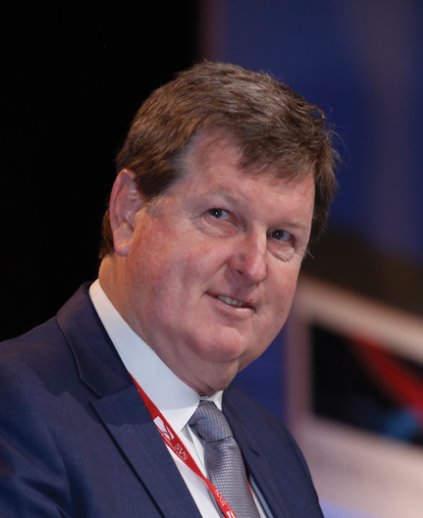
Dr. Lawrence: There is an opportunity, which should be led by SVS, to see that physicians who treat vascular disease are as well educated as possible, and to make sure patients with vascular disease get great care. So, I\'ll be concentrating in two major areas: making sure the SVS annual meeting is as good it possibly can be and strengthening relationships with other societies, including vascular surgery societies in the U.S., as well as international vascular surgery societies and other non-surgical societies that treat vascular disease as part of their practice.
VS: What changes to the annual meeting are you considering?
Dr. Lawrence: There is clear consensus among SVS leadership that our annual meeting is absolutely first-rate, but there are always opportunities to improve.
For example, we’re looking at new ways to incorporate technology; the possibility of offering maintenance of certification for vascular surgeons at the annual meeting, and how we might be responsive to the interests of subspecialists, such as surgeons whose practices are limited to venous therapies or angio access or only wound care and critical limb ischemia.
VS: How would SVS benefit from reaching out to other societies?
Dr. Lawrence: SVS members are already benefiting greatly from our international outreach. Many of the innovations in devices and in diagnostic and treatment approaches are being developed outside the U.S.—first, because our international colleagues are very talented people, and secondly, because they've had greater access to new devices. We have an opportunity to learn from each other when surgeons from many countries attend our meetings.
We’ll continue to benefit by building strong relationships with societies on each continent, and also by entering into healthy relationships with other U.S. societies. That might mean strengthening our relationships with other national surgical societies, such as the Society for Clinical Vascular Surgery; regional societies; or a group like the American Venous Forum, which has multiple specialties within it; or even non-surgeon groups, such as the Society for Interventional Radiology, or the Society for Vascular Medicine.
Combined or co-located meetings, for example, or the possibility of inviting vascular ultrasound specialists or venous specialists to attend and present talks or sessions at our meetings are opportunities to consider.
VS: How does your agenda take SVS forward?
Dr. Lawrence: Improving the annual meeting and building relationships with other societies will both lead to greater interaction and exchange of ideas and experience among vascular surgeons and with others who participate in diagnosing and treating vascular disease. Ultimately, the point of intersection is education, which is the basis for better patient care.
VS: How does the work of SVS contribute to patient care today?
Dr. Lawrence: A number of different committees and groups work on multiple programs that impact patient care. The training SVS provides at meetings for budding medical students, residents, and fellows is one example. Our members teach surgical techniques through simulation to help make the next generation of vascular surgeons the best endo and open surgeons they can become.
We also work with the vascular research community to see that the very best papers are presented at our meetings. Those presentations and other information that our members take home are studied and applied, both in research labs and in clinical settings, to improve patient care.
One example is the SVS Vascular Quality Initiative (VQI), our multi-institutional database that provides data to our physician safety organization, and which has led to outstanding papers which are presented at the VAM. These presentations contribute new information that changes treatment protocols and many times changes how care is delivered.
In addition, SVS has a rich library of patient resources, including articles and patient stories, postings about device alerts, and videos. These resources are available online to help patients gain a better understanding of various vascular conditions and treatments so that patients can be better prepared to consult with their physicians and make more informed decisions.
The Journal for Vascular Surgery is another important contributor to patient care. The journal focuses on peer-reviewed articles of clinical results, but also has important review articles and practice guidelines which have been developed through our document oversight committee. The findings published in JVS have led to great strides in patient care. Since the first issue was published in 1984, the impact on patient care over the last 30 years is quite substantial.
VS: What might members be surprised to know about you?
Dr. Lawrence: I have an interest in restoring old houses, building and working on boats, and enjoying them once completed. I competed in sailboat races during my youth and even up to my residency. I started by sailing a "Moth," which I built, and in the world junior championships, I came in second of 150 boats. I was actually in first place in 1978 in a borrowed boat in the first U.S. Laser championship—until the boat was hit by a competitor in the side; I limped home and have not done competitive racing since then. I love the beach, the ocean, boogie boarding, sailing, all things relating to boating, and also restoring old houses, all of which my parents also enjoyed.
My immediate family is "geographically challenged." For the last seven years, my wife has been serving as president of Sarah Lawrence College in Bronxville, New York, while I’m at UCLA. Our older son has been living and working for Ralph Lauren in Hong Kong; last week he moved to Taiwan to manage that country’s business. Our younger son, a new Princeton PhD in comparative literature, is looking for an academic job and could land anywhere. We’ve made the distances work and each of us benefits from having interesting and challenging experiences, doing what we like most.
VS: Anything else you want to share with SVS members?
Dr. Lawrence: I’ve learned through years of gradually increased involvement in SVS that this is an organization that will thrive only when members get involved. We have a great staff and support team in Chicago, but there is no management team that can run the society for us. SVS has thrived, and will continue to thrive in the future, as people recognize they have an opportunity to participate, but also a responsibility. Our society will only be as strong as our members make it.
Getting to know SVS Officers Drs. Fairman, Hodgson, Makaroun and Perler
Drs. Fairman, Hodgson, Makaroun and Perler shared their thoughts about what they hope to contribute as officers.
What opportunities are you most excited about for SVS?
Dr. Makaroun: The SVS is becoming the recognized leader in vascular education and research, the prime advocate for excellence in care delivery for vascular patients, and a representative of the entire vascular workforce not only in the U.S., but across the world.
Dr. Fairman: I am particularly impressed with how the SVS VQI has matured in such a relatively short period of time. I also am enthusiastic about the importance of the SVS Foundation in kick-starting the academic careers of our young academic members.
Dr. Perler: Today, as practitioners in multiple fields are engaged in treating circulatory disease, there is no question that the SVS has an enormous opportunity, and I would argue responsibility, to brand the specialty—to educate the public, referring physicians, administrators and payers about the unique and distinctive competencies of vascular surgeons that distinguish us from the competition.
Dr. Hodgson: The SVS represents the only physicians who can truly offer patients all of the possible options to treat their vascular disease and, therefore, treat vascular patients in the most individualized and unbiased manner. That, along with initiatives such as the VQI, puts the SVS in a leadership position for the management of vascular disease in the outcomes-driven world we are entering.
Serving as an SVS officer is a huge investment of time—what motivates you?
Dr. Hodsgon: The opportunity to have a positive impact on the success and future of my specialty.
Dr. Fairman: Candidly, it is highly stimulating, broadens my career experiences and positions me to enhance the development of younger faculty.
Dr. Makaroun: I actually view it as an honor. The SVS and vascular surgery have given me a lot, and it is only appropriate to give back. It does require time to be an officer, but countless other members give just as much to the society. It is truly inspiring to see how many vascular surgeons give freely of their time to the SVS and our specialty without asking for anything in return, not even recognition for the effort.
Dr. Perler: There are many members in the SVS who contribute selflessly to the SVS and are deserving of holding leadership positions so that I consider my selection to be the greatest honor of my professional career. The only way I can thank the membership for this privilege is to pledge to give every ounce of energy I have to serve the society, to serve the interests of our members and, most importantly, to serve the interests of our patients.
What is your vision for the future of the society?
Dr. Makaroun: Become the recognized leader and authority for everything vascular.
Dr. Hodgson: The SVS thrives when vibrant member participation keeps moving our specialty forward, and we are blessed with energetic young vascular surgeons anxious to do so.
Dr. Perler: The SVS will grow in membership and influence and will continue to be the leading voice for vascular surgery and forum to disseminate knowledge, develop practice standards, and allow us to participate in an increasingly global health care system.
Dr. Fairman: We need to take a leadership role in establishing international practice guidelines, grow our collaborative relationships recognizing areas of specialty overlap, continue to support the maturation of our VQI program, pursue clinical research funding focusing on evidence based therapy, better engage our community practice members, and work aggressively in Washington to enhance the value of our specialty.
What is the last great book you read?
Dr. Fairman: "Unbroken: A World War II Story of Survival, Resilience, and Redemption" by Laura Hillenbrand.?
Dr. Perler: "Duty: Memoirs of a Secretary at War" by Robert M. Gates. This book offers great lessons in what a leader is supposed to be.
Dr. Makaroun: Book: "Flash Boys" by Michael Lewis.
Dr. Hodgson: "Rutherford's Vascular Surgery."
What is your favorite aspect of the annual meeting?
Dr. Makaroun: Meeting old friends and making new ones.
Dr. Perler: The camaraderie. Getting together with colleagues and friends, not only for the exchange of ideas and to learn from each other, but in the social interactions.
Dr. Hodgson: Getting together with colleagues from all over the world to share knowledge, techniques, unanswered questions and enjoy the camaraderie.
Dr. Fairman: This is a tough question, as I enjoy most aspects of the VAM. I would have to say the Presidential address, which is an opportunity to learn more about the senior leadership of our society.
What might the members be surprised to know about you?
Dr. Fairman: When I finished my residency and fellowship, I took a loan from a bank and went into solo private practice in Philadelphia. I established myself at one of our Penn-affiliated teaching hospitals so I had the opportunity to continue teaching residents and medical students. I ultimately built a large diversified clinical practice and became Chief of Surgery before I was drawn back to academic practice at Penn enabling me to re-create my career.
Dr. Makaroun: That my favorite pastime is to play with my grandson.
Dr. Perler: Despite my quiet personality and apparently serious demeanor, I have a great sense of humor! And, I actually do have a personality.
Dr. Hodgson: That I’ve taken to wearing ties.
If I weren’t doing this ...
Dr. Makaroun: I’d be an architect.
Dr. Hodgson: I’d be a nature photographer.
Dr. Fairman: I’d be doing more fly fishing, sailing, volunteering and restoring old sport cars.
Dr. Perler: I’d be unemployed – I mean, what else would I want to do that’s better? Well, when the money ran out maybe law, most likely a constitutional lawyer.
President Peter Lawrence—two priorities to drive surgeon and patient education
While in Chicago for an SVS officers retreat, President Peter Lawrence took time to outline his agenda and how he hopes it will take SVS forward.
VS: What agenda priorities have you established for your term?
Dr. Lawrence: There is an opportunity, which should be led by SVS, to see that physicians who treat vascular disease are as well educated as possible, and to make sure patients with vascular disease get great care. So, I\'ll be concentrating in two major areas: making sure the SVS annual meeting is as good it possibly can be and strengthening relationships with other societies, including vascular surgery societies in the U.S., as well as international vascular surgery societies and other non-surgical societies that treat vascular disease as part of their practice.
VS: What changes to the annual meeting are you considering?
Dr. Lawrence: There is clear consensus among SVS leadership that our annual meeting is absolutely first-rate, but there are always opportunities to improve.
For example, we’re looking at new ways to incorporate technology; the possibility of offering maintenance of certification for vascular surgeons at the annual meeting, and how we might be responsive to the interests of subspecialists, such as surgeons whose practices are limited to venous therapies or angio access or only wound care and critical limb ischemia.
VS: How would SVS benefit from reaching out to other societies?
Dr. Lawrence: SVS members are already benefiting greatly from our international outreach. Many of the innovations in devices and in diagnostic and treatment approaches are being developed outside the U.S.—first, because our international colleagues are very talented people, and secondly, because they've had greater access to new devices. We have an opportunity to learn from each other when surgeons from many countries attend our meetings.
We’ll continue to benefit by building strong relationships with societies on each continent, and also by entering into healthy relationships with other U.S. societies. That might mean strengthening our relationships with other national surgical societies, such as the Society for Clinical Vascular Surgery; regional societies; or a group like the American Venous Forum, which has multiple specialties within it; or even non-surgeon groups, such as the Society for Interventional Radiology, or the Society for Vascular Medicine.
Combined or co-located meetings, for example, or the possibility of inviting vascular ultrasound specialists or venous specialists to attend and present talks or sessions at our meetings are opportunities to consider.
VS: How does your agenda take SVS forward?
Dr. Lawrence: Improving the annual meeting and building relationships with other societies will both lead to greater interaction and exchange of ideas and experience among vascular surgeons and with others who participate in diagnosing and treating vascular disease. Ultimately, the point of intersection is education, which is the basis for better patient care.
VS: How does the work of SVS contribute to patient care today?
Dr. Lawrence: A number of different committees and groups work on multiple programs that impact patient care. The training SVS provides at meetings for budding medical students, residents, and fellows is one example. Our members teach surgical techniques through simulation to help make the next generation of vascular surgeons the best endo and open surgeons they can become.
We also work with the vascular research community to see that the very best papers are presented at our meetings. Those presentations and other information that our members take home are studied and applied, both in research labs and in clinical settings, to improve patient care.
One example is the SVS Vascular Quality Initiative (VQI), our multi-institutional database that provides data to our physician safety organization, and which has led to outstanding papers which are presented at the VAM. These presentations contribute new information that changes treatment protocols and many times changes how care is delivered.
In addition, SVS has a rich library of patient resources, including articles and patient stories, postings about device alerts, and videos. These resources are available online to help patients gain a better understanding of various vascular conditions and treatments so that patients can be better prepared to consult with their physicians and make more informed decisions.
The Journal for Vascular Surgery is another important contributor to patient care. The journal focuses on peer-reviewed articles of clinical results, but also has important review articles and practice guidelines which have been developed through our document oversight committee. The findings published in JVS have led to great strides in patient care. Since the first issue was published in 1984, the impact on patient care over the last 30 years is quite substantial.
VS: What might members be surprised to know about you?
Dr. Lawrence: I have an interest in restoring old houses, building and working on boats, and enjoying them once completed. I competed in sailboat races during my youth and even up to my residency. I started by sailing a "Moth," which I built, and in the world junior championships, I came in second of 150 boats. I was actually in first place in 1978 in a borrowed boat in the first U.S. Laser championship—until the boat was hit by a competitor in the side; I limped home and have not done competitive racing since then. I love the beach, the ocean, boogie boarding, sailing, all things relating to boating, and also restoring old houses, all of which my parents also enjoyed.
My immediate family is "geographically challenged." For the last seven years, my wife has been serving as president of Sarah Lawrence College in Bronxville, New York, while I’m at UCLA. Our older son has been living and working for Ralph Lauren in Hong Kong; last week he moved to Taiwan to manage that country’s business. Our younger son, a new Princeton PhD in comparative literature, is looking for an academic job and could land anywhere. We’ve made the distances work and each of us benefits from having interesting and challenging experiences, doing what we like most.
VS: Anything else you want to share with SVS members?
Dr. Lawrence: I’ve learned through years of gradually increased involvement in SVS that this is an organization that will thrive only when members get involved. We have a great staff and support team in Chicago, but there is no management team that can run the society for us. SVS has thrived, and will continue to thrive in the future, as people recognize they have an opportunity to participate, but also a responsibility. Our society will only be as strong as our members make it.
Getting to know SVS Officers Drs. Fairman, Hodgson, Makaroun and Perler
Drs. Fairman, Hodgson, Makaroun and Perler shared their thoughts about what they hope to contribute as officers.
What opportunities are you most excited about for SVS?
Dr. Makaroun: The SVS is becoming the recognized leader in vascular education and research, the prime advocate for excellence in care delivery for vascular patients, and a representative of the entire vascular workforce not only in the U.S., but across the world.
Dr. Fairman: I am particularly impressed with how the SVS VQI has matured in such a relatively short period of time. I also am enthusiastic about the importance of the SVS Foundation in kick-starting the academic careers of our young academic members.
Dr. Perler: Today, as practitioners in multiple fields are engaged in treating circulatory disease, there is no question that the SVS has an enormous opportunity, and I would argue responsibility, to brand the specialty—to educate the public, referring physicians, administrators and payers about the unique and distinctive competencies of vascular surgeons that distinguish us from the competition.
Dr. Hodgson: The SVS represents the only physicians who can truly offer patients all of the possible options to treat their vascular disease and, therefore, treat vascular patients in the most individualized and unbiased manner. That, along with initiatives such as the VQI, puts the SVS in a leadership position for the management of vascular disease in the outcomes-driven world we are entering.
Serving as an SVS officer is a huge investment of time—what motivates you?
Dr. Hodsgon: The opportunity to have a positive impact on the success and future of my specialty.
Dr. Fairman: Candidly, it is highly stimulating, broadens my career experiences and positions me to enhance the development of younger faculty.
Dr. Makaroun: I actually view it as an honor. The SVS and vascular surgery have given me a lot, and it is only appropriate to give back. It does require time to be an officer, but countless other members give just as much to the society. It is truly inspiring to see how many vascular surgeons give freely of their time to the SVS and our specialty without asking for anything in return, not even recognition for the effort.
Dr. Perler: There are many members in the SVS who contribute selflessly to the SVS and are deserving of holding leadership positions so that I consider my selection to be the greatest honor of my professional career. The only way I can thank the membership for this privilege is to pledge to give every ounce of energy I have to serve the society, to serve the interests of our members and, most importantly, to serve the interests of our patients.
What is your vision for the future of the society?
Dr. Makaroun: Become the recognized leader and authority for everything vascular.
Dr. Hodgson: The SVS thrives when vibrant member participation keeps moving our specialty forward, and we are blessed with energetic young vascular surgeons anxious to do so.
Dr. Perler: The SVS will grow in membership and influence and will continue to be the leading voice for vascular surgery and forum to disseminate knowledge, develop practice standards, and allow us to participate in an increasingly global health care system.
Dr. Fairman: We need to take a leadership role in establishing international practice guidelines, grow our collaborative relationships recognizing areas of specialty overlap, continue to support the maturation of our VQI program, pursue clinical research funding focusing on evidence based therapy, better engage our community practice members, and work aggressively in Washington to enhance the value of our specialty.
What is the last great book you read?
Dr. Fairman: "Unbroken: A World War II Story of Survival, Resilience, and Redemption" by Laura Hillenbrand.?
Dr. Perler: "Duty: Memoirs of a Secretary at War" by Robert M. Gates. This book offers great lessons in what a leader is supposed to be.
Dr. Makaroun: Book: "Flash Boys" by Michael Lewis.
Dr. Hodgson: "Rutherford's Vascular Surgery."
What is your favorite aspect of the annual meeting?
Dr. Makaroun: Meeting old friends and making new ones.
Dr. Perler: The camaraderie. Getting together with colleagues and friends, not only for the exchange of ideas and to learn from each other, but in the social interactions.
Dr. Hodgson: Getting together with colleagues from all over the world to share knowledge, techniques, unanswered questions and enjoy the camaraderie.
Dr. Fairman: This is a tough question, as I enjoy most aspects of the VAM. I would have to say the Presidential address, which is an opportunity to learn more about the senior leadership of our society.
What might the members be surprised to know about you?
Dr. Fairman: When I finished my residency and fellowship, I took a loan from a bank and went into solo private practice in Philadelphia. I established myself at one of our Penn-affiliated teaching hospitals so I had the opportunity to continue teaching residents and medical students. I ultimately built a large diversified clinical practice and became Chief of Surgery before I was drawn back to academic practice at Penn enabling me to re-create my career.
Dr. Makaroun: That my favorite pastime is to play with my grandson.
Dr. Perler: Despite my quiet personality and apparently serious demeanor, I have a great sense of humor! And, I actually do have a personality.
Dr. Hodgson: That I’ve taken to wearing ties.
If I weren’t doing this ...
Dr. Makaroun: I’d be an architect.
Dr. Hodgson: I’d be a nature photographer.
Dr. Fairman: I’d be doing more fly fishing, sailing, volunteering and restoring old sport cars.
Dr. Perler: I’d be unemployed – I mean, what else would I want to do that’s better? Well, when the money ran out maybe law, most likely a constitutional lawyer.
President Peter Lawrence—two priorities to drive surgeon and patient education
While in Chicago for an SVS officers retreat, President Peter Lawrence took time to outline his agenda and how he hopes it will take SVS forward.
VS: What agenda priorities have you established for your term?
Dr. Lawrence: There is an opportunity, which should be led by SVS, to see that physicians who treat vascular disease are as well educated as possible, and to make sure patients with vascular disease get great care. So, I\'ll be concentrating in two major areas: making sure the SVS annual meeting is as good it possibly can be and strengthening relationships with other societies, including vascular surgery societies in the U.S., as well as international vascular surgery societies and other non-surgical societies that treat vascular disease as part of their practice.
VS: What changes to the annual meeting are you considering?
Dr. Lawrence: There is clear consensus among SVS leadership that our annual meeting is absolutely first-rate, but there are always opportunities to improve.
For example, we’re looking at new ways to incorporate technology; the possibility of offering maintenance of certification for vascular surgeons at the annual meeting, and how we might be responsive to the interests of subspecialists, such as surgeons whose practices are limited to venous therapies or angio access or only wound care and critical limb ischemia.
VS: How would SVS benefit from reaching out to other societies?
Dr. Lawrence: SVS members are already benefiting greatly from our international outreach. Many of the innovations in devices and in diagnostic and treatment approaches are being developed outside the U.S.—first, because our international colleagues are very talented people, and secondly, because they've had greater access to new devices. We have an opportunity to learn from each other when surgeons from many countries attend our meetings.
We’ll continue to benefit by building strong relationships with societies on each continent, and also by entering into healthy relationships with other U.S. societies. That might mean strengthening our relationships with other national surgical societies, such as the Society for Clinical Vascular Surgery; regional societies; or a group like the American Venous Forum, which has multiple specialties within it; or even non-surgeon groups, such as the Society for Interventional Radiology, or the Society for Vascular Medicine.
Combined or co-located meetings, for example, or the possibility of inviting vascular ultrasound specialists or venous specialists to attend and present talks or sessions at our meetings are opportunities to consider.
VS: How does your agenda take SVS forward?
Dr. Lawrence: Improving the annual meeting and building relationships with other societies will both lead to greater interaction and exchange of ideas and experience among vascular surgeons and with others who participate in diagnosing and treating vascular disease. Ultimately, the point of intersection is education, which is the basis for better patient care.
VS: How does the work of SVS contribute to patient care today?
Dr. Lawrence: A number of different committees and groups work on multiple programs that impact patient care. The training SVS provides at meetings for budding medical students, residents, and fellows is one example. Our members teach surgical techniques through simulation to help make the next generation of vascular surgeons the best endo and open surgeons they can become.
We also work with the vascular research community to see that the very best papers are presented at our meetings. Those presentations and other information that our members take home are studied and applied, both in research labs and in clinical settings, to improve patient care.
One example is the SVS Vascular Quality Initiative (VQI), our multi-institutional database that provides data to our physician safety organization, and which has led to outstanding papers which are presented at the VAM. These presentations contribute new information that changes treatment protocols and many times changes how care is delivered.
In addition, SVS has a rich library of patient resources, including articles and patient stories, postings about device alerts, and videos. These resources are available online to help patients gain a better understanding of various vascular conditions and treatments so that patients can be better prepared to consult with their physicians and make more informed decisions.
The Journal for Vascular Surgery is another important contributor to patient care. The journal focuses on peer-reviewed articles of clinical results, but also has important review articles and practice guidelines which have been developed through our document oversight committee. The findings published in JVS have led to great strides in patient care. Since the first issue was published in 1984, the impact on patient care over the last 30 years is quite substantial.
VS: What might members be surprised to know about you?
Dr. Lawrence: I have an interest in restoring old houses, building and working on boats, and enjoying them once completed. I competed in sailboat races during my youth and even up to my residency. I started by sailing a "Moth," which I built, and in the world junior championships, I came in second of 150 boats. I was actually in first place in 1978 in a borrowed boat in the first U.S. Laser championship—until the boat was hit by a competitor in the side; I limped home and have not done competitive racing since then. I love the beach, the ocean, boogie boarding, sailing, all things relating to boating, and also restoring old houses, all of which my parents also enjoyed.
My immediate family is "geographically challenged." For the last seven years, my wife has been serving as president of Sarah Lawrence College in Bronxville, New York, while I’m at UCLA. Our older son has been living and working for Ralph Lauren in Hong Kong; last week he moved to Taiwan to manage that country’s business. Our younger son, a new Princeton PhD in comparative literature, is looking for an academic job and could land anywhere. We’ve made the distances work and each of us benefits from having interesting and challenging experiences, doing what we like most.
VS: Anything else you want to share with SVS members?
Dr. Lawrence: I’ve learned through years of gradually increased involvement in SVS that this is an organization that will thrive only when members get involved. We have a great staff and support team in Chicago, but there is no management team that can run the society for us. SVS has thrived, and will continue to thrive in the future, as people recognize they have an opportunity to participate, but also a responsibility. Our society will only be as strong as our members make it.
Getting to know SVS Officers Drs. Fairman, Hodgson, Makaroun and Perler
Drs. Fairman, Hodgson, Makaroun and Perler shared their thoughts about what they hope to contribute as officers.
What opportunities are you most excited about for SVS?
Dr. Makaroun: The SVS is becoming the recognized leader in vascular education and research, the prime advocate for excellence in care delivery for vascular patients, and a representative of the entire vascular workforce not only in the U.S., but across the world.
Dr. Fairman: I am particularly impressed with how the SVS VQI has matured in such a relatively short period of time. I also am enthusiastic about the importance of the SVS Foundation in kick-starting the academic careers of our young academic members.
Dr. Perler: Today, as practitioners in multiple fields are engaged in treating circulatory disease, there is no question that the SVS has an enormous opportunity, and I would argue responsibility, to brand the specialty—to educate the public, referring physicians, administrators and payers about the unique and distinctive competencies of vascular surgeons that distinguish us from the competition.
Dr. Hodgson: The SVS represents the only physicians who can truly offer patients all of the possible options to treat their vascular disease and, therefore, treat vascular patients in the most individualized and unbiased manner. That, along with initiatives such as the VQI, puts the SVS in a leadership position for the management of vascular disease in the outcomes-driven world we are entering.
Serving as an SVS officer is a huge investment of time—what motivates you?
Dr. Hodsgon: The opportunity to have a positive impact on the success and future of my specialty.
Dr. Fairman: Candidly, it is highly stimulating, broadens my career experiences and positions me to enhance the development of younger faculty.
Dr. Makaroun: I actually view it as an honor. The SVS and vascular surgery have given me a lot, and it is only appropriate to give back. It does require time to be an officer, but countless other members give just as much to the society. It is truly inspiring to see how many vascular surgeons give freely of their time to the SVS and our specialty without asking for anything in return, not even recognition for the effort.
Dr. Perler: There are many members in the SVS who contribute selflessly to the SVS and are deserving of holding leadership positions so that I consider my selection to be the greatest honor of my professional career. The only way I can thank the membership for this privilege is to pledge to give every ounce of energy I have to serve the society, to serve the interests of our members and, most importantly, to serve the interests of our patients.
What is your vision for the future of the society?
Dr. Makaroun: Become the recognized leader and authority for everything vascular.
Dr. Hodgson: The SVS thrives when vibrant member participation keeps moving our specialty forward, and we are blessed with energetic young vascular surgeons anxious to do so.
Dr. Perler: The SVS will grow in membership and influence and will continue to be the leading voice for vascular surgery and forum to disseminate knowledge, develop practice standards, and allow us to participate in an increasingly global health care system.
Dr. Fairman: We need to take a leadership role in establishing international practice guidelines, grow our collaborative relationships recognizing areas of specialty overlap, continue to support the maturation of our VQI program, pursue clinical research funding focusing on evidence based therapy, better engage our community practice members, and work aggressively in Washington to enhance the value of our specialty.
What is the last great book you read?
Dr. Fairman: "Unbroken: A World War II Story of Survival, Resilience, and Redemption" by Laura Hillenbrand.?
Dr. Perler: "Duty: Memoirs of a Secretary at War" by Robert M. Gates. This book offers great lessons in what a leader is supposed to be.
Dr. Makaroun: Book: "Flash Boys" by Michael Lewis.
Dr. Hodgson: "Rutherford's Vascular Surgery."
What is your favorite aspect of the annual meeting?
Dr. Makaroun: Meeting old friends and making new ones.
Dr. Perler: The camaraderie. Getting together with colleagues and friends, not only for the exchange of ideas and to learn from each other, but in the social interactions.
Dr. Hodgson: Getting together with colleagues from all over the world to share knowledge, techniques, unanswered questions and enjoy the camaraderie.
Dr. Fairman: This is a tough question, as I enjoy most aspects of the VAM. I would have to say the Presidential address, which is an opportunity to learn more about the senior leadership of our society.
What might the members be surprised to know about you?
Dr. Fairman: When I finished my residency and fellowship, I took a loan from a bank and went into solo private practice in Philadelphia. I established myself at one of our Penn-affiliated teaching hospitals so I had the opportunity to continue teaching residents and medical students. I ultimately built a large diversified clinical practice and became Chief of Surgery before I was drawn back to academic practice at Penn enabling me to re-create my career.
Dr. Makaroun: That my favorite pastime is to play with my grandson.
Dr. Perler: Despite my quiet personality and apparently serious demeanor, I have a great sense of humor! And, I actually do have a personality.
Dr. Hodgson: That I’ve taken to wearing ties.
If I weren’t doing this ...
Dr. Makaroun: I’d be an architect.
Dr. Hodgson: I’d be a nature photographer.
Dr. Fairman: I’d be doing more fly fishing, sailing, volunteering and restoring old sport cars.
Dr. Perler: I’d be unemployed – I mean, what else would I want to do that’s better? Well, when the money ran out maybe law, most likely a constitutional lawyer.