User login
The AGA Research Foundation, a great investment
Decades of research have revolutionized the care of many digestive disease patients. These patients, as well as everyone in the gastroenterology – clinicians and researchers alike – have benefited from the discoveries of dedicated investigators, past and present.
Right now, creative young researchers are poised to make groundbreaking discoveries that will shape the future of gastroenterology. Unfortunately, declining government funding for biomedical research puts this potential in jeopardy. We’re at risk of losing an entire generation of researchers who could decide that they can’t make a living in research.

To fill this gap, the AGA Research Foundation invites you to support the Looking Forward: Giving Back endowment campaign. Funds raised through this campaign will support young investigators’ research careers, allowing them to make discoveries that could ultimately improve patient care and even cure diseases.
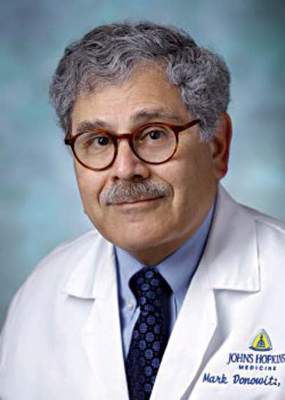
“The future of our field depends on advances made in research, both bench and clinical. I see firsthand that it’s increasingly difficult for investigators to secure funding, particularly those in the early stages of their career. We can’t afford to have our pipeline of researchers dry up. The AGA Research Foundation provides the funds that are necessary for these young investigators to continue their work and contribute to the field. That’s why I support the foundation,” states Dr. Mark Donowitz, AGAF, past AGA president and AGA Legacy Society member.
By joining others in supporting the AGA Research Foundation, you will ensure that young researchers have opportunities to continue their lifesaving work. Learn more or make a contribution at www.gastro.org/givingback.
Support the AGA Research Foundation Looking Forward: Giving Back Campaign by joining the AGA Legacy Society
The AGA Legacy Society honors individuals who have chosen to benefit the AGA Research Foundation through a significant current or planned gift. Research is made possible through their support. AGA Legacy Society members are showing their gratitude for what funding and research has brought to our specialty by giving back.Members of the AGA Legacy Society provide tax-deductible gifts to the AGA Research Foundation of $25,000 or more (payable over 5 years) or $50,000 or more in a planned gift, such as a bequest. Learn more about the AGA Legacy Society on the foundation’s website at www.gastro.org/legacysociety.
Decades of research have revolutionized the care of many digestive disease patients. These patients, as well as everyone in the gastroenterology – clinicians and researchers alike – have benefited from the discoveries of dedicated investigators, past and present.
Right now, creative young researchers are poised to make groundbreaking discoveries that will shape the future of gastroenterology. Unfortunately, declining government funding for biomedical research puts this potential in jeopardy. We’re at risk of losing an entire generation of researchers who could decide that they can’t make a living in research.
To fill this gap, the AGA Research Foundation invites you to support the Looking Forward: Giving Back endowment campaign. Funds raised through this campaign will support young investigators’ research careers, allowing them to make discoveries that could ultimately improve patient care and even cure diseases.
“The future of our field depends on advances made in research, both bench and clinical. I see firsthand that it’s increasingly difficult for investigators to secure funding, particularly those in the early stages of their career. We can’t afford to have our pipeline of researchers dry up. The AGA Research Foundation provides the funds that are necessary for these young investigators to continue their work and contribute to the field. That’s why I support the foundation,” states Dr. Mark Donowitz, AGAF, past AGA president and AGA Legacy Society member.
By joining others in supporting the AGA Research Foundation, you will ensure that young researchers have opportunities to continue their lifesaving work. Learn more or make a contribution at www.gastro.org/givingback.
Support the AGA Research Foundation Looking Forward: Giving Back Campaign by joining the AGA Legacy Society
The AGA Legacy Society honors individuals who have chosen to benefit the AGA Research Foundation through a significant current or planned gift. Research is made possible through their support. AGA Legacy Society members are showing their gratitude for what funding and research has brought to our specialty by giving back.Members of the AGA Legacy Society provide tax-deductible gifts to the AGA Research Foundation of $25,000 or more (payable over 5 years) or $50,000 or more in a planned gift, such as a bequest. Learn more about the AGA Legacy Society on the foundation’s website at www.gastro.org/legacysociety.
Decades of research have revolutionized the care of many digestive disease patients. These patients, as well as everyone in the gastroenterology – clinicians and researchers alike – have benefited from the discoveries of dedicated investigators, past and present.
Right now, creative young researchers are poised to make groundbreaking discoveries that will shape the future of gastroenterology. Unfortunately, declining government funding for biomedical research puts this potential in jeopardy. We’re at risk of losing an entire generation of researchers who could decide that they can’t make a living in research.
To fill this gap, the AGA Research Foundation invites you to support the Looking Forward: Giving Back endowment campaign. Funds raised through this campaign will support young investigators’ research careers, allowing them to make discoveries that could ultimately improve patient care and even cure diseases.
“The future of our field depends on advances made in research, both bench and clinical. I see firsthand that it’s increasingly difficult for investigators to secure funding, particularly those in the early stages of their career. We can’t afford to have our pipeline of researchers dry up. The AGA Research Foundation provides the funds that are necessary for these young investigators to continue their work and contribute to the field. That’s why I support the foundation,” states Dr. Mark Donowitz, AGAF, past AGA president and AGA Legacy Society member.
By joining others in supporting the AGA Research Foundation, you will ensure that young researchers have opportunities to continue their lifesaving work. Learn more or make a contribution at www.gastro.org/givingback.
Support the AGA Research Foundation Looking Forward: Giving Back Campaign by joining the AGA Legacy Society
The AGA Legacy Society honors individuals who have chosen to benefit the AGA Research Foundation through a significant current or planned gift. Research is made possible through their support. AGA Legacy Society members are showing their gratitude for what funding and research has brought to our specialty by giving back.Members of the AGA Legacy Society provide tax-deductible gifts to the AGA Research Foundation of $25,000 or more (payable over 5 years) or $50,000 or more in a planned gift, such as a bequest. Learn more about the AGA Legacy Society on the foundation’s website at www.gastro.org/legacysociety.

Five important facts about duodenoscopes and ‘superbug’ contamination
There have been reports of patient-to-patient infections of carbapenem-resistant Enterobacteriaceae (CRE) bacteria linked to endoscopic retrograde cholangiopancreatography (ERCP) procedures.
Following are important facts for the public to know, supplied by the American Gastroenterological Association, which is taking the lead in addressing this issue.
• ERCP is performed using a special device called a duodenoscope. It is not the same device that is used in routine upper endoscopy or colonoscopy.
• Most people will never have an ERCP. But for patients who need it, ERCP is a critical and life-saving procedure. ERCP allows doctors to diagnose and treat problems in the bile duct and pancreatic ducts such as stones, narrowing, tumors, and blockages.
• The therapeutic benefits of ERCP outweigh the potential low risk of infection. The infectious complication rate for ERCP overall is only about 1%. That includes all types of bacteria, and these CRE cases do not change the overall risk.
• The problem of infection transmission lies in the complex design of duodenoscopes, where the elevator channel can allow bacteria to remain after cleansing, even if reprocessing follows accepted procedures.
• Any cases of patient infection tied to duodenoscopes are not acceptable and need to be thoroughly investigated, with solutions to be developed.
Through the AGA Center for GI Innovation and Technology, we are uniquely positioned to work with the FDA device branch and endoscope manufacturers. We have offered our help to resolve and monitor this issue. Our goal is safe patient care with no preventable infections.
For updates on this issue, please visit www.gastro.org.
There have been reports of patient-to-patient infections of carbapenem-resistant Enterobacteriaceae (CRE) bacteria linked to endoscopic retrograde cholangiopancreatography (ERCP) procedures.
Following are important facts for the public to know, supplied by the American Gastroenterological Association, which is taking the lead in addressing this issue.
• ERCP is performed using a special device called a duodenoscope. It is not the same device that is used in routine upper endoscopy or colonoscopy.
• Most people will never have an ERCP. But for patients who need it, ERCP is a critical and life-saving procedure. ERCP allows doctors to diagnose and treat problems in the bile duct and pancreatic ducts such as stones, narrowing, tumors, and blockages.
• The therapeutic benefits of ERCP outweigh the potential low risk of infection. The infectious complication rate for ERCP overall is only about 1%. That includes all types of bacteria, and these CRE cases do not change the overall risk.
• The problem of infection transmission lies in the complex design of duodenoscopes, where the elevator channel can allow bacteria to remain after cleansing, even if reprocessing follows accepted procedures.
• Any cases of patient infection tied to duodenoscopes are not acceptable and need to be thoroughly investigated, with solutions to be developed.
Through the AGA Center for GI Innovation and Technology, we are uniquely positioned to work with the FDA device branch and endoscope manufacturers. We have offered our help to resolve and monitor this issue. Our goal is safe patient care with no preventable infections.
For updates on this issue, please visit www.gastro.org.
There have been reports of patient-to-patient infections of carbapenem-resistant Enterobacteriaceae (CRE) bacteria linked to endoscopic retrograde cholangiopancreatography (ERCP) procedures.
Following are important facts for the public to know, supplied by the American Gastroenterological Association, which is taking the lead in addressing this issue.
• ERCP is performed using a special device called a duodenoscope. It is not the same device that is used in routine upper endoscopy or colonoscopy.
• Most people will never have an ERCP. But for patients who need it, ERCP is a critical and life-saving procedure. ERCP allows doctors to diagnose and treat problems in the bile duct and pancreatic ducts such as stones, narrowing, tumors, and blockages.
• The therapeutic benefits of ERCP outweigh the potential low risk of infection. The infectious complication rate for ERCP overall is only about 1%. That includes all types of bacteria, and these CRE cases do not change the overall risk.
• The problem of infection transmission lies in the complex design of duodenoscopes, where the elevator channel can allow bacteria to remain after cleansing, even if reprocessing follows accepted procedures.
• Any cases of patient infection tied to duodenoscopes are not acceptable and need to be thoroughly investigated, with solutions to be developed.
Through the AGA Center for GI Innovation and Technology, we are uniquely positioned to work with the FDA device branch and endoscope manufacturers. We have offered our help to resolve and monitor this issue. Our goal is safe patient care with no preventable infections.
For updates on this issue, please visit www.gastro.org.
The AGA Research Foundation, a great return on investment
Decades of research have revolutionized the care of many digestive disease patients. These patients, as well as everyone in the GI field – clinicians and researchers alike – have benefited from the discoveries of dedicated investigators, past and present. Right now, creative young researchers are poised to make groundbreaking discoveries that will shape the future of gastroenterology. Unfortunately, declining government funding for biomedical research puts this potential in jeopardy. We’re at risk of losing an entire generation of researchers.
To fill this gap, the AGA Research Foundation invites you to support the Looking Forward: Giving Back endowment campaign. Funds raised through this campaign will support young investigators’ research careers, allowing them to make discoveries that could ultimately improve patient care and even cure diseases.
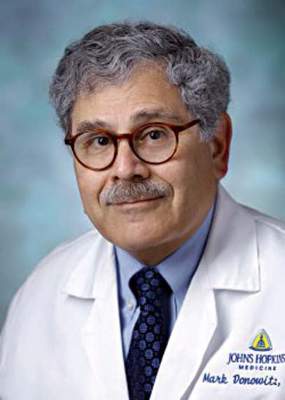
“The future of our field depends on advances made in research, both bench and clinical. I see firsthand that it’s increasingly difficult for investigators to secure funding, particularly those in the early stages of their career. We can’t afford to have our pipeline of researchers dry up. The AGA Research Foundation provides the funds that are necessary for these young investigators to continue their work and contribute to the field. That’s why I support the foundation,” states Dr. Mark Donowitz, past AGA president and AGA Legacy Society member.
By joining others in supporting the AGA Research Foundation, you will ensure that young researchers have opportunities to continue their lifesaving work. Learn more or make a contribution at www.gastro.org/givingback.
Decades of research have revolutionized the care of many digestive disease patients. These patients, as well as everyone in the GI field – clinicians and researchers alike – have benefited from the discoveries of dedicated investigators, past and present. Right now, creative young researchers are poised to make groundbreaking discoveries that will shape the future of gastroenterology. Unfortunately, declining government funding for biomedical research puts this potential in jeopardy. We’re at risk of losing an entire generation of researchers.
To fill this gap, the AGA Research Foundation invites you to support the Looking Forward: Giving Back endowment campaign. Funds raised through this campaign will support young investigators’ research careers, allowing them to make discoveries that could ultimately improve patient care and even cure diseases.
“The future of our field depends on advances made in research, both bench and clinical. I see firsthand that it’s increasingly difficult for investigators to secure funding, particularly those in the early stages of their career. We can’t afford to have our pipeline of researchers dry up. The AGA Research Foundation provides the funds that are necessary for these young investigators to continue their work and contribute to the field. That’s why I support the foundation,” states Dr. Mark Donowitz, past AGA president and AGA Legacy Society member.
By joining others in supporting the AGA Research Foundation, you will ensure that young researchers have opportunities to continue their lifesaving work. Learn more or make a contribution at www.gastro.org/givingback.
Decades of research have revolutionized the care of many digestive disease patients. These patients, as well as everyone in the GI field – clinicians and researchers alike – have benefited from the discoveries of dedicated investigators, past and present. Right now, creative young researchers are poised to make groundbreaking discoveries that will shape the future of gastroenterology. Unfortunately, declining government funding for biomedical research puts this potential in jeopardy. We’re at risk of losing an entire generation of researchers.
To fill this gap, the AGA Research Foundation invites you to support the Looking Forward: Giving Back endowment campaign. Funds raised through this campaign will support young investigators’ research careers, allowing them to make discoveries that could ultimately improve patient care and even cure diseases.
“The future of our field depends on advances made in research, both bench and clinical. I see firsthand that it’s increasingly difficult for investigators to secure funding, particularly those in the early stages of their career. We can’t afford to have our pipeline of researchers dry up. The AGA Research Foundation provides the funds that are necessary for these young investigators to continue their work and contribute to the field. That’s why I support the foundation,” states Dr. Mark Donowitz, past AGA president and AGA Legacy Society member.
By joining others in supporting the AGA Research Foundation, you will ensure that young researchers have opportunities to continue their lifesaving work. Learn more or make a contribution at www.gastro.org/givingback.
AGA president visits Capitol Hill
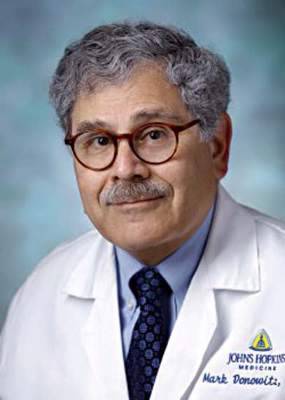
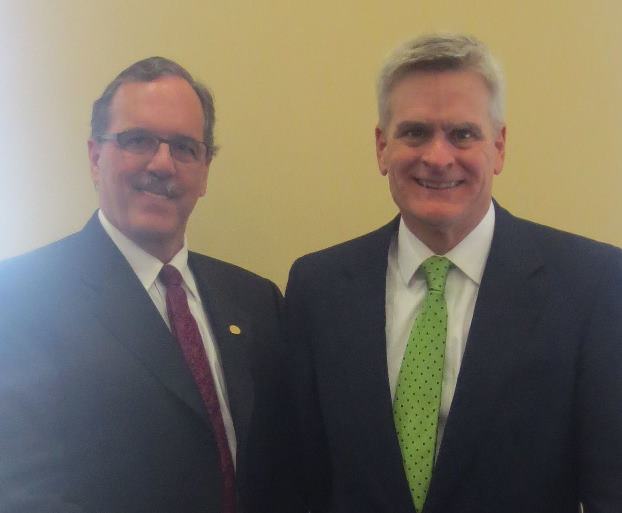
John I. Allen, M.D., MBA, AGAF, AGA Institute president, was on Capitol Hill in February meeting with key legislators and AGA allies to discuss issues of importance of GI and thanking them for their ongoing support. Throughout the day, Dr. Allen’s discussions focused on issues related to physician payment reform, NIH research, patient access to life-saving treatments, and colonoscopy Medicare coinsurance.
The lawmakers and their staff appreciate AGA’s positions on these issues and agree with the need to reform the Medicare payment system, although opinions differ on the best way to pay for a fix. Dr. Allen conveyed to lawmakers that regardless of whether or not Congress enacts a permanent fix to the sustainable growth rate formula, AGA will continue to work on alternative payment models, such as bundled payments and episodes of care for GI conditions and diseases, and we continue to work with private payers to implement these models.
Dr. Allen also focused on AGA’s support for efforts in the House and Senate on the 21st Century Cures initiative to modernize and accelerate the process of developing and delivering new treatments and technologies for patients. Legislators were very interested to learn about AGA’s efforts to support innovation and the development of new technology in gastroenterology, hepatology, nutrition, and obesity by guiding innovators, companies, private equity, and venture capital through the technology development and adoption process. Dr. Allen met with bipartisan staff of the Senate Health, Education, Labor, and Pensions (HELP) Committee to discuss some of the challenges facing innovation in GI devices in the past decades. He discussed what AGA has done in working with the FDA and device companies in establishing observational research registries to obtain key postmarket surveillance data and our partnerships with private payers in getting coverage for some of these emerging technologies. Dr. Allen talked to key HELP and Energy and Commerce Committee staff on AGA’s efforts to convene a meeting with FDA, CDC, scope manufacturers, and other stakeholders on the issue of infection due to duodenoscopes and conveyed AGA’s zero-tolerance policy for infection and developing protocols to ensure patient safety.
Also discussed was the importance of medical research to the U.S. economy and the need for Congress to fund NIH at $32 billion for fiscal year 2015, which represents the minimum investment necessary to avoid further loss of promising research and to allow the NIH budget to keep pace with inflation. Dr. Allen stressed the need to provide incentives and encourage our best and brightest young investigators to choose research careers, and how many of the NIH research grants are going to more established researchers. While the legislators were understanding of our position, because of the continuing uncertainty of the current fiscal climate, there is doubt whether the NIH budget will be increased.
John I. Allen, M.D., MBA, AGAF, AGA Institute president, was on Capitol Hill in February meeting with key legislators and AGA allies to discuss issues of importance of GI and thanking them for their ongoing support. Throughout the day, Dr. Allen’s discussions focused on issues related to physician payment reform, NIH research, patient access to life-saving treatments, and colonoscopy Medicare coinsurance.
The lawmakers and their staff appreciate AGA’s positions on these issues and agree with the need to reform the Medicare payment system, although opinions differ on the best way to pay for a fix. Dr. Allen conveyed to lawmakers that regardless of whether or not Congress enacts a permanent fix to the sustainable growth rate formula, AGA will continue to work on alternative payment models, such as bundled payments and episodes of care for GI conditions and diseases, and we continue to work with private payers to implement these models.
Dr. Allen also focused on AGA’s support for efforts in the House and Senate on the 21st Century Cures initiative to modernize and accelerate the process of developing and delivering new treatments and technologies for patients. Legislators were very interested to learn about AGA’s efforts to support innovation and the development of new technology in gastroenterology, hepatology, nutrition, and obesity by guiding innovators, companies, private equity, and venture capital through the technology development and adoption process. Dr. Allen met with bipartisan staff of the Senate Health, Education, Labor, and Pensions (HELP) Committee to discuss some of the challenges facing innovation in GI devices in the past decades. He discussed what AGA has done in working with the FDA and device companies in establishing observational research registries to obtain key postmarket surveillance data and our partnerships with private payers in getting coverage for some of these emerging technologies. Dr. Allen talked to key HELP and Energy and Commerce Committee staff on AGA’s efforts to convene a meeting with FDA, CDC, scope manufacturers, and other stakeholders on the issue of infection due to duodenoscopes and conveyed AGA’s zero-tolerance policy for infection and developing protocols to ensure patient safety.
Also discussed was the importance of medical research to the U.S. economy and the need for Congress to fund NIH at $32 billion for fiscal year 2015, which represents the minimum investment necessary to avoid further loss of promising research and to allow the NIH budget to keep pace with inflation. Dr. Allen stressed the need to provide incentives and encourage our best and brightest young investigators to choose research careers, and how many of the NIH research grants are going to more established researchers. While the legislators were understanding of our position, because of the continuing uncertainty of the current fiscal climate, there is doubt whether the NIH budget will be increased.
John I. Allen, M.D., MBA, AGAF, AGA Institute president, was on Capitol Hill in February meeting with key legislators and AGA allies to discuss issues of importance of GI and thanking them for their ongoing support. Throughout the day, Dr. Allen’s discussions focused on issues related to physician payment reform, NIH research, patient access to life-saving treatments, and colonoscopy Medicare coinsurance.
The lawmakers and their staff appreciate AGA’s positions on these issues and agree with the need to reform the Medicare payment system, although opinions differ on the best way to pay for a fix. Dr. Allen conveyed to lawmakers that regardless of whether or not Congress enacts a permanent fix to the sustainable growth rate formula, AGA will continue to work on alternative payment models, such as bundled payments and episodes of care for GI conditions and diseases, and we continue to work with private payers to implement these models.
Dr. Allen also focused on AGA’s support for efforts in the House and Senate on the 21st Century Cures initiative to modernize and accelerate the process of developing and delivering new treatments and technologies for patients. Legislators were very interested to learn about AGA’s efforts to support innovation and the development of new technology in gastroenterology, hepatology, nutrition, and obesity by guiding innovators, companies, private equity, and venture capital through the technology development and adoption process. Dr. Allen met with bipartisan staff of the Senate Health, Education, Labor, and Pensions (HELP) Committee to discuss some of the challenges facing innovation in GI devices in the past decades. He discussed what AGA has done in working with the FDA and device companies in establishing observational research registries to obtain key postmarket surveillance data and our partnerships with private payers in getting coverage for some of these emerging technologies. Dr. Allen talked to key HELP and Energy and Commerce Committee staff on AGA’s efforts to convene a meeting with FDA, CDC, scope manufacturers, and other stakeholders on the issue of infection due to duodenoscopes and conveyed AGA’s zero-tolerance policy for infection and developing protocols to ensure patient safety.
Also discussed was the importance of medical research to the U.S. economy and the need for Congress to fund NIH at $32 billion for fiscal year 2015, which represents the minimum investment necessary to avoid further loss of promising research and to allow the NIH budget to keep pace with inflation. Dr. Allen stressed the need to provide incentives and encourage our best and brightest young investigators to choose research careers, and how many of the NIH research grants are going to more established researchers. While the legislators were understanding of our position, because of the continuing uncertainty of the current fiscal climate, there is doubt whether the NIH budget will be increased.
AGA welcomes inaugural class of Future Leaders
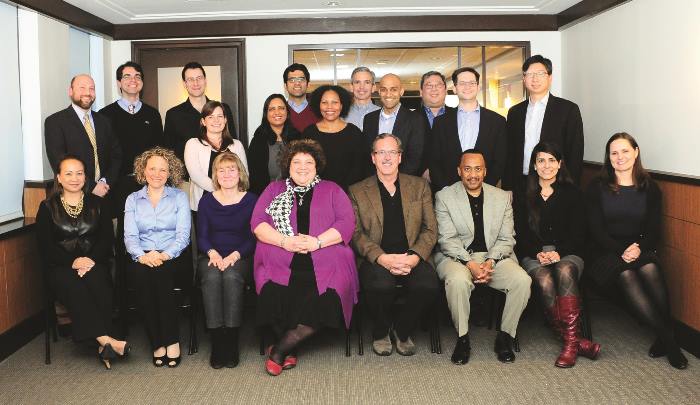
The AGA has created the Future Leaders Program to identify gastroenterologists who will lead the specialty into the future. As a member-focused medical specialty society, the AGA relies heavily on the engagement and expertise of volunteer leaders to develop programs to ensure gastroenterologists thrive in the changing world of accountable health care.
“In order for the field of specialty medicine to remain viable and relevant, it is important that medical organizations stay abreast of changing trends and regulations to help their members thrive,” said Dr. Suzanne Rose, M.S.Ed., AGAF, program cochair and AGA Institute education and training councillor. “Through the AGA Future Leaders Program, we have identified gastroenterology professionals whose passion and dedication to our field positions them to be future leaders.”

The AGA Future Leaders Program will provide a pathway within the AGA for selected participants who seek opportunities to support the gastroenterology profession, advance their careers, connect with potential mentors, and develop the leadership skills necessary to serve the organization. During this yearlong program, participants will receive leadership training and work closely with AGA mentors on projects linked to AGA’s Strategic Plan.
The AGA is pleased to announce the inaugural class of the Future Leaders Program:
• Rotonya M. Carr, M.D., assistant professor of medicine, University of Pennsylvania, Philadelphia.
• Silvio de Melo Jr., M.D., director of endoscopy and program director, GI fellowship, University of Florida College of Medicine, Jacksonville.
• Neelendu Dey, M.D., instructor of medicine, division of gastroenterology, Washington University School of Medicine, St. Louis.
• Nelson Garcia Jr., M.D., associate gastroenterologist, GastroHealth, L.P., Miami.
• Avlin B. Imaeda, M.D., Ph.D., assistant professor of medicine, section of digestive diseases, Yale University School of Medicine, Guilford, Conn.
• Gilaad G. Kaplan, M.D., assistant professor, University of Calgary (Alta.).
• Sonia S. Kupfer, M.D., assistant professor of medicine, University of Chicago Pritzker School of Medicine.
• Benjamin Lebwohl, M.D., instructor in clinical medicine, New York-Presbyterian Hospital.
• David J. Levinthal, M.D., Ph.D., assistant professor of medicine, University of Pittsburgh Medical Center.
• Kara Gross Margolis, M.D., assistant professor of pediatrics, Columbia University, New York.
• Walter G. Park, M.D., assistant professor of medicine, Stanford University Medical Center, Los Altos, Calif.
• Andrew D. Rhim, M.D., assistant professor of internal medicine, University of Michigan, Ann Arbor.
• Jatin Roper, M.D., gastroenterologist; assistant professor, Tufts Medical Center, Boston.
• Brijen J. Shah, M.D., assistant professor of medicine, gastroenterology, Mount Sinai School of Medicine, New York.
• Aasma Shaukat, M.D., MPH, associate professor, department of medicine, gastroenterology division, University of Minnesota, Minneapolis.
• Savita Srivastava, M.D., gastroenterologist, University of Virginia Physicians Group, Culpeper.
• Tram T. Tran, M.D., medical director, liver transplantation, Cedars-Sinai Medical Center, Pacific Palisades, Calif.
• Elizabeth C. Verna, M.D., MS, associate program director, New York-Presbyterian Hospital.
“We look forward to working with these rising stars to cultivate the future leaders of AGA and the field of gastroenterology,” said Byron L. Cryer, M.D., program cochair and AGA Institute councillor-at-large. Learn more about the AGA Future Leaders Program, including the mentors, faculty, and board members, at www.gastro.org.
The AGA has created the Future Leaders Program to identify gastroenterologists who will lead the specialty into the future. As a member-focused medical specialty society, the AGA relies heavily on the engagement and expertise of volunteer leaders to develop programs to ensure gastroenterologists thrive in the changing world of accountable health care.
“In order for the field of specialty medicine to remain viable and relevant, it is important that medical organizations stay abreast of changing trends and regulations to help their members thrive,” said Dr. Suzanne Rose, M.S.Ed., AGAF, program cochair and AGA Institute education and training councillor. “Through the AGA Future Leaders Program, we have identified gastroenterology professionals whose passion and dedication to our field positions them to be future leaders.”
The AGA Future Leaders Program will provide a pathway within the AGA for selected participants who seek opportunities to support the gastroenterology profession, advance their careers, connect with potential mentors, and develop the leadership skills necessary to serve the organization. During this yearlong program, participants will receive leadership training and work closely with AGA mentors on projects linked to AGA’s Strategic Plan.
The AGA is pleased to announce the inaugural class of the Future Leaders Program:
• Rotonya M. Carr, M.D., assistant professor of medicine, University of Pennsylvania, Philadelphia.
• Silvio de Melo Jr., M.D., director of endoscopy and program director, GI fellowship, University of Florida College of Medicine, Jacksonville.
• Neelendu Dey, M.D., instructor of medicine, division of gastroenterology, Washington University School of Medicine, St. Louis.
• Nelson Garcia Jr., M.D., associate gastroenterologist, GastroHealth, L.P., Miami.
• Avlin B. Imaeda, M.D., Ph.D., assistant professor of medicine, section of digestive diseases, Yale University School of Medicine, Guilford, Conn.
• Gilaad G. Kaplan, M.D., assistant professor, University of Calgary (Alta.).
• Sonia S. Kupfer, M.D., assistant professor of medicine, University of Chicago Pritzker School of Medicine.
• Benjamin Lebwohl, M.D., instructor in clinical medicine, New York-Presbyterian Hospital.
• David J. Levinthal, M.D., Ph.D., assistant professor of medicine, University of Pittsburgh Medical Center.
• Kara Gross Margolis, M.D., assistant professor of pediatrics, Columbia University, New York.
• Walter G. Park, M.D., assistant professor of medicine, Stanford University Medical Center, Los Altos, Calif.
• Andrew D. Rhim, M.D., assistant professor of internal medicine, University of Michigan, Ann Arbor.
• Jatin Roper, M.D., gastroenterologist; assistant professor, Tufts Medical Center, Boston.
• Brijen J. Shah, M.D., assistant professor of medicine, gastroenterology, Mount Sinai School of Medicine, New York.
• Aasma Shaukat, M.D., MPH, associate professor, department of medicine, gastroenterology division, University of Minnesota, Minneapolis.
• Savita Srivastava, M.D., gastroenterologist, University of Virginia Physicians Group, Culpeper.
• Tram T. Tran, M.D., medical director, liver transplantation, Cedars-Sinai Medical Center, Pacific Palisades, Calif.
• Elizabeth C. Verna, M.D., MS, associate program director, New York-Presbyterian Hospital.
“We look forward to working with these rising stars to cultivate the future leaders of AGA and the field of gastroenterology,” said Byron L. Cryer, M.D., program cochair and AGA Institute councillor-at-large. Learn more about the AGA Future Leaders Program, including the mentors, faculty, and board members, at www.gastro.org.
The AGA has created the Future Leaders Program to identify gastroenterologists who will lead the specialty into the future. As a member-focused medical specialty society, the AGA relies heavily on the engagement and expertise of volunteer leaders to develop programs to ensure gastroenterologists thrive in the changing world of accountable health care.
“In order for the field of specialty medicine to remain viable and relevant, it is important that medical organizations stay abreast of changing trends and regulations to help their members thrive,” said Dr. Suzanne Rose, M.S.Ed., AGAF, program cochair and AGA Institute education and training councillor. “Through the AGA Future Leaders Program, we have identified gastroenterology professionals whose passion and dedication to our field positions them to be future leaders.”
The AGA Future Leaders Program will provide a pathway within the AGA for selected participants who seek opportunities to support the gastroenterology profession, advance their careers, connect with potential mentors, and develop the leadership skills necessary to serve the organization. During this yearlong program, participants will receive leadership training and work closely with AGA mentors on projects linked to AGA’s Strategic Plan.
The AGA is pleased to announce the inaugural class of the Future Leaders Program:
• Rotonya M. Carr, M.D., assistant professor of medicine, University of Pennsylvania, Philadelphia.
• Silvio de Melo Jr., M.D., director of endoscopy and program director, GI fellowship, University of Florida College of Medicine, Jacksonville.
• Neelendu Dey, M.D., instructor of medicine, division of gastroenterology, Washington University School of Medicine, St. Louis.
• Nelson Garcia Jr., M.D., associate gastroenterologist, GastroHealth, L.P., Miami.
• Avlin B. Imaeda, M.D., Ph.D., assistant professor of medicine, section of digestive diseases, Yale University School of Medicine, Guilford, Conn.
• Gilaad G. Kaplan, M.D., assistant professor, University of Calgary (Alta.).
• Sonia S. Kupfer, M.D., assistant professor of medicine, University of Chicago Pritzker School of Medicine.
• Benjamin Lebwohl, M.D., instructor in clinical medicine, New York-Presbyterian Hospital.
• David J. Levinthal, M.D., Ph.D., assistant professor of medicine, University of Pittsburgh Medical Center.
• Kara Gross Margolis, M.D., assistant professor of pediatrics, Columbia University, New York.
• Walter G. Park, M.D., assistant professor of medicine, Stanford University Medical Center, Los Altos, Calif.
• Andrew D. Rhim, M.D., assistant professor of internal medicine, University of Michigan, Ann Arbor.
• Jatin Roper, M.D., gastroenterologist; assistant professor, Tufts Medical Center, Boston.
• Brijen J. Shah, M.D., assistant professor of medicine, gastroenterology, Mount Sinai School of Medicine, New York.
• Aasma Shaukat, M.D., MPH, associate professor, department of medicine, gastroenterology division, University of Minnesota, Minneapolis.
• Savita Srivastava, M.D., gastroenterologist, University of Virginia Physicians Group, Culpeper.
• Tram T. Tran, M.D., medical director, liver transplantation, Cedars-Sinai Medical Center, Pacific Palisades, Calif.
• Elizabeth C. Verna, M.D., MS, associate program director, New York-Presbyterian Hospital.
“We look forward to working with these rising stars to cultivate the future leaders of AGA and the field of gastroenterology,” said Byron L. Cryer, M.D., program cochair and AGA Institute councillor-at-large. Learn more about the AGA Future Leaders Program, including the mentors, faculty, and board members, at www.gastro.org.
VIDEO: Infection risk with duodenoscopes used for ERCP
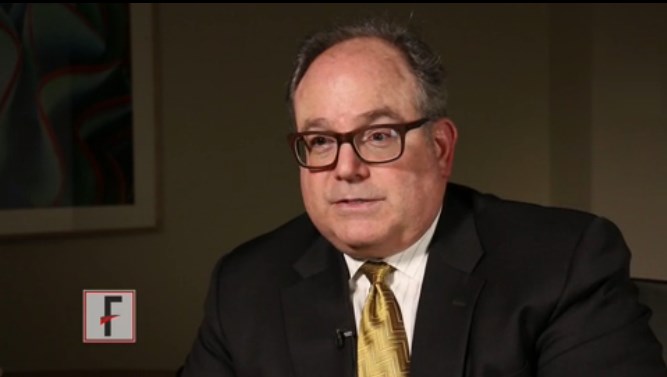
Physicians: Be aware that there have been reports of patient-to-patient infections linked to ERCP procedures. A report in the lay press last year involved transmission of carbapenem-resistant Enterobacteriaceae (CRE) that was linked to a duodenoscope despite the fact that endoscope reprocessing followed manufacturer’s directions. Additional patient infections after ERCP now have been reported in the medical literature and may cause concern for both patients and physicians.
The problem of infection transmission lies in the complex design of duodenoscopes where the elevator channel can allow bacteria to remain after cleansing, even if reprocessing follows accepted procedures.
For AGA members: Remind patients that the therapeutic benefits of ERCP outweigh the potential low risk of infection.
AGA leadership has been working with leadership of all other GI societies, FDA and endoscopy manufacturers to help solve this critical patient safety concern. Through the AGA Center for GI Innovation and Technology, we have working relationships with the FDA device branch and the endoscope manufacturers, and we are offering our help to resolve and monitor this issue. Our goal is safe patient care with no preventable infections.
What you can do:
Follow the endoscope manufacturer’s cleansing instructions and the societies-supported reprocessing guidelines, and understand the FDA-approved use of your automated reprocessor in order to minimize the risk of duodenoscope- associated infection. Have a process to track post-procedure complications, especially infections after ERCP.
More information is available on www.gastro.org.
The video associated with this article is no longer available on this site. Please view all of our videos on the MDedge YouTube channel
Physicians: Be aware that there have been reports of patient-to-patient infections linked to ERCP procedures. A report in the lay press last year involved transmission of carbapenem-resistant Enterobacteriaceae (CRE) that was linked to a duodenoscope despite the fact that endoscope reprocessing followed manufacturer’s directions. Additional patient infections after ERCP now have been reported in the medical literature and may cause concern for both patients and physicians.
The problem of infection transmission lies in the complex design of duodenoscopes where the elevator channel can allow bacteria to remain after cleansing, even if reprocessing follows accepted procedures.
For AGA members: Remind patients that the therapeutic benefits of ERCP outweigh the potential low risk of infection.
AGA leadership has been working with leadership of all other GI societies, FDA and endoscopy manufacturers to help solve this critical patient safety concern. Through the AGA Center for GI Innovation and Technology, we have working relationships with the FDA device branch and the endoscope manufacturers, and we are offering our help to resolve and monitor this issue. Our goal is safe patient care with no preventable infections.
What you can do:
Follow the endoscope manufacturer’s cleansing instructions and the societies-supported reprocessing guidelines, and understand the FDA-approved use of your automated reprocessor in order to minimize the risk of duodenoscope- associated infection. Have a process to track post-procedure complications, especially infections after ERCP.
More information is available on www.gastro.org.
The video associated with this article is no longer available on this site. Please view all of our videos on the MDedge YouTube channel
Physicians: Be aware that there have been reports of patient-to-patient infections linked to ERCP procedures. A report in the lay press last year involved transmission of carbapenem-resistant Enterobacteriaceae (CRE) that was linked to a duodenoscope despite the fact that endoscope reprocessing followed manufacturer’s directions. Additional patient infections after ERCP now have been reported in the medical literature and may cause concern for both patients and physicians.
The problem of infection transmission lies in the complex design of duodenoscopes where the elevator channel can allow bacteria to remain after cleansing, even if reprocessing follows accepted procedures.
For AGA members: Remind patients that the therapeutic benefits of ERCP outweigh the potential low risk of infection.
AGA leadership has been working with leadership of all other GI societies, FDA and endoscopy manufacturers to help solve this critical patient safety concern. Through the AGA Center for GI Innovation and Technology, we have working relationships with the FDA device branch and the endoscope manufacturers, and we are offering our help to resolve and monitor this issue. Our goal is safe patient care with no preventable infections.
What you can do:
Follow the endoscope manufacturer’s cleansing instructions and the societies-supported reprocessing guidelines, and understand the FDA-approved use of your automated reprocessor in order to minimize the risk of duodenoscope- associated infection. Have a process to track post-procedure complications, especially infections after ERCP.
More information is available on www.gastro.org.
The video associated with this article is no longer available on this site. Please view all of our videos on the MDedge YouTube channel
Attend the 2015 AGA Spring Postgraduate Course
Discover the latest GI advances and follow clinical clues to improve your practice and patient outcomes at the 2015 AGA Spring Postgraduate Course: Evidence That Will Change Your Practice: New Advances for Common Clinical Problems.
Scheduled for May 16 and 17, 2015, in conjunction with DDW®, you will hear expert testimony and review new medical evidence for six major areas of the GI tract. Session topics include diseases in the gut, inflammatory bowel disease, esophagus/upper GI, pancreatic-biliary, hepatology and the colon.
Optional clinical challenge sessions and lunch breakout sessions allow you to delve deeper into 15 clinical topics and give you the opportunity to interact with the faculty. You will leave this course with critical data that will change your understanding of disease and your clinical practice.
Additional details, including testimonials from the course directors and learning objectives, are available at http://spgc.gastro.org/. Save $75 on the course, and at least $100 on your DDW registration, when you register by April 1. Young AGA members save an additional $60 on the course as part of a new registration category.
Discover the latest GI advances and follow clinical clues to improve your practice and patient outcomes at the 2015 AGA Spring Postgraduate Course: Evidence That Will Change Your Practice: New Advances for Common Clinical Problems.
Scheduled for May 16 and 17, 2015, in conjunction with DDW®, you will hear expert testimony and review new medical evidence for six major areas of the GI tract. Session topics include diseases in the gut, inflammatory bowel disease, esophagus/upper GI, pancreatic-biliary, hepatology and the colon.
Optional clinical challenge sessions and lunch breakout sessions allow you to delve deeper into 15 clinical topics and give you the opportunity to interact with the faculty. You will leave this course with critical data that will change your understanding of disease and your clinical practice.
Additional details, including testimonials from the course directors and learning objectives, are available at http://spgc.gastro.org/. Save $75 on the course, and at least $100 on your DDW registration, when you register by April 1. Young AGA members save an additional $60 on the course as part of a new registration category.
Discover the latest GI advances and follow clinical clues to improve your practice and patient outcomes at the 2015 AGA Spring Postgraduate Course: Evidence That Will Change Your Practice: New Advances for Common Clinical Problems.
Scheduled for May 16 and 17, 2015, in conjunction with DDW®, you will hear expert testimony and review new medical evidence for six major areas of the GI tract. Session topics include diseases in the gut, inflammatory bowel disease, esophagus/upper GI, pancreatic-biliary, hepatology and the colon.
Optional clinical challenge sessions and lunch breakout sessions allow you to delve deeper into 15 clinical topics and give you the opportunity to interact with the faculty. You will leave this course with critical data that will change your understanding of disease and your clinical practice.
Additional details, including testimonials from the course directors and learning objectives, are available at http://spgc.gastro.org/. Save $75 on the course, and at least $100 on your DDW registration, when you register by April 1. Young AGA members save an additional $60 on the course as part of a new registration category.
First issues of AGA basic research journal now available

Have you checked out AGA’s new peer-reviewed, all-digital journal, Cellular and Molecular Gastroenterology and Hepatology (CMGH)? CMGH is freely available to readers around the world and features topics such as laboratory science and translational work in biology, immunology, physiology, microbiology, genetics, and neurobiology of gastrointestinal, hepatobiliary, and pancreatic health and disease. Read the first issues by visiting www.cmghjournal.org and be sure to visit the site regularly for the latest research.
To receive updates as new content is posted, be sure to also like the journal on Facebook: www.Facebook.com/CMGHjournal.
Have you checked out AGA’s new peer-reviewed, all-digital journal, Cellular and Molecular Gastroenterology and Hepatology (CMGH)? CMGH is freely available to readers around the world and features topics such as laboratory science and translational work in biology, immunology, physiology, microbiology, genetics, and neurobiology of gastrointestinal, hepatobiliary, and pancreatic health and disease. Read the first issues by visiting www.cmghjournal.org and be sure to visit the site regularly for the latest research.
To receive updates as new content is posted, be sure to also like the journal on Facebook: www.Facebook.com/CMGHjournal.
Have you checked out AGA’s new peer-reviewed, all-digital journal, Cellular and Molecular Gastroenterology and Hepatology (CMGH)? CMGH is freely available to readers around the world and features topics such as laboratory science and translational work in biology, immunology, physiology, microbiology, genetics, and neurobiology of gastrointestinal, hepatobiliary, and pancreatic health and disease. Read the first issues by visiting www.cmghjournal.org and be sure to visit the site regularly for the latest research.
To receive updates as new content is posted, be sure to also like the journal on Facebook: www.Facebook.com/CMGHjournal.

Growing and maintaining a referral base
Growing and maintaining your referral base is essential to your practice viability. Here are some simple suggestions that will give you the competitive edge.
Demonstrate to your peers you are the expert on a topic. Giving lectures on topics pertinent to primary care is a good start. Volunteer to give talks at grand rounds or educational meetings locally. This will allow you to demonstrate the depth and breadth of your knowledge and answer questions from doctors who may not be part of your referral base.
For those who want something less formal, consider meeting your referring doctors at their practice for lunch. Spend 30 minutes, answer their questions, and informally discuss difficult cases with them. This will allow the referring doctor and their staff to get know you better. Remember, the staff can also sway a patient (“Oh, I met Dr. Jones and he seems really nice and smart.”) If you are too busy, have a practice administrator visit the practice and try to find out how you can improve your service.
In larger groups, consider assigning a few of your partners to become the liaison to your group. If you break down your top 10 referring doctors and “assign” one of your partners to that doctor, you can ensure that their needs are being met.
Twice yearly lunches with that physician may ensure that the referring doctor is happy with your service and can also identify problems. For example, a patient may have had a bad experience with one of the partners and you can assure the doctor that you will address the issue. Negative interactions with your practice by a few patients (that you may be unaware of) may permanently alter referral patterns. Asking open-ended questions like, “how can we serve you better,” may identify problems in your service that you have never identified.
Giving the referring doctor your personal cell phone number and telling them to call or text you about patients who need urgent assessment will allow the referring doctor to have direct access to you. The ease of referral also is an important determinant of volume.
Consider sending out a quarterly or bi-annual newsletter summarizing novel treatments or discoveries for common GI disorders. This can be sent out via “snail mail” or via e-mail programs like Mail Chimp.
Targeting the top referring doctors with pertinent information, presented clearly and succinctly, will also reinforce the perception you are an expert in the field.
Although these efforts take time and money, it is far less costly than losing one solid referring doctor. Providing excellent service to your best referring doctors may be a better use of your resources than trying to reach doctors who have never referred to your group.
By Dr. Naresh T. Gunaratnam, AGAF, member, AGA Institute Practice Management & Economics Committee; gastroenterologist, Huron Gastroenterology Associates, Ypsilanti, Mich.
Growing and maintaining your referral base is essential to your practice viability. Here are some simple suggestions that will give you the competitive edge.
Demonstrate to your peers you are the expert on a topic. Giving lectures on topics pertinent to primary care is a good start. Volunteer to give talks at grand rounds or educational meetings locally. This will allow you to demonstrate the depth and breadth of your knowledge and answer questions from doctors who may not be part of your referral base.
For those who want something less formal, consider meeting your referring doctors at their practice for lunch. Spend 30 minutes, answer their questions, and informally discuss difficult cases with them. This will allow the referring doctor and their staff to get know you better. Remember, the staff can also sway a patient (“Oh, I met Dr. Jones and he seems really nice and smart.”) If you are too busy, have a practice administrator visit the practice and try to find out how you can improve your service.
In larger groups, consider assigning a few of your partners to become the liaison to your group. If you break down your top 10 referring doctors and “assign” one of your partners to that doctor, you can ensure that their needs are being met.
Twice yearly lunches with that physician may ensure that the referring doctor is happy with your service and can also identify problems. For example, a patient may have had a bad experience with one of the partners and you can assure the doctor that you will address the issue. Negative interactions with your practice by a few patients (that you may be unaware of) may permanently alter referral patterns. Asking open-ended questions like, “how can we serve you better,” may identify problems in your service that you have never identified.
Giving the referring doctor your personal cell phone number and telling them to call or text you about patients who need urgent assessment will allow the referring doctor to have direct access to you. The ease of referral also is an important determinant of volume.
Consider sending out a quarterly or bi-annual newsletter summarizing novel treatments or discoveries for common GI disorders. This can be sent out via “snail mail” or via e-mail programs like Mail Chimp.
Targeting the top referring doctors with pertinent information, presented clearly and succinctly, will also reinforce the perception you are an expert in the field.
Although these efforts take time and money, it is far less costly than losing one solid referring doctor. Providing excellent service to your best referring doctors may be a better use of your resources than trying to reach doctors who have never referred to your group.
By Dr. Naresh T. Gunaratnam, AGAF, member, AGA Institute Practice Management & Economics Committee; gastroenterologist, Huron Gastroenterology Associates, Ypsilanti, Mich.
Growing and maintaining your referral base is essential to your practice viability. Here are some simple suggestions that will give you the competitive edge.
Demonstrate to your peers you are the expert on a topic. Giving lectures on topics pertinent to primary care is a good start. Volunteer to give talks at grand rounds or educational meetings locally. This will allow you to demonstrate the depth and breadth of your knowledge and answer questions from doctors who may not be part of your referral base.
For those who want something less formal, consider meeting your referring doctors at their practice for lunch. Spend 30 minutes, answer their questions, and informally discuss difficult cases with them. This will allow the referring doctor and their staff to get know you better. Remember, the staff can also sway a patient (“Oh, I met Dr. Jones and he seems really nice and smart.”) If you are too busy, have a practice administrator visit the practice and try to find out how you can improve your service.
In larger groups, consider assigning a few of your partners to become the liaison to your group. If you break down your top 10 referring doctors and “assign” one of your partners to that doctor, you can ensure that their needs are being met.
Twice yearly lunches with that physician may ensure that the referring doctor is happy with your service and can also identify problems. For example, a patient may have had a bad experience with one of the partners and you can assure the doctor that you will address the issue. Negative interactions with your practice by a few patients (that you may be unaware of) may permanently alter referral patterns. Asking open-ended questions like, “how can we serve you better,” may identify problems in your service that you have never identified.
Giving the referring doctor your personal cell phone number and telling them to call or text you about patients who need urgent assessment will allow the referring doctor to have direct access to you. The ease of referral also is an important determinant of volume.
Consider sending out a quarterly or bi-annual newsletter summarizing novel treatments or discoveries for common GI disorders. This can be sent out via “snail mail” or via e-mail programs like Mail Chimp.
Targeting the top referring doctors with pertinent information, presented clearly and succinctly, will also reinforce the perception you are an expert in the field.
Although these efforts take time and money, it is far less costly than losing one solid referring doctor. Providing excellent service to your best referring doctors may be a better use of your resources than trying to reach doctors who have never referred to your group.
By Dr. Naresh T. Gunaratnam, AGAF, member, AGA Institute Practice Management & Economics Committee; gastroenterologist, Huron Gastroenterology Associates, Ypsilanti, Mich.
Memorial and honorary gifts: a special tribute
Did you know you can honor a family member, friend, or colleague whose life has been touched by GI research through a gift to the AGA Research Foundation? Your gift will honor a loved one or yourself and support the AGA Research Awards Program, while giving you a tax benefit.
Giving now or later. Any charitable gift can be made in honor or memory of someone.
A gift today. An outright gift will help fund the AGA Research Awards Program. Your gift will assist in furthering basic digestive disease research which can ultimately advance research into all digestive diseases. The financial benefits include an income tax deduction and possible elimination of capital gains tax. A cash gift of $25,000 or more qualifies for membership in the AGA Legacy Society, which recognizes the foundation’s most generous individual donors.
A gift through your will or living trust. You can include a bequest in your will or living trust stating that a specific asset, certain dollar amount, or more commonly a percentage of your estate will pass to the AGA Research Foundation at your death in honor of your loved one. A bequest gift of $50,000 or more qualifies for membership in the AGA Legacy Society.
Named funds. A named fund, which can be named to honor or memorialize a loved one, can be established with a minimum gift of $100,000 over the course of 5 years or through an estate gift. Gifts of cash, appreciated securities, life insurance, or property are gift vehicles that may be used to establish a fund. Donors receive a tax deduction at the time a fund is established and when additional contributions are made to the fund.
Because the principal remains intact, the fund will support our mission in perpetuity. The larger the fund, the more impact it has on the program it is designed to benefit.
Your next step
An honorary gift is a wonderful way to acknowledge someone’s vision for the future. To learn more about ways to recognize your honoree, visit our website at www.gastro.org/contribute or contact Stacey Hinton Tuneski at 301-222-4005 or [email protected].
Did you know you can honor a family member, friend, or colleague whose life has been touched by GI research through a gift to the AGA Research Foundation? Your gift will honor a loved one or yourself and support the AGA Research Awards Program, while giving you a tax benefit.
Giving now or later. Any charitable gift can be made in honor or memory of someone.
A gift today. An outright gift will help fund the AGA Research Awards Program. Your gift will assist in furthering basic digestive disease research which can ultimately advance research into all digestive diseases. The financial benefits include an income tax deduction and possible elimination of capital gains tax. A cash gift of $25,000 or more qualifies for membership in the AGA Legacy Society, which recognizes the foundation’s most generous individual donors.
A gift through your will or living trust. You can include a bequest in your will or living trust stating that a specific asset, certain dollar amount, or more commonly a percentage of your estate will pass to the AGA Research Foundation at your death in honor of your loved one. A bequest gift of $50,000 or more qualifies for membership in the AGA Legacy Society.
Named funds. A named fund, which can be named to honor or memorialize a loved one, can be established with a minimum gift of $100,000 over the course of 5 years or through an estate gift. Gifts of cash, appreciated securities, life insurance, or property are gift vehicles that may be used to establish a fund. Donors receive a tax deduction at the time a fund is established and when additional contributions are made to the fund.
Because the principal remains intact, the fund will support our mission in perpetuity. The larger the fund, the more impact it has on the program it is designed to benefit.
Your next step
An honorary gift is a wonderful way to acknowledge someone’s vision for the future. To learn more about ways to recognize your honoree, visit our website at www.gastro.org/contribute or contact Stacey Hinton Tuneski at 301-222-4005 or [email protected].
Did you know you can honor a family member, friend, or colleague whose life has been touched by GI research through a gift to the AGA Research Foundation? Your gift will honor a loved one or yourself and support the AGA Research Awards Program, while giving you a tax benefit.
Giving now or later. Any charitable gift can be made in honor or memory of someone.
A gift today. An outright gift will help fund the AGA Research Awards Program. Your gift will assist in furthering basic digestive disease research which can ultimately advance research into all digestive diseases. The financial benefits include an income tax deduction and possible elimination of capital gains tax. A cash gift of $25,000 or more qualifies for membership in the AGA Legacy Society, which recognizes the foundation’s most generous individual donors.
A gift through your will or living trust. You can include a bequest in your will or living trust stating that a specific asset, certain dollar amount, or more commonly a percentage of your estate will pass to the AGA Research Foundation at your death in honor of your loved one. A bequest gift of $50,000 or more qualifies for membership in the AGA Legacy Society.
Named funds. A named fund, which can be named to honor or memorialize a loved one, can be established with a minimum gift of $100,000 over the course of 5 years or through an estate gift. Gifts of cash, appreciated securities, life insurance, or property are gift vehicles that may be used to establish a fund. Donors receive a tax deduction at the time a fund is established and when additional contributions are made to the fund.
Because the principal remains intact, the fund will support our mission in perpetuity. The larger the fund, the more impact it has on the program it is designed to benefit.
Your next step
An honorary gift is a wonderful way to acknowledge someone’s vision for the future. To learn more about ways to recognize your honoree, visit our website at www.gastro.org/contribute or contact Stacey Hinton Tuneski at 301-222-4005 or [email protected].