User login
Can You Afford to Hire an Associate?
A lot of questions are coming in concerning the financial considerations involved in bringing a new physician into a private practice.
Having decided that an associate is needed, many doctors are concerned about the expense. Disposable funds are scarce these days. They ask how to realistically predict the costs involved in finding their new doctor, then supporting him or her until income outstrips expenditures.
Every medical practice is different, so generalizations are difficult. It may behoove you to hire a practice consultant to sort out the unique aspects of your particular situation.
That said, many of the expenses involved are foreseeable and calculable. You probably already know how much you plan to pay the new associate. If not, find out what nearby practices are paying their recruits and ask applicants themselves how much they expect to be paid. Remember to include payroll taxes, liability insurance, health insurance, retirement plan costs, dues and memberships, and other fringe benefits your practice provides.
Then estimate the costs of additional staff members, supplies, and other items that will be needed to support the new physician. If additional office space, furnishings, and equipment will be needed, factor that in, too. There also will be legal costs, and possibly marketing costs, if the newly hired physician will be providing new, specialized services that need to be announced to the community.
Next, look at what it will cost you to do the actual recruiting. Some practices may find all the prospects they need by running a few classified ads in specialty journals; others will have to hire a recruitment firm. You should factor in the time you will spend interviewing, conducting reference checks, negotiating, and meeting with attorneys and others—time that must be taken away from seeing patients.
Now, you will need to determine when the new doctor will become self-sufficient by estimating how many patients he or she realistically will see from the first day in the practice, and how rapidly that census will increase.
You should first calculate an average fee per patient collected by your practice, along with average time elapsed until insurance payments are received. Your accountant can help with this.
Once you have that data, you can begin forecasting revenues. If you figure that 10 patients per day is a realistic starting point for your new physician, and your average revenue is $100 per patient received an average of 30 days after the visit, you can anticipate that additional revenues of $1,000 per day will begin arriving about a month after the new doctor begins working.
As time progresses, the number of patients will hopefully increase, with a corresponding increase in revenues. Many practices tend to be overly optimistic in predicting practice growth, but since this is the point at which cash flow will be tightest, prudence dictates that you err on the side of underestimating your revenue projections and overestimating expense projections.
At this point, you need a clear, overall view of those revenue and expense estimates over time. This can be obtained by preparing a spreadsheet-type schedule and recording all the estimates on a month-by-month basis over the time period necessary to assimilate the new doctor, say 2 years.
Remember to begin with the first month you plan to incur an expense—probably when you start recruiting. Not only is this necessary for an accurate assessment of total expenses, but it will remind you that expenses begin to accrue long before the physician starts working.
As you decide when each expense will start, list it in the corresponding monthly column along with the estimated amount. Do the same with projected revenues. Your accountant can help you with this schedule, too. He or she should also calculate other essential projections, such as rent and overhead increases, debt service on any loans to finance the project, inflation, and tax effects.
When you have finished, you will have a summary of all estimated expenses and revenues, by month, that are associated with hiring the new physician. You will have a good idea of how much cash will go out before patients are even seen and how long it will take before revenues surpass expenses. This serves not only to solidify the plan in your own mind, but to illustrate your plans in graphic form for your banker, should you need a loan to finance the project.
All this may seem like a lot of work, but without it you won't have a realistic picture of the costs incurred in adding a physician, and you won't be able to make well-informed decisions on how much of the startup costs the practice can afford to finance and how much may have to be financed through your bank.
A lot of questions are coming in concerning the financial considerations involved in bringing a new physician into a private practice.
Having decided that an associate is needed, many doctors are concerned about the expense. Disposable funds are scarce these days. They ask how to realistically predict the costs involved in finding their new doctor, then supporting him or her until income outstrips expenditures.
Every medical practice is different, so generalizations are difficult. It may behoove you to hire a practice consultant to sort out the unique aspects of your particular situation.
That said, many of the expenses involved are foreseeable and calculable. You probably already know how much you plan to pay the new associate. If not, find out what nearby practices are paying their recruits and ask applicants themselves how much they expect to be paid. Remember to include payroll taxes, liability insurance, health insurance, retirement plan costs, dues and memberships, and other fringe benefits your practice provides.
Then estimate the costs of additional staff members, supplies, and other items that will be needed to support the new physician. If additional office space, furnishings, and equipment will be needed, factor that in, too. There also will be legal costs, and possibly marketing costs, if the newly hired physician will be providing new, specialized services that need to be announced to the community.
Next, look at what it will cost you to do the actual recruiting. Some practices may find all the prospects they need by running a few classified ads in specialty journals; others will have to hire a recruitment firm. You should factor in the time you will spend interviewing, conducting reference checks, negotiating, and meeting with attorneys and others—time that must be taken away from seeing patients.
Now, you will need to determine when the new doctor will become self-sufficient by estimating how many patients he or she realistically will see from the first day in the practice, and how rapidly that census will increase.
You should first calculate an average fee per patient collected by your practice, along with average time elapsed until insurance payments are received. Your accountant can help with this.
Once you have that data, you can begin forecasting revenues. If you figure that 10 patients per day is a realistic starting point for your new physician, and your average revenue is $100 per patient received an average of 30 days after the visit, you can anticipate that additional revenues of $1,000 per day will begin arriving about a month after the new doctor begins working.
As time progresses, the number of patients will hopefully increase, with a corresponding increase in revenues. Many practices tend to be overly optimistic in predicting practice growth, but since this is the point at which cash flow will be tightest, prudence dictates that you err on the side of underestimating your revenue projections and overestimating expense projections.
At this point, you need a clear, overall view of those revenue and expense estimates over time. This can be obtained by preparing a spreadsheet-type schedule and recording all the estimates on a month-by-month basis over the time period necessary to assimilate the new doctor, say 2 years.
Remember to begin with the first month you plan to incur an expense—probably when you start recruiting. Not only is this necessary for an accurate assessment of total expenses, but it will remind you that expenses begin to accrue long before the physician starts working.
As you decide when each expense will start, list it in the corresponding monthly column along with the estimated amount. Do the same with projected revenues. Your accountant can help you with this schedule, too. He or she should also calculate other essential projections, such as rent and overhead increases, debt service on any loans to finance the project, inflation, and tax effects.
When you have finished, you will have a summary of all estimated expenses and revenues, by month, that are associated with hiring the new physician. You will have a good idea of how much cash will go out before patients are even seen and how long it will take before revenues surpass expenses. This serves not only to solidify the plan in your own mind, but to illustrate your plans in graphic form for your banker, should you need a loan to finance the project.
All this may seem like a lot of work, but without it you won't have a realistic picture of the costs incurred in adding a physician, and you won't be able to make well-informed decisions on how much of the startup costs the practice can afford to finance and how much may have to be financed through your bank.
A lot of questions are coming in concerning the financial considerations involved in bringing a new physician into a private practice.
Having decided that an associate is needed, many doctors are concerned about the expense. Disposable funds are scarce these days. They ask how to realistically predict the costs involved in finding their new doctor, then supporting him or her until income outstrips expenditures.
Every medical practice is different, so generalizations are difficult. It may behoove you to hire a practice consultant to sort out the unique aspects of your particular situation.
That said, many of the expenses involved are foreseeable and calculable. You probably already know how much you plan to pay the new associate. If not, find out what nearby practices are paying their recruits and ask applicants themselves how much they expect to be paid. Remember to include payroll taxes, liability insurance, health insurance, retirement plan costs, dues and memberships, and other fringe benefits your practice provides.
Then estimate the costs of additional staff members, supplies, and other items that will be needed to support the new physician. If additional office space, furnishings, and equipment will be needed, factor that in, too. There also will be legal costs, and possibly marketing costs, if the newly hired physician will be providing new, specialized services that need to be announced to the community.
Next, look at what it will cost you to do the actual recruiting. Some practices may find all the prospects they need by running a few classified ads in specialty journals; others will have to hire a recruitment firm. You should factor in the time you will spend interviewing, conducting reference checks, negotiating, and meeting with attorneys and others—time that must be taken away from seeing patients.
Now, you will need to determine when the new doctor will become self-sufficient by estimating how many patients he or she realistically will see from the first day in the practice, and how rapidly that census will increase.
You should first calculate an average fee per patient collected by your practice, along with average time elapsed until insurance payments are received. Your accountant can help with this.
Once you have that data, you can begin forecasting revenues. If you figure that 10 patients per day is a realistic starting point for your new physician, and your average revenue is $100 per patient received an average of 30 days after the visit, you can anticipate that additional revenues of $1,000 per day will begin arriving about a month after the new doctor begins working.
As time progresses, the number of patients will hopefully increase, with a corresponding increase in revenues. Many practices tend to be overly optimistic in predicting practice growth, but since this is the point at which cash flow will be tightest, prudence dictates that you err on the side of underestimating your revenue projections and overestimating expense projections.
At this point, you need a clear, overall view of those revenue and expense estimates over time. This can be obtained by preparing a spreadsheet-type schedule and recording all the estimates on a month-by-month basis over the time period necessary to assimilate the new doctor, say 2 years.
Remember to begin with the first month you plan to incur an expense—probably when you start recruiting. Not only is this necessary for an accurate assessment of total expenses, but it will remind you that expenses begin to accrue long before the physician starts working.
As you decide when each expense will start, list it in the corresponding monthly column along with the estimated amount. Do the same with projected revenues. Your accountant can help you with this schedule, too. He or she should also calculate other essential projections, such as rent and overhead increases, debt service on any loans to finance the project, inflation, and tax effects.
When you have finished, you will have a summary of all estimated expenses and revenues, by month, that are associated with hiring the new physician. You will have a good idea of how much cash will go out before patients are even seen and how long it will take before revenues surpass expenses. This serves not only to solidify the plan in your own mind, but to illustrate your plans in graphic form for your banker, should you need a loan to finance the project.
All this may seem like a lot of work, but without it you won't have a realistic picture of the costs incurred in adding a physician, and you won't be able to make well-informed decisions on how much of the startup costs the practice can afford to finance and how much may have to be financed through your bank.
Medical Verdicts
Defense denies dystocia, says baby was “hung up”
Shortly after vaginal delivery of a 9 lb 7 oz infant by a 31-year-old woman, the infant was found to have a fractured clavicle, a limp right arm, and bruising on the upper shoulder and back. The physician’s notes stated the delivery was normal, with no shoulder dystocia and no difficulties. The physician allegedly advised the parents that the infant had a “stretched nerve” that would resolve over time, and that nerve injuries took a long time to heal.
After 3 years, the child was diagnosed with brachial plexus injury, arm shortening and weakness, and dexterity problems. The child had had 2 corrective surgeries, and further surgeries and physical therapy were expected to be necessary throughout her life. The plaintiff claimed the shoulder dystocia was a result of excessive traction by the physician, and that the physician failed to recognize the shoulder dystocia and take appropriate action.
The physician insisted the natural propulsive forces of labor caused the injury. He denied encountering shoulder dystocia, although he stated on cross-examination that the baby got “hung up” during delivery.
- The jury awarded the plaintiff $3 million.
Resident lacerates infant’s forehead
A 26-year-old woman was admitted with labor pains and was attached to a fetal heart monitor. Because the fetus had mild tachycardia (
The obstetrician made a Pfannenstiel incision and a third-year resident made the uterine incision, lacerating the forehead of the fetus to the bone. The laceration was 5 cm long and required 30 stitches immediately after birth.
The woman asserted she was not advised until moments beforehand that a cesarean section was to be done, and that she was never told that a resident would make the uterine incision. She also claimed negligence on the part of the obstetrician for failing to perform an internal exam to assess the thinness of the uterine wall.
The physician argued the high fetal heart rate necessitated a cesarean section, which became an emergency when general anesthesia was given.
- The jury awarded the plaintiff $550,000.
Necrotizing fasciitis after c-section
After a 34-year-old primigravida underwent a cesarean section, a surgical incision and deep infection developed. Ten days after delivery, and after several readmissions for the infection, she was transferred to a teaching facility in critical condition, where necrotizing fasciitis was diagnosed immediately. Major debridement of the abdominal wall was repeated several times over the next 5 weeks, and her infected uterus was removed. Reconstruction was necessary to repair the abdominal wall and loss of skin.
The woman claimed negligence in failure to diagnosis postpartum endometritis; she maintained the physician had said the infection was under control just before transfer to the teaching hospital. She faulted the physician for failure to use the standard antibiotic treatment for endometritis, failure to promptly open and drain the surgical wound because of cellulitis, failure to switch antibiotics in the face of progressing infection, prematurely discharging her on 2 occasions, and failure to recognize and treat necrotizing fasciitis despite skin hardening and other classic signs.
The physician contended that necrotizing fasciitis is rare and difficult to diagnose due to its similarity to other infections, and that it developed either just before or during transfer out of his care. The defense maintained the woman was always on antibiotics in consultation with infectious disease and wound care experts.
- The case settled for $500,000.
Finger-pointing after high-risk birth
A woman with gestational diabetes, pregnancy-induced hypertension, preeclampsia, fetal prematurity, and intrauterine growth restriction was admitted at 36 weeks’ gestation to a hospital for induction of labor. She was seen by a physician at 5, 14, and 23 hours after admission.
During the induction, fetal monitoring strips became nonreassuring. The on-call OB was allegedly contacted 3 times by the labor-delivery nurse, but he was delivering a series of infants at another hospital. The nurse then contacted the back-up OB, who arrived 40 minutes later.
Delivered by vacuum extraction, the infant had Apgar scores of 6 at 1 minute and 7 at 5 minutes; cord blood pH was 7.15. The infant had seizures in the NICU and brain imaging evidence of subdural and subarachnoid bleeding and an enlarging clot in the transverse sinus and in the superior sagittal sinus. A month later at discharge, the infant was diagnosed with severe cerebral palsy.
In suing, the woman claimed that her complications should have warranted closer monitoring to ensure a safe trial of labor. She also contended the on-call OB should have arranged for the back-up OB to see her.
The nurse testified that she faxed fetal monitor strips twice to the on-call OB and twice asked him to come see the woman. The on-call OB asserted that only 1 fax was received and denied being asked to come to the woman’s bedside before 2:35 AM. The defense denied the standard of care required a physician be at the woman’s bedside prior to 3:00 AM.
- The case settled for $5.25 million ($1 million from the hospital and the rest from the physicians).
Drug abuse at fault, not lack of tocolytics
A woman presented at 27 weeks’ gestation with complaints of cramping and spotting. The nurse reported to the physician that the woman stated she was not having contractions and that an hour on a fetal monitor revealed no contractions. Therefore, the physician advised the nurse to discharge the patient.
The woman returned an hour later, however, and vaginal examination revealed that delivery was imminent; she underwent a cesarean section delivery. The infant was noted to have respiratory problems, a bowel perforation, and retinopathy of prematurity. After discharge the infant failed to thrive and was diagnosed with bronchopulmonary dysplasia, cerebral palsy, cortical blindness, and severe mental retardation. The child has required nutrition via a gastrostomy tube since age 3.
In suing, the plaintiff claimed the physicians failed to examine the mother at her first presentation and administer tocolytic agents.
The defense denied the woman was having contractions and asserted that she had an incompetent cervix, and that the infant’s problems were the results of parental neglect and drug abuse.
- The jury returned a defense verdict.
Phone call from nurse disputed in fetal injury
A woman admitted in labor had an initial reassuring fetal heart monitor tracing, but as labor progressed, the tracings became nonreassuring. The labor and delivery nurse called the OB at home in the early morning hours. The fetal heart tracings deteriorated further and the OB was called again. He came quickly to the hospital, and by his arrival the fetus was in severe distress. There was an additional delay before the woman was transferred to an operating room for an emergency cesarean section.
The infant was born with hypoxic-ischemic encephalopathy, and cerebral palsy and global developmental delay ensued. The woman claimed the nurse (who worked for a nursing registry apart from the hospital) should have clarified the seriousness of the situation in the first phone call and that the OB should have gone to the hospital sooner. The nurse maintained that she had described the fetal heart tracing accurately in the first phone call. The OB denied hearing such a description.
- The case settled for $3.3 million ($930,000 from the OB, $950,00 from the nursing registry, and $1.45 million from the hospital).
Jury agreed ovarian cancer looked like perimenopause
A 47-year-old woman with a history of breast cancer at an early age presented to the emergency department complaining of heavy vaginal bleeding for 4 to 5 days, after no menstrual periods for 2 months.
The hospital emergency department physician ruled out neoplasm and diagnosed and treated her for dysfunctional uterine bleeding. She was referred to a gynecologist.
She saw her usual gynecologist the next day, who also diagnosed heavy periods and perimenopause. She also saw her internist several times over the next few months.
She returned to her gynecologist 4 months later with complaints of abdominal pain and urinary symptoms. A pelvic ultrasound, ordered to follow up a tender right ovary, revealed an ovarian cyst. Laparoscopy was recommended, which the woman refused, and she was told to return in 2 weeks. She did not return for 2 months; however, she did visit her internist twice during the interim, with complaints of bilateral lower abdominal pain and bloating. When she returned to her gynecologist, another ultrasound revealed bilateral ovarian cysts that had grown, and the woman was in substantial pain. Prompt surgery was recommended.
Surgery revealed stage IIIC grade III ovarian cancer. After a long course of chemotherapy, the woman died 2 years later.
The suit against the gynecologist and the internist alleged negligence in delayed diagnosis of the ovarian cancer, failure to take a proper history, and failure to have a high index of suspicion due to the woman’s known history of breast cancer. Had earlier ultrasound and a CA 125 blood test been performed, the cancer would have been diagnosed sooner and cure would have been more likely, the plaintiff claimed.
The defense contended the woman’s symptoms were consistent with perimenopause and not cancer, thus no ultrasound or CA 125 tests were necessary. It also argued that the woman did not follow the gynecologist’s recommendation for laparoscopy to examine the cyst when it was first found.
- The internist settled during the trial for $900,000. The jury returned a defense verdict for the gynecologist.
OB wins, hospital settles in sepsis, stillbirth case
When her amniotic membranes began bulging at 17 weeks’ gestation, a 30-year-old woman presented to a hospital, where her physician and a perinatal consultant recommended termination of the pregnancy.
She allegedly declined to terminate the pregnancy. Five days later she had a temperature of 104.4°F, a nosebleed, and bleeding at blood-draw sites. The physician prescribed ampicillin, clindamycin, gentamicin, and fresh frozen plasma. Blood tests revealed disseminated intravascular coagulation.
The fetus was delivered stillborn an hour later, and the mother suffered cardiac arrest 4 hours later and died of septic shock.
The petitioner for the deceased woman claimed the physician delayed delivery of the fetus, failed to administer effective antibiotics, and failed to consult an infectious disease specialist or a hematologist.
The physician contended antibiotics were ordered while culture results were pending.
- The hospital settled before trial for $1.25 million. The jury returned a defense verdict for the physician.
Uterine rupture in VBAC with oxytocin
After a prior cesarean delivery, a woman and her physician agreed to deliver her second child by cesarean if she did not deliver by a certain date. In the event of earlier labor, she would have a 4-hour trial of labor.
She went into labor before the due date and was given oxytocin. During labor, which extended more than 4 hours, the uterus ruptured, resulting in hypoxic ischemia for the infant, who was born with mild learning disabilities.
In suing, the woman contended the physician should not have given oxytocin, should not have allowed labor to progress beyond 4 hours, and failed to recognize recurrent variable decelerations on the fetal monitor tracings. In addition, she claimed the physician did not examine her during the 5 hours of labor.
The physician countered that the woman was properly examined, monitored, and treated, and denied the child had evidence of cognitive impairment.
- The case settled for $2.25 million.
Defense denies dystocia, says baby was “hung up”
Shortly after vaginal delivery of a 9 lb 7 oz infant by a 31-year-old woman, the infant was found to have a fractured clavicle, a limp right arm, and bruising on the upper shoulder and back. The physician’s notes stated the delivery was normal, with no shoulder dystocia and no difficulties. The physician allegedly advised the parents that the infant had a “stretched nerve” that would resolve over time, and that nerve injuries took a long time to heal.
After 3 years, the child was diagnosed with brachial plexus injury, arm shortening and weakness, and dexterity problems. The child had had 2 corrective surgeries, and further surgeries and physical therapy were expected to be necessary throughout her life. The plaintiff claimed the shoulder dystocia was a result of excessive traction by the physician, and that the physician failed to recognize the shoulder dystocia and take appropriate action.
The physician insisted the natural propulsive forces of labor caused the injury. He denied encountering shoulder dystocia, although he stated on cross-examination that the baby got “hung up” during delivery.
- The jury awarded the plaintiff $3 million.
Resident lacerates infant’s forehead
A 26-year-old woman was admitted with labor pains and was attached to a fetal heart monitor. Because the fetus had mild tachycardia (
The obstetrician made a Pfannenstiel incision and a third-year resident made the uterine incision, lacerating the forehead of the fetus to the bone. The laceration was 5 cm long and required 30 stitches immediately after birth.
The woman asserted she was not advised until moments beforehand that a cesarean section was to be done, and that she was never told that a resident would make the uterine incision. She also claimed negligence on the part of the obstetrician for failing to perform an internal exam to assess the thinness of the uterine wall.
The physician argued the high fetal heart rate necessitated a cesarean section, which became an emergency when general anesthesia was given.
- The jury awarded the plaintiff $550,000.
Necrotizing fasciitis after c-section
After a 34-year-old primigravida underwent a cesarean section, a surgical incision and deep infection developed. Ten days after delivery, and after several readmissions for the infection, she was transferred to a teaching facility in critical condition, where necrotizing fasciitis was diagnosed immediately. Major debridement of the abdominal wall was repeated several times over the next 5 weeks, and her infected uterus was removed. Reconstruction was necessary to repair the abdominal wall and loss of skin.
The woman claimed negligence in failure to diagnosis postpartum endometritis; she maintained the physician had said the infection was under control just before transfer to the teaching hospital. She faulted the physician for failure to use the standard antibiotic treatment for endometritis, failure to promptly open and drain the surgical wound because of cellulitis, failure to switch antibiotics in the face of progressing infection, prematurely discharging her on 2 occasions, and failure to recognize and treat necrotizing fasciitis despite skin hardening and other classic signs.
The physician contended that necrotizing fasciitis is rare and difficult to diagnose due to its similarity to other infections, and that it developed either just before or during transfer out of his care. The defense maintained the woman was always on antibiotics in consultation with infectious disease and wound care experts.
- The case settled for $500,000.
Finger-pointing after high-risk birth
A woman with gestational diabetes, pregnancy-induced hypertension, preeclampsia, fetal prematurity, and intrauterine growth restriction was admitted at 36 weeks’ gestation to a hospital for induction of labor. She was seen by a physician at 5, 14, and 23 hours after admission.
During the induction, fetal monitoring strips became nonreassuring. The on-call OB was allegedly contacted 3 times by the labor-delivery nurse, but he was delivering a series of infants at another hospital. The nurse then contacted the back-up OB, who arrived 40 minutes later.
Delivered by vacuum extraction, the infant had Apgar scores of 6 at 1 minute and 7 at 5 minutes; cord blood pH was 7.15. The infant had seizures in the NICU and brain imaging evidence of subdural and subarachnoid bleeding and an enlarging clot in the transverse sinus and in the superior sagittal sinus. A month later at discharge, the infant was diagnosed with severe cerebral palsy.
In suing, the woman claimed that her complications should have warranted closer monitoring to ensure a safe trial of labor. She also contended the on-call OB should have arranged for the back-up OB to see her.
The nurse testified that she faxed fetal monitor strips twice to the on-call OB and twice asked him to come see the woman. The on-call OB asserted that only 1 fax was received and denied being asked to come to the woman’s bedside before 2:35 AM. The defense denied the standard of care required a physician be at the woman’s bedside prior to 3:00 AM.
- The case settled for $5.25 million ($1 million from the hospital and the rest from the physicians).
Drug abuse at fault, not lack of tocolytics
A woman presented at 27 weeks’ gestation with complaints of cramping and spotting. The nurse reported to the physician that the woman stated she was not having contractions and that an hour on a fetal monitor revealed no contractions. Therefore, the physician advised the nurse to discharge the patient.
The woman returned an hour later, however, and vaginal examination revealed that delivery was imminent; she underwent a cesarean section delivery. The infant was noted to have respiratory problems, a bowel perforation, and retinopathy of prematurity. After discharge the infant failed to thrive and was diagnosed with bronchopulmonary dysplasia, cerebral palsy, cortical blindness, and severe mental retardation. The child has required nutrition via a gastrostomy tube since age 3.
In suing, the plaintiff claimed the physicians failed to examine the mother at her first presentation and administer tocolytic agents.
The defense denied the woman was having contractions and asserted that she had an incompetent cervix, and that the infant’s problems were the results of parental neglect and drug abuse.
- The jury returned a defense verdict.
Phone call from nurse disputed in fetal injury
A woman admitted in labor had an initial reassuring fetal heart monitor tracing, but as labor progressed, the tracings became nonreassuring. The labor and delivery nurse called the OB at home in the early morning hours. The fetal heart tracings deteriorated further and the OB was called again. He came quickly to the hospital, and by his arrival the fetus was in severe distress. There was an additional delay before the woman was transferred to an operating room for an emergency cesarean section.
The infant was born with hypoxic-ischemic encephalopathy, and cerebral palsy and global developmental delay ensued. The woman claimed the nurse (who worked for a nursing registry apart from the hospital) should have clarified the seriousness of the situation in the first phone call and that the OB should have gone to the hospital sooner. The nurse maintained that she had described the fetal heart tracing accurately in the first phone call. The OB denied hearing such a description.
- The case settled for $3.3 million ($930,000 from the OB, $950,00 from the nursing registry, and $1.45 million from the hospital).
Jury agreed ovarian cancer looked like perimenopause
A 47-year-old woman with a history of breast cancer at an early age presented to the emergency department complaining of heavy vaginal bleeding for 4 to 5 days, after no menstrual periods for 2 months.
The hospital emergency department physician ruled out neoplasm and diagnosed and treated her for dysfunctional uterine bleeding. She was referred to a gynecologist.
She saw her usual gynecologist the next day, who also diagnosed heavy periods and perimenopause. She also saw her internist several times over the next few months.
She returned to her gynecologist 4 months later with complaints of abdominal pain and urinary symptoms. A pelvic ultrasound, ordered to follow up a tender right ovary, revealed an ovarian cyst. Laparoscopy was recommended, which the woman refused, and she was told to return in 2 weeks. She did not return for 2 months; however, she did visit her internist twice during the interim, with complaints of bilateral lower abdominal pain and bloating. When she returned to her gynecologist, another ultrasound revealed bilateral ovarian cysts that had grown, and the woman was in substantial pain. Prompt surgery was recommended.
Surgery revealed stage IIIC grade III ovarian cancer. After a long course of chemotherapy, the woman died 2 years later.
The suit against the gynecologist and the internist alleged negligence in delayed diagnosis of the ovarian cancer, failure to take a proper history, and failure to have a high index of suspicion due to the woman’s known history of breast cancer. Had earlier ultrasound and a CA 125 blood test been performed, the cancer would have been diagnosed sooner and cure would have been more likely, the plaintiff claimed.
The defense contended the woman’s symptoms were consistent with perimenopause and not cancer, thus no ultrasound or CA 125 tests were necessary. It also argued that the woman did not follow the gynecologist’s recommendation for laparoscopy to examine the cyst when it was first found.
- The internist settled during the trial for $900,000. The jury returned a defense verdict for the gynecologist.
OB wins, hospital settles in sepsis, stillbirth case
When her amniotic membranes began bulging at 17 weeks’ gestation, a 30-year-old woman presented to a hospital, where her physician and a perinatal consultant recommended termination of the pregnancy.
She allegedly declined to terminate the pregnancy. Five days later she had a temperature of 104.4°F, a nosebleed, and bleeding at blood-draw sites. The physician prescribed ampicillin, clindamycin, gentamicin, and fresh frozen plasma. Blood tests revealed disseminated intravascular coagulation.
The fetus was delivered stillborn an hour later, and the mother suffered cardiac arrest 4 hours later and died of septic shock.
The petitioner for the deceased woman claimed the physician delayed delivery of the fetus, failed to administer effective antibiotics, and failed to consult an infectious disease specialist or a hematologist.
The physician contended antibiotics were ordered while culture results were pending.
- The hospital settled before trial for $1.25 million. The jury returned a defense verdict for the physician.
Uterine rupture in VBAC with oxytocin
After a prior cesarean delivery, a woman and her physician agreed to deliver her second child by cesarean if she did not deliver by a certain date. In the event of earlier labor, she would have a 4-hour trial of labor.
She went into labor before the due date and was given oxytocin. During labor, which extended more than 4 hours, the uterus ruptured, resulting in hypoxic ischemia for the infant, who was born with mild learning disabilities.
In suing, the woman contended the physician should not have given oxytocin, should not have allowed labor to progress beyond 4 hours, and failed to recognize recurrent variable decelerations on the fetal monitor tracings. In addition, she claimed the physician did not examine her during the 5 hours of labor.
The physician countered that the woman was properly examined, monitored, and treated, and denied the child had evidence of cognitive impairment.
- The case settled for $2.25 million.
Defense denies dystocia, says baby was “hung up”
Shortly after vaginal delivery of a 9 lb 7 oz infant by a 31-year-old woman, the infant was found to have a fractured clavicle, a limp right arm, and bruising on the upper shoulder and back. The physician’s notes stated the delivery was normal, with no shoulder dystocia and no difficulties. The physician allegedly advised the parents that the infant had a “stretched nerve” that would resolve over time, and that nerve injuries took a long time to heal.
After 3 years, the child was diagnosed with brachial plexus injury, arm shortening and weakness, and dexterity problems. The child had had 2 corrective surgeries, and further surgeries and physical therapy were expected to be necessary throughout her life. The plaintiff claimed the shoulder dystocia was a result of excessive traction by the physician, and that the physician failed to recognize the shoulder dystocia and take appropriate action.
The physician insisted the natural propulsive forces of labor caused the injury. He denied encountering shoulder dystocia, although he stated on cross-examination that the baby got “hung up” during delivery.
- The jury awarded the plaintiff $3 million.
Resident lacerates infant’s forehead
A 26-year-old woman was admitted with labor pains and was attached to a fetal heart monitor. Because the fetus had mild tachycardia (
The obstetrician made a Pfannenstiel incision and a third-year resident made the uterine incision, lacerating the forehead of the fetus to the bone. The laceration was 5 cm long and required 30 stitches immediately after birth.
The woman asserted she was not advised until moments beforehand that a cesarean section was to be done, and that she was never told that a resident would make the uterine incision. She also claimed negligence on the part of the obstetrician for failing to perform an internal exam to assess the thinness of the uterine wall.
The physician argued the high fetal heart rate necessitated a cesarean section, which became an emergency when general anesthesia was given.
- The jury awarded the plaintiff $550,000.
Necrotizing fasciitis after c-section
After a 34-year-old primigravida underwent a cesarean section, a surgical incision and deep infection developed. Ten days after delivery, and after several readmissions for the infection, she was transferred to a teaching facility in critical condition, where necrotizing fasciitis was diagnosed immediately. Major debridement of the abdominal wall was repeated several times over the next 5 weeks, and her infected uterus was removed. Reconstruction was necessary to repair the abdominal wall and loss of skin.
The woman claimed negligence in failure to diagnosis postpartum endometritis; she maintained the physician had said the infection was under control just before transfer to the teaching hospital. She faulted the physician for failure to use the standard antibiotic treatment for endometritis, failure to promptly open and drain the surgical wound because of cellulitis, failure to switch antibiotics in the face of progressing infection, prematurely discharging her on 2 occasions, and failure to recognize and treat necrotizing fasciitis despite skin hardening and other classic signs.
The physician contended that necrotizing fasciitis is rare and difficult to diagnose due to its similarity to other infections, and that it developed either just before or during transfer out of his care. The defense maintained the woman was always on antibiotics in consultation with infectious disease and wound care experts.
- The case settled for $500,000.
Finger-pointing after high-risk birth
A woman with gestational diabetes, pregnancy-induced hypertension, preeclampsia, fetal prematurity, and intrauterine growth restriction was admitted at 36 weeks’ gestation to a hospital for induction of labor. She was seen by a physician at 5, 14, and 23 hours after admission.
During the induction, fetal monitoring strips became nonreassuring. The on-call OB was allegedly contacted 3 times by the labor-delivery nurse, but he was delivering a series of infants at another hospital. The nurse then contacted the back-up OB, who arrived 40 minutes later.
Delivered by vacuum extraction, the infant had Apgar scores of 6 at 1 minute and 7 at 5 minutes; cord blood pH was 7.15. The infant had seizures in the NICU and brain imaging evidence of subdural and subarachnoid bleeding and an enlarging clot in the transverse sinus and in the superior sagittal sinus. A month later at discharge, the infant was diagnosed with severe cerebral palsy.
In suing, the woman claimed that her complications should have warranted closer monitoring to ensure a safe trial of labor. She also contended the on-call OB should have arranged for the back-up OB to see her.
The nurse testified that she faxed fetal monitor strips twice to the on-call OB and twice asked him to come see the woman. The on-call OB asserted that only 1 fax was received and denied being asked to come to the woman’s bedside before 2:35 AM. The defense denied the standard of care required a physician be at the woman’s bedside prior to 3:00 AM.
- The case settled for $5.25 million ($1 million from the hospital and the rest from the physicians).
Drug abuse at fault, not lack of tocolytics
A woman presented at 27 weeks’ gestation with complaints of cramping and spotting. The nurse reported to the physician that the woman stated she was not having contractions and that an hour on a fetal monitor revealed no contractions. Therefore, the physician advised the nurse to discharge the patient.
The woman returned an hour later, however, and vaginal examination revealed that delivery was imminent; she underwent a cesarean section delivery. The infant was noted to have respiratory problems, a bowel perforation, and retinopathy of prematurity. After discharge the infant failed to thrive and was diagnosed with bronchopulmonary dysplasia, cerebral palsy, cortical blindness, and severe mental retardation. The child has required nutrition via a gastrostomy tube since age 3.
In suing, the plaintiff claimed the physicians failed to examine the mother at her first presentation and administer tocolytic agents.
The defense denied the woman was having contractions and asserted that she had an incompetent cervix, and that the infant’s problems were the results of parental neglect and drug abuse.
- The jury returned a defense verdict.
Phone call from nurse disputed in fetal injury
A woman admitted in labor had an initial reassuring fetal heart monitor tracing, but as labor progressed, the tracings became nonreassuring. The labor and delivery nurse called the OB at home in the early morning hours. The fetal heart tracings deteriorated further and the OB was called again. He came quickly to the hospital, and by his arrival the fetus was in severe distress. There was an additional delay before the woman was transferred to an operating room for an emergency cesarean section.
The infant was born with hypoxic-ischemic encephalopathy, and cerebral palsy and global developmental delay ensued. The woman claimed the nurse (who worked for a nursing registry apart from the hospital) should have clarified the seriousness of the situation in the first phone call and that the OB should have gone to the hospital sooner. The nurse maintained that she had described the fetal heart tracing accurately in the first phone call. The OB denied hearing such a description.
- The case settled for $3.3 million ($930,000 from the OB, $950,00 from the nursing registry, and $1.45 million from the hospital).
Jury agreed ovarian cancer looked like perimenopause
A 47-year-old woman with a history of breast cancer at an early age presented to the emergency department complaining of heavy vaginal bleeding for 4 to 5 days, after no menstrual periods for 2 months.
The hospital emergency department physician ruled out neoplasm and diagnosed and treated her for dysfunctional uterine bleeding. She was referred to a gynecologist.
She saw her usual gynecologist the next day, who also diagnosed heavy periods and perimenopause. She also saw her internist several times over the next few months.
She returned to her gynecologist 4 months later with complaints of abdominal pain and urinary symptoms. A pelvic ultrasound, ordered to follow up a tender right ovary, revealed an ovarian cyst. Laparoscopy was recommended, which the woman refused, and she was told to return in 2 weeks. She did not return for 2 months; however, she did visit her internist twice during the interim, with complaints of bilateral lower abdominal pain and bloating. When she returned to her gynecologist, another ultrasound revealed bilateral ovarian cysts that had grown, and the woman was in substantial pain. Prompt surgery was recommended.
Surgery revealed stage IIIC grade III ovarian cancer. After a long course of chemotherapy, the woman died 2 years later.
The suit against the gynecologist and the internist alleged negligence in delayed diagnosis of the ovarian cancer, failure to take a proper history, and failure to have a high index of suspicion due to the woman’s known history of breast cancer. Had earlier ultrasound and a CA 125 blood test been performed, the cancer would have been diagnosed sooner and cure would have been more likely, the plaintiff claimed.
The defense contended the woman’s symptoms were consistent with perimenopause and not cancer, thus no ultrasound or CA 125 tests were necessary. It also argued that the woman did not follow the gynecologist’s recommendation for laparoscopy to examine the cyst when it was first found.
- The internist settled during the trial for $900,000. The jury returned a defense verdict for the gynecologist.
OB wins, hospital settles in sepsis, stillbirth case
When her amniotic membranes began bulging at 17 weeks’ gestation, a 30-year-old woman presented to a hospital, where her physician and a perinatal consultant recommended termination of the pregnancy.
She allegedly declined to terminate the pregnancy. Five days later she had a temperature of 104.4°F, a nosebleed, and bleeding at blood-draw sites. The physician prescribed ampicillin, clindamycin, gentamicin, and fresh frozen plasma. Blood tests revealed disseminated intravascular coagulation.
The fetus was delivered stillborn an hour later, and the mother suffered cardiac arrest 4 hours later and died of septic shock.
The petitioner for the deceased woman claimed the physician delayed delivery of the fetus, failed to administer effective antibiotics, and failed to consult an infectious disease specialist or a hematologist.
The physician contended antibiotics were ordered while culture results were pending.
- The hospital settled before trial for $1.25 million. The jury returned a defense verdict for the physician.
Uterine rupture in VBAC with oxytocin
After a prior cesarean delivery, a woman and her physician agreed to deliver her second child by cesarean if she did not deliver by a certain date. In the event of earlier labor, she would have a 4-hour trial of labor.
She went into labor before the due date and was given oxytocin. During labor, which extended more than 4 hours, the uterus ruptured, resulting in hypoxic ischemia for the infant, who was born with mild learning disabilities.
In suing, the woman contended the physician should not have given oxytocin, should not have allowed labor to progress beyond 4 hours, and failed to recognize recurrent variable decelerations on the fetal monitor tracings. In addition, she claimed the physician did not examine her during the 5 hours of labor.
The physician countered that the woman was properly examined, monitored, and treated, and denied the child had evidence of cognitive impairment.
- The case settled for $2.25 million.
Don’t fail to dispute inappropriate bundling
I have appealed many times, but they refuse to pay for both. Do you have any suggestions?
The payer is not correct in this case. Medicare rules stipulate that a consultation can be billed with a diagnostic procedure on the same day and both will be paid. You should ask for the exact reference to the Medicare rule they are using.
In addition, I suggest that you add a modifier -25 (Significant, separately identifiable evaluation and management service by the same physician on the same day of the procedure or other service) to the consultation code you are billing. This tactic will clearly identify the E/M service as significant and separate from the diagnostic test.
Ms. Witt, former program manager in the Department of Coding and Nomenclature at the American College of Obstetricians and Gynecologists, is an independent coding and documentation consultant. Reimbursement Adviser reflects the most commonly accepted interpretations of CPT-4 and ICD-9-CM coding. When in doubt on a coding or billing matter, check with your individual payer.
I have appealed many times, but they refuse to pay for both. Do you have any suggestions?
The payer is not correct in this case. Medicare rules stipulate that a consultation can be billed with a diagnostic procedure on the same day and both will be paid. You should ask for the exact reference to the Medicare rule they are using.
In addition, I suggest that you add a modifier -25 (Significant, separately identifiable evaluation and management service by the same physician on the same day of the procedure or other service) to the consultation code you are billing. This tactic will clearly identify the E/M service as significant and separate from the diagnostic test.
Ms. Witt, former program manager in the Department of Coding and Nomenclature at the American College of Obstetricians and Gynecologists, is an independent coding and documentation consultant. Reimbursement Adviser reflects the most commonly accepted interpretations of CPT-4 and ICD-9-CM coding. When in doubt on a coding or billing matter, check with your individual payer.
I have appealed many times, but they refuse to pay for both. Do you have any suggestions?
The payer is not correct in this case. Medicare rules stipulate that a consultation can be billed with a diagnostic procedure on the same day and both will be paid. You should ask for the exact reference to the Medicare rule they are using.
In addition, I suggest that you add a modifier -25 (Significant, separately identifiable evaluation and management service by the same physician on the same day of the procedure or other service) to the consultation code you are billing. This tactic will clearly identify the E/M service as significant and separate from the diagnostic test.
Ms. Witt, former program manager in the Department of Coding and Nomenclature at the American College of Obstetricians and Gynecologists, is an independent coding and documentation consultant. Reimbursement Adviser reflects the most commonly accepted interpretations of CPT-4 and ICD-9-CM coding. When in doubt on a coding or billing matter, check with your individual payer.
Payers discourage multiple sonograms
Transvaginal ultrasound
This procedure is included as part of 76831 (Saline infusion sonohysterography [SIS], including color flow Doppler, when performed). Transvaginal ultrasound should not be billed in addition unless it was performed to document a problem not related to the hysterosonogram. The ACOG coding manual agrees; it indicates that a transvaginal ultrasound should not be reported separately because it is included in the global service when performed. Since the Correct Coding Initiative (CCI) also bundles this code combination, you could bill it only if it was done during a separate session. A modifier -59 (Distinct procedural service) would be added to 76831 because this procedure is bundled into the code for the transvaginal ultrasound.
3D ultrasound
Your second coding problem is performing a 3D ultrasound at the time of the hysterosonogram. Here, there are 2 issues: insurance coverage and billing.
Many payers do not reimburse for 3D ultrasound because they consider it experimental—and none reimburse 3D ultrasound when done routinely. Medical necessity must be established for 3D rendering. Be sure to inform your patients that this procedure may not be covered by their insurance company, so that they can make an informed choice.
Billing
The CPT code you indicated, 76375, has been replaced by 2 new codes:
- Code 76376 (3D rendering with interpretation and reporting of computed tomography, magnetic resonance imaging, ultrasound, or other tomographic modality; not requiring image postprocessing on an independent workstation) and
- Code 76377 (3D rendering with interpretation and reporting of computed tomography, magnetic resonance imaging, ultrasound, or other tomographic modality; requiring image postprocessing on an independent workstation).
CPT does not stipulate which codes can serve as the basic scan, but as 76831 is an ultrasound procedure, the payer may allow it to be used in this fashion.
Ms. Witt, former program manager in the Department of Coding and Nomenclature at the American College of Obstetricians and Gynecologists, is an independent coding and documentation consultant. Reimbursement Adviser reflects the most commonly accepted interpretations of CPT-4 and ICD-9-CM coding. When in doubt on a coding or billing matter, check with your individual payer.
Transvaginal ultrasound
This procedure is included as part of 76831 (Saline infusion sonohysterography [SIS], including color flow Doppler, when performed). Transvaginal ultrasound should not be billed in addition unless it was performed to document a problem not related to the hysterosonogram. The ACOG coding manual agrees; it indicates that a transvaginal ultrasound should not be reported separately because it is included in the global service when performed. Since the Correct Coding Initiative (CCI) also bundles this code combination, you could bill it only if it was done during a separate session. A modifier -59 (Distinct procedural service) would be added to 76831 because this procedure is bundled into the code for the transvaginal ultrasound.
3D ultrasound
Your second coding problem is performing a 3D ultrasound at the time of the hysterosonogram. Here, there are 2 issues: insurance coverage and billing.
Many payers do not reimburse for 3D ultrasound because they consider it experimental—and none reimburse 3D ultrasound when done routinely. Medical necessity must be established for 3D rendering. Be sure to inform your patients that this procedure may not be covered by their insurance company, so that they can make an informed choice.
Billing
The CPT code you indicated, 76375, has been replaced by 2 new codes:
- Code 76376 (3D rendering with interpretation and reporting of computed tomography, magnetic resonance imaging, ultrasound, or other tomographic modality; not requiring image postprocessing on an independent workstation) and
- Code 76377 (3D rendering with interpretation and reporting of computed tomography, magnetic resonance imaging, ultrasound, or other tomographic modality; requiring image postprocessing on an independent workstation).
CPT does not stipulate which codes can serve as the basic scan, but as 76831 is an ultrasound procedure, the payer may allow it to be used in this fashion.
Ms. Witt, former program manager in the Department of Coding and Nomenclature at the American College of Obstetricians and Gynecologists, is an independent coding and documentation consultant. Reimbursement Adviser reflects the most commonly accepted interpretations of CPT-4 and ICD-9-CM coding. When in doubt on a coding or billing matter, check with your individual payer.
Transvaginal ultrasound
This procedure is included as part of 76831 (Saline infusion sonohysterography [SIS], including color flow Doppler, when performed). Transvaginal ultrasound should not be billed in addition unless it was performed to document a problem not related to the hysterosonogram. The ACOG coding manual agrees; it indicates that a transvaginal ultrasound should not be reported separately because it is included in the global service when performed. Since the Correct Coding Initiative (CCI) also bundles this code combination, you could bill it only if it was done during a separate session. A modifier -59 (Distinct procedural service) would be added to 76831 because this procedure is bundled into the code for the transvaginal ultrasound.
3D ultrasound
Your second coding problem is performing a 3D ultrasound at the time of the hysterosonogram. Here, there are 2 issues: insurance coverage and billing.
Many payers do not reimburse for 3D ultrasound because they consider it experimental—and none reimburse 3D ultrasound when done routinely. Medical necessity must be established for 3D rendering. Be sure to inform your patients that this procedure may not be covered by their insurance company, so that they can make an informed choice.
Billing
The CPT code you indicated, 76375, has been replaced by 2 new codes:
- Code 76376 (3D rendering with interpretation and reporting of computed tomography, magnetic resonance imaging, ultrasound, or other tomographic modality; not requiring image postprocessing on an independent workstation) and
- Code 76377 (3D rendering with interpretation and reporting of computed tomography, magnetic resonance imaging, ultrasound, or other tomographic modality; requiring image postprocessing on an independent workstation).
CPT does not stipulate which codes can serve as the basic scan, but as 76831 is an ultrasound procedure, the payer may allow it to be used in this fashion.
Ms. Witt, former program manager in the Department of Coding and Nomenclature at the American College of Obstetricians and Gynecologists, is an independent coding and documentation consultant. Reimbursement Adviser reflects the most commonly accepted interpretations of CPT-4 and ICD-9-CM coding. When in doubt on a coding or billing matter, check with your individual payer.
The setting determines code for nonstress test
The physician reports the service with modifier -26 (Professional component).
If the procedure is performed in the office setting and the physician owns the equipment, code 59025 is billed without modifiers, as it represents both technical and professional components.
Ms. Witt, former program manager in the Department of Coding and Nomenclature at the American College of Obstetricians and Gynecologists, is an independent coding and documentation consultant. Reimbursement Adviser reflects the most commonly accepted interpretations of CPT-4 and ICD-9-CM coding. When in doubt on a coding or billing matter, check with your individual payer.
The physician reports the service with modifier -26 (Professional component).
If the procedure is performed in the office setting and the physician owns the equipment, code 59025 is billed without modifiers, as it represents both technical and professional components.
Ms. Witt, former program manager in the Department of Coding and Nomenclature at the American College of Obstetricians and Gynecologists, is an independent coding and documentation consultant. Reimbursement Adviser reflects the most commonly accepted interpretations of CPT-4 and ICD-9-CM coding. When in doubt on a coding or billing matter, check with your individual payer.
The physician reports the service with modifier -26 (Professional component).
If the procedure is performed in the office setting and the physician owns the equipment, code 59025 is billed without modifiers, as it represents both technical and professional components.
Ms. Witt, former program manager in the Department of Coding and Nomenclature at the American College of Obstetricians and Gynecologists, is an independent coding and documentation consultant. Reimbursement Adviser reflects the most commonly accepted interpretations of CPT-4 and ICD-9-CM coding. When in doubt on a coding or billing matter, check with your individual payer.
For observation codes, it’s when, not where
There is no designated area in our hospital for 99217–99220, if I understand the coding book correctly.
No designated place in the hospital is required in order to bill the observation codes, but the physician should state in the record that the patient is being kept for observation.
If the patient is “admitted and discharged” from observation care on the same calendar date, you bill the codes 99234–99236. If she is admitted on day 1 and discharged on day 2, then go with the 99217–99220 codes. Some payers have a time requirement for you to be able to bill for observation care, but many do not. if you cannot bill for observation care, then the default is the outpatient E/M codes, 99201–99215.
Remember these requirements for observation care:
- The minimum documentation is a detailed history and detailed exam with any level of medical decision-making (straightforward, low, moderate, or high complexity). If you fail to document both at the minimum level, you cannot use an observation code.
- The physician must physically see the patient on the date of admission and discharge in order to bill for observation care.
Ms. Witt, former program manager in the Department of Coding and Nomenclature at the American College of Obstetricians and Gynecologists, is an independent coding and documentation consultant. Reimbursement Adviser reflects the most commonly accepted interpretations of CPT-4 and ICD-9-CM coding. When in doubt on a coding or billing matter, check with your individual payer.
There is no designated area in our hospital for 99217–99220, if I understand the coding book correctly.
No designated place in the hospital is required in order to bill the observation codes, but the physician should state in the record that the patient is being kept for observation.
If the patient is “admitted and discharged” from observation care on the same calendar date, you bill the codes 99234–99236. If she is admitted on day 1 and discharged on day 2, then go with the 99217–99220 codes. Some payers have a time requirement for you to be able to bill for observation care, but many do not. if you cannot bill for observation care, then the default is the outpatient E/M codes, 99201–99215.
Remember these requirements for observation care:
- The minimum documentation is a detailed history and detailed exam with any level of medical decision-making (straightforward, low, moderate, or high complexity). If you fail to document both at the minimum level, you cannot use an observation code.
- The physician must physically see the patient on the date of admission and discharge in order to bill for observation care.
Ms. Witt, former program manager in the Department of Coding and Nomenclature at the American College of Obstetricians and Gynecologists, is an independent coding and documentation consultant. Reimbursement Adviser reflects the most commonly accepted interpretations of CPT-4 and ICD-9-CM coding. When in doubt on a coding or billing matter, check with your individual payer.
There is no designated area in our hospital for 99217–99220, if I understand the coding book correctly.
No designated place in the hospital is required in order to bill the observation codes, but the physician should state in the record that the patient is being kept for observation.
If the patient is “admitted and discharged” from observation care on the same calendar date, you bill the codes 99234–99236. If she is admitted on day 1 and discharged on day 2, then go with the 99217–99220 codes. Some payers have a time requirement for you to be able to bill for observation care, but many do not. if you cannot bill for observation care, then the default is the outpatient E/M codes, 99201–99215.
Remember these requirements for observation care:
- The minimum documentation is a detailed history and detailed exam with any level of medical decision-making (straightforward, low, moderate, or high complexity). If you fail to document both at the minimum level, you cannot use an observation code.
- The physician must physically see the patient on the date of admission and discharge in order to bill for observation care.
Ms. Witt, former program manager in the Department of Coding and Nomenclature at the American College of Obstetricians and Gynecologists, is an independent coding and documentation consultant. Reimbursement Adviser reflects the most commonly accepted interpretations of CPT-4 and ICD-9-CM coding. When in doubt on a coding or billing matter, check with your individual payer.
Coding a new patient’s 2 visits in 1 day
If the patient is seen for the same reason and the physicians are considered the same under the payer’s rules, bill only 1 E/M service for that day, but take into account all of the care the patient received during both encounters to select the right E/M service level. The ultrasound, of course, will be billed as well.
If the payer allows more than 1 encounter on the same day, the second encounter in the office must be reported as an established patient service, since a new patient service applies to the first encounter that day.
There are no appropriate modifiers that can be added to the second E/M service.
Ms. Witt, former program manager in the Department of Coding and Nomenclature at the American College of Obstetricians and Gynecologists, is an independent coding and documentation consultant. Reimbursement Adviser reflects the most commonly accepted interpretations of CPT-4 and ICD-9-CM coding. When in doubt on a coding or billing matter, check with your individual payer.
If the patient is seen for the same reason and the physicians are considered the same under the payer’s rules, bill only 1 E/M service for that day, but take into account all of the care the patient received during both encounters to select the right E/M service level. The ultrasound, of course, will be billed as well.
If the payer allows more than 1 encounter on the same day, the second encounter in the office must be reported as an established patient service, since a new patient service applies to the first encounter that day.
There are no appropriate modifiers that can be added to the second E/M service.
Ms. Witt, former program manager in the Department of Coding and Nomenclature at the American College of Obstetricians and Gynecologists, is an independent coding and documentation consultant. Reimbursement Adviser reflects the most commonly accepted interpretations of CPT-4 and ICD-9-CM coding. When in doubt on a coding or billing matter, check with your individual payer.
If the patient is seen for the same reason and the physicians are considered the same under the payer’s rules, bill only 1 E/M service for that day, but take into account all of the care the patient received during both encounters to select the right E/M service level. The ultrasound, of course, will be billed as well.
If the payer allows more than 1 encounter on the same day, the second encounter in the office must be reported as an established patient service, since a new patient service applies to the first encounter that day.
There are no appropriate modifiers that can be added to the second E/M service.
Ms. Witt, former program manager in the Department of Coding and Nomenclature at the American College of Obstetricians and Gynecologists, is an independent coding and documentation consultant. Reimbursement Adviser reflects the most commonly accepted interpretations of CPT-4 and ICD-9-CM coding. When in doubt on a coding or billing matter, check with your individual payer.
3 elements are required for an emergency code
You may use ED codes if you are the only one who provided services in that setting. But remember, the codes for ED services require that all 3 key components—history, examination, and medical decision-making—be documented. The “typical times” that are part of most E/M service definitions have not been established for these codes, so selecting the level based on counseling and/or coordination of care is not an option.
Lower relative values
Also keep in mind that the relative values assigned to lower level ED codes 99281 (ED visit; problem-focused history and exam with straightforward medical decision-making) and 99282 (ED visit; expanded problem-focused history and exam with low complexity of medical decision-making) are lower than their equivalent outpatient codes (99201, 99202, 99212, or 99213).
If the ED physician saw the patient first and is billing for that service, you need to bill the outpatient evaluation and management codes (99201–99215) or an outpatient consultation (9941–99245) if you documented a consultation in the record and if the patient is not being seen in the ED for a condition you are actively treating in your office setting.
This assumes you did not admit the patient to either observation status or as an inpatient. In that case, CPT rules would let you bill only the admission, but the code level selected would be based on all services you provided to that patient, on that day.
Ms. Witt, former program manager in the Department of Coding and Nomenclature at the American College of Obstetricians and Gynecologists, is an independent coding and documentation consultant. Reimbursement Adviser reflects the most commonly accepted interpretations of CPT-4 and ICD-9-CM coding. When in doubt on a coding or billing matter, check with your individual payer.
You may use ED codes if you are the only one who provided services in that setting. But remember, the codes for ED services require that all 3 key components—history, examination, and medical decision-making—be documented. The “typical times” that are part of most E/M service definitions have not been established for these codes, so selecting the level based on counseling and/or coordination of care is not an option.
Lower relative values
Also keep in mind that the relative values assigned to lower level ED codes 99281 (ED visit; problem-focused history and exam with straightforward medical decision-making) and 99282 (ED visit; expanded problem-focused history and exam with low complexity of medical decision-making) are lower than their equivalent outpatient codes (99201, 99202, 99212, or 99213).
If the ED physician saw the patient first and is billing for that service, you need to bill the outpatient evaluation and management codes (99201–99215) or an outpatient consultation (9941–99245) if you documented a consultation in the record and if the patient is not being seen in the ED for a condition you are actively treating in your office setting.
This assumes you did not admit the patient to either observation status or as an inpatient. In that case, CPT rules would let you bill only the admission, but the code level selected would be based on all services you provided to that patient, on that day.
Ms. Witt, former program manager in the Department of Coding and Nomenclature at the American College of Obstetricians and Gynecologists, is an independent coding and documentation consultant. Reimbursement Adviser reflects the most commonly accepted interpretations of CPT-4 and ICD-9-CM coding. When in doubt on a coding or billing matter, check with your individual payer.
You may use ED codes if you are the only one who provided services in that setting. But remember, the codes for ED services require that all 3 key components—history, examination, and medical decision-making—be documented. The “typical times” that are part of most E/M service definitions have not been established for these codes, so selecting the level based on counseling and/or coordination of care is not an option.
Lower relative values
Also keep in mind that the relative values assigned to lower level ED codes 99281 (ED visit; problem-focused history and exam with straightforward medical decision-making) and 99282 (ED visit; expanded problem-focused history and exam with low complexity of medical decision-making) are lower than their equivalent outpatient codes (99201, 99202, 99212, or 99213).
If the ED physician saw the patient first and is billing for that service, you need to bill the outpatient evaluation and management codes (99201–99215) or an outpatient consultation (9941–99245) if you documented a consultation in the record and if the patient is not being seen in the ED for a condition you are actively treating in your office setting.
This assumes you did not admit the patient to either observation status or as an inpatient. In that case, CPT rules would let you bill only the admission, but the code level selected would be based on all services you provided to that patient, on that day.
Ms. Witt, former program manager in the Department of Coding and Nomenclature at the American College of Obstetricians and Gynecologists, is an independent coding and documentation consultant. Reimbursement Adviser reflects the most commonly accepted interpretations of CPT-4 and ICD-9-CM coding. When in doubt on a coding or billing matter, check with your individual payer.
Dismissing Patients Properly
Every so often, it becomes necessary to dismiss a patient from your practice.
I get several questions a month about the “legalities” involved; the usual wording is something like, “How do I dismiss a patient without violating any laws?”
Contrary to popular opinion, there are no statutory laws that I'm aware of that specifically apply to patient dismissal. While there is a remote (and quite preventable) chance of running afoul of antidiscrimination laws, you should be concerned mostly with leaving yourself open to civil litigation—charges of abandonment and the like.
There are no rules that dictate specific reasons for dismissal, so reasons will vary from practice to practice. A common reason is failure to pay legitimate and reasonable charges. This can include technical requirements in the event that you drop out of a health plan. Depending on the contractual rules of the plan, you may be forced to formally terminate treatment of participating patients if they have been given, and have refused, the option to pay out of pocket. Theft (including theft of insurance checks) also falls under this category.
Most patients, however, are dismissed because of interpersonal conflicts with the physician. Mostly that means persistent noncompliance with a reasonable treatment plan, but there are other valid reasons. These include unacceptable behavior, particularly in the presence of other patients, or a generally unruly or uncooperative demeanor. And most experts agree you can refuse to treat a patient who insists on treatment outside your area of expertise, or at a location other than your private office.
Since there are no hard and fast rules, your reasons for dismissal should be determined in advance, written out, and included in your practice manual. Once you have made your rules, follow them. Exceptions should be rare and made under extraordinary circumstances.
Even when circumstances warrant, dismissal should be a last resort. As with most interpersonal conflicts, your best option is reconciliation. Sit down with the patient, explain your concerns, and discuss what must be done if your doctor-patient relationship is to continue. Document this conversation in detail in the patient's chart and follow up with a letter reconfirming what you discussed.
Often, such patients are not aware (or willing to admit) that they are violating your office policies. Honest communication often will save such relationships. But be sure to make it clear that failure to address the problems you have outlined will result in dismissal from your practice.
Once again—this cannot be repeated too often—you should clearly document in the patient's chart exactly how he or she has violated your office policy. This will minimize your chances of being charged with discrimination of any sort. Be especially diligent about this step if the patient has any sort of obvious disability, whether physical or mental.
If, despite your best (documented) efforts, the problems continue and you feel you must remove the patient from your practice, following a few generally recognized guidelines will keep the process smooth and consequence free.
Begin by informing the patient, preferably via certified mail, of your decision to dismiss him or her. Clearly spell out your reasons, and include a reminder that these problems have been discussed, a warning has been given, and the problems have continued. If the patient belongs to a third-party health plan, be certain that you are acting within the stipulations of your contract with that plan, and inform the payer, in writing, of your action.
Give the patient a reasonable amount of time (30 days is common) to find another physician, and mention that you will address any emergent problems within the scope of your specialty during that 30-day period. Include a list of competent physicians in your area who might assume the patient's care (but don't guarantee that any of them will), or include the phone number of the local medical society that they can contact to find a replacement. This will minimize any potential allegations of abandonment.
Offer to transfer medical records to a newly designated physician upon written authorization to do so from the patient.
File a copy of the letter, the receipt for the certified service, and the returned signature card in the patient's chart. While the law states that a first-class letter, properly addressed and stamped, is presumed to have been delivered, you don't want any question as to whether the patient received the letter.
Finally, try to avoid dismissing a patient in the midst of a course of treatment. If this is unavoidable, you may wish to contact your malpractice carrier to review the case prior to doing so.
Forcibly ending a physician-patient relationship is a significant event, requiring the same serious consideration as any other important patient-care decision. Don't undertake it lightly. Remember, dismissing a patient should be a rare occurrence, a last resort.
Every so often, it becomes necessary to dismiss a patient from your practice.
I get several questions a month about the “legalities” involved; the usual wording is something like, “How do I dismiss a patient without violating any laws?”
Contrary to popular opinion, there are no statutory laws that I'm aware of that specifically apply to patient dismissal. While there is a remote (and quite preventable) chance of running afoul of antidiscrimination laws, you should be concerned mostly with leaving yourself open to civil litigation—charges of abandonment and the like.
There are no rules that dictate specific reasons for dismissal, so reasons will vary from practice to practice. A common reason is failure to pay legitimate and reasonable charges. This can include technical requirements in the event that you drop out of a health plan. Depending on the contractual rules of the plan, you may be forced to formally terminate treatment of participating patients if they have been given, and have refused, the option to pay out of pocket. Theft (including theft of insurance checks) also falls under this category.
Most patients, however, are dismissed because of interpersonal conflicts with the physician. Mostly that means persistent noncompliance with a reasonable treatment plan, but there are other valid reasons. These include unacceptable behavior, particularly in the presence of other patients, or a generally unruly or uncooperative demeanor. And most experts agree you can refuse to treat a patient who insists on treatment outside your area of expertise, or at a location other than your private office.
Since there are no hard and fast rules, your reasons for dismissal should be determined in advance, written out, and included in your practice manual. Once you have made your rules, follow them. Exceptions should be rare and made under extraordinary circumstances.
Even when circumstances warrant, dismissal should be a last resort. As with most interpersonal conflicts, your best option is reconciliation. Sit down with the patient, explain your concerns, and discuss what must be done if your doctor-patient relationship is to continue. Document this conversation in detail in the patient's chart and follow up with a letter reconfirming what you discussed.
Often, such patients are not aware (or willing to admit) that they are violating your office policies. Honest communication often will save such relationships. But be sure to make it clear that failure to address the problems you have outlined will result in dismissal from your practice.
Once again—this cannot be repeated too often—you should clearly document in the patient's chart exactly how he or she has violated your office policy. This will minimize your chances of being charged with discrimination of any sort. Be especially diligent about this step if the patient has any sort of obvious disability, whether physical or mental.
If, despite your best (documented) efforts, the problems continue and you feel you must remove the patient from your practice, following a few generally recognized guidelines will keep the process smooth and consequence free.
Begin by informing the patient, preferably via certified mail, of your decision to dismiss him or her. Clearly spell out your reasons, and include a reminder that these problems have been discussed, a warning has been given, and the problems have continued. If the patient belongs to a third-party health plan, be certain that you are acting within the stipulations of your contract with that plan, and inform the payer, in writing, of your action.
Give the patient a reasonable amount of time (30 days is common) to find another physician, and mention that you will address any emergent problems within the scope of your specialty during that 30-day period. Include a list of competent physicians in your area who might assume the patient's care (but don't guarantee that any of them will), or include the phone number of the local medical society that they can contact to find a replacement. This will minimize any potential allegations of abandonment.
Offer to transfer medical records to a newly designated physician upon written authorization to do so from the patient.
File a copy of the letter, the receipt for the certified service, and the returned signature card in the patient's chart. While the law states that a first-class letter, properly addressed and stamped, is presumed to have been delivered, you don't want any question as to whether the patient received the letter.
Finally, try to avoid dismissing a patient in the midst of a course of treatment. If this is unavoidable, you may wish to contact your malpractice carrier to review the case prior to doing so.
Forcibly ending a physician-patient relationship is a significant event, requiring the same serious consideration as any other important patient-care decision. Don't undertake it lightly. Remember, dismissing a patient should be a rare occurrence, a last resort.
Every so often, it becomes necessary to dismiss a patient from your practice.
I get several questions a month about the “legalities” involved; the usual wording is something like, “How do I dismiss a patient without violating any laws?”
Contrary to popular opinion, there are no statutory laws that I'm aware of that specifically apply to patient dismissal. While there is a remote (and quite preventable) chance of running afoul of antidiscrimination laws, you should be concerned mostly with leaving yourself open to civil litigation—charges of abandonment and the like.
There are no rules that dictate specific reasons for dismissal, so reasons will vary from practice to practice. A common reason is failure to pay legitimate and reasonable charges. This can include technical requirements in the event that you drop out of a health plan. Depending on the contractual rules of the plan, you may be forced to formally terminate treatment of participating patients if they have been given, and have refused, the option to pay out of pocket. Theft (including theft of insurance checks) also falls under this category.
Most patients, however, are dismissed because of interpersonal conflicts with the physician. Mostly that means persistent noncompliance with a reasonable treatment plan, but there are other valid reasons. These include unacceptable behavior, particularly in the presence of other patients, or a generally unruly or uncooperative demeanor. And most experts agree you can refuse to treat a patient who insists on treatment outside your area of expertise, or at a location other than your private office.
Since there are no hard and fast rules, your reasons for dismissal should be determined in advance, written out, and included in your practice manual. Once you have made your rules, follow them. Exceptions should be rare and made under extraordinary circumstances.
Even when circumstances warrant, dismissal should be a last resort. As with most interpersonal conflicts, your best option is reconciliation. Sit down with the patient, explain your concerns, and discuss what must be done if your doctor-patient relationship is to continue. Document this conversation in detail in the patient's chart and follow up with a letter reconfirming what you discussed.
Often, such patients are not aware (or willing to admit) that they are violating your office policies. Honest communication often will save such relationships. But be sure to make it clear that failure to address the problems you have outlined will result in dismissal from your practice.
Once again—this cannot be repeated too often—you should clearly document in the patient's chart exactly how he or she has violated your office policy. This will minimize your chances of being charged with discrimination of any sort. Be especially diligent about this step if the patient has any sort of obvious disability, whether physical or mental.
If, despite your best (documented) efforts, the problems continue and you feel you must remove the patient from your practice, following a few generally recognized guidelines will keep the process smooth and consequence free.
Begin by informing the patient, preferably via certified mail, of your decision to dismiss him or her. Clearly spell out your reasons, and include a reminder that these problems have been discussed, a warning has been given, and the problems have continued. If the patient belongs to a third-party health plan, be certain that you are acting within the stipulations of your contract with that plan, and inform the payer, in writing, of your action.
Give the patient a reasonable amount of time (30 days is common) to find another physician, and mention that you will address any emergent problems within the scope of your specialty during that 30-day period. Include a list of competent physicians in your area who might assume the patient's care (but don't guarantee that any of them will), or include the phone number of the local medical society that they can contact to find a replacement. This will minimize any potential allegations of abandonment.
Offer to transfer medical records to a newly designated physician upon written authorization to do so from the patient.
File a copy of the letter, the receipt for the certified service, and the returned signature card in the patient's chart. While the law states that a first-class letter, properly addressed and stamped, is presumed to have been delivered, you don't want any question as to whether the patient received the letter.
Finally, try to avoid dismissing a patient in the midst of a course of treatment. If this is unavoidable, you may wish to contact your malpractice carrier to review the case prior to doing so.
Forcibly ending a physician-patient relationship is a significant event, requiring the same serious consideration as any other important patient-care decision. Don't undertake it lightly. Remember, dismissing a patient should be a rare occurrence, a last resort.
Medical Verdicts
Defense cites child’s medulloblastoma
<court>New York County (NY) Supreme Court</court>
Upon admission for delivery of her first child, a 36-year-old woman was given a small dose of oxytocin. Shortly thereafter the physicians noted fetal tachycardia, followed by bradycardia. Oxygen was given and the infant was delivered by vacuum extraction.
Durifng the next 2 days, the infant had several seizures. She was eventually diagnosed with hypoxic ischemic encephalopathy, resulting in mild retardation with cognitive and learning disabilities.

After claims against the physicians were dismissed, the plaintiffs proceeded to trial against the hospital, claiming it failed to identify nonreassuring signs on the fetal heart monitor and failed to repeat a scalp pH test. The plaintiffs asserted a cesarean section should have been performed as soon as tachycardia occurred.
The defense asserted the arterial blood gas analysis showed a normal pH level and modest base excess, and claimed the infant’s EEG was nonspecific. The defense also claimed the child’s medulloblastoma, which was diagnosed at age 6, was the cause of the cognitive and learning disabilities.
- The hospital settled for $2.75 million.
Incontinence blamed on surgeon sued 20 times
<court>Kings County (NY) Supreme Court</court>
A 45-year-old woman complaining of abdominal pain and bladder pressure was diagnosed with ovarian cysts, and a laparoscopy was planned for their removal. A laparotomy was actually performed, after which the woman had urinary incontinence. During an evaluation, a ureteral obstruction was diagnosed. Despite multiple corrective surgeries, the urinary incontinence persisted.
In suing, the woman alleged the surgeon performed the laparotomy improperly. A $1 million settlement was reached with the physician and the case proceeded to trial against the hospital.
The woman faulted the hospital for failing to supervise the surgeon, who had been sued for medical negligence more than 20 times, which she claimed should have led to mandatory supervision during surgery.
Parties for the hospital claimed the physician was properly credentialed and that most of the suits against him either were dismissed with no payment or resulted in a defense verdict. They noted that none of the prior suits claimed surgical negligence.
- After the jury returned a verdict for the plaintiff, the hospital moved to vacate the verdict, which the judge granted. The matter was dismissed, but an appeal is pending.
Both OBs deferred cesarean
<court>Suffolk County (Mass) Superior Court</court>
A woman was admitted at 41 weeks’ gestation because of a nonreactive nonstress test. The baseline fetal heart rate was in the 160s. A VBAC delivery was planned.
The first OB noted that the fetal heart rate dropped to the 70s for 3 minutes with a contraction, and that the cervix was thick and dilated 1 cm. He noted a plan to use dinoprostone gel and induce labor in the morning. Shortly thereafter the labor nurse noted mild irregular contractions in response to the gel. Intermittent late decelerations were noted before a second OB took over care.
Several hours later a prolonged deceleration to the 70s–90s occurred for 10 minutes. Cesarean section was performed an hour later. The infant was born with neurological and physical deficits.
In suing, the mother claimed the physicians failed to intervene despite signs of fetal distress, and the second OB failed to expedite delivery.
The second physician claimed there was no justifiable basis for proceeding to cesarean section any sooner than he did.
- The outcome of the case against the first physician is unknown. The second defendant settled for $900,000.
Sepsis, renal failure, coma after hysterectomy
<court>Pinellas County (Fla) Circuit Court</court>
A 39-year-old diabetic woman suffering from abdominal pain and excessive uterine bleeding underwent a hysterectomy. An abdominal x-ray was obtained 8 days later by a family physician because the woman continued to experience complications. The patient was discharged 3 days after that, and presented to the emergency department about a week later complaining of abdominal pain.
Exploratory laparotomy revealed a vaginal cuff infection, which was debrided, irrigated, and repaired. Complications developed again over the week, including sepsis, renal insufficiency, respiratory distress syndrome, and coma. Her condition continued to deteriorate during an extended hospitalization. She required a percutaneous endoscopic gastrostomy tube for nutrition, long-term intubation, and daily hemodialysis. An EMG 3 months after the hysterectomy revealed severe peripheral neuropathy in the right leg.
In suing the surgeon and the family physician, the woman claimed the x-ray shortly after the hysterectomy had revealed the vaginal cuff problem, to which she alleged the physician did not respond. She also claimed the physician did not review test results prior to her discharge.
The physician contended the neuropathy resulted from the woman’s preexisting diabetes and noncompliance with her diabetes therapy.
- The surgeon settled with the plaintiff for a confidential sum before trial; the jury returned a defense verdict.
Were maternal and fetal danger signs ignored?
<court>Nassau County (NY) Supreme Court</court>
A 33-year-old woman in the late stages of pregnancy presented to a hospital with nausea and abdominal pain. The examining physician concluded she had dehydration, and released her. The women delivered an infant about 6 weeks later who had severe brain damage, cerebral palsy, cognitive disability, cortical blindness, and seizures.
In suing, the woman alleged the physicians failed to provide proper monitoring during delivery. Specifically, she claimed the fetal monitor revealed nonreassuring, distressed heart rates that were not recognized, resulting in a hypoxic event that caused brain damage.
The woman also asserted the defendants failed to consider that her 2 prior pregnancies were complicated by hypertension and gestational diabetes, so that this pregnancy should have been treated as high risk. According to the plaintiff’s expert, the episode of nausea and abdominal pain should have led to blood, glucose, and urine tests that would have revealed fetal and maternal distress and would have led to immediate cesarean section.
The physician claimed the brain damage occurred before delivery and was unrelated to his actions or inactions. He asserted that the infant had prebirth prolonged protein-S deficiency that caused a dural-sinus thrombosis and hemorrhage. The defense also claimed the infant had prebirth vascular abnormalities and a vascular lesion resulting in disruptions of the circulatory system that led to the brain damage.
- The case settled for $3.7 million.
Was injury due to large infant or inexperience?
<court>Harris County (Tex) District Court</court>
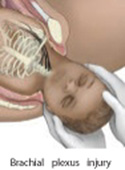
A woman with gestational diabetes gave birth to an infant with a brachial plexus injury. At the time of delivery, some questions were raised about macrosomia and whether the infant would easily pass through the birth canal. Several physicians of varying levels of experience participated in the delivery after the infant became stuck in the birth canal, using various standard manipulations. The shoulder injury was described as a “three-level avulsion,” and the child is unlikely to ever have much use of the arm.
- The case settled for a confidential sum.
Fetal heart rate “sufficiently reassuring”
<court>Unknown Massachusetts venue</court>
Several weeks before she delivered, a pregnant woman fell, requiring hospitalization. Irregular contractions were noted, although no preterm labor or abruption occurred. Three weeks after discharge, at 37 weeks’ gestation, the parents presented to the defendant physician for a regularly scheduled visit. Ultrasound revealed the fetus was in the category of less than 10% for weight. A decision was made to induce labor.
The woman initially had variable decelerations to 90 with recovery to the 140s with moderate beat-to-beat variability. After 20 minutes of the mother pushing, decreased long-term variability during the recovery phase led to a decision to proceed to operative delivery. A vacuum extractor was applied 3 times for 60 seconds each time, bringing the head to +4 station. The fetal heart rate became more reassuring and the mother continued to push.
The infant was delivered with Apgar scores of 2, 6, and 7. The infant was limp with no respiratory effort and poor color. Cord blood arterial pH was 7.1. The infant was placed on CPAP and given bicarbonate. In the NICU the infant had apneic episodes that did not respond to stimulation, and his oxygen saturation levels fell to the 50s with a heart rate of 100.
A CT scan revealed occipital/parietal and subarachnoid blood, along with subdural bleeding. MRI confirmed the bleeding with possible parenchymal ischemia. The infant was eventually diagnosed with gastroesophageal reflux disease, encephalomalacia, and severe developmental delays.
In suing, the mother faulted the defendant for attempting to induce delivery and failing to properly monitor the delivery.
The physician denied any deviation from the standard of care and asserted the fetal heart rate pattern was sufficiently reassuring to allow labor to continue.
- The case settled for $1.7 million.
ObGyn was negligent, but didn’t cause injury
<court>Fayette County (Ky) Circuit Court</court>
A 33-year-old woman with major vaginal bleeding was scheduled for an outpatient dilation and curettage. During the procedure, the physician switched to ablation of the uterus. The physician allegedly did not immediately advise the woman of the change. Complications developed, and ultimately she required a hysterectomy.
In suing, the woman contended the physician mutilated her uterus, in effect sealing the cervix so menstrual flow could not escape. She claimed the physician performed the ablation of the uterus without her consent and did so negligently.
The physician denied negligence, asserting the D&C was insufficient to control the bleeding and that only ablation would provide relief, so that she was justified in continuing without explicit written consent.
- The jury returned a defense verdict. It found that while the physician was negligent, the error was not a substantial factor in causing injury.
The cases in this column are selected by the editors of OBG Management from Medical Malpractice Verdicts, Settlements & Experts, with permission of the editor, Lewis Laska, Nashville, Tenn (www.verdictslaska.com). The available information about the cases is sometimes incomplete; pertinent details may be unavailable. Moreover, the cases may or may not have merit. Still, these cases represent types of clinical situations that may result in litigation and are meant to illustrate variation in verdicts and awards. Any illustrations are generic and do not represent a specific legal case.
Defense cites child’s medulloblastoma
<court>New York County (NY) Supreme Court</court>
Upon admission for delivery of her first child, a 36-year-old woman was given a small dose of oxytocin. Shortly thereafter the physicians noted fetal tachycardia, followed by bradycardia. Oxygen was given and the infant was delivered by vacuum extraction.
Durifng the next 2 days, the infant had several seizures. She was eventually diagnosed with hypoxic ischemic encephalopathy, resulting in mild retardation with cognitive and learning disabilities.
After claims against the physicians were dismissed, the plaintiffs proceeded to trial against the hospital, claiming it failed to identify nonreassuring signs on the fetal heart monitor and failed to repeat a scalp pH test. The plaintiffs asserted a cesarean section should have been performed as soon as tachycardia occurred.
The defense asserted the arterial blood gas analysis showed a normal pH level and modest base excess, and claimed the infant’s EEG was nonspecific. The defense also claimed the child’s medulloblastoma, which was diagnosed at age 6, was the cause of the cognitive and learning disabilities.
- The hospital settled for $2.75 million.
Incontinence blamed on surgeon sued 20 times
<court>Kings County (NY) Supreme Court</court>
A 45-year-old woman complaining of abdominal pain and bladder pressure was diagnosed with ovarian cysts, and a laparoscopy was planned for their removal. A laparotomy was actually performed, after which the woman had urinary incontinence. During an evaluation, a ureteral obstruction was diagnosed. Despite multiple corrective surgeries, the urinary incontinence persisted.
In suing, the woman alleged the surgeon performed the laparotomy improperly. A $1 million settlement was reached with the physician and the case proceeded to trial against the hospital.
The woman faulted the hospital for failing to supervise the surgeon, who had been sued for medical negligence more than 20 times, which she claimed should have led to mandatory supervision during surgery.
Parties for the hospital claimed the physician was properly credentialed and that most of the suits against him either were dismissed with no payment or resulted in a defense verdict. They noted that none of the prior suits claimed surgical negligence.
- After the jury returned a verdict for the plaintiff, the hospital moved to vacate the verdict, which the judge granted. The matter was dismissed, but an appeal is pending.
Both OBs deferred cesarean
<court>Suffolk County (Mass) Superior Court</court>
A woman was admitted at 41 weeks’ gestation because of a nonreactive nonstress test. The baseline fetal heart rate was in the 160s. A VBAC delivery was planned.
The first OB noted that the fetal heart rate dropped to the 70s for 3 minutes with a contraction, and that the cervix was thick and dilated 1 cm. He noted a plan to use dinoprostone gel and induce labor in the morning. Shortly thereafter the labor nurse noted mild irregular contractions in response to the gel. Intermittent late decelerations were noted before a second OB took over care.
Several hours later a prolonged deceleration to the 70s–90s occurred for 10 minutes. Cesarean section was performed an hour later. The infant was born with neurological and physical deficits.
In suing, the mother claimed the physicians failed to intervene despite signs of fetal distress, and the second OB failed to expedite delivery.
The second physician claimed there was no justifiable basis for proceeding to cesarean section any sooner than he did.
- The outcome of the case against the first physician is unknown. The second defendant settled for $900,000.
Sepsis, renal failure, coma after hysterectomy
<court>Pinellas County (Fla) Circuit Court</court>
A 39-year-old diabetic woman suffering from abdominal pain and excessive uterine bleeding underwent a hysterectomy. An abdominal x-ray was obtained 8 days later by a family physician because the woman continued to experience complications. The patient was discharged 3 days after that, and presented to the emergency department about a week later complaining of abdominal pain.
Exploratory laparotomy revealed a vaginal cuff infection, which was debrided, irrigated, and repaired. Complications developed again over the week, including sepsis, renal insufficiency, respiratory distress syndrome, and coma. Her condition continued to deteriorate during an extended hospitalization. She required a percutaneous endoscopic gastrostomy tube for nutrition, long-term intubation, and daily hemodialysis. An EMG 3 months after the hysterectomy revealed severe peripheral neuropathy in the right leg.
In suing the surgeon and the family physician, the woman claimed the x-ray shortly after the hysterectomy had revealed the vaginal cuff problem, to which she alleged the physician did not respond. She also claimed the physician did not review test results prior to her discharge.
The physician contended the neuropathy resulted from the woman’s preexisting diabetes and noncompliance with her diabetes therapy.
- The surgeon settled with the plaintiff for a confidential sum before trial; the jury returned a defense verdict.
Were maternal and fetal danger signs ignored?
<court>Nassau County (NY) Supreme Court</court>
A 33-year-old woman in the late stages of pregnancy presented to a hospital with nausea and abdominal pain. The examining physician concluded she had dehydration, and released her. The women delivered an infant about 6 weeks later who had severe brain damage, cerebral palsy, cognitive disability, cortical blindness, and seizures.
In suing, the woman alleged the physicians failed to provide proper monitoring during delivery. Specifically, she claimed the fetal monitor revealed nonreassuring, distressed heart rates that were not recognized, resulting in a hypoxic event that caused brain damage.
The woman also asserted the defendants failed to consider that her 2 prior pregnancies were complicated by hypertension and gestational diabetes, so that this pregnancy should have been treated as high risk. According to the plaintiff’s expert, the episode of nausea and abdominal pain should have led to blood, glucose, and urine tests that would have revealed fetal and maternal distress and would have led to immediate cesarean section.
The physician claimed the brain damage occurred before delivery and was unrelated to his actions or inactions. He asserted that the infant had prebirth prolonged protein-S deficiency that caused a dural-sinus thrombosis and hemorrhage. The defense also claimed the infant had prebirth vascular abnormalities and a vascular lesion resulting in disruptions of the circulatory system that led to the brain damage.
- The case settled for $3.7 million.
Was injury due to large infant or inexperience?
<court>Harris County (Tex) District Court</court>
A woman with gestational diabetes gave birth to an infant with a brachial plexus injury. At the time of delivery, some questions were raised about macrosomia and whether the infant would easily pass through the birth canal. Several physicians of varying levels of experience participated in the delivery after the infant became stuck in the birth canal, using various standard manipulations. The shoulder injury was described as a “three-level avulsion,” and the child is unlikely to ever have much use of the arm.
- The case settled for a confidential sum.
Fetal heart rate “sufficiently reassuring”
<court>Unknown Massachusetts venue</court>
Several weeks before she delivered, a pregnant woman fell, requiring hospitalization. Irregular contractions were noted, although no preterm labor or abruption occurred. Three weeks after discharge, at 37 weeks’ gestation, the parents presented to the defendant physician for a regularly scheduled visit. Ultrasound revealed the fetus was in the category of less than 10% for weight. A decision was made to induce labor.
The woman initially had variable decelerations to 90 with recovery to the 140s with moderate beat-to-beat variability. After 20 minutes of the mother pushing, decreased long-term variability during the recovery phase led to a decision to proceed to operative delivery. A vacuum extractor was applied 3 times for 60 seconds each time, bringing the head to +4 station. The fetal heart rate became more reassuring and the mother continued to push.
The infant was delivered with Apgar scores of 2, 6, and 7. The infant was limp with no respiratory effort and poor color. Cord blood arterial pH was 7.1. The infant was placed on CPAP and given bicarbonate. In the NICU the infant had apneic episodes that did not respond to stimulation, and his oxygen saturation levels fell to the 50s with a heart rate of 100.
A CT scan revealed occipital/parietal and subarachnoid blood, along with subdural bleeding. MRI confirmed the bleeding with possible parenchymal ischemia. The infant was eventually diagnosed with gastroesophageal reflux disease, encephalomalacia, and severe developmental delays.
In suing, the mother faulted the defendant for attempting to induce delivery and failing to properly monitor the delivery.
The physician denied any deviation from the standard of care and asserted the fetal heart rate pattern was sufficiently reassuring to allow labor to continue.
- The case settled for $1.7 million.
ObGyn was negligent, but didn’t cause injury
<court>Fayette County (Ky) Circuit Court</court>
A 33-year-old woman with major vaginal bleeding was scheduled for an outpatient dilation and curettage. During the procedure, the physician switched to ablation of the uterus. The physician allegedly did not immediately advise the woman of the change. Complications developed, and ultimately she required a hysterectomy.
In suing, the woman contended the physician mutilated her uterus, in effect sealing the cervix so menstrual flow could not escape. She claimed the physician performed the ablation of the uterus without her consent and did so negligently.
The physician denied negligence, asserting the D&C was insufficient to control the bleeding and that only ablation would provide relief, so that she was justified in continuing without explicit written consent.
- The jury returned a defense verdict. It found that while the physician was negligent, the error was not a substantial factor in causing injury.
The cases in this column are selected by the editors of OBG Management from Medical Malpractice Verdicts, Settlements & Experts, with permission of the editor, Lewis Laska, Nashville, Tenn (www.verdictslaska.com). The available information about the cases is sometimes incomplete; pertinent details may be unavailable. Moreover, the cases may or may not have merit. Still, these cases represent types of clinical situations that may result in litigation and are meant to illustrate variation in verdicts and awards. Any illustrations are generic and do not represent a specific legal case.
Defense cites child’s medulloblastoma
<court>New York County (NY) Supreme Court</court>
Upon admission for delivery of her first child, a 36-year-old woman was given a small dose of oxytocin. Shortly thereafter the physicians noted fetal tachycardia, followed by bradycardia. Oxygen was given and the infant was delivered by vacuum extraction.
Durifng the next 2 days, the infant had several seizures. She was eventually diagnosed with hypoxic ischemic encephalopathy, resulting in mild retardation with cognitive and learning disabilities.
After claims against the physicians were dismissed, the plaintiffs proceeded to trial against the hospital, claiming it failed to identify nonreassuring signs on the fetal heart monitor and failed to repeat a scalp pH test. The plaintiffs asserted a cesarean section should have been performed as soon as tachycardia occurred.
The defense asserted the arterial blood gas analysis showed a normal pH level and modest base excess, and claimed the infant’s EEG was nonspecific. The defense also claimed the child’s medulloblastoma, which was diagnosed at age 6, was the cause of the cognitive and learning disabilities.
- The hospital settled for $2.75 million.
Incontinence blamed on surgeon sued 20 times
<court>Kings County (NY) Supreme Court</court>
A 45-year-old woman complaining of abdominal pain and bladder pressure was diagnosed with ovarian cysts, and a laparoscopy was planned for their removal. A laparotomy was actually performed, after which the woman had urinary incontinence. During an evaluation, a ureteral obstruction was diagnosed. Despite multiple corrective surgeries, the urinary incontinence persisted.
In suing, the woman alleged the surgeon performed the laparotomy improperly. A $1 million settlement was reached with the physician and the case proceeded to trial against the hospital.
The woman faulted the hospital for failing to supervise the surgeon, who had been sued for medical negligence more than 20 times, which she claimed should have led to mandatory supervision during surgery.
Parties for the hospital claimed the physician was properly credentialed and that most of the suits against him either were dismissed with no payment or resulted in a defense verdict. They noted that none of the prior suits claimed surgical negligence.
- After the jury returned a verdict for the plaintiff, the hospital moved to vacate the verdict, which the judge granted. The matter was dismissed, but an appeal is pending.
Both OBs deferred cesarean
<court>Suffolk County (Mass) Superior Court</court>
A woman was admitted at 41 weeks’ gestation because of a nonreactive nonstress test. The baseline fetal heart rate was in the 160s. A VBAC delivery was planned.
The first OB noted that the fetal heart rate dropped to the 70s for 3 minutes with a contraction, and that the cervix was thick and dilated 1 cm. He noted a plan to use dinoprostone gel and induce labor in the morning. Shortly thereafter the labor nurse noted mild irregular contractions in response to the gel. Intermittent late decelerations were noted before a second OB took over care.
Several hours later a prolonged deceleration to the 70s–90s occurred for 10 minutes. Cesarean section was performed an hour later. The infant was born with neurological and physical deficits.
In suing, the mother claimed the physicians failed to intervene despite signs of fetal distress, and the second OB failed to expedite delivery.
The second physician claimed there was no justifiable basis for proceeding to cesarean section any sooner than he did.
- The outcome of the case against the first physician is unknown. The second defendant settled for $900,000.
Sepsis, renal failure, coma after hysterectomy
<court>Pinellas County (Fla) Circuit Court</court>
A 39-year-old diabetic woman suffering from abdominal pain and excessive uterine bleeding underwent a hysterectomy. An abdominal x-ray was obtained 8 days later by a family physician because the woman continued to experience complications. The patient was discharged 3 days after that, and presented to the emergency department about a week later complaining of abdominal pain.
Exploratory laparotomy revealed a vaginal cuff infection, which was debrided, irrigated, and repaired. Complications developed again over the week, including sepsis, renal insufficiency, respiratory distress syndrome, and coma. Her condition continued to deteriorate during an extended hospitalization. She required a percutaneous endoscopic gastrostomy tube for nutrition, long-term intubation, and daily hemodialysis. An EMG 3 months after the hysterectomy revealed severe peripheral neuropathy in the right leg.
In suing the surgeon and the family physician, the woman claimed the x-ray shortly after the hysterectomy had revealed the vaginal cuff problem, to which she alleged the physician did not respond. She also claimed the physician did not review test results prior to her discharge.
The physician contended the neuropathy resulted from the woman’s preexisting diabetes and noncompliance with her diabetes therapy.
- The surgeon settled with the plaintiff for a confidential sum before trial; the jury returned a defense verdict.
Were maternal and fetal danger signs ignored?
<court>Nassau County (NY) Supreme Court</court>
A 33-year-old woman in the late stages of pregnancy presented to a hospital with nausea and abdominal pain. The examining physician concluded she had dehydration, and released her. The women delivered an infant about 6 weeks later who had severe brain damage, cerebral palsy, cognitive disability, cortical blindness, and seizures.
In suing, the woman alleged the physicians failed to provide proper monitoring during delivery. Specifically, she claimed the fetal monitor revealed nonreassuring, distressed heart rates that were not recognized, resulting in a hypoxic event that caused brain damage.
The woman also asserted the defendants failed to consider that her 2 prior pregnancies were complicated by hypertension and gestational diabetes, so that this pregnancy should have been treated as high risk. According to the plaintiff’s expert, the episode of nausea and abdominal pain should have led to blood, glucose, and urine tests that would have revealed fetal and maternal distress and would have led to immediate cesarean section.
The physician claimed the brain damage occurred before delivery and was unrelated to his actions or inactions. He asserted that the infant had prebirth prolonged protein-S deficiency that caused a dural-sinus thrombosis and hemorrhage. The defense also claimed the infant had prebirth vascular abnormalities and a vascular lesion resulting in disruptions of the circulatory system that led to the brain damage.
- The case settled for $3.7 million.
Was injury due to large infant or inexperience?
<court>Harris County (Tex) District Court</court>
A woman with gestational diabetes gave birth to an infant with a brachial plexus injury. At the time of delivery, some questions were raised about macrosomia and whether the infant would easily pass through the birth canal. Several physicians of varying levels of experience participated in the delivery after the infant became stuck in the birth canal, using various standard manipulations. The shoulder injury was described as a “three-level avulsion,” and the child is unlikely to ever have much use of the arm.
- The case settled for a confidential sum.
Fetal heart rate “sufficiently reassuring”
<court>Unknown Massachusetts venue</court>
Several weeks before she delivered, a pregnant woman fell, requiring hospitalization. Irregular contractions were noted, although no preterm labor or abruption occurred. Three weeks after discharge, at 37 weeks’ gestation, the parents presented to the defendant physician for a regularly scheduled visit. Ultrasound revealed the fetus was in the category of less than 10% for weight. A decision was made to induce labor.
The woman initially had variable decelerations to 90 with recovery to the 140s with moderate beat-to-beat variability. After 20 minutes of the mother pushing, decreased long-term variability during the recovery phase led to a decision to proceed to operative delivery. A vacuum extractor was applied 3 times for 60 seconds each time, bringing the head to +4 station. The fetal heart rate became more reassuring and the mother continued to push.
The infant was delivered with Apgar scores of 2, 6, and 7. The infant was limp with no respiratory effort and poor color. Cord blood arterial pH was 7.1. The infant was placed on CPAP and given bicarbonate. In the NICU the infant had apneic episodes that did not respond to stimulation, and his oxygen saturation levels fell to the 50s with a heart rate of 100.
A CT scan revealed occipital/parietal and subarachnoid blood, along with subdural bleeding. MRI confirmed the bleeding with possible parenchymal ischemia. The infant was eventually diagnosed with gastroesophageal reflux disease, encephalomalacia, and severe developmental delays.
In suing, the mother faulted the defendant for attempting to induce delivery and failing to properly monitor the delivery.
The physician denied any deviation from the standard of care and asserted the fetal heart rate pattern was sufficiently reassuring to allow labor to continue.
- The case settled for $1.7 million.
ObGyn was negligent, but didn’t cause injury
<court>Fayette County (Ky) Circuit Court</court>
A 33-year-old woman with major vaginal bleeding was scheduled for an outpatient dilation and curettage. During the procedure, the physician switched to ablation of the uterus. The physician allegedly did not immediately advise the woman of the change. Complications developed, and ultimately she required a hysterectomy.
In suing, the woman contended the physician mutilated her uterus, in effect sealing the cervix so menstrual flow could not escape. She claimed the physician performed the ablation of the uterus without her consent and did so negligently.
The physician denied negligence, asserting the D&C was insufficient to control the bleeding and that only ablation would provide relief, so that she was justified in continuing without explicit written consent.
- The jury returned a defense verdict. It found that while the physician was negligent, the error was not a substantial factor in causing injury.
The cases in this column are selected by the editors of OBG Management from Medical Malpractice Verdicts, Settlements & Experts, with permission of the editor, Lewis Laska, Nashville, Tenn (www.verdictslaska.com). The available information about the cases is sometimes incomplete; pertinent details may be unavailable. Moreover, the cases may or may not have merit. Still, these cases represent types of clinical situations that may result in litigation and are meant to illustrate variation in verdicts and awards. Any illustrations are generic and do not represent a specific legal case.