User login
How to Slash Accounts Receivable
Quick, what's the largest asset on your balance sheet? Almost certainly it's accounts receivable. Many physicians fail to realize that, often because they've never assembled a balance sheet or budget—something I'll discuss in an upcoming column. Many also fail to appreciate that aggressive management of accounts receivable is key to any practice's financial success.
Collecting balances due has always been a problem for physicians. After all, as I've pointed out many times, most of us receive woefully deficient business training, if we get any at all.
One result of that is that we extend more credit than any other business except banks and mortgage/finance companies. That's insane! Like every other business, we should strive to minimize the credit we extend by keeping our accounts receivable at as low a level as possible.
This is, of course, easier said than done. The traditional advice for minimizing accounts receivable has always been that any amount collectable at the time of service should be collected. But some patients inevitably brandish the old "I forgot my checkbook" excuse and escape without paying. And some fees, in particular the patient-owed portion of most insurance plans, are difficult if not impossible to calculate at the time of service and must be billed later.
The problem is once patients have left your office, according to one study, your bill drops to 19th out of 20 on their payment priority list. So why not do what a growing number of businesses, including every hotel, motel, and country inn on the planet, already do: Ask each patient for a credit card, take an imprint, and bill balances to it as they accrue.
Geoff Anders, president of the Health Care Group Inc., suggested this in a talk he gave for my office efficiency course at the 2004 American Academy of Dermatology summer meeting, and it hit me like the proverbial "whack on the side of the head"—Why haven't we all been doing this for years?
After all, patients think nothing of handing a credit card to a busboy in a restaurant or blithely shooting credit card numbers into a black hole in the Internet. So why should they object to doing the same thing with their medical bills?
Beginning last January, every patient entering our office has been handed a letter at the check-in desk explaining our new policy of asking for a credit card number on which any outstanding balances will be billed. (If you would like a copy of my letter, e-mail me and I'll be happy to send it along.) At the bottom is a brief consent for the patient to sign, and a place to write the credit card number and expiration date.
Some did object initially—mostly older people. But when we explain that we're doing nothing different than a hotel does at each check in, and that it will work to their advantage as well by decreasing the bills they will receive and the checks they must write, most come around.
This year it's been optional, but beginning next month it will be mandatory. Why? Because in only 1 year our accounts receivable totals have dropped by nearly 50%. They are now the lowest they have ever been, in all categories, in my 24 years of practice.
Credit card companies have begun to appreciate this largely untapped segment of potential business for them. Soon, you may begin receiving help from them in setting up a system similar to mine, as well as other payment plans for your patients.
A few credit companies are even promoting cards to finance private-pay portions of health care expenses. One example is the HELPcard (www.helpcard.com
It's time for physicians to do more of what we do best—treat patients—and leave the business of extending credit to those who do that best.
Quick, what's the largest asset on your balance sheet? Almost certainly it's accounts receivable. Many physicians fail to realize that, often because they've never assembled a balance sheet or budget—something I'll discuss in an upcoming column. Many also fail to appreciate that aggressive management of accounts receivable is key to any practice's financial success.
Collecting balances due has always been a problem for physicians. After all, as I've pointed out many times, most of us receive woefully deficient business training, if we get any at all.
One result of that is that we extend more credit than any other business except banks and mortgage/finance companies. That's insane! Like every other business, we should strive to minimize the credit we extend by keeping our accounts receivable at as low a level as possible.
This is, of course, easier said than done. The traditional advice for minimizing accounts receivable has always been that any amount collectable at the time of service should be collected. But some patients inevitably brandish the old "I forgot my checkbook" excuse and escape without paying. And some fees, in particular the patient-owed portion of most insurance plans, are difficult if not impossible to calculate at the time of service and must be billed later.
The problem is once patients have left your office, according to one study, your bill drops to 19th out of 20 on their payment priority list. So why not do what a growing number of businesses, including every hotel, motel, and country inn on the planet, already do: Ask each patient for a credit card, take an imprint, and bill balances to it as they accrue.
Geoff Anders, president of the Health Care Group Inc., suggested this in a talk he gave for my office efficiency course at the 2004 American Academy of Dermatology summer meeting, and it hit me like the proverbial "whack on the side of the head"—Why haven't we all been doing this for years?
After all, patients think nothing of handing a credit card to a busboy in a restaurant or blithely shooting credit card numbers into a black hole in the Internet. So why should they object to doing the same thing with their medical bills?
Beginning last January, every patient entering our office has been handed a letter at the check-in desk explaining our new policy of asking for a credit card number on which any outstanding balances will be billed. (If you would like a copy of my letter, e-mail me and I'll be happy to send it along.) At the bottom is a brief consent for the patient to sign, and a place to write the credit card number and expiration date.
Some did object initially—mostly older people. But when we explain that we're doing nothing different than a hotel does at each check in, and that it will work to their advantage as well by decreasing the bills they will receive and the checks they must write, most come around.
This year it's been optional, but beginning next month it will be mandatory. Why? Because in only 1 year our accounts receivable totals have dropped by nearly 50%. They are now the lowest they have ever been, in all categories, in my 24 years of practice.
Credit card companies have begun to appreciate this largely untapped segment of potential business for them. Soon, you may begin receiving help from them in setting up a system similar to mine, as well as other payment plans for your patients.
A few credit companies are even promoting cards to finance private-pay portions of health care expenses. One example is the HELPcard (www.helpcard.com
It's time for physicians to do more of what we do best—treat patients—and leave the business of extending credit to those who do that best.
Quick, what's the largest asset on your balance sheet? Almost certainly it's accounts receivable. Many physicians fail to realize that, often because they've never assembled a balance sheet or budget—something I'll discuss in an upcoming column. Many also fail to appreciate that aggressive management of accounts receivable is key to any practice's financial success.
Collecting balances due has always been a problem for physicians. After all, as I've pointed out many times, most of us receive woefully deficient business training, if we get any at all.
One result of that is that we extend more credit than any other business except banks and mortgage/finance companies. That's insane! Like every other business, we should strive to minimize the credit we extend by keeping our accounts receivable at as low a level as possible.
This is, of course, easier said than done. The traditional advice for minimizing accounts receivable has always been that any amount collectable at the time of service should be collected. But some patients inevitably brandish the old "I forgot my checkbook" excuse and escape without paying. And some fees, in particular the patient-owed portion of most insurance plans, are difficult if not impossible to calculate at the time of service and must be billed later.
The problem is once patients have left your office, according to one study, your bill drops to 19th out of 20 on their payment priority list. So why not do what a growing number of businesses, including every hotel, motel, and country inn on the planet, already do: Ask each patient for a credit card, take an imprint, and bill balances to it as they accrue.
Geoff Anders, president of the Health Care Group Inc., suggested this in a talk he gave for my office efficiency course at the 2004 American Academy of Dermatology summer meeting, and it hit me like the proverbial "whack on the side of the head"—Why haven't we all been doing this for years?
After all, patients think nothing of handing a credit card to a busboy in a restaurant or blithely shooting credit card numbers into a black hole in the Internet. So why should they object to doing the same thing with their medical bills?
Beginning last January, every patient entering our office has been handed a letter at the check-in desk explaining our new policy of asking for a credit card number on which any outstanding balances will be billed. (If you would like a copy of my letter, e-mail me and I'll be happy to send it along.) At the bottom is a brief consent for the patient to sign, and a place to write the credit card number and expiration date.
Some did object initially—mostly older people. But when we explain that we're doing nothing different than a hotel does at each check in, and that it will work to their advantage as well by decreasing the bills they will receive and the checks they must write, most come around.
This year it's been optional, but beginning next month it will be mandatory. Why? Because in only 1 year our accounts receivable totals have dropped by nearly 50%. They are now the lowest they have ever been, in all categories, in my 24 years of practice.
Credit card companies have begun to appreciate this largely untapped segment of potential business for them. Soon, you may begin receiving help from them in setting up a system similar to mine, as well as other payment plans for your patients.
A few credit companies are even promoting cards to finance private-pay portions of health care expenses. One example is the HELPcard (www.helpcard.com
It's time for physicians to do more of what we do best—treat patients—and leave the business of extending credit to those who do that best.
Gravida sent home bleeding, in pain
A 23-year-old pregnant woman went to the hospital and was discharged without a physician examination, despite vaginal bleeding, abdominal pain, absence of fetal movement, a nonreactive stress test, and absence of fetal response on acoustic stimulation. Her fetus died several days later.
The woman faulted 2 physicians for not examining her despite signs of placental abruption, and claimed the nurse failed to recognize and report subtle late decelerations in the fetal monitor strip.
The defendants denied negligence and maintained that the fetal heart strip showed movement.
- The parties reached a confidential settlement.
A 23-year-old pregnant woman went to the hospital and was discharged without a physician examination, despite vaginal bleeding, abdominal pain, absence of fetal movement, a nonreactive stress test, and absence of fetal response on acoustic stimulation. Her fetus died several days later.
The woman faulted 2 physicians for not examining her despite signs of placental abruption, and claimed the nurse failed to recognize and report subtle late decelerations in the fetal monitor strip.
The defendants denied negligence and maintained that the fetal heart strip showed movement.
- The parties reached a confidential settlement.
A 23-year-old pregnant woman went to the hospital and was discharged without a physician examination, despite vaginal bleeding, abdominal pain, absence of fetal movement, a nonreactive stress test, and absence of fetal response on acoustic stimulation. Her fetus died several days later.
The woman faulted 2 physicians for not examining her despite signs of placental abruption, and claimed the nurse failed to recognize and report subtle late decelerations in the fetal monitor strip.
The defendants denied negligence and maintained that the fetal heart strip showed movement.
- The parties reached a confidential settlement.
Group B strep infection leads to neonatal death
<court>Cook County (Ill) Circuit Court</court>
A woman presented to the hospital at 7:00 AM for labor induction. That night she was given antibiotics for a fever. Shortly after midnight she noted signs of fetal distress, fetal tachycardia, and a failure to progress. Fetal tracings showed a sudden change in the fetus’s condition at 4:30 AM; soon after, the infant was delivered lifeless with zero Apgars.
After the infant was resuscitated, cultures revealed group B strep infection. The infant had multisystem organ failure and died the next day after withdrawal of life support.
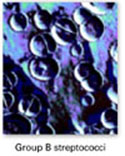
In suing, the mother faulted the defendant for failing to offer prenatal screening for group B strep, failing to diagnose macrosomia, and failing to recommend cesarean delivery. She also asserted that earlier antibiotics and delivery would have avoided the infant’s death.
The defense denied any deviation from the standard of care and contended that waiting for maternal fever during labor before administering antibiotics was appropriate. They also denied that the standard of care required advising patients of alternative approaches. They asserted that the standard of care did not require cesarean delivery and that neither earlier administration of antibiotics nor earlier delivery would have prevented the outcome.
- The jury awarded the plaintiff $1.75 million.
The cases in this column are selected by the editors of OBG Management from Medical Malpractice Verdicts, Settlements & Experts, with permission of the editor, Lewis Laska, of Nashville, Tenn (www.verdictslaska.com). While there are instances when the available information is incomplete, these cases represent the types of clinical situations that typically result in litigation.
<court>Cook County (Ill) Circuit Court</court>
A woman presented to the hospital at 7:00 AM for labor induction. That night she was given antibiotics for a fever. Shortly after midnight she noted signs of fetal distress, fetal tachycardia, and a failure to progress. Fetal tracings showed a sudden change in the fetus’s condition at 4:30 AM; soon after, the infant was delivered lifeless with zero Apgars.
After the infant was resuscitated, cultures revealed group B strep infection. The infant had multisystem organ failure and died the next day after withdrawal of life support.
In suing, the mother faulted the defendant for failing to offer prenatal screening for group B strep, failing to diagnose macrosomia, and failing to recommend cesarean delivery. She also asserted that earlier antibiotics and delivery would have avoided the infant’s death.
The defense denied any deviation from the standard of care and contended that waiting for maternal fever during labor before administering antibiotics was appropriate. They also denied that the standard of care required advising patients of alternative approaches. They asserted that the standard of care did not require cesarean delivery and that neither earlier administration of antibiotics nor earlier delivery would have prevented the outcome.
- The jury awarded the plaintiff $1.75 million.
The cases in this column are selected by the editors of OBG Management from Medical Malpractice Verdicts, Settlements & Experts, with permission of the editor, Lewis Laska, of Nashville, Tenn (www.verdictslaska.com). While there are instances when the available information is incomplete, these cases represent the types of clinical situations that typically result in litigation.
<court>Cook County (Ill) Circuit Court</court>
A woman presented to the hospital at 7:00 AM for labor induction. That night she was given antibiotics for a fever. Shortly after midnight she noted signs of fetal distress, fetal tachycardia, and a failure to progress. Fetal tracings showed a sudden change in the fetus’s condition at 4:30 AM; soon after, the infant was delivered lifeless with zero Apgars.
After the infant was resuscitated, cultures revealed group B strep infection. The infant had multisystem organ failure and died the next day after withdrawal of life support.
In suing, the mother faulted the defendant for failing to offer prenatal screening for group B strep, failing to diagnose macrosomia, and failing to recommend cesarean delivery. She also asserted that earlier antibiotics and delivery would have avoided the infant’s death.
The defense denied any deviation from the standard of care and contended that waiting for maternal fever during labor before administering antibiotics was appropriate. They also denied that the standard of care required advising patients of alternative approaches. They asserted that the standard of care did not require cesarean delivery and that neither earlier administration of antibiotics nor earlier delivery would have prevented the outcome.
- The jury awarded the plaintiff $1.75 million.
The cases in this column are selected by the editors of OBG Management from Medical Malpractice Verdicts, Settlements & Experts, with permission of the editor, Lewis Laska, of Nashville, Tenn (www.verdictslaska.com). While there are instances when the available information is incomplete, these cases represent the types of clinical situations that typically result in litigation.
Cancer “cured” despite late discovery?
A 30-year-old woman who had abdominal pain and abnormal vaginal bleeding went to the hospital and was treated by a physician. The next year a Pap smear indicated a low-grade squamous intraepithelial lesion. Three years later, tests revealed the presence of a 3- to 4-cm mass on the cervix that was later diagnosed as stage IIIB cervical cancer. The mass advanced to the pelvic wall, precluding a hysterectomy and necessitating chemotherapy and radiation.
In suing, the woman claimed the physician was negligent for failing to perform a Pap smear, failing to treat the precancerous condition, and failing to diagnose the cancer.
The defense did not contest liability but asserted that the woman had been symptom-free and “cured.”
- The parties settled for $2 million.
A 30-year-old woman who had abdominal pain and abnormal vaginal bleeding went to the hospital and was treated by a physician. The next year a Pap smear indicated a low-grade squamous intraepithelial lesion. Three years later, tests revealed the presence of a 3- to 4-cm mass on the cervix that was later diagnosed as stage IIIB cervical cancer. The mass advanced to the pelvic wall, precluding a hysterectomy and necessitating chemotherapy and radiation.
In suing, the woman claimed the physician was negligent for failing to perform a Pap smear, failing to treat the precancerous condition, and failing to diagnose the cancer.
The defense did not contest liability but asserted that the woman had been symptom-free and “cured.”
- The parties settled for $2 million.
A 30-year-old woman who had abdominal pain and abnormal vaginal bleeding went to the hospital and was treated by a physician. The next year a Pap smear indicated a low-grade squamous intraepithelial lesion. Three years later, tests revealed the presence of a 3- to 4-cm mass on the cervix that was later diagnosed as stage IIIB cervical cancer. The mass advanced to the pelvic wall, precluding a hysterectomy and necessitating chemotherapy and radiation.
In suing, the woman claimed the physician was negligent for failing to perform a Pap smear, failing to treat the precancerous condition, and failing to diagnose the cancer.
The defense did not contest liability but asserted that the woman had been symptom-free and “cured.”
- The parties settled for $2 million.
Postdelivery bleeding results in coma
During cesarean delivery shortly before 9 PM, a 30-year-old woman lost about 500 mL of blood and had a blood pressure of 130/70 mm Hg. Upon transfer to recovery, her blood pressure was 110/70 with a pulse of 142. Her blood pressure was 90/60 at 10:00 PM, 80/40 at 10:10 PM, and 78/30 at 10:25 PM. The nurse notified the anesthesiologist, who arrived at 10:26 PM and called the obstetrician at home.
According to the obstetrician, he was told her pulse was in the 120–130 range and the blood pressure was 90/60. Results from blood drawn at 10:50 PM revealed a hemoglobin of 5.5 and a hematocrit of 15.8.
The obstetrician ordered 4 units of blood and came in for immediate surgery. At 11:10 PM the patient’s blood pressure was 60/30 with a heart rate of 130.
The patient arrested 5 minutes after surgery began at 11:40 PM. After 45 minutes of resuscitation, surgery continued. No source of bleeding was found, but a hysterectomy, gastrostomy, and tracheotomy were performed. Severe brain damage resulted due to a lack of oxygen; the woman remains semicomatose.
The obstetrician was faulted for failing to recognize signs of postoperative bleeding. He denied any deviation from the standard of care.
- The case settled for $3.98 million: $980,000 from the obstetrician, $1 million from the anesthesiologist, and $2 million from the hospital.
During cesarean delivery shortly before 9 PM, a 30-year-old woman lost about 500 mL of blood and had a blood pressure of 130/70 mm Hg. Upon transfer to recovery, her blood pressure was 110/70 with a pulse of 142. Her blood pressure was 90/60 at 10:00 PM, 80/40 at 10:10 PM, and 78/30 at 10:25 PM. The nurse notified the anesthesiologist, who arrived at 10:26 PM and called the obstetrician at home.
According to the obstetrician, he was told her pulse was in the 120–130 range and the blood pressure was 90/60. Results from blood drawn at 10:50 PM revealed a hemoglobin of 5.5 and a hematocrit of 15.8.
The obstetrician ordered 4 units of blood and came in for immediate surgery. At 11:10 PM the patient’s blood pressure was 60/30 with a heart rate of 130.
The patient arrested 5 minutes after surgery began at 11:40 PM. After 45 minutes of resuscitation, surgery continued. No source of bleeding was found, but a hysterectomy, gastrostomy, and tracheotomy were performed. Severe brain damage resulted due to a lack of oxygen; the woman remains semicomatose.
The obstetrician was faulted for failing to recognize signs of postoperative bleeding. He denied any deviation from the standard of care.
- The case settled for $3.98 million: $980,000 from the obstetrician, $1 million from the anesthesiologist, and $2 million from the hospital.
During cesarean delivery shortly before 9 PM, a 30-year-old woman lost about 500 mL of blood and had a blood pressure of 130/70 mm Hg. Upon transfer to recovery, her blood pressure was 110/70 with a pulse of 142. Her blood pressure was 90/60 at 10:00 PM, 80/40 at 10:10 PM, and 78/30 at 10:25 PM. The nurse notified the anesthesiologist, who arrived at 10:26 PM and called the obstetrician at home.
According to the obstetrician, he was told her pulse was in the 120–130 range and the blood pressure was 90/60. Results from blood drawn at 10:50 PM revealed a hemoglobin of 5.5 and a hematocrit of 15.8.
The obstetrician ordered 4 units of blood and came in for immediate surgery. At 11:10 PM the patient’s blood pressure was 60/30 with a heart rate of 130.
The patient arrested 5 minutes after surgery began at 11:40 PM. After 45 minutes of resuscitation, surgery continued. No source of bleeding was found, but a hysterectomy, gastrostomy, and tracheotomy were performed. Severe brain damage resulted due to a lack of oxygen; the woman remains semicomatose.
The obstetrician was faulted for failing to recognize signs of postoperative bleeding. He denied any deviation from the standard of care.
- The case settled for $3.98 million: $980,000 from the obstetrician, $1 million from the anesthesiologist, and $2 million from the hospital.
Defense rebuttal: Child has near-normal IQ
A 28-year-old woman went to the hospital at 8 months’ gestation with uterine contractions. The obstetrician diagnosed premature labor and ordered tocolysis. A sonogram showed no signs of placental abruption. Nevertheless, after the fetal heart monitor showed deep decelerations, an emergency cesarean section was performed.
Not breathing at birth, the infant was given oxygen and intubated. The umbilical cord pH was 6.9. Administration of sodium bicarbonate and epinephrine led to normalization of the heart rate and pH.
The child now has developmental delays with speech and language disabilities.
In suing, the parents claimed placental abruption had occurred and claimed the cesarean section was inappropriately delayed. They also maintained that the neonate had signs of seizure activity, respiratory distress syndrome, and elevated glucose and creatinine levels.
The obstetrician and hospital rebutted that the child had a near-normal IQ and that delaying labor was appropriate.
- The case settled for $5.25 million: $4.25 million from the hospital and $1 million from the obstetrician.
A 28-year-old woman went to the hospital at 8 months’ gestation with uterine contractions. The obstetrician diagnosed premature labor and ordered tocolysis. A sonogram showed no signs of placental abruption. Nevertheless, after the fetal heart monitor showed deep decelerations, an emergency cesarean section was performed.
Not breathing at birth, the infant was given oxygen and intubated. The umbilical cord pH was 6.9. Administration of sodium bicarbonate and epinephrine led to normalization of the heart rate and pH.
The child now has developmental delays with speech and language disabilities.
In suing, the parents claimed placental abruption had occurred and claimed the cesarean section was inappropriately delayed. They also maintained that the neonate had signs of seizure activity, respiratory distress syndrome, and elevated glucose and creatinine levels.
The obstetrician and hospital rebutted that the child had a near-normal IQ and that delaying labor was appropriate.
- The case settled for $5.25 million: $4.25 million from the hospital and $1 million from the obstetrician.
A 28-year-old woman went to the hospital at 8 months’ gestation with uterine contractions. The obstetrician diagnosed premature labor and ordered tocolysis. A sonogram showed no signs of placental abruption. Nevertheless, after the fetal heart monitor showed deep decelerations, an emergency cesarean section was performed.
Not breathing at birth, the infant was given oxygen and intubated. The umbilical cord pH was 6.9. Administration of sodium bicarbonate and epinephrine led to normalization of the heart rate and pH.
The child now has developmental delays with speech and language disabilities.
In suing, the parents claimed placental abruption had occurred and claimed the cesarean section was inappropriately delayed. They also maintained that the neonate had signs of seizure activity, respiratory distress syndrome, and elevated glucose and creatinine levels.
The obstetrician and hospital rebutted that the child had a near-normal IQ and that delaying labor was appropriate.
- The case settled for $5.25 million: $4.25 million from the hospital and $1 million from the obstetrician.
Hiring Guidelines
I've often mentioned that poor and marginal employees are the single biggest efficiency killer in most medical practices. And it's far from a rare problem.
I get a lot of questions about poor employee performance—what constitutes it, how to deal with it, the steps one can take to minimize it. Very often, the best remedy is to prevent it entirely by hiring top-flight employees to begin with.
Good hiring techniques are yet another in a long line of basic business skills never taught to the vast majority of physicians.
Martin Yate, in “Hiring the Best” (Avon, Mass.: Adams Media Corp., 1997), lists the common mistakes that often result in a “bad hire.”
They include poor analysis of job functions, resulting in a cloudy vision of what the job entails and an incomplete (or nonexistent) written job description; inadequate initial screening of prospective employees; inadequate assessment of the prospective employee's personality, resulting in poor matching of employee with job skills; poor interviewing technique; superficial (or nonexistent) checking of references; and overselling of expectations regarding financial compensation and potential career advancement.
Therefore, Mr. Yate recommends, when a job vacancy occurs in your office, first reevaluate your written job description for that position. Does it meet your office's needs? Does it describe, accurately and in detail, exactly what you expect from the employee you will hire to perform that job? If not, revise it before you do anything else.
A good job description lists the major responsibilities of the position, with the relative importance of each duty and the critical knowledge, skills, and education level that are necessary to perform each function.
Once you have clearly defined the position you have available, take the time to find the best possible match for it. My longtime friend Jim Del Rosso, M.D., speaking at a practice management meeting last month, outlined the most important considerations (and the most common mistakes to avoid): Know what you are looking for, carefully screen your candidates, and avoid lowering your expectations—resist the temptation to settle for a marginal candidate or to hire someone you vaguely “like” and then try to mold the job to that person.
As Jim pointed out, the natural tendency is to “wing it”—to hire the candidate you have the “best feeling” about. Don't!
As every physician knows, hunches are no substitute for hard data. Know your job description and hiring criteria, carefully review resumes, check references, and conduct thorough but efficient interviews.
Be alert for resume red flags: significant time gaps between jobs; positions at companies no longer in business, or otherwise impossible to verify; job titles that don't make sense, given the applicant's history and qualifications.
Background checks are a dicey subject, but publicly available information can be found easily on Web sites such as knowx.com. (As always, I have no financial interest in any enterprise discussed in this column.)
Make sure applicants know you will be verifying facts in their resumes, and get their consent to do so.
Too many physicians skip the essential step of calling references. You'd be amazed what some old bosses really think of employees they write of so glowingly in their letters of recommendation.
Interviews often get short shrift as well. As Jim Del Rosso said, “The importance of quality interviewing cannot be overemphasized.”
“There is no such thing as a casual interview,” he added. “But it should be relaxed.”
Most of us tend to talk too much during an interview, when it is the candidate who should be talking. Jim suggests the “2-to-1 rule”: Listen twice as much as you talk. “Didn't your mother tell you,” he asked, “why we have two ears and only one mouth?”
Important interview topics include educational background, skills, relevant experience and training, and unrelated job history.
By law, some questions are forbidden during an employment interview. You cannot ask an applicant's age or date of birth. You cannot ask about gender, creed, color, religion, or national origin.
The subject of disabilities is a no-no, as is marital status, date or type of military discharge, number of children (or who cares for them), addiction history, citizenship, arrest record, psychiatric history, past absenteeism due to illness, or whether workmen's compensation has ever been collected.
There are, however, acceptable alternatives to some of these questions. You can't ask about marriage or maiden names, for example, but you can ask if an applicant has ever gone by another name for your background review. Instead of asking about citizenship, ask if applicants are legally authorized to work in the United States.
You can't ask if someone is disabled, but it is permissible to ask if he or she will be physically able to perform the job's essential functions. Past addictions are off-limits, but you do have a right to know about current addictions to illegal drugs.
Once you have made your decision, Jim Del Rosso says, practice fairness, not favoritism. Be objective, fair, and consistent.
Reward achievers and challenge slackers, but once you have made performance expectations clear, sit back and allow everyone an equal opportunity to succeed.
“The best executive,” Theodore Roosevelt once wrote, “is the one who has sense enough to pick good people to do what he [or she] wants done, and self-restraint enough to keep from meddling with them while they do it.”
I've often mentioned that poor and marginal employees are the single biggest efficiency killer in most medical practices. And it's far from a rare problem.
I get a lot of questions about poor employee performance—what constitutes it, how to deal with it, the steps one can take to minimize it. Very often, the best remedy is to prevent it entirely by hiring top-flight employees to begin with.
Good hiring techniques are yet another in a long line of basic business skills never taught to the vast majority of physicians.
Martin Yate, in “Hiring the Best” (Avon, Mass.: Adams Media Corp., 1997), lists the common mistakes that often result in a “bad hire.”
They include poor analysis of job functions, resulting in a cloudy vision of what the job entails and an incomplete (or nonexistent) written job description; inadequate initial screening of prospective employees; inadequate assessment of the prospective employee's personality, resulting in poor matching of employee with job skills; poor interviewing technique; superficial (or nonexistent) checking of references; and overselling of expectations regarding financial compensation and potential career advancement.
Therefore, Mr. Yate recommends, when a job vacancy occurs in your office, first reevaluate your written job description for that position. Does it meet your office's needs? Does it describe, accurately and in detail, exactly what you expect from the employee you will hire to perform that job? If not, revise it before you do anything else.
A good job description lists the major responsibilities of the position, with the relative importance of each duty and the critical knowledge, skills, and education level that are necessary to perform each function.
Once you have clearly defined the position you have available, take the time to find the best possible match for it. My longtime friend Jim Del Rosso, M.D., speaking at a practice management meeting last month, outlined the most important considerations (and the most common mistakes to avoid): Know what you are looking for, carefully screen your candidates, and avoid lowering your expectations—resist the temptation to settle for a marginal candidate or to hire someone you vaguely “like” and then try to mold the job to that person.
As Jim pointed out, the natural tendency is to “wing it”—to hire the candidate you have the “best feeling” about. Don't!
As every physician knows, hunches are no substitute for hard data. Know your job description and hiring criteria, carefully review resumes, check references, and conduct thorough but efficient interviews.
Be alert for resume red flags: significant time gaps between jobs; positions at companies no longer in business, or otherwise impossible to verify; job titles that don't make sense, given the applicant's history and qualifications.
Background checks are a dicey subject, but publicly available information can be found easily on Web sites such as knowx.com. (As always, I have no financial interest in any enterprise discussed in this column.)
Make sure applicants know you will be verifying facts in their resumes, and get their consent to do so.
Too many physicians skip the essential step of calling references. You'd be amazed what some old bosses really think of employees they write of so glowingly in their letters of recommendation.
Interviews often get short shrift as well. As Jim Del Rosso said, “The importance of quality interviewing cannot be overemphasized.”
“There is no such thing as a casual interview,” he added. “But it should be relaxed.”
Most of us tend to talk too much during an interview, when it is the candidate who should be talking. Jim suggests the “2-to-1 rule”: Listen twice as much as you talk. “Didn't your mother tell you,” he asked, “why we have two ears and only one mouth?”
Important interview topics include educational background, skills, relevant experience and training, and unrelated job history.
By law, some questions are forbidden during an employment interview. You cannot ask an applicant's age or date of birth. You cannot ask about gender, creed, color, religion, or national origin.
The subject of disabilities is a no-no, as is marital status, date or type of military discharge, number of children (or who cares for them), addiction history, citizenship, arrest record, psychiatric history, past absenteeism due to illness, or whether workmen's compensation has ever been collected.
There are, however, acceptable alternatives to some of these questions. You can't ask about marriage or maiden names, for example, but you can ask if an applicant has ever gone by another name for your background review. Instead of asking about citizenship, ask if applicants are legally authorized to work in the United States.
You can't ask if someone is disabled, but it is permissible to ask if he or she will be physically able to perform the job's essential functions. Past addictions are off-limits, but you do have a right to know about current addictions to illegal drugs.
Once you have made your decision, Jim Del Rosso says, practice fairness, not favoritism. Be objective, fair, and consistent.
Reward achievers and challenge slackers, but once you have made performance expectations clear, sit back and allow everyone an equal opportunity to succeed.
“The best executive,” Theodore Roosevelt once wrote, “is the one who has sense enough to pick good people to do what he [or she] wants done, and self-restraint enough to keep from meddling with them while they do it.”
I've often mentioned that poor and marginal employees are the single biggest efficiency killer in most medical practices. And it's far from a rare problem.
I get a lot of questions about poor employee performance—what constitutes it, how to deal with it, the steps one can take to minimize it. Very often, the best remedy is to prevent it entirely by hiring top-flight employees to begin with.
Good hiring techniques are yet another in a long line of basic business skills never taught to the vast majority of physicians.
Martin Yate, in “Hiring the Best” (Avon, Mass.: Adams Media Corp., 1997), lists the common mistakes that often result in a “bad hire.”
They include poor analysis of job functions, resulting in a cloudy vision of what the job entails and an incomplete (or nonexistent) written job description; inadequate initial screening of prospective employees; inadequate assessment of the prospective employee's personality, resulting in poor matching of employee with job skills; poor interviewing technique; superficial (or nonexistent) checking of references; and overselling of expectations regarding financial compensation and potential career advancement.
Therefore, Mr. Yate recommends, when a job vacancy occurs in your office, first reevaluate your written job description for that position. Does it meet your office's needs? Does it describe, accurately and in detail, exactly what you expect from the employee you will hire to perform that job? If not, revise it before you do anything else.
A good job description lists the major responsibilities of the position, with the relative importance of each duty and the critical knowledge, skills, and education level that are necessary to perform each function.
Once you have clearly defined the position you have available, take the time to find the best possible match for it. My longtime friend Jim Del Rosso, M.D., speaking at a practice management meeting last month, outlined the most important considerations (and the most common mistakes to avoid): Know what you are looking for, carefully screen your candidates, and avoid lowering your expectations—resist the temptation to settle for a marginal candidate or to hire someone you vaguely “like” and then try to mold the job to that person.
As Jim pointed out, the natural tendency is to “wing it”—to hire the candidate you have the “best feeling” about. Don't!
As every physician knows, hunches are no substitute for hard data. Know your job description and hiring criteria, carefully review resumes, check references, and conduct thorough but efficient interviews.
Be alert for resume red flags: significant time gaps between jobs; positions at companies no longer in business, or otherwise impossible to verify; job titles that don't make sense, given the applicant's history and qualifications.
Background checks are a dicey subject, but publicly available information can be found easily on Web sites such as knowx.com. (As always, I have no financial interest in any enterprise discussed in this column.)
Make sure applicants know you will be verifying facts in their resumes, and get their consent to do so.
Too many physicians skip the essential step of calling references. You'd be amazed what some old bosses really think of employees they write of so glowingly in their letters of recommendation.
Interviews often get short shrift as well. As Jim Del Rosso said, “The importance of quality interviewing cannot be overemphasized.”
“There is no such thing as a casual interview,” he added. “But it should be relaxed.”
Most of us tend to talk too much during an interview, when it is the candidate who should be talking. Jim suggests the “2-to-1 rule”: Listen twice as much as you talk. “Didn't your mother tell you,” he asked, “why we have two ears and only one mouth?”
Important interview topics include educational background, skills, relevant experience and training, and unrelated job history.
By law, some questions are forbidden during an employment interview. You cannot ask an applicant's age or date of birth. You cannot ask about gender, creed, color, religion, or national origin.
The subject of disabilities is a no-no, as is marital status, date or type of military discharge, number of children (or who cares for them), addiction history, citizenship, arrest record, psychiatric history, past absenteeism due to illness, or whether workmen's compensation has ever been collected.
There are, however, acceptable alternatives to some of these questions. You can't ask about marriage or maiden names, for example, but you can ask if an applicant has ever gone by another name for your background review. Instead of asking about citizenship, ask if applicants are legally authorized to work in the United States.
You can't ask if someone is disabled, but it is permissible to ask if he or she will be physically able to perform the job's essential functions. Past addictions are off-limits, but you do have a right to know about current addictions to illegal drugs.
Once you have made your decision, Jim Del Rosso says, practice fairness, not favoritism. Be objective, fair, and consistent.
Reward achievers and challenge slackers, but once you have made performance expectations clear, sit back and allow everyone an equal opportunity to succeed.
“The best executive,” Theodore Roosevelt once wrote, “is the one who has sense enough to pick good people to do what he [or she] wants done, and self-restraint enough to keep from meddling with them while they do it.”
After tubal ligation, child born with problems
A mother underwent a tubal ligation. Seven months later, she became pregnant with her fifth child. At 29 weeks’ gestation, the child was delivered via emergency cesarean section because of complications. During delivery it was determined that the left ovarian ligament had been ligated instead of the left fallopian tube.
The child suffered multiple complications, including growth and development delays.
- The parties reached a confidential settlement.
A mother underwent a tubal ligation. Seven months later, she became pregnant with her fifth child. At 29 weeks’ gestation, the child was delivered via emergency cesarean section because of complications. During delivery it was determined that the left ovarian ligament had been ligated instead of the left fallopian tube.
The child suffered multiple complications, including growth and development delays.
- The parties reached a confidential settlement.
A mother underwent a tubal ligation. Seven months later, she became pregnant with her fifth child. At 29 weeks’ gestation, the child was delivered via emergency cesarean section because of complications. During delivery it was determined that the left ovarian ligament had been ligated instead of the left fallopian tube.
The child suffered multiple complications, including growth and development delays.
- The parties reached a confidential settlement.
Did delay in delivery cause brain softening?
A woman who fell at 34 weeks’ gestation was hospitalized and noted to have irregular contractions but no evidence of preterm labor or abruption. Three weeks later, during a regularly scheduled visit, a decision was made to induce labor based on ultrasound findings suggestive of intrauterine growth restriction.
After a difficult delivery, the infant had Apgar scores of 2, 6, and 7 and a cord blood arterial pH of 7.10. Initially limp with no respiratory effort and poor color, the infant was placed on continuous positive airway pressure and given sodium bicarbonate.
While in the neonatal intensive care unit, the baby had apneic episodes with decreased oxygen saturations and heart rate. He was observed to have increased tone and extension of the arms. A computed tomography scan revealed occipital/parietal and subarachnoid blood along with subdural bleeding. He was later diagnosed with encephalomalacia, a seizure disorder, and severe developmental delays.
In suing, the family blamed the child’s encephalomalacia and seizure disorder on a delay in delivery.
The obstetrician claimed the decision to induce labor was proper, that the infant was properly monitored throughout labor, and that interventions were appropriate.
- The case settled for $1.7 million.
A woman who fell at 34 weeks’ gestation was hospitalized and noted to have irregular contractions but no evidence of preterm labor or abruption. Three weeks later, during a regularly scheduled visit, a decision was made to induce labor based on ultrasound findings suggestive of intrauterine growth restriction.
After a difficult delivery, the infant had Apgar scores of 2, 6, and 7 and a cord blood arterial pH of 7.10. Initially limp with no respiratory effort and poor color, the infant was placed on continuous positive airway pressure and given sodium bicarbonate.
While in the neonatal intensive care unit, the baby had apneic episodes with decreased oxygen saturations and heart rate. He was observed to have increased tone and extension of the arms. A computed tomography scan revealed occipital/parietal and subarachnoid blood along with subdural bleeding. He was later diagnosed with encephalomalacia, a seizure disorder, and severe developmental delays.
In suing, the family blamed the child’s encephalomalacia and seizure disorder on a delay in delivery.
The obstetrician claimed the decision to induce labor was proper, that the infant was properly monitored throughout labor, and that interventions were appropriate.
- The case settled for $1.7 million.
A woman who fell at 34 weeks’ gestation was hospitalized and noted to have irregular contractions but no evidence of preterm labor or abruption. Three weeks later, during a regularly scheduled visit, a decision was made to induce labor based on ultrasound findings suggestive of intrauterine growth restriction.
After a difficult delivery, the infant had Apgar scores of 2, 6, and 7 and a cord blood arterial pH of 7.10. Initially limp with no respiratory effort and poor color, the infant was placed on continuous positive airway pressure and given sodium bicarbonate.
While in the neonatal intensive care unit, the baby had apneic episodes with decreased oxygen saturations and heart rate. He was observed to have increased tone and extension of the arms. A computed tomography scan revealed occipital/parietal and subarachnoid blood along with subdural bleeding. He was later diagnosed with encephalomalacia, a seizure disorder, and severe developmental delays.
In suing, the family blamed the child’s encephalomalacia and seizure disorder on a delay in delivery.
The obstetrician claimed the decision to induce labor was proper, that the infant was properly monitored throughout labor, and that interventions were appropriate.
- The case settled for $1.7 million.
Second twin suffers brain damage
After successful delivery of a first twin, the second twin’s head came to rest on the umbilical cord. He was deprived of oxygen for 15 minutes. The subsequent brain damage left him with little or no cognitive function and no use of his limbs. He will require lifetime care.
In suing, the plaintiff faulted the obstetrician, the nurse, and the hospital and noted that the delivery room had no emergency cesarean section equipment.
- The parties settled for $1.075 million.
After successful delivery of a first twin, the second twin’s head came to rest on the umbilical cord. He was deprived of oxygen for 15 minutes. The subsequent brain damage left him with little or no cognitive function and no use of his limbs. He will require lifetime care.
In suing, the plaintiff faulted the obstetrician, the nurse, and the hospital and noted that the delivery room had no emergency cesarean section equipment.
- The parties settled for $1.075 million.
After successful delivery of a first twin, the second twin’s head came to rest on the umbilical cord. He was deprived of oxygen for 15 minutes. The subsequent brain damage left him with little or no cognitive function and no use of his limbs. He will require lifetime care.
In suing, the plaintiff faulted the obstetrician, the nurse, and the hospital and noted that the delivery room had no emergency cesarean section equipment.
- The parties settled for $1.075 million.