User login
MDedge latest news is breaking news from medical conferences, journals, guidelines, the FDA and CDC.
T2DM Prevalence Rising in Native American Youth
A recent worldwide survey found the United States to have the highest reported prevalence of type 2 diabetes mellitus (T2DM) among young people aged 10 to 19 years. Research on the prevalence of the disease among Indigenous populations is scarce, however, leaving these individuals at a potentially greater risk.
The estimated prevalence of T2DM has nearly doubled over the past 2 decades, with cases per 1000 youths aged 10 to 19 years increasing from 0.34 in 2001 to 0.46 in 2009 to 0.67 in 2017, a relative increase of 95.3% over 16 years. In 2012, the SEARCH study of youth-onset T2DM found American Indians and non-Hispanic Black individuals had the highest incidence (46.5/100,000/year in American Indians and 32.6/100,000/year in non-Hispanic Black individuals), compared with non-Hispanic White individuals (3.9/100,000/year).
About 28,000 US youth aged < 20 years had T2DM in 2017, a figure expected to reach 48,000 in 2060 based on increasing prevalence and incidence rates. Assuming the trends observed between 2002 and 2017 continue, an estimated 220,000 young people will have T2DM.
However, the lack of recent research of T2DM in young indigenous populations may have masked a serious problem among Native Americans. A 2025 literature review of 49 studies call it a “type 2 diabetes crisis” among Indigenous communities; not because of the disease, but due to high rates of complications. Though Indigenous peoples are estimated to inhabit > 90 countries and collectively represent > 370 million people, the studies included in the review involved individuals from 6 countries and 2 self-governing states (US, Canada, Australia, Aotearoa New Zealand, Nauru, Argentina, the Cook Islands, and Niue) and at least 45 Indigenous populations after search criteria were satisfied. Data were derived from population-based screening and health databases, including from 432 IHS facilities and 6 IHS regions.
Of the study populations, 27 (75%) reported diabetes prevalence above 1 per 1000. Age-specific data, available in 44 studies, showed increased prevalence with age: 0 to 4 per 1000 at age < 10 years; 0 to 44 per 1000 at age 10 to 19 years; and 0 to 64 per 1000 at age 15 to 25 years.
In young adults aged 15 to 25 years, prevalence was highest in Akimel O’odham and Tohono O’odham Peoples from the Gila River Indian Community in Arizona. Among children aged < 10 years, the highest prevalence was reported in Cherokee Nation children. Some groups reported no diabetes, such as the Northern Plains Indians from Montana and Wyoming.
Statistics showing the speed of expanding prevalence were particularly notable. For Akimel O’odham and Tohono O’odham Indian youth, diabetes prevalence increased more than eightfold over 2 decades (particularly in those aged < 15).
A 2021 study of 500 participants who were diagnosed with T2DM in youth were followed for a mean of 13 years. By the time they were 26, 67.5% had hypertension, 51.6% had dyslipidemia, 54.8% had diabetic kidney disease, and 32.4% had nerve disease.
Indigenous North American children may also have an even greater risk for later complications. A Canadian study found that among Canadian First Nations Peoples the incidence of end-stage kidney disease was 2.8 times higher and the mortality rate was double that of non-Indigenous people with youth-onset T2DM despite similar age at diagnosis and duration of disease.
To combat the steady increase of T2DM prevalence among Indigenous youth, researchers advise “urgent action” to improve data equity through the inclusion of Indigenous populations in health surveillance, routine disaggregation by Indigenous status, and culturally safe research partnerships led by Indigenous communities. Standardized age group classifications, age- and gender-specific reporting, and assessment of comorbid obesity are essential, they add, to define health care needs and identify regions that would benefit from enhanced early detection and management.
A recent worldwide survey found the United States to have the highest reported prevalence of type 2 diabetes mellitus (T2DM) among young people aged 10 to 19 years. Research on the prevalence of the disease among Indigenous populations is scarce, however, leaving these individuals at a potentially greater risk.
The estimated prevalence of T2DM has nearly doubled over the past 2 decades, with cases per 1000 youths aged 10 to 19 years increasing from 0.34 in 2001 to 0.46 in 2009 to 0.67 in 2017, a relative increase of 95.3% over 16 years. In 2012, the SEARCH study of youth-onset T2DM found American Indians and non-Hispanic Black individuals had the highest incidence (46.5/100,000/year in American Indians and 32.6/100,000/year in non-Hispanic Black individuals), compared with non-Hispanic White individuals (3.9/100,000/year).
About 28,000 US youth aged < 20 years had T2DM in 2017, a figure expected to reach 48,000 in 2060 based on increasing prevalence and incidence rates. Assuming the trends observed between 2002 and 2017 continue, an estimated 220,000 young people will have T2DM.
However, the lack of recent research of T2DM in young indigenous populations may have masked a serious problem among Native Americans. A 2025 literature review of 49 studies call it a “type 2 diabetes crisis” among Indigenous communities; not because of the disease, but due to high rates of complications. Though Indigenous peoples are estimated to inhabit > 90 countries and collectively represent > 370 million people, the studies included in the review involved individuals from 6 countries and 2 self-governing states (US, Canada, Australia, Aotearoa New Zealand, Nauru, Argentina, the Cook Islands, and Niue) and at least 45 Indigenous populations after search criteria were satisfied. Data were derived from population-based screening and health databases, including from 432 IHS facilities and 6 IHS regions.
Of the study populations, 27 (75%) reported diabetes prevalence above 1 per 1000. Age-specific data, available in 44 studies, showed increased prevalence with age: 0 to 4 per 1000 at age < 10 years; 0 to 44 per 1000 at age 10 to 19 years; and 0 to 64 per 1000 at age 15 to 25 years.
In young adults aged 15 to 25 years, prevalence was highest in Akimel O’odham and Tohono O’odham Peoples from the Gila River Indian Community in Arizona. Among children aged < 10 years, the highest prevalence was reported in Cherokee Nation children. Some groups reported no diabetes, such as the Northern Plains Indians from Montana and Wyoming.
Statistics showing the speed of expanding prevalence were particularly notable. For Akimel O’odham and Tohono O’odham Indian youth, diabetes prevalence increased more than eightfold over 2 decades (particularly in those aged < 15).
A 2021 study of 500 participants who were diagnosed with T2DM in youth were followed for a mean of 13 years. By the time they were 26, 67.5% had hypertension, 51.6% had dyslipidemia, 54.8% had diabetic kidney disease, and 32.4% had nerve disease.
Indigenous North American children may also have an even greater risk for later complications. A Canadian study found that among Canadian First Nations Peoples the incidence of end-stage kidney disease was 2.8 times higher and the mortality rate was double that of non-Indigenous people with youth-onset T2DM despite similar age at diagnosis and duration of disease.
To combat the steady increase of T2DM prevalence among Indigenous youth, researchers advise “urgent action” to improve data equity through the inclusion of Indigenous populations in health surveillance, routine disaggregation by Indigenous status, and culturally safe research partnerships led by Indigenous communities. Standardized age group classifications, age- and gender-specific reporting, and assessment of comorbid obesity are essential, they add, to define health care needs and identify regions that would benefit from enhanced early detection and management.
A recent worldwide survey found the United States to have the highest reported prevalence of type 2 diabetes mellitus (T2DM) among young people aged 10 to 19 years. Research on the prevalence of the disease among Indigenous populations is scarce, however, leaving these individuals at a potentially greater risk.
The estimated prevalence of T2DM has nearly doubled over the past 2 decades, with cases per 1000 youths aged 10 to 19 years increasing from 0.34 in 2001 to 0.46 in 2009 to 0.67 in 2017, a relative increase of 95.3% over 16 years. In 2012, the SEARCH study of youth-onset T2DM found American Indians and non-Hispanic Black individuals had the highest incidence (46.5/100,000/year in American Indians and 32.6/100,000/year in non-Hispanic Black individuals), compared with non-Hispanic White individuals (3.9/100,000/year).
About 28,000 US youth aged < 20 years had T2DM in 2017, a figure expected to reach 48,000 in 2060 based on increasing prevalence and incidence rates. Assuming the trends observed between 2002 and 2017 continue, an estimated 220,000 young people will have T2DM.
However, the lack of recent research of T2DM in young indigenous populations may have masked a serious problem among Native Americans. A 2025 literature review of 49 studies call it a “type 2 diabetes crisis” among Indigenous communities; not because of the disease, but due to high rates of complications. Though Indigenous peoples are estimated to inhabit > 90 countries and collectively represent > 370 million people, the studies included in the review involved individuals from 6 countries and 2 self-governing states (US, Canada, Australia, Aotearoa New Zealand, Nauru, Argentina, the Cook Islands, and Niue) and at least 45 Indigenous populations after search criteria were satisfied. Data were derived from population-based screening and health databases, including from 432 IHS facilities and 6 IHS regions.
Of the study populations, 27 (75%) reported diabetes prevalence above 1 per 1000. Age-specific data, available in 44 studies, showed increased prevalence with age: 0 to 4 per 1000 at age < 10 years; 0 to 44 per 1000 at age 10 to 19 years; and 0 to 64 per 1000 at age 15 to 25 years.
In young adults aged 15 to 25 years, prevalence was highest in Akimel O’odham and Tohono O’odham Peoples from the Gila River Indian Community in Arizona. Among children aged < 10 years, the highest prevalence was reported in Cherokee Nation children. Some groups reported no diabetes, such as the Northern Plains Indians from Montana and Wyoming.
Statistics showing the speed of expanding prevalence were particularly notable. For Akimel O’odham and Tohono O’odham Indian youth, diabetes prevalence increased more than eightfold over 2 decades (particularly in those aged < 15).
A 2021 study of 500 participants who were diagnosed with T2DM in youth were followed for a mean of 13 years. By the time they were 26, 67.5% had hypertension, 51.6% had dyslipidemia, 54.8% had diabetic kidney disease, and 32.4% had nerve disease.
Indigenous North American children may also have an even greater risk for later complications. A Canadian study found that among Canadian First Nations Peoples the incidence of end-stage kidney disease was 2.8 times higher and the mortality rate was double that of non-Indigenous people with youth-onset T2DM despite similar age at diagnosis and duration of disease.
To combat the steady increase of T2DM prevalence among Indigenous youth, researchers advise “urgent action” to improve data equity through the inclusion of Indigenous populations in health surveillance, routine disaggregation by Indigenous status, and culturally safe research partnerships led by Indigenous communities. Standardized age group classifications, age- and gender-specific reporting, and assessment of comorbid obesity are essential, they add, to define health care needs and identify regions that would benefit from enhanced early detection and management.
FDA Grants Rinvoq Updated Indication in IBD
The updated indication allows for starting upadacitinib before a TNF blocker in patients for whom use of these treatments is clinically inadvisable and who have received at least one approved systemic therapy, the company said in a statement.
Previously, upadacitinib was indicated only in adults with moderately to severely active ulcerative colitis or Crohn’s disease who had an inadequate response or intolerance to one or more TNF blockers.
“Ulcerative colitis and Crohn’s disease can impact every aspect of a patient’s life. This label update gives healthcare providers the option to prescribe Rinvoq for patients with moderately to severely active inflammatory bowel disease after the use of one approved systemic therapy if TNF blockers are deemed clinically inadvisable by the prescribing physician,” Kori Wallace, MD, PhD, vice president and global head of immunology clinical development at AbbVie, said in the statement.
Full prescribing information is available online.
Wallace is an employee of AbbVie.
A version of this article appeared on Medscape.com .
The updated indication allows for starting upadacitinib before a TNF blocker in patients for whom use of these treatments is clinically inadvisable and who have received at least one approved systemic therapy, the company said in a statement.
Previously, upadacitinib was indicated only in adults with moderately to severely active ulcerative colitis or Crohn’s disease who had an inadequate response or intolerance to one or more TNF blockers.
“Ulcerative colitis and Crohn’s disease can impact every aspect of a patient’s life. This label update gives healthcare providers the option to prescribe Rinvoq for patients with moderately to severely active inflammatory bowel disease after the use of one approved systemic therapy if TNF blockers are deemed clinically inadvisable by the prescribing physician,” Kori Wallace, MD, PhD, vice president and global head of immunology clinical development at AbbVie, said in the statement.
Full prescribing information is available online.
Wallace is an employee of AbbVie.
A version of this article appeared on Medscape.com .
The updated indication allows for starting upadacitinib before a TNF blocker in patients for whom use of these treatments is clinically inadvisable and who have received at least one approved systemic therapy, the company said in a statement.
Previously, upadacitinib was indicated only in adults with moderately to severely active ulcerative colitis or Crohn’s disease who had an inadequate response or intolerance to one or more TNF blockers.
“Ulcerative colitis and Crohn’s disease can impact every aspect of a patient’s life. This label update gives healthcare providers the option to prescribe Rinvoq for patients with moderately to severely active inflammatory bowel disease after the use of one approved systemic therapy if TNF blockers are deemed clinically inadvisable by the prescribing physician,” Kori Wallace, MD, PhD, vice president and global head of immunology clinical development at AbbVie, said in the statement.
Full prescribing information is available online.
Wallace is an employee of AbbVie.
A version of this article appeared on Medscape.com .
Novel Agent Promising for Refractory Ulcerative Colitis
The findings, from the ABTECT-1 and ABTECT-2 phase 3 induction trials, were presented in two separate late-breaking presentations at United European Gastroenterology (UEG) Week 2025 in Berlin, Germany.
“These trials enrolled a broad spectrum of participants, including one of the most severe and refractory populations evaluated to date in a phase 3 UC trial, with about 60% of patients across the pooled dataset having a Mayo endoscopic subscore of 3 — the highest level of UC endoscopic disease activity,” study investigator Marla Dubinsky, MD, gastroenterologist and co-director of the IBD Center at Mount Sinai in New York City, told GI & Hepatology News.
“Even within this challenging population, obefazimod achieved the primary endpoint of clinical remission and all key secondary endpoints, including endoscopic improvement, after just 8 weeks of therapy,” Dubinsky said.
This suggests that obefazimod may serve as both an early advanced therapy option and a much-needed alternative for patients with moderately to severely active UC who have failed multiple biologics and JAK inhibitors, with few choices left short of colectomy, she added.
Study Details
Obefazimod is an investigational oral, potentially first-in-class drug that enhances expression of microRNA-124, resulting in regulation of the inflammatory response and restoring mucosal homeostasis in UC.
The ABTECT-1 and ABTECT-2 were identically designed induction trials enrolling a total of 1272 patients with moderately to severely active UC who had inadequate response, loss of response, or intolerance to at least one prior therapy (with no upper limit), including corticosteroids, immunosuppressants, biologics, S1P receptor modulators, and/or JAK inhibitors. Participants were randomly assigned in a 2:1:1 ratio to receive obefazimod 50 mg or 25 mg or placebo once daily for 8 weeks.
In ABTECT-1, obefazimod 50 mg and 25 mg met the primary endpoint of clinical remission, with 22% of patients in the 50-mg group and 24% in the 25-mg group achieving clinical remission at 8 weeks compared with 2.5% of the placebo group.
The effect sizes for clinical remission were 21% for the 25-mg dose and 19% for the 50-mg dose, reported Bruce E. Sands, MD, MS, AGAF, professor of medicine at Icahn School of Medicine at Mount Sinai and chief in the Division of Gastroenterology at Mount Sinai Health System in New York City.
In ABTECT-2, the 50-mg dose met the primary endpoint of clinical remission, with 20% of patients achieving remission compared with 11% in the 25-mg group and 6.3% in the placebo group.
The effect sizes for clinical remission in ABTECT-2 were “a bit smaller” (13% for the 50-mg dose and 5% for the 25-mg dose) “because the absolute efficacy of 50 mg in this study was a little bit lower, and the placebo response rate was a little bit higher at 6.3%, and so accordingly, the 25-mg dose did not achieve statistical significance,” Sands explained.
Both doses of obefazimod met all secondary endpoints in ABTECT-1 and the 50-mg dose achieved all secondary endpoints in ABTECT-2. Secondary endpoints included clinical response, endoscopic improvement, symptomatic remission, and histo-endoscopic mucosal improvement.
Pooled data across the two studies showed that both doses achieved “clinically meaningful improvements across all efficacy points,” Sands noted.
Notably, obefazimod 50 mg once daily achieved “consistent and clinically meaningful improvements” regardless of prior failure of advanced therapy, and both doses performed similarly well in the subgroup with no prior failure of advanced therapy, Silvio Danese, MD, PhD, with Vita-Salute San Raffaele University, Milan, Italy, reported in a separate presentation.
Adverse Events ‘Not a Barrier to Treatment’
Pooled data across the two studies showed no signal for serious, severe, or opportunistic infections or malignancies.
The most commonly reported treatment-emergent adverse event was headache, reported in 24% and 16% of patients taking obefazimod 50 mg and 25 mg, respectively, vs 6% of those taking placebo. Headaches were mild, transient, and short-lasting and “not a barrier to treatment, as evidenced by the low discontinuation (< 1%),” Sands noted.
“Because this is a safe agent and it’s an oral agent and convenient, I think the drug could be used early in the course of the disease, before advanced therapy or after failure of advanced therapies, even multiple advanced therapies,” Sands said.
“Of course, we’ll have to see what the maintenance data show. But we have a long experience from the phase 2a and 2b long-term extension treatments, and the durability seems to be quite good,” Sands cautioned.
Abivax CEO Marc de Garidel, MBA, told GI & Hepatology News that the company will share “top-line data” from the 44-week maintenance study evaluating obefazimod in UC in the second quarter of 2026.
“If positive, the data will support a potential NDA [New Drug Application] submission in the second half of 2026,” de Garidel said.
‘Promising Data’
Ashwin Ananthakrishnan, MBBS, MPH, AGAF, associate professor of medicine at Harvard Medical School and a gastroenterologist at Massachusetts General Hospital, Boston, who wasn’t involved in the study, was impressed.
“I think this is very promising data from an important study. This is an entirely novel mechanism of action in ulcerative colitis,” Ananthakrishnan told GI & Hepatology News.
“While we have many treatments available, there are still a large number of patients who do not respond to existing treatment mechanisms,” he said. These trials “consisted of a large number of very refractory patients (severe endoscopic disease or multiple prior mechanism failures). That it works well in this population is very promising (and clinically impactful).”
It would be a “welcome addition to the armamentarium,” he added.
The study was funded by Abivax. Several study authors disclosed having financial relationships with the company. Ananthakrishnan reported having no disclosures.
A version of this article appeared on Medscape.com.
The findings, from the ABTECT-1 and ABTECT-2 phase 3 induction trials, were presented in two separate late-breaking presentations at United European Gastroenterology (UEG) Week 2025 in Berlin, Germany.
“These trials enrolled a broad spectrum of participants, including one of the most severe and refractory populations evaluated to date in a phase 3 UC trial, with about 60% of patients across the pooled dataset having a Mayo endoscopic subscore of 3 — the highest level of UC endoscopic disease activity,” study investigator Marla Dubinsky, MD, gastroenterologist and co-director of the IBD Center at Mount Sinai in New York City, told GI & Hepatology News.
“Even within this challenging population, obefazimod achieved the primary endpoint of clinical remission and all key secondary endpoints, including endoscopic improvement, after just 8 weeks of therapy,” Dubinsky said.
This suggests that obefazimod may serve as both an early advanced therapy option and a much-needed alternative for patients with moderately to severely active UC who have failed multiple biologics and JAK inhibitors, with few choices left short of colectomy, she added.
Study Details
Obefazimod is an investigational oral, potentially first-in-class drug that enhances expression of microRNA-124, resulting in regulation of the inflammatory response and restoring mucosal homeostasis in UC.
The ABTECT-1 and ABTECT-2 were identically designed induction trials enrolling a total of 1272 patients with moderately to severely active UC who had inadequate response, loss of response, or intolerance to at least one prior therapy (with no upper limit), including corticosteroids, immunosuppressants, biologics, S1P receptor modulators, and/or JAK inhibitors. Participants were randomly assigned in a 2:1:1 ratio to receive obefazimod 50 mg or 25 mg or placebo once daily for 8 weeks.
In ABTECT-1, obefazimod 50 mg and 25 mg met the primary endpoint of clinical remission, with 22% of patients in the 50-mg group and 24% in the 25-mg group achieving clinical remission at 8 weeks compared with 2.5% of the placebo group.
The effect sizes for clinical remission were 21% for the 25-mg dose and 19% for the 50-mg dose, reported Bruce E. Sands, MD, MS, AGAF, professor of medicine at Icahn School of Medicine at Mount Sinai and chief in the Division of Gastroenterology at Mount Sinai Health System in New York City.
In ABTECT-2, the 50-mg dose met the primary endpoint of clinical remission, with 20% of patients achieving remission compared with 11% in the 25-mg group and 6.3% in the placebo group.
The effect sizes for clinical remission in ABTECT-2 were “a bit smaller” (13% for the 50-mg dose and 5% for the 25-mg dose) “because the absolute efficacy of 50 mg in this study was a little bit lower, and the placebo response rate was a little bit higher at 6.3%, and so accordingly, the 25-mg dose did not achieve statistical significance,” Sands explained.
Both doses of obefazimod met all secondary endpoints in ABTECT-1 and the 50-mg dose achieved all secondary endpoints in ABTECT-2. Secondary endpoints included clinical response, endoscopic improvement, symptomatic remission, and histo-endoscopic mucosal improvement.
Pooled data across the two studies showed that both doses achieved “clinically meaningful improvements across all efficacy points,” Sands noted.
Notably, obefazimod 50 mg once daily achieved “consistent and clinically meaningful improvements” regardless of prior failure of advanced therapy, and both doses performed similarly well in the subgroup with no prior failure of advanced therapy, Silvio Danese, MD, PhD, with Vita-Salute San Raffaele University, Milan, Italy, reported in a separate presentation.
Adverse Events ‘Not a Barrier to Treatment’
Pooled data across the two studies showed no signal for serious, severe, or opportunistic infections or malignancies.
The most commonly reported treatment-emergent adverse event was headache, reported in 24% and 16% of patients taking obefazimod 50 mg and 25 mg, respectively, vs 6% of those taking placebo. Headaches were mild, transient, and short-lasting and “not a barrier to treatment, as evidenced by the low discontinuation (< 1%),” Sands noted.
“Because this is a safe agent and it’s an oral agent and convenient, I think the drug could be used early in the course of the disease, before advanced therapy or after failure of advanced therapies, even multiple advanced therapies,” Sands said.
“Of course, we’ll have to see what the maintenance data show. But we have a long experience from the phase 2a and 2b long-term extension treatments, and the durability seems to be quite good,” Sands cautioned.
Abivax CEO Marc de Garidel, MBA, told GI & Hepatology News that the company will share “top-line data” from the 44-week maintenance study evaluating obefazimod in UC in the second quarter of 2026.
“If positive, the data will support a potential NDA [New Drug Application] submission in the second half of 2026,” de Garidel said.
‘Promising Data’
Ashwin Ananthakrishnan, MBBS, MPH, AGAF, associate professor of medicine at Harvard Medical School and a gastroenterologist at Massachusetts General Hospital, Boston, who wasn’t involved in the study, was impressed.
“I think this is very promising data from an important study. This is an entirely novel mechanism of action in ulcerative colitis,” Ananthakrishnan told GI & Hepatology News.
“While we have many treatments available, there are still a large number of patients who do not respond to existing treatment mechanisms,” he said. These trials “consisted of a large number of very refractory patients (severe endoscopic disease or multiple prior mechanism failures). That it works well in this population is very promising (and clinically impactful).”
It would be a “welcome addition to the armamentarium,” he added.
The study was funded by Abivax. Several study authors disclosed having financial relationships with the company. Ananthakrishnan reported having no disclosures.
A version of this article appeared on Medscape.com.
The findings, from the ABTECT-1 and ABTECT-2 phase 3 induction trials, were presented in two separate late-breaking presentations at United European Gastroenterology (UEG) Week 2025 in Berlin, Germany.
“These trials enrolled a broad spectrum of participants, including one of the most severe and refractory populations evaluated to date in a phase 3 UC trial, with about 60% of patients across the pooled dataset having a Mayo endoscopic subscore of 3 — the highest level of UC endoscopic disease activity,” study investigator Marla Dubinsky, MD, gastroenterologist and co-director of the IBD Center at Mount Sinai in New York City, told GI & Hepatology News.
“Even within this challenging population, obefazimod achieved the primary endpoint of clinical remission and all key secondary endpoints, including endoscopic improvement, after just 8 weeks of therapy,” Dubinsky said.
This suggests that obefazimod may serve as both an early advanced therapy option and a much-needed alternative for patients with moderately to severely active UC who have failed multiple biologics and JAK inhibitors, with few choices left short of colectomy, she added.
Study Details
Obefazimod is an investigational oral, potentially first-in-class drug that enhances expression of microRNA-124, resulting in regulation of the inflammatory response and restoring mucosal homeostasis in UC.
The ABTECT-1 and ABTECT-2 were identically designed induction trials enrolling a total of 1272 patients with moderately to severely active UC who had inadequate response, loss of response, or intolerance to at least one prior therapy (with no upper limit), including corticosteroids, immunosuppressants, biologics, S1P receptor modulators, and/or JAK inhibitors. Participants were randomly assigned in a 2:1:1 ratio to receive obefazimod 50 mg or 25 mg or placebo once daily for 8 weeks.
In ABTECT-1, obefazimod 50 mg and 25 mg met the primary endpoint of clinical remission, with 22% of patients in the 50-mg group and 24% in the 25-mg group achieving clinical remission at 8 weeks compared with 2.5% of the placebo group.
The effect sizes for clinical remission were 21% for the 25-mg dose and 19% for the 50-mg dose, reported Bruce E. Sands, MD, MS, AGAF, professor of medicine at Icahn School of Medicine at Mount Sinai and chief in the Division of Gastroenterology at Mount Sinai Health System in New York City.
In ABTECT-2, the 50-mg dose met the primary endpoint of clinical remission, with 20% of patients achieving remission compared with 11% in the 25-mg group and 6.3% in the placebo group.
The effect sizes for clinical remission in ABTECT-2 were “a bit smaller” (13% for the 50-mg dose and 5% for the 25-mg dose) “because the absolute efficacy of 50 mg in this study was a little bit lower, and the placebo response rate was a little bit higher at 6.3%, and so accordingly, the 25-mg dose did not achieve statistical significance,” Sands explained.
Both doses of obefazimod met all secondary endpoints in ABTECT-1 and the 50-mg dose achieved all secondary endpoints in ABTECT-2. Secondary endpoints included clinical response, endoscopic improvement, symptomatic remission, and histo-endoscopic mucosal improvement.
Pooled data across the two studies showed that both doses achieved “clinically meaningful improvements across all efficacy points,” Sands noted.
Notably, obefazimod 50 mg once daily achieved “consistent and clinically meaningful improvements” regardless of prior failure of advanced therapy, and both doses performed similarly well in the subgroup with no prior failure of advanced therapy, Silvio Danese, MD, PhD, with Vita-Salute San Raffaele University, Milan, Italy, reported in a separate presentation.
Adverse Events ‘Not a Barrier to Treatment’
Pooled data across the two studies showed no signal for serious, severe, or opportunistic infections or malignancies.
The most commonly reported treatment-emergent adverse event was headache, reported in 24% and 16% of patients taking obefazimod 50 mg and 25 mg, respectively, vs 6% of those taking placebo. Headaches were mild, transient, and short-lasting and “not a barrier to treatment, as evidenced by the low discontinuation (< 1%),” Sands noted.
“Because this is a safe agent and it’s an oral agent and convenient, I think the drug could be used early in the course of the disease, before advanced therapy or after failure of advanced therapies, even multiple advanced therapies,” Sands said.
“Of course, we’ll have to see what the maintenance data show. But we have a long experience from the phase 2a and 2b long-term extension treatments, and the durability seems to be quite good,” Sands cautioned.
Abivax CEO Marc de Garidel, MBA, told GI & Hepatology News that the company will share “top-line data” from the 44-week maintenance study evaluating obefazimod in UC in the second quarter of 2026.
“If positive, the data will support a potential NDA [New Drug Application] submission in the second half of 2026,” de Garidel said.
‘Promising Data’
Ashwin Ananthakrishnan, MBBS, MPH, AGAF, associate professor of medicine at Harvard Medical School and a gastroenterologist at Massachusetts General Hospital, Boston, who wasn’t involved in the study, was impressed.
“I think this is very promising data from an important study. This is an entirely novel mechanism of action in ulcerative colitis,” Ananthakrishnan told GI & Hepatology News.
“While we have many treatments available, there are still a large number of patients who do not respond to existing treatment mechanisms,” he said. These trials “consisted of a large number of very refractory patients (severe endoscopic disease or multiple prior mechanism failures). That it works well in this population is very promising (and clinically impactful).”
It would be a “welcome addition to the armamentarium,” he added.
The study was funded by Abivax. Several study authors disclosed having financial relationships with the company. Ananthakrishnan reported having no disclosures.
A version of this article appeared on Medscape.com.
Half of Patients Skip Repeat Stool Tests for CRC Screening
A large real-world study found that
Among those who did repeat the test, the average delay was 3 months before COVID and increased to 5 months during the pandemic, the authors reported in BMJ Public Health.
“Stool tests are relatively easy to complete at home and mailed for testing, and they are inexpensive, but they must be completed annually. In contrast, colonoscopies are more invasive and require more time away from work but only need to be repeated every 5-10 years,” Staci J Wendt, PhD, director, health research accelerator, Providence Research Network, Providence, Rhode Island, told GI & Hepatology News.
In the end, “the best colorectal cancer screening test is the one that gets done,” Wendt said.
“This is why we stress the importance of patients and their doctor having these discussions together and deciding which screening is the most preferred method for the individual patient,” she added.
Stool Tests Gaining Traction
Adults are increasingly turning to at-home stool tests for CRC screening — a trend that accelerated during the pandemic. Yet, there is limited data on whether patients undergo repeat stool tests following initial negative test results.
Wendt and her colleagues documented rates of repeat preventative stool tests by analyzing electronic medical records from Providence St Joseph Health, a large health system with 51 hospitals and over 1000 clinics across seven western US states.
They divided their analysis into two periods based on the onset of the pandemic. The pre-COVID onset period spanned January 2018 to February 2020 and the post-COVID period spanned March 2020 to February 2022.
“The pandemic is a salient time to conduct this study because it resulted in a dramatic decrease in colonoscopies, which were partially replaced by stool tests. This partial replacement of colonoscopies by stool tests has led other studies to conclude that stool tests mitigated gaps in CRC screening during the pandemic. But gaps may persist if patients do not undergo repeat testing,” the study team explained.
Their sample included 403,085 patients. Among those with an initial negative stool test, the share who obtained a timely repeat screening ranged from 38% to 49% across the study years, confirming that “most patients do not undergo the recommended repeat screening after their initial stool test,” the researchers said.
Among adults who do a repeat test, delays were common. The average lag to the follow-up test was 3months on average, increasing to about 5 months amid COVID — almost half as long as the preventative screening period of stool tests (12 months).
“These gaps could delay detection of CRC and subsequent treatment, potentially resulting in higher mortality. These gaps are particularly important as more and more patients use stool tests instead of colonoscopes for CRC screening,” the researchers wrote.
Screening patterns shifted markedly during the pandemic.
Not surprisingly, the volume of colonoscopies declined substantially after the onset of the pandemic and stayed low through the study’s end. In contrast, the volume of at-home stool tests was increasing before the pandemic and accelerated during the pandemic.
“Given this increase in stool tests, it will be increasingly important to focus on improving long-term adherence to screening through outreach, policies and programs,” the researchers said.
A Multilevel Approach
Wendt said health systems that are incorporating proactive measures like sending stool kits to patients who are eligible for screening, should ensure that these screening kits and information are sent annually and that it is stressed that the screening must happen every year.
Reached for comment, Aasma Shaukat, MD, MPH, AGAF, director of outcomes research, Division of Gastroenterology and Hepatology, NYU Langone Health, New York City, who wasn’t involved in the study, said the poor adherence to repeat stool tests for CRC screening seen in this study is “not surprising.”
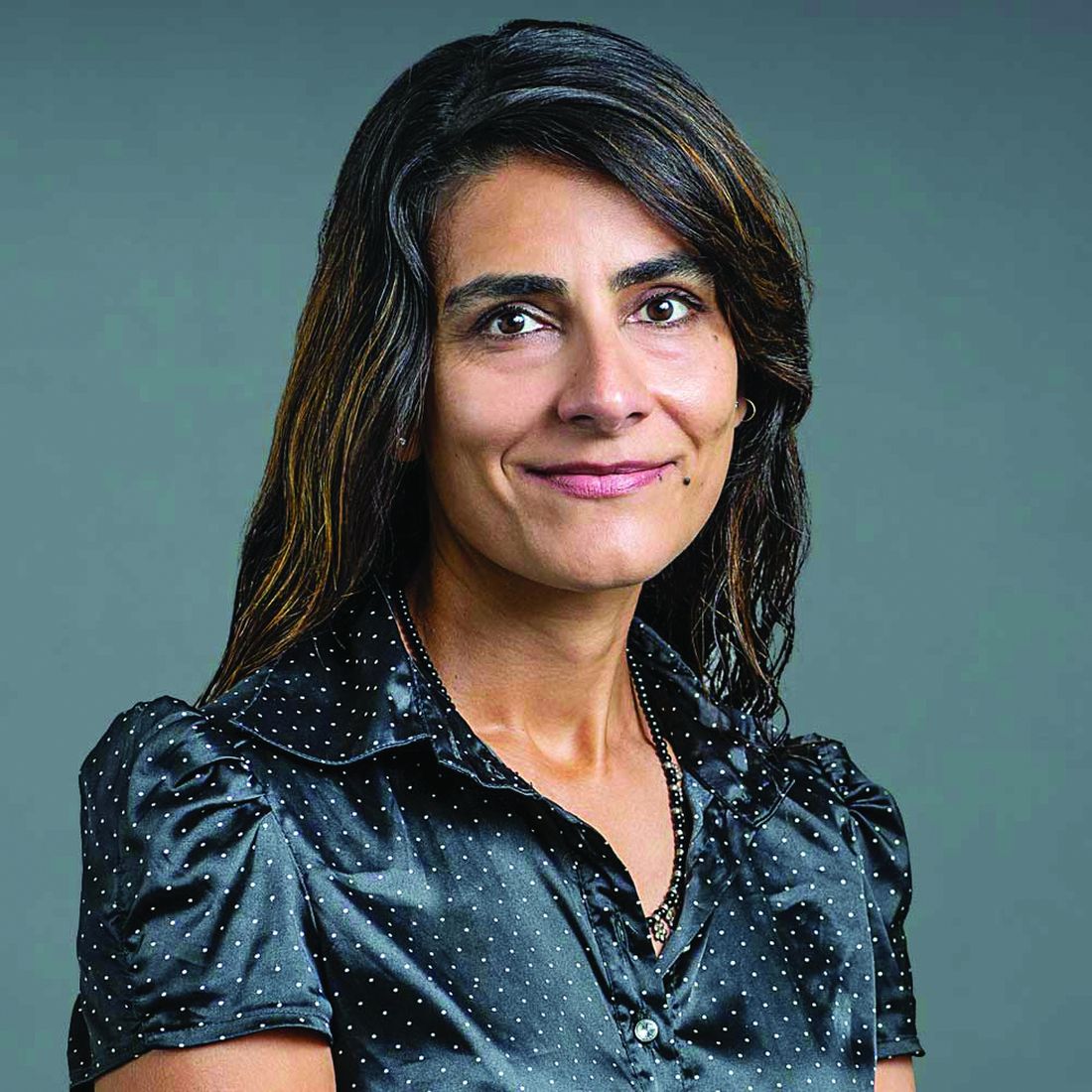
“We know that adherence goes down with each consecutive screening round and what is really needed is an organized program to keep the level of adherence up,” Shaukat told GI & Hepatology News.
Shaukat agreed that boosting adherence to stool tests requires a “multilevel approach.”
She cited the success of the CRC screening program implemented across Kaiser Permanente Northern California. The program includes proactive and targeted outreach to members who are overdue for screening and mailed fecal immunochemical test kits for at-home use.
As reported previously by GI & Hepatology News, the program has made a huge difference in CRC incidence, deaths, and racial disparities.
The program has doubled the proportion of people up to date with screening. And, within about 10 years, cancer rates were cut by a third, deaths were halved and largely eliminated long-standing differences by race and ethnicity.
The study had no commercial funding. Wendt and Shaukat declared having no relevant disclosures.
A version of this article appeared on Medscape.com.
A large real-world study found that
Among those who did repeat the test, the average delay was 3 months before COVID and increased to 5 months during the pandemic, the authors reported in BMJ Public Health.
“Stool tests are relatively easy to complete at home and mailed for testing, and they are inexpensive, but they must be completed annually. In contrast, colonoscopies are more invasive and require more time away from work but only need to be repeated every 5-10 years,” Staci J Wendt, PhD, director, health research accelerator, Providence Research Network, Providence, Rhode Island, told GI & Hepatology News.
In the end, “the best colorectal cancer screening test is the one that gets done,” Wendt said.
“This is why we stress the importance of patients and their doctor having these discussions together and deciding which screening is the most preferred method for the individual patient,” she added.
Stool Tests Gaining Traction
Adults are increasingly turning to at-home stool tests for CRC screening — a trend that accelerated during the pandemic. Yet, there is limited data on whether patients undergo repeat stool tests following initial negative test results.
Wendt and her colleagues documented rates of repeat preventative stool tests by analyzing electronic medical records from Providence St Joseph Health, a large health system with 51 hospitals and over 1000 clinics across seven western US states.
They divided their analysis into two periods based on the onset of the pandemic. The pre-COVID onset period spanned January 2018 to February 2020 and the post-COVID period spanned March 2020 to February 2022.
“The pandemic is a salient time to conduct this study because it resulted in a dramatic decrease in colonoscopies, which were partially replaced by stool tests. This partial replacement of colonoscopies by stool tests has led other studies to conclude that stool tests mitigated gaps in CRC screening during the pandemic. But gaps may persist if patients do not undergo repeat testing,” the study team explained.
Their sample included 403,085 patients. Among those with an initial negative stool test, the share who obtained a timely repeat screening ranged from 38% to 49% across the study years, confirming that “most patients do not undergo the recommended repeat screening after their initial stool test,” the researchers said.
Among adults who do a repeat test, delays were common. The average lag to the follow-up test was 3months on average, increasing to about 5 months amid COVID — almost half as long as the preventative screening period of stool tests (12 months).
“These gaps could delay detection of CRC and subsequent treatment, potentially resulting in higher mortality. These gaps are particularly important as more and more patients use stool tests instead of colonoscopes for CRC screening,” the researchers wrote.
Screening patterns shifted markedly during the pandemic.
Not surprisingly, the volume of colonoscopies declined substantially after the onset of the pandemic and stayed low through the study’s end. In contrast, the volume of at-home stool tests was increasing before the pandemic and accelerated during the pandemic.
“Given this increase in stool tests, it will be increasingly important to focus on improving long-term adherence to screening through outreach, policies and programs,” the researchers said.
A Multilevel Approach
Wendt said health systems that are incorporating proactive measures like sending stool kits to patients who are eligible for screening, should ensure that these screening kits and information are sent annually and that it is stressed that the screening must happen every year.
Reached for comment, Aasma Shaukat, MD, MPH, AGAF, director of outcomes research, Division of Gastroenterology and Hepatology, NYU Langone Health, New York City, who wasn’t involved in the study, said the poor adherence to repeat stool tests for CRC screening seen in this study is “not surprising.”
“We know that adherence goes down with each consecutive screening round and what is really needed is an organized program to keep the level of adherence up,” Shaukat told GI & Hepatology News.
Shaukat agreed that boosting adherence to stool tests requires a “multilevel approach.”
She cited the success of the CRC screening program implemented across Kaiser Permanente Northern California. The program includes proactive and targeted outreach to members who are overdue for screening and mailed fecal immunochemical test kits for at-home use.
As reported previously by GI & Hepatology News, the program has made a huge difference in CRC incidence, deaths, and racial disparities.
The program has doubled the proportion of people up to date with screening. And, within about 10 years, cancer rates were cut by a third, deaths were halved and largely eliminated long-standing differences by race and ethnicity.
The study had no commercial funding. Wendt and Shaukat declared having no relevant disclosures.
A version of this article appeared on Medscape.com.
A large real-world study found that
Among those who did repeat the test, the average delay was 3 months before COVID and increased to 5 months during the pandemic, the authors reported in BMJ Public Health.
“Stool tests are relatively easy to complete at home and mailed for testing, and they are inexpensive, but they must be completed annually. In contrast, colonoscopies are more invasive and require more time away from work but only need to be repeated every 5-10 years,” Staci J Wendt, PhD, director, health research accelerator, Providence Research Network, Providence, Rhode Island, told GI & Hepatology News.
In the end, “the best colorectal cancer screening test is the one that gets done,” Wendt said.
“This is why we stress the importance of patients and their doctor having these discussions together and deciding which screening is the most preferred method for the individual patient,” she added.
Stool Tests Gaining Traction
Adults are increasingly turning to at-home stool tests for CRC screening — a trend that accelerated during the pandemic. Yet, there is limited data on whether patients undergo repeat stool tests following initial negative test results.
Wendt and her colleagues documented rates of repeat preventative stool tests by analyzing electronic medical records from Providence St Joseph Health, a large health system with 51 hospitals and over 1000 clinics across seven western US states.
They divided their analysis into two periods based on the onset of the pandemic. The pre-COVID onset period spanned January 2018 to February 2020 and the post-COVID period spanned March 2020 to February 2022.
“The pandemic is a salient time to conduct this study because it resulted in a dramatic decrease in colonoscopies, which were partially replaced by stool tests. This partial replacement of colonoscopies by stool tests has led other studies to conclude that stool tests mitigated gaps in CRC screening during the pandemic. But gaps may persist if patients do not undergo repeat testing,” the study team explained.
Their sample included 403,085 patients. Among those with an initial negative stool test, the share who obtained a timely repeat screening ranged from 38% to 49% across the study years, confirming that “most patients do not undergo the recommended repeat screening after their initial stool test,” the researchers said.
Among adults who do a repeat test, delays were common. The average lag to the follow-up test was 3months on average, increasing to about 5 months amid COVID — almost half as long as the preventative screening period of stool tests (12 months).
“These gaps could delay detection of CRC and subsequent treatment, potentially resulting in higher mortality. These gaps are particularly important as more and more patients use stool tests instead of colonoscopes for CRC screening,” the researchers wrote.
Screening patterns shifted markedly during the pandemic.
Not surprisingly, the volume of colonoscopies declined substantially after the onset of the pandemic and stayed low through the study’s end. In contrast, the volume of at-home stool tests was increasing before the pandemic and accelerated during the pandemic.
“Given this increase in stool tests, it will be increasingly important to focus on improving long-term adherence to screening through outreach, policies and programs,” the researchers said.
A Multilevel Approach
Wendt said health systems that are incorporating proactive measures like sending stool kits to patients who are eligible for screening, should ensure that these screening kits and information are sent annually and that it is stressed that the screening must happen every year.
Reached for comment, Aasma Shaukat, MD, MPH, AGAF, director of outcomes research, Division of Gastroenterology and Hepatology, NYU Langone Health, New York City, who wasn’t involved in the study, said the poor adherence to repeat stool tests for CRC screening seen in this study is “not surprising.”
“We know that adherence goes down with each consecutive screening round and what is really needed is an organized program to keep the level of adherence up,” Shaukat told GI & Hepatology News.
Shaukat agreed that boosting adherence to stool tests requires a “multilevel approach.”
She cited the success of the CRC screening program implemented across Kaiser Permanente Northern California. The program includes proactive and targeted outreach to members who are overdue for screening and mailed fecal immunochemical test kits for at-home use.
As reported previously by GI & Hepatology News, the program has made a huge difference in CRC incidence, deaths, and racial disparities.
The program has doubled the proportion of people up to date with screening. And, within about 10 years, cancer rates were cut by a third, deaths were halved and largely eliminated long-standing differences by race and ethnicity.
The study had no commercial funding. Wendt and Shaukat declared having no relevant disclosures.
A version of this article appeared on Medscape.com.
Signs Your Hospital Patient May Have Lost Some Mental Acuity
Signs Your Hospital Patient May Have Lost Some Mental Acuity
The role of the hospitalist is multidisciplinary and one of the primary responsibilities in your role is to notice and act on the changes you notice regarding your patients, including mental awareness and acuity.
"Evaluation of orientation and level of awareness is a core component of any hospitalist's daily evaluation," said Tara Scribner, MD, an internal medicine hospitalist, The University of Vermont Medical Center; associate program director for POCUS and Procedure Curriculum, UVMMC Internal Medicine Residency Program; and an assistant professor, Robert Larner, M.D. College of Medicine, Burlington, Vermont. "Beyond this, a broader assessment of executive function and functional abilities always occurs at some point during a hospital admission as discharge location and situation depends on this."
While it's relatively easy to identify signs of dementia using information from collateral sources, she also noted it's often difficult to determine whether a patient is experiencing progressive dementia or a more acute encephalopathy such as delirium if collateral sources are not available.
"Once a baseline has been established, hospitalists are in a unique position to identify subtle and acute shifts in mental acuity over the course of a hospital stay," Scribner said. "Unlike our primary care colleagues, who are well-positioned to observe for signs of dementia, we see our patients on a daily basis, sometimes more than once daily, and can track changes which occur over a matter of hours or days."
What Are Signs to Watch
During examinations and assessments, pay attention to shifts in the behavior of patients.
"Subtle signs of delirium and/or declining mental awareness can include disorientation about date, location, reason for admission," said Meghana R. Medavaram, MD, associate director of Consultation Liaison and Emergency Psychiatry, Weiler Hospital at Montefiore Health System in Bronx, New York.
Another sign would be mild inattention, such as drifting off during conversations or even having a hard time understanding and following multistep commands, she also said.
"We can also see sudden irritability or even the opposite, odd politeness or familiarity. We notice these changes occur as fluctuations throughout the day, sometimes with a clinician seeing a different 'personality' in the morning vs afternoon or evening," Medavaram said. "A key message we emphasize for our hospitalist colleagues is to not wait for overt agitation, or hallucinations to step in when assessing a patient and coming up with a treatment plan."
How Would Diet Play a Role
Excess consumption of alcohol is the most common way a patient's diet can affect changes in mental status, said Scribner. "Excess alcohol use has been linked to a significantly increased risk of dementia including both Alzheimer's and to alcohol-related brain damage including Korsakoff syndrome, as well as to the more acute Wernicke encephalopathy through vitamin B1 deficiency."
Also, vitamin deficiencies such as B12 have been linked to development of dementia and other cognitive impairment and can be related to alcohol consumption as well as to dietary habits such as vegetarianism, even in the absence of alcohol intake. Identification and treatment of B12 deficiency is a potentially reversible cause of cognitive impairment, she also said.
Do Medications Affect Mental State
Medications can be a significant cause of acute changes in mental status. "These changes are often reversible and include somnolence and both hypoactive and hyperactive delirium. Adjustment of a patient's usual medications is often necessary in hospitalized patients experiencing acute encephalopathy," Scribner said.
What About Depression
The relationship between dementia and development of dementia is complex and poorly understood, she said, however, those who deal with depression are at a higher risk of developing dementia, and also that patients with dementia are at a higher risk for development of depression.
How to Distinguish Between Short- and Long-term Issues
A thorough hospitalist is typically able to identify the acuity of mental status changes by the time of discharge and therefore predict the likelihood of recovery.
Progressive mental status changes occurring over months to years are almost always representative of dementia and are irreversible, whereas most (but not all) acute encephalopathies are recoverable over days to weeks or months.
Determining which of these is present involves interrogation of collateral sources such as family and friends, assessment of orientation and other signs of delirium, and observation of recovery during the period of hospital admission. It is worth noting that episodes of delirium are associated with a higher risk for long-term cognitive decline and development of dementia.
Written by Erica Lamberg.
A version of this article first appeared on Medscape.com.
The role of the hospitalist is multidisciplinary and one of the primary responsibilities in your role is to notice and act on the changes you notice regarding your patients, including mental awareness and acuity.
"Evaluation of orientation and level of awareness is a core component of any hospitalist's daily evaluation," said Tara Scribner, MD, an internal medicine hospitalist, The University of Vermont Medical Center; associate program director for POCUS and Procedure Curriculum, UVMMC Internal Medicine Residency Program; and an assistant professor, Robert Larner, M.D. College of Medicine, Burlington, Vermont. "Beyond this, a broader assessment of executive function and functional abilities always occurs at some point during a hospital admission as discharge location and situation depends on this."
While it's relatively easy to identify signs of dementia using information from collateral sources, she also noted it's often difficult to determine whether a patient is experiencing progressive dementia or a more acute encephalopathy such as delirium if collateral sources are not available.
"Once a baseline has been established, hospitalists are in a unique position to identify subtle and acute shifts in mental acuity over the course of a hospital stay," Scribner said. "Unlike our primary care colleagues, who are well-positioned to observe for signs of dementia, we see our patients on a daily basis, sometimes more than once daily, and can track changes which occur over a matter of hours or days."
What Are Signs to Watch
During examinations and assessments, pay attention to shifts in the behavior of patients.
"Subtle signs of delirium and/or declining mental awareness can include disorientation about date, location, reason for admission," said Meghana R. Medavaram, MD, associate director of Consultation Liaison and Emergency Psychiatry, Weiler Hospital at Montefiore Health System in Bronx, New York.
Another sign would be mild inattention, such as drifting off during conversations or even having a hard time understanding and following multistep commands, she also said.
"We can also see sudden irritability or even the opposite, odd politeness or familiarity. We notice these changes occur as fluctuations throughout the day, sometimes with a clinician seeing a different 'personality' in the morning vs afternoon or evening," Medavaram said. "A key message we emphasize for our hospitalist colleagues is to not wait for overt agitation, or hallucinations to step in when assessing a patient and coming up with a treatment plan."
How Would Diet Play a Role
Excess consumption of alcohol is the most common way a patient's diet can affect changes in mental status, said Scribner. "Excess alcohol use has been linked to a significantly increased risk of dementia including both Alzheimer's and to alcohol-related brain damage including Korsakoff syndrome, as well as to the more acute Wernicke encephalopathy through vitamin B1 deficiency."
Also, vitamin deficiencies such as B12 have been linked to development of dementia and other cognitive impairment and can be related to alcohol consumption as well as to dietary habits such as vegetarianism, even in the absence of alcohol intake. Identification and treatment of B12 deficiency is a potentially reversible cause of cognitive impairment, she also said.
Do Medications Affect Mental State
Medications can be a significant cause of acute changes in mental status. "These changes are often reversible and include somnolence and both hypoactive and hyperactive delirium. Adjustment of a patient's usual medications is often necessary in hospitalized patients experiencing acute encephalopathy," Scribner said.
What About Depression
The relationship between dementia and development of dementia is complex and poorly understood, she said, however, those who deal with depression are at a higher risk of developing dementia, and also that patients with dementia are at a higher risk for development of depression.
How to Distinguish Between Short- and Long-term Issues
A thorough hospitalist is typically able to identify the acuity of mental status changes by the time of discharge and therefore predict the likelihood of recovery.
Progressive mental status changes occurring over months to years are almost always representative of dementia and are irreversible, whereas most (but not all) acute encephalopathies are recoverable over days to weeks or months.
Determining which of these is present involves interrogation of collateral sources such as family and friends, assessment of orientation and other signs of delirium, and observation of recovery during the period of hospital admission. It is worth noting that episodes of delirium are associated with a higher risk for long-term cognitive decline and development of dementia.
Written by Erica Lamberg.
A version of this article first appeared on Medscape.com.
The role of the hospitalist is multidisciplinary and one of the primary responsibilities in your role is to notice and act on the changes you notice regarding your patients, including mental awareness and acuity.
"Evaluation of orientation and level of awareness is a core component of any hospitalist's daily evaluation," said Tara Scribner, MD, an internal medicine hospitalist, The University of Vermont Medical Center; associate program director for POCUS and Procedure Curriculum, UVMMC Internal Medicine Residency Program; and an assistant professor, Robert Larner, M.D. College of Medicine, Burlington, Vermont. "Beyond this, a broader assessment of executive function and functional abilities always occurs at some point during a hospital admission as discharge location and situation depends on this."
While it's relatively easy to identify signs of dementia using information from collateral sources, she also noted it's often difficult to determine whether a patient is experiencing progressive dementia or a more acute encephalopathy such as delirium if collateral sources are not available.
"Once a baseline has been established, hospitalists are in a unique position to identify subtle and acute shifts in mental acuity over the course of a hospital stay," Scribner said. "Unlike our primary care colleagues, who are well-positioned to observe for signs of dementia, we see our patients on a daily basis, sometimes more than once daily, and can track changes which occur over a matter of hours or days."
What Are Signs to Watch
During examinations and assessments, pay attention to shifts in the behavior of patients.
"Subtle signs of delirium and/or declining mental awareness can include disorientation about date, location, reason for admission," said Meghana R. Medavaram, MD, associate director of Consultation Liaison and Emergency Psychiatry, Weiler Hospital at Montefiore Health System in Bronx, New York.
Another sign would be mild inattention, such as drifting off during conversations or even having a hard time understanding and following multistep commands, she also said.
"We can also see sudden irritability or even the opposite, odd politeness or familiarity. We notice these changes occur as fluctuations throughout the day, sometimes with a clinician seeing a different 'personality' in the morning vs afternoon or evening," Medavaram said. "A key message we emphasize for our hospitalist colleagues is to not wait for overt agitation, or hallucinations to step in when assessing a patient and coming up with a treatment plan."
How Would Diet Play a Role
Excess consumption of alcohol is the most common way a patient's diet can affect changes in mental status, said Scribner. "Excess alcohol use has been linked to a significantly increased risk of dementia including both Alzheimer's and to alcohol-related brain damage including Korsakoff syndrome, as well as to the more acute Wernicke encephalopathy through vitamin B1 deficiency."
Also, vitamin deficiencies such as B12 have been linked to development of dementia and other cognitive impairment and can be related to alcohol consumption as well as to dietary habits such as vegetarianism, even in the absence of alcohol intake. Identification and treatment of B12 deficiency is a potentially reversible cause of cognitive impairment, she also said.
Do Medications Affect Mental State
Medications can be a significant cause of acute changes in mental status. "These changes are often reversible and include somnolence and both hypoactive and hyperactive delirium. Adjustment of a patient's usual medications is often necessary in hospitalized patients experiencing acute encephalopathy," Scribner said.
What About Depression
The relationship between dementia and development of dementia is complex and poorly understood, she said, however, those who deal with depression are at a higher risk of developing dementia, and also that patients with dementia are at a higher risk for development of depression.
How to Distinguish Between Short- and Long-term Issues
A thorough hospitalist is typically able to identify the acuity of mental status changes by the time of discharge and therefore predict the likelihood of recovery.
Progressive mental status changes occurring over months to years are almost always representative of dementia and are irreversible, whereas most (but not all) acute encephalopathies are recoverable over days to weeks or months.
Determining which of these is present involves interrogation of collateral sources such as family and friends, assessment of orientation and other signs of delirium, and observation of recovery during the period of hospital admission. It is worth noting that episodes of delirium are associated with a higher risk for long-term cognitive decline and development of dementia.
Written by Erica Lamberg.
A version of this article first appeared on Medscape.com.
Signs Your Hospital Patient May Have Lost Some Mental Acuity
Signs Your Hospital Patient May Have Lost Some Mental Acuity
Veterans and Loneliness: More Than Just Isolation
According to the National Institute on Drug Abuse, > 1 in 10 veterans have been diagnosed with substance use disorder (SUD). Additionally, 7 out of every 100 veterans will have posttraumatic stress disorder (PTSD) at some point in their life, per research from the US Department of Veterans Affairs (VA). However, a common and perhaps unsuspected parallel is found in those statistics: loneliness.
Of the 4069 veterans who participated in the 2019-2020 National Health and Resilience in Veterans Survey, 56.9% reported they felt lonely sometimes or often, while 1 in 5 reported feeling lonely often.
An Epidemic
In his 2023 advisory, Former US Surgeon General Vivek Murthy called it an epidemic noting that when he spoke with veterans during a cross-country listening tour, he heard how they felt “isolated, invisible, and insignificant.” About 1 in 2 adults in America experience loneliness, even before the COVID-19 pandemic isolation.
Loneliness can have individual and synergistic ill effects, including a greater risk of cardiovascular disease, dementia, stroke, depression, anxiety, and premature death. It also can both trigger and exacerbate substance use and PTSD.
A study using data from the RAND Health and Retirement Study Longitudinal File 2020 (N = 5259) found significant associations between loneliness and being unmarried/unpartnered, and greater depressive symptoms for both veterans and civilians, as well as significant negative associations between loneliness and greater life satisfaction and positive affect. Health conditions that limited an individual's ability to work was a “unique risk factor for loneliness among veterans.”
The National Health and Resilience in Veterans Study found that those aged ≤ 50 years were 3 times more likely to screen positive for PTSD compared to older veterans. In a survey of 409 veterans, many who engaged in problematic substance use during the COVID-19 pandemic reported that despite having social supports they still felt lonely. In regression analyses, higher levels of loneliness were associated with more negative impacts of the pandemic, greater substance use, and poorer physical and mental health functioning.
Addressing Loneliness
Researchers believe an answer to some mental health and substance abuse problems may lie in addressing loneliness. Positive psychology is providing promising results in the treatment of SUD. Bryant Stone, from the Johns Hopkins Bloomberg School of Public Health, emphasizes focusing on well-being and quality of life rather than solely on abstinence with “positive psychological interventions,” or activities and behavioral interventions that target positive variables to promote adaptive functioning.
Veterans can face tough challenges as they rejoin civilian life. How successfully they meet and conquer those challenges, especially if they include drug problems, may directly relate to their general feeling of well-being.
The PERMA model outlines 5 core elements to assess well-being: Positive emotions, Engagement, Relationships, Meaning, and Accomplishment. A study based on that model found loneliness to be a “particularly significant factor” among key variables influencing the prevention and treatment of SUDs. The study of 156 veterans with self-reported mental health conditions found the ability to engage in social roles and activities was positively correlated with overall well-being and negatively correlated with degree of problems related to drug abuse.
Rural Veterans
The estimated 4.4 million veterans living in rural communities may benefit most from interventions that tackle isolation. Compared with urban counterparts, they’re more likely to be older, have more complex medical issues, have a service-connected disability, and be unemployed. Those factors, compounded by geographical and social isolation, can have a substantial impact on well-being.
A study centered on the initial validation of a short (5-item) version of PERMA found that individuals who scored higher on the short form tended to report higher levels of optimism, resilience, and happiness. Thus, the short form may be particularly useful for rural veterans who do not always have easy access to health care.
VA has instituted a variety of programs to encourage and support social connection. During the COVID-19 pandemic, telehealth interventions targeted social support and loneliness among veterans—albeit with mixed results. VA CONNECT, a 10-session group telehealth intervention that integrated peer support, did not show significant changes in loneliness, but did significantly reduce perceived stress.
Another initiative, Compassionate Contact Corps, trained volunteers made weekly phone calls aimed at reducing loneliness and fostering social connection. Started in Columbus, Ohio, in 2020, > 80 sites had adopted the initiative by 2021, with 310 volunteers, 5320 visits, and 4757 hours spent with veterans.
In 2014, VA peer specialists developed and co-hosted Veterans Socials through community partnerships between VA, veteran-serving organizations, and veteran community leaders. As of 2025, 178 known Veterans Socials were spread across 26 states and territories.
The researchers say their case examples collectively demonstrate that Veterans Socials have the potential to serve as a vital platform for peer support, resource sharing, and health service use among veterans. Virtual Veterans Socials also provided hosts with a channel to reach potentially isolated veterans who might not otherwise access services while simultaneously offering veterans an opportunity for social connection.
According to the National Institute on Drug Abuse, > 1 in 10 veterans have been diagnosed with substance use disorder (SUD). Additionally, 7 out of every 100 veterans will have posttraumatic stress disorder (PTSD) at some point in their life, per research from the US Department of Veterans Affairs (VA). However, a common and perhaps unsuspected parallel is found in those statistics: loneliness.
Of the 4069 veterans who participated in the 2019-2020 National Health and Resilience in Veterans Survey, 56.9% reported they felt lonely sometimes or often, while 1 in 5 reported feeling lonely often.
An Epidemic
In his 2023 advisory, Former US Surgeon General Vivek Murthy called it an epidemic noting that when he spoke with veterans during a cross-country listening tour, he heard how they felt “isolated, invisible, and insignificant.” About 1 in 2 adults in America experience loneliness, even before the COVID-19 pandemic isolation.
Loneliness can have individual and synergistic ill effects, including a greater risk of cardiovascular disease, dementia, stroke, depression, anxiety, and premature death. It also can both trigger and exacerbate substance use and PTSD.
A study using data from the RAND Health and Retirement Study Longitudinal File 2020 (N = 5259) found significant associations between loneliness and being unmarried/unpartnered, and greater depressive symptoms for both veterans and civilians, as well as significant negative associations between loneliness and greater life satisfaction and positive affect. Health conditions that limited an individual's ability to work was a “unique risk factor for loneliness among veterans.”
The National Health and Resilience in Veterans Study found that those aged ≤ 50 years were 3 times more likely to screen positive for PTSD compared to older veterans. In a survey of 409 veterans, many who engaged in problematic substance use during the COVID-19 pandemic reported that despite having social supports they still felt lonely. In regression analyses, higher levels of loneliness were associated with more negative impacts of the pandemic, greater substance use, and poorer physical and mental health functioning.
Addressing Loneliness
Researchers believe an answer to some mental health and substance abuse problems may lie in addressing loneliness. Positive psychology is providing promising results in the treatment of SUD. Bryant Stone, from the Johns Hopkins Bloomberg School of Public Health, emphasizes focusing on well-being and quality of life rather than solely on abstinence with “positive psychological interventions,” or activities and behavioral interventions that target positive variables to promote adaptive functioning.
Veterans can face tough challenges as they rejoin civilian life. How successfully they meet and conquer those challenges, especially if they include drug problems, may directly relate to their general feeling of well-being.
The PERMA model outlines 5 core elements to assess well-being: Positive emotions, Engagement, Relationships, Meaning, and Accomplishment. A study based on that model found loneliness to be a “particularly significant factor” among key variables influencing the prevention and treatment of SUDs. The study of 156 veterans with self-reported mental health conditions found the ability to engage in social roles and activities was positively correlated with overall well-being and negatively correlated with degree of problems related to drug abuse.
Rural Veterans
The estimated 4.4 million veterans living in rural communities may benefit most from interventions that tackle isolation. Compared with urban counterparts, they’re more likely to be older, have more complex medical issues, have a service-connected disability, and be unemployed. Those factors, compounded by geographical and social isolation, can have a substantial impact on well-being.
A study centered on the initial validation of a short (5-item) version of PERMA found that individuals who scored higher on the short form tended to report higher levels of optimism, resilience, and happiness. Thus, the short form may be particularly useful for rural veterans who do not always have easy access to health care.
VA has instituted a variety of programs to encourage and support social connection. During the COVID-19 pandemic, telehealth interventions targeted social support and loneliness among veterans—albeit with mixed results. VA CONNECT, a 10-session group telehealth intervention that integrated peer support, did not show significant changes in loneliness, but did significantly reduce perceived stress.
Another initiative, Compassionate Contact Corps, trained volunteers made weekly phone calls aimed at reducing loneliness and fostering social connection. Started in Columbus, Ohio, in 2020, > 80 sites had adopted the initiative by 2021, with 310 volunteers, 5320 visits, and 4757 hours spent with veterans.
In 2014, VA peer specialists developed and co-hosted Veterans Socials through community partnerships between VA, veteran-serving organizations, and veteran community leaders. As of 2025, 178 known Veterans Socials were spread across 26 states and territories.
The researchers say their case examples collectively demonstrate that Veterans Socials have the potential to serve as a vital platform for peer support, resource sharing, and health service use among veterans. Virtual Veterans Socials also provided hosts with a channel to reach potentially isolated veterans who might not otherwise access services while simultaneously offering veterans an opportunity for social connection.
According to the National Institute on Drug Abuse, > 1 in 10 veterans have been diagnosed with substance use disorder (SUD). Additionally, 7 out of every 100 veterans will have posttraumatic stress disorder (PTSD) at some point in their life, per research from the US Department of Veterans Affairs (VA). However, a common and perhaps unsuspected parallel is found in those statistics: loneliness.
Of the 4069 veterans who participated in the 2019-2020 National Health and Resilience in Veterans Survey, 56.9% reported they felt lonely sometimes or often, while 1 in 5 reported feeling lonely often.
An Epidemic
In his 2023 advisory, Former US Surgeon General Vivek Murthy called it an epidemic noting that when he spoke with veterans during a cross-country listening tour, he heard how they felt “isolated, invisible, and insignificant.” About 1 in 2 adults in America experience loneliness, even before the COVID-19 pandemic isolation.
Loneliness can have individual and synergistic ill effects, including a greater risk of cardiovascular disease, dementia, stroke, depression, anxiety, and premature death. It also can both trigger and exacerbate substance use and PTSD.
A study using data from the RAND Health and Retirement Study Longitudinal File 2020 (N = 5259) found significant associations between loneliness and being unmarried/unpartnered, and greater depressive symptoms for both veterans and civilians, as well as significant negative associations between loneliness and greater life satisfaction and positive affect. Health conditions that limited an individual's ability to work was a “unique risk factor for loneliness among veterans.”
The National Health and Resilience in Veterans Study found that those aged ≤ 50 years were 3 times more likely to screen positive for PTSD compared to older veterans. In a survey of 409 veterans, many who engaged in problematic substance use during the COVID-19 pandemic reported that despite having social supports they still felt lonely. In regression analyses, higher levels of loneliness were associated with more negative impacts of the pandemic, greater substance use, and poorer physical and mental health functioning.
Addressing Loneliness
Researchers believe an answer to some mental health and substance abuse problems may lie in addressing loneliness. Positive psychology is providing promising results in the treatment of SUD. Bryant Stone, from the Johns Hopkins Bloomberg School of Public Health, emphasizes focusing on well-being and quality of life rather than solely on abstinence with “positive psychological interventions,” or activities and behavioral interventions that target positive variables to promote adaptive functioning.
Veterans can face tough challenges as they rejoin civilian life. How successfully they meet and conquer those challenges, especially if they include drug problems, may directly relate to their general feeling of well-being.
The PERMA model outlines 5 core elements to assess well-being: Positive emotions, Engagement, Relationships, Meaning, and Accomplishment. A study based on that model found loneliness to be a “particularly significant factor” among key variables influencing the prevention and treatment of SUDs. The study of 156 veterans with self-reported mental health conditions found the ability to engage in social roles and activities was positively correlated with overall well-being and negatively correlated with degree of problems related to drug abuse.
Rural Veterans
The estimated 4.4 million veterans living in rural communities may benefit most from interventions that tackle isolation. Compared with urban counterparts, they’re more likely to be older, have more complex medical issues, have a service-connected disability, and be unemployed. Those factors, compounded by geographical and social isolation, can have a substantial impact on well-being.
A study centered on the initial validation of a short (5-item) version of PERMA found that individuals who scored higher on the short form tended to report higher levels of optimism, resilience, and happiness. Thus, the short form may be particularly useful for rural veterans who do not always have easy access to health care.
VA has instituted a variety of programs to encourage and support social connection. During the COVID-19 pandemic, telehealth interventions targeted social support and loneliness among veterans—albeit with mixed results. VA CONNECT, a 10-session group telehealth intervention that integrated peer support, did not show significant changes in loneliness, but did significantly reduce perceived stress.
Another initiative, Compassionate Contact Corps, trained volunteers made weekly phone calls aimed at reducing loneliness and fostering social connection. Started in Columbus, Ohio, in 2020, > 80 sites had adopted the initiative by 2021, with 310 volunteers, 5320 visits, and 4757 hours spent with veterans.
In 2014, VA peer specialists developed and co-hosted Veterans Socials through community partnerships between VA, veteran-serving organizations, and veteran community leaders. As of 2025, 178 known Veterans Socials were spread across 26 states and territories.
The researchers say their case examples collectively demonstrate that Veterans Socials have the potential to serve as a vital platform for peer support, resource sharing, and health service use among veterans. Virtual Veterans Socials also provided hosts with a channel to reach potentially isolated veterans who might not otherwise access services while simultaneously offering veterans an opportunity for social connection.
About Half of Canadian Physicians Report High Burnout Levels
About Half of Canadian Physicians Report High Burnout Levels
Nearly half of physicians in Canada report high levels of burnout, according to preliminary data from the 2025 National Physician Health Survey (NPHS). The new data show that 46% of physicians report high levels of burnout, down from 2021 (53%) but significantly above the level of 2017 (30%), when the first survey was conducted. The full NPHS 2025 Foundational Report will be released later this year.
Other significant findings include the following:
- 74% of physicians reported experiencing bullying, harassment, microaggressions, or discrimination, a slight but meaningful reduction form 78% in 2021.
- 64% of physicians reported spending significant time on electronic medical records outside regular hours.
- 46% of physicians said that their mental health is worse than it was before the start of the pandemic, down 14% from 2021.
- 60% reported being satisfied or very satisfied with work-life balance, an improvement from 49% in 2021, though slightly below 2017 (62%).
- 37% of physicians plan to reduce their clinical hours in the next 2 years.
Margot Burnell, MD, president of the Canadian Medical Association (CMA), told Medscape Medical News that she was "disappointed" with the results.
"I hoped that the burnout numbers would decrease more than they have," she said. "Physicians are still under extreme stress in trying to provide the care for patients that they wish to give."
Reductions in Hours
The most distressing finding is that > one-third of physicians (37%) plan to reduce their hours within 24 hours -- at a time of growing physician shortages -- said Burnell.
"The one positive (finding) that stands out is that physicians are taking care of their own health and wellness and report that it's helping," she said. About 65% of physicians reported having accessed at least 1 wellness support in the past 5 years, up 11% since 2021.
The NPHS includes responses from about 3300 practicing physicians, medical residents, and fellows who were surveyed from March 14 to April 15.
Among the CMA's top priorities is to reduce the administrative burden because that tops the list of what physicians say would help them with burnout, said Burnell.
"The other area is to provide and encourage team-based care," she continued. "That provides some relief for physicians." It also is important to promote the approaches that seem to be helping, such as wellness support and artificial intelligence (AI), she said. In this survey, 59% of respondents who used AI said that it decreased their time spent on administrative tasks.
Burnout by Specialty
Future analyses will examine burnout by specialty, Burnell said. Burnout is particularly high among emergency physicians, regardless of province, according to previous work by Kerstin de Wit, MD, emergency physician and research director for the Department of Emergency Medicine at Queen's University in Kingston, Ontario, and colleagues.
The NPHS findings are not surprising, she told Medscape Medical News. "We resurveyed all our emergency physicians in January and found similar results, in that the levels of burnout were marginally less than they were in 2022 but still significantly higher than they were in 2020. Still, a majority of (emergency department) physicians qualify as having high burnout levels."
The Pandemic's Role
A telling finding of her team's research is that emergency physician burnout levels are now higher than they were in December 2020, the first year of the COVID pandemic, said De Wit. "I don't think you can say burnout is because of COVID. It's because of the problems in the medical system."
Among those problems in hospitals are a shortage of beds, physicians, and nurses and inadequate numbers of physicians in outpatient clinics "so patients are waiting for years" for conditions to be treated, she added.
"We don't have the resources that we need to maintain the standards that we had even 10, 15 years ago. The whole system is collapsing. Government underfunding is huge. Routinely, our emergency department is 100% full of ward patients, so we don't have a room with a door or a curtain to see patients in. All the emergency patients are seen in corridors or the waiting room in full view of everyone else. We have people with serious medical conditions who are dying in waiting rooms because we can't get them in."
The issues are complex, but the overarching problem is chronic underfunding that results in physicians "feeling overworked and powerless to help patients," said De Wit.
Burnell and de Wit reported having no relevant financial relationships.
Marcia Frellick is an independent health care journalist and a regular contributor to Medscape Medical News.
A version of this article first appeared on Medscape.com.
Nearly half of physicians in Canada report high levels of burnout, according to preliminary data from the 2025 National Physician Health Survey (NPHS). The new data show that 46% of physicians report high levels of burnout, down from 2021 (53%) but significantly above the level of 2017 (30%), when the first survey was conducted. The full NPHS 2025 Foundational Report will be released later this year.
Other significant findings include the following:
- 74% of physicians reported experiencing bullying, harassment, microaggressions, or discrimination, a slight but meaningful reduction form 78% in 2021.
- 64% of physicians reported spending significant time on electronic medical records outside regular hours.
- 46% of physicians said that their mental health is worse than it was before the start of the pandemic, down 14% from 2021.
- 60% reported being satisfied or very satisfied with work-life balance, an improvement from 49% in 2021, though slightly below 2017 (62%).
- 37% of physicians plan to reduce their clinical hours in the next 2 years.
Margot Burnell, MD, president of the Canadian Medical Association (CMA), told Medscape Medical News that she was "disappointed" with the results.
"I hoped that the burnout numbers would decrease more than they have," she said. "Physicians are still under extreme stress in trying to provide the care for patients that they wish to give."
Reductions in Hours
The most distressing finding is that > one-third of physicians (37%) plan to reduce their hours within 24 hours -- at a time of growing physician shortages -- said Burnell.
"The one positive (finding) that stands out is that physicians are taking care of their own health and wellness and report that it's helping," she said. About 65% of physicians reported having accessed at least 1 wellness support in the past 5 years, up 11% since 2021.
The NPHS includes responses from about 3300 practicing physicians, medical residents, and fellows who were surveyed from March 14 to April 15.
Among the CMA's top priorities is to reduce the administrative burden because that tops the list of what physicians say would help them with burnout, said Burnell.
"The other area is to provide and encourage team-based care," she continued. "That provides some relief for physicians." It also is important to promote the approaches that seem to be helping, such as wellness support and artificial intelligence (AI), she said. In this survey, 59% of respondents who used AI said that it decreased their time spent on administrative tasks.
Burnout by Specialty
Future analyses will examine burnout by specialty, Burnell said. Burnout is particularly high among emergency physicians, regardless of province, according to previous work by Kerstin de Wit, MD, emergency physician and research director for the Department of Emergency Medicine at Queen's University in Kingston, Ontario, and colleagues.
The NPHS findings are not surprising, she told Medscape Medical News. "We resurveyed all our emergency physicians in January and found similar results, in that the levels of burnout were marginally less than they were in 2022 but still significantly higher than they were in 2020. Still, a majority of (emergency department) physicians qualify as having high burnout levels."
The Pandemic's Role
A telling finding of her team's research is that emergency physician burnout levels are now higher than they were in December 2020, the first year of the COVID pandemic, said De Wit. "I don't think you can say burnout is because of COVID. It's because of the problems in the medical system."
Among those problems in hospitals are a shortage of beds, physicians, and nurses and inadequate numbers of physicians in outpatient clinics "so patients are waiting for years" for conditions to be treated, she added.
"We don't have the resources that we need to maintain the standards that we had even 10, 15 years ago. The whole system is collapsing. Government underfunding is huge. Routinely, our emergency department is 100% full of ward patients, so we don't have a room with a door or a curtain to see patients in. All the emergency patients are seen in corridors or the waiting room in full view of everyone else. We have people with serious medical conditions who are dying in waiting rooms because we can't get them in."
The issues are complex, but the overarching problem is chronic underfunding that results in physicians "feeling overworked and powerless to help patients," said De Wit.
Burnell and de Wit reported having no relevant financial relationships.
Marcia Frellick is an independent health care journalist and a regular contributor to Medscape Medical News.
A version of this article first appeared on Medscape.com.
Nearly half of physicians in Canada report high levels of burnout, according to preliminary data from the 2025 National Physician Health Survey (NPHS). The new data show that 46% of physicians report high levels of burnout, down from 2021 (53%) but significantly above the level of 2017 (30%), when the first survey was conducted. The full NPHS 2025 Foundational Report will be released later this year.
Other significant findings include the following:
- 74% of physicians reported experiencing bullying, harassment, microaggressions, or discrimination, a slight but meaningful reduction form 78% in 2021.
- 64% of physicians reported spending significant time on electronic medical records outside regular hours.
- 46% of physicians said that their mental health is worse than it was before the start of the pandemic, down 14% from 2021.
- 60% reported being satisfied or very satisfied with work-life balance, an improvement from 49% in 2021, though slightly below 2017 (62%).
- 37% of physicians plan to reduce their clinical hours in the next 2 years.
Margot Burnell, MD, president of the Canadian Medical Association (CMA), told Medscape Medical News that she was "disappointed" with the results.
"I hoped that the burnout numbers would decrease more than they have," she said. "Physicians are still under extreme stress in trying to provide the care for patients that they wish to give."
Reductions in Hours
The most distressing finding is that > one-third of physicians (37%) plan to reduce their hours within 24 hours -- at a time of growing physician shortages -- said Burnell.
"The one positive (finding) that stands out is that physicians are taking care of their own health and wellness and report that it's helping," she said. About 65% of physicians reported having accessed at least 1 wellness support in the past 5 years, up 11% since 2021.
The NPHS includes responses from about 3300 practicing physicians, medical residents, and fellows who were surveyed from March 14 to April 15.
Among the CMA's top priorities is to reduce the administrative burden because that tops the list of what physicians say would help them with burnout, said Burnell.
"The other area is to provide and encourage team-based care," she continued. "That provides some relief for physicians." It also is important to promote the approaches that seem to be helping, such as wellness support and artificial intelligence (AI), she said. In this survey, 59% of respondents who used AI said that it decreased their time spent on administrative tasks.
Burnout by Specialty
Future analyses will examine burnout by specialty, Burnell said. Burnout is particularly high among emergency physicians, regardless of province, according to previous work by Kerstin de Wit, MD, emergency physician and research director for the Department of Emergency Medicine at Queen's University in Kingston, Ontario, and colleagues.
The NPHS findings are not surprising, she told Medscape Medical News. "We resurveyed all our emergency physicians in January and found similar results, in that the levels of burnout were marginally less than they were in 2022 but still significantly higher than they were in 2020. Still, a majority of (emergency department) physicians qualify as having high burnout levels."
The Pandemic's Role
A telling finding of her team's research is that emergency physician burnout levels are now higher than they were in December 2020, the first year of the COVID pandemic, said De Wit. "I don't think you can say burnout is because of COVID. It's because of the problems in the medical system."
Among those problems in hospitals are a shortage of beds, physicians, and nurses and inadequate numbers of physicians in outpatient clinics "so patients are waiting for years" for conditions to be treated, she added.
"We don't have the resources that we need to maintain the standards that we had even 10, 15 years ago. The whole system is collapsing. Government underfunding is huge. Routinely, our emergency department is 100% full of ward patients, so we don't have a room with a door or a curtain to see patients in. All the emergency patients are seen in corridors or the waiting room in full view of everyone else. We have people with serious medical conditions who are dying in waiting rooms because we can't get them in."
The issues are complex, but the overarching problem is chronic underfunding that results in physicians "feeling overworked and powerless to help patients," said De Wit.
Burnell and de Wit reported having no relevant financial relationships.
Marcia Frellick is an independent health care journalist and a regular contributor to Medscape Medical News.
A version of this article first appeared on Medscape.com.
About Half of Canadian Physicians Report High Burnout Levels
About Half of Canadian Physicians Report High Burnout Levels
AI in Gastroenterology and Endoscopy
Dear colleagues,
Since our last Perspectives feature on artificial intelligence (AI) in gastroenterology and hepatology, the field has experienced remarkable growth in both innovation and clinical adoption. AI tools that were once conceptual are now entering everyday practice, with many more on the horizon poised to transform how we diagnose, treat, and manage patients.
Dr. Yuvaraj Singh, Dr. Alessandro Colletta, and Dr. Neil Marya discuss how purpose-built AI models can reduce diagnostic uncertainty in advanced endoscopy. From cholangioscopy systems that outperform standard ERCP sampling in distinguishing malignant biliary strictures to EUS-based platforms that differentiate autoimmune pancreatitis from pancreatic cancer, they envision a near-term future in which machine intelligence enhances accuracy, accelerates decision-making, and refines interpretation—without replacing the clinician’s expertise.
Complementing this, Dr. Dennis Shung takes a broader view across the endoscopy unit and outpatient clinic. He highlights the promise of AI for polyp detection, digital biopsy, and automated reporting, while underscoring the importance of human oversight, workflow integration, and safeguards against misinformation. Dr. Shung also emphasizes the pivotal role professional societies can play in establishing clear standards, ethical boundaries, and trusted frameworks for AI deployment in GI practice.
We hope these perspectives spark practical conversations about when—and how—to integrate AI in your own practice. As always, we welcome your feedback and real-world experience. Join the conversation on X at @AGA_GIHN.
Gyanprakash A. Ketwaroo, MD, MSc, is associate professor of medicine, Yale University, New Haven, and chief of endoscopy at West Haven VA Medical Center, both in Connecticut. He is an associate editor for GI & Hepatology News.
AI Models in Advanced Endoscopy
BY YUVARAJ SINGH, MD; ALESSANDRO COLLETTA, MD; NEIL MARYA, MD
As the adage goes, “if tumor is the rumor, then tissue is the issue, because cancer may be the answer.”
Establishing an accurate diagnosis is the essential first step toward curing or palliating malignancy. From detecting an early neoplastic lesion, to distinguishing between malignant and benign pathology, or to determining when and where to obtain tissue, endoscopists are frequently faced with the challenge of transforming diagnostic suspicion into certainty.
Artificial intelligence (AI), designed to replicate human cognition such as pattern recognition and decision-making, has emerged as a technology to assist gastroenterologists in addressing a variety of different tasks during endoscopy. AI research in gastrointestinal endoscopy has initially focused on computer-aided detection (CADe) of colorectal polyps. More recently, however, there has been increased emphasis on developing AI to assist advanced endoscopists.
For instance, in biliary endoscopy, AI is being explored to improve the notoriously challenging diagnosis of cholangiocarcinoma, where conventional tissue sampling often falls short of providing a definitive diagnosis. Similarly, in the pancreas, AI models are showing potential to differentiate autoimmune pancreatitis (AIP) from pancreatic ductal adenocarcinoma (PDAC), a distinction with profound therapeutic implications. Even pancreatic cysts are beginning to benefit from AI models that refine risk stratification and guide management. Together, these advances underscore how AI is not merely an adjunct but a potentially massive catalyst for reimagining the diagnostic role of advanced endoscopists.
Classifying biliary strictures (MBS) accurately remains a challenge. Standard ERCP-based sampling techniques (forceps biopsy and brush cytology) are suboptimal diagnostic tools with false negative rates for detecting MBS of less than 50%. The diagnostic uncertainty related to biliary stricture classification carries significant consequences for patients. For example, patients with biliary cancer without positive cytology have treatments delayed until a malignant diagnosis is established.
Ancillary technologies to enhance ERCP-based tissue acquisition are still weighed down by low sensitivity and accuracy; even with ancillary use of fluorescent in situ hybridization (FISH), diagnostic yield remains limited. EUS-FNA can help with distal biliary strictures, but this technique risks needle-tract seeding in cases of perihilar disease. Cholangioscopy allows for direct visualization and targeted sampling; however, cholangioscopy-guided forceps biopsies are burdened by low sensitivities.1 Additionally, physician interpretation of visual findings during cholangioscopy often suffers from poor interobserver agreement and poor accuracy.2
To improve the classification of biliary strictures, several groups have studied the application of AI for cholangioscopy footage of biliary pathology. In our lab, we trained an AI incorporating over 2.3 million cholangioscopy still images and nearly 20,000 expert-annotated frames to enhance its development. The AI closely mirrored expert labeling of cholangioscopy images of malignant pathology and, when tested on full cholangioscopy videos of indeterminate biliary strictures, the AI achieved a diagnostic accuracy of 91%—outperforming both brush cytology (63%) and forceps biopsy (61%).3
The results from this initial study were later validated across multiple centers. AI-assisted cholangioscopy could thus offer a reproducible, real-world solution to one of the most persistent diagnostic dilemmas advanced endoscopists face—helping clinicians act earlier and with greater confidence when evaluating indeterminate strictures.
Moving from the biliary tree to the pancreas, autoimmune pancreatitis (AIP) is a benign fibro-inflammatory disease that often frustrates advanced endoscopists as it closely mimics the appearance of pancreatic ductal adenocarcinoma (PDAC). The stakes are high: despite modern diagnostic techniques, including advanced imaging, some patients with pancreatic resections for “suspected PDAC” are still found to have AIP on final pathology. Conventional tools to distinguish AIP from PDAC have gaps: serum IgG4 and EUS-guided biopsies are both specific but insensitive.
Using EUS videos and images of various pancreas pathologies at Mayo Clinic, we developed an AI to tackle this dilemma. After intensive training, the EUS AI achieved a greater accuracy for distinguishing AIP from PDAC than a group of expert Mayo clinic endosonographers.5 In practice, an EUS-AI can identify AIP patterns in real-time, guiding clinicians toward steroid trials or biopsies and reducing the need for unnecessary surgeries.
Looking ahead, there are multiple opportunities for integration of AI into advanced endoscopy practices. Ongoing research suggests that AI could soon assist with identification of pancreas cysts most at risk for malignant transformation, classification of high risk Barrett’s esophagus, and even help with rapid on-site assessment of cytologic specimens obtained during EUS. Beyond diagnosis, AI could likely play an important role in guiding therapeutic interventions. For example, an ERCP AI in the future may be able to provide cannulation assistance or an AI assistant could help endosonographers during deployments of lumen apposing metal stents.
By enhancing image interpretation and procedural consistency, AI has the potential to uphold the fundamental principle of primum non nocere, enabling us to intervene with precision while minimizing harm. AI can also bridge grey zones in clinical practice and narrow diagnostic uncertainty in real time. Importantly, these systems can help clinicians achieve expertise in a fraction of the time it traditionally takes to acquire comparable human proficiency, while offering wider availability across practice settings and reducing interobserver variability that has long challenged endoscopic interpretation.
Currently, adoption is limited by high bias risk, lack of external validation, and interpretability Still, the trajectory of AI suggests a future where these computer technologies will not only support but also elevate human expertise, reshaping the standards of care of diseases managed by advanced endoscopists.
Dr. Singh, Dr. Colletta, and Dr. Marya are based at the Division of Gastroenterology and Hepatology, UMass Chan Medical School, Worcester, Massachusetts. Dr. Marya is a consultant for Boston Scientific, and has no other disclosures. Dr. Singh and Dr. Colletta have no disclosures.
References
1. Navaneethan U, et al. Comparative effectiveness of biliary brush cytology and intraductal biopsy for detection of malignant biliary strictures: a systematic review and meta-analysis. Gastrointest Endosc. 2015 Jan. doi: 10.1016/j.gie.2014.09.017.
2. Stassen PMC, et al. Diagnostic accuracy and interobserver agreement of digital single-operator cholangioscopy for indeterminate biliary strictures. Gastrointest Endosc 2021 Dec. doi: 10.1016/j.gie.2021.06.027.
3. Marya NB, et al. Identification of patients with malignant biliary strictures using a cholangioscopy-based deep learning artificial intelligence (with video). Gastrointest Endosc. 2023 Feb. doi: 10.1016/j.gie.2022.08.021.
4. Marya NB, et al. Multicenter validation of a cholangioscopy artificial intelligence system for the evaluation of biliary tract disease. Endoscopy. 2025 Aug. doi: 10.1055/a-2650-0789.
5. Marya NB, et al. Utilisation of artificial intelligence for the development of an EUS-convolutional neural network model trained to enhance the diagnosis of autoimmune pancreatitis. Gut. 2021 Jul. doi: 10.1136/gutjnl-2020-322821.
AI in General GI and Endoscopy
BY DENNIS L. SHUNG, MD, MHS, PHD
The practice of gastroenterology is changing, but much of it will be rooted in the same – careful, focused attention on endoscopic procedures, and compassionate, attentive care in clinic. Artificial intelligence (AI), like the Industrial Revolution before, is going to transform our practice. This comes with upsides and downsides, and highlights the need for strong leadership from our societies to safeguard the technology for practitioners and patients.
What are the upsides?
AI has the potential to serve as a second set of eyes in detecting colon polyps, increasing the adenoma detection rate (ADR).1 AI can be applied to all areas of the gastrointestinal tract, providing digital biopsies, guiding resection, and ensuring quality, which are all now possible with powerful new endoscopy foundation models, such as GastroNet-5M.2
Additionally. the advent of automating the collection of data into reports may herald the end of our days as data entry clerks. Generative AI also has the potential to give us all the best information at our fingertips, suggesting guideline-based care, providing the most up to date evidence, and guiding the differential diagnosis. The potential for patient-facing AI systems could lead to better health literacy, more meaningful engagement, and improved patient satisfaction.3
What are the downsides?
For endoscopy, AI cannot make up for poor technique to ensure adequate mucosal exposure by the endoscopist, and an increase in AI-supported ADR does not yet convincingly translate into concrete gains in colorectal cancer-related mortality. For the foreseeable future, AI cannot make a connection with the patient in front of us, which is critical in diagnosing and treating patients.
Currently, AI appears to worsen loneliness4, and does not necessarily deepen the bonds or provide the positive touch that can heal, and which for many of us, was the reason we became physicians. Finally, as information proliferates, the information risk to patients and providers is growing – in the future, trusted sources to monitor, curate, and guide AI will be ever more important.
Black Swans
As AI begins to mature, there are risks that lurk beneath the surface. When regulatory bodies begin to look at AI-assisted diagnostics or therapeutics as the new standard of care, reimbursement models may adjust, and providers may be left behind. The rapid proliferation and haphazard adoption of AI could lead to overdependence and deskilling or result in weird and as yet unknown errors that are difficult to troubleshoot.
What is the role of the GI societies?
Specialty societies like AGA are taking leadership roles in determining the bounds of where AIs may tread, not just in providing information to their membership but also in digesting evidence and synthesizing recommendations. Societies must balance the real promise of AI in endoscopy with the practice realities for members, and provide living guidelines that reflect the consensus of members regarding scope of practice with the ability to update as new data become available.5
Societies also have a role as advocates for safety, taking ownership of high-quality content to prevent misinformation. AGA recently announced the development of a chat interface that will be focused on providing its members the highest quality information, and serve as a portal to identify and respond to its members’ information needs. By staying united rather than fragmenting, societies can maintain bounds to protect its members and their patients and advance areas where there is clinical need, together.
Dr. Shung is senior associate consultant, Division of Gastroenterology and Hepatology, and director of clinical generative artificial intelligence and informatics, Department of Medicine, at Mayo Clinic Rochester, Minnesota. He has no disclosures in regard to this article.
References
1. Soleymanjahi S, et al. Artificial Intelligence-Assisted Colonoscopy for Polyp Detection : A Systematic Review and Meta-analysis. Ann Intern Med. 2024 Dec. doi:10.7326/annals-24-00981.
2. Jong MR, et al. GastroNet-5M: A Multicenter Dataset for Developing Foundation Models in Gastrointestinal Endoscopy. Gastroenterology. 2025 Jul. doi: 10.1053/j.gastro.2025.07.030.
3. Soroush A, et al. Generative Artificial Intelligence in Clinical Medicine and Impact on Gastroenterology. Gastroenterology. 2025 Aug. doi: 10.1053/j.gastro.2025.03.038.
4. Mengying Fang C, et al. How AI and Human Behaviors Shape Psychosocial Effects of Extended Chatbot Use: A Longitudinal Randomized Controlled Study. arXiv e-prints. 2025 Mar. doi: 10.48550/arXiv.2503.17473.
5. Sultan S, et al. AGA Living Clinical Practice Guideline on Computer-Aided Detection-Assisted Colonoscopy. Gastroenterology. 2025 Apr. doi:10.1053/j.gastro.2025.01.002.
Dear colleagues,
Since our last Perspectives feature on artificial intelligence (AI) in gastroenterology and hepatology, the field has experienced remarkable growth in both innovation and clinical adoption. AI tools that were once conceptual are now entering everyday practice, with many more on the horizon poised to transform how we diagnose, treat, and manage patients.
Dr. Yuvaraj Singh, Dr. Alessandro Colletta, and Dr. Neil Marya discuss how purpose-built AI models can reduce diagnostic uncertainty in advanced endoscopy. From cholangioscopy systems that outperform standard ERCP sampling in distinguishing malignant biliary strictures to EUS-based platforms that differentiate autoimmune pancreatitis from pancreatic cancer, they envision a near-term future in which machine intelligence enhances accuracy, accelerates decision-making, and refines interpretation—without replacing the clinician’s expertise.
Complementing this, Dr. Dennis Shung takes a broader view across the endoscopy unit and outpatient clinic. He highlights the promise of AI for polyp detection, digital biopsy, and automated reporting, while underscoring the importance of human oversight, workflow integration, and safeguards against misinformation. Dr. Shung also emphasizes the pivotal role professional societies can play in establishing clear standards, ethical boundaries, and trusted frameworks for AI deployment in GI practice.
We hope these perspectives spark practical conversations about when—and how—to integrate AI in your own practice. As always, we welcome your feedback and real-world experience. Join the conversation on X at @AGA_GIHN.
Gyanprakash A. Ketwaroo, MD, MSc, is associate professor of medicine, Yale University, New Haven, and chief of endoscopy at West Haven VA Medical Center, both in Connecticut. He is an associate editor for GI & Hepatology News.
AI Models in Advanced Endoscopy
BY YUVARAJ SINGH, MD; ALESSANDRO COLLETTA, MD; NEIL MARYA, MD
As the adage goes, “if tumor is the rumor, then tissue is the issue, because cancer may be the answer.”
Establishing an accurate diagnosis is the essential first step toward curing or palliating malignancy. From detecting an early neoplastic lesion, to distinguishing between malignant and benign pathology, or to determining when and where to obtain tissue, endoscopists are frequently faced with the challenge of transforming diagnostic suspicion into certainty.
Artificial intelligence (AI), designed to replicate human cognition such as pattern recognition and decision-making, has emerged as a technology to assist gastroenterologists in addressing a variety of different tasks during endoscopy. AI research in gastrointestinal endoscopy has initially focused on computer-aided detection (CADe) of colorectal polyps. More recently, however, there has been increased emphasis on developing AI to assist advanced endoscopists.
For instance, in biliary endoscopy, AI is being explored to improve the notoriously challenging diagnosis of cholangiocarcinoma, where conventional tissue sampling often falls short of providing a definitive diagnosis. Similarly, in the pancreas, AI models are showing potential to differentiate autoimmune pancreatitis (AIP) from pancreatic ductal adenocarcinoma (PDAC), a distinction with profound therapeutic implications. Even pancreatic cysts are beginning to benefit from AI models that refine risk stratification and guide management. Together, these advances underscore how AI is not merely an adjunct but a potentially massive catalyst for reimagining the diagnostic role of advanced endoscopists.
Classifying biliary strictures (MBS) accurately remains a challenge. Standard ERCP-based sampling techniques (forceps biopsy and brush cytology) are suboptimal diagnostic tools with false negative rates for detecting MBS of less than 50%. The diagnostic uncertainty related to biliary stricture classification carries significant consequences for patients. For example, patients with biliary cancer without positive cytology have treatments delayed until a malignant diagnosis is established.
Ancillary technologies to enhance ERCP-based tissue acquisition are still weighed down by low sensitivity and accuracy; even with ancillary use of fluorescent in situ hybridization (FISH), diagnostic yield remains limited. EUS-FNA can help with distal biliary strictures, but this technique risks needle-tract seeding in cases of perihilar disease. Cholangioscopy allows for direct visualization and targeted sampling; however, cholangioscopy-guided forceps biopsies are burdened by low sensitivities.1 Additionally, physician interpretation of visual findings during cholangioscopy often suffers from poor interobserver agreement and poor accuracy.2
To improve the classification of biliary strictures, several groups have studied the application of AI for cholangioscopy footage of biliary pathology. In our lab, we trained an AI incorporating over 2.3 million cholangioscopy still images and nearly 20,000 expert-annotated frames to enhance its development. The AI closely mirrored expert labeling of cholangioscopy images of malignant pathology and, when tested on full cholangioscopy videos of indeterminate biliary strictures, the AI achieved a diagnostic accuracy of 91%—outperforming both brush cytology (63%) and forceps biopsy (61%).3
The results from this initial study were later validated across multiple centers. AI-assisted cholangioscopy could thus offer a reproducible, real-world solution to one of the most persistent diagnostic dilemmas advanced endoscopists face—helping clinicians act earlier and with greater confidence when evaluating indeterminate strictures.
Moving from the biliary tree to the pancreas, autoimmune pancreatitis (AIP) is a benign fibro-inflammatory disease that often frustrates advanced endoscopists as it closely mimics the appearance of pancreatic ductal adenocarcinoma (PDAC). The stakes are high: despite modern diagnostic techniques, including advanced imaging, some patients with pancreatic resections for “suspected PDAC” are still found to have AIP on final pathology. Conventional tools to distinguish AIP from PDAC have gaps: serum IgG4 and EUS-guided biopsies are both specific but insensitive.
Using EUS videos and images of various pancreas pathologies at Mayo Clinic, we developed an AI to tackle this dilemma. After intensive training, the EUS AI achieved a greater accuracy for distinguishing AIP from PDAC than a group of expert Mayo clinic endosonographers.5 In practice, an EUS-AI can identify AIP patterns in real-time, guiding clinicians toward steroid trials or biopsies and reducing the need for unnecessary surgeries.
Looking ahead, there are multiple opportunities for integration of AI into advanced endoscopy practices. Ongoing research suggests that AI could soon assist with identification of pancreas cysts most at risk for malignant transformation, classification of high risk Barrett’s esophagus, and even help with rapid on-site assessment of cytologic specimens obtained during EUS. Beyond diagnosis, AI could likely play an important role in guiding therapeutic interventions. For example, an ERCP AI in the future may be able to provide cannulation assistance or an AI assistant could help endosonographers during deployments of lumen apposing metal stents.
By enhancing image interpretation and procedural consistency, AI has the potential to uphold the fundamental principle of primum non nocere, enabling us to intervene with precision while minimizing harm. AI can also bridge grey zones in clinical practice and narrow diagnostic uncertainty in real time. Importantly, these systems can help clinicians achieve expertise in a fraction of the time it traditionally takes to acquire comparable human proficiency, while offering wider availability across practice settings and reducing interobserver variability that has long challenged endoscopic interpretation.
Currently, adoption is limited by high bias risk, lack of external validation, and interpretability Still, the trajectory of AI suggests a future where these computer technologies will not only support but also elevate human expertise, reshaping the standards of care of diseases managed by advanced endoscopists.
Dr. Singh, Dr. Colletta, and Dr. Marya are based at the Division of Gastroenterology and Hepatology, UMass Chan Medical School, Worcester, Massachusetts. Dr. Marya is a consultant for Boston Scientific, and has no other disclosures. Dr. Singh and Dr. Colletta have no disclosures.
References
1. Navaneethan U, et al. Comparative effectiveness of biliary brush cytology and intraductal biopsy for detection of malignant biliary strictures: a systematic review and meta-analysis. Gastrointest Endosc. 2015 Jan. doi: 10.1016/j.gie.2014.09.017.
2. Stassen PMC, et al. Diagnostic accuracy and interobserver agreement of digital single-operator cholangioscopy for indeterminate biliary strictures. Gastrointest Endosc 2021 Dec. doi: 10.1016/j.gie.2021.06.027.
3. Marya NB, et al. Identification of patients with malignant biliary strictures using a cholangioscopy-based deep learning artificial intelligence (with video). Gastrointest Endosc. 2023 Feb. doi: 10.1016/j.gie.2022.08.021.
4. Marya NB, et al. Multicenter validation of a cholangioscopy artificial intelligence system for the evaluation of biliary tract disease. Endoscopy. 2025 Aug. doi: 10.1055/a-2650-0789.
5. Marya NB, et al. Utilisation of artificial intelligence for the development of an EUS-convolutional neural network model trained to enhance the diagnosis of autoimmune pancreatitis. Gut. 2021 Jul. doi: 10.1136/gutjnl-2020-322821.
AI in General GI and Endoscopy
BY DENNIS L. SHUNG, MD, MHS, PHD
The practice of gastroenterology is changing, but much of it will be rooted in the same – careful, focused attention on endoscopic procedures, and compassionate, attentive care in clinic. Artificial intelligence (AI), like the Industrial Revolution before, is going to transform our practice. This comes with upsides and downsides, and highlights the need for strong leadership from our societies to safeguard the technology for practitioners and patients.
What are the upsides?
AI has the potential to serve as a second set of eyes in detecting colon polyps, increasing the adenoma detection rate (ADR).1 AI can be applied to all areas of the gastrointestinal tract, providing digital biopsies, guiding resection, and ensuring quality, which are all now possible with powerful new endoscopy foundation models, such as GastroNet-5M.2
Additionally. the advent of automating the collection of data into reports may herald the end of our days as data entry clerks. Generative AI also has the potential to give us all the best information at our fingertips, suggesting guideline-based care, providing the most up to date evidence, and guiding the differential diagnosis. The potential for patient-facing AI systems could lead to better health literacy, more meaningful engagement, and improved patient satisfaction.3
What are the downsides?
For endoscopy, AI cannot make up for poor technique to ensure adequate mucosal exposure by the endoscopist, and an increase in AI-supported ADR does not yet convincingly translate into concrete gains in colorectal cancer-related mortality. For the foreseeable future, AI cannot make a connection with the patient in front of us, which is critical in diagnosing and treating patients.
Currently, AI appears to worsen loneliness4, and does not necessarily deepen the bonds or provide the positive touch that can heal, and which for many of us, was the reason we became physicians. Finally, as information proliferates, the information risk to patients and providers is growing – in the future, trusted sources to monitor, curate, and guide AI will be ever more important.
Black Swans
As AI begins to mature, there are risks that lurk beneath the surface. When regulatory bodies begin to look at AI-assisted diagnostics or therapeutics as the new standard of care, reimbursement models may adjust, and providers may be left behind. The rapid proliferation and haphazard adoption of AI could lead to overdependence and deskilling or result in weird and as yet unknown errors that are difficult to troubleshoot.
What is the role of the GI societies?
Specialty societies like AGA are taking leadership roles in determining the bounds of where AIs may tread, not just in providing information to their membership but also in digesting evidence and synthesizing recommendations. Societies must balance the real promise of AI in endoscopy with the practice realities for members, and provide living guidelines that reflect the consensus of members regarding scope of practice with the ability to update as new data become available.5
Societies also have a role as advocates for safety, taking ownership of high-quality content to prevent misinformation. AGA recently announced the development of a chat interface that will be focused on providing its members the highest quality information, and serve as a portal to identify and respond to its members’ information needs. By staying united rather than fragmenting, societies can maintain bounds to protect its members and their patients and advance areas where there is clinical need, together.
Dr. Shung is senior associate consultant, Division of Gastroenterology and Hepatology, and director of clinical generative artificial intelligence and informatics, Department of Medicine, at Mayo Clinic Rochester, Minnesota. He has no disclosures in regard to this article.
References
1. Soleymanjahi S, et al. Artificial Intelligence-Assisted Colonoscopy for Polyp Detection : A Systematic Review and Meta-analysis. Ann Intern Med. 2024 Dec. doi:10.7326/annals-24-00981.
2. Jong MR, et al. GastroNet-5M: A Multicenter Dataset for Developing Foundation Models in Gastrointestinal Endoscopy. Gastroenterology. 2025 Jul. doi: 10.1053/j.gastro.2025.07.030.
3. Soroush A, et al. Generative Artificial Intelligence in Clinical Medicine and Impact on Gastroenterology. Gastroenterology. 2025 Aug. doi: 10.1053/j.gastro.2025.03.038.
4. Mengying Fang C, et al. How AI and Human Behaviors Shape Psychosocial Effects of Extended Chatbot Use: A Longitudinal Randomized Controlled Study. arXiv e-prints. 2025 Mar. doi: 10.48550/arXiv.2503.17473.
5. Sultan S, et al. AGA Living Clinical Practice Guideline on Computer-Aided Detection-Assisted Colonoscopy. Gastroenterology. 2025 Apr. doi:10.1053/j.gastro.2025.01.002.
Dear colleagues,
Since our last Perspectives feature on artificial intelligence (AI) in gastroenterology and hepatology, the field has experienced remarkable growth in both innovation and clinical adoption. AI tools that were once conceptual are now entering everyday practice, with many more on the horizon poised to transform how we diagnose, treat, and manage patients.
Dr. Yuvaraj Singh, Dr. Alessandro Colletta, and Dr. Neil Marya discuss how purpose-built AI models can reduce diagnostic uncertainty in advanced endoscopy. From cholangioscopy systems that outperform standard ERCP sampling in distinguishing malignant biliary strictures to EUS-based platforms that differentiate autoimmune pancreatitis from pancreatic cancer, they envision a near-term future in which machine intelligence enhances accuracy, accelerates decision-making, and refines interpretation—without replacing the clinician’s expertise.
Complementing this, Dr. Dennis Shung takes a broader view across the endoscopy unit and outpatient clinic. He highlights the promise of AI for polyp detection, digital biopsy, and automated reporting, while underscoring the importance of human oversight, workflow integration, and safeguards against misinformation. Dr. Shung also emphasizes the pivotal role professional societies can play in establishing clear standards, ethical boundaries, and trusted frameworks for AI deployment in GI practice.
We hope these perspectives spark practical conversations about when—and how—to integrate AI in your own practice. As always, we welcome your feedback and real-world experience. Join the conversation on X at @AGA_GIHN.
Gyanprakash A. Ketwaroo, MD, MSc, is associate professor of medicine, Yale University, New Haven, and chief of endoscopy at West Haven VA Medical Center, both in Connecticut. He is an associate editor for GI & Hepatology News.
AI Models in Advanced Endoscopy
BY YUVARAJ SINGH, MD; ALESSANDRO COLLETTA, MD; NEIL MARYA, MD
As the adage goes, “if tumor is the rumor, then tissue is the issue, because cancer may be the answer.”
Establishing an accurate diagnosis is the essential first step toward curing or palliating malignancy. From detecting an early neoplastic lesion, to distinguishing between malignant and benign pathology, or to determining when and where to obtain tissue, endoscopists are frequently faced with the challenge of transforming diagnostic suspicion into certainty.
Artificial intelligence (AI), designed to replicate human cognition such as pattern recognition and decision-making, has emerged as a technology to assist gastroenterologists in addressing a variety of different tasks during endoscopy. AI research in gastrointestinal endoscopy has initially focused on computer-aided detection (CADe) of colorectal polyps. More recently, however, there has been increased emphasis on developing AI to assist advanced endoscopists.
For instance, in biliary endoscopy, AI is being explored to improve the notoriously challenging diagnosis of cholangiocarcinoma, where conventional tissue sampling often falls short of providing a definitive diagnosis. Similarly, in the pancreas, AI models are showing potential to differentiate autoimmune pancreatitis (AIP) from pancreatic ductal adenocarcinoma (PDAC), a distinction with profound therapeutic implications. Even pancreatic cysts are beginning to benefit from AI models that refine risk stratification and guide management. Together, these advances underscore how AI is not merely an adjunct but a potentially massive catalyst for reimagining the diagnostic role of advanced endoscopists.
Classifying biliary strictures (MBS) accurately remains a challenge. Standard ERCP-based sampling techniques (forceps biopsy and brush cytology) are suboptimal diagnostic tools with false negative rates for detecting MBS of less than 50%. The diagnostic uncertainty related to biliary stricture classification carries significant consequences for patients. For example, patients with biliary cancer without positive cytology have treatments delayed until a malignant diagnosis is established.
Ancillary technologies to enhance ERCP-based tissue acquisition are still weighed down by low sensitivity and accuracy; even with ancillary use of fluorescent in situ hybridization (FISH), diagnostic yield remains limited. EUS-FNA can help with distal biliary strictures, but this technique risks needle-tract seeding in cases of perihilar disease. Cholangioscopy allows for direct visualization and targeted sampling; however, cholangioscopy-guided forceps biopsies are burdened by low sensitivities.1 Additionally, physician interpretation of visual findings during cholangioscopy often suffers from poor interobserver agreement and poor accuracy.2
To improve the classification of biliary strictures, several groups have studied the application of AI for cholangioscopy footage of biliary pathology. In our lab, we trained an AI incorporating over 2.3 million cholangioscopy still images and nearly 20,000 expert-annotated frames to enhance its development. The AI closely mirrored expert labeling of cholangioscopy images of malignant pathology and, when tested on full cholangioscopy videos of indeterminate biliary strictures, the AI achieved a diagnostic accuracy of 91%—outperforming both brush cytology (63%) and forceps biopsy (61%).3
The results from this initial study were later validated across multiple centers. AI-assisted cholangioscopy could thus offer a reproducible, real-world solution to one of the most persistent diagnostic dilemmas advanced endoscopists face—helping clinicians act earlier and with greater confidence when evaluating indeterminate strictures.
Moving from the biliary tree to the pancreas, autoimmune pancreatitis (AIP) is a benign fibro-inflammatory disease that often frustrates advanced endoscopists as it closely mimics the appearance of pancreatic ductal adenocarcinoma (PDAC). The stakes are high: despite modern diagnostic techniques, including advanced imaging, some patients with pancreatic resections for “suspected PDAC” are still found to have AIP on final pathology. Conventional tools to distinguish AIP from PDAC have gaps: serum IgG4 and EUS-guided biopsies are both specific but insensitive.
Using EUS videos and images of various pancreas pathologies at Mayo Clinic, we developed an AI to tackle this dilemma. After intensive training, the EUS AI achieved a greater accuracy for distinguishing AIP from PDAC than a group of expert Mayo clinic endosonographers.5 In practice, an EUS-AI can identify AIP patterns in real-time, guiding clinicians toward steroid trials or biopsies and reducing the need for unnecessary surgeries.
Looking ahead, there are multiple opportunities for integration of AI into advanced endoscopy practices. Ongoing research suggests that AI could soon assist with identification of pancreas cysts most at risk for malignant transformation, classification of high risk Barrett’s esophagus, and even help with rapid on-site assessment of cytologic specimens obtained during EUS. Beyond diagnosis, AI could likely play an important role in guiding therapeutic interventions. For example, an ERCP AI in the future may be able to provide cannulation assistance or an AI assistant could help endosonographers during deployments of lumen apposing metal stents.
By enhancing image interpretation and procedural consistency, AI has the potential to uphold the fundamental principle of primum non nocere, enabling us to intervene with precision while minimizing harm. AI can also bridge grey zones in clinical practice and narrow diagnostic uncertainty in real time. Importantly, these systems can help clinicians achieve expertise in a fraction of the time it traditionally takes to acquire comparable human proficiency, while offering wider availability across practice settings and reducing interobserver variability that has long challenged endoscopic interpretation.
Currently, adoption is limited by high bias risk, lack of external validation, and interpretability Still, the trajectory of AI suggests a future where these computer technologies will not only support but also elevate human expertise, reshaping the standards of care of diseases managed by advanced endoscopists.
Dr. Singh, Dr. Colletta, and Dr. Marya are based at the Division of Gastroenterology and Hepatology, UMass Chan Medical School, Worcester, Massachusetts. Dr. Marya is a consultant for Boston Scientific, and has no other disclosures. Dr. Singh and Dr. Colletta have no disclosures.
References
1. Navaneethan U, et al. Comparative effectiveness of biliary brush cytology and intraductal biopsy for detection of malignant biliary strictures: a systematic review and meta-analysis. Gastrointest Endosc. 2015 Jan. doi: 10.1016/j.gie.2014.09.017.
2. Stassen PMC, et al. Diagnostic accuracy and interobserver agreement of digital single-operator cholangioscopy for indeterminate biliary strictures. Gastrointest Endosc 2021 Dec. doi: 10.1016/j.gie.2021.06.027.
3. Marya NB, et al. Identification of patients with malignant biliary strictures using a cholangioscopy-based deep learning artificial intelligence (with video). Gastrointest Endosc. 2023 Feb. doi: 10.1016/j.gie.2022.08.021.
4. Marya NB, et al. Multicenter validation of a cholangioscopy artificial intelligence system for the evaluation of biliary tract disease. Endoscopy. 2025 Aug. doi: 10.1055/a-2650-0789.
5. Marya NB, et al. Utilisation of artificial intelligence for the development of an EUS-convolutional neural network model trained to enhance the diagnosis of autoimmune pancreatitis. Gut. 2021 Jul. doi: 10.1136/gutjnl-2020-322821.
AI in General GI and Endoscopy
BY DENNIS L. SHUNG, MD, MHS, PHD
The practice of gastroenterology is changing, but much of it will be rooted in the same – careful, focused attention on endoscopic procedures, and compassionate, attentive care in clinic. Artificial intelligence (AI), like the Industrial Revolution before, is going to transform our practice. This comes with upsides and downsides, and highlights the need for strong leadership from our societies to safeguard the technology for practitioners and patients.
What are the upsides?
AI has the potential to serve as a second set of eyes in detecting colon polyps, increasing the adenoma detection rate (ADR).1 AI can be applied to all areas of the gastrointestinal tract, providing digital biopsies, guiding resection, and ensuring quality, which are all now possible with powerful new endoscopy foundation models, such as GastroNet-5M.2
Additionally. the advent of automating the collection of data into reports may herald the end of our days as data entry clerks. Generative AI also has the potential to give us all the best information at our fingertips, suggesting guideline-based care, providing the most up to date evidence, and guiding the differential diagnosis. The potential for patient-facing AI systems could lead to better health literacy, more meaningful engagement, and improved patient satisfaction.3
What are the downsides?
For endoscopy, AI cannot make up for poor technique to ensure adequate mucosal exposure by the endoscopist, and an increase in AI-supported ADR does not yet convincingly translate into concrete gains in colorectal cancer-related mortality. For the foreseeable future, AI cannot make a connection with the patient in front of us, which is critical in diagnosing and treating patients.
Currently, AI appears to worsen loneliness4, and does not necessarily deepen the bonds or provide the positive touch that can heal, and which for many of us, was the reason we became physicians. Finally, as information proliferates, the information risk to patients and providers is growing – in the future, trusted sources to monitor, curate, and guide AI will be ever more important.
Black Swans
As AI begins to mature, there are risks that lurk beneath the surface. When regulatory bodies begin to look at AI-assisted diagnostics or therapeutics as the new standard of care, reimbursement models may adjust, and providers may be left behind. The rapid proliferation and haphazard adoption of AI could lead to overdependence and deskilling or result in weird and as yet unknown errors that are difficult to troubleshoot.
What is the role of the GI societies?
Specialty societies like AGA are taking leadership roles in determining the bounds of where AIs may tread, not just in providing information to their membership but also in digesting evidence and synthesizing recommendations. Societies must balance the real promise of AI in endoscopy with the practice realities for members, and provide living guidelines that reflect the consensus of members regarding scope of practice with the ability to update as new data become available.5
Societies also have a role as advocates for safety, taking ownership of high-quality content to prevent misinformation. AGA recently announced the development of a chat interface that will be focused on providing its members the highest quality information, and serve as a portal to identify and respond to its members’ information needs. By staying united rather than fragmenting, societies can maintain bounds to protect its members and their patients and advance areas where there is clinical need, together.
Dr. Shung is senior associate consultant, Division of Gastroenterology and Hepatology, and director of clinical generative artificial intelligence and informatics, Department of Medicine, at Mayo Clinic Rochester, Minnesota. He has no disclosures in regard to this article.
References
1. Soleymanjahi S, et al. Artificial Intelligence-Assisted Colonoscopy for Polyp Detection : A Systematic Review and Meta-analysis. Ann Intern Med. 2024 Dec. doi:10.7326/annals-24-00981.
2. Jong MR, et al. GastroNet-5M: A Multicenter Dataset for Developing Foundation Models in Gastrointestinal Endoscopy. Gastroenterology. 2025 Jul. doi: 10.1053/j.gastro.2025.07.030.
3. Soroush A, et al. Generative Artificial Intelligence in Clinical Medicine and Impact on Gastroenterology. Gastroenterology. 2025 Aug. doi: 10.1053/j.gastro.2025.03.038.
4. Mengying Fang C, et al. How AI and Human Behaviors Shape Psychosocial Effects of Extended Chatbot Use: A Longitudinal Randomized Controlled Study. arXiv e-prints. 2025 Mar. doi: 10.48550/arXiv.2503.17473.
5. Sultan S, et al. AGA Living Clinical Practice Guideline on Computer-Aided Detection-Assisted Colonoscopy. Gastroenterology. 2025 Apr. doi:10.1053/j.gastro.2025.01.002.
Indian Health Service: Business as Usual During Shutdown
Despite the ongoing shutdown of the US federal government, the Indian Health Service (IHS) continues to maintain the status quo while operating on an island of relatively insulated stability.
“IHS will continue to operate business-as-usual during a lapse of appropriations,” US Department of Health and Human Services press secretary Emily G. Hilliard said at a recent meeting with the National Congress of American Indians (NCAI). “100% of IHS staff will report for work, and health care services across Indian Country will not be impacted.”
The protective cocoon around IHS and its services provided is largely due to advance appropriations, and lessons learned from previous government shutdowns. During the historically long 35-day government shutdown in 2018 and 2019, all federal government operations had to halt operations unless they were deemed indispensable. IHS was not considered indispensable and consequently, about 60% of IHS employees did not receive a paycheck.
In preparation for another potential shutdown in 2023, IHS was more proactive. “Because of the fact that now we have advanced appropriations for Indian Health Services, on Oct. 1, whether or not there’s a federal budget in place, will continue providing services,” then-HHS Secretary Xavier Becerra, said at the time.
The safeguards have held for the current shutdown, aided by tribal pressure. As the federal shutdown loomed in September, a delegation led by NCAI spent 3 days lobbying Congress—focusing primarily on the new leadership in the Senate Indian Affairs Committee—to guarantee some protection for federal employees who work with tribal governments.
At the quarterly meeting of the United Indian Nations of Oklahoma (UINO) in Tulsa, Rear Adm. Travis Watts, director of the IHS Oklahoma City Area and a citizen of the Choctaw Nation of Oklahoma, told attendees, “The advance appropriations allow us to keep our doors open at this particular time. We want to thank the tribal nations for their advocacy for those advance appropriations.”
IHS is funded through 2026. All 14,801 IHS staff will be paid through advance appropriations, multi-year or supplemental appropriations, third-party collections, or carryover balances.
However, according to the proposed 2026 budget some key health-related funding is at risk, including about $128 million in Tribal set-aside funding for mental and behavioral health funding: $60 million from the Tribal Opioid Response Grants, $22.75 million from Tribal Behavioral Health Grants, $14.5 million from Medication-Assisted Treatment for Prescription and Opioid Addiction, and $3.4 million Tribal set-aside for the Zero Suicide program. Six IHS accounts are not funded by advance appropriations: Electronic Health Record System, Indian Health Care Improvement Fund, Contract Support Costs, Payments for Tribal Leases, Sanitation Facilities Construction, and Health Care Facilities Construction.
In a public statement, Cherokee Nation Principal Chief Chuck Hoskin Jr. said, “[W]e’re hopeful that Congress’ foresight to provide an advance appropriation for the Indian Health Service will prevent any severe disruptions as experienced during the 2013 and 2018 shutdowns. I urge both sides of the aisle to work on a path forward and reopen the government as soon as possible and call on the administration to honor the government’s Treaty and Trust responsibilities, avoid needless cuts to Tribal programs and personnel, and use its authorities to minimize harm to tribes and tribal citizens.”
Hoskin Jr. cautioned, though, that not every tribe has the same resources. Many smaller, direct-service tribes depend entirely on IHS to deliver care.
“Thank goodness for forward funding,” he said. “But we have to make that permanent in federal statute. No one in this country should be at the mercy of political dysfunction to get health care.
Despite the ongoing shutdown of the US federal government, the Indian Health Service (IHS) continues to maintain the status quo while operating on an island of relatively insulated stability.
“IHS will continue to operate business-as-usual during a lapse of appropriations,” US Department of Health and Human Services press secretary Emily G. Hilliard said at a recent meeting with the National Congress of American Indians (NCAI). “100% of IHS staff will report for work, and health care services across Indian Country will not be impacted.”
The protective cocoon around IHS and its services provided is largely due to advance appropriations, and lessons learned from previous government shutdowns. During the historically long 35-day government shutdown in 2018 and 2019, all federal government operations had to halt operations unless they were deemed indispensable. IHS was not considered indispensable and consequently, about 60% of IHS employees did not receive a paycheck.
In preparation for another potential shutdown in 2023, IHS was more proactive. “Because of the fact that now we have advanced appropriations for Indian Health Services, on Oct. 1, whether or not there’s a federal budget in place, will continue providing services,” then-HHS Secretary Xavier Becerra, said at the time.
The safeguards have held for the current shutdown, aided by tribal pressure. As the federal shutdown loomed in September, a delegation led by NCAI spent 3 days lobbying Congress—focusing primarily on the new leadership in the Senate Indian Affairs Committee—to guarantee some protection for federal employees who work with tribal governments.
At the quarterly meeting of the United Indian Nations of Oklahoma (UINO) in Tulsa, Rear Adm. Travis Watts, director of the IHS Oklahoma City Area and a citizen of the Choctaw Nation of Oklahoma, told attendees, “The advance appropriations allow us to keep our doors open at this particular time. We want to thank the tribal nations for their advocacy for those advance appropriations.”
IHS is funded through 2026. All 14,801 IHS staff will be paid through advance appropriations, multi-year or supplemental appropriations, third-party collections, or carryover balances.
However, according to the proposed 2026 budget some key health-related funding is at risk, including about $128 million in Tribal set-aside funding for mental and behavioral health funding: $60 million from the Tribal Opioid Response Grants, $22.75 million from Tribal Behavioral Health Grants, $14.5 million from Medication-Assisted Treatment for Prescription and Opioid Addiction, and $3.4 million Tribal set-aside for the Zero Suicide program. Six IHS accounts are not funded by advance appropriations: Electronic Health Record System, Indian Health Care Improvement Fund, Contract Support Costs, Payments for Tribal Leases, Sanitation Facilities Construction, and Health Care Facilities Construction.
In a public statement, Cherokee Nation Principal Chief Chuck Hoskin Jr. said, “[W]e’re hopeful that Congress’ foresight to provide an advance appropriation for the Indian Health Service will prevent any severe disruptions as experienced during the 2013 and 2018 shutdowns. I urge both sides of the aisle to work on a path forward and reopen the government as soon as possible and call on the administration to honor the government’s Treaty and Trust responsibilities, avoid needless cuts to Tribal programs and personnel, and use its authorities to minimize harm to tribes and tribal citizens.”
Hoskin Jr. cautioned, though, that not every tribe has the same resources. Many smaller, direct-service tribes depend entirely on IHS to deliver care.
“Thank goodness for forward funding,” he said. “But we have to make that permanent in federal statute. No one in this country should be at the mercy of political dysfunction to get health care.
Despite the ongoing shutdown of the US federal government, the Indian Health Service (IHS) continues to maintain the status quo while operating on an island of relatively insulated stability.
“IHS will continue to operate business-as-usual during a lapse of appropriations,” US Department of Health and Human Services press secretary Emily G. Hilliard said at a recent meeting with the National Congress of American Indians (NCAI). “100% of IHS staff will report for work, and health care services across Indian Country will not be impacted.”
The protective cocoon around IHS and its services provided is largely due to advance appropriations, and lessons learned from previous government shutdowns. During the historically long 35-day government shutdown in 2018 and 2019, all federal government operations had to halt operations unless they were deemed indispensable. IHS was not considered indispensable and consequently, about 60% of IHS employees did not receive a paycheck.
In preparation for another potential shutdown in 2023, IHS was more proactive. “Because of the fact that now we have advanced appropriations for Indian Health Services, on Oct. 1, whether or not there’s a federal budget in place, will continue providing services,” then-HHS Secretary Xavier Becerra, said at the time.
The safeguards have held for the current shutdown, aided by tribal pressure. As the federal shutdown loomed in September, a delegation led by NCAI spent 3 days lobbying Congress—focusing primarily on the new leadership in the Senate Indian Affairs Committee—to guarantee some protection for federal employees who work with tribal governments.
At the quarterly meeting of the United Indian Nations of Oklahoma (UINO) in Tulsa, Rear Adm. Travis Watts, director of the IHS Oklahoma City Area and a citizen of the Choctaw Nation of Oklahoma, told attendees, “The advance appropriations allow us to keep our doors open at this particular time. We want to thank the tribal nations for their advocacy for those advance appropriations.”
IHS is funded through 2026. All 14,801 IHS staff will be paid through advance appropriations, multi-year or supplemental appropriations, third-party collections, or carryover balances.
However, according to the proposed 2026 budget some key health-related funding is at risk, including about $128 million in Tribal set-aside funding for mental and behavioral health funding: $60 million from the Tribal Opioid Response Grants, $22.75 million from Tribal Behavioral Health Grants, $14.5 million from Medication-Assisted Treatment for Prescription and Opioid Addiction, and $3.4 million Tribal set-aside for the Zero Suicide program. Six IHS accounts are not funded by advance appropriations: Electronic Health Record System, Indian Health Care Improvement Fund, Contract Support Costs, Payments for Tribal Leases, Sanitation Facilities Construction, and Health Care Facilities Construction.
In a public statement, Cherokee Nation Principal Chief Chuck Hoskin Jr. said, “[W]e’re hopeful that Congress’ foresight to provide an advance appropriation for the Indian Health Service will prevent any severe disruptions as experienced during the 2013 and 2018 shutdowns. I urge both sides of the aisle to work on a path forward and reopen the government as soon as possible and call on the administration to honor the government’s Treaty and Trust responsibilities, avoid needless cuts to Tribal programs and personnel, and use its authorities to minimize harm to tribes and tribal citizens.”
Hoskin Jr. cautioned, though, that not every tribe has the same resources. Many smaller, direct-service tribes depend entirely on IHS to deliver care.
“Thank goodness for forward funding,” he said. “But we have to make that permanent in federal statute. No one in this country should be at the mercy of political dysfunction to get health care.
Diet Drinks Harder on the Liver Than Sugary Drinks?
BERLIN — Diet drinks may not be “healthier” than sugary drinks when it comes to liver health.
In fact, low- or artificially sweetened beverages were actually linked to a higher risk for MASLD than sugar-laden drinks, even at modest intake levels such as a single can per day.
“These findings challenge the common perception that these drinks are harmless and highlight the need to reconsider their role in diet and liver health, especially as MASLD emerges as a global health concern,” lead author Lihe Liu, a graduate student in the Department of Gastroenterology at The First Affiliated Hospital of Soochow University in Suzhou, China, said in a news release.
She presented her research at the United European Gastroenterology (UEG) Week 2025 in Berlin, Germany.
Stick With Water
MASLD affects 38% of the global population and has become a leading cause of cirrhosis, liver cancer, and liver-related death. Lifestyle modification remains “a cornerstone” of MASLD management. Current guidelines advise against SSBs, but the evidence regarding LNSSBs remains “limited,” Liu explained in her presentation.
To investigate, the researchers analyzed data of 123,788 UK Biobank participants without liver disease at baseline who were followed for an average of 10.3 years. Beverage consumption was assessed through repeated 24-hour dietary questionnaires using the question: “How many glasses, cans, or cartons containing 250 mL (roughly 250 g) of SSBs or LNSSBs did you drink yesterday?”
Intake was averaged across at least two recalls, and participants were grouped into three intake categories: none, more than 0 to one serving per day, or more than one serving per day.
The primary outcome was incident MASLD, and secondary outcomes included liver-related mortality and liver fat content measured using MRI-derived proton density fat fraction.
In the fully adjusted multivariable Cox model, compared with no consumption, consuming more than one serving of LNSSBs daily was associated with a 60% higher risk for MASLD (hazard ratio [HR], 1.599). The level of consumption of SSBs was associated with a 50% higher risk (HR, 1.469).
Consuming more than one serving of LNSSBs daily was also associated with a higher risk for severe liver outcomes (HR, 1.555), while SSBs showed no significant association after adjustment.
Neither SSBs nor LNSSBs showed significant associations with all-cause mortality in fully adjusted models.
Substituting either beverage with water reduced the risk for MASLD by 12.8% for SSBs and 15.2% for LNSSBs, Liu reported.
Both beverage types were positively associated with higher liver fat content. Consumption of more than one serving of SSBs and LNSSBs daily was associated with about 5% and 7% higher liver fat levels, respectively, than nonconsumption.
“The higher sugar content in SSBs can cause rapid spikes in blood glucose and insulin, promote weight gain, and increase uric acid levels, all of which contribute to liver fat accumulation. LNSSBs, on the other hand, may affect liver health by altering the gut microbiome, disrupting the feeling of fullness, driving sweet cravings, and even stimulating insulin secretion,” Liu said.
“The safest approach is to limit both sugar-sweetened and artificially sweetened drinks. Water remains the best choice as it removes the metabolic burden and prevents fat accumulation in the liver, whilst hydrating the body,” she concluded.
More Study Needed
Reached for comment, Sujit V. Janardhan, MD, PhD, director of the steatotic liver disease program, Rush University Medical Center, Chicago, said the findings “certainly should cause one to take pause from the popular notion that diet or non-sugar-sweetened beverages are healthier than their sugar-sweetened alternatives.”
He cautioned, however, that it would be “important to confirm confounders are adequately addressed in this large population-based study.”
“We must better understand what other exposure and characteristics were present in patients who had increased intake of non-sugar-sweetened beverages,” Janardhan told GI & Hepatology News.
“For example, it’s possible people who drank more non-sugar-sweetened beverages had more cardiovascular or metabolic risk factors (which prompted them to switch to the ‘diet’ alternative) and that it is these comorbidities that drove an association with increased MASLD incidence and liver-related mortality,” Janardhan noted.
“If there is one finding that seems easy to take away from this study, it’s that people who drank more water in place of sweetened beverages had reduced risk of MASLD,” he told GI & Hepatology News.
Therefore, while awaiting results of mechanistic studies and careful confounder analysis, “plain old boring water is your best bet,” Janardhan said.
The study had no specific funding. Liu and Janardhan had no relevant disclosures.
A version of this article appeared on Medscape.com.
BERLIN — Diet drinks may not be “healthier” than sugary drinks when it comes to liver health.
In fact, low- or artificially sweetened beverages were actually linked to a higher risk for MASLD than sugar-laden drinks, even at modest intake levels such as a single can per day.
“These findings challenge the common perception that these drinks are harmless and highlight the need to reconsider their role in diet and liver health, especially as MASLD emerges as a global health concern,” lead author Lihe Liu, a graduate student in the Department of Gastroenterology at The First Affiliated Hospital of Soochow University in Suzhou, China, said in a news release.
She presented her research at the United European Gastroenterology (UEG) Week 2025 in Berlin, Germany.
Stick With Water
MASLD affects 38% of the global population and has become a leading cause of cirrhosis, liver cancer, and liver-related death. Lifestyle modification remains “a cornerstone” of MASLD management. Current guidelines advise against SSBs, but the evidence regarding LNSSBs remains “limited,” Liu explained in her presentation.
To investigate, the researchers analyzed data of 123,788 UK Biobank participants without liver disease at baseline who were followed for an average of 10.3 years. Beverage consumption was assessed through repeated 24-hour dietary questionnaires using the question: “How many glasses, cans, or cartons containing 250 mL (roughly 250 g) of SSBs or LNSSBs did you drink yesterday?”
Intake was averaged across at least two recalls, and participants were grouped into three intake categories: none, more than 0 to one serving per day, or more than one serving per day.
The primary outcome was incident MASLD, and secondary outcomes included liver-related mortality and liver fat content measured using MRI-derived proton density fat fraction.
In the fully adjusted multivariable Cox model, compared with no consumption, consuming more than one serving of LNSSBs daily was associated with a 60% higher risk for MASLD (hazard ratio [HR], 1.599). The level of consumption of SSBs was associated with a 50% higher risk (HR, 1.469).
Consuming more than one serving of LNSSBs daily was also associated with a higher risk for severe liver outcomes (HR, 1.555), while SSBs showed no significant association after adjustment.
Neither SSBs nor LNSSBs showed significant associations with all-cause mortality in fully adjusted models.
Substituting either beverage with water reduced the risk for MASLD by 12.8% for SSBs and 15.2% for LNSSBs, Liu reported.
Both beverage types were positively associated with higher liver fat content. Consumption of more than one serving of SSBs and LNSSBs daily was associated with about 5% and 7% higher liver fat levels, respectively, than nonconsumption.
“The higher sugar content in SSBs can cause rapid spikes in blood glucose and insulin, promote weight gain, and increase uric acid levels, all of which contribute to liver fat accumulation. LNSSBs, on the other hand, may affect liver health by altering the gut microbiome, disrupting the feeling of fullness, driving sweet cravings, and even stimulating insulin secretion,” Liu said.
“The safest approach is to limit both sugar-sweetened and artificially sweetened drinks. Water remains the best choice as it removes the metabolic burden and prevents fat accumulation in the liver, whilst hydrating the body,” she concluded.
More Study Needed
Reached for comment, Sujit V. Janardhan, MD, PhD, director of the steatotic liver disease program, Rush University Medical Center, Chicago, said the findings “certainly should cause one to take pause from the popular notion that diet or non-sugar-sweetened beverages are healthier than their sugar-sweetened alternatives.”
He cautioned, however, that it would be “important to confirm confounders are adequately addressed in this large population-based study.”
“We must better understand what other exposure and characteristics were present in patients who had increased intake of non-sugar-sweetened beverages,” Janardhan told GI & Hepatology News.
“For example, it’s possible people who drank more non-sugar-sweetened beverages had more cardiovascular or metabolic risk factors (which prompted them to switch to the ‘diet’ alternative) and that it is these comorbidities that drove an association with increased MASLD incidence and liver-related mortality,” Janardhan noted.
“If there is one finding that seems easy to take away from this study, it’s that people who drank more water in place of sweetened beverages had reduced risk of MASLD,” he told GI & Hepatology News.
Therefore, while awaiting results of mechanistic studies and careful confounder analysis, “plain old boring water is your best bet,” Janardhan said.
The study had no specific funding. Liu and Janardhan had no relevant disclosures.
A version of this article appeared on Medscape.com.
BERLIN — Diet drinks may not be “healthier” than sugary drinks when it comes to liver health.
In fact, low- or artificially sweetened beverages were actually linked to a higher risk for MASLD than sugar-laden drinks, even at modest intake levels such as a single can per day.
“These findings challenge the common perception that these drinks are harmless and highlight the need to reconsider their role in diet and liver health, especially as MASLD emerges as a global health concern,” lead author Lihe Liu, a graduate student in the Department of Gastroenterology at The First Affiliated Hospital of Soochow University in Suzhou, China, said in a news release.
She presented her research at the United European Gastroenterology (UEG) Week 2025 in Berlin, Germany.
Stick With Water
MASLD affects 38% of the global population and has become a leading cause of cirrhosis, liver cancer, and liver-related death. Lifestyle modification remains “a cornerstone” of MASLD management. Current guidelines advise against SSBs, but the evidence regarding LNSSBs remains “limited,” Liu explained in her presentation.
To investigate, the researchers analyzed data of 123,788 UK Biobank participants without liver disease at baseline who were followed for an average of 10.3 years. Beverage consumption was assessed through repeated 24-hour dietary questionnaires using the question: “How many glasses, cans, or cartons containing 250 mL (roughly 250 g) of SSBs or LNSSBs did you drink yesterday?”
Intake was averaged across at least two recalls, and participants were grouped into three intake categories: none, more than 0 to one serving per day, or more than one serving per day.
The primary outcome was incident MASLD, and secondary outcomes included liver-related mortality and liver fat content measured using MRI-derived proton density fat fraction.
In the fully adjusted multivariable Cox model, compared with no consumption, consuming more than one serving of LNSSBs daily was associated with a 60% higher risk for MASLD (hazard ratio [HR], 1.599). The level of consumption of SSBs was associated with a 50% higher risk (HR, 1.469).
Consuming more than one serving of LNSSBs daily was also associated with a higher risk for severe liver outcomes (HR, 1.555), while SSBs showed no significant association after adjustment.
Neither SSBs nor LNSSBs showed significant associations with all-cause mortality in fully adjusted models.
Substituting either beverage with water reduced the risk for MASLD by 12.8% for SSBs and 15.2% for LNSSBs, Liu reported.
Both beverage types were positively associated with higher liver fat content. Consumption of more than one serving of SSBs and LNSSBs daily was associated with about 5% and 7% higher liver fat levels, respectively, than nonconsumption.
“The higher sugar content in SSBs can cause rapid spikes in blood glucose and insulin, promote weight gain, and increase uric acid levels, all of which contribute to liver fat accumulation. LNSSBs, on the other hand, may affect liver health by altering the gut microbiome, disrupting the feeling of fullness, driving sweet cravings, and even stimulating insulin secretion,” Liu said.
“The safest approach is to limit both sugar-sweetened and artificially sweetened drinks. Water remains the best choice as it removes the metabolic burden and prevents fat accumulation in the liver, whilst hydrating the body,” she concluded.
More Study Needed
Reached for comment, Sujit V. Janardhan, MD, PhD, director of the steatotic liver disease program, Rush University Medical Center, Chicago, said the findings “certainly should cause one to take pause from the popular notion that diet or non-sugar-sweetened beverages are healthier than their sugar-sweetened alternatives.”
He cautioned, however, that it would be “important to confirm confounders are adequately addressed in this large population-based study.”
“We must better understand what other exposure and characteristics were present in patients who had increased intake of non-sugar-sweetened beverages,” Janardhan told GI & Hepatology News.
“For example, it’s possible people who drank more non-sugar-sweetened beverages had more cardiovascular or metabolic risk factors (which prompted them to switch to the ‘diet’ alternative) and that it is these comorbidities that drove an association with increased MASLD incidence and liver-related mortality,” Janardhan noted.
“If there is one finding that seems easy to take away from this study, it’s that people who drank more water in place of sweetened beverages had reduced risk of MASLD,” he told GI & Hepatology News.
Therefore, while awaiting results of mechanistic studies and careful confounder analysis, “plain old boring water is your best bet,” Janardhan said.
The study had no specific funding. Liu and Janardhan had no relevant disclosures.
A version of this article appeared on Medscape.com.