User login
Bringing you the latest news, research and reviews, exclusive interviews, podcasts, quizzes, and more.
div[contains(@class, 'header__large-screen')]
div[contains(@class, 'read-next-article')]
div[contains(@class, 'nav-primary')]
nav[contains(@class, 'nav-primary')]
section[contains(@class, 'footer-nav-section-wrapper')]
footer[@id='footer']
div[contains(@class, 'main-prefix')]
section[contains(@class, 'nav-hidden')]
div[contains(@class, 'ce-card-content')]
nav[contains(@class, 'nav-ce-stack')]
Time Is Money: Should Physicians Be Compensated for EHR Engagement?
Electronic health records (EHRs) make providing coordinated, efficient care easier and reduce medical errors and test duplications; research has also correlated EHR adoption with higher patient satisfaction and outcomes. However, for physicians, the benefits come at a cost.
Physicians spend significantly more time in healthcare portals, making notes, entering orders, reviewing clinical reports, and responding to patient messages.
“I spend at least the same amount of time in the portal that I do in scheduled clinical time with patients,” said Eve Rittenberg, MD, primary care physician at Brigham and Women’s Hospital and assistant professor at Harvard Medical School, Boston. “So, if I have a 4-hour session of seeing patients, I spend at least another 4 or more hours in the patient portal.”
The latest data showed that primary care physicians logged a median of 36.2 minutes in the healthcare portal per patient visit, spending 58.9% more time on orders, 24.4% more time reading and responding to messages, and 13% more time on chart review compared with prepandemic portal use.
“EHRs can be very powerful tools,” said Ralph DeBiasi, MD, a clinical cardiac electrophysiologist at Yale New Haven Health in Connecticut. “We’re still working on how to best harness that power to make us better doctors and better care teams and to take better care of our patients because their use can take up a lot of time.”
Portal Time Isn’t Paid Time
Sharp increases in the amount of time spent in the EHR responding to messages or dispensing medical advice via the portal often aren’t linked to increases in compensation; most portal time is unpaid.
“There isn’t specific time allocated to working in the portal; it’s either done in the office while a patient is sitting in an exam room or in the mornings and evenings outside of traditional working hours,” Dr. DeBiasi told this news organization. “I think it’s reasonable to consider it being reimbursed because we’re taking our time and effort and making decisions to help the patient.”
Compensation for portal time affects all physicians, but the degree of impact depends on their specialties. Primary care physicians spent significantly more daily and after-hours time in the EHR, entering notes and orders, and doing clinical reviews compared to surgical and medical specialties.
In addition to the outsized impact on primary care, physician compensation for portal time is also an equity issue.
Dr. Rittenberg researched the issue and found a higher volume of communication from both patients and staff to female physicians than male physicians. As a result, female physicians spend 41.4 minutes more on the EHR than their male counterparts, which equates to more unpaid time. It’s likely no coincidence then that burnout rates are also higher among female physicians, who also leave the clinical workforce in higher numbers, especially in primary care.
“Finding ways to fairly compensate physicians for their work also will address some of the equity issues in workload and the consequences,” Dr. Rittenberg said.
Addressing the Issue
Some health systems have started charging patients who seek medical advice via patient portals, equating the communication to asynchronous acute care or an additional care touch point and billing based on the length and complexity of the messages. Patient fees for seeking medical advice via portals vary widely depending on their health system and insurance.
At University of California San Francisco Health, billing patients for EHR communication led to a sharp decrease in patient messages, which eased physician workload. At Cleveland Clinic, physicians receive “productivity credits” for the time spent in the EHR that can be used to reduce their clinic hours (but have no impact on their compensation).
Changes to the Medicare Physician Fee Schedule also allow physicians to bill for “digital evaluation and management” based on the time spent in an EHR responding to patient-initiated questions and requests.
However, more efforts are needed to ease burnout and reverse the number of physicians who are seeing fewer patients or leaving medical practice altogether as a direct result of spending increasing amounts of unpaid time in the EHR. Dr. Rittenberg, who spends an estimated 50% of her working hours in the portal, had to reduce her clinical workload by 25% due to such heavy portal requirements.
“The workload has become unsustainable,” she said. “The work has undergone a dramatic change over the past decade, and the compensation system has not kept up with that change.”
Prioritizing Patient and Physician Experiences
The ever-expanding use of EHRs is a result of their value as a healthcare tool. Data showed that the electronic exchange of information between patients and physicians improves diagnostics, reduces medical errors, enhances communication, and leads to more patient-centered care — and physicians want their patients to use the portal to maximize their healthcare.
“[The EHR] is good for patients,” said Dr. DeBiasi. “Sometimes, patients have access issues with healthcare, whether that’s not knowing what number to call or getting the right message to the right person at the right office. If [the portal] is good for them and helps them get access to care, we should embrace that and figure out a way to work it into our day-to-day schedules.”
But maximizing the patient experience shouldn’t come at the physicians’ expense. Dr. Rittenberg advocates a model that compensates physicians for the time spent in the EHR and prioritizes a team approach to rebalance the EHR workload to ensure that physicians aren’t devoting too much time to administrative tasks and can, instead, focus their time on clinical tasks.
“The way in which we provide healthcare has fundamentally shifted, and compensation models need to reflect that new reality,” Dr. Rittenberg added.
A version of this article first appeared on Medscape.com.
Electronic health records (EHRs) make providing coordinated, efficient care easier and reduce medical errors and test duplications; research has also correlated EHR adoption with higher patient satisfaction and outcomes. However, for physicians, the benefits come at a cost.
Physicians spend significantly more time in healthcare portals, making notes, entering orders, reviewing clinical reports, and responding to patient messages.
“I spend at least the same amount of time in the portal that I do in scheduled clinical time with patients,” said Eve Rittenberg, MD, primary care physician at Brigham and Women’s Hospital and assistant professor at Harvard Medical School, Boston. “So, if I have a 4-hour session of seeing patients, I spend at least another 4 or more hours in the patient portal.”
The latest data showed that primary care physicians logged a median of 36.2 minutes in the healthcare portal per patient visit, spending 58.9% more time on orders, 24.4% more time reading and responding to messages, and 13% more time on chart review compared with prepandemic portal use.
“EHRs can be very powerful tools,” said Ralph DeBiasi, MD, a clinical cardiac electrophysiologist at Yale New Haven Health in Connecticut. “We’re still working on how to best harness that power to make us better doctors and better care teams and to take better care of our patients because their use can take up a lot of time.”
Portal Time Isn’t Paid Time
Sharp increases in the amount of time spent in the EHR responding to messages or dispensing medical advice via the portal often aren’t linked to increases in compensation; most portal time is unpaid.
“There isn’t specific time allocated to working in the portal; it’s either done in the office while a patient is sitting in an exam room or in the mornings and evenings outside of traditional working hours,” Dr. DeBiasi told this news organization. “I think it’s reasonable to consider it being reimbursed because we’re taking our time and effort and making decisions to help the patient.”
Compensation for portal time affects all physicians, but the degree of impact depends on their specialties. Primary care physicians spent significantly more daily and after-hours time in the EHR, entering notes and orders, and doing clinical reviews compared to surgical and medical specialties.
In addition to the outsized impact on primary care, physician compensation for portal time is also an equity issue.
Dr. Rittenberg researched the issue and found a higher volume of communication from both patients and staff to female physicians than male physicians. As a result, female physicians spend 41.4 minutes more on the EHR than their male counterparts, which equates to more unpaid time. It’s likely no coincidence then that burnout rates are also higher among female physicians, who also leave the clinical workforce in higher numbers, especially in primary care.
“Finding ways to fairly compensate physicians for their work also will address some of the equity issues in workload and the consequences,” Dr. Rittenberg said.
Addressing the Issue
Some health systems have started charging patients who seek medical advice via patient portals, equating the communication to asynchronous acute care or an additional care touch point and billing based on the length and complexity of the messages. Patient fees for seeking medical advice via portals vary widely depending on their health system and insurance.
At University of California San Francisco Health, billing patients for EHR communication led to a sharp decrease in patient messages, which eased physician workload. At Cleveland Clinic, physicians receive “productivity credits” for the time spent in the EHR that can be used to reduce their clinic hours (but have no impact on their compensation).
Changes to the Medicare Physician Fee Schedule also allow physicians to bill for “digital evaluation and management” based on the time spent in an EHR responding to patient-initiated questions and requests.
However, more efforts are needed to ease burnout and reverse the number of physicians who are seeing fewer patients or leaving medical practice altogether as a direct result of spending increasing amounts of unpaid time in the EHR. Dr. Rittenberg, who spends an estimated 50% of her working hours in the portal, had to reduce her clinical workload by 25% due to such heavy portal requirements.
“The workload has become unsustainable,” she said. “The work has undergone a dramatic change over the past decade, and the compensation system has not kept up with that change.”
Prioritizing Patient and Physician Experiences
The ever-expanding use of EHRs is a result of their value as a healthcare tool. Data showed that the electronic exchange of information between patients and physicians improves diagnostics, reduces medical errors, enhances communication, and leads to more patient-centered care — and physicians want their patients to use the portal to maximize their healthcare.
“[The EHR] is good for patients,” said Dr. DeBiasi. “Sometimes, patients have access issues with healthcare, whether that’s not knowing what number to call or getting the right message to the right person at the right office. If [the portal] is good for them and helps them get access to care, we should embrace that and figure out a way to work it into our day-to-day schedules.”
But maximizing the patient experience shouldn’t come at the physicians’ expense. Dr. Rittenberg advocates a model that compensates physicians for the time spent in the EHR and prioritizes a team approach to rebalance the EHR workload to ensure that physicians aren’t devoting too much time to administrative tasks and can, instead, focus their time on clinical tasks.
“The way in which we provide healthcare has fundamentally shifted, and compensation models need to reflect that new reality,” Dr. Rittenberg added.
A version of this article first appeared on Medscape.com.
Electronic health records (EHRs) make providing coordinated, efficient care easier and reduce medical errors and test duplications; research has also correlated EHR adoption with higher patient satisfaction and outcomes. However, for physicians, the benefits come at a cost.
Physicians spend significantly more time in healthcare portals, making notes, entering orders, reviewing clinical reports, and responding to patient messages.
“I spend at least the same amount of time in the portal that I do in scheduled clinical time with patients,” said Eve Rittenberg, MD, primary care physician at Brigham and Women’s Hospital and assistant professor at Harvard Medical School, Boston. “So, if I have a 4-hour session of seeing patients, I spend at least another 4 or more hours in the patient portal.”
The latest data showed that primary care physicians logged a median of 36.2 minutes in the healthcare portal per patient visit, spending 58.9% more time on orders, 24.4% more time reading and responding to messages, and 13% more time on chart review compared with prepandemic portal use.
“EHRs can be very powerful tools,” said Ralph DeBiasi, MD, a clinical cardiac electrophysiologist at Yale New Haven Health in Connecticut. “We’re still working on how to best harness that power to make us better doctors and better care teams and to take better care of our patients because their use can take up a lot of time.”
Portal Time Isn’t Paid Time
Sharp increases in the amount of time spent in the EHR responding to messages or dispensing medical advice via the portal often aren’t linked to increases in compensation; most portal time is unpaid.
“There isn’t specific time allocated to working in the portal; it’s either done in the office while a patient is sitting in an exam room or in the mornings and evenings outside of traditional working hours,” Dr. DeBiasi told this news organization. “I think it’s reasonable to consider it being reimbursed because we’re taking our time and effort and making decisions to help the patient.”
Compensation for portal time affects all physicians, but the degree of impact depends on their specialties. Primary care physicians spent significantly more daily and after-hours time in the EHR, entering notes and orders, and doing clinical reviews compared to surgical and medical specialties.
In addition to the outsized impact on primary care, physician compensation for portal time is also an equity issue.
Dr. Rittenberg researched the issue and found a higher volume of communication from both patients and staff to female physicians than male physicians. As a result, female physicians spend 41.4 minutes more on the EHR than their male counterparts, which equates to more unpaid time. It’s likely no coincidence then that burnout rates are also higher among female physicians, who also leave the clinical workforce in higher numbers, especially in primary care.
“Finding ways to fairly compensate physicians for their work also will address some of the equity issues in workload and the consequences,” Dr. Rittenberg said.
Addressing the Issue
Some health systems have started charging patients who seek medical advice via patient portals, equating the communication to asynchronous acute care or an additional care touch point and billing based on the length and complexity of the messages. Patient fees for seeking medical advice via portals vary widely depending on their health system and insurance.
At University of California San Francisco Health, billing patients for EHR communication led to a sharp decrease in patient messages, which eased physician workload. At Cleveland Clinic, physicians receive “productivity credits” for the time spent in the EHR that can be used to reduce their clinic hours (but have no impact on their compensation).
Changes to the Medicare Physician Fee Schedule also allow physicians to bill for “digital evaluation and management” based on the time spent in an EHR responding to patient-initiated questions and requests.
However, more efforts are needed to ease burnout and reverse the number of physicians who are seeing fewer patients or leaving medical practice altogether as a direct result of spending increasing amounts of unpaid time in the EHR. Dr. Rittenberg, who spends an estimated 50% of her working hours in the portal, had to reduce her clinical workload by 25% due to such heavy portal requirements.
“The workload has become unsustainable,” she said. “The work has undergone a dramatic change over the past decade, and the compensation system has not kept up with that change.”
Prioritizing Patient and Physician Experiences
The ever-expanding use of EHRs is a result of their value as a healthcare tool. Data showed that the electronic exchange of information between patients and physicians improves diagnostics, reduces medical errors, enhances communication, and leads to more patient-centered care — and physicians want their patients to use the portal to maximize their healthcare.
“[The EHR] is good for patients,” said Dr. DeBiasi. “Sometimes, patients have access issues with healthcare, whether that’s not knowing what number to call or getting the right message to the right person at the right office. If [the portal] is good for them and helps them get access to care, we should embrace that and figure out a way to work it into our day-to-day schedules.”
But maximizing the patient experience shouldn’t come at the physicians’ expense. Dr. Rittenberg advocates a model that compensates physicians for the time spent in the EHR and prioritizes a team approach to rebalance the EHR workload to ensure that physicians aren’t devoting too much time to administrative tasks and can, instead, focus their time on clinical tasks.
“The way in which we provide healthcare has fundamentally shifted, and compensation models need to reflect that new reality,” Dr. Rittenberg added.
A version of this article first appeared on Medscape.com.
Formulation of Sclerotherapy Agent Found Useful for Submental Fat Reduction
SAN DIEGO — A .
The solution, also known as 10XB101, “has been demonstrated to cause adipolysis,” Kavita Darji, MD, an American Society for Dermatologic Surgery (ASDS) cosmetic and dermatologic laser surgery fellow at a practice in San Diego, said during a late-breaking session at the annual meeting of the American Academy of Dermatology. “It shows less inflammation and release of cytokines TNF-alpha and MCP-1 by macrophages than deoxycholic acid, which is currently used for submental fat reduction.”

In a phase 2b clinical trial conducted at four sites, investigators enrolled 51 patients and assigned them to one of four dose cohorts: 2%, 3%, or 4.5% 10XB101, or vehicle. Each treatment consisted of up to 50 injections at 0.2 mL per injection, and they were administered up to six times 4 weeks apart. Study endpoints included a composite of the Clinician Submental Fat Score (CSFS) and Patient Submental Fat Score (PSFS) on a 0-4–point scale. The researchers graded local skin reactions such as erythema, edema, tenderness on palpation, bruising, pain, and burning/stinging as 0 (none), 1 (mild), 2 (moderate), or 3 (severe). They also obtained lab tests and performed electrocardiograms.
Dr. Darji and colleagues analyzed two populations: the intent to treat (ITT) population, which included all 51 enrolled subjects who received any injection of the test agent, and a completer population of 40 subjects. “These patients had at least four treatments or completed the treatments per protocol, completed the 4 weeks after final treatment assessments, or did not have any significant protocol deviations that would impact the evaluation of efficacy,” she explained.
To compare how 10XB101 performed compared with deoxycholic acid (Kybella), which is approved by the FDA to improve the appearance of moderate to severe submental fat, the researchers drew from pooled findings of Refine 1 and 2, in which adults received up to six treatment sessions with deoxycholic acid or placebo.
The ITT analysis of the 3% and 4.5% 10XB101 dose groups showed about a fourfold increase in a 2-grade or better improvement in the composite endpoint relative to the pooled findings of deoxycholic acid (62% vs. 16%, respectively). In addition, 80% of the completer population achieved a 2-grade improvement in the composite endpoint. “Importantly, 10% to 33% also received a 3-grade improvement, depending on the dose they were assigned to,” Dr. Darji said.
On average, patients in both cohorts achieved a 1-grade improvement after two treatments, and about 50% achieved a 2-grade improvement after four treatments — which is consistent with a more rapid onset when compared with deoxycholic acid, she said.
Both study endpoints were achieved by 31% of patients in the ITT group vs. 33% of completers, respectively, with the 2% dose; 62% vs. 80% with the 3% dose; and 54% vs. 79% for the 4.5% dose. “This is a 2- to 5-times increase in success” when compared with the results of deoxycholic acid in the published pooled analysis, Dr. Darji said. The researchers measured adverse events by spontaneous and elicited reports and by assessments of recorded local skin reactions. They found that 80% of all measured local skin reactions rated as 0 while 98% of all measured local skin reactions rated as a 0 or 1. One myocardial infarction occurred, which was mild and resolved. This case was not related to the study drug, Dr. Darji said in an interview after the meeting. Otherwise, no safety laboratory or ECG signals were noted.
In findings limited to the 3% dose of 10XB101, mild bruising occurred in 8% of patients at postinjection visit 2, 18% of those at postinjection visit 3, 20% of those at postinjection visit 4, and in 20% of those at postinjection visit 5. Reports of mild pain/burning/stinging occurred in 8% of patients at postinjection visit 2 but at no other subsequent visits. Meanwhile, edema occurred in 42% of patients at postinjection visit 2, 45% of those at postinjection visit 3, 50% of those at postinjection visits 4 and 5, and 38% of those at postinjection visit 6.
“Patients resumed normal activity within 1-3 days and had fewer side effects that lasted longer than 30 days,” Dr. Darji concluded, adding that the results “imply a potential opportunity to expand the treatment to other anatomic areas, which is a future direction.”
One of the session moderators, Andrew Blauvelt, MD, MBA, of Oregon Medical Research Center, Portland, noted that the study was not a head-to-head trial of polidocanol vs. deoxycholic acid, so he cautioned against drawing strong conclusions about the comparative data presented.
Asked to comment on the results Lawrence J. Green, MD, of the department of dermatology at George Washington University, Washington, said that 10XB101 “showed excellent efficacy with much fewer adverse events when compared to what we found in studies with Kybella, the only currently FDA-approved injection for submental fat reduction.”
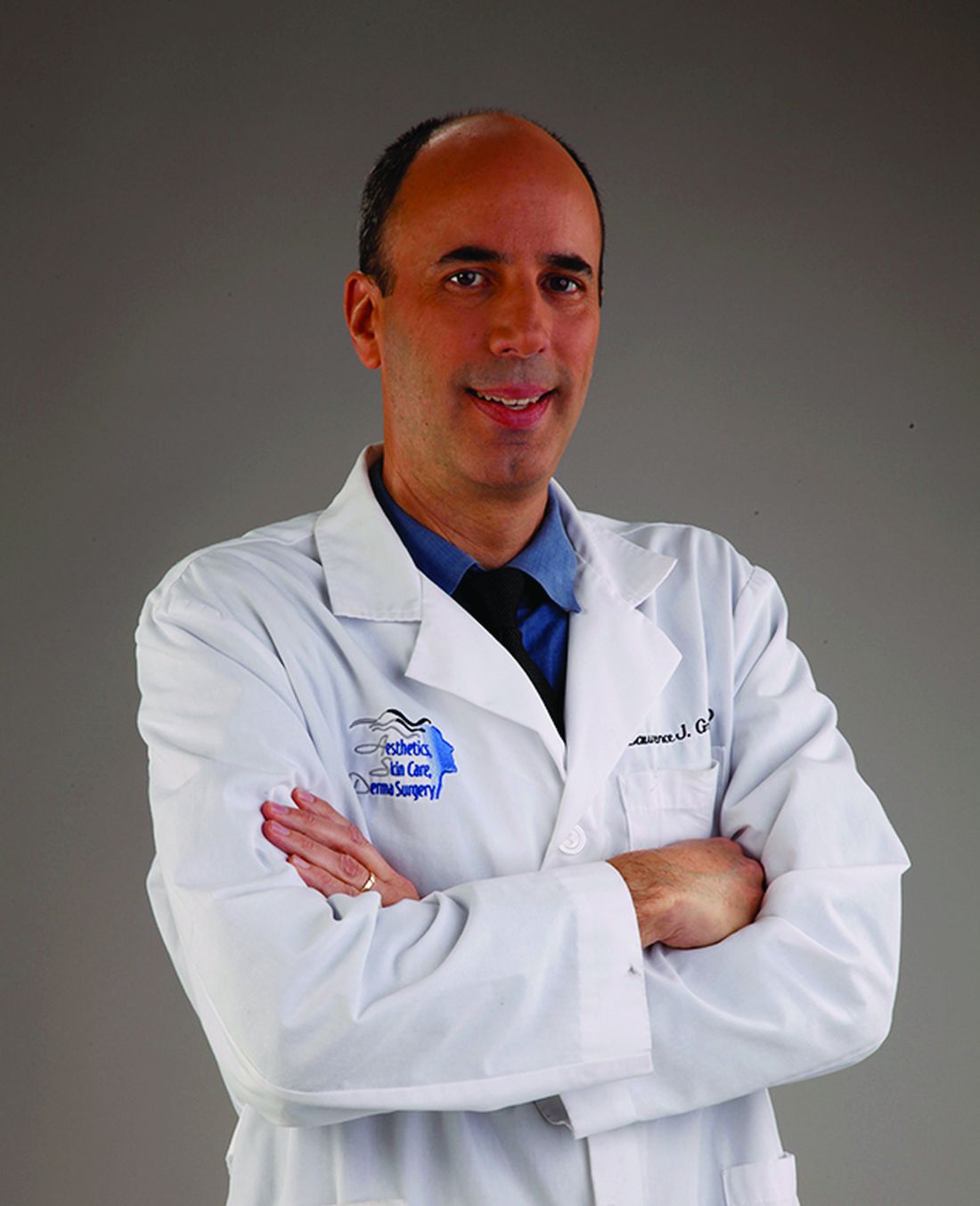
In addition, “much less pain after injection was to me the most obvious differentiator between this and Kybella studies. I look forward to seeing if larger studies confirm the efficacy and safety from this phase 2 study, as 10XB101 has potential to be a more effective, and safer option to reduce submental fat,” he added. He was not involved with the study.
Dr. Darji reported having no disclosures. Mitchel P. Goldman, MD, the study’s lead investigator, is a minority investor in 10XBio, which is developing 10XB101. Dr. Blauvelt and Dr. Green disclosed conflicts of interest from many pharmaceutical companies.
SAN DIEGO — A .
The solution, also known as 10XB101, “has been demonstrated to cause adipolysis,” Kavita Darji, MD, an American Society for Dermatologic Surgery (ASDS) cosmetic and dermatologic laser surgery fellow at a practice in San Diego, said during a late-breaking session at the annual meeting of the American Academy of Dermatology. “It shows less inflammation and release of cytokines TNF-alpha and MCP-1 by macrophages than deoxycholic acid, which is currently used for submental fat reduction.”
In a phase 2b clinical trial conducted at four sites, investigators enrolled 51 patients and assigned them to one of four dose cohorts: 2%, 3%, or 4.5% 10XB101, or vehicle. Each treatment consisted of up to 50 injections at 0.2 mL per injection, and they were administered up to six times 4 weeks apart. Study endpoints included a composite of the Clinician Submental Fat Score (CSFS) and Patient Submental Fat Score (PSFS) on a 0-4–point scale. The researchers graded local skin reactions such as erythema, edema, tenderness on palpation, bruising, pain, and burning/stinging as 0 (none), 1 (mild), 2 (moderate), or 3 (severe). They also obtained lab tests and performed electrocardiograms.
Dr. Darji and colleagues analyzed two populations: the intent to treat (ITT) population, which included all 51 enrolled subjects who received any injection of the test agent, and a completer population of 40 subjects. “These patients had at least four treatments or completed the treatments per protocol, completed the 4 weeks after final treatment assessments, or did not have any significant protocol deviations that would impact the evaluation of efficacy,” she explained.
To compare how 10XB101 performed compared with deoxycholic acid (Kybella), which is approved by the FDA to improve the appearance of moderate to severe submental fat, the researchers drew from pooled findings of Refine 1 and 2, in which adults received up to six treatment sessions with deoxycholic acid or placebo.
The ITT analysis of the 3% and 4.5% 10XB101 dose groups showed about a fourfold increase in a 2-grade or better improvement in the composite endpoint relative to the pooled findings of deoxycholic acid (62% vs. 16%, respectively). In addition, 80% of the completer population achieved a 2-grade improvement in the composite endpoint. “Importantly, 10% to 33% also received a 3-grade improvement, depending on the dose they were assigned to,” Dr. Darji said.
On average, patients in both cohorts achieved a 1-grade improvement after two treatments, and about 50% achieved a 2-grade improvement after four treatments — which is consistent with a more rapid onset when compared with deoxycholic acid, she said.
Both study endpoints were achieved by 31% of patients in the ITT group vs. 33% of completers, respectively, with the 2% dose; 62% vs. 80% with the 3% dose; and 54% vs. 79% for the 4.5% dose. “This is a 2- to 5-times increase in success” when compared with the results of deoxycholic acid in the published pooled analysis, Dr. Darji said. The researchers measured adverse events by spontaneous and elicited reports and by assessments of recorded local skin reactions. They found that 80% of all measured local skin reactions rated as 0 while 98% of all measured local skin reactions rated as a 0 or 1. One myocardial infarction occurred, which was mild and resolved. This case was not related to the study drug, Dr. Darji said in an interview after the meeting. Otherwise, no safety laboratory or ECG signals were noted.
In findings limited to the 3% dose of 10XB101, mild bruising occurred in 8% of patients at postinjection visit 2, 18% of those at postinjection visit 3, 20% of those at postinjection visit 4, and in 20% of those at postinjection visit 5. Reports of mild pain/burning/stinging occurred in 8% of patients at postinjection visit 2 but at no other subsequent visits. Meanwhile, edema occurred in 42% of patients at postinjection visit 2, 45% of those at postinjection visit 3, 50% of those at postinjection visits 4 and 5, and 38% of those at postinjection visit 6.
“Patients resumed normal activity within 1-3 days and had fewer side effects that lasted longer than 30 days,” Dr. Darji concluded, adding that the results “imply a potential opportunity to expand the treatment to other anatomic areas, which is a future direction.”
One of the session moderators, Andrew Blauvelt, MD, MBA, of Oregon Medical Research Center, Portland, noted that the study was not a head-to-head trial of polidocanol vs. deoxycholic acid, so he cautioned against drawing strong conclusions about the comparative data presented.
Asked to comment on the results Lawrence J. Green, MD, of the department of dermatology at George Washington University, Washington, said that 10XB101 “showed excellent efficacy with much fewer adverse events when compared to what we found in studies with Kybella, the only currently FDA-approved injection for submental fat reduction.”
In addition, “much less pain after injection was to me the most obvious differentiator between this and Kybella studies. I look forward to seeing if larger studies confirm the efficacy and safety from this phase 2 study, as 10XB101 has potential to be a more effective, and safer option to reduce submental fat,” he added. He was not involved with the study.
Dr. Darji reported having no disclosures. Mitchel P. Goldman, MD, the study’s lead investigator, is a minority investor in 10XBio, which is developing 10XB101. Dr. Blauvelt and Dr. Green disclosed conflicts of interest from many pharmaceutical companies.
SAN DIEGO — A .
The solution, also known as 10XB101, “has been demonstrated to cause adipolysis,” Kavita Darji, MD, an American Society for Dermatologic Surgery (ASDS) cosmetic and dermatologic laser surgery fellow at a practice in San Diego, said during a late-breaking session at the annual meeting of the American Academy of Dermatology. “It shows less inflammation and release of cytokines TNF-alpha and MCP-1 by macrophages than deoxycholic acid, which is currently used for submental fat reduction.”
In a phase 2b clinical trial conducted at four sites, investigators enrolled 51 patients and assigned them to one of four dose cohorts: 2%, 3%, or 4.5% 10XB101, or vehicle. Each treatment consisted of up to 50 injections at 0.2 mL per injection, and they were administered up to six times 4 weeks apart. Study endpoints included a composite of the Clinician Submental Fat Score (CSFS) and Patient Submental Fat Score (PSFS) on a 0-4–point scale. The researchers graded local skin reactions such as erythema, edema, tenderness on palpation, bruising, pain, and burning/stinging as 0 (none), 1 (mild), 2 (moderate), or 3 (severe). They also obtained lab tests and performed electrocardiograms.
Dr. Darji and colleagues analyzed two populations: the intent to treat (ITT) population, which included all 51 enrolled subjects who received any injection of the test agent, and a completer population of 40 subjects. “These patients had at least four treatments or completed the treatments per protocol, completed the 4 weeks after final treatment assessments, or did not have any significant protocol deviations that would impact the evaluation of efficacy,” she explained.
To compare how 10XB101 performed compared with deoxycholic acid (Kybella), which is approved by the FDA to improve the appearance of moderate to severe submental fat, the researchers drew from pooled findings of Refine 1 and 2, in which adults received up to six treatment sessions with deoxycholic acid or placebo.
The ITT analysis of the 3% and 4.5% 10XB101 dose groups showed about a fourfold increase in a 2-grade or better improvement in the composite endpoint relative to the pooled findings of deoxycholic acid (62% vs. 16%, respectively). In addition, 80% of the completer population achieved a 2-grade improvement in the composite endpoint. “Importantly, 10% to 33% also received a 3-grade improvement, depending on the dose they were assigned to,” Dr. Darji said.
On average, patients in both cohorts achieved a 1-grade improvement after two treatments, and about 50% achieved a 2-grade improvement after four treatments — which is consistent with a more rapid onset when compared with deoxycholic acid, she said.
Both study endpoints were achieved by 31% of patients in the ITT group vs. 33% of completers, respectively, with the 2% dose; 62% vs. 80% with the 3% dose; and 54% vs. 79% for the 4.5% dose. “This is a 2- to 5-times increase in success” when compared with the results of deoxycholic acid in the published pooled analysis, Dr. Darji said. The researchers measured adverse events by spontaneous and elicited reports and by assessments of recorded local skin reactions. They found that 80% of all measured local skin reactions rated as 0 while 98% of all measured local skin reactions rated as a 0 or 1. One myocardial infarction occurred, which was mild and resolved. This case was not related to the study drug, Dr. Darji said in an interview after the meeting. Otherwise, no safety laboratory or ECG signals were noted.
In findings limited to the 3% dose of 10XB101, mild bruising occurred in 8% of patients at postinjection visit 2, 18% of those at postinjection visit 3, 20% of those at postinjection visit 4, and in 20% of those at postinjection visit 5. Reports of mild pain/burning/stinging occurred in 8% of patients at postinjection visit 2 but at no other subsequent visits. Meanwhile, edema occurred in 42% of patients at postinjection visit 2, 45% of those at postinjection visit 3, 50% of those at postinjection visits 4 and 5, and 38% of those at postinjection visit 6.
“Patients resumed normal activity within 1-3 days and had fewer side effects that lasted longer than 30 days,” Dr. Darji concluded, adding that the results “imply a potential opportunity to expand the treatment to other anatomic areas, which is a future direction.”
One of the session moderators, Andrew Blauvelt, MD, MBA, of Oregon Medical Research Center, Portland, noted that the study was not a head-to-head trial of polidocanol vs. deoxycholic acid, so he cautioned against drawing strong conclusions about the comparative data presented.
Asked to comment on the results Lawrence J. Green, MD, of the department of dermatology at George Washington University, Washington, said that 10XB101 “showed excellent efficacy with much fewer adverse events when compared to what we found in studies with Kybella, the only currently FDA-approved injection for submental fat reduction.”
In addition, “much less pain after injection was to me the most obvious differentiator between this and Kybella studies. I look forward to seeing if larger studies confirm the efficacy and safety from this phase 2 study, as 10XB101 has potential to be a more effective, and safer option to reduce submental fat,” he added. He was not involved with the study.
Dr. Darji reported having no disclosures. Mitchel P. Goldman, MD, the study’s lead investigator, is a minority investor in 10XBio, which is developing 10XB101. Dr. Blauvelt and Dr. Green disclosed conflicts of interest from many pharmaceutical companies.
FROM AAD 2024
DermGPT Can Help Improve Your Office Productivity
For anyone (physicians included) concerned about whether generative artificial intelligence (AI) tools will take your job, the likely answer is no—but those who use generative AI will have an advantage, according to Faranak (Fara) Kamangar, MD, Department Chair, Palo Alto Medical Foundation, who presented on AI at the 2024 Annual Meeting of the American Academy of Dermatology, San Diego, California.
Dr. Kamangar is a dermatologist and inventor of DermGPT, an AI tool created specifically to help health care providers with clinical tasks to increase productivity. According to Dr. Kamangar, “For every 8 hours of scheduled patient time, ambulatory physicians spend more than 5 hours on the [electronic health record].” Her advice is to use AI when you can to complete clinical tasks and move on.
DermGPT utilizes a learned language model that is based on dermatology knowledge acquired from more than 3000 peer-reviewed articles and texts (eg, systematic literature reviews, other published sources in the field of dermatology). Search output includes citations so that users can confirm that the answers and sources are accurate. “Still, with all of these safeguards, all AI models can create inaccuracies and it is important to proofread all content,” says Dr. Kamangar.
During her presentation, Dr. Kamangar gave the following examples of potentially useful DermGPT prompts for dermatologists:
- Can you help me write a response to a denial letter to an insurance company for upadacitinib in a patient with atopic dermatitis?
- I am seeing a patient with blisters. What is the differential diagnosis?
- I am prescribing bimekizumab. What labs do I need to check?
Other potential time-saving uses for a dermatologist include:
- prior authorization letters
- coding support
- responses to common patient messages
- letters of recommendation
- information on new treatments.
In Dr. Kamangar’s practice, they have been able to save at least 30 to 60 minutes at the end of the day that is usually spent updating the electronic health record. “This allows us to complete the clinic day much earlier and does not leave work that will spill over to the next day,” she shares. “During my workday, I have [DermGPT] open on my computer, and as clinical tasks arise, if they require more information or assistance, I turn to DermGPT to help de-escalate the task from a moderate to difficult level to an easy task that can be easily managed.”
The next stage of health technology—AI—is here, and physicians are understandably cautious. Board-certified dermatologists, dermatology residents, fellows, and medical students can try DermGPT for free at https://www.dermgpt.com/.
Dr. Kamangar is the founder of DermGPT.
Melissa Sears is the Director, Editorial, of Cutis.
For anyone (physicians included) concerned about whether generative artificial intelligence (AI) tools will take your job, the likely answer is no—but those who use generative AI will have an advantage, according to Faranak (Fara) Kamangar, MD, Department Chair, Palo Alto Medical Foundation, who presented on AI at the 2024 Annual Meeting of the American Academy of Dermatology, San Diego, California.
Dr. Kamangar is a dermatologist and inventor of DermGPT, an AI tool created specifically to help health care providers with clinical tasks to increase productivity. According to Dr. Kamangar, “For every 8 hours of scheduled patient time, ambulatory physicians spend more than 5 hours on the [electronic health record].” Her advice is to use AI when you can to complete clinical tasks and move on.
DermGPT utilizes a learned language model that is based on dermatology knowledge acquired from more than 3000 peer-reviewed articles and texts (eg, systematic literature reviews, other published sources in the field of dermatology). Search output includes citations so that users can confirm that the answers and sources are accurate. “Still, with all of these safeguards, all AI models can create inaccuracies and it is important to proofread all content,” says Dr. Kamangar.
During her presentation, Dr. Kamangar gave the following examples of potentially useful DermGPT prompts for dermatologists:
- Can you help me write a response to a denial letter to an insurance company for upadacitinib in a patient with atopic dermatitis?
- I am seeing a patient with blisters. What is the differential diagnosis?
- I am prescribing bimekizumab. What labs do I need to check?
Other potential time-saving uses for a dermatologist include:
- prior authorization letters
- coding support
- responses to common patient messages
- letters of recommendation
- information on new treatments.
In Dr. Kamangar’s practice, they have been able to save at least 30 to 60 minutes at the end of the day that is usually spent updating the electronic health record. “This allows us to complete the clinic day much earlier and does not leave work that will spill over to the next day,” she shares. “During my workday, I have [DermGPT] open on my computer, and as clinical tasks arise, if they require more information or assistance, I turn to DermGPT to help de-escalate the task from a moderate to difficult level to an easy task that can be easily managed.”
The next stage of health technology—AI—is here, and physicians are understandably cautious. Board-certified dermatologists, dermatology residents, fellows, and medical students can try DermGPT for free at https://www.dermgpt.com/.
Dr. Kamangar is the founder of DermGPT.
Melissa Sears is the Director, Editorial, of Cutis.
For anyone (physicians included) concerned about whether generative artificial intelligence (AI) tools will take your job, the likely answer is no—but those who use generative AI will have an advantage, according to Faranak (Fara) Kamangar, MD, Department Chair, Palo Alto Medical Foundation, who presented on AI at the 2024 Annual Meeting of the American Academy of Dermatology, San Diego, California.
Dr. Kamangar is a dermatologist and inventor of DermGPT, an AI tool created specifically to help health care providers with clinical tasks to increase productivity. According to Dr. Kamangar, “For every 8 hours of scheduled patient time, ambulatory physicians spend more than 5 hours on the [electronic health record].” Her advice is to use AI when you can to complete clinical tasks and move on.
DermGPT utilizes a learned language model that is based on dermatology knowledge acquired from more than 3000 peer-reviewed articles and texts (eg, systematic literature reviews, other published sources in the field of dermatology). Search output includes citations so that users can confirm that the answers and sources are accurate. “Still, with all of these safeguards, all AI models can create inaccuracies and it is important to proofread all content,” says Dr. Kamangar.
During her presentation, Dr. Kamangar gave the following examples of potentially useful DermGPT prompts for dermatologists:
- Can you help me write a response to a denial letter to an insurance company for upadacitinib in a patient with atopic dermatitis?
- I am seeing a patient with blisters. What is the differential diagnosis?
- I am prescribing bimekizumab. What labs do I need to check?
Other potential time-saving uses for a dermatologist include:
- prior authorization letters
- coding support
- responses to common patient messages
- letters of recommendation
- information on new treatments.
In Dr. Kamangar’s practice, they have been able to save at least 30 to 60 minutes at the end of the day that is usually spent updating the electronic health record. “This allows us to complete the clinic day much earlier and does not leave work that will spill over to the next day,” she shares. “During my workday, I have [DermGPT] open on my computer, and as clinical tasks arise, if they require more information or assistance, I turn to DermGPT to help de-escalate the task from a moderate to difficult level to an easy task that can be easily managed.”
The next stage of health technology—AI—is here, and physicians are understandably cautious. Board-certified dermatologists, dermatology residents, fellows, and medical students can try DermGPT for free at https://www.dermgpt.com/.
Dr. Kamangar is the founder of DermGPT.
Melissa Sears is the Director, Editorial, of Cutis.
Lab Tests Are Key for Diagnosing Chickenpox
, according to a report featured in the Centers for Disease Control and Prevention’s Morbidity and Mortality Weekly Report.
Only about half of clinically diagnosed varicella cases — cases diagnosed by examining rashes without laboratory testing — were positive for the varicella-zoster virus (VZV), suggesting lab testing is important to avoid consequences such as children being kept out of school longer than necessary.
Clinical diagnosis continues to be the primary method for diagnosing varicella, said authors of the report, led by Alison Ruprecht, MPH, a state epidemiologist with the MDH. But the signs and symptoms of those who have received the varicella vaccine (including fewer skin lesions, mostly maculopapular) make it difficult to diagnose.
Minnesota Offers Free Tests
In December 2016, the MDH expanded polymerase chain reaction (PCR) laboratory testing for varicella in the state. The program reached out to clinicians through newsletters, webinars, advisories, and conferences describing the importance of lab testing when clinicians suspect a patient’s rash is varicella. The department also offered free testing at MDH Public Health Laboratory (PHL) through an agreement with the CDC and follow-up, if needed, with clinicians on testing practices.
MDH also provided specimen collection kits (containing a collection swab for vesicular fluid and slides for collection of scabs or scraping of maculopapular lesions) to clinics. Free testing was available for people with suspected varicella, including those who had been clinically diagnosed, or people who self-reported suspected varicella or whose school or child care reported the suspected cases. In addition to testing for varicella, MDH-PHL performed PCR testing for herpes simplex virus 1 (HSV-1), herpes simplex virus 2 (HSV-2), and enterovirus on all samples.
The state then saw lab-confirmed varicella cases double from 17% (235 of 1,426) during January 2013–November 2016 to 36% (619 of 1,717) during December 2016–March 2023 (P < .001).
During December 2016–March 2023, MDH-PHL tested specimens for 420 patients with suspected varicella; the median patient age was 5 years (range = 0-68 years). Of those, 23% provided specimens collected at home.
Clinical Diagnosis Versus Lab Test Confirmation
The researchers found that among 208 patients receiving a clinical diagnosis of varicella after only examination at a medical facility, fewer than half (45%) had positive varicella-zoster virus (VZV) lab test results. VZV detection was 66% lower in those who received varicella vaccine compared with those who did not.
The researchers acknowledged that outreach, at-home specimen collection, and free testing likely increased lab testing numbers.
They added that, “This increase in varicella testing likely also contributed to an increase in appropriate clinical management and school exclusion recommendations for suspect varicella cases.
“Clinicians should incorporate routine laboratory testing whenever varicella is suspected,” the researchers wrote. “Public health and school health professionals should emphasize the importance of laboratory confirmation in their recommendations to clinicians and parents.”
Presentation May Also Be Different in Immunocompromised
Sam Dominguez, MD, infectious disease specialist at Children’s Colorado in Aurora, who was not part of the research, said in addition to presentation being harder to recognize in those who are vaccinated, varicella is harder to diagnose in the immunocompromised population, where the rash may not be as prominent or more localized or appear in any number of atypical presentations.
In addition, he said, clinicians don’t see many cases these days. “Providers aren’t as familiar with what varicella looks like, especially younger providers who weren’t trained in the prevaccination era,” he said.
Cost is often an issue with lab testing as well as turn-around time and access, he said, and those factors can be barriers.
Dr. Dominguez said some classic presentations are easily diagnosed as varicella. “If you have a normal, healthy kid, who you’re seeing in the outpatient world who presents with a very classic rash for chickenpox, I don’t think laboratory testing is necessarily warranted in that scenario.”
But when clinicians aren’t confident in their diagnosis, “I think in those scenarios, testing can be very helpful in terms of management from a treatment standpoint as well as a potential infection control standpoint,” he said.
The authors reported no relevant financial relationships. Dr. Dominguez is a consultant for diagnostic companies Karius and BioFire. He has grant support from Pfizer and BioFire.
, according to a report featured in the Centers for Disease Control and Prevention’s Morbidity and Mortality Weekly Report.
Only about half of clinically diagnosed varicella cases — cases diagnosed by examining rashes without laboratory testing — were positive for the varicella-zoster virus (VZV), suggesting lab testing is important to avoid consequences such as children being kept out of school longer than necessary.
Clinical diagnosis continues to be the primary method for diagnosing varicella, said authors of the report, led by Alison Ruprecht, MPH, a state epidemiologist with the MDH. But the signs and symptoms of those who have received the varicella vaccine (including fewer skin lesions, mostly maculopapular) make it difficult to diagnose.
Minnesota Offers Free Tests
In December 2016, the MDH expanded polymerase chain reaction (PCR) laboratory testing for varicella in the state. The program reached out to clinicians through newsletters, webinars, advisories, and conferences describing the importance of lab testing when clinicians suspect a patient’s rash is varicella. The department also offered free testing at MDH Public Health Laboratory (PHL) through an agreement with the CDC and follow-up, if needed, with clinicians on testing practices.
MDH also provided specimen collection kits (containing a collection swab for vesicular fluid and slides for collection of scabs or scraping of maculopapular lesions) to clinics. Free testing was available for people with suspected varicella, including those who had been clinically diagnosed, or people who self-reported suspected varicella or whose school or child care reported the suspected cases. In addition to testing for varicella, MDH-PHL performed PCR testing for herpes simplex virus 1 (HSV-1), herpes simplex virus 2 (HSV-2), and enterovirus on all samples.
The state then saw lab-confirmed varicella cases double from 17% (235 of 1,426) during January 2013–November 2016 to 36% (619 of 1,717) during December 2016–March 2023 (P < .001).
During December 2016–March 2023, MDH-PHL tested specimens for 420 patients with suspected varicella; the median patient age was 5 years (range = 0-68 years). Of those, 23% provided specimens collected at home.
Clinical Diagnosis Versus Lab Test Confirmation
The researchers found that among 208 patients receiving a clinical diagnosis of varicella after only examination at a medical facility, fewer than half (45%) had positive varicella-zoster virus (VZV) lab test results. VZV detection was 66% lower in those who received varicella vaccine compared with those who did not.
The researchers acknowledged that outreach, at-home specimen collection, and free testing likely increased lab testing numbers.
They added that, “This increase in varicella testing likely also contributed to an increase in appropriate clinical management and school exclusion recommendations for suspect varicella cases.
“Clinicians should incorporate routine laboratory testing whenever varicella is suspected,” the researchers wrote. “Public health and school health professionals should emphasize the importance of laboratory confirmation in their recommendations to clinicians and parents.”
Presentation May Also Be Different in Immunocompromised
Sam Dominguez, MD, infectious disease specialist at Children’s Colorado in Aurora, who was not part of the research, said in addition to presentation being harder to recognize in those who are vaccinated, varicella is harder to diagnose in the immunocompromised population, where the rash may not be as prominent or more localized or appear in any number of atypical presentations.
In addition, he said, clinicians don’t see many cases these days. “Providers aren’t as familiar with what varicella looks like, especially younger providers who weren’t trained in the prevaccination era,” he said.
Cost is often an issue with lab testing as well as turn-around time and access, he said, and those factors can be barriers.
Dr. Dominguez said some classic presentations are easily diagnosed as varicella. “If you have a normal, healthy kid, who you’re seeing in the outpatient world who presents with a very classic rash for chickenpox, I don’t think laboratory testing is necessarily warranted in that scenario.”
But when clinicians aren’t confident in their diagnosis, “I think in those scenarios, testing can be very helpful in terms of management from a treatment standpoint as well as a potential infection control standpoint,” he said.
The authors reported no relevant financial relationships. Dr. Dominguez is a consultant for diagnostic companies Karius and BioFire. He has grant support from Pfizer and BioFire.
, according to a report featured in the Centers for Disease Control and Prevention’s Morbidity and Mortality Weekly Report.
Only about half of clinically diagnosed varicella cases — cases diagnosed by examining rashes without laboratory testing — were positive for the varicella-zoster virus (VZV), suggesting lab testing is important to avoid consequences such as children being kept out of school longer than necessary.
Clinical diagnosis continues to be the primary method for diagnosing varicella, said authors of the report, led by Alison Ruprecht, MPH, a state epidemiologist with the MDH. But the signs and symptoms of those who have received the varicella vaccine (including fewer skin lesions, mostly maculopapular) make it difficult to diagnose.
Minnesota Offers Free Tests
In December 2016, the MDH expanded polymerase chain reaction (PCR) laboratory testing for varicella in the state. The program reached out to clinicians through newsletters, webinars, advisories, and conferences describing the importance of lab testing when clinicians suspect a patient’s rash is varicella. The department also offered free testing at MDH Public Health Laboratory (PHL) through an agreement with the CDC and follow-up, if needed, with clinicians on testing practices.
MDH also provided specimen collection kits (containing a collection swab for vesicular fluid and slides for collection of scabs or scraping of maculopapular lesions) to clinics. Free testing was available for people with suspected varicella, including those who had been clinically diagnosed, or people who self-reported suspected varicella or whose school or child care reported the suspected cases. In addition to testing for varicella, MDH-PHL performed PCR testing for herpes simplex virus 1 (HSV-1), herpes simplex virus 2 (HSV-2), and enterovirus on all samples.
The state then saw lab-confirmed varicella cases double from 17% (235 of 1,426) during January 2013–November 2016 to 36% (619 of 1,717) during December 2016–March 2023 (P < .001).
During December 2016–March 2023, MDH-PHL tested specimens for 420 patients with suspected varicella; the median patient age was 5 years (range = 0-68 years). Of those, 23% provided specimens collected at home.
Clinical Diagnosis Versus Lab Test Confirmation
The researchers found that among 208 patients receiving a clinical diagnosis of varicella after only examination at a medical facility, fewer than half (45%) had positive varicella-zoster virus (VZV) lab test results. VZV detection was 66% lower in those who received varicella vaccine compared with those who did not.
The researchers acknowledged that outreach, at-home specimen collection, and free testing likely increased lab testing numbers.
They added that, “This increase in varicella testing likely also contributed to an increase in appropriate clinical management and school exclusion recommendations for suspect varicella cases.
“Clinicians should incorporate routine laboratory testing whenever varicella is suspected,” the researchers wrote. “Public health and school health professionals should emphasize the importance of laboratory confirmation in their recommendations to clinicians and parents.”
Presentation May Also Be Different in Immunocompromised
Sam Dominguez, MD, infectious disease specialist at Children’s Colorado in Aurora, who was not part of the research, said in addition to presentation being harder to recognize in those who are vaccinated, varicella is harder to diagnose in the immunocompromised population, where the rash may not be as prominent or more localized or appear in any number of atypical presentations.
In addition, he said, clinicians don’t see many cases these days. “Providers aren’t as familiar with what varicella looks like, especially younger providers who weren’t trained in the prevaccination era,” he said.
Cost is often an issue with lab testing as well as turn-around time and access, he said, and those factors can be barriers.
Dr. Dominguez said some classic presentations are easily diagnosed as varicella. “If you have a normal, healthy kid, who you’re seeing in the outpatient world who presents with a very classic rash for chickenpox, I don’t think laboratory testing is necessarily warranted in that scenario.”
But when clinicians aren’t confident in their diagnosis, “I think in those scenarios, testing can be very helpful in terms of management from a treatment standpoint as well as a potential infection control standpoint,” he said.
The authors reported no relevant financial relationships. Dr. Dominguez is a consultant for diagnostic companies Karius and BioFire. He has grant support from Pfizer and BioFire.
FROM MMWR
ASCO Releases Vaccination Guidelines for Adults With Cancer
TOPLINE:
“Optimizing vaccination status should be considered a key element in the care of patients with cancer,” according to the authors of newly released American of Clinical Oncology (ASCO) guidelines.
METHODOLOGY:
- “Infections are the second most common cause of noncancer-related mortality within the first year after a cancer diagnosis,” highlighting the need for oncologists to help ensure patients are up to date on key vaccines, an ASCO panel of experts wrote.
- The expert panel reviewed the existing evidence and made recommendations to guide vaccination of adults with solid tumors or hematologic malignancies, including those who received hematopoietic stem-cell transplantation (HSCT), chimeric antigen T-cell (CAR T-cell) therapy and B-cell-depleting therapy, as well as guide vaccination of their household contacts.
- The panel reviewed 102 publications, including 24 systematic reviews, 14 randomized controlled trials, and 64 nonrandomized studies.
- Vaccines evaluated included those for COVID-19, influenza, hepatitis A and B, respiratory syncytial virus, Tdap, human papillomavirus, inactivated polio, and rabies.
- The authors noted that patients’ underlying immune status and their cancer therapy could affect vaccination and revaccination strategies compared with recommendations for a general adult population without cancer.
TAKEAWAY:
- The first step is to determine patients’ vaccination status and ensure adults newly diagnosed with cancer (as well as their household contacts) are up to date on seasonal and age or risk-based vaccines before starting their cancer treatment. If there are gaps, patients would ideally receive their vaccinations 2-4 weeks before their cancer treatment begins; however, non-live vaccines can be given during or after treatment.
- The authors recommended complete revaccination of patients 6-12 months following HSCT to restore vaccine-induced immunity. The caveats: COVID-19, influenza, and pneumococcal vaccines can be given as early as 3 months after transplant, and patients should receive live and live attenuated vaccines only in the absence of active GVHD or immunosuppression and only ≥ 2 years following HSCT.
- After CAR T-cell therapy directed against B-cell antigens (CD19/BCMA), patients should not receive influenza and COVID-19 vaccines sooner than 3 months after completing therapy and nonlive vaccines should not be given before 6 months.
- After B-cell depleting therapy, revaccinate patients for COVID-19 only and no sooner than 6 months after completing treatment. Long-term survivors of hematologic cancer with or without active disease or those with long-standing B-cell dysfunction or hypogammaglobulinemia from therapy or B-cell lineage malignancies should receive the recommended nonlive vaccines.
- Adults with solid and hematologic cancers traveling to an area of risk should follow the CDC standard recommendations for the destination. Hepatitis A, intramuscular typhoid vaccine, inactivated polio, hepatitis B, rabies, meningococcal, and nonlive Japanese encephalitis vaccines are safe.
IN PRACTICE:
“Enhancing vaccine uptake against preventable illnesses will help the community and improve the quality of care for patients with cancer,” the authors said. “Clinicians play a critical role in helping the patient and caregiver to understand the potential benefits and risks of recommended vaccination[s]. In addition, clinicians should provide authoritative resources, such as fact-based vaccine informational handouts and Internet sites, to help patients and caregivers learn more about the topic.”
SOURCE:
Mini Kamboj, MD, with Memorial Sloan Kettering Cancer Center, New York City, and Elise Kohn, MD, with the National Cancer Institute, Rockville, Maryland, served as cochairs for the expert panel. The guideline was published March 18 in the Journal of Clinical Oncology.
LIMITATIONS:
The evidence for some vaccines in cancer patients continues to evolve, particularly for new vaccines like COVID-19 vaccines.
DISCLOSURES:
This research had no commercial funding. Disclosures for the guideline panel are available with the original article.
A version of this article appeared on Medscape.com.
TOPLINE:
“Optimizing vaccination status should be considered a key element in the care of patients with cancer,” according to the authors of newly released American of Clinical Oncology (ASCO) guidelines.
METHODOLOGY:
- “Infections are the second most common cause of noncancer-related mortality within the first year after a cancer diagnosis,” highlighting the need for oncologists to help ensure patients are up to date on key vaccines, an ASCO panel of experts wrote.
- The expert panel reviewed the existing evidence and made recommendations to guide vaccination of adults with solid tumors or hematologic malignancies, including those who received hematopoietic stem-cell transplantation (HSCT), chimeric antigen T-cell (CAR T-cell) therapy and B-cell-depleting therapy, as well as guide vaccination of their household contacts.
- The panel reviewed 102 publications, including 24 systematic reviews, 14 randomized controlled trials, and 64 nonrandomized studies.
- Vaccines evaluated included those for COVID-19, influenza, hepatitis A and B, respiratory syncytial virus, Tdap, human papillomavirus, inactivated polio, and rabies.
- The authors noted that patients’ underlying immune status and their cancer therapy could affect vaccination and revaccination strategies compared with recommendations for a general adult population without cancer.
TAKEAWAY:
- The first step is to determine patients’ vaccination status and ensure adults newly diagnosed with cancer (as well as their household contacts) are up to date on seasonal and age or risk-based vaccines before starting their cancer treatment. If there are gaps, patients would ideally receive their vaccinations 2-4 weeks before their cancer treatment begins; however, non-live vaccines can be given during or after treatment.
- The authors recommended complete revaccination of patients 6-12 months following HSCT to restore vaccine-induced immunity. The caveats: COVID-19, influenza, and pneumococcal vaccines can be given as early as 3 months after transplant, and patients should receive live and live attenuated vaccines only in the absence of active GVHD or immunosuppression and only ≥ 2 years following HSCT.
- After CAR T-cell therapy directed against B-cell antigens (CD19/BCMA), patients should not receive influenza and COVID-19 vaccines sooner than 3 months after completing therapy and nonlive vaccines should not be given before 6 months.
- After B-cell depleting therapy, revaccinate patients for COVID-19 only and no sooner than 6 months after completing treatment. Long-term survivors of hematologic cancer with or without active disease or those with long-standing B-cell dysfunction or hypogammaglobulinemia from therapy or B-cell lineage malignancies should receive the recommended nonlive vaccines.
- Adults with solid and hematologic cancers traveling to an area of risk should follow the CDC standard recommendations for the destination. Hepatitis A, intramuscular typhoid vaccine, inactivated polio, hepatitis B, rabies, meningococcal, and nonlive Japanese encephalitis vaccines are safe.
IN PRACTICE:
“Enhancing vaccine uptake against preventable illnesses will help the community and improve the quality of care for patients with cancer,” the authors said. “Clinicians play a critical role in helping the patient and caregiver to understand the potential benefits and risks of recommended vaccination[s]. In addition, clinicians should provide authoritative resources, such as fact-based vaccine informational handouts and Internet sites, to help patients and caregivers learn more about the topic.”
SOURCE:
Mini Kamboj, MD, with Memorial Sloan Kettering Cancer Center, New York City, and Elise Kohn, MD, with the National Cancer Institute, Rockville, Maryland, served as cochairs for the expert panel. The guideline was published March 18 in the Journal of Clinical Oncology.
LIMITATIONS:
The evidence for some vaccines in cancer patients continues to evolve, particularly for new vaccines like COVID-19 vaccines.
DISCLOSURES:
This research had no commercial funding. Disclosures for the guideline panel are available with the original article.
A version of this article appeared on Medscape.com.
TOPLINE:
“Optimizing vaccination status should be considered a key element in the care of patients with cancer,” according to the authors of newly released American of Clinical Oncology (ASCO) guidelines.
METHODOLOGY:
- “Infections are the second most common cause of noncancer-related mortality within the first year after a cancer diagnosis,” highlighting the need for oncologists to help ensure patients are up to date on key vaccines, an ASCO panel of experts wrote.
- The expert panel reviewed the existing evidence and made recommendations to guide vaccination of adults with solid tumors or hematologic malignancies, including those who received hematopoietic stem-cell transplantation (HSCT), chimeric antigen T-cell (CAR T-cell) therapy and B-cell-depleting therapy, as well as guide vaccination of their household contacts.
- The panel reviewed 102 publications, including 24 systematic reviews, 14 randomized controlled trials, and 64 nonrandomized studies.
- Vaccines evaluated included those for COVID-19, influenza, hepatitis A and B, respiratory syncytial virus, Tdap, human papillomavirus, inactivated polio, and rabies.
- The authors noted that patients’ underlying immune status and their cancer therapy could affect vaccination and revaccination strategies compared with recommendations for a general adult population without cancer.
TAKEAWAY:
- The first step is to determine patients’ vaccination status and ensure adults newly diagnosed with cancer (as well as their household contacts) are up to date on seasonal and age or risk-based vaccines before starting their cancer treatment. If there are gaps, patients would ideally receive their vaccinations 2-4 weeks before their cancer treatment begins; however, non-live vaccines can be given during or after treatment.
- The authors recommended complete revaccination of patients 6-12 months following HSCT to restore vaccine-induced immunity. The caveats: COVID-19, influenza, and pneumococcal vaccines can be given as early as 3 months after transplant, and patients should receive live and live attenuated vaccines only in the absence of active GVHD or immunosuppression and only ≥ 2 years following HSCT.
- After CAR T-cell therapy directed against B-cell antigens (CD19/BCMA), patients should not receive influenza and COVID-19 vaccines sooner than 3 months after completing therapy and nonlive vaccines should not be given before 6 months.
- After B-cell depleting therapy, revaccinate patients for COVID-19 only and no sooner than 6 months after completing treatment. Long-term survivors of hematologic cancer with or without active disease or those with long-standing B-cell dysfunction or hypogammaglobulinemia from therapy or B-cell lineage malignancies should receive the recommended nonlive vaccines.
- Adults with solid and hematologic cancers traveling to an area of risk should follow the CDC standard recommendations for the destination. Hepatitis A, intramuscular typhoid vaccine, inactivated polio, hepatitis B, rabies, meningococcal, and nonlive Japanese encephalitis vaccines are safe.
IN PRACTICE:
“Enhancing vaccine uptake against preventable illnesses will help the community and improve the quality of care for patients with cancer,” the authors said. “Clinicians play a critical role in helping the patient and caregiver to understand the potential benefits and risks of recommended vaccination[s]. In addition, clinicians should provide authoritative resources, such as fact-based vaccine informational handouts and Internet sites, to help patients and caregivers learn more about the topic.”
SOURCE:
Mini Kamboj, MD, with Memorial Sloan Kettering Cancer Center, New York City, and Elise Kohn, MD, with the National Cancer Institute, Rockville, Maryland, served as cochairs for the expert panel. The guideline was published March 18 in the Journal of Clinical Oncology.
LIMITATIONS:
The evidence for some vaccines in cancer patients continues to evolve, particularly for new vaccines like COVID-19 vaccines.
DISCLOSURES:
This research had no commercial funding. Disclosures for the guideline panel are available with the original article.
A version of this article appeared on Medscape.com.
Florida Legislature Passes Free Skin Cancer Screening Requirement
By this summer, state employees in Florida covered by state group health insurance plans should have access to free annual skin cancer screenings.
On March 1, 2024, legislation was unanimously passed by both chambers of the state legislature that will provide for the free screenings for this group as of July 1. Some 321,000 state employees would be eligible, at a cost of about $357,000 per year, according to a legislative analysis. Gov. Ron DeSantis (R) has received and is expected to sign the bill.
The analysis concluded that the bill would have a “significant negative fiscal impact on the state employee group health plan,” as screenings will ultimately reduce cancer incidence and related morbidity and mortality.
The screenings aim to provide access to patients who may think they might not be able to afford a visit or who may have other perceived or real barriers to going for a skin check, said Sima Jain, MD, president of the Florida Academy of Dermatology. “It’s really meant to give patients access who need it,” said Dr. Jain, a dermatologist in private practice in Orlando.
The goal is early detection. “If I do a simple excision on a melanoma and we catch it early, it’s done, it’s cured,” Dr. Jain told this news organization. “It’s a win-win. We catch it early and insurance companies pay less money,” she said.
An effort to have all insurers in the state provide free screenings failed in 2023.
From 2016 to 2020, Florida had a higher overall incidence of melanoma at 25.4 per 100,000 than the national average of 22.5, according to the National Cancer Institute. The state had some 7500 cases of melanoma each year during that period. The incidence rate in some Florida counties is as high as 32.7-45.6 per 100,000.
The Florida legislation will allow physician assistants and advanced practice nurses who operate under the supervision of a dermatologist to conduct the screenings.
It’s not clear how many state employees will access the free skin checks. “I don’t expect to see a flood of skin cancer screenings,” said Dr. Jain, noting that she hopes that it attracts primarily those at highest risk.
Once the bill is signed by the governor, Florida will be the second state to cover skin cancer screenings in some way. Illinois has required free skin cancer screening for all insured residents since 2020.
A version of this article appeared on Medscape.com .
By this summer, state employees in Florida covered by state group health insurance plans should have access to free annual skin cancer screenings.
On March 1, 2024, legislation was unanimously passed by both chambers of the state legislature that will provide for the free screenings for this group as of July 1. Some 321,000 state employees would be eligible, at a cost of about $357,000 per year, according to a legislative analysis. Gov. Ron DeSantis (R) has received and is expected to sign the bill.
The analysis concluded that the bill would have a “significant negative fiscal impact on the state employee group health plan,” as screenings will ultimately reduce cancer incidence and related morbidity and mortality.
The screenings aim to provide access to patients who may think they might not be able to afford a visit or who may have other perceived or real barriers to going for a skin check, said Sima Jain, MD, president of the Florida Academy of Dermatology. “It’s really meant to give patients access who need it,” said Dr. Jain, a dermatologist in private practice in Orlando.
The goal is early detection. “If I do a simple excision on a melanoma and we catch it early, it’s done, it’s cured,” Dr. Jain told this news organization. “It’s a win-win. We catch it early and insurance companies pay less money,” she said.
An effort to have all insurers in the state provide free screenings failed in 2023.
From 2016 to 2020, Florida had a higher overall incidence of melanoma at 25.4 per 100,000 than the national average of 22.5, according to the National Cancer Institute. The state had some 7500 cases of melanoma each year during that period. The incidence rate in some Florida counties is as high as 32.7-45.6 per 100,000.
The Florida legislation will allow physician assistants and advanced practice nurses who operate under the supervision of a dermatologist to conduct the screenings.
It’s not clear how many state employees will access the free skin checks. “I don’t expect to see a flood of skin cancer screenings,” said Dr. Jain, noting that she hopes that it attracts primarily those at highest risk.
Once the bill is signed by the governor, Florida will be the second state to cover skin cancer screenings in some way. Illinois has required free skin cancer screening for all insured residents since 2020.
A version of this article appeared on Medscape.com .
By this summer, state employees in Florida covered by state group health insurance plans should have access to free annual skin cancer screenings.
On March 1, 2024, legislation was unanimously passed by both chambers of the state legislature that will provide for the free screenings for this group as of July 1. Some 321,000 state employees would be eligible, at a cost of about $357,000 per year, according to a legislative analysis. Gov. Ron DeSantis (R) has received and is expected to sign the bill.
The analysis concluded that the bill would have a “significant negative fiscal impact on the state employee group health plan,” as screenings will ultimately reduce cancer incidence and related morbidity and mortality.
The screenings aim to provide access to patients who may think they might not be able to afford a visit or who may have other perceived or real barriers to going for a skin check, said Sima Jain, MD, president of the Florida Academy of Dermatology. “It’s really meant to give patients access who need it,” said Dr. Jain, a dermatologist in private practice in Orlando.
The goal is early detection. “If I do a simple excision on a melanoma and we catch it early, it’s done, it’s cured,” Dr. Jain told this news organization. “It’s a win-win. We catch it early and insurance companies pay less money,” she said.
An effort to have all insurers in the state provide free screenings failed in 2023.
From 2016 to 2020, Florida had a higher overall incidence of melanoma at 25.4 per 100,000 than the national average of 22.5, according to the National Cancer Institute. The state had some 7500 cases of melanoma each year during that period. The incidence rate in some Florida counties is as high as 32.7-45.6 per 100,000.
The Florida legislation will allow physician assistants and advanced practice nurses who operate under the supervision of a dermatologist to conduct the screenings.
It’s not clear how many state employees will access the free skin checks. “I don’t expect to see a flood of skin cancer screenings,” said Dr. Jain, noting that she hopes that it attracts primarily those at highest risk.
Once the bill is signed by the governor, Florida will be the second state to cover skin cancer screenings in some way. Illinois has required free skin cancer screening for all insured residents since 2020.
A version of this article appeared on Medscape.com .
Time Is Money: Should Physicians Be Compensated for EHR Engagement?
Electronic health records (EHRs) make providing coordinated, efficient care easier and reduce medical errors and test duplications; research has also correlated EHR adoption with higher patient satisfaction and outcomes. However, for physicians, the benefits come at a cost.
“I spend at least the same amount of time in the portal that I do in scheduled clinical time with patients,” said Eve Rittenberg, MD, primary care physician at Brigham and Women’s Hospital and assistant professor at Harvard Medical School, Boston, Massachusetts. “So, if I have a 4-hour session of seeing patients, I spend at least another 4 or more hours in the patient portal.”
The latest data showed that primary care physicians logged a median of 36.2 minutes in the healthcare portal per patient visit, spending 58.9% more time on orders, 24.4% more time reading and responding to messages, and 13% more time on chart review compared to prepandemic portal use.
“EHRs can be very powerful tools,” said Ralph DeBiasi, MD, a clinical cardiac electrophysiologist at Yale New Haven Health. “We’re still working on how to best harness that power to make us better doctors and better care teams and to take better care of our patients because their use can take up a lot of time.”
Portal Time Isn’t Paid Time
Sharp increases in the amount of time spent in the EHR responding to messages or dispensing medical advice via the portal often aren’t linked to increases in compensation; most portal time is unpaid.
“There isn’t specific time allocated to working in the portal; it’s either done in the office while a patient is sitting in an exam room or in the mornings and evenings outside of traditional working hours,” Dr. DeBiasi said. “I think it’s reasonable to consider it being reimbursed because we’re taking our time and effort and making decisions to help the patient.”
Compensation for portal time affects all physicians, but the degree of impact depends on their specialties. Primary care physicians spent significantly more daily and after-hours time in the EHR, entering notes and orders, and doing clinical reviews compared to surgical and medical specialties.
In addition to the outsized impact on primary care, physician compensation for portal time is also an equity issue.
Dr. Rittenberg researched the issue and found a higher volume of communication from both patients and staff to female physicians than male physicians. As a result, female physicians spend 41.4 minutes more on the EHR than their male counterparts, which equates to more unpaid time. It’s likely no coincidence then that burnout rates are also higher among female physicians, who also leave the clinical workforce in higher numbers, especially in primary care.
“Finding ways to fairly compensate physicians for their work also will address some of the equity issues in workload and the consequences,” Dr. Rittenberg said.
Addressing the Issue
Some health systems have started charging patients who seek medical advice via patient portals, equating the communication to asynchronous acute care or an additional care touchpoint and billing based on the length and complexity of the messages. Patient fees for seeking medical advice via portals vary widely depending on their health system and insurance.
At University of California San Francisco Health, billing patients for EHR communication led to a sharp decrease in patient messages, which eased physician workload. At Cleveland Clinic, physicians receive “productivity credits” for the time spent in the EHR that can be used to reduce their clinic hours (but have no impact on their compensation).
Changes to the Medicare Physician Fee Schedule also allow physicians to bill for “digital evaluation and management” based on the time spent in an EHR responding to patient-initiated questions and requests.
However, more efforts are needed to ease burnout and reverse the number of physicians who are seeing fewer patients or leaving medical practice altogether as a direct result of spending increasing amounts of unpaid time in the EHR. Dr. Rittenberg, who spends an estimated 50% of her working hours in the portal, had to reduce her clinical workload by 25% due to such heavy portal requirements.
“The workload has become unsustainable,” she said. “The work has undergone a dramatic change over the past decade, and the compensation system has not kept up with that change.”
Prioritizing Patient and Physician Experiences
The ever-expanding use of EHR is a result of their value as a healthcare tool. Data showed that the electronic exchange of information between patients and physicians improves diagnostics, reduces medical errors, enhances communication, and leads to more patient-centered care — and physicians want their patients to use the portal to maximize their healthcare.
“[The EHR] is good for patients,” said Dr. DeBiasi. “Sometimes, patients have access issues with healthcare, whether that’s not knowing what number to call or getting the right message to the right person at the right office. If [the portal] is good for them and helps them get access to care, we should embrace that and figure out a way to work it into our day-to-day schedules.”
But maximizing the patient experience shouldn’t come at the physicians’ expense. Dr. Rittenberg advocates a model that compensates physicians for the time spent in the EHR and prioritizes a team approach to rebalance the EHR workload to ensure that physicians aren’t devoting too much time to administrative tasks and can, instead, focus their time on clinical tasks.
“The way in which we provide healthcare has fundamentally shifted, and compensation models need to reflect that new reality,” Dr. Rittenberg added.
A version of this article appeared on Medscape.com.
Electronic health records (EHRs) make providing coordinated, efficient care easier and reduce medical errors and test duplications; research has also correlated EHR adoption with higher patient satisfaction and outcomes. However, for physicians, the benefits come at a cost.
“I spend at least the same amount of time in the portal that I do in scheduled clinical time with patients,” said Eve Rittenberg, MD, primary care physician at Brigham and Women’s Hospital and assistant professor at Harvard Medical School, Boston, Massachusetts. “So, if I have a 4-hour session of seeing patients, I spend at least another 4 or more hours in the patient portal.”
The latest data showed that primary care physicians logged a median of 36.2 minutes in the healthcare portal per patient visit, spending 58.9% more time on orders, 24.4% more time reading and responding to messages, and 13% more time on chart review compared to prepandemic portal use.
“EHRs can be very powerful tools,” said Ralph DeBiasi, MD, a clinical cardiac electrophysiologist at Yale New Haven Health. “We’re still working on how to best harness that power to make us better doctors and better care teams and to take better care of our patients because their use can take up a lot of time.”
Portal Time Isn’t Paid Time
Sharp increases in the amount of time spent in the EHR responding to messages or dispensing medical advice via the portal often aren’t linked to increases in compensation; most portal time is unpaid.
“There isn’t specific time allocated to working in the portal; it’s either done in the office while a patient is sitting in an exam room or in the mornings and evenings outside of traditional working hours,” Dr. DeBiasi said. “I think it’s reasonable to consider it being reimbursed because we’re taking our time and effort and making decisions to help the patient.”
Compensation for portal time affects all physicians, but the degree of impact depends on their specialties. Primary care physicians spent significantly more daily and after-hours time in the EHR, entering notes and orders, and doing clinical reviews compared to surgical and medical specialties.
In addition to the outsized impact on primary care, physician compensation for portal time is also an equity issue.
Dr. Rittenberg researched the issue and found a higher volume of communication from both patients and staff to female physicians than male physicians. As a result, female physicians spend 41.4 minutes more on the EHR than their male counterparts, which equates to more unpaid time. It’s likely no coincidence then that burnout rates are also higher among female physicians, who also leave the clinical workforce in higher numbers, especially in primary care.
“Finding ways to fairly compensate physicians for their work also will address some of the equity issues in workload and the consequences,” Dr. Rittenberg said.
Addressing the Issue
Some health systems have started charging patients who seek medical advice via patient portals, equating the communication to asynchronous acute care or an additional care touchpoint and billing based on the length and complexity of the messages. Patient fees for seeking medical advice via portals vary widely depending on their health system and insurance.
At University of California San Francisco Health, billing patients for EHR communication led to a sharp decrease in patient messages, which eased physician workload. At Cleveland Clinic, physicians receive “productivity credits” for the time spent in the EHR that can be used to reduce their clinic hours (but have no impact on their compensation).
Changes to the Medicare Physician Fee Schedule also allow physicians to bill for “digital evaluation and management” based on the time spent in an EHR responding to patient-initiated questions and requests.
However, more efforts are needed to ease burnout and reverse the number of physicians who are seeing fewer patients or leaving medical practice altogether as a direct result of spending increasing amounts of unpaid time in the EHR. Dr. Rittenberg, who spends an estimated 50% of her working hours in the portal, had to reduce her clinical workload by 25% due to such heavy portal requirements.
“The workload has become unsustainable,” she said. “The work has undergone a dramatic change over the past decade, and the compensation system has not kept up with that change.”
Prioritizing Patient and Physician Experiences
The ever-expanding use of EHR is a result of their value as a healthcare tool. Data showed that the electronic exchange of information between patients and physicians improves diagnostics, reduces medical errors, enhances communication, and leads to more patient-centered care — and physicians want their patients to use the portal to maximize their healthcare.
“[The EHR] is good for patients,” said Dr. DeBiasi. “Sometimes, patients have access issues with healthcare, whether that’s not knowing what number to call or getting the right message to the right person at the right office. If [the portal] is good for them and helps them get access to care, we should embrace that and figure out a way to work it into our day-to-day schedules.”
But maximizing the patient experience shouldn’t come at the physicians’ expense. Dr. Rittenberg advocates a model that compensates physicians for the time spent in the EHR and prioritizes a team approach to rebalance the EHR workload to ensure that physicians aren’t devoting too much time to administrative tasks and can, instead, focus their time on clinical tasks.
“The way in which we provide healthcare has fundamentally shifted, and compensation models need to reflect that new reality,” Dr. Rittenberg added.
A version of this article appeared on Medscape.com.
Electronic health records (EHRs) make providing coordinated, efficient care easier and reduce medical errors and test duplications; research has also correlated EHR adoption with higher patient satisfaction and outcomes. However, for physicians, the benefits come at a cost.
“I spend at least the same amount of time in the portal that I do in scheduled clinical time with patients,” said Eve Rittenberg, MD, primary care physician at Brigham and Women’s Hospital and assistant professor at Harvard Medical School, Boston, Massachusetts. “So, if I have a 4-hour session of seeing patients, I spend at least another 4 or more hours in the patient portal.”
The latest data showed that primary care physicians logged a median of 36.2 minutes in the healthcare portal per patient visit, spending 58.9% more time on orders, 24.4% more time reading and responding to messages, and 13% more time on chart review compared to prepandemic portal use.
“EHRs can be very powerful tools,” said Ralph DeBiasi, MD, a clinical cardiac electrophysiologist at Yale New Haven Health. “We’re still working on how to best harness that power to make us better doctors and better care teams and to take better care of our patients because their use can take up a lot of time.”
Portal Time Isn’t Paid Time
Sharp increases in the amount of time spent in the EHR responding to messages or dispensing medical advice via the portal often aren’t linked to increases in compensation; most portal time is unpaid.
“There isn’t specific time allocated to working in the portal; it’s either done in the office while a patient is sitting in an exam room or in the mornings and evenings outside of traditional working hours,” Dr. DeBiasi said. “I think it’s reasonable to consider it being reimbursed because we’re taking our time and effort and making decisions to help the patient.”
Compensation for portal time affects all physicians, but the degree of impact depends on their specialties. Primary care physicians spent significantly more daily and after-hours time in the EHR, entering notes and orders, and doing clinical reviews compared to surgical and medical specialties.
In addition to the outsized impact on primary care, physician compensation for portal time is also an equity issue.
Dr. Rittenberg researched the issue and found a higher volume of communication from both patients and staff to female physicians than male physicians. As a result, female physicians spend 41.4 minutes more on the EHR than their male counterparts, which equates to more unpaid time. It’s likely no coincidence then that burnout rates are also higher among female physicians, who also leave the clinical workforce in higher numbers, especially in primary care.
“Finding ways to fairly compensate physicians for their work also will address some of the equity issues in workload and the consequences,” Dr. Rittenberg said.
Addressing the Issue
Some health systems have started charging patients who seek medical advice via patient portals, equating the communication to asynchronous acute care or an additional care touchpoint and billing based on the length and complexity of the messages. Patient fees for seeking medical advice via portals vary widely depending on their health system and insurance.
At University of California San Francisco Health, billing patients for EHR communication led to a sharp decrease in patient messages, which eased physician workload. At Cleveland Clinic, physicians receive “productivity credits” for the time spent in the EHR that can be used to reduce their clinic hours (but have no impact on their compensation).
Changes to the Medicare Physician Fee Schedule also allow physicians to bill for “digital evaluation and management” based on the time spent in an EHR responding to patient-initiated questions and requests.
However, more efforts are needed to ease burnout and reverse the number of physicians who are seeing fewer patients or leaving medical practice altogether as a direct result of spending increasing amounts of unpaid time in the EHR. Dr. Rittenberg, who spends an estimated 50% of her working hours in the portal, had to reduce her clinical workload by 25% due to such heavy portal requirements.
“The workload has become unsustainable,” she said. “The work has undergone a dramatic change over the past decade, and the compensation system has not kept up with that change.”
Prioritizing Patient and Physician Experiences
The ever-expanding use of EHR is a result of their value as a healthcare tool. Data showed that the electronic exchange of information between patients and physicians improves diagnostics, reduces medical errors, enhances communication, and leads to more patient-centered care — and physicians want their patients to use the portal to maximize their healthcare.
“[The EHR] is good for patients,” said Dr. DeBiasi. “Sometimes, patients have access issues with healthcare, whether that’s not knowing what number to call or getting the right message to the right person at the right office. If [the portal] is good for them and helps them get access to care, we should embrace that and figure out a way to work it into our day-to-day schedules.”
But maximizing the patient experience shouldn’t come at the physicians’ expense. Dr. Rittenberg advocates a model that compensates physicians for the time spent in the EHR and prioritizes a team approach to rebalance the EHR workload to ensure that physicians aren’t devoting too much time to administrative tasks and can, instead, focus their time on clinical tasks.
“The way in which we provide healthcare has fundamentally shifted, and compensation models need to reflect that new reality,” Dr. Rittenberg added.
A version of this article appeared on Medscape.com.
Meditating in the Mundane
I don’t recommend ice baths. Perhaps I should. On my podcast-filled commute, I am reminded for miles of the mental and physical benefits of this revolutionary wellness routine: Cold exposure causes a spike in adrenaline and raises your baseline dopamine, thereby giving you superhuman focus and energy. Goodbye procrastination! Eliminate your ADHD in one icy step! I’m trying to be the fashionable mustached-columnist here so maybe I should get on board.
In fact, a heavyset, similarly-mustached 32-year-old patient just asked if I do ice baths. It was meant as a compliment, I believe. Displaying poise wearing my Chief of Dermatology embroidered white coat in my toddler-art-adorned office, I could hear him thinking: “This doc is legit. On fleek.” (Note, this is an approximation and the patient’s actual thoughts may have varied). We were talking podcasts and he was curious about my daily routine.
Now, ice baths probably do have the benefits that Andrew Huberman, Joe Rogan, and the others have described, I don’t argue. And the experience is oft described as invigorating with a runner’s high-like euphoria that follows a good dunk. I’ve tried it. I would describe it as “very uncomfortable.” To boot, following icy-cold morning showers, I wasn’t any better able to stave off opening my New York Times app on a newsy day. No, cold water isn’t my jams. But then again, I don’t journal like Marcus Aurelius or sleep on a mattress that keeps my body a chill 97 degrees like an inverse sous vide. If I were asked by Huberman in an interview what I do to be mentally strong, I’d answer, “I clean the pool.”
“Here’s how I do it, Dr. Huberman,” I’d say. “First, open the pool cover. Then with a cup with pool water from about 12 inches down, fill these little beakers with water and add a few drops of chemical reagents. Then calculate the ounces of calcium hypochlorite, muriatic acid, and other chemicals to make your pools sparkle. After skimming, take your pool brush and brush the bottom and sides of your pool. Rack your equipment when done and close the cover back up. This exercise takes about 15 minutes.” It’s a mundane task, but ah, there’s the point. Like folding the laundry, weeding the garden, emptying the dishwasher, they can be oh, so gratifying. Each of these has a crisp beginning and end and offer a lovely spot to be present. Let the thoughts flow with each stroke of the brush. Watch the water ripple the surface as you slowly pull the long pole out, dripping 7.4 pH water as you glide it in for the next pass. This is the Benabio secret to success.
I hope I’ve not disappointed you with this advice. Much as I’d like to think I’m on trend, I don’t believe self-improvement in the mundane will catch fire like taking magnesium or Wim Hof breathing. I wish it would. A distinction between gardening or pool cleaning or doing laundry and taking ice-baths is that the former aren’t just about you. I’ve got rows of spinach and Swiss chard that depend on me. My self-help is to water them. Feed them. Weed them. Because of me, they are growing deep green and beautiful. Although no one is swimming in our cool pool yet, they will soon. And the water will be sparkly clean, thanks to me. A stack of bright white towels is resting on our bathroom shelf waiting for someone to step out of the shower and need one. I did that.
Speaking of Huberman and the podcast gurus, Arnold Schwarzenegger is making the rounds lately hawking his book, “Be Useful.” It has the usual common sense ideas as most self-help books for the last 100 years.That’s the advice I passed along to my hirsute coming-of-manhood patient. I don’t do ice-baths, but each day I drop in deep on taking care of my patients, providing for my family, refilling the bird feeder in our yard. Why the heck would I sit in a currently 63-degree hot tub when I could be cleaning it? Then everyone is just a little better off, not just me.
Dr. Benabio is director of Healthcare Transformation and chief of dermatology at Kaiser Permanente San Diego. The opinions expressed in this column are his own and do not represent those of Kaiser Permanente. Dr. Benabio is @Dermdoc on X. Write to him at [email protected].
I don’t recommend ice baths. Perhaps I should. On my podcast-filled commute, I am reminded for miles of the mental and physical benefits of this revolutionary wellness routine: Cold exposure causes a spike in adrenaline and raises your baseline dopamine, thereby giving you superhuman focus and energy. Goodbye procrastination! Eliminate your ADHD in one icy step! I’m trying to be the fashionable mustached-columnist here so maybe I should get on board.
In fact, a heavyset, similarly-mustached 32-year-old patient just asked if I do ice baths. It was meant as a compliment, I believe. Displaying poise wearing my Chief of Dermatology embroidered white coat in my toddler-art-adorned office, I could hear him thinking: “This doc is legit. On fleek.” (Note, this is an approximation and the patient’s actual thoughts may have varied). We were talking podcasts and he was curious about my daily routine.
Now, ice baths probably do have the benefits that Andrew Huberman, Joe Rogan, and the others have described, I don’t argue. And the experience is oft described as invigorating with a runner’s high-like euphoria that follows a good dunk. I’ve tried it. I would describe it as “very uncomfortable.” To boot, following icy-cold morning showers, I wasn’t any better able to stave off opening my New York Times app on a newsy day. No, cold water isn’t my jams. But then again, I don’t journal like Marcus Aurelius or sleep on a mattress that keeps my body a chill 97 degrees like an inverse sous vide. If I were asked by Huberman in an interview what I do to be mentally strong, I’d answer, “I clean the pool.”
“Here’s how I do it, Dr. Huberman,” I’d say. “First, open the pool cover. Then with a cup with pool water from about 12 inches down, fill these little beakers with water and add a few drops of chemical reagents. Then calculate the ounces of calcium hypochlorite, muriatic acid, and other chemicals to make your pools sparkle. After skimming, take your pool brush and brush the bottom and sides of your pool. Rack your equipment when done and close the cover back up. This exercise takes about 15 minutes.” It’s a mundane task, but ah, there’s the point. Like folding the laundry, weeding the garden, emptying the dishwasher, they can be oh, so gratifying. Each of these has a crisp beginning and end and offer a lovely spot to be present. Let the thoughts flow with each stroke of the brush. Watch the water ripple the surface as you slowly pull the long pole out, dripping 7.4 pH water as you glide it in for the next pass. This is the Benabio secret to success.
I hope I’ve not disappointed you with this advice. Much as I’d like to think I’m on trend, I don’t believe self-improvement in the mundane will catch fire like taking magnesium or Wim Hof breathing. I wish it would. A distinction between gardening or pool cleaning or doing laundry and taking ice-baths is that the former aren’t just about you. I’ve got rows of spinach and Swiss chard that depend on me. My self-help is to water them. Feed them. Weed them. Because of me, they are growing deep green and beautiful. Although no one is swimming in our cool pool yet, they will soon. And the water will be sparkly clean, thanks to me. A stack of bright white towels is resting on our bathroom shelf waiting for someone to step out of the shower and need one. I did that.
Speaking of Huberman and the podcast gurus, Arnold Schwarzenegger is making the rounds lately hawking his book, “Be Useful.” It has the usual common sense ideas as most self-help books for the last 100 years.That’s the advice I passed along to my hirsute coming-of-manhood patient. I don’t do ice-baths, but each day I drop in deep on taking care of my patients, providing for my family, refilling the bird feeder in our yard. Why the heck would I sit in a currently 63-degree hot tub when I could be cleaning it? Then everyone is just a little better off, not just me.
Dr. Benabio is director of Healthcare Transformation and chief of dermatology at Kaiser Permanente San Diego. The opinions expressed in this column are his own and do not represent those of Kaiser Permanente. Dr. Benabio is @Dermdoc on X. Write to him at [email protected].
I don’t recommend ice baths. Perhaps I should. On my podcast-filled commute, I am reminded for miles of the mental and physical benefits of this revolutionary wellness routine: Cold exposure causes a spike in adrenaline and raises your baseline dopamine, thereby giving you superhuman focus and energy. Goodbye procrastination! Eliminate your ADHD in one icy step! I’m trying to be the fashionable mustached-columnist here so maybe I should get on board.
In fact, a heavyset, similarly-mustached 32-year-old patient just asked if I do ice baths. It was meant as a compliment, I believe. Displaying poise wearing my Chief of Dermatology embroidered white coat in my toddler-art-adorned office, I could hear him thinking: “This doc is legit. On fleek.” (Note, this is an approximation and the patient’s actual thoughts may have varied). We were talking podcasts and he was curious about my daily routine.
Now, ice baths probably do have the benefits that Andrew Huberman, Joe Rogan, and the others have described, I don’t argue. And the experience is oft described as invigorating with a runner’s high-like euphoria that follows a good dunk. I’ve tried it. I would describe it as “very uncomfortable.” To boot, following icy-cold morning showers, I wasn’t any better able to stave off opening my New York Times app on a newsy day. No, cold water isn’t my jams. But then again, I don’t journal like Marcus Aurelius or sleep on a mattress that keeps my body a chill 97 degrees like an inverse sous vide. If I were asked by Huberman in an interview what I do to be mentally strong, I’d answer, “I clean the pool.”
“Here’s how I do it, Dr. Huberman,” I’d say. “First, open the pool cover. Then with a cup with pool water from about 12 inches down, fill these little beakers with water and add a few drops of chemical reagents. Then calculate the ounces of calcium hypochlorite, muriatic acid, and other chemicals to make your pools sparkle. After skimming, take your pool brush and brush the bottom and sides of your pool. Rack your equipment when done and close the cover back up. This exercise takes about 15 minutes.” It’s a mundane task, but ah, there’s the point. Like folding the laundry, weeding the garden, emptying the dishwasher, they can be oh, so gratifying. Each of these has a crisp beginning and end and offer a lovely spot to be present. Let the thoughts flow with each stroke of the brush. Watch the water ripple the surface as you slowly pull the long pole out, dripping 7.4 pH water as you glide it in for the next pass. This is the Benabio secret to success.
I hope I’ve not disappointed you with this advice. Much as I’d like to think I’m on trend, I don’t believe self-improvement in the mundane will catch fire like taking magnesium or Wim Hof breathing. I wish it would. A distinction between gardening or pool cleaning or doing laundry and taking ice-baths is that the former aren’t just about you. I’ve got rows of spinach and Swiss chard that depend on me. My self-help is to water them. Feed them. Weed them. Because of me, they are growing deep green and beautiful. Although no one is swimming in our cool pool yet, they will soon. And the water will be sparkly clean, thanks to me. A stack of bright white towels is resting on our bathroom shelf waiting for someone to step out of the shower and need one. I did that.
Speaking of Huberman and the podcast gurus, Arnold Schwarzenegger is making the rounds lately hawking his book, “Be Useful.” It has the usual common sense ideas as most self-help books for the last 100 years.That’s the advice I passed along to my hirsute coming-of-manhood patient. I don’t do ice-baths, but each day I drop in deep on taking care of my patients, providing for my family, refilling the bird feeder in our yard. Why the heck would I sit in a currently 63-degree hot tub when I could be cleaning it? Then everyone is just a little better off, not just me.
Dr. Benabio is director of Healthcare Transformation and chief of dermatology at Kaiser Permanente San Diego. The opinions expressed in this column are his own and do not represent those of Kaiser Permanente. Dr. Benabio is @Dermdoc on X. Write to him at [email protected].
You Can’t Spell ‘Medicine’ Without D, E, and I
Please note that this is a commentary, an opinion piece: my opinion. The statements here do not necessarily represent those of this news organization or any of the myriad people or institutions that comprise this corner of the human universe.
Some days, speaking as a long-time physician and editor, I wish that there were no such things as race or ethnicity or even geographic origin for that matter. We can’t get away from sex, gender, disability, age, or culture. I’m not sure about religion. I wish people were just people.
But race is deeply embedded in the American experience — an almost invisible but inevitable presence in all of our thoughts and expressions about human activities.
In medical education (for eons it seems) the student has been taught to mention race in the first sentence of a given patient presentation, along with age and sex. In human epidemiologic research, race is almost always a studied variable. In clinical and basic medical research, looking at the impact of race on this, that, or the other is commonplace. “Mixed race not otherwise specified” is ubiquitous in the United States yet blithely ignored by most who tally these statistics. Race is rarely gene-specific. It is more of a social and cultural construct but with plainly visible overt phenotypic markers — an almost infinite mix of daily reality.
Our country, and much of Western civilization in 2024, is based on the principle that all men are created equal, although the originators of that notion were unaware of their own “equity-challenged” situation.
Many organizations, in and out of government, are now understanding, developing, and implementing programs (and thought/language patterns) to socialize diversity, equity, and inclusion (known as DEI) into their culture. It should not be surprising that many who prefer the status quo are not happy with the pressure from this movement and are using whatever methods are available to them to prevent full DEI. Such it always is.
The trusty Copilot from Bing provides these definitions:
- Diversity refers to the presence of variety within the organizational workforce. This includes aspects such as gender, culture, ethnicity, religion, disability, age, and opinion.
- Equity encompasses concepts of fairness and justice. It involves fair compensation, substantive equality, and addressing societal disparities. Equity also considers unique circumstances and adjusts treatment to achieve equal outcomes.
- Inclusion focuses on creating an organizational culture where all employees feel heard, fostering a sense of belonging and integration.
I am more than proud that my old domain of peer-reviewed, primary source, medical (and science) journals is taking a leading role in this noble, necessary, and long overdue movement for medicine.
As the central repository and transmitter of new medical information, including scientific studies, clinical medicine reports, ethics measures, and education, medical journals (including those deemed prestigious) have historically been among the worst offenders in perpetuating non-DEI objectives in their leadership, staffing, focus, instructions for authors, style manuals, and published materials.
This issue came to a head in March 2021 when a JAMA podcast about racism in American medicine was followed by this promotional tweet: “No physician is racist, so how can there be structural racism in health care?”
Reactions and actions were rapid, strong, and decisive. After an interregnum at JAMA, a new editor in chief, Kirsten Bibbins-Domingo, PhD, MD, MAS, was named. She and her large staff of editors and editorial board members from the multijournal JAMA Network joined a worldwide movement of (currently) 56 publishing organizations representing 15,000 journals called the Joint Commitment for Action on Inclusion and Diversity in Publishing.
A recent JAMA editorial with 29 authors describes the entire commitment initiative of publishers-editors. It reports JAMA Network data from 2023 and 2024 from surveys of 455 editors (a 91% response rate) about their own gender (five choices), ethnic origins or geographic ancestry (13 choices), and race (eight choices), demonstrating considerable progress toward DEI goals. The survey’s complex multinational classifications may not jibe with the categorizations used in some countries (too bad that “mixed” is not “mixed in” — a missed opportunity).
This encouraging movement will not fix it all. But when people of certain groups are represented at the table, that point of view is far more likely to make it into the lexicon, language, and omnipresent work products, potentially changing cultural norms. Even the measurement of movement related to disparity in healthcare is marred by frequent variations of data accuracy. More consistency in what to measure can help a lot, and the medical literature can be very influential.
A personal anecdote: When I was a professor at UC Davis in 1978, Allan Bakke, MD, was my student. Some of you will remember the saga of affirmative action on admissions, which was just revisited in the light of a recent decision by the US Supreme Court.
Back in 1978, the dean at UC Davis told me that he kept two file folders on the admission processes in different desk drawers. One categorized all applicants and enrollees by race, and the other did not. Depending on who came to visit and ask questions, he would choose one or the other file to share once he figured out what they were looking for (this is not a joke).
The strength of the current active political pushback against the entire DEI movement has deep roots and should not be underestimated. There will be a lot of to-ing and fro-ing.
French writer Victor Hugo is credited with stating, “There is nothing as powerful as an idea whose time has come.” A majority of Americans, physicians, and other healthcare professionals believe in basic fairness. The time for DEI in all aspects of medicine is now.
Dr. Lundberg, editor in chief of Cancer Commons, disclosed having no relevant financial relationships.
A version of this article appeared on Medscape.com.
Please note that this is a commentary, an opinion piece: my opinion. The statements here do not necessarily represent those of this news organization or any of the myriad people or institutions that comprise this corner of the human universe.
Some days, speaking as a long-time physician and editor, I wish that there were no such things as race or ethnicity or even geographic origin for that matter. We can’t get away from sex, gender, disability, age, or culture. I’m not sure about religion. I wish people were just people.
But race is deeply embedded in the American experience — an almost invisible but inevitable presence in all of our thoughts and expressions about human activities.
In medical education (for eons it seems) the student has been taught to mention race in the first sentence of a given patient presentation, along with age and sex. In human epidemiologic research, race is almost always a studied variable. In clinical and basic medical research, looking at the impact of race on this, that, or the other is commonplace. “Mixed race not otherwise specified” is ubiquitous in the United States yet blithely ignored by most who tally these statistics. Race is rarely gene-specific. It is more of a social and cultural construct but with plainly visible overt phenotypic markers — an almost infinite mix of daily reality.
Our country, and much of Western civilization in 2024, is based on the principle that all men are created equal, although the originators of that notion were unaware of their own “equity-challenged” situation.
Many organizations, in and out of government, are now understanding, developing, and implementing programs (and thought/language patterns) to socialize diversity, equity, and inclusion (known as DEI) into their culture. It should not be surprising that many who prefer the status quo are not happy with the pressure from this movement and are using whatever methods are available to them to prevent full DEI. Such it always is.
The trusty Copilot from Bing provides these definitions:
- Diversity refers to the presence of variety within the organizational workforce. This includes aspects such as gender, culture, ethnicity, religion, disability, age, and opinion.
- Equity encompasses concepts of fairness and justice. It involves fair compensation, substantive equality, and addressing societal disparities. Equity also considers unique circumstances and adjusts treatment to achieve equal outcomes.
- Inclusion focuses on creating an organizational culture where all employees feel heard, fostering a sense of belonging and integration.
I am more than proud that my old domain of peer-reviewed, primary source, medical (and science) journals is taking a leading role in this noble, necessary, and long overdue movement for medicine.
As the central repository and transmitter of new medical information, including scientific studies, clinical medicine reports, ethics measures, and education, medical journals (including those deemed prestigious) have historically been among the worst offenders in perpetuating non-DEI objectives in their leadership, staffing, focus, instructions for authors, style manuals, and published materials.
This issue came to a head in March 2021 when a JAMA podcast about racism in American medicine was followed by this promotional tweet: “No physician is racist, so how can there be structural racism in health care?”
Reactions and actions were rapid, strong, and decisive. After an interregnum at JAMA, a new editor in chief, Kirsten Bibbins-Domingo, PhD, MD, MAS, was named. She and her large staff of editors and editorial board members from the multijournal JAMA Network joined a worldwide movement of (currently) 56 publishing organizations representing 15,000 journals called the Joint Commitment for Action on Inclusion and Diversity in Publishing.
A recent JAMA editorial with 29 authors describes the entire commitment initiative of publishers-editors. It reports JAMA Network data from 2023 and 2024 from surveys of 455 editors (a 91% response rate) about their own gender (five choices), ethnic origins or geographic ancestry (13 choices), and race (eight choices), demonstrating considerable progress toward DEI goals. The survey’s complex multinational classifications may not jibe with the categorizations used in some countries (too bad that “mixed” is not “mixed in” — a missed opportunity).
This encouraging movement will not fix it all. But when people of certain groups are represented at the table, that point of view is far more likely to make it into the lexicon, language, and omnipresent work products, potentially changing cultural norms. Even the measurement of movement related to disparity in healthcare is marred by frequent variations of data accuracy. More consistency in what to measure can help a lot, and the medical literature can be very influential.
A personal anecdote: When I was a professor at UC Davis in 1978, Allan Bakke, MD, was my student. Some of you will remember the saga of affirmative action on admissions, which was just revisited in the light of a recent decision by the US Supreme Court.
Back in 1978, the dean at UC Davis told me that he kept two file folders on the admission processes in different desk drawers. One categorized all applicants and enrollees by race, and the other did not. Depending on who came to visit and ask questions, he would choose one or the other file to share once he figured out what they were looking for (this is not a joke).
The strength of the current active political pushback against the entire DEI movement has deep roots and should not be underestimated. There will be a lot of to-ing and fro-ing.
French writer Victor Hugo is credited with stating, “There is nothing as powerful as an idea whose time has come.” A majority of Americans, physicians, and other healthcare professionals believe in basic fairness. The time for DEI in all aspects of medicine is now.
Dr. Lundberg, editor in chief of Cancer Commons, disclosed having no relevant financial relationships.
A version of this article appeared on Medscape.com.
Please note that this is a commentary, an opinion piece: my opinion. The statements here do not necessarily represent those of this news organization or any of the myriad people or institutions that comprise this corner of the human universe.
Some days, speaking as a long-time physician and editor, I wish that there were no such things as race or ethnicity or even geographic origin for that matter. We can’t get away from sex, gender, disability, age, or culture. I’m not sure about religion. I wish people were just people.
But race is deeply embedded in the American experience — an almost invisible but inevitable presence in all of our thoughts and expressions about human activities.
In medical education (for eons it seems) the student has been taught to mention race in the first sentence of a given patient presentation, along with age and sex. In human epidemiologic research, race is almost always a studied variable. In clinical and basic medical research, looking at the impact of race on this, that, or the other is commonplace. “Mixed race not otherwise specified” is ubiquitous in the United States yet blithely ignored by most who tally these statistics. Race is rarely gene-specific. It is more of a social and cultural construct but with plainly visible overt phenotypic markers — an almost infinite mix of daily reality.
Our country, and much of Western civilization in 2024, is based on the principle that all men are created equal, although the originators of that notion were unaware of their own “equity-challenged” situation.
Many organizations, in and out of government, are now understanding, developing, and implementing programs (and thought/language patterns) to socialize diversity, equity, and inclusion (known as DEI) into their culture. It should not be surprising that many who prefer the status quo are not happy with the pressure from this movement and are using whatever methods are available to them to prevent full DEI. Such it always is.
The trusty Copilot from Bing provides these definitions:
- Diversity refers to the presence of variety within the organizational workforce. This includes aspects such as gender, culture, ethnicity, religion, disability, age, and opinion.
- Equity encompasses concepts of fairness and justice. It involves fair compensation, substantive equality, and addressing societal disparities. Equity also considers unique circumstances and adjusts treatment to achieve equal outcomes.
- Inclusion focuses on creating an organizational culture where all employees feel heard, fostering a sense of belonging and integration.
I am more than proud that my old domain of peer-reviewed, primary source, medical (and science) journals is taking a leading role in this noble, necessary, and long overdue movement for medicine.
As the central repository and transmitter of new medical information, including scientific studies, clinical medicine reports, ethics measures, and education, medical journals (including those deemed prestigious) have historically been among the worst offenders in perpetuating non-DEI objectives in their leadership, staffing, focus, instructions for authors, style manuals, and published materials.
This issue came to a head in March 2021 when a JAMA podcast about racism in American medicine was followed by this promotional tweet: “No physician is racist, so how can there be structural racism in health care?”
Reactions and actions were rapid, strong, and decisive. After an interregnum at JAMA, a new editor in chief, Kirsten Bibbins-Domingo, PhD, MD, MAS, was named. She and her large staff of editors and editorial board members from the multijournal JAMA Network joined a worldwide movement of (currently) 56 publishing organizations representing 15,000 journals called the Joint Commitment for Action on Inclusion and Diversity in Publishing.
A recent JAMA editorial with 29 authors describes the entire commitment initiative of publishers-editors. It reports JAMA Network data from 2023 and 2024 from surveys of 455 editors (a 91% response rate) about their own gender (five choices), ethnic origins or geographic ancestry (13 choices), and race (eight choices), demonstrating considerable progress toward DEI goals. The survey’s complex multinational classifications may not jibe with the categorizations used in some countries (too bad that “mixed” is not “mixed in” — a missed opportunity).
This encouraging movement will not fix it all. But when people of certain groups are represented at the table, that point of view is far more likely to make it into the lexicon, language, and omnipresent work products, potentially changing cultural norms. Even the measurement of movement related to disparity in healthcare is marred by frequent variations of data accuracy. More consistency in what to measure can help a lot, and the medical literature can be very influential.
A personal anecdote: When I was a professor at UC Davis in 1978, Allan Bakke, MD, was my student. Some of you will remember the saga of affirmative action on admissions, which was just revisited in the light of a recent decision by the US Supreme Court.
Back in 1978, the dean at UC Davis told me that he kept two file folders on the admission processes in different desk drawers. One categorized all applicants and enrollees by race, and the other did not. Depending on who came to visit and ask questions, he would choose one or the other file to share once he figured out what they were looking for (this is not a joke).
The strength of the current active political pushback against the entire DEI movement has deep roots and should not be underestimated. There will be a lot of to-ing and fro-ing.
French writer Victor Hugo is credited with stating, “There is nothing as powerful as an idea whose time has come.” A majority of Americans, physicians, and other healthcare professionals believe in basic fairness. The time for DEI in all aspects of medicine is now.
Dr. Lundberg, editor in chief of Cancer Commons, disclosed having no relevant financial relationships.
A version of this article appeared on Medscape.com.