User login
Expanded MSCs can treat severe aGVHD
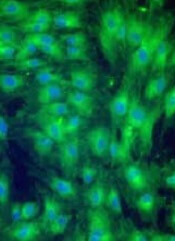
SAN DIEGO—Infusions of expanded mesenchymal stem cells (MSCs) can treat severe, steroid-resistant, acute graft-vs-host disease (aGVHD) in pediatric patients, according to a study presented at the 2015 BMT Tandem Meetings.
The MSC product, known as remestemcel-L, induced responses in all grades of aGVHD and all organ systems.
Response at day 28 was associated with improved survival at day 100, and clinically significant toxicities were minimal, according to investigators.
“The enrolled patients represent a very challenging population with severe graft-vs-host disease that was non-responsive to treatments, including steroids and, for many of these children, multiple immunosuppressive agents, so we believe these results are very promising,” said Joanne Kurtzberg, MD, of Duke University Medical Center in Durham, North Carolina.
Dr Kurtzberg and her colleagues reported the results in a poster presentation (abstract 492*). Three investigators involved in this research are employed by Mesoblast, Inc., the company developing remestemcel-L.
The study included 160 patients who had a median age of 10 years (range, 0.3 to 17.5 years). Eighty-four percent of patients had received an unrelated donor transplant, and 46% received a mismatched transplant.
At baseline, 19% of patients had grade B aGVHD, 28% had grade C, and 53% had grade D. Eighty-nine percent of patients had gastrointestinal involvement, 50% had skin involvement, and 29% had liver involvement. Forty-one percent of patients had 2 organs involved, and 15% had 3.
The median duration of aGVHD before study enrollment was 28 days (range, 1 to 237), and patients had failed a median of 3 immunosuppressive agents.
Treatment and outcomes
Patients received 8 bi-weekly, intravenous infusions of 2 × 10⁶ MSCs/kg for 4 weeks. They could receive additional weekly infusions if deemed eligible at day 28.
The patients received a median of 11 infusions (range, 1-20) and were exposed to the treatment for a median of 43.5 days.
Fifty-three percent of patients had at least 1 serious adverse event. Eight patients (5%) had serious events that investigators thought might be treatment-related. These included neutropenia, infusion-related reaction, pulmonary hemorrhage, respiratory distress, tachycardia, respiratory failure, and hypertension.
Three events (6%) that were considered possibly treatment-related (pulmonary hemorrhage, respiratory distress, and respiratory failure) ultimately resulted in death. Fifty-four patients (34%) died in all.
At day 28, the overall response rate (ORR) was 64%. The ORR was 74% for grade B aGVHD, 66% for grade C, and 59% for grade D. The ORR was 62% for gastrointestinal, 77% for skin, and 53% for liver aGVHD.
Response correlated with a significant improvement in survival at day 100. Eighty-one percent of patients who responded at day 28 were still alive at day 100, compared to 21% of non-responders (P<0.0001).
The investigators said this study provides support for remestemcel-L to treat aGVHD in children. A single-arm, phase 3 trial of pediatric patients with aGVHD is underway. 
*Information in the abstract differs from that presented at the meeting.
SAN DIEGO—Infusions of expanded mesenchymal stem cells (MSCs) can treat severe, steroid-resistant, acute graft-vs-host disease (aGVHD) in pediatric patients, according to a study presented at the 2015 BMT Tandem Meetings.
The MSC product, known as remestemcel-L, induced responses in all grades of aGVHD and all organ systems.
Response at day 28 was associated with improved survival at day 100, and clinically significant toxicities were minimal, according to investigators.
“The enrolled patients represent a very challenging population with severe graft-vs-host disease that was non-responsive to treatments, including steroids and, for many of these children, multiple immunosuppressive agents, so we believe these results are very promising,” said Joanne Kurtzberg, MD, of Duke University Medical Center in Durham, North Carolina.
Dr Kurtzberg and her colleagues reported the results in a poster presentation (abstract 492*). Three investigators involved in this research are employed by Mesoblast, Inc., the company developing remestemcel-L.
The study included 160 patients who had a median age of 10 years (range, 0.3 to 17.5 years). Eighty-four percent of patients had received an unrelated donor transplant, and 46% received a mismatched transplant.
At baseline, 19% of patients had grade B aGVHD, 28% had grade C, and 53% had grade D. Eighty-nine percent of patients had gastrointestinal involvement, 50% had skin involvement, and 29% had liver involvement. Forty-one percent of patients had 2 organs involved, and 15% had 3.
The median duration of aGVHD before study enrollment was 28 days (range, 1 to 237), and patients had failed a median of 3 immunosuppressive agents.
Treatment and outcomes
Patients received 8 bi-weekly, intravenous infusions of 2 × 10⁶ MSCs/kg for 4 weeks. They could receive additional weekly infusions if deemed eligible at day 28.
The patients received a median of 11 infusions (range, 1-20) and were exposed to the treatment for a median of 43.5 days.
Fifty-three percent of patients had at least 1 serious adverse event. Eight patients (5%) had serious events that investigators thought might be treatment-related. These included neutropenia, infusion-related reaction, pulmonary hemorrhage, respiratory distress, tachycardia, respiratory failure, and hypertension.
Three events (6%) that were considered possibly treatment-related (pulmonary hemorrhage, respiratory distress, and respiratory failure) ultimately resulted in death. Fifty-four patients (34%) died in all.
At day 28, the overall response rate (ORR) was 64%. The ORR was 74% for grade B aGVHD, 66% for grade C, and 59% for grade D. The ORR was 62% for gastrointestinal, 77% for skin, and 53% for liver aGVHD.
Response correlated with a significant improvement in survival at day 100. Eighty-one percent of patients who responded at day 28 were still alive at day 100, compared to 21% of non-responders (P<0.0001).
The investigators said this study provides support for remestemcel-L to treat aGVHD in children. A single-arm, phase 3 trial of pediatric patients with aGVHD is underway.
*Information in the abstract differs from that presented at the meeting.
SAN DIEGO—Infusions of expanded mesenchymal stem cells (MSCs) can treat severe, steroid-resistant, acute graft-vs-host disease (aGVHD) in pediatric patients, according to a study presented at the 2015 BMT Tandem Meetings.
The MSC product, known as remestemcel-L, induced responses in all grades of aGVHD and all organ systems.
Response at day 28 was associated with improved survival at day 100, and clinically significant toxicities were minimal, according to investigators.
“The enrolled patients represent a very challenging population with severe graft-vs-host disease that was non-responsive to treatments, including steroids and, for many of these children, multiple immunosuppressive agents, so we believe these results are very promising,” said Joanne Kurtzberg, MD, of Duke University Medical Center in Durham, North Carolina.
Dr Kurtzberg and her colleagues reported the results in a poster presentation (abstract 492*). Three investigators involved in this research are employed by Mesoblast, Inc., the company developing remestemcel-L.
The study included 160 patients who had a median age of 10 years (range, 0.3 to 17.5 years). Eighty-four percent of patients had received an unrelated donor transplant, and 46% received a mismatched transplant.
At baseline, 19% of patients had grade B aGVHD, 28% had grade C, and 53% had grade D. Eighty-nine percent of patients had gastrointestinal involvement, 50% had skin involvement, and 29% had liver involvement. Forty-one percent of patients had 2 organs involved, and 15% had 3.
The median duration of aGVHD before study enrollment was 28 days (range, 1 to 237), and patients had failed a median of 3 immunosuppressive agents.
Treatment and outcomes
Patients received 8 bi-weekly, intravenous infusions of 2 × 10⁶ MSCs/kg for 4 weeks. They could receive additional weekly infusions if deemed eligible at day 28.
The patients received a median of 11 infusions (range, 1-20) and were exposed to the treatment for a median of 43.5 days.
Fifty-three percent of patients had at least 1 serious adverse event. Eight patients (5%) had serious events that investigators thought might be treatment-related. These included neutropenia, infusion-related reaction, pulmonary hemorrhage, respiratory distress, tachycardia, respiratory failure, and hypertension.
Three events (6%) that were considered possibly treatment-related (pulmonary hemorrhage, respiratory distress, and respiratory failure) ultimately resulted in death. Fifty-four patients (34%) died in all.
At day 28, the overall response rate (ORR) was 64%. The ORR was 74% for grade B aGVHD, 66% for grade C, and 59% for grade D. The ORR was 62% for gastrointestinal, 77% for skin, and 53% for liver aGVHD.
Response correlated with a significant improvement in survival at day 100. Eighty-one percent of patients who responded at day 28 were still alive at day 100, compared to 21% of non-responders (P<0.0001).
The investigators said this study provides support for remestemcel-L to treat aGVHD in children. A single-arm, phase 3 trial of pediatric patients with aGVHD is underway.
*Information in the abstract differs from that presented at the meeting.
Anticoagulant outperforms LMWH in NSTEMI
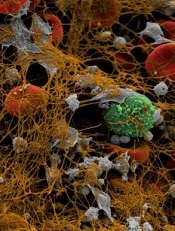
Image by Andre E.X. Brown
The factor Xa inhibitor fondaparinux may confer a lower risk of death and bleeding after heart attack than low-molecular-weight heparin (LMWH).
In a large study, patients who received fondaparinux after non-ST-segment elevation myocardial infarction (NSTEMI) had a lower risk of major bleeding and death, both in the hospital and after discharge, compared to patients who received LMWH.
However, both arms had similar rates of subsequent heart attack or stroke.
Karolina Szummer, MD, PhD, of the Karolinska Institutet in Stockholm, Sweden, and her colleagues disclosed these results in JAMA.
The researchers analyzed data from a Swedish registry that included 40,616 patients with NSTEMI. The patients received in-hospital treatment with fondaparinux (n=14,791; 36.4%) or LMWH (25,825; 63.6%) between September 2006 and June 2010, with follow-up through December 2010.
Patients in the fondaparinux arm were, on average, 2 years younger (72 years vs 74 years) than patients in the LMWH arm. Fondaparinux-treated patients also had fewer previous heart attacks (28.2% vs 32.2%), and fewer had been diagnosed with congestive heart failure (14.5% vs 18.7%), but more had undergone percutaneous coronary intervention (46.4% vs 38.9%).
The rate of prior bleeding events and previous hemorrhagic stroke was similar between the arms. Prior bleeding was reported in 6.1% of patients in both arms, and hemorrhagic stroke was reported in 1.4% of patients in the fondaparinux arm and 1.3% in the LMWH arm.
Following treatment, the absolute rate of severe in-hospital bleeding events was lower in the fondaparinux arm than in the LMWH arm—1.1% vs 1.8% (odds ratio [OR]=0.54).
The rate of severe bleeding while in the hospital or causing readmission was lower in the fondaparinux arm, both at 30 days—1.4% vs 2.1% (OR=0.56)—and at 180 days—1.9% vs 2.8% (OR=0.60).
In-hospital mortality was lower in the fondaparinux arm than the LMWH arm—2.7% and 4.0%, respectively (OR=0.75). The same pattern was observed for mortality at 30 days (OR=0.82) and 180 days (OR=0.76).
However, the rate of recurrent heart attack was similar in both arms. At 30 days, it was 9.0% in the fondaparinux arm and 9.5% in the LMWH arm (OR=0.94). And at 180 days, rates were 14.2% and 15.8%, respectively (OR=0.97).
Likewise, the rate of stroke did not differ significantly between the arms. At 30 days, it was 0.5% in the fondaparinux arm and 0.6% in the LMWH arm (OR=1.11). And at 180 days, rates were 1.7% and 2.0%, respectively (OR=0.98).
The results were similar in patients with varying degrees of kidney function and in the subset of patients who had undergone early percutaneous coronary intervention.
The researchers said these results provide an estimate of the treatment effect in a selected patient population. However, the effects may differ in clinical practice and should therefore be investigated in observational cohorts and in continuous registries.
Image by Andre E.X. Brown
The factor Xa inhibitor fondaparinux may confer a lower risk of death and bleeding after heart attack than low-molecular-weight heparin (LMWH).
In a large study, patients who received fondaparinux after non-ST-segment elevation myocardial infarction (NSTEMI) had a lower risk of major bleeding and death, both in the hospital and after discharge, compared to patients who received LMWH.
However, both arms had similar rates of subsequent heart attack or stroke.
Karolina Szummer, MD, PhD, of the Karolinska Institutet in Stockholm, Sweden, and her colleagues disclosed these results in JAMA.
The researchers analyzed data from a Swedish registry that included 40,616 patients with NSTEMI. The patients received in-hospital treatment with fondaparinux (n=14,791; 36.4%) or LMWH (25,825; 63.6%) between September 2006 and June 2010, with follow-up through December 2010.
Patients in the fondaparinux arm were, on average, 2 years younger (72 years vs 74 years) than patients in the LMWH arm. Fondaparinux-treated patients also had fewer previous heart attacks (28.2% vs 32.2%), and fewer had been diagnosed with congestive heart failure (14.5% vs 18.7%), but more had undergone percutaneous coronary intervention (46.4% vs 38.9%).
The rate of prior bleeding events and previous hemorrhagic stroke was similar between the arms. Prior bleeding was reported in 6.1% of patients in both arms, and hemorrhagic stroke was reported in 1.4% of patients in the fondaparinux arm and 1.3% in the LMWH arm.
Following treatment, the absolute rate of severe in-hospital bleeding events was lower in the fondaparinux arm than in the LMWH arm—1.1% vs 1.8% (odds ratio [OR]=0.54).
The rate of severe bleeding while in the hospital or causing readmission was lower in the fondaparinux arm, both at 30 days—1.4% vs 2.1% (OR=0.56)—and at 180 days—1.9% vs 2.8% (OR=0.60).
In-hospital mortality was lower in the fondaparinux arm than the LMWH arm—2.7% and 4.0%, respectively (OR=0.75). The same pattern was observed for mortality at 30 days (OR=0.82) and 180 days (OR=0.76).
However, the rate of recurrent heart attack was similar in both arms. At 30 days, it was 9.0% in the fondaparinux arm and 9.5% in the LMWH arm (OR=0.94). And at 180 days, rates were 14.2% and 15.8%, respectively (OR=0.97).
Likewise, the rate of stroke did not differ significantly between the arms. At 30 days, it was 0.5% in the fondaparinux arm and 0.6% in the LMWH arm (OR=1.11). And at 180 days, rates were 1.7% and 2.0%, respectively (OR=0.98).
The results were similar in patients with varying degrees of kidney function and in the subset of patients who had undergone early percutaneous coronary intervention.
The researchers said these results provide an estimate of the treatment effect in a selected patient population. However, the effects may differ in clinical practice and should therefore be investigated in observational cohorts and in continuous registries.
Image by Andre E.X. Brown
The factor Xa inhibitor fondaparinux may confer a lower risk of death and bleeding after heart attack than low-molecular-weight heparin (LMWH).
In a large study, patients who received fondaparinux after non-ST-segment elevation myocardial infarction (NSTEMI) had a lower risk of major bleeding and death, both in the hospital and after discharge, compared to patients who received LMWH.
However, both arms had similar rates of subsequent heart attack or stroke.
Karolina Szummer, MD, PhD, of the Karolinska Institutet in Stockholm, Sweden, and her colleagues disclosed these results in JAMA.
The researchers analyzed data from a Swedish registry that included 40,616 patients with NSTEMI. The patients received in-hospital treatment with fondaparinux (n=14,791; 36.4%) or LMWH (25,825; 63.6%) between September 2006 and June 2010, with follow-up through December 2010.
Patients in the fondaparinux arm were, on average, 2 years younger (72 years vs 74 years) than patients in the LMWH arm. Fondaparinux-treated patients also had fewer previous heart attacks (28.2% vs 32.2%), and fewer had been diagnosed with congestive heart failure (14.5% vs 18.7%), but more had undergone percutaneous coronary intervention (46.4% vs 38.9%).
The rate of prior bleeding events and previous hemorrhagic stroke was similar between the arms. Prior bleeding was reported in 6.1% of patients in both arms, and hemorrhagic stroke was reported in 1.4% of patients in the fondaparinux arm and 1.3% in the LMWH arm.
Following treatment, the absolute rate of severe in-hospital bleeding events was lower in the fondaparinux arm than in the LMWH arm—1.1% vs 1.8% (odds ratio [OR]=0.54).
The rate of severe bleeding while in the hospital or causing readmission was lower in the fondaparinux arm, both at 30 days—1.4% vs 2.1% (OR=0.56)—and at 180 days—1.9% vs 2.8% (OR=0.60).
In-hospital mortality was lower in the fondaparinux arm than the LMWH arm—2.7% and 4.0%, respectively (OR=0.75). The same pattern was observed for mortality at 30 days (OR=0.82) and 180 days (OR=0.76).
However, the rate of recurrent heart attack was similar in both arms. At 30 days, it was 9.0% in the fondaparinux arm and 9.5% in the LMWH arm (OR=0.94). And at 180 days, rates were 14.2% and 15.8%, respectively (OR=0.97).
Likewise, the rate of stroke did not differ significantly between the arms. At 30 days, it was 0.5% in the fondaparinux arm and 0.6% in the LMWH arm (OR=1.11). And at 180 days, rates were 1.7% and 2.0%, respectively (OR=0.98).
The results were similar in patients with varying degrees of kidney function and in the subset of patients who had undergone early percutaneous coronary intervention.
The researchers said these results provide an estimate of the treatment effect in a selected patient population. However, the effects may differ in clinical practice and should therefore be investigated in observational cohorts and in continuous registries.
FDA issues documents on drug compounding

Photo by Rhoda Baer
The US Food and Drug Administration (FDA) has issued 5 draft documents related to drug compounding and repackaging that aim to help entities comply with public health provisions.
The agency said these draft documents are applicable to pharmacies, federal facilities, outsourcing facilities, and physicians.
The new category of outsourcing facilities was created under the Drug Quality and Security Act (DQSA), which was enacted by Congress in November 2013.
It was enacted in response to a deadly fungal meningitis outbreak that was linked to contaminated sterile compounded drug products.
Drugs compounded in an outsourcing facility that meet certain conditions may be entitled to exemptions from certain provisions of the Federal Food, Drug, and Cosmetic Act (FD&C Act), including the new drug approval requirements and the requirement to label drug products with adequate directions for use.
Outsourcing facilities are subject to current good manufacturing practice requirements and inspections by the FDA according to a risk-based schedule.
Drugs produced by compounders that are not registered as outsourcing facilities must meet certain other conditions described in the FD&C Act, or they will be subject to all of the requirements applicable to drugs produced by conventional drug manufacturers.
“The draft guidance documents provide information to pharmacies, outsourcing facilities, healthcare entities, and others about these FDA-proposed policies, which are critical to protecting the public health,” said Janet Woodcock, MD, director of the FDA’s Center for Drug Evaluation and Research.
Descriptions of these documents follow.
This draft guidance provides an entity considering whether to register with the FDA as an outsourcing facility with information about the regulatory impact of registering.
For example, it explains that a facility engaged in only certain activities, including repackaging human drugs and compounding non-sterile drugs, should not register as an outsourcing facility because its drug products will not qualify for the exemptions provided in section 503B, including the exemption from the new drug approval requirements.
This draft guidance describes the conditions under which the FDA does not intend to take action for certain violations of the law when state-licensed pharmacies, federal facilities, or outsourcing facilities repackage certain drug products.
Repackaged drug products are generally not exempt from any of the provisions of the FD&C Act related to the production of drugs, and the compounding provisions of the FD&C Act do not address repackaging. Therefore, the FDA is issuing guidance to describe how it intends to address repackaging when done in a state-licensed pharmacy, federal facility, or outsourcing facility.
This draft guidance describes the conditions under which the FDA does not intend to take action for violations of certain sections of the Public Health Service Act (PHS Act) and the FD&C Act when state-licensed pharmacies, federal facilities, or outsourcing facilities mix, dilute, or repackage specific biological products without an approved BLA, or when such facilities or physicians prepare prescription sets of allergenic extracts without an approved BLA.
The draft guidance notes that a biological product that is mixed, diluted, or repackaged outside the scope of an approved BLA is an unlicensed biological product under section 351 of the PHS Act and may not be legally marketed without an approved BLA.
Additionally, the compounding provisions of the FD&C Act do not address biological products subject to licensure under section 351 of the PHS Act. Therefore, the FDA is issuing the guidance to describe how it intends to address these practices.
Entities registered as outsourcing facilities are required to report adverse events to the FDA. This draft guidance explains adverse event reporting for such facilities.
The draft memorandum of understanding (MOU) under section 503A of the FD&C Act describes the responsibilities of a state that chooses to sign the MOU in investigating and responding to complaints related to compounded human drug products distributed outside the state, and in addressing the interstate distribution of “inordinate amounts” of compounded human drug products.
These documents are the latest in a series of policy documents related to FDA oversight of drugs produced by state-licensed pharmacies, federal facilities, and outsourcing facilities.
The draft guidance documents are available for public comment for 90 days. The public has 120 days to comment on the draft MOU between the states and the FDA.
Photo by Rhoda Baer
The US Food and Drug Administration (FDA) has issued 5 draft documents related to drug compounding and repackaging that aim to help entities comply with public health provisions.
The agency said these draft documents are applicable to pharmacies, federal facilities, outsourcing facilities, and physicians.
The new category of outsourcing facilities was created under the Drug Quality and Security Act (DQSA), which was enacted by Congress in November 2013.
It was enacted in response to a deadly fungal meningitis outbreak that was linked to contaminated sterile compounded drug products.
Drugs compounded in an outsourcing facility that meet certain conditions may be entitled to exemptions from certain provisions of the Federal Food, Drug, and Cosmetic Act (FD&C Act), including the new drug approval requirements and the requirement to label drug products with adequate directions for use.
Outsourcing facilities are subject to current good manufacturing practice requirements and inspections by the FDA according to a risk-based schedule.
Drugs produced by compounders that are not registered as outsourcing facilities must meet certain other conditions described in the FD&C Act, or they will be subject to all of the requirements applicable to drugs produced by conventional drug manufacturers.
“The draft guidance documents provide information to pharmacies, outsourcing facilities, healthcare entities, and others about these FDA-proposed policies, which are critical to protecting the public health,” said Janet Woodcock, MD, director of the FDA’s Center for Drug Evaluation and Research.
Descriptions of these documents follow.
This draft guidance provides an entity considering whether to register with the FDA as an outsourcing facility with information about the regulatory impact of registering.
For example, it explains that a facility engaged in only certain activities, including repackaging human drugs and compounding non-sterile drugs, should not register as an outsourcing facility because its drug products will not qualify for the exemptions provided in section 503B, including the exemption from the new drug approval requirements.
This draft guidance describes the conditions under which the FDA does not intend to take action for certain violations of the law when state-licensed pharmacies, federal facilities, or outsourcing facilities repackage certain drug products.
Repackaged drug products are generally not exempt from any of the provisions of the FD&C Act related to the production of drugs, and the compounding provisions of the FD&C Act do not address repackaging. Therefore, the FDA is issuing guidance to describe how it intends to address repackaging when done in a state-licensed pharmacy, federal facility, or outsourcing facility.
This draft guidance describes the conditions under which the FDA does not intend to take action for violations of certain sections of the Public Health Service Act (PHS Act) and the FD&C Act when state-licensed pharmacies, federal facilities, or outsourcing facilities mix, dilute, or repackage specific biological products without an approved BLA, or when such facilities or physicians prepare prescription sets of allergenic extracts without an approved BLA.
The draft guidance notes that a biological product that is mixed, diluted, or repackaged outside the scope of an approved BLA is an unlicensed biological product under section 351 of the PHS Act and may not be legally marketed without an approved BLA.
Additionally, the compounding provisions of the FD&C Act do not address biological products subject to licensure under section 351 of the PHS Act. Therefore, the FDA is issuing the guidance to describe how it intends to address these practices.
Entities registered as outsourcing facilities are required to report adverse events to the FDA. This draft guidance explains adverse event reporting for such facilities.
The draft memorandum of understanding (MOU) under section 503A of the FD&C Act describes the responsibilities of a state that chooses to sign the MOU in investigating and responding to complaints related to compounded human drug products distributed outside the state, and in addressing the interstate distribution of “inordinate amounts” of compounded human drug products.
These documents are the latest in a series of policy documents related to FDA oversight of drugs produced by state-licensed pharmacies, federal facilities, and outsourcing facilities.
The draft guidance documents are available for public comment for 90 days. The public has 120 days to comment on the draft MOU between the states and the FDA.
Photo by Rhoda Baer
The US Food and Drug Administration (FDA) has issued 5 draft documents related to drug compounding and repackaging that aim to help entities comply with public health provisions.
The agency said these draft documents are applicable to pharmacies, federal facilities, outsourcing facilities, and physicians.
The new category of outsourcing facilities was created under the Drug Quality and Security Act (DQSA), which was enacted by Congress in November 2013.
It was enacted in response to a deadly fungal meningitis outbreak that was linked to contaminated sterile compounded drug products.
Drugs compounded in an outsourcing facility that meet certain conditions may be entitled to exemptions from certain provisions of the Federal Food, Drug, and Cosmetic Act (FD&C Act), including the new drug approval requirements and the requirement to label drug products with adequate directions for use.
Outsourcing facilities are subject to current good manufacturing practice requirements and inspections by the FDA according to a risk-based schedule.
Drugs produced by compounders that are not registered as outsourcing facilities must meet certain other conditions described in the FD&C Act, or they will be subject to all of the requirements applicable to drugs produced by conventional drug manufacturers.
“The draft guidance documents provide information to pharmacies, outsourcing facilities, healthcare entities, and others about these FDA-proposed policies, which are critical to protecting the public health,” said Janet Woodcock, MD, director of the FDA’s Center for Drug Evaluation and Research.
Descriptions of these documents follow.
This draft guidance provides an entity considering whether to register with the FDA as an outsourcing facility with information about the regulatory impact of registering.
For example, it explains that a facility engaged in only certain activities, including repackaging human drugs and compounding non-sterile drugs, should not register as an outsourcing facility because its drug products will not qualify for the exemptions provided in section 503B, including the exemption from the new drug approval requirements.
This draft guidance describes the conditions under which the FDA does not intend to take action for certain violations of the law when state-licensed pharmacies, federal facilities, or outsourcing facilities repackage certain drug products.
Repackaged drug products are generally not exempt from any of the provisions of the FD&C Act related to the production of drugs, and the compounding provisions of the FD&C Act do not address repackaging. Therefore, the FDA is issuing guidance to describe how it intends to address repackaging when done in a state-licensed pharmacy, federal facility, or outsourcing facility.
This draft guidance describes the conditions under which the FDA does not intend to take action for violations of certain sections of the Public Health Service Act (PHS Act) and the FD&C Act when state-licensed pharmacies, federal facilities, or outsourcing facilities mix, dilute, or repackage specific biological products without an approved BLA, or when such facilities or physicians prepare prescription sets of allergenic extracts without an approved BLA.
The draft guidance notes that a biological product that is mixed, diluted, or repackaged outside the scope of an approved BLA is an unlicensed biological product under section 351 of the PHS Act and may not be legally marketed without an approved BLA.
Additionally, the compounding provisions of the FD&C Act do not address biological products subject to licensure under section 351 of the PHS Act. Therefore, the FDA is issuing the guidance to describe how it intends to address these practices.
Entities registered as outsourcing facilities are required to report adverse events to the FDA. This draft guidance explains adverse event reporting for such facilities.
The draft memorandum of understanding (MOU) under section 503A of the FD&C Act describes the responsibilities of a state that chooses to sign the MOU in investigating and responding to complaints related to compounded human drug products distributed outside the state, and in addressing the interstate distribution of “inordinate amounts” of compounded human drug products.
These documents are the latest in a series of policy documents related to FDA oversight of drugs produced by state-licensed pharmacies, federal facilities, and outsourcing facilities.
The draft guidance documents are available for public comment for 90 days. The public has 120 days to comment on the draft MOU between the states and the FDA.
Antibodies can fight lymphoma
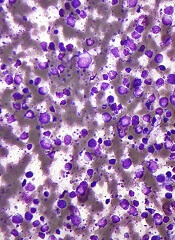
Researchers say they have developed a method that simulates Epstein-Barr virus (EBV) infection, and the immune cells that are activated as a result can kill non-Hodgkin lymphoma cells efficiently.
The team made use of antibodies that exhibit a piece of viral protein. The antibodies contain binding sites that target molecules on the surface of lymphoma cells.
The researchers used genetic engineering methods to fuse protein pieces of EBV to the “rear” end of the antibody protein.
As exposure to EBV is common, many people already have memory T cells that can mount a rapid immune response upon a new encounter with this pathogen.
The antibodies attach to the cancerous B cells and are subsequently engulfed into the cell interior. There, the antibody protein is degraded, and the individual fragments are presented by molecules on the surface of the cancer cells.
As a result, the viral protein is also exhibited on the cell surface, thus making it look like an EBV infection to the immune system.
The researchers found that T cells effectively killed the “infected” lymphoma cells in vitro. In blood cells from individuals who had been infected with EBV in the past, the antigen-armed antibodies successfully activated memory T cells.
“This is a clear indication that our antigen-armed antibodies can also induce an immune response against lymphoma cells in a living organism,” said study author Henri-Jacques Delecluse, MD, PhD, of the German Cancer Research Center (Deutsches Krebsforschungszentrum, DKFZ) in Heidelberg.
To activate the immune system in as many people as possible, Dr Delecluse and his colleagues also inserted larger pieces of EBV proteins into their antibodies.
Depending on a person’s genetic makeup, the cells could then cut out various smaller protein segments and present them on their surface.
“A problem with antibody-based cancer therapies is that the tumor cells make the surface molecule targeted by the antibody disappear from their surface,” Dr Delecluse said. “To prevent this situation, we used a mixture of antibodies that target 4 different B-cell surface molecules.”
For more details, see the researchers’ article in Blood.
Researchers say they have developed a method that simulates Epstein-Barr virus (EBV) infection, and the immune cells that are activated as a result can kill non-Hodgkin lymphoma cells efficiently.
The team made use of antibodies that exhibit a piece of viral protein. The antibodies contain binding sites that target molecules on the surface of lymphoma cells.
The researchers used genetic engineering methods to fuse protein pieces of EBV to the “rear” end of the antibody protein.
As exposure to EBV is common, many people already have memory T cells that can mount a rapid immune response upon a new encounter with this pathogen.
The antibodies attach to the cancerous B cells and are subsequently engulfed into the cell interior. There, the antibody protein is degraded, and the individual fragments are presented by molecules on the surface of the cancer cells.
As a result, the viral protein is also exhibited on the cell surface, thus making it look like an EBV infection to the immune system.
The researchers found that T cells effectively killed the “infected” lymphoma cells in vitro. In blood cells from individuals who had been infected with EBV in the past, the antigen-armed antibodies successfully activated memory T cells.
“This is a clear indication that our antigen-armed antibodies can also induce an immune response against lymphoma cells in a living organism,” said study author Henri-Jacques Delecluse, MD, PhD, of the German Cancer Research Center (Deutsches Krebsforschungszentrum, DKFZ) in Heidelberg.
To activate the immune system in as many people as possible, Dr Delecluse and his colleagues also inserted larger pieces of EBV proteins into their antibodies.
Depending on a person’s genetic makeup, the cells could then cut out various smaller protein segments and present them on their surface.
“A problem with antibody-based cancer therapies is that the tumor cells make the surface molecule targeted by the antibody disappear from their surface,” Dr Delecluse said. “To prevent this situation, we used a mixture of antibodies that target 4 different B-cell surface molecules.”
For more details, see the researchers’ article in Blood.
Researchers say they have developed a method that simulates Epstein-Barr virus (EBV) infection, and the immune cells that are activated as a result can kill non-Hodgkin lymphoma cells efficiently.
The team made use of antibodies that exhibit a piece of viral protein. The antibodies contain binding sites that target molecules on the surface of lymphoma cells.
The researchers used genetic engineering methods to fuse protein pieces of EBV to the “rear” end of the antibody protein.
As exposure to EBV is common, many people already have memory T cells that can mount a rapid immune response upon a new encounter with this pathogen.
The antibodies attach to the cancerous B cells and are subsequently engulfed into the cell interior. There, the antibody protein is degraded, and the individual fragments are presented by molecules on the surface of the cancer cells.
As a result, the viral protein is also exhibited on the cell surface, thus making it look like an EBV infection to the immune system.
The researchers found that T cells effectively killed the “infected” lymphoma cells in vitro. In blood cells from individuals who had been infected with EBV in the past, the antigen-armed antibodies successfully activated memory T cells.
“This is a clear indication that our antigen-armed antibodies can also induce an immune response against lymphoma cells in a living organism,” said study author Henri-Jacques Delecluse, MD, PhD, of the German Cancer Research Center (Deutsches Krebsforschungszentrum, DKFZ) in Heidelberg.
To activate the immune system in as many people as possible, Dr Delecluse and his colleagues also inserted larger pieces of EBV proteins into their antibodies.
Depending on a person’s genetic makeup, the cells could then cut out various smaller protein segments and present them on their surface.
“A problem with antibody-based cancer therapies is that the tumor cells make the surface molecule targeted by the antibody disappear from their surface,” Dr Delecluse said. “To prevent this situation, we used a mixture of antibodies that target 4 different B-cell surface molecules.”
For more details, see the researchers’ article in Blood.
Neural stem cells may fight chemo brain

Photo by Janet Stevens
Human neural stem cell treatments are showing promise for reversing learning and memory deficits after chemotherapy, according to an article in Cancer Research.
Investigators found that transplanting stem cells in rats a week after they completed a series of chemotherapy sessions restored a range of cognitive functions, as
measured a month later via behavioral testing.
In contrast, animals that did not receive stem cells showed significant learning and memory impairment.
“Our findings provide the first solid evidence that transplantation of human neural stem cells can be used to reverse chemotherapeutic-induced damage of healthy tissue in the brain,” said study author Charles Limoli, PhD, of the University of California, Irvine.
For this study, Dr Limoli and his colleagues transplanted adult neural stem cells into the brains of rats that had received cyclophosphamide.
The cells migrated throughout the hippocampus, where they survived and differentiated into multiple neural cell types. Additionally, these cells triggered the secretion of neurotrophic growth factors that helped rebuild wounded neurons.
The investigators also found that engrafted cells protected the host neurons, thereby preventing the loss or promoting the repair of damaged neurons and their finer structural elements, referred to as dendritic spines.
“This research suggests that stem cell therapies may one day be implemented in the clinic to provide relief to patients suffering from cognitive impairments incurred as a result of their cancer treatments,” Dr Limoli said. “While much work remains, a clinical trial analyzing the safety of such approaches may be possible within a few years.”
Photo by Janet Stevens
Human neural stem cell treatments are showing promise for reversing learning and memory deficits after chemotherapy, according to an article in Cancer Research.
Investigators found that transplanting stem cells in rats a week after they completed a series of chemotherapy sessions restored a range of cognitive functions, as
measured a month later via behavioral testing.
In contrast, animals that did not receive stem cells showed significant learning and memory impairment.
“Our findings provide the first solid evidence that transplantation of human neural stem cells can be used to reverse chemotherapeutic-induced damage of healthy tissue in the brain,” said study author Charles Limoli, PhD, of the University of California, Irvine.
For this study, Dr Limoli and his colleagues transplanted adult neural stem cells into the brains of rats that had received cyclophosphamide.
The cells migrated throughout the hippocampus, where they survived and differentiated into multiple neural cell types. Additionally, these cells triggered the secretion of neurotrophic growth factors that helped rebuild wounded neurons.
The investigators also found that engrafted cells protected the host neurons, thereby preventing the loss or promoting the repair of damaged neurons and their finer structural elements, referred to as dendritic spines.
“This research suggests that stem cell therapies may one day be implemented in the clinic to provide relief to patients suffering from cognitive impairments incurred as a result of their cancer treatments,” Dr Limoli said. “While much work remains, a clinical trial analyzing the safety of such approaches may be possible within a few years.”
Photo by Janet Stevens
Human neural stem cell treatments are showing promise for reversing learning and memory deficits after chemotherapy, according to an article in Cancer Research.
Investigators found that transplanting stem cells in rats a week after they completed a series of chemotherapy sessions restored a range of cognitive functions, as
measured a month later via behavioral testing.
In contrast, animals that did not receive stem cells showed significant learning and memory impairment.
“Our findings provide the first solid evidence that transplantation of human neural stem cells can be used to reverse chemotherapeutic-induced damage of healthy tissue in the brain,” said study author Charles Limoli, PhD, of the University of California, Irvine.
For this study, Dr Limoli and his colleagues transplanted adult neural stem cells into the brains of rats that had received cyclophosphamide.
The cells migrated throughout the hippocampus, where they survived and differentiated into multiple neural cell types. Additionally, these cells triggered the secretion of neurotrophic growth factors that helped rebuild wounded neurons.
The investigators also found that engrafted cells protected the host neurons, thereby preventing the loss or promoting the repair of damaged neurons and their finer structural elements, referred to as dendritic spines.
“This research suggests that stem cell therapies may one day be implemented in the clinic to provide relief to patients suffering from cognitive impairments incurred as a result of their cancer treatments,” Dr Limoli said. “While much work remains, a clinical trial analyzing the safety of such approaches may be possible within a few years.”
Physical activity lowers risk of VTE, other vascular events

Middle-aged women who are physically active a few times a week have a lower risk of vascular events than inactive women, according to research published in Circulation.
Women who engaged in physical activity 2 to 3 times per week were about 20% less likely to develop heart disease, stroke, or venous thromboembolism (VTE) than women who reported little or no activity.
However, more frequent activity was associated with an increased risk of vascular events.
“Inactive middle-aged women should try to do some activity regularly,” said study author Miranda Armstrong, PhD, of the University of Oxford in the UK.
“However, to prevent heart disease, stroke, and blood clots, women don’t need to do very frequent activity, as this seems to provide little additional benefit above that of moderately frequent activity.”
Dr Armstrong and her colleagues analyzed 1.1 million women in the UK with no history of cancer, heart disease, stroke, VTE, or diabetes who joined the Million Women Study from 1996 to 2001. Their average age at study entry was 56.
The women reported their level of physical activity—hours spent walking, cycling, gardening, and doing housework—at the beginning of the study and 3 years later. The researchers then examined hospital admissions and deaths in relation to participants’ responses.
During an average follow-up of 9 years, 49,113 women had a first coronary heart disease event, 17,822 had a first cerebrovascular event, and 14,550 had a first VTE.
Women who reportedly engaged in moderate physical activity had a significantly lower risk of each event compared to inactive women (P<0.001 for all).
On the other hand, the risk of cerebrovascular disease and VTE were significantly higher in women who engaged in physical activity daily, when compared to women who reported physical activity 2 to 3 times a week (P<0.001).
For coronary heart disease, women who reported daily activity had a significantly higher risk only if that activity was strenuous (P=0.002)—not for any physical activity (P=0.8).
Middle-aged women who are physically active a few times a week have a lower risk of vascular events than inactive women, according to research published in Circulation.
Women who engaged in physical activity 2 to 3 times per week were about 20% less likely to develop heart disease, stroke, or venous thromboembolism (VTE) than women who reported little or no activity.
However, more frequent activity was associated with an increased risk of vascular events.
“Inactive middle-aged women should try to do some activity regularly,” said study author Miranda Armstrong, PhD, of the University of Oxford in the UK.
“However, to prevent heart disease, stroke, and blood clots, women don’t need to do very frequent activity, as this seems to provide little additional benefit above that of moderately frequent activity.”
Dr Armstrong and her colleagues analyzed 1.1 million women in the UK with no history of cancer, heart disease, stroke, VTE, or diabetes who joined the Million Women Study from 1996 to 2001. Their average age at study entry was 56.
The women reported their level of physical activity—hours spent walking, cycling, gardening, and doing housework—at the beginning of the study and 3 years later. The researchers then examined hospital admissions and deaths in relation to participants’ responses.
During an average follow-up of 9 years, 49,113 women had a first coronary heart disease event, 17,822 had a first cerebrovascular event, and 14,550 had a first VTE.
Women who reportedly engaged in moderate physical activity had a significantly lower risk of each event compared to inactive women (P<0.001 for all).
On the other hand, the risk of cerebrovascular disease and VTE were significantly higher in women who engaged in physical activity daily, when compared to women who reported physical activity 2 to 3 times a week (P<0.001).
For coronary heart disease, women who reported daily activity had a significantly higher risk only if that activity was strenuous (P=0.002)—not for any physical activity (P=0.8).
Middle-aged women who are physically active a few times a week have a lower risk of vascular events than inactive women, according to research published in Circulation.
Women who engaged in physical activity 2 to 3 times per week were about 20% less likely to develop heart disease, stroke, or venous thromboembolism (VTE) than women who reported little or no activity.
However, more frequent activity was associated with an increased risk of vascular events.
“Inactive middle-aged women should try to do some activity regularly,” said study author Miranda Armstrong, PhD, of the University of Oxford in the UK.
“However, to prevent heart disease, stroke, and blood clots, women don’t need to do very frequent activity, as this seems to provide little additional benefit above that of moderately frequent activity.”
Dr Armstrong and her colleagues analyzed 1.1 million women in the UK with no history of cancer, heart disease, stroke, VTE, or diabetes who joined the Million Women Study from 1996 to 2001. Their average age at study entry was 56.
The women reported their level of physical activity—hours spent walking, cycling, gardening, and doing housework—at the beginning of the study and 3 years later. The researchers then examined hospital admissions and deaths in relation to participants’ responses.
During an average follow-up of 9 years, 49,113 women had a first coronary heart disease event, 17,822 had a first cerebrovascular event, and 14,550 had a first VTE.
Women who reportedly engaged in moderate physical activity had a significantly lower risk of each event compared to inactive women (P<0.001 for all).
On the other hand, the risk of cerebrovascular disease and VTE were significantly higher in women who engaged in physical activity daily, when compared to women who reported physical activity 2 to 3 times a week (P<0.001).
For coronary heart disease, women who reported daily activity had a significantly higher risk only if that activity was strenuous (P=0.002)—not for any physical activity (P=0.8).
Team tracks blood formation in real time

in the bone marrow
Scientists have reported a method for equipping mouse hematopoietic stem cells (HSCs) with a fluorescent marker that can be switched on from the outside.
Using this tool, they were able to observe how HSCs mature into blood cells under normal conditions, and they developed a mathematical model of the dynamics of hematopoiesis.
The research suggests the normal process of hematopoiesis differs from what scientists previously assumed when using data from stem cell transplants.
“[A] problem with almost all research on hematopoiesis in past decades is that it has been restricted to experiments in culture or using transplantation into mice,” said study author Hans-Reimer Rodewald, PhD, of the German Cancer Research Center (Deutsches Krebsforschungszentrum, DKFZ) in Heidelberg.
“We have now developed the first model where we can observe the development of a stem cell into a mature blood cell in a living organism.”
The researchers described this model in Nature.
The team genetically modified mice by introducing a protein into their HSCs that sends out a yellow fluorescent signal. This marker can be turned on by administering a reagent. All daughter cells that arise from a cell containing the marker also send out a light signal.
When they turned on the marker in adult mice, the researchers observed that at least a third of a mouse’s HSCs (approximately 5000 cells) produce differentiated progenitor cells.
“This was the first surprise,” said study author Katrin Busch, also of DKFZ. “Until now, scientists had believed that, in the normal state, very few stem cells—only about 10—are actively involved in blood formation.”
The researchers performed a mathematical analysis of these experimental data to provide additional insight into blood stem cell dynamics. They were surprised to find that, under normal conditions, HSCs do not replenish blood cells.
Instead, blood cells are supplied by the first progenitor cells that develop during the differentiation step. These cells are able to regenerate themselves for a long time, though not quite as long as HSCs.
To ensure that the population of this cell type never runs out, HSCs must occasionally produce a couple of new first progenitors.
During murine embryonic development, however, the situation is different. To build up the system, all mature blood and immune cells develop much more rapidly and almost completely from HSCs.
The researchers were also able to accelerate this process in adult mice by artificially depleting their white blood cells. Under these conditions, HSCs increase the formation of first progenitor cells, which then immediately start supplying new, mature blood cells.
During this process, several hundred times more myeloid cells (thrombocytes, erythrocytes, granulocytes, monocytes) form than long-lived lymphocytes (T cells, B cells, natural killer cells).
“When we transplanted our labeled blood stem cells from the bone marrow into other mice, only a few stem cells were active in the recipients, and many stem cells were lost,” Dr Rodewald noted.
“Our new data therefore show that the findings obtained up until now using transplanted stem cells can surely not be reflective of normal hematopoiesis. On the contrary, transplantation is an exception. This shows how important it is that we actually follow hematopoiesis under normal conditions in a living organism.”
The researchers now plan to use their model to investigate the impact of pathogenic challenges to blood formation; for example, in cancer, cachexia, or infection. This method would also allow them to follow potential aging processes in HSCs as they occur naturally in a living organism.
in the bone marrow
Scientists have reported a method for equipping mouse hematopoietic stem cells (HSCs) with a fluorescent marker that can be switched on from the outside.
Using this tool, they were able to observe how HSCs mature into blood cells under normal conditions, and they developed a mathematical model of the dynamics of hematopoiesis.
The research suggests the normal process of hematopoiesis differs from what scientists previously assumed when using data from stem cell transplants.
“[A] problem with almost all research on hematopoiesis in past decades is that it has been restricted to experiments in culture or using transplantation into mice,” said study author Hans-Reimer Rodewald, PhD, of the German Cancer Research Center (Deutsches Krebsforschungszentrum, DKFZ) in Heidelberg.
“We have now developed the first model where we can observe the development of a stem cell into a mature blood cell in a living organism.”
The researchers described this model in Nature.
The team genetically modified mice by introducing a protein into their HSCs that sends out a yellow fluorescent signal. This marker can be turned on by administering a reagent. All daughter cells that arise from a cell containing the marker also send out a light signal.
When they turned on the marker in adult mice, the researchers observed that at least a third of a mouse’s HSCs (approximately 5000 cells) produce differentiated progenitor cells.
“This was the first surprise,” said study author Katrin Busch, also of DKFZ. “Until now, scientists had believed that, in the normal state, very few stem cells—only about 10—are actively involved in blood formation.”
The researchers performed a mathematical analysis of these experimental data to provide additional insight into blood stem cell dynamics. They were surprised to find that, under normal conditions, HSCs do not replenish blood cells.
Instead, blood cells are supplied by the first progenitor cells that develop during the differentiation step. These cells are able to regenerate themselves for a long time, though not quite as long as HSCs.
To ensure that the population of this cell type never runs out, HSCs must occasionally produce a couple of new first progenitors.
During murine embryonic development, however, the situation is different. To build up the system, all mature blood and immune cells develop much more rapidly and almost completely from HSCs.
The researchers were also able to accelerate this process in adult mice by artificially depleting their white blood cells. Under these conditions, HSCs increase the formation of first progenitor cells, which then immediately start supplying new, mature blood cells.
During this process, several hundred times more myeloid cells (thrombocytes, erythrocytes, granulocytes, monocytes) form than long-lived lymphocytes (T cells, B cells, natural killer cells).
“When we transplanted our labeled blood stem cells from the bone marrow into other mice, only a few stem cells were active in the recipients, and many stem cells were lost,” Dr Rodewald noted.
“Our new data therefore show that the findings obtained up until now using transplanted stem cells can surely not be reflective of normal hematopoiesis. On the contrary, transplantation is an exception. This shows how important it is that we actually follow hematopoiesis under normal conditions in a living organism.”
The researchers now plan to use their model to investigate the impact of pathogenic challenges to blood formation; for example, in cancer, cachexia, or infection. This method would also allow them to follow potential aging processes in HSCs as they occur naturally in a living organism.
in the bone marrow
Scientists have reported a method for equipping mouse hematopoietic stem cells (HSCs) with a fluorescent marker that can be switched on from the outside.
Using this tool, they were able to observe how HSCs mature into blood cells under normal conditions, and they developed a mathematical model of the dynamics of hematopoiesis.
The research suggests the normal process of hematopoiesis differs from what scientists previously assumed when using data from stem cell transplants.
“[A] problem with almost all research on hematopoiesis in past decades is that it has been restricted to experiments in culture or using transplantation into mice,” said study author Hans-Reimer Rodewald, PhD, of the German Cancer Research Center (Deutsches Krebsforschungszentrum, DKFZ) in Heidelberg.
“We have now developed the first model where we can observe the development of a stem cell into a mature blood cell in a living organism.”
The researchers described this model in Nature.
The team genetically modified mice by introducing a protein into their HSCs that sends out a yellow fluorescent signal. This marker can be turned on by administering a reagent. All daughter cells that arise from a cell containing the marker also send out a light signal.
When they turned on the marker in adult mice, the researchers observed that at least a third of a mouse’s HSCs (approximately 5000 cells) produce differentiated progenitor cells.
“This was the first surprise,” said study author Katrin Busch, also of DKFZ. “Until now, scientists had believed that, in the normal state, very few stem cells—only about 10—are actively involved in blood formation.”
The researchers performed a mathematical analysis of these experimental data to provide additional insight into blood stem cell dynamics. They were surprised to find that, under normal conditions, HSCs do not replenish blood cells.
Instead, blood cells are supplied by the first progenitor cells that develop during the differentiation step. These cells are able to regenerate themselves for a long time, though not quite as long as HSCs.
To ensure that the population of this cell type never runs out, HSCs must occasionally produce a couple of new first progenitors.
During murine embryonic development, however, the situation is different. To build up the system, all mature blood and immune cells develop much more rapidly and almost completely from HSCs.
The researchers were also able to accelerate this process in adult mice by artificially depleting their white blood cells. Under these conditions, HSCs increase the formation of first progenitor cells, which then immediately start supplying new, mature blood cells.
During this process, several hundred times more myeloid cells (thrombocytes, erythrocytes, granulocytes, monocytes) form than long-lived lymphocytes (T cells, B cells, natural killer cells).
“When we transplanted our labeled blood stem cells from the bone marrow into other mice, only a few stem cells were active in the recipients, and many stem cells were lost,” Dr Rodewald noted.
“Our new data therefore show that the findings obtained up until now using transplanted stem cells can surely not be reflective of normal hematopoiesis. On the contrary, transplantation is an exception. This shows how important it is that we actually follow hematopoiesis under normal conditions in a living organism.”
The researchers now plan to use their model to investigate the impact of pathogenic challenges to blood formation; for example, in cancer, cachexia, or infection. This method would also allow them to follow potential aging processes in HSCs as they occur naturally in a living organism.
CRT may pose long-term risk of hormone deficiencies

Photo by Bill Branson
New research indicates that patients who undergo cranial radiotherapy (CRT) for pediatric cancer may have an increased risk of anterior pituitary deficits decades after they receive treatment.
The study also suggests these deficiencies often go undiagnosed, although they can impact health and quality of life.
These discoveries, reported in the Journal of Clinical Oncology, highlight the need for lifelong health screenings of pediatric cancer survivors, researchers say.
They studied 748 survivors of leukemia, brain, and other cancers, assessing the prevalence of and risk factors for growth hormone deficiency (GHD), luteinizing hormone/follicle-stimulating hormone deficiencies (LH/FSHD), thyroid-stimulating hormone deficiency (TSHD), and adrenocorticotropic hormone deficiency (ACTHD) after CRT.
The researchers observed survivors for a mean of 27.3 years (range, 10.8 to 47.7 years).
GHD was the most common deficiency, with an estimated point prevalence of 46.5%. The estimated point prevalence was 10.8% for LH/FSHD, 7.5% for TSHD, and 4% for ACTHD. The cumulative incidence of the deficiencies increased with follow-up.
Higher doses of CRT were associated with an increased risk of deficiencies. Doses of 22 to 29.9 Gy were significantly associated with GHD, doses of 22 Gy or higher were associated with LH/FSHD, and doses of 30 Gy or greater were associated with TSHD and ACTHD.
The researchers also found that male sex and obesity were significantly associated with LH/FSHD, and white race was significantly associated with LH/FSHD and TSHD.
GHD and LH/FSHD were the deficiencies that were most likely to be undiagnosed. GHD was not treated in 99.7% of affected survivors, and LH/FSHD was not treated in 78.5%.
There was an association between untreated GHD and reduced strength and muscle size, low energy, poor fitness, and abdominal obesity. Untreated LH/FSHD was associated with low bone mineral density, reduced fitness, high blood pressure, abdominal obesity, and elevated cholesterol and other blood lipids.
“This study provides much needed long-term follow-up data and shows that the risk of pituitary problems follows these survivors into adulthood,” said study author Wassim Chemaitilly, MD, of St Jude Children’s Research Center in Memphis, Tennessee.
“The findings also underscore the need for the nation’s growing population of childhood cancer survivors to get recommended health screenings, and the challenges they face in trying to navigate the healthcare system and follow that advice.”
Guidelines developed by the Children’s Oncology Group call for childhood cancer survivors treated with CRT to have their pituitary function checked annually. Dr Chemaitilly said the high percentage of survivors with previously undiagnosed hormone deficiencies in this study highlights the need for new strategies to ensure survivors receive recommended health checks.
He also said additional research is needed to help guide the management of adults with growth hormone deficiency. Treatment is expensive, and the long-term benefits in adults are uncertain.
Photo by Bill Branson
New research indicates that patients who undergo cranial radiotherapy (CRT) for pediatric cancer may have an increased risk of anterior pituitary deficits decades after they receive treatment.
The study also suggests these deficiencies often go undiagnosed, although they can impact health and quality of life.
These discoveries, reported in the Journal of Clinical Oncology, highlight the need for lifelong health screenings of pediatric cancer survivors, researchers say.
They studied 748 survivors of leukemia, brain, and other cancers, assessing the prevalence of and risk factors for growth hormone deficiency (GHD), luteinizing hormone/follicle-stimulating hormone deficiencies (LH/FSHD), thyroid-stimulating hormone deficiency (TSHD), and adrenocorticotropic hormone deficiency (ACTHD) after CRT.
The researchers observed survivors for a mean of 27.3 years (range, 10.8 to 47.7 years).
GHD was the most common deficiency, with an estimated point prevalence of 46.5%. The estimated point prevalence was 10.8% for LH/FSHD, 7.5% for TSHD, and 4% for ACTHD. The cumulative incidence of the deficiencies increased with follow-up.
Higher doses of CRT were associated with an increased risk of deficiencies. Doses of 22 to 29.9 Gy were significantly associated with GHD, doses of 22 Gy or higher were associated with LH/FSHD, and doses of 30 Gy or greater were associated with TSHD and ACTHD.
The researchers also found that male sex and obesity were significantly associated with LH/FSHD, and white race was significantly associated with LH/FSHD and TSHD.
GHD and LH/FSHD were the deficiencies that were most likely to be undiagnosed. GHD was not treated in 99.7% of affected survivors, and LH/FSHD was not treated in 78.5%.
There was an association between untreated GHD and reduced strength and muscle size, low energy, poor fitness, and abdominal obesity. Untreated LH/FSHD was associated with low bone mineral density, reduced fitness, high blood pressure, abdominal obesity, and elevated cholesterol and other blood lipids.
“This study provides much needed long-term follow-up data and shows that the risk of pituitary problems follows these survivors into adulthood,” said study author Wassim Chemaitilly, MD, of St Jude Children’s Research Center in Memphis, Tennessee.
“The findings also underscore the need for the nation’s growing population of childhood cancer survivors to get recommended health screenings, and the challenges they face in trying to navigate the healthcare system and follow that advice.”
Guidelines developed by the Children’s Oncology Group call for childhood cancer survivors treated with CRT to have their pituitary function checked annually. Dr Chemaitilly said the high percentage of survivors with previously undiagnosed hormone deficiencies in this study highlights the need for new strategies to ensure survivors receive recommended health checks.
He also said additional research is needed to help guide the management of adults with growth hormone deficiency. Treatment is expensive, and the long-term benefits in adults are uncertain.
Photo by Bill Branson
New research indicates that patients who undergo cranial radiotherapy (CRT) for pediatric cancer may have an increased risk of anterior pituitary deficits decades after they receive treatment.
The study also suggests these deficiencies often go undiagnosed, although they can impact health and quality of life.
These discoveries, reported in the Journal of Clinical Oncology, highlight the need for lifelong health screenings of pediatric cancer survivors, researchers say.
They studied 748 survivors of leukemia, brain, and other cancers, assessing the prevalence of and risk factors for growth hormone deficiency (GHD), luteinizing hormone/follicle-stimulating hormone deficiencies (LH/FSHD), thyroid-stimulating hormone deficiency (TSHD), and adrenocorticotropic hormone deficiency (ACTHD) after CRT.
The researchers observed survivors for a mean of 27.3 years (range, 10.8 to 47.7 years).
GHD was the most common deficiency, with an estimated point prevalence of 46.5%. The estimated point prevalence was 10.8% for LH/FSHD, 7.5% for TSHD, and 4% for ACTHD. The cumulative incidence of the deficiencies increased with follow-up.
Higher doses of CRT were associated with an increased risk of deficiencies. Doses of 22 to 29.9 Gy were significantly associated with GHD, doses of 22 Gy or higher were associated with LH/FSHD, and doses of 30 Gy or greater were associated with TSHD and ACTHD.
The researchers also found that male sex and obesity were significantly associated with LH/FSHD, and white race was significantly associated with LH/FSHD and TSHD.
GHD and LH/FSHD were the deficiencies that were most likely to be undiagnosed. GHD was not treated in 99.7% of affected survivors, and LH/FSHD was not treated in 78.5%.
There was an association between untreated GHD and reduced strength and muscle size, low energy, poor fitness, and abdominal obesity. Untreated LH/FSHD was associated with low bone mineral density, reduced fitness, high blood pressure, abdominal obesity, and elevated cholesterol and other blood lipids.
“This study provides much needed long-term follow-up data and shows that the risk of pituitary problems follows these survivors into adulthood,” said study author Wassim Chemaitilly, MD, of St Jude Children’s Research Center in Memphis, Tennessee.
“The findings also underscore the need for the nation’s growing population of childhood cancer survivors to get recommended health screenings, and the challenges they face in trying to navigate the healthcare system and follow that advice.”
Guidelines developed by the Children’s Oncology Group call for childhood cancer survivors treated with CRT to have their pituitary function checked annually. Dr Chemaitilly said the high percentage of survivors with previously undiagnosed hormone deficiencies in this study highlights the need for new strategies to ensure survivors receive recommended health checks.
He also said additional research is needed to help guide the management of adults with growth hormone deficiency. Treatment is expensive, and the long-term benefits in adults are uncertain.
NICE rejects pomalidomide as MM treatment
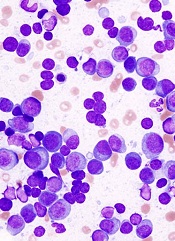
In a final draft guidance, the UK’s National Institute for Health and Care Excellence (NICE) has said it cannot recommend pomalidomide (Imnovid) for the treatment of multiple myeloma (MM).
NICE recommends thalidomide for most MM patients as a first-line treatment and bortezomib for patients who are unable to receive thalidomide and those who fail first-line treatment.
For patients who have received 2 prior therapies, the agency recommends lenalidomide.
NICE considered pomalidomide for use in MM patients after their third or subsequent relapse.
The agency said it could not recommend pomalidomide, in combination with dexamethasone, within its marketing authorization, which is to treat adults with relapsed and refractory MM who have had at least 2 prior treatments, including lenalidomide and bortezomib, and whose disease has progressed on their last therapy.
“Unfortunately, we cannot recommend pomalidomide, as the analyses from Celgene, the company that markets pomalidomide, showed that the drug does not offer enough benefit to justify its high price,” said Sir Andrew Dillon, NICE chief executive.
NICE’s final draft guidance is now with consultees, who have the opportunity to appeal against it. Until NICE issues its final guidance, National Health Service (NHS) bodies should make decisions locally on the funding of specific treatments.
This draft guidance does not mean that patients currently taking pomalidomide will stop receiving it. They have the option to continue treatment until they and their clinicians consider it appropriate to stop.
And pomalidomide is recommended for use within NHS Scotland.
Insufficient evidence
The committee advising NICE was not able to judge with any confidence how much more effective pomalidomide was compared with current treatment options based on the evidence provided by Celgene before and after consultation.
However, bearing in mind the magnitude of the differences in the overall survival estimates between pomalidomide and high-dose dexamethasone in the phase 3 MM-003 trial, and all data presented to the committee for comparators, the committee was persuaded that pomalidomide extends life for at least 3 months, on average, when compared with standard NHS care.
Nevertheless, considering the incremental cost-effectiveness ratios, the committee concluded that, even with the end-of-life criteria met, the weighting that would have to be placed on the quality-adjusted life-years (QALYs) gained would be too high to consider pomalidomide a cost-effective use of NHS resources.
Also, the committee concluded that the uncertainty in the relative effectiveness of pomalidomide compared with established NHS practice would affect any weighting that could be placed on the QALYs gained.
All cost-per-QALY figures presented by Celgene were over £50,000 compared with bortezomib and over £70,000 compared with bendamustine plus thalidomide and dexamethasone. And the figures would further increase when a number of more realistic assumptions were included in the model, the committee said.
A pack of pomalidomide (21 tablets of 1 mg, 2 mg, 3 mg, or 4 mg) costs £8884. The recommended dosage of the drug is 4 mg once daily, taken on days 1 to 21 of repeated 28 day cycles. Treatment should continue until disease progression.
In a final draft guidance, the UK’s National Institute for Health and Care Excellence (NICE) has said it cannot recommend pomalidomide (Imnovid) for the treatment of multiple myeloma (MM).
NICE recommends thalidomide for most MM patients as a first-line treatment and bortezomib for patients who are unable to receive thalidomide and those who fail first-line treatment.
For patients who have received 2 prior therapies, the agency recommends lenalidomide.
NICE considered pomalidomide for use in MM patients after their third or subsequent relapse.
The agency said it could not recommend pomalidomide, in combination with dexamethasone, within its marketing authorization, which is to treat adults with relapsed and refractory MM who have had at least 2 prior treatments, including lenalidomide and bortezomib, and whose disease has progressed on their last therapy.
“Unfortunately, we cannot recommend pomalidomide, as the analyses from Celgene, the company that markets pomalidomide, showed that the drug does not offer enough benefit to justify its high price,” said Sir Andrew Dillon, NICE chief executive.
NICE’s final draft guidance is now with consultees, who have the opportunity to appeal against it. Until NICE issues its final guidance, National Health Service (NHS) bodies should make decisions locally on the funding of specific treatments.
This draft guidance does not mean that patients currently taking pomalidomide will stop receiving it. They have the option to continue treatment until they and their clinicians consider it appropriate to stop.
And pomalidomide is recommended for use within NHS Scotland.
Insufficient evidence
The committee advising NICE was not able to judge with any confidence how much more effective pomalidomide was compared with current treatment options based on the evidence provided by Celgene before and after consultation.
However, bearing in mind the magnitude of the differences in the overall survival estimates between pomalidomide and high-dose dexamethasone in the phase 3 MM-003 trial, and all data presented to the committee for comparators, the committee was persuaded that pomalidomide extends life for at least 3 months, on average, when compared with standard NHS care.
Nevertheless, considering the incremental cost-effectiveness ratios, the committee concluded that, even with the end-of-life criteria met, the weighting that would have to be placed on the quality-adjusted life-years (QALYs) gained would be too high to consider pomalidomide a cost-effective use of NHS resources.
Also, the committee concluded that the uncertainty in the relative effectiveness of pomalidomide compared with established NHS practice would affect any weighting that could be placed on the QALYs gained.
All cost-per-QALY figures presented by Celgene were over £50,000 compared with bortezomib and over £70,000 compared with bendamustine plus thalidomide and dexamethasone. And the figures would further increase when a number of more realistic assumptions were included in the model, the committee said.
A pack of pomalidomide (21 tablets of 1 mg, 2 mg, 3 mg, or 4 mg) costs £8884. The recommended dosage of the drug is 4 mg once daily, taken on days 1 to 21 of repeated 28 day cycles. Treatment should continue until disease progression.
In a final draft guidance, the UK’s National Institute for Health and Care Excellence (NICE) has said it cannot recommend pomalidomide (Imnovid) for the treatment of multiple myeloma (MM).
NICE recommends thalidomide for most MM patients as a first-line treatment and bortezomib for patients who are unable to receive thalidomide and those who fail first-line treatment.
For patients who have received 2 prior therapies, the agency recommends lenalidomide.
NICE considered pomalidomide for use in MM patients after their third or subsequent relapse.
The agency said it could not recommend pomalidomide, in combination with dexamethasone, within its marketing authorization, which is to treat adults with relapsed and refractory MM who have had at least 2 prior treatments, including lenalidomide and bortezomib, and whose disease has progressed on their last therapy.
“Unfortunately, we cannot recommend pomalidomide, as the analyses from Celgene, the company that markets pomalidomide, showed that the drug does not offer enough benefit to justify its high price,” said Sir Andrew Dillon, NICE chief executive.
NICE’s final draft guidance is now with consultees, who have the opportunity to appeal against it. Until NICE issues its final guidance, National Health Service (NHS) bodies should make decisions locally on the funding of specific treatments.
This draft guidance does not mean that patients currently taking pomalidomide will stop receiving it. They have the option to continue treatment until they and their clinicians consider it appropriate to stop.
And pomalidomide is recommended for use within NHS Scotland.
Insufficient evidence
The committee advising NICE was not able to judge with any confidence how much more effective pomalidomide was compared with current treatment options based on the evidence provided by Celgene before and after consultation.
However, bearing in mind the magnitude of the differences in the overall survival estimates between pomalidomide and high-dose dexamethasone in the phase 3 MM-003 trial, and all data presented to the committee for comparators, the committee was persuaded that pomalidomide extends life for at least 3 months, on average, when compared with standard NHS care.
Nevertheless, considering the incremental cost-effectiveness ratios, the committee concluded that, even with the end-of-life criteria met, the weighting that would have to be placed on the quality-adjusted life-years (QALYs) gained would be too high to consider pomalidomide a cost-effective use of NHS resources.
Also, the committee concluded that the uncertainty in the relative effectiveness of pomalidomide compared with established NHS practice would affect any weighting that could be placed on the QALYs gained.
All cost-per-QALY figures presented by Celgene were over £50,000 compared with bortezomib and over £70,000 compared with bendamustine plus thalidomide and dexamethasone. And the figures would further increase when a number of more realistic assumptions were included in the model, the committee said.
A pack of pomalidomide (21 tablets of 1 mg, 2 mg, 3 mg, or 4 mg) costs £8884. The recommended dosage of the drug is 4 mg once daily, taken on days 1 to 21 of repeated 28 day cycles. Treatment should continue until disease progression.
PE surgery prevents death in severely ill

Photo courtesy of Medical
College of Georgia
Pulmonary embolectomy, a procedure that was virtually abandoned in the 1950s because it resulted in high mortality rates, may actually prevent more deaths in severely ill patients with pulmonary embolism (PE) than current drug therapies alone, according to research published in the Texas Heart Institute Journal.
More than 2 dozen studies conducted between 1961 and 1984 suggest the death rate associated with pulmonary embolectomy is 32%.
But safer techniques have led to better outcomes, and surgeons continue to take their most seriously ill PE patients into the operating room.
Still, Alan R. Hartman, MD, of North Shore-LIJ Health System in Great Neck, New York, and his colleagues wanted to determine just how successful the surgery is and which patients are the best candidates for surgery.
To find out, the team went back into the surgical archives and identified 96 patients who underwent surgery during a 9-year period (from 2003 to 2011). The researchers assessed how many patients survived in the month following surgery and compared the results to historical mortality data from patients who did not undergo surgery.
All of the patients who had undergone surgery had acute, centrally located PE and severe global hyperkinetic right ventricular dysfunction.
All patients had either a large clot burden in the main pulmonary arteries or a saddle embolism. None of the patients had a history of chronic pulmonary thrombolytic disease or evidence of chronic disease on a computed-tomographic-angiography scan.
They all made it to surgery within an hour of the embolism. The surgery was performed through cardiopulmonary bypass, at normal body temperature, and without aortic cross-clamping, thus avoiding myocardial ischemia.
A pulmonary arteriotomy and clot extraction were performed under direct vision, according to Dr Hartman, which he believes is critical to the success of the procedure.
The mortality rate was 4.2%, which is lower than any other published reports. In addition, 68 patients (73.9%) were discharged home or to rehabilitation facilities.
Those patients with low blood pressure had a higher 30-day mortality rate—12.5% compared to 1.4% in those with normal blood pressure. Patients with low blood pressure also spent a longer time in the hospital—13.4 days compared to 9.1 days in patients with normal blood pressure.
Based on these results, the researchers concluded that acute pulmonary embolectomy can be a viable procedure for patients with severe, globally hypokinetic right ventricular dysfunction, with or without hemodynamic compromise.
However, they cautioned that rates of success are dependent upon experience, surgical ability, and careful patient selection.
Photo courtesy of Medical
College of Georgia
Pulmonary embolectomy, a procedure that was virtually abandoned in the 1950s because it resulted in high mortality rates, may actually prevent more deaths in severely ill patients with pulmonary embolism (PE) than current drug therapies alone, according to research published in the Texas Heart Institute Journal.
More than 2 dozen studies conducted between 1961 and 1984 suggest the death rate associated with pulmonary embolectomy is 32%.
But safer techniques have led to better outcomes, and surgeons continue to take their most seriously ill PE patients into the operating room.
Still, Alan R. Hartman, MD, of North Shore-LIJ Health System in Great Neck, New York, and his colleagues wanted to determine just how successful the surgery is and which patients are the best candidates for surgery.
To find out, the team went back into the surgical archives and identified 96 patients who underwent surgery during a 9-year period (from 2003 to 2011). The researchers assessed how many patients survived in the month following surgery and compared the results to historical mortality data from patients who did not undergo surgery.
All of the patients who had undergone surgery had acute, centrally located PE and severe global hyperkinetic right ventricular dysfunction.
All patients had either a large clot burden in the main pulmonary arteries or a saddle embolism. None of the patients had a history of chronic pulmonary thrombolytic disease or evidence of chronic disease on a computed-tomographic-angiography scan.
They all made it to surgery within an hour of the embolism. The surgery was performed through cardiopulmonary bypass, at normal body temperature, and without aortic cross-clamping, thus avoiding myocardial ischemia.
A pulmonary arteriotomy and clot extraction were performed under direct vision, according to Dr Hartman, which he believes is critical to the success of the procedure.
The mortality rate was 4.2%, which is lower than any other published reports. In addition, 68 patients (73.9%) were discharged home or to rehabilitation facilities.
Those patients with low blood pressure had a higher 30-day mortality rate—12.5% compared to 1.4% in those with normal blood pressure. Patients with low blood pressure also spent a longer time in the hospital—13.4 days compared to 9.1 days in patients with normal blood pressure.
Based on these results, the researchers concluded that acute pulmonary embolectomy can be a viable procedure for patients with severe, globally hypokinetic right ventricular dysfunction, with or without hemodynamic compromise.
However, they cautioned that rates of success are dependent upon experience, surgical ability, and careful patient selection.
Photo courtesy of Medical
College of Georgia
Pulmonary embolectomy, a procedure that was virtually abandoned in the 1950s because it resulted in high mortality rates, may actually prevent more deaths in severely ill patients with pulmonary embolism (PE) than current drug therapies alone, according to research published in the Texas Heart Institute Journal.
More than 2 dozen studies conducted between 1961 and 1984 suggest the death rate associated with pulmonary embolectomy is 32%.
But safer techniques have led to better outcomes, and surgeons continue to take their most seriously ill PE patients into the operating room.
Still, Alan R. Hartman, MD, of North Shore-LIJ Health System in Great Neck, New York, and his colleagues wanted to determine just how successful the surgery is and which patients are the best candidates for surgery.
To find out, the team went back into the surgical archives and identified 96 patients who underwent surgery during a 9-year period (from 2003 to 2011). The researchers assessed how many patients survived in the month following surgery and compared the results to historical mortality data from patients who did not undergo surgery.
All of the patients who had undergone surgery had acute, centrally located PE and severe global hyperkinetic right ventricular dysfunction.
All patients had either a large clot burden in the main pulmonary arteries or a saddle embolism. None of the patients had a history of chronic pulmonary thrombolytic disease or evidence of chronic disease on a computed-tomographic-angiography scan.
They all made it to surgery within an hour of the embolism. The surgery was performed through cardiopulmonary bypass, at normal body temperature, and without aortic cross-clamping, thus avoiding myocardial ischemia.
A pulmonary arteriotomy and clot extraction were performed under direct vision, according to Dr Hartman, which he believes is critical to the success of the procedure.
The mortality rate was 4.2%, which is lower than any other published reports. In addition, 68 patients (73.9%) were discharged home or to rehabilitation facilities.
Those patients with low blood pressure had a higher 30-day mortality rate—12.5% compared to 1.4% in those with normal blood pressure. Patients with low blood pressure also spent a longer time in the hospital—13.4 days compared to 9.1 days in patients with normal blood pressure.
Based on these results, the researchers concluded that acute pulmonary embolectomy can be a viable procedure for patients with severe, globally hypokinetic right ventricular dysfunction, with or without hemodynamic compromise.
However, they cautioned that rates of success are dependent upon experience, surgical ability, and careful patient selection.