User login
FDA clears kit for monitoring molecular response in CML
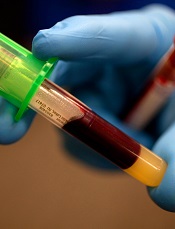
Photo by Juan D. Alfonso
The US Food and Drug Administration (FDA) has granted premarket clearance for the QuantideX® qPCR BCR-ABL IS Kit, a tool used to monitor molecular response (MR) in patients with chronic myeloid leukemia (CML).
The product is a quantitative polymerase chain reaction (qPCR)-based in vitro diagnostic test that quantifies BCR-ABL1 and ABL1 transcripts in total RNA from the whole blood of t(9;22)-positive CML patients expressing e13a2 and/or e14a2 fusion transcripts.
The QuantideX® qPCR BCR-ABL IS Kit is not designed to diagnose CML or monitor rare transcripts resulting from t(9;22).
The kit was cleared to run on the Applied Biosystems® 7500 Fast DX Real-Time PCR Instrument. Results are reported in International Scale (IS) values.
The QuantideX® qPCR BCR-ABL IS Kit was subjected to analytic and clinical review through the FDA’s de novo 510(k) premarket review pathway and secured clearance with a limit of detection of MR 4.7/0.002% IS (4.7 log molecular reduction from 100% IS).
The limit of detection was determined using real human RNA, not human-derived cell lines, ensuring that the assay reproducibly detects BCR-ABL1 RNA in at least 95% of patients at MR 4.7.
“In evaluating the QuantideX® qPCR BCR-ABL IS Kit, we confirmed the high level of sensitivity achieved for human clinical samples measured in our laboratory at MR 4.7 (0.002% IS),” said Y. Lynn. Wang, MD, PhD, of the University of Chicago Comprehensive Cancer Center.
“The configuration of the assay—multiplexed, single-lot reagents, efficient workflow, and direct IS reporting—provided the robustness, sensitivity, and data quality we believe to be unprecedented in the market today. The high level of sensitivity will contribute to the assessment of the depth and duration of clinical response to [tyrosine kinase inhibitors] and experimental therapies.”
The QuantideX® qPCR BCR-ABL IS Kit is now available for order in the US and Europe. The kit is a product of Asuragen, Inc. 
Photo by Juan D. Alfonso
The US Food and Drug Administration (FDA) has granted premarket clearance for the QuantideX® qPCR BCR-ABL IS Kit, a tool used to monitor molecular response (MR) in patients with chronic myeloid leukemia (CML).
The product is a quantitative polymerase chain reaction (qPCR)-based in vitro diagnostic test that quantifies BCR-ABL1 and ABL1 transcripts in total RNA from the whole blood of t(9;22)-positive CML patients expressing e13a2 and/or e14a2 fusion transcripts.
The QuantideX® qPCR BCR-ABL IS Kit is not designed to diagnose CML or monitor rare transcripts resulting from t(9;22).
The kit was cleared to run on the Applied Biosystems® 7500 Fast DX Real-Time PCR Instrument. Results are reported in International Scale (IS) values.
The QuantideX® qPCR BCR-ABL IS Kit was subjected to analytic and clinical review through the FDA’s de novo 510(k) premarket review pathway and secured clearance with a limit of detection of MR 4.7/0.002% IS (4.7 log molecular reduction from 100% IS).
The limit of detection was determined using real human RNA, not human-derived cell lines, ensuring that the assay reproducibly detects BCR-ABL1 RNA in at least 95% of patients at MR 4.7.
“In evaluating the QuantideX® qPCR BCR-ABL IS Kit, we confirmed the high level of sensitivity achieved for human clinical samples measured in our laboratory at MR 4.7 (0.002% IS),” said Y. Lynn. Wang, MD, PhD, of the University of Chicago Comprehensive Cancer Center.
“The configuration of the assay—multiplexed, single-lot reagents, efficient workflow, and direct IS reporting—provided the robustness, sensitivity, and data quality we believe to be unprecedented in the market today. The high level of sensitivity will contribute to the assessment of the depth and duration of clinical response to [tyrosine kinase inhibitors] and experimental therapies.”
The QuantideX® qPCR BCR-ABL IS Kit is now available for order in the US and Europe. The kit is a product of Asuragen, Inc.
Photo by Juan D. Alfonso
The US Food and Drug Administration (FDA) has granted premarket clearance for the QuantideX® qPCR BCR-ABL IS Kit, a tool used to monitor molecular response (MR) in patients with chronic myeloid leukemia (CML).
The product is a quantitative polymerase chain reaction (qPCR)-based in vitro diagnostic test that quantifies BCR-ABL1 and ABL1 transcripts in total RNA from the whole blood of t(9;22)-positive CML patients expressing e13a2 and/or e14a2 fusion transcripts.
The QuantideX® qPCR BCR-ABL IS Kit is not designed to diagnose CML or monitor rare transcripts resulting from t(9;22).
The kit was cleared to run on the Applied Biosystems® 7500 Fast DX Real-Time PCR Instrument. Results are reported in International Scale (IS) values.
The QuantideX® qPCR BCR-ABL IS Kit was subjected to analytic and clinical review through the FDA’s de novo 510(k) premarket review pathway and secured clearance with a limit of detection of MR 4.7/0.002% IS (4.7 log molecular reduction from 100% IS).
The limit of detection was determined using real human RNA, not human-derived cell lines, ensuring that the assay reproducibly detects BCR-ABL1 RNA in at least 95% of patients at MR 4.7.
“In evaluating the QuantideX® qPCR BCR-ABL IS Kit, we confirmed the high level of sensitivity achieved for human clinical samples measured in our laboratory at MR 4.7 (0.002% IS),” said Y. Lynn. Wang, MD, PhD, of the University of Chicago Comprehensive Cancer Center.
“The configuration of the assay—multiplexed, single-lot reagents, efficient workflow, and direct IS reporting—provided the robustness, sensitivity, and data quality we believe to be unprecedented in the market today. The high level of sensitivity will contribute to the assessment of the depth and duration of clinical response to [tyrosine kinase inhibitors] and experimental therapies.”
The QuantideX® qPCR BCR-ABL IS Kit is now available for order in the US and Europe. The kit is a product of Asuragen, Inc.
Chickens may protect humans from malaria

Photo by Geri Glastra
Research published in Malaria Journal indicates that malaria-transmitting mosquitoes use their sense of smell to avoid feeding on chickens.
Investigators therefore believe that odors emitted by chickens and other animals could provide protection for humans at risk of mosquito-transmitted diseases.
The study showed that Anopheles arabiensis, one of the predominant species of mosquitoes transmitting malaria in sub-Saharan Africa, avoids chickens when looking for hosts to feed on.
And the mosquitoes can distinguish chickens from other animals using their sense of smell.
“We were surprised to find that malaria mosquitoes are repelled by the odors emitted by chickens,” said study author Rickard Ignell, PhD, of the Swedish University of Agricultural Sciences in Alnarp, Sweden.
“This study shows, for the first time, that malaria mosquitoes actively avoid feeding on certain animal species and that this behavior is regulated through odor cues.”
To find out which species the mosquitoes prefer, Dr Ignell and his colleagues collected data on the population of human and domestic animals in 3 Ethiopian villages. People living in these villages share their living quarters with their livestock.
The investigators also collected blood-fed mosquitoes to test for the source of the blood the mosquitoes had consumed.
The team found that An arabiensis strongly prefers human over animal blood when seeking hosts indoors and randomly feeds on cattle, goats, and sheep when outdoors. However, the mosquitoes avoid chickens in both settings, despite their relatively high abundance.
Since mosquitoes select and discriminate between their hosts mainly based on their sense of smell, the investigators collected hair, wool, and feathers from potential host and non-host species to analyze the odor compounds present in them.
Identifying certain compounds that were only present in chicken feathers, the team used these and other compounds obtained from all species to test their ability to repel mosquitoes from mosquito traps.
The traps were set up in 11 thatched houses in one of the villages for a total of 11 days. In each of the houses, a single volunteer between ages 27 and 36 slept under an untreated bed net.
The investigators found that significantly fewer mosquitoes were caught in traps baited with chicken compounds than in control traps. Suspending a living chicken in a cage next to a trap had a similar repellent effect.
Because it feeds indoors and outdoors on various host species, An arabiensis is difficult to control with existing methods, previous research has shown. The results of the current study suggest that, in combination with established control methods, the odors emitted by chickens and other non-host species could prove useful in controlling An arabiensis.
“People in sub-Saharan Africa have suffered considerably under the burden of malaria over an extended period of time, and mosquitoes are becoming increasingly physiologically resistant to pesticides, while also changing their feeding habits, for example, by moving from indoors to outdoors,” Dr Ignell said.
“For this reason, there is a need to develop novel control methods. In our study, we have been able to identify a number of natural odor compounds which could repel host-seeking malaria mosquitoes and prevent them from getting in contact with people.”
Photo by Geri Glastra
Research published in Malaria Journal indicates that malaria-transmitting mosquitoes use their sense of smell to avoid feeding on chickens.
Investigators therefore believe that odors emitted by chickens and other animals could provide protection for humans at risk of mosquito-transmitted diseases.
The study showed that Anopheles arabiensis, one of the predominant species of mosquitoes transmitting malaria in sub-Saharan Africa, avoids chickens when looking for hosts to feed on.
And the mosquitoes can distinguish chickens from other animals using their sense of smell.
“We were surprised to find that malaria mosquitoes are repelled by the odors emitted by chickens,” said study author Rickard Ignell, PhD, of the Swedish University of Agricultural Sciences in Alnarp, Sweden.
“This study shows, for the first time, that malaria mosquitoes actively avoid feeding on certain animal species and that this behavior is regulated through odor cues.”
To find out which species the mosquitoes prefer, Dr Ignell and his colleagues collected data on the population of human and domestic animals in 3 Ethiopian villages. People living in these villages share their living quarters with their livestock.
The investigators also collected blood-fed mosquitoes to test for the source of the blood the mosquitoes had consumed.
The team found that An arabiensis strongly prefers human over animal blood when seeking hosts indoors and randomly feeds on cattle, goats, and sheep when outdoors. However, the mosquitoes avoid chickens in both settings, despite their relatively high abundance.
Since mosquitoes select and discriminate between their hosts mainly based on their sense of smell, the investigators collected hair, wool, and feathers from potential host and non-host species to analyze the odor compounds present in them.
Identifying certain compounds that were only present in chicken feathers, the team used these and other compounds obtained from all species to test their ability to repel mosquitoes from mosquito traps.
The traps were set up in 11 thatched houses in one of the villages for a total of 11 days. In each of the houses, a single volunteer between ages 27 and 36 slept under an untreated bed net.
The investigators found that significantly fewer mosquitoes were caught in traps baited with chicken compounds than in control traps. Suspending a living chicken in a cage next to a trap had a similar repellent effect.
Because it feeds indoors and outdoors on various host species, An arabiensis is difficult to control with existing methods, previous research has shown. The results of the current study suggest that, in combination with established control methods, the odors emitted by chickens and other non-host species could prove useful in controlling An arabiensis.
“People in sub-Saharan Africa have suffered considerably under the burden of malaria over an extended period of time, and mosquitoes are becoming increasingly physiologically resistant to pesticides, while also changing their feeding habits, for example, by moving from indoors to outdoors,” Dr Ignell said.
“For this reason, there is a need to develop novel control methods. In our study, we have been able to identify a number of natural odor compounds which could repel host-seeking malaria mosquitoes and prevent them from getting in contact with people.”
Photo by Geri Glastra
Research published in Malaria Journal indicates that malaria-transmitting mosquitoes use their sense of smell to avoid feeding on chickens.
Investigators therefore believe that odors emitted by chickens and other animals could provide protection for humans at risk of mosquito-transmitted diseases.
The study showed that Anopheles arabiensis, one of the predominant species of mosquitoes transmitting malaria in sub-Saharan Africa, avoids chickens when looking for hosts to feed on.
And the mosquitoes can distinguish chickens from other animals using their sense of smell.
“We were surprised to find that malaria mosquitoes are repelled by the odors emitted by chickens,” said study author Rickard Ignell, PhD, of the Swedish University of Agricultural Sciences in Alnarp, Sweden.
“This study shows, for the first time, that malaria mosquitoes actively avoid feeding on certain animal species and that this behavior is regulated through odor cues.”
To find out which species the mosquitoes prefer, Dr Ignell and his colleagues collected data on the population of human and domestic animals in 3 Ethiopian villages. People living in these villages share their living quarters with their livestock.
The investigators also collected blood-fed mosquitoes to test for the source of the blood the mosquitoes had consumed.
The team found that An arabiensis strongly prefers human over animal blood when seeking hosts indoors and randomly feeds on cattle, goats, and sheep when outdoors. However, the mosquitoes avoid chickens in both settings, despite their relatively high abundance.
Since mosquitoes select and discriminate between their hosts mainly based on their sense of smell, the investigators collected hair, wool, and feathers from potential host and non-host species to analyze the odor compounds present in them.
Identifying certain compounds that were only present in chicken feathers, the team used these and other compounds obtained from all species to test their ability to repel mosquitoes from mosquito traps.
The traps were set up in 11 thatched houses in one of the villages for a total of 11 days. In each of the houses, a single volunteer between ages 27 and 36 slept under an untreated bed net.
The investigators found that significantly fewer mosquitoes were caught in traps baited with chicken compounds than in control traps. Suspending a living chicken in a cage next to a trap had a similar repellent effect.
Because it feeds indoors and outdoors on various host species, An arabiensis is difficult to control with existing methods, previous research has shown. The results of the current study suggest that, in combination with established control methods, the odors emitted by chickens and other non-host species could prove useful in controlling An arabiensis.
“People in sub-Saharan Africa have suffered considerably under the burden of malaria over an extended period of time, and mosquitoes are becoming increasingly physiologically resistant to pesticides, while also changing their feeding habits, for example, by moving from indoors to outdoors,” Dr Ignell said.
“For this reason, there is a need to develop novel control methods. In our study, we have been able to identify a number of natural odor compounds which could repel host-seeking malaria mosquitoes and prevent them from getting in contact with people.”
CDC updates recommendations regarding Zika virus

Photo by Nina Matthews
The US Centers for Disease Control and Prevention (CDC) has updated some of its recommendations regarding the Zika virus.
The agency issued an updated interim guidance for healthcare providers caring for pregnant women with possible exposure to Zika virus and an updated interim guidance on preventing sexual transmission of the virus.
The CDC issued these updates based on the accumulating evidence, expert opinion, and knowledge about the risk associated with other viral infections. The CDC said it will continue to make updates as new information becomes available.
Guidance for pregnant women
This updated guidance expands the timeframe during which pregnant women can be tested for Zika virus—with an rRT-PCR test—from 7 days to 14 days after symptoms start. The CDC said this expansion will provide a definite diagnosis for more pregnant women infected with the Zika virus.
Scientists previously thought the virus stays in the blood for about a week after symptoms start. So the first week of illness was thought to be the best time to find evidence of the virus in blood using a Zika-specific test (rRT-PCR).
For patients who visited a healthcare provider more than a week after symptoms started and those who were possibly exposed to Zika but never developed symptoms, healthcare providers could perform Zika virus IgM testing. However, this test might not provide a definite diagnosis, as it can also detect related viruses.
New information has indicated that some infected pregnant women can have evidence of the Zika virus in their blood for longer than 7 days after symptoms begin, and even pregnant women without symptoms can have evidence of the virus in their blood and urine.
Therefore, the updated guidance expands the use of Zika-specific blood testing for a longer period, up to 14 days, in pregnant women with symptoms and advises that pregnant women with possible Zika exposure but no symptoms receive this testing as well.
In addition, if pregnant women visit their healthcare provider after the 14-day testing window and test positive with the IgM test, rRT-PCR testing can now be offered to potentially provide a definite diagnosis.
The CDC’s new guidance also includes recommendations to help healthcare providers better care for their pregnant patients with confirmed or possible Zika infection.
Guidance for sexual transmission
This updated guidance is based on a recently reported case of female-to-male sexual transmission of the Zika virus in New York City and limited human and non-human primate data indicating that Zika virus RNA can be detected in vaginal secretions.
The guidance expands the CDC’s definition of sexual exposure to Zika to include sex without a barrier method (including male or female condoms, among other methods) with any person—male or female—who has traveled to or lives in an area with active Zika virus transmission.
The updated recommendations for pregnant couples include pregnant women with female sex partners who are potentially infected with Zika. The recommendations also provide advice for potentially infected women on how to reduce their risk of sexually transmitting the virus to partners.
Specifically, the CDC recommends that all pregnant women with sex partners who live in or traveled to an area with active Zika virus transmission use condoms during sex or abstain from sex for the remainder of their pregnancy.
All other couples in which a partner has been in an area with active Zika virus transmission can also reduce the risk of sexual transmission by using condoms or abstaining from sex. Sex includes vaginal, anal, and oral sex, and may also include the sharing of sex toys.
Healthcare providers should test all pregnant women who may have been exposed to Zika sexually. Providers should also test patients if they develop symptoms of the Zika virus and report potential sexual exposure to a partner who lives in or traveled to an area with active Zika virus transmission.
The CDC encourages local and state health departments to report potential cases of sexually transmitted Zika virus infection.
Photo by Nina Matthews
The US Centers for Disease Control and Prevention (CDC) has updated some of its recommendations regarding the Zika virus.
The agency issued an updated interim guidance for healthcare providers caring for pregnant women with possible exposure to Zika virus and an updated interim guidance on preventing sexual transmission of the virus.
The CDC issued these updates based on the accumulating evidence, expert opinion, and knowledge about the risk associated with other viral infections. The CDC said it will continue to make updates as new information becomes available.
Guidance for pregnant women
This updated guidance expands the timeframe during which pregnant women can be tested for Zika virus—with an rRT-PCR test—from 7 days to 14 days after symptoms start. The CDC said this expansion will provide a definite diagnosis for more pregnant women infected with the Zika virus.
Scientists previously thought the virus stays in the blood for about a week after symptoms start. So the first week of illness was thought to be the best time to find evidence of the virus in blood using a Zika-specific test (rRT-PCR).
For patients who visited a healthcare provider more than a week after symptoms started and those who were possibly exposed to Zika but never developed symptoms, healthcare providers could perform Zika virus IgM testing. However, this test might not provide a definite diagnosis, as it can also detect related viruses.
New information has indicated that some infected pregnant women can have evidence of the Zika virus in their blood for longer than 7 days after symptoms begin, and even pregnant women without symptoms can have evidence of the virus in their blood and urine.
Therefore, the updated guidance expands the use of Zika-specific blood testing for a longer period, up to 14 days, in pregnant women with symptoms and advises that pregnant women with possible Zika exposure but no symptoms receive this testing as well.
In addition, if pregnant women visit their healthcare provider after the 14-day testing window and test positive with the IgM test, rRT-PCR testing can now be offered to potentially provide a definite diagnosis.
The CDC’s new guidance also includes recommendations to help healthcare providers better care for their pregnant patients with confirmed or possible Zika infection.
Guidance for sexual transmission
This updated guidance is based on a recently reported case of female-to-male sexual transmission of the Zika virus in New York City and limited human and non-human primate data indicating that Zika virus RNA can be detected in vaginal secretions.
The guidance expands the CDC’s definition of sexual exposure to Zika to include sex without a barrier method (including male or female condoms, among other methods) with any person—male or female—who has traveled to or lives in an area with active Zika virus transmission.
The updated recommendations for pregnant couples include pregnant women with female sex partners who are potentially infected with Zika. The recommendations also provide advice for potentially infected women on how to reduce their risk of sexually transmitting the virus to partners.
Specifically, the CDC recommends that all pregnant women with sex partners who live in or traveled to an area with active Zika virus transmission use condoms during sex or abstain from sex for the remainder of their pregnancy.
All other couples in which a partner has been in an area with active Zika virus transmission can also reduce the risk of sexual transmission by using condoms or abstaining from sex. Sex includes vaginal, anal, and oral sex, and may also include the sharing of sex toys.
Healthcare providers should test all pregnant women who may have been exposed to Zika sexually. Providers should also test patients if they develop symptoms of the Zika virus and report potential sexual exposure to a partner who lives in or traveled to an area with active Zika virus transmission.
The CDC encourages local and state health departments to report potential cases of sexually transmitted Zika virus infection.
Photo by Nina Matthews
The US Centers for Disease Control and Prevention (CDC) has updated some of its recommendations regarding the Zika virus.
The agency issued an updated interim guidance for healthcare providers caring for pregnant women with possible exposure to Zika virus and an updated interim guidance on preventing sexual transmission of the virus.
The CDC issued these updates based on the accumulating evidence, expert opinion, and knowledge about the risk associated with other viral infections. The CDC said it will continue to make updates as new information becomes available.
Guidance for pregnant women
This updated guidance expands the timeframe during which pregnant women can be tested for Zika virus—with an rRT-PCR test—from 7 days to 14 days after symptoms start. The CDC said this expansion will provide a definite diagnosis for more pregnant women infected with the Zika virus.
Scientists previously thought the virus stays in the blood for about a week after symptoms start. So the first week of illness was thought to be the best time to find evidence of the virus in blood using a Zika-specific test (rRT-PCR).
For patients who visited a healthcare provider more than a week after symptoms started and those who were possibly exposed to Zika but never developed symptoms, healthcare providers could perform Zika virus IgM testing. However, this test might not provide a definite diagnosis, as it can also detect related viruses.
New information has indicated that some infected pregnant women can have evidence of the Zika virus in their blood for longer than 7 days after symptoms begin, and even pregnant women without symptoms can have evidence of the virus in their blood and urine.
Therefore, the updated guidance expands the use of Zika-specific blood testing for a longer period, up to 14 days, in pregnant women with symptoms and advises that pregnant women with possible Zika exposure but no symptoms receive this testing as well.
In addition, if pregnant women visit their healthcare provider after the 14-day testing window and test positive with the IgM test, rRT-PCR testing can now be offered to potentially provide a definite diagnosis.
The CDC’s new guidance also includes recommendations to help healthcare providers better care for their pregnant patients with confirmed or possible Zika infection.
Guidance for sexual transmission
This updated guidance is based on a recently reported case of female-to-male sexual transmission of the Zika virus in New York City and limited human and non-human primate data indicating that Zika virus RNA can be detected in vaginal secretions.
The guidance expands the CDC’s definition of sexual exposure to Zika to include sex without a barrier method (including male or female condoms, among other methods) with any person—male or female—who has traveled to or lives in an area with active Zika virus transmission.
The updated recommendations for pregnant couples include pregnant women with female sex partners who are potentially infected with Zika. The recommendations also provide advice for potentially infected women on how to reduce their risk of sexually transmitting the virus to partners.
Specifically, the CDC recommends that all pregnant women with sex partners who live in or traveled to an area with active Zika virus transmission use condoms during sex or abstain from sex for the remainder of their pregnancy.
All other couples in which a partner has been in an area with active Zika virus transmission can also reduce the risk of sexual transmission by using condoms or abstaining from sex. Sex includes vaginal, anal, and oral sex, and may also include the sharing of sex toys.
Healthcare providers should test all pregnant women who may have been exposed to Zika sexually. Providers should also test patients if they develop symptoms of the Zika virus and report potential sexual exposure to a partner who lives in or traveled to an area with active Zika virus transmission.
The CDC encourages local and state health departments to report potential cases of sexually transmitted Zika virus infection.
Canada reduces restrictions for blood donation
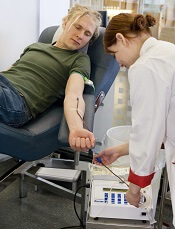
Photo by Marja Helander
Canadian Blood Services has made several changes to its blood donor policies in an attempt to broaden the pool of eligible donors in the country.
The agency has eliminated the upper age limit for donating blood, and donors over the age of 71 no longer need to have their physician fill out an assessment form before donating.
People with a history of most cancers are now eligible to donate blood if they have been cancer-free for 5 years.
However, this change does not apply to those with a history of hematologic malignancies.
People who have recently received most vaccines, such as a flu shot, will no longer need to wait 2 days before donating blood.
People who were born in or lived in some African countries (Central African Republic, Chad, Congo, Equatorial Guinea, Gabon, Niger, and Nigeria) are now eligible to donate blood. According to Canadian Blood Services, HIV testing performed on blood donors can now detect HIV strains found in these countries.
Canadian Blood Services has also revised geographic deferrals affecting Western Europe based on scientific evidence that indicates the risk of variant Creutzfeldt-Jakob disease has decreased since January 2008.
People who spent 5 years or more in Western Europe since 1980 are deferred from donating blood, but Canadian Blood Services is now including an end date of 2007. People who reached the 5-year limit in Western Europe after 2007 are now eligible to donate.
“Canadian Blood Services regularly reviews the criteria used to determine if someone is eligible to donate blood, including geographic and age restrictions, based on new scientific information,” said Mindy Goldman, medical director of donor and clinical services with Canadian Blood Services.
“These restrictions are no longer necessary. We estimate that about 3000 people who try to donate each year but cannot will now be eligible to donate due to these changes.”
The complete policy changes are available at www.blood.ca/en/blood/recent-changes-donation-criteria.
Photo by Marja Helander
Canadian Blood Services has made several changes to its blood donor policies in an attempt to broaden the pool of eligible donors in the country.
The agency has eliminated the upper age limit for donating blood, and donors over the age of 71 no longer need to have their physician fill out an assessment form before donating.
People with a history of most cancers are now eligible to donate blood if they have been cancer-free for 5 years.
However, this change does not apply to those with a history of hematologic malignancies.
People who have recently received most vaccines, such as a flu shot, will no longer need to wait 2 days before donating blood.
People who were born in or lived in some African countries (Central African Republic, Chad, Congo, Equatorial Guinea, Gabon, Niger, and Nigeria) are now eligible to donate blood. According to Canadian Blood Services, HIV testing performed on blood donors can now detect HIV strains found in these countries.
Canadian Blood Services has also revised geographic deferrals affecting Western Europe based on scientific evidence that indicates the risk of variant Creutzfeldt-Jakob disease has decreased since January 2008.
People who spent 5 years or more in Western Europe since 1980 are deferred from donating blood, but Canadian Blood Services is now including an end date of 2007. People who reached the 5-year limit in Western Europe after 2007 are now eligible to donate.
“Canadian Blood Services regularly reviews the criteria used to determine if someone is eligible to donate blood, including geographic and age restrictions, based on new scientific information,” said Mindy Goldman, medical director of donor and clinical services with Canadian Blood Services.
“These restrictions are no longer necessary. We estimate that about 3000 people who try to donate each year but cannot will now be eligible to donate due to these changes.”
The complete policy changes are available at www.blood.ca/en/blood/recent-changes-donation-criteria.
Photo by Marja Helander
Canadian Blood Services has made several changes to its blood donor policies in an attempt to broaden the pool of eligible donors in the country.
The agency has eliminated the upper age limit for donating blood, and donors over the age of 71 no longer need to have their physician fill out an assessment form before donating.
People with a history of most cancers are now eligible to donate blood if they have been cancer-free for 5 years.
However, this change does not apply to those with a history of hematologic malignancies.
People who have recently received most vaccines, such as a flu shot, will no longer need to wait 2 days before donating blood.
People who were born in or lived in some African countries (Central African Republic, Chad, Congo, Equatorial Guinea, Gabon, Niger, and Nigeria) are now eligible to donate blood. According to Canadian Blood Services, HIV testing performed on blood donors can now detect HIV strains found in these countries.
Canadian Blood Services has also revised geographic deferrals affecting Western Europe based on scientific evidence that indicates the risk of variant Creutzfeldt-Jakob disease has decreased since January 2008.
People who spent 5 years or more in Western Europe since 1980 are deferred from donating blood, but Canadian Blood Services is now including an end date of 2007. People who reached the 5-year limit in Western Europe after 2007 are now eligible to donate.
“Canadian Blood Services regularly reviews the criteria used to determine if someone is eligible to donate blood, including geographic and age restrictions, based on new scientific information,” said Mindy Goldman, medical director of donor and clinical services with Canadian Blood Services.
“These restrictions are no longer necessary. We estimate that about 3000 people who try to donate each year but cannot will now be eligible to donate due to these changes.”
The complete policy changes are available at www.blood.ca/en/blood/recent-changes-donation-criteria.
Delirium in advanced cancer may go undetected

patient and her father
Photo by Rhoda Baer
A new study indicates that delirium is relatively frequent and underdiagnosed in patients with advanced cancer visiting the emergency department.
The research showed that delirium was similarly common among older and younger patients.
According to researchers, this suggests that, in the setting of advanced cancer, all patients should be considered at higher risk for delirium.
The researchers reported their findings in Cancer.
For this study, the team assessed a random sample of 243 advanced cancer patients who presented to the emergency department. They were 19 to 89 years old.
All patients were assessed with 2 methods: the Confusion Assessment Method (CAM) to screen for delirium and the Memorial Delirium Assessment Scale (MDAS) to measure delirium severity (mild ≤15, moderate 16-22, and severe ≥23).
In all, 22 patients (9%) had CAM-positive delirium and a median MDAS score of 14. Among CAM-positive patients, delirium was mild in 18 (82%) and moderate in 4 (18%) according to the MDAS.
Of the 99 patients age 65 and older, 10 (10%) had CAM-positive delirium, compared with 12 (8%) of 144 patients younger than 65.
Emergency department physicians failed to detect delirium in 9 (41%) CAM-positive delirious patients.
“We found evidence of delirium in 1 of every 10 patients with advanced cancer who are treated in the emergency department,” said study author Knox Todd, MD, of The University of Texas MD Anderson Cancer Center in Houston.
“Given that we could only study patients who were able to give consent to enter our study, even 10% is likely to be a low estimate. We also identified many psychoactive medications that could have contributed to delirium, and sharing this information with treating oncologists may help them avoid such complications in the next patient they treat.”
patient and her father
Photo by Rhoda Baer
A new study indicates that delirium is relatively frequent and underdiagnosed in patients with advanced cancer visiting the emergency department.
The research showed that delirium was similarly common among older and younger patients.
According to researchers, this suggests that, in the setting of advanced cancer, all patients should be considered at higher risk for delirium.
The researchers reported their findings in Cancer.
For this study, the team assessed a random sample of 243 advanced cancer patients who presented to the emergency department. They were 19 to 89 years old.
All patients were assessed with 2 methods: the Confusion Assessment Method (CAM) to screen for delirium and the Memorial Delirium Assessment Scale (MDAS) to measure delirium severity (mild ≤15, moderate 16-22, and severe ≥23).
In all, 22 patients (9%) had CAM-positive delirium and a median MDAS score of 14. Among CAM-positive patients, delirium was mild in 18 (82%) and moderate in 4 (18%) according to the MDAS.
Of the 99 patients age 65 and older, 10 (10%) had CAM-positive delirium, compared with 12 (8%) of 144 patients younger than 65.
Emergency department physicians failed to detect delirium in 9 (41%) CAM-positive delirious patients.
“We found evidence of delirium in 1 of every 10 patients with advanced cancer who are treated in the emergency department,” said study author Knox Todd, MD, of The University of Texas MD Anderson Cancer Center in Houston.
“Given that we could only study patients who were able to give consent to enter our study, even 10% is likely to be a low estimate. We also identified many psychoactive medications that could have contributed to delirium, and sharing this information with treating oncologists may help them avoid such complications in the next patient they treat.”
patient and her father
Photo by Rhoda Baer
A new study indicates that delirium is relatively frequent and underdiagnosed in patients with advanced cancer visiting the emergency department.
The research showed that delirium was similarly common among older and younger patients.
According to researchers, this suggests that, in the setting of advanced cancer, all patients should be considered at higher risk for delirium.
The researchers reported their findings in Cancer.
For this study, the team assessed a random sample of 243 advanced cancer patients who presented to the emergency department. They were 19 to 89 years old.
All patients were assessed with 2 methods: the Confusion Assessment Method (CAM) to screen for delirium and the Memorial Delirium Assessment Scale (MDAS) to measure delirium severity (mild ≤15, moderate 16-22, and severe ≥23).
In all, 22 patients (9%) had CAM-positive delirium and a median MDAS score of 14. Among CAM-positive patients, delirium was mild in 18 (82%) and moderate in 4 (18%) according to the MDAS.
Of the 99 patients age 65 and older, 10 (10%) had CAM-positive delirium, compared with 12 (8%) of 144 patients younger than 65.
Emergency department physicians failed to detect delirium in 9 (41%) CAM-positive delirious patients.
“We found evidence of delirium in 1 of every 10 patients with advanced cancer who are treated in the emergency department,” said study author Knox Todd, MD, of The University of Texas MD Anderson Cancer Center in Houston.
“Given that we could only study patients who were able to give consent to enter our study, even 10% is likely to be a low estimate. We also identified many psychoactive medications that could have contributed to delirium, and sharing this information with treating oncologists may help them avoid such complications in the next patient they treat.”
CHMP recommends enoxaparin biosimilars
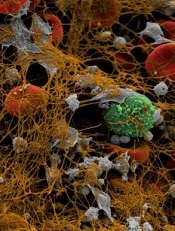
Image by Andre E.X. Brown
The European Medicines Agency’s Committee for Medicinal Products for Human Use (CHMP) has recommended approval for 2 biosimilars of the low-molecular-weight heparin enoxaparin.
Both of the agents, Inhixa and Thorinane, are intended to prevent and treat thrombosis-related disorders in adults.
The CHMP’s recommendations will be reviewed by the European Commission.
If the recommendations are formally adopted, Inhixa and Thorinane will be approved for use in the European Union as well as Norway, Liechtenstein, and Iceland.
Both Inhixa and Thorinane are indicated for:
- Prophylaxis of venous thromboembolism (VTE), particularly in patients undergoing orthopedic, general, or oncological surgery.
- VTE prophylaxis in patients bedridden due to acute illnesses, including acute heart failure, acute respiratory failure, severe infections, and exacerbation of rheumatic diseases causing immobilization of the patient (applies to strengths of 40 mg/0.4 mL).
- Treatment of deep vein thrombosis, complicated or uncomplicated by pulmonary embolism.
- Treatment of unstable angina and non-Q wave myocardial infarction, in combination with acetylsalicylic acid.
- Treatment of acute ST segment elevation myocardial infarction, including patients who will be treated conservatively or who will later undergo percutaneous coronary angioplasty (applies to strengths of 60 mg/0.6 mL, 80 mg/0.8 mL, and 100 mg/1 mL).
- VTE prevention in the extracorporeal circulation during hemodialysis.
If approved, Inhixa will be available as a solution for injection—2000 IU (20 mg) in 0.2 mL, 4000 IU (40 mg) in 0.4 mL, 6000 IU (60 mg) in 0.6 mL, 8000 IU (80 mg) in 0.8 mL, and 10,000 IU (100 mg) in 1 mL.
And Thorinane will be available as a solution for injection—2000 IU (20 mg) in 0.2 mL, 4000 IU (40 mg) in 0.4 mL, 6000 IU (60 mg) in 0.6 mL, 8000 IU (80 mg) in 0.8 mL, and 10,000 IU (100 mg) in 1 mL.
Inhixa is being developed by Techdow Europe AB, and Thorinane is being developed by Pharmathen S.A.
Image by Andre E.X. Brown
The European Medicines Agency’s Committee for Medicinal Products for Human Use (CHMP) has recommended approval for 2 biosimilars of the low-molecular-weight heparin enoxaparin.
Both of the agents, Inhixa and Thorinane, are intended to prevent and treat thrombosis-related disorders in adults.
The CHMP’s recommendations will be reviewed by the European Commission.
If the recommendations are formally adopted, Inhixa and Thorinane will be approved for use in the European Union as well as Norway, Liechtenstein, and Iceland.
Both Inhixa and Thorinane are indicated for:
- Prophylaxis of venous thromboembolism (VTE), particularly in patients undergoing orthopedic, general, or oncological surgery.
- VTE prophylaxis in patients bedridden due to acute illnesses, including acute heart failure, acute respiratory failure, severe infections, and exacerbation of rheumatic diseases causing immobilization of the patient (applies to strengths of 40 mg/0.4 mL).
- Treatment of deep vein thrombosis, complicated or uncomplicated by pulmonary embolism.
- Treatment of unstable angina and non-Q wave myocardial infarction, in combination with acetylsalicylic acid.
- Treatment of acute ST segment elevation myocardial infarction, including patients who will be treated conservatively or who will later undergo percutaneous coronary angioplasty (applies to strengths of 60 mg/0.6 mL, 80 mg/0.8 mL, and 100 mg/1 mL).
- VTE prevention in the extracorporeal circulation during hemodialysis.
If approved, Inhixa will be available as a solution for injection—2000 IU (20 mg) in 0.2 mL, 4000 IU (40 mg) in 0.4 mL, 6000 IU (60 mg) in 0.6 mL, 8000 IU (80 mg) in 0.8 mL, and 10,000 IU (100 mg) in 1 mL.
And Thorinane will be available as a solution for injection—2000 IU (20 mg) in 0.2 mL, 4000 IU (40 mg) in 0.4 mL, 6000 IU (60 mg) in 0.6 mL, 8000 IU (80 mg) in 0.8 mL, and 10,000 IU (100 mg) in 1 mL.
Inhixa is being developed by Techdow Europe AB, and Thorinane is being developed by Pharmathen S.A.
Image by Andre E.X. Brown
The European Medicines Agency’s Committee for Medicinal Products for Human Use (CHMP) has recommended approval for 2 biosimilars of the low-molecular-weight heparin enoxaparin.
Both of the agents, Inhixa and Thorinane, are intended to prevent and treat thrombosis-related disorders in adults.
The CHMP’s recommendations will be reviewed by the European Commission.
If the recommendations are formally adopted, Inhixa and Thorinane will be approved for use in the European Union as well as Norway, Liechtenstein, and Iceland.
Both Inhixa and Thorinane are indicated for:
- Prophylaxis of venous thromboembolism (VTE), particularly in patients undergoing orthopedic, general, or oncological surgery.
- VTE prophylaxis in patients bedridden due to acute illnesses, including acute heart failure, acute respiratory failure, severe infections, and exacerbation of rheumatic diseases causing immobilization of the patient (applies to strengths of 40 mg/0.4 mL).
- Treatment of deep vein thrombosis, complicated or uncomplicated by pulmonary embolism.
- Treatment of unstable angina and non-Q wave myocardial infarction, in combination with acetylsalicylic acid.
- Treatment of acute ST segment elevation myocardial infarction, including patients who will be treated conservatively or who will later undergo percutaneous coronary angioplasty (applies to strengths of 60 mg/0.6 mL, 80 mg/0.8 mL, and 100 mg/1 mL).
- VTE prevention in the extracorporeal circulation during hemodialysis.
If approved, Inhixa will be available as a solution for injection—2000 IU (20 mg) in 0.2 mL, 4000 IU (40 mg) in 0.4 mL, 6000 IU (60 mg) in 0.6 mL, 8000 IU (80 mg) in 0.8 mL, and 10,000 IU (100 mg) in 1 mL.
And Thorinane will be available as a solution for injection—2000 IU (20 mg) in 0.2 mL, 4000 IU (40 mg) in 0.4 mL, 6000 IU (60 mg) in 0.6 mL, 8000 IU (80 mg) in 0.8 mL, and 10,000 IU (100 mg) in 1 mL.
Inhixa is being developed by Techdow Europe AB, and Thorinane is being developed by Pharmathen S.A.
Combo could treat young kids with malaria

Photo by Sarah Mattison
Combination therapy with artesunate and mefloquine can safely and effectively treat children younger than 5 years of age with uncomplicated, Plasmodium falciparum malaria, according to a phase 4 study.
Researchers compared the artesunate-mefloquine combination with artemether-lumefantrine in a group of malaria-infected children in Africa.
Both combinations produced a cure rate of about 90%, and the rates of side effects such as vomiting and neurologic events were similar.
These results were published in The Lancet Infectious Diseases.
The study included 944 African children, ages 6 months to 5 years, who tested positive for malaria.
Roughly half the children were assigned to treatment with artemether-lumefantrine (n=472), and the other half were assigned to artesunate-mefloquine (n=473). Both groups were treated for 2 or 3 days, with doses adjusted for age, not weight.
At 63 days of follow-up, the cure rates were similar between the treatment groups—89.7% for artemether-lumefantrine and 90.9% for artesunate-mefloquine. For both groups, no parasites were found in the blood at 72 hours after the start of treatment.
The rates of malaria recurrence were similar between the groups. Reinfection occurred in 43.8% of patients in the artesunate–mefloquine group and 43.0% in the artemether–lumefantrine group. Recrudescence occurred in 3.9% and 4.4%, respectively.
There were no psychiatric events in either treatment group, and the rates of neurologic events were low—2.1% in the artesunate-mefloquine group and 1.1% in the artemether-lumefantrine group.
The incidence of vomiting was 15.3% in the artesunate-mefloquine group and 16.8% in the artemether-lumefantrine group. Vomiting was a focus because it lowers patient adherence and limits how much of the medicine is absorbed.
The researchers noted that artesunate-mefloquine is not used in Africa at present, even though it’s 1 of the 5 artemisinin-based combination therapies approved for malaria treatment by the World Health Organization.
The team said the results of this study support the deployment of fixed-dose artesunate–mefloquine in young children in Africa. And the findings should have important implications for health policy in sub-Saharan Africa.
Photo by Sarah Mattison
Combination therapy with artesunate and mefloquine can safely and effectively treat children younger than 5 years of age with uncomplicated, Plasmodium falciparum malaria, according to a phase 4 study.
Researchers compared the artesunate-mefloquine combination with artemether-lumefantrine in a group of malaria-infected children in Africa.
Both combinations produced a cure rate of about 90%, and the rates of side effects such as vomiting and neurologic events were similar.
These results were published in The Lancet Infectious Diseases.
The study included 944 African children, ages 6 months to 5 years, who tested positive for malaria.
Roughly half the children were assigned to treatment with artemether-lumefantrine (n=472), and the other half were assigned to artesunate-mefloquine (n=473). Both groups were treated for 2 or 3 days, with doses adjusted for age, not weight.
At 63 days of follow-up, the cure rates were similar between the treatment groups—89.7% for artemether-lumefantrine and 90.9% for artesunate-mefloquine. For both groups, no parasites were found in the blood at 72 hours after the start of treatment.
The rates of malaria recurrence were similar between the groups. Reinfection occurred in 43.8% of patients in the artesunate–mefloquine group and 43.0% in the artemether–lumefantrine group. Recrudescence occurred in 3.9% and 4.4%, respectively.
There were no psychiatric events in either treatment group, and the rates of neurologic events were low—2.1% in the artesunate-mefloquine group and 1.1% in the artemether-lumefantrine group.
The incidence of vomiting was 15.3% in the artesunate-mefloquine group and 16.8% in the artemether-lumefantrine group. Vomiting was a focus because it lowers patient adherence and limits how much of the medicine is absorbed.
The researchers noted that artesunate-mefloquine is not used in Africa at present, even though it’s 1 of the 5 artemisinin-based combination therapies approved for malaria treatment by the World Health Organization.
The team said the results of this study support the deployment of fixed-dose artesunate–mefloquine in young children in Africa. And the findings should have important implications for health policy in sub-Saharan Africa.
Photo by Sarah Mattison
Combination therapy with artesunate and mefloquine can safely and effectively treat children younger than 5 years of age with uncomplicated, Plasmodium falciparum malaria, according to a phase 4 study.
Researchers compared the artesunate-mefloquine combination with artemether-lumefantrine in a group of malaria-infected children in Africa.
Both combinations produced a cure rate of about 90%, and the rates of side effects such as vomiting and neurologic events were similar.
These results were published in The Lancet Infectious Diseases.
The study included 944 African children, ages 6 months to 5 years, who tested positive for malaria.
Roughly half the children were assigned to treatment with artemether-lumefantrine (n=472), and the other half were assigned to artesunate-mefloquine (n=473). Both groups were treated for 2 or 3 days, with doses adjusted for age, not weight.
At 63 days of follow-up, the cure rates were similar between the treatment groups—89.7% for artemether-lumefantrine and 90.9% for artesunate-mefloquine. For both groups, no parasites were found in the blood at 72 hours after the start of treatment.
The rates of malaria recurrence were similar between the groups. Reinfection occurred in 43.8% of patients in the artesunate–mefloquine group and 43.0% in the artemether–lumefantrine group. Recrudescence occurred in 3.9% and 4.4%, respectively.
There were no psychiatric events in either treatment group, and the rates of neurologic events were low—2.1% in the artesunate-mefloquine group and 1.1% in the artemether-lumefantrine group.
The incidence of vomiting was 15.3% in the artesunate-mefloquine group and 16.8% in the artemether-lumefantrine group. Vomiting was a focus because it lowers patient adherence and limits how much of the medicine is absorbed.
The researchers noted that artesunate-mefloquine is not used in Africa at present, even though it’s 1 of the 5 artemisinin-based combination therapies approved for malaria treatment by the World Health Organization.
The team said the results of this study support the deployment of fixed-dose artesunate–mefloquine in young children in Africa. And the findings should have important implications for health policy in sub-Saharan Africa.
Blood disorders prove costly for European economy
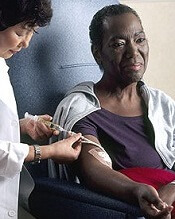
chemotherapy
Photo by Rhoda Baer
Malignant and non-malignant blood disorders cost 31 European countries a total of €23 billion in 2012, according to a pair of papers published in The Lancet Haematology.
Healthcare costs accounted for €16 billion of the total costs, with €7 billion for hospital inpatient care and €4 billion for medications.
Informal care (from friends and relatives) cost €1.6 billion, productivity losses due to mortality cost €2.5 billion, and morbidity cost €3 billion.
Researchers determined these figures by analyzing data from international health organizations (WHO and EUROSTAT), as well as national ministries of health and statistical institutes.
The team estimated the economic burden of malignant and non-malignant blood disorders in 2012 for all 28 countries in the European Union (EU), as well as Iceland, Norway, and Switzerland.
The costs considered were healthcare costs (primary care, accident and emergency care, hospital inpatient and outpatient care, and drugs), informal care costs (from friends and relatives), and productivity losses (due to premature death and people being unable to work due to illness).
Malignant blood disorders
In one paper, the researchers noted that the total economic cost of blood cancers to the 31 countries studied was €12 billion in 2012. Healthcare costs measured €7.3 billion (62% of total costs), productivity losses cost €3.6 billion (30%), and informal care cost €1 billion (8%).
In the 28 EU countries, blood cancers represented 8% of the total cancer costs (€143 billion), meaning that blood cancers are the fourth most expensive type of cancer after lung (15%), breast (12%), and colorectal (10%) cancers.
When considering healthcare costs alone, blood cancers were second only to breast cancers (12% vs 13% of healthcare costs for all cancers).
In 2012, blood cancers cost, on average, €14,674 per patient in the EU (€15,126 in all 31 countries), which is almost 2 times higher than the average cost per patient across all cancers (€7929 in the EU).
The researchers said this difference may be due to the longer length of hospital stay observed for patients with blood cancers (14 days, on average, compared to 8 days across all cancers).
Another potential reason is that blood cancers are increasingly treated with complex, long-term treatments (including stem cell transplants, multi-agent chemotherapy, and radiotherapy) and diagnosed via extensive procedures.
The costs of blood cancers varied widely between the countries studied, but the reasons for this were unclear. For instance, the average healthcare costs in Finland were nearly twice as high as in Belgium (€18,014 vs €9596), despite both countries having similar national income per capita.
Non-malignant blood disorders
In the other paper, the researchers said the total economic cost of non-malignant blood disorders to the 31 countries studied was €11 billion in 2012. Healthcare costs accounted for €8 billion (75% of total costs), productivity losses for €2 billion (19%), and informal care for €618 million (6%).
Averaged across the population studied, non-malignant blood disorders represented an annual healthcare cost of €159 per 10 citizens.
“Non-malignant blood disorders cost the European economy nearly as much as all blood cancers combined,” said Jose Leal, DPhil, of the University of Oxford in the UK.
“We found wide differences in the cost of treating blood disorders in different countries, likely linked to the significant differences in the access and delivery of care for patients with blood disorders. Our findings suggest there is a need to harmonize care of blood disorders across Europe in a cost-effective way.”
chemotherapy
Photo by Rhoda Baer
Malignant and non-malignant blood disorders cost 31 European countries a total of €23 billion in 2012, according to a pair of papers published in The Lancet Haematology.
Healthcare costs accounted for €16 billion of the total costs, with €7 billion for hospital inpatient care and €4 billion for medications.
Informal care (from friends and relatives) cost €1.6 billion, productivity losses due to mortality cost €2.5 billion, and morbidity cost €3 billion.
Researchers determined these figures by analyzing data from international health organizations (WHO and EUROSTAT), as well as national ministries of health and statistical institutes.
The team estimated the economic burden of malignant and non-malignant blood disorders in 2012 for all 28 countries in the European Union (EU), as well as Iceland, Norway, and Switzerland.
The costs considered were healthcare costs (primary care, accident and emergency care, hospital inpatient and outpatient care, and drugs), informal care costs (from friends and relatives), and productivity losses (due to premature death and people being unable to work due to illness).
Malignant blood disorders
In one paper, the researchers noted that the total economic cost of blood cancers to the 31 countries studied was €12 billion in 2012. Healthcare costs measured €7.3 billion (62% of total costs), productivity losses cost €3.6 billion (30%), and informal care cost €1 billion (8%).
In the 28 EU countries, blood cancers represented 8% of the total cancer costs (€143 billion), meaning that blood cancers are the fourth most expensive type of cancer after lung (15%), breast (12%), and colorectal (10%) cancers.
When considering healthcare costs alone, blood cancers were second only to breast cancers (12% vs 13% of healthcare costs for all cancers).
In 2012, blood cancers cost, on average, €14,674 per patient in the EU (€15,126 in all 31 countries), which is almost 2 times higher than the average cost per patient across all cancers (€7929 in the EU).
The researchers said this difference may be due to the longer length of hospital stay observed for patients with blood cancers (14 days, on average, compared to 8 days across all cancers).
Another potential reason is that blood cancers are increasingly treated with complex, long-term treatments (including stem cell transplants, multi-agent chemotherapy, and radiotherapy) and diagnosed via extensive procedures.
The costs of blood cancers varied widely between the countries studied, but the reasons for this were unclear. For instance, the average healthcare costs in Finland were nearly twice as high as in Belgium (€18,014 vs €9596), despite both countries having similar national income per capita.
Non-malignant blood disorders
In the other paper, the researchers said the total economic cost of non-malignant blood disorders to the 31 countries studied was €11 billion in 2012. Healthcare costs accounted for €8 billion (75% of total costs), productivity losses for €2 billion (19%), and informal care for €618 million (6%).
Averaged across the population studied, non-malignant blood disorders represented an annual healthcare cost of €159 per 10 citizens.
“Non-malignant blood disorders cost the European economy nearly as much as all blood cancers combined,” said Jose Leal, DPhil, of the University of Oxford in the UK.
“We found wide differences in the cost of treating blood disorders in different countries, likely linked to the significant differences in the access and delivery of care for patients with blood disorders. Our findings suggest there is a need to harmonize care of blood disorders across Europe in a cost-effective way.”
chemotherapy
Photo by Rhoda Baer
Malignant and non-malignant blood disorders cost 31 European countries a total of €23 billion in 2012, according to a pair of papers published in The Lancet Haematology.
Healthcare costs accounted for €16 billion of the total costs, with €7 billion for hospital inpatient care and €4 billion for medications.
Informal care (from friends and relatives) cost €1.6 billion, productivity losses due to mortality cost €2.5 billion, and morbidity cost €3 billion.
Researchers determined these figures by analyzing data from international health organizations (WHO and EUROSTAT), as well as national ministries of health and statistical institutes.
The team estimated the economic burden of malignant and non-malignant blood disorders in 2012 for all 28 countries in the European Union (EU), as well as Iceland, Norway, and Switzerland.
The costs considered were healthcare costs (primary care, accident and emergency care, hospital inpatient and outpatient care, and drugs), informal care costs (from friends and relatives), and productivity losses (due to premature death and people being unable to work due to illness).
Malignant blood disorders
In one paper, the researchers noted that the total economic cost of blood cancers to the 31 countries studied was €12 billion in 2012. Healthcare costs measured €7.3 billion (62% of total costs), productivity losses cost €3.6 billion (30%), and informal care cost €1 billion (8%).
In the 28 EU countries, blood cancers represented 8% of the total cancer costs (€143 billion), meaning that blood cancers are the fourth most expensive type of cancer after lung (15%), breast (12%), and colorectal (10%) cancers.
When considering healthcare costs alone, blood cancers were second only to breast cancers (12% vs 13% of healthcare costs for all cancers).
In 2012, blood cancers cost, on average, €14,674 per patient in the EU (€15,126 in all 31 countries), which is almost 2 times higher than the average cost per patient across all cancers (€7929 in the EU).
The researchers said this difference may be due to the longer length of hospital stay observed for patients with blood cancers (14 days, on average, compared to 8 days across all cancers).
Another potential reason is that blood cancers are increasingly treated with complex, long-term treatments (including stem cell transplants, multi-agent chemotherapy, and radiotherapy) and diagnosed via extensive procedures.
The costs of blood cancers varied widely between the countries studied, but the reasons for this were unclear. For instance, the average healthcare costs in Finland were nearly twice as high as in Belgium (€18,014 vs €9596), despite both countries having similar national income per capita.
Non-malignant blood disorders
In the other paper, the researchers said the total economic cost of non-malignant blood disorders to the 31 countries studied was €11 billion in 2012. Healthcare costs accounted for €8 billion (75% of total costs), productivity losses for €2 billion (19%), and informal care for €618 million (6%).
Averaged across the population studied, non-malignant blood disorders represented an annual healthcare cost of €159 per 10 citizens.
“Non-malignant blood disorders cost the European economy nearly as much as all blood cancers combined,” said Jose Leal, DPhil, of the University of Oxford in the UK.
“We found wide differences in the cost of treating blood disorders in different countries, likely linked to the significant differences in the access and delivery of care for patients with blood disorders. Our findings suggest there is a need to harmonize care of blood disorders across Europe in a cost-effective way.”
EC grants immunotherapy orphan designation
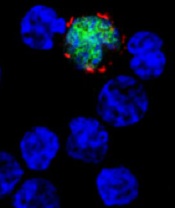
among uninfected cells (blue)
Image courtesy of
Benjamin Chaigne-Delalande
The European Commission (EC) has granted orphan drug designation for CMD-003 (baltaleucel-T) as a treatment for nasal type extranodal NK/T-cell lymphoma and post-transplant lymphoproliferative disorder.
CMD-003 consists of patient-derived T cells that have been activated to kill malignant cells expressing antigens associated with Epstein-Barr virus (EBV).
The T cells specifically target 4 EBV epitopes—LMP1, LMP2, EBNA, and BARF1.
CMD-003 is being developed by Cell Medica and the Baylor College of Medicine, with funding provided, in part, by the Cancer Prevention and Research Institute of Texas.
About orphan designation
Orphan designation from the EC provides regulatory and financial incentives for companies to develop and market therapies that treat a life-threatening or chronically debilitating condition affecting no more than 5 in 10,000 people in the European Union, and where no satisfactory treatment is available.
Orphan designation provides a 10-year period of marketing exclusivity in the European Union if the drug receives regulatory approval. The designation also provides incentives for companies seeking protocol assistance from the European Medicines Agency during the product development phase and direct access to the centralized authorization procedure.
CMD-003 also has orphan designation from the US Food and Drug Administration to treat all EBV-associated non-Hodgkin lymphomas.
CMD-003-related research
CMD-003 is currently under investigation in a phase 2 trial, CITADEL, for the treatment of advanced NK/T-cell lymphoma.
Researchers have not published results from any trials of CMD-003, but they have published results with EBV-specific T-cell products related to CMD-003.
In one study, published in the Journal of Clinical Oncology, researchers administered cytotoxic T lymphocytes (CTLs) in 50 patients with EBV-associated Hodgkin or non-Hodgkin lymphoma.
Twenty-nine of the patients were in remission when they received CTL infusions, but they were at a high risk of relapse. The remaining 21 patients had relapsed or refractory disease at the time of CTL infusion.
Twenty-seven of the patients who received CTLs as an adjuvant treatment remained in remission at 3.1 years after treatment.
Their 2-year event-free survival rate was 82%. None of the patients died of lymphoma, but 9 died from complications associated with the chemotherapy and radiation they had received.
Of the 21 patients with relapsed or refractory disease, 13 responded to CTL infusions, and 11 patients achieved a complete response. In this group, the 2-year event-free survival rate was about 50%.
The researchers said there were no toxicities that were definitively related to CTL infusion.
One patient had central nervous system deterioration 2 weeks after infusion. This was attributed to disease progression but could possibly have been treatment-related.
Another patient developed respiratory complications about 4 weeks after a second CTL infusion that may have been treatment-related. However, the researchers attributed it to an intercurrent infection, and the patient made a complete recovery.
among uninfected cells (blue)
Image courtesy of
Benjamin Chaigne-Delalande
The European Commission (EC) has granted orphan drug designation for CMD-003 (baltaleucel-T) as a treatment for nasal type extranodal NK/T-cell lymphoma and post-transplant lymphoproliferative disorder.
CMD-003 consists of patient-derived T cells that have been activated to kill malignant cells expressing antigens associated with Epstein-Barr virus (EBV).
The T cells specifically target 4 EBV epitopes—LMP1, LMP2, EBNA, and BARF1.
CMD-003 is being developed by Cell Medica and the Baylor College of Medicine, with funding provided, in part, by the Cancer Prevention and Research Institute of Texas.
About orphan designation
Orphan designation from the EC provides regulatory and financial incentives for companies to develop and market therapies that treat a life-threatening or chronically debilitating condition affecting no more than 5 in 10,000 people in the European Union, and where no satisfactory treatment is available.
Orphan designation provides a 10-year period of marketing exclusivity in the European Union if the drug receives regulatory approval. The designation also provides incentives for companies seeking protocol assistance from the European Medicines Agency during the product development phase and direct access to the centralized authorization procedure.
CMD-003 also has orphan designation from the US Food and Drug Administration to treat all EBV-associated non-Hodgkin lymphomas.
CMD-003-related research
CMD-003 is currently under investigation in a phase 2 trial, CITADEL, for the treatment of advanced NK/T-cell lymphoma.
Researchers have not published results from any trials of CMD-003, but they have published results with EBV-specific T-cell products related to CMD-003.
In one study, published in the Journal of Clinical Oncology, researchers administered cytotoxic T lymphocytes (CTLs) in 50 patients with EBV-associated Hodgkin or non-Hodgkin lymphoma.
Twenty-nine of the patients were in remission when they received CTL infusions, but they were at a high risk of relapse. The remaining 21 patients had relapsed or refractory disease at the time of CTL infusion.
Twenty-seven of the patients who received CTLs as an adjuvant treatment remained in remission at 3.1 years after treatment.
Their 2-year event-free survival rate was 82%. None of the patients died of lymphoma, but 9 died from complications associated with the chemotherapy and radiation they had received.
Of the 21 patients with relapsed or refractory disease, 13 responded to CTL infusions, and 11 patients achieved a complete response. In this group, the 2-year event-free survival rate was about 50%.
The researchers said there were no toxicities that were definitively related to CTL infusion.
One patient had central nervous system deterioration 2 weeks after infusion. This was attributed to disease progression but could possibly have been treatment-related.
Another patient developed respiratory complications about 4 weeks after a second CTL infusion that may have been treatment-related. However, the researchers attributed it to an intercurrent infection, and the patient made a complete recovery.
among uninfected cells (blue)
Image courtesy of
Benjamin Chaigne-Delalande
The European Commission (EC) has granted orphan drug designation for CMD-003 (baltaleucel-T) as a treatment for nasal type extranodal NK/T-cell lymphoma and post-transplant lymphoproliferative disorder.
CMD-003 consists of patient-derived T cells that have been activated to kill malignant cells expressing antigens associated with Epstein-Barr virus (EBV).
The T cells specifically target 4 EBV epitopes—LMP1, LMP2, EBNA, and BARF1.
CMD-003 is being developed by Cell Medica and the Baylor College of Medicine, with funding provided, in part, by the Cancer Prevention and Research Institute of Texas.
About orphan designation
Orphan designation from the EC provides regulatory and financial incentives for companies to develop and market therapies that treat a life-threatening or chronically debilitating condition affecting no more than 5 in 10,000 people in the European Union, and where no satisfactory treatment is available.
Orphan designation provides a 10-year period of marketing exclusivity in the European Union if the drug receives regulatory approval. The designation also provides incentives for companies seeking protocol assistance from the European Medicines Agency during the product development phase and direct access to the centralized authorization procedure.
CMD-003 also has orphan designation from the US Food and Drug Administration to treat all EBV-associated non-Hodgkin lymphomas.
CMD-003-related research
CMD-003 is currently under investigation in a phase 2 trial, CITADEL, for the treatment of advanced NK/T-cell lymphoma.
Researchers have not published results from any trials of CMD-003, but they have published results with EBV-specific T-cell products related to CMD-003.
In one study, published in the Journal of Clinical Oncology, researchers administered cytotoxic T lymphocytes (CTLs) in 50 patients with EBV-associated Hodgkin or non-Hodgkin lymphoma.
Twenty-nine of the patients were in remission when they received CTL infusions, but they were at a high risk of relapse. The remaining 21 patients had relapsed or refractory disease at the time of CTL infusion.
Twenty-seven of the patients who received CTLs as an adjuvant treatment remained in remission at 3.1 years after treatment.
Their 2-year event-free survival rate was 82%. None of the patients died of lymphoma, but 9 died from complications associated with the chemotherapy and radiation they had received.
Of the 21 patients with relapsed or refractory disease, 13 responded to CTL infusions, and 11 patients achieved a complete response. In this group, the 2-year event-free survival rate was about 50%.
The researchers said there were no toxicities that were definitively related to CTL infusion.
One patient had central nervous system deterioration 2 weeks after infusion. This was attributed to disease progression but could possibly have been treatment-related.
Another patient developed respiratory complications about 4 weeks after a second CTL infusion that may have been treatment-related. However, the researchers attributed it to an intercurrent infection, and the patient made a complete recovery.
Early VTE prophylaxis better for sTBI, team says

Results of an observational study support early initiation of venous thromboembolism (VTE) prophylaxis in patients with severe traumatic brain injury (sTBI).
The research suggests that starting anticoagulant therapy within 72 hours of hospital arrival significantly lowers the risk of deep vein thrombosis (DVT) and pulmonary embolism (PE) in patients with sTBI, without increasing the risk of bleeding complications or death.
These results were published in the Journal of the American College of Surgeons.
“Physicians have traditionally been hesitant to initiate pharmacological blood clot prophylaxis early in patients with severe brain injuries because, while thinning the blood might prevent PE and DVT, it might also increase the risk of complications related to worsening intracranial hemorrhage,” said study author James P. Byrne, MD, of the University of Toronto in Ontario, Canada.
“We performed this study because there wasn’t clear evidence that starting prophylaxis early actually prevented blood clots, or whether this benefit would outweigh the risk of complications from intracranial hemorrhage. Current evidence-based guidelines don’t address the optimal timing for starting prophylaxis in patients with severe TBI.”
The researchers looked at data on 3634 adult patients with sTBI who were treated at 186 trauma centers participating in the American College of Surgeons Trauma Quality Improvement Program. The patients received VTE prophylaxis with either low-molecular-weight heparin or unfractionated heparin between 2012 and 2014.
The researchers divided patients into 2 groups: early prophylaxis (started within 72 hours of hospital arrival) or late prophylaxis (started after 72 hours). The primary outcomes were PE or DVT. The secondary outcomes were late neurosurgical interventions (performed after 72 hours) and in-hospital death.
The team used propensity-score matching to emulate the design of a randomized, controlled trial and minimize selection bias. This method took into account a large set of patient baseline and injury factors, and yielded a cohort of 2468 patients. Outcomes were then compared between early and late prophylaxis groups.
Results
The researchers found that early VTE prophylaxis was associated with significantly lower rates of PE (adjusted odds ratio [aOR]=0.48; 95% CI 0.25–0.91) and DVT (aOR=0.51; 95% CI 0.36–0.72) than late prophylaxis.
“No previous study has shown that patients who receive early prophylaxis have lower rates of pulmonary embolism, which is important because this complication is a potentially fatal one,” Dr Byrne noted.
“We also found that trauma centers that most frequently used early prophylaxis in their patients had significantly lower rates of deep vein thrombosis, compared with counterparts where fewer patients received early prophylaxis, with no difference in rates of late neurosurgical intervention or mortality.”
Specifically, there was no significant difference between early prophylaxis and late prophylaxis groups with respect to rates of in-hospital mortality (aOR=1.10; 95% CI 0.84–1.45) or late neurosurgical interventions, including craniotomy/craniectomy (aOR=0.86; 95% CI 0.53–1.40) and intracranial monitor (aOR=0.76; 95% CI 0.37–1.58).
The researchers said this is the largest study to date comparing the effectiveness and safety of early versus late VTE prophylaxis in patients with sTBI.
A limitation of this study was the fact that statistical methods could not account for confounding factors that were not measured in the study dataset. One such factor was changes in patterns of intracranial hemorrhage on head CT scan, which would influence physician decision-making.
“The takeaway message is that early prophylaxis really does matter in patients with severe traumatic brain injury, in terms of reducing a patient’s risk of pulmonary embolism or deep vein thrombosis,” Dr Byrne said.
“Our findings suggest that this is possible without increasing the risk of the most feared complications, such as the need to take a patient to the operating room to evacuate intracranial hemorrhage or death. In other words, it’s possible to prevent PE or DVT with early prophylaxis, without putting patients at risk of bad outcomes, and we should be striving to achieve this.”
Results of an observational study support early initiation of venous thromboembolism (VTE) prophylaxis in patients with severe traumatic brain injury (sTBI).
The research suggests that starting anticoagulant therapy within 72 hours of hospital arrival significantly lowers the risk of deep vein thrombosis (DVT) and pulmonary embolism (PE) in patients with sTBI, without increasing the risk of bleeding complications or death.
These results were published in the Journal of the American College of Surgeons.
“Physicians have traditionally been hesitant to initiate pharmacological blood clot prophylaxis early in patients with severe brain injuries because, while thinning the blood might prevent PE and DVT, it might also increase the risk of complications related to worsening intracranial hemorrhage,” said study author James P. Byrne, MD, of the University of Toronto in Ontario, Canada.
“We performed this study because there wasn’t clear evidence that starting prophylaxis early actually prevented blood clots, or whether this benefit would outweigh the risk of complications from intracranial hemorrhage. Current evidence-based guidelines don’t address the optimal timing for starting prophylaxis in patients with severe TBI.”
The researchers looked at data on 3634 adult patients with sTBI who were treated at 186 trauma centers participating in the American College of Surgeons Trauma Quality Improvement Program. The patients received VTE prophylaxis with either low-molecular-weight heparin or unfractionated heparin between 2012 and 2014.
The researchers divided patients into 2 groups: early prophylaxis (started within 72 hours of hospital arrival) or late prophylaxis (started after 72 hours). The primary outcomes were PE or DVT. The secondary outcomes were late neurosurgical interventions (performed after 72 hours) and in-hospital death.
The team used propensity-score matching to emulate the design of a randomized, controlled trial and minimize selection bias. This method took into account a large set of patient baseline and injury factors, and yielded a cohort of 2468 patients. Outcomes were then compared between early and late prophylaxis groups.
Results
The researchers found that early VTE prophylaxis was associated with significantly lower rates of PE (adjusted odds ratio [aOR]=0.48; 95% CI 0.25–0.91) and DVT (aOR=0.51; 95% CI 0.36–0.72) than late prophylaxis.
“No previous study has shown that patients who receive early prophylaxis have lower rates of pulmonary embolism, which is important because this complication is a potentially fatal one,” Dr Byrne noted.
“We also found that trauma centers that most frequently used early prophylaxis in their patients had significantly lower rates of deep vein thrombosis, compared with counterparts where fewer patients received early prophylaxis, with no difference in rates of late neurosurgical intervention or mortality.”
Specifically, there was no significant difference between early prophylaxis and late prophylaxis groups with respect to rates of in-hospital mortality (aOR=1.10; 95% CI 0.84–1.45) or late neurosurgical interventions, including craniotomy/craniectomy (aOR=0.86; 95% CI 0.53–1.40) and intracranial monitor (aOR=0.76; 95% CI 0.37–1.58).
The researchers said this is the largest study to date comparing the effectiveness and safety of early versus late VTE prophylaxis in patients with sTBI.
A limitation of this study was the fact that statistical methods could not account for confounding factors that were not measured in the study dataset. One such factor was changes in patterns of intracranial hemorrhage on head CT scan, which would influence physician decision-making.
“The takeaway message is that early prophylaxis really does matter in patients with severe traumatic brain injury, in terms of reducing a patient’s risk of pulmonary embolism or deep vein thrombosis,” Dr Byrne said.
“Our findings suggest that this is possible without increasing the risk of the most feared complications, such as the need to take a patient to the operating room to evacuate intracranial hemorrhage or death. In other words, it’s possible to prevent PE or DVT with early prophylaxis, without putting patients at risk of bad outcomes, and we should be striving to achieve this.”
Results of an observational study support early initiation of venous thromboembolism (VTE) prophylaxis in patients with severe traumatic brain injury (sTBI).
The research suggests that starting anticoagulant therapy within 72 hours of hospital arrival significantly lowers the risk of deep vein thrombosis (DVT) and pulmonary embolism (PE) in patients with sTBI, without increasing the risk of bleeding complications or death.
These results were published in the Journal of the American College of Surgeons.
“Physicians have traditionally been hesitant to initiate pharmacological blood clot prophylaxis early in patients with severe brain injuries because, while thinning the blood might prevent PE and DVT, it might also increase the risk of complications related to worsening intracranial hemorrhage,” said study author James P. Byrne, MD, of the University of Toronto in Ontario, Canada.
“We performed this study because there wasn’t clear evidence that starting prophylaxis early actually prevented blood clots, or whether this benefit would outweigh the risk of complications from intracranial hemorrhage. Current evidence-based guidelines don’t address the optimal timing for starting prophylaxis in patients with severe TBI.”
The researchers looked at data on 3634 adult patients with sTBI who were treated at 186 trauma centers participating in the American College of Surgeons Trauma Quality Improvement Program. The patients received VTE prophylaxis with either low-molecular-weight heparin or unfractionated heparin between 2012 and 2014.
The researchers divided patients into 2 groups: early prophylaxis (started within 72 hours of hospital arrival) or late prophylaxis (started after 72 hours). The primary outcomes were PE or DVT. The secondary outcomes were late neurosurgical interventions (performed after 72 hours) and in-hospital death.
The team used propensity-score matching to emulate the design of a randomized, controlled trial and minimize selection bias. This method took into account a large set of patient baseline and injury factors, and yielded a cohort of 2468 patients. Outcomes were then compared between early and late prophylaxis groups.
Results
The researchers found that early VTE prophylaxis was associated with significantly lower rates of PE (adjusted odds ratio [aOR]=0.48; 95% CI 0.25–0.91) and DVT (aOR=0.51; 95% CI 0.36–0.72) than late prophylaxis.
“No previous study has shown that patients who receive early prophylaxis have lower rates of pulmonary embolism, which is important because this complication is a potentially fatal one,” Dr Byrne noted.
“We also found that trauma centers that most frequently used early prophylaxis in their patients had significantly lower rates of deep vein thrombosis, compared with counterparts where fewer patients received early prophylaxis, with no difference in rates of late neurosurgical intervention or mortality.”
Specifically, there was no significant difference between early prophylaxis and late prophylaxis groups with respect to rates of in-hospital mortality (aOR=1.10; 95% CI 0.84–1.45) or late neurosurgical interventions, including craniotomy/craniectomy (aOR=0.86; 95% CI 0.53–1.40) and intracranial monitor (aOR=0.76; 95% CI 0.37–1.58).
The researchers said this is the largest study to date comparing the effectiveness and safety of early versus late VTE prophylaxis in patients with sTBI.
A limitation of this study was the fact that statistical methods could not account for confounding factors that were not measured in the study dataset. One such factor was changes in patterns of intracranial hemorrhage on head CT scan, which would influence physician decision-making.
“The takeaway message is that early prophylaxis really does matter in patients with severe traumatic brain injury, in terms of reducing a patient’s risk of pulmonary embolism or deep vein thrombosis,” Dr Byrne said.
“Our findings suggest that this is possible without increasing the risk of the most feared complications, such as the need to take a patient to the operating room to evacuate intracranial hemorrhage or death. In other words, it’s possible to prevent PE or DVT with early prophylaxis, without putting patients at risk of bad outcomes, and we should be striving to achieve this.”