User login
AVAHO
div[contains(@class, 'header__large-screen')]
div[contains(@class, 'read-next-article')]
div[contains(@class, 'nav-primary')]
nav[contains(@class, 'nav-primary')]
section[contains(@class, 'footer-nav-section-wrapper')]
footer[@id='footer']
div[contains(@class, 'main-prefix')]
section[contains(@class, 'nav-hidden')]
div[contains(@class, 'ce-card-content')]
nav[contains(@class, 'nav-ce-stack')]

Concurrent Care Hospice: Tales from Minneapolis
Background: Concurrent care hospice allows veterans to have both disease-modifying therapy, such as chemotherapy, and hospice care. While available nationally since the VA Comprehensive End-of-Life Care Initiative 2009-2012, it has not been implemented uniformly. The palliative care team at the Minneapolis VA began to actively promote concurrent care in July of 2018. Our team includes three physicians, one nurse practitioner, social worker, hospice nurse coordinator, palliative RN, chaplain, and oncology clinical nurse specialist. We hope to share what we have learned as an interdisciplinary team and how we will continue to promote concurrent care going forward.
Results: To date, 38 patients have enrolled in concurrent care hospice through 13 hospice agencies. By chart review, we found that most patients have died (22/38 enrolled). The average length of time to death from the initial enrollment with concurrent care hospice was just over 60 days, while the average for usual hospice cancer patients is about 50 days. Two patients enrolled longer than 6 months are still living. Most patients died at home or a nursing home (19/22) while 2 died in our CLC and 1 at our inpatient hospital.
Discussion: We have identified several barriers to enrollment. Hospices have expressed concern that concurrent care is not consistent with the philosophy of hospice care and may result in withheld Medicare payments. Our hospice coordinator has invested a significant amount of time educating hospices and establishing relationships. Several agencies have declined to enroll these patients and for agencies accepting patients, the review process is more rigorous and time-consuming. Internally, our biggest partners are in oncology. We had the opportunity to present our initial data and rationale for concurrent care at a monthly oncology staff meeting. While many staff saw the benefit of adding hospice support, several physicians expressed concern that hospice patients will not receive proper medical attention for chemotherapy- related side effects. We discussed communication as the best tool to help veterans and hospice agencies understand the needs of concurrent care patients. Going forward, we hope that concurrent care becomes a normal, utilized component of best practice for our veterans.
Background: Concurrent care hospice allows veterans to have both disease-modifying therapy, such as chemotherapy, and hospice care. While available nationally since the VA Comprehensive End-of-Life Care Initiative 2009-2012, it has not been implemented uniformly. The palliative care team at the Minneapolis VA began to actively promote concurrent care in July of 2018. Our team includes three physicians, one nurse practitioner, social worker, hospice nurse coordinator, palliative RN, chaplain, and oncology clinical nurse specialist. We hope to share what we have learned as an interdisciplinary team and how we will continue to promote concurrent care going forward.
Results: To date, 38 patients have enrolled in concurrent care hospice through 13 hospice agencies. By chart review, we found that most patients have died (22/38 enrolled). The average length of time to death from the initial enrollment with concurrent care hospice was just over 60 days, while the average for usual hospice cancer patients is about 50 days. Two patients enrolled longer than 6 months are still living. Most patients died at home or a nursing home (19/22) while 2 died in our CLC and 1 at our inpatient hospital.
Discussion: We have identified several barriers to enrollment. Hospices have expressed concern that concurrent care is not consistent with the philosophy of hospice care and may result in withheld Medicare payments. Our hospice coordinator has invested a significant amount of time educating hospices and establishing relationships. Several agencies have declined to enroll these patients and for agencies accepting patients, the review process is more rigorous and time-consuming. Internally, our biggest partners are in oncology. We had the opportunity to present our initial data and rationale for concurrent care at a monthly oncology staff meeting. While many staff saw the benefit of adding hospice support, several physicians expressed concern that hospice patients will not receive proper medical attention for chemotherapy- related side effects. We discussed communication as the best tool to help veterans and hospice agencies understand the needs of concurrent care patients. Going forward, we hope that concurrent care becomes a normal, utilized component of best practice for our veterans.
Background: Concurrent care hospice allows veterans to have both disease-modifying therapy, such as chemotherapy, and hospice care. While available nationally since the VA Comprehensive End-of-Life Care Initiative 2009-2012, it has not been implemented uniformly. The palliative care team at the Minneapolis VA began to actively promote concurrent care in July of 2018. Our team includes three physicians, one nurse practitioner, social worker, hospice nurse coordinator, palliative RN, chaplain, and oncology clinical nurse specialist. We hope to share what we have learned as an interdisciplinary team and how we will continue to promote concurrent care going forward.
Results: To date, 38 patients have enrolled in concurrent care hospice through 13 hospice agencies. By chart review, we found that most patients have died (22/38 enrolled). The average length of time to death from the initial enrollment with concurrent care hospice was just over 60 days, while the average for usual hospice cancer patients is about 50 days. Two patients enrolled longer than 6 months are still living. Most patients died at home or a nursing home (19/22) while 2 died in our CLC and 1 at our inpatient hospital.
Discussion: We have identified several barriers to enrollment. Hospices have expressed concern that concurrent care is not consistent with the philosophy of hospice care and may result in withheld Medicare payments. Our hospice coordinator has invested a significant amount of time educating hospices and establishing relationships. Several agencies have declined to enroll these patients and for agencies accepting patients, the review process is more rigorous and time-consuming. Internally, our biggest partners are in oncology. We had the opportunity to present our initial data and rationale for concurrent care at a monthly oncology staff meeting. While many staff saw the benefit of adding hospice support, several physicians expressed concern that hospice patients will not receive proper medical attention for chemotherapy- related side effects. We discussed communication as the best tool to help veterans and hospice agencies understand the needs of concurrent care patients. Going forward, we hope that concurrent care becomes a normal, utilized component of best practice for our veterans.
Abstracts Presented at the 2019 AVAHO Annual Meeting (Digital Edition)
New IASLC declaration targets tobacco use among cancer patients
BARCELONA – All cancer patients should be screened for tobacco use and advised about the benefits of tobacco cessation, and evidence-based tobacco cessation assistance should be provided to those who continue using tobacco, according to a new declaration from the International Association for the Study of Lung Cancer (IASLC).

Such assistance should be “routinely and integrally incorporated into multidisciplinary cancer care for the patients and their family members,” according to the declaration, which was developed by the IASLC Tobacco Control and Smoking Cessation Committee in part to increase physician involvement in tobacco control and was officially released at the World Conference on Lung Cancer.
“The consequences of smoking continuation by cancer patients and cancer survivors are many,” presenting author Jacek Jassem, MD, PhD, professor and head of the department of oncology and radiotherapy at the Medical University of Gdansk (Poland), said during a press conference at the meeting, which is sponsored by the IASLC.
Smoking after a cancer diagnosis increases cancer-related and overall mortality, the risk of developing additional cancers, and the risk of treatment toxicity, he explained.
“And of course [continued smoking is] associated with much higher treatment costs, mostly due to complications,” he added.
The IASLC addresses both the challenges and opportunities associated with tobacco cessation, including the fact that most cancer patients who smoke continue to do so during and after treatment and that health care providers often don’t provide patients with cessation assistance to help them quit.
In addition to the screening and tobacco cessation assistance recommendations, the declaration also states the following:
- Educational programs regarding cancer management should include tobacco cessation training, empathetic communication around the history of tobacco use and cessation, and utilization of existing evidence-based tobacco cessation resources.
- Smoking cessation counseling and treatment should be a reimbursable service.
- Smoking status, both initially and during the study, should be a required data element for all prospective clinical studies.
- Clinical trials of patients with cancer should consider designs that could also determine the most effective tobacco cessation interventions.
Dr. Jassem is on the speakers bureau for MSD, Takeda, BMS, Astra-Zeneca, and Pfizer.
BARCELONA – All cancer patients should be screened for tobacco use and advised about the benefits of tobacco cessation, and evidence-based tobacco cessation assistance should be provided to those who continue using tobacco, according to a new declaration from the International Association for the Study of Lung Cancer (IASLC).
Such assistance should be “routinely and integrally incorporated into multidisciplinary cancer care for the patients and their family members,” according to the declaration, which was developed by the IASLC Tobacco Control and Smoking Cessation Committee in part to increase physician involvement in tobacco control and was officially released at the World Conference on Lung Cancer.
“The consequences of smoking continuation by cancer patients and cancer survivors are many,” presenting author Jacek Jassem, MD, PhD, professor and head of the department of oncology and radiotherapy at the Medical University of Gdansk (Poland), said during a press conference at the meeting, which is sponsored by the IASLC.
Smoking after a cancer diagnosis increases cancer-related and overall mortality, the risk of developing additional cancers, and the risk of treatment toxicity, he explained.
“And of course [continued smoking is] associated with much higher treatment costs, mostly due to complications,” he added.
The IASLC addresses both the challenges and opportunities associated with tobacco cessation, including the fact that most cancer patients who smoke continue to do so during and after treatment and that health care providers often don’t provide patients with cessation assistance to help them quit.
In addition to the screening and tobacco cessation assistance recommendations, the declaration also states the following:
- Educational programs regarding cancer management should include tobacco cessation training, empathetic communication around the history of tobacco use and cessation, and utilization of existing evidence-based tobacco cessation resources.
- Smoking cessation counseling and treatment should be a reimbursable service.
- Smoking status, both initially and during the study, should be a required data element for all prospective clinical studies.
- Clinical trials of patients with cancer should consider designs that could also determine the most effective tobacco cessation interventions.
Dr. Jassem is on the speakers bureau for MSD, Takeda, BMS, Astra-Zeneca, and Pfizer.
BARCELONA – All cancer patients should be screened for tobacco use and advised about the benefits of tobacco cessation, and evidence-based tobacco cessation assistance should be provided to those who continue using tobacco, according to a new declaration from the International Association for the Study of Lung Cancer (IASLC).
Such assistance should be “routinely and integrally incorporated into multidisciplinary cancer care for the patients and their family members,” according to the declaration, which was developed by the IASLC Tobacco Control and Smoking Cessation Committee in part to increase physician involvement in tobacco control and was officially released at the World Conference on Lung Cancer.
“The consequences of smoking continuation by cancer patients and cancer survivors are many,” presenting author Jacek Jassem, MD, PhD, professor and head of the department of oncology and radiotherapy at the Medical University of Gdansk (Poland), said during a press conference at the meeting, which is sponsored by the IASLC.
Smoking after a cancer diagnosis increases cancer-related and overall mortality, the risk of developing additional cancers, and the risk of treatment toxicity, he explained.
“And of course [continued smoking is] associated with much higher treatment costs, mostly due to complications,” he added.
The IASLC addresses both the challenges and opportunities associated with tobacco cessation, including the fact that most cancer patients who smoke continue to do so during and after treatment and that health care providers often don’t provide patients with cessation assistance to help them quit.
In addition to the screening and tobacco cessation assistance recommendations, the declaration also states the following:
- Educational programs regarding cancer management should include tobacco cessation training, empathetic communication around the history of tobacco use and cessation, and utilization of existing evidence-based tobacco cessation resources.
- Smoking cessation counseling and treatment should be a reimbursable service.
- Smoking status, both initially and during the study, should be a required data element for all prospective clinical studies.
- Clinical trials of patients with cancer should consider designs that could also determine the most effective tobacco cessation interventions.
Dr. Jassem is on the speakers bureau for MSD, Takeda, BMS, Astra-Zeneca, and Pfizer.
REPORTING FROM WCLC 2019

Rituximab, bendamustine look better than chemo alone in MCL
In older patients with newly diagnosed mantle cell lymphoma (MCL), first-line therapy with rituximab- and bendamustine-based regimens significantly reduced 1-year mortality rates versus chemotherapy alone, according to a retrospective analysis.
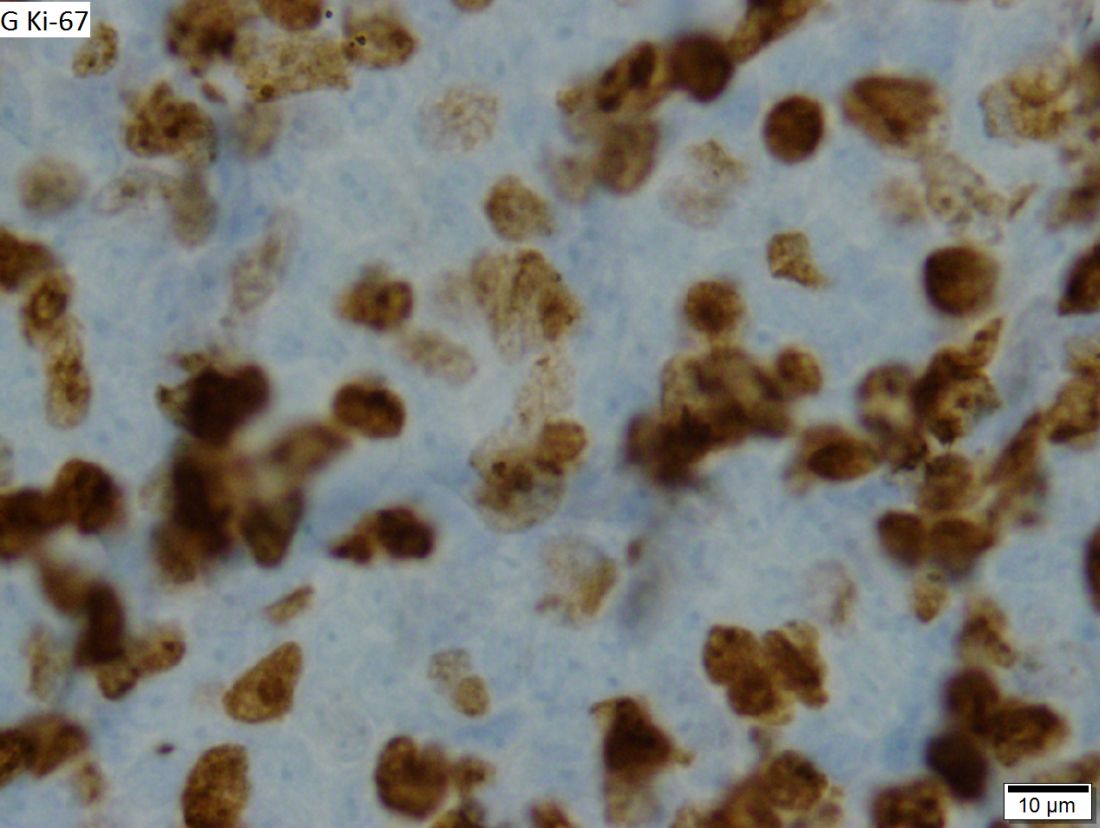
“This study evaluated the comparative effectiveness of [rituximab, bortezomib, or bendamustine] in elderly patients newly diagnosed with MCL,” wrote Shuangshuang Fu, PhD, of the University of Texas MD Anderson Cancer Center, Houston, and colleagues. The findings were reported in Clinical Lymphoma, Myeloma & Leukemia.
The researchers studied population-based data from the Surveillance, Epidemiology, and End Results (SEER)-Medicare linked database. They identified all patients over age 65 years who received a new diagnosis of MCL between Jan. 1, 1999, and Dec. 31, 2013.
The study cohort included a total of 1,215 patients. Participants were classified into four different groups according to treatment regimen: chemotherapy alone, rituximab plus or minus chemotherapy, bendamustine plus or minus chemotherapy, and bortezomib plus or minus chemotherapy.
At 1-year follow-up, the team analyzed various mortality outcomes, including MCL-specific, all-cause, and noncancer mortality. The bortezomib results were not included in the primary analysis because of small sample size, according to the researchers.
After multivariable analysis, Dr. Fu and colleagues found that 1-year all-cause mortality rate was significantly lower for patients receiving rituximab-based regimens, compared with chemotherapy alone (hazard ratio, 0.38; 95% confidence interval, 0.25-0.59). There was a similar decline for MCL-specific mortality (HR, 0.38; 95% CI, 0.24-0.60).
The 1-year MCL-specific mortality was also significantly reduced in the bendamustine group, compared with chemotherapy alone (HR, 0.49; 95% CI, 0.24-0.99).
“Our findings comparing rituximab with chemotherapy alone further confirmed the benefit of adding rituximab to chemotherapy in newly diagnosed older MCL patients,” they wrote.
The researchers acknowledged that a key limitation of the study was the observational design. As a result, selection bias and unmeasured confounding could have influenced the results.
“Future studies evaluating the comparative effectiveness of those newly approved novel agents for MCL patients were warranted as more data are available,” they concluded.
The study was funded by the Duncan Family Institute, the Cancer Prevention Research Institute of Texas, and the National Institutes of Health. The authors reported having no conflicts of interest.
SOURCE: Fu S et al. Clin Lymphoma Myeloma Leuk. 2019 Aug 30. doi: 10.1016/j.clml.2019.08.014.
In older patients with newly diagnosed mantle cell lymphoma (MCL), first-line therapy with rituximab- and bendamustine-based regimens significantly reduced 1-year mortality rates versus chemotherapy alone, according to a retrospective analysis.
“This study evaluated the comparative effectiveness of [rituximab, bortezomib, or bendamustine] in elderly patients newly diagnosed with MCL,” wrote Shuangshuang Fu, PhD, of the University of Texas MD Anderson Cancer Center, Houston, and colleagues. The findings were reported in Clinical Lymphoma, Myeloma & Leukemia.
The researchers studied population-based data from the Surveillance, Epidemiology, and End Results (SEER)-Medicare linked database. They identified all patients over age 65 years who received a new diagnosis of MCL between Jan. 1, 1999, and Dec. 31, 2013.
The study cohort included a total of 1,215 patients. Participants were classified into four different groups according to treatment regimen: chemotherapy alone, rituximab plus or minus chemotherapy, bendamustine plus or minus chemotherapy, and bortezomib plus or minus chemotherapy.
At 1-year follow-up, the team analyzed various mortality outcomes, including MCL-specific, all-cause, and noncancer mortality. The bortezomib results were not included in the primary analysis because of small sample size, according to the researchers.
After multivariable analysis, Dr. Fu and colleagues found that 1-year all-cause mortality rate was significantly lower for patients receiving rituximab-based regimens, compared with chemotherapy alone (hazard ratio, 0.38; 95% confidence interval, 0.25-0.59). There was a similar decline for MCL-specific mortality (HR, 0.38; 95% CI, 0.24-0.60).
The 1-year MCL-specific mortality was also significantly reduced in the bendamustine group, compared with chemotherapy alone (HR, 0.49; 95% CI, 0.24-0.99).
“Our findings comparing rituximab with chemotherapy alone further confirmed the benefit of adding rituximab to chemotherapy in newly diagnosed older MCL patients,” they wrote.
The researchers acknowledged that a key limitation of the study was the observational design. As a result, selection bias and unmeasured confounding could have influenced the results.
“Future studies evaluating the comparative effectiveness of those newly approved novel agents for MCL patients were warranted as more data are available,” they concluded.
The study was funded by the Duncan Family Institute, the Cancer Prevention Research Institute of Texas, and the National Institutes of Health. The authors reported having no conflicts of interest.
SOURCE: Fu S et al. Clin Lymphoma Myeloma Leuk. 2019 Aug 30. doi: 10.1016/j.clml.2019.08.014.
In older patients with newly diagnosed mantle cell lymphoma (MCL), first-line therapy with rituximab- and bendamustine-based regimens significantly reduced 1-year mortality rates versus chemotherapy alone, according to a retrospective analysis.
“This study evaluated the comparative effectiveness of [rituximab, bortezomib, or bendamustine] in elderly patients newly diagnosed with MCL,” wrote Shuangshuang Fu, PhD, of the University of Texas MD Anderson Cancer Center, Houston, and colleagues. The findings were reported in Clinical Lymphoma, Myeloma & Leukemia.
The researchers studied population-based data from the Surveillance, Epidemiology, and End Results (SEER)-Medicare linked database. They identified all patients over age 65 years who received a new diagnosis of MCL between Jan. 1, 1999, and Dec. 31, 2013.
The study cohort included a total of 1,215 patients. Participants were classified into four different groups according to treatment regimen: chemotherapy alone, rituximab plus or minus chemotherapy, bendamustine plus or minus chemotherapy, and bortezomib plus or minus chemotherapy.
At 1-year follow-up, the team analyzed various mortality outcomes, including MCL-specific, all-cause, and noncancer mortality. The bortezomib results were not included in the primary analysis because of small sample size, according to the researchers.
After multivariable analysis, Dr. Fu and colleagues found that 1-year all-cause mortality rate was significantly lower for patients receiving rituximab-based regimens, compared with chemotherapy alone (hazard ratio, 0.38; 95% confidence interval, 0.25-0.59). There was a similar decline for MCL-specific mortality (HR, 0.38; 95% CI, 0.24-0.60).
The 1-year MCL-specific mortality was also significantly reduced in the bendamustine group, compared with chemotherapy alone (HR, 0.49; 95% CI, 0.24-0.99).
“Our findings comparing rituximab with chemotherapy alone further confirmed the benefit of adding rituximab to chemotherapy in newly diagnosed older MCL patients,” they wrote.
The researchers acknowledged that a key limitation of the study was the observational design. As a result, selection bias and unmeasured confounding could have influenced the results.
“Future studies evaluating the comparative effectiveness of those newly approved novel agents for MCL patients were warranted as more data are available,” they concluded.
The study was funded by the Duncan Family Institute, the Cancer Prevention Research Institute of Texas, and the National Institutes of Health. The authors reported having no conflicts of interest.
SOURCE: Fu S et al. Clin Lymphoma Myeloma Leuk. 2019 Aug 30. doi: 10.1016/j.clml.2019.08.014.
FROM CLINICAL LYMPHOMA, MYELOMA & LEUKEMIA
Cancer Survivorship Clinic Utilizing an NP-led Model With Oncology Fellows
Background: Cancer survivors face unique posttreatment issues and require ongoing follow-up care. Per Commission on Cancer (CoC) and other cancer organizations, a survivorship care plan including a treatment summary and follow-up plan is standard of care. There are significant barriers to implementation of survivorship care plans due to the resources required. Our facility lacked a process to implement survivorship care plans. A need to expand clinical experiences for oncology fellows across the care continuum was also identified.
Methods: Researched existing private sector and VA models of providing cancer survivorship care. Analyzed literature regarding the unique care needs of veteran cancer survivors. NP led model was determined to support a holistic clinical care model including post treatment assessment, education, resources, and referrals.
Intervention: The Cancer Survivorship Clinic was implemented in August 2018, staffed by an oncology nurse practitioner and medical oncology fellows. Visits are face-to-face or by phone and one hour in length. Patients receive a survivorship care plan. The clinic provider addresses post-treatment health concerns and refers patients to other services when indicated. The clinic was created utilizing existing staffing and clinic space, no additional resources were needed.
Results: There were 30 Cancer Survivorship Clinic visits completed for veterans between 8/1/18 and 5/1/19. The clinic is part of an ongoing rotation for fellows and included in their annual orientation. Implementation of a Cancer Survivorship Clinic was effective in meeting the CoC Survivorship Care Plan standard. Oncology fellow rotation in the clinic has broadened their educational experience. Upon entering practice, fellows will be better equipped to address survivorship needs.
Discussion: The clinic was created utilizing existing medical oncology resources and staffing. Medical oncology is familiar with all cancer diagnoses and can therefore serve the entire cancer population. An NP-led model supports a holistic care approach, ensuring that physical and mental/emotional needs are addressed during the clinic visit. Oncology fellows receive an opportunity to care for patients following cancer treatment, expanding their understanding of cancer care. One drawback is the lack of fellow availability at certain times of the year.
Background: Cancer survivors face unique posttreatment issues and require ongoing follow-up care. Per Commission on Cancer (CoC) and other cancer organizations, a survivorship care plan including a treatment summary and follow-up plan is standard of care. There are significant barriers to implementation of survivorship care plans due to the resources required. Our facility lacked a process to implement survivorship care plans. A need to expand clinical experiences for oncology fellows across the care continuum was also identified.
Methods: Researched existing private sector and VA models of providing cancer survivorship care. Analyzed literature regarding the unique care needs of veteran cancer survivors. NP led model was determined to support a holistic clinical care model including post treatment assessment, education, resources, and referrals.
Intervention: The Cancer Survivorship Clinic was implemented in August 2018, staffed by an oncology nurse practitioner and medical oncology fellows. Visits are face-to-face or by phone and one hour in length. Patients receive a survivorship care plan. The clinic provider addresses post-treatment health concerns and refers patients to other services when indicated. The clinic was created utilizing existing staffing and clinic space, no additional resources were needed.
Results: There were 30 Cancer Survivorship Clinic visits completed for veterans between 8/1/18 and 5/1/19. The clinic is part of an ongoing rotation for fellows and included in their annual orientation. Implementation of a Cancer Survivorship Clinic was effective in meeting the CoC Survivorship Care Plan standard. Oncology fellow rotation in the clinic has broadened their educational experience. Upon entering practice, fellows will be better equipped to address survivorship needs.
Discussion: The clinic was created utilizing existing medical oncology resources and staffing. Medical oncology is familiar with all cancer diagnoses and can therefore serve the entire cancer population. An NP-led model supports a holistic care approach, ensuring that physical and mental/emotional needs are addressed during the clinic visit. Oncology fellows receive an opportunity to care for patients following cancer treatment, expanding their understanding of cancer care. One drawback is the lack of fellow availability at certain times of the year.
Background: Cancer survivors face unique posttreatment issues and require ongoing follow-up care. Per Commission on Cancer (CoC) and other cancer organizations, a survivorship care plan including a treatment summary and follow-up plan is standard of care. There are significant barriers to implementation of survivorship care plans due to the resources required. Our facility lacked a process to implement survivorship care plans. A need to expand clinical experiences for oncology fellows across the care continuum was also identified.
Methods: Researched existing private sector and VA models of providing cancer survivorship care. Analyzed literature regarding the unique care needs of veteran cancer survivors. NP led model was determined to support a holistic clinical care model including post treatment assessment, education, resources, and referrals.
Intervention: The Cancer Survivorship Clinic was implemented in August 2018, staffed by an oncology nurse practitioner and medical oncology fellows. Visits are face-to-face or by phone and one hour in length. Patients receive a survivorship care plan. The clinic provider addresses post-treatment health concerns and refers patients to other services when indicated. The clinic was created utilizing existing staffing and clinic space, no additional resources were needed.
Results: There were 30 Cancer Survivorship Clinic visits completed for veterans between 8/1/18 and 5/1/19. The clinic is part of an ongoing rotation for fellows and included in their annual orientation. Implementation of a Cancer Survivorship Clinic was effective in meeting the CoC Survivorship Care Plan standard. Oncology fellow rotation in the clinic has broadened their educational experience. Upon entering practice, fellows will be better equipped to address survivorship needs.
Discussion: The clinic was created utilizing existing medical oncology resources and staffing. Medical oncology is familiar with all cancer diagnoses and can therefore serve the entire cancer population. An NP-led model supports a holistic care approach, ensuring that physical and mental/emotional needs are addressed during the clinic visit. Oncology fellows receive an opportunity to care for patients following cancer treatment, expanding their understanding of cancer care. One drawback is the lack of fellow availability at certain times of the year.
Practical Application of Next Generation Sequencing (NGS) Results: A Single Center VA Experience
Introduction: Advancements in genomic profiling now allow for routine comprehensive somatic genomic alteration testing in all patients with advanced cancer. A subset of patients will have targetable genomic alterations, though the frequency of these alterations and the efficacy of the matched treatments have varied amongst published data. Several commercially available platforms exist, but the ideal method to appropriately interpret and apply this data across various clinical tumor types and disease stages is still unclear.
Methods: We obtained a list of all the next generation sequencing (NGS) panels submitted from our center to the National Precision Oncology Program (NPOP). A total of 53 patients were included in the analysis. We analyzed the most frequently altered genes, the tumor types most frequently profiled, the frequency of cases with targetable alterations, and the efficacy of the matched treatments in individual patients. We also compared the number and types of alterations reported as well as the length of reports generated by the three different commercial NGS platforms used in our cohort.
Results: A total of 19/53 (35.8%) patients had targetable alterations. Five out of 21 (23.8%) received a targeted therapy. Non-small cell lung cancer [NSCLC] (n = 14; 26%) and prostate cancer (n=9; 17%) were the most frequently profiled tumors. In the NSCLC cohort, 7/14 (50%) had targetable alterations, including two patients in whom a prior single gene test for the specific alteration [EGFR, BRAF] was negative. NGS panels produced on average 6.6-13.0 alterations per patient, and average report length ranged from 8.3-19.0 pages.
Conclusions: NGS testing has been implemented by providers across a variety of tumor types at our institution, though the number of patients receiving matched treatments is low. Reflexive serial single-gene testing in NSCLC for EGFR, ALK, ROS1, and BRAF is likely reducing the number of NGS panels sent in these patients. Two false-negative single gene tests in our small cohort suggests we are underdiagnosing driver alterations in these patients with this approach. We would suggest exploring decision support tools and provider education in order to encourage judicious and clinically meaningful use of this valuable resource.
Introduction: Advancements in genomic profiling now allow for routine comprehensive somatic genomic alteration testing in all patients with advanced cancer. A subset of patients will have targetable genomic alterations, though the frequency of these alterations and the efficacy of the matched treatments have varied amongst published data. Several commercially available platforms exist, but the ideal method to appropriately interpret and apply this data across various clinical tumor types and disease stages is still unclear.
Methods: We obtained a list of all the next generation sequencing (NGS) panels submitted from our center to the National Precision Oncology Program (NPOP). A total of 53 patients were included in the analysis. We analyzed the most frequently altered genes, the tumor types most frequently profiled, the frequency of cases with targetable alterations, and the efficacy of the matched treatments in individual patients. We also compared the number and types of alterations reported as well as the length of reports generated by the three different commercial NGS platforms used in our cohort.
Results: A total of 19/53 (35.8%) patients had targetable alterations. Five out of 21 (23.8%) received a targeted therapy. Non-small cell lung cancer [NSCLC] (n = 14; 26%) and prostate cancer (n=9; 17%) were the most frequently profiled tumors. In the NSCLC cohort, 7/14 (50%) had targetable alterations, including two patients in whom a prior single gene test for the specific alteration [EGFR, BRAF] was negative. NGS panels produced on average 6.6-13.0 alterations per patient, and average report length ranged from 8.3-19.0 pages.
Conclusions: NGS testing has been implemented by providers across a variety of tumor types at our institution, though the number of patients receiving matched treatments is low. Reflexive serial single-gene testing in NSCLC for EGFR, ALK, ROS1, and BRAF is likely reducing the number of NGS panels sent in these patients. Two false-negative single gene tests in our small cohort suggests we are underdiagnosing driver alterations in these patients with this approach. We would suggest exploring decision support tools and provider education in order to encourage judicious and clinically meaningful use of this valuable resource.
Introduction: Advancements in genomic profiling now allow for routine comprehensive somatic genomic alteration testing in all patients with advanced cancer. A subset of patients will have targetable genomic alterations, though the frequency of these alterations and the efficacy of the matched treatments have varied amongst published data. Several commercially available platforms exist, but the ideal method to appropriately interpret and apply this data across various clinical tumor types and disease stages is still unclear.
Methods: We obtained a list of all the next generation sequencing (NGS) panels submitted from our center to the National Precision Oncology Program (NPOP). A total of 53 patients were included in the analysis. We analyzed the most frequently altered genes, the tumor types most frequently profiled, the frequency of cases with targetable alterations, and the efficacy of the matched treatments in individual patients. We also compared the number and types of alterations reported as well as the length of reports generated by the three different commercial NGS platforms used in our cohort.
Results: A total of 19/53 (35.8%) patients had targetable alterations. Five out of 21 (23.8%) received a targeted therapy. Non-small cell lung cancer [NSCLC] (n = 14; 26%) and prostate cancer (n=9; 17%) were the most frequently profiled tumors. In the NSCLC cohort, 7/14 (50%) had targetable alterations, including two patients in whom a prior single gene test for the specific alteration [EGFR, BRAF] was negative. NGS panels produced on average 6.6-13.0 alterations per patient, and average report length ranged from 8.3-19.0 pages.
Conclusions: NGS testing has been implemented by providers across a variety of tumor types at our institution, though the number of patients receiving matched treatments is low. Reflexive serial single-gene testing in NSCLC for EGFR, ALK, ROS1, and BRAF is likely reducing the number of NGS panels sent in these patients. Two false-negative single gene tests in our small cohort suggests we are underdiagnosing driver alterations in these patients with this approach. We would suggest exploring decision support tools and provider education in order to encourage judicious and clinically meaningful use of this valuable resource.
Prostate and Lung Cancer Incidence and Survival Patterns Among Veterans
Background: Prostate cancer (PCa) and lung cancer (LC) are the most common cancers among men, accounting for almost 50% of all cancer cases each year in the Veterans Health Administration (VHA).
Purpose: The objectives of this analysis were to evaluate characteristics and trends in prostate and lung cancer incidence and survival (both overall and cancerspecific) among veterans receiving care in the VHA.
Methods: Data were obtained from the VA Central Cancer Registry for patients diagnosed with prostate or lung cancer. Vital status was obtained from the VA Corporate Data Warehouse and cause of death from the National Death Index. Age-adjusted incidence rates were calculated for patients diagnosed 2005-2014. Rates were based on U.S. 2010 adult population estimates and VHA user population in each fiscal year. All incidence rates are per 100,000 person-years. Fiveyear survival was estimated using the Kaplan-Meier method for patients diagnosed 2002-2012.
Results: For PCa, the age-adjusted incidence 2005- 2014 was 133, with an overall decrease ranging from 161 in 2007 to 94 in 2014. The median age at PCa diagnosis was 65 years, and approximately 86% of patients were diagnosed with clinical stage I/II disease. Five-year overall and PCa-specific survival were 80% and 95%, respectively. Between 2002-2012, overall survival increased from 74% to 82% and PCa-specific survival increased slightly from 93.1% to 94.4%. For LC, the age-adjusted incidence 2005-2014 was 77, with an overall decrease ranging from 88 in 2009 to 62 in 2014. Among males, incidence was 78 and median age at diagnosis was 68 years; corresponding incidence and age among females was 55 and 62 years. Five-year overall survival improved from 10% for 2002 diagnoses to 15% for 2012 diagnoses; similarly, LC-specific survival increased from 16% to 35% during this time.
Implications: Incidence and survival rates for lung and prostate cancer have improved over time in both in VHA, as well as non-veteran specific populations such as the SEER cancer registry, mostly due to advances in cancer detection and treatment options. Evaluating trends and patterns of care can help inform the increasing demand for high-quality cancer care in the VA healthcare system.
Background: Prostate cancer (PCa) and lung cancer (LC) are the most common cancers among men, accounting for almost 50% of all cancer cases each year in the Veterans Health Administration (VHA).
Purpose: The objectives of this analysis were to evaluate characteristics and trends in prostate and lung cancer incidence and survival (both overall and cancerspecific) among veterans receiving care in the VHA.
Methods: Data were obtained from the VA Central Cancer Registry for patients diagnosed with prostate or lung cancer. Vital status was obtained from the VA Corporate Data Warehouse and cause of death from the National Death Index. Age-adjusted incidence rates were calculated for patients diagnosed 2005-2014. Rates were based on U.S. 2010 adult population estimates and VHA user population in each fiscal year. All incidence rates are per 100,000 person-years. Fiveyear survival was estimated using the Kaplan-Meier method for patients diagnosed 2002-2012.
Results: For PCa, the age-adjusted incidence 2005- 2014 was 133, with an overall decrease ranging from 161 in 2007 to 94 in 2014. The median age at PCa diagnosis was 65 years, and approximately 86% of patients were diagnosed with clinical stage I/II disease. Five-year overall and PCa-specific survival were 80% and 95%, respectively. Between 2002-2012, overall survival increased from 74% to 82% and PCa-specific survival increased slightly from 93.1% to 94.4%. For LC, the age-adjusted incidence 2005-2014 was 77, with an overall decrease ranging from 88 in 2009 to 62 in 2014. Among males, incidence was 78 and median age at diagnosis was 68 years; corresponding incidence and age among females was 55 and 62 years. Five-year overall survival improved from 10% for 2002 diagnoses to 15% for 2012 diagnoses; similarly, LC-specific survival increased from 16% to 35% during this time.
Implications: Incidence and survival rates for lung and prostate cancer have improved over time in both in VHA, as well as non-veteran specific populations such as the SEER cancer registry, mostly due to advances in cancer detection and treatment options. Evaluating trends and patterns of care can help inform the increasing demand for high-quality cancer care in the VA healthcare system.
Background: Prostate cancer (PCa) and lung cancer (LC) are the most common cancers among men, accounting for almost 50% of all cancer cases each year in the Veterans Health Administration (VHA).
Purpose: The objectives of this analysis were to evaluate characteristics and trends in prostate and lung cancer incidence and survival (both overall and cancerspecific) among veterans receiving care in the VHA.
Methods: Data were obtained from the VA Central Cancer Registry for patients diagnosed with prostate or lung cancer. Vital status was obtained from the VA Corporate Data Warehouse and cause of death from the National Death Index. Age-adjusted incidence rates were calculated for patients diagnosed 2005-2014. Rates were based on U.S. 2010 adult population estimates and VHA user population in each fiscal year. All incidence rates are per 100,000 person-years. Fiveyear survival was estimated using the Kaplan-Meier method for patients diagnosed 2002-2012.
Results: For PCa, the age-adjusted incidence 2005- 2014 was 133, with an overall decrease ranging from 161 in 2007 to 94 in 2014. The median age at PCa diagnosis was 65 years, and approximately 86% of patients were diagnosed with clinical stage I/II disease. Five-year overall and PCa-specific survival were 80% and 95%, respectively. Between 2002-2012, overall survival increased from 74% to 82% and PCa-specific survival increased slightly from 93.1% to 94.4%. For LC, the age-adjusted incidence 2005-2014 was 77, with an overall decrease ranging from 88 in 2009 to 62 in 2014. Among males, incidence was 78 and median age at diagnosis was 68 years; corresponding incidence and age among females was 55 and 62 years. Five-year overall survival improved from 10% for 2002 diagnoses to 15% for 2012 diagnoses; similarly, LC-specific survival increased from 16% to 35% during this time.
Implications: Incidence and survival rates for lung and prostate cancer have improved over time in both in VHA, as well as non-veteran specific populations such as the SEER cancer registry, mostly due to advances in cancer detection and treatment options. Evaluating trends and patterns of care can help inform the increasing demand for high-quality cancer care in the VA healthcare system.
Standardization of the Discharge Process for Inpatient Hematology and Oncology
Background: Hematology/Oncology patients represent a complex population that requires timely follow- up to prevent clinical decompensation and delays in treatment. Previous reports have demonstrated that follow-up within 14 days is associated with decreased 30-day readmissions, and the magnitude of this impact is greater in higher risk patients. This project was designed to standardize the discharge process with the primary goal to reduce average time to hematology/oncology follow-up to 14 days.
Methods: Using Plan-Do-Study-Act (PDSA) quality improvement methodology, a multidisciplinary team of hematology/oncology staff developed and implemented a standardized discharge process. Rotating resident physicians were trained through online and inperson orientation. Additional interventions included the development of a discharge checklist handout and clinical decision support tool including a note template and embedded order set. All patients discharged during the two-month period prior to and discharged after the implementation of the standardized process were reviewed. Patients who followed with hematology/oncology at another facility, enrolled in hospice, or died during admission were excluded. Follow-up appointment scheduling data and communication between inpatient and outpatient providers were reviewed. Data was analyzed using XmR statistical process control chart and Fisher’s Exact Test using GraphPad.
Results: One hundred forty-two consecutive patients were reviewed between May - August 2018 and January - April 2019. The primary endpoint of time to hematology/ oncology follow up appointment improved from a baseline average of 17 days prior to intervention to 13 days in PDSA cycles 1 and 2 and 10 days in PDSA cycle 3. The target of 14 day average time to follow up was achieved. Furthermore, the upper control limit decreased from 58 days at baseline to 21 days in PDSA cycle 3 suggesting a decrease in variation. Outpatient hematology/oncology provider co-signature to discharge summary increased from 20% to 54% after intervention (P=0.01).
Conclusion: Our quality initiative to standardize the discharge process for the hematology & oncology service decreased time to hematology/oncology follow up appointment, improved communication between inpatient and outpatient teams, and decreased process variation. Timelier follow-up for this complex patient population will prevent clinical decompensation and delays in treatment.
Background: Hematology/Oncology patients represent a complex population that requires timely follow- up to prevent clinical decompensation and delays in treatment. Previous reports have demonstrated that follow-up within 14 days is associated with decreased 30-day readmissions, and the magnitude of this impact is greater in higher risk patients. This project was designed to standardize the discharge process with the primary goal to reduce average time to hematology/oncology follow-up to 14 days.
Methods: Using Plan-Do-Study-Act (PDSA) quality improvement methodology, a multidisciplinary team of hematology/oncology staff developed and implemented a standardized discharge process. Rotating resident physicians were trained through online and inperson orientation. Additional interventions included the development of a discharge checklist handout and clinical decision support tool including a note template and embedded order set. All patients discharged during the two-month period prior to and discharged after the implementation of the standardized process were reviewed. Patients who followed with hematology/oncology at another facility, enrolled in hospice, or died during admission were excluded. Follow-up appointment scheduling data and communication between inpatient and outpatient providers were reviewed. Data was analyzed using XmR statistical process control chart and Fisher’s Exact Test using GraphPad.
Results: One hundred forty-two consecutive patients were reviewed between May - August 2018 and January - April 2019. The primary endpoint of time to hematology/ oncology follow up appointment improved from a baseline average of 17 days prior to intervention to 13 days in PDSA cycles 1 and 2 and 10 days in PDSA cycle 3. The target of 14 day average time to follow up was achieved. Furthermore, the upper control limit decreased from 58 days at baseline to 21 days in PDSA cycle 3 suggesting a decrease in variation. Outpatient hematology/oncology provider co-signature to discharge summary increased from 20% to 54% after intervention (P=0.01).
Conclusion: Our quality initiative to standardize the discharge process for the hematology & oncology service decreased time to hematology/oncology follow up appointment, improved communication between inpatient and outpatient teams, and decreased process variation. Timelier follow-up for this complex patient population will prevent clinical decompensation and delays in treatment.
Background: Hematology/Oncology patients represent a complex population that requires timely follow- up to prevent clinical decompensation and delays in treatment. Previous reports have demonstrated that follow-up within 14 days is associated with decreased 30-day readmissions, and the magnitude of this impact is greater in higher risk patients. This project was designed to standardize the discharge process with the primary goal to reduce average time to hematology/oncology follow-up to 14 days.
Methods: Using Plan-Do-Study-Act (PDSA) quality improvement methodology, a multidisciplinary team of hematology/oncology staff developed and implemented a standardized discharge process. Rotating resident physicians were trained through online and inperson orientation. Additional interventions included the development of a discharge checklist handout and clinical decision support tool including a note template and embedded order set. All patients discharged during the two-month period prior to and discharged after the implementation of the standardized process were reviewed. Patients who followed with hematology/oncology at another facility, enrolled in hospice, or died during admission were excluded. Follow-up appointment scheduling data and communication between inpatient and outpatient providers were reviewed. Data was analyzed using XmR statistical process control chart and Fisher’s Exact Test using GraphPad.
Results: One hundred forty-two consecutive patients were reviewed between May - August 2018 and January - April 2019. The primary endpoint of time to hematology/ oncology follow up appointment improved from a baseline average of 17 days prior to intervention to 13 days in PDSA cycles 1 and 2 and 10 days in PDSA cycle 3. The target of 14 day average time to follow up was achieved. Furthermore, the upper control limit decreased from 58 days at baseline to 21 days in PDSA cycle 3 suggesting a decrease in variation. Outpatient hematology/oncology provider co-signature to discharge summary increased from 20% to 54% after intervention (P=0.01).
Conclusion: Our quality initiative to standardize the discharge process for the hematology & oncology service decreased time to hematology/oncology follow up appointment, improved communication between inpatient and outpatient teams, and decreased process variation. Timelier follow-up for this complex patient population will prevent clinical decompensation and delays in treatment.
Assessment of Barriers to Cancer Care
Purpose: The purpose of this quality improvement project was to determine barriers to cancer care in an urban, largely African-American veteran sample at the Washington DC Veterans Affairs Medical Center (DCVA). The DCVA veteran population has several characteristics associated with challenges in accessing cancer care, including a large African-American population and patients with mental health diagnoses.
Methods: Veterans completed an anonymous survey assess barriers to care as part of a larger survey examining veteran needs in cancer care. Descriptive statistics were conducted on the current responders (n = 128) with an ongoing recruitment goal of 150 survey completers.
Results indicated both logistical and psychosocial barriers, with trouble with transportation or parking (32%) and nancial dif culties (20%) most frequently reported. Nearly half of the sample (45%, n = 55) reported having a psychiatric or mental health diagnosis. A signi cant percentage of this subsample reported that their mental health symptoms caused them to avoid or delay cancer screening (18%), stop cancer treatment (13%), or delay follow-up visits after nishing cancer treatment (17%). Moreover, 62% of this sub-sample stated their mental health symptoms were worsened by their cancer care. The most common reported exacerbators were undergoing imaging (eg, MRI or PET scan) (35%), radiation therapy (33%), and attending follow-up visits (33%).
Conclusion: Logistical barriers are currently being addressed through expanding provider knowledge of transportation resources and opening of an expanded parking garage. Findings of transportation and parking barriers likely reflect specific construction projects at the DCVA and may not be generalizable to other settings. Further quality improvement work based on the results of this project include incorporating screening for mental health diagnoses and targeted interventions for patients identifying concerns related to mental health symptom stressors with the goal of increasing timeliness of care.
Purpose: The purpose of this quality improvement project was to determine barriers to cancer care in an urban, largely African-American veteran sample at the Washington DC Veterans Affairs Medical Center (DCVA). The DCVA veteran population has several characteristics associated with challenges in accessing cancer care, including a large African-American population and patients with mental health diagnoses.
Methods: Veterans completed an anonymous survey assess barriers to care as part of a larger survey examining veteran needs in cancer care. Descriptive statistics were conducted on the current responders (n = 128) with an ongoing recruitment goal of 150 survey completers.
Results indicated both logistical and psychosocial barriers, with trouble with transportation or parking (32%) and nancial dif culties (20%) most frequently reported. Nearly half of the sample (45%, n = 55) reported having a psychiatric or mental health diagnosis. A signi cant percentage of this subsample reported that their mental health symptoms caused them to avoid or delay cancer screening (18%), stop cancer treatment (13%), or delay follow-up visits after nishing cancer treatment (17%). Moreover, 62% of this sub-sample stated their mental health symptoms were worsened by their cancer care. The most common reported exacerbators were undergoing imaging (eg, MRI or PET scan) (35%), radiation therapy (33%), and attending follow-up visits (33%).
Conclusion: Logistical barriers are currently being addressed through expanding provider knowledge of transportation resources and opening of an expanded parking garage. Findings of transportation and parking barriers likely reflect specific construction projects at the DCVA and may not be generalizable to other settings. Further quality improvement work based on the results of this project include incorporating screening for mental health diagnoses and targeted interventions for patients identifying concerns related to mental health symptom stressors with the goal of increasing timeliness of care.
Purpose: The purpose of this quality improvement project was to determine barriers to cancer care in an urban, largely African-American veteran sample at the Washington DC Veterans Affairs Medical Center (DCVA). The DCVA veteran population has several characteristics associated with challenges in accessing cancer care, including a large African-American population and patients with mental health diagnoses.
Methods: Veterans completed an anonymous survey assess barriers to care as part of a larger survey examining veteran needs in cancer care. Descriptive statistics were conducted on the current responders (n = 128) with an ongoing recruitment goal of 150 survey completers.
Results indicated both logistical and psychosocial barriers, with trouble with transportation or parking (32%) and nancial dif culties (20%) most frequently reported. Nearly half of the sample (45%, n = 55) reported having a psychiatric or mental health diagnosis. A signi cant percentage of this subsample reported that their mental health symptoms caused them to avoid or delay cancer screening (18%), stop cancer treatment (13%), or delay follow-up visits after nishing cancer treatment (17%). Moreover, 62% of this sub-sample stated their mental health symptoms were worsened by their cancer care. The most common reported exacerbators were undergoing imaging (eg, MRI or PET scan) (35%), radiation therapy (33%), and attending follow-up visits (33%).
Conclusion: Logistical barriers are currently being addressed through expanding provider knowledge of transportation resources and opening of an expanded parking garage. Findings of transportation and parking barriers likely reflect specific construction projects at the DCVA and may not be generalizable to other settings. Further quality improvement work based on the results of this project include incorporating screening for mental health diagnoses and targeted interventions for patients identifying concerns related to mental health symptom stressors with the goal of increasing timeliness of care.
Progressive myeloma after induction? Go straight to transplant
Patients with multiple myeloma who don’t respond to induction therapy may be better off advancing straight to autologous stem cell therapy, rather than undergoing salvage therapy before transplant, according to findings of an analysis that included both real-world and clinical trial patients.
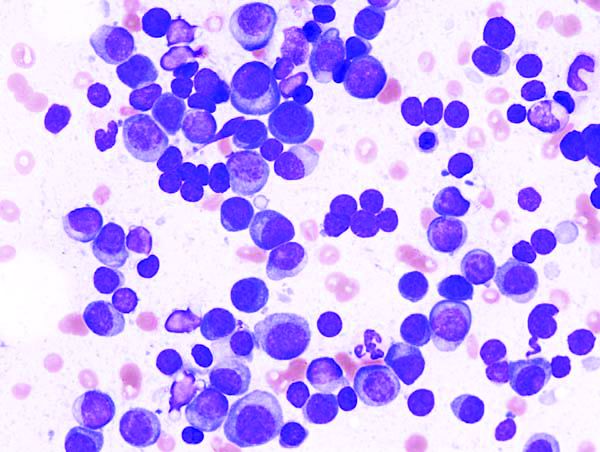
Joanna Blocka, MD, of the University Hospital of Heidelberg (Germany) and colleagues found similar progression-free and overall survival rates for patients who had progressive disease and underwent autologous stem cell therapy (ASCT), compared with patients who underwent salvage therapy and improved to at least stable disease before proceeding to transplant. The findings were published in Leukemia & Lymphoma.
The real-world analysis included 1,599 patients with multiple myeloma who had undergone ASCT between 1991 and 2016. More than half of the patients (58%) were not enrolled in clinical trials. The remainder were split between the German-Speaking Myeloma Multicenter Group (GMMG)-HD3 and GMMG-HD4 trials, which compared various induction regimens.
Just 23 patients in the analysis received salvage therapy because of progressive disease and deepened their response before ASCT. Of these patients, 12 received novel agents in induction therapy and 11 received older medications.
Looking across all 1,599 patients, 5.3% achieved complete remission before first ASCT. Most patients (71.8%) achieved partial remission, 9.7% had a minimal response, and 5.7% had stable disease. A group of 120 patients (7.5%) progressed between the last course of induction and ASCT.
The researchers compared the progression-free and overall survival rates of patients with progressive disease versus those who had stable disease or better before their first transplant. Both univariable and multivariable analysis showed no statistically significant differences in either survival outcome between the two groups.
In the multivariable analysis, there was a hazard ratio of 1.23 (95% confidence interval, 0.98-1.56) for progression-free survival for patients with progressive disease versus those who responded to induction therapy. Similarly, the HR for overall survival between the two groups was 1.24 (95% CI, 0.93-1.65).
The researchers also analyzed the groups based on whether they received novel or older agents during induction.
Patients with progressive disease who received novel agents had significantly worse progression-free survival (22.2 months), compared with patients who responded to treatment with novel agents (22.2 months vs. 29.1 months; P = .03). The same trend was seen with overall survival in these groups (54.4 months vs. 97.5 months; P less than .001).
Rates of survival were similar for patients with progressive disease and responders who had received older medications at induction.
“This might be explained by a prognostically disadvantageous disease biology in patients nonresponsive to novel agents,” the researchers wrote.
The researchers also compared survival outcomes for the 120 patients who underwent ASCT with progressive disease versus the 23 patients who received salvage therapy and improved their response to at least stable disease before transplant. Univariable analysis showed that salvage patients actually did worse than those with progressive disease who proceeded straight to transplant – 12.1 months versus 22.9 months of progression-free survival (P = .04) and 33.1 versus 69.5 months of overall survival (P = .08). But on multivariable analysis, there was no significant difference between the two groups for progression-free survival (HR, 0.71; 95% CI, 0.28-1.80; P = .5) or overall survival (HR, 0.77; 95% CI, 0.30-1.95; P = .6). The use of novel agents did not appear to affect the survival outcomes in these patients.
The worse outcomes seen among salvage patients observed in univariable analysis “might be due to a cumulative toxic effect of salvage therapy,” the researchers suggested. “An alternative explanation could be that the patients who were offered salvage therapy might have had more aggressive disease than those who did not undergo salvage therapy.”
Dr. Blocka reported having no relevant financial disclosures. Other coauthors reported relationships with Janssen, Amgen, Bristol-Myers Squibb, Celgene, and others.
SOURCE: Blocka J et al. Leuk Lymphoma. 2019 Aug 19. doi: 10.1080/10428194.2019.1646905.
Patients with multiple myeloma who don’t respond to induction therapy may be better off advancing straight to autologous stem cell therapy, rather than undergoing salvage therapy before transplant, according to findings of an analysis that included both real-world and clinical trial patients.
Joanna Blocka, MD, of the University Hospital of Heidelberg (Germany) and colleagues found similar progression-free and overall survival rates for patients who had progressive disease and underwent autologous stem cell therapy (ASCT), compared with patients who underwent salvage therapy and improved to at least stable disease before proceeding to transplant. The findings were published in Leukemia & Lymphoma.
The real-world analysis included 1,599 patients with multiple myeloma who had undergone ASCT between 1991 and 2016. More than half of the patients (58%) were not enrolled in clinical trials. The remainder were split between the German-Speaking Myeloma Multicenter Group (GMMG)-HD3 and GMMG-HD4 trials, which compared various induction regimens.
Just 23 patients in the analysis received salvage therapy because of progressive disease and deepened their response before ASCT. Of these patients, 12 received novel agents in induction therapy and 11 received older medications.
Looking across all 1,599 patients, 5.3% achieved complete remission before first ASCT. Most patients (71.8%) achieved partial remission, 9.7% had a minimal response, and 5.7% had stable disease. A group of 120 patients (7.5%) progressed between the last course of induction and ASCT.
The researchers compared the progression-free and overall survival rates of patients with progressive disease versus those who had stable disease or better before their first transplant. Both univariable and multivariable analysis showed no statistically significant differences in either survival outcome between the two groups.
In the multivariable analysis, there was a hazard ratio of 1.23 (95% confidence interval, 0.98-1.56) for progression-free survival for patients with progressive disease versus those who responded to induction therapy. Similarly, the HR for overall survival between the two groups was 1.24 (95% CI, 0.93-1.65).
The researchers also analyzed the groups based on whether they received novel or older agents during induction.
Patients with progressive disease who received novel agents had significantly worse progression-free survival (22.2 months), compared with patients who responded to treatment with novel agents (22.2 months vs. 29.1 months; P = .03). The same trend was seen with overall survival in these groups (54.4 months vs. 97.5 months; P less than .001).
Rates of survival were similar for patients with progressive disease and responders who had received older medications at induction.
“This might be explained by a prognostically disadvantageous disease biology in patients nonresponsive to novel agents,” the researchers wrote.
The researchers also compared survival outcomes for the 120 patients who underwent ASCT with progressive disease versus the 23 patients who received salvage therapy and improved their response to at least stable disease before transplant. Univariable analysis showed that salvage patients actually did worse than those with progressive disease who proceeded straight to transplant – 12.1 months versus 22.9 months of progression-free survival (P = .04) and 33.1 versus 69.5 months of overall survival (P = .08). But on multivariable analysis, there was no significant difference between the two groups for progression-free survival (HR, 0.71; 95% CI, 0.28-1.80; P = .5) or overall survival (HR, 0.77; 95% CI, 0.30-1.95; P = .6). The use of novel agents did not appear to affect the survival outcomes in these patients.
The worse outcomes seen among salvage patients observed in univariable analysis “might be due to a cumulative toxic effect of salvage therapy,” the researchers suggested. “An alternative explanation could be that the patients who were offered salvage therapy might have had more aggressive disease than those who did not undergo salvage therapy.”
Dr. Blocka reported having no relevant financial disclosures. Other coauthors reported relationships with Janssen, Amgen, Bristol-Myers Squibb, Celgene, and others.
SOURCE: Blocka J et al. Leuk Lymphoma. 2019 Aug 19. doi: 10.1080/10428194.2019.1646905.
Patients with multiple myeloma who don’t respond to induction therapy may be better off advancing straight to autologous stem cell therapy, rather than undergoing salvage therapy before transplant, according to findings of an analysis that included both real-world and clinical trial patients.
Joanna Blocka, MD, of the University Hospital of Heidelberg (Germany) and colleagues found similar progression-free and overall survival rates for patients who had progressive disease and underwent autologous stem cell therapy (ASCT), compared with patients who underwent salvage therapy and improved to at least stable disease before proceeding to transplant. The findings were published in Leukemia & Lymphoma.
The real-world analysis included 1,599 patients with multiple myeloma who had undergone ASCT between 1991 and 2016. More than half of the patients (58%) were not enrolled in clinical trials. The remainder were split between the German-Speaking Myeloma Multicenter Group (GMMG)-HD3 and GMMG-HD4 trials, which compared various induction regimens.
Just 23 patients in the analysis received salvage therapy because of progressive disease and deepened their response before ASCT. Of these patients, 12 received novel agents in induction therapy and 11 received older medications.
Looking across all 1,599 patients, 5.3% achieved complete remission before first ASCT. Most patients (71.8%) achieved partial remission, 9.7% had a minimal response, and 5.7% had stable disease. A group of 120 patients (7.5%) progressed between the last course of induction and ASCT.
The researchers compared the progression-free and overall survival rates of patients with progressive disease versus those who had stable disease or better before their first transplant. Both univariable and multivariable analysis showed no statistically significant differences in either survival outcome between the two groups.
In the multivariable analysis, there was a hazard ratio of 1.23 (95% confidence interval, 0.98-1.56) for progression-free survival for patients with progressive disease versus those who responded to induction therapy. Similarly, the HR for overall survival between the two groups was 1.24 (95% CI, 0.93-1.65).
The researchers also analyzed the groups based on whether they received novel or older agents during induction.
Patients with progressive disease who received novel agents had significantly worse progression-free survival (22.2 months), compared with patients who responded to treatment with novel agents (22.2 months vs. 29.1 months; P = .03). The same trend was seen with overall survival in these groups (54.4 months vs. 97.5 months; P less than .001).
Rates of survival were similar for patients with progressive disease and responders who had received older medications at induction.
“This might be explained by a prognostically disadvantageous disease biology in patients nonresponsive to novel agents,” the researchers wrote.
The researchers also compared survival outcomes for the 120 patients who underwent ASCT with progressive disease versus the 23 patients who received salvage therapy and improved their response to at least stable disease before transplant. Univariable analysis showed that salvage patients actually did worse than those with progressive disease who proceeded straight to transplant – 12.1 months versus 22.9 months of progression-free survival (P = .04) and 33.1 versus 69.5 months of overall survival (P = .08). But on multivariable analysis, there was no significant difference between the two groups for progression-free survival (HR, 0.71; 95% CI, 0.28-1.80; P = .5) or overall survival (HR, 0.77; 95% CI, 0.30-1.95; P = .6). The use of novel agents did not appear to affect the survival outcomes in these patients.
The worse outcomes seen among salvage patients observed in univariable analysis “might be due to a cumulative toxic effect of salvage therapy,” the researchers suggested. “An alternative explanation could be that the patients who were offered salvage therapy might have had more aggressive disease than those who did not undergo salvage therapy.”
Dr. Blocka reported having no relevant financial disclosures. Other coauthors reported relationships with Janssen, Amgen, Bristol-Myers Squibb, Celgene, and others.
SOURCE: Blocka J et al. Leuk Lymphoma. 2019 Aug 19. doi: 10.1080/10428194.2019.1646905.
FROM LEUKEMIA & LYMPHOMA
Key clinical point:
Major finding: There was no difference between patients with progressive disease who went straight to ASCT and patients who received salvage therapy, both in terms of progression-free survival (hazard ratio, 0.71; 95% confidence interval, 0.28-1.80; P = .5) and overall survival (HR, 0.77; 95% CI, 0.30-1.95; P = .6).
Study details: An analysis of 1,599 patients with multiple myeloma who underwent ASCT. A subanalysis compared 120 patients with progressive disease before ASCT with 23 patients who received salvage treatment before ASCT.
Disclosures: Dr. Blocka reported having no relevant financial disclosures. Other coauthors reported relationships with Janssen, Amgen, Bristol-Myers Squibb, Celgene, and others.
Source: Blocka J et al. Leuk Lymphoma. 2019 Aug 19. doi: 10.1080/10428194.2019.1646905.