User login
AVAHO
div[contains(@class, 'header__large-screen')]
div[contains(@class, 'read-next-article')]
div[contains(@class, 'nav-primary')]
nav[contains(@class, 'nav-primary')]
section[contains(@class, 'footer-nav-section-wrapper')]
footer[@id='footer']
div[contains(@class, 'main-prefix')]
section[contains(@class, 'nav-hidden')]
div[contains(@class, 'ce-card-content')]
nav[contains(@class, 'nav-ce-stack')]

Excess weight may ward off infection in breast cancer treatment
– a potentially deadly outcome that can occur as a result of chemotherapy treatment.
The study was presented at the annual meeting of the American Society of Clinical Oncology.
It is known that body mass index can affect breast cancer risk and prognosis, but it is not known if BMI can affect how well endocrine therapy works in a given patient. In the PALLAS clinical trial, Georg Pfeiler, MD, Medical University of Vienna, and colleagues, conducted an analysis of 5,698 patients with early hormone receptor–positive breast cancer receiving endocrine therapy with or without palbociclib. Dr. Pfeiler found that women who are overweight or obese had significantly less frequent and less severe cases of neutropenia. With fewer or less severe cases of neutropenia, there were also fewer interruptions in palbociclib treatment.
“One explanation for the lower discontinuation rates may be that the distributional volume of the drug is higher in overweight and obese patients leading to lower serum drug concentrations. It could also be influenced by differences in pharmacokinetics with respect to hyperinsulinemia,” said Dr. Pfeiler, who leads the Oncological Breast Outpatient Clinic and Bone Health Outpatient Clinic at the Medical University of Vienna.
The PALLAS trial compared the combination of palbociclib and adjuvant endocrine therapy with endocrine therapy alone in 5,698 women with early breast cancer. Patients were categorized according to BMI as underweight (BMI < 18.5 kg/m2), normal weight (BMI 18.5-24.9), overweight (BMI, 25-29.9), and obese (> 30). The investigators analyzed differences in adverse events, time to early discontinuation of palbociclib, and in time to invasive disease-free survival.
At baseline, of 5,698 patients, 68 (1.2%) were underweight, 2,082 (36.5%) were of normal weight, 1,818 (31.9%) were overweight, and, 1,730 (30.4%) were obese. In patients treated with palbociclib, neutropenia was the primary toxicity leading to treatment discontinuation with rates of 21.1% in normal-weight patients, 14.0% of overweight patients, and 5.9% of obese patients, respectively.
Significantly different rates of all-grade neutropenia were observed in normal weight, overweight, and obese participants with regard to total (88.5%, 85.7% and 74.7%), as well as grade 3 (64.1%, 62.0% and 43.9%) and grade 4 neutropenia (7.0%, 3.6% and 2.0%), respectively. The lower frequency and severity of neutropenia observed in overweight and obese patients was associated with a significantly lower treatment discontinuation rate over time when compared with normal-weight patients (overweight vs. normal weight: HR, 0.73; 95% CI 0.63-0.84; P < .0001, and obese vs. normal weight: HR, 0.65; 95% CI, 0.56-0.75; P < .0001). There was, however, despite these observations, no statistically significant improvement in invasive disease survival with the addition of palbociclib to endocrine therapy in any weight category (normal weight: HR, 0.84; 95% CI 0.63-1.12; overweight: HR, 1.10; 95% CI 0.82-1.49; and obese: HR, 0.95; 95% CI, 0.69-1.30).
“This is an early analysis, and should be interpreted with caution, especially with regard to disease outcomes. The findings may reduce concerns over hematologic side effects in the overweight and obese. In the future there may be an important impact if it turns out after longer-term follow-up that palbociclib has been underdosed in the overweight and obese. We may need BMI-adapted dose management,” said Dr. Pfeiler, who is currently working on a longer-term follow-up study of the PALLAS group.
The analysis found no significant correlation between weight and occurrence of invasive disease events.
Dr. Pfeiler disclosed honoraria and grants from Pfizer. The study was funded by Alliance Foundation Trials.
– a potentially deadly outcome that can occur as a result of chemotherapy treatment.
The study was presented at the annual meeting of the American Society of Clinical Oncology.
It is known that body mass index can affect breast cancer risk and prognosis, but it is not known if BMI can affect how well endocrine therapy works in a given patient. In the PALLAS clinical trial, Georg Pfeiler, MD, Medical University of Vienna, and colleagues, conducted an analysis of 5,698 patients with early hormone receptor–positive breast cancer receiving endocrine therapy with or without palbociclib. Dr. Pfeiler found that women who are overweight or obese had significantly less frequent and less severe cases of neutropenia. With fewer or less severe cases of neutropenia, there were also fewer interruptions in palbociclib treatment.
“One explanation for the lower discontinuation rates may be that the distributional volume of the drug is higher in overweight and obese patients leading to lower serum drug concentrations. It could also be influenced by differences in pharmacokinetics with respect to hyperinsulinemia,” said Dr. Pfeiler, who leads the Oncological Breast Outpatient Clinic and Bone Health Outpatient Clinic at the Medical University of Vienna.
The PALLAS trial compared the combination of palbociclib and adjuvant endocrine therapy with endocrine therapy alone in 5,698 women with early breast cancer. Patients were categorized according to BMI as underweight (BMI < 18.5 kg/m2), normal weight (BMI 18.5-24.9), overweight (BMI, 25-29.9), and obese (> 30). The investigators analyzed differences in adverse events, time to early discontinuation of palbociclib, and in time to invasive disease-free survival.
At baseline, of 5,698 patients, 68 (1.2%) were underweight, 2,082 (36.5%) were of normal weight, 1,818 (31.9%) were overweight, and, 1,730 (30.4%) were obese. In patients treated with palbociclib, neutropenia was the primary toxicity leading to treatment discontinuation with rates of 21.1% in normal-weight patients, 14.0% of overweight patients, and 5.9% of obese patients, respectively.
Significantly different rates of all-grade neutropenia were observed in normal weight, overweight, and obese participants with regard to total (88.5%, 85.7% and 74.7%), as well as grade 3 (64.1%, 62.0% and 43.9%) and grade 4 neutropenia (7.0%, 3.6% and 2.0%), respectively. The lower frequency and severity of neutropenia observed in overweight and obese patients was associated with a significantly lower treatment discontinuation rate over time when compared with normal-weight patients (overweight vs. normal weight: HR, 0.73; 95% CI 0.63-0.84; P < .0001, and obese vs. normal weight: HR, 0.65; 95% CI, 0.56-0.75; P < .0001). There was, however, despite these observations, no statistically significant improvement in invasive disease survival with the addition of palbociclib to endocrine therapy in any weight category (normal weight: HR, 0.84; 95% CI 0.63-1.12; overweight: HR, 1.10; 95% CI 0.82-1.49; and obese: HR, 0.95; 95% CI, 0.69-1.30).
“This is an early analysis, and should be interpreted with caution, especially with regard to disease outcomes. The findings may reduce concerns over hematologic side effects in the overweight and obese. In the future there may be an important impact if it turns out after longer-term follow-up that palbociclib has been underdosed in the overweight and obese. We may need BMI-adapted dose management,” said Dr. Pfeiler, who is currently working on a longer-term follow-up study of the PALLAS group.
The analysis found no significant correlation between weight and occurrence of invasive disease events.
Dr. Pfeiler disclosed honoraria and grants from Pfizer. The study was funded by Alliance Foundation Trials.
– a potentially deadly outcome that can occur as a result of chemotherapy treatment.
The study was presented at the annual meeting of the American Society of Clinical Oncology.
It is known that body mass index can affect breast cancer risk and prognosis, but it is not known if BMI can affect how well endocrine therapy works in a given patient. In the PALLAS clinical trial, Georg Pfeiler, MD, Medical University of Vienna, and colleagues, conducted an analysis of 5,698 patients with early hormone receptor–positive breast cancer receiving endocrine therapy with or without palbociclib. Dr. Pfeiler found that women who are overweight or obese had significantly less frequent and less severe cases of neutropenia. With fewer or less severe cases of neutropenia, there were also fewer interruptions in palbociclib treatment.
“One explanation for the lower discontinuation rates may be that the distributional volume of the drug is higher in overweight and obese patients leading to lower serum drug concentrations. It could also be influenced by differences in pharmacokinetics with respect to hyperinsulinemia,” said Dr. Pfeiler, who leads the Oncological Breast Outpatient Clinic and Bone Health Outpatient Clinic at the Medical University of Vienna.
The PALLAS trial compared the combination of palbociclib and adjuvant endocrine therapy with endocrine therapy alone in 5,698 women with early breast cancer. Patients were categorized according to BMI as underweight (BMI < 18.5 kg/m2), normal weight (BMI 18.5-24.9), overweight (BMI, 25-29.9), and obese (> 30). The investigators analyzed differences in adverse events, time to early discontinuation of palbociclib, and in time to invasive disease-free survival.
At baseline, of 5,698 patients, 68 (1.2%) were underweight, 2,082 (36.5%) were of normal weight, 1,818 (31.9%) were overweight, and, 1,730 (30.4%) were obese. In patients treated with palbociclib, neutropenia was the primary toxicity leading to treatment discontinuation with rates of 21.1% in normal-weight patients, 14.0% of overweight patients, and 5.9% of obese patients, respectively.
Significantly different rates of all-grade neutropenia were observed in normal weight, overweight, and obese participants with regard to total (88.5%, 85.7% and 74.7%), as well as grade 3 (64.1%, 62.0% and 43.9%) and grade 4 neutropenia (7.0%, 3.6% and 2.0%), respectively. The lower frequency and severity of neutropenia observed in overweight and obese patients was associated with a significantly lower treatment discontinuation rate over time when compared with normal-weight patients (overweight vs. normal weight: HR, 0.73; 95% CI 0.63-0.84; P < .0001, and obese vs. normal weight: HR, 0.65; 95% CI, 0.56-0.75; P < .0001). There was, however, despite these observations, no statistically significant improvement in invasive disease survival with the addition of palbociclib to endocrine therapy in any weight category (normal weight: HR, 0.84; 95% CI 0.63-1.12; overweight: HR, 1.10; 95% CI 0.82-1.49; and obese: HR, 0.95; 95% CI, 0.69-1.30).
“This is an early analysis, and should be interpreted with caution, especially with regard to disease outcomes. The findings may reduce concerns over hematologic side effects in the overweight and obese. In the future there may be an important impact if it turns out after longer-term follow-up that palbociclib has been underdosed in the overweight and obese. We may need BMI-adapted dose management,” said Dr. Pfeiler, who is currently working on a longer-term follow-up study of the PALLAS group.
The analysis found no significant correlation between weight and occurrence of invasive disease events.
Dr. Pfeiler disclosed honoraria and grants from Pfizer. The study was funded by Alliance Foundation Trials.
FROM ASCO 2022
Women with HER2+ metastatic breast cancer are living longer
When a patient first presents to a doctor with signs and symptoms of having breast cancer that has metastasized to other parts of the body, the prospects of long-term survival are dim. But now, a new study presented at the annual meeting of the American Society of Clinical Oncology suggests that women with metastatic HER2+ breast cancer are generally living longer, compared with women treated in previous years.
Between 2010 and 2018, the overall survival for 5,576 women (99% women) with HER2+ metastatic breast cancer enrolled in this study improved 5.6% each year of the study. The study also showed a 6.4% improvement in breast cancer–specific death rates year over year.
“These highlights coincide with significant therapeutic advances for HER2+ metastatic breast cancer over the past decade. We need to continue our research efforts to identify better treatments for our patients so we can continue to improve the prognosis of these patients,” said study author Jose Pablo Leone, MD, a medical oncologist with Dana-Farber Cancer Institute, Boston.
The study, which is based on an evaluation of data from the Surveillance, Epidemiology and End Results database, found factors associated with shorter survival included older age, Black race, lower income, and the presence of visceral or brain metastases. Long-term survival of more than 5 years was associated with younger age, White race, and higher income, but also having fewer metastatic sites and estrogen receptor (ER)/progesterone receptor (PR) positivity.
“We also found specific factors that were only associated with shorter overall survival, such as the presence of metastases in the brain, liver, or lung. The lack of metastasis in these sites was not associated with longer overall survival. In contrast, a lower number of metastatic sites, regardless of the location of those sites were associated with longer overall survival but not short-term survival,” Dr. Leone said.
A total of 63.3% of patients in the study survived less than 2 years while 37.8% lived 5 years or more, and 26.8% lived longer than 8 years. Factors associated with less than 2 years in overall survival were older age (odds ratio, 3.76), Black race (OR 1.5), nonductal nonlobular (OR, 4.64), brain metastases (OR, 2.95), liver metastases (OR, 1.98), lung metastases (OR, 1.56), ER/PR negativity (OR, 1.74), and lower income (OR, 1.62). Factors associated with longer survival of 5 years or more included younger age (OR, 2.85), White race (OR, 1.7), fewer metastatic organ sites (OR, 2.6), ER/PR positivity (OR, 1.27), and higher income (OR, 3.31).
Dr. Leone said that, while involvement of specific visceral sites (brain, liver, lung) was associated with shorter overall survival, the odds of living longer than 5 years was not associated with those sites. In contrast, the number of sites was associated with longer overall survival, but not shorter overall survival regardless of location. “While fewer number of metastatic sites were associated with higher odds of overall survival greater than 5 years, the number of metastatic sites was not associated with the odds of overall survival of being less than 2 years,” he said.
A limitation of the study included the retrospective nature of the study. “Treatment data are unavailable, so we cannot quantify the impact of various treatments on the odds of survival,” Dr. Leone said.
This study was not funded.
When a patient first presents to a doctor with signs and symptoms of having breast cancer that has metastasized to other parts of the body, the prospects of long-term survival are dim. But now, a new study presented at the annual meeting of the American Society of Clinical Oncology suggests that women with metastatic HER2+ breast cancer are generally living longer, compared with women treated in previous years.
Between 2010 and 2018, the overall survival for 5,576 women (99% women) with HER2+ metastatic breast cancer enrolled in this study improved 5.6% each year of the study. The study also showed a 6.4% improvement in breast cancer–specific death rates year over year.
“These highlights coincide with significant therapeutic advances for HER2+ metastatic breast cancer over the past decade. We need to continue our research efforts to identify better treatments for our patients so we can continue to improve the prognosis of these patients,” said study author Jose Pablo Leone, MD, a medical oncologist with Dana-Farber Cancer Institute, Boston.
The study, which is based on an evaluation of data from the Surveillance, Epidemiology and End Results database, found factors associated with shorter survival included older age, Black race, lower income, and the presence of visceral or brain metastases. Long-term survival of more than 5 years was associated with younger age, White race, and higher income, but also having fewer metastatic sites and estrogen receptor (ER)/progesterone receptor (PR) positivity.
“We also found specific factors that were only associated with shorter overall survival, such as the presence of metastases in the brain, liver, or lung. The lack of metastasis in these sites was not associated with longer overall survival. In contrast, a lower number of metastatic sites, regardless of the location of those sites were associated with longer overall survival but not short-term survival,” Dr. Leone said.
A total of 63.3% of patients in the study survived less than 2 years while 37.8% lived 5 years or more, and 26.8% lived longer than 8 years. Factors associated with less than 2 years in overall survival were older age (odds ratio, 3.76), Black race (OR 1.5), nonductal nonlobular (OR, 4.64), brain metastases (OR, 2.95), liver metastases (OR, 1.98), lung metastases (OR, 1.56), ER/PR negativity (OR, 1.74), and lower income (OR, 1.62). Factors associated with longer survival of 5 years or more included younger age (OR, 2.85), White race (OR, 1.7), fewer metastatic organ sites (OR, 2.6), ER/PR positivity (OR, 1.27), and higher income (OR, 3.31).
Dr. Leone said that, while involvement of specific visceral sites (brain, liver, lung) was associated with shorter overall survival, the odds of living longer than 5 years was not associated with those sites. In contrast, the number of sites was associated with longer overall survival, but not shorter overall survival regardless of location. “While fewer number of metastatic sites were associated with higher odds of overall survival greater than 5 years, the number of metastatic sites was not associated with the odds of overall survival of being less than 2 years,” he said.
A limitation of the study included the retrospective nature of the study. “Treatment data are unavailable, so we cannot quantify the impact of various treatments on the odds of survival,” Dr. Leone said.
This study was not funded.
When a patient first presents to a doctor with signs and symptoms of having breast cancer that has metastasized to other parts of the body, the prospects of long-term survival are dim. But now, a new study presented at the annual meeting of the American Society of Clinical Oncology suggests that women with metastatic HER2+ breast cancer are generally living longer, compared with women treated in previous years.
Between 2010 and 2018, the overall survival for 5,576 women (99% women) with HER2+ metastatic breast cancer enrolled in this study improved 5.6% each year of the study. The study also showed a 6.4% improvement in breast cancer–specific death rates year over year.
“These highlights coincide with significant therapeutic advances for HER2+ metastatic breast cancer over the past decade. We need to continue our research efforts to identify better treatments for our patients so we can continue to improve the prognosis of these patients,” said study author Jose Pablo Leone, MD, a medical oncologist with Dana-Farber Cancer Institute, Boston.
The study, which is based on an evaluation of data from the Surveillance, Epidemiology and End Results database, found factors associated with shorter survival included older age, Black race, lower income, and the presence of visceral or brain metastases. Long-term survival of more than 5 years was associated with younger age, White race, and higher income, but also having fewer metastatic sites and estrogen receptor (ER)/progesterone receptor (PR) positivity.
“We also found specific factors that were only associated with shorter overall survival, such as the presence of metastases in the brain, liver, or lung. The lack of metastasis in these sites was not associated with longer overall survival. In contrast, a lower number of metastatic sites, regardless of the location of those sites were associated with longer overall survival but not short-term survival,” Dr. Leone said.
A total of 63.3% of patients in the study survived less than 2 years while 37.8% lived 5 years or more, and 26.8% lived longer than 8 years. Factors associated with less than 2 years in overall survival were older age (odds ratio, 3.76), Black race (OR 1.5), nonductal nonlobular (OR, 4.64), brain metastases (OR, 2.95), liver metastases (OR, 1.98), lung metastases (OR, 1.56), ER/PR negativity (OR, 1.74), and lower income (OR, 1.62). Factors associated with longer survival of 5 years or more included younger age (OR, 2.85), White race (OR, 1.7), fewer metastatic organ sites (OR, 2.6), ER/PR positivity (OR, 1.27), and higher income (OR, 3.31).
Dr. Leone said that, while involvement of specific visceral sites (brain, liver, lung) was associated with shorter overall survival, the odds of living longer than 5 years was not associated with those sites. In contrast, the number of sites was associated with longer overall survival, but not shorter overall survival regardless of location. “While fewer number of metastatic sites were associated with higher odds of overall survival greater than 5 years, the number of metastatic sites was not associated with the odds of overall survival of being less than 2 years,” he said.
A limitation of the study included the retrospective nature of the study. “Treatment data are unavailable, so we cannot quantify the impact of various treatments on the odds of survival,” Dr. Leone said.
This study was not funded.
FROM ASCO 2022
Panitumumab beats bevacizumab in left-sided mCRC
A suspicion from retrospective data has now been confirmed by a prospective clinical trial: Adding panitumumab (Vectibix) to standard chemotherapy in left-sided RAS wild-type metastatic colorectal cancer (mCRC) is more effective than adding bevacizumab (Avastin).
Patients treated with panitumumab alongside chemotherapy saw a 16% improvement in overall survival versus those given bevacizumab after a median follow-up of over 5 years.
The overall survival benefit rose to 18% in those with left-sided tumors.
However, there was no difference in overall survival between the two treatment groups in the small subgroup of patients with right-sided primary tumors.
These findings come from the PARADIGM trial conducted in Japan.
The results were presented during a plenary session at the annual meeting of the American Society of Clinical Oncology.
“If gene testing shows that a tumor is RAS wild-type, the choice of initial treatment with panitumumab plus mFOLFOX6 chemotherapy is superior ... for those people with left-sided tumors,” said lead researcher Takayuki Yoshino, MD, PhD, department of gastrointestinal oncology, National Cancer Center Hospital East, Chiba, Japan, in an ASCO press release.
“It has long been believed that the sequence of metastatic colorectal cancer treatment does not matter as long as patients had access to the drugs at some point, which has now been disproven,” he noted.
Dr. Yoshino added in a press conference about the trial that the results establish “a standard first-line combination regimen for patients with RAS wild-type, left-sided mCRC.”
commented Cathy Eng, MD, ASCO Expert in gastrointestinal cancers.
The findings “emphasize the importance of taking into account sidedness, as well as including comprehensive biomarker testing,” she said.
Dr. Eng underlined that this is especially the case for RAS gene status testing, “which is critical for all colorectal cancer patients at the time of diagnosis of metastatic disease.”
These results are of particular relevance in the United States, where the choice between an anti-EGFR or anti-VEGF antibody for the treatment of mCRC has been an area of “controversy” because of the lack of supporting data.
Panitumumab is a human monoclonal antibody that targets EGFR. It was approved in 2006 for use in mCRC by the U.S. Food and Drug Administration and also approved in 2014 for use in combination with FOLFOX for the first-line treatment of patients with wild-type KRAS (exon 2 in codons 12 or 13) mCRC, having previously been shown to be equally effective as cetuximab (another EGFR inhibitor) in this population.
In contrast, bevacizumab is a monoclonal antibody that targets the VEGF receptor. It was approved by the FDA for use in mCRC in 2004 in combination with intravenous 5-fluorouracil–based chemotherapy.
Dr. Yoshino explained that around 36% of patients with CRC have metastatic tumors at diagnosis and that adding an anti-EGFR or anti-VEGF antibody to chemotherapy improves overall survival in these patients by up to 30 months.
There has been “accumulating” evidence from retrospective studies suggesting that patients with RAS wild-type mCRC whose primary tumor is on the left side, which accounts for approximately 35% of mCRC cases, have a longer survival benefit with an anti-EGFR antibody, he commented.
Despite this, both antibody types continue to be used in these patients, he added.
PARADIGM was the first prospective trial to compare the two antibody types. Patients were randomized to receive either panitumumab or bevacizumab plus the combination chemotherapy regimen modified FOLFOX6 (mFOLFOX6).
The trial involved 823 Japanese patients with previously untreated wild-type mCRC with unresectable disease. Most patients had left-sided primary tumors (312 of 400 patients in the panitumumab group, and 292 of 402 patients in the bevacizumab group).
After a median follow-up of 61 months, panitumumab was associated with a significant improvement in overall survival in the overall study population, at a hazard ratio of 0.84 (P = .030, with the boundary of significance set at P < .05).
In addition, panitumumab was associated with a significant improvement in overall survival in the large subgroup of patients with left-sided primary tumors, at 37.9 versus 34.3 months, or a hazard ratio of 0.82 (P = .031).
However, there was no significant difference in overall survival between the two treatment groups in the smaller subgroup of patients with right-sided tumors, at a hazard ratio of 1.09.
Median progression-free survival was no different between the panitumumab and bevacizumab groups, at 13.7 versus 13.2 months in patients with a left-sided tumor and 12.9 versus 12.0 months in the overall cohort.
There was, however, a difference in response rates in left-sided patients between those receiving the two antibodies, at 80.2% with panitumumab versus 68.6% with bevacizumab, and in curative resection rates, at 18.3% and 11.6%, respectively.
These results demonstrate the “superiority of first-line panitumumab versus bevacizumab in combination with mFOLFOX6 in the left-sided and overall populations,” Dr. Yoshino concluded.
He also highlighted that the team has undertaken a large-scale biomarker analysis of pre- and posttreatment plasma and tissue samples from patients in the PARADIGM study to identify potential biomarkers of treatment response.
At the plenary session, discussant for this abstract Chiara Cremolini, MD, PhD, professor of medical oncology, Pisa (Italy) University Hospital, commented that “location matters” when it comes to mCRC tumors.
Dr. Cremolini pointed out that the separation of the survival curves at 28 months suggests that the 40% of patients with left-sided tumors who survived only up until that time point receive an equal benefit from panitumumab and bevacizumab.
In contrast, the remainder who survived for longer showed better outcomes with panitumumab.
Overall, she said, in her opinion and based on the findings from other studies, the current results support the use of panitumumab plus mFOLFOX6 as first-line therapy in patients with microsatellite stable RAS wild-type and with BRAF wild-type left-sided mCRC.
Dr. Cremolini emphasized that patients should be warned that, if they opt for doublet chemotherapy plus bevacizumab, they could face a median 3.6-month loss in overall survival, as well as poorer treatment activity.
However, patients with high microsatellite instability should receive immunotherapy up front, she added, while those with BRAF mutations should be given FOLFOX upfront plus bevacizumab, followed by encorafenib plus cetuximab in the case of progression.
Dr. Cremolini ended by noting that there has, as yet, been no prospective comparison of doublet chemotherapy plus an anti-EGFR antibody with triplet chemotherapy plus bevacizumab in this population.
The study was funded by Takeda. Dr. Yoshino has reported relationships with Bayer Yakuhin, Chugai Pharmaceutical, Merck, and MSD. Dr. Eng has reported relationships with Bayer Health, Gilead/Forty Seven, GlaxoSmithKline, Hookipa Biotech, Mirati Therapeutics, Natera, Pfizer, Elevar, Fruquitinib, Merck, and Pfizer.
A version of this article first appeared on Medscape.com.
A suspicion from retrospective data has now been confirmed by a prospective clinical trial: Adding panitumumab (Vectibix) to standard chemotherapy in left-sided RAS wild-type metastatic colorectal cancer (mCRC) is more effective than adding bevacizumab (Avastin).
Patients treated with panitumumab alongside chemotherapy saw a 16% improvement in overall survival versus those given bevacizumab after a median follow-up of over 5 years.
The overall survival benefit rose to 18% in those with left-sided tumors.
However, there was no difference in overall survival between the two treatment groups in the small subgroup of patients with right-sided primary tumors.
These findings come from the PARADIGM trial conducted in Japan.
The results were presented during a plenary session at the annual meeting of the American Society of Clinical Oncology.
“If gene testing shows that a tumor is RAS wild-type, the choice of initial treatment with panitumumab plus mFOLFOX6 chemotherapy is superior ... for those people with left-sided tumors,” said lead researcher Takayuki Yoshino, MD, PhD, department of gastrointestinal oncology, National Cancer Center Hospital East, Chiba, Japan, in an ASCO press release.
“It has long been believed that the sequence of metastatic colorectal cancer treatment does not matter as long as patients had access to the drugs at some point, which has now been disproven,” he noted.
Dr. Yoshino added in a press conference about the trial that the results establish “a standard first-line combination regimen for patients with RAS wild-type, left-sided mCRC.”
commented Cathy Eng, MD, ASCO Expert in gastrointestinal cancers.
The findings “emphasize the importance of taking into account sidedness, as well as including comprehensive biomarker testing,” she said.
Dr. Eng underlined that this is especially the case for RAS gene status testing, “which is critical for all colorectal cancer patients at the time of diagnosis of metastatic disease.”
These results are of particular relevance in the United States, where the choice between an anti-EGFR or anti-VEGF antibody for the treatment of mCRC has been an area of “controversy” because of the lack of supporting data.
Panitumumab is a human monoclonal antibody that targets EGFR. It was approved in 2006 for use in mCRC by the U.S. Food and Drug Administration and also approved in 2014 for use in combination with FOLFOX for the first-line treatment of patients with wild-type KRAS (exon 2 in codons 12 or 13) mCRC, having previously been shown to be equally effective as cetuximab (another EGFR inhibitor) in this population.
In contrast, bevacizumab is a monoclonal antibody that targets the VEGF receptor. It was approved by the FDA for use in mCRC in 2004 in combination with intravenous 5-fluorouracil–based chemotherapy.
Dr. Yoshino explained that around 36% of patients with CRC have metastatic tumors at diagnosis and that adding an anti-EGFR or anti-VEGF antibody to chemotherapy improves overall survival in these patients by up to 30 months.
There has been “accumulating” evidence from retrospective studies suggesting that patients with RAS wild-type mCRC whose primary tumor is on the left side, which accounts for approximately 35% of mCRC cases, have a longer survival benefit with an anti-EGFR antibody, he commented.
Despite this, both antibody types continue to be used in these patients, he added.
PARADIGM was the first prospective trial to compare the two antibody types. Patients were randomized to receive either panitumumab or bevacizumab plus the combination chemotherapy regimen modified FOLFOX6 (mFOLFOX6).
The trial involved 823 Japanese patients with previously untreated wild-type mCRC with unresectable disease. Most patients had left-sided primary tumors (312 of 400 patients in the panitumumab group, and 292 of 402 patients in the bevacizumab group).
After a median follow-up of 61 months, panitumumab was associated with a significant improvement in overall survival in the overall study population, at a hazard ratio of 0.84 (P = .030, with the boundary of significance set at P < .05).
In addition, panitumumab was associated with a significant improvement in overall survival in the large subgroup of patients with left-sided primary tumors, at 37.9 versus 34.3 months, or a hazard ratio of 0.82 (P = .031).
However, there was no significant difference in overall survival between the two treatment groups in the smaller subgroup of patients with right-sided tumors, at a hazard ratio of 1.09.
Median progression-free survival was no different between the panitumumab and bevacizumab groups, at 13.7 versus 13.2 months in patients with a left-sided tumor and 12.9 versus 12.0 months in the overall cohort.
There was, however, a difference in response rates in left-sided patients between those receiving the two antibodies, at 80.2% with panitumumab versus 68.6% with bevacizumab, and in curative resection rates, at 18.3% and 11.6%, respectively.
These results demonstrate the “superiority of first-line panitumumab versus bevacizumab in combination with mFOLFOX6 in the left-sided and overall populations,” Dr. Yoshino concluded.
He also highlighted that the team has undertaken a large-scale biomarker analysis of pre- and posttreatment plasma and tissue samples from patients in the PARADIGM study to identify potential biomarkers of treatment response.
At the plenary session, discussant for this abstract Chiara Cremolini, MD, PhD, professor of medical oncology, Pisa (Italy) University Hospital, commented that “location matters” when it comes to mCRC tumors.
Dr. Cremolini pointed out that the separation of the survival curves at 28 months suggests that the 40% of patients with left-sided tumors who survived only up until that time point receive an equal benefit from panitumumab and bevacizumab.
In contrast, the remainder who survived for longer showed better outcomes with panitumumab.
Overall, she said, in her opinion and based on the findings from other studies, the current results support the use of panitumumab plus mFOLFOX6 as first-line therapy in patients with microsatellite stable RAS wild-type and with BRAF wild-type left-sided mCRC.
Dr. Cremolini emphasized that patients should be warned that, if they opt for doublet chemotherapy plus bevacizumab, they could face a median 3.6-month loss in overall survival, as well as poorer treatment activity.
However, patients with high microsatellite instability should receive immunotherapy up front, she added, while those with BRAF mutations should be given FOLFOX upfront plus bevacizumab, followed by encorafenib plus cetuximab in the case of progression.
Dr. Cremolini ended by noting that there has, as yet, been no prospective comparison of doublet chemotherapy plus an anti-EGFR antibody with triplet chemotherapy plus bevacizumab in this population.
The study was funded by Takeda. Dr. Yoshino has reported relationships with Bayer Yakuhin, Chugai Pharmaceutical, Merck, and MSD. Dr. Eng has reported relationships with Bayer Health, Gilead/Forty Seven, GlaxoSmithKline, Hookipa Biotech, Mirati Therapeutics, Natera, Pfizer, Elevar, Fruquitinib, Merck, and Pfizer.
A version of this article first appeared on Medscape.com.
A suspicion from retrospective data has now been confirmed by a prospective clinical trial: Adding panitumumab (Vectibix) to standard chemotherapy in left-sided RAS wild-type metastatic colorectal cancer (mCRC) is more effective than adding bevacizumab (Avastin).
Patients treated with panitumumab alongside chemotherapy saw a 16% improvement in overall survival versus those given bevacizumab after a median follow-up of over 5 years.
The overall survival benefit rose to 18% in those with left-sided tumors.
However, there was no difference in overall survival between the two treatment groups in the small subgroup of patients with right-sided primary tumors.
These findings come from the PARADIGM trial conducted in Japan.
The results were presented during a plenary session at the annual meeting of the American Society of Clinical Oncology.
“If gene testing shows that a tumor is RAS wild-type, the choice of initial treatment with panitumumab plus mFOLFOX6 chemotherapy is superior ... for those people with left-sided tumors,” said lead researcher Takayuki Yoshino, MD, PhD, department of gastrointestinal oncology, National Cancer Center Hospital East, Chiba, Japan, in an ASCO press release.
“It has long been believed that the sequence of metastatic colorectal cancer treatment does not matter as long as patients had access to the drugs at some point, which has now been disproven,” he noted.
Dr. Yoshino added in a press conference about the trial that the results establish “a standard first-line combination regimen for patients with RAS wild-type, left-sided mCRC.”
commented Cathy Eng, MD, ASCO Expert in gastrointestinal cancers.
The findings “emphasize the importance of taking into account sidedness, as well as including comprehensive biomarker testing,” she said.
Dr. Eng underlined that this is especially the case for RAS gene status testing, “which is critical for all colorectal cancer patients at the time of diagnosis of metastatic disease.”
These results are of particular relevance in the United States, where the choice between an anti-EGFR or anti-VEGF antibody for the treatment of mCRC has been an area of “controversy” because of the lack of supporting data.
Panitumumab is a human monoclonal antibody that targets EGFR. It was approved in 2006 for use in mCRC by the U.S. Food and Drug Administration and also approved in 2014 for use in combination with FOLFOX for the first-line treatment of patients with wild-type KRAS (exon 2 in codons 12 or 13) mCRC, having previously been shown to be equally effective as cetuximab (another EGFR inhibitor) in this population.
In contrast, bevacizumab is a monoclonal antibody that targets the VEGF receptor. It was approved by the FDA for use in mCRC in 2004 in combination with intravenous 5-fluorouracil–based chemotherapy.
Dr. Yoshino explained that around 36% of patients with CRC have metastatic tumors at diagnosis and that adding an anti-EGFR or anti-VEGF antibody to chemotherapy improves overall survival in these patients by up to 30 months.
There has been “accumulating” evidence from retrospective studies suggesting that patients with RAS wild-type mCRC whose primary tumor is on the left side, which accounts for approximately 35% of mCRC cases, have a longer survival benefit with an anti-EGFR antibody, he commented.
Despite this, both antibody types continue to be used in these patients, he added.
PARADIGM was the first prospective trial to compare the two antibody types. Patients were randomized to receive either panitumumab or bevacizumab plus the combination chemotherapy regimen modified FOLFOX6 (mFOLFOX6).
The trial involved 823 Japanese patients with previously untreated wild-type mCRC with unresectable disease. Most patients had left-sided primary tumors (312 of 400 patients in the panitumumab group, and 292 of 402 patients in the bevacizumab group).
After a median follow-up of 61 months, panitumumab was associated with a significant improvement in overall survival in the overall study population, at a hazard ratio of 0.84 (P = .030, with the boundary of significance set at P < .05).
In addition, panitumumab was associated with a significant improvement in overall survival in the large subgroup of patients with left-sided primary tumors, at 37.9 versus 34.3 months, or a hazard ratio of 0.82 (P = .031).
However, there was no significant difference in overall survival between the two treatment groups in the smaller subgroup of patients with right-sided tumors, at a hazard ratio of 1.09.
Median progression-free survival was no different between the panitumumab and bevacizumab groups, at 13.7 versus 13.2 months in patients with a left-sided tumor and 12.9 versus 12.0 months in the overall cohort.
There was, however, a difference in response rates in left-sided patients between those receiving the two antibodies, at 80.2% with panitumumab versus 68.6% with bevacizumab, and in curative resection rates, at 18.3% and 11.6%, respectively.
These results demonstrate the “superiority of first-line panitumumab versus bevacizumab in combination with mFOLFOX6 in the left-sided and overall populations,” Dr. Yoshino concluded.
He also highlighted that the team has undertaken a large-scale biomarker analysis of pre- and posttreatment plasma and tissue samples from patients in the PARADIGM study to identify potential biomarkers of treatment response.
At the plenary session, discussant for this abstract Chiara Cremolini, MD, PhD, professor of medical oncology, Pisa (Italy) University Hospital, commented that “location matters” when it comes to mCRC tumors.
Dr. Cremolini pointed out that the separation of the survival curves at 28 months suggests that the 40% of patients with left-sided tumors who survived only up until that time point receive an equal benefit from panitumumab and bevacizumab.
In contrast, the remainder who survived for longer showed better outcomes with panitumumab.
Overall, she said, in her opinion and based on the findings from other studies, the current results support the use of panitumumab plus mFOLFOX6 as first-line therapy in patients with microsatellite stable RAS wild-type and with BRAF wild-type left-sided mCRC.
Dr. Cremolini emphasized that patients should be warned that, if they opt for doublet chemotherapy plus bevacizumab, they could face a median 3.6-month loss in overall survival, as well as poorer treatment activity.
However, patients with high microsatellite instability should receive immunotherapy up front, she added, while those with BRAF mutations should be given FOLFOX upfront plus bevacizumab, followed by encorafenib plus cetuximab in the case of progression.
Dr. Cremolini ended by noting that there has, as yet, been no prospective comparison of doublet chemotherapy plus an anti-EGFR antibody with triplet chemotherapy plus bevacizumab in this population.
The study was funded by Takeda. Dr. Yoshino has reported relationships with Bayer Yakuhin, Chugai Pharmaceutical, Merck, and MSD. Dr. Eng has reported relationships with Bayer Health, Gilead/Forty Seven, GlaxoSmithKline, Hookipa Biotech, Mirati Therapeutics, Natera, Pfizer, Elevar, Fruquitinib, Merck, and Pfizer.
A version of this article first appeared on Medscape.com.
FROM ASCO 2022
‘Extremely exciting’ study results guide MM treatment options
CHICAGO – New results from a trial in patients with newly diagnosed multiple myeloma (MM) offer some answers to questions about which treatment route to choose.
Patients who received the triplet of lenalidomide, bortezomib, and dexamethasone (RVD) plus ASCT had a median PFS of 67.5 months, compared with 46.2 months for those who received RVD but did not have a transplant soon after.
However, patients were just as likely to be alive more than 6 years after treatment regardless of whether or not they underwent an immediate stem cell transplant.
In addition, treatment-related adverse events of grade 3 or above were higher in the group that received the transplant immediately after the triplet therapy.
The results were presented during a plenary session at the American Society of Clinical Oncology annual meeting and simultaneously published in the New England Journal of Medicine.
“Our findings confirm the PFS benefit of transplantation as first-line treatment for patients with myeloma and confirms stem cell transplant as a standard of care with certain triplet therapy,” said lead author Paul G. Richardson, MD, professor of medicine, Harvard Medical School, and clinical program leader and director of clinical research at the Jerome Lipper Multiple Myeloma Center at Dana Farber Cancer Institute, Boston.
Another finding from the trial was that the use of maintenance lenalidomide in both groups continuously until progression conferred substantial clinical benefit.
“We can also say that the use of lenalidomide maintenance therapy is also a standard of care,” he added.
Study details
In this trial, Dr. Richardson and colleagues randomly assigned 873 patients newly diagnosed with multiple myeloma to the RVD-alone group (n = 357) or the transplantation group (n = 365). All patients had received one cycle of RVD prior to randomization and then received two additional RVD cycles plus stem-cell mobilization followed by either five additional RVD cycles (the RVD-alone group) or high-dose melphalan plus ASCT followed by two additional RVD cycles (the transplantation group). Lenalidomide was administered to all patients until disease progression, unacceptable side effects, or both.
At a median follow-up of 76.0 months, the risk of disease progression or death was 53% higher among patients who received RVD alone versus the transplantation group (hazard ratio [HR], 1.53; P < .001). The median duration of PFS among patients with a high-risk cytogenetic profile was 55.5 vs. 17.1 months, favoring the transplantation group.
The percentage of patients who were alive without progression at 5 years was 58.4% vs 41.6%, respectively (HR, 1.66) and median duration of response was 56.4 vs 38.9 months, also favoring transplantation (HR, 1.45).
The estimated 5-year overall survival was similar between groups: 80.7% for transplantation and 79.2% for RVD alone (HR for death, 1.10; P > .99). For patients with a high-risk cytogenetic profile, 5-year survival was 63.4% versus 54.3%, respectively.
“This tells us that for patients who had kept transplant in reserve, they had the same overall survival as those who had had a transplant right away, despite there being such impressive initial disease control for the patients in whom transplant was used early,” Dr. Richardson said in a press release from his institution.
Patients who did not undergo immediate transplant received treatment when their disease progressed with newer and active therapies, such as monoclonal antibodies and/or next-generation novel agents, he noted. Only 28% of patients used the reserve option of a transplant.
“It demonstrates the extent to which patients now have options and that we have new data to guide them in balancing the pluses and minuses of each approach,” he added.
When looking at safety, the authors noted that the most common treatment-related adverse events of grade 3 or higher occurred in 279 patients (78.2%) in the RVD-alone group and 344 patients (94.2%) in the transplantation group. Of those patients, 60.5% and 89.9%, respectively, reported hematologic events of grade 3 or higher (P < .001). The 5-year cumulative incidence of invasive second primary cancers was similar in both cohorts (RVD-alone group, 4.9%; transplantation group, 6.5%).
However, while the risk of secondary cancers was similar between groups, Dr. Richardson noted that there was a higher incidence of acute myeloid leukemia and myelodysplastic syndromes in the transplant cohort.
“There was also a significant drop in quality of life across transplant procedures, but the good news is that it was recoverable rapidly,” he said. “What is also really important is that we have prospective, multicenter, national comparative data on toxicity. That’s very important for providing patients with a choice as they move forward with their treatment plan.”
He noted that treatment continues to evolve. “This study was designed in 2009, begun in 2010, and now there is mature data in 2022,” Dr. Richardson said. “This is particularly relevant as we have now further improved the induction treatment for younger patients with newly diagnosed myeloma using quadruplet regimens incorporating monoclonal antibodies and novel next-generation therapies. The results from these studies are extremely exciting.
“Now more than ever, treatment for multiple myeloma can be adapted for each patient,” Dr. Richardson said. “Our study provides important information about the benefits of transplant in the era of highly effective novel therapies and continuous maintenance, as well as the potential risks, to help patients and their physicians decide what approach may be best for them. This is particularly relevant as we have now further improved the induction treatment for younger patients with newly diagnosed myeloma using quadruplet regimens incorporating monoclonal antibodies, such as RVD combined with daratumumab.”
Lack of difference in overall survival
These new results further support an already established role of autologous hematopoietic stem cell transplantation in the management of patients with multiple myeloma, said Samer Al-Homsi, MD, clinical professor of medicine and director of the blood and marrow transplant program at Perlmutter Cancer Center, NYU Langone, New York, who was approached for comment.
“The treatment regimen is applicable to patients who are determined by an expert in transplantation to be fit to receive autologous hematopoietic transplantation,” he added. “Although this study, like many others, establishes hematopoietic stem cell transplantation as part of the standard of care in multiple myeloma, only a fraction of patients are actually offered this important modality of treatment for a variety of reasons, including provider bias,” he noted. “In fact, although improvement in supportive care has enhanced the safety of the procedure, many patients are denied this therapy.”
Dr. Al-Homsi noted that the lack of difference in overall survival might be due to the fact that some patients (28%) in the RVD-alone group did end up undergoing transplantation at the time of progression. “Also, longer follow-up might reveal a difference in overall survival,” he said.
The toxicities are manageable, and the incidence of secondary malignancies was not significantly different between cohorts. “However,” he emphasized, “lenalidomide has been associated in other studies with increased incidence of secondary malignancies and it must be noted that this study used extended administration of lenalidomide until progression.”
Support for this study was provided by grants to the Blood and Marrow Transplant Clinical Trials Network from the National Heart, Lung, and Blood Institute, the National Cancer Institute, R. J. Corman Multiple Myeloma Foundation, Celgene/Bristol Myers Squibb, and Millennium/Takeda Pharmaceutical. Dr. Richardson has reported relationships with Celgene, Janssen, Jazz Pharmaceuticals, Karyopharm Therapeutics, Oncopeptides, Sanofi, Secura Bio, Takeda, and Bristol Myers Squibb. Dr. Al-Homsi has reported no relevant financial relationships.
A version of this article first appeared on Medscape.com.
CHICAGO – New results from a trial in patients with newly diagnosed multiple myeloma (MM) offer some answers to questions about which treatment route to choose.
Patients who received the triplet of lenalidomide, bortezomib, and dexamethasone (RVD) plus ASCT had a median PFS of 67.5 months, compared with 46.2 months for those who received RVD but did not have a transplant soon after.
However, patients were just as likely to be alive more than 6 years after treatment regardless of whether or not they underwent an immediate stem cell transplant.
In addition, treatment-related adverse events of grade 3 or above were higher in the group that received the transplant immediately after the triplet therapy.
The results were presented during a plenary session at the American Society of Clinical Oncology annual meeting and simultaneously published in the New England Journal of Medicine.
“Our findings confirm the PFS benefit of transplantation as first-line treatment for patients with myeloma and confirms stem cell transplant as a standard of care with certain triplet therapy,” said lead author Paul G. Richardson, MD, professor of medicine, Harvard Medical School, and clinical program leader and director of clinical research at the Jerome Lipper Multiple Myeloma Center at Dana Farber Cancer Institute, Boston.
Another finding from the trial was that the use of maintenance lenalidomide in both groups continuously until progression conferred substantial clinical benefit.
“We can also say that the use of lenalidomide maintenance therapy is also a standard of care,” he added.
Study details
In this trial, Dr. Richardson and colleagues randomly assigned 873 patients newly diagnosed with multiple myeloma to the RVD-alone group (n = 357) or the transplantation group (n = 365). All patients had received one cycle of RVD prior to randomization and then received two additional RVD cycles plus stem-cell mobilization followed by either five additional RVD cycles (the RVD-alone group) or high-dose melphalan plus ASCT followed by two additional RVD cycles (the transplantation group). Lenalidomide was administered to all patients until disease progression, unacceptable side effects, or both.
At a median follow-up of 76.0 months, the risk of disease progression or death was 53% higher among patients who received RVD alone versus the transplantation group (hazard ratio [HR], 1.53; P < .001). The median duration of PFS among patients with a high-risk cytogenetic profile was 55.5 vs. 17.1 months, favoring the transplantation group.
The percentage of patients who were alive without progression at 5 years was 58.4% vs 41.6%, respectively (HR, 1.66) and median duration of response was 56.4 vs 38.9 months, also favoring transplantation (HR, 1.45).
The estimated 5-year overall survival was similar between groups: 80.7% for transplantation and 79.2% for RVD alone (HR for death, 1.10; P > .99). For patients with a high-risk cytogenetic profile, 5-year survival was 63.4% versus 54.3%, respectively.
“This tells us that for patients who had kept transplant in reserve, they had the same overall survival as those who had had a transplant right away, despite there being such impressive initial disease control for the patients in whom transplant was used early,” Dr. Richardson said in a press release from his institution.
Patients who did not undergo immediate transplant received treatment when their disease progressed with newer and active therapies, such as monoclonal antibodies and/or next-generation novel agents, he noted. Only 28% of patients used the reserve option of a transplant.
“It demonstrates the extent to which patients now have options and that we have new data to guide them in balancing the pluses and minuses of each approach,” he added.
When looking at safety, the authors noted that the most common treatment-related adverse events of grade 3 or higher occurred in 279 patients (78.2%) in the RVD-alone group and 344 patients (94.2%) in the transplantation group. Of those patients, 60.5% and 89.9%, respectively, reported hematologic events of grade 3 or higher (P < .001). The 5-year cumulative incidence of invasive second primary cancers was similar in both cohorts (RVD-alone group, 4.9%; transplantation group, 6.5%).
However, while the risk of secondary cancers was similar between groups, Dr. Richardson noted that there was a higher incidence of acute myeloid leukemia and myelodysplastic syndromes in the transplant cohort.
“There was also a significant drop in quality of life across transplant procedures, but the good news is that it was recoverable rapidly,” he said. “What is also really important is that we have prospective, multicenter, national comparative data on toxicity. That’s very important for providing patients with a choice as they move forward with their treatment plan.”
He noted that treatment continues to evolve. “This study was designed in 2009, begun in 2010, and now there is mature data in 2022,” Dr. Richardson said. “This is particularly relevant as we have now further improved the induction treatment for younger patients with newly diagnosed myeloma using quadruplet regimens incorporating monoclonal antibodies and novel next-generation therapies. The results from these studies are extremely exciting.
“Now more than ever, treatment for multiple myeloma can be adapted for each patient,” Dr. Richardson said. “Our study provides important information about the benefits of transplant in the era of highly effective novel therapies and continuous maintenance, as well as the potential risks, to help patients and their physicians decide what approach may be best for them. This is particularly relevant as we have now further improved the induction treatment for younger patients with newly diagnosed myeloma using quadruplet regimens incorporating monoclonal antibodies, such as RVD combined with daratumumab.”
Lack of difference in overall survival
These new results further support an already established role of autologous hematopoietic stem cell transplantation in the management of patients with multiple myeloma, said Samer Al-Homsi, MD, clinical professor of medicine and director of the blood and marrow transplant program at Perlmutter Cancer Center, NYU Langone, New York, who was approached for comment.
“The treatment regimen is applicable to patients who are determined by an expert in transplantation to be fit to receive autologous hematopoietic transplantation,” he added. “Although this study, like many others, establishes hematopoietic stem cell transplantation as part of the standard of care in multiple myeloma, only a fraction of patients are actually offered this important modality of treatment for a variety of reasons, including provider bias,” he noted. “In fact, although improvement in supportive care has enhanced the safety of the procedure, many patients are denied this therapy.”
Dr. Al-Homsi noted that the lack of difference in overall survival might be due to the fact that some patients (28%) in the RVD-alone group did end up undergoing transplantation at the time of progression. “Also, longer follow-up might reveal a difference in overall survival,” he said.
The toxicities are manageable, and the incidence of secondary malignancies was not significantly different between cohorts. “However,” he emphasized, “lenalidomide has been associated in other studies with increased incidence of secondary malignancies and it must be noted that this study used extended administration of lenalidomide until progression.”
Support for this study was provided by grants to the Blood and Marrow Transplant Clinical Trials Network from the National Heart, Lung, and Blood Institute, the National Cancer Institute, R. J. Corman Multiple Myeloma Foundation, Celgene/Bristol Myers Squibb, and Millennium/Takeda Pharmaceutical. Dr. Richardson has reported relationships with Celgene, Janssen, Jazz Pharmaceuticals, Karyopharm Therapeutics, Oncopeptides, Sanofi, Secura Bio, Takeda, and Bristol Myers Squibb. Dr. Al-Homsi has reported no relevant financial relationships.
A version of this article first appeared on Medscape.com.
CHICAGO – New results from a trial in patients with newly diagnosed multiple myeloma (MM) offer some answers to questions about which treatment route to choose.
Patients who received the triplet of lenalidomide, bortezomib, and dexamethasone (RVD) plus ASCT had a median PFS of 67.5 months, compared with 46.2 months for those who received RVD but did not have a transplant soon after.
However, patients were just as likely to be alive more than 6 years after treatment regardless of whether or not they underwent an immediate stem cell transplant.
In addition, treatment-related adverse events of grade 3 or above were higher in the group that received the transplant immediately after the triplet therapy.
The results were presented during a plenary session at the American Society of Clinical Oncology annual meeting and simultaneously published in the New England Journal of Medicine.
“Our findings confirm the PFS benefit of transplantation as first-line treatment for patients with myeloma and confirms stem cell transplant as a standard of care with certain triplet therapy,” said lead author Paul G. Richardson, MD, professor of medicine, Harvard Medical School, and clinical program leader and director of clinical research at the Jerome Lipper Multiple Myeloma Center at Dana Farber Cancer Institute, Boston.
Another finding from the trial was that the use of maintenance lenalidomide in both groups continuously until progression conferred substantial clinical benefit.
“We can also say that the use of lenalidomide maintenance therapy is also a standard of care,” he added.
Study details
In this trial, Dr. Richardson and colleagues randomly assigned 873 patients newly diagnosed with multiple myeloma to the RVD-alone group (n = 357) or the transplantation group (n = 365). All patients had received one cycle of RVD prior to randomization and then received two additional RVD cycles plus stem-cell mobilization followed by either five additional RVD cycles (the RVD-alone group) or high-dose melphalan plus ASCT followed by two additional RVD cycles (the transplantation group). Lenalidomide was administered to all patients until disease progression, unacceptable side effects, or both.
At a median follow-up of 76.0 months, the risk of disease progression or death was 53% higher among patients who received RVD alone versus the transplantation group (hazard ratio [HR], 1.53; P < .001). The median duration of PFS among patients with a high-risk cytogenetic profile was 55.5 vs. 17.1 months, favoring the transplantation group.
The percentage of patients who were alive without progression at 5 years was 58.4% vs 41.6%, respectively (HR, 1.66) and median duration of response was 56.4 vs 38.9 months, also favoring transplantation (HR, 1.45).
The estimated 5-year overall survival was similar between groups: 80.7% for transplantation and 79.2% for RVD alone (HR for death, 1.10; P > .99). For patients with a high-risk cytogenetic profile, 5-year survival was 63.4% versus 54.3%, respectively.
“This tells us that for patients who had kept transplant in reserve, they had the same overall survival as those who had had a transplant right away, despite there being such impressive initial disease control for the patients in whom transplant was used early,” Dr. Richardson said in a press release from his institution.
Patients who did not undergo immediate transplant received treatment when their disease progressed with newer and active therapies, such as monoclonal antibodies and/or next-generation novel agents, he noted. Only 28% of patients used the reserve option of a transplant.
“It demonstrates the extent to which patients now have options and that we have new data to guide them in balancing the pluses and minuses of each approach,” he added.
When looking at safety, the authors noted that the most common treatment-related adverse events of grade 3 or higher occurred in 279 patients (78.2%) in the RVD-alone group and 344 patients (94.2%) in the transplantation group. Of those patients, 60.5% and 89.9%, respectively, reported hematologic events of grade 3 or higher (P < .001). The 5-year cumulative incidence of invasive second primary cancers was similar in both cohorts (RVD-alone group, 4.9%; transplantation group, 6.5%).
However, while the risk of secondary cancers was similar between groups, Dr. Richardson noted that there was a higher incidence of acute myeloid leukemia and myelodysplastic syndromes in the transplant cohort.
“There was also a significant drop in quality of life across transplant procedures, but the good news is that it was recoverable rapidly,” he said. “What is also really important is that we have prospective, multicenter, national comparative data on toxicity. That’s very important for providing patients with a choice as they move forward with their treatment plan.”
He noted that treatment continues to evolve. “This study was designed in 2009, begun in 2010, and now there is mature data in 2022,” Dr. Richardson said. “This is particularly relevant as we have now further improved the induction treatment for younger patients with newly diagnosed myeloma using quadruplet regimens incorporating monoclonal antibodies and novel next-generation therapies. The results from these studies are extremely exciting.
“Now more than ever, treatment for multiple myeloma can be adapted for each patient,” Dr. Richardson said. “Our study provides important information about the benefits of transplant in the era of highly effective novel therapies and continuous maintenance, as well as the potential risks, to help patients and their physicians decide what approach may be best for them. This is particularly relevant as we have now further improved the induction treatment for younger patients with newly diagnosed myeloma using quadruplet regimens incorporating monoclonal antibodies, such as RVD combined with daratumumab.”
Lack of difference in overall survival
These new results further support an already established role of autologous hematopoietic stem cell transplantation in the management of patients with multiple myeloma, said Samer Al-Homsi, MD, clinical professor of medicine and director of the blood and marrow transplant program at Perlmutter Cancer Center, NYU Langone, New York, who was approached for comment.
“The treatment regimen is applicable to patients who are determined by an expert in transplantation to be fit to receive autologous hematopoietic transplantation,” he added. “Although this study, like many others, establishes hematopoietic stem cell transplantation as part of the standard of care in multiple myeloma, only a fraction of patients are actually offered this important modality of treatment for a variety of reasons, including provider bias,” he noted. “In fact, although improvement in supportive care has enhanced the safety of the procedure, many patients are denied this therapy.”
Dr. Al-Homsi noted that the lack of difference in overall survival might be due to the fact that some patients (28%) in the RVD-alone group did end up undergoing transplantation at the time of progression. “Also, longer follow-up might reveal a difference in overall survival,” he said.
The toxicities are manageable, and the incidence of secondary malignancies was not significantly different between cohorts. “However,” he emphasized, “lenalidomide has been associated in other studies with increased incidence of secondary malignancies and it must be noted that this study used extended administration of lenalidomide until progression.”
Support for this study was provided by grants to the Blood and Marrow Transplant Clinical Trials Network from the National Heart, Lung, and Blood Institute, the National Cancer Institute, R. J. Corman Multiple Myeloma Foundation, Celgene/Bristol Myers Squibb, and Millennium/Takeda Pharmaceutical. Dr. Richardson has reported relationships with Celgene, Janssen, Jazz Pharmaceuticals, Karyopharm Therapeutics, Oncopeptides, Sanofi, Secura Bio, Takeda, and Bristol Myers Squibb. Dr. Al-Homsi has reported no relevant financial relationships.
A version of this article first appeared on Medscape.com.
AT ASCO 2022
Surgical site infections not increased in immunocompromised patients after Mohs surgery
, suggesting that antibiotic prophylaxis, which is often used for these patients, may not be necessary, according to new research.
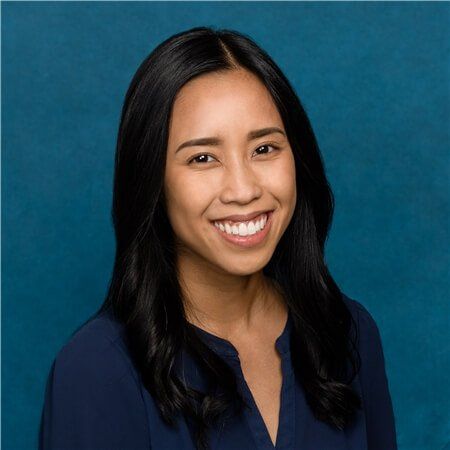
The retrospective cohort study found that “immunosuppressed patients had similar infection rates as immunocompetent patients following Mohs micrographic surgery,” first author Tuyet A. Nguyen, MD, of the department of dermatology, Cedars-Sinai Medical Center, Los Angeles, told this news organization.
“Therefore, antibiotic prescribing patterns should not change simply due to immunosuppression. Furthermore, immunosuppressed patients appear to respond well to antibiotics and recover similarly to immunocompetent patients,” she said.
The study was presented at the annual meeting of the American College of Mohs Surgery.
Mohs surgery is increasingly being performed for patients who are immunosuppressed because of the higher incidence of skin cancer in this group of patients and their higher risk of more aggressive skin cancers.
Overall, the rate of surgical site infections following Mohs surgery generally ranges from 0.5% to 2.4%. However, research is lacking on the risk among patients who are immunosuppressed and on how effective the use of prophylactic antibiotics is for these patients.
For the retrospective study, Dr. Nguyen and her colleagues evaluated data on 5,886 patients who underwent Mohs surgery at Cedars-Sinai between October 2014 and August 2021. Among these patients, 741 (12.6%) were immunocompromised.
Causes of immunosuppression in the cohort included the following: immunosuppression after transplant surgery; having HIV, chronic myeloid leukemia, multiple myeloma, or other hematogenous forms of immunosuppression; or immunosuppression related to other conditions, such as chronic inflammatory diseases.
Overall, postprocedural infections occurred in 1.6% (95) of patients, a rate that mirrors that of the general population, Dr. Nguyen noted. No significant differences in surgical site infection rates were observed between immunocompromised patients (2.1%, n = 15) and those who were immunocompetent (1.6%, n = 80; P = .30).
Importantly, among those who were immunocompromised, the rates of infection were not significantly different between those who did receive antibiotics (3.0%, n = 8) and those who did not receive antibiotics (1.5%, n = 7; P = .19).
The lack of a difference in surgical site infection rates among those who did and those who did not receive antibiotics extended to the entire study population (2.0% vs. 1.4%; P = .12).
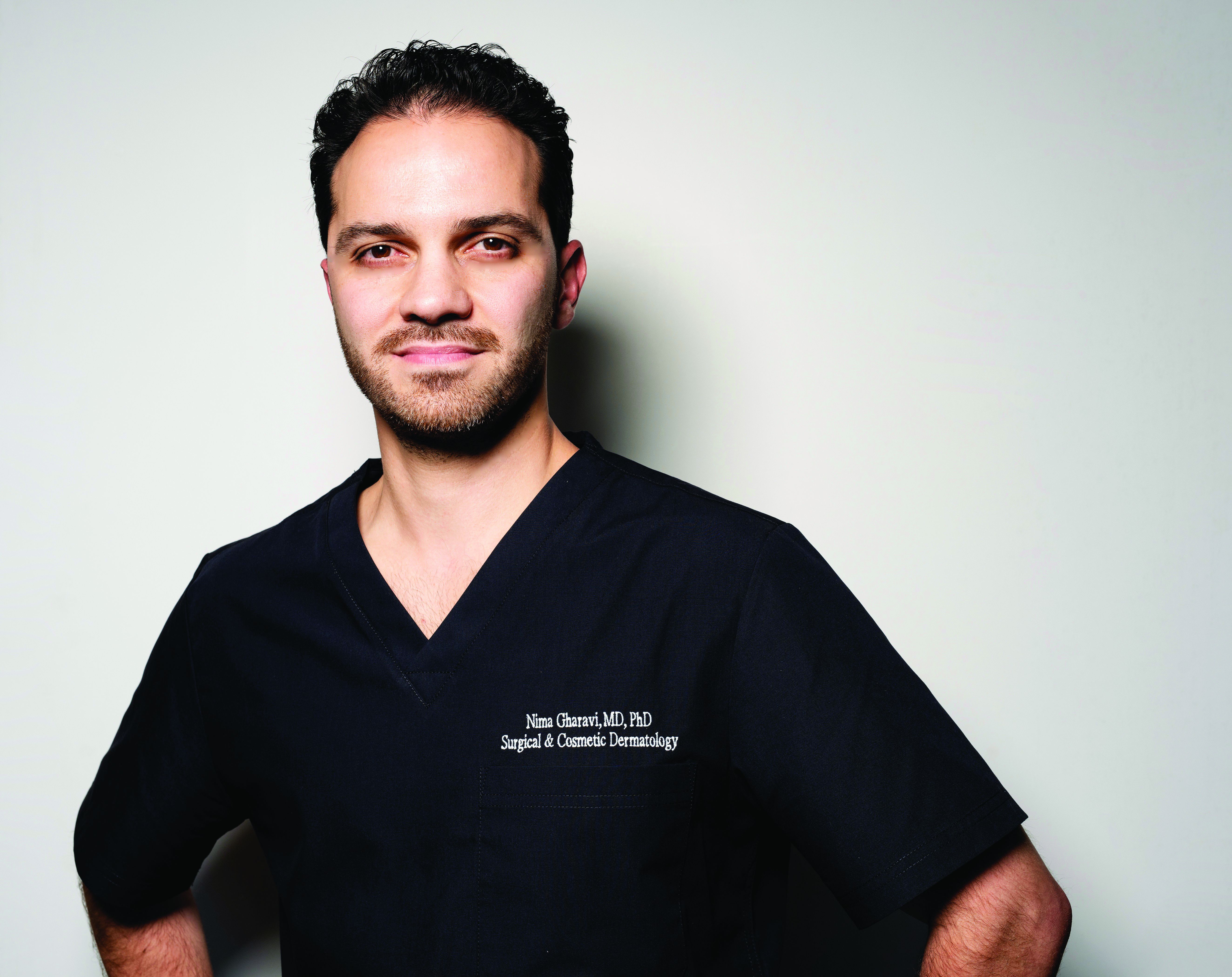
The study cohort mainly comprised immunosuppressed transplant patients, notably, heart, lung, and kidney transplant patients. However, “even in this population, we did not see a higher rate of infection,” senior author Nima M. Gharavi, MD, PhD, director of dermatologic surgery and Mohs micrographic surgery and associate professor of medicine and pathology and laboratory medicine at Cedars-Sinai Medical Center, said in an interview.
Yet the risk of infection among those patients has been shown to be high and of consequence. Data indicate that infections account for 13%-16% of deaths among kidney and heart transplant patients and up to 21% of deaths among lung transplant patients. The rate of mortality appears to parallel the level of immunosuppression, Dr. Nguyen explained.
Furthermore, up to 25% of patients who undergo heart and lung transplantation develop bacteremia.
In terms of why worse infections or bacteremia surgeries may not occur in association with Mohs, Dr. Nguyen speculated that, as opposed to other surgeries, those involving the skin may benefit from unique defense mechanisms.
“The skin is a complex system in its defense against foreign pathogens and infectious agents,” she explained during her presentation. “There is the physical barrier, the antimicrobial peptides, and an adaptive as well as innate immune response.”
“In immunosuppressed patients, with the decrease in adaptive immunity, it’s possible this loss is less important because the skin has such a robust immune system in general.”
In her presentation, Dr. Nguyen noted that “further studies are necessary to investigate why patients aren’t presenting with greater severity, and we plan to try to investigate whether the unique nature of skin-mediated immunity makes this organ less susceptible to severe or life-threatening infections in patients on immunosuppression.”
Of note, the rate of prophylactic antibiotic prescriptions was no higher for those who were and those who were not immunosuppressed (37.9% vs. 34.1%; P = .14), which Dr. Nguyen said is consistent with recommendations.
“Immunosuppression is not an indication for antibiotic use, and hence, we did not have a higher rate of antibiotics use in this population,” she told this news organization. However, a 2021 ACMS survey found that a high percentage of Mohs surgeons prescribe antibiotics for procedures in which antibiotics are not indicated so as to reduce the risk of infections and that immunosuppression is a common reason for doing so.
The authors have disclosed no relevant financial relationships.
A version of this article first appeared on Medscape.com.
, suggesting that antibiotic prophylaxis, which is often used for these patients, may not be necessary, according to new research.
The retrospective cohort study found that “immunosuppressed patients had similar infection rates as immunocompetent patients following Mohs micrographic surgery,” first author Tuyet A. Nguyen, MD, of the department of dermatology, Cedars-Sinai Medical Center, Los Angeles, told this news organization.
“Therefore, antibiotic prescribing patterns should not change simply due to immunosuppression. Furthermore, immunosuppressed patients appear to respond well to antibiotics and recover similarly to immunocompetent patients,” she said.
The study was presented at the annual meeting of the American College of Mohs Surgery.
Mohs surgery is increasingly being performed for patients who are immunosuppressed because of the higher incidence of skin cancer in this group of patients and their higher risk of more aggressive skin cancers.
Overall, the rate of surgical site infections following Mohs surgery generally ranges from 0.5% to 2.4%. However, research is lacking on the risk among patients who are immunosuppressed and on how effective the use of prophylactic antibiotics is for these patients.
For the retrospective study, Dr. Nguyen and her colleagues evaluated data on 5,886 patients who underwent Mohs surgery at Cedars-Sinai between October 2014 and August 2021. Among these patients, 741 (12.6%) were immunocompromised.
Causes of immunosuppression in the cohort included the following: immunosuppression after transplant surgery; having HIV, chronic myeloid leukemia, multiple myeloma, or other hematogenous forms of immunosuppression; or immunosuppression related to other conditions, such as chronic inflammatory diseases.
Overall, postprocedural infections occurred in 1.6% (95) of patients, a rate that mirrors that of the general population, Dr. Nguyen noted. No significant differences in surgical site infection rates were observed between immunocompromised patients (2.1%, n = 15) and those who were immunocompetent (1.6%, n = 80; P = .30).
Importantly, among those who were immunocompromised, the rates of infection were not significantly different between those who did receive antibiotics (3.0%, n = 8) and those who did not receive antibiotics (1.5%, n = 7; P = .19).
The lack of a difference in surgical site infection rates among those who did and those who did not receive antibiotics extended to the entire study population (2.0% vs. 1.4%; P = .12).
The study cohort mainly comprised immunosuppressed transplant patients, notably, heart, lung, and kidney transplant patients. However, “even in this population, we did not see a higher rate of infection,” senior author Nima M. Gharavi, MD, PhD, director of dermatologic surgery and Mohs micrographic surgery and associate professor of medicine and pathology and laboratory medicine at Cedars-Sinai Medical Center, said in an interview.
Yet the risk of infection among those patients has been shown to be high and of consequence. Data indicate that infections account for 13%-16% of deaths among kidney and heart transplant patients and up to 21% of deaths among lung transplant patients. The rate of mortality appears to parallel the level of immunosuppression, Dr. Nguyen explained.
Furthermore, up to 25% of patients who undergo heart and lung transplantation develop bacteremia.
In terms of why worse infections or bacteremia surgeries may not occur in association with Mohs, Dr. Nguyen speculated that, as opposed to other surgeries, those involving the skin may benefit from unique defense mechanisms.
“The skin is a complex system in its defense against foreign pathogens and infectious agents,” she explained during her presentation. “There is the physical barrier, the antimicrobial peptides, and an adaptive as well as innate immune response.”
“In immunosuppressed patients, with the decrease in adaptive immunity, it’s possible this loss is less important because the skin has such a robust immune system in general.”
In her presentation, Dr. Nguyen noted that “further studies are necessary to investigate why patients aren’t presenting with greater severity, and we plan to try to investigate whether the unique nature of skin-mediated immunity makes this organ less susceptible to severe or life-threatening infections in patients on immunosuppression.”
Of note, the rate of prophylactic antibiotic prescriptions was no higher for those who were and those who were not immunosuppressed (37.9% vs. 34.1%; P = .14), which Dr. Nguyen said is consistent with recommendations.
“Immunosuppression is not an indication for antibiotic use, and hence, we did not have a higher rate of antibiotics use in this population,” she told this news organization. However, a 2021 ACMS survey found that a high percentage of Mohs surgeons prescribe antibiotics for procedures in which antibiotics are not indicated so as to reduce the risk of infections and that immunosuppression is a common reason for doing so.
The authors have disclosed no relevant financial relationships.
A version of this article first appeared on Medscape.com.
, suggesting that antibiotic prophylaxis, which is often used for these patients, may not be necessary, according to new research.
The retrospective cohort study found that “immunosuppressed patients had similar infection rates as immunocompetent patients following Mohs micrographic surgery,” first author Tuyet A. Nguyen, MD, of the department of dermatology, Cedars-Sinai Medical Center, Los Angeles, told this news organization.
“Therefore, antibiotic prescribing patterns should not change simply due to immunosuppression. Furthermore, immunosuppressed patients appear to respond well to antibiotics and recover similarly to immunocompetent patients,” she said.
The study was presented at the annual meeting of the American College of Mohs Surgery.
Mohs surgery is increasingly being performed for patients who are immunosuppressed because of the higher incidence of skin cancer in this group of patients and their higher risk of more aggressive skin cancers.
Overall, the rate of surgical site infections following Mohs surgery generally ranges from 0.5% to 2.4%. However, research is lacking on the risk among patients who are immunosuppressed and on how effective the use of prophylactic antibiotics is for these patients.
For the retrospective study, Dr. Nguyen and her colleagues evaluated data on 5,886 patients who underwent Mohs surgery at Cedars-Sinai between October 2014 and August 2021. Among these patients, 741 (12.6%) were immunocompromised.
Causes of immunosuppression in the cohort included the following: immunosuppression after transplant surgery; having HIV, chronic myeloid leukemia, multiple myeloma, or other hematogenous forms of immunosuppression; or immunosuppression related to other conditions, such as chronic inflammatory diseases.
Overall, postprocedural infections occurred in 1.6% (95) of patients, a rate that mirrors that of the general population, Dr. Nguyen noted. No significant differences in surgical site infection rates were observed between immunocompromised patients (2.1%, n = 15) and those who were immunocompetent (1.6%, n = 80; P = .30).
Importantly, among those who were immunocompromised, the rates of infection were not significantly different between those who did receive antibiotics (3.0%, n = 8) and those who did not receive antibiotics (1.5%, n = 7; P = .19).
The lack of a difference in surgical site infection rates among those who did and those who did not receive antibiotics extended to the entire study population (2.0% vs. 1.4%; P = .12).
The study cohort mainly comprised immunosuppressed transplant patients, notably, heart, lung, and kidney transplant patients. However, “even in this population, we did not see a higher rate of infection,” senior author Nima M. Gharavi, MD, PhD, director of dermatologic surgery and Mohs micrographic surgery and associate professor of medicine and pathology and laboratory medicine at Cedars-Sinai Medical Center, said in an interview.
Yet the risk of infection among those patients has been shown to be high and of consequence. Data indicate that infections account for 13%-16% of deaths among kidney and heart transplant patients and up to 21% of deaths among lung transplant patients. The rate of mortality appears to parallel the level of immunosuppression, Dr. Nguyen explained.
Furthermore, up to 25% of patients who undergo heart and lung transplantation develop bacteremia.
In terms of why worse infections or bacteremia surgeries may not occur in association with Mohs, Dr. Nguyen speculated that, as opposed to other surgeries, those involving the skin may benefit from unique defense mechanisms.
“The skin is a complex system in its defense against foreign pathogens and infectious agents,” she explained during her presentation. “There is the physical barrier, the antimicrobial peptides, and an adaptive as well as innate immune response.”
“In immunosuppressed patients, with the decrease in adaptive immunity, it’s possible this loss is less important because the skin has such a robust immune system in general.”
In her presentation, Dr. Nguyen noted that “further studies are necessary to investigate why patients aren’t presenting with greater severity, and we plan to try to investigate whether the unique nature of skin-mediated immunity makes this organ less susceptible to severe or life-threatening infections in patients on immunosuppression.”
Of note, the rate of prophylactic antibiotic prescriptions was no higher for those who were and those who were not immunosuppressed (37.9% vs. 34.1%; P = .14), which Dr. Nguyen said is consistent with recommendations.
“Immunosuppression is not an indication for antibiotic use, and hence, we did not have a higher rate of antibiotics use in this population,” she told this news organization. However, a 2021 ACMS survey found that a high percentage of Mohs surgeons prescribe antibiotics for procedures in which antibiotics are not indicated so as to reduce the risk of infections and that immunosuppression is a common reason for doing so.
The authors have disclosed no relevant financial relationships.
A version of this article first appeared on Medscape.com.
FROM ACMS ANNUAL MEETING
Bariatric surgery cuts risk of developing and dying from cancer
A new study provides more evidence that the substantial weight loss achieved with bariatric surgery offers long-term protection against cancer.
The study found that adults with obesity who had bariatric surgery had a 32% lower risk of developing cancer and a 48% lower risk of dying from cancer, compared with peers who did not have the surgery.
“The magnitude of the benefit was very large and dose-dependent, with more weight loss associated with greater reduction in cancer risk,” lead investigator Ali Aminian, MD, director of the Bariatric & Metabolic Institute, Cleveland Clinic, told this news organization.
The study was published online in the Journal of the American Medical Association.
Best evidence to date
“We know that obesity is strongly linked with different types of cancers, but we didn’t know if losing a significant amount of weight can significantly decrease the risk of cancer,” Dr. Aminian explained.
The SPLENDID study involved 30,318 adults with obesity (median age, 46 years; 77% women; median body mass index, 45 kg/m2).
The 5,053 patients who underwent Roux-en-Y gastric bypass (66%) or sleeve gastrectomy (34%) were matched (1:5) to 25,265 patients who did not undergo bariatric surgery (nonsurgical control group).
At 10 years, patients who had bariatric surgery had lost 27.5 kg (60 pounds) compared with 2.7 kg (6 pounds) for peers who didn’t have the surgery, a difference of 19.2%.
During a median follow-up of 6.1 years, 96 patients in the bariatric surgery group and 780 patients in the nonsurgical control group developed an obesity-associated cancer (incidence rate of 3.0 vs. 4.6 events per 1,000 person-years).
At 10 years, the cumulative incidence of obesity-associated cancer was significantly lower in the bariatric surgery group (2.9% vs. 4.9%; absolute risk difference, 2.0%; 95% confidence interval [CI], 1.2%-2.7%; adjusted hazard ratio [HR], 0.68; 95% CI, 0.53-0.87; P = .002).
Most cancer types were less common in the bariatric surgery group. However, a comprehensive analysis of the impact of bariatric surgery on individual cancer types was not possible.
In the fully-adjusted Cox models, the association between bariatric surgery and individual cancer types was significant only for endometrial cancer (adjusted HR, 0.47; 95% CI, 0.27-0.83).
For the other individual cancers, there was a “trend or signal toward a reduction in their risk after the surgery,” Dr. Aminian said.
He noted that endometrial cancer has the strongest association with obesity, and patients who seek bariatric surgery are typically obese, middle-aged women.
“So, it was not surprising that we had more cases of endometrial cancer than other types of cancer,” he said.
The SPLENDID study also showed a significant reduction in cancer-related mortality at 10 years in patients with vs. without bariatric surgery (0.8% vs. 1.4%; adjusted HR, 0.52; 95% CI, 0.31-0.88; P = .01).
The benefits of bariatric surgery were evident in both women and men, younger and older patients, and Black and White patients, and were similarly observed after both gastric bypass and sleeve gastrectomy.
For the cancer protective effect, patients need to lose at least 20%-25% of their body weight, which is almost impossible with diet alone, Dr. Aminian said.
Obesity is “second only to tobacco” as a preventable cause of cancer in the United States, senior author Steven Nissen, MD, chief academic officer of the Heart, Vascular, and Thoracic Institute at Cleveland Clinic, said in a news release.
“This study provides the best possible evidence on the value of intentional weight loss to reduce cancer risk and mortality,” Dr. Nissen said.
Questions remain
In an accompanying editorial, Anita P. Courcoulas, MD, of the University of Pittsburgh Medical Center, said future studies should look at potential factors that influence the association between bariatric surgery and reduced cancer risk, with an eye toward individualizing treatment and figuring out who will benefit the most.
“It is likely that cancer risk reduction after bariatric surgery varies by sex, age, race and ethnicity, type of bariatric surgery, alcohol and smoking status, cancer site, diabetes status, body mass index, and other factors,” Dr. Courcoulas pointed out.
“In addition, there is a need to understand the specific biological mechanisms of effect responsible for the observed change in cancer risk because these mechanisms have not been clearly investigated and elucidated in humans,” she said.
“If this association is further validated, it would extend the benefits of bariatric surgery to another important area of long-term health and prevention. This additional information could then further guide for whom bariatric surgery is most beneficial,” Dr. Courcoulas concluded.
The study had no specific funding. Dr. Aminian reported receiving grants and speaking honoraria from Medtronic. Dr. Nissen reported receiving grants from Novartis, Eli Lilly, AbbVie, Silence Therapeutics, AstraZeneca, Esperion Therapeutics, Amgen, and Bristol Myers Squibb. A complete list of author disclosures is available with the original article. Dr. Courcoulas had no relevant disclosures.
A version of this article first appeared on Medscape.com.
A new study provides more evidence that the substantial weight loss achieved with bariatric surgery offers long-term protection against cancer.
The study found that adults with obesity who had bariatric surgery had a 32% lower risk of developing cancer and a 48% lower risk of dying from cancer, compared with peers who did not have the surgery.
“The magnitude of the benefit was very large and dose-dependent, with more weight loss associated with greater reduction in cancer risk,” lead investigator Ali Aminian, MD, director of the Bariatric & Metabolic Institute, Cleveland Clinic, told this news organization.
The study was published online in the Journal of the American Medical Association.
Best evidence to date
“We know that obesity is strongly linked with different types of cancers, but we didn’t know if losing a significant amount of weight can significantly decrease the risk of cancer,” Dr. Aminian explained.
The SPLENDID study involved 30,318 adults with obesity (median age, 46 years; 77% women; median body mass index, 45 kg/m2).
The 5,053 patients who underwent Roux-en-Y gastric bypass (66%) or sleeve gastrectomy (34%) were matched (1:5) to 25,265 patients who did not undergo bariatric surgery (nonsurgical control group).
At 10 years, patients who had bariatric surgery had lost 27.5 kg (60 pounds) compared with 2.7 kg (6 pounds) for peers who didn’t have the surgery, a difference of 19.2%.
During a median follow-up of 6.1 years, 96 patients in the bariatric surgery group and 780 patients in the nonsurgical control group developed an obesity-associated cancer (incidence rate of 3.0 vs. 4.6 events per 1,000 person-years).
At 10 years, the cumulative incidence of obesity-associated cancer was significantly lower in the bariatric surgery group (2.9% vs. 4.9%; absolute risk difference, 2.0%; 95% confidence interval [CI], 1.2%-2.7%; adjusted hazard ratio [HR], 0.68; 95% CI, 0.53-0.87; P = .002).
Most cancer types were less common in the bariatric surgery group. However, a comprehensive analysis of the impact of bariatric surgery on individual cancer types was not possible.
In the fully-adjusted Cox models, the association between bariatric surgery and individual cancer types was significant only for endometrial cancer (adjusted HR, 0.47; 95% CI, 0.27-0.83).
For the other individual cancers, there was a “trend or signal toward a reduction in their risk after the surgery,” Dr. Aminian said.
He noted that endometrial cancer has the strongest association with obesity, and patients who seek bariatric surgery are typically obese, middle-aged women.
“So, it was not surprising that we had more cases of endometrial cancer than other types of cancer,” he said.
The SPLENDID study also showed a significant reduction in cancer-related mortality at 10 years in patients with vs. without bariatric surgery (0.8% vs. 1.4%; adjusted HR, 0.52; 95% CI, 0.31-0.88; P = .01).
The benefits of bariatric surgery were evident in both women and men, younger and older patients, and Black and White patients, and were similarly observed after both gastric bypass and sleeve gastrectomy.
For the cancer protective effect, patients need to lose at least 20%-25% of their body weight, which is almost impossible with diet alone, Dr. Aminian said.
Obesity is “second only to tobacco” as a preventable cause of cancer in the United States, senior author Steven Nissen, MD, chief academic officer of the Heart, Vascular, and Thoracic Institute at Cleveland Clinic, said in a news release.
“This study provides the best possible evidence on the value of intentional weight loss to reduce cancer risk and mortality,” Dr. Nissen said.
Questions remain
In an accompanying editorial, Anita P. Courcoulas, MD, of the University of Pittsburgh Medical Center, said future studies should look at potential factors that influence the association between bariatric surgery and reduced cancer risk, with an eye toward individualizing treatment and figuring out who will benefit the most.
“It is likely that cancer risk reduction after bariatric surgery varies by sex, age, race and ethnicity, type of bariatric surgery, alcohol and smoking status, cancer site, diabetes status, body mass index, and other factors,” Dr. Courcoulas pointed out.
“In addition, there is a need to understand the specific biological mechanisms of effect responsible for the observed change in cancer risk because these mechanisms have not been clearly investigated and elucidated in humans,” she said.
“If this association is further validated, it would extend the benefits of bariatric surgery to another important area of long-term health and prevention. This additional information could then further guide for whom bariatric surgery is most beneficial,” Dr. Courcoulas concluded.
The study had no specific funding. Dr. Aminian reported receiving grants and speaking honoraria from Medtronic. Dr. Nissen reported receiving grants from Novartis, Eli Lilly, AbbVie, Silence Therapeutics, AstraZeneca, Esperion Therapeutics, Amgen, and Bristol Myers Squibb. A complete list of author disclosures is available with the original article. Dr. Courcoulas had no relevant disclosures.
A version of this article first appeared on Medscape.com.
A new study provides more evidence that the substantial weight loss achieved with bariatric surgery offers long-term protection against cancer.
The study found that adults with obesity who had bariatric surgery had a 32% lower risk of developing cancer and a 48% lower risk of dying from cancer, compared with peers who did not have the surgery.
“The magnitude of the benefit was very large and dose-dependent, with more weight loss associated with greater reduction in cancer risk,” lead investigator Ali Aminian, MD, director of the Bariatric & Metabolic Institute, Cleveland Clinic, told this news organization.
The study was published online in the Journal of the American Medical Association.
Best evidence to date
“We know that obesity is strongly linked with different types of cancers, but we didn’t know if losing a significant amount of weight can significantly decrease the risk of cancer,” Dr. Aminian explained.
The SPLENDID study involved 30,318 adults with obesity (median age, 46 years; 77% women; median body mass index, 45 kg/m2).
The 5,053 patients who underwent Roux-en-Y gastric bypass (66%) or sleeve gastrectomy (34%) were matched (1:5) to 25,265 patients who did not undergo bariatric surgery (nonsurgical control group).
At 10 years, patients who had bariatric surgery had lost 27.5 kg (60 pounds) compared with 2.7 kg (6 pounds) for peers who didn’t have the surgery, a difference of 19.2%.
During a median follow-up of 6.1 years, 96 patients in the bariatric surgery group and 780 patients in the nonsurgical control group developed an obesity-associated cancer (incidence rate of 3.0 vs. 4.6 events per 1,000 person-years).
At 10 years, the cumulative incidence of obesity-associated cancer was significantly lower in the bariatric surgery group (2.9% vs. 4.9%; absolute risk difference, 2.0%; 95% confidence interval [CI], 1.2%-2.7%; adjusted hazard ratio [HR], 0.68; 95% CI, 0.53-0.87; P = .002).
Most cancer types were less common in the bariatric surgery group. However, a comprehensive analysis of the impact of bariatric surgery on individual cancer types was not possible.
In the fully-adjusted Cox models, the association between bariatric surgery and individual cancer types was significant only for endometrial cancer (adjusted HR, 0.47; 95% CI, 0.27-0.83).
For the other individual cancers, there was a “trend or signal toward a reduction in their risk after the surgery,” Dr. Aminian said.
He noted that endometrial cancer has the strongest association with obesity, and patients who seek bariatric surgery are typically obese, middle-aged women.
“So, it was not surprising that we had more cases of endometrial cancer than other types of cancer,” he said.
The SPLENDID study also showed a significant reduction in cancer-related mortality at 10 years in patients with vs. without bariatric surgery (0.8% vs. 1.4%; adjusted HR, 0.52; 95% CI, 0.31-0.88; P = .01).
The benefits of bariatric surgery were evident in both women and men, younger and older patients, and Black and White patients, and were similarly observed after both gastric bypass and sleeve gastrectomy.
For the cancer protective effect, patients need to lose at least 20%-25% of their body weight, which is almost impossible with diet alone, Dr. Aminian said.
Obesity is “second only to tobacco” as a preventable cause of cancer in the United States, senior author Steven Nissen, MD, chief academic officer of the Heart, Vascular, and Thoracic Institute at Cleveland Clinic, said in a news release.
“This study provides the best possible evidence on the value of intentional weight loss to reduce cancer risk and mortality,” Dr. Nissen said.
Questions remain
In an accompanying editorial, Anita P. Courcoulas, MD, of the University of Pittsburgh Medical Center, said future studies should look at potential factors that influence the association between bariatric surgery and reduced cancer risk, with an eye toward individualizing treatment and figuring out who will benefit the most.
“It is likely that cancer risk reduction after bariatric surgery varies by sex, age, race and ethnicity, type of bariatric surgery, alcohol and smoking status, cancer site, diabetes status, body mass index, and other factors,” Dr. Courcoulas pointed out.
“In addition, there is a need to understand the specific biological mechanisms of effect responsible for the observed change in cancer risk because these mechanisms have not been clearly investigated and elucidated in humans,” she said.
“If this association is further validated, it would extend the benefits of bariatric surgery to another important area of long-term health and prevention. This additional information could then further guide for whom bariatric surgery is most beneficial,” Dr. Courcoulas concluded.
The study had no specific funding. Dr. Aminian reported receiving grants and speaking honoraria from Medtronic. Dr. Nissen reported receiving grants from Novartis, Eli Lilly, AbbVie, Silence Therapeutics, AstraZeneca, Esperion Therapeutics, Amgen, and Bristol Myers Squibb. A complete list of author disclosures is available with the original article. Dr. Courcoulas had no relevant disclosures.
A version of this article first appeared on Medscape.com.
Mohs surgery in the elderly: The dilemma of when to treat
As increasing numbers of patients in their 80s, 90s, and even 100s present for possible Mohs micrographic surgery, surgeons are confronted with deciding when the risks of treatment may outweigh the benefits.
In one of two presentations at the annual meeting of the American College of Mohs Surgery that addressed this topic, Howard W. Rogers, MD, of Advanced Dermatology in Norwich, Conn., said that the crux of the issue is the concern not to undertreat. He noted that reduced access to dermatologic care during the pandemic has provided a stark lesson in the risks of delaying treatment in all age groups. “Mohs surgeons have all seen the consequences of delayed treatment due to the pandemic with enormous, destructive, and sometimes fatal cancers coming to the office in the last year,” he told this news organization.

“Pandemic-related treatment delay has caused increased suffering and morbidity for countless skin cancer patients across the U.S.,” he said. “In general, not treating skin cancer and hoping it’s not going to grow or having significant delays in treatment are a recipe for disastrous outcomes.”
That said, active monitoring may be appropriate “for select small cancers that tend to grow slowly in the very elderly,” added Dr. Rogers, the incoming ACMS president. Among the key situations where the benefits of active monitoring may outweigh the risks of surgery are small, slowly growing cancers, when frailty is an issue.
Frailty has been equated to compromised functionality, which can increase the risk of an array of complications, including prolonged wound healing and secondary complications stemming from immobility. The toll those issues can take on patients’ quality of life can be considerable, Dr. Rogers said.
When weighing treatment options with elderly patients, he emphasized that careful consideration should be given to whether the “time needed to benefit from a Mohs procedure is longer than the patient’s life expectancy.” Furthermore, a decision not to treat does not have to be the last word. “We need to have an honest dialogue on the consequences of nontreatment, but part of that should be that just because we don’t treat today, doesn’t mean we can’t treat it tomorrow, if necessary.”
Of note, he added, “more than 100,00 patients have surgery for basal cell carcinoma [BCC] in their last year of life.” And that figure will likely rise exponentially if population projections come to fruition, considering that the population of people over the age of 85 is predicted to increase to nearly 18 million in 2050, from 5.8 million in 2012, Dr. Rogers said.
Until more research emerges on how to best treat this age group, Dr. Rogers noted that experts recommend that for elderly patients, “treatment should be individualized with consideration of active monitoring of primary BCC that is not in the H-zone, asymptomatic, smaller than 1 cm, with treatment initiated if there is substantial growth or symptoms.” Ultimately, he urged surgeons to “be sensitive and treat our patients like ourselves or our family members.”
When appropriate – Mohs is safe in the very elderly
Taking on the issue in a separate presentation, Deborah MacFarlane, MD, professor of dermatology and head and neck surgery at MD Anderson Cancer Center, Houston, said that for skin cancer cases that warrant treatment, clinicians should not let age alone stand in the way of Mohs surgery.
The evidence of its safety in the elderly dates back to a paper published in 1997 that Dr. MacFarlane coauthored, describing Mohs surgery of BCCs, squamous cell cancers (SCCs), and melanomas among 115 patients aged 90 and older (average, 92.4 years) who had an average of 1.9 comorbid medical conditions, and were taking an average of 2.3 medications. “Overall, we had just one complication among the patients,” she said.
In a subsequent paper, Dr. MacFarlane and her colleagues found that age at the time of Mohs surgery, even in older patients, was unrelated to survival, stage of cancer, or the type of repair. “We have concluded that this rapidly growing segment of the population can undergo Mohs surgery and should not be relegated to less effective treatment out of fear of its affecting their survival,” Dr. MacFarlane said.
She agreed with the concern about frailty and hence functionality, which may need to be factored in when making a decision to perform Mohs surgery. “I think this is something we do intuitively anyway,” she added. “We’re going to offer Mohs to someone who we think will survive and who is in relatively good health,” Dr. MacFarlane noted.
The point is illustrated in a new multicenter study of 1,181 patients at 22 U.S. sites, aged 85 years and older with nonmelanoma skin cancer referred for Mohs surgery. In the study, published in JAMA Dermatology after the ACMS meeting, patients who had Mohs surgery were almost four times more likely to have high functional status (P < .001) and were more likely to have facial tumors (P < .001), compared with those who had an alternate surgery.
The main reasons provided by the surgeons for opting to treat with Mohs included a patient’s desire for treatment with a high cure rate (66%), good/excellent patient functional status for age (57%), and a high risk associated with the tumor based on histology (40%), noted Dr. MacFarlane, one of the authors.
She reiterated the point raised by Dr. Rogers that “this is something we’re going to increasingly face,” noting that people over 85 represent the fastest growing segment of the population. “I have more patients over the age of 100 than I’ve ever had before,” she said.
Nevertheless, her own experience with elderly patients speaks to the safety of Mohs surgery in this population: Dr. MacFarlane reported a review of her practice’s records of 171 patients aged 85 years and older between May 2016 and May 2022, who received 414 separate procedures, without a single complication.
Sharing many of Dr. Rogers’ concerns about using caution in at-risk patients, Dr. MacFarlane offered recommendations for the optimal treatment of elderly patients receiving Mohs, including handling tissue delicately, and “keep undermining to a minimum.” She noted that intermediate closures and full thickness skin grafts are ideal closures for the elderly, while flaps may be performed in selected robust skin. It is also important to involve caretakers from the onset, talk and listen to patients – and play their choice of music during treatment, she said.
Commenting on the debate, comoderator Nahid Y. Vidal, MD, of the department of dermatology, Mayo Clinic, Rochester, Minn., noted that the expanding older population is accompanied by increases in skin cancer, in addition to more immunosenescence that is related to development of infections, autoimmune disease, and malignant tumors.

“In our academic practice, as with both the reference speakers, we do frequently see elderly, and not uncommonly the super-elderly,” she told this news organization. “The take-home point for me is to treat your whole patient, not just the tumor,” considering social factors, frailty/spry factor, and preferences, “and to do the humanistic thing, while also remaining evidence based,” she said.
“Don’t assume that increased age translates to morbidity, worse outcomes, or futility of treatment,” she added. “Chances are, if [a patient] made it to 90 years old with only a few medications and few medical problems, they may make it to 100, so why put the patient at risk for metastasis and death from a treatable/curable skin cancer,” in the case of SCC, she said.
“By the same token, why not perform more conservative treatments such as ED&C [electrodesiccation and curettage] for very low-risk skin cancers in low-risk locations, such as a superficial basal cell carcinoma on the trunk?” Overall, instead of trying to determine how long a super-elderly individual will live, Dr. Vidal said that “it’s better to educate the patient, engage in a discussion about goals of care, and to make few assumptions.”
Dr. Rogers, Dr. MacFarlane, and Dr. Vidal report no disclosures.
A version of this article first appeared on Medscape.com.
As increasing numbers of patients in their 80s, 90s, and even 100s present for possible Mohs micrographic surgery, surgeons are confronted with deciding when the risks of treatment may outweigh the benefits.
In one of two presentations at the annual meeting of the American College of Mohs Surgery that addressed this topic, Howard W. Rogers, MD, of Advanced Dermatology in Norwich, Conn., said that the crux of the issue is the concern not to undertreat. He noted that reduced access to dermatologic care during the pandemic has provided a stark lesson in the risks of delaying treatment in all age groups. “Mohs surgeons have all seen the consequences of delayed treatment due to the pandemic with enormous, destructive, and sometimes fatal cancers coming to the office in the last year,” he told this news organization.
“Pandemic-related treatment delay has caused increased suffering and morbidity for countless skin cancer patients across the U.S.,” he said. “In general, not treating skin cancer and hoping it’s not going to grow or having significant delays in treatment are a recipe for disastrous outcomes.”
That said, active monitoring may be appropriate “for select small cancers that tend to grow slowly in the very elderly,” added Dr. Rogers, the incoming ACMS president. Among the key situations where the benefits of active monitoring may outweigh the risks of surgery are small, slowly growing cancers, when frailty is an issue.
Frailty has been equated to compromised functionality, which can increase the risk of an array of complications, including prolonged wound healing and secondary complications stemming from immobility. The toll those issues can take on patients’ quality of life can be considerable, Dr. Rogers said.
When weighing treatment options with elderly patients, he emphasized that careful consideration should be given to whether the “time needed to benefit from a Mohs procedure is longer than the patient’s life expectancy.” Furthermore, a decision not to treat does not have to be the last word. “We need to have an honest dialogue on the consequences of nontreatment, but part of that should be that just because we don’t treat today, doesn’t mean we can’t treat it tomorrow, if necessary.”
Of note, he added, “more than 100,00 patients have surgery for basal cell carcinoma [BCC] in their last year of life.” And that figure will likely rise exponentially if population projections come to fruition, considering that the population of people over the age of 85 is predicted to increase to nearly 18 million in 2050, from 5.8 million in 2012, Dr. Rogers said.
Until more research emerges on how to best treat this age group, Dr. Rogers noted that experts recommend that for elderly patients, “treatment should be individualized with consideration of active monitoring of primary BCC that is not in the H-zone, asymptomatic, smaller than 1 cm, with treatment initiated if there is substantial growth or symptoms.” Ultimately, he urged surgeons to “be sensitive and treat our patients like ourselves or our family members.”
When appropriate – Mohs is safe in the very elderly
Taking on the issue in a separate presentation, Deborah MacFarlane, MD, professor of dermatology and head and neck surgery at MD Anderson Cancer Center, Houston, said that for skin cancer cases that warrant treatment, clinicians should not let age alone stand in the way of Mohs surgery.
The evidence of its safety in the elderly dates back to a paper published in 1997 that Dr. MacFarlane coauthored, describing Mohs surgery of BCCs, squamous cell cancers (SCCs), and melanomas among 115 patients aged 90 and older (average, 92.4 years) who had an average of 1.9 comorbid medical conditions, and were taking an average of 2.3 medications. “Overall, we had just one complication among the patients,” she said.
In a subsequent paper, Dr. MacFarlane and her colleagues found that age at the time of Mohs surgery, even in older patients, was unrelated to survival, stage of cancer, or the type of repair. “We have concluded that this rapidly growing segment of the population can undergo Mohs surgery and should not be relegated to less effective treatment out of fear of its affecting their survival,” Dr. MacFarlane said.
She agreed with the concern about frailty and hence functionality, which may need to be factored in when making a decision to perform Mohs surgery. “I think this is something we do intuitively anyway,” she added. “We’re going to offer Mohs to someone who we think will survive and who is in relatively good health,” Dr. MacFarlane noted.
The point is illustrated in a new multicenter study of 1,181 patients at 22 U.S. sites, aged 85 years and older with nonmelanoma skin cancer referred for Mohs surgery. In the study, published in JAMA Dermatology after the ACMS meeting, patients who had Mohs surgery were almost four times more likely to have high functional status (P < .001) and were more likely to have facial tumors (P < .001), compared with those who had an alternate surgery.
The main reasons provided by the surgeons for opting to treat with Mohs included a patient’s desire for treatment with a high cure rate (66%), good/excellent patient functional status for age (57%), and a high risk associated with the tumor based on histology (40%), noted Dr. MacFarlane, one of the authors.
She reiterated the point raised by Dr. Rogers that “this is something we’re going to increasingly face,” noting that people over 85 represent the fastest growing segment of the population. “I have more patients over the age of 100 than I’ve ever had before,” she said.
Nevertheless, her own experience with elderly patients speaks to the safety of Mohs surgery in this population: Dr. MacFarlane reported a review of her practice’s records of 171 patients aged 85 years and older between May 2016 and May 2022, who received 414 separate procedures, without a single complication.
Sharing many of Dr. Rogers’ concerns about using caution in at-risk patients, Dr. MacFarlane offered recommendations for the optimal treatment of elderly patients receiving Mohs, including handling tissue delicately, and “keep undermining to a minimum.” She noted that intermediate closures and full thickness skin grafts are ideal closures for the elderly, while flaps may be performed in selected robust skin. It is also important to involve caretakers from the onset, talk and listen to patients – and play their choice of music during treatment, she said.
Commenting on the debate, comoderator Nahid Y. Vidal, MD, of the department of dermatology, Mayo Clinic, Rochester, Minn., noted that the expanding older population is accompanied by increases in skin cancer, in addition to more immunosenescence that is related to development of infections, autoimmune disease, and malignant tumors.
“In our academic practice, as with both the reference speakers, we do frequently see elderly, and not uncommonly the super-elderly,” she told this news organization. “The take-home point for me is to treat your whole patient, not just the tumor,” considering social factors, frailty/spry factor, and preferences, “and to do the humanistic thing, while also remaining evidence based,” she said.
“Don’t assume that increased age translates to morbidity, worse outcomes, or futility of treatment,” she added. “Chances are, if [a patient] made it to 90 years old with only a few medications and few medical problems, they may make it to 100, so why put the patient at risk for metastasis and death from a treatable/curable skin cancer,” in the case of SCC, she said.
“By the same token, why not perform more conservative treatments such as ED&C [electrodesiccation and curettage] for very low-risk skin cancers in low-risk locations, such as a superficial basal cell carcinoma on the trunk?” Overall, instead of trying to determine how long a super-elderly individual will live, Dr. Vidal said that “it’s better to educate the patient, engage in a discussion about goals of care, and to make few assumptions.”
Dr. Rogers, Dr. MacFarlane, and Dr. Vidal report no disclosures.
A version of this article first appeared on Medscape.com.
As increasing numbers of patients in their 80s, 90s, and even 100s present for possible Mohs micrographic surgery, surgeons are confronted with deciding when the risks of treatment may outweigh the benefits.
In one of two presentations at the annual meeting of the American College of Mohs Surgery that addressed this topic, Howard W. Rogers, MD, of Advanced Dermatology in Norwich, Conn., said that the crux of the issue is the concern not to undertreat. He noted that reduced access to dermatologic care during the pandemic has provided a stark lesson in the risks of delaying treatment in all age groups. “Mohs surgeons have all seen the consequences of delayed treatment due to the pandemic with enormous, destructive, and sometimes fatal cancers coming to the office in the last year,” he told this news organization.
“Pandemic-related treatment delay has caused increased suffering and morbidity for countless skin cancer patients across the U.S.,” he said. “In general, not treating skin cancer and hoping it’s not going to grow or having significant delays in treatment are a recipe for disastrous outcomes.”
That said, active monitoring may be appropriate “for select small cancers that tend to grow slowly in the very elderly,” added Dr. Rogers, the incoming ACMS president. Among the key situations where the benefits of active monitoring may outweigh the risks of surgery are small, slowly growing cancers, when frailty is an issue.
Frailty has been equated to compromised functionality, which can increase the risk of an array of complications, including prolonged wound healing and secondary complications stemming from immobility. The toll those issues can take on patients’ quality of life can be considerable, Dr. Rogers said.
When weighing treatment options with elderly patients, he emphasized that careful consideration should be given to whether the “time needed to benefit from a Mohs procedure is longer than the patient’s life expectancy.” Furthermore, a decision not to treat does not have to be the last word. “We need to have an honest dialogue on the consequences of nontreatment, but part of that should be that just because we don’t treat today, doesn’t mean we can’t treat it tomorrow, if necessary.”
Of note, he added, “more than 100,00 patients have surgery for basal cell carcinoma [BCC] in their last year of life.” And that figure will likely rise exponentially if population projections come to fruition, considering that the population of people over the age of 85 is predicted to increase to nearly 18 million in 2050, from 5.8 million in 2012, Dr. Rogers said.
Until more research emerges on how to best treat this age group, Dr. Rogers noted that experts recommend that for elderly patients, “treatment should be individualized with consideration of active monitoring of primary BCC that is not in the H-zone, asymptomatic, smaller than 1 cm, with treatment initiated if there is substantial growth or symptoms.” Ultimately, he urged surgeons to “be sensitive and treat our patients like ourselves or our family members.”
When appropriate – Mohs is safe in the very elderly
Taking on the issue in a separate presentation, Deborah MacFarlane, MD, professor of dermatology and head and neck surgery at MD Anderson Cancer Center, Houston, said that for skin cancer cases that warrant treatment, clinicians should not let age alone stand in the way of Mohs surgery.
The evidence of its safety in the elderly dates back to a paper published in 1997 that Dr. MacFarlane coauthored, describing Mohs surgery of BCCs, squamous cell cancers (SCCs), and melanomas among 115 patients aged 90 and older (average, 92.4 years) who had an average of 1.9 comorbid medical conditions, and were taking an average of 2.3 medications. “Overall, we had just one complication among the patients,” she said.
In a subsequent paper, Dr. MacFarlane and her colleagues found that age at the time of Mohs surgery, even in older patients, was unrelated to survival, stage of cancer, or the type of repair. “We have concluded that this rapidly growing segment of the population can undergo Mohs surgery and should not be relegated to less effective treatment out of fear of its affecting their survival,” Dr. MacFarlane said.
She agreed with the concern about frailty and hence functionality, which may need to be factored in when making a decision to perform Mohs surgery. “I think this is something we do intuitively anyway,” she added. “We’re going to offer Mohs to someone who we think will survive and who is in relatively good health,” Dr. MacFarlane noted.
The point is illustrated in a new multicenter study of 1,181 patients at 22 U.S. sites, aged 85 years and older with nonmelanoma skin cancer referred for Mohs surgery. In the study, published in JAMA Dermatology after the ACMS meeting, patients who had Mohs surgery were almost four times more likely to have high functional status (P < .001) and were more likely to have facial tumors (P < .001), compared with those who had an alternate surgery.
The main reasons provided by the surgeons for opting to treat with Mohs included a patient’s desire for treatment with a high cure rate (66%), good/excellent patient functional status for age (57%), and a high risk associated with the tumor based on histology (40%), noted Dr. MacFarlane, one of the authors.
She reiterated the point raised by Dr. Rogers that “this is something we’re going to increasingly face,” noting that people over 85 represent the fastest growing segment of the population. “I have more patients over the age of 100 than I’ve ever had before,” she said.
Nevertheless, her own experience with elderly patients speaks to the safety of Mohs surgery in this population: Dr. MacFarlane reported a review of her practice’s records of 171 patients aged 85 years and older between May 2016 and May 2022, who received 414 separate procedures, without a single complication.
Sharing many of Dr. Rogers’ concerns about using caution in at-risk patients, Dr. MacFarlane offered recommendations for the optimal treatment of elderly patients receiving Mohs, including handling tissue delicately, and “keep undermining to a minimum.” She noted that intermediate closures and full thickness skin grafts are ideal closures for the elderly, while flaps may be performed in selected robust skin. It is also important to involve caretakers from the onset, talk and listen to patients – and play their choice of music during treatment, she said.
Commenting on the debate, comoderator Nahid Y. Vidal, MD, of the department of dermatology, Mayo Clinic, Rochester, Minn., noted that the expanding older population is accompanied by increases in skin cancer, in addition to more immunosenescence that is related to development of infections, autoimmune disease, and malignant tumors.
“In our academic practice, as with both the reference speakers, we do frequently see elderly, and not uncommonly the super-elderly,” she told this news organization. “The take-home point for me is to treat your whole patient, not just the tumor,” considering social factors, frailty/spry factor, and preferences, “and to do the humanistic thing, while also remaining evidence based,” she said.
“Don’t assume that increased age translates to morbidity, worse outcomes, or futility of treatment,” she added. “Chances are, if [a patient] made it to 90 years old with only a few medications and few medical problems, they may make it to 100, so why put the patient at risk for metastasis and death from a treatable/curable skin cancer,” in the case of SCC, she said.
“By the same token, why not perform more conservative treatments such as ED&C [electrodesiccation and curettage] for very low-risk skin cancers in low-risk locations, such as a superficial basal cell carcinoma on the trunk?” Overall, instead of trying to determine how long a super-elderly individual will live, Dr. Vidal said that “it’s better to educate the patient, engage in a discussion about goals of care, and to make few assumptions.”
Dr. Rogers, Dr. MacFarlane, and Dr. Vidal report no disclosures.
A version of this article first appeared on Medscape.com.
FROM ACMS 2022
Treating bone loss ups survival for breast cancer patients
A final long-term analysis of a study designed to evaluate the safety of a common osteoporosis drug used to treat bone loss in women who were treated for breast cancer, finds the
The final analysis of “Adjuvant Denosumab in Breast Cancer (ABCSG-18)” was presented at the annual meeting of the American Society of Clinical Oncology.
“Adjuvant denosumab should be considered for routine clinical use in postmenopausal patients with HR+ breast cancer on aromatase inhibitors treatment,” said the study’s author Michael Gnant, MD, FACS, director of surgery for the Medical University of Vienna.
Denosumab is currently recommended by ASCO as a treatment option for osteoporosis in patients who were successfully treated for nonmetastatic disease.
ABCSG-18 was a prospective, double-blind, placebo-controlled, phase 3 trial that comprised 3,420 patients (mean age 64.5 years) from 58 treatment centers. It included postmenopausal patients with early HR+ breast cancer who were treated with aromatase inhibitors between 2006 and 2013. Among the patients, 1,711 received denosumab 60 mg and 1,709 received a placebo every 6 months.
The primary endpoint was time to first clinical fracture, and the secondary disease outcome-related endpoints were disease-free survival, bone metastasis–free survival, and overall survival.
The hazard ratio for disease-free survival in the denosumab group was 0.83 (95% confidence interval [CI], 0.71-0.97, P = .02) after a median follow-up of 8 years. Disease-free survival (DFS) was 69.0% in the placebo arm and 74.4% in the denosumab arm, with events occurring in 19.8% of patients overall, including deaths in 8.3%.
Bone metastasis–free survival (BMFS) rates were 81.3% and 85.7% in the placebo and denosumab arms, respectively (HR = 0.81, 95% CI, 0.65-1.00, P = .05). Overall survival was 83.6% and 88.8% in the placebo and denosumab arms, respectively (HR = 0.80; 95% CI, 0.63-1.01, P = .06).
There were no new toxicities, nor was there a single positive case of osteonecrosis of the jaw (ONJ) during the study period, which may be due to the low dosage of denosumab. The bone protection dose of denosumab is much lower than that used for treatment of metastases which can be 12 times higher. In those cases, 4%-6% of patients may develop ONJ. “At these very low doses, even after 30,000 treatment years, we did not observe a single confirmed ONJ case,” he said.
Exploratory observations showed the majority of events to include distant recurrences in bone, liver, and lungs. Analysis revealed a trend toward reduction in contralateral breast cancer in the denosumab arm (24 versus 29 events), with a reduction in second non-breast primary malignancies (101 versus 127 events).
In a much earlier ABCSG-18 study from 2015, the primary endpoint of fracture risk was reduced significantly with denosumab (HR = 0.50, P < .0001), with highly significantly longer time to first clinical fracture, higher percent increase in bone mineral density (P < .0001 for both) and fewer vertebral fractures (P = .009). There is evidence that older generation bisphosphonates have potential beyond bone health, such as reducing metabolism (which benefits bone turnover), and improving breast cancer outcomes. These benefits sparked interest in potential long-term cancer reduction with denosumab, Dr. Gnant said.
“Bone marrow is a putative source of late relapse. Tumor cells can harbor there in a quiescent state for 10-15-20 years, and then for some reason wake up and cause metastases. So, all bone-targeted agents are also evaluated for reductions in cancer which is what we were looking to investigate here in this 15-year data,” he said. Denosumab is more targeted than the bisphosphonates, and directly inhibits the RANK ligand which is an important mediator of osteoclast activation. “This ligand is believed to support metastases in the process of waking up,” Dr. Gnant said.
A limitation of the study is that the outcome endpoints of ABCSG-18 are secondary ones, making the results technically descriptive. The study was sponsored by Amgen.
A final long-term analysis of a study designed to evaluate the safety of a common osteoporosis drug used to treat bone loss in women who were treated for breast cancer, finds the
The final analysis of “Adjuvant Denosumab in Breast Cancer (ABCSG-18)” was presented at the annual meeting of the American Society of Clinical Oncology.
“Adjuvant denosumab should be considered for routine clinical use in postmenopausal patients with HR+ breast cancer on aromatase inhibitors treatment,” said the study’s author Michael Gnant, MD, FACS, director of surgery for the Medical University of Vienna.
Denosumab is currently recommended by ASCO as a treatment option for osteoporosis in patients who were successfully treated for nonmetastatic disease.
ABCSG-18 was a prospective, double-blind, placebo-controlled, phase 3 trial that comprised 3,420 patients (mean age 64.5 years) from 58 treatment centers. It included postmenopausal patients with early HR+ breast cancer who were treated with aromatase inhibitors between 2006 and 2013. Among the patients, 1,711 received denosumab 60 mg and 1,709 received a placebo every 6 months.
The primary endpoint was time to first clinical fracture, and the secondary disease outcome-related endpoints were disease-free survival, bone metastasis–free survival, and overall survival.
The hazard ratio for disease-free survival in the denosumab group was 0.83 (95% confidence interval [CI], 0.71-0.97, P = .02) after a median follow-up of 8 years. Disease-free survival (DFS) was 69.0% in the placebo arm and 74.4% in the denosumab arm, with events occurring in 19.8% of patients overall, including deaths in 8.3%.
Bone metastasis–free survival (BMFS) rates were 81.3% and 85.7% in the placebo and denosumab arms, respectively (HR = 0.81, 95% CI, 0.65-1.00, P = .05). Overall survival was 83.6% and 88.8% in the placebo and denosumab arms, respectively (HR = 0.80; 95% CI, 0.63-1.01, P = .06).
There were no new toxicities, nor was there a single positive case of osteonecrosis of the jaw (ONJ) during the study period, which may be due to the low dosage of denosumab. The bone protection dose of denosumab is much lower than that used for treatment of metastases which can be 12 times higher. In those cases, 4%-6% of patients may develop ONJ. “At these very low doses, even after 30,000 treatment years, we did not observe a single confirmed ONJ case,” he said.
Exploratory observations showed the majority of events to include distant recurrences in bone, liver, and lungs. Analysis revealed a trend toward reduction in contralateral breast cancer in the denosumab arm (24 versus 29 events), with a reduction in second non-breast primary malignancies (101 versus 127 events).
In a much earlier ABCSG-18 study from 2015, the primary endpoint of fracture risk was reduced significantly with denosumab (HR = 0.50, P < .0001), with highly significantly longer time to first clinical fracture, higher percent increase in bone mineral density (P < .0001 for both) and fewer vertebral fractures (P = .009). There is evidence that older generation bisphosphonates have potential beyond bone health, such as reducing metabolism (which benefits bone turnover), and improving breast cancer outcomes. These benefits sparked interest in potential long-term cancer reduction with denosumab, Dr. Gnant said.
“Bone marrow is a putative source of late relapse. Tumor cells can harbor there in a quiescent state for 10-15-20 years, and then for some reason wake up and cause metastases. So, all bone-targeted agents are also evaluated for reductions in cancer which is what we were looking to investigate here in this 15-year data,” he said. Denosumab is more targeted than the bisphosphonates, and directly inhibits the RANK ligand which is an important mediator of osteoclast activation. “This ligand is believed to support metastases in the process of waking up,” Dr. Gnant said.
A limitation of the study is that the outcome endpoints of ABCSG-18 are secondary ones, making the results technically descriptive. The study was sponsored by Amgen.
A final long-term analysis of a study designed to evaluate the safety of a common osteoporosis drug used to treat bone loss in women who were treated for breast cancer, finds the
The final analysis of “Adjuvant Denosumab in Breast Cancer (ABCSG-18)” was presented at the annual meeting of the American Society of Clinical Oncology.
“Adjuvant denosumab should be considered for routine clinical use in postmenopausal patients with HR+ breast cancer on aromatase inhibitors treatment,” said the study’s author Michael Gnant, MD, FACS, director of surgery for the Medical University of Vienna.
Denosumab is currently recommended by ASCO as a treatment option for osteoporosis in patients who were successfully treated for nonmetastatic disease.
ABCSG-18 was a prospective, double-blind, placebo-controlled, phase 3 trial that comprised 3,420 patients (mean age 64.5 years) from 58 treatment centers. It included postmenopausal patients with early HR+ breast cancer who were treated with aromatase inhibitors between 2006 and 2013. Among the patients, 1,711 received denosumab 60 mg and 1,709 received a placebo every 6 months.
The primary endpoint was time to first clinical fracture, and the secondary disease outcome-related endpoints were disease-free survival, bone metastasis–free survival, and overall survival.
The hazard ratio for disease-free survival in the denosumab group was 0.83 (95% confidence interval [CI], 0.71-0.97, P = .02) after a median follow-up of 8 years. Disease-free survival (DFS) was 69.0% in the placebo arm and 74.4% in the denosumab arm, with events occurring in 19.8% of patients overall, including deaths in 8.3%.
Bone metastasis–free survival (BMFS) rates were 81.3% and 85.7% in the placebo and denosumab arms, respectively (HR = 0.81, 95% CI, 0.65-1.00, P = .05). Overall survival was 83.6% and 88.8% in the placebo and denosumab arms, respectively (HR = 0.80; 95% CI, 0.63-1.01, P = .06).
There were no new toxicities, nor was there a single positive case of osteonecrosis of the jaw (ONJ) during the study period, which may be due to the low dosage of denosumab. The bone protection dose of denosumab is much lower than that used for treatment of metastases which can be 12 times higher. In those cases, 4%-6% of patients may develop ONJ. “At these very low doses, even after 30,000 treatment years, we did not observe a single confirmed ONJ case,” he said.
Exploratory observations showed the majority of events to include distant recurrences in bone, liver, and lungs. Analysis revealed a trend toward reduction in contralateral breast cancer in the denosumab arm (24 versus 29 events), with a reduction in second non-breast primary malignancies (101 versus 127 events).
In a much earlier ABCSG-18 study from 2015, the primary endpoint of fracture risk was reduced significantly with denosumab (HR = 0.50, P < .0001), with highly significantly longer time to first clinical fracture, higher percent increase in bone mineral density (P < .0001 for both) and fewer vertebral fractures (P = .009). There is evidence that older generation bisphosphonates have potential beyond bone health, such as reducing metabolism (which benefits bone turnover), and improving breast cancer outcomes. These benefits sparked interest in potential long-term cancer reduction with denosumab, Dr. Gnant said.
“Bone marrow is a putative source of late relapse. Tumor cells can harbor there in a quiescent state for 10-15-20 years, and then for some reason wake up and cause metastases. So, all bone-targeted agents are also evaluated for reductions in cancer which is what we were looking to investigate here in this 15-year data,” he said. Denosumab is more targeted than the bisphosphonates, and directly inhibits the RANK ligand which is an important mediator of osteoclast activation. “This ligand is believed to support metastases in the process of waking up,” Dr. Gnant said.
A limitation of the study is that the outcome endpoints of ABCSG-18 are secondary ones, making the results technically descriptive. The study was sponsored by Amgen.
FROM ASCO 2022
‘Exciting’ new gene therapy yields promising results
In the first-in-human, phase 1 open-label study, known as ANTLER, 5 out of 5 patients with relapsed or refractory B cell non-Hodgkin lymphoma (r/r B-NHL) responded to a single dose of CB-010, an allogeneic CAR-T cell therapy designed to boost antitumor activity, according to the company.
The use of chimeric antigen receptor (CAR) T-cell therapy involves taking T cells out of the body, reprogramming them with CAR to better equip them to kill cancer cells, and putting them back into the body.
The study consists of two sections: an initial dose escalation following a 3 + 3 design, with prespecified, increasing doses, followed by an expanded trial in which all patients receive CB-010 at the dose determined in the first section.
The study population included 6 adults with r/r B-NHL who had relapsed after previous treatment with a median of 3 prior therapies. At baseline, all 6 patients underwent a lymphodepletion regimen consisting of cyclophosphamide at 60 mg/kg/day for 2 days, followed by 5 days of fludarabine at 25 mg/m2/day.
Then all patients received a single dose of 40x106 CAR-T cells. As of the Feb. 23, 2022, data cutoff date, 5 of the 6 patients had completed the 28-day dose-limiting toxicity (DLT) evaluation period. All 5 patients (100%) achieved a response; 4 achieved complete response and 1 achieved partial response. All 4 of the complete responders had ongoing complete response at 3 months, and the longest measured complete response was 6 months, according to the company.
“We are excited to see a 100% overall response rate with CB-010 at dose level 1 for these patients who have limited treatment options,” said Dr. Syed Rizvi, chief medical officer for Caribou Biosciences, in the press release. “We believe this initial level of activity is unparalleled for a single, starting dose of cell therapy. CB-010 was generally well-tolerated, with adverse events routinely observed in autologous or allogeneic anti-CD19 CAR-T cell therapies,” he said.
Based on the promising safety and efficacy results, the company is enrolling patients in a second cohort for treatment at dose level 2 (80x106 CAR-T cells), according to the news release.
Another allogeneic CAR-T cell therapy known as ALLO-501A is being studied in a similar trial conducted by the Moffitt Cancer Center.
Overall, CB-010 was well-tolerated, according to Caribou Biosciences. No cases of graft-versus-host disease were reported. A total of 3 patients developed grade 3 or 4 adverse events (AEs) within the first 28 days; the most common were neutropenia (50%), thrombocytopenia (33%), anemia (17%), and hypogammaglobulinemia (17%). One patient experienced both grade 1 cytokine release syndrome (CRS) and grade 3 Immune effector cell-Associated Neurotoxicity Syndrome (ICANS). This response was characterized as a dose-limiting toxicity. The patient was treated with tocilizumab and steroids, recovered within 39 hours, and went on to achieve a complete response, according to the company.
Although the safety profile in the current study was promising, prior research suggest that concerns associated with CRS and ICANS should not be ignored and may be barriers to treatment.
In an article published in Bone Marrow Transplant in 2021, Dr. Vipul Sheth and Dr. Jordan Gauthier of the Fred Hutchinson Cancer Center, Seattle, noted that adverse effects may remain a challenge to widespread use of CAR-T in patients with refractory or relapsed acute lymphoblastic leukemia, for which it has been approved by the U.S. Food and Drug Administration and several European agencies. However, “there is mounting evidence that earlier, and potentially more targeted, interventions can reduce these toxicities,” they wrote.
Study provides solid stepping stone
“CRS and ICANS are mild in most patients but can be severe and sometimes life-threatening in a subset of patients undergoing CD19 CAR T-cell therapy,” Dr. Gauthier said in an interview. “Different strategies are being investigated to mitigate or treat severe toxicities, such as the use of prophylactic corticosteroids, anakinra, lenzilumab, itacitinib. I am hopeful we will soon manage to prevent toxicities while maintaining potent anti-tumor effects,” he said.
“While autologous CD19 CAR-T cells have high efficacy in patients with refractory/relapsed large B-cell lymphoma, product manufacturing remains a complicated and lengthy process in the autologous setting,” Dr. Gauthier noted. “Commercial CAR T-cell manufacturing takes approximately 3-4 weeks, sometimes longer. Some patients won’t survive long enough to receive their infusion. In some patients, T-cell function is dramatically impaired, due to prior therapies or to the disease itself,” he said.
Dr. Gauthier said he was not surprised but that he was encouraged by the apparent early success of the ANTLER study. “The proof-of-concept that allogeneic CD19-targeted CAR T cells can induce high response rates in r/r LBCL has already been established,” he said. “Having said that, it is comforting to see prior findings confirmed by this new study, and those results are exciting for the field,” he added.
As for additional research, “we need longer follow-up after allogeneic CD19-targeted CAR T-cell therapy to ensure responses are durable,” Dr. Gauthier explained. “We also need to better understand the biology driving the antitumor effects and the side effects of CAR T-cells. This will help us build more efficacious and safer CAR T-cell therapies,” he said.
Response and side effects show promise for future research
The therapy is “the best CAR-T product” that clinicians can provide for patients knowing that autologous CAR-T works, said Dr. Ahmed Galal, of Duke University, Durham, N.C., in an interview. The current research supports the use of this treatment immediately for patients, he added.
Dr. Galal said he was somewhat surprised, but pleasantly so, by the 100% response rate. This rate is likely because of the small number of patients and may not hold up in further research, but “even 90% would be an amazing achievement,” he said. The tolerable safety profile is encouraging as well, he emphasized. Dr. Galal said that he did not foresee any real barriers to expanded use of the therapy and that technology should make it easier to deliver at authorized centers.
Limitations to the current study are those common to all phase 1 trials, such as the strict inclusion criteria, Dr. Galal said. As research progresses to phase 2, “I don’t think it will be an obstacle to find patients,” he said. However, patients should be aware of side effects, and clinicians should maintain a culture of education to help them understand the value of the therapy, he added.
The complete data from the preliminary findings are scheduled to be presented at the European Hematology Association (EHA) 2022 Hybrid Congress, Vienna, in June, as abstract P1455, titled “First-in-human trial of CB-010, a CRISPR-edited allogeneic anti-CD19 CAR-T cell therapy with a PD-1 knock out, in patients with relapsed or refractory B cell non-Hodgkin lymphoma (ANTLER study).” The findings are scheduled to be presented by Loretta J. Nastoupil, MD, of the University of Texas MD Anderson Cancer Center, according to Caribou Biosciences.
Dr. Gauthier had no financial conflicts to disclose. Dr. Galal had no financial conflicts to disclose.
In the first-in-human, phase 1 open-label study, known as ANTLER, 5 out of 5 patients with relapsed or refractory B cell non-Hodgkin lymphoma (r/r B-NHL) responded to a single dose of CB-010, an allogeneic CAR-T cell therapy designed to boost antitumor activity, according to the company.
The use of chimeric antigen receptor (CAR) T-cell therapy involves taking T cells out of the body, reprogramming them with CAR to better equip them to kill cancer cells, and putting them back into the body.
The study consists of two sections: an initial dose escalation following a 3 + 3 design, with prespecified, increasing doses, followed by an expanded trial in which all patients receive CB-010 at the dose determined in the first section.
The study population included 6 adults with r/r B-NHL who had relapsed after previous treatment with a median of 3 prior therapies. At baseline, all 6 patients underwent a lymphodepletion regimen consisting of cyclophosphamide at 60 mg/kg/day for 2 days, followed by 5 days of fludarabine at 25 mg/m2/day.
Then all patients received a single dose of 40x106 CAR-T cells. As of the Feb. 23, 2022, data cutoff date, 5 of the 6 patients had completed the 28-day dose-limiting toxicity (DLT) evaluation period. All 5 patients (100%) achieved a response; 4 achieved complete response and 1 achieved partial response. All 4 of the complete responders had ongoing complete response at 3 months, and the longest measured complete response was 6 months, according to the company.
“We are excited to see a 100% overall response rate with CB-010 at dose level 1 for these patients who have limited treatment options,” said Dr. Syed Rizvi, chief medical officer for Caribou Biosciences, in the press release. “We believe this initial level of activity is unparalleled for a single, starting dose of cell therapy. CB-010 was generally well-tolerated, with adverse events routinely observed in autologous or allogeneic anti-CD19 CAR-T cell therapies,” he said.
Based on the promising safety and efficacy results, the company is enrolling patients in a second cohort for treatment at dose level 2 (80x106 CAR-T cells), according to the news release.
Another allogeneic CAR-T cell therapy known as ALLO-501A is being studied in a similar trial conducted by the Moffitt Cancer Center.
Overall, CB-010 was well-tolerated, according to Caribou Biosciences. No cases of graft-versus-host disease were reported. A total of 3 patients developed grade 3 or 4 adverse events (AEs) within the first 28 days; the most common were neutropenia (50%), thrombocytopenia (33%), anemia (17%), and hypogammaglobulinemia (17%). One patient experienced both grade 1 cytokine release syndrome (CRS) and grade 3 Immune effector cell-Associated Neurotoxicity Syndrome (ICANS). This response was characterized as a dose-limiting toxicity. The patient was treated with tocilizumab and steroids, recovered within 39 hours, and went on to achieve a complete response, according to the company.
Although the safety profile in the current study was promising, prior research suggest that concerns associated with CRS and ICANS should not be ignored and may be barriers to treatment.
In an article published in Bone Marrow Transplant in 2021, Dr. Vipul Sheth and Dr. Jordan Gauthier of the Fred Hutchinson Cancer Center, Seattle, noted that adverse effects may remain a challenge to widespread use of CAR-T in patients with refractory or relapsed acute lymphoblastic leukemia, for which it has been approved by the U.S. Food and Drug Administration and several European agencies. However, “there is mounting evidence that earlier, and potentially more targeted, interventions can reduce these toxicities,” they wrote.
Study provides solid stepping stone
“CRS and ICANS are mild in most patients but can be severe and sometimes life-threatening in a subset of patients undergoing CD19 CAR T-cell therapy,” Dr. Gauthier said in an interview. “Different strategies are being investigated to mitigate or treat severe toxicities, such as the use of prophylactic corticosteroids, anakinra, lenzilumab, itacitinib. I am hopeful we will soon manage to prevent toxicities while maintaining potent anti-tumor effects,” he said.
“While autologous CD19 CAR-T cells have high efficacy in patients with refractory/relapsed large B-cell lymphoma, product manufacturing remains a complicated and lengthy process in the autologous setting,” Dr. Gauthier noted. “Commercial CAR T-cell manufacturing takes approximately 3-4 weeks, sometimes longer. Some patients won’t survive long enough to receive their infusion. In some patients, T-cell function is dramatically impaired, due to prior therapies or to the disease itself,” he said.
Dr. Gauthier said he was not surprised but that he was encouraged by the apparent early success of the ANTLER study. “The proof-of-concept that allogeneic CD19-targeted CAR T cells can induce high response rates in r/r LBCL has already been established,” he said. “Having said that, it is comforting to see prior findings confirmed by this new study, and those results are exciting for the field,” he added.
As for additional research, “we need longer follow-up after allogeneic CD19-targeted CAR T-cell therapy to ensure responses are durable,” Dr. Gauthier explained. “We also need to better understand the biology driving the antitumor effects and the side effects of CAR T-cells. This will help us build more efficacious and safer CAR T-cell therapies,” he said.
Response and side effects show promise for future research
The therapy is “the best CAR-T product” that clinicians can provide for patients knowing that autologous CAR-T works, said Dr. Ahmed Galal, of Duke University, Durham, N.C., in an interview. The current research supports the use of this treatment immediately for patients, he added.
Dr. Galal said he was somewhat surprised, but pleasantly so, by the 100% response rate. This rate is likely because of the small number of patients and may not hold up in further research, but “even 90% would be an amazing achievement,” he said. The tolerable safety profile is encouraging as well, he emphasized. Dr. Galal said that he did not foresee any real barriers to expanded use of the therapy and that technology should make it easier to deliver at authorized centers.
Limitations to the current study are those common to all phase 1 trials, such as the strict inclusion criteria, Dr. Galal said. As research progresses to phase 2, “I don’t think it will be an obstacle to find patients,” he said. However, patients should be aware of side effects, and clinicians should maintain a culture of education to help them understand the value of the therapy, he added.
The complete data from the preliminary findings are scheduled to be presented at the European Hematology Association (EHA) 2022 Hybrid Congress, Vienna, in June, as abstract P1455, titled “First-in-human trial of CB-010, a CRISPR-edited allogeneic anti-CD19 CAR-T cell therapy with a PD-1 knock out, in patients with relapsed or refractory B cell non-Hodgkin lymphoma (ANTLER study).” The findings are scheduled to be presented by Loretta J. Nastoupil, MD, of the University of Texas MD Anderson Cancer Center, according to Caribou Biosciences.
Dr. Gauthier had no financial conflicts to disclose. Dr. Galal had no financial conflicts to disclose.
In the first-in-human, phase 1 open-label study, known as ANTLER, 5 out of 5 patients with relapsed or refractory B cell non-Hodgkin lymphoma (r/r B-NHL) responded to a single dose of CB-010, an allogeneic CAR-T cell therapy designed to boost antitumor activity, according to the company.
The use of chimeric antigen receptor (CAR) T-cell therapy involves taking T cells out of the body, reprogramming them with CAR to better equip them to kill cancer cells, and putting them back into the body.
The study consists of two sections: an initial dose escalation following a 3 + 3 design, with prespecified, increasing doses, followed by an expanded trial in which all patients receive CB-010 at the dose determined in the first section.
The study population included 6 adults with r/r B-NHL who had relapsed after previous treatment with a median of 3 prior therapies. At baseline, all 6 patients underwent a lymphodepletion regimen consisting of cyclophosphamide at 60 mg/kg/day for 2 days, followed by 5 days of fludarabine at 25 mg/m2/day.
Then all patients received a single dose of 40x106 CAR-T cells. As of the Feb. 23, 2022, data cutoff date, 5 of the 6 patients had completed the 28-day dose-limiting toxicity (DLT) evaluation period. All 5 patients (100%) achieved a response; 4 achieved complete response and 1 achieved partial response. All 4 of the complete responders had ongoing complete response at 3 months, and the longest measured complete response was 6 months, according to the company.
“We are excited to see a 100% overall response rate with CB-010 at dose level 1 for these patients who have limited treatment options,” said Dr. Syed Rizvi, chief medical officer for Caribou Biosciences, in the press release. “We believe this initial level of activity is unparalleled for a single, starting dose of cell therapy. CB-010 was generally well-tolerated, with adverse events routinely observed in autologous or allogeneic anti-CD19 CAR-T cell therapies,” he said.
Based on the promising safety and efficacy results, the company is enrolling patients in a second cohort for treatment at dose level 2 (80x106 CAR-T cells), according to the news release.
Another allogeneic CAR-T cell therapy known as ALLO-501A is being studied in a similar trial conducted by the Moffitt Cancer Center.
Overall, CB-010 was well-tolerated, according to Caribou Biosciences. No cases of graft-versus-host disease were reported. A total of 3 patients developed grade 3 or 4 adverse events (AEs) within the first 28 days; the most common were neutropenia (50%), thrombocytopenia (33%), anemia (17%), and hypogammaglobulinemia (17%). One patient experienced both grade 1 cytokine release syndrome (CRS) and grade 3 Immune effector cell-Associated Neurotoxicity Syndrome (ICANS). This response was characterized as a dose-limiting toxicity. The patient was treated with tocilizumab and steroids, recovered within 39 hours, and went on to achieve a complete response, according to the company.
Although the safety profile in the current study was promising, prior research suggest that concerns associated with CRS and ICANS should not be ignored and may be barriers to treatment.
In an article published in Bone Marrow Transplant in 2021, Dr. Vipul Sheth and Dr. Jordan Gauthier of the Fred Hutchinson Cancer Center, Seattle, noted that adverse effects may remain a challenge to widespread use of CAR-T in patients with refractory or relapsed acute lymphoblastic leukemia, for which it has been approved by the U.S. Food and Drug Administration and several European agencies. However, “there is mounting evidence that earlier, and potentially more targeted, interventions can reduce these toxicities,” they wrote.
Study provides solid stepping stone
“CRS and ICANS are mild in most patients but can be severe and sometimes life-threatening in a subset of patients undergoing CD19 CAR T-cell therapy,” Dr. Gauthier said in an interview. “Different strategies are being investigated to mitigate or treat severe toxicities, such as the use of prophylactic corticosteroids, anakinra, lenzilumab, itacitinib. I am hopeful we will soon manage to prevent toxicities while maintaining potent anti-tumor effects,” he said.
“While autologous CD19 CAR-T cells have high efficacy in patients with refractory/relapsed large B-cell lymphoma, product manufacturing remains a complicated and lengthy process in the autologous setting,” Dr. Gauthier noted. “Commercial CAR T-cell manufacturing takes approximately 3-4 weeks, sometimes longer. Some patients won’t survive long enough to receive their infusion. In some patients, T-cell function is dramatically impaired, due to prior therapies or to the disease itself,” he said.
Dr. Gauthier said he was not surprised but that he was encouraged by the apparent early success of the ANTLER study. “The proof-of-concept that allogeneic CD19-targeted CAR T cells can induce high response rates in r/r LBCL has already been established,” he said. “Having said that, it is comforting to see prior findings confirmed by this new study, and those results are exciting for the field,” he added.
As for additional research, “we need longer follow-up after allogeneic CD19-targeted CAR T-cell therapy to ensure responses are durable,” Dr. Gauthier explained. “We also need to better understand the biology driving the antitumor effects and the side effects of CAR T-cells. This will help us build more efficacious and safer CAR T-cell therapies,” he said.
Response and side effects show promise for future research
The therapy is “the best CAR-T product” that clinicians can provide for patients knowing that autologous CAR-T works, said Dr. Ahmed Galal, of Duke University, Durham, N.C., in an interview. The current research supports the use of this treatment immediately for patients, he added.
Dr. Galal said he was somewhat surprised, but pleasantly so, by the 100% response rate. This rate is likely because of the small number of patients and may not hold up in further research, but “even 90% would be an amazing achievement,” he said. The tolerable safety profile is encouraging as well, he emphasized. Dr. Galal said that he did not foresee any real barriers to expanded use of the therapy and that technology should make it easier to deliver at authorized centers.
Limitations to the current study are those common to all phase 1 trials, such as the strict inclusion criteria, Dr. Galal said. As research progresses to phase 2, “I don’t think it will be an obstacle to find patients,” he said. However, patients should be aware of side effects, and clinicians should maintain a culture of education to help them understand the value of the therapy, he added.
The complete data from the preliminary findings are scheduled to be presented at the European Hematology Association (EHA) 2022 Hybrid Congress, Vienna, in June, as abstract P1455, titled “First-in-human trial of CB-010, a CRISPR-edited allogeneic anti-CD19 CAR-T cell therapy with a PD-1 knock out, in patients with relapsed or refractory B cell non-Hodgkin lymphoma (ANTLER study).” The findings are scheduled to be presented by Loretta J. Nastoupil, MD, of the University of Texas MD Anderson Cancer Center, according to Caribou Biosciences.
Dr. Gauthier had no financial conflicts to disclose. Dr. Galal had no financial conflicts to disclose.
Pembrolizumab before surgery improves survival in early triple negative breast cancer
for improving survival in patients with early triple negative breast cancer (TNBC).
The findings were presented in Chicago June 4 and 5 at the annual meeting of the American Society of Clinical Oncology by study author Lajos Pusztai, MD, D.Phil, director of Breast Cancer Translational Research at Yale University, New Haven, Conn.
KEYNOTE-522 is the first prospective, randomized, placebo-controlled phase 3 trial of pembrolizumab for early-stage TNBC in the neoadjuvant and adjuvant setting.
The study included 1,174 patients (median age 49 years) with previously untreated stage II or III triple-negative breast cancer. Patients were randomly assigned to receive neoadjuvant therapy with four cycles of pembrolizumab (200 mg) or placebo every 3 weeks plus paclitaxel and carboplatin, followed by four cycles of pembrolizumab or placebo plus doxorubicin-cyclophosphamide or epirubicin-cyclophosphamide. After surgery, patients received pembrolizumab or placebeo for 9 cycles or until recurrence or unacceptable toxicity. The primary end points were pathological complete response and event-free survival.
A total of 784 patients were treated with pembrolizumab and chemotherapy, and the second group of 390 patients received a placebo and chemotherapy. After surgery, patients received adjuvant pembrolizumab (pembrolizumab-chemotherapy group) or placebo and chemotherapy for every 3 weeks for up to nine cycles.
The estimated event-free survival at 36 months was 84.5% in the pembrolizumab-chemotherapy group, compared with 76.8% in the placebo-chemotherapy group (hazard ratio for event or death, 0.63; 95% confidence interval, 0.48 to 0.82; P <0.001). Adverse events occurred predominantly during the neoadjuvant phase and were consistent with the established safety profiles of pembrolizumab and chemotherapy.
At the first interim analysis, 64.8% achieved pathological complete response in the pembrolizumab group versus 51.2% in the placebo group. At the fourth interim analysis at 36 months, event-free survival was 76.8% in the placebo arm and 84.5% in the pembrolizumab arm. RCB-0 status was achieved by 63.4% and 56.2% of patients in the pembrolizumab and placebo arms, respectively.
Pembrolizumab did contribute immune-related adverse events, mostly grades 1-2, in about 17% of patients with thyroid function abnormalities most common with most occurring 20 weeks prior to surgical treatment.
Treatment with pembrolizumab added to chemotherapy, compared with chemotherapy alone, shifted residual cancer burden to lower categories across the entire spectrum of patients in the trial.
The hazard ratio for event-free survival with RCB-0, which Dr. Pusztai said is equivalent to a pathologic complete response (pCR), was 0.70 (0.38-1.31). For RCB-1 (minimal residual disease) it was 0.92 (0.39-2.20); for RCB-2 (moderate residual disease) it was 0.52 (0.32-0.82); and for RCB-3 (extensive residual disease) it was 1.24 (0.69-2.23).
“The most important finding is that patients in RCB-2, a group with a moderate amount of residual disease, experienced significant improvement with pembrolizumab. This clearly indicates not only that pembrolizumab leads to higher pCR rates but also that the pembrolizumCR/RCB-0 ... extends to patients who do not achieve pCR,” Dr. Pusztai said.
The benefit, he suggested, could be a result of the adjuvant pembrolizumab maintenance phase.
Patients in the RCB-3 category do poorly regardless of treatment (EFS of 34.6 % and 26.2% in the pembrolizumab and placebo arms, respectively).
“The RCB-3 population represents an unmet medical need, and they will need better drugs, and additional postoperative adjuvant therapy,” Dr. Pusztai said. The current standard of care is capecitabine for 6-8 cycles. Emerging new therapies, such as antibody drug conjugates, will be tested, he said.
In terms of limitations, adjuvant capecitabine was not allowed. “It remains uncertain how much better the RCB-2 and -3 patient outcomes would have been if capecitabine were administered,” he said.
The study was funded by Merck Sharp and Dohme, a subsidiary of Merck. Dr. Pusztai has received consulting fees and honoraria from Merck.
for improving survival in patients with early triple negative breast cancer (TNBC).
The findings were presented in Chicago June 4 and 5 at the annual meeting of the American Society of Clinical Oncology by study author Lajos Pusztai, MD, D.Phil, director of Breast Cancer Translational Research at Yale University, New Haven, Conn.
KEYNOTE-522 is the first prospective, randomized, placebo-controlled phase 3 trial of pembrolizumab for early-stage TNBC in the neoadjuvant and adjuvant setting.
The study included 1,174 patients (median age 49 years) with previously untreated stage II or III triple-negative breast cancer. Patients were randomly assigned to receive neoadjuvant therapy with four cycles of pembrolizumab (200 mg) or placebo every 3 weeks plus paclitaxel and carboplatin, followed by four cycles of pembrolizumab or placebo plus doxorubicin-cyclophosphamide or epirubicin-cyclophosphamide. After surgery, patients received pembrolizumab or placebeo for 9 cycles or until recurrence or unacceptable toxicity. The primary end points were pathological complete response and event-free survival.
A total of 784 patients were treated with pembrolizumab and chemotherapy, and the second group of 390 patients received a placebo and chemotherapy. After surgery, patients received adjuvant pembrolizumab (pembrolizumab-chemotherapy group) or placebo and chemotherapy for every 3 weeks for up to nine cycles.
The estimated event-free survival at 36 months was 84.5% in the pembrolizumab-chemotherapy group, compared with 76.8% in the placebo-chemotherapy group (hazard ratio for event or death, 0.63; 95% confidence interval, 0.48 to 0.82; P <0.001). Adverse events occurred predominantly during the neoadjuvant phase and were consistent with the established safety profiles of pembrolizumab and chemotherapy.
At the first interim analysis, 64.8% achieved pathological complete response in the pembrolizumab group versus 51.2% in the placebo group. At the fourth interim analysis at 36 months, event-free survival was 76.8% in the placebo arm and 84.5% in the pembrolizumab arm. RCB-0 status was achieved by 63.4% and 56.2% of patients in the pembrolizumab and placebo arms, respectively.
Pembrolizumab did contribute immune-related adverse events, mostly grades 1-2, in about 17% of patients with thyroid function abnormalities most common with most occurring 20 weeks prior to surgical treatment.
Treatment with pembrolizumab added to chemotherapy, compared with chemotherapy alone, shifted residual cancer burden to lower categories across the entire spectrum of patients in the trial.
The hazard ratio for event-free survival with RCB-0, which Dr. Pusztai said is equivalent to a pathologic complete response (pCR), was 0.70 (0.38-1.31). For RCB-1 (minimal residual disease) it was 0.92 (0.39-2.20); for RCB-2 (moderate residual disease) it was 0.52 (0.32-0.82); and for RCB-3 (extensive residual disease) it was 1.24 (0.69-2.23).
“The most important finding is that patients in RCB-2, a group with a moderate amount of residual disease, experienced significant improvement with pembrolizumab. This clearly indicates not only that pembrolizumab leads to higher pCR rates but also that the pembrolizumCR/RCB-0 ... extends to patients who do not achieve pCR,” Dr. Pusztai said.
The benefit, he suggested, could be a result of the adjuvant pembrolizumab maintenance phase.
Patients in the RCB-3 category do poorly regardless of treatment (EFS of 34.6 % and 26.2% in the pembrolizumab and placebo arms, respectively).
“The RCB-3 population represents an unmet medical need, and they will need better drugs, and additional postoperative adjuvant therapy,” Dr. Pusztai said. The current standard of care is capecitabine for 6-8 cycles. Emerging new therapies, such as antibody drug conjugates, will be tested, he said.
In terms of limitations, adjuvant capecitabine was not allowed. “It remains uncertain how much better the RCB-2 and -3 patient outcomes would have been if capecitabine were administered,” he said.
The study was funded by Merck Sharp and Dohme, a subsidiary of Merck. Dr. Pusztai has received consulting fees and honoraria from Merck.
for improving survival in patients with early triple negative breast cancer (TNBC).
The findings were presented in Chicago June 4 and 5 at the annual meeting of the American Society of Clinical Oncology by study author Lajos Pusztai, MD, D.Phil, director of Breast Cancer Translational Research at Yale University, New Haven, Conn.
KEYNOTE-522 is the first prospective, randomized, placebo-controlled phase 3 trial of pembrolizumab for early-stage TNBC in the neoadjuvant and adjuvant setting.
The study included 1,174 patients (median age 49 years) with previously untreated stage II or III triple-negative breast cancer. Patients were randomly assigned to receive neoadjuvant therapy with four cycles of pembrolizumab (200 mg) or placebo every 3 weeks plus paclitaxel and carboplatin, followed by four cycles of pembrolizumab or placebo plus doxorubicin-cyclophosphamide or epirubicin-cyclophosphamide. After surgery, patients received pembrolizumab or placebeo for 9 cycles or until recurrence or unacceptable toxicity. The primary end points were pathological complete response and event-free survival.
A total of 784 patients were treated with pembrolizumab and chemotherapy, and the second group of 390 patients received a placebo and chemotherapy. After surgery, patients received adjuvant pembrolizumab (pembrolizumab-chemotherapy group) or placebo and chemotherapy for every 3 weeks for up to nine cycles.
The estimated event-free survival at 36 months was 84.5% in the pembrolizumab-chemotherapy group, compared with 76.8% in the placebo-chemotherapy group (hazard ratio for event or death, 0.63; 95% confidence interval, 0.48 to 0.82; P <0.001). Adverse events occurred predominantly during the neoadjuvant phase and were consistent with the established safety profiles of pembrolizumab and chemotherapy.
At the first interim analysis, 64.8% achieved pathological complete response in the pembrolizumab group versus 51.2% in the placebo group. At the fourth interim analysis at 36 months, event-free survival was 76.8% in the placebo arm and 84.5% in the pembrolizumab arm. RCB-0 status was achieved by 63.4% and 56.2% of patients in the pembrolizumab and placebo arms, respectively.
Pembrolizumab did contribute immune-related adverse events, mostly grades 1-2, in about 17% of patients with thyroid function abnormalities most common with most occurring 20 weeks prior to surgical treatment.
Treatment with pembrolizumab added to chemotherapy, compared with chemotherapy alone, shifted residual cancer burden to lower categories across the entire spectrum of patients in the trial.
The hazard ratio for event-free survival with RCB-0, which Dr. Pusztai said is equivalent to a pathologic complete response (pCR), was 0.70 (0.38-1.31). For RCB-1 (minimal residual disease) it was 0.92 (0.39-2.20); for RCB-2 (moderate residual disease) it was 0.52 (0.32-0.82); and for RCB-3 (extensive residual disease) it was 1.24 (0.69-2.23).
“The most important finding is that patients in RCB-2, a group with a moderate amount of residual disease, experienced significant improvement with pembrolizumab. This clearly indicates not only that pembrolizumab leads to higher pCR rates but also that the pembrolizumCR/RCB-0 ... extends to patients who do not achieve pCR,” Dr. Pusztai said.
The benefit, he suggested, could be a result of the adjuvant pembrolizumab maintenance phase.
Patients in the RCB-3 category do poorly regardless of treatment (EFS of 34.6 % and 26.2% in the pembrolizumab and placebo arms, respectively).
“The RCB-3 population represents an unmet medical need, and they will need better drugs, and additional postoperative adjuvant therapy,” Dr. Pusztai said. The current standard of care is capecitabine for 6-8 cycles. Emerging new therapies, such as antibody drug conjugates, will be tested, he said.
In terms of limitations, adjuvant capecitabine was not allowed. “It remains uncertain how much better the RCB-2 and -3 patient outcomes would have been if capecitabine were administered,” he said.
The study was funded by Merck Sharp and Dohme, a subsidiary of Merck. Dr. Pusztai has received consulting fees and honoraria from Merck.
FROM ASCO 2022