User login
VIDEO: Providers should include drospirenone in their arsenal of OC options
PHILADELPHIA – Despite recent controversy over the risk of venous thromboembolism in users of combination contraceptive pills containing drospirenone, Dr. Jennifer Dietrich, associate professor of obstetrics and gynecology at Baylor College of Medicine, Houston, urges providers to carefully weigh the associated risks and benefits against the threat of an unwanted pregnancy when prescribing to adolescents.
"Counsel your patient carefully, and help them choose the right method," Dr. Dietrich said at the annual meeting of the North American Society for Pediatric and Adolescent Gynecology. "Even when it includes drospirenone."
The video associated with this article is no longer available on this site. Please view all of our videos on the MDedge YouTube channel
On Twitter @whitneymcknight
PHILADELPHIA – Despite recent controversy over the risk of venous thromboembolism in users of combination contraceptive pills containing drospirenone, Dr. Jennifer Dietrich, associate professor of obstetrics and gynecology at Baylor College of Medicine, Houston, urges providers to carefully weigh the associated risks and benefits against the threat of an unwanted pregnancy when prescribing to adolescents.
"Counsel your patient carefully, and help them choose the right method," Dr. Dietrich said at the annual meeting of the North American Society for Pediatric and Adolescent Gynecology. "Even when it includes drospirenone."
The video associated with this article is no longer available on this site. Please view all of our videos on the MDedge YouTube channel
On Twitter @whitneymcknight
PHILADELPHIA – Despite recent controversy over the risk of venous thromboembolism in users of combination contraceptive pills containing drospirenone, Dr. Jennifer Dietrich, associate professor of obstetrics and gynecology at Baylor College of Medicine, Houston, urges providers to carefully weigh the associated risks and benefits against the threat of an unwanted pregnancy when prescribing to adolescents.
"Counsel your patient carefully, and help them choose the right method," Dr. Dietrich said at the annual meeting of the North American Society for Pediatric and Adolescent Gynecology. "Even when it includes drospirenone."
The video associated with this article is no longer available on this site. Please view all of our videos on the MDedge YouTube channel
On Twitter @whitneymcknight
EXPERT ANALYSIS FROM NASPAG ANNUAL MEETING

MS experts battle over alemtuzumab’s value
DALLAS – Should clinicians favor safety or efficacy when choosing whether to use the controversial drug alemtuzumab to treat patients with relapsing-remitting multiple sclerosis?
This was the question at the heart of an impassioned debate during a meeting of the Consortium of Multiple Sclerosis Centers and the Americas Committee for Treatment and Research in Multiple Sclerosis.
Safety is ‘relative’
"Safety is a relative thing," session panel member Dr. Olaf Stüve told the standing-room-only, and occasionally obstreperous, crowd.

"I think what we’re all struggling with is, ‘What is a good ratio between efficacy and safety that benefits patients more than it hurts them?’" said Dr. Stüve of the department of neurology and neurotherapeutics at the University of Texas Southwestern Medical Center in Dallas. "I would argue strongly that alemtuzumab has a very good efficacy profile that really outweighs potential safety issues."
Dr. Stüve, who is also chief of the neurology section of Veterans Affairs North Texas Health Care Systems, Dallas, added that because natalizumab (Tysabri) is the current first-line therapy for patients with refractory disease and has its own safety issues, "for that reason alone, we need another player for patients who don’t respond to disease-modifying therapies."
Off-label, off market, ... for now
Until late 2012, clinicians in the United States had been off-label prescribing alemtuzumab, a monoclonal antibody that binds to antigen CD52 that was originally approved and marketed as Campath, a treatment for chronic lymphocytic leukemia. In order to submit the drug to the Food and Drug Administration (FDA) for approval under the name Lemtrada with a specific MS indication, Genzyme pulled alemtuzumab from the U.S. market. Many in the MS community expected the drug to be approved with an MS indication, based on how well it had performed as an off-label treatment.
Alemtuzumab is approved in Europe, Canada, and Australia for use in MS patients. Currently, the only first-line therapy for refractory MS that is available in the United States is natalizumab, although among its drawbacks is the increased risk of progressive multifocal leukoencephalopathy (PML) in patients who test positive for the John Cunningham (JC) virus antibody.
To the surprise and outrage of many, including the MS Coalition, the FDA rejected Genzyme’s bid to market Lemtrada late last year, citing the lack of double blinding in the CARE MS I and II trials (Comparison of Alemtuzumab and Rebif Efficacy) and concerns over safety.
"It would have been possible to design a double-blinded trial," Dr. Stüve said in an interview. "However, [nearly all] patients are aware which intervention they are receiving based on any flulike symptoms. Similarly, an incidence of 90%-99% infusion-related reactions under alemtuzumab would likely make it impossible to blind for that agent."
Dr. Stüve also said he believed that because the relapse rate was "fairly consistent in the phase II and phase III programs," there was a reduced risk that outcomes were "substantially affected by the trial design."
Genzyme was largely expected to appeal the decision, but instead recently resubmitted its request for approval of Lemtrada, based on additional data and supplemental analyses, including results presented at this year’s American Academy of Neurology annual meeting. In a company statement, Genzyme said it expects FDA action in the fourth quarter of this year.
Lethal ‘poison’
"Alemtuzumab is more poison than good," panel member Dr. Mitchell T. Wallin told the audience at the CMSC/ACTRIMS meeting. An associate professor of neurology at Georgetown University in Washington, and a neurologist at the Veterans Affairs Medical Center, also in Washington, Dr. Wallin said, "My vote is to not approve it."
"I think there is some question about how well this drug actually controls disability progression," said Dr. Wallin, referring to the disparate findings of the CARE MS I and II studies – the former trial failed to show a change in the progression of the expanded disability status scale (EDSS) scores, while the latter trial did.
Data from the CARE studies, FDA reviews, and data presented late last year by Genzyme to the FDA during an advisory panel meeting indicated "there are good efficacy data in terms of MRI and relapse rates, so that impacts the efficacy equation," Dr. Wallin said during the discussion. When asked in an interview about the extended CARE MS trial data, he said, "These data seem to show the stabilization of the MRI out to 3 years."

"There are often lethal consequences to this drug," Dr. Wallin told the audience. Citing data from the alemtuzumab trials, Dr. Wallin said there was a greater than 2% occurrence of a distinctive form of immune thrombocytopenia (ITP), which in one case resulted in death.
Approximately 1% of those studied also had dangerously low platelet counts, putting them at high risk for bleeding complications, he said. Opportunistic infections, kidney failure, fetal complications, and even suicidal ideation were all reported adverse events that soured Dr. Wallin’s view of alemtuzumab as a front-runner for first-line therapy. "You give one dose, and the effects probably last at least a year, and some of these effects are seen beyond that."
Why be ‘squeamish’?
This long-lasting effect is precisely what Dr. Stüve said makes alemtuzumab an imperative treatment. "This is a therapy we don’t have to treat patients with indefinitely, or even long term. There is a detectable, dramatic benefit in patients who receive short-term therapy," he said. And because the CARE MS extension data indicated that 20% of patients who’d received alemtuzumab received sequential disease-modifying therapy (DMT) with no increase in adverse events, "it shows that alemtuzumab could potentially be used as a very effective induction therapy, up-front and for a limited amount of time, followed by a safe DMT, without added safety concerns. I think this is something many of us have really been waiting for to treat patients who declare themselves early on as having aggressive disease."
Although Dr. Stüve did cite his concerns about ITP, opportunistic infections associated with alemtuzumab, and the occurrence of various malignancies, particularly thyroid kinds, the extension trial data indicated that these adverse events tend to occur in the third year of treatment, which allows clinicians to possibly anticipate and monitor these conditions and subsequently treat them.
When Dr. Stüve was challenged by panel moderator Dr. Dennis Bourdette, director of the Multiple Sclerosis and Neuroimmunology Center at Oregon Health & Science University, Portland, he responded that when viewed within the entire current treatment landscape, the risks of alemtuzumab were worth the benefits. "The other player is natalizumab, which has a 1 in 250 chance of PML, and 20% of those patients die. So I don’t see why I should be squeamish about ITP," which he said was, like thyroid disease, treatable.
"We should not withhold these kinds of drugs from patients who really need them," he concluded.
The ‘1 percent’

When asked in an interview whether Americans would benefit from seeking treatment with alemtuzumab out of the country, Dr. Bourdette rejected the idea.
"In my opinion, most patients with MS should not be treated with alemtuzumab, so I see very little need for anyone to go out of the country to receive it." And if they did, he warned, they would need extensive follow-up treatment for "autoimmune disease, particularly thyroid disease, platelet abnormalities, kidney dysfunction, and cancer."
"I personally consider this to be a very toxic drug that should be used with great caution and in a very small group of patients with very active and difficult-to-control disease, perhaps 1% to 2% of cases at most," he said.
Dr. Stüve said he had no relevant disclosures. Dr. Wallin declared that he has done research for Biogen Idec. Dr. Bourdette declared that he had no relevant disclosures.
On Twitter @whitneymcknight
DALLAS – Should clinicians favor safety or efficacy when choosing whether to use the controversial drug alemtuzumab to treat patients with relapsing-remitting multiple sclerosis?
This was the question at the heart of an impassioned debate during a meeting of the Consortium of Multiple Sclerosis Centers and the Americas Committee for Treatment and Research in Multiple Sclerosis.
Safety is ‘relative’
"Safety is a relative thing," session panel member Dr. Olaf Stüve told the standing-room-only, and occasionally obstreperous, crowd.
"I think what we’re all struggling with is, ‘What is a good ratio between efficacy and safety that benefits patients more than it hurts them?’" said Dr. Stüve of the department of neurology and neurotherapeutics at the University of Texas Southwestern Medical Center in Dallas. "I would argue strongly that alemtuzumab has a very good efficacy profile that really outweighs potential safety issues."
Dr. Stüve, who is also chief of the neurology section of Veterans Affairs North Texas Health Care Systems, Dallas, added that because natalizumab (Tysabri) is the current first-line therapy for patients with refractory disease and has its own safety issues, "for that reason alone, we need another player for patients who don’t respond to disease-modifying therapies."
Off-label, off market, ... for now
Until late 2012, clinicians in the United States had been off-label prescribing alemtuzumab, a monoclonal antibody that binds to antigen CD52 that was originally approved and marketed as Campath, a treatment for chronic lymphocytic leukemia. In order to submit the drug to the Food and Drug Administration (FDA) for approval under the name Lemtrada with a specific MS indication, Genzyme pulled alemtuzumab from the U.S. market. Many in the MS community expected the drug to be approved with an MS indication, based on how well it had performed as an off-label treatment.
Alemtuzumab is approved in Europe, Canada, and Australia for use in MS patients. Currently, the only first-line therapy for refractory MS that is available in the United States is natalizumab, although among its drawbacks is the increased risk of progressive multifocal leukoencephalopathy (PML) in patients who test positive for the John Cunningham (JC) virus antibody.
To the surprise and outrage of many, including the MS Coalition, the FDA rejected Genzyme’s bid to market Lemtrada late last year, citing the lack of double blinding in the CARE MS I and II trials (Comparison of Alemtuzumab and Rebif Efficacy) and concerns over safety.
"It would have been possible to design a double-blinded trial," Dr. Stüve said in an interview. "However, [nearly all] patients are aware which intervention they are receiving based on any flulike symptoms. Similarly, an incidence of 90%-99% infusion-related reactions under alemtuzumab would likely make it impossible to blind for that agent."
Dr. Stüve also said he believed that because the relapse rate was "fairly consistent in the phase II and phase III programs," there was a reduced risk that outcomes were "substantially affected by the trial design."
Genzyme was largely expected to appeal the decision, but instead recently resubmitted its request for approval of Lemtrada, based on additional data and supplemental analyses, including results presented at this year’s American Academy of Neurology annual meeting. In a company statement, Genzyme said it expects FDA action in the fourth quarter of this year.
Lethal ‘poison’
"Alemtuzumab is more poison than good," panel member Dr. Mitchell T. Wallin told the audience at the CMSC/ACTRIMS meeting. An associate professor of neurology at Georgetown University in Washington, and a neurologist at the Veterans Affairs Medical Center, also in Washington, Dr. Wallin said, "My vote is to not approve it."
"I think there is some question about how well this drug actually controls disability progression," said Dr. Wallin, referring to the disparate findings of the CARE MS I and II studies – the former trial failed to show a change in the progression of the expanded disability status scale (EDSS) scores, while the latter trial did.
Data from the CARE studies, FDA reviews, and data presented late last year by Genzyme to the FDA during an advisory panel meeting indicated "there are good efficacy data in terms of MRI and relapse rates, so that impacts the efficacy equation," Dr. Wallin said during the discussion. When asked in an interview about the extended CARE MS trial data, he said, "These data seem to show the stabilization of the MRI out to 3 years."
"There are often lethal consequences to this drug," Dr. Wallin told the audience. Citing data from the alemtuzumab trials, Dr. Wallin said there was a greater than 2% occurrence of a distinctive form of immune thrombocytopenia (ITP), which in one case resulted in death.
Approximately 1% of those studied also had dangerously low platelet counts, putting them at high risk for bleeding complications, he said. Opportunistic infections, kidney failure, fetal complications, and even suicidal ideation were all reported adverse events that soured Dr. Wallin’s view of alemtuzumab as a front-runner for first-line therapy. "You give one dose, and the effects probably last at least a year, and some of these effects are seen beyond that."
Why be ‘squeamish’?
This long-lasting effect is precisely what Dr. Stüve said makes alemtuzumab an imperative treatment. "This is a therapy we don’t have to treat patients with indefinitely, or even long term. There is a detectable, dramatic benefit in patients who receive short-term therapy," he said. And because the CARE MS extension data indicated that 20% of patients who’d received alemtuzumab received sequential disease-modifying therapy (DMT) with no increase in adverse events, "it shows that alemtuzumab could potentially be used as a very effective induction therapy, up-front and for a limited amount of time, followed by a safe DMT, without added safety concerns. I think this is something many of us have really been waiting for to treat patients who declare themselves early on as having aggressive disease."
Although Dr. Stüve did cite his concerns about ITP, opportunistic infections associated with alemtuzumab, and the occurrence of various malignancies, particularly thyroid kinds, the extension trial data indicated that these adverse events tend to occur in the third year of treatment, which allows clinicians to possibly anticipate and monitor these conditions and subsequently treat them.
When Dr. Stüve was challenged by panel moderator Dr. Dennis Bourdette, director of the Multiple Sclerosis and Neuroimmunology Center at Oregon Health & Science University, Portland, he responded that when viewed within the entire current treatment landscape, the risks of alemtuzumab were worth the benefits. "The other player is natalizumab, which has a 1 in 250 chance of PML, and 20% of those patients die. So I don’t see why I should be squeamish about ITP," which he said was, like thyroid disease, treatable.
"We should not withhold these kinds of drugs from patients who really need them," he concluded.
The ‘1 percent’
When asked in an interview whether Americans would benefit from seeking treatment with alemtuzumab out of the country, Dr. Bourdette rejected the idea.
"In my opinion, most patients with MS should not be treated with alemtuzumab, so I see very little need for anyone to go out of the country to receive it." And if they did, he warned, they would need extensive follow-up treatment for "autoimmune disease, particularly thyroid disease, platelet abnormalities, kidney dysfunction, and cancer."
"I personally consider this to be a very toxic drug that should be used with great caution and in a very small group of patients with very active and difficult-to-control disease, perhaps 1% to 2% of cases at most," he said.
Dr. Stüve said he had no relevant disclosures. Dr. Wallin declared that he has done research for Biogen Idec. Dr. Bourdette declared that he had no relevant disclosures.
On Twitter @whitneymcknight
DALLAS – Should clinicians favor safety or efficacy when choosing whether to use the controversial drug alemtuzumab to treat patients with relapsing-remitting multiple sclerosis?
This was the question at the heart of an impassioned debate during a meeting of the Consortium of Multiple Sclerosis Centers and the Americas Committee for Treatment and Research in Multiple Sclerosis.
Safety is ‘relative’
"Safety is a relative thing," session panel member Dr. Olaf Stüve told the standing-room-only, and occasionally obstreperous, crowd.
"I think what we’re all struggling with is, ‘What is a good ratio between efficacy and safety that benefits patients more than it hurts them?’" said Dr. Stüve of the department of neurology and neurotherapeutics at the University of Texas Southwestern Medical Center in Dallas. "I would argue strongly that alemtuzumab has a very good efficacy profile that really outweighs potential safety issues."
Dr. Stüve, who is also chief of the neurology section of Veterans Affairs North Texas Health Care Systems, Dallas, added that because natalizumab (Tysabri) is the current first-line therapy for patients with refractory disease and has its own safety issues, "for that reason alone, we need another player for patients who don’t respond to disease-modifying therapies."
Off-label, off market, ... for now
Until late 2012, clinicians in the United States had been off-label prescribing alemtuzumab, a monoclonal antibody that binds to antigen CD52 that was originally approved and marketed as Campath, a treatment for chronic lymphocytic leukemia. In order to submit the drug to the Food and Drug Administration (FDA) for approval under the name Lemtrada with a specific MS indication, Genzyme pulled alemtuzumab from the U.S. market. Many in the MS community expected the drug to be approved with an MS indication, based on how well it had performed as an off-label treatment.
Alemtuzumab is approved in Europe, Canada, and Australia for use in MS patients. Currently, the only first-line therapy for refractory MS that is available in the United States is natalizumab, although among its drawbacks is the increased risk of progressive multifocal leukoencephalopathy (PML) in patients who test positive for the John Cunningham (JC) virus antibody.
To the surprise and outrage of many, including the MS Coalition, the FDA rejected Genzyme’s bid to market Lemtrada late last year, citing the lack of double blinding in the CARE MS I and II trials (Comparison of Alemtuzumab and Rebif Efficacy) and concerns over safety.
"It would have been possible to design a double-blinded trial," Dr. Stüve said in an interview. "However, [nearly all] patients are aware which intervention they are receiving based on any flulike symptoms. Similarly, an incidence of 90%-99% infusion-related reactions under alemtuzumab would likely make it impossible to blind for that agent."
Dr. Stüve also said he believed that because the relapse rate was "fairly consistent in the phase II and phase III programs," there was a reduced risk that outcomes were "substantially affected by the trial design."
Genzyme was largely expected to appeal the decision, but instead recently resubmitted its request for approval of Lemtrada, based on additional data and supplemental analyses, including results presented at this year’s American Academy of Neurology annual meeting. In a company statement, Genzyme said it expects FDA action in the fourth quarter of this year.
Lethal ‘poison’
"Alemtuzumab is more poison than good," panel member Dr. Mitchell T. Wallin told the audience at the CMSC/ACTRIMS meeting. An associate professor of neurology at Georgetown University in Washington, and a neurologist at the Veterans Affairs Medical Center, also in Washington, Dr. Wallin said, "My vote is to not approve it."
"I think there is some question about how well this drug actually controls disability progression," said Dr. Wallin, referring to the disparate findings of the CARE MS I and II studies – the former trial failed to show a change in the progression of the expanded disability status scale (EDSS) scores, while the latter trial did.
Data from the CARE studies, FDA reviews, and data presented late last year by Genzyme to the FDA during an advisory panel meeting indicated "there are good efficacy data in terms of MRI and relapse rates, so that impacts the efficacy equation," Dr. Wallin said during the discussion. When asked in an interview about the extended CARE MS trial data, he said, "These data seem to show the stabilization of the MRI out to 3 years."
"There are often lethal consequences to this drug," Dr. Wallin told the audience. Citing data from the alemtuzumab trials, Dr. Wallin said there was a greater than 2% occurrence of a distinctive form of immune thrombocytopenia (ITP), which in one case resulted in death.
Approximately 1% of those studied also had dangerously low platelet counts, putting them at high risk for bleeding complications, he said. Opportunistic infections, kidney failure, fetal complications, and even suicidal ideation were all reported adverse events that soured Dr. Wallin’s view of alemtuzumab as a front-runner for first-line therapy. "You give one dose, and the effects probably last at least a year, and some of these effects are seen beyond that."
Why be ‘squeamish’?
This long-lasting effect is precisely what Dr. Stüve said makes alemtuzumab an imperative treatment. "This is a therapy we don’t have to treat patients with indefinitely, or even long term. There is a detectable, dramatic benefit in patients who receive short-term therapy," he said. And because the CARE MS extension data indicated that 20% of patients who’d received alemtuzumab received sequential disease-modifying therapy (DMT) with no increase in adverse events, "it shows that alemtuzumab could potentially be used as a very effective induction therapy, up-front and for a limited amount of time, followed by a safe DMT, without added safety concerns. I think this is something many of us have really been waiting for to treat patients who declare themselves early on as having aggressive disease."
Although Dr. Stüve did cite his concerns about ITP, opportunistic infections associated with alemtuzumab, and the occurrence of various malignancies, particularly thyroid kinds, the extension trial data indicated that these adverse events tend to occur in the third year of treatment, which allows clinicians to possibly anticipate and monitor these conditions and subsequently treat them.
When Dr. Stüve was challenged by panel moderator Dr. Dennis Bourdette, director of the Multiple Sclerosis and Neuroimmunology Center at Oregon Health & Science University, Portland, he responded that when viewed within the entire current treatment landscape, the risks of alemtuzumab were worth the benefits. "The other player is natalizumab, which has a 1 in 250 chance of PML, and 20% of those patients die. So I don’t see why I should be squeamish about ITP," which he said was, like thyroid disease, treatable.
"We should not withhold these kinds of drugs from patients who really need them," he concluded.
The ‘1 percent’
When asked in an interview whether Americans would benefit from seeking treatment with alemtuzumab out of the country, Dr. Bourdette rejected the idea.
"In my opinion, most patients with MS should not be treated with alemtuzumab, so I see very little need for anyone to go out of the country to receive it." And if they did, he warned, they would need extensive follow-up treatment for "autoimmune disease, particularly thyroid disease, platelet abnormalities, kidney dysfunction, and cancer."
"I personally consider this to be a very toxic drug that should be used with great caution and in a very small group of patients with very active and difficult-to-control disease, perhaps 1% to 2% of cases at most," he said.
Dr. Stüve said he had no relevant disclosures. Dr. Wallin declared that he has done research for Biogen Idec. Dr. Bourdette declared that he had no relevant disclosures.
On Twitter @whitneymcknight
EXPERT ANALYSIS FROM THE CMSC/ACTRIMS ANNUAL MEETING

Switching from natalizumab to fingolimod or injectables increased MS disability
DALLAS – Persons with multiple sclerosis who had been taking natalizumab for at least 2 years and then switched to fingolimod or injectables such as interferon-beta or glatiramer acetate faced more disability than did their counterparts who continued on the drug, according to results from a retrospective study of patient-reported data.
"If people stopped natalizumab after 2 years, regardless of their risk of progressive multifocal leukoencephalopathy [PML], we wanted to know if their disease worsened," Stacey S. Cofield, Ph.D., said in an interview at a meeting of the Consortium of Multiple Sclerosis Centers and the Americas Committee for Treatment and Research in Multiple Sclerosis. "What we have seen in a short follow-up time is that, yes, it does."

Dr. Cofield is the deputy director of the North American Research Committee on Multiple Sclerosis (NARCOMS) in Birmingham, Ala., and is a faculty member in the biostatistics department at the University of Alabama, Birmingham.
To help close the gap of knowledge on clinical outcomes for patients who stop natalizumab (Tysabri) treatment, often due to an elevated risk for PML, Dr. Cofield and her associates reviewed outcomes as measured by the Patient-Determined Disease Steps (PDDS) scale. The PDDS is a validated, patient-reported scale of disease progression that runs from normal with a score of 0 to bedridden with a score of 8.
The investigators created three groups from a total of 547 patients who had undergone at least 2 years of continuous natalizumab treatment between 2005 and 2013 and had completed at least one follow-up survey that included a PDDS assessment: 406 whose only disease-modifying treatment during the time reviewed was natalizumab; 50 who switched to fingolimod (Gilenya) after at least 2 years of natalizumab; and 71 who switched to injectables after at least 2 years of natalizumab. A total of 10 patients who’d switched to other treatments, including exclusively symptomatic treatments, were not included in the study. The investigators also excluded another 10 patients who lacked PDDS assessments in the first survey during natalizumab treatment.
Patient characteristics across all three study groups at the start of their natalizumab treatment trended similarly: They tended to be white, female, have a median age of 50 years (P greater than .05 for all), and have similar baseline PDDS scores of between 3 and 4 (P = .1334). Roughly a third of each group reported having employment outside the home (P = .7104).
The median months of total follow-up were significantly different across the arms. For the natalizumab-only arm, the median range for follow-up was about 48 months; for fingolimod, it was 54 months; and for injectables, it was 60 months (P less than .0001).
Once patients had transitioned, Dr. Cofield reported, "the fingolimod switch had about 12 months of follow-up time. Patients stayed on natalizumab about 4 years before switching, on average." This was due, in part, to fingolimod not being available until 2010, leaving very little "capture time" for the window of data the investigators were reviewing, she said.
For the injectables group, the median follow-up time was 12 months.
Older age, male gender, and a lower baseline PDDS score were predictors of lower PDDS scores at follow-up (P less than .03 for all), but the total follow-up time was not (P = .69).
The adjusted mean PDDS score did not differ between the groups after 2 years of natalizumab therapy (P = .11); however, at the end of follow-up, the mean PDDS increase in the fingolimod group (0.58 points) and the injectables group (0.71) was significantly different from that of the natalizumab group (0.31; P = .007).
There was also a significant difference across the groups in the number of patients who had an increase in their PDDS score of at least 1 point: 31% for the natalizumab group, 46% for the fingolimod group, and 42.3% for the injectables group (P = .03).
"The mean change in the fingolimod group was slightly lower, but their group had a higher proportion with a 1 point increase," Dr. Cofield said. "So, the ones who switched to fingolimod either weren’t changing [their PDDS score] or were changing by one whole point."
"The take-away is that patients should be aware of the discussion they should be having with their physician after 2 years of treatment" with natalizumab, Dr. Cofield said in the interview. "Physicians can use this information to discuss the balance between the side effects and the risks of natalizumab, with the changes patients may see if they leave the treatment."
Dr. Cofield reported that she has received consulting fees from Teva Neuroscience and GlaxoSmithKline, among others. Biogen Idec funded the analysis of data for this study.
[email protected]
On Twitter @whitneymcknight
DALLAS – Persons with multiple sclerosis who had been taking natalizumab for at least 2 years and then switched to fingolimod or injectables such as interferon-beta or glatiramer acetate faced more disability than did their counterparts who continued on the drug, according to results from a retrospective study of patient-reported data.
"If people stopped natalizumab after 2 years, regardless of their risk of progressive multifocal leukoencephalopathy [PML], we wanted to know if their disease worsened," Stacey S. Cofield, Ph.D., said in an interview at a meeting of the Consortium of Multiple Sclerosis Centers and the Americas Committee for Treatment and Research in Multiple Sclerosis. "What we have seen in a short follow-up time is that, yes, it does."
Dr. Cofield is the deputy director of the North American Research Committee on Multiple Sclerosis (NARCOMS) in Birmingham, Ala., and is a faculty member in the biostatistics department at the University of Alabama, Birmingham.
To help close the gap of knowledge on clinical outcomes for patients who stop natalizumab (Tysabri) treatment, often due to an elevated risk for PML, Dr. Cofield and her associates reviewed outcomes as measured by the Patient-Determined Disease Steps (PDDS) scale. The PDDS is a validated, patient-reported scale of disease progression that runs from normal with a score of 0 to bedridden with a score of 8.
The investigators created three groups from a total of 547 patients who had undergone at least 2 years of continuous natalizumab treatment between 2005 and 2013 and had completed at least one follow-up survey that included a PDDS assessment: 406 whose only disease-modifying treatment during the time reviewed was natalizumab; 50 who switched to fingolimod (Gilenya) after at least 2 years of natalizumab; and 71 who switched to injectables after at least 2 years of natalizumab. A total of 10 patients who’d switched to other treatments, including exclusively symptomatic treatments, were not included in the study. The investigators also excluded another 10 patients who lacked PDDS assessments in the first survey during natalizumab treatment.
Patient characteristics across all three study groups at the start of their natalizumab treatment trended similarly: They tended to be white, female, have a median age of 50 years (P greater than .05 for all), and have similar baseline PDDS scores of between 3 and 4 (P = .1334). Roughly a third of each group reported having employment outside the home (P = .7104).
The median months of total follow-up were significantly different across the arms. For the natalizumab-only arm, the median range for follow-up was about 48 months; for fingolimod, it was 54 months; and for injectables, it was 60 months (P less than .0001).
Once patients had transitioned, Dr. Cofield reported, "the fingolimod switch had about 12 months of follow-up time. Patients stayed on natalizumab about 4 years before switching, on average." This was due, in part, to fingolimod not being available until 2010, leaving very little "capture time" for the window of data the investigators were reviewing, she said.
For the injectables group, the median follow-up time was 12 months.
Older age, male gender, and a lower baseline PDDS score were predictors of lower PDDS scores at follow-up (P less than .03 for all), but the total follow-up time was not (P = .69).
The adjusted mean PDDS score did not differ between the groups after 2 years of natalizumab therapy (P = .11); however, at the end of follow-up, the mean PDDS increase in the fingolimod group (0.58 points) and the injectables group (0.71) was significantly different from that of the natalizumab group (0.31; P = .007).
There was also a significant difference across the groups in the number of patients who had an increase in their PDDS score of at least 1 point: 31% for the natalizumab group, 46% for the fingolimod group, and 42.3% for the injectables group (P = .03).
"The mean change in the fingolimod group was slightly lower, but their group had a higher proportion with a 1 point increase," Dr. Cofield said. "So, the ones who switched to fingolimod either weren’t changing [their PDDS score] or were changing by one whole point."
"The take-away is that patients should be aware of the discussion they should be having with their physician after 2 years of treatment" with natalizumab, Dr. Cofield said in the interview. "Physicians can use this information to discuss the balance between the side effects and the risks of natalizumab, with the changes patients may see if they leave the treatment."
Dr. Cofield reported that she has received consulting fees from Teva Neuroscience and GlaxoSmithKline, among others. Biogen Idec funded the analysis of data for this study.
[email protected]
On Twitter @whitneymcknight
DALLAS – Persons with multiple sclerosis who had been taking natalizumab for at least 2 years and then switched to fingolimod or injectables such as interferon-beta or glatiramer acetate faced more disability than did their counterparts who continued on the drug, according to results from a retrospective study of patient-reported data.
"If people stopped natalizumab after 2 years, regardless of their risk of progressive multifocal leukoencephalopathy [PML], we wanted to know if their disease worsened," Stacey S. Cofield, Ph.D., said in an interview at a meeting of the Consortium of Multiple Sclerosis Centers and the Americas Committee for Treatment and Research in Multiple Sclerosis. "What we have seen in a short follow-up time is that, yes, it does."
Dr. Cofield is the deputy director of the North American Research Committee on Multiple Sclerosis (NARCOMS) in Birmingham, Ala., and is a faculty member in the biostatistics department at the University of Alabama, Birmingham.
To help close the gap of knowledge on clinical outcomes for patients who stop natalizumab (Tysabri) treatment, often due to an elevated risk for PML, Dr. Cofield and her associates reviewed outcomes as measured by the Patient-Determined Disease Steps (PDDS) scale. The PDDS is a validated, patient-reported scale of disease progression that runs from normal with a score of 0 to bedridden with a score of 8.
The investigators created three groups from a total of 547 patients who had undergone at least 2 years of continuous natalizumab treatment between 2005 and 2013 and had completed at least one follow-up survey that included a PDDS assessment: 406 whose only disease-modifying treatment during the time reviewed was natalizumab; 50 who switched to fingolimod (Gilenya) after at least 2 years of natalizumab; and 71 who switched to injectables after at least 2 years of natalizumab. A total of 10 patients who’d switched to other treatments, including exclusively symptomatic treatments, were not included in the study. The investigators also excluded another 10 patients who lacked PDDS assessments in the first survey during natalizumab treatment.
Patient characteristics across all three study groups at the start of their natalizumab treatment trended similarly: They tended to be white, female, have a median age of 50 years (P greater than .05 for all), and have similar baseline PDDS scores of between 3 and 4 (P = .1334). Roughly a third of each group reported having employment outside the home (P = .7104).
The median months of total follow-up were significantly different across the arms. For the natalizumab-only arm, the median range for follow-up was about 48 months; for fingolimod, it was 54 months; and for injectables, it was 60 months (P less than .0001).
Once patients had transitioned, Dr. Cofield reported, "the fingolimod switch had about 12 months of follow-up time. Patients stayed on natalizumab about 4 years before switching, on average." This was due, in part, to fingolimod not being available until 2010, leaving very little "capture time" for the window of data the investigators were reviewing, she said.
For the injectables group, the median follow-up time was 12 months.
Older age, male gender, and a lower baseline PDDS score were predictors of lower PDDS scores at follow-up (P less than .03 for all), but the total follow-up time was not (P = .69).
The adjusted mean PDDS score did not differ between the groups after 2 years of natalizumab therapy (P = .11); however, at the end of follow-up, the mean PDDS increase in the fingolimod group (0.58 points) and the injectables group (0.71) was significantly different from that of the natalizumab group (0.31; P = .007).
There was also a significant difference across the groups in the number of patients who had an increase in their PDDS score of at least 1 point: 31% for the natalizumab group, 46% for the fingolimod group, and 42.3% for the injectables group (P = .03).
"The mean change in the fingolimod group was slightly lower, but their group had a higher proportion with a 1 point increase," Dr. Cofield said. "So, the ones who switched to fingolimod either weren’t changing [their PDDS score] or were changing by one whole point."
"The take-away is that patients should be aware of the discussion they should be having with their physician after 2 years of treatment" with natalizumab, Dr. Cofield said in the interview. "Physicians can use this information to discuss the balance between the side effects and the risks of natalizumab, with the changes patients may see if they leave the treatment."
Dr. Cofield reported that she has received consulting fees from Teva Neuroscience and GlaxoSmithKline, among others. Biogen Idec funded the analysis of data for this study.
[email protected]
On Twitter @whitneymcknight
AT THE CMSC/ACTRIMS ANNUAL MEETING
Key clinical point: MS patients and physicians should discuss the pros and cons of abandoning natalizumab before switching to fingolimod or injectables.
Major finding: There were significantly higher increases in mean PDDS score among patients with MS who stopped taking natalizumab after at least 2 years of treatment and began taking fingolimod (0.58 points) or injectables (0.71), compared with those who continued taking the drug (0.31).
Data source: Retrospective analysis of patient-reported data from 547 registrants in the NARCOMS database who completed at least 2 years of natalizumab therapy between 2005 and 2013.
Disclosures: Dr. Cofield reported that she has received consulting fees from Teva Neuroscience and GlaxoSmithKline, among others. Biogen Idec funded the analysis of data for this study.
Improved outcomes seen with raising vitamin D levels in early MS
DALLAS – Identifying and correcting low 25-hydroxyvitamin D levels early in the course of multiple sclerosis was associated with improved outcomes, results of a randomized study showed.
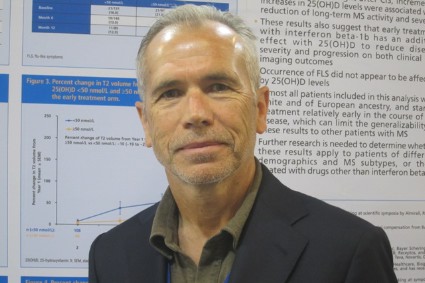
"In people who have had MS for many years, a low vitamin D level may be a consequence of the disease rather than a cause," Dr. Alberto Ascherio, a professor of epidemiology and nutrition at Harvard Medical School, Boston, said in an interview during the poster session at a meeting of the Consortium of Multiple Sclerosis Centers and the Americas Committee for Treatment and Research in Multiple Sclerosis.
"We looked at whether, at the first sign of a demyelinating attack, did the vitamin D level predict the long-term outcome of the disease?" Dr. Ascherio said.
Accordingly, in a randomized study, Dr. Ascherio and his colleagues found that patients with low vitamin D levels were found to have higher MS activity and more relapses with accelerated brain atrophy and neurodegeneration over a 5-year period, compared with patients whose vitamin D levels were higher.
In the study, 216 patients with clinically isolated syndrome (CIS) and two or fewer clinically silent brain lesions detected with imaging were randomly assigned to the early treatment arm. They received interferon beta-1b (Betaseron) 250 mcg subcutaneously every other day. The control arm of 118 patients, also with CIS and two or fewer clinically silent brain lesions received placebo treatment. The results of the study are published in JAMA Neurology (2014;71:306-14).
Serum levels of 25-hydroxyvitamin D [25(OH)D] were taken at baseline, and at 6, 12, and 24 months. The effects of 25(OH)D levels in patients assigned early treatment with interferon beta-1b were assessed by analyzing the vitamin’s serum concentration as a continuous variable at 20 ng/mL (50 nmol/L) increments, or as a dichotomous variable at levels less than 50 nmol/L vs. those of 50 nmol/L or greater.
Clinical and imaging follow-up was conducted on both treatment arms through 5 years.
Serum concentrations of 25(OH)D that increased by 20 ng/mL at 12 months resulted in a lower probability of conversion to MS (hazard ratio, 0.43; 95% confidence interval, 0.22-0.84; P = .01), and a lower trend toward conversion to clinically definite MS (HR, 0.48, 95% CI, 0.22-1.04; P = .06). The rate of newly active lesions was lower, with a rate ratio of 0.31 (95% CI, 0.15-0.61; P = .0008), and the rate ratio of relapse was 0.38 (95% CI, 0.14-0.99; P = .048).
With a 20 ng/mL change in [25(OH)D] in the first 12 months, the annual percentage change in T2 lesion volume was –26% (–39% to –12%; P = .0007), while the annual percent decline in brain volume was 0.64% (0.08% to 1.2%; P = .02).
The occurrence of flulike symptoms, commonly reported in interferon beta-1b treatment, was found not to differ according to 25(OH)D plasma levels in patients in the early treatment arm when tested at 6, 12, and 24 months.
Dr. Ascherio noted the findings were limited by the question of its generalizability, since nearly all patients were of white, of European descent, and had begun their treatment early. However, he concluded that the role of vitamin D in the course of the disease is now established and that, "it’s important to identify those patients with lower levels and correct their vitamin D deficiency early in the disease course."
This study was funded by Bayer. Dr. Ascherio said he has received honoraria from Almirall, Roche, Sanofi-Aventis, and Serono.
On Twitter @whitneymcknight
DALLAS – Identifying and correcting low 25-hydroxyvitamin D levels early in the course of multiple sclerosis was associated with improved outcomes, results of a randomized study showed.
"In people who have had MS for many years, a low vitamin D level may be a consequence of the disease rather than a cause," Dr. Alberto Ascherio, a professor of epidemiology and nutrition at Harvard Medical School, Boston, said in an interview during the poster session at a meeting of the Consortium of Multiple Sclerosis Centers and the Americas Committee for Treatment and Research in Multiple Sclerosis.
"We looked at whether, at the first sign of a demyelinating attack, did the vitamin D level predict the long-term outcome of the disease?" Dr. Ascherio said.
Accordingly, in a randomized study, Dr. Ascherio and his colleagues found that patients with low vitamin D levels were found to have higher MS activity and more relapses with accelerated brain atrophy and neurodegeneration over a 5-year period, compared with patients whose vitamin D levels were higher.
In the study, 216 patients with clinically isolated syndrome (CIS) and two or fewer clinically silent brain lesions detected with imaging were randomly assigned to the early treatment arm. They received interferon beta-1b (Betaseron) 250 mcg subcutaneously every other day. The control arm of 118 patients, also with CIS and two or fewer clinically silent brain lesions received placebo treatment. The results of the study are published in JAMA Neurology (2014;71:306-14).
Serum levels of 25-hydroxyvitamin D [25(OH)D] were taken at baseline, and at 6, 12, and 24 months. The effects of 25(OH)D levels in patients assigned early treatment with interferon beta-1b were assessed by analyzing the vitamin’s serum concentration as a continuous variable at 20 ng/mL (50 nmol/L) increments, or as a dichotomous variable at levels less than 50 nmol/L vs. those of 50 nmol/L or greater.
Clinical and imaging follow-up was conducted on both treatment arms through 5 years.
Serum concentrations of 25(OH)D that increased by 20 ng/mL at 12 months resulted in a lower probability of conversion to MS (hazard ratio, 0.43; 95% confidence interval, 0.22-0.84; P = .01), and a lower trend toward conversion to clinically definite MS (HR, 0.48, 95% CI, 0.22-1.04; P = .06). The rate of newly active lesions was lower, with a rate ratio of 0.31 (95% CI, 0.15-0.61; P = .0008), and the rate ratio of relapse was 0.38 (95% CI, 0.14-0.99; P = .048).
With a 20 ng/mL change in [25(OH)D] in the first 12 months, the annual percentage change in T2 lesion volume was –26% (–39% to –12%; P = .0007), while the annual percent decline in brain volume was 0.64% (0.08% to 1.2%; P = .02).
The occurrence of flulike symptoms, commonly reported in interferon beta-1b treatment, was found not to differ according to 25(OH)D plasma levels in patients in the early treatment arm when tested at 6, 12, and 24 months.
Dr. Ascherio noted the findings were limited by the question of its generalizability, since nearly all patients were of white, of European descent, and had begun their treatment early. However, he concluded that the role of vitamin D in the course of the disease is now established and that, "it’s important to identify those patients with lower levels and correct their vitamin D deficiency early in the disease course."
This study was funded by Bayer. Dr. Ascherio said he has received honoraria from Almirall, Roche, Sanofi-Aventis, and Serono.
On Twitter @whitneymcknight
DALLAS – Identifying and correcting low 25-hydroxyvitamin D levels early in the course of multiple sclerosis was associated with improved outcomes, results of a randomized study showed.
"In people who have had MS for many years, a low vitamin D level may be a consequence of the disease rather than a cause," Dr. Alberto Ascherio, a professor of epidemiology and nutrition at Harvard Medical School, Boston, said in an interview during the poster session at a meeting of the Consortium of Multiple Sclerosis Centers and the Americas Committee for Treatment and Research in Multiple Sclerosis.
"We looked at whether, at the first sign of a demyelinating attack, did the vitamin D level predict the long-term outcome of the disease?" Dr. Ascherio said.
Accordingly, in a randomized study, Dr. Ascherio and his colleagues found that patients with low vitamin D levels were found to have higher MS activity and more relapses with accelerated brain atrophy and neurodegeneration over a 5-year period, compared with patients whose vitamin D levels were higher.
In the study, 216 patients with clinically isolated syndrome (CIS) and two or fewer clinically silent brain lesions detected with imaging were randomly assigned to the early treatment arm. They received interferon beta-1b (Betaseron) 250 mcg subcutaneously every other day. The control arm of 118 patients, also with CIS and two or fewer clinically silent brain lesions received placebo treatment. The results of the study are published in JAMA Neurology (2014;71:306-14).
Serum levels of 25-hydroxyvitamin D [25(OH)D] were taken at baseline, and at 6, 12, and 24 months. The effects of 25(OH)D levels in patients assigned early treatment with interferon beta-1b were assessed by analyzing the vitamin’s serum concentration as a continuous variable at 20 ng/mL (50 nmol/L) increments, or as a dichotomous variable at levels less than 50 nmol/L vs. those of 50 nmol/L or greater.
Clinical and imaging follow-up was conducted on both treatment arms through 5 years.
Serum concentrations of 25(OH)D that increased by 20 ng/mL at 12 months resulted in a lower probability of conversion to MS (hazard ratio, 0.43; 95% confidence interval, 0.22-0.84; P = .01), and a lower trend toward conversion to clinically definite MS (HR, 0.48, 95% CI, 0.22-1.04; P = .06). The rate of newly active lesions was lower, with a rate ratio of 0.31 (95% CI, 0.15-0.61; P = .0008), and the rate ratio of relapse was 0.38 (95% CI, 0.14-0.99; P = .048).
With a 20 ng/mL change in [25(OH)D] in the first 12 months, the annual percentage change in T2 lesion volume was –26% (–39% to –12%; P = .0007), while the annual percent decline in brain volume was 0.64% (0.08% to 1.2%; P = .02).
The occurrence of flulike symptoms, commonly reported in interferon beta-1b treatment, was found not to differ according to 25(OH)D plasma levels in patients in the early treatment arm when tested at 6, 12, and 24 months.
Dr. Ascherio noted the findings were limited by the question of its generalizability, since nearly all patients were of white, of European descent, and had begun their treatment early. However, he concluded that the role of vitamin D in the course of the disease is now established and that, "it’s important to identify those patients with lower levels and correct their vitamin D deficiency early in the disease course."
This study was funded by Bayer. Dr. Ascherio said he has received honoraria from Almirall, Roche, Sanofi-Aventis, and Serono.
On Twitter @whitneymcknight
AT THE CMSC/ACTRIMS ANNUAL MEETING
Key clinical point: Correcting vitamin D deficiency early in interferon beta-1b treatment may reduce MS disease activity.
Major finding: Analyzed as a continuous variable, incremental 25(OH)D led to reduced rates of new lesions (rate ratio, 0.31; 95% CI, 0.15-0.61; P = .0008), and relapse (RR, 0.38; 95% CI, 0.14-0.99; P = .048), among other improvements.
Data source: Randomized study of 216 patients with CIS and two or fewer clinically silent brain lesions treated early with interferon beta-1b 250 mcg, and 118 controls given delayed treatment, over 2 years with 5-year follow-up.
Disclosures: This study was funded by Bayer. Dr. Ascherio said he has received honoraria from Almirall, Roche, Sanofi-Aventis, and Serono.
iPad app could change how MS is measured, treated
DALLAS – The superior performance of an iPad-based app for the self-administration of the multiple sclerosis performance test, when compared with a technician-administered one, could mean big changes in how data are collected and interpreted for the purposes of clinical trials and disease management, according to an expert.
"There are some important implications of this," said Dr. Richard Rudick, who was director of the Mellen Center for Multiple Sclerosis Treatment and Research at the Cleveland Clinic until recently accepting a position with Biogen Idec as vice president, development sciences, Value-Based Medicine Group.

Among the considerations implicated by the findings is that unfiltered, accurate patient data could be transferred in real time to the "cloud" where it would be available for immediate viewing, as well as kept for future study. This would give clinicians new ways to "collect, display, aggregate, and analyze neurological performance," Dr. Rudick said at a meeting of the Consortium of Multiple Sclerosis Centers and the Americas Committee for Treatment and Research in Multiple Sclerosis.
iPad app bested technician performance
The app-based multiple sclerosis performance test (MSPT) was developed by Dr. Rudick and his colleagues to simulate the technician-based one in all aspects and comprises the walking speed test, the manual dexterity test, the low-contrast visual acuity test, and the processing speed test. These approximate the MSPT’s timed 25-foot walk test, the 9-hole peg test, the Sloan low-contrast visual acuity test, and the Symbol Digit Modalities Test.
The industry-sponsored, cross-sectional validation study matched 49 healthy controls with 51 patients according to age, sex, and education. Roughly three-quarters of the study arm had relapsing MS, and a quarter had the progressive form of the disease.
Participants were tested at a single site via each modality, once in the morning and then again in the afternoon. The test/retest results were consistent and correlative, according to Dr. Rudick. "They were highly reliable, whether the technician did it, or the iPad," he said.
The question was whether the two tests were measuring the same thing. Because data for all aspects of each test were comparable, Dr. Rudick concluded that the tests were comparable.
The most important measure was how well the app version separated the two study groups, when compared with the ability of the technician-based test, according to Dr. Rudick. "In virtually every case, except for the visual, the iPad actually does a little bit better than the technician in distinguishing the MS patients from the healthy controls," he said.
For example, in the timed 25-foot walk test administered by the technician, the mean score in the MS group was 7 (P less than .001; standard deviation, 4.28), while the mean score for the walking speed test in the MS group was 7.26 (P less than .001; SD, 4.25). In the healthy controls group, the mean score for the technician-given test was 4.24 (P less than .001). That group’s mean score for the self-given walking speed test was 4.27 (P less than .001; SD, 4.27).
Still need humans
Patient-reported outcomes were also correlative to both forms of the tests. However, in an interview after the presentation, Dr. Rudick said that patient-reported cognitive impairment doesn’t usually correlate with the actual measurements used in neurocognitive testing. "What does seem to correlate with patients reporting cognitive impairment is if they are depressed. Then the depression score matches the patient-reported cognitive impairment better than the actual cognitive test score does," he said.
When Dr. Rudick asked the audience, which included many physician assistants and registered nurses in addition to physicians, whether they would embrace the use of this technology, the majority assented. However, during the discussion following the presentation, Neil Jouvenant, a physician assistant at the University of Nebraska Medical Center in Omaha, said there are some patients for whom this technology would not be appropriate, such as those who walk with difficulty.
In an interview, Mr. Jouvenant said that in addition, "you still need a technician to instruct and encourage patients. If the iPad were to instruct a patient to ‘get up now, strap this to your back, and walk 25 feet,’ they won’t because they don’t really think they can. There is a fine line between someone who can walk a certain distance and someone who can’t." The technician can help in those situations, he said.
More inclusive and comprehensive
Although Dr. Rudick agreed that at least for now, this technology is not appropriate for all patients, the technology does hold promise for those who would have been excluded in the past, such as patients who live in rural areas but would like to participate in clinical trials.
The collection of normative data from healthy adults will also mean that clinical interpretations of MSPT scores will have broader utility in MS patients and groups, and the technology can be adapted to yield additional data such as specific measurements for balance and speed.
Dr. Patricia Coyle, professor of psychiatry and neurology at the State University of New York at Stony Brook, and director of the MS comprehensive care center there, said in an interview that technology such as this has the power to "revolutionize" disease management, particularly if it is collected into a central database accessible to any clinician or researcher.
"There are only so many MS patients, and we don’t have a good idea of their disease activity. They’re not tracked. No one’s trying to pull that data together," she said. But having these data "potentially would mean revolutionizing" the field.
Novartis funded the study on the MSPT app. Dr. Rudick said that he has received consulting fees from Genzyme and Novartis. Dr. Coyle reported she has financial relationships with Biogen Idec, Genentech, and Genzyme, among others.
On Twitter @whitneymcknight
DALLAS – The superior performance of an iPad-based app for the self-administration of the multiple sclerosis performance test, when compared with a technician-administered one, could mean big changes in how data are collected and interpreted for the purposes of clinical trials and disease management, according to an expert.
"There are some important implications of this," said Dr. Richard Rudick, who was director of the Mellen Center for Multiple Sclerosis Treatment and Research at the Cleveland Clinic until recently accepting a position with Biogen Idec as vice president, development sciences, Value-Based Medicine Group.
Among the considerations implicated by the findings is that unfiltered, accurate patient data could be transferred in real time to the "cloud" where it would be available for immediate viewing, as well as kept for future study. This would give clinicians new ways to "collect, display, aggregate, and analyze neurological performance," Dr. Rudick said at a meeting of the Consortium of Multiple Sclerosis Centers and the Americas Committee for Treatment and Research in Multiple Sclerosis.
iPad app bested technician performance
The app-based multiple sclerosis performance test (MSPT) was developed by Dr. Rudick and his colleagues to simulate the technician-based one in all aspects and comprises the walking speed test, the manual dexterity test, the low-contrast visual acuity test, and the processing speed test. These approximate the MSPT’s timed 25-foot walk test, the 9-hole peg test, the Sloan low-contrast visual acuity test, and the Symbol Digit Modalities Test.
The industry-sponsored, cross-sectional validation study matched 49 healthy controls with 51 patients according to age, sex, and education. Roughly three-quarters of the study arm had relapsing MS, and a quarter had the progressive form of the disease.
Participants were tested at a single site via each modality, once in the morning and then again in the afternoon. The test/retest results were consistent and correlative, according to Dr. Rudick. "They were highly reliable, whether the technician did it, or the iPad," he said.
The question was whether the two tests were measuring the same thing. Because data for all aspects of each test were comparable, Dr. Rudick concluded that the tests were comparable.
The most important measure was how well the app version separated the two study groups, when compared with the ability of the technician-based test, according to Dr. Rudick. "In virtually every case, except for the visual, the iPad actually does a little bit better than the technician in distinguishing the MS patients from the healthy controls," he said.
For example, in the timed 25-foot walk test administered by the technician, the mean score in the MS group was 7 (P less than .001; standard deviation, 4.28), while the mean score for the walking speed test in the MS group was 7.26 (P less than .001; SD, 4.25). In the healthy controls group, the mean score for the technician-given test was 4.24 (P less than .001). That group’s mean score for the self-given walking speed test was 4.27 (P less than .001; SD, 4.27).
Still need humans
Patient-reported outcomes were also correlative to both forms of the tests. However, in an interview after the presentation, Dr. Rudick said that patient-reported cognitive impairment doesn’t usually correlate with the actual measurements used in neurocognitive testing. "What does seem to correlate with patients reporting cognitive impairment is if they are depressed. Then the depression score matches the patient-reported cognitive impairment better than the actual cognitive test score does," he said.
When Dr. Rudick asked the audience, which included many physician assistants and registered nurses in addition to physicians, whether they would embrace the use of this technology, the majority assented. However, during the discussion following the presentation, Neil Jouvenant, a physician assistant at the University of Nebraska Medical Center in Omaha, said there are some patients for whom this technology would not be appropriate, such as those who walk with difficulty.
In an interview, Mr. Jouvenant said that in addition, "you still need a technician to instruct and encourage patients. If the iPad were to instruct a patient to ‘get up now, strap this to your back, and walk 25 feet,’ they won’t because they don’t really think they can. There is a fine line between someone who can walk a certain distance and someone who can’t." The technician can help in those situations, he said.
More inclusive and comprehensive
Although Dr. Rudick agreed that at least for now, this technology is not appropriate for all patients, the technology does hold promise for those who would have been excluded in the past, such as patients who live in rural areas but would like to participate in clinical trials.
The collection of normative data from healthy adults will also mean that clinical interpretations of MSPT scores will have broader utility in MS patients and groups, and the technology can be adapted to yield additional data such as specific measurements for balance and speed.
Dr. Patricia Coyle, professor of psychiatry and neurology at the State University of New York at Stony Brook, and director of the MS comprehensive care center there, said in an interview that technology such as this has the power to "revolutionize" disease management, particularly if it is collected into a central database accessible to any clinician or researcher.
"There are only so many MS patients, and we don’t have a good idea of their disease activity. They’re not tracked. No one’s trying to pull that data together," she said. But having these data "potentially would mean revolutionizing" the field.
Novartis funded the study on the MSPT app. Dr. Rudick said that he has received consulting fees from Genzyme and Novartis. Dr. Coyle reported she has financial relationships with Biogen Idec, Genentech, and Genzyme, among others.
On Twitter @whitneymcknight
DALLAS – The superior performance of an iPad-based app for the self-administration of the multiple sclerosis performance test, when compared with a technician-administered one, could mean big changes in how data are collected and interpreted for the purposes of clinical trials and disease management, according to an expert.
"There are some important implications of this," said Dr. Richard Rudick, who was director of the Mellen Center for Multiple Sclerosis Treatment and Research at the Cleveland Clinic until recently accepting a position with Biogen Idec as vice president, development sciences, Value-Based Medicine Group.
Among the considerations implicated by the findings is that unfiltered, accurate patient data could be transferred in real time to the "cloud" where it would be available for immediate viewing, as well as kept for future study. This would give clinicians new ways to "collect, display, aggregate, and analyze neurological performance," Dr. Rudick said at a meeting of the Consortium of Multiple Sclerosis Centers and the Americas Committee for Treatment and Research in Multiple Sclerosis.
iPad app bested technician performance
The app-based multiple sclerosis performance test (MSPT) was developed by Dr. Rudick and his colleagues to simulate the technician-based one in all aspects and comprises the walking speed test, the manual dexterity test, the low-contrast visual acuity test, and the processing speed test. These approximate the MSPT’s timed 25-foot walk test, the 9-hole peg test, the Sloan low-contrast visual acuity test, and the Symbol Digit Modalities Test.
The industry-sponsored, cross-sectional validation study matched 49 healthy controls with 51 patients according to age, sex, and education. Roughly three-quarters of the study arm had relapsing MS, and a quarter had the progressive form of the disease.
Participants were tested at a single site via each modality, once in the morning and then again in the afternoon. The test/retest results were consistent and correlative, according to Dr. Rudick. "They were highly reliable, whether the technician did it, or the iPad," he said.
The question was whether the two tests were measuring the same thing. Because data for all aspects of each test were comparable, Dr. Rudick concluded that the tests were comparable.
The most important measure was how well the app version separated the two study groups, when compared with the ability of the technician-based test, according to Dr. Rudick. "In virtually every case, except for the visual, the iPad actually does a little bit better than the technician in distinguishing the MS patients from the healthy controls," he said.
For example, in the timed 25-foot walk test administered by the technician, the mean score in the MS group was 7 (P less than .001; standard deviation, 4.28), while the mean score for the walking speed test in the MS group was 7.26 (P less than .001; SD, 4.25). In the healthy controls group, the mean score for the technician-given test was 4.24 (P less than .001). That group’s mean score for the self-given walking speed test was 4.27 (P less than .001; SD, 4.27).
Still need humans
Patient-reported outcomes were also correlative to both forms of the tests. However, in an interview after the presentation, Dr. Rudick said that patient-reported cognitive impairment doesn’t usually correlate with the actual measurements used in neurocognitive testing. "What does seem to correlate with patients reporting cognitive impairment is if they are depressed. Then the depression score matches the patient-reported cognitive impairment better than the actual cognitive test score does," he said.
When Dr. Rudick asked the audience, which included many physician assistants and registered nurses in addition to physicians, whether they would embrace the use of this technology, the majority assented. However, during the discussion following the presentation, Neil Jouvenant, a physician assistant at the University of Nebraska Medical Center in Omaha, said there are some patients for whom this technology would not be appropriate, such as those who walk with difficulty.
In an interview, Mr. Jouvenant said that in addition, "you still need a technician to instruct and encourage patients. If the iPad were to instruct a patient to ‘get up now, strap this to your back, and walk 25 feet,’ they won’t because they don’t really think they can. There is a fine line between someone who can walk a certain distance and someone who can’t." The technician can help in those situations, he said.
More inclusive and comprehensive
Although Dr. Rudick agreed that at least for now, this technology is not appropriate for all patients, the technology does hold promise for those who would have been excluded in the past, such as patients who live in rural areas but would like to participate in clinical trials.
The collection of normative data from healthy adults will also mean that clinical interpretations of MSPT scores will have broader utility in MS patients and groups, and the technology can be adapted to yield additional data such as specific measurements for balance and speed.
Dr. Patricia Coyle, professor of psychiatry and neurology at the State University of New York at Stony Brook, and director of the MS comprehensive care center there, said in an interview that technology such as this has the power to "revolutionize" disease management, particularly if it is collected into a central database accessible to any clinician or researcher.
"There are only so many MS patients, and we don’t have a good idea of their disease activity. They’re not tracked. No one’s trying to pull that data together," she said. But having these data "potentially would mean revolutionizing" the field.
Novartis funded the study on the MSPT app. Dr. Rudick said that he has received consulting fees from Genzyme and Novartis. Dr. Coyle reported she has financial relationships with Biogen Idec, Genentech, and Genzyme, among others.
On Twitter @whitneymcknight
EXPERT ANALYSIS AT THE CMSC/ACTRIMS ANNUAL MEETING

VIDEO: Abnormal endocrinology labs? Look beyond ‘usual suspects’
PHILADELPHIA – Psychiatric medications can affect prolactin levels, while antibodies can affect thyroid-stimulating hormone levels. Hirsutism may be the result of polycystic ovary syndrome – but it may also be caused by congenital adrenal hyperplasia.
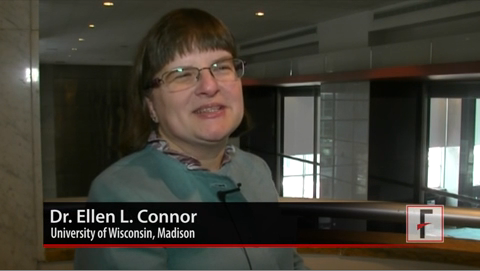
And if that’s not confounding enough, physicians should add to the medical factors that can influence lab reports what Dr. Ellen L. Connor says is the importance of "knowing the typical ranges of the assays you are using, and what the ranges considered normal are at the [laboratory] you’re working with."
In a video interview at the annual meeting of the North American Society for Pediatric and Adolescent Gynecology, Dr. Connor of the department of pediatric endocrinology at the University of Wisconsin, Madison, reviews what can change prolactin levels, how to get the most clinical utility out of thyroid tests, what is the gold standard for testosterone testing in women, how best to test and interpret vitamin D levels, and what adrenal malfunctions are possible in young women. She also stresses the value of working with knowledgeable lab personnel.
The video associated with this article is no longer available on this site. Please view all of our videos on the MDedge YouTube channel
On Twitter @whitneymcknight
PHILADELPHIA – Psychiatric medications can affect prolactin levels, while antibodies can affect thyroid-stimulating hormone levels. Hirsutism may be the result of polycystic ovary syndrome – but it may also be caused by congenital adrenal hyperplasia.
And if that’s not confounding enough, physicians should add to the medical factors that can influence lab reports what Dr. Ellen L. Connor says is the importance of "knowing the typical ranges of the assays you are using, and what the ranges considered normal are at the [laboratory] you’re working with."
In a video interview at the annual meeting of the North American Society for Pediatric and Adolescent Gynecology, Dr. Connor of the department of pediatric endocrinology at the University of Wisconsin, Madison, reviews what can change prolactin levels, how to get the most clinical utility out of thyroid tests, what is the gold standard for testosterone testing in women, how best to test and interpret vitamin D levels, and what adrenal malfunctions are possible in young women. She also stresses the value of working with knowledgeable lab personnel.
The video associated with this article is no longer available on this site. Please view all of our videos on the MDedge YouTube channel
On Twitter @whitneymcknight
PHILADELPHIA – Psychiatric medications can affect prolactin levels, while antibodies can affect thyroid-stimulating hormone levels. Hirsutism may be the result of polycystic ovary syndrome – but it may also be caused by congenital adrenal hyperplasia.
And if that’s not confounding enough, physicians should add to the medical factors that can influence lab reports what Dr. Ellen L. Connor says is the importance of "knowing the typical ranges of the assays you are using, and what the ranges considered normal are at the [laboratory] you’re working with."
In a video interview at the annual meeting of the North American Society for Pediatric and Adolescent Gynecology, Dr. Connor of the department of pediatric endocrinology at the University of Wisconsin, Madison, reviews what can change prolactin levels, how to get the most clinical utility out of thyroid tests, what is the gold standard for testosterone testing in women, how best to test and interpret vitamin D levels, and what adrenal malfunctions are possible in young women. She also stresses the value of working with knowledgeable lab personnel.
The video associated with this article is no longer available on this site. Please view all of our videos on the MDedge YouTube channel
On Twitter @whitneymcknight
EXPERT ANALYSIS FROM NASPAG 2014
AUDIO: Polycystic ovary syndrome seen as ‘multiple diseases’
PHILADELPHIA – "My personal opinion is that polycystic ovary syndrome is probably multiple diseases."
That’s according to Dr. Selma Witchel, an associate professor of pediatric endocrinology at the Children’s Hospital of Pittsburgh, University of Pittsburgh Medical Center, who discussed diagnosis and management of PCOS in an interview at the annual meeting of the North American Society for Pediatric and Adolescent Gynecology.
The best approach to treating young women with PCOS depends on a number of factors, Dr. Witchel notes. She also explains the most appropriate off-label use of metformin, as well as when using it can pose risks to the patient. Dr. Witchel also discusses novel therapies, including the potential promise of acupuncture and the off-label use of statins, and how to help pediatric patients transition to adult care.
On Twitter @whitneymcknight.com
PHILADELPHIA – "My personal opinion is that polycystic ovary syndrome is probably multiple diseases."
That’s according to Dr. Selma Witchel, an associate professor of pediatric endocrinology at the Children’s Hospital of Pittsburgh, University of Pittsburgh Medical Center, who discussed diagnosis and management of PCOS in an interview at the annual meeting of the North American Society for Pediatric and Adolescent Gynecology.
The best approach to treating young women with PCOS depends on a number of factors, Dr. Witchel notes. She also explains the most appropriate off-label use of metformin, as well as when using it can pose risks to the patient. Dr. Witchel also discusses novel therapies, including the potential promise of acupuncture and the off-label use of statins, and how to help pediatric patients transition to adult care.
On Twitter @whitneymcknight.com
PHILADELPHIA – "My personal opinion is that polycystic ovary syndrome is probably multiple diseases."
That’s according to Dr. Selma Witchel, an associate professor of pediatric endocrinology at the Children’s Hospital of Pittsburgh, University of Pittsburgh Medical Center, who discussed diagnosis and management of PCOS in an interview at the annual meeting of the North American Society for Pediatric and Adolescent Gynecology.
The best approach to treating young women with PCOS depends on a number of factors, Dr. Witchel notes. She also explains the most appropriate off-label use of metformin, as well as when using it can pose risks to the patient. Dr. Witchel also discusses novel therapies, including the potential promise of acupuncture and the off-label use of statins, and how to help pediatric patients transition to adult care.
On Twitter @whitneymcknight.com
EXPERT ANALYSIS FROM THE NASPAG ANNUAL MEETING
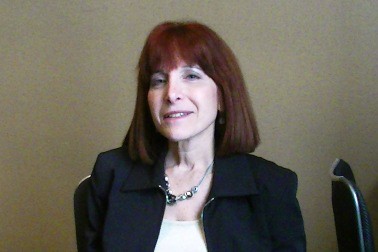
AUDIO: Reduction in perceived stress triggers migraine
PHILADELPHIA – Reduction in perceived stress was found to trigger migraine within a day after the stress abated, according to a study.
Over the course of 3 months, 17 migraineurs (16 women and 1 man) with a median age of 44 years self-reported daily entries describing their migraine experiences; daily and evening activities; and information about menses (if relevant), sleep, alcohol consumption, medication schedules, etc., using an adapted version of the Perceived Stress Scale to rate their stress levels. A self-reported stress scale, developed for the study, asked participants to rate their overall stress level for each day on a scale of 1 (not at all stressful) to 10 (extremely stressful).
A review of the more than 2,000 data entries over a total of 1,015 eligible diary days indicated that the odds ratio of a migraine attack happening within 6, 12, or 18 hours after stress reduction ranged between 1.5 and 1.9 (all P values less than .05). Overall levels of stress per day were not significantly related to migraine attack.
The industry-sponsored study was conducted by a team from the Montefiore Headache Center in New York, which included Dr. Richard Lipton, codirector of the center and professor and vice chair of neurology at Albert Einstein College of MedicineThe results are published online in Neurology (2014;82:1395-1401).
In an audio interview at the annual meeting of the American Academy of Neurology, Dr. Lipton discusses the clinical implications of the study, and he offers recommendations for prophylaxis such as mindfulness meditation and other relaxation techniques.
On Twitter @whitneymcknight
PHILADELPHIA – Reduction in perceived stress was found to trigger migraine within a day after the stress abated, according to a study.
Over the course of 3 months, 17 migraineurs (16 women and 1 man) with a median age of 44 years self-reported daily entries describing their migraine experiences; daily and evening activities; and information about menses (if relevant), sleep, alcohol consumption, medication schedules, etc., using an adapted version of the Perceived Stress Scale to rate their stress levels. A self-reported stress scale, developed for the study, asked participants to rate their overall stress level for each day on a scale of 1 (not at all stressful) to 10 (extremely stressful).
A review of the more than 2,000 data entries over a total of 1,015 eligible diary days indicated that the odds ratio of a migraine attack happening within 6, 12, or 18 hours after stress reduction ranged between 1.5 and 1.9 (all P values less than .05). Overall levels of stress per day were not significantly related to migraine attack.
The industry-sponsored study was conducted by a team from the Montefiore Headache Center in New York, which included Dr. Richard Lipton, codirector of the center and professor and vice chair of neurology at Albert Einstein College of MedicineThe results are published online in Neurology (2014;82:1395-1401).
In an audio interview at the annual meeting of the American Academy of Neurology, Dr. Lipton discusses the clinical implications of the study, and he offers recommendations for prophylaxis such as mindfulness meditation and other relaxation techniques.
On Twitter @whitneymcknight
PHILADELPHIA – Reduction in perceived stress was found to trigger migraine within a day after the stress abated, according to a study.
Over the course of 3 months, 17 migraineurs (16 women and 1 man) with a median age of 44 years self-reported daily entries describing their migraine experiences; daily and evening activities; and information about menses (if relevant), sleep, alcohol consumption, medication schedules, etc., using an adapted version of the Perceived Stress Scale to rate their stress levels. A self-reported stress scale, developed for the study, asked participants to rate their overall stress level for each day on a scale of 1 (not at all stressful) to 10 (extremely stressful).
A review of the more than 2,000 data entries over a total of 1,015 eligible diary days indicated that the odds ratio of a migraine attack happening within 6, 12, or 18 hours after stress reduction ranged between 1.5 and 1.9 (all P values less than .05). Overall levels of stress per day were not significantly related to migraine attack.
The industry-sponsored study was conducted by a team from the Montefiore Headache Center in New York, which included Dr. Richard Lipton, codirector of the center and professor and vice chair of neurology at Albert Einstein College of MedicineThe results are published online in Neurology (2014;82:1395-1401).
In an audio interview at the annual meeting of the American Academy of Neurology, Dr. Lipton discusses the clinical implications of the study, and he offers recommendations for prophylaxis such as mindfulness meditation and other relaxation techniques.
On Twitter @whitneymcknight
NEWS FROM THE AAN 2014 ANNUAL MEETING
Key clinical point: Prophylactic treatments, including mindfulness and "yoga" breathing, can curb migraine attacks post stress.
Major finding: At 6, 12, and 18 hours after perceived stress, the odds ratio of migraine ranged from 1.5 to 1.9 (all P values less than .05).
Data source: Review of 3 months of 2,011 electronically self-reported entries on 110 migraine attacks in 17 migraineurs (median 5 attacks per person) at a single tertiary headache center.
Disclosures: Funding for this study was provided by Endo Pharmaceuticals. Dr. Lipton said he had nothing relevant to disclose per this study, but has received compensation from several pharmaceutical manufacturers, including Allergan and Novartis.

Alemtuzumab found to reduce brain lesions, volume loss
PHILADELPHIA – The rates of new or growing brain lesions slowed in both treatment-naive and relapsed patients with relapse-remitting multiple sclerosis who took the monoclonal antibody alemtuzumab in two phase III trials with follow-up data out to 3 years.
Loss of brain volume also slowed over the 3-year period based on changes in brain parenchymal fraction (BPF), reported Dr. Douglas Arnold, a neurologist at the Montreal Neurological Institute and Hospital of McGill University.
The data are consistent with clinical disease activity endpoints previously reported in the CARE-MS I and II (Comparison of Alemtuzumab and Rebif Efficacy in Multiple Sclerosis) studies indicating that alemtuzumab could be used to reduce relapse rates in patients with first-line treatment-refractory relapsing-remitting multiple sclerosis (RRMS), and in those who are treatment naive.
At 3 years follow-up in the CARE-MS I study, 336 of 370 patients with RRMS who were treatment-naive and had received alemtuzumab 12 mg at baseline and again at 12 months in the randomized, controlled phase III trial were found to have no gadolinium-enhancing (Gd-enhancing) lesions. In this same cohort, 325 patients had no new or enlarging T2 lesions at year 3. Overall, no MRI activity was observed in 354 patients at 2 years and in 326 at 3 years.
The CARE-MS II study included 421 RRMS patients who had relapsed after undergoing another first-line therapy. At year3, 364 patients were free from Gd-enhancing lesions, and 361 had no new or enlarging T2 lesions. No MRI activity could be detected in 402 patients at 2 years and in 361 at 3 years.
In the CARE-MS I trial, 18% were re-treated with alemtuzumab in year 3; 20% of the CARE-MS II patients were re-treated with the monoclonal antibody during the third year, while less than 3% of all participants were treated with another disease-modifying therapy in year 3.
"Given that the majority of patients received no treatment for 2 years, the results support the durable efficacy of alemtuzumab in RRMS," Dr. Arnold said at the annual meeting of the American Academy of Neurology.
The treatment was also associated with a reduction in loss of brain volume over the 3-year study period, according to BPF data. In both patient populations, the median percentage reduction in BPF in the third year was less than observed in years 1 and 2: 0.19% and 0.10%, respectively, for year 3, compared with 0.59% and 0.48%, respectively, for the first year, and 0.25% and 0.22% in the second.
The data "support the positive benefit-risk profile of alemtuzumab in RRMS," Dr. Arnold said. Previous studies have shown that alemtuzumab had a slightly higher risk of infusion-associated reactions when compared with interferon beta-1a treatment: 77% of the alemtuzumab group vs. 66% in the interferon beta-1a group, although the infections were reported as mild to moderate.
Dr. Arnold disclosed he has received compensation from Bayer, Eli Lilly, Genentech, Genzyme, GlaxoSmithKline, Novartis, and others. Genzyme and Bayer supported CARE-MS I and II.
On Twitter @whitneymcknight
PHILADELPHIA – The rates of new or growing brain lesions slowed in both treatment-naive and relapsed patients with relapse-remitting multiple sclerosis who took the monoclonal antibody alemtuzumab in two phase III trials with follow-up data out to 3 years.
Loss of brain volume also slowed over the 3-year period based on changes in brain parenchymal fraction (BPF), reported Dr. Douglas Arnold, a neurologist at the Montreal Neurological Institute and Hospital of McGill University.
The data are consistent with clinical disease activity endpoints previously reported in the CARE-MS I and II (Comparison of Alemtuzumab and Rebif Efficacy in Multiple Sclerosis) studies indicating that alemtuzumab could be used to reduce relapse rates in patients with first-line treatment-refractory relapsing-remitting multiple sclerosis (RRMS), and in those who are treatment naive.
At 3 years follow-up in the CARE-MS I study, 336 of 370 patients with RRMS who were treatment-naive and had received alemtuzumab 12 mg at baseline and again at 12 months in the randomized, controlled phase III trial were found to have no gadolinium-enhancing (Gd-enhancing) lesions. In this same cohort, 325 patients had no new or enlarging T2 lesions at year 3. Overall, no MRI activity was observed in 354 patients at 2 years and in 326 at 3 years.
The CARE-MS II study included 421 RRMS patients who had relapsed after undergoing another first-line therapy. At year3, 364 patients were free from Gd-enhancing lesions, and 361 had no new or enlarging T2 lesions. No MRI activity could be detected in 402 patients at 2 years and in 361 at 3 years.
In the CARE-MS I trial, 18% were re-treated with alemtuzumab in year 3; 20% of the CARE-MS II patients were re-treated with the monoclonal antibody during the third year, while less than 3% of all participants were treated with another disease-modifying therapy in year 3.
"Given that the majority of patients received no treatment for 2 years, the results support the durable efficacy of alemtuzumab in RRMS," Dr. Arnold said at the annual meeting of the American Academy of Neurology.
The treatment was also associated with a reduction in loss of brain volume over the 3-year study period, according to BPF data. In both patient populations, the median percentage reduction in BPF in the third year was less than observed in years 1 and 2: 0.19% and 0.10%, respectively, for year 3, compared with 0.59% and 0.48%, respectively, for the first year, and 0.25% and 0.22% in the second.
The data "support the positive benefit-risk profile of alemtuzumab in RRMS," Dr. Arnold said. Previous studies have shown that alemtuzumab had a slightly higher risk of infusion-associated reactions when compared with interferon beta-1a treatment: 77% of the alemtuzumab group vs. 66% in the interferon beta-1a group, although the infections were reported as mild to moderate.
Dr. Arnold disclosed he has received compensation from Bayer, Eli Lilly, Genentech, Genzyme, GlaxoSmithKline, Novartis, and others. Genzyme and Bayer supported CARE-MS I and II.
On Twitter @whitneymcknight
PHILADELPHIA – The rates of new or growing brain lesions slowed in both treatment-naive and relapsed patients with relapse-remitting multiple sclerosis who took the monoclonal antibody alemtuzumab in two phase III trials with follow-up data out to 3 years.
Loss of brain volume also slowed over the 3-year period based on changes in brain parenchymal fraction (BPF), reported Dr. Douglas Arnold, a neurologist at the Montreal Neurological Institute and Hospital of McGill University.
The data are consistent with clinical disease activity endpoints previously reported in the CARE-MS I and II (Comparison of Alemtuzumab and Rebif Efficacy in Multiple Sclerosis) studies indicating that alemtuzumab could be used to reduce relapse rates in patients with first-line treatment-refractory relapsing-remitting multiple sclerosis (RRMS), and in those who are treatment naive.
At 3 years follow-up in the CARE-MS I study, 336 of 370 patients with RRMS who were treatment-naive and had received alemtuzumab 12 mg at baseline and again at 12 months in the randomized, controlled phase III trial were found to have no gadolinium-enhancing (Gd-enhancing) lesions. In this same cohort, 325 patients had no new or enlarging T2 lesions at year 3. Overall, no MRI activity was observed in 354 patients at 2 years and in 326 at 3 years.
The CARE-MS II study included 421 RRMS patients who had relapsed after undergoing another first-line therapy. At year3, 364 patients were free from Gd-enhancing lesions, and 361 had no new or enlarging T2 lesions. No MRI activity could be detected in 402 patients at 2 years and in 361 at 3 years.
In the CARE-MS I trial, 18% were re-treated with alemtuzumab in year 3; 20% of the CARE-MS II patients were re-treated with the monoclonal antibody during the third year, while less than 3% of all participants were treated with another disease-modifying therapy in year 3.
"Given that the majority of patients received no treatment for 2 years, the results support the durable efficacy of alemtuzumab in RRMS," Dr. Arnold said at the annual meeting of the American Academy of Neurology.
The treatment was also associated with a reduction in loss of brain volume over the 3-year study period, according to BPF data. In both patient populations, the median percentage reduction in BPF in the third year was less than observed in years 1 and 2: 0.19% and 0.10%, respectively, for year 3, compared with 0.59% and 0.48%, respectively, for the first year, and 0.25% and 0.22% in the second.
The data "support the positive benefit-risk profile of alemtuzumab in RRMS," Dr. Arnold said. Previous studies have shown that alemtuzumab had a slightly higher risk of infusion-associated reactions when compared with interferon beta-1a treatment: 77% of the alemtuzumab group vs. 66% in the interferon beta-1a group, although the infections were reported as mild to moderate.
Dr. Arnold disclosed he has received compensation from Bayer, Eli Lilly, Genentech, Genzyme, GlaxoSmithKline, Novartis, and others. Genzyme and Bayer supported CARE-MS I and II.
On Twitter @whitneymcknight
AT THE AAN 2014
Key clinical point: The benefit of alemtuzumab on MRI disease activity appears to extend for 2 years beyond the last dose.
Major finding: More than three-fourths of treatment-naive RRMS and relapsed RRMS patients showed activity-free MRIs at 3 years post treatment with alemtuzumab.
Data source: 370 and 421 patients, respectively, in the 3-year follow-up of the phase III, randomized, controlled CARE-MS I and II studies.
Disclosures: Dr. Arnold disclosed he has received compensation from Bayer, Eli Lilly, Genentech, Genzyme, GlaxoSmithKline, Novartis, and others. Genzyme and Bayer supported CARE-MS I and II.
In Diabetes, Women Far More Likely to Develop CHD Than Men
Women with diabetes have a 44% greater chance of developing coronary heart disease than do men with diabetes, a large review and meta-analysis has shown.
In a retrospective review of data from more than 850,000 people that included over 28,000 confirmed coronary heart disease (CHD) events across the globe between 1966 and 2011, women with diabetes had nearly three times the likelihood (relative risk, 2.82) of developing CHD than did women without diabetes. Meanwhile, men with diabetes were only twice as likely (RR, 2.16) to have CHD than men without the disease. After adjustment for sex differences in other CHD factors such as tobacco use, women with diabetes had a 44% increased risk of developing heart disease, compared with men with the disease (RR, 1.44).
Sex differences in diabetes-related risk for CHD remained consistent across subgroups defined by age and region, and were unchanged when factoring nonfatal CHD events.
The study, conducted by researchers from Europe and Australia, appears online in Diabetologia 2014 [doi:10.1007/s00125-014-3260-6]. The findings corroborate a previous meta-analysis that also showed clinically meaningful sex differences lead to a greater CHD risk in women with diabetes than in men with diabetes (BMJ 2006;332:73-8 [doi:10.1136/bmj.38678.389583.7C]. Dr. Rachel Huxley of the University of Queensland School of Population Health in Australia, was an investigator in both studies.
Reasons for the disparity cannot be attributed to pharmacotherapy alone, according to the authors of the current study. Data reviewed in the study showed that women with diabetes were undertreated for cardiovascular disease risk factors prior to 1986, but that despite current increased awareness of the cardiovascular risks posed to women with diabetes, they are still less likely to achieve treatment targets.
“We hypothesize that the excess risk in women is due to a combination of both a greater deterioration in cardiovascular risk factor levels and a chronically elevated cardiovascular risk profile in the prediabetic state, driven by greater levels of adiposity in women, compared with men,” the authors wrote.
The authors cited previous research indicating that men develop diabetes at a lower body mass index (BMI), compared with women. As an example, in the UK General Practice Research Database, the BMI of those diagnosed with diabetes was on average 1.8 kg/m2 higher in women than in men. (Diabetologia 2012;55:1556-7).
“Greater awareness of early symptoms of CHD in women and sex-specific therapeutic risk factor management, irrespective of the presence of diabetes, is optimal for improving clinical outcomes in both women and men,” the authors concluded.
[email protected]
On Twitter @whitneymcknight
Women with diabetes have a 44% greater chance of developing coronary heart disease than do men with diabetes, a large review and meta-analysis has shown.
In a retrospective review of data from more than 850,000 people that included over 28,000 confirmed coronary heart disease (CHD) events across the globe between 1966 and 2011, women with diabetes had nearly three times the likelihood (relative risk, 2.82) of developing CHD than did women without diabetes. Meanwhile, men with diabetes were only twice as likely (RR, 2.16) to have CHD than men without the disease. After adjustment for sex differences in other CHD factors such as tobacco use, women with diabetes had a 44% increased risk of developing heart disease, compared with men with the disease (RR, 1.44).
Sex differences in diabetes-related risk for CHD remained consistent across subgroups defined by age and region, and were unchanged when factoring nonfatal CHD events.
The study, conducted by researchers from Europe and Australia, appears online in Diabetologia 2014 [doi:10.1007/s00125-014-3260-6]. The findings corroborate a previous meta-analysis that also showed clinically meaningful sex differences lead to a greater CHD risk in women with diabetes than in men with diabetes (BMJ 2006;332:73-8 [doi:10.1136/bmj.38678.389583.7C]. Dr. Rachel Huxley of the University of Queensland School of Population Health in Australia, was an investigator in both studies.
Reasons for the disparity cannot be attributed to pharmacotherapy alone, according to the authors of the current study. Data reviewed in the study showed that women with diabetes were undertreated for cardiovascular disease risk factors prior to 1986, but that despite current increased awareness of the cardiovascular risks posed to women with diabetes, they are still less likely to achieve treatment targets.
“We hypothesize that the excess risk in women is due to a combination of both a greater deterioration in cardiovascular risk factor levels and a chronically elevated cardiovascular risk profile in the prediabetic state, driven by greater levels of adiposity in women, compared with men,” the authors wrote.
The authors cited previous research indicating that men develop diabetes at a lower body mass index (BMI), compared with women. As an example, in the UK General Practice Research Database, the BMI of those diagnosed with diabetes was on average 1.8 kg/m2 higher in women than in men. (Diabetologia 2012;55:1556-7).
“Greater awareness of early symptoms of CHD in women and sex-specific therapeutic risk factor management, irrespective of the presence of diabetes, is optimal for improving clinical outcomes in both women and men,” the authors concluded.
[email protected]
On Twitter @whitneymcknight
Women with diabetes have a 44% greater chance of developing coronary heart disease than do men with diabetes, a large review and meta-analysis has shown.
In a retrospective review of data from more than 850,000 people that included over 28,000 confirmed coronary heart disease (CHD) events across the globe between 1966 and 2011, women with diabetes had nearly three times the likelihood (relative risk, 2.82) of developing CHD than did women without diabetes. Meanwhile, men with diabetes were only twice as likely (RR, 2.16) to have CHD than men without the disease. After adjustment for sex differences in other CHD factors such as tobacco use, women with diabetes had a 44% increased risk of developing heart disease, compared with men with the disease (RR, 1.44).
Sex differences in diabetes-related risk for CHD remained consistent across subgroups defined by age and region, and were unchanged when factoring nonfatal CHD events.
The study, conducted by researchers from Europe and Australia, appears online in Diabetologia 2014 [doi:10.1007/s00125-014-3260-6]. The findings corroborate a previous meta-analysis that also showed clinically meaningful sex differences lead to a greater CHD risk in women with diabetes than in men with diabetes (BMJ 2006;332:73-8 [doi:10.1136/bmj.38678.389583.7C]. Dr. Rachel Huxley of the University of Queensland School of Population Health in Australia, was an investigator in both studies.
Reasons for the disparity cannot be attributed to pharmacotherapy alone, according to the authors of the current study. Data reviewed in the study showed that women with diabetes were undertreated for cardiovascular disease risk factors prior to 1986, but that despite current increased awareness of the cardiovascular risks posed to women with diabetes, they are still less likely to achieve treatment targets.
“We hypothesize that the excess risk in women is due to a combination of both a greater deterioration in cardiovascular risk factor levels and a chronically elevated cardiovascular risk profile in the prediabetic state, driven by greater levels of adiposity in women, compared with men,” the authors wrote.
The authors cited previous research indicating that men develop diabetes at a lower body mass index (BMI), compared with women. As an example, in the UK General Practice Research Database, the BMI of those diagnosed with diabetes was on average 1.8 kg/m2 higher in women than in men. (Diabetologia 2012;55:1556-7).
“Greater awareness of early symptoms of CHD in women and sex-specific therapeutic risk factor management, irrespective of the presence of diabetes, is optimal for improving clinical outcomes in both women and men,” the authors concluded.
[email protected]
On Twitter @whitneymcknight
FROM DIABETOLOGIA