User login
Psoriasis severity linked to uncontrolled hypertension
The more severe the psoriasis, the greater likelihood of uncontrolled hypertension, according to data from a population-based study. The findings were published online Oct. 15 in JAMA Dermatology.
In patients with diagnosed hypertension, those with moderate to severe psoriasis showed a positive dose-response relationship between their psoriasis activity and high blood pressure, wrote Dr. Junko Takeshita of the University of Pennsylvania, Philadelphia, and her associates (JAMA Dermatol. 2014 Oct. 15 [doi:10.1001/jamadermatol.2014.2094]).
The researchers compared a random sample of 1,322 adults aged 25-64 years with psoriasis and hypertension and 11,977 age- and practice-matched controls with hypertension. The data were taken from a population-based, cross-sectional study nested in a prospective cohort drawn from an electronic medical records database in the United Kingdom.
After investigators adjusted for age, sex, body mass index, smoking and alcohol use status, presence of comorbid conditions, and current use of antihypertensive medications and nonsteroidal anti-inflammatory drugs, they found psoriasis activity and uncontrolled hypertension correlated, with adjusted odds ratios of 0.97 for mild psoriasis,1.20 for moderate psoriasis, and 1.48 for severe psoriasis (P = .01). The likelihood of uncontrolled hypertension among psoriasis overall was also increased, but this increase was not statistically significant.
The study was limited by its cross-sectional design, which make the directionality of the two conditions hard to determine, the researchers noted.
However, the findings suggest that, among patients with hypertension, psoriasis “is independently associated with poorly controlled blood pressure,” and that more effective blood pressure management is warranted in psoriasis patients, especially those with more severe disease.
Dr. Takeshita reported receipt of payment for continuing medical education work related to psoriasis. Coauthor Dr. Joel Gelfand reported serving as a consultant for AbbVie, Amgen, Celgene, Eli Lilly, Janssen Biologics, and others. This study was supported in part by the National Heart, Lung, and Blood Institute and the National Institute of Arthritis and Musculoskeletal and Skin Diseases.
On Twitter @whitneymcknight
The more severe the psoriasis, the greater likelihood of uncontrolled hypertension, according to data from a population-based study. The findings were published online Oct. 15 in JAMA Dermatology.
In patients with diagnosed hypertension, those with moderate to severe psoriasis showed a positive dose-response relationship between their psoriasis activity and high blood pressure, wrote Dr. Junko Takeshita of the University of Pennsylvania, Philadelphia, and her associates (JAMA Dermatol. 2014 Oct. 15 [doi:10.1001/jamadermatol.2014.2094]).
The researchers compared a random sample of 1,322 adults aged 25-64 years with psoriasis and hypertension and 11,977 age- and practice-matched controls with hypertension. The data were taken from a population-based, cross-sectional study nested in a prospective cohort drawn from an electronic medical records database in the United Kingdom.
After investigators adjusted for age, sex, body mass index, smoking and alcohol use status, presence of comorbid conditions, and current use of antihypertensive medications and nonsteroidal anti-inflammatory drugs, they found psoriasis activity and uncontrolled hypertension correlated, with adjusted odds ratios of 0.97 for mild psoriasis,1.20 for moderate psoriasis, and 1.48 for severe psoriasis (P = .01). The likelihood of uncontrolled hypertension among psoriasis overall was also increased, but this increase was not statistically significant.
The study was limited by its cross-sectional design, which make the directionality of the two conditions hard to determine, the researchers noted.
However, the findings suggest that, among patients with hypertension, psoriasis “is independently associated with poorly controlled blood pressure,” and that more effective blood pressure management is warranted in psoriasis patients, especially those with more severe disease.
Dr. Takeshita reported receipt of payment for continuing medical education work related to psoriasis. Coauthor Dr. Joel Gelfand reported serving as a consultant for AbbVie, Amgen, Celgene, Eli Lilly, Janssen Biologics, and others. This study was supported in part by the National Heart, Lung, and Blood Institute and the National Institute of Arthritis and Musculoskeletal and Skin Diseases.
On Twitter @whitneymcknight
The more severe the psoriasis, the greater likelihood of uncontrolled hypertension, according to data from a population-based study. The findings were published online Oct. 15 in JAMA Dermatology.
In patients with diagnosed hypertension, those with moderate to severe psoriasis showed a positive dose-response relationship between their psoriasis activity and high blood pressure, wrote Dr. Junko Takeshita of the University of Pennsylvania, Philadelphia, and her associates (JAMA Dermatol. 2014 Oct. 15 [doi:10.1001/jamadermatol.2014.2094]).
The researchers compared a random sample of 1,322 adults aged 25-64 years with psoriasis and hypertension and 11,977 age- and practice-matched controls with hypertension. The data were taken from a population-based, cross-sectional study nested in a prospective cohort drawn from an electronic medical records database in the United Kingdom.
After investigators adjusted for age, sex, body mass index, smoking and alcohol use status, presence of comorbid conditions, and current use of antihypertensive medications and nonsteroidal anti-inflammatory drugs, they found psoriasis activity and uncontrolled hypertension correlated, with adjusted odds ratios of 0.97 for mild psoriasis,1.20 for moderate psoriasis, and 1.48 for severe psoriasis (P = .01). The likelihood of uncontrolled hypertension among psoriasis overall was also increased, but this increase was not statistically significant.
The study was limited by its cross-sectional design, which make the directionality of the two conditions hard to determine, the researchers noted.
However, the findings suggest that, among patients with hypertension, psoriasis “is independently associated with poorly controlled blood pressure,” and that more effective blood pressure management is warranted in psoriasis patients, especially those with more severe disease.
Dr. Takeshita reported receipt of payment for continuing medical education work related to psoriasis. Coauthor Dr. Joel Gelfand reported serving as a consultant for AbbVie, Amgen, Celgene, Eli Lilly, Janssen Biologics, and others. This study was supported in part by the National Heart, Lung, and Blood Institute and the National Institute of Arthritis and Musculoskeletal and Skin Diseases.
On Twitter @whitneymcknight
Key clinical point: Patients with moderate to severe psoriasis may benefit from close hypertension management.
Major finding: Psoriasis severity had a significantly positive dose-response relationship with uncontrolled hypertension: adjusted odds ratio 0.97 for mild psoriasis, 1.20 for moderate psoriasis,and 1.48 for severe psoriasis, (P = .01).
Data source: Random sample of 1,322 adults between 25 and 64 years with psoriasis and hypertension and 11,977 age- and practice-matched controls taken from a population-based cross-sectional study nested in a prospective cohort drawn from an electronic medical records database.
Disclosures: Dr. Takeshita reported receipt of payment for continuing medical education work related to psoriasis. Coauthor Dr. Joel Gelfand reported serving as a consultant for AbbVie, Amgen, Celgene, Eli Lilly, Janssen Biologics, and others. This study was supported in part by the National Heart, Lung, and Blood Institute and the National Institute of Arthritis and Musculoskeletal and Skin Diseases.
Exercise in adulthood linked to up to 20% less depression
Exercise in adulthood was associated with an almost 20% reduction in the odds of having depressive symptoms, according to a study published online Oct. 15 in JAMA Psychiatry. Conversely, the presence of depressive symptoms was found to be a barrier to increased physical activity.
Snehal M. Pinto Pereira, Ph.D., and her colleagues reported that adults who were physically active at age 23 years tended to experience fewer depressive symptoms as they aged, while those who engaged in less physical activity at that age were more likely to see their depressive symptoms increase throughout adulthood (JAMA Psychiatry 2014 Oct. 15 [doi:10.1001/jamapsychiatry.2014.1240]).
By analyzing data on depressive symptoms and physical activity frequency collected at ages 23, 33, 42, or 50 years in a British cohort study of 11,000 adults born during the same week in 1958, Dr. Pinto Pereira and her colleagues found a bidirectional effect between exercise and depression.
“At most ages, we found a trend of fewer depressive symptoms with more frequent activity,” wrote Dr. Pinto Pereira of the Population, Policy, and Practice program at the University College of London Institute of Child Health and her colleagues.
The more physical activity per week, the lower the mean number of depressive symptoms a person experienced by age 50 years (0.06; 95% confidence interval, –0.09 to –0.04), and the magnitude of association did not vary with age (P = .21).
If a person was inactive at 23 years of age and remained inactive 5 years later, there was no change in symptom level (mean difference, –0.01; 95% CI, –0.04 to 0.02). However, if the person increased physical activity to three times a week, there was a lower mean number of depressive symptoms (mean difference, −0.18; 95% CI, −0.22 to −0.15). Although the investigators noted that these differences equaled an estimated reduction for the odds of being depressed by as much as 19%, the relationship between symptoms and activity was seen to weaken with age (P < .001).
The average level of physical activity in asymptomatic adults at 23 years was higher 5 years later by 0.60 (95% CI, 0.57-0.64) times per week, whereas it was lower at 0.53 (95% CI, 0.49-0.56) times per week in the same age group 5 years later if the person had one additional depressive symptom. The frequency of physical activity did not differ in asymptomatic adults at 43 years who subsequently had zero or one symptom at age 48 years.
The results were based on self-reported data as analyzed with the psychological subscale of the Malaise Inventory, which cannot fully prevent confounding factors, such as misreported body mass index measurements. Still, Dr. Pinto Pereira and her colleagues wrote, their study indicated “activity may alleviate depressive symptoms in the general population and, in turn, depressive symptoms in early adulthood may be a barrier to activity.”
This study was supported by the Department of Health Policy Research Programme through the Public Health Research Consortium, United Kingdom. The authors reported no conflict of interest.
On Twitter @whitneymcknight
Exercise in adulthood was associated with an almost 20% reduction in the odds of having depressive symptoms, according to a study published online Oct. 15 in JAMA Psychiatry. Conversely, the presence of depressive symptoms was found to be a barrier to increased physical activity.
Snehal M. Pinto Pereira, Ph.D., and her colleagues reported that adults who were physically active at age 23 years tended to experience fewer depressive symptoms as they aged, while those who engaged in less physical activity at that age were more likely to see their depressive symptoms increase throughout adulthood (JAMA Psychiatry 2014 Oct. 15 [doi:10.1001/jamapsychiatry.2014.1240]).
By analyzing data on depressive symptoms and physical activity frequency collected at ages 23, 33, 42, or 50 years in a British cohort study of 11,000 adults born during the same week in 1958, Dr. Pinto Pereira and her colleagues found a bidirectional effect between exercise and depression.
“At most ages, we found a trend of fewer depressive symptoms with more frequent activity,” wrote Dr. Pinto Pereira of the Population, Policy, and Practice program at the University College of London Institute of Child Health and her colleagues.
The more physical activity per week, the lower the mean number of depressive symptoms a person experienced by age 50 years (0.06; 95% confidence interval, –0.09 to –0.04), and the magnitude of association did not vary with age (P = .21).
If a person was inactive at 23 years of age and remained inactive 5 years later, there was no change in symptom level (mean difference, –0.01; 95% CI, –0.04 to 0.02). However, if the person increased physical activity to three times a week, there was a lower mean number of depressive symptoms (mean difference, −0.18; 95% CI, −0.22 to −0.15). Although the investigators noted that these differences equaled an estimated reduction for the odds of being depressed by as much as 19%, the relationship between symptoms and activity was seen to weaken with age (P < .001).
The average level of physical activity in asymptomatic adults at 23 years was higher 5 years later by 0.60 (95% CI, 0.57-0.64) times per week, whereas it was lower at 0.53 (95% CI, 0.49-0.56) times per week in the same age group 5 years later if the person had one additional depressive symptom. The frequency of physical activity did not differ in asymptomatic adults at 43 years who subsequently had zero or one symptom at age 48 years.
The results were based on self-reported data as analyzed with the psychological subscale of the Malaise Inventory, which cannot fully prevent confounding factors, such as misreported body mass index measurements. Still, Dr. Pinto Pereira and her colleagues wrote, their study indicated “activity may alleviate depressive symptoms in the general population and, in turn, depressive symptoms in early adulthood may be a barrier to activity.”
This study was supported by the Department of Health Policy Research Programme through the Public Health Research Consortium, United Kingdom. The authors reported no conflict of interest.
On Twitter @whitneymcknight
Exercise in adulthood was associated with an almost 20% reduction in the odds of having depressive symptoms, according to a study published online Oct. 15 in JAMA Psychiatry. Conversely, the presence of depressive symptoms was found to be a barrier to increased physical activity.
Snehal M. Pinto Pereira, Ph.D., and her colleagues reported that adults who were physically active at age 23 years tended to experience fewer depressive symptoms as they aged, while those who engaged in less physical activity at that age were more likely to see their depressive symptoms increase throughout adulthood (JAMA Psychiatry 2014 Oct. 15 [doi:10.1001/jamapsychiatry.2014.1240]).
By analyzing data on depressive symptoms and physical activity frequency collected at ages 23, 33, 42, or 50 years in a British cohort study of 11,000 adults born during the same week in 1958, Dr. Pinto Pereira and her colleagues found a bidirectional effect between exercise and depression.
“At most ages, we found a trend of fewer depressive symptoms with more frequent activity,” wrote Dr. Pinto Pereira of the Population, Policy, and Practice program at the University College of London Institute of Child Health and her colleagues.
The more physical activity per week, the lower the mean number of depressive symptoms a person experienced by age 50 years (0.06; 95% confidence interval, –0.09 to –0.04), and the magnitude of association did not vary with age (P = .21).
If a person was inactive at 23 years of age and remained inactive 5 years later, there was no change in symptom level (mean difference, –0.01; 95% CI, –0.04 to 0.02). However, if the person increased physical activity to three times a week, there was a lower mean number of depressive symptoms (mean difference, −0.18; 95% CI, −0.22 to −0.15). Although the investigators noted that these differences equaled an estimated reduction for the odds of being depressed by as much as 19%, the relationship between symptoms and activity was seen to weaken with age (P < .001).
The average level of physical activity in asymptomatic adults at 23 years was higher 5 years later by 0.60 (95% CI, 0.57-0.64) times per week, whereas it was lower at 0.53 (95% CI, 0.49-0.56) times per week in the same age group 5 years later if the person had one additional depressive symptom. The frequency of physical activity did not differ in asymptomatic adults at 43 years who subsequently had zero or one symptom at age 48 years.
The results were based on self-reported data as analyzed with the psychological subscale of the Malaise Inventory, which cannot fully prevent confounding factors, such as misreported body mass index measurements. Still, Dr. Pinto Pereira and her colleagues wrote, their study indicated “activity may alleviate depressive symptoms in the general population and, in turn, depressive symptoms in early adulthood may be a barrier to activity.”
This study was supported by the Department of Health Policy Research Programme through the Public Health Research Consortium, United Kingdom. The authors reported no conflict of interest.
On Twitter @whitneymcknight
Key clinical point: Treatment plans for adult patients of all ages with depressive symptoms probably should include strategies aimed at helping promote and maintain physical activity.
Major finding: Physically active adults between 23 and 50 years had 19% less depressive symptoms, while the presence of depressive symptoms was associated with less of a tendency to engage in physical activity.
Data source: Analysis of bidrectional relationship between depressive symptoms and level of physical activity measured at 23, 33, 42, 50 years in British observational cohort study of 11,000 adults born on the same week in 1958.
Disclosures: This study was supported by the Department of Health Policy Research Programme through the Public Health Research Consortium, United Kingdom. The authors reported no conflict of interest.
Musculoskeletal ultrasound increased diagnostic certainty in inflammatory arthritis
Musculoskeletal ultrasound was associated with more than double gains in diagnostic certainty in a prospective cohort of consecutive patients referred for the evaluation of inflammatory arthritis.
Consistent with previous studies, “We found that musculoskeletal ultrasound greatly increased the diagnostic certainty for inflammatory arthritis in general and for RA [rheumatoid arthritis] in particular,” wrote Dr. Hamed Rezaei and coauthors at the Karolinska Institute in Stockholm.
When the investigators added musculoskeletal ultrasound (MSUS) to the assessment of 103 previously undiagnosed persons (mean age, 50 years; 74% female) who were referred to a single center for suspected inflammatory arthritis, the percentage of patients with a confirmed diagnosis rose from 33% before MSUS to 71.8% after (P < .001). Diagnostic confirmation specifically for RA went from 31.1% before MSUS to 61.2% after (P < .001). The imaging results were consistent with the final diagnosis in 95% of patients (Arthritis Res. Ther. 2014;16:448 [doi:10.1186/s13075-014-0448-6]).
The initial clinical assessments included joint examination, tests for acute-phase reactants, rheumatoid factor and anticitrullinated peptide antibody, and radiographs of hands and feet when indicated. A rheumatologist determined the probable presence of inflammatory arthritis generally, and rheumatoid arthritis specifically using a 5-point scale that assessed probability of the diagnosis with 1 point for less than a 20% probability, 2 points for greater than or equal to 20% but less than a 40% probability, and so on.
Following the initial assessment, the wrist, metacarpophalangeal, proximal interphalangeal joints 2-5 in both hands, metatarsophalangeal joints 2-5 in both feet, and any symptomatic joints, were imaged. The rheumatologist was then given the images and asked to use the same scale to once again assess the diagnostic probabilities.
Although the authors of the study pointed to the strength of their probabilistic approach to determining if musculoskeletal imaging improved diagnostic certainty on a 5-point scale, they acknowledged that the treating rheumatologist who performed the initial assessment was aware of her/his own scoring before the musculoskeletal imaging was done and may have felt either motivated to improve the result, or simply operated under the assumption that more information that may lead to increase posttest probability would be available later. However, when the cases were randomly rescored by another rheumatologist, results were reported to be almost identical.
“As expected, the likelihood of having any inflammatory arthritis and especially of having RA in patients with early arthritis symptoms increased with the presence of MSUS findings,” Dr. Rezaei and his colleagues wrote. “MSUS also improved diagnostic accuracy compared to clinical assessment alone, when analyzed in a classical (deterministic) manner; as also shown previously in more than 95% of patients there was agreement between MSUS finding and final diagnosis.”
On Twitter @whitneymcknight
Musculoskeletal ultrasound was associated with more than double gains in diagnostic certainty in a prospective cohort of consecutive patients referred for the evaluation of inflammatory arthritis.
Consistent with previous studies, “We found that musculoskeletal ultrasound greatly increased the diagnostic certainty for inflammatory arthritis in general and for RA [rheumatoid arthritis] in particular,” wrote Dr. Hamed Rezaei and coauthors at the Karolinska Institute in Stockholm.
When the investigators added musculoskeletal ultrasound (MSUS) to the assessment of 103 previously undiagnosed persons (mean age, 50 years; 74% female) who were referred to a single center for suspected inflammatory arthritis, the percentage of patients with a confirmed diagnosis rose from 33% before MSUS to 71.8% after (P < .001). Diagnostic confirmation specifically for RA went from 31.1% before MSUS to 61.2% after (P < .001). The imaging results were consistent with the final diagnosis in 95% of patients (Arthritis Res. Ther. 2014;16:448 [doi:10.1186/s13075-014-0448-6]).
The initial clinical assessments included joint examination, tests for acute-phase reactants, rheumatoid factor and anticitrullinated peptide antibody, and radiographs of hands and feet when indicated. A rheumatologist determined the probable presence of inflammatory arthritis generally, and rheumatoid arthritis specifically using a 5-point scale that assessed probability of the diagnosis with 1 point for less than a 20% probability, 2 points for greater than or equal to 20% but less than a 40% probability, and so on.
Following the initial assessment, the wrist, metacarpophalangeal, proximal interphalangeal joints 2-5 in both hands, metatarsophalangeal joints 2-5 in both feet, and any symptomatic joints, were imaged. The rheumatologist was then given the images and asked to use the same scale to once again assess the diagnostic probabilities.
Although the authors of the study pointed to the strength of their probabilistic approach to determining if musculoskeletal imaging improved diagnostic certainty on a 5-point scale, they acknowledged that the treating rheumatologist who performed the initial assessment was aware of her/his own scoring before the musculoskeletal imaging was done and may have felt either motivated to improve the result, or simply operated under the assumption that more information that may lead to increase posttest probability would be available later. However, when the cases were randomly rescored by another rheumatologist, results were reported to be almost identical.
“As expected, the likelihood of having any inflammatory arthritis and especially of having RA in patients with early arthritis symptoms increased with the presence of MSUS findings,” Dr. Rezaei and his colleagues wrote. “MSUS also improved diagnostic accuracy compared to clinical assessment alone, when analyzed in a classical (deterministic) manner; as also shown previously in more than 95% of patients there was agreement between MSUS finding and final diagnosis.”
On Twitter @whitneymcknight
Musculoskeletal ultrasound was associated with more than double gains in diagnostic certainty in a prospective cohort of consecutive patients referred for the evaluation of inflammatory arthritis.
Consistent with previous studies, “We found that musculoskeletal ultrasound greatly increased the diagnostic certainty for inflammatory arthritis in general and for RA [rheumatoid arthritis] in particular,” wrote Dr. Hamed Rezaei and coauthors at the Karolinska Institute in Stockholm.
When the investigators added musculoskeletal ultrasound (MSUS) to the assessment of 103 previously undiagnosed persons (mean age, 50 years; 74% female) who were referred to a single center for suspected inflammatory arthritis, the percentage of patients with a confirmed diagnosis rose from 33% before MSUS to 71.8% after (P < .001). Diagnostic confirmation specifically for RA went from 31.1% before MSUS to 61.2% after (P < .001). The imaging results were consistent with the final diagnosis in 95% of patients (Arthritis Res. Ther. 2014;16:448 [doi:10.1186/s13075-014-0448-6]).
The initial clinical assessments included joint examination, tests for acute-phase reactants, rheumatoid factor and anticitrullinated peptide antibody, and radiographs of hands and feet when indicated. A rheumatologist determined the probable presence of inflammatory arthritis generally, and rheumatoid arthritis specifically using a 5-point scale that assessed probability of the diagnosis with 1 point for less than a 20% probability, 2 points for greater than or equal to 20% but less than a 40% probability, and so on.
Following the initial assessment, the wrist, metacarpophalangeal, proximal interphalangeal joints 2-5 in both hands, metatarsophalangeal joints 2-5 in both feet, and any symptomatic joints, were imaged. The rheumatologist was then given the images and asked to use the same scale to once again assess the diagnostic probabilities.
Although the authors of the study pointed to the strength of their probabilistic approach to determining if musculoskeletal imaging improved diagnostic certainty on a 5-point scale, they acknowledged that the treating rheumatologist who performed the initial assessment was aware of her/his own scoring before the musculoskeletal imaging was done and may have felt either motivated to improve the result, or simply operated under the assumption that more information that may lead to increase posttest probability would be available later. However, when the cases were randomly rescored by another rheumatologist, results were reported to be almost identical.
“As expected, the likelihood of having any inflammatory arthritis and especially of having RA in patients with early arthritis symptoms increased with the presence of MSUS findings,” Dr. Rezaei and his colleagues wrote. “MSUS also improved diagnostic accuracy compared to clinical assessment alone, when analyzed in a classical (deterministic) manner; as also shown previously in more than 95% of patients there was agreement between MSUS finding and final diagnosis.”
On Twitter @whitneymcknight
FROM ARTHRITIS RESEARCH & THERAPY
Key clinical point: Musculoskeletal ultrasound can increase diagnostic certainty of inflammatory arthritis.
Major finding: The percentage of patients with a confirmed diagnosis rose from 33% before MSUS to 71.8% after (P < .001).
Data source: Multiple assessments of 103 previously undiagnosed patients with a rheumatologic condition referred to a single center.
Disclosures: Dr. Rezaei reported that he has received payment from General Electric and AbbVie. Other authors named in this study reported relationships with Bristol-Myers Squibb, General Electric, Merck Sharp & Dohme, AbbVie, Pfizer, and UCB, among others.
Alcohol implicated in nearly one-quarter of prescription drug overdose deaths
Alcohol was involved in nearly one-quarter of all opioid pain reliever–related deaths and just over 20% of deaths related to benzodiazepines, according to a study of 2010 data released by the U.S. Food and Drug Administration and the Centers for Disease Control and Prevention.
Alcohol also was involved in nearly 20% of opioid abuse–related visits to the emergency department in that year, and over a quarter of visits for benzodiazepine drug abuse–related ones. Men were almost twice as likely as women to be admitted to the ED for alcohol/opioid abuse and slightly less than that for alcohol/benzodiazepine-related abuse.

Opioids such as hydrocodone mixed with acetaminophen (Vicodin) are commonly prescribed for chronic pain, while benzodiazepines such as diazepam (Valium) are often prescribed for anxiety disorders or insomnia. According to the CDC, in 2012 health care providers wrote 259 million prescriptions for painkillers or, put another way, one bottle of prescription painkillers for every adult in America. The report is based on an analysis of data reported in 2010 by 237 hospital EDs and medical examiners across 13 states to the Drug Abuse Warning Network, which is sponsored by the Substance Abuse and Mental Health Services Administration. Alcohol was involved in just over 22% of opioid and 21.4% of benzodiazepine drug-related deaths, and alcohol was involved in 18.5% of opioid and 27.2% of benzodiazepine drug abuse–related ED visits during the period reported, according to the analysis.
In all, there were 438,718 ED visits related to opioid abuse alone or in combination with other drugs: An estimated 81,365 (18.5%) of those visits involved alcohol. Another 408,021 ED visits were related to benzodiazepine abuse, alone or in combination with other drugs: Of those, 111,165 (27.2%) involved alcohol. When opioids or benzodiazepines were the only drug classes in question, alcohol was involved in 26,446 (13.8%) opioid visits and 38,244 (34.1%) benzodiazepine visits (MMWR 2014;63:881-5).
One-fifth of those admitted to the ED for opioid abuse when alcohol was involved were 30-44 years old (20.6%), and an almost equal percentage (20%) were 45-54 years old. For benzodiazepine-related events, 45- to 54-year-olds were admitted most often (31.1%). ED admissions of men for alcohol/opioid events were significantly more common than for women (22.9% and 13.5%, respectively).
Although the study did not include data on exactly how much alcohol was ingested per each reported ED visit, “these findings indicate that alcohol plays a significant role in [opioid pain reliever] and benzodiazepine abuse. Interventions to reduce the abuse of alcohol and these drugs alone and in combination are needed,” study author Christopher M. Jones, Pharm.D., of the FDA and his colleagues wrote.
The survey was conducted by the FDA and the CDC.
On Twitter @whitneymcknight
Alcohol was involved in nearly one-quarter of all opioid pain reliever–related deaths and just over 20% of deaths related to benzodiazepines, according to a study of 2010 data released by the U.S. Food and Drug Administration and the Centers for Disease Control and Prevention.
Alcohol also was involved in nearly 20% of opioid abuse–related visits to the emergency department in that year, and over a quarter of visits for benzodiazepine drug abuse–related ones. Men were almost twice as likely as women to be admitted to the ED for alcohol/opioid abuse and slightly less than that for alcohol/benzodiazepine-related abuse.
Opioids such as hydrocodone mixed with acetaminophen (Vicodin) are commonly prescribed for chronic pain, while benzodiazepines such as diazepam (Valium) are often prescribed for anxiety disorders or insomnia. According to the CDC, in 2012 health care providers wrote 259 million prescriptions for painkillers or, put another way, one bottle of prescription painkillers for every adult in America. The report is based on an analysis of data reported in 2010 by 237 hospital EDs and medical examiners across 13 states to the Drug Abuse Warning Network, which is sponsored by the Substance Abuse and Mental Health Services Administration. Alcohol was involved in just over 22% of opioid and 21.4% of benzodiazepine drug-related deaths, and alcohol was involved in 18.5% of opioid and 27.2% of benzodiazepine drug abuse–related ED visits during the period reported, according to the analysis.
In all, there were 438,718 ED visits related to opioid abuse alone or in combination with other drugs: An estimated 81,365 (18.5%) of those visits involved alcohol. Another 408,021 ED visits were related to benzodiazepine abuse, alone or in combination with other drugs: Of those, 111,165 (27.2%) involved alcohol. When opioids or benzodiazepines were the only drug classes in question, alcohol was involved in 26,446 (13.8%) opioid visits and 38,244 (34.1%) benzodiazepine visits (MMWR 2014;63:881-5).
One-fifth of those admitted to the ED for opioid abuse when alcohol was involved were 30-44 years old (20.6%), and an almost equal percentage (20%) were 45-54 years old. For benzodiazepine-related events, 45- to 54-year-olds were admitted most often (31.1%). ED admissions of men for alcohol/opioid events were significantly more common than for women (22.9% and 13.5%, respectively).
Although the study did not include data on exactly how much alcohol was ingested per each reported ED visit, “these findings indicate that alcohol plays a significant role in [opioid pain reliever] and benzodiazepine abuse. Interventions to reduce the abuse of alcohol and these drugs alone and in combination are needed,” study author Christopher M. Jones, Pharm.D., of the FDA and his colleagues wrote.
The survey was conducted by the FDA and the CDC.
On Twitter @whitneymcknight
Alcohol was involved in nearly one-quarter of all opioid pain reliever–related deaths and just over 20% of deaths related to benzodiazepines, according to a study of 2010 data released by the U.S. Food and Drug Administration and the Centers for Disease Control and Prevention.
Alcohol also was involved in nearly 20% of opioid abuse–related visits to the emergency department in that year, and over a quarter of visits for benzodiazepine drug abuse–related ones. Men were almost twice as likely as women to be admitted to the ED for alcohol/opioid abuse and slightly less than that for alcohol/benzodiazepine-related abuse.
Opioids such as hydrocodone mixed with acetaminophen (Vicodin) are commonly prescribed for chronic pain, while benzodiazepines such as diazepam (Valium) are often prescribed for anxiety disorders or insomnia. According to the CDC, in 2012 health care providers wrote 259 million prescriptions for painkillers or, put another way, one bottle of prescription painkillers for every adult in America. The report is based on an analysis of data reported in 2010 by 237 hospital EDs and medical examiners across 13 states to the Drug Abuse Warning Network, which is sponsored by the Substance Abuse and Mental Health Services Administration. Alcohol was involved in just over 22% of opioid and 21.4% of benzodiazepine drug-related deaths, and alcohol was involved in 18.5% of opioid and 27.2% of benzodiazepine drug abuse–related ED visits during the period reported, according to the analysis.
In all, there were 438,718 ED visits related to opioid abuse alone or in combination with other drugs: An estimated 81,365 (18.5%) of those visits involved alcohol. Another 408,021 ED visits were related to benzodiazepine abuse, alone or in combination with other drugs: Of those, 111,165 (27.2%) involved alcohol. When opioids or benzodiazepines were the only drug classes in question, alcohol was involved in 26,446 (13.8%) opioid visits and 38,244 (34.1%) benzodiazepine visits (MMWR 2014;63:881-5).
One-fifth of those admitted to the ED for opioid abuse when alcohol was involved were 30-44 years old (20.6%), and an almost equal percentage (20%) were 45-54 years old. For benzodiazepine-related events, 45- to 54-year-olds were admitted most often (31.1%). ED admissions of men for alcohol/opioid events were significantly more common than for women (22.9% and 13.5%, respectively).
Although the study did not include data on exactly how much alcohol was ingested per each reported ED visit, “these findings indicate that alcohol plays a significant role in [opioid pain reliever] and benzodiazepine abuse. Interventions to reduce the abuse of alcohol and these drugs alone and in combination are needed,” study author Christopher M. Jones, Pharm.D., of the FDA and his colleagues wrote.
The survey was conducted by the FDA and the CDC.
On Twitter @whitneymcknight
FROM MMWR
Key clinical point: Screen patients for alcohol use and educate them on its potentially lethal effect when combined with opioids or benzodiazepines.
Major finding: Alcohol was involved in one-fifth of opioid-related U.S. emergency dept. visits in 2010 and over a quarter of benzodiazepine-related ones; alcohol was implicated in a quarter of all opioid- or benzodiazepine-overdose deaths.
Data source:CDC/FDA analysis of data reported in 2010 by 237 hospital EDs and medical examiners across 13 states to the U.S. Drug Abuse Warning Network.
Disclosures:The survey was conducted by the U.S. Food and Drug Administration and the Centers for Disease Control and Prevention.

MRI, ultrasound find RA disease activity despite clinical remission
Are rheumatoid arthritis patients who are told that they meet criteria for clinical remission getting the full story?
“Despite clinical remission, histology and imaging studies documented a persistently active disease state that may benefit from more aggressive therapy.” That’s the conclusion of Dr. Allen P. Anandarajah, an immunology and rheumatology researcher at the University of Rochester (N.Y.), and his colleagues, who documented persistently active rheumatoid arthritis (RA) in more than three-quarters of 14 patients in clinical remission (J. Rheumatol. 2014 [doi:10.3899/jrheum.140411]).
The study is the latest addition to the literature demonstrating that the sensitivity of current criteria for measuring diminished disease activity in persons with RA is too low (Arthritis Rheum. 2005;52:3381-90; Ann. Rheum. Dis. 2010;69:631-7; and Semin. Arthritis Rheum. 2005;35:185-96).
“The current outcome measures fall short,” Dr. Anandarajah and his coauthors wrote. “A major gap to be addressed is accurate and reliable methods to detect active synovitis in patients deemed to be in clinical remission.”
Dr. Anandarajah and his colleagues retrospectively analyzed 15 synovial specimens from 14 patients who met 1996 revised American College of Rheumatology criteria for clinical remission from RA who had undergone orthopedic surgery. The investigators also scored histologic specimens for hyperplasia of synovial lining and stroma, as well as inflammation, lymphoid follicles, and vascularity.
The disease-modifying antirheumatic drug regimens for the patients included four on anti–tumor necrosis factor therapy (two monotherapy and two with methotrexate); four were receiving methotrexate alone; four were on combined methotrexate and hydroxychloroquine therapy; one on methotrexate and low-dose prednisone; and one on hydroxychloroquine, sulfasalazine, and low-dose prednisone.
On histology, the investigators rated disease activity as severe in four specimens, moderate in six, mild in three, and minimal in two. Three of the four specimens with minimal and mild histology were from those receiving anti-tumor necrosis factor therapy.
The investigators detected synovitis on ultrasound grayscale in 8 of 10 joints in nine patients and power Doppler signal in 6 of 10 joints. Synovitis and bone marrow edema was shown on MRI scans in six of seven patients. The authors also calculated positive, although not significant, correlations between synovitis scores on ultrasonography and histology.
Although the study was limited in that the evaluations were scored retrospectively, and the images had been obtained for reasons other than future scoring of synovitis, the authors wrote that their findings were evidence that additional prospective studies could help determine whether incorporating histologic and imaging studies into remission criteria would be beneficial.
No disclosures were reported with the study.
On Twitter @whitneymcknight
Are rheumatoid arthritis patients who are told that they meet criteria for clinical remission getting the full story?
“Despite clinical remission, histology and imaging studies documented a persistently active disease state that may benefit from more aggressive therapy.” That’s the conclusion of Dr. Allen P. Anandarajah, an immunology and rheumatology researcher at the University of Rochester (N.Y.), and his colleagues, who documented persistently active rheumatoid arthritis (RA) in more than three-quarters of 14 patients in clinical remission (J. Rheumatol. 2014 [doi:10.3899/jrheum.140411]).
The study is the latest addition to the literature demonstrating that the sensitivity of current criteria for measuring diminished disease activity in persons with RA is too low (Arthritis Rheum. 2005;52:3381-90; Ann. Rheum. Dis. 2010;69:631-7; and Semin. Arthritis Rheum. 2005;35:185-96).
“The current outcome measures fall short,” Dr. Anandarajah and his coauthors wrote. “A major gap to be addressed is accurate and reliable methods to detect active synovitis in patients deemed to be in clinical remission.”
Dr. Anandarajah and his colleagues retrospectively analyzed 15 synovial specimens from 14 patients who met 1996 revised American College of Rheumatology criteria for clinical remission from RA who had undergone orthopedic surgery. The investigators also scored histologic specimens for hyperplasia of synovial lining and stroma, as well as inflammation, lymphoid follicles, and vascularity.
The disease-modifying antirheumatic drug regimens for the patients included four on anti–tumor necrosis factor therapy (two monotherapy and two with methotrexate); four were receiving methotrexate alone; four were on combined methotrexate and hydroxychloroquine therapy; one on methotrexate and low-dose prednisone; and one on hydroxychloroquine, sulfasalazine, and low-dose prednisone.
On histology, the investigators rated disease activity as severe in four specimens, moderate in six, mild in three, and minimal in two. Three of the four specimens with minimal and mild histology were from those receiving anti-tumor necrosis factor therapy.
The investigators detected synovitis on ultrasound grayscale in 8 of 10 joints in nine patients and power Doppler signal in 6 of 10 joints. Synovitis and bone marrow edema was shown on MRI scans in six of seven patients. The authors also calculated positive, although not significant, correlations between synovitis scores on ultrasonography and histology.
Although the study was limited in that the evaluations were scored retrospectively, and the images had been obtained for reasons other than future scoring of synovitis, the authors wrote that their findings were evidence that additional prospective studies could help determine whether incorporating histologic and imaging studies into remission criteria would be beneficial.
No disclosures were reported with the study.
On Twitter @whitneymcknight
Are rheumatoid arthritis patients who are told that they meet criteria for clinical remission getting the full story?
“Despite clinical remission, histology and imaging studies documented a persistently active disease state that may benefit from more aggressive therapy.” That’s the conclusion of Dr. Allen P. Anandarajah, an immunology and rheumatology researcher at the University of Rochester (N.Y.), and his colleagues, who documented persistently active rheumatoid arthritis (RA) in more than three-quarters of 14 patients in clinical remission (J. Rheumatol. 2014 [doi:10.3899/jrheum.140411]).
The study is the latest addition to the literature demonstrating that the sensitivity of current criteria for measuring diminished disease activity in persons with RA is too low (Arthritis Rheum. 2005;52:3381-90; Ann. Rheum. Dis. 2010;69:631-7; and Semin. Arthritis Rheum. 2005;35:185-96).
“The current outcome measures fall short,” Dr. Anandarajah and his coauthors wrote. “A major gap to be addressed is accurate and reliable methods to detect active synovitis in patients deemed to be in clinical remission.”
Dr. Anandarajah and his colleagues retrospectively analyzed 15 synovial specimens from 14 patients who met 1996 revised American College of Rheumatology criteria for clinical remission from RA who had undergone orthopedic surgery. The investigators also scored histologic specimens for hyperplasia of synovial lining and stroma, as well as inflammation, lymphoid follicles, and vascularity.
The disease-modifying antirheumatic drug regimens for the patients included four on anti–tumor necrosis factor therapy (two monotherapy and two with methotrexate); four were receiving methotrexate alone; four were on combined methotrexate and hydroxychloroquine therapy; one on methotrexate and low-dose prednisone; and one on hydroxychloroquine, sulfasalazine, and low-dose prednisone.
On histology, the investigators rated disease activity as severe in four specimens, moderate in six, mild in three, and minimal in two. Three of the four specimens with minimal and mild histology were from those receiving anti-tumor necrosis factor therapy.
The investigators detected synovitis on ultrasound grayscale in 8 of 10 joints in nine patients and power Doppler signal in 6 of 10 joints. Synovitis and bone marrow edema was shown on MRI scans in six of seven patients. The authors also calculated positive, although not significant, correlations between synovitis scores on ultrasonography and histology.
Although the study was limited in that the evaluations were scored retrospectively, and the images had been obtained for reasons other than future scoring of synovitis, the authors wrote that their findings were evidence that additional prospective studies could help determine whether incorporating histologic and imaging studies into remission criteria would be beneficial.
No disclosures were reported with the study.
On Twitter @whitneymcknight
FROM JOURNAL OF RHEUMATOLOGY
Key clinical point: Clinical remission of rheumatoid arthritis may be more conclusive with imaging.
Major finding: Synovitis was seen on ultrasound grayscale in 8 of 10 joints in nine patients and power Doppler signal in 6 of 10 joints. Synovitis and bone marrow edema was shown on MRI scans in six of seven patients.
Data source: Analysis of 15 synovial specimens from 14 patients in clinical remission from rheumatoid arthritis.
Disclosures: No disclosures were reported.
Mother’s preference should determine epidural timing
The best time to offer pain relief to a woman in labor is when she requests it, according to a study.
“The evidence we have does not provide a compelling reason why this [request] should be refused,” Dr. Ban Leong Sng, head of women’s anesthesia at KK Women’s and Children’s Hospital in Singapore, said in a statement, speaking about mothers who ask for an epidural early in their labor. “The right time to give the epidural is when the woman requests pain relief.”

Although previous studies indicated that early initiation of an epidural correlated with longer labors and increased risk of cesarean delivery, Dr. Sng and his colleagues did not find clinically significant support for this in their meta-analysis of nine randomized, controlled studies of 15,752 pregnant women who received epidural at various times during their labor. The finding appears online in the Cochrane Library.
“There is predominantly high-quality evidence that early or late initiation of epidural analgesia for labor have similar effects on all measured outcomes,” Dr. Sng and his associates wrote.
The risk ratio for cesarean delivery with early vs. late initiation of epidural was 1.02 (95% confidence interval, 0.96 to 1.08). Similarly, there was no notable difference in the risk for instrumental birth correlative to the timing of the epidural (relative risk 0.93%; 95% CI 0.86 to 1.01).
The mean difference between early or late epidural when it came to the duration of the second stage of labor was about three and a half minutes (95% CI, -6.71 to 0.27). The authors noted that there was “significant heterogeneity” in the duration of the first stage of labor, and that their data were not pooled.
As for fetal outcomes, results were similar. The differences in Apgar scores of less than 7 at 1 minute post partum in infants born to mothers who’d had early or late initiation of pain relief was negligible (RR 0.96; 95% CI 0.84 to 1.10). There also were no clinically significant differences in Apgar scores less than 7 at 5 minutes post partum (RR 0.96; 95% CI, 0.69 to 1.33).
In addition, the difference in umbilical arterial pH in infants born to mothers with early or late epidural was negligible (mean difference, 0.01; 95% CI -0.01 to 0.03).
The authors noted the studies they analyzed varied in their definition of “early” and “late” epidural; however, early initiation was typically defined as when there was cervical dilation of less than 4-5 cm. Late initiation typically was considered to be when there was cervical dilation of 4-5 cm or more. Analgesic doses also varied across the studies, as did pain relief administered before initiation of the epidural.
On Twitter @whitneymcknight
The best time to offer pain relief to a woman in labor is when she requests it, according to a study.
“The evidence we have does not provide a compelling reason why this [request] should be refused,” Dr. Ban Leong Sng, head of women’s anesthesia at KK Women’s and Children’s Hospital in Singapore, said in a statement, speaking about mothers who ask for an epidural early in their labor. “The right time to give the epidural is when the woman requests pain relief.”
Although previous studies indicated that early initiation of an epidural correlated with longer labors and increased risk of cesarean delivery, Dr. Sng and his colleagues did not find clinically significant support for this in their meta-analysis of nine randomized, controlled studies of 15,752 pregnant women who received epidural at various times during their labor. The finding appears online in the Cochrane Library.
“There is predominantly high-quality evidence that early or late initiation of epidural analgesia for labor have similar effects on all measured outcomes,” Dr. Sng and his associates wrote.
The risk ratio for cesarean delivery with early vs. late initiation of epidural was 1.02 (95% confidence interval, 0.96 to 1.08). Similarly, there was no notable difference in the risk for instrumental birth correlative to the timing of the epidural (relative risk 0.93%; 95% CI 0.86 to 1.01).
The mean difference between early or late epidural when it came to the duration of the second stage of labor was about three and a half minutes (95% CI, -6.71 to 0.27). The authors noted that there was “significant heterogeneity” in the duration of the first stage of labor, and that their data were not pooled.
As for fetal outcomes, results were similar. The differences in Apgar scores of less than 7 at 1 minute post partum in infants born to mothers who’d had early or late initiation of pain relief was negligible (RR 0.96; 95% CI 0.84 to 1.10). There also were no clinically significant differences in Apgar scores less than 7 at 5 minutes post partum (RR 0.96; 95% CI, 0.69 to 1.33).
In addition, the difference in umbilical arterial pH in infants born to mothers with early or late epidural was negligible (mean difference, 0.01; 95% CI -0.01 to 0.03).
The authors noted the studies they analyzed varied in their definition of “early” and “late” epidural; however, early initiation was typically defined as when there was cervical dilation of less than 4-5 cm. Late initiation typically was considered to be when there was cervical dilation of 4-5 cm or more. Analgesic doses also varied across the studies, as did pain relief administered before initiation of the epidural.
On Twitter @whitneymcknight
The best time to offer pain relief to a woman in labor is when she requests it, according to a study.
“The evidence we have does not provide a compelling reason why this [request] should be refused,” Dr. Ban Leong Sng, head of women’s anesthesia at KK Women’s and Children’s Hospital in Singapore, said in a statement, speaking about mothers who ask for an epidural early in their labor. “The right time to give the epidural is when the woman requests pain relief.”
Although previous studies indicated that early initiation of an epidural correlated with longer labors and increased risk of cesarean delivery, Dr. Sng and his colleagues did not find clinically significant support for this in their meta-analysis of nine randomized, controlled studies of 15,752 pregnant women who received epidural at various times during their labor. The finding appears online in the Cochrane Library.
“There is predominantly high-quality evidence that early or late initiation of epidural analgesia for labor have similar effects on all measured outcomes,” Dr. Sng and his associates wrote.
The risk ratio for cesarean delivery with early vs. late initiation of epidural was 1.02 (95% confidence interval, 0.96 to 1.08). Similarly, there was no notable difference in the risk for instrumental birth correlative to the timing of the epidural (relative risk 0.93%; 95% CI 0.86 to 1.01).
The mean difference between early or late epidural when it came to the duration of the second stage of labor was about three and a half minutes (95% CI, -6.71 to 0.27). The authors noted that there was “significant heterogeneity” in the duration of the first stage of labor, and that their data were not pooled.
As for fetal outcomes, results were similar. The differences in Apgar scores of less than 7 at 1 minute post partum in infants born to mothers who’d had early or late initiation of pain relief was negligible (RR 0.96; 95% CI 0.84 to 1.10). There also were no clinically significant differences in Apgar scores less than 7 at 5 minutes post partum (RR 0.96; 95% CI, 0.69 to 1.33).
In addition, the difference in umbilical arterial pH in infants born to mothers with early or late epidural was negligible (mean difference, 0.01; 95% CI -0.01 to 0.03).
The authors noted the studies they analyzed varied in their definition of “early” and “late” epidural; however, early initiation was typically defined as when there was cervical dilation of less than 4-5 cm. Late initiation typically was considered to be when there was cervical dilation of 4-5 cm or more. Analgesic doses also varied across the studies, as did pain relief administered before initiation of the epidural.
On Twitter @whitneymcknight
FROM THE COCHRANE LIBRARY
Key clinical point: The best time for an epidural is when the mother requests it.
Major finding: No clinically significant difference was found in maternal or fetal outcomes between early or late initiation of epidural.
Data source: Meta-analysis of data from nine randomized controlled studies of early or late epidurals in 15,752 women.
Disclosures: Dr. Sng and his colleagues said they had no relevant disclosures.

New business model puts dermatology ‘back in the hands of the dermatologist’
Dermatology has yet to conquer the cosmetic corner of the specialty. That’s according to Dr. Leslie S. Baumann, of the Miami-based, Skin Type Solutions, who explains a new franchise model she says will help “put dermatology back in the hands of dermatologists.”
In this interview, Dr. Baumann, who writes the Cosmeceutical Critique column for Skin & Allergy News, explains her new franchise method for selling skin care products in the dermatologist’s office, and why she thinks it will “disrupt” business as usual in the retail skin care marketplace, including for online retailers.
The following is an edited transcript of the interview, which you can hear in its entirety here.

SAN: Welcome, Dr. Baumann. You recently wrote that you were helping to “put dermatology back in the hands of dermatologists.” Can you expand on that?
Dr. Baumann: I find that most patients really don’t buy their products from dermatologists. They buy them from Sephora, CVS, or the department store, but it’s dermatologists who have years of training about skin, and consumers don’t realize that the dermatologist’s office is the natural choice for where to buy their skin care products. I know that in some parts of the country, access to dermatologists is limited. I think that if a person can see a dermatologist, then that should be where they go for products as well, but that’s not happening. I think dermatologists have done a poor job in getting the word out that we’re the complete skin care experts.
SAN: So, you’ve created a business model to help with this. Please explain how it works.
Dr. Baumann: I love the science of skin care ingredients, and I want to prescribe the right skin care products to my patients. I was at the University of Miami for about 15 years. We didn’t have a huge staff, and I went through the whole skin care evaluation process and created the correct regimen myself. The original evaluation regimen took about 45 minutes, and I realized that patients would probably purchase products from me at first, but the next time, they would buy them somewhere else.
So, I streamlined my approach to make it faster and not require a lot of staff. I determined that I needed to divide patients into skin types. I came up with 16 main skin types, based on four issues: oily vs. dry; sensitive vs. resistant; pigmented vs. unpigmented; and whether the skin is wrinkle-prone. This was the basis of my book, “The Skin Type Solution,” which was a New York Times Bestseller. This showed me that consumers really care about skin products.
The biggest challenge was to get my staff to be able to correctly diagnose the skin type. It took me years to develop my questionnaire, and we have done all kinds of clinical trials to validate it. Now my staff can administer that questionnaire on an iPad, and it automatically calculates the skin type.
The next step was figuring out which products work for each skin type, and then presetting regimens. I found the best products from the companies that had the best technology, and then I tested those on different skin types. I might have five or six products from four or five different brands for one skin type.
SAN: And you are confident that mixing products from the different brands and all the different ingredients won’t somehow irritate the patient’s skin?
Dr. Baumann: I have done a lot of research on cosmetic ingredients; that’s really my core competency. One company might have the best sunscreen technology, but that doesn’t mean they have the best retinol technology, yet every brand feels that pressure to have lots of different products. However, because I do the research trials for the companies, I know each one’s best technology. So, I find the best technology and apply it like a Rubik’s Cube to each skin type’s need, so they always get the best product, and then I test the product. I have been testing this method since 2005.
SAN: What about eponymous skin care lines?
Dr. Baumann: When you go private label, you hire a formulator the way you’d hire a personal chef. That person may not be the scientist who invented that technology. When you have a private label, there is no way you can achieve the same results as you can when you are sourcing products from the best scientists in the world. I know who these people are because I do the research trials. I also know the ingredient supply companies who have the basic scientists in the lab, tinkering with the cell cultures and looking at the mitochondria, so I know where those basic ingredients go. Because I have a large following after the sale of my book and my online blog, I can get volume discounts from the companies. I created a store in the office, and each shelf is color-coded by skin type so it’s easy to know what products to buy,
My friend, who franchised Blimpie’s sandwich shops, was in my office one day watching customers take everything off the shelf and purchase all of it, and he convinced me to franchise it.
It’s important to understand why we chose this model. If you are a cosmetics company, you are not allowed to tell doctors how much to charge for the products because it violates antitrust laws. This allows some people to buy products and then dump them cheaply on the Internet. We control that by having the doctors sign an agreement that they will not sell the products online, and if they do, we cut them off.
SAN: How do you ensure that the products in your franchises aren’t elsewhere on the Internet?
Dr. Baumann: The plan is that once we have enough doctors in the program, we will negotiate with the manufacturers to create products that are exclusive to us.
SAN: Is this a revolution?
Dr. Baumann: That’s the point. It’s putting the power back in the hands of the dermatologist because we are the authorities on skin care. We need to be the ones that people get all the best news and products from first. Just imagine a world where a great new skin care technology comes out, and the only place you can get it is from the dermatologists. That’s going to drive so much business into the dermatologist’s office, and will help dermatologists build their general and cosmetic practice. The beauty of my system is that it trains your staff to identify the most appropriate products for each patient, but I have selected those products. I tested this method in six dermatologists’ offices, and we found that the product exchange rate went from about 35% to 3%. So, when your patient has a better outcome, they are more likely to trust you, and more likely to refer friends to you.
SAN: But what if a patient doesn’t have access to a dermatologist and the model for purchasing skin care products does change? It sounds like it will be harder for them to get the skin care they need.
Dr. Baumann: That is a great question. It’s a problem I have to figure out how to solve. Right now we’re considering Skype consults. This is not considered practicing medicine, so you can do it across state lines.
SAN: Do you plan to franchise dermatologists only or would you also sell the franchise rights to medical spas and physicians other than dermatologists?
Dr. Baumann: That’s really against my philosophy. I want to bring skin care back to the dermatologist. Did you know that only 15 percent of dermatologists sell skin care products in their practice? It’s difficult for them to set the system up and buy products from the different companies. My company streamlines that process. Another reason many dermatologists don’t sell products is because of ethical concerns. I believe if you are offering patients the best products for their skin types, products they can’t get somewhere else, and at the best price, then that is ethical. When you’re just selling things to make money by taking advantage of the patient-doctor relationship, then I am absolutely against it.
SAN: Why might a dermatologist turn away from this franchise model?
Dr. Baumann: There is no reason not to do it, because the startup costs are minimal. The only reason they might not want to do it is if they have their own skin care brand. A doctor could still sell his or her own brand, but they wouldn’t be able to have it on the Skin Type Solutions shelves, and that gets complicated. Based on patient surveys I’ve done, people don’t really want private skin care labels. I think they feel very suspicious of them. My system solves that problem by helping consumers realize the doctor isn’t pretending they invented these products. This is a more honest approach, in my opinion. That might be controversial, but that’s how I feel.
SAN: It sounds like the cosmetic manufacturers would favor this if you like their line.
Dr. Baumann: My system favors good technology. So the charlatans who are trying to sell stem cell therapies or peptides that don’t work aren’t going to like my system. My system favors the geniuses in the lab who don’t know how to get their technology out there, and I know a lot of them. We’ll be able to find that technology and then launch it through dermatology practices. This helps the genius underdogs who don’t know what to do with what they’ve discovered.
Dr. Baumann is chief executive officer of the Baumann Cosmetic & Research Institute in the Design District in Miami. She founded the Cosmetic Dermatology Center at the University of Miami in 1997. Dr. Baumann wrote the textbook “Cosmetic Dermatology: Principles and Practice” (McGraw-Hill, New York 2002) , and a book for consumers, “The Skin Type Solution” (New York: Bantam Dell, 2006). She has contributed to the Cosmeceutical Critique column in Skin & Allergy News since January 2001. Her latest book, “Cosmeceuticals and Cosmetic Ingredients,” will be published in November 2014. Dr. Baumann has received funding for clinical grants from Allergan, Aveeno, Avon Products, Evolus, Galderma, GlaxoSmithKline, Kythera, Mary Kay, Medicis Pharmaceuticals, Neutrogena, Philosophy,Topix Pharmaceuticals, and Unilever.
On Twitter @whitneymcknight
Dermatology has yet to conquer the cosmetic corner of the specialty. That’s according to Dr. Leslie S. Baumann, of the Miami-based, Skin Type Solutions, who explains a new franchise model she says will help “put dermatology back in the hands of dermatologists.”
In this interview, Dr. Baumann, who writes the Cosmeceutical Critique column for Skin & Allergy News, explains her new franchise method for selling skin care products in the dermatologist’s office, and why she thinks it will “disrupt” business as usual in the retail skin care marketplace, including for online retailers.
The following is an edited transcript of the interview, which you can hear in its entirety here.
SAN: Welcome, Dr. Baumann. You recently wrote that you were helping to “put dermatology back in the hands of dermatologists.” Can you expand on that?
Dr. Baumann: I find that most patients really don’t buy their products from dermatologists. They buy them from Sephora, CVS, or the department store, but it’s dermatologists who have years of training about skin, and consumers don’t realize that the dermatologist’s office is the natural choice for where to buy their skin care products. I know that in some parts of the country, access to dermatologists is limited. I think that if a person can see a dermatologist, then that should be where they go for products as well, but that’s not happening. I think dermatologists have done a poor job in getting the word out that we’re the complete skin care experts.
SAN: So, you’ve created a business model to help with this. Please explain how it works.
Dr. Baumann: I love the science of skin care ingredients, and I want to prescribe the right skin care products to my patients. I was at the University of Miami for about 15 years. We didn’t have a huge staff, and I went through the whole skin care evaluation process and created the correct regimen myself. The original evaluation regimen took about 45 minutes, and I realized that patients would probably purchase products from me at first, but the next time, they would buy them somewhere else.
So, I streamlined my approach to make it faster and not require a lot of staff. I determined that I needed to divide patients into skin types. I came up with 16 main skin types, based on four issues: oily vs. dry; sensitive vs. resistant; pigmented vs. unpigmented; and whether the skin is wrinkle-prone. This was the basis of my book, “The Skin Type Solution,” which was a New York Times Bestseller. This showed me that consumers really care about skin products.
The biggest challenge was to get my staff to be able to correctly diagnose the skin type. It took me years to develop my questionnaire, and we have done all kinds of clinical trials to validate it. Now my staff can administer that questionnaire on an iPad, and it automatically calculates the skin type.
The next step was figuring out which products work for each skin type, and then presetting regimens. I found the best products from the companies that had the best technology, and then I tested those on different skin types. I might have five or six products from four or five different brands for one skin type.
SAN: And you are confident that mixing products from the different brands and all the different ingredients won’t somehow irritate the patient’s skin?
Dr. Baumann: I have done a lot of research on cosmetic ingredients; that’s really my core competency. One company might have the best sunscreen technology, but that doesn’t mean they have the best retinol technology, yet every brand feels that pressure to have lots of different products. However, because I do the research trials for the companies, I know each one’s best technology. So, I find the best technology and apply it like a Rubik’s Cube to each skin type’s need, so they always get the best product, and then I test the product. I have been testing this method since 2005.
SAN: What about eponymous skin care lines?
Dr. Baumann: When you go private label, you hire a formulator the way you’d hire a personal chef. That person may not be the scientist who invented that technology. When you have a private label, there is no way you can achieve the same results as you can when you are sourcing products from the best scientists in the world. I know who these people are because I do the research trials. I also know the ingredient supply companies who have the basic scientists in the lab, tinkering with the cell cultures and looking at the mitochondria, so I know where those basic ingredients go. Because I have a large following after the sale of my book and my online blog, I can get volume discounts from the companies. I created a store in the office, and each shelf is color-coded by skin type so it’s easy to know what products to buy,
My friend, who franchised Blimpie’s sandwich shops, was in my office one day watching customers take everything off the shelf and purchase all of it, and he convinced me to franchise it.
It’s important to understand why we chose this model. If you are a cosmetics company, you are not allowed to tell doctors how much to charge for the products because it violates antitrust laws. This allows some people to buy products and then dump them cheaply on the Internet. We control that by having the doctors sign an agreement that they will not sell the products online, and if they do, we cut them off.
SAN: How do you ensure that the products in your franchises aren’t elsewhere on the Internet?
Dr. Baumann: The plan is that once we have enough doctors in the program, we will negotiate with the manufacturers to create products that are exclusive to us.
SAN: Is this a revolution?
Dr. Baumann: That’s the point. It’s putting the power back in the hands of the dermatologist because we are the authorities on skin care. We need to be the ones that people get all the best news and products from first. Just imagine a world where a great new skin care technology comes out, and the only place you can get it is from the dermatologists. That’s going to drive so much business into the dermatologist’s office, and will help dermatologists build their general and cosmetic practice. The beauty of my system is that it trains your staff to identify the most appropriate products for each patient, but I have selected those products. I tested this method in six dermatologists’ offices, and we found that the product exchange rate went from about 35% to 3%. So, when your patient has a better outcome, they are more likely to trust you, and more likely to refer friends to you.
SAN: But what if a patient doesn’t have access to a dermatologist and the model for purchasing skin care products does change? It sounds like it will be harder for them to get the skin care they need.
Dr. Baumann: That is a great question. It’s a problem I have to figure out how to solve. Right now we’re considering Skype consults. This is not considered practicing medicine, so you can do it across state lines.
SAN: Do you plan to franchise dermatologists only or would you also sell the franchise rights to medical spas and physicians other than dermatologists?
Dr. Baumann: That’s really against my philosophy. I want to bring skin care back to the dermatologist. Did you know that only 15 percent of dermatologists sell skin care products in their practice? It’s difficult for them to set the system up and buy products from the different companies. My company streamlines that process. Another reason many dermatologists don’t sell products is because of ethical concerns. I believe if you are offering patients the best products for their skin types, products they can’t get somewhere else, and at the best price, then that is ethical. When you’re just selling things to make money by taking advantage of the patient-doctor relationship, then I am absolutely against it.
SAN: Why might a dermatologist turn away from this franchise model?
Dr. Baumann: There is no reason not to do it, because the startup costs are minimal. The only reason they might not want to do it is if they have their own skin care brand. A doctor could still sell his or her own brand, but they wouldn’t be able to have it on the Skin Type Solutions shelves, and that gets complicated. Based on patient surveys I’ve done, people don’t really want private skin care labels. I think they feel very suspicious of them. My system solves that problem by helping consumers realize the doctor isn’t pretending they invented these products. This is a more honest approach, in my opinion. That might be controversial, but that’s how I feel.
SAN: It sounds like the cosmetic manufacturers would favor this if you like their line.
Dr. Baumann: My system favors good technology. So the charlatans who are trying to sell stem cell therapies or peptides that don’t work aren’t going to like my system. My system favors the geniuses in the lab who don’t know how to get their technology out there, and I know a lot of them. We’ll be able to find that technology and then launch it through dermatology practices. This helps the genius underdogs who don’t know what to do with what they’ve discovered.
Dr. Baumann is chief executive officer of the Baumann Cosmetic & Research Institute in the Design District in Miami. She founded the Cosmetic Dermatology Center at the University of Miami in 1997. Dr. Baumann wrote the textbook “Cosmetic Dermatology: Principles and Practice” (McGraw-Hill, New York 2002) , and a book for consumers, “The Skin Type Solution” (New York: Bantam Dell, 2006). She has contributed to the Cosmeceutical Critique column in Skin & Allergy News since January 2001. Her latest book, “Cosmeceuticals and Cosmetic Ingredients,” will be published in November 2014. Dr. Baumann has received funding for clinical grants from Allergan, Aveeno, Avon Products, Evolus, Galderma, GlaxoSmithKline, Kythera, Mary Kay, Medicis Pharmaceuticals, Neutrogena, Philosophy,Topix Pharmaceuticals, and Unilever.
On Twitter @whitneymcknight
Dermatology has yet to conquer the cosmetic corner of the specialty. That’s according to Dr. Leslie S. Baumann, of the Miami-based, Skin Type Solutions, who explains a new franchise model she says will help “put dermatology back in the hands of dermatologists.”
In this interview, Dr. Baumann, who writes the Cosmeceutical Critique column for Skin & Allergy News, explains her new franchise method for selling skin care products in the dermatologist’s office, and why she thinks it will “disrupt” business as usual in the retail skin care marketplace, including for online retailers.
The following is an edited transcript of the interview, which you can hear in its entirety here.
SAN: Welcome, Dr. Baumann. You recently wrote that you were helping to “put dermatology back in the hands of dermatologists.” Can you expand on that?
Dr. Baumann: I find that most patients really don’t buy their products from dermatologists. They buy them from Sephora, CVS, or the department store, but it’s dermatologists who have years of training about skin, and consumers don’t realize that the dermatologist’s office is the natural choice for where to buy their skin care products. I know that in some parts of the country, access to dermatologists is limited. I think that if a person can see a dermatologist, then that should be where they go for products as well, but that’s not happening. I think dermatologists have done a poor job in getting the word out that we’re the complete skin care experts.
SAN: So, you’ve created a business model to help with this. Please explain how it works.
Dr. Baumann: I love the science of skin care ingredients, and I want to prescribe the right skin care products to my patients. I was at the University of Miami for about 15 years. We didn’t have a huge staff, and I went through the whole skin care evaluation process and created the correct regimen myself. The original evaluation regimen took about 45 minutes, and I realized that patients would probably purchase products from me at first, but the next time, they would buy them somewhere else.
So, I streamlined my approach to make it faster and not require a lot of staff. I determined that I needed to divide patients into skin types. I came up with 16 main skin types, based on four issues: oily vs. dry; sensitive vs. resistant; pigmented vs. unpigmented; and whether the skin is wrinkle-prone. This was the basis of my book, “The Skin Type Solution,” which was a New York Times Bestseller. This showed me that consumers really care about skin products.
The biggest challenge was to get my staff to be able to correctly diagnose the skin type. It took me years to develop my questionnaire, and we have done all kinds of clinical trials to validate it. Now my staff can administer that questionnaire on an iPad, and it automatically calculates the skin type.
The next step was figuring out which products work for each skin type, and then presetting regimens. I found the best products from the companies that had the best technology, and then I tested those on different skin types. I might have five or six products from four or five different brands for one skin type.
SAN: And you are confident that mixing products from the different brands and all the different ingredients won’t somehow irritate the patient’s skin?
Dr. Baumann: I have done a lot of research on cosmetic ingredients; that’s really my core competency. One company might have the best sunscreen technology, but that doesn’t mean they have the best retinol technology, yet every brand feels that pressure to have lots of different products. However, because I do the research trials for the companies, I know each one’s best technology. So, I find the best technology and apply it like a Rubik’s Cube to each skin type’s need, so they always get the best product, and then I test the product. I have been testing this method since 2005.
SAN: What about eponymous skin care lines?
Dr. Baumann: When you go private label, you hire a formulator the way you’d hire a personal chef. That person may not be the scientist who invented that technology. When you have a private label, there is no way you can achieve the same results as you can when you are sourcing products from the best scientists in the world. I know who these people are because I do the research trials. I also know the ingredient supply companies who have the basic scientists in the lab, tinkering with the cell cultures and looking at the mitochondria, so I know where those basic ingredients go. Because I have a large following after the sale of my book and my online blog, I can get volume discounts from the companies. I created a store in the office, and each shelf is color-coded by skin type so it’s easy to know what products to buy,
My friend, who franchised Blimpie’s sandwich shops, was in my office one day watching customers take everything off the shelf and purchase all of it, and he convinced me to franchise it.
It’s important to understand why we chose this model. If you are a cosmetics company, you are not allowed to tell doctors how much to charge for the products because it violates antitrust laws. This allows some people to buy products and then dump them cheaply on the Internet. We control that by having the doctors sign an agreement that they will not sell the products online, and if they do, we cut them off.
SAN: How do you ensure that the products in your franchises aren’t elsewhere on the Internet?
Dr. Baumann: The plan is that once we have enough doctors in the program, we will negotiate with the manufacturers to create products that are exclusive to us.
SAN: Is this a revolution?
Dr. Baumann: That’s the point. It’s putting the power back in the hands of the dermatologist because we are the authorities on skin care. We need to be the ones that people get all the best news and products from first. Just imagine a world where a great new skin care technology comes out, and the only place you can get it is from the dermatologists. That’s going to drive so much business into the dermatologist’s office, and will help dermatologists build their general and cosmetic practice. The beauty of my system is that it trains your staff to identify the most appropriate products for each patient, but I have selected those products. I tested this method in six dermatologists’ offices, and we found that the product exchange rate went from about 35% to 3%. So, when your patient has a better outcome, they are more likely to trust you, and more likely to refer friends to you.
SAN: But what if a patient doesn’t have access to a dermatologist and the model for purchasing skin care products does change? It sounds like it will be harder for them to get the skin care they need.
Dr. Baumann: That is a great question. It’s a problem I have to figure out how to solve. Right now we’re considering Skype consults. This is not considered practicing medicine, so you can do it across state lines.
SAN: Do you plan to franchise dermatologists only or would you also sell the franchise rights to medical spas and physicians other than dermatologists?
Dr. Baumann: That’s really against my philosophy. I want to bring skin care back to the dermatologist. Did you know that only 15 percent of dermatologists sell skin care products in their practice? It’s difficult for them to set the system up and buy products from the different companies. My company streamlines that process. Another reason many dermatologists don’t sell products is because of ethical concerns. I believe if you are offering patients the best products for their skin types, products they can’t get somewhere else, and at the best price, then that is ethical. When you’re just selling things to make money by taking advantage of the patient-doctor relationship, then I am absolutely against it.
SAN: Why might a dermatologist turn away from this franchise model?
Dr. Baumann: There is no reason not to do it, because the startup costs are minimal. The only reason they might not want to do it is if they have their own skin care brand. A doctor could still sell his or her own brand, but they wouldn’t be able to have it on the Skin Type Solutions shelves, and that gets complicated. Based on patient surveys I’ve done, people don’t really want private skin care labels. I think they feel very suspicious of them. My system solves that problem by helping consumers realize the doctor isn’t pretending they invented these products. This is a more honest approach, in my opinion. That might be controversial, but that’s how I feel.
SAN: It sounds like the cosmetic manufacturers would favor this if you like their line.
Dr. Baumann: My system favors good technology. So the charlatans who are trying to sell stem cell therapies or peptides that don’t work aren’t going to like my system. My system favors the geniuses in the lab who don’t know how to get their technology out there, and I know a lot of them. We’ll be able to find that technology and then launch it through dermatology practices. This helps the genius underdogs who don’t know what to do with what they’ve discovered.
Dr. Baumann is chief executive officer of the Baumann Cosmetic & Research Institute in the Design District in Miami. She founded the Cosmetic Dermatology Center at the University of Miami in 1997. Dr. Baumann wrote the textbook “Cosmetic Dermatology: Principles and Practice” (McGraw-Hill, New York 2002) , and a book for consumers, “The Skin Type Solution” (New York: Bantam Dell, 2006). She has contributed to the Cosmeceutical Critique column in Skin & Allergy News since January 2001. Her latest book, “Cosmeceuticals and Cosmetic Ingredients,” will be published in November 2014. Dr. Baumann has received funding for clinical grants from Allergan, Aveeno, Avon Products, Evolus, Galderma, GlaxoSmithKline, Kythera, Mary Kay, Medicis Pharmaceuticals, Neutrogena, Philosophy,Topix Pharmaceuticals, and Unilever.
On Twitter @whitneymcknight
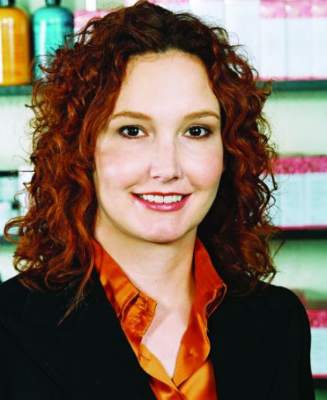
AUDIO: Franchiser hopes to put dermatology ‘back in the hands of the dermatologist’
Dermatology has yet to conquer the cosmetic corner of the specialty. That’s according to Dr. Leslie S. Baumann of the Miami-based Skin Type Solutions, who explains a new franchise model she says will help “put dermatology back in the hands of dermatologists.”
In this interview, Dr. Baumann, who writes the Cosmeceutical Critique column for Skin & Allergy News, explains her new franchise method for selling skin care products in the dermatologist’s office, and why she thinks it will “disrupt” business as usual in the retail skin care marketplace, including for online retailers.
Dr. Baumann is chief executive officer of the Baumann Cosmetic & Research Institute in the Design District in Miami. She founded the cosmetic dermatology center at the University of Miami in 1997. Dr. Baumann wrote the textbook “Cosmetic Dermatology: Principles and Practice” (McGraw-Hill, April 2002), and a book for consumers, “The Skin Type Solution” (Bantam, 2006). She has contributed to the Cosmeceutical Critique column in Skin & Allergy News since January 2001. Her latest book, “Cosmeceuticals and Cosmetic Ingredients,” will be published in November 2014. Dr. Baumann has received funding for clinical grants from Allergan, Aveeno, Avon Products, Evolus, Galderma, GlaxoSmithKline, Kythera, Mary Kay, Medicis Pharmaceuticals, Neutrogena, Philosophy,Topix Pharmaceuticals, and Unilever.
On Twitter @whitneymcknight
Dermatology has yet to conquer the cosmetic corner of the specialty. That’s according to Dr. Leslie S. Baumann of the Miami-based Skin Type Solutions, who explains a new franchise model she says will help “put dermatology back in the hands of dermatologists.”
In this interview, Dr. Baumann, who writes the Cosmeceutical Critique column for Skin & Allergy News, explains her new franchise method for selling skin care products in the dermatologist’s office, and why she thinks it will “disrupt” business as usual in the retail skin care marketplace, including for online retailers.
Dr. Baumann is chief executive officer of the Baumann Cosmetic & Research Institute in the Design District in Miami. She founded the cosmetic dermatology center at the University of Miami in 1997. Dr. Baumann wrote the textbook “Cosmetic Dermatology: Principles and Practice” (McGraw-Hill, April 2002), and a book for consumers, “The Skin Type Solution” (Bantam, 2006). She has contributed to the Cosmeceutical Critique column in Skin & Allergy News since January 2001. Her latest book, “Cosmeceuticals and Cosmetic Ingredients,” will be published in November 2014. Dr. Baumann has received funding for clinical grants from Allergan, Aveeno, Avon Products, Evolus, Galderma, GlaxoSmithKline, Kythera, Mary Kay, Medicis Pharmaceuticals, Neutrogena, Philosophy,Topix Pharmaceuticals, and Unilever.
On Twitter @whitneymcknight
Dermatology has yet to conquer the cosmetic corner of the specialty. That’s according to Dr. Leslie S. Baumann of the Miami-based Skin Type Solutions, who explains a new franchise model she says will help “put dermatology back in the hands of dermatologists.”
In this interview, Dr. Baumann, who writes the Cosmeceutical Critique column for Skin & Allergy News, explains her new franchise method for selling skin care products in the dermatologist’s office, and why she thinks it will “disrupt” business as usual in the retail skin care marketplace, including for online retailers.
Dr. Baumann is chief executive officer of the Baumann Cosmetic & Research Institute in the Design District in Miami. She founded the cosmetic dermatology center at the University of Miami in 1997. Dr. Baumann wrote the textbook “Cosmetic Dermatology: Principles and Practice” (McGraw-Hill, April 2002), and a book for consumers, “The Skin Type Solution” (Bantam, 2006). She has contributed to the Cosmeceutical Critique column in Skin & Allergy News since January 2001. Her latest book, “Cosmeceuticals and Cosmetic Ingredients,” will be published in November 2014. Dr. Baumann has received funding for clinical grants from Allergan, Aveeno, Avon Products, Evolus, Galderma, GlaxoSmithKline, Kythera, Mary Kay, Medicis Pharmaceuticals, Neutrogena, Philosophy,Topix Pharmaceuticals, and Unilever.
On Twitter @whitneymcknight
Quality of life of juvenile myoclonic epilepsy in adulthood may be better than thought
Patients with juvenile myoclonic epilepsy tend to have similar or better quality-of-life scores in adulthood in comparison with patients with absence epilepsy, except when there are comorbid psychiatric conditions, according to findings from a case-control study.
“In contrast to previous findings on social outcome in JME [juvenile myoclonic epilepsy], we demonstrated that the overall psychosocial outcome in the current JME patients was generally satisfying and – likewise important – did not differ from patients with absence epilepsy,” wrote the authors, including lead investigator, Dr. Martin Holtkamp, medical director at the Epilepsy Center Berlin-Brandenburg, Germany.
The findings showed that when compared with patients who had been diagnosed with childhood or juvenile absence epilepsy (AE), those with juvenile myoclonic epilepsy (JME) in their mid-40s were as likely or more likely to have a college degree, steady employment, and full integration into their social context.
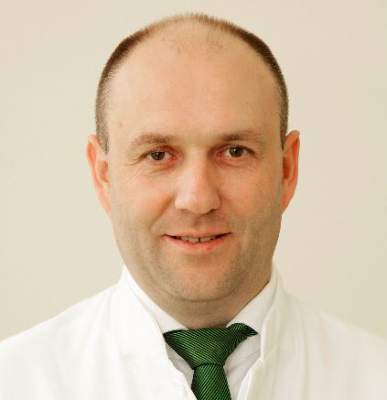
“At the end of follow-up, we found only one variable to be significantly different comparing psychosocial long-term outcome in JME and AE patients,” Dr. Holtkamp and his colleagues wrote. That variable was that nearly three-quarters of JME patients had either qualified for or achieved a university education, whereas only 34.1% of AE patients had done so (P = .001).
The investigators retrospectively analyzed the records of 41 adult JME patients and 41 adult AE patients whose first treatment contact occurred at the neurology department at the Charity University Hospital Berlin between 1955 and 2000. All patients included in the study had been diagnosed with their subsyndrome of epilepsy for at least 20 years (Epilepsia 2014 Sept. 10 [doi:10.1111/epi.12751]).
Patients in each group were contacted and asked to complete a questionnaire about their education, professional situation, family and social life, as well as their psychiatric conditions and any medications used to treat them. Each group was also asked to complete the validated Quality of Life in Epilepsy Inventory 31 survey (in German).In the JME group, in which the mean age was 60.7 years (standard deviation, 13.1 years) and average time from diagnosis to follow-up was 45 years, the overall psychosocial long-term outcome was positive and quality-of-life was high when compared with controls. In the JME group, 80.5% reported never having been unemployed for more than a year, 70% reported access to higher learning, and 80% also reported their financial situation as either wealthy or sufficient. Overall, 90% of patients with JME reported they were well integrated into their social contexts.
The control group, in which the mean age was 61 years (SD, 12.9 years) and follow-up time was 45 years, also reported a 90% rate of integration into their social contexts, although only 73.2% reported never having been unemployed for more than a year, and only 75.6% reported a healthy financial situation.
Nearly a quarter of JME patients reported current or previous psychiatric comorbidity, such as depression or anxiety, compared with 22% of controls. At the time of follow-up, the JME group reported significantly more antiepileptic monotherapy (83.3%), compared with controls (48.4%, P = .004).
The investigators noted that despite its low case numbers, the study’s long follow-up time suggested that “specific neurobiologic alterations in JME, if they exist at all, do not contribute in a primary fashion to psychosocial outcome.”
Dr. Holtkamp disclosed that he has received funds from several pharmaceutical companies, including Desitin Arzneimittel, GlaxoSmithKline, UCB, and others. He is on the advisory boards of several industry entities, including Eisai and Janssen.
On Twitter @whitneymcknight
Patients with juvenile myoclonic epilepsy tend to have similar or better quality-of-life scores in adulthood in comparison with patients with absence epilepsy, except when there are comorbid psychiatric conditions, according to findings from a case-control study.
“In contrast to previous findings on social outcome in JME [juvenile myoclonic epilepsy], we demonstrated that the overall psychosocial outcome in the current JME patients was generally satisfying and – likewise important – did not differ from patients with absence epilepsy,” wrote the authors, including lead investigator, Dr. Martin Holtkamp, medical director at the Epilepsy Center Berlin-Brandenburg, Germany.
The findings showed that when compared with patients who had been diagnosed with childhood or juvenile absence epilepsy (AE), those with juvenile myoclonic epilepsy (JME) in their mid-40s were as likely or more likely to have a college degree, steady employment, and full integration into their social context.
“At the end of follow-up, we found only one variable to be significantly different comparing psychosocial long-term outcome in JME and AE patients,” Dr. Holtkamp and his colleagues wrote. That variable was that nearly three-quarters of JME patients had either qualified for or achieved a university education, whereas only 34.1% of AE patients had done so (P = .001).
The investigators retrospectively analyzed the records of 41 adult JME patients and 41 adult AE patients whose first treatment contact occurred at the neurology department at the Charity University Hospital Berlin between 1955 and 2000. All patients included in the study had been diagnosed with their subsyndrome of epilepsy for at least 20 years (Epilepsia 2014 Sept. 10 [doi:10.1111/epi.12751]).
Patients in each group were contacted and asked to complete a questionnaire about their education, professional situation, family and social life, as well as their psychiatric conditions and any medications used to treat them. Each group was also asked to complete the validated Quality of Life in Epilepsy Inventory 31 survey (in German).In the JME group, in which the mean age was 60.7 years (standard deviation, 13.1 years) and average time from diagnosis to follow-up was 45 years, the overall psychosocial long-term outcome was positive and quality-of-life was high when compared with controls. In the JME group, 80.5% reported never having been unemployed for more than a year, 70% reported access to higher learning, and 80% also reported their financial situation as either wealthy or sufficient. Overall, 90% of patients with JME reported they were well integrated into their social contexts.
The control group, in which the mean age was 61 years (SD, 12.9 years) and follow-up time was 45 years, also reported a 90% rate of integration into their social contexts, although only 73.2% reported never having been unemployed for more than a year, and only 75.6% reported a healthy financial situation.
Nearly a quarter of JME patients reported current or previous psychiatric comorbidity, such as depression or anxiety, compared with 22% of controls. At the time of follow-up, the JME group reported significantly more antiepileptic monotherapy (83.3%), compared with controls (48.4%, P = .004).
The investigators noted that despite its low case numbers, the study’s long follow-up time suggested that “specific neurobiologic alterations in JME, if they exist at all, do not contribute in a primary fashion to psychosocial outcome.”
Dr. Holtkamp disclosed that he has received funds from several pharmaceutical companies, including Desitin Arzneimittel, GlaxoSmithKline, UCB, and others. He is on the advisory boards of several industry entities, including Eisai and Janssen.
On Twitter @whitneymcknight
Patients with juvenile myoclonic epilepsy tend to have similar or better quality-of-life scores in adulthood in comparison with patients with absence epilepsy, except when there are comorbid psychiatric conditions, according to findings from a case-control study.
“In contrast to previous findings on social outcome in JME [juvenile myoclonic epilepsy], we demonstrated that the overall psychosocial outcome in the current JME patients was generally satisfying and – likewise important – did not differ from patients with absence epilepsy,” wrote the authors, including lead investigator, Dr. Martin Holtkamp, medical director at the Epilepsy Center Berlin-Brandenburg, Germany.
The findings showed that when compared with patients who had been diagnosed with childhood or juvenile absence epilepsy (AE), those with juvenile myoclonic epilepsy (JME) in their mid-40s were as likely or more likely to have a college degree, steady employment, and full integration into their social context.
“At the end of follow-up, we found only one variable to be significantly different comparing psychosocial long-term outcome in JME and AE patients,” Dr. Holtkamp and his colleagues wrote. That variable was that nearly three-quarters of JME patients had either qualified for or achieved a university education, whereas only 34.1% of AE patients had done so (P = .001).
The investigators retrospectively analyzed the records of 41 adult JME patients and 41 adult AE patients whose first treatment contact occurred at the neurology department at the Charity University Hospital Berlin between 1955 and 2000. All patients included in the study had been diagnosed with their subsyndrome of epilepsy for at least 20 years (Epilepsia 2014 Sept. 10 [doi:10.1111/epi.12751]).
Patients in each group were contacted and asked to complete a questionnaire about their education, professional situation, family and social life, as well as their psychiatric conditions and any medications used to treat them. Each group was also asked to complete the validated Quality of Life in Epilepsy Inventory 31 survey (in German).In the JME group, in which the mean age was 60.7 years (standard deviation, 13.1 years) and average time from diagnosis to follow-up was 45 years, the overall psychosocial long-term outcome was positive and quality-of-life was high when compared with controls. In the JME group, 80.5% reported never having been unemployed for more than a year, 70% reported access to higher learning, and 80% also reported their financial situation as either wealthy or sufficient. Overall, 90% of patients with JME reported they were well integrated into their social contexts.
The control group, in which the mean age was 61 years (SD, 12.9 years) and follow-up time was 45 years, also reported a 90% rate of integration into their social contexts, although only 73.2% reported never having been unemployed for more than a year, and only 75.6% reported a healthy financial situation.
Nearly a quarter of JME patients reported current or previous psychiatric comorbidity, such as depression or anxiety, compared with 22% of controls. At the time of follow-up, the JME group reported significantly more antiepileptic monotherapy (83.3%), compared with controls (48.4%, P = .004).
The investigators noted that despite its low case numbers, the study’s long follow-up time suggested that “specific neurobiologic alterations in JME, if they exist at all, do not contribute in a primary fashion to psychosocial outcome.”
Dr. Holtkamp disclosed that he has received funds from several pharmaceutical companies, including Desitin Arzneimittel, GlaxoSmithKline, UCB, and others. He is on the advisory boards of several industry entities, including Eisai and Janssen.
On Twitter @whitneymcknight
FROM EPILEPSIA
Key clinical point: Patients with juvenile myoclonic epilepsy generally have a long-term quality-of-life that is generally equal to or better than patients with childhood or juvenile absence epilepsy.
Major finding: Adult juvenile myoclonic epilepsy patients without comorbid psychiatric conditions had quality-of-life scores that were similar, or higher, than in absence epilepsy controls (P = .02).
Data source: A case-control study of 41 adult patients with juvenile myoclonic epilepsy and 41 age- and sex-matched controls with absence epilepsy treated for a minimum of 20 years at a single site in Germany.
Disclosures: Dr. Holtkamp disclosed that he has received funds from several pharmaceutical companies, including Desitin, GlaxoSmithKline, UCB, and others. He is on the advisory boards of several industry entities, including Eisai and Janssen.
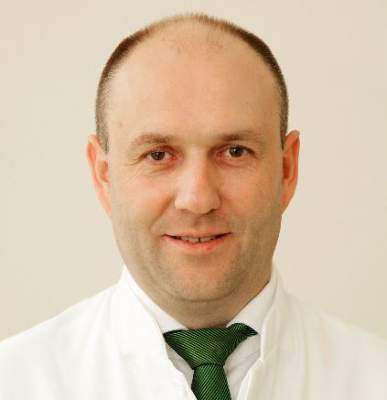
AUDIO: An interview with Dr. Thomas Insel, part II
HOLLYWOOD, FLA. – In the United States, rates of mental illness continue to increase while rates of cure do not. That’s according to a recent report on the global disease burden published in JAMA (2013;310:591-608).
For that reason, leaders in the mental health field such as Dr. Thomas Insel, director of the National Institute of Mental Health, and who is both a psychiatrist and a neuroscientist, are supporting President Barack Obama’s BRAIN Initiative. The 12-year vision with a projected $4.5 billion price tag that goal has among its aims. The hope is that the initiative will help determine biomarkers aimed at finding effective cures for a variety of mental illnesses.

After Dr. Insel spoke at the plenary session of this year’s annual meeting of the American Society of Clinical Psychopharmacology, formerly known as the New Clinical Drug Evaluation Unit meeting, he sat for an interview with this news organization.
This is part II of that interview. In this segment, Dr. Insel discusses how the BRAIN Initiative could change practice for psychiatrists and other mental health professionals. Dr. Insel also describes how he thinks the collaboration of many scientists will aid in the quest to understand the biology of the brain. In addition, he describes how funding in this new era will be determined for those interested in applying for research grants.
On Twitter @whitneymcknight
HOLLYWOOD, FLA. – In the United States, rates of mental illness continue to increase while rates of cure do not. That’s according to a recent report on the global disease burden published in JAMA (2013;310:591-608).
For that reason, leaders in the mental health field such as Dr. Thomas Insel, director of the National Institute of Mental Health, and who is both a psychiatrist and a neuroscientist, are supporting President Barack Obama’s BRAIN Initiative. The 12-year vision with a projected $4.5 billion price tag that goal has among its aims. The hope is that the initiative will help determine biomarkers aimed at finding effective cures for a variety of mental illnesses.
After Dr. Insel spoke at the plenary session of this year’s annual meeting of the American Society of Clinical Psychopharmacology, formerly known as the New Clinical Drug Evaluation Unit meeting, he sat for an interview with this news organization.
This is part II of that interview. In this segment, Dr. Insel discusses how the BRAIN Initiative could change practice for psychiatrists and other mental health professionals. Dr. Insel also describes how he thinks the collaboration of many scientists will aid in the quest to understand the biology of the brain. In addition, he describes how funding in this new era will be determined for those interested in applying for research grants.
On Twitter @whitneymcknight
HOLLYWOOD, FLA. – In the United States, rates of mental illness continue to increase while rates of cure do not. That’s according to a recent report on the global disease burden published in JAMA (2013;310:591-608).
For that reason, leaders in the mental health field such as Dr. Thomas Insel, director of the National Institute of Mental Health, and who is both a psychiatrist and a neuroscientist, are supporting President Barack Obama’s BRAIN Initiative. The 12-year vision with a projected $4.5 billion price tag that goal has among its aims. The hope is that the initiative will help determine biomarkers aimed at finding effective cures for a variety of mental illnesses.
After Dr. Insel spoke at the plenary session of this year’s annual meeting of the American Society of Clinical Psychopharmacology, formerly known as the New Clinical Drug Evaluation Unit meeting, he sat for an interview with this news organization.
This is part II of that interview. In this segment, Dr. Insel discusses how the BRAIN Initiative could change practice for psychiatrists and other mental health professionals. Dr. Insel also describes how he thinks the collaboration of many scientists will aid in the quest to understand the biology of the brain. In addition, he describes how funding in this new era will be determined for those interested in applying for research grants.
On Twitter @whitneymcknight