User login
Aripiprazole outperforms paliperidone palmitate in head-to-head trial
COLORADO SPRINGS – The once monthly long-acting injectable formulation of the atypical antipsychotic aripiprazole was superior to a similar formulation of paliperidone palmitate in health-related quality-of-life scale total scores in people with schizophrenia, new data show.
The primary results in the head-to-head trial were supported by a significant decrease in Clinical Global Impression Scale (CGI-S) scores, better tolerability, and less treatment-related adverse events.
“The field has longed for such trials that fairly compare available treatments. Both treatments were effective, but aripiprazole once monthly was more effective across almost all measures,” Dr. Steven G. Potkin, the Robert R. Sprague Chair in Brain Imaging and a professor of psychiatry at the University of California, Irvine, and a lead author on the study, said in an interview.
Data from the QUALIFY study were presented at the biennial meeting of the 15th International Congress on Schizophrenia Research.
According to Dr. Potkin, the study is the first to use the quality of life scale to compare the effects of two, once-monthly, long-acting injectables (LAIs) with different modes of action in schizophrenia to determine treatment effects on patients’ overall social experience, work capacity, sense of purpose, curiosity, empathy, motivation, and level of presence in the community.
“The study has meaningful clinical impact, as it addresses some of the more important concerns that individuals with schizophrenia face such as ability to socialize and interact with others,” Dr. Potkin said.
In this phase IIIb, multicenter, international 28-week, randomized, open-label, rater-blinded, parallel group study, Dr. Potkin and his colleagues randomly assigned 295 adults with schizophrenia who were switching form an oral antipsychotic to an injectable one, to receive either the partial dopamine D2 agonist aripiprazole once monthly 400 mg or the dopamine D2 antagonist paliperidone palmitate at equivalent flexible dosing equivalent of 50 mg to 150 mg per month in the European Union and Canada, or 78 mg to 234 mg per month in the United States.
Patients were stable at baseline. Nearly 60% were male, and 44% were obese. Mean age was 42 years. Baseline quality of life scale (QLS) scores for the 148 individuals in the aripiprazole arm were 66.1 (standard deviation, 21.4) and 62.5 (SD, 21.3) for the 147 persons in the paliperidone palmitate arm. The baseline CGI-S scores for both groups was 4.0. Patients were assessed every 4th week.
By week 28, 100 in the aripiprazole arm completed treatment, and 83 completed treatment in the paliperidone palmitate arm.
The mean doses at week 24 were 387.0 +/– standard equivalent 3.4 mg for aripiprazole and 110.3 +/– 3.6 mg for paliperidone palmitate for the E.U. and Canada. The U.S. equivalent was 172 mg.
The primary endpoint of QLS scores at week 28 demonstrated the noninferiority and superiority of once-monthly aripiprazole over paliperidone palmitate. The aripiprazole arm improved QLS scores by 7.47 (SD, 1.53) compared with 2.80 (SD, 1.62) in the other group. The least square mean difference between treatments was 4.67 (95% confidence interval, [0.32; 9.02]; P = .036).
“The study was designed as a noninferiority trial, that is, to determine if aripiprazole 400 mg once monthly was as good as paliperidone palmitate,” Dr. Potkin said. “Not only was the aripiprazole as good as paliperidone palmitate, but indeed it was superior in the important health-related quality of life measures.”
Aripiprazole also significantly bested paliperidone palmitate in the secondary endpoint of improvements in the CGI-S score: –0.75 (SD, 0.07), compared with –0.46 (SD, 0.07). The least square mean difference between treatment was –0.28 (95% CI [–0.48; –0.09]; P = .004).
Adverse events assessed during the oral conversion, LAI-initiation, and LAI-continuation phases were more common in the paliperidone palmitate group during all phases but the initiation phase (51 reported events vs. 55 in the aripiprazole group). Significant adverse events were more common in the paliperidone palmitate group during the continuation phase (8 events vs. 6), and treatment-related adverse events leading to discontinuation of therapy during the continuation phase occurred in 13 of the paliperidone palmitate group vs. 6 in the aripiprazole group.
Insomnia was reported in both groups across all phases, as was weight gain, which was more common in the paliperidone palmitate group during the continuation phase (17 vs. 12).
“The study design represents the choice that clinicians face when deciding which atypical long-acting formulation to recommend to which patient,” Dr. Potkin said. “What I think is clinically relevant is that the primary outcome measure was the patient’s quality of life that includes the patient’s negative symptoms such as lack of empathy, motivation, curiosity, and socialization, and the consequence of these symptoms on everyday functioning. These symptoms are the most important to patients and their loved ones once the initial acute symptom episode has been stabilized.”
This trial was underwritten by Otsuka, makers of Abilify Maintena, and by H. Lundbeck A/S. Dr. Potkin is on the speakers bureau for Otsuka, Forest, and Sunovion, and serves on advisory boards of Alkermes, Forest, Genetech, Lundbeck, Otsuka, Roche, Sunovion, and Takeda.
On Twitter @whitneymcknight
COLORADO SPRINGS – The once monthly long-acting injectable formulation of the atypical antipsychotic aripiprazole was superior to a similar formulation of paliperidone palmitate in health-related quality-of-life scale total scores in people with schizophrenia, new data show.
The primary results in the head-to-head trial were supported by a significant decrease in Clinical Global Impression Scale (CGI-S) scores, better tolerability, and less treatment-related adverse events.
“The field has longed for such trials that fairly compare available treatments. Both treatments were effective, but aripiprazole once monthly was more effective across almost all measures,” Dr. Steven G. Potkin, the Robert R. Sprague Chair in Brain Imaging and a professor of psychiatry at the University of California, Irvine, and a lead author on the study, said in an interview.
Data from the QUALIFY study were presented at the biennial meeting of the 15th International Congress on Schizophrenia Research.
According to Dr. Potkin, the study is the first to use the quality of life scale to compare the effects of two, once-monthly, long-acting injectables (LAIs) with different modes of action in schizophrenia to determine treatment effects on patients’ overall social experience, work capacity, sense of purpose, curiosity, empathy, motivation, and level of presence in the community.
“The study has meaningful clinical impact, as it addresses some of the more important concerns that individuals with schizophrenia face such as ability to socialize and interact with others,” Dr. Potkin said.
In this phase IIIb, multicenter, international 28-week, randomized, open-label, rater-blinded, parallel group study, Dr. Potkin and his colleagues randomly assigned 295 adults with schizophrenia who were switching form an oral antipsychotic to an injectable one, to receive either the partial dopamine D2 agonist aripiprazole once monthly 400 mg or the dopamine D2 antagonist paliperidone palmitate at equivalent flexible dosing equivalent of 50 mg to 150 mg per month in the European Union and Canada, or 78 mg to 234 mg per month in the United States.
Patients were stable at baseline. Nearly 60% were male, and 44% were obese. Mean age was 42 years. Baseline quality of life scale (QLS) scores for the 148 individuals in the aripiprazole arm were 66.1 (standard deviation, 21.4) and 62.5 (SD, 21.3) for the 147 persons in the paliperidone palmitate arm. The baseline CGI-S scores for both groups was 4.0. Patients were assessed every 4th week.
By week 28, 100 in the aripiprazole arm completed treatment, and 83 completed treatment in the paliperidone palmitate arm.
The mean doses at week 24 were 387.0 +/– standard equivalent 3.4 mg for aripiprazole and 110.3 +/– 3.6 mg for paliperidone palmitate for the E.U. and Canada. The U.S. equivalent was 172 mg.
The primary endpoint of QLS scores at week 28 demonstrated the noninferiority and superiority of once-monthly aripiprazole over paliperidone palmitate. The aripiprazole arm improved QLS scores by 7.47 (SD, 1.53) compared with 2.80 (SD, 1.62) in the other group. The least square mean difference between treatments was 4.67 (95% confidence interval, [0.32; 9.02]; P = .036).
“The study was designed as a noninferiority trial, that is, to determine if aripiprazole 400 mg once monthly was as good as paliperidone palmitate,” Dr. Potkin said. “Not only was the aripiprazole as good as paliperidone palmitate, but indeed it was superior in the important health-related quality of life measures.”
Aripiprazole also significantly bested paliperidone palmitate in the secondary endpoint of improvements in the CGI-S score: –0.75 (SD, 0.07), compared with –0.46 (SD, 0.07). The least square mean difference between treatment was –0.28 (95% CI [–0.48; –0.09]; P = .004).
Adverse events assessed during the oral conversion, LAI-initiation, and LAI-continuation phases were more common in the paliperidone palmitate group during all phases but the initiation phase (51 reported events vs. 55 in the aripiprazole group). Significant adverse events were more common in the paliperidone palmitate group during the continuation phase (8 events vs. 6), and treatment-related adverse events leading to discontinuation of therapy during the continuation phase occurred in 13 of the paliperidone palmitate group vs. 6 in the aripiprazole group.
Insomnia was reported in both groups across all phases, as was weight gain, which was more common in the paliperidone palmitate group during the continuation phase (17 vs. 12).
“The study design represents the choice that clinicians face when deciding which atypical long-acting formulation to recommend to which patient,” Dr. Potkin said. “What I think is clinically relevant is that the primary outcome measure was the patient’s quality of life that includes the patient’s negative symptoms such as lack of empathy, motivation, curiosity, and socialization, and the consequence of these symptoms on everyday functioning. These symptoms are the most important to patients and their loved ones once the initial acute symptom episode has been stabilized.”
This trial was underwritten by Otsuka, makers of Abilify Maintena, and by H. Lundbeck A/S. Dr. Potkin is on the speakers bureau for Otsuka, Forest, and Sunovion, and serves on advisory boards of Alkermes, Forest, Genetech, Lundbeck, Otsuka, Roche, Sunovion, and Takeda.
On Twitter @whitneymcknight
COLORADO SPRINGS – The once monthly long-acting injectable formulation of the atypical antipsychotic aripiprazole was superior to a similar formulation of paliperidone palmitate in health-related quality-of-life scale total scores in people with schizophrenia, new data show.
The primary results in the head-to-head trial were supported by a significant decrease in Clinical Global Impression Scale (CGI-S) scores, better tolerability, and less treatment-related adverse events.
“The field has longed for such trials that fairly compare available treatments. Both treatments were effective, but aripiprazole once monthly was more effective across almost all measures,” Dr. Steven G. Potkin, the Robert R. Sprague Chair in Brain Imaging and a professor of psychiatry at the University of California, Irvine, and a lead author on the study, said in an interview.
Data from the QUALIFY study were presented at the biennial meeting of the 15th International Congress on Schizophrenia Research.
According to Dr. Potkin, the study is the first to use the quality of life scale to compare the effects of two, once-monthly, long-acting injectables (LAIs) with different modes of action in schizophrenia to determine treatment effects on patients’ overall social experience, work capacity, sense of purpose, curiosity, empathy, motivation, and level of presence in the community.
“The study has meaningful clinical impact, as it addresses some of the more important concerns that individuals with schizophrenia face such as ability to socialize and interact with others,” Dr. Potkin said.
In this phase IIIb, multicenter, international 28-week, randomized, open-label, rater-blinded, parallel group study, Dr. Potkin and his colleagues randomly assigned 295 adults with schizophrenia who were switching form an oral antipsychotic to an injectable one, to receive either the partial dopamine D2 agonist aripiprazole once monthly 400 mg or the dopamine D2 antagonist paliperidone palmitate at equivalent flexible dosing equivalent of 50 mg to 150 mg per month in the European Union and Canada, or 78 mg to 234 mg per month in the United States.
Patients were stable at baseline. Nearly 60% were male, and 44% were obese. Mean age was 42 years. Baseline quality of life scale (QLS) scores for the 148 individuals in the aripiprazole arm were 66.1 (standard deviation, 21.4) and 62.5 (SD, 21.3) for the 147 persons in the paliperidone palmitate arm. The baseline CGI-S scores for both groups was 4.0. Patients were assessed every 4th week.
By week 28, 100 in the aripiprazole arm completed treatment, and 83 completed treatment in the paliperidone palmitate arm.
The mean doses at week 24 were 387.0 +/– standard equivalent 3.4 mg for aripiprazole and 110.3 +/– 3.6 mg for paliperidone palmitate for the E.U. and Canada. The U.S. equivalent was 172 mg.
The primary endpoint of QLS scores at week 28 demonstrated the noninferiority and superiority of once-monthly aripiprazole over paliperidone palmitate. The aripiprazole arm improved QLS scores by 7.47 (SD, 1.53) compared with 2.80 (SD, 1.62) in the other group. The least square mean difference between treatments was 4.67 (95% confidence interval, [0.32; 9.02]; P = .036).
“The study was designed as a noninferiority trial, that is, to determine if aripiprazole 400 mg once monthly was as good as paliperidone palmitate,” Dr. Potkin said. “Not only was the aripiprazole as good as paliperidone palmitate, but indeed it was superior in the important health-related quality of life measures.”
Aripiprazole also significantly bested paliperidone palmitate in the secondary endpoint of improvements in the CGI-S score: –0.75 (SD, 0.07), compared with –0.46 (SD, 0.07). The least square mean difference between treatment was –0.28 (95% CI [–0.48; –0.09]; P = .004).
Adverse events assessed during the oral conversion, LAI-initiation, and LAI-continuation phases were more common in the paliperidone palmitate group during all phases but the initiation phase (51 reported events vs. 55 in the aripiprazole group). Significant adverse events were more common in the paliperidone palmitate group during the continuation phase (8 events vs. 6), and treatment-related adverse events leading to discontinuation of therapy during the continuation phase occurred in 13 of the paliperidone palmitate group vs. 6 in the aripiprazole group.
Insomnia was reported in both groups across all phases, as was weight gain, which was more common in the paliperidone palmitate group during the continuation phase (17 vs. 12).
“The study design represents the choice that clinicians face when deciding which atypical long-acting formulation to recommend to which patient,” Dr. Potkin said. “What I think is clinically relevant is that the primary outcome measure was the patient’s quality of life that includes the patient’s negative symptoms such as lack of empathy, motivation, curiosity, and socialization, and the consequence of these symptoms on everyday functioning. These symptoms are the most important to patients and their loved ones once the initial acute symptom episode has been stabilized.”
This trial was underwritten by Otsuka, makers of Abilify Maintena, and by H. Lundbeck A/S. Dr. Potkin is on the speakers bureau for Otsuka, Forest, and Sunovion, and serves on advisory boards of Alkermes, Forest, Genetech, Lundbeck, Otsuka, Roche, Sunovion, and Takeda.
On Twitter @whitneymcknight
AT THE INTERNATIONAL CONGRESS ON SCHIZOPHRENIA RESEARCH
Key clinical point: This trial offers a more complete picture of how different formulations of long-acting injectables (LAIs) will affect patients’ quality of life.
Major finding: LAI aripiprazole outperformed LAI paliperidone palmitate on QLS total score by 4.7 points (95% confidence interval, [0.32; 9.02]; P = .036).
Data source: Phase IIIb, multicenter, international 28-week, randomized, open-label, rater-blinded, parallel group study of 295 patients with schizophrenia.
Disclosures: This trial was underwritten by Otsuka, makers of Abilify Maintena, and by H. Lundbeck A/S. Dr. Potkin is on the speakers bureau for Otsuka, Forest, and Sunovion, and serves on advisory boards of Alkermes, Forest, Genetech, Lundbeck, Otsuka, Roche, Sunovion, and Takeda.
Benzodiazepine reduction without withdrawal symptoms possible in patients with schizophrenia, bipolar disorder
COLORADO SPRINGS – Patients with schizophrenia and bipolar disorder can reduce or even discontinue their reliance on benzodiazepines when kept to a gradually tapered titration, results of a Danish study have shown.
Benzodiazepines often are prescribed to patients with severe mental illnesses to help relieve comorbid anxiety and insomnia. According to Dr. Lone Baandrup, a researcher at the Center for Neuropsychiatric Schizophrenia Research at the Copenhagen University Hospital in Glostrup, Denmark, the treatment is usually meant as a temporary measure during acute episodes, but patients often become addicted.

Dr. Baandrup said in an interview at the biennial meeting of the 15th International Congress on Schizophrenia Research that because it is well established that patients with severe mental illness often suffer from a diminished ability to secrete endogenous melatonin, “we wanted to see if we could facilitate tapering patients off their benzos using a prolonged-release melatonin.”
Dr. Baandrup and her colleagues randomly assigned 86 adults with a diagnosis of schizophrenia, schizoaffective disorder, or bipolar disorder who had been on a daily regimen of an antipsychotic and at least one benzodiazepine derivative for at least 3 months, to receive either prolonged-release melatonin 2 mg daily or matching placebo. In the intention-to-treat analysis, each group was guided by a caregiver to gradually taper their respective daily benzodiazepine dosage.
Participants were examined at baseline and at 8, 16, and 24 weeks, and were monitored weekly by telephone. All participants, researchers, treating clinicians, and outcome assessors were blinded to group assignment.
No significant difference was found between the groups as to mean benzodiazepine dosage at 24 weeks, the study’s primary outcome, but the placebo arm had a greater reduction in benzodiazepine dosage (8.01 mg in the study arm vs. 5.72 mg in placebo; difference between means, –2.29; 95% confidence interval, –5.78-1.21; P = .20).
Nearly half of the placebo group achieved complete cessation of benzodiazepine use, compared with more than one-third of the study group (21 out of 44 vs. 16 out of 42; odds ratio, 0.64; 95% confidence interval, 0.26-1.56; P = .32).
Serious or nonserious adverse events were similar across the groups.
A separate analysis of the data not presented at the conference as to whether melatonin had any effect on subjective sleep measures showed that those in the melatonin group had improved sleep according to the Pittsburgh Sleep Quality Index. When compared with the control group, “the difference was about 2 points, so it was only on the border of clinical significance, but their sleep did not get worse,” Dr. Baandrup said.
The investigators also used the Pittsburgh Sleep Diary to measure whether there were any objective differences in sleep between the melatonin and placebo groups, and found that reducing benzodiazepine use did not result in insomnia. “It remained the same from baseline to follow-up," Dr. Baandrup said. “Many patients are afraid to taper off their benzos because they fear their sleep will worsen, but we didn’t find that.”
Dr. Baandrup did not have any relevant disclosures.
On Twitter @whitneymcknight
COLORADO SPRINGS – Patients with schizophrenia and bipolar disorder can reduce or even discontinue their reliance on benzodiazepines when kept to a gradually tapered titration, results of a Danish study have shown.
Benzodiazepines often are prescribed to patients with severe mental illnesses to help relieve comorbid anxiety and insomnia. According to Dr. Lone Baandrup, a researcher at the Center for Neuropsychiatric Schizophrenia Research at the Copenhagen University Hospital in Glostrup, Denmark, the treatment is usually meant as a temporary measure during acute episodes, but patients often become addicted.
Dr. Baandrup said in an interview at the biennial meeting of the 15th International Congress on Schizophrenia Research that because it is well established that patients with severe mental illness often suffer from a diminished ability to secrete endogenous melatonin, “we wanted to see if we could facilitate tapering patients off their benzos using a prolonged-release melatonin.”
Dr. Baandrup and her colleagues randomly assigned 86 adults with a diagnosis of schizophrenia, schizoaffective disorder, or bipolar disorder who had been on a daily regimen of an antipsychotic and at least one benzodiazepine derivative for at least 3 months, to receive either prolonged-release melatonin 2 mg daily or matching placebo. In the intention-to-treat analysis, each group was guided by a caregiver to gradually taper their respective daily benzodiazepine dosage.
Participants were examined at baseline and at 8, 16, and 24 weeks, and were monitored weekly by telephone. All participants, researchers, treating clinicians, and outcome assessors were blinded to group assignment.
No significant difference was found between the groups as to mean benzodiazepine dosage at 24 weeks, the study’s primary outcome, but the placebo arm had a greater reduction in benzodiazepine dosage (8.01 mg in the study arm vs. 5.72 mg in placebo; difference between means, –2.29; 95% confidence interval, –5.78-1.21; P = .20).
Nearly half of the placebo group achieved complete cessation of benzodiazepine use, compared with more than one-third of the study group (21 out of 44 vs. 16 out of 42; odds ratio, 0.64; 95% confidence interval, 0.26-1.56; P = .32).
Serious or nonserious adverse events were similar across the groups.
A separate analysis of the data not presented at the conference as to whether melatonin had any effect on subjective sleep measures showed that those in the melatonin group had improved sleep according to the Pittsburgh Sleep Quality Index. When compared with the control group, “the difference was about 2 points, so it was only on the border of clinical significance, but their sleep did not get worse,” Dr. Baandrup said.
The investigators also used the Pittsburgh Sleep Diary to measure whether there were any objective differences in sleep between the melatonin and placebo groups, and found that reducing benzodiazepine use did not result in insomnia. “It remained the same from baseline to follow-up," Dr. Baandrup said. “Many patients are afraid to taper off their benzos because they fear their sleep will worsen, but we didn’t find that.”
Dr. Baandrup did not have any relevant disclosures.
On Twitter @whitneymcknight
COLORADO SPRINGS – Patients with schizophrenia and bipolar disorder can reduce or even discontinue their reliance on benzodiazepines when kept to a gradually tapered titration, results of a Danish study have shown.
Benzodiazepines often are prescribed to patients with severe mental illnesses to help relieve comorbid anxiety and insomnia. According to Dr. Lone Baandrup, a researcher at the Center for Neuropsychiatric Schizophrenia Research at the Copenhagen University Hospital in Glostrup, Denmark, the treatment is usually meant as a temporary measure during acute episodes, but patients often become addicted.
Dr. Baandrup said in an interview at the biennial meeting of the 15th International Congress on Schizophrenia Research that because it is well established that patients with severe mental illness often suffer from a diminished ability to secrete endogenous melatonin, “we wanted to see if we could facilitate tapering patients off their benzos using a prolonged-release melatonin.”
Dr. Baandrup and her colleagues randomly assigned 86 adults with a diagnosis of schizophrenia, schizoaffective disorder, or bipolar disorder who had been on a daily regimen of an antipsychotic and at least one benzodiazepine derivative for at least 3 months, to receive either prolonged-release melatonin 2 mg daily or matching placebo. In the intention-to-treat analysis, each group was guided by a caregiver to gradually taper their respective daily benzodiazepine dosage.
Participants were examined at baseline and at 8, 16, and 24 weeks, and were monitored weekly by telephone. All participants, researchers, treating clinicians, and outcome assessors were blinded to group assignment.
No significant difference was found between the groups as to mean benzodiazepine dosage at 24 weeks, the study’s primary outcome, but the placebo arm had a greater reduction in benzodiazepine dosage (8.01 mg in the study arm vs. 5.72 mg in placebo; difference between means, –2.29; 95% confidence interval, –5.78-1.21; P = .20).
Nearly half of the placebo group achieved complete cessation of benzodiazepine use, compared with more than one-third of the study group (21 out of 44 vs. 16 out of 42; odds ratio, 0.64; 95% confidence interval, 0.26-1.56; P = .32).
Serious or nonserious adverse events were similar across the groups.
A separate analysis of the data not presented at the conference as to whether melatonin had any effect on subjective sleep measures showed that those in the melatonin group had improved sleep according to the Pittsburgh Sleep Quality Index. When compared with the control group, “the difference was about 2 points, so it was only on the border of clinical significance, but their sleep did not get worse,” Dr. Baandrup said.
The investigators also used the Pittsburgh Sleep Diary to measure whether there were any objective differences in sleep between the melatonin and placebo groups, and found that reducing benzodiazepine use did not result in insomnia. “It remained the same from baseline to follow-up," Dr. Baandrup said. “Many patients are afraid to taper off their benzos because they fear their sleep will worsen, but we didn’t find that.”
Dr. Baandrup did not have any relevant disclosures.
On Twitter @whitneymcknight
AT THE INTERNATIONAL CONGRESS ON SCHIZOPHRENIA RESEARCH
Key clinical point: Patients with schizophrenia or bipolar disorder can reduce, or even discontinue, reliance on benzodiazepines when tapered gradually but steadily.
Major finding: No significant difference was found in benzodiazepine reduction rates between patients with psychosis given prolonged-release melatonin and placebo.
Data source: Negative, single-center, blinded parallel study of 86 patients with schizophrenia or bipolar disorder randomly assigned to long-acting melatonin or placebo while reducing their benzodiazepine dosage over 6 months.
Disclosures: Dr. Baandrup did not have any relevant disclosures.

AUDIO: Psychiatry’s Darwinian moment
LAS VEGAS – A more-specific nomenclature of depression would help in the prescribing of better treatments or might prevent it altogether, according to Dr. Vladimir Maletic, a psychiatrist who spoke at this year’s Nevada Psychiatric Association’s annual Psychopharmacology update meeting.
But to do so requires psychiatry to find its own Darwinian moment, where the etiology of depression is made clear. In the conversation with Dr. Maletic, recorded at the meeting, hear his thoughts on the differences between existential and biological depression, how allowing patients to choose their treatment can double their response rate, and the lasting, negative effects on cognition post depression.
On Twitter @whitneymcknight
LAS VEGAS – A more-specific nomenclature of depression would help in the prescribing of better treatments or might prevent it altogether, according to Dr. Vladimir Maletic, a psychiatrist who spoke at this year’s Nevada Psychiatric Association’s annual Psychopharmacology update meeting.
But to do so requires psychiatry to find its own Darwinian moment, where the etiology of depression is made clear. In the conversation with Dr. Maletic, recorded at the meeting, hear his thoughts on the differences between existential and biological depression, how allowing patients to choose their treatment can double their response rate, and the lasting, negative effects on cognition post depression.
On Twitter @whitneymcknight
LAS VEGAS – A more-specific nomenclature of depression would help in the prescribing of better treatments or might prevent it altogether, according to Dr. Vladimir Maletic, a psychiatrist who spoke at this year’s Nevada Psychiatric Association’s annual Psychopharmacology update meeting.
But to do so requires psychiatry to find its own Darwinian moment, where the etiology of depression is made clear. In the conversation with Dr. Maletic, recorded at the meeting, hear his thoughts on the differences between existential and biological depression, how allowing patients to choose their treatment can double their response rate, and the lasting, negative effects on cognition post depression.
On Twitter @whitneymcknight
EXPERT ANALYSIS FROM THE NPA ANNUAL PSYCHOPHARMACOLOGY UPDATE
Three-month injectable paliperidone palmitate delayed relapse in schizophrenia up to 1 year
COLORADO SPRINGS– Three-month injectable paliperidone palmitate significantly delayed time to relapse compared to placebo in patients with schizophrenia, according to phase III clinical study data being presented at the biennial meeting of the 15th International Congress on Schizophrenia Research.
The study also was published in JAMA Psychiatry.
If approved, patients would be dosed with only four injections of the atypical antipsychotic per year rather than once per month, which is the current dosing for the injectable formulation. Oral atypical antipsychotics are administered daily.

“It would be nice if there were more use, in general, of the long-acting injectables, and we hope these data will encourage that because it would increase [compliance],” Dr. Adam Savitz, a researcher on the study, said in an interview. “If it gets approved, it’s something clinicians should consider their patients could benefit from.”
Janssen, maker of the drug, has filed a New Drug Application with the Food and Drug Administration for the 3-month paliperidone palmitate injection to treat schizophrenia in adults. According to a statement from the company, a regulatory action is expected on May 18, 2015, after which time Janssen plans to file for markets outside the United States.
The multicenter, international trial conducted from April 26, 2012, through April 9, 2014, included 506 adults randomized to either the study drug or to placebo. Conducted in four phases, the study began with a 3-week screening phase, followed by a flexible-dose 17-week open-label transition phase in which patients received once-monthly doses of the 1-month formulation of paliperidone palmitate (50, 75, 100, or 150 mg). During the 12-week open-label maintenance phase, patients received a single dose of the 3-month formulation at 3.5 times the stabilized dose of their once-monthly formulation dose (JAMA Psychiatry 2015; March 29 [doi.10.1001/jamapsychiatry.2015.024]).
During the final, double-blind phase, 160 stabilized patients were randomized to 3-month paliperidone palmitate (175, 263, 350, or 525 mg), once every 3 months, and 145 stabilized patients similarly received placebo.
In an interim analysis, the time from randomization to relapse significantly favored paliperidone palmitate vs. placebo (hazard ratio, 3.45; 95% confidence interval, 1.73-6.88; P < .001). The median time before relapse was 274 days for placebo but, according to Dr. Savitz, was not estimable for the study arm.
“The interim analysis more was than 270 days after randomization, so if you think about it, that’s a very long time, because even those who were switched to placebo continued to have protection from relapse after having one dose. In the final analysis, it was actually a year-long protection, after people stopped getting the medication,” Dr. Savitz said in the interview.
This primary analysis of the data, also presented this week at the 23rd annual European Congress of Psychiatry in Vienna, is based on the interim results of time to first relapse, which were strong enough to have provoked an early termination for the study.
Treatment-emergent adverse events recorded during the double blind phase occurred in 62% of the 3-month paliperidone palmitate group and in 58% of the placebo group. Headache and weight gain were the most common (9% vs. 4% and 9% vs. 3%), respectively, followed by nasopharyngitis (6% vs. 1%), and akathisia (4% vs. 1%).
Dr. Savitz recommended that if the drug is approved, “It’s important to remember that the person has to be stabilized first using the 1-month dose,” and that it not be used in people who are allergic to risperidone or who have other allergies.
Dr. Savitz is the director of clinical research, neuroscience, and psychiatry at Janssen Pharmaceuticals.
On Twitter @whitneymcknight
COLORADO SPRINGS– Three-month injectable paliperidone palmitate significantly delayed time to relapse compared to placebo in patients with schizophrenia, according to phase III clinical study data being presented at the biennial meeting of the 15th International Congress on Schizophrenia Research.
The study also was published in JAMA Psychiatry.
If approved, patients would be dosed with only four injections of the atypical antipsychotic per year rather than once per month, which is the current dosing for the injectable formulation. Oral atypical antipsychotics are administered daily.
“It would be nice if there were more use, in general, of the long-acting injectables, and we hope these data will encourage that because it would increase [compliance],” Dr. Adam Savitz, a researcher on the study, said in an interview. “If it gets approved, it’s something clinicians should consider their patients could benefit from.”
Janssen, maker of the drug, has filed a New Drug Application with the Food and Drug Administration for the 3-month paliperidone palmitate injection to treat schizophrenia in adults. According to a statement from the company, a regulatory action is expected on May 18, 2015, after which time Janssen plans to file for markets outside the United States.
The multicenter, international trial conducted from April 26, 2012, through April 9, 2014, included 506 adults randomized to either the study drug or to placebo. Conducted in four phases, the study began with a 3-week screening phase, followed by a flexible-dose 17-week open-label transition phase in which patients received once-monthly doses of the 1-month formulation of paliperidone palmitate (50, 75, 100, or 150 mg). During the 12-week open-label maintenance phase, patients received a single dose of the 3-month formulation at 3.5 times the stabilized dose of their once-monthly formulation dose (JAMA Psychiatry 2015; March 29 [doi.10.1001/jamapsychiatry.2015.024]).
During the final, double-blind phase, 160 stabilized patients were randomized to 3-month paliperidone palmitate (175, 263, 350, or 525 mg), once every 3 months, and 145 stabilized patients similarly received placebo.
In an interim analysis, the time from randomization to relapse significantly favored paliperidone palmitate vs. placebo (hazard ratio, 3.45; 95% confidence interval, 1.73-6.88; P < .001). The median time before relapse was 274 days for placebo but, according to Dr. Savitz, was not estimable for the study arm.
“The interim analysis more was than 270 days after randomization, so if you think about it, that’s a very long time, because even those who were switched to placebo continued to have protection from relapse after having one dose. In the final analysis, it was actually a year-long protection, after people stopped getting the medication,” Dr. Savitz said in the interview.
This primary analysis of the data, also presented this week at the 23rd annual European Congress of Psychiatry in Vienna, is based on the interim results of time to first relapse, which were strong enough to have provoked an early termination for the study.
Treatment-emergent adverse events recorded during the double blind phase occurred in 62% of the 3-month paliperidone palmitate group and in 58% of the placebo group. Headache and weight gain were the most common (9% vs. 4% and 9% vs. 3%), respectively, followed by nasopharyngitis (6% vs. 1%), and akathisia (4% vs. 1%).
Dr. Savitz recommended that if the drug is approved, “It’s important to remember that the person has to be stabilized first using the 1-month dose,” and that it not be used in people who are allergic to risperidone or who have other allergies.
Dr. Savitz is the director of clinical research, neuroscience, and psychiatry at Janssen Pharmaceuticals.
On Twitter @whitneymcknight
COLORADO SPRINGS– Three-month injectable paliperidone palmitate significantly delayed time to relapse compared to placebo in patients with schizophrenia, according to phase III clinical study data being presented at the biennial meeting of the 15th International Congress on Schizophrenia Research.
The study also was published in JAMA Psychiatry.
If approved, patients would be dosed with only four injections of the atypical antipsychotic per year rather than once per month, which is the current dosing for the injectable formulation. Oral atypical antipsychotics are administered daily.
“It would be nice if there were more use, in general, of the long-acting injectables, and we hope these data will encourage that because it would increase [compliance],” Dr. Adam Savitz, a researcher on the study, said in an interview. “If it gets approved, it’s something clinicians should consider their patients could benefit from.”
Janssen, maker of the drug, has filed a New Drug Application with the Food and Drug Administration for the 3-month paliperidone palmitate injection to treat schizophrenia in adults. According to a statement from the company, a regulatory action is expected on May 18, 2015, after which time Janssen plans to file for markets outside the United States.
The multicenter, international trial conducted from April 26, 2012, through April 9, 2014, included 506 adults randomized to either the study drug or to placebo. Conducted in four phases, the study began with a 3-week screening phase, followed by a flexible-dose 17-week open-label transition phase in which patients received once-monthly doses of the 1-month formulation of paliperidone palmitate (50, 75, 100, or 150 mg). During the 12-week open-label maintenance phase, patients received a single dose of the 3-month formulation at 3.5 times the stabilized dose of their once-monthly formulation dose (JAMA Psychiatry 2015; March 29 [doi.10.1001/jamapsychiatry.2015.024]).
During the final, double-blind phase, 160 stabilized patients were randomized to 3-month paliperidone palmitate (175, 263, 350, or 525 mg), once every 3 months, and 145 stabilized patients similarly received placebo.
In an interim analysis, the time from randomization to relapse significantly favored paliperidone palmitate vs. placebo (hazard ratio, 3.45; 95% confidence interval, 1.73-6.88; P < .001). The median time before relapse was 274 days for placebo but, according to Dr. Savitz, was not estimable for the study arm.
“The interim analysis more was than 270 days after randomization, so if you think about it, that’s a very long time, because even those who were switched to placebo continued to have protection from relapse after having one dose. In the final analysis, it was actually a year-long protection, after people stopped getting the medication,” Dr. Savitz said in the interview.
This primary analysis of the data, also presented this week at the 23rd annual European Congress of Psychiatry in Vienna, is based on the interim results of time to first relapse, which were strong enough to have provoked an early termination for the study.
Treatment-emergent adverse events recorded during the double blind phase occurred in 62% of the 3-month paliperidone palmitate group and in 58% of the placebo group. Headache and weight gain were the most common (9% vs. 4% and 9% vs. 3%), respectively, followed by nasopharyngitis (6% vs. 1%), and akathisia (4% vs. 1%).
Dr. Savitz recommended that if the drug is approved, “It’s important to remember that the person has to be stabilized first using the 1-month dose,” and that it not be used in people who are allergic to risperidone or who have other allergies.
Dr. Savitz is the director of clinical research, neuroscience, and psychiatry at Janssen Pharmaceuticals.
On Twitter @whitneymcknight
AT THE INTERNATIONAL CONGRESS ON SCHIZOPHRENIA RESEARCH
Key clinical point: Injectable atypical antipsychotic dosed at 3 months could improve compliance.
Major finding: Compared with placebo, 3-month formulation of paliperidone palmitate administered 4 times yearly significantly delayed time to relapse in patients with schizophrenia.
Data source: Phase III, multisite, international, 2-year randomly controlled, double-blind study of 506 adult patients with schizophrenia.
Disclosures: Dr. Savitz is the director of clinical research, neuroscience, and psychiatry at Janssen Pharmaceuticals.

VIDEO: PDT Tops Blue-light Therapy for Actinic Keratosis
KAUAI, HAWAII – Using photodynamic therapy in place of blue-light therapy to reverse sun damage such as actinic keratosis is less expensive and associated with fewer adverse events such as pain, according to Dr. Christopher Zachary.
Dr. Zachary, chair of dermatology at the University of California, Irvine, shared his perspectives in a video on the advantages of photodynamic therapy over other field treatments, particularly in an era of changing health care reimbursements.
He spoke at the Hawaii Dermatology Seminar sponsored by Global Academy for Medical Education/Skin Disease Education Foundation. SDEF and this news organization are owned by the same parent company.

KAUAI, HAWAII – Using photodynamic therapy in place of blue-light therapy to reverse sun damage such as actinic keratosis is less expensive and associated with fewer adverse events such as pain, according to Dr. Christopher Zachary.
Dr. Zachary, chair of dermatology at the University of California, Irvine, shared his perspectives in a video on the advantages of photodynamic therapy over other field treatments, particularly in an era of changing health care reimbursements.
He spoke at the Hawaii Dermatology Seminar sponsored by Global Academy for Medical Education/Skin Disease Education Foundation. SDEF and this news organization are owned by the same parent company.
KAUAI, HAWAII – Using photodynamic therapy in place of blue-light therapy to reverse sun damage such as actinic keratosis is less expensive and associated with fewer adverse events such as pain, according to Dr. Christopher Zachary.
Dr. Zachary, chair of dermatology at the University of California, Irvine, shared his perspectives in a video on the advantages of photodynamic therapy over other field treatments, particularly in an era of changing health care reimbursements.
He spoke at the Hawaii Dermatology Seminar sponsored by Global Academy for Medical Education/Skin Disease Education Foundation. SDEF and this news organization are owned by the same parent company.
EXPERT ANALYSIS FROM SDEF HAWAII DERMATOLOGY SEMINAR

VIDEO: PDT tops blue-light therapy for actinic keratosis
KAUAI, HAWAII – Using photodynamic therapy in place of blue-light therapy to reverse sun damage such as actinic keratosis is less expensive and associated with fewer adverse events such as pain, according to Dr. Christopher Zachary.
Dr. Zachary, chair of dermatology at the University of California, Irvine, shared his perspectives in a video on the advantages of photodynamic therapy over other field treatments, particularly in an era of changing health care reimbursements.
He spoke at the Hawaii Dermatology Seminar sponsored by Global Academy for Medical Education/Skin Disease Education Foundation. SDEF and this news organization are owned by the same parent company.
On Twitter @whitneymcknight
KAUAI, HAWAII – Using photodynamic therapy in place of blue-light therapy to reverse sun damage such as actinic keratosis is less expensive and associated with fewer adverse events such as pain, according to Dr. Christopher Zachary.
Dr. Zachary, chair of dermatology at the University of California, Irvine, shared his perspectives in a video on the advantages of photodynamic therapy over other field treatments, particularly in an era of changing health care reimbursements.
He spoke at the Hawaii Dermatology Seminar sponsored by Global Academy for Medical Education/Skin Disease Education Foundation. SDEF and this news organization are owned by the same parent company.
On Twitter @whitneymcknight
KAUAI, HAWAII – Using photodynamic therapy in place of blue-light therapy to reverse sun damage such as actinic keratosis is less expensive and associated with fewer adverse events such as pain, according to Dr. Christopher Zachary.
Dr. Zachary, chair of dermatology at the University of California, Irvine, shared his perspectives in a video on the advantages of photodynamic therapy over other field treatments, particularly in an era of changing health care reimbursements.
He spoke at the Hawaii Dermatology Seminar sponsored by Global Academy for Medical Education/Skin Disease Education Foundation. SDEF and this news organization are owned by the same parent company.
On Twitter @whitneymcknight
EXPERT ANALYSIS FROM SDEF HAWAII DERMATOLOGY SEMINAR

Value-based medicine gets boost from launch of information-sharing network
The federal government has launched the Health Care Payment Learning and Action Network as a way to help physicians and other players in the health care system transition to value-based medical care. The network was announced March 25 at a White House event.
“Health reform is really hard,” President Obama said at the event. “Everyone in the trenches knows that.”

In January, Sylvia M. Burwell, secretary of the Department of Health & Human Services, announced what the administration portrays as the next step in heath reform. Building on the cost-saving efforts of the health reform law’s accountable care organizations, HHS plans to shift at least a third of all Medicare payments away from fee-for-service to value-based payment models by 2016. By 2018, half of all Medicare payments are to be value based.
The Health Care Payment Learning and Action Network is intended to support those goals and give everyone a say in the process’s success, Secretary Burwell said at the briefing.
Specifically, the network will facilitate new care delivery models and the collection, analysis, and leverage of data from them; break down obstacles to care; create evidence-based quality metrics that do not create record-keeping burdens; and foster transparency in the health care system, according to the Centers for Medicare & Medicaid Services.
Over 2,800 partners have registered with the network, including physician organizations, insurers, accountable care organizations, hospitals and health systems, and patient advocacy groups, according to CMS.
At the briefing, Bruce Broussard, CEO of network partner Humana, said that the ACA’s focus on quality has “wrapped the focus around the journey of someone’s health. It’s really changing the system from a treatment-oriented one to a health-oriented one.”
Dr. Robert Wah, president of the American Medical Association, said that his organization joined the network because of the access to decision makers that participation is expected to give.
“It is critical that physicians take a proactive role in defining the details of new payment models, and this network will help facilitate that,” Dr. Wah said in an interview.
On Twitter @whitneymcknight
The federal government has launched the Health Care Payment Learning and Action Network as a way to help physicians and other players in the health care system transition to value-based medical care. The network was announced March 25 at a White House event.
“Health reform is really hard,” President Obama said at the event. “Everyone in the trenches knows that.”
In January, Sylvia M. Burwell, secretary of the Department of Health & Human Services, announced what the administration portrays as the next step in heath reform. Building on the cost-saving efforts of the health reform law’s accountable care organizations, HHS plans to shift at least a third of all Medicare payments away from fee-for-service to value-based payment models by 2016. By 2018, half of all Medicare payments are to be value based.
The Health Care Payment Learning and Action Network is intended to support those goals and give everyone a say in the process’s success, Secretary Burwell said at the briefing.
Specifically, the network will facilitate new care delivery models and the collection, analysis, and leverage of data from them; break down obstacles to care; create evidence-based quality metrics that do not create record-keeping burdens; and foster transparency in the health care system, according to the Centers for Medicare & Medicaid Services.
Over 2,800 partners have registered with the network, including physician organizations, insurers, accountable care organizations, hospitals and health systems, and patient advocacy groups, according to CMS.
At the briefing, Bruce Broussard, CEO of network partner Humana, said that the ACA’s focus on quality has “wrapped the focus around the journey of someone’s health. It’s really changing the system from a treatment-oriented one to a health-oriented one.”
Dr. Robert Wah, president of the American Medical Association, said that his organization joined the network because of the access to decision makers that participation is expected to give.
“It is critical that physicians take a proactive role in defining the details of new payment models, and this network will help facilitate that,” Dr. Wah said in an interview.
On Twitter @whitneymcknight
The federal government has launched the Health Care Payment Learning and Action Network as a way to help physicians and other players in the health care system transition to value-based medical care. The network was announced March 25 at a White House event.
“Health reform is really hard,” President Obama said at the event. “Everyone in the trenches knows that.”
In January, Sylvia M. Burwell, secretary of the Department of Health & Human Services, announced what the administration portrays as the next step in heath reform. Building on the cost-saving efforts of the health reform law’s accountable care organizations, HHS plans to shift at least a third of all Medicare payments away from fee-for-service to value-based payment models by 2016. By 2018, half of all Medicare payments are to be value based.
The Health Care Payment Learning and Action Network is intended to support those goals and give everyone a say in the process’s success, Secretary Burwell said at the briefing.
Specifically, the network will facilitate new care delivery models and the collection, analysis, and leverage of data from them; break down obstacles to care; create evidence-based quality metrics that do not create record-keeping burdens; and foster transparency in the health care system, according to the Centers for Medicare & Medicaid Services.
Over 2,800 partners have registered with the network, including physician organizations, insurers, accountable care organizations, hospitals and health systems, and patient advocacy groups, according to CMS.
At the briefing, Bruce Broussard, CEO of network partner Humana, said that the ACA’s focus on quality has “wrapped the focus around the journey of someone’s health. It’s really changing the system from a treatment-oriented one to a health-oriented one.”
Dr. Robert Wah, president of the American Medical Association, said that his organization joined the network because of the access to decision makers that participation is expected to give.
“It is critical that physicians take a proactive role in defining the details of new payment models, and this network will help facilitate that,” Dr. Wah said in an interview.
On Twitter @whitneymcknight
FROM A WHITE HOUSE PRESS BRIEFING

Value-based payment: Time to start getting ready
WASHINGTON– Are physicians ready for the shift toward value-based compensation?
A report from the American Medical Association and the RAND Corporation aims to get physicians thinking about what investments they should expect to make and what obstacles they may encounter as they prepare for the federal government’s switch from fee-for-service to value-based medicine in 2018.

“There is a lot of enthusiasm for change,” Dr. Mark W. Friedberg, senior natural scientist at RAND in Boston and lead researcher on the report, said in an interview. “There is a lot of hope this will result in better patient care and physician success. It’s a matter of the details.”
The report is based on survey data from 34 practices across the country, all of which have some form of alternative payment structure in place, whether it be accountable care or bundled services. Practices were located in rural and urban settings ranging from hospital- to physician-owned or corporately managed, all with varying sizes of patient panels.
The top concern that practice managers faced was matching the appropriate alternative payment model to their particular patient population, researchers found. Other concerns included how best to use incentives without adversely affecting patient care and how to avoid physician burn-out.
These concerns, Dr. Friedberg said, point to a need for payers to offer guidance about what makes sense when and why. “We got the message that more communication between payers and physician practices tends to be a good thing.”
Many of the coming changes will require updated technology. Finding the money for such an overhaul is a universal preoccupation of many practice managers, and another reason some practices have yet to switch. “Some of the time, practices can get a loan, or have the reserves to do it on their own, but sometimes they don’t and they need to partner with a large organization like a hospital or a large physician group,” Dr. Friedberg said.
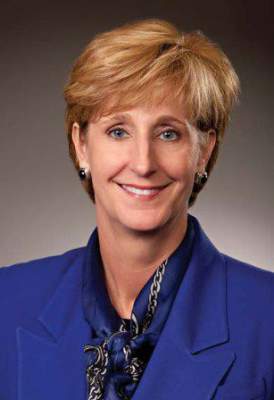
Payers are not likely to help foot the bill, according to Susan DeVore, president and chief executive officer of Premier Health, a performance improvement alliance of hospitals and other providers.
“It would be wonderful if the health plans would spend hundreds of millions of dollars for the technology enablement of the physician practices and the health systems,” Ms. DeVore said at the press conference. “The truth is, health systems and physicians are [already] spending the billions to build these technology infrastructures, and they need to do that together.”
She called for more systemwide transparent collaboration in how cost is determined and in how quality and outcomes are measured. “It’s not fair to say we need a coordinated system of care, but then we can’t do it for lots of regulatory reasons,” she said noting that ultimately, she believed such information sharing would be determined by Congress.
Payers, should, however, make sure that physicians and other providers have a seat at the table when performance metrics are determined, Dr. Friedberg said.
“Some of the concerns we heard were that, in addition to the number of measures, was also whether individual measures are clinically valid, and do they really reflect true differences in the quality of the patient care. Is it possible that the measure isn’t really reliable and not adequately risk adjusted, and therefore might not be ready for prime time in a payment contract?”
Although the report did not offer specific time frames practice managers could expect before a new structure would take hold, Ms. DeVore said she was aware of some practices that realized more than a third more profits within 3 years of switching to value-based care models.

Chet Burrell, president and CEO of CareFirst BlueCross BlueShield, said his group’s experience was that overall, physicians were not ready for the change to value-based care. This, despite the insurer’s announcement that $1 in every $5 it spends on reimbursement is now tied to quality care.
For physicians who are ready to make the shift to value-based payment, Mr. Burrell said an average of 5 years was necessary to fully integrate. “Each practice is its own ecosystem. Some physicians catch on very quickly, but some are hostile.”
On Twitter @whitneymcknight
WASHINGTON– Are physicians ready for the shift toward value-based compensation?
A report from the American Medical Association and the RAND Corporation aims to get physicians thinking about what investments they should expect to make and what obstacles they may encounter as they prepare for the federal government’s switch from fee-for-service to value-based medicine in 2018.
“There is a lot of enthusiasm for change,” Dr. Mark W. Friedberg, senior natural scientist at RAND in Boston and lead researcher on the report, said in an interview. “There is a lot of hope this will result in better patient care and physician success. It’s a matter of the details.”
The report is based on survey data from 34 practices across the country, all of which have some form of alternative payment structure in place, whether it be accountable care or bundled services. Practices were located in rural and urban settings ranging from hospital- to physician-owned or corporately managed, all with varying sizes of patient panels.
The top concern that practice managers faced was matching the appropriate alternative payment model to their particular patient population, researchers found. Other concerns included how best to use incentives without adversely affecting patient care and how to avoid physician burn-out.
These concerns, Dr. Friedberg said, point to a need for payers to offer guidance about what makes sense when and why. “We got the message that more communication between payers and physician practices tends to be a good thing.”
Many of the coming changes will require updated technology. Finding the money for such an overhaul is a universal preoccupation of many practice managers, and another reason some practices have yet to switch. “Some of the time, practices can get a loan, or have the reserves to do it on their own, but sometimes they don’t and they need to partner with a large organization like a hospital or a large physician group,” Dr. Friedberg said.
Payers are not likely to help foot the bill, according to Susan DeVore, president and chief executive officer of Premier Health, a performance improvement alliance of hospitals and other providers.
“It would be wonderful if the health plans would spend hundreds of millions of dollars for the technology enablement of the physician practices and the health systems,” Ms. DeVore said at the press conference. “The truth is, health systems and physicians are [already] spending the billions to build these technology infrastructures, and they need to do that together.”
She called for more systemwide transparent collaboration in how cost is determined and in how quality and outcomes are measured. “It’s not fair to say we need a coordinated system of care, but then we can’t do it for lots of regulatory reasons,” she said noting that ultimately, she believed such information sharing would be determined by Congress.
Payers, should, however, make sure that physicians and other providers have a seat at the table when performance metrics are determined, Dr. Friedberg said.
“Some of the concerns we heard were that, in addition to the number of measures, was also whether individual measures are clinically valid, and do they really reflect true differences in the quality of the patient care. Is it possible that the measure isn’t really reliable and not adequately risk adjusted, and therefore might not be ready for prime time in a payment contract?”
Although the report did not offer specific time frames practice managers could expect before a new structure would take hold, Ms. DeVore said she was aware of some practices that realized more than a third more profits within 3 years of switching to value-based care models.
Chet Burrell, president and CEO of CareFirst BlueCross BlueShield, said his group’s experience was that overall, physicians were not ready for the change to value-based care. This, despite the insurer’s announcement that $1 in every $5 it spends on reimbursement is now tied to quality care.
For physicians who are ready to make the shift to value-based payment, Mr. Burrell said an average of 5 years was necessary to fully integrate. “Each practice is its own ecosystem. Some physicians catch on very quickly, but some are hostile.”
On Twitter @whitneymcknight
WASHINGTON– Are physicians ready for the shift toward value-based compensation?
A report from the American Medical Association and the RAND Corporation aims to get physicians thinking about what investments they should expect to make and what obstacles they may encounter as they prepare for the federal government’s switch from fee-for-service to value-based medicine in 2018.
“There is a lot of enthusiasm for change,” Dr. Mark W. Friedberg, senior natural scientist at RAND in Boston and lead researcher on the report, said in an interview. “There is a lot of hope this will result in better patient care and physician success. It’s a matter of the details.”
The report is based on survey data from 34 practices across the country, all of which have some form of alternative payment structure in place, whether it be accountable care or bundled services. Practices were located in rural and urban settings ranging from hospital- to physician-owned or corporately managed, all with varying sizes of patient panels.
The top concern that practice managers faced was matching the appropriate alternative payment model to their particular patient population, researchers found. Other concerns included how best to use incentives without adversely affecting patient care and how to avoid physician burn-out.
These concerns, Dr. Friedberg said, point to a need for payers to offer guidance about what makes sense when and why. “We got the message that more communication between payers and physician practices tends to be a good thing.”
Many of the coming changes will require updated technology. Finding the money for such an overhaul is a universal preoccupation of many practice managers, and another reason some practices have yet to switch. “Some of the time, practices can get a loan, or have the reserves to do it on their own, but sometimes they don’t and they need to partner with a large organization like a hospital or a large physician group,” Dr. Friedberg said.
Payers are not likely to help foot the bill, according to Susan DeVore, president and chief executive officer of Premier Health, a performance improvement alliance of hospitals and other providers.
“It would be wonderful if the health plans would spend hundreds of millions of dollars for the technology enablement of the physician practices and the health systems,” Ms. DeVore said at the press conference. “The truth is, health systems and physicians are [already] spending the billions to build these technology infrastructures, and they need to do that together.”
She called for more systemwide transparent collaboration in how cost is determined and in how quality and outcomes are measured. “It’s not fair to say we need a coordinated system of care, but then we can’t do it for lots of regulatory reasons,” she said noting that ultimately, she believed such information sharing would be determined by Congress.
Payers, should, however, make sure that physicians and other providers have a seat at the table when performance metrics are determined, Dr. Friedberg said.
“Some of the concerns we heard were that, in addition to the number of measures, was also whether individual measures are clinically valid, and do they really reflect true differences in the quality of the patient care. Is it possible that the measure isn’t really reliable and not adequately risk adjusted, and therefore might not be ready for prime time in a payment contract?”
Although the report did not offer specific time frames practice managers could expect before a new structure would take hold, Ms. DeVore said she was aware of some practices that realized more than a third more profits within 3 years of switching to value-based care models.
Chet Burrell, president and CEO of CareFirst BlueCross BlueShield, said his group’s experience was that overall, physicians were not ready for the change to value-based care. This, despite the insurer’s announcement that $1 in every $5 it spends on reimbursement is now tied to quality care.
For physicians who are ready to make the shift to value-based payment, Mr. Burrell said an average of 5 years was necessary to fully integrate. “Each practice is its own ecosystem. Some physicians catch on very quickly, but some are hostile.”
On Twitter @whitneymcknight
AT AN AMA/RAND BRIEFING

VIDEO: Expert offers tips on buying, using dermatoscopes
KAUAI, HAWAII – If you’re thinking of offering dermoscopy to your patients, which are the best machines for your practice? Are there advantages to having one machine or several? And will you need to do certain kinds of biopsies instead of others?
Dr. David L. Swanson of the Mayo Clinic in Scottsdale, Ariz., was this year’s featured dermoscopy expert at the annual Hawaii Dermatology Seminar sponsored by Global Academy for Medical Education/Skin Disease Education Foundation. He shared his top tips for helping physicians maximize the latest in this technology for the benefit of your patients.
Skin Disease Education Foundation and this news organization are owned by the same parent company.
The video associated with this article is no longer available on this site. Please view all of our videos on the MDedge YouTube channel
On Twitter @whitneymcknight
KAUAI, HAWAII – If you’re thinking of offering dermoscopy to your patients, which are the best machines for your practice? Are there advantages to having one machine or several? And will you need to do certain kinds of biopsies instead of others?
Dr. David L. Swanson of the Mayo Clinic in Scottsdale, Ariz., was this year’s featured dermoscopy expert at the annual Hawaii Dermatology Seminar sponsored by Global Academy for Medical Education/Skin Disease Education Foundation. He shared his top tips for helping physicians maximize the latest in this technology for the benefit of your patients.
Skin Disease Education Foundation and this news organization are owned by the same parent company.
The video associated with this article is no longer available on this site. Please view all of our videos on the MDedge YouTube channel
On Twitter @whitneymcknight
KAUAI, HAWAII – If you’re thinking of offering dermoscopy to your patients, which are the best machines for your practice? Are there advantages to having one machine or several? And will you need to do certain kinds of biopsies instead of others?
Dr. David L. Swanson of the Mayo Clinic in Scottsdale, Ariz., was this year’s featured dermoscopy expert at the annual Hawaii Dermatology Seminar sponsored by Global Academy for Medical Education/Skin Disease Education Foundation. He shared his top tips for helping physicians maximize the latest in this technology for the benefit of your patients.
Skin Disease Education Foundation and this news organization are owned by the same parent company.
The video associated with this article is no longer available on this site. Please view all of our videos on the MDedge YouTube channel
On Twitter @whitneymcknight
EXPERT ANALYSIS FROM THE SDEF HAWAII DERMATOLOGY SEMINAR 2015

FDA Green Lights Sublingual Antipsychotic to Treat Bipolar I in Children
For the first time in 5 years, the Food and Drug Administration has approved an application to market an antipsychotic to clinicians for treating bipolar I disorder in children aged 10-17 years.
Actavis, the Dublin-based pharmaceutical manufacturer, announced March 13 that the FDA has approved the company’s supplemental new drug application for asenapine (Saphris), a second-generation atypical antipsychotic, as monotherapy for the acute treatment of manic or mixed episodes associated with bipolar I disorder in this pediatric population.
The FDA approved asenapine in 2009 for treating adults with manic or mixed episodes of bipolar I, either as monotherapy or adjunctive to either lithium or valproate. It also is indicated for the acute or maintenance treatment of schizophrenia in adults.
Asenapine is administered as a sublingual tablet, and the company announced in the statement that it would begin marketing black cherry–flavored sublingual asenapine tablets in 2.5 mg, 5 mg, and 10 mg doses beginning in the second quarter of this year.
According to the manufacturer, the agency’s approval was granted based on the results of a 3-week monotherapy trial in 403 pediatric patients, aged 10-17 years, 302 of whom were treated twice daily with either 2.5 mg, 5 mg, or 10 mg of asenapine. The drug maker also said asenapine demonstrated improvement in the Young Mania Rating Scale total score and the Clinical Global Impressions-Bipolar Scale overall score, compared with placebo.
When asked about the approval, Dr. David Fassler said it's helpful to have a range of medications to treat pediatric patients with bipolar disorder. "However, the current approval is based on results of a relatively short-term clinical trial," said Dr. Fassler, clinical professor of psychiatry at the University of Vermont, Burlington. "In the real world, many young people ultimately take atypical antipsychotics for an extended period of time. Physicians and parents need data on the safety and efficacy of these medications when used on a more long-term or ongoing basis in order to make fully informed decisions about treatment options."
The most common side effects the company said it recorded in the pediatric clinical trial were sleepiness, dizziness, strange sense of taste, numbing of the mouth, nausea, increased appetite, feeling tired, and weight gain.
For the first time in 5 years, the Food and Drug Administration has approved an application to market an antipsychotic to clinicians for treating bipolar I disorder in children aged 10-17 years.
Actavis, the Dublin-based pharmaceutical manufacturer, announced March 13 that the FDA has approved the company’s supplemental new drug application for asenapine (Saphris), a second-generation atypical antipsychotic, as monotherapy for the acute treatment of manic or mixed episodes associated with bipolar I disorder in this pediatric population.
The FDA approved asenapine in 2009 for treating adults with manic or mixed episodes of bipolar I, either as monotherapy or adjunctive to either lithium or valproate. It also is indicated for the acute or maintenance treatment of schizophrenia in adults.
Asenapine is administered as a sublingual tablet, and the company announced in the statement that it would begin marketing black cherry–flavored sublingual asenapine tablets in 2.5 mg, 5 mg, and 10 mg doses beginning in the second quarter of this year.
According to the manufacturer, the agency’s approval was granted based on the results of a 3-week monotherapy trial in 403 pediatric patients, aged 10-17 years, 302 of whom were treated twice daily with either 2.5 mg, 5 mg, or 10 mg of asenapine. The drug maker also said asenapine demonstrated improvement in the Young Mania Rating Scale total score and the Clinical Global Impressions-Bipolar Scale overall score, compared with placebo.
When asked about the approval, Dr. David Fassler said it's helpful to have a range of medications to treat pediatric patients with bipolar disorder. "However, the current approval is based on results of a relatively short-term clinical trial," said Dr. Fassler, clinical professor of psychiatry at the University of Vermont, Burlington. "In the real world, many young people ultimately take atypical antipsychotics for an extended period of time. Physicians and parents need data on the safety and efficacy of these medications when used on a more long-term or ongoing basis in order to make fully informed decisions about treatment options."
The most common side effects the company said it recorded in the pediatric clinical trial were sleepiness, dizziness, strange sense of taste, numbing of the mouth, nausea, increased appetite, feeling tired, and weight gain.
For the first time in 5 years, the Food and Drug Administration has approved an application to market an antipsychotic to clinicians for treating bipolar I disorder in children aged 10-17 years.
Actavis, the Dublin-based pharmaceutical manufacturer, announced March 13 that the FDA has approved the company’s supplemental new drug application for asenapine (Saphris), a second-generation atypical antipsychotic, as monotherapy for the acute treatment of manic or mixed episodes associated with bipolar I disorder in this pediatric population.
The FDA approved asenapine in 2009 for treating adults with manic or mixed episodes of bipolar I, either as monotherapy or adjunctive to either lithium or valproate. It also is indicated for the acute or maintenance treatment of schizophrenia in adults.
Asenapine is administered as a sublingual tablet, and the company announced in the statement that it would begin marketing black cherry–flavored sublingual asenapine tablets in 2.5 mg, 5 mg, and 10 mg doses beginning in the second quarter of this year.
According to the manufacturer, the agency’s approval was granted based on the results of a 3-week monotherapy trial in 403 pediatric patients, aged 10-17 years, 302 of whom were treated twice daily with either 2.5 mg, 5 mg, or 10 mg of asenapine. The drug maker also said asenapine demonstrated improvement in the Young Mania Rating Scale total score and the Clinical Global Impressions-Bipolar Scale overall score, compared with placebo.
When asked about the approval, Dr. David Fassler said it's helpful to have a range of medications to treat pediatric patients with bipolar disorder. "However, the current approval is based on results of a relatively short-term clinical trial," said Dr. Fassler, clinical professor of psychiatry at the University of Vermont, Burlington. "In the real world, many young people ultimately take atypical antipsychotics for an extended period of time. Physicians and parents need data on the safety and efficacy of these medications when used on a more long-term or ongoing basis in order to make fully informed decisions about treatment options."
The most common side effects the company said it recorded in the pediatric clinical trial were sleepiness, dizziness, strange sense of taste, numbing of the mouth, nausea, increased appetite, feeling tired, and weight gain.