User login
FDA: Limit testosterone use to men with specific medical conditions
Testosterone therapy is not appropriate for men with age-related low testosterone because it may be associated with an increased risk of cardiovascular events, the Food and Drug Administration has determined.
The agency will now require labeling changes to all prescription testosterone products, clarifying their appropriate use, and warning about a possible increased risk of heart attack and stroke in any patient taking the hormone. Testosterone is approved only for men with specific medical conditions, but is widely used off label for men with age-related low testosterone.

“Health care professionals should make patients aware of this possible risk when deciding whether to start or continue a patient on testosterone therapy,” an FDA statement said. “We are also requiring manufacturers of approved testosterone products to conduct a well-designed clinical trial to more clearly address the question of whether an increased risk of heart attack or stroke exists among users of these products. We are encouraging these manufacturers to work together on a clinical trial, but they are allowed to work separately if they so choose.”
The statement arose from a September 2014 recommendation by the FDA’s Bone, Reproductive, and Urologic Drugs Advisory Committee and Drug Safety and Risk Management Advisory Committee. The groups reviewed studies of aging men using testosterone – some of which reported an increased risk of heart attack, stroke, or death associated with testosterone treatment – and voted 20-1 that the current indication, as worded in the labeling for all testosterone products, should be tightened to make it clear that testosterone therapy is not indicated for men with age-related reductions in testosterone.
Any clinician who prescribes testosterone to a patient who later experiences a cardiovascular event should report that toFDA’s MedWatch Safety Information and Adverse Event Reporting Program.
On Twitter @alz_gal
Testosterone therapy is not appropriate for men with age-related low testosterone because it may be associated with an increased risk of cardiovascular events, the Food and Drug Administration has determined.
The agency will now require labeling changes to all prescription testosterone products, clarifying their appropriate use, and warning about a possible increased risk of heart attack and stroke in any patient taking the hormone. Testosterone is approved only for men with specific medical conditions, but is widely used off label for men with age-related low testosterone.
“Health care professionals should make patients aware of this possible risk when deciding whether to start or continue a patient on testosterone therapy,” an FDA statement said. “We are also requiring manufacturers of approved testosterone products to conduct a well-designed clinical trial to more clearly address the question of whether an increased risk of heart attack or stroke exists among users of these products. We are encouraging these manufacturers to work together on a clinical trial, but they are allowed to work separately if they so choose.”
The statement arose from a September 2014 recommendation by the FDA’s Bone, Reproductive, and Urologic Drugs Advisory Committee and Drug Safety and Risk Management Advisory Committee. The groups reviewed studies of aging men using testosterone – some of which reported an increased risk of heart attack, stroke, or death associated with testosterone treatment – and voted 20-1 that the current indication, as worded in the labeling for all testosterone products, should be tightened to make it clear that testosterone therapy is not indicated for men with age-related reductions in testosterone.
Any clinician who prescribes testosterone to a patient who later experiences a cardiovascular event should report that toFDA’s MedWatch Safety Information and Adverse Event Reporting Program.
On Twitter @alz_gal
Testosterone therapy is not appropriate for men with age-related low testosterone because it may be associated with an increased risk of cardiovascular events, the Food and Drug Administration has determined.
The agency will now require labeling changes to all prescription testosterone products, clarifying their appropriate use, and warning about a possible increased risk of heart attack and stroke in any patient taking the hormone. Testosterone is approved only for men with specific medical conditions, but is widely used off label for men with age-related low testosterone.
“Health care professionals should make patients aware of this possible risk when deciding whether to start or continue a patient on testosterone therapy,” an FDA statement said. “We are also requiring manufacturers of approved testosterone products to conduct a well-designed clinical trial to more clearly address the question of whether an increased risk of heart attack or stroke exists among users of these products. We are encouraging these manufacturers to work together on a clinical trial, but they are allowed to work separately if they so choose.”
The statement arose from a September 2014 recommendation by the FDA’s Bone, Reproductive, and Urologic Drugs Advisory Committee and Drug Safety and Risk Management Advisory Committee. The groups reviewed studies of aging men using testosterone – some of which reported an increased risk of heart attack, stroke, or death associated with testosterone treatment – and voted 20-1 that the current indication, as worded in the labeling for all testosterone products, should be tightened to make it clear that testosterone therapy is not indicated for men with age-related reductions in testosterone.
Any clinician who prescribes testosterone to a patient who later experiences a cardiovascular event should report that toFDA’s MedWatch Safety Information and Adverse Event Reporting Program.
On Twitter @alz_gal

Pathologic Proteins in Alzheimer’s, Parkinson’s Also Collect in Skin Cells
The same dysregulated proteins that form in the brains of patients with Alzheimer’s disease or Parkinson’s disease appear to clump within their skin cells as well, according to new research released Feb. 24 in advance of the annual meeting of the American Academy of Neurology.
In a small prospective study, epidermal samples from patients showed intracellular aggregates of phosphorylated tau, a pathologic hallmark of both Alzheimer’s and Parkinson’s. Patients with Parkinson’s disease also showed a similarly increased expression of alpha-synuclein. But neither protein was present in any of the samples taken from healthy control subjects.
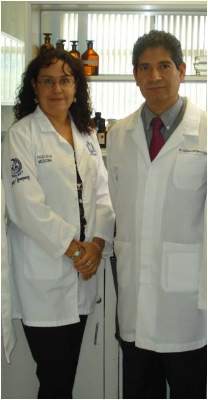
If these findings can be validated in large groups, epidermal protein aggregation might have some potential as a biomarker for both Alzheimer’s and Parkinson’s diseases and perhaps in other proteinopathies, such as frontotemporal dementia, progressive supranuclear palsy, and corticobasal syndrome, according to Dr. Ildefonso Rodríguez-Leyva of the University of San Luis Potosí (Mexico). He and his colleague, Dr. María E. Jiménez-Capdeville, will present their findings at the meeting in April.
Their current work builds on initial data presented at the 2012 annual meeting, and later published (Ann. Clin. Transl. Neurol. 2014;1:471-8). That study showed that about 60% of cells in specific skin structures in patients with Parkinson’s disease had alpha-synuclein inclusions.
The current study included 65 subjects: 20 with Alzheimer’s, 16 with Parkinson’s, 17 with non-neurodegenerative dementia, and 12 age-matched healthy controls. All patients were in the mild-moderate stage of their illnesses. Each underwent a retroauricular punch biopsy. This is an ideal area because the procedure leaves no visible scar and bleeding is easy to control, Dr. Rodríguez-Leyva said in an interview. Samples were analyzed by immunohistochemistry.
Finding these proteins in the skin of patients with neurodegenerative diseases makes sense, Dr. Rodríguez-Leyva said, because neurons and epidermal cells arise from the same fetal lamina – the ectoderm. “Because these cells have the same origin, our thought is that they should have a similar program of protein expression. Therefore, the skin may reflect adverse events taking place in the nervous system.”This initial study didn’t attempt to correlate epidermal protein expression and disease stage. But that study is coming, Dr. Rodríguez-Leyva said. “We can’t be sure at this point if there is any relationship there. We need to test more patients in different points of disease progression to know if the levels of altered proteins correlate with disease evolution.”
Neither Dr. Rodríguez-Leyva nor Dr. Jiménez-Capdeville had any financial disclosures. The study was supported by the National Council of Science and Technology of Mexico.
The same dysregulated proteins that form in the brains of patients with Alzheimer’s disease or Parkinson’s disease appear to clump within their skin cells as well, according to new research released Feb. 24 in advance of the annual meeting of the American Academy of Neurology.
In a small prospective study, epidermal samples from patients showed intracellular aggregates of phosphorylated tau, a pathologic hallmark of both Alzheimer’s and Parkinson’s. Patients with Parkinson’s disease also showed a similarly increased expression of alpha-synuclein. But neither protein was present in any of the samples taken from healthy control subjects.
If these findings can be validated in large groups, epidermal protein aggregation might have some potential as a biomarker for both Alzheimer’s and Parkinson’s diseases and perhaps in other proteinopathies, such as frontotemporal dementia, progressive supranuclear palsy, and corticobasal syndrome, according to Dr. Ildefonso Rodríguez-Leyva of the University of San Luis Potosí (Mexico). He and his colleague, Dr. María E. Jiménez-Capdeville, will present their findings at the meeting in April.
Their current work builds on initial data presented at the 2012 annual meeting, and later published (Ann. Clin. Transl. Neurol. 2014;1:471-8). That study showed that about 60% of cells in specific skin structures in patients with Parkinson’s disease had alpha-synuclein inclusions.
The current study included 65 subjects: 20 with Alzheimer’s, 16 with Parkinson’s, 17 with non-neurodegenerative dementia, and 12 age-matched healthy controls. All patients were in the mild-moderate stage of their illnesses. Each underwent a retroauricular punch biopsy. This is an ideal area because the procedure leaves no visible scar and bleeding is easy to control, Dr. Rodríguez-Leyva said in an interview. Samples were analyzed by immunohistochemistry.
Finding these proteins in the skin of patients with neurodegenerative diseases makes sense, Dr. Rodríguez-Leyva said, because neurons and epidermal cells arise from the same fetal lamina – the ectoderm. “Because these cells have the same origin, our thought is that they should have a similar program of protein expression. Therefore, the skin may reflect adverse events taking place in the nervous system.”This initial study didn’t attempt to correlate epidermal protein expression and disease stage. But that study is coming, Dr. Rodríguez-Leyva said. “We can’t be sure at this point if there is any relationship there. We need to test more patients in different points of disease progression to know if the levels of altered proteins correlate with disease evolution.”
Neither Dr. Rodríguez-Leyva nor Dr. Jiménez-Capdeville had any financial disclosures. The study was supported by the National Council of Science and Technology of Mexico.
The same dysregulated proteins that form in the brains of patients with Alzheimer’s disease or Parkinson’s disease appear to clump within their skin cells as well, according to new research released Feb. 24 in advance of the annual meeting of the American Academy of Neurology.
In a small prospective study, epidermal samples from patients showed intracellular aggregates of phosphorylated tau, a pathologic hallmark of both Alzheimer’s and Parkinson’s. Patients with Parkinson’s disease also showed a similarly increased expression of alpha-synuclein. But neither protein was present in any of the samples taken from healthy control subjects.
If these findings can be validated in large groups, epidermal protein aggregation might have some potential as a biomarker for both Alzheimer’s and Parkinson’s diseases and perhaps in other proteinopathies, such as frontotemporal dementia, progressive supranuclear palsy, and corticobasal syndrome, according to Dr. Ildefonso Rodríguez-Leyva of the University of San Luis Potosí (Mexico). He and his colleague, Dr. María E. Jiménez-Capdeville, will present their findings at the meeting in April.
Their current work builds on initial data presented at the 2012 annual meeting, and later published (Ann. Clin. Transl. Neurol. 2014;1:471-8). That study showed that about 60% of cells in specific skin structures in patients with Parkinson’s disease had alpha-synuclein inclusions.
The current study included 65 subjects: 20 with Alzheimer’s, 16 with Parkinson’s, 17 with non-neurodegenerative dementia, and 12 age-matched healthy controls. All patients were in the mild-moderate stage of their illnesses. Each underwent a retroauricular punch biopsy. This is an ideal area because the procedure leaves no visible scar and bleeding is easy to control, Dr. Rodríguez-Leyva said in an interview. Samples were analyzed by immunohistochemistry.
Finding these proteins in the skin of patients with neurodegenerative diseases makes sense, Dr. Rodríguez-Leyva said, because neurons and epidermal cells arise from the same fetal lamina – the ectoderm. “Because these cells have the same origin, our thought is that they should have a similar program of protein expression. Therefore, the skin may reflect adverse events taking place in the nervous system.”This initial study didn’t attempt to correlate epidermal protein expression and disease stage. But that study is coming, Dr. Rodríguez-Leyva said. “We can’t be sure at this point if there is any relationship there. We need to test more patients in different points of disease progression to know if the levels of altered proteins correlate with disease evolution.”
Neither Dr. Rodríguez-Leyva nor Dr. Jiménez-Capdeville had any financial disclosures. The study was supported by the National Council of Science and Technology of Mexico.
FROM THE AAN 2015 ANNUAL MEETING
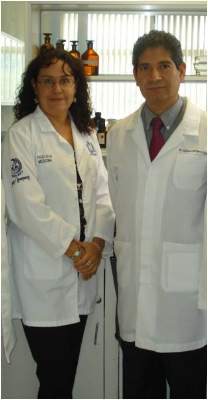
Pathologic proteins in Alzheimer’s, Parkinson’s also collect in skin cells
The same dysregulated proteins that form in the brains of patients with Alzheimer’s disease or Parkinson’s disease appear to clump within their skin cells as well, according to new research released Feb. 24 in advance of the annual meeting of the American Academy of Neurology.
In a small prospective study, epidermal samples from patients showed intracellular aggregates of phosphorylated tau, a pathologic hallmark of both Alzheimer’s and Parkinson’s. Patients with Parkinson’s disease also showed a similarly increased expression of alpha-synuclein. But neither protein was present in any of the samples taken from healthy control subjects.
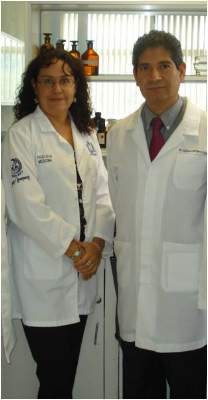
If these findings can be validated in large groups, epidermal protein aggregation might have some potential as a biomarker for both Alzheimer’s and Parkinson’s diseases and perhaps in other proteinopathies, such as frontotemporal dementia, progressive supranuclear palsy, and corticobasal syndrome, according to Dr. Ildefonso Rodríguez-Leyva of the University of San Luis Potosí (Mexico). He and his colleague, Dr. María E. Jiménez-Capdeville, will present their findings at the meeting in April.
Their current work builds on initial data presented at the 2012 annual meeting, and later published (Ann. Clin. Transl. Neurol. 2014;1:471-8). That study showed that about 60% of cells in specific skin structures in patients with Parkinson’s disease had alpha-synuclein inclusions.
The current study included 65 subjects: 20 with Alzheimer’s, 16 with Parkinson’s, 17 with non-neurodegenerative dementia, and 12 age-matched healthy controls. All patients were in the mild-moderate stage of their illnesses. Each underwent a retroauricular punch biopsy. This is an ideal area because the procedure leaves no visible scar and bleeding is easy to control, Dr. Rodríguez-Leyva said in an interview. Samples were analyzed by immunohistochemistry.
Finding these proteins in the skin of patients with neurodegenerative diseases makes sense, Dr. Rodríguez-Leyva said, because neurons and epidermal cells arise from the same fetal lamina – the ectoderm. “Because these cells have the same origin, our thought is that they should have a similar program of protein expression. Therefore, the skin may reflect adverse events taking place in the nervous system.”This initial study didn’t attempt to correlate epidermal protein expression and disease stage. But that study is coming, Dr. Rodríguez-Leyva said. “We can’t be sure at this point if there is any relationship there. We need to test more patients in different points of disease progression to know if the levels of altered proteins correlate with disease evolution.”
Neither Dr. Rodríguez-Leyva nor Dr. Jiménez-Capdeville had any financial disclosures. The study was supported by the National Council of Science and Technology of Mexico.
On Twitter @alz_gal
The same dysregulated proteins that form in the brains of patients with Alzheimer’s disease or Parkinson’s disease appear to clump within their skin cells as well, according to new research released Feb. 24 in advance of the annual meeting of the American Academy of Neurology.
In a small prospective study, epidermal samples from patients showed intracellular aggregates of phosphorylated tau, a pathologic hallmark of both Alzheimer’s and Parkinson’s. Patients with Parkinson’s disease also showed a similarly increased expression of alpha-synuclein. But neither protein was present in any of the samples taken from healthy control subjects.
If these findings can be validated in large groups, epidermal protein aggregation might have some potential as a biomarker for both Alzheimer’s and Parkinson’s diseases and perhaps in other proteinopathies, such as frontotemporal dementia, progressive supranuclear palsy, and corticobasal syndrome, according to Dr. Ildefonso Rodríguez-Leyva of the University of San Luis Potosí (Mexico). He and his colleague, Dr. María E. Jiménez-Capdeville, will present their findings at the meeting in April.
Their current work builds on initial data presented at the 2012 annual meeting, and later published (Ann. Clin. Transl. Neurol. 2014;1:471-8). That study showed that about 60% of cells in specific skin structures in patients with Parkinson’s disease had alpha-synuclein inclusions.
The current study included 65 subjects: 20 with Alzheimer’s, 16 with Parkinson’s, 17 with non-neurodegenerative dementia, and 12 age-matched healthy controls. All patients were in the mild-moderate stage of their illnesses. Each underwent a retroauricular punch biopsy. This is an ideal area because the procedure leaves no visible scar and bleeding is easy to control, Dr. Rodríguez-Leyva said in an interview. Samples were analyzed by immunohistochemistry.
Finding these proteins in the skin of patients with neurodegenerative diseases makes sense, Dr. Rodríguez-Leyva said, because neurons and epidermal cells arise from the same fetal lamina – the ectoderm. “Because these cells have the same origin, our thought is that they should have a similar program of protein expression. Therefore, the skin may reflect adverse events taking place in the nervous system.”This initial study didn’t attempt to correlate epidermal protein expression and disease stage. But that study is coming, Dr. Rodríguez-Leyva said. “We can’t be sure at this point if there is any relationship there. We need to test more patients in different points of disease progression to know if the levels of altered proteins correlate with disease evolution.”
Neither Dr. Rodríguez-Leyva nor Dr. Jiménez-Capdeville had any financial disclosures. The study was supported by the National Council of Science and Technology of Mexico.
On Twitter @alz_gal
The same dysregulated proteins that form in the brains of patients with Alzheimer’s disease or Parkinson’s disease appear to clump within their skin cells as well, according to new research released Feb. 24 in advance of the annual meeting of the American Academy of Neurology.
In a small prospective study, epidermal samples from patients showed intracellular aggregates of phosphorylated tau, a pathologic hallmark of both Alzheimer’s and Parkinson’s. Patients with Parkinson’s disease also showed a similarly increased expression of alpha-synuclein. But neither protein was present in any of the samples taken from healthy control subjects.
If these findings can be validated in large groups, epidermal protein aggregation might have some potential as a biomarker for both Alzheimer’s and Parkinson’s diseases and perhaps in other proteinopathies, such as frontotemporal dementia, progressive supranuclear palsy, and corticobasal syndrome, according to Dr. Ildefonso Rodríguez-Leyva of the University of San Luis Potosí (Mexico). He and his colleague, Dr. María E. Jiménez-Capdeville, will present their findings at the meeting in April.
Their current work builds on initial data presented at the 2012 annual meeting, and later published (Ann. Clin. Transl. Neurol. 2014;1:471-8). That study showed that about 60% of cells in specific skin structures in patients with Parkinson’s disease had alpha-synuclein inclusions.
The current study included 65 subjects: 20 with Alzheimer’s, 16 with Parkinson’s, 17 with non-neurodegenerative dementia, and 12 age-matched healthy controls. All patients were in the mild-moderate stage of their illnesses. Each underwent a retroauricular punch biopsy. This is an ideal area because the procedure leaves no visible scar and bleeding is easy to control, Dr. Rodríguez-Leyva said in an interview. Samples were analyzed by immunohistochemistry.
Finding these proteins in the skin of patients with neurodegenerative diseases makes sense, Dr. Rodríguez-Leyva said, because neurons and epidermal cells arise from the same fetal lamina – the ectoderm. “Because these cells have the same origin, our thought is that they should have a similar program of protein expression. Therefore, the skin may reflect adverse events taking place in the nervous system.”This initial study didn’t attempt to correlate epidermal protein expression and disease stage. But that study is coming, Dr. Rodríguez-Leyva said. “We can’t be sure at this point if there is any relationship there. We need to test more patients in different points of disease progression to know if the levels of altered proteins correlate with disease evolution.”
Neither Dr. Rodríguez-Leyva nor Dr. Jiménez-Capdeville had any financial disclosures. The study was supported by the National Council of Science and Technology of Mexico.
On Twitter @alz_gal
FROM THE AAN 2015 ANNUAL MEETING
Key clinical point: The abnormal brain proteins of Alzheimer’s and Parkinson’s may also be expressed in skin cells.
Major finding: Tau and alpha-synuclein were expressed in the epidermal cells of patients, but not in those of healthy controls.
Data source: The prospective study comprising 65 subjects (20 with Alzheimer’s, 16 with Parkinson’s, 17 with non-neurodegenerative dementia, and 12 age-matched healthy controls).
Disclosures: Neither Dr. Rodríguez-Leyva nor Dr. Jiménez-Capdeville had any financial disclosures. The study was supported by the National Council of Science and Technology of Mexico.
Giant intracranial aneurysm treatment confers some long-term survival benefit
NASHVILLE, TENN. – The 10-year outcome for most giant intracranial aneurysms is rather dismal even if the lesions are initially successfully treated, according to findings from the International Study of Unruptured Intracranial Aneurysms.
Most patients lived through the first 2 years after diagnosis, but by 10 years, 37% of treated patients had died. Untreated patients had significantly higher mortality at 57%, Dr. James C. Torner said at the International Stroke Conference, which was sponsored by the American Heart Association.
“Compared to small aneurysms, the risk of all-cause mortality for these giant aneurysms is seven times greater in the first year, and the risk of hemorrhage or procedure-related death is 15 times higher. The risk does decrease over time, but it’s still elevated. It’s twice as high for death from hemorrhage and six times more likely from death due to rupture or a procedure by 10 years.”
Dr. Torner of the University of Iowa, Iowa City, presented 10-year outcomes from the International Study of Unruptured Intracranial Aneurysms (ISUIA), which followed 4,059 patients, of whom 187 had a giant unruptured intracranial aneurysm.
The mean lesion size was about 30 mm, but ranged from 25 to 63 mm. A third involved the internal carotid, and another third were cavernous. The remainder were either vestibular, posterior communicating, anterior cerebral, or middle cerebral.
Most were irregular; about 40% were a single sac. Daughter sacs were present in the rest. The volume ranged from 1,100 to 38,000 mm3, with about 10% having a volume of greater than 20,000 mm3.
Most of the patients were women (91%). Age was not related to occurrence; patients ranged from 25 to 82 years. There were some common risk factors, including smoking (in 70%), a family history of aneurysm (in 10%), a family history of coronary artery disease (in up to 45%, depending on patient age), hypertension (in up to 40%), and vascular headache. Patients aged 50 years or older were most likely to present with vascular headache (75%).
The baseline score on the modified Rankin Scale (mRS) was 1 in about 93% of the group. But 80% presented with some symptoms, including cranial nerve deficit (47%; commonly in cranial nerves III and IV), mass effect (16%), headache (44%), orbital pain (21%), and partial vision loss (25%).
Surgery was performed in 39% and endovascular treatment in 27%; the rest of the patients were initially untreated, although 3% later received endovascular treatment and 5% underwent surgical treatment during the follow-up period.
By 10 years, many of the lesions had ruptured. Posterior aneurysms were most likely to rupture (53%), while cavernous aneurysms were least likely to rupture (5%). About a third of the posterior communicating and 36% of the anterior lesions were unruptured.
The risk of rupture increased over the first 5 years, rising from almost 0% in year 1 to 20% by year 5. “Hemorrhage risk is huge over the first 5 years, even with the cavernous aneurysms – even they can rupture,” Dr. Torner said. “In those with smaller aneurysms, the risk of rupture may be high in the first 2 years, but then it subsides somewhat.”
Among the 59% of the overall group who survived, the mRS score remained excellent (1 or 2) by 10 years. Of the remainder who died, 23% died of a cranial or subarachnoid hemorrhage, and 11% of a cerebral infarct. Coronary disease, respiratory disease, and cancer were the other causes.
Treated patients generally fared better than untreated, although mortality varied significantly by lesion location. For anterior lesions, the death rate was 25% in untreated patients , 32% for surgical patients, and 19% in endovascular patients. Death rates for those with posterior communicating lesions were 90% for untreated and 50% for surgically treated patients; all of those with endovascular treatment died. For those with posterior lesions, death rates approached 100% for all groups.
Dr. Torner cautioned that because the study outcomes were collected during the 1990s, most treated patients underwent only coiling or clipping; better outcomes may be seen with more advanced therapies.
He said he had no relevant financial disclosures.
[email protected]
On Twitter @alz_gal
NASHVILLE, TENN. – The 10-year outcome for most giant intracranial aneurysms is rather dismal even if the lesions are initially successfully treated, according to findings from the International Study of Unruptured Intracranial Aneurysms.
Most patients lived through the first 2 years after diagnosis, but by 10 years, 37% of treated patients had died. Untreated patients had significantly higher mortality at 57%, Dr. James C. Torner said at the International Stroke Conference, which was sponsored by the American Heart Association.
“Compared to small aneurysms, the risk of all-cause mortality for these giant aneurysms is seven times greater in the first year, and the risk of hemorrhage or procedure-related death is 15 times higher. The risk does decrease over time, but it’s still elevated. It’s twice as high for death from hemorrhage and six times more likely from death due to rupture or a procedure by 10 years.”
Dr. Torner of the University of Iowa, Iowa City, presented 10-year outcomes from the International Study of Unruptured Intracranial Aneurysms (ISUIA), which followed 4,059 patients, of whom 187 had a giant unruptured intracranial aneurysm.
The mean lesion size was about 30 mm, but ranged from 25 to 63 mm. A third involved the internal carotid, and another third were cavernous. The remainder were either vestibular, posterior communicating, anterior cerebral, or middle cerebral.
Most were irregular; about 40% were a single sac. Daughter sacs were present in the rest. The volume ranged from 1,100 to 38,000 mm3, with about 10% having a volume of greater than 20,000 mm3.
Most of the patients were women (91%). Age was not related to occurrence; patients ranged from 25 to 82 years. There were some common risk factors, including smoking (in 70%), a family history of aneurysm (in 10%), a family history of coronary artery disease (in up to 45%, depending on patient age), hypertension (in up to 40%), and vascular headache. Patients aged 50 years or older were most likely to present with vascular headache (75%).
The baseline score on the modified Rankin Scale (mRS) was 1 in about 93% of the group. But 80% presented with some symptoms, including cranial nerve deficit (47%; commonly in cranial nerves III and IV), mass effect (16%), headache (44%), orbital pain (21%), and partial vision loss (25%).
Surgery was performed in 39% and endovascular treatment in 27%; the rest of the patients were initially untreated, although 3% later received endovascular treatment and 5% underwent surgical treatment during the follow-up period.
By 10 years, many of the lesions had ruptured. Posterior aneurysms were most likely to rupture (53%), while cavernous aneurysms were least likely to rupture (5%). About a third of the posterior communicating and 36% of the anterior lesions were unruptured.
The risk of rupture increased over the first 5 years, rising from almost 0% in year 1 to 20% by year 5. “Hemorrhage risk is huge over the first 5 years, even with the cavernous aneurysms – even they can rupture,” Dr. Torner said. “In those with smaller aneurysms, the risk of rupture may be high in the first 2 years, but then it subsides somewhat.”
Among the 59% of the overall group who survived, the mRS score remained excellent (1 or 2) by 10 years. Of the remainder who died, 23% died of a cranial or subarachnoid hemorrhage, and 11% of a cerebral infarct. Coronary disease, respiratory disease, and cancer were the other causes.
Treated patients generally fared better than untreated, although mortality varied significantly by lesion location. For anterior lesions, the death rate was 25% in untreated patients , 32% for surgical patients, and 19% in endovascular patients. Death rates for those with posterior communicating lesions were 90% for untreated and 50% for surgically treated patients; all of those with endovascular treatment died. For those with posterior lesions, death rates approached 100% for all groups.
Dr. Torner cautioned that because the study outcomes were collected during the 1990s, most treated patients underwent only coiling or clipping; better outcomes may be seen with more advanced therapies.
He said he had no relevant financial disclosures.
[email protected]
On Twitter @alz_gal
NASHVILLE, TENN. – The 10-year outcome for most giant intracranial aneurysms is rather dismal even if the lesions are initially successfully treated, according to findings from the International Study of Unruptured Intracranial Aneurysms.
Most patients lived through the first 2 years after diagnosis, but by 10 years, 37% of treated patients had died. Untreated patients had significantly higher mortality at 57%, Dr. James C. Torner said at the International Stroke Conference, which was sponsored by the American Heart Association.
“Compared to small aneurysms, the risk of all-cause mortality for these giant aneurysms is seven times greater in the first year, and the risk of hemorrhage or procedure-related death is 15 times higher. The risk does decrease over time, but it’s still elevated. It’s twice as high for death from hemorrhage and six times more likely from death due to rupture or a procedure by 10 years.”
Dr. Torner of the University of Iowa, Iowa City, presented 10-year outcomes from the International Study of Unruptured Intracranial Aneurysms (ISUIA), which followed 4,059 patients, of whom 187 had a giant unruptured intracranial aneurysm.
The mean lesion size was about 30 mm, but ranged from 25 to 63 mm. A third involved the internal carotid, and another third were cavernous. The remainder were either vestibular, posterior communicating, anterior cerebral, or middle cerebral.
Most were irregular; about 40% were a single sac. Daughter sacs were present in the rest. The volume ranged from 1,100 to 38,000 mm3, with about 10% having a volume of greater than 20,000 mm3.
Most of the patients were women (91%). Age was not related to occurrence; patients ranged from 25 to 82 years. There were some common risk factors, including smoking (in 70%), a family history of aneurysm (in 10%), a family history of coronary artery disease (in up to 45%, depending on patient age), hypertension (in up to 40%), and vascular headache. Patients aged 50 years or older were most likely to present with vascular headache (75%).
The baseline score on the modified Rankin Scale (mRS) was 1 in about 93% of the group. But 80% presented with some symptoms, including cranial nerve deficit (47%; commonly in cranial nerves III and IV), mass effect (16%), headache (44%), orbital pain (21%), and partial vision loss (25%).
Surgery was performed in 39% and endovascular treatment in 27%; the rest of the patients were initially untreated, although 3% later received endovascular treatment and 5% underwent surgical treatment during the follow-up period.
By 10 years, many of the lesions had ruptured. Posterior aneurysms were most likely to rupture (53%), while cavernous aneurysms were least likely to rupture (5%). About a third of the posterior communicating and 36% of the anterior lesions were unruptured.
The risk of rupture increased over the first 5 years, rising from almost 0% in year 1 to 20% by year 5. “Hemorrhage risk is huge over the first 5 years, even with the cavernous aneurysms – even they can rupture,” Dr. Torner said. “In those with smaller aneurysms, the risk of rupture may be high in the first 2 years, but then it subsides somewhat.”
Among the 59% of the overall group who survived, the mRS score remained excellent (1 or 2) by 10 years. Of the remainder who died, 23% died of a cranial or subarachnoid hemorrhage, and 11% of a cerebral infarct. Coronary disease, respiratory disease, and cancer were the other causes.
Treated patients generally fared better than untreated, although mortality varied significantly by lesion location. For anterior lesions, the death rate was 25% in untreated patients , 32% for surgical patients, and 19% in endovascular patients. Death rates for those with posterior communicating lesions were 90% for untreated and 50% for surgically treated patients; all of those with endovascular treatment died. For those with posterior lesions, death rates approached 100% for all groups.
Dr. Torner cautioned that because the study outcomes were collected during the 1990s, most treated patients underwent only coiling or clipping; better outcomes may be seen with more advanced therapies.
He said he had no relevant financial disclosures.
[email protected]
On Twitter @alz_gal
AT THE INTERNATIONAL STROKE CONFERENCE
Key clinical point: Giant intracranial aneurysms have a generally poor 10-year outcome, although treated patients fare better than untreated.
Major finding: By 10 years, the death rate was 37% among the treated patients and 57% among the untreated.
Data source: The retrospective analysis comprised 187 patients with aneurysms greater than 25 mm.
Disclosures: Dr. Torner said he had no relevant financial disclosures.
Maternal age, cardioseptal defects are major risk factors for peripartum thrombosis
NASHVILLE, TENN. – The risk of a peripartum thrombotic event is rare, but significantly increased for women who have a cardioseptal defect. In a large national sample, the rate of thrombotic events was seven times higher among women with an atrial or ventral septal defect.
Advanced maternal age also was a significant independent predictor of this complication; among more than 7,000 women who developed a thrombotic complication, 81% were older than 45 years.
Dr. Ali Razmara of the University of Southern California, Los Angeles, mined the National Inpatient Sample for data linking peripartum thrombotic events to patient demographics and medical comorbidities. His cohort comprised 4.3 million normal vaginal and cesarean deliveries from 2000 to 2010. Events of interest included transient ischemic attack, ischemic stroke, hemorrhagic stroke, acute MI, and venous thromboembolism.
There were 7,242 peripartum thrombotic events (0.17%).The majority occurred in women who were older than 45 years (81%); white (58%); and admitted through the emergency department (67%). Women with thrombotic events were more likely to have hypertension (52% vs. 2%), dyslipidemia (26% vs. 0.52%), diabetes (20% vs. 2%), atrial fibrillation (10% vs. 0.23%), and heart failure (10% vs. 0.26%), he said at the International Stroke Conference.
A multivariate regression model controlled for patient demographics and comorbidities, including, among others, preeclampsia, hypercoagulable states, chorioamnionitis, renal and liver disease, hypertension, diabetes, and cardiovascular disorders including atrial fibrillation, heart failure, and atrial/ventral septal defects.
In a multivariate regression analysis, maternal age shook out as the most powerful independent risk factor; the rate of thrombosis was 91 times greater among women older than age 45 years.
Other significant independent predictors included emergency vs. routine admission (RR 3.3), cardiac septal defect (RR 7), preeclampsia (RR 3.3), and hypercoagulability (RR 3).
Dyslipidemia and hypertension doubled the rate of a thrombotic event. Hypertension, migraine, renal disease, heart disease, atrial fibrillation, and heart failure were also significant factors, increasing the rate of thrombosis by 40%-50%, Dr. Razmara said at the meeting, which was sponsored by the American Heart Association.
“Our goal is development of targeted interventions for screening, prevention, and treatment of thrombosis related to pregnancy.”
Dr. Razmara had no relevant financial disclosures.
NASHVILLE, TENN. – The risk of a peripartum thrombotic event is rare, but significantly increased for women who have a cardioseptal defect. In a large national sample, the rate of thrombotic events was seven times higher among women with an atrial or ventral septal defect.
Advanced maternal age also was a significant independent predictor of this complication; among more than 7,000 women who developed a thrombotic complication, 81% were older than 45 years.
Dr. Ali Razmara of the University of Southern California, Los Angeles, mined the National Inpatient Sample for data linking peripartum thrombotic events to patient demographics and medical comorbidities. His cohort comprised 4.3 million normal vaginal and cesarean deliveries from 2000 to 2010. Events of interest included transient ischemic attack, ischemic stroke, hemorrhagic stroke, acute MI, and venous thromboembolism.
There were 7,242 peripartum thrombotic events (0.17%).The majority occurred in women who were older than 45 years (81%); white (58%); and admitted through the emergency department (67%). Women with thrombotic events were more likely to have hypertension (52% vs. 2%), dyslipidemia (26% vs. 0.52%), diabetes (20% vs. 2%), atrial fibrillation (10% vs. 0.23%), and heart failure (10% vs. 0.26%), he said at the International Stroke Conference.
A multivariate regression model controlled for patient demographics and comorbidities, including, among others, preeclampsia, hypercoagulable states, chorioamnionitis, renal and liver disease, hypertension, diabetes, and cardiovascular disorders including atrial fibrillation, heart failure, and atrial/ventral septal defects.
In a multivariate regression analysis, maternal age shook out as the most powerful independent risk factor; the rate of thrombosis was 91 times greater among women older than age 45 years.
Other significant independent predictors included emergency vs. routine admission (RR 3.3), cardiac septal defect (RR 7), preeclampsia (RR 3.3), and hypercoagulability (RR 3).
Dyslipidemia and hypertension doubled the rate of a thrombotic event. Hypertension, migraine, renal disease, heart disease, atrial fibrillation, and heart failure were also significant factors, increasing the rate of thrombosis by 40%-50%, Dr. Razmara said at the meeting, which was sponsored by the American Heart Association.
“Our goal is development of targeted interventions for screening, prevention, and treatment of thrombosis related to pregnancy.”
Dr. Razmara had no relevant financial disclosures.
NASHVILLE, TENN. – The risk of a peripartum thrombotic event is rare, but significantly increased for women who have a cardioseptal defect. In a large national sample, the rate of thrombotic events was seven times higher among women with an atrial or ventral septal defect.
Advanced maternal age also was a significant independent predictor of this complication; among more than 7,000 women who developed a thrombotic complication, 81% were older than 45 years.
Dr. Ali Razmara of the University of Southern California, Los Angeles, mined the National Inpatient Sample for data linking peripartum thrombotic events to patient demographics and medical comorbidities. His cohort comprised 4.3 million normal vaginal and cesarean deliveries from 2000 to 2010. Events of interest included transient ischemic attack, ischemic stroke, hemorrhagic stroke, acute MI, and venous thromboembolism.
There were 7,242 peripartum thrombotic events (0.17%).The majority occurred in women who were older than 45 years (81%); white (58%); and admitted through the emergency department (67%). Women with thrombotic events were more likely to have hypertension (52% vs. 2%), dyslipidemia (26% vs. 0.52%), diabetes (20% vs. 2%), atrial fibrillation (10% vs. 0.23%), and heart failure (10% vs. 0.26%), he said at the International Stroke Conference.
A multivariate regression model controlled for patient demographics and comorbidities, including, among others, preeclampsia, hypercoagulable states, chorioamnionitis, renal and liver disease, hypertension, diabetes, and cardiovascular disorders including atrial fibrillation, heart failure, and atrial/ventral septal defects.
In a multivariate regression analysis, maternal age shook out as the most powerful independent risk factor; the rate of thrombosis was 91 times greater among women older than age 45 years.
Other significant independent predictors included emergency vs. routine admission (RR 3.3), cardiac septal defect (RR 7), preeclampsia (RR 3.3), and hypercoagulability (RR 3).
Dyslipidemia and hypertension doubled the rate of a thrombotic event. Hypertension, migraine, renal disease, heart disease, atrial fibrillation, and heart failure were also significant factors, increasing the rate of thrombosis by 40%-50%, Dr. Razmara said at the meeting, which was sponsored by the American Heart Association.
“Our goal is development of targeted interventions for screening, prevention, and treatment of thrombosis related to pregnancy.”
Dr. Razmara had no relevant financial disclosures.
AT THE INTERNATIONAL STROKE CONFERENCE
Key clinical point: Advanced maternal age and a cardioseptal defect increase the risk of a peripartum thrombotic event.
Major finding: The rate of peripartum thrombotic events was 0.17%; cardioseptal defects increased the rate of a peripartum thombotic event by more than seven times.
Data source: A sample that comprised 4.5 million deliveries during 2000-2010.
Disclosures: Dr. Razmara had no relevant disclosures.
Dehydration may contribute to clinical deterioration in stroke patients
NASHVILLE, TENN. – Patients who were clinically dehydrated when they presented with ischemic stroke were four times more likely to worsen over the next few days than were adequately hydrated patients in a single-center, retrospective study.
Hydration status didn’t appear to affect stroke infarct volume or severity, Dr. Mona Bahouth reported in a press briefing at the International Stroke Conference. Nevertheless, 42% of those considered dehydrated experienced no improvement or worsened during their stay, compared with 17% of the well-hydrated patients, said Dr. Bahouth, a neurology fellow at Johns Hopkins University, Baltimore.
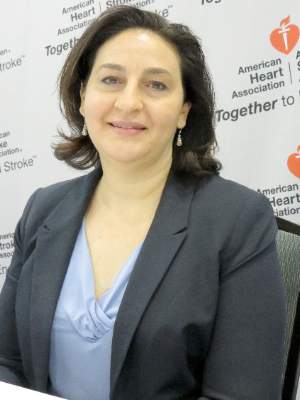
It’s unclear how many stroke patients receive hydration therapy upon admission, she said. It’s also unclear how to provide it, since there are concerns about fluid overload from intravenous administration and swallowing and choking from oral intake. But if attention to hydration could help improve outcomes, “it would be one of the easiest things in the world to do,” Dr. Bahouth said at the meeting, which was sponsored by the American Heart Association.
The literature suggests a link between fluid status and stroke. Increased hemoglobin during acute stroke seems related to clinical deterioration after stroke, as does an elevated blood urea nitrogen (BUN)/creatinine ratio and serum osmolality. Dehydration means lower fluid volume in blood, which contributes to the prothrombotic state and puts shear stress on vessels, Dr. Bahouth said.
She retrospectively analyzed the records of 126 patients who presented with symptoms of acute stroke, with onset less than 12 hours from their last known normal function. In 44%, the BUN/creatinine ratio was more than 15 and urine specific gravity was greater than 1.010, indicating dehydration. All patients underwent MRI to determine infarct and perfusion volume.
The primary outcome was fluctuation in the National Institutes of Health Stroke Scale (NIHSS), and the quantitative change in NIHSS over 4 days post stroke.
Patients were a mean of 65 years old. About 15% had atrial fibrillation and a third had diabetes. The NIHSS on presentation was 7. Thrombolytic therapy had been administered in 40% of those with dehydration and 60% of those without it.
There were no between-group differences in stroke type, with 55% being a large anterior infarct, 10% a large posterior infarct, and the rest small-vessel lesions. Infarct volume was 12 mL in the group with dehydration and 16 mL in those without, which was not a significant difference. There also were no significant differences according to hydration status in terms of hypoperfusion, baseline NIHSS, infarct volume, or perfusion-weighted imaging/diffusion-weighted imaging mismatch ratio.
By day 4, NIHSS had improved in 83% of those without dehydration but in only 58% of those with dehydration. NIHSS was unchanged or had worsened in 17% of those without dehydration and 42% of those with. Both differences were statistically significant.
A multivariate regression analysis found no significant associations of declining clinical status with age, gender, infarct volume, or baseline glucose level, but dehydration upon admission conferred a fourfold risk for NIHSS deterioration.
Even though dehydration appears to be associated with clinical deterioration, the best way to handle it is unclear, according to Dr. Robert Adams, who moderated the session. Little research has been conducted on the issue in recent years; studies undertaken in the 1980s showed that blood viscosity was an important factor, but treating it with fluids didn’t seem to improve outcomes.
“There were clearly complications of pulmonary embolism in some patients, showing that it’s possible to go too far with fluids. The discussion now is, how much fluid would be beneficial,” said Dr. Adams, professor of neurology at the Medical University of South Carolina, Charleston, and director of South Carolina’s REACH Stroke Network.
Neither Dr. Bahouth nor Dr. Adams had any financial disclosures.
On Twitter @alz_gal
NASHVILLE, TENN. – Patients who were clinically dehydrated when they presented with ischemic stroke were four times more likely to worsen over the next few days than were adequately hydrated patients in a single-center, retrospective study.
Hydration status didn’t appear to affect stroke infarct volume or severity, Dr. Mona Bahouth reported in a press briefing at the International Stroke Conference. Nevertheless, 42% of those considered dehydrated experienced no improvement or worsened during their stay, compared with 17% of the well-hydrated patients, said Dr. Bahouth, a neurology fellow at Johns Hopkins University, Baltimore.
It’s unclear how many stroke patients receive hydration therapy upon admission, she said. It’s also unclear how to provide it, since there are concerns about fluid overload from intravenous administration and swallowing and choking from oral intake. But if attention to hydration could help improve outcomes, “it would be one of the easiest things in the world to do,” Dr. Bahouth said at the meeting, which was sponsored by the American Heart Association.
The literature suggests a link between fluid status and stroke. Increased hemoglobin during acute stroke seems related to clinical deterioration after stroke, as does an elevated blood urea nitrogen (BUN)/creatinine ratio and serum osmolality. Dehydration means lower fluid volume in blood, which contributes to the prothrombotic state and puts shear stress on vessels, Dr. Bahouth said.
She retrospectively analyzed the records of 126 patients who presented with symptoms of acute stroke, with onset less than 12 hours from their last known normal function. In 44%, the BUN/creatinine ratio was more than 15 and urine specific gravity was greater than 1.010, indicating dehydration. All patients underwent MRI to determine infarct and perfusion volume.
The primary outcome was fluctuation in the National Institutes of Health Stroke Scale (NIHSS), and the quantitative change in NIHSS over 4 days post stroke.
Patients were a mean of 65 years old. About 15% had atrial fibrillation and a third had diabetes. The NIHSS on presentation was 7. Thrombolytic therapy had been administered in 40% of those with dehydration and 60% of those without it.
There were no between-group differences in stroke type, with 55% being a large anterior infarct, 10% a large posterior infarct, and the rest small-vessel lesions. Infarct volume was 12 mL in the group with dehydration and 16 mL in those without, which was not a significant difference. There also were no significant differences according to hydration status in terms of hypoperfusion, baseline NIHSS, infarct volume, or perfusion-weighted imaging/diffusion-weighted imaging mismatch ratio.
By day 4, NIHSS had improved in 83% of those without dehydration but in only 58% of those with dehydration. NIHSS was unchanged or had worsened in 17% of those without dehydration and 42% of those with. Both differences were statistically significant.
A multivariate regression analysis found no significant associations of declining clinical status with age, gender, infarct volume, or baseline glucose level, but dehydration upon admission conferred a fourfold risk for NIHSS deterioration.
Even though dehydration appears to be associated with clinical deterioration, the best way to handle it is unclear, according to Dr. Robert Adams, who moderated the session. Little research has been conducted on the issue in recent years; studies undertaken in the 1980s showed that blood viscosity was an important factor, but treating it with fluids didn’t seem to improve outcomes.
“There were clearly complications of pulmonary embolism in some patients, showing that it’s possible to go too far with fluids. The discussion now is, how much fluid would be beneficial,” said Dr. Adams, professor of neurology at the Medical University of South Carolina, Charleston, and director of South Carolina’s REACH Stroke Network.
Neither Dr. Bahouth nor Dr. Adams had any financial disclosures.
On Twitter @alz_gal
NASHVILLE, TENN. – Patients who were clinically dehydrated when they presented with ischemic stroke were four times more likely to worsen over the next few days than were adequately hydrated patients in a single-center, retrospective study.
Hydration status didn’t appear to affect stroke infarct volume or severity, Dr. Mona Bahouth reported in a press briefing at the International Stroke Conference. Nevertheless, 42% of those considered dehydrated experienced no improvement or worsened during their stay, compared with 17% of the well-hydrated patients, said Dr. Bahouth, a neurology fellow at Johns Hopkins University, Baltimore.
It’s unclear how many stroke patients receive hydration therapy upon admission, she said. It’s also unclear how to provide it, since there are concerns about fluid overload from intravenous administration and swallowing and choking from oral intake. But if attention to hydration could help improve outcomes, “it would be one of the easiest things in the world to do,” Dr. Bahouth said at the meeting, which was sponsored by the American Heart Association.
The literature suggests a link between fluid status and stroke. Increased hemoglobin during acute stroke seems related to clinical deterioration after stroke, as does an elevated blood urea nitrogen (BUN)/creatinine ratio and serum osmolality. Dehydration means lower fluid volume in blood, which contributes to the prothrombotic state and puts shear stress on vessels, Dr. Bahouth said.
She retrospectively analyzed the records of 126 patients who presented with symptoms of acute stroke, with onset less than 12 hours from their last known normal function. In 44%, the BUN/creatinine ratio was more than 15 and urine specific gravity was greater than 1.010, indicating dehydration. All patients underwent MRI to determine infarct and perfusion volume.
The primary outcome was fluctuation in the National Institutes of Health Stroke Scale (NIHSS), and the quantitative change in NIHSS over 4 days post stroke.
Patients were a mean of 65 years old. About 15% had atrial fibrillation and a third had diabetes. The NIHSS on presentation was 7. Thrombolytic therapy had been administered in 40% of those with dehydration and 60% of those without it.
There were no between-group differences in stroke type, with 55% being a large anterior infarct, 10% a large posterior infarct, and the rest small-vessel lesions. Infarct volume was 12 mL in the group with dehydration and 16 mL in those without, which was not a significant difference. There also were no significant differences according to hydration status in terms of hypoperfusion, baseline NIHSS, infarct volume, or perfusion-weighted imaging/diffusion-weighted imaging mismatch ratio.
By day 4, NIHSS had improved in 83% of those without dehydration but in only 58% of those with dehydration. NIHSS was unchanged or had worsened in 17% of those without dehydration and 42% of those with. Both differences were statistically significant.
A multivariate regression analysis found no significant associations of declining clinical status with age, gender, infarct volume, or baseline glucose level, but dehydration upon admission conferred a fourfold risk for NIHSS deterioration.
Even though dehydration appears to be associated with clinical deterioration, the best way to handle it is unclear, according to Dr. Robert Adams, who moderated the session. Little research has been conducted on the issue in recent years; studies undertaken in the 1980s showed that blood viscosity was an important factor, but treating it with fluids didn’t seem to improve outcomes.
“There were clearly complications of pulmonary embolism in some patients, showing that it’s possible to go too far with fluids. The discussion now is, how much fluid would be beneficial,” said Dr. Adams, professor of neurology at the Medical University of South Carolina, Charleston, and director of South Carolina’s REACH Stroke Network.
Neither Dr. Bahouth nor Dr. Adams had any financial disclosures.
On Twitter @alz_gal
AT THE INTERNATIONAL STROKE CONFERENCE
Key clinical point: Dehydration at hospital admission was associated with worsening clinical status among patients with acute ischemic stroke.
Major finding: NIHSS worsened in 42% of dehydrated patients and in 17% of nondehydrated patients.
Data source: The retrospective study involved 126 patients with acute ischemic stroke.
Disclosures: Neither Dr. Bahouth nor Dr. Adams had any financial disclosures.
VIDEO: Cancer risk in stroke survivors seems high, but more study needed
NASHVILLE, TENN. – Patients who survive an ischemic stroke may not be totally out of the woods when it comes to another potential threat: cancer.
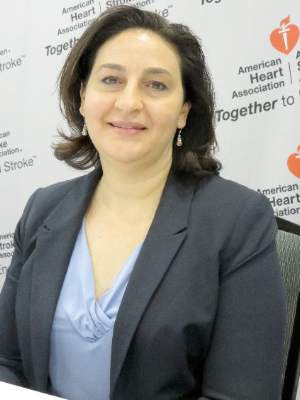
Dr. Adnan Qureshi, professor of neurology, neurosurgery, and radiology, and program director of the endovascular surgical neuroradiology program at the University of Minnesota, Minneapolis, mined data from the large Vitamin Intervention for Stroke Prevention (VISP) study and found during a 2-year follow-up period that stroke survivors had a 40% greater likelihood of developing cancer, compared with the general population based on data from the National Cancer Institute’s Surveillance, Epidemiology, and End Results registries.
The odds for developing cancer were especially high in patients who were younger than 50 years at the time of their stroke. They faced 40% greater odds of developing cancer than did patients aged 50 years or older, Dr. Qureshi reported at the International Stroke Conference sponsored by the American Heart Association.
The video associated with this article is no longer available on this site. Please view all of our videos on the MDedge YouTube channel
However, retrospectively analyzing an 11-year-old study isn’t the best way to get details about such a relationship, according to Dr. Robert Adams, professor of neurology at the Medical University of South Carolina, Charleston, and director of South Carolina’s REACH Stroke Network. Ascertainment bias could be a driving factor, and more investigation is crucial, he said.
The video associated with this article is no longer available on this site. Please view all of our videos on the MDedge YouTube channel
On Twitter @alz_gal
NASHVILLE, TENN. – Patients who survive an ischemic stroke may not be totally out of the woods when it comes to another potential threat: cancer.
Dr. Adnan Qureshi, professor of neurology, neurosurgery, and radiology, and program director of the endovascular surgical neuroradiology program at the University of Minnesota, Minneapolis, mined data from the large Vitamin Intervention for Stroke Prevention (VISP) study and found during a 2-year follow-up period that stroke survivors had a 40% greater likelihood of developing cancer, compared with the general population based on data from the National Cancer Institute’s Surveillance, Epidemiology, and End Results registries.
The odds for developing cancer were especially high in patients who were younger than 50 years at the time of their stroke. They faced 40% greater odds of developing cancer than did patients aged 50 years or older, Dr. Qureshi reported at the International Stroke Conference sponsored by the American Heart Association.
The video associated with this article is no longer available on this site. Please view all of our videos on the MDedge YouTube channel
However, retrospectively analyzing an 11-year-old study isn’t the best way to get details about such a relationship, according to Dr. Robert Adams, professor of neurology at the Medical University of South Carolina, Charleston, and director of South Carolina’s REACH Stroke Network. Ascertainment bias could be a driving factor, and more investigation is crucial, he said.
The video associated with this article is no longer available on this site. Please view all of our videos on the MDedge YouTube channel
On Twitter @alz_gal
NASHVILLE, TENN. – Patients who survive an ischemic stroke may not be totally out of the woods when it comes to another potential threat: cancer.
Dr. Adnan Qureshi, professor of neurology, neurosurgery, and radiology, and program director of the endovascular surgical neuroradiology program at the University of Minnesota, Minneapolis, mined data from the large Vitamin Intervention for Stroke Prevention (VISP) study and found during a 2-year follow-up period that stroke survivors had a 40% greater likelihood of developing cancer, compared with the general population based on data from the National Cancer Institute’s Surveillance, Epidemiology, and End Results registries.
The odds for developing cancer were especially high in patients who were younger than 50 years at the time of their stroke. They faced 40% greater odds of developing cancer than did patients aged 50 years or older, Dr. Qureshi reported at the International Stroke Conference sponsored by the American Heart Association.
The video associated with this article is no longer available on this site. Please view all of our videos on the MDedge YouTube channel
However, retrospectively analyzing an 11-year-old study isn’t the best way to get details about such a relationship, according to Dr. Robert Adams, professor of neurology at the Medical University of South Carolina, Charleston, and director of South Carolina’s REACH Stroke Network. Ascertainment bias could be a driving factor, and more investigation is crucial, he said.
The video associated with this article is no longer available on this site. Please view all of our videos on the MDedge YouTube channel
On Twitter @alz_gal
AT THE INTERNATIONAL STROKE CONFERENCE

“Drip-and-ship” thrombolysis remains common for ischemic stroke
NASHVILLE, TENN. – About 25% of patients with ischemic stroke who receive thrombolytic therapy get it in the field before hospital transfer with the “drip-and-ship” paradigm.
While there were only modest differences in clinical outcomes between these patients and those treated when admitted to an emergency department, drip-and-ship may actually increase the overall use of tissue plasminogen activator (TPA), Dr. Kevin N. Sheth said at the International Stroke Conference, sponsored by the American Heart Association.
The retrospective analysis, which was simultaneously published in Stroke (2015 Feb. 11 [doi:10.1161/STROKEAHA.114.007506]), plumbed the Get With the Guidelines registry for data to describe trends in the use of TPA and drip-and-ship administration across the United States over time. The study involved 1,440 hospitals and 44,667 patients who had an ischemic stroke during 2003-2010 and received TPA. Of these, 10,475 (23.5%) received it in the field before optional admission and within 3 hours of symptom onset.

Baseline characteristics were similar between the treatment groups. The patients’ mean age was 70 years, and the sex distribution was evenly split. More than 75% of each group was white.
The National Institutes of Health Stroke Scale (NIHSS) score was significantly higher among those who presented for hospital treatment (12.9 vs. 11). However, these patients were seen before TPA administration, while the drip-and-ship group had already been treated, a temporal difference that could have accounted for the score finding, cautioned Dr. Sheth, director of the neuroscience ICU and chief of clinical research at Yale University, New Haven, Conn.
In hospitals that employed drip-and-ship, there were significantly higher rates of stroke patients treated each year as well as more beds. Those hospitals also were more often teaching facilities and were designated as a primary stroke center.
Drip-and-ship frequency remained fairly steady over the study period – about 25% of all eligible patients had it in both 2003 and 2010. Among those treated at the hospital, the frequency of TPA administration within 3 hours of stroke onset rose sharply over the study period, from about 11% in 2003 to 25% in 2010. In contrast, the percentage of timely thrombolysis in drip-and-ship patients moved very little, from about 5% to 9% over the same period.
Overall inpatient mortality was 10%, but was slightly higher among drip-and-ship patients (10.93% vs. 9.67). Symptomatic intracranial hemorrhage occurred in 5.79% of those treated via drip-and-ship and 5.22% of those treated in the hospital. Nearly the same percentage of patients were discharged walking independently (38.4% vs. 38.8%) and discharged home (40.3% vs. 40.6%).
Among the hospital-treated patients, fewer than 4% (1,200) underwent endovascular therapy; this occurred in 707 (7%) of drip-and-ship patients. Those who got endovascular treatment had higher median NIHSS scores at TPA administration than did those who did not (17 vs. 12, respectively). Endovascular treatment was significantly associated with higher mortality (20% vs. 10%) and intracranial hemorrhage (11% vs. 5%).
In a multivariate analysis that adjusted for NIHSS score, in-hospital mortality was significantly more likely in drip-and-ship patients (odds ratio, 1.23). Those patients also were significantly less likely to be independently walking at discharge (OR, 0.66) or discharge to home (OR, 0.66). Intracranial hemorrhage was significantly more likely in drip-and-ship patients (OR, 1.4), as was a hospital stay of longer than 4 days (OR, 1.20).
“These are very modest differences clinically,” Dr. Sheth said, adding that selection bias or unmeasured confounding could have influenced the findings.
Dr. Sheth is a member of the Get with the Guidelines (GWTG) Stroke Clinical Workgroup, and he is a coinvestigator and executive committee member for Glyburide Advantage in Malignant Edema and Stroke-Remedy Pharmaceuticals (GAMES-RP), a phase II trial to prevent swelling in patients with large stroke, funded by Remedy Pharmaceuticals.
On Twitter @alz_gal
NASHVILLE, TENN. – About 25% of patients with ischemic stroke who receive thrombolytic therapy get it in the field before hospital transfer with the “drip-and-ship” paradigm.
While there were only modest differences in clinical outcomes between these patients and those treated when admitted to an emergency department, drip-and-ship may actually increase the overall use of tissue plasminogen activator (TPA), Dr. Kevin N. Sheth said at the International Stroke Conference, sponsored by the American Heart Association.
The retrospective analysis, which was simultaneously published in Stroke (2015 Feb. 11 [doi:10.1161/STROKEAHA.114.007506]), plumbed the Get With the Guidelines registry for data to describe trends in the use of TPA and drip-and-ship administration across the United States over time. The study involved 1,440 hospitals and 44,667 patients who had an ischemic stroke during 2003-2010 and received TPA. Of these, 10,475 (23.5%) received it in the field before optional admission and within 3 hours of symptom onset.
Baseline characteristics were similar between the treatment groups. The patients’ mean age was 70 years, and the sex distribution was evenly split. More than 75% of each group was white.
The National Institutes of Health Stroke Scale (NIHSS) score was significantly higher among those who presented for hospital treatment (12.9 vs. 11). However, these patients were seen before TPA administration, while the drip-and-ship group had already been treated, a temporal difference that could have accounted for the score finding, cautioned Dr. Sheth, director of the neuroscience ICU and chief of clinical research at Yale University, New Haven, Conn.
In hospitals that employed drip-and-ship, there were significantly higher rates of stroke patients treated each year as well as more beds. Those hospitals also were more often teaching facilities and were designated as a primary stroke center.
Drip-and-ship frequency remained fairly steady over the study period – about 25% of all eligible patients had it in both 2003 and 2010. Among those treated at the hospital, the frequency of TPA administration within 3 hours of stroke onset rose sharply over the study period, from about 11% in 2003 to 25% in 2010. In contrast, the percentage of timely thrombolysis in drip-and-ship patients moved very little, from about 5% to 9% over the same period.
Overall inpatient mortality was 10%, but was slightly higher among drip-and-ship patients (10.93% vs. 9.67). Symptomatic intracranial hemorrhage occurred in 5.79% of those treated via drip-and-ship and 5.22% of those treated in the hospital. Nearly the same percentage of patients were discharged walking independently (38.4% vs. 38.8%) and discharged home (40.3% vs. 40.6%).
Among the hospital-treated patients, fewer than 4% (1,200) underwent endovascular therapy; this occurred in 707 (7%) of drip-and-ship patients. Those who got endovascular treatment had higher median NIHSS scores at TPA administration than did those who did not (17 vs. 12, respectively). Endovascular treatment was significantly associated with higher mortality (20% vs. 10%) and intracranial hemorrhage (11% vs. 5%).
In a multivariate analysis that adjusted for NIHSS score, in-hospital mortality was significantly more likely in drip-and-ship patients (odds ratio, 1.23). Those patients also were significantly less likely to be independently walking at discharge (OR, 0.66) or discharge to home (OR, 0.66). Intracranial hemorrhage was significantly more likely in drip-and-ship patients (OR, 1.4), as was a hospital stay of longer than 4 days (OR, 1.20).
“These are very modest differences clinically,” Dr. Sheth said, adding that selection bias or unmeasured confounding could have influenced the findings.
Dr. Sheth is a member of the Get with the Guidelines (GWTG) Stroke Clinical Workgroup, and he is a coinvestigator and executive committee member for Glyburide Advantage in Malignant Edema and Stroke-Remedy Pharmaceuticals (GAMES-RP), a phase II trial to prevent swelling in patients with large stroke, funded by Remedy Pharmaceuticals.
On Twitter @alz_gal
NASHVILLE, TENN. – About 25% of patients with ischemic stroke who receive thrombolytic therapy get it in the field before hospital transfer with the “drip-and-ship” paradigm.
While there were only modest differences in clinical outcomes between these patients and those treated when admitted to an emergency department, drip-and-ship may actually increase the overall use of tissue plasminogen activator (TPA), Dr. Kevin N. Sheth said at the International Stroke Conference, sponsored by the American Heart Association.
The retrospective analysis, which was simultaneously published in Stroke (2015 Feb. 11 [doi:10.1161/STROKEAHA.114.007506]), plumbed the Get With the Guidelines registry for data to describe trends in the use of TPA and drip-and-ship administration across the United States over time. The study involved 1,440 hospitals and 44,667 patients who had an ischemic stroke during 2003-2010 and received TPA. Of these, 10,475 (23.5%) received it in the field before optional admission and within 3 hours of symptom onset.
Baseline characteristics were similar between the treatment groups. The patients’ mean age was 70 years, and the sex distribution was evenly split. More than 75% of each group was white.
The National Institutes of Health Stroke Scale (NIHSS) score was significantly higher among those who presented for hospital treatment (12.9 vs. 11). However, these patients were seen before TPA administration, while the drip-and-ship group had already been treated, a temporal difference that could have accounted for the score finding, cautioned Dr. Sheth, director of the neuroscience ICU and chief of clinical research at Yale University, New Haven, Conn.
In hospitals that employed drip-and-ship, there were significantly higher rates of stroke patients treated each year as well as more beds. Those hospitals also were more often teaching facilities and were designated as a primary stroke center.
Drip-and-ship frequency remained fairly steady over the study period – about 25% of all eligible patients had it in both 2003 and 2010. Among those treated at the hospital, the frequency of TPA administration within 3 hours of stroke onset rose sharply over the study period, from about 11% in 2003 to 25% in 2010. In contrast, the percentage of timely thrombolysis in drip-and-ship patients moved very little, from about 5% to 9% over the same period.
Overall inpatient mortality was 10%, but was slightly higher among drip-and-ship patients (10.93% vs. 9.67). Symptomatic intracranial hemorrhage occurred in 5.79% of those treated via drip-and-ship and 5.22% of those treated in the hospital. Nearly the same percentage of patients were discharged walking independently (38.4% vs. 38.8%) and discharged home (40.3% vs. 40.6%).
Among the hospital-treated patients, fewer than 4% (1,200) underwent endovascular therapy; this occurred in 707 (7%) of drip-and-ship patients. Those who got endovascular treatment had higher median NIHSS scores at TPA administration than did those who did not (17 vs. 12, respectively). Endovascular treatment was significantly associated with higher mortality (20% vs. 10%) and intracranial hemorrhage (11% vs. 5%).
In a multivariate analysis that adjusted for NIHSS score, in-hospital mortality was significantly more likely in drip-and-ship patients (odds ratio, 1.23). Those patients also were significantly less likely to be independently walking at discharge (OR, 0.66) or discharge to home (OR, 0.66). Intracranial hemorrhage was significantly more likely in drip-and-ship patients (OR, 1.4), as was a hospital stay of longer than 4 days (OR, 1.20).
“These are very modest differences clinically,” Dr. Sheth said, adding that selection bias or unmeasured confounding could have influenced the findings.
Dr. Sheth is a member of the Get with the Guidelines (GWTG) Stroke Clinical Workgroup, and he is a coinvestigator and executive committee member for Glyburide Advantage in Malignant Edema and Stroke-Remedy Pharmaceuticals (GAMES-RP), a phase II trial to prevent swelling in patients with large stroke, funded by Remedy Pharmaceuticals.
On Twitter @alz_gal
AT THE INTERNATIONAL STROKE CONFERENCE
Key clinical point: The rate of thrombolysis for ischemic stroke via drip-and-ship has remained steady over the past 12 years.
Major finding: About a quarter of ischemic stroke patients eligible for TPA are getting it in the field, via the “drip-and-ship” paradigm.
Data source: A retrospective study comprising 44,667 patients with ischemic stroke.
Disclosures: Dr. Sheth is a member of the Get with the Guidelines (GWTG) Stroke Clinical Workgroup, and he is a coinvestigator and executive committee member for Glyburide Advantage in Malignant Edema and Stroke-Remedy Pharmaceuticals (GAMES-RP), a phase II trial to prevent swelling in patients with large stroke, funded by Remedy Pharmaceuticals.
Online Calculator Helps Patients, Physicians Predict IVF Success
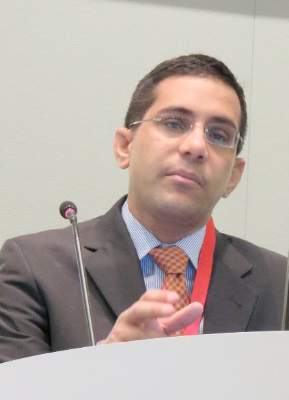
A simple online calculator uses a woman’s individualized metrics to calculate the odds of success for in vitro fertilization.
Launched in early February, the Assisted Reproductive Technology Patient Predictor Tool allows a woman to estimate her chances of success based on her own physiologic characteristics: body mass index, age, pregnancy history, and infertility diagnosis.
The tool, created by the Society for Assisted Reproductive Technology (SART), draws on data compiled since 1992, comprising more than 1 million IVF treatment cycles among more than 300,000 women, according to Dr. Jim Toner, SART president.
“We’ve been trying [as an organization] to come up with a good prediction tool for a number of years,” Dr. Toner said in an interview.
Typically, patients turn to preset tables to get some idea of how well they might do with IVF. But those tables include just a few variables and can’t provide individualized assessments, he said.
“This is much more user friendly than the typical clinical tables. I do think this is now the best tool out there for a patient to get a handle on what her chances for success might be,” Dr. Toner said. ”And I think this is likely to become a top search result for infertile couples who are seeking treatment. It will get heavy use by couples trying to understand their choices.”
What does the tool consist of?
The online tool is simple: It asks for age, height, weight, and the number of prior pregnancies and full-term births; and lets users choose from a list of possible infertility diagnoses. Patients then indicate whether they will use their own eggs or donor eggs. The tool calculates the probability of a live birth after one, two, and three IVF cycles. It also calculates the chance of single or multiple births, taking into account the number of embryos transferred.
Dr. Toner said he sees great potential in the tool’s ability to provide a framework for an initial discussion with a reproductive specialist. Sometimes, he said, couples are so eager to conceive that physicians need to impose some realism on the conversation.
“Couples are normally quite motivated to do whatever it takes, and sometimes it’s almost hard to talk them out of it, even with very low prospects,” he said. “They can look at a 15% live delivery rate from a clinic and say, ‘Wow, that’s not too bad!’ ”
Getting an individualized assessment from the risk calculator puts everyone on the same footing when discussions start, Dr. Toner said.
The calculator’s ability to predict the likelihood of multiples is another benefit, he said. While the medical literature is clear on the problems inherent in multiple births, and most clinics are doing everything they can to minimize those pregnancies, it can still be a hard sell to prospective parents, he said.
“Most people think that twins are good – two for the price of one. But they actually do have a lot more problems than people are aware of ... more cerebral palsy, more learning disabilities, more attention-deficit/hyperactivity disorder,” Dr. Toner said. “The discussion of multiples is one that needs to occur and it needs to occur early.”
The calculator employs more than two decades of U.S. data on assisted reproduction. In 1992, the Fertility Clinical Success Rate and Certification Act was passed, mandating that all ART clinics report success rate data to the federal government in a standardized manner. The Centers for Disease Control and Prevention began collecting the information in 1996, via the web-based National ART Surveillance System (NASS). SART also collects its own data from clinics, Dr. Toner said.
This is just the IVF calculator’s first iteration; SART officials are working on adding other features.
“One weakness in this first model, especially for the younger population, is that it doesn’t factor the potential for pregnancies from frozen embryos,” Dr. Toner said. “If you get four good embryos and freeze three, this calculator doesn’t take the potential of those three into account, only the potential of the one that is put back.”
A simple online calculator uses a woman’s individualized metrics to calculate the odds of success for in vitro fertilization.
Launched in early February, the Assisted Reproductive Technology Patient Predictor Tool allows a woman to estimate her chances of success based on her own physiologic characteristics: body mass index, age, pregnancy history, and infertility diagnosis.
The tool, created by the Society for Assisted Reproductive Technology (SART), draws on data compiled since 1992, comprising more than 1 million IVF treatment cycles among more than 300,000 women, according to Dr. Jim Toner, SART president.
“We’ve been trying [as an organization] to come up with a good prediction tool for a number of years,” Dr. Toner said in an interview.
Typically, patients turn to preset tables to get some idea of how well they might do with IVF. But those tables include just a few variables and can’t provide individualized assessments, he said.
“This is much more user friendly than the typical clinical tables. I do think this is now the best tool out there for a patient to get a handle on what her chances for success might be,” Dr. Toner said. ”And I think this is likely to become a top search result for infertile couples who are seeking treatment. It will get heavy use by couples trying to understand their choices.”
What does the tool consist of?
The online tool is simple: It asks for age, height, weight, and the number of prior pregnancies and full-term births; and lets users choose from a list of possible infertility diagnoses. Patients then indicate whether they will use their own eggs or donor eggs. The tool calculates the probability of a live birth after one, two, and three IVF cycles. It also calculates the chance of single or multiple births, taking into account the number of embryos transferred.
Dr. Toner said he sees great potential in the tool’s ability to provide a framework for an initial discussion with a reproductive specialist. Sometimes, he said, couples are so eager to conceive that physicians need to impose some realism on the conversation.
“Couples are normally quite motivated to do whatever it takes, and sometimes it’s almost hard to talk them out of it, even with very low prospects,” he said. “They can look at a 15% live delivery rate from a clinic and say, ‘Wow, that’s not too bad!’ ”
Getting an individualized assessment from the risk calculator puts everyone on the same footing when discussions start, Dr. Toner said.
The calculator’s ability to predict the likelihood of multiples is another benefit, he said. While the medical literature is clear on the problems inherent in multiple births, and most clinics are doing everything they can to minimize those pregnancies, it can still be a hard sell to prospective parents, he said.
“Most people think that twins are good – two for the price of one. But they actually do have a lot more problems than people are aware of ... more cerebral palsy, more learning disabilities, more attention-deficit/hyperactivity disorder,” Dr. Toner said. “The discussion of multiples is one that needs to occur and it needs to occur early.”
The calculator employs more than two decades of U.S. data on assisted reproduction. In 1992, the Fertility Clinical Success Rate and Certification Act was passed, mandating that all ART clinics report success rate data to the federal government in a standardized manner. The Centers for Disease Control and Prevention began collecting the information in 1996, via the web-based National ART Surveillance System (NASS). SART also collects its own data from clinics, Dr. Toner said.
This is just the IVF calculator’s first iteration; SART officials are working on adding other features.
“One weakness in this first model, especially for the younger population, is that it doesn’t factor the potential for pregnancies from frozen embryos,” Dr. Toner said. “If you get four good embryos and freeze three, this calculator doesn’t take the potential of those three into account, only the potential of the one that is put back.”
A simple online calculator uses a woman’s individualized metrics to calculate the odds of success for in vitro fertilization.
Launched in early February, the Assisted Reproductive Technology Patient Predictor Tool allows a woman to estimate her chances of success based on her own physiologic characteristics: body mass index, age, pregnancy history, and infertility diagnosis.
The tool, created by the Society for Assisted Reproductive Technology (SART), draws on data compiled since 1992, comprising more than 1 million IVF treatment cycles among more than 300,000 women, according to Dr. Jim Toner, SART president.
“We’ve been trying [as an organization] to come up with a good prediction tool for a number of years,” Dr. Toner said in an interview.
Typically, patients turn to preset tables to get some idea of how well they might do with IVF. But those tables include just a few variables and can’t provide individualized assessments, he said.
“This is much more user friendly than the typical clinical tables. I do think this is now the best tool out there for a patient to get a handle on what her chances for success might be,” Dr. Toner said. ”And I think this is likely to become a top search result for infertile couples who are seeking treatment. It will get heavy use by couples trying to understand their choices.”
What does the tool consist of?
The online tool is simple: It asks for age, height, weight, and the number of prior pregnancies and full-term births; and lets users choose from a list of possible infertility diagnoses. Patients then indicate whether they will use their own eggs or donor eggs. The tool calculates the probability of a live birth after one, two, and three IVF cycles. It also calculates the chance of single or multiple births, taking into account the number of embryos transferred.
Dr. Toner said he sees great potential in the tool’s ability to provide a framework for an initial discussion with a reproductive specialist. Sometimes, he said, couples are so eager to conceive that physicians need to impose some realism on the conversation.
“Couples are normally quite motivated to do whatever it takes, and sometimes it’s almost hard to talk them out of it, even with very low prospects,” he said. “They can look at a 15% live delivery rate from a clinic and say, ‘Wow, that’s not too bad!’ ”
Getting an individualized assessment from the risk calculator puts everyone on the same footing when discussions start, Dr. Toner said.
The calculator’s ability to predict the likelihood of multiples is another benefit, he said. While the medical literature is clear on the problems inherent in multiple births, and most clinics are doing everything they can to minimize those pregnancies, it can still be a hard sell to prospective parents, he said.
“Most people think that twins are good – two for the price of one. But they actually do have a lot more problems than people are aware of ... more cerebral palsy, more learning disabilities, more attention-deficit/hyperactivity disorder,” Dr. Toner said. “The discussion of multiples is one that needs to occur and it needs to occur early.”
The calculator employs more than two decades of U.S. data on assisted reproduction. In 1992, the Fertility Clinical Success Rate and Certification Act was passed, mandating that all ART clinics report success rate data to the federal government in a standardized manner. The Centers for Disease Control and Prevention began collecting the information in 1996, via the web-based National ART Surveillance System (NASS). SART also collects its own data from clinics, Dr. Toner said.
This is just the IVF calculator’s first iteration; SART officials are working on adding other features.
“One weakness in this first model, especially for the younger population, is that it doesn’t factor the potential for pregnancies from frozen embryos,” Dr. Toner said. “If you get four good embryos and freeze three, this calculator doesn’t take the potential of those three into account, only the potential of the one that is put back.”

Online calculator helps patients, physicians predict IVF success
A simple online calculator uses a woman’s individualized metrics to calculate the odds of success for in vitro fertilization.
Launched in early February, the Assisted Reproductive Technology Patient Predictor Tool allows a woman to estimate her chances of success based on her own physiologic characteristics: body mass index, age, pregnancy history, and infertility diagnosis.
The tool, created by the Society for Assisted Reproductive Technology (SART), draws on data compiled since 1992, comprising more than 1 million IVF treatment cycles among more than 300,000 women, according to Dr. Jim Toner, SART president.

“We’ve been trying [as an organization] to come up with a good prediction tool for a number of years,” Dr. Toner said in an interview.
Typically, patients turn to preset tables to get some idea of how well they might do with IVF. But those tables include just a few variables and can’t provide individualized assessments, he said.
“This is much more user friendly than the typical clinical tables. I do think this is now the best tool out there for a patient to get a handle on what her chances for success might be,” Dr. Toner said. ”And I think this is likely to become a top search result for infertile couples who are seeking treatment. It will get heavy use by couples trying to understand their choices.”
The online tool is simple: It asks for age, height, weight, and the number of prior pregnancies and full-term births; and lets users choose from a list of possible infertility diagnoses. Patients then indicate whether they will use their own eggs or donor eggs. The tool calculates the probability of a live birth after one, two, and three IVF cycles. It also calculates the chance of single or multiple births, taking into account the number of embryos transferred.
Dr. Toner said he sees great potential in the tool’s ability to provide a framework for an initial discussion with a reproductive specialist. Sometimes, he said, couples are so eager to conceive that physicians need to impose some realism on the conversation.
“Couples are normally quite motivated to do whatever it takes, and sometimes it’s almost hard to talk them out of it, even with very low prospects,” he said. “They can look at a 15% live delivery rate from a clinic and say, ‘Wow, that’s not too bad!’ ”
Getting an individualized assessment from the risk calculator puts everyone on the same footing when discussions start, Dr. Toner said.
The calculator’s ability to predict the likelihood of multiples is another benefit, he said. While the medical literature is clear on the problems inherent in multiple births, and most clinics are doing everything they can to minimize those pregnancies, it can still be a hard sell to prospective parents, he said.
“Most people think that twins are good – two for the price of one. But they actually do have a lot more problems than people are aware of ... more cerebral palsy, more learning disabilities, more attention-deficit/hyperactivity disorder,” Dr. Toner said. “The discussion of multiples is one that needs to occur and it needs to occur early.”
The calculator employs more than two decades of U.S. data on assisted reproduction. In 1992, the Fertility Clinical Success Rate and Certification Act was passed, mandating that all ART clinics report success rate data to the federal government in a standardized manner. The Centers for Disease Control and Prevention began collecting the information in 1996, via the web-based National ART Surveillance System (NASS). SART also collects its own data from clinics, Dr. Toner said.
This is just the IVF calculator’s first iteration; SART officials are working on adding other features.
“One weakness in this first model, especially for the younger population, is that it doesn’t factor the potential for pregnancies from frozen embryos,” Dr. Toner said. “If you get four good embryos and freeze three, this calculator doesn’t take the potential of those three into account, only the potential of the one that is put back.”
On Twitter @alz_gal
A simple online calculator uses a woman’s individualized metrics to calculate the odds of success for in vitro fertilization.
Launched in early February, the Assisted Reproductive Technology Patient Predictor Tool allows a woman to estimate her chances of success based on her own physiologic characteristics: body mass index, age, pregnancy history, and infertility diagnosis.
The tool, created by the Society for Assisted Reproductive Technology (SART), draws on data compiled since 1992, comprising more than 1 million IVF treatment cycles among more than 300,000 women, according to Dr. Jim Toner, SART president.
“We’ve been trying [as an organization] to come up with a good prediction tool for a number of years,” Dr. Toner said in an interview.
Typically, patients turn to preset tables to get some idea of how well they might do with IVF. But those tables include just a few variables and can’t provide individualized assessments, he said.
“This is much more user friendly than the typical clinical tables. I do think this is now the best tool out there for a patient to get a handle on what her chances for success might be,” Dr. Toner said. ”And I think this is likely to become a top search result for infertile couples who are seeking treatment. It will get heavy use by couples trying to understand their choices.”
The online tool is simple: It asks for age, height, weight, and the number of prior pregnancies and full-term births; and lets users choose from a list of possible infertility diagnoses. Patients then indicate whether they will use their own eggs or donor eggs. The tool calculates the probability of a live birth after one, two, and three IVF cycles. It also calculates the chance of single or multiple births, taking into account the number of embryos transferred.
Dr. Toner said he sees great potential in the tool’s ability to provide a framework for an initial discussion with a reproductive specialist. Sometimes, he said, couples are so eager to conceive that physicians need to impose some realism on the conversation.
“Couples are normally quite motivated to do whatever it takes, and sometimes it’s almost hard to talk them out of it, even with very low prospects,” he said. “They can look at a 15% live delivery rate from a clinic and say, ‘Wow, that’s not too bad!’ ”
Getting an individualized assessment from the risk calculator puts everyone on the same footing when discussions start, Dr. Toner said.
The calculator’s ability to predict the likelihood of multiples is another benefit, he said. While the medical literature is clear on the problems inherent in multiple births, and most clinics are doing everything they can to minimize those pregnancies, it can still be a hard sell to prospective parents, he said.
“Most people think that twins are good – two for the price of one. But they actually do have a lot more problems than people are aware of ... more cerebral palsy, more learning disabilities, more attention-deficit/hyperactivity disorder,” Dr. Toner said. “The discussion of multiples is one that needs to occur and it needs to occur early.”
The calculator employs more than two decades of U.S. data on assisted reproduction. In 1992, the Fertility Clinical Success Rate and Certification Act was passed, mandating that all ART clinics report success rate data to the federal government in a standardized manner. The Centers for Disease Control and Prevention began collecting the information in 1996, via the web-based National ART Surveillance System (NASS). SART also collects its own data from clinics, Dr. Toner said.
This is just the IVF calculator’s first iteration; SART officials are working on adding other features.
“One weakness in this first model, especially for the younger population, is that it doesn’t factor the potential for pregnancies from frozen embryos,” Dr. Toner said. “If you get four good embryos and freeze three, this calculator doesn’t take the potential of those three into account, only the potential of the one that is put back.”
On Twitter @alz_gal
A simple online calculator uses a woman’s individualized metrics to calculate the odds of success for in vitro fertilization.
Launched in early February, the Assisted Reproductive Technology Patient Predictor Tool allows a woman to estimate her chances of success based on her own physiologic characteristics: body mass index, age, pregnancy history, and infertility diagnosis.
The tool, created by the Society for Assisted Reproductive Technology (SART), draws on data compiled since 1992, comprising more than 1 million IVF treatment cycles among more than 300,000 women, according to Dr. Jim Toner, SART president.
“We’ve been trying [as an organization] to come up with a good prediction tool for a number of years,” Dr. Toner said in an interview.
Typically, patients turn to preset tables to get some idea of how well they might do with IVF. But those tables include just a few variables and can’t provide individualized assessments, he said.
“This is much more user friendly than the typical clinical tables. I do think this is now the best tool out there for a patient to get a handle on what her chances for success might be,” Dr. Toner said. ”And I think this is likely to become a top search result for infertile couples who are seeking treatment. It will get heavy use by couples trying to understand their choices.”
The online tool is simple: It asks for age, height, weight, and the number of prior pregnancies and full-term births; and lets users choose from a list of possible infertility diagnoses. Patients then indicate whether they will use their own eggs or donor eggs. The tool calculates the probability of a live birth after one, two, and three IVF cycles. It also calculates the chance of single or multiple births, taking into account the number of embryos transferred.
Dr. Toner said he sees great potential in the tool’s ability to provide a framework for an initial discussion with a reproductive specialist. Sometimes, he said, couples are so eager to conceive that physicians need to impose some realism on the conversation.
“Couples are normally quite motivated to do whatever it takes, and sometimes it’s almost hard to talk them out of it, even with very low prospects,” he said. “They can look at a 15% live delivery rate from a clinic and say, ‘Wow, that’s not too bad!’ ”
Getting an individualized assessment from the risk calculator puts everyone on the same footing when discussions start, Dr. Toner said.
The calculator’s ability to predict the likelihood of multiples is another benefit, he said. While the medical literature is clear on the problems inherent in multiple births, and most clinics are doing everything they can to minimize those pregnancies, it can still be a hard sell to prospective parents, he said.
“Most people think that twins are good – two for the price of one. But they actually do have a lot more problems than people are aware of ... more cerebral palsy, more learning disabilities, more attention-deficit/hyperactivity disorder,” Dr. Toner said. “The discussion of multiples is one that needs to occur and it needs to occur early.”
The calculator employs more than two decades of U.S. data on assisted reproduction. In 1992, the Fertility Clinical Success Rate and Certification Act was passed, mandating that all ART clinics report success rate data to the federal government in a standardized manner. The Centers for Disease Control and Prevention began collecting the information in 1996, via the web-based National ART Surveillance System (NASS). SART also collects its own data from clinics, Dr. Toner said.
This is just the IVF calculator’s first iteration; SART officials are working on adding other features.
“One weakness in this first model, especially for the younger population, is that it doesn’t factor the potential for pregnancies from frozen embryos,” Dr. Toner said. “If you get four good embryos and freeze three, this calculator doesn’t take the potential of those three into account, only the potential of the one that is put back.”
On Twitter @alz_gal