User login
Insulin-Dependent Diabetes Portends Poor Angiography Outcomes
LISBON – Patients with type 2 diabetes who required insulin therapy were 19% more likely to die following a percutaneous coronary intervention than were patients who managed their disease with diet or oral antiglycemic medications, according to a registry analysis.
The higher mortality rate among insulin users remained after researchers controlled for the severity of diabetes, Dr. Anna Norhammar reported at the annual meeting of the European Association for the Study of Diabetes.
"Patients with type 2 diabetes who are taking insulin are at a very high risk after cardiac angiography, especially if they have a history of previous myocardial infarction or renal complications. We need to give these patients special attention and intensive handling," after the procedure, said Dr. Norhammar of the Karolinska Institute, Stockholm.
She and her colleagues extracted data from a combination of two large Swedish patient registries: the Swedish Coronary Angiography and Angioplasty Register (SCARR), which includes all patients who have undergone the procedures, and the National Diabetes Registry, which contains information on about 70% of Swedish citizens with the disease. They identified 14,079 patients who were included in both registries from 2001 to 2009. These patients formed the basis of the analysis.
Patients were divided into four groups: those on dietary therapy alone (2,936), those on oral agents alone (5,713), those taking both oral medications and insulin (3,008), and those taking insulin only (2,422).
The patients’ mean age was 69 years. Disease duration was shorter for those on the less intensive therapies compared with those taking insulin only (6 years vs. 15 years).
As expected, mean hemoglobin A1c rose along with treatment intensity, from 6.5% in those in the diet-only group to 7% in the oral-only group, and 7.8% in each of the combo and insulin-only groups. Retinopathy was present in 13% of the diet-managed group compared with 54% of the insulin-only group, a significant difference.
Heart failure also was significantly more common in the insulin-only group (24%) compared with the diet-only (14%), oral medications-only (12%) and combination therapy (17%) groups. Heart attacks had occurred in 39% of the insulin-only group, compared with 29% of the diet-only group, again a significant difference.
About 70% of all patients were hypertensive. Renal insufficiency was present in about 2% of the less-intensively-treated groups, 1% of those on combination therapy, and 8% of those taking only insulin, but this difference was not statistically significant. The insulin-only group also had more peripheral artery disease, but that difference also was not significant.
Angiographic results varied by treatment intensity. Those with diet-only therapy were most likely to have normal results (22%); results were normal in 17% of the insulin-only group. There also was a significant difference in the prevalence of three-vessel disease, which occurred in 23% of the diet-only group and 30% of the insulin-only group.
Diabetes treatment did not impact subsequent cardiovascular therapy, however.
By 6 months, the mortality curves were significantly different. Those on diet or oral therapy alone each had a mortality of about 5%, compared with 7% of those on combination therapy and 9% of those taking insulin-only therapy.
By 4 years – the mean follow-up time – mortality was still significantly higher among the insulin-only group (22%) compared with the diet-only and oral therapy-only groups (both 15%). This pattern continued as follow-up proceeded. By 8 years, more than 50% of the insulin-only group had died, compared with about 38% of the oral-only and diet-only groups.
Adjustment for baseline cardiovascular risk factors and diabetes complications (including more severe coronary artery disease, micro- and macrovascular disease, and renal complications) attenuated the risk of death for the most-intensively-treated patients, Dr. Norhammar said. "The risk of death for these patients fell from 1.22 to 1.19, but there was still a significant overall risk of excess mortality for those on insulin."
Whether insulin plays some mechanistic role in poorer outcomes, or whether it is simply a marker of more advanced disease, remains unclear, Dr. Norhammar said.
"We know that when patients start on insulin after [PCI], there can be some adverse reactions, including more occlusion and restenosis after stenting, and poorer response to antiplatelet drugs."
"I think this whole issue will be a lot clearer when we have the results of the ORIGIN study," she added.
The Outcome Reduction With Initial Glargine Intervention (ORIGIN) study is investigating the prevention of cardiovascular morbidity and mortality in people with type 2 diabetes or impaired glucose tolerance. The treatment variables are insulin glargine (variable dose vs. standard care), and different doses of omega-3 fatty acid, and placebo. Participants are being randomized to one of four possible treatment combinations.
Dr. Norhammar reported having no financial conflicts of interest.
The main thing to remember with a registry study such as this is that people with diabetes are switched to insulin for a reason. They get started on diet and progress in therapy. If each stage fails, we proceed toward insulin. And the reasons for switching are bad response to a first-line medication. And that is reflected in these results.
Even within this group with diabetes there are different levels of insulin sensitivity and those who are most insulin resistant require more insulin at an earlier stage. This might explain some of these findings. The other issue is duration of treatment, and registry studies can’t take that into account. I would be very hesitant to say that insulin is a causal factor in any of these complications.
Dr. Daniel Witte is a research manager at the Steno Diabetes Center in Gentofte, Denmark.
The main thing to remember with a registry study such as this is that people with diabetes are switched to insulin for a reason. They get started on diet and progress in therapy. If each stage fails, we proceed toward insulin. And the reasons for switching are bad response to a first-line medication. And that is reflected in these results.
Even within this group with diabetes there are different levels of insulin sensitivity and those who are most insulin resistant require more insulin at an earlier stage. This might explain some of these findings. The other issue is duration of treatment, and registry studies can’t take that into account. I would be very hesitant to say that insulin is a causal factor in any of these complications.
Dr. Daniel Witte is a research manager at the Steno Diabetes Center in Gentofte, Denmark.
The main thing to remember with a registry study such as this is that people with diabetes are switched to insulin for a reason. They get started on diet and progress in therapy. If each stage fails, we proceed toward insulin. And the reasons for switching are bad response to a first-line medication. And that is reflected in these results.
Even within this group with diabetes there are different levels of insulin sensitivity and those who are most insulin resistant require more insulin at an earlier stage. This might explain some of these findings. The other issue is duration of treatment, and registry studies can’t take that into account. I would be very hesitant to say that insulin is a causal factor in any of these complications.
Dr. Daniel Witte is a research manager at the Steno Diabetes Center in Gentofte, Denmark.
LISBON – Patients with type 2 diabetes who required insulin therapy were 19% more likely to die following a percutaneous coronary intervention than were patients who managed their disease with diet or oral antiglycemic medications, according to a registry analysis.
The higher mortality rate among insulin users remained after researchers controlled for the severity of diabetes, Dr. Anna Norhammar reported at the annual meeting of the European Association for the Study of Diabetes.
"Patients with type 2 diabetes who are taking insulin are at a very high risk after cardiac angiography, especially if they have a history of previous myocardial infarction or renal complications. We need to give these patients special attention and intensive handling," after the procedure, said Dr. Norhammar of the Karolinska Institute, Stockholm.
She and her colleagues extracted data from a combination of two large Swedish patient registries: the Swedish Coronary Angiography and Angioplasty Register (SCARR), which includes all patients who have undergone the procedures, and the National Diabetes Registry, which contains information on about 70% of Swedish citizens with the disease. They identified 14,079 patients who were included in both registries from 2001 to 2009. These patients formed the basis of the analysis.
Patients were divided into four groups: those on dietary therapy alone (2,936), those on oral agents alone (5,713), those taking both oral medications and insulin (3,008), and those taking insulin only (2,422).
The patients’ mean age was 69 years. Disease duration was shorter for those on the less intensive therapies compared with those taking insulin only (6 years vs. 15 years).
As expected, mean hemoglobin A1c rose along with treatment intensity, from 6.5% in those in the diet-only group to 7% in the oral-only group, and 7.8% in each of the combo and insulin-only groups. Retinopathy was present in 13% of the diet-managed group compared with 54% of the insulin-only group, a significant difference.
Heart failure also was significantly more common in the insulin-only group (24%) compared with the diet-only (14%), oral medications-only (12%) and combination therapy (17%) groups. Heart attacks had occurred in 39% of the insulin-only group, compared with 29% of the diet-only group, again a significant difference.
About 70% of all patients were hypertensive. Renal insufficiency was present in about 2% of the less-intensively-treated groups, 1% of those on combination therapy, and 8% of those taking only insulin, but this difference was not statistically significant. The insulin-only group also had more peripheral artery disease, but that difference also was not significant.
Angiographic results varied by treatment intensity. Those with diet-only therapy were most likely to have normal results (22%); results were normal in 17% of the insulin-only group. There also was a significant difference in the prevalence of three-vessel disease, which occurred in 23% of the diet-only group and 30% of the insulin-only group.
Diabetes treatment did not impact subsequent cardiovascular therapy, however.
By 6 months, the mortality curves were significantly different. Those on diet or oral therapy alone each had a mortality of about 5%, compared with 7% of those on combination therapy and 9% of those taking insulin-only therapy.
By 4 years – the mean follow-up time – mortality was still significantly higher among the insulin-only group (22%) compared with the diet-only and oral therapy-only groups (both 15%). This pattern continued as follow-up proceeded. By 8 years, more than 50% of the insulin-only group had died, compared with about 38% of the oral-only and diet-only groups.
Adjustment for baseline cardiovascular risk factors and diabetes complications (including more severe coronary artery disease, micro- and macrovascular disease, and renal complications) attenuated the risk of death for the most-intensively-treated patients, Dr. Norhammar said. "The risk of death for these patients fell from 1.22 to 1.19, but there was still a significant overall risk of excess mortality for those on insulin."
Whether insulin plays some mechanistic role in poorer outcomes, or whether it is simply a marker of more advanced disease, remains unclear, Dr. Norhammar said.
"We know that when patients start on insulin after [PCI], there can be some adverse reactions, including more occlusion and restenosis after stenting, and poorer response to antiplatelet drugs."
"I think this whole issue will be a lot clearer when we have the results of the ORIGIN study," she added.
The Outcome Reduction With Initial Glargine Intervention (ORIGIN) study is investigating the prevention of cardiovascular morbidity and mortality in people with type 2 diabetes or impaired glucose tolerance. The treatment variables are insulin glargine (variable dose vs. standard care), and different doses of omega-3 fatty acid, and placebo. Participants are being randomized to one of four possible treatment combinations.
Dr. Norhammar reported having no financial conflicts of interest.
LISBON – Patients with type 2 diabetes who required insulin therapy were 19% more likely to die following a percutaneous coronary intervention than were patients who managed their disease with diet or oral antiglycemic medications, according to a registry analysis.
The higher mortality rate among insulin users remained after researchers controlled for the severity of diabetes, Dr. Anna Norhammar reported at the annual meeting of the European Association for the Study of Diabetes.
"Patients with type 2 diabetes who are taking insulin are at a very high risk after cardiac angiography, especially if they have a history of previous myocardial infarction or renal complications. We need to give these patients special attention and intensive handling," after the procedure, said Dr. Norhammar of the Karolinska Institute, Stockholm.
She and her colleagues extracted data from a combination of two large Swedish patient registries: the Swedish Coronary Angiography and Angioplasty Register (SCARR), which includes all patients who have undergone the procedures, and the National Diabetes Registry, which contains information on about 70% of Swedish citizens with the disease. They identified 14,079 patients who were included in both registries from 2001 to 2009. These patients formed the basis of the analysis.
Patients were divided into four groups: those on dietary therapy alone (2,936), those on oral agents alone (5,713), those taking both oral medications and insulin (3,008), and those taking insulin only (2,422).
The patients’ mean age was 69 years. Disease duration was shorter for those on the less intensive therapies compared with those taking insulin only (6 years vs. 15 years).
As expected, mean hemoglobin A1c rose along with treatment intensity, from 6.5% in those in the diet-only group to 7% in the oral-only group, and 7.8% in each of the combo and insulin-only groups. Retinopathy was present in 13% of the diet-managed group compared with 54% of the insulin-only group, a significant difference.
Heart failure also was significantly more common in the insulin-only group (24%) compared with the diet-only (14%), oral medications-only (12%) and combination therapy (17%) groups. Heart attacks had occurred in 39% of the insulin-only group, compared with 29% of the diet-only group, again a significant difference.
About 70% of all patients were hypertensive. Renal insufficiency was present in about 2% of the less-intensively-treated groups, 1% of those on combination therapy, and 8% of those taking only insulin, but this difference was not statistically significant. The insulin-only group also had more peripheral artery disease, but that difference also was not significant.
Angiographic results varied by treatment intensity. Those with diet-only therapy were most likely to have normal results (22%); results were normal in 17% of the insulin-only group. There also was a significant difference in the prevalence of three-vessel disease, which occurred in 23% of the diet-only group and 30% of the insulin-only group.
Diabetes treatment did not impact subsequent cardiovascular therapy, however.
By 6 months, the mortality curves were significantly different. Those on diet or oral therapy alone each had a mortality of about 5%, compared with 7% of those on combination therapy and 9% of those taking insulin-only therapy.
By 4 years – the mean follow-up time – mortality was still significantly higher among the insulin-only group (22%) compared with the diet-only and oral therapy-only groups (both 15%). This pattern continued as follow-up proceeded. By 8 years, more than 50% of the insulin-only group had died, compared with about 38% of the oral-only and diet-only groups.
Adjustment for baseline cardiovascular risk factors and diabetes complications (including more severe coronary artery disease, micro- and macrovascular disease, and renal complications) attenuated the risk of death for the most-intensively-treated patients, Dr. Norhammar said. "The risk of death for these patients fell from 1.22 to 1.19, but there was still a significant overall risk of excess mortality for those on insulin."
Whether insulin plays some mechanistic role in poorer outcomes, or whether it is simply a marker of more advanced disease, remains unclear, Dr. Norhammar said.
"We know that when patients start on insulin after [PCI], there can be some adverse reactions, including more occlusion and restenosis after stenting, and poorer response to antiplatelet drugs."
"I think this whole issue will be a lot clearer when we have the results of the ORIGIN study," she added.
The Outcome Reduction With Initial Glargine Intervention (ORIGIN) study is investigating the prevention of cardiovascular morbidity and mortality in people with type 2 diabetes or impaired glucose tolerance. The treatment variables are insulin glargine (variable dose vs. standard care), and different doses of omega-3 fatty acid, and placebo. Participants are being randomized to one of four possible treatment combinations.
Dr. Norhammar reported having no financial conflicts of interest.
FROM THE ANNUAL MEETING OF THE EUROPEAN ASSOCIATION FOR THE STUDY OF DIABETES
Major Finding: Six months after PCI, patients on diet or oral antidiabetes drugs alone each had a mortality of about 5%, compared with 7% of those on a combination of insulin and antiglycemic drugs and 9% of those taking insulin-only therapy. By 4 years, mortality was still significantly higher among the insulin-only group (22%) compared with the diet-only and oral therapy-only groups (both 15%).
Data Source: A study of more than 14,000 patients with type 2 diabetes who were included in two Swedish registries.
Disclosures: Dr. Norhammar reported having no financial conflicts of interest.
Home Urine Test Classifies Juvenile Diabetes Types
LISBON – A single in-home test of urinary C-peptide creatinine ratio appears to differentiate type 1 diabetes from a genetic form of the disease – maturity-onset diabetes of youth.
The in-home test saves children and parents from the stress and inconvenience of a blood test, and discriminates maturity-onset diabetes of youth (MODY) from type 1 diabetes with 100% sensitivity and 85% specificity, Dr. Rachel Besser said at the annual meeting of the European Association for the Study of Diabetes.
"MODY is frequently misdiagnosed as type 1 diabetes in children, and inappropriately treated with insulin," said Dr. Besser of the Peninsula Medical School, Exeter (England). "This test is clinically useful even in patients with a very short duration of disease."
In addition to guiding treatment, the test can pinpoint which children should undergo genetic testing for MODY, she said.
The test is a simple kit designed to be administered after a normal, diabetic-healthy evening meal. "We ask the children to empty their bladders before eating, have a dinner that contains healthy carbohydrates, and then take the test about 2 hours later."
Parents collect the urine at home and mail it to a laboratory, where the C-peptide creatinine ratio (UCPCR) is measured. A boric acid solution preserves the biomarker for up to 72 hours while en route to the lab.
Dr. Besser and her colleagues examined the test’s efficacy in 96 children who had been diagnosed with type 1 diabetes and 29 children who had confirmed MODY (10 with the HNF1A/4A subtype and 19 with the GCK subtype). All of the children had a mean disease duration of about 3 years. The mean age of the type 1 patients was 13 years; the MODY children were slightly older, at a mean of 14 years.
The test differentiated the two disorders quite well, Dr. Besser said. UCPCR was significantly lower in the type 1 samples than in the MODY samples (median 0.05 vs. 3.41 nmol/mmol).
Using a cutoff of at least 1.4 nmol/mmol, the test correctly discriminated MODY from type 1 diabetes with 100% sensitivity and 85% specificity. Fourteen of the patients diagnosed with type 1 diabetes met the cutoff point of at least 1.4 nmol/mmol.
The test is obviously far better than the method of calculation by family history, Dr. Besser added. "That only correctly identifies about 50% of these patients. There are also new, different mutations that we are discovering all the time," which are not familial.
Dr. Besser had no financial disclosures.
LISBON – A single in-home test of urinary C-peptide creatinine ratio appears to differentiate type 1 diabetes from a genetic form of the disease – maturity-onset diabetes of youth.
The in-home test saves children and parents from the stress and inconvenience of a blood test, and discriminates maturity-onset diabetes of youth (MODY) from type 1 diabetes with 100% sensitivity and 85% specificity, Dr. Rachel Besser said at the annual meeting of the European Association for the Study of Diabetes.
"MODY is frequently misdiagnosed as type 1 diabetes in children, and inappropriately treated with insulin," said Dr. Besser of the Peninsula Medical School, Exeter (England). "This test is clinically useful even in patients with a very short duration of disease."
In addition to guiding treatment, the test can pinpoint which children should undergo genetic testing for MODY, she said.
The test is a simple kit designed to be administered after a normal, diabetic-healthy evening meal. "We ask the children to empty their bladders before eating, have a dinner that contains healthy carbohydrates, and then take the test about 2 hours later."
Parents collect the urine at home and mail it to a laboratory, where the C-peptide creatinine ratio (UCPCR) is measured. A boric acid solution preserves the biomarker for up to 72 hours while en route to the lab.
Dr. Besser and her colleagues examined the test’s efficacy in 96 children who had been diagnosed with type 1 diabetes and 29 children who had confirmed MODY (10 with the HNF1A/4A subtype and 19 with the GCK subtype). All of the children had a mean disease duration of about 3 years. The mean age of the type 1 patients was 13 years; the MODY children were slightly older, at a mean of 14 years.
The test differentiated the two disorders quite well, Dr. Besser said. UCPCR was significantly lower in the type 1 samples than in the MODY samples (median 0.05 vs. 3.41 nmol/mmol).
Using a cutoff of at least 1.4 nmol/mmol, the test correctly discriminated MODY from type 1 diabetes with 100% sensitivity and 85% specificity. Fourteen of the patients diagnosed with type 1 diabetes met the cutoff point of at least 1.4 nmol/mmol.
The test is obviously far better than the method of calculation by family history, Dr. Besser added. "That only correctly identifies about 50% of these patients. There are also new, different mutations that we are discovering all the time," which are not familial.
Dr. Besser had no financial disclosures.
LISBON – A single in-home test of urinary C-peptide creatinine ratio appears to differentiate type 1 diabetes from a genetic form of the disease – maturity-onset diabetes of youth.
The in-home test saves children and parents from the stress and inconvenience of a blood test, and discriminates maturity-onset diabetes of youth (MODY) from type 1 diabetes with 100% sensitivity and 85% specificity, Dr. Rachel Besser said at the annual meeting of the European Association for the Study of Diabetes.
"MODY is frequently misdiagnosed as type 1 diabetes in children, and inappropriately treated with insulin," said Dr. Besser of the Peninsula Medical School, Exeter (England). "This test is clinically useful even in patients with a very short duration of disease."
In addition to guiding treatment, the test can pinpoint which children should undergo genetic testing for MODY, she said.
The test is a simple kit designed to be administered after a normal, diabetic-healthy evening meal. "We ask the children to empty their bladders before eating, have a dinner that contains healthy carbohydrates, and then take the test about 2 hours later."
Parents collect the urine at home and mail it to a laboratory, where the C-peptide creatinine ratio (UCPCR) is measured. A boric acid solution preserves the biomarker for up to 72 hours while en route to the lab.
Dr. Besser and her colleagues examined the test’s efficacy in 96 children who had been diagnosed with type 1 diabetes and 29 children who had confirmed MODY (10 with the HNF1A/4A subtype and 19 with the GCK subtype). All of the children had a mean disease duration of about 3 years. The mean age of the type 1 patients was 13 years; the MODY children were slightly older, at a mean of 14 years.
The test differentiated the two disorders quite well, Dr. Besser said. UCPCR was significantly lower in the type 1 samples than in the MODY samples (median 0.05 vs. 3.41 nmol/mmol).
Using a cutoff of at least 1.4 nmol/mmol, the test correctly discriminated MODY from type 1 diabetes with 100% sensitivity and 85% specificity. Fourteen of the patients diagnosed with type 1 diabetes met the cutoff point of at least 1.4 nmol/mmol.
The test is obviously far better than the method of calculation by family history, Dr. Besser added. "That only correctly identifies about 50% of these patients. There are also new, different mutations that we are discovering all the time," which are not familial.
Dr. Besser had no financial disclosures.
FROM THE ANNUAL MEETING OF THE EUROPEAN ASSOCIATION FOR THE STUDY OF DIABETES
Major Finding: An in-home urine test discriminated type 1 juvenile diabetes from maturity-onset diabetes of youth with 100% sensitivity and 85% specificity.
Data Source: A confirmatory study of 125 children, 96 of whom had been diagnosed with type 1 diabetes and 29 with MODY.
Disclosures: Dr. Besser had no financial disclosures.
In Diabetes, Fatty Food Leads to "Leaky Gut"
LISBON – Snacking throughout the day might not be the best way to help control type 2 diabetes, especially if the snacks contain much fat.
A high-fat meal in people with diabetes and impaired glucose tolerance appears to trigger the passage of bacterial endotoxins through the intestinal wall, adding to the load of inflammatory cytokines that have already been implicated in the disease, Alison Harte, Ph.D., said at the annual meeting of the European Association for the Study of Diabetes.
Because people with diabetes are often counseled to consume food in smaller, but more frequent, meals, this "leaky gut" effect could be compounded by this eating pattern, building up more and more of the lipopolysaccharide endotoxin – the main component of a gram-negative bacterium’s cell membrane – in the blood.
"Our data highlight that these people can be exposed to as much as 126% more circulating lipopolysaccharide after a high-fat meal," said Dr. Harte of the University of Warwick (England). "A continual grazing routine will cumulatively promote their pathogenic condition more rapidly than other individuals’ due to the elevated exposure to endotoxin."
Dr. Harte and her colleagues tested this hypothesis in 54 participants: 9 nonobese controls, 15 obese subjects, 12 with impaired glucose tolerance, and 18 with type 2 diabetes. The mean body mass index was 25 kg/m2 in the normal controls, 33 kg/m2 in the obese subjects, 32 kg/m2 in those with impaired glucose tolerance, and 30 kg/m2 in those with type 2 diabetes.
Each of the subjects ate a high-fat meal composed of 75 g of fat, 5 g of carbohydrate, and 6 g of protein after an overnight fast. Blood was drawn at baseline and at 1, 2, 3, and 4 hours after eating.
At baseline, lipopolysaccharide was already significantly higher in obese subjects and those with diabetes and impaired glucose tolerance (mean of 5.7 endotoxin units [EU]/mL), compared with the control subjects (mean of 3.5 EU/mL).
The high-fat meal caused a significant jump in lipopolysaccharides among those with diabetes and impaired glucose tolerance. By 4 hours, those with diabetes had a mean lipopolysaccharide load of 17 EU/mL. The load increased to 8 EU/mL in those with impaired glucose tolerance. At 4 hours after the meal, the obese controls had a nonsignificant increase but still had a mean of 22% more circulating lipopolysaccharide than the normal controls. This group had a slight, nonsignificant increase in the endotoxin.
Triglycerides followed a parallel course, she said, increasing over the 4-hour period significantly more in those with type 2 diabetes, impaired glucose tolerance, and obesity, compared with the controls.
"A high-fat diet raises endotoxin and triglycerides over 4 hours, and this increase could be further compounded by subsequent eating during the day, potentially resulting in continually raised levels," Dr. Harte said. "The fasting studies that we do might actually be masking the true impact of these circulating endotoxins and lipids."
Research confirms that obesity, diabetes, and cardiovascular disease all have an element of systemic inflammation. Dr. Harte said that her research suggests this inflammatory insult could arise, in part, from a compromised gut mucosa that allows bacterial endotoxins to enter the circulation and initiate a systemic inflammatory response.
Dr. Harte reported no financial conflicts.
LISBON – Snacking throughout the day might not be the best way to help control type 2 diabetes, especially if the snacks contain much fat.
A high-fat meal in people with diabetes and impaired glucose tolerance appears to trigger the passage of bacterial endotoxins through the intestinal wall, adding to the load of inflammatory cytokines that have already been implicated in the disease, Alison Harte, Ph.D., said at the annual meeting of the European Association for the Study of Diabetes.
Because people with diabetes are often counseled to consume food in smaller, but more frequent, meals, this "leaky gut" effect could be compounded by this eating pattern, building up more and more of the lipopolysaccharide endotoxin – the main component of a gram-negative bacterium’s cell membrane – in the blood.
"Our data highlight that these people can be exposed to as much as 126% more circulating lipopolysaccharide after a high-fat meal," said Dr. Harte of the University of Warwick (England). "A continual grazing routine will cumulatively promote their pathogenic condition more rapidly than other individuals’ due to the elevated exposure to endotoxin."
Dr. Harte and her colleagues tested this hypothesis in 54 participants: 9 nonobese controls, 15 obese subjects, 12 with impaired glucose tolerance, and 18 with type 2 diabetes. The mean body mass index was 25 kg/m2 in the normal controls, 33 kg/m2 in the obese subjects, 32 kg/m2 in those with impaired glucose tolerance, and 30 kg/m2 in those with type 2 diabetes.
Each of the subjects ate a high-fat meal composed of 75 g of fat, 5 g of carbohydrate, and 6 g of protein after an overnight fast. Blood was drawn at baseline and at 1, 2, 3, and 4 hours after eating.
At baseline, lipopolysaccharide was already significantly higher in obese subjects and those with diabetes and impaired glucose tolerance (mean of 5.7 endotoxin units [EU]/mL), compared with the control subjects (mean of 3.5 EU/mL).
The high-fat meal caused a significant jump in lipopolysaccharides among those with diabetes and impaired glucose tolerance. By 4 hours, those with diabetes had a mean lipopolysaccharide load of 17 EU/mL. The load increased to 8 EU/mL in those with impaired glucose tolerance. At 4 hours after the meal, the obese controls had a nonsignificant increase but still had a mean of 22% more circulating lipopolysaccharide than the normal controls. This group had a slight, nonsignificant increase in the endotoxin.
Triglycerides followed a parallel course, she said, increasing over the 4-hour period significantly more in those with type 2 diabetes, impaired glucose tolerance, and obesity, compared with the controls.
"A high-fat diet raises endotoxin and triglycerides over 4 hours, and this increase could be further compounded by subsequent eating during the day, potentially resulting in continually raised levels," Dr. Harte said. "The fasting studies that we do might actually be masking the true impact of these circulating endotoxins and lipids."
Research confirms that obesity, diabetes, and cardiovascular disease all have an element of systemic inflammation. Dr. Harte said that her research suggests this inflammatory insult could arise, in part, from a compromised gut mucosa that allows bacterial endotoxins to enter the circulation and initiate a systemic inflammatory response.
Dr. Harte reported no financial conflicts.
LISBON – Snacking throughout the day might not be the best way to help control type 2 diabetes, especially if the snacks contain much fat.
A high-fat meal in people with diabetes and impaired glucose tolerance appears to trigger the passage of bacterial endotoxins through the intestinal wall, adding to the load of inflammatory cytokines that have already been implicated in the disease, Alison Harte, Ph.D., said at the annual meeting of the European Association for the Study of Diabetes.
Because people with diabetes are often counseled to consume food in smaller, but more frequent, meals, this "leaky gut" effect could be compounded by this eating pattern, building up more and more of the lipopolysaccharide endotoxin – the main component of a gram-negative bacterium’s cell membrane – in the blood.
"Our data highlight that these people can be exposed to as much as 126% more circulating lipopolysaccharide after a high-fat meal," said Dr. Harte of the University of Warwick (England). "A continual grazing routine will cumulatively promote their pathogenic condition more rapidly than other individuals’ due to the elevated exposure to endotoxin."
Dr. Harte and her colleagues tested this hypothesis in 54 participants: 9 nonobese controls, 15 obese subjects, 12 with impaired glucose tolerance, and 18 with type 2 diabetes. The mean body mass index was 25 kg/m2 in the normal controls, 33 kg/m2 in the obese subjects, 32 kg/m2 in those with impaired glucose tolerance, and 30 kg/m2 in those with type 2 diabetes.
Each of the subjects ate a high-fat meal composed of 75 g of fat, 5 g of carbohydrate, and 6 g of protein after an overnight fast. Blood was drawn at baseline and at 1, 2, 3, and 4 hours after eating.
At baseline, lipopolysaccharide was already significantly higher in obese subjects and those with diabetes and impaired glucose tolerance (mean of 5.7 endotoxin units [EU]/mL), compared with the control subjects (mean of 3.5 EU/mL).
The high-fat meal caused a significant jump in lipopolysaccharides among those with diabetes and impaired glucose tolerance. By 4 hours, those with diabetes had a mean lipopolysaccharide load of 17 EU/mL. The load increased to 8 EU/mL in those with impaired glucose tolerance. At 4 hours after the meal, the obese controls had a nonsignificant increase but still had a mean of 22% more circulating lipopolysaccharide than the normal controls. This group had a slight, nonsignificant increase in the endotoxin.
Triglycerides followed a parallel course, she said, increasing over the 4-hour period significantly more in those with type 2 diabetes, impaired glucose tolerance, and obesity, compared with the controls.
"A high-fat diet raises endotoxin and triglycerides over 4 hours, and this increase could be further compounded by subsequent eating during the day, potentially resulting in continually raised levels," Dr. Harte said. "The fasting studies that we do might actually be masking the true impact of these circulating endotoxins and lipids."
Research confirms that obesity, diabetes, and cardiovascular disease all have an element of systemic inflammation. Dr. Harte said that her research suggests this inflammatory insult could arise, in part, from a compromised gut mucosa that allows bacterial endotoxins to enter the circulation and initiate a systemic inflammatory response.
Dr. Harte reported no financial conflicts.
FROM THE ANNUAL MEETING OF THE EUROPEAN ASSOCIATION FOR THE STUDY OF DIABETES
Major Finding: A high-fat meal increased bacterial endotoxins by 126% in subjects with type 2 diabetes, compared with normal controls.
Data Source: A prospective food study performed in 54 volunteers.
Disclosures: Dr. Harte reported no financial conflicts.
Chemical Suicides May Be Rising in U.S.
A novel method of suicide – which poses nearly as much danger to rescue personnel as to victims – appears to be gaining popularity in the United States.
Ten chemical suicides in cars occurred in the United States from 2006 to 2011, according to a report by the U.S. Agency for Toxic Substances and Disease Registry (ATSDR). The data were published in the Sept. 9 issue of Morbidity and Mortality Weekly Report (2011;60:1189-90).
The victims mixed various household chemicals and cleaners to produce toxic gases inside a car, and died from inhaling the fumes, the report said.
The paper shows an upward trend in chemical suicides in automobiles: One occurred in 2006, one in 2007, four in 2009, and four in 2010. But there’s no way of knowing the true numbers, said Dr. Eric Lavonas, associate director of the Rocky Mountain Poison and Drug Center, Denver, and an emergency physician at the Denver Health Medical Center.
"There is no question in my mind this is an upward trend, especially in the past year and a half or so," he said in an interview. "This is an emerging phenomenon and we are seeing more and more cases – each one as tragic as the one before."
The ATSDR drew its data from the 2006-2009 Hazardous Substances Emergency Events Surveillance system and from the 2010 data from the National Toxic Substance Incidents Program. A chemical suicide case was defined as suicide or attempted suicide using mixed chemicals in an automobile, noted lead author Ayana Anderson, a public health official with the Centers for Disease Control and Prevention.
The 10 incidents, which occurred in Connecticut, Florida, New York, North Carolina, Utah, and Washington, resulted in 9 deaths. One person began the attempt but then aborted the action. Four rescue personnel were also affected. Two experienced respiratory irritation, but symptom data were not available for the other two, Ms. Anderson and her colleagues noted.
Nine of the incidents occurred in residential areas, where a total of 85 people were evacuated; 32 required decontamination.
In addition to household cleaners, the victims used an assortment of chemicals, including ammonium hydroxide, aluminum oxide, hydrochloric acid, potassium ferrocyanide, sodium hypochlorite, sulfur, sulfuric acid, and trichloroethylene.
The victims for whom an exact age was available ranged from 22 to 69 years. No exact ages were available for four victims, but two were younger than 18 years and two were older than 18, the report said. Most victims (7) were male.
This suicide method kills quickly, said Dr. Lavonas, who has been involved with two cases not noted in the report. "One good, deep lung-full of hydrogen disulfide causes almost immediate loss of consciousness and cessation of heart and brain activity within minutes." However, the fumes will linger in an enclosed space, endangering emergency personnel who move into a scene without following proper hazardous material protocol.
Because of its effectiveness, most victims are dead by the time emergency responders arrive, so the biggest concern is protecting emergency responders. "Toxic gases will make their way through a structure in unpredictable ways. When we hear about these cases, we need to make sure we just have one dead body. We don’t want our rescuers becoming secondary victims in their efforts to help someone."
If a victim is alive at the scene, decontamination is necessary before resuscitation can begin. "This consists of off-gassing the patient by getting them out of their clothing and running a fan over them," he said. While there is no antidote for hydrogen disulfide poisoning, cyanide poisoning can be treated with hydroxocobalamin.
Signs of chemical suicide are a rotten-egg smell around the car or any enclosed space that can contain gas, said Dr. Paul Pepe, chief of emergency medicine at the University of Texas Southwestern Medical Center, Dallas. "Suspicions should be high if the person looks very dead in the car and has locked themselves in, especially if the windows are taped closed," he said in an interview. Other signs are a car that is not running and that is parked in the open – not in the garage – and printed signs taped to the inside of the car windows. These could be biohazard signs or notes warning emergency responders of toxic gases.
Both physicians agreed that the 10 victims noted in the report are certainly an underestimate of the true incidence. But, they said, chemical suicide in cars is likely to remain relatively uncommon for several reasons, including the difficulty of finding the necessary chemicals, Dr. Pepe said.
The method also involves a lot of time and planning, Dr. Lavonas added.
"There are a lot of steps needed to research it, gather the materials, and set it up. These hours spent preparing indicate someone with very serious suicidality. Unfortunately, this nonimpulsive component means that it will be very difficult for the mental health community to impact."
Time is actually one of the most tragic issues about these acts, he said. "All of that time spent in preparation could have been spent in trying to get help."
Neither Dr. Lavonas nor Dr. Pepe had any financial declarations.
A novel method of suicide – which poses nearly as much danger to rescue personnel as to victims – appears to be gaining popularity in the United States.
Ten chemical suicides in cars occurred in the United States from 2006 to 2011, according to a report by the U.S. Agency for Toxic Substances and Disease Registry (ATSDR). The data were published in the Sept. 9 issue of Morbidity and Mortality Weekly Report (2011;60:1189-90).
The victims mixed various household chemicals and cleaners to produce toxic gases inside a car, and died from inhaling the fumes, the report said.
The paper shows an upward trend in chemical suicides in automobiles: One occurred in 2006, one in 2007, four in 2009, and four in 2010. But there’s no way of knowing the true numbers, said Dr. Eric Lavonas, associate director of the Rocky Mountain Poison and Drug Center, Denver, and an emergency physician at the Denver Health Medical Center.
"There is no question in my mind this is an upward trend, especially in the past year and a half or so," he said in an interview. "This is an emerging phenomenon and we are seeing more and more cases – each one as tragic as the one before."
The ATSDR drew its data from the 2006-2009 Hazardous Substances Emergency Events Surveillance system and from the 2010 data from the National Toxic Substance Incidents Program. A chemical suicide case was defined as suicide or attempted suicide using mixed chemicals in an automobile, noted lead author Ayana Anderson, a public health official with the Centers for Disease Control and Prevention.
The 10 incidents, which occurred in Connecticut, Florida, New York, North Carolina, Utah, and Washington, resulted in 9 deaths. One person began the attempt but then aborted the action. Four rescue personnel were also affected. Two experienced respiratory irritation, but symptom data were not available for the other two, Ms. Anderson and her colleagues noted.
Nine of the incidents occurred in residential areas, where a total of 85 people were evacuated; 32 required decontamination.
In addition to household cleaners, the victims used an assortment of chemicals, including ammonium hydroxide, aluminum oxide, hydrochloric acid, potassium ferrocyanide, sodium hypochlorite, sulfur, sulfuric acid, and trichloroethylene.
The victims for whom an exact age was available ranged from 22 to 69 years. No exact ages were available for four victims, but two were younger than 18 years and two were older than 18, the report said. Most victims (7) were male.
This suicide method kills quickly, said Dr. Lavonas, who has been involved with two cases not noted in the report. "One good, deep lung-full of hydrogen disulfide causes almost immediate loss of consciousness and cessation of heart and brain activity within minutes." However, the fumes will linger in an enclosed space, endangering emergency personnel who move into a scene without following proper hazardous material protocol.
Because of its effectiveness, most victims are dead by the time emergency responders arrive, so the biggest concern is protecting emergency responders. "Toxic gases will make their way through a structure in unpredictable ways. When we hear about these cases, we need to make sure we just have one dead body. We don’t want our rescuers becoming secondary victims in their efforts to help someone."
If a victim is alive at the scene, decontamination is necessary before resuscitation can begin. "This consists of off-gassing the patient by getting them out of their clothing and running a fan over them," he said. While there is no antidote for hydrogen disulfide poisoning, cyanide poisoning can be treated with hydroxocobalamin.
Signs of chemical suicide are a rotten-egg smell around the car or any enclosed space that can contain gas, said Dr. Paul Pepe, chief of emergency medicine at the University of Texas Southwestern Medical Center, Dallas. "Suspicions should be high if the person looks very dead in the car and has locked themselves in, especially if the windows are taped closed," he said in an interview. Other signs are a car that is not running and that is parked in the open – not in the garage – and printed signs taped to the inside of the car windows. These could be biohazard signs or notes warning emergency responders of toxic gases.
Both physicians agreed that the 10 victims noted in the report are certainly an underestimate of the true incidence. But, they said, chemical suicide in cars is likely to remain relatively uncommon for several reasons, including the difficulty of finding the necessary chemicals, Dr. Pepe said.
The method also involves a lot of time and planning, Dr. Lavonas added.
"There are a lot of steps needed to research it, gather the materials, and set it up. These hours spent preparing indicate someone with very serious suicidality. Unfortunately, this nonimpulsive component means that it will be very difficult for the mental health community to impact."
Time is actually one of the most tragic issues about these acts, he said. "All of that time spent in preparation could have been spent in trying to get help."
Neither Dr. Lavonas nor Dr. Pepe had any financial declarations.
A novel method of suicide – which poses nearly as much danger to rescue personnel as to victims – appears to be gaining popularity in the United States.
Ten chemical suicides in cars occurred in the United States from 2006 to 2011, according to a report by the U.S. Agency for Toxic Substances and Disease Registry (ATSDR). The data were published in the Sept. 9 issue of Morbidity and Mortality Weekly Report (2011;60:1189-90).
The victims mixed various household chemicals and cleaners to produce toxic gases inside a car, and died from inhaling the fumes, the report said.
The paper shows an upward trend in chemical suicides in automobiles: One occurred in 2006, one in 2007, four in 2009, and four in 2010. But there’s no way of knowing the true numbers, said Dr. Eric Lavonas, associate director of the Rocky Mountain Poison and Drug Center, Denver, and an emergency physician at the Denver Health Medical Center.
"There is no question in my mind this is an upward trend, especially in the past year and a half or so," he said in an interview. "This is an emerging phenomenon and we are seeing more and more cases – each one as tragic as the one before."
The ATSDR drew its data from the 2006-2009 Hazardous Substances Emergency Events Surveillance system and from the 2010 data from the National Toxic Substance Incidents Program. A chemical suicide case was defined as suicide or attempted suicide using mixed chemicals in an automobile, noted lead author Ayana Anderson, a public health official with the Centers for Disease Control and Prevention.
The 10 incidents, which occurred in Connecticut, Florida, New York, North Carolina, Utah, and Washington, resulted in 9 deaths. One person began the attempt but then aborted the action. Four rescue personnel were also affected. Two experienced respiratory irritation, but symptom data were not available for the other two, Ms. Anderson and her colleagues noted.
Nine of the incidents occurred in residential areas, where a total of 85 people were evacuated; 32 required decontamination.
In addition to household cleaners, the victims used an assortment of chemicals, including ammonium hydroxide, aluminum oxide, hydrochloric acid, potassium ferrocyanide, sodium hypochlorite, sulfur, sulfuric acid, and trichloroethylene.
The victims for whom an exact age was available ranged from 22 to 69 years. No exact ages were available for four victims, but two were younger than 18 years and two were older than 18, the report said. Most victims (7) were male.
This suicide method kills quickly, said Dr. Lavonas, who has been involved with two cases not noted in the report. "One good, deep lung-full of hydrogen disulfide causes almost immediate loss of consciousness and cessation of heart and brain activity within minutes." However, the fumes will linger in an enclosed space, endangering emergency personnel who move into a scene without following proper hazardous material protocol.
Because of its effectiveness, most victims are dead by the time emergency responders arrive, so the biggest concern is protecting emergency responders. "Toxic gases will make their way through a structure in unpredictable ways. When we hear about these cases, we need to make sure we just have one dead body. We don’t want our rescuers becoming secondary victims in their efforts to help someone."
If a victim is alive at the scene, decontamination is necessary before resuscitation can begin. "This consists of off-gassing the patient by getting them out of their clothing and running a fan over them," he said. While there is no antidote for hydrogen disulfide poisoning, cyanide poisoning can be treated with hydroxocobalamin.
Signs of chemical suicide are a rotten-egg smell around the car or any enclosed space that can contain gas, said Dr. Paul Pepe, chief of emergency medicine at the University of Texas Southwestern Medical Center, Dallas. "Suspicions should be high if the person looks very dead in the car and has locked themselves in, especially if the windows are taped closed," he said in an interview. Other signs are a car that is not running and that is parked in the open – not in the garage – and printed signs taped to the inside of the car windows. These could be biohazard signs or notes warning emergency responders of toxic gases.
Both physicians agreed that the 10 victims noted in the report are certainly an underestimate of the true incidence. But, they said, chemical suicide in cars is likely to remain relatively uncommon for several reasons, including the difficulty of finding the necessary chemicals, Dr. Pepe said.
The method also involves a lot of time and planning, Dr. Lavonas added.
"There are a lot of steps needed to research it, gather the materials, and set it up. These hours spent preparing indicate someone with very serious suicidality. Unfortunately, this nonimpulsive component means that it will be very difficult for the mental health community to impact."
Time is actually one of the most tragic issues about these acts, he said. "All of that time spent in preparation could have been spent in trying to get help."
Neither Dr. Lavonas nor Dr. Pepe had any financial declarations.
FROM THE MORBIDITY AND MORTALITY WEEKLY REPORT
Major Finding: Since 2006, chemical suicides in automobiles have been reported to the Centers for Disease Control and Prevention.
Data Source: A database review conducted by the U.S. Agency for Toxic Substances and Disease Registry.
Disclosures: None noted.
Dermatologists Explore Collaboration With Other Specialties
NEW YORK – Can cosmetic dermatologists work with other specialists to create a multidisciplinary care clinic?
A pilot survey says it might just work – and that both physicians and patients could benefit from the arrangement, Dr. Steven R. Feldman and his colleagues reported in a poster presented at the American Academy of Dermatology’s Summer Academy Meeting.
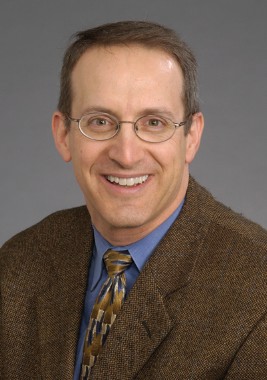
The researchers wanted to find out if academic physicians at Wake Forest University Baptist Medical Center, Winston-Salem, N.C., would be interested in participating in a clinic that would include dermatologists, plastic surgeons, and specialists in otolaryngology and ophthalmology. Dr. Feldman, professor of dermatology at Wake Forest, and his colleagues surveyed six faculty members – two plastic surgeons, an otolaryngologist (ENT), an ophthalmologist, a general dermatologist, and a dermatologic surgeon – to assess their interest, and to find out what they foresaw as possible pitfalls in such collaboration. Five of the respondents reported performing cosmetic procedures.
The survey included 7 multiple-choice opinion statements and 15 open-ended questions, which allowed the participants to freely express their thoughts.
On average, the respondents agreed that patients would benefit from such a clinic, that they would be willing to work at one, and that their involvement would be a wise investment.
They reported that they did feel market competition could be a problem and that the professional relationship among providers in such a clinic could be contentious.
Opinions on who should perform which procedure were stronger. The group strongly agreed that "Certain procedures should only be performed by board-certified members of [each] subspecialty." But there was strong disagreement that only specialists who develop certain procedures should be licensed to perform them, suggesting that teaching could be a vital part of a collaborative clinic.
Overall, the ENT and general dermatologist were most in favor of such a project. The dermatologic and plastic surgeons were least in favor. The overall score for supporting the idea was positive.
Respondents were more cautious on the idea of a successful collaboration. Again, the ENT and dermatologic surgeon had the most positive view on this, while the ophthalmologist and plastic surgeons were less enthusiastic. The overall collaboration score was neutral. Dr. Feldman and his associates said the combination of the two scores among all respondents was neutral.
Responses to open-ended questions were diverse, the investigators noted. The ENT said it would be important for major institutions to offer such a program, while the dermatologic surgeon stressed the teaching possibilities. The plastic surgeons expressed concern about clear definition of roles.
The ENT saw a potential pitfall: ego, fear of competition, jealousy, sharing of expenses, resources, and referrals. One plastic surgeon said a major problem would be "increasing competition for a defined group of patients. No other specialty is bringing anything to the table other than more patients than we already have."
The general dermatologist was more positive about the idea, citing the ability to increase patient care possibilities with high-reward cosmetic procedures, the opportunity for teaching residents, and the center’s ability to provide the ethical delivery of advice to patients interested in purchasing a cosmetic service.
In voicing other concerns about such a program, one plastic surgeon was skeptical. "Plastic surgery can do anything that other specialists can provide. [They are] self reliant." Working with physicians who don’t work at the same level or achieve the same results would be an issue, the surgeon noted. And since reputations would be linked, physicians would need to watch for "subpar standards."
Overall, the investigators concluded, "Academic physicians are interested in participating in a multidisciplinary cosmetic center. This survey, although small, helps to reveal potential pitfalls of such a center, which is an important step toward constructing a practice model that minimizes conflict between specialists and maximizes cooperation and collaboration, [and] ultimately optimizes patient care and outcomes."
None of the authors noted any financial conflicts.
NEW YORK – Can cosmetic dermatologists work with other specialists to create a multidisciplinary care clinic?
A pilot survey says it might just work – and that both physicians and patients could benefit from the arrangement, Dr. Steven R. Feldman and his colleagues reported in a poster presented at the American Academy of Dermatology’s Summer Academy Meeting.
The researchers wanted to find out if academic physicians at Wake Forest University Baptist Medical Center, Winston-Salem, N.C., would be interested in participating in a clinic that would include dermatologists, plastic surgeons, and specialists in otolaryngology and ophthalmology. Dr. Feldman, professor of dermatology at Wake Forest, and his colleagues surveyed six faculty members – two plastic surgeons, an otolaryngologist (ENT), an ophthalmologist, a general dermatologist, and a dermatologic surgeon – to assess their interest, and to find out what they foresaw as possible pitfalls in such collaboration. Five of the respondents reported performing cosmetic procedures.
The survey included 7 multiple-choice opinion statements and 15 open-ended questions, which allowed the participants to freely express their thoughts.
On average, the respondents agreed that patients would benefit from such a clinic, that they would be willing to work at one, and that their involvement would be a wise investment.
They reported that they did feel market competition could be a problem and that the professional relationship among providers in such a clinic could be contentious.
Opinions on who should perform which procedure were stronger. The group strongly agreed that "Certain procedures should only be performed by board-certified members of [each] subspecialty." But there was strong disagreement that only specialists who develop certain procedures should be licensed to perform them, suggesting that teaching could be a vital part of a collaborative clinic.
Overall, the ENT and general dermatologist were most in favor of such a project. The dermatologic and plastic surgeons were least in favor. The overall score for supporting the idea was positive.
Respondents were more cautious on the idea of a successful collaboration. Again, the ENT and dermatologic surgeon had the most positive view on this, while the ophthalmologist and plastic surgeons were less enthusiastic. The overall collaboration score was neutral. Dr. Feldman and his associates said the combination of the two scores among all respondents was neutral.
Responses to open-ended questions were diverse, the investigators noted. The ENT said it would be important for major institutions to offer such a program, while the dermatologic surgeon stressed the teaching possibilities. The plastic surgeons expressed concern about clear definition of roles.
The ENT saw a potential pitfall: ego, fear of competition, jealousy, sharing of expenses, resources, and referrals. One plastic surgeon said a major problem would be "increasing competition for a defined group of patients. No other specialty is bringing anything to the table other than more patients than we already have."
The general dermatologist was more positive about the idea, citing the ability to increase patient care possibilities with high-reward cosmetic procedures, the opportunity for teaching residents, and the center’s ability to provide the ethical delivery of advice to patients interested in purchasing a cosmetic service.
In voicing other concerns about such a program, one plastic surgeon was skeptical. "Plastic surgery can do anything that other specialists can provide. [They are] self reliant." Working with physicians who don’t work at the same level or achieve the same results would be an issue, the surgeon noted. And since reputations would be linked, physicians would need to watch for "subpar standards."
Overall, the investigators concluded, "Academic physicians are interested in participating in a multidisciplinary cosmetic center. This survey, although small, helps to reveal potential pitfalls of such a center, which is an important step toward constructing a practice model that minimizes conflict between specialists and maximizes cooperation and collaboration, [and] ultimately optimizes patient care and outcomes."
None of the authors noted any financial conflicts.
NEW YORK – Can cosmetic dermatologists work with other specialists to create a multidisciplinary care clinic?
A pilot survey says it might just work – and that both physicians and patients could benefit from the arrangement, Dr. Steven R. Feldman and his colleagues reported in a poster presented at the American Academy of Dermatology’s Summer Academy Meeting.
The researchers wanted to find out if academic physicians at Wake Forest University Baptist Medical Center, Winston-Salem, N.C., would be interested in participating in a clinic that would include dermatologists, plastic surgeons, and specialists in otolaryngology and ophthalmology. Dr. Feldman, professor of dermatology at Wake Forest, and his colleagues surveyed six faculty members – two plastic surgeons, an otolaryngologist (ENT), an ophthalmologist, a general dermatologist, and a dermatologic surgeon – to assess their interest, and to find out what they foresaw as possible pitfalls in such collaboration. Five of the respondents reported performing cosmetic procedures.
The survey included 7 multiple-choice opinion statements and 15 open-ended questions, which allowed the participants to freely express their thoughts.
On average, the respondents agreed that patients would benefit from such a clinic, that they would be willing to work at one, and that their involvement would be a wise investment.
They reported that they did feel market competition could be a problem and that the professional relationship among providers in such a clinic could be contentious.
Opinions on who should perform which procedure were stronger. The group strongly agreed that "Certain procedures should only be performed by board-certified members of [each] subspecialty." But there was strong disagreement that only specialists who develop certain procedures should be licensed to perform them, suggesting that teaching could be a vital part of a collaborative clinic.
Overall, the ENT and general dermatologist were most in favor of such a project. The dermatologic and plastic surgeons were least in favor. The overall score for supporting the idea was positive.
Respondents were more cautious on the idea of a successful collaboration. Again, the ENT and dermatologic surgeon had the most positive view on this, while the ophthalmologist and plastic surgeons were less enthusiastic. The overall collaboration score was neutral. Dr. Feldman and his associates said the combination of the two scores among all respondents was neutral.
Responses to open-ended questions were diverse, the investigators noted. The ENT said it would be important for major institutions to offer such a program, while the dermatologic surgeon stressed the teaching possibilities. The plastic surgeons expressed concern about clear definition of roles.
The ENT saw a potential pitfall: ego, fear of competition, jealousy, sharing of expenses, resources, and referrals. One plastic surgeon said a major problem would be "increasing competition for a defined group of patients. No other specialty is bringing anything to the table other than more patients than we already have."
The general dermatologist was more positive about the idea, citing the ability to increase patient care possibilities with high-reward cosmetic procedures, the opportunity for teaching residents, and the center’s ability to provide the ethical delivery of advice to patients interested in purchasing a cosmetic service.
In voicing other concerns about such a program, one plastic surgeon was skeptical. "Plastic surgery can do anything that other specialists can provide. [They are] self reliant." Working with physicians who don’t work at the same level or achieve the same results would be an issue, the surgeon noted. And since reputations would be linked, physicians would need to watch for "subpar standards."
Overall, the investigators concluded, "Academic physicians are interested in participating in a multidisciplinary cosmetic center. This survey, although small, helps to reveal potential pitfalls of such a center, which is an important step toward constructing a practice model that minimizes conflict between specialists and maximizes cooperation and collaboration, [and] ultimately optimizes patient care and outcomes."
None of the authors noted any financial conflicts.
FROM THE AMERICAN ACADEMY OF DERMATOLOGY'S SUMMER ACADEMY MEETING
Major Finding: Specialists could work together in a collaborative clinic that would combine general dermatology, dermatologic and plastic surgery, otolaryngology, and ophthalmology.
Data Source: A pilot survey of six specialists.
Disclosures: None of the authors reported any financial conflict.
Cognitive Measures, Not Biomarkers, Predict MCI Conversion
Compared to biomarkers, functional and cognitive measures seem to better predict conversion from mild cognitive impairment to Alzheimer’s disease.
A decline on the Functional Assessment Questionnaire and the Trail Making Test, part B, was significantly more accurate in predicting 12-month conversion than were any of the biomarkers assessed in a subanalysis of the Alzheimer’s Disease Neuroimaging Initiative (ADNI), according to Jesus Gomar, Ph.D., and his colleagues. Their report was published in the September issue of Archives of General Psychiatry.
Functional and cognitive changes might be more useful than biomarkers at predicting conversion, because they are the ones upon which the diagnosis of Alzheimer’s is based, wrote Dr. Gomar of Centro de Investigation Biomedica en Red de Salud Mental, Barcelona, and his coauthors.
The finding suggests that diagnostic conversion reflects not so much a physical progression of disease as a large functional decline, the investigators noted.
"Different biomarkers and behavioral markers may have differentially predictive values at different times in disease progression," the authors wrote. "That is, biomarkers are dynamic and they will vary in their informativeness depending on when they are measured. ... They may be most informative in the very early prodromal stages, a perspective that has been incorporated into proposed diagnosis criteria for preclinical [Alzheimer’s]" (Arch. Gen. Psych. 2011;68:961-9).
The substudy included 517 subjects who were studied over a 2-year period: 204 with mild cognitive impairment (MCI) who did not convert to AD, 116 with MCI who did convert, and 197 controls.
There was not a significant age difference between the groups. However, there were some significant baseline differences in function and cognitive status, including the Mini Mental State Exam (MMSE), the Clinical Dementia Rating (CDR) sum of boxes score, and the Functional Assessment Questionnaire (FAQ).
For all of these measures, nonconverters scored significantly worse at baseline than did converters. The mean MMSE score was 27.3 for nonconverters vs. 26.6 for converters. The mean CDR score was 1.46 in nonconverters vs. 1.84 in converters. And the mean FAQ score was 2.72 in nonconverters vs. 5.76 in converters.
Also, a significant difference was found in the prevalence of the apolipoprotein epsilon 4, the genetic variant that confers an increased risk of Alzheimer’s. Among the nonconverters, 45% carried the gene, compared with 66% of those who converted.
The study also assessed numerous biomarkers, including whole brain, ventricle, temporal and hippocampal volume; cortical thickness at different brain regions; and the tau /Ab42 ratio in cerebrospinal fluid. The nonconverters and converters had significantly different measures on all of these areas.
However, in a multivariate logistic regression model, only three measures were significantly associated with conversion over a 2-year period: delayed logistical memory, delayed auditory verbal learning recall, and left middle temporal lobe cortical thickness. Taken together, the positive predictive value of the markers was 65%, and the negative predictive value, 75%.
"In effect, it appeared to us that many MCI patients may already have met cognitive criteria for AD, and the diagnostic trigger had little to do with a shift in the disease trajectory," the authors said. "In addition to this possibility, we suggest that a second smaller factor in conversion may reflect compromises in executive and cognitive control functions that reduce compensatory potential."
When examining conversion within 12 months, only two cognitive factors were significantly associated with 12-month progression: The baseline- to 12-month FAQ difference score and the baseline- to 12-month Trails B score.
"Remarkably, they accounted for nearly 50% of the predictive variance," the authors said. For this combination, the area under the curve was 0.85, with a specificity of 93% and a sensitivity of 52%.
Dr. Gomar reported no financial conflicts. Two other study authors reported financial relationships with Merck, GlaxoSmithKline, and Applied Neurosciences. The ADNI substudy was sponsored by the Litwin0Zucker Alzheimer’s Center and the Instituto de Salud Carlos III.
Compared to biomarkers, functional and cognitive measures seem to better predict conversion from mild cognitive impairment to Alzheimer’s disease.
A decline on the Functional Assessment Questionnaire and the Trail Making Test, part B, was significantly more accurate in predicting 12-month conversion than were any of the biomarkers assessed in a subanalysis of the Alzheimer’s Disease Neuroimaging Initiative (ADNI), according to Jesus Gomar, Ph.D., and his colleagues. Their report was published in the September issue of Archives of General Psychiatry.
Functional and cognitive changes might be more useful than biomarkers at predicting conversion, because they are the ones upon which the diagnosis of Alzheimer’s is based, wrote Dr. Gomar of Centro de Investigation Biomedica en Red de Salud Mental, Barcelona, and his coauthors.
The finding suggests that diagnostic conversion reflects not so much a physical progression of disease as a large functional decline, the investigators noted.
"Different biomarkers and behavioral markers may have differentially predictive values at different times in disease progression," the authors wrote. "That is, biomarkers are dynamic and they will vary in their informativeness depending on when they are measured. ... They may be most informative in the very early prodromal stages, a perspective that has been incorporated into proposed diagnosis criteria for preclinical [Alzheimer’s]" (Arch. Gen. Psych. 2011;68:961-9).
The substudy included 517 subjects who were studied over a 2-year period: 204 with mild cognitive impairment (MCI) who did not convert to AD, 116 with MCI who did convert, and 197 controls.
There was not a significant age difference between the groups. However, there were some significant baseline differences in function and cognitive status, including the Mini Mental State Exam (MMSE), the Clinical Dementia Rating (CDR) sum of boxes score, and the Functional Assessment Questionnaire (FAQ).
For all of these measures, nonconverters scored significantly worse at baseline than did converters. The mean MMSE score was 27.3 for nonconverters vs. 26.6 for converters. The mean CDR score was 1.46 in nonconverters vs. 1.84 in converters. And the mean FAQ score was 2.72 in nonconverters vs. 5.76 in converters.
Also, a significant difference was found in the prevalence of the apolipoprotein epsilon 4, the genetic variant that confers an increased risk of Alzheimer’s. Among the nonconverters, 45% carried the gene, compared with 66% of those who converted.
The study also assessed numerous biomarkers, including whole brain, ventricle, temporal and hippocampal volume; cortical thickness at different brain regions; and the tau /Ab42 ratio in cerebrospinal fluid. The nonconverters and converters had significantly different measures on all of these areas.
However, in a multivariate logistic regression model, only three measures were significantly associated with conversion over a 2-year period: delayed logistical memory, delayed auditory verbal learning recall, and left middle temporal lobe cortical thickness. Taken together, the positive predictive value of the markers was 65%, and the negative predictive value, 75%.
"In effect, it appeared to us that many MCI patients may already have met cognitive criteria for AD, and the diagnostic trigger had little to do with a shift in the disease trajectory," the authors said. "In addition to this possibility, we suggest that a second smaller factor in conversion may reflect compromises in executive and cognitive control functions that reduce compensatory potential."
When examining conversion within 12 months, only two cognitive factors were significantly associated with 12-month progression: The baseline- to 12-month FAQ difference score and the baseline- to 12-month Trails B score.
"Remarkably, they accounted for nearly 50% of the predictive variance," the authors said. For this combination, the area under the curve was 0.85, with a specificity of 93% and a sensitivity of 52%.
Dr. Gomar reported no financial conflicts. Two other study authors reported financial relationships with Merck, GlaxoSmithKline, and Applied Neurosciences. The ADNI substudy was sponsored by the Litwin0Zucker Alzheimer’s Center and the Instituto de Salud Carlos III.
Compared to biomarkers, functional and cognitive measures seem to better predict conversion from mild cognitive impairment to Alzheimer’s disease.
A decline on the Functional Assessment Questionnaire and the Trail Making Test, part B, was significantly more accurate in predicting 12-month conversion than were any of the biomarkers assessed in a subanalysis of the Alzheimer’s Disease Neuroimaging Initiative (ADNI), according to Jesus Gomar, Ph.D., and his colleagues. Their report was published in the September issue of Archives of General Psychiatry.
Functional and cognitive changes might be more useful than biomarkers at predicting conversion, because they are the ones upon which the diagnosis of Alzheimer’s is based, wrote Dr. Gomar of Centro de Investigation Biomedica en Red de Salud Mental, Barcelona, and his coauthors.
The finding suggests that diagnostic conversion reflects not so much a physical progression of disease as a large functional decline, the investigators noted.
"Different biomarkers and behavioral markers may have differentially predictive values at different times in disease progression," the authors wrote. "That is, biomarkers are dynamic and they will vary in their informativeness depending on when they are measured. ... They may be most informative in the very early prodromal stages, a perspective that has been incorporated into proposed diagnosis criteria for preclinical [Alzheimer’s]" (Arch. Gen. Psych. 2011;68:961-9).
The substudy included 517 subjects who were studied over a 2-year period: 204 with mild cognitive impairment (MCI) who did not convert to AD, 116 with MCI who did convert, and 197 controls.
There was not a significant age difference between the groups. However, there were some significant baseline differences in function and cognitive status, including the Mini Mental State Exam (MMSE), the Clinical Dementia Rating (CDR) sum of boxes score, and the Functional Assessment Questionnaire (FAQ).
For all of these measures, nonconverters scored significantly worse at baseline than did converters. The mean MMSE score was 27.3 for nonconverters vs. 26.6 for converters. The mean CDR score was 1.46 in nonconverters vs. 1.84 in converters. And the mean FAQ score was 2.72 in nonconverters vs. 5.76 in converters.
Also, a significant difference was found in the prevalence of the apolipoprotein epsilon 4, the genetic variant that confers an increased risk of Alzheimer’s. Among the nonconverters, 45% carried the gene, compared with 66% of those who converted.
The study also assessed numerous biomarkers, including whole brain, ventricle, temporal and hippocampal volume; cortical thickness at different brain regions; and the tau /Ab42 ratio in cerebrospinal fluid. The nonconverters and converters had significantly different measures on all of these areas.
However, in a multivariate logistic regression model, only three measures were significantly associated with conversion over a 2-year period: delayed logistical memory, delayed auditory verbal learning recall, and left middle temporal lobe cortical thickness. Taken together, the positive predictive value of the markers was 65%, and the negative predictive value, 75%.
"In effect, it appeared to us that many MCI patients may already have met cognitive criteria for AD, and the diagnostic trigger had little to do with a shift in the disease trajectory," the authors said. "In addition to this possibility, we suggest that a second smaller factor in conversion may reflect compromises in executive and cognitive control functions that reduce compensatory potential."
When examining conversion within 12 months, only two cognitive factors were significantly associated with 12-month progression: The baseline- to 12-month FAQ difference score and the baseline- to 12-month Trails B score.
"Remarkably, they accounted for nearly 50% of the predictive variance," the authors said. For this combination, the area under the curve was 0.85, with a specificity of 93% and a sensitivity of 52%.
Dr. Gomar reported no financial conflicts. Two other study authors reported financial relationships with Merck, GlaxoSmithKline, and Applied Neurosciences. The ADNI substudy was sponsored by the Litwin0Zucker Alzheimer’s Center and the Instituto de Salud Carlos III.
FROM ARCHIVES OF GENERAL PSYCHIATRY
Major Finding: Two cognitive measures significantly predicted 1-year conversion from mild cognitive impairment to Alzheimer’s disease, while no biomarker significantly predicted this change.
Data Source: A 517-subject subanalysis of the Alzheimer’s Disease Neuroimaging Initiative.
Disclosures: Dr. Gomar reported no financial conflicts. Two other study authors reported financial relationships with Merck, GlaxoSmithKline, and Applied Neurosciences. The ADNI substudy was sponsored by the Litwin0Zucker Alzheimer’s Center and the Instituto de Salud Carlos III.
Hyaluronic Acid Confers Long-Standing Pain Relief in Knee OA
Repeated intra-articular injections of hyaluronic acid appear to lessen pain and improve function in knee osteoarthritis between treatment cycles, and for up to a year later.
The 40-month AMELIA (Osteoarthritis Modifying Effects of Long-Term Intra-Articular Adant) project found that, compared to those getting saline as a placebo injection, patients who got the treatment were 22% more likely to experience a clinical response – a 50% or greater improvement in pain or function (80% vs. 66%; risk ratio 1.22).
However, wrote Dr. Federico Navarro-Sarabia and his colleagues, the study could not determine why the improvement persisted as long as it did after treatments stopped. "In this regard, it is not possible to establish whether this carry-over effect reflects a true disease remission or just a modification of the natural course of the disease," the investigators wrote. The report was published online Aug. 17 in Annals of the Rheumatic Diseases.
AMELIA comprised 306 patients with knee osteoarthritis. They were randomized to four cycles of five weekly injections. The treatment groups received 2.5 mL 1% sodium hyaluronate derived from Streptococcus zooepidemicus. The placebo group received saline injections. Patients and evaluators were both blinded to the treatments by using a blinded evaluator and an unblended investigator to administer the injections.
Follow-up occurred during the 6 months after cycles 1 and 2; and 1 year after cycles 3 and 4. Patients were allowed to use aspirin or paracetamol, and short durations of nonsteroidal anti-inflammatories. "However, for 24 h and 1 week before efficacy evaluation, patients were required to abstain from any paracetamol or NSAID, respectively," the researchers wrote (Ann. Rheum. Dis. 2011 Aug. 17 [doi: 10.1136/ard.2011.152017). No corticosteroid injections were allowed in the treated knee throughout the entire study.
The patients were mostly women (87%), with a mean age of 63 years. The mean body mass index was 28 kg/m2. The mean duration of knee osteoarthritis was 7.5 years. End-stage disease was not included and the mean joint space width of the medial tibiofemoral compartment was 3.5 mm.
Of the 306 randomized, 109 in the treatment group and 94 in the placebo group completed the entire study. In the treatment group, discontinuation was due to lack of efficacy (8), patient decision (12), adverse events (12), and investigator decision (1). The rest were lost to follow-up or left for other reasons. In the placebo group, reasons were lack of efficacy (19), patient decision (13), adverse events (16), and investigator decision (1). The rest were lost to follow-up or left for other reasons. Outcomes were assessed in an intent-to-treat analysis.
At the end of the 40-month study period, 22% more treated patients than placebo patients were judged responders according to the Osteoarthritis Research Society International 2004 criteria – a significant difference.
However, the number of responders in the treatment group progressively increased after each cycle, from 71% after the first cycle to 80% after the last cycle. Response rates in the placebo group remained stable throughout the study (68% after the first cycle and 66% after the last cycle).
The chances of response seemed to increase as the study progressed, the authors noted. Among the nonresponders in the treatment group, 54% became responders later on. Similarly, 38% of the nonresponders in the placebo group eventually became responders.
The high placebo response is not an unusual finding in osteoarthritis trials, said Dr. Navarro-Sarabi of Hospital Universitario Virgen Macarena, Seville, Spain, and coauthors.
"In AMELIA, however, the success of the study was in fact accentuated by the high placebo efficacy detected, making the results found [80% vs. 68%] even more clinically meaningful and remarkable."
Most of the patients (71% of each group) used either an NSAID or paracetamol as a rescue medication during the study. Among the 48% who took paracetamol over the study’s course, the mean daily dose declined by 27% in the treatment group and 4% in the placebo group.
Twenty-nine adverse events occurred (15 in the treatment group and 14 in the placebo group), among 22 patients (11 in each group). These included allergic reaction (three in each treatment group), bleeding and pain at the injection site, arthralgia, and other events.
The study was supported by Tedec Meiji Farma SA. Dr. Navarro-Sarabia and coauthors received research funds from the company as study investigators. Two coauthors are Tedec Meiji Farma SA employees.
I think this is a valuable study. It adds important information on the use of hyaluronic acid injections for osteoarthritis of the knee.
First, under controlled conditions with a saline control parallel group, a series of four courses of repeat series of injections can provide significantly greater benefit than in the control group.
|
|
Second, that the repeat series of injections were safe with this bacteria-derived product; there was no increase in adverse events.
Third – which is new finding to my knowledge – is that there is a subset of patients who don’t respond to the initial series of injections but who did respond to repeat series of injections.
Fourth – this is the first controlled study to my knowledge that has demonstrated benefit lasting for at least a year following the repeated series of injections.
Statistically, they used the OMERACT-OARSI responder criteria, a robust technique that separates responders and nonresponders.
This is the kind of study that reinforces the way I practice and may even change it. If I have someone with only a borderline response to the first injections, I now might give it a second try.
One thing I do question is the dropout rate. With a dropout rate of 27% in the treatment group and 39% in the saline group, you wonder if the significance of the findings would change if they had completed the trial.
Dr. Roy Altman is professor of rheumatology and immunology at the University of California, Los Angeles. He reported having no financial relationship to disclose relevant to Adant. Dr. Altman said that he consults for Ferring, Fidia, Novozyme, and Smith & Nephew/Q-Med, all of which make other hyaluronic acid products.
I think this is a valuable study. It adds important information on the use of hyaluronic acid injections for osteoarthritis of the knee.
First, under controlled conditions with a saline control parallel group, a series of four courses of repeat series of injections can provide significantly greater benefit than in the control group.
|
|
|
Second, that the repeat series of injections were safe with this bacteria-derived product; there was no increase in adverse events.
Third – which is new finding to my knowledge – is that there is a subset of patients who don’t respond to the initial series of injections but who did respond to repeat series of injections.
Fourth – this is the first controlled study to my knowledge that has demonstrated benefit lasting for at least a year following the repeated series of injections.
Statistically, they used the OMERACT-OARSI responder criteria, a robust technique that separates responders and nonresponders.
This is the kind of study that reinforces the way I practice and may even change it. If I have someone with only a borderline response to the first injections, I now might give it a second try.
One thing I do question is the dropout rate. With a dropout rate of 27% in the treatment group and 39% in the saline group, you wonder if the significance of the findings would change if they had completed the trial.
Dr. Roy Altman is professor of rheumatology and immunology at the University of California, Los Angeles. He reported having no financial relationship to disclose relevant to Adant. Dr. Altman said that he consults for Ferring, Fidia, Novozyme, and Smith & Nephew/Q-Med, all of which make other hyaluronic acid products.
I think this is a valuable study. It adds important information on the use of hyaluronic acid injections for osteoarthritis of the knee.
First, under controlled conditions with a saline control parallel group, a series of four courses of repeat series of injections can provide significantly greater benefit than in the control group.
|
|
|
Second, that the repeat series of injections were safe with this bacteria-derived product; there was no increase in adverse events.
Third – which is new finding to my knowledge – is that there is a subset of patients who don’t respond to the initial series of injections but who did respond to repeat series of injections.
Fourth – this is the first controlled study to my knowledge that has demonstrated benefit lasting for at least a year following the repeated series of injections.
Statistically, they used the OMERACT-OARSI responder criteria, a robust technique that separates responders and nonresponders.
This is the kind of study that reinforces the way I practice and may even change it. If I have someone with only a borderline response to the first injections, I now might give it a second try.
One thing I do question is the dropout rate. With a dropout rate of 27% in the treatment group and 39% in the saline group, you wonder if the significance of the findings would change if they had completed the trial.
Dr. Roy Altman is professor of rheumatology and immunology at the University of California, Los Angeles. He reported having no financial relationship to disclose relevant to Adant. Dr. Altman said that he consults for Ferring, Fidia, Novozyme, and Smith & Nephew/Q-Med, all of which make other hyaluronic acid products.
Repeated intra-articular injections of hyaluronic acid appear to lessen pain and improve function in knee osteoarthritis between treatment cycles, and for up to a year later.
The 40-month AMELIA (Osteoarthritis Modifying Effects of Long-Term Intra-Articular Adant) project found that, compared to those getting saline as a placebo injection, patients who got the treatment were 22% more likely to experience a clinical response – a 50% or greater improvement in pain or function (80% vs. 66%; risk ratio 1.22).
However, wrote Dr. Federico Navarro-Sarabia and his colleagues, the study could not determine why the improvement persisted as long as it did after treatments stopped. "In this regard, it is not possible to establish whether this carry-over effect reflects a true disease remission or just a modification of the natural course of the disease," the investigators wrote. The report was published online Aug. 17 in Annals of the Rheumatic Diseases.
AMELIA comprised 306 patients with knee osteoarthritis. They were randomized to four cycles of five weekly injections. The treatment groups received 2.5 mL 1% sodium hyaluronate derived from Streptococcus zooepidemicus. The placebo group received saline injections. Patients and evaluators were both blinded to the treatments by using a blinded evaluator and an unblended investigator to administer the injections.
Follow-up occurred during the 6 months after cycles 1 and 2; and 1 year after cycles 3 and 4. Patients were allowed to use aspirin or paracetamol, and short durations of nonsteroidal anti-inflammatories. "However, for 24 h and 1 week before efficacy evaluation, patients were required to abstain from any paracetamol or NSAID, respectively," the researchers wrote (Ann. Rheum. Dis. 2011 Aug. 17 [doi: 10.1136/ard.2011.152017). No corticosteroid injections were allowed in the treated knee throughout the entire study.
The patients were mostly women (87%), with a mean age of 63 years. The mean body mass index was 28 kg/m2. The mean duration of knee osteoarthritis was 7.5 years. End-stage disease was not included and the mean joint space width of the medial tibiofemoral compartment was 3.5 mm.
Of the 306 randomized, 109 in the treatment group and 94 in the placebo group completed the entire study. In the treatment group, discontinuation was due to lack of efficacy (8), patient decision (12), adverse events (12), and investigator decision (1). The rest were lost to follow-up or left for other reasons. In the placebo group, reasons were lack of efficacy (19), patient decision (13), adverse events (16), and investigator decision (1). The rest were lost to follow-up or left for other reasons. Outcomes were assessed in an intent-to-treat analysis.
At the end of the 40-month study period, 22% more treated patients than placebo patients were judged responders according to the Osteoarthritis Research Society International 2004 criteria – a significant difference.
However, the number of responders in the treatment group progressively increased after each cycle, from 71% after the first cycle to 80% after the last cycle. Response rates in the placebo group remained stable throughout the study (68% after the first cycle and 66% after the last cycle).
The chances of response seemed to increase as the study progressed, the authors noted. Among the nonresponders in the treatment group, 54% became responders later on. Similarly, 38% of the nonresponders in the placebo group eventually became responders.
The high placebo response is not an unusual finding in osteoarthritis trials, said Dr. Navarro-Sarabi of Hospital Universitario Virgen Macarena, Seville, Spain, and coauthors.
"In AMELIA, however, the success of the study was in fact accentuated by the high placebo efficacy detected, making the results found [80% vs. 68%] even more clinically meaningful and remarkable."
Most of the patients (71% of each group) used either an NSAID or paracetamol as a rescue medication during the study. Among the 48% who took paracetamol over the study’s course, the mean daily dose declined by 27% in the treatment group and 4% in the placebo group.
Twenty-nine adverse events occurred (15 in the treatment group and 14 in the placebo group), among 22 patients (11 in each group). These included allergic reaction (three in each treatment group), bleeding and pain at the injection site, arthralgia, and other events.
The study was supported by Tedec Meiji Farma SA. Dr. Navarro-Sarabia and coauthors received research funds from the company as study investigators. Two coauthors are Tedec Meiji Farma SA employees.
Repeated intra-articular injections of hyaluronic acid appear to lessen pain and improve function in knee osteoarthritis between treatment cycles, and for up to a year later.
The 40-month AMELIA (Osteoarthritis Modifying Effects of Long-Term Intra-Articular Adant) project found that, compared to those getting saline as a placebo injection, patients who got the treatment were 22% more likely to experience a clinical response – a 50% or greater improvement in pain or function (80% vs. 66%; risk ratio 1.22).
However, wrote Dr. Federico Navarro-Sarabia and his colleagues, the study could not determine why the improvement persisted as long as it did after treatments stopped. "In this regard, it is not possible to establish whether this carry-over effect reflects a true disease remission or just a modification of the natural course of the disease," the investigators wrote. The report was published online Aug. 17 in Annals of the Rheumatic Diseases.
AMELIA comprised 306 patients with knee osteoarthritis. They were randomized to four cycles of five weekly injections. The treatment groups received 2.5 mL 1% sodium hyaluronate derived from Streptococcus zooepidemicus. The placebo group received saline injections. Patients and evaluators were both blinded to the treatments by using a blinded evaluator and an unblended investigator to administer the injections.
Follow-up occurred during the 6 months after cycles 1 and 2; and 1 year after cycles 3 and 4. Patients were allowed to use aspirin or paracetamol, and short durations of nonsteroidal anti-inflammatories. "However, for 24 h and 1 week before efficacy evaluation, patients were required to abstain from any paracetamol or NSAID, respectively," the researchers wrote (Ann. Rheum. Dis. 2011 Aug. 17 [doi: 10.1136/ard.2011.152017). No corticosteroid injections were allowed in the treated knee throughout the entire study.
The patients were mostly women (87%), with a mean age of 63 years. The mean body mass index was 28 kg/m2. The mean duration of knee osteoarthritis was 7.5 years. End-stage disease was not included and the mean joint space width of the medial tibiofemoral compartment was 3.5 mm.
Of the 306 randomized, 109 in the treatment group and 94 in the placebo group completed the entire study. In the treatment group, discontinuation was due to lack of efficacy (8), patient decision (12), adverse events (12), and investigator decision (1). The rest were lost to follow-up or left for other reasons. In the placebo group, reasons were lack of efficacy (19), patient decision (13), adverse events (16), and investigator decision (1). The rest were lost to follow-up or left for other reasons. Outcomes were assessed in an intent-to-treat analysis.
At the end of the 40-month study period, 22% more treated patients than placebo patients were judged responders according to the Osteoarthritis Research Society International 2004 criteria – a significant difference.
However, the number of responders in the treatment group progressively increased after each cycle, from 71% after the first cycle to 80% after the last cycle. Response rates in the placebo group remained stable throughout the study (68% after the first cycle and 66% after the last cycle).
The chances of response seemed to increase as the study progressed, the authors noted. Among the nonresponders in the treatment group, 54% became responders later on. Similarly, 38% of the nonresponders in the placebo group eventually became responders.
The high placebo response is not an unusual finding in osteoarthritis trials, said Dr. Navarro-Sarabi of Hospital Universitario Virgen Macarena, Seville, Spain, and coauthors.
"In AMELIA, however, the success of the study was in fact accentuated by the high placebo efficacy detected, making the results found [80% vs. 68%] even more clinically meaningful and remarkable."
Most of the patients (71% of each group) used either an NSAID or paracetamol as a rescue medication during the study. Among the 48% who took paracetamol over the study’s course, the mean daily dose declined by 27% in the treatment group and 4% in the placebo group.
Twenty-nine adverse events occurred (15 in the treatment group and 14 in the placebo group), among 22 patients (11 in each group). These included allergic reaction (three in each treatment group), bleeding and pain at the injection site, arthralgia, and other events.
The study was supported by Tedec Meiji Farma SA. Dr. Navarro-Sarabia and coauthors received research funds from the company as study investigators. Two coauthors are Tedec Meiji Farma SA employees.
FROM ANNALS OF THE RHEUMATIC DISEASES
Major Finding: Compared with saline injections, hyaluronic injections eased pain and improved function in 22% more patients.
Data Source: A double-blinded randomized controlled trial of 306 patients with knee osteoarthritis.
Disclosures: The study was supported by Tedec Meiji Farma SA. Dr. Navarro-Sarabia and coauthors received research funds from the company as study investigators. Two coauthors are Tedec Meiji Farma SA employees.
Post-Anthrax Public Health Advances Threatened
In 2001, a bioattack of weaponized anthrax galvanized America’s public health care force to create a new model of emergency health response.
In ensuing years, those newly acquired skills were honed into robust emergency plans that have safeguarded millions during pandemic influenza, SARS, and even natural disasters.
But in 2011, those most intimately involved with that public health evolution fear that human complacency and political myopia might dull that invaluable edge.

A new report by the Trust for American’s Health and Robert Wood Johnson Foundation reflects on lessons learned from the anthrax incident. The report is replete with the personal stories of those who grappled with the unthinkable – a biological bombshell with the potential to kill indiscriminately and completely overwhelm an unprepared health care system.
Ironically, today’s greatly improved emergency preparedness could be a victim of its own success. As newly strengthened systems successfully shepherd the country through current public health issues, some observers warn, citizens and politicians tend to forget the struggles of the past – and to forget the importance of continued research, process improvement, and financial support.
"The biggest threat to bioterrorism preparedness today is complacency," Dr. Anthony Fauci, director of the National Institute of Allergy and Infectious Diseases (NIAID), wrote in the paper. "If a health threat does not happen ... we tend to make it a lower priority. The worst thing we can do is to make something a priority after it happens. After it happens is too late; you are playing catch-up."
On Oct. 2, 2001, as the country was still reeling from the Sept. 11 attacks, a Florida man was diagnosed with inhalation anthrax. The case was supposedly isolated, the U.S. Department of Health and Human Services determined, with the infection contracted during a camping trip.
But a few days later, officials from the Centers for Disease Control and Prevention found anthrax spores on the patient’s computer keyboard at work. At that point, it was obvious that the infection had come from an intentional anthrax release, CDC officials said in the report.
About 2 weeks later, Sen. Tom Daschle’s (D-S.D.) office received an anthrax-laced letter. By the middle of November, 22 anthrax cases had been diagnosed; five people died from the disease.
From a public health perspective, the anthrax incident was a classic case of on-the-job training, Dr. Fauci said in the report. Although federal public health officials had discussed the prospect of bioterrorism, it was still something of an abstract concept in 2001.
"The attacks were really a wake-up call," he wrote. "We did not have a clear public health response system in place for handling unexpected public health emergencies."
With the anthrax releases coming on the heels of 9/11, the country experienced "gripping fear" over what might come next. There was no time for hand-wringing, however, he said.
"I would describe the overall response as a ‘leaping into action’ on the part of scientists and public health officials," Dr. Fauci explained. "We quickly brought together leading scientific experts and developed two important paths forward" – the NIAID’s Strategic Plan for Plan for Biodefense Research and Biodefense Research Agenda. Those initiatives were developed within 5 months after the anthrax attacks, he added, and became the starting points for later updates and progress reports.
After being thrust into the age of bioterrorism, federal and local health officials saw an urgent need to beef up emergency response plans. NIAID led the way, Dr. Fauci said. "We understood that anthrax would not be the end of the story – that preparedness and development of biomedical countermeasures should not stop with anthrax."
Ultimately, he said, attacks intended to paralyze a country with fear ended up strengthening public health networks all over the United States.
"The response to the anthrax attacks morphed into a much broader effort that encompassed not only preparedness for anthrax and other potential deliberate biothreats, but also for naturally emerging and re-emerging infectious diseases that threaten both public health and national security," Dr. Fauci said. "Through the anthrax response, we built both a physical and an intellectual infrastructure that can be used to respond to a broad range of emerging threats."
Initially, the report’s authors said, the federal government stepped forward with cash and patriotism-fueled political will. Improvements included preparedness planning and coordination; support for public health labs and vaccine manufacturing; heightened surveillance and communication; increased public health staff; and expanding surge capacity at health care facilities. The Strategic National Stockpile of medications and emergency supplies also got a post-2001 boost.
But the report concluded that gaps in preparedness still remain.
"The United State often takes a Band-Aid approach to public health preparedness," the paper stated. "As new emergencies and concerns emerge and attention shifts, it often means that resources are diverted from one pressing priority to another, leaving other ongoing areas unaddressed."
Among the ongoing concerns:
• A large-scale emergency would still overwhelm the national health care system; more attention should be directed toward developing alternative care systems.
• The country still lacks an integrated national approach to surveillance, with no consistency in collecting and reporting local findings.
• Despite success in rapidly developing the H1N1 flu vaccine, the country needs to partner with manufacturers to rev up production of antiviral medications, diagnostic equipment, and vaccines.
• A current shortage of health care workers, projected to become more severe as experienced staff approaches retirement, threatens to impair research, care, and emergency response. That is linked to funding issues – in the past 2 years, there has been a 15% reduction in public health staff across the country.
• National and local budget cuts continue to impede – and even jeopardize – emergency preparedness efforts. According to the Center on Budget and Policy Priorities, states are down $425 billion in public health funding since 2009.
Mr. Daschle, whose office was one of the anthrax targets, spoke to this issue in the document. "It is essential that the Congress provide all of the necessary funding for research and development of appropriate counter-bioterrorism measures," he wrote.
If the federal government lets its financial commitment to emergency preparedness slip now, the paper concluded, the country could lose much of what has been gained since 2001.
"The current economic climate and budget cuts at the federal, state, and local levels mean that the progress made over the past decade could be lost," the report’s authors stated. "Until public health emergency preparedness receives sufficient, sustained funding, Americans will continue to be needlessly at risk for a range of public health threats."
The Robert Wood Johnson Foundation funded the report.
In 2001, a bioattack of weaponized anthrax galvanized America’s public health care force to create a new model of emergency health response.
In ensuing years, those newly acquired skills were honed into robust emergency plans that have safeguarded millions during pandemic influenza, SARS, and even natural disasters.
But in 2011, those most intimately involved with that public health evolution fear that human complacency and political myopia might dull that invaluable edge.
A new report by the Trust for American’s Health and Robert Wood Johnson Foundation reflects on lessons learned from the anthrax incident. The report is replete with the personal stories of those who grappled with the unthinkable – a biological bombshell with the potential to kill indiscriminately and completely overwhelm an unprepared health care system.
Ironically, today’s greatly improved emergency preparedness could be a victim of its own success. As newly strengthened systems successfully shepherd the country through current public health issues, some observers warn, citizens and politicians tend to forget the struggles of the past – and to forget the importance of continued research, process improvement, and financial support.
"The biggest threat to bioterrorism preparedness today is complacency," Dr. Anthony Fauci, director of the National Institute of Allergy and Infectious Diseases (NIAID), wrote in the paper. "If a health threat does not happen ... we tend to make it a lower priority. The worst thing we can do is to make something a priority after it happens. After it happens is too late; you are playing catch-up."
On Oct. 2, 2001, as the country was still reeling from the Sept. 11 attacks, a Florida man was diagnosed with inhalation anthrax. The case was supposedly isolated, the U.S. Department of Health and Human Services determined, with the infection contracted during a camping trip.
But a few days later, officials from the Centers for Disease Control and Prevention found anthrax spores on the patient’s computer keyboard at work. At that point, it was obvious that the infection had come from an intentional anthrax release, CDC officials said in the report.
About 2 weeks later, Sen. Tom Daschle’s (D-S.D.) office received an anthrax-laced letter. By the middle of November, 22 anthrax cases had been diagnosed; five people died from the disease.
From a public health perspective, the anthrax incident was a classic case of on-the-job training, Dr. Fauci said in the report. Although federal public health officials had discussed the prospect of bioterrorism, it was still something of an abstract concept in 2001.
"The attacks were really a wake-up call," he wrote. "We did not have a clear public health response system in place for handling unexpected public health emergencies."
With the anthrax releases coming on the heels of 9/11, the country experienced "gripping fear" over what might come next. There was no time for hand-wringing, however, he said.
"I would describe the overall response as a ‘leaping into action’ on the part of scientists and public health officials," Dr. Fauci explained. "We quickly brought together leading scientific experts and developed two important paths forward" – the NIAID’s Strategic Plan for Plan for Biodefense Research and Biodefense Research Agenda. Those initiatives were developed within 5 months after the anthrax attacks, he added, and became the starting points for later updates and progress reports.
After being thrust into the age of bioterrorism, federal and local health officials saw an urgent need to beef up emergency response plans. NIAID led the way, Dr. Fauci said. "We understood that anthrax would not be the end of the story – that preparedness and development of biomedical countermeasures should not stop with anthrax."
Ultimately, he said, attacks intended to paralyze a country with fear ended up strengthening public health networks all over the United States.
"The response to the anthrax attacks morphed into a much broader effort that encompassed not only preparedness for anthrax and other potential deliberate biothreats, but also for naturally emerging and re-emerging infectious diseases that threaten both public health and national security," Dr. Fauci said. "Through the anthrax response, we built both a physical and an intellectual infrastructure that can be used to respond to a broad range of emerging threats."
Initially, the report’s authors said, the federal government stepped forward with cash and patriotism-fueled political will. Improvements included preparedness planning and coordination; support for public health labs and vaccine manufacturing; heightened surveillance and communication; increased public health staff; and expanding surge capacity at health care facilities. The Strategic National Stockpile of medications and emergency supplies also got a post-2001 boost.
But the report concluded that gaps in preparedness still remain.
"The United State often takes a Band-Aid approach to public health preparedness," the paper stated. "As new emergencies and concerns emerge and attention shifts, it often means that resources are diverted from one pressing priority to another, leaving other ongoing areas unaddressed."
Among the ongoing concerns:
• A large-scale emergency would still overwhelm the national health care system; more attention should be directed toward developing alternative care systems.
• The country still lacks an integrated national approach to surveillance, with no consistency in collecting and reporting local findings.
• Despite success in rapidly developing the H1N1 flu vaccine, the country needs to partner with manufacturers to rev up production of antiviral medications, diagnostic equipment, and vaccines.
• A current shortage of health care workers, projected to become more severe as experienced staff approaches retirement, threatens to impair research, care, and emergency response. That is linked to funding issues – in the past 2 years, there has been a 15% reduction in public health staff across the country.
• National and local budget cuts continue to impede – and even jeopardize – emergency preparedness efforts. According to the Center on Budget and Policy Priorities, states are down $425 billion in public health funding since 2009.
Mr. Daschle, whose office was one of the anthrax targets, spoke to this issue in the document. "It is essential that the Congress provide all of the necessary funding for research and development of appropriate counter-bioterrorism measures," he wrote.
If the federal government lets its financial commitment to emergency preparedness slip now, the paper concluded, the country could lose much of what has been gained since 2001.
"The current economic climate and budget cuts at the federal, state, and local levels mean that the progress made over the past decade could be lost," the report’s authors stated. "Until public health emergency preparedness receives sufficient, sustained funding, Americans will continue to be needlessly at risk for a range of public health threats."
The Robert Wood Johnson Foundation funded the report.
In 2001, a bioattack of weaponized anthrax galvanized America’s public health care force to create a new model of emergency health response.
In ensuing years, those newly acquired skills were honed into robust emergency plans that have safeguarded millions during pandemic influenza, SARS, and even natural disasters.
But in 2011, those most intimately involved with that public health evolution fear that human complacency and political myopia might dull that invaluable edge.
A new report by the Trust for American’s Health and Robert Wood Johnson Foundation reflects on lessons learned from the anthrax incident. The report is replete with the personal stories of those who grappled with the unthinkable – a biological bombshell with the potential to kill indiscriminately and completely overwhelm an unprepared health care system.
Ironically, today’s greatly improved emergency preparedness could be a victim of its own success. As newly strengthened systems successfully shepherd the country through current public health issues, some observers warn, citizens and politicians tend to forget the struggles of the past – and to forget the importance of continued research, process improvement, and financial support.
"The biggest threat to bioterrorism preparedness today is complacency," Dr. Anthony Fauci, director of the National Institute of Allergy and Infectious Diseases (NIAID), wrote in the paper. "If a health threat does not happen ... we tend to make it a lower priority. The worst thing we can do is to make something a priority after it happens. After it happens is too late; you are playing catch-up."
On Oct. 2, 2001, as the country was still reeling from the Sept. 11 attacks, a Florida man was diagnosed with inhalation anthrax. The case was supposedly isolated, the U.S. Department of Health and Human Services determined, with the infection contracted during a camping trip.
But a few days later, officials from the Centers for Disease Control and Prevention found anthrax spores on the patient’s computer keyboard at work. At that point, it was obvious that the infection had come from an intentional anthrax release, CDC officials said in the report.
About 2 weeks later, Sen. Tom Daschle’s (D-S.D.) office received an anthrax-laced letter. By the middle of November, 22 anthrax cases had been diagnosed; five people died from the disease.
From a public health perspective, the anthrax incident was a classic case of on-the-job training, Dr. Fauci said in the report. Although federal public health officials had discussed the prospect of bioterrorism, it was still something of an abstract concept in 2001.
"The attacks were really a wake-up call," he wrote. "We did not have a clear public health response system in place for handling unexpected public health emergencies."
With the anthrax releases coming on the heels of 9/11, the country experienced "gripping fear" over what might come next. There was no time for hand-wringing, however, he said.
"I would describe the overall response as a ‘leaping into action’ on the part of scientists and public health officials," Dr. Fauci explained. "We quickly brought together leading scientific experts and developed two important paths forward" – the NIAID’s Strategic Plan for Plan for Biodefense Research and Biodefense Research Agenda. Those initiatives were developed within 5 months after the anthrax attacks, he added, and became the starting points for later updates and progress reports.
After being thrust into the age of bioterrorism, federal and local health officials saw an urgent need to beef up emergency response plans. NIAID led the way, Dr. Fauci said. "We understood that anthrax would not be the end of the story – that preparedness and development of biomedical countermeasures should not stop with anthrax."
Ultimately, he said, attacks intended to paralyze a country with fear ended up strengthening public health networks all over the United States.
"The response to the anthrax attacks morphed into a much broader effort that encompassed not only preparedness for anthrax and other potential deliberate biothreats, but also for naturally emerging and re-emerging infectious diseases that threaten both public health and national security," Dr. Fauci said. "Through the anthrax response, we built both a physical and an intellectual infrastructure that can be used to respond to a broad range of emerging threats."
Initially, the report’s authors said, the federal government stepped forward with cash and patriotism-fueled political will. Improvements included preparedness planning and coordination; support for public health labs and vaccine manufacturing; heightened surveillance and communication; increased public health staff; and expanding surge capacity at health care facilities. The Strategic National Stockpile of medications and emergency supplies also got a post-2001 boost.
But the report concluded that gaps in preparedness still remain.
"The United State often takes a Band-Aid approach to public health preparedness," the paper stated. "As new emergencies and concerns emerge and attention shifts, it often means that resources are diverted from one pressing priority to another, leaving other ongoing areas unaddressed."
Among the ongoing concerns:
• A large-scale emergency would still overwhelm the national health care system; more attention should be directed toward developing alternative care systems.
• The country still lacks an integrated national approach to surveillance, with no consistency in collecting and reporting local findings.
• Despite success in rapidly developing the H1N1 flu vaccine, the country needs to partner with manufacturers to rev up production of antiviral medications, diagnostic equipment, and vaccines.
• A current shortage of health care workers, projected to become more severe as experienced staff approaches retirement, threatens to impair research, care, and emergency response. That is linked to funding issues – in the past 2 years, there has been a 15% reduction in public health staff across the country.
• National and local budget cuts continue to impede – and even jeopardize – emergency preparedness efforts. According to the Center on Budget and Policy Priorities, states are down $425 billion in public health funding since 2009.
Mr. Daschle, whose office was one of the anthrax targets, spoke to this issue in the document. "It is essential that the Congress provide all of the necessary funding for research and development of appropriate counter-bioterrorism measures," he wrote.
If the federal government lets its financial commitment to emergency preparedness slip now, the paper concluded, the country could lose much of what has been gained since 2001.
"The current economic climate and budget cuts at the federal, state, and local levels mean that the progress made over the past decade could be lost," the report’s authors stated. "Until public health emergency preparedness receives sufficient, sustained funding, Americans will continue to be needlessly at risk for a range of public health threats."
The Robert Wood Johnson Foundation funded the report.
Migraine Auras Are as Unique as Each Migraine Patient
WASHINGTON – Aura with migraine seems to be a heterogeneous phenomenon, with up to 40% of patients in a prospective cohort reporting color as a component of the visual manifestation.
Dr. Deborah Friedman, a professor of ophthalmology and neurology at the University of Rochester (N.Y.), discussed results of an observational study of 122 subjects with migraine and aura at the meeting. They were surveyed about the characteristics of their visual symptoms and asked to draw their aura. The surveys were carried out at the university and at a clinic in Florianópolis, Brazil, during 2009-2010. Most (102) were women.
A majority of the patients (83%) were diagnosed as having typical aura with migraine. Another 9% had typical aura with nonmigraine headache. Others had had aura without headache (5%) or aura with probable migraine (3%).
In additional to visual symptoms, about 33% of the group also had other types of aura, including sensory, speech disturbance, motor symptoms, dizziness, and olfactory sensations.
“About 40% reported that they always experience aura with all of their headaches,” Dr. Friedman said. Another 40% reported that aura occurred with fewer than half of their headaches, and 20% said aura accompanied more than half of their headaches.
Auras started early in the headache history for most patents – 61% said the symptom appeared within the first year of having migraine.
The phenomenon begins in different fields of vision and different locations in relation to the region of pain.
“In about half, the aura starts in the peripheral visual field and in 45%, centrally. Only 5% said the aura clearly began in one hemifield of the vision.” Most auras were unilateral (75%). But 8% of patients said their aura always occurred on the contralateral side of a unilateral headache.
Motion was a common feature. “We tend to think about aura as moving across the visual field. In 57% of our group, this was true, with the aura moving from the center to the periphery in 48% and from the periphery to the center in the rest of the patients.” Most (67%) also reported a shimmering quality to the aura.
Timing was variable, Dr. Friedman said. “Most patients experienced aura before the onset of headache, with 65% reporting it less than 30 minutes before.” But 15% said it could occur up to 4 hours before a headache, and 20% said the two occurred simultaneously.
Color was a component of 40% of aura, with 18% of patients reporting their auras as always colorful. The majority also reported blurred vision as part of the phenomenon.
Other characteristics included small bright dots, zigzag lines, and crescent or C-shaped manifestations. Less often, patients reported bright flashes, blind spots, flickering lights, “heat wave” shimmer, partial loss of vision, colored or white spots, and corona.

Patients' drawings of their aura show small bright dots, zigzag lines, crescent or C-shaped manifestations, mosaic patterns, round forms, and tunnel vision.
Source Images courtesy Dr. Deborah Friedman
WASHINGTON – Aura with migraine seems to be a heterogeneous phenomenon, with up to 40% of patients in a prospective cohort reporting color as a component of the visual manifestation.
Dr. Deborah Friedman, a professor of ophthalmology and neurology at the University of Rochester (N.Y.), discussed results of an observational study of 122 subjects with migraine and aura at the meeting. They were surveyed about the characteristics of their visual symptoms and asked to draw their aura. The surveys were carried out at the university and at a clinic in Florianópolis, Brazil, during 2009-2010. Most (102) were women.
A majority of the patients (83%) were diagnosed as having typical aura with migraine. Another 9% had typical aura with nonmigraine headache. Others had had aura without headache (5%) or aura with probable migraine (3%).
In additional to visual symptoms, about 33% of the group also had other types of aura, including sensory, speech disturbance, motor symptoms, dizziness, and olfactory sensations.
“About 40% reported that they always experience aura with all of their headaches,” Dr. Friedman said. Another 40% reported that aura occurred with fewer than half of their headaches, and 20% said aura accompanied more than half of their headaches.
Auras started early in the headache history for most patents – 61% said the symptom appeared within the first year of having migraine.
The phenomenon begins in different fields of vision and different locations in relation to the region of pain.
“In about half, the aura starts in the peripheral visual field and in 45%, centrally. Only 5% said the aura clearly began in one hemifield of the vision.” Most auras were unilateral (75%). But 8% of patients said their aura always occurred on the contralateral side of a unilateral headache.
Motion was a common feature. “We tend to think about aura as moving across the visual field. In 57% of our group, this was true, with the aura moving from the center to the periphery in 48% and from the periphery to the center in the rest of the patients.” Most (67%) also reported a shimmering quality to the aura.
Timing was variable, Dr. Friedman said. “Most patients experienced aura before the onset of headache, with 65% reporting it less than 30 minutes before.” But 15% said it could occur up to 4 hours before a headache, and 20% said the two occurred simultaneously.
Color was a component of 40% of aura, with 18% of patients reporting their auras as always colorful. The majority also reported blurred vision as part of the phenomenon.
Other characteristics included small bright dots, zigzag lines, and crescent or C-shaped manifestations. Less often, patients reported bright flashes, blind spots, flickering lights, “heat wave” shimmer, partial loss of vision, colored or white spots, and corona.
Patients' drawings of their aura show small bright dots, zigzag lines, crescent or C-shaped manifestations, mosaic patterns, round forms, and tunnel vision.
Source Images courtesy Dr. Deborah Friedman
WASHINGTON – Aura with migraine seems to be a heterogeneous phenomenon, with up to 40% of patients in a prospective cohort reporting color as a component of the visual manifestation.
Dr. Deborah Friedman, a professor of ophthalmology and neurology at the University of Rochester (N.Y.), discussed results of an observational study of 122 subjects with migraine and aura at the meeting. They were surveyed about the characteristics of their visual symptoms and asked to draw their aura. The surveys were carried out at the university and at a clinic in Florianópolis, Brazil, during 2009-2010. Most (102) were women.
A majority of the patients (83%) were diagnosed as having typical aura with migraine. Another 9% had typical aura with nonmigraine headache. Others had had aura without headache (5%) or aura with probable migraine (3%).
In additional to visual symptoms, about 33% of the group also had other types of aura, including sensory, speech disturbance, motor symptoms, dizziness, and olfactory sensations.
“About 40% reported that they always experience aura with all of their headaches,” Dr. Friedman said. Another 40% reported that aura occurred with fewer than half of their headaches, and 20% said aura accompanied more than half of their headaches.
Auras started early in the headache history for most patents – 61% said the symptom appeared within the first year of having migraine.
The phenomenon begins in different fields of vision and different locations in relation to the region of pain.
“In about half, the aura starts in the peripheral visual field and in 45%, centrally. Only 5% said the aura clearly began in one hemifield of the vision.” Most auras were unilateral (75%). But 8% of patients said their aura always occurred on the contralateral side of a unilateral headache.
Motion was a common feature. “We tend to think about aura as moving across the visual field. In 57% of our group, this was true, with the aura moving from the center to the periphery in 48% and from the periphery to the center in the rest of the patients.” Most (67%) also reported a shimmering quality to the aura.
Timing was variable, Dr. Friedman said. “Most patients experienced aura before the onset of headache, with 65% reporting it less than 30 minutes before.” But 15% said it could occur up to 4 hours before a headache, and 20% said the two occurred simultaneously.
Color was a component of 40% of aura, with 18% of patients reporting their auras as always colorful. The majority also reported blurred vision as part of the phenomenon.
Other characteristics included small bright dots, zigzag lines, and crescent or C-shaped manifestations. Less often, patients reported bright flashes, blind spots, flickering lights, “heat wave” shimmer, partial loss of vision, colored or white spots, and corona.
Patients' drawings of their aura show small bright dots, zigzag lines, crescent or C-shaped manifestations, mosaic patterns, round forms, and tunnel vision.
Source Images courtesy Dr. Deborah Friedman
TNF Inhibitors May Slow Plaque Progression
Major Finding: Among 154 patients with rheumatoid arthritis, those taking TNF inhibitors had significantly less arterial plaque load progression than did those not taking the drug.
Data Source: A subanalysis of the ESCAPE RA study.
Disclosures: The ESCAPE RA trial was primarily sponsored by the National Institutes of Health. The subanalysis was sponsored by the American College of Rheumatology Research and Education Foundation. None of the authors reported any financial conflicts.
Tumor necrosis factor–inhibiting drugs may moderate atherosclerosis progression in patients with rheumatoid arthritis, a prospective study has suggested.
Compared with patients who did not get the drugs, those treated with TNF inhibitors had a 37% lower rate of plaque progression in the common carotid artery, Dr. Jon T. Giles and his colleagues reported in Arthritis & Rheumatism (2011 [doi:10.1002/art.30542]).
“Our observation that TNF-inhibitor treated patients [had a 37% reduction in arterial plaque] provides some human confirmation of a link between cytokines and atherosclerosis,” wrote Dr. Giles of New York Presbyterian–Columbia University Medical Center, New York, and his coauthors. “However, it is unclear whether this effect is due to TNF inhibition per se, and is thus a unique effect of the TNF inhibitors, or is a general anti-inflammatory effect.”
The study also found a significantly increased rate of progression with glucocorticoid exposure – a relationship that seemed to be attenuated by the concurrent use of statins.
The 3-year study was a subanalysis of the ESCAPE RA (Evaluation of Subclinical Cardiovascular Disease and Predictors of Events in Rheumatoid Arthritis) cohort study, which looked at subclinical cardiovascular disease. This analysis examined intima-medial thickness in the common and internal carotid arteries and the internal carotid artery bulb among 154 patients with rheumatoid arthritis, none of whom had prior cardiovascular disease. All underwent carotid ultrasound at 1 and 3 years.
The patients' mean age was 59 years at baseline, and they had had rheumatoid arthritis for a mean of 8.5 years.
In all, 42% were taking TNF inhibitors, and 86% were taking a nonbiologic disease-modifying antirheumatic drug. The mean cumulative prednisone dose was 3.1 grams.
Overall, plaque deposits grew at a median rate of 16 mcm/year in the common carotid artery; 82% showed some level of increase. The median plaque increase in the internal carotid artery was 25 mcm/year; 82% of patients also showed some level of plaque increase in this artery.
At baseline, 38% of patients showed no stenosis in the internal carotid artery due to plaque, 55% showed plaque stenosis of up to 24%, and 7% had plaque stenosis of 35%-50%. There were no patients with arterial plaque stenosis of more than 50%.
Among the 58 patients without plaque at baseline, 8 (14%) showed some new plaque at 3 years – a progression rate of 4 patients per 100 person-years. Among the 96 patients with plaque at baseline, 5% (5) had increased plaque at 3 years – a progression rate of 1.6 patients per 100 person-years. In the remaining 91 patients with plaque at baseline, 89% had the same degree of plaque at 3 years and 6 patients (7%) showed less plaque stenosis, the authors noted.
In a multivariate analysis, two disease characteristics were significantly associated with plaque progression in the common carotid artery: disease duration and TNF-inhibitor use.
The rate of change in common carotid plaque was doubled in the first tertile of disease duration (up to 6 years), compared with the second or third tertiles (7-14 years and more than 14 years). The rate of change was not significantly different from the second to third tertiles of disease duration.
Framingham risk score did significantly affect plaque change in the group with shortest disease duration, however. The rate of change was significantly higher among those with higher risk scores or diabetes than in those with lower risk scores (33 vs. 20 mcm/year). “In contrast … progression rates were identical for RA patients with longer-standing disease, regardless of Framingham score,” the authors wrote.
Statin therapy exerted a significant, positive effect on plaque progression in those with longer-standing disease. Compared with patients who were not taking a statin at baseline, those who were had significantly less annual progression of plaque (1 vs. 15 mcm/year). Statins exerted no significant effect on patients with the shortest disease duration.
Baseline use of TNF inhibitors reduced the annual progression rate by 37% compared with those not using the drugs at baseline (14 vs. 22 mcm/year). This difference remained significant even after adjusting for demographics, lifestyle characteristics, Framingham score, and other disease characteristics.
In the internal carotid artery, prior glucocorticoid exposure was significantly related to higher annual plaque change. “This association was modified by statin use, as the association of cumulative prednisone exposure with the adjusted average yearly change … was attenuated, yet remained significant, in participants receiving statins at baseline,” the authors noted.
For the internal carotid artery bulb, the authors found four significant predictors of plaque change: hormone replacement therapy, cumulative average swollen joint count, cumulative C-reactive protein level, and age. Neither exposure to TNF inhibitors nor exposure to glucocorticoids was related to plaque progression in the bulb.
C-reactive protein did not exert a linear effect on plaque progression or on the appearance of incident plaque until it reached 12 mg/L or more. This threshold of change was significantly lower in patients with higher Framingham scores or diabetes at baseline (5 mg/L).
The role of statins in modifying progression is complicated, the authors stated. “Notably, statin use was associated with almost no progression of [common carotid plaque] in RA patients with longer disease duration, an observation supporting the use of statins in RA,” they said.
“Interestingly, however, statin use was not associated with lower [common carotid progression] among participants with earlier disease. This may suggest differing mechanisms for [common carotid plaque] progression in early vs. late disease.”
The additional finding that statins attenuated the risk exerted by glucocorticoid exposure “deserves additional study and, short of a confirmatory trial, suggests that statins could be considered in RA patients receiving glucocorticoids.”

Baseline TNF inhibitor use reduced the annual progression rate by 37% compared with those not using the drugs.
Source DR. GILES
Major Finding: Among 154 patients with rheumatoid arthritis, those taking TNF inhibitors had significantly less arterial plaque load progression than did those not taking the drug.
Data Source: A subanalysis of the ESCAPE RA study.
Disclosures: The ESCAPE RA trial was primarily sponsored by the National Institutes of Health. The subanalysis was sponsored by the American College of Rheumatology Research and Education Foundation. None of the authors reported any financial conflicts.
Tumor necrosis factor–inhibiting drugs may moderate atherosclerosis progression in patients with rheumatoid arthritis, a prospective study has suggested.
Compared with patients who did not get the drugs, those treated with TNF inhibitors had a 37% lower rate of plaque progression in the common carotid artery, Dr. Jon T. Giles and his colleagues reported in Arthritis & Rheumatism (2011 [doi:10.1002/art.30542]).
“Our observation that TNF-inhibitor treated patients [had a 37% reduction in arterial plaque] provides some human confirmation of a link between cytokines and atherosclerosis,” wrote Dr. Giles of New York Presbyterian–Columbia University Medical Center, New York, and his coauthors. “However, it is unclear whether this effect is due to TNF inhibition per se, and is thus a unique effect of the TNF inhibitors, or is a general anti-inflammatory effect.”
The study also found a significantly increased rate of progression with glucocorticoid exposure – a relationship that seemed to be attenuated by the concurrent use of statins.
The 3-year study was a subanalysis of the ESCAPE RA (Evaluation of Subclinical Cardiovascular Disease and Predictors of Events in Rheumatoid Arthritis) cohort study, which looked at subclinical cardiovascular disease. This analysis examined intima-medial thickness in the common and internal carotid arteries and the internal carotid artery bulb among 154 patients with rheumatoid arthritis, none of whom had prior cardiovascular disease. All underwent carotid ultrasound at 1 and 3 years.
The patients' mean age was 59 years at baseline, and they had had rheumatoid arthritis for a mean of 8.5 years.
In all, 42% were taking TNF inhibitors, and 86% were taking a nonbiologic disease-modifying antirheumatic drug. The mean cumulative prednisone dose was 3.1 grams.
Overall, plaque deposits grew at a median rate of 16 mcm/year in the common carotid artery; 82% showed some level of increase. The median plaque increase in the internal carotid artery was 25 mcm/year; 82% of patients also showed some level of plaque increase in this artery.
At baseline, 38% of patients showed no stenosis in the internal carotid artery due to plaque, 55% showed plaque stenosis of up to 24%, and 7% had plaque stenosis of 35%-50%. There were no patients with arterial plaque stenosis of more than 50%.
Among the 58 patients without plaque at baseline, 8 (14%) showed some new plaque at 3 years – a progression rate of 4 patients per 100 person-years. Among the 96 patients with plaque at baseline, 5% (5) had increased plaque at 3 years – a progression rate of 1.6 patients per 100 person-years. In the remaining 91 patients with plaque at baseline, 89% had the same degree of plaque at 3 years and 6 patients (7%) showed less plaque stenosis, the authors noted.
In a multivariate analysis, two disease characteristics were significantly associated with plaque progression in the common carotid artery: disease duration and TNF-inhibitor use.
The rate of change in common carotid plaque was doubled in the first tertile of disease duration (up to 6 years), compared with the second or third tertiles (7-14 years and more than 14 years). The rate of change was not significantly different from the second to third tertiles of disease duration.
Framingham risk score did significantly affect plaque change in the group with shortest disease duration, however. The rate of change was significantly higher among those with higher risk scores or diabetes than in those with lower risk scores (33 vs. 20 mcm/year). “In contrast … progression rates were identical for RA patients with longer-standing disease, regardless of Framingham score,” the authors wrote.
Statin therapy exerted a significant, positive effect on plaque progression in those with longer-standing disease. Compared with patients who were not taking a statin at baseline, those who were had significantly less annual progression of plaque (1 vs. 15 mcm/year). Statins exerted no significant effect on patients with the shortest disease duration.
Baseline use of TNF inhibitors reduced the annual progression rate by 37% compared with those not using the drugs at baseline (14 vs. 22 mcm/year). This difference remained significant even after adjusting for demographics, lifestyle characteristics, Framingham score, and other disease characteristics.
In the internal carotid artery, prior glucocorticoid exposure was significantly related to higher annual plaque change. “This association was modified by statin use, as the association of cumulative prednisone exposure with the adjusted average yearly change … was attenuated, yet remained significant, in participants receiving statins at baseline,” the authors noted.
For the internal carotid artery bulb, the authors found four significant predictors of plaque change: hormone replacement therapy, cumulative average swollen joint count, cumulative C-reactive protein level, and age. Neither exposure to TNF inhibitors nor exposure to glucocorticoids was related to plaque progression in the bulb.
C-reactive protein did not exert a linear effect on plaque progression or on the appearance of incident plaque until it reached 12 mg/L or more. This threshold of change was significantly lower in patients with higher Framingham scores or diabetes at baseline (5 mg/L).
The role of statins in modifying progression is complicated, the authors stated. “Notably, statin use was associated with almost no progression of [common carotid plaque] in RA patients with longer disease duration, an observation supporting the use of statins in RA,” they said.
“Interestingly, however, statin use was not associated with lower [common carotid progression] among participants with earlier disease. This may suggest differing mechanisms for [common carotid plaque] progression in early vs. late disease.”
The additional finding that statins attenuated the risk exerted by glucocorticoid exposure “deserves additional study and, short of a confirmatory trial, suggests that statins could be considered in RA patients receiving glucocorticoids.”
Baseline TNF inhibitor use reduced the annual progression rate by 37% compared with those not using the drugs.
Source DR. GILES
Major Finding: Among 154 patients with rheumatoid arthritis, those taking TNF inhibitors had significantly less arterial plaque load progression than did those not taking the drug.
Data Source: A subanalysis of the ESCAPE RA study.
Disclosures: The ESCAPE RA trial was primarily sponsored by the National Institutes of Health. The subanalysis was sponsored by the American College of Rheumatology Research and Education Foundation. None of the authors reported any financial conflicts.
Tumor necrosis factor–inhibiting drugs may moderate atherosclerosis progression in patients with rheumatoid arthritis, a prospective study has suggested.
Compared with patients who did not get the drugs, those treated with TNF inhibitors had a 37% lower rate of plaque progression in the common carotid artery, Dr. Jon T. Giles and his colleagues reported in Arthritis & Rheumatism (2011 [doi:10.1002/art.30542]).
“Our observation that TNF-inhibitor treated patients [had a 37% reduction in arterial plaque] provides some human confirmation of a link between cytokines and atherosclerosis,” wrote Dr. Giles of New York Presbyterian–Columbia University Medical Center, New York, and his coauthors. “However, it is unclear whether this effect is due to TNF inhibition per se, and is thus a unique effect of the TNF inhibitors, or is a general anti-inflammatory effect.”
The study also found a significantly increased rate of progression with glucocorticoid exposure – a relationship that seemed to be attenuated by the concurrent use of statins.
The 3-year study was a subanalysis of the ESCAPE RA (Evaluation of Subclinical Cardiovascular Disease and Predictors of Events in Rheumatoid Arthritis) cohort study, which looked at subclinical cardiovascular disease. This analysis examined intima-medial thickness in the common and internal carotid arteries and the internal carotid artery bulb among 154 patients with rheumatoid arthritis, none of whom had prior cardiovascular disease. All underwent carotid ultrasound at 1 and 3 years.
The patients' mean age was 59 years at baseline, and they had had rheumatoid arthritis for a mean of 8.5 years.
In all, 42% were taking TNF inhibitors, and 86% were taking a nonbiologic disease-modifying antirheumatic drug. The mean cumulative prednisone dose was 3.1 grams.
Overall, plaque deposits grew at a median rate of 16 mcm/year in the common carotid artery; 82% showed some level of increase. The median plaque increase in the internal carotid artery was 25 mcm/year; 82% of patients also showed some level of plaque increase in this artery.
At baseline, 38% of patients showed no stenosis in the internal carotid artery due to plaque, 55% showed plaque stenosis of up to 24%, and 7% had plaque stenosis of 35%-50%. There were no patients with arterial plaque stenosis of more than 50%.
Among the 58 patients without plaque at baseline, 8 (14%) showed some new plaque at 3 years – a progression rate of 4 patients per 100 person-years. Among the 96 patients with plaque at baseline, 5% (5) had increased plaque at 3 years – a progression rate of 1.6 patients per 100 person-years. In the remaining 91 patients with plaque at baseline, 89% had the same degree of plaque at 3 years and 6 patients (7%) showed less plaque stenosis, the authors noted.
In a multivariate analysis, two disease characteristics were significantly associated with plaque progression in the common carotid artery: disease duration and TNF-inhibitor use.
The rate of change in common carotid plaque was doubled in the first tertile of disease duration (up to 6 years), compared with the second or third tertiles (7-14 years and more than 14 years). The rate of change was not significantly different from the second to third tertiles of disease duration.
Framingham risk score did significantly affect plaque change in the group with shortest disease duration, however. The rate of change was significantly higher among those with higher risk scores or diabetes than in those with lower risk scores (33 vs. 20 mcm/year). “In contrast … progression rates were identical for RA patients with longer-standing disease, regardless of Framingham score,” the authors wrote.
Statin therapy exerted a significant, positive effect on plaque progression in those with longer-standing disease. Compared with patients who were not taking a statin at baseline, those who were had significantly less annual progression of plaque (1 vs. 15 mcm/year). Statins exerted no significant effect on patients with the shortest disease duration.
Baseline use of TNF inhibitors reduced the annual progression rate by 37% compared with those not using the drugs at baseline (14 vs. 22 mcm/year). This difference remained significant even after adjusting for demographics, lifestyle characteristics, Framingham score, and other disease characteristics.
In the internal carotid artery, prior glucocorticoid exposure was significantly related to higher annual plaque change. “This association was modified by statin use, as the association of cumulative prednisone exposure with the adjusted average yearly change … was attenuated, yet remained significant, in participants receiving statins at baseline,” the authors noted.
For the internal carotid artery bulb, the authors found four significant predictors of plaque change: hormone replacement therapy, cumulative average swollen joint count, cumulative C-reactive protein level, and age. Neither exposure to TNF inhibitors nor exposure to glucocorticoids was related to plaque progression in the bulb.
C-reactive protein did not exert a linear effect on plaque progression or on the appearance of incident plaque until it reached 12 mg/L or more. This threshold of change was significantly lower in patients with higher Framingham scores or diabetes at baseline (5 mg/L).
The role of statins in modifying progression is complicated, the authors stated. “Notably, statin use was associated with almost no progression of [common carotid plaque] in RA patients with longer disease duration, an observation supporting the use of statins in RA,” they said.
“Interestingly, however, statin use was not associated with lower [common carotid progression] among participants with earlier disease. This may suggest differing mechanisms for [common carotid plaque] progression in early vs. late disease.”
The additional finding that statins attenuated the risk exerted by glucocorticoid exposure “deserves additional study and, short of a confirmatory trial, suggests that statins could be considered in RA patients receiving glucocorticoids.”
Baseline TNF inhibitor use reduced the annual progression rate by 37% compared with those not using the drugs.
Source DR. GILES