User login
Doug Brunk is a San Diego-based award-winning reporter who began covering health care in 1991. Before joining the company, he wrote for the health sciences division of Columbia University and was an associate editor at Contemporary Long Term Care magazine when it won a Jesse H. Neal Award. His work has been syndicated by the Los Angeles Times and he is the author of two books related to the University of Kentucky Wildcats men's basketball program. Doug has a master’s degree in magazine journalism from the S.I. Newhouse School of Public Communications at Syracuse University. Follow him on Twitter @dougbrunk.
Gene therapy trial underway in hemophilia B
TORONTO – Researchers may be making some headway in the search for a gene therapy strategy to treat hemophilia B.
Preliminary findings from an ongoing phase 1-2 trial of an investigational gene therapy treatment in patients with hemophilia B were generally positive, based on results from the first seven patients.
Dr. Paul E. Monahan of the University of North Carolina Gene Therapy Center and Lineberger Comprehensive Cancer Center, Chapel Hill, reported that BAX 335 consists of a codon-optimized hyperactive FIX transgene driven by the liver-specific transthyretin (TTR) promoter in a nonintegrating adeno-associated viral (AAV) vector carrying a blood-clotting factor IX (FIX) gene.

The trial, the first in-human study of BAX 335, aims to evaluate the safety and kinetics of this gene therapy candidate. Dr. Monahan presented results from a combined follow-up of nearly 100 months on the first seven subjects, who were given one of three dosing schedules.
The adult male patients had hemophilia B and more than three hemorrhages per year requiring treatment with FIX, plasma FIX activity less than or equal to 2%, and a negative screen for hepatitis C. Patients with a family history of inhibitor to FIX protein or an allergic reaction to any FIX product were excluded, as were those with evidence of hepatic inflammation or cirrhosis.
The results for these seven subjects were generally positive. The BAX 335 doses were Cohort 1 (2 subjects): 1 x 10¹² vg kg-1; Cohort 2 (3 subjects): 2 x 10¹² vg kg-1; Cohort 3 (2 subjects): 3 x 10¹² vg kg-1.
In the cohort given the lowest dose, some FIX expression was observed. In the intermediate dose cohort, two out of three study subjects remain free of spontaneous hemorrhage without regular infusions of FIX, and one of these patients has had sustained expression levels of 20% for 12 months. In the highest dose cohort, both subjects have achieved expression levels above 40%, but they also experienced an immune response with variable neutralizing antibody titers to the AAV8 capsid. One study participant has returned to regular FIX infusions.
Previous research efforts to use gene therapy to deliver DNA carrying the genetic sequence encoding FIX have been frustrated by the immune response that these therapies provoke. The overall findings to date “underscore the difficulty of thinking that we can easily interrupt an immune response once the process has begun but, thankfully, there have been no inhibitors observed against FIX or against the variant used in this vector,” Dr. Monahan concluded.
An additional five patients will be included in this study.
The trial is sponsored by Baxalta. Dr. Monahan disclosed that he has consulted for and received research support from Baxalta.
On Twitter @dougbrunk
TORONTO – Researchers may be making some headway in the search for a gene therapy strategy to treat hemophilia B.
Preliminary findings from an ongoing phase 1-2 trial of an investigational gene therapy treatment in patients with hemophilia B were generally positive, based on results from the first seven patients.
Dr. Paul E. Monahan of the University of North Carolina Gene Therapy Center and Lineberger Comprehensive Cancer Center, Chapel Hill, reported that BAX 335 consists of a codon-optimized hyperactive FIX transgene driven by the liver-specific transthyretin (TTR) promoter in a nonintegrating adeno-associated viral (AAV) vector carrying a blood-clotting factor IX (FIX) gene.
The trial, the first in-human study of BAX 335, aims to evaluate the safety and kinetics of this gene therapy candidate. Dr. Monahan presented results from a combined follow-up of nearly 100 months on the first seven subjects, who were given one of three dosing schedules.
The adult male patients had hemophilia B and more than three hemorrhages per year requiring treatment with FIX, plasma FIX activity less than or equal to 2%, and a negative screen for hepatitis C. Patients with a family history of inhibitor to FIX protein or an allergic reaction to any FIX product were excluded, as were those with evidence of hepatic inflammation or cirrhosis.
The results for these seven subjects were generally positive. The BAX 335 doses were Cohort 1 (2 subjects): 1 x 10¹² vg kg-1; Cohort 2 (3 subjects): 2 x 10¹² vg kg-1; Cohort 3 (2 subjects): 3 x 10¹² vg kg-1.
In the cohort given the lowest dose, some FIX expression was observed. In the intermediate dose cohort, two out of three study subjects remain free of spontaneous hemorrhage without regular infusions of FIX, and one of these patients has had sustained expression levels of 20% for 12 months. In the highest dose cohort, both subjects have achieved expression levels above 40%, but they also experienced an immune response with variable neutralizing antibody titers to the AAV8 capsid. One study participant has returned to regular FIX infusions.
Previous research efforts to use gene therapy to deliver DNA carrying the genetic sequence encoding FIX have been frustrated by the immune response that these therapies provoke. The overall findings to date “underscore the difficulty of thinking that we can easily interrupt an immune response once the process has begun but, thankfully, there have been no inhibitors observed against FIX or against the variant used in this vector,” Dr. Monahan concluded.
An additional five patients will be included in this study.
The trial is sponsored by Baxalta. Dr. Monahan disclosed that he has consulted for and received research support from Baxalta.
On Twitter @dougbrunk
TORONTO – Researchers may be making some headway in the search for a gene therapy strategy to treat hemophilia B.
Preliminary findings from an ongoing phase 1-2 trial of an investigational gene therapy treatment in patients with hemophilia B were generally positive, based on results from the first seven patients.
Dr. Paul E. Monahan of the University of North Carolina Gene Therapy Center and Lineberger Comprehensive Cancer Center, Chapel Hill, reported that BAX 335 consists of a codon-optimized hyperactive FIX transgene driven by the liver-specific transthyretin (TTR) promoter in a nonintegrating adeno-associated viral (AAV) vector carrying a blood-clotting factor IX (FIX) gene.
The trial, the first in-human study of BAX 335, aims to evaluate the safety and kinetics of this gene therapy candidate. Dr. Monahan presented results from a combined follow-up of nearly 100 months on the first seven subjects, who were given one of three dosing schedules.
The adult male patients had hemophilia B and more than three hemorrhages per year requiring treatment with FIX, plasma FIX activity less than or equal to 2%, and a negative screen for hepatitis C. Patients with a family history of inhibitor to FIX protein or an allergic reaction to any FIX product were excluded, as were those with evidence of hepatic inflammation or cirrhosis.
The results for these seven subjects were generally positive. The BAX 335 doses were Cohort 1 (2 subjects): 1 x 10¹² vg kg-1; Cohort 2 (3 subjects): 2 x 10¹² vg kg-1; Cohort 3 (2 subjects): 3 x 10¹² vg kg-1.
In the cohort given the lowest dose, some FIX expression was observed. In the intermediate dose cohort, two out of three study subjects remain free of spontaneous hemorrhage without regular infusions of FIX, and one of these patients has had sustained expression levels of 20% for 12 months. In the highest dose cohort, both subjects have achieved expression levels above 40%, but they also experienced an immune response with variable neutralizing antibody titers to the AAV8 capsid. One study participant has returned to regular FIX infusions.
Previous research efforts to use gene therapy to deliver DNA carrying the genetic sequence encoding FIX have been frustrated by the immune response that these therapies provoke. The overall findings to date “underscore the difficulty of thinking that we can easily interrupt an immune response once the process has begun but, thankfully, there have been no inhibitors observed against FIX or against the variant used in this vector,” Dr. Monahan concluded.
An additional five patients will be included in this study.
The trial is sponsored by Baxalta. Dr. Monahan disclosed that he has consulted for and received research support from Baxalta.
On Twitter @dougbrunk
AT 2015 ISTH
Key clinical point: BAX 335, a new gene therapy candidate, is now in a phase I-II trial in hemophilia B patients.
Major finding: In the intermediate-dose cohort, two out of three study subjects remain free of spontaneous hemorrhage without regular infusions of FIX, and one of these patients has had sustained expression levels of 20% for 12 months.
Data source: Pilot study of seven adults.
Disclosures: The trial is sponsored by Baxalta. Dr. Monahan disclosed that he has consulted for and received research support from Baxalta.

Adherence to MS treatments lower in oral vs. injectable drugs
INDIANAPOLIS – Lack of adherence was significantly higher in multiple sclerosis (MS) patients who received oral versus injectable disease-modifying therapies, a single-center study showed.
Side effect profile may have been a contributing factor to this outcome, study author Caitlin Dionne said in an interview during a poster session at the annual meeting of the Consortium of Multiple Sclerosis Centers. “There are more GI-related side effects with the oral MS drugs, compared with the injectables, so that could be part of it,” said Ms. Dionne, a registered nurse in the neurology department at the Lahey Clinic Outpatient Center, Lexington, Mass. In addition, taking an oral DMT “may not be as serious in the minds [of patients] as ‘I have to take a shot.’”

In an effort to determine if adherence and tolerability of oral disease-modifying therapies (DMTs) is better than with injectables, Ms. Dionne and her associates developed the MS Treatment Adherence Questionnaire (MS-TAQ) and collected data from October and November of 2014. The questionnaire is composed of six questions related to a patient’s current DMT: number of missed doses in 4 weeks, reason dose was missed, perceived side effects, ease of administration, and medication satisfaction. Medication types were divided into three groups: oral DMTs, subcutaneous or intramuscular (SC/IM) DMTs, and monthly IV injections.
Of the 209 patients surveyed, 75% were female and their mean age was 50. A similar number of patients were on oral and SC/IM medications (89 and 90, respectively), while the remaining 30 were on an IV infusion. Ms. Dionne reported that 55% of patients taking oral medications reported missing no doses, compared with 71% of those taking SC/IM agents and 93% of those receiving IV infusions (P = .005). Ease of medication administration was reported by 77% of patients taking oral medications, 60% of those taking SC/IM agents, and 33% of those receiving IV infusions (P < .0001).
Reasons for missing a dose differed with respect to each DMT type (P = .017), with forgetfulness being reported in 38% and 27% of patients taking oral and SC/IM agents, respectively. Side effects also differed with respect to each DMT. Nearly three-quarters (74%) of those receiving IV infusions did not experience side effects, compared with 19% of those taking oral medications and 20% of those taking SC/IM agents.
The researchers had no relevant financial conflicts to disclose.
On Twitter @dougbrunk
INDIANAPOLIS – Lack of adherence was significantly higher in multiple sclerosis (MS) patients who received oral versus injectable disease-modifying therapies, a single-center study showed.
Side effect profile may have been a contributing factor to this outcome, study author Caitlin Dionne said in an interview during a poster session at the annual meeting of the Consortium of Multiple Sclerosis Centers. “There are more GI-related side effects with the oral MS drugs, compared with the injectables, so that could be part of it,” said Ms. Dionne, a registered nurse in the neurology department at the Lahey Clinic Outpatient Center, Lexington, Mass. In addition, taking an oral DMT “may not be as serious in the minds [of patients] as ‘I have to take a shot.’”
In an effort to determine if adherence and tolerability of oral disease-modifying therapies (DMTs) is better than with injectables, Ms. Dionne and her associates developed the MS Treatment Adherence Questionnaire (MS-TAQ) and collected data from October and November of 2014. The questionnaire is composed of six questions related to a patient’s current DMT: number of missed doses in 4 weeks, reason dose was missed, perceived side effects, ease of administration, and medication satisfaction. Medication types were divided into three groups: oral DMTs, subcutaneous or intramuscular (SC/IM) DMTs, and monthly IV injections.
Of the 209 patients surveyed, 75% were female and their mean age was 50. A similar number of patients were on oral and SC/IM medications (89 and 90, respectively), while the remaining 30 were on an IV infusion. Ms. Dionne reported that 55% of patients taking oral medications reported missing no doses, compared with 71% of those taking SC/IM agents and 93% of those receiving IV infusions (P = .005). Ease of medication administration was reported by 77% of patients taking oral medications, 60% of those taking SC/IM agents, and 33% of those receiving IV infusions (P < .0001).
Reasons for missing a dose differed with respect to each DMT type (P = .017), with forgetfulness being reported in 38% and 27% of patients taking oral and SC/IM agents, respectively. Side effects also differed with respect to each DMT. Nearly three-quarters (74%) of those receiving IV infusions did not experience side effects, compared with 19% of those taking oral medications and 20% of those taking SC/IM agents.
The researchers had no relevant financial conflicts to disclose.
On Twitter @dougbrunk
INDIANAPOLIS – Lack of adherence was significantly higher in multiple sclerosis (MS) patients who received oral versus injectable disease-modifying therapies, a single-center study showed.
Side effect profile may have been a contributing factor to this outcome, study author Caitlin Dionne said in an interview during a poster session at the annual meeting of the Consortium of Multiple Sclerosis Centers. “There are more GI-related side effects with the oral MS drugs, compared with the injectables, so that could be part of it,” said Ms. Dionne, a registered nurse in the neurology department at the Lahey Clinic Outpatient Center, Lexington, Mass. In addition, taking an oral DMT “may not be as serious in the minds [of patients] as ‘I have to take a shot.’”
In an effort to determine if adherence and tolerability of oral disease-modifying therapies (DMTs) is better than with injectables, Ms. Dionne and her associates developed the MS Treatment Adherence Questionnaire (MS-TAQ) and collected data from October and November of 2014. The questionnaire is composed of six questions related to a patient’s current DMT: number of missed doses in 4 weeks, reason dose was missed, perceived side effects, ease of administration, and medication satisfaction. Medication types were divided into three groups: oral DMTs, subcutaneous or intramuscular (SC/IM) DMTs, and monthly IV injections.
Of the 209 patients surveyed, 75% were female and their mean age was 50. A similar number of patients were on oral and SC/IM medications (89 and 90, respectively), while the remaining 30 were on an IV infusion. Ms. Dionne reported that 55% of patients taking oral medications reported missing no doses, compared with 71% of those taking SC/IM agents and 93% of those receiving IV infusions (P = .005). Ease of medication administration was reported by 77% of patients taking oral medications, 60% of those taking SC/IM agents, and 33% of those receiving IV infusions (P < .0001).
Reasons for missing a dose differed with respect to each DMT type (P = .017), with forgetfulness being reported in 38% and 27% of patients taking oral and SC/IM agents, respectively. Side effects also differed with respect to each DMT. Nearly three-quarters (74%) of those receiving IV infusions did not experience side effects, compared with 19% of those taking oral medications and 20% of those taking SC/IM agents.
The researchers had no relevant financial conflicts to disclose.
On Twitter @dougbrunk
AT THE CMSC ANNUAL MEETING
Key clinical point: MS patients were less adherent to oral than to injectable disease-modifying therapies.
Major finding: Just over half of MS patients taking oral medications (55%) reported missing no doses, compared with 71% of those taking SC/IM agents and 93% of those receiving IV infusions (P = .005).
Data source: Survey responses from 209 MS patients at the Lahey Outpatient Center, Lexington, Mass.
Disclosures: The researchers had no relevant financial conflicts to disclose.

ATS: QAW039 lowered sputum eosinophilia in eosinophilic asthma
DENVER – After 12 weeks of treatment, a novel oral prostaglandin D2–receptor antagonist significantly suppressed sputum and submucosal eosinophilia without affecting blood eosinophilia levels in patients with eosinophilic asthma, based on results of a single-center randomized trial.
QAW039 given at 225 mg b.i.d. for 12 weeks improved symptom control and asthma-related quality of life, and had a favorable safety profile, lead study author Dr. Rachid Berair said at an international conference of the American Thoracic Society.
QAW039 is under clinical development by Novartis Pharmaceuticals, the sponsor of the trial.
For the study 61 asthmatics with a sputum eosinophil count of 2% or greater were randomized to either QAW039 (30 patients) or placebo (31 patients) for 12 weeks after a 2-week placebo run-in. The study’s primary endpoint was the reduction of sputum eosinophils, while secondary objectives were improvement of asthma control and safety and tolerability. Other endpoints were improvement on the Asthma-related Quality of Life Questionnaire (AQLQ), FEV1, and histologic features of eosinophilic inflammation and airway remodeling, Dr. Berair of the University of Leicester, England, reported.

Mean patient age was 50 years; 90% of patients had asthma at Global Initiative for Asthma (GINA) level IV or greater, while 10% had asthma at GINA V and required up to 10 mg prednisolone daily.
In the trial, patients in the treatment group experienced a 3.5-fold reduction in sputum eosinophils, compared with those in the placebo group (P = .001); as well as a 2.3-fold reduction in submucosal eosinophils, compared with those in the placebo group (P = .041). The numbers of bronchial epithelial eosinophils did not differ between the two groups and there were no significant reductions in blood eosinophil levels between the groups.
Prebronchodilator FEV1 improved in the treatment group compared with the placebo group, but the differences did not reach statistical significance. However postbronchodilator FEV1 improved significantly in the treatment group, compared with the placebo group (P = .020).
The overall AQLQ scores improved significantly in the treatment group, compared with the placebo group (a mean of .59 points; P = .008), as did the AQLQ subdomains of symptoms, activities, emotions, and environmental exposure.
Adverse events were mild and moderate and balanced between both groups. The most common adverse events were respiratory tract infections and asthma exacerbations.
The clinical benefits of QAW039 on the AQLQ, postbronchodilator FEV1, and ACQ7 were no longer evident at 6 weeks after patients stopped taking the drug. “Given the effect of this drug on eosinophils, we can postulate that it would have an effect on asthma exacerbation rates,” Dr. Berair said. “However, our study was not designed nor was of the required duration to show that effect. We need longer studies to look at the effect of this drug on asthma exacerbations.”
The study was sponsored by Novartis. Dr. Berair reported having no relevant financial conflicts.
On Twitter @dougbrunk
DENVER – After 12 weeks of treatment, a novel oral prostaglandin D2–receptor antagonist significantly suppressed sputum and submucosal eosinophilia without affecting blood eosinophilia levels in patients with eosinophilic asthma, based on results of a single-center randomized trial.
QAW039 given at 225 mg b.i.d. for 12 weeks improved symptom control and asthma-related quality of life, and had a favorable safety profile, lead study author Dr. Rachid Berair said at an international conference of the American Thoracic Society.
QAW039 is under clinical development by Novartis Pharmaceuticals, the sponsor of the trial.
For the study 61 asthmatics with a sputum eosinophil count of 2% or greater were randomized to either QAW039 (30 patients) or placebo (31 patients) for 12 weeks after a 2-week placebo run-in. The study’s primary endpoint was the reduction of sputum eosinophils, while secondary objectives were improvement of asthma control and safety and tolerability. Other endpoints were improvement on the Asthma-related Quality of Life Questionnaire (AQLQ), FEV1, and histologic features of eosinophilic inflammation and airway remodeling, Dr. Berair of the University of Leicester, England, reported.
Mean patient age was 50 years; 90% of patients had asthma at Global Initiative for Asthma (GINA) level IV or greater, while 10% had asthma at GINA V and required up to 10 mg prednisolone daily.
In the trial, patients in the treatment group experienced a 3.5-fold reduction in sputum eosinophils, compared with those in the placebo group (P = .001); as well as a 2.3-fold reduction in submucosal eosinophils, compared with those in the placebo group (P = .041). The numbers of bronchial epithelial eosinophils did not differ between the two groups and there were no significant reductions in blood eosinophil levels between the groups.
Prebronchodilator FEV1 improved in the treatment group compared with the placebo group, but the differences did not reach statistical significance. However postbronchodilator FEV1 improved significantly in the treatment group, compared with the placebo group (P = .020).
The overall AQLQ scores improved significantly in the treatment group, compared with the placebo group (a mean of .59 points; P = .008), as did the AQLQ subdomains of symptoms, activities, emotions, and environmental exposure.
Adverse events were mild and moderate and balanced between both groups. The most common adverse events were respiratory tract infections and asthma exacerbations.
The clinical benefits of QAW039 on the AQLQ, postbronchodilator FEV1, and ACQ7 were no longer evident at 6 weeks after patients stopped taking the drug. “Given the effect of this drug on eosinophils, we can postulate that it would have an effect on asthma exacerbation rates,” Dr. Berair said. “However, our study was not designed nor was of the required duration to show that effect. We need longer studies to look at the effect of this drug on asthma exacerbations.”
The study was sponsored by Novartis. Dr. Berair reported having no relevant financial conflicts.
On Twitter @dougbrunk
DENVER – After 12 weeks of treatment, a novel oral prostaglandin D2–receptor antagonist significantly suppressed sputum and submucosal eosinophilia without affecting blood eosinophilia levels in patients with eosinophilic asthma, based on results of a single-center randomized trial.
QAW039 given at 225 mg b.i.d. for 12 weeks improved symptom control and asthma-related quality of life, and had a favorable safety profile, lead study author Dr. Rachid Berair said at an international conference of the American Thoracic Society.
QAW039 is under clinical development by Novartis Pharmaceuticals, the sponsor of the trial.
For the study 61 asthmatics with a sputum eosinophil count of 2% or greater were randomized to either QAW039 (30 patients) or placebo (31 patients) for 12 weeks after a 2-week placebo run-in. The study’s primary endpoint was the reduction of sputum eosinophils, while secondary objectives were improvement of asthma control and safety and tolerability. Other endpoints were improvement on the Asthma-related Quality of Life Questionnaire (AQLQ), FEV1, and histologic features of eosinophilic inflammation and airway remodeling, Dr. Berair of the University of Leicester, England, reported.
Mean patient age was 50 years; 90% of patients had asthma at Global Initiative for Asthma (GINA) level IV or greater, while 10% had asthma at GINA V and required up to 10 mg prednisolone daily.
In the trial, patients in the treatment group experienced a 3.5-fold reduction in sputum eosinophils, compared with those in the placebo group (P = .001); as well as a 2.3-fold reduction in submucosal eosinophils, compared with those in the placebo group (P = .041). The numbers of bronchial epithelial eosinophils did not differ between the two groups and there were no significant reductions in blood eosinophil levels between the groups.
Prebronchodilator FEV1 improved in the treatment group compared with the placebo group, but the differences did not reach statistical significance. However postbronchodilator FEV1 improved significantly in the treatment group, compared with the placebo group (P = .020).
The overall AQLQ scores improved significantly in the treatment group, compared with the placebo group (a mean of .59 points; P = .008), as did the AQLQ subdomains of symptoms, activities, emotions, and environmental exposure.
Adverse events were mild and moderate and balanced between both groups. The most common adverse events were respiratory tract infections and asthma exacerbations.
The clinical benefits of QAW039 on the AQLQ, postbronchodilator FEV1, and ACQ7 were no longer evident at 6 weeks after patients stopped taking the drug. “Given the effect of this drug on eosinophils, we can postulate that it would have an effect on asthma exacerbation rates,” Dr. Berair said. “However, our study was not designed nor was of the required duration to show that effect. We need longer studies to look at the effect of this drug on asthma exacerbations.”
The study was sponsored by Novartis. Dr. Berair reported having no relevant financial conflicts.
On Twitter @dougbrunk
AT ATS 2015
Key clinical point: QAW039 appears to reduce treatment-resistant eosinophilic inflammation in severe asthma.
Major finding: Patients in the QAW039 treatment group experienced a 3.5-fold reduction in sputum eosinophils, compared with those in the placebo group (P = .001), as well as a 2.3-fold reduction in submucosal eosinophils, compared with those in the placebo group (P = .041).
Data source: A randomized trial of 61 patients with eosinophilic asthma who received QAW039 225 b.i.d. or placebo for 12 weeks after a 2-week placebo run-in.
Disclosures: The study was sponsored by Novartis. Dr. Berair reported having no relevant financial conflicts.

ATS: Metformin failed to improve outcomes after COPD exacerbations
DENVER – Among patients hospitalized for chronic obstructive pulmonary disease (COPD) exacerbations, acute administration of metformin had no detectable impact on clinical recovery, based on results from a single-center study.
Patients hospitalized for COPD exacerbations are more likely to have longer hospital stays and to experience adverse outcomes if their blood glucose levels are elevated, Emma H. Baker, Ph.D., said in an interview at an international conference of the American Thoracic Society.

“The aim of the current study was to see if lowering blood glucose in COPD patients would reduce adverse outcomes,” said Dr. Baker, professor of clinical pharmacology at the Institute for Infection and Immunity at St. George’s University of London. A previous study suggested that tight glycemic control with insulin improved outcomes among COPD patients in the intensive care unit; however, a large, randomized, multicenter trial showed no difference in outcomes and a risk for hypoglycemia. The researchers wanted to see whether metformin would prove a safer option.
Dr. Baker and her associates randomized 51 patients in a 2:1 fashion to receive metformin or placebo. The metformin dose was escalated to 2 g/day over 4 days and continued for 1 month. Outcome measures included the Exacerbations of Chronic Pulmonary Disease Tool (EXACT), the COPD Assessment Test (CAT), and the rates of recurrent health care use events such as antibiotic or steroid prescription and readmission to the hospital. Of the 51 patients, 34 received metformin and 18 received placebo. The mean age of study participants was 67 years and 39% were women.
Compared with baseline, the EXACT scores improved by 4.2 points at day 5, 5-7 points at day 10, and 6.3 points at day 28 (P < .05 for all). However, the researchers observed no significance differences between the metformin and placebo groups in terms of improvements on EXACT scores. Similarly, CAT scores improved by a mean of 4.2 points over the course of the study, largely during the time between baseline and hospital discharge. There were no significant differences between the metformin and placebo groups at any time point. Meanwhile, the median time to a recurrent health care use event was similar between the groups (46 days in the metformin group, compared with 40 days in the placebo group; P = .682).
“Metformin works through reducing hepatic glucose output and increasing insulin sensitivity – and the effect may take several months,” Dr. Baker said. “What we did show is that metformin seems to be safe in COPD patients,” with no evidence of lactic acidosis.
Diabetes and hyperglycemia are very common in COPD, and were associated with more frequent COPD exacerbations and worse outcomes from exacerbations, according to Dr. Baker.
The study was sponsored by the Medical Research Council of the United Kingdom and the British Lung Foundation. Dr. Baker reported having no relevant financial conflicts.
On Twitter @dougbrunk
DENVER – Among patients hospitalized for chronic obstructive pulmonary disease (COPD) exacerbations, acute administration of metformin had no detectable impact on clinical recovery, based on results from a single-center study.
Patients hospitalized for COPD exacerbations are more likely to have longer hospital stays and to experience adverse outcomes if their blood glucose levels are elevated, Emma H. Baker, Ph.D., said in an interview at an international conference of the American Thoracic Society.
“The aim of the current study was to see if lowering blood glucose in COPD patients would reduce adverse outcomes,” said Dr. Baker, professor of clinical pharmacology at the Institute for Infection and Immunity at St. George’s University of London. A previous study suggested that tight glycemic control with insulin improved outcomes among COPD patients in the intensive care unit; however, a large, randomized, multicenter trial showed no difference in outcomes and a risk for hypoglycemia. The researchers wanted to see whether metformin would prove a safer option.
Dr. Baker and her associates randomized 51 patients in a 2:1 fashion to receive metformin or placebo. The metformin dose was escalated to 2 g/day over 4 days and continued for 1 month. Outcome measures included the Exacerbations of Chronic Pulmonary Disease Tool (EXACT), the COPD Assessment Test (CAT), and the rates of recurrent health care use events such as antibiotic or steroid prescription and readmission to the hospital. Of the 51 patients, 34 received metformin and 18 received placebo. The mean age of study participants was 67 years and 39% were women.
Compared with baseline, the EXACT scores improved by 4.2 points at day 5, 5-7 points at day 10, and 6.3 points at day 28 (P < .05 for all). However, the researchers observed no significance differences between the metformin and placebo groups in terms of improvements on EXACT scores. Similarly, CAT scores improved by a mean of 4.2 points over the course of the study, largely during the time between baseline and hospital discharge. There were no significant differences between the metformin and placebo groups at any time point. Meanwhile, the median time to a recurrent health care use event was similar between the groups (46 days in the metformin group, compared with 40 days in the placebo group; P = .682).
“Metformin works through reducing hepatic glucose output and increasing insulin sensitivity – and the effect may take several months,” Dr. Baker said. “What we did show is that metformin seems to be safe in COPD patients,” with no evidence of lactic acidosis.
Diabetes and hyperglycemia are very common in COPD, and were associated with more frequent COPD exacerbations and worse outcomes from exacerbations, according to Dr. Baker.
The study was sponsored by the Medical Research Council of the United Kingdom and the British Lung Foundation. Dr. Baker reported having no relevant financial conflicts.
On Twitter @dougbrunk
DENVER – Among patients hospitalized for chronic obstructive pulmonary disease (COPD) exacerbations, acute administration of metformin had no detectable impact on clinical recovery, based on results from a single-center study.
Patients hospitalized for COPD exacerbations are more likely to have longer hospital stays and to experience adverse outcomes if their blood glucose levels are elevated, Emma H. Baker, Ph.D., said in an interview at an international conference of the American Thoracic Society.
“The aim of the current study was to see if lowering blood glucose in COPD patients would reduce adverse outcomes,” said Dr. Baker, professor of clinical pharmacology at the Institute for Infection and Immunity at St. George’s University of London. A previous study suggested that tight glycemic control with insulin improved outcomes among COPD patients in the intensive care unit; however, a large, randomized, multicenter trial showed no difference in outcomes and a risk for hypoglycemia. The researchers wanted to see whether metformin would prove a safer option.
Dr. Baker and her associates randomized 51 patients in a 2:1 fashion to receive metformin or placebo. The metformin dose was escalated to 2 g/day over 4 days and continued for 1 month. Outcome measures included the Exacerbations of Chronic Pulmonary Disease Tool (EXACT), the COPD Assessment Test (CAT), and the rates of recurrent health care use events such as antibiotic or steroid prescription and readmission to the hospital. Of the 51 patients, 34 received metformin and 18 received placebo. The mean age of study participants was 67 years and 39% were women.
Compared with baseline, the EXACT scores improved by 4.2 points at day 5, 5-7 points at day 10, and 6.3 points at day 28 (P < .05 for all). However, the researchers observed no significance differences between the metformin and placebo groups in terms of improvements on EXACT scores. Similarly, CAT scores improved by a mean of 4.2 points over the course of the study, largely during the time between baseline and hospital discharge. There were no significant differences between the metformin and placebo groups at any time point. Meanwhile, the median time to a recurrent health care use event was similar between the groups (46 days in the metformin group, compared with 40 days in the placebo group; P = .682).
“Metformin works through reducing hepatic glucose output and increasing insulin sensitivity – and the effect may take several months,” Dr. Baker said. “What we did show is that metformin seems to be safe in COPD patients,” with no evidence of lactic acidosis.
Diabetes and hyperglycemia are very common in COPD, and were associated with more frequent COPD exacerbations and worse outcomes from exacerbations, according to Dr. Baker.
The study was sponsored by the Medical Research Council of the United Kingdom and the British Lung Foundation. Dr. Baker reported having no relevant financial conflicts.
On Twitter @dougbrunk
AT ATS 2015
Key clinical point:A 1-month course of metformin had no impact on clinical recovery from COPD exacerbations.
Major finding: From baseline to day 28, no significant differences between the metformin and placebo groups were observed in scores on the Exacerbations of Chronic Pulmonary Disease Tool (EXACT) and the COPD Assessment Test (CAT).
Data source: A randomized trial of 51 patients hospitalized for a COPD exacerbations.
Disclosures: The study was sponsored by the Medical Research Council of the United Kingdom and the British Lung Foundation. Dr. Baker reported having no relevant financial conflicts.

ATS: COPD patients on arformoterol tartrate reported better quality of life
DENVER – In a year-long multicenter trial, improvements in respiratory health status were more likely to be reported by COPD patients who received nebulized arformoterol tartrate, compared with those who received placebo as part of their treatment regimen.
“We can’t say it’s a blockbuster improvement in quality of life, but it’s still good,” lead study author Dr. James F. Donohue said in an interview at an international conference of the American Thoracic Society.

In a secondary analysis of data from a published clinical trial (Chest 2014;146:1531-42), Dr. Donohue and his associates evaluated 420 patients with moderate to severe COPD who received nebulized arformoterol 15 mcg b.i.d. and 421 who received matched placebo for 52 weeks. Eligibility criteria included being at least 40 years of age and having a documented primary diagnosis of nonasthmatic COPD. With the exception of other long-acting beta-2 agonists, treatment with other COPD medications was permitted.
At months 3, 6, and 12, patients completed the 10-item Clinical COPD Questionnaire(CCQ), a validated, self-administered instrument. Improvement of 0.4 points or more in the CCQ total score is considered clinically significant.
At baseline, the mean age of the study participants was 63 years, 43% were female, and 51% were current smokers. A total of 466 participants completed the 12-month trial, including 255 in the arformoterol group (61%) and 211 in the placebo group (51%). Compared with patients in the placebo group, those in the arformoterol group had greater improvements on CCQ total score (–0.18 vs. 0.02, respectively; P = 0.001), symptoms (–0.21 vs. 0.01; P = 0.002), functional state (–0.17 vs. 0.02; P = 0.018), and mental state (–0.20 vs. 0.02; P = 0.023) across the postbaseline visits. At the study endpoint, 38% of patients in the arformoterol group and 31% of patients in the placebo group had clinically significant improvements on the CCQ total score.
“These are good results in a 52-week study,” said Dr. Donohue, professor of pulmonary and critical care medicine at the University of North Carolina, Chapel Hill. “What we really want is to help the patient feel better, be more mentally alert, more functional, and have less symptoms.”
The study was funded by Sunovion Pharmaceuticals, the manufacturer of arformoterol. Dr. Donohue disclosed that he is a consultant for the company.
On Twitter @dougbrunk
DENVER – In a year-long multicenter trial, improvements in respiratory health status were more likely to be reported by COPD patients who received nebulized arformoterol tartrate, compared with those who received placebo as part of their treatment regimen.
“We can’t say it’s a blockbuster improvement in quality of life, but it’s still good,” lead study author Dr. James F. Donohue said in an interview at an international conference of the American Thoracic Society.
In a secondary analysis of data from a published clinical trial (Chest 2014;146:1531-42), Dr. Donohue and his associates evaluated 420 patients with moderate to severe COPD who received nebulized arformoterol 15 mcg b.i.d. and 421 who received matched placebo for 52 weeks. Eligibility criteria included being at least 40 years of age and having a documented primary diagnosis of nonasthmatic COPD. With the exception of other long-acting beta-2 agonists, treatment with other COPD medications was permitted.
At months 3, 6, and 12, patients completed the 10-item Clinical COPD Questionnaire(CCQ), a validated, self-administered instrument. Improvement of 0.4 points or more in the CCQ total score is considered clinically significant.
At baseline, the mean age of the study participants was 63 years, 43% were female, and 51% were current smokers. A total of 466 participants completed the 12-month trial, including 255 in the arformoterol group (61%) and 211 in the placebo group (51%). Compared with patients in the placebo group, those in the arformoterol group had greater improvements on CCQ total score (–0.18 vs. 0.02, respectively; P = 0.001), symptoms (–0.21 vs. 0.01; P = 0.002), functional state (–0.17 vs. 0.02; P = 0.018), and mental state (–0.20 vs. 0.02; P = 0.023) across the postbaseline visits. At the study endpoint, 38% of patients in the arformoterol group and 31% of patients in the placebo group had clinically significant improvements on the CCQ total score.
“These are good results in a 52-week study,” said Dr. Donohue, professor of pulmonary and critical care medicine at the University of North Carolina, Chapel Hill. “What we really want is to help the patient feel better, be more mentally alert, more functional, and have less symptoms.”
The study was funded by Sunovion Pharmaceuticals, the manufacturer of arformoterol. Dr. Donohue disclosed that he is a consultant for the company.
On Twitter @dougbrunk
DENVER – In a year-long multicenter trial, improvements in respiratory health status were more likely to be reported by COPD patients who received nebulized arformoterol tartrate, compared with those who received placebo as part of their treatment regimen.
“We can’t say it’s a blockbuster improvement in quality of life, but it’s still good,” lead study author Dr. James F. Donohue said in an interview at an international conference of the American Thoracic Society.
In a secondary analysis of data from a published clinical trial (Chest 2014;146:1531-42), Dr. Donohue and his associates evaluated 420 patients with moderate to severe COPD who received nebulized arformoterol 15 mcg b.i.d. and 421 who received matched placebo for 52 weeks. Eligibility criteria included being at least 40 years of age and having a documented primary diagnosis of nonasthmatic COPD. With the exception of other long-acting beta-2 agonists, treatment with other COPD medications was permitted.
At months 3, 6, and 12, patients completed the 10-item Clinical COPD Questionnaire(CCQ), a validated, self-administered instrument. Improvement of 0.4 points or more in the CCQ total score is considered clinically significant.
At baseline, the mean age of the study participants was 63 years, 43% were female, and 51% were current smokers. A total of 466 participants completed the 12-month trial, including 255 in the arformoterol group (61%) and 211 in the placebo group (51%). Compared with patients in the placebo group, those in the arformoterol group had greater improvements on CCQ total score (–0.18 vs. 0.02, respectively; P = 0.001), symptoms (–0.21 vs. 0.01; P = 0.002), functional state (–0.17 vs. 0.02; P = 0.018), and mental state (–0.20 vs. 0.02; P = 0.023) across the postbaseline visits. At the study endpoint, 38% of patients in the arformoterol group and 31% of patients in the placebo group had clinically significant improvements on the CCQ total score.
“These are good results in a 52-week study,” said Dr. Donohue, professor of pulmonary and critical care medicine at the University of North Carolina, Chapel Hill. “What we really want is to help the patient feel better, be more mentally alert, more functional, and have less symptoms.”
The study was funded by Sunovion Pharmaceuticals, the manufacturer of arformoterol. Dr. Donohue disclosed that he is a consultant for the company.
On Twitter @dougbrunk
AT ATS 2015
Key clinical point: Assessing health status along with lung function provides additional information about the effectiveness of COPD maintenance treatments.
Major finding: After a year, 38% of patients in the arformoterol group and 31% of patients in the placebo group reported clinically significant improvements on the Clinical COPD Questionnaire (CCQ).
Data source: A secondary analysis of data from 420 patients who had moderate to severe COPD and received nebulized arformoterol 15 mcg b.i.d. and 421 similar patients who received a matched placebo.
Disclosures: The study was funded by Sunovion Pharmaceuticals. Dr. Donohue disclosed that he is a consultant for the company.

CMSC: Survey offers snapshot of MS therapy trends
INDIANAPOLIS – Although nearly all patients with multiple sclerosis have some form of insurance, 25% of them receive some form of assistance from the pharmaceutical industry in covering the cost of their disease-modifying therapies. In addition, 22% report that their health insurance coverage worsened compared with the prior year.
Those are key findings from a fall 2014 survey of the North American Research Consortium on MS (NARCOMS), a registry with self-reported information on disease-modifying therapies (DMTs), including type, duration of use, changes and reasons for changes, as well as income, insurance, and disease status.

At the annual meeting of the Consortium of Multiple Sclerosis Centers, Guoqiao Wang, Ph.D., and his associates reported findings based on 6,662 (88%) of 7,601 NARCOMS participants who completed the Fall 2014 NARCOMS Update survey, including questions about their health insurance status and DMT choices related to insurance. Of those 6,662 respondents, 99% reported being insured in the prior 6 months, 69% reported that their insurance coverage was unchanged compared with the prior year, and 22% said that their insurance coverage worsened compared with the prior year.
Of the 4,156 (62.4%) respondents who were taking DMTs at the time of the survey, the following financial resources were used to pay for the agents: health insurance copay only (52.1%), free or discounted drug programs (25%), full coverage by health insurance (22.2%), and full payment by the patient (0.7%). Most of those who received assistance from free or discounted drug programs were female (86%), have had their disease for a mean of 7.6 years, tended to have the relapsing-remitting form of MS (71%), and had a median Patient Determined Disease Step of 3 (Gait Disability), suggesting a lower level of disability and most likely an earlier stage of the disease course.
Of the 2,108 (31.6%) respondents who were not taking DMTs, 77.7% did so by their own choice, 14.5% did so on physician recommendation, 3.8% did so because of insurance denial, 2.7% did so because of a higher copay, and 1.3% because of having no insurance.
“Although the proportion of participants who did not take DMTs due to insurance denial was low, the absolute number of participants was 80, which is relatively high,” Dr. Wang, a research fellow at NARCOMS, said in an interview. “We don’t consider that a small number. The free or discounted drug programs helped a lot of participants obtain DMTs at the relatively early stage of their disease, even those with health insurance. On the other hand, 77.7% of those who were not to taking DMTs had a median Patient Determined Disease Steps of 4, indicating a higher level of disability (using a cane or walking aid) and more likely at a later stage of the disease course. For some of these participants, they may have entered a secondary progressive phase, where there are limited options for DMTs. The contrast between these two groups of participants showed that the free or discounted drug programs not only helped them get access to DMTs, but seemingly also helped them to get DMTs earlier, and thus maximized the benefits of DMTs.”
Of the 398 (6%) respondents who changed their DMT over the 1-year time period studied, nearly half did so for insurance-related reasons, including denial by the insurer (22.4%), higher copay resulting in a decision to skip or split DMTs (12.8%), insurance change (8.3%), and higher copay resulting in a change of DMT (4.3%).
“It’s important for neurologists to know that while their patients are likely to have insurance, a deeper discussion on how they’re going to get their medications covered is warranted,” Stacey Cofield, Ph.D., deputy director of the NARCOMS Coordinating Center, based at the University of Alabama at Birmingham, said in an interview.
In a separate abstract presented at the meeting, Dr. Cofield and her associates reported results from the same Fall 2014 Update survey of 7,601 NARCOMS participants who addressed questions about their DMT status, changes to their DMTs, and how the decision to switch or continue was made. The researchers found that 42.8% of respondents shared decision making with their physicians or spoke with their physicians prior to making a treatment decision (38.8%). They also found that patients currently on a DMT were more likely to engage in shared decision making, compared with those who were not on a DMT (47.4% vs. 33.5%; P < .0001). Patient-centered decision making increased with current worse PDDS (P < .0001).

According to Amber Salter, Ph.D., of NARCOMS, about 3% of MS patients switch DMTs within a 6-month period (Patient Prefer. Adherence 2014:8 971-9), a number that has been increasing in recent years for a variety of reasons. For example, a patient may want to switch from an injectable agent to an oral medication out of perceived convenience, not realizing that being on the oral agent may involve an increased number of office visits for blood testing during treatment, she said.
Difficulty can arise when the patient and the physician both agree on a DMT switch, but the patient’s health insurer says no. “The clinician’s best judgment is, ‘I’ve seen the MRI. There’s activity in the brain. I want to change to a different medication.’ But the insurance company says, ‘You don’t meet our criteria,’ ” said Gary R. Cutter, Ph.D., director of the NARCOMS Coordinating Center. “The patient doesn’t know what to do. The physician can fight [that decision by the insurer], can get involved in that battle. But that’s a different battle that not all physicians have the resources around to tackle. It can be a hassle for both the patient and physician.”

Dr. Cutter noted that MS patients who switch DMTs tend to do worse from a clinical standpoint. “If you look cross-sectionally at data, people who have switched end up with higher levels of disability, and it’s because the physician is reacting to something; it’s not that the drug they switched to is bad,” he said. “These drugs are not cures. They’re meant to slow the progression [of MS].”
NARCOMS is supported by the CMSC and the Foundation of the CMSC. Genentech provided additional support for the survey of treatment decision making. Dr. Cutter disclosed ties to several pharmaceutical companies. The other researchers stated that they had no financial conflicts to disclose.
On Twitter @dougbrunk
INDIANAPOLIS – Although nearly all patients with multiple sclerosis have some form of insurance, 25% of them receive some form of assistance from the pharmaceutical industry in covering the cost of their disease-modifying therapies. In addition, 22% report that their health insurance coverage worsened compared with the prior year.
Those are key findings from a fall 2014 survey of the North American Research Consortium on MS (NARCOMS), a registry with self-reported information on disease-modifying therapies (DMTs), including type, duration of use, changes and reasons for changes, as well as income, insurance, and disease status.
At the annual meeting of the Consortium of Multiple Sclerosis Centers, Guoqiao Wang, Ph.D., and his associates reported findings based on 6,662 (88%) of 7,601 NARCOMS participants who completed the Fall 2014 NARCOMS Update survey, including questions about their health insurance status and DMT choices related to insurance. Of those 6,662 respondents, 99% reported being insured in the prior 6 months, 69% reported that their insurance coverage was unchanged compared with the prior year, and 22% said that their insurance coverage worsened compared with the prior year.
Of the 4,156 (62.4%) respondents who were taking DMTs at the time of the survey, the following financial resources were used to pay for the agents: health insurance copay only (52.1%), free or discounted drug programs (25%), full coverage by health insurance (22.2%), and full payment by the patient (0.7%). Most of those who received assistance from free or discounted drug programs were female (86%), have had their disease for a mean of 7.6 years, tended to have the relapsing-remitting form of MS (71%), and had a median Patient Determined Disease Step of 3 (Gait Disability), suggesting a lower level of disability and most likely an earlier stage of the disease course.
Of the 2,108 (31.6%) respondents who were not taking DMTs, 77.7% did so by their own choice, 14.5% did so on physician recommendation, 3.8% did so because of insurance denial, 2.7% did so because of a higher copay, and 1.3% because of having no insurance.
“Although the proportion of participants who did not take DMTs due to insurance denial was low, the absolute number of participants was 80, which is relatively high,” Dr. Wang, a research fellow at NARCOMS, said in an interview. “We don’t consider that a small number. The free or discounted drug programs helped a lot of participants obtain DMTs at the relatively early stage of their disease, even those with health insurance. On the other hand, 77.7% of those who were not to taking DMTs had a median Patient Determined Disease Steps of 4, indicating a higher level of disability (using a cane or walking aid) and more likely at a later stage of the disease course. For some of these participants, they may have entered a secondary progressive phase, where there are limited options for DMTs. The contrast between these two groups of participants showed that the free or discounted drug programs not only helped them get access to DMTs, but seemingly also helped them to get DMTs earlier, and thus maximized the benefits of DMTs.”
Of the 398 (6%) respondents who changed their DMT over the 1-year time period studied, nearly half did so for insurance-related reasons, including denial by the insurer (22.4%), higher copay resulting in a decision to skip or split DMTs (12.8%), insurance change (8.3%), and higher copay resulting in a change of DMT (4.3%).
“It’s important for neurologists to know that while their patients are likely to have insurance, a deeper discussion on how they’re going to get their medications covered is warranted,” Stacey Cofield, Ph.D., deputy director of the NARCOMS Coordinating Center, based at the University of Alabama at Birmingham, said in an interview.
In a separate abstract presented at the meeting, Dr. Cofield and her associates reported results from the same Fall 2014 Update survey of 7,601 NARCOMS participants who addressed questions about their DMT status, changes to their DMTs, and how the decision to switch or continue was made. The researchers found that 42.8% of respondents shared decision making with their physicians or spoke with their physicians prior to making a treatment decision (38.8%). They also found that patients currently on a DMT were more likely to engage in shared decision making, compared with those who were not on a DMT (47.4% vs. 33.5%; P < .0001). Patient-centered decision making increased with current worse PDDS (P < .0001).
According to Amber Salter, Ph.D., of NARCOMS, about 3% of MS patients switch DMTs within a 6-month period (Patient Prefer. Adherence 2014:8 971-9), a number that has been increasing in recent years for a variety of reasons. For example, a patient may want to switch from an injectable agent to an oral medication out of perceived convenience, not realizing that being on the oral agent may involve an increased number of office visits for blood testing during treatment, she said.
Difficulty can arise when the patient and the physician both agree on a DMT switch, but the patient’s health insurer says no. “The clinician’s best judgment is, ‘I’ve seen the MRI. There’s activity in the brain. I want to change to a different medication.’ But the insurance company says, ‘You don’t meet our criteria,’ ” said Gary R. Cutter, Ph.D., director of the NARCOMS Coordinating Center. “The patient doesn’t know what to do. The physician can fight [that decision by the insurer], can get involved in that battle. But that’s a different battle that not all physicians have the resources around to tackle. It can be a hassle for both the patient and physician.”
Dr. Cutter noted that MS patients who switch DMTs tend to do worse from a clinical standpoint. “If you look cross-sectionally at data, people who have switched end up with higher levels of disability, and it’s because the physician is reacting to something; it’s not that the drug they switched to is bad,” he said. “These drugs are not cures. They’re meant to slow the progression [of MS].”
NARCOMS is supported by the CMSC and the Foundation of the CMSC. Genentech provided additional support for the survey of treatment decision making. Dr. Cutter disclosed ties to several pharmaceutical companies. The other researchers stated that they had no financial conflicts to disclose.
On Twitter @dougbrunk
INDIANAPOLIS – Although nearly all patients with multiple sclerosis have some form of insurance, 25% of them receive some form of assistance from the pharmaceutical industry in covering the cost of their disease-modifying therapies. In addition, 22% report that their health insurance coverage worsened compared with the prior year.
Those are key findings from a fall 2014 survey of the North American Research Consortium on MS (NARCOMS), a registry with self-reported information on disease-modifying therapies (DMTs), including type, duration of use, changes and reasons for changes, as well as income, insurance, and disease status.
At the annual meeting of the Consortium of Multiple Sclerosis Centers, Guoqiao Wang, Ph.D., and his associates reported findings based on 6,662 (88%) of 7,601 NARCOMS participants who completed the Fall 2014 NARCOMS Update survey, including questions about their health insurance status and DMT choices related to insurance. Of those 6,662 respondents, 99% reported being insured in the prior 6 months, 69% reported that their insurance coverage was unchanged compared with the prior year, and 22% said that their insurance coverage worsened compared with the prior year.
Of the 4,156 (62.4%) respondents who were taking DMTs at the time of the survey, the following financial resources were used to pay for the agents: health insurance copay only (52.1%), free or discounted drug programs (25%), full coverage by health insurance (22.2%), and full payment by the patient (0.7%). Most of those who received assistance from free or discounted drug programs were female (86%), have had their disease for a mean of 7.6 years, tended to have the relapsing-remitting form of MS (71%), and had a median Patient Determined Disease Step of 3 (Gait Disability), suggesting a lower level of disability and most likely an earlier stage of the disease course.
Of the 2,108 (31.6%) respondents who were not taking DMTs, 77.7% did so by their own choice, 14.5% did so on physician recommendation, 3.8% did so because of insurance denial, 2.7% did so because of a higher copay, and 1.3% because of having no insurance.
“Although the proportion of participants who did not take DMTs due to insurance denial was low, the absolute number of participants was 80, which is relatively high,” Dr. Wang, a research fellow at NARCOMS, said in an interview. “We don’t consider that a small number. The free or discounted drug programs helped a lot of participants obtain DMTs at the relatively early stage of their disease, even those with health insurance. On the other hand, 77.7% of those who were not to taking DMTs had a median Patient Determined Disease Steps of 4, indicating a higher level of disability (using a cane or walking aid) and more likely at a later stage of the disease course. For some of these participants, they may have entered a secondary progressive phase, where there are limited options for DMTs. The contrast between these two groups of participants showed that the free or discounted drug programs not only helped them get access to DMTs, but seemingly also helped them to get DMTs earlier, and thus maximized the benefits of DMTs.”
Of the 398 (6%) respondents who changed their DMT over the 1-year time period studied, nearly half did so for insurance-related reasons, including denial by the insurer (22.4%), higher copay resulting in a decision to skip or split DMTs (12.8%), insurance change (8.3%), and higher copay resulting in a change of DMT (4.3%).
“It’s important for neurologists to know that while their patients are likely to have insurance, a deeper discussion on how they’re going to get their medications covered is warranted,” Stacey Cofield, Ph.D., deputy director of the NARCOMS Coordinating Center, based at the University of Alabama at Birmingham, said in an interview.
In a separate abstract presented at the meeting, Dr. Cofield and her associates reported results from the same Fall 2014 Update survey of 7,601 NARCOMS participants who addressed questions about their DMT status, changes to their DMTs, and how the decision to switch or continue was made. The researchers found that 42.8% of respondents shared decision making with their physicians or spoke with their physicians prior to making a treatment decision (38.8%). They also found that patients currently on a DMT were more likely to engage in shared decision making, compared with those who were not on a DMT (47.4% vs. 33.5%; P < .0001). Patient-centered decision making increased with current worse PDDS (P < .0001).
According to Amber Salter, Ph.D., of NARCOMS, about 3% of MS patients switch DMTs within a 6-month period (Patient Prefer. Adherence 2014:8 971-9), a number that has been increasing in recent years for a variety of reasons. For example, a patient may want to switch from an injectable agent to an oral medication out of perceived convenience, not realizing that being on the oral agent may involve an increased number of office visits for blood testing during treatment, she said.
Difficulty can arise when the patient and the physician both agree on a DMT switch, but the patient’s health insurer says no. “The clinician’s best judgment is, ‘I’ve seen the MRI. There’s activity in the brain. I want to change to a different medication.’ But the insurance company says, ‘You don’t meet our criteria,’ ” said Gary R. Cutter, Ph.D., director of the NARCOMS Coordinating Center. “The patient doesn’t know what to do. The physician can fight [that decision by the insurer], can get involved in that battle. But that’s a different battle that not all physicians have the resources around to tackle. It can be a hassle for both the patient and physician.”
Dr. Cutter noted that MS patients who switch DMTs tend to do worse from a clinical standpoint. “If you look cross-sectionally at data, people who have switched end up with higher levels of disability, and it’s because the physician is reacting to something; it’s not that the drug they switched to is bad,” he said. “These drugs are not cures. They’re meant to slow the progression [of MS].”
NARCOMS is supported by the CMSC and the Foundation of the CMSC. Genentech provided additional support for the survey of treatment decision making. Dr. Cutter disclosed ties to several pharmaceutical companies. The other researchers stated that they had no financial conflicts to disclose.
On Twitter @dougbrunk
AT THE CMSC ANNUAL MEETING
Key clinical point: Free or discounted drug programs helped 25% of MS patients obtain DMTs.
Major finding: Among MS patients who were taking DMTs at the time of a survey, the following financial resources were used to pay for the agents: health insurance copay only (52.1%), free or discounted drug programs (25%), full health insurance coverage (22.2%), or full payment by the patient (0.7%).
Data source: Responses from 6,662 of 7,601 North American Research Consortium on MS (NARCOMS) participants who completed the Fall 2014 NARCOMS Update survey.
Disclosures: NARCOMS is supported by the Consortium of Multiple Sclerosis Centers (CMSC) and the Foundation of the CMSC. Genentech provided additional support for the survey of treatment decision making. Dr. Cutter disclosed ties to several pharmaceutical companies. The other researchers stated that they had no financial conflicts to disclose.

CMSC: Many menopausal and MS symptoms overlap
INDIANAPOLIS – About 50% of women with multiple sclerosis are postmenopausal, but objective data about the impact of menopause on the course of multiple sclerosis are lacking.
“We don’t know anything about the impact of menopause on the MS course; there is wide variability in patient-reported outcomes, but nothing written about comorbidities or symptom management,” Dr. Riley Bove, a neurologist at Brigham and Women’s Hospital, Boston, said at the annual meeting of the Consortium of Multiple Sclerosis Centers. “We’ve been working on this. A lot of it is unknown.”

She described menopause is “an opportunity for providers to tackle symptoms and improve well-being and discuss meaningful quality of life and priorities with patients. It can be a good time to talk about these things.”
In a study that Dr. Bove conducted with the online patient-powered research platform PatientsLikeMe, female MS patients were asked to describe the impact of menopause on their disease. Among the themes that emerged were an occasional perimenopausal onset of MS (“menopause and MS symptoms were pretty much simultaneous,” one 58-year-old respondent said); the effect of hot flashes on MS symptoms (“I confused the two, especially hot flashes,” said a 53-year-old woman); and worsening of MS-related disability after menopause, particularly surgical (“Before I stopped taking birth control pills I was working and able to walk and house clean , etc.,” a 53-year-old respondent said. “I had the surgery, and I started to progress toward being completely wheelchair bound.”)
When it comes to solid recommendations for how to manage MS symptoms that overlap with menopause, “we’re in an evidence-free zone,” Dr. Bove said. “Symptoms in MS are kind of like dominoes: You have difficulty sleeping and then your day is off, fatigue is up and your mood is off, and everything can spiral. In the clinic, perimenopausal women often say things like, ‘I feel like I’m falling apart’ or ‘something has to give’ or ‘I need a change.’ ”
Common overlapping symptoms include vasomotor manifestations such as hot flashes, cold flashes, vascular instability, and rapid heartbeat. “The leading mechanistic explanation for the vasomotor symptoms is that abrupt hormone deprivation will result in the loss of negative feedback over hypothalamic NA [noradrenaline] synthesis,” Dr. Bove explained. “The proximity of the hypothalamic thermoregulatory center to luteinizing hormone–releasing hormone-producing areas may also be involved.”
Sleep disturbances and insomnia in menopausal MS patients can impact fatigue and mood. Also, hot flashes can directly exacerbate the MS symptoms, fluctuating over the day or the week.
According to recommendations from the North American Menopause Society, estradiol is the most effective therapy for treating vasomotor symptoms. Other options include selective serotonin reuptake inhibitors (SSRIs) and selective noradrenergic reuptake inhibitors (SNRIs). “Probably the best studied SNRI is venlafaxine,” Dr. Bove said. “It seems to have modest effects on sleep quality and insomnia perimenopausally, as well as on hot flashes.”
Other alternatives include clonidine and gabapentin.
“If a patient wants to use [hormone therapy] for menopausal symptoms, it has to be an individualized approach,” Dr. Bove said. “You have to communicate with the primary care physician to understand what else is going on in this woman’s medical history. The current recommendations are to treat the symptoms with as low a dose as possible for as short a duration as possible. Our MS patients are also at risk for neurodegeneration, for brain volume loss, for cognitive decline, and for worsening function over time.”
With respect to cognition, observational studies have demonstrated that during a certain window of opportunity – defined as within 5 years of the last menstrual period – hormone therapy (HT) may have protective effects against Alzheimer’s disease and against cognitive decline in general. “Beyond this window of time, perhaps due to estrogen receptor down regulation, HT can be harmful, with an increased risk of stroke and dementia reported later on,” she said.
Against this, the Women’s Health Initiative Memory Study (WHIMS) looked at unopposed estrogen, and estrogen and progestin combination, compared with placebo. It found that in women who initiated HT at the age of 65 or older faced an increased risk of dementia from any cause, and of cognitive decline. “This study really put the kibosh on HT as a form of neuroprotection,” Dr. Bove said. “But perhaps it’s unfair to the many patients who are at risk for cognitive decline and neurodegeneration, because the WHIMS did not find an increased risk of adverse cognitive events in women in whom HT was started perimenopausally. Longitudinal, placebo-controlled trials of the effects of HT within the window of opportunity are required to either prove or refute the observational studies that already exist that suggest HT may be neuroprotective. This is an important point to discuss with patients.”
The impact of perimenopausal sleep disturbance on MS symptoms also is unknown. A practical approach to managing sleep disturbance in perimenopausal MS patients is to identify and assess the triggers. “If the bladder symptoms are the major trigger versus mood disturbances such as depression and anxiety, the intervention will be different,” she said. “Consider counseling and/or consultation with a sleep specialist.” Some patients may benefit from pharmacologic treatment to “get them over the hump and get them sleeping better for a little while, versus longer term management if they have a life history of insomnia,” she said. “If the problem is sleep management, you’ll need a drug with a longer half-life. Consider other comorbidities such as anxiety and restless leg syndrome.” Classes of medications to consider include benzodiazepines, nonbenzodiazepines, tricyclic antidepressants, SSRIs and SNRIs.
Mood symptoms commonly overlap in menopausal patients with MS, especially those related to depression and anxiety. “They may be underdiagnosed and undertreated,” Dr. Bove said. “It’s been shown that depression influences the perceived severity of other MS symptoms. Depression is a strong predictor of cognitive and sexual dysfunction, so our perimenopausal MS women have a vulnerability to more severe mood symptoms.” Managing mood symptoms “needs to be multifaceted” and may include psychotherapy to optimize coping abilities, antidepressants, support groups, fatigue and sleep optimization, and social work “to see how employment or financial stressors may be playing a role in a person’s mood.”
In addition, menopausal women may report changes in attention, executive function, multitasking, word finding difficulties, and memory problems, especially in the first year after the final menstrual period. “It’s known that about half of MS patients experience some degree of cognitive impairment,” she said. “Neurocognitive testing may help to identify particular areas of dysfunction that would be amenable to some kind of cognitive rehabilitation.”
Bladder symptoms also can impact postmenopausal patients, especially increasing bladder irritability and incontinence (stress and urge). In MS, “the baseline bladder dysfunction may be magnified,” Dr. Bove said. “If you’re trying to tease out whether the postmenopausal bladder symptoms are from menopause or MS, the MS relapses tend to have more urgency, frequency, and urge incontinence, and the presentation will be more acute. Urodynamic testing can be used to tease this out. The big lifestyle piece that urologists like to hone in on is that people in America drink too much fluid. A practical guideline is that after 3 p.m. just drink for thirst; don’t worry that everything will fall apart if you don’t get your eight glasses of water per day in. If you’re not thirsty, you probably don’t need it.”
While postmenopausal women face an increased risk for osteoporosis, that risk is magnified for MS patients because of the cumulative effect of steroid use – particularly for those who were diagnosed in the pre–disease-modifying-therapy era – being sedentary, and being deconditioned. “Other MS issues such as balance, vision problems, strength or cognitive impairments may all impact gait and compound the risk of falls,” Dr. Bove said. “Osteoporosis prevention and screening should be encouraged in these patients.”
Dr. Bove concluded her presentation by noting that in general, women with disabilities are less likely to be up to date on Pap tests, mammograms, and other important preventive screening tests. “The magnitude of disparities is greater for women with complex limitations,” she said. “Women with MS may have a lower cancer risk, but a larger tumor size at diagnosis.” For example, “is this because the patient is uncomfortable getting on an exam table to get a Pap smear, or is the physician not thinking about other aspects of the person’s life because the focus is on the MS?”
Dr. Bove disclosed that she has received funding from the National Multiple Sclerosis Society, the National Institutes of Health, and from the Harvard Clinical Investigator Training Program.
On Twitter @dougbrunk
INDIANAPOLIS – About 50% of women with multiple sclerosis are postmenopausal, but objective data about the impact of menopause on the course of multiple sclerosis are lacking.
“We don’t know anything about the impact of menopause on the MS course; there is wide variability in patient-reported outcomes, but nothing written about comorbidities or symptom management,” Dr. Riley Bove, a neurologist at Brigham and Women’s Hospital, Boston, said at the annual meeting of the Consortium of Multiple Sclerosis Centers. “We’ve been working on this. A lot of it is unknown.”
She described menopause is “an opportunity for providers to tackle symptoms and improve well-being and discuss meaningful quality of life and priorities with patients. It can be a good time to talk about these things.”
In a study that Dr. Bove conducted with the online patient-powered research platform PatientsLikeMe, female MS patients were asked to describe the impact of menopause on their disease. Among the themes that emerged were an occasional perimenopausal onset of MS (“menopause and MS symptoms were pretty much simultaneous,” one 58-year-old respondent said); the effect of hot flashes on MS symptoms (“I confused the two, especially hot flashes,” said a 53-year-old woman); and worsening of MS-related disability after menopause, particularly surgical (“Before I stopped taking birth control pills I was working and able to walk and house clean , etc.,” a 53-year-old respondent said. “I had the surgery, and I started to progress toward being completely wheelchair bound.”)
When it comes to solid recommendations for how to manage MS symptoms that overlap with menopause, “we’re in an evidence-free zone,” Dr. Bove said. “Symptoms in MS are kind of like dominoes: You have difficulty sleeping and then your day is off, fatigue is up and your mood is off, and everything can spiral. In the clinic, perimenopausal women often say things like, ‘I feel like I’m falling apart’ or ‘something has to give’ or ‘I need a change.’ ”
Common overlapping symptoms include vasomotor manifestations such as hot flashes, cold flashes, vascular instability, and rapid heartbeat. “The leading mechanistic explanation for the vasomotor symptoms is that abrupt hormone deprivation will result in the loss of negative feedback over hypothalamic NA [noradrenaline] synthesis,” Dr. Bove explained. “The proximity of the hypothalamic thermoregulatory center to luteinizing hormone–releasing hormone-producing areas may also be involved.”
Sleep disturbances and insomnia in menopausal MS patients can impact fatigue and mood. Also, hot flashes can directly exacerbate the MS symptoms, fluctuating over the day or the week.
According to recommendations from the North American Menopause Society, estradiol is the most effective therapy for treating vasomotor symptoms. Other options include selective serotonin reuptake inhibitors (SSRIs) and selective noradrenergic reuptake inhibitors (SNRIs). “Probably the best studied SNRI is venlafaxine,” Dr. Bove said. “It seems to have modest effects on sleep quality and insomnia perimenopausally, as well as on hot flashes.”
Other alternatives include clonidine and gabapentin.
“If a patient wants to use [hormone therapy] for menopausal symptoms, it has to be an individualized approach,” Dr. Bove said. “You have to communicate with the primary care physician to understand what else is going on in this woman’s medical history. The current recommendations are to treat the symptoms with as low a dose as possible for as short a duration as possible. Our MS patients are also at risk for neurodegeneration, for brain volume loss, for cognitive decline, and for worsening function over time.”
With respect to cognition, observational studies have demonstrated that during a certain window of opportunity – defined as within 5 years of the last menstrual period – hormone therapy (HT) may have protective effects against Alzheimer’s disease and against cognitive decline in general. “Beyond this window of time, perhaps due to estrogen receptor down regulation, HT can be harmful, with an increased risk of stroke and dementia reported later on,” she said.
Against this, the Women’s Health Initiative Memory Study (WHIMS) looked at unopposed estrogen, and estrogen and progestin combination, compared with placebo. It found that in women who initiated HT at the age of 65 or older faced an increased risk of dementia from any cause, and of cognitive decline. “This study really put the kibosh on HT as a form of neuroprotection,” Dr. Bove said. “But perhaps it’s unfair to the many patients who are at risk for cognitive decline and neurodegeneration, because the WHIMS did not find an increased risk of adverse cognitive events in women in whom HT was started perimenopausally. Longitudinal, placebo-controlled trials of the effects of HT within the window of opportunity are required to either prove or refute the observational studies that already exist that suggest HT may be neuroprotective. This is an important point to discuss with patients.”
The impact of perimenopausal sleep disturbance on MS symptoms also is unknown. A practical approach to managing sleep disturbance in perimenopausal MS patients is to identify and assess the triggers. “If the bladder symptoms are the major trigger versus mood disturbances such as depression and anxiety, the intervention will be different,” she said. “Consider counseling and/or consultation with a sleep specialist.” Some patients may benefit from pharmacologic treatment to “get them over the hump and get them sleeping better for a little while, versus longer term management if they have a life history of insomnia,” she said. “If the problem is sleep management, you’ll need a drug with a longer half-life. Consider other comorbidities such as anxiety and restless leg syndrome.” Classes of medications to consider include benzodiazepines, nonbenzodiazepines, tricyclic antidepressants, SSRIs and SNRIs.
Mood symptoms commonly overlap in menopausal patients with MS, especially those related to depression and anxiety. “They may be underdiagnosed and undertreated,” Dr. Bove said. “It’s been shown that depression influences the perceived severity of other MS symptoms. Depression is a strong predictor of cognitive and sexual dysfunction, so our perimenopausal MS women have a vulnerability to more severe mood symptoms.” Managing mood symptoms “needs to be multifaceted” and may include psychotherapy to optimize coping abilities, antidepressants, support groups, fatigue and sleep optimization, and social work “to see how employment or financial stressors may be playing a role in a person’s mood.”
In addition, menopausal women may report changes in attention, executive function, multitasking, word finding difficulties, and memory problems, especially in the first year after the final menstrual period. “It’s known that about half of MS patients experience some degree of cognitive impairment,” she said. “Neurocognitive testing may help to identify particular areas of dysfunction that would be amenable to some kind of cognitive rehabilitation.”
Bladder symptoms also can impact postmenopausal patients, especially increasing bladder irritability and incontinence (stress and urge). In MS, “the baseline bladder dysfunction may be magnified,” Dr. Bove said. “If you’re trying to tease out whether the postmenopausal bladder symptoms are from menopause or MS, the MS relapses tend to have more urgency, frequency, and urge incontinence, and the presentation will be more acute. Urodynamic testing can be used to tease this out. The big lifestyle piece that urologists like to hone in on is that people in America drink too much fluid. A practical guideline is that after 3 p.m. just drink for thirst; don’t worry that everything will fall apart if you don’t get your eight glasses of water per day in. If you’re not thirsty, you probably don’t need it.”
While postmenopausal women face an increased risk for osteoporosis, that risk is magnified for MS patients because of the cumulative effect of steroid use – particularly for those who were diagnosed in the pre–disease-modifying-therapy era – being sedentary, and being deconditioned. “Other MS issues such as balance, vision problems, strength or cognitive impairments may all impact gait and compound the risk of falls,” Dr. Bove said. “Osteoporosis prevention and screening should be encouraged in these patients.”
Dr. Bove concluded her presentation by noting that in general, women with disabilities are less likely to be up to date on Pap tests, mammograms, and other important preventive screening tests. “The magnitude of disparities is greater for women with complex limitations,” she said. “Women with MS may have a lower cancer risk, but a larger tumor size at diagnosis.” For example, “is this because the patient is uncomfortable getting on an exam table to get a Pap smear, or is the physician not thinking about other aspects of the person’s life because the focus is on the MS?”
Dr. Bove disclosed that she has received funding from the National Multiple Sclerosis Society, the National Institutes of Health, and from the Harvard Clinical Investigator Training Program.
On Twitter @dougbrunk
INDIANAPOLIS – About 50% of women with multiple sclerosis are postmenopausal, but objective data about the impact of menopause on the course of multiple sclerosis are lacking.
“We don’t know anything about the impact of menopause on the MS course; there is wide variability in patient-reported outcomes, but nothing written about comorbidities or symptom management,” Dr. Riley Bove, a neurologist at Brigham and Women’s Hospital, Boston, said at the annual meeting of the Consortium of Multiple Sclerosis Centers. “We’ve been working on this. A lot of it is unknown.”
She described menopause is “an opportunity for providers to tackle symptoms and improve well-being and discuss meaningful quality of life and priorities with patients. It can be a good time to talk about these things.”
In a study that Dr. Bove conducted with the online patient-powered research platform PatientsLikeMe, female MS patients were asked to describe the impact of menopause on their disease. Among the themes that emerged were an occasional perimenopausal onset of MS (“menopause and MS symptoms were pretty much simultaneous,” one 58-year-old respondent said); the effect of hot flashes on MS symptoms (“I confused the two, especially hot flashes,” said a 53-year-old woman); and worsening of MS-related disability after menopause, particularly surgical (“Before I stopped taking birth control pills I was working and able to walk and house clean , etc.,” a 53-year-old respondent said. “I had the surgery, and I started to progress toward being completely wheelchair bound.”)
When it comes to solid recommendations for how to manage MS symptoms that overlap with menopause, “we’re in an evidence-free zone,” Dr. Bove said. “Symptoms in MS are kind of like dominoes: You have difficulty sleeping and then your day is off, fatigue is up and your mood is off, and everything can spiral. In the clinic, perimenopausal women often say things like, ‘I feel like I’m falling apart’ or ‘something has to give’ or ‘I need a change.’ ”
Common overlapping symptoms include vasomotor manifestations such as hot flashes, cold flashes, vascular instability, and rapid heartbeat. “The leading mechanistic explanation for the vasomotor symptoms is that abrupt hormone deprivation will result in the loss of negative feedback over hypothalamic NA [noradrenaline] synthesis,” Dr. Bove explained. “The proximity of the hypothalamic thermoregulatory center to luteinizing hormone–releasing hormone-producing areas may also be involved.”
Sleep disturbances and insomnia in menopausal MS patients can impact fatigue and mood. Also, hot flashes can directly exacerbate the MS symptoms, fluctuating over the day or the week.
According to recommendations from the North American Menopause Society, estradiol is the most effective therapy for treating vasomotor symptoms. Other options include selective serotonin reuptake inhibitors (SSRIs) and selective noradrenergic reuptake inhibitors (SNRIs). “Probably the best studied SNRI is venlafaxine,” Dr. Bove said. “It seems to have modest effects on sleep quality and insomnia perimenopausally, as well as on hot flashes.”
Other alternatives include clonidine and gabapentin.
“If a patient wants to use [hormone therapy] for menopausal symptoms, it has to be an individualized approach,” Dr. Bove said. “You have to communicate with the primary care physician to understand what else is going on in this woman’s medical history. The current recommendations are to treat the symptoms with as low a dose as possible for as short a duration as possible. Our MS patients are also at risk for neurodegeneration, for brain volume loss, for cognitive decline, and for worsening function over time.”
With respect to cognition, observational studies have demonstrated that during a certain window of opportunity – defined as within 5 years of the last menstrual period – hormone therapy (HT) may have protective effects against Alzheimer’s disease and against cognitive decline in general. “Beyond this window of time, perhaps due to estrogen receptor down regulation, HT can be harmful, with an increased risk of stroke and dementia reported later on,” she said.
Against this, the Women’s Health Initiative Memory Study (WHIMS) looked at unopposed estrogen, and estrogen and progestin combination, compared with placebo. It found that in women who initiated HT at the age of 65 or older faced an increased risk of dementia from any cause, and of cognitive decline. “This study really put the kibosh on HT as a form of neuroprotection,” Dr. Bove said. “But perhaps it’s unfair to the many patients who are at risk for cognitive decline and neurodegeneration, because the WHIMS did not find an increased risk of adverse cognitive events in women in whom HT was started perimenopausally. Longitudinal, placebo-controlled trials of the effects of HT within the window of opportunity are required to either prove or refute the observational studies that already exist that suggest HT may be neuroprotective. This is an important point to discuss with patients.”
The impact of perimenopausal sleep disturbance on MS symptoms also is unknown. A practical approach to managing sleep disturbance in perimenopausal MS patients is to identify and assess the triggers. “If the bladder symptoms are the major trigger versus mood disturbances such as depression and anxiety, the intervention will be different,” she said. “Consider counseling and/or consultation with a sleep specialist.” Some patients may benefit from pharmacologic treatment to “get them over the hump and get them sleeping better for a little while, versus longer term management if they have a life history of insomnia,” she said. “If the problem is sleep management, you’ll need a drug with a longer half-life. Consider other comorbidities such as anxiety and restless leg syndrome.” Classes of medications to consider include benzodiazepines, nonbenzodiazepines, tricyclic antidepressants, SSRIs and SNRIs.
Mood symptoms commonly overlap in menopausal patients with MS, especially those related to depression and anxiety. “They may be underdiagnosed and undertreated,” Dr. Bove said. “It’s been shown that depression influences the perceived severity of other MS symptoms. Depression is a strong predictor of cognitive and sexual dysfunction, so our perimenopausal MS women have a vulnerability to more severe mood symptoms.” Managing mood symptoms “needs to be multifaceted” and may include psychotherapy to optimize coping abilities, antidepressants, support groups, fatigue and sleep optimization, and social work “to see how employment or financial stressors may be playing a role in a person’s mood.”
In addition, menopausal women may report changes in attention, executive function, multitasking, word finding difficulties, and memory problems, especially in the first year after the final menstrual period. “It’s known that about half of MS patients experience some degree of cognitive impairment,” she said. “Neurocognitive testing may help to identify particular areas of dysfunction that would be amenable to some kind of cognitive rehabilitation.”
Bladder symptoms also can impact postmenopausal patients, especially increasing bladder irritability and incontinence (stress and urge). In MS, “the baseline bladder dysfunction may be magnified,” Dr. Bove said. “If you’re trying to tease out whether the postmenopausal bladder symptoms are from menopause or MS, the MS relapses tend to have more urgency, frequency, and urge incontinence, and the presentation will be more acute. Urodynamic testing can be used to tease this out. The big lifestyle piece that urologists like to hone in on is that people in America drink too much fluid. A practical guideline is that after 3 p.m. just drink for thirst; don’t worry that everything will fall apart if you don’t get your eight glasses of water per day in. If you’re not thirsty, you probably don’t need it.”
While postmenopausal women face an increased risk for osteoporosis, that risk is magnified for MS patients because of the cumulative effect of steroid use – particularly for those who were diagnosed in the pre–disease-modifying-therapy era – being sedentary, and being deconditioned. “Other MS issues such as balance, vision problems, strength or cognitive impairments may all impact gait and compound the risk of falls,” Dr. Bove said. “Osteoporosis prevention and screening should be encouraged in these patients.”
Dr. Bove concluded her presentation by noting that in general, women with disabilities are less likely to be up to date on Pap tests, mammograms, and other important preventive screening tests. “The magnitude of disparities is greater for women with complex limitations,” she said. “Women with MS may have a lower cancer risk, but a larger tumor size at diagnosis.” For example, “is this because the patient is uncomfortable getting on an exam table to get a Pap smear, or is the physician not thinking about other aspects of the person’s life because the focus is on the MS?”
Dr. Bove disclosed that she has received funding from the National Multiple Sclerosis Society, the National Institutes of Health, and from the Harvard Clinical Investigator Training Program.
On Twitter @dougbrunk
EXPERT ANALYSIS AT THE CMSC ANNUAL MEETING

Expert: Don’t discourage pregnancy in MS patients; manage it
INDIANAPOLIS – If you feel overwhelmed by the notion of managing multiple sclerosis patients who seek your guidance in navigating their pregnancy, you’re not alone.
Comprehensive management programs for pregnant MS patients currently do not exist, even within most dedicated MS centers and clinics, Dr. Maria K. Houtchens said at the annual meeting of the Consortium of Multiple Sclerosis Centers.
“Individual providers have an interest in this area, but there are no guidelines for most physicians or nurse practitioners to follow yet,” she said. “The level of care these patients receive varies dramatically, from one part of the country to another and from one provider to the next.”
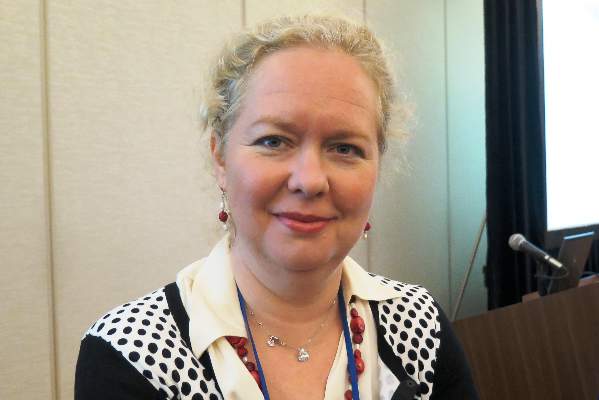
An estimated 50% of all pregnancies in the United States and about 40% of all pregnancies worldwide are unplanned.
“I believe that women with MS should receive support and counseling from their MS specialist on issues about possible pregnancy,” said Dr. Houtchens, a neurologist who directs the Women’s Health Program at the Partners MS Center at Brigham and Women’s Hospital, Boston. “I believe that we should all feel comfortable discussing with our patients the effects of pregnancy on their MS course and the reciprocal effect on pregnancy outcomes of their disease, the genetic risk of disease in their offspring, and optimal conception timing. We need to be able to talk to them freely about disease control before, during, and after pregnancy.”
Dr. Houtchens, one of the authors of a recent multinational systematic review on the topic noted that increasing numbers of MS patients with stable disease are choosing not to become pregnant (Obstet. Gynecol. 2014;124:1157-68). Others “want to get pregnant and feel cheated out of their life goal,” she said.
A large survey of female patients with MS from Canada found that more than three-quarters had not become pregnant since being diagnosed with the disease. The most common contributing factor across both MS-related and non–MS-related categories was completion of families prior to an MS diagnosis (53%). The top MS-related reasons that contributed to not having children were symptoms interfering with parenting, burdening the partner, and finances (Mult. Scler. 2013;19:351-8).
“It’s only in the last 2-3 decades that this issue has come to the forefront in caring for MS patients,” she said. “Previous to that, a lot of colleagues would discourage patients from becoming pregnant. Some of those attitudes persist to this day. There’s a perception of disapproval from health care providers on the part of the patient, and from their family and peers, and historic misconceptions. Our goal as physicians is to help women live lives to their fullest potential with a disease that can’t be cured. We should not discourage our patients from becoming pregnant.”
To optimize chances of conception, she recommended that oral contraceptives be stopped 2-3 months prior to conception attempts, and patients should be advised to transition to mechanical birth control. The optimal “fertility window” is a 6-day period, ending with the ovulation day. This window can be estimated based on duration of menstrual cycle, cervical mucus, and basal body temperature, as well as commercially available ovulation kits. Intercourse is most likely going to result in a pregnancy if attempted within a 3-day period, ending with the ovulation day. Moderate alcohol consumption, smoking, drug use, and vaginal lubricant use decrease the chance of contraception, she said.
Assisted reproductive technologies, if associated with failed pregnancy attempts, can lead to an increased relapse rate.
“If somebody really wants to have a child and are not able to conceive on their own, they may certainly consider ART; it’s all about education,” Dr. Houtchens said. “You just need to tell them what to expect and that they might have a higher risk of relapses if their attempt is unsuccessful.”
According to the medical literature, an MS patient’s prepregnancy annualized relapse rate predicts her risk for relapse during the postpartum period. “From that perspective, if you have the luxury of time, you ideally try to make sure that her disease is stabilized for the year before she becomes pregnant,” she said. “That means if she has an active MRI or has had a couple of attacks on whatever drug she’s taking, you talk to her about that, and you change the medication and repeat the MRI after the medication is changed to try to make sure that her disease is stable before she becomes pregnant. Hopefully that will help prevent postpartum attacks.”
Dr. Houtchens recommends standard preconception care including prenatal vitamins with 0.4 mg-1 mg of daily folate, smoking and alcohol cessation, improved sleep hygiene, and vitamin D3 supplementation. Low levels of vitamin D3 are associated with adverse pregnancy outcomes, and a poorer clinical and radiologic MS course. Low levels may also be associated with increased MS risk in offspring.
“A pregnancy test should be administered prior to every treatment with a chemotherapeutic or cytotoxic agent in a woman of child-bearing age, even if she thinks her periods have ceased as a result of chemotherapy treatment,” she said. “They may have ceased due to pregnancy, and we don’t want to treat our pregnant patients with chemotherapy.”
The approximate risk of MS is 1 in 500 in the general population, 1 in 100 in people with an affected second-degree relative, 1 in 50 with an affected first-degree relative, and 1 in 4 in monozygotic twins born to an affected mother, according to Dr. Houtchens.
Babies born to MS moms face a risk of being slightly smaller for gestational age by weight (odds ratio, 1.45) but their Apgar scores are the same as their healthy mom counterpart babies. MS moms face a slight risk for operative deliveries but no increased risk for birth defects or other adverse fetal outcomes specifically related to MS. The method of labor and delivery does not impact the postpartum course of the disease, she said.
“Epidural anesthesia is perfectly safe and does not impact the postpartum course of MS,” Dr. Houtchens said. “There’s still an ongoing misconception [about this], especially among obstetric providers and anesthesiologists. Multiple studies have been published stating that there is no increased risk of relapse in these patients after they get an epidural. If they don’t want an epidural, that’s okay, but they shouldn’t be denied it because they have MS.”
Secondary MS symptoms may be affected by pregnancy, including fatigue, bladder symptoms, and mobility difficulty due to increased weight. IV corticosteroids are used widely to treat MS relapses during pregnancy, as well as in obstetrics to speed fetal lung maturity.
Steroids “cross the placental barrier and may increase the risk of cleft palate when used in the first trimester or may cause lower birth weight in the baby and earlier than expected delivery. They could also in theory delay healing for the mother after giving birth,” she said.
However, prednisone, prednisolone, and methylprednisolone can be administered with low levels of fetal exposure. “These agents are metabolized to inactive forms by 11 beta-hydroxysteroid dehydrogenase in the placenta, allowing less than 10% of the maternal dose to reach the fetus,” she said. Betamethasone and dexamethasone cross the placenta with minimal metabolism, leading to direct full-dose effects on the fetus.
Dr. Houtchens cautioned that none of the available MS drugs should be used in pregnant patients.
“It appears that pregnancy itself is protective enough that we don’t need to use a drug to keep them healthier,” she said.
For a nonlactating patient, it’s safe to resume MS therapy within 1 week after birth. For a lactating patient with previously active disease, it may be safe to administer monthly steroids or monthly IVIG, instructing them to discontinue breastfeeding for 24 hours after treatment. In breast milk, beta-interferon agents are found at 0.006% of the maternal dose. Oral small molecules such as fingolimod and dimethyl fumarate “are freely passed in breast milk at a lower level than in sera but are more likely to directly affect the infant’s immune/neurological systems,” Dr. Houtchens said. “Hepatic clearance is slower in infants. We don’t have anyone at our MS center taking any MS medications and breastfeeding. Is this the right thing to do? I don’t know. But if you have someone who really wants to breastfeed, you could theoretically put them on an injectable medication.”
MRI should be repeated within 6 months postpartum to assess radiographic disease activity, she recommended.
Dr. Houtchers pointed out that postpartum depression is common in mothers with MS, “and it’s probably under-studied in general.” In fact, the lifetime prevalence of major depressive disorder in people with MS is estimated to be approximately 50%, while the rate of suicides among people with MS is 7.5 times greater than that of the general population.
Helping MS patients navigate conception, pregnancy, and the postpartum period is just the beginning.
“You’re still going to be her doctor,” Dr. Houtchens said. “She’s still going to have that child for the rest of her life. How is she going to deal with raising the child with all of the symptoms of her disease over time? How is she going to relate to her child? You’re going to walk this road with your patients, as one of their most important health care providers.”
Dr. Houtchens disclosed that she has received research grants from Genzyme Sanofi, Biogen Idec, and Novartis. She has also served as a consultant for Teva Pharmaceuticals, Genzyme Sanofi, Questcor, Biogen Idec, and Novartis.
On Twitter @dougbrunk
INDIANAPOLIS – If you feel overwhelmed by the notion of managing multiple sclerosis patients who seek your guidance in navigating their pregnancy, you’re not alone.
Comprehensive management programs for pregnant MS patients currently do not exist, even within most dedicated MS centers and clinics, Dr. Maria K. Houtchens said at the annual meeting of the Consortium of Multiple Sclerosis Centers.
“Individual providers have an interest in this area, but there are no guidelines for most physicians or nurse practitioners to follow yet,” she said. “The level of care these patients receive varies dramatically, from one part of the country to another and from one provider to the next.”
An estimated 50% of all pregnancies in the United States and about 40% of all pregnancies worldwide are unplanned.
“I believe that women with MS should receive support and counseling from their MS specialist on issues about possible pregnancy,” said Dr. Houtchens, a neurologist who directs the Women’s Health Program at the Partners MS Center at Brigham and Women’s Hospital, Boston. “I believe that we should all feel comfortable discussing with our patients the effects of pregnancy on their MS course and the reciprocal effect on pregnancy outcomes of their disease, the genetic risk of disease in their offspring, and optimal conception timing. We need to be able to talk to them freely about disease control before, during, and after pregnancy.”
Dr. Houtchens, one of the authors of a recent multinational systematic review on the topic noted that increasing numbers of MS patients with stable disease are choosing not to become pregnant (Obstet. Gynecol. 2014;124:1157-68). Others “want to get pregnant and feel cheated out of their life goal,” she said.
A large survey of female patients with MS from Canada found that more than three-quarters had not become pregnant since being diagnosed with the disease. The most common contributing factor across both MS-related and non–MS-related categories was completion of families prior to an MS diagnosis (53%). The top MS-related reasons that contributed to not having children were symptoms interfering with parenting, burdening the partner, and finances (Mult. Scler. 2013;19:351-8).
“It’s only in the last 2-3 decades that this issue has come to the forefront in caring for MS patients,” she said. “Previous to that, a lot of colleagues would discourage patients from becoming pregnant. Some of those attitudes persist to this day. There’s a perception of disapproval from health care providers on the part of the patient, and from their family and peers, and historic misconceptions. Our goal as physicians is to help women live lives to their fullest potential with a disease that can’t be cured. We should not discourage our patients from becoming pregnant.”
To optimize chances of conception, she recommended that oral contraceptives be stopped 2-3 months prior to conception attempts, and patients should be advised to transition to mechanical birth control. The optimal “fertility window” is a 6-day period, ending with the ovulation day. This window can be estimated based on duration of menstrual cycle, cervical mucus, and basal body temperature, as well as commercially available ovulation kits. Intercourse is most likely going to result in a pregnancy if attempted within a 3-day period, ending with the ovulation day. Moderate alcohol consumption, smoking, drug use, and vaginal lubricant use decrease the chance of contraception, she said.
Assisted reproductive technologies, if associated with failed pregnancy attempts, can lead to an increased relapse rate.
“If somebody really wants to have a child and are not able to conceive on their own, they may certainly consider ART; it’s all about education,” Dr. Houtchens said. “You just need to tell them what to expect and that they might have a higher risk of relapses if their attempt is unsuccessful.”
According to the medical literature, an MS patient’s prepregnancy annualized relapse rate predicts her risk for relapse during the postpartum period. “From that perspective, if you have the luxury of time, you ideally try to make sure that her disease is stabilized for the year before she becomes pregnant,” she said. “That means if she has an active MRI or has had a couple of attacks on whatever drug she’s taking, you talk to her about that, and you change the medication and repeat the MRI after the medication is changed to try to make sure that her disease is stable before she becomes pregnant. Hopefully that will help prevent postpartum attacks.”
Dr. Houtchens recommends standard preconception care including prenatal vitamins with 0.4 mg-1 mg of daily folate, smoking and alcohol cessation, improved sleep hygiene, and vitamin D3 supplementation. Low levels of vitamin D3 are associated with adverse pregnancy outcomes, and a poorer clinical and radiologic MS course. Low levels may also be associated with increased MS risk in offspring.
“A pregnancy test should be administered prior to every treatment with a chemotherapeutic or cytotoxic agent in a woman of child-bearing age, even if she thinks her periods have ceased as a result of chemotherapy treatment,” she said. “They may have ceased due to pregnancy, and we don’t want to treat our pregnant patients with chemotherapy.”
The approximate risk of MS is 1 in 500 in the general population, 1 in 100 in people with an affected second-degree relative, 1 in 50 with an affected first-degree relative, and 1 in 4 in monozygotic twins born to an affected mother, according to Dr. Houtchens.
Babies born to MS moms face a risk of being slightly smaller for gestational age by weight (odds ratio, 1.45) but their Apgar scores are the same as their healthy mom counterpart babies. MS moms face a slight risk for operative deliveries but no increased risk for birth defects or other adverse fetal outcomes specifically related to MS. The method of labor and delivery does not impact the postpartum course of the disease, she said.
“Epidural anesthesia is perfectly safe and does not impact the postpartum course of MS,” Dr. Houtchens said. “There’s still an ongoing misconception [about this], especially among obstetric providers and anesthesiologists. Multiple studies have been published stating that there is no increased risk of relapse in these patients after they get an epidural. If they don’t want an epidural, that’s okay, but they shouldn’t be denied it because they have MS.”
Secondary MS symptoms may be affected by pregnancy, including fatigue, bladder symptoms, and mobility difficulty due to increased weight. IV corticosteroids are used widely to treat MS relapses during pregnancy, as well as in obstetrics to speed fetal lung maturity.
Steroids “cross the placental barrier and may increase the risk of cleft palate when used in the first trimester or may cause lower birth weight in the baby and earlier than expected delivery. They could also in theory delay healing for the mother after giving birth,” she said.
However, prednisone, prednisolone, and methylprednisolone can be administered with low levels of fetal exposure. “These agents are metabolized to inactive forms by 11 beta-hydroxysteroid dehydrogenase in the placenta, allowing less than 10% of the maternal dose to reach the fetus,” she said. Betamethasone and dexamethasone cross the placenta with minimal metabolism, leading to direct full-dose effects on the fetus.
Dr. Houtchens cautioned that none of the available MS drugs should be used in pregnant patients.
“It appears that pregnancy itself is protective enough that we don’t need to use a drug to keep them healthier,” she said.
For a nonlactating patient, it’s safe to resume MS therapy within 1 week after birth. For a lactating patient with previously active disease, it may be safe to administer monthly steroids or monthly IVIG, instructing them to discontinue breastfeeding for 24 hours after treatment. In breast milk, beta-interferon agents are found at 0.006% of the maternal dose. Oral small molecules such as fingolimod and dimethyl fumarate “are freely passed in breast milk at a lower level than in sera but are more likely to directly affect the infant’s immune/neurological systems,” Dr. Houtchens said. “Hepatic clearance is slower in infants. We don’t have anyone at our MS center taking any MS medications and breastfeeding. Is this the right thing to do? I don’t know. But if you have someone who really wants to breastfeed, you could theoretically put them on an injectable medication.”
MRI should be repeated within 6 months postpartum to assess radiographic disease activity, she recommended.
Dr. Houtchers pointed out that postpartum depression is common in mothers with MS, “and it’s probably under-studied in general.” In fact, the lifetime prevalence of major depressive disorder in people with MS is estimated to be approximately 50%, while the rate of suicides among people with MS is 7.5 times greater than that of the general population.
Helping MS patients navigate conception, pregnancy, and the postpartum period is just the beginning.
“You’re still going to be her doctor,” Dr. Houtchens said. “She’s still going to have that child for the rest of her life. How is she going to deal with raising the child with all of the symptoms of her disease over time? How is she going to relate to her child? You’re going to walk this road with your patients, as one of their most important health care providers.”
Dr. Houtchens disclosed that she has received research grants from Genzyme Sanofi, Biogen Idec, and Novartis. She has also served as a consultant for Teva Pharmaceuticals, Genzyme Sanofi, Questcor, Biogen Idec, and Novartis.
On Twitter @dougbrunk
INDIANAPOLIS – If you feel overwhelmed by the notion of managing multiple sclerosis patients who seek your guidance in navigating their pregnancy, you’re not alone.
Comprehensive management programs for pregnant MS patients currently do not exist, even within most dedicated MS centers and clinics, Dr. Maria K. Houtchens said at the annual meeting of the Consortium of Multiple Sclerosis Centers.
“Individual providers have an interest in this area, but there are no guidelines for most physicians or nurse practitioners to follow yet,” she said. “The level of care these patients receive varies dramatically, from one part of the country to another and from one provider to the next.”
An estimated 50% of all pregnancies in the United States and about 40% of all pregnancies worldwide are unplanned.
“I believe that women with MS should receive support and counseling from their MS specialist on issues about possible pregnancy,” said Dr. Houtchens, a neurologist who directs the Women’s Health Program at the Partners MS Center at Brigham and Women’s Hospital, Boston. “I believe that we should all feel comfortable discussing with our patients the effects of pregnancy on their MS course and the reciprocal effect on pregnancy outcomes of their disease, the genetic risk of disease in their offspring, and optimal conception timing. We need to be able to talk to them freely about disease control before, during, and after pregnancy.”
Dr. Houtchens, one of the authors of a recent multinational systematic review on the topic noted that increasing numbers of MS patients with stable disease are choosing not to become pregnant (Obstet. Gynecol. 2014;124:1157-68). Others “want to get pregnant and feel cheated out of their life goal,” she said.
A large survey of female patients with MS from Canada found that more than three-quarters had not become pregnant since being diagnosed with the disease. The most common contributing factor across both MS-related and non–MS-related categories was completion of families prior to an MS diagnosis (53%). The top MS-related reasons that contributed to not having children were symptoms interfering with parenting, burdening the partner, and finances (Mult. Scler. 2013;19:351-8).
“It’s only in the last 2-3 decades that this issue has come to the forefront in caring for MS patients,” she said. “Previous to that, a lot of colleagues would discourage patients from becoming pregnant. Some of those attitudes persist to this day. There’s a perception of disapproval from health care providers on the part of the patient, and from their family and peers, and historic misconceptions. Our goal as physicians is to help women live lives to their fullest potential with a disease that can’t be cured. We should not discourage our patients from becoming pregnant.”
To optimize chances of conception, she recommended that oral contraceptives be stopped 2-3 months prior to conception attempts, and patients should be advised to transition to mechanical birth control. The optimal “fertility window” is a 6-day period, ending with the ovulation day. This window can be estimated based on duration of menstrual cycle, cervical mucus, and basal body temperature, as well as commercially available ovulation kits. Intercourse is most likely going to result in a pregnancy if attempted within a 3-day period, ending with the ovulation day. Moderate alcohol consumption, smoking, drug use, and vaginal lubricant use decrease the chance of contraception, she said.
Assisted reproductive technologies, if associated with failed pregnancy attempts, can lead to an increased relapse rate.
“If somebody really wants to have a child and are not able to conceive on their own, they may certainly consider ART; it’s all about education,” Dr. Houtchens said. “You just need to tell them what to expect and that they might have a higher risk of relapses if their attempt is unsuccessful.”
According to the medical literature, an MS patient’s prepregnancy annualized relapse rate predicts her risk for relapse during the postpartum period. “From that perspective, if you have the luxury of time, you ideally try to make sure that her disease is stabilized for the year before she becomes pregnant,” she said. “That means if she has an active MRI or has had a couple of attacks on whatever drug she’s taking, you talk to her about that, and you change the medication and repeat the MRI after the medication is changed to try to make sure that her disease is stable before she becomes pregnant. Hopefully that will help prevent postpartum attacks.”
Dr. Houtchens recommends standard preconception care including prenatal vitamins with 0.4 mg-1 mg of daily folate, smoking and alcohol cessation, improved sleep hygiene, and vitamin D3 supplementation. Low levels of vitamin D3 are associated with adverse pregnancy outcomes, and a poorer clinical and radiologic MS course. Low levels may also be associated with increased MS risk in offspring.
“A pregnancy test should be administered prior to every treatment with a chemotherapeutic or cytotoxic agent in a woman of child-bearing age, even if she thinks her periods have ceased as a result of chemotherapy treatment,” she said. “They may have ceased due to pregnancy, and we don’t want to treat our pregnant patients with chemotherapy.”
The approximate risk of MS is 1 in 500 in the general population, 1 in 100 in people with an affected second-degree relative, 1 in 50 with an affected first-degree relative, and 1 in 4 in monozygotic twins born to an affected mother, according to Dr. Houtchens.
Babies born to MS moms face a risk of being slightly smaller for gestational age by weight (odds ratio, 1.45) but their Apgar scores are the same as their healthy mom counterpart babies. MS moms face a slight risk for operative deliveries but no increased risk for birth defects or other adverse fetal outcomes specifically related to MS. The method of labor and delivery does not impact the postpartum course of the disease, she said.
“Epidural anesthesia is perfectly safe and does not impact the postpartum course of MS,” Dr. Houtchens said. “There’s still an ongoing misconception [about this], especially among obstetric providers and anesthesiologists. Multiple studies have been published stating that there is no increased risk of relapse in these patients after they get an epidural. If they don’t want an epidural, that’s okay, but they shouldn’t be denied it because they have MS.”
Secondary MS symptoms may be affected by pregnancy, including fatigue, bladder symptoms, and mobility difficulty due to increased weight. IV corticosteroids are used widely to treat MS relapses during pregnancy, as well as in obstetrics to speed fetal lung maturity.
Steroids “cross the placental barrier and may increase the risk of cleft palate when used in the first trimester or may cause lower birth weight in the baby and earlier than expected delivery. They could also in theory delay healing for the mother after giving birth,” she said.
However, prednisone, prednisolone, and methylprednisolone can be administered with low levels of fetal exposure. “These agents are metabolized to inactive forms by 11 beta-hydroxysteroid dehydrogenase in the placenta, allowing less than 10% of the maternal dose to reach the fetus,” she said. Betamethasone and dexamethasone cross the placenta with minimal metabolism, leading to direct full-dose effects on the fetus.
Dr. Houtchens cautioned that none of the available MS drugs should be used in pregnant patients.
“It appears that pregnancy itself is protective enough that we don’t need to use a drug to keep them healthier,” she said.
For a nonlactating patient, it’s safe to resume MS therapy within 1 week after birth. For a lactating patient with previously active disease, it may be safe to administer monthly steroids or monthly IVIG, instructing them to discontinue breastfeeding for 24 hours after treatment. In breast milk, beta-interferon agents are found at 0.006% of the maternal dose. Oral small molecules such as fingolimod and dimethyl fumarate “are freely passed in breast milk at a lower level than in sera but are more likely to directly affect the infant’s immune/neurological systems,” Dr. Houtchens said. “Hepatic clearance is slower in infants. We don’t have anyone at our MS center taking any MS medications and breastfeeding. Is this the right thing to do? I don’t know. But if you have someone who really wants to breastfeed, you could theoretically put them on an injectable medication.”
MRI should be repeated within 6 months postpartum to assess radiographic disease activity, she recommended.
Dr. Houtchers pointed out that postpartum depression is common in mothers with MS, “and it’s probably under-studied in general.” In fact, the lifetime prevalence of major depressive disorder in people with MS is estimated to be approximately 50%, while the rate of suicides among people with MS is 7.5 times greater than that of the general population.
Helping MS patients navigate conception, pregnancy, and the postpartum period is just the beginning.
“You’re still going to be her doctor,” Dr. Houtchens said. “She’s still going to have that child for the rest of her life. How is she going to deal with raising the child with all of the symptoms of her disease over time? How is she going to relate to her child? You’re going to walk this road with your patients, as one of their most important health care providers.”
Dr. Houtchens disclosed that she has received research grants from Genzyme Sanofi, Biogen Idec, and Novartis. She has also served as a consultant for Teva Pharmaceuticals, Genzyme Sanofi, Questcor, Biogen Idec, and Novartis.
On Twitter @dougbrunk
EXPERT ANALYSIS AT THE CMSC ANNUAL MEETING
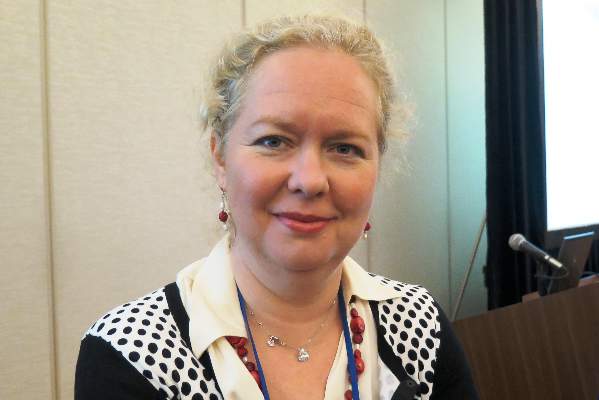
VIDEO: Cannabis further compromises cognitive function in some MS patients
INDIANAPOLIS – Although an estimated 10%-20% of multiple sclerosis patients currently smoke cannabis for pain control or to alleviate symptoms, new research from Canada suggests that smoking the drug can worsen cognitive function in some patients with the disease.
“We already know that 40%-70% of people with MS already have cognitive problems,” Dr. Anthony Feinstein, professor of psychiatrist at the University of Toronto, said in a video interview at the annual meeting of the Consortium of Multiple Sclerosis Centers. “Some of the research that I’ve done shows that, in the presence of cannabis, these rates go up.”
Even so, he emphasized that patients should weigh such side effects against the benefits of use.
“I think it’s going to be an individual decision,” he said. “If it’s helping with pain, that’s good. Our data needs to be replicated by other groups.”
Dr. Feinstein disclosed that his work on MS and cannabis is funded by the Multiple Sclerosis Society of Canada.
The video associated with this article is no longer available on this site. Please view all of our videos on the MDedge YouTube channel
On Twitter @dougbrunk
INDIANAPOLIS – Although an estimated 10%-20% of multiple sclerosis patients currently smoke cannabis for pain control or to alleviate symptoms, new research from Canada suggests that smoking the drug can worsen cognitive function in some patients with the disease.
“We already know that 40%-70% of people with MS already have cognitive problems,” Dr. Anthony Feinstein, professor of psychiatrist at the University of Toronto, said in a video interview at the annual meeting of the Consortium of Multiple Sclerosis Centers. “Some of the research that I’ve done shows that, in the presence of cannabis, these rates go up.”
Even so, he emphasized that patients should weigh such side effects against the benefits of use.
“I think it’s going to be an individual decision,” he said. “If it’s helping with pain, that’s good. Our data needs to be replicated by other groups.”
Dr. Feinstein disclosed that his work on MS and cannabis is funded by the Multiple Sclerosis Society of Canada.
The video associated with this article is no longer available on this site. Please view all of our videos on the MDedge YouTube channel
On Twitter @dougbrunk
INDIANAPOLIS – Although an estimated 10%-20% of multiple sclerosis patients currently smoke cannabis for pain control or to alleviate symptoms, new research from Canada suggests that smoking the drug can worsen cognitive function in some patients with the disease.
“We already know that 40%-70% of people with MS already have cognitive problems,” Dr. Anthony Feinstein, professor of psychiatrist at the University of Toronto, said in a video interview at the annual meeting of the Consortium of Multiple Sclerosis Centers. “Some of the research that I’ve done shows that, in the presence of cannabis, these rates go up.”
Even so, he emphasized that patients should weigh such side effects against the benefits of use.
“I think it’s going to be an individual decision,” he said. “If it’s helping with pain, that’s good. Our data needs to be replicated by other groups.”
Dr. Feinstein disclosed that his work on MS and cannabis is funded by the Multiple Sclerosis Society of Canada.
The video associated with this article is no longer available on this site. Please view all of our videos on the MDedge YouTube channel
On Twitter @dougbrunk
AT THE CMSC ANNUAL MEETING

ATS: Aclidinium/formoterol bests salmeterol/fluticasone for bronchodilation in COPD
DENVER – In patients with stable COPD, a fixed-dose combination of aclidinium/formoterol provided significantly greater improvements in bronchodilation compared with a fixed-dose combination of salmeterol/fluticasone, with equivalent benefits in symptom control and reduction in exacerbation risk, a randomized, controlled trial showed.
“This study will be important to building further evidence for the clinical use of inhaled long-acting muscarinic antagonist (LAMA) and long-acting beta agonist (LABA) fixed-dose combinations as a valuable tool in the treatment armamentarium for COPD,” Dr. Claus Vogelmeier said in an interview in advance of an international conference of the American Thoracic Society, where the work was presented during a poster session.

“While there have been other positive studies showing benefits in LAMA/LABA fixed-dose combinations over the specific ICS/LABA fixed-dose combination of salmeterol/fluticasone, this is the first head-to-head study that compares the efficacy and safety of aclidinium/formoterol with salmeterol/fluticasone in COPD patients,” he said.
For the phase III study, Dr. Vogelmeier, professor of medicine and head of the pulmonary division at Marburg University Hospital, Germany, and his associates randomized 933 symptomatic COPD patients 1:1 to 24 weeks of treatment with aclidinium/formoterol 400/12 mcg twice daily via Genuair/Pressair (AstraZeneca) or salmeterol/fluticasone 50/500 mcg twice daily via Accuhaler (GlaxoSmithKline).
The primary efficacy endpoint was peak forced expiratory volume in 1 second (FEV1) at week 24. Other efficacy endpoints included peak FEV1 at each visit, Transition Dyspnea Index (TDI) focal score and COPD Assessment Test (CAT) score at week 24, and the proportion of patients who experienced at least one exacerbation defined by health care resource utilization (HCRU) or identified using the Exacerbations of Chronic Pulmonary Disease Tool (EXACT). Adverse events and serious adverse events were monitored throughout the study.
Of the 933 patients, 788 (85%) completed the study. Their mean age was 63 years and 65% were male. Dr. Vogelmeier reported that peak FEV1 was significantly greater with aclidinium/formoterol versus salmeterol/fluticasone after the first dose on day 1, an improvement that was maintained at week 24 (treatment differences of 83 mL and 93 mL, respectively; both P less than .0001).
Improvements in TDI focal score at week 24 were similar in both groups (a mean of 1.88 for both), and there were no significant differences between groups in CAT total score at week 24 (15.81 vs. 16.11). The proportion of patients who experienced one exacerbation or more was comparable between groups when assessed via HCRU (odds ratio .95) or EXACT (OR .94).
The incidence of adverse events was similar among the aclidinium/formoterol and the salmeterol/fluticasone groups (50% vs. 57%, respectively), as were serious adverse events, (7.5% vs. 7.1%), and adverse events leading to study discontinuation (5.4% vs. 7.3%). Adverse events related to inhaled corticosteroid use, including pneumonia and osteoporosis/osteopenia, were more common in patients receiving salmeterol/fluticasone than in patients receiving aclidinium/formoterol (10.7% vs. 4.3%).
“For clinicians like me, it is helpful to have choices available to address our patients’ needs,” Dr. Vogelmeier said. “Knowing that aclidinium/formoterol has shown greater bronchodilation compared to salmeterol/fluticasone will give us confidence in prescribing. These data offer physicians a new perspective and option for treating symptomatic patients at a time when the role of LAMA/LABA fixed-dose combinations is being increasingly recognized in the management of symptomatic COPD.”
He acknowledged certain limitations of the study, including the fact that it was limited to COPD patients who may have experienced up to one exacerbation in the year before the study. The study did not include frequent exacerbators.
The study was funded by Almirall, Barcelona, Spain, and Forest Laboratories, a subsidiary of Actavis. Dr. Vogelmeier disclosed ties with Almirall, AstraZeneca, Boehringer Ingelheim, Chiesi, GlaxoSmithKline, Grifols, Janssen, Mundipharma, Novartis, and Takeda.
On Twitter @dougbrunk
DENVER – In patients with stable COPD, a fixed-dose combination of aclidinium/formoterol provided significantly greater improvements in bronchodilation compared with a fixed-dose combination of salmeterol/fluticasone, with equivalent benefits in symptom control and reduction in exacerbation risk, a randomized, controlled trial showed.
“This study will be important to building further evidence for the clinical use of inhaled long-acting muscarinic antagonist (LAMA) and long-acting beta agonist (LABA) fixed-dose combinations as a valuable tool in the treatment armamentarium for COPD,” Dr. Claus Vogelmeier said in an interview in advance of an international conference of the American Thoracic Society, where the work was presented during a poster session.
“While there have been other positive studies showing benefits in LAMA/LABA fixed-dose combinations over the specific ICS/LABA fixed-dose combination of salmeterol/fluticasone, this is the first head-to-head study that compares the efficacy and safety of aclidinium/formoterol with salmeterol/fluticasone in COPD patients,” he said.
For the phase III study, Dr. Vogelmeier, professor of medicine and head of the pulmonary division at Marburg University Hospital, Germany, and his associates randomized 933 symptomatic COPD patients 1:1 to 24 weeks of treatment with aclidinium/formoterol 400/12 mcg twice daily via Genuair/Pressair (AstraZeneca) or salmeterol/fluticasone 50/500 mcg twice daily via Accuhaler (GlaxoSmithKline).
The primary efficacy endpoint was peak forced expiratory volume in 1 second (FEV1) at week 24. Other efficacy endpoints included peak FEV1 at each visit, Transition Dyspnea Index (TDI) focal score and COPD Assessment Test (CAT) score at week 24, and the proportion of patients who experienced at least one exacerbation defined by health care resource utilization (HCRU) or identified using the Exacerbations of Chronic Pulmonary Disease Tool (EXACT). Adverse events and serious adverse events were monitored throughout the study.
Of the 933 patients, 788 (85%) completed the study. Their mean age was 63 years and 65% were male. Dr. Vogelmeier reported that peak FEV1 was significantly greater with aclidinium/formoterol versus salmeterol/fluticasone after the first dose on day 1, an improvement that was maintained at week 24 (treatment differences of 83 mL and 93 mL, respectively; both P less than .0001).
Improvements in TDI focal score at week 24 were similar in both groups (a mean of 1.88 for both), and there were no significant differences between groups in CAT total score at week 24 (15.81 vs. 16.11). The proportion of patients who experienced one exacerbation or more was comparable between groups when assessed via HCRU (odds ratio .95) or EXACT (OR .94).
The incidence of adverse events was similar among the aclidinium/formoterol and the salmeterol/fluticasone groups (50% vs. 57%, respectively), as were serious adverse events, (7.5% vs. 7.1%), and adverse events leading to study discontinuation (5.4% vs. 7.3%). Adverse events related to inhaled corticosteroid use, including pneumonia and osteoporosis/osteopenia, were more common in patients receiving salmeterol/fluticasone than in patients receiving aclidinium/formoterol (10.7% vs. 4.3%).
“For clinicians like me, it is helpful to have choices available to address our patients’ needs,” Dr. Vogelmeier said. “Knowing that aclidinium/formoterol has shown greater bronchodilation compared to salmeterol/fluticasone will give us confidence in prescribing. These data offer physicians a new perspective and option for treating symptomatic patients at a time when the role of LAMA/LABA fixed-dose combinations is being increasingly recognized in the management of symptomatic COPD.”
He acknowledged certain limitations of the study, including the fact that it was limited to COPD patients who may have experienced up to one exacerbation in the year before the study. The study did not include frequent exacerbators.
The study was funded by Almirall, Barcelona, Spain, and Forest Laboratories, a subsidiary of Actavis. Dr. Vogelmeier disclosed ties with Almirall, AstraZeneca, Boehringer Ingelheim, Chiesi, GlaxoSmithKline, Grifols, Janssen, Mundipharma, Novartis, and Takeda.
On Twitter @dougbrunk
DENVER – In patients with stable COPD, a fixed-dose combination of aclidinium/formoterol provided significantly greater improvements in bronchodilation compared with a fixed-dose combination of salmeterol/fluticasone, with equivalent benefits in symptom control and reduction in exacerbation risk, a randomized, controlled trial showed.
“This study will be important to building further evidence for the clinical use of inhaled long-acting muscarinic antagonist (LAMA) and long-acting beta agonist (LABA) fixed-dose combinations as a valuable tool in the treatment armamentarium for COPD,” Dr. Claus Vogelmeier said in an interview in advance of an international conference of the American Thoracic Society, where the work was presented during a poster session.
“While there have been other positive studies showing benefits in LAMA/LABA fixed-dose combinations over the specific ICS/LABA fixed-dose combination of salmeterol/fluticasone, this is the first head-to-head study that compares the efficacy and safety of aclidinium/formoterol with salmeterol/fluticasone in COPD patients,” he said.
For the phase III study, Dr. Vogelmeier, professor of medicine and head of the pulmonary division at Marburg University Hospital, Germany, and his associates randomized 933 symptomatic COPD patients 1:1 to 24 weeks of treatment with aclidinium/formoterol 400/12 mcg twice daily via Genuair/Pressair (AstraZeneca) or salmeterol/fluticasone 50/500 mcg twice daily via Accuhaler (GlaxoSmithKline).
The primary efficacy endpoint was peak forced expiratory volume in 1 second (FEV1) at week 24. Other efficacy endpoints included peak FEV1 at each visit, Transition Dyspnea Index (TDI) focal score and COPD Assessment Test (CAT) score at week 24, and the proportion of patients who experienced at least one exacerbation defined by health care resource utilization (HCRU) or identified using the Exacerbations of Chronic Pulmonary Disease Tool (EXACT). Adverse events and serious adverse events were monitored throughout the study.
Of the 933 patients, 788 (85%) completed the study. Their mean age was 63 years and 65% were male. Dr. Vogelmeier reported that peak FEV1 was significantly greater with aclidinium/formoterol versus salmeterol/fluticasone after the first dose on day 1, an improvement that was maintained at week 24 (treatment differences of 83 mL and 93 mL, respectively; both P less than .0001).
Improvements in TDI focal score at week 24 were similar in both groups (a mean of 1.88 for both), and there were no significant differences between groups in CAT total score at week 24 (15.81 vs. 16.11). The proportion of patients who experienced one exacerbation or more was comparable between groups when assessed via HCRU (odds ratio .95) or EXACT (OR .94).
The incidence of adverse events was similar among the aclidinium/formoterol and the salmeterol/fluticasone groups (50% vs. 57%, respectively), as were serious adverse events, (7.5% vs. 7.1%), and adverse events leading to study discontinuation (5.4% vs. 7.3%). Adverse events related to inhaled corticosteroid use, including pneumonia and osteoporosis/osteopenia, were more common in patients receiving salmeterol/fluticasone than in patients receiving aclidinium/formoterol (10.7% vs. 4.3%).
“For clinicians like me, it is helpful to have choices available to address our patients’ needs,” Dr. Vogelmeier said. “Knowing that aclidinium/formoterol has shown greater bronchodilation compared to salmeterol/fluticasone will give us confidence in prescribing. These data offer physicians a new perspective and option for treating symptomatic patients at a time when the role of LAMA/LABA fixed-dose combinations is being increasingly recognized in the management of symptomatic COPD.”
He acknowledged certain limitations of the study, including the fact that it was limited to COPD patients who may have experienced up to one exacerbation in the year before the study. The study did not include frequent exacerbators.
The study was funded by Almirall, Barcelona, Spain, and Forest Laboratories, a subsidiary of Actavis. Dr. Vogelmeier disclosed ties with Almirall, AstraZeneca, Boehringer Ingelheim, Chiesi, GlaxoSmithKline, Grifols, Janssen, Mundipharma, Novartis, and Takeda.
On Twitter @dougbrunk
AT ATS 2015
Key clinical point: In patients with COPD, aclidinium/formoterol demonstrated greater bronchodilation, compared with salmeterol/fluticasone.
Major finding: Peak FEV1 was significantly greater with aclidinium/formoterol versus salmeterol/fluticasone after the first dose on day 1, an improvement that was maintained at week 24 (treatment differences of 83 mL and 93 mL, respectively; both P less than .0001).
Data source: A phase III study in which 933 symptomatic COPD patients were randomized 1:1 to 24 weeks’ treatment with aclidinium/formoterol 400/12 mcg twice daily via Genuair/Pressair (AstraZeneca) or salmeterol/fluticasone 50/500 mcg twice daily via Accuhaler (GlaxoSmithKline).
Disclosures: The study was funded by Almirall, Barcelona, and Forest Laboratories, a subsidiary of Actavis. Dr. Vogelmeier disclosed ties with Almirall, AstraZeneca, Boehringer Ingelheim, Chiesi, GlaxoSmithKline, Grifols, Janssen, Mundipharma, Novartis, and Takeda.