User login
Damian McNamara is a journalist for Medscape Medical News and MDedge. He worked full-time for MDedge as the Miami Bureau covering a dozen medical specialties during 2001-2012, then as a freelancer for Medscape and MDedge, before being hired on staff by Medscape in 2018. Now the two companies are one. He uses what he learned in school – Damian has a BS in chemistry and an MS in science, health and environmental reporting/journalism. He works out of a home office in Miami, with a 100-pound chocolate lab known to snore under his desk during work hours.
Advanced Ovarian Cancer Often Treated Suboptimally
Major Finding: Thirty-nine percent of women with advanced ovarian cancer in the Medicare population receive recommended first-line combination of surgery and six cycles of chemotherapy.
Data Source: Retrospective study of 8,211 women diagnosed with stage III/IV epithelial ovarian cancer between 1995 and 2005.
Disclosures: Dr. Melissa Thrall and Dr. Michael Carney said they had no relevant financial disclosures.
ORLANDO – Only a minority of women in the Medicare population with advanced epithelial ovarian cancer receive optimal therapy with a combination of surgery and six cycles of chemotherapy, according to a large, retrospective study.
Of the 8,211 women diagnosed with stage III or IV epithelial ovarian cancer between 1995 and 2005, 3,241 or 39%, received full dual combination therapy as recommended by the National Institutes of Health consensus statement on Treatment of Advanced Ovarian Cancer.
Older age, nonwhite race, stage IV disease, and higher medical comorbidity were significantly associated with suboptimal care in the current study. In addition, unmarried women and women living in the Midwest were more likely not to complete treatment.
Physicians could focus on improving quality of medical care for these women, including greater referral to gynecologic oncologists, Dr. Melissa Thrall said at the meeting.
“Among U.S. women with ovarian cancer over age 65, many do not receive multimodality therapy,” Dr. Thrall said. “Some of this is likely due to medical infirmity, as evidenced by the association of older age, higher stage, and comorbidity scores with failure to complete treatment. However, the associations with marital status and geographic location suggest there are other modifiable factors in this failure to complete therapy, such as lack of social support or the unavailability of gynecologic oncologists.”
“It is truly disappointing, shocking, and sad to hear that merely one out of three patients in this study received the standard-of-care treatment,” said study discussant Dr. Michael Carney, who is on the gynecologic oncology faculty at the University of Hawaii in Honolulu.
Women were classified according to their initial treatment: Fifty-nine percent had primary debulking surgery, and 24% had primary chemotherapy. The remaining 17% had no evidence of either treatment in their Medicare claims within 1 year of their diagnosis.
“The survival for these [untreated] women is short, and reminds us we need to keep working on increasing the awareness of the symptoms of ovarian cancer, to work toward prompt diagnosis and referral so more of these women can be offered treatment,” said Dr. Thrall, a fellow in the division of gynecologic oncology at the University of Washington in Seattle.
Dr. Thrall and her colleagues identified women older than 65 diagnosed with stage III/IV epithelial ovarian cancer from 1995 to 2005 using the Surveillance, Epidemiology, and End Results (SEER) database. Treatment was identified using linked data to Medicare hospital, provider, and outpatient center claims.
A total 75.8% of the primary surgery patients had subsequent chemotherapy, and 32.2% of the primary chemotherapy group had ovarian cancer–directed surgery.
A total of 4,307 women (52.4%) had surgery and at least one cycle of chemotherapy (in either order) in the first year following diagnosis. Dr. Carney said, “Sadly, this means about 50% receive no chemotherapy after initial surgery, no surgery after initial chemotherapy, or no surgery or chemotherapy at all.”
Dr. Thrall reported that a large proportion of women in the primary chemotherapy group did not have any surgery (68% of the 2,017 women). Women were significantly more likely to receive primary chemotherapy based on increasing age, increasing stage, and comorbidity score in a multivariate analysis. In addition, African American women were more likely to receive primary chemotherapy, she said. Histology also made a difference – women with serous tumors were more likely to get primary chemotherapy, compared with those with endometrioid or clear cell histology.
Dr. Carney described the paper as “important and timely for several reasons.” Medicine is now focusing more on quality as an outcome measure. In addition, “in ovarian cancer we have a pretty good idea what appropriate treatment should be – surgery, chemo-therapy, and specialty care, all resulting in improved survival.”
It makes sense in this paper, Dr. Carney said, that if a patient has more advanced cancer, is older, or has many medical comorbidities, that patient is more likely to receive a chemotherapy or neoadjuvant chemotherapy approach.
“Things that don't make sense: Why are patients more likely to receive chemotherapy initially based on race alone, particularly African American? Why is marriage a significant variable? Why does living in the Midwest lower the rate of receiving standard-of-care treatment?”
A reliance on billing claims for treatment data and no information on why a particular treatment sequence was selected and why treatment was incomplete are among the study limitations, Dr. Thrall said. In addition, treatment information came from billing data. Also, the study was limited to women aged older than 65 years. However, Dr. Thrall said, “median age of ovarian cancer diagnosis is 64 years, so these data represent about 50% of women with ovarian cancer in the U.S.”
Identification of potential barriers to treatment should be explored in future trials, Dr. Thrall said. Also, variables not measured in this study, such as performance status, could further help to explain treatment decisions in these women with advanced epithelial ovarian cancer.
Major Finding: Thirty-nine percent of women with advanced ovarian cancer in the Medicare population receive recommended first-line combination of surgery and six cycles of chemotherapy.
Data Source: Retrospective study of 8,211 women diagnosed with stage III/IV epithelial ovarian cancer between 1995 and 2005.
Disclosures: Dr. Melissa Thrall and Dr. Michael Carney said they had no relevant financial disclosures.
ORLANDO – Only a minority of women in the Medicare population with advanced epithelial ovarian cancer receive optimal therapy with a combination of surgery and six cycles of chemotherapy, according to a large, retrospective study.
Of the 8,211 women diagnosed with stage III or IV epithelial ovarian cancer between 1995 and 2005, 3,241 or 39%, received full dual combination therapy as recommended by the National Institutes of Health consensus statement on Treatment of Advanced Ovarian Cancer.
Older age, nonwhite race, stage IV disease, and higher medical comorbidity were significantly associated with suboptimal care in the current study. In addition, unmarried women and women living in the Midwest were more likely not to complete treatment.
Physicians could focus on improving quality of medical care for these women, including greater referral to gynecologic oncologists, Dr. Melissa Thrall said at the meeting.
“Among U.S. women with ovarian cancer over age 65, many do not receive multimodality therapy,” Dr. Thrall said. “Some of this is likely due to medical infirmity, as evidenced by the association of older age, higher stage, and comorbidity scores with failure to complete treatment. However, the associations with marital status and geographic location suggest there are other modifiable factors in this failure to complete therapy, such as lack of social support or the unavailability of gynecologic oncologists.”
“It is truly disappointing, shocking, and sad to hear that merely one out of three patients in this study received the standard-of-care treatment,” said study discussant Dr. Michael Carney, who is on the gynecologic oncology faculty at the University of Hawaii in Honolulu.
Women were classified according to their initial treatment: Fifty-nine percent had primary debulking surgery, and 24% had primary chemotherapy. The remaining 17% had no evidence of either treatment in their Medicare claims within 1 year of their diagnosis.
“The survival for these [untreated] women is short, and reminds us we need to keep working on increasing the awareness of the symptoms of ovarian cancer, to work toward prompt diagnosis and referral so more of these women can be offered treatment,” said Dr. Thrall, a fellow in the division of gynecologic oncology at the University of Washington in Seattle.
Dr. Thrall and her colleagues identified women older than 65 diagnosed with stage III/IV epithelial ovarian cancer from 1995 to 2005 using the Surveillance, Epidemiology, and End Results (SEER) database. Treatment was identified using linked data to Medicare hospital, provider, and outpatient center claims.
A total 75.8% of the primary surgery patients had subsequent chemotherapy, and 32.2% of the primary chemotherapy group had ovarian cancer–directed surgery.
A total of 4,307 women (52.4%) had surgery and at least one cycle of chemotherapy (in either order) in the first year following diagnosis. Dr. Carney said, “Sadly, this means about 50% receive no chemotherapy after initial surgery, no surgery after initial chemotherapy, or no surgery or chemotherapy at all.”
Dr. Thrall reported that a large proportion of women in the primary chemotherapy group did not have any surgery (68% of the 2,017 women). Women were significantly more likely to receive primary chemotherapy based on increasing age, increasing stage, and comorbidity score in a multivariate analysis. In addition, African American women were more likely to receive primary chemotherapy, she said. Histology also made a difference – women with serous tumors were more likely to get primary chemotherapy, compared with those with endometrioid or clear cell histology.
Dr. Carney described the paper as “important and timely for several reasons.” Medicine is now focusing more on quality as an outcome measure. In addition, “in ovarian cancer we have a pretty good idea what appropriate treatment should be – surgery, chemo-therapy, and specialty care, all resulting in improved survival.”
It makes sense in this paper, Dr. Carney said, that if a patient has more advanced cancer, is older, or has many medical comorbidities, that patient is more likely to receive a chemotherapy or neoadjuvant chemotherapy approach.
“Things that don't make sense: Why are patients more likely to receive chemotherapy initially based on race alone, particularly African American? Why is marriage a significant variable? Why does living in the Midwest lower the rate of receiving standard-of-care treatment?”
A reliance on billing claims for treatment data and no information on why a particular treatment sequence was selected and why treatment was incomplete are among the study limitations, Dr. Thrall said. In addition, treatment information came from billing data. Also, the study was limited to women aged older than 65 years. However, Dr. Thrall said, “median age of ovarian cancer diagnosis is 64 years, so these data represent about 50% of women with ovarian cancer in the U.S.”
Identification of potential barriers to treatment should be explored in future trials, Dr. Thrall said. Also, variables not measured in this study, such as performance status, could further help to explain treatment decisions in these women with advanced epithelial ovarian cancer.
Major Finding: Thirty-nine percent of women with advanced ovarian cancer in the Medicare population receive recommended first-line combination of surgery and six cycles of chemotherapy.
Data Source: Retrospective study of 8,211 women diagnosed with stage III/IV epithelial ovarian cancer between 1995 and 2005.
Disclosures: Dr. Melissa Thrall and Dr. Michael Carney said they had no relevant financial disclosures.
ORLANDO – Only a minority of women in the Medicare population with advanced epithelial ovarian cancer receive optimal therapy with a combination of surgery and six cycles of chemotherapy, according to a large, retrospective study.
Of the 8,211 women diagnosed with stage III or IV epithelial ovarian cancer between 1995 and 2005, 3,241 or 39%, received full dual combination therapy as recommended by the National Institutes of Health consensus statement on Treatment of Advanced Ovarian Cancer.
Older age, nonwhite race, stage IV disease, and higher medical comorbidity were significantly associated with suboptimal care in the current study. In addition, unmarried women and women living in the Midwest were more likely not to complete treatment.
Physicians could focus on improving quality of medical care for these women, including greater referral to gynecologic oncologists, Dr. Melissa Thrall said at the meeting.
“Among U.S. women with ovarian cancer over age 65, many do not receive multimodality therapy,” Dr. Thrall said. “Some of this is likely due to medical infirmity, as evidenced by the association of older age, higher stage, and comorbidity scores with failure to complete treatment. However, the associations with marital status and geographic location suggest there are other modifiable factors in this failure to complete therapy, such as lack of social support or the unavailability of gynecologic oncologists.”
“It is truly disappointing, shocking, and sad to hear that merely one out of three patients in this study received the standard-of-care treatment,” said study discussant Dr. Michael Carney, who is on the gynecologic oncology faculty at the University of Hawaii in Honolulu.
Women were classified according to their initial treatment: Fifty-nine percent had primary debulking surgery, and 24% had primary chemotherapy. The remaining 17% had no evidence of either treatment in their Medicare claims within 1 year of their diagnosis.
“The survival for these [untreated] women is short, and reminds us we need to keep working on increasing the awareness of the symptoms of ovarian cancer, to work toward prompt diagnosis and referral so more of these women can be offered treatment,” said Dr. Thrall, a fellow in the division of gynecologic oncology at the University of Washington in Seattle.
Dr. Thrall and her colleagues identified women older than 65 diagnosed with stage III/IV epithelial ovarian cancer from 1995 to 2005 using the Surveillance, Epidemiology, and End Results (SEER) database. Treatment was identified using linked data to Medicare hospital, provider, and outpatient center claims.
A total 75.8% of the primary surgery patients had subsequent chemotherapy, and 32.2% of the primary chemotherapy group had ovarian cancer–directed surgery.
A total of 4,307 women (52.4%) had surgery and at least one cycle of chemotherapy (in either order) in the first year following diagnosis. Dr. Carney said, “Sadly, this means about 50% receive no chemotherapy after initial surgery, no surgery after initial chemotherapy, or no surgery or chemotherapy at all.”
Dr. Thrall reported that a large proportion of women in the primary chemotherapy group did not have any surgery (68% of the 2,017 women). Women were significantly more likely to receive primary chemotherapy based on increasing age, increasing stage, and comorbidity score in a multivariate analysis. In addition, African American women were more likely to receive primary chemotherapy, she said. Histology also made a difference – women with serous tumors were more likely to get primary chemotherapy, compared with those with endometrioid or clear cell histology.
Dr. Carney described the paper as “important and timely for several reasons.” Medicine is now focusing more on quality as an outcome measure. In addition, “in ovarian cancer we have a pretty good idea what appropriate treatment should be – surgery, chemo-therapy, and specialty care, all resulting in improved survival.”
It makes sense in this paper, Dr. Carney said, that if a patient has more advanced cancer, is older, or has many medical comorbidities, that patient is more likely to receive a chemotherapy or neoadjuvant chemotherapy approach.
“Things that don't make sense: Why are patients more likely to receive chemotherapy initially based on race alone, particularly African American? Why is marriage a significant variable? Why does living in the Midwest lower the rate of receiving standard-of-care treatment?”
A reliance on billing claims for treatment data and no information on why a particular treatment sequence was selected and why treatment was incomplete are among the study limitations, Dr. Thrall said. In addition, treatment information came from billing data. Also, the study was limited to women aged older than 65 years. However, Dr. Thrall said, “median age of ovarian cancer diagnosis is 64 years, so these data represent about 50% of women with ovarian cancer in the U.S.”
Identification of potential barriers to treatment should be explored in future trials, Dr. Thrall said. Also, variables not measured in this study, such as performance status, could further help to explain treatment decisions in these women with advanced epithelial ovarian cancer.
From the Annual Meeting of the Society of Gynecologic Oncologists
Telling Patients Bad News Takes Practice, Skill, and Compassion
TAMPA – Sharing bad news with patients might not be easy, but it’s a skill physicians can learn and as important as knowing how to ready an EKG or an x-ray, James A. Avery, MD, CMD, said.
"What I am proposing is that giving bad news well is a fundamental long-term care physician skill, and competence in this area is critical," Dr. Avery said at this year’s AMDA – Dedicated to Long Term Medicine annual meeting.

"Giving bad news ... takes desire, courage, and practice," said Dr. Avery. "Patients deserve to get bad news delivered with compassion, hope, and integrity."
Plan ahead for the conversation; start with what the patient knows and wants to know; and develop a compassionate tone, said Dr. Avery, chief medical officer at Golden Living in Washington, a corporation that focuses on skilled nursing, assisted living, and rehabilitation therapy. Also, always provide an appropriate prognosis. "It’s your obligation to bring this up. Patients and families may be afraid to ask."
What can happen if the conversation is not done correctly? "If bad news is given poorly, it can rob hope and create distress, confusion, and anxiety. It can weaken the patient’s faith and set off a chain of events that adversely affects the survivors for years," said Dr. Avery.
"I was particularly bad at giving bad news at first," he said. A pulmonologist by training, he also worked for years in hospice care in both Florida and New York. He spoke with patients who transitioned to hospice from Memorial Sloan-Kettering Cancer Center, for example.
"I learned quickly that if I was going to give bad news, not to schedule the patient for midmorning on a Monday. It is too chaotic," Dr. Avery said. Schedule the patient for the first appointment after lunch or at the end of the day. Allow sufficient time and create a comfortable, private place with tissues available, he added.
Next, determine where each patient is in terms of understanding his or her illness. "Explore and ask," Dr. Avery said. Good questions include:
- Is there anyone else you want to have in the conversation?
- How do you understand what has happened to you medically?
- What have doctors told you about this illness?
- What do you think caused this illness?
"I cannot tell you how many patients with colon cancer thought they had it because they took too many antacids," Dr. Avery said. "Also, I had one woman with breast cancer who responded ‘Burger King.’ She had read an article that fatty foods caused breast cancer. She had guilt that she was leaving her family because she ate burgers instead of salads."
Also, determine how much the patient wants to know. "About 90% of patients want full information [about their condition], but everyone wants to know everything about treatment." Physicians also can be instrumental in allaying end-of-life fears, Dr. Avery said. Regardless of illness, most patients think some symptom is going to get worse and worse and crescendo in pain before they die. "How do people with [chronic obstructive pulmonary disease] die? Yes, the symptoms get worse, but with COPD, they get COPD narcosis, get sleepy, and drift away."
Intentionally develop and use a compassionate tone, Dr. Avery said. This is important because patients surveyed after they received bad news said the attitude of the person who spoke with them was the most important factor. The clarity of the message and privacy were also important, but they ranked far behind clinician attitude, he said.
Allow for silence. Let the message to sink in. "Give the patient plenty of time to react, respond, and ask questions." Also allow tears – "That can be a real problem for a lot of doctors."
A challenge for physicians is to be empathetic without breaking down completely, Dr. Avery said. When working in hospice care in New York, he frequently spent the day traveling by subway to clients’ residences. "Am I going to travel around weeping? No. You have to somehow try to meet where they are, but you cannot go there completely. It would be self-destructive."
"One reason physicians think they do not give bad news well is they fear their own response; that they will break down," Dr. Avery said. Try to determine the patient’s attitude and reflect it back to them. "This is what you do when things get emotional. And they will correct you if you’re wrong. If you say ‘You sound angry,’ they might say ‘No, I’m upset.’"
Another important thing to ask patients is "Have the doctors told you how long you have?" An accurate prognosis will help patients and family prepare, Dr. Avery said. "You have to tell them. If you don’t, they will seek a second opinion and/or leave the long-term care setting, because no one has told them." Less-experienced doctors and doctors who have had long and strong relationship with a patient can be especially poor at prognostication, he said.
Be completely honest and avoid stating a precise amount of time, such as "3 months." "I say, ‘It could be weeks instead of months,’ or, ‘It could be months instead of years.’ If they ask for a more precise prognosis, tell them it’s difficult to say, because it is," Dr. Avery said.
If you still do not feel comfortable giving a patient bad news, refer the patient to someone who does. "Call in hospice, call in palliative care. If you cannot give that bad news, you are obligated to do this," Dr. Avery said.
If your attitude is right and you’re speaking with a compassionate tone, what else should you keep in mind when giving a patient bad news?
Watch your body language, because about 90% of communication is nonverbal, Dr. Avery said. Make eye contact, for example.
Do not sound matter of fact. "Patients will say the doctor appears bored," Dr. Avery explained. At the same time, avoid rambling, he advised. A good way to do this is intentionally pause on a frequent basis. Develop a technique to slow yourself down. Dr. Avery said he silently counts backward from 10 to slow himself down, for example.
Provide information in small chunks. This is better than "the information dump," which is a tendency to disclose every detail to a patient when initial bad news is shared.
"I tell the patient she can raise her hand and stop me if it’s too much information at any point," he said.
Never say, ‘There is nothing more I can do for you," Dr. Avery advised. He said he often tells patients that there is nothing more he can do for their dementia or their cancer, "but there is a lot I can do for you as a person. ... Otherwise, you are referring to them as a lung cancer, and you’ve reduced them to an organ with a disease."
You also can admit the limitations of medicine, Dr. Avery said. "You can say, for example, ‘I wish we had more effective therapy for your condition,’ or ‘I wish I had a magic pill or magic wand I could use it to take away your cancer.’ "
Dr. Avery said that he had no relevant financial conflict of interest.
TAMPA – Sharing bad news with patients might not be easy, but it’s a skill physicians can learn and as important as knowing how to ready an EKG or an x-ray, James A. Avery, MD, CMD, said.
"What I am proposing is that giving bad news well is a fundamental long-term care physician skill, and competence in this area is critical," Dr. Avery said at this year’s AMDA – Dedicated to Long Term Medicine annual meeting.
"Giving bad news ... takes desire, courage, and practice," said Dr. Avery. "Patients deserve to get bad news delivered with compassion, hope, and integrity."
Plan ahead for the conversation; start with what the patient knows and wants to know; and develop a compassionate tone, said Dr. Avery, chief medical officer at Golden Living in Washington, a corporation that focuses on skilled nursing, assisted living, and rehabilitation therapy. Also, always provide an appropriate prognosis. "It’s your obligation to bring this up. Patients and families may be afraid to ask."
What can happen if the conversation is not done correctly? "If bad news is given poorly, it can rob hope and create distress, confusion, and anxiety. It can weaken the patient’s faith and set off a chain of events that adversely affects the survivors for years," said Dr. Avery.
"I was particularly bad at giving bad news at first," he said. A pulmonologist by training, he also worked for years in hospice care in both Florida and New York. He spoke with patients who transitioned to hospice from Memorial Sloan-Kettering Cancer Center, for example.
"I learned quickly that if I was going to give bad news, not to schedule the patient for midmorning on a Monday. It is too chaotic," Dr. Avery said. Schedule the patient for the first appointment after lunch or at the end of the day. Allow sufficient time and create a comfortable, private place with tissues available, he added.
Next, determine where each patient is in terms of understanding his or her illness. "Explore and ask," Dr. Avery said. Good questions include:
- Is there anyone else you want to have in the conversation?
- How do you understand what has happened to you medically?
- What have doctors told you about this illness?
- What do you think caused this illness?
"I cannot tell you how many patients with colon cancer thought they had it because they took too many antacids," Dr. Avery said. "Also, I had one woman with breast cancer who responded ‘Burger King.’ She had read an article that fatty foods caused breast cancer. She had guilt that she was leaving her family because she ate burgers instead of salads."
Also, determine how much the patient wants to know. "About 90% of patients want full information [about their condition], but everyone wants to know everything about treatment." Physicians also can be instrumental in allaying end-of-life fears, Dr. Avery said. Regardless of illness, most patients think some symptom is going to get worse and worse and crescendo in pain before they die. "How do people with [chronic obstructive pulmonary disease] die? Yes, the symptoms get worse, but with COPD, they get COPD narcosis, get sleepy, and drift away."
Intentionally develop and use a compassionate tone, Dr. Avery said. This is important because patients surveyed after they received bad news said the attitude of the person who spoke with them was the most important factor. The clarity of the message and privacy were also important, but they ranked far behind clinician attitude, he said.
Allow for silence. Let the message to sink in. "Give the patient plenty of time to react, respond, and ask questions." Also allow tears – "That can be a real problem for a lot of doctors."
A challenge for physicians is to be empathetic without breaking down completely, Dr. Avery said. When working in hospice care in New York, he frequently spent the day traveling by subway to clients’ residences. "Am I going to travel around weeping? No. You have to somehow try to meet where they are, but you cannot go there completely. It would be self-destructive."
"One reason physicians think they do not give bad news well is they fear their own response; that they will break down," Dr. Avery said. Try to determine the patient’s attitude and reflect it back to them. "This is what you do when things get emotional. And they will correct you if you’re wrong. If you say ‘You sound angry,’ they might say ‘No, I’m upset.’"
Another important thing to ask patients is "Have the doctors told you how long you have?" An accurate prognosis will help patients and family prepare, Dr. Avery said. "You have to tell them. If you don’t, they will seek a second opinion and/or leave the long-term care setting, because no one has told them." Less-experienced doctors and doctors who have had long and strong relationship with a patient can be especially poor at prognostication, he said.
Be completely honest and avoid stating a precise amount of time, such as "3 months." "I say, ‘It could be weeks instead of months,’ or, ‘It could be months instead of years.’ If they ask for a more precise prognosis, tell them it’s difficult to say, because it is," Dr. Avery said.
If you still do not feel comfortable giving a patient bad news, refer the patient to someone who does. "Call in hospice, call in palliative care. If you cannot give that bad news, you are obligated to do this," Dr. Avery said.
If your attitude is right and you’re speaking with a compassionate tone, what else should you keep in mind when giving a patient bad news?
Watch your body language, because about 90% of communication is nonverbal, Dr. Avery said. Make eye contact, for example.
Do not sound matter of fact. "Patients will say the doctor appears bored," Dr. Avery explained. At the same time, avoid rambling, he advised. A good way to do this is intentionally pause on a frequent basis. Develop a technique to slow yourself down. Dr. Avery said he silently counts backward from 10 to slow himself down, for example.
Provide information in small chunks. This is better than "the information dump," which is a tendency to disclose every detail to a patient when initial bad news is shared.
"I tell the patient she can raise her hand and stop me if it’s too much information at any point," he said.
Never say, ‘There is nothing more I can do for you," Dr. Avery advised. He said he often tells patients that there is nothing more he can do for their dementia or their cancer, "but there is a lot I can do for you as a person. ... Otherwise, you are referring to them as a lung cancer, and you’ve reduced them to an organ with a disease."
You also can admit the limitations of medicine, Dr. Avery said. "You can say, for example, ‘I wish we had more effective therapy for your condition,’ or ‘I wish I had a magic pill or magic wand I could use it to take away your cancer.’ "
Dr. Avery said that he had no relevant financial conflict of interest.
TAMPA – Sharing bad news with patients might not be easy, but it’s a skill physicians can learn and as important as knowing how to ready an EKG or an x-ray, James A. Avery, MD, CMD, said.
"What I am proposing is that giving bad news well is a fundamental long-term care physician skill, and competence in this area is critical," Dr. Avery said at this year’s AMDA – Dedicated to Long Term Medicine annual meeting.
"Giving bad news ... takes desire, courage, and practice," said Dr. Avery. "Patients deserve to get bad news delivered with compassion, hope, and integrity."
Plan ahead for the conversation; start with what the patient knows and wants to know; and develop a compassionate tone, said Dr. Avery, chief medical officer at Golden Living in Washington, a corporation that focuses on skilled nursing, assisted living, and rehabilitation therapy. Also, always provide an appropriate prognosis. "It’s your obligation to bring this up. Patients and families may be afraid to ask."
What can happen if the conversation is not done correctly? "If bad news is given poorly, it can rob hope and create distress, confusion, and anxiety. It can weaken the patient’s faith and set off a chain of events that adversely affects the survivors for years," said Dr. Avery.
"I was particularly bad at giving bad news at first," he said. A pulmonologist by training, he also worked for years in hospice care in both Florida and New York. He spoke with patients who transitioned to hospice from Memorial Sloan-Kettering Cancer Center, for example.
"I learned quickly that if I was going to give bad news, not to schedule the patient for midmorning on a Monday. It is too chaotic," Dr. Avery said. Schedule the patient for the first appointment after lunch or at the end of the day. Allow sufficient time and create a comfortable, private place with tissues available, he added.
Next, determine where each patient is in terms of understanding his or her illness. "Explore and ask," Dr. Avery said. Good questions include:
- Is there anyone else you want to have in the conversation?
- How do you understand what has happened to you medically?
- What have doctors told you about this illness?
- What do you think caused this illness?
"I cannot tell you how many patients with colon cancer thought they had it because they took too many antacids," Dr. Avery said. "Also, I had one woman with breast cancer who responded ‘Burger King.’ She had read an article that fatty foods caused breast cancer. She had guilt that she was leaving her family because she ate burgers instead of salads."
Also, determine how much the patient wants to know. "About 90% of patients want full information [about their condition], but everyone wants to know everything about treatment." Physicians also can be instrumental in allaying end-of-life fears, Dr. Avery said. Regardless of illness, most patients think some symptom is going to get worse and worse and crescendo in pain before they die. "How do people with [chronic obstructive pulmonary disease] die? Yes, the symptoms get worse, but with COPD, they get COPD narcosis, get sleepy, and drift away."
Intentionally develop and use a compassionate tone, Dr. Avery said. This is important because patients surveyed after they received bad news said the attitude of the person who spoke with them was the most important factor. The clarity of the message and privacy were also important, but they ranked far behind clinician attitude, he said.
Allow for silence. Let the message to sink in. "Give the patient plenty of time to react, respond, and ask questions." Also allow tears – "That can be a real problem for a lot of doctors."
A challenge for physicians is to be empathetic without breaking down completely, Dr. Avery said. When working in hospice care in New York, he frequently spent the day traveling by subway to clients’ residences. "Am I going to travel around weeping? No. You have to somehow try to meet where they are, but you cannot go there completely. It would be self-destructive."
"One reason physicians think they do not give bad news well is they fear their own response; that they will break down," Dr. Avery said. Try to determine the patient’s attitude and reflect it back to them. "This is what you do when things get emotional. And they will correct you if you’re wrong. If you say ‘You sound angry,’ they might say ‘No, I’m upset.’"
Another important thing to ask patients is "Have the doctors told you how long you have?" An accurate prognosis will help patients and family prepare, Dr. Avery said. "You have to tell them. If you don’t, they will seek a second opinion and/or leave the long-term care setting, because no one has told them." Less-experienced doctors and doctors who have had long and strong relationship with a patient can be especially poor at prognostication, he said.
Be completely honest and avoid stating a precise amount of time, such as "3 months." "I say, ‘It could be weeks instead of months,’ or, ‘It could be months instead of years.’ If they ask for a more precise prognosis, tell them it’s difficult to say, because it is," Dr. Avery said.
If you still do not feel comfortable giving a patient bad news, refer the patient to someone who does. "Call in hospice, call in palliative care. If you cannot give that bad news, you are obligated to do this," Dr. Avery said.
If your attitude is right and you’re speaking with a compassionate tone, what else should you keep in mind when giving a patient bad news?
Watch your body language, because about 90% of communication is nonverbal, Dr. Avery said. Make eye contact, for example.
Do not sound matter of fact. "Patients will say the doctor appears bored," Dr. Avery explained. At the same time, avoid rambling, he advised. A good way to do this is intentionally pause on a frequent basis. Develop a technique to slow yourself down. Dr. Avery said he silently counts backward from 10 to slow himself down, for example.
Provide information in small chunks. This is better than "the information dump," which is a tendency to disclose every detail to a patient when initial bad news is shared.
"I tell the patient she can raise her hand and stop me if it’s too much information at any point," he said.
Never say, ‘There is nothing more I can do for you," Dr. Avery advised. He said he often tells patients that there is nothing more he can do for their dementia or their cancer, "but there is a lot I can do for you as a person. ... Otherwise, you are referring to them as a lung cancer, and you’ve reduced them to an organ with a disease."
You also can admit the limitations of medicine, Dr. Avery said. "You can say, for example, ‘I wish we had more effective therapy for your condition,’ or ‘I wish I had a magic pill or magic wand I could use it to take away your cancer.’ "
Dr. Avery said that he had no relevant financial conflict of interest.
FROM THE AMDA -- DEDICATED TO LONG TERM CARE MEDICINE ANNUAL MEETING
Telling Patients Bad News Takes Practice, Skill, and Compassion
TAMPA – Sharing bad news with patients might not be easy, but it’s a skill physicians can learn and as important as knowing how to ready an EKG or an x-ray, James A. Avery, MD, CMD, said.
"What I am proposing is that giving bad news well is a fundamental long-term care physician skill, and competence in this area is critical," Dr. Avery said at this year’s AMDA – Dedicated to Long Term Medicine annual meeting.
"Giving bad news ... takes desire, courage, and practice," said Dr. Avery. "Patients deserve to get bad news delivered with compassion, hope, and integrity."
Plan ahead for the conversation; start with what the patient knows and wants to know; and develop a compassionate tone, said Dr. Avery, chief medical officer at Golden Living in Washington, a corporation that focuses on skilled nursing, assisted living, and rehabilitation therapy. Also, always provide an appropriate prognosis. "It’s your obligation to bring this up. Patients and families may be afraid to ask."
What can happen if the conversation is not done correctly? "If bad news is given poorly, it can rob hope and create distress, confusion, and anxiety. It can weaken the patient’s faith and set off a chain of events that adversely affects the survivors for years," said Dr. Avery.
"I was particularly bad at giving bad news at first," he said. A pulmonologist by training, he also worked for years in hospice care in both Florida and New York. He spoke with patients who transitioned to hospice from Memorial Sloan-Kettering Cancer Center, for example.
"I learned quickly that if I was going to give bad news, not to schedule the patient for midmorning on a Monday. It is too chaotic," Dr. Avery said. Schedule the patient for the first appointment after lunch or at the end of the day. Allow sufficient time and create a comfortable, private place with tissues available, he added.
Next, determine where each patient is in terms of understanding his or her illness. "Explore and ask," Dr. Avery said. Good questions include:
- Is there anyone else you want to have in the conversation?
- How do you understand what has happened to you medically?
- What have doctors told you about this illness?
- What do you think caused this illness?
"I cannot tell you how many patients with colon cancer thought they had it because they took too many antacids," Dr. Avery said. "Also, I had one woman with breast cancer who responded ‘Burger King.’ She had read an article that fatty foods caused breast cancer. She had guilt that she was leaving her family because she ate burgers instead of salads."
Also, determine how much the patient wants to know. "About 90% of patients want full information [about their condition], but everyone wants to know everything about treatment." Physicians also can be instrumental in allaying end-of-life fears, Dr. Avery said. Regardless of illness, most patients think some symptom is going to get worse and worse and crescendo in pain before they die. "How do people with [chronic obstructive pulmonary disease] die? Yes, the symptoms get worse, but with COPD, they get COPD narcosis, get sleepy, and drift away."
Intentionally develop and use a compassionate tone, Dr. Avery said. This is important because patients surveyed after they received bad news said the attitude of the person who spoke with them was the most important factor. The clarity of the message and privacy were also important, but they ranked far behind clinician attitude, he said.
Allow for silence. Let the message to sink in. "Give the patient plenty of time to react, respond, and ask questions." Also allow tears – "That can be a real problem for a lot of doctors."
A challenge for physicians is to be empathetic without breaking down completely, Dr. Avery said. When working in hospice care in New York, he frequently spent the day traveling by subway to clients’ residences. "Am I going to travel around weeping? No. You have to somehow try to meet where they are, but you cannot go there completely. It would be self-destructive."
"One reason physicians think they do not give bad news well is they fear their own response; that they will break down," Dr. Avery said. Try to determine the patient’s attitude and reflect it back to them. "This is what you do when things get emotional. And they will correct you if you’re wrong. If you say ‘You sound angry,’ they might say ‘No, I’m upset.’"
Another important thing to ask patients is "Have the doctors told you how long you have?" An accurate prognosis will help patients and family prepare, Dr. Avery said. "You have to tell them. If you don’t, they will seek a second opinion and/or leave the long-term care setting, because no one has told them." Less-experienced doctors and doctors who have had long and strong relationship with a patient can be especially poor at prognostication, he said.
Be completely honest and avoid stating a precise amount of time, such as "3 months." "I say, ‘It could be weeks instead of months,’ or, ‘It could be months instead of years.’ If they ask for a more precise prognosis, tell them it’s difficult to say, because it is," Dr. Avery said.
If you still do not feel comfortable giving a patient bad news, refer the patient to someone who does. "Call in hospice, call in palliative care. If you cannot give that bad news, you are obligated to do this," Dr. Avery said.
If your attitude is right and you’re speaking with a compassionate tone, what else should you keep in mind when giving a patient bad news?
Watch your body language, because about 90% of communication is nonverbal, Dr. Avery said. Make eye contact, for example.
Do not sound matter of fact. "Patients will say the doctor appears bored," Dr. Avery explained. At the same time, avoid rambling, he advised. A good way to do this is intentionally pause on a frequent basis. Develop a technique to slow yourself down. Dr. Avery said he silently counts backward from 10 to slow himself down, for example.
Provide information in small chunks. This is better than "the information dump," which is a tendency to disclose every detail to a patient when initial bad news is shared.
"I tell the patient she can raise her hand and stop me if it’s too much information at any point," he said.
Never say, ‘There is nothing more I can do for you," Dr. Avery advised. He said he often tells patients that there is nothing more he can do for their dementia or their cancer, "but there is a lot I can do for you as a person. ... Otherwise, you are referring to them as a lung cancer, and you’ve reduced them to an organ with a disease."
You also can admit the limitations of medicine, Dr. Avery said. "You can say, for example, ‘I wish we had more effective therapy for your condition,’ or ‘I wish I had a magic pill or magic wand I could use it to take away your cancer.’ "
Dr. Avery said that he had no relevant financial conflict of interest.
TAMPA – Sharing bad news with patients might not be easy, but it’s a skill physicians can learn and as important as knowing how to ready an EKG or an x-ray, James A. Avery, MD, CMD, said.
"What I am proposing is that giving bad news well is a fundamental long-term care physician skill, and competence in this area is critical," Dr. Avery said at this year’s AMDA – Dedicated to Long Term Medicine annual meeting.
"Giving bad news ... takes desire, courage, and practice," said Dr. Avery. "Patients deserve to get bad news delivered with compassion, hope, and integrity."
Plan ahead for the conversation; start with what the patient knows and wants to know; and develop a compassionate tone, said Dr. Avery, chief medical officer at Golden Living in Washington, a corporation that focuses on skilled nursing, assisted living, and rehabilitation therapy. Also, always provide an appropriate prognosis. "It’s your obligation to bring this up. Patients and families may be afraid to ask."
What can happen if the conversation is not done correctly? "If bad news is given poorly, it can rob hope and create distress, confusion, and anxiety. It can weaken the patient’s faith and set off a chain of events that adversely affects the survivors for years," said Dr. Avery.
"I was particularly bad at giving bad news at first," he said. A pulmonologist by training, he also worked for years in hospice care in both Florida and New York. He spoke with patients who transitioned to hospice from Memorial Sloan-Kettering Cancer Center, for example.
"I learned quickly that if I was going to give bad news, not to schedule the patient for midmorning on a Monday. It is too chaotic," Dr. Avery said. Schedule the patient for the first appointment after lunch or at the end of the day. Allow sufficient time and create a comfortable, private place with tissues available, he added.
Next, determine where each patient is in terms of understanding his or her illness. "Explore and ask," Dr. Avery said. Good questions include:
- Is there anyone else you want to have in the conversation?
- How do you understand what has happened to you medically?
- What have doctors told you about this illness?
- What do you think caused this illness?
"I cannot tell you how many patients with colon cancer thought they had it because they took too many antacids," Dr. Avery said. "Also, I had one woman with breast cancer who responded ‘Burger King.’ She had read an article that fatty foods caused breast cancer. She had guilt that she was leaving her family because she ate burgers instead of salads."
Also, determine how much the patient wants to know. "About 90% of patients want full information [about their condition], but everyone wants to know everything about treatment." Physicians also can be instrumental in allaying end-of-life fears, Dr. Avery said. Regardless of illness, most patients think some symptom is going to get worse and worse and crescendo in pain before they die. "How do people with [chronic obstructive pulmonary disease] die? Yes, the symptoms get worse, but with COPD, they get COPD narcosis, get sleepy, and drift away."
Intentionally develop and use a compassionate tone, Dr. Avery said. This is important because patients surveyed after they received bad news said the attitude of the person who spoke with them was the most important factor. The clarity of the message and privacy were also important, but they ranked far behind clinician attitude, he said.
Allow for silence. Let the message to sink in. "Give the patient plenty of time to react, respond, and ask questions." Also allow tears – "That can be a real problem for a lot of doctors."
A challenge for physicians is to be empathetic without breaking down completely, Dr. Avery said. When working in hospice care in New York, he frequently spent the day traveling by subway to clients’ residences. "Am I going to travel around weeping? No. You have to somehow try to meet where they are, but you cannot go there completely. It would be self-destructive."
"One reason physicians think they do not give bad news well is they fear their own response; that they will break down," Dr. Avery said. Try to determine the patient’s attitude and reflect it back to them. "This is what you do when things get emotional. And they will correct you if you’re wrong. If you say ‘You sound angry,’ they might say ‘No, I’m upset.’"
Another important thing to ask patients is "Have the doctors told you how long you have?" An accurate prognosis will help patients and family prepare, Dr. Avery said. "You have to tell them. If you don’t, they will seek a second opinion and/or leave the long-term care setting, because no one has told them." Less-experienced doctors and doctors who have had long and strong relationship with a patient can be especially poor at prognostication, he said.
Be completely honest and avoid stating a precise amount of time, such as "3 months." "I say, ‘It could be weeks instead of months,’ or, ‘It could be months instead of years.’ If they ask for a more precise prognosis, tell them it’s difficult to say, because it is," Dr. Avery said.
If you still do not feel comfortable giving a patient bad news, refer the patient to someone who does. "Call in hospice, call in palliative care. If you cannot give that bad news, you are obligated to do this," Dr. Avery said.
If your attitude is right and you’re speaking with a compassionate tone, what else should you keep in mind when giving a patient bad news?
Watch your body language, because about 90% of communication is nonverbal, Dr. Avery said. Make eye contact, for example.
Do not sound matter of fact. "Patients will say the doctor appears bored," Dr. Avery explained. At the same time, avoid rambling, he advised. A good way to do this is intentionally pause on a frequent basis. Develop a technique to slow yourself down. Dr. Avery said he silently counts backward from 10 to slow himself down, for example.
Provide information in small chunks. This is better than "the information dump," which is a tendency to disclose every detail to a patient when initial bad news is shared.
"I tell the patient she can raise her hand and stop me if it’s too much information at any point," he said.
Never say, ‘There is nothing more I can do for you," Dr. Avery advised. He said he often tells patients that there is nothing more he can do for their dementia or their cancer, "but there is a lot I can do for you as a person. ... Otherwise, you are referring to them as a lung cancer, and you’ve reduced them to an organ with a disease."
You also can admit the limitations of medicine, Dr. Avery said. "You can say, for example, ‘I wish we had more effective therapy for your condition,’ or ‘I wish I had a magic pill or magic wand I could use it to take away your cancer.’ "
Dr. Avery said that he had no relevant financial conflict of interest.
TAMPA – Sharing bad news with patients might not be easy, but it’s a skill physicians can learn and as important as knowing how to ready an EKG or an x-ray, James A. Avery, MD, CMD, said.
"What I am proposing is that giving bad news well is a fundamental long-term care physician skill, and competence in this area is critical," Dr. Avery said at this year’s AMDA – Dedicated to Long Term Medicine annual meeting.
"Giving bad news ... takes desire, courage, and practice," said Dr. Avery. "Patients deserve to get bad news delivered with compassion, hope, and integrity."
Plan ahead for the conversation; start with what the patient knows and wants to know; and develop a compassionate tone, said Dr. Avery, chief medical officer at Golden Living in Washington, a corporation that focuses on skilled nursing, assisted living, and rehabilitation therapy. Also, always provide an appropriate prognosis. "It’s your obligation to bring this up. Patients and families may be afraid to ask."
What can happen if the conversation is not done correctly? "If bad news is given poorly, it can rob hope and create distress, confusion, and anxiety. It can weaken the patient’s faith and set off a chain of events that adversely affects the survivors for years," said Dr. Avery.
"I was particularly bad at giving bad news at first," he said. A pulmonologist by training, he also worked for years in hospice care in both Florida and New York. He spoke with patients who transitioned to hospice from Memorial Sloan-Kettering Cancer Center, for example.
"I learned quickly that if I was going to give bad news, not to schedule the patient for midmorning on a Monday. It is too chaotic," Dr. Avery said. Schedule the patient for the first appointment after lunch or at the end of the day. Allow sufficient time and create a comfortable, private place with tissues available, he added.
Next, determine where each patient is in terms of understanding his or her illness. "Explore and ask," Dr. Avery said. Good questions include:
- Is there anyone else you want to have in the conversation?
- How do you understand what has happened to you medically?
- What have doctors told you about this illness?
- What do you think caused this illness?
"I cannot tell you how many patients with colon cancer thought they had it because they took too many antacids," Dr. Avery said. "Also, I had one woman with breast cancer who responded ‘Burger King.’ She had read an article that fatty foods caused breast cancer. She had guilt that she was leaving her family because she ate burgers instead of salads."
Also, determine how much the patient wants to know. "About 90% of patients want full information [about their condition], but everyone wants to know everything about treatment." Physicians also can be instrumental in allaying end-of-life fears, Dr. Avery said. Regardless of illness, most patients think some symptom is going to get worse and worse and crescendo in pain before they die. "How do people with [chronic obstructive pulmonary disease] die? Yes, the symptoms get worse, but with COPD, they get COPD narcosis, get sleepy, and drift away."
Intentionally develop and use a compassionate tone, Dr. Avery said. This is important because patients surveyed after they received bad news said the attitude of the person who spoke with them was the most important factor. The clarity of the message and privacy were also important, but they ranked far behind clinician attitude, he said.
Allow for silence. Let the message to sink in. "Give the patient plenty of time to react, respond, and ask questions." Also allow tears – "That can be a real problem for a lot of doctors."
A challenge for physicians is to be empathetic without breaking down completely, Dr. Avery said. When working in hospice care in New York, he frequently spent the day traveling by subway to clients’ residences. "Am I going to travel around weeping? No. You have to somehow try to meet where they are, but you cannot go there completely. It would be self-destructive."
"One reason physicians think they do not give bad news well is they fear their own response; that they will break down," Dr. Avery said. Try to determine the patient’s attitude and reflect it back to them. "This is what you do when things get emotional. And they will correct you if you’re wrong. If you say ‘You sound angry,’ they might say ‘No, I’m upset.’"
Another important thing to ask patients is "Have the doctors told you how long you have?" An accurate prognosis will help patients and family prepare, Dr. Avery said. "You have to tell them. If you don’t, they will seek a second opinion and/or leave the long-term care setting, because no one has told them." Less-experienced doctors and doctors who have had long and strong relationship with a patient can be especially poor at prognostication, he said.
Be completely honest and avoid stating a precise amount of time, such as "3 months." "I say, ‘It could be weeks instead of months,’ or, ‘It could be months instead of years.’ If they ask for a more precise prognosis, tell them it’s difficult to say, because it is," Dr. Avery said.
If you still do not feel comfortable giving a patient bad news, refer the patient to someone who does. "Call in hospice, call in palliative care. If you cannot give that bad news, you are obligated to do this," Dr. Avery said.
If your attitude is right and you’re speaking with a compassionate tone, what else should you keep in mind when giving a patient bad news?
Watch your body language, because about 90% of communication is nonverbal, Dr. Avery said. Make eye contact, for example.
Do not sound matter of fact. "Patients will say the doctor appears bored," Dr. Avery explained. At the same time, avoid rambling, he advised. A good way to do this is intentionally pause on a frequent basis. Develop a technique to slow yourself down. Dr. Avery said he silently counts backward from 10 to slow himself down, for example.
Provide information in small chunks. This is better than "the information dump," which is a tendency to disclose every detail to a patient when initial bad news is shared.
"I tell the patient she can raise her hand and stop me if it’s too much information at any point," he said.
Never say, ‘There is nothing more I can do for you," Dr. Avery advised. He said he often tells patients that there is nothing more he can do for their dementia or their cancer, "but there is a lot I can do for you as a person. ... Otherwise, you are referring to them as a lung cancer, and you’ve reduced them to an organ with a disease."
You also can admit the limitations of medicine, Dr. Avery said. "You can say, for example, ‘I wish we had more effective therapy for your condition,’ or ‘I wish I had a magic pill or magic wand I could use it to take away your cancer.’ "
Dr. Avery said that he had no relevant financial conflict of interest.
FROM THE AMDA -- DEDICATED TO LONG TERM CARE MEDICINE ANNUAL MEETING
Telling Patients Bad News Takes Practice, Skill, and Compassion
TAMPA – Sharing bad news with patients might not be easy, but it’s a skill physicians can learn and as important as knowing how to ready an EKG or an x-ray, James A. Avery, MD, CMD, said.
"What I am proposing is that giving bad news well is a fundamental long-term care physician skill, and competence in this area is critical," Dr. Avery said at this year’s AMDA – Dedicated to Long Term Medicine annual meeting.
"Giving bad news ... takes desire, courage, and practice," said Dr. Avery. "Patients deserve to get bad news delivered with compassion, hope, and integrity."
Plan ahead for the conversation; start with what the patient knows and wants to know; and develop a compassionate tone, said Dr. Avery, chief medical officer at Golden Living in Washington, a corporation that focuses on skilled nursing, assisted living, and rehabilitation therapy. Also, always provide an appropriate prognosis. "It’s your obligation to bring this up. Patients and families may be afraid to ask."
What can happen if the conversation is not done correctly? "If bad news is given poorly, it can rob hope and create distress, confusion, and anxiety. It can weaken the patient’s faith and set off a chain of events that adversely affects the survivors for years," said Dr. Avery.
"I was particularly bad at giving bad news at first," he said. A pulmonologist by training, he also worked for years in hospice care in both Florida and New York. He spoke with patients who transitioned to hospice from Memorial Sloan-Kettering Cancer Center, for example.
"I learned quickly that if I was going to give bad news, not to schedule the patient for midmorning on a Monday. It is too chaotic," Dr. Avery said. Schedule the patient for the first appointment after lunch or at the end of the day. Allow sufficient time and create a comfortable, private place with tissues available, he added.
Next, determine where each patient is in terms of understanding his or her illness. "Explore and ask," Dr. Avery said. Good questions include:
- Is there anyone else you want to have in the conversation?
- How do you understand what has happened to you medically?
- What have doctors told you about this illness?
- What do you think caused this illness?
"I cannot tell you how many patients with colon cancer thought they had it because they took too many antacids," Dr. Avery said. "Also, I had one woman with breast cancer who responded ‘Burger King.’ She had read an article that fatty foods caused breast cancer. She had guilt that she was leaving her family because she ate burgers instead of salads."
Also, determine how much the patient wants to know. "About 90% of patients want full information [about their condition], but everyone wants to know everything about treatment." Physicians also can be instrumental in allaying end-of-life fears, Dr. Avery said. Regardless of illness, most patients think some symptom is going to get worse and worse and crescendo in pain before they die. "How do people with [chronic obstructive pulmonary disease] die? Yes, the symptoms get worse, but with COPD, they get COPD narcosis, get sleepy, and drift away."
Intentionally develop and use a compassionate tone, Dr. Avery said. This is important because patients surveyed after they received bad news said the attitude of the person who spoke with them was the most important factor. The clarity of the message and privacy were also important, but they ranked far behind clinician attitude, he said.
Allow for silence. Let the message to sink in. "Give the patient plenty of time to react, respond, and ask questions." Also allow tears – "That can be a real problem for a lot of doctors."
A challenge for physicians is to be empathetic without breaking down completely, Dr. Avery said. When working in hospice care in New York, he frequently spent the day traveling by subway to clients’ residences. "Am I going to travel around weeping? No. You have to somehow try to meet where they are, but you cannot go there completely. It would be self-destructive."
"One reason physicians think they do not give bad news well is they fear their own response; that they will break down," Dr. Avery said. Try to determine the patient’s attitude and reflect it back to them. "This is what you do when things get emotional. And they will correct you if you’re wrong. If you say ‘You sound angry,’ they might say ‘No, I’m upset.’"
Another important thing to ask patients is "Have the doctors told you how long you have?" An accurate prognosis will help patients and family prepare, Dr. Avery said. "You have to tell them. If you don’t, they will seek a second opinion and/or leave the long-term care setting, because no one has told them." Less-experienced doctors and doctors who have had long and strong relationship with a patient can be especially poor at prognostication, he said.
Be completely honest and avoid stating a precise amount of time, such as "3 months." "I say, ‘It could be weeks instead of months,’ or, ‘It could be months instead of years.’ If they ask for a more precise prognosis, tell them it’s difficult to say, because it is," Dr. Avery said.
If you still do not feel comfortable giving a patient bad news, refer the patient to someone who does. "Call in hospice, call in palliative care. If you cannot give that bad news, you are obligated to do this," Dr. Avery said.
If your attitude is right and you’re speaking with a compassionate tone, what else should you keep in mind when giving a patient bad news?
Watch your body language, because about 90% of communication is nonverbal, Dr. Avery said. Make eye contact, for example.
Do not sound matter of fact. "Patients will say the doctor appears bored," Dr. Avery explained. At the same time, avoid rambling, he advised. A good way to do this is intentionally pause on a frequent basis. Develop a technique to slow yourself down. Dr. Avery said he silently counts backward from 10 to slow himself down, for example.
Provide information in small chunks. This is better than "the information dump," which is a tendency to disclose every detail to a patient when initial bad news is shared.
"I tell the patient she can raise her hand and stop me if it’s too much information at any point," he said.
Never say, ‘There is nothing more I can do for you," Dr. Avery advised. He said he often tells patients that there is nothing more he can do for their dementia or their cancer, "but there is a lot I can do for you as a person. ... Otherwise, you are referring to them as a lung cancer, and you’ve reduced them to an organ with a disease."
You also can admit the limitations of medicine, Dr. Avery said. "You can say, for example, ‘I wish we had more effective therapy for your condition,’ or ‘I wish I had a magic pill or magic wand I could use it to take away your cancer.’ "
Dr. Avery said that he had no relevant financial conflict of interest.
TAMPA – Sharing bad news with patients might not be easy, but it’s a skill physicians can learn and as important as knowing how to ready an EKG or an x-ray, James A. Avery, MD, CMD, said.
"What I am proposing is that giving bad news well is a fundamental long-term care physician skill, and competence in this area is critical," Dr. Avery said at this year’s AMDA – Dedicated to Long Term Medicine annual meeting.
"Giving bad news ... takes desire, courage, and practice," said Dr. Avery. "Patients deserve to get bad news delivered with compassion, hope, and integrity."
Plan ahead for the conversation; start with what the patient knows and wants to know; and develop a compassionate tone, said Dr. Avery, chief medical officer at Golden Living in Washington, a corporation that focuses on skilled nursing, assisted living, and rehabilitation therapy. Also, always provide an appropriate prognosis. "It’s your obligation to bring this up. Patients and families may be afraid to ask."
What can happen if the conversation is not done correctly? "If bad news is given poorly, it can rob hope and create distress, confusion, and anxiety. It can weaken the patient’s faith and set off a chain of events that adversely affects the survivors for years," said Dr. Avery.
"I was particularly bad at giving bad news at first," he said. A pulmonologist by training, he also worked for years in hospice care in both Florida and New York. He spoke with patients who transitioned to hospice from Memorial Sloan-Kettering Cancer Center, for example.
"I learned quickly that if I was going to give bad news, not to schedule the patient for midmorning on a Monday. It is too chaotic," Dr. Avery said. Schedule the patient for the first appointment after lunch or at the end of the day. Allow sufficient time and create a comfortable, private place with tissues available, he added.
Next, determine where each patient is in terms of understanding his or her illness. "Explore and ask," Dr. Avery said. Good questions include:
- Is there anyone else you want to have in the conversation?
- How do you understand what has happened to you medically?
- What have doctors told you about this illness?
- What do you think caused this illness?
"I cannot tell you how many patients with colon cancer thought they had it because they took too many antacids," Dr. Avery said. "Also, I had one woman with breast cancer who responded ‘Burger King.’ She had read an article that fatty foods caused breast cancer. She had guilt that she was leaving her family because she ate burgers instead of salads."
Also, determine how much the patient wants to know. "About 90% of patients want full information [about their condition], but everyone wants to know everything about treatment." Physicians also can be instrumental in allaying end-of-life fears, Dr. Avery said. Regardless of illness, most patients think some symptom is going to get worse and worse and crescendo in pain before they die. "How do people with [chronic obstructive pulmonary disease] die? Yes, the symptoms get worse, but with COPD, they get COPD narcosis, get sleepy, and drift away."
Intentionally develop and use a compassionate tone, Dr. Avery said. This is important because patients surveyed after they received bad news said the attitude of the person who spoke with them was the most important factor. The clarity of the message and privacy were also important, but they ranked far behind clinician attitude, he said.
Allow for silence. Let the message to sink in. "Give the patient plenty of time to react, respond, and ask questions." Also allow tears – "That can be a real problem for a lot of doctors."
A challenge for physicians is to be empathetic without breaking down completely, Dr. Avery said. When working in hospice care in New York, he frequently spent the day traveling by subway to clients’ residences. "Am I going to travel around weeping? No. You have to somehow try to meet where they are, but you cannot go there completely. It would be self-destructive."
"One reason physicians think they do not give bad news well is they fear their own response; that they will break down," Dr. Avery said. Try to determine the patient’s attitude and reflect it back to them. "This is what you do when things get emotional. And they will correct you if you’re wrong. If you say ‘You sound angry,’ they might say ‘No, I’m upset.’"
Another important thing to ask patients is "Have the doctors told you how long you have?" An accurate prognosis will help patients and family prepare, Dr. Avery said. "You have to tell them. If you don’t, they will seek a second opinion and/or leave the long-term care setting, because no one has told them." Less-experienced doctors and doctors who have had long and strong relationship with a patient can be especially poor at prognostication, he said.
Be completely honest and avoid stating a precise amount of time, such as "3 months." "I say, ‘It could be weeks instead of months,’ or, ‘It could be months instead of years.’ If they ask for a more precise prognosis, tell them it’s difficult to say, because it is," Dr. Avery said.
If you still do not feel comfortable giving a patient bad news, refer the patient to someone who does. "Call in hospice, call in palliative care. If you cannot give that bad news, you are obligated to do this," Dr. Avery said.
If your attitude is right and you’re speaking with a compassionate tone, what else should you keep in mind when giving a patient bad news?
Watch your body language, because about 90% of communication is nonverbal, Dr. Avery said. Make eye contact, for example.
Do not sound matter of fact. "Patients will say the doctor appears bored," Dr. Avery explained. At the same time, avoid rambling, he advised. A good way to do this is intentionally pause on a frequent basis. Develop a technique to slow yourself down. Dr. Avery said he silently counts backward from 10 to slow himself down, for example.
Provide information in small chunks. This is better than "the information dump," which is a tendency to disclose every detail to a patient when initial bad news is shared.
"I tell the patient she can raise her hand and stop me if it’s too much information at any point," he said.
Never say, ‘There is nothing more I can do for you," Dr. Avery advised. He said he often tells patients that there is nothing more he can do for their dementia or their cancer, "but there is a lot I can do for you as a person. ... Otherwise, you are referring to them as a lung cancer, and you’ve reduced them to an organ with a disease."
You also can admit the limitations of medicine, Dr. Avery said. "You can say, for example, ‘I wish we had more effective therapy for your condition,’ or ‘I wish I had a magic pill or magic wand I could use it to take away your cancer.’ "
Dr. Avery said that he had no relevant financial conflict of interest.
TAMPA – Sharing bad news with patients might not be easy, but it’s a skill physicians can learn and as important as knowing how to ready an EKG or an x-ray, James A. Avery, MD, CMD, said.
"What I am proposing is that giving bad news well is a fundamental long-term care physician skill, and competence in this area is critical," Dr. Avery said at this year’s AMDA – Dedicated to Long Term Medicine annual meeting.
"Giving bad news ... takes desire, courage, and practice," said Dr. Avery. "Patients deserve to get bad news delivered with compassion, hope, and integrity."
Plan ahead for the conversation; start with what the patient knows and wants to know; and develop a compassionate tone, said Dr. Avery, chief medical officer at Golden Living in Washington, a corporation that focuses on skilled nursing, assisted living, and rehabilitation therapy. Also, always provide an appropriate prognosis. "It’s your obligation to bring this up. Patients and families may be afraid to ask."
What can happen if the conversation is not done correctly? "If bad news is given poorly, it can rob hope and create distress, confusion, and anxiety. It can weaken the patient’s faith and set off a chain of events that adversely affects the survivors for years," said Dr. Avery.
"I was particularly bad at giving bad news at first," he said. A pulmonologist by training, he also worked for years in hospice care in both Florida and New York. He spoke with patients who transitioned to hospice from Memorial Sloan-Kettering Cancer Center, for example.
"I learned quickly that if I was going to give bad news, not to schedule the patient for midmorning on a Monday. It is too chaotic," Dr. Avery said. Schedule the patient for the first appointment after lunch or at the end of the day. Allow sufficient time and create a comfortable, private place with tissues available, he added.
Next, determine where each patient is in terms of understanding his or her illness. "Explore and ask," Dr. Avery said. Good questions include:
- Is there anyone else you want to have in the conversation?
- How do you understand what has happened to you medically?
- What have doctors told you about this illness?
- What do you think caused this illness?
"I cannot tell you how many patients with colon cancer thought they had it because they took too many antacids," Dr. Avery said. "Also, I had one woman with breast cancer who responded ‘Burger King.’ She had read an article that fatty foods caused breast cancer. She had guilt that she was leaving her family because she ate burgers instead of salads."
Also, determine how much the patient wants to know. "About 90% of patients want full information [about their condition], but everyone wants to know everything about treatment." Physicians also can be instrumental in allaying end-of-life fears, Dr. Avery said. Regardless of illness, most patients think some symptom is going to get worse and worse and crescendo in pain before they die. "How do people with [chronic obstructive pulmonary disease] die? Yes, the symptoms get worse, but with COPD, they get COPD narcosis, get sleepy, and drift away."
Intentionally develop and use a compassionate tone, Dr. Avery said. This is important because patients surveyed after they received bad news said the attitude of the person who spoke with them was the most important factor. The clarity of the message and privacy were also important, but they ranked far behind clinician attitude, he said.
Allow for silence. Let the message to sink in. "Give the patient plenty of time to react, respond, and ask questions." Also allow tears – "That can be a real problem for a lot of doctors."
A challenge for physicians is to be empathetic without breaking down completely, Dr. Avery said. When working in hospice care in New York, he frequently spent the day traveling by subway to clients’ residences. "Am I going to travel around weeping? No. You have to somehow try to meet where they are, but you cannot go there completely. It would be self-destructive."
"One reason physicians think they do not give bad news well is they fear their own response; that they will break down," Dr. Avery said. Try to determine the patient’s attitude and reflect it back to them. "This is what you do when things get emotional. And they will correct you if you’re wrong. If you say ‘You sound angry,’ they might say ‘No, I’m upset.’"
Another important thing to ask patients is "Have the doctors told you how long you have?" An accurate prognosis will help patients and family prepare, Dr. Avery said. "You have to tell them. If you don’t, they will seek a second opinion and/or leave the long-term care setting, because no one has told them." Less-experienced doctors and doctors who have had long and strong relationship with a patient can be especially poor at prognostication, he said.
Be completely honest and avoid stating a precise amount of time, such as "3 months." "I say, ‘It could be weeks instead of months,’ or, ‘It could be months instead of years.’ If they ask for a more precise prognosis, tell them it’s difficult to say, because it is," Dr. Avery said.
If you still do not feel comfortable giving a patient bad news, refer the patient to someone who does. "Call in hospice, call in palliative care. If you cannot give that bad news, you are obligated to do this," Dr. Avery said.
If your attitude is right and you’re speaking with a compassionate tone, what else should you keep in mind when giving a patient bad news?
Watch your body language, because about 90% of communication is nonverbal, Dr. Avery said. Make eye contact, for example.
Do not sound matter of fact. "Patients will say the doctor appears bored," Dr. Avery explained. At the same time, avoid rambling, he advised. A good way to do this is intentionally pause on a frequent basis. Develop a technique to slow yourself down. Dr. Avery said he silently counts backward from 10 to slow himself down, for example.
Provide information in small chunks. This is better than "the information dump," which is a tendency to disclose every detail to a patient when initial bad news is shared.
"I tell the patient she can raise her hand and stop me if it’s too much information at any point," he said.
Never say, ‘There is nothing more I can do for you," Dr. Avery advised. He said he often tells patients that there is nothing more he can do for their dementia or their cancer, "but there is a lot I can do for you as a person. ... Otherwise, you are referring to them as a lung cancer, and you’ve reduced them to an organ with a disease."
You also can admit the limitations of medicine, Dr. Avery said. "You can say, for example, ‘I wish we had more effective therapy for your condition,’ or ‘I wish I had a magic pill or magic wand I could use it to take away your cancer.’ "
Dr. Avery said that he had no relevant financial conflict of interest.
FROM THE AMDA -- DEDICATED TO LONG TERM CARE MEDICINE ANNUAL MEETING
Pharmacogenomics Can Predict Patients’ Medication Responses
TAMPA – Why would two patients respond so differently the same medication? Although the reasons are several, recent advances support a prominent role for genetic differences in drug metabolism, according to a panel at the AMDA – Dedicated to Long Term Care Medicine annual meeting.
The good news is that this is not theoretical science. Some variations in patient response can be predicted using commercially available genetic assays, said the genetics and long-term care experts.
One strategy is to test patients for variations in genes for cytochrome P450 enzymes. Before prescribing an antidepressant, for example, you can test a patient for variations in their 2D6, 2C9, and 2C19 enzymes, which metabolize psychoactive medications and many others.
Depending on a patient’s genetics, in other words, he or she might be a poor, intermediate, or ultrarapid metabolizer of a particular medication, which can dramatically increase or decrease efficacy and side effects. Slow or poor metabolizers can experience a build-up of particular drug and extra side effects, whereas a rapid metabolizer might not get a full therapeutic benefit because of a drug’s quick clearance.
"If I have someone who is a 2D6-poor metabolizer, Paxil [paroxetine] is going to be at sky-high level, so instead I might try something like Luvox [fluvoxamine] or Celexa [citalopram]," said Dr. Joel Winner, medical director of Assure Rx Health, a laboratory service offering pharmacogenomics. "I am a clinician as well. I see patients and I use this technology," said Dr. Winner, who also is a private practice psychiatrist in Boulder, Colo.
He estimated that 60% of his patients undergo some form of genetic testing to help him make treatment decisions. "Fifty percent of depressed patients prescribed drugs are nonresponders," Dr. Winner said.
The ability to predict response versus waiting up to 8 weeks to judge a drug’s efficacy is an advantage, said Dr. Amita R. Patel, a geriatric psychiatrist at Wright State University, Dayton, Ohio.
Minimizing side effects is another goal of genetic testing, she added. "Drug-induced side effects, unfortunately, are very, very common and lead to noncompliance," Dr. Patel said. As an example, she described a woman not responding well to duloxetine [Cymbalta]. The patient felt sad, unmotivated, restless, anxious, and worried and reported sleep disturbances and daytime fatigue. Her Patient Health Questionnaire (PHQ-9) depression score was 15. Eight weeks after she switched to desvenlafaxine [Pristiq], her PHG-9 improved to a 5. (Desvenlafaxine and clonazepam are her current regimen.)
"She was not responding well to Cymbalta ... because her serum levels were too low. She was an ultrarapid metabolizer," Dr. Patel said. The patient also was taking insulin and omeprazole, two medications that were lowering her response to antidepressants.
"We are continuing to look at genes that predict weight gain, metabolic syndrome, or other issues relevant to psychiatry," Dr. Winner said.
A 60-year-old patient with treatment-resistant depression is another example. History revealed that the patient was unresponsive to escitalopram and budeprion XL. A switch to nortriptyline (Pamelor) did not significantly improve symptoms. When low-dose fluoxetine (Prozac) was added, the patient developed sedation and experienced a fall.
Subsequent genetic testing showed that the patient had impaired metabolism affected by 2D6, which metabolizes nortriptyline and fluoxetine. "So pharmacogenomic testing is very useful in our practice," Dr. Patel said. "We really need to look at a patient’s 2D6 whenever it is possible."
"Sometimes when we cannot figure out why a patient is oversedated at a low dose, [genetic testing] is something that can answer that question," said Manju T. Beier, PharmD, who is a senior partner for Geriatric Consultant Resources and on the pharmacy faculty at the University of Michigan, Ann Arbor.
Dr. Beier explained that metabolism of prodrugs works counterintuitively. "You need an enzyme to metabolize it to active compound, so you will get higher adverse events if you are a rapid metabolizer and inefficacy if you are a poor metabolizer."
A 79-year-old woman hospitalized with pneumonia was treated with antibiotics and codeine for her cough, for example. She was found unresponsive on day 2 of admission. She was transferred to critical care, intubated, put on a respirator, and given supportive care.
She recovered fully, but genetic testing revealed that the patient "was an ultrarapid metabolizer ... and she converted that small amount of codeine [a prodrug] to large amounts of morphine rapidly," Dr. Beier said.
If a depressed patient also takes tamoxifen and is a poor metabolizer through 2D6, he or she will not convert as much tamoxifen to its active metabolite endoxifen, Dr. Patel said. When choosing an antidepressant for this type of patient, consider mirtazapine or venlafaxine (which do not strongly inhibit 2D6) vs. paroxetine or fluoxetine, she added.
The enzyme 2C9 metabolizes more than 90% of active S-warfarin, Dr. Beier said, and testing for variation in metabolism is clinically relevant with about 2 million patients started on warfarin each year. Testing for 2C9 and other genetic variations can explain up to 40% of the difference in current warfarin dosing, she added.
Another discovery of impaired metabolism led the Food and Drug Administration to require a black box warning for the anticlotting agent clopidogrel (Plavix) in 2010. The agency announced a reduced effectiveness of clopidogrel in patients who are poor metabolizers. Clopidogrel is another prodrug that has to be metabolized before it is biologically active, this time through the 2C19 enzyme pathway.
Available tests for such genetic differences in drug metabolism can cost $300-$700 and often are paid for out of pocket by patients, according to the panel. Dr. Beier recommended www.23andme.com for information on less expensive genetic testing. "I love this site. For $199, you can get a genome analysis. You can have your whole family spit in a cup, just not the same cup." (According to the Web site, the price is now $99.).
Full genome sequencing costs approximately $10,000. "When it comes down to a couple thousand dollars, it will be more affordable," Dr. Winner said, "but what are you going to do with the information?"
Dr. Winner is medical director for a genetic testing firm but had no other relevant disclosures. Dr. Patel and Dr. Beier disclosed no conflict of interest.
TAMPA – Why would two patients respond so differently the same medication? Although the reasons are several, recent advances support a prominent role for genetic differences in drug metabolism, according to a panel at the AMDA – Dedicated to Long Term Care Medicine annual meeting.
The good news is that this is not theoretical science. Some variations in patient response can be predicted using commercially available genetic assays, said the genetics and long-term care experts.
One strategy is to test patients for variations in genes for cytochrome P450 enzymes. Before prescribing an antidepressant, for example, you can test a patient for variations in their 2D6, 2C9, and 2C19 enzymes, which metabolize psychoactive medications and many others.
Depending on a patient’s genetics, in other words, he or she might be a poor, intermediate, or ultrarapid metabolizer of a particular medication, which can dramatically increase or decrease efficacy and side effects. Slow or poor metabolizers can experience a build-up of particular drug and extra side effects, whereas a rapid metabolizer might not get a full therapeutic benefit because of a drug’s quick clearance.
"If I have someone who is a 2D6-poor metabolizer, Paxil [paroxetine] is going to be at sky-high level, so instead I might try something like Luvox [fluvoxamine] or Celexa [citalopram]," said Dr. Joel Winner, medical director of Assure Rx Health, a laboratory service offering pharmacogenomics. "I am a clinician as well. I see patients and I use this technology," said Dr. Winner, who also is a private practice psychiatrist in Boulder, Colo.
He estimated that 60% of his patients undergo some form of genetic testing to help him make treatment decisions. "Fifty percent of depressed patients prescribed drugs are nonresponders," Dr. Winner said.
The ability to predict response versus waiting up to 8 weeks to judge a drug’s efficacy is an advantage, said Dr. Amita R. Patel, a geriatric psychiatrist at Wright State University, Dayton, Ohio.
Minimizing side effects is another goal of genetic testing, she added. "Drug-induced side effects, unfortunately, are very, very common and lead to noncompliance," Dr. Patel said. As an example, she described a woman not responding well to duloxetine [Cymbalta]. The patient felt sad, unmotivated, restless, anxious, and worried and reported sleep disturbances and daytime fatigue. Her Patient Health Questionnaire (PHQ-9) depression score was 15. Eight weeks after she switched to desvenlafaxine [Pristiq], her PHG-9 improved to a 5. (Desvenlafaxine and clonazepam are her current regimen.)
"She was not responding well to Cymbalta ... because her serum levels were too low. She was an ultrarapid metabolizer," Dr. Patel said. The patient also was taking insulin and omeprazole, two medications that were lowering her response to antidepressants.
"We are continuing to look at genes that predict weight gain, metabolic syndrome, or other issues relevant to psychiatry," Dr. Winner said.
A 60-year-old patient with treatment-resistant depression is another example. History revealed that the patient was unresponsive to escitalopram and budeprion XL. A switch to nortriptyline (Pamelor) did not significantly improve symptoms. When low-dose fluoxetine (Prozac) was added, the patient developed sedation and experienced a fall.
Subsequent genetic testing showed that the patient had impaired metabolism affected by 2D6, which metabolizes nortriptyline and fluoxetine. "So pharmacogenomic testing is very useful in our practice," Dr. Patel said. "We really need to look at a patient’s 2D6 whenever it is possible."
"Sometimes when we cannot figure out why a patient is oversedated at a low dose, [genetic testing] is something that can answer that question," said Manju T. Beier, PharmD, who is a senior partner for Geriatric Consultant Resources and on the pharmacy faculty at the University of Michigan, Ann Arbor.
Dr. Beier explained that metabolism of prodrugs works counterintuitively. "You need an enzyme to metabolize it to active compound, so you will get higher adverse events if you are a rapid metabolizer and inefficacy if you are a poor metabolizer."
A 79-year-old woman hospitalized with pneumonia was treated with antibiotics and codeine for her cough, for example. She was found unresponsive on day 2 of admission. She was transferred to critical care, intubated, put on a respirator, and given supportive care.
She recovered fully, but genetic testing revealed that the patient "was an ultrarapid metabolizer ... and she converted that small amount of codeine [a prodrug] to large amounts of morphine rapidly," Dr. Beier said.
If a depressed patient also takes tamoxifen and is a poor metabolizer through 2D6, he or she will not convert as much tamoxifen to its active metabolite endoxifen, Dr. Patel said. When choosing an antidepressant for this type of patient, consider mirtazapine or venlafaxine (which do not strongly inhibit 2D6) vs. paroxetine or fluoxetine, she added.
The enzyme 2C9 metabolizes more than 90% of active S-warfarin, Dr. Beier said, and testing for variation in metabolism is clinically relevant with about 2 million patients started on warfarin each year. Testing for 2C9 and other genetic variations can explain up to 40% of the difference in current warfarin dosing, she added.
Another discovery of impaired metabolism led the Food and Drug Administration to require a black box warning for the anticlotting agent clopidogrel (Plavix) in 2010. The agency announced a reduced effectiveness of clopidogrel in patients who are poor metabolizers. Clopidogrel is another prodrug that has to be metabolized before it is biologically active, this time through the 2C19 enzyme pathway.
Available tests for such genetic differences in drug metabolism can cost $300-$700 and often are paid for out of pocket by patients, according to the panel. Dr. Beier recommended www.23andme.com for information on less expensive genetic testing. "I love this site. For $199, you can get a genome analysis. You can have your whole family spit in a cup, just not the same cup." (According to the Web site, the price is now $99.).
Full genome sequencing costs approximately $10,000. "When it comes down to a couple thousand dollars, it will be more affordable," Dr. Winner said, "but what are you going to do with the information?"
Dr. Winner is medical director for a genetic testing firm but had no other relevant disclosures. Dr. Patel and Dr. Beier disclosed no conflict of interest.
TAMPA – Why would two patients respond so differently the same medication? Although the reasons are several, recent advances support a prominent role for genetic differences in drug metabolism, according to a panel at the AMDA – Dedicated to Long Term Care Medicine annual meeting.
The good news is that this is not theoretical science. Some variations in patient response can be predicted using commercially available genetic assays, said the genetics and long-term care experts.
One strategy is to test patients for variations in genes for cytochrome P450 enzymes. Before prescribing an antidepressant, for example, you can test a patient for variations in their 2D6, 2C9, and 2C19 enzymes, which metabolize psychoactive medications and many others.
Depending on a patient’s genetics, in other words, he or she might be a poor, intermediate, or ultrarapid metabolizer of a particular medication, which can dramatically increase or decrease efficacy and side effects. Slow or poor metabolizers can experience a build-up of particular drug and extra side effects, whereas a rapid metabolizer might not get a full therapeutic benefit because of a drug’s quick clearance.
"If I have someone who is a 2D6-poor metabolizer, Paxil [paroxetine] is going to be at sky-high level, so instead I might try something like Luvox [fluvoxamine] or Celexa [citalopram]," said Dr. Joel Winner, medical director of Assure Rx Health, a laboratory service offering pharmacogenomics. "I am a clinician as well. I see patients and I use this technology," said Dr. Winner, who also is a private practice psychiatrist in Boulder, Colo.
He estimated that 60% of his patients undergo some form of genetic testing to help him make treatment decisions. "Fifty percent of depressed patients prescribed drugs are nonresponders," Dr. Winner said.
The ability to predict response versus waiting up to 8 weeks to judge a drug’s efficacy is an advantage, said Dr. Amita R. Patel, a geriatric psychiatrist at Wright State University, Dayton, Ohio.
Minimizing side effects is another goal of genetic testing, she added. "Drug-induced side effects, unfortunately, are very, very common and lead to noncompliance," Dr. Patel said. As an example, she described a woman not responding well to duloxetine [Cymbalta]. The patient felt sad, unmotivated, restless, anxious, and worried and reported sleep disturbances and daytime fatigue. Her Patient Health Questionnaire (PHQ-9) depression score was 15. Eight weeks after she switched to desvenlafaxine [Pristiq], her PHG-9 improved to a 5. (Desvenlafaxine and clonazepam are her current regimen.)
"She was not responding well to Cymbalta ... because her serum levels were too low. She was an ultrarapid metabolizer," Dr. Patel said. The patient also was taking insulin and omeprazole, two medications that were lowering her response to antidepressants.
"We are continuing to look at genes that predict weight gain, metabolic syndrome, or other issues relevant to psychiatry," Dr. Winner said.
A 60-year-old patient with treatment-resistant depression is another example. History revealed that the patient was unresponsive to escitalopram and budeprion XL. A switch to nortriptyline (Pamelor) did not significantly improve symptoms. When low-dose fluoxetine (Prozac) was added, the patient developed sedation and experienced a fall.
Subsequent genetic testing showed that the patient had impaired metabolism affected by 2D6, which metabolizes nortriptyline and fluoxetine. "So pharmacogenomic testing is very useful in our practice," Dr. Patel said. "We really need to look at a patient’s 2D6 whenever it is possible."
"Sometimes when we cannot figure out why a patient is oversedated at a low dose, [genetic testing] is something that can answer that question," said Manju T. Beier, PharmD, who is a senior partner for Geriatric Consultant Resources and on the pharmacy faculty at the University of Michigan, Ann Arbor.
Dr. Beier explained that metabolism of prodrugs works counterintuitively. "You need an enzyme to metabolize it to active compound, so you will get higher adverse events if you are a rapid metabolizer and inefficacy if you are a poor metabolizer."
A 79-year-old woman hospitalized with pneumonia was treated with antibiotics and codeine for her cough, for example. She was found unresponsive on day 2 of admission. She was transferred to critical care, intubated, put on a respirator, and given supportive care.
She recovered fully, but genetic testing revealed that the patient "was an ultrarapid metabolizer ... and she converted that small amount of codeine [a prodrug] to large amounts of morphine rapidly," Dr. Beier said.
If a depressed patient also takes tamoxifen and is a poor metabolizer through 2D6, he or she will not convert as much tamoxifen to its active metabolite endoxifen, Dr. Patel said. When choosing an antidepressant for this type of patient, consider mirtazapine or venlafaxine (which do not strongly inhibit 2D6) vs. paroxetine or fluoxetine, she added.
The enzyme 2C9 metabolizes more than 90% of active S-warfarin, Dr. Beier said, and testing for variation in metabolism is clinically relevant with about 2 million patients started on warfarin each year. Testing for 2C9 and other genetic variations can explain up to 40% of the difference in current warfarin dosing, she added.
Another discovery of impaired metabolism led the Food and Drug Administration to require a black box warning for the anticlotting agent clopidogrel (Plavix) in 2010. The agency announced a reduced effectiveness of clopidogrel in patients who are poor metabolizers. Clopidogrel is another prodrug that has to be metabolized before it is biologically active, this time through the 2C19 enzyme pathway.
Available tests for such genetic differences in drug metabolism can cost $300-$700 and often are paid for out of pocket by patients, according to the panel. Dr. Beier recommended www.23andme.com for information on less expensive genetic testing. "I love this site. For $199, you can get a genome analysis. You can have your whole family spit in a cup, just not the same cup." (According to the Web site, the price is now $99.).
Full genome sequencing costs approximately $10,000. "When it comes down to a couple thousand dollars, it will be more affordable," Dr. Winner said, "but what are you going to do with the information?"
Dr. Winner is medical director for a genetic testing firm but had no other relevant disclosures. Dr. Patel and Dr. Beier disclosed no conflict of interest.
EXPERT ANALYSIS FROM THE AMDA – DEDICATED TO LONG TERM CARE MEDICINE ANNUAL MEETING
Pharmacogenomics Can Predict Patients’ Medication Responses
TAMPA – Why would two patients respond so differently the same medication? Although the reasons are several, recent advances support a prominent role for genetic differences in drug metabolism, according to a panel at the AMDA – Dedicated to Long Term Care Medicine annual meeting.
The good news is that this is not theoretical science. Some variations in patient response can be predicted using commercially available genetic assays, said the genetics and long-term care experts.
One strategy is to test patients for variations in genes for cytochrome P450 enzymes. Before prescribing an antidepressant, for example, you can test a patient for variations in their 2D6, 2C9, and 2C19 enzymes, which metabolize psychoactive medications and many others.
Depending on a patient’s genetics, in other words, he or she might be a poor, intermediate, or ultrarapid metabolizer of a particular medication, which can dramatically increase or decrease efficacy and side effects. Slow or poor metabolizers can experience a build-up of particular drug and extra side effects, whereas a rapid metabolizer might not get a full therapeutic benefit because of a drug’s quick clearance.
"If I have someone who is a 2D6-poor metabolizer, Paxil [paroxetine] is going to be at sky-high level, so instead I might try something like Luvox [fluvoxamine] or Celexa [citalopram]," said Dr. Joel Winner, medical director of Assure Rx Health, a laboratory service offering pharmacogenomics. "I am a clinician as well. I see patients and I use this technology," said Dr. Winner, who also is a private practice psychiatrist in Boulder, Colo.
He estimated that 60% of his patients undergo some form of genetic testing to help him make treatment decisions. "Fifty percent of depressed patients prescribed drugs are nonresponders," Dr. Winner said.
The ability to predict response versus waiting up to 8 weeks to judge a drug’s efficacy is an advantage, said Dr. Amita R. Patel, a geriatric psychiatrist at Wright State University, Dayton, Ohio.
Minimizing side effects is another goal of genetic testing, she added. "Drug-induced side effects, unfortunately, are very, very common and lead to noncompliance," Dr. Patel said. As an example, she described a woman not responding well to duloxetine [Cymbalta]. The patient felt sad, unmotivated, restless, anxious, and worried and reported sleep disturbances and daytime fatigue. Her Patient Health Questionnaire (PHQ-9) depression score was 15. Eight weeks after she switched to desvenlafaxine [Pristiq], her PHG-9 improved to a 5. (Desvenlafaxine and clonazepam are her current regimen.)
"She was not responding well to Cymbalta ... because her serum levels were too low. She was an ultrarapid metabolizer," Dr. Patel said. The patient also was taking insulin and omeprazole, two medications that were lowering her response to antidepressants.
"We are continuing to look at genes that predict weight gain, metabolic syndrome, or other issues relevant to psychiatry," Dr. Winner said.
A 60-year-old patient with treatment-resistant depression is another example. History revealed that the patient was unresponsive to escitalopram and budeprion XL. A switch to nortriptyline (Pamelor) did not significantly improve symptoms. When low-dose fluoxetine (Prozac) was added, the patient developed sedation and experienced a fall.
Subsequent genetic testing showed that the patient had impaired metabolism affected by 2D6, which metabolizes nortriptyline and fluoxetine. "So pharmacogenomic testing is very useful in our practice," Dr. Patel said. "We really need to look at a patient’s 2D6 whenever it is possible."
"Sometimes when we cannot figure out why a patient is oversedated at a low dose, [genetic testing] is something that can answer that question," said Manju T. Beier, PharmD, who is a senior partner for Geriatric Consultant Resources and on the pharmacy faculty at the University of Michigan, Ann Arbor.
Dr. Beier explained that metabolism of prodrugs works counterintuitively. "You need an enzyme to metabolize it to active compound, so you will get higher adverse events if you are a rapid metabolizer and inefficacy if you are a poor metabolizer."
A 79-year-old woman hospitalized with pneumonia was treated with antibiotics and codeine for her cough, for example. She was found unresponsive on day 2 of admission. She was transferred to critical care, intubated, put on a respirator, and given supportive care.
She recovered fully, but genetic testing revealed that the patient "was an ultrarapid metabolizer ... and she converted that small amount of codeine [a prodrug] to large amounts of morphine rapidly," Dr. Beier said.
If a depressed patient also takes tamoxifen and is a poor metabolizer through 2D6, he or she will not convert as much tamoxifen to its active metabolite endoxifen, Dr. Patel said. When choosing an antidepressant for this type of patient, consider mirtazapine or venlafaxine (which do not strongly inhibit 2D6) vs. paroxetine or fluoxetine, she added.
The enzyme 2C9 metabolizes more than 90% of active S-warfarin, Dr. Beier said, and testing for variation in metabolism is clinically relevant with about 2 million patients started on warfarin each year. Testing for 2C9 and other genetic variations can explain up to 40% of the difference in current warfarin dosing, she added.
Another discovery of impaired metabolism led the Food and Drug Administration to require a black box warning for the anticlotting agent clopidogrel (Plavix) in 2010. The agency announced a reduced effectiveness of clopidogrel in patients who are poor metabolizers. Clopidogrel is another prodrug that has to be metabolized before it is biologically active, this time through the 2C19 enzyme pathway.
Available tests for such genetic differences in drug metabolism can cost $300-$700 and often are paid for out of pocket by patients, according to the panel. Dr. Beier recommended www.23andme.com for information on less expensive genetic testing. "I love this site. For $199, you can get a genome analysis. You can have your whole family spit in a cup, just not the same cup." (According to the Web site, the price is now $99.).
Full genome sequencing costs approximately $10,000. "When it comes down to a couple thousand dollars, it will be more affordable," Dr. Winner said, "but what are you going to do with the information?"
Dr. Winner is medical director for a genetic testing firm but had no other relevant disclosures. Dr. Patel and Dr. Beier disclosed no conflict of interest.
TAMPA – Why would two patients respond so differently the same medication? Although the reasons are several, recent advances support a prominent role for genetic differences in drug metabolism, according to a panel at the AMDA – Dedicated to Long Term Care Medicine annual meeting.
The good news is that this is not theoretical science. Some variations in patient response can be predicted using commercially available genetic assays, said the genetics and long-term care experts.
One strategy is to test patients for variations in genes for cytochrome P450 enzymes. Before prescribing an antidepressant, for example, you can test a patient for variations in their 2D6, 2C9, and 2C19 enzymes, which metabolize psychoactive medications and many others.
Depending on a patient’s genetics, in other words, he or she might be a poor, intermediate, or ultrarapid metabolizer of a particular medication, which can dramatically increase or decrease efficacy and side effects. Slow or poor metabolizers can experience a build-up of particular drug and extra side effects, whereas a rapid metabolizer might not get a full therapeutic benefit because of a drug’s quick clearance.
"If I have someone who is a 2D6-poor metabolizer, Paxil [paroxetine] is going to be at sky-high level, so instead I might try something like Luvox [fluvoxamine] or Celexa [citalopram]," said Dr. Joel Winner, medical director of Assure Rx Health, a laboratory service offering pharmacogenomics. "I am a clinician as well. I see patients and I use this technology," said Dr. Winner, who also is a private practice psychiatrist in Boulder, Colo.
He estimated that 60% of his patients undergo some form of genetic testing to help him make treatment decisions. "Fifty percent of depressed patients prescribed drugs are nonresponders," Dr. Winner said.
The ability to predict response versus waiting up to 8 weeks to judge a drug’s efficacy is an advantage, said Dr. Amita R. Patel, a geriatric psychiatrist at Wright State University, Dayton, Ohio.
Minimizing side effects is another goal of genetic testing, she added. "Drug-induced side effects, unfortunately, are very, very common and lead to noncompliance," Dr. Patel said. As an example, she described a woman not responding well to duloxetine [Cymbalta]. The patient felt sad, unmotivated, restless, anxious, and worried and reported sleep disturbances and daytime fatigue. Her Patient Health Questionnaire (PHQ-9) depression score was 15. Eight weeks after she switched to desvenlafaxine [Pristiq], her PHG-9 improved to a 5. (Desvenlafaxine and clonazepam are her current regimen.)
"She was not responding well to Cymbalta ... because her serum levels were too low. She was an ultrarapid metabolizer," Dr. Patel said. The patient also was taking insulin and omeprazole, two medications that were lowering her response to antidepressants.
"We are continuing to look at genes that predict weight gain, metabolic syndrome, or other issues relevant to psychiatry," Dr. Winner said.
A 60-year-old patient with treatment-resistant depression is another example. History revealed that the patient was unresponsive to escitalopram and budeprion XL. A switch to nortriptyline (Pamelor) did not significantly improve symptoms. When low-dose fluoxetine (Prozac) was added, the patient developed sedation and experienced a fall.
Subsequent genetic testing showed that the patient had impaired metabolism affected by 2D6, which metabolizes nortriptyline and fluoxetine. "So pharmacogenomic testing is very useful in our practice," Dr. Patel said. "We really need to look at a patient’s 2D6 whenever it is possible."
"Sometimes when we cannot figure out why a patient is oversedated at a low dose, [genetic testing] is something that can answer that question," said Manju T. Beier, PharmD, who is a senior partner for Geriatric Consultant Resources and on the pharmacy faculty at the University of Michigan, Ann Arbor.
Dr. Beier explained that metabolism of prodrugs works counterintuitively. "You need an enzyme to metabolize it to active compound, so you will get higher adverse events if you are a rapid metabolizer and inefficacy if you are a poor metabolizer."
A 79-year-old woman hospitalized with pneumonia was treated with antibiotics and codeine for her cough, for example. She was found unresponsive on day 2 of admission. She was transferred to critical care, intubated, put on a respirator, and given supportive care.
She recovered fully, but genetic testing revealed that the patient "was an ultrarapid metabolizer ... and she converted that small amount of codeine [a prodrug] to large amounts of morphine rapidly," Dr. Beier said.
If a depressed patient also takes tamoxifen and is a poor metabolizer through 2D6, he or she will not convert as much tamoxifen to its active metabolite endoxifen, Dr. Patel said. When choosing an antidepressant for this type of patient, consider mirtazapine or venlafaxine (which do not strongly inhibit 2D6) vs. paroxetine or fluoxetine, she added.
The enzyme 2C9 metabolizes more than 90% of active S-warfarin, Dr. Beier said, and testing for variation in metabolism is clinically relevant with about 2 million patients started on warfarin each year. Testing for 2C9 and other genetic variations can explain up to 40% of the difference in current warfarin dosing, she added.
Another discovery of impaired metabolism led the Food and Drug Administration to require a black box warning for the anticlotting agent clopidogrel (Plavix) in 2010. The agency announced a reduced effectiveness of clopidogrel in patients who are poor metabolizers. Clopidogrel is another prodrug that has to be metabolized before it is biologically active, this time through the 2C19 enzyme pathway.
Available tests for such genetic differences in drug metabolism can cost $300-$700 and often are paid for out of pocket by patients, according to the panel. Dr. Beier recommended www.23andme.com for information on less expensive genetic testing. "I love this site. For $199, you can get a genome analysis. You can have your whole family spit in a cup, just not the same cup." (According to the Web site, the price is now $99.).
Full genome sequencing costs approximately $10,000. "When it comes down to a couple thousand dollars, it will be more affordable," Dr. Winner said, "but what are you going to do with the information?"
Dr. Winner is medical director for a genetic testing firm but had no other relevant disclosures. Dr. Patel and Dr. Beier disclosed no conflict of interest.
TAMPA – Why would two patients respond so differently the same medication? Although the reasons are several, recent advances support a prominent role for genetic differences in drug metabolism, according to a panel at the AMDA – Dedicated to Long Term Care Medicine annual meeting.
The good news is that this is not theoretical science. Some variations in patient response can be predicted using commercially available genetic assays, said the genetics and long-term care experts.
One strategy is to test patients for variations in genes for cytochrome P450 enzymes. Before prescribing an antidepressant, for example, you can test a patient for variations in their 2D6, 2C9, and 2C19 enzymes, which metabolize psychoactive medications and many others.
Depending on a patient’s genetics, in other words, he or she might be a poor, intermediate, or ultrarapid metabolizer of a particular medication, which can dramatically increase or decrease efficacy and side effects. Slow or poor metabolizers can experience a build-up of particular drug and extra side effects, whereas a rapid metabolizer might not get a full therapeutic benefit because of a drug’s quick clearance.
"If I have someone who is a 2D6-poor metabolizer, Paxil [paroxetine] is going to be at sky-high level, so instead I might try something like Luvox [fluvoxamine] or Celexa [citalopram]," said Dr. Joel Winner, medical director of Assure Rx Health, a laboratory service offering pharmacogenomics. "I am a clinician as well. I see patients and I use this technology," said Dr. Winner, who also is a private practice psychiatrist in Boulder, Colo.
He estimated that 60% of his patients undergo some form of genetic testing to help him make treatment decisions. "Fifty percent of depressed patients prescribed drugs are nonresponders," Dr. Winner said.
The ability to predict response versus waiting up to 8 weeks to judge a drug’s efficacy is an advantage, said Dr. Amita R. Patel, a geriatric psychiatrist at Wright State University, Dayton, Ohio.
Minimizing side effects is another goal of genetic testing, she added. "Drug-induced side effects, unfortunately, are very, very common and lead to noncompliance," Dr. Patel said. As an example, she described a woman not responding well to duloxetine [Cymbalta]. The patient felt sad, unmotivated, restless, anxious, and worried and reported sleep disturbances and daytime fatigue. Her Patient Health Questionnaire (PHQ-9) depression score was 15. Eight weeks after she switched to desvenlafaxine [Pristiq], her PHG-9 improved to a 5. (Desvenlafaxine and clonazepam are her current regimen.)
"She was not responding well to Cymbalta ... because her serum levels were too low. She was an ultrarapid metabolizer," Dr. Patel said. The patient also was taking insulin and omeprazole, two medications that were lowering her response to antidepressants.
"We are continuing to look at genes that predict weight gain, metabolic syndrome, or other issues relevant to psychiatry," Dr. Winner said.
A 60-year-old patient with treatment-resistant depression is another example. History revealed that the patient was unresponsive to escitalopram and budeprion XL. A switch to nortriptyline (Pamelor) did not significantly improve symptoms. When low-dose fluoxetine (Prozac) was added, the patient developed sedation and experienced a fall.
Subsequent genetic testing showed that the patient had impaired metabolism affected by 2D6, which metabolizes nortriptyline and fluoxetine. "So pharmacogenomic testing is very useful in our practice," Dr. Patel said. "We really need to look at a patient’s 2D6 whenever it is possible."
"Sometimes when we cannot figure out why a patient is oversedated at a low dose, [genetic testing] is something that can answer that question," said Manju T. Beier, PharmD, who is a senior partner for Geriatric Consultant Resources and on the pharmacy faculty at the University of Michigan, Ann Arbor.
Dr. Beier explained that metabolism of prodrugs works counterintuitively. "You need an enzyme to metabolize it to active compound, so you will get higher adverse events if you are a rapid metabolizer and inefficacy if you are a poor metabolizer."
A 79-year-old woman hospitalized with pneumonia was treated with antibiotics and codeine for her cough, for example. She was found unresponsive on day 2 of admission. She was transferred to critical care, intubated, put on a respirator, and given supportive care.
She recovered fully, but genetic testing revealed that the patient "was an ultrarapid metabolizer ... and she converted that small amount of codeine [a prodrug] to large amounts of morphine rapidly," Dr. Beier said.
If a depressed patient also takes tamoxifen and is a poor metabolizer through 2D6, he or she will not convert as much tamoxifen to its active metabolite endoxifen, Dr. Patel said. When choosing an antidepressant for this type of patient, consider mirtazapine or venlafaxine (which do not strongly inhibit 2D6) vs. paroxetine or fluoxetine, she added.
The enzyme 2C9 metabolizes more than 90% of active S-warfarin, Dr. Beier said, and testing for variation in metabolism is clinically relevant with about 2 million patients started on warfarin each year. Testing for 2C9 and other genetic variations can explain up to 40% of the difference in current warfarin dosing, she added.
Another discovery of impaired metabolism led the Food and Drug Administration to require a black box warning for the anticlotting agent clopidogrel (Plavix) in 2010. The agency announced a reduced effectiveness of clopidogrel in patients who are poor metabolizers. Clopidogrel is another prodrug that has to be metabolized before it is biologically active, this time through the 2C19 enzyme pathway.
Available tests for such genetic differences in drug metabolism can cost $300-$700 and often are paid for out of pocket by patients, according to the panel. Dr. Beier recommended www.23andme.com for information on less expensive genetic testing. "I love this site. For $199, you can get a genome analysis. You can have your whole family spit in a cup, just not the same cup." (According to the Web site, the price is now $99.).
Full genome sequencing costs approximately $10,000. "When it comes down to a couple thousand dollars, it will be more affordable," Dr. Winner said, "but what are you going to do with the information?"
Dr. Winner is medical director for a genetic testing firm but had no other relevant disclosures. Dr. Patel and Dr. Beier disclosed no conflict of interest.
EXPERT ANALYSIS FROM THE AMDA – DEDICATED TO LONG TERM CARE MEDICINE ANNUAL MEETING
Pharmacogenomics Can Predict Patients’ Medication Responses
TAMPA – Why would two patients respond so differently the same medication? Although the reasons are several, recent advances support a prominent role for genetic differences in drug metabolism, according to a panel at the AMDA – Dedicated to Long Term Care Medicine annual meeting.
The good news is that this is not theoretical science. Some variations in patient response can be predicted using commercially available genetic assays, said the genetics and long-term care experts.
One strategy is to test patients for variations in genes for cytochrome P450 enzymes. Before prescribing an antidepressant, for example, you can test a patient for variations in their 2D6, 2C9, and 2C19 enzymes, which metabolize psychoactive medications and many others.
Depending on a patient’s genetics, in other words, he or she might be a poor, intermediate, or ultrarapid metabolizer of a particular medication, which can dramatically increase or decrease efficacy and side effects. Slow or poor metabolizers can experience a build-up of particular drug and extra side effects, whereas a rapid metabolizer might not get a full therapeutic benefit because of a drug’s quick clearance.
"If I have someone who is a 2D6-poor metabolizer, Paxil [paroxetine] is going to be at sky-high level, so instead I might try something like Luvox [fluvoxamine] or Celexa [citalopram]," said Dr. Joel Winner, medical director of Assure Rx Health, a laboratory service offering pharmacogenomics. "I am a clinician as well. I see patients and I use this technology," said Dr. Winner, who also is a private practice psychiatrist in Boulder, Colo.
He estimated that 60% of his patients undergo some form of genetic testing to help him make treatment decisions. "Fifty percent of depressed patients prescribed drugs are nonresponders," Dr. Winner said.
The ability to predict response versus waiting up to 8 weeks to judge a drug’s efficacy is an advantage, said Dr. Amita R. Patel, a geriatric psychiatrist at Wright State University, Dayton, Ohio.
Minimizing side effects is another goal of genetic testing, she added. "Drug-induced side effects, unfortunately, are very, very common and lead to noncompliance," Dr. Patel said. As an example, she described a woman not responding well to duloxetine [Cymbalta]. The patient felt sad, unmotivated, restless, anxious, and worried and reported sleep disturbances and daytime fatigue. Her Patient Health Questionnaire (PHQ-9) depression score was 15. Eight weeks after she switched to desvenlafaxine [Pristiq], her PHG-9 improved to a 5. (Desvenlafaxine and clonazepam are her current regimen.)
"She was not responding well to Cymbalta ... because her serum levels were too low. She was an ultrarapid metabolizer," Dr. Patel said. The patient also was taking insulin and omeprazole, two medications that were lowering her response to antidepressants.
"We are continuing to look at genes that predict weight gain, metabolic syndrome, or other issues relevant to psychiatry," Dr. Winner said.
A 60-year-old patient with treatment-resistant depression is another example. History revealed that the patient was unresponsive to escitalopram and budeprion XL. A switch to nortriptyline (Pamelor) did not significantly improve symptoms. When low-dose fluoxetine (Prozac) was added, the patient developed sedation and experienced a fall.
Subsequent genetic testing showed that the patient had impaired metabolism affected by 2D6, which metabolizes nortriptyline and fluoxetine. "So pharmacogenomic testing is very useful in our practice," Dr. Patel said. "We really need to look at a patient’s 2D6 whenever it is possible."
"Sometimes when we cannot figure out why a patient is oversedated at a low dose, [genetic testing] is something that can answer that question," said Manju T. Beier, PharmD, who is a senior partner for Geriatric Consultant Resources and on the pharmacy faculty at the University of Michigan, Ann Arbor.
Dr. Beier explained that metabolism of prodrugs works counterintuitively. "You need an enzyme to metabolize it to active compound, so you will get higher adverse events if you are a rapid metabolizer and inefficacy if you are a poor metabolizer."
A 79-year-old woman hospitalized with pneumonia was treated with antibiotics and codeine for her cough, for example. She was found unresponsive on day 2 of admission. She was transferred to critical care, intubated, put on a respirator, and given supportive care.
She recovered fully, but genetic testing revealed that the patient "was an ultrarapid metabolizer ... and she converted that small amount of codeine [a prodrug] to large amounts of morphine rapidly," Dr. Beier said.
If a depressed patient also takes tamoxifen and is a poor metabolizer through 2D6, he or she will not convert as much tamoxifen to its active metabolite endoxifen, Dr. Patel said. When choosing an antidepressant for this type of patient, consider mirtazapine or venlafaxine (which do not strongly inhibit 2D6) vs. paroxetine or fluoxetine, she added.
The enzyme 2C9 metabolizes more than 90% of active S-warfarin, Dr. Beier said, and testing for variation in metabolism is clinically relevant with about 2 million patients started on warfarin each year. Testing for 2C9 and other genetic variations can explain up to 40% of the difference in current warfarin dosing, she added.
Another discovery of impaired metabolism led the Food and Drug Administration to require a black box warning for the anticlotting agent clopidogrel (Plavix) in 2010. The agency announced a reduced effectiveness of clopidogrel in patients who are poor metabolizers. Clopidogrel is another prodrug that has to be metabolized before it is biologically active, this time through the 2C19 enzyme pathway.
Available tests for such genetic differences in drug metabolism can cost $300-$700 and often are paid for out of pocket by patients, according to the panel. Dr. Beier recommended www.23andme.com for information on less expensive genetic testing. "I love this site. For $199, you can get a genome analysis. You can have your whole family spit in a cup, just not the same cup." (According to the Web site, the price is now $99.).
Full genome sequencing costs approximately $10,000. "When it comes down to a couple thousand dollars, it will be more affordable," Dr. Winner said, "but what are you going to do with the information?"
Dr. Winner is medical director for a genetic testing firm but had no other relevant disclosures. Dr. Patel and Dr. Beier disclosed no conflict of interest.
TAMPA – Why would two patients respond so differently the same medication? Although the reasons are several, recent advances support a prominent role for genetic differences in drug metabolism, according to a panel at the AMDA – Dedicated to Long Term Care Medicine annual meeting.
The good news is that this is not theoretical science. Some variations in patient response can be predicted using commercially available genetic assays, said the genetics and long-term care experts.
One strategy is to test patients for variations in genes for cytochrome P450 enzymes. Before prescribing an antidepressant, for example, you can test a patient for variations in their 2D6, 2C9, and 2C19 enzymes, which metabolize psychoactive medications and many others.
Depending on a patient’s genetics, in other words, he or she might be a poor, intermediate, or ultrarapid metabolizer of a particular medication, which can dramatically increase or decrease efficacy and side effects. Slow or poor metabolizers can experience a build-up of particular drug and extra side effects, whereas a rapid metabolizer might not get a full therapeutic benefit because of a drug’s quick clearance.
"If I have someone who is a 2D6-poor metabolizer, Paxil [paroxetine] is going to be at sky-high level, so instead I might try something like Luvox [fluvoxamine] or Celexa [citalopram]," said Dr. Joel Winner, medical director of Assure Rx Health, a laboratory service offering pharmacogenomics. "I am a clinician as well. I see patients and I use this technology," said Dr. Winner, who also is a private practice psychiatrist in Boulder, Colo.
He estimated that 60% of his patients undergo some form of genetic testing to help him make treatment decisions. "Fifty percent of depressed patients prescribed drugs are nonresponders," Dr. Winner said.
The ability to predict response versus waiting up to 8 weeks to judge a drug’s efficacy is an advantage, said Dr. Amita R. Patel, a geriatric psychiatrist at Wright State University, Dayton, Ohio.
Minimizing side effects is another goal of genetic testing, she added. "Drug-induced side effects, unfortunately, are very, very common and lead to noncompliance," Dr. Patel said. As an example, she described a woman not responding well to duloxetine [Cymbalta]. The patient felt sad, unmotivated, restless, anxious, and worried and reported sleep disturbances and daytime fatigue. Her Patient Health Questionnaire (PHQ-9) depression score was 15. Eight weeks after she switched to desvenlafaxine [Pristiq], her PHG-9 improved to a 5. (Desvenlafaxine and clonazepam are her current regimen.)
"She was not responding well to Cymbalta ... because her serum levels were too low. She was an ultrarapid metabolizer," Dr. Patel said. The patient also was taking insulin and omeprazole, two medications that were lowering her response to antidepressants.
"We are continuing to look at genes that predict weight gain, metabolic syndrome, or other issues relevant to psychiatry," Dr. Winner said.
A 60-year-old patient with treatment-resistant depression is another example. History revealed that the patient was unresponsive to escitalopram and budeprion XL. A switch to nortriptyline (Pamelor) did not significantly improve symptoms. When low-dose fluoxetine (Prozac) was added, the patient developed sedation and experienced a fall.
Subsequent genetic testing showed that the patient had impaired metabolism affected by 2D6, which metabolizes nortriptyline and fluoxetine. "So pharmacogenomic testing is very useful in our practice," Dr. Patel said. "We really need to look at a patient’s 2D6 whenever it is possible."
"Sometimes when we cannot figure out why a patient is oversedated at a low dose, [genetic testing] is something that can answer that question," said Manju T. Beier, PharmD, who is a senior partner for Geriatric Consultant Resources and on the pharmacy faculty at the University of Michigan, Ann Arbor.
Dr. Beier explained that metabolism of prodrugs works counterintuitively. "You need an enzyme to metabolize it to active compound, so you will get higher adverse events if you are a rapid metabolizer and inefficacy if you are a poor metabolizer."
A 79-year-old woman hospitalized with pneumonia was treated with antibiotics and codeine for her cough, for example. She was found unresponsive on day 2 of admission. She was transferred to critical care, intubated, put on a respirator, and given supportive care.
She recovered fully, but genetic testing revealed that the patient "was an ultrarapid metabolizer ... and she converted that small amount of codeine [a prodrug] to large amounts of morphine rapidly," Dr. Beier said.
If a depressed patient also takes tamoxifen and is a poor metabolizer through 2D6, he or she will not convert as much tamoxifen to its active metabolite endoxifen, Dr. Patel said. When choosing an antidepressant for this type of patient, consider mirtazapine or venlafaxine (which do not strongly inhibit 2D6) vs. paroxetine or fluoxetine, she added.
The enzyme 2C9 metabolizes more than 90% of active S-warfarin, Dr. Beier said, and testing for variation in metabolism is clinically relevant with about 2 million patients started on warfarin each year. Testing for 2C9 and other genetic variations can explain up to 40% of the difference in current warfarin dosing, she added.
Another discovery of impaired metabolism led the Food and Drug Administration to require a black box warning for the anticlotting agent clopidogrel (Plavix) in 2010. The agency announced a reduced effectiveness of clopidogrel in patients who are poor metabolizers. Clopidogrel is another prodrug that has to be metabolized before it is biologically active, this time through the 2C19 enzyme pathway.
Available tests for such genetic differences in drug metabolism can cost $300-$700 and often are paid for out of pocket by patients, according to the panel. Dr. Beier recommended www.23andme.com for information on less expensive genetic testing. "I love this site. For $199, you can get a genome analysis. You can have your whole family spit in a cup, just not the same cup." (According to the Web site, the price is now $99.).
Full genome sequencing costs approximately $10,000. "When it comes down to a couple thousand dollars, it will be more affordable," Dr. Winner said, "but what are you going to do with the information?"
Dr. Winner is medical director for a genetic testing firm but had no other relevant disclosures. Dr. Patel and Dr. Beier disclosed no conflict of interest.
TAMPA – Why would two patients respond so differently the same medication? Although the reasons are several, recent advances support a prominent role for genetic differences in drug metabolism, according to a panel at the AMDA – Dedicated to Long Term Care Medicine annual meeting.
The good news is that this is not theoretical science. Some variations in patient response can be predicted using commercially available genetic assays, said the genetics and long-term care experts.
One strategy is to test patients for variations in genes for cytochrome P450 enzymes. Before prescribing an antidepressant, for example, you can test a patient for variations in their 2D6, 2C9, and 2C19 enzymes, which metabolize psychoactive medications and many others.
Depending on a patient’s genetics, in other words, he or she might be a poor, intermediate, or ultrarapid metabolizer of a particular medication, which can dramatically increase or decrease efficacy and side effects. Slow or poor metabolizers can experience a build-up of particular drug and extra side effects, whereas a rapid metabolizer might not get a full therapeutic benefit because of a drug’s quick clearance.
"If I have someone who is a 2D6-poor metabolizer, Paxil [paroxetine] is going to be at sky-high level, so instead I might try something like Luvox [fluvoxamine] or Celexa [citalopram]," said Dr. Joel Winner, medical director of Assure Rx Health, a laboratory service offering pharmacogenomics. "I am a clinician as well. I see patients and I use this technology," said Dr. Winner, who also is a private practice psychiatrist in Boulder, Colo.
He estimated that 60% of his patients undergo some form of genetic testing to help him make treatment decisions. "Fifty percent of depressed patients prescribed drugs are nonresponders," Dr. Winner said.
The ability to predict response versus waiting up to 8 weeks to judge a drug’s efficacy is an advantage, said Dr. Amita R. Patel, a geriatric psychiatrist at Wright State University, Dayton, Ohio.
Minimizing side effects is another goal of genetic testing, she added. "Drug-induced side effects, unfortunately, are very, very common and lead to noncompliance," Dr. Patel said. As an example, she described a woman not responding well to duloxetine [Cymbalta]. The patient felt sad, unmotivated, restless, anxious, and worried and reported sleep disturbances and daytime fatigue. Her Patient Health Questionnaire (PHQ-9) depression score was 15. Eight weeks after she switched to desvenlafaxine [Pristiq], her PHG-9 improved to a 5. (Desvenlafaxine and clonazepam are her current regimen.)
"She was not responding well to Cymbalta ... because her serum levels were too low. She was an ultrarapid metabolizer," Dr. Patel said. The patient also was taking insulin and omeprazole, two medications that were lowering her response to antidepressants.
"We are continuing to look at genes that predict weight gain, metabolic syndrome, or other issues relevant to psychiatry," Dr. Winner said.
A 60-year-old patient with treatment-resistant depression is another example. History revealed that the patient was unresponsive to escitalopram and budeprion XL. A switch to nortriptyline (Pamelor) did not significantly improve symptoms. When low-dose fluoxetine (Prozac) was added, the patient developed sedation and experienced a fall.
Subsequent genetic testing showed that the patient had impaired metabolism affected by 2D6, which metabolizes nortriptyline and fluoxetine. "So pharmacogenomic testing is very useful in our practice," Dr. Patel said. "We really need to look at a patient’s 2D6 whenever it is possible."
"Sometimes when we cannot figure out why a patient is oversedated at a low dose, [genetic testing] is something that can answer that question," said Manju T. Beier, PharmD, who is a senior partner for Geriatric Consultant Resources and on the pharmacy faculty at the University of Michigan, Ann Arbor.
Dr. Beier explained that metabolism of prodrugs works counterintuitively. "You need an enzyme to metabolize it to active compound, so you will get higher adverse events if you are a rapid metabolizer and inefficacy if you are a poor metabolizer."
A 79-year-old woman hospitalized with pneumonia was treated with antibiotics and codeine for her cough, for example. She was found unresponsive on day 2 of admission. She was transferred to critical care, intubated, put on a respirator, and given supportive care.
She recovered fully, but genetic testing revealed that the patient "was an ultrarapid metabolizer ... and she converted that small amount of codeine [a prodrug] to large amounts of morphine rapidly," Dr. Beier said.
If a depressed patient also takes tamoxifen and is a poor metabolizer through 2D6, he or she will not convert as much tamoxifen to its active metabolite endoxifen, Dr. Patel said. When choosing an antidepressant for this type of patient, consider mirtazapine or venlafaxine (which do not strongly inhibit 2D6) vs. paroxetine or fluoxetine, she added.
The enzyme 2C9 metabolizes more than 90% of active S-warfarin, Dr. Beier said, and testing for variation in metabolism is clinically relevant with about 2 million patients started on warfarin each year. Testing for 2C9 and other genetic variations can explain up to 40% of the difference in current warfarin dosing, she added.
Another discovery of impaired metabolism led the Food and Drug Administration to require a black box warning for the anticlotting agent clopidogrel (Plavix) in 2010. The agency announced a reduced effectiveness of clopidogrel in patients who are poor metabolizers. Clopidogrel is another prodrug that has to be metabolized before it is biologically active, this time through the 2C19 enzyme pathway.
Available tests for such genetic differences in drug metabolism can cost $300-$700 and often are paid for out of pocket by patients, according to the panel. Dr. Beier recommended www.23andme.com for information on less expensive genetic testing. "I love this site. For $199, you can get a genome analysis. You can have your whole family spit in a cup, just not the same cup." (According to the Web site, the price is now $99.).
Full genome sequencing costs approximately $10,000. "When it comes down to a couple thousand dollars, it will be more affordable," Dr. Winner said, "but what are you going to do with the information?"
Dr. Winner is medical director for a genetic testing firm but had no other relevant disclosures. Dr. Patel and Dr. Beier disclosed no conflict of interest.
EXPERT ANALYSIS FROM THE AMDA – DEDICATED TO LONG TERM CARE MEDICINE ANNUAL MEETING
Suboptimal Referral to Gynecologic Oncologists of Suspected Ovarian Ca Patients
ORLANDO – When a woman with a suspicious ovarian mass presents to a primary care physician, the majority of these doctors would not refer the patients directly to a gynecologic oncologist, even though early management by such specialists is associated with improved outcome, Dr. Barbara A. Goff said.
In all, 52% of 414 internists and 40% of 591 family physicians who responded to a mailed survey indicated that they would refer a patient with a suspicious pelvic mass directly to a gynecologic oncologist. Overall, 98% indicated that they would refer or consult with another physician, but half would initially refer to an ob.gyn., Dr. Goff said at the annual meeting of the Society of Gynecologic Oncologists.
"It’s been shown in numerous studies that women who receive their care from gynecologic oncologists have a significantly higher likelihood of receiving NCCN guidelines [recommended] therapy, optimal cytoreduction, and better overall survival," Dr. Goff said. The National Comprehensive Cancer Network (NCCN) is a consortium of 21 leading cancer centers in the United States that regularly releases and updates clinical guidelines in oncology.
The survey findings suggest a need for greater awareness of the benefits of such direct referrals and, possibly, for incentives to get internists and family physicians to refer these women more often, said Dr. Goff, director of gynecologic oncology at the University of Washington, Seattle. "Promoting direct referral to gynecologic oncologists from primary care may be the best way to increase compliance."
A total of 596 ob.gyns. also responded to the vignette-based survey. Their answers differed from those of internists and family physicians when they were asked to consider how they would manage the same hypothetical patient. The scenario was a 57-year-old woman complaining of pelvic pain and bloating for 3 weeks, whose ultrasound reveals a 10-cm, complex, right adnexal mass with solid and cystic components and increased vascularity. Patient variables such as race and insurance status were changed in different versions of the survey.
About one-third of ob.gyns. (34%) indicated that they would perform surgery themselves. These ob.gyns. were significantly more likely to work in practices that were smaller and/or located in more remote places, according to a multivariate analysis. The other 66% responded that they would consult with or refer the woman to another physician, and 96% of these ob.gyns. would involve a gynecologic oncologist.
This combination of findings – that only about half of internists and family physicians would refer directly to a gynecologic oncologist, and about one-third of ob.gyns. would perform surgery themselves – may partially explain why many women with ovarian cancer in the United States do not receive comprehensive surgical care or get treated at a high-volume center, Dr. Goff said.
"Unfortunately, recent studies show that 30%-50% of women with ovarian cancer are not receiving care from gynecologic oncologists," Dr. Goff said. For example, 44% of 31,897 stage III/IV ovarian cancers were treated by a different type of physician (Gynecol. Oncol. 2010;117:18-22). Those women who were treated by a gynecologic oncologist had a 40% improvement in overall survival.
Dr. Goff also examined this phenomenon in her study that showed that 67% of 9,963 women with ovarian cancer who were admitted received comprehensive surgery (Cancer 2007;109:2031-42).
Dr. Goff and her associates looked for significant patient and physician factors that were associated with referral to a gynecologic oncologist. Private insurance was the only significant, unadjusted patient factor. Among the internists and family physicians, significant factors included female sex, internal medicine specialty, board certification, fewer years in practice, group practice, fewer patients seen per week on average, involvement in clinical teaching, and an urban practice location.
In a multivariate logistic regression, factors that were significantly associated with an internist or family physician’s not referring directly to a gynecologic oncologist included male sex, family physician specialty, Medicaid insurance, providers with a weekly average number of patients greater than 91, solo practice, and rural location.
The 12-page survey was mailed to 3,200 primary care physicians who were randomly sampled from the AMA master file. A $20 bill was included as an incentive. The response rate was 62%.
"This is an important and provocative paper," said invited study discussant Dr. Claes Trope, head of the national gynecologic oncology center at Oslo University Hospital.
The sample size is large, there seems to be no selection bias because a random sample of physicians was surveyed, and the "62% response rate is quite impressive," she said. An inability to judge whether physician responses completely reflected what the clinicians would actually do in practice, compared with a "politically correct" response, is a potential limitation, Dr. Trope added.
Does women’s "social, economic, or education status influence referral practice?" she asked.
"Definitely, socioeconomic factors have an influence on whether people go to a high-volume center or to a gynecologic oncologist," Dr. Goff replied. "I don’t know if that is patient or physician driven."
Dr. Goff and Dr. Trope said that they had no relevant financial disclosures. The study coauthors included researchers at the Centers for Disease Control and Prevention, which provided funding for the survey.
ORLANDO – When a woman with a suspicious ovarian mass presents to a primary care physician, the majority of these doctors would not refer the patients directly to a gynecologic oncologist, even though early management by such specialists is associated with improved outcome, Dr. Barbara A. Goff said.
In all, 52% of 414 internists and 40% of 591 family physicians who responded to a mailed survey indicated that they would refer a patient with a suspicious pelvic mass directly to a gynecologic oncologist. Overall, 98% indicated that they would refer or consult with another physician, but half would initially refer to an ob.gyn., Dr. Goff said at the annual meeting of the Society of Gynecologic Oncologists.
"It’s been shown in numerous studies that women who receive their care from gynecologic oncologists have a significantly higher likelihood of receiving NCCN guidelines [recommended] therapy, optimal cytoreduction, and better overall survival," Dr. Goff said. The National Comprehensive Cancer Network (NCCN) is a consortium of 21 leading cancer centers in the United States that regularly releases and updates clinical guidelines in oncology.
The survey findings suggest a need for greater awareness of the benefits of such direct referrals and, possibly, for incentives to get internists and family physicians to refer these women more often, said Dr. Goff, director of gynecologic oncology at the University of Washington, Seattle. "Promoting direct referral to gynecologic oncologists from primary care may be the best way to increase compliance."
A total of 596 ob.gyns. also responded to the vignette-based survey. Their answers differed from those of internists and family physicians when they were asked to consider how they would manage the same hypothetical patient. The scenario was a 57-year-old woman complaining of pelvic pain and bloating for 3 weeks, whose ultrasound reveals a 10-cm, complex, right adnexal mass with solid and cystic components and increased vascularity. Patient variables such as race and insurance status were changed in different versions of the survey.
About one-third of ob.gyns. (34%) indicated that they would perform surgery themselves. These ob.gyns. were significantly more likely to work in practices that were smaller and/or located in more remote places, according to a multivariate analysis. The other 66% responded that they would consult with or refer the woman to another physician, and 96% of these ob.gyns. would involve a gynecologic oncologist.
This combination of findings – that only about half of internists and family physicians would refer directly to a gynecologic oncologist, and about one-third of ob.gyns. would perform surgery themselves – may partially explain why many women with ovarian cancer in the United States do not receive comprehensive surgical care or get treated at a high-volume center, Dr. Goff said.
"Unfortunately, recent studies show that 30%-50% of women with ovarian cancer are not receiving care from gynecologic oncologists," Dr. Goff said. For example, 44% of 31,897 stage III/IV ovarian cancers were treated by a different type of physician (Gynecol. Oncol. 2010;117:18-22). Those women who were treated by a gynecologic oncologist had a 40% improvement in overall survival.
Dr. Goff also examined this phenomenon in her study that showed that 67% of 9,963 women with ovarian cancer who were admitted received comprehensive surgery (Cancer 2007;109:2031-42).
Dr. Goff and her associates looked for significant patient and physician factors that were associated with referral to a gynecologic oncologist. Private insurance was the only significant, unadjusted patient factor. Among the internists and family physicians, significant factors included female sex, internal medicine specialty, board certification, fewer years in practice, group practice, fewer patients seen per week on average, involvement in clinical teaching, and an urban practice location.
In a multivariate logistic regression, factors that were significantly associated with an internist or family physician’s not referring directly to a gynecologic oncologist included male sex, family physician specialty, Medicaid insurance, providers with a weekly average number of patients greater than 91, solo practice, and rural location.
The 12-page survey was mailed to 3,200 primary care physicians who were randomly sampled from the AMA master file. A $20 bill was included as an incentive. The response rate was 62%.
"This is an important and provocative paper," said invited study discussant Dr. Claes Trope, head of the national gynecologic oncology center at Oslo University Hospital.
The sample size is large, there seems to be no selection bias because a random sample of physicians was surveyed, and the "62% response rate is quite impressive," she said. An inability to judge whether physician responses completely reflected what the clinicians would actually do in practice, compared with a "politically correct" response, is a potential limitation, Dr. Trope added.
Does women’s "social, economic, or education status influence referral practice?" she asked.
"Definitely, socioeconomic factors have an influence on whether people go to a high-volume center or to a gynecologic oncologist," Dr. Goff replied. "I don’t know if that is patient or physician driven."
Dr. Goff and Dr. Trope said that they had no relevant financial disclosures. The study coauthors included researchers at the Centers for Disease Control and Prevention, which provided funding for the survey.
ORLANDO – When a woman with a suspicious ovarian mass presents to a primary care physician, the majority of these doctors would not refer the patients directly to a gynecologic oncologist, even though early management by such specialists is associated with improved outcome, Dr. Barbara A. Goff said.
In all, 52% of 414 internists and 40% of 591 family physicians who responded to a mailed survey indicated that they would refer a patient with a suspicious pelvic mass directly to a gynecologic oncologist. Overall, 98% indicated that they would refer or consult with another physician, but half would initially refer to an ob.gyn., Dr. Goff said at the annual meeting of the Society of Gynecologic Oncologists.
"It’s been shown in numerous studies that women who receive their care from gynecologic oncologists have a significantly higher likelihood of receiving NCCN guidelines [recommended] therapy, optimal cytoreduction, and better overall survival," Dr. Goff said. The National Comprehensive Cancer Network (NCCN) is a consortium of 21 leading cancer centers in the United States that regularly releases and updates clinical guidelines in oncology.
The survey findings suggest a need for greater awareness of the benefits of such direct referrals and, possibly, for incentives to get internists and family physicians to refer these women more often, said Dr. Goff, director of gynecologic oncology at the University of Washington, Seattle. "Promoting direct referral to gynecologic oncologists from primary care may be the best way to increase compliance."
A total of 596 ob.gyns. also responded to the vignette-based survey. Their answers differed from those of internists and family physicians when they were asked to consider how they would manage the same hypothetical patient. The scenario was a 57-year-old woman complaining of pelvic pain and bloating for 3 weeks, whose ultrasound reveals a 10-cm, complex, right adnexal mass with solid and cystic components and increased vascularity. Patient variables such as race and insurance status were changed in different versions of the survey.
About one-third of ob.gyns. (34%) indicated that they would perform surgery themselves. These ob.gyns. were significantly more likely to work in practices that were smaller and/or located in more remote places, according to a multivariate analysis. The other 66% responded that they would consult with or refer the woman to another physician, and 96% of these ob.gyns. would involve a gynecologic oncologist.
This combination of findings – that only about half of internists and family physicians would refer directly to a gynecologic oncologist, and about one-third of ob.gyns. would perform surgery themselves – may partially explain why many women with ovarian cancer in the United States do not receive comprehensive surgical care or get treated at a high-volume center, Dr. Goff said.
"Unfortunately, recent studies show that 30%-50% of women with ovarian cancer are not receiving care from gynecologic oncologists," Dr. Goff said. For example, 44% of 31,897 stage III/IV ovarian cancers were treated by a different type of physician (Gynecol. Oncol. 2010;117:18-22). Those women who were treated by a gynecologic oncologist had a 40% improvement in overall survival.
Dr. Goff also examined this phenomenon in her study that showed that 67% of 9,963 women with ovarian cancer who were admitted received comprehensive surgery (Cancer 2007;109:2031-42).
Dr. Goff and her associates looked for significant patient and physician factors that were associated with referral to a gynecologic oncologist. Private insurance was the only significant, unadjusted patient factor. Among the internists and family physicians, significant factors included female sex, internal medicine specialty, board certification, fewer years in practice, group practice, fewer patients seen per week on average, involvement in clinical teaching, and an urban practice location.
In a multivariate logistic regression, factors that were significantly associated with an internist or family physician’s not referring directly to a gynecologic oncologist included male sex, family physician specialty, Medicaid insurance, providers with a weekly average number of patients greater than 91, solo practice, and rural location.
The 12-page survey was mailed to 3,200 primary care physicians who were randomly sampled from the AMA master file. A $20 bill was included as an incentive. The response rate was 62%.
"This is an important and provocative paper," said invited study discussant Dr. Claes Trope, head of the national gynecologic oncology center at Oslo University Hospital.
The sample size is large, there seems to be no selection bias because a random sample of physicians was surveyed, and the "62% response rate is quite impressive," she said. An inability to judge whether physician responses completely reflected what the clinicians would actually do in practice, compared with a "politically correct" response, is a potential limitation, Dr. Trope added.
Does women’s "social, economic, or education status influence referral practice?" she asked.
"Definitely, socioeconomic factors have an influence on whether people go to a high-volume center or to a gynecologic oncologist," Dr. Goff replied. "I don’t know if that is patient or physician driven."
Dr. Goff and Dr. Trope said that they had no relevant financial disclosures. The study coauthors included researchers at the Centers for Disease Control and Prevention, which provided funding for the survey.
FROM THE ANNUAL MEETING OF THE SOCIETY OF GYNECOLOGIC ONCOLOGISTS
Major Finding: Some 52% of 414 internists, 40% of 591 family physicians, and 67% of 596 ob.gyns. surveyed indicated that they would refer a woman with a suspicious ovarian mass directly to a gynecologic oncologist.
Data Source: A vignette-based survey mailed to a random sample of 3,200 primary care physicians, with a 62% response rate.
Disclosures: Dr. Goff and Dr. Trope said they had no relevant financial disclosures. The study coauthors included researchers at the CDC; the CDC provided funding for the survey.
Suboptimal Referral to Gynecologic Oncologists of Suspected Ovarian Ca Patients
ORLANDO – When a woman with a suspicious ovarian mass presents to a primary care physician, the majority of these doctors would not refer the patients directly to a gynecologic oncologist, even though early management by such specialists is associated with improved outcome, Dr. Barbara A. Goff said.
In all, 52% of 414 internists and 40% of 591 family physicians who responded to a mailed survey indicated that they would refer a patient with a suspicious pelvic mass directly to a gynecologic oncologist. Overall, 98% indicated that they would refer or consult with another physician, but half would initially refer to an ob.gyn., Dr. Goff said at the annual meeting of the Society of Gynecologic Oncologists.
"It’s been shown in numerous studies that women who receive their care from gynecologic oncologists have a significantly higher likelihood of receiving NCCN guidelines [recommended] therapy, optimal cytoreduction, and better overall survival," Dr. Goff said. The National Comprehensive Cancer Network (NCCN) is a consortium of 21 leading cancer centers in the United States that regularly releases and updates clinical guidelines in oncology.
The survey findings suggest a need for greater awareness of the benefits of such direct referrals and, possibly, for incentives to get internists and family physicians to refer these women more often, said Dr. Goff, director of gynecologic oncology at the University of Washington, Seattle. "Promoting direct referral to gynecologic oncologists from primary care may be the best way to increase compliance."
A total of 596 ob.gyns. also responded to the vignette-based survey. Their answers differed from those of internists and family physicians when they were asked to consider how they would manage the same hypothetical patient. The scenario was a 57-year-old woman complaining of pelvic pain and bloating for 3 weeks, whose ultrasound reveals a 10-cm, complex, right adnexal mass with solid and cystic components and increased vascularity. Patient variables such as race and insurance status were changed in different versions of the survey.
About one-third of ob.gyns. (34%) indicated that they would perform surgery themselves. These ob.gyns. were significantly more likely to work in practices that were smaller and/or located in more remote places, according to a multivariate analysis. The other 66% responded that they would consult with or refer the woman to another physician, and 96% of these ob.gyns. would involve a gynecologic oncologist.
This combination of findings – that only about half of internists and family physicians would refer directly to a gynecologic oncologist, and about one-third of ob.gyns. would perform surgery themselves – may partially explain why many women with ovarian cancer in the United States do not receive comprehensive surgical care or get treated at a high-volume center, Dr. Goff said.
"Unfortunately, recent studies show that 30%-50% of women with ovarian cancer are not receiving care from gynecologic oncologists," Dr. Goff said. For example, 44% of 31,897 stage III/IV ovarian cancers were treated by a different type of physician (Gynecol. Oncol. 2010;117:18-22). Those women who were treated by a gynecologic oncologist had a 40% improvement in overall survival.
Dr. Goff also examined this phenomenon in her study that showed that 67% of 9,963 women with ovarian cancer who were admitted received comprehensive surgery (Cancer 2007;109:2031-42).
Dr. Goff and her associates looked for significant patient and physician factors that were associated with referral to a gynecologic oncologist. Private insurance was the only significant, unadjusted patient factor. Among the internists and family physicians, significant factors included female sex, internal medicine specialty, board certification, fewer years in practice, group practice, fewer patients seen per week on average, involvement in clinical teaching, and an urban practice location.
In a multivariate logistic regression, factors that were significantly associated with an internist or family physician’s not referring directly to a gynecologic oncologist included male sex, family physician specialty, Medicaid insurance, providers with a weekly average number of patients greater than 91, solo practice, and rural location.
The 12-page survey was mailed to 3,200 primary care physicians who were randomly sampled from the AMA master file. A $20 bill was included as an incentive. The response rate was 62%.
"This is an important and provocative paper," said invited study discussant Dr. Claes Trope, head of the national gynecologic oncology center at Oslo University Hospital.
The sample size is large, there seems to be no selection bias because a random sample of physicians was surveyed, and the "62% response rate is quite impressive," she said. An inability to judge whether physician responses completely reflected what the clinicians would actually do in practice, compared with a "politically correct" response, is a potential limitation, Dr. Trope added.
Does women’s "social, economic, or education status influence referral practice?" she asked.
"Definitely, socioeconomic factors have an influence on whether people go to a high-volume center or to a gynecologic oncologist," Dr. Goff replied. "I don’t know if that is patient or physician driven."
Dr. Goff and Dr. Trope said that they had no relevant financial disclosures. The study coauthors included researchers at the Centers for Disease Control and Prevention, which provided funding for the survey.
ORLANDO – When a woman with a suspicious ovarian mass presents to a primary care physician, the majority of these doctors would not refer the patients directly to a gynecologic oncologist, even though early management by such specialists is associated with improved outcome, Dr. Barbara A. Goff said.
In all, 52% of 414 internists and 40% of 591 family physicians who responded to a mailed survey indicated that they would refer a patient with a suspicious pelvic mass directly to a gynecologic oncologist. Overall, 98% indicated that they would refer or consult with another physician, but half would initially refer to an ob.gyn., Dr. Goff said at the annual meeting of the Society of Gynecologic Oncologists.
"It’s been shown in numerous studies that women who receive their care from gynecologic oncologists have a significantly higher likelihood of receiving NCCN guidelines [recommended] therapy, optimal cytoreduction, and better overall survival," Dr. Goff said. The National Comprehensive Cancer Network (NCCN) is a consortium of 21 leading cancer centers in the United States that regularly releases and updates clinical guidelines in oncology.
The survey findings suggest a need for greater awareness of the benefits of such direct referrals and, possibly, for incentives to get internists and family physicians to refer these women more often, said Dr. Goff, director of gynecologic oncology at the University of Washington, Seattle. "Promoting direct referral to gynecologic oncologists from primary care may be the best way to increase compliance."
A total of 596 ob.gyns. also responded to the vignette-based survey. Their answers differed from those of internists and family physicians when they were asked to consider how they would manage the same hypothetical patient. The scenario was a 57-year-old woman complaining of pelvic pain and bloating for 3 weeks, whose ultrasound reveals a 10-cm, complex, right adnexal mass with solid and cystic components and increased vascularity. Patient variables such as race and insurance status were changed in different versions of the survey.
About one-third of ob.gyns. (34%) indicated that they would perform surgery themselves. These ob.gyns. were significantly more likely to work in practices that were smaller and/or located in more remote places, according to a multivariate analysis. The other 66% responded that they would consult with or refer the woman to another physician, and 96% of these ob.gyns. would involve a gynecologic oncologist.
This combination of findings – that only about half of internists and family physicians would refer directly to a gynecologic oncologist, and about one-third of ob.gyns. would perform surgery themselves – may partially explain why many women with ovarian cancer in the United States do not receive comprehensive surgical care or get treated at a high-volume center, Dr. Goff said.
"Unfortunately, recent studies show that 30%-50% of women with ovarian cancer are not receiving care from gynecologic oncologists," Dr. Goff said. For example, 44% of 31,897 stage III/IV ovarian cancers were treated by a different type of physician (Gynecol. Oncol. 2010;117:18-22). Those women who were treated by a gynecologic oncologist had a 40% improvement in overall survival.
Dr. Goff also examined this phenomenon in her study that showed that 67% of 9,963 women with ovarian cancer who were admitted received comprehensive surgery (Cancer 2007;109:2031-42).
Dr. Goff and her associates looked for significant patient and physician factors that were associated with referral to a gynecologic oncologist. Private insurance was the only significant, unadjusted patient factor. Among the internists and family physicians, significant factors included female sex, internal medicine specialty, board certification, fewer years in practice, group practice, fewer patients seen per week on average, involvement in clinical teaching, and an urban practice location.
In a multivariate logistic regression, factors that were significantly associated with an internist or family physician’s not referring directly to a gynecologic oncologist included male sex, family physician specialty, Medicaid insurance, providers with a weekly average number of patients greater than 91, solo practice, and rural location.
The 12-page survey was mailed to 3,200 primary care physicians who were randomly sampled from the AMA master file. A $20 bill was included as an incentive. The response rate was 62%.
"This is an important and provocative paper," said invited study discussant Dr. Claes Trope, head of the national gynecologic oncology center at Oslo University Hospital.
The sample size is large, there seems to be no selection bias because a random sample of physicians was surveyed, and the "62% response rate is quite impressive," she said. An inability to judge whether physician responses completely reflected what the clinicians would actually do in practice, compared with a "politically correct" response, is a potential limitation, Dr. Trope added.
Does women’s "social, economic, or education status influence referral practice?" she asked.
"Definitely, socioeconomic factors have an influence on whether people go to a high-volume center or to a gynecologic oncologist," Dr. Goff replied. "I don’t know if that is patient or physician driven."
Dr. Goff and Dr. Trope said that they had no relevant financial disclosures. The study coauthors included researchers at the Centers for Disease Control and Prevention, which provided funding for the survey.
ORLANDO – When a woman with a suspicious ovarian mass presents to a primary care physician, the majority of these doctors would not refer the patients directly to a gynecologic oncologist, even though early management by such specialists is associated with improved outcome, Dr. Barbara A. Goff said.
In all, 52% of 414 internists and 40% of 591 family physicians who responded to a mailed survey indicated that they would refer a patient with a suspicious pelvic mass directly to a gynecologic oncologist. Overall, 98% indicated that they would refer or consult with another physician, but half would initially refer to an ob.gyn., Dr. Goff said at the annual meeting of the Society of Gynecologic Oncologists.
"It’s been shown in numerous studies that women who receive their care from gynecologic oncologists have a significantly higher likelihood of receiving NCCN guidelines [recommended] therapy, optimal cytoreduction, and better overall survival," Dr. Goff said. The National Comprehensive Cancer Network (NCCN) is a consortium of 21 leading cancer centers in the United States that regularly releases and updates clinical guidelines in oncology.
The survey findings suggest a need for greater awareness of the benefits of such direct referrals and, possibly, for incentives to get internists and family physicians to refer these women more often, said Dr. Goff, director of gynecologic oncology at the University of Washington, Seattle. "Promoting direct referral to gynecologic oncologists from primary care may be the best way to increase compliance."
A total of 596 ob.gyns. also responded to the vignette-based survey. Their answers differed from those of internists and family physicians when they were asked to consider how they would manage the same hypothetical patient. The scenario was a 57-year-old woman complaining of pelvic pain and bloating for 3 weeks, whose ultrasound reveals a 10-cm, complex, right adnexal mass with solid and cystic components and increased vascularity. Patient variables such as race and insurance status were changed in different versions of the survey.
About one-third of ob.gyns. (34%) indicated that they would perform surgery themselves. These ob.gyns. were significantly more likely to work in practices that were smaller and/or located in more remote places, according to a multivariate analysis. The other 66% responded that they would consult with or refer the woman to another physician, and 96% of these ob.gyns. would involve a gynecologic oncologist.
This combination of findings – that only about half of internists and family physicians would refer directly to a gynecologic oncologist, and about one-third of ob.gyns. would perform surgery themselves – may partially explain why many women with ovarian cancer in the United States do not receive comprehensive surgical care or get treated at a high-volume center, Dr. Goff said.
"Unfortunately, recent studies show that 30%-50% of women with ovarian cancer are not receiving care from gynecologic oncologists," Dr. Goff said. For example, 44% of 31,897 stage III/IV ovarian cancers were treated by a different type of physician (Gynecol. Oncol. 2010;117:18-22). Those women who were treated by a gynecologic oncologist had a 40% improvement in overall survival.
Dr. Goff also examined this phenomenon in her study that showed that 67% of 9,963 women with ovarian cancer who were admitted received comprehensive surgery (Cancer 2007;109:2031-42).
Dr. Goff and her associates looked for significant patient and physician factors that were associated with referral to a gynecologic oncologist. Private insurance was the only significant, unadjusted patient factor. Among the internists and family physicians, significant factors included female sex, internal medicine specialty, board certification, fewer years in practice, group practice, fewer patients seen per week on average, involvement in clinical teaching, and an urban practice location.
In a multivariate logistic regression, factors that were significantly associated with an internist or family physician’s not referring directly to a gynecologic oncologist included male sex, family physician specialty, Medicaid insurance, providers with a weekly average number of patients greater than 91, solo practice, and rural location.
The 12-page survey was mailed to 3,200 primary care physicians who were randomly sampled from the AMA master file. A $20 bill was included as an incentive. The response rate was 62%.
"This is an important and provocative paper," said invited study discussant Dr. Claes Trope, head of the national gynecologic oncology center at Oslo University Hospital.
The sample size is large, there seems to be no selection bias because a random sample of physicians was surveyed, and the "62% response rate is quite impressive," she said. An inability to judge whether physician responses completely reflected what the clinicians would actually do in practice, compared with a "politically correct" response, is a potential limitation, Dr. Trope added.
Does women’s "social, economic, or education status influence referral practice?" she asked.
"Definitely, socioeconomic factors have an influence on whether people go to a high-volume center or to a gynecologic oncologist," Dr. Goff replied. "I don’t know if that is patient or physician driven."
Dr. Goff and Dr. Trope said that they had no relevant financial disclosures. The study coauthors included researchers at the Centers for Disease Control and Prevention, which provided funding for the survey.
FROM THE ANNUAL MEETING OF THE SOCIETY OF GYNECOLOGIC ONCOLOGISTS
Major Finding: Some 52% of 414 internists, 40% of 591 family physicians, and 67% of 596 ob.gyns. surveyed indicated that they would refer a woman with a suspicious ovarian mass directly to a gynecologic oncologist.
Data Source: A vignette-based survey mailed to a random sample of 3,200 primary care physicians, with a 62% response rate.
Disclosures: Dr. Goff and Dr. Trope said they had no relevant financial disclosures. The study coauthors included researchers at the CDC; the CDC provided funding for the survey.
Good Nursing Home Transfers Called Possible, Not Easy
TAMPA – Consistently safe and effective transfers of patients from hospitals to nursing homes take effort and planning that health care facilities and professionals typically do not focused on, according to two medical directors with more than 2 decades of hospital and nursing home experience in South Dakota.
"The hospital’s job until now, and the job of the hospitalist as well, is to treat the acute illness, keep patients safe during hospitalization, and discharge patients as soon as possible," Dr. David Sandvik said at the annual meeting of AMDA – Dedicated to Long Term Care Medicine. "There have been no incentives so far regarding safe transfers."
Moving patients safely means overcoming numerous physician and institutional barriers, said Dr. Sandvik, professor of internal and family medicine at the University of South Dakota, Sioux Falls. "Hospital discharge is viewed as the least important part of the stay."

"In the hospital, you should start working on discharge planning on day 1," Dr. Priscilla Bade said. Where she practices, the sole tertiary care hospital, Rapid City (South Dakota) Regional Hospital, and eight community nursing homes have created standardized discharge checklists that facilitate safe transfers, said Dr. Bade, who is an attending physician at the hospital and director of hospice care and a member of the internal medicine faculty at the University. Regular, ongoing meetings of a work group on transfers have been instrumental as well, she said.
Dr. Bade advised others to assemble groups of people with common interests in improving patient transfers, including clinicians at the hospital and the skilled nursing facilities. "This will help hospital administrators see we all need to work together or we will hang separately."
Dr. Sandvik said that administration participation is a natural. "It’s not hard to get [because] you end up with messes if you don’t have a good transfer system." Others important to include in meetings on better transfers are members of hospital and nursing home departments of nursing, social services, information systems, medical records, and pharmacy, he said, "and this is just in the planning."
Designate a meeting coordinator and find appropriate space to meet, Dr. Bade advised. Involve everyone present and "get input from those people on what to change" about the current transfer procedures, she said. "At each meeting, set practical goals for the next meeting and assign people to work on them."
Several talking points can start the conversation, Dr. Bade said. They include: Optimal transfers maintain patient safety, improve patient satisfaction, improve facility and physician workflow, reduce delays and the number of transfers, and lower readmission rates.
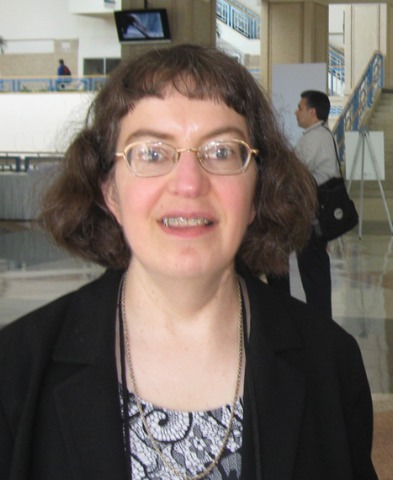
Transitions are not only logistically challenging but also one of the most cognitively challenging tasks for a physician, Dr. Sandvik said. For an effective transfer, doctors on both ends need to know, for example, events that occurred during hospitalization; the capabilities and needs of the receiving facility; the patient’s medication list at discharge and possible drug interactions; the need for rehabilitation; the potential for reimbursements through Medicare, Medicaid, private insurance, and private payments; and what appropriate physician follow-up can be arranged.
"This is a daunting list," Dr. Sandvik said, and payment for all that work can be challenging. "The more complex the patient or transfer, the lower physician reimbursement per time unit," Dr. Sandvik said. "Current charges for extended time require patient face-to-face time ... which is often the least productive time to spend arranging a transfer with a confused, older patient."
Many transfer problems result from poor communication, Dr. Sandvik said, so improving information exchange is crucial. He said he has witnessed the transfer of a hospital patient on a day other than what a nursing home had been told and the transfer of a hypoxic patient without any oxygen.
"The reality is we all have to migrate to a technologic solution," Dr. Sandvik said. Electronic medical records and other technologies could end cases of incomplete information accompanying a transferred patient. "I can’t get a fishing license unless all the required fields are filled in," yet patients often come to nursing homes without important information, Dr. Sandvik said.
"Hospitalists do not start out to do a bad job," he added. "We have to figure out why those forms are not getting filled out." "Sometimes, we spend days in the nursing home trying to figure out why an order was given or not given." In some cases, that’s made harder when the hospitalist who took care of a patient and wrote the discharge orders is off-duty at the time of the transfer.
Dr. Bade suggested that one way to improve transfers is to give a limited number of staff at the nursing home password-protected, remote access to the hospital’s electronic medical record system. Allowing such access to Rapid City Regional Hospital records has improved transfer accuracy and completeness, she said. The arrangement requires much interfacility cooperation, said Dr. Bade.
Until technology comes to the rescue at more nursing homes, Dr. Sandvik and Dr. Bade recommended relying on standardized, paper-based forms. The universal transfer form they use at works for transfers of patients not only from the hospital to nursing home but also from surgery to a bed within the hospital, from the intensive care unit to another hospital floor, and from one hospital to another, Dr. Sandvik said.
Some forms, however, "are specific for transfers to specific types of institutions, including skilled nursing facilities, assisted living facilities, home health care agencies," said Dr. Bade. One is specific to patients leaving a nursing home for the hospital emergency department. "These are basically checklists," she said. The forms include medications, other treatments, specific orders, and appointment information and are not valid in South Dakota until signed by a physician.
The nurses also have a separate transfer sheet. "It’s self explanatory, but if it’s not listed, it doesn’t get done," Dr. Sandvik said. "There has to be a reason for each medication given in the nursing home."
An audience member asked if Dr. Bade or Dr. Sandvik experience any pushback on the forms. "Yes, you get pushback," Dr. Sandvik said. "There is more work involved."
"The nursing home transfer forms serve as the discharge orders," Dr. Bade said. "We do have a challenge with them filling out the diagnoses, and we need [to do] more education on that."
Another challenge is adapting to changes in key personnel or facility policies over time. "We are dealing with a moving target," Dr. Sandvik said. Improving the system is an ongoing effort. "Once you have created the perfect transfer process, you will have a perfect transfer process for a very short time."
Dr. Sandvik and Dr. Bade said that they had no relevant disclosures.
TAMPA – Consistently safe and effective transfers of patients from hospitals to nursing homes take effort and planning that health care facilities and professionals typically do not focused on, according to two medical directors with more than 2 decades of hospital and nursing home experience in South Dakota.
"The hospital’s job until now, and the job of the hospitalist as well, is to treat the acute illness, keep patients safe during hospitalization, and discharge patients as soon as possible," Dr. David Sandvik said at the annual meeting of AMDA – Dedicated to Long Term Care Medicine. "There have been no incentives so far regarding safe transfers."
Moving patients safely means overcoming numerous physician and institutional barriers, said Dr. Sandvik, professor of internal and family medicine at the University of South Dakota, Sioux Falls. "Hospital discharge is viewed as the least important part of the stay."
"In the hospital, you should start working on discharge planning on day 1," Dr. Priscilla Bade said. Where she practices, the sole tertiary care hospital, Rapid City (South Dakota) Regional Hospital, and eight community nursing homes have created standardized discharge checklists that facilitate safe transfers, said Dr. Bade, who is an attending physician at the hospital and director of hospice care and a member of the internal medicine faculty at the University. Regular, ongoing meetings of a work group on transfers have been instrumental as well, she said.
Dr. Bade advised others to assemble groups of people with common interests in improving patient transfers, including clinicians at the hospital and the skilled nursing facilities. "This will help hospital administrators see we all need to work together or we will hang separately."
Dr. Sandvik said that administration participation is a natural. "It’s not hard to get [because] you end up with messes if you don’t have a good transfer system." Others important to include in meetings on better transfers are members of hospital and nursing home departments of nursing, social services, information systems, medical records, and pharmacy, he said, "and this is just in the planning."
Designate a meeting coordinator and find appropriate space to meet, Dr. Bade advised. Involve everyone present and "get input from those people on what to change" about the current transfer procedures, she said. "At each meeting, set practical goals for the next meeting and assign people to work on them."
Several talking points can start the conversation, Dr. Bade said. They include: Optimal transfers maintain patient safety, improve patient satisfaction, improve facility and physician workflow, reduce delays and the number of transfers, and lower readmission rates.
Transitions are not only logistically challenging but also one of the most cognitively challenging tasks for a physician, Dr. Sandvik said. For an effective transfer, doctors on both ends need to know, for example, events that occurred during hospitalization; the capabilities and needs of the receiving facility; the patient’s medication list at discharge and possible drug interactions; the need for rehabilitation; the potential for reimbursements through Medicare, Medicaid, private insurance, and private payments; and what appropriate physician follow-up can be arranged.
"This is a daunting list," Dr. Sandvik said, and payment for all that work can be challenging. "The more complex the patient or transfer, the lower physician reimbursement per time unit," Dr. Sandvik said. "Current charges for extended time require patient face-to-face time ... which is often the least productive time to spend arranging a transfer with a confused, older patient."
Many transfer problems result from poor communication, Dr. Sandvik said, so improving information exchange is crucial. He said he has witnessed the transfer of a hospital patient on a day other than what a nursing home had been told and the transfer of a hypoxic patient without any oxygen.
"The reality is we all have to migrate to a technologic solution," Dr. Sandvik said. Electronic medical records and other technologies could end cases of incomplete information accompanying a transferred patient. "I can’t get a fishing license unless all the required fields are filled in," yet patients often come to nursing homes without important information, Dr. Sandvik said.
"Hospitalists do not start out to do a bad job," he added. "We have to figure out why those forms are not getting filled out." "Sometimes, we spend days in the nursing home trying to figure out why an order was given or not given." In some cases, that’s made harder when the hospitalist who took care of a patient and wrote the discharge orders is off-duty at the time of the transfer.
Dr. Bade suggested that one way to improve transfers is to give a limited number of staff at the nursing home password-protected, remote access to the hospital’s electronic medical record system. Allowing such access to Rapid City Regional Hospital records has improved transfer accuracy and completeness, she said. The arrangement requires much interfacility cooperation, said Dr. Bade.
Until technology comes to the rescue at more nursing homes, Dr. Sandvik and Dr. Bade recommended relying on standardized, paper-based forms. The universal transfer form they use at works for transfers of patients not only from the hospital to nursing home but also from surgery to a bed within the hospital, from the intensive care unit to another hospital floor, and from one hospital to another, Dr. Sandvik said.
Some forms, however, "are specific for transfers to specific types of institutions, including skilled nursing facilities, assisted living facilities, home health care agencies," said Dr. Bade. One is specific to patients leaving a nursing home for the hospital emergency department. "These are basically checklists," she said. The forms include medications, other treatments, specific orders, and appointment information and are not valid in South Dakota until signed by a physician.
The nurses also have a separate transfer sheet. "It’s self explanatory, but if it’s not listed, it doesn’t get done," Dr. Sandvik said. "There has to be a reason for each medication given in the nursing home."
An audience member asked if Dr. Bade or Dr. Sandvik experience any pushback on the forms. "Yes, you get pushback," Dr. Sandvik said. "There is more work involved."
"The nursing home transfer forms serve as the discharge orders," Dr. Bade said. "We do have a challenge with them filling out the diagnoses, and we need [to do] more education on that."
Another challenge is adapting to changes in key personnel or facility policies over time. "We are dealing with a moving target," Dr. Sandvik said. Improving the system is an ongoing effort. "Once you have created the perfect transfer process, you will have a perfect transfer process for a very short time."
Dr. Sandvik and Dr. Bade said that they had no relevant disclosures.
TAMPA – Consistently safe and effective transfers of patients from hospitals to nursing homes take effort and planning that health care facilities and professionals typically do not focused on, according to two medical directors with more than 2 decades of hospital and nursing home experience in South Dakota.
"The hospital’s job until now, and the job of the hospitalist as well, is to treat the acute illness, keep patients safe during hospitalization, and discharge patients as soon as possible," Dr. David Sandvik said at the annual meeting of AMDA – Dedicated to Long Term Care Medicine. "There have been no incentives so far regarding safe transfers."
Moving patients safely means overcoming numerous physician and institutional barriers, said Dr. Sandvik, professor of internal and family medicine at the University of South Dakota, Sioux Falls. "Hospital discharge is viewed as the least important part of the stay."
"In the hospital, you should start working on discharge planning on day 1," Dr. Priscilla Bade said. Where she practices, the sole tertiary care hospital, Rapid City (South Dakota) Regional Hospital, and eight community nursing homes have created standardized discharge checklists that facilitate safe transfers, said Dr. Bade, who is an attending physician at the hospital and director of hospice care and a member of the internal medicine faculty at the University. Regular, ongoing meetings of a work group on transfers have been instrumental as well, she said.
Dr. Bade advised others to assemble groups of people with common interests in improving patient transfers, including clinicians at the hospital and the skilled nursing facilities. "This will help hospital administrators see we all need to work together or we will hang separately."
Dr. Sandvik said that administration participation is a natural. "It’s not hard to get [because] you end up with messes if you don’t have a good transfer system." Others important to include in meetings on better transfers are members of hospital and nursing home departments of nursing, social services, information systems, medical records, and pharmacy, he said, "and this is just in the planning."
Designate a meeting coordinator and find appropriate space to meet, Dr. Bade advised. Involve everyone present and "get input from those people on what to change" about the current transfer procedures, she said. "At each meeting, set practical goals for the next meeting and assign people to work on them."
Several talking points can start the conversation, Dr. Bade said. They include: Optimal transfers maintain patient safety, improve patient satisfaction, improve facility and physician workflow, reduce delays and the number of transfers, and lower readmission rates.
Transitions are not only logistically challenging but also one of the most cognitively challenging tasks for a physician, Dr. Sandvik said. For an effective transfer, doctors on both ends need to know, for example, events that occurred during hospitalization; the capabilities and needs of the receiving facility; the patient’s medication list at discharge and possible drug interactions; the need for rehabilitation; the potential for reimbursements through Medicare, Medicaid, private insurance, and private payments; and what appropriate physician follow-up can be arranged.
"This is a daunting list," Dr. Sandvik said, and payment for all that work can be challenging. "The more complex the patient or transfer, the lower physician reimbursement per time unit," Dr. Sandvik said. "Current charges for extended time require patient face-to-face time ... which is often the least productive time to spend arranging a transfer with a confused, older patient."
Many transfer problems result from poor communication, Dr. Sandvik said, so improving information exchange is crucial. He said he has witnessed the transfer of a hospital patient on a day other than what a nursing home had been told and the transfer of a hypoxic patient without any oxygen.
"The reality is we all have to migrate to a technologic solution," Dr. Sandvik said. Electronic medical records and other technologies could end cases of incomplete information accompanying a transferred patient. "I can’t get a fishing license unless all the required fields are filled in," yet patients often come to nursing homes without important information, Dr. Sandvik said.
"Hospitalists do not start out to do a bad job," he added. "We have to figure out why those forms are not getting filled out." "Sometimes, we spend days in the nursing home trying to figure out why an order was given or not given." In some cases, that’s made harder when the hospitalist who took care of a patient and wrote the discharge orders is off-duty at the time of the transfer.
Dr. Bade suggested that one way to improve transfers is to give a limited number of staff at the nursing home password-protected, remote access to the hospital’s electronic medical record system. Allowing such access to Rapid City Regional Hospital records has improved transfer accuracy and completeness, she said. The arrangement requires much interfacility cooperation, said Dr. Bade.
Until technology comes to the rescue at more nursing homes, Dr. Sandvik and Dr. Bade recommended relying on standardized, paper-based forms. The universal transfer form they use at works for transfers of patients not only from the hospital to nursing home but also from surgery to a bed within the hospital, from the intensive care unit to another hospital floor, and from one hospital to another, Dr. Sandvik said.
Some forms, however, "are specific for transfers to specific types of institutions, including skilled nursing facilities, assisted living facilities, home health care agencies," said Dr. Bade. One is specific to patients leaving a nursing home for the hospital emergency department. "These are basically checklists," she said. The forms include medications, other treatments, specific orders, and appointment information and are not valid in South Dakota until signed by a physician.
The nurses also have a separate transfer sheet. "It’s self explanatory, but if it’s not listed, it doesn’t get done," Dr. Sandvik said. "There has to be a reason for each medication given in the nursing home."
An audience member asked if Dr. Bade or Dr. Sandvik experience any pushback on the forms. "Yes, you get pushback," Dr. Sandvik said. "There is more work involved."
"The nursing home transfer forms serve as the discharge orders," Dr. Bade said. "We do have a challenge with them filling out the diagnoses, and we need [to do] more education on that."
Another challenge is adapting to changes in key personnel or facility policies over time. "We are dealing with a moving target," Dr. Sandvik said. Improving the system is an ongoing effort. "Once you have created the perfect transfer process, you will have a perfect transfer process for a very short time."
Dr. Sandvik and Dr. Bade said that they had no relevant disclosures.
FROM THE ANNUAL MEETING OF AMDA - DEDICATED TO LONG TERM CARE MEDICINE