User login
Update on Psoriasis Comorbidities: Report From the AAD Meeting
At the 73rd Annual Meeting of the American Academy of Dermatology in San Francisco, California, Dr. Jashin J. Wu reviews data on the risk for cardiovascular and noncardiovascular comorbidities in psoriasis patients. He discusses patients with hypertension and how psoriasis disease severity impacts control of hypertension. Noncardiovascular comorbidities such as chronic obstructive pulmonary disease, gallstones, end-stage kidney disease, and others, are evaluated.
At the 73rd Annual Meeting of the American Academy of Dermatology in San Francisco, California, Dr. Jashin J. Wu reviews data on the risk for cardiovascular and noncardiovascular comorbidities in psoriasis patients. He discusses patients with hypertension and how psoriasis disease severity impacts control of hypertension. Noncardiovascular comorbidities such as chronic obstructive pulmonary disease, gallstones, end-stage kidney disease, and others, are evaluated.
At the 73rd Annual Meeting of the American Academy of Dermatology in San Francisco, California, Dr. Jashin J. Wu reviews data on the risk for cardiovascular and noncardiovascular comorbidities in psoriasis patients. He discusses patients with hypertension and how psoriasis disease severity impacts control of hypertension. Noncardiovascular comorbidities such as chronic obstructive pulmonary disease, gallstones, end-stage kidney disease, and others, are evaluated.

VIDEO: What you need to know about MACRA, Medicare pay
BOSTON – When the Medicare Access and CHIP Reauthorization Act goes into effect in 2019, will you be ready?
In a video interview at the annual meeting of the American College of Physicians, Robert B. Doherty, senior vice president of governmental affairs and public policy for the ACP, outlined what physicians need to know about Medicare’s post–Sustainable Growth Rate payment structures, including the difference between MIPS and ACMs.
He also explained how these new Medicare payment structures give physicians more control over their reimbursements while also requiring physicians to endure greater risk.
The video associated with this article is no longer available on this site. Please view all of our videos on the MDedge YouTube channel
On Twitter @whitneymcknight
BOSTON – When the Medicare Access and CHIP Reauthorization Act goes into effect in 2019, will you be ready?
In a video interview at the annual meeting of the American College of Physicians, Robert B. Doherty, senior vice president of governmental affairs and public policy for the ACP, outlined what physicians need to know about Medicare’s post–Sustainable Growth Rate payment structures, including the difference between MIPS and ACMs.
He also explained how these new Medicare payment structures give physicians more control over their reimbursements while also requiring physicians to endure greater risk.
The video associated with this article is no longer available on this site. Please view all of our videos on the MDedge YouTube channel
On Twitter @whitneymcknight
BOSTON – When the Medicare Access and CHIP Reauthorization Act goes into effect in 2019, will you be ready?
In a video interview at the annual meeting of the American College of Physicians, Robert B. Doherty, senior vice president of governmental affairs and public policy for the ACP, outlined what physicians need to know about Medicare’s post–Sustainable Growth Rate payment structures, including the difference between MIPS and ACMs.
He also explained how these new Medicare payment structures give physicians more control over their reimbursements while also requiring physicians to endure greater risk.
The video associated with this article is no longer available on this site. Please view all of our videos on the MDedge YouTube channel
On Twitter @whitneymcknight
AT ACP INTERNAL MEDICINE 2015
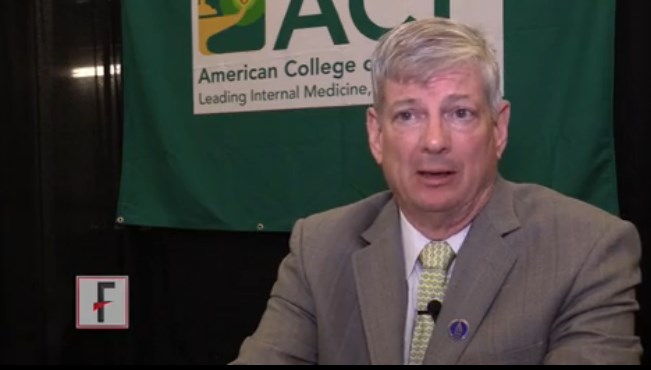
Stewart Tepper, MD
The video associated with this article is no longer available on this site. Please view all of our videos on the MDedge YouTube channel
The video associated with this article is no longer available on this site. Please view all of our videos on the MDedge YouTube channel
The video associated with this article is no longer available on this site. Please view all of our videos on the MDedge YouTube channel

Robert Cowan, MD
The video associated with this article is no longer available on this site. Please view all of our videos on the MDedge YouTube channel
The video associated with this article is no longer available on this site. Please view all of our videos on the MDedge YouTube channel
The video associated with this article is no longer available on this site. Please view all of our videos on the MDedge YouTube channel

Andrew Wilner, MD
The video associated with this article is no longer available on this site. Please view all of our videos on the MDedge YouTube channel
The video associated with this article is no longer available on this site. Please view all of our videos on the MDedge YouTube channel
The video associated with this article is no longer available on this site. Please view all of our videos on the MDedge YouTube channel

Allan Krumholz, MD
The video associated with this article is no longer available on this site. Please view all of our videos on the MDedge YouTube channel
,
The video associated with this article is no longer available on this site. Please view all of our videos on the MDedge YouTube channel
,
The video associated with this article is no longer available on this site. Please view all of our videos on the MDedge YouTube channel
,
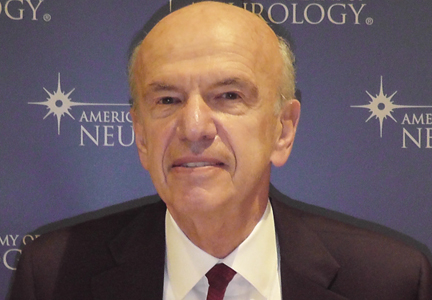
Alasdair Coles, MD
The video associated with this article is no longer available on this site. Please view all of our videos on the MDedge YouTube channel
The video associated with this article is no longer available on this site. Please view all of our videos on the MDedge YouTube channel
The video associated with this article is no longer available on this site. Please view all of our videos on the MDedge YouTube channel

Amber Salter, PhD, MPH
The video associated with this article is no longer available on this site. Please view all of our videos on the MDedge YouTube channel
The video associated with this article is no longer available on this site. Please view all of our videos on the MDedge YouTube channel
The video associated with this article is no longer available on this site. Please view all of our videos on the MDedge YouTube channel

Stacey Cofield, PhD
The video associated with this article is no longer available on this site. Please view all of our videos on the MDedge YouTube channel
The video associated with this article is no longer available on this site. Please view all of our videos on the MDedge YouTube channel
The video associated with this article is no longer available on this site. Please view all of our videos on the MDedge YouTube channel

VIDEO: Contraception trends in 2015
SAN FRANCISCO – During an update on contraception at the annual meeting of the American College of Obstetricians and Gynecologists, Dr. Eve Espey touched on topics ranging from the latest in long-acting reversible contraception methods and the use of those methods in teens, to the “next big thing,” which she said is postpartum intrauterine device placement.
Dr. Espey, chair of the department of obstetrics and gynecology at the University of New Mexico, Albuquerque, also discussed the latest from the CHOICE project, talked about current controversies in contraception, and offered practical clinical tips for physicians to take back to their practices.
In this video, Dr. Espey summed up some of the latest evidence on contraception choices, including findings among obese patients.
Dr. Espey reported having no financial disclosures.
The video associated with this article is no longer available on this site. Please view all of our videos on the MDedge YouTube channel
SAN FRANCISCO – During an update on contraception at the annual meeting of the American College of Obstetricians and Gynecologists, Dr. Eve Espey touched on topics ranging from the latest in long-acting reversible contraception methods and the use of those methods in teens, to the “next big thing,” which she said is postpartum intrauterine device placement.
Dr. Espey, chair of the department of obstetrics and gynecology at the University of New Mexico, Albuquerque, also discussed the latest from the CHOICE project, talked about current controversies in contraception, and offered practical clinical tips for physicians to take back to their practices.
In this video, Dr. Espey summed up some of the latest evidence on contraception choices, including findings among obese patients.
Dr. Espey reported having no financial disclosures.
The video associated with this article is no longer available on this site. Please view all of our videos on the MDedge YouTube channel
SAN FRANCISCO – During an update on contraception at the annual meeting of the American College of Obstetricians and Gynecologists, Dr. Eve Espey touched on topics ranging from the latest in long-acting reversible contraception methods and the use of those methods in teens, to the “next big thing,” which she said is postpartum intrauterine device placement.
Dr. Espey, chair of the department of obstetrics and gynecology at the University of New Mexico, Albuquerque, also discussed the latest from the CHOICE project, talked about current controversies in contraception, and offered practical clinical tips for physicians to take back to their practices.
In this video, Dr. Espey summed up some of the latest evidence on contraception choices, including findings among obese patients.
Dr. Espey reported having no financial disclosures.
The video associated with this article is no longer available on this site. Please view all of our videos on the MDedge YouTube channel
AT THE ACOG ANNUAL CLINICAL MEETING