User login
VIDEO: Time to skip chemo for luminal A tumors?
SAN ANTONIO – Premenopausal women with luminal A tumors did not derive benefit from adjuvant cyclophosphamide-based chemotherapy.
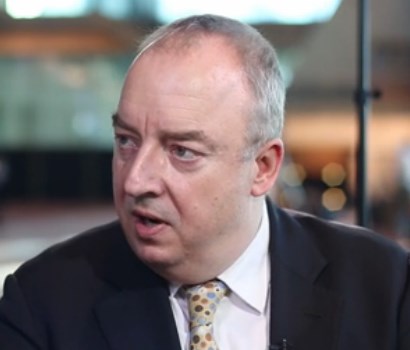
In an interview, Dr. Torsten Nielsen, professor of pathology at the University of British Columbia in Vancouver, discusses the prospective-retrospective study and whether its findings will prompt patients with these tumors and their physicians to skip chemotherapy.
The video associated with this article is no longer available on this site. Please view all of our videos on the MDedge YouTube channel
SAN ANTONIO – Premenopausal women with luminal A tumors did not derive benefit from adjuvant cyclophosphamide-based chemotherapy.
In an interview, Dr. Torsten Nielsen, professor of pathology at the University of British Columbia in Vancouver, discusses the prospective-retrospective study and whether its findings will prompt patients with these tumors and their physicians to skip chemotherapy.
The video associated with this article is no longer available on this site. Please view all of our videos on the MDedge YouTube channel
SAN ANTONIO – Premenopausal women with luminal A tumors did not derive benefit from adjuvant cyclophosphamide-based chemotherapy.
In an interview, Dr. Torsten Nielsen, professor of pathology at the University of British Columbia in Vancouver, discusses the prospective-retrospective study and whether its findings will prompt patients with these tumors and their physicians to skip chemotherapy.
The video associated with this article is no longer available on this site. Please view all of our videos on the MDedge YouTube channel
AT SABCS 2015

VIDEO: APOBEC3B enzyme may limit tamoxifen efficacy
SAN ANTONIO – Patients with estrogen receptor–positive breast cancers who had up-regulation of the APOBEC3B enzyme – a DNA-mutating enzyme – had a shorter time to progression on tamoxifen. In addition, suppressing levels of the enzyme in a preclinical model reduced tamoxifen resistance. In an interview, Reuben Harris, Ph.D., professor in the department of biochemistry, molecular biology, and biophysics at the University of Minnesota, Minneapolis, discussed the study’s findings and what they mean for the conduct of clinical trials and for future research.
The video associated with this article is no longer available on this site. Please view all of our videos on the MDedge YouTube channel
SAN ANTONIO – Patients with estrogen receptor–positive breast cancers who had up-regulation of the APOBEC3B enzyme – a DNA-mutating enzyme – had a shorter time to progression on tamoxifen. In addition, suppressing levels of the enzyme in a preclinical model reduced tamoxifen resistance. In an interview, Reuben Harris, Ph.D., professor in the department of biochemistry, molecular biology, and biophysics at the University of Minnesota, Minneapolis, discussed the study’s findings and what they mean for the conduct of clinical trials and for future research.
The video associated with this article is no longer available on this site. Please view all of our videos on the MDedge YouTube channel
SAN ANTONIO – Patients with estrogen receptor–positive breast cancers who had up-regulation of the APOBEC3B enzyme – a DNA-mutating enzyme – had a shorter time to progression on tamoxifen. In addition, suppressing levels of the enzyme in a preclinical model reduced tamoxifen resistance. In an interview, Reuben Harris, Ph.D., professor in the department of biochemistry, molecular biology, and biophysics at the University of Minnesota, Minneapolis, discussed the study’s findings and what they mean for the conduct of clinical trials and for future research.
The video associated with this article is no longer available on this site. Please view all of our videos on the MDedge YouTube channel
AT SABCS 2015
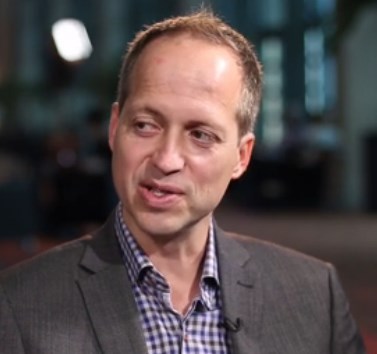
VIDEO: Mastectomy plus reconstruction has highest complication rates of all early BC treatment options
SAN ANTONIO – Mastectomy with reconstruction is the outlier in terms of complication rates and cost among options for local therapy for early breast cancer, according to a large observational study presented at the San Antonio Breast Cancer Symposium.
Complication rates during the first 2 years after diagnosis were roughly twice as high for mastectomy plus reconstruction, compared with lumpectomy with whole breast irradiation. Moreover, average total procedural and complication costs were $23,000 greater for women aged 65 years or younger who opted for mastectomy plus reconstruction than for those who chose lumpectomy plus whole breast irradiation. These fresh insights into the trade-offs involved in local treatment options should prove useful in oncologists’ discussions with newly diagnosed patients, as well as for payers, as Dr. Benjamin D. Smith of University of Texas M.D. Anderson Cancer Center, Houston, explains in an interview.
The video associated with this article is no longer available on this site. Please view all of our videos on the MDedge YouTube channel
SAN ANTONIO – Mastectomy with reconstruction is the outlier in terms of complication rates and cost among options for local therapy for early breast cancer, according to a large observational study presented at the San Antonio Breast Cancer Symposium.
Complication rates during the first 2 years after diagnosis were roughly twice as high for mastectomy plus reconstruction, compared with lumpectomy with whole breast irradiation. Moreover, average total procedural and complication costs were $23,000 greater for women aged 65 years or younger who opted for mastectomy plus reconstruction than for those who chose lumpectomy plus whole breast irradiation. These fresh insights into the trade-offs involved in local treatment options should prove useful in oncologists’ discussions with newly diagnosed patients, as well as for payers, as Dr. Benjamin D. Smith of University of Texas M.D. Anderson Cancer Center, Houston, explains in an interview.
The video associated with this article is no longer available on this site. Please view all of our videos on the MDedge YouTube channel
SAN ANTONIO – Mastectomy with reconstruction is the outlier in terms of complication rates and cost among options for local therapy for early breast cancer, according to a large observational study presented at the San Antonio Breast Cancer Symposium.
Complication rates during the first 2 years after diagnosis were roughly twice as high for mastectomy plus reconstruction, compared with lumpectomy with whole breast irradiation. Moreover, average total procedural and complication costs were $23,000 greater for women aged 65 years or younger who opted for mastectomy plus reconstruction than for those who chose lumpectomy plus whole breast irradiation. These fresh insights into the trade-offs involved in local treatment options should prove useful in oncologists’ discussions with newly diagnosed patients, as well as for payers, as Dr. Benjamin D. Smith of University of Texas M.D. Anderson Cancer Center, Houston, explains in an interview.
The video associated with this article is no longer available on this site. Please view all of our videos on the MDedge YouTube channel
AT SABCS 2015
Clinical Segment 6: Don’t back away from reality of patients with serious mental illness
The video associated with this article is no longer available on this site. Please view all of our videos on the MDedge YouTube channel
People in this video: Whitney McKnight, cohost and producer of Mental Health Consult; Dr. Lorenzo Norris, editorial board member of Clinical Psychiatry News and cohost of Mental Health Consult, and an assistant professor of psychiatry and behavioral sciences, assistant dean of student affairs, and the medical director of psychiatric and behavioral services at George Washington University Hospital, Washington; Dr. Lillian Beard, pediatrician with Children’s National Hospital Network, Washington, and a Pediatric News editorial board member; Dr. David Pickar, adjunct professor of psychiatry at Johns Hopkins University School of Medicine in Baltimore and at the Uniformed Services University of the Health Sciences in Bethesda, Md.
Dr. Pickar: Psychosis is the hallmark of serious mental illness, whether it's schizophrenia, severe bipolar, or psychosis otherwise. It is one of the great tragedies of our medical system, and I'll come back to the primary doc who's out there. I want to talk to you about this. It is a tragedy. Whitney knows, I put together a little documentary, The Realities of Serious Mental Illness. I just couldn't stand the lack of information.
They're very quick to report the violence, and I know a lot about the violence. I worry about it all the time. There's a huge debate between civil liberties and safety that's going on in serious mental illness. Regardless, knowing about it is enormously important for all docs. More patients with serious mental illness, by far, are in jails than they are in mental hospitals. There is nothing for them. You talk about collaborative care.
Whitney: On the team in the primary care setting, who's treating what?
Dr. Pickar: I'm talking now myself. A family member brings in an 18-year-old to evaluate. Okay? I'm glad to see it. Of course, I've been around a while. I spent decades as a scientist in schizophrenia. I just close my eyes and hope that I'm not seeing a first break for a seriously mental ill patient. Not that we can't treat it. Not that we can't help, but I know what's entailed. Not unlike seeing an oncology presentation. We're there. We're docs. You don't give up on it, but you know what's ahead for that family.
What's fascinating is many of the first breaks occur, not necessarily quietly, but can be a little insidious. They can be brought to the primary care. It is not uncommon. “My 16-year-old's not doing well. I can't get him up.” But really, what's going on? The primary care doc needs to have a consciousness of that. Let me just say this: First things about serious mental illness, particularly in schizophrenia, 1% of the population has it. That makes it a very common disorder.
The video associated with this article is no longer available on this site. Please view all of our videos on the MDedge YouTube channel
People in this video: Whitney McKnight, cohost and producer of Mental Health Consult; Dr. Lorenzo Norris, editorial board member of Clinical Psychiatry News and cohost of Mental Health Consult, and an assistant professor of psychiatry and behavioral sciences, assistant dean of student affairs, and the medical director of psychiatric and behavioral services at George Washington University Hospital, Washington; Dr. Lillian Beard, pediatrician with Children’s National Hospital Network, Washington, and a Pediatric News editorial board member; Dr. David Pickar, adjunct professor of psychiatry at Johns Hopkins University School of Medicine in Baltimore and at the Uniformed Services University of the Health Sciences in Bethesda, Md.
Dr. Pickar: Psychosis is the hallmark of serious mental illness, whether it's schizophrenia, severe bipolar, or psychosis otherwise. It is one of the great tragedies of our medical system, and I'll come back to the primary doc who's out there. I want to talk to you about this. It is a tragedy. Whitney knows, I put together a little documentary, The Realities of Serious Mental Illness. I just couldn't stand the lack of information.
They're very quick to report the violence, and I know a lot about the violence. I worry about it all the time. There's a huge debate between civil liberties and safety that's going on in serious mental illness. Regardless, knowing about it is enormously important for all docs. More patients with serious mental illness, by far, are in jails than they are in mental hospitals. There is nothing for them. You talk about collaborative care.
Whitney: On the team in the primary care setting, who's treating what?
Dr. Pickar: I'm talking now myself. A family member brings in an 18-year-old to evaluate. Okay? I'm glad to see it. Of course, I've been around a while. I spent decades as a scientist in schizophrenia. I just close my eyes and hope that I'm not seeing a first break for a seriously mental ill patient. Not that we can't treat it. Not that we can't help, but I know what's entailed. Not unlike seeing an oncology presentation. We're there. We're docs. You don't give up on it, but you know what's ahead for that family.
What's fascinating is many of the first breaks occur, not necessarily quietly, but can be a little insidious. They can be brought to the primary care. It is not uncommon. “My 16-year-old's not doing well. I can't get him up.” But really, what's going on? The primary care doc needs to have a consciousness of that. Let me just say this: First things about serious mental illness, particularly in schizophrenia, 1% of the population has it. That makes it a very common disorder.
The video associated with this article is no longer available on this site. Please view all of our videos on the MDedge YouTube channel
People in this video: Whitney McKnight, cohost and producer of Mental Health Consult; Dr. Lorenzo Norris, editorial board member of Clinical Psychiatry News and cohost of Mental Health Consult, and an assistant professor of psychiatry and behavioral sciences, assistant dean of student affairs, and the medical director of psychiatric and behavioral services at George Washington University Hospital, Washington; Dr. Lillian Beard, pediatrician with Children’s National Hospital Network, Washington, and a Pediatric News editorial board member; Dr. David Pickar, adjunct professor of psychiatry at Johns Hopkins University School of Medicine in Baltimore and at the Uniformed Services University of the Health Sciences in Bethesda, Md.
Dr. Pickar: Psychosis is the hallmark of serious mental illness, whether it's schizophrenia, severe bipolar, or psychosis otherwise. It is one of the great tragedies of our medical system, and I'll come back to the primary doc who's out there. I want to talk to you about this. It is a tragedy. Whitney knows, I put together a little documentary, The Realities of Serious Mental Illness. I just couldn't stand the lack of information.
They're very quick to report the violence, and I know a lot about the violence. I worry about it all the time. There's a huge debate between civil liberties and safety that's going on in serious mental illness. Regardless, knowing about it is enormously important for all docs. More patients with serious mental illness, by far, are in jails than they are in mental hospitals. There is nothing for them. You talk about collaborative care.
Whitney: On the team in the primary care setting, who's treating what?
Dr. Pickar: I'm talking now myself. A family member brings in an 18-year-old to evaluate. Okay? I'm glad to see it. Of course, I've been around a while. I spent decades as a scientist in schizophrenia. I just close my eyes and hope that I'm not seeing a first break for a seriously mental ill patient. Not that we can't treat it. Not that we can't help, but I know what's entailed. Not unlike seeing an oncology presentation. We're there. We're docs. You don't give up on it, but you know what's ahead for that family.
What's fascinating is many of the first breaks occur, not necessarily quietly, but can be a little insidious. They can be brought to the primary care. It is not uncommon. “My 16-year-old's not doing well. I can't get him up.” But really, what's going on? The primary care doc needs to have a consciousness of that. Let me just say this: First things about serious mental illness, particularly in schizophrenia, 1% of the population has it. That makes it a very common disorder.
VIDEO: Triple-negative breast cancer outcomes boosted by adding carboplatin to neoadjuvant chemo
SAN ANTONIO – Adding weekly carboplatin to 18 weeks of anthracycline/taxane-based neoadjuvant chemotherapy markedly improved disease-free survival in patients with triple-negative breast cancer, according to updated results from the GeparSixto trial presented at the San Antonio Breast Cancer Symposium.
Dr. Gunter von Minckwitz, president of the German Breast Group, explains in an interview that the nearly 50% reduction in the risk of disease relapse at 3 years seen in the phase II trial has converted him and his coinvestigators to routine use of add-on carboplatin in triple-negative breast cancer patients on neoadjuvant chemotherapy.
The video associated with this article is no longer available on this site. Please view all of our videos on the MDedge YouTube channel
SAN ANTONIO – Adding weekly carboplatin to 18 weeks of anthracycline/taxane-based neoadjuvant chemotherapy markedly improved disease-free survival in patients with triple-negative breast cancer, according to updated results from the GeparSixto trial presented at the San Antonio Breast Cancer Symposium.
Dr. Gunter von Minckwitz, president of the German Breast Group, explains in an interview that the nearly 50% reduction in the risk of disease relapse at 3 years seen in the phase II trial has converted him and his coinvestigators to routine use of add-on carboplatin in triple-negative breast cancer patients on neoadjuvant chemotherapy.
The video associated with this article is no longer available on this site. Please view all of our videos on the MDedge YouTube channel
SAN ANTONIO – Adding weekly carboplatin to 18 weeks of anthracycline/taxane-based neoadjuvant chemotherapy markedly improved disease-free survival in patients with triple-negative breast cancer, according to updated results from the GeparSixto trial presented at the San Antonio Breast Cancer Symposium.
Dr. Gunter von Minckwitz, president of the German Breast Group, explains in an interview that the nearly 50% reduction in the risk of disease relapse at 3 years seen in the phase II trial has converted him and his coinvestigators to routine use of add-on carboplatin in triple-negative breast cancer patients on neoadjuvant chemotherapy.
The video associated with this article is no longer available on this site. Please view all of our videos on the MDedge YouTube channel
AT SABCS 2015
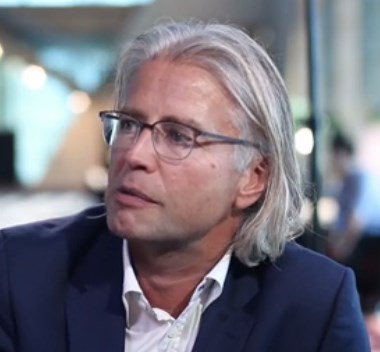
VIDEO: Adjuvant capecitabine has role for residual disease after neoadjuvant therapy
SAN ANTONIO – Adjuvant capecitabine improved both disease-free and overall survival in women with HER2-negative breast cancer who had residual disease after neoadjuvant chemotherapy. In an interview, Dr. Masakazu Toi, a professor at Kyoto University Hospital, and founder and senior director of the Japan Breast Cancer Research Group, discusses the phase III CREATE-X trial and its implications for clinical care.
The video associated with this article is no longer available on this site. Please view all of our videos on the MDedge YouTube channel
SAN ANTONIO – Adjuvant capecitabine improved both disease-free and overall survival in women with HER2-negative breast cancer who had residual disease after neoadjuvant chemotherapy. In an interview, Dr. Masakazu Toi, a professor at Kyoto University Hospital, and founder and senior director of the Japan Breast Cancer Research Group, discusses the phase III CREATE-X trial and its implications for clinical care.
The video associated with this article is no longer available on this site. Please view all of our videos on the MDedge YouTube channel
SAN ANTONIO – Adjuvant capecitabine improved both disease-free and overall survival in women with HER2-negative breast cancer who had residual disease after neoadjuvant chemotherapy. In an interview, Dr. Masakazu Toi, a professor at Kyoto University Hospital, and founder and senior director of the Japan Breast Cancer Research Group, discusses the phase III CREATE-X trial and its implications for clinical care.
The video associated with this article is no longer available on this site. Please view all of our videos on the MDedge YouTube channel
AT SABCS 2015
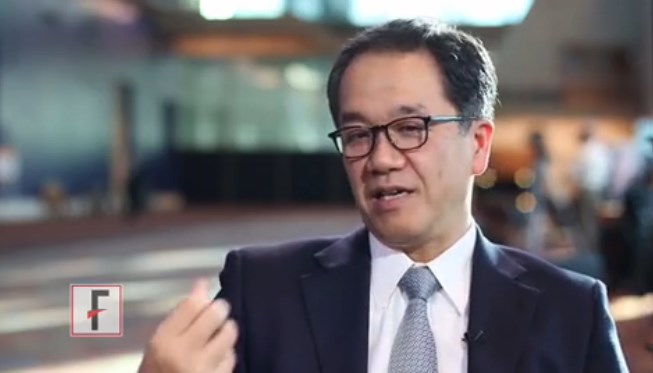
VIDEO: Win-win with denosumab as adjuvant therapy for post-menopausal breast cancer
SAN ANTONIO – Adding denosumab to adjuvant aromatase inhibitor therapy, not only reduced risk of fracture, but also improved disease-free survival for postmenopausal patients with early-stage, hormone receptor–positive breast cancer, according to results presented at the San Antonio Breast Cancer Symposium.
In an interview, Dr. Michael Gnant, professor of surgery at the Medical University of Vienna, discusses the phase III ABCSG-18 clinical trial, and why he will now be prescribing denosumab to HR-positive breast cancer patients who are receiving adjuvant aromatase inhibitor therapy, regardless of their bone health status.
The video associated with this article is no longer available on this site. Please view all of our videos on the MDedge YouTube channel
SAN ANTONIO – Adding denosumab to adjuvant aromatase inhibitor therapy, not only reduced risk of fracture, but also improved disease-free survival for postmenopausal patients with early-stage, hormone receptor–positive breast cancer, according to results presented at the San Antonio Breast Cancer Symposium.
In an interview, Dr. Michael Gnant, professor of surgery at the Medical University of Vienna, discusses the phase III ABCSG-18 clinical trial, and why he will now be prescribing denosumab to HR-positive breast cancer patients who are receiving adjuvant aromatase inhibitor therapy, regardless of their bone health status.
The video associated with this article is no longer available on this site. Please view all of our videos on the MDedge YouTube channel
SAN ANTONIO – Adding denosumab to adjuvant aromatase inhibitor therapy, not only reduced risk of fracture, but also improved disease-free survival for postmenopausal patients with early-stage, hormone receptor–positive breast cancer, according to results presented at the San Antonio Breast Cancer Symposium.
In an interview, Dr. Michael Gnant, professor of surgery at the Medical University of Vienna, discusses the phase III ABCSG-18 clinical trial, and why he will now be prescribing denosumab to HR-positive breast cancer patients who are receiving adjuvant aromatase inhibitor therapy, regardless of their bone health status.
The video associated with this article is no longer available on this site. Please view all of our videos on the MDedge YouTube channel
AT SABCS 2015
Policy Segment 5: Taking behavioral health pressure off primary care
The video associated with this article is no longer available on this site. Please view all of our videos on the MDedge YouTube channel
Who is in this video: Dr. Lawrence “Bopper” Deyton is the senior associate dean for clinical public health and a professor of medicine and of health policy and management at George Washington University School of Medicine, Washington; and Lauren Alfred, policy director at the Kennedy Forum.
Dr. Deyton: We’re in a bit of a transition now in terms of the structure of the health care enterprise, and how the incentives, and the funding, and how we’re organized? If we believe that the “triple aim” will work, that is, that the Affordable Care Act’s priorities – improving quality, decreasing cost, improving patient satisfaction in the system – then aren’t we on the cusp of potentially being able to put the distress diagnoses, finding those out, at the top, or close to the top, of the differential list when anybody comes in for any medical interaction?
At least in the literature that I know about – I’m thinking about chronic diseases – people come in with all kinds of behavioral, and emotional, and mental health distress issues, as well as serious mental illness. I think that we are missing opportunities with every interaction to ask about, to screen, and to have a treatment plan for those behavioral and mental health problems.
Now, aren’t we at the cusp of a reimbursement system that should reward for that and help catalyze our systems to change how they are structured?
Lauren Alfred: Absolutely. I think we’re having this conversation, fundamentally, for two reasons. One, because we recognize that the vast majority of patients are going to get this care in the primary care setting. That’s why we’re talking about mental health in primary care. There’s recognition of that by policy makers to say, “I have to address this problem across the continuum of care, but this is where I can make the biggest impact.” They’re driven by dollars, and so this is Then two, back to the idea of education, and the burden that we would be placing on primary care physicians and on our residents to be learning, there is only so much we can do, I would say, given the evidence of education in mental health for these physicians. It’ll only take them so far, and then at some point we have to talk about collaborative care and where we’re going to bring the specialists into the equation.
I think we get into this policy discussion, certainly with medicine, but also with teachers. It’s “How much more are we going to pile onto educators in terms of the things that they have to do for their students?” They have to be the social worker, the mom, the dad, and they have to be thinking about their mental health and about addiction. There are only so many [14:50] things we can expect our primary care physicians to do.
We need to bring them all up to a certain standard and at that point decide, “What are the payment structures, mechanisms, and teams that are in place that then carry us the rest of the way?” Making sure that there is a fundamental understanding of this difference between disorder and distress is certainly a good place to start.
The video associated with this article is no longer available on this site. Please view all of our videos on the MDedge YouTube channel
Who is in this video: Dr. Lawrence “Bopper” Deyton is the senior associate dean for clinical public health and a professor of medicine and of health policy and management at George Washington University School of Medicine, Washington; and Lauren Alfred, policy director at the Kennedy Forum.
Dr. Deyton: We’re in a bit of a transition now in terms of the structure of the health care enterprise, and how the incentives, and the funding, and how we’re organized? If we believe that the “triple aim” will work, that is, that the Affordable Care Act’s priorities – improving quality, decreasing cost, improving patient satisfaction in the system – then aren’t we on the cusp of potentially being able to put the distress diagnoses, finding those out, at the top, or close to the top, of the differential list when anybody comes in for any medical interaction?
At least in the literature that I know about – I’m thinking about chronic diseases – people come in with all kinds of behavioral, and emotional, and mental health distress issues, as well as serious mental illness. I think that we are missing opportunities with every interaction to ask about, to screen, and to have a treatment plan for those behavioral and mental health problems.
Now, aren’t we at the cusp of a reimbursement system that should reward for that and help catalyze our systems to change how they are structured?
Lauren Alfred: Absolutely. I think we’re having this conversation, fundamentally, for two reasons. One, because we recognize that the vast majority of patients are going to get this care in the primary care setting. That’s why we’re talking about mental health in primary care. There’s recognition of that by policy makers to say, “I have to address this problem across the continuum of care, but this is where I can make the biggest impact.” They’re driven by dollars, and so this is Then two, back to the idea of education, and the burden that we would be placing on primary care physicians and on our residents to be learning, there is only so much we can do, I would say, given the evidence of education in mental health for these physicians. It’ll only take them so far, and then at some point we have to talk about collaborative care and where we’re going to bring the specialists into the equation.
I think we get into this policy discussion, certainly with medicine, but also with teachers. It’s “How much more are we going to pile onto educators in terms of the things that they have to do for their students?” They have to be the social worker, the mom, the dad, and they have to be thinking about their mental health and about addiction. There are only so many [14:50] things we can expect our primary care physicians to do.
We need to bring them all up to a certain standard and at that point decide, “What are the payment structures, mechanisms, and teams that are in place that then carry us the rest of the way?” Making sure that there is a fundamental understanding of this difference between disorder and distress is certainly a good place to start.
The video associated with this article is no longer available on this site. Please view all of our videos on the MDedge YouTube channel
Who is in this video: Dr. Lawrence “Bopper” Deyton is the senior associate dean for clinical public health and a professor of medicine and of health policy and management at George Washington University School of Medicine, Washington; and Lauren Alfred, policy director at the Kennedy Forum.
Dr. Deyton: We’re in a bit of a transition now in terms of the structure of the health care enterprise, and how the incentives, and the funding, and how we’re organized? If we believe that the “triple aim” will work, that is, that the Affordable Care Act’s priorities – improving quality, decreasing cost, improving patient satisfaction in the system – then aren’t we on the cusp of potentially being able to put the distress diagnoses, finding those out, at the top, or close to the top, of the differential list when anybody comes in for any medical interaction?
At least in the literature that I know about – I’m thinking about chronic diseases – people come in with all kinds of behavioral, and emotional, and mental health distress issues, as well as serious mental illness. I think that we are missing opportunities with every interaction to ask about, to screen, and to have a treatment plan for those behavioral and mental health problems.
Now, aren’t we at the cusp of a reimbursement system that should reward for that and help catalyze our systems to change how they are structured?
Lauren Alfred: Absolutely. I think we’re having this conversation, fundamentally, for two reasons. One, because we recognize that the vast majority of patients are going to get this care in the primary care setting. That’s why we’re talking about mental health in primary care. There’s recognition of that by policy makers to say, “I have to address this problem across the continuum of care, but this is where I can make the biggest impact.” They’re driven by dollars, and so this is Then two, back to the idea of education, and the burden that we would be placing on primary care physicians and on our residents to be learning, there is only so much we can do, I would say, given the evidence of education in mental health for these physicians. It’ll only take them so far, and then at some point we have to talk about collaborative care and where we’re going to bring the specialists into the equation.
I think we get into this policy discussion, certainly with medicine, but also with teachers. It’s “How much more are we going to pile onto educators in terms of the things that they have to do for their students?” They have to be the social worker, the mom, the dad, and they have to be thinking about their mental health and about addiction. There are only so many [14:50] things we can expect our primary care physicians to do.
We need to bring them all up to a certain standard and at that point decide, “What are the payment structures, mechanisms, and teams that are in place that then carry us the rest of the way?” Making sure that there is a fundamental understanding of this difference between disorder and distress is certainly a good place to start.
Clinical Segment 5: How candid should you be in your dictated notes?
The video associated with this article is no longer available on this site. Please view all of our videos on the MDedge YouTube channel
People in this video: Whitney McKnight, cohost and producer of Mental Health Consult; Dr. Lorenzo Norris, editorial board member of Clinical Psychiatry News and cohost of Mental Health Consult, and an assistant professor of psychiatry and behavioral sciences, assistant dean of student affairs, and the medical director of psychiatric and behavioral services at George Washington University Hospital, Washington; Dr. Lillian Beard, pediatrician with Children’s National Hospital Network, Washington, and a Pediatric News editorial board member; Dr. David Pickar, adjunct professor of psychiatry at Johns Hopkins University School of Medicine in Baltimore and at the Uniformed Services University of the Health Sciences in Bethesda, Md.
Dr. Lillian Beard: In fact, the written note is sometimes inhibiting to the communication because we are each so aware of what we put in writing [20:00] to even send to a colleague. We can have a conversation, a dialogue about the patient and glean a lot more information.
Whitney: Do you mean you actually omit things on purpose?
Dr. Beard: It is not about omitting, it is about how you state it, because first of all our patients will eventually have access to everything we have written. They are getting more and more access with patient portals. I find for instance even in my notes, so that even if my colleagues in my practice were to see this patient they would know there are certain code terms. I say "high risk for" or I will not do that now because much of that will go to the patient portal. I will come up with other kinds of words so they know to check with me to find out what I meant about that. There are some toxic families, I do not write "toxic family" in my notes.
Dr. Pickar: I agree with you. I could not agree with you more, and in psychiatry, actually there is some protection against not having to share notes. I do not know if you are aware of that. Medical records for sure, but your notes can remain private about a patient. Maybe you know more about that. Help me with that.
Dr. Norris: It is a little bit. Once you get into the problem of keeping dual records, which becomes an issue. You cannot do that. Particularly with electronic medical records, this is now one that patients do and should have access to it. It is a medical legal document and many different people can look at that, so as clinicians, we must be aware, not just for our patients and ourselves, what we put in the note. You cannot have team-based care unless you actually know your teammate. When I am working with a clinician, I want to know their thought process. I want to know a little bit of their philosophy. Do they like stimulants, do they believe in them? When they are also treating, do they screen for first-episode psychosis? Is it on their radar? Are they screening for comorbid depression and bipolar disorder?
Whitney: Should that be legislated or should that be the individual choice of the practice?
Dr. Norris: You can legislate it all you want. This gets into the duty that we as clinicians have to our patients and how we treat them. The first law is to do no harm. I am not saying anything fancy. This is just basic, solid medical care, which takes a certain amount of time, which is not usually 15 minutes.
The video associated with this article is no longer available on this site. Please view all of our videos on the MDedge YouTube channel
People in this video: Whitney McKnight, cohost and producer of Mental Health Consult; Dr. Lorenzo Norris, editorial board member of Clinical Psychiatry News and cohost of Mental Health Consult, and an assistant professor of psychiatry and behavioral sciences, assistant dean of student affairs, and the medical director of psychiatric and behavioral services at George Washington University Hospital, Washington; Dr. Lillian Beard, pediatrician with Children’s National Hospital Network, Washington, and a Pediatric News editorial board member; Dr. David Pickar, adjunct professor of psychiatry at Johns Hopkins University School of Medicine in Baltimore and at the Uniformed Services University of the Health Sciences in Bethesda, Md.
Dr. Lillian Beard: In fact, the written note is sometimes inhibiting to the communication because we are each so aware of what we put in writing [20:00] to even send to a colleague. We can have a conversation, a dialogue about the patient and glean a lot more information.
Whitney: Do you mean you actually omit things on purpose?
Dr. Beard: It is not about omitting, it is about how you state it, because first of all our patients will eventually have access to everything we have written. They are getting more and more access with patient portals. I find for instance even in my notes, so that even if my colleagues in my practice were to see this patient they would know there are certain code terms. I say "high risk for" or I will not do that now because much of that will go to the patient portal. I will come up with other kinds of words so they know to check with me to find out what I meant about that. There are some toxic families, I do not write "toxic family" in my notes.
Dr. Pickar: I agree with you. I could not agree with you more, and in psychiatry, actually there is some protection against not having to share notes. I do not know if you are aware of that. Medical records for sure, but your notes can remain private about a patient. Maybe you know more about that. Help me with that.
Dr. Norris: It is a little bit. Once you get into the problem of keeping dual records, which becomes an issue. You cannot do that. Particularly with electronic medical records, this is now one that patients do and should have access to it. It is a medical legal document and many different people can look at that, so as clinicians, we must be aware, not just for our patients and ourselves, what we put in the note. You cannot have team-based care unless you actually know your teammate. When I am working with a clinician, I want to know their thought process. I want to know a little bit of their philosophy. Do they like stimulants, do they believe in them? When they are also treating, do they screen for first-episode psychosis? Is it on their radar? Are they screening for comorbid depression and bipolar disorder?
Whitney: Should that be legislated or should that be the individual choice of the practice?
Dr. Norris: You can legislate it all you want. This gets into the duty that we as clinicians have to our patients and how we treat them. The first law is to do no harm. I am not saying anything fancy. This is just basic, solid medical care, which takes a certain amount of time, which is not usually 15 minutes.
The video associated with this article is no longer available on this site. Please view all of our videos on the MDedge YouTube channel
People in this video: Whitney McKnight, cohost and producer of Mental Health Consult; Dr. Lorenzo Norris, editorial board member of Clinical Psychiatry News and cohost of Mental Health Consult, and an assistant professor of psychiatry and behavioral sciences, assistant dean of student affairs, and the medical director of psychiatric and behavioral services at George Washington University Hospital, Washington; Dr. Lillian Beard, pediatrician with Children’s National Hospital Network, Washington, and a Pediatric News editorial board member; Dr. David Pickar, adjunct professor of psychiatry at Johns Hopkins University School of Medicine in Baltimore and at the Uniformed Services University of the Health Sciences in Bethesda, Md.
Dr. Lillian Beard: In fact, the written note is sometimes inhibiting to the communication because we are each so aware of what we put in writing [20:00] to even send to a colleague. We can have a conversation, a dialogue about the patient and glean a lot more information.
Whitney: Do you mean you actually omit things on purpose?
Dr. Beard: It is not about omitting, it is about how you state it, because first of all our patients will eventually have access to everything we have written. They are getting more and more access with patient portals. I find for instance even in my notes, so that even if my colleagues in my practice were to see this patient they would know there are certain code terms. I say "high risk for" or I will not do that now because much of that will go to the patient portal. I will come up with other kinds of words so they know to check with me to find out what I meant about that. There are some toxic families, I do not write "toxic family" in my notes.
Dr. Pickar: I agree with you. I could not agree with you more, and in psychiatry, actually there is some protection against not having to share notes. I do not know if you are aware of that. Medical records for sure, but your notes can remain private about a patient. Maybe you know more about that. Help me with that.
Dr. Norris: It is a little bit. Once you get into the problem of keeping dual records, which becomes an issue. You cannot do that. Particularly with electronic medical records, this is now one that patients do and should have access to it. It is a medical legal document and many different people can look at that, so as clinicians, we must be aware, not just for our patients and ourselves, what we put in the note. You cannot have team-based care unless you actually know your teammate. When I am working with a clinician, I want to know their thought process. I want to know a little bit of their philosophy. Do they like stimulants, do they believe in them? When they are also treating, do they screen for first-episode psychosis? Is it on their radar? Are they screening for comorbid depression and bipolar disorder?
Whitney: Should that be legislated or should that be the individual choice of the practice?
Dr. Norris: You can legislate it all you want. This gets into the duty that we as clinicians have to our patients and how we treat them. The first law is to do no harm. I am not saying anything fancy. This is just basic, solid medical care, which takes a certain amount of time, which is not usually 15 minutes.
Clinical Segment 4: You know more than you think about behavioral and mental health
The video associated with this article is no longer available on this site. Please view all of our videos on the MDedge YouTube channel
People in this video: Whitney McKnight, cohost and producer of Mental Health Consult; Dr. Lorenzo Norris, an editorial board member for Clinical Psychiatry News, and assistant professor of psychiatry and behavioral sciences, assistant dean of student affairs at G.W. University School of Medicine & Health Sciences, and the medical director of psychiatric and behavioral services at G.W.U. Hospital, Washington; Dr. Lillian Beard, pediatrician with Children’s National Hospital Network, Washington, and a Pediatric News editorial board member; Dr. David Pickar, adjunct professor of psychiatry at Johns Hopkins University School of Medicine in Baltimore and at the Uniformed Services University of the Health Sciences in Bethesda, Md.
Dr. Pickar: Let me just say one thing about that training issue and so forth. There is a common ground in primary care medicine and psychiatry and that is the patient. You guys in primary care, you know patients. We do not use – I use stethoscopes – to make me feel like an internist again.
However, we psychiatrists really do not have to.
Whitney: Is that like “I’m not a doctor but I play one on TV”?
Dr. Pickar: I do that one, too, but in fact the real first step of evidence-based medicine is the patient. You just described it beautifully. Sometimes, I feel badly if the primary physician does not give him or herself credit for that first line of clinical observation. It is huge. Affect is the feeling state. You observe the affect: “He looks down or agitated, anxious.” That is affect, whereas the symptoms are if he is feeling sad, feeling anxious. That is what you do for a living, you find out these things. You get that piece going. We know we psychiatrists are going to need help in that direction. The issue around reimbursement for psychiatry and so forth, I am going to take a deep breath on that one.
I have plenty of feelings about that, but I just want to make sure that the primary care physician that may be watching this understands that he or she is not just the first line but he or she has good skills at observing the first pass what is going on with a patient.
Dr. Norris: Not only are they the first line, but frequently, if you are the person the patient has the relationship with – Dr. Beard, Dr. Barbour – the patient is more inclined to listen to you than to just some random specialist you refer them to.
Dr. Pickar: On the other side of that, even when you have collaborated with a primary care doctor, and times are changing and the meds are tricky, I like to be able to talk to the primary care person and say “Look, I am thinking this way …” The primary doctor might say, “I saw them and they were not looking bad,” that is helpful to hear, or “Yeah, boy we need to ...” That is helpful.
Dr. Norris: Not just a digital note on a shared electronic medical records. Talk … dialogue. There is a difference. This is an important point, there is a difference between clinicians dialogue on a shared patient versus I am reading your notes and you are reading my notes. I do not consider that dialogue.
The video associated with this article is no longer available on this site. Please view all of our videos on the MDedge YouTube channel
People in this video: Whitney McKnight, cohost and producer of Mental Health Consult; Dr. Lorenzo Norris, an editorial board member for Clinical Psychiatry News, and assistant professor of psychiatry and behavioral sciences, assistant dean of student affairs at G.W. University School of Medicine & Health Sciences, and the medical director of psychiatric and behavioral services at G.W.U. Hospital, Washington; Dr. Lillian Beard, pediatrician with Children’s National Hospital Network, Washington, and a Pediatric News editorial board member; Dr. David Pickar, adjunct professor of psychiatry at Johns Hopkins University School of Medicine in Baltimore and at the Uniformed Services University of the Health Sciences in Bethesda, Md.
Dr. Pickar: Let me just say one thing about that training issue and so forth. There is a common ground in primary care medicine and psychiatry and that is the patient. You guys in primary care, you know patients. We do not use – I use stethoscopes – to make me feel like an internist again.
However, we psychiatrists really do not have to.
Whitney: Is that like “I’m not a doctor but I play one on TV”?
Dr. Pickar: I do that one, too, but in fact the real first step of evidence-based medicine is the patient. You just described it beautifully. Sometimes, I feel badly if the primary physician does not give him or herself credit for that first line of clinical observation. It is huge. Affect is the feeling state. You observe the affect: “He looks down or agitated, anxious.” That is affect, whereas the symptoms are if he is feeling sad, feeling anxious. That is what you do for a living, you find out these things. You get that piece going. We know we psychiatrists are going to need help in that direction. The issue around reimbursement for psychiatry and so forth, I am going to take a deep breath on that one.
I have plenty of feelings about that, but I just want to make sure that the primary care physician that may be watching this understands that he or she is not just the first line but he or she has good skills at observing the first pass what is going on with a patient.
Dr. Norris: Not only are they the first line, but frequently, if you are the person the patient has the relationship with – Dr. Beard, Dr. Barbour – the patient is more inclined to listen to you than to just some random specialist you refer them to.
Dr. Pickar: On the other side of that, even when you have collaborated with a primary care doctor, and times are changing and the meds are tricky, I like to be able to talk to the primary care person and say “Look, I am thinking this way …” The primary doctor might say, “I saw them and they were not looking bad,” that is helpful to hear, or “Yeah, boy we need to ...” That is helpful.
Dr. Norris: Not just a digital note on a shared electronic medical records. Talk … dialogue. There is a difference. This is an important point, there is a difference between clinicians dialogue on a shared patient versus I am reading your notes and you are reading my notes. I do not consider that dialogue.
The video associated with this article is no longer available on this site. Please view all of our videos on the MDedge YouTube channel
People in this video: Whitney McKnight, cohost and producer of Mental Health Consult; Dr. Lorenzo Norris, an editorial board member for Clinical Psychiatry News, and assistant professor of psychiatry and behavioral sciences, assistant dean of student affairs at G.W. University School of Medicine & Health Sciences, and the medical director of psychiatric and behavioral services at G.W.U. Hospital, Washington; Dr. Lillian Beard, pediatrician with Children’s National Hospital Network, Washington, and a Pediatric News editorial board member; Dr. David Pickar, adjunct professor of psychiatry at Johns Hopkins University School of Medicine in Baltimore and at the Uniformed Services University of the Health Sciences in Bethesda, Md.
Dr. Pickar: Let me just say one thing about that training issue and so forth. There is a common ground in primary care medicine and psychiatry and that is the patient. You guys in primary care, you know patients. We do not use – I use stethoscopes – to make me feel like an internist again.
However, we psychiatrists really do not have to.
Whitney: Is that like “I’m not a doctor but I play one on TV”?
Dr. Pickar: I do that one, too, but in fact the real first step of evidence-based medicine is the patient. You just described it beautifully. Sometimes, I feel badly if the primary physician does not give him or herself credit for that first line of clinical observation. It is huge. Affect is the feeling state. You observe the affect: “He looks down or agitated, anxious.” That is affect, whereas the symptoms are if he is feeling sad, feeling anxious. That is what you do for a living, you find out these things. You get that piece going. We know we psychiatrists are going to need help in that direction. The issue around reimbursement for psychiatry and so forth, I am going to take a deep breath on that one.
I have plenty of feelings about that, but I just want to make sure that the primary care physician that may be watching this understands that he or she is not just the first line but he or she has good skills at observing the first pass what is going on with a patient.
Dr. Norris: Not only are they the first line, but frequently, if you are the person the patient has the relationship with – Dr. Beard, Dr. Barbour – the patient is more inclined to listen to you than to just some random specialist you refer them to.
Dr. Pickar: On the other side of that, even when you have collaborated with a primary care doctor, and times are changing and the meds are tricky, I like to be able to talk to the primary care person and say “Look, I am thinking this way …” The primary doctor might say, “I saw them and they were not looking bad,” that is helpful to hear, or “Yeah, boy we need to ...” That is helpful.
Dr. Norris: Not just a digital note on a shared electronic medical records. Talk … dialogue. There is a difference. This is an important point, there is a difference between clinicians dialogue on a shared patient versus I am reading your notes and you are reading my notes. I do not consider that dialogue.