User login
Diabetes Increases Injury Risk: A Troubling Trend
In 2024, a record number of people are celebrating their 65th birthdays. Increasing age is associated with a higher risk for falls, fractures, and other injuries that may require hospitalization.
In older adults with type 1 and type 2 diabetes, the risk for falls is double that seen in older people without these conditions. Increased clinician awareness of the many factors that result in this higher risk in people with diabetes, and timely implementation of strategies to prevent falls, are essential.
The annual incidence of falls in people with diabetes older than 65 years is about 39%, compared with 19% among those without diabetes. People with diabetes on insulin face an even greater increased risk for falls compared with those who are not using insulin (94% vs 27% increased risk).
Many well-known aspects of diabetes contribute to this greater risk. These include decreased sensorimotor function, musculoskeletal and neuromuscular deficits, foot and body pain, poor vision, hypoglycemic episodes, pharmacologic complications, and problems with hearing and balance.
Optimal management of diabetes and its complications is essential, and the American Diabetes Association has developed clear guidelines for clinicians to follow to reduce the risk for diabetes related complications and manage these conditions.
The prevalence of diabetic peripheral neuropathy increases with age and duration of diabetes. People with diabetic peripheral neuropathy and diminished sensation on their feet are at increased risk for loss of postural control. Loss of proprioceptive feedback (the ability to sense movement, action and location) during standing and walking leads increases the risk for falls.
In addition, less physical activity, impaired muscle strength, and suboptimal postural control all influence gait patterns and increase the risk for falling. Adults with diabetes have a two to three times higher risk for sarcopenia (decreased muscle strength and muscle mass). They also have low plantar flexion strength, causing increased displacement of their center of gravity, which in turn reduces their maximum forward stride and may result in falls and injury.
Many people with diabetes experience neuropathic foot and body pain, requiring psychotropic and other medications that may exacerbate the risk, such as amitriptyline and duloxetine. Furthermore, older adults with diabetes are more likely to take more prescription medications and may be more sensitive to effects of multiple medications than are individuals without diabetes.
A hazard of managing diabetes, particularly with insulin, is the increased risk for unexpected low blood glucose levels. These episodes can also occur in patients taking certain kinds of oral diabetes medications, but they are more common in those on insulin. Low blood glucose can cause dizziness, confusion, and postural instability, increasing the risk for falling.
Diabetic eye complications include retinopathy, macular edema, cataracts, and glaucoma. In a study of close to 10,000 middle-aged and older adults with diabetes, those with moderate eye complications had almost double the risk of falls as those without eye complications.
Another concern with diabetes is its effect on nerves and blood vessels in the inner ear, leading to a negative effect on balance and hearing loss, both of which are also associated with a higher risk for falling and injury.
Clinicians can reduce the risk for falls in patients by taking measures to improve diabetes control and reduce the risk for microvascular disease affecting the nerves, eyes, and ears.
In addition, exercises that optimize muscle mass, bone strength, gait, and balance, and use of specialized footwear in people with neuropathy, may reduce fall risk. Chair yoga and tai chi have also been shown to be helpful. Clinicians can also advise patients on commonsense strategies to implement in their homes, such as ensuring proper lighting, reducing, clutter and minimizing the use of floor rugs.
The risk for falls and the associated risk for fracture and possible hospitalization are of significant concern in older adults — particularly those with diabetes, and even more so in those with diabetes who are on insulin. It is our responsibility as clinicians to implement strategies to optimize diabetes control in our patients and monitor them for microvascular and other complications that may increase this risk, and manage them appropriately if and when these complications occur.
Madhusmita Misra, Professor, Chair, Physician-in-Chief, Department of Pediatrics, University of Virginia and UVA Health Children’s, Charlottesville, has disclosed being a key opinion leader for Lumos Pharma. Sidhartha Pani, Assistant Professor, Department of Internal Medicine, UVA School of Medicine; Medical Director, Department of General Medicine, Same Day Care Clinic, Charlottesville, disclosed no relevant financial relationships.
A version of this article first appeared on Medscape.com.
In 2024, a record number of people are celebrating their 65th birthdays. Increasing age is associated with a higher risk for falls, fractures, and other injuries that may require hospitalization.
In older adults with type 1 and type 2 diabetes, the risk for falls is double that seen in older people without these conditions. Increased clinician awareness of the many factors that result in this higher risk in people with diabetes, and timely implementation of strategies to prevent falls, are essential.
The annual incidence of falls in people with diabetes older than 65 years is about 39%, compared with 19% among those without diabetes. People with diabetes on insulin face an even greater increased risk for falls compared with those who are not using insulin (94% vs 27% increased risk).
Many well-known aspects of diabetes contribute to this greater risk. These include decreased sensorimotor function, musculoskeletal and neuromuscular deficits, foot and body pain, poor vision, hypoglycemic episodes, pharmacologic complications, and problems with hearing and balance.
Optimal management of diabetes and its complications is essential, and the American Diabetes Association has developed clear guidelines for clinicians to follow to reduce the risk for diabetes related complications and manage these conditions.
The prevalence of diabetic peripheral neuropathy increases with age and duration of diabetes. People with diabetic peripheral neuropathy and diminished sensation on their feet are at increased risk for loss of postural control. Loss of proprioceptive feedback (the ability to sense movement, action and location) during standing and walking leads increases the risk for falls.
In addition, less physical activity, impaired muscle strength, and suboptimal postural control all influence gait patterns and increase the risk for falling. Adults with diabetes have a two to three times higher risk for sarcopenia (decreased muscle strength and muscle mass). They also have low plantar flexion strength, causing increased displacement of their center of gravity, which in turn reduces their maximum forward stride and may result in falls and injury.
Many people with diabetes experience neuropathic foot and body pain, requiring psychotropic and other medications that may exacerbate the risk, such as amitriptyline and duloxetine. Furthermore, older adults with diabetes are more likely to take more prescription medications and may be more sensitive to effects of multiple medications than are individuals without diabetes.
A hazard of managing diabetes, particularly with insulin, is the increased risk for unexpected low blood glucose levels. These episodes can also occur in patients taking certain kinds of oral diabetes medications, but they are more common in those on insulin. Low blood glucose can cause dizziness, confusion, and postural instability, increasing the risk for falling.
Diabetic eye complications include retinopathy, macular edema, cataracts, and glaucoma. In a study of close to 10,000 middle-aged and older adults with diabetes, those with moderate eye complications had almost double the risk of falls as those without eye complications.
Another concern with diabetes is its effect on nerves and blood vessels in the inner ear, leading to a negative effect on balance and hearing loss, both of which are also associated with a higher risk for falling and injury.
Clinicians can reduce the risk for falls in patients by taking measures to improve diabetes control and reduce the risk for microvascular disease affecting the nerves, eyes, and ears.
In addition, exercises that optimize muscle mass, bone strength, gait, and balance, and use of specialized footwear in people with neuropathy, may reduce fall risk. Chair yoga and tai chi have also been shown to be helpful. Clinicians can also advise patients on commonsense strategies to implement in their homes, such as ensuring proper lighting, reducing, clutter and minimizing the use of floor rugs.
The risk for falls and the associated risk for fracture and possible hospitalization are of significant concern in older adults — particularly those with diabetes, and even more so in those with diabetes who are on insulin. It is our responsibility as clinicians to implement strategies to optimize diabetes control in our patients and monitor them for microvascular and other complications that may increase this risk, and manage them appropriately if and when these complications occur.
Madhusmita Misra, Professor, Chair, Physician-in-Chief, Department of Pediatrics, University of Virginia and UVA Health Children’s, Charlottesville, has disclosed being a key opinion leader for Lumos Pharma. Sidhartha Pani, Assistant Professor, Department of Internal Medicine, UVA School of Medicine; Medical Director, Department of General Medicine, Same Day Care Clinic, Charlottesville, disclosed no relevant financial relationships.
A version of this article first appeared on Medscape.com.
In 2024, a record number of people are celebrating their 65th birthdays. Increasing age is associated with a higher risk for falls, fractures, and other injuries that may require hospitalization.
In older adults with type 1 and type 2 diabetes, the risk for falls is double that seen in older people without these conditions. Increased clinician awareness of the many factors that result in this higher risk in people with diabetes, and timely implementation of strategies to prevent falls, are essential.
The annual incidence of falls in people with diabetes older than 65 years is about 39%, compared with 19% among those without diabetes. People with diabetes on insulin face an even greater increased risk for falls compared with those who are not using insulin (94% vs 27% increased risk).
Many well-known aspects of diabetes contribute to this greater risk. These include decreased sensorimotor function, musculoskeletal and neuromuscular deficits, foot and body pain, poor vision, hypoglycemic episodes, pharmacologic complications, and problems with hearing and balance.
Optimal management of diabetes and its complications is essential, and the American Diabetes Association has developed clear guidelines for clinicians to follow to reduce the risk for diabetes related complications and manage these conditions.
The prevalence of diabetic peripheral neuropathy increases with age and duration of diabetes. People with diabetic peripheral neuropathy and diminished sensation on their feet are at increased risk for loss of postural control. Loss of proprioceptive feedback (the ability to sense movement, action and location) during standing and walking leads increases the risk for falls.
In addition, less physical activity, impaired muscle strength, and suboptimal postural control all influence gait patterns and increase the risk for falling. Adults with diabetes have a two to three times higher risk for sarcopenia (decreased muscle strength and muscle mass). They also have low plantar flexion strength, causing increased displacement of their center of gravity, which in turn reduces their maximum forward stride and may result in falls and injury.
Many people with diabetes experience neuropathic foot and body pain, requiring psychotropic and other medications that may exacerbate the risk, such as amitriptyline and duloxetine. Furthermore, older adults with diabetes are more likely to take more prescription medications and may be more sensitive to effects of multiple medications than are individuals without diabetes.
A hazard of managing diabetes, particularly with insulin, is the increased risk for unexpected low blood glucose levels. These episodes can also occur in patients taking certain kinds of oral diabetes medications, but they are more common in those on insulin. Low blood glucose can cause dizziness, confusion, and postural instability, increasing the risk for falling.
Diabetic eye complications include retinopathy, macular edema, cataracts, and glaucoma. In a study of close to 10,000 middle-aged and older adults with diabetes, those with moderate eye complications had almost double the risk of falls as those without eye complications.
Another concern with diabetes is its effect on nerves and blood vessels in the inner ear, leading to a negative effect on balance and hearing loss, both of which are also associated with a higher risk for falling and injury.
Clinicians can reduce the risk for falls in patients by taking measures to improve diabetes control and reduce the risk for microvascular disease affecting the nerves, eyes, and ears.
In addition, exercises that optimize muscle mass, bone strength, gait, and balance, and use of specialized footwear in people with neuropathy, may reduce fall risk. Chair yoga and tai chi have also been shown to be helpful. Clinicians can also advise patients on commonsense strategies to implement in their homes, such as ensuring proper lighting, reducing, clutter and minimizing the use of floor rugs.
The risk for falls and the associated risk for fracture and possible hospitalization are of significant concern in older adults — particularly those with diabetes, and even more so in those with diabetes who are on insulin. It is our responsibility as clinicians to implement strategies to optimize diabetes control in our patients and monitor them for microvascular and other complications that may increase this risk, and manage them appropriately if and when these complications occur.
Madhusmita Misra, Professor, Chair, Physician-in-Chief, Department of Pediatrics, University of Virginia and UVA Health Children’s, Charlottesville, has disclosed being a key opinion leader for Lumos Pharma. Sidhartha Pani, Assistant Professor, Department of Internal Medicine, UVA School of Medicine; Medical Director, Department of General Medicine, Same Day Care Clinic, Charlottesville, disclosed no relevant financial relationships.
A version of this article first appeared on Medscape.com.
GLP-1 RA Therapy for Alcohol Use Disorder?
This transcript has been edited for clarity.
Akshay B. Jain, MD: Today we are very excited to have Dr. Leggio join us all the way from the National Institutes of Health (NIH). He is an addiction physician scientist in the intramural research program at NIH. Welcome, Dr. Leggio. Thanks for joining us.
Lorenzo Leggio, MD, PhD: Thank you so much.
Dr. Jain: We’ll get right into this. Your session was, in my mind, extremely informative. The session looked at glucagon-like peptide 1 receptor agonist (GLP-1 RA) therapy and its potential effects on mitigating alcohol misuse syndrome, so, reduction of alcohol addiction potentially.
We’ve seen in some previous clinical trials, including many from your group, that alcohol use is known to be reduced — the overall risk of incidence, as well as recurrence of alcohol use — in individuals who are on GLP-1 RA therapy.
Can you share more insights about the data already out there?
Dr. Leggio: At the preclinical level, we have a very robust line of studies, experiments, and publications looking at the effect of GLP-1 RAs, starting from exenatide up to, more recently, semaglutide. They show that these GLP-1 RAs do reduce alcohol drinking. They used different animal models of excessive alcohol drinking, using different species — for example, mice, rats, nonhuman primates — models that reflect the excessive alcohol drinking behavior that we see in patients, like physical alcohol dependence or binge-like alcohol drinking, and other behaviors in animal models that reflect the human condition.
In addition to that, we recently have seen an increase in human evidence that GLP-1 RAs may reduce alcohol drinking. For example, there is some anecdotal evidence and some analyses using social media showing that people on GLP-1 RAs report drinking less alcohol.
There are also some pharmacoepidemiology studies which are very intriguing and quite promising. In this case, people have been looking at electronic medical records; they have used the pharmacoepidemiology approaches to match patients on GLP-1 RAs because of diabetes or obesity, and have compared and matched to patients on different drugs as the controls.
A study was recently published Nature Communications by a group in Cleveland in collaboration with Dr. Nora Volkow from the National Institute on Drug Abuse. This study shows the association between being on a GLP-1 RA and the lower incidence of alcohol use disorder and lower drinking.
There is also some promise from prospective randomized clinical trials. In particular, there was one clinical trial from Denmark, a well-known and -conducted clinical trial where they looked at exenatide, and they didn’t see an effect of exenatide compared with placebo in the main analysis. But in a subanalysis, they did see that exenatide reduced alcohol drinking, but only in patients with alcohol use disorder and obesity.
This suggests that these medications may work for some patients and not for other patients. That’s fine, because just like in any other field in medicine, including diabetes, obesity, hypertension, Parkinson’s, and depression, not all medications work for everybody. If these medications will work for alcohol addiction, we do not expect that they will work for everybody.
One ongoing question in the field is to try to identify the phenotypes or the subgroup of people who may be more responsive to these medications.
Dr. Jain: This is such a fascinating field, and all these studies are coming out. In your review of all the literature so far, do you think this is dose dependent? Also, we see that, for instance, with certain individuals, when they take GLP-1 RA therapy, they might have a lot of gastrointestinal (GI) side effects. Recent studies have shown that the rate of these GI side effects does not necessarily correlate with the amount of weight loss. In the alcohol addiction field, do you think that the GI side effects, things like nausea, could also have a potential role in mitigating the alcohol addiction?
Dr. Leggio: This is a great question. They may play a role; they may contribute, too, but we don’t think that they are the driving mechanism of why people drink less, for at least a couple of reasons.
One is that, similar to the obesity field, the data we have so far don’t necessarily show a relationship between the GI side effects and the reduction in drinking. Plus, the reduction in drinking is likely to happen later when many GI side effects are gone or attenuated.
The second reason is from the neuroscience field. We are starting to better understand the mechanism at the brain level as to how these medications work. We don’t see that the nausea or, more generally, not feeling well — malaise, etc. — are driving mechanisms for how these medications work.
Again, it’s not to discount completely that the GI side effects may play a role, but I would say that, if anything, they may be more contributing to. And if they do, that will not be unique to this class of medication. For example, we have three medications approved by the US Food and Drug Administration (FDA) for alcohol use disorder.
One challenge we have in the addiction field is that many people don’t know that these medications exist — many primary care providers don’t know — and they are completely underutilized. Everybody here who is listening to us knows that roughly 85% of people with diabetes receive a medication for diabetes. For alcohol use disorder, the number is 2%. These are medications approved by the FDA.
One of them is naltrexone, which does give GI symptoms — in particular, nausea and vomiting. The other medication is acamprosate, which does give diarrhea.
You have medications approved for alcohol disorder where you do have some GI symptoms, but they are not the mechanism either for how these medications help people to curb craving and reduce alcohol drinking.
Dr. Jain: What about the dose-dependent action? Do you think that GLP-1 RAs, at a lower dose, may not have an effect on alcohol use disorder vs at a higher dose, or is everyone a little different?
Dr. Leggio: That’s a wonderful question. The short answer is, we don’t know, to be honest. Now, in some of the animal studies — my team has been in collaboration with other scientists in the NIH intramural research program, and also with scientists in academia, for example, at Scripps, UCLA — we see a dose response where the higher the dose, the higher the effect of the drug. In this case, semaglutide reduced binge drinking in a rat model of a physical alcohol dependence.
That said, I would be very cautious about claiming, based on the rodent data, that humans will have a dose response. It’s an open question. We really don’t know. Some of the pharmacoepidemiology data suggested that even lower doses — for example, using semaglutide for diabetes without going up to the obesity dose — may be just as effective as a higher dose in reducing the incidence of alcohol use disorder.
It’s important also to keep in mind that the pharmacoepidemiology data are always an association. Reduction in alcohol disorder is associated with the prescription GLP-1 RA, but they don’t really replace the more gold-standard, double-blind, placebo-controlled randomized clinical trial. Nonetheless, with the pharmacoepidemiology data, I think there is an argument to at least hypothesize that people may respond well, even to lower doses.
This also may be important from a safety standpoint.
Basically, we need to wait for results in the next years to come from randomized clinical trials to better unfold the question about doses. For example, just anecdotally, I will tell you that in the clinical trial we are conducting right now at the NIH Intramural Research Program, for which I’m the principal investigator (PI), we are going up to 2.4 mg — the highest dose of semaglutide.
We are collaborating with Kyle Simmons, PhD, from Oklahoma State University. Our two studies are not like a two-site clinical trial, but they are harmonized. In Dr. Simmons’ clinical trial, they’re going up to 1.0 mg. We are excited about this team approach because the trials are slightly different, but they’re harmonized to the point that, once the studies are done, we’ll be able to combine and compare data to better answer the question about dosing, and many other questions.
Dr. Jain: From a clinical perspective, we see that many people who are battling alcohol use disorder may not have obesity. They might actually be on the leaner side, and hence, we may not want to use a high dose of GLP-1 RA therapy. It’ll be very exciting to see when these results come out.
This brings me to the next question. I think everyone would love to know why this happens. Why is GLP-1 RA having this effect on alcohol use disorder? I know that your group has done many animal studies, as you pointed out, and one of the postulated theories was the effect on the GABA neurotransmission pathway.
Can you tell us more about what you feel is the underlying mechanism of action here?
Dr. Leggio: I will start by saying that we don’t fully know. There are many open questions. If I can sidetrack for one second: We come up with the idea that, first of all, alcohol use disorder and substance use disorder are addictive behaviors, addictive disorders. We define addiction as a brain disease.
Granted that addiction is a brain disease, it doesn’t mean that addiction works just in the brain in isolation. As we all know, the brain works in concert with the rest of the body. One specific approach my team has been taking is working on the analogy and the similarities between obesity and addiction to try to understand how the body-brain connection, such as the gut-brain-neuroendocrine pathway, may play a role in patients with addiction.
With that in mind, a large amount of work in my lab in the past 20 years — since I’ve been a PI — has been focused on studying this neuroendocrine pathways related to the gut-brain axis. For example, we have done work on insulin and leptin, primarily; we had done work on ghrelin, and since 2015 on the GLP-1 RAs.
With that in mind, the framework we are working on, which is also substantiated by many studies done by our team and other teams in the neuroscience field, kind of supports the idea that, similar to what we see in obesity, these medications may work by affecting what we call reward processing, or the seeking for addictive drugs, such as alcohol, and also the drugs such as the stimulants, opioids, nicotine, and so on.
The idea is that the mechanism is driven by the ability of the medication — semaglutide and all the GLP-1 RAs — to reduce the rewarding properties of alcohol and drugs. To maybe make the example more pragmatic, what does that mean? It means, for example, that a patient who typically has 10 drinks per day in the afternoon and night, while they are on the medication they may feel the lack of need to drink up to 10 to feel the same reward.
They may be able to stop after two or three drinks, which means a significant harm reduction and a beneficial outcome. This also brings us to another mechanism, which may be related to society. We don’t fully understand how much the society mechanism, including society mechanism related to GI motility, may also play a role.
With that said, we don’t think that the effect of the GLP-1 RAs is merely due to alcohol being a calorie-based nutrient because, in fact, we see alcohol as an addictive drug, not as a nutrient. Also, the GLP-1 RAs, at least in animal models, seem to work on other addictive drugs that don’t have calories, such as nicotine, and possibly with cannabis, opioids, and stimulants.
Then on the molecular level, our team recently showed, in collaboration with Dr. Marisa Roberto from Scripps in La Jolla, California, that semaglutide may in fact change the GABA transmission at the level of some brain regions, such as the amygdala and the prefrontal cortex. These are brain regions that are well-established hubs that play a role in the mechanism underlying addiction.
There are also some very exciting recent data showing how these medications may work not just on GABA or just on dopamine, which is the canonical way we conceive of reward processing, but by working on both by modulating GABA transmission — for example, at the ventral tegmental area and dopamine transmission at the nucleus accumbens.
Bottom line, if I summarize all of this, is that the mechanism is not fully understood, but there is definitely a contribution of this medication to effect and reward processing, possibly by altering the balance between GABA and dopamine. There are still some unknown questions, such as, are these mechanisms all brain driven or are they signaling from the periphery to the brain, or maybe both?
Also, as we all know, there are many differences across all these GLP-1 analogs in brain penetrance. Whether the drug needs to go to the brain to have an effect on alcohol drinking, cocaine seeking, or smoking is really an open question.
Dr. Jain: This is so thought-provoking. I guess the more we uncover, the more mesmerized we get with all the potential crosstalk. There is a large amount of overlap in the brain with each of these different things and how it all interplays with each other.
Speaking of interplay, I’m thinking about how many people prone to having alcohol use disorder can potentially develop complications, one of these being chronic pancreatitis. This is a well-known complication that can occur in people having alcohol addiction. Along that same line, we know that previous history of pancreatitis is considered a use-with-caution, or we don’t want to use GLP-1 RA therapy in people who have had pancreatitis.
Now it becomes this quagmire where people may have chronic pancreatitis, but we may want to consider GLP-1 RA therapy for management of alcohol use disorder. What are your thoughts about this, and the safety, potentially, in using it in these patients?
Dr. Leggio: This is another wonderful question. That’s definitely a top priority in our mind, to address these kinds of questions. For example, our RCT does have, as core primary outcomes, not only the efficacy defined as a reduction in alcohol drinking, but also safety.
The reason is exactly what you just explained. There are many unanswered questions, including whether giving a GLP-1 RA and alcohol together may have synergistic effects and increase the likelihood of having pancreatitis.
The good news is that, so far, based on the published literature, including the RCT done with exenatide in Denmark and published in 2022 and also the ongoing clinical trials — including my own clinical trial, but of course we are blind — pancreatitis has not been coming out as an adverse event.
However, it’s also true that it often happens in clinical medication development. Of course, we screen and select our population well. For example, we do exclude people who have a history of pancreatitis. We exclude people with high lipase or with any of the clinical symptomatology that makes us concerned about these people having pancreatitis.
As often happens when you move a medication from clinical trials to clinical practice, we still need to understand whether this medication works in patients. I’m just speculating, but even if the clinical trials do not raise red flags in terms of increased risk for some side effects such as pancreatitis, I think it will be very important for practitioners to keep a close eye on the death risk regardless.
It’s very interesting that it’s similar to alcohol liver disease. With pancreatitis, not every single patient with alcohol addiction has pancreatitis. We don’t really fully understand why some people develop pancreatitis and some people do not. The point being that there are many patients with alcohol addiction who don’t have pancreatitis and may benefit from these medications if they work. Again, we have to prove that in patients.
On the other side, as we all know, pancreatitis is a potentially life-threatening condition for those people who either have it or are at risk for it. I think we have to be very careful before we consider giving them a GLP-1 RA.
One could argue that alcohol is the leading cause of mortality and morbidity in the world. For example, right now, alcohol is the leading cause of liver disease. It’s the main reason for liver transplantation in our country. Alcohol is affecting thousands of people in terms of death and emergency room visits.
You could argue that the downside is not treating these people and they die because of alcohol addiction. A GLP-1 RA is not going to be for everybody. I will remind everybody that (1) we do have FDA-approved medications for alcohol addiction; and (2) there are also other medications not approved by the FDA, but with a proven efficacy in some clinical trials — for example, topiramate and gabapentin — and they’ve been endorsed by the American Psychiatric Association.
There is also some evidence for another medication, baclofen, which has been endorsed by the American College of Gastroenterology for patients with alcohol addiction and liver disease.
The point I’m making is that it’s not that either we use the GLP-1 RAs or we have no other tools. We have other tools. I think we have to personalize the treatment based on the patient’s profile from a safety standpoint and from a phenotypic standpoint.
Dr. Jain: I love that thought. I think individualization is the key here.
We know that people with diabetes have a higher risk for pancreatitis by virtue of having diabetes. People with obesity also have a higher risk for pancreatitis by virtue of having obesity. These are the two conditions where we are using a large amount of GLP-1 RA therapy. Again, the idea is looking at the person in front of us and then deciding, based on their past medical history and their current risk, whether or not a medication is a right fit for them.
I think more individualization here will come as we start using these medications that might be having potential effects on different organ systems. You mentioned a little bit about the liver, so a thought came in my mind. We know that people with diabetes who have alcohol use disorder are at a higher risk for potential hypoglycemia. If they have events when they have increased consumption of alcohol, there can be more hypoglycemia.
We now could potentially be using semaglutide or other GLP-1 RA therapy for management of alcohol use disorder. In your own experience in the studies that you’ve done or the literature that’s out there, has that been associated with an even higher risk for hypoglycemia?
Dr. Leggio: It’s a wonderful question. I’m not aware of any formal and published report of that association. That said, your thinking from a physiopathologist standpoint makes total sense. I could not agree more. The fact that nothing has been published, at least to my knowledge, doesn’t mean that the death risk doesn’t exist. In fact, I agree with you that it does exist.
Alcohol use disorder is interesting and tricky clinically because chronically, alcohol addiction or alcohol use disorder is associated with an increased risk for diabetes. Acutely, as you point out; and this could be with or without alcohol use disorder. An episode of a high volume of binge drinking may lead to hypoglycemia.
This is one of the reasons why people may show up to the emergency room with intoxication, and one of the symptoms detected at the emergency room is that they also have hypoglycemia in addition to vomiting, nausea, and everything else that we see in patients with acute intoxication.
Similar to the discussion about pancreatitis, as we work on understanding the possible role of GLP-1 RA in patients with alcohol use disorder, we do have to keep a close eye on the risk for hypoglycemia. The short answer is that this is not well established, but based on the simple concept of “first, do no harm,” I think we need to track that very carefully.
In the ongoing clinical trial we’re doing in Maryland in my program at the NIH, we do just that. We are tracking glucose levels. Of course, patients come to clinic weekly, so unless they have symptoms, typically we don’t see anything at the time.
More important, we educate our patients when they go through the consent process. We tell them that this medication per se does not give hypoglycemia. In fact, we’re including people with diabetes, so for people on other medications like metformin, we explain to them that technically such a risk should not exist, but because you’re drinking alcohol in excessive amounts, you do have a potential higher risk. We just don’t know how significant that risk could be.
We do a large amount of education at baseline when they enroll in our study. We also educate our patients on how to recognize early on the potential risk for hypoglycemia, exactly for the reasons you said. We explain to them the unknown potential that the GLP-1 RAs and alcohol together may synergize and give hypoglycemia.
Dr. Jain: I don’t know if you got this feeling at the ADA conference, but I felt, when attending all these sessions, that it seems like GLP-1 RA is the gift that keeps giving. We see the effect on diabetes, obesity, metabolic-associated steatotic liver disease, possibly with Alzheimer’s, chronic obstructive pulmonary disease, and so many things.
Now, of course, there’s potential use in alcohol use disorder. Do you think that using GLP-1 RA therapy is ready for prime time? Do you think we are now ready to prescribe this in people with alcohol use disorder?
Dr. Leggio: I would say we’re not there yet. As I mentioned at the beginning, the evidence keeps on growing. It’s getting stronger and stronger because the positive data keep on coming up. We have data from animal models, including the different species, ranging from rodents to nonhuman primates. We have anecdotal evidence and machine-learning approaches using, for example, big data and social media data. Now we have pharmacoepidemiology data and some small, initial, but still good randomized clinical trials.
What we are missing is the final step of having a substantial number of prospective, double-blind, placebo-controlled clinical trials to really prove or disprove whether these medications work, and to also better understand which patients may respond to these medications.
The good news is that there are many ongoing clinical trials. We are conducting a clinical trial in Maryland at the NIH. Dr. Simmons is doing a clinical trial at Oklahoma State University. Dr. Christian Hendershot at UNC is conducting a study at Chapel Hill. Dr. Josh Gowin is doing a study in Colorado. Dr. Anders Fink-Jensen is doing a study in Denmark. The momentum is very high.
I’m only mentioning those people who are doing alcohol-semaglutide clinical trials. There are also people doing clinical trials on smoking, stimulants, and opioids. There are actually some very fresh, still unpublished data from Penn State that were presented publicly at conferences, showing how these drugs may reduce opioid craving, which is, of course, critically important, given that we’re in the middle of a fentanyl pandemic that is killing one person every 7 minutes, for example, in Baltimore. It’s very alarming and we need more treatments.
The bottom line is that it’s very promising, but we need to wait for these clinical trials to have a definitive answer. I would say that if you have a patient with diabetes, obesity, and also alcohol addiction, and they are on semaglutide or any other GLP-1 RA, and in addition to using the medication for diabetes and obesity, they also have a beneficial effect on their alcohol drinking, then that’s fantastic. At the end of the day, that’s the mission we all share: helping people.
If it’s someone without obesity and diabetes, personally, at this stage, I will go with other medications that either have FDA approval or at least very solid evidence of efficacy from RCTs rather than going with the GLP-1 RA, at least until I see more definitive data from randomized clinical trials.
There is a large amount of hope. We are hoping that these clinical trials will be positive. We are very enthusiastic and we’re also very thrilled to see that Novo Nordisk recently launched a gigantic multisite clinical trial with — I forgot how many sites, but it’s very large across Europe, America, and maybe other continents as well.
Their primary outcome is improvement in alcohol-related liver disease, but they’re also looking at alcohol drinking as a secondary outcome. That’s very important because, unlike in the diabetes field, in the addiction field, we do struggle to build partnership with the private sector because sometimes the addiction field is not seen as an appetitive field from pharma.
We all know that the best success in any medication development story is when you put academia, the government, and pharma together. Think about the COVID-19 vaccine development. That’s unfortunately the exception rather than rule in the addiction field.
With the company doing a large clinical trial in the alcohol field, although they focus more on the liver but they also looked at drinking, I really hope we’ll see more and more companies in the private sector take more and more interest in addiction. Also, I hope to see more and more partnership between the private sector, the government, and academia.
Dr. Jain: Such exciting times, indeed. We can’t wait enough for the results of these and many other trials to come out. Dr. Leggio, it was an absolute delight chatting with you today. Thank you so much for joining us from ADA 2024.
Akshay B. Jain, MD, Clinical Instructor, Department of Endocrinology, University of British Columbia; Endocrinologist, TLC Diabetes and Endocrinology, Vancouver, British Columbia, Canada, has disclosed the following relevant financial relationships: Serve(d) as a speaker or a member of a speakers bureau for: Abbott; Acerus; AstraZeneca; Amgen; Bausch Healthcare; Bayer; Boehringer Ingelheim; Care to Know; CCRN; Connected in Motion; CPD Network; Dexcom; Diabetes Canada; Eli Lilly; GSK; HLS Therapeutics; Janssen; Master Clinician Alliance; MDBriefcase; Merck; Medtronic; Moderna; Novartis; Novo Nordisk; Partners in Progressive Medical Education; Pfizer; Sanofi Aventis; Timed Right; WebMD. Received research grants/research support from: Abbott; Amgen; Novo Nordisk. Received consulting fees from: Abbott; Acerus; AstraZeneca; Amgen; Bausch Healthcare; Bayer; Boehringer Ingelheim; Dexcom; Eli Lilly; Gilead Sciences; GSK; HLS Therapeutics; Insulet; Janssen; Medtronic; Novo Nordisk; Partners in Progressive Medical Education; PocketPills; Roche; Sanofi Aventis; Takeda. Lorenzo Leggio, MD, PhD, Clinical Director, Deputy Scientific Director, National Institute on Drug Abuse Intramural Research Program, National Institutes of Health, Baltimore, Maryland, has disclosed the following relevant financial relationships: Serve(d) as a US federal employee for: National Institutes of Health. He had received income in an amount equal to or greater than $250 from: UK Medical Council on Alcohol for his service as editor-in-chief for Alcohol and Alcoholism and received royalties from Rutledge as an editor for a textbook.
A version of this article first appeared on Medscape.com.
This transcript has been edited for clarity.
Akshay B. Jain, MD: Today we are very excited to have Dr. Leggio join us all the way from the National Institutes of Health (NIH). He is an addiction physician scientist in the intramural research program at NIH. Welcome, Dr. Leggio. Thanks for joining us.
Lorenzo Leggio, MD, PhD: Thank you so much.
Dr. Jain: We’ll get right into this. Your session was, in my mind, extremely informative. The session looked at glucagon-like peptide 1 receptor agonist (GLP-1 RA) therapy and its potential effects on mitigating alcohol misuse syndrome, so, reduction of alcohol addiction potentially.
We’ve seen in some previous clinical trials, including many from your group, that alcohol use is known to be reduced — the overall risk of incidence, as well as recurrence of alcohol use — in individuals who are on GLP-1 RA therapy.
Can you share more insights about the data already out there?
Dr. Leggio: At the preclinical level, we have a very robust line of studies, experiments, and publications looking at the effect of GLP-1 RAs, starting from exenatide up to, more recently, semaglutide. They show that these GLP-1 RAs do reduce alcohol drinking. They used different animal models of excessive alcohol drinking, using different species — for example, mice, rats, nonhuman primates — models that reflect the excessive alcohol drinking behavior that we see in patients, like physical alcohol dependence or binge-like alcohol drinking, and other behaviors in animal models that reflect the human condition.
In addition to that, we recently have seen an increase in human evidence that GLP-1 RAs may reduce alcohol drinking. For example, there is some anecdotal evidence and some analyses using social media showing that people on GLP-1 RAs report drinking less alcohol.
There are also some pharmacoepidemiology studies which are very intriguing and quite promising. In this case, people have been looking at electronic medical records; they have used the pharmacoepidemiology approaches to match patients on GLP-1 RAs because of diabetes or obesity, and have compared and matched to patients on different drugs as the controls.
A study was recently published Nature Communications by a group in Cleveland in collaboration with Dr. Nora Volkow from the National Institute on Drug Abuse. This study shows the association between being on a GLP-1 RA and the lower incidence of alcohol use disorder and lower drinking.
There is also some promise from prospective randomized clinical trials. In particular, there was one clinical trial from Denmark, a well-known and -conducted clinical trial where they looked at exenatide, and they didn’t see an effect of exenatide compared with placebo in the main analysis. But in a subanalysis, they did see that exenatide reduced alcohol drinking, but only in patients with alcohol use disorder and obesity.
This suggests that these medications may work for some patients and not for other patients. That’s fine, because just like in any other field in medicine, including diabetes, obesity, hypertension, Parkinson’s, and depression, not all medications work for everybody. If these medications will work for alcohol addiction, we do not expect that they will work for everybody.
One ongoing question in the field is to try to identify the phenotypes or the subgroup of people who may be more responsive to these medications.
Dr. Jain: This is such a fascinating field, and all these studies are coming out. In your review of all the literature so far, do you think this is dose dependent? Also, we see that, for instance, with certain individuals, when they take GLP-1 RA therapy, they might have a lot of gastrointestinal (GI) side effects. Recent studies have shown that the rate of these GI side effects does not necessarily correlate with the amount of weight loss. In the alcohol addiction field, do you think that the GI side effects, things like nausea, could also have a potential role in mitigating the alcohol addiction?
Dr. Leggio: This is a great question. They may play a role; they may contribute, too, but we don’t think that they are the driving mechanism of why people drink less, for at least a couple of reasons.
One is that, similar to the obesity field, the data we have so far don’t necessarily show a relationship between the GI side effects and the reduction in drinking. Plus, the reduction in drinking is likely to happen later when many GI side effects are gone or attenuated.
The second reason is from the neuroscience field. We are starting to better understand the mechanism at the brain level as to how these medications work. We don’t see that the nausea or, more generally, not feeling well — malaise, etc. — are driving mechanisms for how these medications work.
Again, it’s not to discount completely that the GI side effects may play a role, but I would say that, if anything, they may be more contributing to. And if they do, that will not be unique to this class of medication. For example, we have three medications approved by the US Food and Drug Administration (FDA) for alcohol use disorder.
One challenge we have in the addiction field is that many people don’t know that these medications exist — many primary care providers don’t know — and they are completely underutilized. Everybody here who is listening to us knows that roughly 85% of people with diabetes receive a medication for diabetes. For alcohol use disorder, the number is 2%. These are medications approved by the FDA.
One of them is naltrexone, which does give GI symptoms — in particular, nausea and vomiting. The other medication is acamprosate, which does give diarrhea.
You have medications approved for alcohol disorder where you do have some GI symptoms, but they are not the mechanism either for how these medications help people to curb craving and reduce alcohol drinking.
Dr. Jain: What about the dose-dependent action? Do you think that GLP-1 RAs, at a lower dose, may not have an effect on alcohol use disorder vs at a higher dose, or is everyone a little different?
Dr. Leggio: That’s a wonderful question. The short answer is, we don’t know, to be honest. Now, in some of the animal studies — my team has been in collaboration with other scientists in the NIH intramural research program, and also with scientists in academia, for example, at Scripps, UCLA — we see a dose response where the higher the dose, the higher the effect of the drug. In this case, semaglutide reduced binge drinking in a rat model of a physical alcohol dependence.
That said, I would be very cautious about claiming, based on the rodent data, that humans will have a dose response. It’s an open question. We really don’t know. Some of the pharmacoepidemiology data suggested that even lower doses — for example, using semaglutide for diabetes without going up to the obesity dose — may be just as effective as a higher dose in reducing the incidence of alcohol use disorder.
It’s important also to keep in mind that the pharmacoepidemiology data are always an association. Reduction in alcohol disorder is associated with the prescription GLP-1 RA, but they don’t really replace the more gold-standard, double-blind, placebo-controlled randomized clinical trial. Nonetheless, with the pharmacoepidemiology data, I think there is an argument to at least hypothesize that people may respond well, even to lower doses.
This also may be important from a safety standpoint.
Basically, we need to wait for results in the next years to come from randomized clinical trials to better unfold the question about doses. For example, just anecdotally, I will tell you that in the clinical trial we are conducting right now at the NIH Intramural Research Program, for which I’m the principal investigator (PI), we are going up to 2.4 mg — the highest dose of semaglutide.
We are collaborating with Kyle Simmons, PhD, from Oklahoma State University. Our two studies are not like a two-site clinical trial, but they are harmonized. In Dr. Simmons’ clinical trial, they’re going up to 1.0 mg. We are excited about this team approach because the trials are slightly different, but they’re harmonized to the point that, once the studies are done, we’ll be able to combine and compare data to better answer the question about dosing, and many other questions.
Dr. Jain: From a clinical perspective, we see that many people who are battling alcohol use disorder may not have obesity. They might actually be on the leaner side, and hence, we may not want to use a high dose of GLP-1 RA therapy. It’ll be very exciting to see when these results come out.
This brings me to the next question. I think everyone would love to know why this happens. Why is GLP-1 RA having this effect on alcohol use disorder? I know that your group has done many animal studies, as you pointed out, and one of the postulated theories was the effect on the GABA neurotransmission pathway.
Can you tell us more about what you feel is the underlying mechanism of action here?
Dr. Leggio: I will start by saying that we don’t fully know. There are many open questions. If I can sidetrack for one second: We come up with the idea that, first of all, alcohol use disorder and substance use disorder are addictive behaviors, addictive disorders. We define addiction as a brain disease.
Granted that addiction is a brain disease, it doesn’t mean that addiction works just in the brain in isolation. As we all know, the brain works in concert with the rest of the body. One specific approach my team has been taking is working on the analogy and the similarities between obesity and addiction to try to understand how the body-brain connection, such as the gut-brain-neuroendocrine pathway, may play a role in patients with addiction.
With that in mind, a large amount of work in my lab in the past 20 years — since I’ve been a PI — has been focused on studying this neuroendocrine pathways related to the gut-brain axis. For example, we have done work on insulin and leptin, primarily; we had done work on ghrelin, and since 2015 on the GLP-1 RAs.
With that in mind, the framework we are working on, which is also substantiated by many studies done by our team and other teams in the neuroscience field, kind of supports the idea that, similar to what we see in obesity, these medications may work by affecting what we call reward processing, or the seeking for addictive drugs, such as alcohol, and also the drugs such as the stimulants, opioids, nicotine, and so on.
The idea is that the mechanism is driven by the ability of the medication — semaglutide and all the GLP-1 RAs — to reduce the rewarding properties of alcohol and drugs. To maybe make the example more pragmatic, what does that mean? It means, for example, that a patient who typically has 10 drinks per day in the afternoon and night, while they are on the medication they may feel the lack of need to drink up to 10 to feel the same reward.
They may be able to stop after two or three drinks, which means a significant harm reduction and a beneficial outcome. This also brings us to another mechanism, which may be related to society. We don’t fully understand how much the society mechanism, including society mechanism related to GI motility, may also play a role.
With that said, we don’t think that the effect of the GLP-1 RAs is merely due to alcohol being a calorie-based nutrient because, in fact, we see alcohol as an addictive drug, not as a nutrient. Also, the GLP-1 RAs, at least in animal models, seem to work on other addictive drugs that don’t have calories, such as nicotine, and possibly with cannabis, opioids, and stimulants.
Then on the molecular level, our team recently showed, in collaboration with Dr. Marisa Roberto from Scripps in La Jolla, California, that semaglutide may in fact change the GABA transmission at the level of some brain regions, such as the amygdala and the prefrontal cortex. These are brain regions that are well-established hubs that play a role in the mechanism underlying addiction.
There are also some very exciting recent data showing how these medications may work not just on GABA or just on dopamine, which is the canonical way we conceive of reward processing, but by working on both by modulating GABA transmission — for example, at the ventral tegmental area and dopamine transmission at the nucleus accumbens.
Bottom line, if I summarize all of this, is that the mechanism is not fully understood, but there is definitely a contribution of this medication to effect and reward processing, possibly by altering the balance between GABA and dopamine. There are still some unknown questions, such as, are these mechanisms all brain driven or are they signaling from the periphery to the brain, or maybe both?
Also, as we all know, there are many differences across all these GLP-1 analogs in brain penetrance. Whether the drug needs to go to the brain to have an effect on alcohol drinking, cocaine seeking, or smoking is really an open question.
Dr. Jain: This is so thought-provoking. I guess the more we uncover, the more mesmerized we get with all the potential crosstalk. There is a large amount of overlap in the brain with each of these different things and how it all interplays with each other.
Speaking of interplay, I’m thinking about how many people prone to having alcohol use disorder can potentially develop complications, one of these being chronic pancreatitis. This is a well-known complication that can occur in people having alcohol addiction. Along that same line, we know that previous history of pancreatitis is considered a use-with-caution, or we don’t want to use GLP-1 RA therapy in people who have had pancreatitis.
Now it becomes this quagmire where people may have chronic pancreatitis, but we may want to consider GLP-1 RA therapy for management of alcohol use disorder. What are your thoughts about this, and the safety, potentially, in using it in these patients?
Dr. Leggio: This is another wonderful question. That’s definitely a top priority in our mind, to address these kinds of questions. For example, our RCT does have, as core primary outcomes, not only the efficacy defined as a reduction in alcohol drinking, but also safety.
The reason is exactly what you just explained. There are many unanswered questions, including whether giving a GLP-1 RA and alcohol together may have synergistic effects and increase the likelihood of having pancreatitis.
The good news is that, so far, based on the published literature, including the RCT done with exenatide in Denmark and published in 2022 and also the ongoing clinical trials — including my own clinical trial, but of course we are blind — pancreatitis has not been coming out as an adverse event.
However, it’s also true that it often happens in clinical medication development. Of course, we screen and select our population well. For example, we do exclude people who have a history of pancreatitis. We exclude people with high lipase or with any of the clinical symptomatology that makes us concerned about these people having pancreatitis.
As often happens when you move a medication from clinical trials to clinical practice, we still need to understand whether this medication works in patients. I’m just speculating, but even if the clinical trials do not raise red flags in terms of increased risk for some side effects such as pancreatitis, I think it will be very important for practitioners to keep a close eye on the death risk regardless.
It’s very interesting that it’s similar to alcohol liver disease. With pancreatitis, not every single patient with alcohol addiction has pancreatitis. We don’t really fully understand why some people develop pancreatitis and some people do not. The point being that there are many patients with alcohol addiction who don’t have pancreatitis and may benefit from these medications if they work. Again, we have to prove that in patients.
On the other side, as we all know, pancreatitis is a potentially life-threatening condition for those people who either have it or are at risk for it. I think we have to be very careful before we consider giving them a GLP-1 RA.
One could argue that alcohol is the leading cause of mortality and morbidity in the world. For example, right now, alcohol is the leading cause of liver disease. It’s the main reason for liver transplantation in our country. Alcohol is affecting thousands of people in terms of death and emergency room visits.
You could argue that the downside is not treating these people and they die because of alcohol addiction. A GLP-1 RA is not going to be for everybody. I will remind everybody that (1) we do have FDA-approved medications for alcohol addiction; and (2) there are also other medications not approved by the FDA, but with a proven efficacy in some clinical trials — for example, topiramate and gabapentin — and they’ve been endorsed by the American Psychiatric Association.
There is also some evidence for another medication, baclofen, which has been endorsed by the American College of Gastroenterology for patients with alcohol addiction and liver disease.
The point I’m making is that it’s not that either we use the GLP-1 RAs or we have no other tools. We have other tools. I think we have to personalize the treatment based on the patient’s profile from a safety standpoint and from a phenotypic standpoint.
Dr. Jain: I love that thought. I think individualization is the key here.
We know that people with diabetes have a higher risk for pancreatitis by virtue of having diabetes. People with obesity also have a higher risk for pancreatitis by virtue of having obesity. These are the two conditions where we are using a large amount of GLP-1 RA therapy. Again, the idea is looking at the person in front of us and then deciding, based on their past medical history and their current risk, whether or not a medication is a right fit for them.
I think more individualization here will come as we start using these medications that might be having potential effects on different organ systems. You mentioned a little bit about the liver, so a thought came in my mind. We know that people with diabetes who have alcohol use disorder are at a higher risk for potential hypoglycemia. If they have events when they have increased consumption of alcohol, there can be more hypoglycemia.
We now could potentially be using semaglutide or other GLP-1 RA therapy for management of alcohol use disorder. In your own experience in the studies that you’ve done or the literature that’s out there, has that been associated with an even higher risk for hypoglycemia?
Dr. Leggio: It’s a wonderful question. I’m not aware of any formal and published report of that association. That said, your thinking from a physiopathologist standpoint makes total sense. I could not agree more. The fact that nothing has been published, at least to my knowledge, doesn’t mean that the death risk doesn’t exist. In fact, I agree with you that it does exist.
Alcohol use disorder is interesting and tricky clinically because chronically, alcohol addiction or alcohol use disorder is associated with an increased risk for diabetes. Acutely, as you point out; and this could be with or without alcohol use disorder. An episode of a high volume of binge drinking may lead to hypoglycemia.
This is one of the reasons why people may show up to the emergency room with intoxication, and one of the symptoms detected at the emergency room is that they also have hypoglycemia in addition to vomiting, nausea, and everything else that we see in patients with acute intoxication.
Similar to the discussion about pancreatitis, as we work on understanding the possible role of GLP-1 RA in patients with alcohol use disorder, we do have to keep a close eye on the risk for hypoglycemia. The short answer is that this is not well established, but based on the simple concept of “first, do no harm,” I think we need to track that very carefully.
In the ongoing clinical trial we’re doing in Maryland in my program at the NIH, we do just that. We are tracking glucose levels. Of course, patients come to clinic weekly, so unless they have symptoms, typically we don’t see anything at the time.
More important, we educate our patients when they go through the consent process. We tell them that this medication per se does not give hypoglycemia. In fact, we’re including people with diabetes, so for people on other medications like metformin, we explain to them that technically such a risk should not exist, but because you’re drinking alcohol in excessive amounts, you do have a potential higher risk. We just don’t know how significant that risk could be.
We do a large amount of education at baseline when they enroll in our study. We also educate our patients on how to recognize early on the potential risk for hypoglycemia, exactly for the reasons you said. We explain to them the unknown potential that the GLP-1 RAs and alcohol together may synergize and give hypoglycemia.
Dr. Jain: I don’t know if you got this feeling at the ADA conference, but I felt, when attending all these sessions, that it seems like GLP-1 RA is the gift that keeps giving. We see the effect on diabetes, obesity, metabolic-associated steatotic liver disease, possibly with Alzheimer’s, chronic obstructive pulmonary disease, and so many things.
Now, of course, there’s potential use in alcohol use disorder. Do you think that using GLP-1 RA therapy is ready for prime time? Do you think we are now ready to prescribe this in people with alcohol use disorder?
Dr. Leggio: I would say we’re not there yet. As I mentioned at the beginning, the evidence keeps on growing. It’s getting stronger and stronger because the positive data keep on coming up. We have data from animal models, including the different species, ranging from rodents to nonhuman primates. We have anecdotal evidence and machine-learning approaches using, for example, big data and social media data. Now we have pharmacoepidemiology data and some small, initial, but still good randomized clinical trials.
What we are missing is the final step of having a substantial number of prospective, double-blind, placebo-controlled clinical trials to really prove or disprove whether these medications work, and to also better understand which patients may respond to these medications.
The good news is that there are many ongoing clinical trials. We are conducting a clinical trial in Maryland at the NIH. Dr. Simmons is doing a clinical trial at Oklahoma State University. Dr. Christian Hendershot at UNC is conducting a study at Chapel Hill. Dr. Josh Gowin is doing a study in Colorado. Dr. Anders Fink-Jensen is doing a study in Denmark. The momentum is very high.
I’m only mentioning those people who are doing alcohol-semaglutide clinical trials. There are also people doing clinical trials on smoking, stimulants, and opioids. There are actually some very fresh, still unpublished data from Penn State that were presented publicly at conferences, showing how these drugs may reduce opioid craving, which is, of course, critically important, given that we’re in the middle of a fentanyl pandemic that is killing one person every 7 minutes, for example, in Baltimore. It’s very alarming and we need more treatments.
The bottom line is that it’s very promising, but we need to wait for these clinical trials to have a definitive answer. I would say that if you have a patient with diabetes, obesity, and also alcohol addiction, and they are on semaglutide or any other GLP-1 RA, and in addition to using the medication for diabetes and obesity, they also have a beneficial effect on their alcohol drinking, then that’s fantastic. At the end of the day, that’s the mission we all share: helping people.
If it’s someone without obesity and diabetes, personally, at this stage, I will go with other medications that either have FDA approval or at least very solid evidence of efficacy from RCTs rather than going with the GLP-1 RA, at least until I see more definitive data from randomized clinical trials.
There is a large amount of hope. We are hoping that these clinical trials will be positive. We are very enthusiastic and we’re also very thrilled to see that Novo Nordisk recently launched a gigantic multisite clinical trial with — I forgot how many sites, but it’s very large across Europe, America, and maybe other continents as well.
Their primary outcome is improvement in alcohol-related liver disease, but they’re also looking at alcohol drinking as a secondary outcome. That’s very important because, unlike in the diabetes field, in the addiction field, we do struggle to build partnership with the private sector because sometimes the addiction field is not seen as an appetitive field from pharma.
We all know that the best success in any medication development story is when you put academia, the government, and pharma together. Think about the COVID-19 vaccine development. That’s unfortunately the exception rather than rule in the addiction field.
With the company doing a large clinical trial in the alcohol field, although they focus more on the liver but they also looked at drinking, I really hope we’ll see more and more companies in the private sector take more and more interest in addiction. Also, I hope to see more and more partnership between the private sector, the government, and academia.
Dr. Jain: Such exciting times, indeed. We can’t wait enough for the results of these and many other trials to come out. Dr. Leggio, it was an absolute delight chatting with you today. Thank you so much for joining us from ADA 2024.
Akshay B. Jain, MD, Clinical Instructor, Department of Endocrinology, University of British Columbia; Endocrinologist, TLC Diabetes and Endocrinology, Vancouver, British Columbia, Canada, has disclosed the following relevant financial relationships: Serve(d) as a speaker or a member of a speakers bureau for: Abbott; Acerus; AstraZeneca; Amgen; Bausch Healthcare; Bayer; Boehringer Ingelheim; Care to Know; CCRN; Connected in Motion; CPD Network; Dexcom; Diabetes Canada; Eli Lilly; GSK; HLS Therapeutics; Janssen; Master Clinician Alliance; MDBriefcase; Merck; Medtronic; Moderna; Novartis; Novo Nordisk; Partners in Progressive Medical Education; Pfizer; Sanofi Aventis; Timed Right; WebMD. Received research grants/research support from: Abbott; Amgen; Novo Nordisk. Received consulting fees from: Abbott; Acerus; AstraZeneca; Amgen; Bausch Healthcare; Bayer; Boehringer Ingelheim; Dexcom; Eli Lilly; Gilead Sciences; GSK; HLS Therapeutics; Insulet; Janssen; Medtronic; Novo Nordisk; Partners in Progressive Medical Education; PocketPills; Roche; Sanofi Aventis; Takeda. Lorenzo Leggio, MD, PhD, Clinical Director, Deputy Scientific Director, National Institute on Drug Abuse Intramural Research Program, National Institutes of Health, Baltimore, Maryland, has disclosed the following relevant financial relationships: Serve(d) as a US federal employee for: National Institutes of Health. He had received income in an amount equal to or greater than $250 from: UK Medical Council on Alcohol for his service as editor-in-chief for Alcohol and Alcoholism and received royalties from Rutledge as an editor for a textbook.
A version of this article first appeared on Medscape.com.
This transcript has been edited for clarity.
Akshay B. Jain, MD: Today we are very excited to have Dr. Leggio join us all the way from the National Institutes of Health (NIH). He is an addiction physician scientist in the intramural research program at NIH. Welcome, Dr. Leggio. Thanks for joining us.
Lorenzo Leggio, MD, PhD: Thank you so much.
Dr. Jain: We’ll get right into this. Your session was, in my mind, extremely informative. The session looked at glucagon-like peptide 1 receptor agonist (GLP-1 RA) therapy and its potential effects on mitigating alcohol misuse syndrome, so, reduction of alcohol addiction potentially.
We’ve seen in some previous clinical trials, including many from your group, that alcohol use is known to be reduced — the overall risk of incidence, as well as recurrence of alcohol use — in individuals who are on GLP-1 RA therapy.
Can you share more insights about the data already out there?
Dr. Leggio: At the preclinical level, we have a very robust line of studies, experiments, and publications looking at the effect of GLP-1 RAs, starting from exenatide up to, more recently, semaglutide. They show that these GLP-1 RAs do reduce alcohol drinking. They used different animal models of excessive alcohol drinking, using different species — for example, mice, rats, nonhuman primates — models that reflect the excessive alcohol drinking behavior that we see in patients, like physical alcohol dependence or binge-like alcohol drinking, and other behaviors in animal models that reflect the human condition.
In addition to that, we recently have seen an increase in human evidence that GLP-1 RAs may reduce alcohol drinking. For example, there is some anecdotal evidence and some analyses using social media showing that people on GLP-1 RAs report drinking less alcohol.
There are also some pharmacoepidemiology studies which are very intriguing and quite promising. In this case, people have been looking at electronic medical records; they have used the pharmacoepidemiology approaches to match patients on GLP-1 RAs because of diabetes or obesity, and have compared and matched to patients on different drugs as the controls.
A study was recently published Nature Communications by a group in Cleveland in collaboration with Dr. Nora Volkow from the National Institute on Drug Abuse. This study shows the association between being on a GLP-1 RA and the lower incidence of alcohol use disorder and lower drinking.
There is also some promise from prospective randomized clinical trials. In particular, there was one clinical trial from Denmark, a well-known and -conducted clinical trial where they looked at exenatide, and they didn’t see an effect of exenatide compared with placebo in the main analysis. But in a subanalysis, they did see that exenatide reduced alcohol drinking, but only in patients with alcohol use disorder and obesity.
This suggests that these medications may work for some patients and not for other patients. That’s fine, because just like in any other field in medicine, including diabetes, obesity, hypertension, Parkinson’s, and depression, not all medications work for everybody. If these medications will work for alcohol addiction, we do not expect that they will work for everybody.
One ongoing question in the field is to try to identify the phenotypes or the subgroup of people who may be more responsive to these medications.
Dr. Jain: This is such a fascinating field, and all these studies are coming out. In your review of all the literature so far, do you think this is dose dependent? Also, we see that, for instance, with certain individuals, when they take GLP-1 RA therapy, they might have a lot of gastrointestinal (GI) side effects. Recent studies have shown that the rate of these GI side effects does not necessarily correlate with the amount of weight loss. In the alcohol addiction field, do you think that the GI side effects, things like nausea, could also have a potential role in mitigating the alcohol addiction?
Dr. Leggio: This is a great question. They may play a role; they may contribute, too, but we don’t think that they are the driving mechanism of why people drink less, for at least a couple of reasons.
One is that, similar to the obesity field, the data we have so far don’t necessarily show a relationship between the GI side effects and the reduction in drinking. Plus, the reduction in drinking is likely to happen later when many GI side effects are gone or attenuated.
The second reason is from the neuroscience field. We are starting to better understand the mechanism at the brain level as to how these medications work. We don’t see that the nausea or, more generally, not feeling well — malaise, etc. — are driving mechanisms for how these medications work.
Again, it’s not to discount completely that the GI side effects may play a role, but I would say that, if anything, they may be more contributing to. And if they do, that will not be unique to this class of medication. For example, we have three medications approved by the US Food and Drug Administration (FDA) for alcohol use disorder.
One challenge we have in the addiction field is that many people don’t know that these medications exist — many primary care providers don’t know — and they are completely underutilized. Everybody here who is listening to us knows that roughly 85% of people with diabetes receive a medication for diabetes. For alcohol use disorder, the number is 2%. These are medications approved by the FDA.
One of them is naltrexone, which does give GI symptoms — in particular, nausea and vomiting. The other medication is acamprosate, which does give diarrhea.
You have medications approved for alcohol disorder where you do have some GI symptoms, but they are not the mechanism either for how these medications help people to curb craving and reduce alcohol drinking.
Dr. Jain: What about the dose-dependent action? Do you think that GLP-1 RAs, at a lower dose, may not have an effect on alcohol use disorder vs at a higher dose, or is everyone a little different?
Dr. Leggio: That’s a wonderful question. The short answer is, we don’t know, to be honest. Now, in some of the animal studies — my team has been in collaboration with other scientists in the NIH intramural research program, and also with scientists in academia, for example, at Scripps, UCLA — we see a dose response where the higher the dose, the higher the effect of the drug. In this case, semaglutide reduced binge drinking in a rat model of a physical alcohol dependence.
That said, I would be very cautious about claiming, based on the rodent data, that humans will have a dose response. It’s an open question. We really don’t know. Some of the pharmacoepidemiology data suggested that even lower doses — for example, using semaglutide for diabetes without going up to the obesity dose — may be just as effective as a higher dose in reducing the incidence of alcohol use disorder.
It’s important also to keep in mind that the pharmacoepidemiology data are always an association. Reduction in alcohol disorder is associated with the prescription GLP-1 RA, but they don’t really replace the more gold-standard, double-blind, placebo-controlled randomized clinical trial. Nonetheless, with the pharmacoepidemiology data, I think there is an argument to at least hypothesize that people may respond well, even to lower doses.
This also may be important from a safety standpoint.
Basically, we need to wait for results in the next years to come from randomized clinical trials to better unfold the question about doses. For example, just anecdotally, I will tell you that in the clinical trial we are conducting right now at the NIH Intramural Research Program, for which I’m the principal investigator (PI), we are going up to 2.4 mg — the highest dose of semaglutide.
We are collaborating with Kyle Simmons, PhD, from Oklahoma State University. Our two studies are not like a two-site clinical trial, but they are harmonized. In Dr. Simmons’ clinical trial, they’re going up to 1.0 mg. We are excited about this team approach because the trials are slightly different, but they’re harmonized to the point that, once the studies are done, we’ll be able to combine and compare data to better answer the question about dosing, and many other questions.
Dr. Jain: From a clinical perspective, we see that many people who are battling alcohol use disorder may not have obesity. They might actually be on the leaner side, and hence, we may not want to use a high dose of GLP-1 RA therapy. It’ll be very exciting to see when these results come out.
This brings me to the next question. I think everyone would love to know why this happens. Why is GLP-1 RA having this effect on alcohol use disorder? I know that your group has done many animal studies, as you pointed out, and one of the postulated theories was the effect on the GABA neurotransmission pathway.
Can you tell us more about what you feel is the underlying mechanism of action here?
Dr. Leggio: I will start by saying that we don’t fully know. There are many open questions. If I can sidetrack for one second: We come up with the idea that, first of all, alcohol use disorder and substance use disorder are addictive behaviors, addictive disorders. We define addiction as a brain disease.
Granted that addiction is a brain disease, it doesn’t mean that addiction works just in the brain in isolation. As we all know, the brain works in concert with the rest of the body. One specific approach my team has been taking is working on the analogy and the similarities between obesity and addiction to try to understand how the body-brain connection, such as the gut-brain-neuroendocrine pathway, may play a role in patients with addiction.
With that in mind, a large amount of work in my lab in the past 20 years — since I’ve been a PI — has been focused on studying this neuroendocrine pathways related to the gut-brain axis. For example, we have done work on insulin and leptin, primarily; we had done work on ghrelin, and since 2015 on the GLP-1 RAs.
With that in mind, the framework we are working on, which is also substantiated by many studies done by our team and other teams in the neuroscience field, kind of supports the idea that, similar to what we see in obesity, these medications may work by affecting what we call reward processing, or the seeking for addictive drugs, such as alcohol, and also the drugs such as the stimulants, opioids, nicotine, and so on.
The idea is that the mechanism is driven by the ability of the medication — semaglutide and all the GLP-1 RAs — to reduce the rewarding properties of alcohol and drugs. To maybe make the example more pragmatic, what does that mean? It means, for example, that a patient who typically has 10 drinks per day in the afternoon and night, while they are on the medication they may feel the lack of need to drink up to 10 to feel the same reward.
They may be able to stop after two or three drinks, which means a significant harm reduction and a beneficial outcome. This also brings us to another mechanism, which may be related to society. We don’t fully understand how much the society mechanism, including society mechanism related to GI motility, may also play a role.
With that said, we don’t think that the effect of the GLP-1 RAs is merely due to alcohol being a calorie-based nutrient because, in fact, we see alcohol as an addictive drug, not as a nutrient. Also, the GLP-1 RAs, at least in animal models, seem to work on other addictive drugs that don’t have calories, such as nicotine, and possibly with cannabis, opioids, and stimulants.
Then on the molecular level, our team recently showed, in collaboration with Dr. Marisa Roberto from Scripps in La Jolla, California, that semaglutide may in fact change the GABA transmission at the level of some brain regions, such as the amygdala and the prefrontal cortex. These are brain regions that are well-established hubs that play a role in the mechanism underlying addiction.
There are also some very exciting recent data showing how these medications may work not just on GABA or just on dopamine, which is the canonical way we conceive of reward processing, but by working on both by modulating GABA transmission — for example, at the ventral tegmental area and dopamine transmission at the nucleus accumbens.
Bottom line, if I summarize all of this, is that the mechanism is not fully understood, but there is definitely a contribution of this medication to effect and reward processing, possibly by altering the balance between GABA and dopamine. There are still some unknown questions, such as, are these mechanisms all brain driven or are they signaling from the periphery to the brain, or maybe both?
Also, as we all know, there are many differences across all these GLP-1 analogs in brain penetrance. Whether the drug needs to go to the brain to have an effect on alcohol drinking, cocaine seeking, or smoking is really an open question.
Dr. Jain: This is so thought-provoking. I guess the more we uncover, the more mesmerized we get with all the potential crosstalk. There is a large amount of overlap in the brain with each of these different things and how it all interplays with each other.
Speaking of interplay, I’m thinking about how many people prone to having alcohol use disorder can potentially develop complications, one of these being chronic pancreatitis. This is a well-known complication that can occur in people having alcohol addiction. Along that same line, we know that previous history of pancreatitis is considered a use-with-caution, or we don’t want to use GLP-1 RA therapy in people who have had pancreatitis.
Now it becomes this quagmire where people may have chronic pancreatitis, but we may want to consider GLP-1 RA therapy for management of alcohol use disorder. What are your thoughts about this, and the safety, potentially, in using it in these patients?
Dr. Leggio: This is another wonderful question. That’s definitely a top priority in our mind, to address these kinds of questions. For example, our RCT does have, as core primary outcomes, not only the efficacy defined as a reduction in alcohol drinking, but also safety.
The reason is exactly what you just explained. There are many unanswered questions, including whether giving a GLP-1 RA and alcohol together may have synergistic effects and increase the likelihood of having pancreatitis.
The good news is that, so far, based on the published literature, including the RCT done with exenatide in Denmark and published in 2022 and also the ongoing clinical trials — including my own clinical trial, but of course we are blind — pancreatitis has not been coming out as an adverse event.
However, it’s also true that it often happens in clinical medication development. Of course, we screen and select our population well. For example, we do exclude people who have a history of pancreatitis. We exclude people with high lipase or with any of the clinical symptomatology that makes us concerned about these people having pancreatitis.
As often happens when you move a medication from clinical trials to clinical practice, we still need to understand whether this medication works in patients. I’m just speculating, but even if the clinical trials do not raise red flags in terms of increased risk for some side effects such as pancreatitis, I think it will be very important for practitioners to keep a close eye on the death risk regardless.
It’s very interesting that it’s similar to alcohol liver disease. With pancreatitis, not every single patient with alcohol addiction has pancreatitis. We don’t really fully understand why some people develop pancreatitis and some people do not. The point being that there are many patients with alcohol addiction who don’t have pancreatitis and may benefit from these medications if they work. Again, we have to prove that in patients.
On the other side, as we all know, pancreatitis is a potentially life-threatening condition for those people who either have it or are at risk for it. I think we have to be very careful before we consider giving them a GLP-1 RA.
One could argue that alcohol is the leading cause of mortality and morbidity in the world. For example, right now, alcohol is the leading cause of liver disease. It’s the main reason for liver transplantation in our country. Alcohol is affecting thousands of people in terms of death and emergency room visits.
You could argue that the downside is not treating these people and they die because of alcohol addiction. A GLP-1 RA is not going to be for everybody. I will remind everybody that (1) we do have FDA-approved medications for alcohol addiction; and (2) there are also other medications not approved by the FDA, but with a proven efficacy in some clinical trials — for example, topiramate and gabapentin — and they’ve been endorsed by the American Psychiatric Association.
There is also some evidence for another medication, baclofen, which has been endorsed by the American College of Gastroenterology for patients with alcohol addiction and liver disease.
The point I’m making is that it’s not that either we use the GLP-1 RAs or we have no other tools. We have other tools. I think we have to personalize the treatment based on the patient’s profile from a safety standpoint and from a phenotypic standpoint.
Dr. Jain: I love that thought. I think individualization is the key here.
We know that people with diabetes have a higher risk for pancreatitis by virtue of having diabetes. People with obesity also have a higher risk for pancreatitis by virtue of having obesity. These are the two conditions where we are using a large amount of GLP-1 RA therapy. Again, the idea is looking at the person in front of us and then deciding, based on their past medical history and their current risk, whether or not a medication is a right fit for them.
I think more individualization here will come as we start using these medications that might be having potential effects on different organ systems. You mentioned a little bit about the liver, so a thought came in my mind. We know that people with diabetes who have alcohol use disorder are at a higher risk for potential hypoglycemia. If they have events when they have increased consumption of alcohol, there can be more hypoglycemia.
We now could potentially be using semaglutide or other GLP-1 RA therapy for management of alcohol use disorder. In your own experience in the studies that you’ve done or the literature that’s out there, has that been associated with an even higher risk for hypoglycemia?
Dr. Leggio: It’s a wonderful question. I’m not aware of any formal and published report of that association. That said, your thinking from a physiopathologist standpoint makes total sense. I could not agree more. The fact that nothing has been published, at least to my knowledge, doesn’t mean that the death risk doesn’t exist. In fact, I agree with you that it does exist.
Alcohol use disorder is interesting and tricky clinically because chronically, alcohol addiction or alcohol use disorder is associated with an increased risk for diabetes. Acutely, as you point out; and this could be with or without alcohol use disorder. An episode of a high volume of binge drinking may lead to hypoglycemia.
This is one of the reasons why people may show up to the emergency room with intoxication, and one of the symptoms detected at the emergency room is that they also have hypoglycemia in addition to vomiting, nausea, and everything else that we see in patients with acute intoxication.
Similar to the discussion about pancreatitis, as we work on understanding the possible role of GLP-1 RA in patients with alcohol use disorder, we do have to keep a close eye on the risk for hypoglycemia. The short answer is that this is not well established, but based on the simple concept of “first, do no harm,” I think we need to track that very carefully.
In the ongoing clinical trial we’re doing in Maryland in my program at the NIH, we do just that. We are tracking glucose levels. Of course, patients come to clinic weekly, so unless they have symptoms, typically we don’t see anything at the time.
More important, we educate our patients when they go through the consent process. We tell them that this medication per se does not give hypoglycemia. In fact, we’re including people with diabetes, so for people on other medications like metformin, we explain to them that technically such a risk should not exist, but because you’re drinking alcohol in excessive amounts, you do have a potential higher risk. We just don’t know how significant that risk could be.
We do a large amount of education at baseline when they enroll in our study. We also educate our patients on how to recognize early on the potential risk for hypoglycemia, exactly for the reasons you said. We explain to them the unknown potential that the GLP-1 RAs and alcohol together may synergize and give hypoglycemia.
Dr. Jain: I don’t know if you got this feeling at the ADA conference, but I felt, when attending all these sessions, that it seems like GLP-1 RA is the gift that keeps giving. We see the effect on diabetes, obesity, metabolic-associated steatotic liver disease, possibly with Alzheimer’s, chronic obstructive pulmonary disease, and so many things.
Now, of course, there’s potential use in alcohol use disorder. Do you think that using GLP-1 RA therapy is ready for prime time? Do you think we are now ready to prescribe this in people with alcohol use disorder?
Dr. Leggio: I would say we’re not there yet. As I mentioned at the beginning, the evidence keeps on growing. It’s getting stronger and stronger because the positive data keep on coming up. We have data from animal models, including the different species, ranging from rodents to nonhuman primates. We have anecdotal evidence and machine-learning approaches using, for example, big data and social media data. Now we have pharmacoepidemiology data and some small, initial, but still good randomized clinical trials.
What we are missing is the final step of having a substantial number of prospective, double-blind, placebo-controlled clinical trials to really prove or disprove whether these medications work, and to also better understand which patients may respond to these medications.
The good news is that there are many ongoing clinical trials. We are conducting a clinical trial in Maryland at the NIH. Dr. Simmons is doing a clinical trial at Oklahoma State University. Dr. Christian Hendershot at UNC is conducting a study at Chapel Hill. Dr. Josh Gowin is doing a study in Colorado. Dr. Anders Fink-Jensen is doing a study in Denmark. The momentum is very high.
I’m only mentioning those people who are doing alcohol-semaglutide clinical trials. There are also people doing clinical trials on smoking, stimulants, and opioids. There are actually some very fresh, still unpublished data from Penn State that were presented publicly at conferences, showing how these drugs may reduce opioid craving, which is, of course, critically important, given that we’re in the middle of a fentanyl pandemic that is killing one person every 7 minutes, for example, in Baltimore. It’s very alarming and we need more treatments.
The bottom line is that it’s very promising, but we need to wait for these clinical trials to have a definitive answer. I would say that if you have a patient with diabetes, obesity, and also alcohol addiction, and they are on semaglutide or any other GLP-1 RA, and in addition to using the medication for diabetes and obesity, they also have a beneficial effect on their alcohol drinking, then that’s fantastic. At the end of the day, that’s the mission we all share: helping people.
If it’s someone without obesity and diabetes, personally, at this stage, I will go with other medications that either have FDA approval or at least very solid evidence of efficacy from RCTs rather than going with the GLP-1 RA, at least until I see more definitive data from randomized clinical trials.
There is a large amount of hope. We are hoping that these clinical trials will be positive. We are very enthusiastic and we’re also very thrilled to see that Novo Nordisk recently launched a gigantic multisite clinical trial with — I forgot how many sites, but it’s very large across Europe, America, and maybe other continents as well.
Their primary outcome is improvement in alcohol-related liver disease, but they’re also looking at alcohol drinking as a secondary outcome. That’s very important because, unlike in the diabetes field, in the addiction field, we do struggle to build partnership with the private sector because sometimes the addiction field is not seen as an appetitive field from pharma.
We all know that the best success in any medication development story is when you put academia, the government, and pharma together. Think about the COVID-19 vaccine development. That’s unfortunately the exception rather than rule in the addiction field.
With the company doing a large clinical trial in the alcohol field, although they focus more on the liver but they also looked at drinking, I really hope we’ll see more and more companies in the private sector take more and more interest in addiction. Also, I hope to see more and more partnership between the private sector, the government, and academia.
Dr. Jain: Such exciting times, indeed. We can’t wait enough for the results of these and many other trials to come out. Dr. Leggio, it was an absolute delight chatting with you today. Thank you so much for joining us from ADA 2024.
Akshay B. Jain, MD, Clinical Instructor, Department of Endocrinology, University of British Columbia; Endocrinologist, TLC Diabetes and Endocrinology, Vancouver, British Columbia, Canada, has disclosed the following relevant financial relationships: Serve(d) as a speaker or a member of a speakers bureau for: Abbott; Acerus; AstraZeneca; Amgen; Bausch Healthcare; Bayer; Boehringer Ingelheim; Care to Know; CCRN; Connected in Motion; CPD Network; Dexcom; Diabetes Canada; Eli Lilly; GSK; HLS Therapeutics; Janssen; Master Clinician Alliance; MDBriefcase; Merck; Medtronic; Moderna; Novartis; Novo Nordisk; Partners in Progressive Medical Education; Pfizer; Sanofi Aventis; Timed Right; WebMD. Received research grants/research support from: Abbott; Amgen; Novo Nordisk. Received consulting fees from: Abbott; Acerus; AstraZeneca; Amgen; Bausch Healthcare; Bayer; Boehringer Ingelheim; Dexcom; Eli Lilly; Gilead Sciences; GSK; HLS Therapeutics; Insulet; Janssen; Medtronic; Novo Nordisk; Partners in Progressive Medical Education; PocketPills; Roche; Sanofi Aventis; Takeda. Lorenzo Leggio, MD, PhD, Clinical Director, Deputy Scientific Director, National Institute on Drug Abuse Intramural Research Program, National Institutes of Health, Baltimore, Maryland, has disclosed the following relevant financial relationships: Serve(d) as a US federal employee for: National Institutes of Health. He had received income in an amount equal to or greater than $250 from: UK Medical Council on Alcohol for his service as editor-in-chief for Alcohol and Alcoholism and received royalties from Rutledge as an editor for a textbook.
A version of this article first appeared on Medscape.com.
FROM ADA 2024
Baby-Led Weaning
I first heard the term “baby-led weaning” about 20 years ago, which turns out was just a few years after the concept was introduced to the public by a public health/midwife in Britain. Starting infants on solid foods when they could feed themselves didn’t sound as off-the-wall to me as it did to most other folks, but I chose not to include it in my list of standard recommendations at the 4- and 6-month well child visits. If any parent had asked me my opinion I would have told them to give it a try with a few specific cautions about what and how. But, I don’t recall any parents asking me. The ones who knew me well or had read, or at least heard about, my book on picky eating must have already figured out what my answer would be. The parents who didn’t know me may have been afraid I would tell them it was a crazy idea.
Twelve years ago I retired from office practice and hadn’t heard a peep about baby-led weaning until last week when I encountered a story in The New York Times. It appears that while I have been reveling in my post-practice existence, baby-led weaning has become a “thing.” As the author of the article observed: “The concept seems to appeal to millennials who favor parenting philosophies that prioritize child autonomy.”
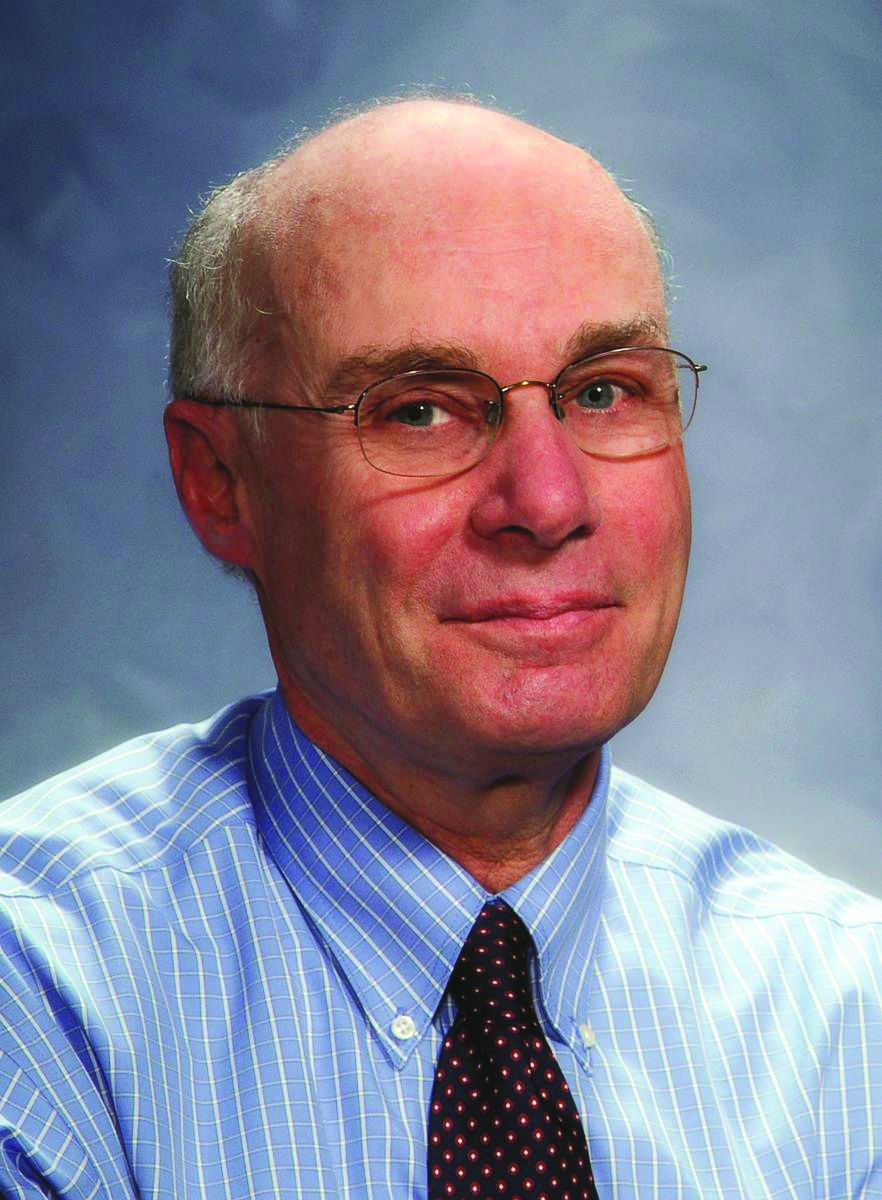
Baby-led weaning’s traction has been so robust that the largest manufacturer of baby food in this country has been labeling some of its products “baby-led friendly since 2021.” There are several online businesses that have tapped into the growing market. One offers a very detailed free directory that lists almost any edible you can imagine with recommendations of when and how they can be presented in a safe and appealing matter to little hand feeders. Of course the company has also figured out a way to monetize the product.
Not surprisingly the American Academy of Pediatrics (AAP) has remained silent on baby-led weaning. However, in The New York Times article, Dr. Mark R. Corkins, chair of the AAP nutrition committee, is quoted as describing baby-led weaning is “a social media–driven invention.”
While I was interested to learn about the concept’s growth and commercialization, I was troubled to find that like co-sleeping, sleep training, and exclusive breastfeeding, baby-led weaning has become one of those angst-producing topics that is torturing new parents who live every day in fear that they “aren’t doing it right.” We pediatricians might deserve a small dose of blame for not vigorously emphasizing that there are numerous ways to skin that cat known as parenting. However, social media websites and Mom chat rooms are probably more responsible for creating an atmosphere in which parents are afraid of being ostracized for the decisions they have made in good faith whether it is about weaning or when to start toilet training.
In isolated cultures, weaning a baby to solids was probably never a topic for discussion or debate. New parents did what their parents did, or more likely a child’s grandmother advised or took over the process herself. The child was fed what the rest of the family ate. If it was something the infant could handle himself you gave it to him. If not you mashed it up or maybe you chewed it for him into a consistency he could manage.
However, most new parents have become so distanced from their own parents’ childrearing practices geographically, temporally, and philosophically, that they must rely on folks like us and others whom they believe are, or at least claim to be, experts. Young adults are no longer hesitant to cross ethnic thresholds when they decide to be co-parents, meaning that any remnant of family tradition is either diluted or lost outright. In the void created by this abandonment of tradition, corporations were happy to step in with easy-to-prepare baby food that lacks in nutritional and dietary variety. Baby-led weaning is just one more logical step in the metamorphosis of our society’s infant feeding patterns.
I still have no problem with baby-led weaning as an option for parents, particularly if with just a click of a mouse they can access safe and healthy advice to make up for generations of grandmotherly experience acquired over hundreds of years. However,
It is one thing when parents hoping to encourage the process of self-feeding offer their infants an edible that may not be in the family’s usual diet. However, it is a totally different matter when a family allows itself to become dietary contortionists to a accommodate a 4-year-old whose diet consists of a monotonous rotation of three pasta shapes topped with grated Parmesan cheese, and on a good day a raw carrot slice or two. Parents living in this nutritional wasteland may have given up on managing their children’s pickiness, and may find it is less stressful to join the child and eat a few forkfuls of pasta to preserve some semblance of a family dinner. Then after the child has been put to bed they have their own balanced meal.
Almost by definition family meals are a compromise. Even adults without children negotiate often unspoken menu patterns with their partners. “This evening we’ll have your favorite, I may have my favorite next week.”
Most parents of young children understand that their diet may be a bit heavier on pasta than they might prefer and a little less varied when it comes to vegetables. It is just part of the deal. However, when mealtimes become totally dictated by the pickiness of a child there is a problem. While a poorly structured child-led family diet may be nutritionally deficient, the bigger problem is that it is expensive in time and labor, two resources usually in short supply in young families.
Theoretically, infants who have led their own weaning are more likely to have been introduced to a broad variety of flavors and textures and this may carry them into childhood as more adventuresome eaters. Picky eating can be managed successfully and result in a family that can enjoy the psychological and emotional benefits of nutritionally balanced family meals, but it requires a combination of parental courage and patience.
It is unclear exactly how we got into a situation in which a generation of parents makes things more difficult for themselves by favoring practices that overemphasize child autonomy. It may be that the parents had suffered under autocratic parents themselves, or more likely they have read too many novels or watched too many movies and TV shows in which the parents were portrayed as overbearing or controlling. Or, it may simply be that they haven’t had enough exposure to young children to realize that they all benefit from clear limits to a varying degree.
In the process of watching tens of thousands of parents, it has become clear to me that those who are the most successful are leaders and that they lead primarily by example. They have learned to be masters in the art of deception by creating a safe environment with sensible limits while at the same time fostering an atmosphere in which the child sees himself as participating in the process.
The biblical prophet Isaiah (11:6-9) in his description of how things will be different after the Lord acts to help his people predicts: “and a little child shall lead them.” This prediction fits nicely as the last in a string of crazy situations that includes a wolf living with a lamb and a leopard lying down with a calf.
Dr. Wilkoff practiced primary care pediatrics in Brunswick, Maine, for nearly 40 years. He has authored several books on behavioral pediatrics, including “How to Say No to Your Toddler.” Other than a Littman stethoscope he accepted as a first-year medical student in 1966, Dr. Wilkoff reports having nothing to disclose. Email him at [email protected].
I first heard the term “baby-led weaning” about 20 years ago, which turns out was just a few years after the concept was introduced to the public by a public health/midwife in Britain. Starting infants on solid foods when they could feed themselves didn’t sound as off-the-wall to me as it did to most other folks, but I chose not to include it in my list of standard recommendations at the 4- and 6-month well child visits. If any parent had asked me my opinion I would have told them to give it a try with a few specific cautions about what and how. But, I don’t recall any parents asking me. The ones who knew me well or had read, or at least heard about, my book on picky eating must have already figured out what my answer would be. The parents who didn’t know me may have been afraid I would tell them it was a crazy idea.
Twelve years ago I retired from office practice and hadn’t heard a peep about baby-led weaning until last week when I encountered a story in The New York Times. It appears that while I have been reveling in my post-practice existence, baby-led weaning has become a “thing.” As the author of the article observed: “The concept seems to appeal to millennials who favor parenting philosophies that prioritize child autonomy.”
Baby-led weaning’s traction has been so robust that the largest manufacturer of baby food in this country has been labeling some of its products “baby-led friendly since 2021.” There are several online businesses that have tapped into the growing market. One offers a very detailed free directory that lists almost any edible you can imagine with recommendations of when and how they can be presented in a safe and appealing matter to little hand feeders. Of course the company has also figured out a way to monetize the product.
Not surprisingly the American Academy of Pediatrics (AAP) has remained silent on baby-led weaning. However, in The New York Times article, Dr. Mark R. Corkins, chair of the AAP nutrition committee, is quoted as describing baby-led weaning is “a social media–driven invention.”
While I was interested to learn about the concept’s growth and commercialization, I was troubled to find that like co-sleeping, sleep training, and exclusive breastfeeding, baby-led weaning has become one of those angst-producing topics that is torturing new parents who live every day in fear that they “aren’t doing it right.” We pediatricians might deserve a small dose of blame for not vigorously emphasizing that there are numerous ways to skin that cat known as parenting. However, social media websites and Mom chat rooms are probably more responsible for creating an atmosphere in which parents are afraid of being ostracized for the decisions they have made in good faith whether it is about weaning or when to start toilet training.
In isolated cultures, weaning a baby to solids was probably never a topic for discussion or debate. New parents did what their parents did, or more likely a child’s grandmother advised or took over the process herself. The child was fed what the rest of the family ate. If it was something the infant could handle himself you gave it to him. If not you mashed it up or maybe you chewed it for him into a consistency he could manage.
However, most new parents have become so distanced from their own parents’ childrearing practices geographically, temporally, and philosophically, that they must rely on folks like us and others whom they believe are, or at least claim to be, experts. Young adults are no longer hesitant to cross ethnic thresholds when they decide to be co-parents, meaning that any remnant of family tradition is either diluted or lost outright. In the void created by this abandonment of tradition, corporations were happy to step in with easy-to-prepare baby food that lacks in nutritional and dietary variety. Baby-led weaning is just one more logical step in the metamorphosis of our society’s infant feeding patterns.
I still have no problem with baby-led weaning as an option for parents, particularly if with just a click of a mouse they can access safe and healthy advice to make up for generations of grandmotherly experience acquired over hundreds of years. However,
It is one thing when parents hoping to encourage the process of self-feeding offer their infants an edible that may not be in the family’s usual diet. However, it is a totally different matter when a family allows itself to become dietary contortionists to a accommodate a 4-year-old whose diet consists of a monotonous rotation of three pasta shapes topped with grated Parmesan cheese, and on a good day a raw carrot slice or two. Parents living in this nutritional wasteland may have given up on managing their children’s pickiness, and may find it is less stressful to join the child and eat a few forkfuls of pasta to preserve some semblance of a family dinner. Then after the child has been put to bed they have their own balanced meal.
Almost by definition family meals are a compromise. Even adults without children negotiate often unspoken menu patterns with their partners. “This evening we’ll have your favorite, I may have my favorite next week.”
Most parents of young children understand that their diet may be a bit heavier on pasta than they might prefer and a little less varied when it comes to vegetables. It is just part of the deal. However, when mealtimes become totally dictated by the pickiness of a child there is a problem. While a poorly structured child-led family diet may be nutritionally deficient, the bigger problem is that it is expensive in time and labor, two resources usually in short supply in young families.
Theoretically, infants who have led their own weaning are more likely to have been introduced to a broad variety of flavors and textures and this may carry them into childhood as more adventuresome eaters. Picky eating can be managed successfully and result in a family that can enjoy the psychological and emotional benefits of nutritionally balanced family meals, but it requires a combination of parental courage and patience.
It is unclear exactly how we got into a situation in which a generation of parents makes things more difficult for themselves by favoring practices that overemphasize child autonomy. It may be that the parents had suffered under autocratic parents themselves, or more likely they have read too many novels or watched too many movies and TV shows in which the parents were portrayed as overbearing or controlling. Or, it may simply be that they haven’t had enough exposure to young children to realize that they all benefit from clear limits to a varying degree.
In the process of watching tens of thousands of parents, it has become clear to me that those who are the most successful are leaders and that they lead primarily by example. They have learned to be masters in the art of deception by creating a safe environment with sensible limits while at the same time fostering an atmosphere in which the child sees himself as participating in the process.
The biblical prophet Isaiah (11:6-9) in his description of how things will be different after the Lord acts to help his people predicts: “and a little child shall lead them.” This prediction fits nicely as the last in a string of crazy situations that includes a wolf living with a lamb and a leopard lying down with a calf.
Dr. Wilkoff practiced primary care pediatrics in Brunswick, Maine, for nearly 40 years. He has authored several books on behavioral pediatrics, including “How to Say No to Your Toddler.” Other than a Littman stethoscope he accepted as a first-year medical student in 1966, Dr. Wilkoff reports having nothing to disclose. Email him at [email protected].
I first heard the term “baby-led weaning” about 20 years ago, which turns out was just a few years after the concept was introduced to the public by a public health/midwife in Britain. Starting infants on solid foods when they could feed themselves didn’t sound as off-the-wall to me as it did to most other folks, but I chose not to include it in my list of standard recommendations at the 4- and 6-month well child visits. If any parent had asked me my opinion I would have told them to give it a try with a few specific cautions about what and how. But, I don’t recall any parents asking me. The ones who knew me well or had read, or at least heard about, my book on picky eating must have already figured out what my answer would be. The parents who didn’t know me may have been afraid I would tell them it was a crazy idea.
Twelve years ago I retired from office practice and hadn’t heard a peep about baby-led weaning until last week when I encountered a story in The New York Times. It appears that while I have been reveling in my post-practice existence, baby-led weaning has become a “thing.” As the author of the article observed: “The concept seems to appeal to millennials who favor parenting philosophies that prioritize child autonomy.”
Baby-led weaning’s traction has been so robust that the largest manufacturer of baby food in this country has been labeling some of its products “baby-led friendly since 2021.” There are several online businesses that have tapped into the growing market. One offers a very detailed free directory that lists almost any edible you can imagine with recommendations of when and how they can be presented in a safe and appealing matter to little hand feeders. Of course the company has also figured out a way to monetize the product.
Not surprisingly the American Academy of Pediatrics (AAP) has remained silent on baby-led weaning. However, in The New York Times article, Dr. Mark R. Corkins, chair of the AAP nutrition committee, is quoted as describing baby-led weaning is “a social media–driven invention.”
While I was interested to learn about the concept’s growth and commercialization, I was troubled to find that like co-sleeping, sleep training, and exclusive breastfeeding, baby-led weaning has become one of those angst-producing topics that is torturing new parents who live every day in fear that they “aren’t doing it right.” We pediatricians might deserve a small dose of blame for not vigorously emphasizing that there are numerous ways to skin that cat known as parenting. However, social media websites and Mom chat rooms are probably more responsible for creating an atmosphere in which parents are afraid of being ostracized for the decisions they have made in good faith whether it is about weaning or when to start toilet training.
In isolated cultures, weaning a baby to solids was probably never a topic for discussion or debate. New parents did what their parents did, or more likely a child’s grandmother advised or took over the process herself. The child was fed what the rest of the family ate. If it was something the infant could handle himself you gave it to him. If not you mashed it up or maybe you chewed it for him into a consistency he could manage.
However, most new parents have become so distanced from their own parents’ childrearing practices geographically, temporally, and philosophically, that they must rely on folks like us and others whom they believe are, or at least claim to be, experts. Young adults are no longer hesitant to cross ethnic thresholds when they decide to be co-parents, meaning that any remnant of family tradition is either diluted or lost outright. In the void created by this abandonment of tradition, corporations were happy to step in with easy-to-prepare baby food that lacks in nutritional and dietary variety. Baby-led weaning is just one more logical step in the metamorphosis of our society’s infant feeding patterns.
I still have no problem with baby-led weaning as an option for parents, particularly if with just a click of a mouse they can access safe and healthy advice to make up for generations of grandmotherly experience acquired over hundreds of years. However,
It is one thing when parents hoping to encourage the process of self-feeding offer their infants an edible that may not be in the family’s usual diet. However, it is a totally different matter when a family allows itself to become dietary contortionists to a accommodate a 4-year-old whose diet consists of a monotonous rotation of three pasta shapes topped with grated Parmesan cheese, and on a good day a raw carrot slice or two. Parents living in this nutritional wasteland may have given up on managing their children’s pickiness, and may find it is less stressful to join the child and eat a few forkfuls of pasta to preserve some semblance of a family dinner. Then after the child has been put to bed they have their own balanced meal.
Almost by definition family meals are a compromise. Even adults without children negotiate often unspoken menu patterns with their partners. “This evening we’ll have your favorite, I may have my favorite next week.”
Most parents of young children understand that their diet may be a bit heavier on pasta than they might prefer and a little less varied when it comes to vegetables. It is just part of the deal. However, when mealtimes become totally dictated by the pickiness of a child there is a problem. While a poorly structured child-led family diet may be nutritionally deficient, the bigger problem is that it is expensive in time and labor, two resources usually in short supply in young families.
Theoretically, infants who have led their own weaning are more likely to have been introduced to a broad variety of flavors and textures and this may carry them into childhood as more adventuresome eaters. Picky eating can be managed successfully and result in a family that can enjoy the psychological and emotional benefits of nutritionally balanced family meals, but it requires a combination of parental courage and patience.
It is unclear exactly how we got into a situation in which a generation of parents makes things more difficult for themselves by favoring practices that overemphasize child autonomy. It may be that the parents had suffered under autocratic parents themselves, or more likely they have read too many novels or watched too many movies and TV shows in which the parents were portrayed as overbearing or controlling. Or, it may simply be that they haven’t had enough exposure to young children to realize that they all benefit from clear limits to a varying degree.
In the process of watching tens of thousands of parents, it has become clear to me that those who are the most successful are leaders and that they lead primarily by example. They have learned to be masters in the art of deception by creating a safe environment with sensible limits while at the same time fostering an atmosphere in which the child sees himself as participating in the process.
The biblical prophet Isaiah (11:6-9) in his description of how things will be different after the Lord acts to help his people predicts: “and a little child shall lead them.” This prediction fits nicely as the last in a string of crazy situations that includes a wolf living with a lamb and a leopard lying down with a calf.
Dr. Wilkoff practiced primary care pediatrics in Brunswick, Maine, for nearly 40 years. He has authored several books on behavioral pediatrics, including “How to Say No to Your Toddler.” Other than a Littman stethoscope he accepted as a first-year medical student in 1966, Dr. Wilkoff reports having nothing to disclose. Email him at [email protected].
The Small Business of Medicine
Black Friday is coming up. Although it seems (fortunately) to have lost some of its insanity since the pandemic, it’s still a huge shopping day for those who want to spend their day off in hand-to-hand combat at a Walmart. For me it’s a good day not to leave my house at all.
Following Black Friday we have Cyber Monday, where people go online to start buying stuff, presumably using business WiFi when they’re back at work. In spite of the apparent contradiction of having an online shopping day when people are at their jobs, it’s shamelessly promoted by the online retail giants.
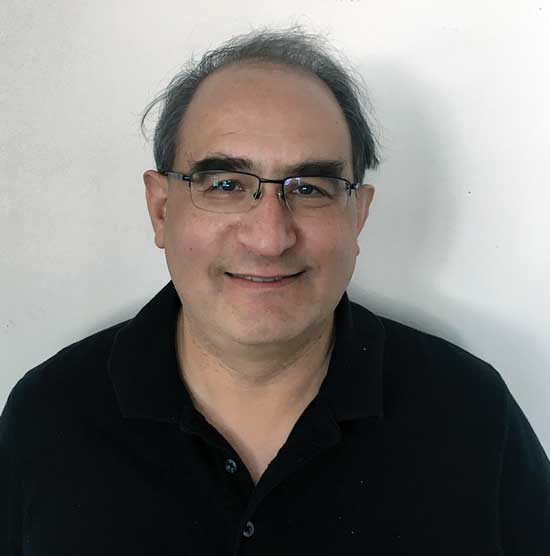
Sandwiched between them is the quieter Small Business Saturday, started in 2010 by American Express and since gradually taking hold here and across the pond. The idea is to support the smaller local, perhaps family-owned, stores of varying kinds. Politicians love to talk about small businesses, calling them the backbone of the economy, promising to support them, etc.
I have no issue with that. I agree with it. I try to support my smaller, local places whenever I can. I’m glad AMEX started it, and that it’s taken off.
So why don’t we have a campaign to support small medical practices? Aren’t we small businesses, too? I’m the only doctor at my place, that’s about as small as you can get.
Like other small businesses, I don’t have the resources to advertise, aside from a simple website. At the same time I can’t drive too far without seeing a billboard, or hearing a radio ad, for one of the large local healthcare systems promising better convenience and care than that of their competitors.
I’m certainly not in a position to offer extended or weekend hours — I mean, I could, but I also have my own sanity to keep. But at the same time small practices may know their patients better than Huge Medicine Inc. We don’t have as many patients, and the staff turnover at small places is usually lower.
No one, though, is going to stand up for us, AMEX included (outside of cosmetic services, doctor visit charges are probably a tiny fraction of credit card company charges). Even our own organizations, like the AMA and others, won’t (at least not too much). They might pay lip service to us, but the reality is that most of their members work for large healthcare systems. Those groups probably make some big donations to them, too. So the last thing they want to do is tick them off.
I’m not against large groups. They have capabilities I don’t, like the ability to run research trials and have subspecialists. Even the best of us in solo practice needs someone better to refer to, such as an epileptologist, Parkinsonologist, neuromuscular disease-ologist, When I can’t help a patient any further those are the doctors I turn to, and, believe me, I appreciate them.
But
Dr. Block has a solo neurology practice in Scottsdale, Arizona.
Black Friday is coming up. Although it seems (fortunately) to have lost some of its insanity since the pandemic, it’s still a huge shopping day for those who want to spend their day off in hand-to-hand combat at a Walmart. For me it’s a good day not to leave my house at all.
Following Black Friday we have Cyber Monday, where people go online to start buying stuff, presumably using business WiFi when they’re back at work. In spite of the apparent contradiction of having an online shopping day when people are at their jobs, it’s shamelessly promoted by the online retail giants.
Sandwiched between them is the quieter Small Business Saturday, started in 2010 by American Express and since gradually taking hold here and across the pond. The idea is to support the smaller local, perhaps family-owned, stores of varying kinds. Politicians love to talk about small businesses, calling them the backbone of the economy, promising to support them, etc.
I have no issue with that. I agree with it. I try to support my smaller, local places whenever I can. I’m glad AMEX started it, and that it’s taken off.
So why don’t we have a campaign to support small medical practices? Aren’t we small businesses, too? I’m the only doctor at my place, that’s about as small as you can get.
Like other small businesses, I don’t have the resources to advertise, aside from a simple website. At the same time I can’t drive too far without seeing a billboard, or hearing a radio ad, for one of the large local healthcare systems promising better convenience and care than that of their competitors.
I’m certainly not in a position to offer extended or weekend hours — I mean, I could, but I also have my own sanity to keep. But at the same time small practices may know their patients better than Huge Medicine Inc. We don’t have as many patients, and the staff turnover at small places is usually lower.
No one, though, is going to stand up for us, AMEX included (outside of cosmetic services, doctor visit charges are probably a tiny fraction of credit card company charges). Even our own organizations, like the AMA and others, won’t (at least not too much). They might pay lip service to us, but the reality is that most of their members work for large healthcare systems. Those groups probably make some big donations to them, too. So the last thing they want to do is tick them off.
I’m not against large groups. They have capabilities I don’t, like the ability to run research trials and have subspecialists. Even the best of us in solo practice needs someone better to refer to, such as an epileptologist, Parkinsonologist, neuromuscular disease-ologist, When I can’t help a patient any further those are the doctors I turn to, and, believe me, I appreciate them.
But
Dr. Block has a solo neurology practice in Scottsdale, Arizona.
Black Friday is coming up. Although it seems (fortunately) to have lost some of its insanity since the pandemic, it’s still a huge shopping day for those who want to spend their day off in hand-to-hand combat at a Walmart. For me it’s a good day not to leave my house at all.
Following Black Friday we have Cyber Monday, where people go online to start buying stuff, presumably using business WiFi when they’re back at work. In spite of the apparent contradiction of having an online shopping day when people are at their jobs, it’s shamelessly promoted by the online retail giants.
Sandwiched between them is the quieter Small Business Saturday, started in 2010 by American Express and since gradually taking hold here and across the pond. The idea is to support the smaller local, perhaps family-owned, stores of varying kinds. Politicians love to talk about small businesses, calling them the backbone of the economy, promising to support them, etc.
I have no issue with that. I agree with it. I try to support my smaller, local places whenever I can. I’m glad AMEX started it, and that it’s taken off.
So why don’t we have a campaign to support small medical practices? Aren’t we small businesses, too? I’m the only doctor at my place, that’s about as small as you can get.
Like other small businesses, I don’t have the resources to advertise, aside from a simple website. At the same time I can’t drive too far without seeing a billboard, or hearing a radio ad, for one of the large local healthcare systems promising better convenience and care than that of their competitors.
I’m certainly not in a position to offer extended or weekend hours — I mean, I could, but I also have my own sanity to keep. But at the same time small practices may know their patients better than Huge Medicine Inc. We don’t have as many patients, and the staff turnover at small places is usually lower.
No one, though, is going to stand up for us, AMEX included (outside of cosmetic services, doctor visit charges are probably a tiny fraction of credit card company charges). Even our own organizations, like the AMA and others, won’t (at least not too much). They might pay lip service to us, but the reality is that most of their members work for large healthcare systems. Those groups probably make some big donations to them, too. So the last thing they want to do is tick them off.
I’m not against large groups. They have capabilities I don’t, like the ability to run research trials and have subspecialists. Even the best of us in solo practice needs someone better to refer to, such as an epileptologist, Parkinsonologist, neuromuscular disease-ologist, When I can’t help a patient any further those are the doctors I turn to, and, believe me, I appreciate them.
But
Dr. Block has a solo neurology practice in Scottsdale, Arizona.
Long COVID and Blame Hunting
I suspect that many of you have seen or read about a recent study regarding the “long COVID” enigma. The investigators surveyed the records of more than 4000 pediatric patients who had been infected and nearly 1400 who had not. The researchers then developed models in which 14 symptoms were more common in previous SARS-CoV2–infected individuals in all age groups, compared with the uninfected. There were four additional symptoms in children only and three additional symptoms in the adolescents.
Using these data, the investigators created research indices that “correlated with poor overall health and quality of life” and emphasized “neurocognitive, pain, and gastrointestinal symptoms in school-age children” and a “change or loss in smell or taste, pain, and fatigue/malaise-related symptoms in adolescents.”
So now thanks to these investigators we have research indices for characterizing PASC (post-acute sequelae of SARS-CoV-2, aka. long COVID). What should we to do with them? I’m not sure these results move us any further if our goal is finding something to help patients who believe, or have been told, that they have long COVID.
Even to a non-statistician like myself there appear to be some problems with this study. In an editorial accompanying this study, Suchitra Rao, MBBS, MSCS in the Department of Pediatrics, University of Colorado School of Medicine, Aurora, noted the study has the potential for ascertainment bias. For example, the researchers’ subject recruitment procedure resulted in a higher “proportion of neurocognitive/behavioral manifestations” may have skewed the results.
Also, some of the patient evaluations were not done at a consistent interval after the initial infection, which could result in recall bias. And, more importantly, because there were no baseline measurements to determine preinfection status, the investigators had no way of determining to what degree the patients’ underlying conditions may have reflected the quality of life scores.
Although I wouldn’t consider it a bias, I wonder if the investigators have a preconceived vision of what long COVID is going to look like once it is better understood. The fact that they undertook this project suggests that they believe the truth about the phenomenon will be discoverable using data based on collections of vague symptoms.
Or, do the researchers share my vision of long COVID that if it exists it will be something akin to the burst of Parkinson’s disease seen decades later in survivors of the 1918-1920 flu pandemic. Or, maybe it is something like post-polio syndrome, in which survivors in childhood develop atrophy and muscle weakness as they age. Do the researchers believe that COVID survivors are harboring some remnant of SARS-CoV-2 or its genome inside their bodies ticking like a time bomb ready to surface in the future? Think shingles.
I suspect that there are some folks who may or not share my ticking time bomb vision, but who, like me, wonder if there is really such a thing as long COVID – at least one in the form characterized by the work of these investigators. Unfortunately, the $1 billion the National Institutes of Health has invested in the Researching COVID to Enhance Recovery (RECOVER) initiative is not going to discover delayed sequelae until time is ready to tell us. What researchers are looking at now is a collection of patients, some who were not well to begin with but now describe a collection of vague symptoms, some of which are unique to COVID, but most are not. The loss of taste and smell being the one notable and important exception.
It is easy to understand why patients and their physicians would like to have a diagnosis like “long COVID” to at least validate their symptoms that up until now have eluded explanation or remedy. Not surprisingly, they may feel that, if researchers can’t find a cure, let’s at least have something we can lay the blame on.
A major flaw in this current attempt to characterize long COVID is the lack of a true control group. Yes, the subjects the researchers labeled as “uninfected” lived contemporaneously with the patients unfortunate enough to have acquired the virus. However, this illness was mysterious from its first appearance, continued to be more frightening as we struggled to learn more about it, and was clumsily managed in a way that turned our way of life upside down. This was particularly true for school-age children. It unmasked previously unsuspected underlying conditions and quickly acquired a poorly documented reputation for having a “long” variety.
Of course the “uninfected” also lived through these same tumultuous times. But knowing that you harbored, and may still harbor, this mysterious invader moves the infected and their families into a whole new level of concern and anxiety the rest of us who were more fortunate don’t share.
We must not ignore the fact that patients and their caregivers may receive some comfort when they have something to blame for their symptoms. However, we must shift our focus away from blame hunting, which up to this point has been fruitless. Instead, Each patient should be treated as an individual and not part of a group with similar symptoms cobbled together with data acquired under a cloud of bias.
Dr. Wilkoff practiced primary care pediatrics in Brunswick, Maine, for nearly 40 years. He has authored several books on behavioral pediatrics, including “How to Say No to Your Toddler.” Other than a Littman stethoscope he accepted as a first-year medical student in 1966, Dr. Wilkoff reports having nothing to disclose. Email him at [email protected].
I suspect that many of you have seen or read about a recent study regarding the “long COVID” enigma. The investigators surveyed the records of more than 4000 pediatric patients who had been infected and nearly 1400 who had not. The researchers then developed models in which 14 symptoms were more common in previous SARS-CoV2–infected individuals in all age groups, compared with the uninfected. There were four additional symptoms in children only and three additional symptoms in the adolescents.
Using these data, the investigators created research indices that “correlated with poor overall health and quality of life” and emphasized “neurocognitive, pain, and gastrointestinal symptoms in school-age children” and a “change or loss in smell or taste, pain, and fatigue/malaise-related symptoms in adolescents.”
So now thanks to these investigators we have research indices for characterizing PASC (post-acute sequelae of SARS-CoV-2, aka. long COVID). What should we to do with them? I’m not sure these results move us any further if our goal is finding something to help patients who believe, or have been told, that they have long COVID.
Even to a non-statistician like myself there appear to be some problems with this study. In an editorial accompanying this study, Suchitra Rao, MBBS, MSCS in the Department of Pediatrics, University of Colorado School of Medicine, Aurora, noted the study has the potential for ascertainment bias. For example, the researchers’ subject recruitment procedure resulted in a higher “proportion of neurocognitive/behavioral manifestations” may have skewed the results.
Also, some of the patient evaluations were not done at a consistent interval after the initial infection, which could result in recall bias. And, more importantly, because there were no baseline measurements to determine preinfection status, the investigators had no way of determining to what degree the patients’ underlying conditions may have reflected the quality of life scores.
Although I wouldn’t consider it a bias, I wonder if the investigators have a preconceived vision of what long COVID is going to look like once it is better understood. The fact that they undertook this project suggests that they believe the truth about the phenomenon will be discoverable using data based on collections of vague symptoms.
Or, do the researchers share my vision of long COVID that if it exists it will be something akin to the burst of Parkinson’s disease seen decades later in survivors of the 1918-1920 flu pandemic. Or, maybe it is something like post-polio syndrome, in which survivors in childhood develop atrophy and muscle weakness as they age. Do the researchers believe that COVID survivors are harboring some remnant of SARS-CoV-2 or its genome inside their bodies ticking like a time bomb ready to surface in the future? Think shingles.
I suspect that there are some folks who may or not share my ticking time bomb vision, but who, like me, wonder if there is really such a thing as long COVID – at least one in the form characterized by the work of these investigators. Unfortunately, the $1 billion the National Institutes of Health has invested in the Researching COVID to Enhance Recovery (RECOVER) initiative is not going to discover delayed sequelae until time is ready to tell us. What researchers are looking at now is a collection of patients, some who were not well to begin with but now describe a collection of vague symptoms, some of which are unique to COVID, but most are not. The loss of taste and smell being the one notable and important exception.
It is easy to understand why patients and their physicians would like to have a diagnosis like “long COVID” to at least validate their symptoms that up until now have eluded explanation or remedy. Not surprisingly, they may feel that, if researchers can’t find a cure, let’s at least have something we can lay the blame on.
A major flaw in this current attempt to characterize long COVID is the lack of a true control group. Yes, the subjects the researchers labeled as “uninfected” lived contemporaneously with the patients unfortunate enough to have acquired the virus. However, this illness was mysterious from its first appearance, continued to be more frightening as we struggled to learn more about it, and was clumsily managed in a way that turned our way of life upside down. This was particularly true for school-age children. It unmasked previously unsuspected underlying conditions and quickly acquired a poorly documented reputation for having a “long” variety.
Of course the “uninfected” also lived through these same tumultuous times. But knowing that you harbored, and may still harbor, this mysterious invader moves the infected and their families into a whole new level of concern and anxiety the rest of us who were more fortunate don’t share.
We must not ignore the fact that patients and their caregivers may receive some comfort when they have something to blame for their symptoms. However, we must shift our focus away from blame hunting, which up to this point has been fruitless. Instead, Each patient should be treated as an individual and not part of a group with similar symptoms cobbled together with data acquired under a cloud of bias.
Dr. Wilkoff practiced primary care pediatrics in Brunswick, Maine, for nearly 40 years. He has authored several books on behavioral pediatrics, including “How to Say No to Your Toddler.” Other than a Littman stethoscope he accepted as a first-year medical student in 1966, Dr. Wilkoff reports having nothing to disclose. Email him at [email protected].
I suspect that many of you have seen or read about a recent study regarding the “long COVID” enigma. The investigators surveyed the records of more than 4000 pediatric patients who had been infected and nearly 1400 who had not. The researchers then developed models in which 14 symptoms were more common in previous SARS-CoV2–infected individuals in all age groups, compared with the uninfected. There were four additional symptoms in children only and three additional symptoms in the adolescents.
Using these data, the investigators created research indices that “correlated with poor overall health and quality of life” and emphasized “neurocognitive, pain, and gastrointestinal symptoms in school-age children” and a “change or loss in smell or taste, pain, and fatigue/malaise-related symptoms in adolescents.”
So now thanks to these investigators we have research indices for characterizing PASC (post-acute sequelae of SARS-CoV-2, aka. long COVID). What should we to do with them? I’m not sure these results move us any further if our goal is finding something to help patients who believe, or have been told, that they have long COVID.
Even to a non-statistician like myself there appear to be some problems with this study. In an editorial accompanying this study, Suchitra Rao, MBBS, MSCS in the Department of Pediatrics, University of Colorado School of Medicine, Aurora, noted the study has the potential for ascertainment bias. For example, the researchers’ subject recruitment procedure resulted in a higher “proportion of neurocognitive/behavioral manifestations” may have skewed the results.
Also, some of the patient evaluations were not done at a consistent interval after the initial infection, which could result in recall bias. And, more importantly, because there were no baseline measurements to determine preinfection status, the investigators had no way of determining to what degree the patients’ underlying conditions may have reflected the quality of life scores.
Although I wouldn’t consider it a bias, I wonder if the investigators have a preconceived vision of what long COVID is going to look like once it is better understood. The fact that they undertook this project suggests that they believe the truth about the phenomenon will be discoverable using data based on collections of vague symptoms.
Or, do the researchers share my vision of long COVID that if it exists it will be something akin to the burst of Parkinson’s disease seen decades later in survivors of the 1918-1920 flu pandemic. Or, maybe it is something like post-polio syndrome, in which survivors in childhood develop atrophy and muscle weakness as they age. Do the researchers believe that COVID survivors are harboring some remnant of SARS-CoV-2 or its genome inside their bodies ticking like a time bomb ready to surface in the future? Think shingles.
I suspect that there are some folks who may or not share my ticking time bomb vision, but who, like me, wonder if there is really such a thing as long COVID – at least one in the form characterized by the work of these investigators. Unfortunately, the $1 billion the National Institutes of Health has invested in the Researching COVID to Enhance Recovery (RECOVER) initiative is not going to discover delayed sequelae until time is ready to tell us. What researchers are looking at now is a collection of patients, some who were not well to begin with but now describe a collection of vague symptoms, some of which are unique to COVID, but most are not. The loss of taste and smell being the one notable and important exception.
It is easy to understand why patients and their physicians would like to have a diagnosis like “long COVID” to at least validate their symptoms that up until now have eluded explanation or remedy. Not surprisingly, they may feel that, if researchers can’t find a cure, let’s at least have something we can lay the blame on.
A major flaw in this current attempt to characterize long COVID is the lack of a true control group. Yes, the subjects the researchers labeled as “uninfected” lived contemporaneously with the patients unfortunate enough to have acquired the virus. However, this illness was mysterious from its first appearance, continued to be more frightening as we struggled to learn more about it, and was clumsily managed in a way that turned our way of life upside down. This was particularly true for school-age children. It unmasked previously unsuspected underlying conditions and quickly acquired a poorly documented reputation for having a “long” variety.
Of course the “uninfected” also lived through these same tumultuous times. But knowing that you harbored, and may still harbor, this mysterious invader moves the infected and their families into a whole new level of concern and anxiety the rest of us who were more fortunate don’t share.
We must not ignore the fact that patients and their caregivers may receive some comfort when they have something to blame for their symptoms. However, we must shift our focus away from blame hunting, which up to this point has been fruitless. Instead, Each patient should be treated as an individual and not part of a group with similar symptoms cobbled together with data acquired under a cloud of bias.
Dr. Wilkoff practiced primary care pediatrics in Brunswick, Maine, for nearly 40 years. He has authored several books on behavioral pediatrics, including “How to Say No to Your Toddler.” Other than a Littman stethoscope he accepted as a first-year medical student in 1966, Dr. Wilkoff reports having nothing to disclose. Email him at [email protected].
Being An Outsider
Our son works for a Maine-based company that produces and sells clothing and outdoor recreation equipment. One of its tag lines is “Be an Outsider.” In his role as chief marketing officer, he was recently given an app for his phone that can calculate how many minutes he spends outside each day. He assured me: “Dad, you don’t need one of these on your phone. Your weather-beaten skin says you are already logging in way more than enough minutes outdoors.”
But, it got me thinking about several avenues of research where an app like that would be useful. As luck would have it, the following week I stumbled across a paper describing just such a study.
Researchers in Shanghai, China, placed smartwatches with technology similar to my son’s phone on nearly 3000 children and found “that outdoor exposure patterns characterized by a continuous period of at least 15 minutes, accompanied by a sunlight intensity of more than 2000 lux, were associated with less myopic shift.” In other words, children getting more time outside were less likely to become nearsighted.” Whether this was an effect of being outside instead of staring at a screen indoors is an interesting question.
I have alway suspected that being outdoors was important for wellness and this paper meshed nicely with an article I had recently read in The Washington Post titled, “How time in nature builds happier, healthier and more social children” (Jamie Friedlander Serrano, 2024 Aug 4). The reporter quotes numerous experts in child health and includes links to several articles that tout the benefits of outdoor experiences, particularly ones in a natural environment. There are the vitamin D effects on growth and bone health. There are studies suggesting that being out in nature can reduce stress, anxiety, and aggression, and improve working memory and attention.
In this country there is a small but growing group of schools modeling themselves after the “Forest kindergartens” that have become popular in Europe in which a large portion of the students’ days are spent outside surrounded by nature. It will be interesting to see how robustly this trend grows here in the United States. However, in a nation like ours in which the Environmental Protection Agency estimates that the average American spends 90% of his day indoors, it’s going to require a seismic shift in our societal norms.
I think my mother always knew that being outdoors was healthy for children. I also suspect that she and most my friends’ mothers were primarily motivated by a desire to have the house to themselves. This was primarily to allow them to get the housework done unimpeded by pestering children. But, there may have been times when a busy housewife simply needed to sit down with a book in the peace and quiet of a childless environment. We kids were told to get out of the house and return for lunch and dinner, hopefully not in the tow of a police officer. There were few rules and for the most part we were left to invent our own amusement.
Yes, you’ve heard this old-fogey legend before. But it was true. Those were the halcyon days of the 1950s in a small suburban town of 5000 of a little more than 1 square mile with its own swimming pool. My particular idyll was aptly named Pleasantville but I know we were not alone as the only community where children were allowed – or let’s say “encouraged” – to be outdoors if they weren’t in school. It was a different time.
I am not so naive to believe that we will ever return to those good old days when children roamed free, but it is worth considering what has changed to drive children inside and away from all the health benefits of being outdoors. Is there anything we can do to reverse this unfortunate trend?
First, we must first face up to the reality that our society has become so focused on the potential downsides of everything that we seem to be driven primarily by risk avoidance. We hear how things can go terribly wrong in the world outside, a world we can’t control. Although the data from the pandemic don’t support it, more of us believe children are safer indoors. Parents in particular seem to worry more now than they did 75 years ago. I don’t think we can point to a single event such as the tragedies of September 11 to explain the shift.
While bad news has always traveled fast, today (with communication being almost instantaneous) a story about a child abduction at 6 in the morning in Nevada can be on my local TV channel by lunchtime here in Maine. Parents worry that if bad stuff can happen to a child in Mount Elsewhere, it could happen to my child playing in the backyard across the street.
I think we pediatricians should consider how large a role we may be playing in driving parental anxiety with our frequent warnings about the dangers a child can encounter outdoors whether they come in the form of accidents or exposure to the elements.
While parents have grown more hesitant to send their children outside to play, as a society we have failed to adequately acknowledge and respond to the role that unhealthy attraction of indoor alternatives to outdoor play may be contributing to indoorism. Here we’re talking about television, smartphones, and the internet.
So, what can we do as pediatricians to get our patients outside? First, we can set an example and cover our office walls with pictures of ourselves and our families enjoying the outdoors. We can be vocal advocates for creating and maintaining accessible outdoor spaces in our community. We can advocate for more outside time during recess in school and encourage the school officials to consider having more courses taught outside.
We can be more diligent in asking families about their screen use and not be afraid to express our concern when we hear how little outdoor time their child is getting. Finally, we can strive for more balance in our messaging. For example for every warning we give about playing outside on poor air quality days there should be a reminder of the health benefits of being outdoors on the other days. Every message about the importance of sunscreen should be preceded by a few sentences promoting outdoor activities in wooded environments where sun exposure is less of a concern.
Being an outsider is just as important as getting enough sleep, eating the right food and staying physically active.
Dr. Wilkoff practiced primary care pediatrics in Brunswick, Maine, for nearly 40 years. He has authored several books on behavioral pediatrics, including “How to Say No to Your Toddler.” Other than a Littman stethoscope he accepted as a first-year medical student in 1966, Dr. Wilkoff reports having nothing to disclose. Email him at [email protected].
Our son works for a Maine-based company that produces and sells clothing and outdoor recreation equipment. One of its tag lines is “Be an Outsider.” In his role as chief marketing officer, he was recently given an app for his phone that can calculate how many minutes he spends outside each day. He assured me: “Dad, you don’t need one of these on your phone. Your weather-beaten skin says you are already logging in way more than enough minutes outdoors.”
But, it got me thinking about several avenues of research where an app like that would be useful. As luck would have it, the following week I stumbled across a paper describing just such a study.
Researchers in Shanghai, China, placed smartwatches with technology similar to my son’s phone on nearly 3000 children and found “that outdoor exposure patterns characterized by a continuous period of at least 15 minutes, accompanied by a sunlight intensity of more than 2000 lux, were associated with less myopic shift.” In other words, children getting more time outside were less likely to become nearsighted.” Whether this was an effect of being outside instead of staring at a screen indoors is an interesting question.
I have alway suspected that being outdoors was important for wellness and this paper meshed nicely with an article I had recently read in The Washington Post titled, “How time in nature builds happier, healthier and more social children” (Jamie Friedlander Serrano, 2024 Aug 4). The reporter quotes numerous experts in child health and includes links to several articles that tout the benefits of outdoor experiences, particularly ones in a natural environment. There are the vitamin D effects on growth and bone health. There are studies suggesting that being out in nature can reduce stress, anxiety, and aggression, and improve working memory and attention.
In this country there is a small but growing group of schools modeling themselves after the “Forest kindergartens” that have become popular in Europe in which a large portion of the students’ days are spent outside surrounded by nature. It will be interesting to see how robustly this trend grows here in the United States. However, in a nation like ours in which the Environmental Protection Agency estimates that the average American spends 90% of his day indoors, it’s going to require a seismic shift in our societal norms.
I think my mother always knew that being outdoors was healthy for children. I also suspect that she and most my friends’ mothers were primarily motivated by a desire to have the house to themselves. This was primarily to allow them to get the housework done unimpeded by pestering children. But, there may have been times when a busy housewife simply needed to sit down with a book in the peace and quiet of a childless environment. We kids were told to get out of the house and return for lunch and dinner, hopefully not in the tow of a police officer. There were few rules and for the most part we were left to invent our own amusement.
Yes, you’ve heard this old-fogey legend before. But it was true. Those were the halcyon days of the 1950s in a small suburban town of 5000 of a little more than 1 square mile with its own swimming pool. My particular idyll was aptly named Pleasantville but I know we were not alone as the only community where children were allowed – or let’s say “encouraged” – to be outdoors if they weren’t in school. It was a different time.
I am not so naive to believe that we will ever return to those good old days when children roamed free, but it is worth considering what has changed to drive children inside and away from all the health benefits of being outdoors. Is there anything we can do to reverse this unfortunate trend?
First, we must first face up to the reality that our society has become so focused on the potential downsides of everything that we seem to be driven primarily by risk avoidance. We hear how things can go terribly wrong in the world outside, a world we can’t control. Although the data from the pandemic don’t support it, more of us believe children are safer indoors. Parents in particular seem to worry more now than they did 75 years ago. I don’t think we can point to a single event such as the tragedies of September 11 to explain the shift.
While bad news has always traveled fast, today (with communication being almost instantaneous) a story about a child abduction at 6 in the morning in Nevada can be on my local TV channel by lunchtime here in Maine. Parents worry that if bad stuff can happen to a child in Mount Elsewhere, it could happen to my child playing in the backyard across the street.
I think we pediatricians should consider how large a role we may be playing in driving parental anxiety with our frequent warnings about the dangers a child can encounter outdoors whether they come in the form of accidents or exposure to the elements.
While parents have grown more hesitant to send their children outside to play, as a society we have failed to adequately acknowledge and respond to the role that unhealthy attraction of indoor alternatives to outdoor play may be contributing to indoorism. Here we’re talking about television, smartphones, and the internet.
So, what can we do as pediatricians to get our patients outside? First, we can set an example and cover our office walls with pictures of ourselves and our families enjoying the outdoors. We can be vocal advocates for creating and maintaining accessible outdoor spaces in our community. We can advocate for more outside time during recess in school and encourage the school officials to consider having more courses taught outside.
We can be more diligent in asking families about their screen use and not be afraid to express our concern when we hear how little outdoor time their child is getting. Finally, we can strive for more balance in our messaging. For example for every warning we give about playing outside on poor air quality days there should be a reminder of the health benefits of being outdoors on the other days. Every message about the importance of sunscreen should be preceded by a few sentences promoting outdoor activities in wooded environments where sun exposure is less of a concern.
Being an outsider is just as important as getting enough sleep, eating the right food and staying physically active.
Dr. Wilkoff practiced primary care pediatrics in Brunswick, Maine, for nearly 40 years. He has authored several books on behavioral pediatrics, including “How to Say No to Your Toddler.” Other than a Littman stethoscope he accepted as a first-year medical student in 1966, Dr. Wilkoff reports having nothing to disclose. Email him at [email protected].
Our son works for a Maine-based company that produces and sells clothing and outdoor recreation equipment. One of its tag lines is “Be an Outsider.” In his role as chief marketing officer, he was recently given an app for his phone that can calculate how many minutes he spends outside each day. He assured me: “Dad, you don’t need one of these on your phone. Your weather-beaten skin says you are already logging in way more than enough minutes outdoors.”
But, it got me thinking about several avenues of research where an app like that would be useful. As luck would have it, the following week I stumbled across a paper describing just such a study.
Researchers in Shanghai, China, placed smartwatches with technology similar to my son’s phone on nearly 3000 children and found “that outdoor exposure patterns characterized by a continuous period of at least 15 minutes, accompanied by a sunlight intensity of more than 2000 lux, were associated with less myopic shift.” In other words, children getting more time outside were less likely to become nearsighted.” Whether this was an effect of being outside instead of staring at a screen indoors is an interesting question.
I have alway suspected that being outdoors was important for wellness and this paper meshed nicely with an article I had recently read in The Washington Post titled, “How time in nature builds happier, healthier and more social children” (Jamie Friedlander Serrano, 2024 Aug 4). The reporter quotes numerous experts in child health and includes links to several articles that tout the benefits of outdoor experiences, particularly ones in a natural environment. There are the vitamin D effects on growth and bone health. There are studies suggesting that being out in nature can reduce stress, anxiety, and aggression, and improve working memory and attention.
In this country there is a small but growing group of schools modeling themselves after the “Forest kindergartens” that have become popular in Europe in which a large portion of the students’ days are spent outside surrounded by nature. It will be interesting to see how robustly this trend grows here in the United States. However, in a nation like ours in which the Environmental Protection Agency estimates that the average American spends 90% of his day indoors, it’s going to require a seismic shift in our societal norms.
I think my mother always knew that being outdoors was healthy for children. I also suspect that she and most my friends’ mothers were primarily motivated by a desire to have the house to themselves. This was primarily to allow them to get the housework done unimpeded by pestering children. But, there may have been times when a busy housewife simply needed to sit down with a book in the peace and quiet of a childless environment. We kids were told to get out of the house and return for lunch and dinner, hopefully not in the tow of a police officer. There were few rules and for the most part we were left to invent our own amusement.
Yes, you’ve heard this old-fogey legend before. But it was true. Those were the halcyon days of the 1950s in a small suburban town of 5000 of a little more than 1 square mile with its own swimming pool. My particular idyll was aptly named Pleasantville but I know we were not alone as the only community where children were allowed – or let’s say “encouraged” – to be outdoors if they weren’t in school. It was a different time.
I am not so naive to believe that we will ever return to those good old days when children roamed free, but it is worth considering what has changed to drive children inside and away from all the health benefits of being outdoors. Is there anything we can do to reverse this unfortunate trend?
First, we must first face up to the reality that our society has become so focused on the potential downsides of everything that we seem to be driven primarily by risk avoidance. We hear how things can go terribly wrong in the world outside, a world we can’t control. Although the data from the pandemic don’t support it, more of us believe children are safer indoors. Parents in particular seem to worry more now than they did 75 years ago. I don’t think we can point to a single event such as the tragedies of September 11 to explain the shift.
While bad news has always traveled fast, today (with communication being almost instantaneous) a story about a child abduction at 6 in the morning in Nevada can be on my local TV channel by lunchtime here in Maine. Parents worry that if bad stuff can happen to a child in Mount Elsewhere, it could happen to my child playing in the backyard across the street.
I think we pediatricians should consider how large a role we may be playing in driving parental anxiety with our frequent warnings about the dangers a child can encounter outdoors whether they come in the form of accidents or exposure to the elements.
While parents have grown more hesitant to send their children outside to play, as a society we have failed to adequately acknowledge and respond to the role that unhealthy attraction of indoor alternatives to outdoor play may be contributing to indoorism. Here we’re talking about television, smartphones, and the internet.
So, what can we do as pediatricians to get our patients outside? First, we can set an example and cover our office walls with pictures of ourselves and our families enjoying the outdoors. We can be vocal advocates for creating and maintaining accessible outdoor spaces in our community. We can advocate for more outside time during recess in school and encourage the school officials to consider having more courses taught outside.
We can be more diligent in asking families about their screen use and not be afraid to express our concern when we hear how little outdoor time their child is getting. Finally, we can strive for more balance in our messaging. For example for every warning we give about playing outside on poor air quality days there should be a reminder of the health benefits of being outdoors on the other days. Every message about the importance of sunscreen should be preceded by a few sentences promoting outdoor activities in wooded environments where sun exposure is less of a concern.
Being an outsider is just as important as getting enough sleep, eating the right food and staying physically active.
Dr. Wilkoff practiced primary care pediatrics in Brunswick, Maine, for nearly 40 years. He has authored several books on behavioral pediatrics, including “How to Say No to Your Toddler.” Other than a Littman stethoscope he accepted as a first-year medical student in 1966, Dr. Wilkoff reports having nothing to disclose. Email him at [email protected].
Depiction of Cancer in Movies: Not an Accurate Portrayal
This transcript has been edited for clarity.
I’d like to talk about a very different topic from what I normally discuss, which is probably relatively rarely addressed in clinical conversations among clinicians. There was a very provocative commentary that appeared in JCO Oncology Practice, titled “Hollywood’s Take on Oncology: Portrayal of Cancer in Movies, 2010-2020.”
All of us, as we grow up — as kids, adolescents, young adults, adults, and older individuals — watch television and movies. The older of us know that the doctor in everybody’s home that we all wanted was Marcus Welby. Of course, there was Dr. Kildare, ER, Grey’s Anatomy, and St. Elsewhere. There was Love Story and Brian’s Song. We all know about these.
This particular review was fascinating. The authors looked at 100 English-language movies that had cancer included in the storyline over the past decade. They asked some relatively simple questions: How did they discuss it? What were the tumor types they discussed? What were the outcomes?
The question is, what is the public seeing? If you watch these movies and you don’t have family experience or personal experience with cancer, what do you think about cancer? Maybe this is what you know about it. Despite what the National Cancer Institute or the American Society of Clinical Oncology tells you, this may be what you know.
What they showed was really quite interesting.
There is another very interesting phenomenon. What do you think was the most common cancer type when they did define the cancer? It was brain tumors, even though we know that brain tumors are certainly not even within the top 10. They’re obviously very serious cancers, but if you’re talking about common cancers, brain cancer doesn’t rank in the top 10, and it was the most common cancer on these shows.
The authors of this paper made the point of whether this would be an opportunity for filmmakers. Again, with the storyline, they’re trying to sell a product here, but wouldn’t this be the opportunity to provide some information about the reality of cancer? They could emphasize the fact that smokers get lung cancer. In my opinion, they could discuss cervical cancer and comment that if HPV vaccination had been done, maybe this would not have happened.
They noted that the majority of cancers in these movies were incurable, and they commented that that’s not the reality today. Today, obviously, many of our cancers that weren’t curable have become quite curable for a percentage of patients, in addition to which, obviously, with early detection, we have a very high cure rate. How about trying to get that message out, too, that we’ve actually had increasing success?
They commented that there was very rarely, if ever, a conversation about multidisciplinary care, that somehow there are multiple doctors with multiple specialties involved. They noted that this is potentially a very important message to give out. They commented that in 12 of these movies, the patient refused cancer care. Again, that happens, but it’s clearly a rare event today. Maybe this is not really a very accurate depiction of what’s going on.
They commented on the fact that, obviously, we’re going back through the past 10 years, so there were no patients who received immunotherapy or targeted therapy. Again, the goal here is not to sell oncology care but to be accurate, or more accurate, about the state of treatment to the extent you can.
They noted that, in fact, there was essentially very little, if any, comment on palliative care or hospice care. The final point they made is that there was very little conversation in these movies about what we now recognize as financial distress in many of our patients. That’s an unfortunate reality and perhaps that might come in the future.
Again, the point of this was not to tell Hollywood how to make their movies but to have the oncology community recognize that if their patients or the families of their patients are seeing these movies, they are not getting a very accurate picture of what is happening in the oncology world today and that some education may very well be required.
Maurie Markman is Professor, Department of Medical Oncology and Therapeutics Research, City of Hope, Duarte, California, and President of Medicine & Science, City of Hope Atlanta, Chicago, and Phoenix. He disclosed the following relevant financial relationships: income in an amount equal to or greater than $250 from: GlaxoSmithKline; AstraZeneca.
A version of this article first appeared on Medscape.com.
This transcript has been edited for clarity.
I’d like to talk about a very different topic from what I normally discuss, which is probably relatively rarely addressed in clinical conversations among clinicians. There was a very provocative commentary that appeared in JCO Oncology Practice, titled “Hollywood’s Take on Oncology: Portrayal of Cancer in Movies, 2010-2020.”
All of us, as we grow up — as kids, adolescents, young adults, adults, and older individuals — watch television and movies. The older of us know that the doctor in everybody’s home that we all wanted was Marcus Welby. Of course, there was Dr. Kildare, ER, Grey’s Anatomy, and St. Elsewhere. There was Love Story and Brian’s Song. We all know about these.
This particular review was fascinating. The authors looked at 100 English-language movies that had cancer included in the storyline over the past decade. They asked some relatively simple questions: How did they discuss it? What were the tumor types they discussed? What were the outcomes?
The question is, what is the public seeing? If you watch these movies and you don’t have family experience or personal experience with cancer, what do you think about cancer? Maybe this is what you know about it. Despite what the National Cancer Institute or the American Society of Clinical Oncology tells you, this may be what you know.
What they showed was really quite interesting.
There is another very interesting phenomenon. What do you think was the most common cancer type when they did define the cancer? It was brain tumors, even though we know that brain tumors are certainly not even within the top 10. They’re obviously very serious cancers, but if you’re talking about common cancers, brain cancer doesn’t rank in the top 10, and it was the most common cancer on these shows.
The authors of this paper made the point of whether this would be an opportunity for filmmakers. Again, with the storyline, they’re trying to sell a product here, but wouldn’t this be the opportunity to provide some information about the reality of cancer? They could emphasize the fact that smokers get lung cancer. In my opinion, they could discuss cervical cancer and comment that if HPV vaccination had been done, maybe this would not have happened.
They noted that the majority of cancers in these movies were incurable, and they commented that that’s not the reality today. Today, obviously, many of our cancers that weren’t curable have become quite curable for a percentage of patients, in addition to which, obviously, with early detection, we have a very high cure rate. How about trying to get that message out, too, that we’ve actually had increasing success?
They commented that there was very rarely, if ever, a conversation about multidisciplinary care, that somehow there are multiple doctors with multiple specialties involved. They noted that this is potentially a very important message to give out. They commented that in 12 of these movies, the patient refused cancer care. Again, that happens, but it’s clearly a rare event today. Maybe this is not really a very accurate depiction of what’s going on.
They commented on the fact that, obviously, we’re going back through the past 10 years, so there were no patients who received immunotherapy or targeted therapy. Again, the goal here is not to sell oncology care but to be accurate, or more accurate, about the state of treatment to the extent you can.
They noted that, in fact, there was essentially very little, if any, comment on palliative care or hospice care. The final point they made is that there was very little conversation in these movies about what we now recognize as financial distress in many of our patients. That’s an unfortunate reality and perhaps that might come in the future.
Again, the point of this was not to tell Hollywood how to make their movies but to have the oncology community recognize that if their patients or the families of their patients are seeing these movies, they are not getting a very accurate picture of what is happening in the oncology world today and that some education may very well be required.
Maurie Markman is Professor, Department of Medical Oncology and Therapeutics Research, City of Hope, Duarte, California, and President of Medicine & Science, City of Hope Atlanta, Chicago, and Phoenix. He disclosed the following relevant financial relationships: income in an amount equal to or greater than $250 from: GlaxoSmithKline; AstraZeneca.
A version of this article first appeared on Medscape.com.
This transcript has been edited for clarity.
I’d like to talk about a very different topic from what I normally discuss, which is probably relatively rarely addressed in clinical conversations among clinicians. There was a very provocative commentary that appeared in JCO Oncology Practice, titled “Hollywood’s Take on Oncology: Portrayal of Cancer in Movies, 2010-2020.”
All of us, as we grow up — as kids, adolescents, young adults, adults, and older individuals — watch television and movies. The older of us know that the doctor in everybody’s home that we all wanted was Marcus Welby. Of course, there was Dr. Kildare, ER, Grey’s Anatomy, and St. Elsewhere. There was Love Story and Brian’s Song. We all know about these.
This particular review was fascinating. The authors looked at 100 English-language movies that had cancer included in the storyline over the past decade. They asked some relatively simple questions: How did they discuss it? What were the tumor types they discussed? What were the outcomes?
The question is, what is the public seeing? If you watch these movies and you don’t have family experience or personal experience with cancer, what do you think about cancer? Maybe this is what you know about it. Despite what the National Cancer Institute or the American Society of Clinical Oncology tells you, this may be what you know.
What they showed was really quite interesting.
There is another very interesting phenomenon. What do you think was the most common cancer type when they did define the cancer? It was brain tumors, even though we know that brain tumors are certainly not even within the top 10. They’re obviously very serious cancers, but if you’re talking about common cancers, brain cancer doesn’t rank in the top 10, and it was the most common cancer on these shows.
The authors of this paper made the point of whether this would be an opportunity for filmmakers. Again, with the storyline, they’re trying to sell a product here, but wouldn’t this be the opportunity to provide some information about the reality of cancer? They could emphasize the fact that smokers get lung cancer. In my opinion, they could discuss cervical cancer and comment that if HPV vaccination had been done, maybe this would not have happened.
They noted that the majority of cancers in these movies were incurable, and they commented that that’s not the reality today. Today, obviously, many of our cancers that weren’t curable have become quite curable for a percentage of patients, in addition to which, obviously, with early detection, we have a very high cure rate. How about trying to get that message out, too, that we’ve actually had increasing success?
They commented that there was very rarely, if ever, a conversation about multidisciplinary care, that somehow there are multiple doctors with multiple specialties involved. They noted that this is potentially a very important message to give out. They commented that in 12 of these movies, the patient refused cancer care. Again, that happens, but it’s clearly a rare event today. Maybe this is not really a very accurate depiction of what’s going on.
They commented on the fact that, obviously, we’re going back through the past 10 years, so there were no patients who received immunotherapy or targeted therapy. Again, the goal here is not to sell oncology care but to be accurate, or more accurate, about the state of treatment to the extent you can.
They noted that, in fact, there was essentially very little, if any, comment on palliative care or hospice care. The final point they made is that there was very little conversation in these movies about what we now recognize as financial distress in many of our patients. That’s an unfortunate reality and perhaps that might come in the future.
Again, the point of this was not to tell Hollywood how to make their movies but to have the oncology community recognize that if their patients or the families of their patients are seeing these movies, they are not getting a very accurate picture of what is happening in the oncology world today and that some education may very well be required.
Maurie Markman is Professor, Department of Medical Oncology and Therapeutics Research, City of Hope, Duarte, California, and President of Medicine & Science, City of Hope Atlanta, Chicago, and Phoenix. He disclosed the following relevant financial relationships: income in an amount equal to or greater than $250 from: GlaxoSmithKline; AstraZeneca.
A version of this article first appeared on Medscape.com.
Delayed Bleeding: The Silent Risk for Seniors
This discussion was recorded on August 2, 2024. This transcript has been edited for clarity.
Robert D. Glatter, MD: Today, we’ll be discussing the results of a new study published in The Journal of Emergency Medicine, looking at the incidence of delayed intracranial hemorrhage among older patients taking preinjury anticoagulants who present to the emergency department (ED) with blunt head trauma.
Joining me today is the lead author of the study, Dr. Richard Shih, professor of emergency medicine at Florida Atlantic University. Also joining me is Dr. Christina Shenvi, associate professor of emergency medicine at the University of North Carolina (UNC) Chapel Hill, with fellowship training in geriatric emergency medicine.
Welcome to both of you.
Richard D. Shih, MD: Thanks, Rob.
Christina L. Shenvi, MD, PhD, MBA: Thanks. Pleasure to be here.
ICH Study Methodology
Dr. Glatter: It’s a pleasure to have you. Rich, this is a great study and targeted toward a population we see daily in the emergency department. I want you to describe your methodology, patient selection, and how you went about organizing your study to look at this important finding of delayed intracranial hemorrhage, especially in those on anticoagulants.
Dr. Shih: This all started for our research team when we first read the 2012 Annals of Emergency Medicine paper. The first author was Vincenzo Menditto, and he looked at a group of patients that had minor head injury, were anticoagulated, and had negative initial head CTs.
There were about 100 patients, of which about 10 of them did not consent, but they hospitalized all these patients. These were anticoagulated, negative-first head CTs. They hospitalized the patients and then did a routine second CT at about 24 hours. They also followed them for a week, and it turned out a little over 7% of them had delayed head CT.
We were wondering how many delayed intracranial hemorrhages we had missed because current practice for us was that, if patients had a good physical exam, their head CT was normal, and everything looked good, we would send them home.
Because of that, a number of people across the country wanted to verify those findings from the Menditto study. We tried to design a good study to answer that question. We happen to have a very large geriatric population in Florida, and our ED census is very high for age over 65, at nearly 60%.
There are two Level I trauma centers in Palm Beach County. We included a second multicenter hospital, and we prospectively enrolled patients. We know the current state of practice is not to routinely do second CTs, so we followed these patients over time and followed their medical records to try to identify delayed bleeding. That’s how we set up our methodology.
Is It Safe to Discharge Patients With Trauma After 24 Hours?
Dr. Glatter: For the bulk of these patients with negative head CTs, it’s been my practice that when they’re stable and they look fine and there’s no other apparent, distracting painful trauma, injuries and so forth, they’re safe to discharge.
The secondary outcome in your study is interesting: the need for neurosurgical intervention in terms of those with delayed intracranial hemorrhage.
Dr. Shih: I do believe that it’s certainly not the problem that Menditto described, which is 7%. There are two other prospective studies that have looked at this issue with delayed bleeding on anticoagulants. Both of these also showed a relatively low rate of delayed bleeding, which is between like 0.2% and 1.0%. In our study, it was 0.4%.
The difference in the studies is that Menditto and colleagues routinely did 24-hour head CTs. They admitted everybody. For these other studies, routine head CT was not part of it. My bet is that there is a rate of delayed bleeding somewhere in between that seen in the Menditto study and that in all the other studies.
However, talking about significant intracranial hemorrhage, ones that perhaps need neurosurgery, I believe most of them are not significant. There’s some number that do occur, but the vast majority of those probably don’t need neurosurgery. We had 14 delayed bleeds out of 6000 patients with head trauma. One of them ended up requiring neurosurgery, so the answer is not zero, but I don’t think it’s 7% either.
Dr. Glatter: Dr. Shenvi, I want to bring you into the conversation to talk about your experience at UNC, and how you run things in terms of older patients with blunt head trauma on preinjury anticoagulants.
Dr. Shenvi: Thanks, Rob. I remember when this paper came out showing this 7% rate of delayed bleeding and the question was, “Should we be admitting all these people?” Partly just from an overwhelming need for capacity that that would bring, it just wasn’t practical to say, “We’re going to admit every patient with a negative head CT to the hospital and rescan them.” That would be hundreds or thousands of patients each year in any given facility.
The other thing is that delayed bleeds don’t always happen just in the first 24 hours. It’s not even a matter of bringing patients into observation for 24 hours, watching them, and rescanning them if they have symptoms. It can occur several days out. That never, in almost any institution that I know of, became standard practice.
The way that it did change my care was to give good return precautions to patients, to make sure they have somebody with them to say, “Hey, sometimes you can have bleeding several days out after a fall, even though your CT scan here today looks perfect,” and to alert them that if they start having severe headaches, vomiting, or other symptoms of intracranial hemorrhage, that they should come back.
I don’t think it ever became standard practice, and for good reason, because that was one study. The subsequent studies that Richard mentioned, pretty quickly on the heels of that initial one, showed a much lower rate of delayed ICH with the caveats that the methodology was different.
Shift in Anticoagulants
Dr. Shenvi: One other big change from that original study, and now to Richard’s study, is the shift in anticoagulants. Back in the initial study you mentioned, it was all warfarin. We know from other studies looking at warfarin vs the direct oral anticoagulants (DOACs) that DOACs have lower rates of ICH after a head injury, lower rates of need for neurosurgical intervention, and lower rates of discharge to a skilled nursing facility after an intracranial hemorrhage.
Across the board, we know that the DOACs tend to do better. It’s difficult to compare newer studies because it’s a different medication. It did inform my practice to have an awareness of delayed intracranial hemorrhage so that I warn patients more proactively.
Dr. Glatter: I haven’t seen a patient on warfarin in years. I don’t know if either of you have, but it’s all DOACs now unless there’s some other reason. That shift is quite apparent.
Dr. Shih: The problem with looking at delayed bleeding for DOACs vs warfarin is the numbers were so low. I think we had 13 people, and seven were in the no-anticoagulant group. The numbers are even lower, so it’s hard to say.
I just wanted to comment on something that Dr. Shenvi said, and I pretty much agree with everything that she said. Anticoagulants and warfarin, and that Menditto study, have a carryover effect. People group DOACs with warfarin similarly. When a patient is brought in, the first thing they talk about with head trauma is, “Oh, they’re on an anticoagulant” or “They’re not on an anticoagulant.” It’s so ingrained.
I believe that, in emergency medicine, we’re pressed for space and time and we’re not as affected by that 24-hour observation. Maybe many of our surgeons will automatically admit those patients.
I haven’t seen a guideline from the United States, but there are two international guidelines. One is from Austria from 2019, and one is from Scandinavia. Both recommended 24-hour observation if you’re on an anticoagulant.
There is a bit of controversy left over with that. Hopefully, as more and more of information, like in our study, comes out, people will be a little bit more clear about it. I don’t think there’s a need to routinely admit them.
I do want to mention that the Menditto study had such a massive impact on everybody. They pointed out one subgroup (and it’s such a small number of patients). They had seven cases of delayed bleeding; four or five of them were within that 24 hours, and a couple were diagnosed later over the next couple days.
Of those seven people, four of them had international normalized ratios (INRs) greater than 3. Of those four patients, I’ve heard people talk about this and recommend, “Okay, that’s the subgroup I would admit.” There’s a toss-up with what to do with DOAC because it’s very hard to tell whether there’s an issue, whether there are problems with their dosing, and whatever.
We actually recently looked at that. We have a much larger sample than four: close to 300 patients who were on warfarin. We looked at patients who had INRs below 3 and above 3, and we didn’t show a difference. We still don’t believe that warfarin is a big issue with delayed bleeding.
Should We Be Asking: ‘Are They on Blood Thinners?’
Dr. Shenvi: One of the interesting trends related to warfarin and the DOACs vs no anticoagulant is that as you mentioned, Dr Shih, the first question out of people’s mouths or the first piece of information emergency medical services gives you when they come in with a patient who’s had a head injury is, “Are they on blood thinners or not?”
Yet, the paradigm is shifting to say it’s not actually the blood thinners themselves that are giving older patients the higher risk for bleeding; it’s age and other comorbidities.
Certainly, if you’re on an anticoagulant and you start to bleed, your prognosis is much worse because the bleeding doesn’t stop. In terms of who has a bleeding event, there’s much less impact of anticoagulation than we used to think. That, in part, may be due to the change from warfarin to other medications.
Some of the experts I’ve talked to who have done the research on this have said, “Well, actually, warfarin was more of a marker for being much older and more frail, because it was primarily prescribed to older patients who have significant heart disease, atrial fibrillation, and so on.” It was more a marker for somebody who is at risk for an intracranial hemorrhage. There are many changes that have happened in the past 10 years with medications and also our understanding.
Challenges in Patient Follow-up
Dr. Glatter: That’s a great point. One thing, Rich, I want to ask you about is in terms of your proxy outcome assessment. When you use that at 14 and 60 days with telephone follow-up and then chart review at 60 and 90 days (because, obviously, everyone can’t get another head CT or it’s difficult to follow patients up), did you find that worked out well in your prospective cohort study, in terms of using that as a proxy, so to speak?
Dr. Shih: I would say to a certain extent. Unfortunately, we don’t have access to the patients to come back to follow up all of them, and there was obviously a large number of patients in our study.
The next best thing was that we had dedicated research assistants calling all of the patients at 14 days and 60 days. I’ve certainly read research studies where, when they call them, they get 80%-90% follow-up, but we did not achieve that.
I don’t know if people are more inundated with spam phone calls now, or the older people are just afraid of picking up their phone sometimes with all the scams and so forth. I totally understand, but in all honesty, we only had about a 30%-35% follow-up using that follow-up pathway.
Then the proxy pathway was to look at their charts at 60 and 90 days. Also, we looked at the Florida death registry, which is pretty good, and then finally, we had both Level I trauma centers in the county that we were in participating. It’s standard practice that if you have an intracranial hemorrhage at a non–Level I trauma center, you would be transferred to a Level I trauma center. That’s the protocol. I know that’s not followed 100% of the time, but that’s part of the proxy follow-up. You could criticize the study for not having closer to 90% actual contact, but that’s the best we could do.
Dr. Glatter: I think that’s admirable. Using that paradigm of what you described certainly allows the reader to understand the difficulty in assessing patients that don’t get follow-up head CT, and hardly anyone does that, as we know.
To your point of having both Level I trauma centers in the county, that makes it pretty secure. If we’re going to do a study encompassing a similar type of regional aspect, it would be similar.
Dr. Shenvi: I think your proxies, to your credit, were as good as you can get. You can never get a 100% follow-up, but you really looked at all the different avenues by which patients might present, either in the death registry or a Level I center. Well done on that aspect.
Determining When to Admit Patients for Observation
Dr. Glatter: In terms of admissions: You admit a patient, then you hear back that this patient should not have been admitted because they had a negative head CT, but you put them in anyway in the sense of delayed bleeding happening or not happening.
It’s interesting. Maybe the insurers will start looking at this in some capacity, based on your study, that because it’s so infrequent that you see delayed bleeding, that admitting someone for any reason whatsoever would be declined. Do you see that being an issue? In other words, [do you see] this leading to a pattern in terms of the payers?
Dr. Shih: Certainly, you could interpret it that way, and that would be unfortunate. The [incidence of] delayed bleeding is definitely not zero. That’s the first thing.
The second thing is that when you’re dealing with an older population, having some sense that they’re not doing well is an important contributor to trying to fully assess what’s going on — whether or not they have a bleed or whether they’re at risk for falling again and then hitting their head and causing a second bleed, and making sure they can do the activities of daily life. There really should be some room for a physician to say, “They just got here, and we don’t know him that well. There’s something that bothers me about this person” and have the ability to watch them for at least another 24 hours. That’s how I feel.
Dr. Shenvi: In my location, it would be difficult to try to admit somebody purely for observation for delayed bleeding. I think we would get a lot of pushback on that. The reasons I might admit a patient after a fall with a negative head CT, though, are all the things that, Rob, you alluded to earlier — which are, what made them fall in the first place and were they unable to get up?
I had this happen just this week. A patient who fell couldn’t get off the ground for 12 hours, and so now she’s dehydrated and delirious with slight rhabdomyolysis. Then you’re admitting them either for the sequelae of the fall that are not related to the intracranial hemorrhage, or the fact that they are so debilitated and deconditioned that they cannot take care of themselves. They need physical therapy. Often, we will have physical and occupational therapists come see them in the ED during business hours and help make an assessment of whether they are safe to go home or whether they fall again. That can give more evidence for the need for admission.
Dr. Glatter: To bring artificial intelligence into this discussion, algorithms that are out there that say, “Push a button and the patient’s safe for discharge.” Well, this argues for a clinical gestalt and a human being to make an assessment because you can use these predictive models, which are coming and they’re going to be here soon, and they already are in some sense. Again, we have to use clinical human judgment.
Dr. Shih: I agree.
Advice for Primary Care Physicians
Dr. Glatter: What return precautions do you discuss with patients who’ve had blunt head trauma that maybe had a head CT, or even didn’t? What are the main things we’re looking for?
Dr. Shenvi: What I usually tell people is if you start to have a worse headache, nausea or vomiting, any weakness in one area of your body, or vision changes, and if there’s a family member or friend there, I’ll say, “If you notice that they’re acting differently or seem confused, come back.”
Dr. Shih: I agree with what she said, and I’m also going to add one thing. The most important part is they are trying to prevent a subsequent fall. We know that when they’ve fallen and they present to the ED, they’re at even higher risk for falling and reinjuring themselves, and that’s a population that’s already at risk.
One of the secondary studies that we published out of this project was looking at follow-up with their primary care physicians, and there were two things that we wanted to address. The first was, how often did they do it? Then, when they did do it, did their primary care physicians try to address and prevent subsequent falls?
Both the answers are actually bad. Amazingly, just over like 60% followed up.
In some of our subsequent research, because we’re in the midst of a randomized, controlled trial where we do a home visit, when we initially see these individuals that have fallen, they’ll schedule a home visit for us. Then a week or two later, when we schedule the home visit, many of them cancel because they think, Oh, that was a one-off and it’s not going to happen again. Part of the problem is the patients, because many of them believe that they just slipped and fell and it’s not going to happen again, or they’re not prone to it.
The second issue was when patients did go to a primary care physician, we have found that some primary care physicians believe that falling and injuring themselves is just part of the normal aging process. A percentage of them don’t go over assessment for fall risk or even initiate fall prevention treatments or programs.
I try to take that time to tell them that this is very common in their age group, and believe it or not, a fall from standing is the way people really injure themselves, and there may be ways to prevent subsequent falls and injuries.
Dr. Glatter: Absolutely. Do you find that their medications are a contributor in some sense? Say they’re antihypertensive, have issues of orthostasis, or a new medication was added in the last week.
Dr. Shenvi: It’s all of the above. Sometimes it’s one thing, like they just started tamsulosin for their kidney stone, they stood up, they felt lightheaded, and they fell. Usually, it’s multifactorial with some changes in their gait, vision, balance, reflex time, and strength, plus the medications or the need for assistive devices. Maybe they can’t take care of their home as well as they used to and there are things on the floor. It’s really all of the above.
‘Harder to Unlearn Something Than to Learn It’
Dr. Glatter: Would either of you like to add any additional points to the discussion or add a few pearls?
Dr. Shenvi: This just highlights the challenge of how it’s harder to unlearn something than to learn it, where one study that maybe wasn’t quite looking at what we needed to, or practice and prescribing patterns have changed, so it’s no longer really relevant.
The things that we learned from that, or the fears that we instilled in our minds of, Uh oh, they could go home and have delayed bleeding, are much harder to unlearn, and it takes more studies to unlearn that idea than it did to actually put it into place.
I’m glad that your team has done this much larger, prospective study and hopefully will reduce the concern about this entity.
Dr. Shih: I appreciate that segue. It is amazing that, for paramedics and medical students, the first thing out of their mouth is, “Are they on an anticoagulant?”
In terms of the risk of developing an intracranial hemorrhage, I think it’s much less than the weight we’ve put on it before. However, I believe if they have a bleed, the bleeds are worse. It’s kind of a double-edged sword. It’s still an important factor, but it doesn’t come with the Oh my gosh, they’re on an anticoagulant that everybody thinks about.
No. 1 Cause of Traumatic Injury Is a Fall from Standing
Dr. Glatter: These are obviously ground-level falls in most patients and not motor vehicle crashes. That’s an important part in the population that you looked at that should be mentioned clearly.
Dr. Shih: It’s astonishing. I’ve been a program director for over 20 years, and geriatrics is not well taught in the curriculum. It’s astonishing for many of our trainees and emergency physicians in general that the number-one cause for traumatic injury is a fall from standing.
Certainly, we get patients coming in the trauma center like a 95-year-old person who’s on a ladder putting up his Christmas lights. I’m like, oh my God.
For the vast majority, it’s closer to 90%, but in our study, for the patients we looked at, it was 80% that fall from standing. That’s the mechanism that causes these bleeds and these major injuries.
Dr. Shenvi: That’s reflective of what we see, so it’s good that that’s what you looked at also.
Dr. Glatter: Absolutely. Well, thank you both. This has been a very informative discussion. I appreciate your time, and our readers will certainly benefit from your knowledge and expertise. Thank you again.
Dr. Glatter, assistant professor of emergency medicine at Zucker School of Medicine at Hofstra/Northwell in Hempstead, New York, is a medical adviser for this news organization. He disclosed having no relevant financial conflicts. Dr. Shih is professor of emergency medicine at the Charles E. Schmidt College of Medicine at Florida Atlantic University, Boca Raton. His current grant funding and area of research interest involves geriatric emergency department patients with head injury and fall-related injury. He disclosed receiving a research grant from The Florida Medical Malpractice Joint Underwriting Association Grant for Safety of Health Care Services). Dr. Shenvi, associate professor of emergency medicine at the University of North Carolina at Chapel Hill, disclosed ties with the American College of Emergency Physicians, Institute for Healthcare Improvement, AstraZeneca, and CurvaFix.
A version of this article appeared on Medscape.com.
This discussion was recorded on August 2, 2024. This transcript has been edited for clarity.
Robert D. Glatter, MD: Today, we’ll be discussing the results of a new study published in The Journal of Emergency Medicine, looking at the incidence of delayed intracranial hemorrhage among older patients taking preinjury anticoagulants who present to the emergency department (ED) with blunt head trauma.
Joining me today is the lead author of the study, Dr. Richard Shih, professor of emergency medicine at Florida Atlantic University. Also joining me is Dr. Christina Shenvi, associate professor of emergency medicine at the University of North Carolina (UNC) Chapel Hill, with fellowship training in geriatric emergency medicine.
Welcome to both of you.
Richard D. Shih, MD: Thanks, Rob.
Christina L. Shenvi, MD, PhD, MBA: Thanks. Pleasure to be here.
ICH Study Methodology
Dr. Glatter: It’s a pleasure to have you. Rich, this is a great study and targeted toward a population we see daily in the emergency department. I want you to describe your methodology, patient selection, and how you went about organizing your study to look at this important finding of delayed intracranial hemorrhage, especially in those on anticoagulants.
Dr. Shih: This all started for our research team when we first read the 2012 Annals of Emergency Medicine paper. The first author was Vincenzo Menditto, and he looked at a group of patients that had minor head injury, were anticoagulated, and had negative initial head CTs.
There were about 100 patients, of which about 10 of them did not consent, but they hospitalized all these patients. These were anticoagulated, negative-first head CTs. They hospitalized the patients and then did a routine second CT at about 24 hours. They also followed them for a week, and it turned out a little over 7% of them had delayed head CT.
We were wondering how many delayed intracranial hemorrhages we had missed because current practice for us was that, if patients had a good physical exam, their head CT was normal, and everything looked good, we would send them home.
Because of that, a number of people across the country wanted to verify those findings from the Menditto study. We tried to design a good study to answer that question. We happen to have a very large geriatric population in Florida, and our ED census is very high for age over 65, at nearly 60%.
There are two Level I trauma centers in Palm Beach County. We included a second multicenter hospital, and we prospectively enrolled patients. We know the current state of practice is not to routinely do second CTs, so we followed these patients over time and followed their medical records to try to identify delayed bleeding. That’s how we set up our methodology.
Is It Safe to Discharge Patients With Trauma After 24 Hours?
Dr. Glatter: For the bulk of these patients with negative head CTs, it’s been my practice that when they’re stable and they look fine and there’s no other apparent, distracting painful trauma, injuries and so forth, they’re safe to discharge.
The secondary outcome in your study is interesting: the need for neurosurgical intervention in terms of those with delayed intracranial hemorrhage.
Dr. Shih: I do believe that it’s certainly not the problem that Menditto described, which is 7%. There are two other prospective studies that have looked at this issue with delayed bleeding on anticoagulants. Both of these also showed a relatively low rate of delayed bleeding, which is between like 0.2% and 1.0%. In our study, it was 0.4%.
The difference in the studies is that Menditto and colleagues routinely did 24-hour head CTs. They admitted everybody. For these other studies, routine head CT was not part of it. My bet is that there is a rate of delayed bleeding somewhere in between that seen in the Menditto study and that in all the other studies.
However, talking about significant intracranial hemorrhage, ones that perhaps need neurosurgery, I believe most of them are not significant. There’s some number that do occur, but the vast majority of those probably don’t need neurosurgery. We had 14 delayed bleeds out of 6000 patients with head trauma. One of them ended up requiring neurosurgery, so the answer is not zero, but I don’t think it’s 7% either.
Dr. Glatter: Dr. Shenvi, I want to bring you into the conversation to talk about your experience at UNC, and how you run things in terms of older patients with blunt head trauma on preinjury anticoagulants.
Dr. Shenvi: Thanks, Rob. I remember when this paper came out showing this 7% rate of delayed bleeding and the question was, “Should we be admitting all these people?” Partly just from an overwhelming need for capacity that that would bring, it just wasn’t practical to say, “We’re going to admit every patient with a negative head CT to the hospital and rescan them.” That would be hundreds or thousands of patients each year in any given facility.
The other thing is that delayed bleeds don’t always happen just in the first 24 hours. It’s not even a matter of bringing patients into observation for 24 hours, watching them, and rescanning them if they have symptoms. It can occur several days out. That never, in almost any institution that I know of, became standard practice.
The way that it did change my care was to give good return precautions to patients, to make sure they have somebody with them to say, “Hey, sometimes you can have bleeding several days out after a fall, even though your CT scan here today looks perfect,” and to alert them that if they start having severe headaches, vomiting, or other symptoms of intracranial hemorrhage, that they should come back.
I don’t think it ever became standard practice, and for good reason, because that was one study. The subsequent studies that Richard mentioned, pretty quickly on the heels of that initial one, showed a much lower rate of delayed ICH with the caveats that the methodology was different.
Shift in Anticoagulants
Dr. Shenvi: One other big change from that original study, and now to Richard’s study, is the shift in anticoagulants. Back in the initial study you mentioned, it was all warfarin. We know from other studies looking at warfarin vs the direct oral anticoagulants (DOACs) that DOACs have lower rates of ICH after a head injury, lower rates of need for neurosurgical intervention, and lower rates of discharge to a skilled nursing facility after an intracranial hemorrhage.
Across the board, we know that the DOACs tend to do better. It’s difficult to compare newer studies because it’s a different medication. It did inform my practice to have an awareness of delayed intracranial hemorrhage so that I warn patients more proactively.
Dr. Glatter: I haven’t seen a patient on warfarin in years. I don’t know if either of you have, but it’s all DOACs now unless there’s some other reason. That shift is quite apparent.
Dr. Shih: The problem with looking at delayed bleeding for DOACs vs warfarin is the numbers were so low. I think we had 13 people, and seven were in the no-anticoagulant group. The numbers are even lower, so it’s hard to say.
I just wanted to comment on something that Dr. Shenvi said, and I pretty much agree with everything that she said. Anticoagulants and warfarin, and that Menditto study, have a carryover effect. People group DOACs with warfarin similarly. When a patient is brought in, the first thing they talk about with head trauma is, “Oh, they’re on an anticoagulant” or “They’re not on an anticoagulant.” It’s so ingrained.
I believe that, in emergency medicine, we’re pressed for space and time and we’re not as affected by that 24-hour observation. Maybe many of our surgeons will automatically admit those patients.
I haven’t seen a guideline from the United States, but there are two international guidelines. One is from Austria from 2019, and one is from Scandinavia. Both recommended 24-hour observation if you’re on an anticoagulant.
There is a bit of controversy left over with that. Hopefully, as more and more of information, like in our study, comes out, people will be a little bit more clear about it. I don’t think there’s a need to routinely admit them.
I do want to mention that the Menditto study had such a massive impact on everybody. They pointed out one subgroup (and it’s such a small number of patients). They had seven cases of delayed bleeding; four or five of them were within that 24 hours, and a couple were diagnosed later over the next couple days.
Of those seven people, four of them had international normalized ratios (INRs) greater than 3. Of those four patients, I’ve heard people talk about this and recommend, “Okay, that’s the subgroup I would admit.” There’s a toss-up with what to do with DOAC because it’s very hard to tell whether there’s an issue, whether there are problems with their dosing, and whatever.
We actually recently looked at that. We have a much larger sample than four: close to 300 patients who were on warfarin. We looked at patients who had INRs below 3 and above 3, and we didn’t show a difference. We still don’t believe that warfarin is a big issue with delayed bleeding.
Should We Be Asking: ‘Are They on Blood Thinners?’
Dr. Shenvi: One of the interesting trends related to warfarin and the DOACs vs no anticoagulant is that as you mentioned, Dr Shih, the first question out of people’s mouths or the first piece of information emergency medical services gives you when they come in with a patient who’s had a head injury is, “Are they on blood thinners or not?”
Yet, the paradigm is shifting to say it’s not actually the blood thinners themselves that are giving older patients the higher risk for bleeding; it’s age and other comorbidities.
Certainly, if you’re on an anticoagulant and you start to bleed, your prognosis is much worse because the bleeding doesn’t stop. In terms of who has a bleeding event, there’s much less impact of anticoagulation than we used to think. That, in part, may be due to the change from warfarin to other medications.
Some of the experts I’ve talked to who have done the research on this have said, “Well, actually, warfarin was more of a marker for being much older and more frail, because it was primarily prescribed to older patients who have significant heart disease, atrial fibrillation, and so on.” It was more a marker for somebody who is at risk for an intracranial hemorrhage. There are many changes that have happened in the past 10 years with medications and also our understanding.
Challenges in Patient Follow-up
Dr. Glatter: That’s a great point. One thing, Rich, I want to ask you about is in terms of your proxy outcome assessment. When you use that at 14 and 60 days with telephone follow-up and then chart review at 60 and 90 days (because, obviously, everyone can’t get another head CT or it’s difficult to follow patients up), did you find that worked out well in your prospective cohort study, in terms of using that as a proxy, so to speak?
Dr. Shih: I would say to a certain extent. Unfortunately, we don’t have access to the patients to come back to follow up all of them, and there was obviously a large number of patients in our study.
The next best thing was that we had dedicated research assistants calling all of the patients at 14 days and 60 days. I’ve certainly read research studies where, when they call them, they get 80%-90% follow-up, but we did not achieve that.
I don’t know if people are more inundated with spam phone calls now, or the older people are just afraid of picking up their phone sometimes with all the scams and so forth. I totally understand, but in all honesty, we only had about a 30%-35% follow-up using that follow-up pathway.
Then the proxy pathway was to look at their charts at 60 and 90 days. Also, we looked at the Florida death registry, which is pretty good, and then finally, we had both Level I trauma centers in the county that we were in participating. It’s standard practice that if you have an intracranial hemorrhage at a non–Level I trauma center, you would be transferred to a Level I trauma center. That’s the protocol. I know that’s not followed 100% of the time, but that’s part of the proxy follow-up. You could criticize the study for not having closer to 90% actual contact, but that’s the best we could do.
Dr. Glatter: I think that’s admirable. Using that paradigm of what you described certainly allows the reader to understand the difficulty in assessing patients that don’t get follow-up head CT, and hardly anyone does that, as we know.
To your point of having both Level I trauma centers in the county, that makes it pretty secure. If we’re going to do a study encompassing a similar type of regional aspect, it would be similar.
Dr. Shenvi: I think your proxies, to your credit, were as good as you can get. You can never get a 100% follow-up, but you really looked at all the different avenues by which patients might present, either in the death registry or a Level I center. Well done on that aspect.
Determining When to Admit Patients for Observation
Dr. Glatter: In terms of admissions: You admit a patient, then you hear back that this patient should not have been admitted because they had a negative head CT, but you put them in anyway in the sense of delayed bleeding happening or not happening.
It’s interesting. Maybe the insurers will start looking at this in some capacity, based on your study, that because it’s so infrequent that you see delayed bleeding, that admitting someone for any reason whatsoever would be declined. Do you see that being an issue? In other words, [do you see] this leading to a pattern in terms of the payers?
Dr. Shih: Certainly, you could interpret it that way, and that would be unfortunate. The [incidence of] delayed bleeding is definitely not zero. That’s the first thing.
The second thing is that when you’re dealing with an older population, having some sense that they’re not doing well is an important contributor to trying to fully assess what’s going on — whether or not they have a bleed or whether they’re at risk for falling again and then hitting their head and causing a second bleed, and making sure they can do the activities of daily life. There really should be some room for a physician to say, “They just got here, and we don’t know him that well. There’s something that bothers me about this person” and have the ability to watch them for at least another 24 hours. That’s how I feel.
Dr. Shenvi: In my location, it would be difficult to try to admit somebody purely for observation for delayed bleeding. I think we would get a lot of pushback on that. The reasons I might admit a patient after a fall with a negative head CT, though, are all the things that, Rob, you alluded to earlier — which are, what made them fall in the first place and were they unable to get up?
I had this happen just this week. A patient who fell couldn’t get off the ground for 12 hours, and so now she’s dehydrated and delirious with slight rhabdomyolysis. Then you’re admitting them either for the sequelae of the fall that are not related to the intracranial hemorrhage, or the fact that they are so debilitated and deconditioned that they cannot take care of themselves. They need physical therapy. Often, we will have physical and occupational therapists come see them in the ED during business hours and help make an assessment of whether they are safe to go home or whether they fall again. That can give more evidence for the need for admission.
Dr. Glatter: To bring artificial intelligence into this discussion, algorithms that are out there that say, “Push a button and the patient’s safe for discharge.” Well, this argues for a clinical gestalt and a human being to make an assessment because you can use these predictive models, which are coming and they’re going to be here soon, and they already are in some sense. Again, we have to use clinical human judgment.
Dr. Shih: I agree.
Advice for Primary Care Physicians
Dr. Glatter: What return precautions do you discuss with patients who’ve had blunt head trauma that maybe had a head CT, or even didn’t? What are the main things we’re looking for?
Dr. Shenvi: What I usually tell people is if you start to have a worse headache, nausea or vomiting, any weakness in one area of your body, or vision changes, and if there’s a family member or friend there, I’ll say, “If you notice that they’re acting differently or seem confused, come back.”
Dr. Shih: I agree with what she said, and I’m also going to add one thing. The most important part is they are trying to prevent a subsequent fall. We know that when they’ve fallen and they present to the ED, they’re at even higher risk for falling and reinjuring themselves, and that’s a population that’s already at risk.
One of the secondary studies that we published out of this project was looking at follow-up with their primary care physicians, and there were two things that we wanted to address. The first was, how often did they do it? Then, when they did do it, did their primary care physicians try to address and prevent subsequent falls?
Both the answers are actually bad. Amazingly, just over like 60% followed up.
In some of our subsequent research, because we’re in the midst of a randomized, controlled trial where we do a home visit, when we initially see these individuals that have fallen, they’ll schedule a home visit for us. Then a week or two later, when we schedule the home visit, many of them cancel because they think, Oh, that was a one-off and it’s not going to happen again. Part of the problem is the patients, because many of them believe that they just slipped and fell and it’s not going to happen again, or they’re not prone to it.
The second issue was when patients did go to a primary care physician, we have found that some primary care physicians believe that falling and injuring themselves is just part of the normal aging process. A percentage of them don’t go over assessment for fall risk or even initiate fall prevention treatments or programs.
I try to take that time to tell them that this is very common in their age group, and believe it or not, a fall from standing is the way people really injure themselves, and there may be ways to prevent subsequent falls and injuries.
Dr. Glatter: Absolutely. Do you find that their medications are a contributor in some sense? Say they’re antihypertensive, have issues of orthostasis, or a new medication was added in the last week.
Dr. Shenvi: It’s all of the above. Sometimes it’s one thing, like they just started tamsulosin for their kidney stone, they stood up, they felt lightheaded, and they fell. Usually, it’s multifactorial with some changes in their gait, vision, balance, reflex time, and strength, plus the medications or the need for assistive devices. Maybe they can’t take care of their home as well as they used to and there are things on the floor. It’s really all of the above.
‘Harder to Unlearn Something Than to Learn It’
Dr. Glatter: Would either of you like to add any additional points to the discussion or add a few pearls?
Dr. Shenvi: This just highlights the challenge of how it’s harder to unlearn something than to learn it, where one study that maybe wasn’t quite looking at what we needed to, or practice and prescribing patterns have changed, so it’s no longer really relevant.
The things that we learned from that, or the fears that we instilled in our minds of, Uh oh, they could go home and have delayed bleeding, are much harder to unlearn, and it takes more studies to unlearn that idea than it did to actually put it into place.
I’m glad that your team has done this much larger, prospective study and hopefully will reduce the concern about this entity.
Dr. Shih: I appreciate that segue. It is amazing that, for paramedics and medical students, the first thing out of their mouth is, “Are they on an anticoagulant?”
In terms of the risk of developing an intracranial hemorrhage, I think it’s much less than the weight we’ve put on it before. However, I believe if they have a bleed, the bleeds are worse. It’s kind of a double-edged sword. It’s still an important factor, but it doesn’t come with the Oh my gosh, they’re on an anticoagulant that everybody thinks about.
No. 1 Cause of Traumatic Injury Is a Fall from Standing
Dr. Glatter: These are obviously ground-level falls in most patients and not motor vehicle crashes. That’s an important part in the population that you looked at that should be mentioned clearly.
Dr. Shih: It’s astonishing. I’ve been a program director for over 20 years, and geriatrics is not well taught in the curriculum. It’s astonishing for many of our trainees and emergency physicians in general that the number-one cause for traumatic injury is a fall from standing.
Certainly, we get patients coming in the trauma center like a 95-year-old person who’s on a ladder putting up his Christmas lights. I’m like, oh my God.
For the vast majority, it’s closer to 90%, but in our study, for the patients we looked at, it was 80% that fall from standing. That’s the mechanism that causes these bleeds and these major injuries.
Dr. Shenvi: That’s reflective of what we see, so it’s good that that’s what you looked at also.
Dr. Glatter: Absolutely. Well, thank you both. This has been a very informative discussion. I appreciate your time, and our readers will certainly benefit from your knowledge and expertise. Thank you again.
Dr. Glatter, assistant professor of emergency medicine at Zucker School of Medicine at Hofstra/Northwell in Hempstead, New York, is a medical adviser for this news organization. He disclosed having no relevant financial conflicts. Dr. Shih is professor of emergency medicine at the Charles E. Schmidt College of Medicine at Florida Atlantic University, Boca Raton. His current grant funding and area of research interest involves geriatric emergency department patients with head injury and fall-related injury. He disclosed receiving a research grant from The Florida Medical Malpractice Joint Underwriting Association Grant for Safety of Health Care Services). Dr. Shenvi, associate professor of emergency medicine at the University of North Carolina at Chapel Hill, disclosed ties with the American College of Emergency Physicians, Institute for Healthcare Improvement, AstraZeneca, and CurvaFix.
A version of this article appeared on Medscape.com.
This discussion was recorded on August 2, 2024. This transcript has been edited for clarity.
Robert D. Glatter, MD: Today, we’ll be discussing the results of a new study published in The Journal of Emergency Medicine, looking at the incidence of delayed intracranial hemorrhage among older patients taking preinjury anticoagulants who present to the emergency department (ED) with blunt head trauma.
Joining me today is the lead author of the study, Dr. Richard Shih, professor of emergency medicine at Florida Atlantic University. Also joining me is Dr. Christina Shenvi, associate professor of emergency medicine at the University of North Carolina (UNC) Chapel Hill, with fellowship training in geriatric emergency medicine.
Welcome to both of you.
Richard D. Shih, MD: Thanks, Rob.
Christina L. Shenvi, MD, PhD, MBA: Thanks. Pleasure to be here.
ICH Study Methodology
Dr. Glatter: It’s a pleasure to have you. Rich, this is a great study and targeted toward a population we see daily in the emergency department. I want you to describe your methodology, patient selection, and how you went about organizing your study to look at this important finding of delayed intracranial hemorrhage, especially in those on anticoagulants.
Dr. Shih: This all started for our research team when we first read the 2012 Annals of Emergency Medicine paper. The first author was Vincenzo Menditto, and he looked at a group of patients that had minor head injury, were anticoagulated, and had negative initial head CTs.
There were about 100 patients, of which about 10 of them did not consent, but they hospitalized all these patients. These were anticoagulated, negative-first head CTs. They hospitalized the patients and then did a routine second CT at about 24 hours. They also followed them for a week, and it turned out a little over 7% of them had delayed head CT.
We were wondering how many delayed intracranial hemorrhages we had missed because current practice for us was that, if patients had a good physical exam, their head CT was normal, and everything looked good, we would send them home.
Because of that, a number of people across the country wanted to verify those findings from the Menditto study. We tried to design a good study to answer that question. We happen to have a very large geriatric population in Florida, and our ED census is very high for age over 65, at nearly 60%.
There are two Level I trauma centers in Palm Beach County. We included a second multicenter hospital, and we prospectively enrolled patients. We know the current state of practice is not to routinely do second CTs, so we followed these patients over time and followed their medical records to try to identify delayed bleeding. That’s how we set up our methodology.
Is It Safe to Discharge Patients With Trauma After 24 Hours?
Dr. Glatter: For the bulk of these patients with negative head CTs, it’s been my practice that when they’re stable and they look fine and there’s no other apparent, distracting painful trauma, injuries and so forth, they’re safe to discharge.
The secondary outcome in your study is interesting: the need for neurosurgical intervention in terms of those with delayed intracranial hemorrhage.
Dr. Shih: I do believe that it’s certainly not the problem that Menditto described, which is 7%. There are two other prospective studies that have looked at this issue with delayed bleeding on anticoagulants. Both of these also showed a relatively low rate of delayed bleeding, which is between like 0.2% and 1.0%. In our study, it was 0.4%.
The difference in the studies is that Menditto and colleagues routinely did 24-hour head CTs. They admitted everybody. For these other studies, routine head CT was not part of it. My bet is that there is a rate of delayed bleeding somewhere in between that seen in the Menditto study and that in all the other studies.
However, talking about significant intracranial hemorrhage, ones that perhaps need neurosurgery, I believe most of them are not significant. There’s some number that do occur, but the vast majority of those probably don’t need neurosurgery. We had 14 delayed bleeds out of 6000 patients with head trauma. One of them ended up requiring neurosurgery, so the answer is not zero, but I don’t think it’s 7% either.
Dr. Glatter: Dr. Shenvi, I want to bring you into the conversation to talk about your experience at UNC, and how you run things in terms of older patients with blunt head trauma on preinjury anticoagulants.
Dr. Shenvi: Thanks, Rob. I remember when this paper came out showing this 7% rate of delayed bleeding and the question was, “Should we be admitting all these people?” Partly just from an overwhelming need for capacity that that would bring, it just wasn’t practical to say, “We’re going to admit every patient with a negative head CT to the hospital and rescan them.” That would be hundreds or thousands of patients each year in any given facility.
The other thing is that delayed bleeds don’t always happen just in the first 24 hours. It’s not even a matter of bringing patients into observation for 24 hours, watching them, and rescanning them if they have symptoms. It can occur several days out. That never, in almost any institution that I know of, became standard practice.
The way that it did change my care was to give good return precautions to patients, to make sure they have somebody with them to say, “Hey, sometimes you can have bleeding several days out after a fall, even though your CT scan here today looks perfect,” and to alert them that if they start having severe headaches, vomiting, or other symptoms of intracranial hemorrhage, that they should come back.
I don’t think it ever became standard practice, and for good reason, because that was one study. The subsequent studies that Richard mentioned, pretty quickly on the heels of that initial one, showed a much lower rate of delayed ICH with the caveats that the methodology was different.
Shift in Anticoagulants
Dr. Shenvi: One other big change from that original study, and now to Richard’s study, is the shift in anticoagulants. Back in the initial study you mentioned, it was all warfarin. We know from other studies looking at warfarin vs the direct oral anticoagulants (DOACs) that DOACs have lower rates of ICH after a head injury, lower rates of need for neurosurgical intervention, and lower rates of discharge to a skilled nursing facility after an intracranial hemorrhage.
Across the board, we know that the DOACs tend to do better. It’s difficult to compare newer studies because it’s a different medication. It did inform my practice to have an awareness of delayed intracranial hemorrhage so that I warn patients more proactively.
Dr. Glatter: I haven’t seen a patient on warfarin in years. I don’t know if either of you have, but it’s all DOACs now unless there’s some other reason. That shift is quite apparent.
Dr. Shih: The problem with looking at delayed bleeding for DOACs vs warfarin is the numbers were so low. I think we had 13 people, and seven were in the no-anticoagulant group. The numbers are even lower, so it’s hard to say.
I just wanted to comment on something that Dr. Shenvi said, and I pretty much agree with everything that she said. Anticoagulants and warfarin, and that Menditto study, have a carryover effect. People group DOACs with warfarin similarly. When a patient is brought in, the first thing they talk about with head trauma is, “Oh, they’re on an anticoagulant” or “They’re not on an anticoagulant.” It’s so ingrained.
I believe that, in emergency medicine, we’re pressed for space and time and we’re not as affected by that 24-hour observation. Maybe many of our surgeons will automatically admit those patients.
I haven’t seen a guideline from the United States, but there are two international guidelines. One is from Austria from 2019, and one is from Scandinavia. Both recommended 24-hour observation if you’re on an anticoagulant.
There is a bit of controversy left over with that. Hopefully, as more and more of information, like in our study, comes out, people will be a little bit more clear about it. I don’t think there’s a need to routinely admit them.
I do want to mention that the Menditto study had such a massive impact on everybody. They pointed out one subgroup (and it’s such a small number of patients). They had seven cases of delayed bleeding; four or five of them were within that 24 hours, and a couple were diagnosed later over the next couple days.
Of those seven people, four of them had international normalized ratios (INRs) greater than 3. Of those four patients, I’ve heard people talk about this and recommend, “Okay, that’s the subgroup I would admit.” There’s a toss-up with what to do with DOAC because it’s very hard to tell whether there’s an issue, whether there are problems with their dosing, and whatever.
We actually recently looked at that. We have a much larger sample than four: close to 300 patients who were on warfarin. We looked at patients who had INRs below 3 and above 3, and we didn’t show a difference. We still don’t believe that warfarin is a big issue with delayed bleeding.
Should We Be Asking: ‘Are They on Blood Thinners?’
Dr. Shenvi: One of the interesting trends related to warfarin and the DOACs vs no anticoagulant is that as you mentioned, Dr Shih, the first question out of people’s mouths or the first piece of information emergency medical services gives you when they come in with a patient who’s had a head injury is, “Are they on blood thinners or not?”
Yet, the paradigm is shifting to say it’s not actually the blood thinners themselves that are giving older patients the higher risk for bleeding; it’s age and other comorbidities.
Certainly, if you’re on an anticoagulant and you start to bleed, your prognosis is much worse because the bleeding doesn’t stop. In terms of who has a bleeding event, there’s much less impact of anticoagulation than we used to think. That, in part, may be due to the change from warfarin to other medications.
Some of the experts I’ve talked to who have done the research on this have said, “Well, actually, warfarin was more of a marker for being much older and more frail, because it was primarily prescribed to older patients who have significant heart disease, atrial fibrillation, and so on.” It was more a marker for somebody who is at risk for an intracranial hemorrhage. There are many changes that have happened in the past 10 years with medications and also our understanding.
Challenges in Patient Follow-up
Dr. Glatter: That’s a great point. One thing, Rich, I want to ask you about is in terms of your proxy outcome assessment. When you use that at 14 and 60 days with telephone follow-up and then chart review at 60 and 90 days (because, obviously, everyone can’t get another head CT or it’s difficult to follow patients up), did you find that worked out well in your prospective cohort study, in terms of using that as a proxy, so to speak?
Dr. Shih: I would say to a certain extent. Unfortunately, we don’t have access to the patients to come back to follow up all of them, and there was obviously a large number of patients in our study.
The next best thing was that we had dedicated research assistants calling all of the patients at 14 days and 60 days. I’ve certainly read research studies where, when they call them, they get 80%-90% follow-up, but we did not achieve that.
I don’t know if people are more inundated with spam phone calls now, or the older people are just afraid of picking up their phone sometimes with all the scams and so forth. I totally understand, but in all honesty, we only had about a 30%-35% follow-up using that follow-up pathway.
Then the proxy pathway was to look at their charts at 60 and 90 days. Also, we looked at the Florida death registry, which is pretty good, and then finally, we had both Level I trauma centers in the county that we were in participating. It’s standard practice that if you have an intracranial hemorrhage at a non–Level I trauma center, you would be transferred to a Level I trauma center. That’s the protocol. I know that’s not followed 100% of the time, but that’s part of the proxy follow-up. You could criticize the study for not having closer to 90% actual contact, but that’s the best we could do.
Dr. Glatter: I think that’s admirable. Using that paradigm of what you described certainly allows the reader to understand the difficulty in assessing patients that don’t get follow-up head CT, and hardly anyone does that, as we know.
To your point of having both Level I trauma centers in the county, that makes it pretty secure. If we’re going to do a study encompassing a similar type of regional aspect, it would be similar.
Dr. Shenvi: I think your proxies, to your credit, were as good as you can get. You can never get a 100% follow-up, but you really looked at all the different avenues by which patients might present, either in the death registry or a Level I center. Well done on that aspect.
Determining When to Admit Patients for Observation
Dr. Glatter: In terms of admissions: You admit a patient, then you hear back that this patient should not have been admitted because they had a negative head CT, but you put them in anyway in the sense of delayed bleeding happening or not happening.
It’s interesting. Maybe the insurers will start looking at this in some capacity, based on your study, that because it’s so infrequent that you see delayed bleeding, that admitting someone for any reason whatsoever would be declined. Do you see that being an issue? In other words, [do you see] this leading to a pattern in terms of the payers?
Dr. Shih: Certainly, you could interpret it that way, and that would be unfortunate. The [incidence of] delayed bleeding is definitely not zero. That’s the first thing.
The second thing is that when you’re dealing with an older population, having some sense that they’re not doing well is an important contributor to trying to fully assess what’s going on — whether or not they have a bleed or whether they’re at risk for falling again and then hitting their head and causing a second bleed, and making sure they can do the activities of daily life. There really should be some room for a physician to say, “They just got here, and we don’t know him that well. There’s something that bothers me about this person” and have the ability to watch them for at least another 24 hours. That’s how I feel.
Dr. Shenvi: In my location, it would be difficult to try to admit somebody purely for observation for delayed bleeding. I think we would get a lot of pushback on that. The reasons I might admit a patient after a fall with a negative head CT, though, are all the things that, Rob, you alluded to earlier — which are, what made them fall in the first place and were they unable to get up?
I had this happen just this week. A patient who fell couldn’t get off the ground for 12 hours, and so now she’s dehydrated and delirious with slight rhabdomyolysis. Then you’re admitting them either for the sequelae of the fall that are not related to the intracranial hemorrhage, or the fact that they are so debilitated and deconditioned that they cannot take care of themselves. They need physical therapy. Often, we will have physical and occupational therapists come see them in the ED during business hours and help make an assessment of whether they are safe to go home or whether they fall again. That can give more evidence for the need for admission.
Dr. Glatter: To bring artificial intelligence into this discussion, algorithms that are out there that say, “Push a button and the patient’s safe for discharge.” Well, this argues for a clinical gestalt and a human being to make an assessment because you can use these predictive models, which are coming and they’re going to be here soon, and they already are in some sense. Again, we have to use clinical human judgment.
Dr. Shih: I agree.
Advice for Primary Care Physicians
Dr. Glatter: What return precautions do you discuss with patients who’ve had blunt head trauma that maybe had a head CT, or even didn’t? What are the main things we’re looking for?
Dr. Shenvi: What I usually tell people is if you start to have a worse headache, nausea or vomiting, any weakness in one area of your body, or vision changes, and if there’s a family member or friend there, I’ll say, “If you notice that they’re acting differently or seem confused, come back.”
Dr. Shih: I agree with what she said, and I’m also going to add one thing. The most important part is they are trying to prevent a subsequent fall. We know that when they’ve fallen and they present to the ED, they’re at even higher risk for falling and reinjuring themselves, and that’s a population that’s already at risk.
One of the secondary studies that we published out of this project was looking at follow-up with their primary care physicians, and there were two things that we wanted to address. The first was, how often did they do it? Then, when they did do it, did their primary care physicians try to address and prevent subsequent falls?
Both the answers are actually bad. Amazingly, just over like 60% followed up.
In some of our subsequent research, because we’re in the midst of a randomized, controlled trial where we do a home visit, when we initially see these individuals that have fallen, they’ll schedule a home visit for us. Then a week or two later, when we schedule the home visit, many of them cancel because they think, Oh, that was a one-off and it’s not going to happen again. Part of the problem is the patients, because many of them believe that they just slipped and fell and it’s not going to happen again, or they’re not prone to it.
The second issue was when patients did go to a primary care physician, we have found that some primary care physicians believe that falling and injuring themselves is just part of the normal aging process. A percentage of them don’t go over assessment for fall risk or even initiate fall prevention treatments or programs.
I try to take that time to tell them that this is very common in their age group, and believe it or not, a fall from standing is the way people really injure themselves, and there may be ways to prevent subsequent falls and injuries.
Dr. Glatter: Absolutely. Do you find that their medications are a contributor in some sense? Say they’re antihypertensive, have issues of orthostasis, or a new medication was added in the last week.
Dr. Shenvi: It’s all of the above. Sometimes it’s one thing, like they just started tamsulosin for their kidney stone, they stood up, they felt lightheaded, and they fell. Usually, it’s multifactorial with some changes in their gait, vision, balance, reflex time, and strength, plus the medications or the need for assistive devices. Maybe they can’t take care of their home as well as they used to and there are things on the floor. It’s really all of the above.
‘Harder to Unlearn Something Than to Learn It’
Dr. Glatter: Would either of you like to add any additional points to the discussion or add a few pearls?
Dr. Shenvi: This just highlights the challenge of how it’s harder to unlearn something than to learn it, where one study that maybe wasn’t quite looking at what we needed to, or practice and prescribing patterns have changed, so it’s no longer really relevant.
The things that we learned from that, or the fears that we instilled in our minds of, Uh oh, they could go home and have delayed bleeding, are much harder to unlearn, and it takes more studies to unlearn that idea than it did to actually put it into place.
I’m glad that your team has done this much larger, prospective study and hopefully will reduce the concern about this entity.
Dr. Shih: I appreciate that segue. It is amazing that, for paramedics and medical students, the first thing out of their mouth is, “Are they on an anticoagulant?”
In terms of the risk of developing an intracranial hemorrhage, I think it’s much less than the weight we’ve put on it before. However, I believe if they have a bleed, the bleeds are worse. It’s kind of a double-edged sword. It’s still an important factor, but it doesn’t come with the Oh my gosh, they’re on an anticoagulant that everybody thinks about.
No. 1 Cause of Traumatic Injury Is a Fall from Standing
Dr. Glatter: These are obviously ground-level falls in most patients and not motor vehicle crashes. That’s an important part in the population that you looked at that should be mentioned clearly.
Dr. Shih: It’s astonishing. I’ve been a program director for over 20 years, and geriatrics is not well taught in the curriculum. It’s astonishing for many of our trainees and emergency physicians in general that the number-one cause for traumatic injury is a fall from standing.
Certainly, we get patients coming in the trauma center like a 95-year-old person who’s on a ladder putting up his Christmas lights. I’m like, oh my God.
For the vast majority, it’s closer to 90%, but in our study, for the patients we looked at, it was 80% that fall from standing. That’s the mechanism that causes these bleeds and these major injuries.
Dr. Shenvi: That’s reflective of what we see, so it’s good that that’s what you looked at also.
Dr. Glatter: Absolutely. Well, thank you both. This has been a very informative discussion. I appreciate your time, and our readers will certainly benefit from your knowledge and expertise. Thank you again.
Dr. Glatter, assistant professor of emergency medicine at Zucker School of Medicine at Hofstra/Northwell in Hempstead, New York, is a medical adviser for this news organization. He disclosed having no relevant financial conflicts. Dr. Shih is professor of emergency medicine at the Charles E. Schmidt College of Medicine at Florida Atlantic University, Boca Raton. His current grant funding and area of research interest involves geriatric emergency department patients with head injury and fall-related injury. He disclosed receiving a research grant from The Florida Medical Malpractice Joint Underwriting Association Grant for Safety of Health Care Services). Dr. Shenvi, associate professor of emergency medicine at the University of North Carolina at Chapel Hill, disclosed ties with the American College of Emergency Physicians, Institute for Healthcare Improvement, AstraZeneca, and CurvaFix.
A version of this article appeared on Medscape.com.
Technoference
You see it all the time. It’s the family at the table next to you in the restaurant where the two teenage children are texting away on their phones. Or the playground, where a 3-year-old is playing with his toy truck and bulldozer in the sand and his father, immersed in his laptop, hasn’t said a word to his child.
It may trouble you when you witness social situations like that in which an electronic device is preventing or certainly interfering with interpersonal interactions. Or at least I hope it troubles you. Maybe it is so ubiquitous that you have come to accept it as the norm. It’s likely you may even be a participant. But, do you have a name for it?
It’s called “technoference,” a word coined by a doctoral student in human development and family studies at Penn State a decade ago “to describe the everyday intrusions and interruptions in couple interactions that take place due to technology devices and their always-on, ever-present nature.” Although, the original research that triggered the coinage was about couples, obviously the phenomenon occurs whenever people of any age are together in social situations.
While the word may not have crept into common parlance, we all know it when we see it. Technoference may not appear in the paper’s title, but it is a subject being investigated across a broad array of disciplines. One phone tracking study found that parents of young infants spend more than 5 hours each day on their smartphones. More than a quarter of that time the infant is engaged with the parent’s digital device. Technoference has been associated with decreased parent-child interaction during early childhood. It has been associated with more negative responses to children’s behavior, as well as an increased risk of child injury.
There are numerous studies suggesting an association between parental technoference and mental health difficulties in children. I have recently reviewed one of these studies that looks at the relationship of perceived parental technoference and the mental health of children entering adolescents. The authors collected longitudinal data of more than 1300 emerging adolescents, hoping to determine if the relationship between parental distraction and mental health was bidirectional. In other words, could a child’s mental health be contributing to his parents’ perceived distraction? Or was it primarily the parents’ technoference that was playing a role in the child’s mental health problems?
What investigators found was that higher levels of parental distraction were associated with higher levels of inattention and hyperactivity in the emerging adolescents, but not vice versa. On the other hand, higher levels of adolescent anxiety was associated with higher levels of perceived parental technoference, but not vice versa.
I know this sounds a bit confusing and a bit chicken-egg-chicken-eggish. The study was not designed to determine causation in these associations. However, the authors offer some possible scenarios that may provide a bit of clarity. It could be that parents who are concerned about their anxious child respond by retreating into the cyberspace to avoid tense situations or for support or information.
On the other hand, This explanation meshes with other studies demonstrating an association between parental distraction and aggression and attention problems in early childhood.
While one could spend more time imagining other factors that could be driving these bidirectional relationships, I’m not sure that it makes a heckuva lot of difference. Whether the child’s mental illness is the primary driver or the parent’s device-associated distraction is the dominant force isn’t the point. These are bidirectional relationships. If we are interested in pointing fingers, the common denominator is the device and our failure as a society to keep it in proper perspective. We all know that smartphones, tablets, and computers create an unhealthy distraction in personal relationships. The parents know and most of the children know. It’s time for us all to demonstrate some self-discipline. And that can begin for us as health care providers as we sit behind our computers spending more time looking at the screen than we do engaging the patient with our eyes.
Dr. Wilkoff practiced primary care pediatrics in Brunswick, Maine, for nearly 40 years. He has authored several books on behavioral pediatrics, including “How to Say No to Your Toddler.” Other than a Littman stethoscope he accepted as a first-year medical student in 1966, Dr. Wilkoff reports having nothing to disclose. Email him at [email protected].
You see it all the time. It’s the family at the table next to you in the restaurant where the two teenage children are texting away on their phones. Or the playground, where a 3-year-old is playing with his toy truck and bulldozer in the sand and his father, immersed in his laptop, hasn’t said a word to his child.
It may trouble you when you witness social situations like that in which an electronic device is preventing or certainly interfering with interpersonal interactions. Or at least I hope it troubles you. Maybe it is so ubiquitous that you have come to accept it as the norm. It’s likely you may even be a participant. But, do you have a name for it?
It’s called “technoference,” a word coined by a doctoral student in human development and family studies at Penn State a decade ago “to describe the everyday intrusions and interruptions in couple interactions that take place due to technology devices and their always-on, ever-present nature.” Although, the original research that triggered the coinage was about couples, obviously the phenomenon occurs whenever people of any age are together in social situations.
While the word may not have crept into common parlance, we all know it when we see it. Technoference may not appear in the paper’s title, but it is a subject being investigated across a broad array of disciplines. One phone tracking study found that parents of young infants spend more than 5 hours each day on their smartphones. More than a quarter of that time the infant is engaged with the parent’s digital device. Technoference has been associated with decreased parent-child interaction during early childhood. It has been associated with more negative responses to children’s behavior, as well as an increased risk of child injury.
There are numerous studies suggesting an association between parental technoference and mental health difficulties in children. I have recently reviewed one of these studies that looks at the relationship of perceived parental technoference and the mental health of children entering adolescents. The authors collected longitudinal data of more than 1300 emerging adolescents, hoping to determine if the relationship between parental distraction and mental health was bidirectional. In other words, could a child’s mental health be contributing to his parents’ perceived distraction? Or was it primarily the parents’ technoference that was playing a role in the child’s mental health problems?
What investigators found was that higher levels of parental distraction were associated with higher levels of inattention and hyperactivity in the emerging adolescents, but not vice versa. On the other hand, higher levels of adolescent anxiety was associated with higher levels of perceived parental technoference, but not vice versa.
I know this sounds a bit confusing and a bit chicken-egg-chicken-eggish. The study was not designed to determine causation in these associations. However, the authors offer some possible scenarios that may provide a bit of clarity. It could be that parents who are concerned about their anxious child respond by retreating into the cyberspace to avoid tense situations or for support or information.
On the other hand, This explanation meshes with other studies demonstrating an association between parental distraction and aggression and attention problems in early childhood.
While one could spend more time imagining other factors that could be driving these bidirectional relationships, I’m not sure that it makes a heckuva lot of difference. Whether the child’s mental illness is the primary driver or the parent’s device-associated distraction is the dominant force isn’t the point. These are bidirectional relationships. If we are interested in pointing fingers, the common denominator is the device and our failure as a society to keep it in proper perspective. We all know that smartphones, tablets, and computers create an unhealthy distraction in personal relationships. The parents know and most of the children know. It’s time for us all to demonstrate some self-discipline. And that can begin for us as health care providers as we sit behind our computers spending more time looking at the screen than we do engaging the patient with our eyes.
Dr. Wilkoff practiced primary care pediatrics in Brunswick, Maine, for nearly 40 years. He has authored several books on behavioral pediatrics, including “How to Say No to Your Toddler.” Other than a Littman stethoscope he accepted as a first-year medical student in 1966, Dr. Wilkoff reports having nothing to disclose. Email him at [email protected].
You see it all the time. It’s the family at the table next to you in the restaurant where the two teenage children are texting away on their phones. Or the playground, where a 3-year-old is playing with his toy truck and bulldozer in the sand and his father, immersed in his laptop, hasn’t said a word to his child.
It may trouble you when you witness social situations like that in which an electronic device is preventing or certainly interfering with interpersonal interactions. Or at least I hope it troubles you. Maybe it is so ubiquitous that you have come to accept it as the norm. It’s likely you may even be a participant. But, do you have a name for it?
It’s called “technoference,” a word coined by a doctoral student in human development and family studies at Penn State a decade ago “to describe the everyday intrusions and interruptions in couple interactions that take place due to technology devices and their always-on, ever-present nature.” Although, the original research that triggered the coinage was about couples, obviously the phenomenon occurs whenever people of any age are together in social situations.
While the word may not have crept into common parlance, we all know it when we see it. Technoference may not appear in the paper’s title, but it is a subject being investigated across a broad array of disciplines. One phone tracking study found that parents of young infants spend more than 5 hours each day on their smartphones. More than a quarter of that time the infant is engaged with the parent’s digital device. Technoference has been associated with decreased parent-child interaction during early childhood. It has been associated with more negative responses to children’s behavior, as well as an increased risk of child injury.
There are numerous studies suggesting an association between parental technoference and mental health difficulties in children. I have recently reviewed one of these studies that looks at the relationship of perceived parental technoference and the mental health of children entering adolescents. The authors collected longitudinal data of more than 1300 emerging adolescents, hoping to determine if the relationship between parental distraction and mental health was bidirectional. In other words, could a child’s mental health be contributing to his parents’ perceived distraction? Or was it primarily the parents’ technoference that was playing a role in the child’s mental health problems?
What investigators found was that higher levels of parental distraction were associated with higher levels of inattention and hyperactivity in the emerging adolescents, but not vice versa. On the other hand, higher levels of adolescent anxiety was associated with higher levels of perceived parental technoference, but not vice versa.
I know this sounds a bit confusing and a bit chicken-egg-chicken-eggish. The study was not designed to determine causation in these associations. However, the authors offer some possible scenarios that may provide a bit of clarity. It could be that parents who are concerned about their anxious child respond by retreating into the cyberspace to avoid tense situations or for support or information.
On the other hand, This explanation meshes with other studies demonstrating an association between parental distraction and aggression and attention problems in early childhood.
While one could spend more time imagining other factors that could be driving these bidirectional relationships, I’m not sure that it makes a heckuva lot of difference. Whether the child’s mental illness is the primary driver or the parent’s device-associated distraction is the dominant force isn’t the point. These are bidirectional relationships. If we are interested in pointing fingers, the common denominator is the device and our failure as a society to keep it in proper perspective. We all know that smartphones, tablets, and computers create an unhealthy distraction in personal relationships. The parents know and most of the children know. It’s time for us all to demonstrate some self-discipline. And that can begin for us as health care providers as we sit behind our computers spending more time looking at the screen than we do engaging the patient with our eyes.
Dr. Wilkoff practiced primary care pediatrics in Brunswick, Maine, for nearly 40 years. He has authored several books on behavioral pediatrics, including “How to Say No to Your Toddler.” Other than a Littman stethoscope he accepted as a first-year medical student in 1966, Dr. Wilkoff reports having nothing to disclose. Email him at [email protected].
In Colorectal Cancer, Donating Half a Liver Could Save Lives
This transcript has been edited for clarity.
Benjamin L. Schlechter, MD: Dr. Dib is the director of the Hepatobiliary Surgery and Living Donor Program at Beth Israel Deaconess Medical Center here in Boston, and a Harvard Medical School faculty member.
He was previously at the Pontificia Universidad Católica de Chile, a leading international institution investigating the role of liver transplant in colorectal cancer, among other diseases. Dr. Dib, before we move to our discussion, I’d like to hear a bit about your pathway to becoming a transplant surgeon. How did you end up working on colorectal cancer and liver transplants in this field?
Martin J. Dib, MD: Thank you so much, Dr. Schlechter. I am originally from Chile. I had an opportunity to come to Beth Israel Deaconess Medical Center after medical school and I did liver regeneration research at the transplant center. After that, I was lucky enough to match as a general surgery resident at Beth Israel Deaconess.
This is my alma mater and I was able to graduate as a surgeon here. You and I had some paths together. After graduating from Harvard as a surgeon, I was trained in liver transplant, abdominal transplant, surgical oncology, and hepatobiliary surgery at the University of Toronto.
I have been developing this passion for being able to transplant cancer patients and use organ transplant techniques to be able to do complex resections for cancer.
Dr. Schlechter: Let’s talk about the topic for today, which is liver transplant and colorectal cancer. I’ll be honest — this is not a very familiar topic for a lot of oncologists. There are a lot of details that I think are new to us as oncologists. We need to expand this conversation to get access to patients for this.
First and foremost, can you talk about some of the parameters for a resectable liver metastasis vs unresectable disease that would be an indication for a liver transplant?
Dr. Dib: I think this is a very interesting topic because liver transplantation for cancer is not new. Liver transplantation started in the 1960s when people started doing liver transplants for advanced liver tumors. The problem is that they were selecting patients who had very advanced — and poor tumor biology — tumors. The outcomes were not good.
It was only in 1996 when the Milan criteria started. Mazzaferro and colleagues, using strict patient selection, were able to do liver transplant for selected hepatocellular carcinoma patients. Having those excellent outcomes in selecting patients opened the field for what we now call transplant oncology, which is using selection criteria and using other methods to be able to select which patients will do well after transplantation, even with immunosuppression.
Liver transplantation for colorectal metastasis was used at the very beginning of the era of liver transplantation, but with very poor outcomes. It was abandoned because of the outcomes. It is exciting to see that after 20 years of not doing it, there was a group in Norway that started again. They are doing liver transplants for colorectal metastases (mets), but with very selected patients.
In Norway, they had a very unusual setting where they had more liver donors than patients on the list waiting for liver transplant. So they can’t share these livers and we’re all jealous, right? Every single country in the West struggles because we don’t have enough livers for the rest of the list. And they had a lot of livers to be able to transplant people.
They decided to transplant some selected patients with colorectal mets that were unresectable. And the surprise was that they found that they were able to get a 60% survival at 5 years. And so that was new. After that, in Norway, they started showing this data to other centers in the world. It wasn’t until this year that we could see not only the long-term data and long-term outcomes of using liver transplantation for unresectable colorectal mets, but also we’re now having data from a prospective clinical trial from France.
It was three countries in the prospective clinical trial: France, Belgium, and Italy. We now see that we have a little stronger data to support the use of liver transplants for unresectable colorectal mets.
Dr. Schlechter: That’s the TRANSMET study you’re referencing that was presented at ASCO in the late-breaking abstract session in 2024, and then more recently in The Lancet’s eClinicalMedicine. Both of those papers were led by René Adam. That was a cool presentation to sit through. I was in the room, and I was taking a ton of notes and there was a lot of info that came out of that.
First of all, it showed that patients who had received chemotherapy and were responding could then go on to liver transplant in that population. Impressively, 81% of the patients who were randomized to transplant received it. Frankly, that’s a big number, especially compared with the West, as you said, and in particular the US and here in New England where livers are a very precious commodity.
And even accounting for that, if you look at the intention-to-treat analysis, the 5-year overall survival in that population was 57% compared with 13% with chemotherapy. And that feels like a real number for chemotherapy. If you look at the per-protocol analysis, frankly, the numbers are higher.
It’s always a challenging assessment. What was also interesting to me was the pattern of recurrence, which in general was that recurrences were extrahepatic. So not only were patients rendered disease-free, but in general, the liver remained disease-free and only 3% of patients had liver-only recurrence and 11% had widespread metastatic disease.
The biggest group was lung metastases, at about 40%. Ultimately, they reported a progression-free survival of 17. 4 months for transplant compared with 6. 4 months with chemotherapy. On every parameter, it looks like liver transplant wins for these people. Help me out. Who are these people? How do we find these people?
What are the inclusions and exclusions for this population?
Dr. Dib: I think that’s very important. This is not a therapy that will be for every patient. These are selected patients who have liver-only unresectable colorectal mets. These are patients that don’t have any extrahepatic disease and that either the primary has been taken out already or that they have the primary present, but the plan is to take the primary and then do a liver transplantation after 3 months, hopefully after 6 months, of removing the primary.
These are patients who meet all the criteria that we have seen in terms of the best outcomes — patients that have Oslo scores of less than three. The Oslo trial, which included the SECA (Secondary Cancer)-I and SECA-II trials, basically showed that patients with a maximal tumor diameter of less than 5.5 with a pretransplant CEA (carcinoembryonic antigen) of less than 80 that do not have progression on chemotherapy, among other variables, do better. But the concept is that this is a therapy that will apply only to selected patients. That way we can continue to have adequate overall survival post-transplant that would be comparable to other diseases that we do liver transplants for.
Dr. Schlechter: Were there other biomarkers, any mutations that were included or excluded?
Dr. Dib: Yes. If you look at SECA-I, SECA-II trial outcomes, and also TRANSMET, they all say patients with BRAF mutations shouldn’t be transplanted. There are other parameters, including, for example, the site of the primary tumor. Patients with a left-sided colon primary tumor do much better than patients who have a right-sided primary tumor.
That’s not a complete contraindication, but if you look at the most updated inclusion criteria of programs, like the ones that the one that we have here at Beth Israel Deaconess and many others, the inclusion criteria protocols include patients who have only hepatic disease.
So, if there are no extrahepatic mets, the resection of the primary has been done or will be done after a multidisciplinary discussion. We want to make sure they have the absence of BRAF mutation, and that they don’t have disease progression while on chemotherapy. So hopefully we have data from enough months to be able to make sure that there’s no intrahepatic or extrahepatic progression while on chemotherapy.
And that’s including CEA and also looking at the imaging.
Dr. Schlechter: When you’re seeing a patient, how much chemo do you think they should have? What’s a good run chemotherapy-wise for these patients? Let’s say, before I refer a patient to you, how much chemo should they have? And then what should I do? Do I get a PET scan? Do I get MRI? What’s the right scanning I should do to prove there’s no extrahepatic disease before sending a patient in for consideration?
Dr. Dib: First, we need to confirm unresectability. Referring patients early is always a good measure to make sure that we’re all in agreement that it’s an unresectable patient. Having a PET scan from the very beginning is helpful because it shows the disease before doing chemotherapy.
In terms of the lines of chemotherapy, ideally in the TRANSMET trial, for example, the idea was to show tumor control for at least 3 months, with less than three lines of chemotherapy. Some patients will do that with FOLFIRI. It depends on the case.
I think some of those evaluations will need a multidisciplinary discussion. In our case, we are connected to the Norway team. We frequently talk with the Oslo team and an international community of transplant centers to get opinions on particular cases.
But I think referring patients early is a good measure. If we don’t think that they qualify, we will let the team know. We’re strictly looking at patients who have unresectable liver mets that don’t have extrahepatic disease. The idea is to do a primary tumor resection, and then get to transplantation, hopefully after 6 months. In some cases that have some concerns in terms of tumor biology, we may even extend the time from diagnosis to transplant to over 1.5 years.
Dr. Schlechter: Excellent. And what’s the experience like for these patients? In training as a resident many years ago, I saw patients with cirrhosis who went on to have a liver transplant, and that was sort of trading one disease for another. What is the posttransplant, or the remission, experience of a liver transplant for colorectal cancer like for the patient?
Dr. Dib: That’s a very important point. I think that transplantation has gotten better and better, as has chemotherapy systemic therapy. The liver transplantation experience from 20 years ago has improved dramatically. I think the quality of life of liver transplant patients after transplantation has increased quite a bit.
At Beth Israel Deaconess, we have a liver transplant program that is doing over a 100 livers a year. And when you have a high-volume center, usually the experience gets better. The time in the hospital post-transplant decreases.
In general, when we’re doing liver transplants, patients are getting extubated in the OR 30% of the time. The vast majority of patients are going home within 1 or 2 weeks. They need to have immunosuppression for the rest of their lives. We have a very good program of transplant coordinators that will help the family and the patient to live with immunosuppression and live with a transplanted organ.
But I would say that we have many, many patients, especially these patients who are not patients with cirrhosis. Their health is not as deteriorated as patients who have low MELD (model for end-stage liver disease) scores. They don’t have liver disease. They have cancer. So usually patients like that, many of them can go back to work and live a quality of life that is fairly reasonable.
Dr. Schlechter: That’s good to hear. When we hear statements like liver transplant for colon cancer, a lot of us have this picture of a much sicker population, but it’s interesting and true that the colorectal cancer population as a candidate for liver transplant is a much healthier population than the population with cirrhosis.
Let’s talk about organs and donors. Largely in the TRANSMET study, for example, that was cadaveric donors. Those were not living donors and you’ve done a lot of work on living donors. If the answer in the United States, because of limited access to organs, is going to be living donors, who are those donors?
What is that like? How do you identify them?
Dr. Dib: There’s a lot of advantages to using living donors for these patients. In any type of patient that needs a liver transplant, cadaveric donors or deceased donors is the same concept. There are two types of deceased donors: the brain-dead donors and donors after cardiac death. Those are hard to come by.
We still have 15%-20% mortality on the waiting list in the United States. We’re already still struggling to get enough donors to transplant the patients that are on the list. Now, if you add a new indication, which is unresectable colorectal mets, we need to make sure that the outcomes are equivalent to the patients who are going to be transplanted for other reasons.
Right now, for example, the 5-year overall survival of a patient with cirrhosis, or a patient with hepatocellular carcinoma, is over 80% 5-year survival. In the SECA trials and TRANSMET trial, if we do a good selection, I think we can get to 70% 5-year survival. But until we have more data, I think it’s a cautious measure to, as a field, try to use living donors and not compete with the rest of the list of patients who are already dying on the list for liver transplants.
Once we get more data, it’s going to be something that, in the transplant community, we may be able to use deceased donors. Especially deceased donors with maybe extended criteria that are not going to be used for other patients. We can do living-unrelated or living-related donations. Family members or also friends or neighbors or part of the community, even altruistic donors, can donate to a potential recipient. And that enables us to not only time the transplant in an adequate manner, because we’re able to transplant the patient early, but also time it so we can give the number of chemotherapy cycles that we want to give.
That’s a huge advantage. You don’t compete for a liver with the cadaveric waiting list of patients that are waiting for other reasons, and you can select the tumor biology very well because you know exactly when the surgery is going to be. For instance, we can say, okay, this patient has KRAS mutation, left-sided colon cancer, and has been having good tumor biology with no progression. We will wait 6 months from the primary tumor to the transplant, which is going to be 1 year from diagnosis to transplant. And we can see during that time whether they continue to have good tumor biology.
But if you have a deceased donor liver transplant, sometimes you can’t time that well and schedule it. It becomes a bit more tricky in terms of patient selection and making sure that we do this for the people who are going to benefit.
Dr. Schlechter: And how does donor matching work? Is it HLA (human leukocyte antigen) matched or ABO-matched? Who can donate when you say a living-related? For example, when we think about bone marrow transplantation, which we’re all familiar with in the oncology population, it’s an incredibly complex match process. Is this the same challenge?
Dr. Dib: No, it’s a little bit simpler. Living donors for liver transplants need to be between the ages of 18 and 60. They need to be relatively healthy, relatively fit, with a BMI hopefully less than 30, definitely less than 35. The compatibility is ABO compatibility. So, if they’re ABO-compatible, relatively young, relatively healthy, they would be a potential donor and we will go ahead and do a CT scan.
If the CT scan shows that they have a good, adequate anatomy, more than 90% of those will be good donors. I would say that out of 100 people who want to be donors, 25 of them will be adequate. One out of four people who want to save their family member and want to have this operation are able to donate half of their liver to their family member or loved one.
Dr. Schlechter: Excellent. And it’s helpful to know that the matching process is simpler. During his discussion, René Adam unequivocally stated that liver transplants are a new standard of care for colorectal cancer. And I guess my question is, do you agree with this statement? How do we balance the demand for living donors and the demand for deceased donors? Especially in a time of increasing fatty liver disease and obesity, other indications for liver transplant, causes of cirrhosis, and also in an era of young-onset colorectal cancer. Patients are younger. Is this a new standard of care? Do you agree with that statement?
Dr. Dib: I do agree with that statement. I think it’s important to understand that not all patients with colorectal mets are the same. Of the number of patients in the United States who have colorectal cancer, let’s say 50% of them will have liver metastasis. Only 15%-20% of them will have liver-only metastasis.
This is only for patients who have liver-only metastasis without extrahepatic disease. And only maybe 15%-20% of them will meet all the criteria to be able to undergo liver transplantation. I think it’s for a very selective subset of patients who have very good tumor biology, generally young patients who don’t have any other alternative to having even a complex liver resection and are not able to get R0 resection. That is when we could think about doing liver transplantation.
It’s one more of the skills that we can have. It doesn’t mean that it will be the only skill, or the best skill, for all of the patients.
Dr. Schlechter: When a patient volunteers to be a living donor for a loved one or a family member, and they go through all the screening and they’re found to be a candidate, what is the surgical experience for that patient?
How long are they in the hospital? What sort of operation is that?
Dr. Dib: Living donors are very special patients. These are patients who do not need an operation. And the only reason they’re doing this is to save the life of their loved one. Donor safety is our priority number one, two, three, and four. The donor operation needs to be perfect.
And so we take good care of, first of all, selecting the living donors, making sure that they’re young and they don’t have any big contraindications. We also ensure that they are well informed of the process. The living donor surgery that we’re now doing is laparoscopic and minimally invasive. Here at Beth Israel Deaconess, we have done it laparoscopically with very good results.
I think that experience before and after the surgery gets so much better because of the better recovery. They’re able to go home, in general, within 4 or 5 days, and they get on with their normal life within 6-8 weeks. I think it’s important for them to know all the processes and the actual risks and benefits for the recipient.
Among those risks, I think it’s important for them to understand that this is a complex operation. Even if we do it laparoscopically or robotically, so that the scar is less, inside we’re still taking out half of the liver. That is a surgery that needs to be undertaken very meticulously, with a focus on minimizing any bleeding.
It’s a surgery that takes a long time. It takes about 6 hours. We do our best to try to minimize any risks.
Dr. Schlechter: Excellent. Thanks for that. Today we had Dr. Martin Dib joining us to discuss liver transplant for metastatic colorectal cancer. We discussed the various important criteria. We discussed that early referral to multidisciplinary centers that manage these is important to help get patients set up.
We discussed the fact that there are certain inclusion and exclusion criteria to consider. Obviously, unresectable disease is a critical determination that should be made by a liver surgeon. The absence of extrahepatic disease is important in staging with PET or other imaging. We discussed certain other biological exclusions.
There’s a relative contraindication of right-sided vs left-sided cancers, but right-sided cancers can be transplanted. We discussed that an elevated CEA greater than 80 is a contraindication, as are mutations in BRAF. We reviewed data from both the TRANSMET trial recently published in The Lancet and presented at ASCO in 2024, as well as the older Oslo criteria and Oslo trials and SECA trials.
And finally, we heard that donors can now come as living donors, a laparoscopic robotic surgery with a better safety profile, and greater access to organs that are ABO matched and not HLA matched because of the nature of the biology. Thank you again for joining us.
Benjamin L. Schlechter, MD, is senior physician, Gastrointestinal Cancer Center, Dana-Farber Cancer Institute, Boston, Massachusetts. He has disclosed no relevant financial relationships. Martin J. Dib, MD, is member of the faculty, Department of Surgery, Harvard Medical School; director of Hepatobiliary Surgery, Division of Transplantation, Beth Israel Deaconess Medical Center, Boston. He has disclosed no relevant financial relationships.
A version of this transcript appeared on Medscape.com.
This transcript has been edited for clarity.
Benjamin L. Schlechter, MD: Dr. Dib is the director of the Hepatobiliary Surgery and Living Donor Program at Beth Israel Deaconess Medical Center here in Boston, and a Harvard Medical School faculty member.
He was previously at the Pontificia Universidad Católica de Chile, a leading international institution investigating the role of liver transplant in colorectal cancer, among other diseases. Dr. Dib, before we move to our discussion, I’d like to hear a bit about your pathway to becoming a transplant surgeon. How did you end up working on colorectal cancer and liver transplants in this field?
Martin J. Dib, MD: Thank you so much, Dr. Schlechter. I am originally from Chile. I had an opportunity to come to Beth Israel Deaconess Medical Center after medical school and I did liver regeneration research at the transplant center. After that, I was lucky enough to match as a general surgery resident at Beth Israel Deaconess.
This is my alma mater and I was able to graduate as a surgeon here. You and I had some paths together. After graduating from Harvard as a surgeon, I was trained in liver transplant, abdominal transplant, surgical oncology, and hepatobiliary surgery at the University of Toronto.
I have been developing this passion for being able to transplant cancer patients and use organ transplant techniques to be able to do complex resections for cancer.
Dr. Schlechter: Let’s talk about the topic for today, which is liver transplant and colorectal cancer. I’ll be honest — this is not a very familiar topic for a lot of oncologists. There are a lot of details that I think are new to us as oncologists. We need to expand this conversation to get access to patients for this.
First and foremost, can you talk about some of the parameters for a resectable liver metastasis vs unresectable disease that would be an indication for a liver transplant?
Dr. Dib: I think this is a very interesting topic because liver transplantation for cancer is not new. Liver transplantation started in the 1960s when people started doing liver transplants for advanced liver tumors. The problem is that they were selecting patients who had very advanced — and poor tumor biology — tumors. The outcomes were not good.
It was only in 1996 when the Milan criteria started. Mazzaferro and colleagues, using strict patient selection, were able to do liver transplant for selected hepatocellular carcinoma patients. Having those excellent outcomes in selecting patients opened the field for what we now call transplant oncology, which is using selection criteria and using other methods to be able to select which patients will do well after transplantation, even with immunosuppression.
Liver transplantation for colorectal metastasis was used at the very beginning of the era of liver transplantation, but with very poor outcomes. It was abandoned because of the outcomes. It is exciting to see that after 20 years of not doing it, there was a group in Norway that started again. They are doing liver transplants for colorectal metastases (mets), but with very selected patients.
In Norway, they had a very unusual setting where they had more liver donors than patients on the list waiting for liver transplant. So they can’t share these livers and we’re all jealous, right? Every single country in the West struggles because we don’t have enough livers for the rest of the list. And they had a lot of livers to be able to transplant people.
They decided to transplant some selected patients with colorectal mets that were unresectable. And the surprise was that they found that they were able to get a 60% survival at 5 years. And so that was new. After that, in Norway, they started showing this data to other centers in the world. It wasn’t until this year that we could see not only the long-term data and long-term outcomes of using liver transplantation for unresectable colorectal mets, but also we’re now having data from a prospective clinical trial from France.
It was three countries in the prospective clinical trial: France, Belgium, and Italy. We now see that we have a little stronger data to support the use of liver transplants for unresectable colorectal mets.
Dr. Schlechter: That’s the TRANSMET study you’re referencing that was presented at ASCO in the late-breaking abstract session in 2024, and then more recently in The Lancet’s eClinicalMedicine. Both of those papers were led by René Adam. That was a cool presentation to sit through. I was in the room, and I was taking a ton of notes and there was a lot of info that came out of that.
First of all, it showed that patients who had received chemotherapy and were responding could then go on to liver transplant in that population. Impressively, 81% of the patients who were randomized to transplant received it. Frankly, that’s a big number, especially compared with the West, as you said, and in particular the US and here in New England where livers are a very precious commodity.
And even accounting for that, if you look at the intention-to-treat analysis, the 5-year overall survival in that population was 57% compared with 13% with chemotherapy. And that feels like a real number for chemotherapy. If you look at the per-protocol analysis, frankly, the numbers are higher.
It’s always a challenging assessment. What was also interesting to me was the pattern of recurrence, which in general was that recurrences were extrahepatic. So not only were patients rendered disease-free, but in general, the liver remained disease-free and only 3% of patients had liver-only recurrence and 11% had widespread metastatic disease.
The biggest group was lung metastases, at about 40%. Ultimately, they reported a progression-free survival of 17. 4 months for transplant compared with 6. 4 months with chemotherapy. On every parameter, it looks like liver transplant wins for these people. Help me out. Who are these people? How do we find these people?
What are the inclusions and exclusions for this population?
Dr. Dib: I think that’s very important. This is not a therapy that will be for every patient. These are selected patients who have liver-only unresectable colorectal mets. These are patients that don’t have any extrahepatic disease and that either the primary has been taken out already or that they have the primary present, but the plan is to take the primary and then do a liver transplantation after 3 months, hopefully after 6 months, of removing the primary.
These are patients who meet all the criteria that we have seen in terms of the best outcomes — patients that have Oslo scores of less than three. The Oslo trial, which included the SECA (Secondary Cancer)-I and SECA-II trials, basically showed that patients with a maximal tumor diameter of less than 5.5 with a pretransplant CEA (carcinoembryonic antigen) of less than 80 that do not have progression on chemotherapy, among other variables, do better. But the concept is that this is a therapy that will apply only to selected patients. That way we can continue to have adequate overall survival post-transplant that would be comparable to other diseases that we do liver transplants for.
Dr. Schlechter: Were there other biomarkers, any mutations that were included or excluded?
Dr. Dib: Yes. If you look at SECA-I, SECA-II trial outcomes, and also TRANSMET, they all say patients with BRAF mutations shouldn’t be transplanted. There are other parameters, including, for example, the site of the primary tumor. Patients with a left-sided colon primary tumor do much better than patients who have a right-sided primary tumor.
That’s not a complete contraindication, but if you look at the most updated inclusion criteria of programs, like the ones that the one that we have here at Beth Israel Deaconess and many others, the inclusion criteria protocols include patients who have only hepatic disease.
So, if there are no extrahepatic mets, the resection of the primary has been done or will be done after a multidisciplinary discussion. We want to make sure they have the absence of BRAF mutation, and that they don’t have disease progression while on chemotherapy. So hopefully we have data from enough months to be able to make sure that there’s no intrahepatic or extrahepatic progression while on chemotherapy.
And that’s including CEA and also looking at the imaging.
Dr. Schlechter: When you’re seeing a patient, how much chemo do you think they should have? What’s a good run chemotherapy-wise for these patients? Let’s say, before I refer a patient to you, how much chemo should they have? And then what should I do? Do I get a PET scan? Do I get MRI? What’s the right scanning I should do to prove there’s no extrahepatic disease before sending a patient in for consideration?
Dr. Dib: First, we need to confirm unresectability. Referring patients early is always a good measure to make sure that we’re all in agreement that it’s an unresectable patient. Having a PET scan from the very beginning is helpful because it shows the disease before doing chemotherapy.
In terms of the lines of chemotherapy, ideally in the TRANSMET trial, for example, the idea was to show tumor control for at least 3 months, with less than three lines of chemotherapy. Some patients will do that with FOLFIRI. It depends on the case.
I think some of those evaluations will need a multidisciplinary discussion. In our case, we are connected to the Norway team. We frequently talk with the Oslo team and an international community of transplant centers to get opinions on particular cases.
But I think referring patients early is a good measure. If we don’t think that they qualify, we will let the team know. We’re strictly looking at patients who have unresectable liver mets that don’t have extrahepatic disease. The idea is to do a primary tumor resection, and then get to transplantation, hopefully after 6 months. In some cases that have some concerns in terms of tumor biology, we may even extend the time from diagnosis to transplant to over 1.5 years.
Dr. Schlechter: Excellent. And what’s the experience like for these patients? In training as a resident many years ago, I saw patients with cirrhosis who went on to have a liver transplant, and that was sort of trading one disease for another. What is the posttransplant, or the remission, experience of a liver transplant for colorectal cancer like for the patient?
Dr. Dib: That’s a very important point. I think that transplantation has gotten better and better, as has chemotherapy systemic therapy. The liver transplantation experience from 20 years ago has improved dramatically. I think the quality of life of liver transplant patients after transplantation has increased quite a bit.
At Beth Israel Deaconess, we have a liver transplant program that is doing over a 100 livers a year. And when you have a high-volume center, usually the experience gets better. The time in the hospital post-transplant decreases.
In general, when we’re doing liver transplants, patients are getting extubated in the OR 30% of the time. The vast majority of patients are going home within 1 or 2 weeks. They need to have immunosuppression for the rest of their lives. We have a very good program of transplant coordinators that will help the family and the patient to live with immunosuppression and live with a transplanted organ.
But I would say that we have many, many patients, especially these patients who are not patients with cirrhosis. Their health is not as deteriorated as patients who have low MELD (model for end-stage liver disease) scores. They don’t have liver disease. They have cancer. So usually patients like that, many of them can go back to work and live a quality of life that is fairly reasonable.
Dr. Schlechter: That’s good to hear. When we hear statements like liver transplant for colon cancer, a lot of us have this picture of a much sicker population, but it’s interesting and true that the colorectal cancer population as a candidate for liver transplant is a much healthier population than the population with cirrhosis.
Let’s talk about organs and donors. Largely in the TRANSMET study, for example, that was cadaveric donors. Those were not living donors and you’ve done a lot of work on living donors. If the answer in the United States, because of limited access to organs, is going to be living donors, who are those donors?
What is that like? How do you identify them?
Dr. Dib: There’s a lot of advantages to using living donors for these patients. In any type of patient that needs a liver transplant, cadaveric donors or deceased donors is the same concept. There are two types of deceased donors: the brain-dead donors and donors after cardiac death. Those are hard to come by.
We still have 15%-20% mortality on the waiting list in the United States. We’re already still struggling to get enough donors to transplant the patients that are on the list. Now, if you add a new indication, which is unresectable colorectal mets, we need to make sure that the outcomes are equivalent to the patients who are going to be transplanted for other reasons.
Right now, for example, the 5-year overall survival of a patient with cirrhosis, or a patient with hepatocellular carcinoma, is over 80% 5-year survival. In the SECA trials and TRANSMET trial, if we do a good selection, I think we can get to 70% 5-year survival. But until we have more data, I think it’s a cautious measure to, as a field, try to use living donors and not compete with the rest of the list of patients who are already dying on the list for liver transplants.
Once we get more data, it’s going to be something that, in the transplant community, we may be able to use deceased donors. Especially deceased donors with maybe extended criteria that are not going to be used for other patients. We can do living-unrelated or living-related donations. Family members or also friends or neighbors or part of the community, even altruistic donors, can donate to a potential recipient. And that enables us to not only time the transplant in an adequate manner, because we’re able to transplant the patient early, but also time it so we can give the number of chemotherapy cycles that we want to give.
That’s a huge advantage. You don’t compete for a liver with the cadaveric waiting list of patients that are waiting for other reasons, and you can select the tumor biology very well because you know exactly when the surgery is going to be. For instance, we can say, okay, this patient has KRAS mutation, left-sided colon cancer, and has been having good tumor biology with no progression. We will wait 6 months from the primary tumor to the transplant, which is going to be 1 year from diagnosis to transplant. And we can see during that time whether they continue to have good tumor biology.
But if you have a deceased donor liver transplant, sometimes you can’t time that well and schedule it. It becomes a bit more tricky in terms of patient selection and making sure that we do this for the people who are going to benefit.
Dr. Schlechter: And how does donor matching work? Is it HLA (human leukocyte antigen) matched or ABO-matched? Who can donate when you say a living-related? For example, when we think about bone marrow transplantation, which we’re all familiar with in the oncology population, it’s an incredibly complex match process. Is this the same challenge?
Dr. Dib: No, it’s a little bit simpler. Living donors for liver transplants need to be between the ages of 18 and 60. They need to be relatively healthy, relatively fit, with a BMI hopefully less than 30, definitely less than 35. The compatibility is ABO compatibility. So, if they’re ABO-compatible, relatively young, relatively healthy, they would be a potential donor and we will go ahead and do a CT scan.
If the CT scan shows that they have a good, adequate anatomy, more than 90% of those will be good donors. I would say that out of 100 people who want to be donors, 25 of them will be adequate. One out of four people who want to save their family member and want to have this operation are able to donate half of their liver to their family member or loved one.
Dr. Schlechter: Excellent. And it’s helpful to know that the matching process is simpler. During his discussion, René Adam unequivocally stated that liver transplants are a new standard of care for colorectal cancer. And I guess my question is, do you agree with this statement? How do we balance the demand for living donors and the demand for deceased donors? Especially in a time of increasing fatty liver disease and obesity, other indications for liver transplant, causes of cirrhosis, and also in an era of young-onset colorectal cancer. Patients are younger. Is this a new standard of care? Do you agree with that statement?
Dr. Dib: I do agree with that statement. I think it’s important to understand that not all patients with colorectal mets are the same. Of the number of patients in the United States who have colorectal cancer, let’s say 50% of them will have liver metastasis. Only 15%-20% of them will have liver-only metastasis.
This is only for patients who have liver-only metastasis without extrahepatic disease. And only maybe 15%-20% of them will meet all the criteria to be able to undergo liver transplantation. I think it’s for a very selective subset of patients who have very good tumor biology, generally young patients who don’t have any other alternative to having even a complex liver resection and are not able to get R0 resection. That is when we could think about doing liver transplantation.
It’s one more of the skills that we can have. It doesn’t mean that it will be the only skill, or the best skill, for all of the patients.
Dr. Schlechter: When a patient volunteers to be a living donor for a loved one or a family member, and they go through all the screening and they’re found to be a candidate, what is the surgical experience for that patient?
How long are they in the hospital? What sort of operation is that?
Dr. Dib: Living donors are very special patients. These are patients who do not need an operation. And the only reason they’re doing this is to save the life of their loved one. Donor safety is our priority number one, two, three, and four. The donor operation needs to be perfect.
And so we take good care of, first of all, selecting the living donors, making sure that they’re young and they don’t have any big contraindications. We also ensure that they are well informed of the process. The living donor surgery that we’re now doing is laparoscopic and minimally invasive. Here at Beth Israel Deaconess, we have done it laparoscopically with very good results.
I think that experience before and after the surgery gets so much better because of the better recovery. They’re able to go home, in general, within 4 or 5 days, and they get on with their normal life within 6-8 weeks. I think it’s important for them to know all the processes and the actual risks and benefits for the recipient.
Among those risks, I think it’s important for them to understand that this is a complex operation. Even if we do it laparoscopically or robotically, so that the scar is less, inside we’re still taking out half of the liver. That is a surgery that needs to be undertaken very meticulously, with a focus on minimizing any bleeding.
It’s a surgery that takes a long time. It takes about 6 hours. We do our best to try to minimize any risks.
Dr. Schlechter: Excellent. Thanks for that. Today we had Dr. Martin Dib joining us to discuss liver transplant for metastatic colorectal cancer. We discussed the various important criteria. We discussed that early referral to multidisciplinary centers that manage these is important to help get patients set up.
We discussed the fact that there are certain inclusion and exclusion criteria to consider. Obviously, unresectable disease is a critical determination that should be made by a liver surgeon. The absence of extrahepatic disease is important in staging with PET or other imaging. We discussed certain other biological exclusions.
There’s a relative contraindication of right-sided vs left-sided cancers, but right-sided cancers can be transplanted. We discussed that an elevated CEA greater than 80 is a contraindication, as are mutations in BRAF. We reviewed data from both the TRANSMET trial recently published in The Lancet and presented at ASCO in 2024, as well as the older Oslo criteria and Oslo trials and SECA trials.
And finally, we heard that donors can now come as living donors, a laparoscopic robotic surgery with a better safety profile, and greater access to organs that are ABO matched and not HLA matched because of the nature of the biology. Thank you again for joining us.
Benjamin L. Schlechter, MD, is senior physician, Gastrointestinal Cancer Center, Dana-Farber Cancer Institute, Boston, Massachusetts. He has disclosed no relevant financial relationships. Martin J. Dib, MD, is member of the faculty, Department of Surgery, Harvard Medical School; director of Hepatobiliary Surgery, Division of Transplantation, Beth Israel Deaconess Medical Center, Boston. He has disclosed no relevant financial relationships.
A version of this transcript appeared on Medscape.com.
This transcript has been edited for clarity.
Benjamin L. Schlechter, MD: Dr. Dib is the director of the Hepatobiliary Surgery and Living Donor Program at Beth Israel Deaconess Medical Center here in Boston, and a Harvard Medical School faculty member.
He was previously at the Pontificia Universidad Católica de Chile, a leading international institution investigating the role of liver transplant in colorectal cancer, among other diseases. Dr. Dib, before we move to our discussion, I’d like to hear a bit about your pathway to becoming a transplant surgeon. How did you end up working on colorectal cancer and liver transplants in this field?
Martin J. Dib, MD: Thank you so much, Dr. Schlechter. I am originally from Chile. I had an opportunity to come to Beth Israel Deaconess Medical Center after medical school and I did liver regeneration research at the transplant center. After that, I was lucky enough to match as a general surgery resident at Beth Israel Deaconess.
This is my alma mater and I was able to graduate as a surgeon here. You and I had some paths together. After graduating from Harvard as a surgeon, I was trained in liver transplant, abdominal transplant, surgical oncology, and hepatobiliary surgery at the University of Toronto.
I have been developing this passion for being able to transplant cancer patients and use organ transplant techniques to be able to do complex resections for cancer.
Dr. Schlechter: Let’s talk about the topic for today, which is liver transplant and colorectal cancer. I’ll be honest — this is not a very familiar topic for a lot of oncologists. There are a lot of details that I think are new to us as oncologists. We need to expand this conversation to get access to patients for this.
First and foremost, can you talk about some of the parameters for a resectable liver metastasis vs unresectable disease that would be an indication for a liver transplant?
Dr. Dib: I think this is a very interesting topic because liver transplantation for cancer is not new. Liver transplantation started in the 1960s when people started doing liver transplants for advanced liver tumors. The problem is that they were selecting patients who had very advanced — and poor tumor biology — tumors. The outcomes were not good.
It was only in 1996 when the Milan criteria started. Mazzaferro and colleagues, using strict patient selection, were able to do liver transplant for selected hepatocellular carcinoma patients. Having those excellent outcomes in selecting patients opened the field for what we now call transplant oncology, which is using selection criteria and using other methods to be able to select which patients will do well after transplantation, even with immunosuppression.
Liver transplantation for colorectal metastasis was used at the very beginning of the era of liver transplantation, but with very poor outcomes. It was abandoned because of the outcomes. It is exciting to see that after 20 years of not doing it, there was a group in Norway that started again. They are doing liver transplants for colorectal metastases (mets), but with very selected patients.
In Norway, they had a very unusual setting where they had more liver donors than patients on the list waiting for liver transplant. So they can’t share these livers and we’re all jealous, right? Every single country in the West struggles because we don’t have enough livers for the rest of the list. And they had a lot of livers to be able to transplant people.
They decided to transplant some selected patients with colorectal mets that were unresectable. And the surprise was that they found that they were able to get a 60% survival at 5 years. And so that was new. After that, in Norway, they started showing this data to other centers in the world. It wasn’t until this year that we could see not only the long-term data and long-term outcomes of using liver transplantation for unresectable colorectal mets, but also we’re now having data from a prospective clinical trial from France.
It was three countries in the prospective clinical trial: France, Belgium, and Italy. We now see that we have a little stronger data to support the use of liver transplants for unresectable colorectal mets.
Dr. Schlechter: That’s the TRANSMET study you’re referencing that was presented at ASCO in the late-breaking abstract session in 2024, and then more recently in The Lancet’s eClinicalMedicine. Both of those papers were led by René Adam. That was a cool presentation to sit through. I was in the room, and I was taking a ton of notes and there was a lot of info that came out of that.
First of all, it showed that patients who had received chemotherapy and were responding could then go on to liver transplant in that population. Impressively, 81% of the patients who were randomized to transplant received it. Frankly, that’s a big number, especially compared with the West, as you said, and in particular the US and here in New England where livers are a very precious commodity.
And even accounting for that, if you look at the intention-to-treat analysis, the 5-year overall survival in that population was 57% compared with 13% with chemotherapy. And that feels like a real number for chemotherapy. If you look at the per-protocol analysis, frankly, the numbers are higher.
It’s always a challenging assessment. What was also interesting to me was the pattern of recurrence, which in general was that recurrences were extrahepatic. So not only were patients rendered disease-free, but in general, the liver remained disease-free and only 3% of patients had liver-only recurrence and 11% had widespread metastatic disease.
The biggest group was lung metastases, at about 40%. Ultimately, they reported a progression-free survival of 17. 4 months for transplant compared with 6. 4 months with chemotherapy. On every parameter, it looks like liver transplant wins for these people. Help me out. Who are these people? How do we find these people?
What are the inclusions and exclusions for this population?
Dr. Dib: I think that’s very important. This is not a therapy that will be for every patient. These are selected patients who have liver-only unresectable colorectal mets. These are patients that don’t have any extrahepatic disease and that either the primary has been taken out already or that they have the primary present, but the plan is to take the primary and then do a liver transplantation after 3 months, hopefully after 6 months, of removing the primary.
These are patients who meet all the criteria that we have seen in terms of the best outcomes — patients that have Oslo scores of less than three. The Oslo trial, which included the SECA (Secondary Cancer)-I and SECA-II trials, basically showed that patients with a maximal tumor diameter of less than 5.5 with a pretransplant CEA (carcinoembryonic antigen) of less than 80 that do not have progression on chemotherapy, among other variables, do better. But the concept is that this is a therapy that will apply only to selected patients. That way we can continue to have adequate overall survival post-transplant that would be comparable to other diseases that we do liver transplants for.
Dr. Schlechter: Were there other biomarkers, any mutations that were included or excluded?
Dr. Dib: Yes. If you look at SECA-I, SECA-II trial outcomes, and also TRANSMET, they all say patients with BRAF mutations shouldn’t be transplanted. There are other parameters, including, for example, the site of the primary tumor. Patients with a left-sided colon primary tumor do much better than patients who have a right-sided primary tumor.
That’s not a complete contraindication, but if you look at the most updated inclusion criteria of programs, like the ones that the one that we have here at Beth Israel Deaconess and many others, the inclusion criteria protocols include patients who have only hepatic disease.
So, if there are no extrahepatic mets, the resection of the primary has been done or will be done after a multidisciplinary discussion. We want to make sure they have the absence of BRAF mutation, and that they don’t have disease progression while on chemotherapy. So hopefully we have data from enough months to be able to make sure that there’s no intrahepatic or extrahepatic progression while on chemotherapy.
And that’s including CEA and also looking at the imaging.
Dr. Schlechter: When you’re seeing a patient, how much chemo do you think they should have? What’s a good run chemotherapy-wise for these patients? Let’s say, before I refer a patient to you, how much chemo should they have? And then what should I do? Do I get a PET scan? Do I get MRI? What’s the right scanning I should do to prove there’s no extrahepatic disease before sending a patient in for consideration?
Dr. Dib: First, we need to confirm unresectability. Referring patients early is always a good measure to make sure that we’re all in agreement that it’s an unresectable patient. Having a PET scan from the very beginning is helpful because it shows the disease before doing chemotherapy.
In terms of the lines of chemotherapy, ideally in the TRANSMET trial, for example, the idea was to show tumor control for at least 3 months, with less than three lines of chemotherapy. Some patients will do that with FOLFIRI. It depends on the case.
I think some of those evaluations will need a multidisciplinary discussion. In our case, we are connected to the Norway team. We frequently talk with the Oslo team and an international community of transplant centers to get opinions on particular cases.
But I think referring patients early is a good measure. If we don’t think that they qualify, we will let the team know. We’re strictly looking at patients who have unresectable liver mets that don’t have extrahepatic disease. The idea is to do a primary tumor resection, and then get to transplantation, hopefully after 6 months. In some cases that have some concerns in terms of tumor biology, we may even extend the time from diagnosis to transplant to over 1.5 years.
Dr. Schlechter: Excellent. And what’s the experience like for these patients? In training as a resident many years ago, I saw patients with cirrhosis who went on to have a liver transplant, and that was sort of trading one disease for another. What is the posttransplant, or the remission, experience of a liver transplant for colorectal cancer like for the patient?
Dr. Dib: That’s a very important point. I think that transplantation has gotten better and better, as has chemotherapy systemic therapy. The liver transplantation experience from 20 years ago has improved dramatically. I think the quality of life of liver transplant patients after transplantation has increased quite a bit.
At Beth Israel Deaconess, we have a liver transplant program that is doing over a 100 livers a year. And when you have a high-volume center, usually the experience gets better. The time in the hospital post-transplant decreases.
In general, when we’re doing liver transplants, patients are getting extubated in the OR 30% of the time. The vast majority of patients are going home within 1 or 2 weeks. They need to have immunosuppression for the rest of their lives. We have a very good program of transplant coordinators that will help the family and the patient to live with immunosuppression and live with a transplanted organ.
But I would say that we have many, many patients, especially these patients who are not patients with cirrhosis. Their health is not as deteriorated as patients who have low MELD (model for end-stage liver disease) scores. They don’t have liver disease. They have cancer. So usually patients like that, many of them can go back to work and live a quality of life that is fairly reasonable.
Dr. Schlechter: That’s good to hear. When we hear statements like liver transplant for colon cancer, a lot of us have this picture of a much sicker population, but it’s interesting and true that the colorectal cancer population as a candidate for liver transplant is a much healthier population than the population with cirrhosis.
Let’s talk about organs and donors. Largely in the TRANSMET study, for example, that was cadaveric donors. Those were not living donors and you’ve done a lot of work on living donors. If the answer in the United States, because of limited access to organs, is going to be living donors, who are those donors?
What is that like? How do you identify them?
Dr. Dib: There’s a lot of advantages to using living donors for these patients. In any type of patient that needs a liver transplant, cadaveric donors or deceased donors is the same concept. There are two types of deceased donors: the brain-dead donors and donors after cardiac death. Those are hard to come by.
We still have 15%-20% mortality on the waiting list in the United States. We’re already still struggling to get enough donors to transplant the patients that are on the list. Now, if you add a new indication, which is unresectable colorectal mets, we need to make sure that the outcomes are equivalent to the patients who are going to be transplanted for other reasons.
Right now, for example, the 5-year overall survival of a patient with cirrhosis, or a patient with hepatocellular carcinoma, is over 80% 5-year survival. In the SECA trials and TRANSMET trial, if we do a good selection, I think we can get to 70% 5-year survival. But until we have more data, I think it’s a cautious measure to, as a field, try to use living donors and not compete with the rest of the list of patients who are already dying on the list for liver transplants.
Once we get more data, it’s going to be something that, in the transplant community, we may be able to use deceased donors. Especially deceased donors with maybe extended criteria that are not going to be used for other patients. We can do living-unrelated or living-related donations. Family members or also friends or neighbors or part of the community, even altruistic donors, can donate to a potential recipient. And that enables us to not only time the transplant in an adequate manner, because we’re able to transplant the patient early, but also time it so we can give the number of chemotherapy cycles that we want to give.
That’s a huge advantage. You don’t compete for a liver with the cadaveric waiting list of patients that are waiting for other reasons, and you can select the tumor biology very well because you know exactly when the surgery is going to be. For instance, we can say, okay, this patient has KRAS mutation, left-sided colon cancer, and has been having good tumor biology with no progression. We will wait 6 months from the primary tumor to the transplant, which is going to be 1 year from diagnosis to transplant. And we can see during that time whether they continue to have good tumor biology.
But if you have a deceased donor liver transplant, sometimes you can’t time that well and schedule it. It becomes a bit more tricky in terms of patient selection and making sure that we do this for the people who are going to benefit.
Dr. Schlechter: And how does donor matching work? Is it HLA (human leukocyte antigen) matched or ABO-matched? Who can donate when you say a living-related? For example, when we think about bone marrow transplantation, which we’re all familiar with in the oncology population, it’s an incredibly complex match process. Is this the same challenge?
Dr. Dib: No, it’s a little bit simpler. Living donors for liver transplants need to be between the ages of 18 and 60. They need to be relatively healthy, relatively fit, with a BMI hopefully less than 30, definitely less than 35. The compatibility is ABO compatibility. So, if they’re ABO-compatible, relatively young, relatively healthy, they would be a potential donor and we will go ahead and do a CT scan.
If the CT scan shows that they have a good, adequate anatomy, more than 90% of those will be good donors. I would say that out of 100 people who want to be donors, 25 of them will be adequate. One out of four people who want to save their family member and want to have this operation are able to donate half of their liver to their family member or loved one.
Dr. Schlechter: Excellent. And it’s helpful to know that the matching process is simpler. During his discussion, René Adam unequivocally stated that liver transplants are a new standard of care for colorectal cancer. And I guess my question is, do you agree with this statement? How do we balance the demand for living donors and the demand for deceased donors? Especially in a time of increasing fatty liver disease and obesity, other indications for liver transplant, causes of cirrhosis, and also in an era of young-onset colorectal cancer. Patients are younger. Is this a new standard of care? Do you agree with that statement?
Dr. Dib: I do agree with that statement. I think it’s important to understand that not all patients with colorectal mets are the same. Of the number of patients in the United States who have colorectal cancer, let’s say 50% of them will have liver metastasis. Only 15%-20% of them will have liver-only metastasis.
This is only for patients who have liver-only metastasis without extrahepatic disease. And only maybe 15%-20% of them will meet all the criteria to be able to undergo liver transplantation. I think it’s for a very selective subset of patients who have very good tumor biology, generally young patients who don’t have any other alternative to having even a complex liver resection and are not able to get R0 resection. That is when we could think about doing liver transplantation.
It’s one more of the skills that we can have. It doesn’t mean that it will be the only skill, or the best skill, for all of the patients.
Dr. Schlechter: When a patient volunteers to be a living donor for a loved one or a family member, and they go through all the screening and they’re found to be a candidate, what is the surgical experience for that patient?
How long are they in the hospital? What sort of operation is that?
Dr. Dib: Living donors are very special patients. These are patients who do not need an operation. And the only reason they’re doing this is to save the life of their loved one. Donor safety is our priority number one, two, three, and four. The donor operation needs to be perfect.
And so we take good care of, first of all, selecting the living donors, making sure that they’re young and they don’t have any big contraindications. We also ensure that they are well informed of the process. The living donor surgery that we’re now doing is laparoscopic and minimally invasive. Here at Beth Israel Deaconess, we have done it laparoscopically with very good results.
I think that experience before and after the surgery gets so much better because of the better recovery. They’re able to go home, in general, within 4 or 5 days, and they get on with their normal life within 6-8 weeks. I think it’s important for them to know all the processes and the actual risks and benefits for the recipient.
Among those risks, I think it’s important for them to understand that this is a complex operation. Even if we do it laparoscopically or robotically, so that the scar is less, inside we’re still taking out half of the liver. That is a surgery that needs to be undertaken very meticulously, with a focus on minimizing any bleeding.
It’s a surgery that takes a long time. It takes about 6 hours. We do our best to try to minimize any risks.
Dr. Schlechter: Excellent. Thanks for that. Today we had Dr. Martin Dib joining us to discuss liver transplant for metastatic colorectal cancer. We discussed the various important criteria. We discussed that early referral to multidisciplinary centers that manage these is important to help get patients set up.
We discussed the fact that there are certain inclusion and exclusion criteria to consider. Obviously, unresectable disease is a critical determination that should be made by a liver surgeon. The absence of extrahepatic disease is important in staging with PET or other imaging. We discussed certain other biological exclusions.
There’s a relative contraindication of right-sided vs left-sided cancers, but right-sided cancers can be transplanted. We discussed that an elevated CEA greater than 80 is a contraindication, as are mutations in BRAF. We reviewed data from both the TRANSMET trial recently published in The Lancet and presented at ASCO in 2024, as well as the older Oslo criteria and Oslo trials and SECA trials.
And finally, we heard that donors can now come as living donors, a laparoscopic robotic surgery with a better safety profile, and greater access to organs that are ABO matched and not HLA matched because of the nature of the biology. Thank you again for joining us.
Benjamin L. Schlechter, MD, is senior physician, Gastrointestinal Cancer Center, Dana-Farber Cancer Institute, Boston, Massachusetts. He has disclosed no relevant financial relationships. Martin J. Dib, MD, is member of the faculty, Department of Surgery, Harvard Medical School; director of Hepatobiliary Surgery, Division of Transplantation, Beth Israel Deaconess Medical Center, Boston. He has disclosed no relevant financial relationships.
A version of this transcript appeared on Medscape.com.