User login
Official Newspaper of the American College of Surgeons
Robotic-assisted IHR causes fewer complications in obese patients
Obese people undergoing inguinal hernia repair experienced fewer complications when the surgery was robotic assisted, compared to open repairs, according to Ramachandra Kolachalam, MD, and his associates.
A total of 148 robotic-assisted repairs (RHRs) and 113 open repairs were included in the study. Of open repair (OHR) patients, 11.5% experienced postoperative complications post discharge, compared with only 2.7% of RHR patients. OHR patients also had lower rates of concomitant procedures (16.8% vs. 29.7%) and bilateral repairs (11.5% vs. 35.1%). Morbidity rates did not differ significantly between the groups.
“Robotic-assisted inguinal hernia repair could lead to increased acceptance of minimally invasive hernia repair with the associated clinical benefits to patients, including those who are obese with higher comorbidities and higher American Surgery Association scores. A prospective study of obesity in RHR is warranted to confirm our findings,” the investigators concluded.
Find the full study in Surgical Endoscopy (2017. doi: 10.1007/s00464-017-5665-z).
Obese people undergoing inguinal hernia repair experienced fewer complications when the surgery was robotic assisted, compared to open repairs, according to Ramachandra Kolachalam, MD, and his associates.
A total of 148 robotic-assisted repairs (RHRs) and 113 open repairs were included in the study. Of open repair (OHR) patients, 11.5% experienced postoperative complications post discharge, compared with only 2.7% of RHR patients. OHR patients also had lower rates of concomitant procedures (16.8% vs. 29.7%) and bilateral repairs (11.5% vs. 35.1%). Morbidity rates did not differ significantly between the groups.
“Robotic-assisted inguinal hernia repair could lead to increased acceptance of minimally invasive hernia repair with the associated clinical benefits to patients, including those who are obese with higher comorbidities and higher American Surgery Association scores. A prospective study of obesity in RHR is warranted to confirm our findings,” the investigators concluded.
Find the full study in Surgical Endoscopy (2017. doi: 10.1007/s00464-017-5665-z).
Obese people undergoing inguinal hernia repair experienced fewer complications when the surgery was robotic assisted, compared to open repairs, according to Ramachandra Kolachalam, MD, and his associates.
A total of 148 robotic-assisted repairs (RHRs) and 113 open repairs were included in the study. Of open repair (OHR) patients, 11.5% experienced postoperative complications post discharge, compared with only 2.7% of RHR patients. OHR patients also had lower rates of concomitant procedures (16.8% vs. 29.7%) and bilateral repairs (11.5% vs. 35.1%). Morbidity rates did not differ significantly between the groups.
“Robotic-assisted inguinal hernia repair could lead to increased acceptance of minimally invasive hernia repair with the associated clinical benefits to patients, including those who are obese with higher comorbidities and higher American Surgery Association scores. A prospective study of obesity in RHR is warranted to confirm our findings,” the investigators concluded.
Find the full study in Surgical Endoscopy (2017. doi: 10.1007/s00464-017-5665-z).
FROM SURGICAL ENDOSCOPY

Prior resections increase anastomotic leak risk in Crohn’s
SEATTLE – The risk of anastomotic leaks after bowel resection for Crohn’s disease is more than three times higher in patients who have had prior resections, according to a review of 206 patients at Lahey Hospital and Medical Center in Burlington, Mass.
There were 20 anastomotic leaks within 30 days of resection in those patients, giving an overall leakage rate of 10%. Among the 123 patients who were having their first resection, however, the rate was 5% (6/123). The risk jumped to 17% in the 83 who had prior resections (14/83) and 23% (7) among the 30 patients who had two or more prior resections, which is “substantially higher than we talk about in the clinic when we are counseling these people,” said lead investigator Forrest Johnston, MD, a colorectal surgery fellow at Lahey.

The findings are important because prior resections have not, until now, been formally recognized as a risk factor for anastomotic leaks, and repeat resections are common in Crohn’s. “When you see patients for repeat intestinal resections, you have to look at them as a higher risk population in terms of your counseling and algorithms,” Dr. Johnston said at the American Society of Colon and Rectal Surgeons annual meeting. In addition, to mitigate the increased risk, Crohn’s patients who have repeat resections need additional attention to correct modifiable risk factors before surgery, such as steroid use and malnutrition. “Some of these patients are pushed through the clinic,” but “they deserve a bit more time.”
The heightened risk is also “another factor that might tip you one way or another” in choosing surgical options. “It’s certainly something to think about,” he said.
The new and prior resection patients in the study were well matched in terms of known risk factors for leakage, including age, sex, preoperative serum albumin, and use of immune suppressing medications. “The increased risk of leak is not explained by preoperative nutritional status or medication use,” Dr. Johnston said.
Estimated blood loss, OR time, types of procedures, hand-sewn versus stapled anastomoses, and other surgical variables were also similar.
The lack of significant differences between the groups raises the question of why repeat resections leak more. “That’s the million dollar question. My thought is that repeat resections indicate a greater severity of Crohn’s disease. I think there’s microvascular disease that’s affecting their tissue integrity, but we don’t appreciate it at the time of their anastomosis. If it was obvious at the time of surgery, patients wouldn’t be put together. They’d just get a stoma and be done with it,” Dr. Johnston said
About 80% of both first-time and repeat procedures were ileocolic resections secondary to obstruction, generally without bowel prep. Repeat procedures were performed a mean of 15 years after the first operation. Most initial resections were done laparoscopically, and a good portion of repeat procedures were open. Anorectal cases were excluded from the analysis.
Dr. Johnston said his team looked into the issue after noticing that repeat patients “seemed to leak a little bit more than we expected.”
The investigators had no conflicts of interest.
SEATTLE – The risk of anastomotic leaks after bowel resection for Crohn’s disease is more than three times higher in patients who have had prior resections, according to a review of 206 patients at Lahey Hospital and Medical Center in Burlington, Mass.
There were 20 anastomotic leaks within 30 days of resection in those patients, giving an overall leakage rate of 10%. Among the 123 patients who were having their first resection, however, the rate was 5% (6/123). The risk jumped to 17% in the 83 who had prior resections (14/83) and 23% (7) among the 30 patients who had two or more prior resections, which is “substantially higher than we talk about in the clinic when we are counseling these people,” said lead investigator Forrest Johnston, MD, a colorectal surgery fellow at Lahey.
The findings are important because prior resections have not, until now, been formally recognized as a risk factor for anastomotic leaks, and repeat resections are common in Crohn’s. “When you see patients for repeat intestinal resections, you have to look at them as a higher risk population in terms of your counseling and algorithms,” Dr. Johnston said at the American Society of Colon and Rectal Surgeons annual meeting. In addition, to mitigate the increased risk, Crohn’s patients who have repeat resections need additional attention to correct modifiable risk factors before surgery, such as steroid use and malnutrition. “Some of these patients are pushed through the clinic,” but “they deserve a bit more time.”
The heightened risk is also “another factor that might tip you one way or another” in choosing surgical options. “It’s certainly something to think about,” he said.
The new and prior resection patients in the study were well matched in terms of known risk factors for leakage, including age, sex, preoperative serum albumin, and use of immune suppressing medications. “The increased risk of leak is not explained by preoperative nutritional status or medication use,” Dr. Johnston said.
Estimated blood loss, OR time, types of procedures, hand-sewn versus stapled anastomoses, and other surgical variables were also similar.
The lack of significant differences between the groups raises the question of why repeat resections leak more. “That’s the million dollar question. My thought is that repeat resections indicate a greater severity of Crohn’s disease. I think there’s microvascular disease that’s affecting their tissue integrity, but we don’t appreciate it at the time of their anastomosis. If it was obvious at the time of surgery, patients wouldn’t be put together. They’d just get a stoma and be done with it,” Dr. Johnston said
About 80% of both first-time and repeat procedures were ileocolic resections secondary to obstruction, generally without bowel prep. Repeat procedures were performed a mean of 15 years after the first operation. Most initial resections were done laparoscopically, and a good portion of repeat procedures were open. Anorectal cases were excluded from the analysis.
Dr. Johnston said his team looked into the issue after noticing that repeat patients “seemed to leak a little bit more than we expected.”
The investigators had no conflicts of interest.
SEATTLE – The risk of anastomotic leaks after bowel resection for Crohn’s disease is more than three times higher in patients who have had prior resections, according to a review of 206 patients at Lahey Hospital and Medical Center in Burlington, Mass.
There were 20 anastomotic leaks within 30 days of resection in those patients, giving an overall leakage rate of 10%. Among the 123 patients who were having their first resection, however, the rate was 5% (6/123). The risk jumped to 17% in the 83 who had prior resections (14/83) and 23% (7) among the 30 patients who had two or more prior resections, which is “substantially higher than we talk about in the clinic when we are counseling these people,” said lead investigator Forrest Johnston, MD, a colorectal surgery fellow at Lahey.
The findings are important because prior resections have not, until now, been formally recognized as a risk factor for anastomotic leaks, and repeat resections are common in Crohn’s. “When you see patients for repeat intestinal resections, you have to look at them as a higher risk population in terms of your counseling and algorithms,” Dr. Johnston said at the American Society of Colon and Rectal Surgeons annual meeting. In addition, to mitigate the increased risk, Crohn’s patients who have repeat resections need additional attention to correct modifiable risk factors before surgery, such as steroid use and malnutrition. “Some of these patients are pushed through the clinic,” but “they deserve a bit more time.”
The heightened risk is also “another factor that might tip you one way or another” in choosing surgical options. “It’s certainly something to think about,” he said.
The new and prior resection patients in the study were well matched in terms of known risk factors for leakage, including age, sex, preoperative serum albumin, and use of immune suppressing medications. “The increased risk of leak is not explained by preoperative nutritional status or medication use,” Dr. Johnston said.
Estimated blood loss, OR time, types of procedures, hand-sewn versus stapled anastomoses, and other surgical variables were also similar.
The lack of significant differences between the groups raises the question of why repeat resections leak more. “That’s the million dollar question. My thought is that repeat resections indicate a greater severity of Crohn’s disease. I think there’s microvascular disease that’s affecting their tissue integrity, but we don’t appreciate it at the time of their anastomosis. If it was obvious at the time of surgery, patients wouldn’t be put together. They’d just get a stoma and be done with it,” Dr. Johnston said
About 80% of both first-time and repeat procedures were ileocolic resections secondary to obstruction, generally without bowel prep. Repeat procedures were performed a mean of 15 years after the first operation. Most initial resections were done laparoscopically, and a good portion of repeat procedures were open. Anorectal cases were excluded from the analysis.
Dr. Johnston said his team looked into the issue after noticing that repeat patients “seemed to leak a little bit more than we expected.”
The investigators had no conflicts of interest.
AT ASCRS 2017
Key clinical point:
Major finding: The number of prior resections correlated almost perfectly with an increasing risk of anastomotic leakage (r = 0.998); the odds ratio for leakage with prior resection, compared with initial resection, was 3.5 (95% confidence interval, 1.3-9.4; P less than .005).
Data source: A review of 206 Crohn’ patients.
Disclosures: The investigators had no conflicts of interest.
No easy answers for parastomal hernia repair
SEATTLE – At present, laparoscopic Sugarbaker repair is probably the best surgical option for parastomal hernias when stomas can’t be reversed, according to Mark Gudgeon, MS, FRCS, a consultant general surgeon at the Frimley Park Hospital in England.
Parastomal hernias are common in colorectal surgery; more than a quarter of ileostomy stomas and well over half of colostomy stomas herniate within 10 years of placement, leading to pain, leakage, appliance problems, and embarrassment for patients. There’s also the risk of bowel obstruction and strangulation. “It’s something that’s a challenge to all of us. It’s a very difficult problem,” Dr. Gudgeon said at the American Society of Colon and Rectal Surgeons annual meeting.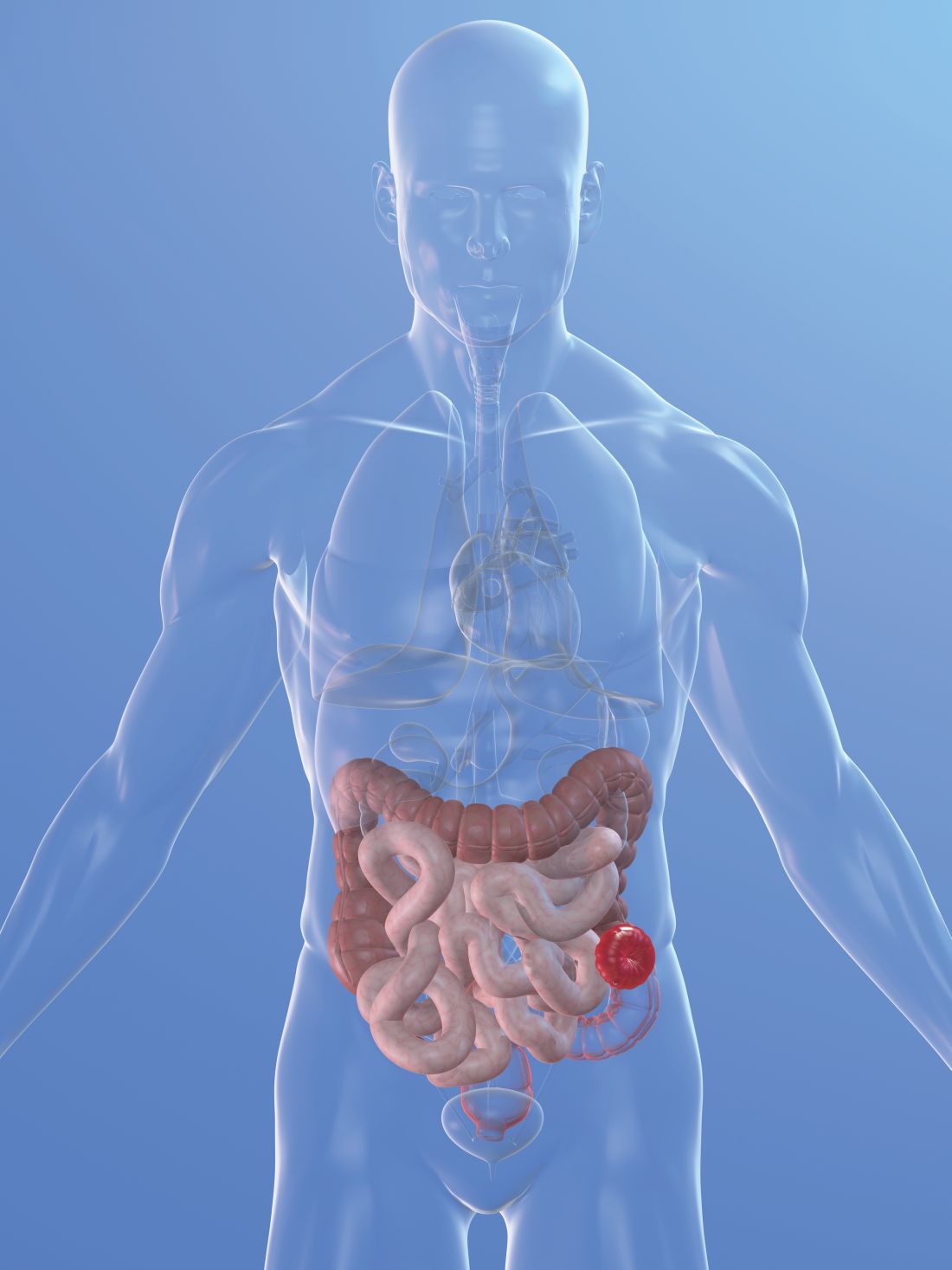
It can be difficult to decide whether or not to even offer patients a surgical fix because they often fail, and sometimes lead to fistulas and well-known mesh complications. Obese patients are “a no-go because they do not do well, and neither do smokers. Both are things patients have an opportunity to correct before we go ahead with surgery,” Dr. Gudgeon said.
On top of that, about 6% of repair patients die from complications. Patients “don’t believe that at first, but when you rub it in, a lot of them will change their minds” about surgery. “These patients don’t do well,” so avoid surgery when possible, he said. “Pain can be dealt with; leakage can be dealt with; cosmesis can be accepted,” especially with the help of stoma specialists who are experts in the art of appliance fit and support garments, Dr. Gudgeon said.
If the decision to operate is made, forget about suture repair, Dr. Gudgeon recommended. It should be “abandoned. I know it still goes on, but the evidence speaks for itself: [hernias] just come back again.”
Dr. Gudgeon suggested that it may be best to reverse the stoma, if possible, and repair the defect. Relocating the stoma “is always an attractive alternative,” and laparoscopic mesh keyhole repairs are straightforward. But the risk of recurrence is high, he said.
The Food and Drug Administration recently found that there’s not much difference between synthetic and biologic mesh, so Dr. Gudgeon said he usually opts for synthetics because they are less expensive.
He reported speakers’ fees from Intuitive, Medtronic, and Cook Medical.
SEATTLE – At present, laparoscopic Sugarbaker repair is probably the best surgical option for parastomal hernias when stomas can’t be reversed, according to Mark Gudgeon, MS, FRCS, a consultant general surgeon at the Frimley Park Hospital in England.
Parastomal hernias are common in colorectal surgery; more than a quarter of ileostomy stomas and well over half of colostomy stomas herniate within 10 years of placement, leading to pain, leakage, appliance problems, and embarrassment for patients. There’s also the risk of bowel obstruction and strangulation. “It’s something that’s a challenge to all of us. It’s a very difficult problem,” Dr. Gudgeon said at the American Society of Colon and Rectal Surgeons annual meeting.
It can be difficult to decide whether or not to even offer patients a surgical fix because they often fail, and sometimes lead to fistulas and well-known mesh complications. Obese patients are “a no-go because they do not do well, and neither do smokers. Both are things patients have an opportunity to correct before we go ahead with surgery,” Dr. Gudgeon said.
On top of that, about 6% of repair patients die from complications. Patients “don’t believe that at first, but when you rub it in, a lot of them will change their minds” about surgery. “These patients don’t do well,” so avoid surgery when possible, he said. “Pain can be dealt with; leakage can be dealt with; cosmesis can be accepted,” especially with the help of stoma specialists who are experts in the art of appliance fit and support garments, Dr. Gudgeon said.
If the decision to operate is made, forget about suture repair, Dr. Gudgeon recommended. It should be “abandoned. I know it still goes on, but the evidence speaks for itself: [hernias] just come back again.”
Dr. Gudgeon suggested that it may be best to reverse the stoma, if possible, and repair the defect. Relocating the stoma “is always an attractive alternative,” and laparoscopic mesh keyhole repairs are straightforward. But the risk of recurrence is high, he said.
The Food and Drug Administration recently found that there’s not much difference between synthetic and biologic mesh, so Dr. Gudgeon said he usually opts for synthetics because they are less expensive.
He reported speakers’ fees from Intuitive, Medtronic, and Cook Medical.
SEATTLE – At present, laparoscopic Sugarbaker repair is probably the best surgical option for parastomal hernias when stomas can’t be reversed, according to Mark Gudgeon, MS, FRCS, a consultant general surgeon at the Frimley Park Hospital in England.
Parastomal hernias are common in colorectal surgery; more than a quarter of ileostomy stomas and well over half of colostomy stomas herniate within 10 years of placement, leading to pain, leakage, appliance problems, and embarrassment for patients. There’s also the risk of bowel obstruction and strangulation. “It’s something that’s a challenge to all of us. It’s a very difficult problem,” Dr. Gudgeon said at the American Society of Colon and Rectal Surgeons annual meeting.
It can be difficult to decide whether or not to even offer patients a surgical fix because they often fail, and sometimes lead to fistulas and well-known mesh complications. Obese patients are “a no-go because they do not do well, and neither do smokers. Both are things patients have an opportunity to correct before we go ahead with surgery,” Dr. Gudgeon said.
On top of that, about 6% of repair patients die from complications. Patients “don’t believe that at first, but when you rub it in, a lot of them will change their minds” about surgery. “These patients don’t do well,” so avoid surgery when possible, he said. “Pain can be dealt with; leakage can be dealt with; cosmesis can be accepted,” especially with the help of stoma specialists who are experts in the art of appliance fit and support garments, Dr. Gudgeon said.
If the decision to operate is made, forget about suture repair, Dr. Gudgeon recommended. It should be “abandoned. I know it still goes on, but the evidence speaks for itself: [hernias] just come back again.”
Dr. Gudgeon suggested that it may be best to reverse the stoma, if possible, and repair the defect. Relocating the stoma “is always an attractive alternative,” and laparoscopic mesh keyhole repairs are straightforward. But the risk of recurrence is high, he said.
The Food and Drug Administration recently found that there’s not much difference between synthetic and biologic mesh, so Dr. Gudgeon said he usually opts for synthetics because they are less expensive.
He reported speakers’ fees from Intuitive, Medtronic, and Cook Medical.
EXPERT ANALYSIS AT THE ASCRS ANNUAL MEETING
C. difficile travels on the soles of our shoes
NEW ORLEANS – For an explanation to the spread of Clostridium difficile, one needs to look to our soles.
Based on ribosomal analysis, C. difficile often is transmitted from the hospital into the community and back into the hospital on the soles of shoes, researchers have concluded, based on findings from thousands of samples from patients, hospital environments, and shoes.
Dr. Alam of the University of Houston College of Pharmacy and his colleagues collected thousands of samples from the state of Texas to see how C. difficile strains in the community are related to clinical strains in the hospital.
The researchers collected 3,109 stool samples from people hospitalized with C. difficile, another 1,697 swabs taken from environmental surfaces in hospitals across the state, plus another 400 samples taken from the soles of shoes of clinicians and non–health care workers.
C. difficile was found in 44% of clinical stool samples, 13% of high-touch hospital environment surfaces, and 26% of community shoe sole samples. Among these positive C. difficile samples, toxigenic strains were detected in 93% of patient samples, 66% of hospital environment swabs and 64% of shoe samples. Importantly, the most predominant toxigenic strains appeared in all three sample types.
“When we collected some hospital environmental samples, we saw the isolate ribotypes perfectly matched the patient samples,” Dr. Alam said.
Further, “we saw the exact same ribotypes on our shoe bottoms, from these community, nonclinical sources,” Dr. Alam said. “Apparently, it seems, these dangerous pathogens are everywhere.”
In fact, “we may have brought many different strains from all over the world here to this meeting,” he added. “When we are taking antibiotics, we are susceptible to these different strains.”
Hospitals are cleaned daily, “but how many of us care about the shoes” on those who walk through the hospital, he asked. “We are loading the hospital with Clostridium difficile, and the hospital environment is also loaded with Clostridium difficile so we are bringing it into the community. We are spreading it everywhere.”
“Maybe we are blaming the doctors, nurses, and other staff, but [we are] not thinking about our shoes,” Dr. Alam added.
NEW ORLEANS – For an explanation to the spread of Clostridium difficile, one needs to look to our soles.
Based on ribosomal analysis, C. difficile often is transmitted from the hospital into the community and back into the hospital on the soles of shoes, researchers have concluded, based on findings from thousands of samples from patients, hospital environments, and shoes.
Dr. Alam of the University of Houston College of Pharmacy and his colleagues collected thousands of samples from the state of Texas to see how C. difficile strains in the community are related to clinical strains in the hospital.
The researchers collected 3,109 stool samples from people hospitalized with C. difficile, another 1,697 swabs taken from environmental surfaces in hospitals across the state, plus another 400 samples taken from the soles of shoes of clinicians and non–health care workers.
C. difficile was found in 44% of clinical stool samples, 13% of high-touch hospital environment surfaces, and 26% of community shoe sole samples. Among these positive C. difficile samples, toxigenic strains were detected in 93% of patient samples, 66% of hospital environment swabs and 64% of shoe samples. Importantly, the most predominant toxigenic strains appeared in all three sample types.
“When we collected some hospital environmental samples, we saw the isolate ribotypes perfectly matched the patient samples,” Dr. Alam said.
Further, “we saw the exact same ribotypes on our shoe bottoms, from these community, nonclinical sources,” Dr. Alam said. “Apparently, it seems, these dangerous pathogens are everywhere.”
In fact, “we may have brought many different strains from all over the world here to this meeting,” he added. “When we are taking antibiotics, we are susceptible to these different strains.”
Hospitals are cleaned daily, “but how many of us care about the shoes” on those who walk through the hospital, he asked. “We are loading the hospital with Clostridium difficile, and the hospital environment is also loaded with Clostridium difficile so we are bringing it into the community. We are spreading it everywhere.”
“Maybe we are blaming the doctors, nurses, and other staff, but [we are] not thinking about our shoes,” Dr. Alam added.
NEW ORLEANS – For an explanation to the spread of Clostridium difficile, one needs to look to our soles.
Based on ribosomal analysis, C. difficile often is transmitted from the hospital into the community and back into the hospital on the soles of shoes, researchers have concluded, based on findings from thousands of samples from patients, hospital environments, and shoes.
Dr. Alam of the University of Houston College of Pharmacy and his colleagues collected thousands of samples from the state of Texas to see how C. difficile strains in the community are related to clinical strains in the hospital.
The researchers collected 3,109 stool samples from people hospitalized with C. difficile, another 1,697 swabs taken from environmental surfaces in hospitals across the state, plus another 400 samples taken from the soles of shoes of clinicians and non–health care workers.
C. difficile was found in 44% of clinical stool samples, 13% of high-touch hospital environment surfaces, and 26% of community shoe sole samples. Among these positive C. difficile samples, toxigenic strains were detected in 93% of patient samples, 66% of hospital environment swabs and 64% of shoe samples. Importantly, the most predominant toxigenic strains appeared in all three sample types.
“When we collected some hospital environmental samples, we saw the isolate ribotypes perfectly matched the patient samples,” Dr. Alam said.
Further, “we saw the exact same ribotypes on our shoe bottoms, from these community, nonclinical sources,” Dr. Alam said. “Apparently, it seems, these dangerous pathogens are everywhere.”
In fact, “we may have brought many different strains from all over the world here to this meeting,” he added. “When we are taking antibiotics, we are susceptible to these different strains.”
Hospitals are cleaned daily, “but how many of us care about the shoes” on those who walk through the hospital, he asked. “We are loading the hospital with Clostridium difficile, and the hospital environment is also loaded with Clostridium difficile so we are bringing it into the community. We are spreading it everywhere.”
“Maybe we are blaming the doctors, nurses, and other staff, but [we are] not thinking about our shoes,” Dr. Alam added.
AT ASM MICROBE 2017
Key clinical point: Clostridium difficile transfer between the hospital and community and back could be driven in part by contaminated shoes.
Major finding: Toxigenic strains of C. difficile were found in 93% of patient samples, 66% of hospital environment swabs, and 64% of shoe samples.
Data source: Study of 3,109 stool samples from infected hospitalized patients, 1,697 hospital environmental surface swabs, and 400 samples from the soles of shoes.
Disclosures: Dr. Alam reported having no financial disclosures.
Idarucizumab reversed dabigatran completely and rapidly in study
One IV 5-g dose of idarucizumab completely, rapidly, and safely reversed the anticoagulant effect of dabigatran, according to final results for 503 patients in the multicenter, prospective, open-label, uncontrolled RE-VERSE AD study.
Uncontrolled bleeding stopped a median of 2.5 hours after 134 patients received idarucizumab. In a separate group of 202 patients, 197 were able to undergo urgent procedures after a median of 1.6 hours, Charles V. Pollack Jr., MD, and his associates reported at the International Society on Thrombosis and Haemostasis congress. The report was simultaneously published in the New England Journal of Medicine.

Idarucizumab was specifically developed to reverse the anticoagulant effect of dabigatran. Many countries have already licensed the humanized monoclonal antibody fragment based on interim results for the first 90 patients enrolled in the Reversal Effects of Idarucizumab on Active Dabigatran (RE-VERSE AD) study (NCT02104947), noted Dr. Pollack, of Thomas Jefferson University, Philadelphia.
The final RE-VERSE AD cohort included 301 patients with uncontrolled gastrointestinal, intracranial, or trauma-related bleeding and 202 patients who needed urgent procedures. Participants from both groups typically were white, in their late 70s (age range, 21-96 years), and receiving 110 mg (75-150 mg) dabigatran twice daily. The primary endpoint was maximum percentage reversal within 4 hours after patients received idarucizumab, based on diluted thrombin time and ecarin clotting time.
The median maximum percentage reversal of dabigatran was 100% (95% confidence interval, 100% to 100%) in more than 98% of patients, and the effect usually lasted 24 hours. Among patients who underwent procedures, intraprocedural hemostasis was considered normal in 93% of cases, mildly abnormal in 5% of cases, and moderately abnormal in 2% of cases, the researchers noted. Seven patients received another dose of idarucizumab after developing recurrent or postoperative bleeding.
A total of 24 patients had an adjudicated thrombotic event within 30 days after receiving idarucizumab. These events included pulmonary embolism, systemic embolism, ischemic stroke, deep vein thrombosis, and myocardial infarction. The fact that many patients did not restart anticoagulation could have contributed to these thrombotic events, the researchers asserted. They noted that idarucizumab had no procoagulant activity in studies of animals and healthy human volunteers.
About 19% of patients in both groups died within 90 days. “Patients enrolled in this study were elderly, had numerous coexisting conditions, and presented with serious index events, such as intracranial hemorrhage, multiple trauma, sepsis, acute abdomen, or open fracture,” the investigators wrote. “Most of the deaths that occurred within 5 days after enrollment appeared to be related to the severity of the index event or to coexisting conditions, such as respiratory failure or multiple organ failure, whereas deaths that occurred after 30 days were more likely to be independent events or related to coexisting conditions.”
Boehringer Ingelheim Pharmaceuticals provided funding. Dr. Pollack disclosed grant support from Boehringer Ingelheim during the course of the study and ties to Daiichi Sankyo, Portola, CSL Behring, Bristol-Myers Squibb/Pfizer, Janssen Pharma, and AstraZeneca. Eighteen coinvestigators also disclosed ties to Boehringer Ingelheim and a number of other pharmaceutical companies. Two coinvestigators had no relevant financial disclosures.
One IV 5-g dose of idarucizumab completely, rapidly, and safely reversed the anticoagulant effect of dabigatran, according to final results for 503 patients in the multicenter, prospective, open-label, uncontrolled RE-VERSE AD study.
Uncontrolled bleeding stopped a median of 2.5 hours after 134 patients received idarucizumab. In a separate group of 202 patients, 197 were able to undergo urgent procedures after a median of 1.6 hours, Charles V. Pollack Jr., MD, and his associates reported at the International Society on Thrombosis and Haemostasis congress. The report was simultaneously published in the New England Journal of Medicine.
Idarucizumab was specifically developed to reverse the anticoagulant effect of dabigatran. Many countries have already licensed the humanized monoclonal antibody fragment based on interim results for the first 90 patients enrolled in the Reversal Effects of Idarucizumab on Active Dabigatran (RE-VERSE AD) study (NCT02104947), noted Dr. Pollack, of Thomas Jefferson University, Philadelphia.
The final RE-VERSE AD cohort included 301 patients with uncontrolled gastrointestinal, intracranial, or trauma-related bleeding and 202 patients who needed urgent procedures. Participants from both groups typically were white, in their late 70s (age range, 21-96 years), and receiving 110 mg (75-150 mg) dabigatran twice daily. The primary endpoint was maximum percentage reversal within 4 hours after patients received idarucizumab, based on diluted thrombin time and ecarin clotting time.
The median maximum percentage reversal of dabigatran was 100% (95% confidence interval, 100% to 100%) in more than 98% of patients, and the effect usually lasted 24 hours. Among patients who underwent procedures, intraprocedural hemostasis was considered normal in 93% of cases, mildly abnormal in 5% of cases, and moderately abnormal in 2% of cases, the researchers noted. Seven patients received another dose of idarucizumab after developing recurrent or postoperative bleeding.
A total of 24 patients had an adjudicated thrombotic event within 30 days after receiving idarucizumab. These events included pulmonary embolism, systemic embolism, ischemic stroke, deep vein thrombosis, and myocardial infarction. The fact that many patients did not restart anticoagulation could have contributed to these thrombotic events, the researchers asserted. They noted that idarucizumab had no procoagulant activity in studies of animals and healthy human volunteers.
About 19% of patients in both groups died within 90 days. “Patients enrolled in this study were elderly, had numerous coexisting conditions, and presented with serious index events, such as intracranial hemorrhage, multiple trauma, sepsis, acute abdomen, or open fracture,” the investigators wrote. “Most of the deaths that occurred within 5 days after enrollment appeared to be related to the severity of the index event or to coexisting conditions, such as respiratory failure or multiple organ failure, whereas deaths that occurred after 30 days were more likely to be independent events or related to coexisting conditions.”
Boehringer Ingelheim Pharmaceuticals provided funding. Dr. Pollack disclosed grant support from Boehringer Ingelheim during the course of the study and ties to Daiichi Sankyo, Portola, CSL Behring, Bristol-Myers Squibb/Pfizer, Janssen Pharma, and AstraZeneca. Eighteen coinvestigators also disclosed ties to Boehringer Ingelheim and a number of other pharmaceutical companies. Two coinvestigators had no relevant financial disclosures.
One IV 5-g dose of idarucizumab completely, rapidly, and safely reversed the anticoagulant effect of dabigatran, according to final results for 503 patients in the multicenter, prospective, open-label, uncontrolled RE-VERSE AD study.
Uncontrolled bleeding stopped a median of 2.5 hours after 134 patients received idarucizumab. In a separate group of 202 patients, 197 were able to undergo urgent procedures after a median of 1.6 hours, Charles V. Pollack Jr., MD, and his associates reported at the International Society on Thrombosis and Haemostasis congress. The report was simultaneously published in the New England Journal of Medicine.
Idarucizumab was specifically developed to reverse the anticoagulant effect of dabigatran. Many countries have already licensed the humanized monoclonal antibody fragment based on interim results for the first 90 patients enrolled in the Reversal Effects of Idarucizumab on Active Dabigatran (RE-VERSE AD) study (NCT02104947), noted Dr. Pollack, of Thomas Jefferson University, Philadelphia.
The final RE-VERSE AD cohort included 301 patients with uncontrolled gastrointestinal, intracranial, or trauma-related bleeding and 202 patients who needed urgent procedures. Participants from both groups typically were white, in their late 70s (age range, 21-96 years), and receiving 110 mg (75-150 mg) dabigatran twice daily. The primary endpoint was maximum percentage reversal within 4 hours after patients received idarucizumab, based on diluted thrombin time and ecarin clotting time.
The median maximum percentage reversal of dabigatran was 100% (95% confidence interval, 100% to 100%) in more than 98% of patients, and the effect usually lasted 24 hours. Among patients who underwent procedures, intraprocedural hemostasis was considered normal in 93% of cases, mildly abnormal in 5% of cases, and moderately abnormal in 2% of cases, the researchers noted. Seven patients received another dose of idarucizumab after developing recurrent or postoperative bleeding.
A total of 24 patients had an adjudicated thrombotic event within 30 days after receiving idarucizumab. These events included pulmonary embolism, systemic embolism, ischemic stroke, deep vein thrombosis, and myocardial infarction. The fact that many patients did not restart anticoagulation could have contributed to these thrombotic events, the researchers asserted. They noted that idarucizumab had no procoagulant activity in studies of animals and healthy human volunteers.
About 19% of patients in both groups died within 90 days. “Patients enrolled in this study were elderly, had numerous coexisting conditions, and presented with serious index events, such as intracranial hemorrhage, multiple trauma, sepsis, acute abdomen, or open fracture,” the investigators wrote. “Most of the deaths that occurred within 5 days after enrollment appeared to be related to the severity of the index event or to coexisting conditions, such as respiratory failure or multiple organ failure, whereas deaths that occurred after 30 days were more likely to be independent events or related to coexisting conditions.”
Boehringer Ingelheim Pharmaceuticals provided funding. Dr. Pollack disclosed grant support from Boehringer Ingelheim during the course of the study and ties to Daiichi Sankyo, Portola, CSL Behring, Bristol-Myers Squibb/Pfizer, Janssen Pharma, and AstraZeneca. Eighteen coinvestigators also disclosed ties to Boehringer Ingelheim and a number of other pharmaceutical companies. Two coinvestigators had no relevant financial disclosures.
FROM 2017 ISTH CONGRESS
Key clinical point:
Major finding: Uncontrolled bleeding stopped a median of 2.5 hours after 134 patients received idarucizumab. In a separate group, 197 patients were able to undergo urgent procedures after a median of 1.6 hours.
Data source: A multicenter, prospective, open-label study of 503 patients (RE-VERSE AD).
Disclosures: Boehringer Ingelheim Pharmaceuticals provided funding. Dr. Pollack disclosed grant support from Boehringer Ingelheim during the course of the study and ties to Daiichi Sankyo, Portola, CSL Behring, BMS/Pfizer, Janssen Pharma, and AstraZeneca. Eighteen coinvestigators disclosed ties to Boehringer Ingelheim and a number of other pharmaceutical companies. Two coinvestigators had no relevant financial disclosures.
ABS offers a new path to board certification
The American Board of Surgery announced a revised and reformulated path for surgeons to board certification that will replace the current Maintenance of Certification process now in place.
The new program will offer surgeons greater flexibility and more practice-relevant options to achieve lifelong learning in their field and continuous board certification. The ABS based the program on feedback from diplomates (ABS-certified surgeons) including the findings from a 2016 survey sent to 5,000 diplomates.
Effective immediately, diplomates will be asked to report their professional standing, CME activities, and practice assessment participation every 5 years, rather than every 3 years. All diplomates will have their current reporting cycle extended by 2 years. The self-assessment CME requirement has been has been reduced by half. For 2018, more options for recertification will be offered with a greater focus on ongoing, high-value, and practice-relevant learning. The current 10-year interval recertification examination will continue to be offered for those who choose it. Input from diplomates will be sought in the coming months to provide input on the new program.
Find the full statement at http://www.absurgery.org/default.jsp?news_mocchange0717.
The American Board of Surgery announced a revised and reformulated path for surgeons to board certification that will replace the current Maintenance of Certification process now in place.
The new program will offer surgeons greater flexibility and more practice-relevant options to achieve lifelong learning in their field and continuous board certification. The ABS based the program on feedback from diplomates (ABS-certified surgeons) including the findings from a 2016 survey sent to 5,000 diplomates.
Effective immediately, diplomates will be asked to report their professional standing, CME activities, and practice assessment participation every 5 years, rather than every 3 years. All diplomates will have their current reporting cycle extended by 2 years. The self-assessment CME requirement has been has been reduced by half. For 2018, more options for recertification will be offered with a greater focus on ongoing, high-value, and practice-relevant learning. The current 10-year interval recertification examination will continue to be offered for those who choose it. Input from diplomates will be sought in the coming months to provide input on the new program.
Find the full statement at http://www.absurgery.org/default.jsp?news_mocchange0717.
The American Board of Surgery announced a revised and reformulated path for surgeons to board certification that will replace the current Maintenance of Certification process now in place.
The new program will offer surgeons greater flexibility and more practice-relevant options to achieve lifelong learning in their field and continuous board certification. The ABS based the program on feedback from diplomates (ABS-certified surgeons) including the findings from a 2016 survey sent to 5,000 diplomates.
Effective immediately, diplomates will be asked to report their professional standing, CME activities, and practice assessment participation every 5 years, rather than every 3 years. All diplomates will have their current reporting cycle extended by 2 years. The self-assessment CME requirement has been has been reduced by half. For 2018, more options for recertification will be offered with a greater focus on ongoing, high-value, and practice-relevant learning. The current 10-year interval recertification examination will continue to be offered for those who choose it. Input from diplomates will be sought in the coming months to provide input on the new program.
Find the full statement at http://www.absurgery.org/default.jsp?news_mocchange0717.
Opioid prescribing drops nationally, remains high in some counties
Opioid prescribing in the United States declined overall between 2010 and 2015, but remained stable or increased in some counties, according to a report from the Centers for Disease Control and Prevention. The findings were published online in the CDC’s Morbidity and Mortality Weekly Report.
“The bottom line remains: We have too many people getting too many prescriptions at too high a dose,” Anne Schuchat, MD, acting director of the CDC, said in a July 6 teleconference.
CDC researchers calculated prescribing rates from 2006 to 2015 by dividing the number of opioid prescriptions by the population estimates from the U.S. census for each year and created quartiles using morphine milligram equivalent per capita to analyze opioid distribution. Annual opioid prescribing rates increased from 72 to 81 prescriptions per 100 persons from 2006 to 2010 and remained relatively constant from 2010 to 2012 before showing a 13% decrease to 71 prescriptions per 100 persons from 2012 to 2015 (MMWR. 2017 Jul 7;66[26]:697-704. doi: 10.15585/mmwr.mm6626a4).
But despite these overall declines, “We are now experiencing the highest overdose death rates ever recorded in the United States,” Dr. Schuchat said. Quartiles were created using MME per capita to characterize the distribution of opioids prescribed.
In the report, areas associated with higher opioid prescribing rates on a county level included small cities or towns, areas that had a higher proportion of white residents, areas with more doctors and dentists, and areas with more cases of arthritis, diabetes, or other disabilities, she said.
The findings suggest a need for more consistency among health care providers about prescription opioids, Dr. Schuchat said. “Clinical practice is all over the place, which is a sign that you need better standards; we hope the 2016 guidelines are a turning point for better prescribing,” she said.
The CDC’s guidelines on opioid prescribing were released in 2016. The guidelines recommend alternatives when possible. Clinicians should instead consider nonopioid therapy, other types of pain medication, and nondrug pain relief options, such as physical therapy and cognitive-behavioral therapy. Other concerns include the length and strength of opioid prescriptions. Even taking opioids for a few months increases the risk for addiction, Dr. Schuchat said.
“Physicians must continue to lead efforts to reverse the epidemic by using prescription drug–monitoring programs, eliminating stigma, prescribing the overdose reversal drug naloxone, and enhancing their education about safe opioid prescribing and effective pain management,” Patrice A. Harris, MD, chair of the American Medical Association Opioid Task Force, said in a statement in response to the report. “Our country must do more to provide evidence-based, comprehensive treatment for pain and for substance use disorders,” she said.
“We really encourage clinicians to look to the guidelines and the tools that are available,” Dr. Schuchat said. “We do know that internists and other primary care physicians prescribe most of the opioids, so it is important for them to be aware.” The CDC has developed a checklist and a mobile app that have been downloaded by thousands of clinicians so far, she noted. Changes in annual prescribing hold promise that practices can improve, she said.
The researchers reported no conflicts of interest.
Opioid prescribing in the United States declined overall between 2010 and 2015, but remained stable or increased in some counties, according to a report from the Centers for Disease Control and Prevention. The findings were published online in the CDC’s Morbidity and Mortality Weekly Report.
“The bottom line remains: We have too many people getting too many prescriptions at too high a dose,” Anne Schuchat, MD, acting director of the CDC, said in a July 6 teleconference.
CDC researchers calculated prescribing rates from 2006 to 2015 by dividing the number of opioid prescriptions by the population estimates from the U.S. census for each year and created quartiles using morphine milligram equivalent per capita to analyze opioid distribution. Annual opioid prescribing rates increased from 72 to 81 prescriptions per 100 persons from 2006 to 2010 and remained relatively constant from 2010 to 2012 before showing a 13% decrease to 71 prescriptions per 100 persons from 2012 to 2015 (MMWR. 2017 Jul 7;66[26]:697-704. doi: 10.15585/mmwr.mm6626a4).
But despite these overall declines, “We are now experiencing the highest overdose death rates ever recorded in the United States,” Dr. Schuchat said. Quartiles were created using MME per capita to characterize the distribution of opioids prescribed.
In the report, areas associated with higher opioid prescribing rates on a county level included small cities or towns, areas that had a higher proportion of white residents, areas with more doctors and dentists, and areas with more cases of arthritis, diabetes, or other disabilities, she said.
The findings suggest a need for more consistency among health care providers about prescription opioids, Dr. Schuchat said. “Clinical practice is all over the place, which is a sign that you need better standards; we hope the 2016 guidelines are a turning point for better prescribing,” she said.
The CDC’s guidelines on opioid prescribing were released in 2016. The guidelines recommend alternatives when possible. Clinicians should instead consider nonopioid therapy, other types of pain medication, and nondrug pain relief options, such as physical therapy and cognitive-behavioral therapy. Other concerns include the length and strength of opioid prescriptions. Even taking opioids for a few months increases the risk for addiction, Dr. Schuchat said.
“Physicians must continue to lead efforts to reverse the epidemic by using prescription drug–monitoring programs, eliminating stigma, prescribing the overdose reversal drug naloxone, and enhancing their education about safe opioid prescribing and effective pain management,” Patrice A. Harris, MD, chair of the American Medical Association Opioid Task Force, said in a statement in response to the report. “Our country must do more to provide evidence-based, comprehensive treatment for pain and for substance use disorders,” she said.
“We really encourage clinicians to look to the guidelines and the tools that are available,” Dr. Schuchat said. “We do know that internists and other primary care physicians prescribe most of the opioids, so it is important for them to be aware.” The CDC has developed a checklist and a mobile app that have been downloaded by thousands of clinicians so far, she noted. Changes in annual prescribing hold promise that practices can improve, she said.
The researchers reported no conflicts of interest.
Opioid prescribing in the United States declined overall between 2010 and 2015, but remained stable or increased in some counties, according to a report from the Centers for Disease Control and Prevention. The findings were published online in the CDC’s Morbidity and Mortality Weekly Report.
“The bottom line remains: We have too many people getting too many prescriptions at too high a dose,” Anne Schuchat, MD, acting director of the CDC, said in a July 6 teleconference.
CDC researchers calculated prescribing rates from 2006 to 2015 by dividing the number of opioid prescriptions by the population estimates from the U.S. census for each year and created quartiles using morphine milligram equivalent per capita to analyze opioid distribution. Annual opioid prescribing rates increased from 72 to 81 prescriptions per 100 persons from 2006 to 2010 and remained relatively constant from 2010 to 2012 before showing a 13% decrease to 71 prescriptions per 100 persons from 2012 to 2015 (MMWR. 2017 Jul 7;66[26]:697-704. doi: 10.15585/mmwr.mm6626a4).
But despite these overall declines, “We are now experiencing the highest overdose death rates ever recorded in the United States,” Dr. Schuchat said. Quartiles were created using MME per capita to characterize the distribution of opioids prescribed.
In the report, areas associated with higher opioid prescribing rates on a county level included small cities or towns, areas that had a higher proportion of white residents, areas with more doctors and dentists, and areas with more cases of arthritis, diabetes, or other disabilities, she said.
The findings suggest a need for more consistency among health care providers about prescription opioids, Dr. Schuchat said. “Clinical practice is all over the place, which is a sign that you need better standards; we hope the 2016 guidelines are a turning point for better prescribing,” she said.
The CDC’s guidelines on opioid prescribing were released in 2016. The guidelines recommend alternatives when possible. Clinicians should instead consider nonopioid therapy, other types of pain medication, and nondrug pain relief options, such as physical therapy and cognitive-behavioral therapy. Other concerns include the length and strength of opioid prescriptions. Even taking opioids for a few months increases the risk for addiction, Dr. Schuchat said.
“Physicians must continue to lead efforts to reverse the epidemic by using prescription drug–monitoring programs, eliminating stigma, prescribing the overdose reversal drug naloxone, and enhancing their education about safe opioid prescribing and effective pain management,” Patrice A. Harris, MD, chair of the American Medical Association Opioid Task Force, said in a statement in response to the report. “Our country must do more to provide evidence-based, comprehensive treatment for pain and for substance use disorders,” she said.
“We really encourage clinicians to look to the guidelines and the tools that are available,” Dr. Schuchat said. “We do know that internists and other primary care physicians prescribe most of the opioids, so it is important for them to be aware.” The CDC has developed a checklist and a mobile app that have been downloaded by thousands of clinicians so far, she noted. Changes in annual prescribing hold promise that practices can improve, she said.
The researchers reported no conflicts of interest.
FROM MMWR
New on the streets: Drug for nerve pain boosts high for opioid abusers
ATHENS, OHIO – On April 5, Ciera Smith sat in a car parked on the gravel driveway of the Rural Women’s Recovery Program here with a choice to make: Go to jail or enter treatment for her addiction.
Ms. Smith, 22, started abusing drugs when she was 18 years old, enticed by the “good time” she and her friends found in smoking marijuana. She later turned to addictive painkillers, then antianxiety medications such as Xanax and eventually Suboxone, a narcotic often used to replace opioids when treating addiction.
Before stepping out of the car, she decided she needed one more high before treatment. She reached into her purse and then swallowed a handful of gabapentin pills.
Last December, Ohio’s Board of Pharmacy began reporting sales of gabapentin prescriptions in its regular monitoring of controlled substances. The drug, which is neither an opioid nor designated a controlled substance by federal authorities, is used to treat nerve pain. But the board found that it was the most prescribed medication on its list that month, surpassing oxycodone by more than 9 million doses. In February, the Ohio Substance Abuse Monitoring Network issued an alert regarding increasing misuse across the state.
And it’s not just in Ohio. Gabapentin’s ability to tackle multiple ailments has helped make it one of the most popular medications in the United States. In May, it was the fifth-most prescribed drug in the nation, according to GoodRx.
Gabapentin is approved by the Food and Drug Administration to treat epilepsy and pain related to nerve damage, called neuropathy. Also known by its brand name, Neurontin, the drug acts as a sedative. It is widely considered nonaddictive and touted by the federal Centers for Disease Control and Prevention as an alternative intervention to opiates for chronic pain. Generally, doctors prescribe no more than 1,800-2,400 mg of gabapentin per day, according to information on the Mayo Clinic’s website.
Gabapentin does not carry the same risk of lethal overdoses as opioids, but drug experts say the effects of using gabapentin for long periods of time or in very high quantities, particularly among such sensitive populations as pregnant women, are not well known.
As providers dole out the drug in mass quantities for conditions such as restless legs syndrome and alcoholism, it is being subverted to a drug of abuse. Gabapentin can enhance the euphoria caused by an opioid and stave off drug withdrawals. In addition, it can bypass the blocking effects of medications used for addiction treatment, enabling patients to get high while in recovery.
Athens, home to Ohio University, lies in the southeastern corner of the state, which has been ravaged by the opioid epidemic. Despite experience in combating illicit drug use, law enforcement officials and drug counselors say the addition of gabapentin adds a new obstacle.
“I don’t know if we have a clear picture of the risk,” said Joe Gay, executive director of Health Recovery Services, a network of substance abuse recovery centers headquartered in Athens.
‘Available to be abused’
A literature review published in 2016 in the journal Addiction found about a fifth of those who abuse opiates misuse gabapentin. A separate 2015 study of adults in Appalachian Kentucky who abused opiates found 15% of participants also misused gabapentin in the past 6 months “to get high.”
In the same year, the drug was involved in 109 overdose deaths in West Virginia, the Charleston Gazette-Mail reported.
Rachel Quivey, an Athens pharmacist, said she noticed signs of gabapentin misuse half a decade ago when patients began picking up the drug several days before their prescription ran out.
“Gabapentin is so readily available,” she said. “That, in my opinion, is where a lot of that danger is. It’s available to be abused.”
In May, Ms. Quivey’s pharmacy filled roughly 33 prescriptions of gabapentin per week, dispensing 90-120 pills for each client.
For customers who arrive with scripts demanding a high dosage of the drug, Ms. Quivey sometimes calls the doctor to discuss her concerns. But many of them aren’t aware of gabapentin misuse, she said.
Even as gabapentin gets restocked regularly on Ms. Quivey’s shelves, the drug’s presence is increasing on the streets of Athens. A 300-milligram pill sells for as little as 75 cents.
Yet, according to Chuck Haegele, field supervisor for the major crimes unit at the Athens City Police Department, law enforcement can do little to stop its spread. That’s because gabapentin is not categorized as a controlled substance. That designation places restrictions on who can possess and dispense the drug.
“There’s really not much we can do at this point,” he said. “If it’s not controlled … it’s not illegal for somebody that’s not prescribed it to possess it.”
Mr. Haegele said he heard about the drug less than 3 months ago when an officer accidentally received a text message from someone offering to sell it. The police force, he said, is still trying to assess the threat of gabapentin.
Little testing
Nearly anyone arrested and found to struggle with addiction in Athens is given the option to go through a drug-court program to get treatment. But officials said that some exploit the absence of routine exams for gabapentin to get high while testing clean.
Brice Johnson, a probation officer at Athens County Municipal Court, said participants in the municipal court’s substance abuse mentally ill program undergo gabapentin testing only when abuse is suspected. Screenings are not regularly done on every client because gabapentin abuse has not been a concern and the testing adds expense, he said.
The rehab program run through the county prosecutor’s office, called Fresh Start, does test for gabapentin. Its latest round of screenings detected the drug in 5 of its roughly 238 active participants, prosecutor Keller Blackburn said.
Linda Holley, a clinical supervisor at an Athens outpatient program run by the Health Recovery Services, said she suspects at least half of her clients on Suboxone treatment abuse gabapentin. But the center can’t afford to regularly test every participant.
Ms. Holley said she sees clients who are prescribed gabapentin but, because of health privacy laws, she can’t share their status as a person in recovery to an outside provider without written consent. The restrictions give clients in recovery an opportunity to get high using drugs they obtained legally and still pass a drug test.
“With the gabapentin, I wish there were more we could do, but our hands are tied,” she said. “We can’t do anything but educate the client and discourage” them from using such medications.
Ms. Smith visited two separate doctors to secure a prescription. As she rotated through drug court, Narcotics Anonymous meetings, jail for relapsing on cocaine, and house arrest enforced with an ankle bracelet, she said her gabapentin abuse wasn’t detected until she arrived at the residential recovery center.
Today, Ms. Smith sticks to the recovery process. Expecting a baby in early July, her successful completion of the program not only means sobriety but also allows her the opportunity to restore custody of her eldest daughter and raise her children.
She intends to relocate her family away from the friends and routines that helped lead her to addiction and said she will help guide her daughter away from making similar mistakes.
“All I can do is be there and give her the knowledge that I can about addiction,” Ms. Smith said, “and hope that she chooses to go on the right path.”
Kaiser Health News is a national health policy news service that is part of the nonpartisan Henry J. Kaiser Family Foundation.
ATHENS, OHIO – On April 5, Ciera Smith sat in a car parked on the gravel driveway of the Rural Women’s Recovery Program here with a choice to make: Go to jail or enter treatment for her addiction.
Ms. Smith, 22, started abusing drugs when she was 18 years old, enticed by the “good time” she and her friends found in smoking marijuana. She later turned to addictive painkillers, then antianxiety medications such as Xanax and eventually Suboxone, a narcotic often used to replace opioids when treating addiction.
Before stepping out of the car, she decided she needed one more high before treatment. She reached into her purse and then swallowed a handful of gabapentin pills.
Last December, Ohio’s Board of Pharmacy began reporting sales of gabapentin prescriptions in its regular monitoring of controlled substances. The drug, which is neither an opioid nor designated a controlled substance by federal authorities, is used to treat nerve pain. But the board found that it was the most prescribed medication on its list that month, surpassing oxycodone by more than 9 million doses. In February, the Ohio Substance Abuse Monitoring Network issued an alert regarding increasing misuse across the state.
And it’s not just in Ohio. Gabapentin’s ability to tackle multiple ailments has helped make it one of the most popular medications in the United States. In May, it was the fifth-most prescribed drug in the nation, according to GoodRx.
Gabapentin is approved by the Food and Drug Administration to treat epilepsy and pain related to nerve damage, called neuropathy. Also known by its brand name, Neurontin, the drug acts as a sedative. It is widely considered nonaddictive and touted by the federal Centers for Disease Control and Prevention as an alternative intervention to opiates for chronic pain. Generally, doctors prescribe no more than 1,800-2,400 mg of gabapentin per day, according to information on the Mayo Clinic’s website.
Gabapentin does not carry the same risk of lethal overdoses as opioids, but drug experts say the effects of using gabapentin for long periods of time or in very high quantities, particularly among such sensitive populations as pregnant women, are not well known.
As providers dole out the drug in mass quantities for conditions such as restless legs syndrome and alcoholism, it is being subverted to a drug of abuse. Gabapentin can enhance the euphoria caused by an opioid and stave off drug withdrawals. In addition, it can bypass the blocking effects of medications used for addiction treatment, enabling patients to get high while in recovery.
Athens, home to Ohio University, lies in the southeastern corner of the state, which has been ravaged by the opioid epidemic. Despite experience in combating illicit drug use, law enforcement officials and drug counselors say the addition of gabapentin adds a new obstacle.
“I don’t know if we have a clear picture of the risk,” said Joe Gay, executive director of Health Recovery Services, a network of substance abuse recovery centers headquartered in Athens.
‘Available to be abused’
A literature review published in 2016 in the journal Addiction found about a fifth of those who abuse opiates misuse gabapentin. A separate 2015 study of adults in Appalachian Kentucky who abused opiates found 15% of participants also misused gabapentin in the past 6 months “to get high.”
In the same year, the drug was involved in 109 overdose deaths in West Virginia, the Charleston Gazette-Mail reported.
Rachel Quivey, an Athens pharmacist, said she noticed signs of gabapentin misuse half a decade ago when patients began picking up the drug several days before their prescription ran out.
“Gabapentin is so readily available,” she said. “That, in my opinion, is where a lot of that danger is. It’s available to be abused.”
In May, Ms. Quivey’s pharmacy filled roughly 33 prescriptions of gabapentin per week, dispensing 90-120 pills for each client.
For customers who arrive with scripts demanding a high dosage of the drug, Ms. Quivey sometimes calls the doctor to discuss her concerns. But many of them aren’t aware of gabapentin misuse, she said.
Even as gabapentin gets restocked regularly on Ms. Quivey’s shelves, the drug’s presence is increasing on the streets of Athens. A 300-milligram pill sells for as little as 75 cents.
Yet, according to Chuck Haegele, field supervisor for the major crimes unit at the Athens City Police Department, law enforcement can do little to stop its spread. That’s because gabapentin is not categorized as a controlled substance. That designation places restrictions on who can possess and dispense the drug.
“There’s really not much we can do at this point,” he said. “If it’s not controlled … it’s not illegal for somebody that’s not prescribed it to possess it.”
Mr. Haegele said he heard about the drug less than 3 months ago when an officer accidentally received a text message from someone offering to sell it. The police force, he said, is still trying to assess the threat of gabapentin.
Little testing
Nearly anyone arrested and found to struggle with addiction in Athens is given the option to go through a drug-court program to get treatment. But officials said that some exploit the absence of routine exams for gabapentin to get high while testing clean.
Brice Johnson, a probation officer at Athens County Municipal Court, said participants in the municipal court’s substance abuse mentally ill program undergo gabapentin testing only when abuse is suspected. Screenings are not regularly done on every client because gabapentin abuse has not been a concern and the testing adds expense, he said.
The rehab program run through the county prosecutor’s office, called Fresh Start, does test for gabapentin. Its latest round of screenings detected the drug in 5 of its roughly 238 active participants, prosecutor Keller Blackburn said.
Linda Holley, a clinical supervisor at an Athens outpatient program run by the Health Recovery Services, said she suspects at least half of her clients on Suboxone treatment abuse gabapentin. But the center can’t afford to regularly test every participant.
Ms. Holley said she sees clients who are prescribed gabapentin but, because of health privacy laws, she can’t share their status as a person in recovery to an outside provider without written consent. The restrictions give clients in recovery an opportunity to get high using drugs they obtained legally and still pass a drug test.
“With the gabapentin, I wish there were more we could do, but our hands are tied,” she said. “We can’t do anything but educate the client and discourage” them from using such medications.
Ms. Smith visited two separate doctors to secure a prescription. As she rotated through drug court, Narcotics Anonymous meetings, jail for relapsing on cocaine, and house arrest enforced with an ankle bracelet, she said her gabapentin abuse wasn’t detected until she arrived at the residential recovery center.
Today, Ms. Smith sticks to the recovery process. Expecting a baby in early July, her successful completion of the program not only means sobriety but also allows her the opportunity to restore custody of her eldest daughter and raise her children.
She intends to relocate her family away from the friends and routines that helped lead her to addiction and said she will help guide her daughter away from making similar mistakes.
“All I can do is be there and give her the knowledge that I can about addiction,” Ms. Smith said, “and hope that she chooses to go on the right path.”
Kaiser Health News is a national health policy news service that is part of the nonpartisan Henry J. Kaiser Family Foundation.
ATHENS, OHIO – On April 5, Ciera Smith sat in a car parked on the gravel driveway of the Rural Women’s Recovery Program here with a choice to make: Go to jail or enter treatment for her addiction.
Ms. Smith, 22, started abusing drugs when she was 18 years old, enticed by the “good time” she and her friends found in smoking marijuana. She later turned to addictive painkillers, then antianxiety medications such as Xanax and eventually Suboxone, a narcotic often used to replace opioids when treating addiction.
Before stepping out of the car, she decided she needed one more high before treatment. She reached into her purse and then swallowed a handful of gabapentin pills.
Last December, Ohio’s Board of Pharmacy began reporting sales of gabapentin prescriptions in its regular monitoring of controlled substances. The drug, which is neither an opioid nor designated a controlled substance by federal authorities, is used to treat nerve pain. But the board found that it was the most prescribed medication on its list that month, surpassing oxycodone by more than 9 million doses. In February, the Ohio Substance Abuse Monitoring Network issued an alert regarding increasing misuse across the state.
And it’s not just in Ohio. Gabapentin’s ability to tackle multiple ailments has helped make it one of the most popular medications in the United States. In May, it was the fifth-most prescribed drug in the nation, according to GoodRx.
Gabapentin is approved by the Food and Drug Administration to treat epilepsy and pain related to nerve damage, called neuropathy. Also known by its brand name, Neurontin, the drug acts as a sedative. It is widely considered nonaddictive and touted by the federal Centers for Disease Control and Prevention as an alternative intervention to opiates for chronic pain. Generally, doctors prescribe no more than 1,800-2,400 mg of gabapentin per day, according to information on the Mayo Clinic’s website.
Gabapentin does not carry the same risk of lethal overdoses as opioids, but drug experts say the effects of using gabapentin for long periods of time or in very high quantities, particularly among such sensitive populations as pregnant women, are not well known.
As providers dole out the drug in mass quantities for conditions such as restless legs syndrome and alcoholism, it is being subverted to a drug of abuse. Gabapentin can enhance the euphoria caused by an opioid and stave off drug withdrawals. In addition, it can bypass the blocking effects of medications used for addiction treatment, enabling patients to get high while in recovery.
Athens, home to Ohio University, lies in the southeastern corner of the state, which has been ravaged by the opioid epidemic. Despite experience in combating illicit drug use, law enforcement officials and drug counselors say the addition of gabapentin adds a new obstacle.
“I don’t know if we have a clear picture of the risk,” said Joe Gay, executive director of Health Recovery Services, a network of substance abuse recovery centers headquartered in Athens.
‘Available to be abused’
A literature review published in 2016 in the journal Addiction found about a fifth of those who abuse opiates misuse gabapentin. A separate 2015 study of adults in Appalachian Kentucky who abused opiates found 15% of participants also misused gabapentin in the past 6 months “to get high.”
In the same year, the drug was involved in 109 overdose deaths in West Virginia, the Charleston Gazette-Mail reported.
Rachel Quivey, an Athens pharmacist, said she noticed signs of gabapentin misuse half a decade ago when patients began picking up the drug several days before their prescription ran out.
“Gabapentin is so readily available,” she said. “That, in my opinion, is where a lot of that danger is. It’s available to be abused.”
In May, Ms. Quivey’s pharmacy filled roughly 33 prescriptions of gabapentin per week, dispensing 90-120 pills for each client.
For customers who arrive with scripts demanding a high dosage of the drug, Ms. Quivey sometimes calls the doctor to discuss her concerns. But many of them aren’t aware of gabapentin misuse, she said.
Even as gabapentin gets restocked regularly on Ms. Quivey’s shelves, the drug’s presence is increasing on the streets of Athens. A 300-milligram pill sells for as little as 75 cents.
Yet, according to Chuck Haegele, field supervisor for the major crimes unit at the Athens City Police Department, law enforcement can do little to stop its spread. That’s because gabapentin is not categorized as a controlled substance. That designation places restrictions on who can possess and dispense the drug.
“There’s really not much we can do at this point,” he said. “If it’s not controlled … it’s not illegal for somebody that’s not prescribed it to possess it.”
Mr. Haegele said he heard about the drug less than 3 months ago when an officer accidentally received a text message from someone offering to sell it. The police force, he said, is still trying to assess the threat of gabapentin.
Little testing
Nearly anyone arrested and found to struggle with addiction in Athens is given the option to go through a drug-court program to get treatment. But officials said that some exploit the absence of routine exams for gabapentin to get high while testing clean.
Brice Johnson, a probation officer at Athens County Municipal Court, said participants in the municipal court’s substance abuse mentally ill program undergo gabapentin testing only when abuse is suspected. Screenings are not regularly done on every client because gabapentin abuse has not been a concern and the testing adds expense, he said.
The rehab program run through the county prosecutor’s office, called Fresh Start, does test for gabapentin. Its latest round of screenings detected the drug in 5 of its roughly 238 active participants, prosecutor Keller Blackburn said.
Linda Holley, a clinical supervisor at an Athens outpatient program run by the Health Recovery Services, said she suspects at least half of her clients on Suboxone treatment abuse gabapentin. But the center can’t afford to regularly test every participant.
Ms. Holley said she sees clients who are prescribed gabapentin but, because of health privacy laws, she can’t share their status as a person in recovery to an outside provider without written consent. The restrictions give clients in recovery an opportunity to get high using drugs they obtained legally and still pass a drug test.
“With the gabapentin, I wish there were more we could do, but our hands are tied,” she said. “We can’t do anything but educate the client and discourage” them from using such medications.
Ms. Smith visited two separate doctors to secure a prescription. As she rotated through drug court, Narcotics Anonymous meetings, jail for relapsing on cocaine, and house arrest enforced with an ankle bracelet, she said her gabapentin abuse wasn’t detected until she arrived at the residential recovery center.
Today, Ms. Smith sticks to the recovery process. Expecting a baby in early July, her successful completion of the program not only means sobriety but also allows her the opportunity to restore custody of her eldest daughter and raise her children.
She intends to relocate her family away from the friends and routines that helped lead her to addiction and said she will help guide her daughter away from making similar mistakes.
“All I can do is be there and give her the knowledge that I can about addiction,” Ms. Smith said, “and hope that she chooses to go on the right path.”
Kaiser Health News is a national health policy news service that is part of the nonpartisan Henry J. Kaiser Family Foundation.
Multiply recurrent C. difficile infection is on the rise
A retrospective cohort study of Clostridium difficile infection (CDI), the most common health care–associated infection, found that multiply recurrent CDI (mrCDI) is increasing in incidence, disproportionately to the overall increase in CDI.
Researchers from the University of Pennsylvania, Philadelphia, worked with a database of more than 38 million individuals with private health insurance between January 2001 and December 2012.
Cases of CDI and mrCDI in the study population were determined through ICD-9 diagnosis codes, and prescriptions for treatment. To meet the definition of mrCDI, there had to be at least three courses of treatment lasting at least 14 days each.
In the study population, 45,341 persons developed CDI, of whom 1,669 had mrCDI. The median age was 46 years, and 58.9% were female. Between 2001 and 2012, CDI incidence increased by 42.7% (P = .004), while mrCDI incidence increased by 188.8% (P less than .001).
With increases in CDI and mrCDI incidence, and with the effectiveness of standard antibiotic treatment decreasing with each recurrence, “demand for new antimicrobial therapies and FMT [fecal microbiota transplantation] can be expected to increase considerably in the coming years,” wrote Gene K. Ma, MD, and his coauthors.
As for FMT, the researchers noted that its likely greater demand in the future (as suggested by their study results) highlights the importance of establishing the long-term safety of the procedure (Ann Intern Med. 2017 Jul. doi: 10.7326/M16-2733).
The retrospective cohort study was based on administrative data rather than laboratory data, Sameer D. Saini, MD, MS, and Akbar K. Waljee, MD, noted in an editorial accompanying the study. Further, with Medicare patients excluded from the study (because Medicare data were not available for the full time period studied for private insurance data), the data may not be of relevance to patients older than age 65 years.
But the general conclusion that both CDI and mrCDI are on the rise is a crucial matter. “We must first have a better understanding of mrCDI, its scope and epidemiology, and its associated risk factors. The study by Ma and colleagues begins this important work. A better understanding of the epidemiology of mrCDI is a critical first step toward developing a sound strategy to address this growing public health challenge.”
Dr. Saini and Dr. Waljee are with the VA Ann Arbor (Michigan) Center for Clinical Management. Their editorial accompanied the study in Annals of Internal Medicine (2017 Jul. doi: 10.7326/M17-1565).
The retrospective cohort study was based on administrative data rather than laboratory data, Sameer D. Saini, MD, MS, and Akbar K. Waljee, MD, noted in an editorial accompanying the study. Further, with Medicare patients excluded from the study (because Medicare data were not available for the full time period studied for private insurance data), the data may not be of relevance to patients older than age 65 years.
But the general conclusion that both CDI and mrCDI are on the rise is a crucial matter. “We must first have a better understanding of mrCDI, its scope and epidemiology, and its associated risk factors. The study by Ma and colleagues begins this important work. A better understanding of the epidemiology of mrCDI is a critical first step toward developing a sound strategy to address this growing public health challenge.”
Dr. Saini and Dr. Waljee are with the VA Ann Arbor (Michigan) Center for Clinical Management. Their editorial accompanied the study in Annals of Internal Medicine (2017 Jul. doi: 10.7326/M17-1565).
The retrospective cohort study was based on administrative data rather than laboratory data, Sameer D. Saini, MD, MS, and Akbar K. Waljee, MD, noted in an editorial accompanying the study. Further, with Medicare patients excluded from the study (because Medicare data were not available for the full time period studied for private insurance data), the data may not be of relevance to patients older than age 65 years.
But the general conclusion that both CDI and mrCDI are on the rise is a crucial matter. “We must first have a better understanding of mrCDI, its scope and epidemiology, and its associated risk factors. The study by Ma and colleagues begins this important work. A better understanding of the epidemiology of mrCDI is a critical first step toward developing a sound strategy to address this growing public health challenge.”
Dr. Saini and Dr. Waljee are with the VA Ann Arbor (Michigan) Center for Clinical Management. Their editorial accompanied the study in Annals of Internal Medicine (2017 Jul. doi: 10.7326/M17-1565).
A retrospective cohort study of Clostridium difficile infection (CDI), the most common health care–associated infection, found that multiply recurrent CDI (mrCDI) is increasing in incidence, disproportionately to the overall increase in CDI.
Researchers from the University of Pennsylvania, Philadelphia, worked with a database of more than 38 million individuals with private health insurance between January 2001 and December 2012.
Cases of CDI and mrCDI in the study population were determined through ICD-9 diagnosis codes, and prescriptions for treatment. To meet the definition of mrCDI, there had to be at least three courses of treatment lasting at least 14 days each.
In the study population, 45,341 persons developed CDI, of whom 1,669 had mrCDI. The median age was 46 years, and 58.9% were female. Between 2001 and 2012, CDI incidence increased by 42.7% (P = .004), while mrCDI incidence increased by 188.8% (P less than .001).
With increases in CDI and mrCDI incidence, and with the effectiveness of standard antibiotic treatment decreasing with each recurrence, “demand for new antimicrobial therapies and FMT [fecal microbiota transplantation] can be expected to increase considerably in the coming years,” wrote Gene K. Ma, MD, and his coauthors.
As for FMT, the researchers noted that its likely greater demand in the future (as suggested by their study results) highlights the importance of establishing the long-term safety of the procedure (Ann Intern Med. 2017 Jul. doi: 10.7326/M16-2733).
A retrospective cohort study of Clostridium difficile infection (CDI), the most common health care–associated infection, found that multiply recurrent CDI (mrCDI) is increasing in incidence, disproportionately to the overall increase in CDI.
Researchers from the University of Pennsylvania, Philadelphia, worked with a database of more than 38 million individuals with private health insurance between January 2001 and December 2012.
Cases of CDI and mrCDI in the study population were determined through ICD-9 diagnosis codes, and prescriptions for treatment. To meet the definition of mrCDI, there had to be at least three courses of treatment lasting at least 14 days each.
In the study population, 45,341 persons developed CDI, of whom 1,669 had mrCDI. The median age was 46 years, and 58.9% were female. Between 2001 and 2012, CDI incidence increased by 42.7% (P = .004), while mrCDI incidence increased by 188.8% (P less than .001).
With increases in CDI and mrCDI incidence, and with the effectiveness of standard antibiotic treatment decreasing with each recurrence, “demand for new antimicrobial therapies and FMT [fecal microbiota transplantation] can be expected to increase considerably in the coming years,” wrote Gene K. Ma, MD, and his coauthors.
As for FMT, the researchers noted that its likely greater demand in the future (as suggested by their study results) highlights the importance of establishing the long-term safety of the procedure (Ann Intern Med. 2017 Jul. doi: 10.7326/M16-2733).
FROM ANNALS OF INTERNAL MEDICINE
Loop ileostomy tops colectomy for IBD rescue
SEATTLE – Diverting loop ileostomies save patients with inflammatory bowel disease (IBD) with severe colitis from rushed total abdominal colectomies, buying time for patient optimization before surgery, and perhaps even saving colons, according to a report from the University of California, Los Angeles.
Urgent colectomy is the standard of care, but it’s a big operation when patients aren’t doing well. Immunosuppression, malnutrition, and other problems lead to high rates of complications.
In 2013, UCLA physicians decided to try rescue diverting loop ileostomies (DLIs), a relatively quick, minimally invasive option to temporarily divert the fecal stream, instead. The idea is to give the colon a chance to heal and the patient another shot at medical management and recovery before definitive surgery. There’s even a chance of colon salvage.
The approach has been working well at UCLA. Investigators previously reported good results for their first eight patients. They presented updated results for the series – now up to 34 patients – at the annual meeting of the American Society of Colon and Rectal Surgeons.
So far, DLI allowed 91% of patients (31/34) to avoid urgent total colectomies. It’s “a safe alternative. Patients undergoing DLI have acceptably low complication rates and most are afforded time for medical and nutritional optimization prior to proceeding with their definitive surgical care,” said presenter Tara Russell, MD, a UCLA surgery resident.
“Currently, [almost every] patient presenting with acute colitis who we aren’t able to get to the point of discharge with medical optimization” is now offered rescue DLI at the university, and patients have been eager for a chance at avoiding total colectomy. The only patients who are not offered DLI are those with, for instance, fulminant toxic megacolon, Dr. Russell said.
The DLI approach failed in just 2 of the 18 ulcerative colitis patients and 1 of the 16 Crohn’s patients in the series. All three went on to emergent total colectomies 11-53 days after the procedure.
The majority of DLI patients tolerated oral intake by postop day 1, and the median time to resuming a regular diet was 2 days. Most people were discharged within a day or 2 of diversion, and a few took longer to achieve medical rescue. Almost 90% had an improvement in nutritional status, and over 80% went on to elective laparoscopic definitive procedures or colon salvage.
Two patients had postop wound infections, “but there were no other complications” with DLI, Dr. Russell said.
All DLIs were performed with a single-incision laparoscopic approach and took an average of about a half hour. Most of the diversions were in the right lower abdominal quadrant.
The mean age of the patients was 36 years, with a range of 16-81 years. Just over half were men. Of 21 patients who met systemic inflammatory response syndrome criteria at the time of operation, 13 (62%) resolved within 24 hours of DLI.
SEATTLE – Diverting loop ileostomies save patients with inflammatory bowel disease (IBD) with severe colitis from rushed total abdominal colectomies, buying time for patient optimization before surgery, and perhaps even saving colons, according to a report from the University of California, Los Angeles.
Urgent colectomy is the standard of care, but it’s a big operation when patients aren’t doing well. Immunosuppression, malnutrition, and other problems lead to high rates of complications.
In 2013, UCLA physicians decided to try rescue diverting loop ileostomies (DLIs), a relatively quick, minimally invasive option to temporarily divert the fecal stream, instead. The idea is to give the colon a chance to heal and the patient another shot at medical management and recovery before definitive surgery. There’s even a chance of colon salvage.
The approach has been working well at UCLA. Investigators previously reported good results for their first eight patients. They presented updated results for the series – now up to 34 patients – at the annual meeting of the American Society of Colon and Rectal Surgeons.
So far, DLI allowed 91% of patients (31/34) to avoid urgent total colectomies. It’s “a safe alternative. Patients undergoing DLI have acceptably low complication rates and most are afforded time for medical and nutritional optimization prior to proceeding with their definitive surgical care,” said presenter Tara Russell, MD, a UCLA surgery resident.
“Currently, [almost every] patient presenting with acute colitis who we aren’t able to get to the point of discharge with medical optimization” is now offered rescue DLI at the university, and patients have been eager for a chance at avoiding total colectomy. The only patients who are not offered DLI are those with, for instance, fulminant toxic megacolon, Dr. Russell said.
The DLI approach failed in just 2 of the 18 ulcerative colitis patients and 1 of the 16 Crohn’s patients in the series. All three went on to emergent total colectomies 11-53 days after the procedure.
The majority of DLI patients tolerated oral intake by postop day 1, and the median time to resuming a regular diet was 2 days. Most people were discharged within a day or 2 of diversion, and a few took longer to achieve medical rescue. Almost 90% had an improvement in nutritional status, and over 80% went on to elective laparoscopic definitive procedures or colon salvage.
Two patients had postop wound infections, “but there were no other complications” with DLI, Dr. Russell said.
All DLIs were performed with a single-incision laparoscopic approach and took an average of about a half hour. Most of the diversions were in the right lower abdominal quadrant.
The mean age of the patients was 36 years, with a range of 16-81 years. Just over half were men. Of 21 patients who met systemic inflammatory response syndrome criteria at the time of operation, 13 (62%) resolved within 24 hours of DLI.
SEATTLE – Diverting loop ileostomies save patients with inflammatory bowel disease (IBD) with severe colitis from rushed total abdominal colectomies, buying time for patient optimization before surgery, and perhaps even saving colons, according to a report from the University of California, Los Angeles.
Urgent colectomy is the standard of care, but it’s a big operation when patients aren’t doing well. Immunosuppression, malnutrition, and other problems lead to high rates of complications.
In 2013, UCLA physicians decided to try rescue diverting loop ileostomies (DLIs), a relatively quick, minimally invasive option to temporarily divert the fecal stream, instead. The idea is to give the colon a chance to heal and the patient another shot at medical management and recovery before definitive surgery. There’s even a chance of colon salvage.
The approach has been working well at UCLA. Investigators previously reported good results for their first eight patients. They presented updated results for the series – now up to 34 patients – at the annual meeting of the American Society of Colon and Rectal Surgeons.
So far, DLI allowed 91% of patients (31/34) to avoid urgent total colectomies. It’s “a safe alternative. Patients undergoing DLI have acceptably low complication rates and most are afforded time for medical and nutritional optimization prior to proceeding with their definitive surgical care,” said presenter Tara Russell, MD, a UCLA surgery resident.
“Currently, [almost every] patient presenting with acute colitis who we aren’t able to get to the point of discharge with medical optimization” is now offered rescue DLI at the university, and patients have been eager for a chance at avoiding total colectomy. The only patients who are not offered DLI are those with, for instance, fulminant toxic megacolon, Dr. Russell said.
The DLI approach failed in just 2 of the 18 ulcerative colitis patients and 1 of the 16 Crohn’s patients in the series. All three went on to emergent total colectomies 11-53 days after the procedure.
The majority of DLI patients tolerated oral intake by postop day 1, and the median time to resuming a regular diet was 2 days. Most people were discharged within a day or 2 of diversion, and a few took longer to achieve medical rescue. Almost 90% had an improvement in nutritional status, and over 80% went on to elective laparoscopic definitive procedures or colon salvage.
Two patients had postop wound infections, “but there were no other complications” with DLI, Dr. Russell said.
All DLIs were performed with a single-incision laparoscopic approach and took an average of about a half hour. Most of the diversions were in the right lower abdominal quadrant.
The mean age of the patients was 36 years, with a range of 16-81 years. Just over half were men. Of 21 patients who met systemic inflammatory response syndrome criteria at the time of operation, 13 (62%) resolved within 24 hours of DLI.
AT ASCRS 2017
Key clinical point:
Major finding: DLI allowed 91% of patients (31/34) to avoid urgent total colectomies.
Data source: A report on 34 patients with severe, acute inflammatory bowel disease colitis.
Disclosures: The presenter had no disclosures.