User login
We need more efforts to prevent sepsis readmissions
Critical Care Network
Sepsis/Shock Section
(https://datatools.ahrq.gov/hcup-fast-stats; Kim H, et al. Front Public Health. 2022;10:882715; Torio C, Moore B. 2016. HCUP Statistical Brief #204).
Since 2013, the Hospital Readmissions Reduction Program (HRRP) adopted pneumonia as a readmission measure, and in 2016, this measure included sepsis patients with pneumonia and aspiration pneumonia. For 2023, the Centers for Medicare and Medicaid Services (CMS) suppressed pneumonia as a readmission measure due to COVID-19’s significant impact (www.cms.gov/Medicare/Medicare-Fee-for-Service-Payment/AcuteInpatientPPS/Readmissions-Reduction-Program). Though sepsis is not a direct readmission measure, it could be one in the future. Studies found higher long-term mortality for patients with sepsis readmitted for recurrent sepsis (Pandolfi F, et al. Crit Care. 2022;26[1]:371; McNamara JF, et al. Int J Infect Dis. 2022;114:34).
A systematic review showed independent risk factors predictive of sepsis readmission: older age, male gender, African American and Asian ethnicities, higher baseline comorbidities, and discharge to a facility. In contrast, sepsis-specific risk factors were extended-spectrum beta-lactamase gram-negative bacterial infections, increased hospital length of stay during initial admission, and increased illness severity (Shankar-Hari M, et al. Intensive Care Med. 2020;46[4]:619; Amrollahi F, et al. J Am Med Inform Assoc. 2022;29[7]:1263; Gadre SK, et al. Chest. 2019;155[3]:483).
McNamara and colleagues found that patients with gram-negative bloodstream infections had higher readmission rates for sepsis during a 4-year follow-up and had a lower 5-year survival rates Int J Infect Dis. 2022;114:34). Hospitals can prevent readmissions by strengthening antimicrobial stewardship programs to ensure appropriate and adequate treatment of initial infections. Other predictive risk factors for readmission are lower socioeconomic status (Shankar-Hari M, et al. Intensive Care Med. 2020;46[4]:619), lack of health insurance, and delays seeking medical care due to lack of transportation (Amrollahi F, et al. J Am Med Inform Assoc. 2022;29[7]:1263).
Sepsis readmissions can be mitigated by predictive analytics, better access to health care, establishing post-discharge clinic follow-ups, transportation arrangements, and telemedicine. More research is needed to evaluate sepsis readmission prevention.
Shu Xian Lee, MD
Fellow-in-Training
Deepa Gotur, MD, FCCP
Member-at-Large
Critical Care Network
Sepsis/Shock Section
(https://datatools.ahrq.gov/hcup-fast-stats; Kim H, et al. Front Public Health. 2022;10:882715; Torio C, Moore B. 2016. HCUP Statistical Brief #204).
Since 2013, the Hospital Readmissions Reduction Program (HRRP) adopted pneumonia as a readmission measure, and in 2016, this measure included sepsis patients with pneumonia and aspiration pneumonia. For 2023, the Centers for Medicare and Medicaid Services (CMS) suppressed pneumonia as a readmission measure due to COVID-19’s significant impact (www.cms.gov/Medicare/Medicare-Fee-for-Service-Payment/AcuteInpatientPPS/Readmissions-Reduction-Program). Though sepsis is not a direct readmission measure, it could be one in the future. Studies found higher long-term mortality for patients with sepsis readmitted for recurrent sepsis (Pandolfi F, et al. Crit Care. 2022;26[1]:371; McNamara JF, et al. Int J Infect Dis. 2022;114:34).
A systematic review showed independent risk factors predictive of sepsis readmission: older age, male gender, African American and Asian ethnicities, higher baseline comorbidities, and discharge to a facility. In contrast, sepsis-specific risk factors were extended-spectrum beta-lactamase gram-negative bacterial infections, increased hospital length of stay during initial admission, and increased illness severity (Shankar-Hari M, et al. Intensive Care Med. 2020;46[4]:619; Amrollahi F, et al. J Am Med Inform Assoc. 2022;29[7]:1263; Gadre SK, et al. Chest. 2019;155[3]:483).
McNamara and colleagues found that patients with gram-negative bloodstream infections had higher readmission rates for sepsis during a 4-year follow-up and had a lower 5-year survival rates Int J Infect Dis. 2022;114:34). Hospitals can prevent readmissions by strengthening antimicrobial stewardship programs to ensure appropriate and adequate treatment of initial infections. Other predictive risk factors for readmission are lower socioeconomic status (Shankar-Hari M, et al. Intensive Care Med. 2020;46[4]:619), lack of health insurance, and delays seeking medical care due to lack of transportation (Amrollahi F, et al. J Am Med Inform Assoc. 2022;29[7]:1263).
Sepsis readmissions can be mitigated by predictive analytics, better access to health care, establishing post-discharge clinic follow-ups, transportation arrangements, and telemedicine. More research is needed to evaluate sepsis readmission prevention.
Shu Xian Lee, MD
Fellow-in-Training
Deepa Gotur, MD, FCCP
Member-at-Large
Critical Care Network
Sepsis/Shock Section
(https://datatools.ahrq.gov/hcup-fast-stats; Kim H, et al. Front Public Health. 2022;10:882715; Torio C, Moore B. 2016. HCUP Statistical Brief #204).
Since 2013, the Hospital Readmissions Reduction Program (HRRP) adopted pneumonia as a readmission measure, and in 2016, this measure included sepsis patients with pneumonia and aspiration pneumonia. For 2023, the Centers for Medicare and Medicaid Services (CMS) suppressed pneumonia as a readmission measure due to COVID-19’s significant impact (www.cms.gov/Medicare/Medicare-Fee-for-Service-Payment/AcuteInpatientPPS/Readmissions-Reduction-Program). Though sepsis is not a direct readmission measure, it could be one in the future. Studies found higher long-term mortality for patients with sepsis readmitted for recurrent sepsis (Pandolfi F, et al. Crit Care. 2022;26[1]:371; McNamara JF, et al. Int J Infect Dis. 2022;114:34).
A systematic review showed independent risk factors predictive of sepsis readmission: older age, male gender, African American and Asian ethnicities, higher baseline comorbidities, and discharge to a facility. In contrast, sepsis-specific risk factors were extended-spectrum beta-lactamase gram-negative bacterial infections, increased hospital length of stay during initial admission, and increased illness severity (Shankar-Hari M, et al. Intensive Care Med. 2020;46[4]:619; Amrollahi F, et al. J Am Med Inform Assoc. 2022;29[7]:1263; Gadre SK, et al. Chest. 2019;155[3]:483).
McNamara and colleagues found that patients with gram-negative bloodstream infections had higher readmission rates for sepsis during a 4-year follow-up and had a lower 5-year survival rates Int J Infect Dis. 2022;114:34). Hospitals can prevent readmissions by strengthening antimicrobial stewardship programs to ensure appropriate and adequate treatment of initial infections. Other predictive risk factors for readmission are lower socioeconomic status (Shankar-Hari M, et al. Intensive Care Med. 2020;46[4]:619), lack of health insurance, and delays seeking medical care due to lack of transportation (Amrollahi F, et al. J Am Med Inform Assoc. 2022;29[7]:1263).
Sepsis readmissions can be mitigated by predictive analytics, better access to health care, establishing post-discharge clinic follow-ups, transportation arrangements, and telemedicine. More research is needed to evaluate sepsis readmission prevention.
Shu Xian Lee, MD
Fellow-in-Training
Deepa Gotur, MD, FCCP
Member-at-Large
Using ABIM’s Longitudinal Knowledge Assessment (LKA®) for your advantage
The American Board of Internal Medicine’s (ABIM) Longitudinal Knowledge Assessment (LKA®) has entered its second year of availability, and was launched in January 2023 for the disciplines of pulmonary disease and critical care medicine, as well as infectious disease. If you are due for an ABIM assessment in 2023 in pulmonary disease or critical care medicine, the deadline to enroll in LKA is June 30, 2023.
Many diplomates—including myself—are taking advantage of the flexibility offered by the LKA to maintain certification in one or more specialties. Others are using it to regain certifications that they allowed to lapse. Both scenarios offer a lower-stakes and less time-intensive route to maintaining or recertifying that also promotes relevant and timely learning in a given discipline. Remember that you can still choose to take the traditional 10-year Maintenance of Certification (MOC) exam in any discipline if you feel that works better for you than the LKA.

Detailed information about the LKA and how it works, as well as a walkthrough video and FAQs, are available on ABIM’s website. Following are some suggestions based on the experience of physicians who are currently enrolled in the LKA.
Take it one day at a time
With 30 questions released each quarter, the LKA is designed to be manageable and work with your schedule. You could take one question a day or every few days over the course of the quarter or you can choose to do all 30 in one sitting—whatever works for you. Each correct answer also earns you 0.2 MOC points, meaning that over time, you could potentially achieve all of your required MOC points through the LKA alone.
Don’t forget your time bank
Every question has a 4-minute time limit, but if you need more time to think through a question or look up a resource, you can draw from a 30-minute extra time bank that renews each year. On average, physicians answer most questions in less than 2 minutes.
Use resources
The LKA is essentially “open book,” meaning you can use any resource to help with a question except for another physician. Some physicians cite online sites or hard copy medical references as reliable resources, and CHEST offers additional resources that can be helpful, as well.
Set up your work area for success
Many physicians report using two screens or two devices while taking the LKA—one with the LKA platform open to answer questions and one for looking up resources. Questions involving viewing of media will prompt you when a larger screen may be helpful.
Consider the cost savings
The LKA is included in your annual MOC fee for each certificate you maintain at no additional cost. If you use the LKA to meet your MOC assessment requirement, you don’t need to take the traditional 10-year MOC exam or pay an additional exam fee.
Gauge areas of strength and weakness
Most questions on the LKA will give you rationale and feedback after you’ve answered, allowing you to brush up on knowledge gaps. In addition, you’ll receive interim quarterly score reports starting after your fifth quarter of participation showing your current score relative to the passing standard, including areas where you might need to focus more study.
Regain lapsed certification
The LKA is a simple and lower-stakes way to regain certification in a specialty that has lapsed, though it should be noted that you must complete your 5-year LKA cycle and achieve a passing score for the certificate to become active again. In the meantime, you can use the LKA to refresh your knowledge of current information in that specialty.
Ask about disability accommodations
ABIM offers some accommodations for the LKA in compliance with Title III of the Americans with Disabilities Act (ADA) for individuals with documented disabilities who demonstrate a need for accommodation. Physicians requesting special testing accommodations under the ADA can submit a request on ABIM’s website.
If you’re due for an assessment in 2023, and you haven’t looked into the LKA yet, now is the time: the second quarter closes on June 30, 2023, and you will not be able to enroll after that date. Sign in to your ABIM Physician Portal to see if you are eligible and visit ABIM.org/LKA to learn more.
The American Board of Internal Medicine’s (ABIM) Longitudinal Knowledge Assessment (LKA®) has entered its second year of availability, and was launched in January 2023 for the disciplines of pulmonary disease and critical care medicine, as well as infectious disease. If you are due for an ABIM assessment in 2023 in pulmonary disease or critical care medicine, the deadline to enroll in LKA is June 30, 2023.
Many diplomates—including myself—are taking advantage of the flexibility offered by the LKA to maintain certification in one or more specialties. Others are using it to regain certifications that they allowed to lapse. Both scenarios offer a lower-stakes and less time-intensive route to maintaining or recertifying that also promotes relevant and timely learning in a given discipline. Remember that you can still choose to take the traditional 10-year Maintenance of Certification (MOC) exam in any discipline if you feel that works better for you than the LKA.
Detailed information about the LKA and how it works, as well as a walkthrough video and FAQs, are available on ABIM’s website. Following are some suggestions based on the experience of physicians who are currently enrolled in the LKA.
Take it one day at a time
With 30 questions released each quarter, the LKA is designed to be manageable and work with your schedule. You could take one question a day or every few days over the course of the quarter or you can choose to do all 30 in one sitting—whatever works for you. Each correct answer also earns you 0.2 MOC points, meaning that over time, you could potentially achieve all of your required MOC points through the LKA alone.
Don’t forget your time bank
Every question has a 4-minute time limit, but if you need more time to think through a question or look up a resource, you can draw from a 30-minute extra time bank that renews each year. On average, physicians answer most questions in less than 2 minutes.
Use resources
The LKA is essentially “open book,” meaning you can use any resource to help with a question except for another physician. Some physicians cite online sites or hard copy medical references as reliable resources, and CHEST offers additional resources that can be helpful, as well.
Set up your work area for success
Many physicians report using two screens or two devices while taking the LKA—one with the LKA platform open to answer questions and one for looking up resources. Questions involving viewing of media will prompt you when a larger screen may be helpful.
Consider the cost savings
The LKA is included in your annual MOC fee for each certificate you maintain at no additional cost. If you use the LKA to meet your MOC assessment requirement, you don’t need to take the traditional 10-year MOC exam or pay an additional exam fee.
Gauge areas of strength and weakness
Most questions on the LKA will give you rationale and feedback after you’ve answered, allowing you to brush up on knowledge gaps. In addition, you’ll receive interim quarterly score reports starting after your fifth quarter of participation showing your current score relative to the passing standard, including areas where you might need to focus more study.
Regain lapsed certification
The LKA is a simple and lower-stakes way to regain certification in a specialty that has lapsed, though it should be noted that you must complete your 5-year LKA cycle and achieve a passing score for the certificate to become active again. In the meantime, you can use the LKA to refresh your knowledge of current information in that specialty.
Ask about disability accommodations
ABIM offers some accommodations for the LKA in compliance with Title III of the Americans with Disabilities Act (ADA) for individuals with documented disabilities who demonstrate a need for accommodation. Physicians requesting special testing accommodations under the ADA can submit a request on ABIM’s website.
If you’re due for an assessment in 2023, and you haven’t looked into the LKA yet, now is the time: the second quarter closes on June 30, 2023, and you will not be able to enroll after that date. Sign in to your ABIM Physician Portal to see if you are eligible and visit ABIM.org/LKA to learn more.
The American Board of Internal Medicine’s (ABIM) Longitudinal Knowledge Assessment (LKA®) has entered its second year of availability, and was launched in January 2023 for the disciplines of pulmonary disease and critical care medicine, as well as infectious disease. If you are due for an ABIM assessment in 2023 in pulmonary disease or critical care medicine, the deadline to enroll in LKA is June 30, 2023.
Many diplomates—including myself—are taking advantage of the flexibility offered by the LKA to maintain certification in one or more specialties. Others are using it to regain certifications that they allowed to lapse. Both scenarios offer a lower-stakes and less time-intensive route to maintaining or recertifying that also promotes relevant and timely learning in a given discipline. Remember that you can still choose to take the traditional 10-year Maintenance of Certification (MOC) exam in any discipline if you feel that works better for you than the LKA.
Detailed information about the LKA and how it works, as well as a walkthrough video and FAQs, are available on ABIM’s website. Following are some suggestions based on the experience of physicians who are currently enrolled in the LKA.
Take it one day at a time
With 30 questions released each quarter, the LKA is designed to be manageable and work with your schedule. You could take one question a day or every few days over the course of the quarter or you can choose to do all 30 in one sitting—whatever works for you. Each correct answer also earns you 0.2 MOC points, meaning that over time, you could potentially achieve all of your required MOC points through the LKA alone.
Don’t forget your time bank
Every question has a 4-minute time limit, but if you need more time to think through a question or look up a resource, you can draw from a 30-minute extra time bank that renews each year. On average, physicians answer most questions in less than 2 minutes.
Use resources
The LKA is essentially “open book,” meaning you can use any resource to help with a question except for another physician. Some physicians cite online sites or hard copy medical references as reliable resources, and CHEST offers additional resources that can be helpful, as well.
Set up your work area for success
Many physicians report using two screens or two devices while taking the LKA—one with the LKA platform open to answer questions and one for looking up resources. Questions involving viewing of media will prompt you when a larger screen may be helpful.
Consider the cost savings
The LKA is included in your annual MOC fee for each certificate you maintain at no additional cost. If you use the LKA to meet your MOC assessment requirement, you don’t need to take the traditional 10-year MOC exam or pay an additional exam fee.
Gauge areas of strength and weakness
Most questions on the LKA will give you rationale and feedback after you’ve answered, allowing you to brush up on knowledge gaps. In addition, you’ll receive interim quarterly score reports starting after your fifth quarter of participation showing your current score relative to the passing standard, including areas where you might need to focus more study.
Regain lapsed certification
The LKA is a simple and lower-stakes way to regain certification in a specialty that has lapsed, though it should be noted that you must complete your 5-year LKA cycle and achieve a passing score for the certificate to become active again. In the meantime, you can use the LKA to refresh your knowledge of current information in that specialty.
Ask about disability accommodations
ABIM offers some accommodations for the LKA in compliance with Title III of the Americans with Disabilities Act (ADA) for individuals with documented disabilities who demonstrate a need for accommodation. Physicians requesting special testing accommodations under the ADA can submit a request on ABIM’s website.
If you’re due for an assessment in 2023, and you haven’t looked into the LKA yet, now is the time: the second quarter closes on June 30, 2023, and you will not be able to enroll after that date. Sign in to your ABIM Physician Portal to see if you are eligible and visit ABIM.org/LKA to learn more.
Relearning old lessons from a new disease: Prolonged noninvasive respiratory support for hypoxemic respiratory failure can harm patients
The threshold for abandoning supportive measures and initiating invasive mechanical ventilation (IMV) in patients with respiratory failure is unclear. Noninvasive respiratory support (RS) devices, such as high-flow nasal cannula (HFNC) and noninvasive positive-pressure ventilation (NIV), are tools used to support patients in distress prior to failure and the need for IMV. However, prolonged RS in patients who ultimately require IMV can be harmful.
As the COVID-19 pandemic evolved, ICUs around the world were overrun by patients with varying degrees of respiratory failure. With this novel pathogen came novel approaches to management. Here we will review data available prior to the pandemic and relate them to emerging evidence on prolonged RS in patients with COVID-19. We believe it is time to acknowledge that prolonged RS in patients who ultimately require IMV is likely deleterious. Increased awareness and care to avoid this situation (often meaning earlier intubation) should be implemented in clinical practice.
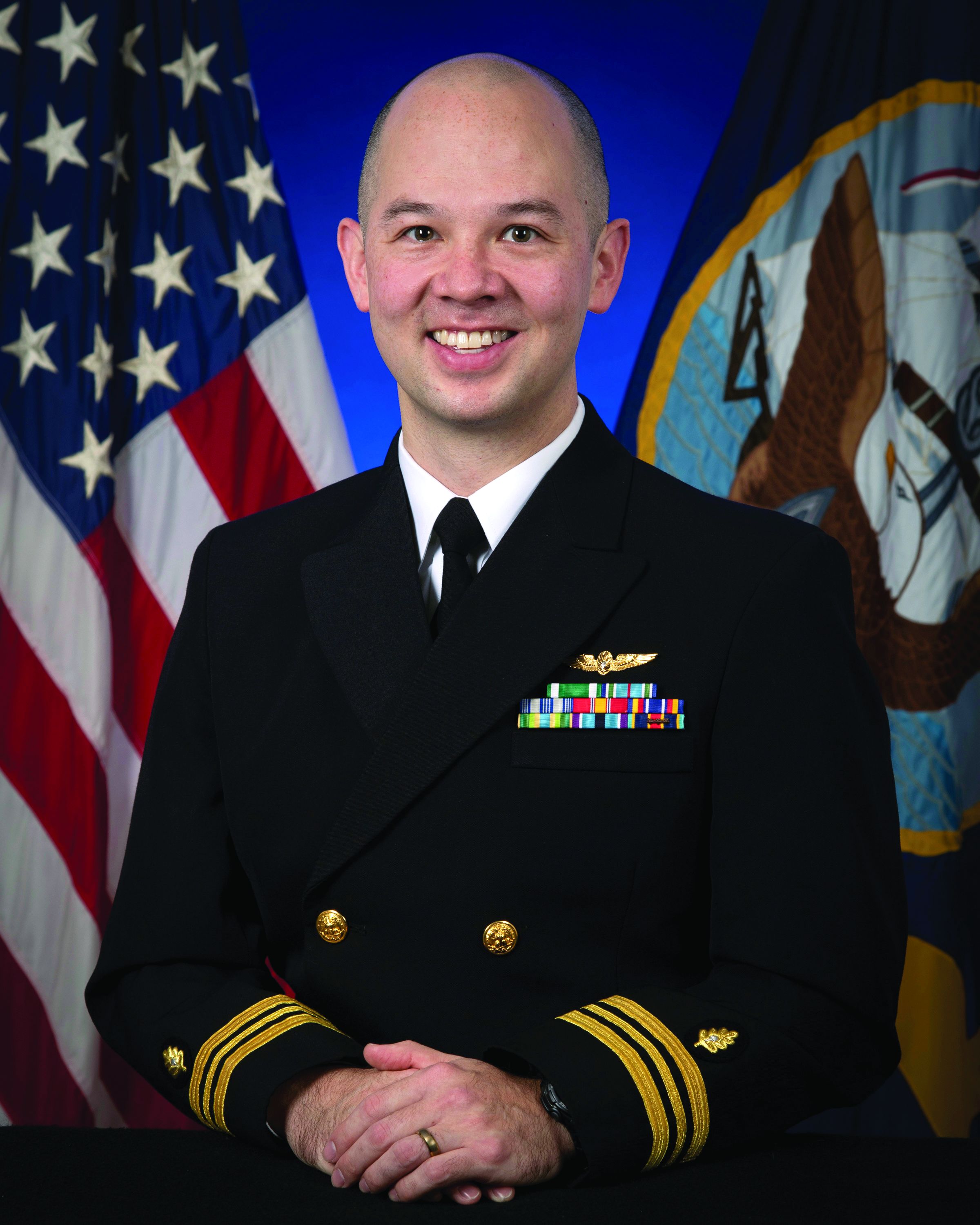
Excessive tidal volume delivered during IMV can lead to lung injury. Though this principle is widely accepted, the recognition that the same physiology holds in a spontaneously breathing patient receiving RS has been slow to take hold. In the presence of a high respiratory drive injury from overdistension and large transpulmonary pressure, swings can occur with or without IMV. An excellent review summarizing the existing evidence of this risk was published years before the COVID-19 pandemic (Brochard L, et al. AJRCCM. 2017;195[4]:438).
A number of pre-COVID-19 publications focused on examining this topic in clinical practice deserve specific mention. A study of respiratory mechanics in patients on NIV found it was nearly impossible to meet traditional targets for lung protective tidal volumes. Those patients who progressed to IMV had higher expired tidal volumes (Carteaux G, et al. Crit Care Med. 2016;44[2]:282). A large systematic review and metanalysis including more than 11,000 immunocompromised patients found delayed intubation led to increased mortality (Dumas G, et al. AJRCCM. 2021;204[2]:187). This study did not specifically implicate RS days and patient self-induced lung injury as factors driving the excess mortality; another smaller propensity-matched retrospective analysis of patients in the ICU supported with HFNC noted a 65% reduction in mortality among patients intubated after less than vs greater than 48 hours on HFNC who ultimately required IMV (Kang B, et al. Intensive Care Med. 2015;41[4]:623).
Despite this and other existing evidence regarding the hazards of prolonged RS prior to IMV, COVID-19’s burden on the health care system dramatically changed the way hypoxemic respiratory failure is managed in the ICU. Anecdotally, during the height of the pandemic, it was commonplace to encounter patients with severe COVID-19 supported with very high RS settings for days or often weeks. Occasionally, RS may have stabilized breathing mechanics. However, it was often our experience that among those patients supported with RS for extended periods prior to IMV lung compliance was poor, lung recovery did not occur, and prognosis was dismal. Various factors, including early reports of high mortality among patients with COVID-19 supported with IMV, resulted in reliance on RS as a means for delaying or avoiding IMV. Interestingly, a propensity-matched study of more than 2,700 patients found that prolonged RS was associated with significantly higher in-hospital mortality but despite this finding, the practice increased over the course of the pandemic (Riera J, et al. Eur Respir J. 2023;61[3]:2201426). Further, a prospective study comparing outcomes between patients intubated within 48 hours for COVID-19-related respiratory failure to those intubated later found a greater risk of in-hospital mortality and worse long-term outpatient lung function testing (in survivors) in the latter group.

It has previously been postulated that longer duration of IMV prior to the initiation of extracorporeal membrane oxygenation (ECMO) support in patients with hypoxemic respiratory failure may contribute to worse overall ECMO-related outcomes. This supposition is based on the principle that ECMO protects the lung by reducing ventilatory drive, tidal volume, and transpulmonary pressure swings. Several studies have documented an increase in mortality in patients supported with ECMO for COVID-19-related respiratory failure over the course of the pandemic. These investigators have noted that time to cannulation, but not IMV days (possibly reflecting duration of RS), correlates with worse ECMO outcomes (Ahmad Q, et al. ASAIO J. 2022;68[2]:171; Barbaro R, et al. Lancet. 2021;398[10307]:1230). We wonder if this reflects greater attention to low tidal volume ventilation during IMV but lack of awareness of or the inability to prevent injurious ventilation during prolonged RS. We view this as an important area for future research that may aid in patient selection in the ongoing effort to improve COVID-19-related ECMO outcomes.
The COVID-19 pandemic remains a significant burden on the health care system. Changes in care necessitated by the crisis produced innovations with the potential to rapidly improve outcomes. Notably though, it also has resulted in negative changes in response to a new pathogen that are hard to reconcile with physiologic principles. Evidence before and since the emergence of COVID-19 suggests prolonged RS prior to IMV is potentially harmful. It is critical for clinicians to recognize this principle and take steps to mitigate this problem in patients where a positive response to RS is not demonstrated in a timely manner.
Drs. Wilson and Chandel are with the Department of Pulmonary and Critical Care, Walter Reed National Military Medical Center, Washington, DC.
The threshold for abandoning supportive measures and initiating invasive mechanical ventilation (IMV) in patients with respiratory failure is unclear. Noninvasive respiratory support (RS) devices, such as high-flow nasal cannula (HFNC) and noninvasive positive-pressure ventilation (NIV), are tools used to support patients in distress prior to failure and the need for IMV. However, prolonged RS in patients who ultimately require IMV can be harmful.
As the COVID-19 pandemic evolved, ICUs around the world were overrun by patients with varying degrees of respiratory failure. With this novel pathogen came novel approaches to management. Here we will review data available prior to the pandemic and relate them to emerging evidence on prolonged RS in patients with COVID-19. We believe it is time to acknowledge that prolonged RS in patients who ultimately require IMV is likely deleterious. Increased awareness and care to avoid this situation (often meaning earlier intubation) should be implemented in clinical practice.
Excessive tidal volume delivered during IMV can lead to lung injury. Though this principle is widely accepted, the recognition that the same physiology holds in a spontaneously breathing patient receiving RS has been slow to take hold. In the presence of a high respiratory drive injury from overdistension and large transpulmonary pressure, swings can occur with or without IMV. An excellent review summarizing the existing evidence of this risk was published years before the COVID-19 pandemic (Brochard L, et al. AJRCCM. 2017;195[4]:438).
A number of pre-COVID-19 publications focused on examining this topic in clinical practice deserve specific mention. A study of respiratory mechanics in patients on NIV found it was nearly impossible to meet traditional targets for lung protective tidal volumes. Those patients who progressed to IMV had higher expired tidal volumes (Carteaux G, et al. Crit Care Med. 2016;44[2]:282). A large systematic review and metanalysis including more than 11,000 immunocompromised patients found delayed intubation led to increased mortality (Dumas G, et al. AJRCCM. 2021;204[2]:187). This study did not specifically implicate RS days and patient self-induced lung injury as factors driving the excess mortality; another smaller propensity-matched retrospective analysis of patients in the ICU supported with HFNC noted a 65% reduction in mortality among patients intubated after less than vs greater than 48 hours on HFNC who ultimately required IMV (Kang B, et al. Intensive Care Med. 2015;41[4]:623).
Despite this and other existing evidence regarding the hazards of prolonged RS prior to IMV, COVID-19’s burden on the health care system dramatically changed the way hypoxemic respiratory failure is managed in the ICU. Anecdotally, during the height of the pandemic, it was commonplace to encounter patients with severe COVID-19 supported with very high RS settings for days or often weeks. Occasionally, RS may have stabilized breathing mechanics. However, it was often our experience that among those patients supported with RS for extended periods prior to IMV lung compliance was poor, lung recovery did not occur, and prognosis was dismal. Various factors, including early reports of high mortality among patients with COVID-19 supported with IMV, resulted in reliance on RS as a means for delaying or avoiding IMV. Interestingly, a propensity-matched study of more than 2,700 patients found that prolonged RS was associated with significantly higher in-hospital mortality but despite this finding, the practice increased over the course of the pandemic (Riera J, et al. Eur Respir J. 2023;61[3]:2201426). Further, a prospective study comparing outcomes between patients intubated within 48 hours for COVID-19-related respiratory failure to those intubated later found a greater risk of in-hospital mortality and worse long-term outpatient lung function testing (in survivors) in the latter group.
It has previously been postulated that longer duration of IMV prior to the initiation of extracorporeal membrane oxygenation (ECMO) support in patients with hypoxemic respiratory failure may contribute to worse overall ECMO-related outcomes. This supposition is based on the principle that ECMO protects the lung by reducing ventilatory drive, tidal volume, and transpulmonary pressure swings. Several studies have documented an increase in mortality in patients supported with ECMO for COVID-19-related respiratory failure over the course of the pandemic. These investigators have noted that time to cannulation, but not IMV days (possibly reflecting duration of RS), correlates with worse ECMO outcomes (Ahmad Q, et al. ASAIO J. 2022;68[2]:171; Barbaro R, et al. Lancet. 2021;398[10307]:1230). We wonder if this reflects greater attention to low tidal volume ventilation during IMV but lack of awareness of or the inability to prevent injurious ventilation during prolonged RS. We view this as an important area for future research that may aid in patient selection in the ongoing effort to improve COVID-19-related ECMO outcomes.
The COVID-19 pandemic remains a significant burden on the health care system. Changes in care necessitated by the crisis produced innovations with the potential to rapidly improve outcomes. Notably though, it also has resulted in negative changes in response to a new pathogen that are hard to reconcile with physiologic principles. Evidence before and since the emergence of COVID-19 suggests prolonged RS prior to IMV is potentially harmful. It is critical for clinicians to recognize this principle and take steps to mitigate this problem in patients where a positive response to RS is not demonstrated in a timely manner.
Drs. Wilson and Chandel are with the Department of Pulmonary and Critical Care, Walter Reed National Military Medical Center, Washington, DC.
The threshold for abandoning supportive measures and initiating invasive mechanical ventilation (IMV) in patients with respiratory failure is unclear. Noninvasive respiratory support (RS) devices, such as high-flow nasal cannula (HFNC) and noninvasive positive-pressure ventilation (NIV), are tools used to support patients in distress prior to failure and the need for IMV. However, prolonged RS in patients who ultimately require IMV can be harmful.
As the COVID-19 pandemic evolved, ICUs around the world were overrun by patients with varying degrees of respiratory failure. With this novel pathogen came novel approaches to management. Here we will review data available prior to the pandemic and relate them to emerging evidence on prolonged RS in patients with COVID-19. We believe it is time to acknowledge that prolonged RS in patients who ultimately require IMV is likely deleterious. Increased awareness and care to avoid this situation (often meaning earlier intubation) should be implemented in clinical practice.
Excessive tidal volume delivered during IMV can lead to lung injury. Though this principle is widely accepted, the recognition that the same physiology holds in a spontaneously breathing patient receiving RS has been slow to take hold. In the presence of a high respiratory drive injury from overdistension and large transpulmonary pressure, swings can occur with or without IMV. An excellent review summarizing the existing evidence of this risk was published years before the COVID-19 pandemic (Brochard L, et al. AJRCCM. 2017;195[4]:438).
A number of pre-COVID-19 publications focused on examining this topic in clinical practice deserve specific mention. A study of respiratory mechanics in patients on NIV found it was nearly impossible to meet traditional targets for lung protective tidal volumes. Those patients who progressed to IMV had higher expired tidal volumes (Carteaux G, et al. Crit Care Med. 2016;44[2]:282). A large systematic review and metanalysis including more than 11,000 immunocompromised patients found delayed intubation led to increased mortality (Dumas G, et al. AJRCCM. 2021;204[2]:187). This study did not specifically implicate RS days and patient self-induced lung injury as factors driving the excess mortality; another smaller propensity-matched retrospective analysis of patients in the ICU supported with HFNC noted a 65% reduction in mortality among patients intubated after less than vs greater than 48 hours on HFNC who ultimately required IMV (Kang B, et al. Intensive Care Med. 2015;41[4]:623).
Despite this and other existing evidence regarding the hazards of prolonged RS prior to IMV, COVID-19’s burden on the health care system dramatically changed the way hypoxemic respiratory failure is managed in the ICU. Anecdotally, during the height of the pandemic, it was commonplace to encounter patients with severe COVID-19 supported with very high RS settings for days or often weeks. Occasionally, RS may have stabilized breathing mechanics. However, it was often our experience that among those patients supported with RS for extended periods prior to IMV lung compliance was poor, lung recovery did not occur, and prognosis was dismal. Various factors, including early reports of high mortality among patients with COVID-19 supported with IMV, resulted in reliance on RS as a means for delaying or avoiding IMV. Interestingly, a propensity-matched study of more than 2,700 patients found that prolonged RS was associated with significantly higher in-hospital mortality but despite this finding, the practice increased over the course of the pandemic (Riera J, et al. Eur Respir J. 2023;61[3]:2201426). Further, a prospective study comparing outcomes between patients intubated within 48 hours for COVID-19-related respiratory failure to those intubated later found a greater risk of in-hospital mortality and worse long-term outpatient lung function testing (in survivors) in the latter group.
It has previously been postulated that longer duration of IMV prior to the initiation of extracorporeal membrane oxygenation (ECMO) support in patients with hypoxemic respiratory failure may contribute to worse overall ECMO-related outcomes. This supposition is based on the principle that ECMO protects the lung by reducing ventilatory drive, tidal volume, and transpulmonary pressure swings. Several studies have documented an increase in mortality in patients supported with ECMO for COVID-19-related respiratory failure over the course of the pandemic. These investigators have noted that time to cannulation, but not IMV days (possibly reflecting duration of RS), correlates with worse ECMO outcomes (Ahmad Q, et al. ASAIO J. 2022;68[2]:171; Barbaro R, et al. Lancet. 2021;398[10307]:1230). We wonder if this reflects greater attention to low tidal volume ventilation during IMV but lack of awareness of or the inability to prevent injurious ventilation during prolonged RS. We view this as an important area for future research that may aid in patient selection in the ongoing effort to improve COVID-19-related ECMO outcomes.
The COVID-19 pandemic remains a significant burden on the health care system. Changes in care necessitated by the crisis produced innovations with the potential to rapidly improve outcomes. Notably though, it also has resulted in negative changes in response to a new pathogen that are hard to reconcile with physiologic principles. Evidence before and since the emergence of COVID-19 suggests prolonged RS prior to IMV is potentially harmful. It is critical for clinicians to recognize this principle and take steps to mitigate this problem in patients where a positive response to RS is not demonstrated in a timely manner.
Drs. Wilson and Chandel are with the Department of Pulmonary and Critical Care, Walter Reed National Military Medical Center, Washington, DC.
Closer to home: Melioidosis in the United States
Chest Infections & Disaster Response Network
Disaster Response & Global Health Section
caused by the gram-negative bacillus Burkholderia pseudomallei, does not usually appear on the differential diagnosis of patients in the United States. Historically endemic to South and Southeast Asia, Australia, Puerto Rico, and Central America, B. pseudomallei infects humans via direct inoculation of the skin, through inhalation, or by the ingestion of contaminated soil or water. Importation of melioidosis to the United States from civilian travelers, global commerce, or military personnel is becoming more common (Gee JE, et al. N Engl J Med. 2022;386[9]:861).
A case series of four patients across four states occurred in 2021. Contaminated aromatherapy sprays sold from a retailer whose supplier originated from India were identified as the source (Gee JE, et al). Two additional cases were reported in Mississippi spanning 2 years (CDC Health Alert Network. July 27, 2022). A case in Texas describes the zoonotic detection of the organism in a raccoon carcass (Petras JK, et al. MMWR. 2022;71:1597). Now, cases of U.S. domestic melioidosis have been described, with the CDC identifying areas of the Mississippi Gulf Coast as an endemic region.
The gold standard of diagnosis is the isolation of B. pseudomallei in culture. Serologic tests may also be useful. Automated bacterial identification systems may provide initially inaccurate results, delaying diagnosis and increasing mortality. Presenting symptoms are nonspecific and may resemble typical sepsis syndromes, as well as cavitary lung disease, mimicking TB. The diagnosis requires a high index of suspicion with targeted interviewing.
Clinicians should reevaluate patients with isolates identified as Burkholderia species, especially those who are unresponsive to standard empiric therapies. Treatment for melioidosis involves initial antibiotic therapy with ceftazidime, meropenem, or imipenem, followed by eradication therapy with trimethoprim-sulfamethoxazole or amoxicillin-clavulanate for up to 6 months (Wiersinga WJ, et al. N Engl J Med. 2012;367[11]:1035).
Zein Kattih, MD
Chest Infections & Disaster Response Network
Disaster Response & Global Health Section
caused by the gram-negative bacillus Burkholderia pseudomallei, does not usually appear on the differential diagnosis of patients in the United States. Historically endemic to South and Southeast Asia, Australia, Puerto Rico, and Central America, B. pseudomallei infects humans via direct inoculation of the skin, through inhalation, or by the ingestion of contaminated soil or water. Importation of melioidosis to the United States from civilian travelers, global commerce, or military personnel is becoming more common (Gee JE, et al. N Engl J Med. 2022;386[9]:861).
A case series of four patients across four states occurred in 2021. Contaminated aromatherapy sprays sold from a retailer whose supplier originated from India were identified as the source (Gee JE, et al). Two additional cases were reported in Mississippi spanning 2 years (CDC Health Alert Network. July 27, 2022). A case in Texas describes the zoonotic detection of the organism in a raccoon carcass (Petras JK, et al. MMWR. 2022;71:1597). Now, cases of U.S. domestic melioidosis have been described, with the CDC identifying areas of the Mississippi Gulf Coast as an endemic region.
The gold standard of diagnosis is the isolation of B. pseudomallei in culture. Serologic tests may also be useful. Automated bacterial identification systems may provide initially inaccurate results, delaying diagnosis and increasing mortality. Presenting symptoms are nonspecific and may resemble typical sepsis syndromes, as well as cavitary lung disease, mimicking TB. The diagnosis requires a high index of suspicion with targeted interviewing.
Clinicians should reevaluate patients with isolates identified as Burkholderia species, especially those who are unresponsive to standard empiric therapies. Treatment for melioidosis involves initial antibiotic therapy with ceftazidime, meropenem, or imipenem, followed by eradication therapy with trimethoprim-sulfamethoxazole or amoxicillin-clavulanate for up to 6 months (Wiersinga WJ, et al. N Engl J Med. 2012;367[11]:1035).
Zein Kattih, MD
Chest Infections & Disaster Response Network
Disaster Response & Global Health Section
caused by the gram-negative bacillus Burkholderia pseudomallei, does not usually appear on the differential diagnosis of patients in the United States. Historically endemic to South and Southeast Asia, Australia, Puerto Rico, and Central America, B. pseudomallei infects humans via direct inoculation of the skin, through inhalation, or by the ingestion of contaminated soil or water. Importation of melioidosis to the United States from civilian travelers, global commerce, or military personnel is becoming more common (Gee JE, et al. N Engl J Med. 2022;386[9]:861).
A case series of four patients across four states occurred in 2021. Contaminated aromatherapy sprays sold from a retailer whose supplier originated from India were identified as the source (Gee JE, et al). Two additional cases were reported in Mississippi spanning 2 years (CDC Health Alert Network. July 27, 2022). A case in Texas describes the zoonotic detection of the organism in a raccoon carcass (Petras JK, et al. MMWR. 2022;71:1597). Now, cases of U.S. domestic melioidosis have been described, with the CDC identifying areas of the Mississippi Gulf Coast as an endemic region.
The gold standard of diagnosis is the isolation of B. pseudomallei in culture. Serologic tests may also be useful. Automated bacterial identification systems may provide initially inaccurate results, delaying diagnosis and increasing mortality. Presenting symptoms are nonspecific and may resemble typical sepsis syndromes, as well as cavitary lung disease, mimicking TB. The diagnosis requires a high index of suspicion with targeted interviewing.
Clinicians should reevaluate patients with isolates identified as Burkholderia species, especially those who are unresponsive to standard empiric therapies. Treatment for melioidosis involves initial antibiotic therapy with ceftazidime, meropenem, or imipenem, followed by eradication therapy with trimethoprim-sulfamethoxazole or amoxicillin-clavulanate for up to 6 months (Wiersinga WJ, et al. N Engl J Med. 2012;367[11]:1035).
Zein Kattih, MD
Use of low-cost air quality monitors for patients with lung disease
DIFFUSE LUNG DISEASE & LUNG TRANSPLANT NETWORK
Occupational & Environmental Health Section
The World Health Organization estimates significant air pollution–attributable deaths, including 11% of lung cancer deaths, 18% of COPD deaths, and 23% of pneumonia deaths (www.who.org). (Carlsten C, et al. Europ Respir J. 2020;55[6]: 1902056).
The Environmental Protection Agency uses air quality (AQ) monitors around the country to track ambient pollution levels. These real-time data are available to the public on AirNow.gov; however, these data do not reflect indoor air pollutants. Thus, AQ monitors may not accurately represent the total air pollution exposure to patients.
Low-cost AQ monitors available for purchase enable indoor AQ monitoring.
Unfortunately, many indoor air pollutants do not have well-established safe levels. Although several devices detect specific pollutants like volatile oxygen compounds or particulate matter, other harmful compounds may remain undetectable and unmonitored. Even if high pollutant levels are detected, most devices are not designed to alarm like smoke and carbon monoxide detectors (www.epa.gov).
Although efficacy data are limited, several laboratories, such as the Indoor Environment Lab at Berkeley, have conducted performance evaluations. In a study of 16 devices publicly available for purchase, the devices tended to underreport pollutant levels by nearly 50%. Nevertheless, most devices successfully detected the presence of pollutants (Demanega I, et al. Building and Environment. 2021;187:107415).
Regardless of these limitations, low-cost AQ monitors may empower patients to intervene on unsafe household conditions and minimize their risk of poor lung health.
Alexys Monoson, MD
Section Fellow-in-Training
DIFFUSE LUNG DISEASE & LUNG TRANSPLANT NETWORK
Occupational & Environmental Health Section
The World Health Organization estimates significant air pollution–attributable deaths, including 11% of lung cancer deaths, 18% of COPD deaths, and 23% of pneumonia deaths (www.who.org). (Carlsten C, et al. Europ Respir J. 2020;55[6]: 1902056).
The Environmental Protection Agency uses air quality (AQ) monitors around the country to track ambient pollution levels. These real-time data are available to the public on AirNow.gov; however, these data do not reflect indoor air pollutants. Thus, AQ monitors may not accurately represent the total air pollution exposure to patients.
Low-cost AQ monitors available for purchase enable indoor AQ monitoring.
Unfortunately, many indoor air pollutants do not have well-established safe levels. Although several devices detect specific pollutants like volatile oxygen compounds or particulate matter, other harmful compounds may remain undetectable and unmonitored. Even if high pollutant levels are detected, most devices are not designed to alarm like smoke and carbon monoxide detectors (www.epa.gov).
Although efficacy data are limited, several laboratories, such as the Indoor Environment Lab at Berkeley, have conducted performance evaluations. In a study of 16 devices publicly available for purchase, the devices tended to underreport pollutant levels by nearly 50%. Nevertheless, most devices successfully detected the presence of pollutants (Demanega I, et al. Building and Environment. 2021;187:107415).
Regardless of these limitations, low-cost AQ monitors may empower patients to intervene on unsafe household conditions and minimize their risk of poor lung health.
Alexys Monoson, MD
Section Fellow-in-Training
DIFFUSE LUNG DISEASE & LUNG TRANSPLANT NETWORK
Occupational & Environmental Health Section
The World Health Organization estimates significant air pollution–attributable deaths, including 11% of lung cancer deaths, 18% of COPD deaths, and 23% of pneumonia deaths (www.who.org). (Carlsten C, et al. Europ Respir J. 2020;55[6]: 1902056).
The Environmental Protection Agency uses air quality (AQ) monitors around the country to track ambient pollution levels. These real-time data are available to the public on AirNow.gov; however, these data do not reflect indoor air pollutants. Thus, AQ monitors may not accurately represent the total air pollution exposure to patients.
Low-cost AQ monitors available for purchase enable indoor AQ monitoring.
Unfortunately, many indoor air pollutants do not have well-established safe levels. Although several devices detect specific pollutants like volatile oxygen compounds or particulate matter, other harmful compounds may remain undetectable and unmonitored. Even if high pollutant levels are detected, most devices are not designed to alarm like smoke and carbon monoxide detectors (www.epa.gov).
Although efficacy data are limited, several laboratories, such as the Indoor Environment Lab at Berkeley, have conducted performance evaluations. In a study of 16 devices publicly available for purchase, the devices tended to underreport pollutant levels by nearly 50%. Nevertheless, most devices successfully detected the presence of pollutants (Demanega I, et al. Building and Environment. 2021;187:107415).
Regardless of these limitations, low-cost AQ monitors may empower patients to intervene on unsafe household conditions and minimize their risk of poor lung health.
Alexys Monoson, MD
Section Fellow-in-Training
2023 GOLD update: Changes in COPD nomenclature and initial therapy
AIRWAYS DISORDERS NETWORK
Asthma & COPD Section
The 2023 GOLD committee proposed changes in nomenclature and therapy for various subgroups of patients with COPD. The 2023 GOLD committee changed the ABCD group classification to ABE (for exacerbations), which highlights the importance of the number and severity of exacerbations irrespective of daily symptoms.
For patients with features of concomitant asthma or eosinophils greater than or equal to 300 cells/microliter, an ICS/LABA/LAMA combination inhaler is recommended.
People with “young COPD” develop respiratory symptoms and meet spirometric criteria for COPD between the ages of 25 and 50 years old. Other terminology changes center around those with functional and/or structural changes suggesting COPD, but who do not meet the post-bronchodilator spirometric criteria to confirm the COPD diagnosis.
Those with “pre-COPD” have normal spirometry, including the FEV1 and FEV1/FVC ratio, but have functional and/or structural changes concerning for COPD. Functional changes include air trapping and/or hyperinflation on PFTs, low diffusion capacity, and/or decline in FEV1 of >40 mL per year.
Structural changes include emphysematous changes and/or bronchial wall changes on CT scans. “PRISm” stands for preserved ratio with impaired spirometry, where the postbronchodilator FEV1/FVC is greater than or equal to 0.70, but FEV1 is < 80% predicted with similar functional and/or structural changes to those with “pre-COPD.” People with PRISm have increased all-cause mortality. Not all people with pre-COPD or PRISm progress clinically and spiro-metrically to COPD; however, they should be treated because they have symptoms as well as functional and/or structural abnormalities. Despite increasing data regarding pre-COPD and PRISm, many gaps remain regarding optimal management.
Maria Ashar, MD, MBBS
Section Fellow-in-Training
REFERENCE
Global strategy for prevention, diagnosis and management of COPD: 2023 report; https://goldcopd.org. Accessed March 13, 2023.
AIRWAYS DISORDERS NETWORK
Asthma & COPD Section
The 2023 GOLD committee proposed changes in nomenclature and therapy for various subgroups of patients with COPD. The 2023 GOLD committee changed the ABCD group classification to ABE (for exacerbations), which highlights the importance of the number and severity of exacerbations irrespective of daily symptoms.
For patients with features of concomitant asthma or eosinophils greater than or equal to 300 cells/microliter, an ICS/LABA/LAMA combination inhaler is recommended.
People with “young COPD” develop respiratory symptoms and meet spirometric criteria for COPD between the ages of 25 and 50 years old. Other terminology changes center around those with functional and/or structural changes suggesting COPD, but who do not meet the post-bronchodilator spirometric criteria to confirm the COPD diagnosis.
Those with “pre-COPD” have normal spirometry, including the FEV1 and FEV1/FVC ratio, but have functional and/or structural changes concerning for COPD. Functional changes include air trapping and/or hyperinflation on PFTs, low diffusion capacity, and/or decline in FEV1 of >40 mL per year.
Structural changes include emphysematous changes and/or bronchial wall changes on CT scans. “PRISm” stands for preserved ratio with impaired spirometry, where the postbronchodilator FEV1/FVC is greater than or equal to 0.70, but FEV1 is < 80% predicted with similar functional and/or structural changes to those with “pre-COPD.” People with PRISm have increased all-cause mortality. Not all people with pre-COPD or PRISm progress clinically and spiro-metrically to COPD; however, they should be treated because they have symptoms as well as functional and/or structural abnormalities. Despite increasing data regarding pre-COPD and PRISm, many gaps remain regarding optimal management.
Maria Ashar, MD, MBBS
Section Fellow-in-Training
REFERENCE
Global strategy for prevention, diagnosis and management of COPD: 2023 report; https://goldcopd.org. Accessed March 13, 2023.
AIRWAYS DISORDERS NETWORK
Asthma & COPD Section
The 2023 GOLD committee proposed changes in nomenclature and therapy for various subgroups of patients with COPD. The 2023 GOLD committee changed the ABCD group classification to ABE (for exacerbations), which highlights the importance of the number and severity of exacerbations irrespective of daily symptoms.
For patients with features of concomitant asthma or eosinophils greater than or equal to 300 cells/microliter, an ICS/LABA/LAMA combination inhaler is recommended.
People with “young COPD” develop respiratory symptoms and meet spirometric criteria for COPD between the ages of 25 and 50 years old. Other terminology changes center around those with functional and/or structural changes suggesting COPD, but who do not meet the post-bronchodilator spirometric criteria to confirm the COPD diagnosis.
Those with “pre-COPD” have normal spirometry, including the FEV1 and FEV1/FVC ratio, but have functional and/or structural changes concerning for COPD. Functional changes include air trapping and/or hyperinflation on PFTs, low diffusion capacity, and/or decline in FEV1 of >40 mL per year.
Structural changes include emphysematous changes and/or bronchial wall changes on CT scans. “PRISm” stands for preserved ratio with impaired spirometry, where the postbronchodilator FEV1/FVC is greater than or equal to 0.70, but FEV1 is < 80% predicted with similar functional and/or structural changes to those with “pre-COPD.” People with PRISm have increased all-cause mortality. Not all people with pre-COPD or PRISm progress clinically and spiro-metrically to COPD; however, they should be treated because they have symptoms as well as functional and/or structural abnormalities. Despite increasing data regarding pre-COPD and PRISm, many gaps remain regarding optimal management.
Maria Ashar, MD, MBBS
Section Fellow-in-Training
REFERENCE
Global strategy for prevention, diagnosis and management of COPD: 2023 report; https://goldcopd.org. Accessed March 13, 2023.
Training the future cardiac intensivist to meet the demands of the modern cardiovascular ICU
PULMONARY VASCULAR & CARDIOVASCULAR NETWORK
Cardiovascular Medicine & Surgery Section
Over the recent decades, the cardiovascular intensive care unit (CICU) has seen a significant transformation. Not only has the acuity of cardiac conditions evolved, but the prevalence of noncardiac critical illness has multiplied (Yuriditsky E, et al. ATS Sch. 2022;3[4]):522).
(CCM) (Morrow DA, et al. Circulation. 2012;126:1408).
However, fewer than 15% of modern CICUs are staffed by physicians dual-boarded in cardiology and CCM; most believe that CCM training is necessary to effectively practice in the CICU (van Diepen S, et al. Circ Cardiovasc Qual Outcomes. 2017;10:e003864).
How best do we develop future cardiac intensivists to manage complex decompensated cardiovascular disease with compounded medical critical illness?
Multiple training pathways leading to board eligibility and dual certification have been outlined (Geller BJ, et al. J Am Coll Cardiol. 2018;72:1171). A commonly elected path requires the completion of a 1-year CCM fellowship following a 3-year general cardiology fellowship.
As few programs exist, limited guidance is available surrounding CCM fellowship design for the cardiologist; however, proposed curricula have been published (Yuriditsky E, et al. ATS Sch. 2022;3[4]:522).
Developing such programs requires collaboration between cardiologists and intensivists to secure funding, develop infrastructure, obtain accreditation, and to recruit candidates.
Having completed dual training, I not only saw my skillset flourish, but the partnership between CCM and cardiology strengthen. As interest in this field grows, we eagerly await to see program adaptation and innovative curriculum design.
Eugene Yuriditsky, MD
Section Fellow-in-Training
PULMONARY VASCULAR & CARDIOVASCULAR NETWORK
Cardiovascular Medicine & Surgery Section
Over the recent decades, the cardiovascular intensive care unit (CICU) has seen a significant transformation. Not only has the acuity of cardiac conditions evolved, but the prevalence of noncardiac critical illness has multiplied (Yuriditsky E, et al. ATS Sch. 2022;3[4]):522).
(CCM) (Morrow DA, et al. Circulation. 2012;126:1408).
However, fewer than 15% of modern CICUs are staffed by physicians dual-boarded in cardiology and CCM; most believe that CCM training is necessary to effectively practice in the CICU (van Diepen S, et al. Circ Cardiovasc Qual Outcomes. 2017;10:e003864).
How best do we develop future cardiac intensivists to manage complex decompensated cardiovascular disease with compounded medical critical illness?
Multiple training pathways leading to board eligibility and dual certification have been outlined (Geller BJ, et al. J Am Coll Cardiol. 2018;72:1171). A commonly elected path requires the completion of a 1-year CCM fellowship following a 3-year general cardiology fellowship.
As few programs exist, limited guidance is available surrounding CCM fellowship design for the cardiologist; however, proposed curricula have been published (Yuriditsky E, et al. ATS Sch. 2022;3[4]:522).
Developing such programs requires collaboration between cardiologists and intensivists to secure funding, develop infrastructure, obtain accreditation, and to recruit candidates.
Having completed dual training, I not only saw my skillset flourish, but the partnership between CCM and cardiology strengthen. As interest in this field grows, we eagerly await to see program adaptation and innovative curriculum design.
Eugene Yuriditsky, MD
Section Fellow-in-Training
PULMONARY VASCULAR & CARDIOVASCULAR NETWORK
Cardiovascular Medicine & Surgery Section
Over the recent decades, the cardiovascular intensive care unit (CICU) has seen a significant transformation. Not only has the acuity of cardiac conditions evolved, but the prevalence of noncardiac critical illness has multiplied (Yuriditsky E, et al. ATS Sch. 2022;3[4]):522).
(CCM) (Morrow DA, et al. Circulation. 2012;126:1408).
However, fewer than 15% of modern CICUs are staffed by physicians dual-boarded in cardiology and CCM; most believe that CCM training is necessary to effectively practice in the CICU (van Diepen S, et al. Circ Cardiovasc Qual Outcomes. 2017;10:e003864).
How best do we develop future cardiac intensivists to manage complex decompensated cardiovascular disease with compounded medical critical illness?
Multiple training pathways leading to board eligibility and dual certification have been outlined (Geller BJ, et al. J Am Coll Cardiol. 2018;72:1171). A commonly elected path requires the completion of a 1-year CCM fellowship following a 3-year general cardiology fellowship.
As few programs exist, limited guidance is available surrounding CCM fellowship design for the cardiologist; however, proposed curricula have been published (Yuriditsky E, et al. ATS Sch. 2022;3[4]:522).
Developing such programs requires collaboration between cardiologists and intensivists to secure funding, develop infrastructure, obtain accreditation, and to recruit candidates.
Having completed dual training, I not only saw my skillset flourish, but the partnership between CCM and cardiology strengthen. As interest in this field grows, we eagerly await to see program adaptation and innovative curriculum design.
Eugene Yuriditsky, MD
Section Fellow-in-Training
The essential care team
As you may have seen in the February issue, in my year serving as President of the American College of Chest Physicians, I will be periodically contributing to CHEST Physician with the latest updates and to serve as a touchpoint for what we are currently working on.
For this contribution, I want to share and reflect upon the recent Nurse Work Environment study published by the American Association of Critical-Care Nurses (AACN). Deployed in 2021, the now-published study concluded that there is serious need for “bold, intentional, and relentless” efforts to create and sustain healthy work environments that foster excellence in patient care and optimal outcomes for patients, nurses, and other members of the health care team.

To achieve this, AACN recommends adhering to the Healthy Work Environments (HWE) Standards created in 2005 but that are more pertinent than ever in 2023.
In a previous article for CHEST Physician, I spoke about my goals for 2023 and one of those goals was to focus on increasing the membership of a variety of providers who help care for patients, including advanced practice providers, respiratory therapists, registered nurses, and others. CHEST is already an inclusive organization to a variety of health care providers, but we can do more, and this is a great time to reemphasize the importance of the care team by showing our support of the AACN and the working conditions of nurses.
Beyond supporting other organizations, the CHEST Board of Regents will focus on new ways to make the organization a valuable resource to every member at every level of their career and with every designation.
The (HWE) Standards that I encourage all CHEST members to support include:
- Skilled communication and true collaboration between doctors, nurses and other clinicians.
- Effective decision-making that includes nurses in the process for input and expertise.
- Appropriate staffing that ensures an effective match between patient needs and the skills of the nurse.
- Meaningful recognition by rewarding and appreciating the value that everyone brings to the team.
- Authentic leadership that embraces a healthy work environment and is supportive of every member of the care team.
Let’s all make a dedicated effort to be intentional in our support of our care team colleagues to improve the working environment and overall patient care.
Think of one thing you can do at your own institution or in your practice to improve the work environment for all those on your team. And then make it happen!
Please reach out with ideas or questions.
As you may have seen in the February issue, in my year serving as President of the American College of Chest Physicians, I will be periodically contributing to CHEST Physician with the latest updates and to serve as a touchpoint for what we are currently working on.
For this contribution, I want to share and reflect upon the recent Nurse Work Environment study published by the American Association of Critical-Care Nurses (AACN). Deployed in 2021, the now-published study concluded that there is serious need for “bold, intentional, and relentless” efforts to create and sustain healthy work environments that foster excellence in patient care and optimal outcomes for patients, nurses, and other members of the health care team.
To achieve this, AACN recommends adhering to the Healthy Work Environments (HWE) Standards created in 2005 but that are more pertinent than ever in 2023.
In a previous article for CHEST Physician, I spoke about my goals for 2023 and one of those goals was to focus on increasing the membership of a variety of providers who help care for patients, including advanced practice providers, respiratory therapists, registered nurses, and others. CHEST is already an inclusive organization to a variety of health care providers, but we can do more, and this is a great time to reemphasize the importance of the care team by showing our support of the AACN and the working conditions of nurses.
Beyond supporting other organizations, the CHEST Board of Regents will focus on new ways to make the organization a valuable resource to every member at every level of their career and with every designation.
The (HWE) Standards that I encourage all CHEST members to support include:
- Skilled communication and true collaboration between doctors, nurses and other clinicians.
- Effective decision-making that includes nurses in the process for input and expertise.
- Appropriate staffing that ensures an effective match between patient needs and the skills of the nurse.
- Meaningful recognition by rewarding and appreciating the value that everyone brings to the team.
- Authentic leadership that embraces a healthy work environment and is supportive of every member of the care team.
Let’s all make a dedicated effort to be intentional in our support of our care team colleagues to improve the working environment and overall patient care.
Think of one thing you can do at your own institution or in your practice to improve the work environment for all those on your team. And then make it happen!
Please reach out with ideas or questions.
As you may have seen in the February issue, in my year serving as President of the American College of Chest Physicians, I will be periodically contributing to CHEST Physician with the latest updates and to serve as a touchpoint for what we are currently working on.
For this contribution, I want to share and reflect upon the recent Nurse Work Environment study published by the American Association of Critical-Care Nurses (AACN). Deployed in 2021, the now-published study concluded that there is serious need for “bold, intentional, and relentless” efforts to create and sustain healthy work environments that foster excellence in patient care and optimal outcomes for patients, nurses, and other members of the health care team.
To achieve this, AACN recommends adhering to the Healthy Work Environments (HWE) Standards created in 2005 but that are more pertinent than ever in 2023.
In a previous article for CHEST Physician, I spoke about my goals for 2023 and one of those goals was to focus on increasing the membership of a variety of providers who help care for patients, including advanced practice providers, respiratory therapists, registered nurses, and others. CHEST is already an inclusive organization to a variety of health care providers, but we can do more, and this is a great time to reemphasize the importance of the care team by showing our support of the AACN and the working conditions of nurses.
Beyond supporting other organizations, the CHEST Board of Regents will focus on new ways to make the organization a valuable resource to every member at every level of their career and with every designation.
The (HWE) Standards that I encourage all CHEST members to support include:
- Skilled communication and true collaboration between doctors, nurses and other clinicians.
- Effective decision-making that includes nurses in the process for input and expertise.
- Appropriate staffing that ensures an effective match between patient needs and the skills of the nurse.
- Meaningful recognition by rewarding and appreciating the value that everyone brings to the team.
- Authentic leadership that embraces a healthy work environment and is supportive of every member of the care team.
Let’s all make a dedicated effort to be intentional in our support of our care team colleagues to improve the working environment and overall patient care.
Think of one thing you can do at your own institution or in your practice to improve the work environment for all those on your team. And then make it happen!
Please reach out with ideas or questions.
Exploring and improving the work environment for nurses
If you’ve worked in the ICU then you’ve worked with nurses and, if you’re lucky, you’ve worked with some great ones. Working in multiple units, you may have noticed some differences unit to unit in the dynamics of efficiency, staff retention, and interprofessional dynamics among nurses. Or as the kids would say nowadays, the “vibe” of the unit. The American Association of Critical-Care Nurses (AACN) has been studying the Nurse Work Environment since 2005 with the goal of promoting and improving a Healthy Work Environment (HWE).
There are six standards for an HWE according to the AACN, which include: Skilled Communication, True Collaboration, Effective Decision Making, Appropriate Staffing, Meaningful Recognition, and Authentic Leadership. Other than happy nurses, why is an HWE important? Hospitals that get this right can earn the Beacon Award of Excellence, which recognizes units that meet the practices of HWE.

In October 2022, the AACN released its 2021 Nurse Work Environments Status Report earlier than planned to assess how the public health crisis associated with COVID-19 has affected nurses and their work environment. Unsurprisingly, the results were dissatisfactory; 9,335 nurses from 50 states participated. Starting with the worse score, appropriate staffing, only 20% reported having appropriate and skilled staffing at least 75% of the time in 2021. That is the lowest recorded report, even lower than it was during the 2006 nursing shortage.
Less than 50% felt their organization valued their health and safety, and 72% stated they were verbally, physically, or sexually assaulted on the job. In regard to quality, only 30% of nurses felt the quality of care in their unit was excellent; however, nurse managers, being the optimists that they are, reported higher at 41%. Satisfaction took a nosedive especially in units where HWEs were not implemented. Only 34% of these nurses felt satisfied with their job, and 67% intend on leaving their employer in the next 3 years. Thirty percent of nurses would recommend their unit, and 20% would recommend their employer to others. During the last survey in 2018, 62% of nurses were very satisfied with being a nurse, but, sadly, this dropped to 40% in 2021. Of note, Beacon units did perform higher in most reported areas despite the hardships of COVID-19.
Nurses are the foundation supporting our plan of care, patient outcomes, and patient advocacy. Improving the nurse work environment benefits the entire care team and, most importantly, patient outcomes. AACN recommendations to promote an HWE would require systems to create environments where work is respected and honored, improve communication where a nursing voice is heard in regard to patient care decision making, provide staffing levels that are both appropriate and skilled, and ensure nurses feel valued. As part of the care team, we can hear our nurses and advocate for them. We can have conversations with administration regarding creating HWEs and striving for Beacon status. We can engage nurses in policy development that affects their unit. And, we can stop showing nurses how valuable they are with pizza and give them more meaningful feedback instead. In the 2021 survey, nurses reported positive feedback from patients and families was more meaningful to them than free meals. Encourage your patients and families to give that needed feedback. We could all be better stewards of the nursing profession and starting a conversation about HWEs is a great place to start.
If you’ve worked in the ICU then you’ve worked with nurses and, if you’re lucky, you’ve worked with some great ones. Working in multiple units, you may have noticed some differences unit to unit in the dynamics of efficiency, staff retention, and interprofessional dynamics among nurses. Or as the kids would say nowadays, the “vibe” of the unit. The American Association of Critical-Care Nurses (AACN) has been studying the Nurse Work Environment since 2005 with the goal of promoting and improving a Healthy Work Environment (HWE).
There are six standards for an HWE according to the AACN, which include: Skilled Communication, True Collaboration, Effective Decision Making, Appropriate Staffing, Meaningful Recognition, and Authentic Leadership. Other than happy nurses, why is an HWE important? Hospitals that get this right can earn the Beacon Award of Excellence, which recognizes units that meet the practices of HWE.
In October 2022, the AACN released its 2021 Nurse Work Environments Status Report earlier than planned to assess how the public health crisis associated with COVID-19 has affected nurses and their work environment. Unsurprisingly, the results were dissatisfactory; 9,335 nurses from 50 states participated. Starting with the worse score, appropriate staffing, only 20% reported having appropriate and skilled staffing at least 75% of the time in 2021. That is the lowest recorded report, even lower than it was during the 2006 nursing shortage.
Less than 50% felt their organization valued their health and safety, and 72% stated they were verbally, physically, or sexually assaulted on the job. In regard to quality, only 30% of nurses felt the quality of care in their unit was excellent; however, nurse managers, being the optimists that they are, reported higher at 41%. Satisfaction took a nosedive especially in units where HWEs were not implemented. Only 34% of these nurses felt satisfied with their job, and 67% intend on leaving their employer in the next 3 years. Thirty percent of nurses would recommend their unit, and 20% would recommend their employer to others. During the last survey in 2018, 62% of nurses were very satisfied with being a nurse, but, sadly, this dropped to 40% in 2021. Of note, Beacon units did perform higher in most reported areas despite the hardships of COVID-19.
Nurses are the foundation supporting our plan of care, patient outcomes, and patient advocacy. Improving the nurse work environment benefits the entire care team and, most importantly, patient outcomes. AACN recommendations to promote an HWE would require systems to create environments where work is respected and honored, improve communication where a nursing voice is heard in regard to patient care decision making, provide staffing levels that are both appropriate and skilled, and ensure nurses feel valued. As part of the care team, we can hear our nurses and advocate for them. We can have conversations with administration regarding creating HWEs and striving for Beacon status. We can engage nurses in policy development that affects their unit. And, we can stop showing nurses how valuable they are with pizza and give them more meaningful feedback instead. In the 2021 survey, nurses reported positive feedback from patients and families was more meaningful to them than free meals. Encourage your patients and families to give that needed feedback. We could all be better stewards of the nursing profession and starting a conversation about HWEs is a great place to start.
If you’ve worked in the ICU then you’ve worked with nurses and, if you’re lucky, you’ve worked with some great ones. Working in multiple units, you may have noticed some differences unit to unit in the dynamics of efficiency, staff retention, and interprofessional dynamics among nurses. Or as the kids would say nowadays, the “vibe” of the unit. The American Association of Critical-Care Nurses (AACN) has been studying the Nurse Work Environment since 2005 with the goal of promoting and improving a Healthy Work Environment (HWE).
There are six standards for an HWE according to the AACN, which include: Skilled Communication, True Collaboration, Effective Decision Making, Appropriate Staffing, Meaningful Recognition, and Authentic Leadership. Other than happy nurses, why is an HWE important? Hospitals that get this right can earn the Beacon Award of Excellence, which recognizes units that meet the practices of HWE.
In October 2022, the AACN released its 2021 Nurse Work Environments Status Report earlier than planned to assess how the public health crisis associated with COVID-19 has affected nurses and their work environment. Unsurprisingly, the results were dissatisfactory; 9,335 nurses from 50 states participated. Starting with the worse score, appropriate staffing, only 20% reported having appropriate and skilled staffing at least 75% of the time in 2021. That is the lowest recorded report, even lower than it was during the 2006 nursing shortage.
Less than 50% felt their organization valued their health and safety, and 72% stated they were verbally, physically, or sexually assaulted on the job. In regard to quality, only 30% of nurses felt the quality of care in their unit was excellent; however, nurse managers, being the optimists that they are, reported higher at 41%. Satisfaction took a nosedive especially in units where HWEs were not implemented. Only 34% of these nurses felt satisfied with their job, and 67% intend on leaving their employer in the next 3 years. Thirty percent of nurses would recommend their unit, and 20% would recommend their employer to others. During the last survey in 2018, 62% of nurses were very satisfied with being a nurse, but, sadly, this dropped to 40% in 2021. Of note, Beacon units did perform higher in most reported areas despite the hardships of COVID-19.
Nurses are the foundation supporting our plan of care, patient outcomes, and patient advocacy. Improving the nurse work environment benefits the entire care team and, most importantly, patient outcomes. AACN recommendations to promote an HWE would require systems to create environments where work is respected and honored, improve communication where a nursing voice is heard in regard to patient care decision making, provide staffing levels that are both appropriate and skilled, and ensure nurses feel valued. As part of the care team, we can hear our nurses and advocate for them. We can have conversations with administration regarding creating HWEs and striving for Beacon status. We can engage nurses in policy development that affects their unit. And, we can stop showing nurses how valuable they are with pizza and give them more meaningful feedback instead. In the 2021 survey, nurses reported positive feedback from patients and families was more meaningful to them than free meals. Encourage your patients and families to give that needed feedback. We could all be better stewards of the nursing profession and starting a conversation about HWEs is a great place to start.
From our Immediate Past President
Just when I thought I was out, they pull me back in. Had I known when I penned my last column for the November 2022 issue of CHEST Physician that I’d get one more crack at making a final impression, I might have saved some of my leadership tips for this month, but c’est la vie. Being the Past President is a pretty sweet gig. I liken it to being a grandparent; you get to have lots of fun, and then get to go home at the end of the day and leave the cleanup to someone else. Not that I left too much to clean up, but I have no doubt that President Doreen Addrizzo-Harris is ready to handle whatever challenges 2023 throws at her.
Today, I consider myself the luckiest man on the face of the Earth. The Nashville meeting seems like it was just yesterday, as does the experience of watching the work of the Scientific Program Committee, led by the amazing Dr. Subani Chandra, that put together our most ambitious annual meeting to date. And, it superseded all our expectations. It was wonderful to be back in person for the first time in 3 years, and it was even better to have the chance to share the experience with all of you who joined us. While I have every expectation that our Hawai’i meeting this October will be even bigger and better, this was the personal highlight of the year for me. There were so many other fantastic things I got to experience that it is difficult to know where to start. Sometimes the whole year seems like it went by so fast; I don’t know where we’ve been, and I’ve just been there! As a component of our organizational strategy, CHEST has been examining ways in which we can work more closely with our society partners, both domestically and abroad. During my tenure, I had the pleasure of meeting with representatives from many organizations, including the American Thoracic Society, the Canadian Thoracic Society, the European Respiratory Society, the Sociedade Brasileira de Pneumologia e Tisiologia, the Thoracic Society of Australia and New Zealand, the Indian Chest Society, the Asociación Latinoamericana de Tórax, and the Turkish Respiratory Society. Many of these groups are struggling with the same challenges as CHEST, including how best to conduct academic meetings in the context of an increasingly online world, how to better engage our junior colleagues, who may not see the value of membership in a professional society, and how to better integrate our efforts toward improving worldwide lung health. In the coming months and years, I expect that you will see the products of these international collaborations, which I hope will be the springboard from which we can mutually develop more impactful public health and educational initiatives.

The year was certainly not without challenges; there were some definite struggles in 2022. The Networks reorganization created confusion for some, despite diligent planning and communication. Despite the challenges, however, the change ultimately permitted us to offer more leadership opportunities to our members than existed previously and created new a home for many different specialists among our membership. We have heard from some of you that the elimination of certain networks led you to feel that CHEST did not adequately value your areas of professional focus. And while we hear you and are working to develop new mechanisms for networking at the annual meeting and throughout the year, the addition of our new sections also allows us to highlight disease states and content domains that previously did not have a clear home in our prior Network structure. CHEST is still learning how to best include and engage groups who have been historically disenfranchised, for whom we want to create new opportunities. The 2021 CHEST President Dr. Steve Simpson identified this as a priority for his presidential year, and we have made strides in the area of diversity, equity, and inclusion.
We launched the First 5 Minutes® initiative to help clinicians build trust with their patients earlier and more effectively. And CHEST hired the organization’s first Director of Diversity, Equity, Inclusion, and Belonging (DEIB), who has already built our first Value-Setting Work Group and started incorporating DEIB principles into our organizational decision-making. Naively, as we began the year, I was hoping we would make more progress in 2022 than we did. The old dreams were good dreams; they didn’t work out, but I’m glad I had them.
So although there is a great deal more work to do, I know that this is a priority for President Addrizzo-Harris in 2023, and we will continue this positive momentum in the months and years to come. I will retire now to my couch of perpetual indulgence. Yes, I’ve still got the rest of 2023 as an active member of the Board. And, while it has been a great experience, I am looking forward a bit to winding down and letting the fresh faces guide the future of this wonderful organization. Of course, I couldn’t go out without another contest (with an opportunity to win free registration to CHEST 2023!). Five of the sentences in this document come directly from movies; identify the five different sources of these quotes (the movie titles alone are sufficient) and email them to us at [email protected]. All correct responses received by May 15, 2023, will be entered into a drawing for the prize. Don’t know if there will be a next time, but ‘til then.
David
Just when I thought I was out, they pull me back in. Had I known when I penned my last column for the November 2022 issue of CHEST Physician that I’d get one more crack at making a final impression, I might have saved some of my leadership tips for this month, but c’est la vie. Being the Past President is a pretty sweet gig. I liken it to being a grandparent; you get to have lots of fun, and then get to go home at the end of the day and leave the cleanup to someone else. Not that I left too much to clean up, but I have no doubt that President Doreen Addrizzo-Harris is ready to handle whatever challenges 2023 throws at her.
Today, I consider myself the luckiest man on the face of the Earth. The Nashville meeting seems like it was just yesterday, as does the experience of watching the work of the Scientific Program Committee, led by the amazing Dr. Subani Chandra, that put together our most ambitious annual meeting to date. And, it superseded all our expectations. It was wonderful to be back in person for the first time in 3 years, and it was even better to have the chance to share the experience with all of you who joined us. While I have every expectation that our Hawai’i meeting this October will be even bigger and better, this was the personal highlight of the year for me. There were so many other fantastic things I got to experience that it is difficult to know where to start. Sometimes the whole year seems like it went by so fast; I don’t know where we’ve been, and I’ve just been there! As a component of our organizational strategy, CHEST has been examining ways in which we can work more closely with our society partners, both domestically and abroad. During my tenure, I had the pleasure of meeting with representatives from many organizations, including the American Thoracic Society, the Canadian Thoracic Society, the European Respiratory Society, the Sociedade Brasileira de Pneumologia e Tisiologia, the Thoracic Society of Australia and New Zealand, the Indian Chest Society, the Asociación Latinoamericana de Tórax, and the Turkish Respiratory Society. Many of these groups are struggling with the same challenges as CHEST, including how best to conduct academic meetings in the context of an increasingly online world, how to better engage our junior colleagues, who may not see the value of membership in a professional society, and how to better integrate our efforts toward improving worldwide lung health. In the coming months and years, I expect that you will see the products of these international collaborations, which I hope will be the springboard from which we can mutually develop more impactful public health and educational initiatives.
The year was certainly not without challenges; there were some definite struggles in 2022. The Networks reorganization created confusion for some, despite diligent planning and communication. Despite the challenges, however, the change ultimately permitted us to offer more leadership opportunities to our members than existed previously and created new a home for many different specialists among our membership. We have heard from some of you that the elimination of certain networks led you to feel that CHEST did not adequately value your areas of professional focus. And while we hear you and are working to develop new mechanisms for networking at the annual meeting and throughout the year, the addition of our new sections also allows us to highlight disease states and content domains that previously did not have a clear home in our prior Network structure. CHEST is still learning how to best include and engage groups who have been historically disenfranchised, for whom we want to create new opportunities. The 2021 CHEST President Dr. Steve Simpson identified this as a priority for his presidential year, and we have made strides in the area of diversity, equity, and inclusion.
We launched the First 5 Minutes® initiative to help clinicians build trust with their patients earlier and more effectively. And CHEST hired the organization’s first Director of Diversity, Equity, Inclusion, and Belonging (DEIB), who has already built our first Value-Setting Work Group and started incorporating DEIB principles into our organizational decision-making. Naively, as we began the year, I was hoping we would make more progress in 2022 than we did. The old dreams were good dreams; they didn’t work out, but I’m glad I had them.
So although there is a great deal more work to do, I know that this is a priority for President Addrizzo-Harris in 2023, and we will continue this positive momentum in the months and years to come. I will retire now to my couch of perpetual indulgence. Yes, I’ve still got the rest of 2023 as an active member of the Board. And, while it has been a great experience, I am looking forward a bit to winding down and letting the fresh faces guide the future of this wonderful organization. Of course, I couldn’t go out without another contest (with an opportunity to win free registration to CHEST 2023!). Five of the sentences in this document come directly from movies; identify the five different sources of these quotes (the movie titles alone are sufficient) and email them to us at [email protected]. All correct responses received by May 15, 2023, will be entered into a drawing for the prize. Don’t know if there will be a next time, but ‘til then.
David
Just when I thought I was out, they pull me back in. Had I known when I penned my last column for the November 2022 issue of CHEST Physician that I’d get one more crack at making a final impression, I might have saved some of my leadership tips for this month, but c’est la vie. Being the Past President is a pretty sweet gig. I liken it to being a grandparent; you get to have lots of fun, and then get to go home at the end of the day and leave the cleanup to someone else. Not that I left too much to clean up, but I have no doubt that President Doreen Addrizzo-Harris is ready to handle whatever challenges 2023 throws at her.
Today, I consider myself the luckiest man on the face of the Earth. The Nashville meeting seems like it was just yesterday, as does the experience of watching the work of the Scientific Program Committee, led by the amazing Dr. Subani Chandra, that put together our most ambitious annual meeting to date. And, it superseded all our expectations. It was wonderful to be back in person for the first time in 3 years, and it was even better to have the chance to share the experience with all of you who joined us. While I have every expectation that our Hawai’i meeting this October will be even bigger and better, this was the personal highlight of the year for me. There were so many other fantastic things I got to experience that it is difficult to know where to start. Sometimes the whole year seems like it went by so fast; I don’t know where we’ve been, and I’ve just been there! As a component of our organizational strategy, CHEST has been examining ways in which we can work more closely with our society partners, both domestically and abroad. During my tenure, I had the pleasure of meeting with representatives from many organizations, including the American Thoracic Society, the Canadian Thoracic Society, the European Respiratory Society, the Sociedade Brasileira de Pneumologia e Tisiologia, the Thoracic Society of Australia and New Zealand, the Indian Chest Society, the Asociación Latinoamericana de Tórax, and the Turkish Respiratory Society. Many of these groups are struggling with the same challenges as CHEST, including how best to conduct academic meetings in the context of an increasingly online world, how to better engage our junior colleagues, who may not see the value of membership in a professional society, and how to better integrate our efforts toward improving worldwide lung health. In the coming months and years, I expect that you will see the products of these international collaborations, which I hope will be the springboard from which we can mutually develop more impactful public health and educational initiatives.
The year was certainly not without challenges; there were some definite struggles in 2022. The Networks reorganization created confusion for some, despite diligent planning and communication. Despite the challenges, however, the change ultimately permitted us to offer more leadership opportunities to our members than existed previously and created new a home for many different specialists among our membership. We have heard from some of you that the elimination of certain networks led you to feel that CHEST did not adequately value your areas of professional focus. And while we hear you and are working to develop new mechanisms for networking at the annual meeting and throughout the year, the addition of our new sections also allows us to highlight disease states and content domains that previously did not have a clear home in our prior Network structure. CHEST is still learning how to best include and engage groups who have been historically disenfranchised, for whom we want to create new opportunities. The 2021 CHEST President Dr. Steve Simpson identified this as a priority for his presidential year, and we have made strides in the area of diversity, equity, and inclusion.
We launched the First 5 Minutes® initiative to help clinicians build trust with their patients earlier and more effectively. And CHEST hired the organization’s first Director of Diversity, Equity, Inclusion, and Belonging (DEIB), who has already built our first Value-Setting Work Group and started incorporating DEIB principles into our organizational decision-making. Naively, as we began the year, I was hoping we would make more progress in 2022 than we did. The old dreams were good dreams; they didn’t work out, but I’m glad I had them.
So although there is a great deal more work to do, I know that this is a priority for President Addrizzo-Harris in 2023, and we will continue this positive momentum in the months and years to come. I will retire now to my couch of perpetual indulgence. Yes, I’ve still got the rest of 2023 as an active member of the Board. And, while it has been a great experience, I am looking forward a bit to winding down and letting the fresh faces guide the future of this wonderful organization. Of course, I couldn’t go out without another contest (with an opportunity to win free registration to CHEST 2023!). Five of the sentences in this document come directly from movies; identify the five different sources of these quotes (the movie titles alone are sufficient) and email them to us at [email protected]. All correct responses received by May 15, 2023, will be entered into a drawing for the prize. Don’t know if there will be a next time, but ‘til then.
David